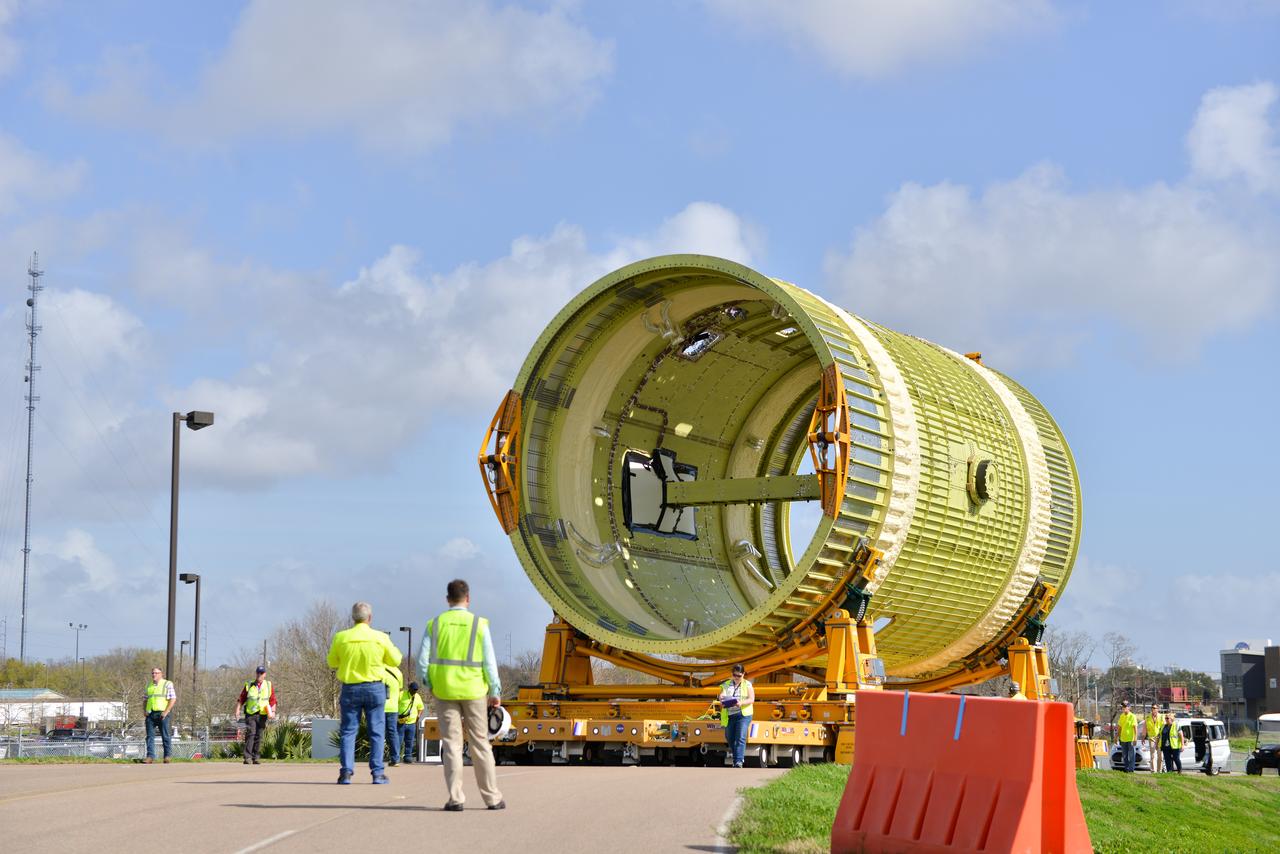
Intertank STA
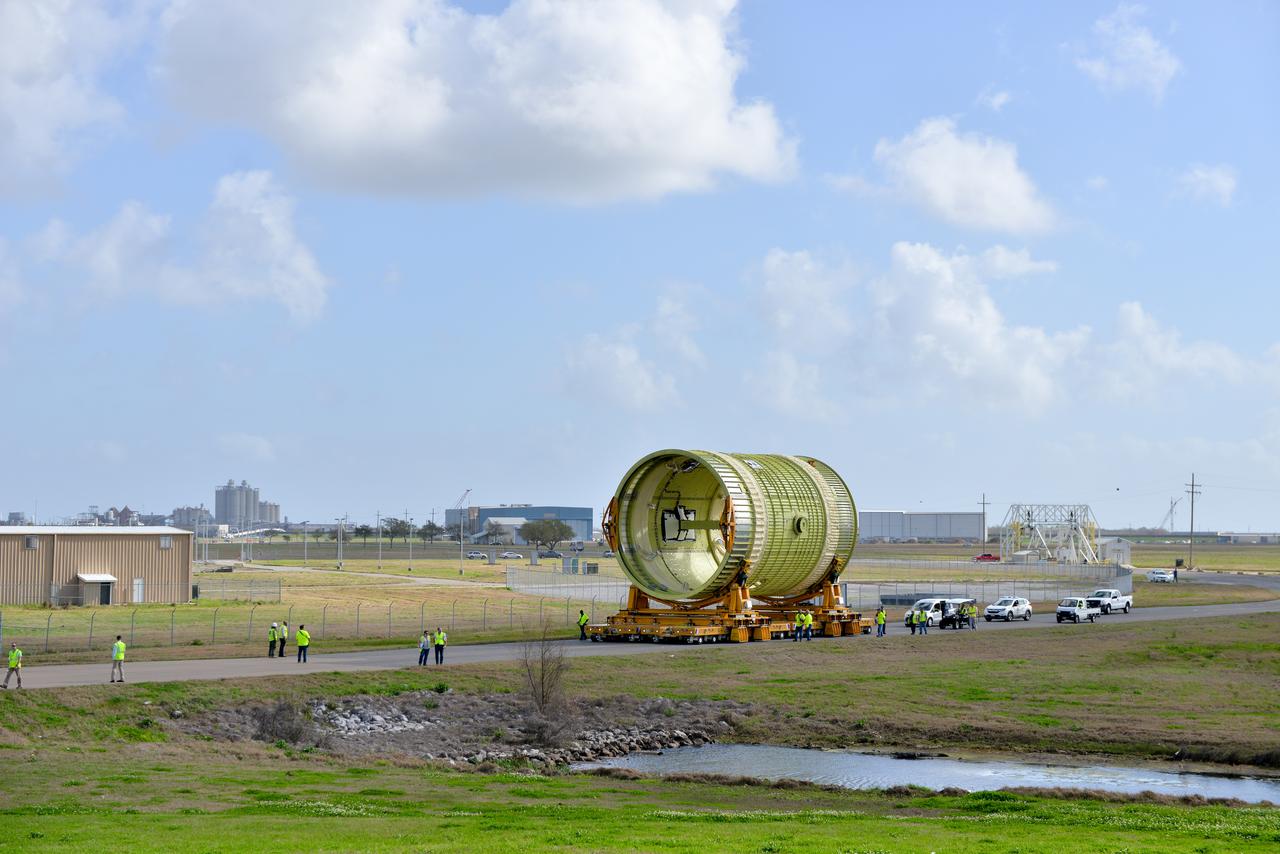
Intertank STA
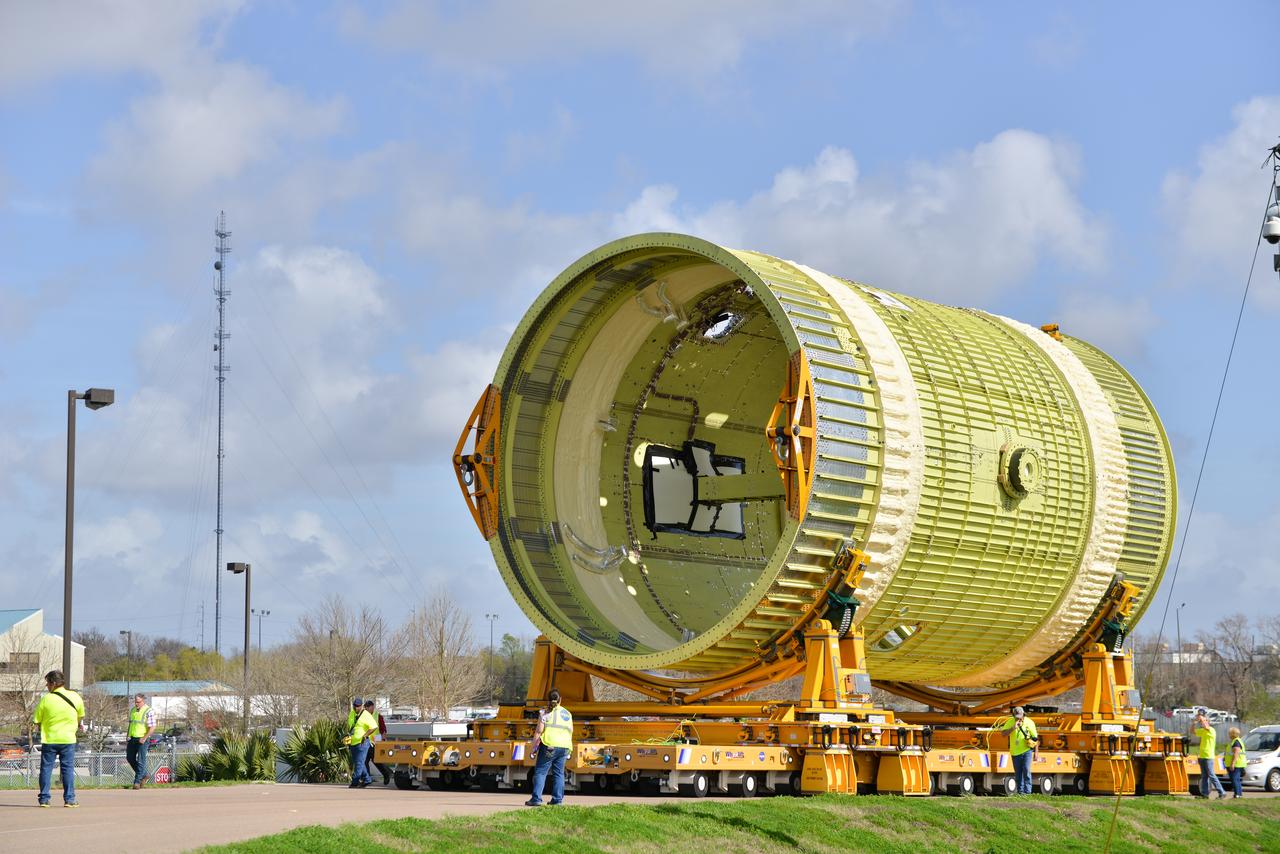
Intertank STA
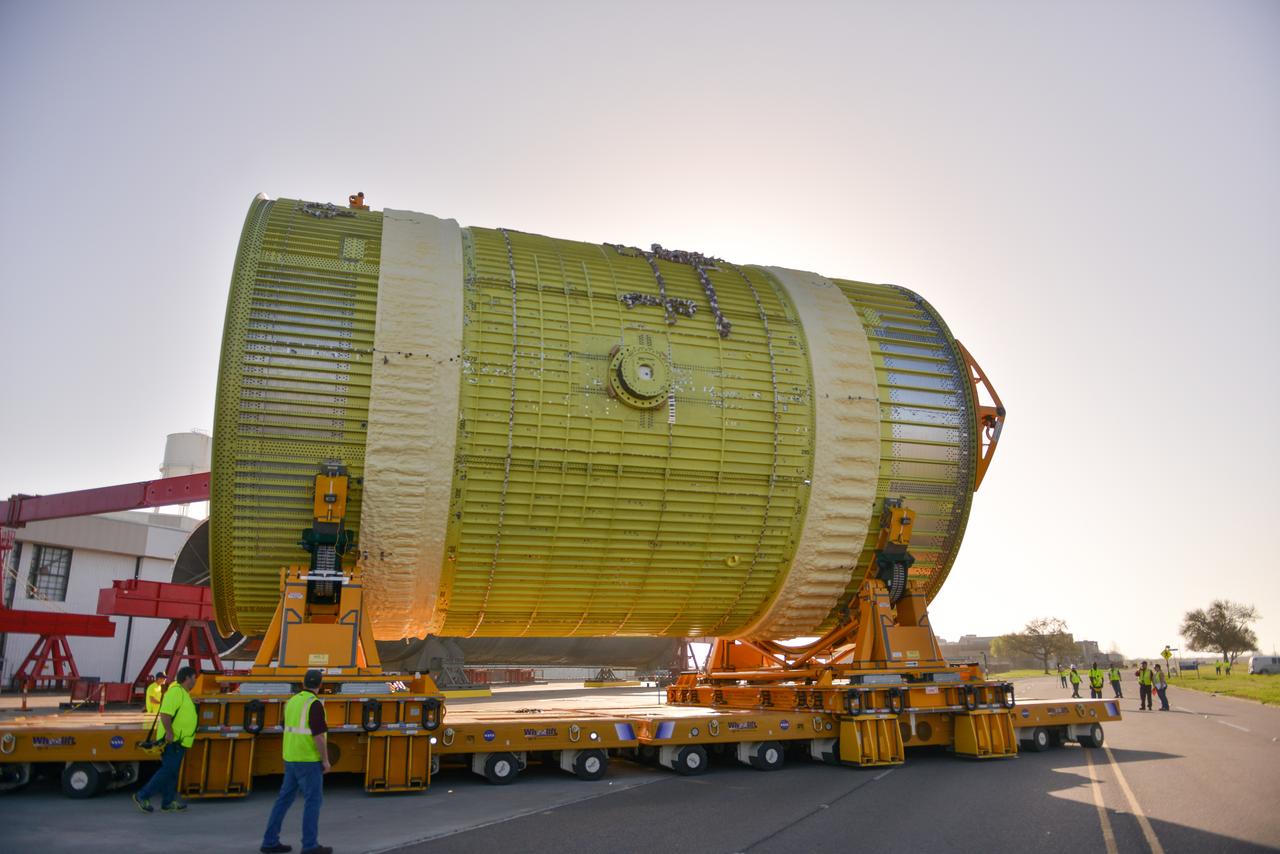
Intertank STA heading to the Pegasus Barge
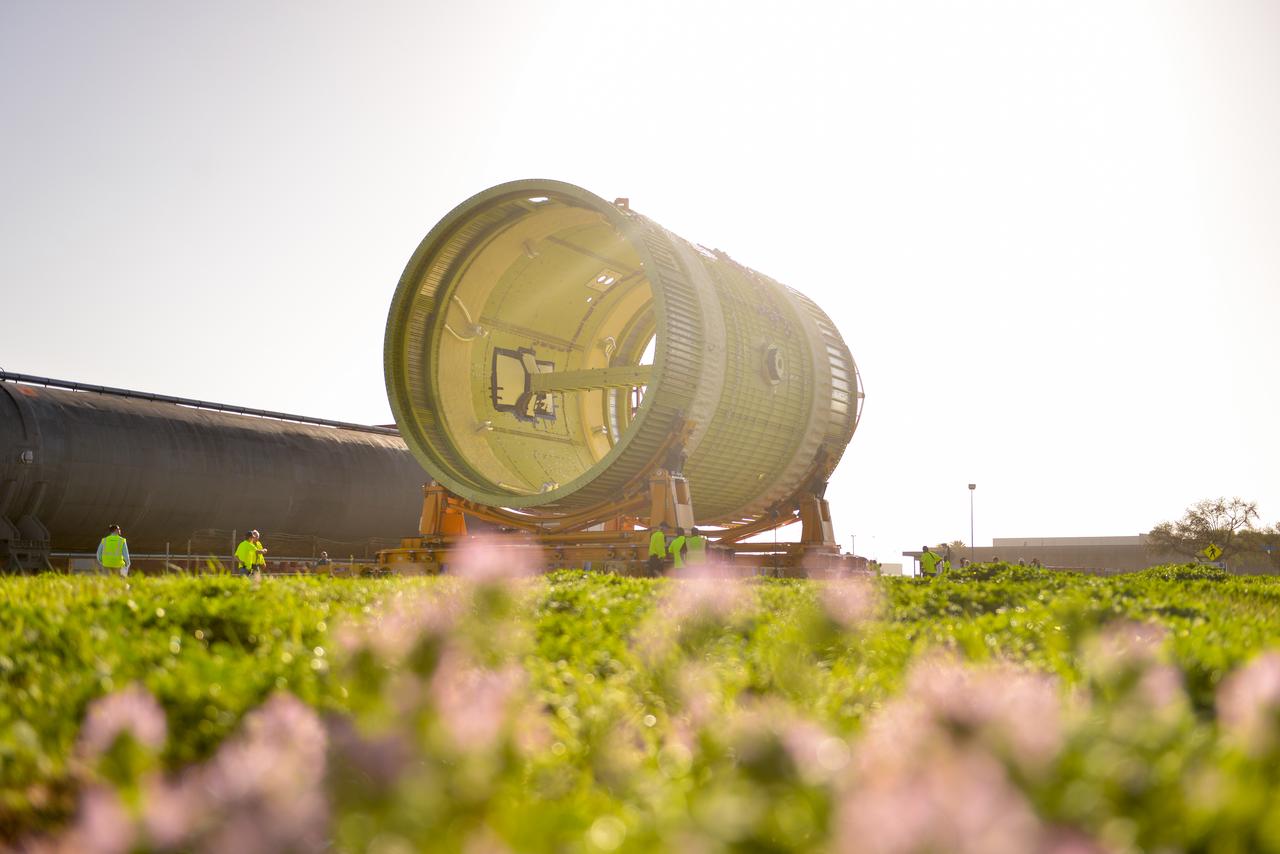
Intertank STA on way to the Pegasus Barge.
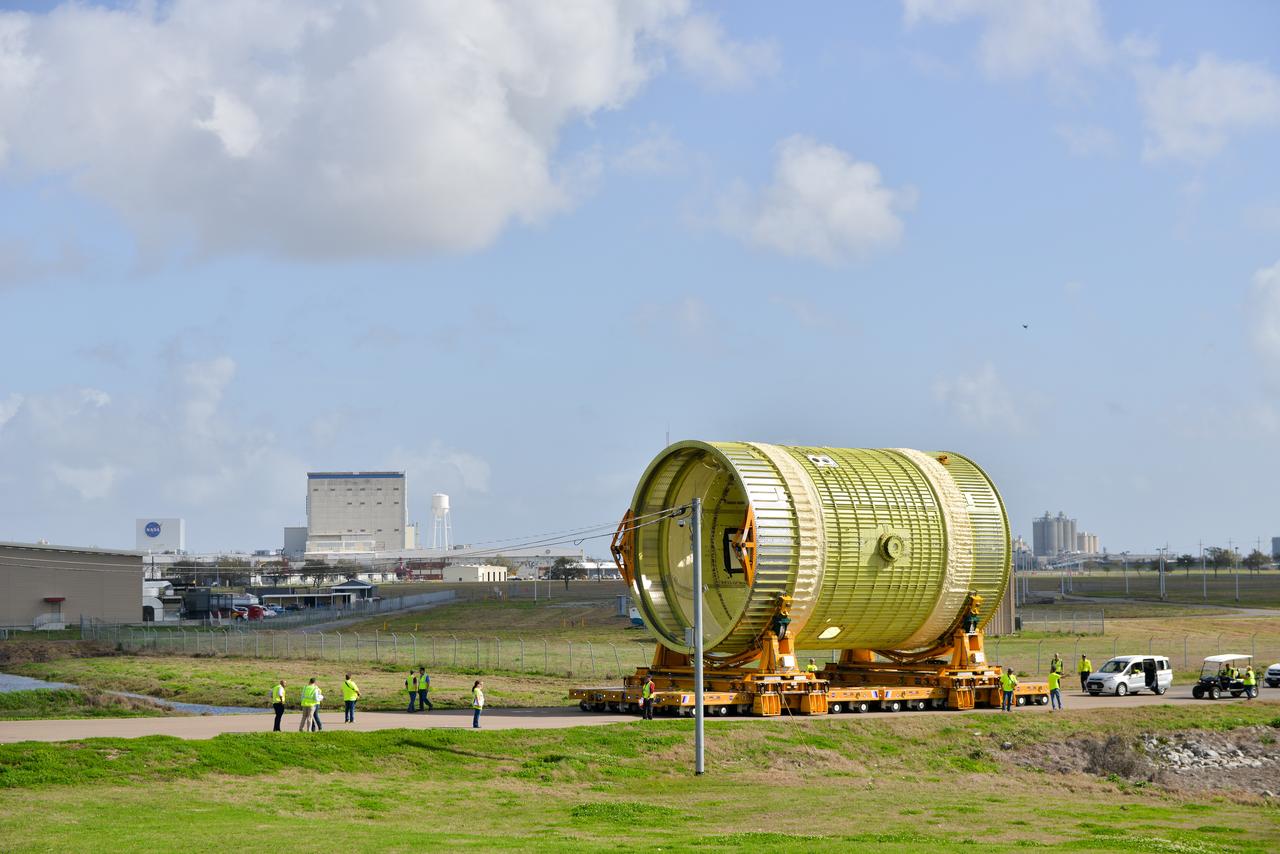
Intertank STA en route to the Barge, Pegasus.
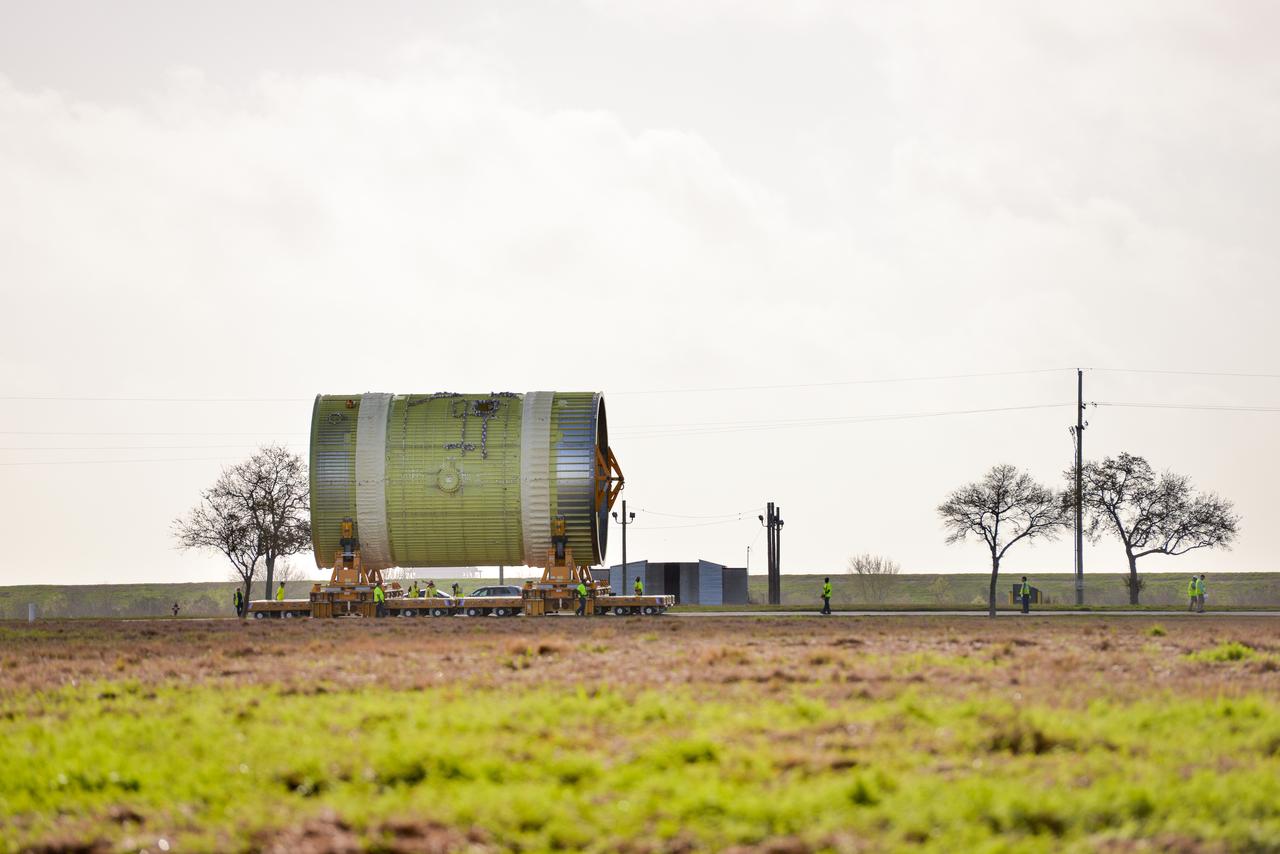
Intertank STA en route to the NASA Barge, Pegasus.
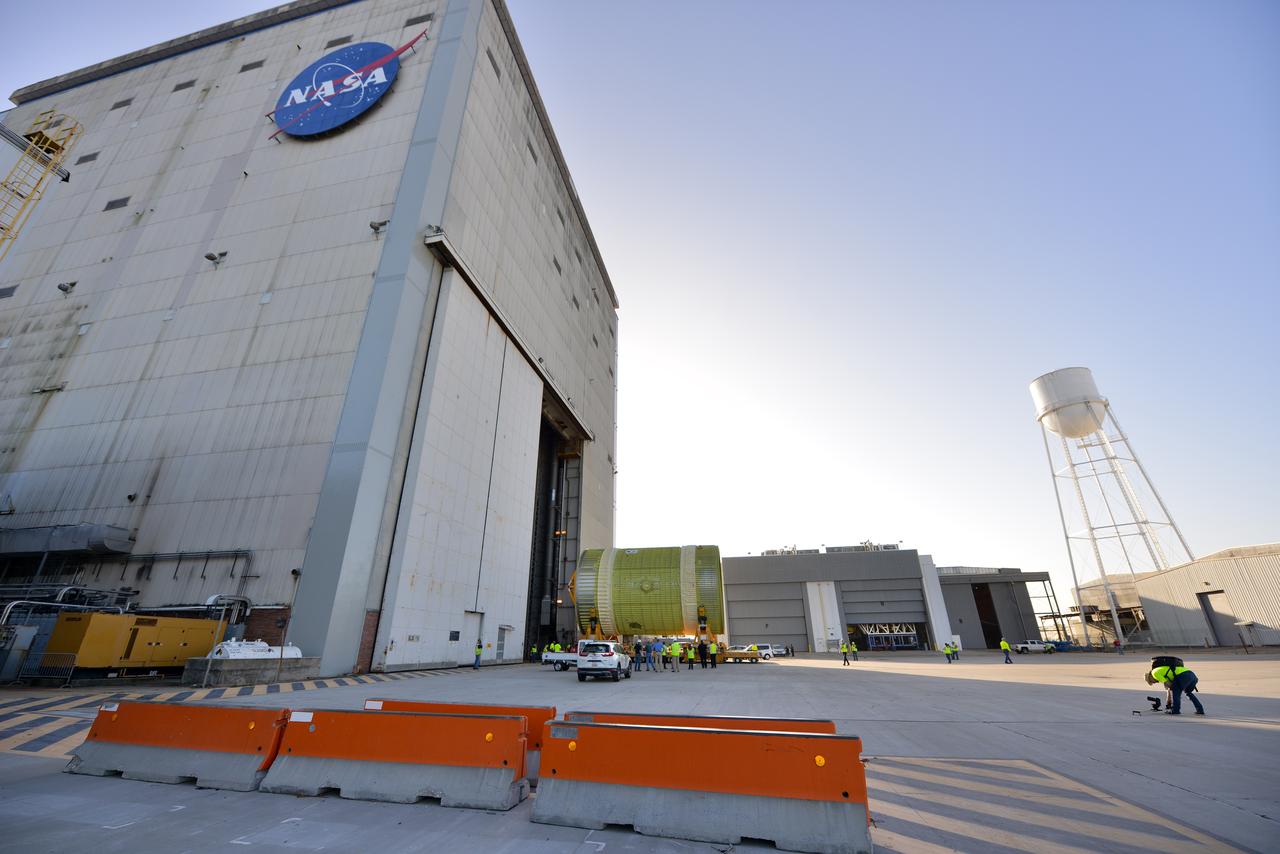
Intertank STA leaves it's holding area to begin the journey to the barge.
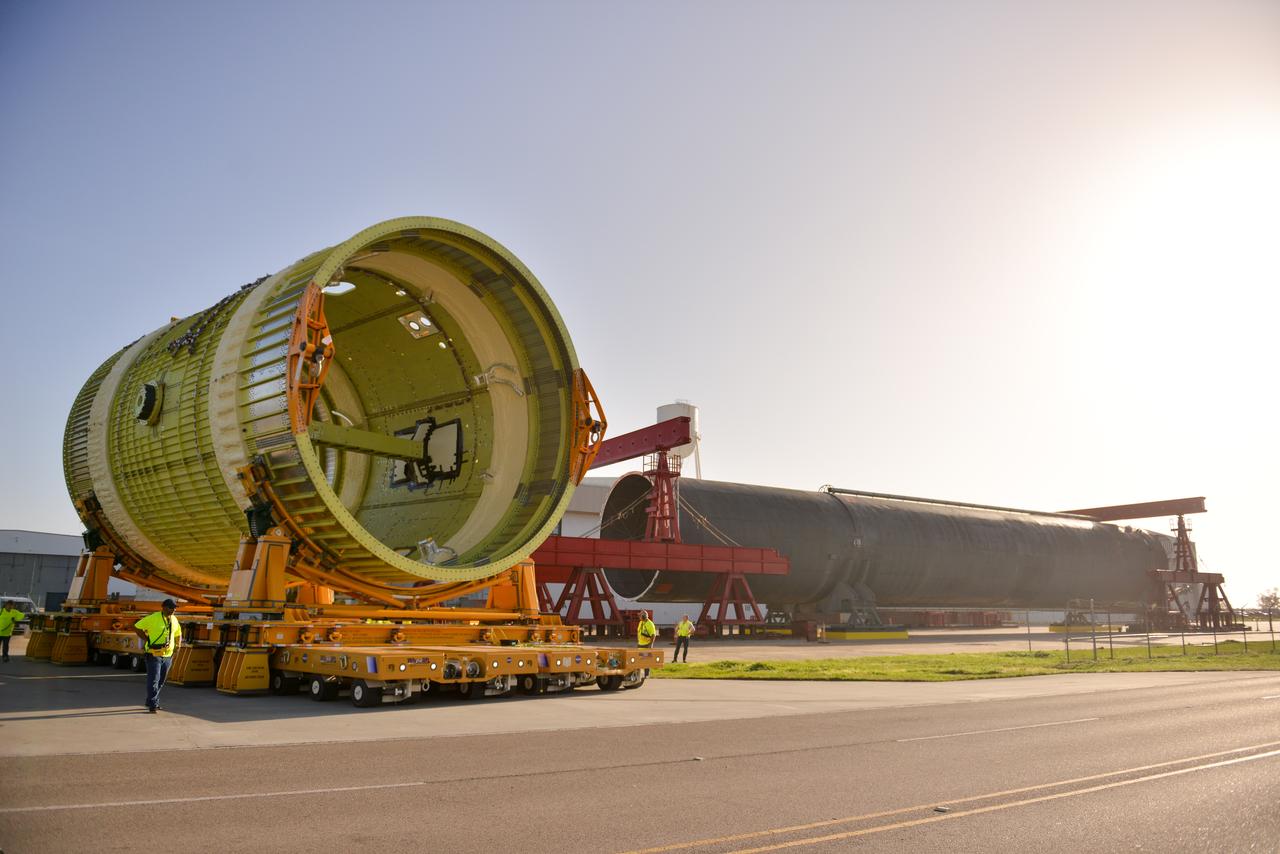
Intertank STA passes the Core Stage Pathfinder on it's way to the Pegasus Barge.
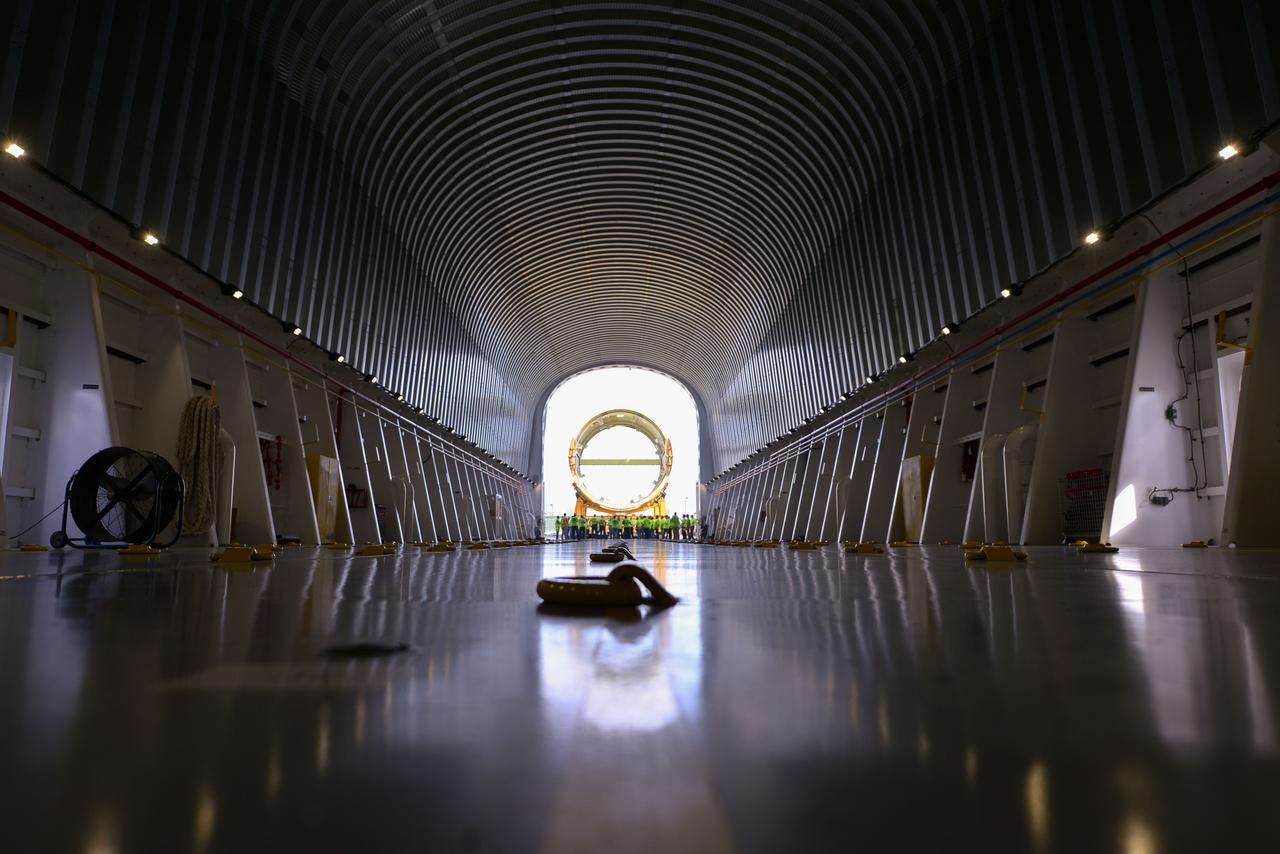
The S3 Move Crew holds a team tag up prior to loading the Intertank STA on the Pegasus Barge.
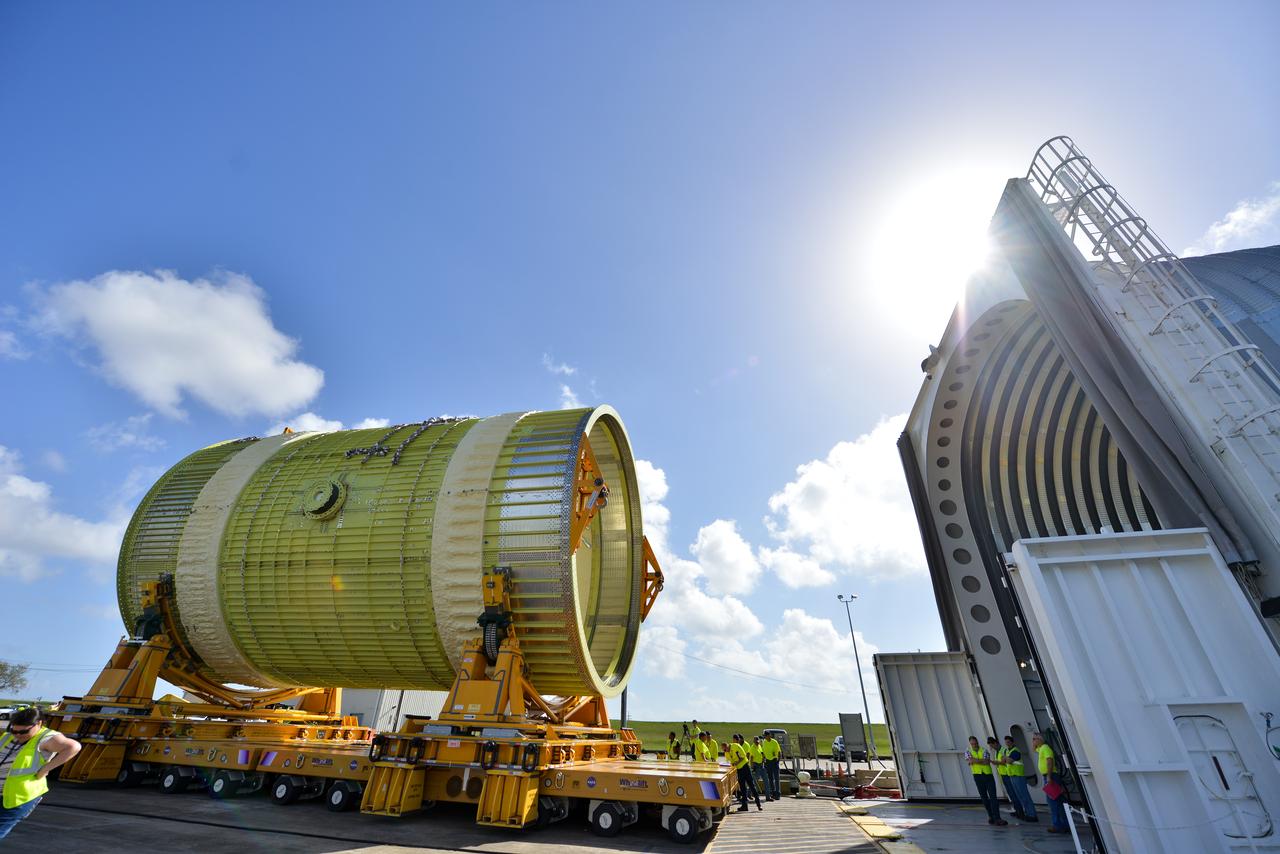
Intertank STA on Pegasus Barge
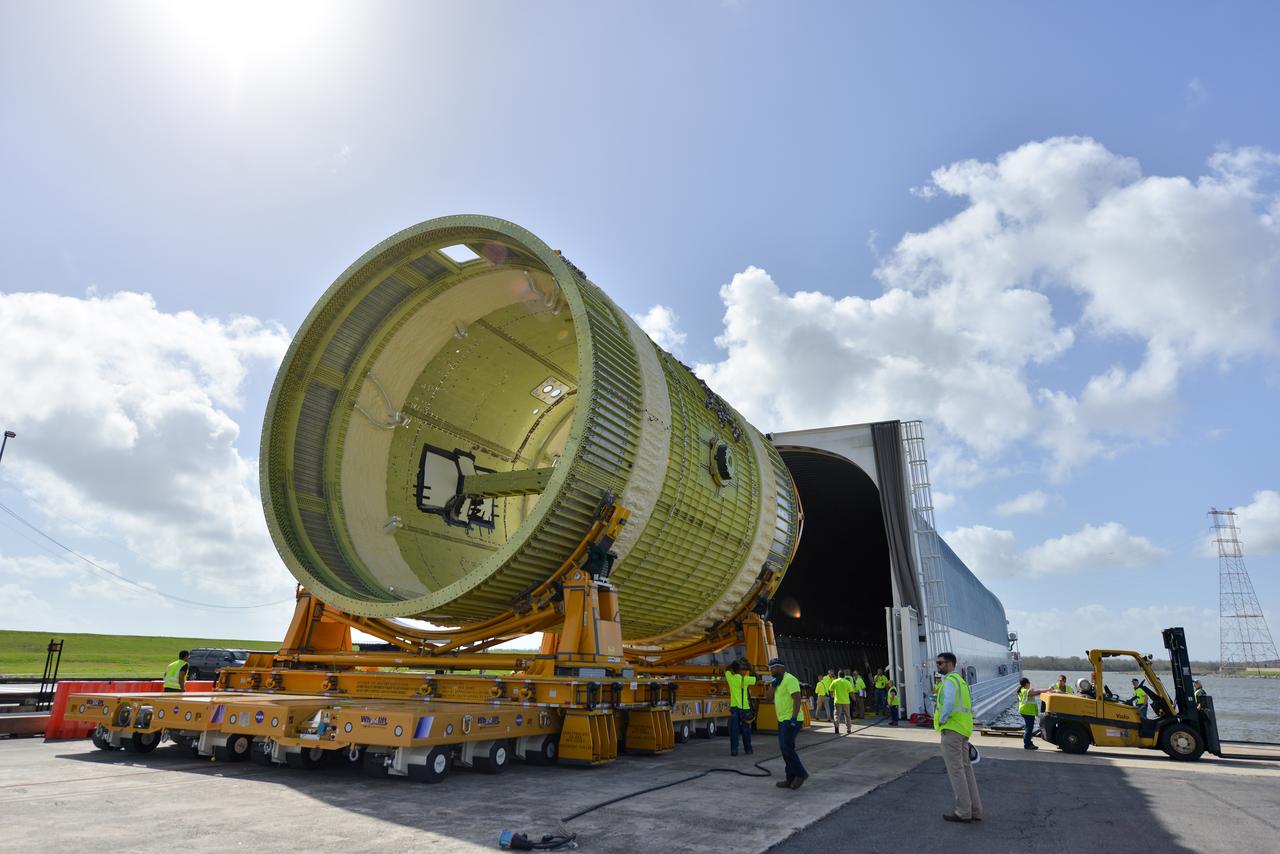
Intertank STA on Pegasus Barge
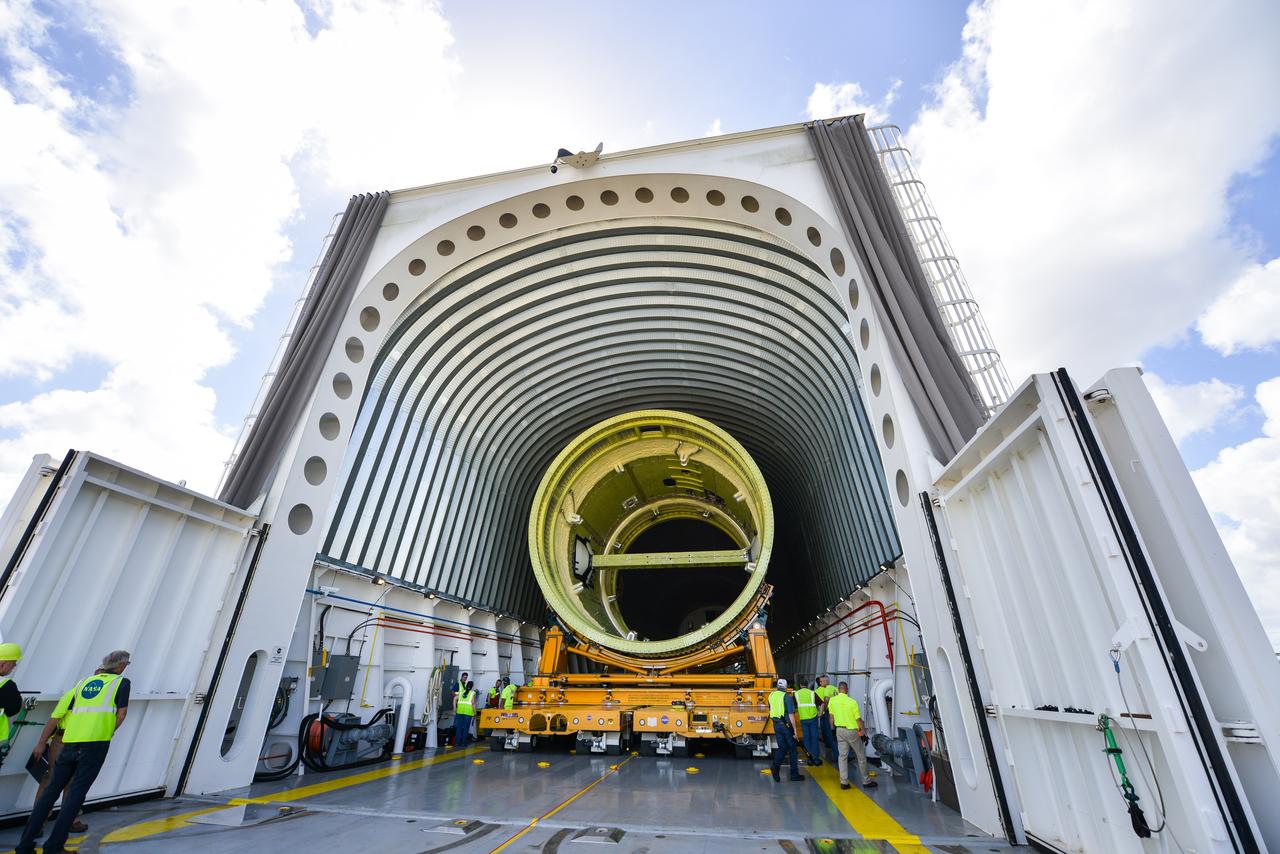
Intertank STA on board the Pegasus Barge.
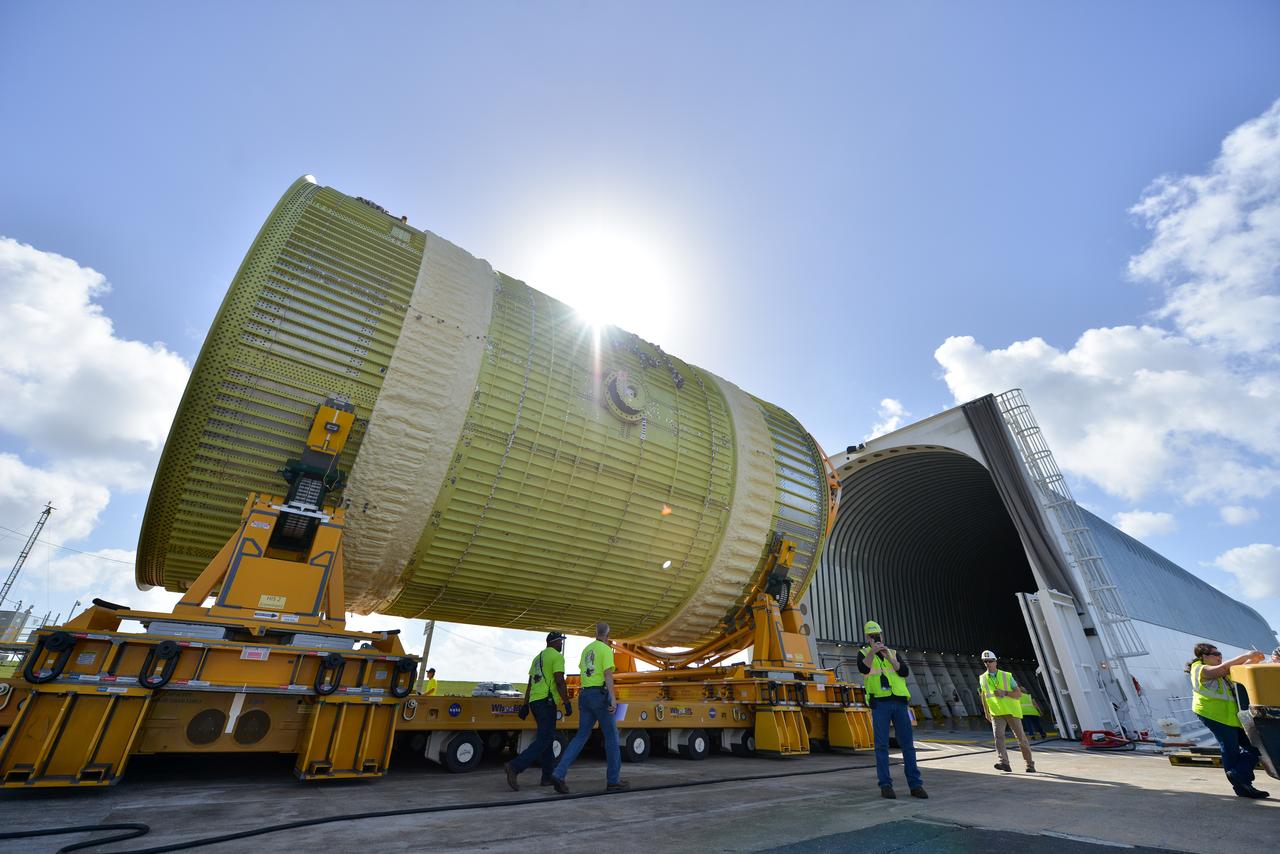
Intertank STA is prepped prior to being loaded on the NASA Barge, Pegasus.
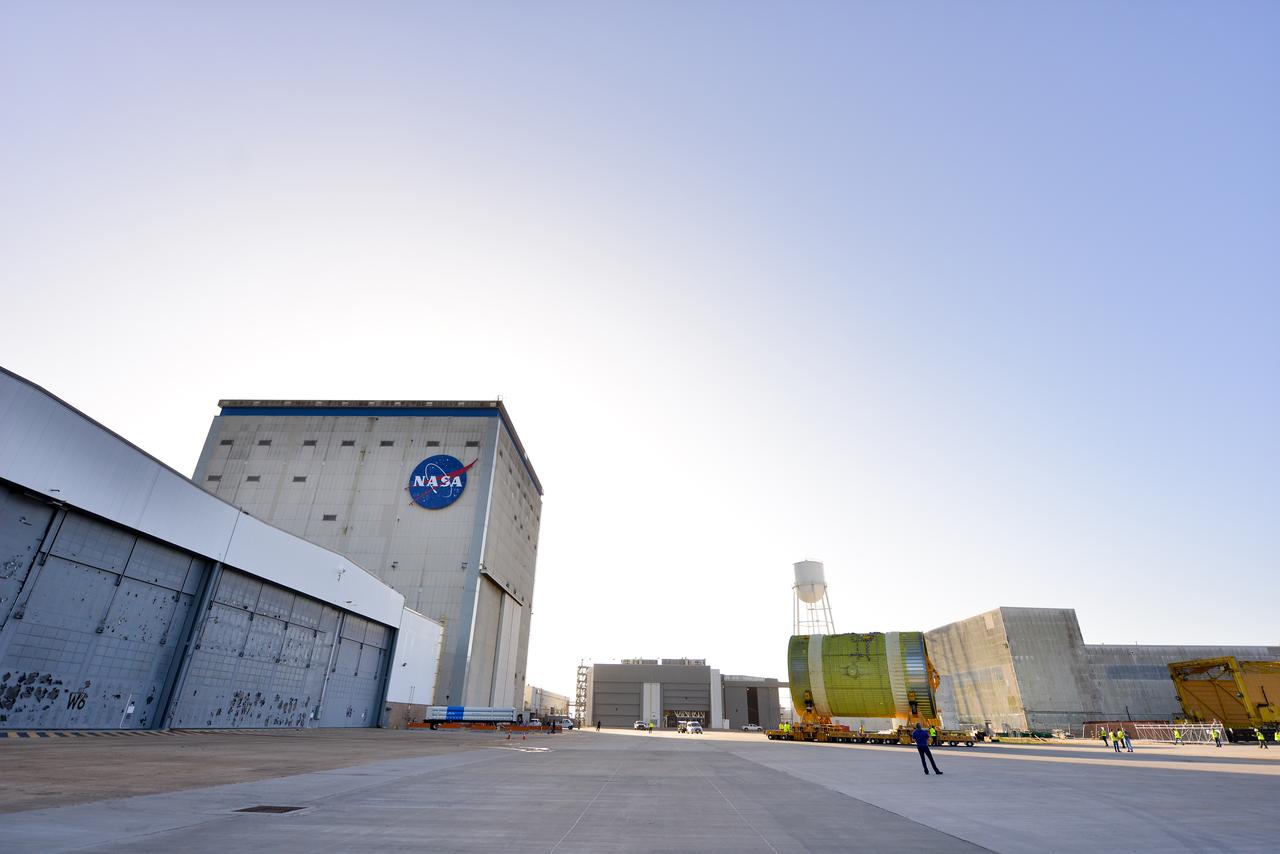
Intertank STA on way to Pegasus Barge
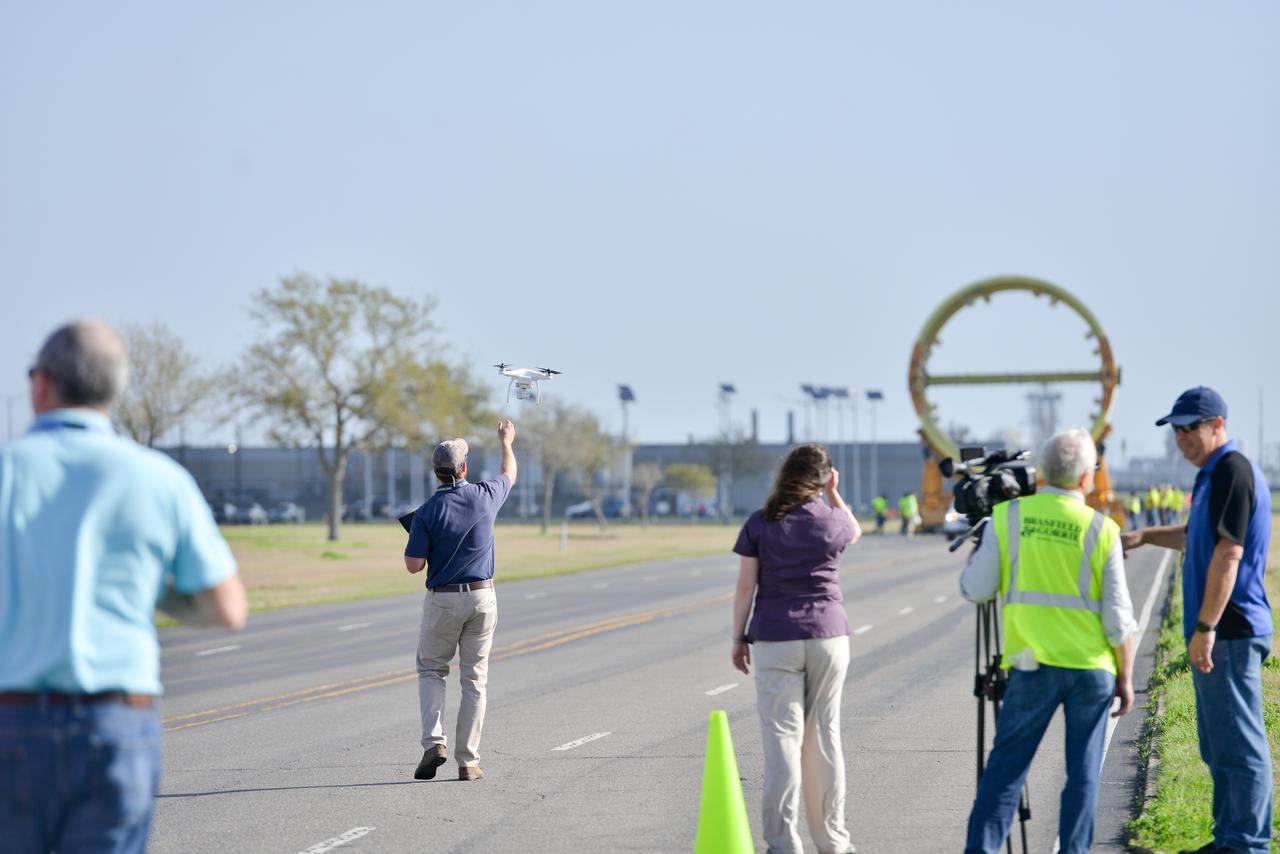
Drone Crew and Media Services document the Intertank STA en route to Pegasus.
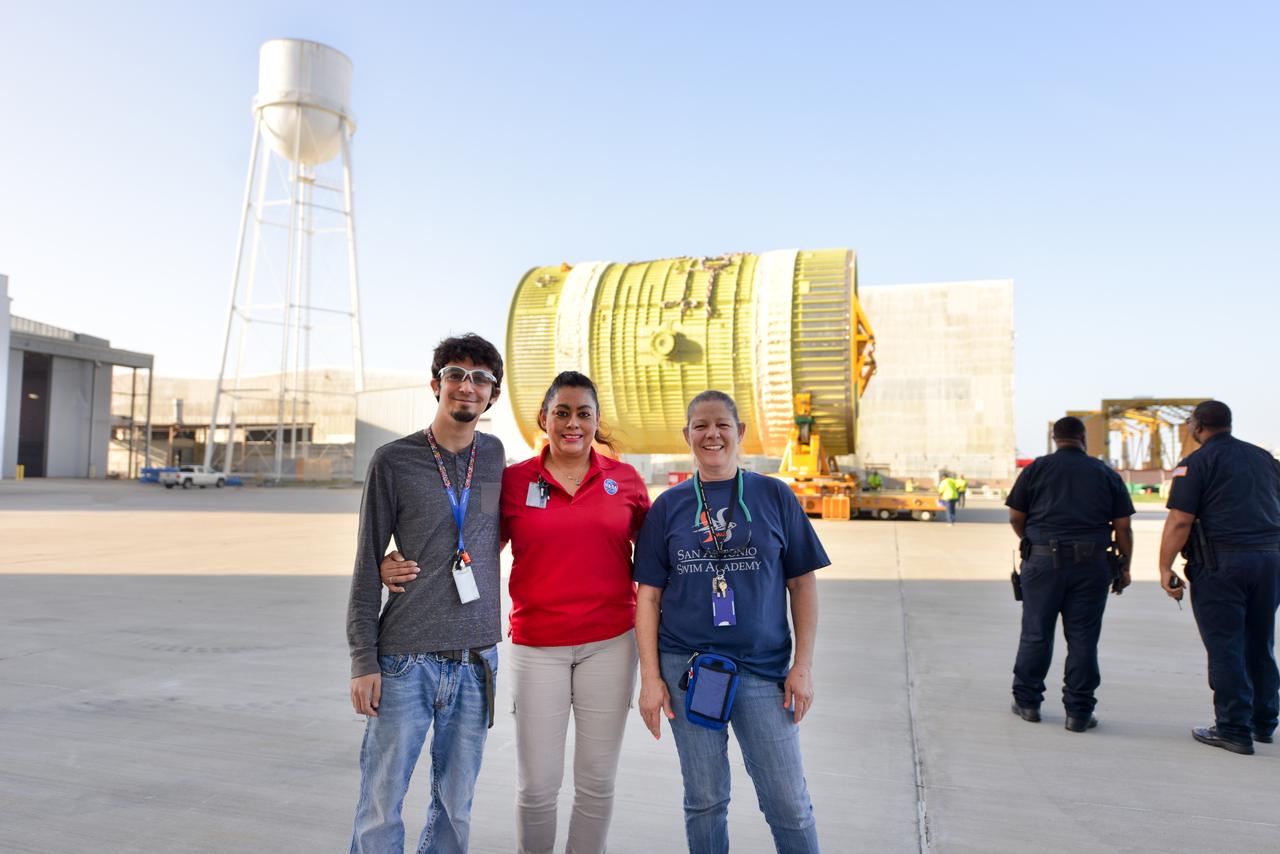
Boeing technicians that installed sensors inside of the Intertank STA.
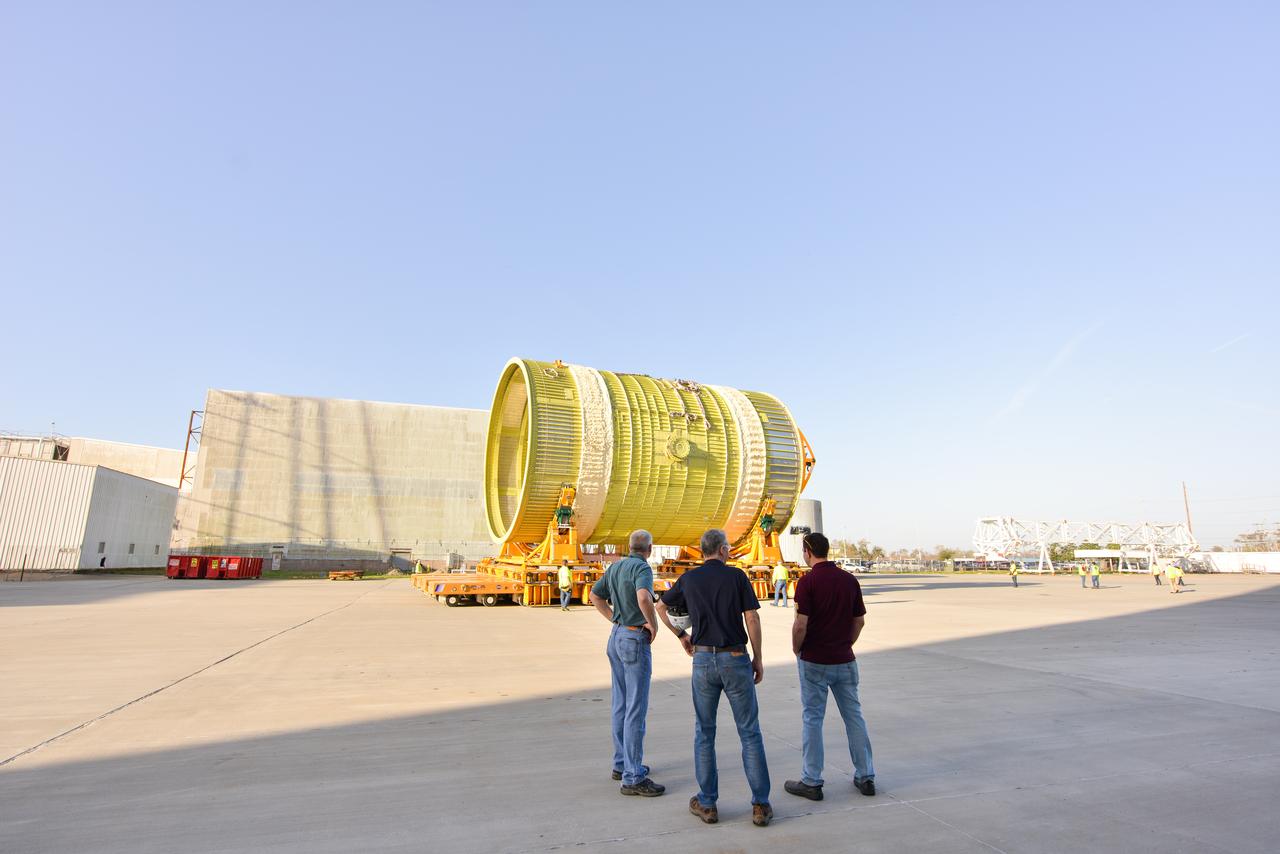
Intertank STA en route to Pegasus Barge
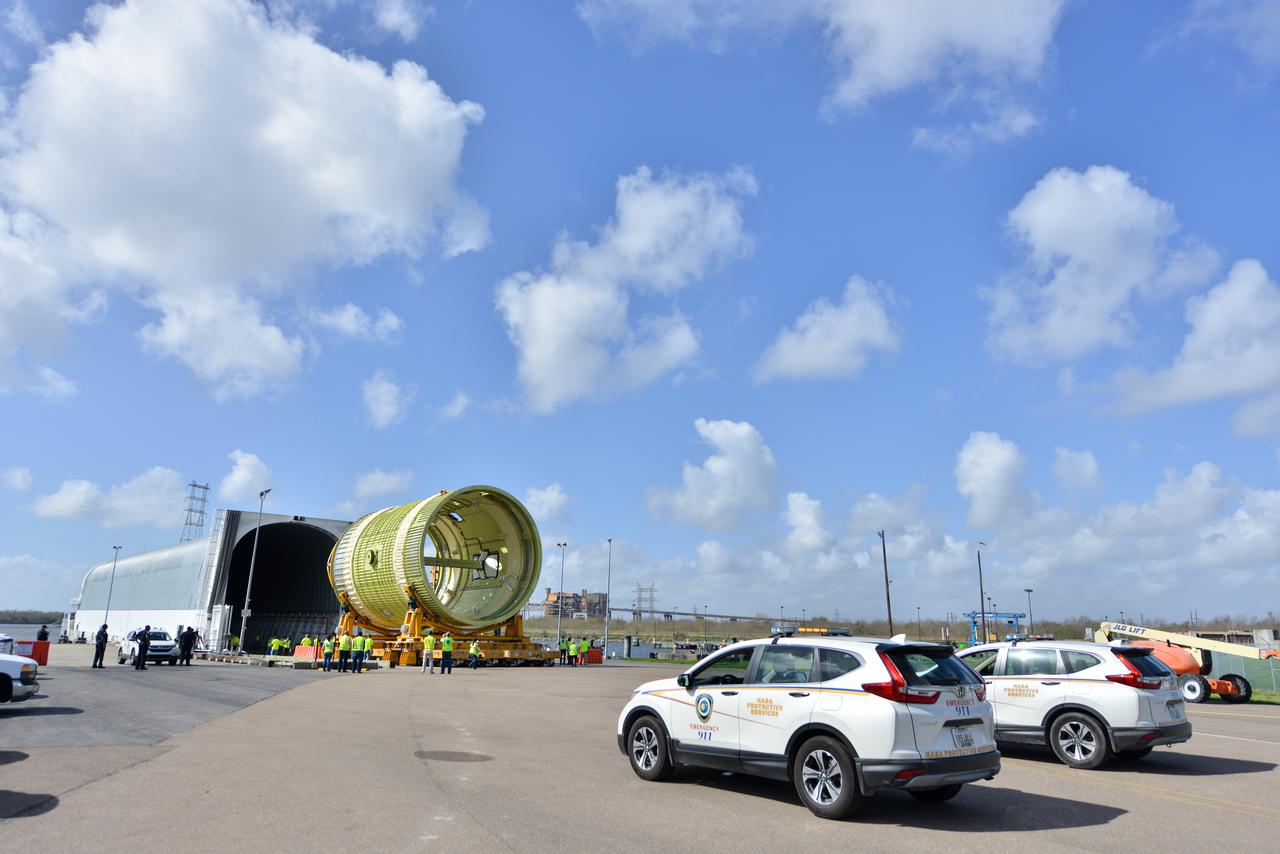
Michoud Protective Services escorts Intertank STA to Pegasus.
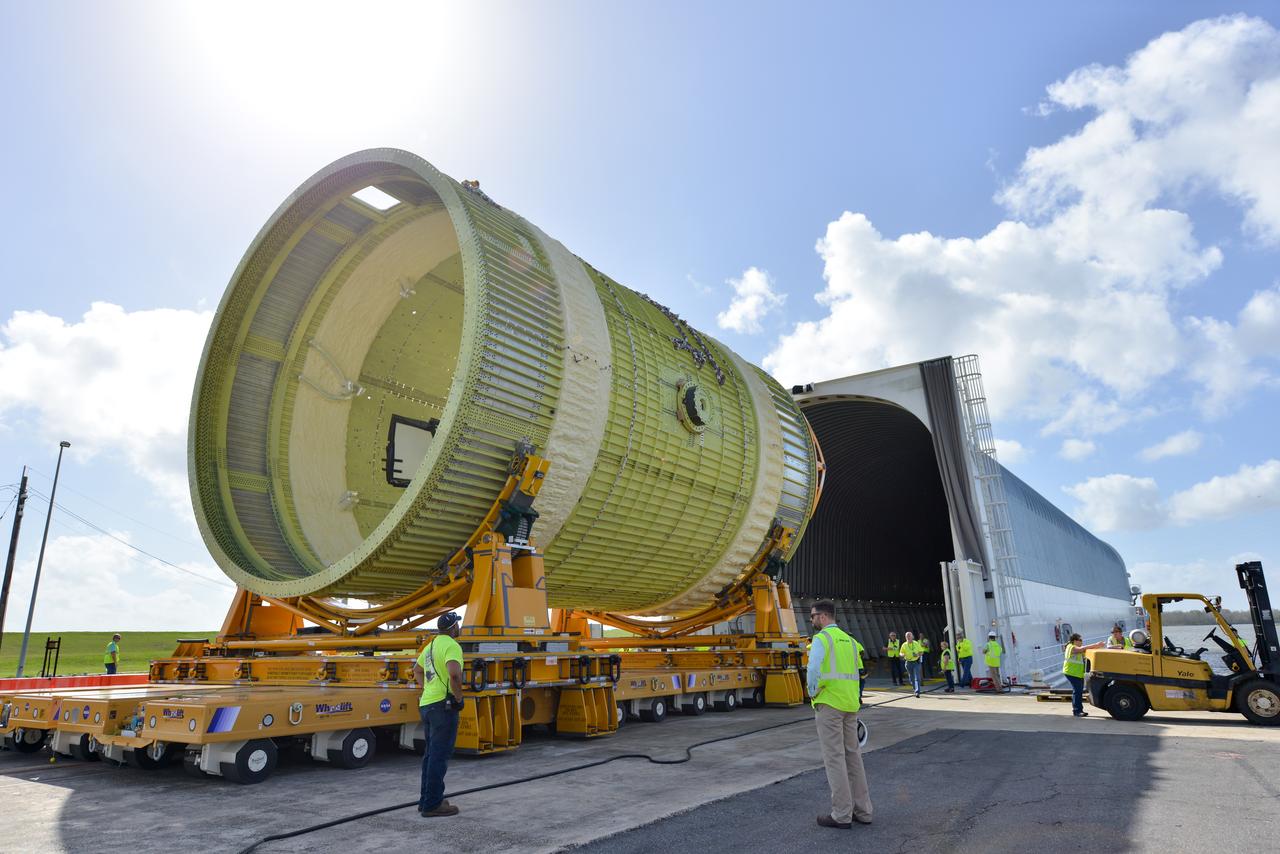
Intertank STA awaits loading onto the Pegasus Barge
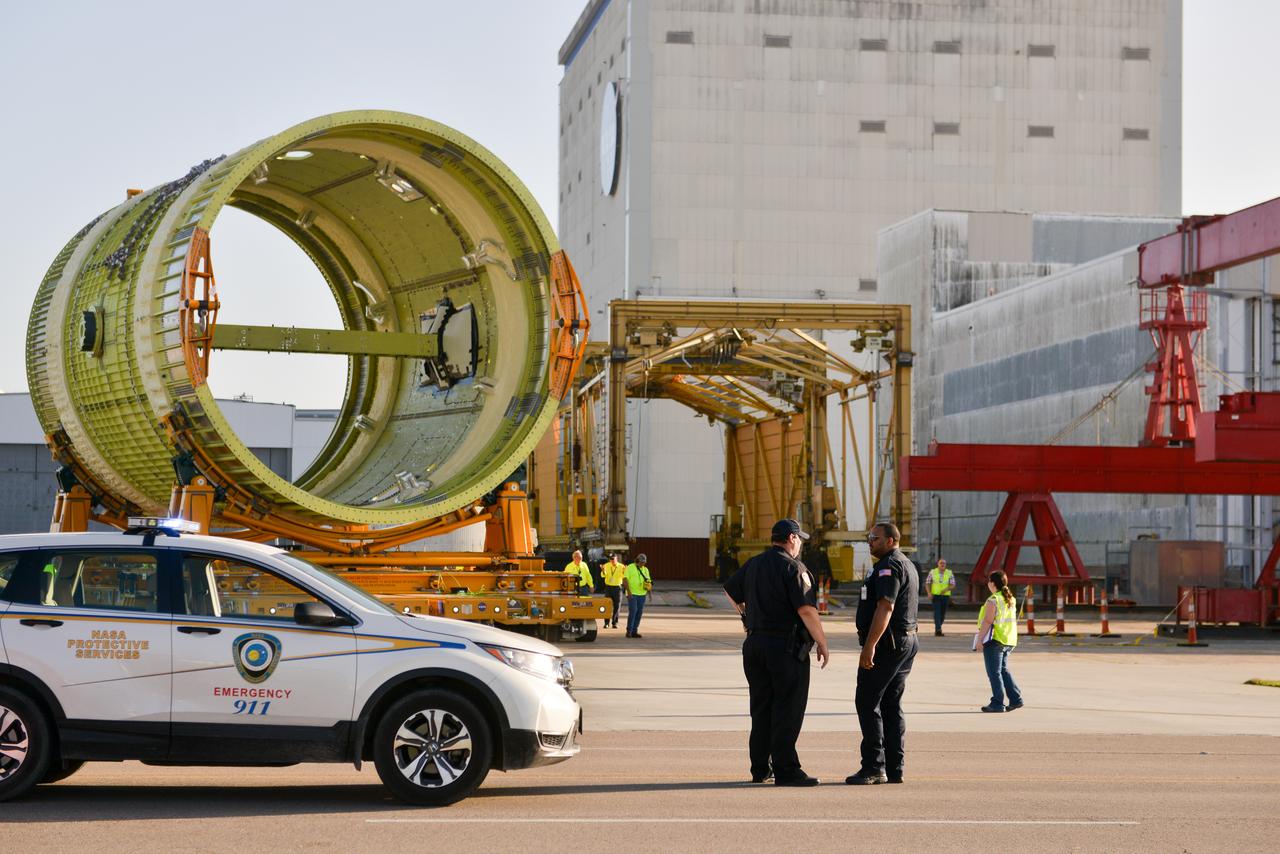
Intertank STA en route to Pegasus, while the Michoud Protective Services guides the route.
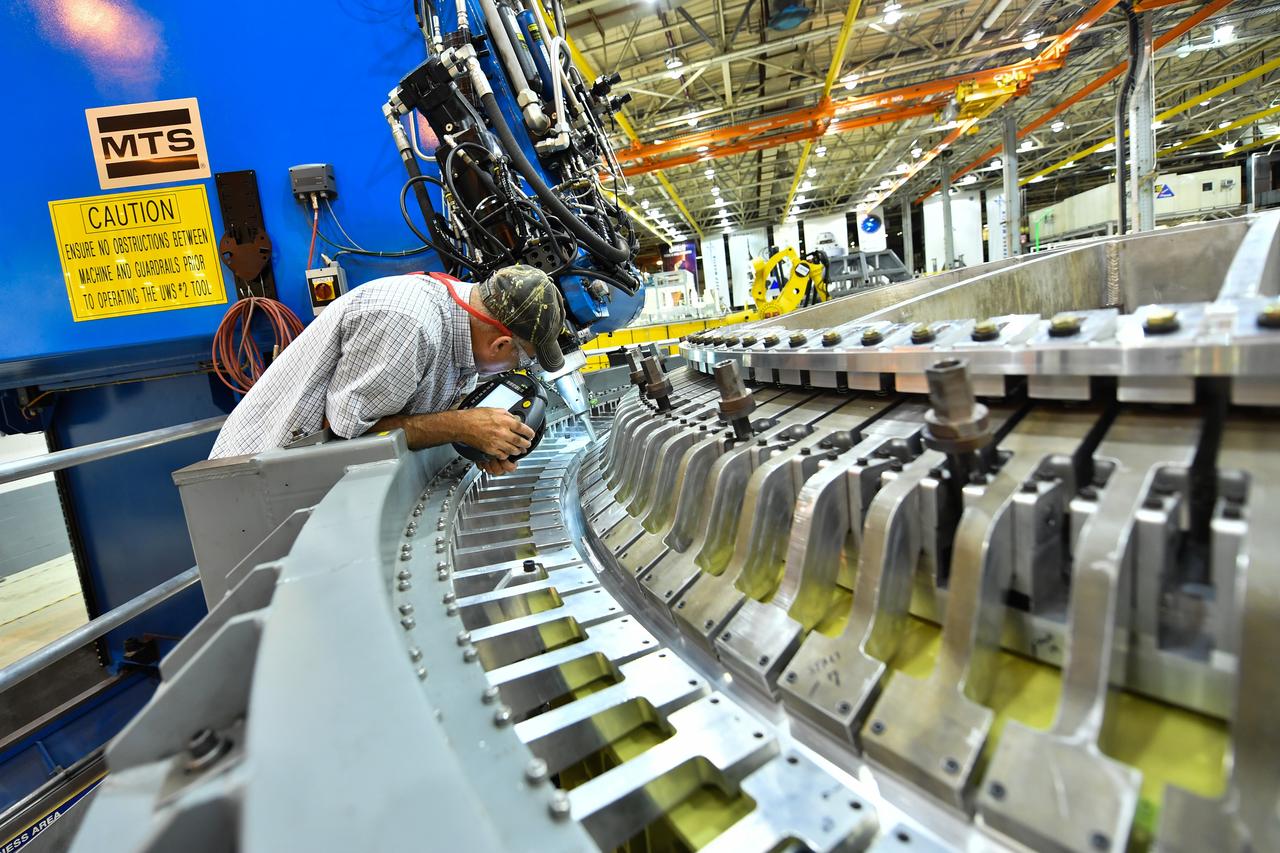
Orion STA PV4 Weld
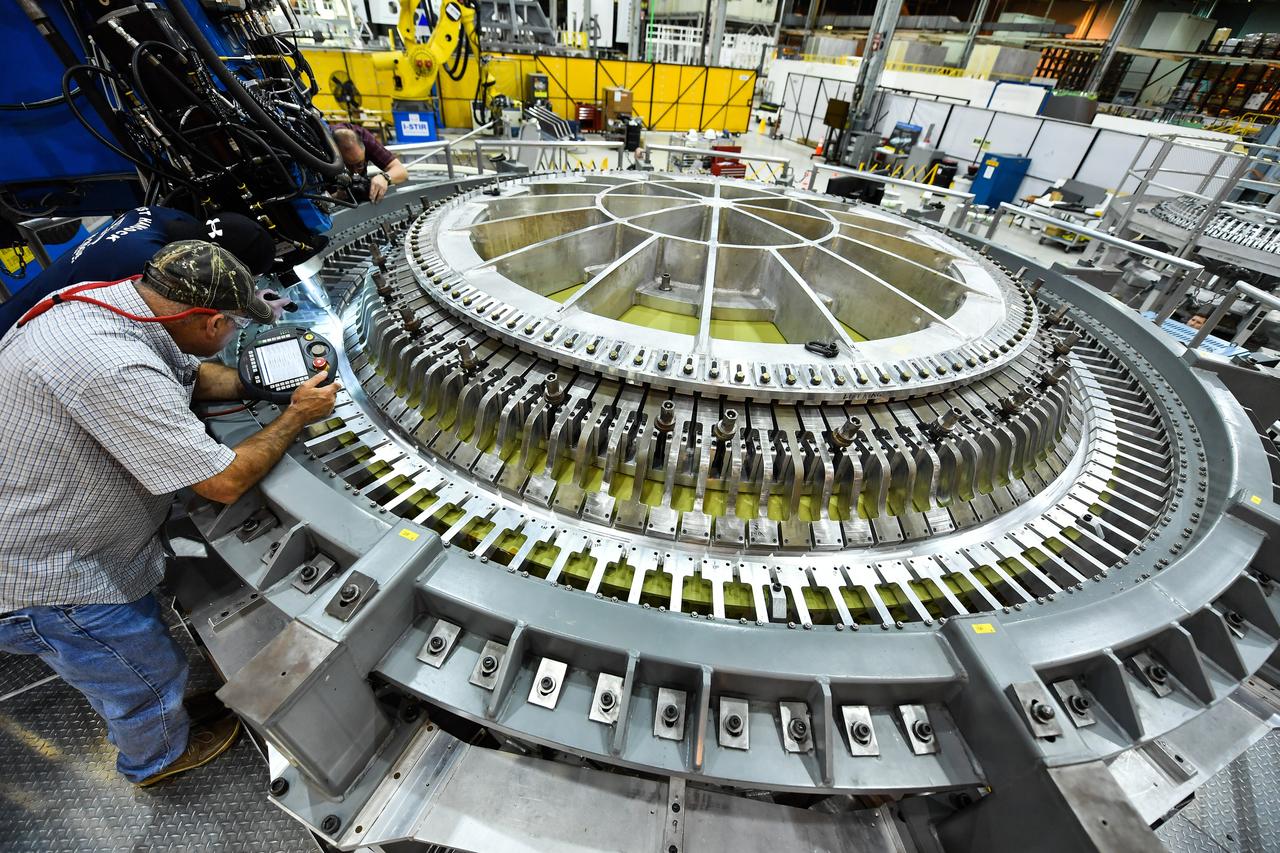
Orion STA PV4 Weld
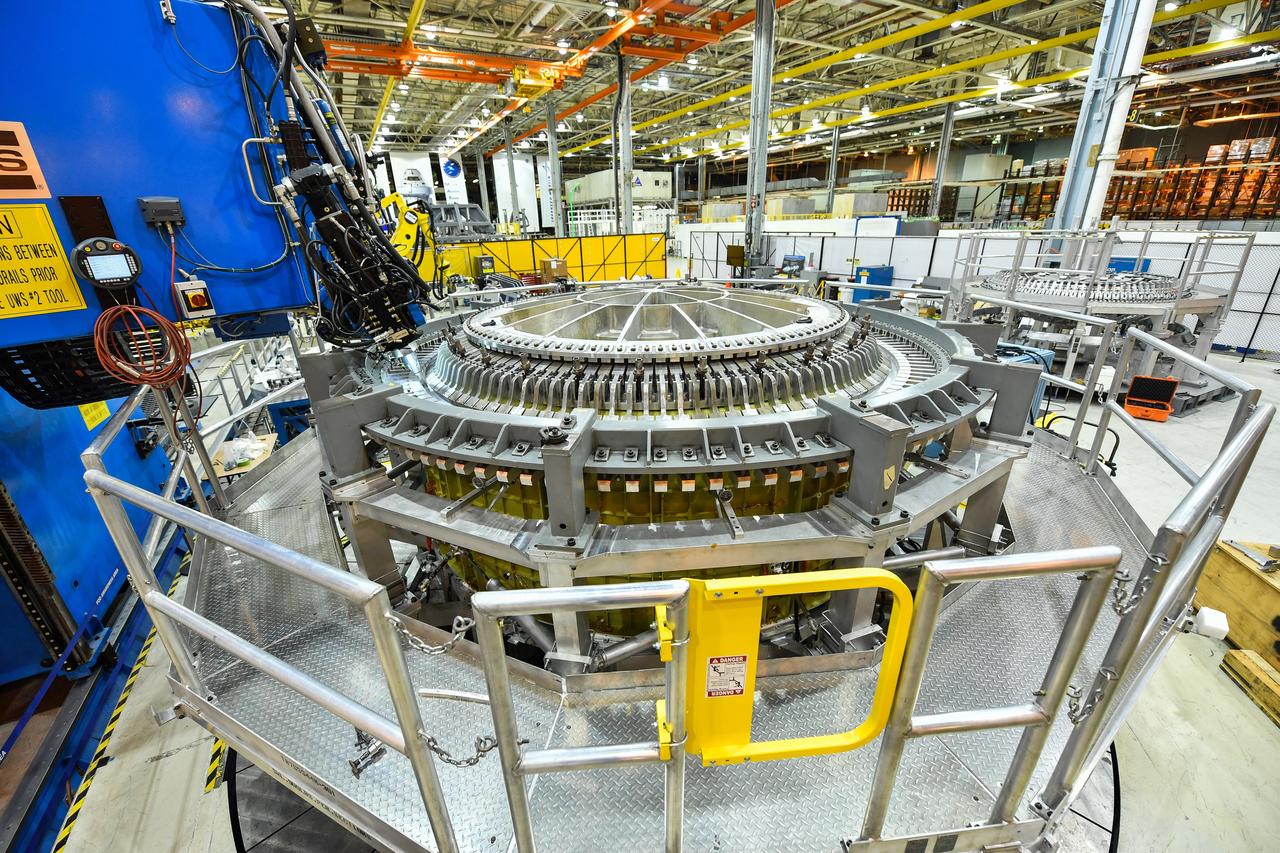
Orion STA PV4 Weld
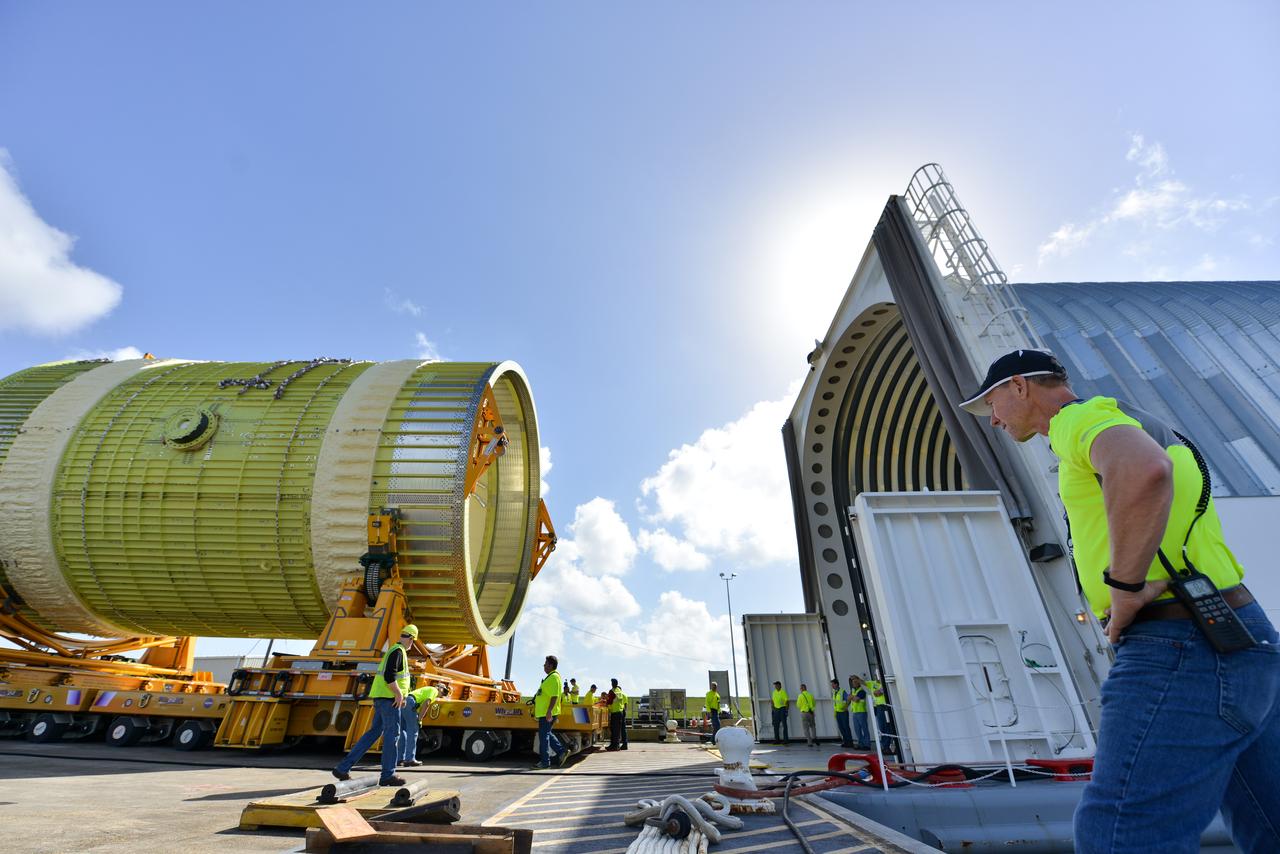
Pegasus Engineer watches the preparations before the move crew loads the Intertank STA on board.
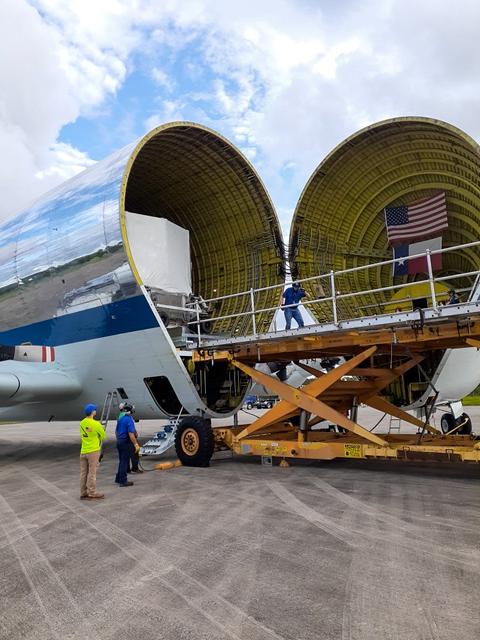
NASA’s Super Guppy arrives at Kennedy Space Center’s Launch and Landing Facility in Florida on Sept. 11, 2020, carrying the Orion Service Module Structural Test Article (SM-STA). Composed of the European Service Module (ESM) and crew module adapter (CMA), these components mark the completion of the test campaign to certify Orion’s Service Module for Artemis I. The Orion SM-STA is being offloaded for transport to the Neil Armstrong Operations and Checkout Building. The first in a series of increasingly complex missions, Artemis I will test the Orion spacecraft and Space Launch System as an integrated system ahead of crewed flights to the Moon. Under the Artemis program, NASA will land the first woman and the next man on the Moon by 2024. Photo credit:
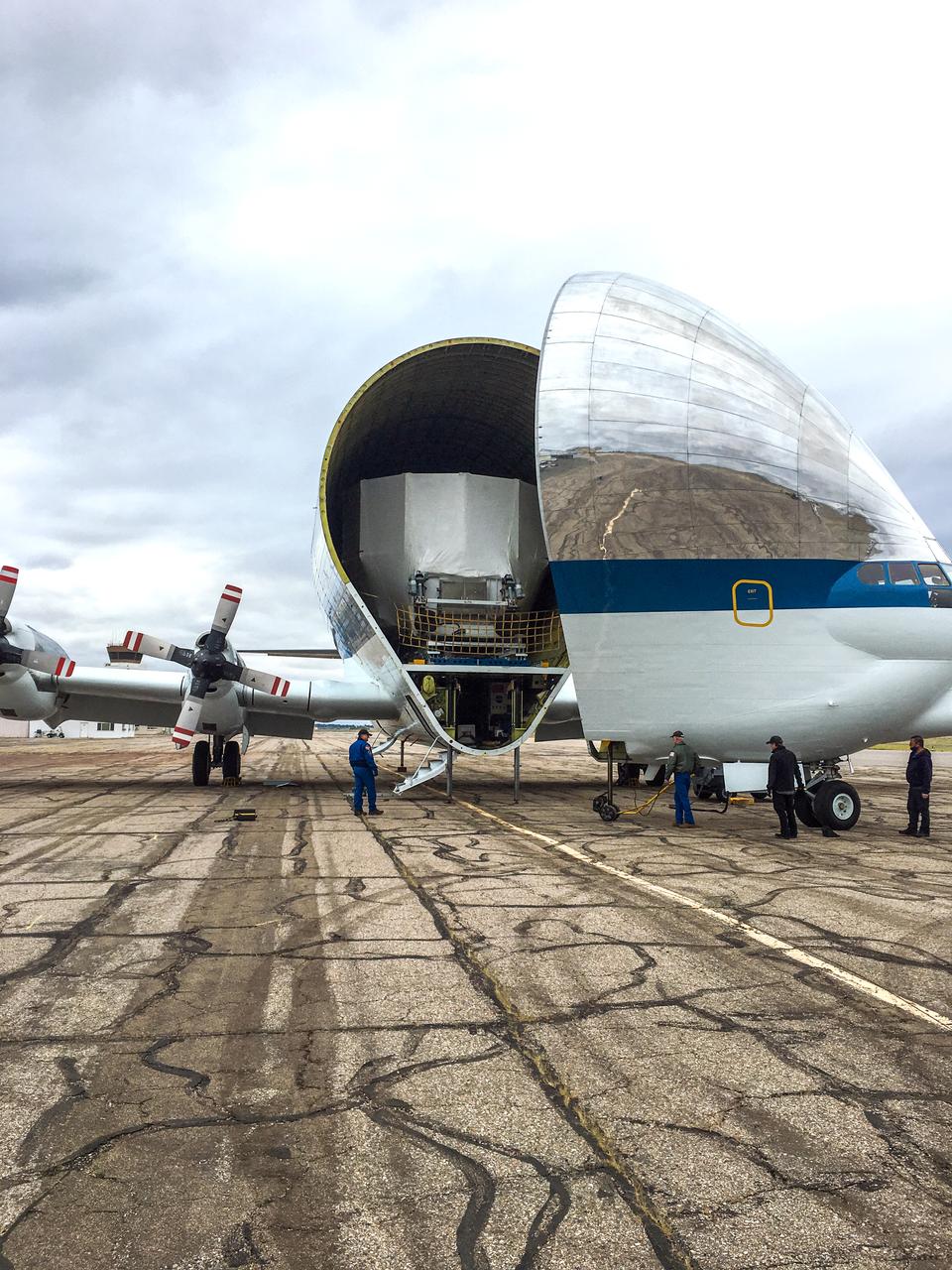
NASA’s Super Guppy arrives at Kennedy Space Center’s Launch and Landing Facility in Florida on Sept. 11, 2020, carrying the Orion Service Module Structural Test Article (SM-STA). Composed of the European Service Module (ESM) and crew module adapter (CMA), these components mark the completion of the test campaign to certify Orion’s Service Module for Artemis I. The Orion SM-STA is being offloaded for transport to the Neil Armstrong Operations and Checkout Building. The first in a series of increasingly complex missions, Artemis I will test the Orion spacecraft and Space Launch System as an integrated system ahead of crewed flights to the Moon. Under the Artemis program, NASA will land the first woman and the next man on the Moon by 2024.

NASA’s Super Guppy arrives at Kennedy Space Center’s Launch and Landing Facility in Florida on Sept. 11, 2020, carrying the Orion Service Module Structural Test Article (SM-STA). Composed of the European Service Module (ESM) and crew module adapter (CMA), these components mark the completion of the test campaign to certify Orion’s Service Module for Artemis I. The Orion SM-STA is being offloaded for transport to the Neil Armstrong Operations and Checkout Building. The first in a series of increasingly complex missions, Artemis I will test the Orion spacecraft and Space Launch System as an integrated system ahead of crewed flights to the Moon. Under the Artemis program, NASA will land the first woman and the next man on the Moon by 2024.NASA’s Super Guppy arrives at Kennedy Space Center’s Launch and Landing Facility in Florida on Sept. 11, 2020, carrying the Orion Service Module Structural Test Article (SM-STA). Composed of the European Service Module (ESM) and crew module adapter (CMA) these components mark the completion of the test campaign to certify Orion’s Service Module for Artemis I. The Orion SM-STA is being offloaded for transport to the Neil Armstrong Operations and Checkout Building. The first in a series of increasingly complex missions, Artemis I will test the Orion spacecraft and Space Launch System as an integrated system ahead of crewed flights to the Moon. Under the Artemis program, NASA will land the first woman and the next man on the Moon by 2024.
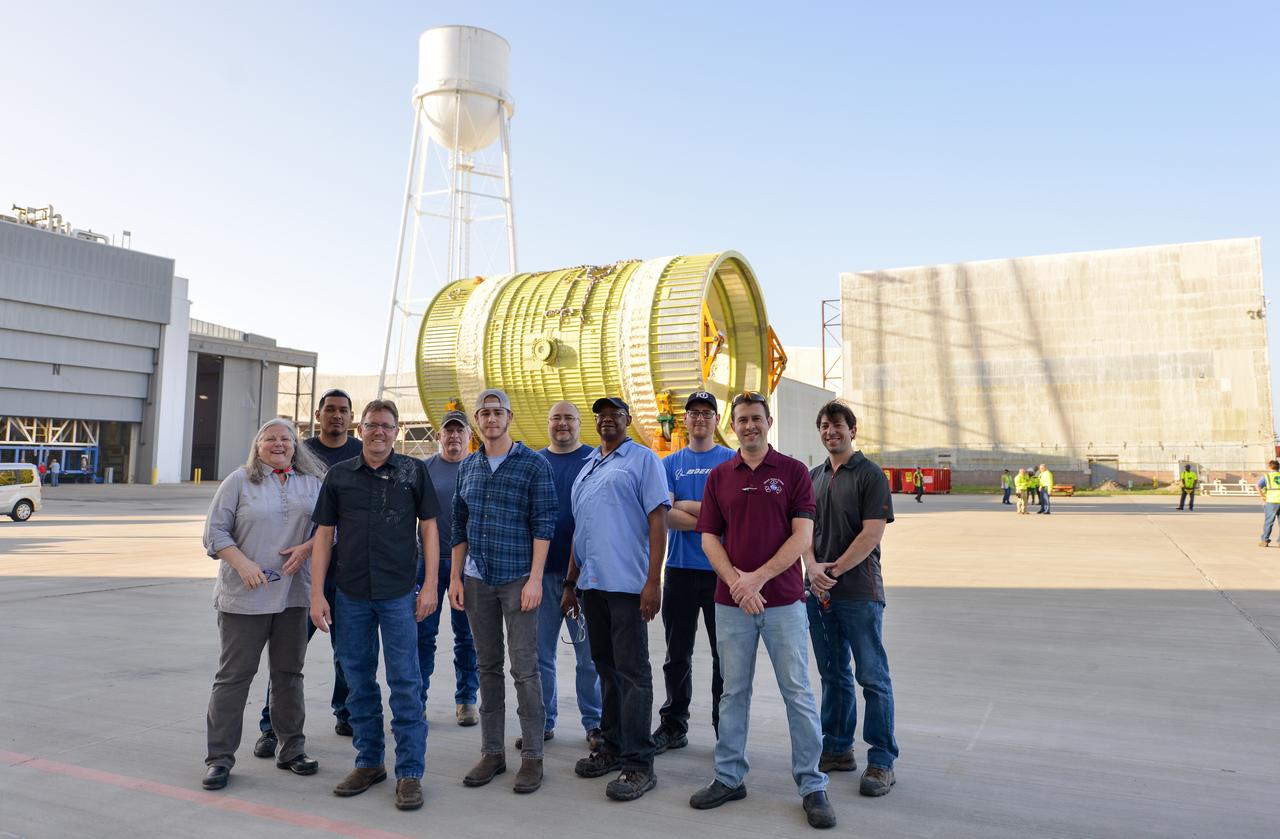
Group photo of the Boeing technicians that built the Intertank Structural Test Article.
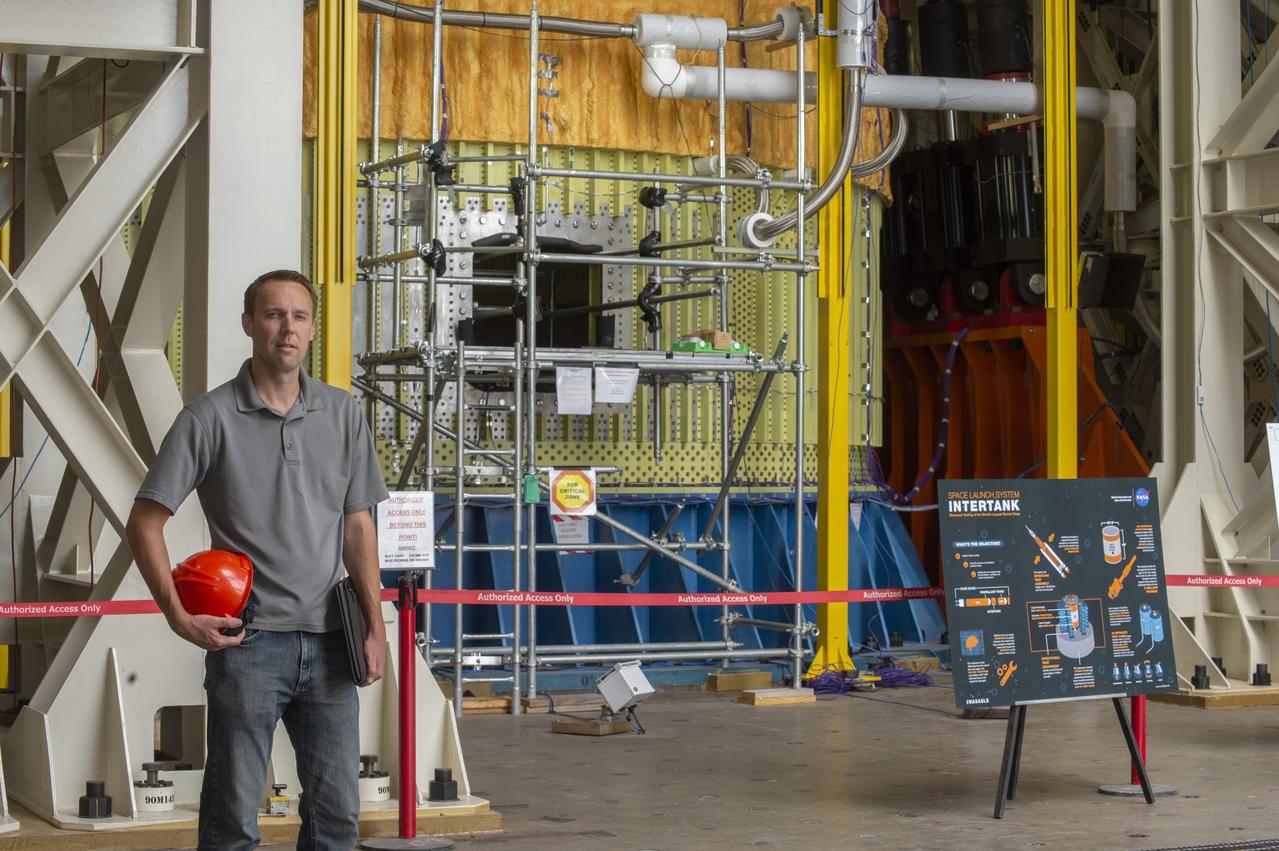
Preston Schmauch, SLS Stages Element Alternate Lead Systems Engineer, oversees testing of the Intertank Structural Test Article (STA), which will push, pull, and bend the STA with millions of pounds of force to prove the SLS Intertank can withstand the immense forces induced by aero, engine, and booster loads during flight.
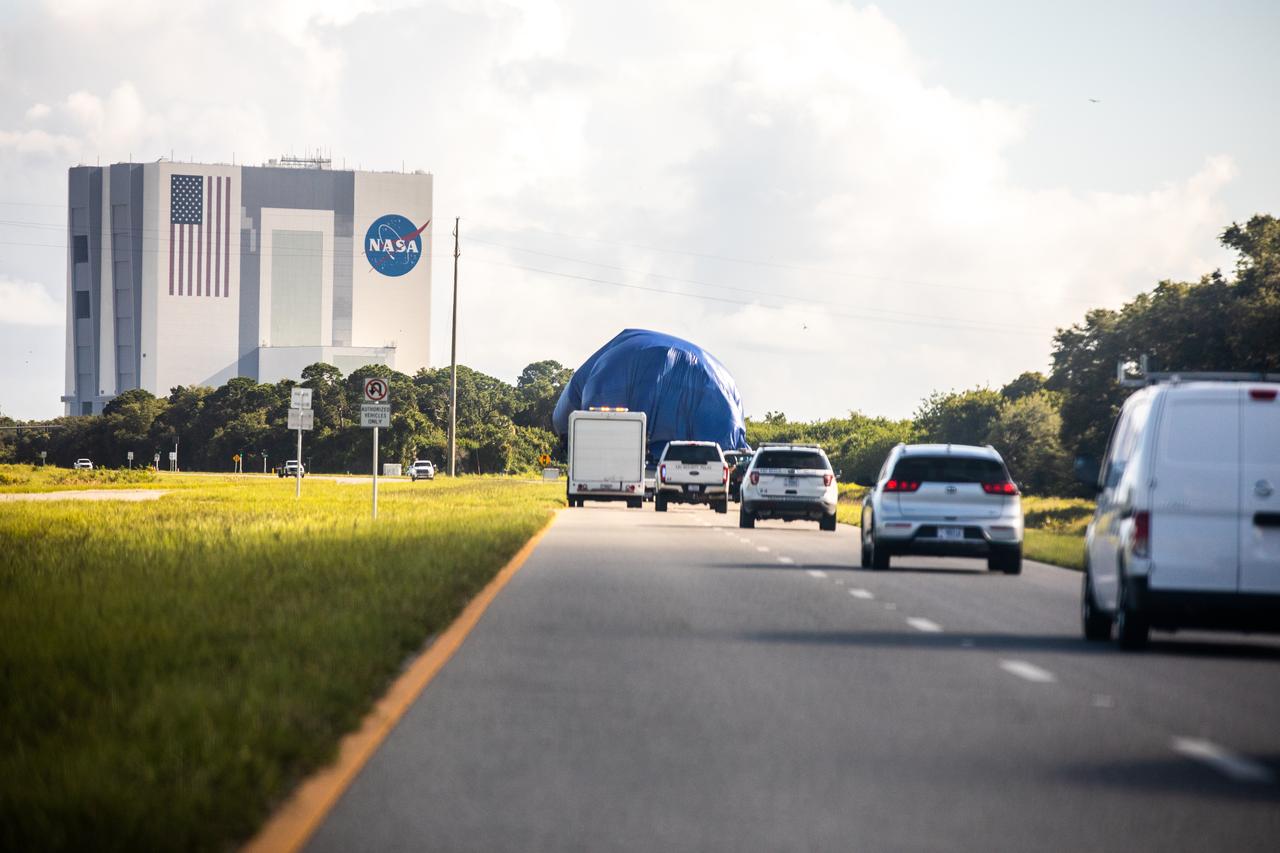
A flatbed truck, carrying the node structural test article (STA), is on its way to the Launch and Landing Facility from the Space Station Processing Facility (SSPF) at NASA’s Kennedy Space Center in Florida on July 20, 2020. In view is the iconic Vehicle Assembly Building. The Node STA was used to prove the manufacturing processes and procedures were robust for extended human spaceflight. Those same processes and procedures were then used to build Node 1, which Kennedy Center Director Bob Cabana flew to the space station on STS 88. NASA has stored the node STA in the SSPF, and it is moving to a new location to allow for more space in the facility’s high bay to support the agency’s space exploration and commercialization efforts in low-Earth orbit.
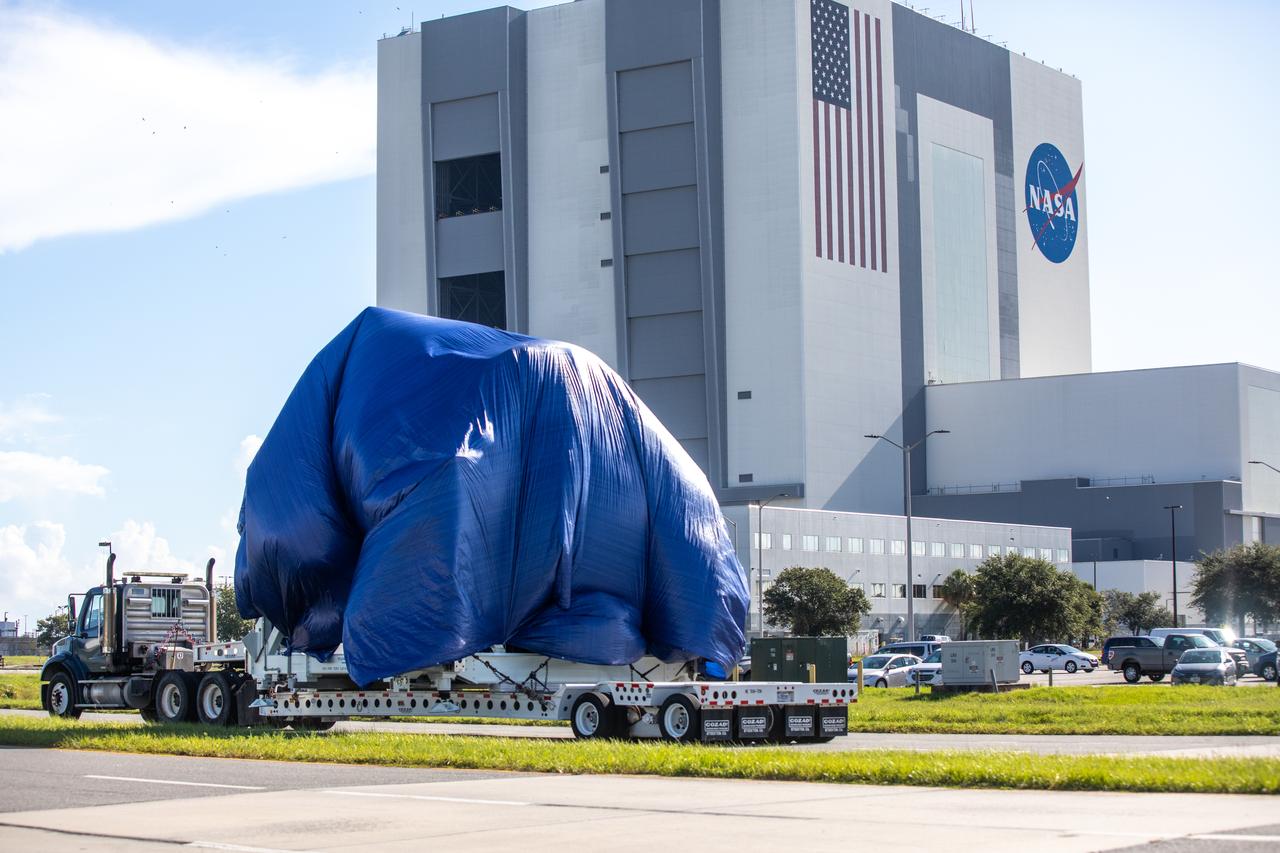
A flatbed truck, carrying the node structural test article (STA), is on its way to the Launch and Landing Facility from the Space Station Processing Facility (SSPF) at NASA’s Kennedy Space Center in Florida on July 20, 2020. In view is the iconic Vehicle Assembly Building. The Node STA was used to prove the manufacturing processes and procedures were robust for extended human spaceflight. Those same processes and procedures were then used to build Node 1, which Kennedy Center Director Bob Cabana flew to the space station on STS 88. NASA has stored the node STA in the SSPF, and it is moving to a new location to allow for more space in the facility’s high bay to support the agency’s space exploration and commercialization efforts in low-Earth orbit.
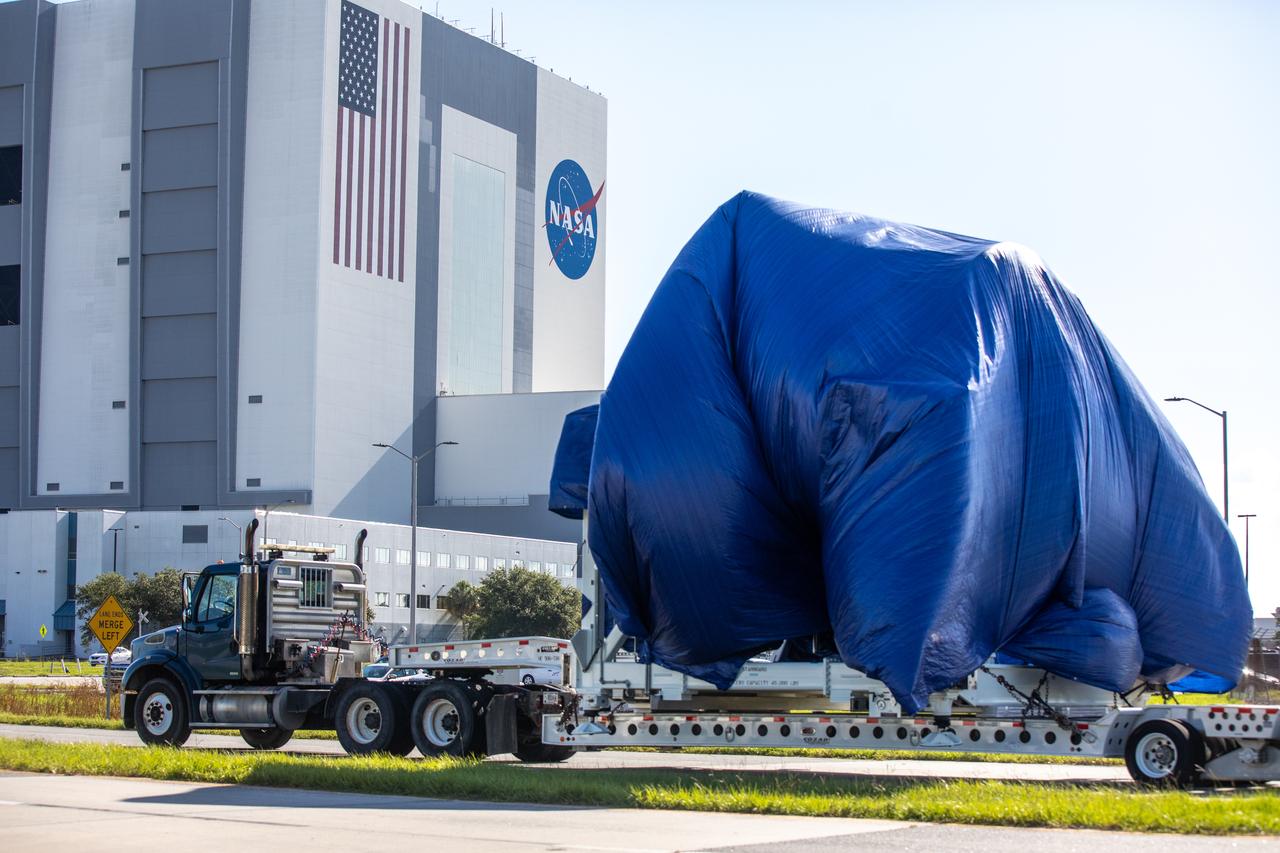
A flatbed truck, carrying the node structural test article (STA), is on its way to the Launch and Landing Facility from the Space Station Processing Facility (SSPF) at NASA’s Kennedy Space Center in Florida on July 20, 2020. In view is the iconic Vehicle Assembly Building. The Node STA was used to prove the manufacturing processes and procedures were robust for extended human spaceflight. Those same processes and procedures were then used to build Node 1, which Kennedy Center Director Bob Cabana flew to the space station on STS 88. NASA has stored the node STA in the SSPF, and it is moving to a new location to allow for more space in the facility’s high bay to support the agency’s space exploration and commercialization efforts in low-Earth orbit.
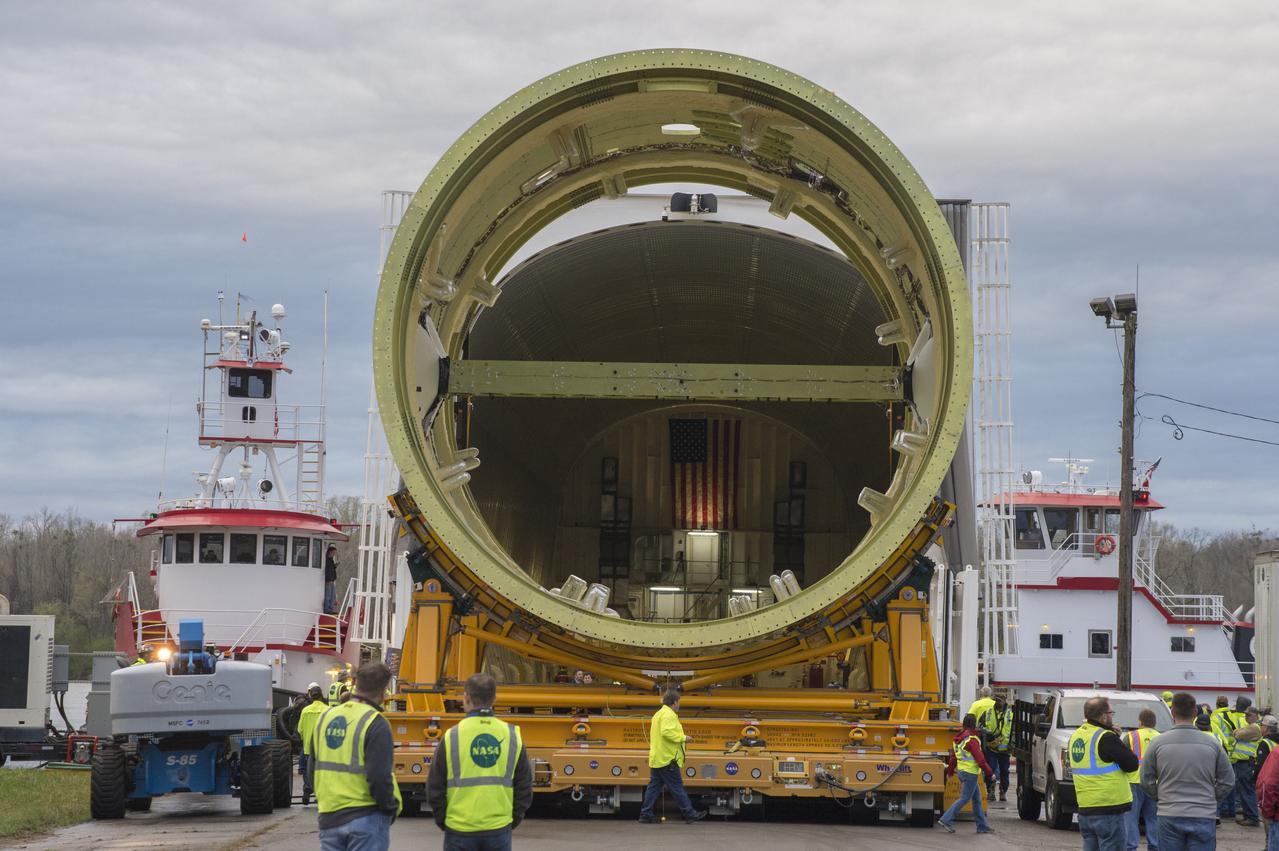
The SLS Stages Intertank Structural Test Assembly (STA) is rolling off the NASA Pegasus Barge at the MSFC Dock enroute to the MSFC 4619 Load Test Annex test facility for qualification testing. STA hardware completely free of barge and flanked by tug boats.
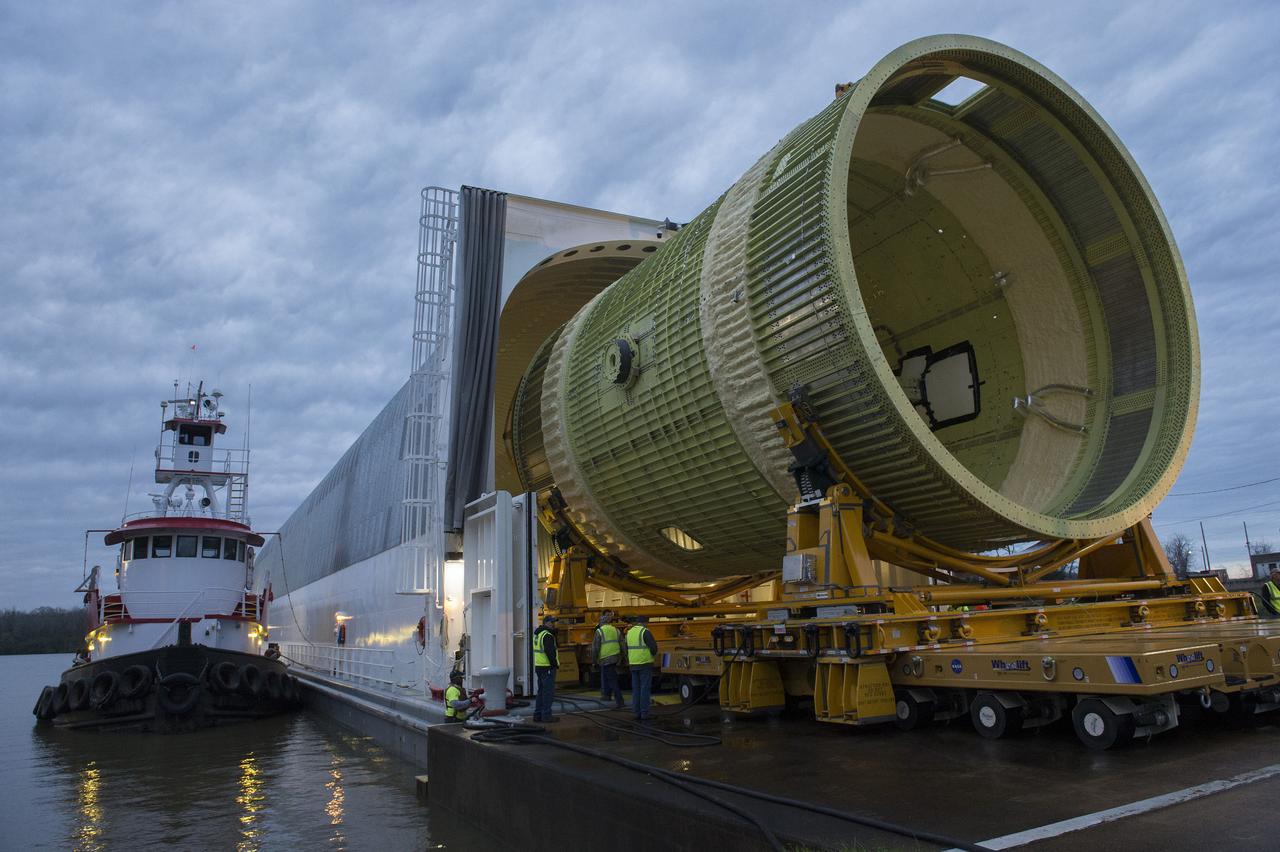
The SLS Stages Intertank Structural Test Assembly (STA) is rolling off the NASA Pegasus Barge at the MSFC Dock enroute to the MSFC 4619 Load Test Annex test facility for qualification testing. STA emerges from Barge Pegasus.
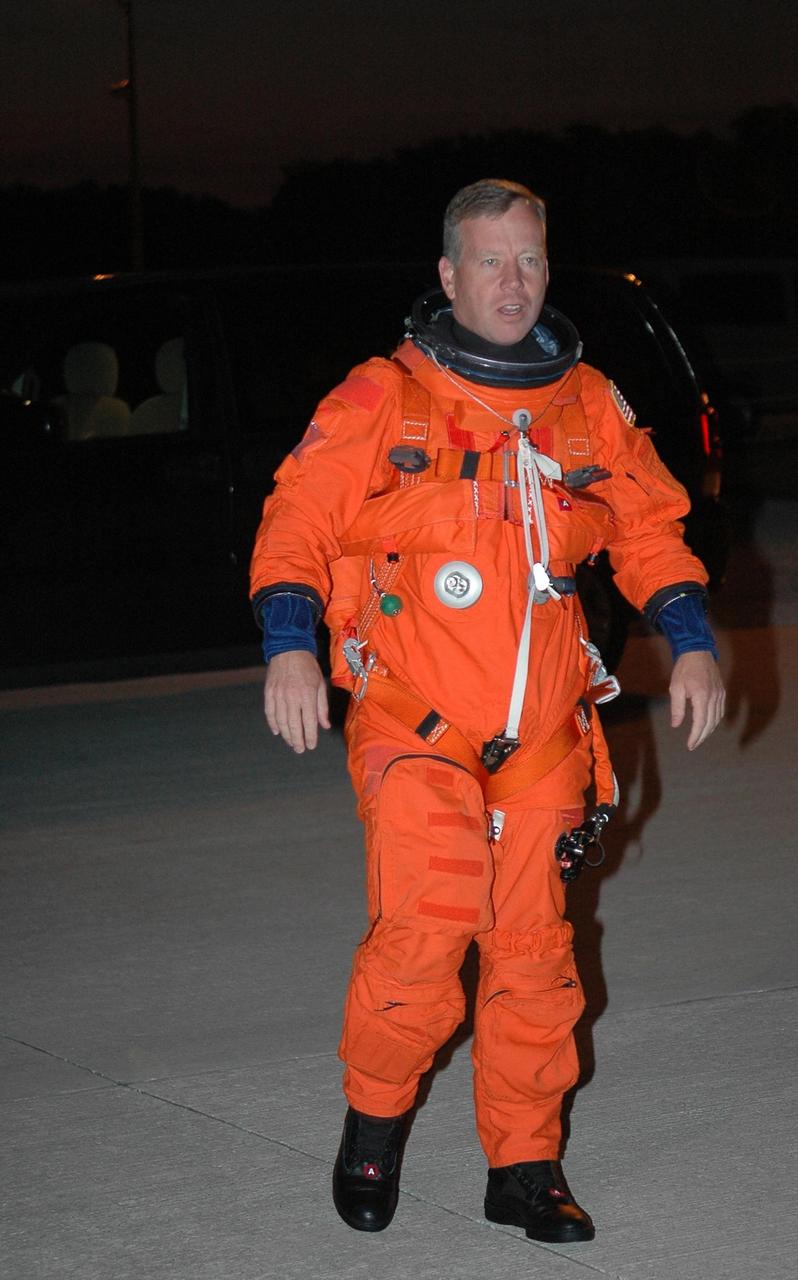
KENNEDY SPACE CENTER, FLA. - In the pre-dawn hours, STS-121 Commander Steven Lindsey walks across the Shuttle Landing Facility to the Shuttle Training Aircraft (STA). Lindsey and Pilot Mark Kelly will be making practice landings in preparation for the July 1 launch of Space Shuttle Discovery. The STA is a Grumman American Aviation-built Gulf Stream II jet that was modified to simulate an orbiter’s cockpit, motion and visual cues, and handling qualities. In flight, the STA duplicates the orbiter’s atmospheric descent trajectory from approximately 35,000 feet altitude to landing on a runway. Because the orbiter is unpowered during re-entry and landing, its high-speed glide must be perfectly executed the first time. Photo credit: NASA/Kim Shiflett
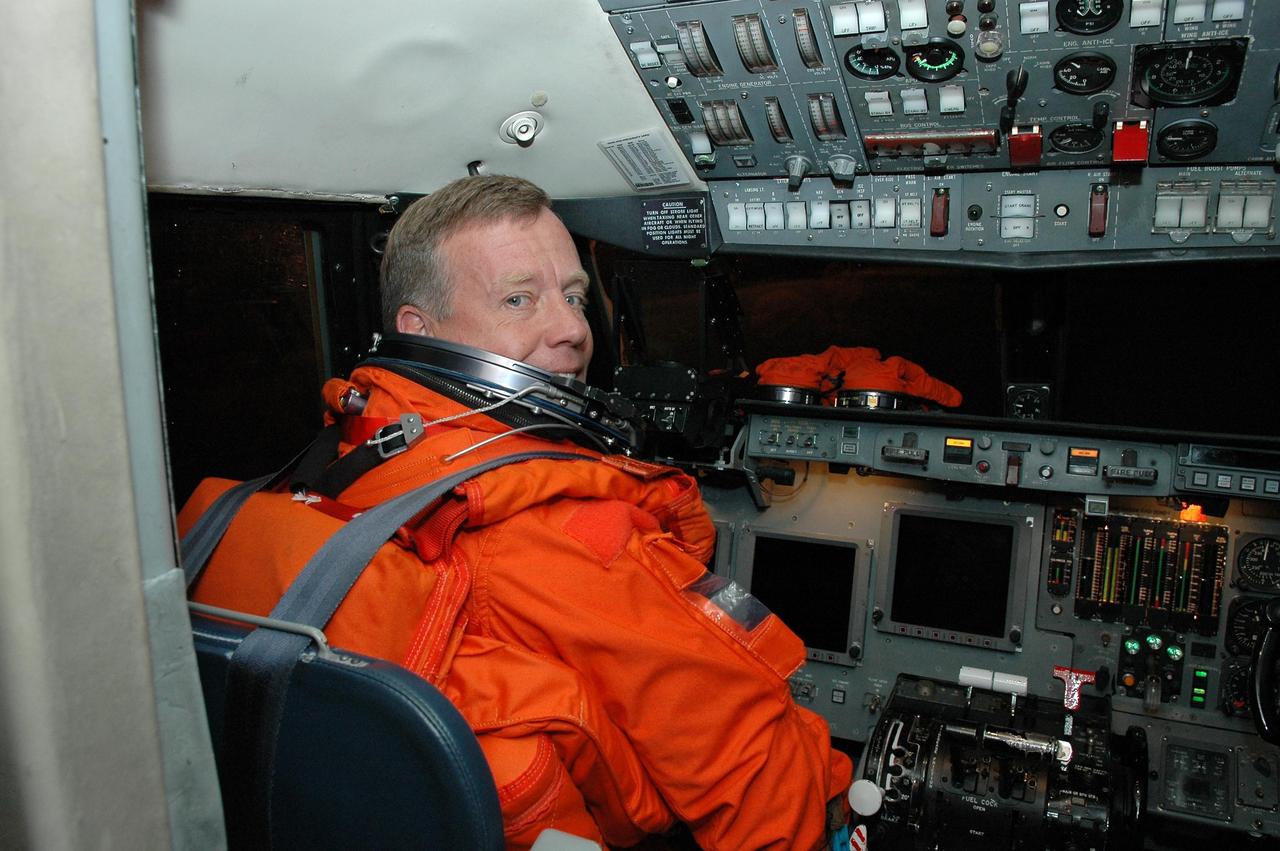
KENNEDY SPACE CENTER, FLA. - Inside the Shuttle Training Aircraft (STA), STS-121 Commander Steven Lindsey settles into his seat in the cockpit. Lindsey and Pilot Mark Kelly will be making practice landings in preparation for the July 1 launch of Space Shuttle Discovery. The STA is a Grumman American Aviation-built Gulf Stream II jet that was modified to simulate an orbiter’s cockpit, motion and visual cues, and handling qualities. In flight, the STA duplicates the orbiter’s atmospheric descent trajectory from approximately 35,000 feet altitude to landing on a runway. Because the orbiter is unpowered during re-entry and landing, its high-speed glide must be perfectly executed the first time. Photo credit: NASA/Kim Shiflett
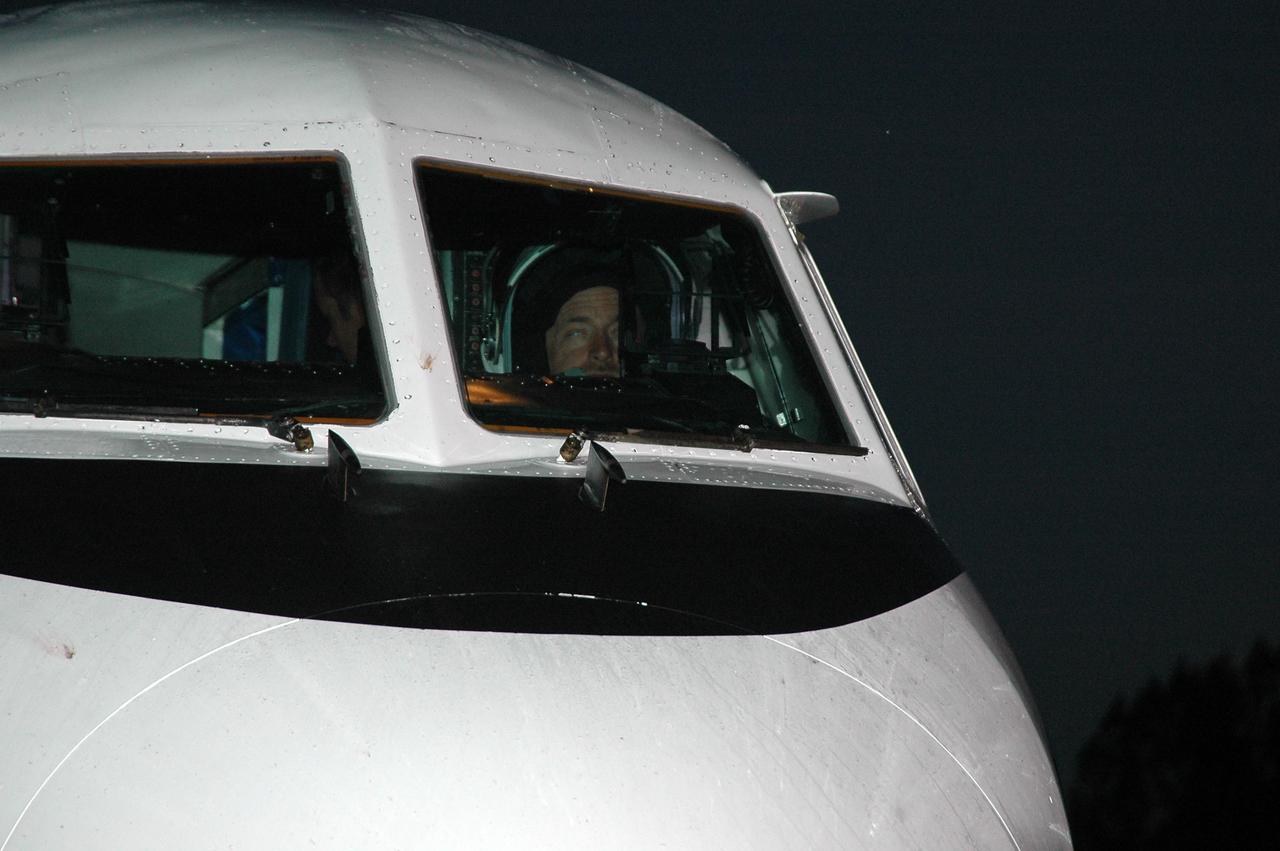
KENNEDY SPACE CENTER, FLA. - In the cockpit of the Shuttle Training Aircraft (STA), STS-121 Pilot Mark Kelly is ready for takeoff from the Shuttle Landing Facility. Kelly and Commander Steven Lindsey will be making practice landings in preparation for the July 1 launch of Space Shuttle Discovery. The STA is a Grumman American Aviation-built Gulf Stream II jet that was modified to simulate an orbiter’s cockpit, motion and visual cues, and handling qualities. In flight, the STA duplicates the orbiter’s atmospheric descent trajectory from approximately 35,000 feet altitude to landing on a runway. Because the orbiter is unpowered during re-entry and landing, its high-speed glide must be perfectly executed the first time. Photo credit: NASA/Kim Shiflett
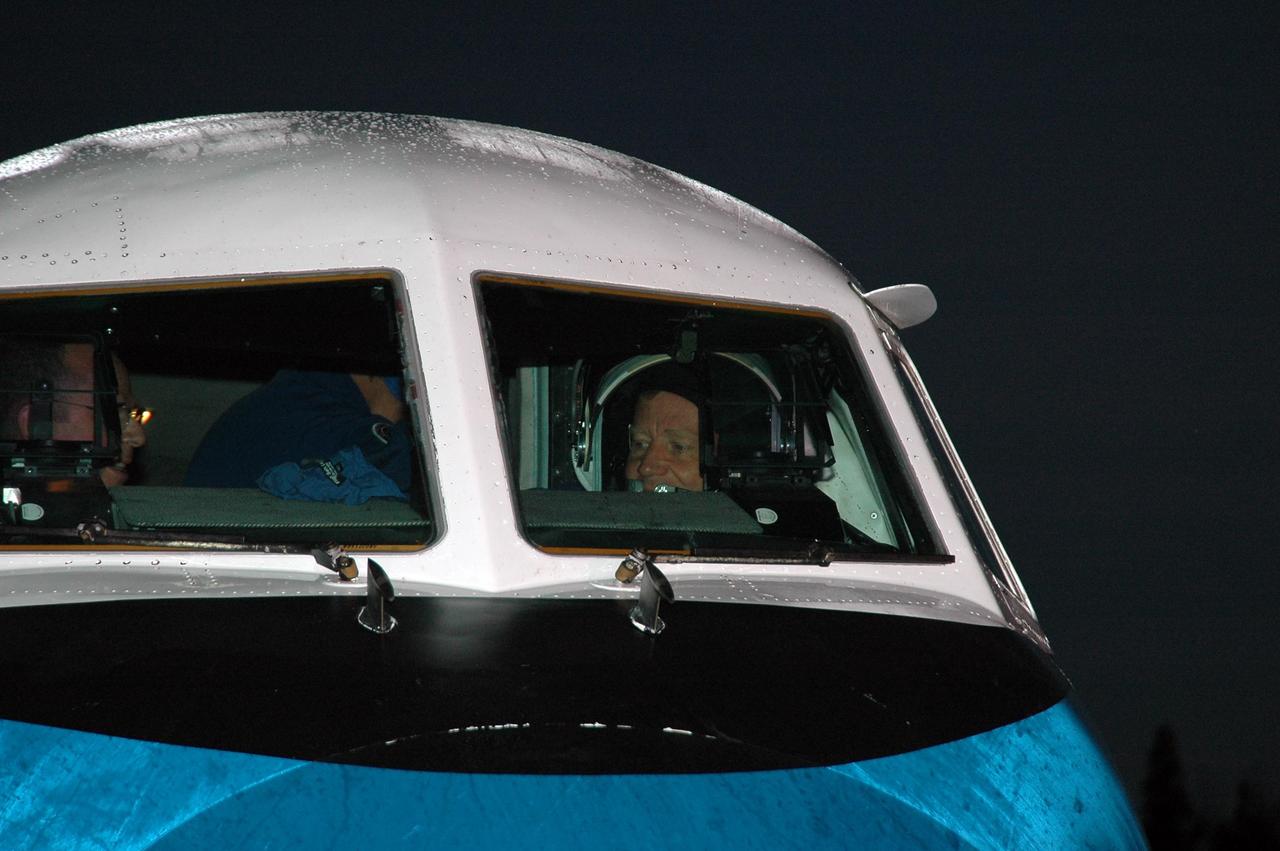
KENNEDY SPACE CENTER, FLA. - In the cockpit of the Shuttle Training Aircraft (STA), STS-121 Commander Steven Lindsey is ready for takeoff from the Shuttle Landing Facility. Lindsey and Pilot Mark Kelly will be making practice landings in preparation for the July 1 launch of Space Shuttle Discovery. The STA is a Grumman American Aviation-built Gulf Stream II jet that was modified to simulate an orbiter’s cockpit, motion and visual cues, and handling qualities. In flight, the STA duplicates the orbiter’s atmospheric descent trajectory from approximately 35,000 feet altitude to landing on a runway. Because the orbiter is unpowered during re-entry and landing, its high-speed glide must be perfectly executed the first time. Photo credit: NASA/Kim Shiflett
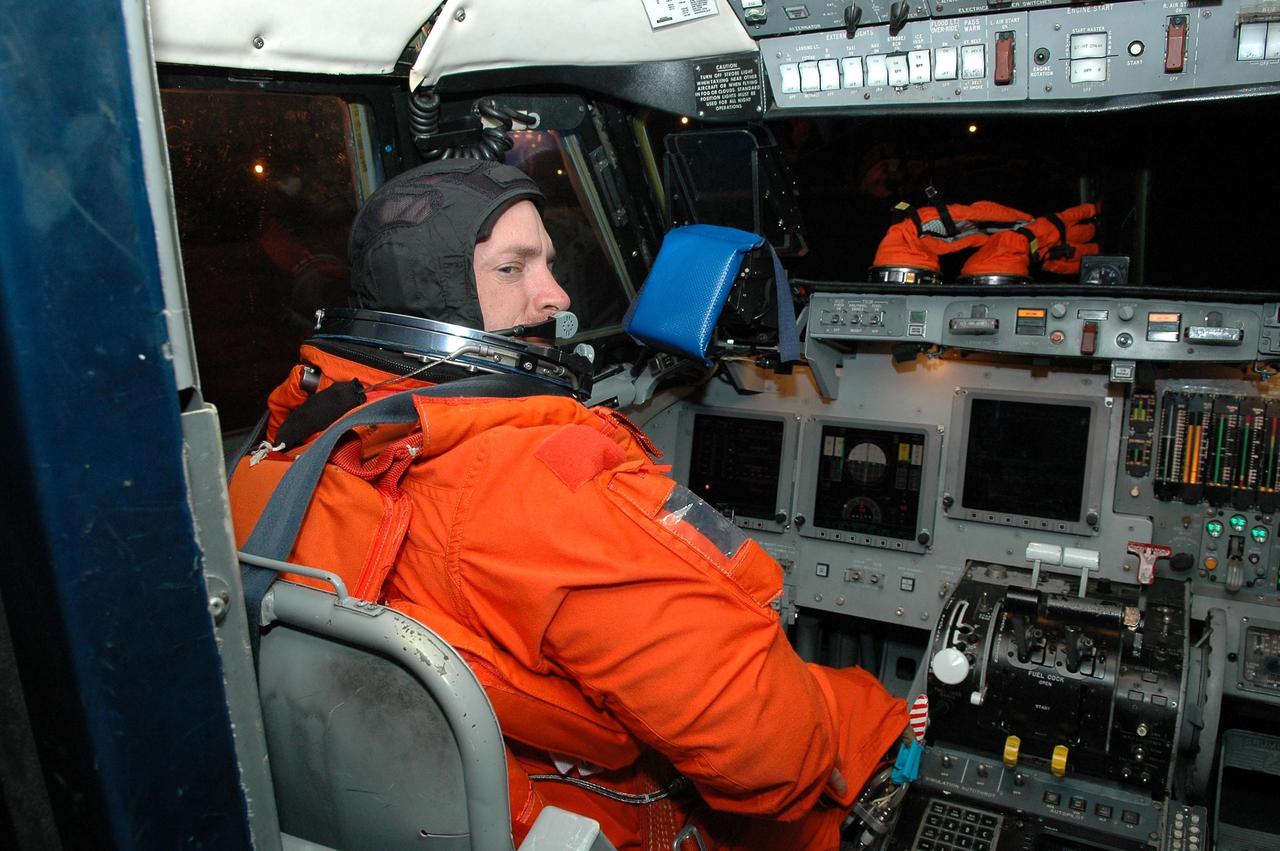
KENNEDY SPACE CENTER, FLA. - Inside the Shuttle Training Aircraft (STA), STS-121 Pilot Mark Kelly takes control in the cockpit. Kelly and Commander Steven Lindsey will be making practice landings in preparation for the July 1 launch of Space Shuttle Discovery. The STA is a Grumman American Aviation-built Gulf Stream II jet that was modified to simulate an orbiter’s cockpit, motion and visual cues, and handling qualities. In flight, the STA duplicates the orbiter’s atmospheric descent trajectory from approximately 35,000 feet altitude to landing on a runway. Because the orbiter is unpowered during re-entry and landing, its high-speed glide must be perfectly executed the first time. Photo credit: NASA/Kim Shiflett
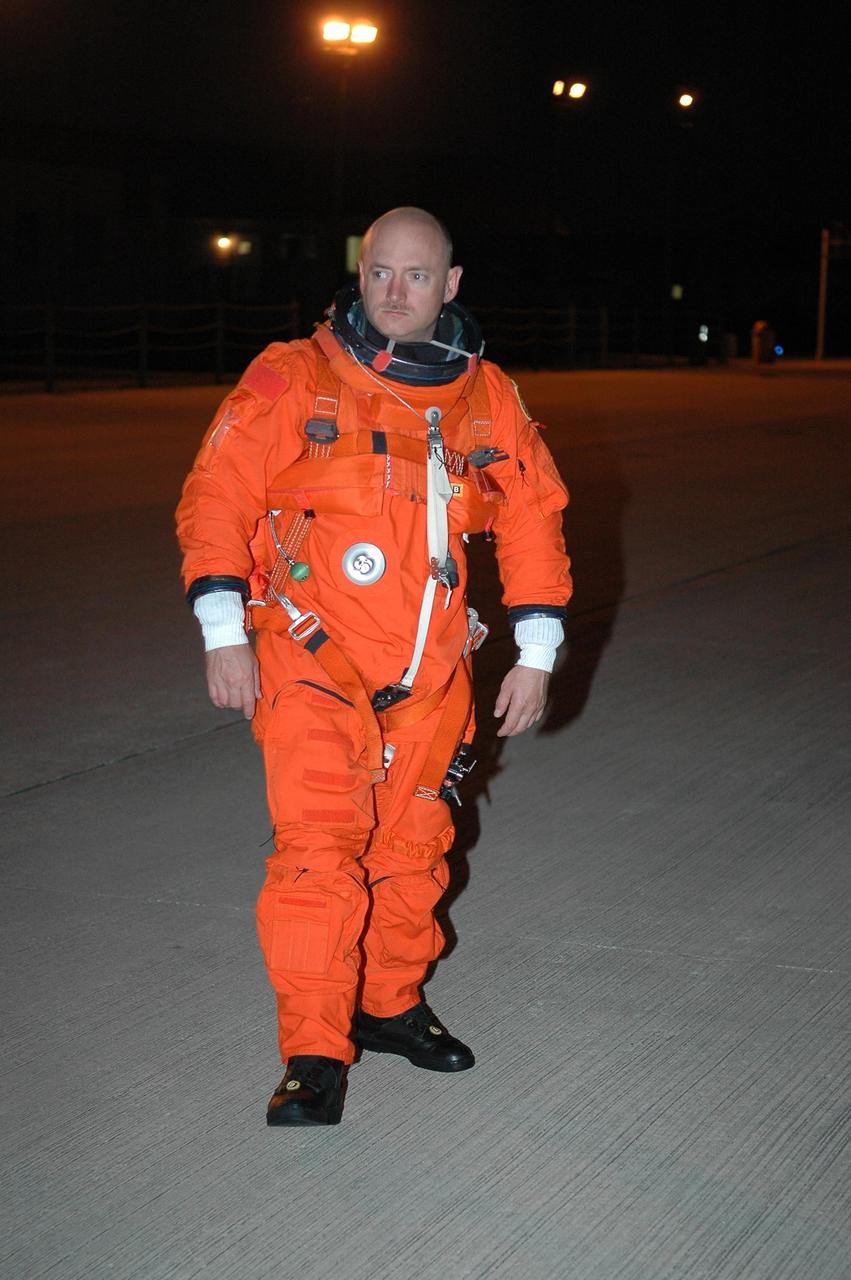
KENNEDY SPACE CENTER, FLA. - In the pre-dawn hours, STS-121 Pilot Mark Kelly heads across the Shuttle Landing Facility to the Shuttle Training Aircraft (STA). Kelly and Commander Steven Lindsey will be making practice landings in preparation for the July 1 launch of Space Shuttle Discovery. The STA is a Grumman American Aviation-built Gulf Stream II jet that was modified to simulate an orbiter’s cockpit, motion and visual cues, and handling qualities. In flight, the STA duplicates the orbiter’s atmospheric descent trajectory from approximately 35,000 feet altitude to landing on a runway. Because the orbiter is unpowered during re-entry and landing, its high-speed glide must be perfectly executed the first time. Photo credit: NASA/Kim Shiflett
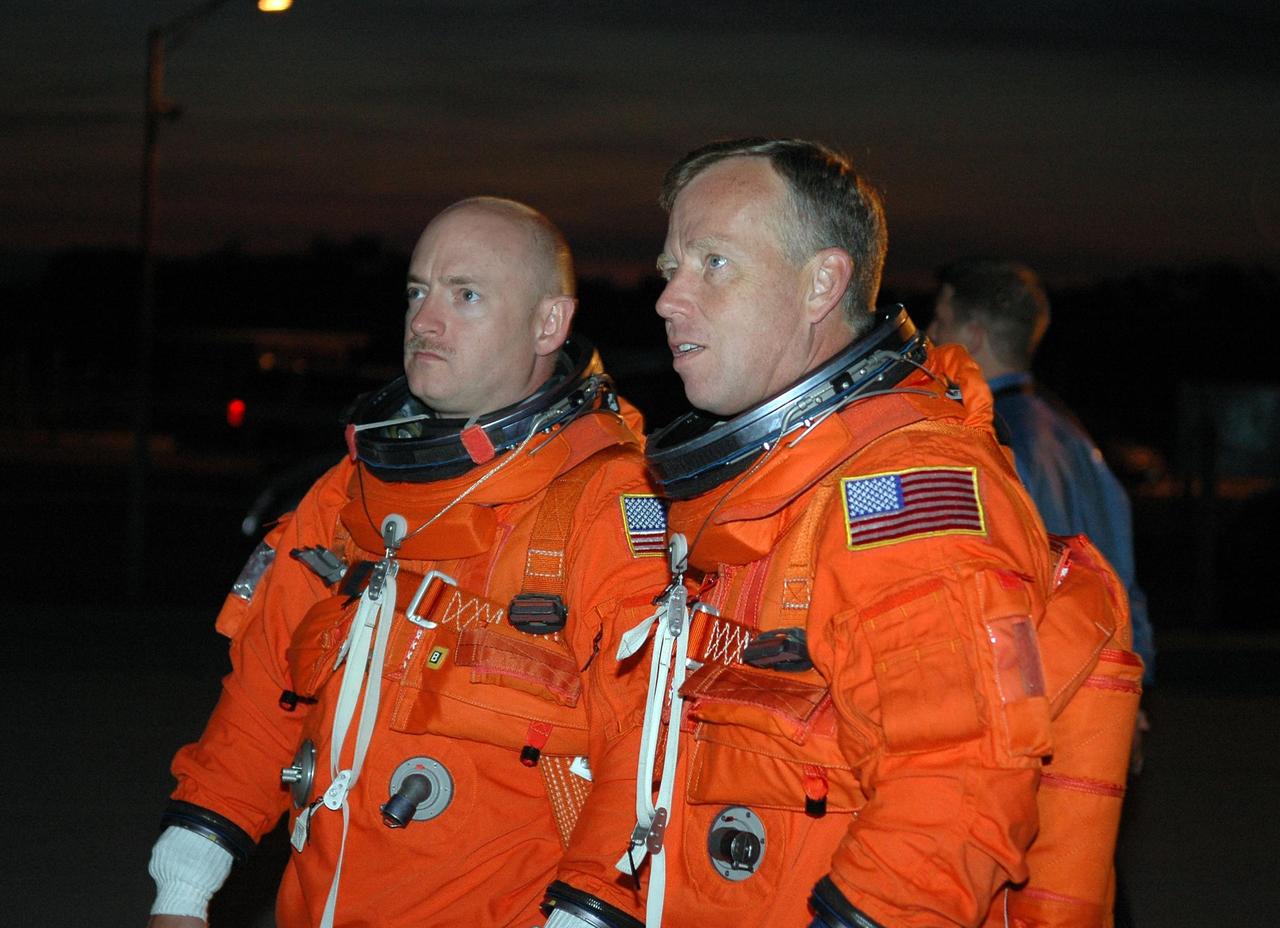
KENNEDY SPACE CENTER, FLA. - In the pre-dawn hours, STS-121 Pilot Mark Kelly (left) and Commander Steven Lindsey look at the Shuttle Training Aircraft (STA) they will be flying to practice landings in preparation for the July 1 launch of Space Shuttle Discovery. The STA is a Grumman American Aviation-built Gulf Stream II jet that was modified to simulate an orbiter’s cockpit, motion and visual cues, and handling qualities. In flight, the STA duplicates the orbiter’s atmospheric descent trajectory from approximately 35,000 feet altitude to landing on a runway. Because the orbiter is unpowered during re-entry and landing, its high-speed glide must be perfectly executed the first time. Photo credit: NASA/Kim Shiflett
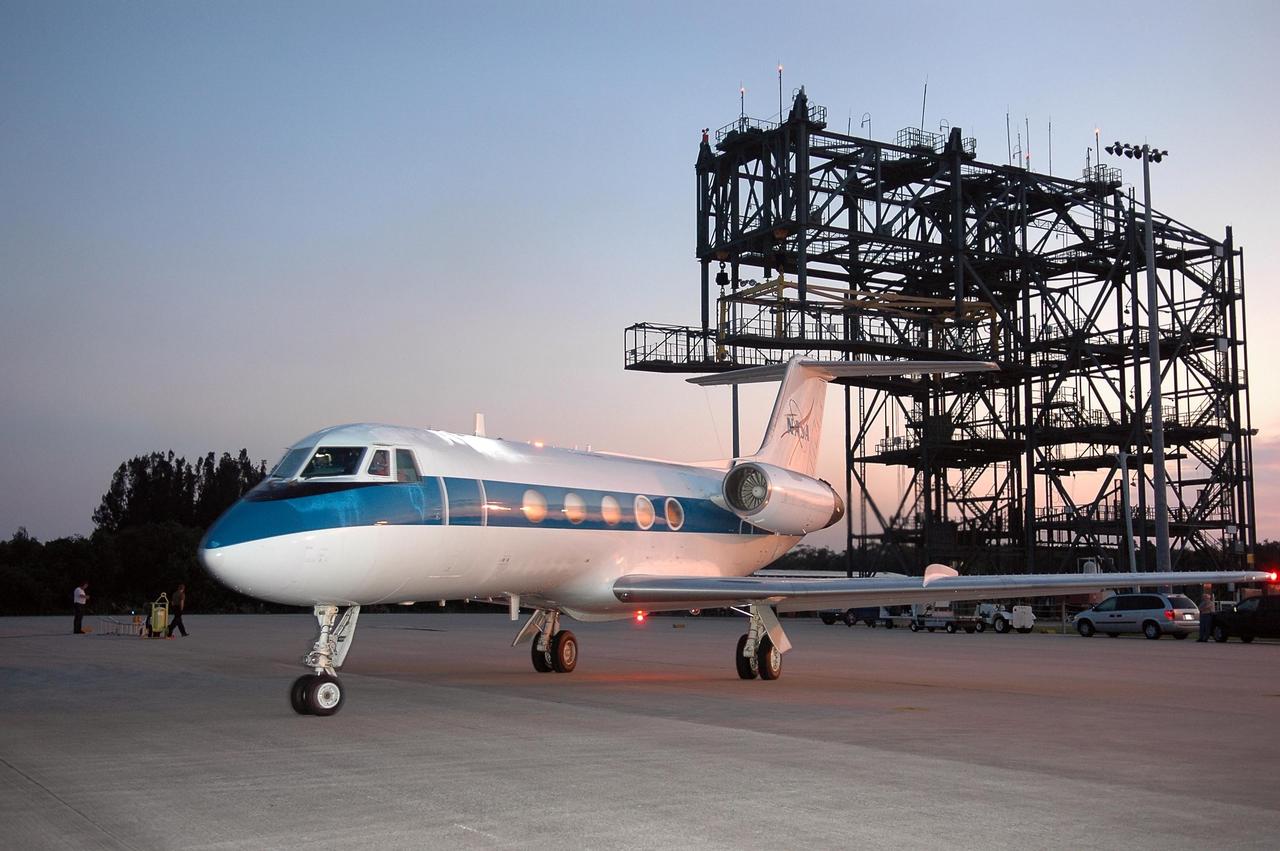
KENNEDY SPACE CENTER, FLA. - In the early dawn, STS-121 Pilot Mark Kelly is ready for takeoff from the Shuttle Training Facility to practice landing a shuttle in preparation for the July 1 launch of Space Shuttle Discovery. The STA is a Grumman American Aviation-built Gulf Stream II jet that was modified to simulate an orbiter’s cockpit, motion and visual cues, and handling qualities. In flight, the STA duplicates the orbiter’s atmospheric descent trajectory from approximately 35,000 feet altitude to landing on a runway. Because the orbiter is unpowered during re-entry and landing, its high-speed glide must be perfectly executed the first time. Photo credit: NASA/Kim Shiflett
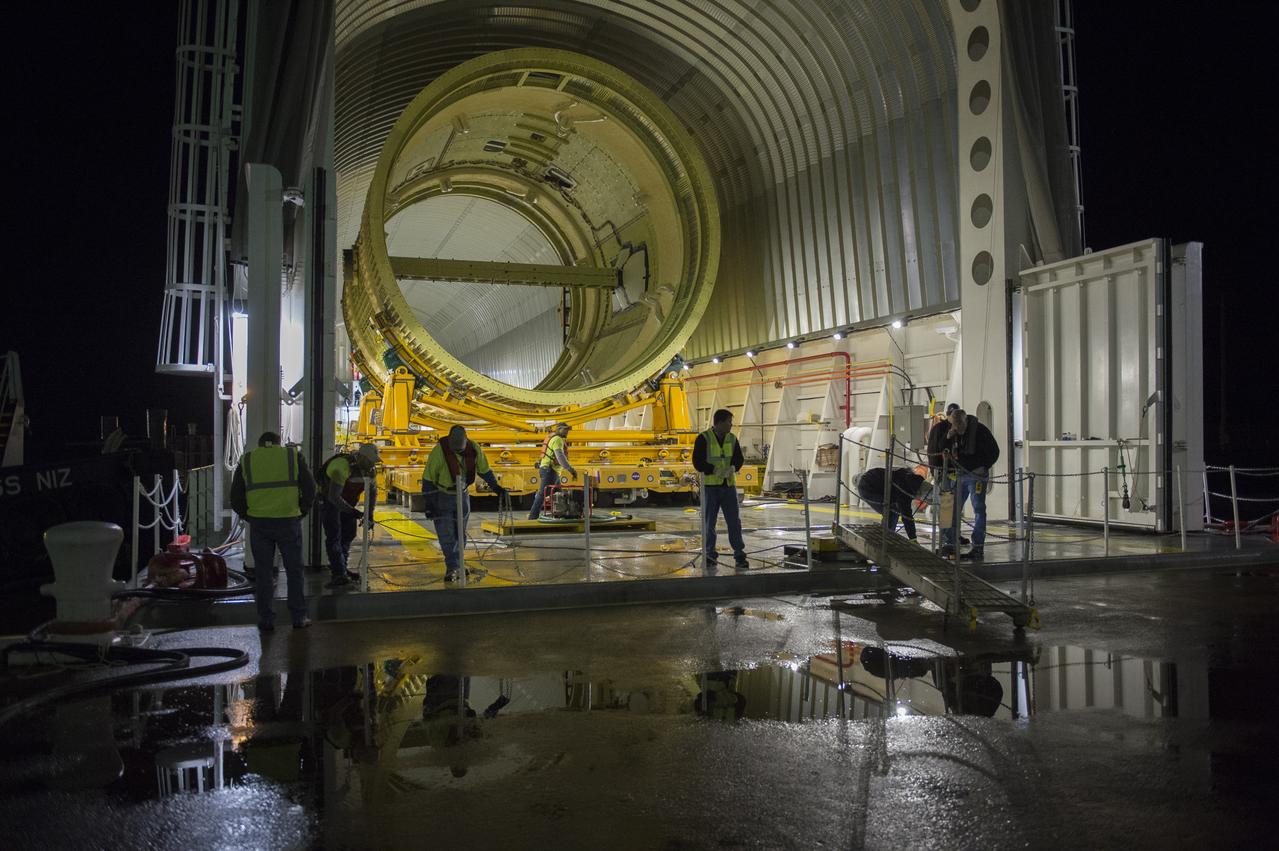
The SLS Stages Intertank Structural Test Assembly (STA) is rolling off the NASA Pegasus Barge at the MSFC Dock enroute to the MSFC 4619 Load Test Annex test facility for qualification testing
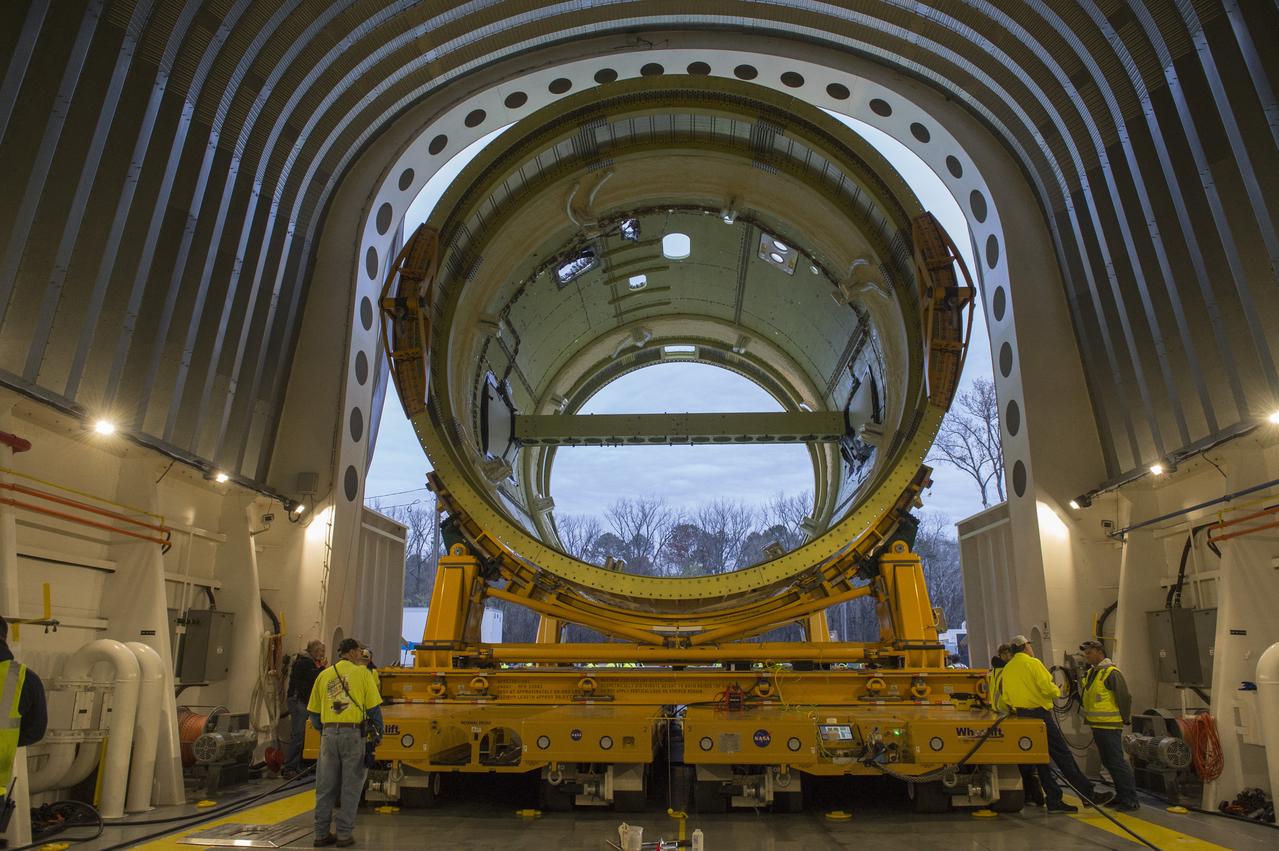
The SLS Stages Intertank Structural Test Assembly (STA) is rolling off the NASA Pegasus Barge at the MSFC Dock enroute to the MSFC 4619 Load Test Annex test facility for qualification testing
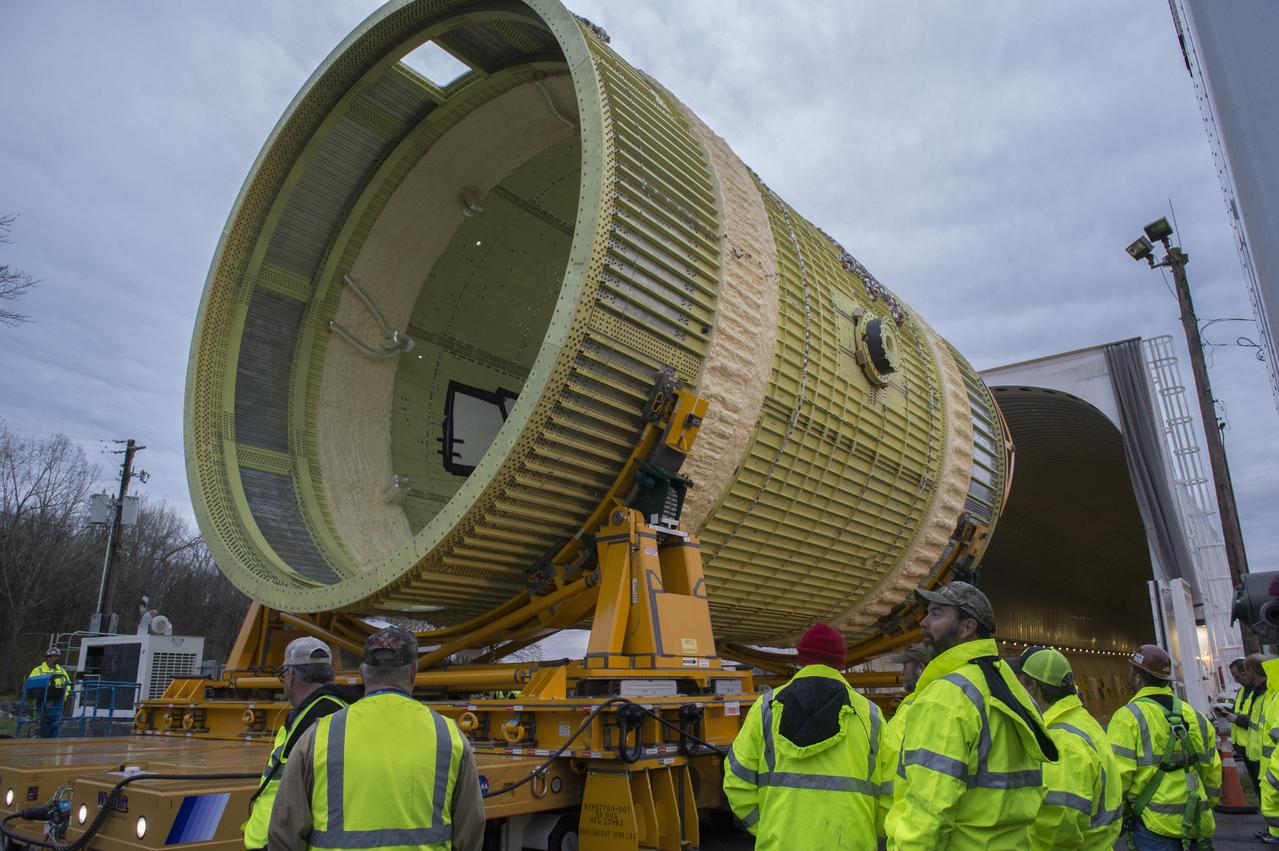
The SLS Stages Intertank Structural Test Assembly (STA) is rolling off the NASA Pegasus Barge at the MSFC Dock enroute to the MSFC 4619 Load Test Annex test facility for qualification testing
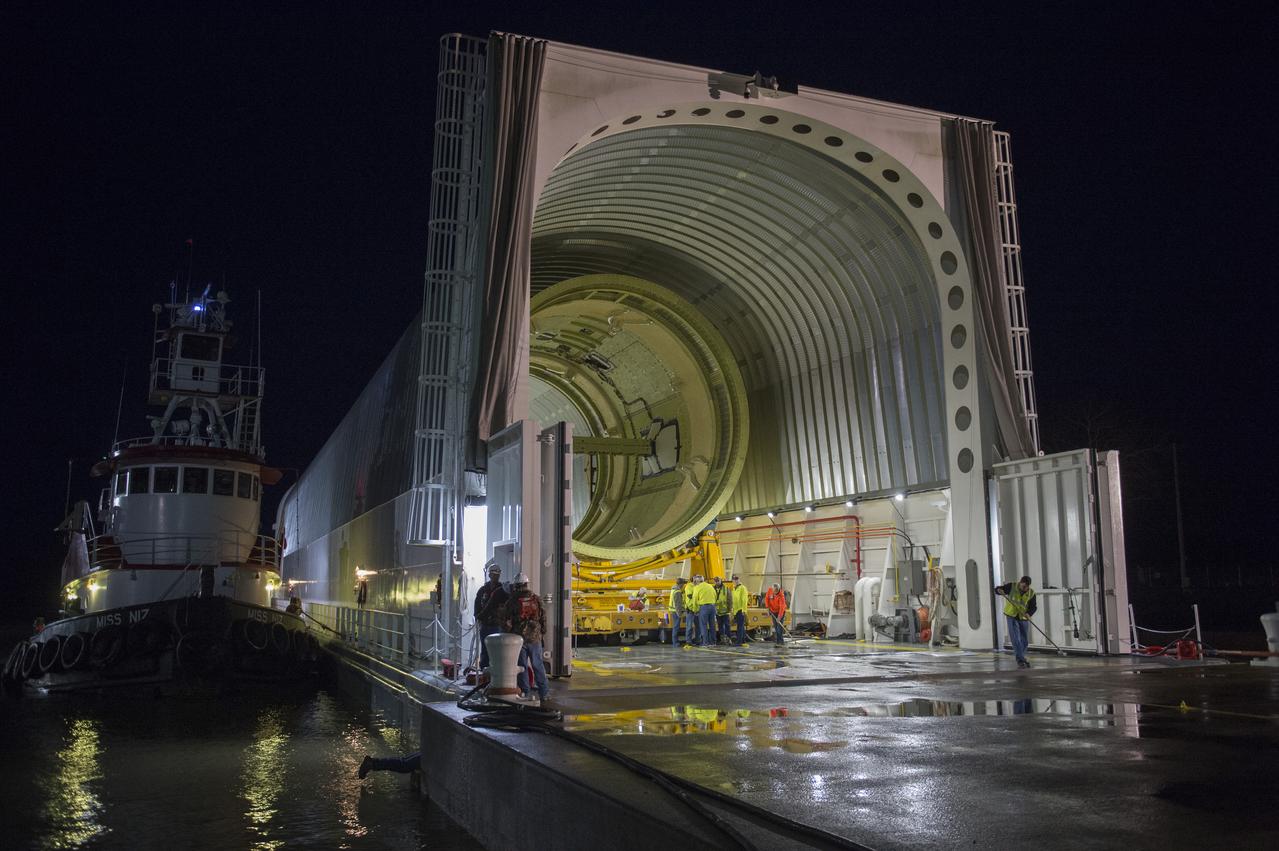
The SLS Stages Intertank Structural Test Assembly (STA) is rolling off the NASA Pegasus Barge at the MSFC Dock enroute to the MSFC 4619 Load Test Annex test facility for qualification testing
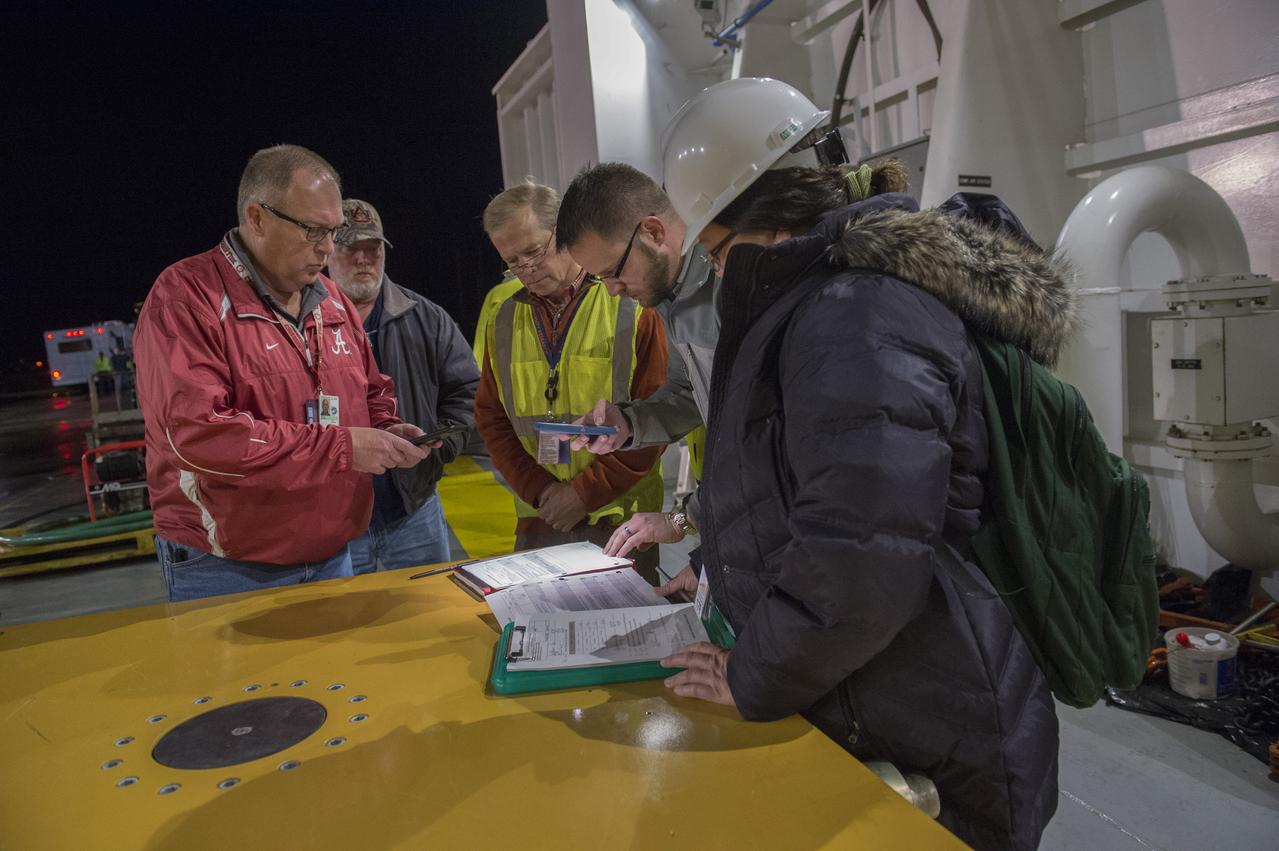
The SLS Stages Intertank Structural Test Assembly (STA) is rolling off the NASA Pegasus Barge at the MSFC Dock enroute to the MSFC 4619 Load Test Annex test facility for qualification testing
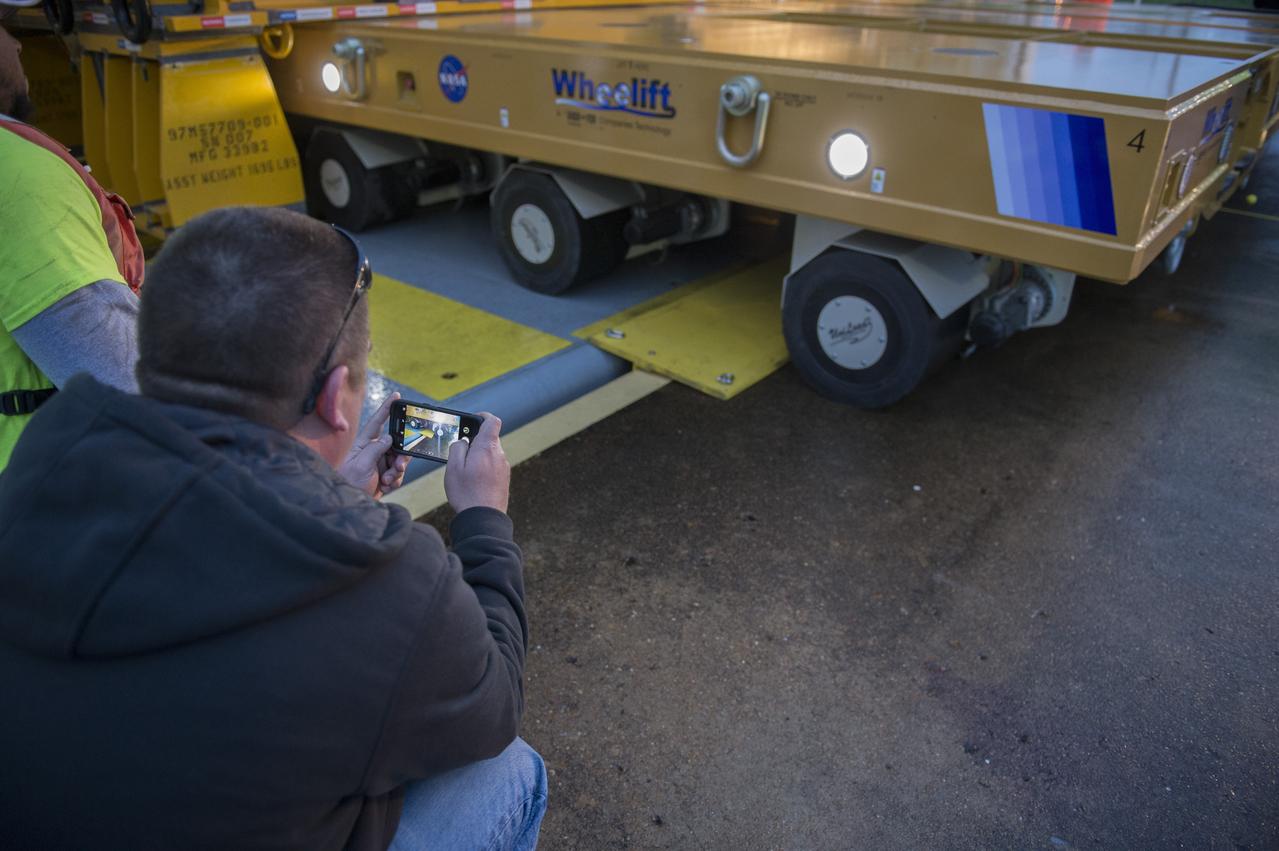
The SLS Stages Intertank Structural Test Assembly (STA) is rolling off the NASA Pegasus Barge at the MSFC Dock enroute to the MSFC 4619 Load Test Annex test facility for qualification testing
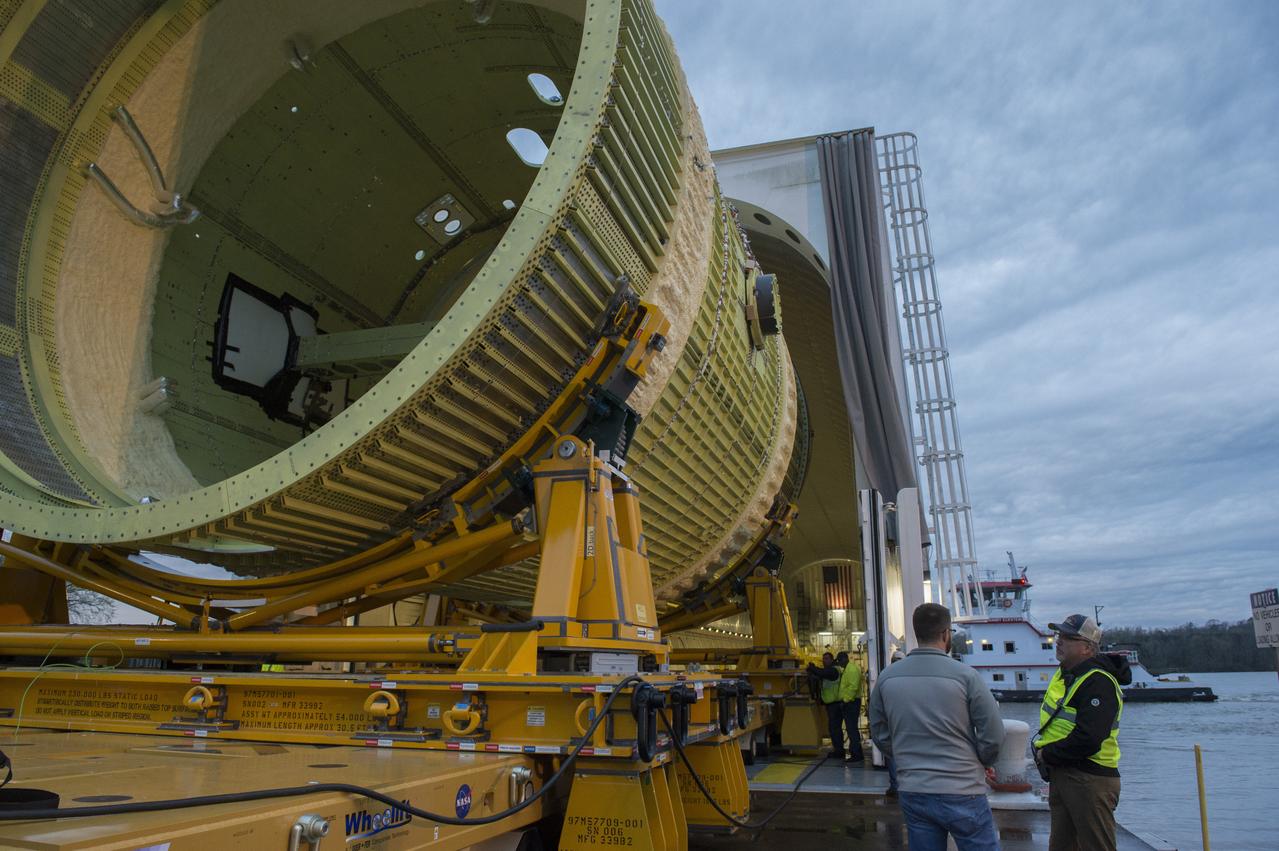
The SLS Stages Intertank Structural Test Assembly (STA) is rolling off the NASA Pegasus Barge at the MSFC Dock enroute to the MSFC 4619 Load Test Annex test facility for qualification testing
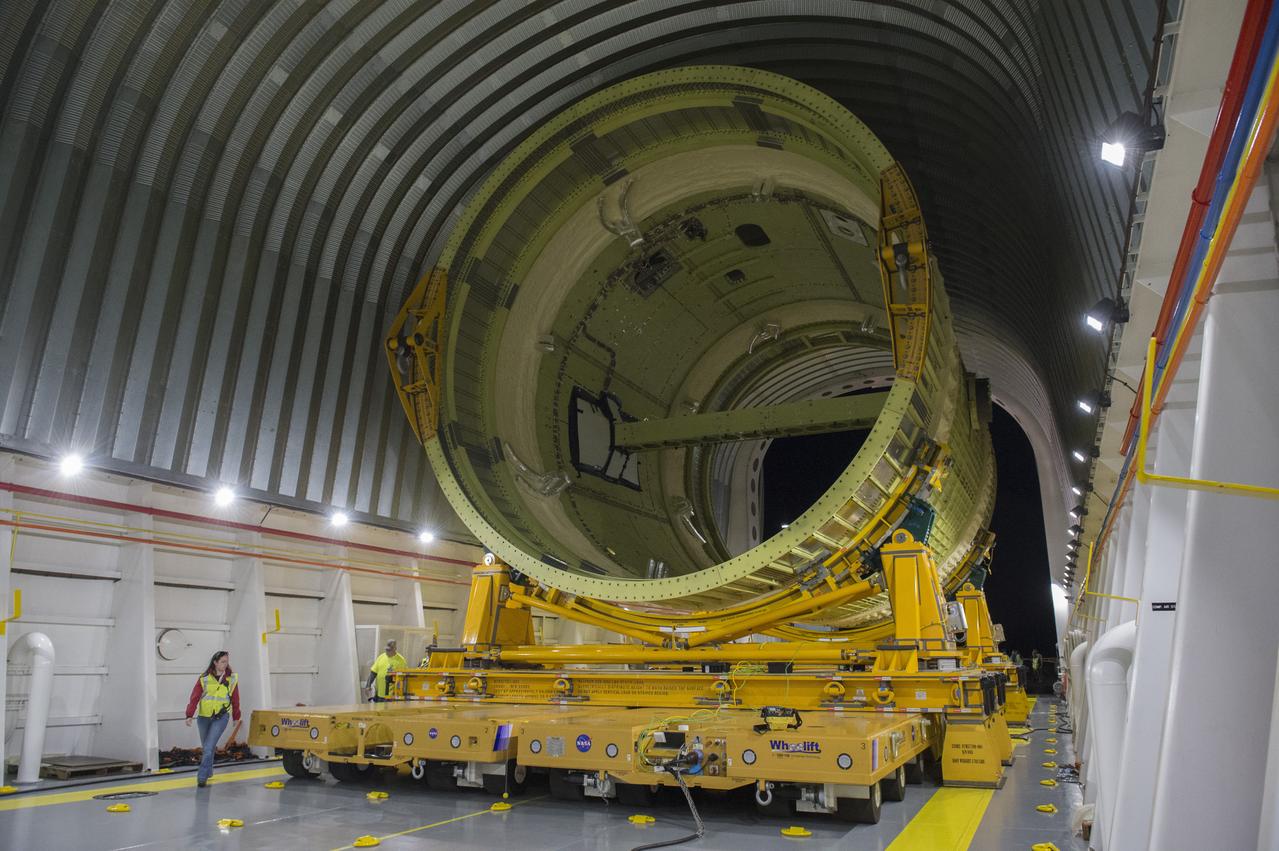
The SLS Stages Intertank Structural Test Assembly (STA) is rolling off the NASA Pegasus Barge at the MSFC Dock enroute to the MSFC 4619 Load Test Annex test facility for qualification testing
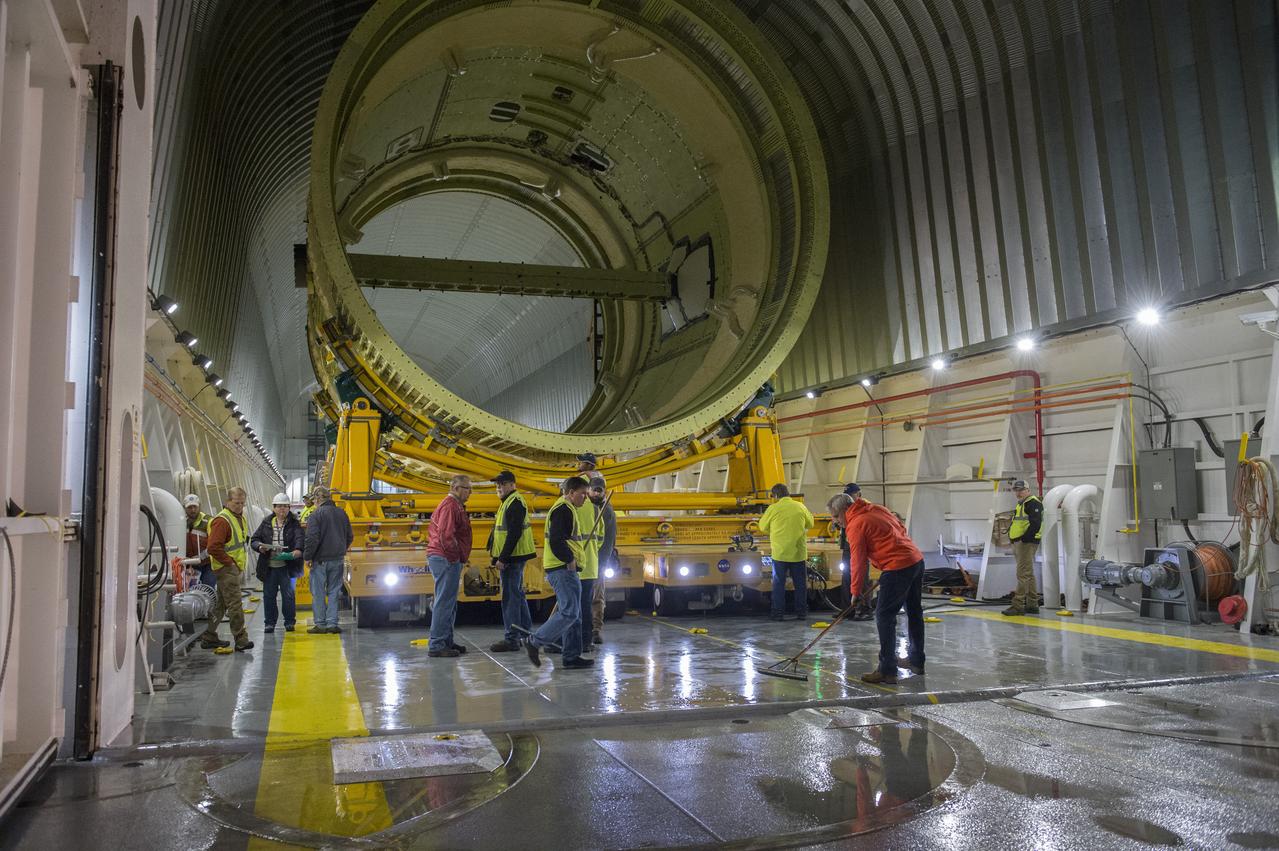
The SLS Stages Intertank Structural Test Assembly (STA) is rolling off the NASA Pegasus Barge at the MSFC Dock enroute to the MSFC 4619 Load Test Annex test facility for qualification testing
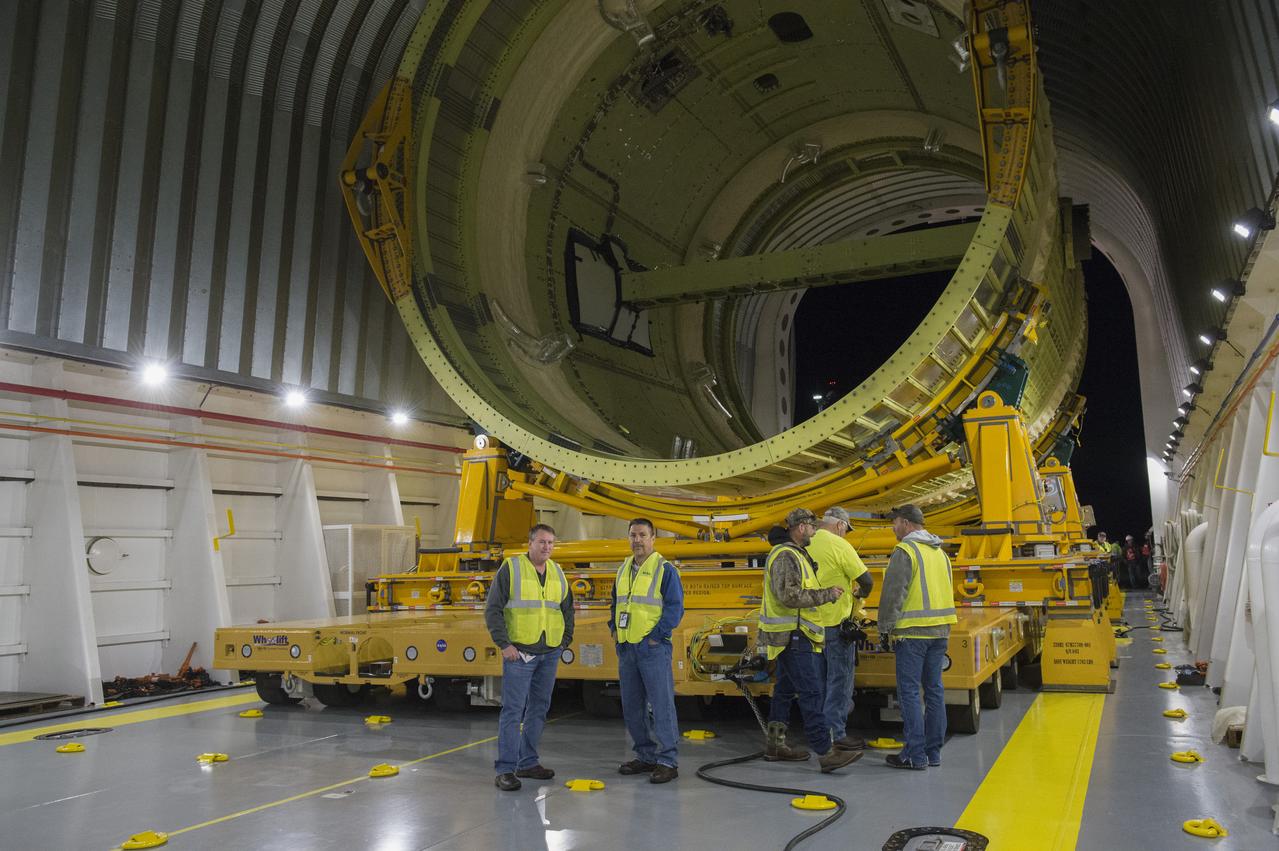
The SLS Stages Intertank Structural Test Assembly (STA) is rolling off the NASA Pegasus Barge at the MSFC Dock enroute to the MSFC 4619 Load Test Annex test facility for qualification testing
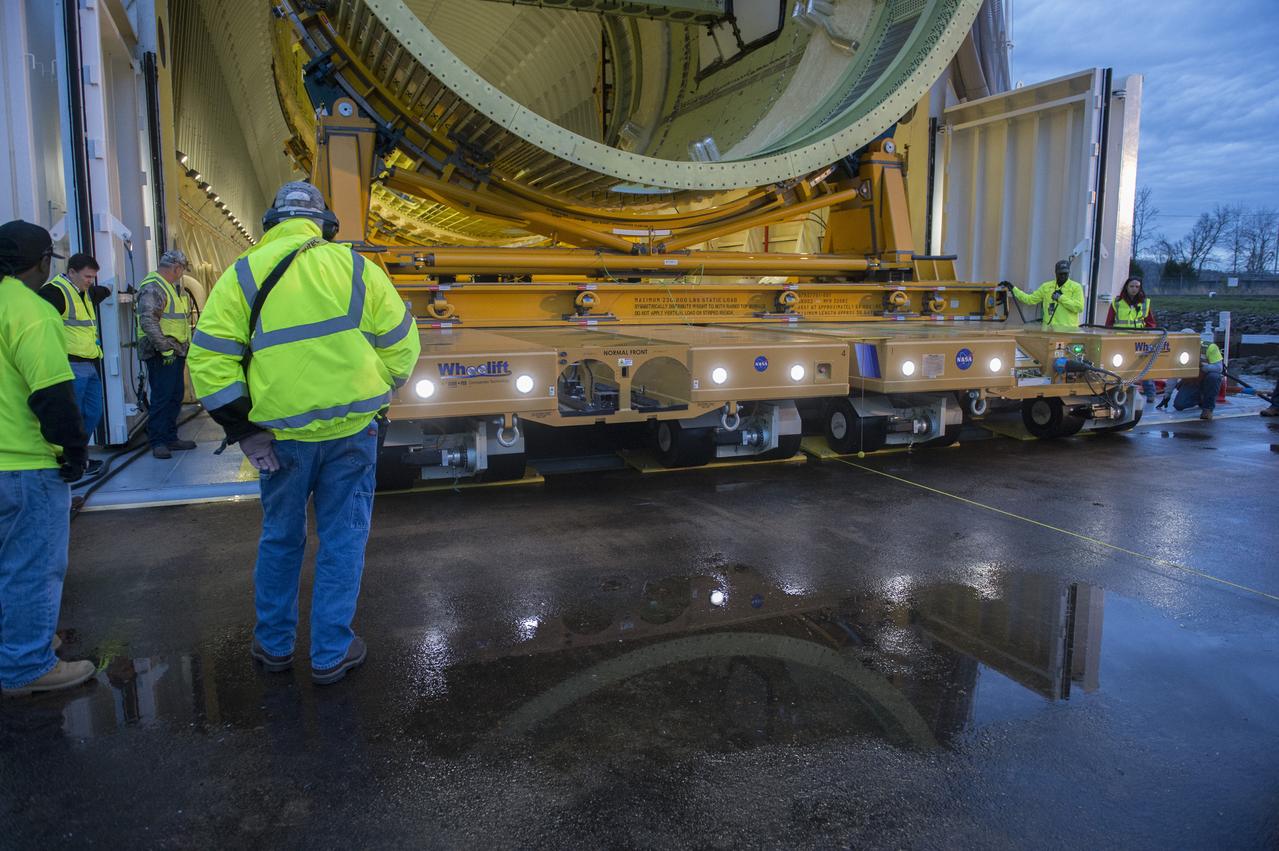
The SLS Stages Intertank Structural Test Assembly (STA) is rolling off the NASA Pegasus Barge at the MSFC Dock enroute to the MSFC 4619 Load Test Annex test facility for qualification testing

KENNEDY SPACE CENTER, FLA. -- Seated in the cockpit of the shuttle training aircraft, or STA, STS-120 Commander Pamela Melroy is eager to begin landing practice on NASA's Shuttle Landing Facility runway. A modified Grumman American Aviation-built Gulf Stream II jet, the STA simulates an orbiter's cockpit, motion and visual cues and handling qualities. In flight, the STA duplicates the orbiter's atmospheric descent trajectory from approximately 35,000 feet altitude to landing on a runway. Melroy and other crew members are at Kennedy Space Center to take part in the terminal countdown demonstration test, which also includes a simulated launch countdown. Mission STS-120 is targeted for Oct. 23. Photo credit: NASA/Kim Shiflett
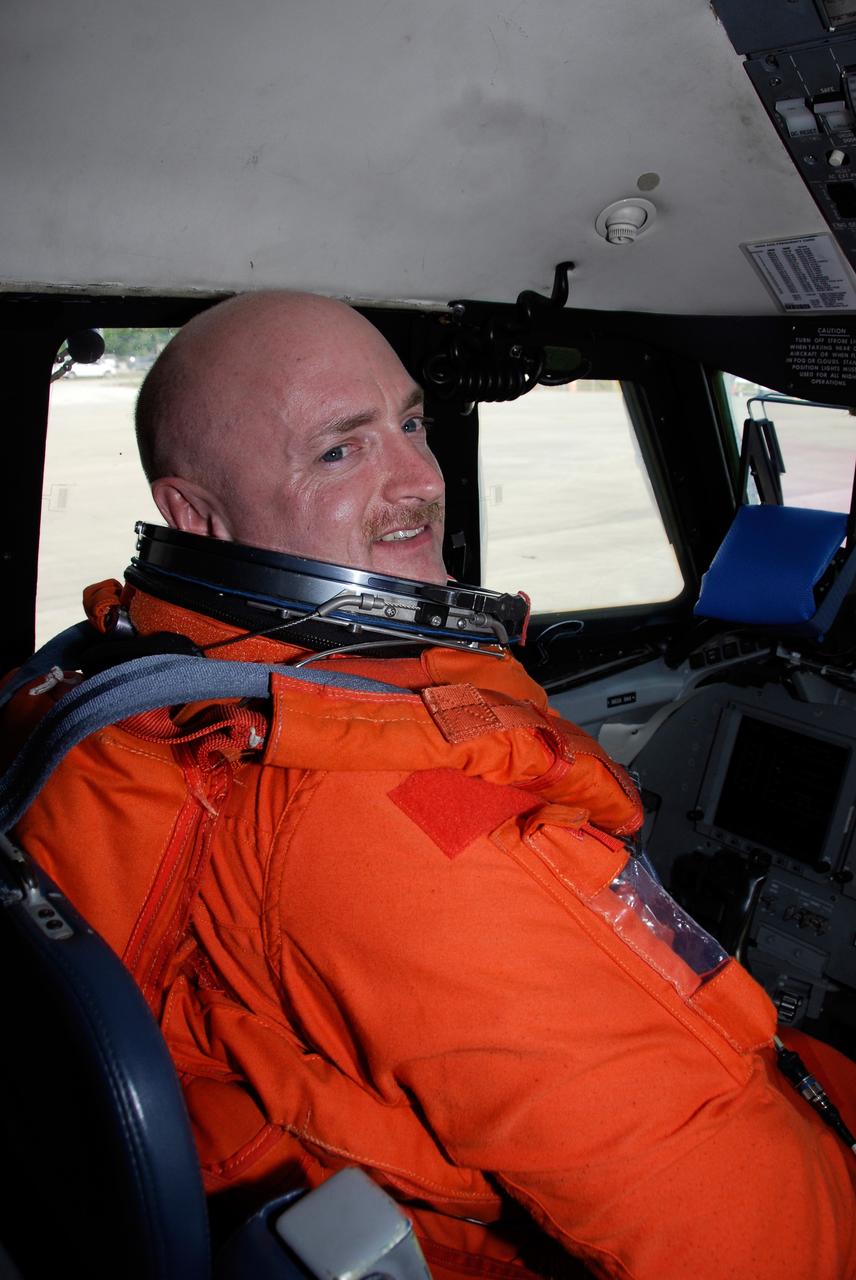
CAPE CANAVERAL, Fla. -- STS-124 Commander Mark Kelly sits in the cockpit of NASA's Shuttle Training Aircraft, or STA, preparing to practice space shuttle landings. The STA is a Grumman American Aviation-built Gulf Stream II jet that was modified to simulate an orbiter's cockpit, motion and visual cues, and handling qualities. In flight, the STA duplicates the orbiter's atmospheric descent trajectory from approximately 35,000 feet altitude to landing on a runway. Because the orbiter is unpowered during re-entry and landing, its high-speed glide must be perfectly executed the first time. The crew for space shuttle Discovery's STS-124 mission is at Kennedy for a full launch dress rehearsal, known as the terminal countdown demonstration test, or TCDT. Providing astronauts and ground crews with an opportunity to participate in various simulated countdown activities, TCDT includes equipment familiarization and emergency training. Discovery's launch is targeted for May 31. Photo credit: NASA/Kim Shiflett
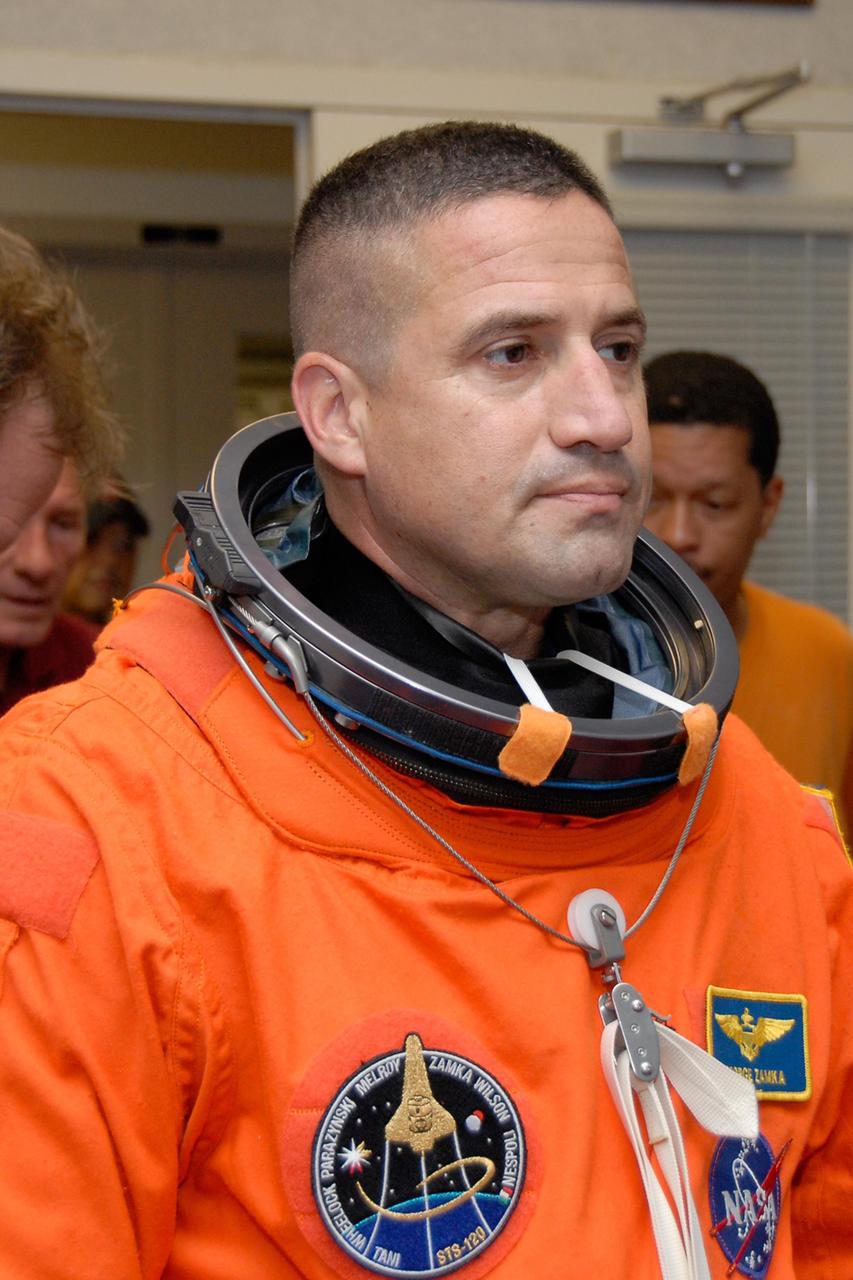
KENNEDY SPACE CENTER, FLA. -- STS-120 Pilot George Zamka dons his launch and entry suit. He will join Commander Pamela Melroy in practicing landing on NASA's Shuttle Landing Facility runway in the shuttle training aircraft, or STA. A modified Grumman American Aviation-built Gulf Stream II jet, the STA simulates an orbiter's cockpit, motion and visual cues and handling qualities. In flight, the STA duplicates the orbiter's atmospheric descent trajectory from approximately 35,000 feet altitude to landing on a runway. Melroy and other crew members are at Kennedy Space Center to take part in the terminal countdown demonstration test, which also includes a simulated launch countdown. Mission STS-120 is targeted for Oct. 23. Photo credit: NASA/Kim Shiflett
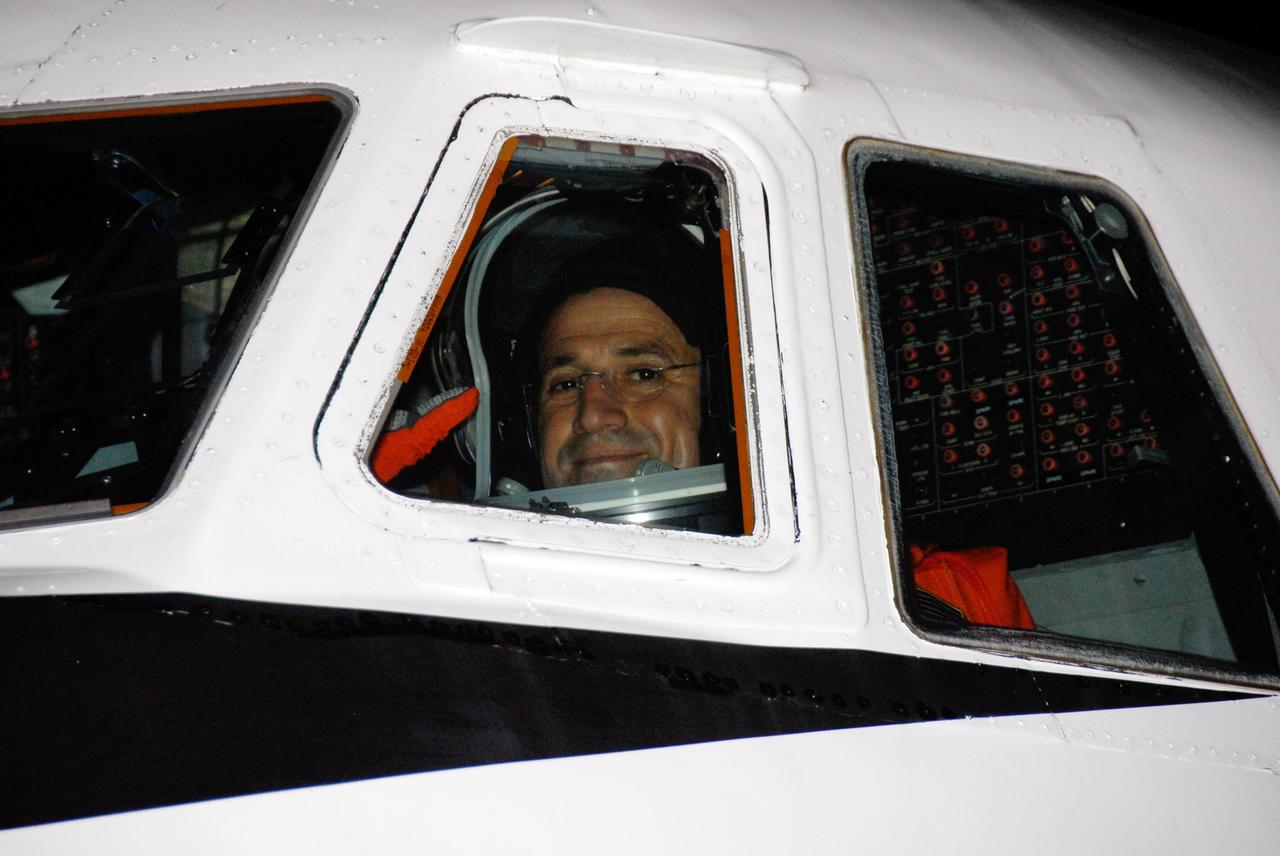
KENNEDY SPACE CENTER, FLA. -- Seated in the cockpit of the shuttle training aircraft, or STA, STS-120 Pilot George Zamka is ready to begin landing practice on NASA's Shuttle Landing Facility runway. A modified Grumman American Aviation-built Gulf Stream II jet, the STA simulates an orbiter's cockpit, motion and visual cues and handling qualities. In flight, the STA duplicates the orbiter's atmospheric descent trajectory from approximately 35,000 feet altitude to landing on a runway. Melroy and other crew members are at Kennedy Space Center to take part in the terminal countdown demonstration test, which also includes a simulated launch countdown. Mission STS-120 is targeted for Oct. 23. Photo credit: NASA/Kim Shiflett
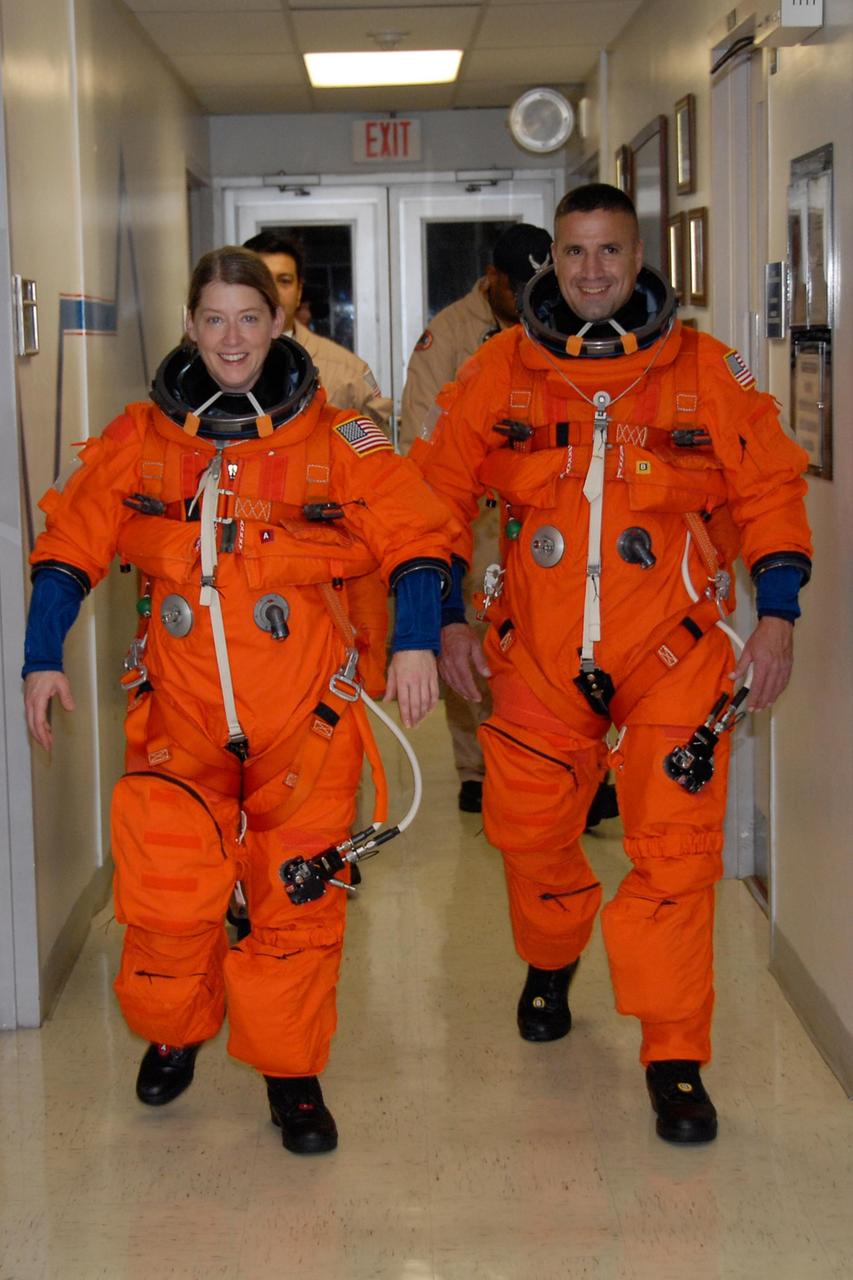
KENNEDY SPACE CENTER, FLA. -- STS-120 Commander Pamela Melroy and Pilot George Zamka are suited in their orange launch and entry suits and on their way to NASA's Shuttle Landing Facility to practice landing in the shuttle training aircraft, or STA. A modified Grumman American Aviation-built Gulf Stream II jet, the STA simulates an orbiter's cockpit, motion and visual cues and handling qualities. In flight, the STA duplicates the orbiter's atmospheric descent trajectory from approximately 35,000 feet altitude to landing on a runway. Melroy and other crew members are at Kennedy Space Center to take part in the terminal countdown demonstration test, which also includes a simulated launch countdown. Mission STS-120 is targeted for Oct. 23. Photo credit: NASA/Kim Shiflett
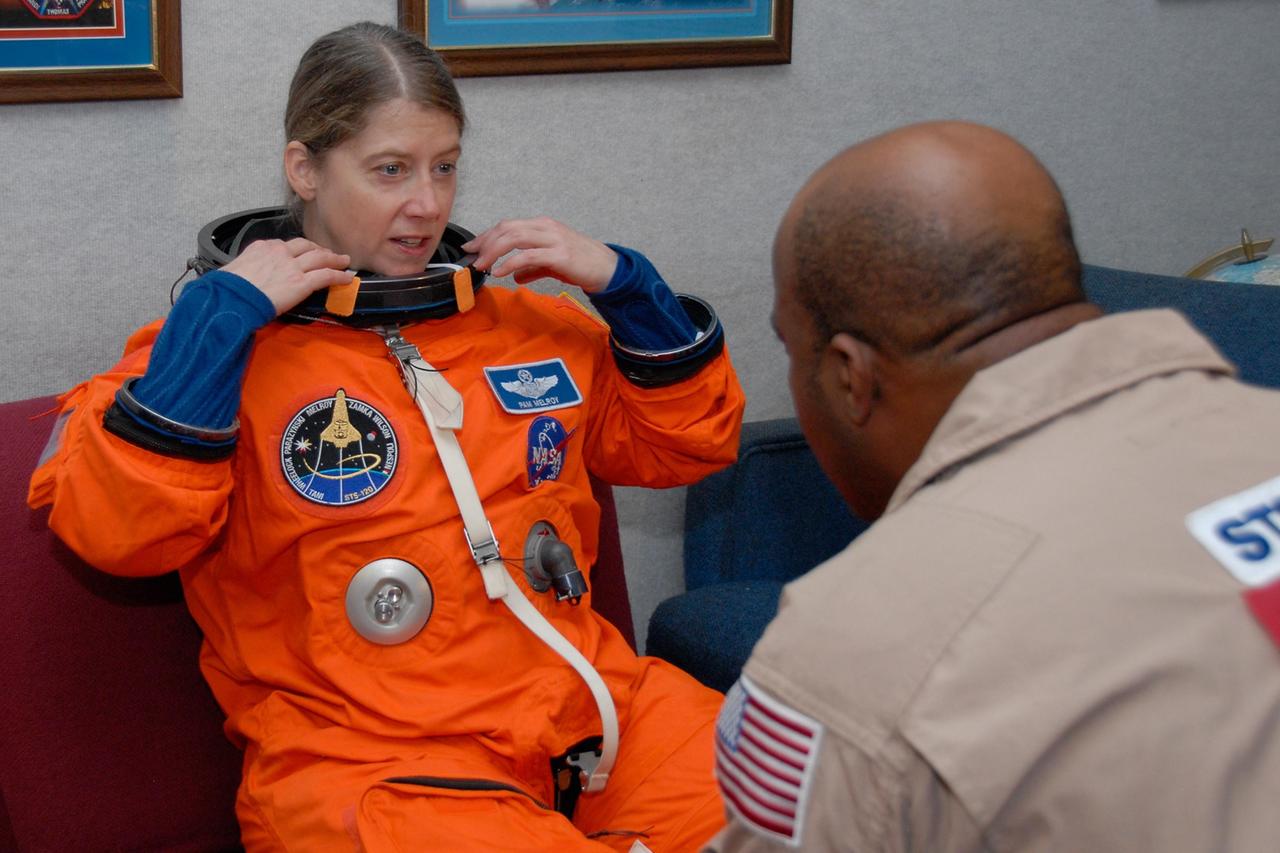
KENNEDY SPACE CENTER, FLA. -- STS-120 Commander Pamela Melroy dons her launch and entry suit. She will be practicing landing on NASA's Shuttle Landing Facility runway in the shuttle training aircraft, or STA. A modified Grumman American Aviation-built Gulf Stream II jet, the STA simulates an orbiter's cockpit, motion and visual cues and handling qualities. In flight, the STA duplicates the orbiter's atmospheric descent trajectory from approximately 35,000 feet altitude to landing on a runway. Melroy and other crew members are at Kennedy Space Center to take part in the terminal countdown demonstration test, which also includes a simulated launch countdown. Mission STS-120 is targeted for Oct. 23. Photo credit: NASA/Kim Shiflett
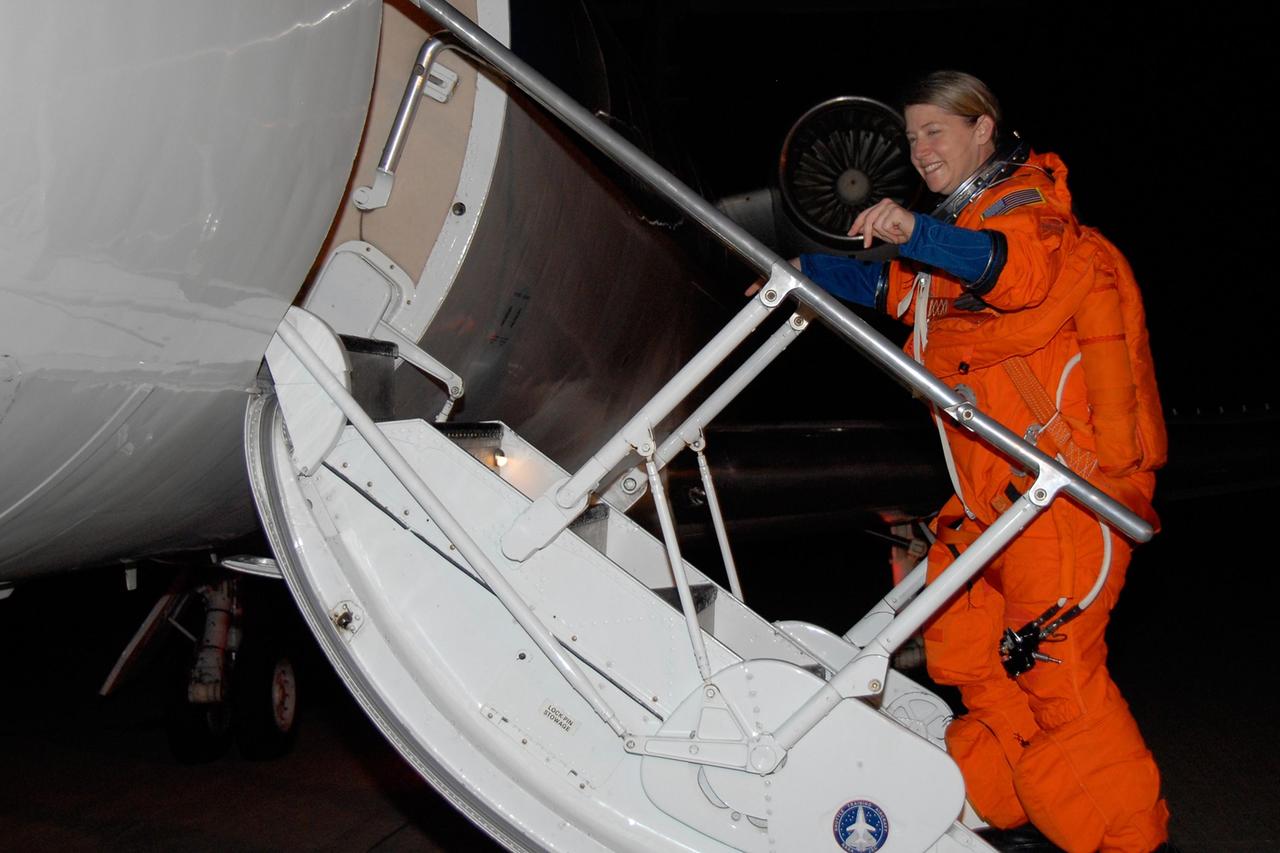
KENNEDY SPACE CENTER, FLA. -- STS-120 Commander Pamela Melroy is eager to enter the shuttle training aircraft, or STA, to practice landing on NASA's Shuttle Landing Facility runway. A modified Grumman American Aviation-built Gulf Stream II jet, the STA simulates an orbiter's cockpit, motion and visual cues and handling qualities. In flight, the STA duplicates the orbiter's atmospheric descent trajectory from approximately 35,000 feet altitude to landing on a runway. Melroy and other crew members are at Kennedy Space Center to take part in the terminal countdown demonstration test, which also includes a simulated launch countdown. Mission STS-120 is targeted for Oct. 23. Photo credit: NASA/Kim Shiflett
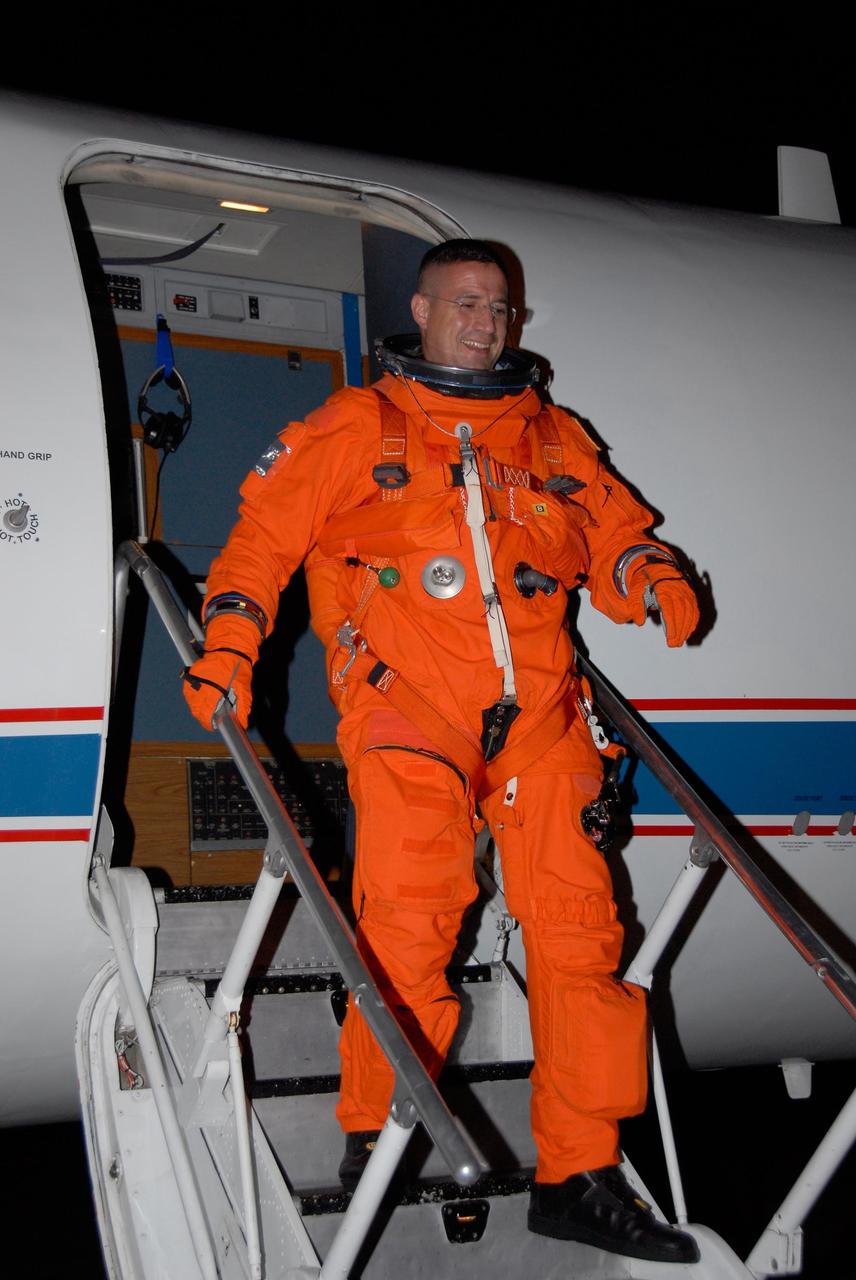
KENNEDY SPACE CENTER, FLA. -- STS-120 Pilot George Zamka disembarks from the shuttle training aircraft, or STA, after successful landing practice on NASA's Shuttle Landing Facility runway. A modified Grumman American Aviation-built Gulf Stream II jet, the STA simulates an orbiter's cockpit, motion and visual cues and handling qualities. In flight, the STA duplicates the orbiter's atmospheric descent trajectory from approximately 35,000 feet altitude to landing on a runway. Melroy and other crew members are at Kennedy Space Center to take part in the terminal countdown demonstration test, which also includes a simulated launch countdown. Mission STS-120 is targeted for Oct. 23. Photo credit: NASA/Kim Shiflett
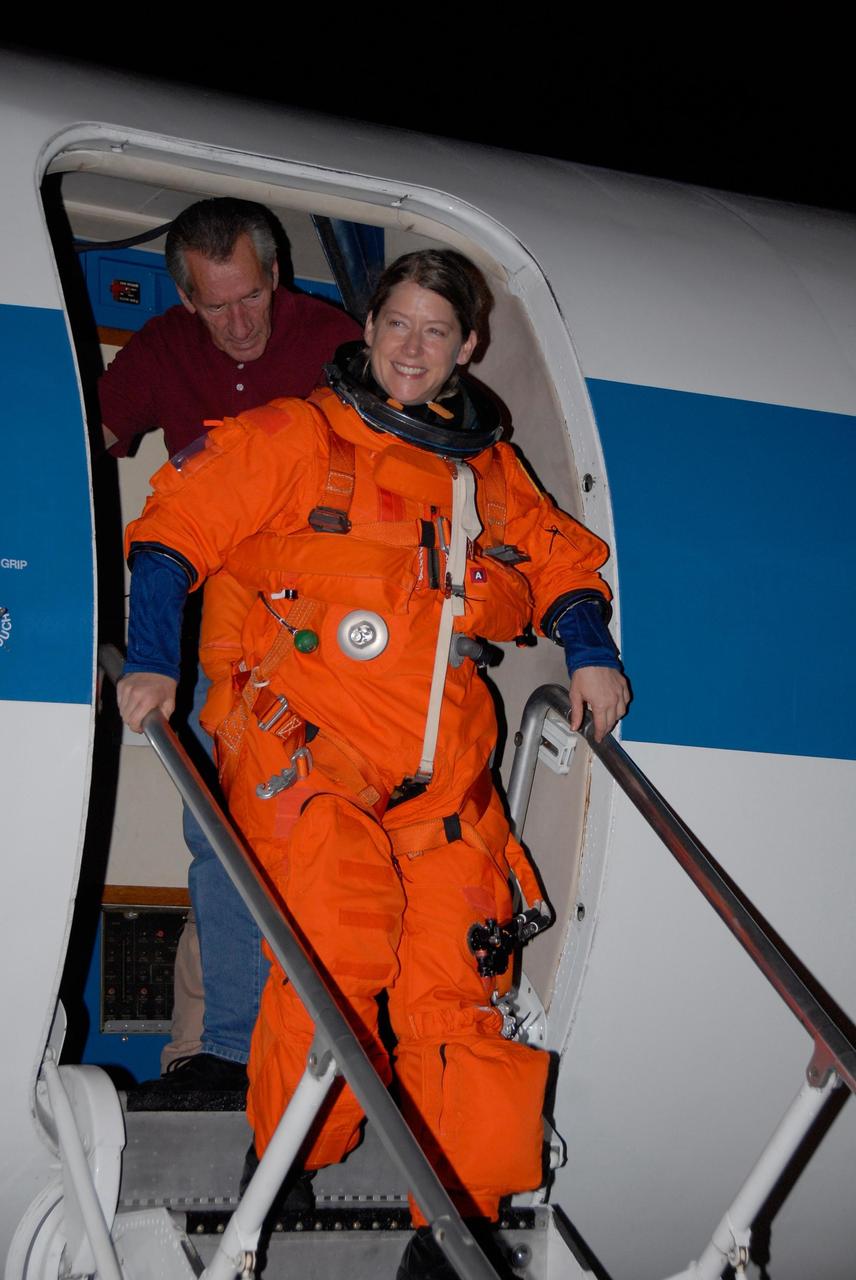
KENNEDY SPACE CENTER, FLA. -- STS-120 Commander Pamela Melroy disembarks from the shuttle training aircraft, or STA, after successful landing practice on NASA's Shuttle Landing Facility runway. A modified Grumman American Aviation-built Gulf Stream II jet, the STA simulates an orbiter's cockpit, motion and visual cues and handling qualities. In flight, the STA duplicates the orbiter's atmospheric descent trajectory from approximately 35,000 feet altitude to landing on a runway. Melroy and other crew members are at Kennedy Space Center to take part in the terminal countdown demonstration test, which also includes a simulated launch countdown. Mission STS-120 is targeted for Oct. 23. Photo credit: NASA/Kim Shiflett
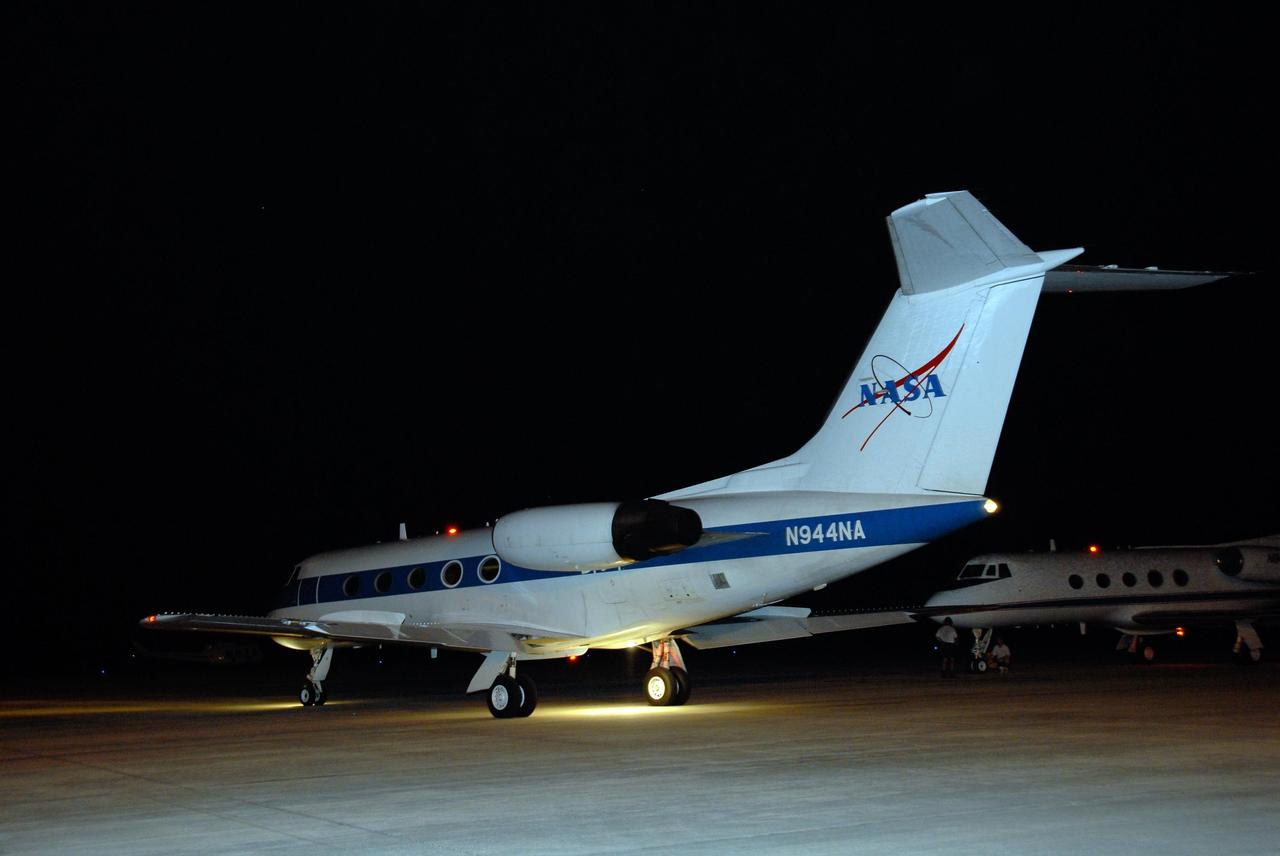
KENNEDY SPACE CENTER, FLA. -- The shuttle training aircraft, or STA, moves toward the runway on NASA's Shuttle Landing Facility. In the cockpit are STS-120 Commander Pamela Melroy and Pilot George Zamka, who will begin landing practice on the runway. A modified Grumman American Aviation-built Gulf Stream II jet, the STA simulates an orbiter's cockpit, motion and visual cues and handling qualities. In flight, the STA duplicates the orbiter's atmospheric descent trajectory from approximately 35,000 feet altitude to landing on a runway. Melroy and other crew members are at Kennedy Space Center to take part in the terminal countdown demonstration test, which also includes a simulated launch countdown. Mission STS-120 is targeted for Oct. 23. Photo credit: NASA/Kim Shiflett
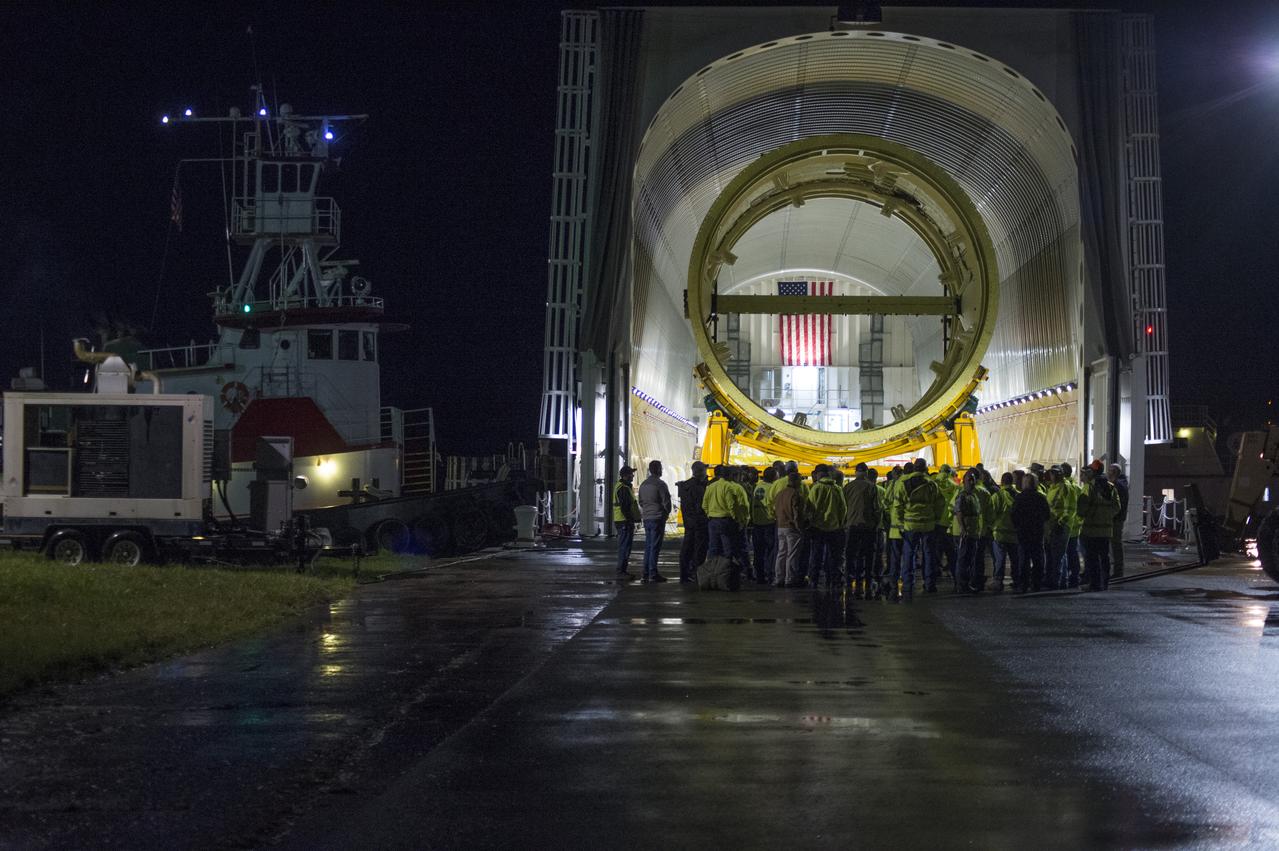
The SLS Stages Intertank Structural Test Assembly (STA) is rolling off the NASA Pegasus Barge at the MSFC Dock enroute to the MSFC 4619 Load Test Annex test facility for qualification testing. Members of MSFC Logistics Office and Move Team members gather for last minute instructions and safety briefing before off-loading STA hardware.
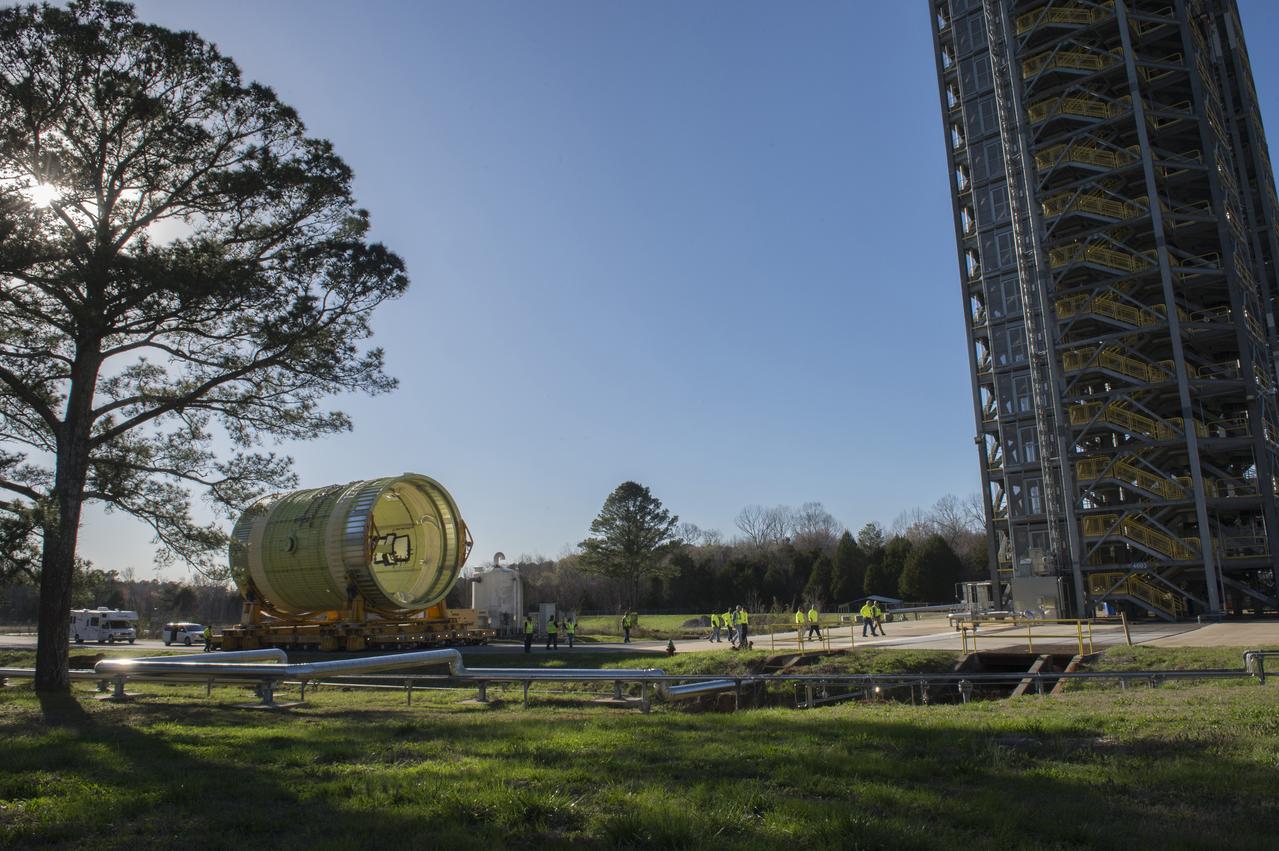
The SLS Stages Intertank Structural Test Assembly (STA) is rolling off the NASA Pegasus Barge at the MSFC Dock enroute to the MSFC 4619 Load Test Annex test facility for qualification testing via MSFC West Test Area. STA approaches Test Stand 4693, SLS LH2 test Stand, on way to Bldg. 4619
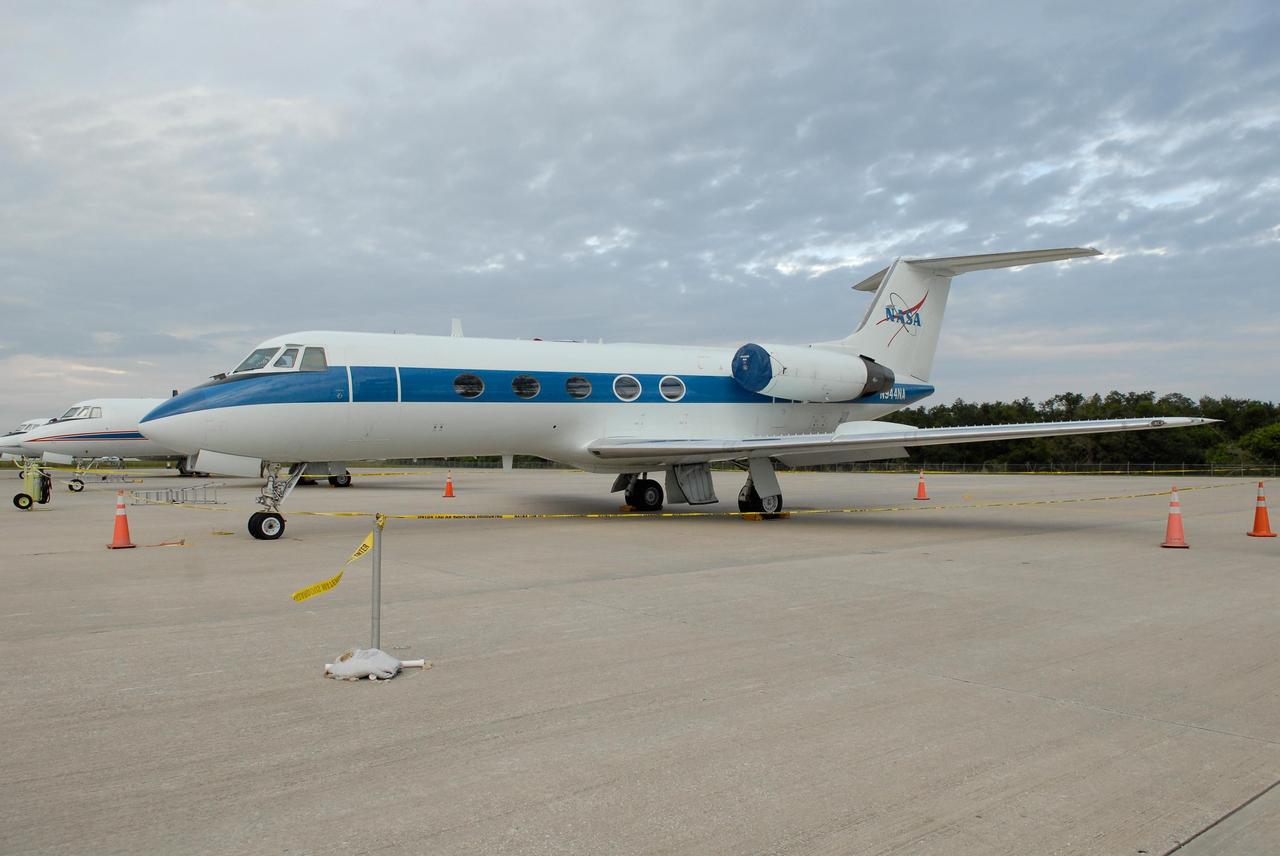
KENNEDY SPACE CENTER, FLA. -- The left position light, strobe light and wing tip of one of NASA's Shuttle Training Aircraft, or STAs, sustained minor damage from apparent contact with a tree near Kennedy Space Center's Shuttle Landing Facility. The incident occurred during landing about 6:30 p.m. EDT Oct. 19 following a training session. An STA flight instructor was piloting the aircraft. The flight crew was unaware of any contact with the tree, and there were no injuries. Thunderstorms were in the area at the time of the incident, which is under investigation. The STA is a twin-engine Gulfstream II jet that was modified to simulate a space shuttle during landing. Photo credit: NASA/Kim Shiflett
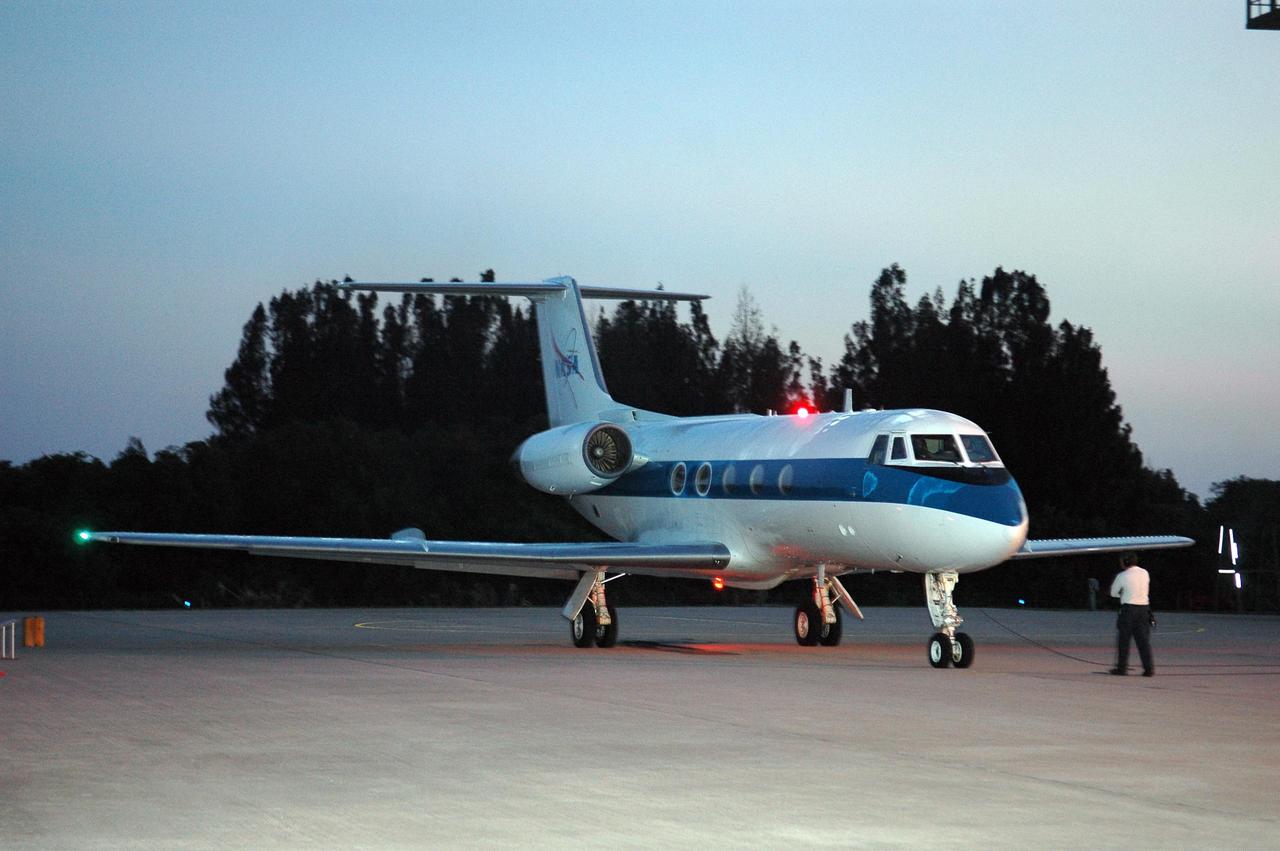
KENNEDY SPACE CENTER, FLA. - As dawn washes the sky in pink, STS-121 Commander Steven Lindsey is ready for his first flight in the Shuttle Training Aircraft today to practice landing a shuttle in preparation for the July 1 launch of Space Shuttle Discovery. The STA is a Grumman American Aviation-built Gulf Stream II jet that was modified to simulate an orbiter’s cockpit, motion and visual cues, and handling qualities. In flight, the STA duplicates the orbiter’s atmospheric descent trajectory from approximately 35,000 feet altitude to landing on a runway. Because the orbiter is unpowered during re-entry and landing, its high-speed glide must be perfectly executed the first time. Photo credit: NASA/Kim Shiflett
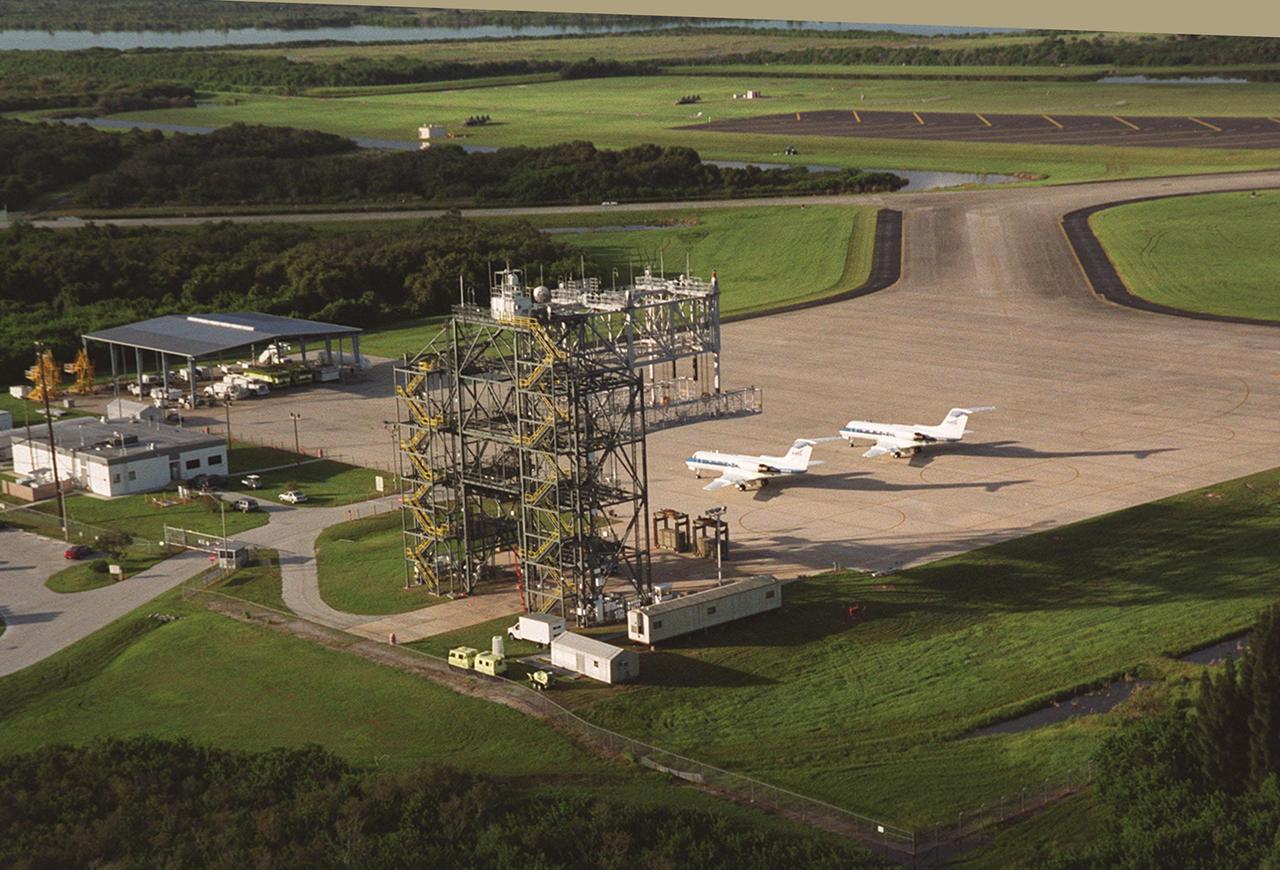
An aerial view of the Shuttle Landing Facility shows the Mate/Demate device in the foreground, with two Shuttle Training Aircraft (STA) on the ground behind it. Visible in the background is the runway and the taxi way leading from the SLF to the right. The STAs are Grumman Gulfstream 2 aircraft with converted cockpits that emulate those in the Shuttles for practice landings at the SLF.
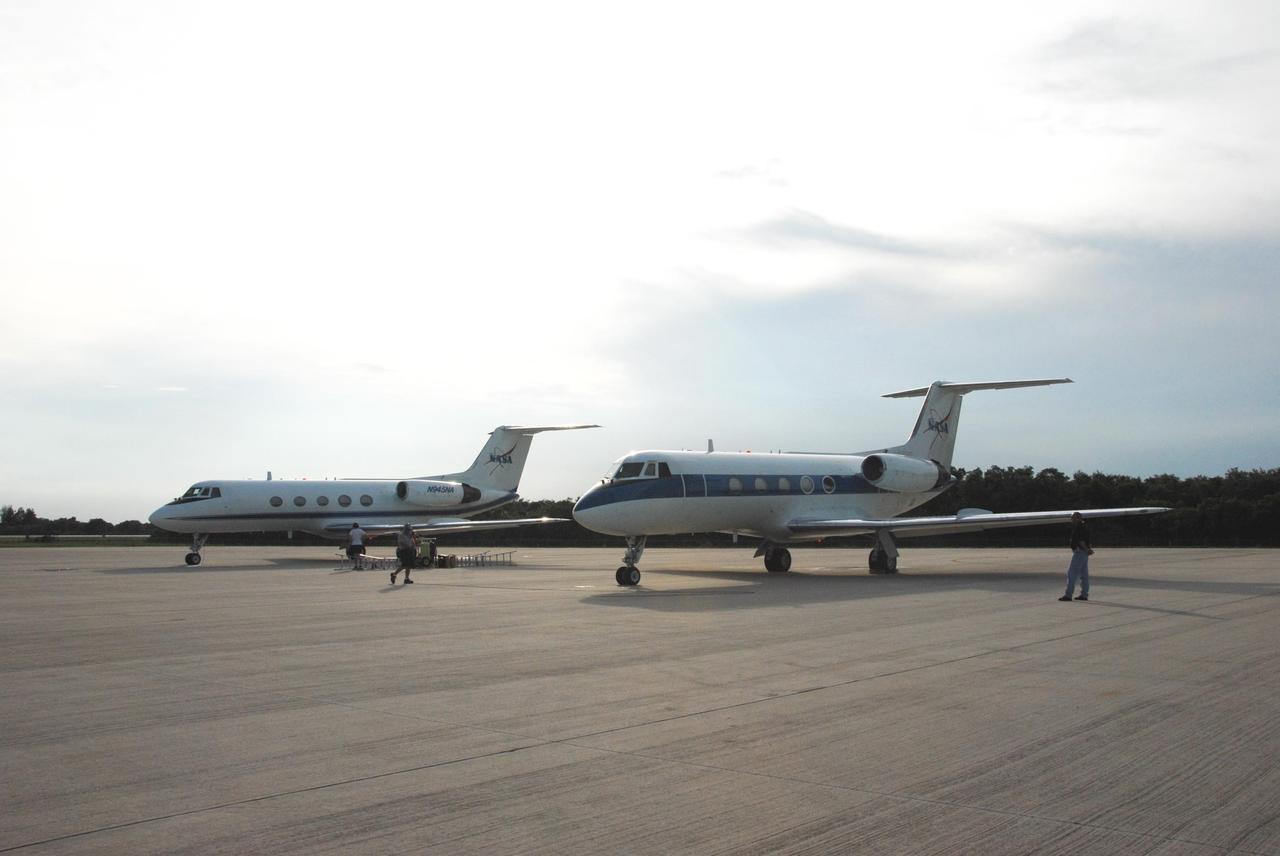
KENNEDY SPACE CENTER, Fla. -- Two shuttle training aircraft, or STAs, wait to taxi onto the runway at the Shuttle Landing Facility. STS-118 Commander Scott Kelly and Pilot Charlie Hobaugh are each piloting one of the STAs for landing practice. The practice is part of Terminal Countdown Demonstration Test, or TCDT, activities that include a simulated launch countdown. The STA is a Grumman American Aviation-built Gulf Stream II jet that was modified to simulate an orbiter's cockpit, motion and visual cues, and handling qualities. In flight, the STA duplicates the orbiter's atmospheric descent trajectory from approximately 35,000 feet altitude to landing on a runway. The STS-118 mission is the 22nd flight to the International Space Station and is targeted for launch on Aug. 7. The mission payload aboard Space Shuttle Endeavour includes the S5 truss, a SPACEHAB module and external stowage platform 3. NASA/George Shelton
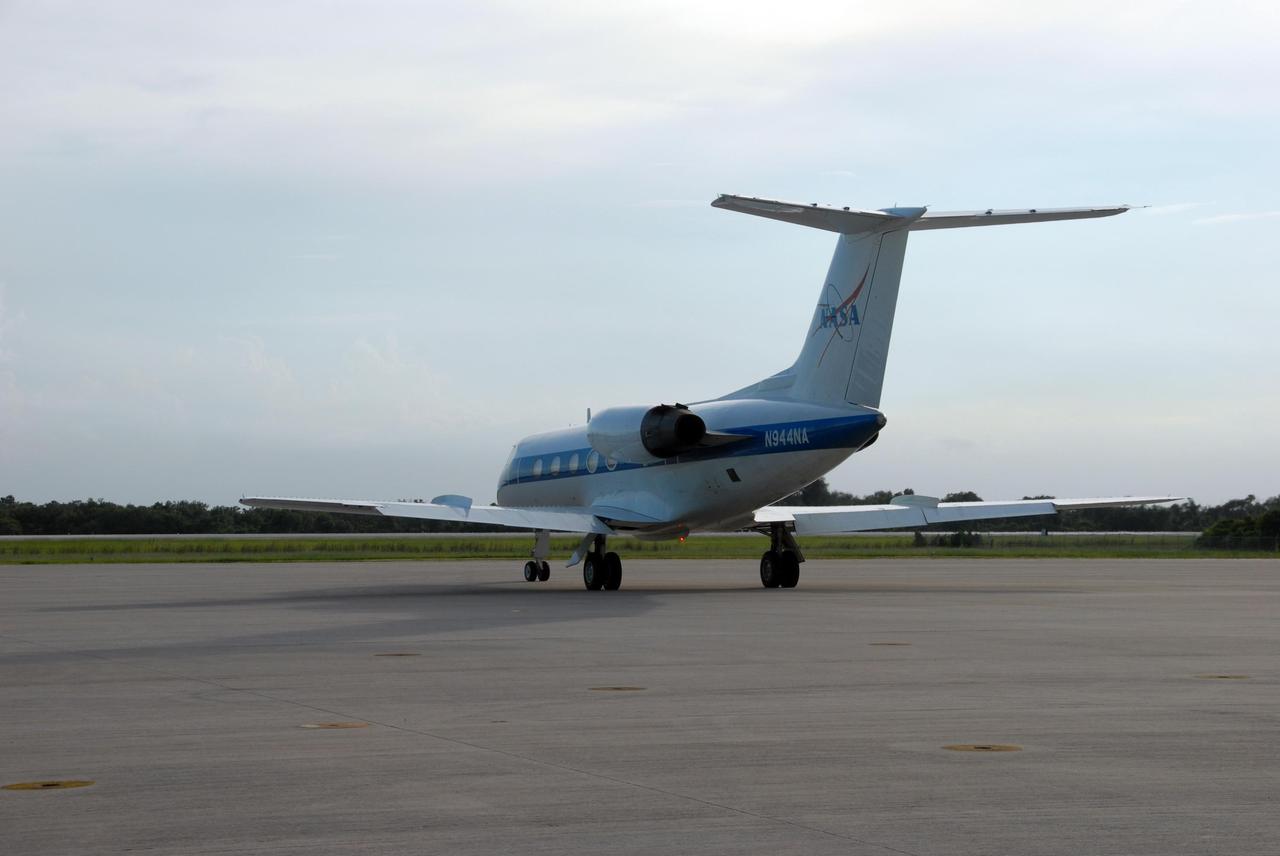
KENNEDY SPACE CENTER, Fla. -- One of two shuttle training aircraft, or STA, taxis out to the runway at the Shuttle Landing Facility. STS-118 Commander Scott Kelly and Pilot Charlie Hobaugh are each piloting one of the STAs for landing practice. The practice is part of Terminal Countdown Demonstration Test, or TCDT, activities that include a simulated launch countdown. The STA is a Grumman American Aviation-built Gulf Stream II jet that was modified to simulate an orbiter's cockpit, motion and visual cues, and handling qualities. In flight, the STA duplicates the orbiter's atmospheric descent trajectory from approximately 35,000 feet altitude to landing on a runway. The STS-118 mission is the 22nd flight to the International Space Station and is targeted for launch on Aug. 7. The mission payload aboard Space Shuttle Endeavour includes the S5 truss, a SPACEHAB module and external stowage platform 3. NASA/George Shelton
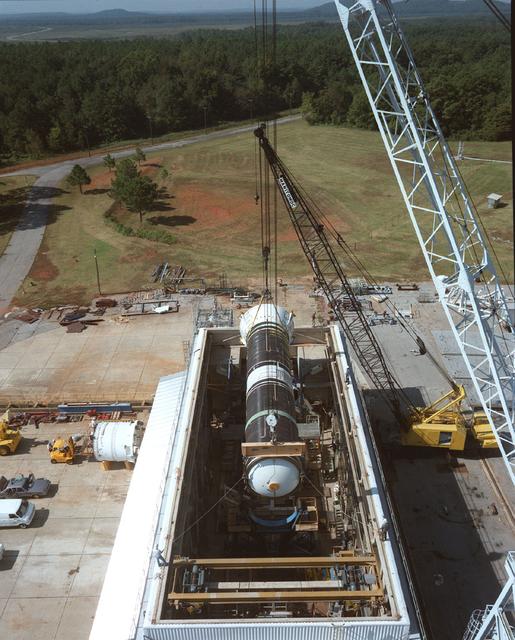
Marshall Space Flight Center workers install Structural Test Article Number Three (STA-3) into a Center test facility. From December 1987 to April 1988, STA-3 (a test model of the Redesigned Solid Rocket Motor) underwent a series of six tests at the Marshall Center designed to demonstrate the structural strength of the Space Shuttle's Solid Rocket Booster, redesigned after the January 1986 Challenger accident.
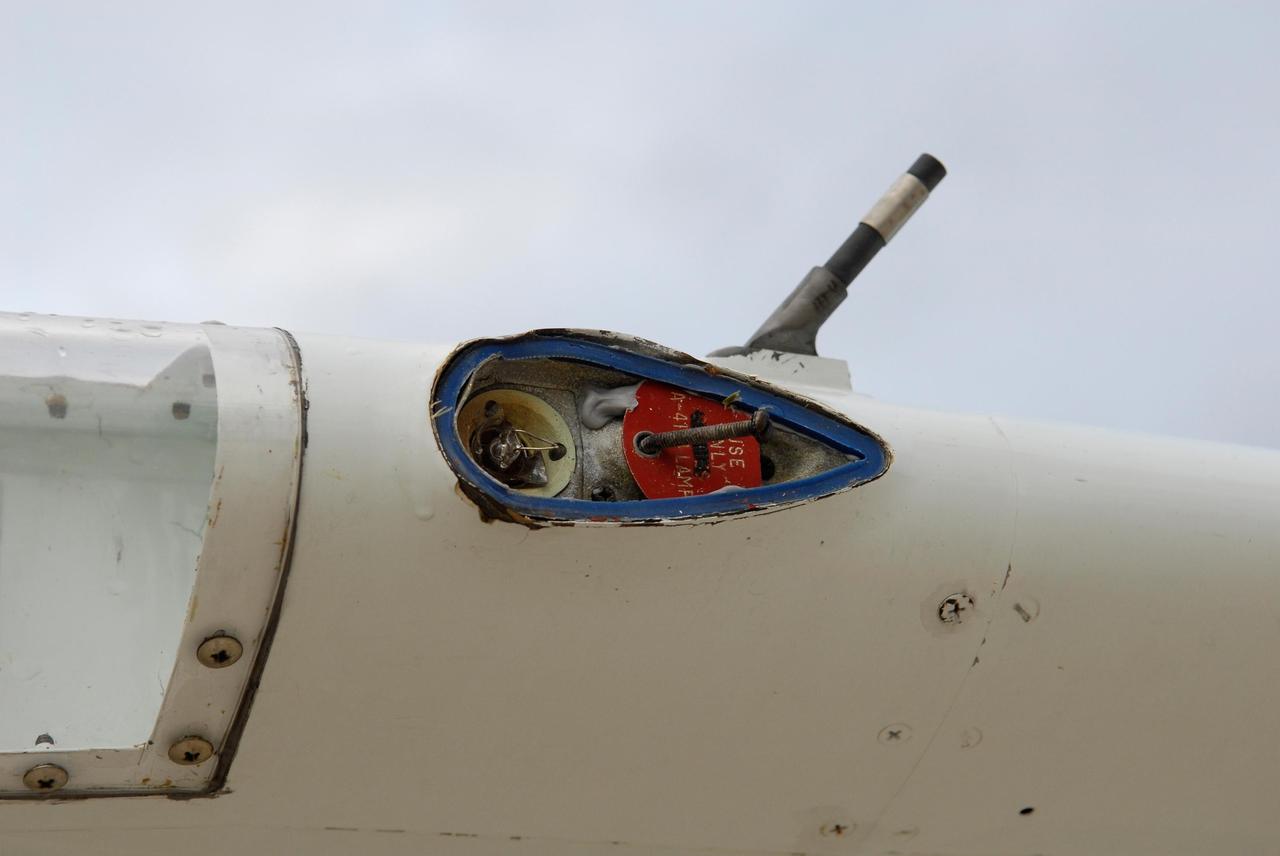
KENNEDY SPACE CENTER, FLA. -- Debris from apparent contact with a tree near Kennedy Space Center's Shuttle Landing Facility can be seen in the strobe light cavity on the left side of one of NASA's Shuttle Training Aircraft, or STA. The left position light and wing tip also received minor damage. The incident occurred during landing about 6:30 p.m. EDT Oct. 19 following a training session. An STA flight instructor was piloting the aircraft. The flight crew was unaware of any contact with the tree, and there were no injuries. Thunderstorms were in the area at the time of the incident, which is under investigation. The STA is a twin-engine Gulfstream II jet that was modified to simulate a space shuttle during landing. Photo credit: NASA/Kim Shiflett
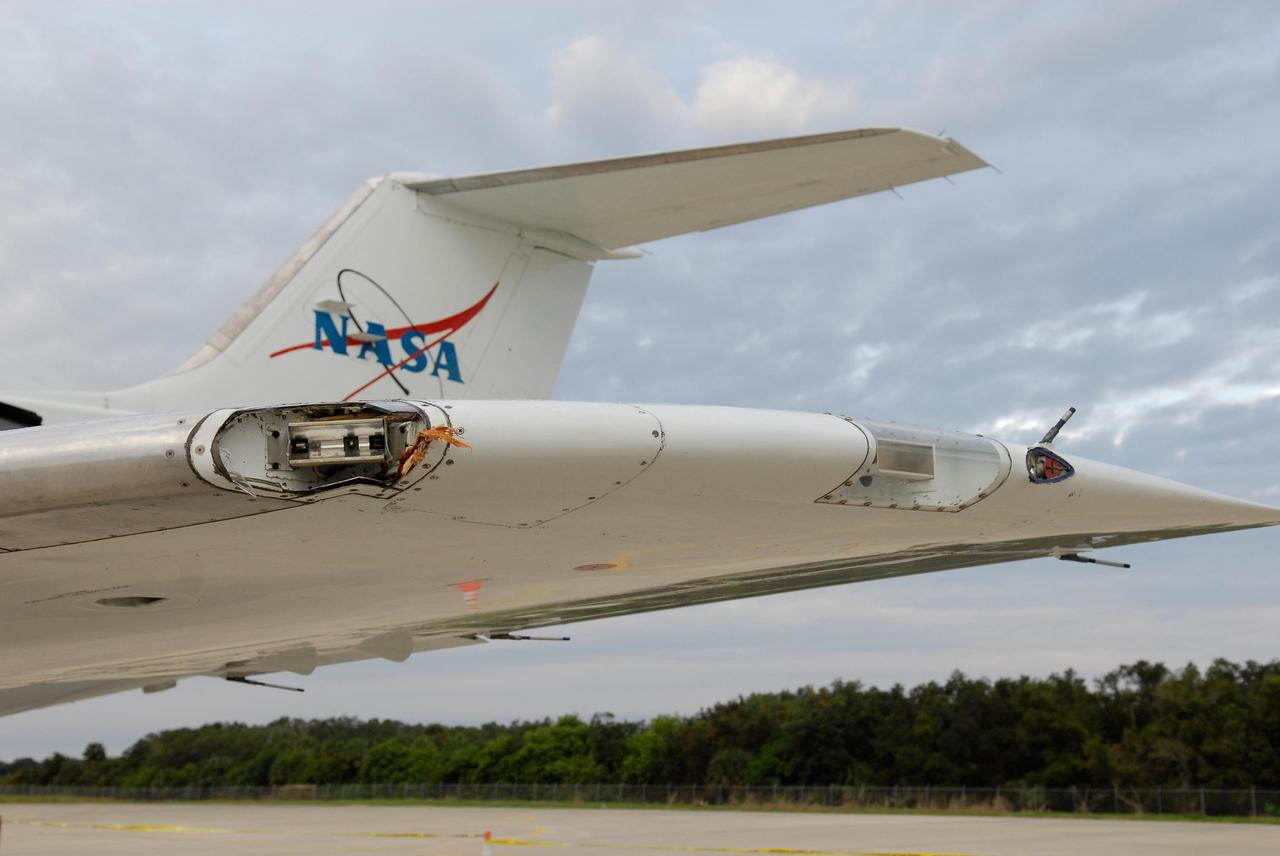
KENNEDY SPACE CENTER, FLA. -- The left position light, strobe light and wing tip of one of NASA's Shuttle Training Aircraft, or STA, show signs of minor damage from apparent contact with a tree near Kennedy Space Center's Shuttle Landing Facility. The incident occurred during landing about 6:30 p.m. EDT Oct. 19 following a training session. An STA flight instructor was piloting the aircraft. The flight crew was unaware of any contact with the tree, and there were no injuries. Thunderstorms were in the area at the time of the incident, which is under investigation. The STA is a twin-engine Gulfstream II jet that was modified to simulate a space shuttle during landing. Photo credit: NASA/Kim Shiflett
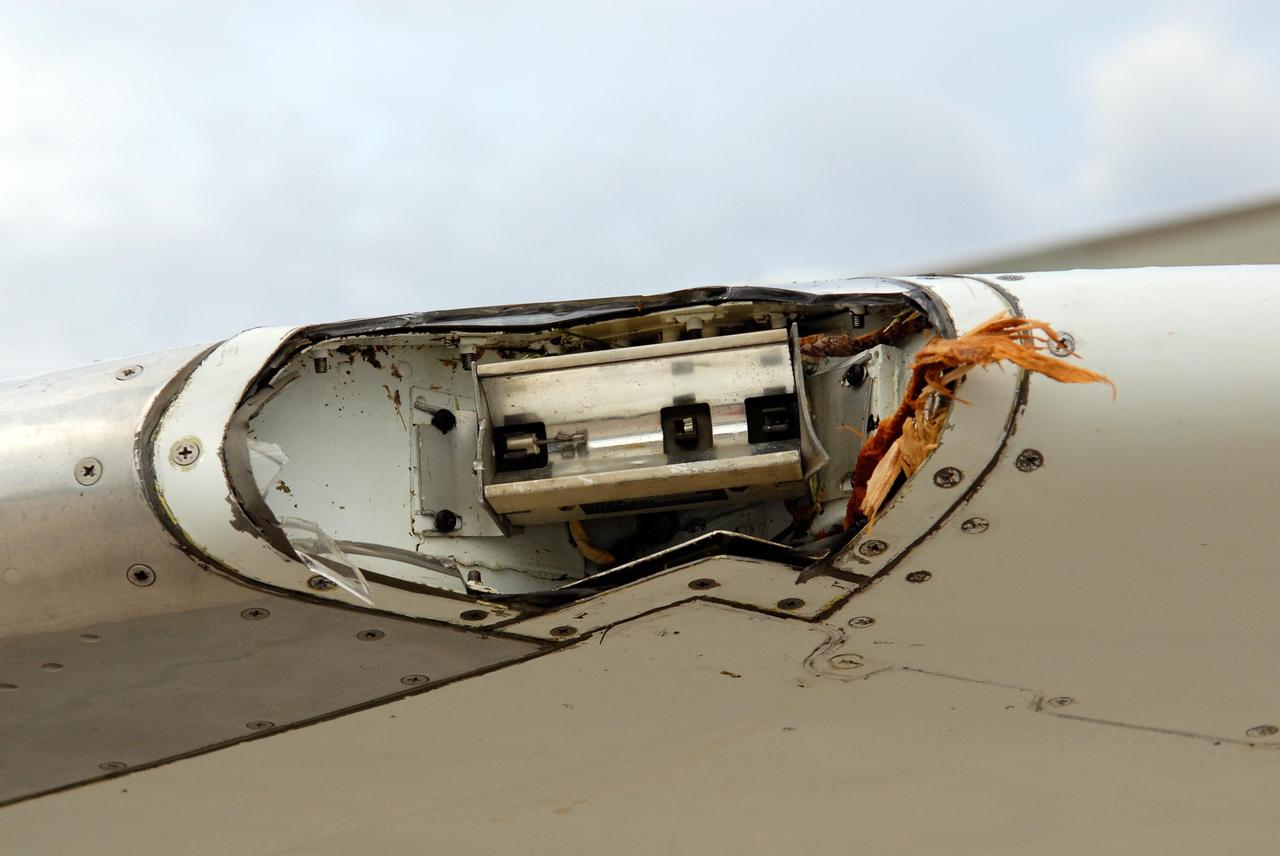
KENNEDY SPACE CENTER, FLA. -- Debris from apparent contact with a tree near Kennedy Space Center's Shuttle Landing Facility can be seen in the position light cavity on the left side of one of NASA's Shuttle Training Aircraft, or STA. The left strobe light and wing tip also received minor damage. The incident occurred during landing about 6:30 p.m. EDT Oct. 19 following a training session. An STA flight instructor was piloting the aircraft. The flight crew was unaware of any contact with the tree, and there were no injuries. Thunderstorms were in the area at the time of the incident, which is under investigation. The STA is a twin-engine Gulfstream II jet that was modified to simulate a space shuttle during landing. Photo credit: NASA/Kim Shiflett
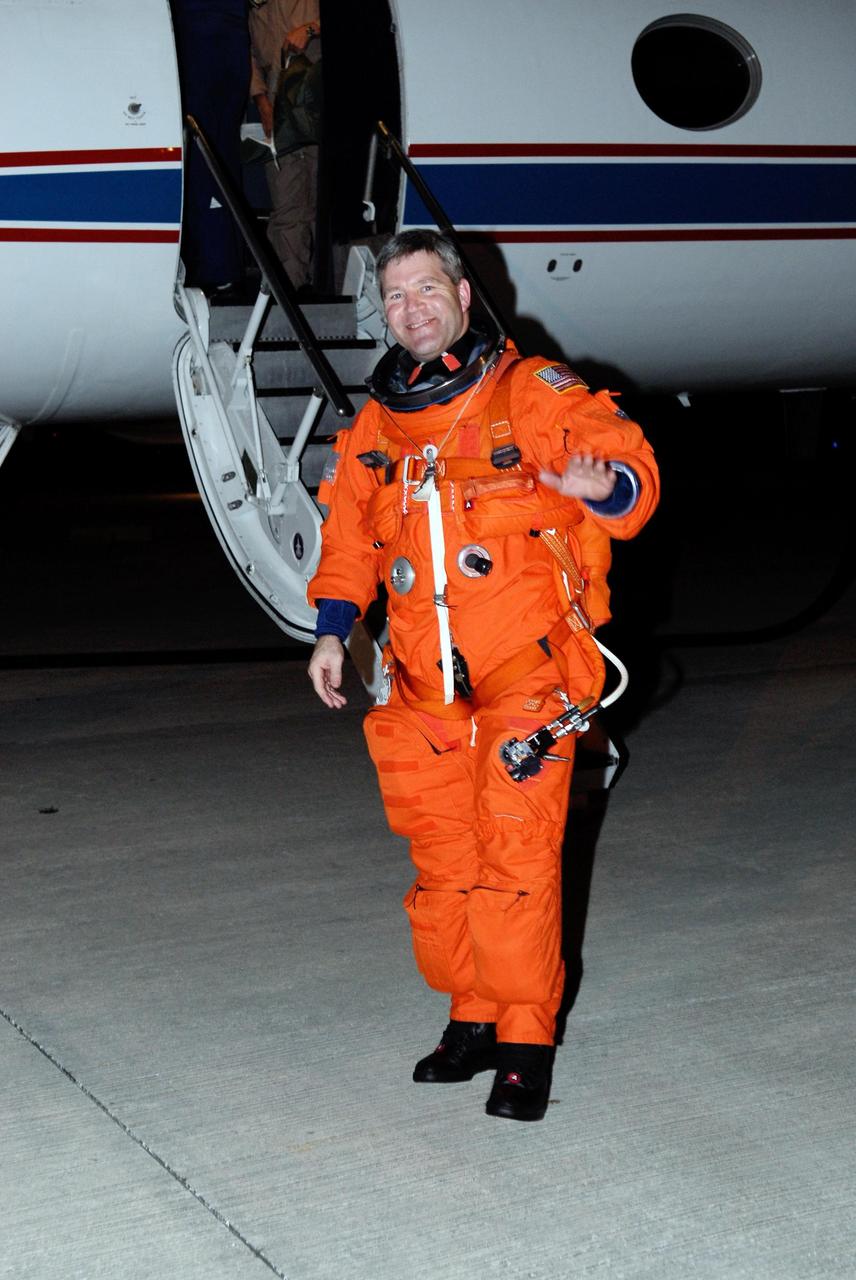
KENNEDY SPACE CENTER, FLA. -- Space shuttle Atlantis STS-122 Commander Steve Frick seems pleased with the practice session he has just completed aboard a shuttle training aircraft, or STA, at Kennedy Space Center's Shuttle Landing Facility. He and STS-122 Pilot Alan Poindexter were practicing landing the STA in preparation for their upcoming mission. The STA is a Grumman American Aviation-built Gulf Stream II jet that was modified to simulate an orbiter's cockpit, motion and visual cues, and handling qualities. In flight, the STA duplicates the orbiter's atmospheric descent trajectory from approximately 35,000 feet altitude to landing on a runway. Because the orbiter is unpowered during re-entry and landing, its high-speed glide must be perfectly executed the first time. The training is part of terminal countdown demonstration test, or TCDT, activities. The TCDT provides astronauts and ground crews with equipment familiarization, emergency egress training and a simulated launch countdown. On mission STS-122, Atlantis will deliver the European Space Agency's Columbus module to the International Space Station. Columbus is a multifunctional, pressurized laboratory that will be permanently attached to U.S. Node 2, called Harmony, and will expand the research facilities aboard the station. Launch is targeted for Dec. 6. Photo credit: NASA/Kim Shiflett
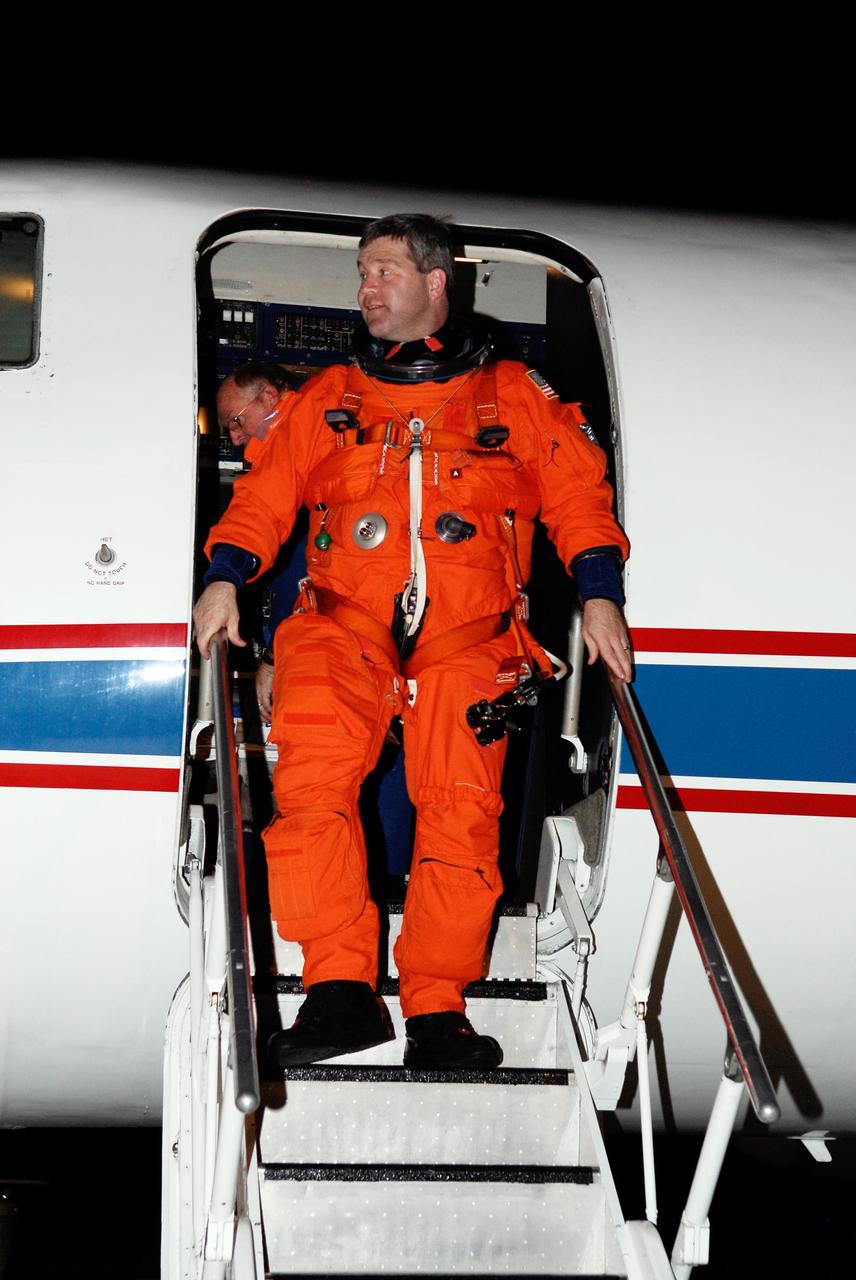
KENNEDY SPACE CENTER, FLA. -- Space shuttle Atlantis STS-122 Commander Steve Frick disembarks from a shuttle training aircraft, or STA, at Kennedy Space Center's Shuttle Landing Facility. He and STS-122 Pilot Alan Poindexter have just completed a practice session landing the STA. The STA is a Grumman American Aviation-built Gulf Stream II jet that was modified to simulate an orbiter's cockpit, motion and visual cues, and handling qualities. In flight, the STA duplicates the orbiter's atmospheric descent trajectory from approximately 35,000 feet altitude to landing on a runway. Because the orbiter is unpowered during re-entry and landing, its high-speed glide must be perfectly executed the first time. The training is part of terminal countdown demonstration test, or TCDT, activities. The TCDT provides astronauts and ground crews with equipment familiarization, emergency egress training and a simulated launch countdown. On mission STS-122, Atlantis will deliver the European Space Agency's Columbus module to the International Space Station. Columbus is a multifunctional, pressurized laboratory that will be permanently attached to U.S. Node 2, called Harmony, and will expand the research facilities aboard the station. Launch is targeted for Dec. 6. Photo credit: NASA/Kim Shiflett
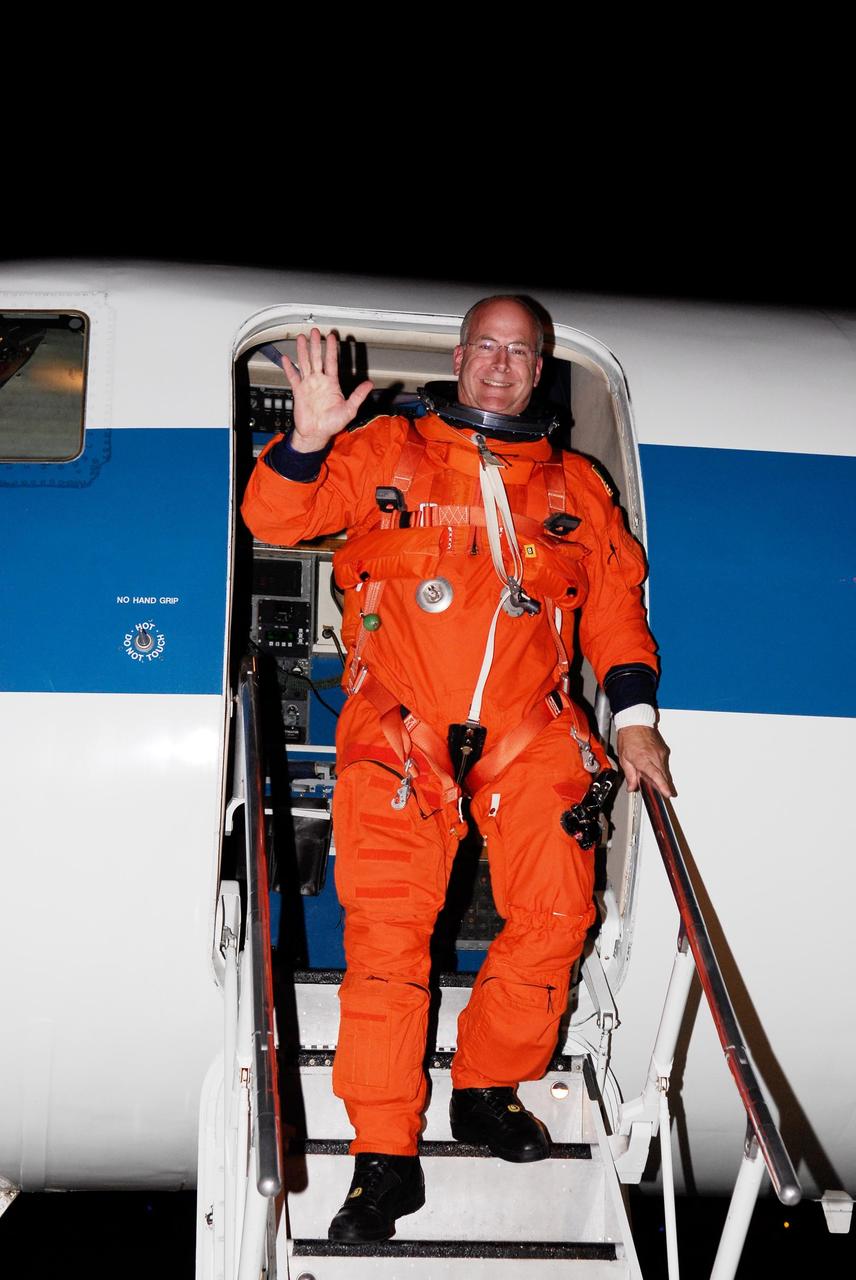
KENNEDY SPACE CENTER, FLA. -- Space shuttle Atlantis STS-122 Pilot Alan Poindexter disembarks from a shuttle training aircraft, or STA, at Kennedy Space Center's Shuttle Landing Facility. He and STS-122 Commander Steve Frick have just completed a practice session landing the STA. The STA is a Grumman American Aviation-built Gulf Stream II jet that was modified to simulate an orbiter's cockpit, motion and visual cues, and handling qualities. In flight, the STA duplicates the orbiter's atmospheric descent trajectory from approximately 35,000 feet altitude to landing on a runway. Because the orbiter is unpowered during re-entry and landing, its high-speed glide must be perfectly executed the first time. The training is part of terminal countdown demonstration test, or TCDT, activities. The TCDT provides astronauts and ground crews with equipment familiarization, emergency egress training and a simulated launch countdown. On mission STS-122, Atlantis will deliver the European Space Agency's Columbus module to the International Space Station. Columbus is a multifunctional, pressurized laboratory that will be permanently attached to U.S. Node 2, called Harmony, and will expand the research facilities aboard the station. Launch is targeted for Dec. 6. Photo credit: NASA/Kim Shiflett
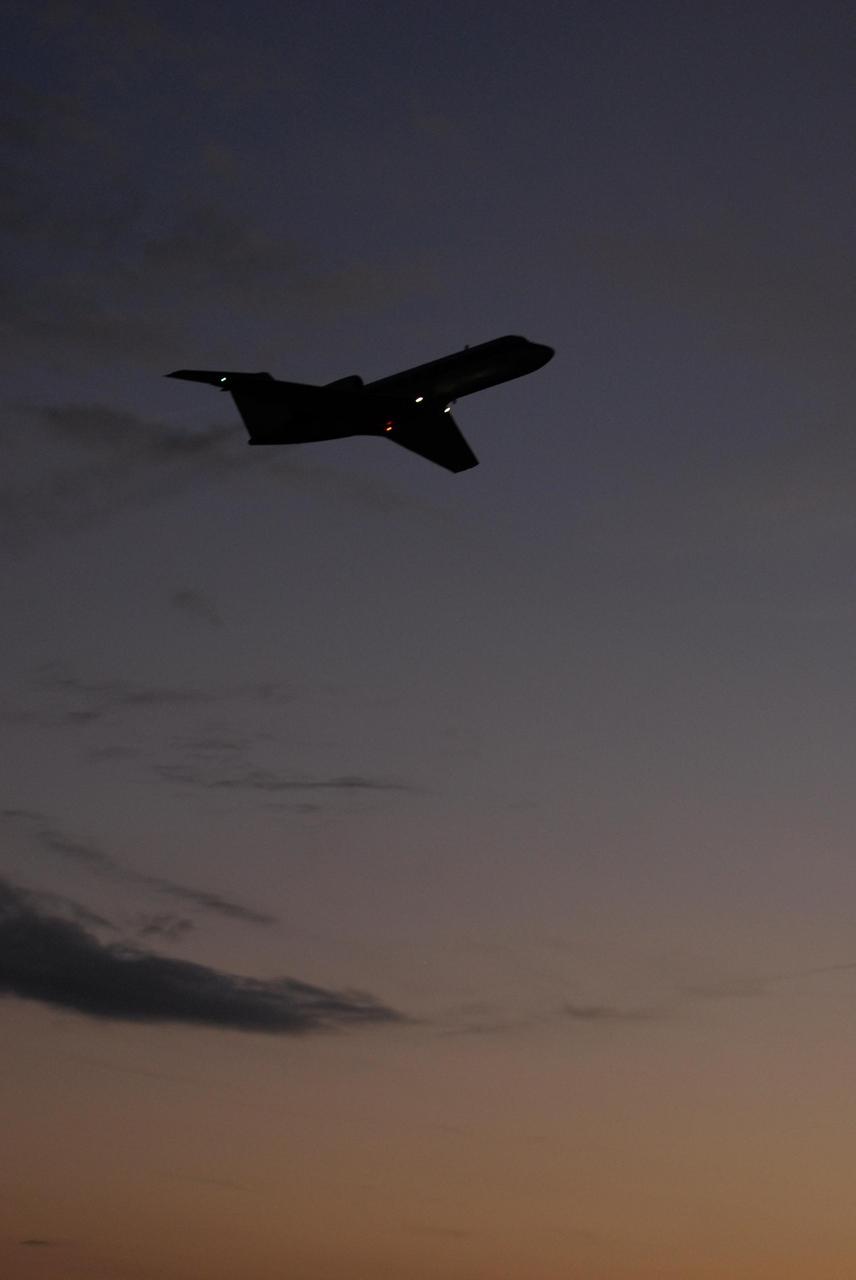
KENNEDY SPACE CENTER, FLA. -- A shuttle training aircraft, or STA, takes off from Kennedy Space Center's Shuttle Landing Facility at dusk. The STA is being used for practice flights by space shuttle Atlantis STS-122 Commander Steve Frick and Pilot Alan Poindexter. The STA is a Grumman American Aviation-built Gulf Stream II jet that was modified to simulate an orbiter's cockpit, motion and visual cues, and handling qualities. In flight, the STA duplicates the orbiter's atmospheric descent trajectory from approximately 35,000 feet altitude to landing on a runway. Because the orbiter is unpowered during re-entry and landing, its high-speed glide must be perfectly executed the first time. The training is part of terminal countdown demonstration test, or TCDT, activities. The TCDT provides astronauts and ground crews with equipment familiarization, emergency egress training and a simulated launch countdown. On mission STS-122, Atlantis will deliver the European Space Agency's Columbus module to the International Space Station. Columbus is a multifunctional, pressurized laboratory that will be permanently attached to U.S. Node 2, called Harmony, and will expand the research facilities aboard the station. Launch is targeted for Dec. 6. Photo credit: NASA/Kim Shiflett
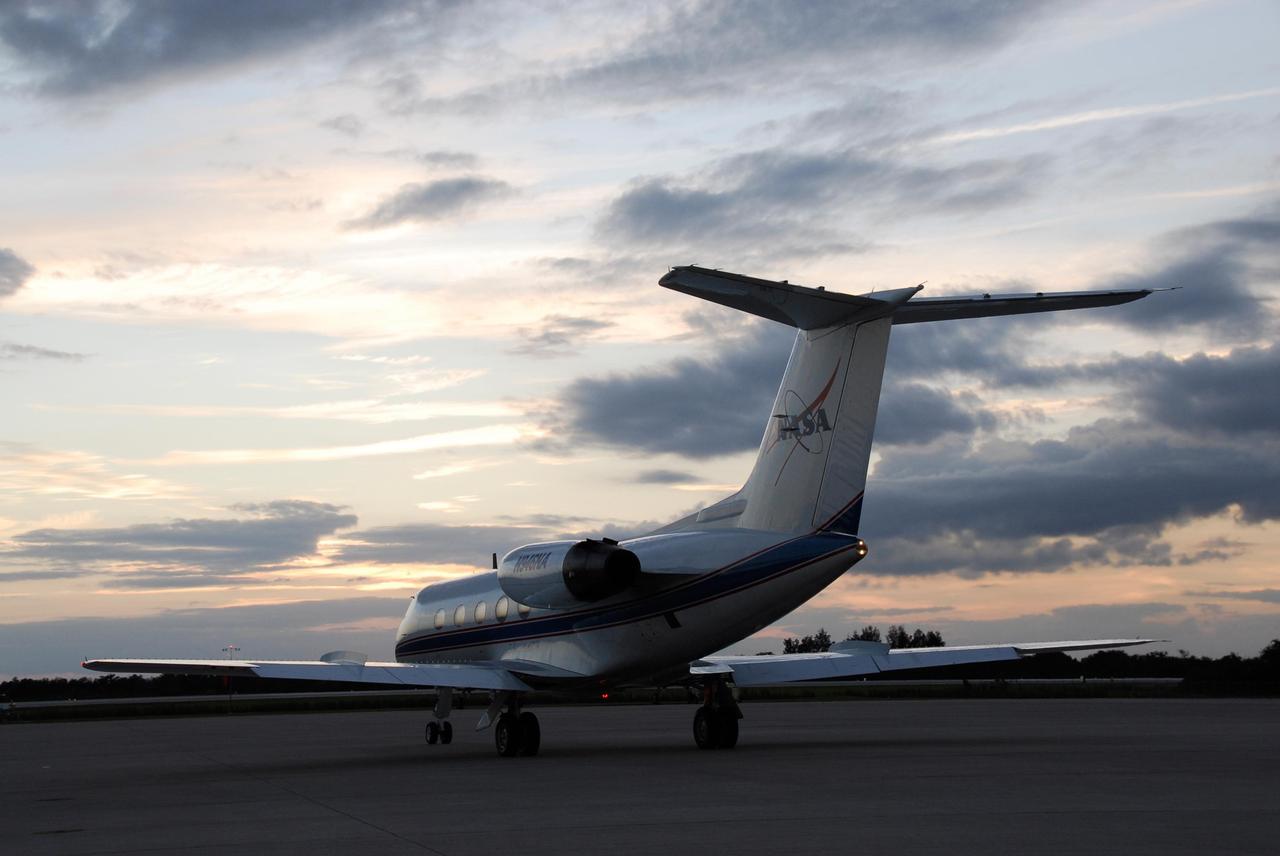
KENNEDY SPACE CENTER, FLA. -- A shuttle training aircraft, or STA, prepares for takeoff from Kennedy Space Center's Shuttle Landing Facility at dusk. The STA is being used for practice flights by space shuttle Atlantis STS-122 Commander Steve Frick and Pilot Alan Poindexter. The STA is a Grumman American Aviation-built Gulf Stream II jet that was modified to simulate an orbiter's cockpit, motion and visual cues, and handling qualities. In flight, the STA duplicates the orbiter's atmospheric descent trajectory from approximately 35,000 feet altitude to landing on a runway. Because the orbiter is unpowered during re-entry and landing, its high-speed glide must be perfectly executed the first time. The training is part of terminal countdown demonstration test, or TCDT, activities. The TCDT provides astronauts and ground crews with equipment familiarization, emergency egress training and a simulated launch countdown. On mission STS-122, Atlantis will deliver the European Space Agency's Columbus module to the International Space Station. Columbus is a multifunctional, pressurized laboratory that will be permanently attached to U.S. Node 2, called Harmony, and will expand the research facilities aboard the station. Launch is targeted for Dec. 6. Photo credit: NASA/Kim Shiflett
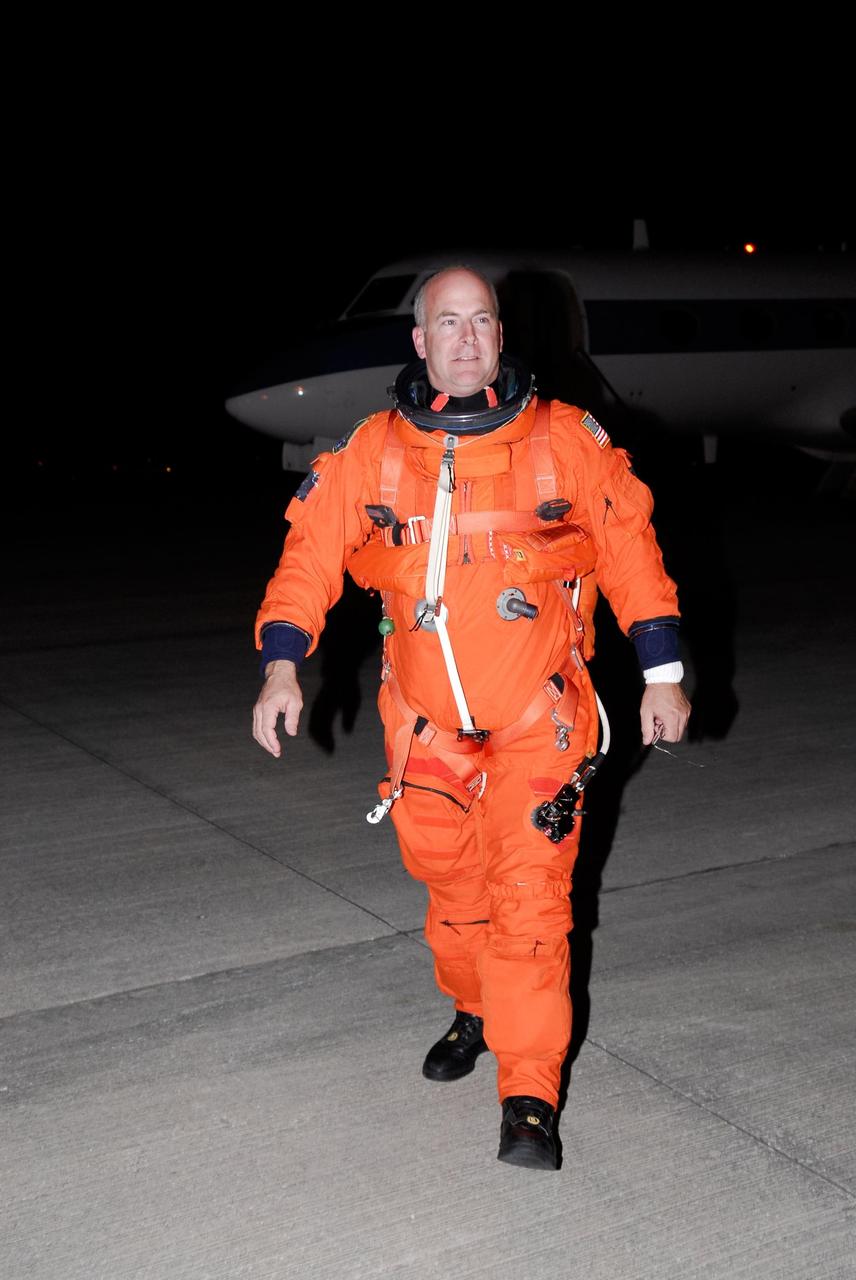
KENNEDY SPACE CENTER, FLA. -- Space shuttle Atlantis STS-122 Pilot Alan Poindexter seems satisfied with the practice session he has just completed aboard a shuttle training aircraft, or STA, at Kennedy Space Center's Shuttle Landing Facility. He and STS-122 Commander Steve Frick were practicing landing the STA in preparation for their upcoming mission. The STA is a Grumman American Aviation-built Gulf Stream II jet that was modified to simulate an orbiter's cockpit, motion and visual cues, and handling qualities. In flight, the STA duplicates the orbiter's atmospheric descent trajectory from approximately 35,000 feet altitude to landing on a runway. Because the orbiter is unpowered during re-entry and landing, its high-speed glide must be perfectly executed the first time. The training is part of terminal countdown demonstration test, or TCDT, activities. The TCDT provides astronauts and ground crews with equipment familiarization, emergency egress training and a simulated launch countdown. On mission STS-122, Atlantis will deliver the European Space Agency's Columbus module to the International Space Station. Columbus is a multifunctional, pressurized laboratory that will be permanently attached to U.S. Node 2, called Harmony, and will expand the research facilities aboard the station. Launch is targeted for Dec. 6. Photo credit: NASA/Kim Shiflett
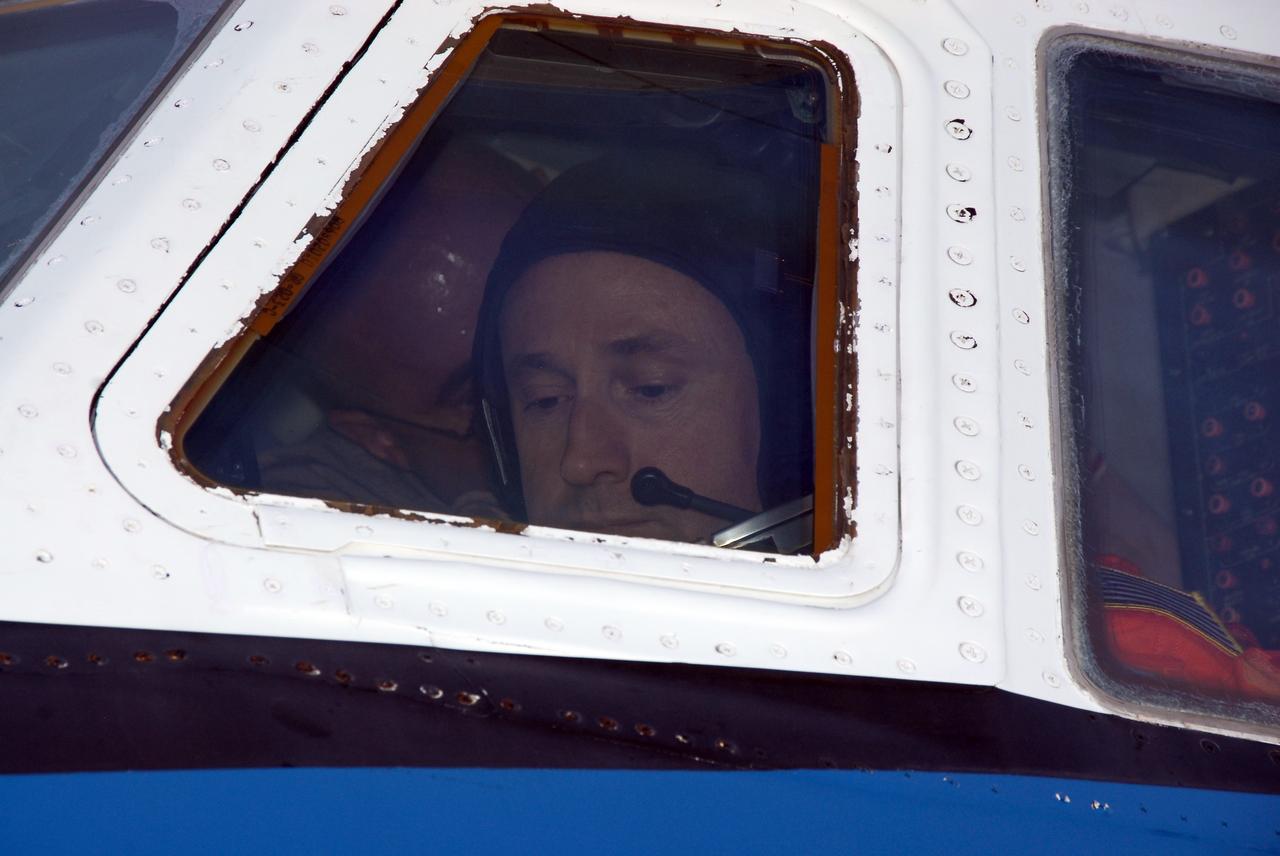
CAPE CANAVERAL, Fla. -- STS-124 Pilot Ken Ham is seen through the cockpit window of NASA's Shuttle Training Aircraft, or STA, before taxiing to the runway at the NASA Kennedy Space Center Shuttle Landing Facility to practice space shuttle landings. The STA is a Grumman American Aviation-built Gulf Stream II jet that was modified to simulate an orbiter's cockpit, motion and visual cues, and handling qualities. In flight, the STA duplicates the orbiter's atmospheric descent trajectory from approximately 35,000 feet altitude to landing on a runway. Because the orbiter is unpowered during re-entry and landing, its high-speed glide must be perfectly executed the first time. The crew for space shuttle Discovery's STS-124 mission is at Kennedy for a full launch dress rehearsal, known as the terminal countdown demonstration test, or TCDT. Providing astronauts and ground crews with an opportunity to participate in various simulated countdown activities, TCDT includes equipment familiarization and emergency training. Discovery's launch is targeted for May 31. Photo credit: NASA/Kim Shiflett
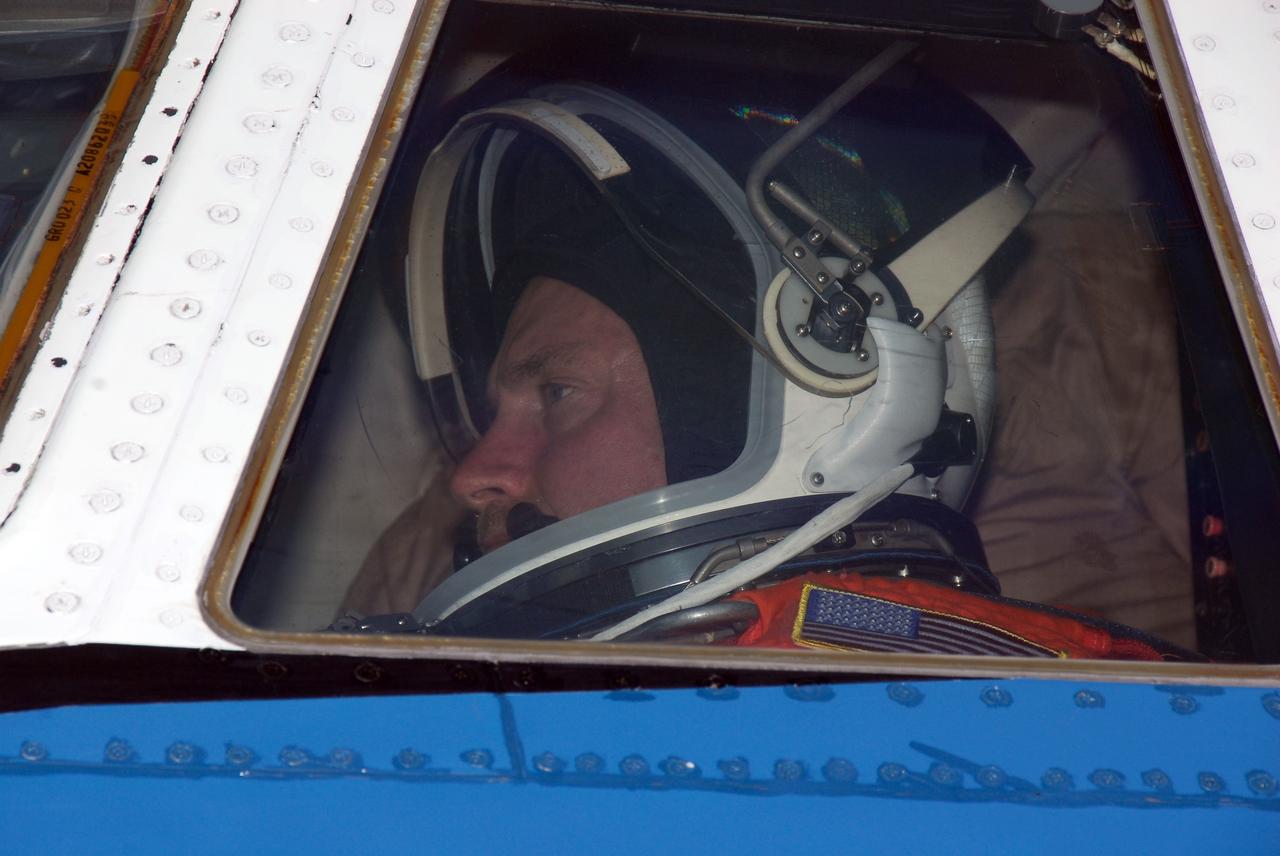
CAPE CANAVERAL, Fla. -- STS-124 Commander Mark Kelly is seen through the cockpit window of NASA's Shuttle Training Aircraft, or STA, before taxiing to the runway at the NASA Kennedy Space Center Shuttle Landing Facility to practice space shuttle landings. The STA is a Grumman American Aviation-built Gulf Stream II jet that was modified to simulate an orbiter's cockpit, motion and visual cues, and handling qualities. In flight, the STA duplicates the orbiter's atmospheric descent trajectory from approximately 35,000 feet altitude to landing on a runway. Because the orbiter is unpowered during re-entry and landing, its high-speed glide must be perfectly executed the first time. The crew for space shuttle Discovery's STS-124 mission is at Kennedy for a full launch dress rehearsal, known as the terminal countdown demonstration test, or TCDT. Providing astronauts and ground crews with an opportunity to participate in various simulated countdown activities, TCDT includes equipment familiarization and emergency training. Discovery's launch is targeted for May 31. Photo credit: NASA/Kim Shiflett
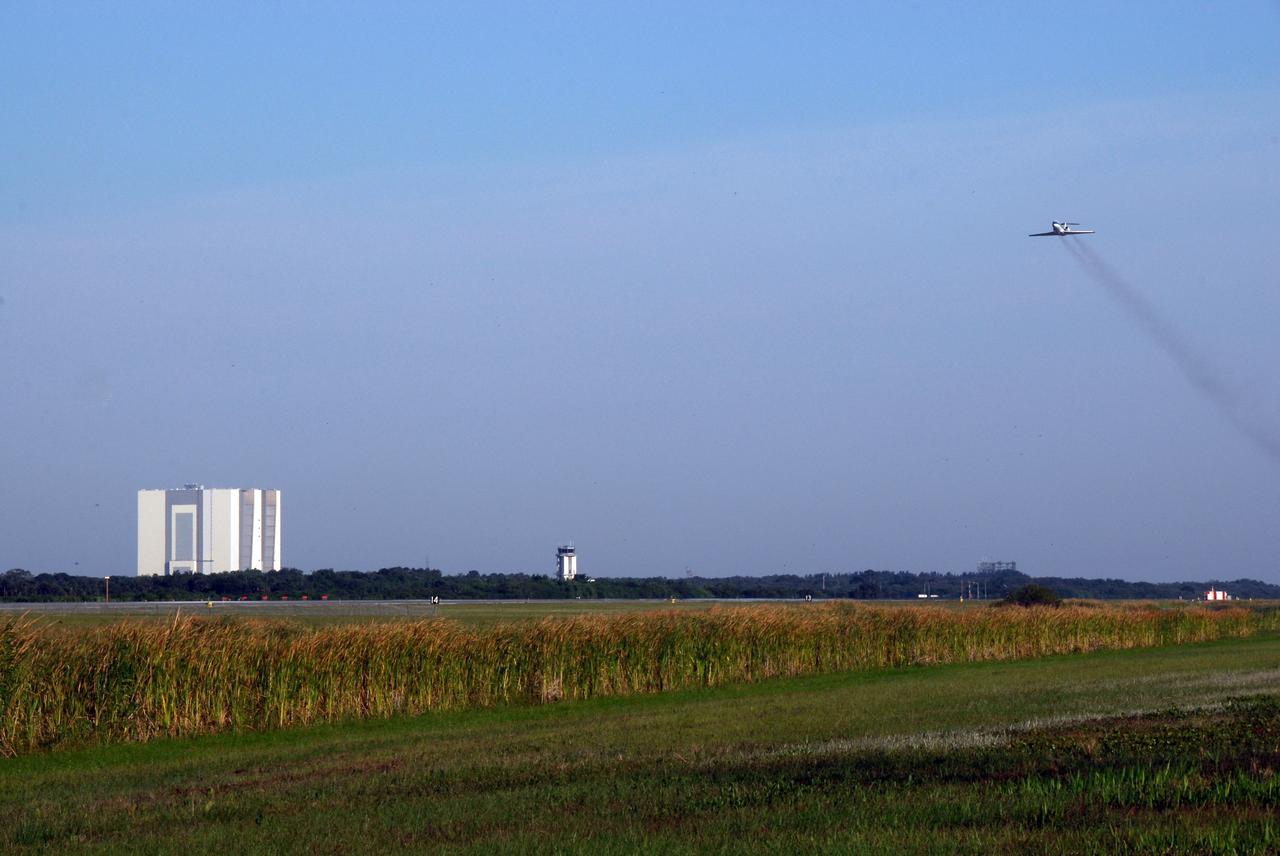
CAPE CANAVERAL, Fla. -- NASA's Shuttle Training Aircraft, or STA, soars into the sky (at right) over the NASA Kennedy Space Center Shuttle Landing Facility. At the controls is either STS-124 Commander Mark Kelly or Pilot Ken Ham, who are practicing space shuttle landings. At left, in the background, is the Vehicle Assembly Building. The STA is a Grumman American Aviation-built Gulf Stream II jet that was modified to simulate an orbiter's cockpit, motion and visual cues, and handling qualities. In flight, the STA duplicates the orbiter's atmospheric descent trajectory from approximately 35,000 feet altitude to landing on a runway. Because the orbiter is unpowered during re-entry and landing, its high-speed glide must be perfectly executed the first time. The crew for space shuttle Discovery's STS-124 mission is at Kennedy for a full launch dress rehearsal, known as the terminal countdown demonstration test, or TCDT. Providing astronauts and ground crews with an opportunity to participate in various simulated countdown activities, TCDT includes equipment familiarization and emergency training. Discovery's launch is targeted for May 31. Photo credit: NASA/Kim Shiflett
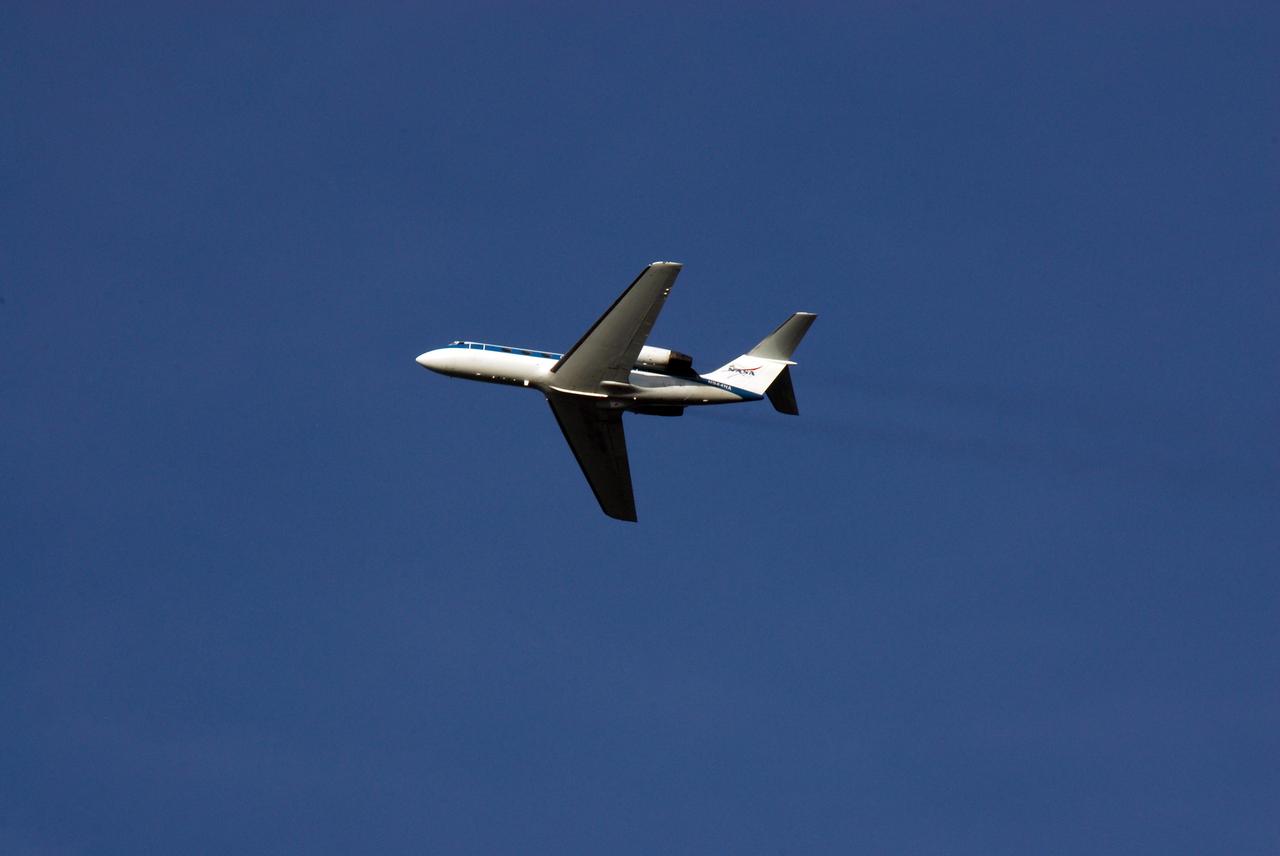
CAPE CANAVERAL, Fla. -- NASA's Shuttle Training Aircraft, or STA, soars into the blue Florida sky to begin the space shuttle landing practice. STS-124 Commander Mark Kelly or Pilot Ken Ham is at the controls. The STA is a Grumman American Aviation-built Gulf Stream II jet that was modified to simulate an orbiter's cockpit, motion and visual cues, and handling qualities. In flight, the STA duplicates the orbiter's atmospheric descent trajectory from approximately 35,000 feet altitude to landing on a runway. Because the orbiter is unpowered during re-entry and landing, its high-speed glide must be perfectly executed the first time. The crew for space shuttle Discovery's STS-124 mission is at Kennedy for a full launch dress rehearsal, known as the terminal countdown demonstration test, or TCDT. Providing astronauts and ground crews with an opportunity to participate in various simulated countdown activities, TCDT includes equipment familiarization and emergency training. Discovery's launch is targeted for May 31. Photo credit: NASA/Kim Shiflett
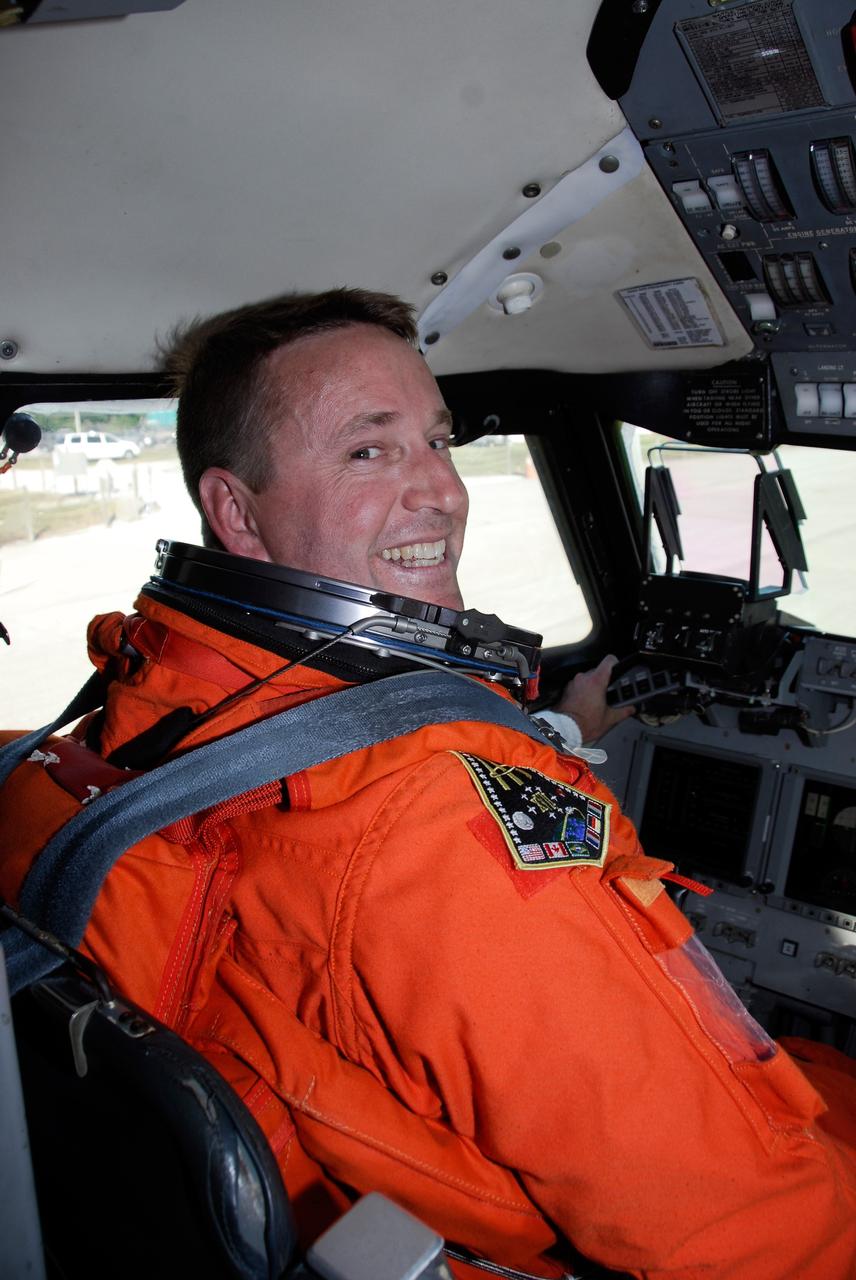
CAPE CANAVERAL, Fla. -- STS-124 Pilot Ken Ham takes his seat in the cockpit of NASA's Shuttle Training Aircraft, or STA, preparing to practice space shuttle landings. The STA is a Grumman American Aviation-built Gulf Stream II jet that was modified to simulate an orbiter's cockpit, motion and visual cues, and handling qualities. In flight, the STA duplicates the orbiter's atmospheric descent trajectory from approximately 35,000 feet altitude to landing on a runway. Because the orbiter is unpowered during re-entry and landing, its high-speed glide must be perfectly executed the first time. The crew for space shuttle Discovery's STS-124 mission is at Kennedy for a full launch dress rehearsal, known as the terminal countdown demonstration test, or TCDT. Providing astronauts and ground crews with an opportunity to participate in various simulated countdown activities, TCDT includes equipment familiarization and emergency training. Discovery's launch is targeted for May 31. Photo credit: NASA/Kim Shiflett
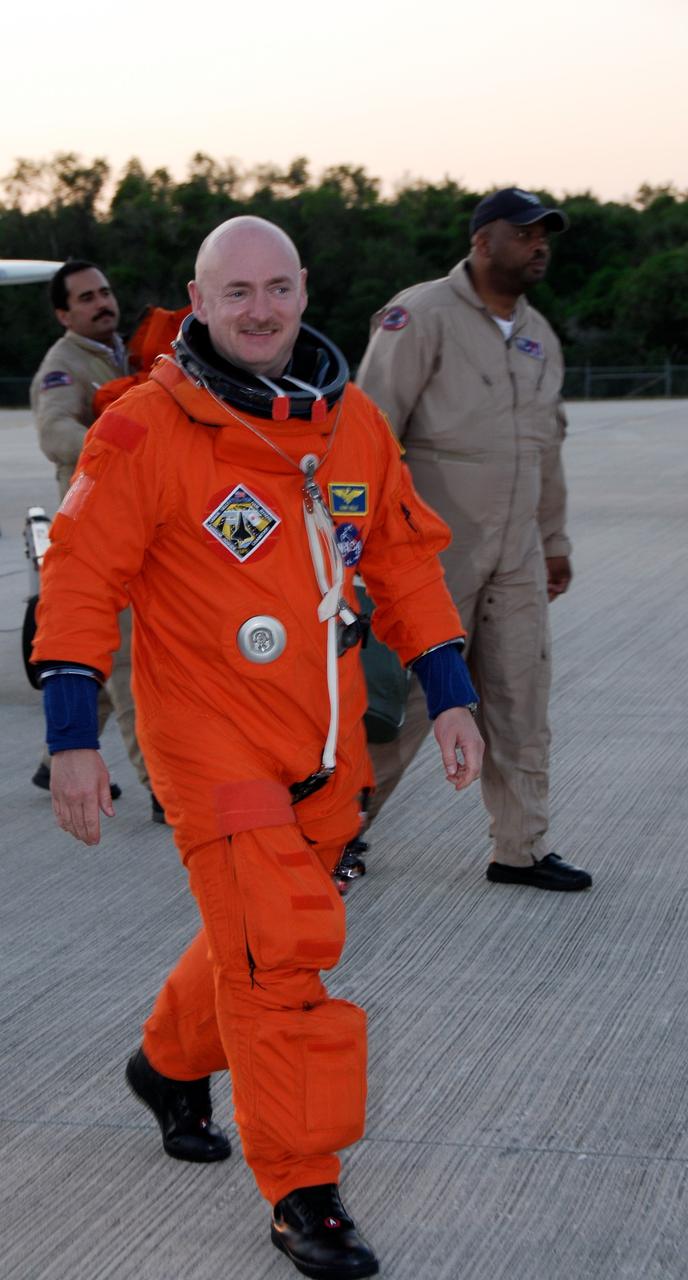
CAPE CANAVERAL, Fla. -- Back at the NASA Kennedy Space Center Shuttle Landing Facility, STS-124 Commander Mark Kelly happily crosses the parking area after the successful space shuttle landing practice aboard NASA's Shuttle Training Aircraft, or STA. The STA is a Grumman American Aviation-built Gulf Stream II jet that was modified to simulate an orbiter's cockpit, motion and visual cues, and handling qualities. In flight, the STA duplicates the orbiter's atmospheric descent trajectory from approximately 35,000 feet altitude to landing on a runway. Because the orbiter is unpowered during re-entry and landing, its high-speed glide must be perfectly executed the first time. The crew for space shuttle Discovery's STS-124 mission is at Kennedy for a full launch dress rehearsal, known as the terminal countdown demonstration test, or TCDT. Providing astronauts and ground crews with an opportunity to participate in various simulated countdown activities, TCDT includes equipment familiarization and emergency training. Discovery's launch is targeted for May 31. Photo credit: NASA/Kim Shiflett
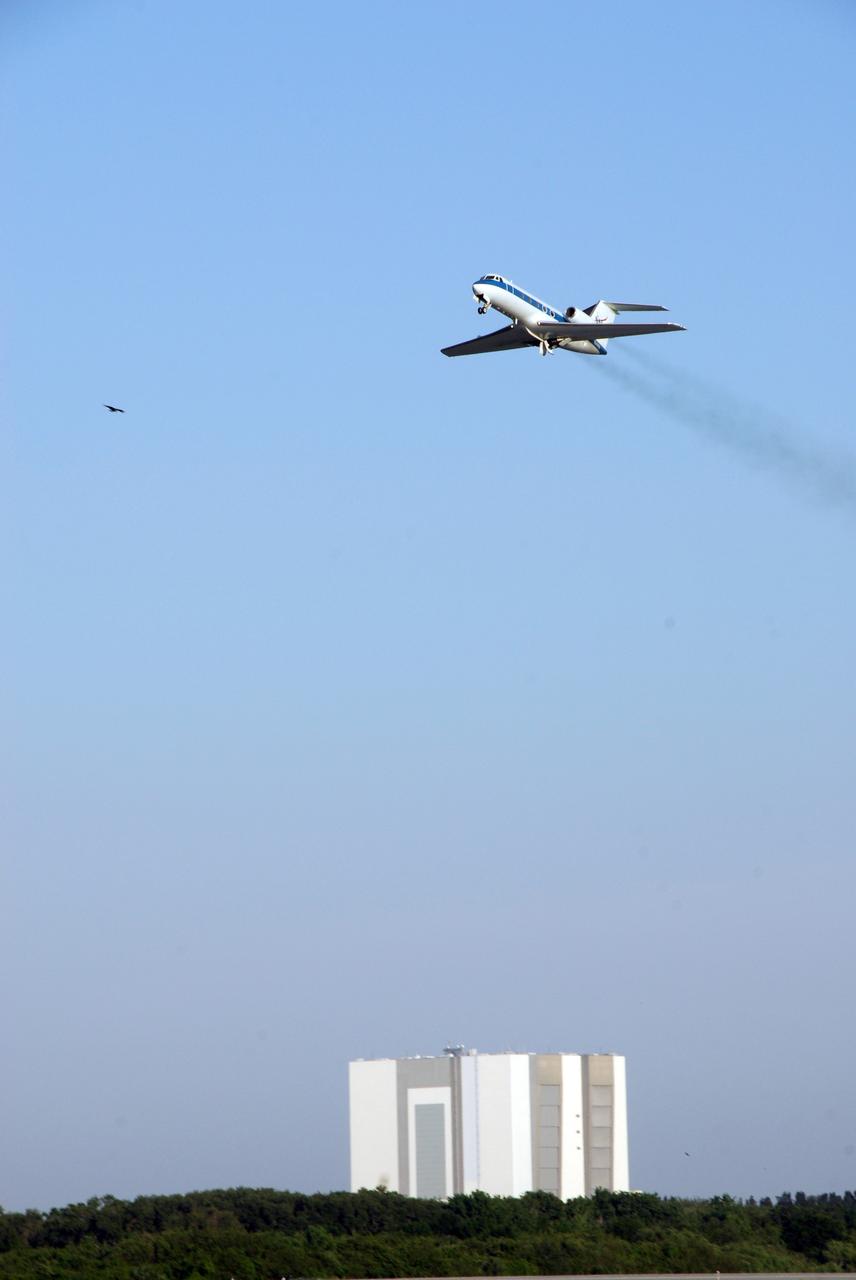
CAPE CANAVERAL, Fla. -- NASA's Shuttle Training Aircraft, or STA, soars into the sky from the NASA Kennedy Space Center Shuttle Landing Facility with STS-124 Commander Mark Kelly or Pilot Ken Ham at the controls. Below is the Vehicle Assembly Building. Kelly and Ham are practicing space shuttle landings. The STA is a Grumman American Aviation-built Gulf Stream II jet that was modified to simulate an orbiter's cockpit, motion and visual cues, and handling qualities. In flight, the STA duplicates the orbiter's atmospheric descent trajectory from approximately 35,000 feet altitude to landing on a runway. Because the orbiter is unpowered during re-entry and landing, its high-speed glide must be perfectly executed the first time. The crew for space shuttle Discovery's STS-124 mission is at Kennedy for a full launch dress rehearsal, known as the terminal countdown demonstration test, or TCDT. Providing astronauts and ground crews with an opportunity to participate in various simulated countdown activities, TCDT includes equipment familiarization and emergency training. Discovery's launch is targeted for May 31. Photo credit: NASA/Kim Shiflett
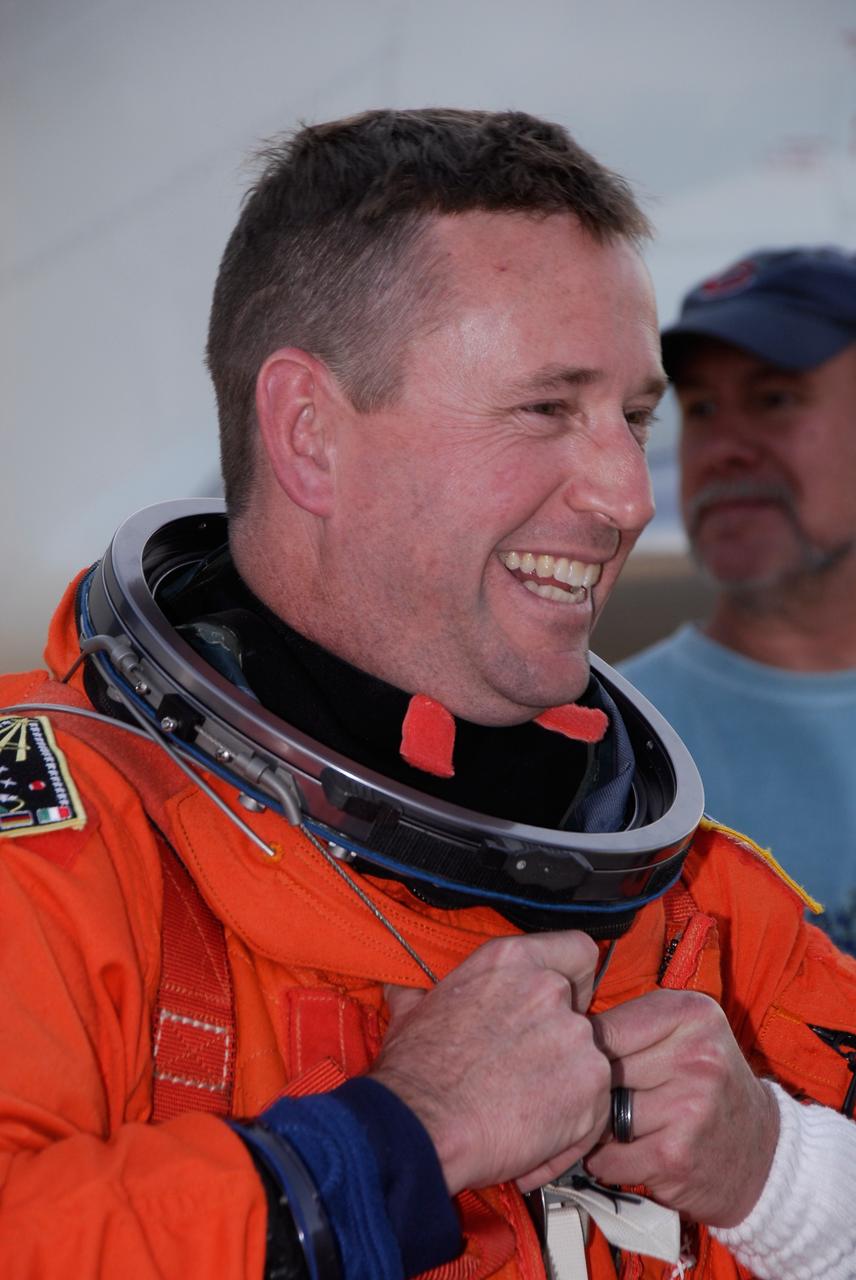
CAPE CANAVERAL, Fla. -- Back at the NASA Kennedy Space Center Shuttle Landing Facility, STS-124 Pilot Ken Ham is happy with the successful space shuttle landing practice aboard NASA's Shuttle Training Aircraft, or STA. Building. Kelly and Ham will be practicing space shuttle landings. The STA is a Grumman American Aviation-built Gulf Stream II jet that was modified to simulate an orbiter's cockpit, motion and visual cues, and handling qualities. In flight, the STA duplicates the orbiter's atmospheric descent trajectory from approximately 35,000 feet altitude to landing on a runway. Because the orbiter is unpowered during re-entry and landing, its high-speed glide must be perfectly executed the first time. The crew for space shuttle Discovery's STS-124 mission is at Kennedy for a full launch dress rehearsal, known as the terminal countdown demonstration test, or TCDT. Providing astronauts and ground crews with an opportunity to participate in various simulated countdown activities, TCDT includes equipment familiarization and emergency training. Discovery's launch is targeted for May 31. Photo credit: NASA/Kim Shiflett
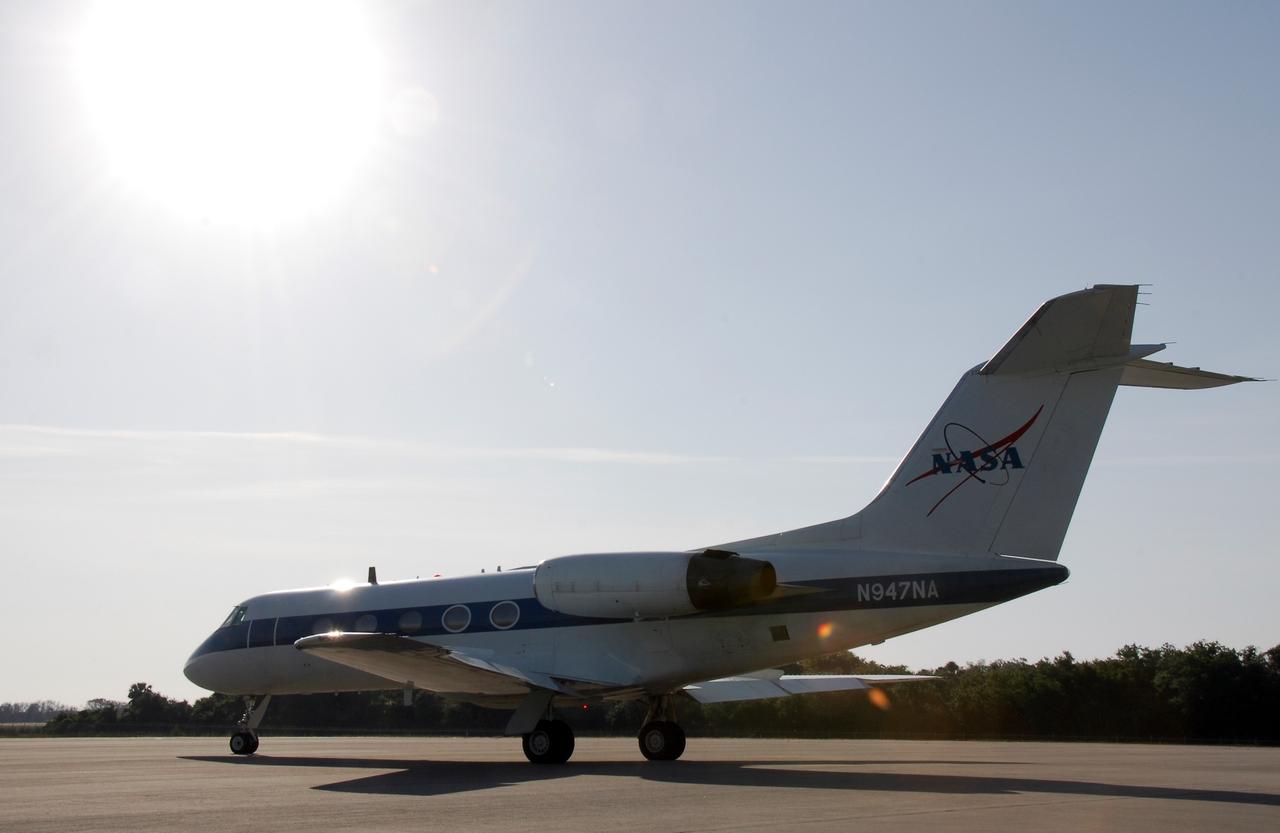
CAPE CANAVERAL, Fla. -- NASA's Shuttle Training Aircraft, or STA, taxis to the runway at the NASA Kennedy Space Center Shuttle Landing Facility. STS-124 Commander Mark Kelly and Pilot Ken Ham are practicing space shuttle landings. The STA is a Grumman American Aviation-built Gulf Stream II jet that was modified to simulate an orbiter's cockpit, motion and visual cues, and handling qualities. In flight, the STA duplicates the orbiter's atmospheric descent trajectory from approximately 35,000 feet altitude to landing on a runway. Because the orbiter is unpowered during re-entry and landing, its high-speed glide must be perfectly executed the first time. The crew for space shuttle Discovery's STS-124 mission is at Kennedy for a full launch dress rehearsal, known as the terminal countdown demonstration test, or TCDT. Providing astronauts and ground crews with an opportunity to participate in various simulated countdown activities, TCDT includes equipment familiarization and emergency training. Discovery's launch is targeted for May 31. Photo credit: NASA/Kim Shiflett
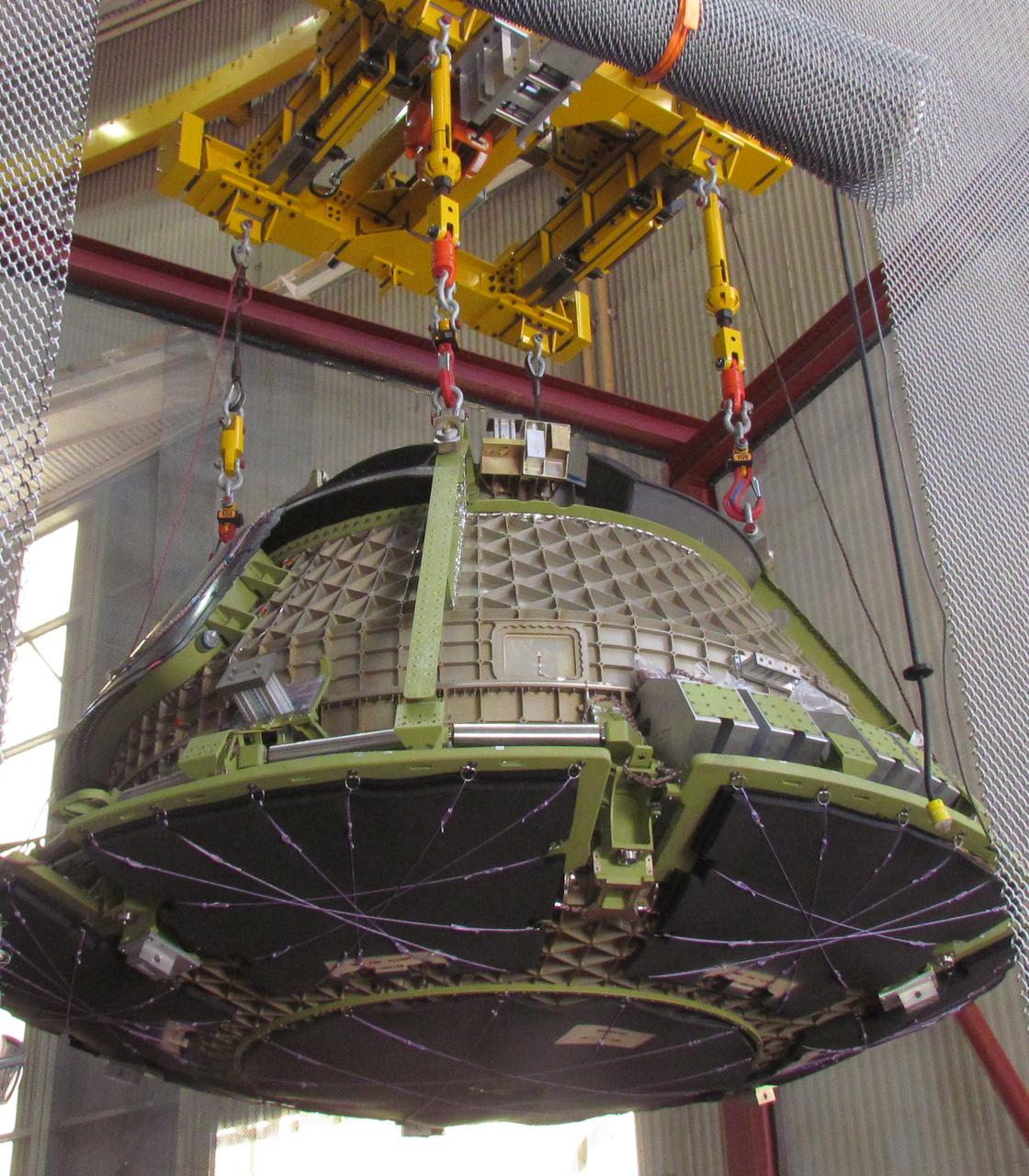
Boeing’s Structural Test Article of its CST-100 Starliner spacecraft arrives at the company’s Huntington Beach, California, facilities for evaluations. Built to the specifications of an operational spacecraft, the STA is intended to be evaluated through a series of thorough testing conditions.
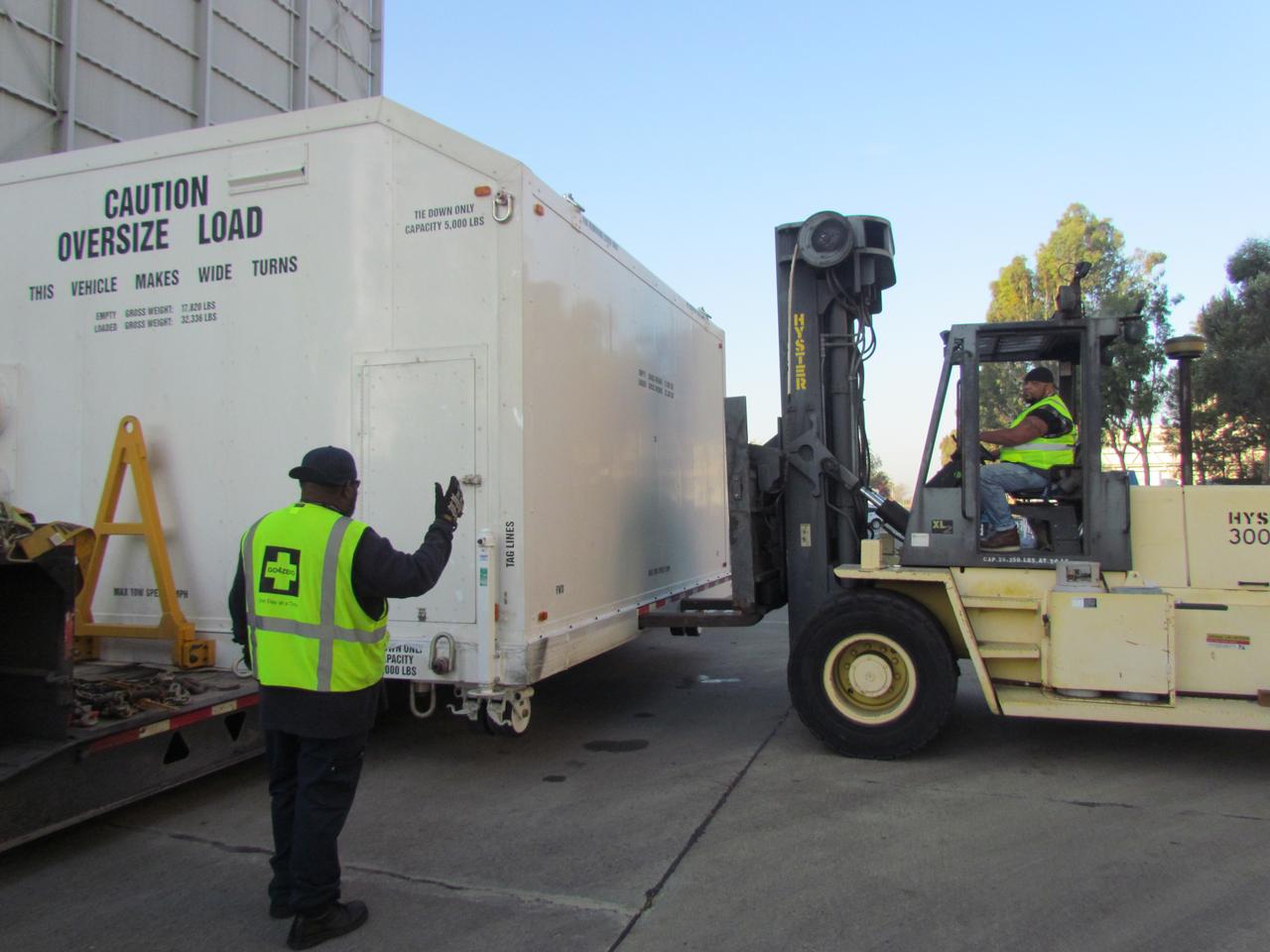
Boeing’s Structural Test Article of its CST-100 Starliner spacecraft arrives at the company’s Huntington Beach, California, facilities for evaluations. Built to the specifications of an operational spacecraft, the STA is intended to be evaluated through a series of thorough testing conditions.
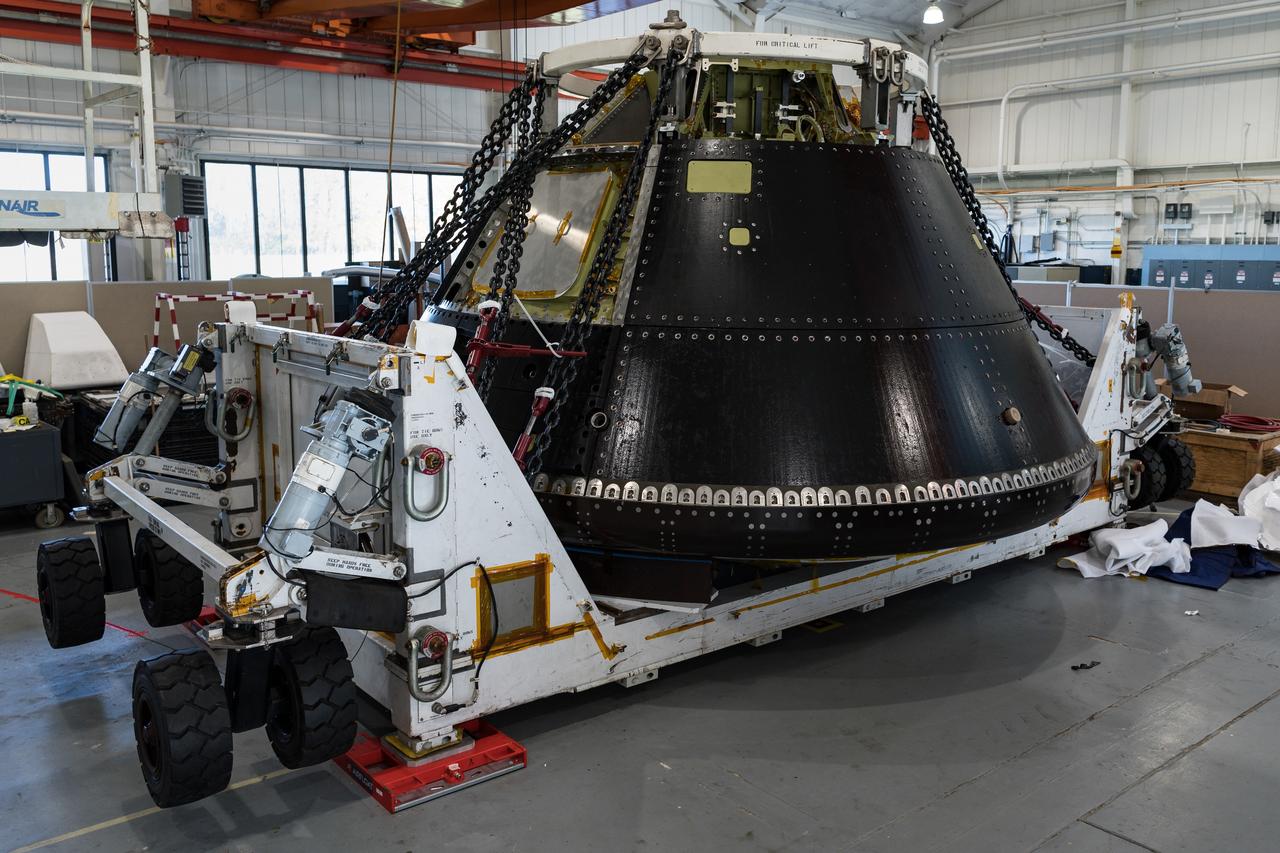
Unwrapping of Orion STA

Unwrapping of Orion STA
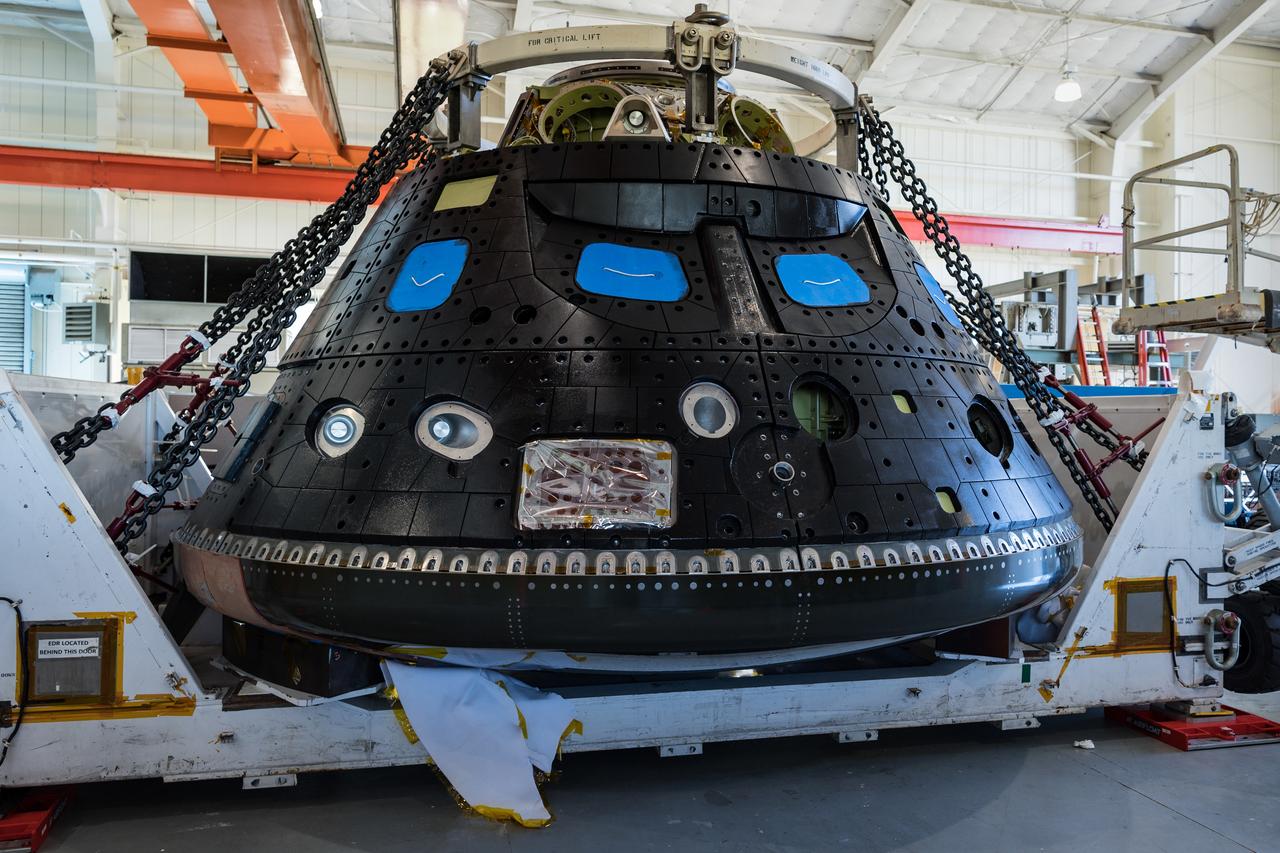
Unwrapping of Orion STA
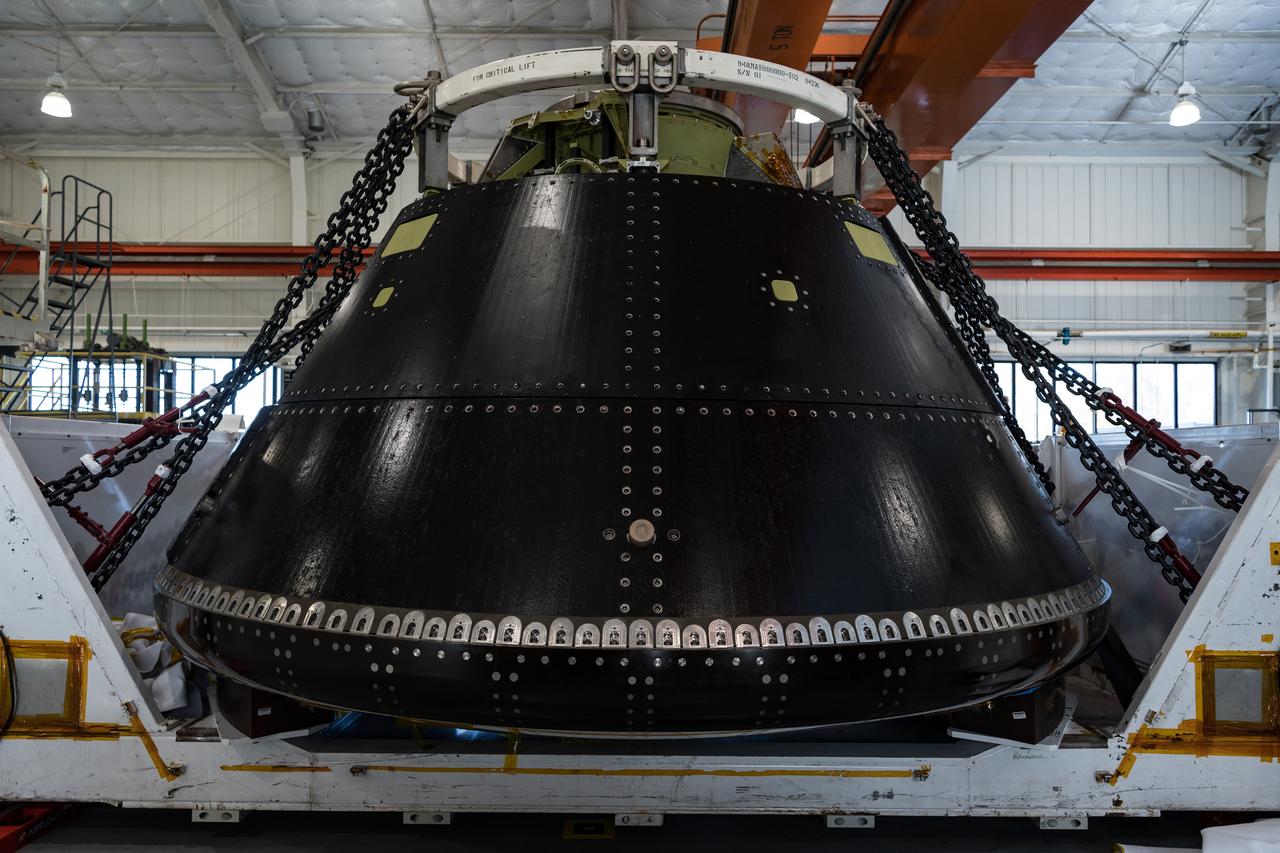
Unwrapping of Orion STA
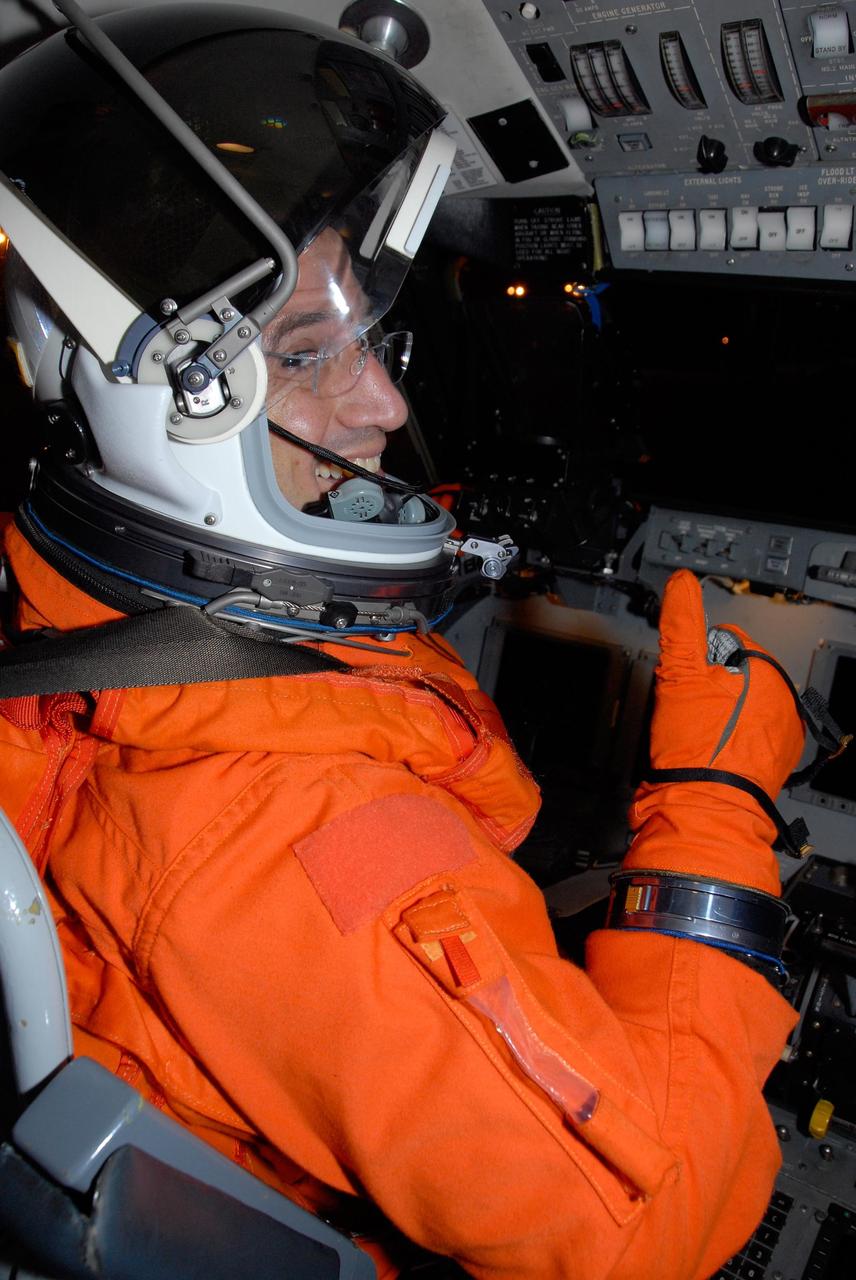
KENNEDY SPACE CENTER, FLA. -- Seated in the cockpit of the shuttle training aircraft, STS-120 Pilot George Zamka is eager to begin landing practice on NASA's Shuttle Landing Facility runway. A modified Grumman American Aviation-built Gulf Stream II jet, the STA simulates an orbiter's cockpit, motion and visual cues and handling qualities. In flight, the STA duplicates the orbiter's atmospheric descent trajectory from approximately 35,000 feet altitude to landing on a runway. Melroy and other crew members are at Kennedy Space Center to take part in the terminal countdown demonstration test, which also includes a simulated launch countdown. Mission STS-120 is targeted for Oct. 23. Photo credit: NASA/Kim Shiflett

KENNEDY SPACE CENTER, Fla. -- STS-118 Commander Scott Kelly settles in his cockpit seat aboard the shuttle training aircraft, known as an STA, for landing practice. The practice is part of Terminal Countdown Demonstration Test, or TCDT, activities that include a simulated launch countdown. The STA is a Grumman American Aviation-built Gulf Stream II jet that was modified to simulate an orbiter's cockpit, motion and visual cues, and handling qualities. In flight, the STA duplicates the orbiter's atmospheric descent trajectory from approximately 35,000 feet altitude to landing on a runway. The STS-118 mission is the 22nd flight to the International Space Station and is targeted for launch on Aug. 7. The mission payload aboard Space Shuttle Endeavour includes the S5 truss, a SPACEHAB module and external stowage platform 3. NASA/George Shelton
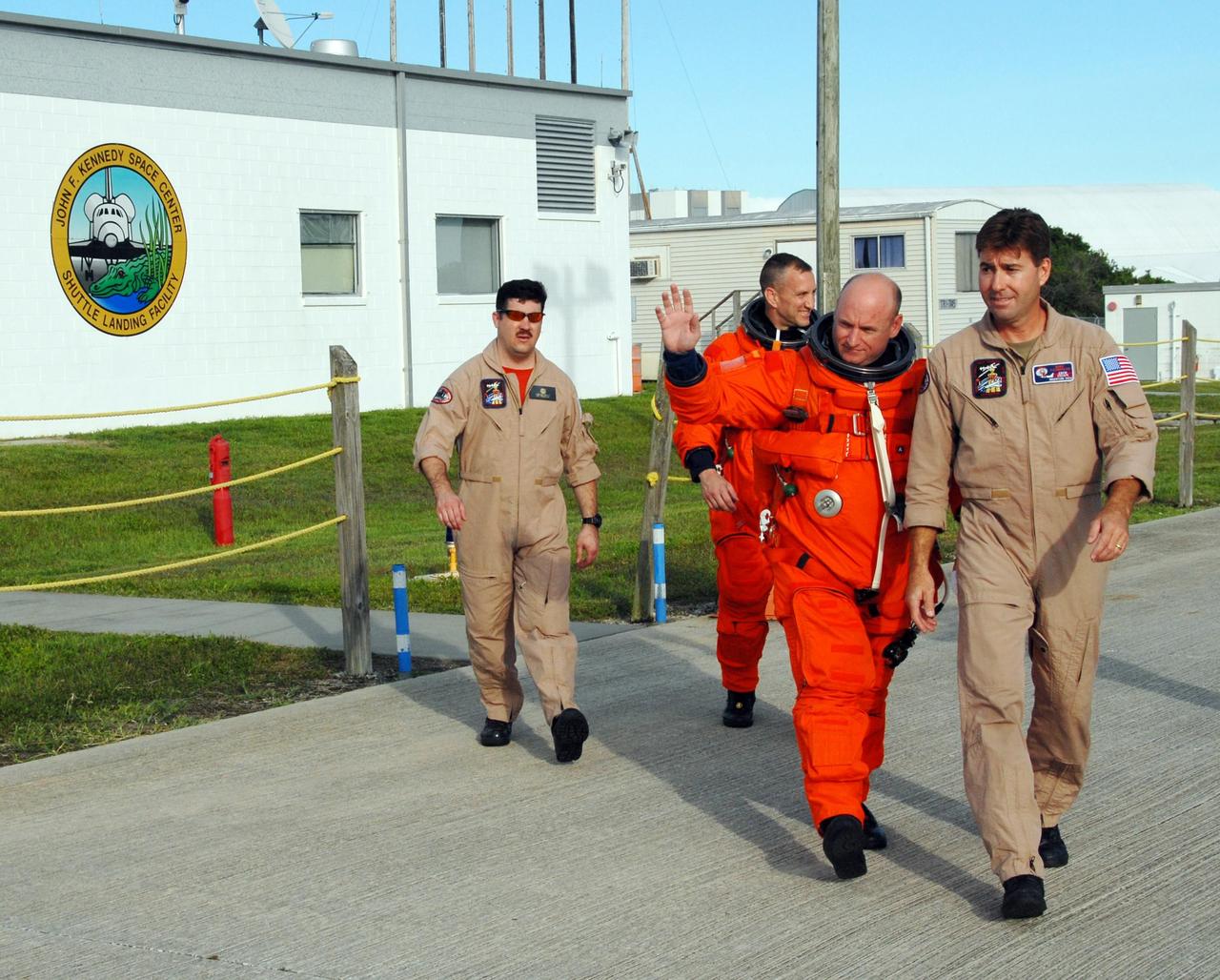
KENNEDY SPACE CENTER, Fla. -- Dressed in their launch and entry suits, STS-118 Pilot Charlie Hobaugh and Commander Scott Kelly (waving) are headed for the runway for landing practice in the shuttle training aircraft, known as an STA. The practice is part of Terminal Countdown Demonstration Test, or TCDT, activities that include a simulated launch countdown. The STA is a Grumman American Aviation-built Gulf Stream II jet that was modified to simulate an orbiter's cockpit, motion and visual cues, and handling qualities. In flight, the STA duplicates the orbiter's atmospheric descent trajectory from approximately 35,000 feet altitude to landing on a runway. The STS-118 mission is the 22nd flight to the International Space Station and is targeted for launch on Aug. 7. The mission payload aboard Space Shuttle Endeavour includes the S5 truss, a SPACEHAB module and external stowage platform 3. NASA/George Shelton
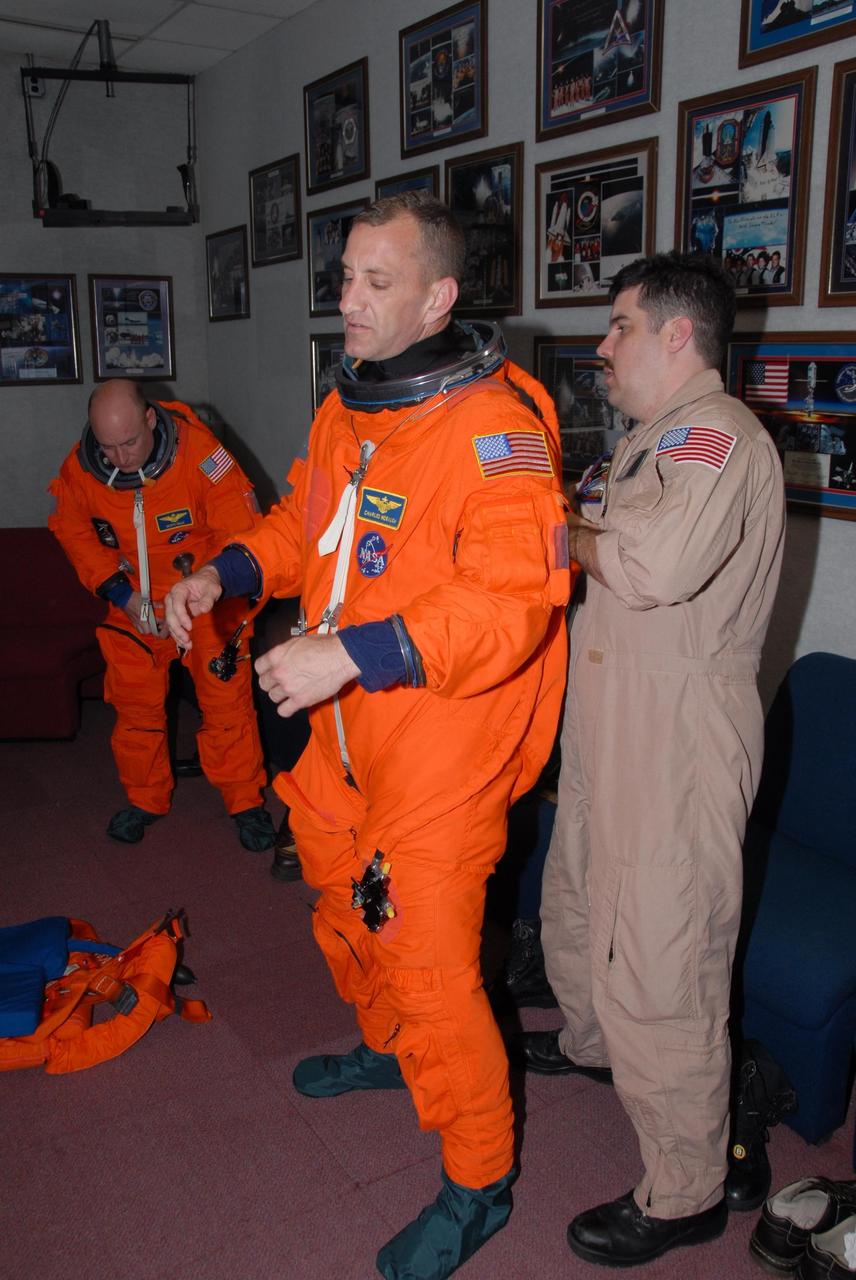
KENNEDY SPACE CENTER, Fla. -- STS-118 Commander Scott Kelly, left, and Pilot Charlie Hobaugh check the fit of their launch and entry suits. The fitting is part of the Terminal Countdown Demonstration Test, or TCDT, activities that include a simulated launch countdown. Kelly and Hobaugh are suiting up also for landing practice in the shuttle training aircraft, known as an STA. The STA is a Grumman American Aviation-built Gulf Stream II jet that was modified to simulate an orbiter's cockpit, motion and visual cues, and handling qualities. In flight, the STA duplicates the orbiter's atmospheric descent trajectory from approximately 35,000 feet altitude to landing on a runway. The STS-118 mission is the 22nd flight to the International Space Station and is targeted for launch on Aug. 7. The mission payload aboard Space Shuttle Endeavour includes the S5 truss, a SPACEHAB module and external stowage platform 3. NASA/George Shelton