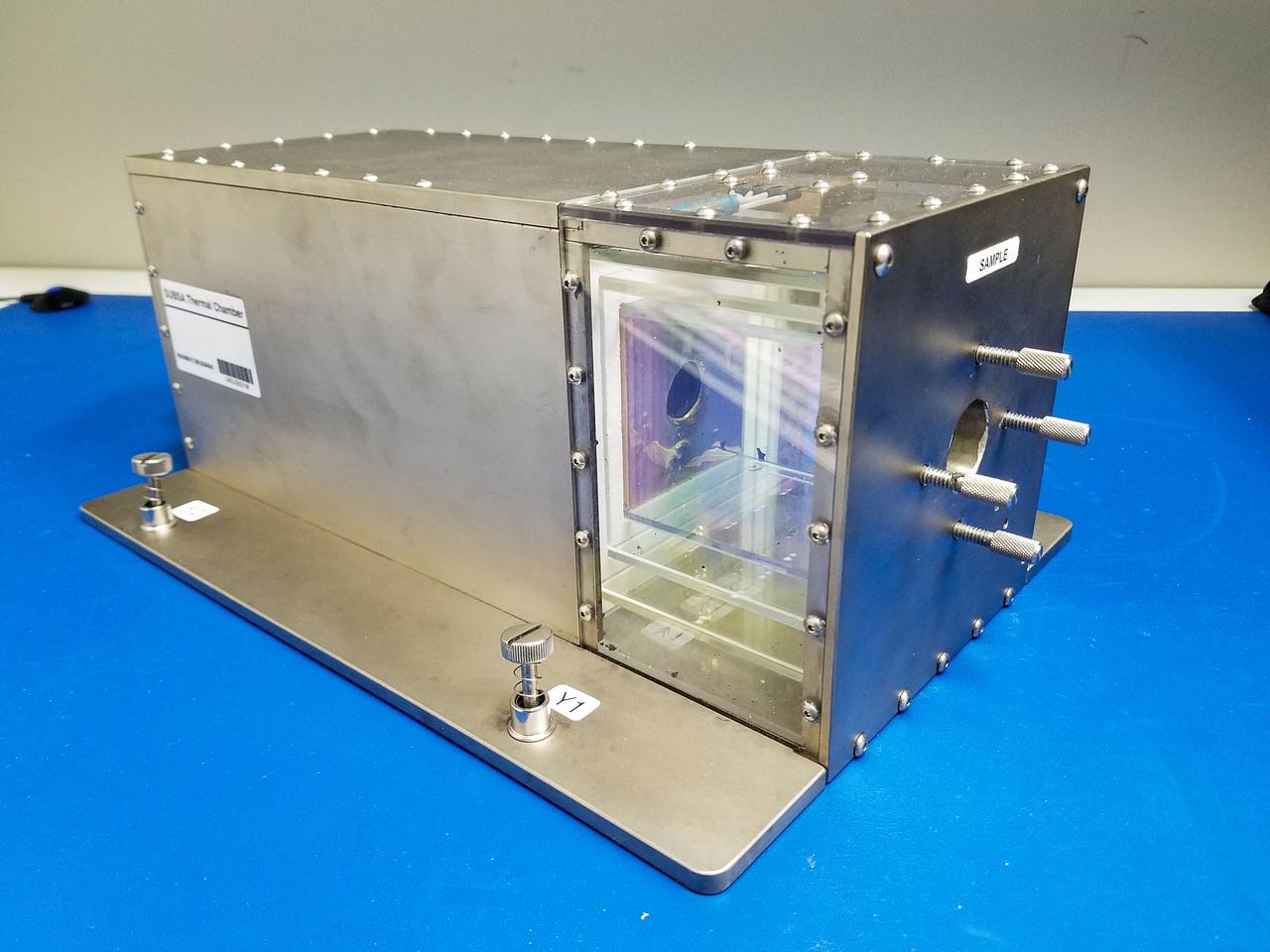
jsc2020e016982 (7/24/2019) --- A preflight view of the SUBSA Thermal Chamber. SUBSA is a high-temperature furnace that can be used to study how microgravity affects the synthesis of semiconductor and scintillator crystals. Image courtesy of: Kenneth Barton, Techshot, Inc.
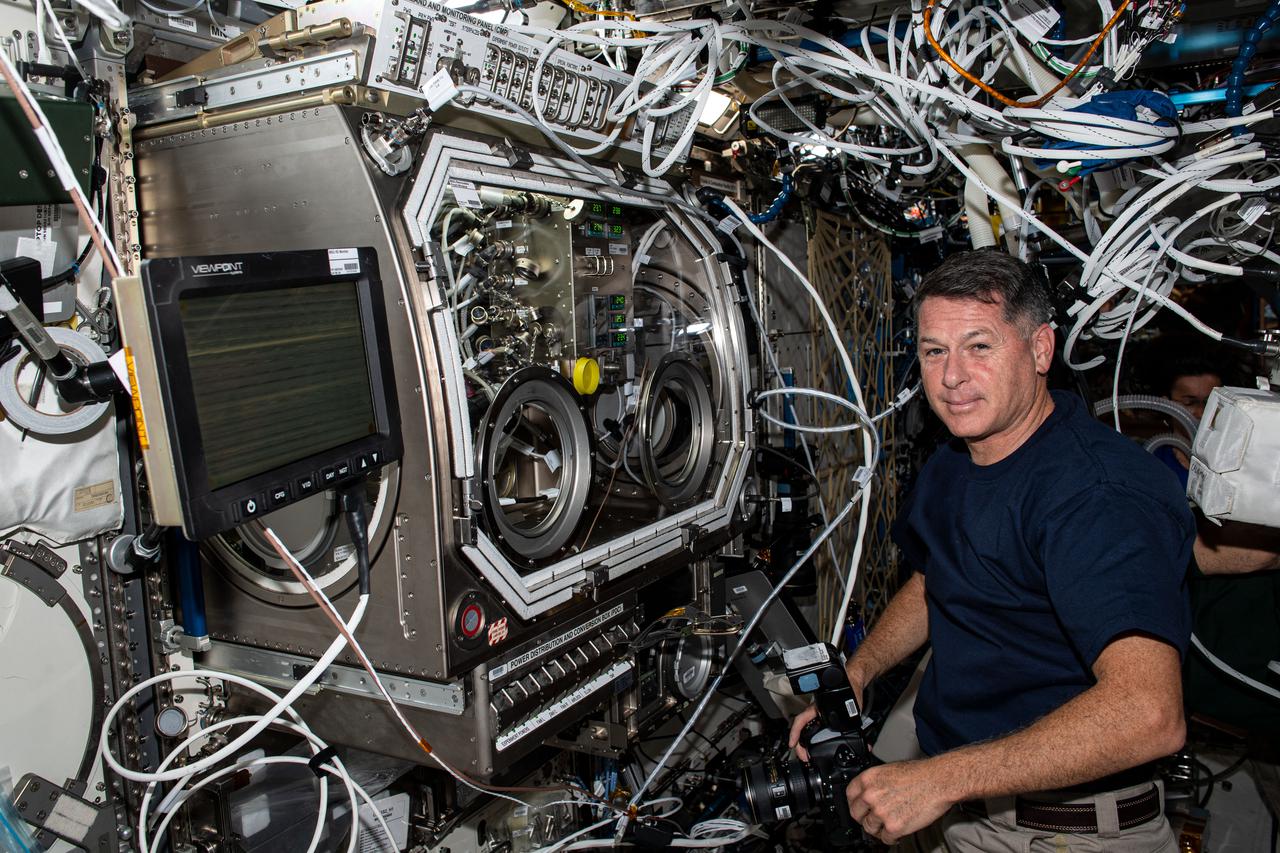
iss065e020575 (May 6, 2021) --- NASA astronaut and Expedition 65 Flight Engineer Shane Kimbrough sets up the U.S. Destiny laboratory module's Microgravity Science Glovebox for a physics investigation. The study known as Solidification Using a Baffle in Sealed Ampoules, or SUBSA, explores improving technology used in producing semiconductor crystals.
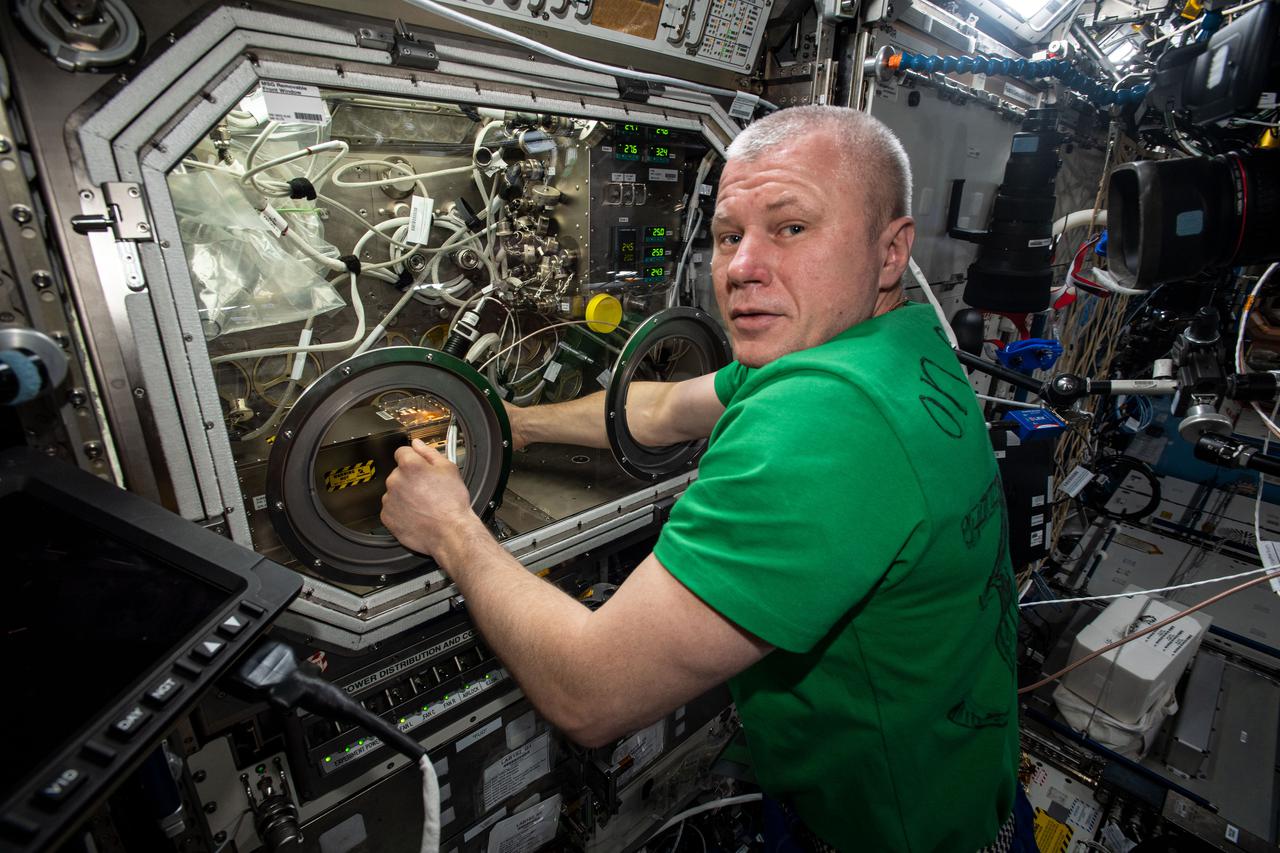
iss065e021208 (May 6, 2021) --- Roscosmos cosmonaut and Expedition 65 Flight Engineer Oleg Novitskiy swaps hardware inside the U.S. Destiny laboratory module's Microgravity Science Glovebox for a physics investigation. The study known as Solidification Using a Baffle in Sealed Ampoules, or SUBSA, explores improving technology used in producing semiconductor crystals.

jsc2025e067415 (8/5/2025) --- Microscopic image of a semimetal-semiconductor composite (SSC) wafer extracted from one of four crystals grown in the International Space Station’s SUBSA facility during the first SUBSA-InSPA-SSCug mission. Credit: United Semiconductors LLC
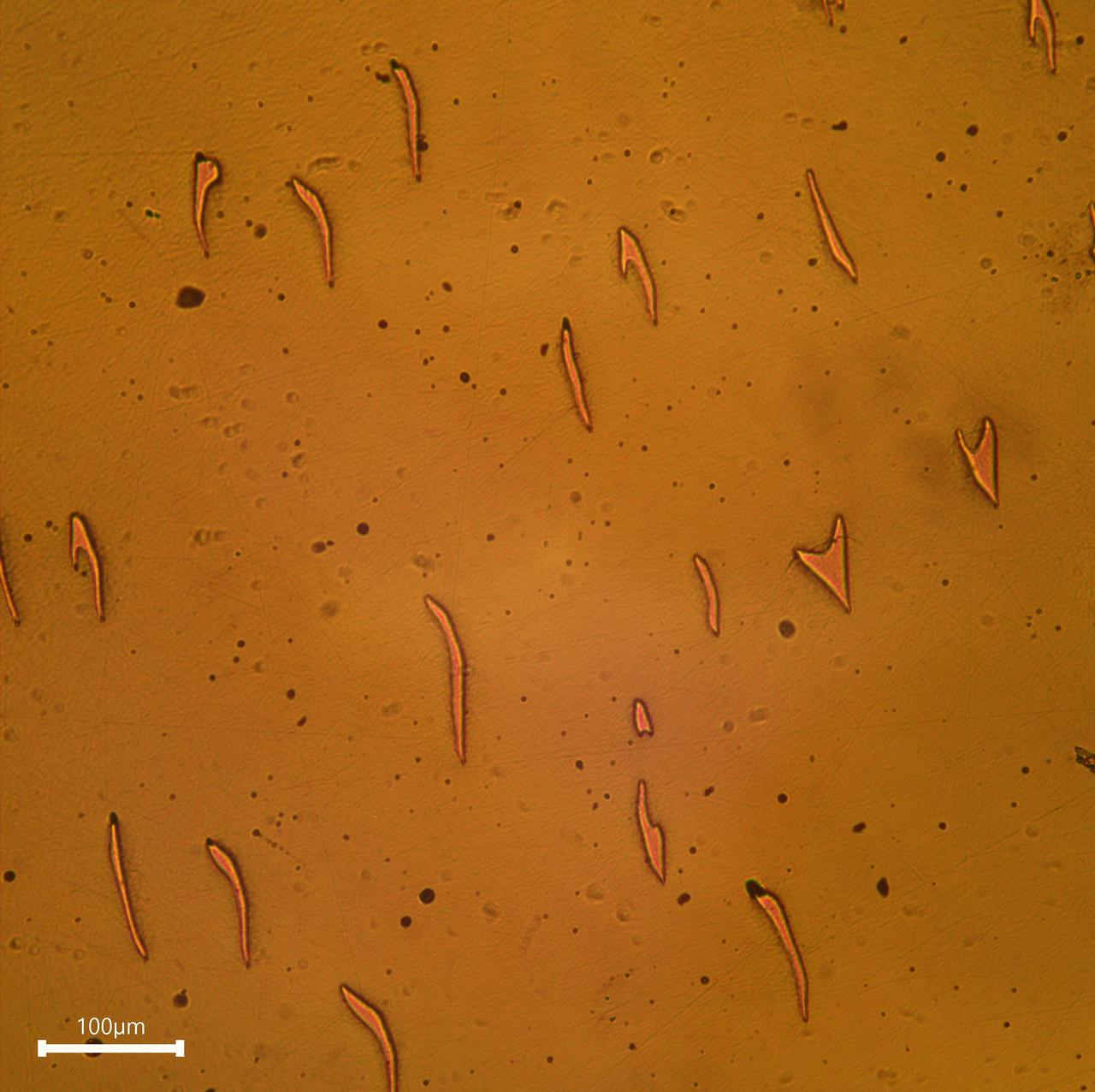
jsc2025e067418 (8/5/2025) --- Microscopic image of a semimetal-semiconductor composite (SSC) wafer extracted from one of four crystals grown in the International Space Station’s SUBSA facility during the first SUBSA-InSPA-SSCug mission. Credit: United Semiconductors LLC

jsc2025e067416 (8/5/2025) --- Microscopic image of a semimetal-semiconductor composite (SSC) wafer extracted from one of four crystals grown in the International Space Station’s SUBSA facility during the first SUBSA-InSPA-SSCug mission. Credit: United Semiconductors LLC

jsc2025e067417 (8/5/2025) --- Microscopic image of a semimetal-semiconductor composite (SSC) wafer extracted from one of four crystals grown in the International Space Station’s SUBSA facility during the first SUBSA-InSPA-SSCug mission. Credit: United Semiconductors LLC
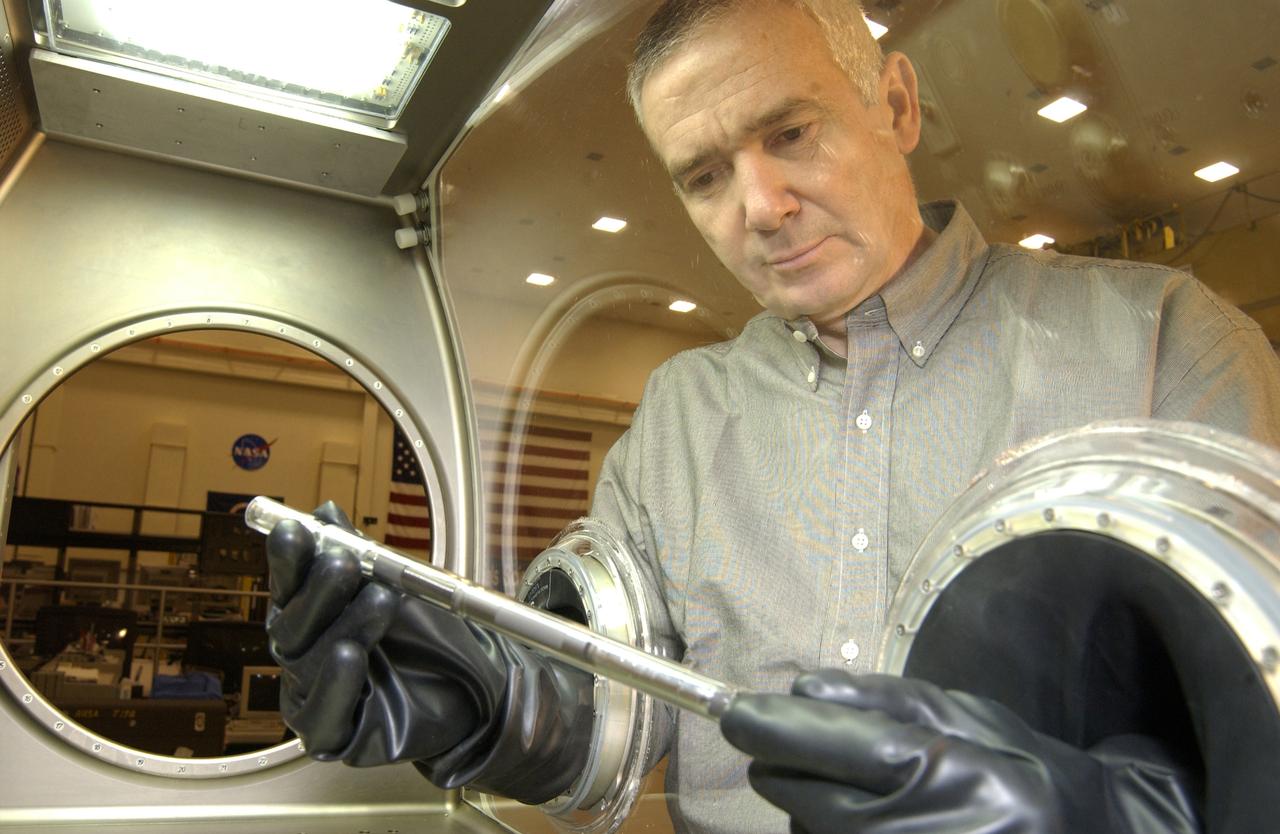
One of the first materials science experiments on the International Space Station -- the Solidification Using a Baffle in Sealed Ampoules (SUBSA) -- will be conducted during Expedition Five inside the Microgravity Science Glovebox. The glovebox is the first dedicated facility delivered to the Station for microgravity physical science research, and this experiment will be the first one operated inside the glovebox. The glovebox's sealed work environment makes it an ideal place for the furnace that will be used to melt semiconductor crystals. Astronauts can change out samples and manipulate the experiment by inserting their hands into a pair of gloves that reach inside the sealed box. Dr. Aleksandar Ostrogorsky, a materials scientist from the Rensselaer Polytechnic Institute, Troy, N.Y., and the principal investigator for the SUBSA experiment, uses the gloves to examine an ampoule like the ones used for his experiment inside the glovebox's work area. The Microgravity Science Glovebox and the SUBSA experiment are managed by NASA's Marshall Space Flight Center in Huntsville, Ala.
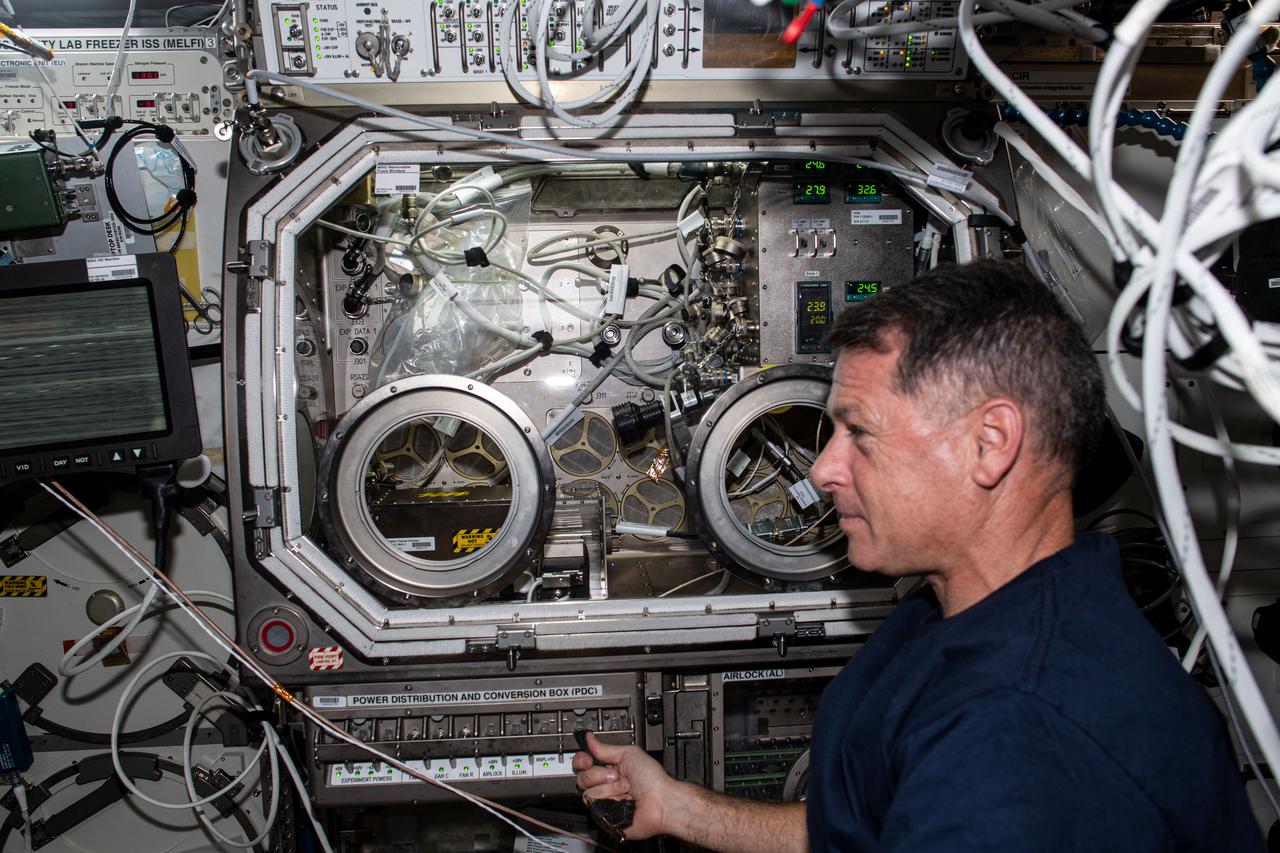
iss065e020580 (May 5, 2021) --- NASA astronaut and Expedition 65 Flight Engineer Shane Kimbrough is pictured in front of the Microgravity Science Glovebox setting up hardware for a physics investigation. The experiment known as Solidification Using a Baffle in Sealed Ampoules, or SUBSA, explores experimental methods of crystallizing melts in microgravity and is expected to result in reduced fluid motion in the melt, leading to better distribution of subcomponents and the potential for improved technology used in producing semiconductor crystals.
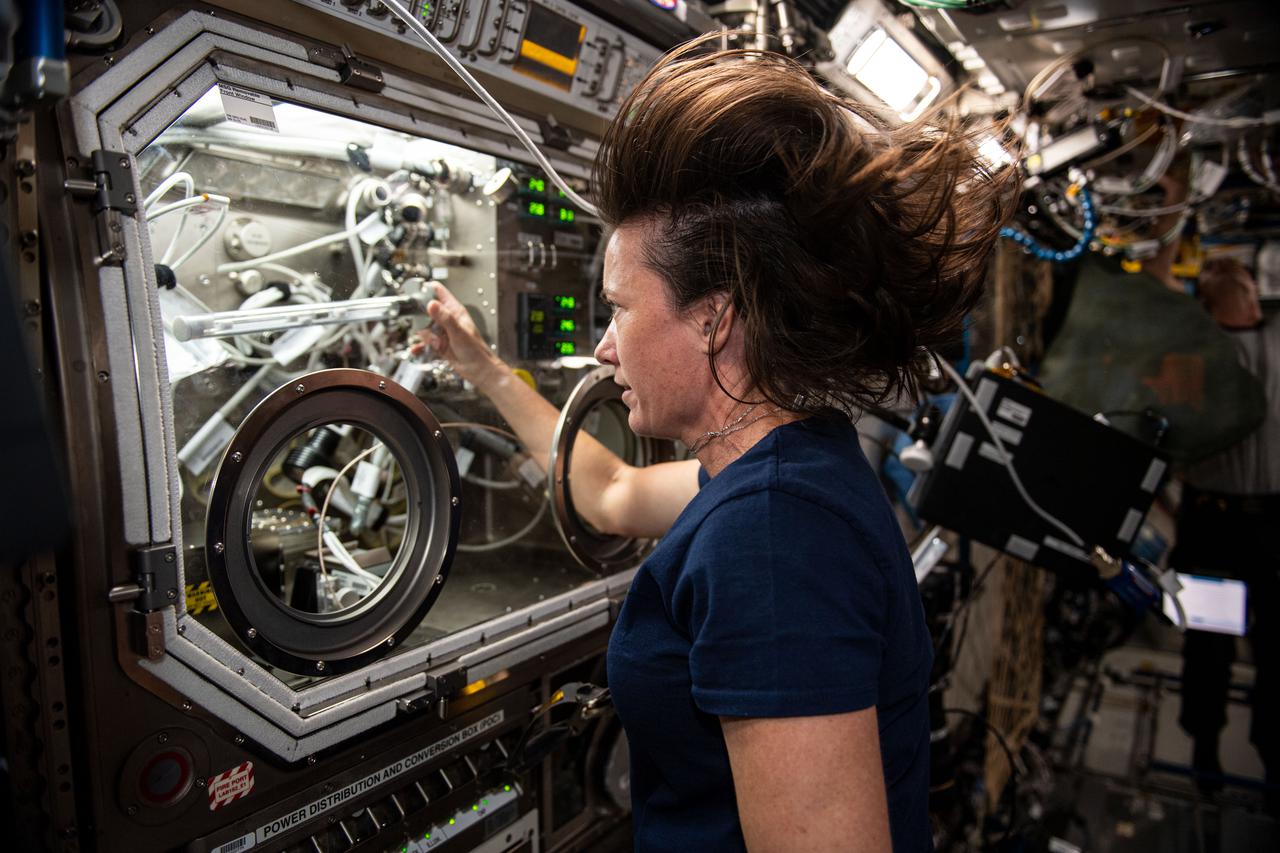
iss065e061407 (May 24, 2021) --- NASA astronaut and Expedition 65 Flight Engineer Megan McArthur works in the Microgravity Science Glovebox swapping samples for an experiment called Solidification Using a Baffle in Sealed Ampoules, or SUBSA. The physics investigation explores experimental methods of crystallizing melts in microgravity and is expected to result in reduced fluid motion in the melt, leading to better distribution of subcomponents and the potential for improved technology used in producing semiconductor crystals.

ISS005-E-06787 (5 July 2002) --- Astronaut Peggy A. Whitson, Expedition Five flight engineer, works near the Microgravity Science Glovebox (MSG) in the Destiny laboratory on the International Space Station (ISS). Whitson spent much of the morning installing the Solidification Using a Baffle in Sealed Ampoules (SUBSA) experiment in the MSG. The SUBSA installation will be completed once the MSG is activated.

Expedition Five flight engineer Peggy Whitson is shown installing the Solidification Using a Baffle in Sealed Ampoules (SUBSA) experiment in the Microgravity Science Glovebox (MSG) in the Destiny laboratory aboard the International Space Station (ISS). SUBSA examines the solidification of semiconductor crystals from a melted material. Semiconductor crystals are used for many products that touch our everyday lives. They are found in computer chips, integrated circuits, and a multitude of other electronic devices, such as sensors for medical imaging equipment and detectors of nuclear radiation. Materials scientists want to make better semiconductor crystals to be able to further reduce the size of high-tech devices. In the microgravity environment, convection and sedimentation are reduced, so fluids do not remove and deform. Thus, space laboratories provide an ideal environment of studying solidification from the melt. This investigation is expected to determine the mechanism causing fluid motion during production of semiconductors in space. It will provide insight into the role of the melt motion in production of semiconductor crystals, advancing our knowledge of the crystal growth process. This could lead to a reduction of defects in semiconductor crystals produced in space and on Earth.
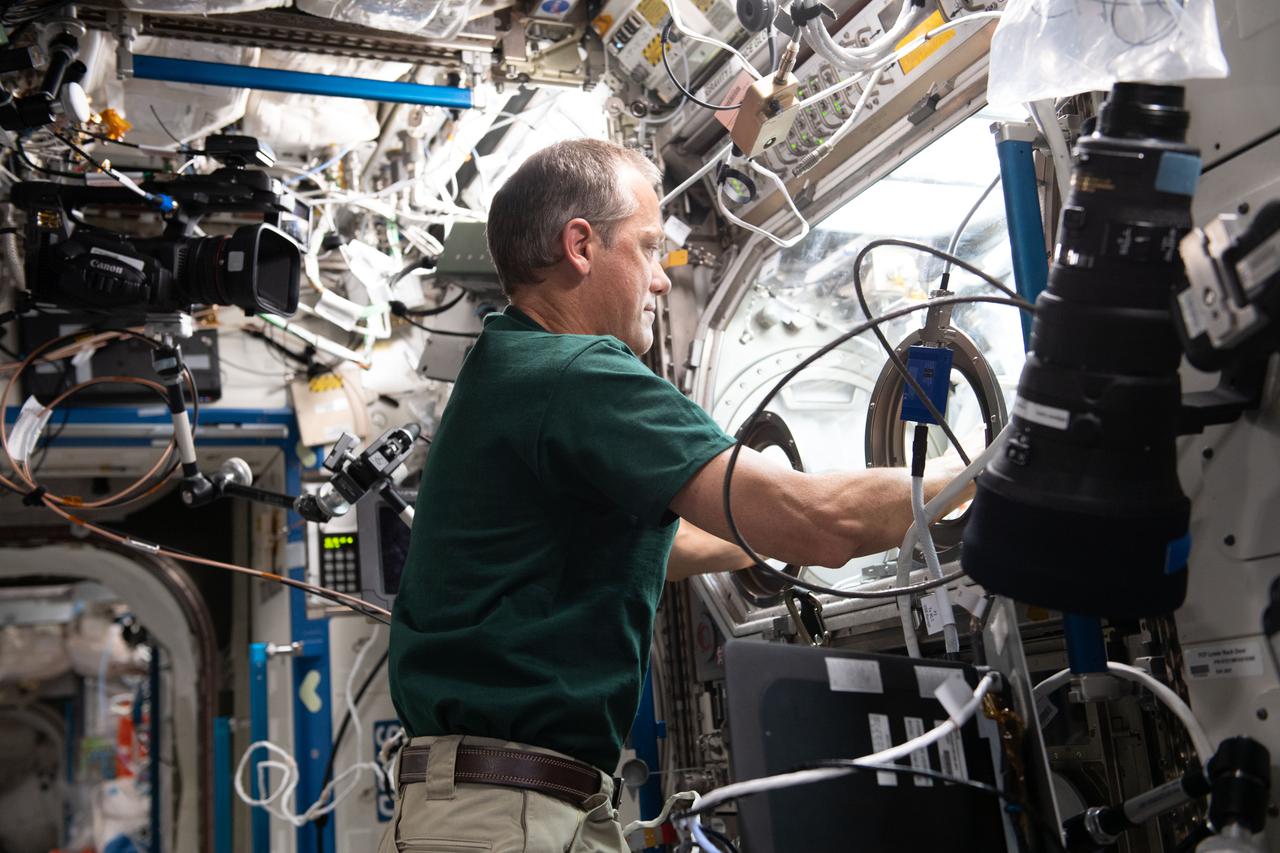
iss066e078282 (November 17, 2021) --- NASA astronaut Tom Marshburn works on the SUBSA-BRAINS space physics experiment, which examines differences in capillary flow, interface reactions, and bubble formation during solidification of brazing alloys in microgravity. Brazing technology bonds similar materials (such as an aluminum alloy to aluminum) or dissimilar ones (such as aluminum alloy to ceramics) at temperatures above 450°C. It is a potential tool for construction of human space habitats and manufactured systems as well as to repair damage from micrometeoroids or space debris.

iss065e021207 (May 6, 2021) --- Expedition 65 Flight Engineers (from left) Shane Kimbrough of NASA and Oleg Novitskiy of Roscosmos unpack hardware for installation inside the U.S. Destiny laboratory module's Microgravity Science Glovebox.
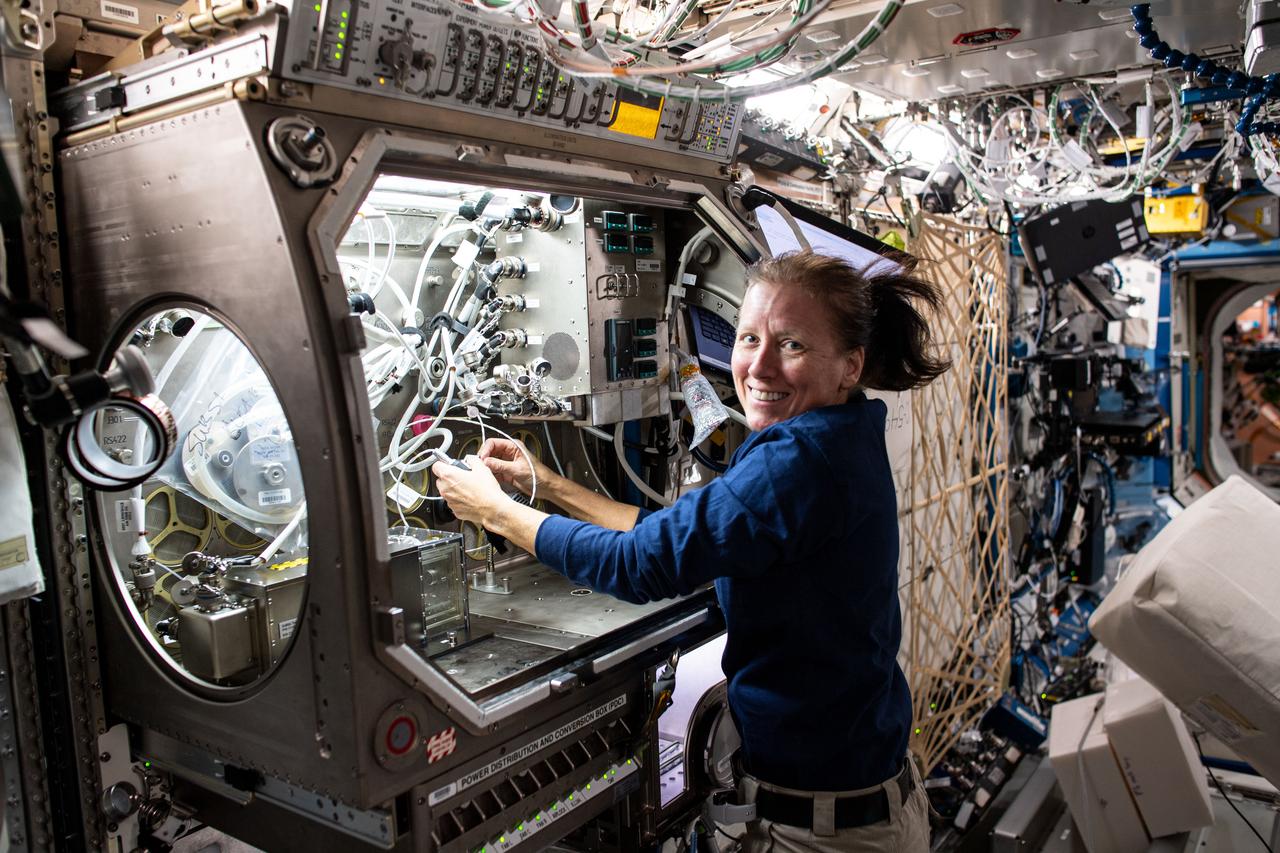
iss064e016385 (Dec. 29, 2020) --- NASA astronaut and Expedition 64 Flight Engineer Shannon Walker sets up hardware inside the Microgravity Science Glovebox for the Solidification Using a Baffle in Sealed Ampoules (SUBSA) experiment. SUBSA crystallizes melts in microgravity to learn more about the process of semiconductor crystal growth to benefit Earth and space industries. Results may lead to reduced fluid motion in the melt, leading to better distribution of subcomponents and the potential for improved technology used in producing semiconductor crystals.
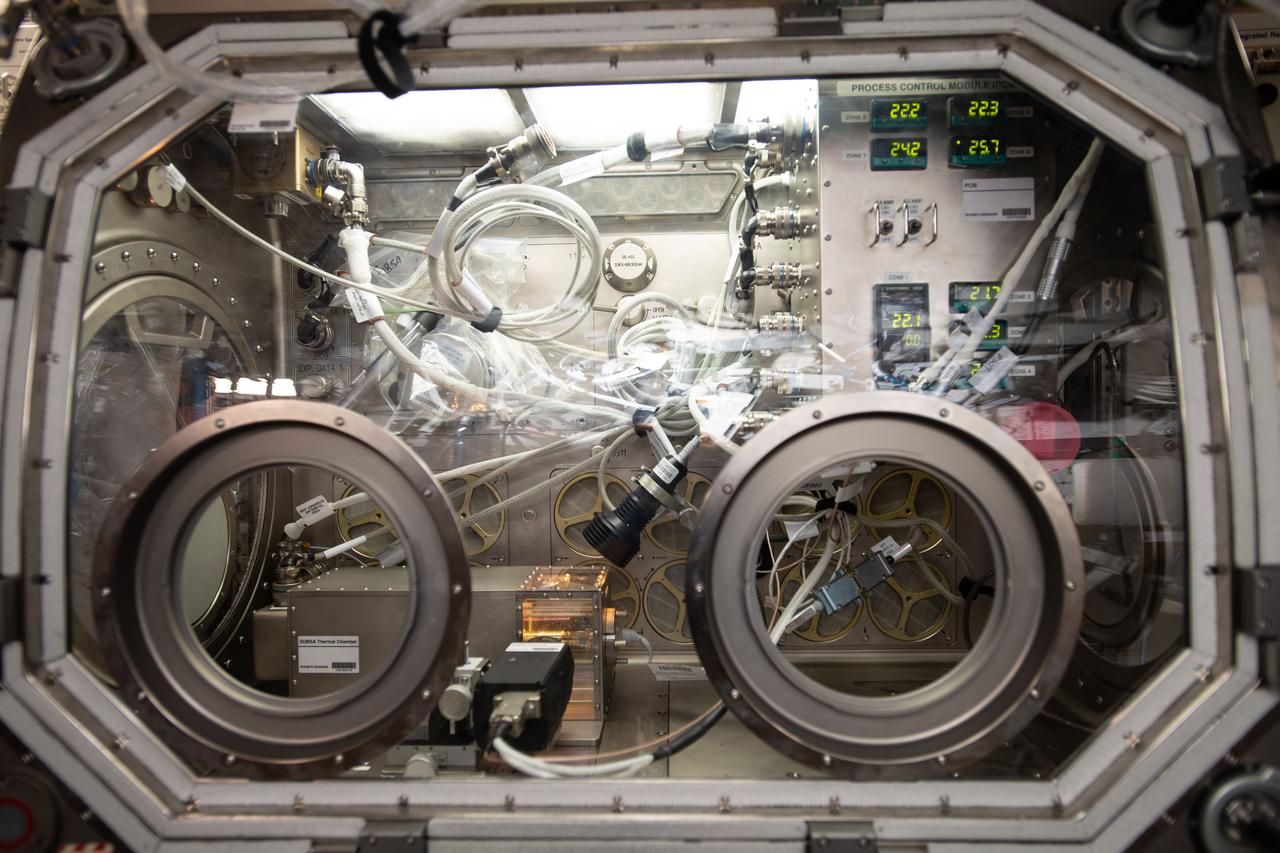
iss058e028142 (3/7/2019) --- View of the Microgravity Sciences Glovebox (MSG) during configuration of the SUBSA (Solidification Using Baffles in Sealed Ampoules) hardware in the MSG Work Volume in the Destiny Laboratory aboard the International Space Staion(ISS). SUBSA is a high-temperature furnace that can be used to study how microgravity affects the synthesis of semiconductor and scintillator crystals.
jsc2021e058715 (11/10/2021) --- SUBSA-ugGA Mission Patch. Space-production of Lightweight 3D Graphene Aerogels ( SUBSA-ugGA ) examines graphene-based hydrogel production on Earth and in microgravity conditions, towards producing aerogels with improved microstructure uniformity and material properties for both Earth and space applications. Design courtesy of Stanford University, Prof. Senesky.

iss064e032426 (Feb. 12, 2021) --- NASA astronaut and Expedition 64 Flight Engineer Michael Hopkins swaps samples inside the Microgravity Science Glovebox for the SUBSA (Solidification Using Baffles in Sealed Ampoules) experiment. The SUBSA physics study explores experimental methods of crystallizing melts in microgravity that may contribute to the production of higher quality semiconductor crystals.
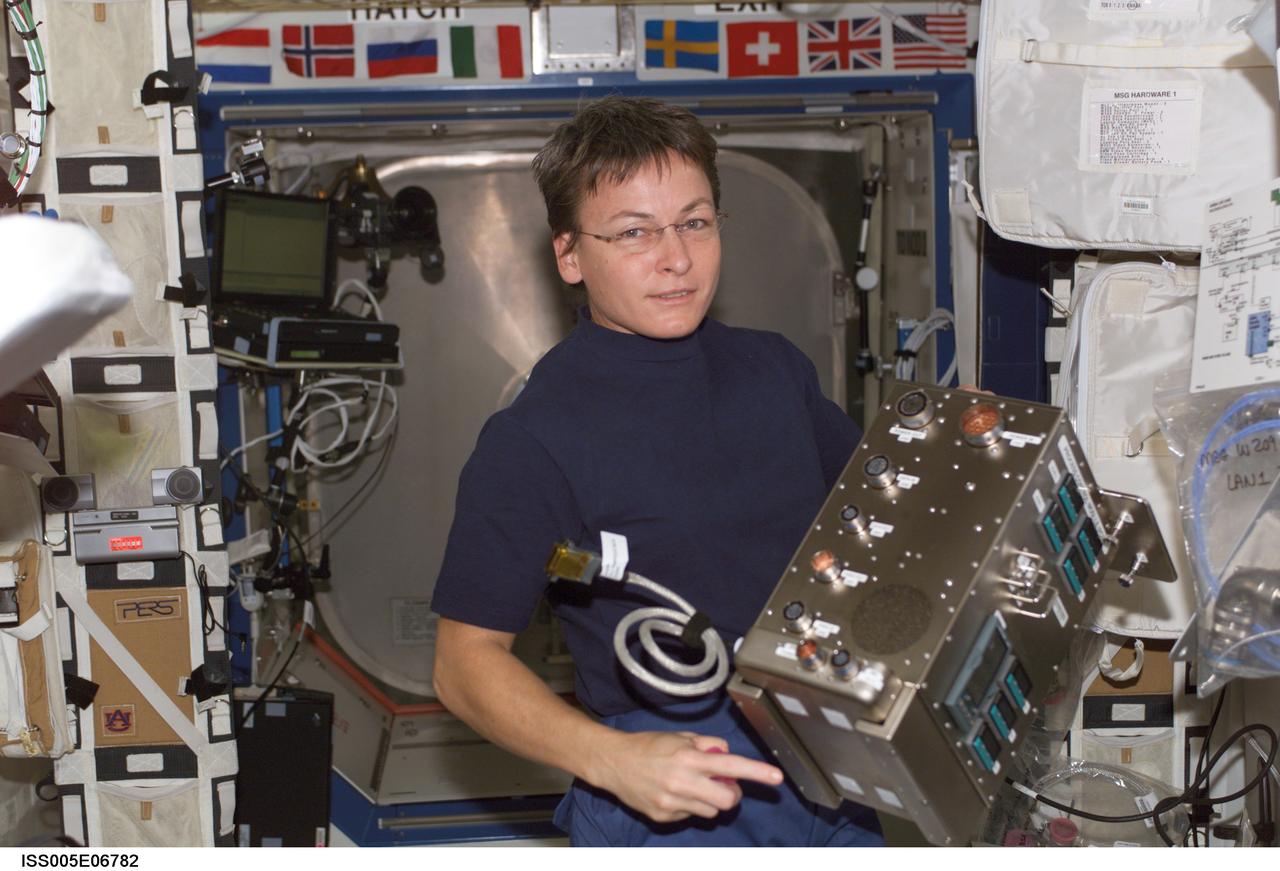
iss005e06782 (7/5/2002) --- NASA astronaut Peggy Whitson installs a Solidification Using a Baffle in Sealed Ampoules (SUBSA) Process Control Module in the Microgravity Science Glovebox (MSG). The SUBSA objective is to advance our understanding of the processes involved in semiconductor crystal growth. It offers a gradient freeze furnace for materials science investigations that can reach 850°C. Samples are contained in transparent quartz or ceramic ampoules with high definition video imaging available in real-time along with remote commanding of thermal control parameters.
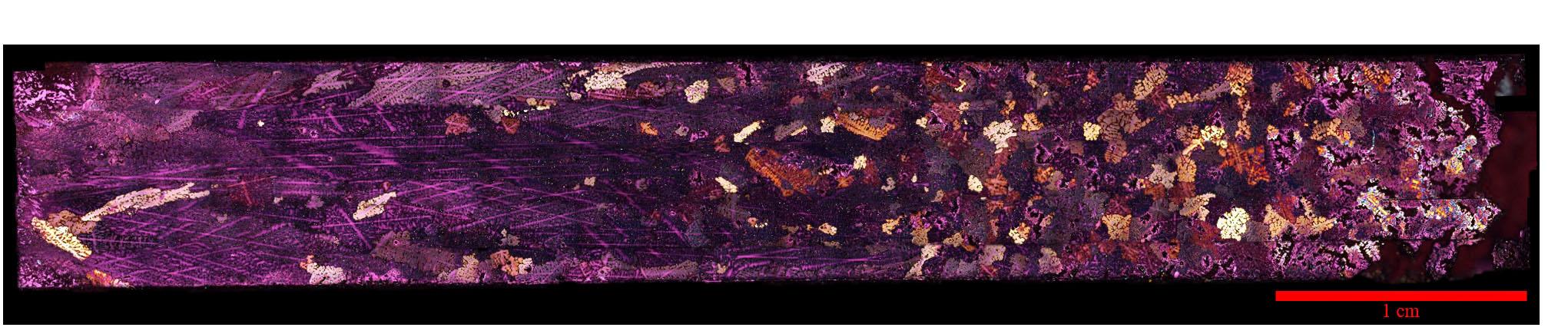
jsc2020e017721 (3/30/2020) --- A preflight view of a Polarized light micrograph of an Al-4%Cu alloy sample solidified in the SUBSA furnace showing a columnar-to-equiaxed transition in the grain structure. The sample has been electrolytically etched to show grains of differing orientation in color contrast under polarized light.

iss065e073965 (May 26, 2021) --- Expedition 65 Commander Akihiko Hoshide of the Japan Aerospace Exploration Agency checks out hardware for a physics experiment also known as SUBSA, or Solidification Using a Baffle in Sealed Ampoules. The space physics study is exploring ways to improve the production of semiconductor crystals.

Semiconductor crystals are an essential component in all computer chips, sensors, and wireless communication devices. Noguchi conducts the SUBSA investigation inside the microgravity glovebox to test a new method for producing semiconductor crystals. Findings from this work may improve the quality of the chips used inside consumer devices on Earth.

iss066e044525 (Nov. 4, 2021) --- NASA astronaut and Expedition 66 Flight Engineer Mark Vande Hei works inside the Microgravity Science Glovebox setting up hardware for a space physics study, known as Solidification Using a Baffle in Sealed Ampoules (SUBSA), seeking to improve the production of higher quality semiconductor crystals.
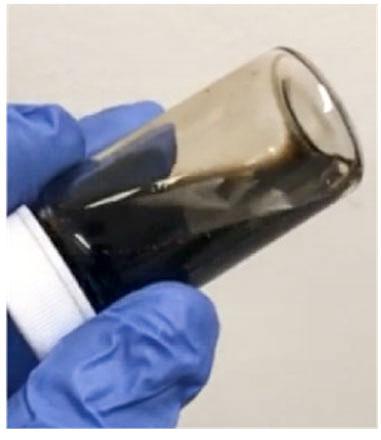
jsc2021e058716 (11/10/2021) --- A preflight image of Graphene oxide aqueous dispersion. Space-production of Lightweight 3D Graphene Aerogels ( SUBSA-ugGA ) examines graphene-based hydrogel production on Earth and in microgravity conditions, towards producing aerogels with improved microstructure uniformity and material properties for both Earth and space applications. Image courtesy of UC Berkeley, Prof. Maboudian.
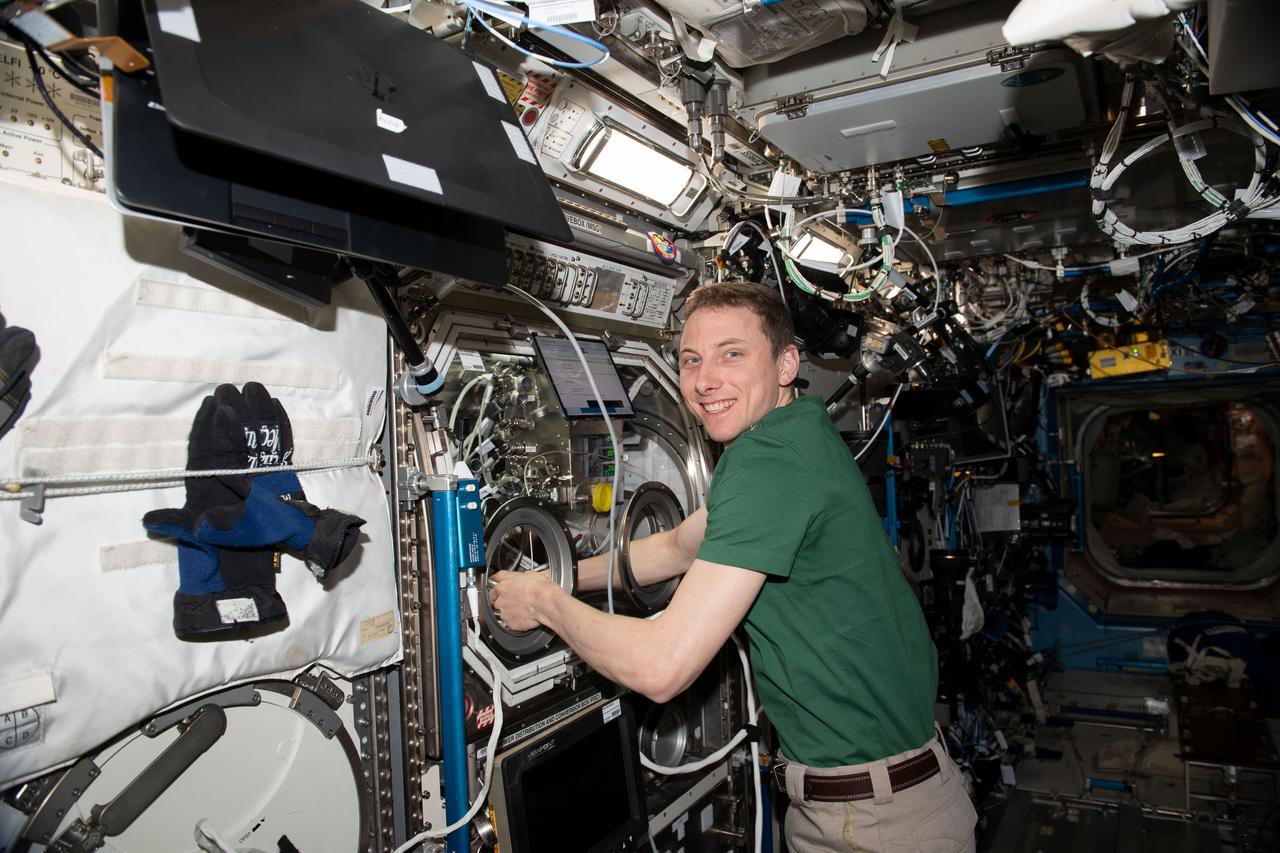
iss069e060236 (Aug. 14, 2023) --- NASA astronaut and Expedition 69 Flight Engineer Woody Hoburg works on physics research inside the Destiny laboratory module's Microgravity Science Glovebox. The SUBSA-μgGA investigation seeks to create a superior graphene aerogel, a synthetic material with high porosity and low density, in microgravity benefitting both Earth and space industries such as power storage, environmental protection, and chemical sensing.
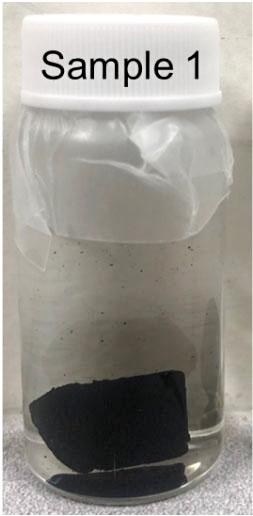
jsc2021e058717 (11/10/2021) --- A preflight image of graphene hydrogel in aqueous solution. Space-production of Lightweight 3D Graphene Aerogels ( SUBSA-ugGA ) examines graphene-based hydrogel production on Earth and in microgravity conditions, towards producing aerogels with improved microstructure uniformity and material properties for both Earth and space applications. Image courtesy of UC Berkeley, Prof. Maboudian.
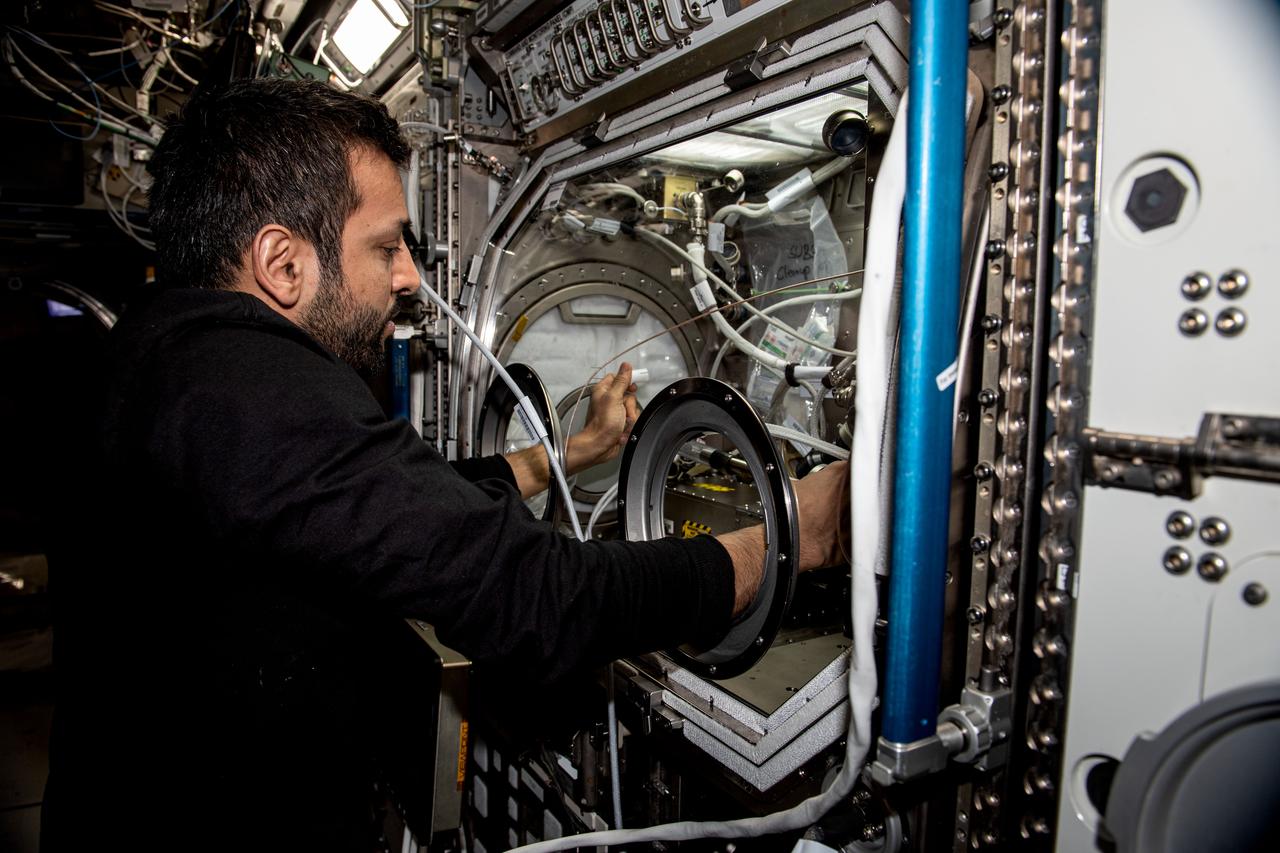
iss069e056648 (Aug. 11, 2023) --- UAE (United Arab Emirates) astronaut and Expedition 69 Flight Engineer Sultan Alneyadi works on physics research inside the Destiny laboratory module's Microgravity Science Glovebox. The SUBSA-μgGA investigation seeks to create a superior graphene aerogel, a synthetic material with high porosity and low density, in microgravity benefitting both Earth and space industries such as power storage, environmental protection, and chemical sensing.

iss065e084906 (June 1, 2021) --- Expedition 65 Flight Engineer Thomas Pesquet of ESA (European Space Agency) swaps samples inside the Microgravity Sciences Glovebox for an experiment called Solidification Using a Baffle in Sealed Ampoules, or SUBSA. The physics investigation explores experimental methods of crystallizing melts in microgravity and is expected to result in reduced fluid motion in the melt, leading to better distribution of subcomponents and the potential for improved technology used in producing semiconductor crystals.
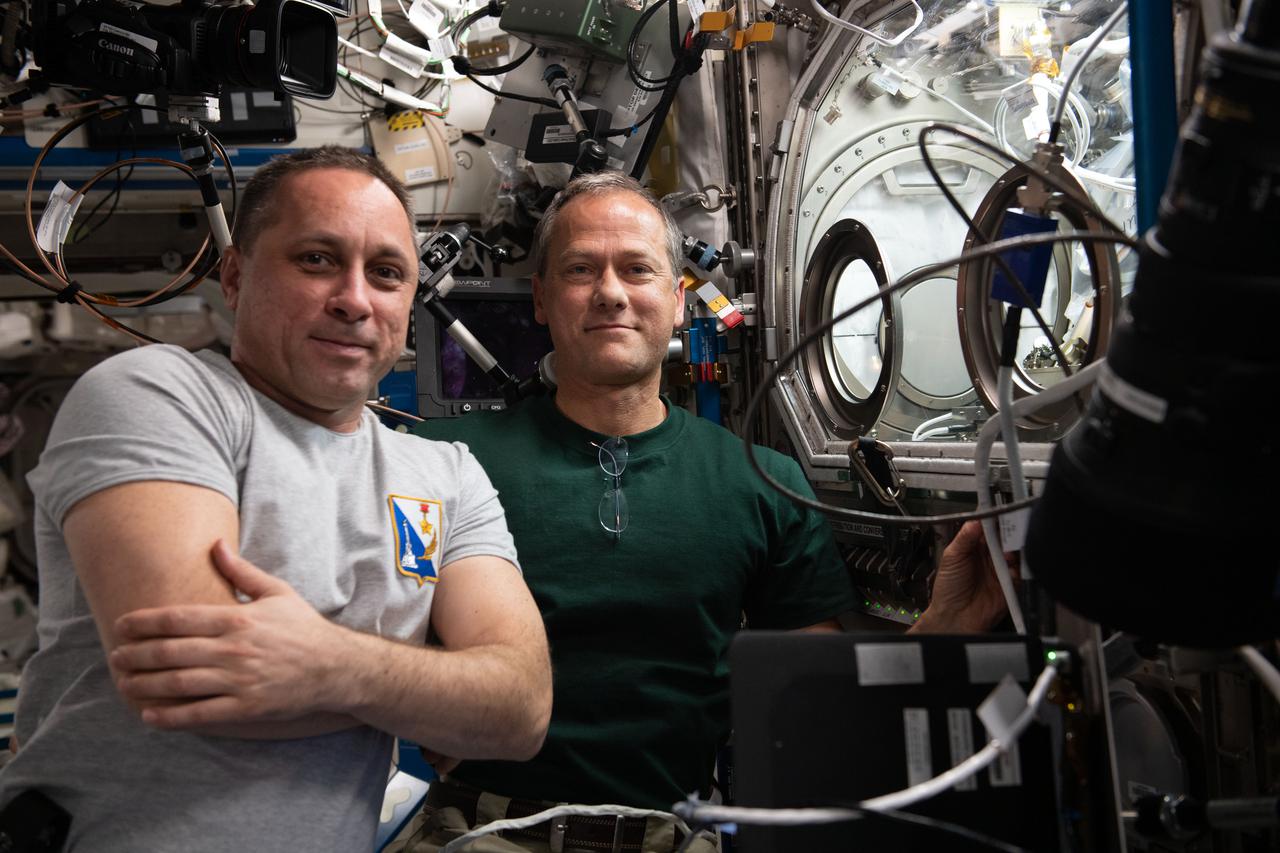
iss066e078285 (Nov. 17, 2021) --- International Space Station Commander Anton Shkaplerov of Roscosmos (from left) and NASA astronaut and Expedition 66 Flight Engineer Thomas Marshburn work on the SUBSA-BRAINS (BRazing of Aluminum alloys IN Space) space physics experiment taking place inside the Microgravity Science Glovebox. The study examines differences in capillary flow, interface reactions, and bubble formation during solidification of brazing alloys in microgravity.
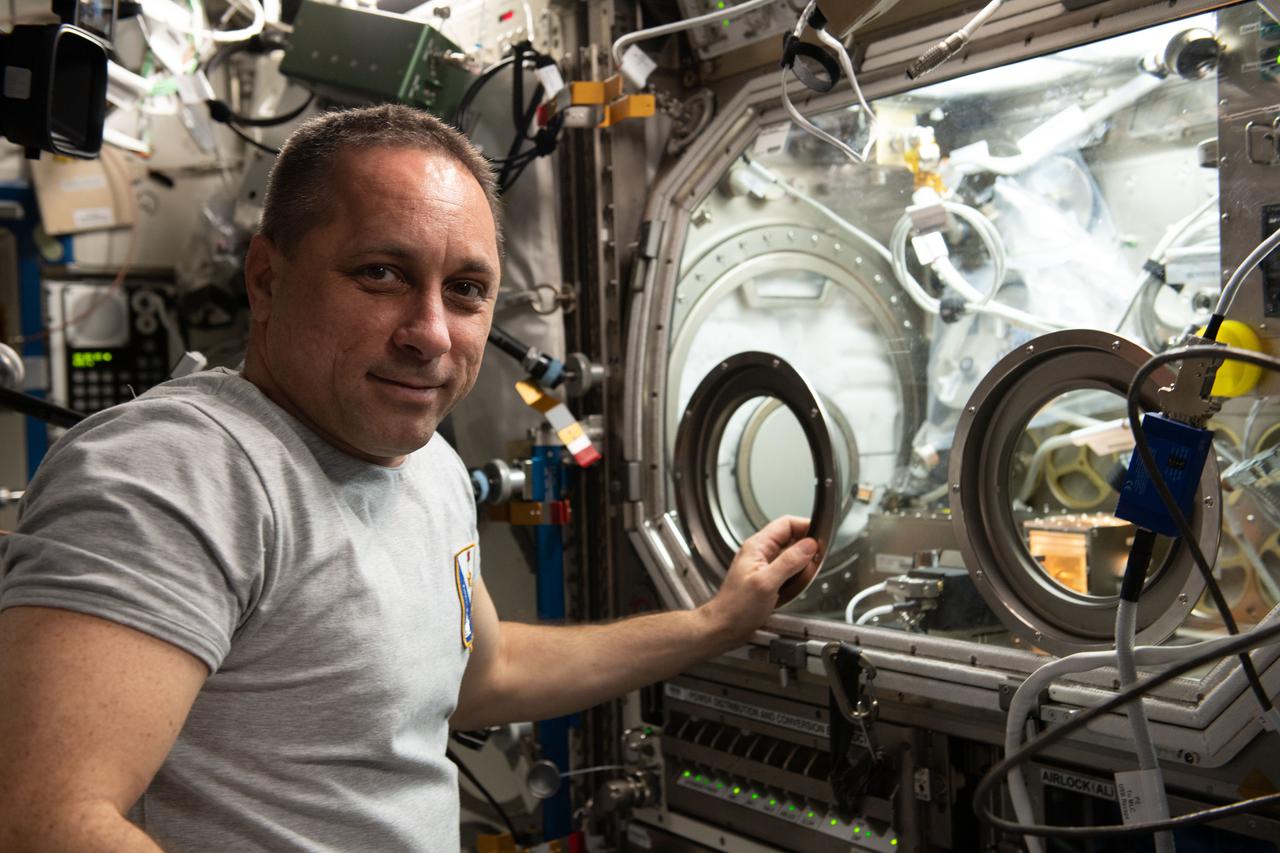
iss066e078283 (Nov. 17, 2021) --- International Space Station Commander Anton Shkaplerov of Roscosmos works on the SUBSA-BRAINS (BRazing of Aluminum alloys IN Space) space physics experiment taking place inside the Microgravity Science Glovebox. The study examines differences in capillary flow, interface reactions, and bubble formation during solidification of brazing alloys in microgravity.
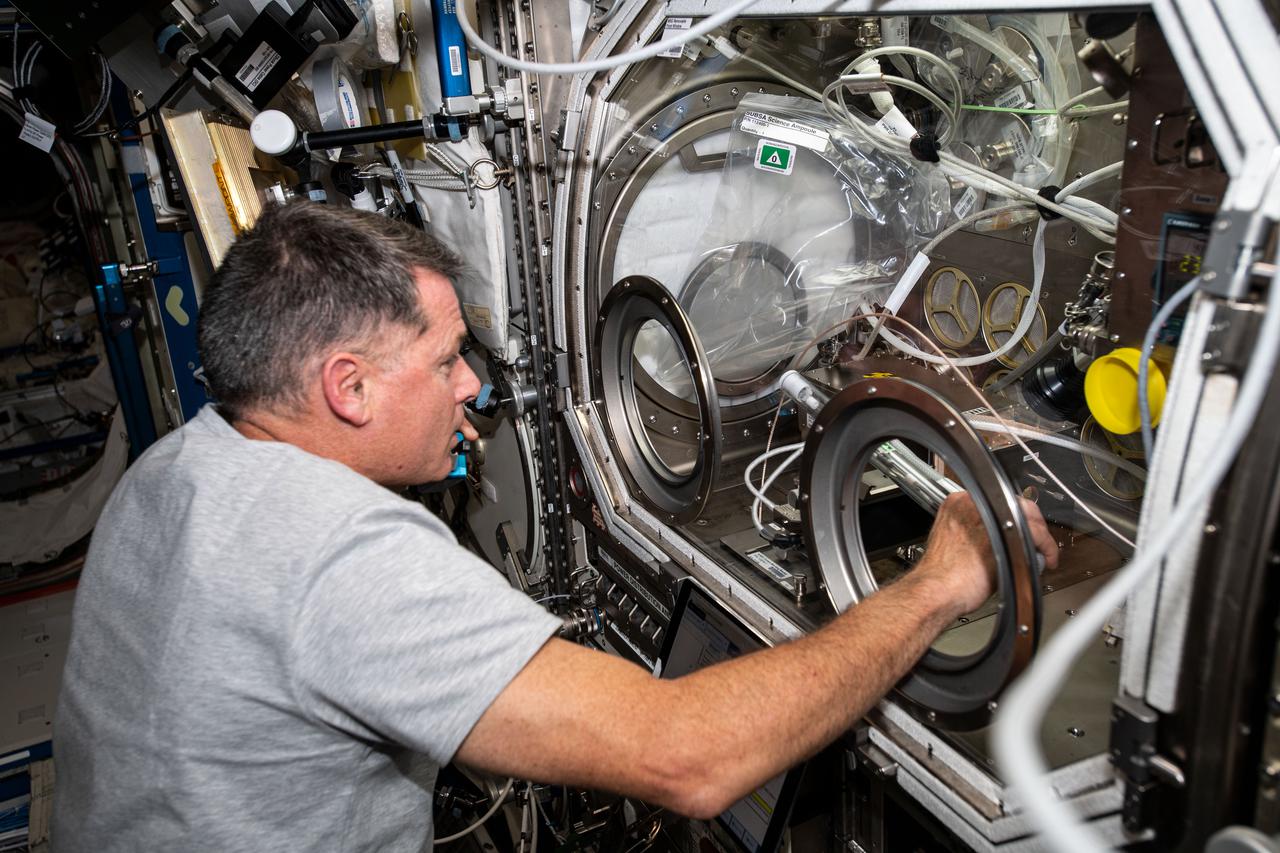
iss065e050120 (May 21, 2021) --- NASA astronaut and Expedition 65 Flight Engineer Shane Kimbrough swaps samples inside the Microgravity Science Glovebox for an experiment called Solidification Using a Baffle in Sealed Ampoules, or SUBSA. The physics investigation explores experimental methods of crystallizing melts in microgravity and is expected to result in reduced fluid motion in the melt, leading to better distribution of subcomponents and the potential for improved technology used in producing semiconductor crystals.
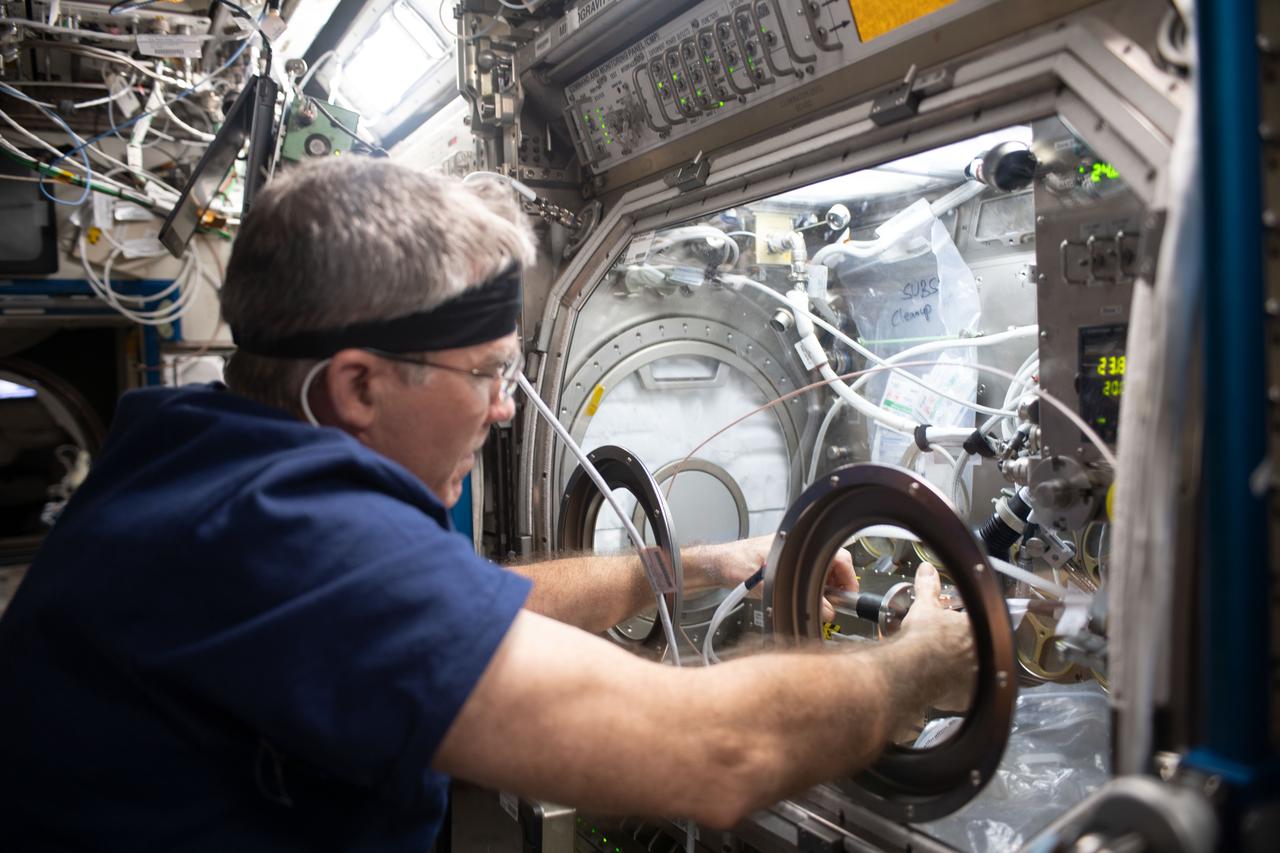
iss069e056172 (Aug. 11, 2023) --- NASA astronaut and Expedition 69 Flight Engineer Stephen Bowen works on physics research inside the Destiny laboratory module's Microgravity Science Glovebox. The SUBSA-μgGA investigation seeks to create a superior graphene aerogel, a synthetic material with high porosity and low density, in microgravity benefitting both Earth and space industries such as power storage, environmental protection, and chemical sensing.
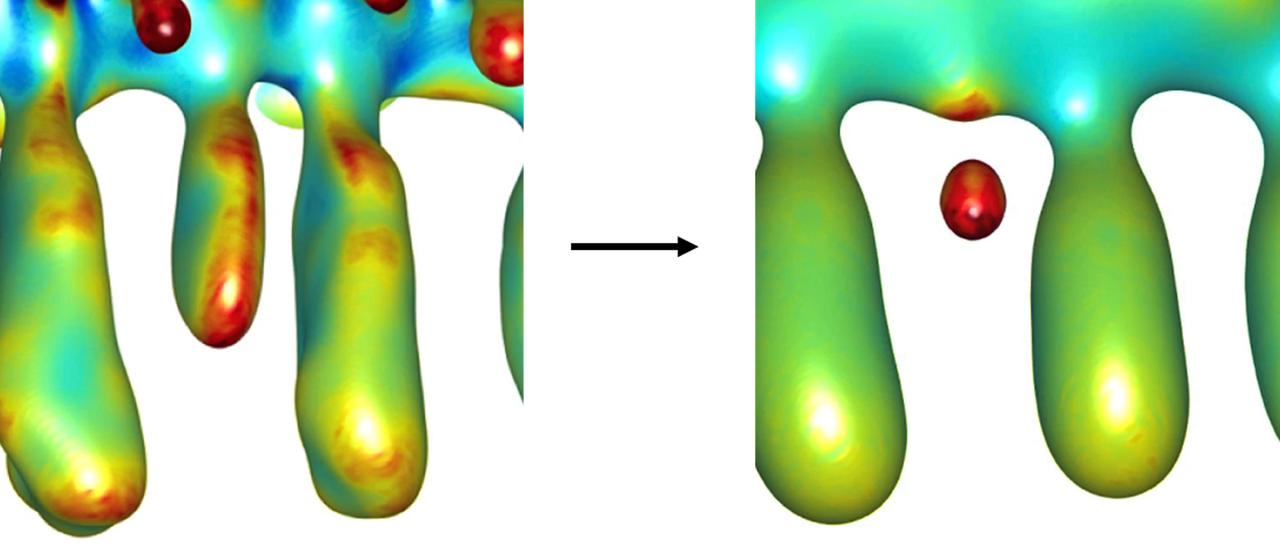
jsc2020e030481 (7/8/2020) --- This preflight image of the Dendrite Fragmentation and Morphology during Melting and Solidification (DFM) (SUBSA-DFM) investigation of shows a small portion of an experimentally determined dendrite. The image on the right shows the same portion with the formation of a fragment and other morphological changes after a simulated temperature change. Colors show the mean curvature of the dendrite interfaces (red corresponds to high positive curvature, blue to high negative curvature, and green to zero curvature). (Image Courtesy Techshot, Inc.)