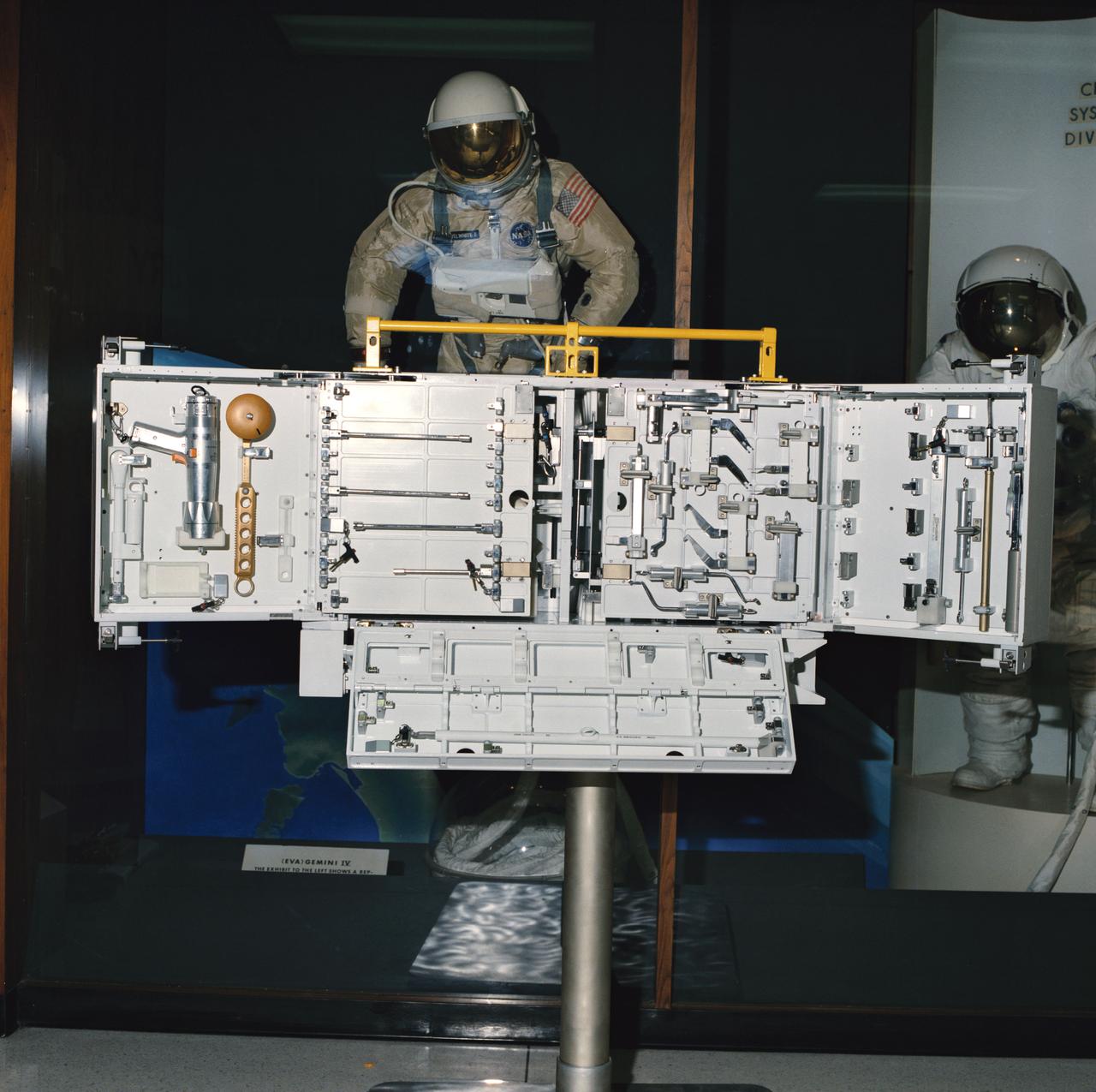
S87-49426 (1987) --- The Hubble Space Telescope (HST) tool box provides stowage of individual tools, tool boards and tool caddies required for maintenance of the telescope. The basic box design was revised from the LEASAT (U.S. Navy) equipment stowage container. It can be mounted to a base plate or back plate depending on the mission location requirements. A four-point latching system secured with pip pins is used to latch the tool box doors for launch. Various other latches are designed into the door panels and tool mounting locations for tool retention. The box consists of aluminum sides and base, a dividing wall and deep doors. Along three sides there are handrails by which STS-61 extravehicular activity (EVA) crew members can translate themselves or brace themselves when stowing and unstowing equipment.
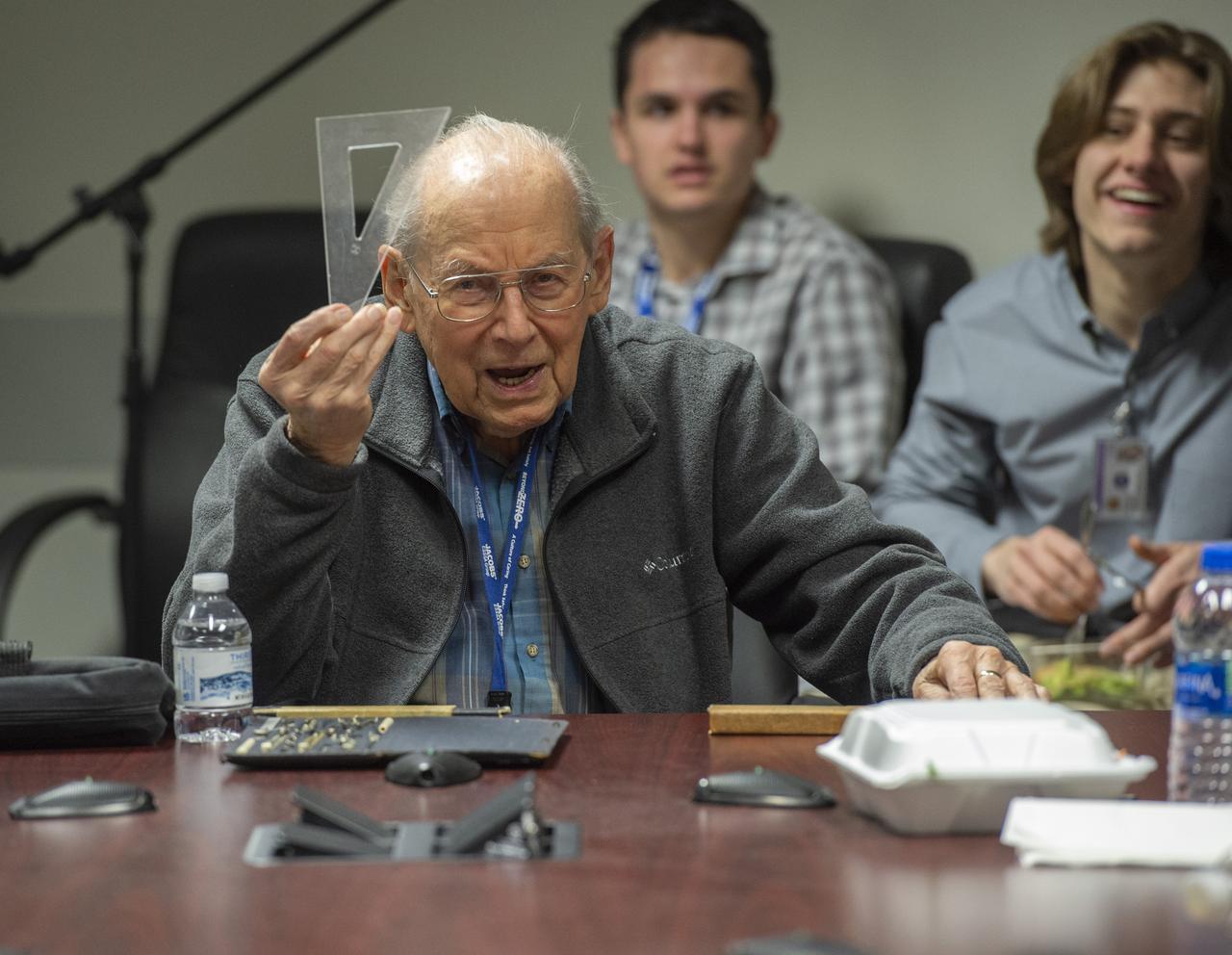
Retired Marshall engineer Erich Engler demonstrates antiquated calculation and design tools used in Apollo days.
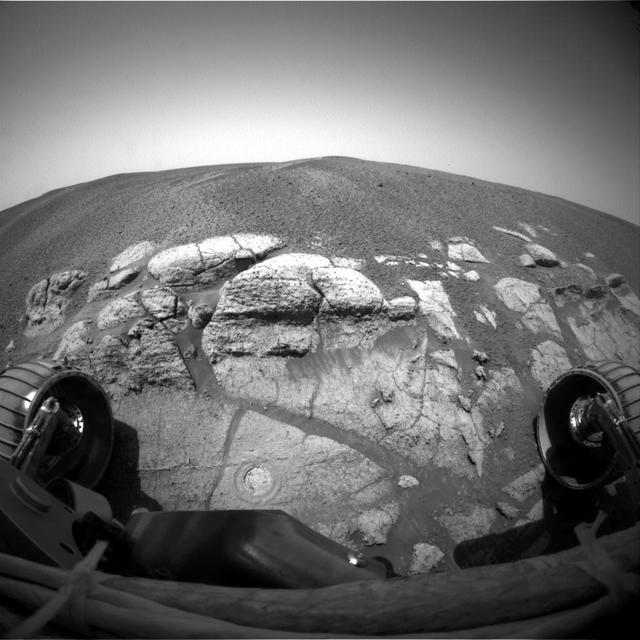
Circular Signs of the Rock Abrasion Tool
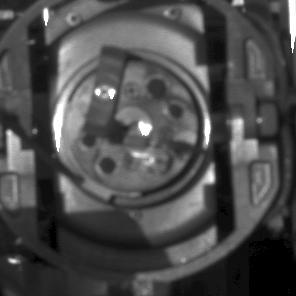
Pebble Jammed in Rock Abrasion Tool
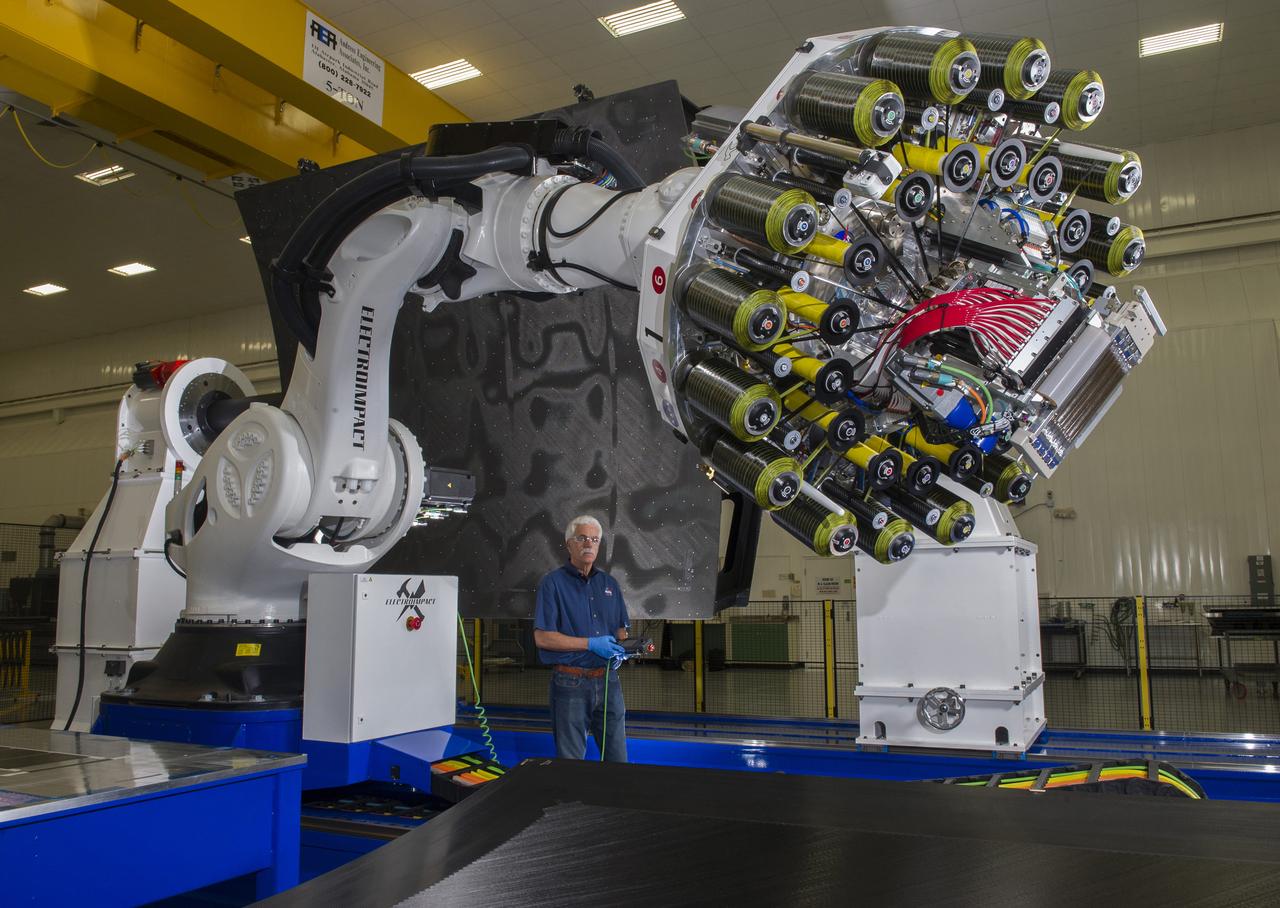
MATERIALS ENGINEER LARRY PELHAM OF NASA’S MARSHALL SPACE FLIGHT CENTER IN HUNTSVILLE, ALABAMA, OPERATES THE CEUS AUTOMATED FIBER PLACEMENT CYLINDRICAL MANUFACTURING TOOL IN BUILDING 4707. THE TOOL WILL BE USED BY THE COMPOSITES FOR EXPLORATION UPPER STAGE PROJECT AT MARSHALL, WHICH IS ANALYZING COMPOSITE MATERIALS TO SUPPORT FUTURE HARDWARE FOR NASA’S SPACE LAUNCH SYSTEM AND OTHER NEXT-GENERATION SPACECRAFT…
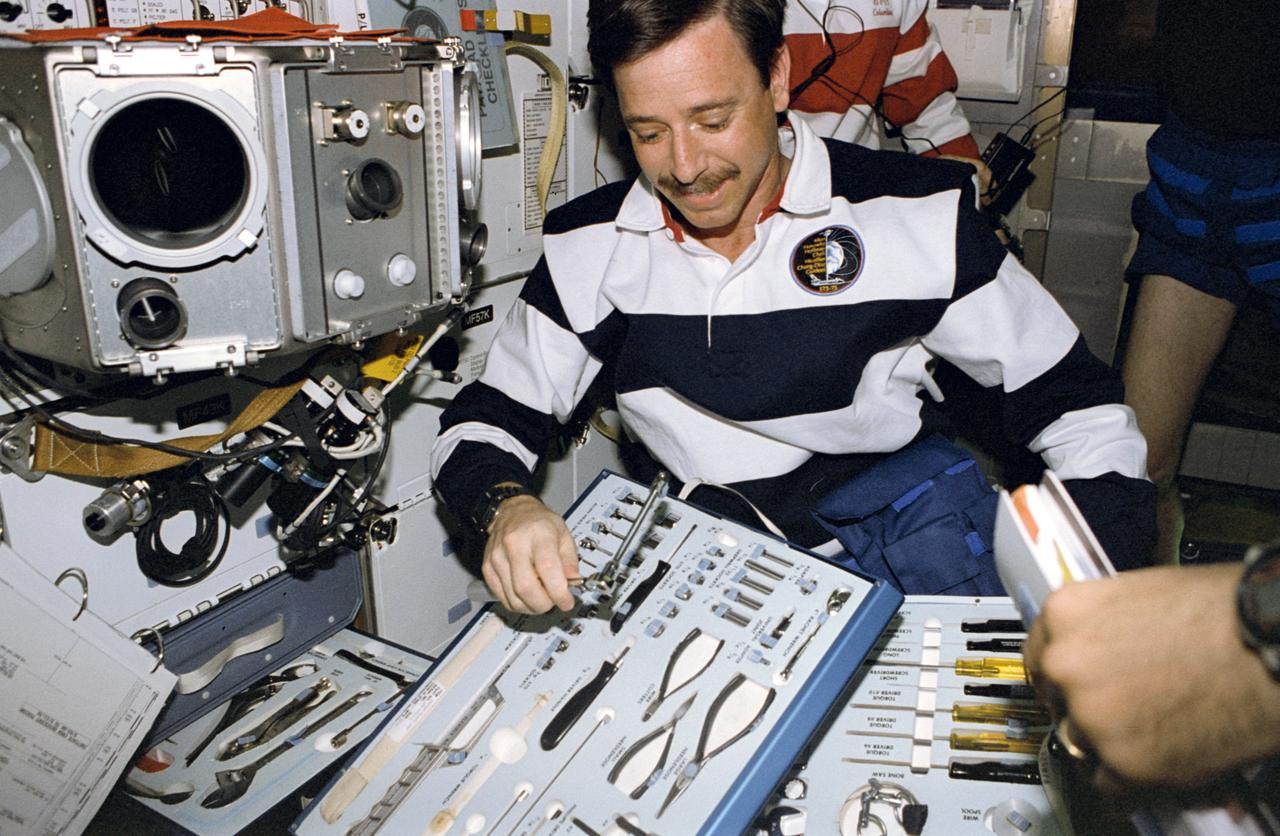
STS075-333-032 (22 Feb.- 9 March 1996) --- Astronaut Scott J. Horowitz, pilot, looks over tools he may use to perform an Inflight Maintenance (IFM) chore on the mid deck of the Earth-orbiting space shuttle Columbia. The glovebox facility is at upper left. Horowitz joined four other astronauts and an international payload specialist for 16 days of scientific research in Earth-orbit.
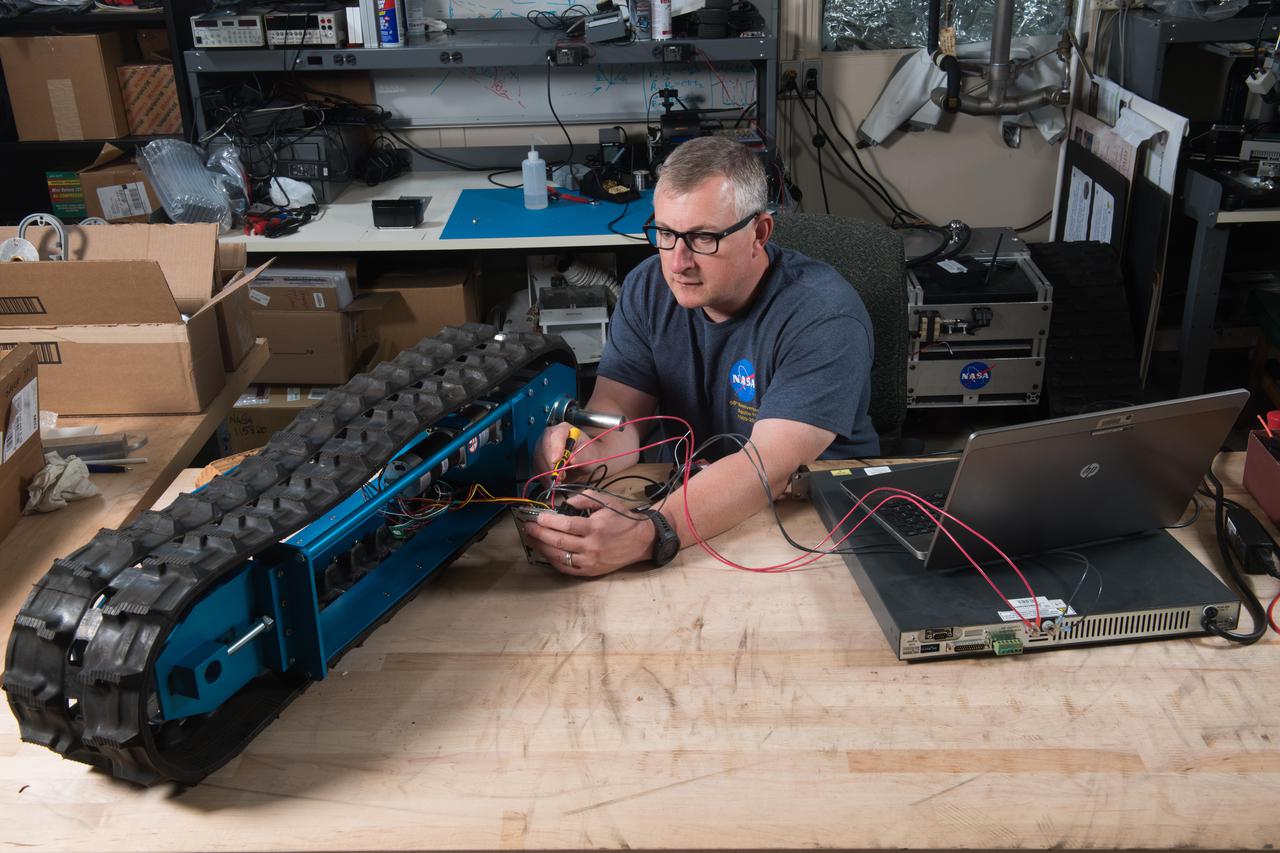
Cratos II: Modular ISRU Excavation Tools
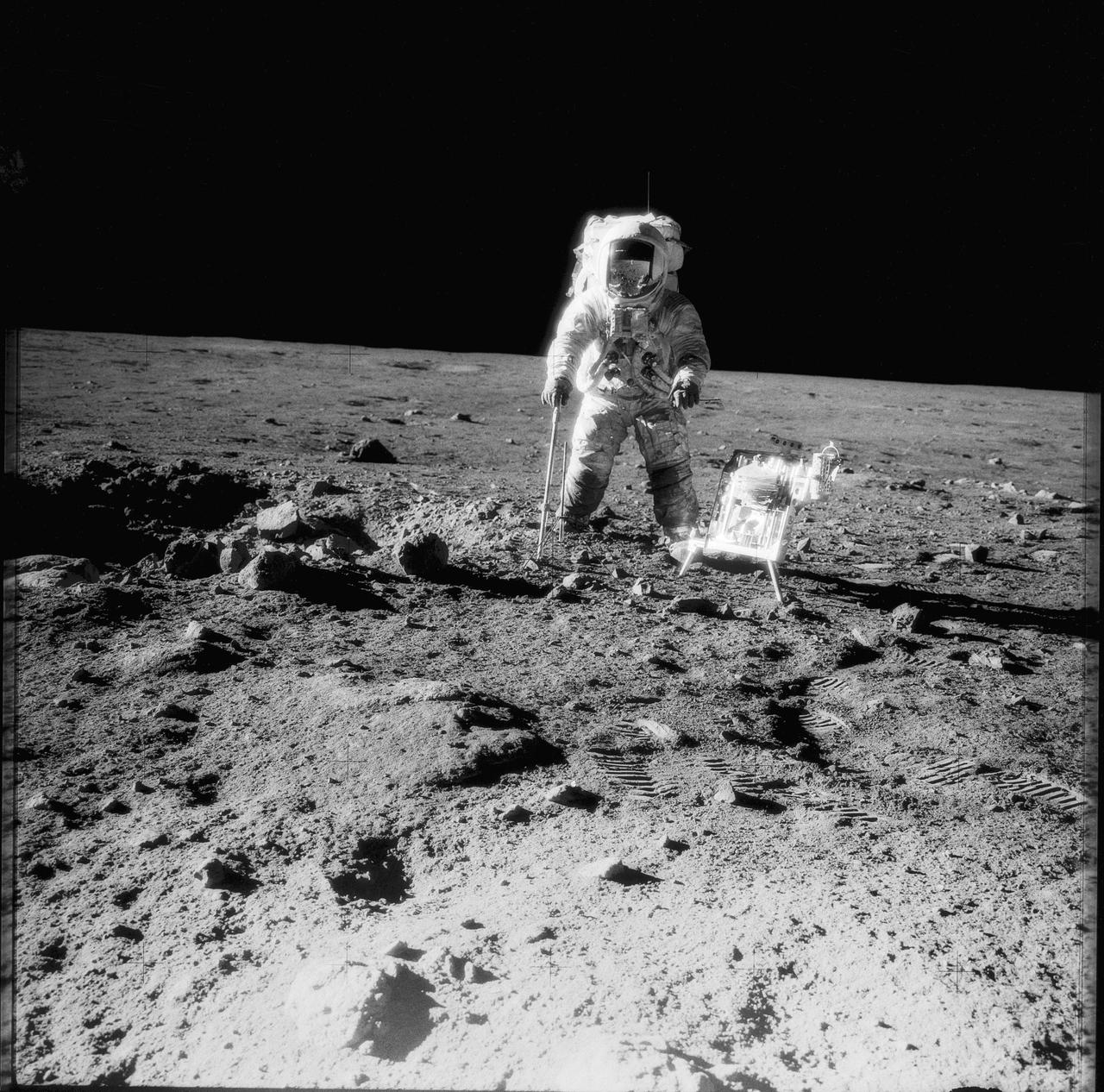
AS12-49-7318 (19-20 Nov. 1969) --- One of the Apollo 12 crew members is photographed with the tools and carrier of the Apollo Lunar Hand Tools (ALHT) during extravehicular activity (EVA) on the surface of the moon. Several footprints made by the two crew members during their EVA are seen in the foreground. While astronauts Charles Conrad Jr., commander, and Alan L. Bean, lunar module pilot, descended in the Lunar Module (LM) "Intrepid" to explore the Ocean of Storms region of the moon, astronaut Richard F. Gordon Jr., command module pilot, remained with the Command and Service Modules (CSM) "Yankee Clipper" in lunar orbit.
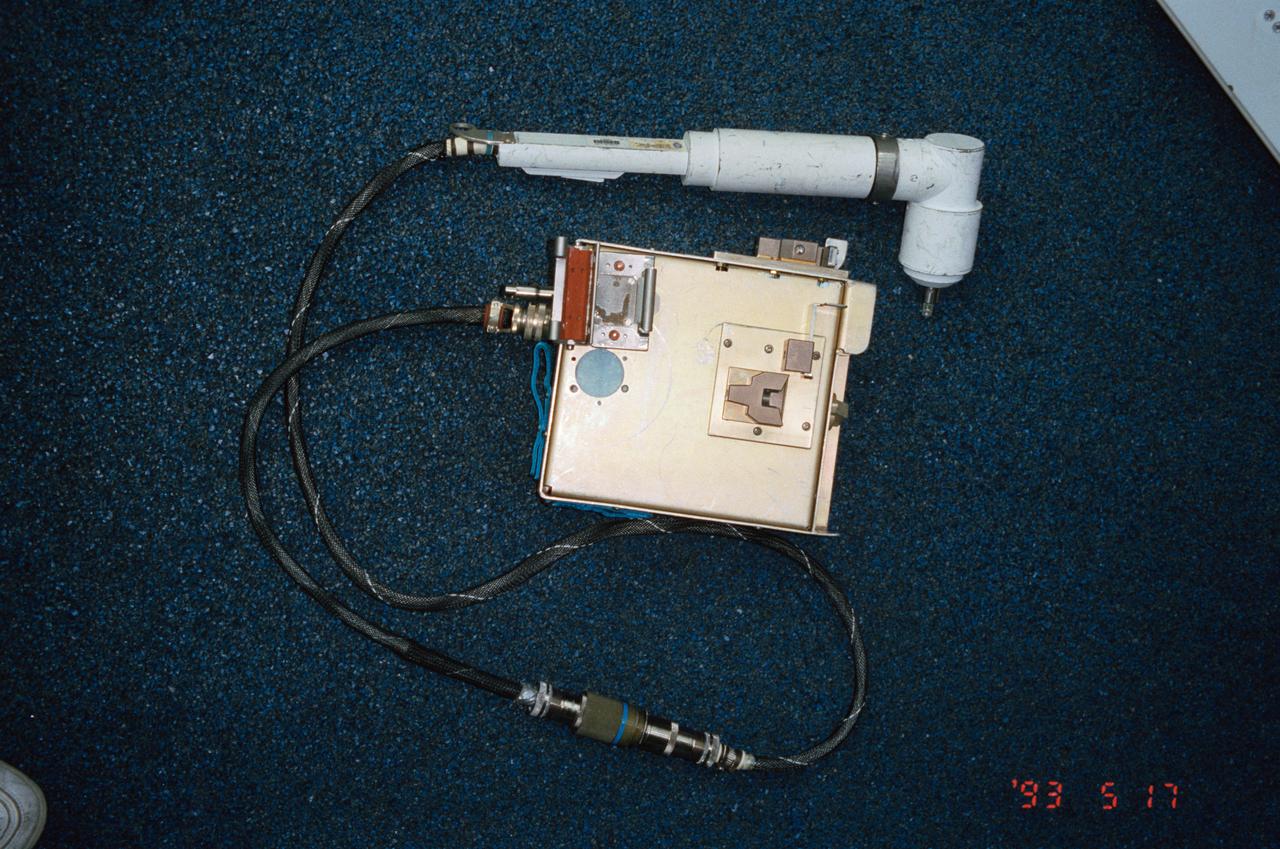
S93-35367 (Nov 1993) --- A close-up view of the special ratchet tool to be used by the STS-61 astronauts assigned to perform servicing of the Hubble Space Telescope (HST) in December of this year. Four astronauts will perform a total of five sessions of extravehicular activity (EVA) during the flight.
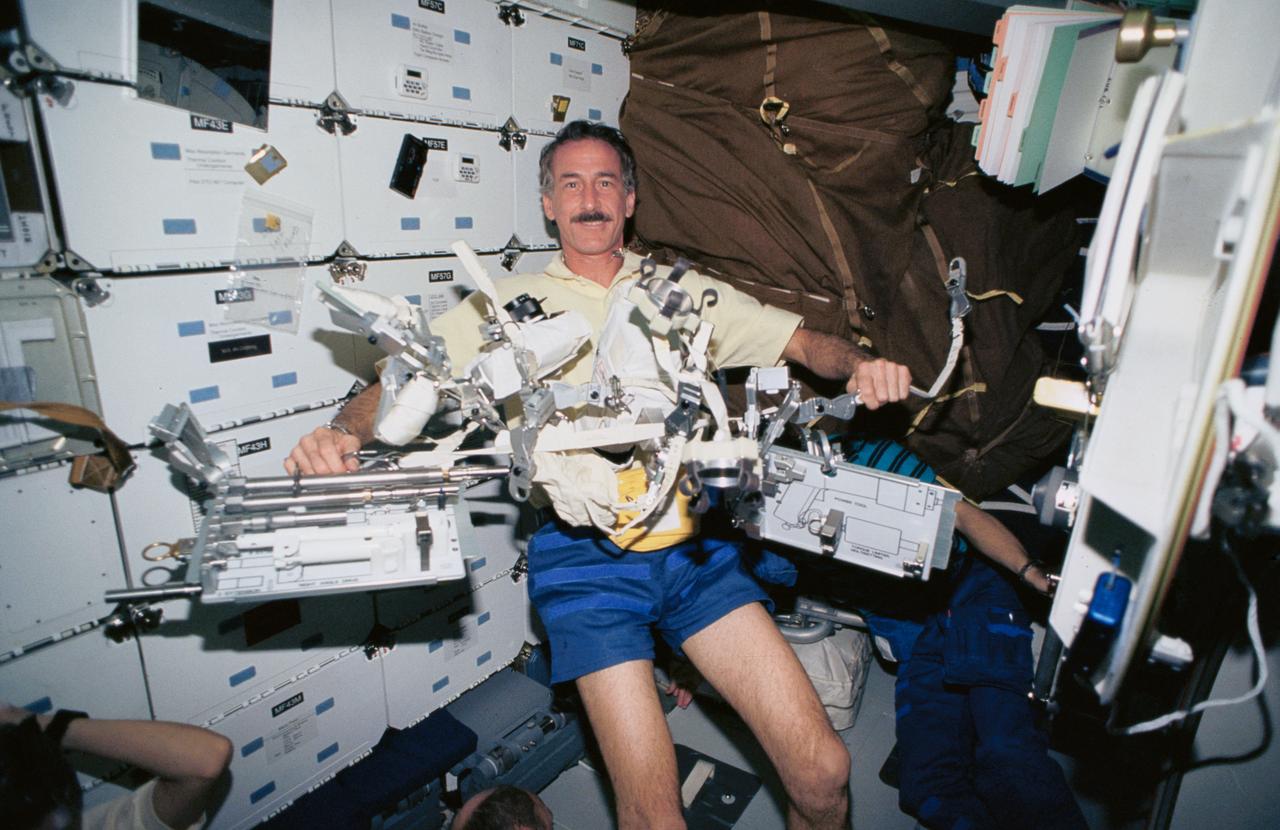
STS061-03-029 (2013 Dec 1993) --- Astronaut Jeffrey A. Hoffman displays tools used in the five space walks on the STS-61 Hubble Space Telescope (HST) repair mission. Hoffman was one of four space walkers making use of the variegated gear.
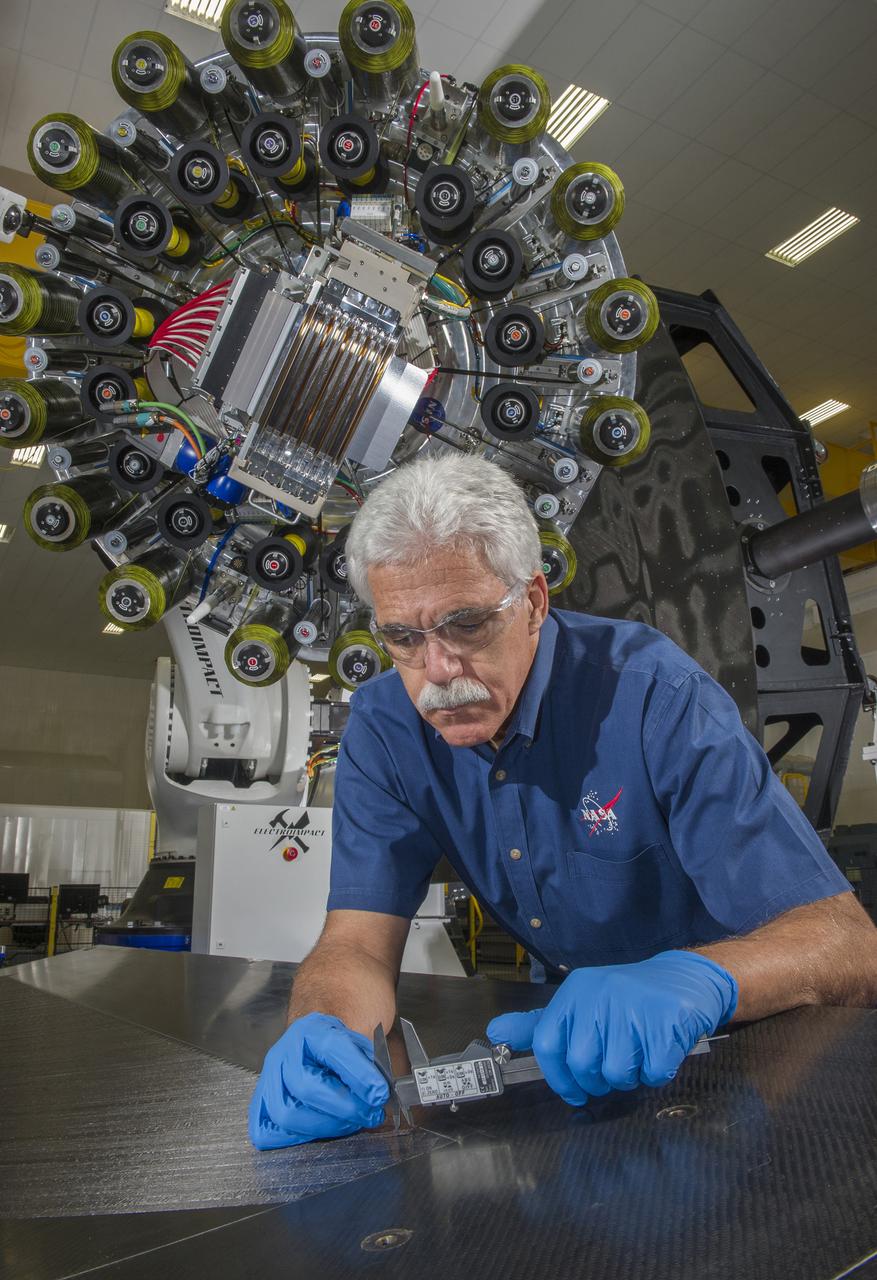
MATERIALS ENGINEER LARRY PELHAM OF NASA’S MARSHALL SPACE FLIGHT CENTER IN HUNTSVILLE, ALABAMA, OPERATES THE CEUS AUTOMATED FIBER PLACEMENT CYLINDRICAL MANUFACTURING TOOL IN BUILDING 4707. THE TOOL WILL BE USED BY THE COMPOSITES FOR EXPLORATION UPPER STAGE PROJECT AT MARSHALL, WHICH IS ANALYZING COMPOSITE MATERIALS TO SUPPORT FUTURE HARDWARE FOR NASA’S SPACE LAUNCH SYSTEM AND OTHER NEXT-GENERATION SPACECRAFT…
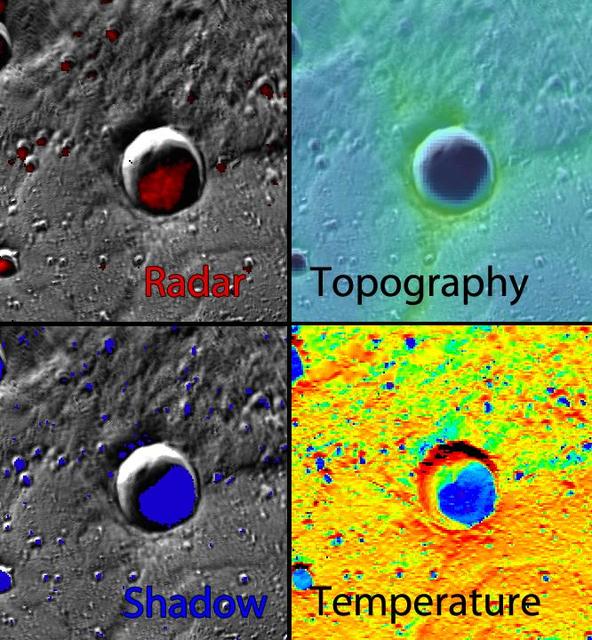
Water Ice Data Exploration WIDE Tool
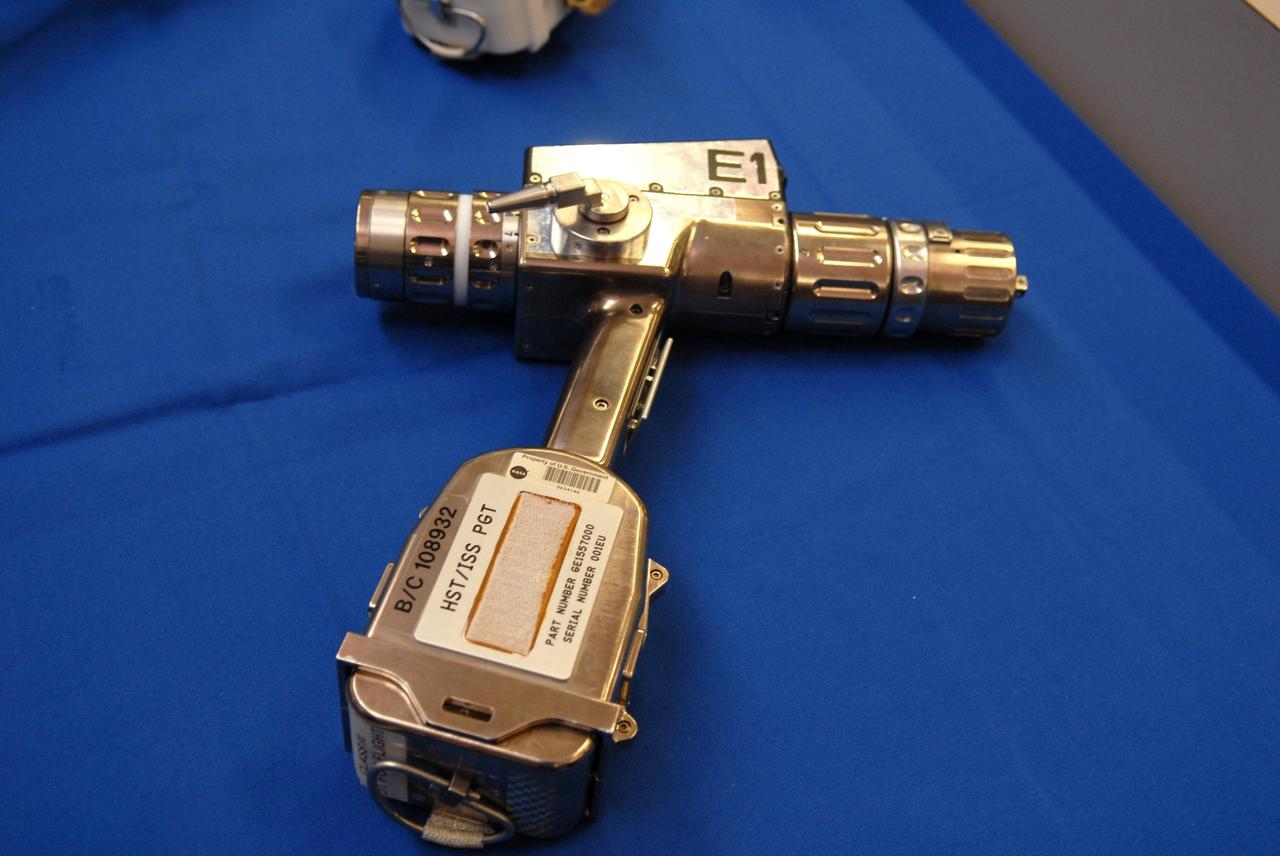
CAPE CANAVERAL, Fla. – The tools that will be used to service NASA's Hubble Space Telescope on the STS-125 mission are displayed in the NASA News Center at NASA's Kennedy Space Center in Florida. This is a closeup of the pistol grip tool that can install and remove instruments, drive latches and open doors. A self-contained, high-torque drive, the tool features an on-board computer that permits users to tailor its performance to the mission demands. On space shuttle Atlantis’ STS-125 mission, Hubble will be serviced for the fifth and final time. The flight will include five spacewalks during which astronauts will refurbish and upgrade the telescope with these state-of-the-art science instruments. As a result, Hubble's capabilities will be expanded and its operational lifespan extended through at least 2014. The payload includes a Wide Field Camera 3, fine guidance sensor and the Cosmic Origins Spectrograph. Launch is scheduled for 2:01 p.m. EDT May 11. Photo credit: NASA/Jack Pfaller

S73-27403 (June 1973) --- Engineers at the NASA Marshall Space Flight Center examine tools that are being considered for use in freeing the solar array wing of Skylab. The device at center is a cable cutter which is operated by cable. Enhanced television pictures indicate that the wing is being held to the side of the Skylab by a strip of metal from the meteoroid shield. The cable cutter shown here clipped an identical strip of metal in a test at the Marshall Center, requiring 90 pounds of force. The cutter is one of several heads which could be attached to extension rods. Identical tools and rods were carried into orbit by the Skylab 2 crew. At right is the handle end of a rod. White material taped just below the handle is buoyancy packing to make the object weightless when submerged in water. The tools are being tested in underwater EVA tasks in the MSFC Neutral Buoyancy Simulator. Small object at left is the attachment head for a two-prong "rake" device for use on the end of a pole made up of one, two or more five-foot sections of extension rods. Photo credit: NASA
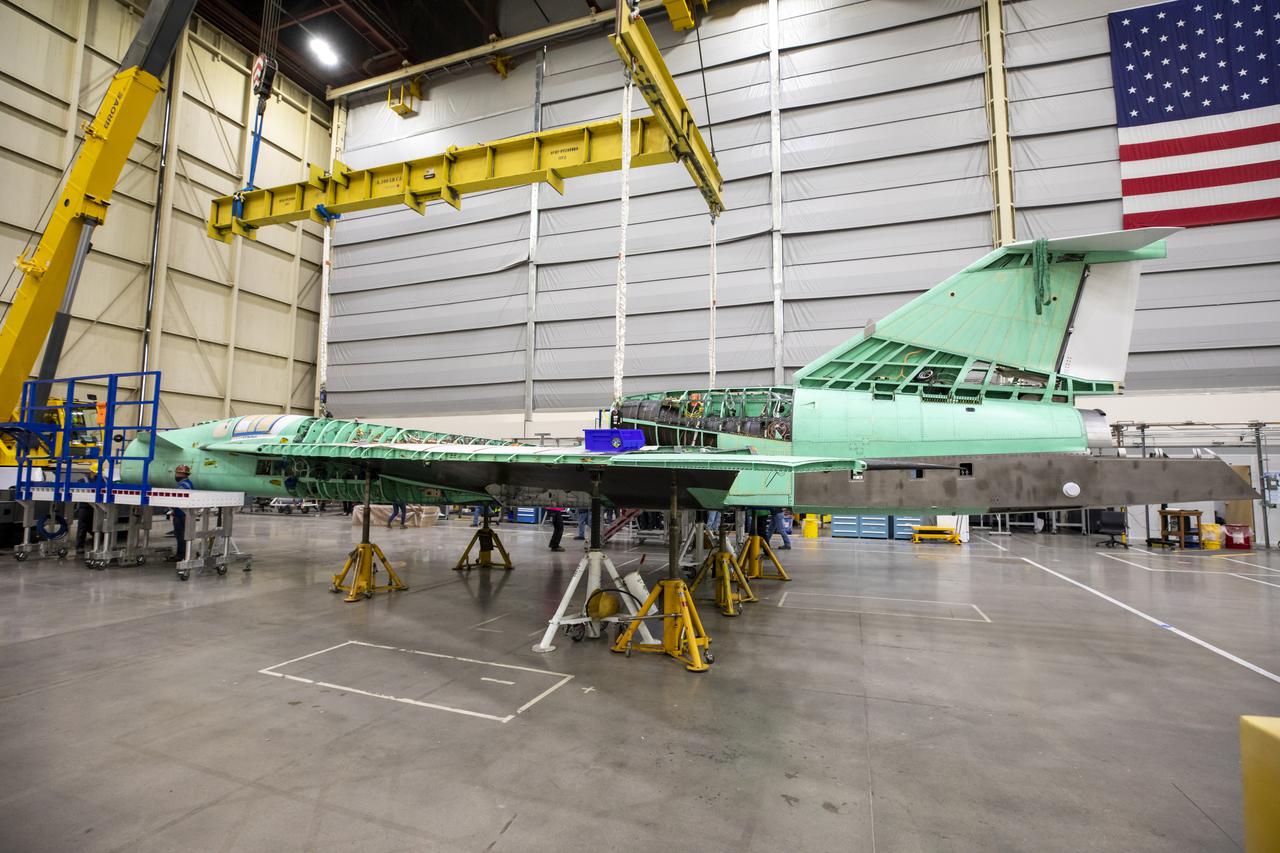
A view of the X-59 being supported by ground supports in preparation for installation of the landing gear and other hardware required for structural testing. Lockheed Martin Photography By Garry Tice 1011 Lockheed Way, Palmdale, Ca. 93599 Event: Removal From Tooling Jig Date: 10/27/2021 Additional Info:
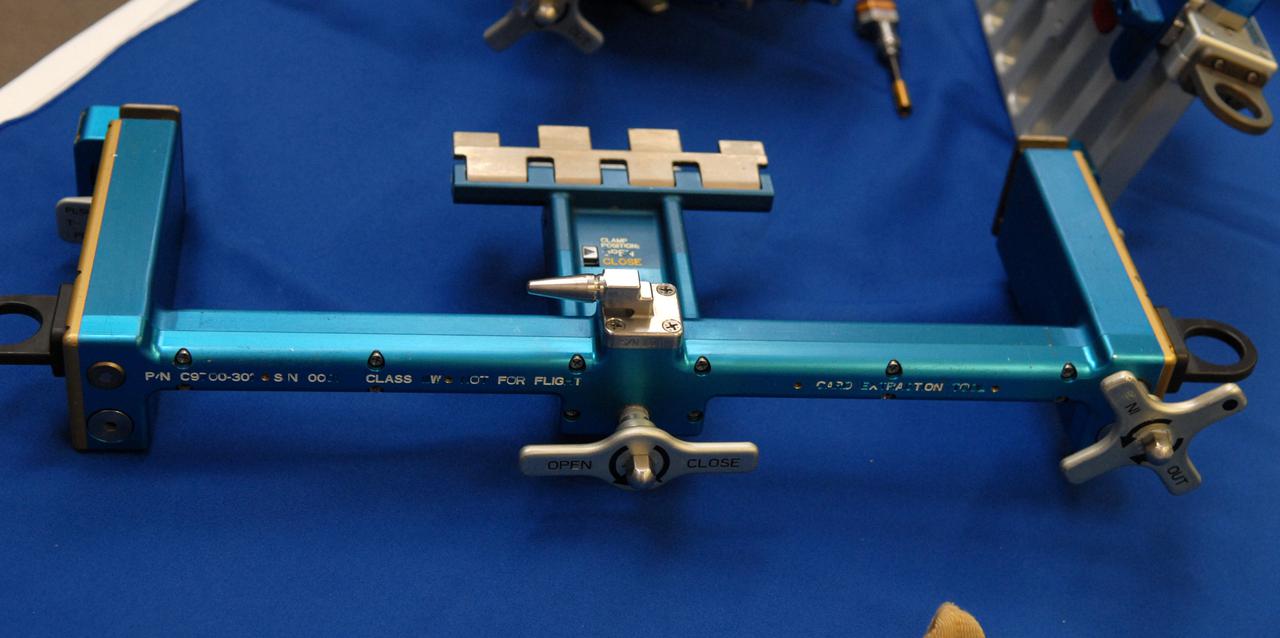
CAPE CANAVERAL, Fla. – The tools that will be used to service NASA's Hubble Space Telescope on the STS-125 mission are displayed in the NASA News Center at NASA's Kennedy Space Center in Florida. This is a closeup of a card extraction and insertion tool to enable removal of electronic cards. On space shuttle Atlantis’ STS-125 mission, Hubble will be serviced for the fifth and final time. The flight will include five spacewalks during which astronauts will refurbish and upgrade the telescope with these state-of-the-art science instruments. As a result, Hubble's capabilities will be expanded and its operational lifespan extended through at least 2014. The payload includes a Wide Field Camera 3, fine guidance sensor and the Cosmic Origins Spectrograph. Launch is scheduled for 2:01 p.m. EDT May 11. Photo credit: NASA_Jack Pfaller
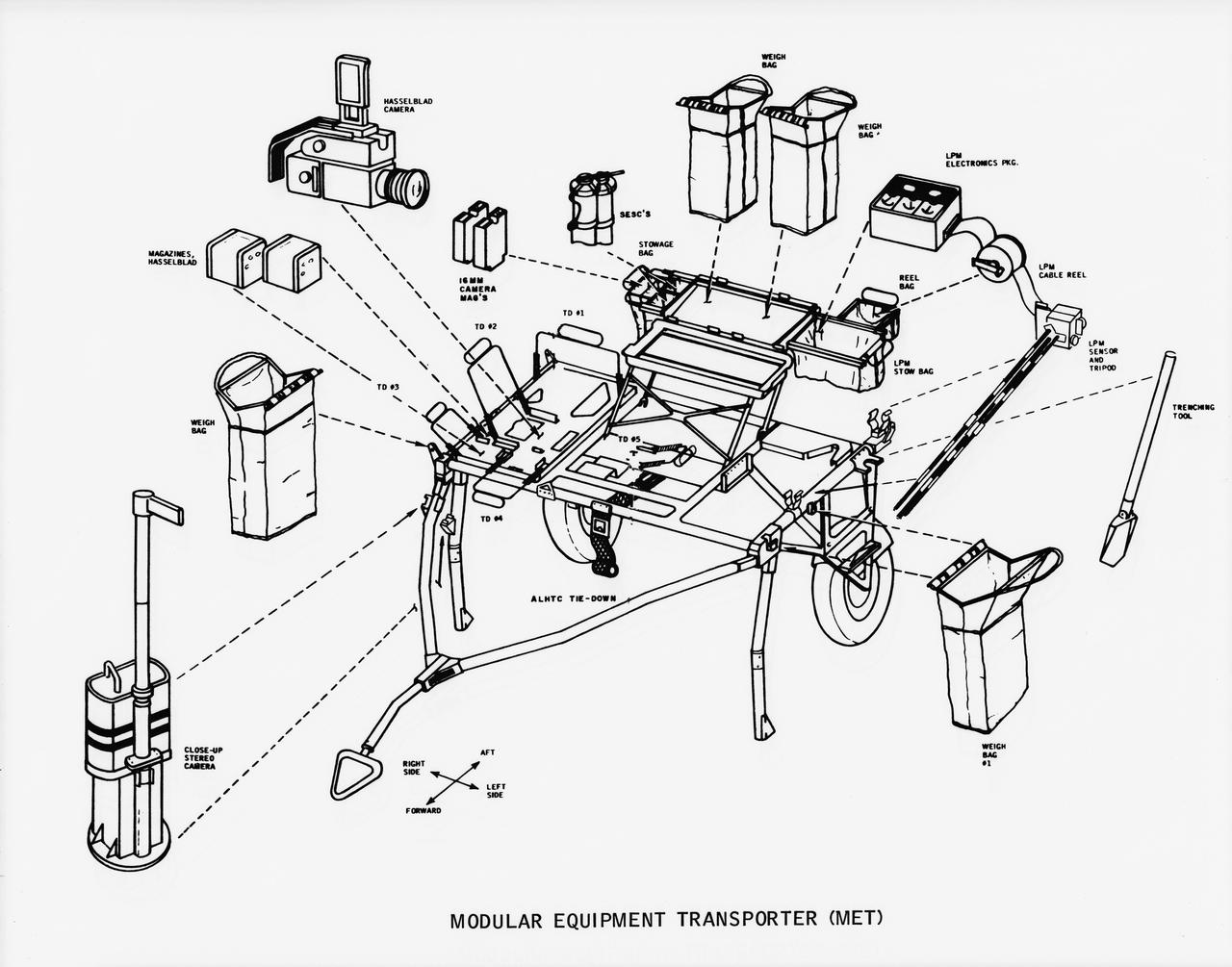
S70-50762 (November 1970) --- A line drawing illustrating layout view of the modular equipment transporter (MET) and its equipment. A MET (or Rickshaw, as it has been nicknamed) will be used on the lunar surface for the first time during the Apollo 14 lunar landing mission. The Rickshaw will serve as a portable workbench with a place for the Apollo lunar hand tools (ALHT) and their carrier, three cameras, two sample container bags, a special environment sample container (SESC), a lunar portable magnetometer (LPM) and spare film magazines.
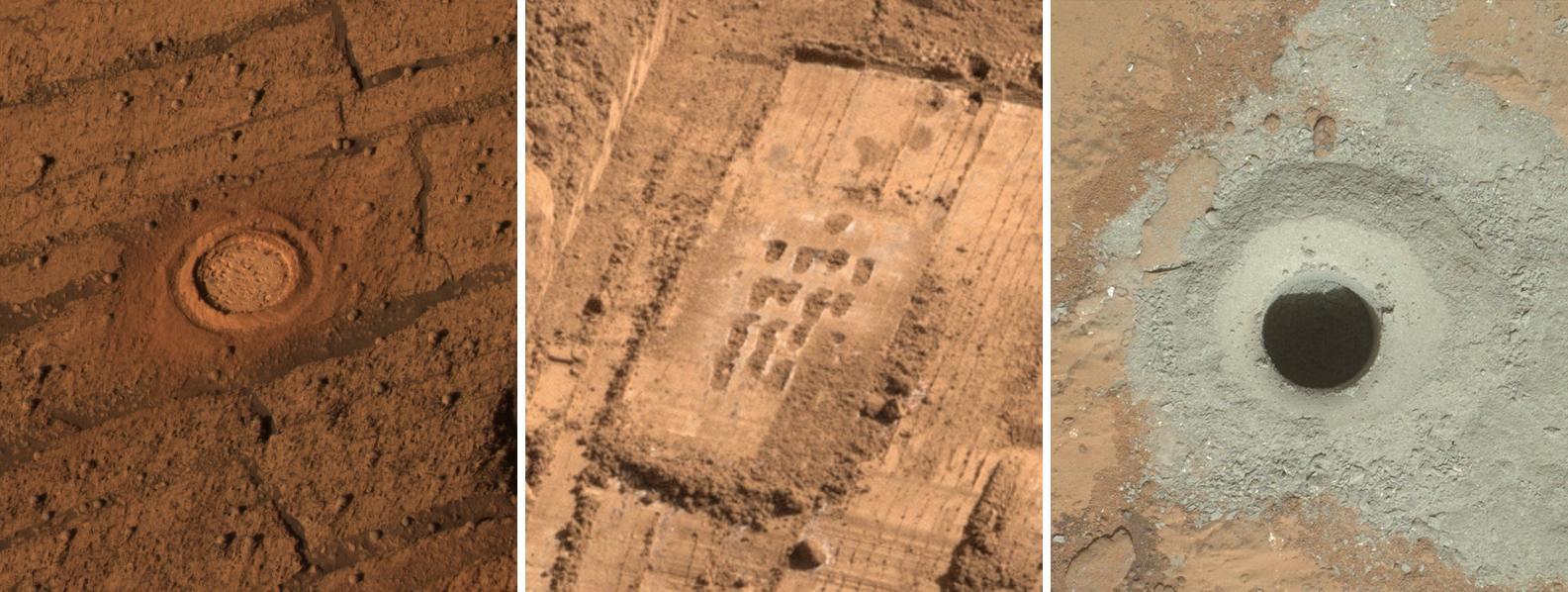
This set of images from Mars shows the handiwork of different tools on three NASA missions to the surface of Mars.
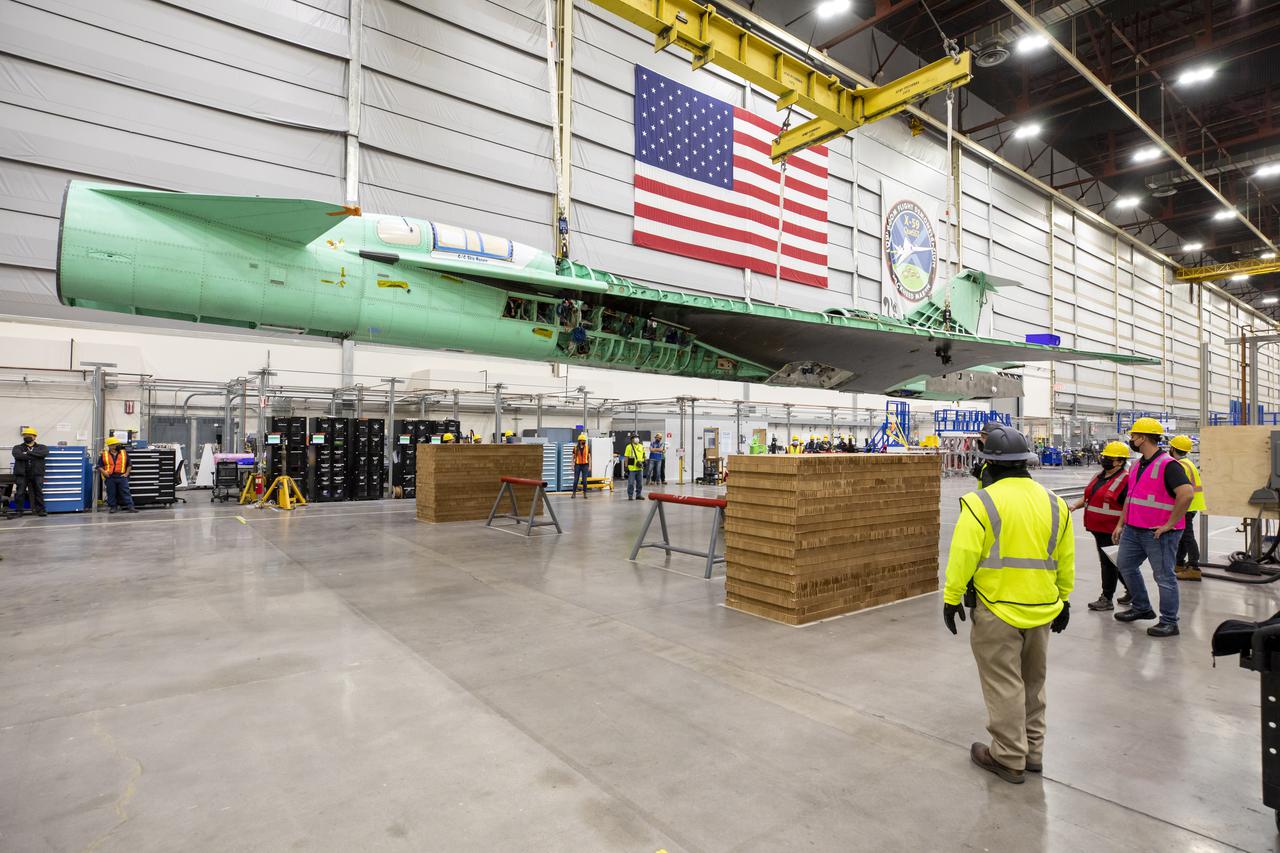
The X-59 is free from its structural support jig for the first time. In this image, cranes are holding up the aircraft prior to placement on the floor jacks. Notice that the nose has been removed temporarily — it will be reinstalled again before the upcoming structural testing. Lockheed Martin Photography By Garry Tice 1011 Lockheed Way, Palmdale, Ca. 93599 Event: Removal From Tooling Jig Date: 10/27/2021 Additional Info:
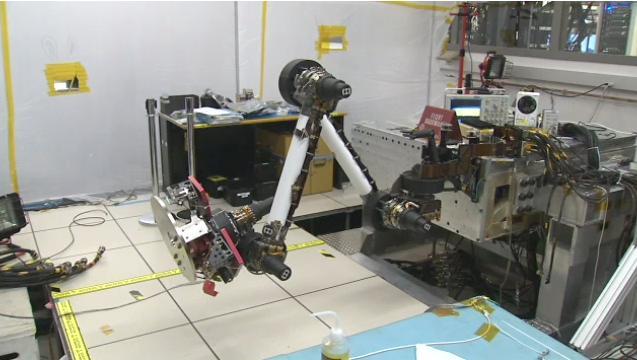
In this image, engineers from NASA Jet Propulsion Laboratory test and flex Curiosity robotic arm and tools. A video can be viewed at the Photojournal.
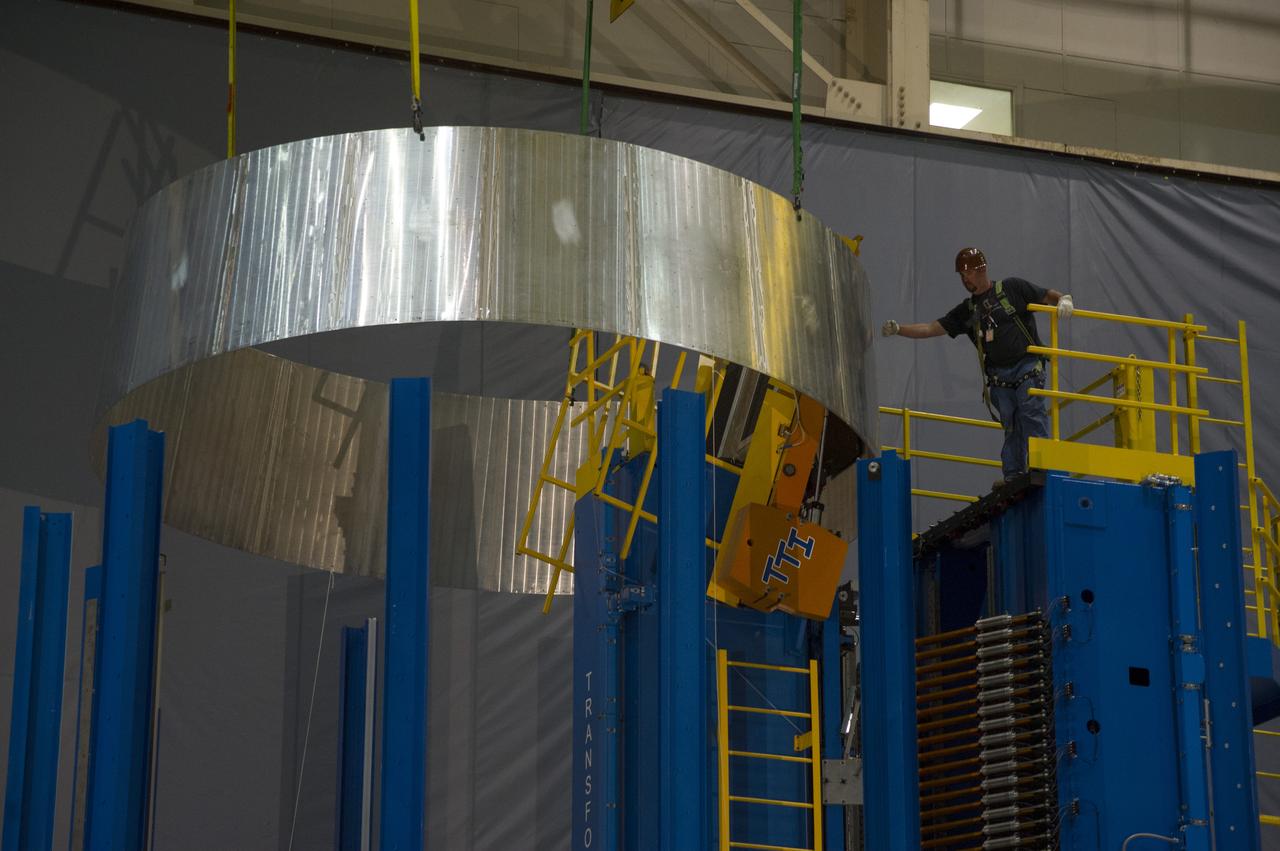
ENGINEERS USING A STATE-OF-THE-ART VERTICAL WELDING TOOL AT THE MARSHALL SPACE FLIGHT CENTER IN HUNTSVILLE, ALA., MOVE A "PATHFINDER" VERSION OF THE ADAPTER DESIGN THAT WILL BE USED ON TEST FLIGHTS OF THE ORION SPACECRAFT AND NASA'S SPACE LAUNCH SYSTEM
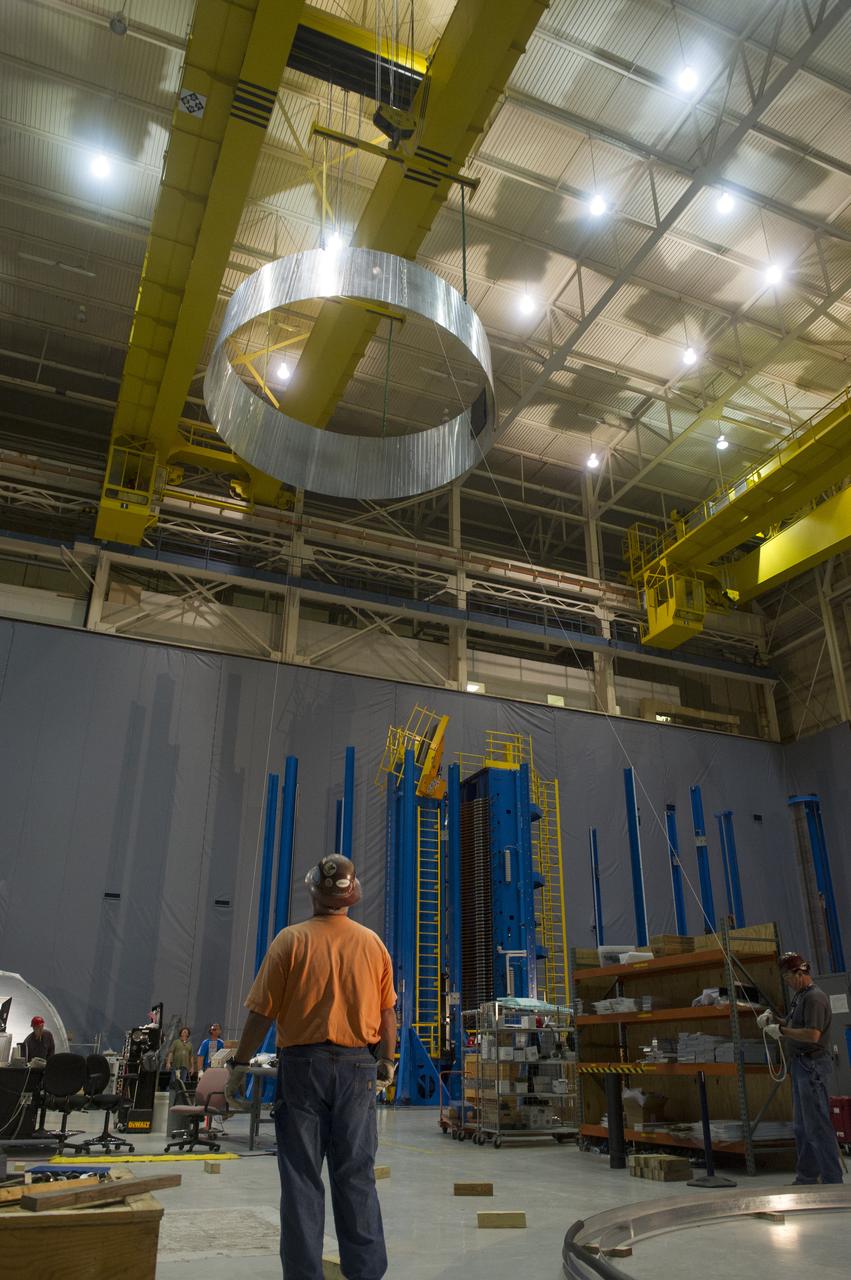
ENGINEERS USING A STATE-OF-THE-ART VERTICAL WELDING TOOL AT THE MARSHALL SPACE FLIGHT CENTER IN HUNTSVILLE, ALA., MOVE A "PATHFINDER" VERSION OF THE ADAPTER DESIGN THAT WILL BE USED ON TEST FLIGHTS OF THE ORION SPACECRAFT AND NASA'S SPACE LAUNCH SYSTEM
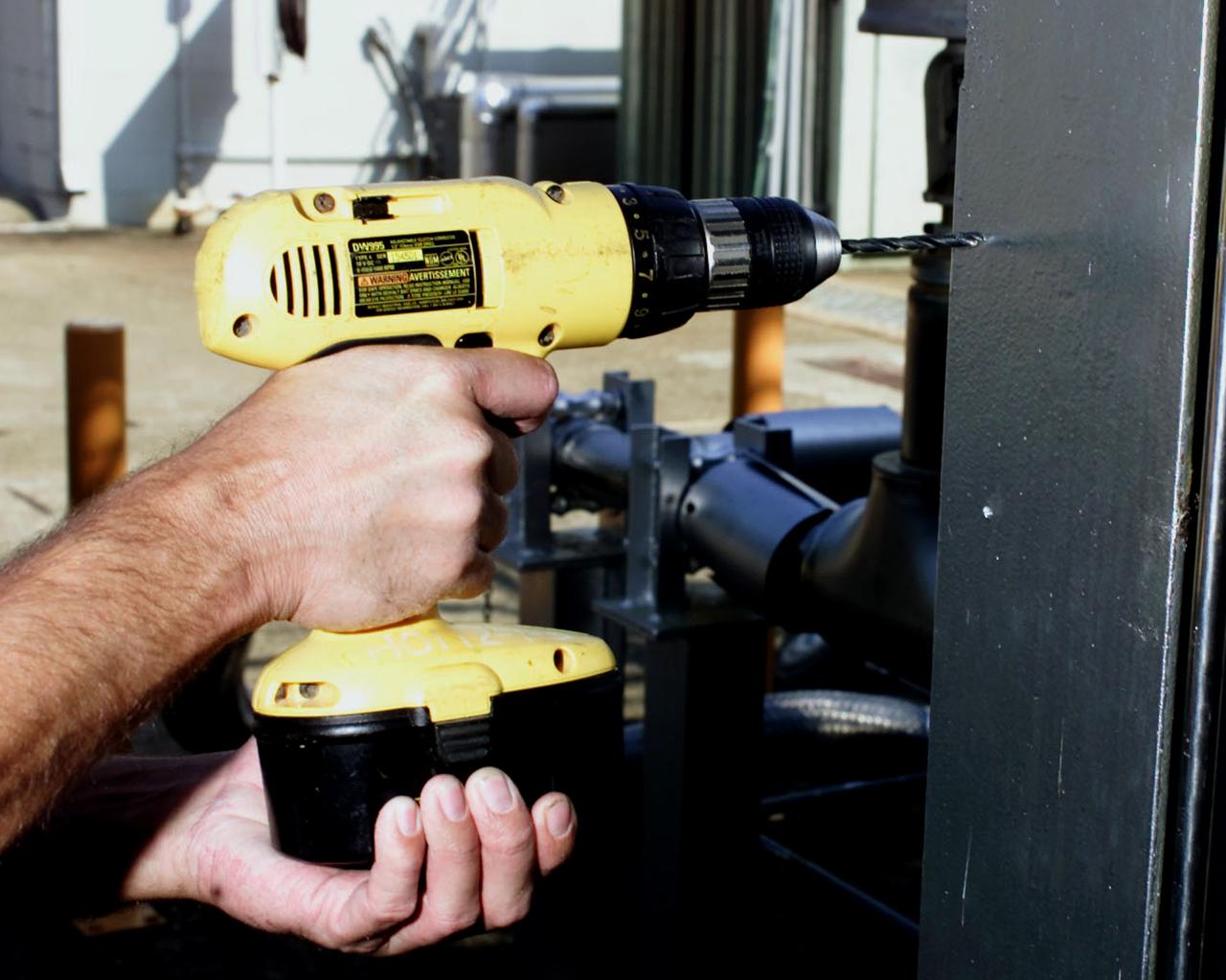
Apollo-era technology spurred the development of cordless products that we take for granted everyday. In the 1960s, NASA asked Black Decker to develop a special drill that would be powerful enough to cut through hard layers of the lunar surface and be lightweight, compact, and operate under its own power source, allowing Apollo astronauts to collect lunar samples further away from the Lunar Experiment Module. In response, Black Decker developed a computer program that analyzed and optimized drill motor operations. From their analysis, engineers were able to design a motor that was powerful yet required minimal battery power to operate. Since those first days of cordless products, Black Decker has continued to refine this technology and they now sell their rechargeable products worldwide (i.e. the Dustbuster, cordless tools for home and industrial use, and medical tools.)
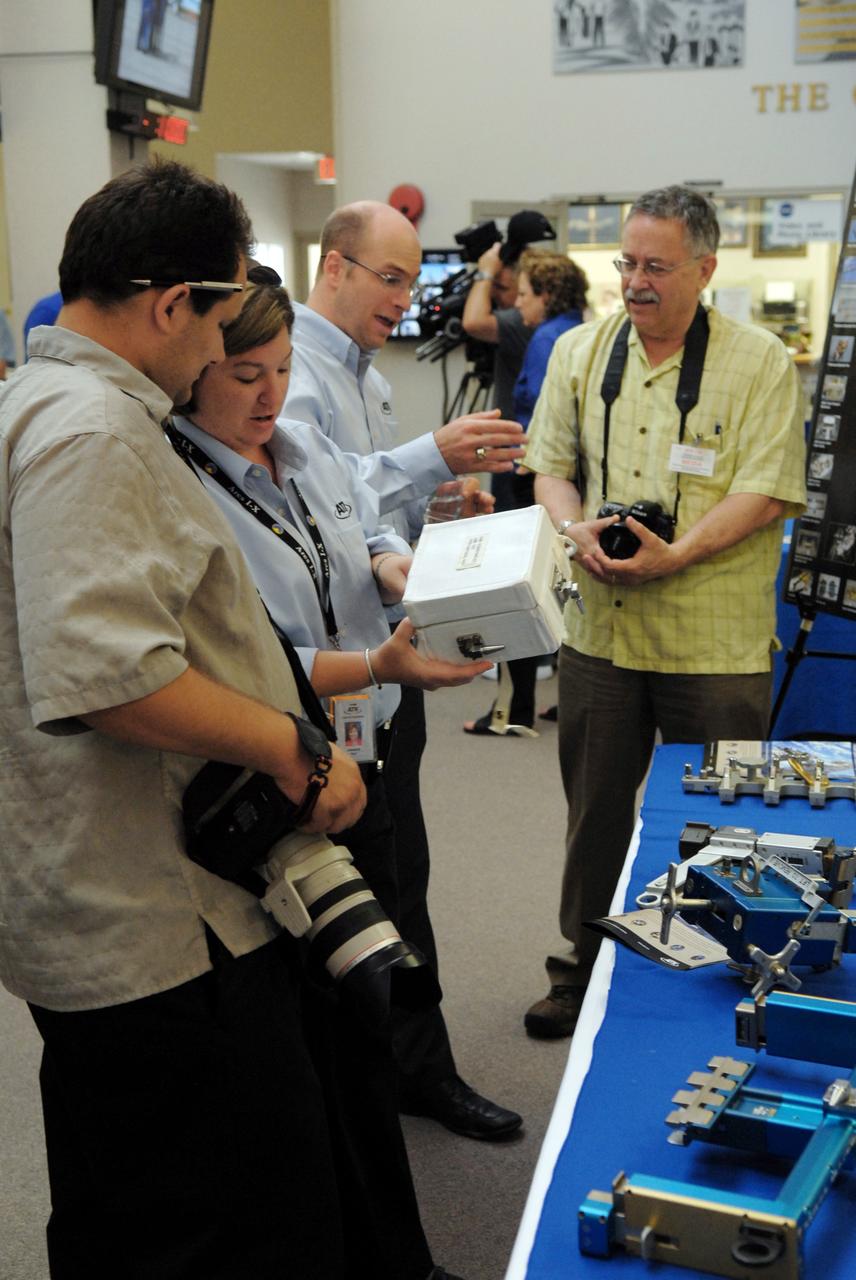
CAPE CANAVERAL, Fla. – The tools that will be used to service NASA's Hubble Space Telescope on the STS-125 mission are displayed in the NASA News Center at NASA's Kennedy Space Center in Florida. On space shuttle Atlantis’ STS-125 mission, Hubble will be serviced for the fifth and final time. The flight will include five spacewalks during which astronauts will refurbish and upgrade the telescope with these state-of-the-art science instruments. As a result, Hubble's capabilities will be expanded and its operational lifespan extended through at least 2014. The payload includes a Wide Field Camera 3, fine guidance sensor and the Cosmic Origins Spectrograph. Launch is scheduled for 2:01 p.m. EDT May 11. Photo credit: NASA/Jack Pfaller
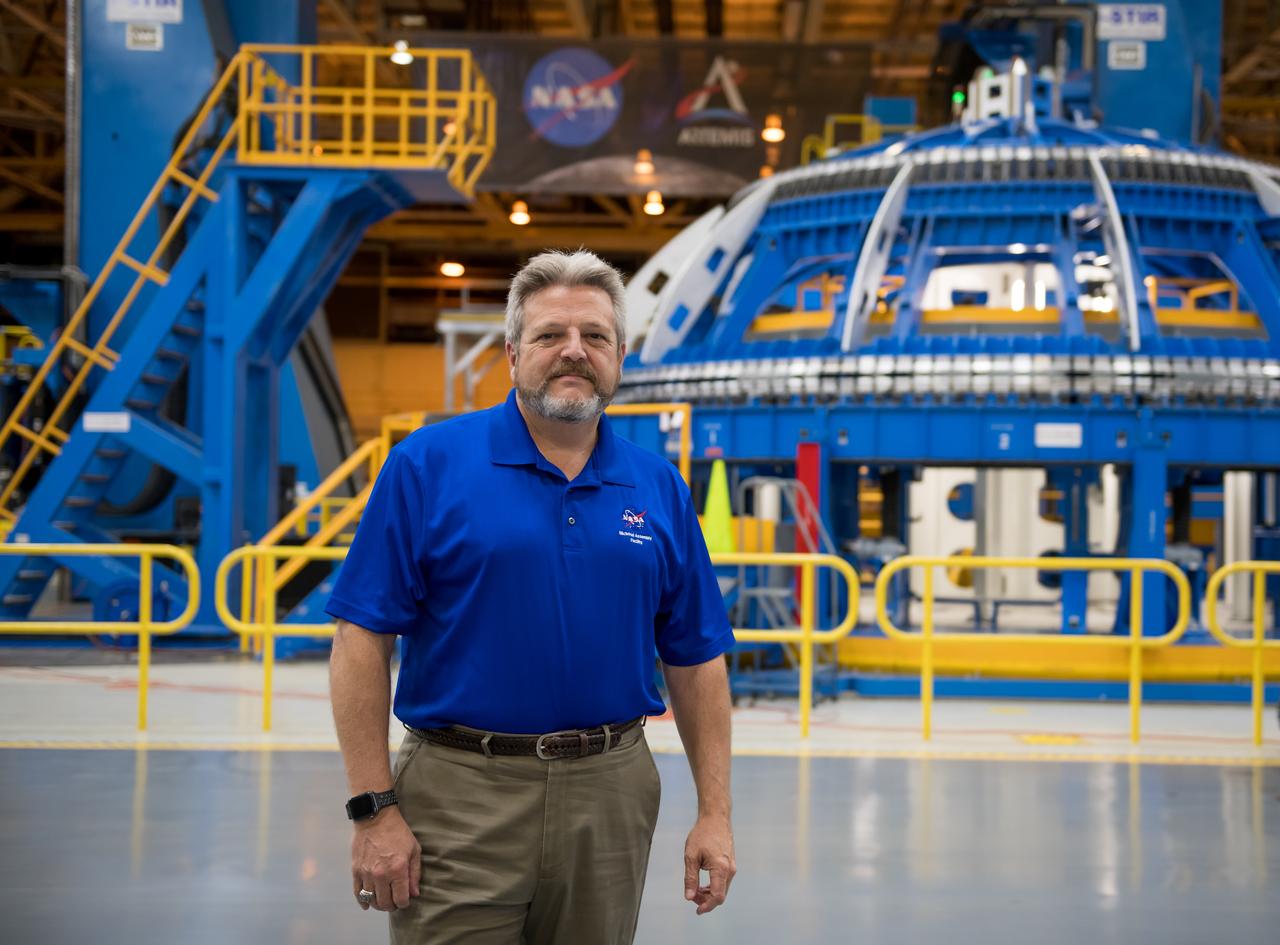
Robert Champion - Director NASA Michoud Assembly Facility stands in front of the Robotic Weld tool in BLDG 103.
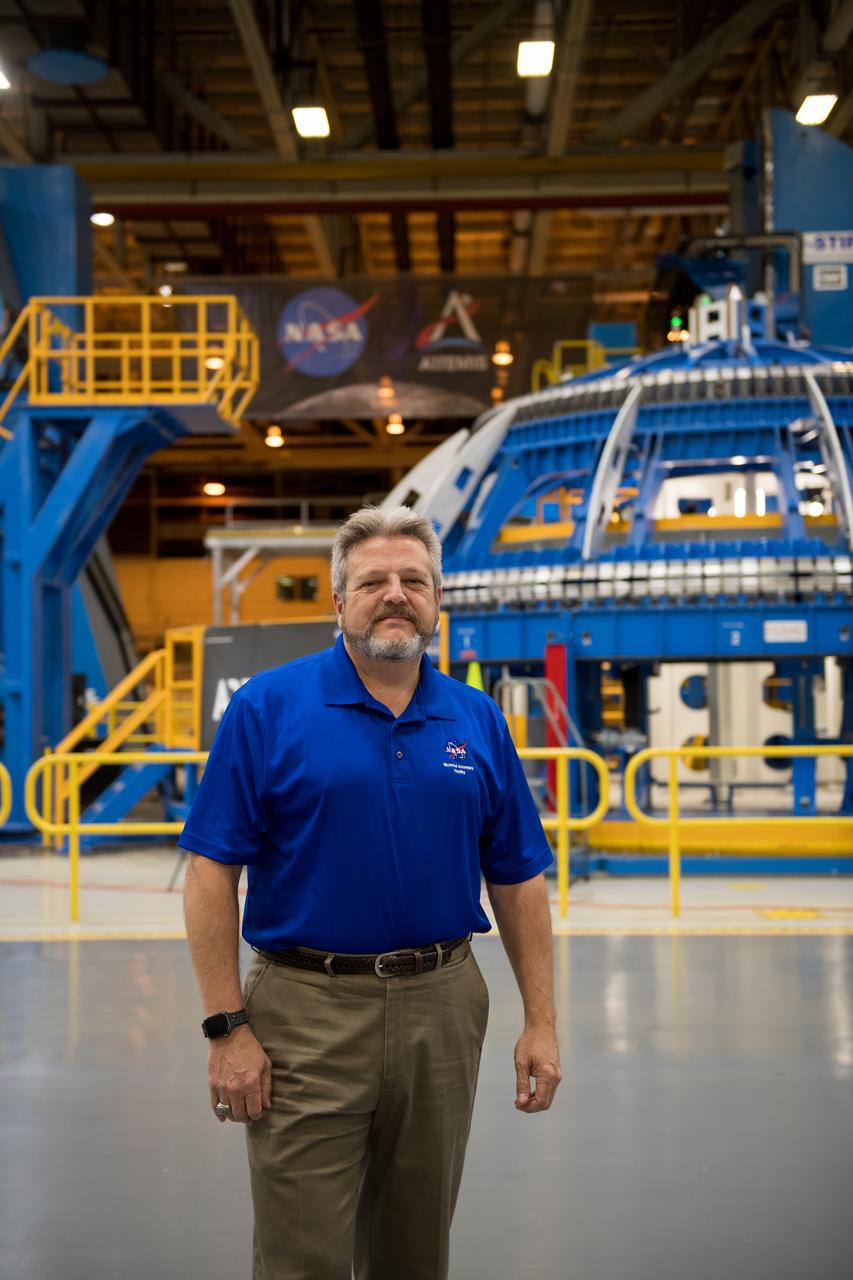
Robert Champion - Director NASA Michoud Assembly Facility stands in front of the Robotic Weld tool in BLDG 103.
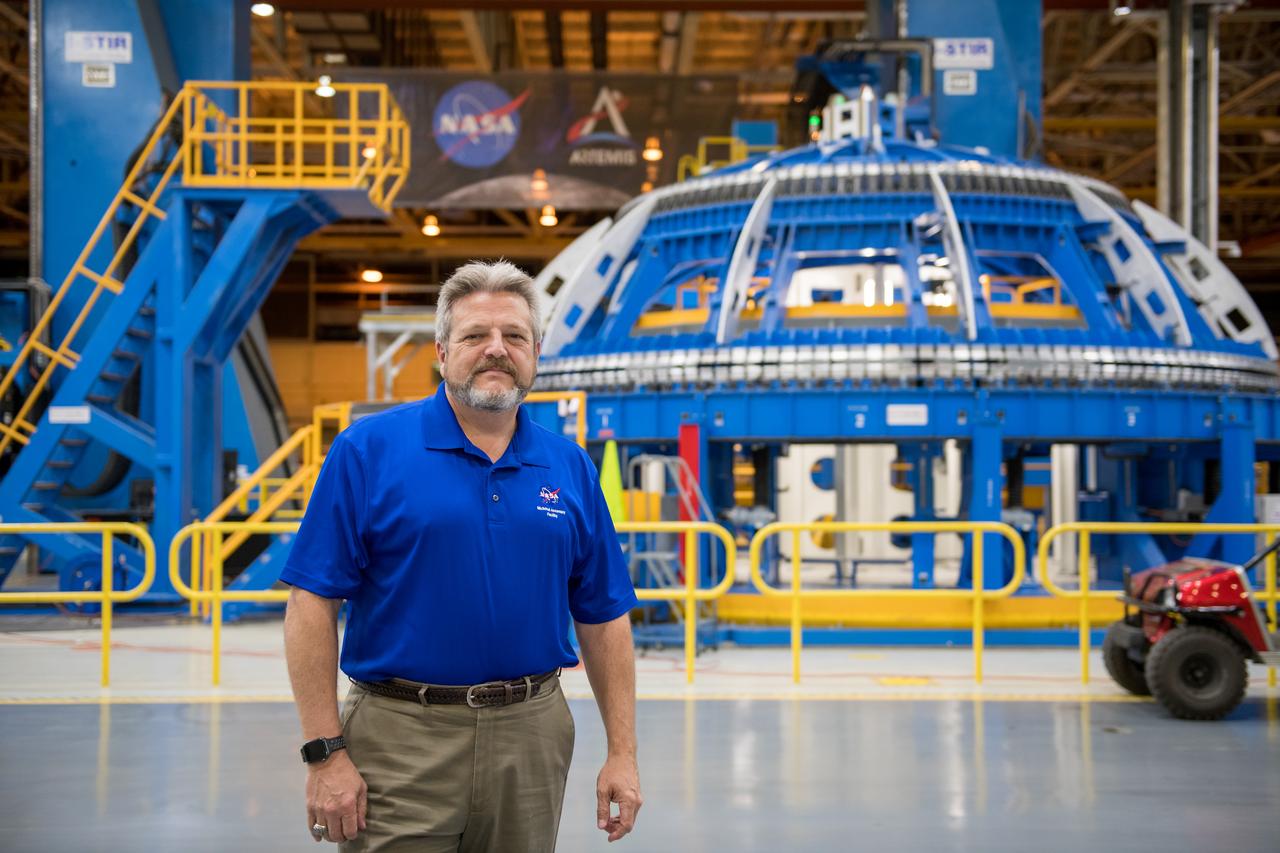
Robert Champion - Director NASA Michoud Assembly Facility stands in front of the Robotic Weld tool in BLDG 103.
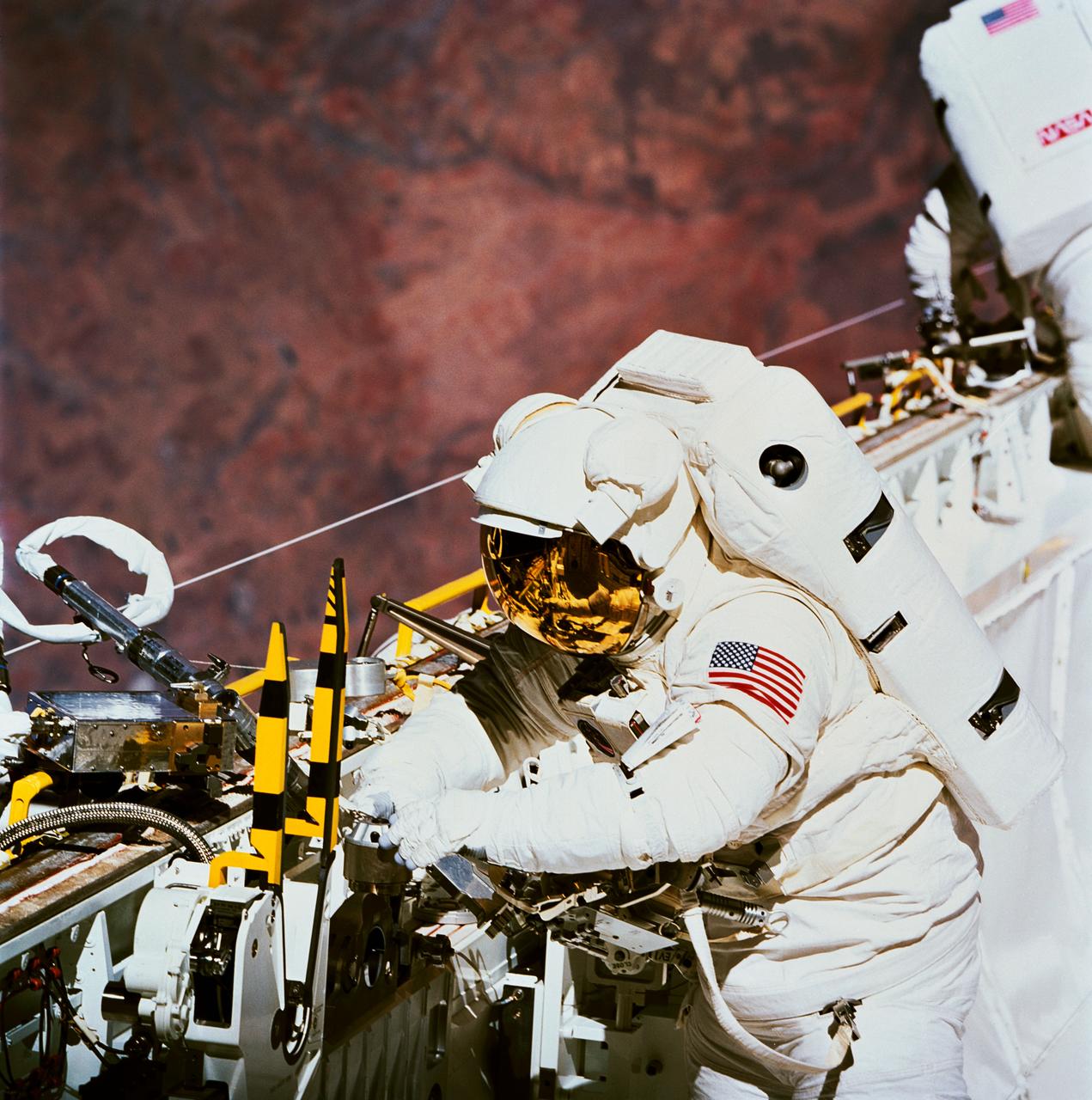
In Discovery's cargo bay, astronaut James H. Newman works with the power ratchet tool (PRT). Astronaut Carl E. Walz, who joined Newman for the lengthy period of extravehicular activity (EVA), is partially visible in the background. The two mission specialists devoted part of their EVA to evaluating tools and equipment expected to be used in the Hubble Space Telescope servicing. A desert area in Africa forms the backdrop for the 70mm scene.
Workers are shown assembling the vertical weld tool in support of the Ares/Constellation upperstage project. This image extracted from high definition video and is the highest resolution available.
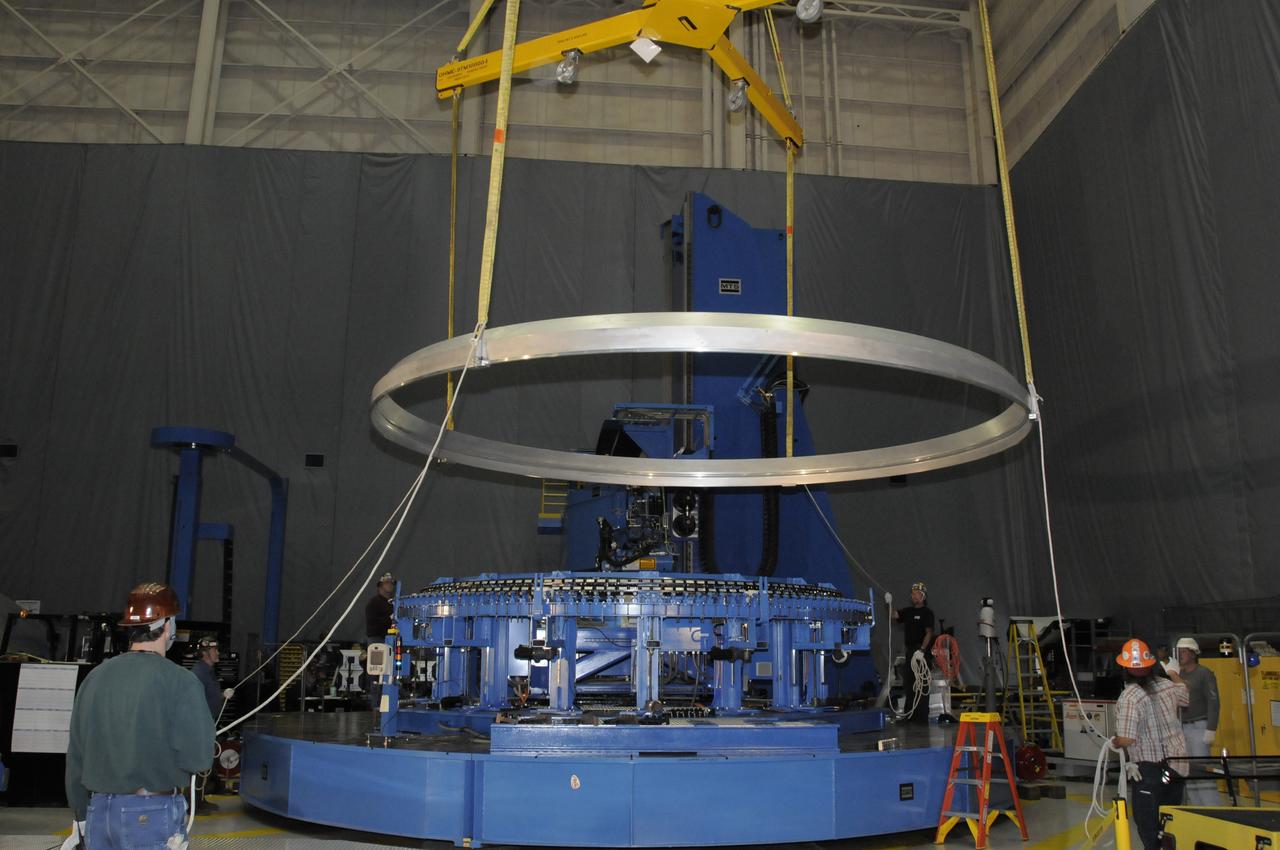
ARES HARDWARE MOVE IN BUILDING 4755 OF A Y-RING INTO THE ROBOTIC WELD TOOL & THE COMMON BULKHEAD DOME MANUFACTURING DEMONSTRATION ARTICLE ONTO THE WOODEN TOOLING STANDS ON FEBRUARY 19, 2010
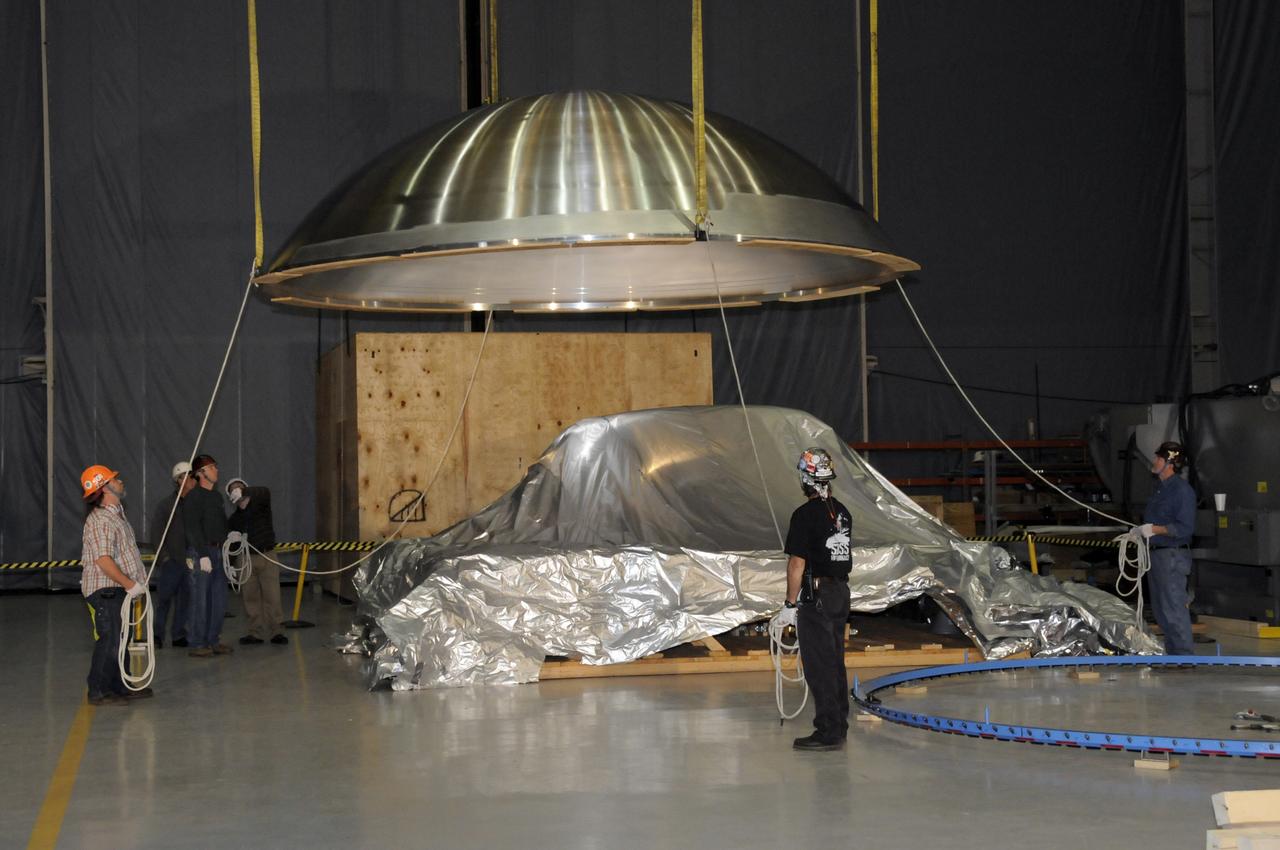
ARES HARDWARE MOVE IN BUILDING 4755 OF A Y-RING INTO THE ROBOTIC WELD TOOL & THE COMMON BULKHEAD DOME MANUFACTURING DEMONSTRATION ARTICLE ONTO THE WOODEN TOOLING STANDS ON FEBRUARY 19, 2010
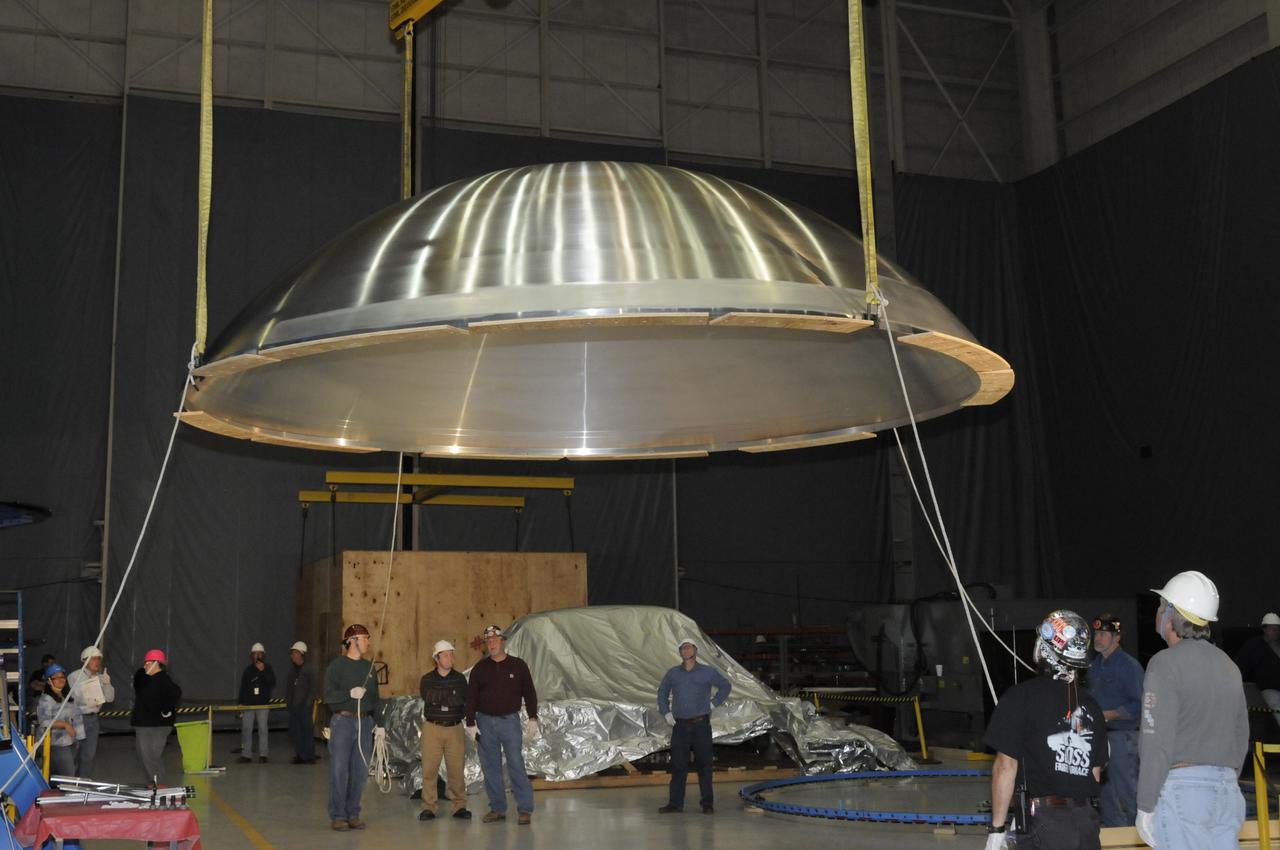
ARES HARDWARE MOVE IN BUILDING 4755 OF A Y-RING INTO THE ROBOTIC WELD TOOL & THE COMMON BULKHEAD DOME MANUFACTURING DEMONSTRATION ARTICLE ONTO THE WOODEN TOOLING STANDS ON FEBRUARY 19, 2010
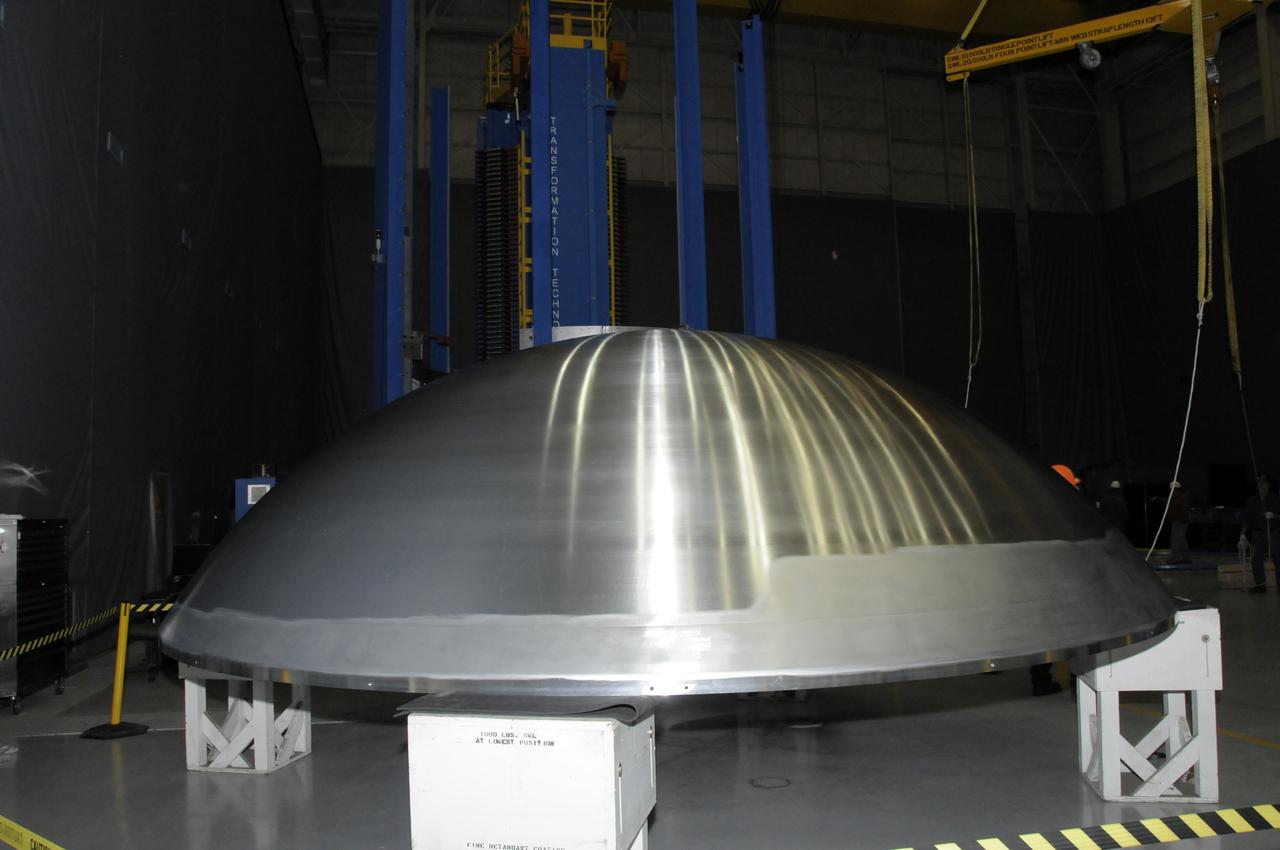
ARES HARDWARE MOVE IN BUILDING 4755 OF A Y-RING INTO THE ROBOTIC WELD TOOL & THE COMMON BULKHEAD DOME MANUFACTURING DEMONSTRATION ARTICLE ONTO THE WOODEN TOOLING STANDS ON FEBRUARY 19, 2010
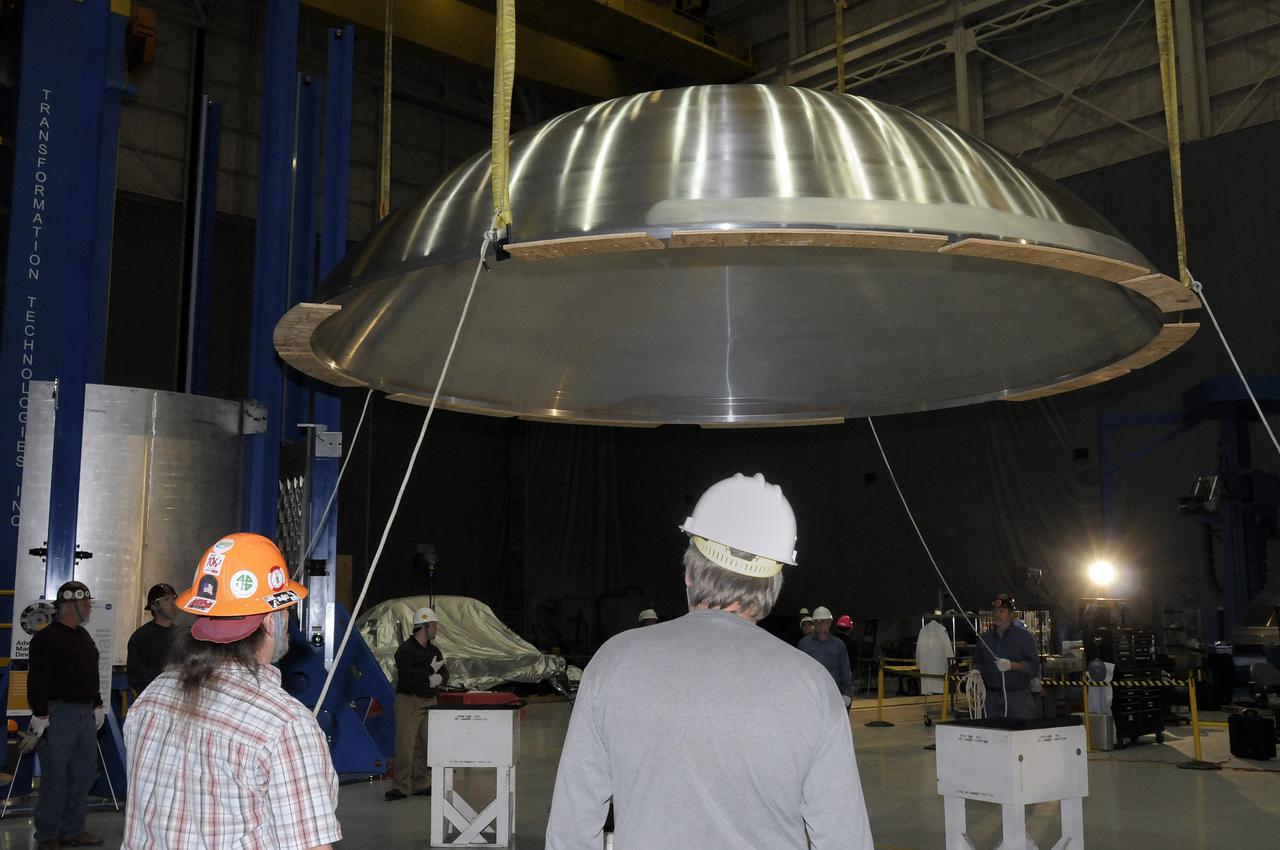
ARES HARDWARE MOVE IN BUILDING 4755 OF A Y-RING INTO THE ROBOTIC WELD TOOL & THE COMMON BULKHEAD DOME MANUFACTURING DEMONSTRATION ARTICLE ONTO THE WOODEN TOOLING STANDS ON FEBRUARY 19, 2010
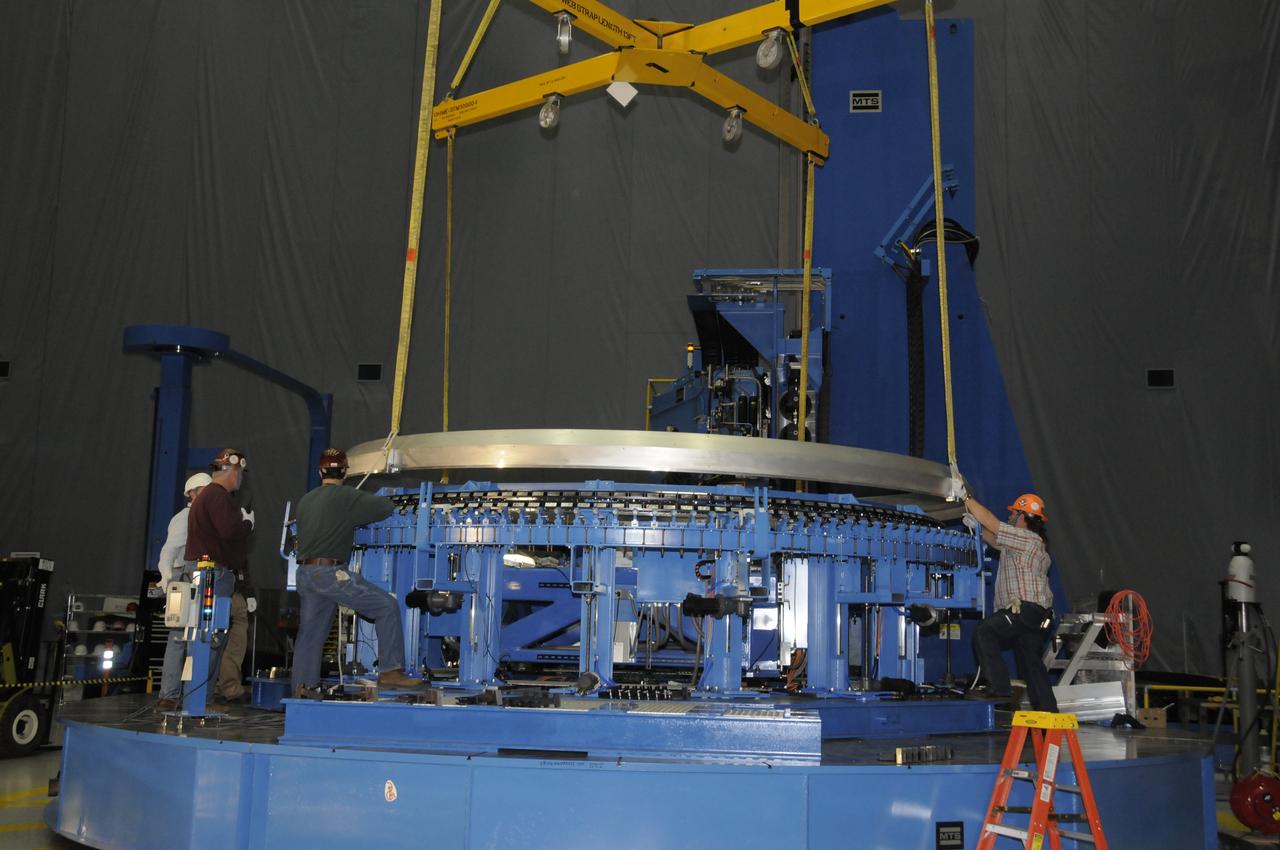
ARES HARDWARE MOVE IN BUILDING 4755 OF A Y-RING INTO THE ROBOTIC WELD TOOL & THE COMMON BULKHEAD DOME MANUFACTURING DEMONSTRATION ARTICLE ONTO THE WOODEN TOOLING STANDS ON FEBRUARY 19, 2010

Goddard's Ritsko Wins 2011 SAVE Award The winner of the 2011 SAVE Award is Matthew Ritsko, a Goddard financial manager. His tool lending library would track and enable sharing of expensive space-flight tools and hardware after projects no longer need them. This set of images represents the types of tools used at NASA. To read more go to: <a href="http://www.nasa.gov/topics/people/features/ritsko-save.html" rel="nofollow">www.nasa.gov/topics/people/features/ritsko-save.html</a> Exploration Systems Project Manager Mike Weiss speaks about a Hubble Servicing Mission hand tool, developed at Goddard. Credit: NASA/GSFC/Debbie McCallum
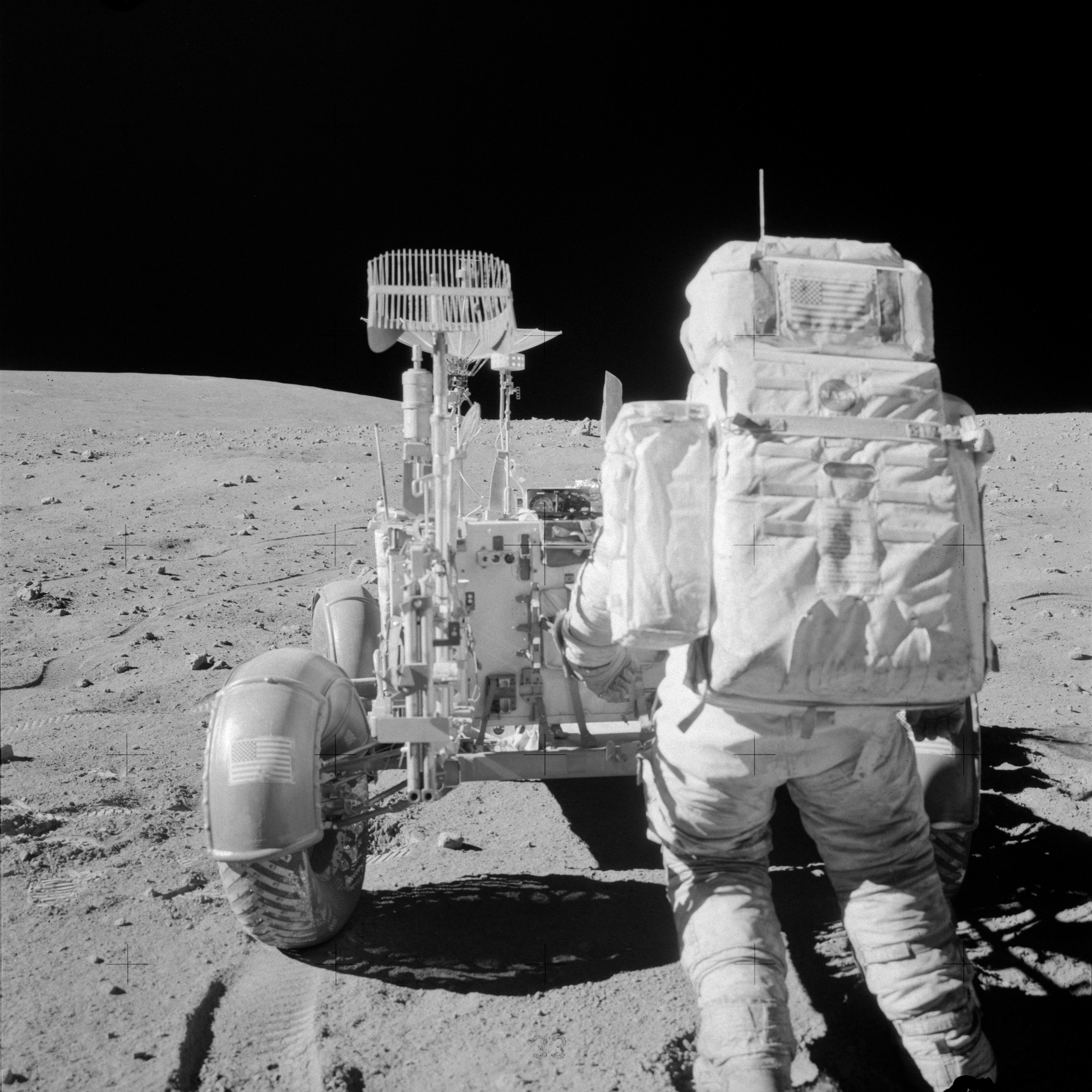
AS16-108-17622 (22 April 1972) --- Astronaut John W. Young, commander of the Apollo 16 lunar landing mission, reaches for tools in the Apollo Lunar Hand Tool Carrier at the aft end of the Lunar Roving Vehicle (LRV) during the second Apollo 16 extravehicular activity (EVA) at the Descartes landing site. This photograph was taken by astronaut Charles M. Duke Jr., lunar module pilot. This view is looking south from the base of Stone Mountain. While astronauts Young and Duke descended in the Lunar Module (LM) "Orion" to explore the Descartes highlands region of the moon, astronaut Thomas K. Mattingly II, command module pilot, remained with the Command and Service Modules (CSM) "Casper" in lunar orbit.

AS16-110-17960 (22 April 1972) --- Astronaut John W. Young, commander, replaces tools in the Apollo Lunar Hand Tool (ALHT) carrier at the aft end of the Lunar Roving Vehicle (LRV) during the second Apollo 16 extravehicular activity (EVA) on the high side of Stone Mountain at the Descartes landing site. Astronaut Charles M. Duke Jr., lunar module pilot, took this photograph near the conclusion of Station 4 activities. Smoky Mountain, with the large Ravine Crater on its flank, is in the left background. This view is looking northeast. While astronauts Young and Duke descended in the Apollo 16 Lunar Module (LM) "Orion" to explore the Descartes highlands landing site on the moon, astronaut Thomas K. Mattingly II, command module pilot, remained with the Command and Service Modules (CSM) "Casper" in lunar orbit.
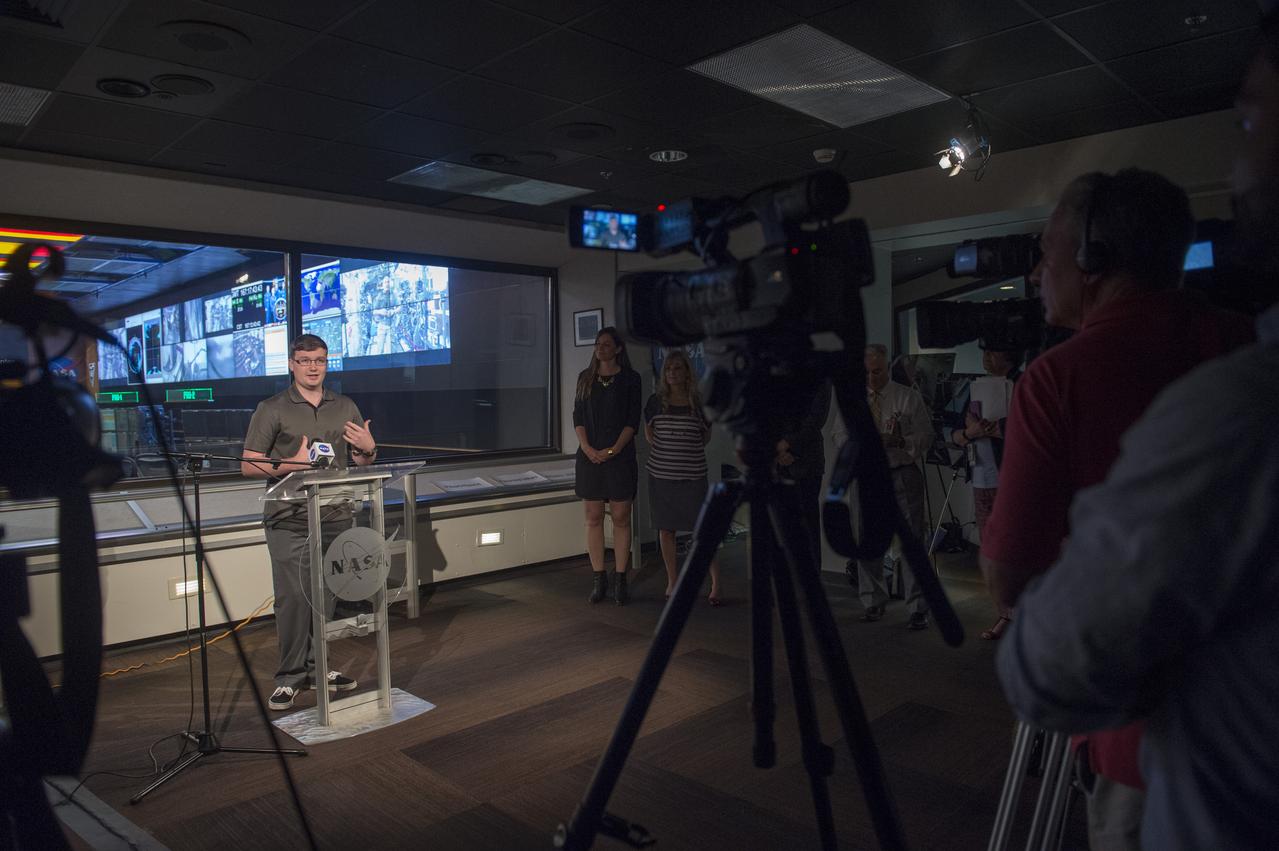
UAH ENGINEERING STUDENT ROBERT HILLAN TALKS TO SPACE STATION CREW MEMBERS ABOUT HIS WINNING 3-D PRINTED TOOL DESIGNED FOR USE ON ISS, AND IS INTERVIEWED BY LOCAL MEDIA
UAH ENGINEERING STUDENT ROBERT HILLAN TALKS TO SPACE STATION CREW MEMBERS ABOUT HIS WINNING 3-D PRINTED TOOL DESIGNED FOR USE ON ISS, AND IS INTERVIEWED BY LOCAL MEDIA
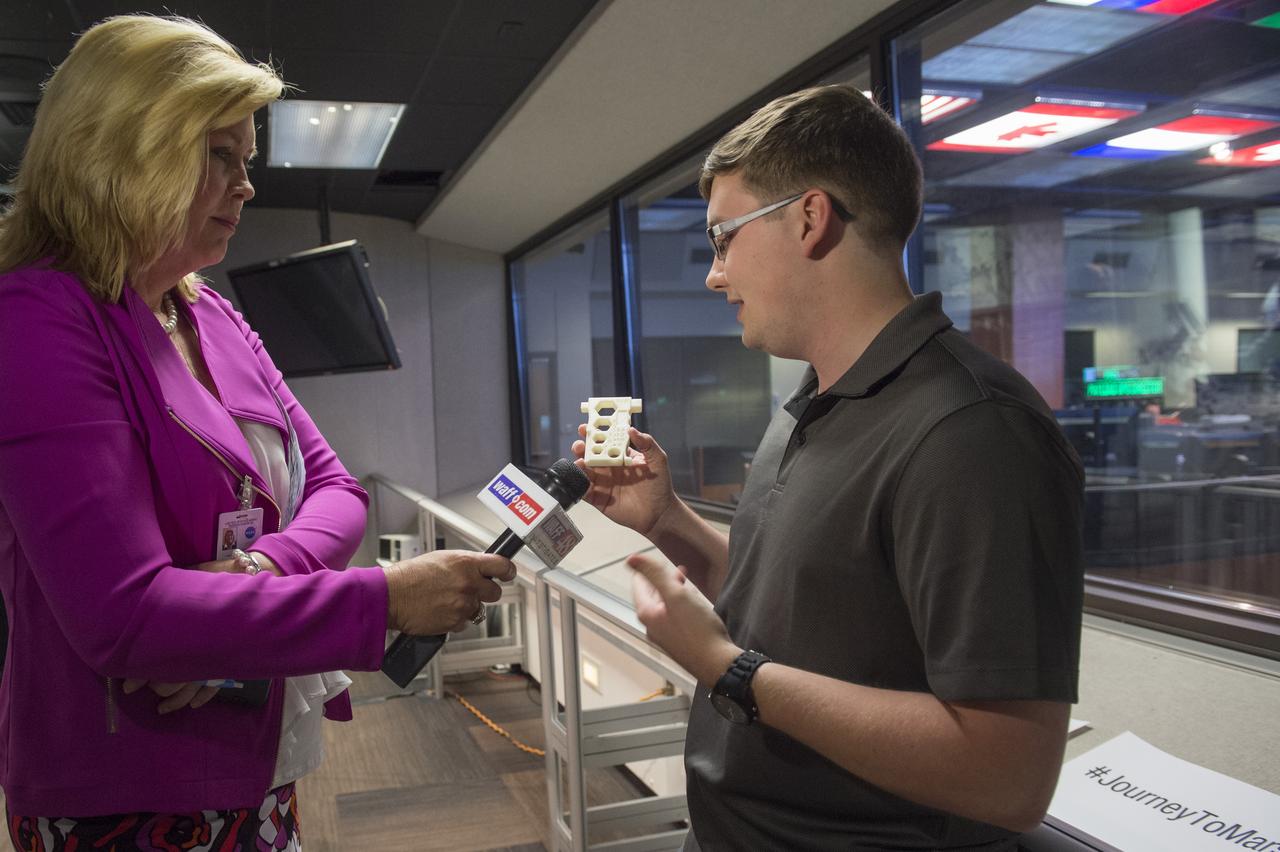
UAH ENGINEERING STUDENT ROBERT HILLAN TALKS TO SPACE STATION CREW MEMBERS ABOUT HIS WINNING 3-D PRINTED TOOL DESIGNED FOR USE ON ISS, AND IS INTERVIEWED BY LOCAL MEDIA
MULTI-PURPOSE CREW VEHICLE-TO-STAGE ADAPTER(MSA) FLIGHT HARDWARE ON CIRCUMFERENTIAL WELD TOOL, FEBRUARY 27, 2013

FIVE SEGMENTS LOADED ONTO THE VERTICAL WELD TOOL FOR SHELL BUCKLING TEST IN BUILDING 4755
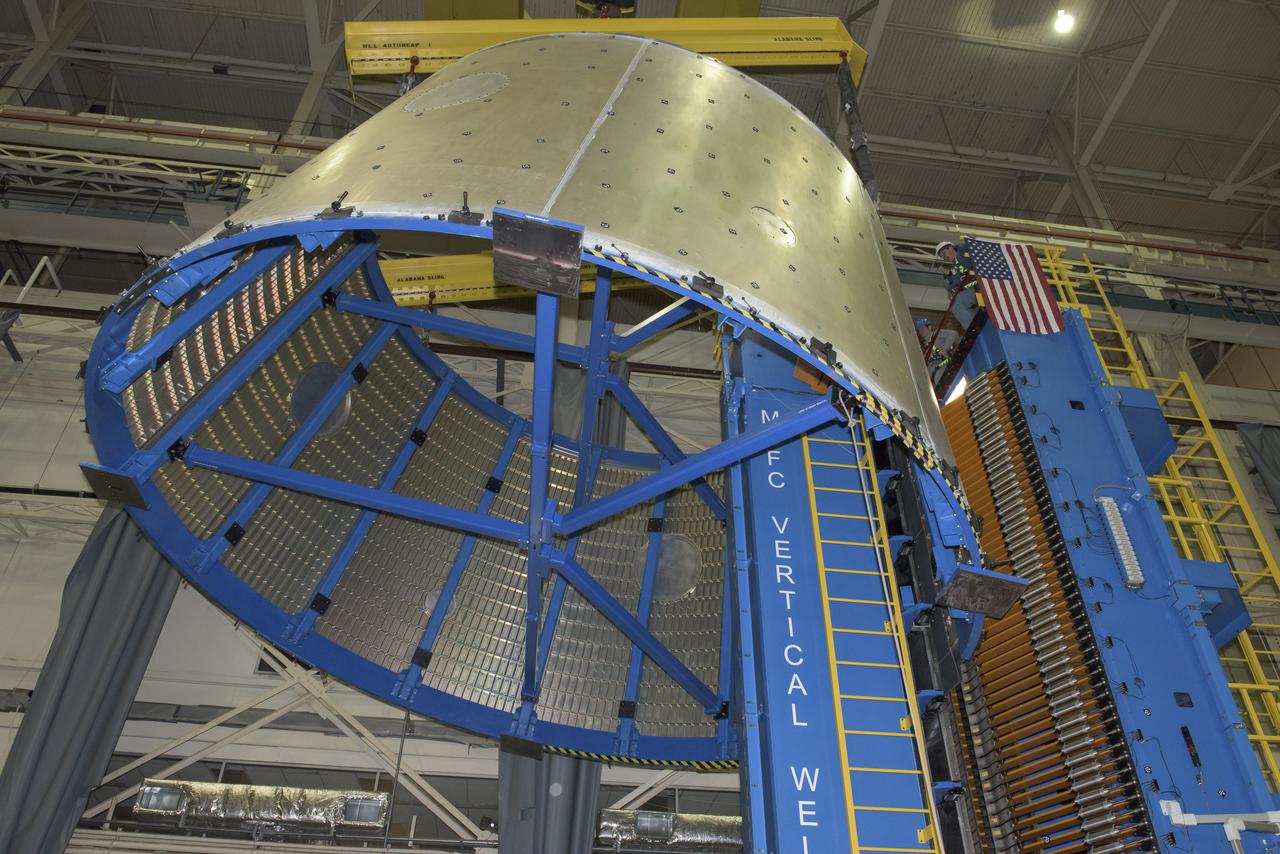
LAUNCH VEHICLE STAGE ADAPTER (LVSA) AFT CONE MOVE FROM THE VERTICAL WELD TOOL TO THE FLOOR OF BLDG 4755
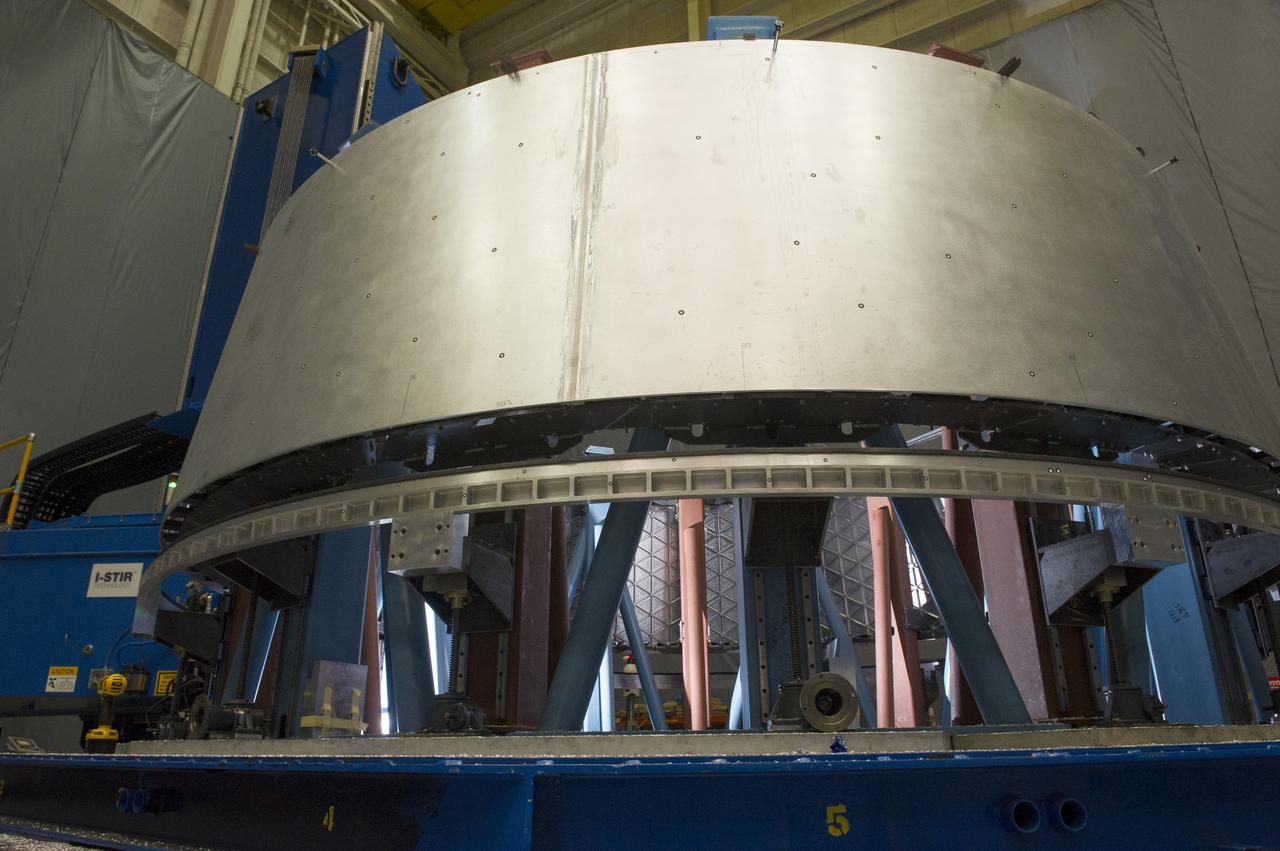
MULTI-PURPOSE CREW VEHICLE-TO-STAGE ADAPTER(MSA) FLIGHT HARDWARE ON CIRCUMFERENTIAL WELD TOOL, FEBRUARY 27, 2013
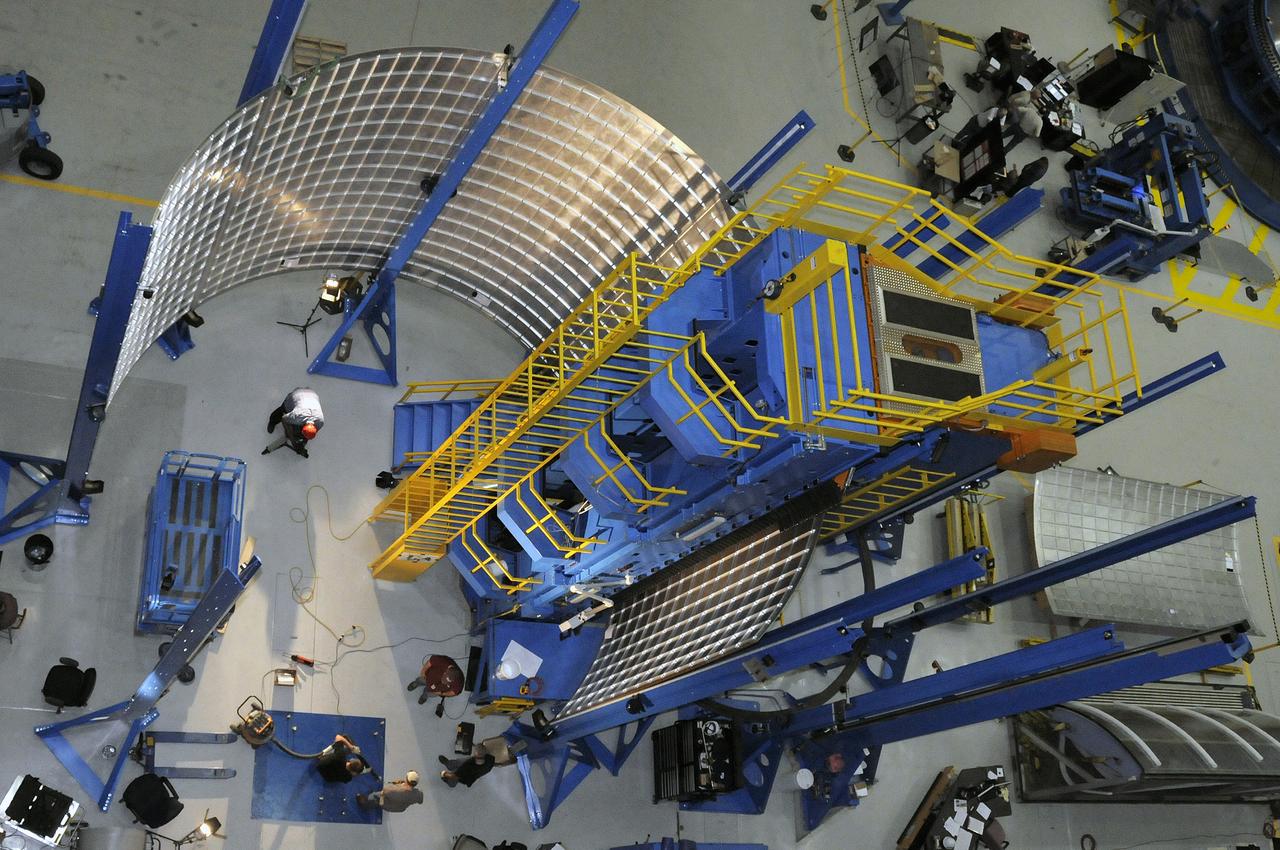
FIVE SEGMENTS LOADED ONTO THE VERTICAL WELD TOOL FOR SHELL BUCKLING TEST IN BUILDING 4755
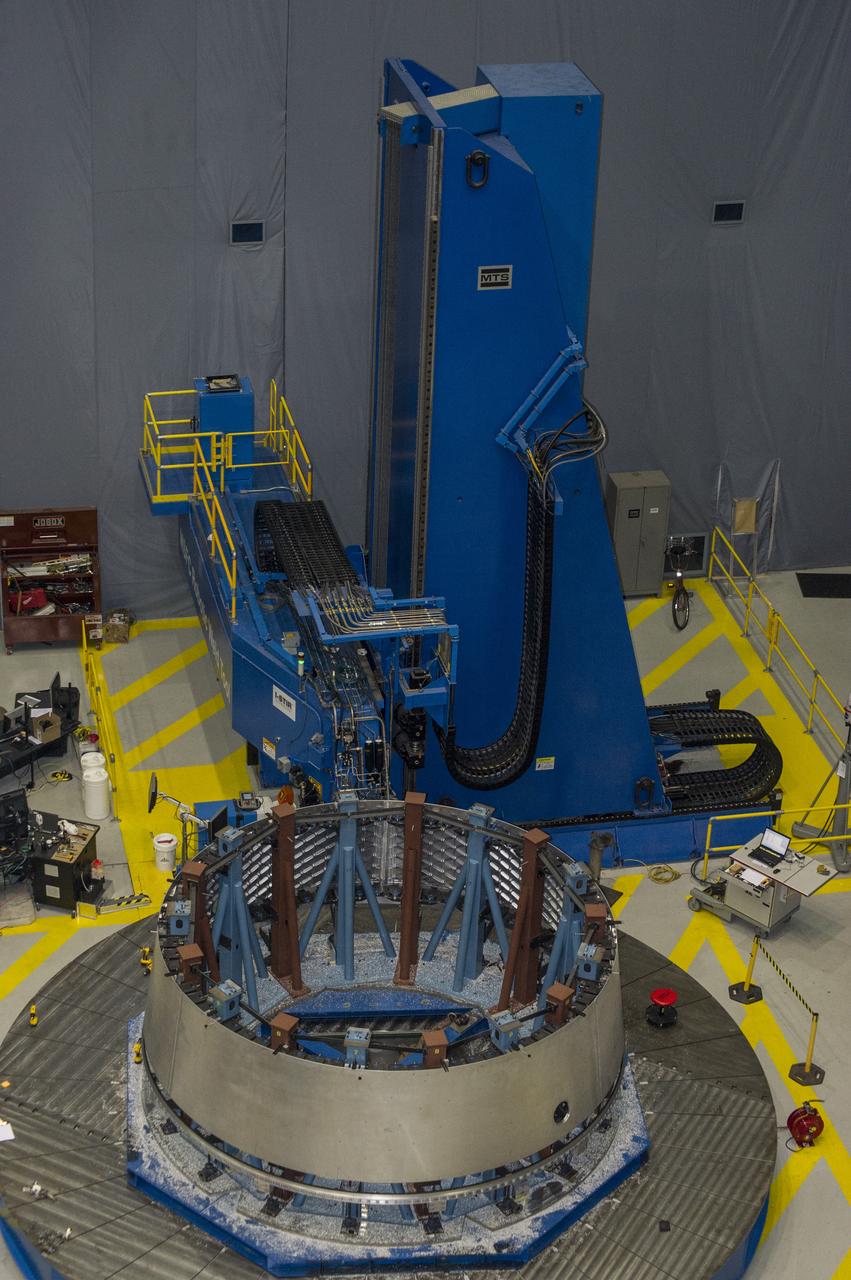
MULTI-PURPOSE CREW VEHICLE-TO-STAGE ADAPTER(MSA) FLIGHT HARDWARE ON CIRCUMFERENTIAL WELD TOOL, FEBRUARY 27, 2013
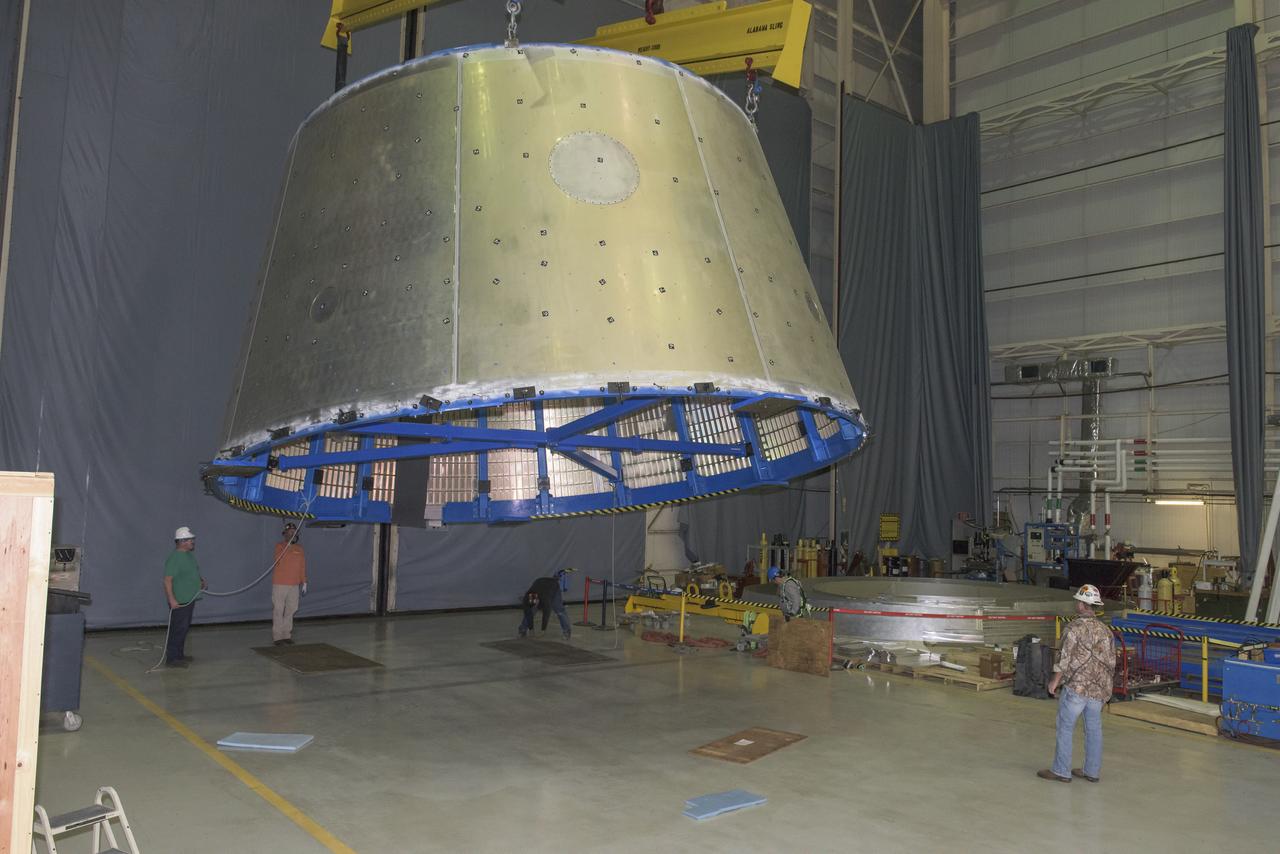
LAUNCH VEHICLE STAGE ADAPTER (LVSA) AFT CONE MOVE FROM THE VERTICAL WELD TOOL TO THE FLOOR OF BLDG 4755
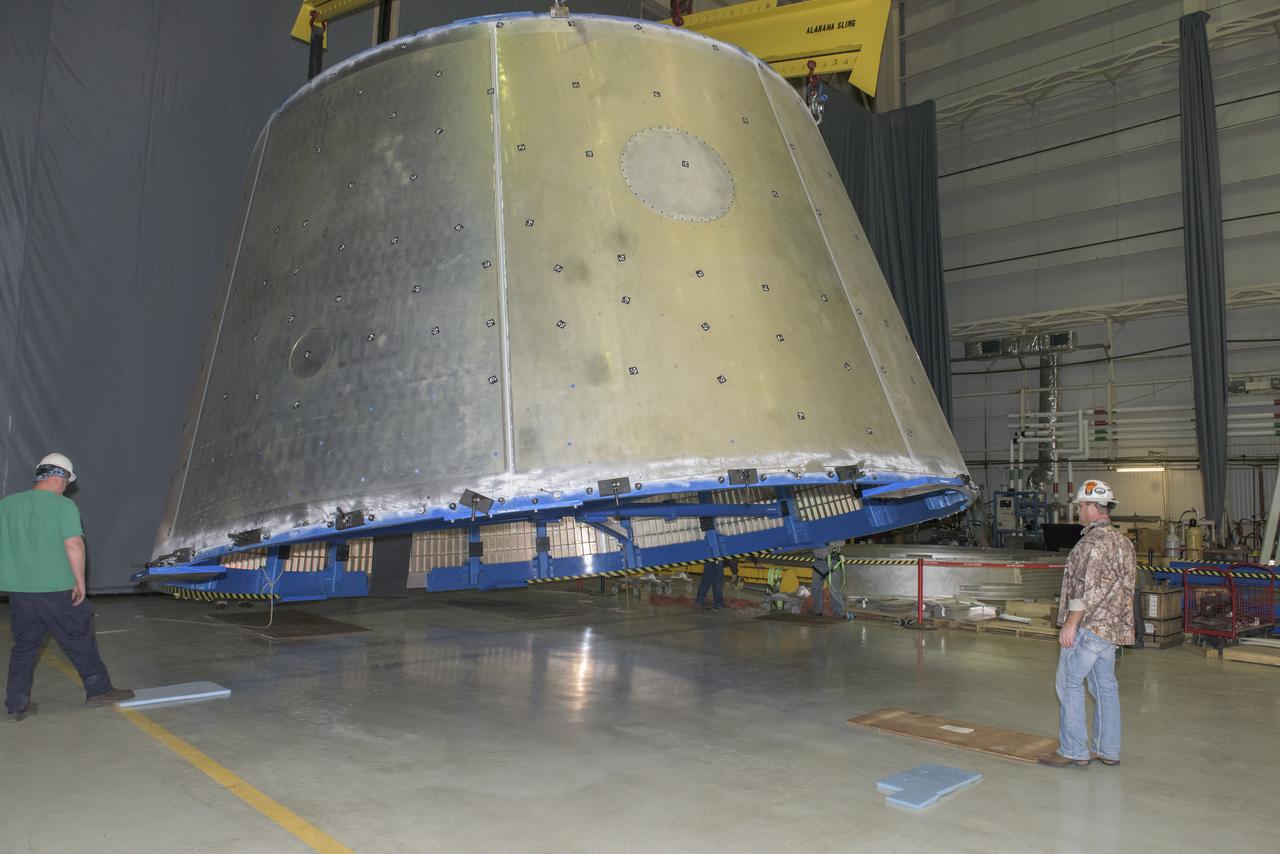
LAUNCH VEHICLE STAGE ADAPTER (LVSA) AFT CONE MOVE FROM THE VERTICAL WELD TOOL TO THE FLOOR OF BLDG 4755
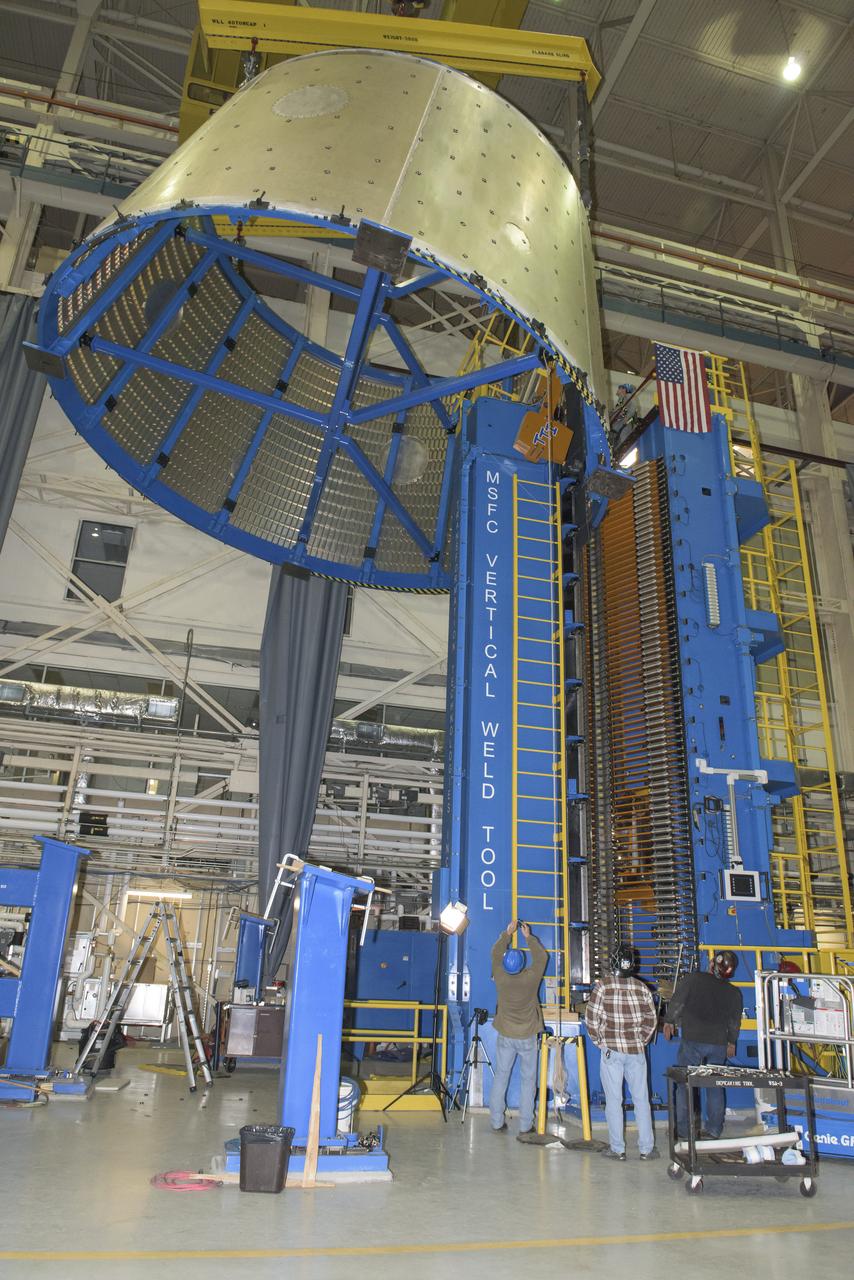
LAUNCH VEHICLE STAGE ADAPTER (LVSA) AFT CONE MOVE FROM THE VERTICAL WELD TOOL TO THE FLOOR OF BLDG 4755

LAUNCH VEHICLE STAGE ADAPTER (LVSA) AFT CONE MOVE FROM THE VERTICAL WELD TOOL TO THE FLOOR OF BLDG 4755
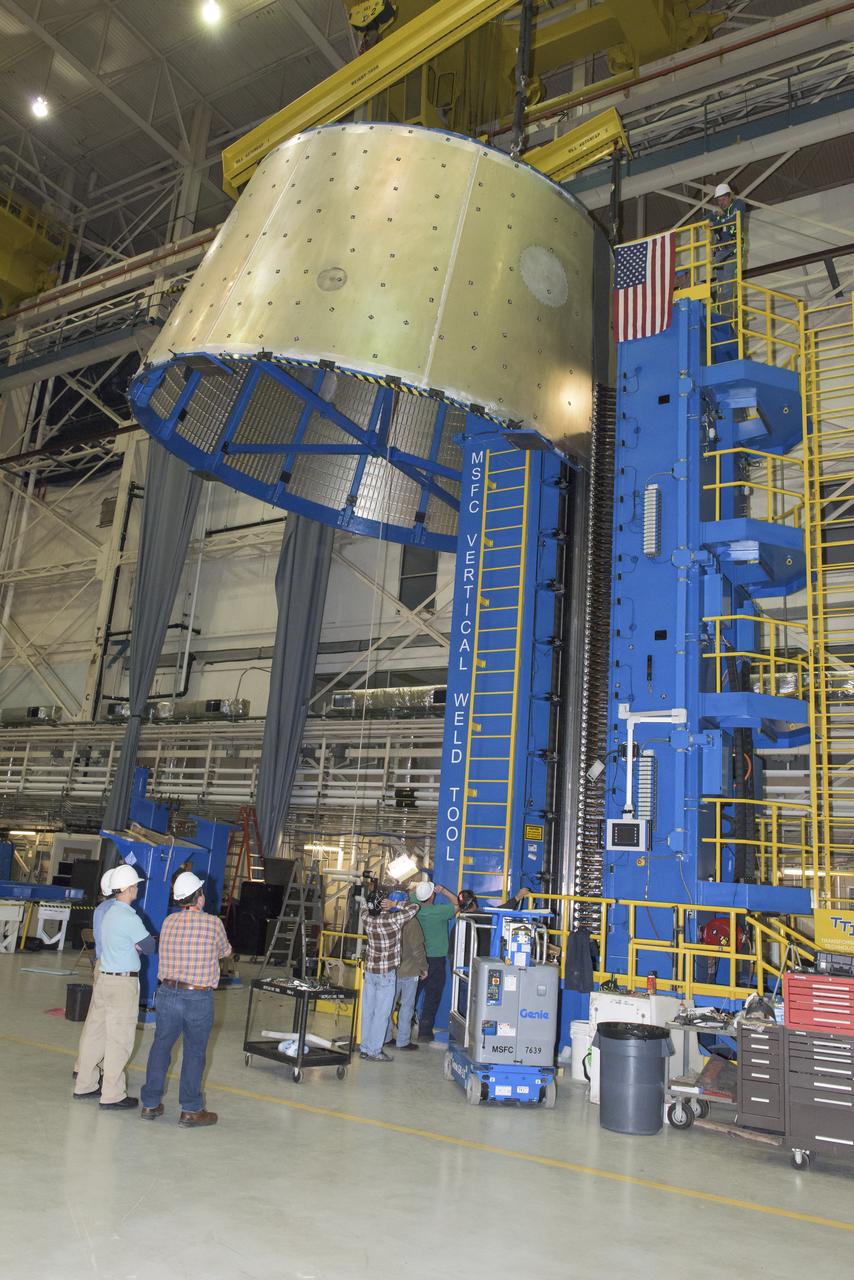
LAUNCH VEHICLE STAGE ADAPTER (LVSA) AFT CONE MOVE FROM THE VERTICAL WELD TOOL TO THE FLOOR OF BLDG 4755

FIVE SEGMENTS LOADED ONTO THE VERTICAL WELD TOOL FOR SHELL BUCKLING TEST IN BUILDING 4755

FIVE SEGMENTS LOADED ONTO THE VERTICAL WELD TOOL FOR SHELL BUCKLING TEST IN BUILDING 4755
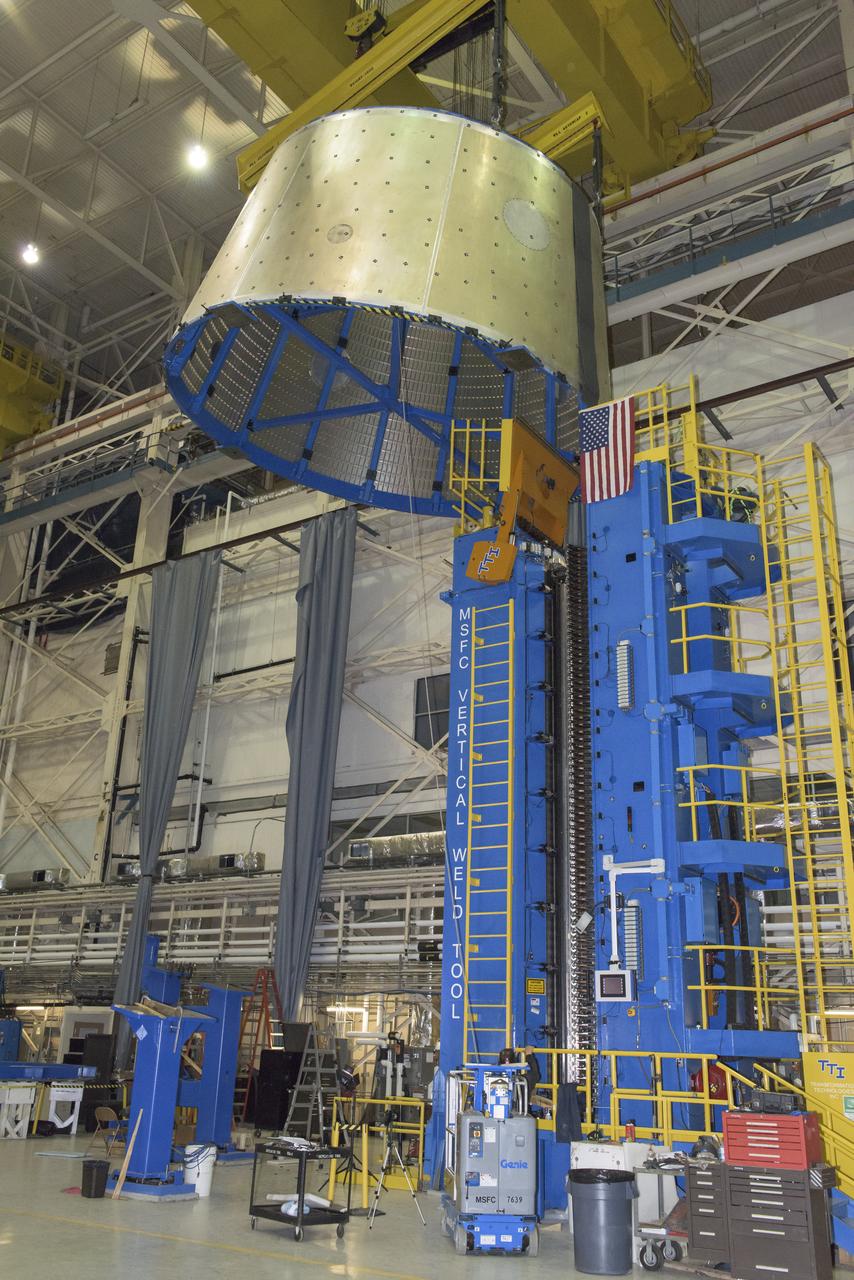
LAUNCH VEHICLE STAGE ADAPTER (LVSA) AFT CONE MOVE FROM THE VERTICAL WELD TOOL TO THE FLOOR OF BLDG 4755
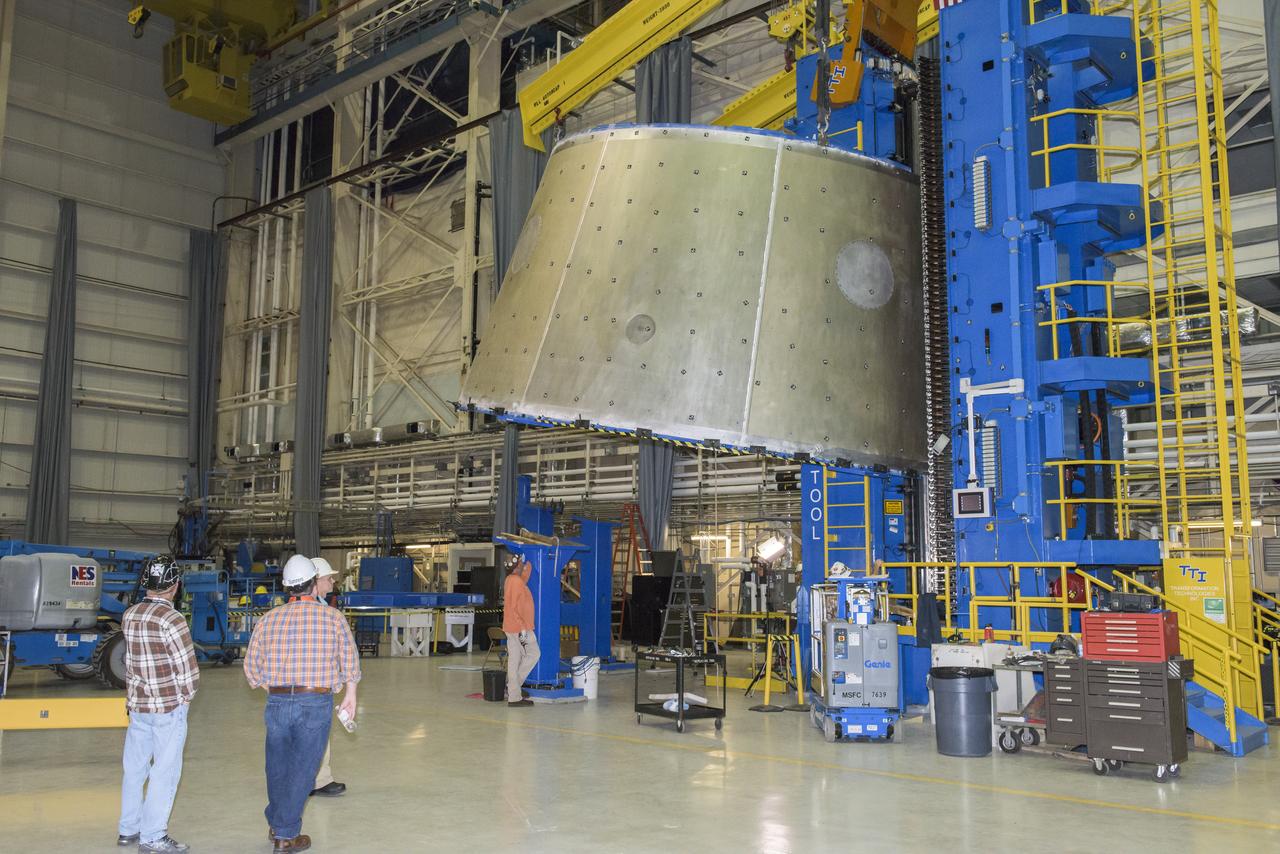
LAUNCH VEHICLE STAGE ADAPTER (LVSA) AFT CONE MOVE FROM THE VERTICAL WELD TOOL TO THE FLOOR OF BLDG 4755
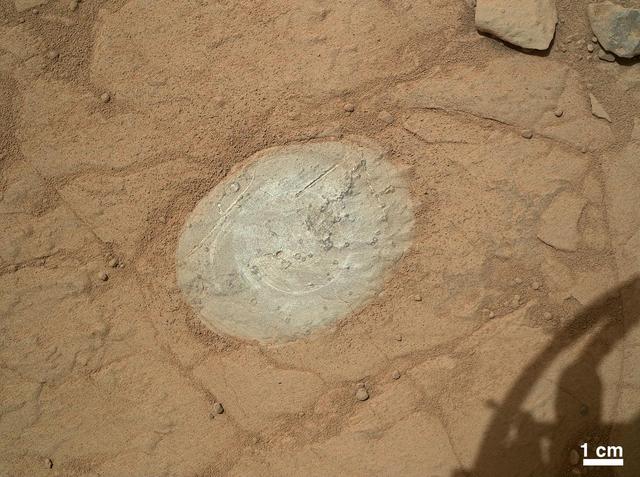
This image from the Mars Hand Lens Imager on NASA Mars rover Curiosity shows the patch of rock cleaned by the first use of the rover Dust Removal Tool DRT. The tool is a motorized, wire-bristle brush on the turret at the end of the rover arm.
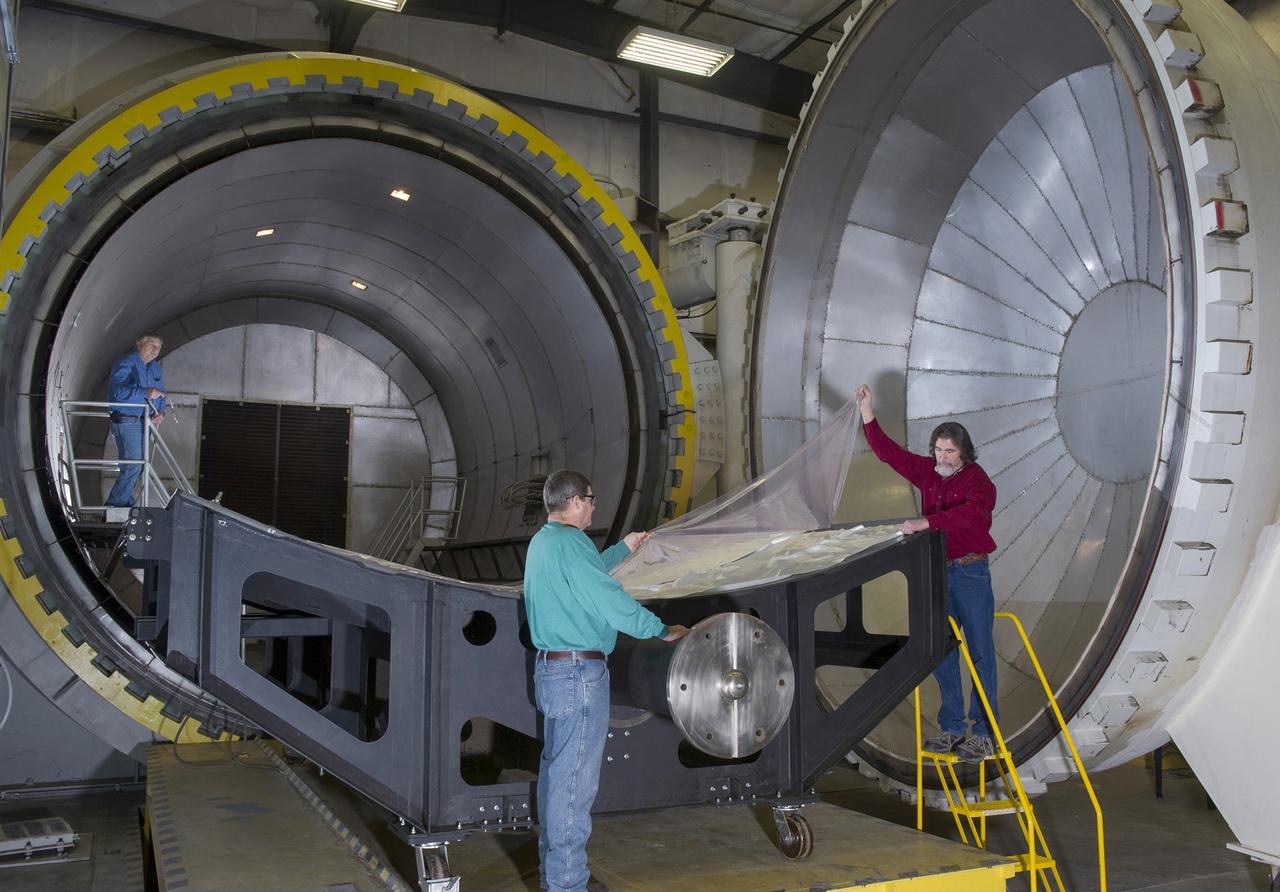
JAMES NEWTON, LEFT, PHILLIP THOMPSON, CENTER, AND DAVID LAWRENCE, RIGHT PREPARE COMPOSITE TOOL FOR CURE IN 18' X 20' AUTOCLAVE IN BUILDING 4707
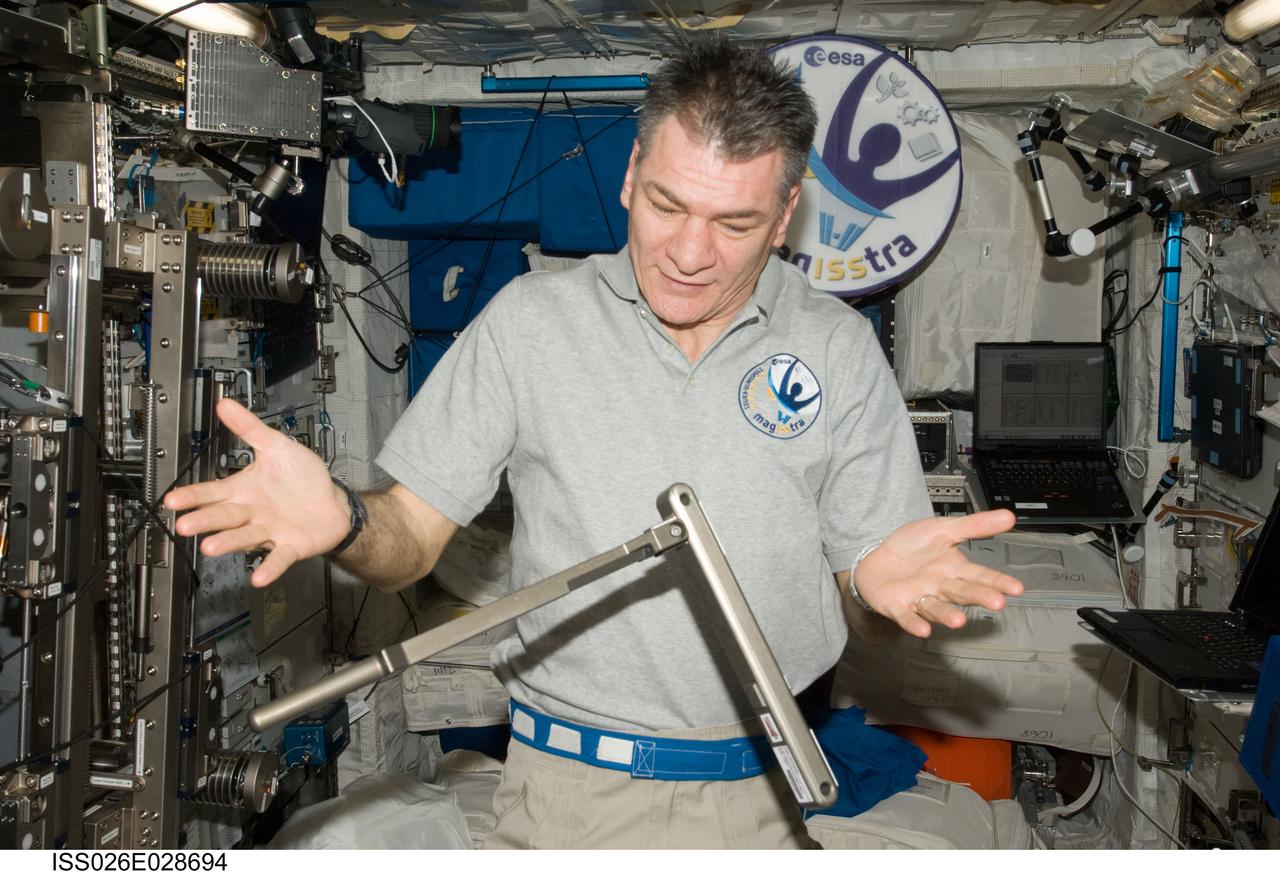
ISS026-E-028694 (22 Feb. 2011) --- European Space Agency astronaut Paolo Nespoli, Expedition 26 flight engineer, is pictured with a can crusher tool floating freely in the Columbus laboratory of the International Space Station. The tool was built by the High school students United with NASA to Create Hardware (HUNCH).
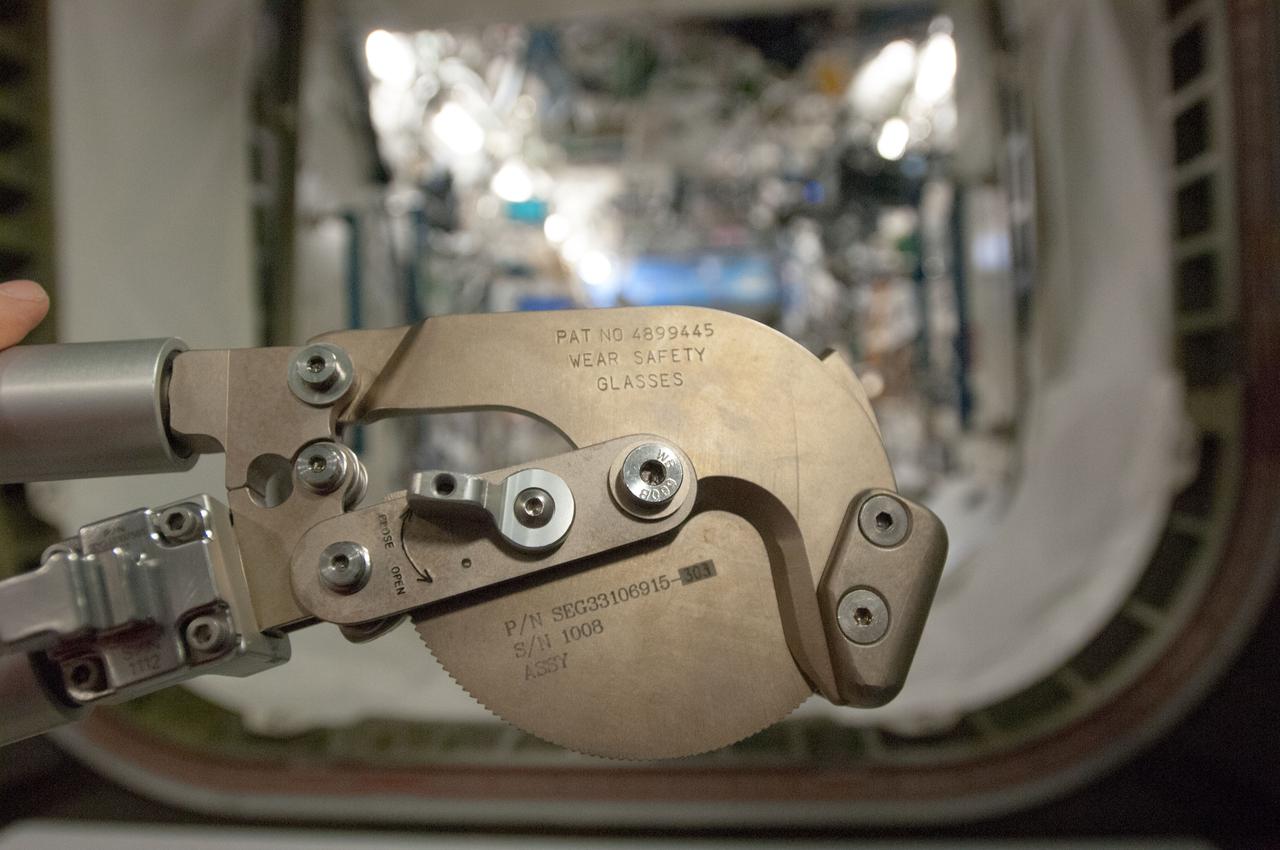
Documentation of a Large Cutter which will be used to support Russian Extravehicular Activity 32 (EVA 32) during Expedition 35. Part number (P/N) is SEG33106915-303, serial number (S/N) is 1008.

Goddard's Ritsko Wins 2011 SAVE Award The winner of the 2011 SAVE Award is Matthew Ritsko, a Goddard financial manager. His tool lending library would track and enable sharing of expensive space-flight tools and hardware after projects no longer need them. This set of images represents the types of tools used at NASA. To read more go to: <a href="http://www.nasa.gov/topics/people/features/ritsko-save.html" rel="nofollow">www.nasa.gov/topics/people/features/ritsko-save.html</a> The engineering mockup of the Robotic Refueling Mission (RRM) module is currently on display within the press building at the Kennedy Space Center in Florida. The RRM mission is a joint effort between NASA and the Canadian Space Agency designed to demonstrate and test the tools, technologies, and techniques needed to robotically refuel satellites in space. Reporters have the opportunity to get a close-up view of the replica module and tools that are a part of the final shuttle mission payload. SSCO engineers test an RRM tool. To learn more about the RRM go to: <a href="http://ssco.gsfc.nasa.gov/" rel="nofollow">ssco.gsfc.nasa.gov/</a> <b><a href="http://www.nasa.gov/centers/goddard/home/index.html" rel="nofollow">NASA Goddard Space Flight Center</a></b> enables NASA’s mission through four scientific endeavors: Earth Science, Heliophysics, Solar System Exploration, and Astrophysics. Goddard plays a leading role in NASA’s accomplishments by contributing compelling scientific knowledge to advance the Agency’s mission. <b>Follow us on <a href="http://twitter.com/NASA_GoddardPix" rel="nofollow">Twitter</a></b> <b>Join us on <a href="http://www.facebook.com/pages/Greenbelt-MD/NASA-Goddard/395013845897?ref=tsd" rel="nofollow">Facebook</a></b> <b>Find us on <a href="http://instagr.am/p/E_05l/" rel="nofollow">Instagram</a></b>
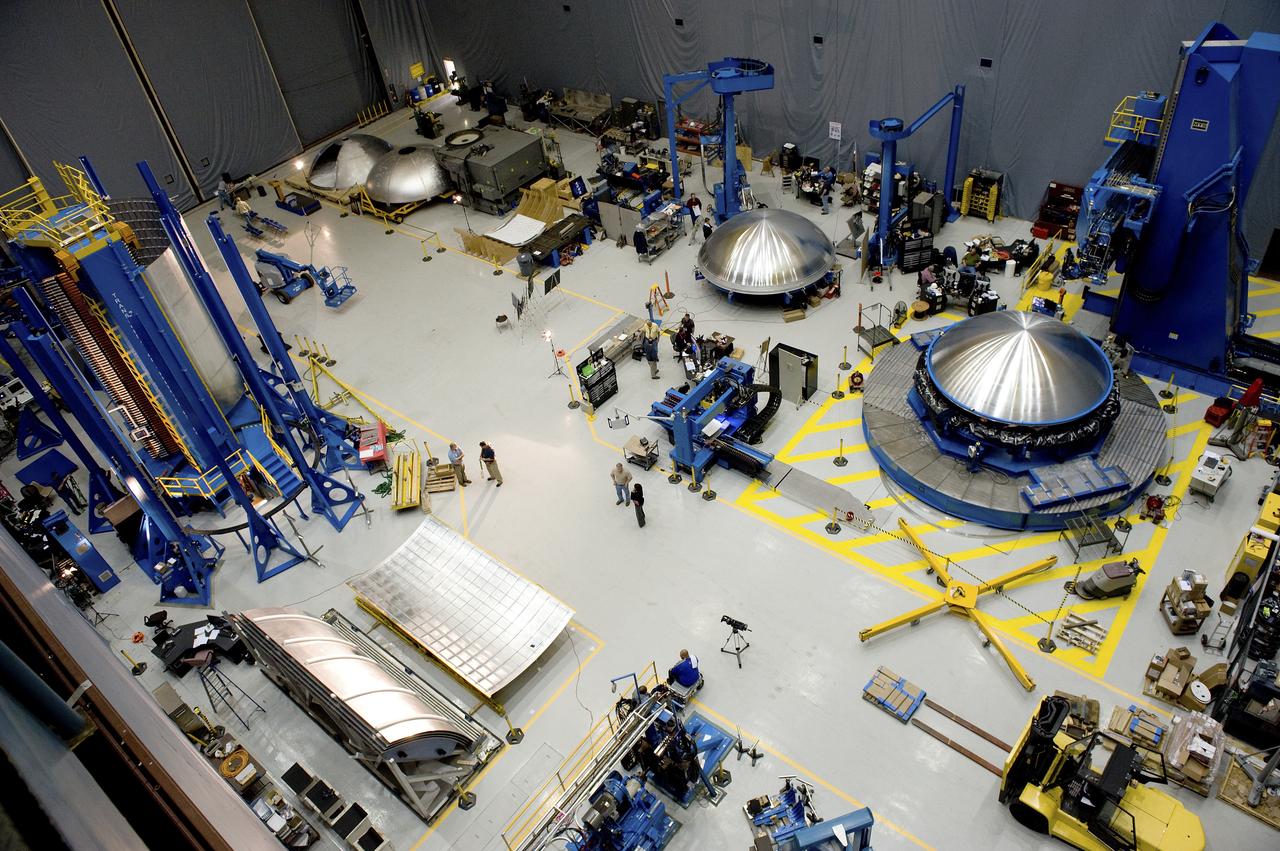
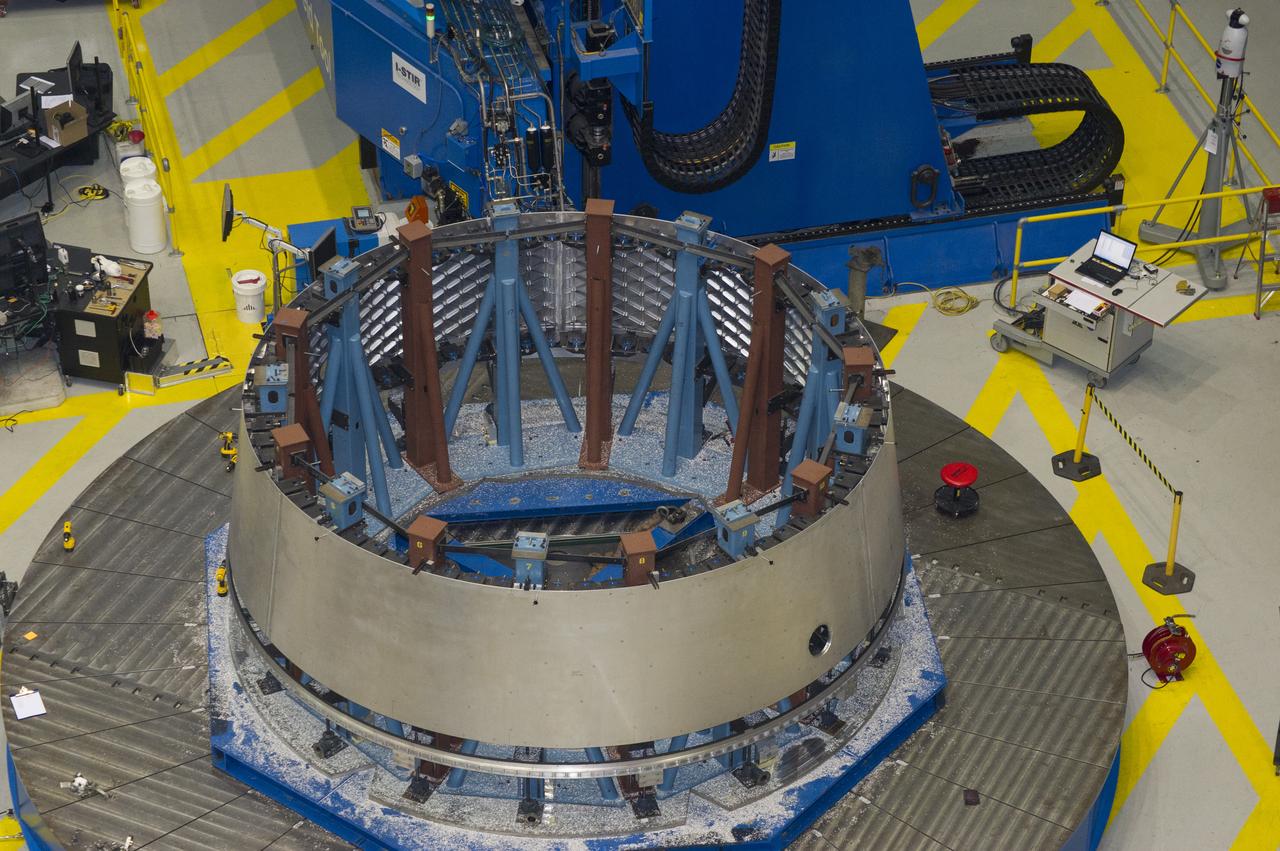
THE OVERHEAD VIEW OF THE FLOOR OF THE FRICTION STIR HIGH BAY AREA IN BUILDING 4755. THIS VIEW SHOWS FOUR DOME PIECES AS WELL AS THE SHELL BUCKLE BARREL PANEL IN THE VERTICAL WELD TOOL
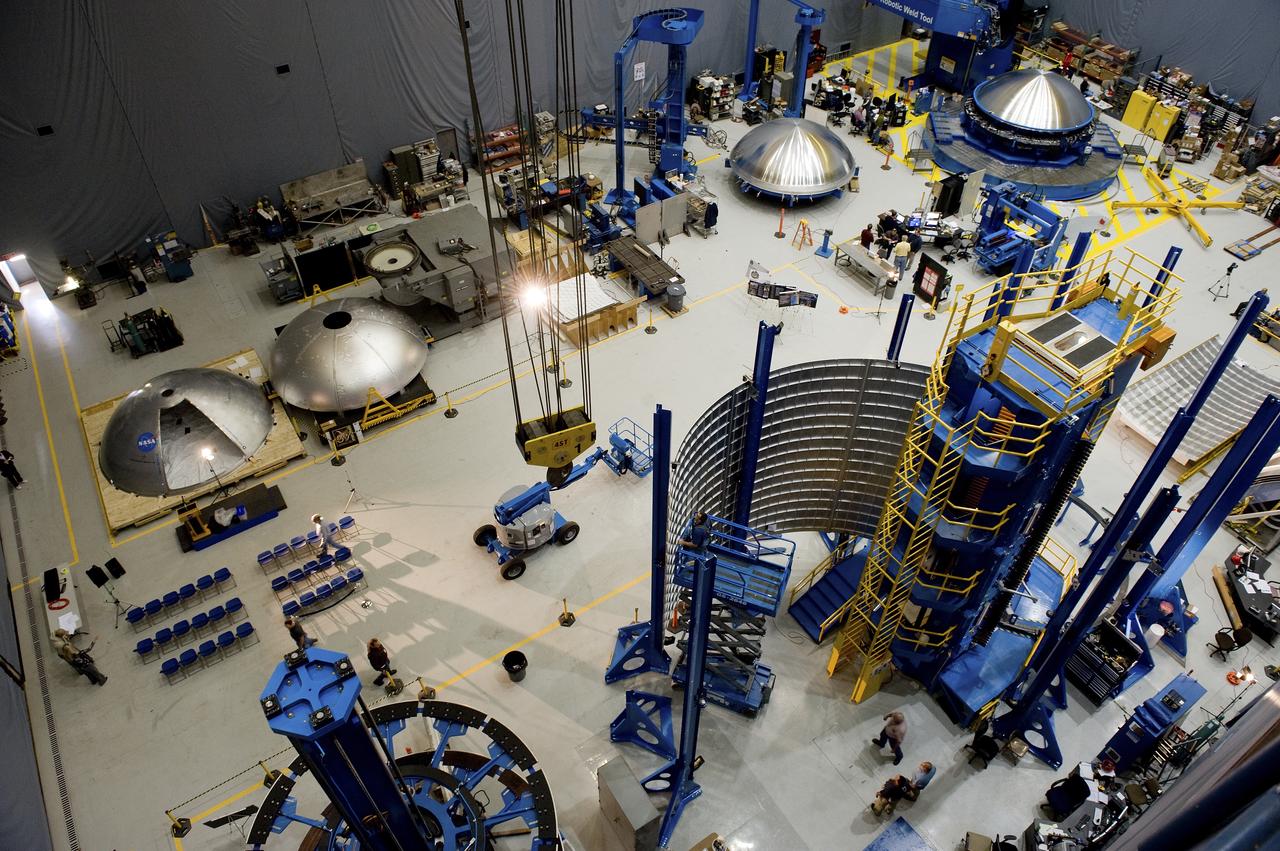
THE OVERHEAD VIEW OF THE FLOOR OF THE FRICTION STIR HIGH BAY AREA IN BUILDING 4755. THIS VIEW SHOWS FOUR DOME PIECES AS WELL AS THE SHELL BUCKLE BARREL PANEL IN THE VERTICAL WELD TOOL
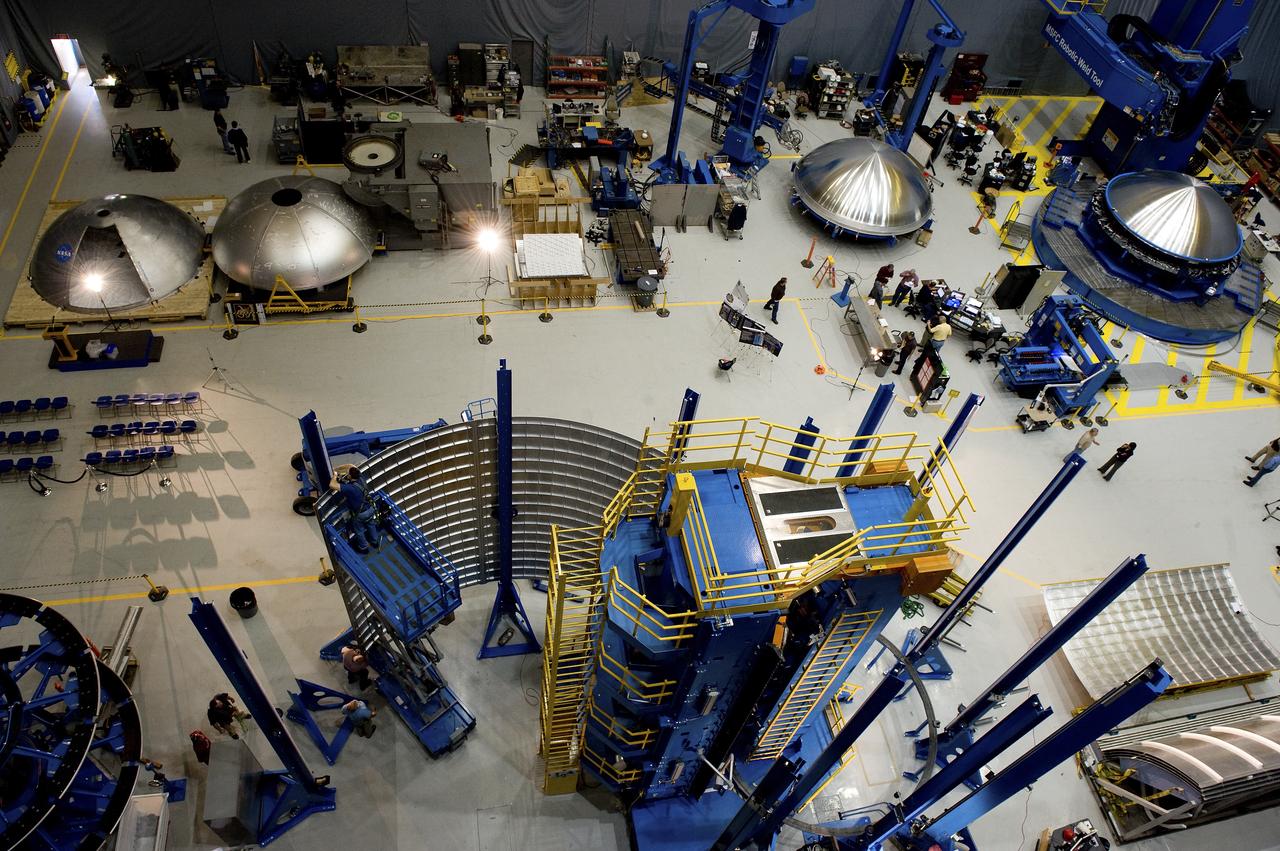
THE OVERHEAD VIEW OF THE FLOOR OF THE FRICTION STIR HIGH BAY AREA IN BUILDING 4755. THIS VIEW SHOWS FOUR DOME PIECES AS WELL AS THE SHELL BUCKLE BARREL PANEL IN THE VERTICAL WELD TOOL
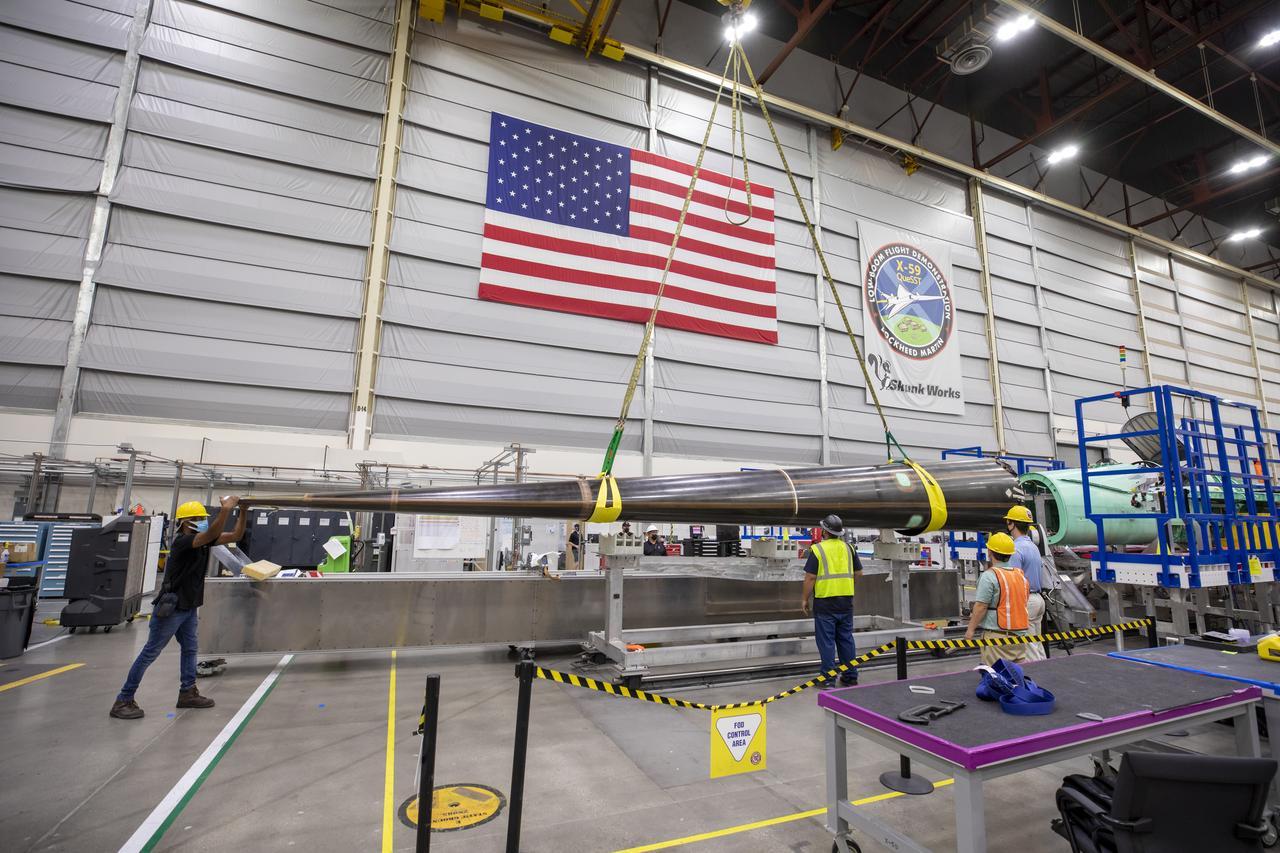
Event: SEG 230 Nose - Craned Onto Tooling A close up of the X-59’s duckbill nose, which is a crucial part of its supersonic design shaping. The team prepares the nose for a fit check. The X-59’s nose is 38-feet long – approximately one third of the length of the entire aircraft. The aircraft, under construction at Lockheed Martin Skunk Works in Palmdale, California, will demonstrate the ability to fly supersonic while reducing the loud sonic boom to a quiet sonic thump.
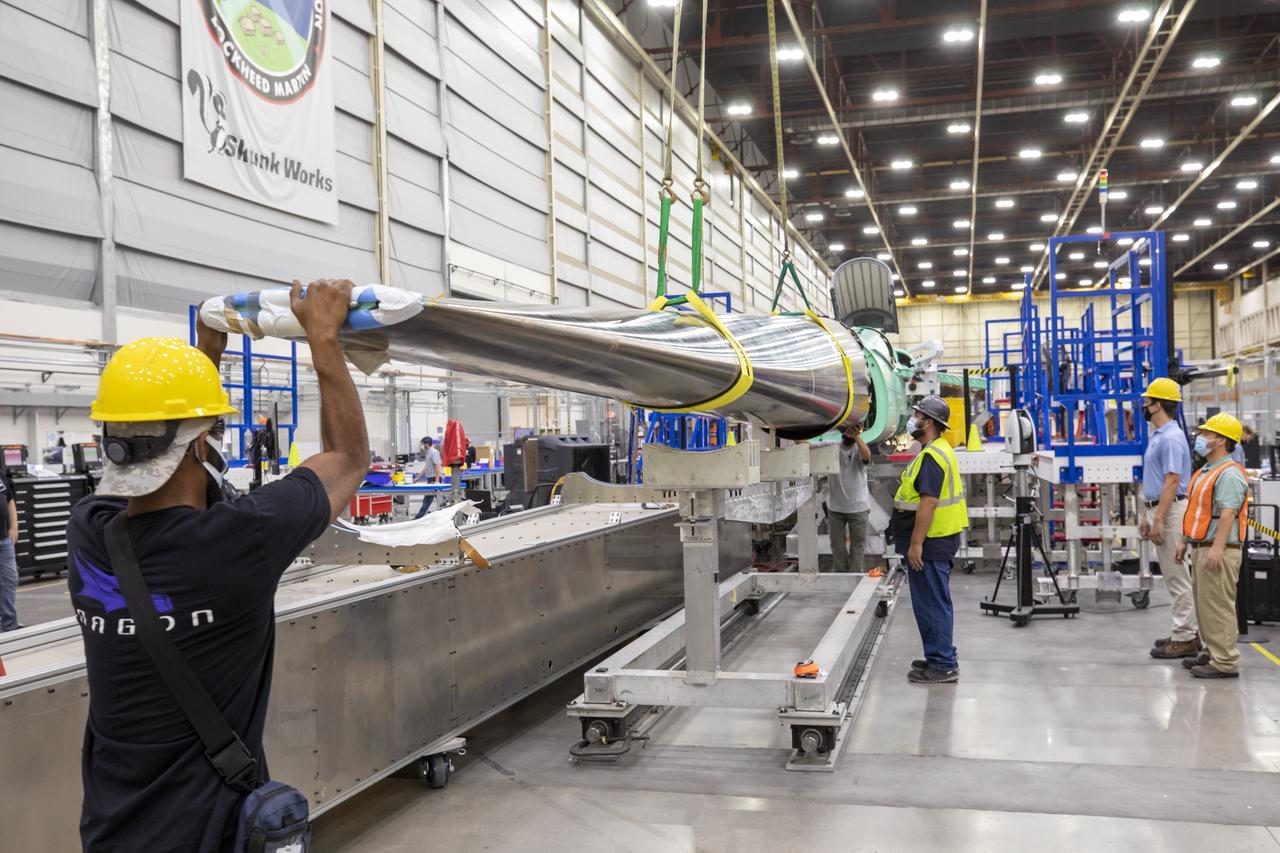
Event: SEG 230 Nose - Craned Onto Tooling A close-up of the X-59’s duckbill nose, which is a crucial part of its supersonic design shaping. The team prepares the nose for a fit check. The X-59’s nose is 38-feet long – approximately one third of the length of the entire aircraft. The aircraft, under construction at Lockheed Martin Skunk Works in Palmdale, California, will demonstrate the ability to fly supersonic while reducing the loud sonic boom to a quiet sonic thump.
The Orion team visits Major Tool and Machine in Indianapolis, Indiana to see the progress on the cone panel for the Artemis I Orion spacecraft on June 10, 2015. Part of Batch image transfer from Flickr.
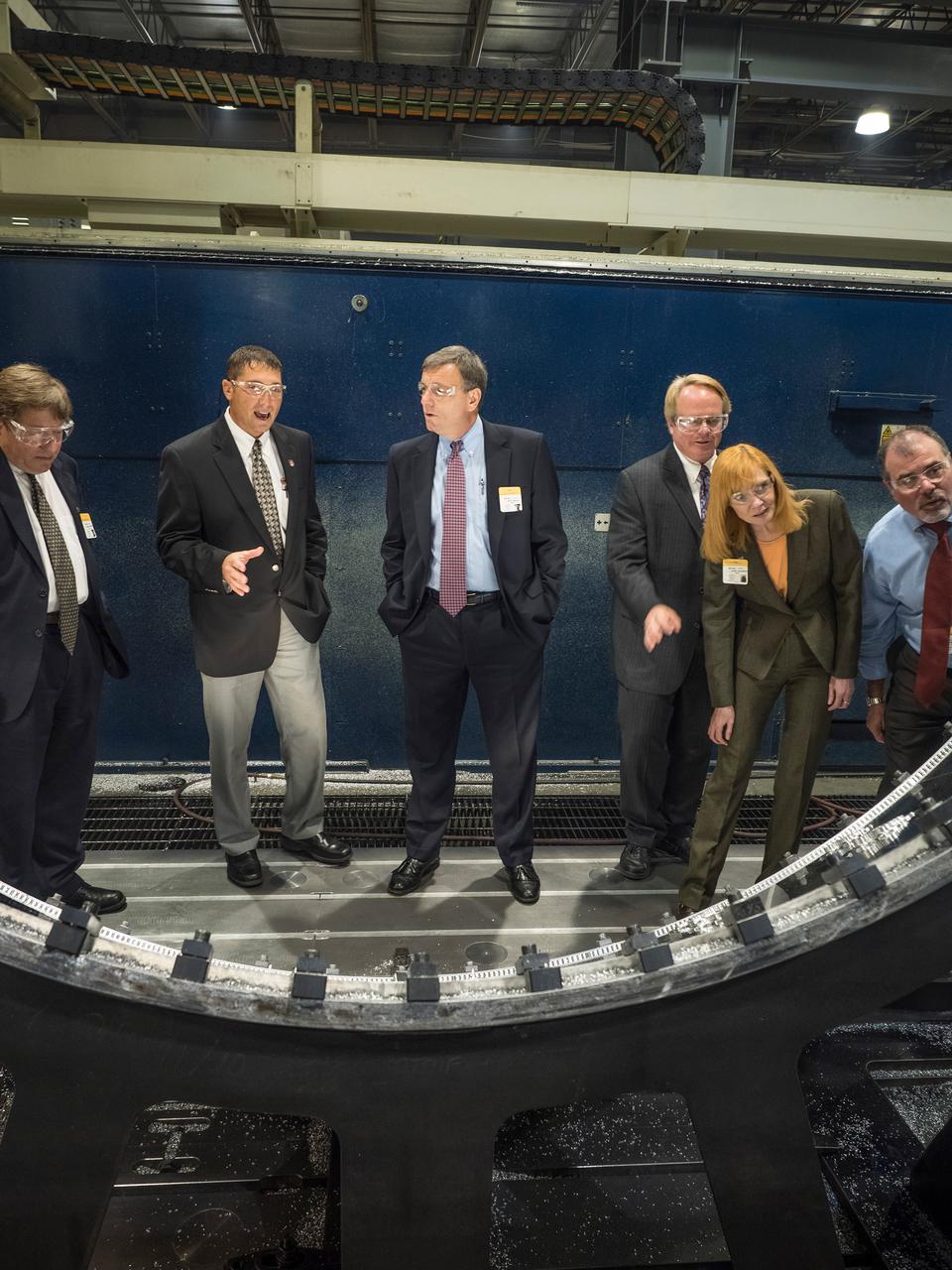
The Orion team visits Major Tool and Machine in Indianapolis, Indiana to see the progress on the cone panel for the Artemis I Orion spacecraft on June 11, 2015. Part of Batch image transfer from Flickr.
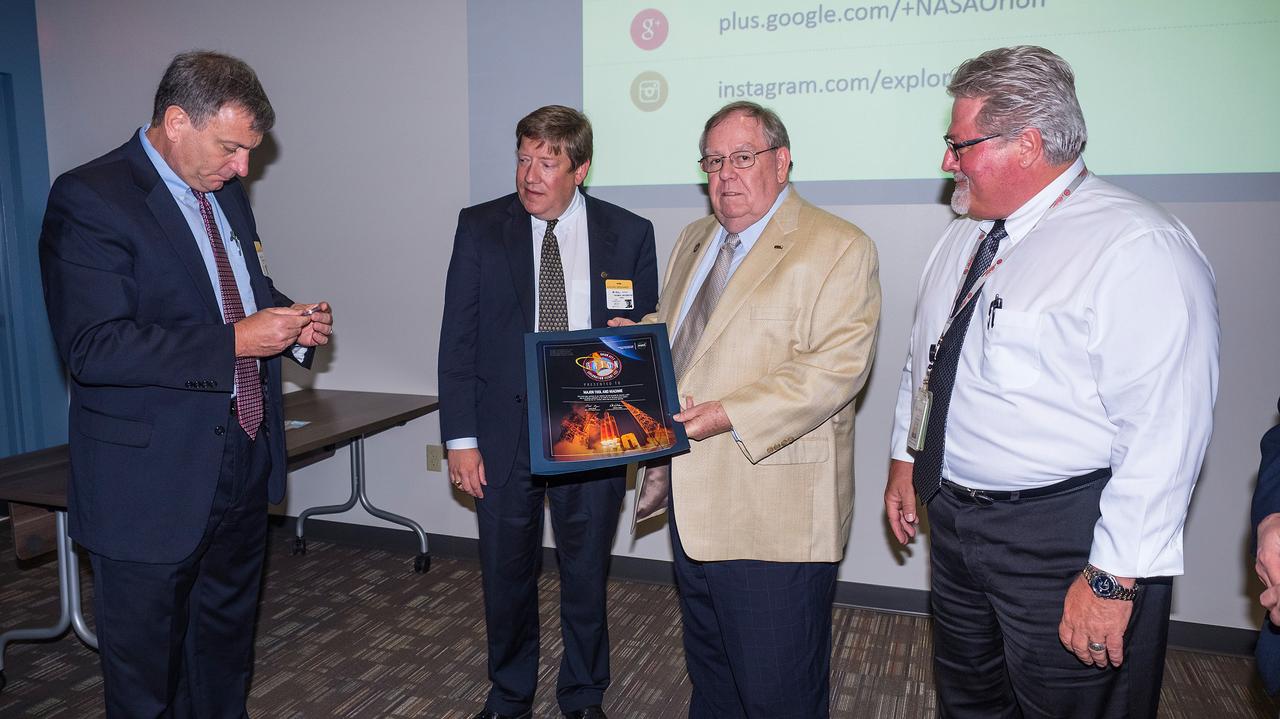
The Orion team visits Major Tool and Machine in Indianapolis, Indiana to see the progress on the cone panel for the Artemis I Orion spacecraft on June 11, 2015. Part of Batch image transfer from Flickr.
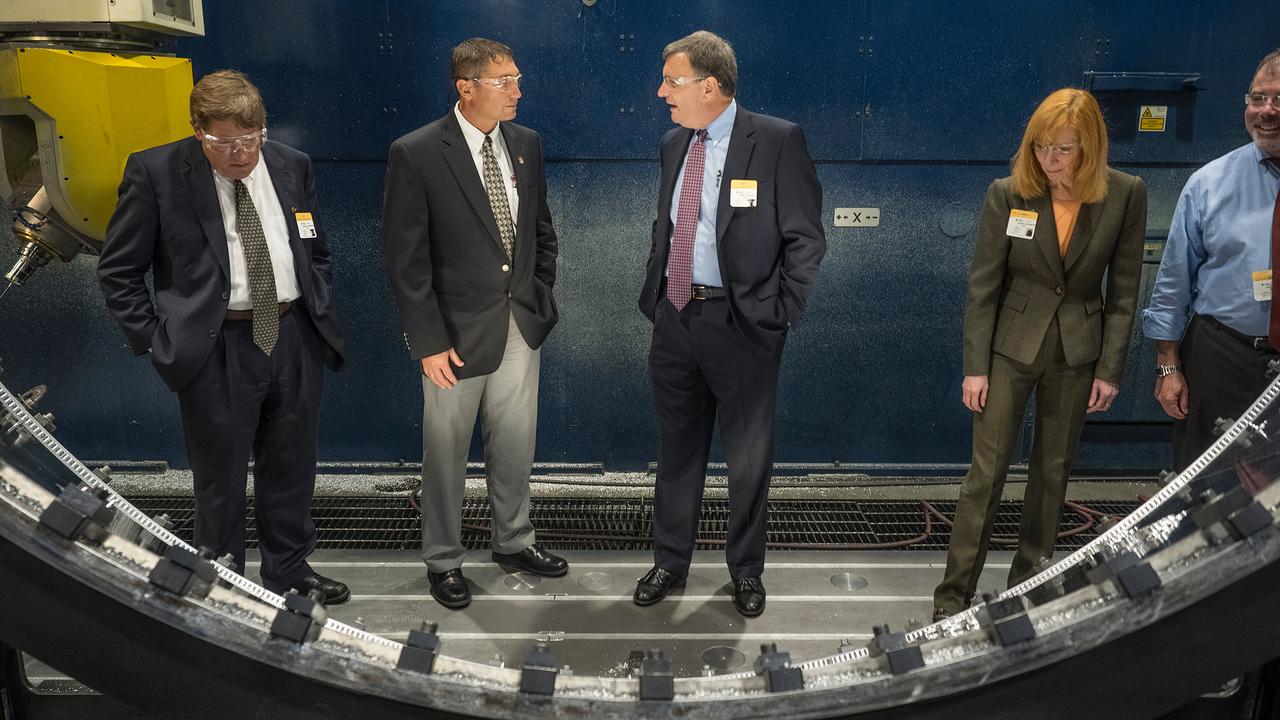
The Orion team visits Major Tool and Machine in Indianapolis, Indiana to see the progress on the cone panel for the Artemis I Orion spacecraft on June 11, 2015. Part of Batch image transfer from Flickr.
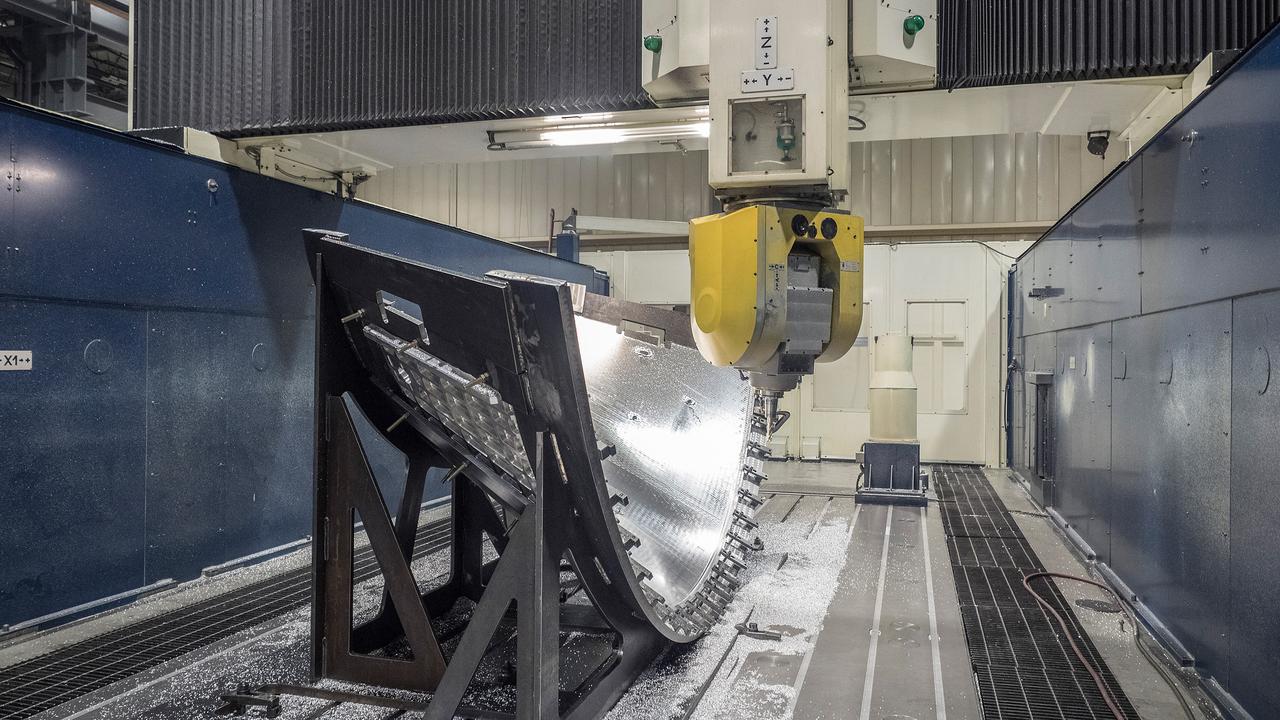
The Orion team visits Major Tool and Machine in Indianapolis, Indiana to see the progress on the cone panel for the Artemis I Orion spacecraft on June 10, 2015. Part of Batch image transfer from Flickr.
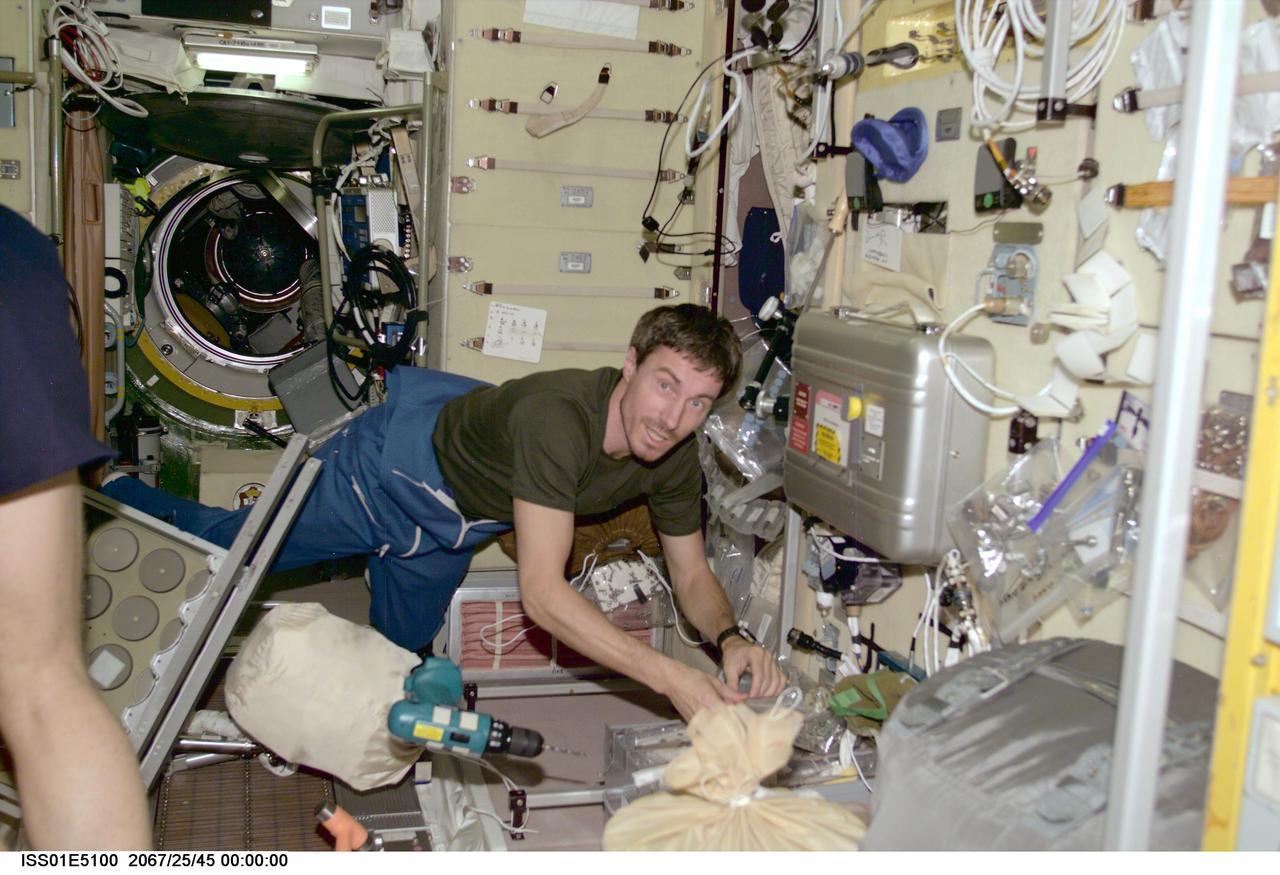
ISS01-E-5100 (December 2000) --- Cosmonaut Sergei K. Krikalev, Expedition One flight engineer, retrieves some tools on the International Space Station's Zvezda Service Module.
The Orion team visits Major Tool and Machine in Indianapolis, Indiana to see the progress on the cone panel for the Artemis I Orion spacecraft on June 10, 2015. Part of Batch image transfer from Flickr.
The Orion team visits Major Tool and Machine in Indianapolis, Indiana to see the progress on the cone panel for the Artemis I Orion spacecraft on June 10, 2015. Part of Batch image transfer from Flickr.
The Orion team visits Major Tool and Machine in Indianapolis, Indiana to see the progress on the cone panel for the Artemis I Orion spacecraft on June 10, 2015. Part of Batch image transfer from Flickr.
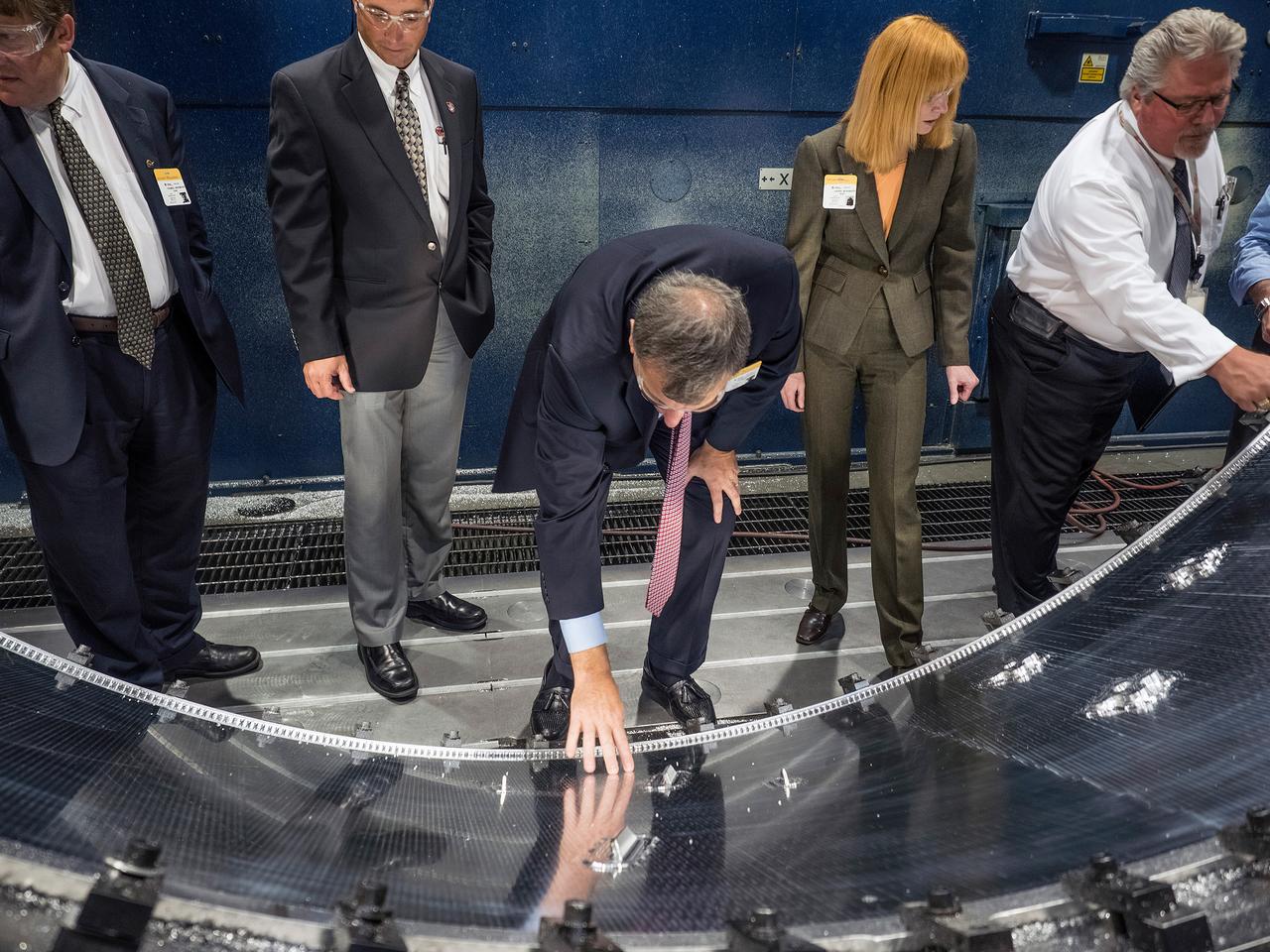
The Orion team visits Major Tool and Machine in Indianapolis, Indiana to see the progress on the cone panel for the Artemis I Orion spacecraft on June 10, 2015. Part of Batch image transfer from Flickr.
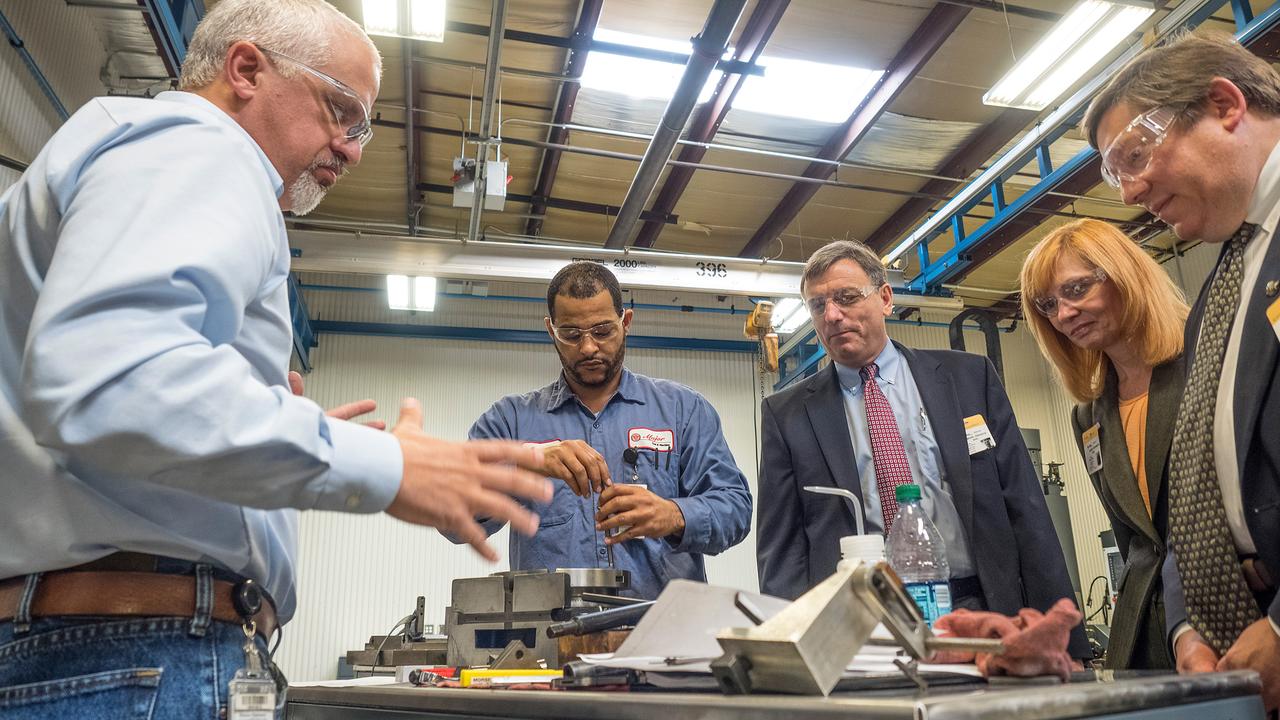
The Orion team visits Major Tool and Machine in Indianapolis, Indiana to see the progress on the cone panel for the Artemis I Orion spacecraft on June 11, 2015. Part of Batch image transfer from Flickr.
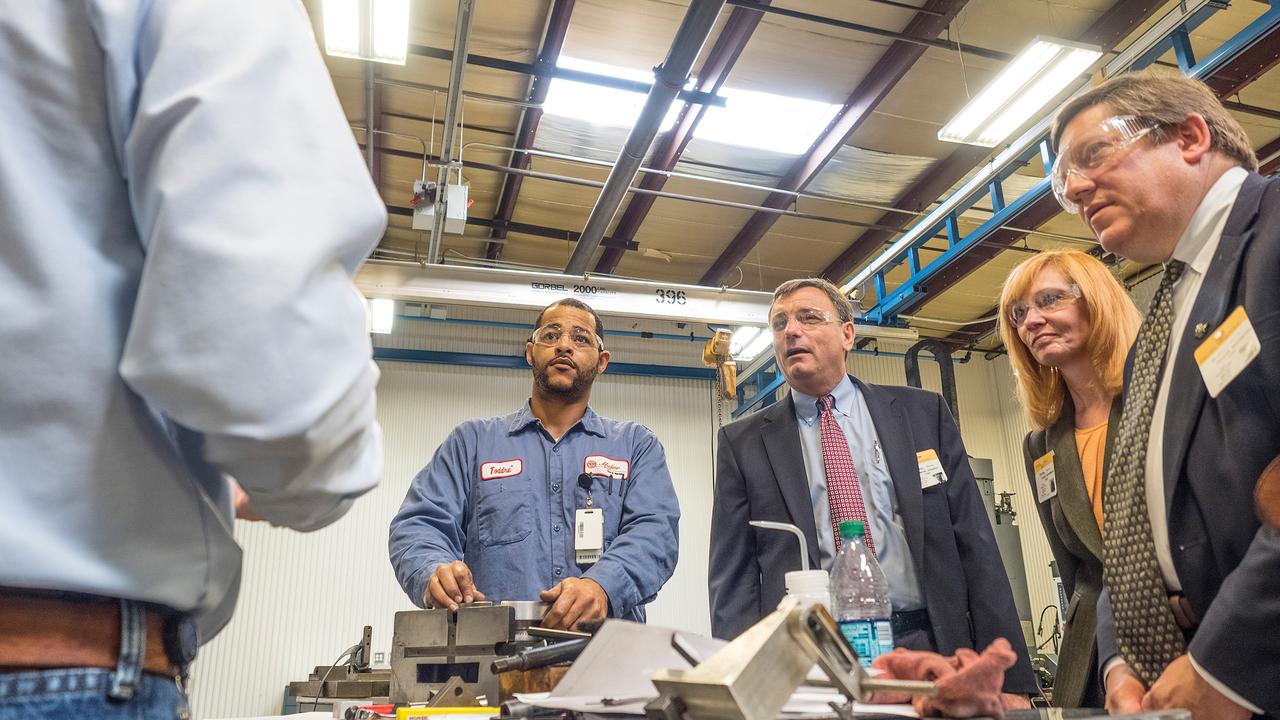
The Orion team visits Major Tool and Machine in Indianapolis, Indiana to see the progress on the cone panel for the Artemis I Orion spacecraft on June 11, 2015. Part of Batch image transfer from Flickr.
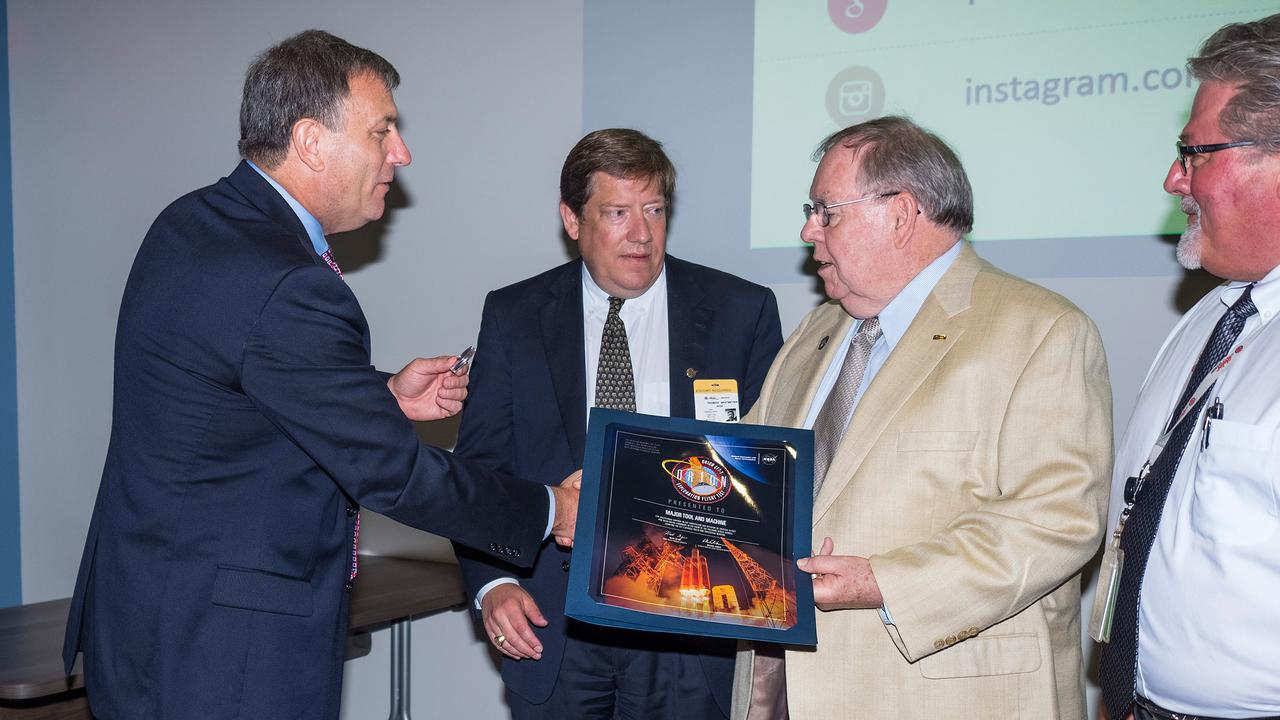
The Orion team visits Major Tool and Machine in Indianapolis, Indiana to see the progress on the cone panel for the Artemis I Orion spacecraft on June 11, 2015. Part of Batch image transfer from Flickr.
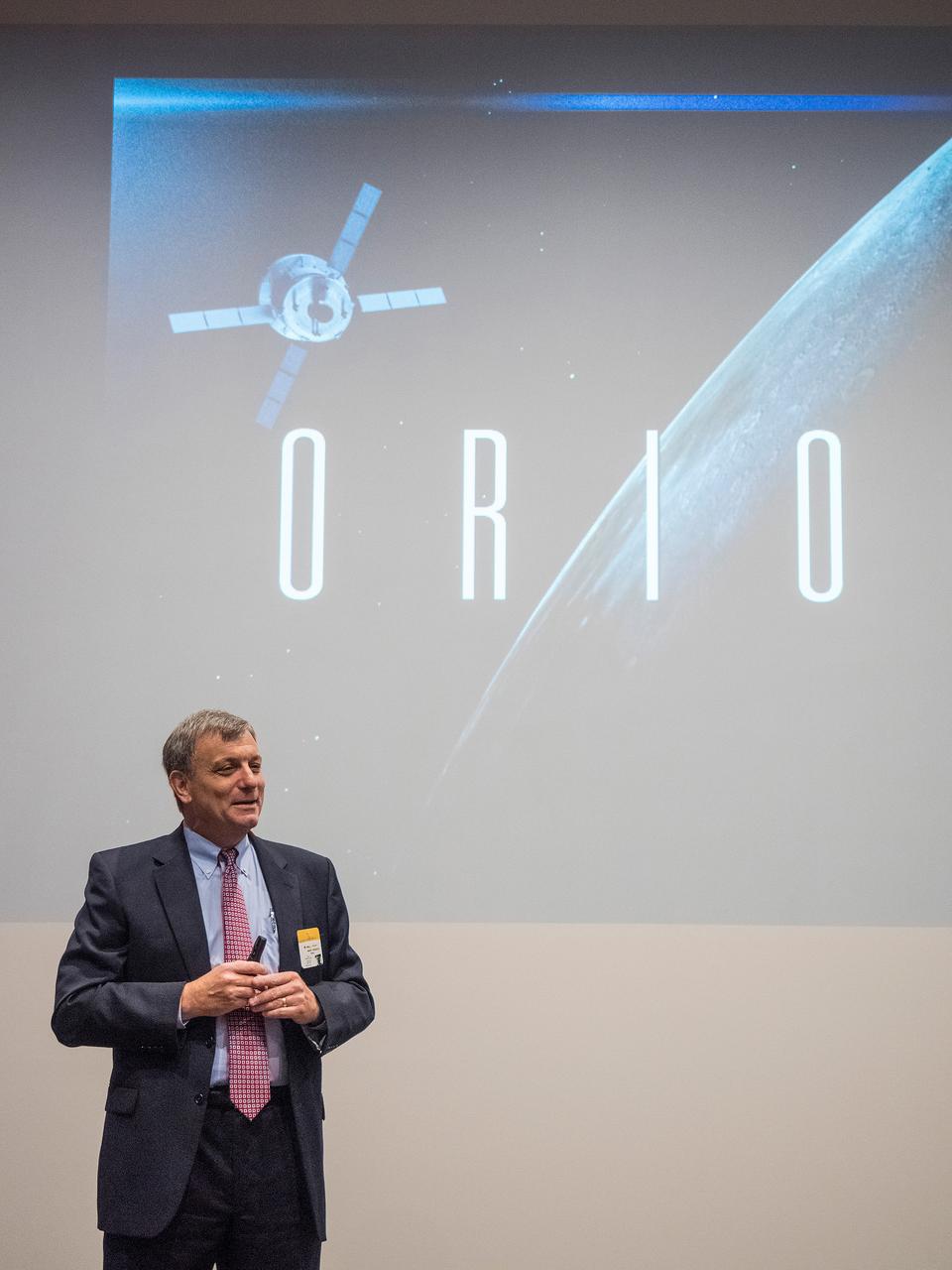
The Orion team visits Major Tool and Machine in Indianapolis, Indiana to see the progress on the cone panel for the Artemis I Orion spacecraft on June 10, 2015. Part of Batch image transfer from Flickr.
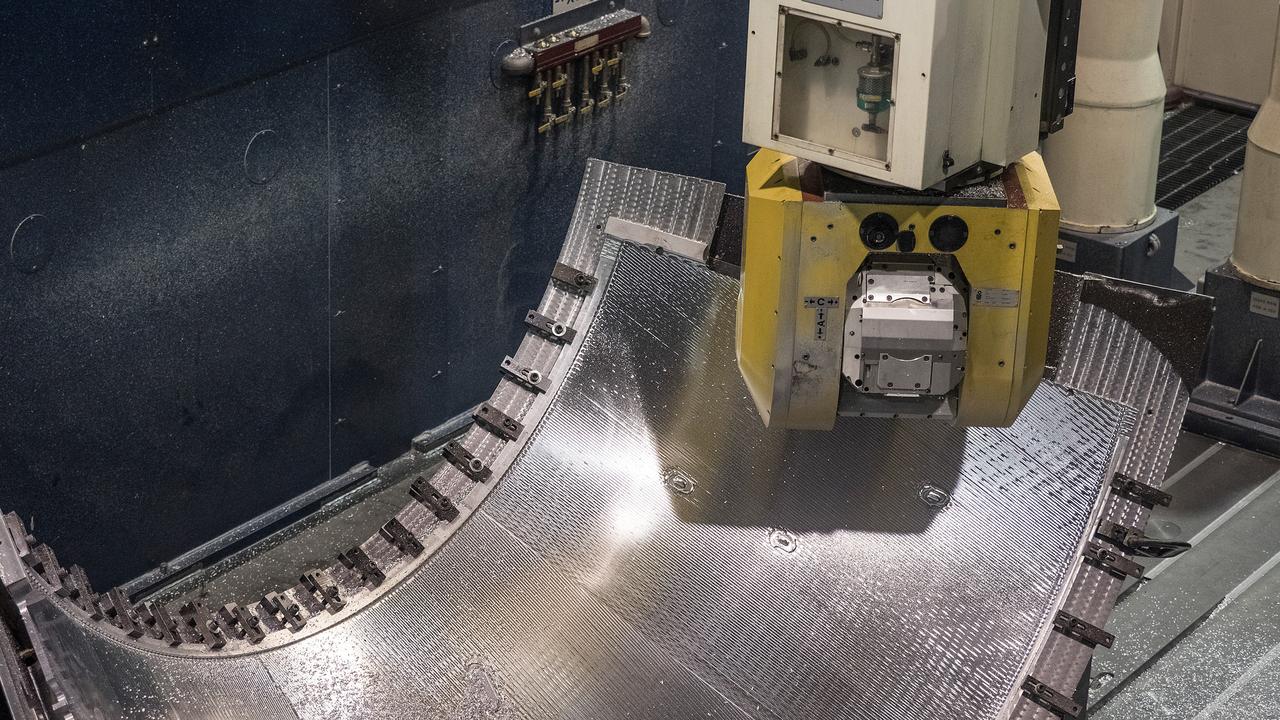
The Orion team visits Major Tool and Machine in Indianapolis, Indiana to see the progress on the cone panel for the Artemis I Orion spacecraft on June 10, 2015. Part of Batch image transfer from Flickr.
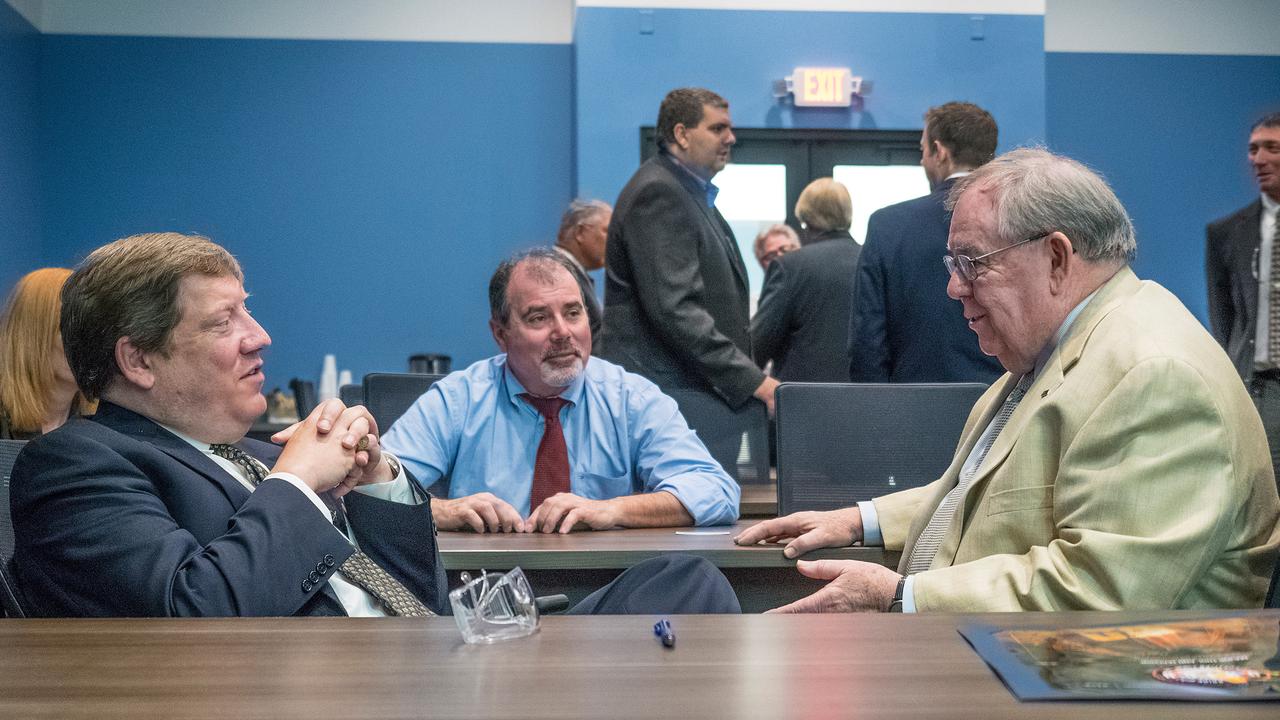
The Orion team visits Major Tool and Machine in Indianapolis, Indiana to see the progress on the cone panel for the Artemis I Orion spacecraft on June 11, 2015. Part of Batch image transfer from Flickr.
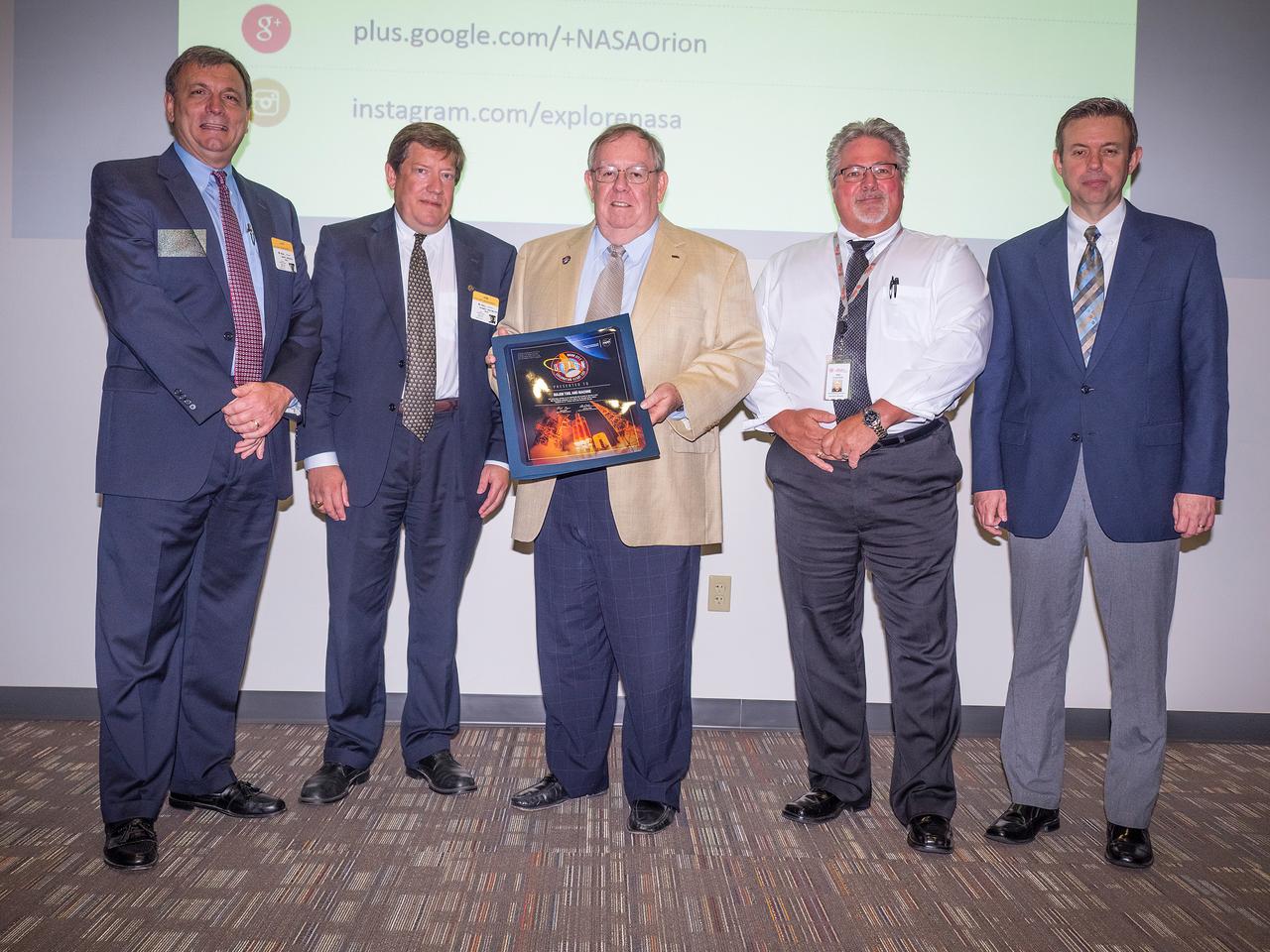
The Orion team visits Major Tool and Machine in Indianapolis, Indiana to see the progress on the cone panel for the Artemis I Orion spacecraft on June 10, 2015. Part of Batch image transfer from Flickr.
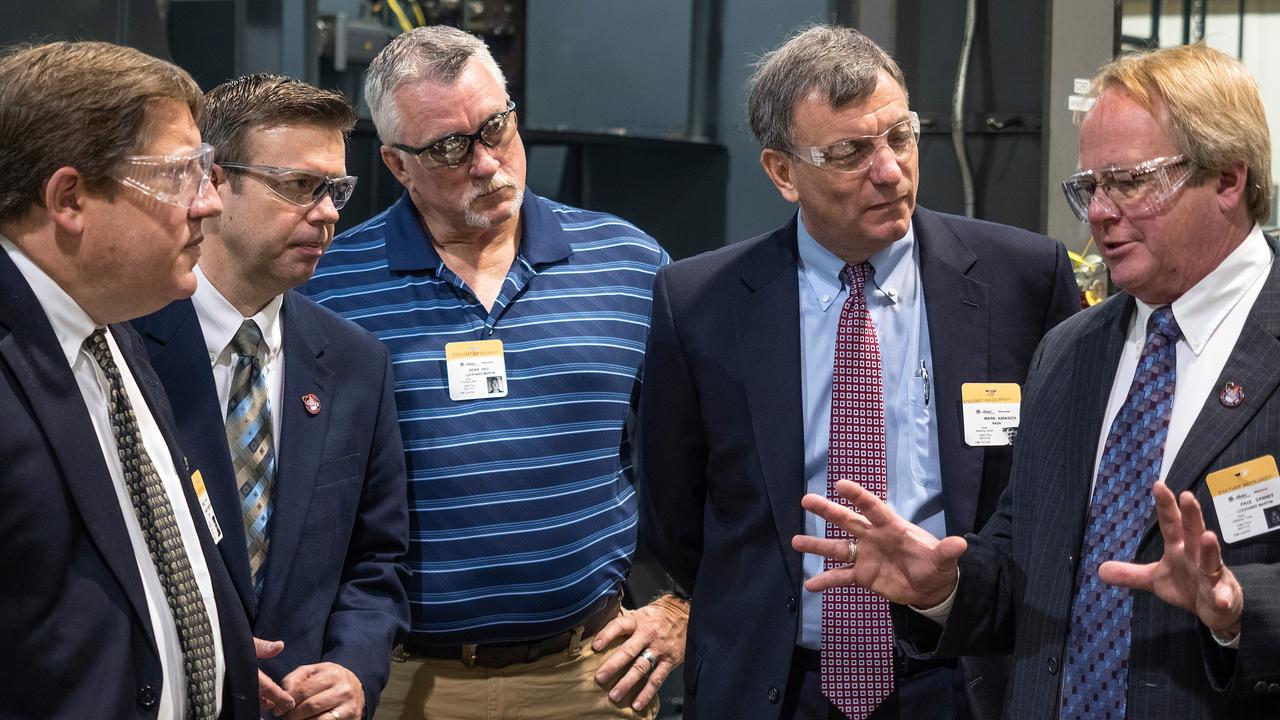
The Orion team visits Major Tool and Machine in Indianapolis, Indiana to see the progress on the cone panel for the Artemis I Orion spacecraft on June 11, 2015. Part of Batch image transfer from Flickr.
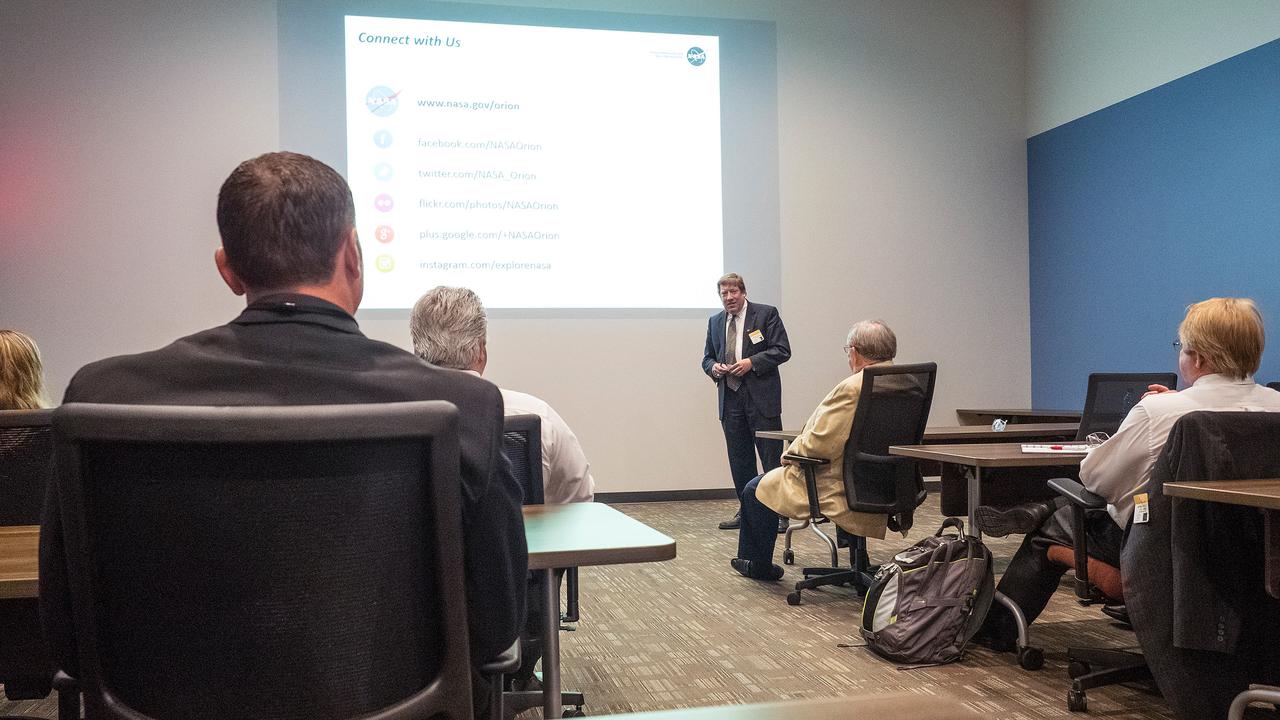
The Orion team visits Major Tool and Machine in Indianapolis, Indiana to see the progress on the cone panel for the Artemis I Orion spacecraft on June 11, 2015. Part of Batch image transfer from Flickr.
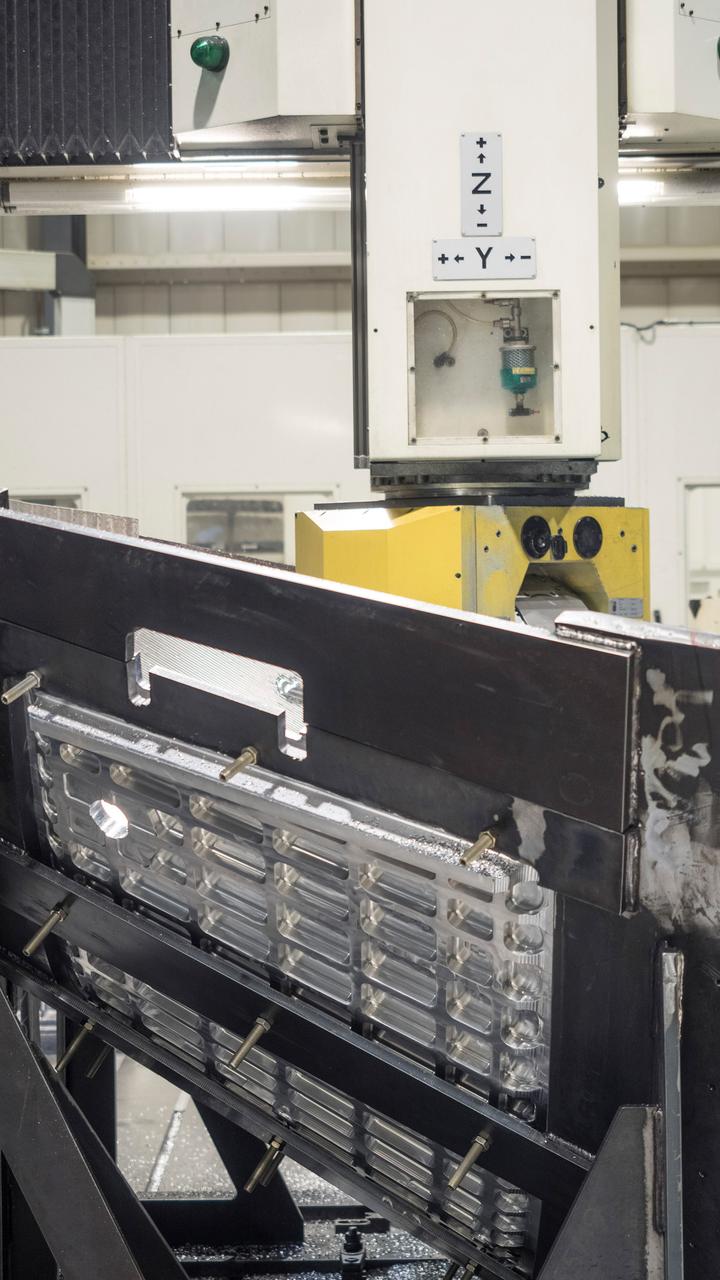
The Orion team visits Major Tool and Machine in Indianapolis, Indiana to see the progress on the cone panel for the Artemis I Orion spacecraft on June 10, 2015. Part of Batch image transfer from Flickr.
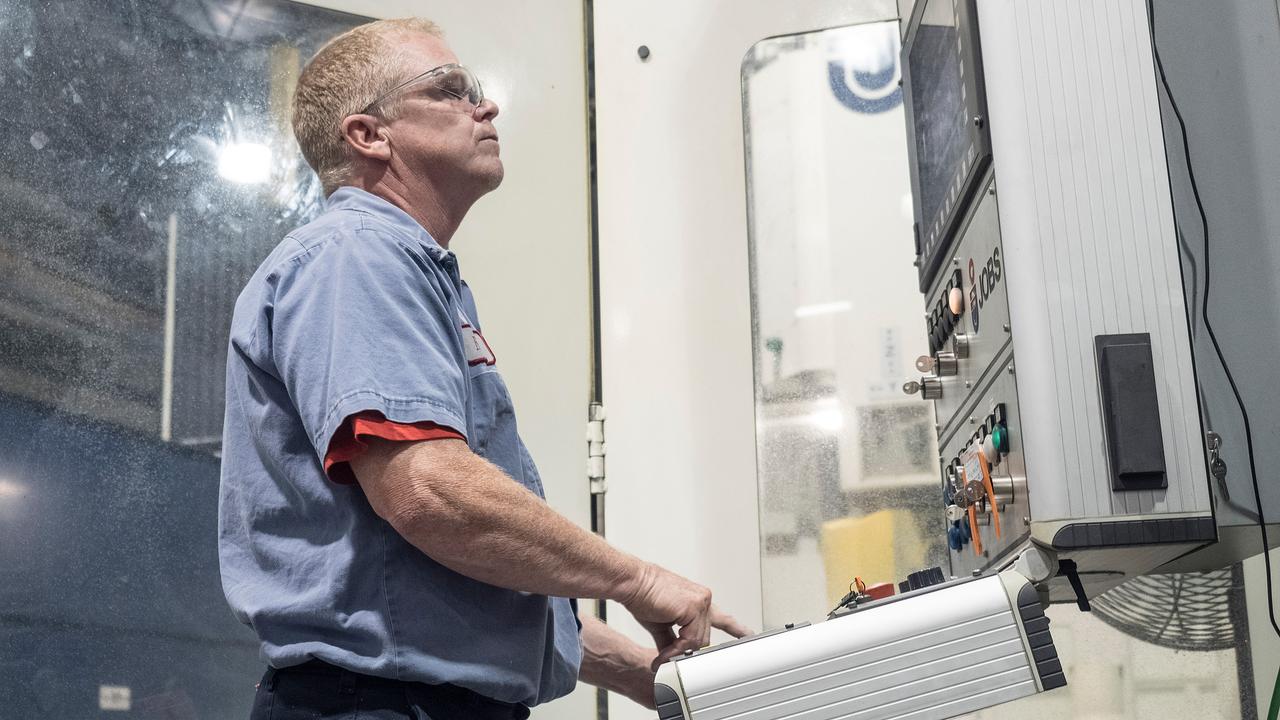
The Orion team visits Major Tool and Machine in Indianapolis, Indiana to see the progress on the cone panel for the Artemis I Orion spacecraft on June 10, 2015. Part of Batch image transfer from Flickr.
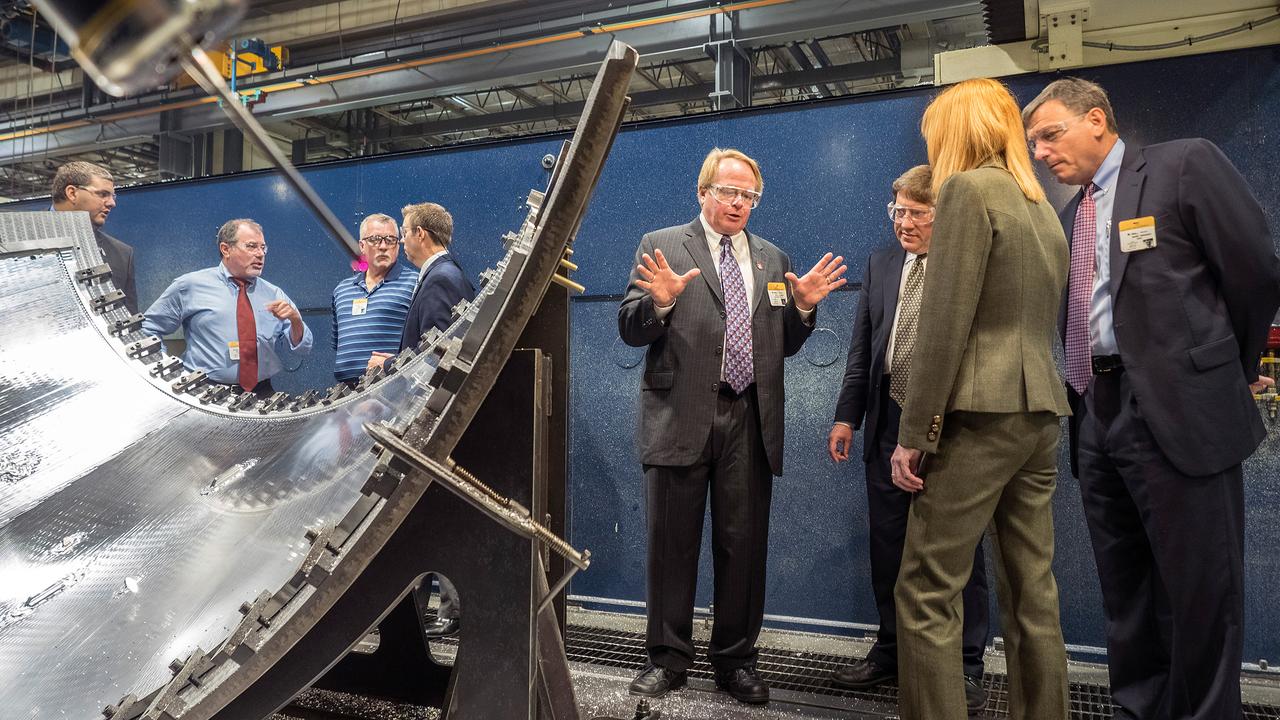
The Orion team visits Major Tool and Machine in Indianapolis, Indiana to see the progress on the cone panel for the Artemis I Orion spacecraft on June 10, 2015. Part of Batch image transfer from Flickr.
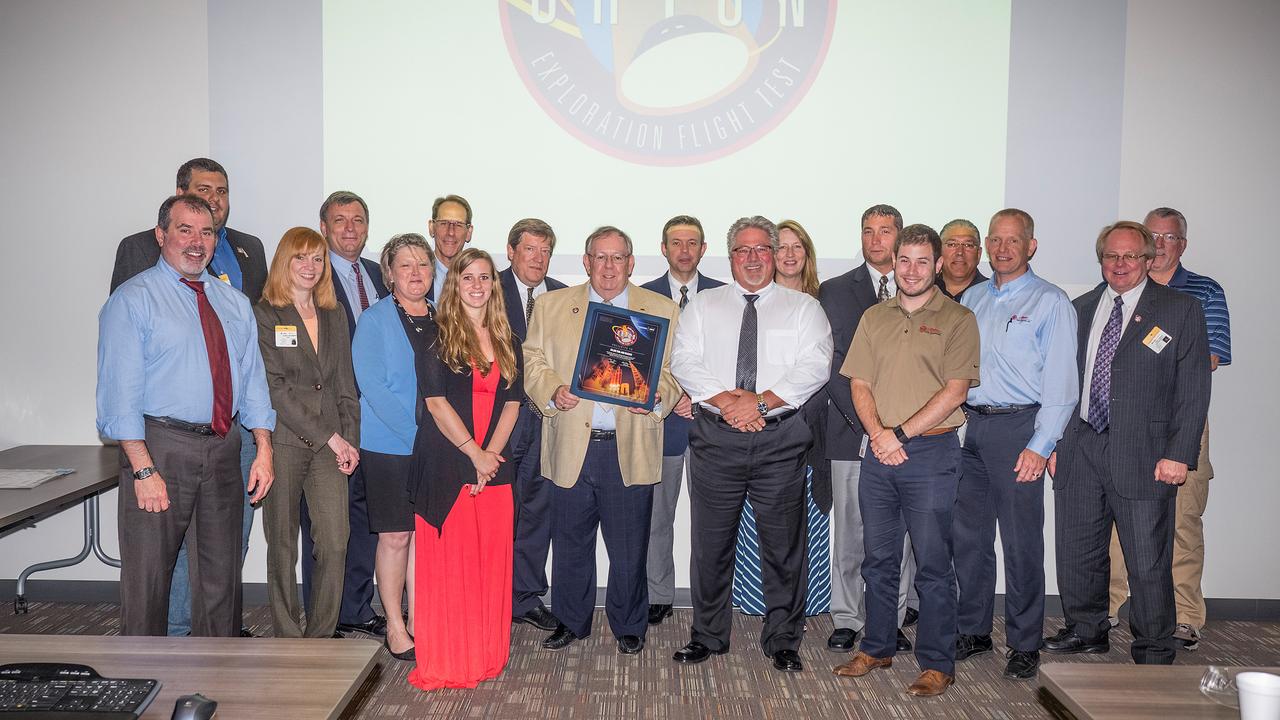
The Orion team visits Major Tool and Machine in Indianapolis, Indiana to see the progress on the cone panel for the Artemis I Orion spacecraft on June 10, 2015. Part of Batch image transfer from Flickr.

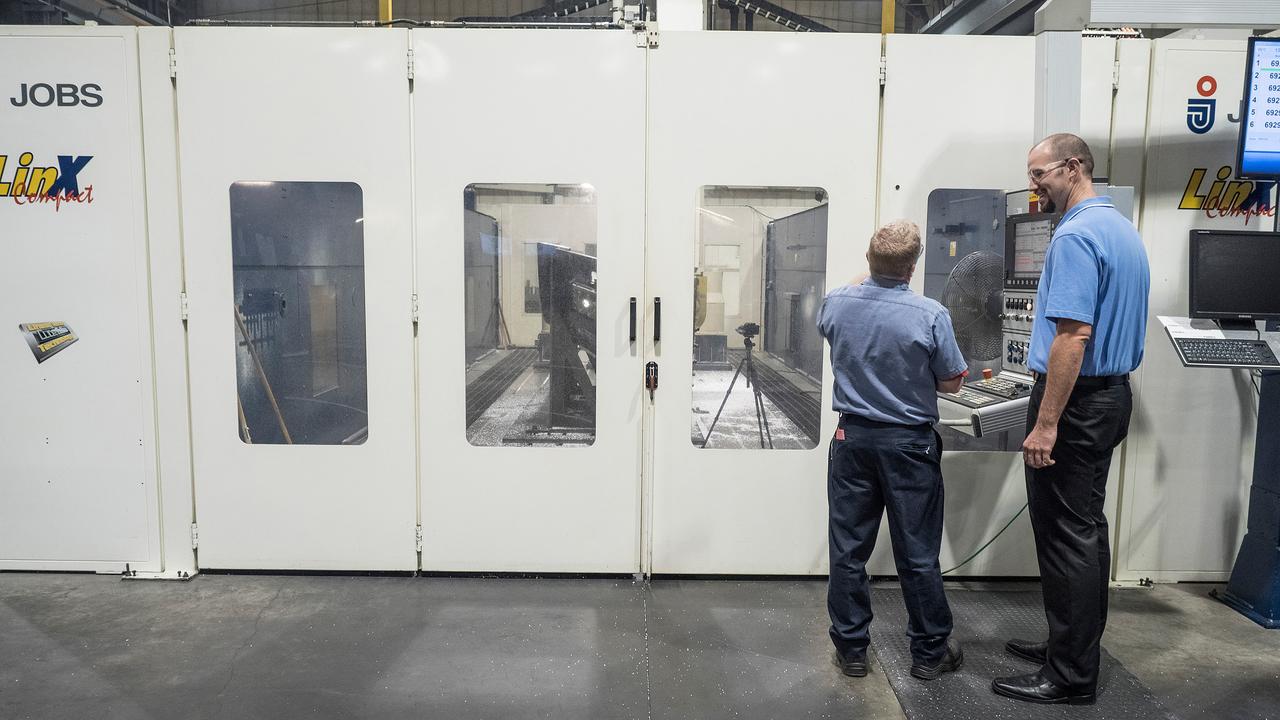
Robert Lightfoot visited the facility housing the seven-axis milling tool as it performs work on the Spacecraft and Payload Integration adapters for the Space Launch System Program at MSFC. After a short tour, he took a few moment to address the media and answer questions, including how ISERV is examining the damage done by the recent tornado outbreak in Oklahoma, and more information on NASA's asteroid mission.

Goddard's Ritsko Wins 2011 SAVE Award The winner of the 2011 SAVE Award is Matthew Ritsko, a Goddard financial manager. His tool lending library would track and enable sharing of expensive space-flight tools and hardware after projects no longer need them. This set of images represents the types of tools used at NASA. To read more go to: <a href="http://www.nasa.gov/topics/people/features/ritsko-save.html" rel="nofollow">www.nasa.gov/topics/people/features/ritsko-save.html</a> Dr. Doug Rabin (Code 671) and PI La Vida Cooper (Code 564) inspect engineering samples of the HAS-2 imager which will be tested and readout using a custom ASIC with a 16-bit ADC (analog to digital converter) and CDS (correlated double sampling) circuit designed by the Code 564 ASIC group as a part of an FY10 IRAD. The purpose of the IRAD was to develop and high resolution digitizer for Heliophysics applications such as imaging. Future goals for the collaboration include characterization testing and eventually a sounding rocket flight of the integrated system. *ASIC= Application Specific Integrated Circuit NASA/GSFC/Chris Gunn
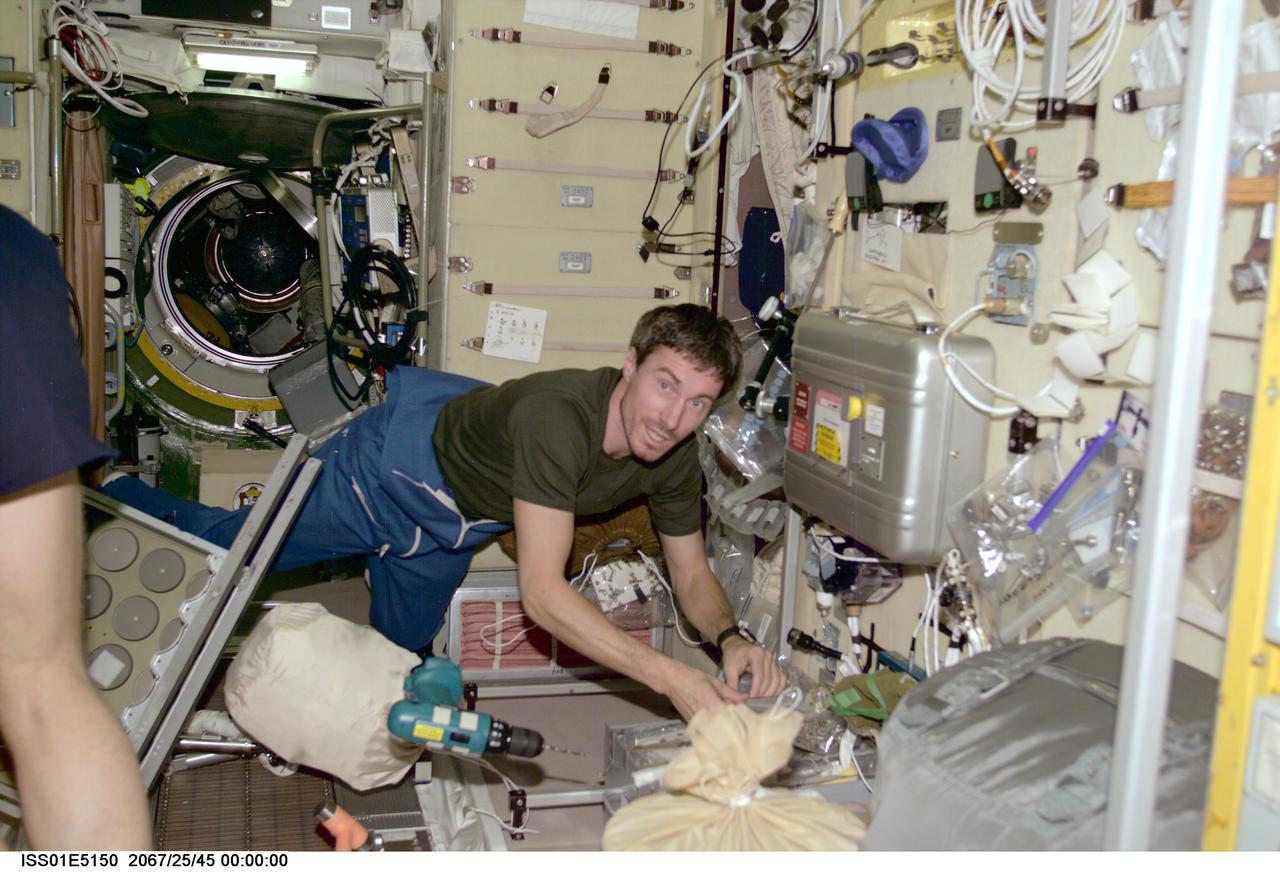
ISS01-E-5150 (December 2000) --- Cosmonaut Sergei K. Krikalev, Expedition One flight engineer, retrieves a tool during an installation and set-up session in the Zvezda service module aboard the International Space Station (ISS). The picture was recorded with a digital still camera.
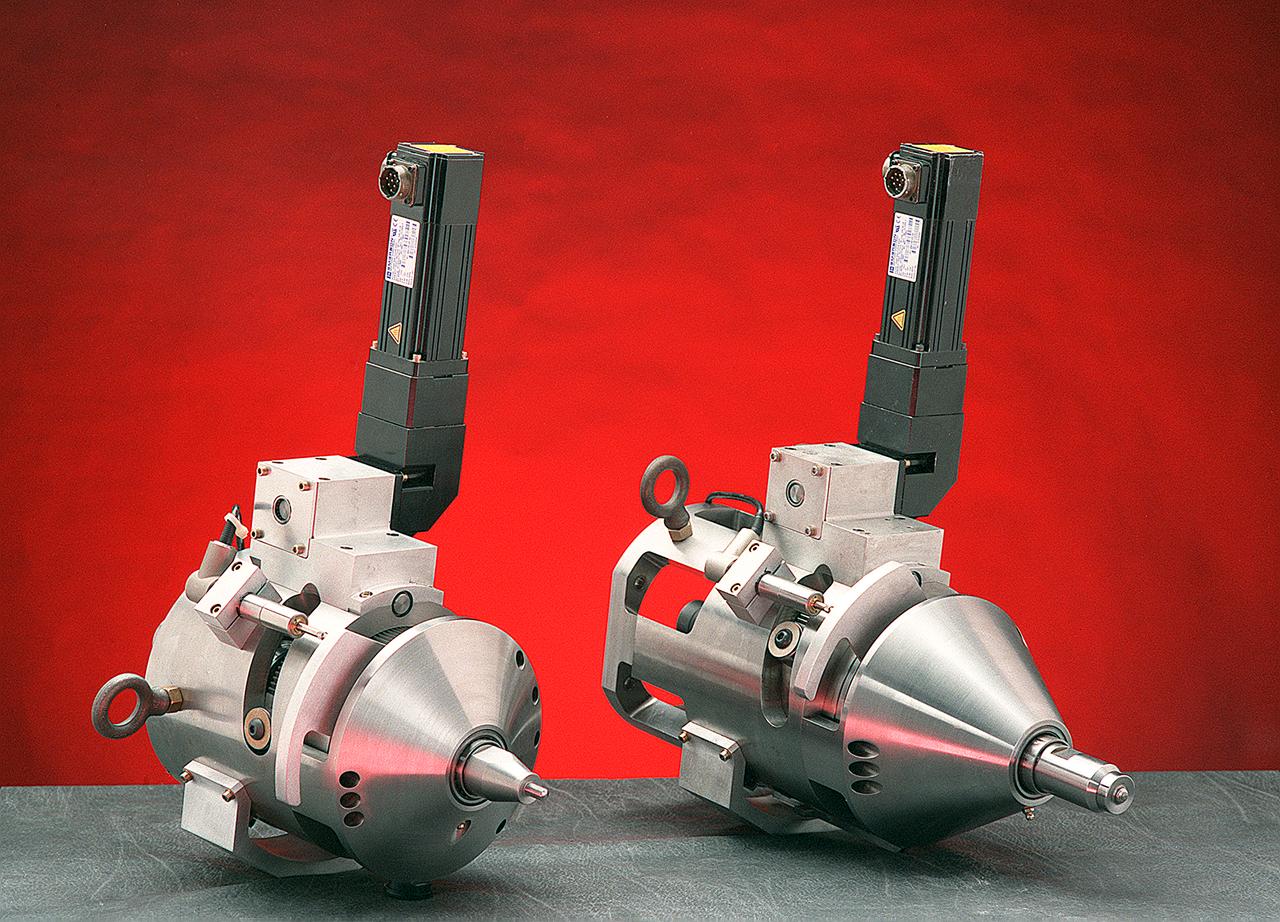
Two companies have successfully commercialized a specialized welding tool developed at the Marshall Space Flight Center (MSFC). Friction stir welding uses the high rotational speed of a tool and the resulting frictional heat created from contact to crush, "stir" together, and forge a bond between two metal alloys. It has had a major drawback, reliance on a single-piece pin tool. The pin is slowly plunged into the joint between two materials to be welded and rotated as high speed. At the end of the weld, the single-piece pin tool is retracted and leaves a "keyhole," something which is unacceptable when welding cylindrical objects such as drums, pipes and storage tanks. Another drawback is the requirement for different-length pin tools when welding materials of varying thickness. An engineer at the MSFC helped design an automatic retractable pin tool that uses a computer-controlled motor to automatically retract the pin into the shoulder of the tool at the end of the weld, preventing keyholes. This design allows the pin angle and length to be adjusted for changes in material thickness and results in a smooth hole closure at the end of the weld. Benefits of friction stir welding, using the MSFC retractable pin tool technology, include the following: The ability to weld a wide range of alloys, including previously unweldable and composite materials; provision of twice the fatigue resistance of fusion welds and no keyholes; minimization of material distortion; no creation of hazards such as welding fumes, radiation, high voltage, liquid metals, or arcing; automatic retraction of the pin at the end of the weld; and maintaining full penetration of the pin.
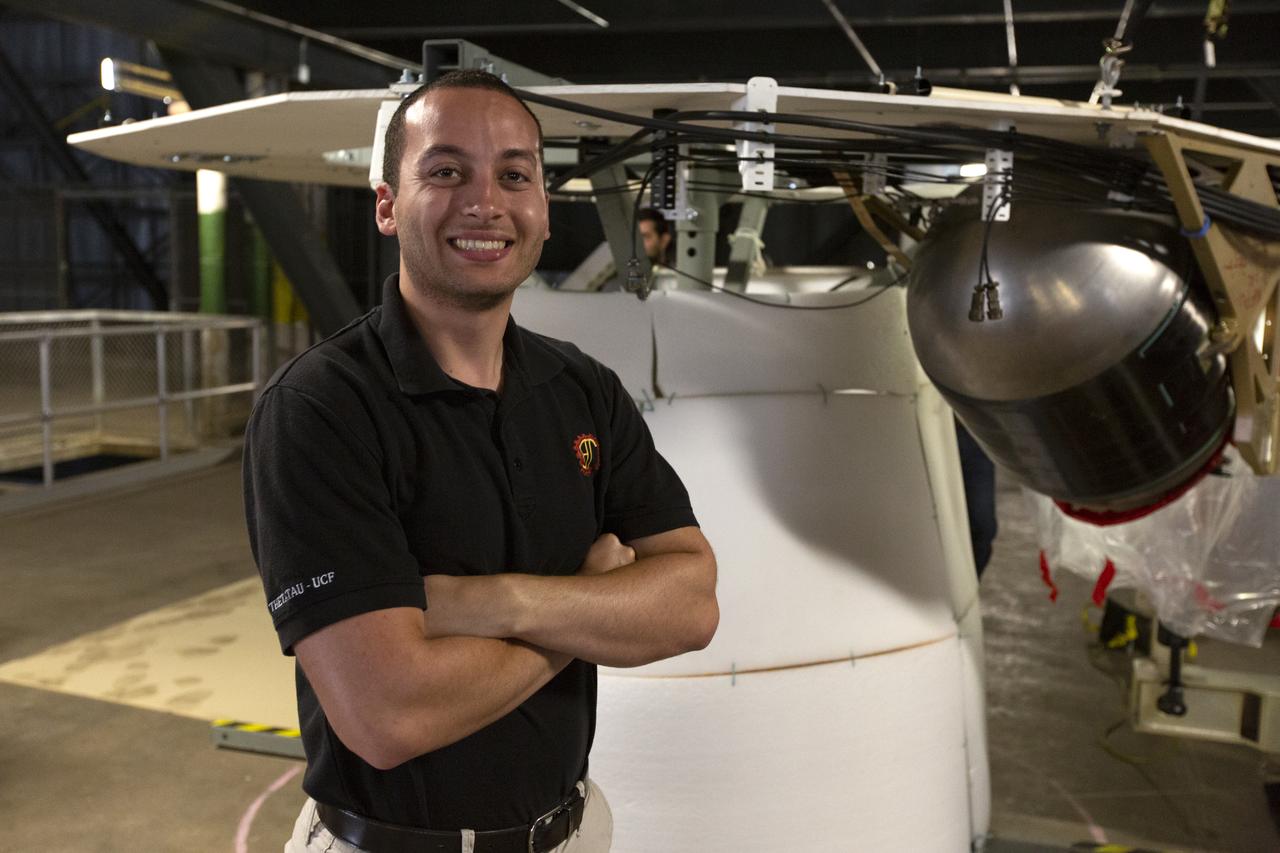
Christopher Di Taranto, a member of the mechanical structures engineering team on the Jacobs Test and Operations Contract, stands in front of an Interim Cryogenic Propulsion Stage (ICPS) mockup during the Space Launch System avionics handling tool demonstration inside Kennedy Space Center’s Vehicle Assembly Building on April 4, 2019. The demonstration showed that avionics boxes could be successfully mounted into the SLS rocket’s upper stage safely, and with low risk of damaging a closely located hydrazine tank. Avionics boxes include the Inertial Navigation and Control Assembly and flight batteries. Di Taranto led a team to quickly resolve a non-conformance issue with the tool.
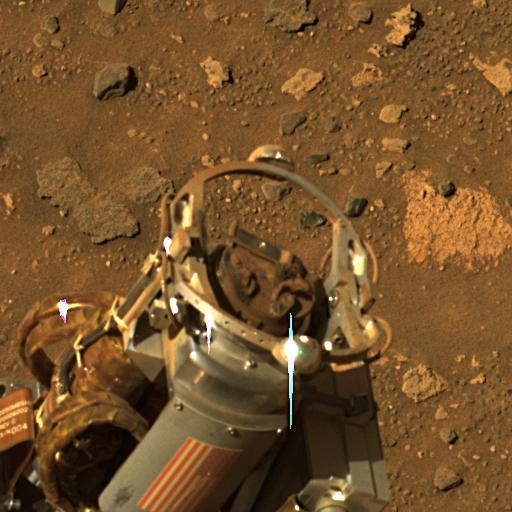
This image shows the round, metallic working end of the rock abrasion tool at the end of a metallic cylinder. The flat grinding face, attached brush, and much of the smooth, metallic exterior of cylinder are covered with a deep reddish-brown layer of dust
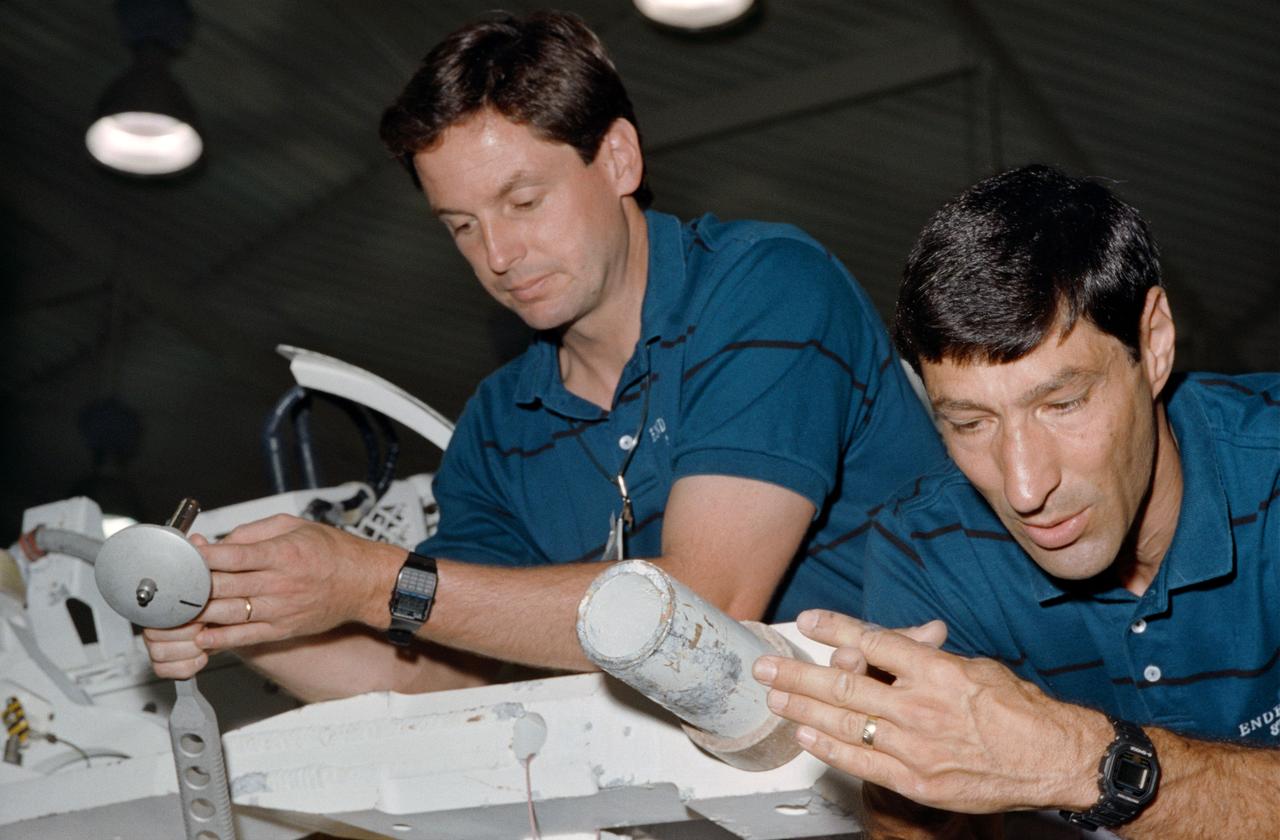
STS-54 Endeavour, Orbiter Vehicle (OV) 105, Mission Specialist 1 (MS1) Mario Runco, Jr (right) and MS2 Gregory J. Harbaugh, holding an ESSEX wrench, examine mockup and tools prior to an underwater simulation in JSC's Weightless Environment Training Facility (WETF) Bldg 29 pool. Runco and Harbaugh discuss the trunnion / payload retention latch assembly (PRLA) configuration.
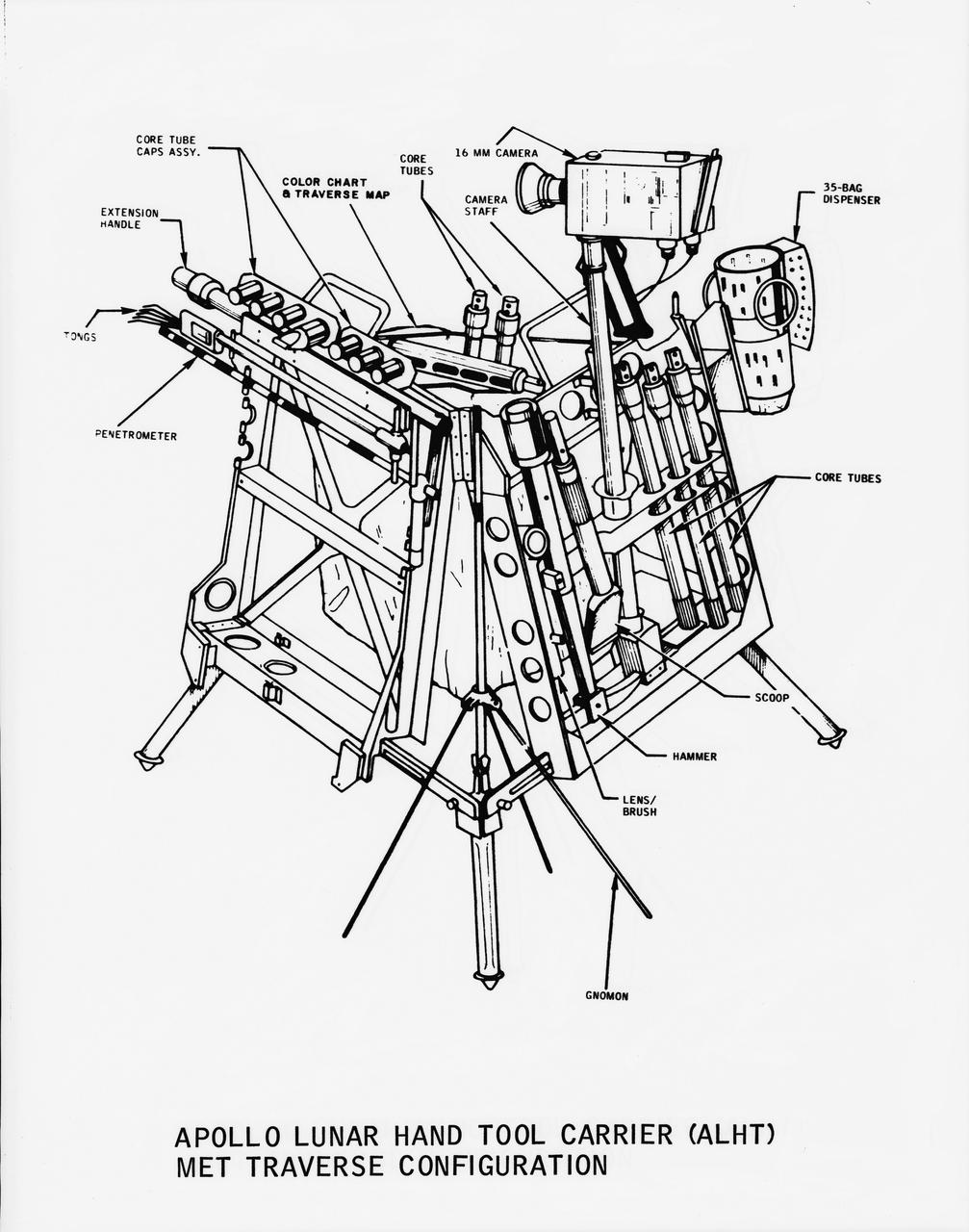
Line drawing of the Apollo Lunar Hand Tool Carrier (ALHT) MET Traverse Configuration for use during the Apollo 14 lunar landing mission
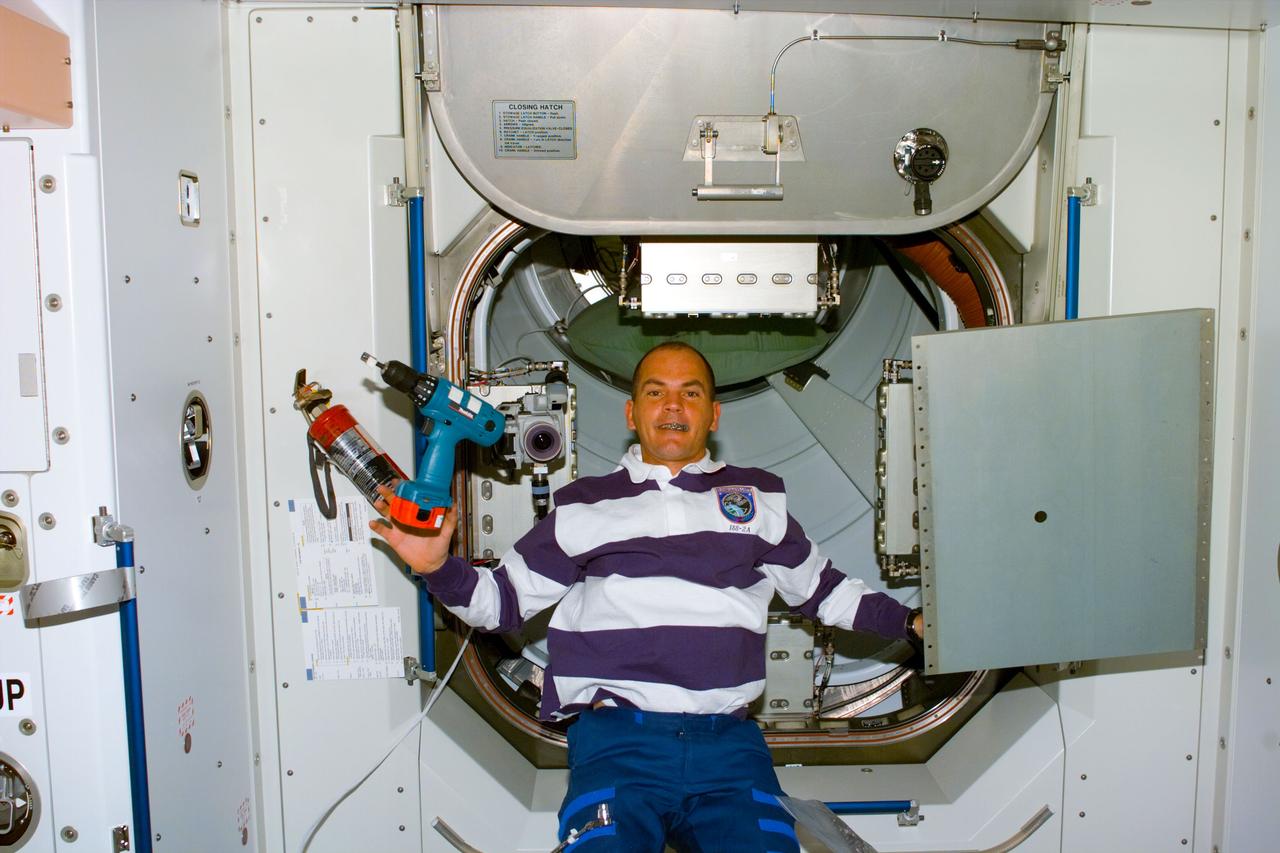
S88-E-5126 (12-11-98) --- Astronaut Frederick W. Sturckow, pilot, is pictured with a power tool near the hatchway between Unity and a pressurized mating adapter (PMA). Members of the STS-88 crew used this type tool and others to attach handrails and accessories and perform other tasks on Unity. The photo was taken with an electronic still camera (ESC) at 01:09:40 GMT, Dec. 11.
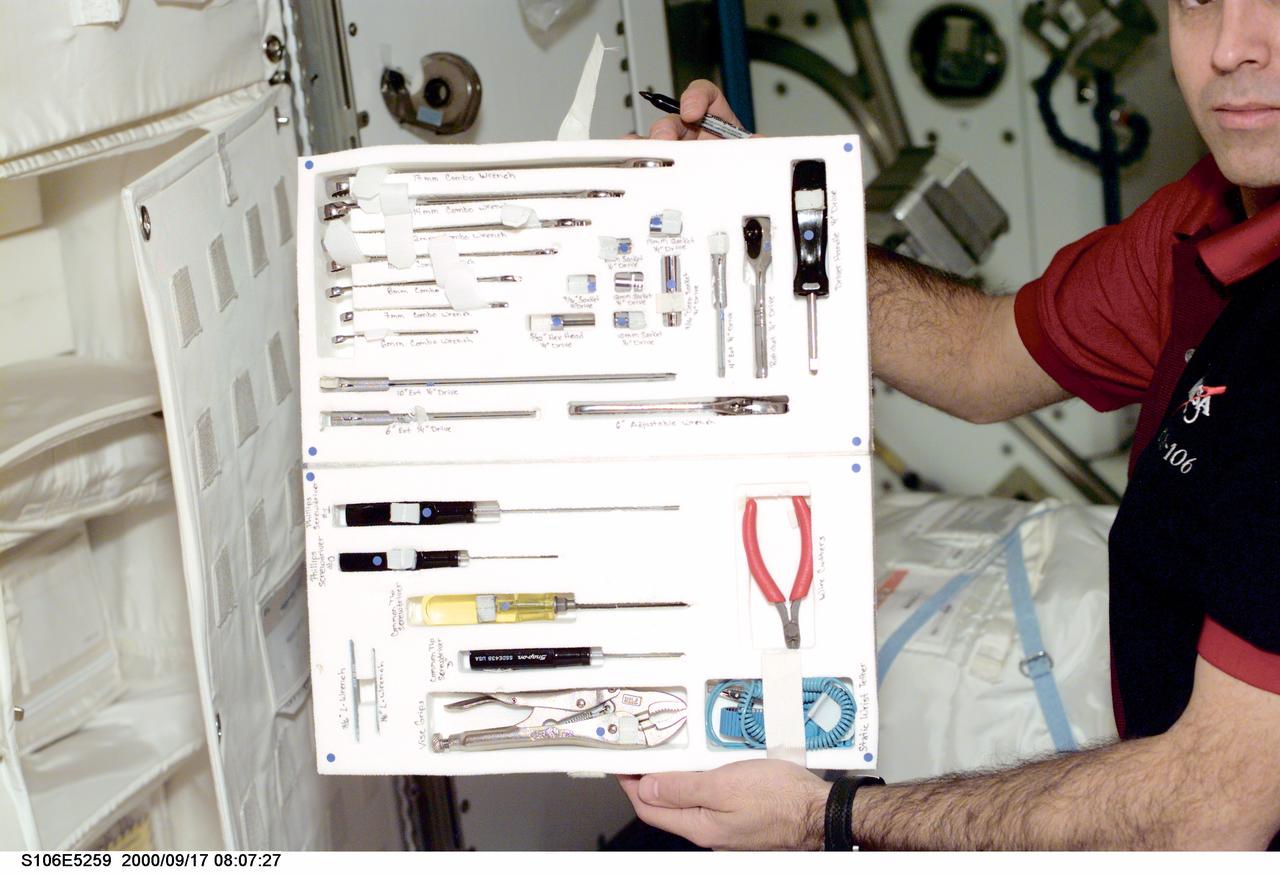
S106-E-5259 (17 September 2000) --- Tools that look much like those that you might find in any residential garage are being left onboard the International Space Station (ISS) for its future residents. Holding this set is astronaut Richard A. Mastracchio, partially out of frame. As any "handy person" will tell you, a variety of basic tools are a life-saver when any one of a number of contingencies arise.
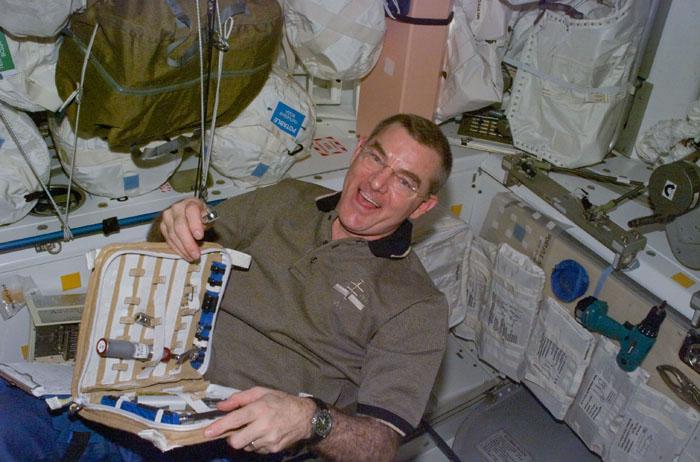
STS105-E-5175 (13 August 2001) --- Astronaut James S. Voss, retrieves a small tool from a tool case in the U.S.-built Unity node aboard the International Space Station (ISS). The Expedition Two flight engineer is only days away from returning to Earth following five months aboard the orbital outpost. The image was recorded with a digital still camera.