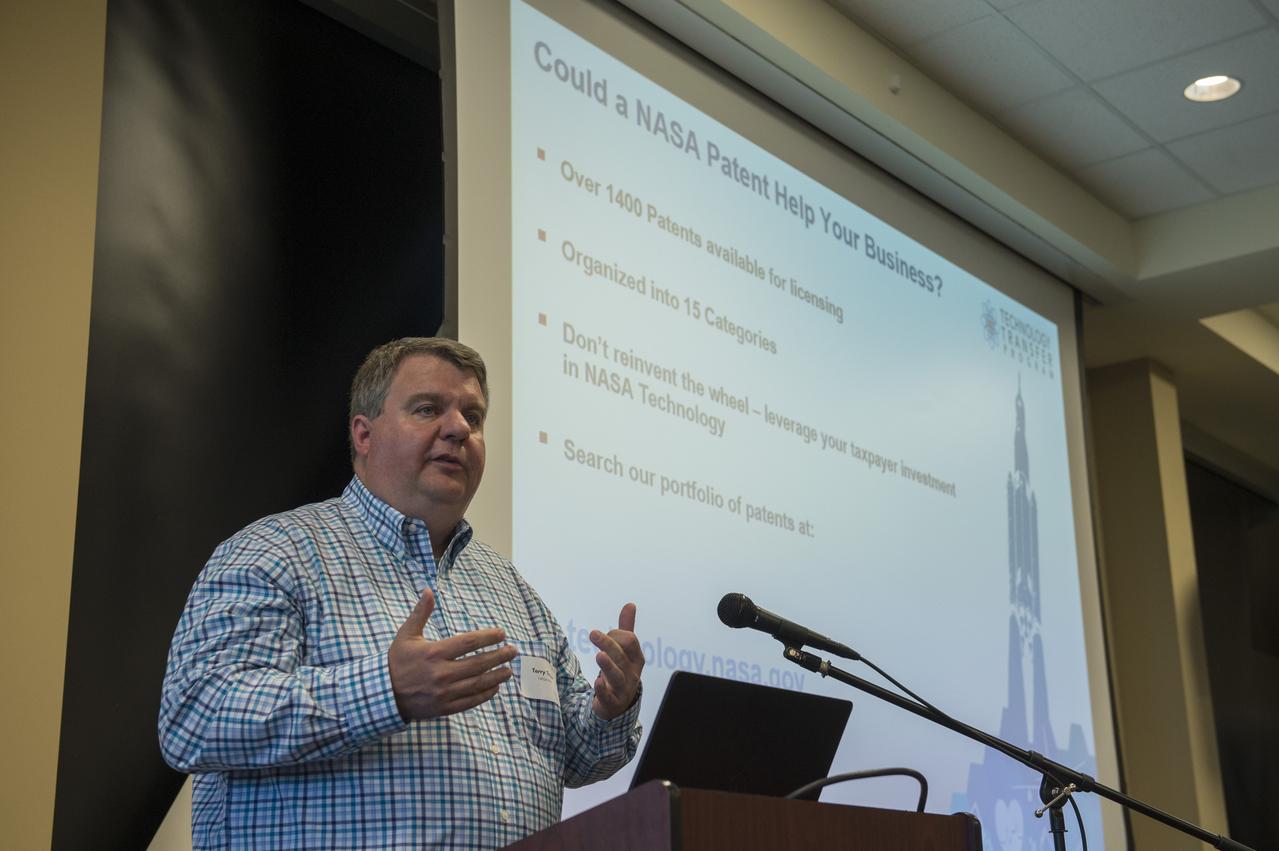
Terry Taylor speaks at Geek @ Geek event at Aegis Technologies
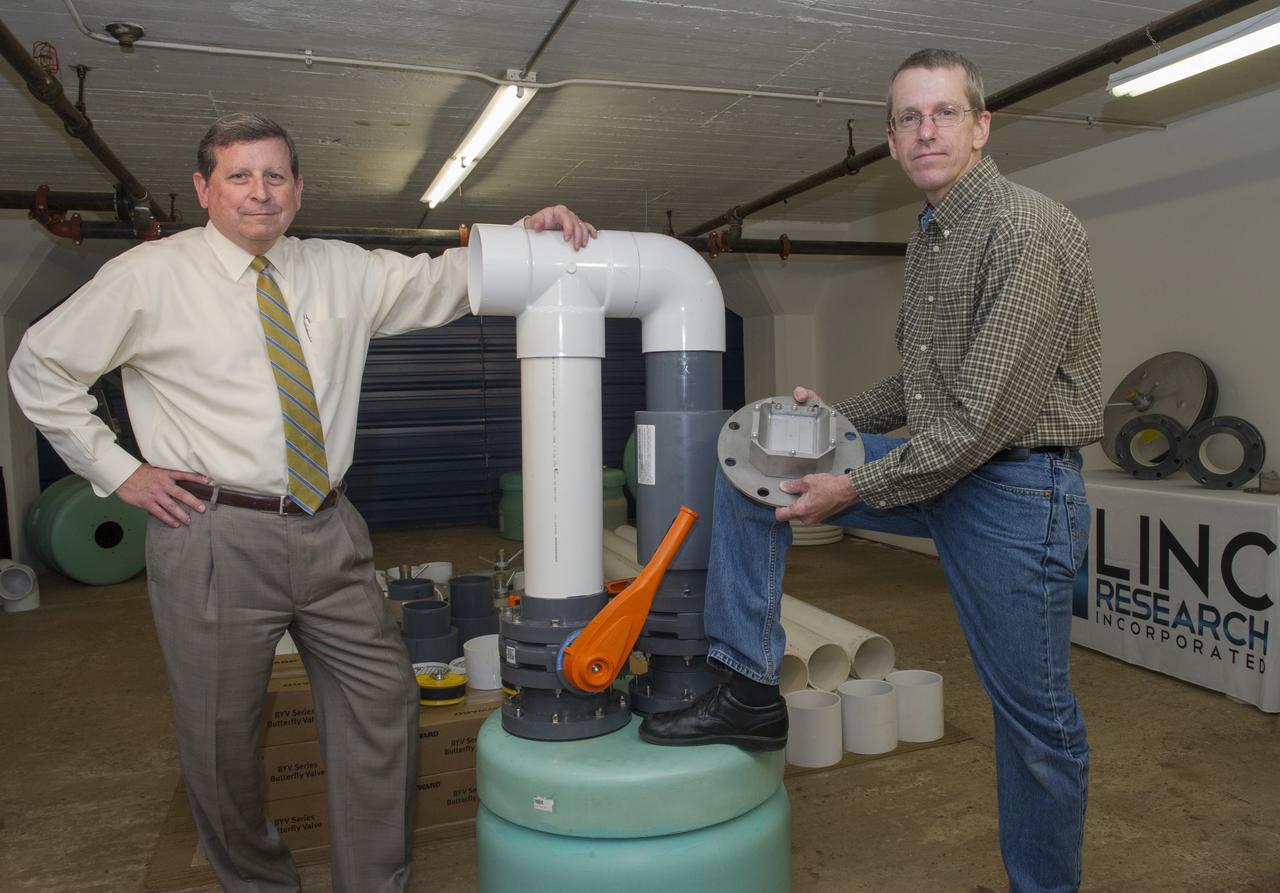
CURTIS O. TAYLOR, PRESIDENT OF LINC RESEARCH CORP, (L), AND JEFF LINDNER, CHIEF ENGINEER, POSE WITH HARDWARE FOR THEIR PATENTED TECHNOLOGY, FLUID STRUCTURE COUPLING, WHICH USES SIMPLE PHYSICS TO DAMPEN POTENTIALLY HARMFUL SHAKING IN STRUCTURES. INSTALLATION OF THE FLUID STRUCTURE COUPLING TECHNOLOGY IN A BUILDING WILL TAKE PLACE IN SUMMER OF 2016.
 (25)/Eclipse Photo Talk (Taylor Mickal) (25)~medium.jpg)
Stitched Panorama
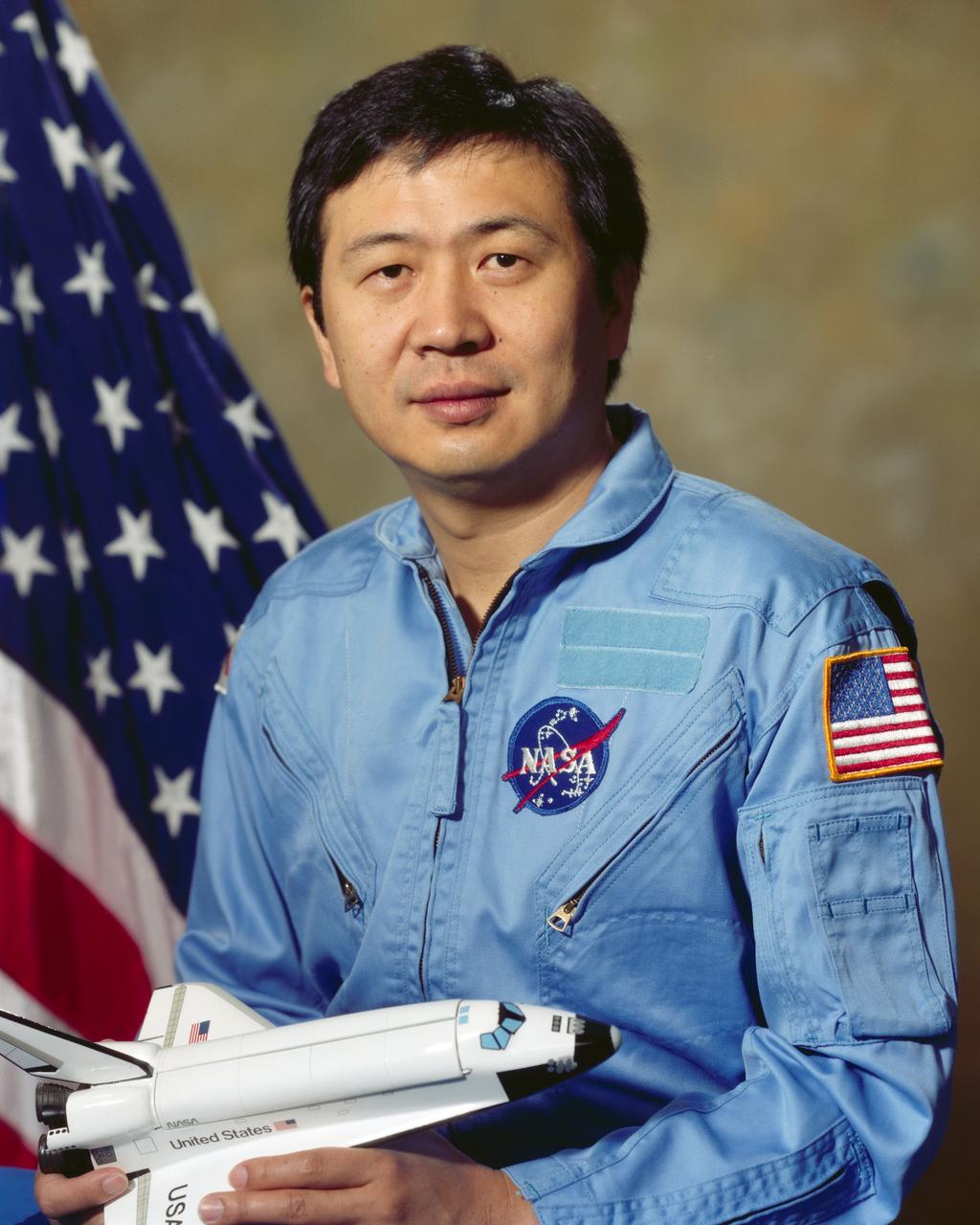
S84-36141 (20 June 1984) --- Astronaut Taylor E. Wang, payload specialist.
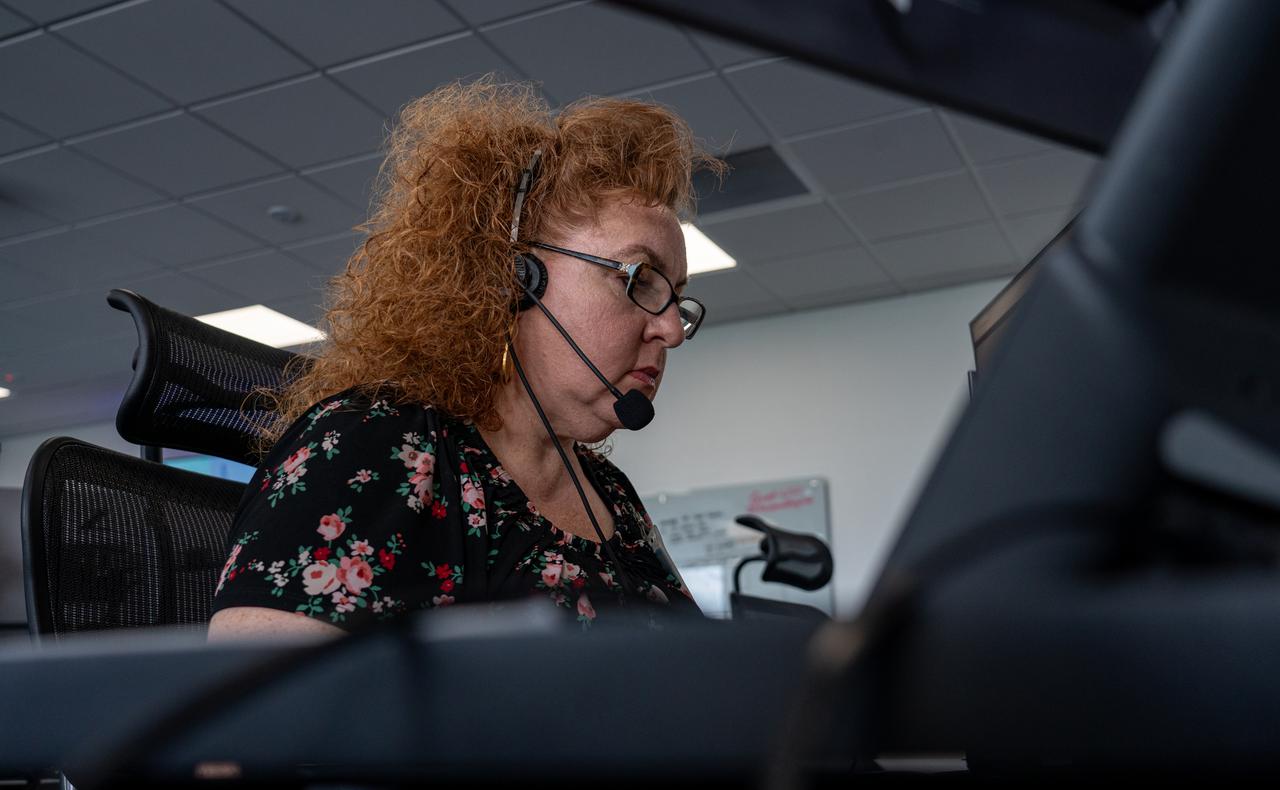
Coleen Taylor, deputy chief Safety and Mission Assurance officer for NASA’s Launch Services Program, participates in rehearsal launch operations for the National Oceanic and Atmospheric Administration (NOAA) GOES-U (Geostationary Operational Environmental Satellite U) mission inside Hangar X at NASA’s Kennedy Space Center in Florida on Monday, June 17, 2024. The GOES-U satellite, the final addition to GOES-R series, serves a critical role in providing continuous coverage of the Western Hemisphere, including monitoring tropical systems in the eastern Pacific and Atlantic oceans.
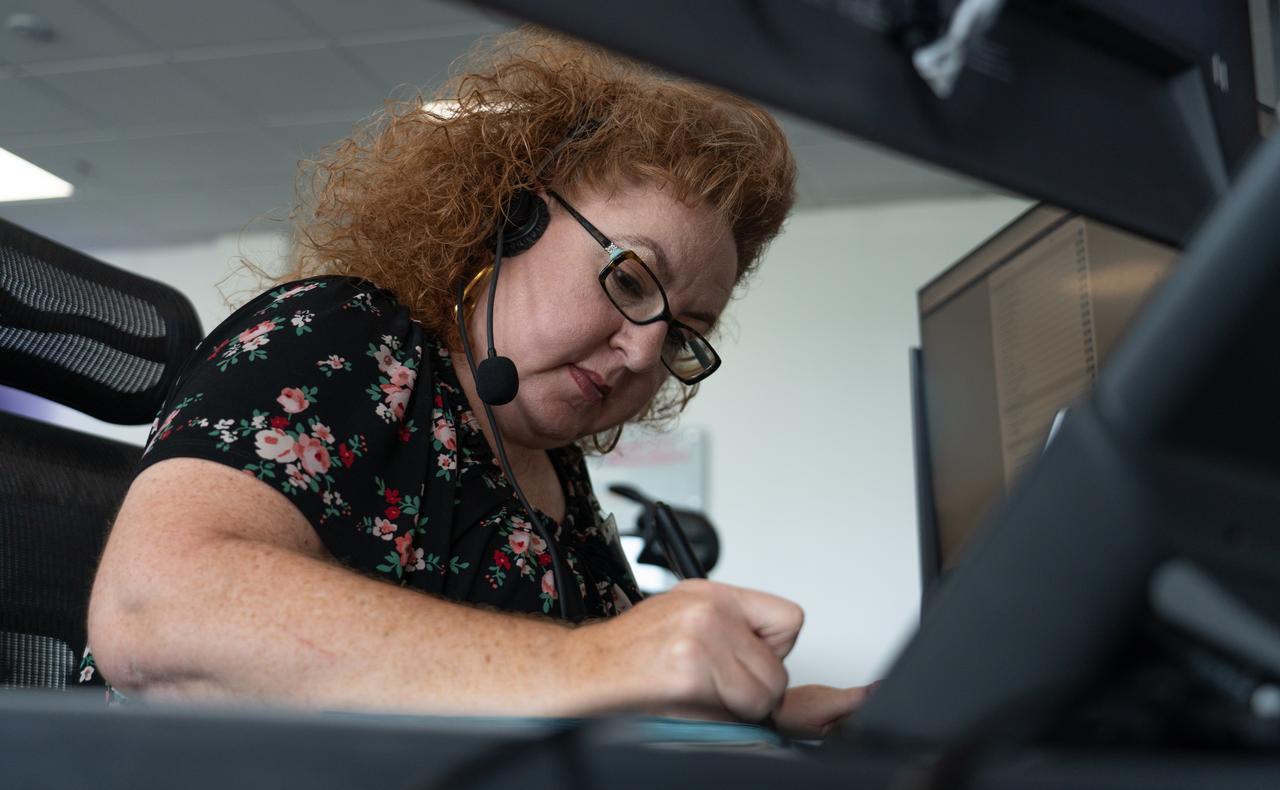
Coleen Taylor, deputy chief Safety and Mission Assurance officer for NASA’s Launch Services Program, participates in rehearsal launch operations for the National Oceanic and Atmospheric Administration (NOAA) GOES-U (Geostationary Operational Environmental Satellite U) mission inside Hangar X at NASA’s Kennedy Space Center in Florida on Monday, June 17, 2024. The GOES-U satellite, the final addition to GOES-R series, serves a critical role in providing continuous coverage of the Western Hemisphere, including monitoring tropical systems in the eastern Pacific and Atlantic oceans.
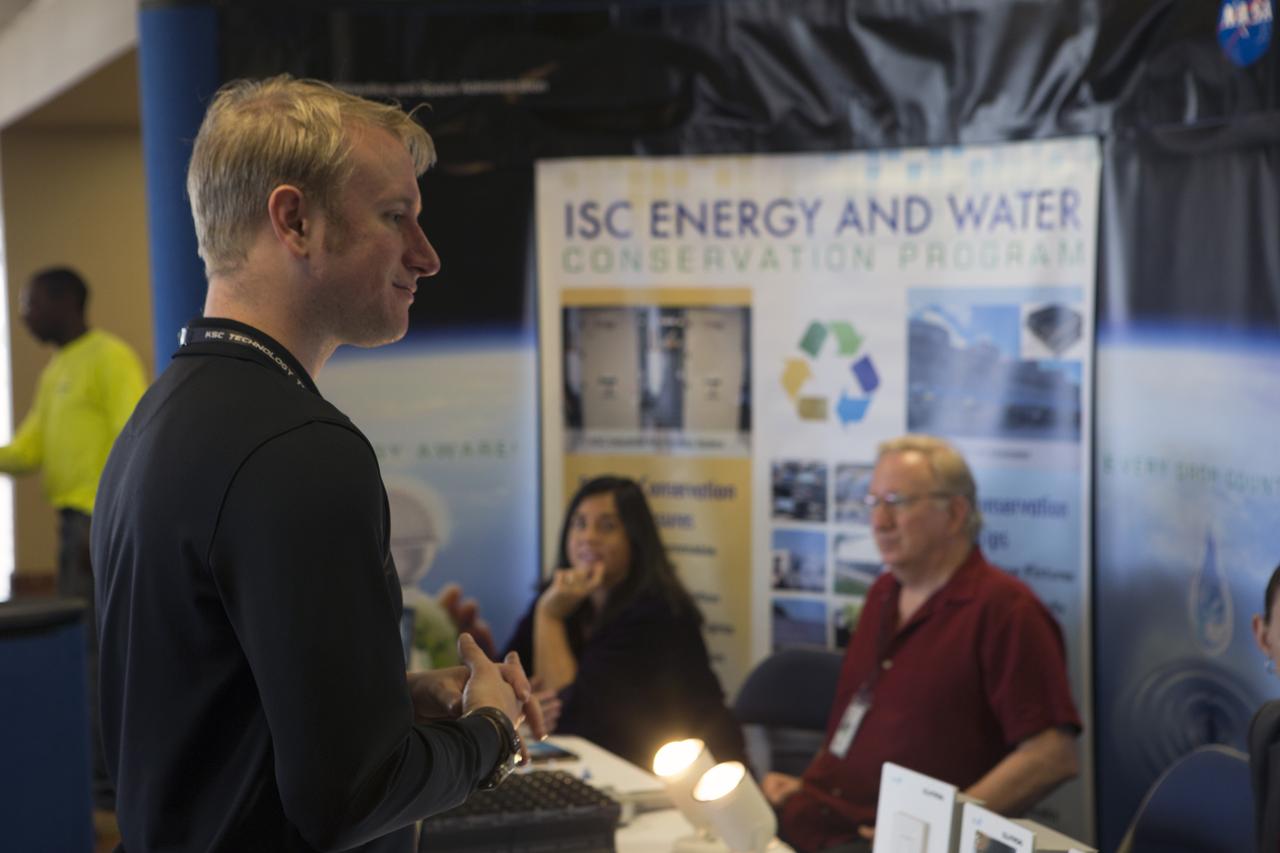
Cory Taylor, an energy and water conservation specialist at Kennedy Space Center, absorbs information at the Multi-Function Facility on Oct. 20. Every third Thursday of October, civil servants, contractors and several energy utilities promote the awareness of our sustainability goals at Kennedy Space Center and at home. Photo credit: Cory Huston
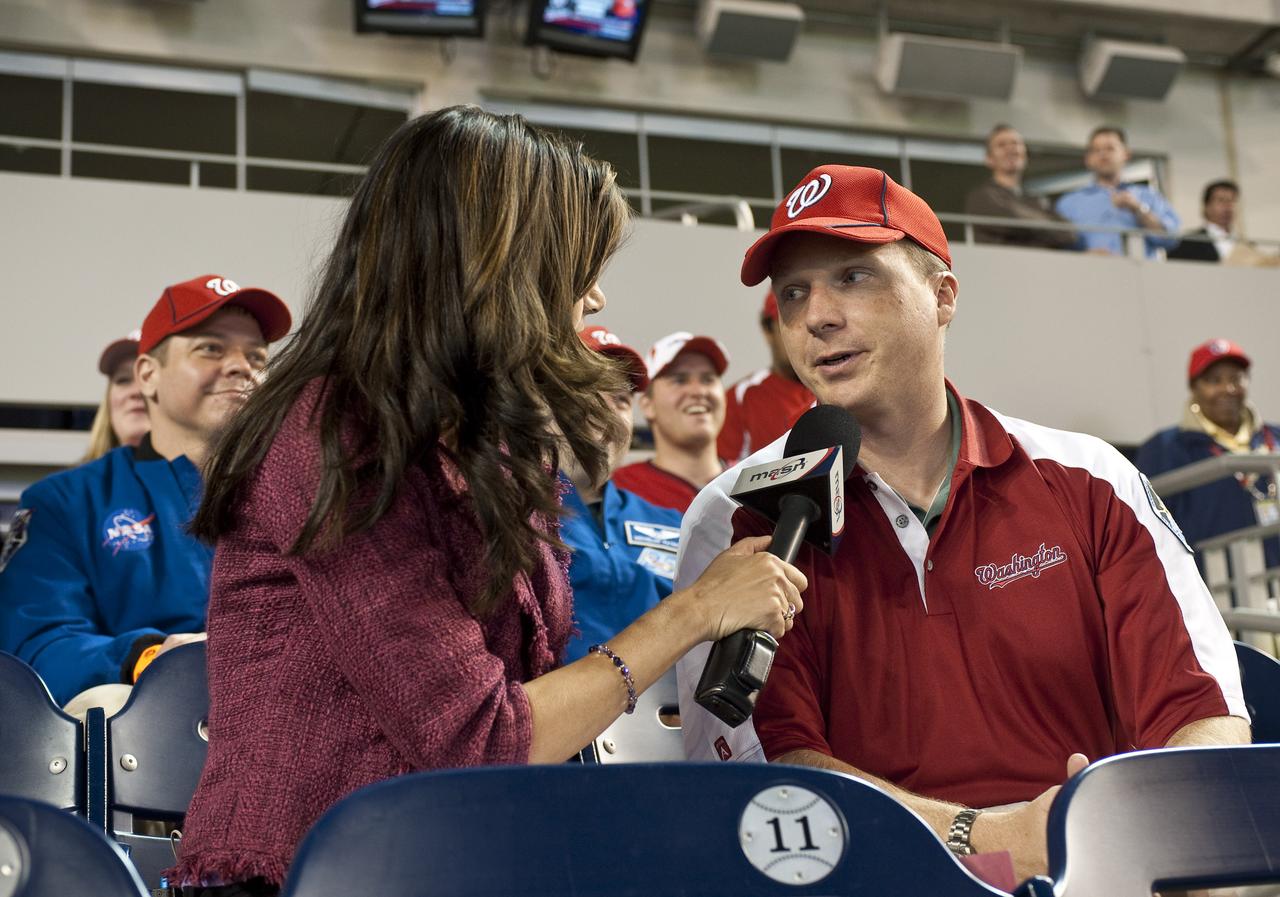
NASA STS-130 Pilot Terry Virts, right, is interviewed by Mid-Atlantic Sports Network (MASN) reporter Debbie Taylor at Nationals Park Tuesday, April 20, 2010, in Washington. Photo Credit: (NASA/Carla Cioffi)

Strategic Integration & Management Division Director Alotta Taylor, right, answers questions during a high school student engagement event, Thursday, July 6, 2023, at the Mary W. Jackson NASA Headquarters building in Washington. Photo Credit: (NASA/Keegan Barber)
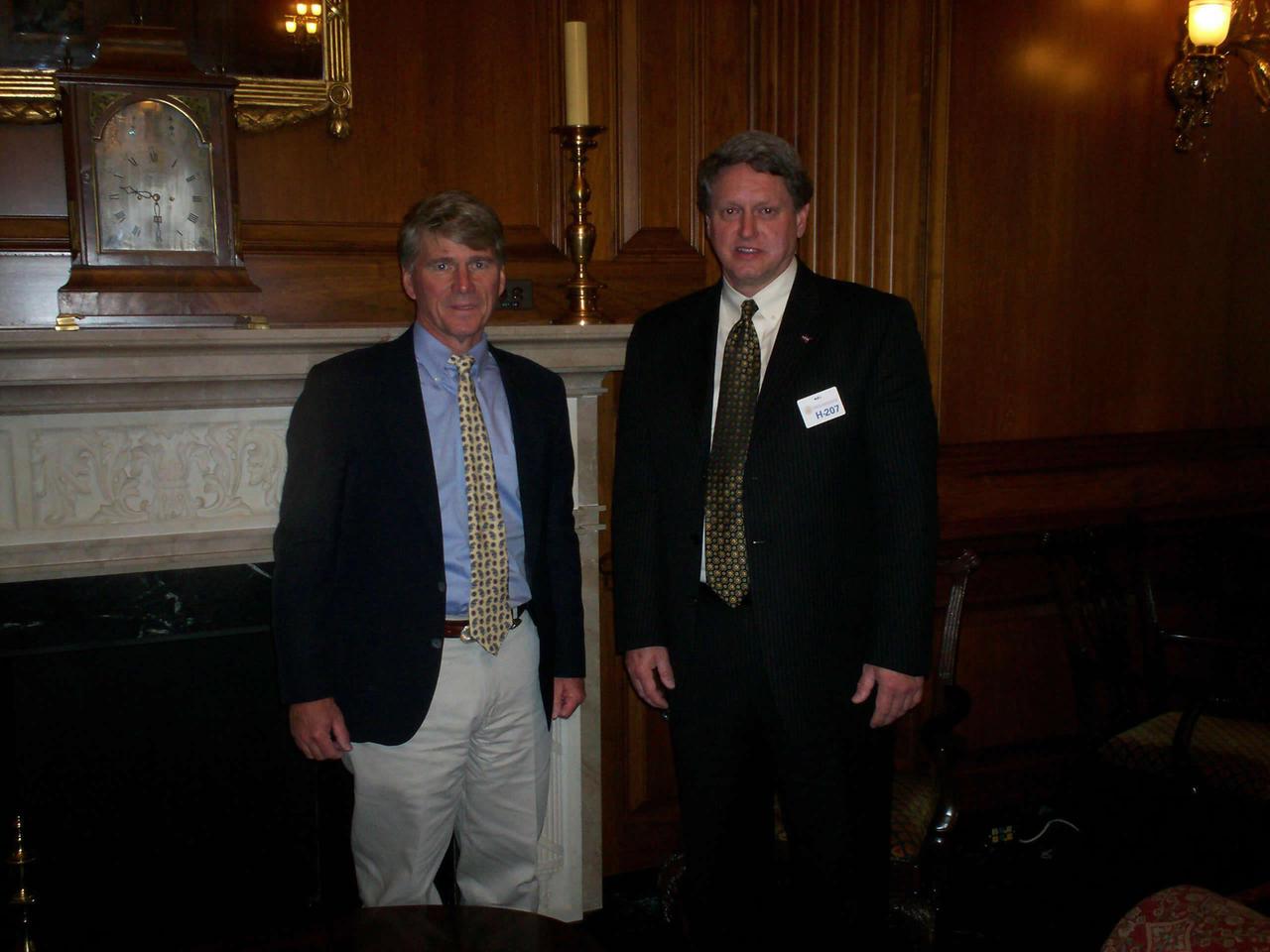
Stennis Space Center Director Gene Goldman (right) visited Washington, D.C,. last month, where he called on Louisiana and Mississippi leaders to update them on work at the rocket engine testing facility. Rep. Gene Taylor, D-Miss., was among those visited by Goldman on March 24.
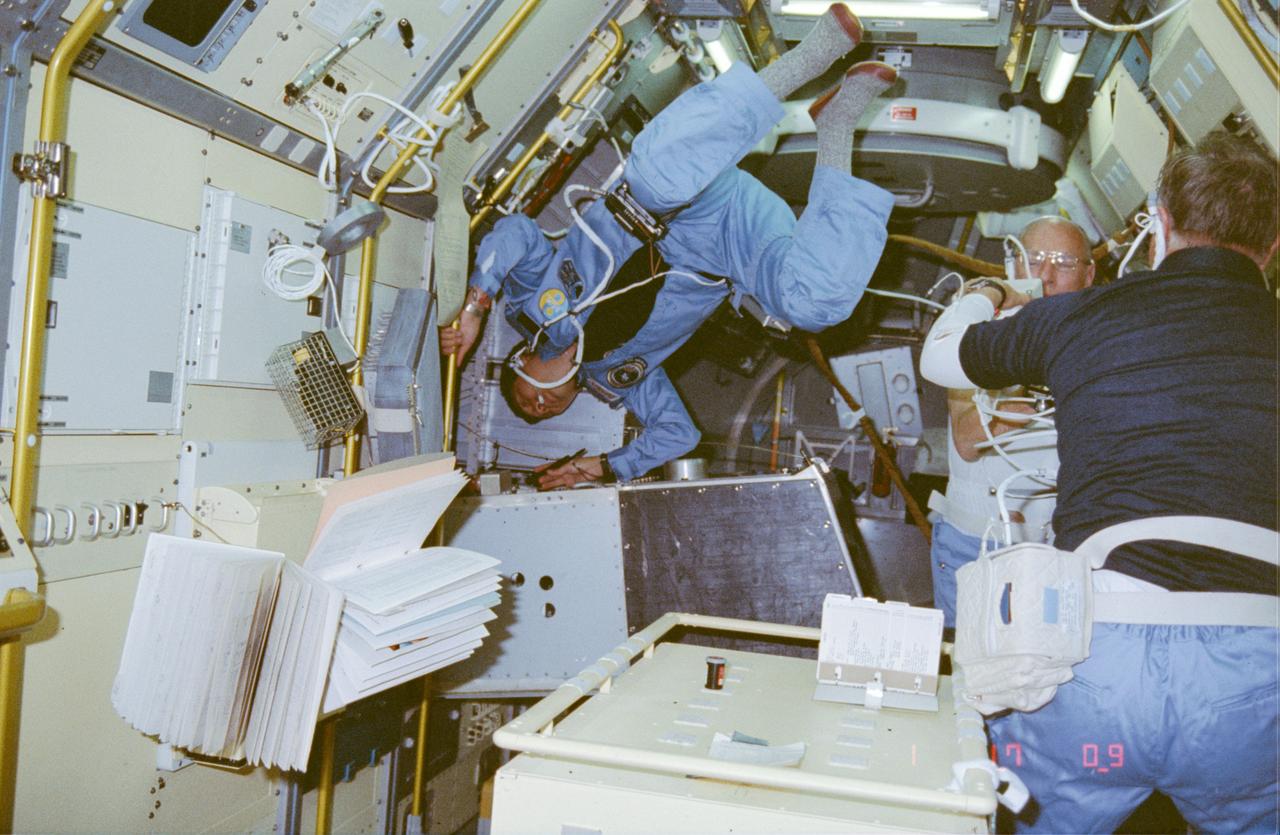
51B-03-035 (29 April-6 May 1985) --- Payload specialist Taylor G. Wang performs a repair task on the Drop Dynamics Module (DDM) in the Science Module aboard the Earth-orbiting Space Shuttle Challenger. The photo was taken with a 35mm camera. Dr. Wang is principal investigator for the first time-to-fly experiment, developed by his team at NASA?s Jet Propulsion Laboratory (JPL), Pasadena, California. This photo was among the first to be released by NASA upon return to Earth by the Spacelab 3 crew.
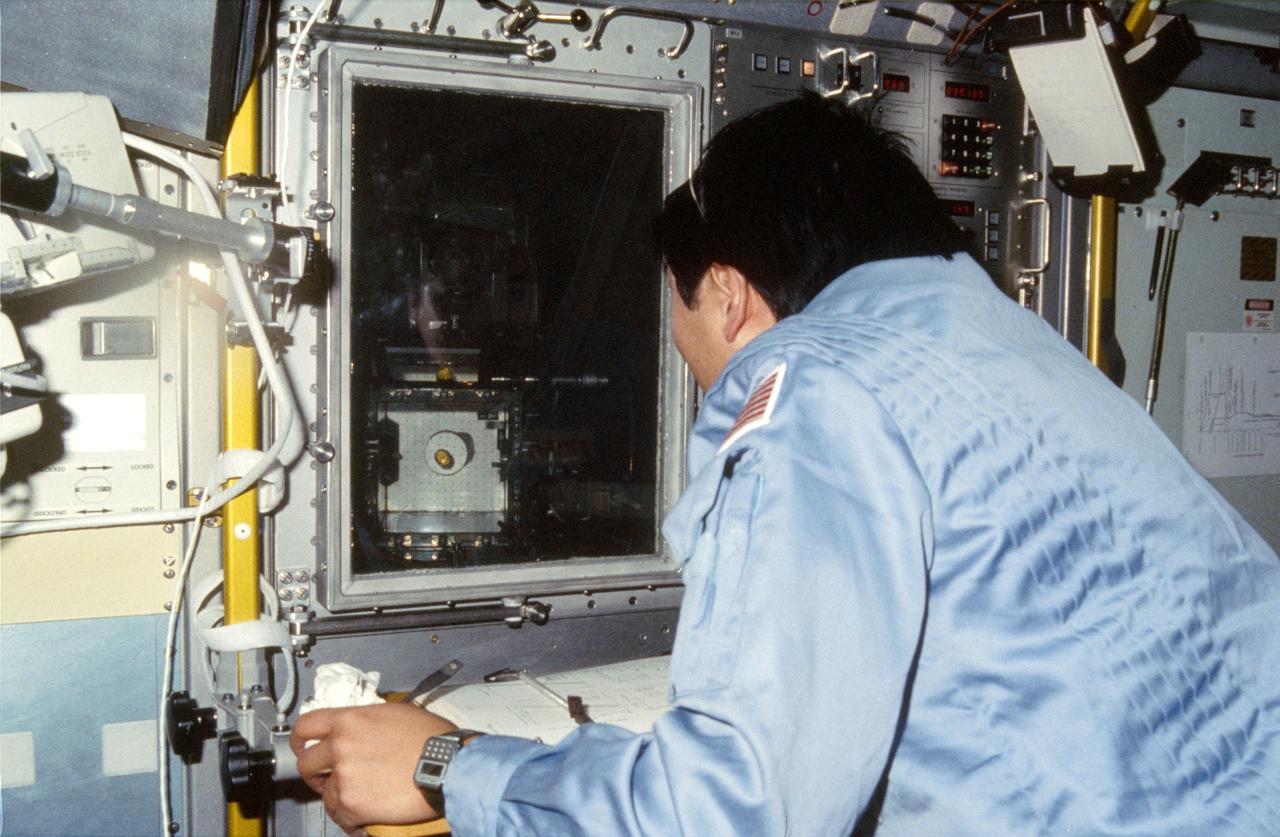
51B-14-038 (29 April-6 May 1985) --- Payload specialist Taylor G. Wang manipulates a 1.5 centimeter diameter sphere in the Drop Dynamics Module (DDM) in the science module aboard the earth-orbiting Space Shuttle Challenger. The photo was taken with a 35mm camera. Dr. Wang is principal investigator for the first-time-to-fly experiment, developed by his team at NASA's Jet Propulsion Laboratory (JPL) in Pasadena, California. This photo was one of the first released by NASA upon return to earth of the Spacelab 3 crewmembers.
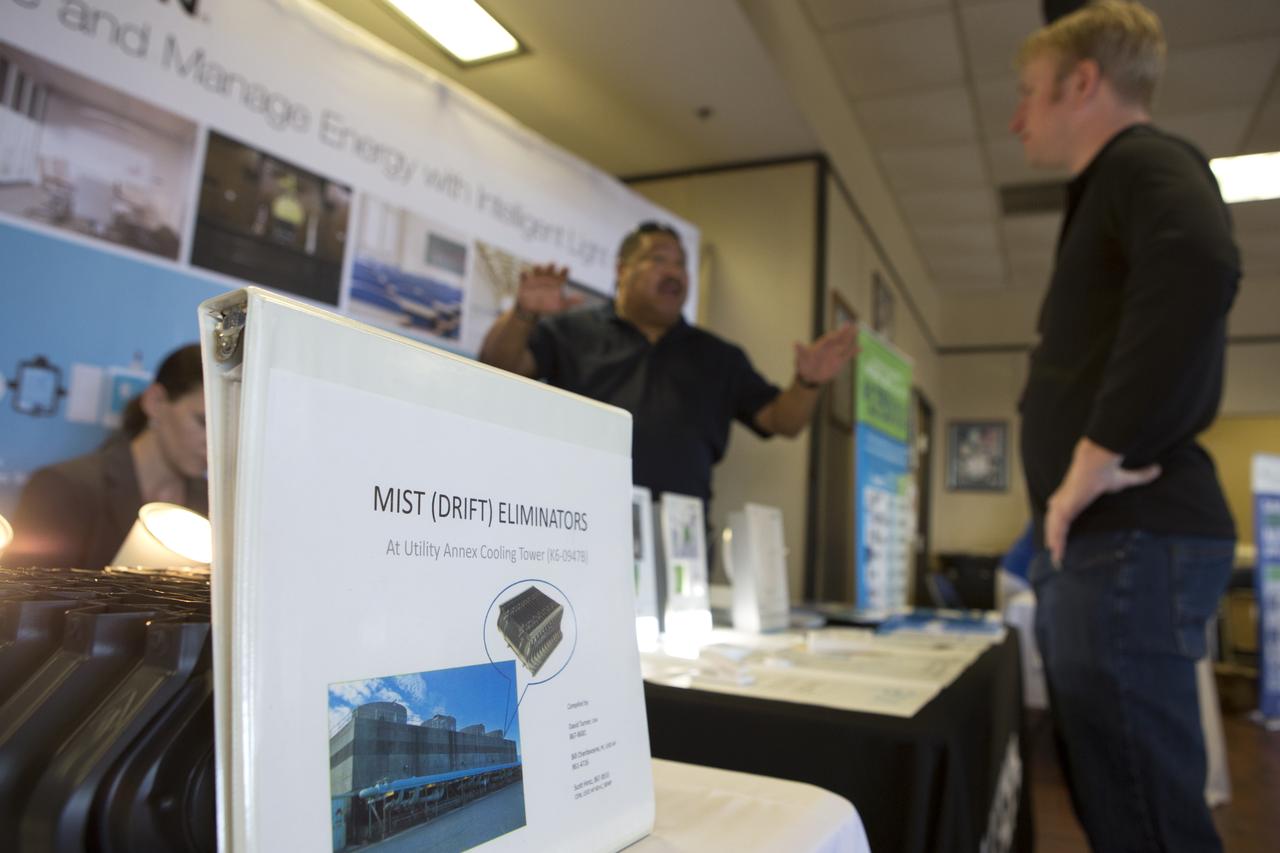
Cory Taylor, an energy and water conservation specialist at Kennedy Space Center, absorbs information from Mark Gonzalez, a sales engineer with MC2 during Energy Awareness Day at the Multi-Function Facility on Oct. 20. Every third Thursday of October, civil servants, contractors and several energy utilities promote the awareness of our sustainability goals at Kennedy Space Center and at home. Photo credit: Cory Huston
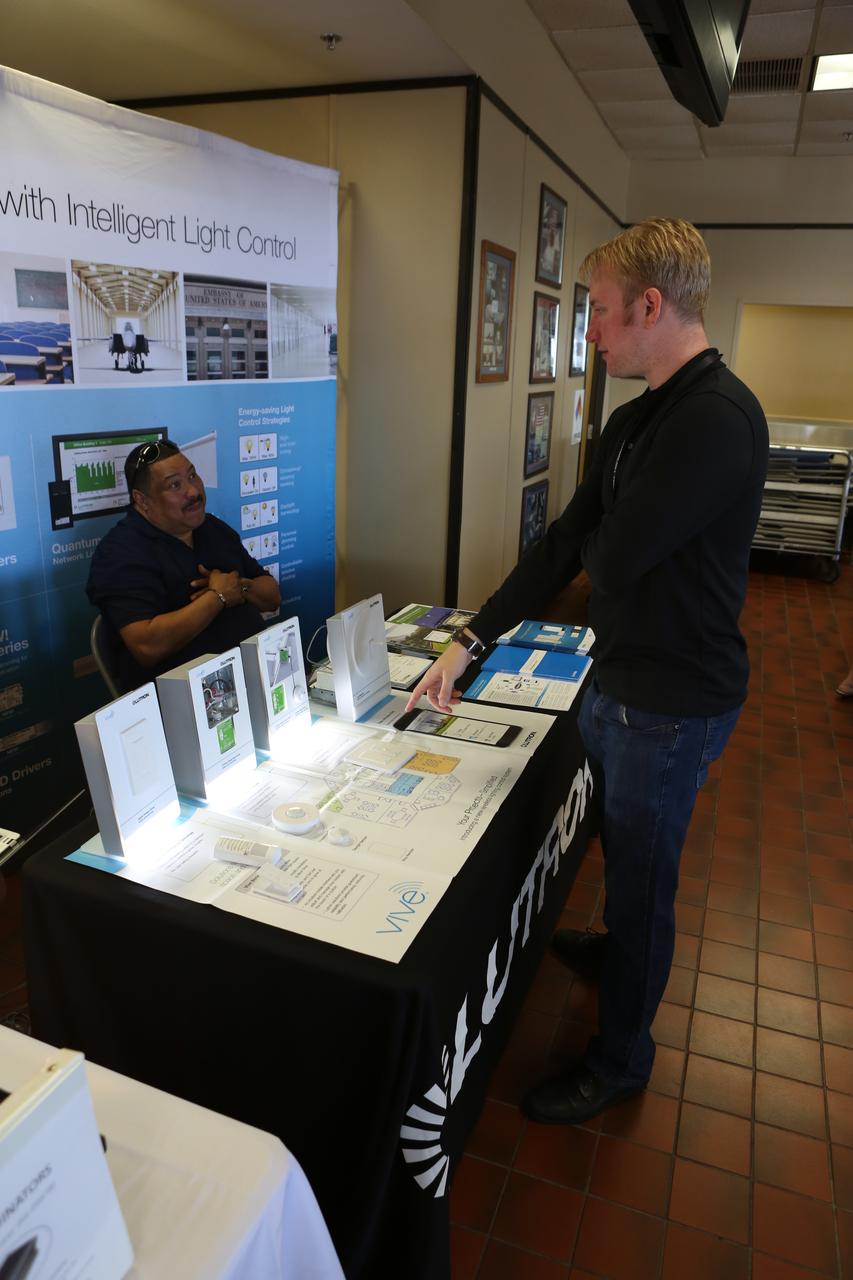
Cory Taylor, an energy and water conservation specialist at Kennedy Space Center, absorbs information from Mark Gonzalez, a sales engineer with MC2 during Energy Awareness Day at the Multi-Function Facility on Oct. 20. Every third Thursday of October, civil servants, contractors and several energy utilities promote the awareness of our sustainability goals at Kennedy Space Center and at home. Photo credit: Cory Huston
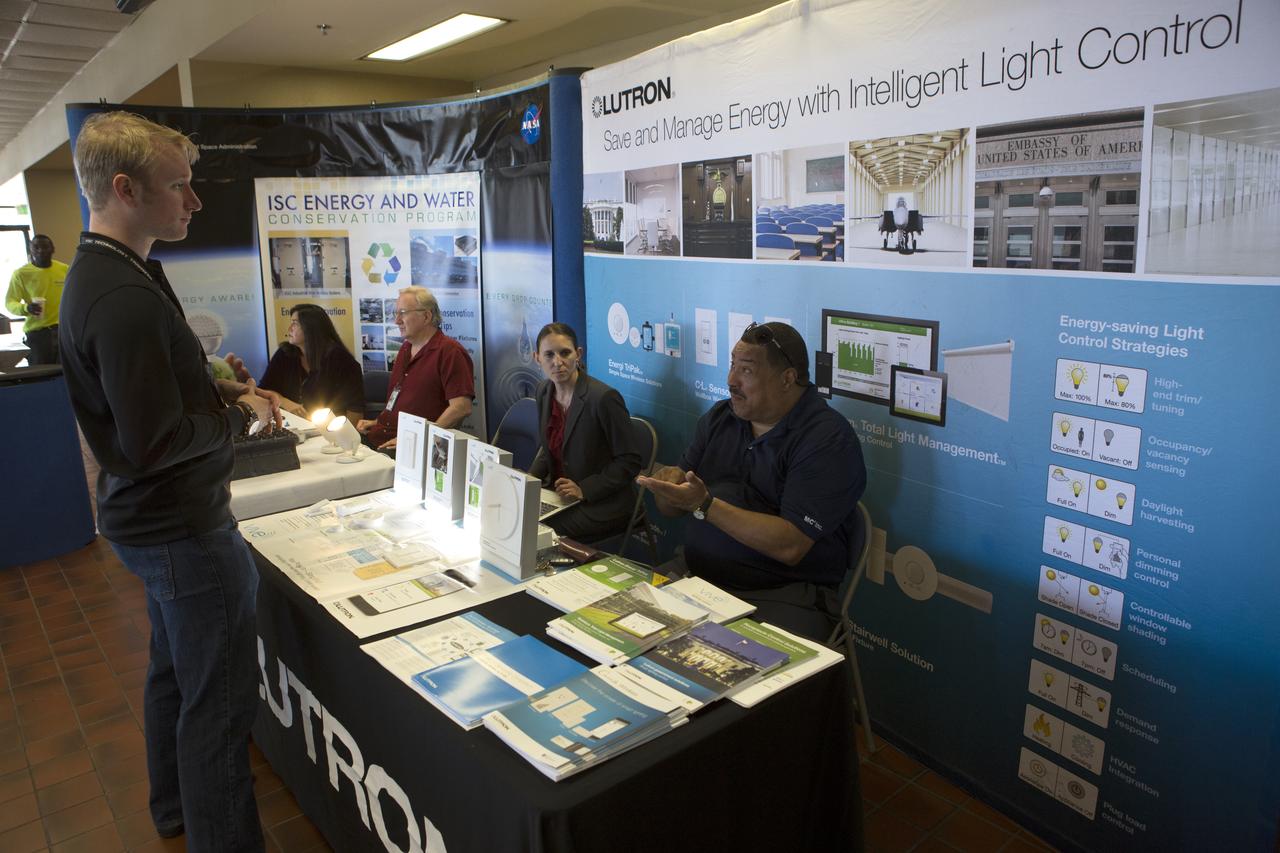
Cory Taylor, an energy and water conservation specialist at Kennedy Space Center, absorbs information from Mark Gonzalez, a sales engineer with MC2 during Energy Awareness Day at the Multi-Function Facility on Oct. 20. Every third Thursday of October, civil servants, contractors and several energy utilities promote the awareness of our sustainability goals at Kennedy Space Center and at home. Photo credit: Cory Huston
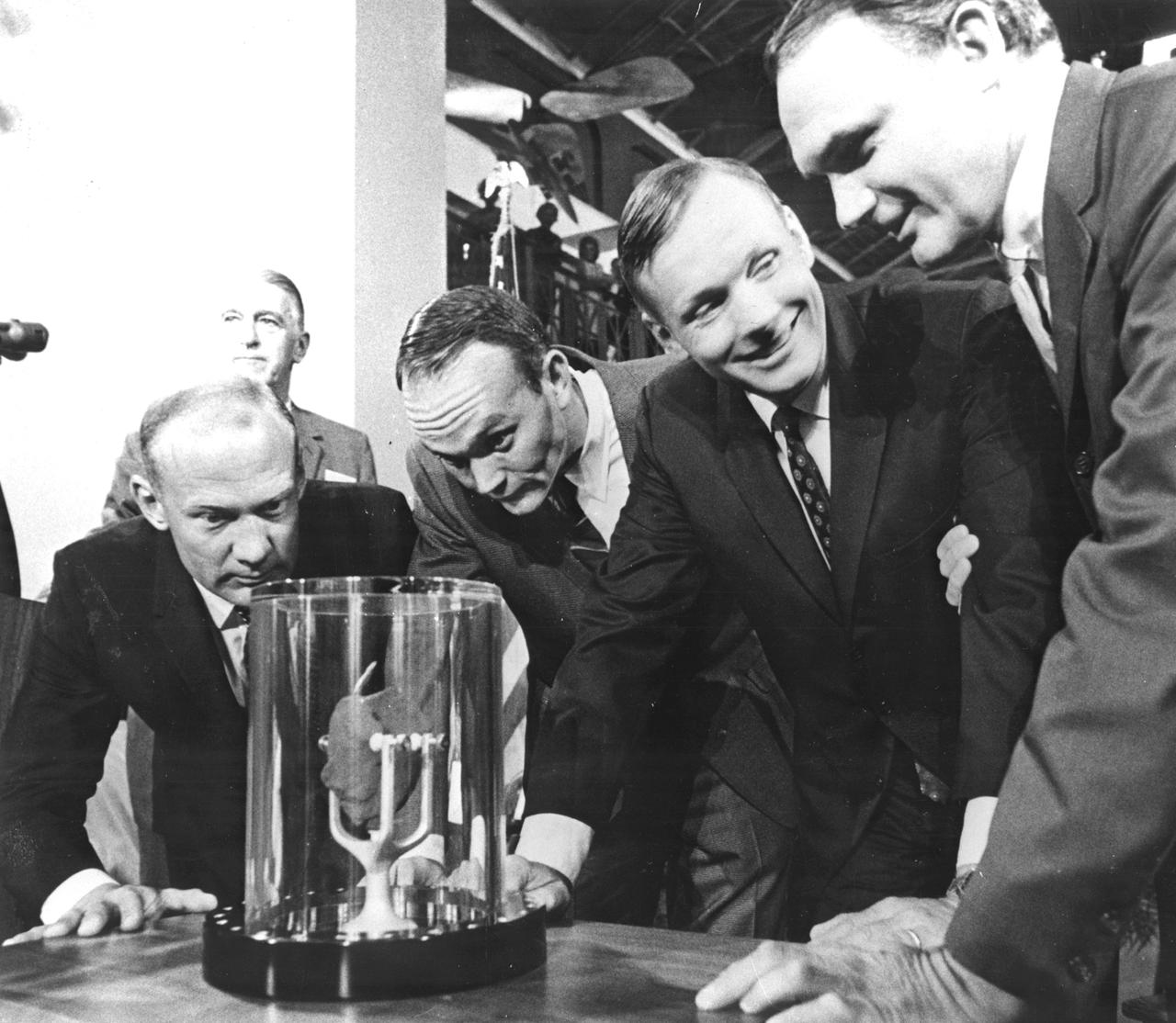
Apollo 11 astronauts, (left to right) Edwin E. Aldrin Jr., Lunar Module pilot; Michael Collins, Command Module pilot; and Neil A. Armstrong, commander, are showing a two-pound Moon rock to Frank Taylor, director of the Smithsonian Institute in Washington D.C. The rock was picked up from the Moon’s surface during the Extra Vehicular Activity (EVA) of Aldrin and Armstrong following man’s first Moon landing and was was presented to the Institute for display in the Art and Industries Building. The Apollo 11 mission, launched from the Kennedy Space Center, Florida via the Marshall Space Flight Center (MSFC) developed Saturn V launch vehicle on July 16, 1969 and safely returned to Earth on July 24, 1969. With the success of Apollo 11, the national objective to land men on the Moon and return them safely to Earth had been accomplished.
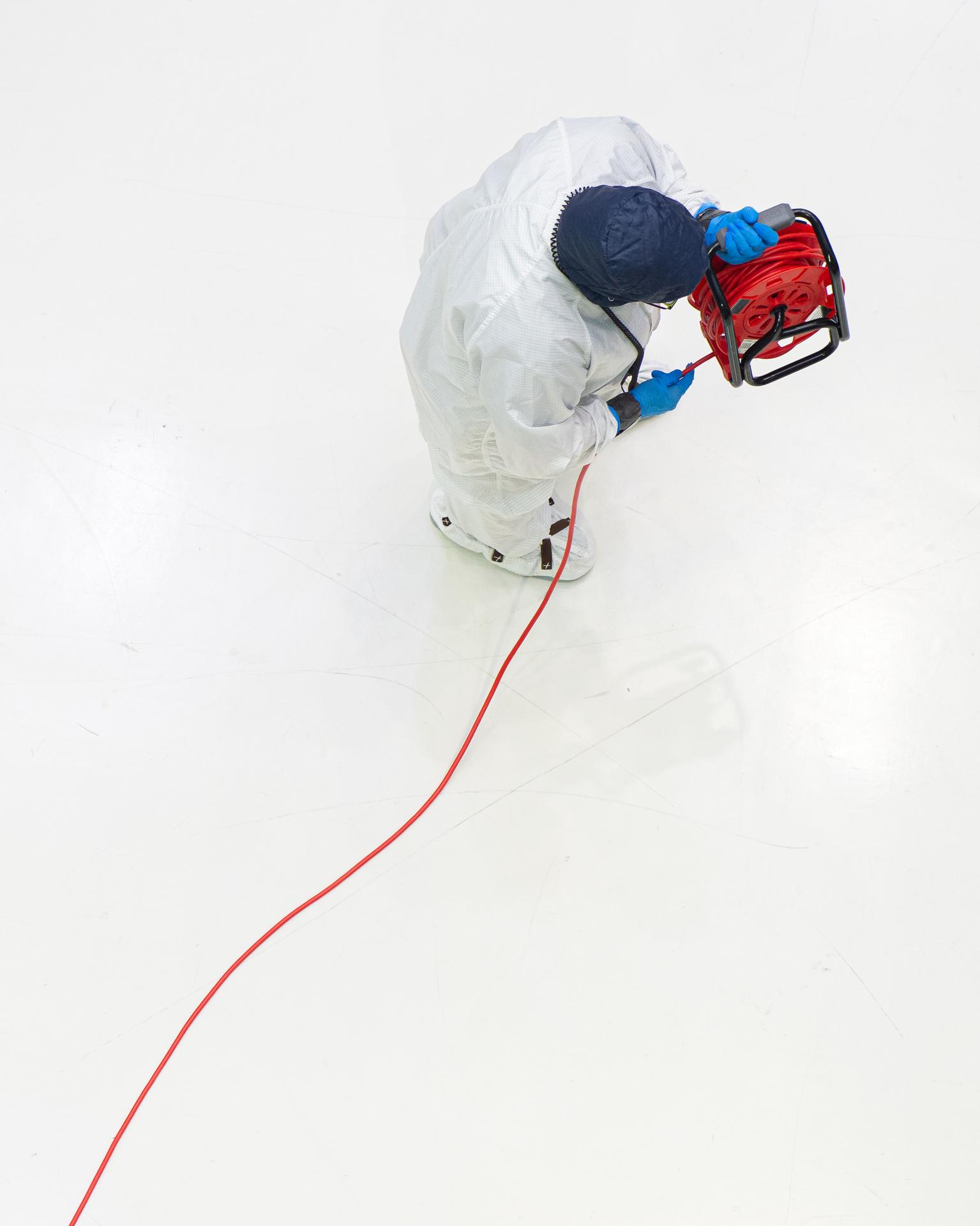
Quality Assurance engineer Lucinda Taylor unreels a power cord across the cleanroom floor at Goddard Space Flight Center, Greenbelt Md., April 21, 2025. This photo has been reviewed by export control and is approved for public release. NASA/Mike Guinto
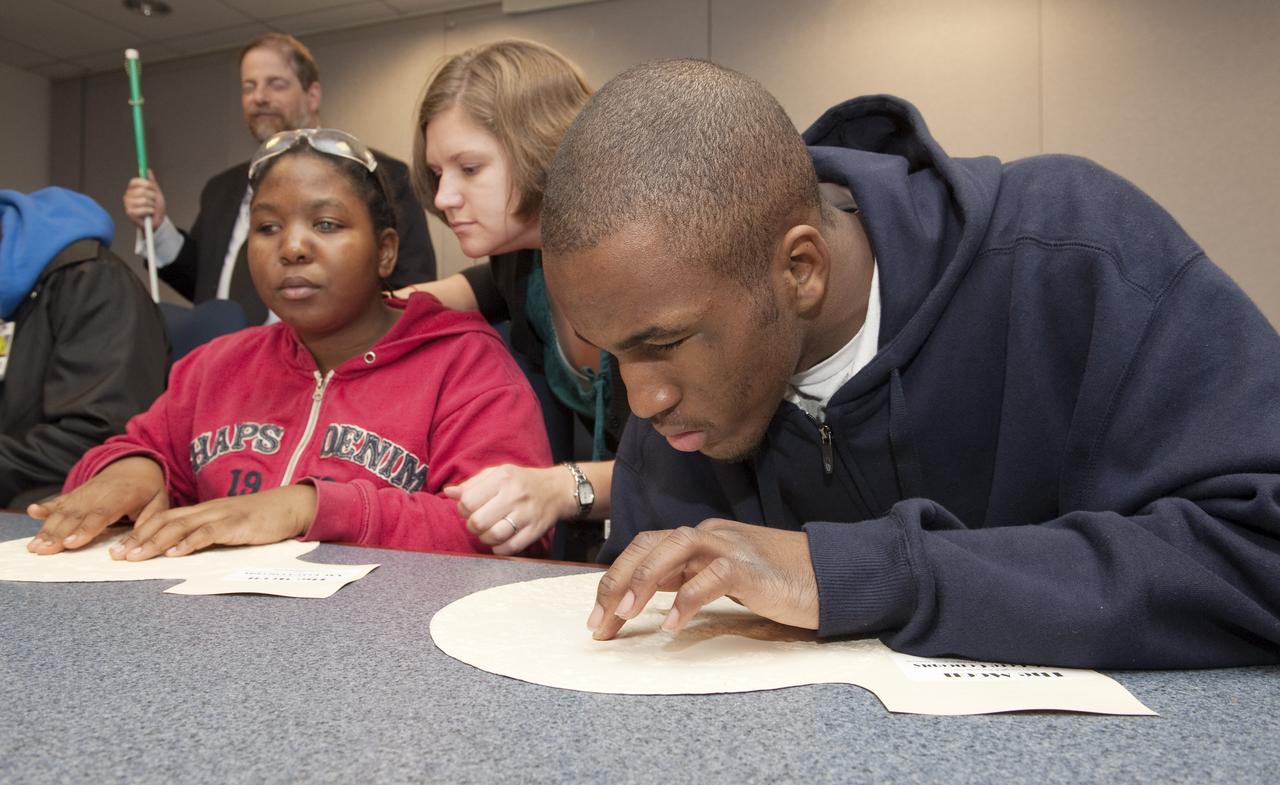
Maryland School for the Blind students Andrea Washington, left, and Derontay Taylor, right, along with science teacher Colleen Shovestull, center, use their sense of touch on topographical maps to learn about the Moon during a visit to NASA Headquarters in Washington, Thursday, Oct. 29, 2009. Seven students from the Maryland School for the Blind visited NASA and participated in activities to learn about NASA'smission, functions, and careers. Photo Credit: (NASA/Paul E. Alers)
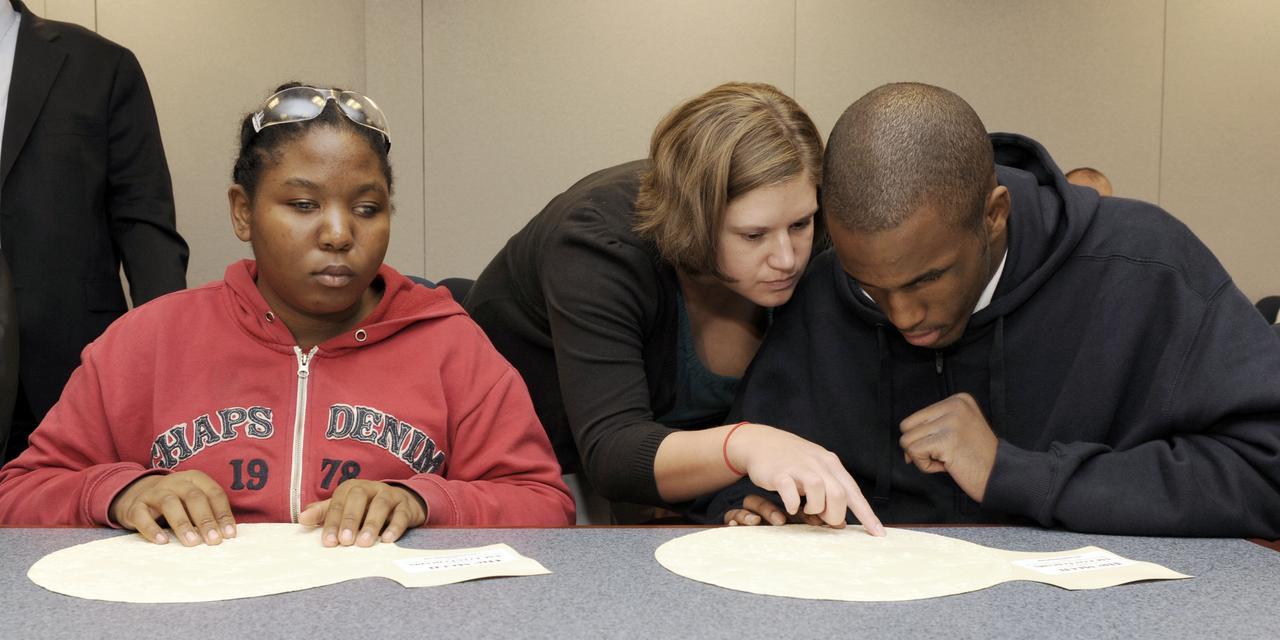
Maryland School for the Blind students Andrea Washington, left, and Derontay Taylor, right, along with science teacher Colleen Shovestull, center, use their sense of touch on topographical maps to learn about the Moon during a visit to NASA Headquarters in Washington, Thursday, Oct. 29, 2009. Seven students from the Maryland School for the Blind visited NASA and participated in activities to learn about NASA'smission, functions, and careers. Photo Credit: (NASA/Paul E. Alers)

From left to right, Senior Communications Specialist Elizabeth Landau, Chief Knowledge Officer for NASA’s Aeronautics Research Mission Directorate (ARMD) Tiffany Smith, Strategic Communications and Outreach Lead Denise Hill, and Strategic Integration & Management Division Director Alotta Taylor, answer questions during a high school student engagement event, Thursday, July 6, 2023, at the Mary W. Jackson NASA Headquarters building in Washington. Photo Credit: (NASA/Keegan Barber)
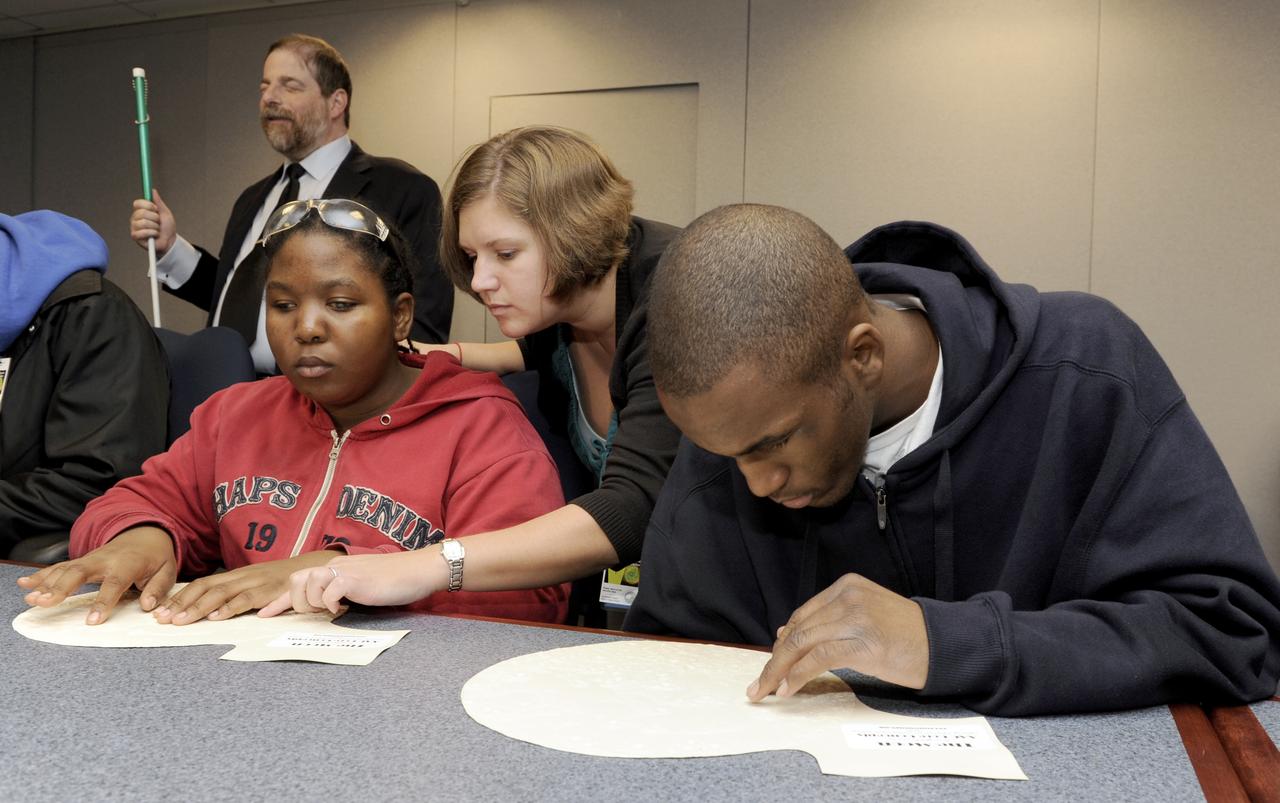
Maryland School for the Blind students Andrea Washington, left, and Derontay Taylor, right, along with science teacher Colleen Shovestull, center, use their sense of touch on topographical maps to learn about the Moon during a visit to NASA Headquarters in Washington, Thursday, Oct. 29, 2009. Seven students from the Maryland School for the Blind visited NASA and participated in activities to learn about NASA'smission, functions, and careers. Photo Credit: (NASA/Paul E. Alers)

From left to right, Senior Communications Specialist Elizabeth Landau, Chief Knowledge Officer for NASA’s Aeronautics Research Mission Directorate (ARMD) Tiffany Smith, Strategic Communications and Outreach Lead Denise Hill, and Strategic Integration & Management Division Director Alotta Taylor, answer questions during a high school student engagement event, Thursday, July 6, 2023, at the Mary W. Jackson NASA Headquarters building in Washington. Photo Credit: (NASA/Keegan Barber)
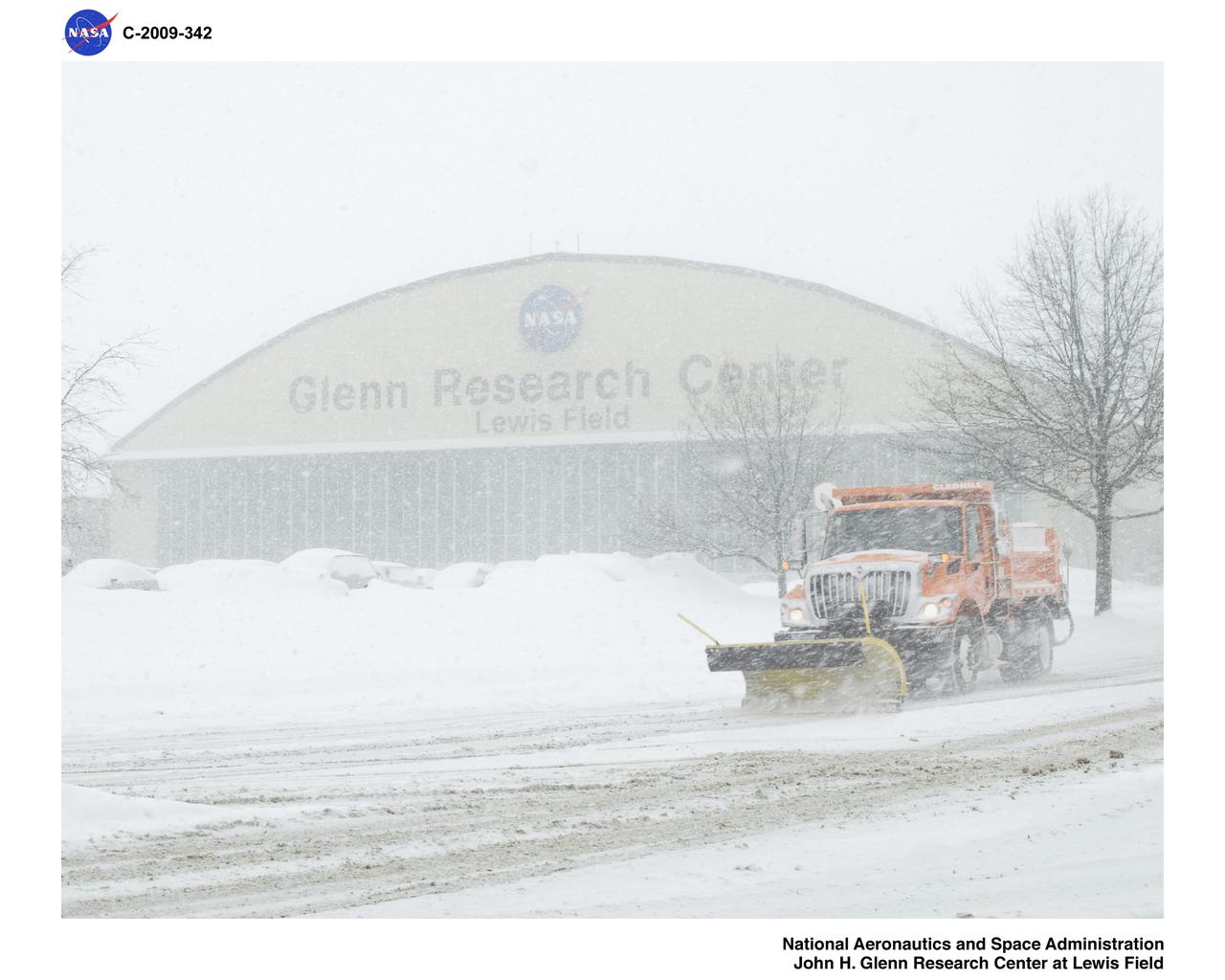
Snowplowing on Taylor Road in front of the Hangar
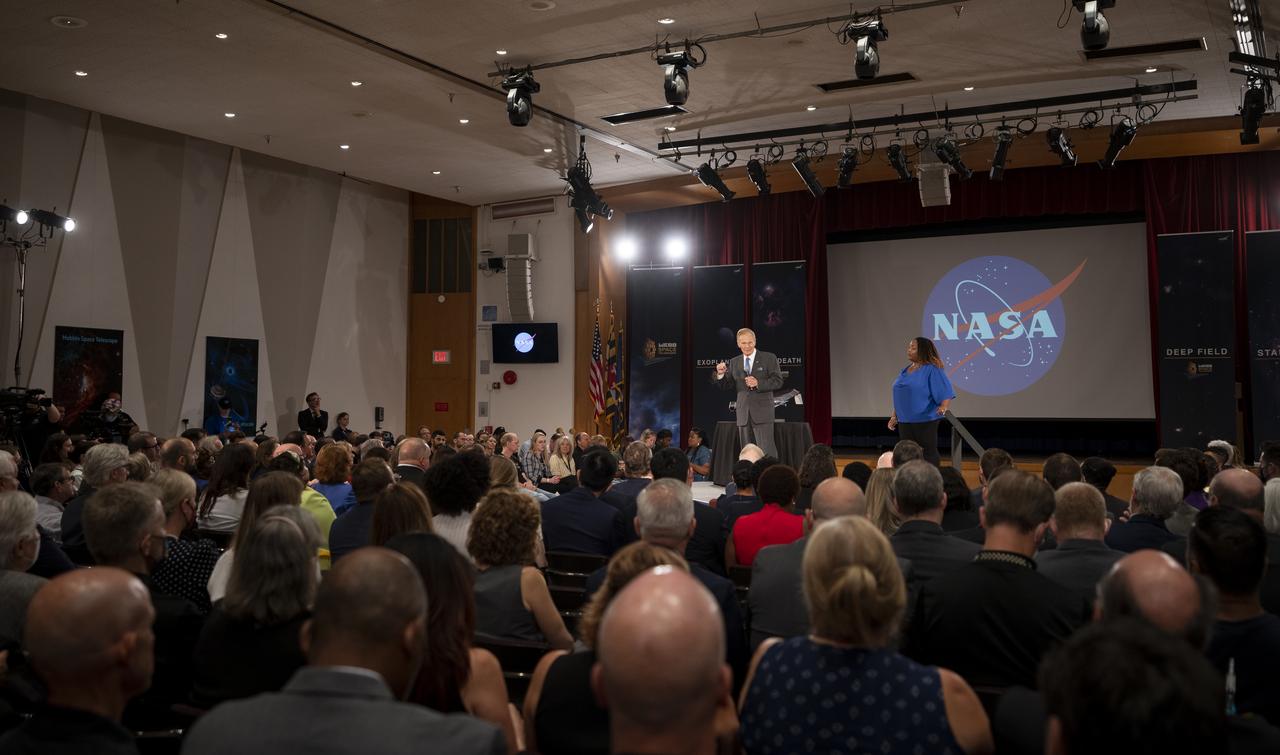
NASA Administrator Bill Nelson delivers remarks ahead of the release of the first images from NASA’s James Webb Space Telescope, Tuesday, July 12, 2022, at NASA’s Goddard Space Flight Center in Greenbelt, Md. The first full-color images and spectroscopic data from the James Webb Space Telescope, a partnership with ESA (European Space Agency) and the Canadian Space Agency (CSA), are a demonstration of the power of Webb as the telescope begins its science mission to unfold the infrared universe. Photo Credit: (NASA/Taylor Mickal)
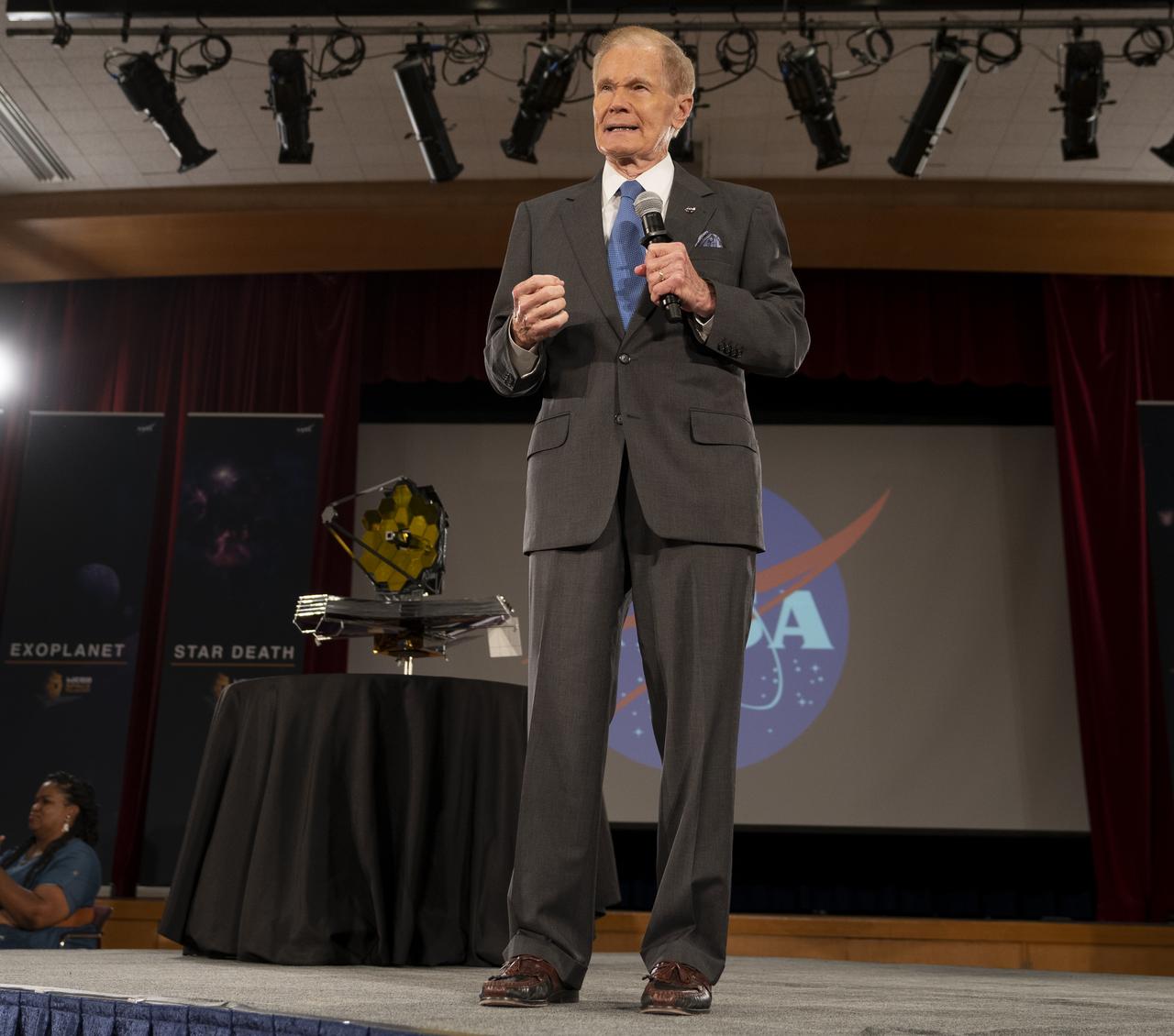
NASA Administrator Bill Nelson delivers remarks ahead of the release of the first images from NASA’s James Webb Space Telescope, Tuesday, July 12, 2022, at NASA’s Goddard Space Flight Center in Greenbelt, Md. The first full-color images and spectroscopic data from the James Webb Space Telescope, a partnership with ESA (European Space Agency) and the Canadian Space Agency (CSA), are a demonstration of the power of Webb as the telescope begins its science mission to unfold the infrared universe. Photo Credit: (NASA/Taylor Mickal)
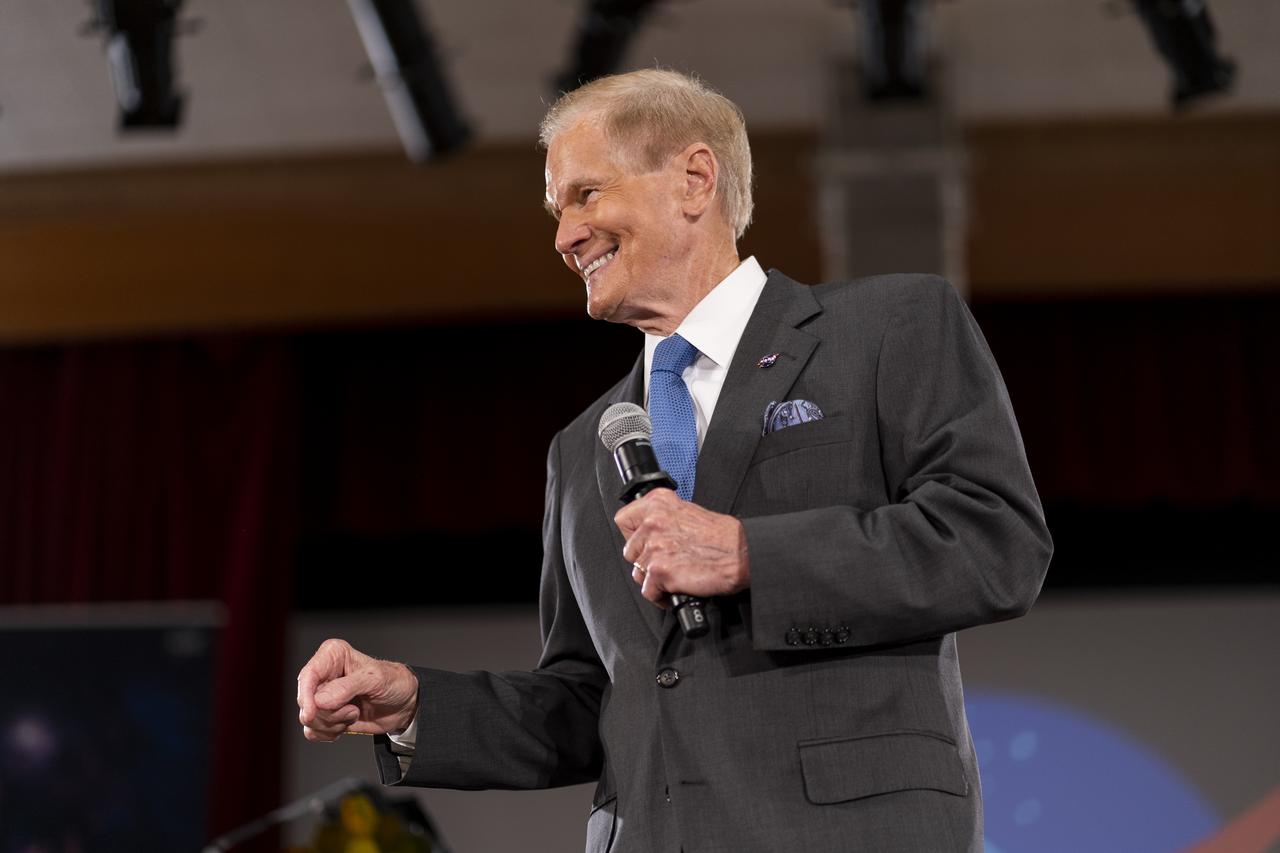
NASA Administrator Bill Nelson delivers remarks ahead of the release of the first images from NASA’s James Webb Space Telescope, Tuesday, July 12, 2022, at NASA’s Goddard Space Flight Center in Greenbelt, Md. The first full-color images and spectroscopic data from the James Webb Space Telescope, a partnership with ESA (European Space Agency) and the Canadian Space Agency (CSA), are a demonstration of the power of Webb as the telescope begins its science mission to unfold the infrared universe. Photo Credit: (NASA/Taylor Mickal)
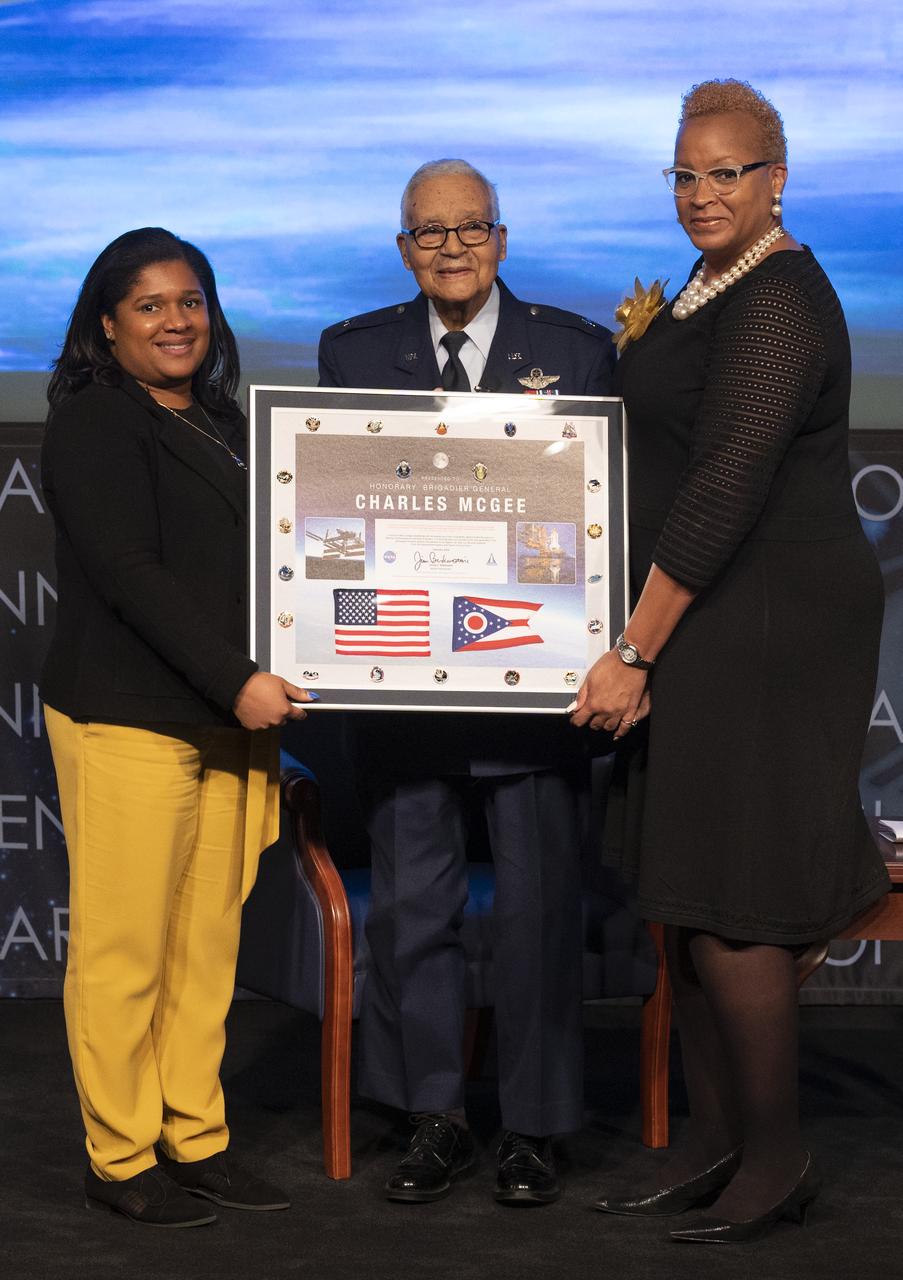
Zudayyah Taylor-Dunn, president of the NASA Headquarters Chapter of Blacks in Government (BIG), left, and LaVerne Randolph, vice president of the NASA Headquarters Chapter of BIG, present a montage containing an American Flag and Ohio State flag flown in space to Retired U.S. Air Force Honorary Brigadier General Charles McGee during a Black History Month program titled “Trailblazers, The Story of a Tuskegee Airman,” Wednesday, Feb. 5, 2020, at NASA Headquarters in Washington, DC. McGee, a pilot with the Tuskegee Airmen during World War II, was a career officer in the Air Force also serving during the Korean and Vietnam Wars. Over his 30 years of service he flew 409 combat missions. Of the 355 Tuskegee pilots who flew in combat, McGee is one of only nine surviving. Photo Credit: (NASA/Joel Kowsky)
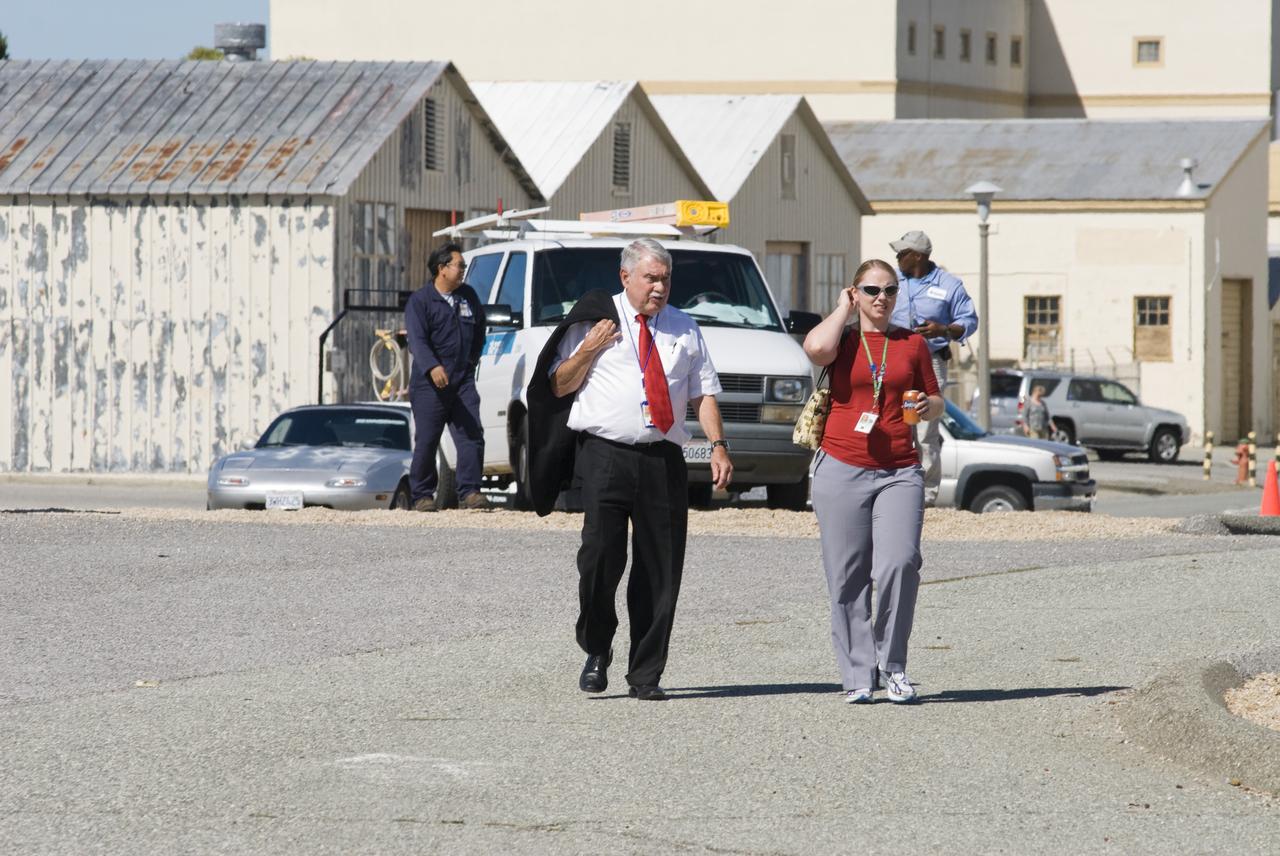
Ames 70_year picture day on Flight line. Jim Taylor and Jennifer Kremer
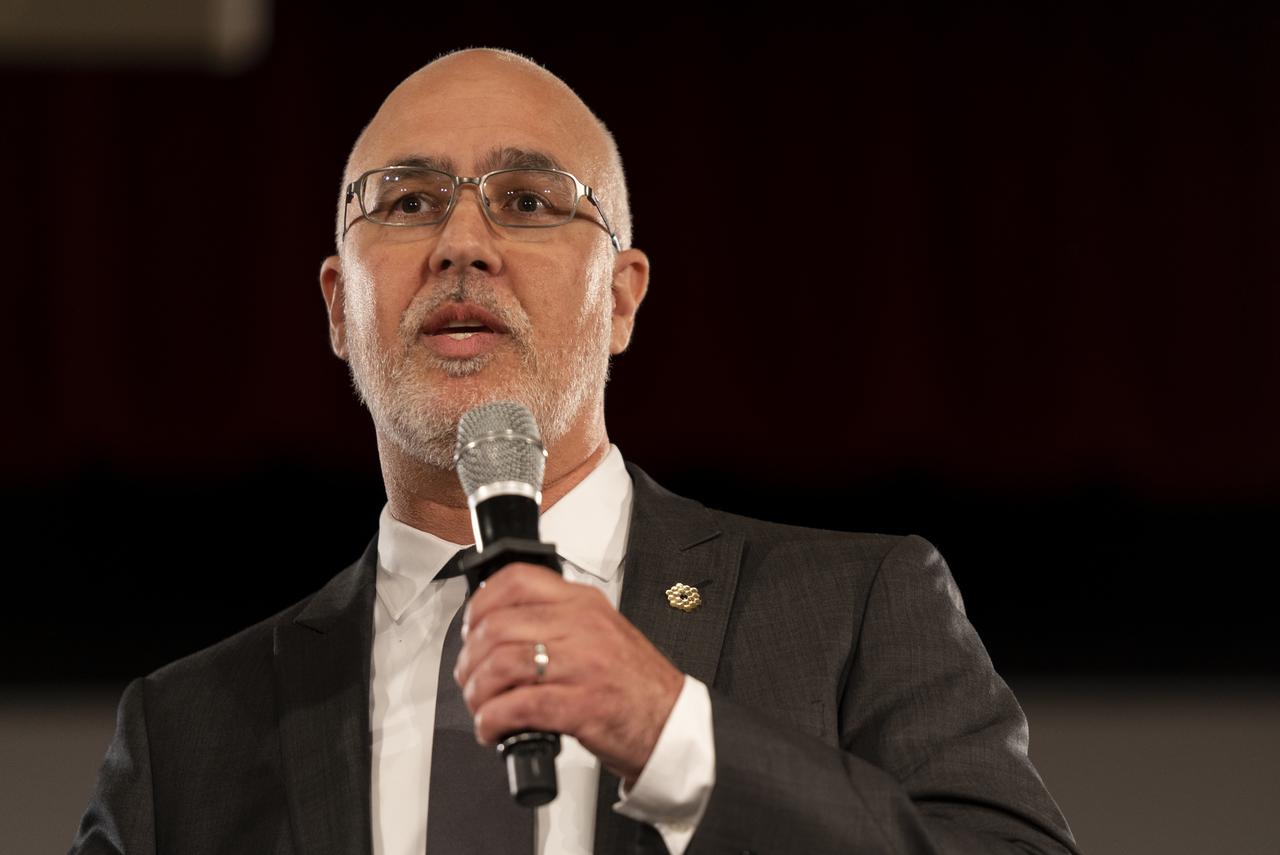
Vice President and Program Manager, Webb, Northrop Grumman, Scott Willoughby, delivers remarks ahead of the release of the first images from NASA’s James Webb Space Telescope, Tuesday, July 12, 2022, at NASA’s Goddard Space Flight Center in Greenbelt, Md. The first full-color images and spectroscopic data from the James Webb Space Telescope, a partnership with ESA (European Space Agency) and the Canadian Space Agency (CSA), are a demonstration of the power of Webb as the telescope begins its science mission to unfold the infrared universe. Photo Credit: (NASA/Taylor Mickal)
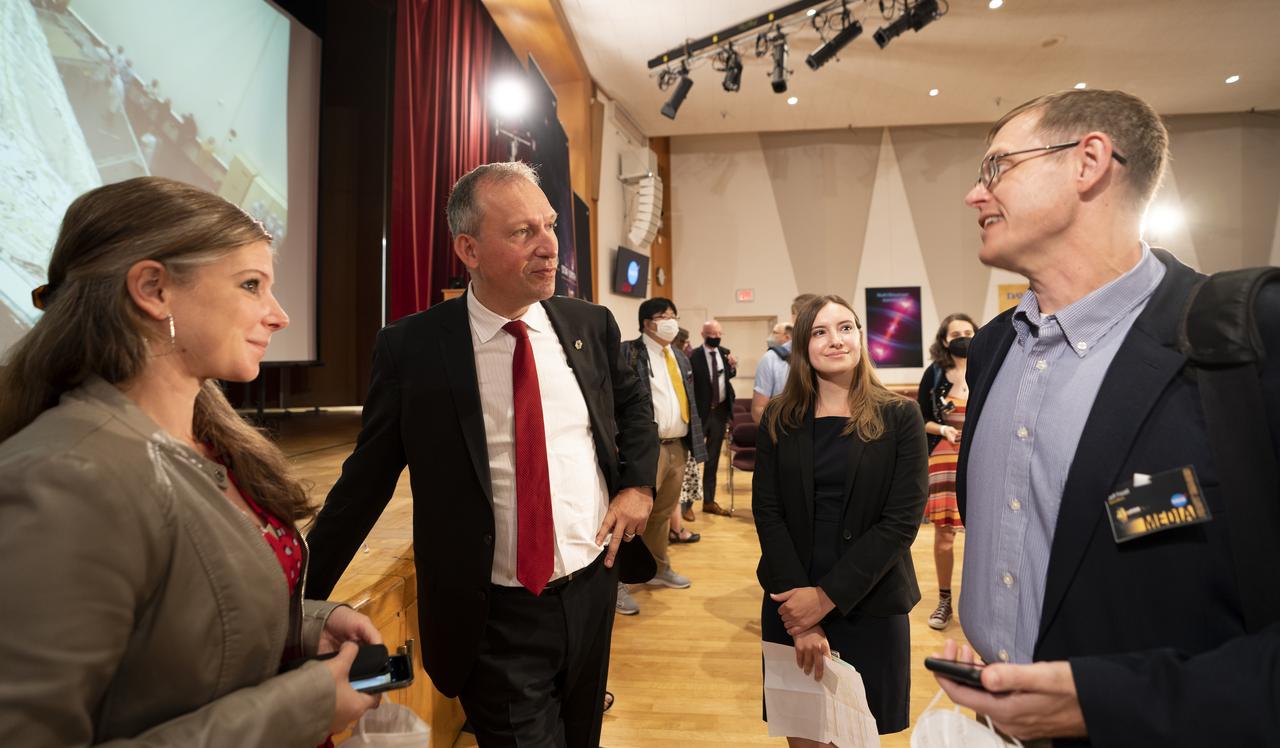
NASA Associate Administrator for the Science Mission Directorate Thomas Zurbuchen speaks with members of the media following the release of the first full-color images from NASA’s James Webb Space Telescope, Tuesday, July 12, 2022, at NASA’s Goddard Space Flight Center in Greenbelt, Md. The first full-color images and spectroscopic data from the James Webb Space Telescope, a partnership with ESA (European Space Agency) and the Canadian Space Agency (CSA), are a demonstration of the power of Webb as the telescope begins its science mission to unfold the infrared universe. Photo Credit: (NASA/Taylor Mickal)
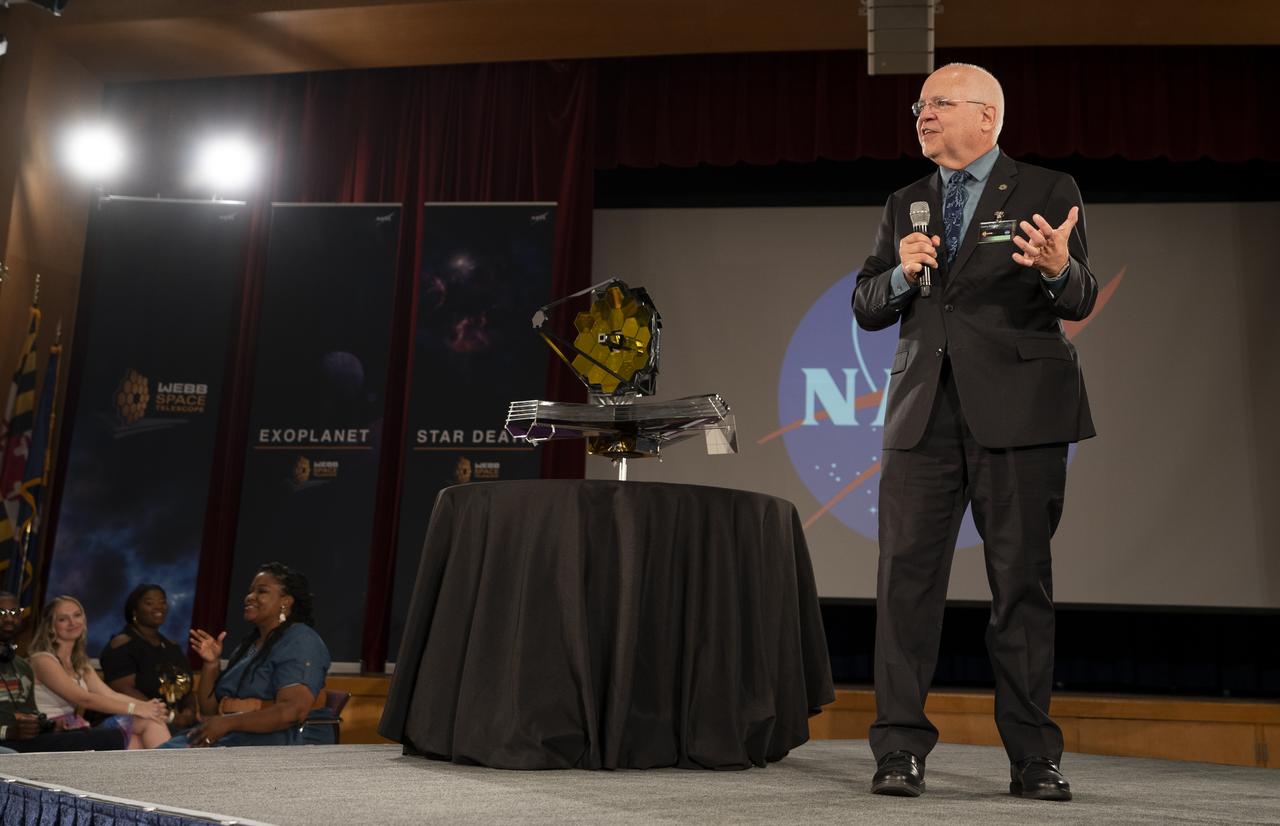
Goddard Space Flight Center Director Dennis Andrucyk delivers remarks ahead of the release of the first images from NASA’s James Webb Space Telescope, Tuesday, July 12, 2022, at NASA’s Goddard Space Flight Center in Greenbelt, Md. The first full-color images and spectroscopic data from the James Webb Space Telescope, a partnership with ESA (European Space Agency) and the Canadian Space Agency (CSA), are a demonstration of the power of Webb as the telescope begins its science mission to unfold the infrared universe. Photo Credit: (NASA/Taylor Mickal)
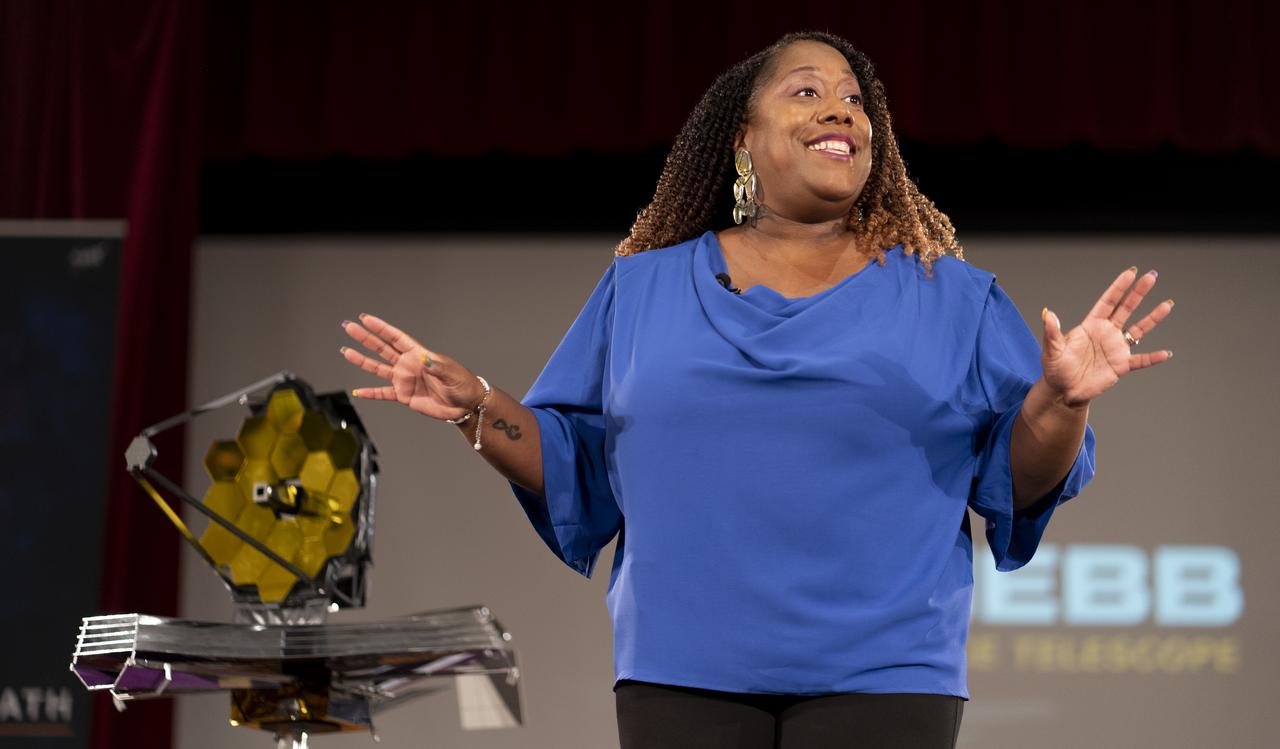
Michelle Jones, Chief of the Office of Communications at NASA's Goddard Space Flight Center, delivers remarks ahead of the release of the first images from NASA’s James Webb Space Telescope, Tuesday, July 12, 2022, at NASA’s Goddard Space Flight Center in Greenbelt, Md. The first full-color images and spectroscopic data from the James Webb Space Telescope, a partnership with ESA (European Space Agency) and the Canadian Space Agency (CSA), are a demonstration of the power of Webb as the telescope begins its science mission to unfold the infrared universe. Photo Credit: (NASA/Taylor Mickal)
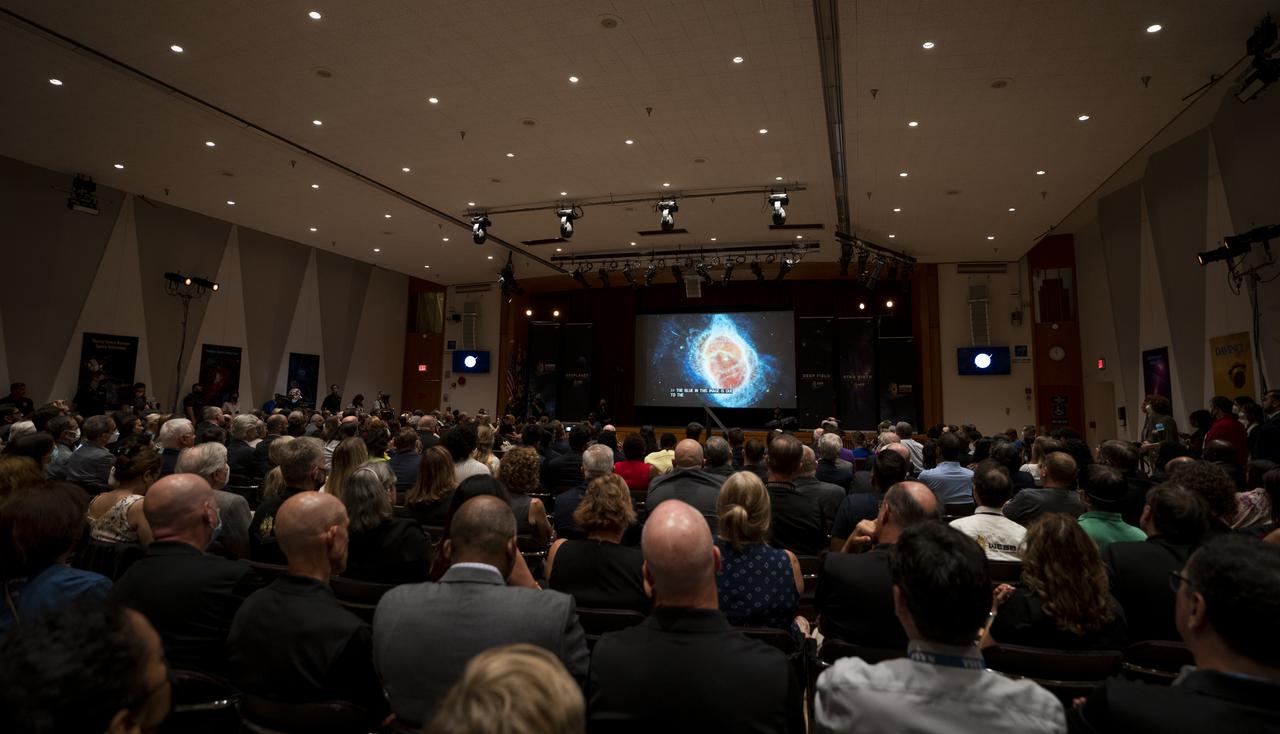
One of the images captured by NASA’s James Webb Space Telescope of the planetary nebula cataloged as NGC 3132, and known informally as the Southern Ring Nebula, is seen on a screen as members of the media and guests watch the broadcast releasing the first full-color images from NASA’s James Webb Space Telescope, Tuesday, July 12, 2022, at NASA’s Goddard Space Flight Center in Greenbelt, Md. The first full-color images and spectroscopic data from the James Webb Space Telescope, a partnership with ESA (European Space Agency) and the Canadian Space Agency (CSA), are a demonstration of the power of Webb as the telescope begins its science mission to unfold the infrared universe. Photo Credit: (NASA/Taylor Mickal)
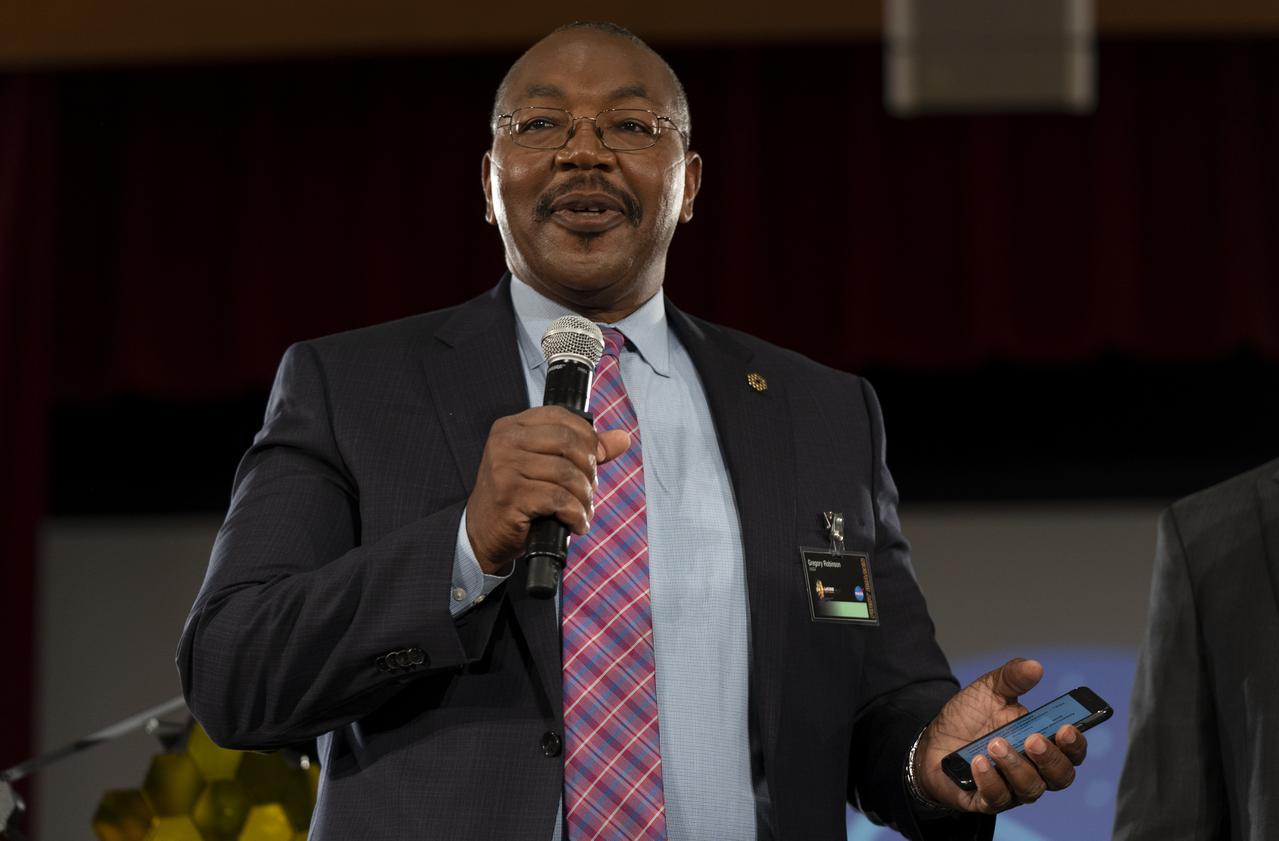
NASA Program Director for the James Webb Space Telescope Program Greg Robinson delivers remarks ahead of the release of the first images from NASA’s James Webb Space Telescope, Tuesday, July 12, 2022, at NASA’s Goddard Space Flight Center in Greenbelt, Md. The first full-color images and spectroscopic data from the James Webb Space Telescope, a partnership with ESA (European Space Agency) and the Canadian Space Agency (CSA), are a demonstration of the power of Webb as the telescope begins its science mission to unfold the infrared universe. Photo Credit: (NASA/Taylor Mickal)
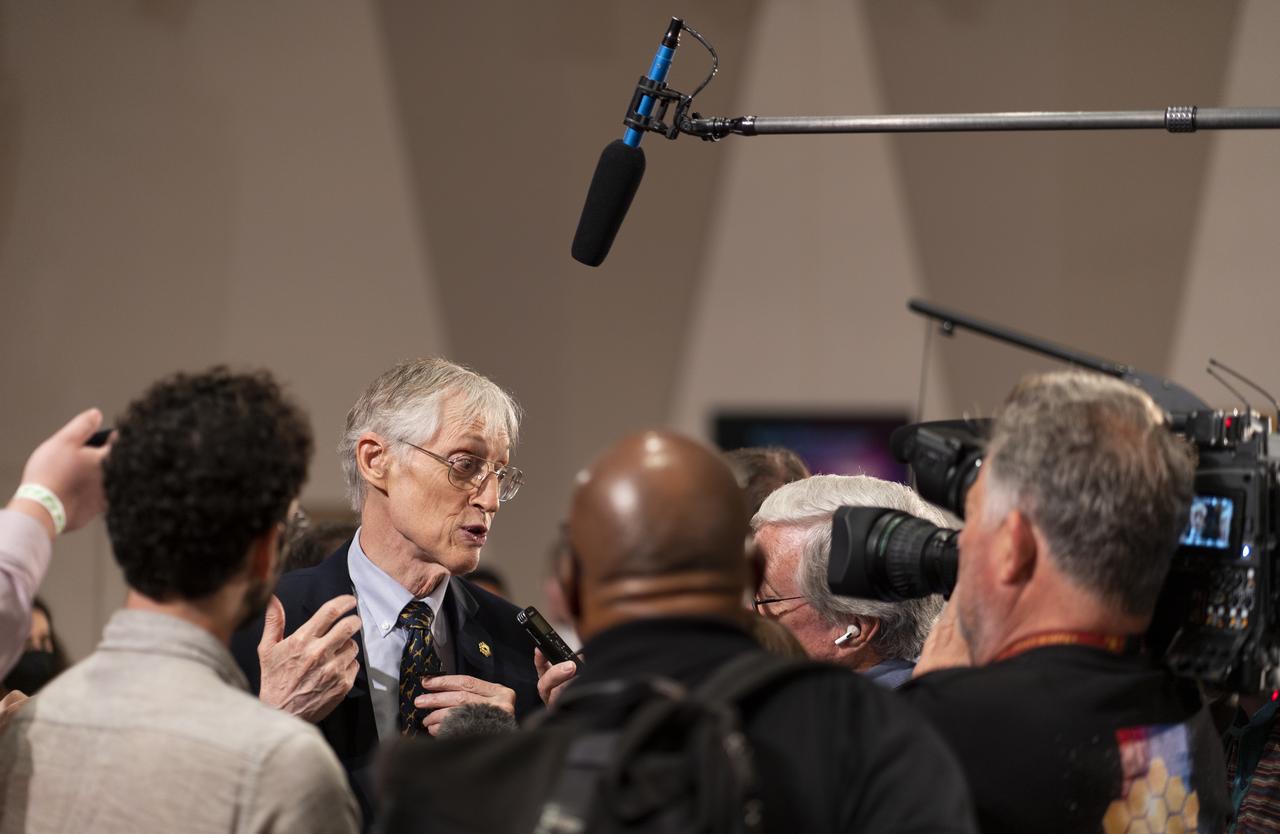
NASA James Webb Space Telescope Senior Project Scientist John Mather speaks with members of the media following the release of the first full-color images from NASA’s James Webb Space Telescope, Tuesday, July 12, 2022, at NASA’s Goddard Space Flight Center in Greenbelt, Md. The first full-color images and spectroscopic data from the James Webb Space Telescope, a partnership with ESA (European Space Agency) and the Canadian Space Agency (CSA), are a demonstration of the power of Webb as the telescope begins its science mission to unfold the infrared universe. Photo Credit: (NASA/Taylor Mickal)
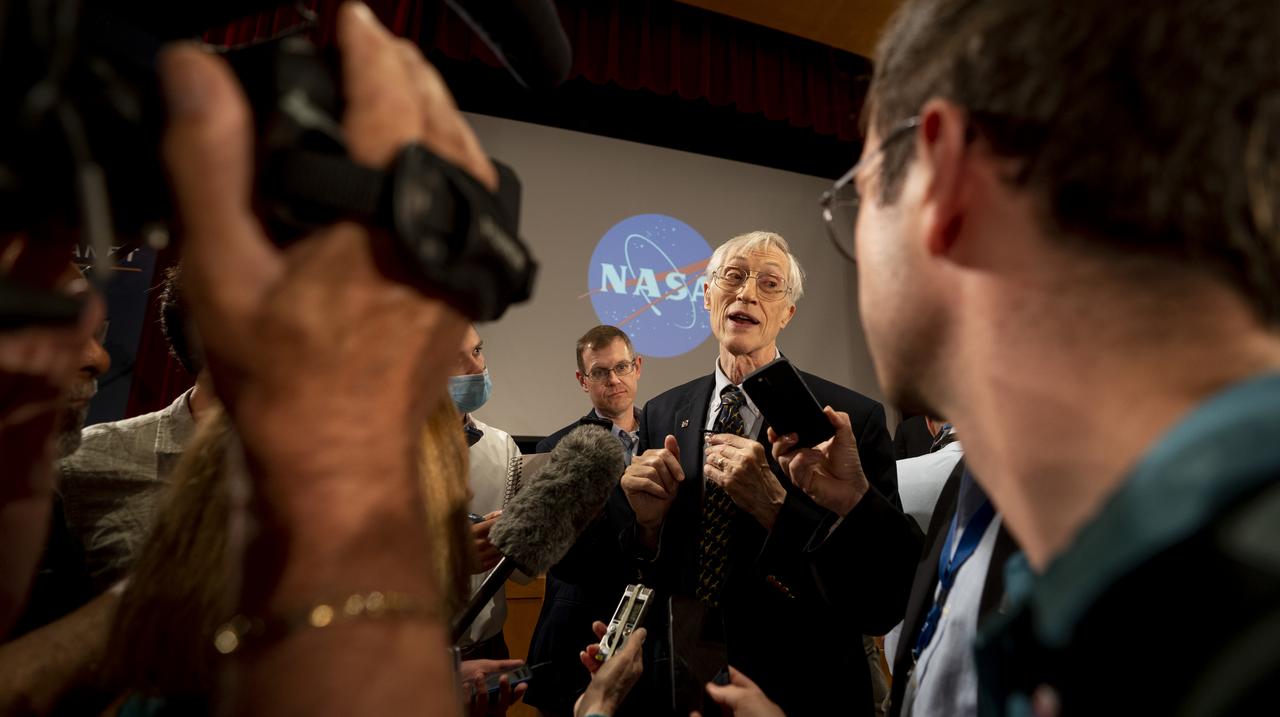
NASA James Webb Space Telescope Senior Project Scientist John Mather speaks with members of the media following the release of the first full-color images from NASA’s James Webb Space Telescope, Tuesday, July 12, 2022, at NASA’s Goddard Space Flight Center in Greenbelt, Md. The first full-color images and spectroscopic data from the James Webb Space Telescope, a partnership with ESA (European Space Agency) and the Canadian Space Agency (CSA), are a demonstration of the power of Webb as the telescope begins its science mission to unfold the infrared universe. Photo Credit: (NASA/Taylor Mickal)
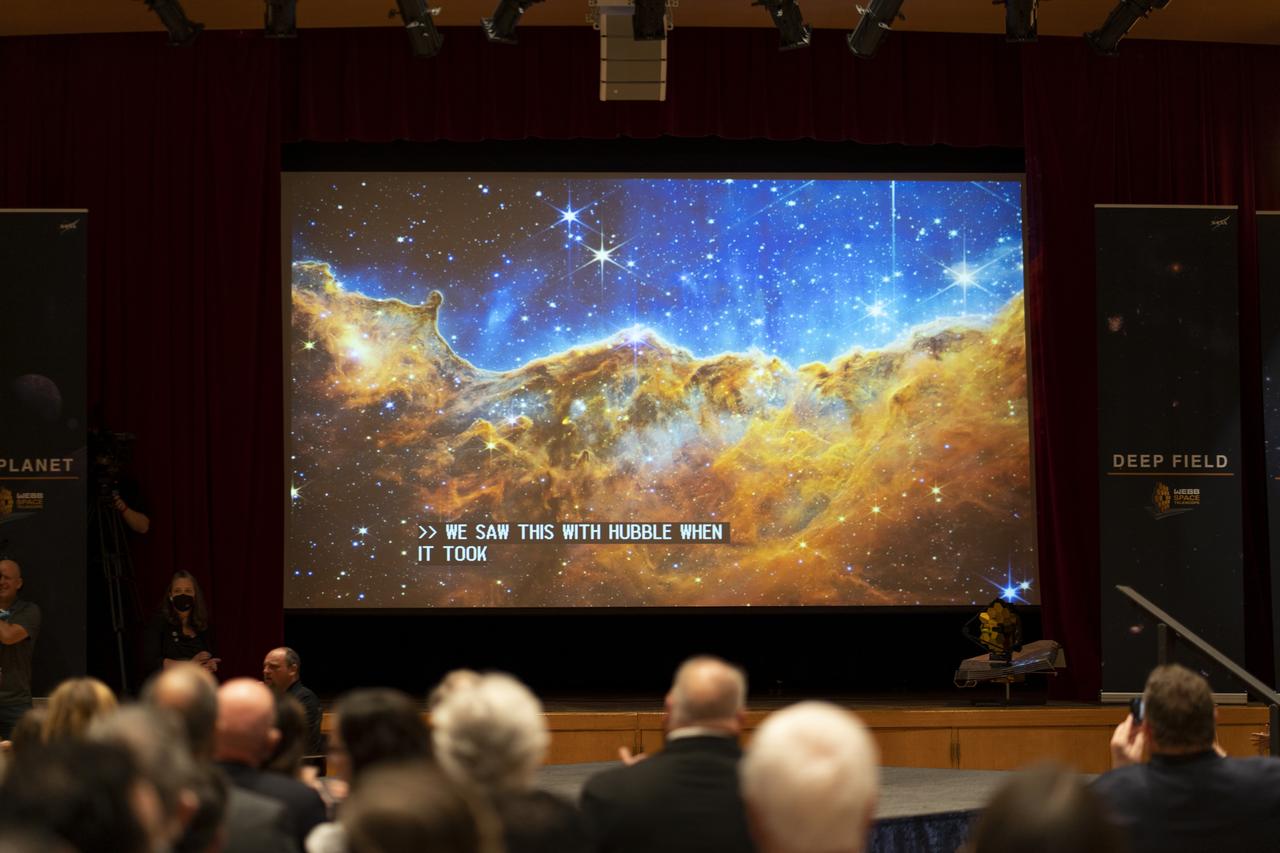
The image captured by NASA’s James Webb Space Telescope of the star-forming region called NGC 3324 in the Carina Nebula is seen on a screen as members of the media and guests watch the broadcast releasing the first full-color images from NASA’s James Webb Space Telescope, Tuesday, July 12, 2022, at NASA’s Goddard Space Flight Center in Greenbelt, Md. The first full-color images and spectroscopic data from the James Webb Space Telescope, a partnership with ESA (European Space Agency) and the Canadian Space Agency (CSA), are a demonstration of the power of Webb as the telescope begins its science mission to unfold the infrared universe. Photo Credit: (NASA/Taylor Mickal)
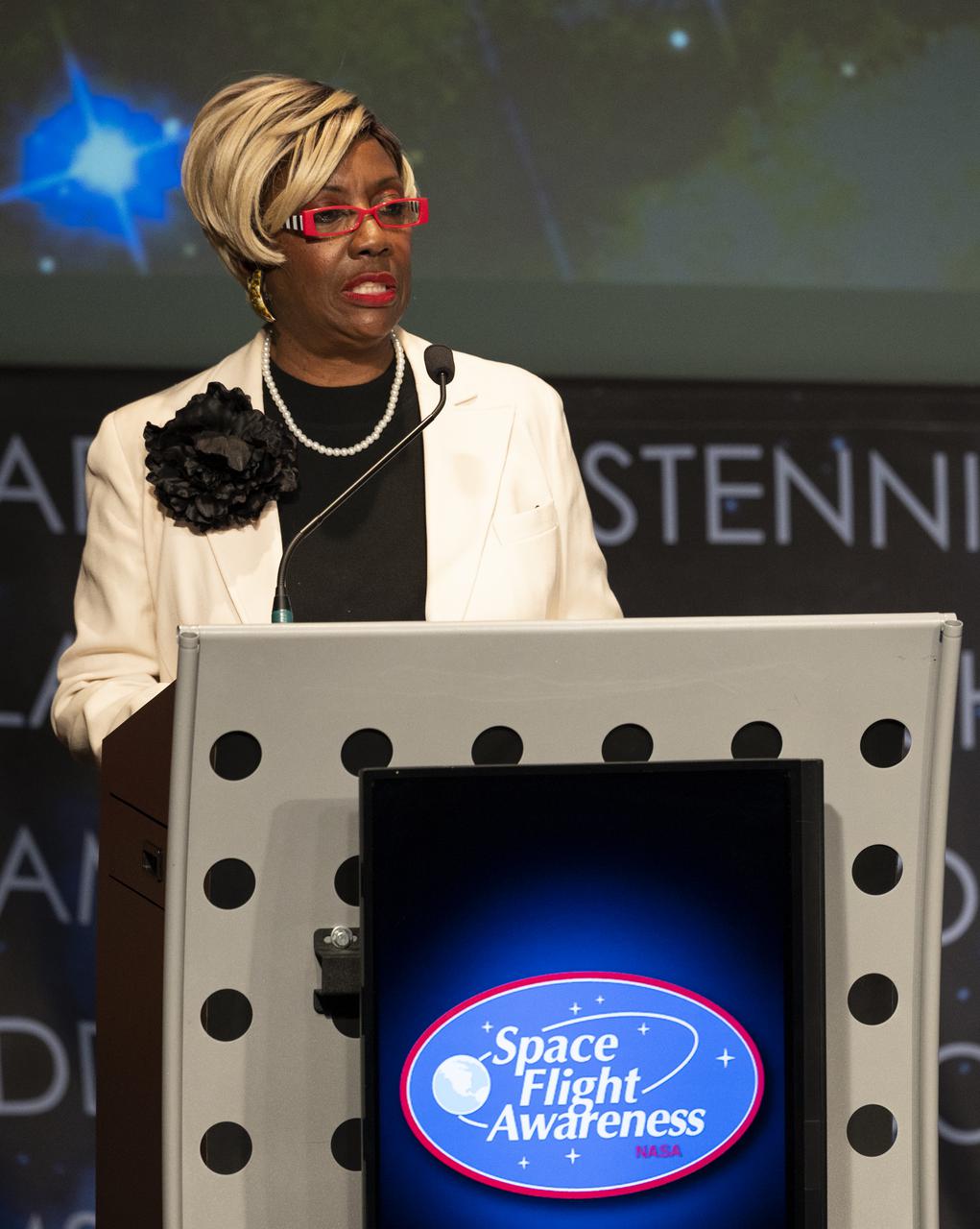
Alotta Taylor, program manager for NASA’s Space Flight Awareness program at NASA Headquarters, welcomes Space Operations and Exploration Systems Development Mission Directorate employees to a presentation by SpaceX Crew-1 NASA astronauts Mike Hopkins, Victor Glover, Shannon Walker, and Japan Aerospace Exploration Agency (JAXA) astronaut Soichi Noguchi, Monday, Nov. 15, 2021, at the Mary W. Jackson NASA Headquarters Building in Washington. Hopkins, Glover, Walker, and Noguchi launched on the first crew rotation mission to the International Space Station for SpaceX’s Falcon 9 and Crew Dragon spacecraft as part of the agency’s Commercial Crew Program and spent 168 days in space across Expeditions 64 and 65. Photo Credit: (NASA/Joel Kowsky)
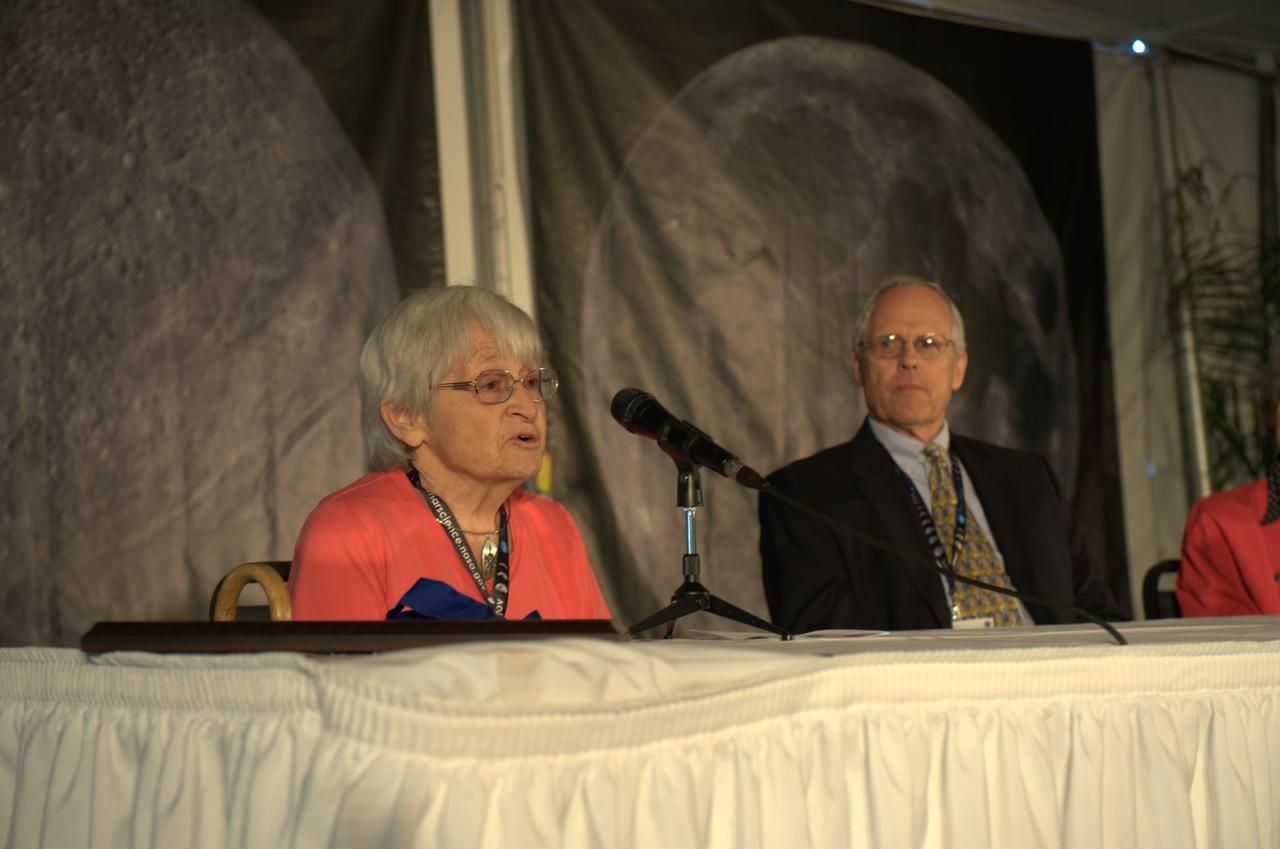
Lunar Science Forum 2011 Shoemaker Award reciepiants Gene Shoemaker on left and G. Jeffrey Taylor on right
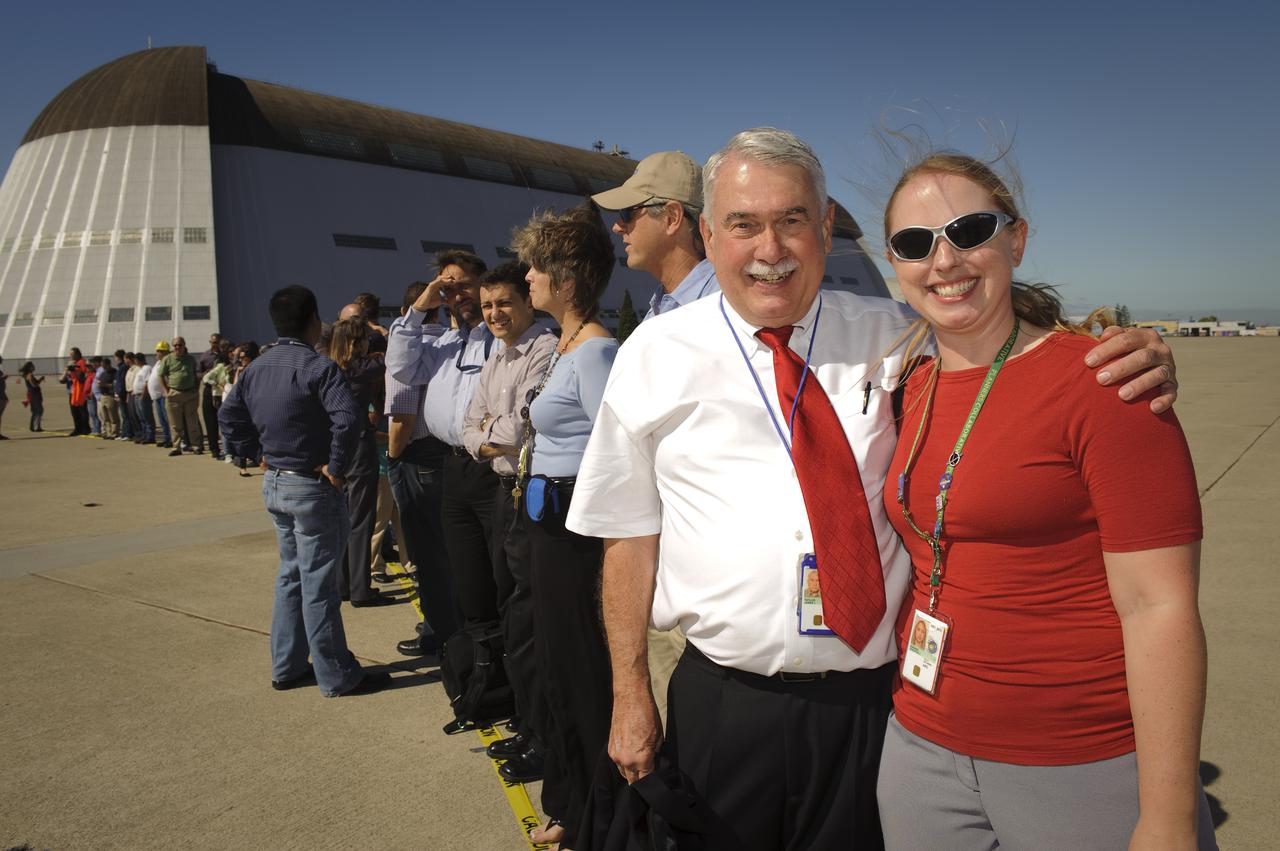
Ames 70_year picture day on Flight line. Jim Taylor and Jennifer Kremer in the line up.
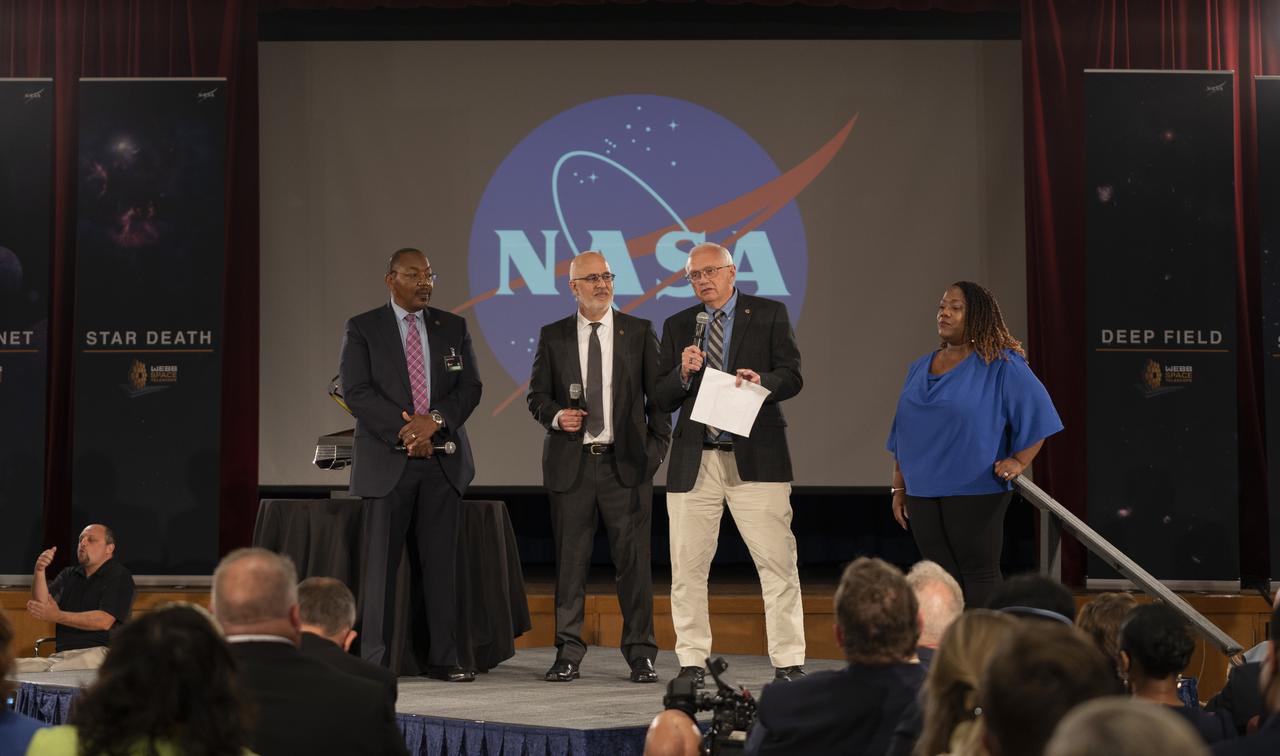
NASA Program Director for the James Webb Space Telescope Program Greg Robinson, left, Vice President and Program Manager, Webb, Northrop Grumman, Scott Willoughby, center, and Michelle Jones, Chief of the Office of Communications at NASA's Goddard Space Flight Center, right, look on as NASA James Webb Space Telescope Project Manager Bill Ochs, second from right, delivers remarks ahead of the release of the first images from NASA’s James Webb Space Telescope, Tuesday, July 12, 2022, at NASA’s Goddard Space Flight Center in Greenbelt, Md. The first full-color images and spectroscopic data from the James Webb Space Telescope, a partnership with ESA (European Space Agency) and the Canadian Space Agency (CSA), are a demonstration of the power of Webb as the telescope begins its science mission to unfold the infrared universe. Photo Credit: (NASA/Taylor Mickal)
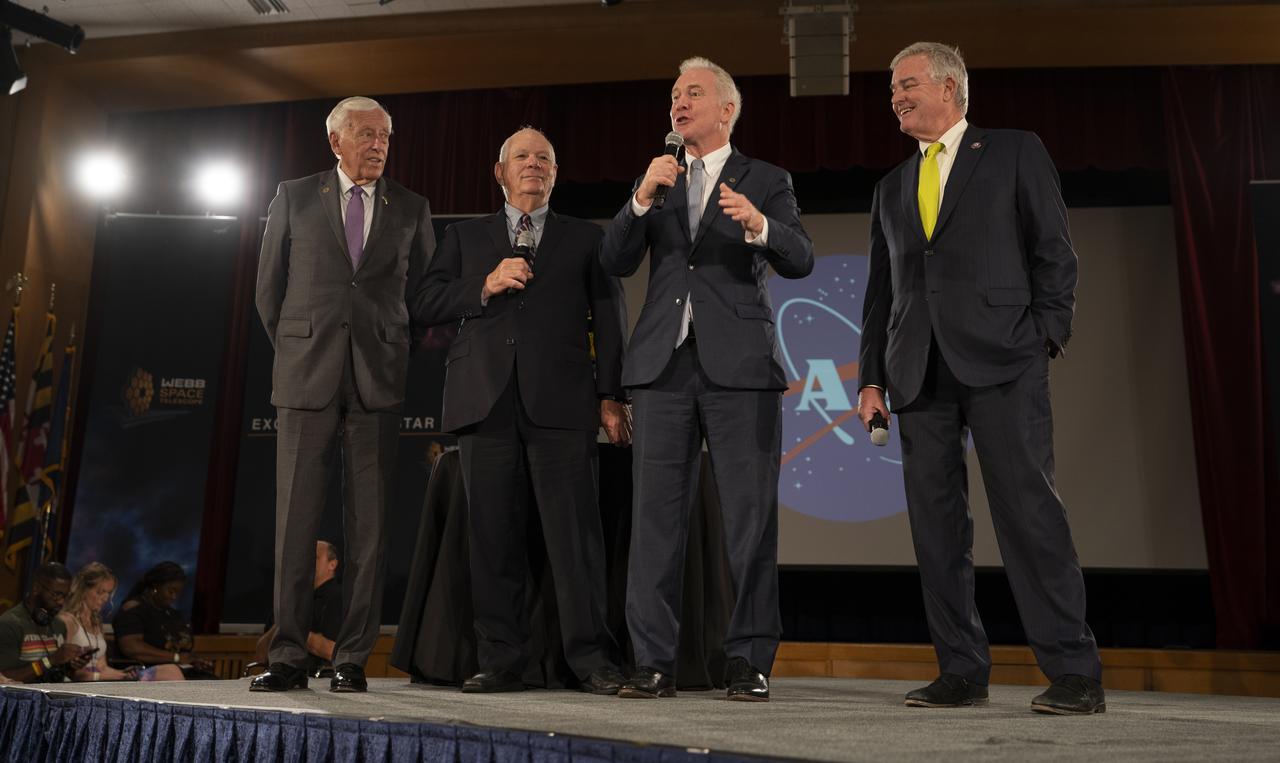
Rep. Steny Hoyer, D-Md, left, Sen. Ben Cardin, D-Md., second from left, and Rep. David Trone, D-Md, right, are seen as Sen. Chris Van Hollen, D-Md., second from right, delivers remarks ahead of the release of the first images from NASA’s James Webb Space Telescope, Tuesday, July 12, 2022, at NASA’s Goddard Space Flight Center in Greenbelt, Md. The first full-color images and spectroscopic data from the James Webb Space Telescope, a partnership with ESA (European Space Agency) and the Canadian Space Agency (CSA), are a demonstration of the power of Webb as the telescope begins its science mission to unfold the infrared universe. Photo Credit: (NASA/Taylor Mickal)
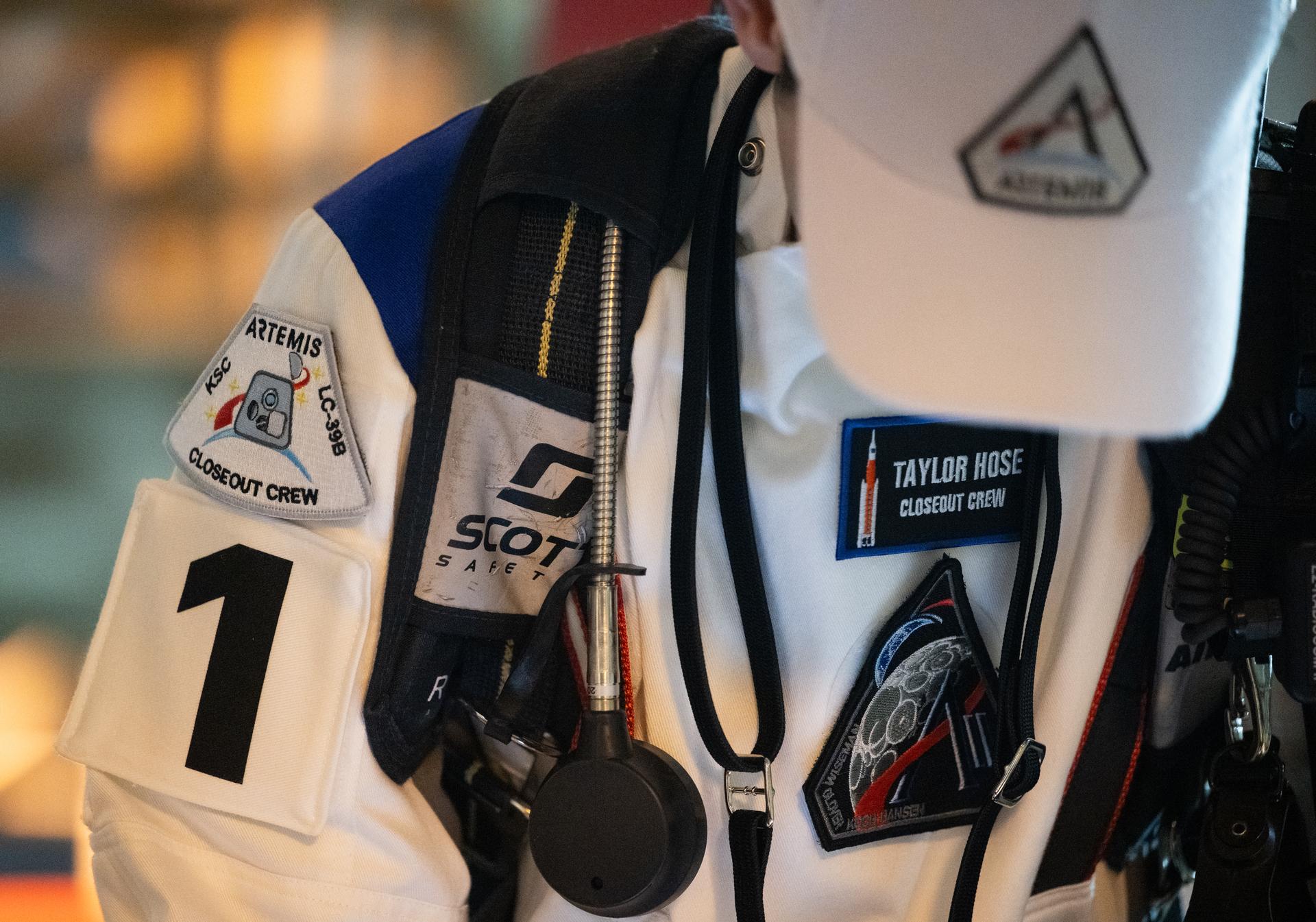
Taylor Hose, Closeout Crew lead, is seen as he prepares for the arrival of Artemis II crewmembers NASA astronauts Reid Wiseman, commander; Victor Glover, pilot; Christina Koch, mission specialist; and CSA (Canadian Space Agency) astronaut Jeremy Hansen, mission specialist; at the 275-foot level of the mobile launcher to board their Orion spacecraft atop NASA’s Space Launch System rocket during the Artemis II countdown demonstration test, Saturday, Dec. 20, 2025, inside the Vehicle Assembly Building at NASA’s Kennedy Space Center in Florida. For this operation, the Artemis II crew and launch teams are simulating the launch day timeline including suit-up, walkout, and spacecraft ingress and egress. Through the Artemis campaign, NASA will send astronauts to explore the Moon for scientific discovery, economic benefits, and to build the foundation for the first crewed missions to Mars, for the benefit of all. Photo Credit: (NASA/Joel Kowsky)
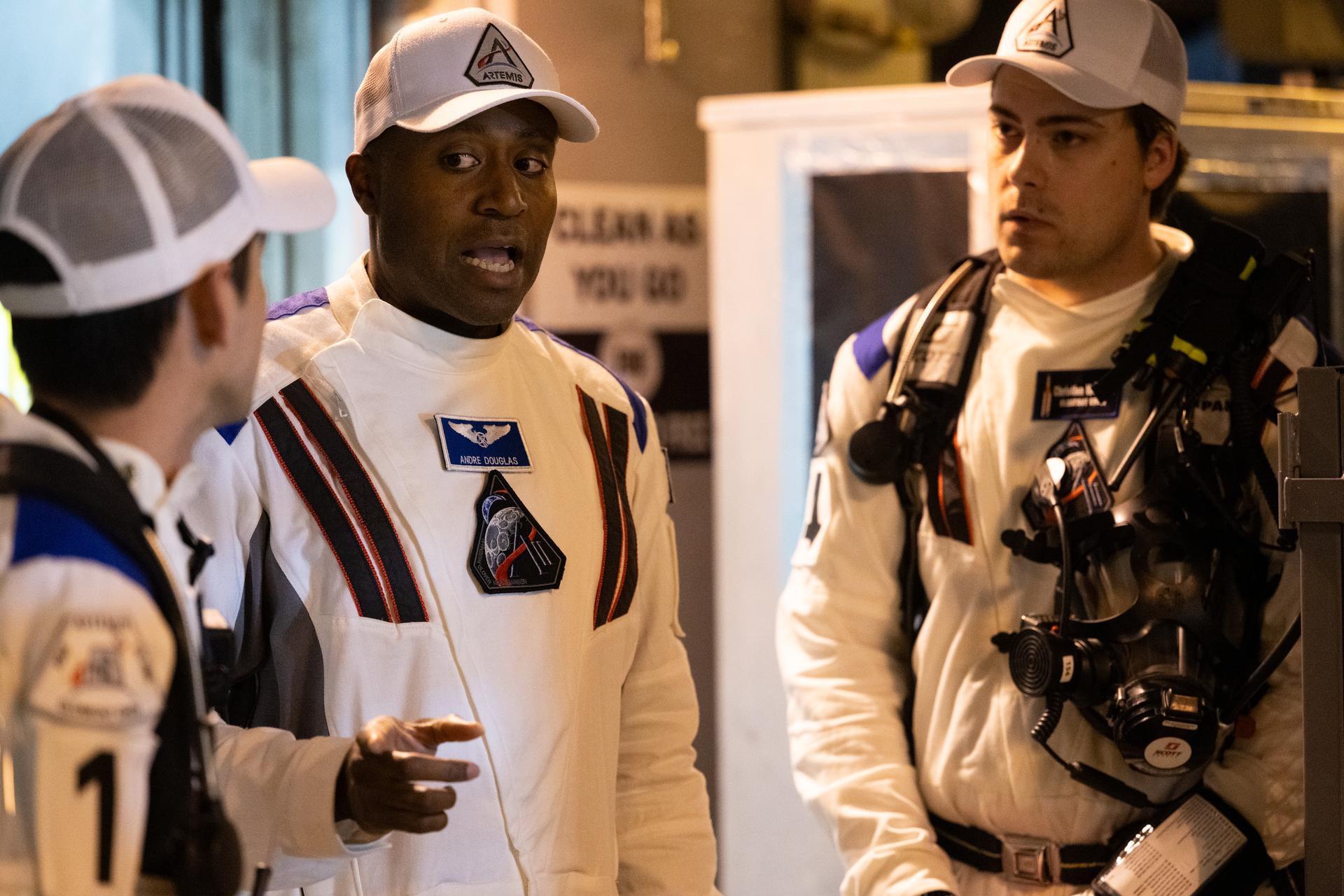
NASA astronaut Andre Douglas talks with Taylor Hose, left, Christian Warriner of the Closeout Crew as they prepare for the arrival of Artemis II crewmembers NASA astronauts Reid Wiseman, commander; Victor Glover, pilot; Christina Koch, mission specialist; and CSA (Canadian Space Agency) astronaut Jeremy Hansen, at the 275-foot level of the mobile launcher as they prepare to board their Orion spacecraft atop NASA’s Space Launch System rocket during the Artemis II countdown demonstration test, Saturday, Dec. 20, 2025, inside the Vehicle Assembly Building at NASA’s Kennedy Space Center in Florida. For this operation, the Artemis II crew and launch teams are simulating the launch day timeline including suit-up, walkout, and spacecraft ingress and egress. Through the Artemis campaign, NASA will send astronauts to explore the Moon for scientific discovery, economic benefits, and to build the foundation for the first crewed missions to Mars, for the benefit of all. Photo Credit: (NASA/Joel Kowsky)
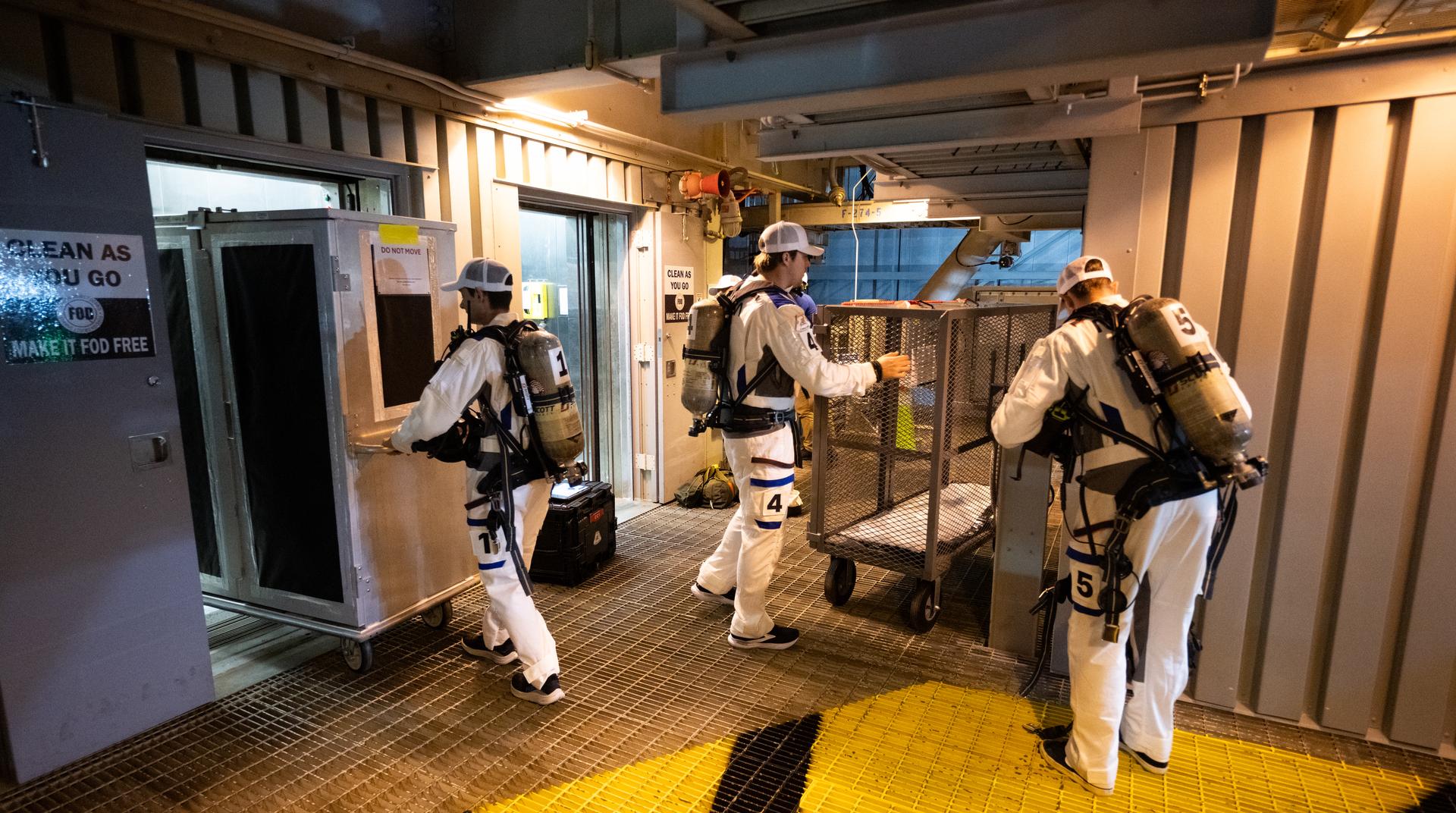
Taylor Hose, left, Christian Warriner, center, and Will Sattler of the Closeout Crew are seen as they prepare for the arrival of Artemis II crewmembers NASA astronauts Reid Wiseman, commander; Victor Glover, pilot; Christina Koch, mission specialist; and CSA (Canadian Space Agency) astronaut Jeremy Hansen, mission specialist; at the 275-foot level of the mobile launcher to board their Orion spacecraft atop NASA’s Space Launch System rocket during the Artemis II countdown demonstration test, Saturday, Dec. 20, 2025, inside the Vehicle Assembly Building at NASA’s Kennedy Space Center in Florida. For this operation, the Artemis II crew and launch teams are simulating the launch day timeline including suit-up, walkout, and spacecraft ingress and egress. Through the Artemis campaign, NASA will send astronauts to explore the Moon for scientific discovery, economic benefits, and to build the foundation for the first crewed missions to Mars, for the benefit of all. Photo Credit: (NASA/Joel Kowsky)
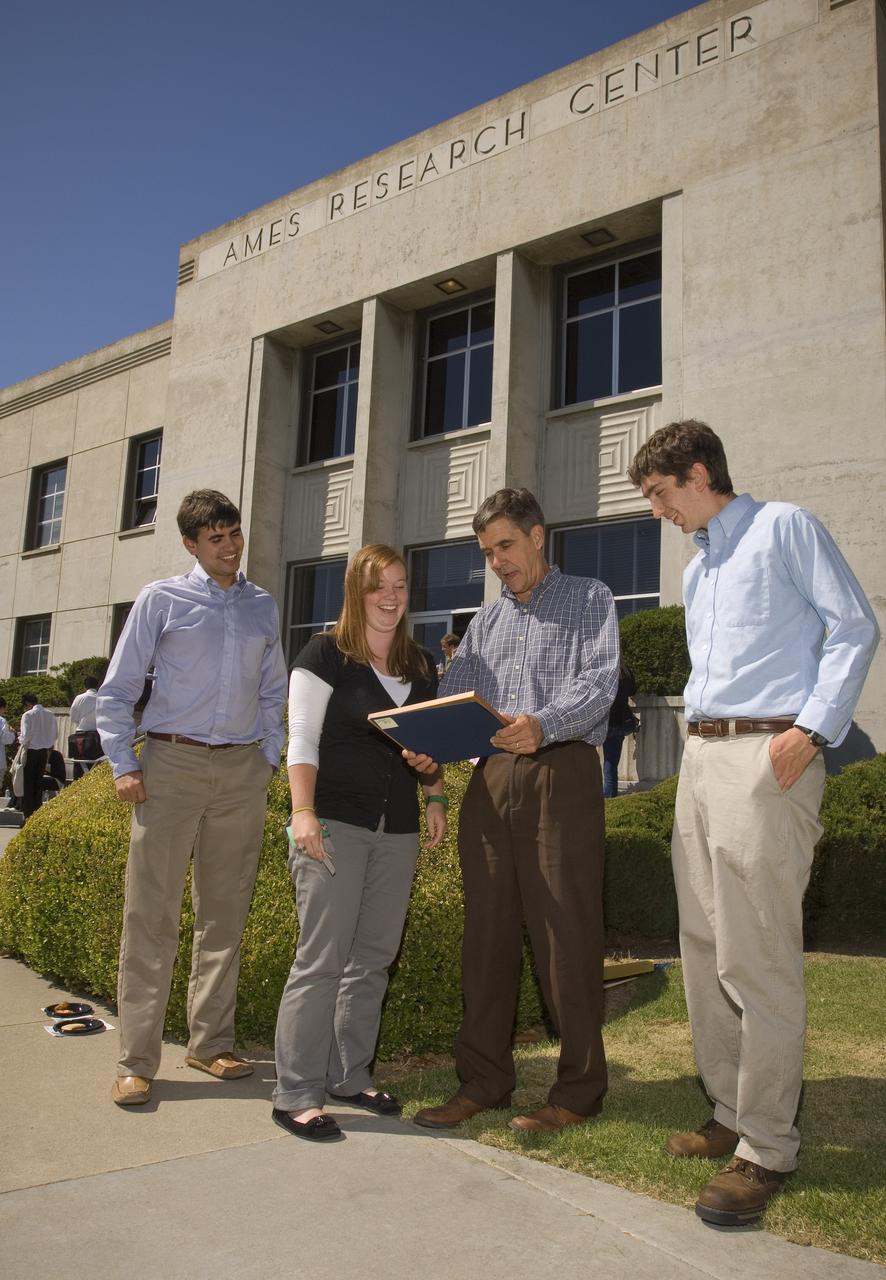
Summer Internship for 2008 closing ceremony: Juan Cjigas, Roseleith Taylor, William 'Bill' Warmbrodt (mentor) and Peter Caffin on steps of the Ames Administration building N-200.
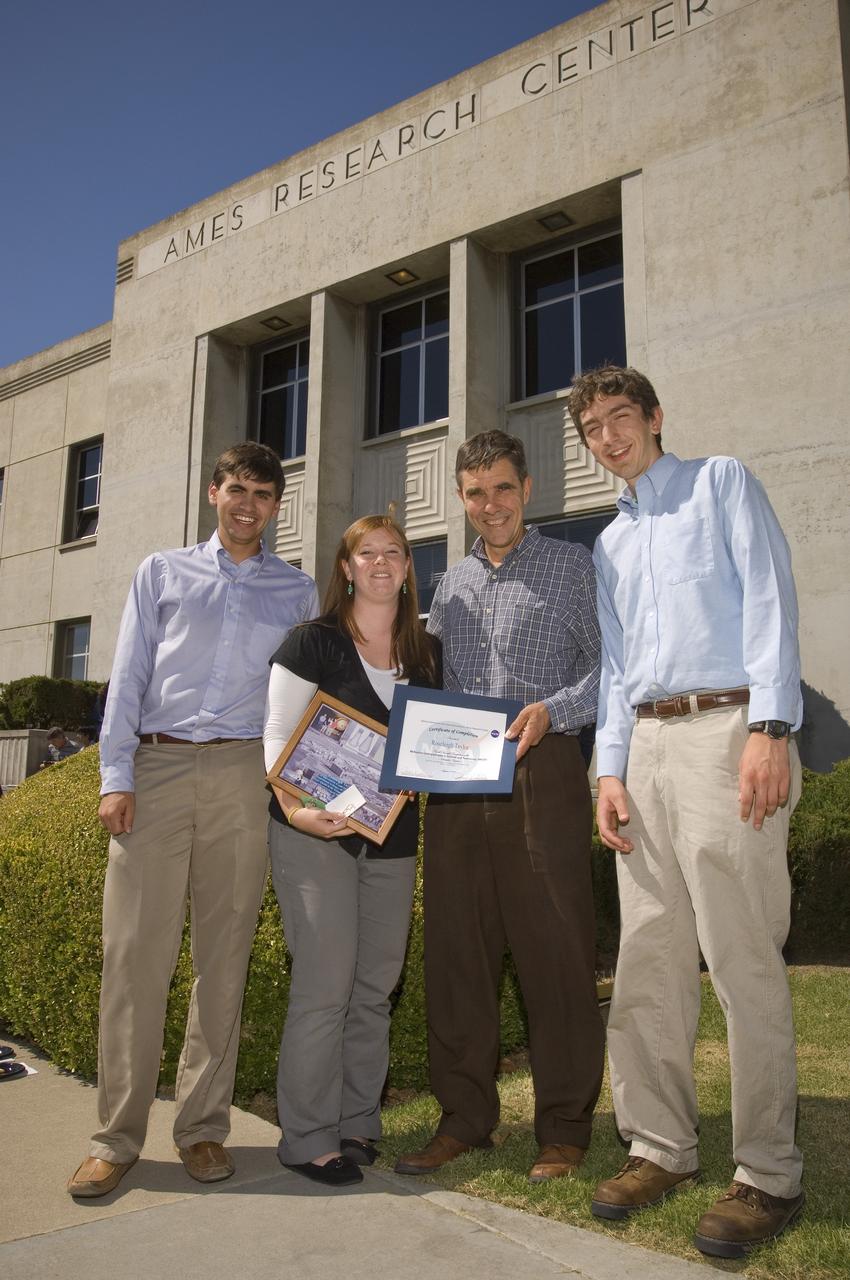
Summer Internship for 2008 closing ceremony: Juan Cjigas, Roseleith Taylor, William 'Bill' Warmbrodt (mentor) and Peter Caffin on steps of the Ames Administration building N-200.
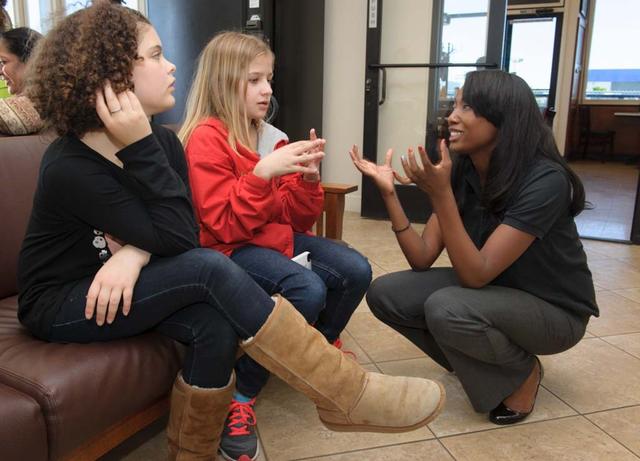
Women Fly it forward event at Hiller Aviation. Aisha Bowe (right) with Ames Navigation, Guidance & Control Systems Branch reaches out to Julia Smith (left) and Taylor Grafstrom (center) about women in aviation.
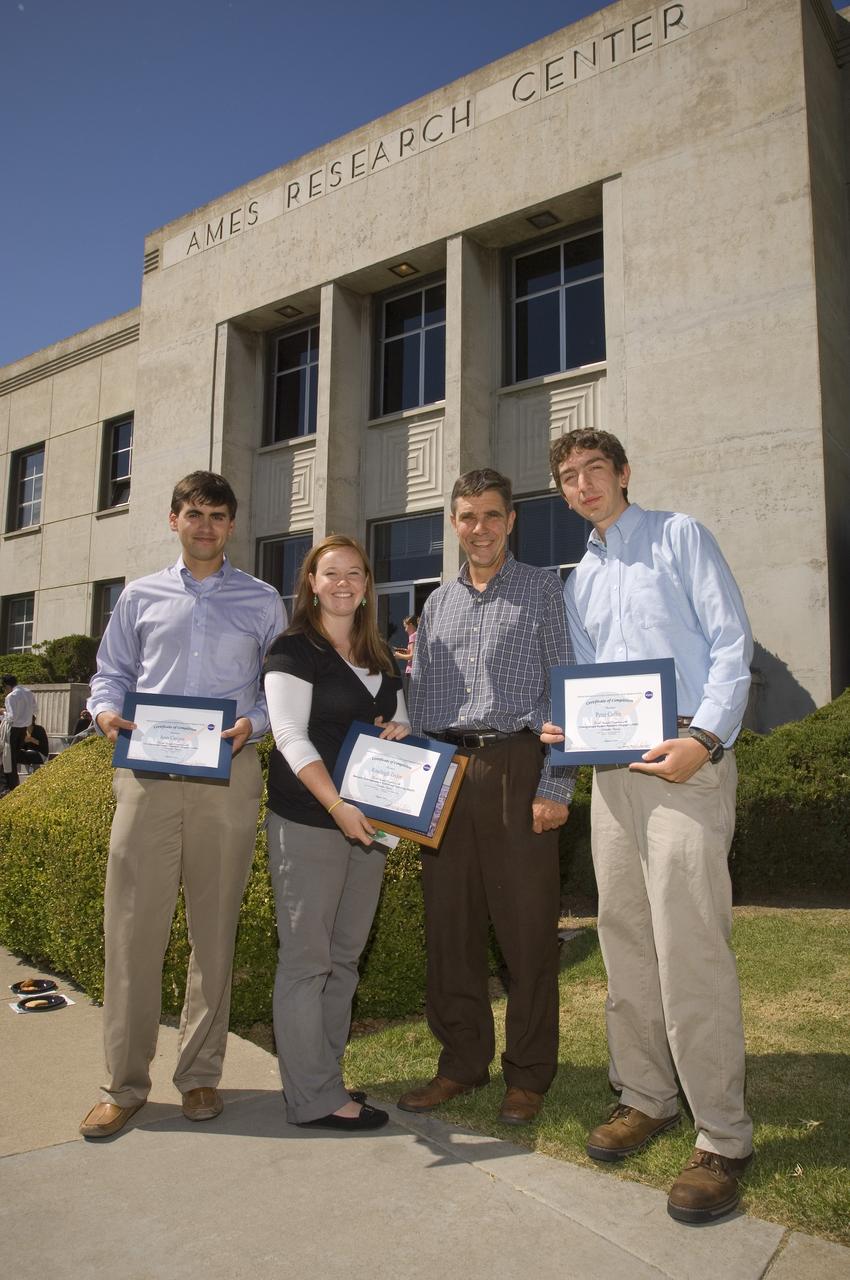
Summer Internship for 2008 closing ceremony : Juan Cjigas, Roseleith Taylor, William 'Bill' Warmbrodt (mentor) and Peter Caffin on steps of the Ames Administration building N-200.
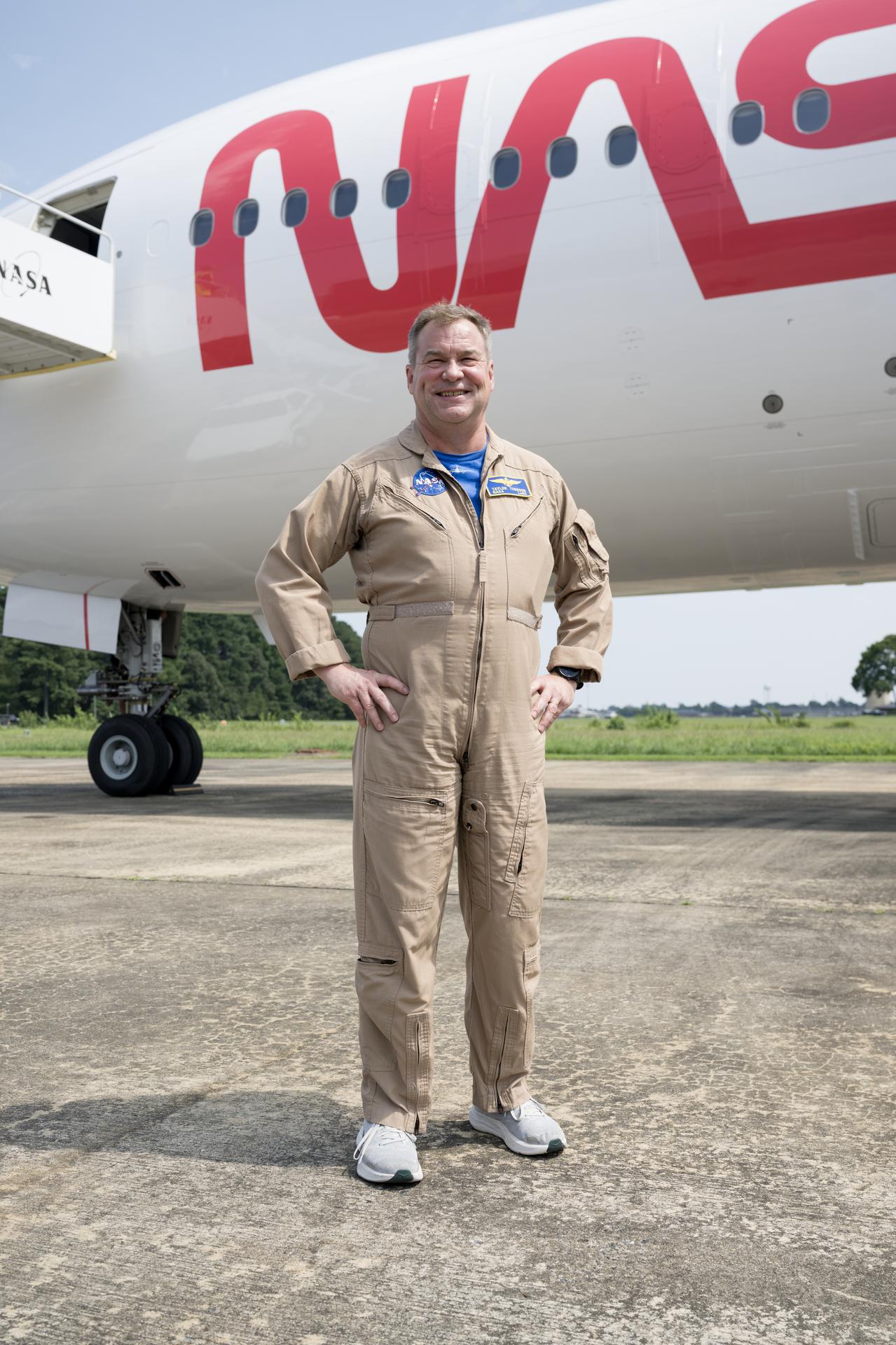
NASA B777-200ER (N577NA) arrived at Langley Research Center’s Hangar with new paint livery Aug 12. It was flown by NASA pilot Taylor Thorson, as this marks his final flight. Photo Credit NASA/ Mark Knopp
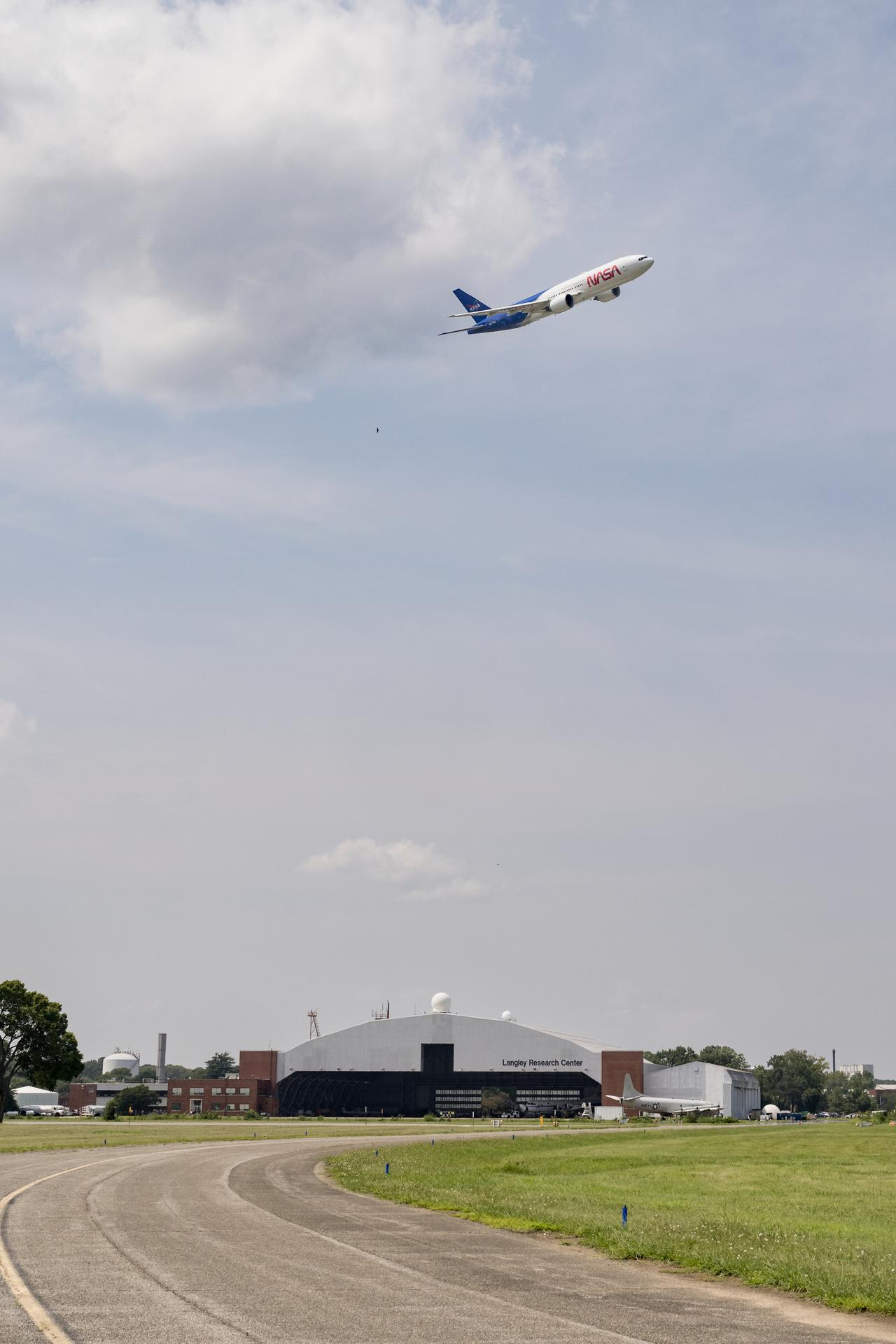
NASA B777-200ER (N577NA) arrived at Langley Research Center’s Hangar with new paint livery Aug 12. It was flown by NASA pilot Taylor Thorson, as this marks his final flight. Photo Credit NASA/ Mark Knopp
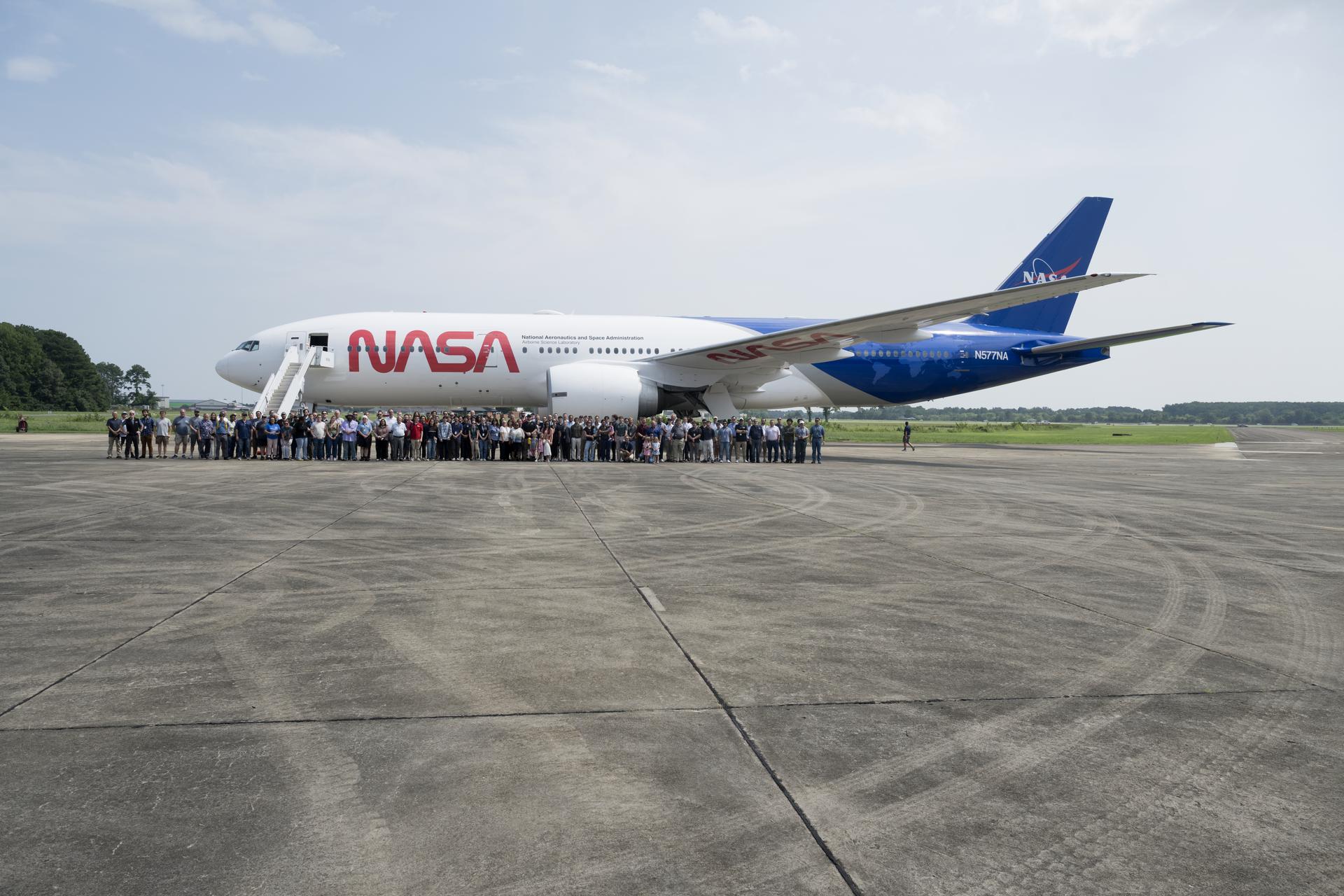
NASA B777-200ER (N577NA) arrived at Langley Research Center’s Hangar with new paint livery Aug 12. It was flown by NASA pilot Taylor Thorson, as this marks his final flight. Photo Credit NASA/ Mark Knopp
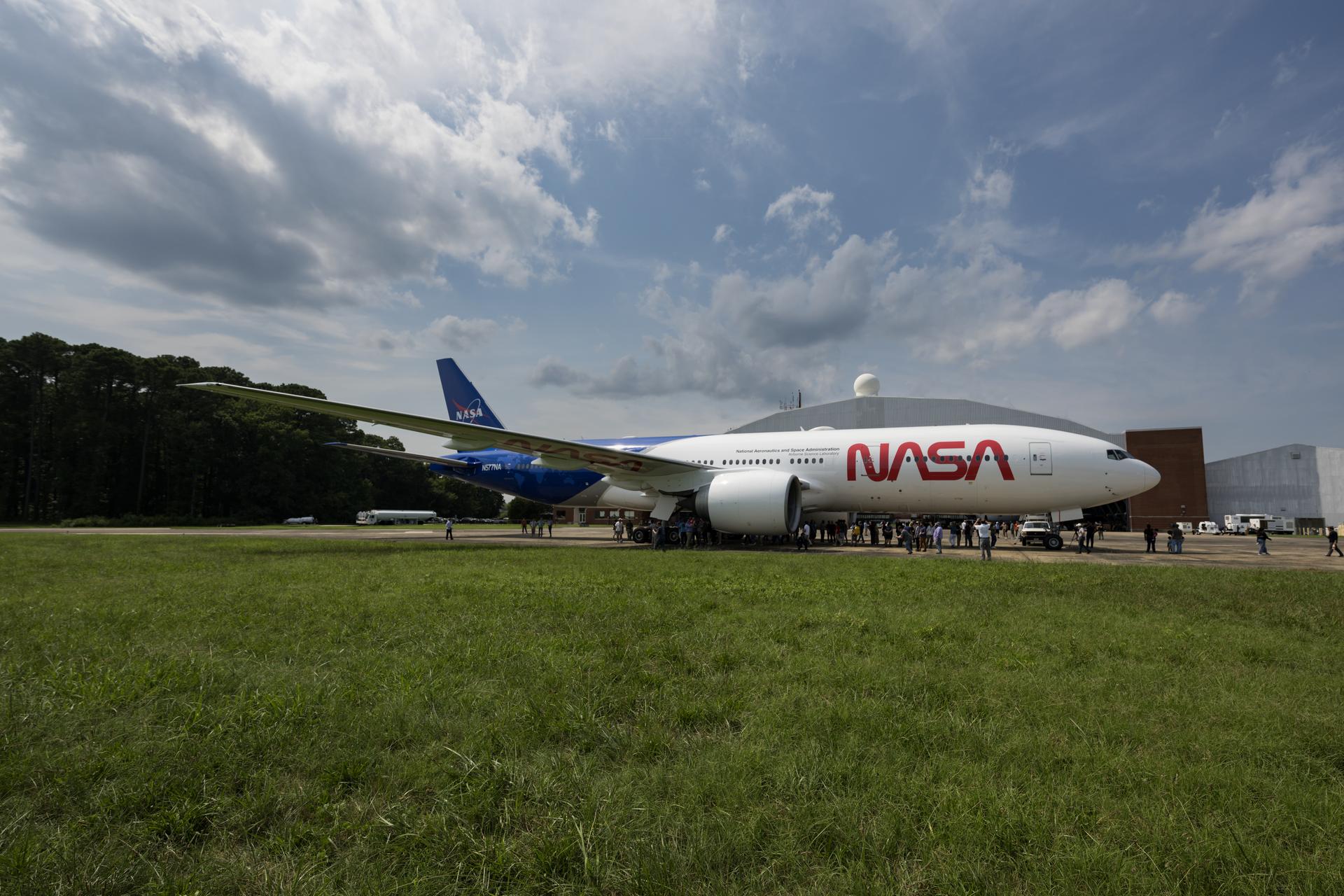
NASA B777-200ER (N577NA) arrived at Langley Research Center’s Hangar with new paint livery Aug 12. It was flown by NASA pilot Taylor Thorson, as this marks his final flight. Photo Credit NASA/ Mark Knopp
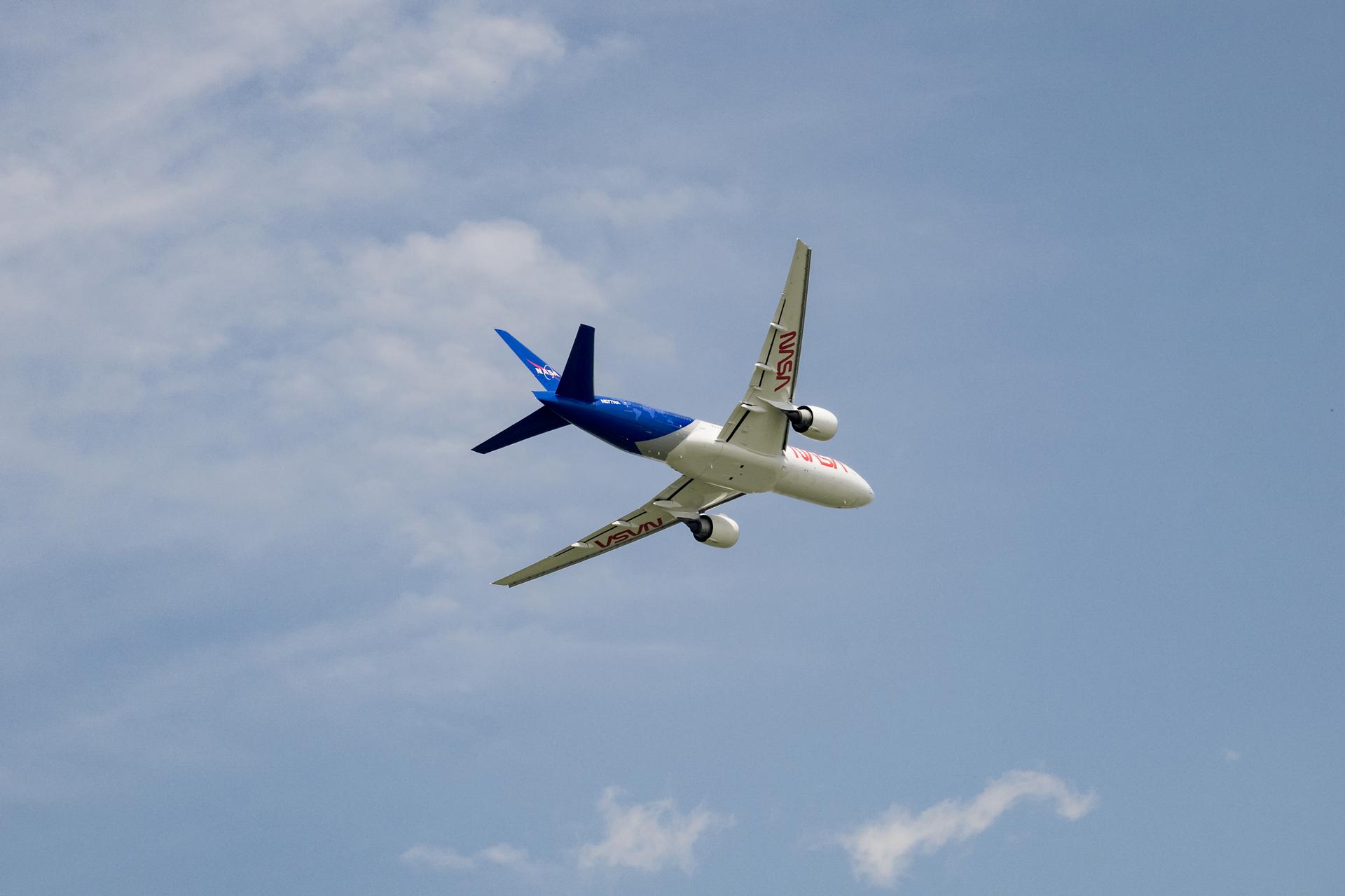
NASA B777-200ER (N577NA) arrived at Langley Research Center’s Hangar with new paint livery Aug 12. It was flown by NASA pilot Taylor Thorson, as this marks his final flight. Photo Credit NASA/ Mark Knopp

Lindsay Rogers, Office of the Chief Financial Officer (OCFO), and Robert Quinn, Office of the Chief Information Officer (OCIO) participate in an employee incentive flying event with NASA Langley pilots Taylor Thorson and Pat Bookey. Rogers and Quinn flew in NASA Langley’s aircraft as part of the Administrator’s Flight Experience Awards, a ride-along program to recognize and reward members of the workforce for their dedication to accomplishing agency priorities. NASA Langley Research Center aircraft in Hampton Va. (Photo Credit: NASA, Ryan Hill)

Lindsay Rogers, Principal Deputy Chief Financial Officer (CFO), Office of the Chief Financial Officer (OCFO), poses with NASA Langley’s pilot Taylor Thorson after receiving the Administrator's Flight Experience Award under Administrator Jared Isaacman initiated employee incentive program at NASA Langley Research Center, Hampton Va. (Photo Credit: NASA, Mark Knopp)

CAPE CANAVERAL, Fla. - Henry Taylor, chief flight engineer on the Shuttle Carrier Aircraft, or SCA, speaks with news media at the Shuttle Landing Facility at NASA's Kennedy Space Center in Florida. The SCA will take space shuttle Endeavour from Florida to Los Angeles for public display. Photo credit: NASA/Kim Shiflett
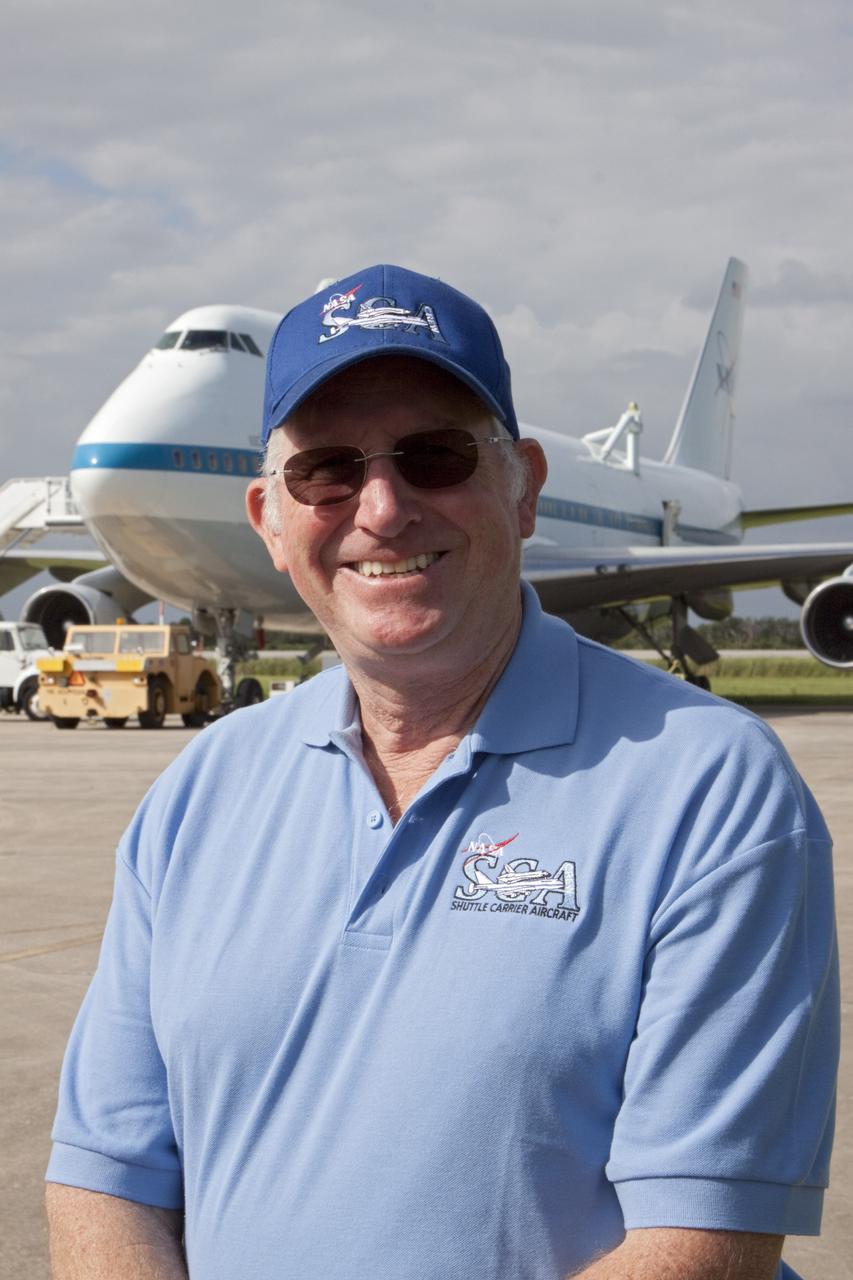
CAPE CANAVERAL, Fla. – Henry Taylor is the chief flight engineer on the Shuttle Carrier Aircraft, or SCA, that will take space shuttle Endeavour from NASA's Kennedy Space Center in Florida to Los Angeles for public display. Photo credit: NASA/Kim Shiflett
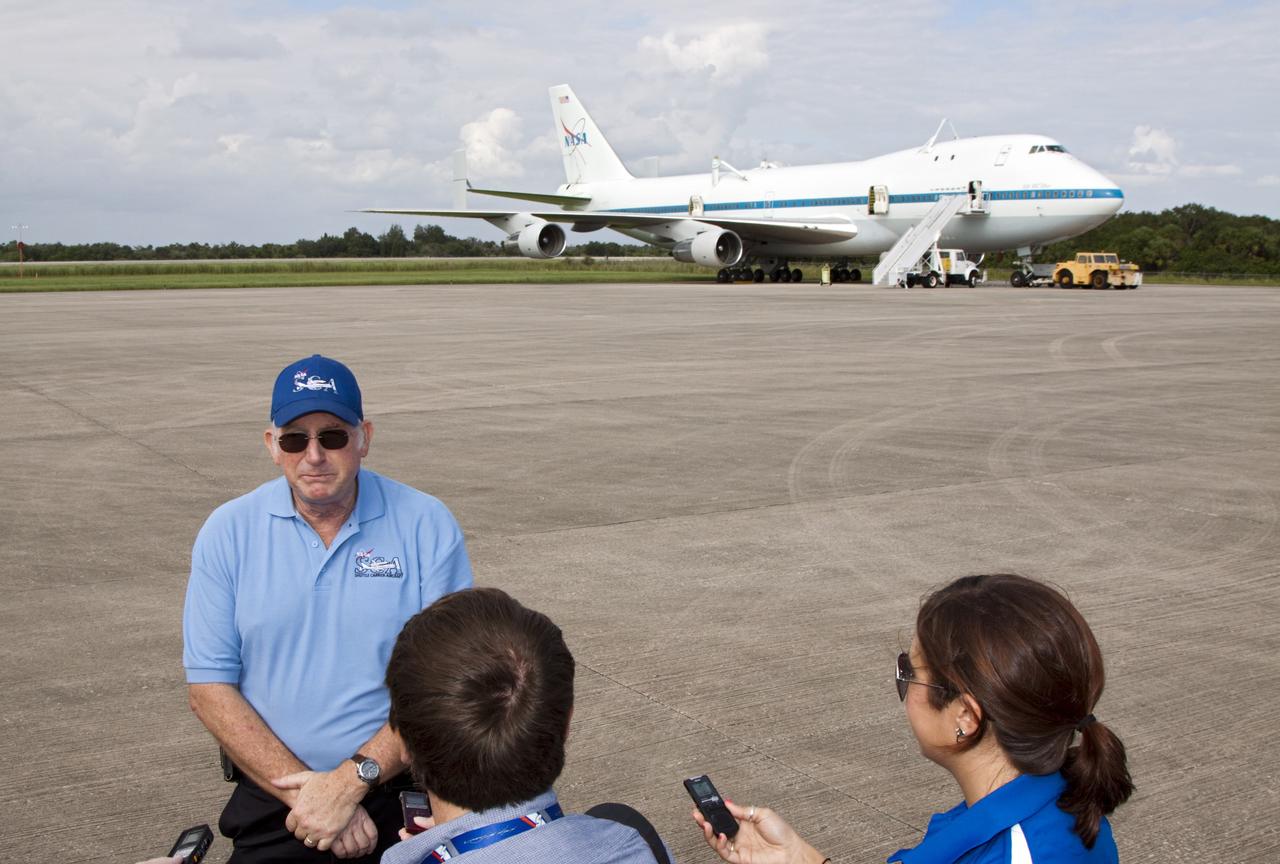
CAPE CANAVERAL, Fla. - Henry Taylor, chief flight engineer on the Shuttle Carrier Aircraft, or SCA, speaks with news media at the Shuttle Landing Facility at NASA's Kennedy Space Center in Florida. The SCA will take space shuttle Endeavour from Florida to Los Angeles for public display. Photo credit: NASA/Kim Shiflett
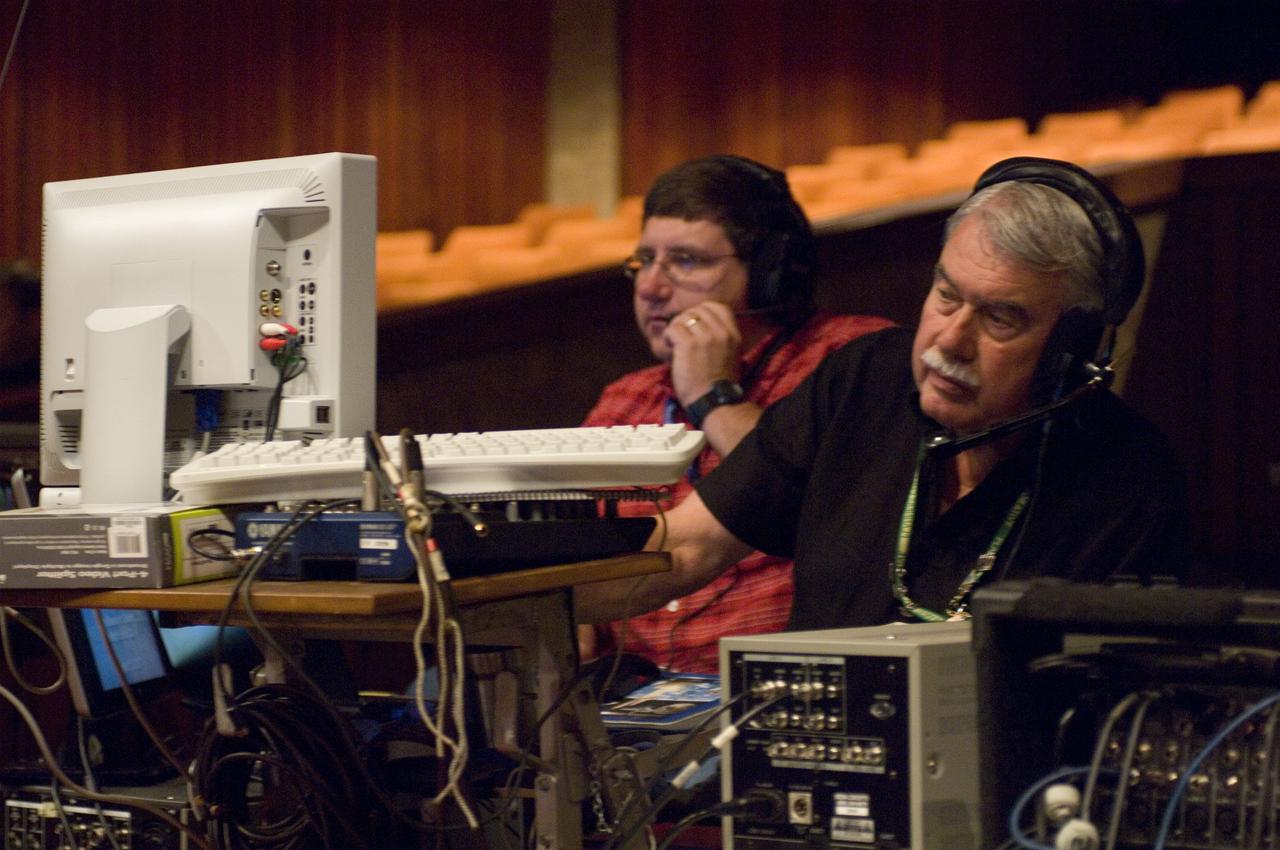
NASA Officials gather at Ames Research Center to discuss Spaceship development progress. Constellation is developing the Orion spacecraft and Ares rockets to support an American return to the moon by 2020. Bill Moede and Jim Taylor, Ames (Planners) Video crew
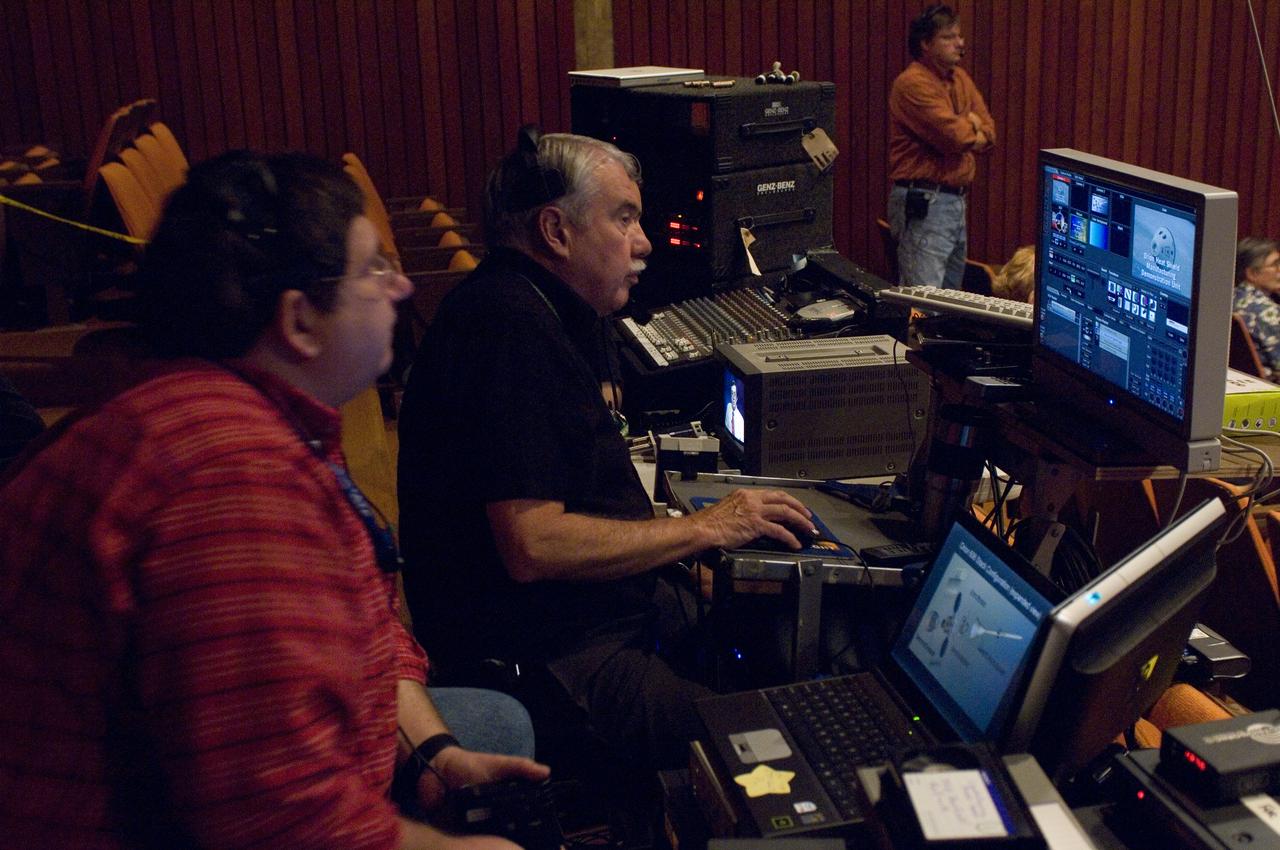
NASA Officials gather at Ames Research Center to discuss Spaceship development progress. Constellation is developing the Orion spacecraft and Ares rockets to support an American return to the moon by 2020. Bill Moede and Jim Taylor, Ames (Planners) Video crew and Ed Schilling, NASA video producer in distance
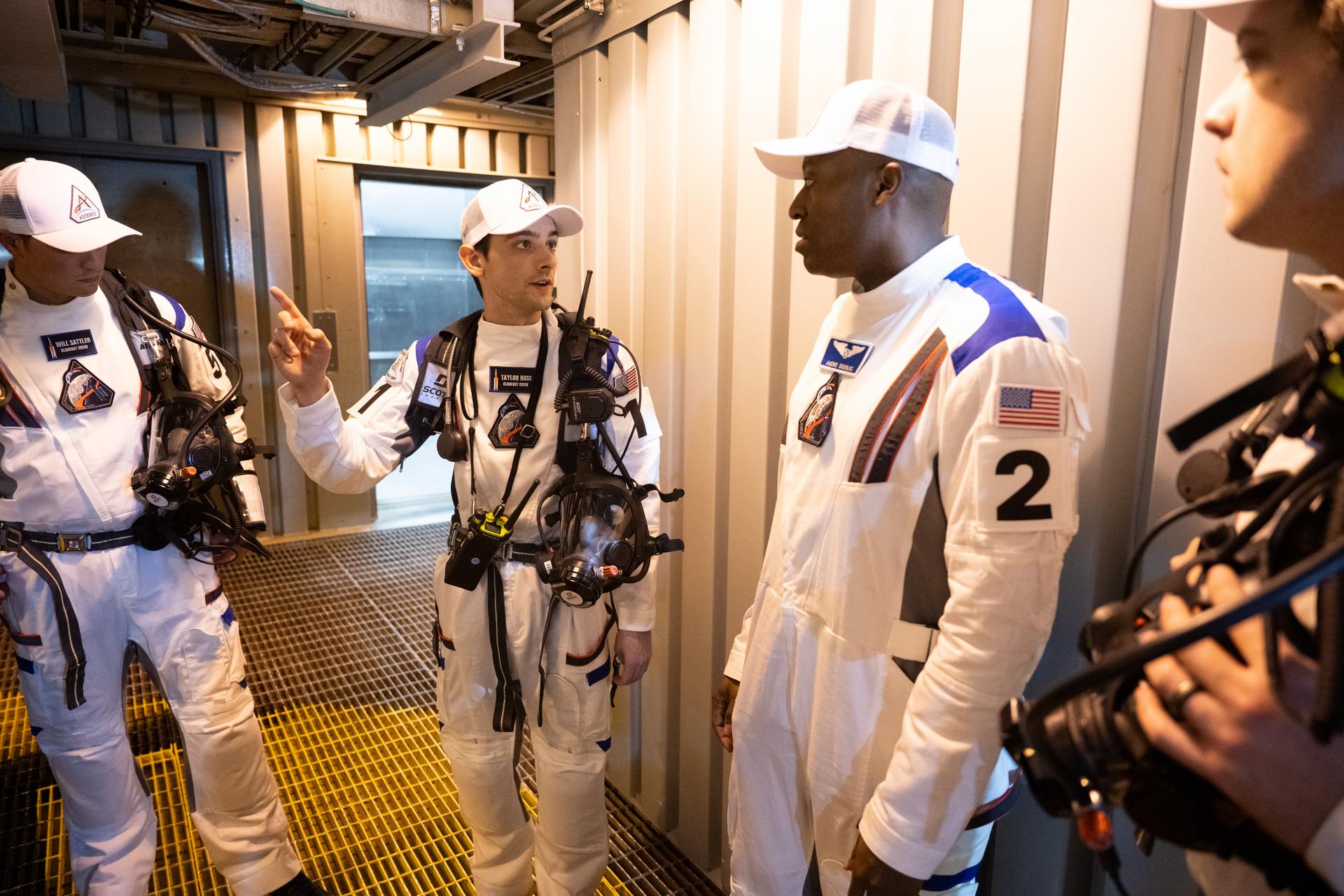
Closeout Crew lead Taylor Hose, second from left, talks with NASA astronaut Andre Douglas, second from right as he and closeout crewmembers Will Sattler, left, and Christian Warriner prepare for the arrival of Artemis II crewmembers NASA astronauts Reid Wiseman, commander; Victor Glover, pilot; Christina Koch, mission specialist; and CSA (Canadian Space Agency) astronaut Jeremy Hansen, mission specialist; at the 275-foot level of the mobile launcher as they prepare to board their Orion spacecraft atop NASA’s Space Launch System rocket during the Artemis II countdown demonstration test, Saturday, Dec. 20, 2025, inside the Vehicle Assembly Building at NASA’s Kennedy Space Center in Florida. For this operation, the Artemis II crew and launch teams are simulating the launch day timeline including suit-up, walkout, and spacecraft ingress and egress. Through the Artemis campaign, NASA will send astronauts to explore the Moon for scientific discovery, economic benefits, and to build the foundation for the first crewed missions to Mars, for the benefit of all. Photo Credit: (NASA/Joel Kowsky)
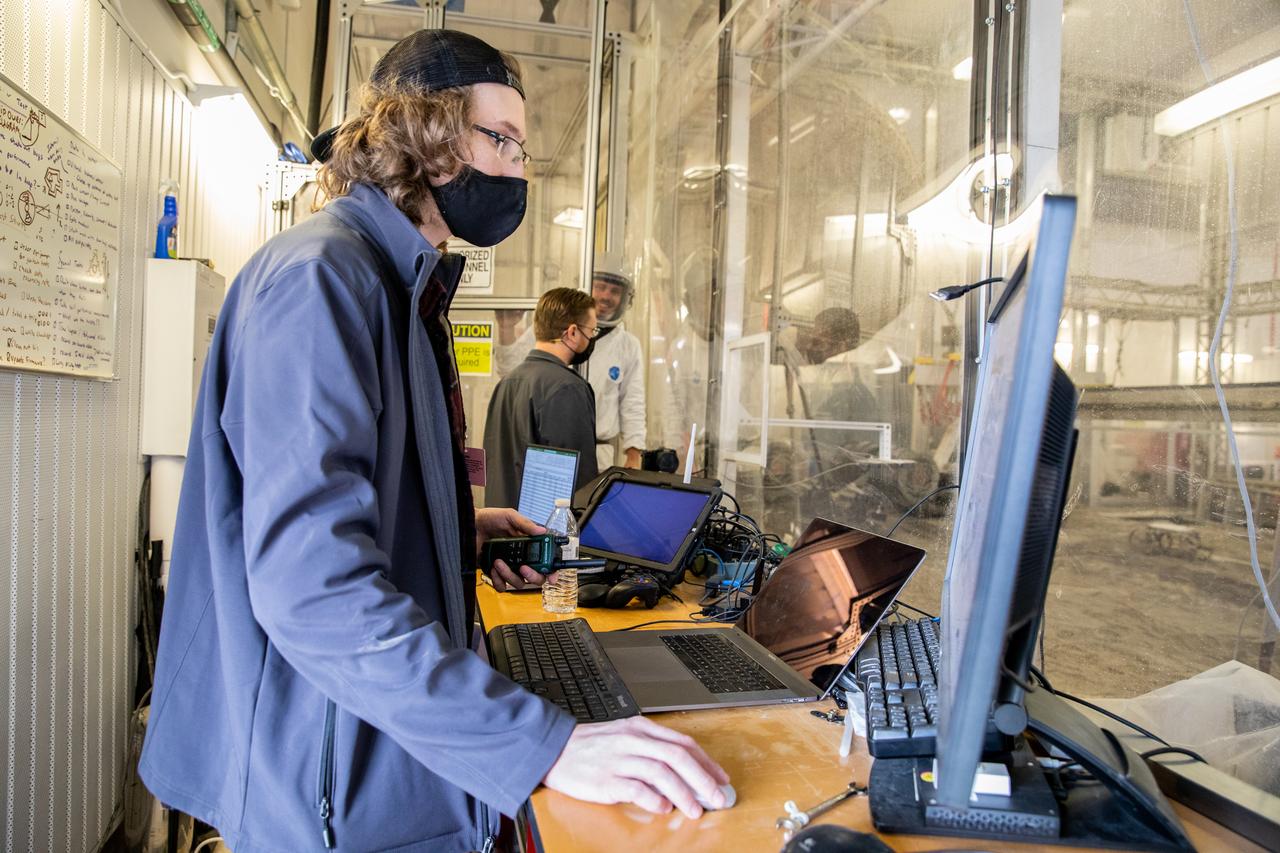
Taylor Whitaker, flight software engineer, monitors the progress of the Astrobotic CubeRover during its test run in the Granular Mechanics and Regolith Operations Lab regolith bin at NASA’s Kennedy Space Center in Florida on Dec. 10, 2020. The regolith bin simulates the mechanical properties of the Moon’s surface. NASA and Astrobotic employees put the CubeRover through a series of more than 150 mobility tests over several days to evaluate and improve wheel design.
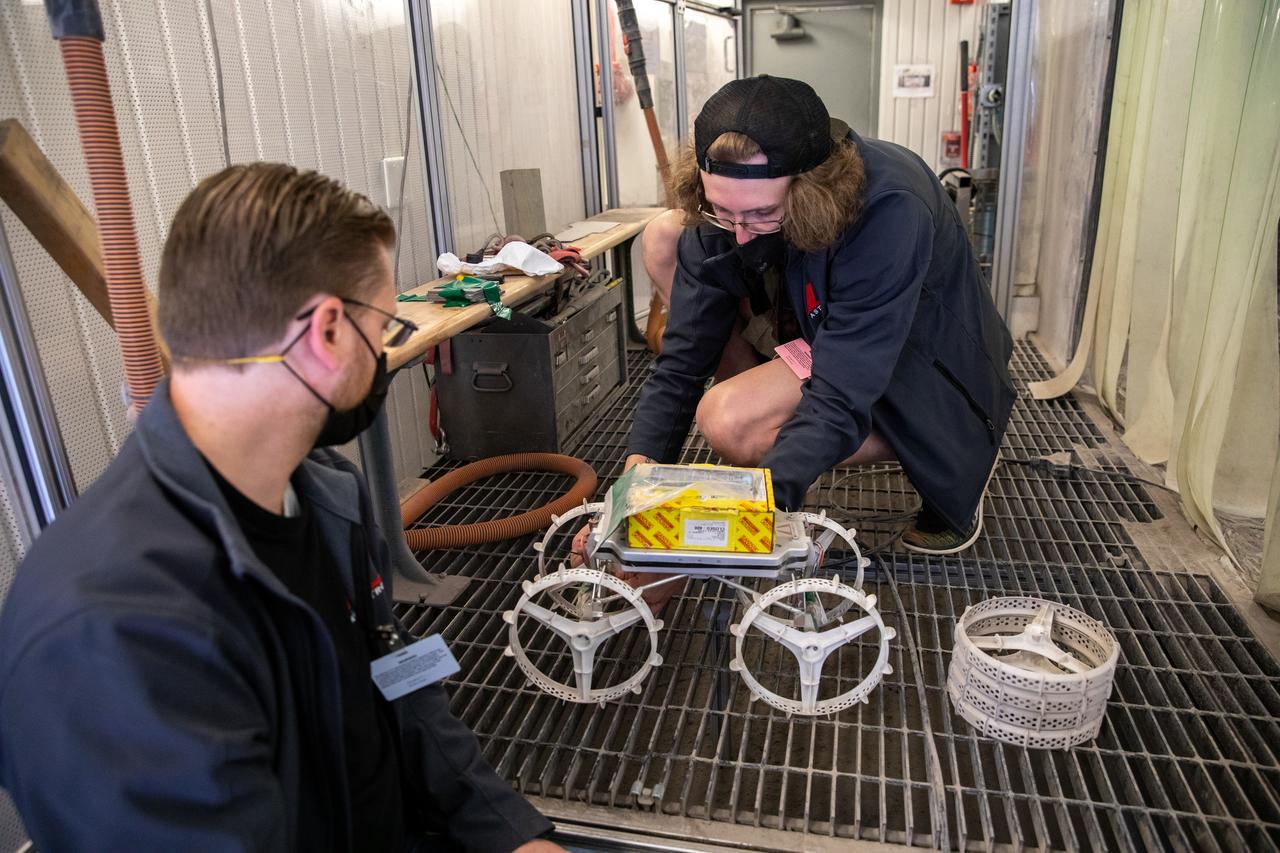
Astrobotic employees Troy Arbuckle, at left, Planetary Mobility lead mechanical engineer, and Taylor Whitaker, flight software engineer, prepare the Astrobotic CubeRover for its test run in the Granular Mechanics and Regolith Operations Laboratory regolith bin at NASA’s Kennedy Space Center in Florida on Dec. 10, 2020. The regolith bin simulates the mechanical properties of the Moon’s surface. NASA and Astrobotic employees put the CubeRover through a series of more than 150 mobility tests over several days to evaluate and improve wheel design.
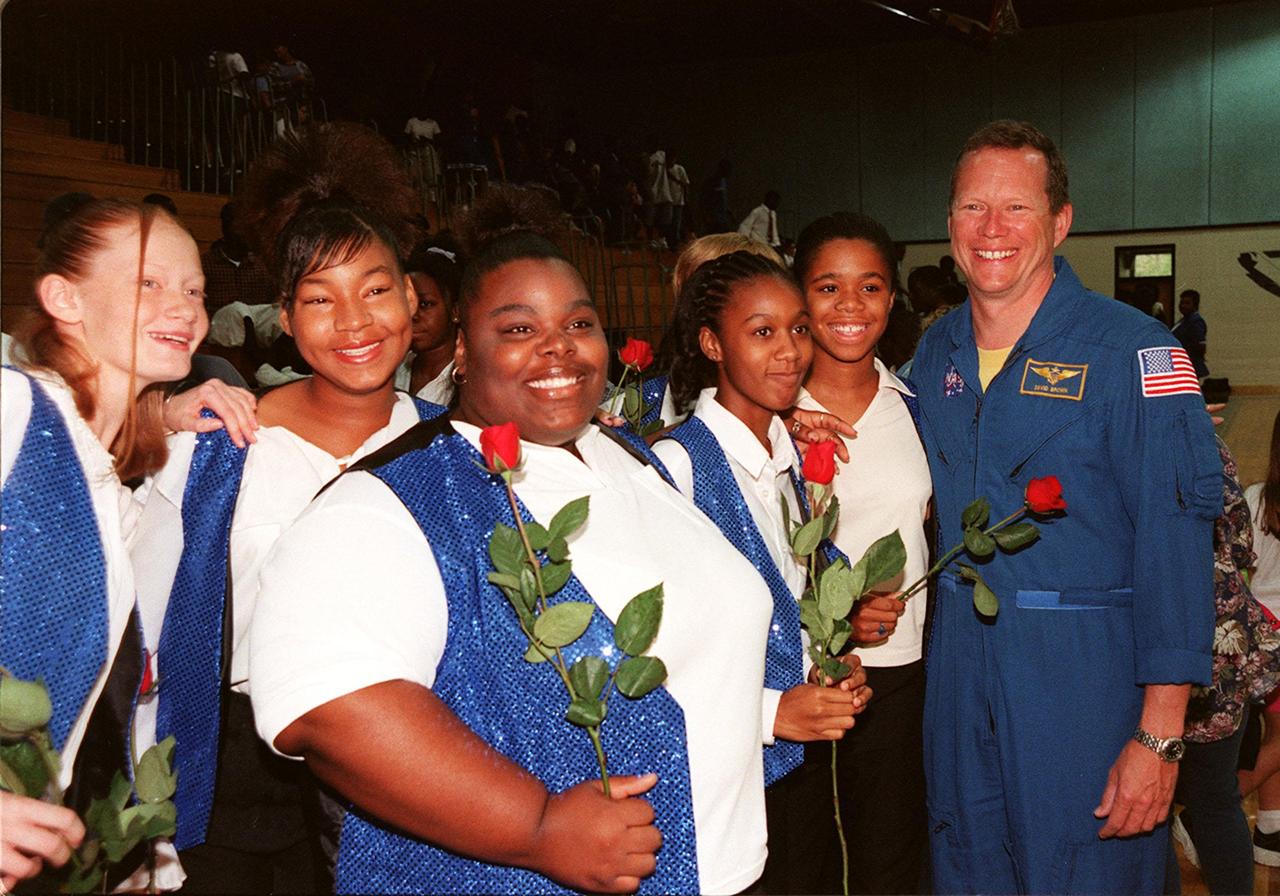
Dr. David Brown (right), a NASA astronaut, poses with students in the gymnasium of Ronald McNair Magnet School in Cocoa, Fla. From left, the students are Kristin Rexford, Danitra Anderson, Dominique Smith, Fallon Davis, and Qiana Taylor. Brown was at the school to attend a tribute to NASA astronaut Ronald McNair. The school had previously been renamed for the fallen astronaut who was one of a crew of seven, who lost their lives during an accident following launch of the Space Shuttle Challenger in January 1986
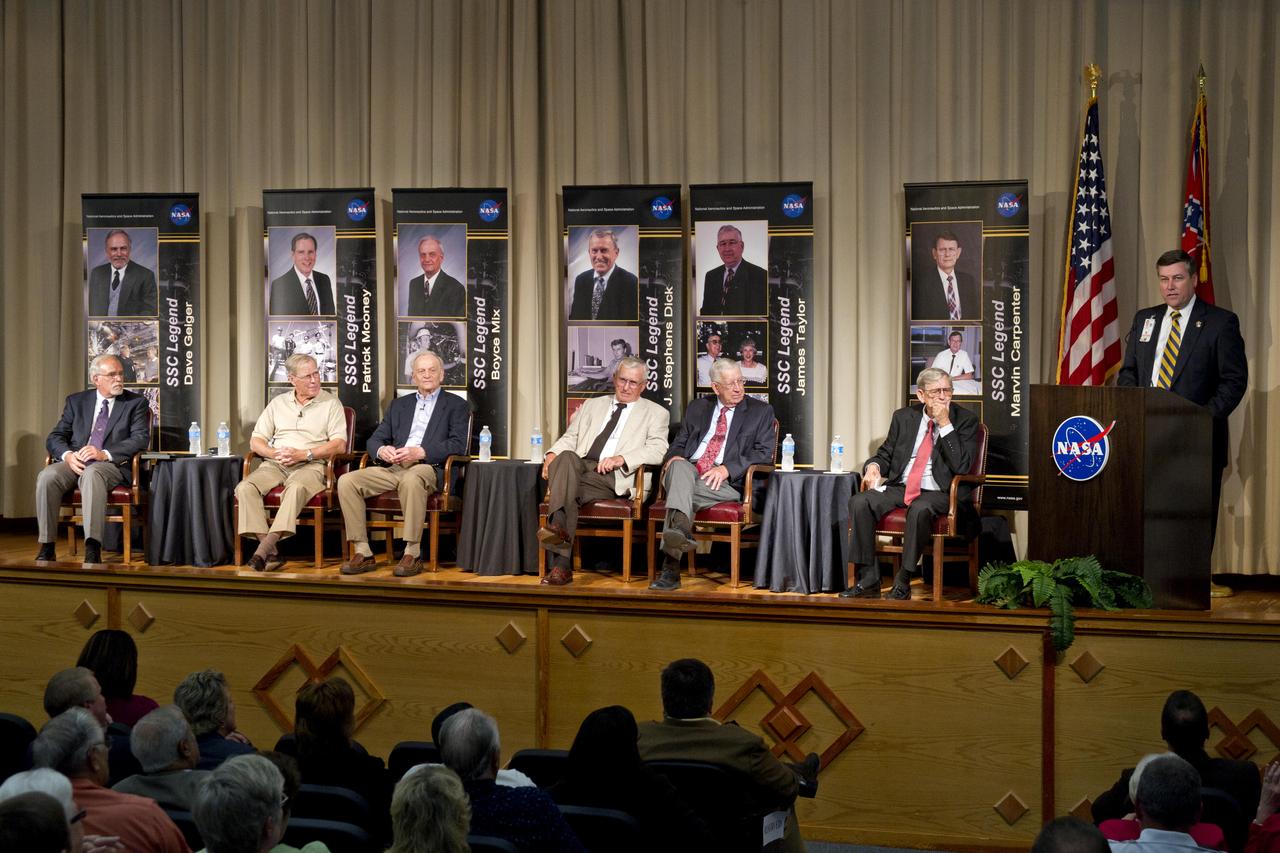
Stennis Space Center Director Patrick Scheuermann (right) welcomes former leaders to the fourth Legends Lecture Series presentation Oct. 13. Stennis launched the series in November 2010 as part of a yearlong 50th anniversary celebration. The recent session focused on past rocket engine test work. Visiting Stennis legends were: (l to r) Dave Geiger, Patrick Mooney, Boyce Mix, J. Stephens Dick, James Taylor and Marvin Carpenter.
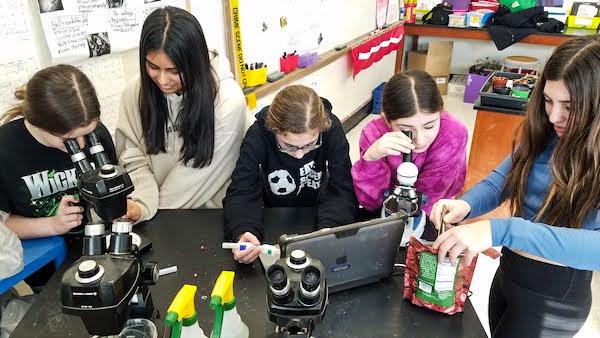
jsc2023e065215 (2/2/2023) --- Student researchers Isabella Zabinski, Sharlyn Dubey, Aria Molinelli, Avital Kandel, and Taylor Tripet work on their experiment, The Effect of Microgravity on Gray Mold, which will be included in the Nanoracks-National Center for Earth and Space Science Education-Orbiter-Student Spaceflight Experiments Program Mission 17 to ISS (Nanoracks-NCESSE-Orbiter-SSEP).
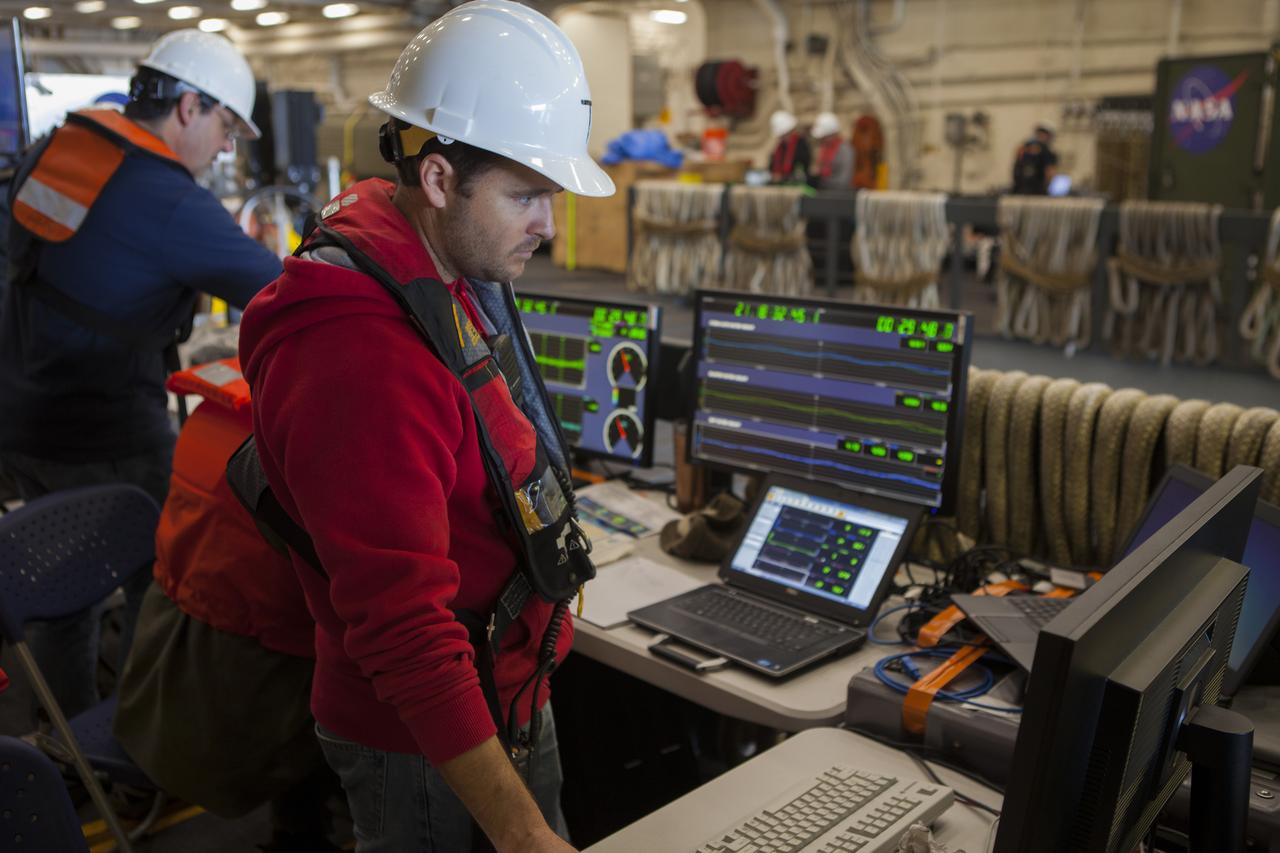
Lead Instrumentation Engineer Kevin Taylor keeps an eye on the load levels during Underway Recovery Test 6 operations off the coast of San Diego. Kennedy Space Center’s NASA Recovery Team works with the U.S. Navy to improve recovery procedures and hardware ahead of Orion's next flight, Exploration Mission-1, when it splashes down in the Pacific Ocean.
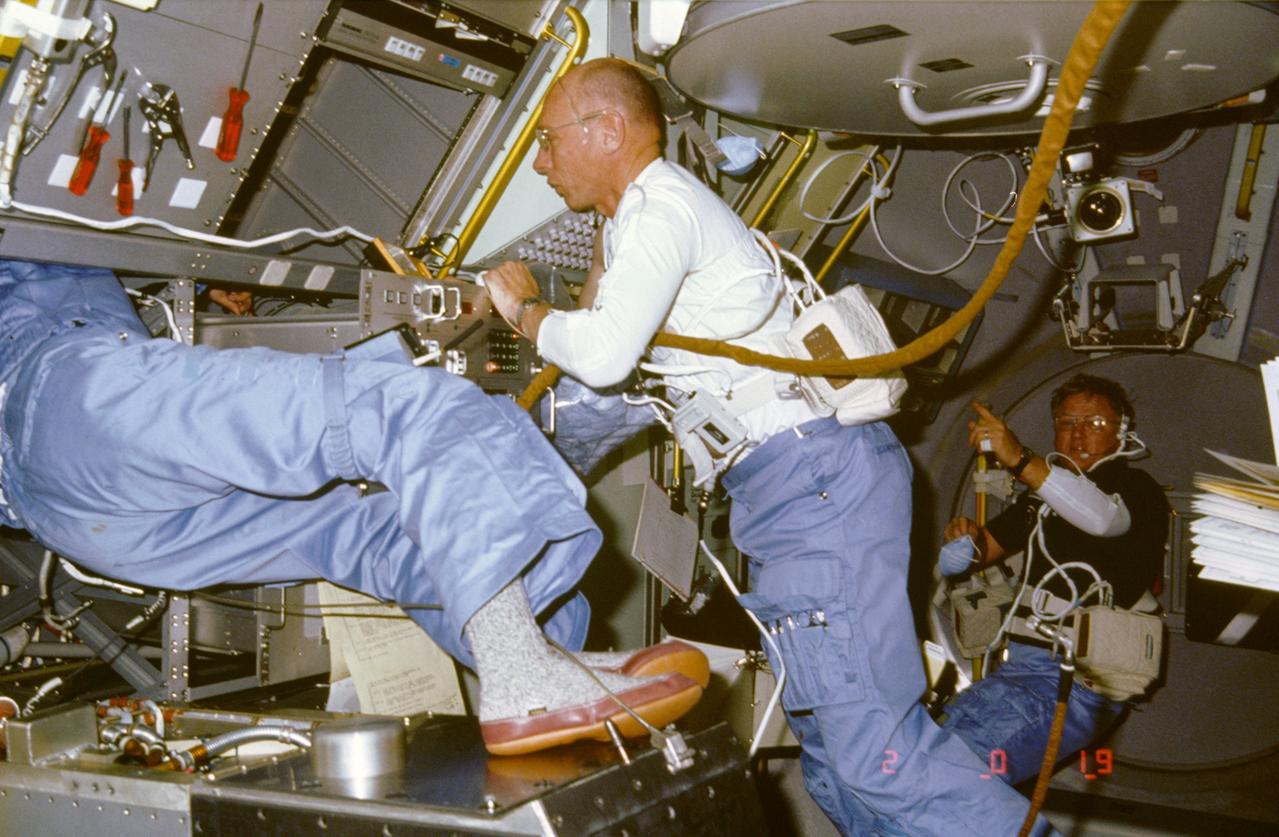
51B-03-037 (29 April-6 May 1985) --- Astronaut William E. Thornton (center frame), mission specialist, lends a helping hand to payload specialist Taylor G. Wang (partially visible at left) involved in serious repair work on the Drop Dynamics Module (DDM), an experiment of which he is principal investigator. The troubleshooting paid off and Dr. Wang later resumed studies with drop dynamics. Astronaut Don L. Lind, mission specialist, is in the background.

S69-40740 (July 1969) --- Dr. Ross Taylor (seated), Australian National University, and John Allen, Brown and Root-Northrop technician, review preliminary data from the optical emission spectrograph in the Spectrographic Laboratory of the Physical-Chemical Test Laboratory. Tests were being conducted on lunar surface material collected by astronauts Neil A. Armstrong and Edwin E. Aldrin Jr. during their lunar surface extravehicular activity on July 20, 1969.
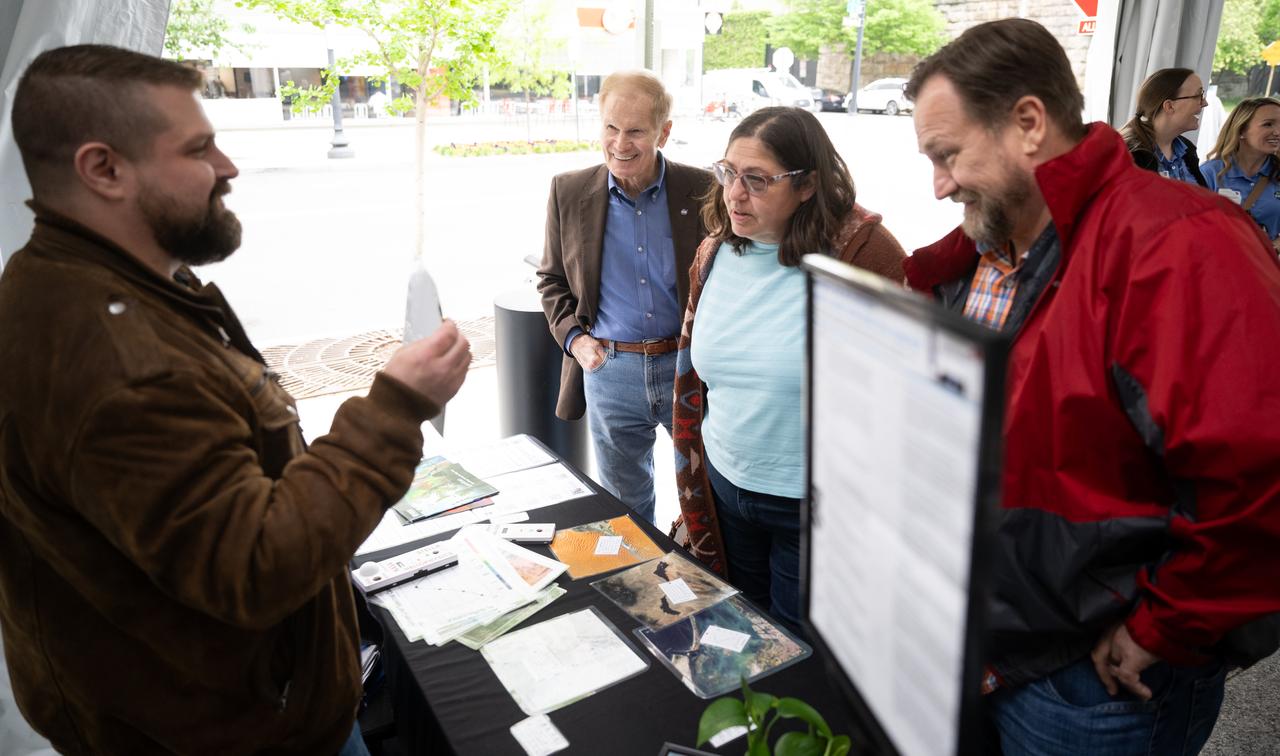
NASA Administrator Bill Nelson, second from right, listens as Michael Taylor from NASA’s Goddard Space Flight Center talks to visitors about Landsat, remote sensing data, and spectral signatures as NASA celebrates Earth Day, Friday, April 19, 2024, in the Earth Information Center at the Mary W. Jackson NASA Headquarters building in Washington. Photo Credit: (NASA/Joel Kowsky)
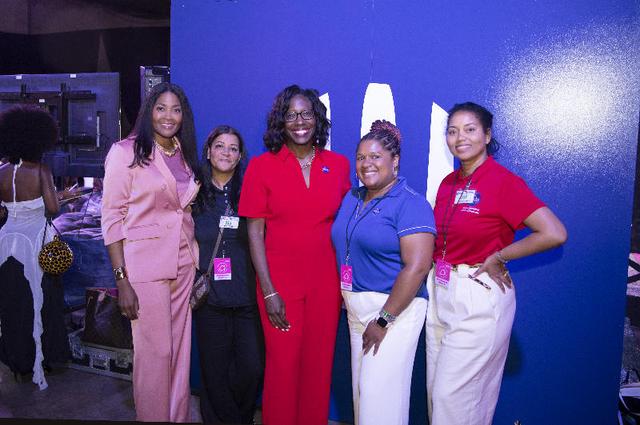
NASA representatives are shown at the 30th annual ESSENCE Fest in New Orleans on July 5. Pictured left to right: Aya Collins, director of engagement; Michelle Bascoe, management analyst; Lakiesha Hawkins, assistant deputy associate administrator for the Moon to Mars Program Office; Zudayyah Taylor-Dunn, chief knowledge officer for Space Operations Mission Directorate; and Miyoshi Collins, program specialist.
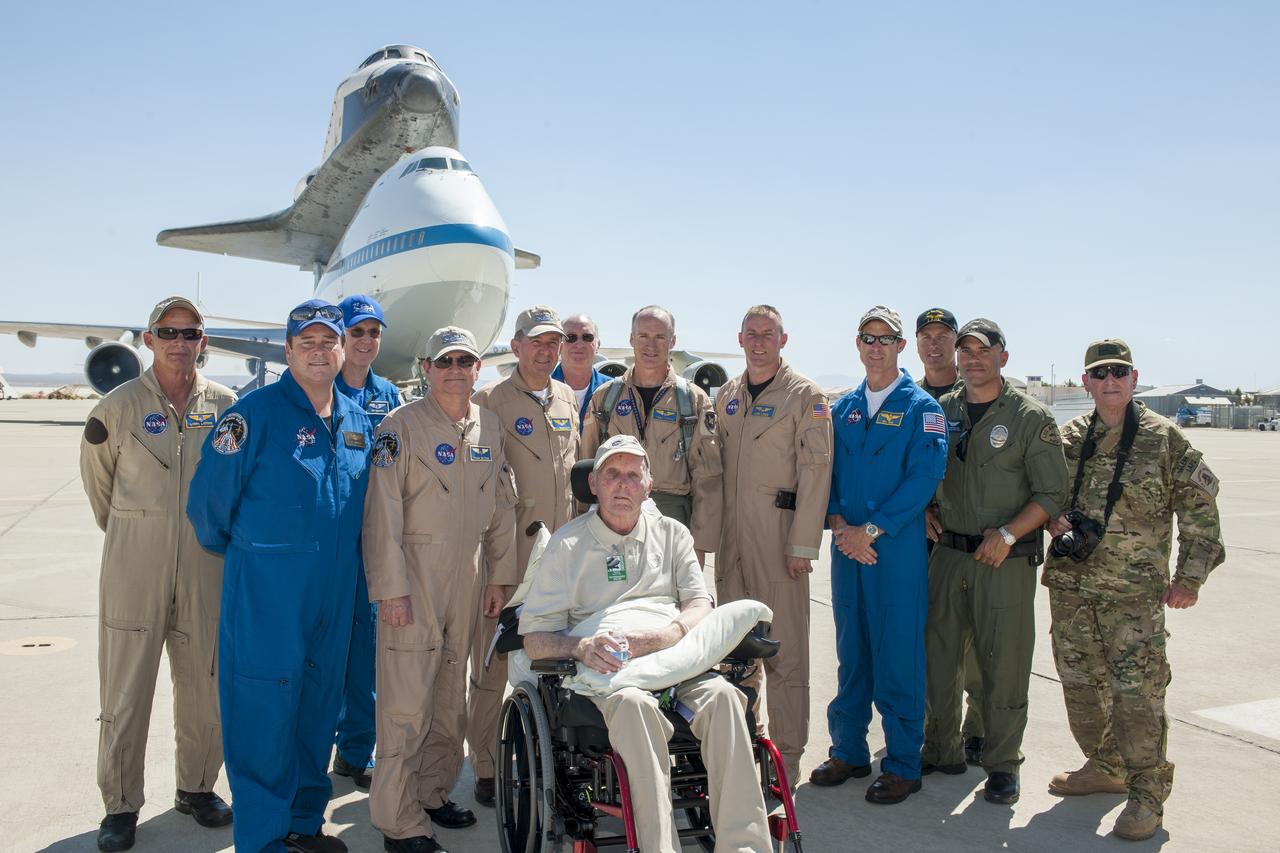
Los Angeles Police Department personnel and former NASA astronaut and NASA Armstrong Flight Research Center (then Dryden) test pilot Gordon Fullerton, seated, join the crew of the NASA 747 Shuttle Carrier Aircraft. Standing is, from left, Larry LaRose, J.J. Johnston, Jeff Moultrie, Frank Batteas, Bill Brockett, Henry Taylor, Troy Asher, Jim Less, Bill Rieke, officer Kevin Standage, Sgt. Stephen Roussell, and Glenn Grossman.

Director of Strategic Integration & Management Division Dr. Alotta Taylor delivers opening remarks during an employee engagement event with NASA’s SpaceX Crew-3 astronauts Raja Chari, Kayla Barron, Tom Marshburn, and Mark Vande Hei, Wednesday, Dec. 7, 2022, at the Mary W. Jackson NASA Headquarters Building in Washington. Photo Credit: (NASA/Keegan Barber)
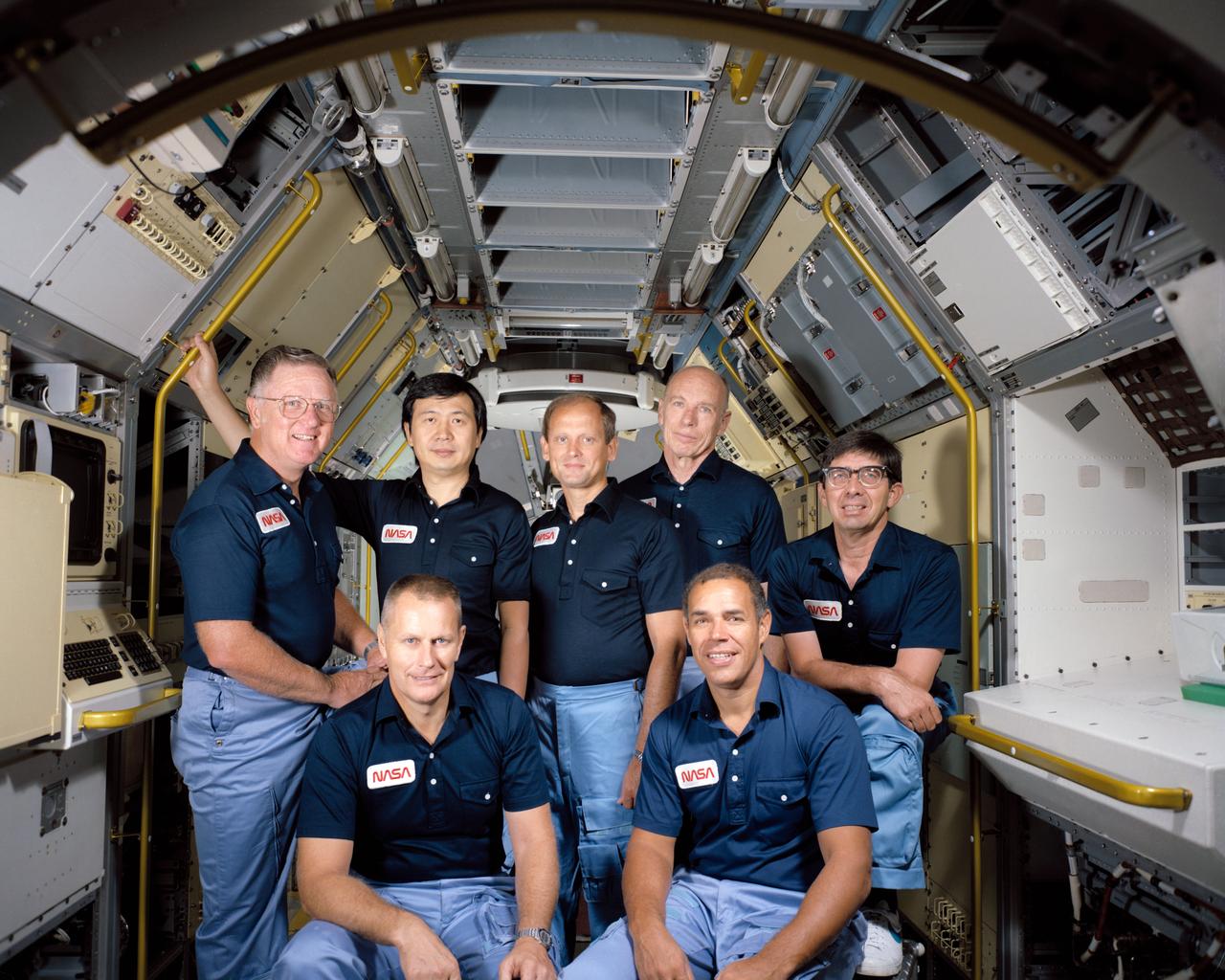
S84-43852 (November 1984) --- These seven men have been training for NASA’s Spacelab 3/STS-51B mission scheduled for launch in late April 1985. On the front row are astronauts Robert F. Overmyer (left), commander; and Frederick D. Gregory, pilot. On the back row, left to right, are Don L. Lind, mission specialist; Taylor G. Wang, payload specialist; Norman E. Thagard and William E. Thornton, both mission specialists; and Lodewijk van den Berg, payload specialist.
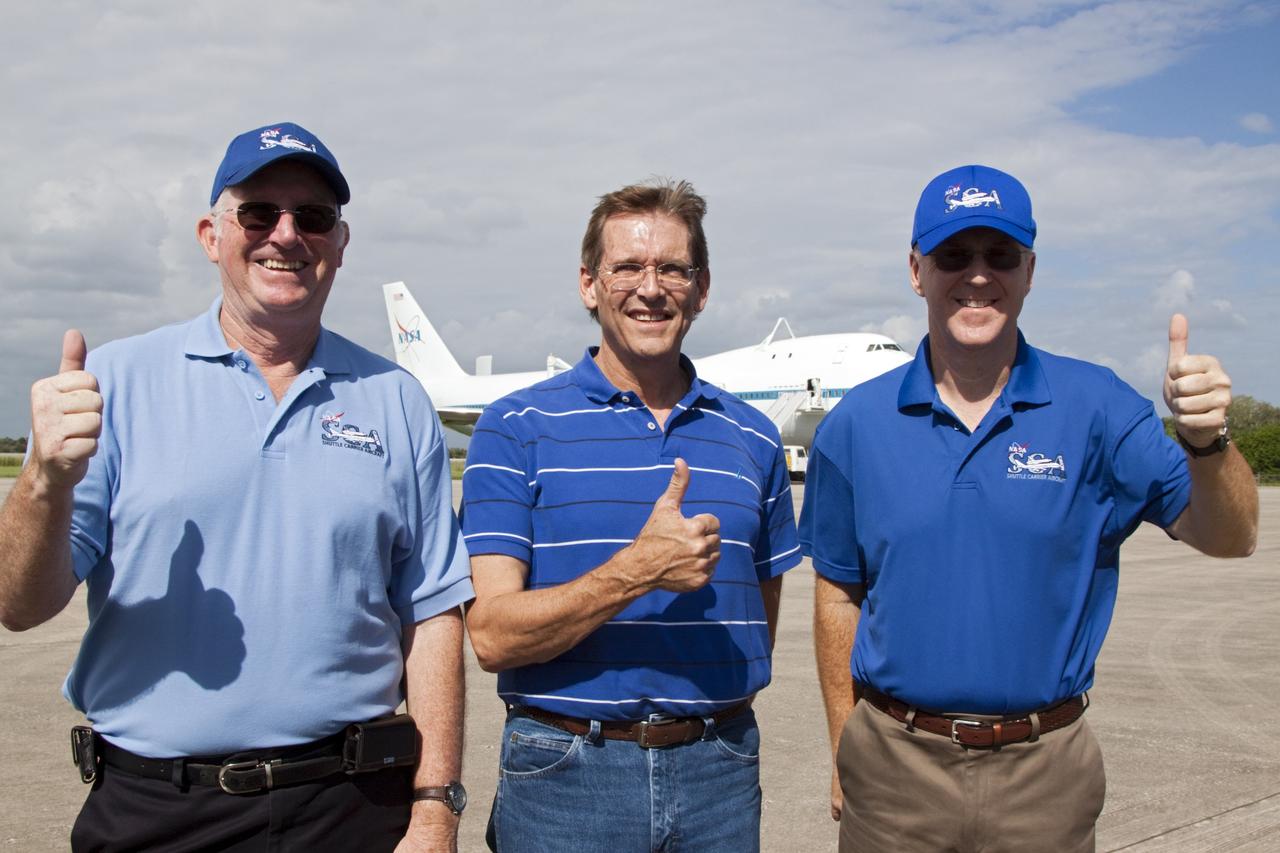
CAPE CANAVERAL, Fla. - Henry Taylor, from left to right, chief flight engineer on the Shuttle Carrier Aircraft, or SCA, Gary Ash, flight engineer, and Jeff Moultrie, pilot, look ahead to flying space shuttle Endeavour from NASA's Kennedy Space Center in Florida to Los Angeles for public display. Photo credit: NASA/Kim Shiflett
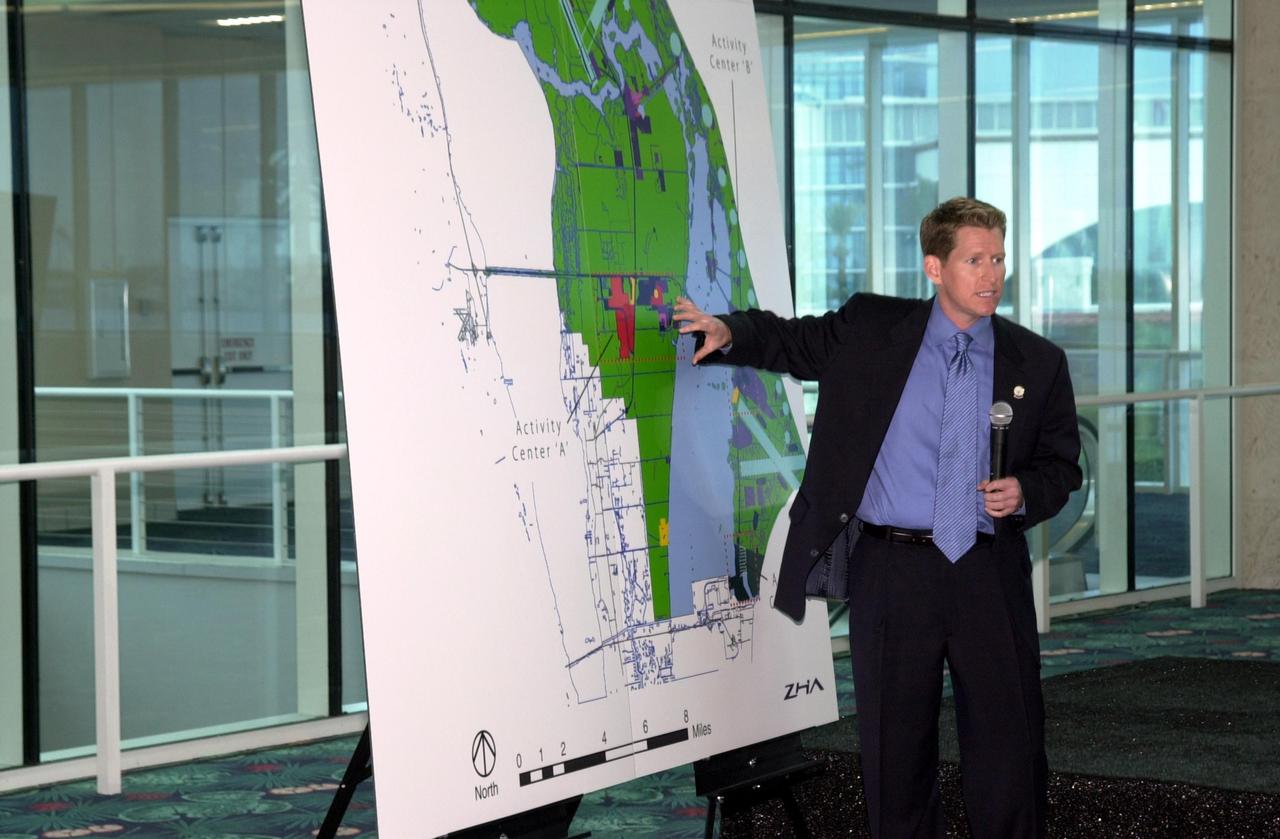
KENNEDY SPACE CENTER, FLA. - During the master plan signing ceremony at Port Canaveral Terminal 10, Matt Taylor gives a presentation to attendees, who included Canaveral National Seashore Superintendent Robert Newkirk, Canaveral Port Authority Executive Director Malcolm "Mac" McLouth, KSC Director Roy Bridges Jr., U.S. Rep. Dave Weldon, 45th Space Wing Commander Gregory Pavlovich, U.S. Fish & Wildlife Services Refuge Manager Ron Hight, Naval Ordnance Test Unit Commanding Officer William Borger, and Florida Space Authority Executive Director Ed Gormel. Taylor is vice president and chief planning officer of ZHA, Inc., which provided consulting services for the plan. The plan represents interagency cooperation between the leadership group's agencies and the U.S. Fish and Wildlife Service, the National Park Service and U.S. Navy. Joining them in developing a vision of the Spaceport's future have been aerospace educators, researchers, and businesses, along with representatives from local, state and national government.
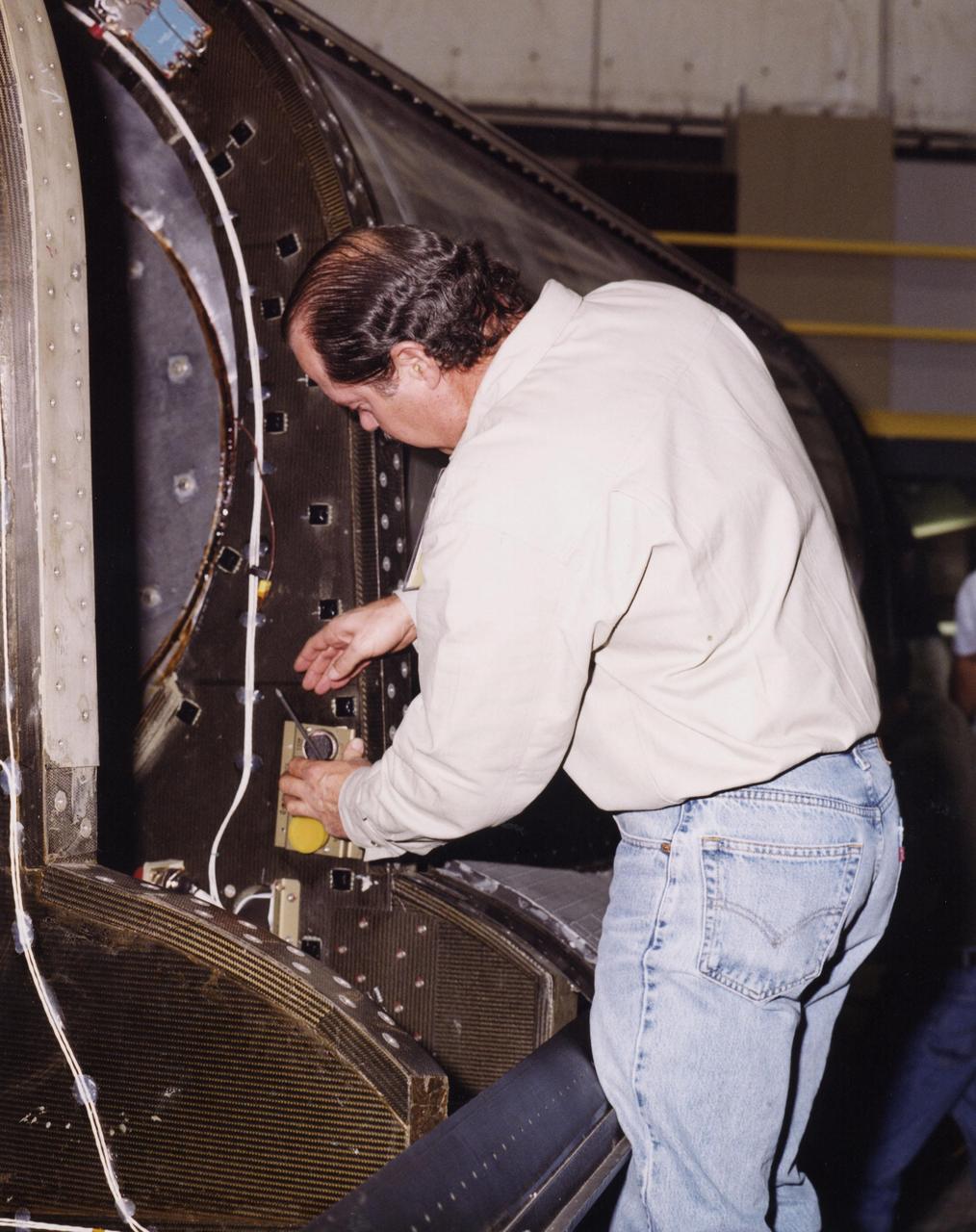
At Dryden Flight Research Center, Calif., KSC technician Bryan Taylor makes an adjustment on the modified X-34, known as A-1A. Taylor is one of eight NASA engineering technicians from KSC's Engineering Prototype Lab who have assisted Orbital Sciences Corporation and Dryden in the complex process of converting the X-34 A-1 vehicle from captive carry status to unpowered flight status, the A-1A. The other KSC technicians are Kevin Boughner, Roger Cartier, Mike Dininny, Mike Lane, Jerry Moscoso, James Niehoff Jr. and David Rowell. The X-34 is 58.3 feet long, 27.7 feet wide from wing tip to wing tip, and 11.5 feet tall from the bottom of the fuselage to the top of the tail. The autonomously operated technology demonstrator will be air-launched from an L-1011 airplane and should be capable of flying eight times the speed of sound, reaching an altitude of 250,000 feet. The X-34 Project is managed by NASA's Marshall Space Flight Center in Huntsville, Ala
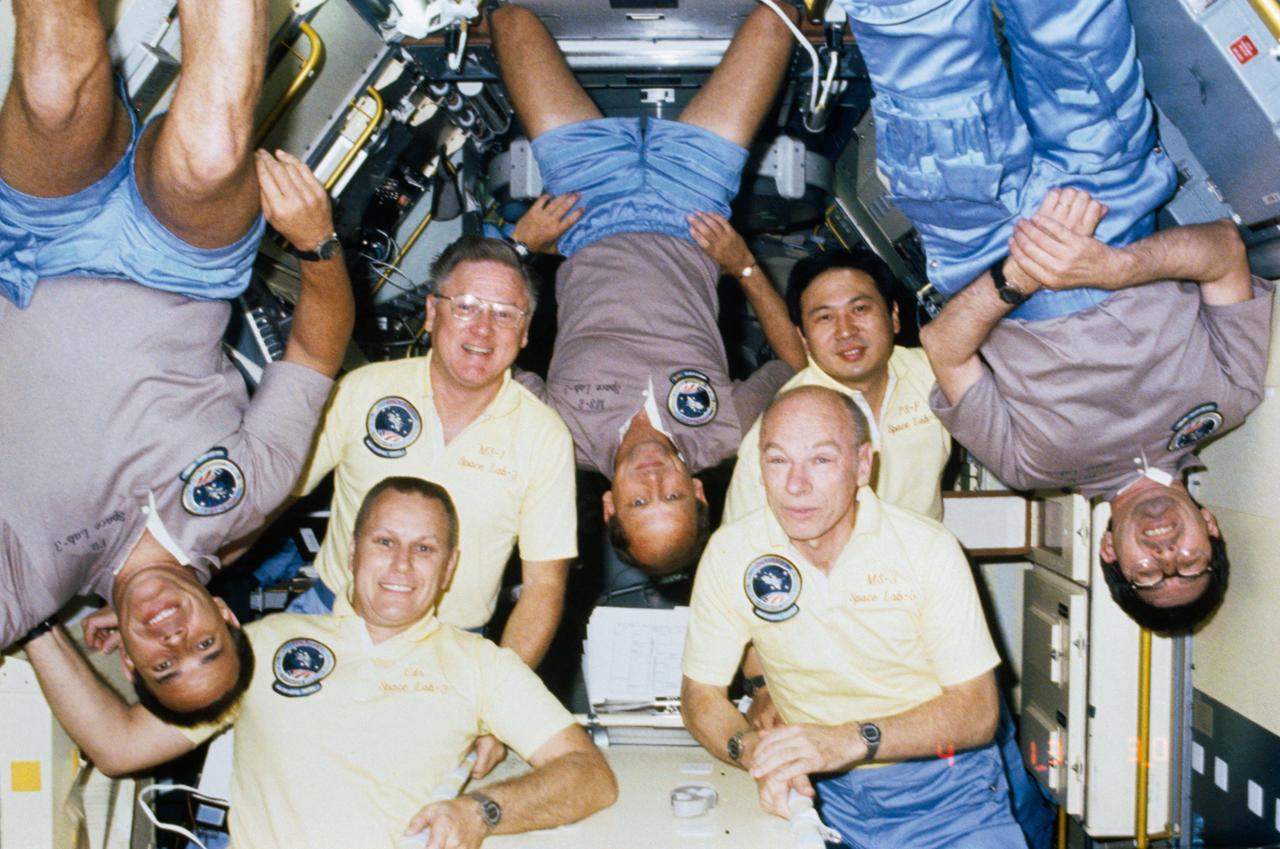
51B-101-025 (29 April-6 May 1985) --- A new twist to the traditional on-orbit group portrait was added by the 51-B/Spacelab 3 crewmembers. Note the Gold T-shirts of ?Gold? team members Robert F. Overmyer (bottom left), Don L. Lind (behind Overmyer), William E. Thornton (bottom right) and Taylor G. Wang (behind Thornton). Posting ?upside down? are ?silver? team members (L-R) Frederick D. Gregory, Norman E. Thagard and Lodewijk van den Berg. The seven are in the Long Science Module for Spacelab 3 in the cargo bay of the earth-orbiting Space Shuttle Challenger.
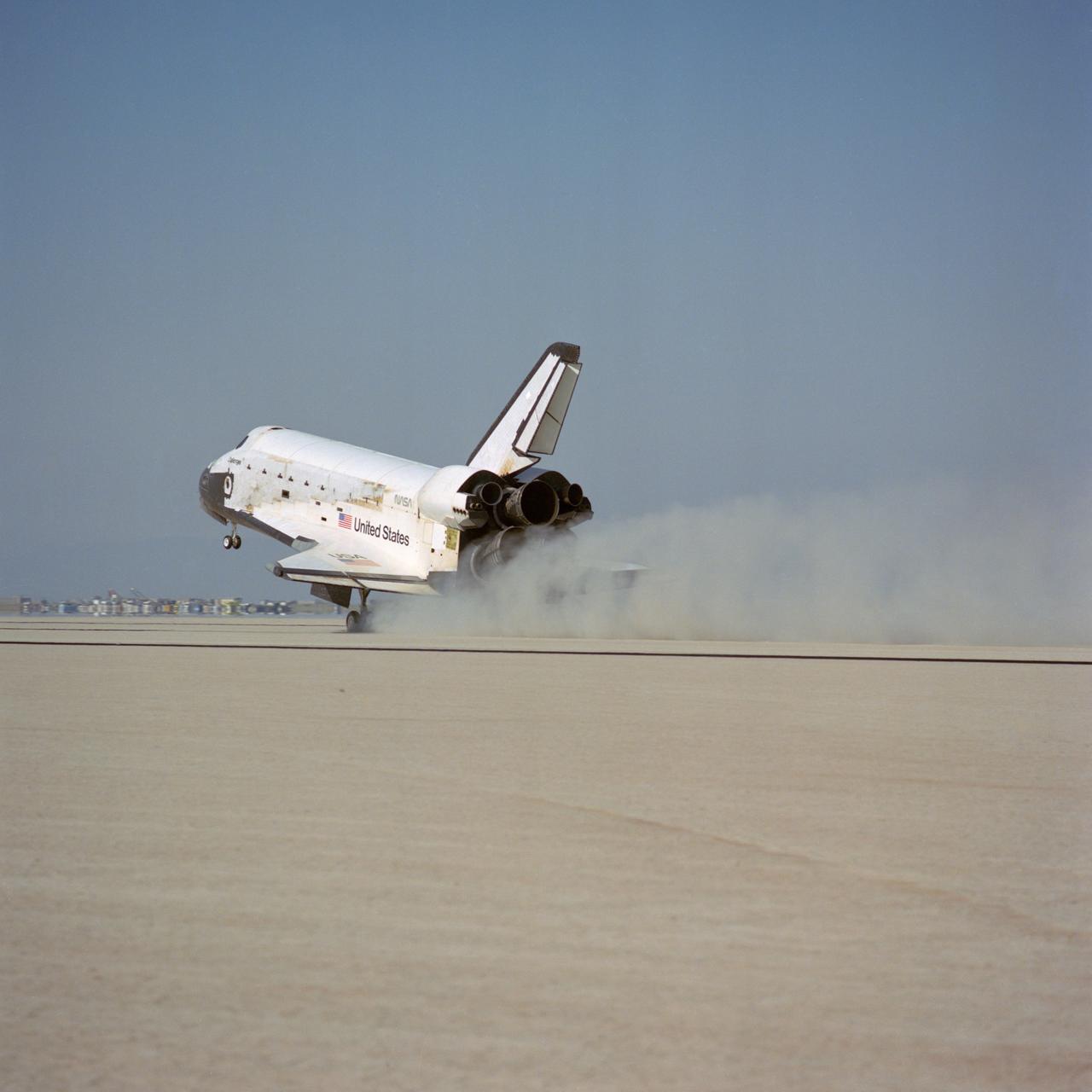
51B-S-071 (6 May 1985) --- The Space Shuttle Challenger lands on Runway 17 at Edwards Air Force Base to complete a week in space for its seven-member crew and a variety of payload. The vehicle stopped at 9:12:05 a.m. (PDT), May 6, 1985. Onboard were astronauts Robert F. Overmyer, Frederick D. Gregory, Don L. Lind, Norman E. Thagard and William E. Thornton of National Aeronautics and Space Administration (NASA); and payload specialists Lodewijk van den Berg and Taylor G. Wang.
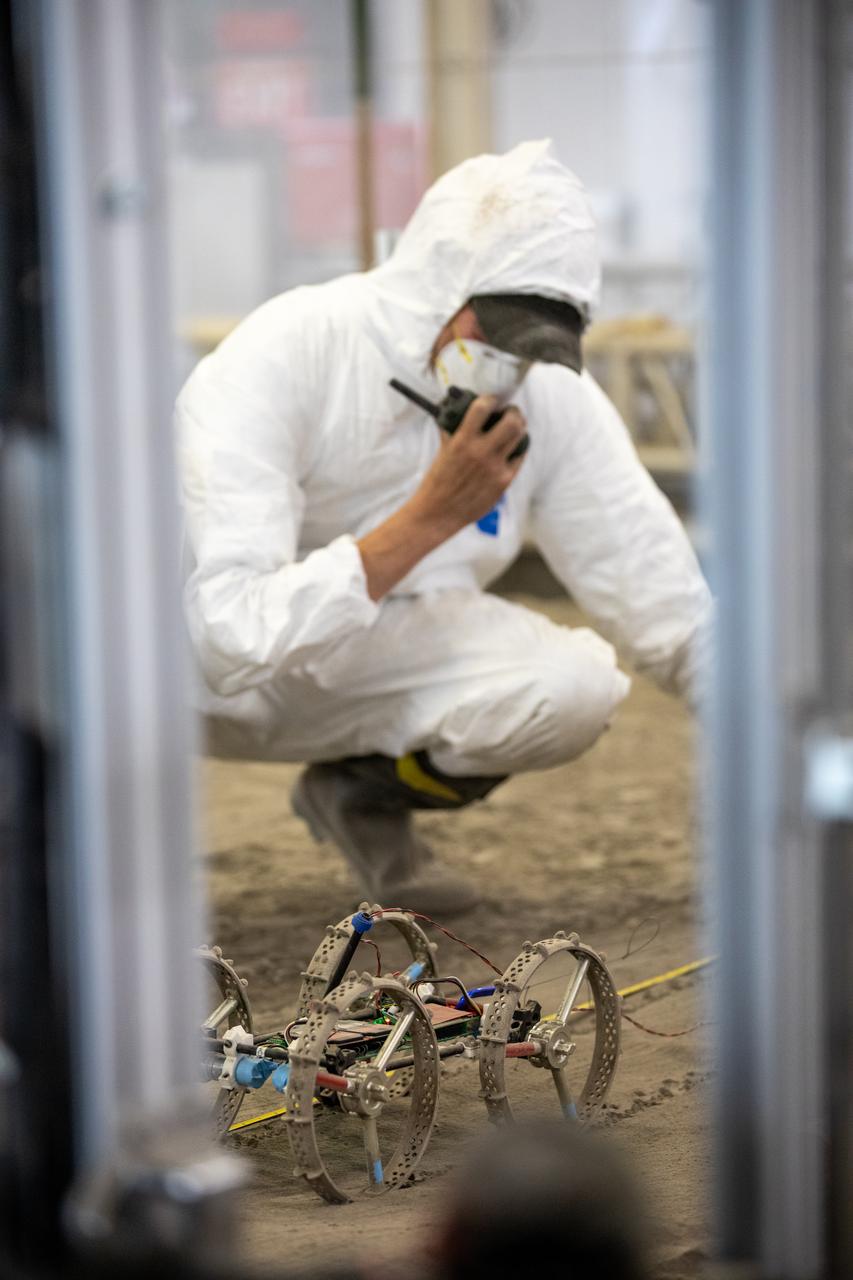
Senior Software Engineer Taylor Whitaker reports the results of a drawbar pull run to Astrobotic staff outside of the Granular Mechanics and Regolith Operations (GMRO) Laboratory’s regolith pit at NASA Kennedy Space Center’s Swamp Works facility on June 30, 2022. Astrobotic – a Pittsburgh-based space robotics company – is using the GMRO lab’s regolith bin, which holds approximately 120 tons of lunar regolith simulant, to depict how the company’s CubeRover would perform on the Moon. NASA’s Small Business Innovation Research program provided the funding for initial development, and a $2 million Tipping Point award from the agency has provided additional funding for continued development into a more mature rover.
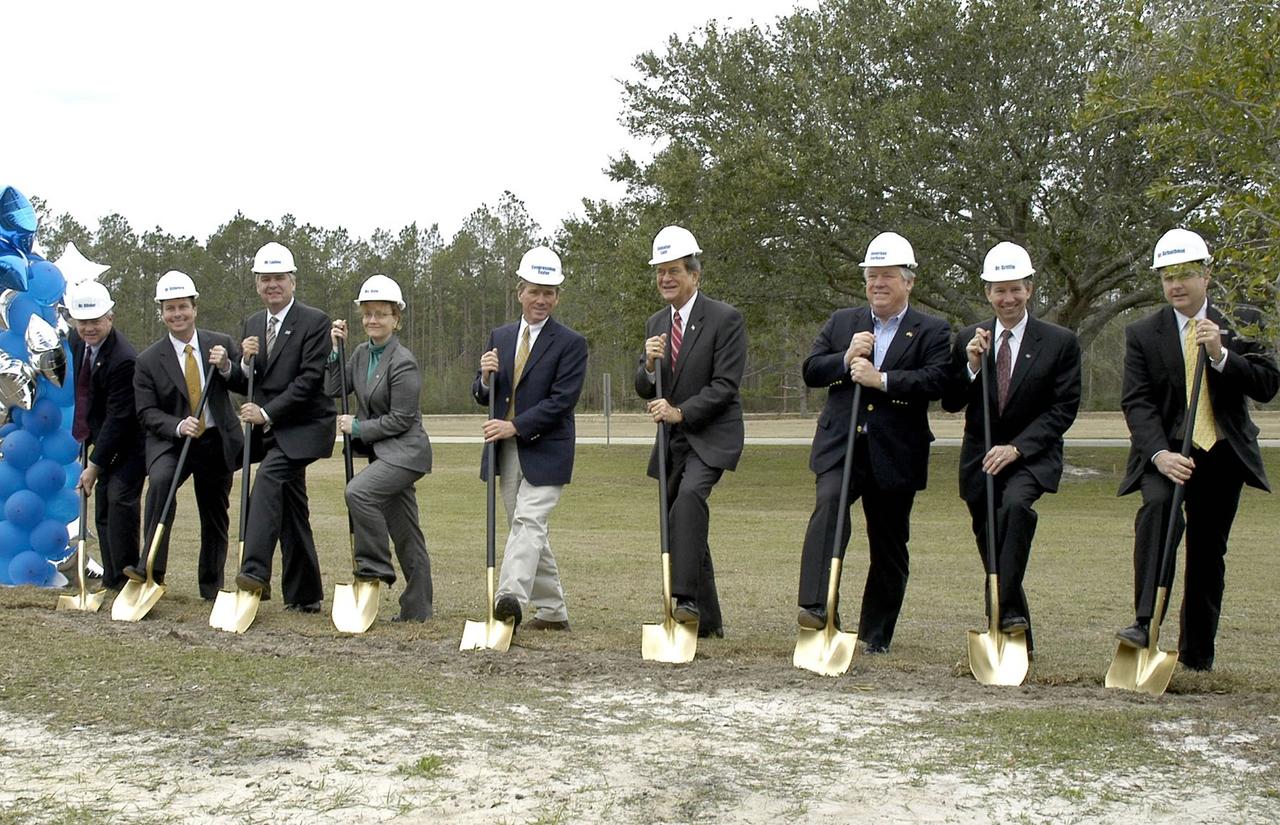
NASA officials and elected leaders were on hand for the groundbreaking ceremony of the NASA Shared Services Center Feb. 24, 2006, on the grounds of Stennis Space Center. The NSSC provides agency centralized administrative processing, human resources, procurement and financial services. From left, Louisiana Economic Development Secretary Mike Olivier, Stennis Space Center Director Rick Gilbrech, Computer Sciences Corp. President Michael Laphen, NASA Deputy Administrator Shana Dale, Rep. Gene Taylor, Sen. Trent Lott, Mississippi Gov. Haley Barbour, NASA Administrator Mike Griffin and Shared Services Center Executive Director Arbuthnot use golden shovels to break ground at the site.
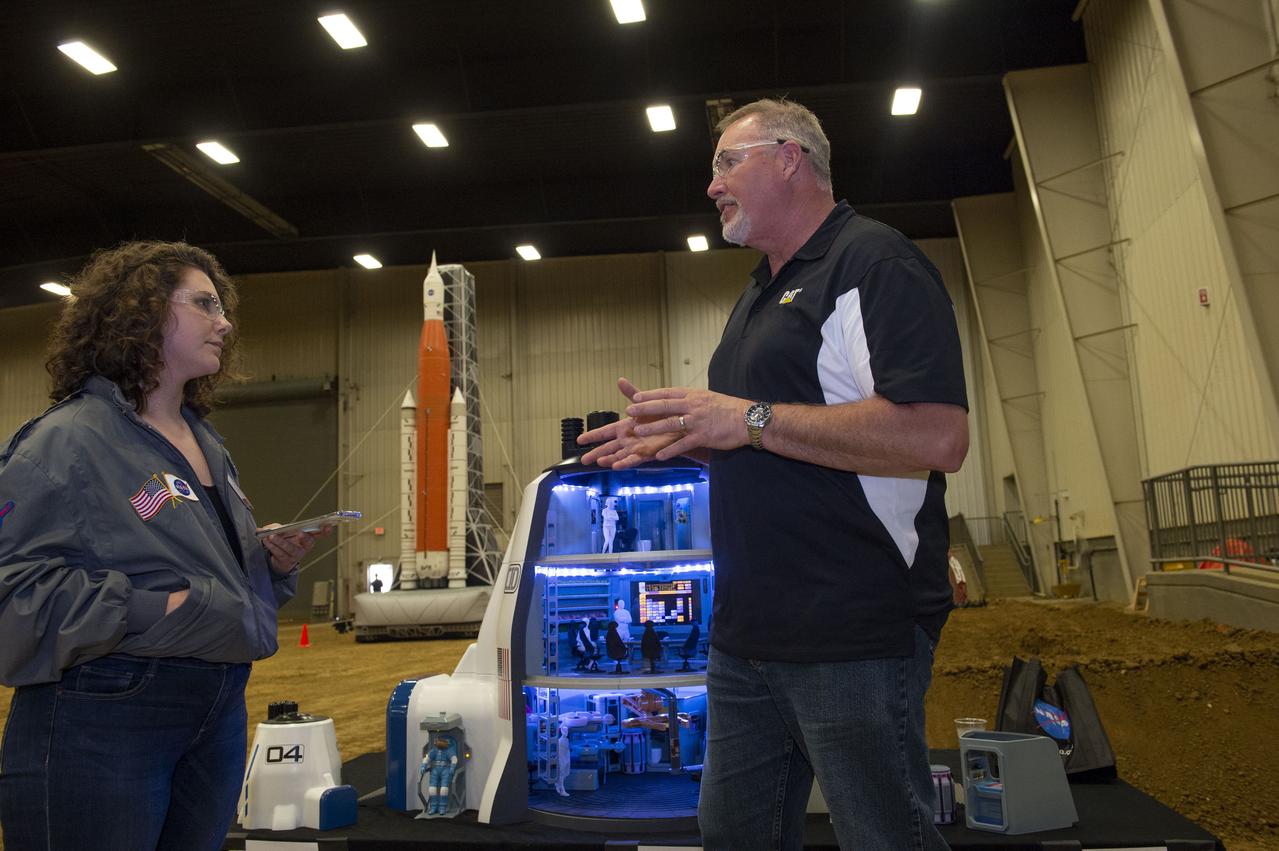
AI. SpaceFactory of New York and Pennsylvania State University of College Park print subscale habitat structures at NASA's 3D-Printed Habitat Challenge, held at the Caterpillar Edwards Demonstration & Learning Center in Edwards, Illinois, May 1-4, 2019. The habitat print is the final level of the multi-phase competition, which began in in 2015. The challenge is managed by NASA's Centennial Challenges program, and partner Bradley University of Peoria, Illinois. MSFC TECHNICAL WRITER TAYLOR GOODWIN INTERVIEWS CATERPILLAR ENGINEER DAVE COOPER ABOUT HIS METHODS USED IN CONCEIVING AND PRODUCING SCALE MODELS
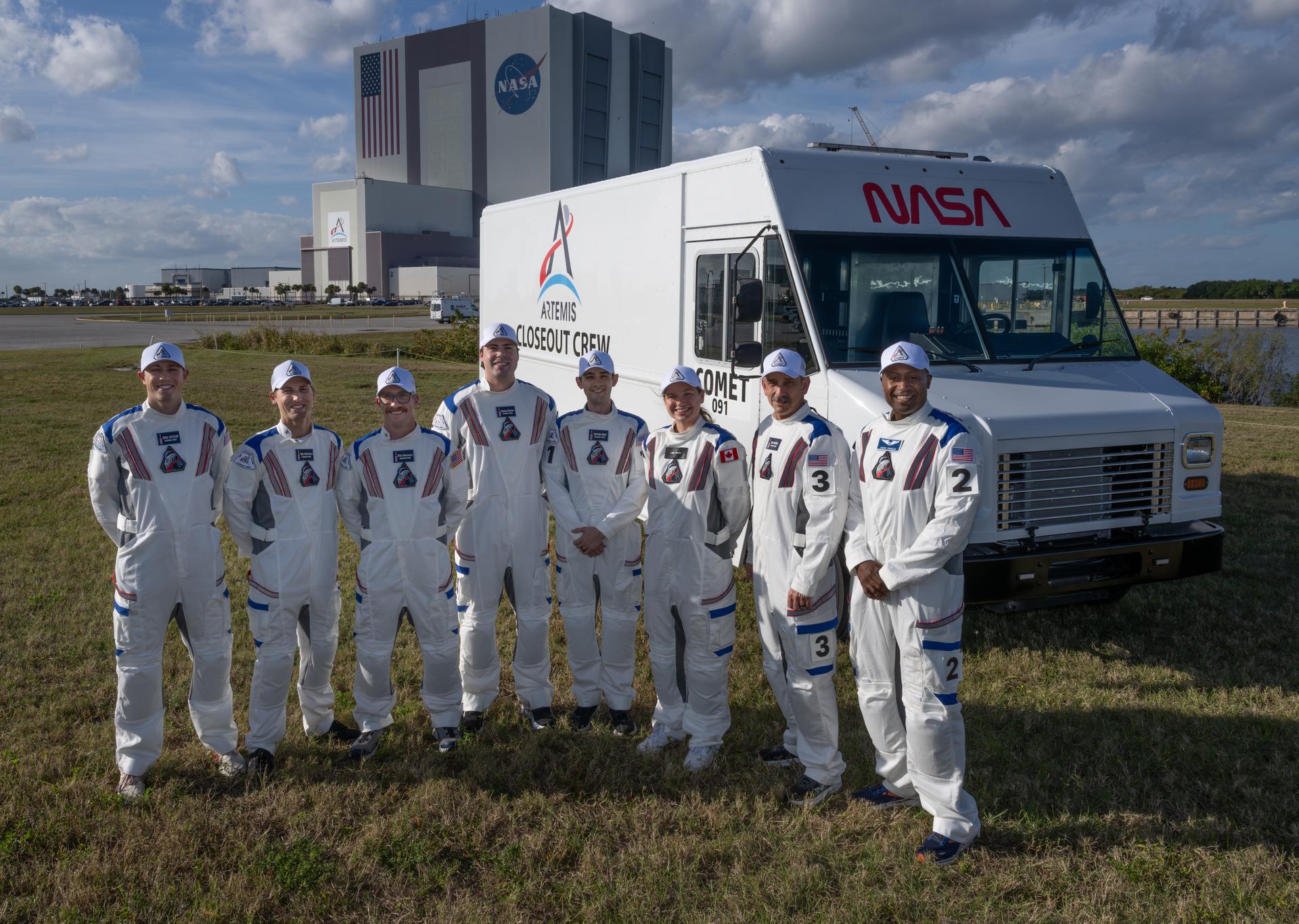
Members of the Artemis II closeout crew, from left, William Sattler; Tyler Sutherland; Michael Heinemann; Christian Warriner; Taylor Hose; Jenni Gibbons, Artemis II backup crew member; Bill Owens; and Andre Douglas, Artemis II backup crew member, pose for a photo with NASA’s Vehicle Assembly Building behind them at the agency’s Kennedy Space Center in Florida on Thursday, Dec. 19, 2025. The closeout crew is responsible for safely securing the astronauts inside the Orion spacecraft on launch day and closing the hatch during launch countdown.
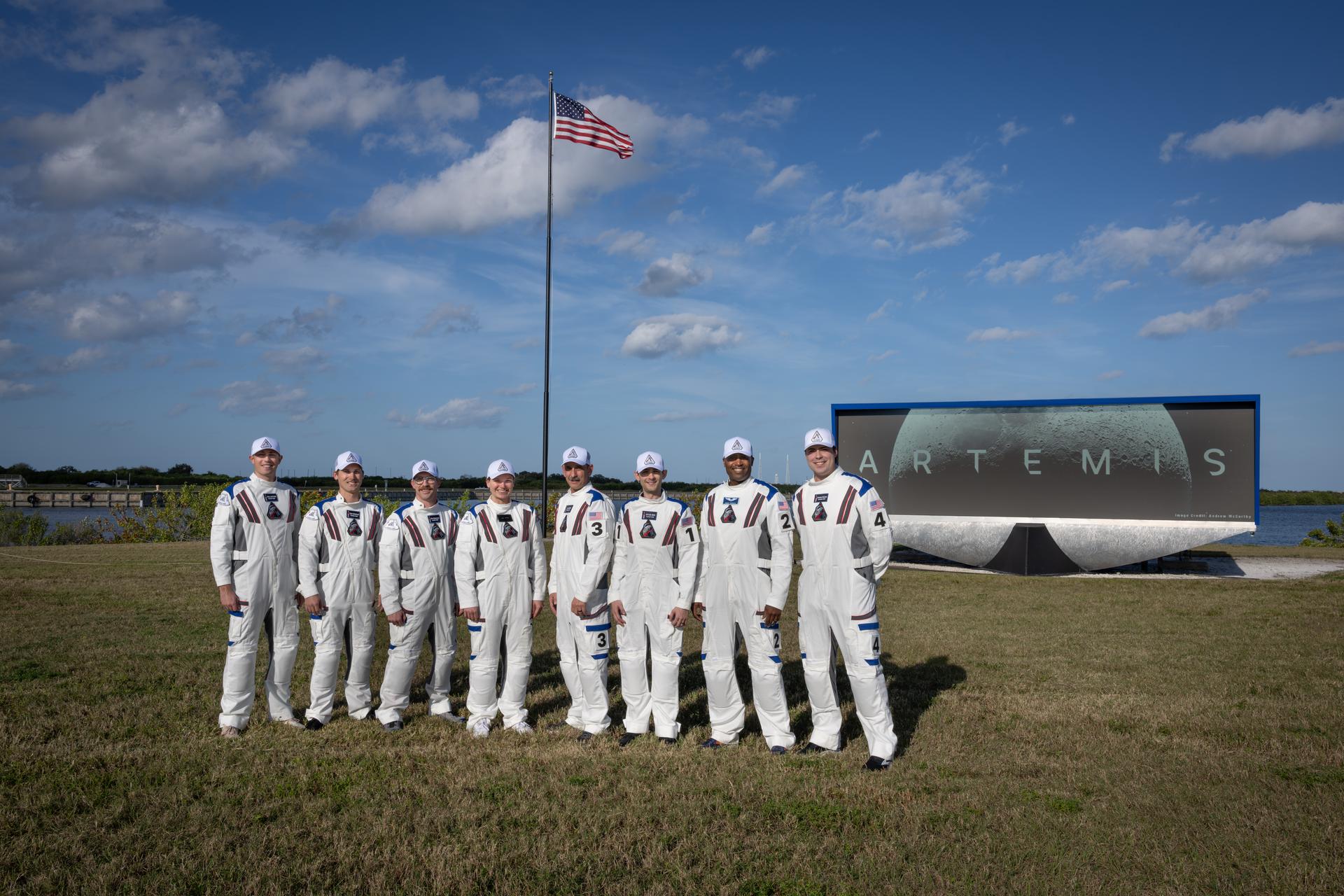
Members of the Artemis II closeout crew, from left, William Sattler; Tyler Sutherland; Michael Heinemann; Jenni Gibbons, Artemis II backup crew member; Bill Owens; Taylor Hose; Andre Douglas, Artemis II backup crew member; and Christian Warriner pose for a photo near the countdown clock featuring the Artemis Moon logo at the NASA News Center at the agency’s Kennedy Space Center in Florida on Thursday, Dec. 19, 2025. The closeout crew is responsible for safely securing the astronauts inside the Orion spacecraft on launch day and closing the hatch during launch countdown.
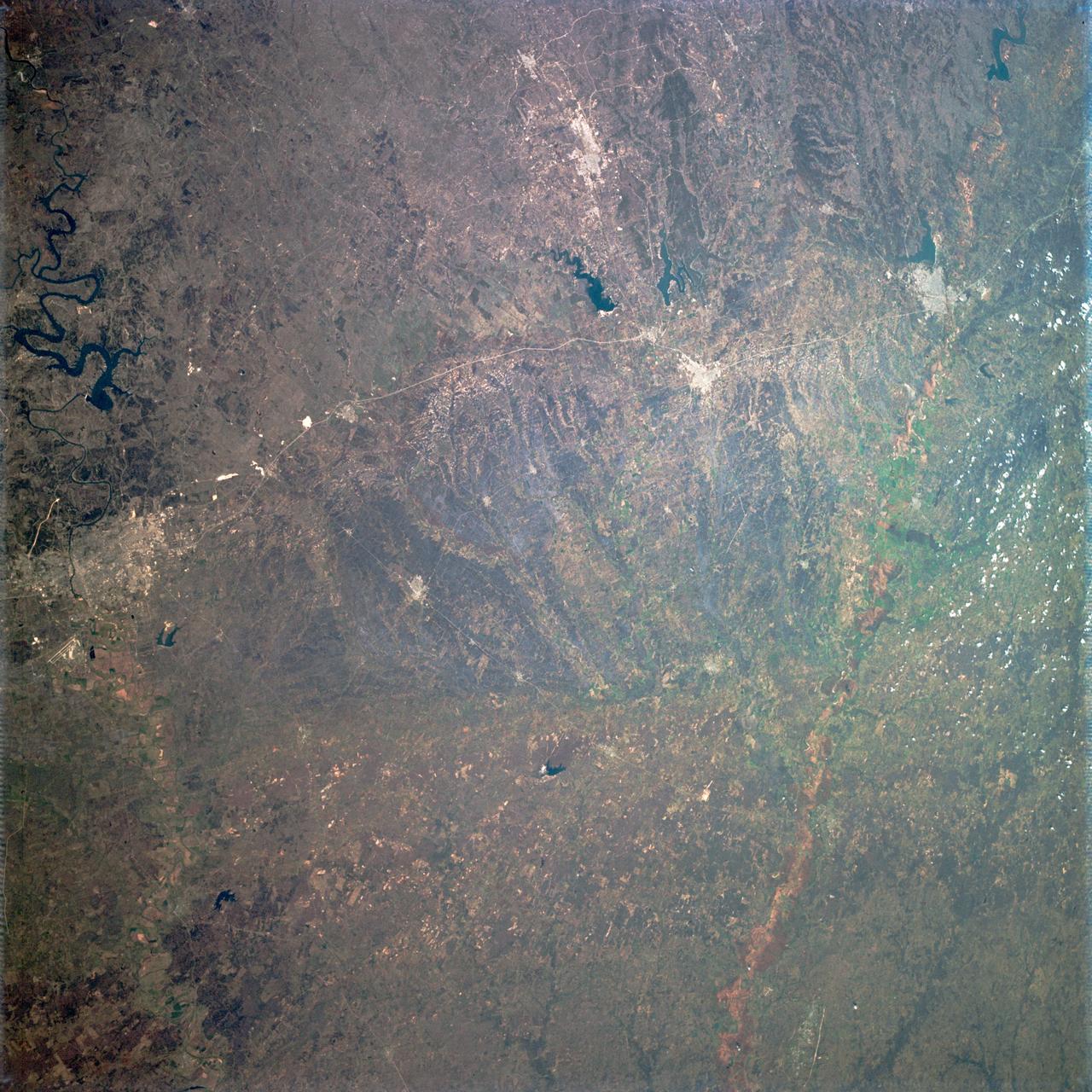
AS09-22-3341 (3-13 March 1969) --- Central Texas area as photographed from the Apollo 9 spacecraft during its Earth-orbital mission. Interstate 35 runs from Austin (right center edge of picture) to Waco (near bottom left corner). Also visible are the cities of Georgetown, Taylor, Temple and Killeen. The Colorado River runs through Austin. The Brazos River flows through Waco. Lake Travis is upstream from Austin. Lake Whitney is at bottom left corner of picture. The Belton Reservoir is near bottom center. The lake formed by the dam on the Lampasas River near Belton is also clearly visible.
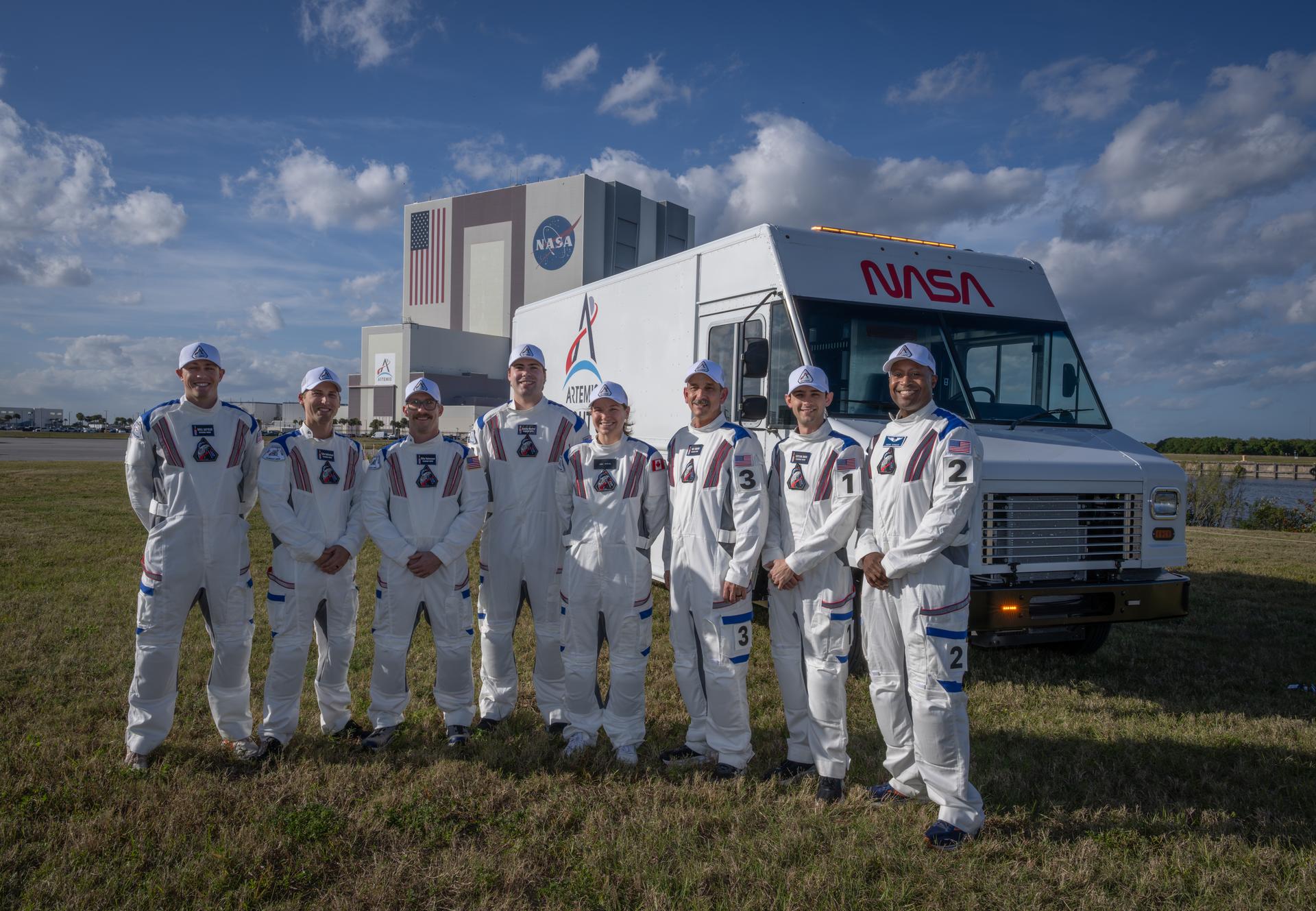
Members of the Artemis II closeout crew, from left, William Sattler; Tyler Sutherland; Michael Heinemann; Christian Warriner; Taylor Hose; Jenni Gibbons, Artemis II backup crew member; Bill Owens; and Andre Douglas, Artemis II backup crew member, pose for a photo with NASA’s Vehicle Assembly Building behind them at the agency’s Kennedy Space Center in Florida on Thursday, Dec. 19, 2025. The closeout crew is responsible for safely securing the astronauts inside the Orion spacecraft on launch day and closing the hatch during launch countdown.
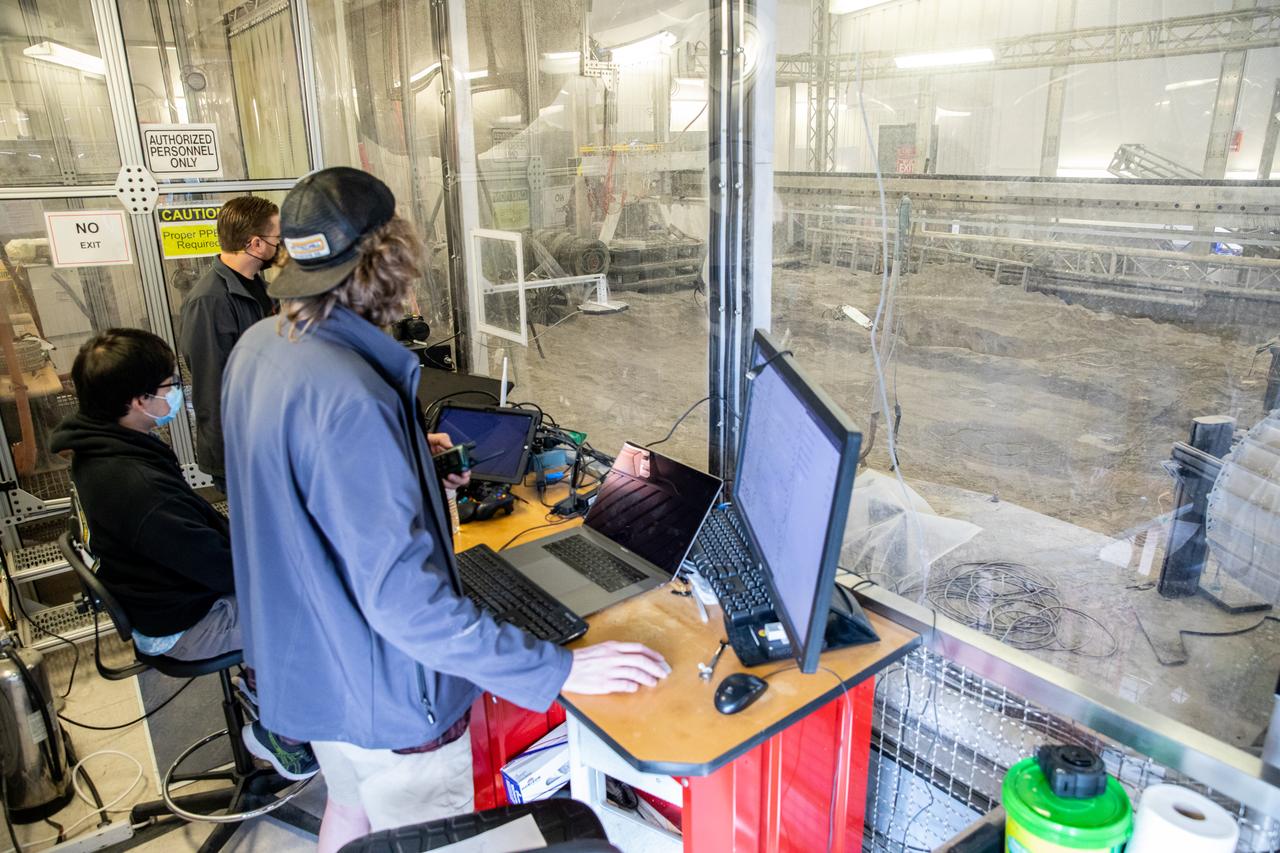
Astrobotic employees Troy Arbuckle, at far left, Planetary Mobility lead mechanical engineer; Takuto Oikawa, mechanical engineer; and Taylor Whitaker, flight software engineer, monitor the progress of the Astrobotic CubeRover during its test run in the Granular Mechanics and Regolith Operations Lab regolith at NASA’s Kennedy Space Center in Florida on Dec. 10, 2020. The regolith bin simulates the mechanical properties of the Moon’s surface. NASA and Astrobotic employees put the CubeRover through a series of more than 150 mobility tests over several days to evaluate and improve wheel design.
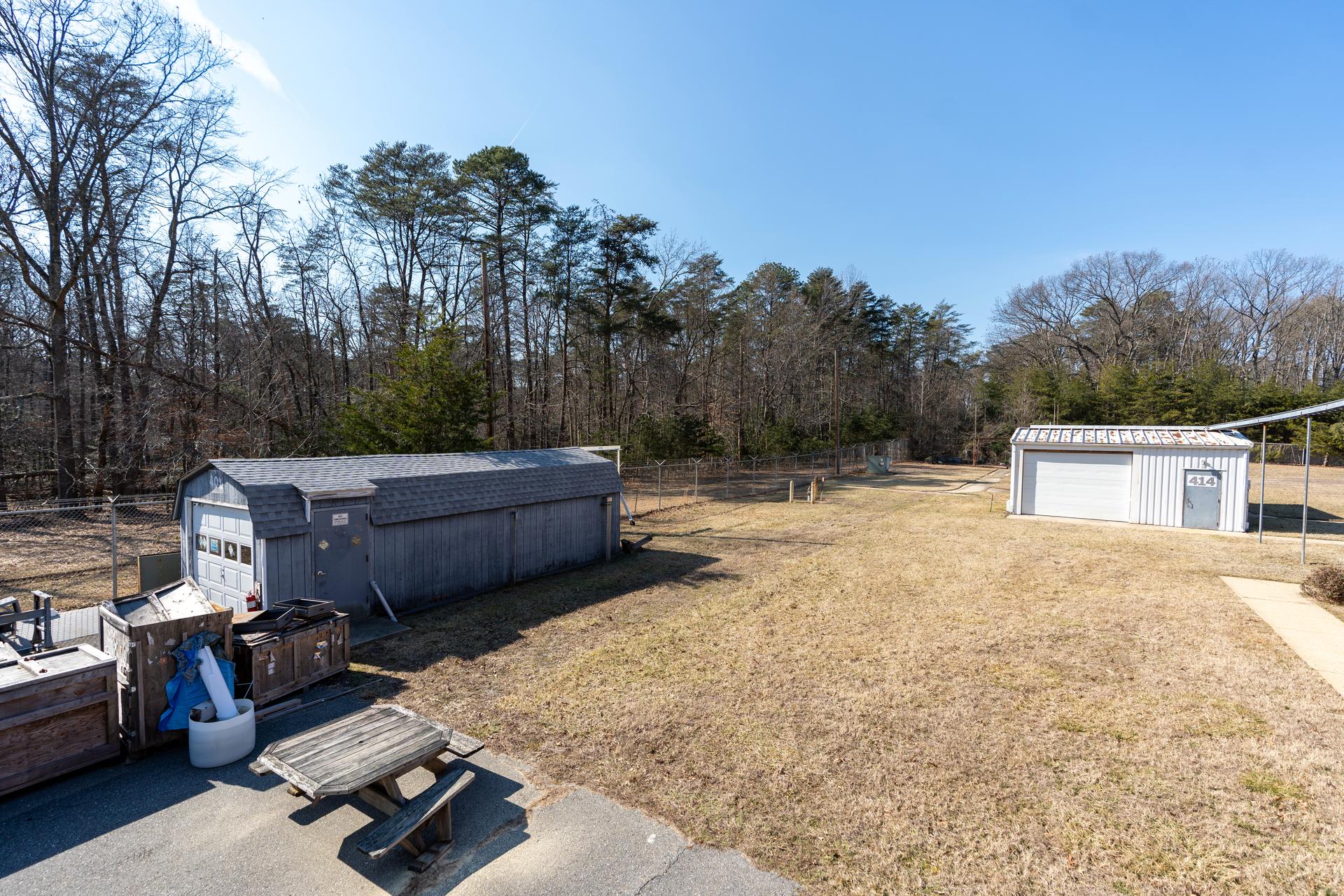
File photograph from 2022 showing buildings at Area 400, a portion of the campus of NASA's Goddard Space Flight Center in Greenbelt, Md.
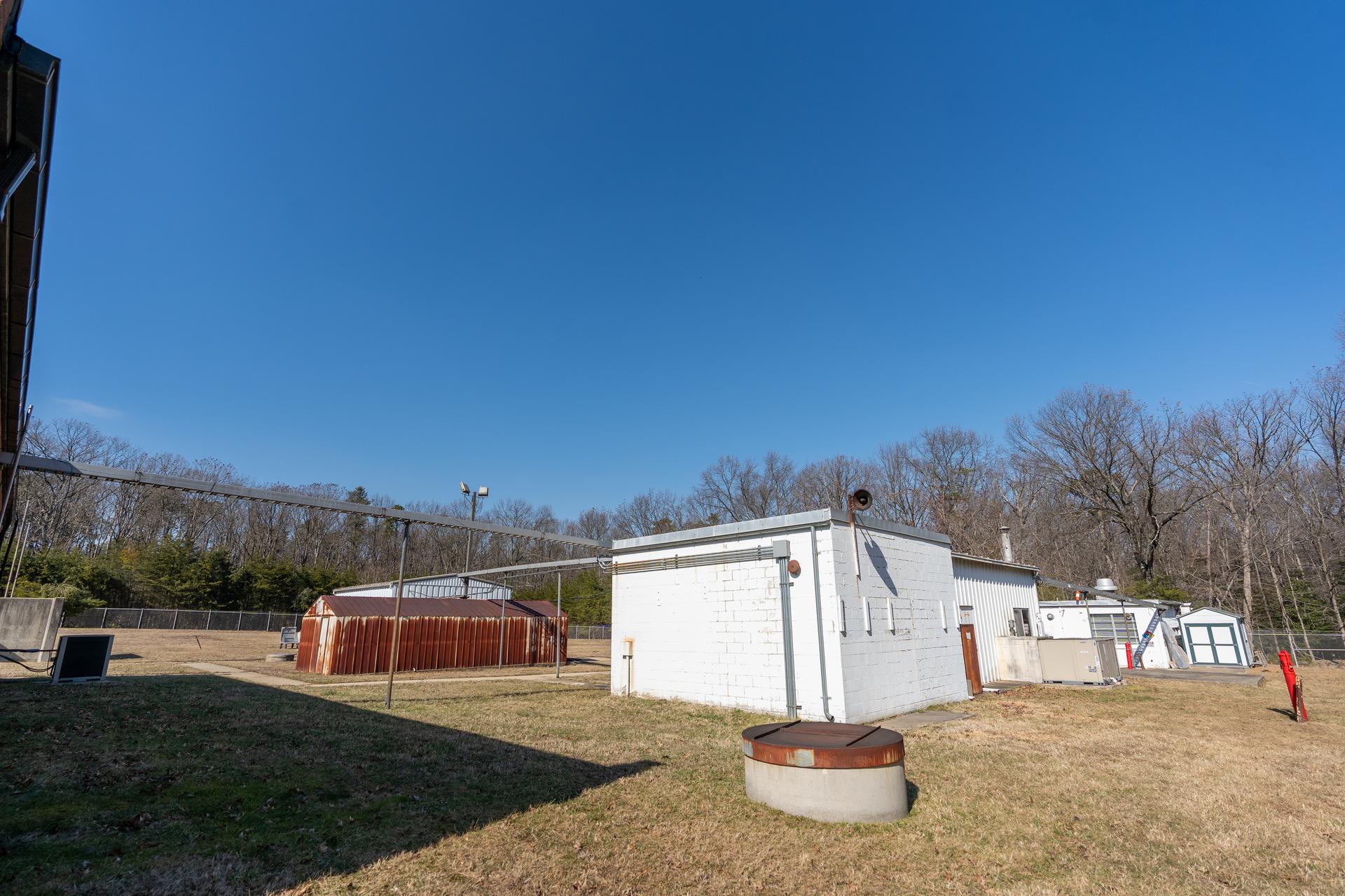
File photograph from 2022 showing buildings at Area 400, a portion of the campus of NASA's Goddard Space Flight Center in Greenbelt, Md.
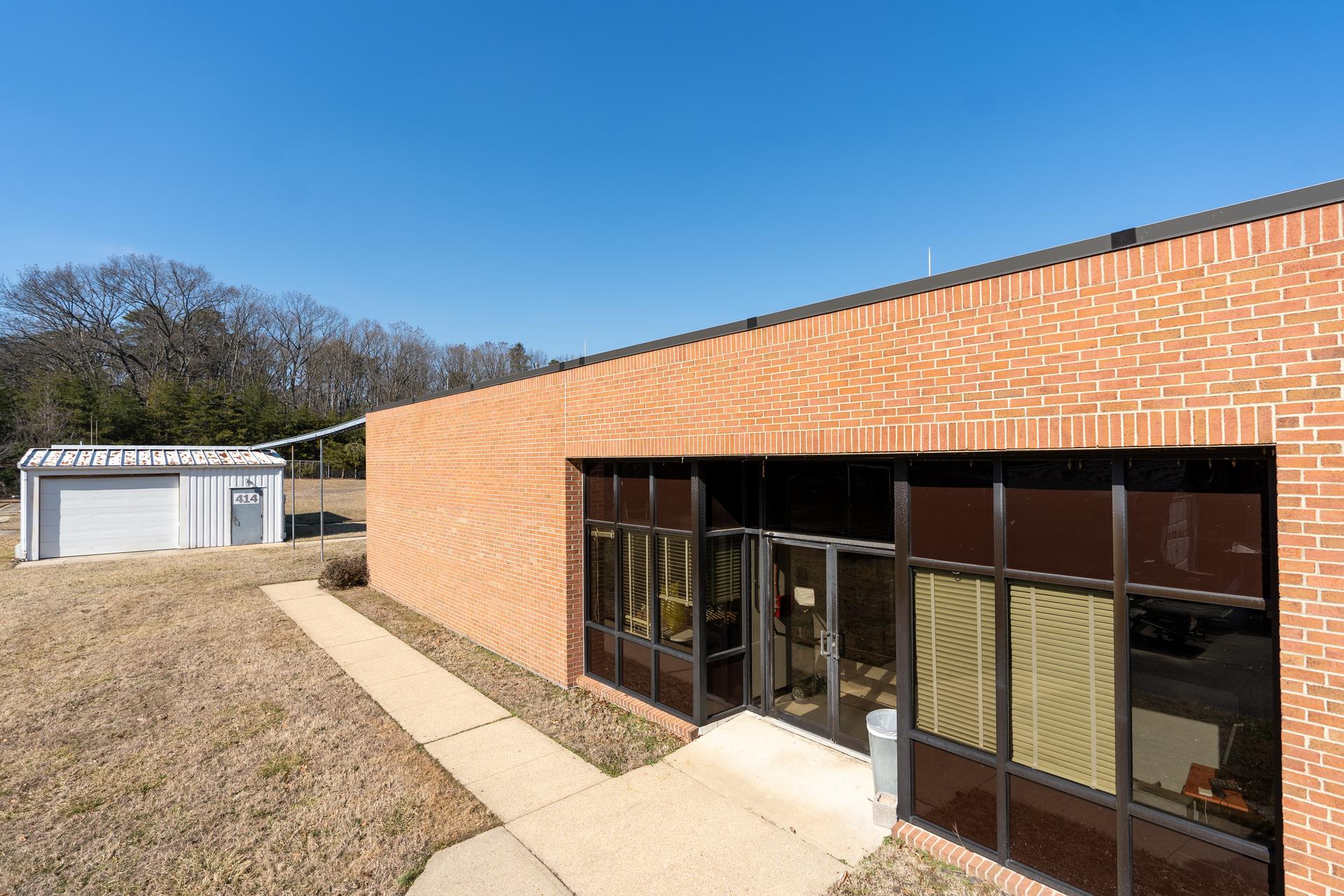
File photograph from 2022 showing buildings at Area 400, a portion of the campus of NASA's Goddard Space Flight Center in Greenbelt, Md.
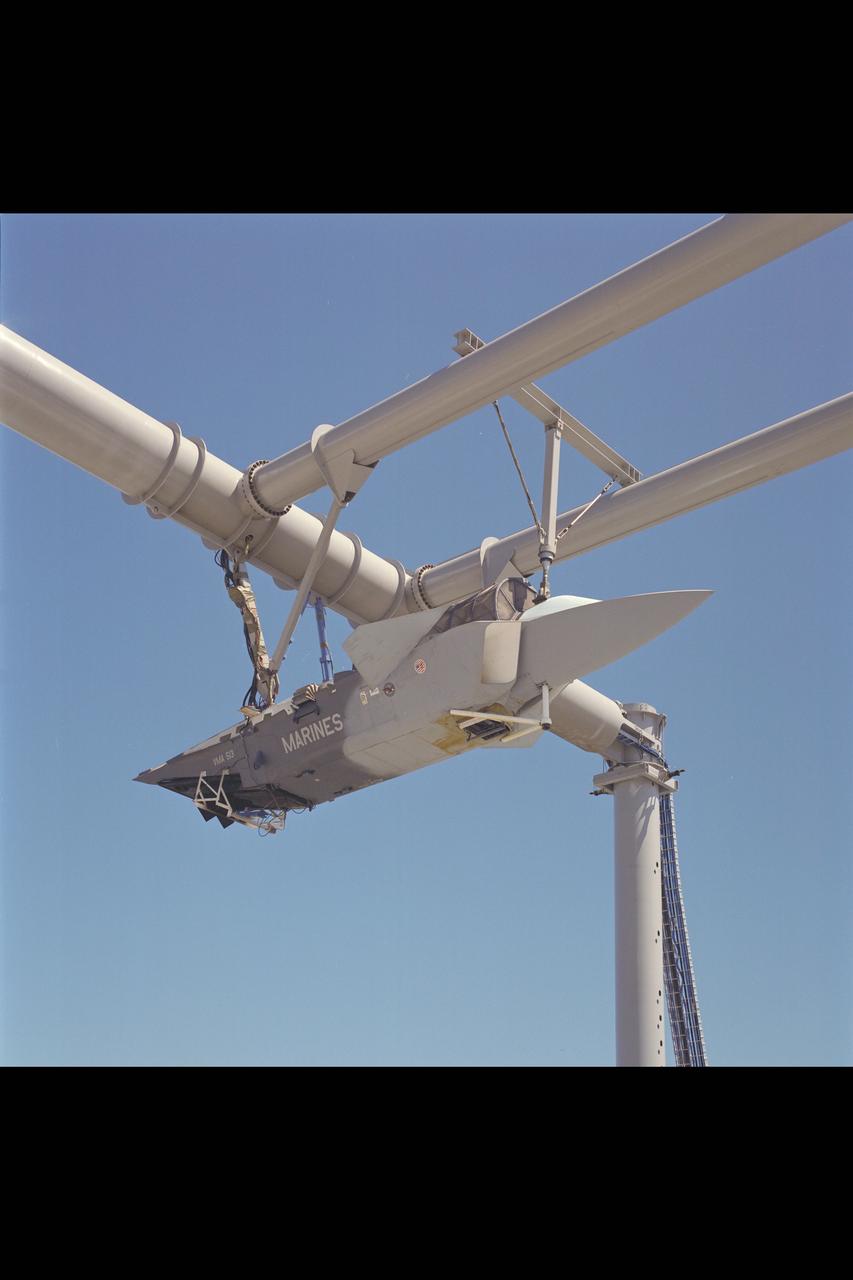
CALF (Common Affordable Lightweight Fighter) / JAST (Joint Advanced Strike Technology) X-32 test-930 mounted at OARF
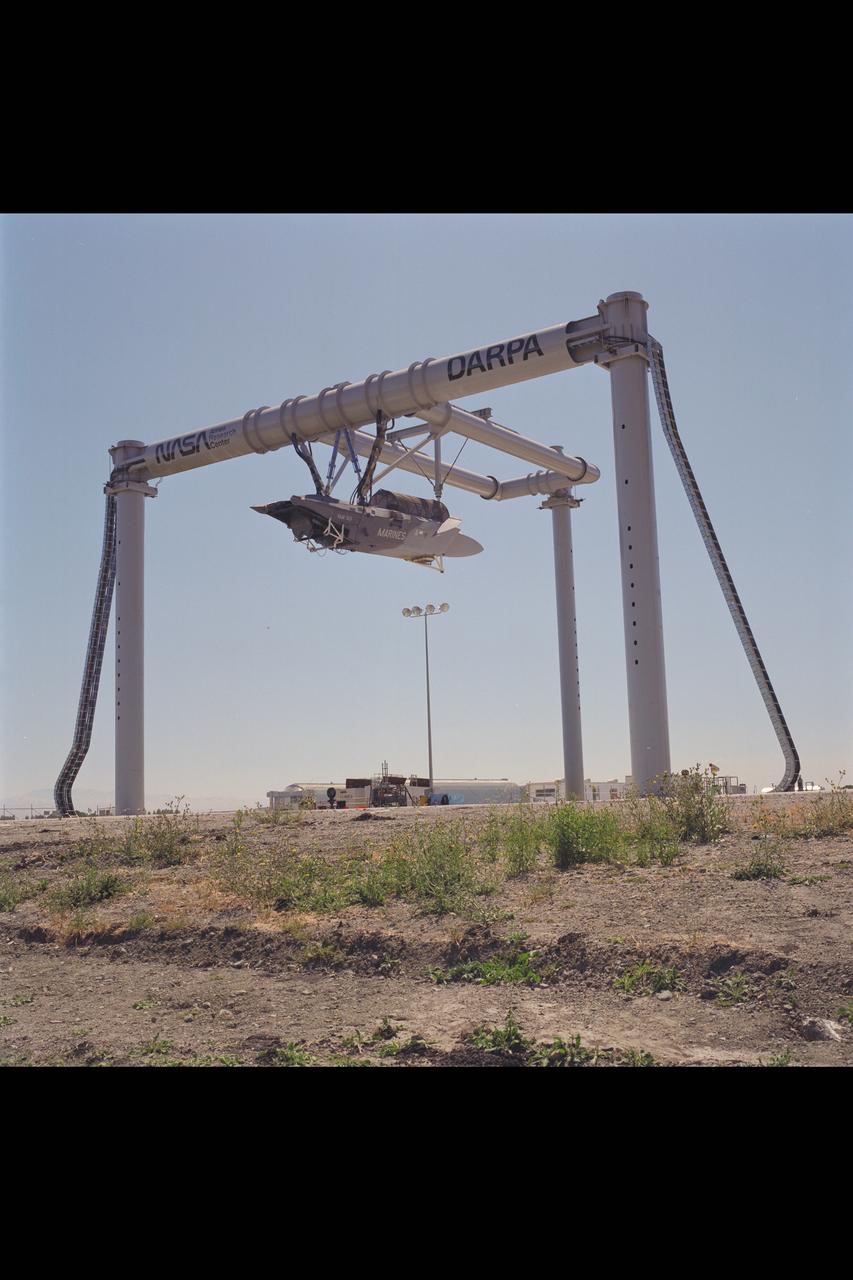
CALF (Common Affordable Lightweight Fighter) / JAST (Joint Advanced Strike Technology) X-32 test-930 mounted at OARF
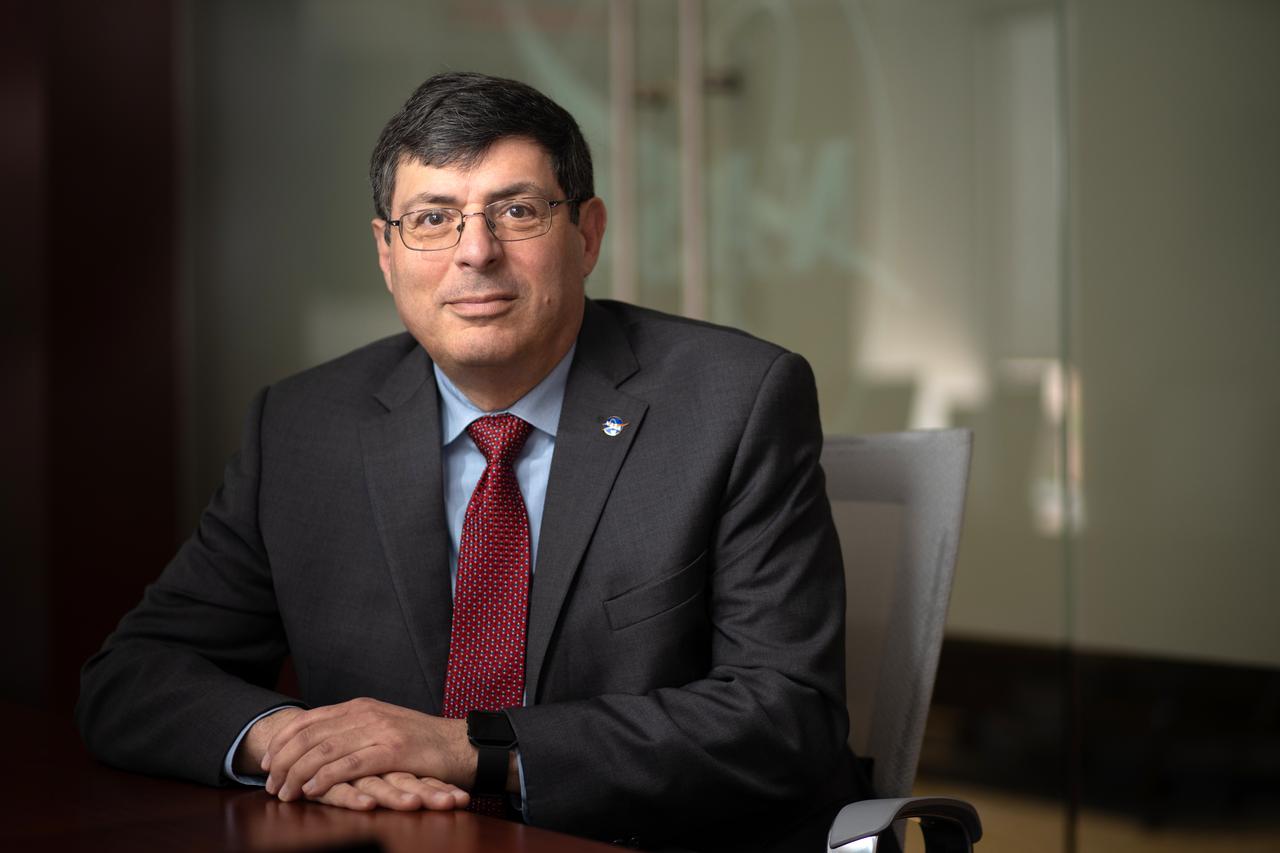
Dr. Christopher Scolese was the director of NASA’s Goddard Space Flight Center, located in Greenbelt, Maryland. Scolese assumed his post on March 5, 2012, and retired from NASA on July 31, 2019. Scolese previously served as NASA associate administrator at NASA Headquarters in Washington, D.C.
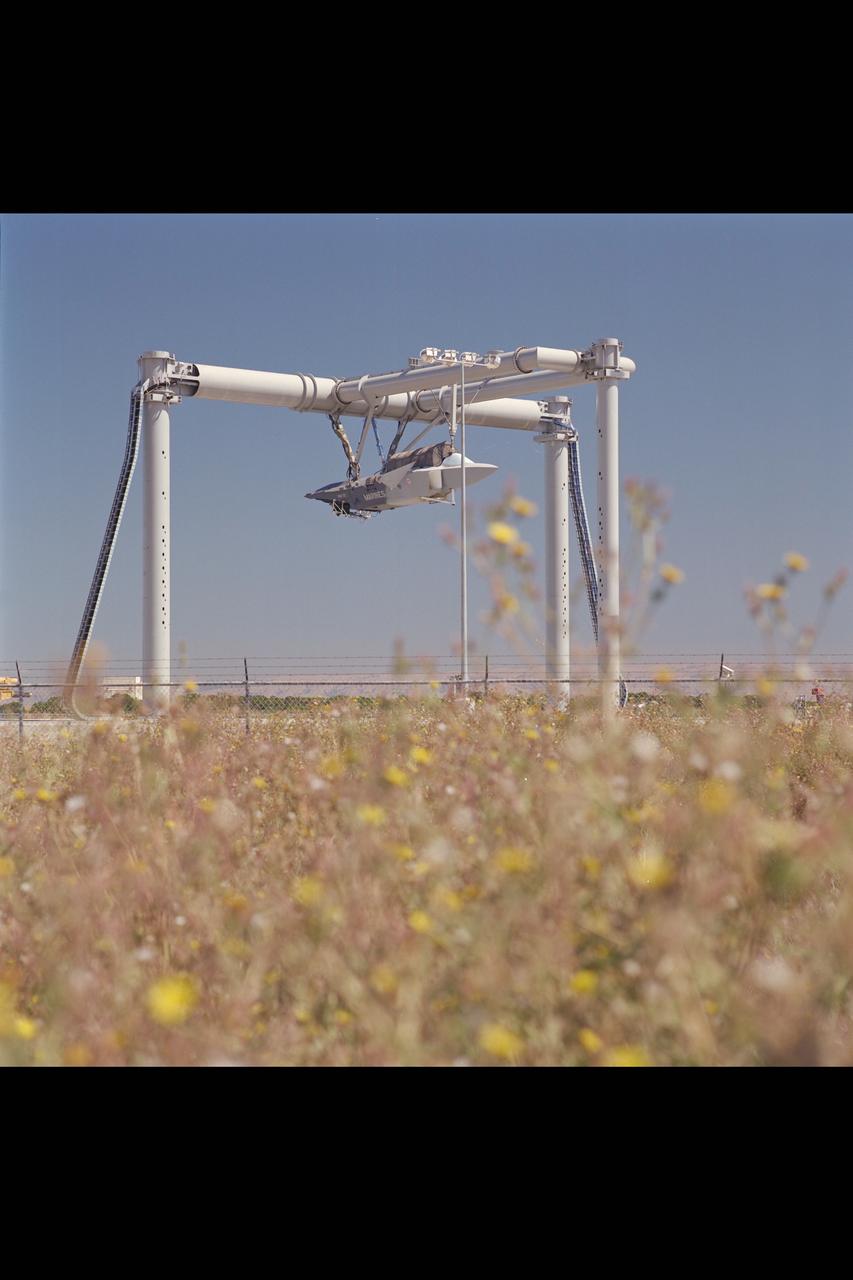
CALF (Common Affordable Lightweight Fighter) / JAST (Joint Advanced Strike Technology) X-32 Test Program: Lockheed ASTOVL / CALF X-32, N-246 Test-930 . (12S Wingless, Highest position)
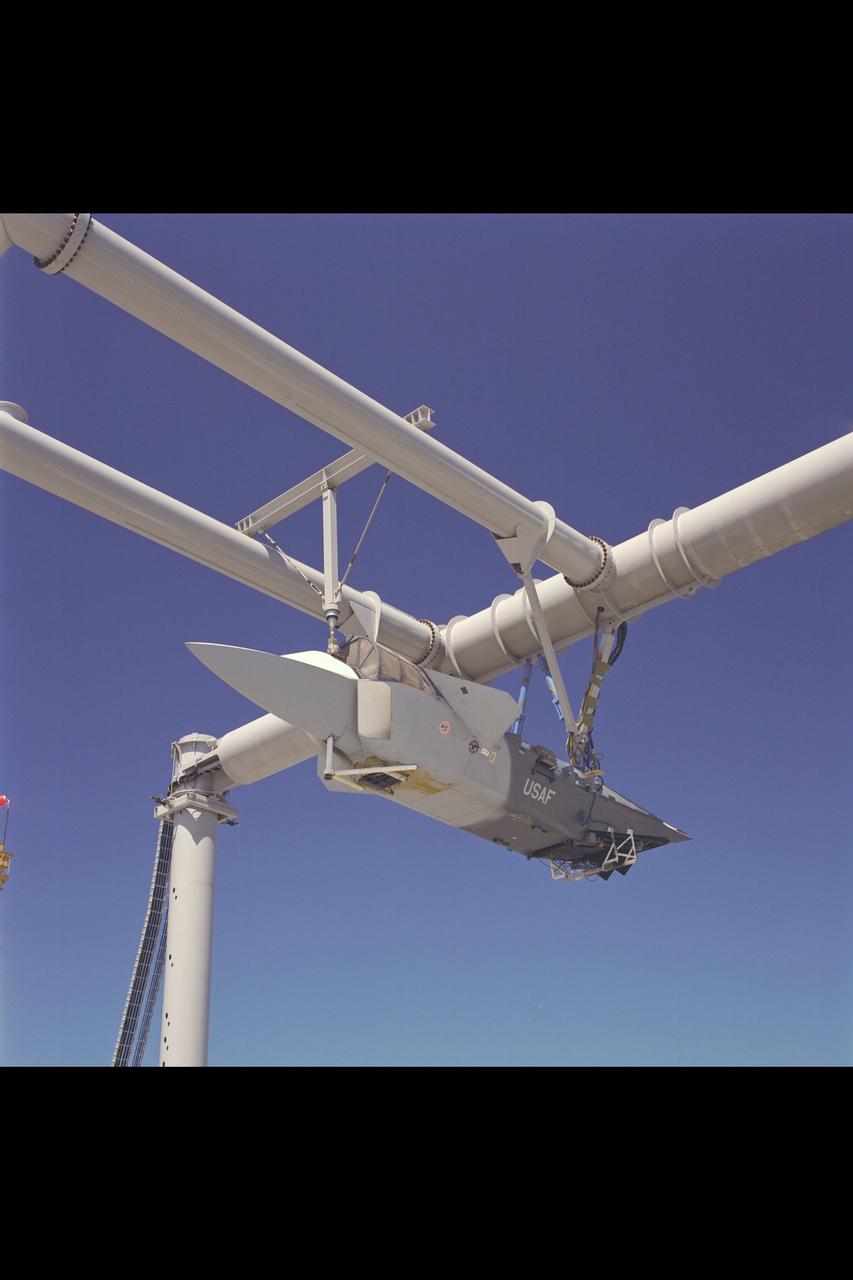
CALF (Common Affordable Lightweight Fighter) / JAST (Joint Advanced Strike Technology) X-32 test-930 mounted at OARF

jsc2023e064872 (6/10/2022) --- NASA’s ILLUMA-T payload, bound for the International Space Station, is in assembly and testing at the agency’s Goddard Space Flight Center in Greenbelt, Maryland. ILLUMA-T demonstrates two different data transfer speeds from low Earth orbit to the ground via a relay link. The links can be used to stream real-time data or for large bulk data transfers.
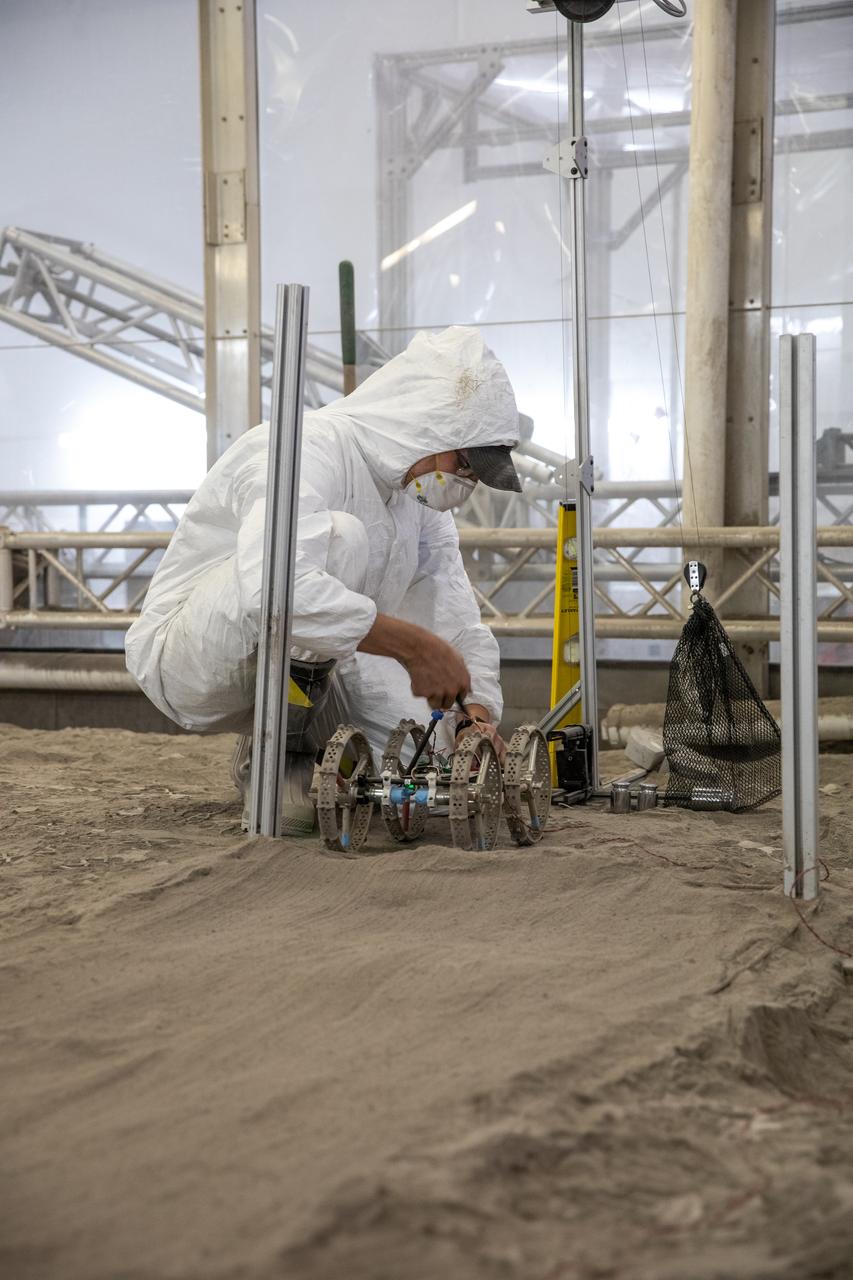
Senior Software Engineer Taylor Whitaker stages Astrobotic’s mass-offloaded CubeRover – a lightweight, modular planetary rover – for a drawbar pull test inside the Granular Mechanics and Regolith Operations (GMRO) Laboratory’s regolith pit at NASA Kennedy Space Center’s Swamp Works facility on June 30, 2022. Astrobotic – a Pittsburgh-based space robotics company – is using the GMRO lab’s regolith bin, which holds approximately 120 tons of lunar regolith simulant, to depict how the company’s CubeRover would perform on the Moon. NASA’s Small Business Innovation Research program provided the funding for initial development, and a $2 million Tipping Point award from the agency has provided additional funding for continued development into a more mature rover.
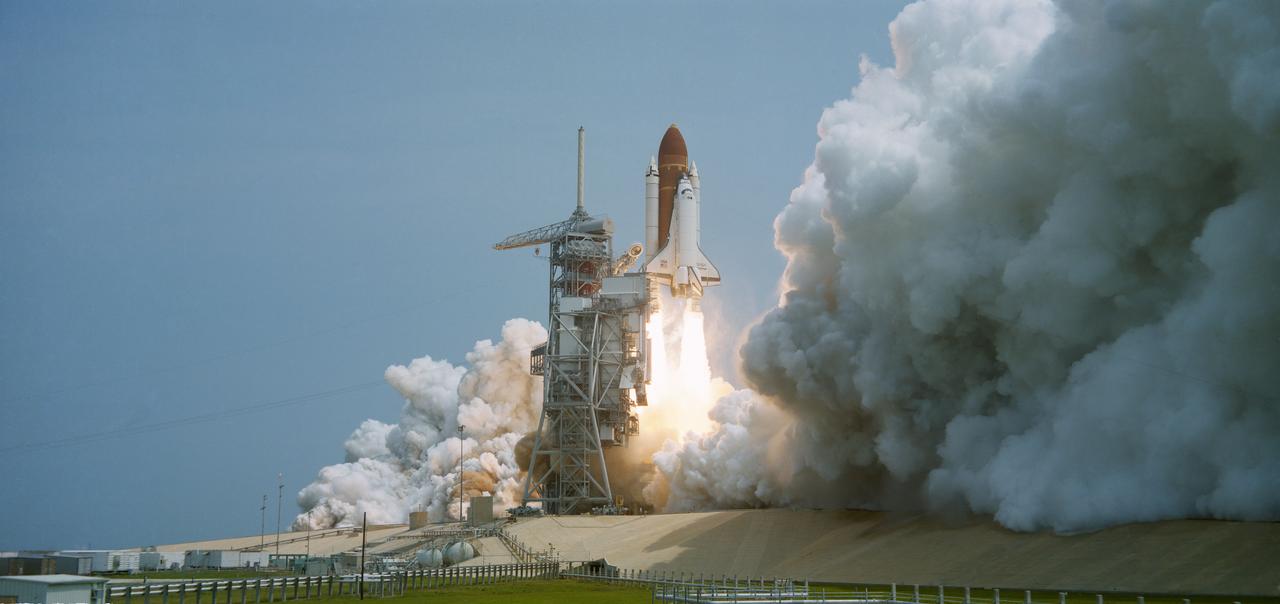
51B-S-052 (20 April 1985) --- The STS 51-B Spacelab 3 mission begins with the liftoff of the Challenger from Pad 39A at 12:02 p.m. (EDT). The Spacelab-3 configuration consists of a long module and a Mission Experiment Support Structure (MPESS). The object of the mission is to conduct applications, science and technology-oriented experimentation requiring the low-gravity of Earth orbit and extended duration stable vehicle attitude. Mission emphasis will be on materials processing. The seven-member crew consists of astronauts Robert F Overmyer, commander; Frederick D. Gregory, pilot; Don L. Lind, Norman E. Thagard and William E. Thornton; all mission specialists and payload specialists Taylor G. Wang and Lodewijk van den Berg. The mission is planned for 7 days with a landing at Dryden Flight Research Facility, Edwards California scheduled for May 6.

FDCD Branch Stability and Control branch: Names, rows front to back, people left to right: Ground level: 1. ?? 2. Debra L. Livingston 3. Katherine G. Johnson 4. Robert Dunning Step 1: 1. Ellie Fillmore (?) 2. Al Hamer 3. Suresh Joshi Step 2: 1. John Young 2. Ernest Armstrong 3. Vladislav Klein 4. Charles T. Woolley Step 3: 1. Lawrence Taylor 2. Tony Fontana Step 4: 1. Bill Suit 2. Jane Carpenter 3. Daniel P. Giesy 4. Mario Smith Step 5: 1. Albert Schy 2. Ray Montgomery 3. Sahajendra Singh Top level: 1: Jim Batterson 2. Jim Williams 3. Claude Keckler 4. N. Sundararajan Behind all: John Shebalin Names given by Danial P. Giesy