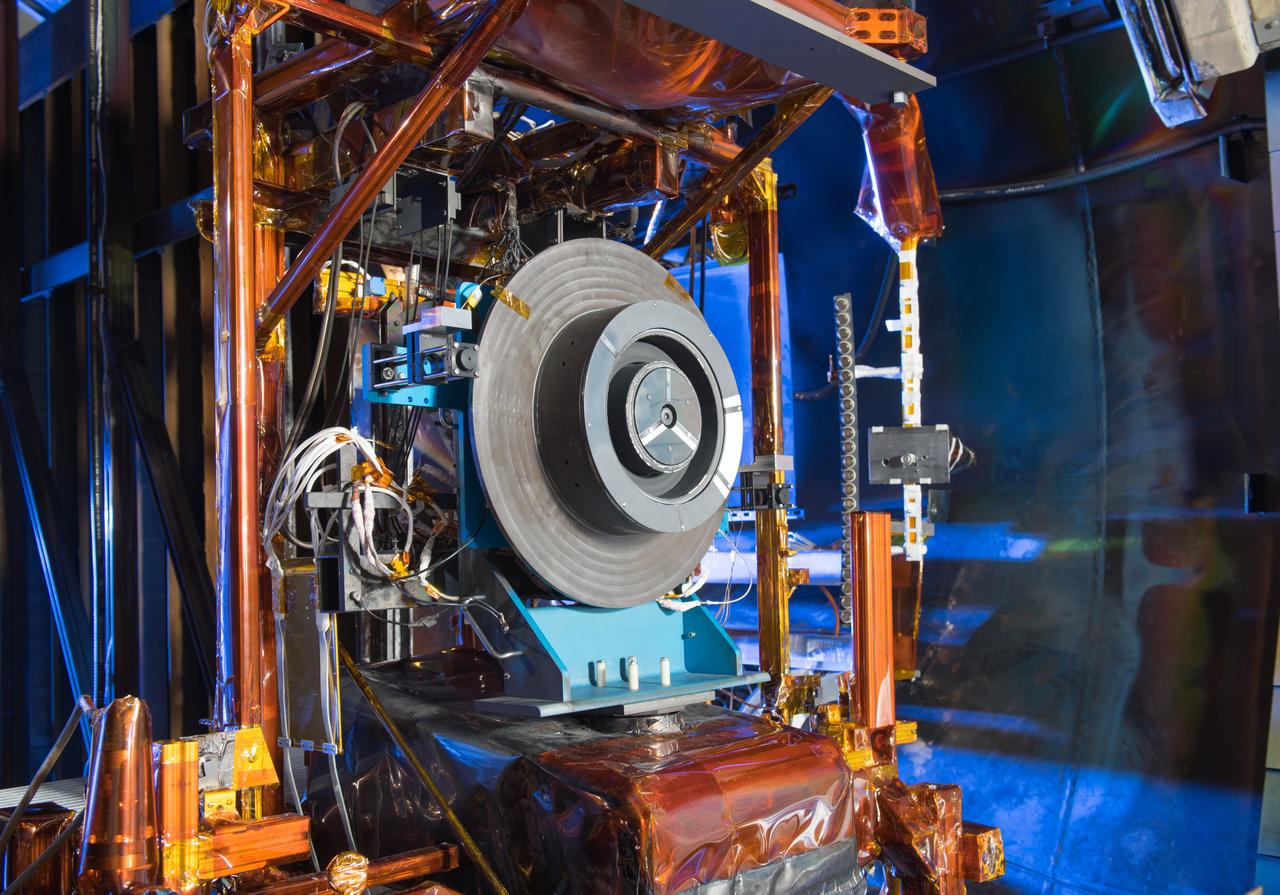
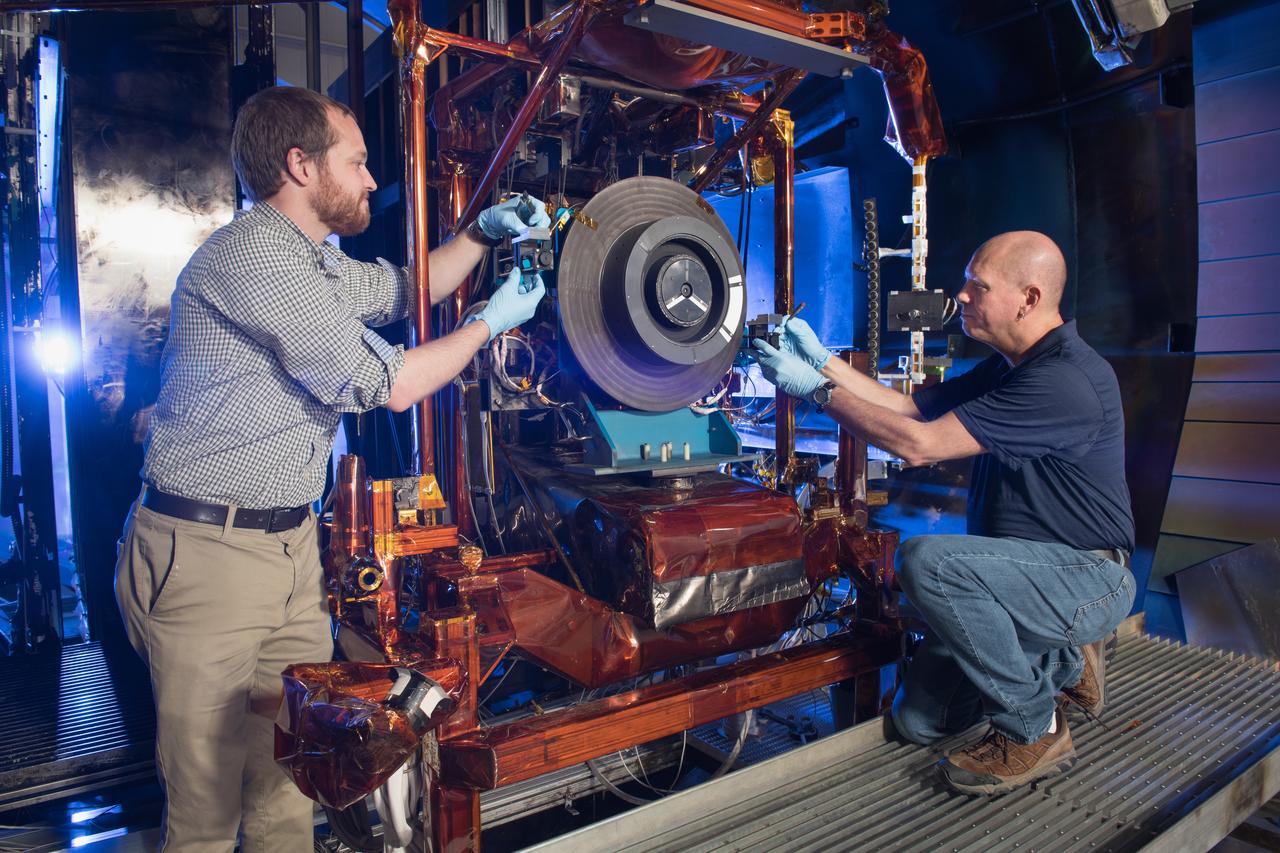
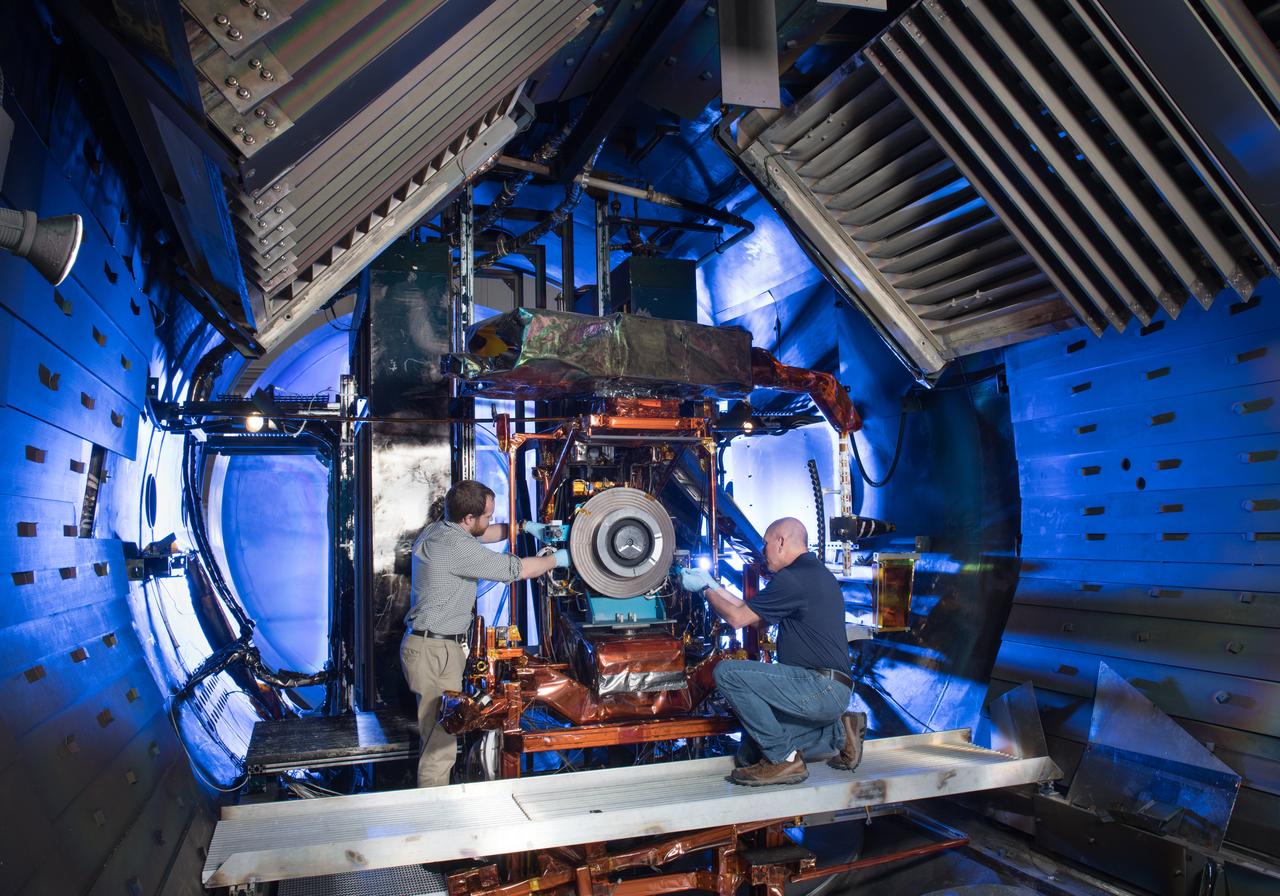
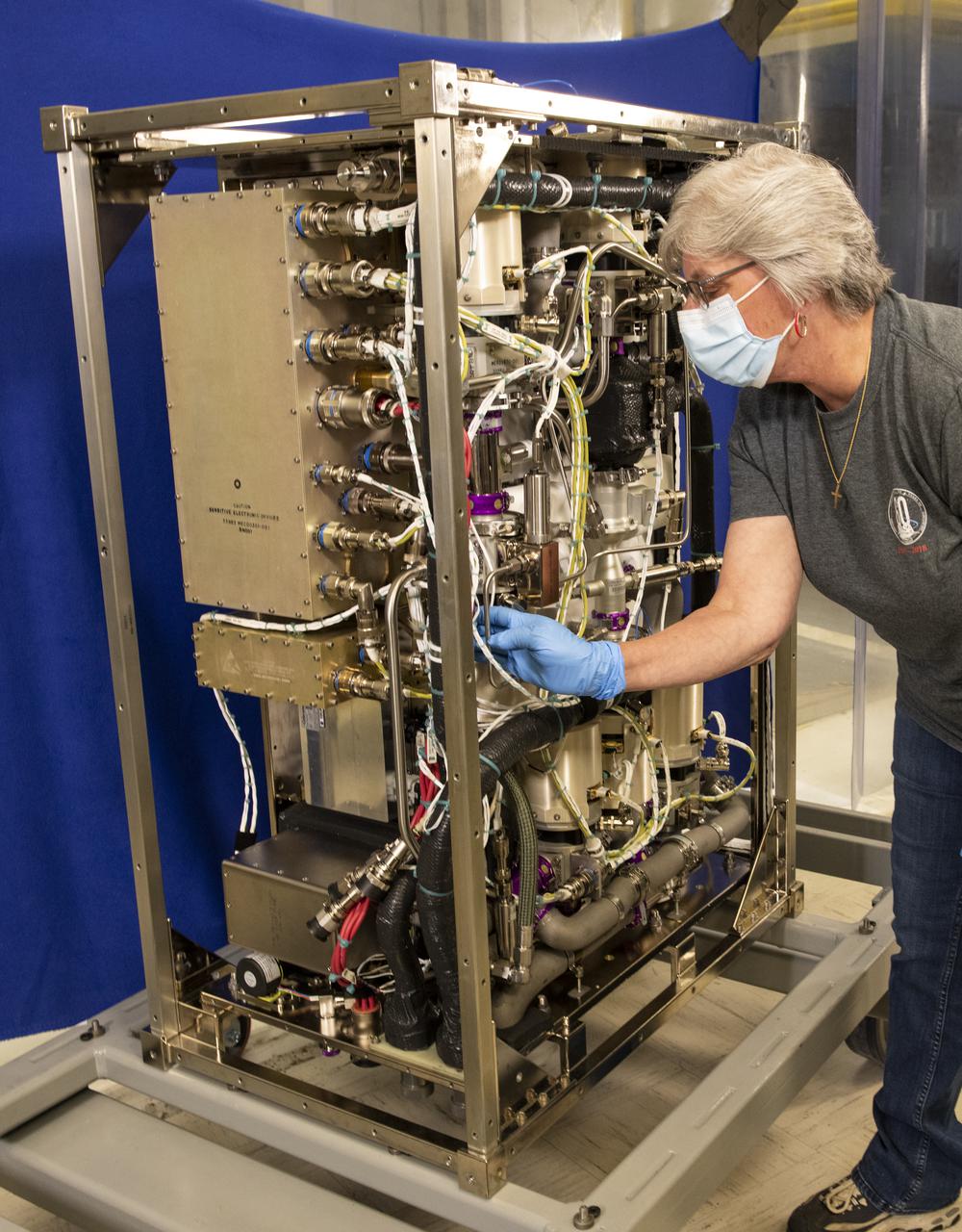
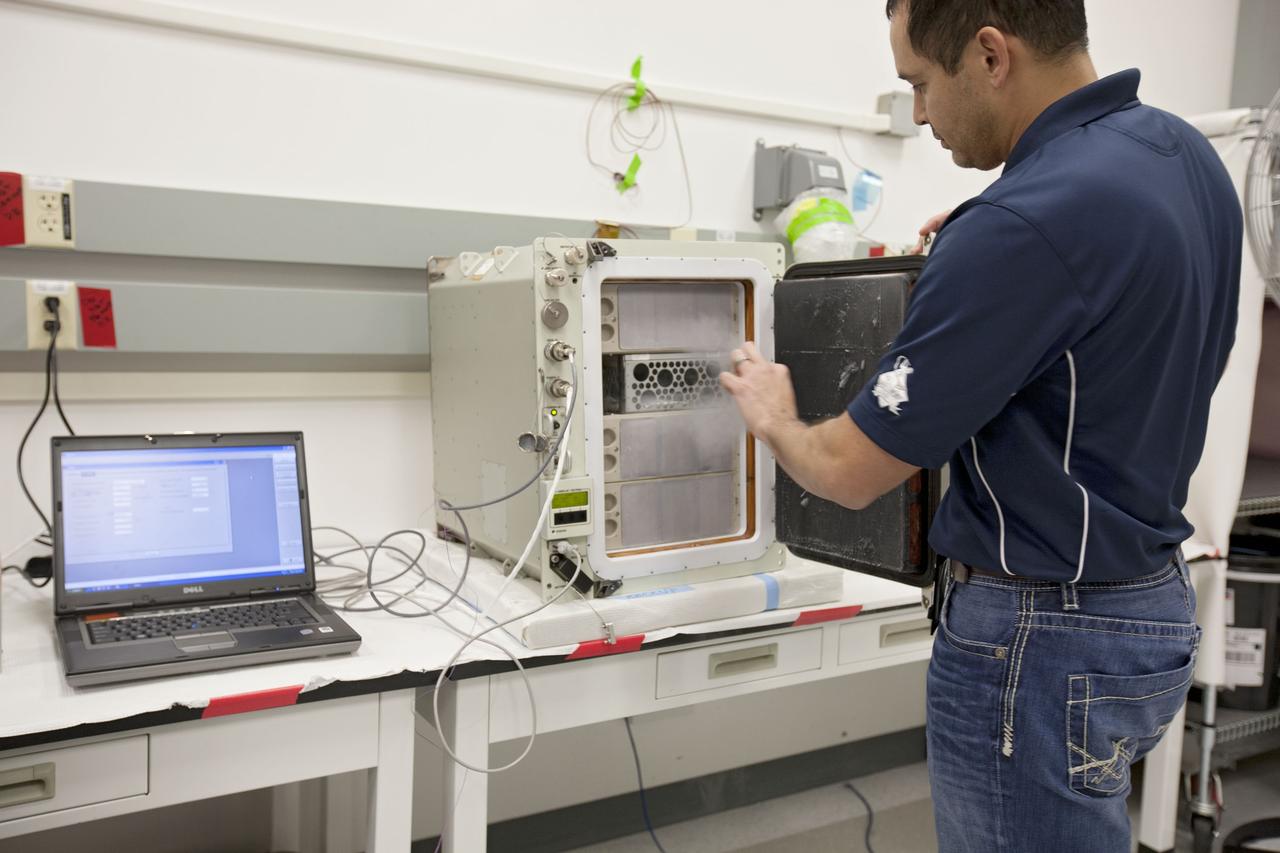
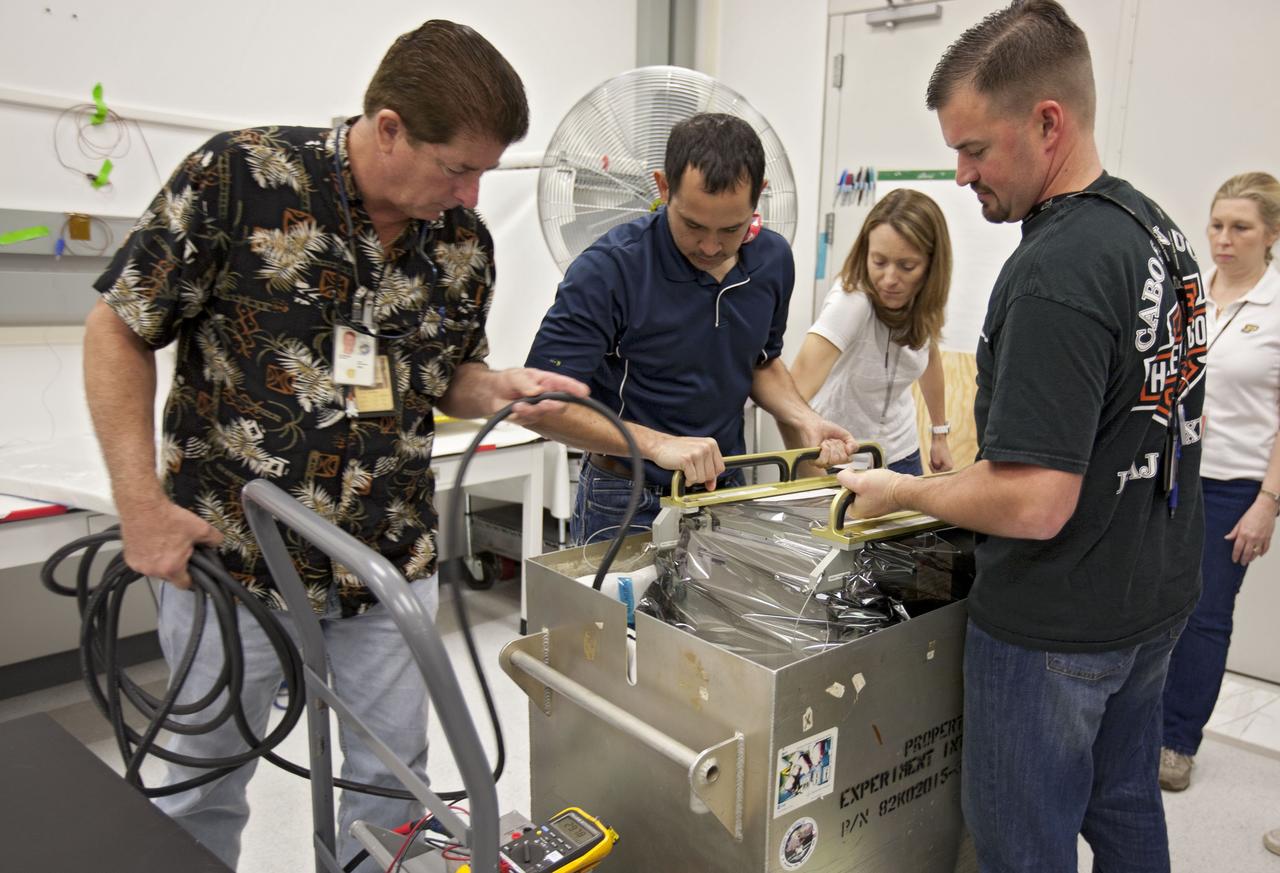
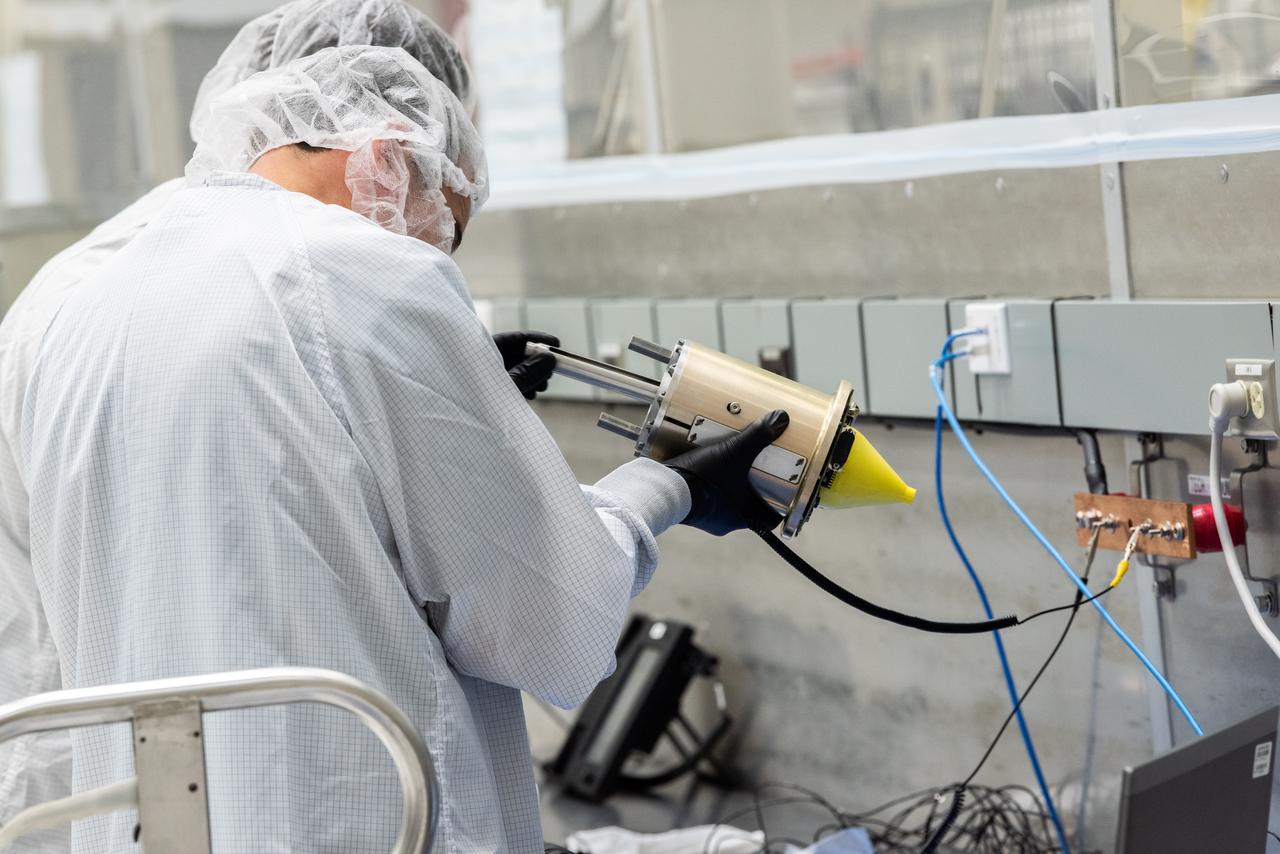
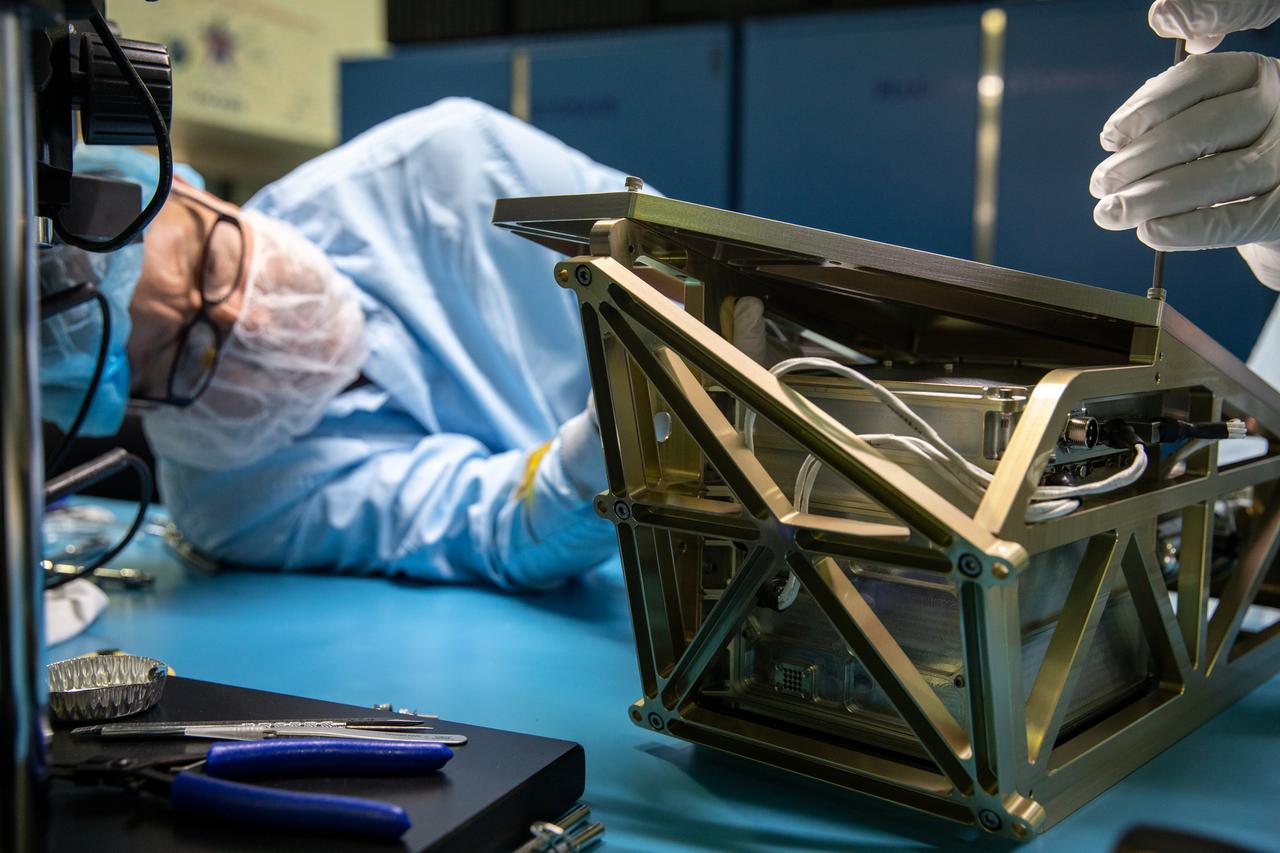
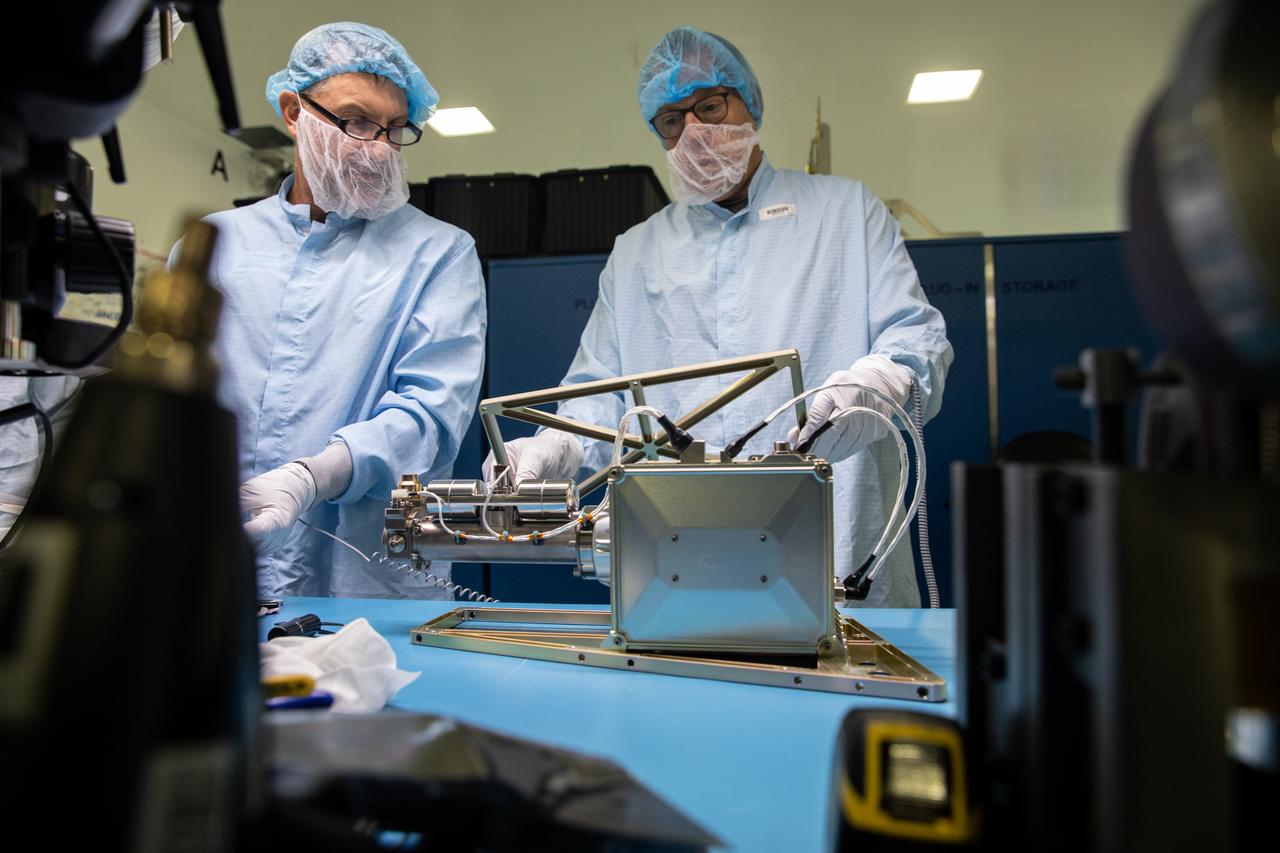
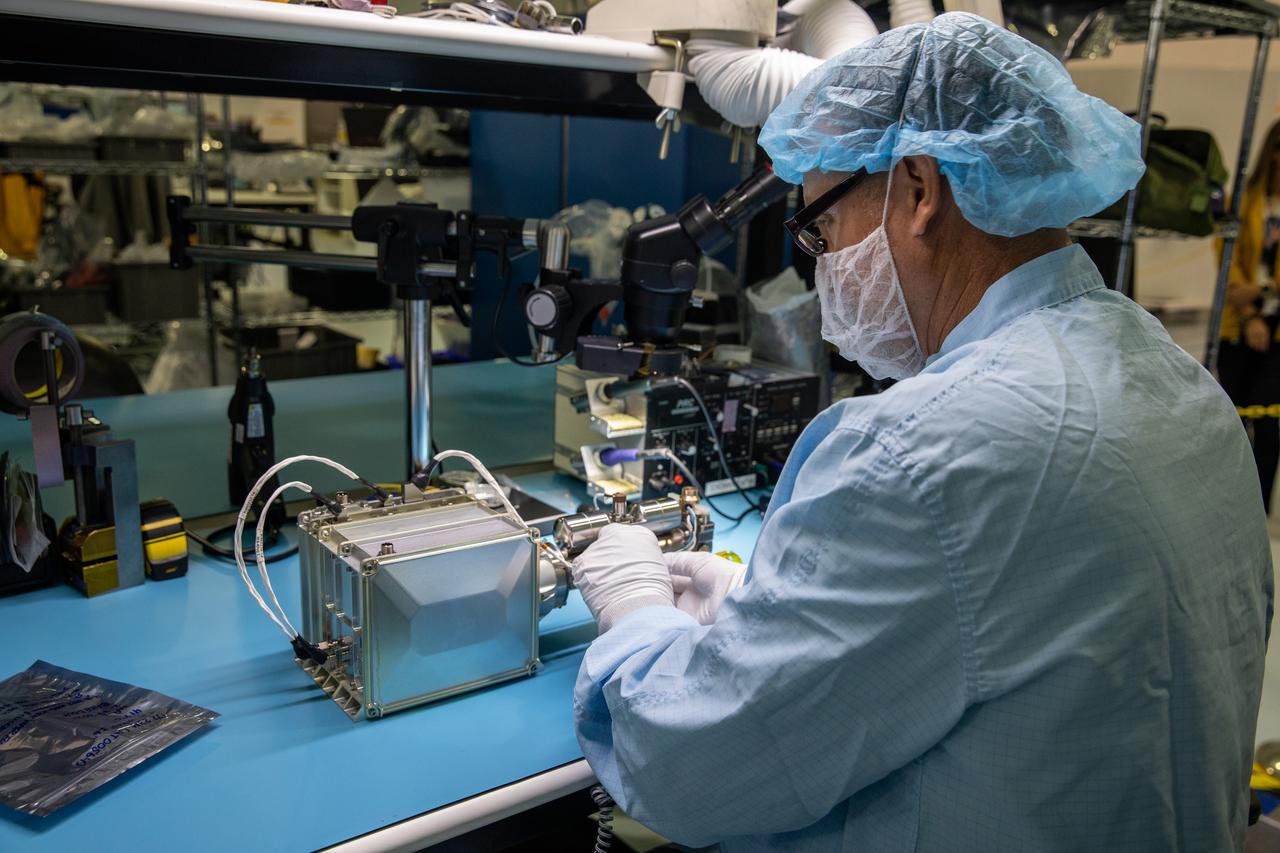
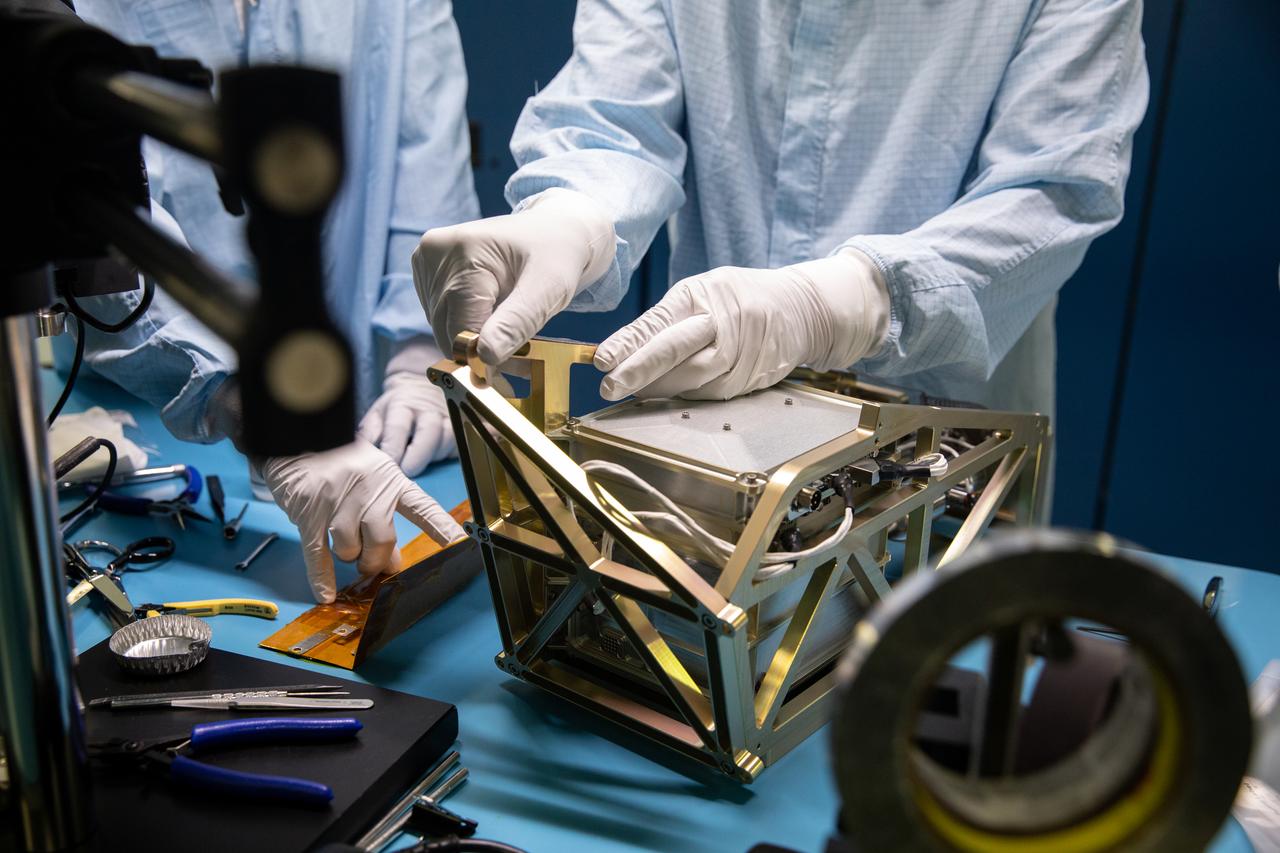
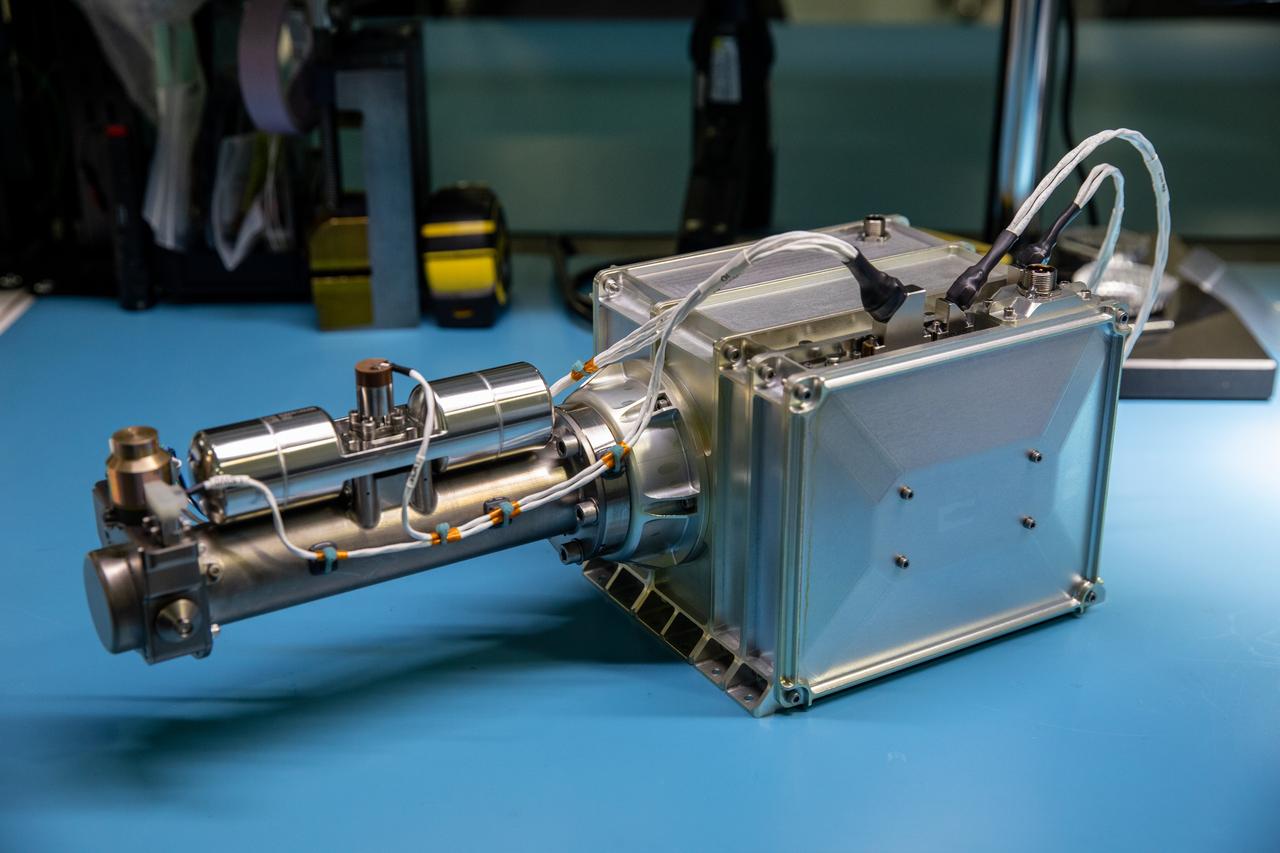
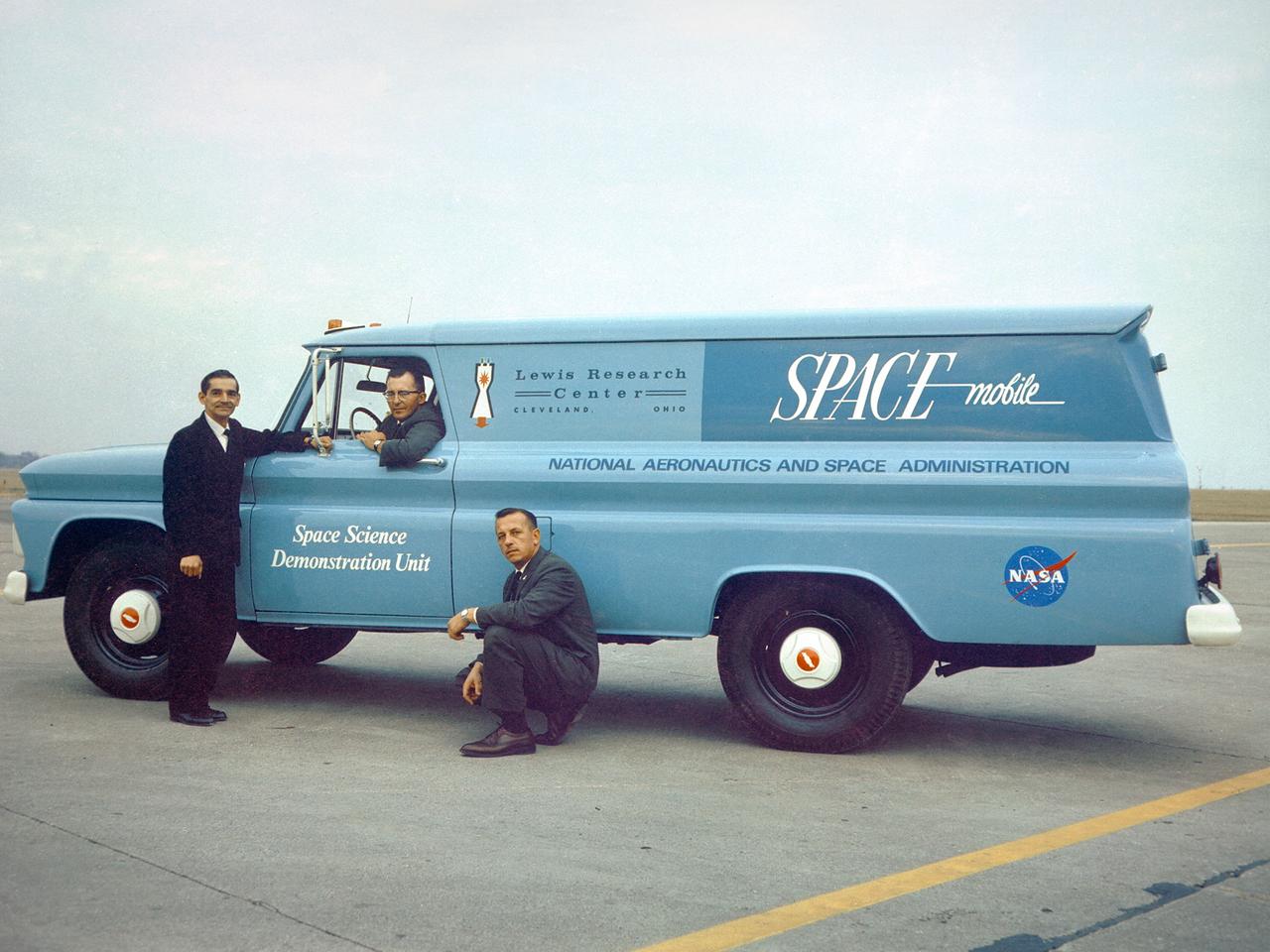
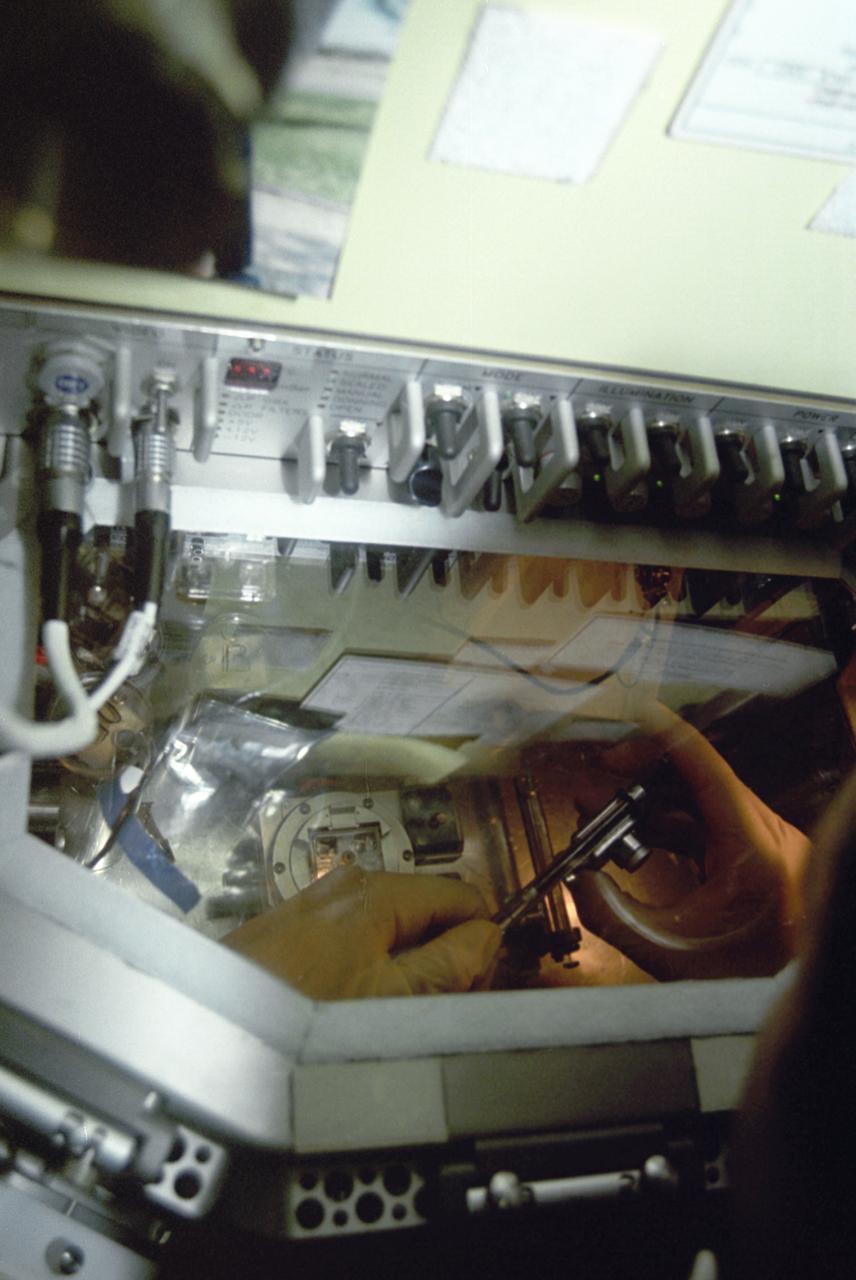
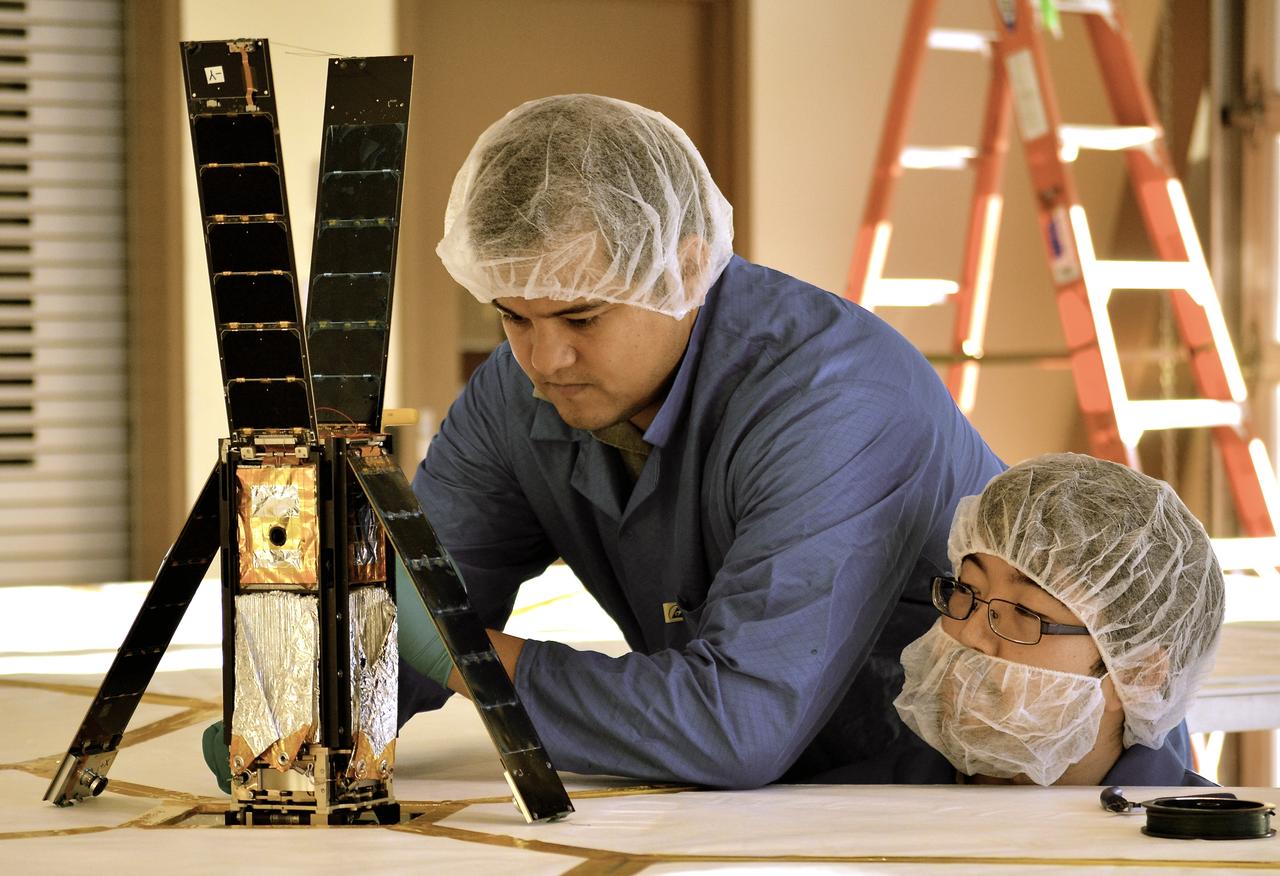
NASA Glenn Technician Mark Springowski works on a 10-kilowatt Stirling Power Conversion Unit, which is part of the Fission Surface Power Technology Demonstration Unit. This is a system level demonstration of a surface power system, which could potentially be used to support manned missions to the moon or Mars. A flight system would use 180 kilowatt nuclear fission reactor and four Stirling PCU’s to produce 40 kW of electricity for manned surface missions.
Fission Surface Power Technology Demonstration Unit
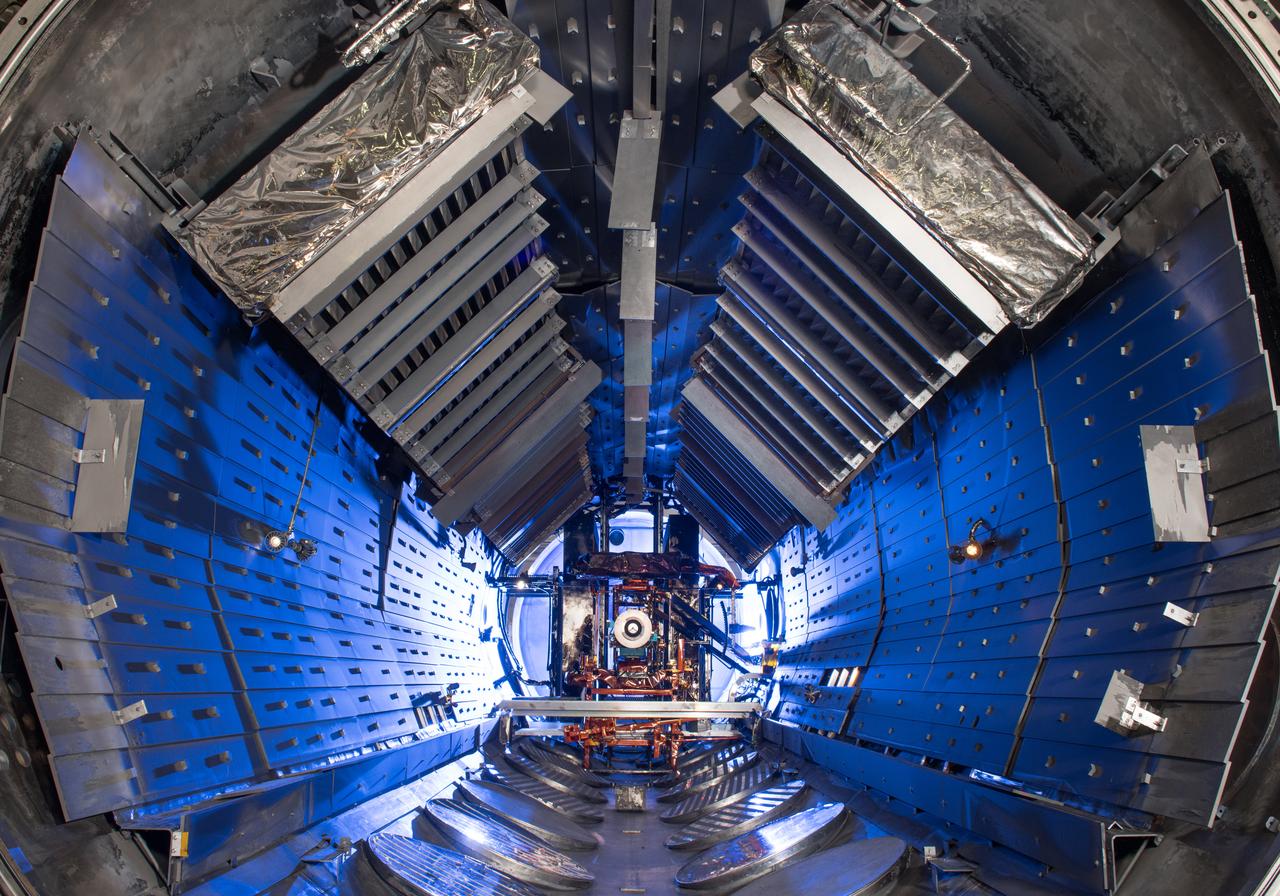
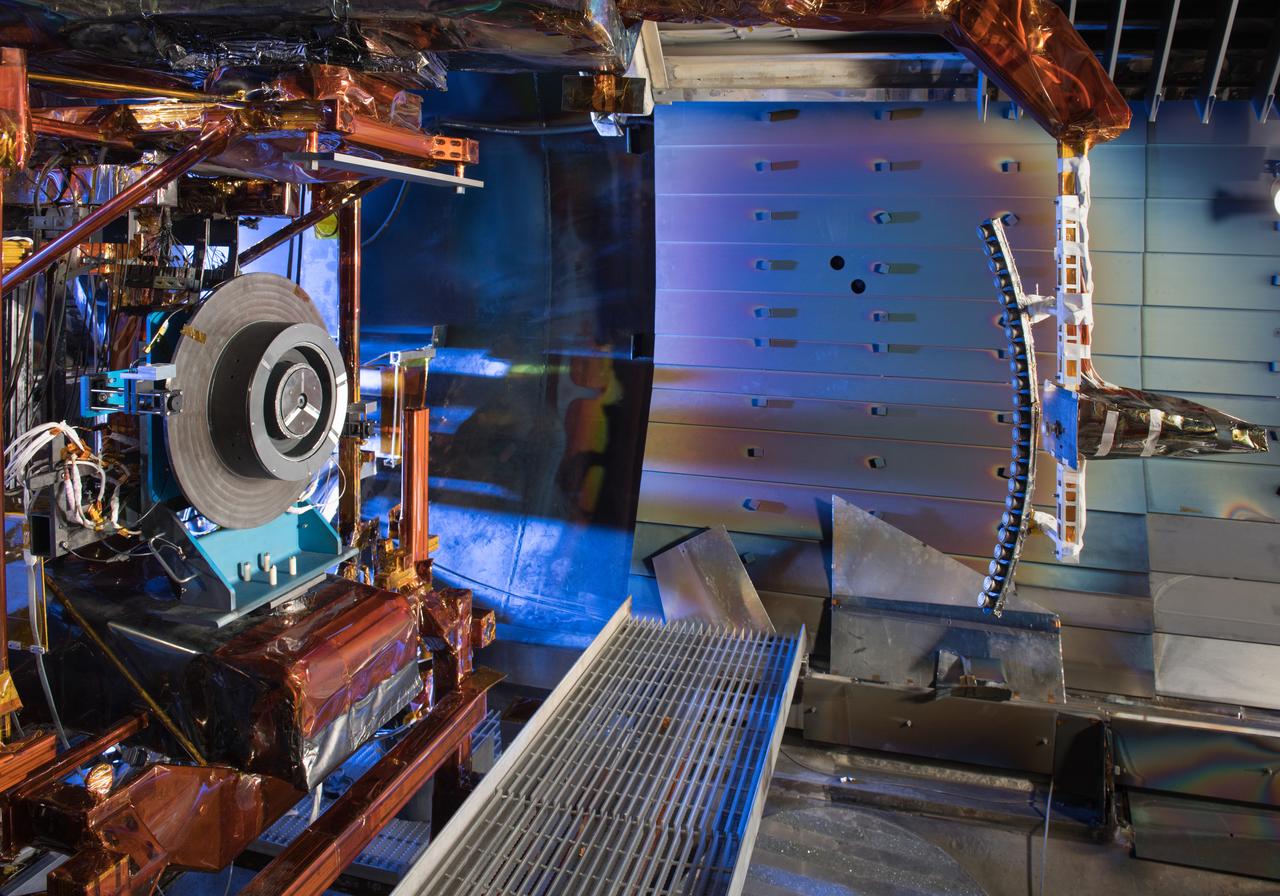
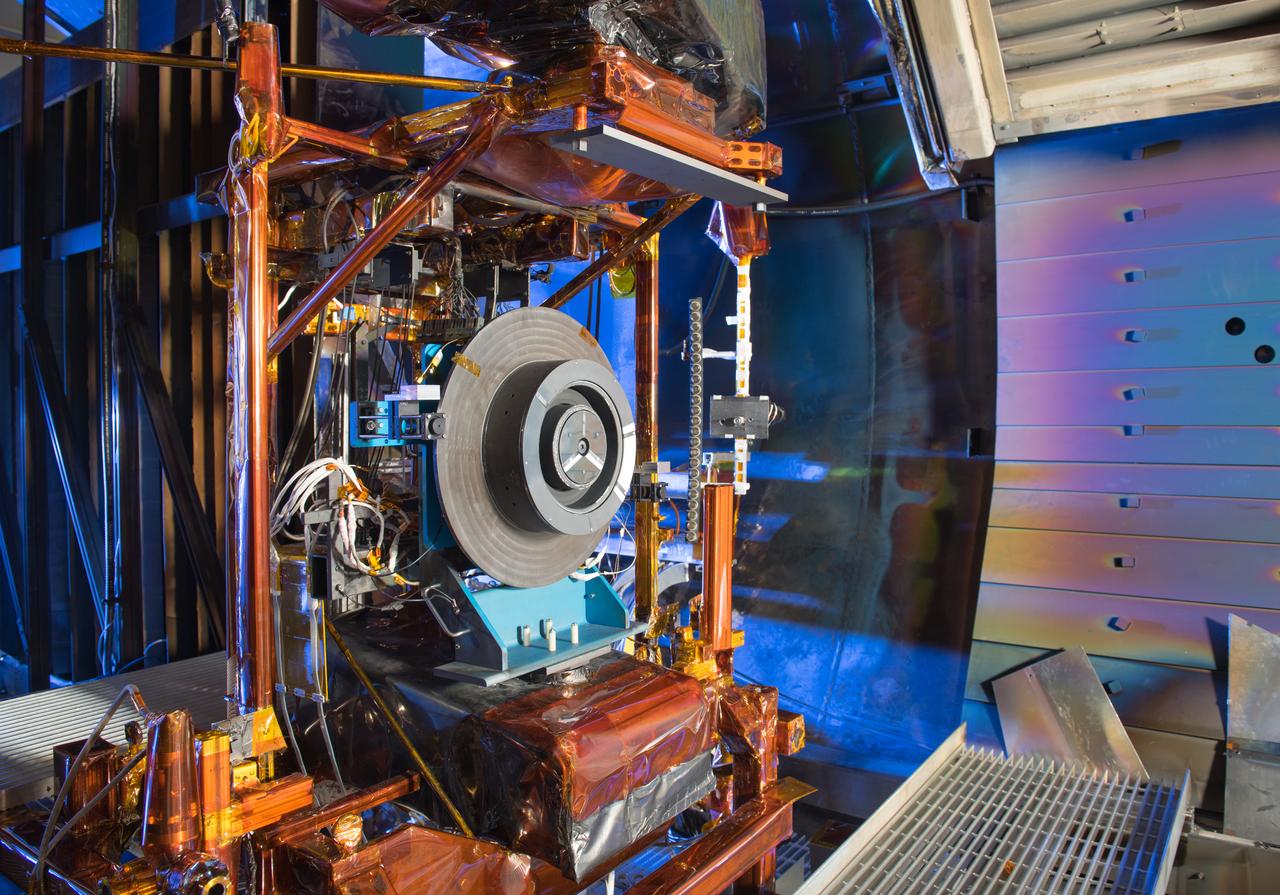
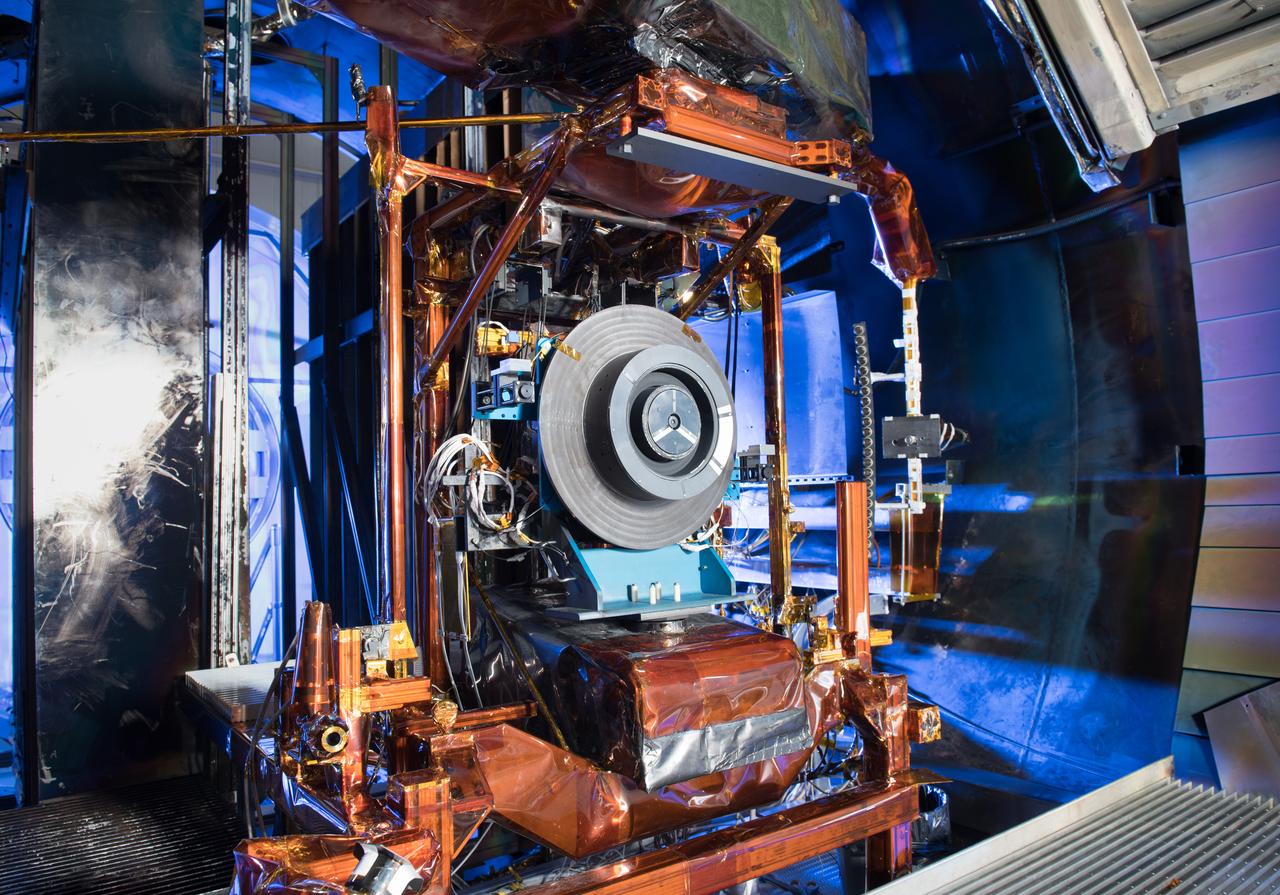
Advanced Electric Propulsion Systems Contract, Technology Demonstration Unit, TDU-3 Checkout Test Hardware Installed in Vacuum Facility 5, VF-5
Advanced Electric Propulsion Systems Contract, Technology Dem...
Advanced Electric Propulsion Systems Contract, Technology Demonstration Unit, TDU-3 Checkout Test Hardware Installed in Vacuum Facility 5, VF-5
Advanced Electric Propulsion Systems Contract, Technology Dem...
Advanced Electric Propulsion Systems Contract, Technology Demonstration Unit, TDU-3 Checkout Test Hardware Installed in Vacuum Facility 5, VF-5
Advanced Electric Propulsion Systems Contract, Technology Dem...
Advanced Electric Propulsion Systems Contract, Technology Demonstration Unit, TDU-3 Checkout Test Hardware Installed in Vacuum Facility 5, VF-5
Advanced Electric Propulsion Systems Contract, Technology Dem...
Advanced Electric Propulsion Systems Contract, Technology Demonstration Unit, TDU-3 Checkout Test Hardware Installed in Vacuum Facility 5, VF-5
Advanced Electric Propulsion Systems Contract, Technology Dem...
Advanced Electric Propulsion Systems Contract, Technology Demonstration Unit, TDU-3 Checkout Test Hardware Installed in Vacuum Facility 5, VF-5
Advanced Electric Propulsion Systems Contract, Technology Dem...
Advanced Electric Propulsion Systems Contract, Technology Demonstration Unit, TDU-3 Checkout Test Hardware Installed in Vacuum Facility 5, VF-5
Advanced Electric Propulsion Systems Contract, Technology Dem...
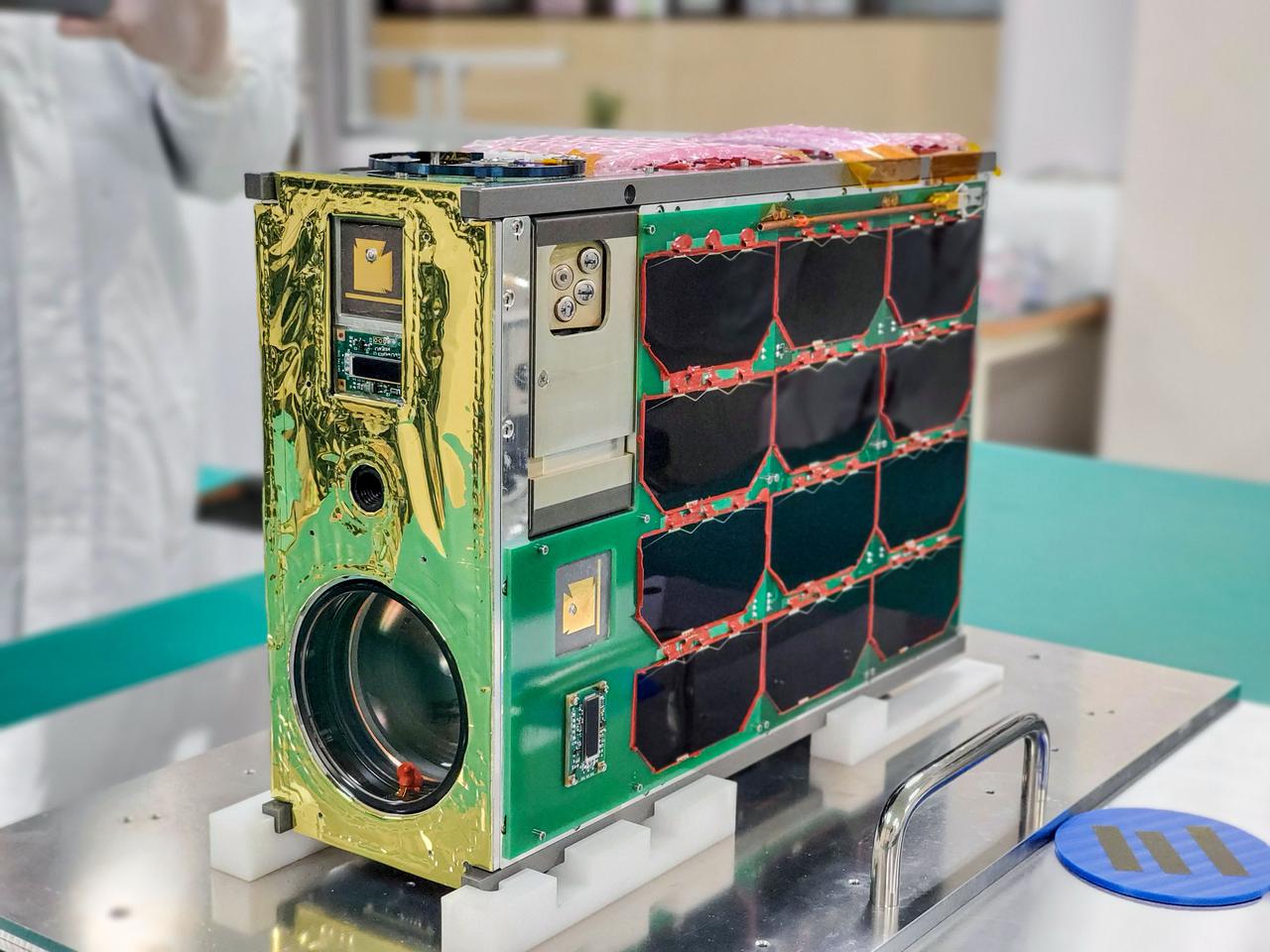
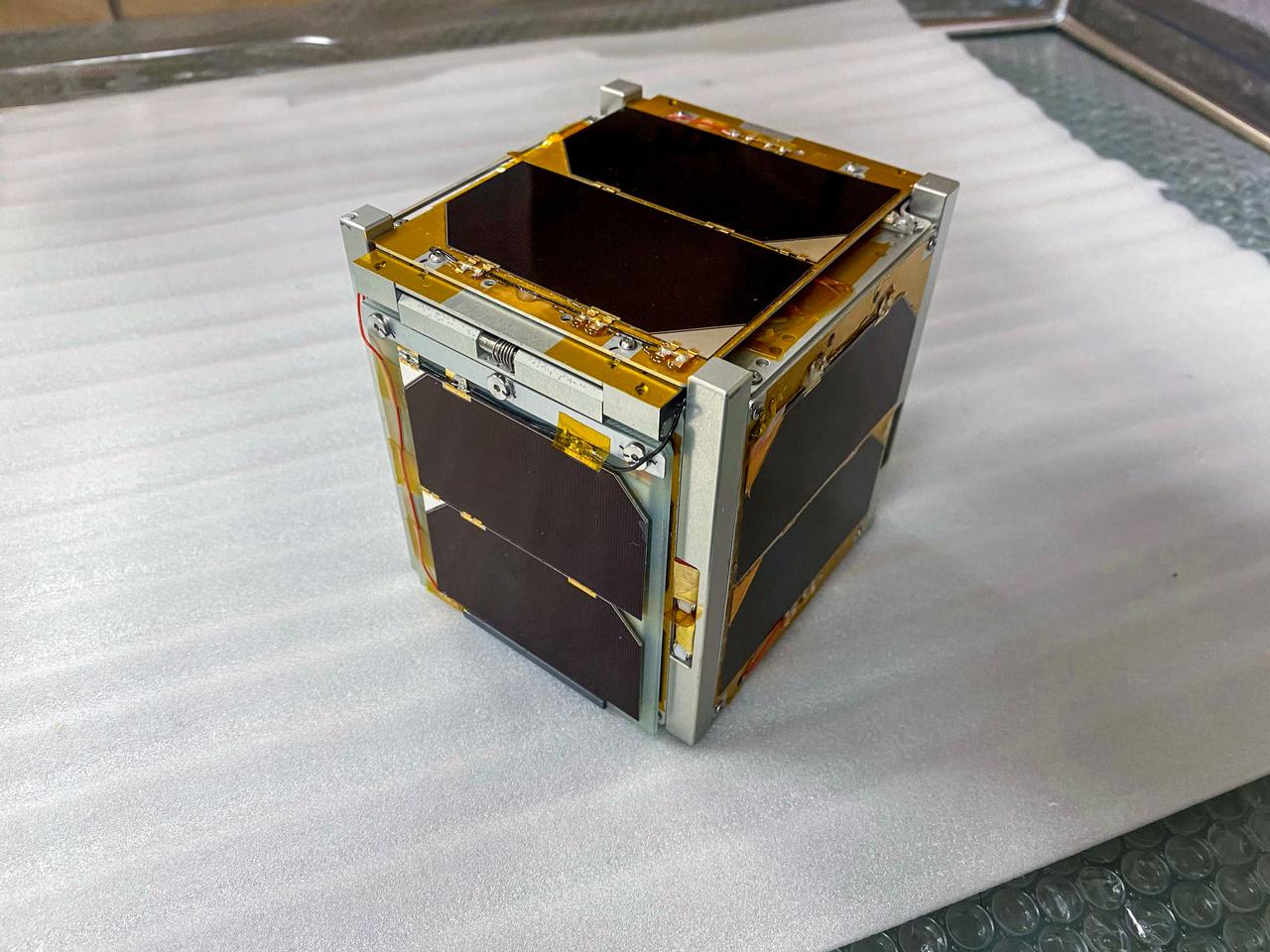
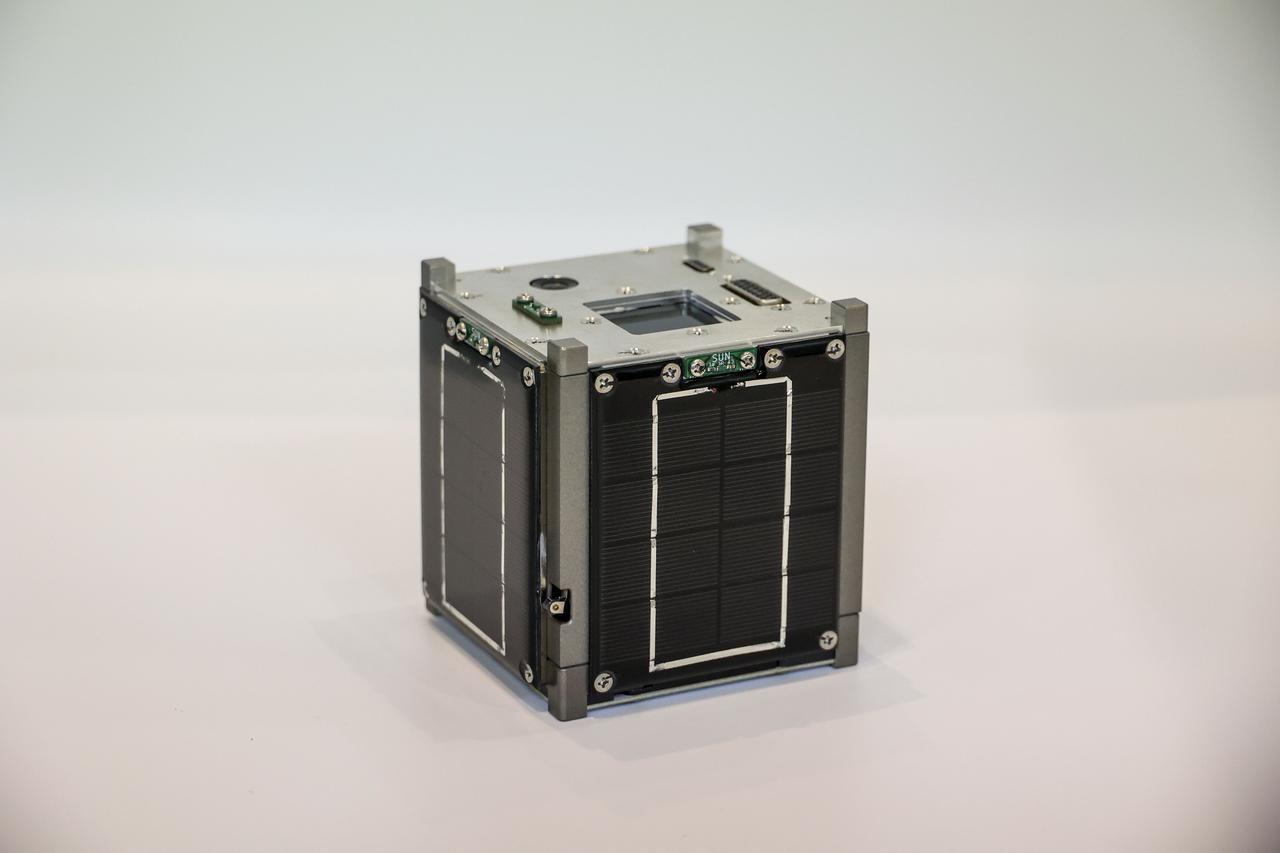
jsc2022e006714 (3/12/2021) --- A preflight image of the KITSUNE flight unit. KITSUNE is an 8 kg Wide-6 Unit (W6U) CubeSat, developed by the HSK Consortium, with experimental deployable radio antennas and camera. The KITSUNE mission is an Earth observation, 2U size bus system and LORA demonstration.  Image Credit: Kyushu Institute of Technology.
jsc2022e006714
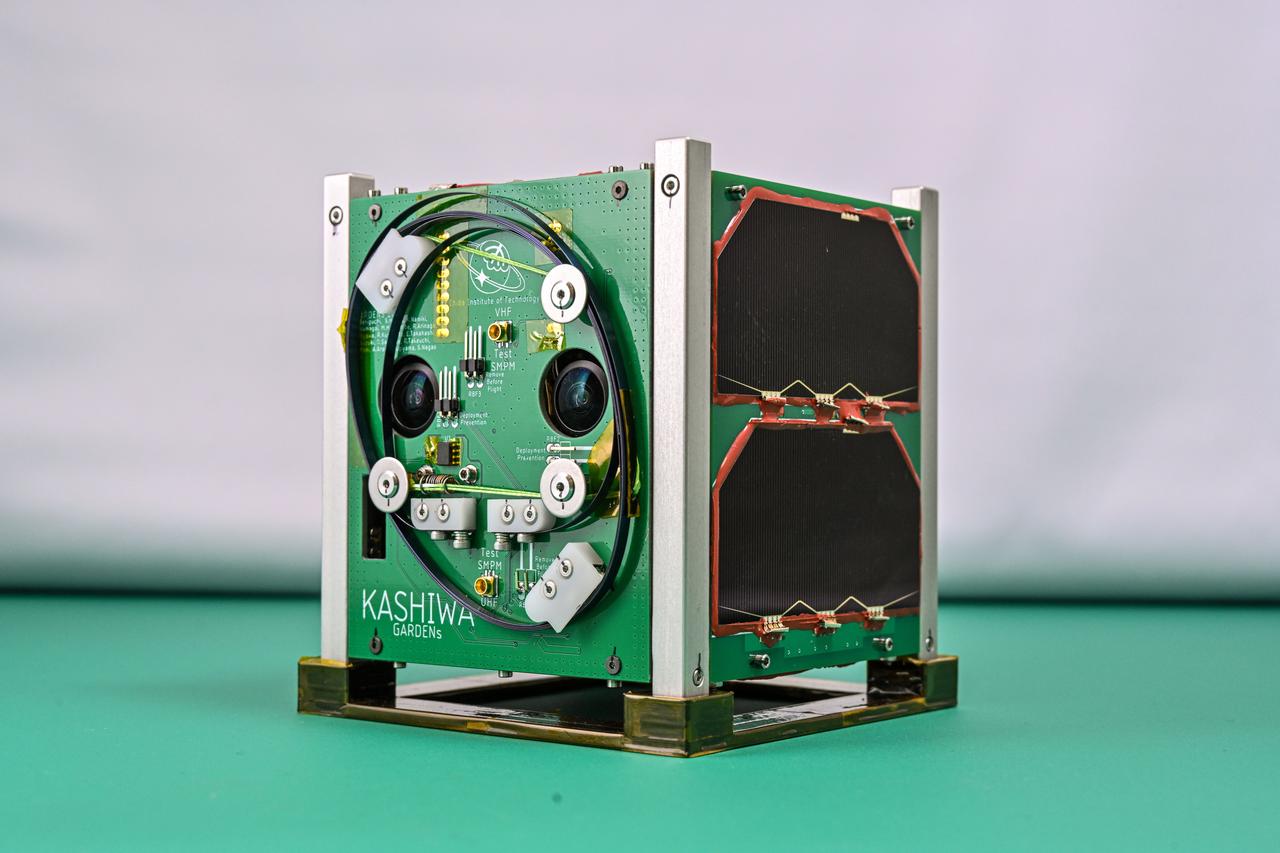
jsc2024e006095 (11/8/2023) --- Image of the KASHIWA flight units. KASHIWA, developed by the Growing Advanced and Refined space Development ENgineering succession and under the satellite (GARDENs) program is a project from Chiba Institute of Technology. The KASHIWA mission is to demonstrate stereo cameras for ranging, to demonstrate the APRS (Automatic Packet Reporting System) for digipeating through the satellite, to demonstrate analog audio using geomagnetic sensor and earth observation with camera.
Preflight Imagery for GARDENs
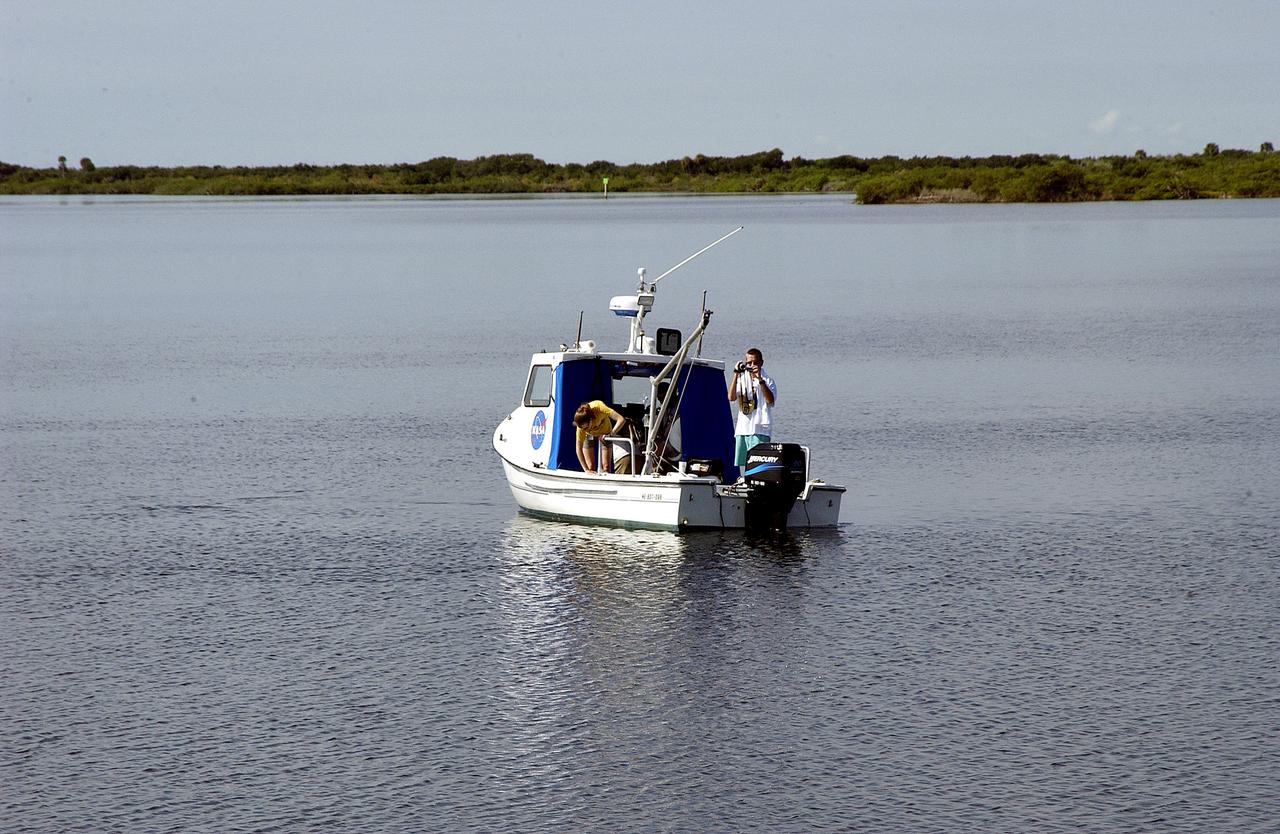
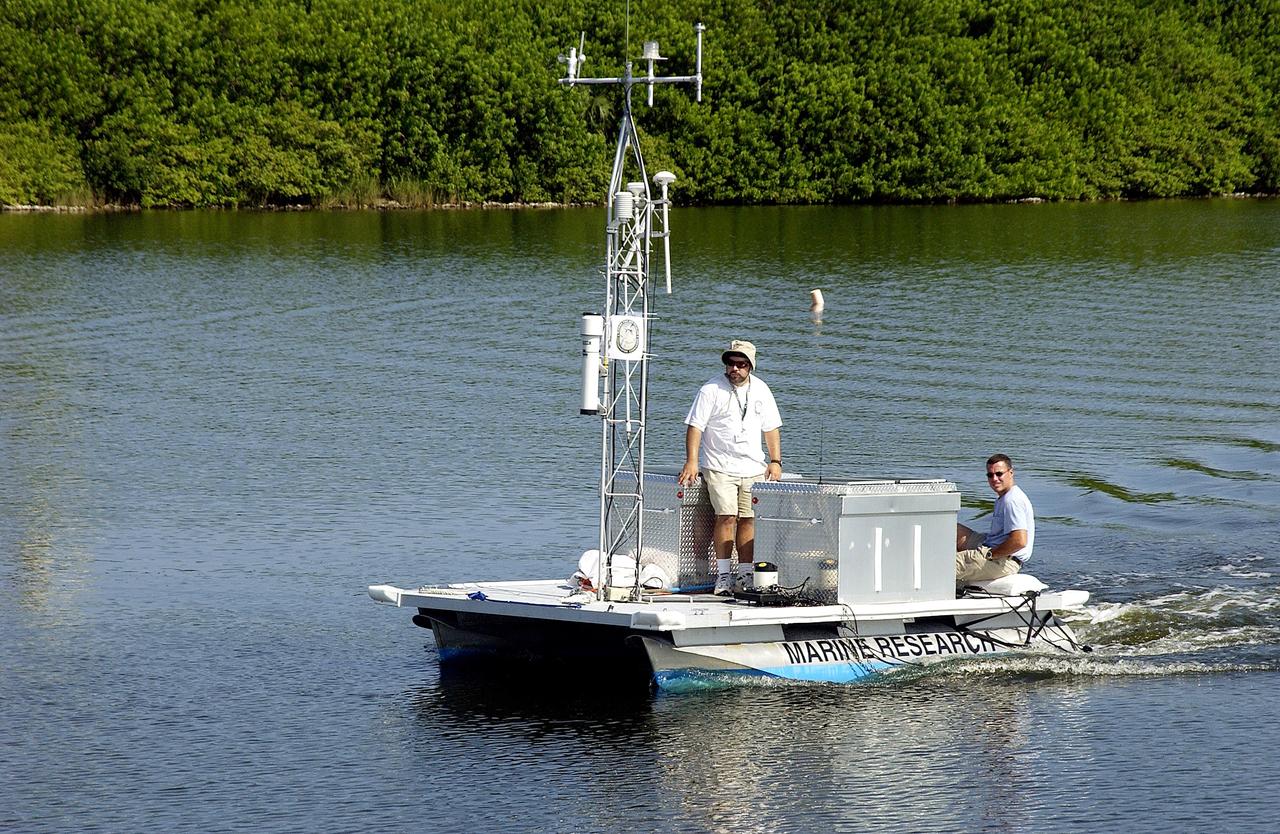
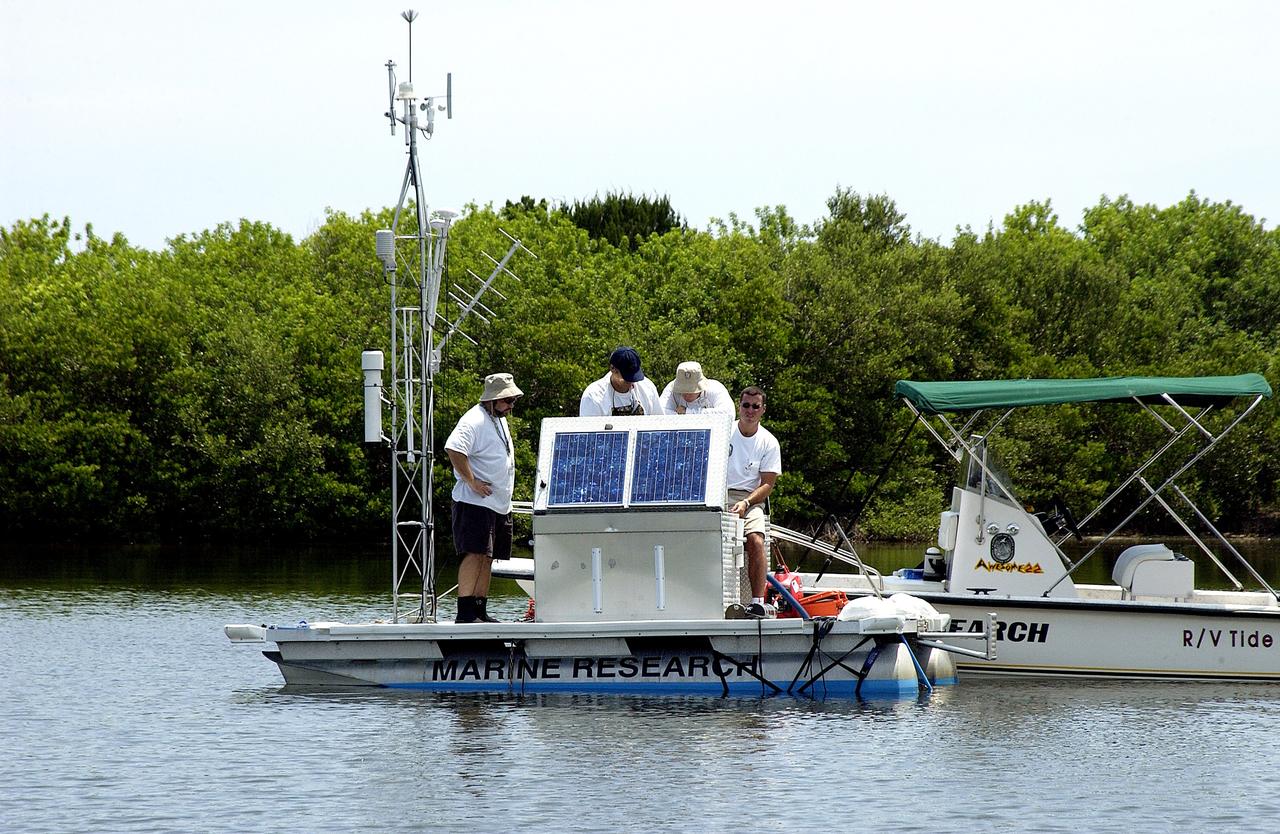
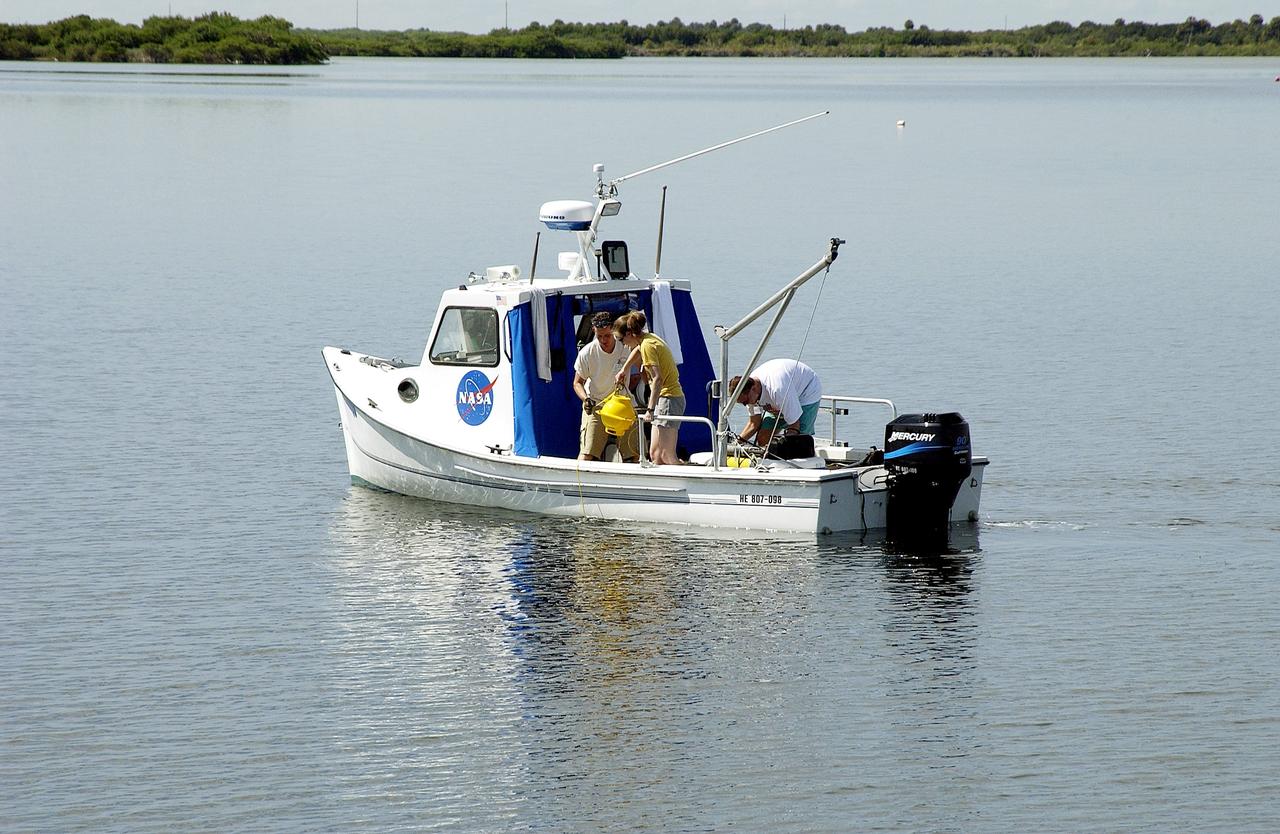
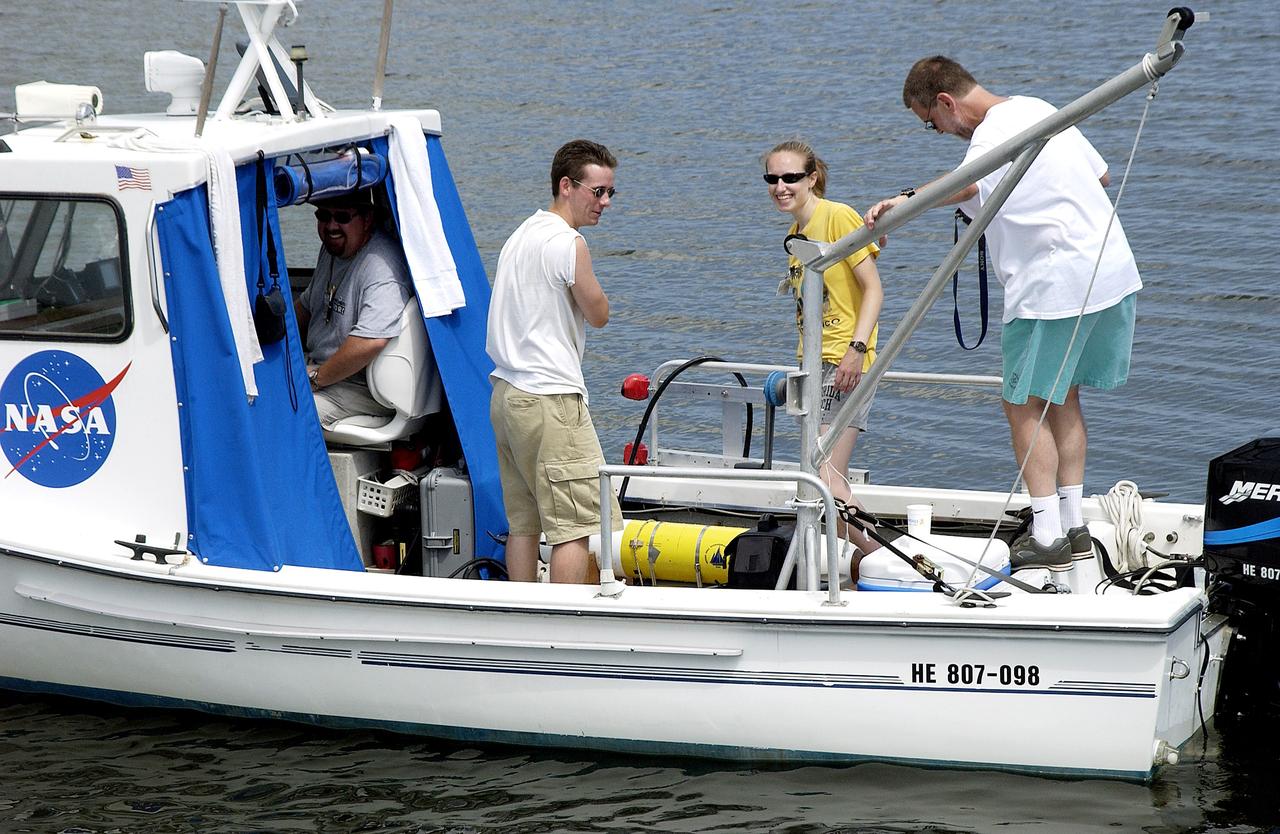
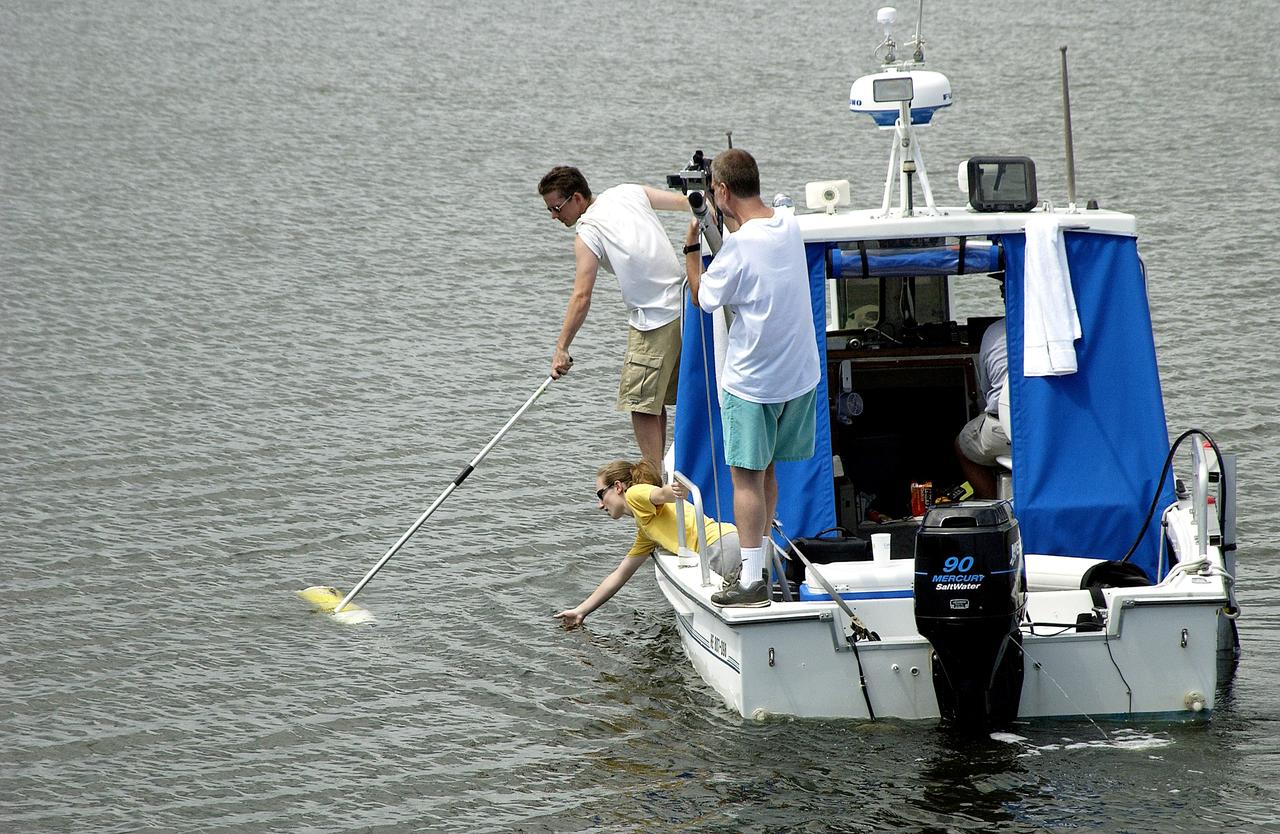
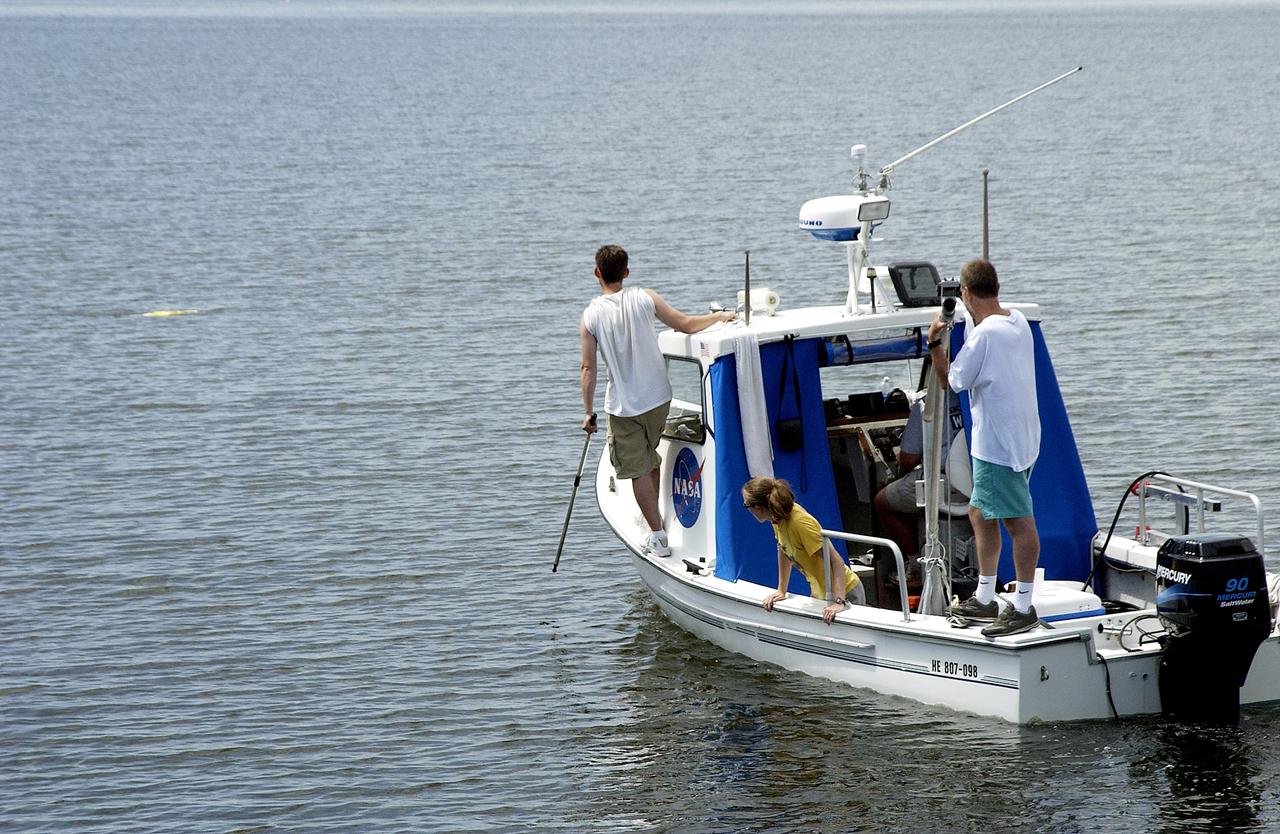
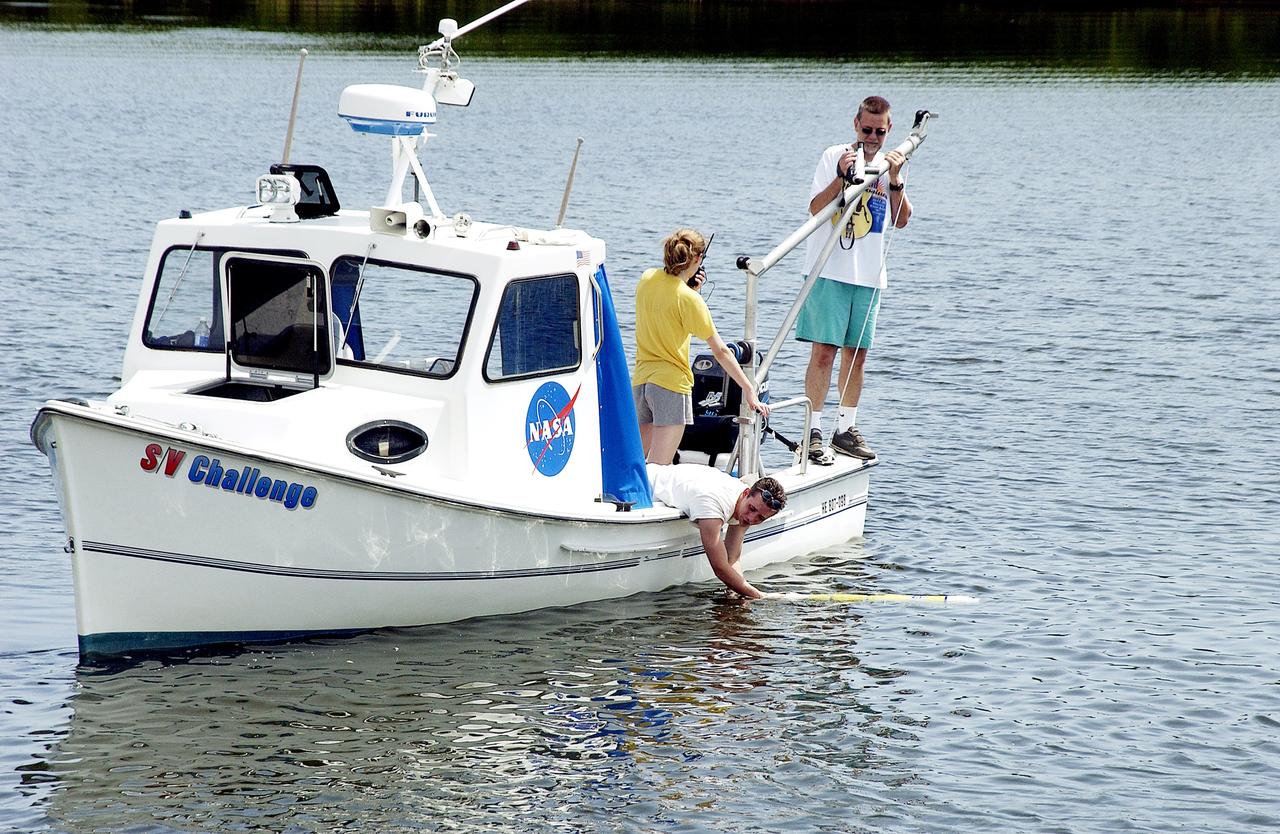
KENNEDY SPACE CENTER, FLA.  -  Researchers are positioned on one of the watercraft being utilized to conduct underwater acoustic research in the Launch Complex 39 turn basin.  Several government agencies, including NASA, NOAA, the Navy, the Coast Guard, and the Florida Fish and Wildlife Commission are involved in the testing. The research involves demonstrations of passive and active sensor technologies, with applications in fields ranging from marine biological research to homeland security. The work is also serving as a pilot project to assess the cooperation between the agencies involved. Equipment under development includes a passive acoustic monitor developed by NASA’s Jet Propulsion Laboratory, and mobile robotic sensors from the Navy’s Mobile Diving and Salvage Unit.
KENNEDY SPACE CENTER, FLA. - Researchers are positioned on one of the watercraft being utilized to conduct underwater acoustic research in the Launch Complex 39 turn basin. Several government agencies, including NASA, NOAA, the Navy, the Coast Guard, and the Florida Fish and Wildlife Commission are involved in the testing. The research involves demonstrations of passive and active sensor technologies, with applications in fields ranging from marine biological research to homeland security. The work is also serving as a pilot project to assess the cooperation between the agencies involved. Equipment under development includes a passive acoustic monitor developed by NASA’s Jet Propulsion Laboratory, and mobile robotic sensors from the Navy’s Mobile Diving and Salvage Unit.
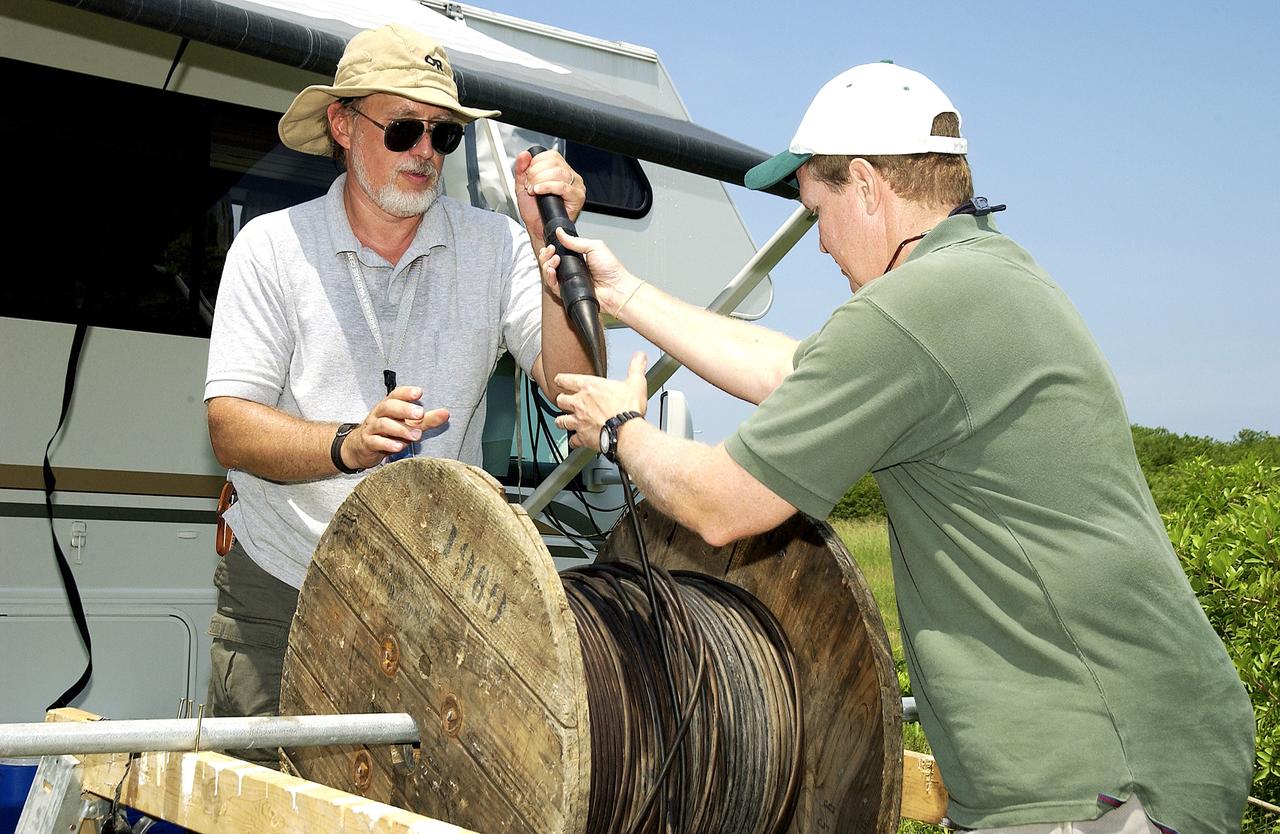
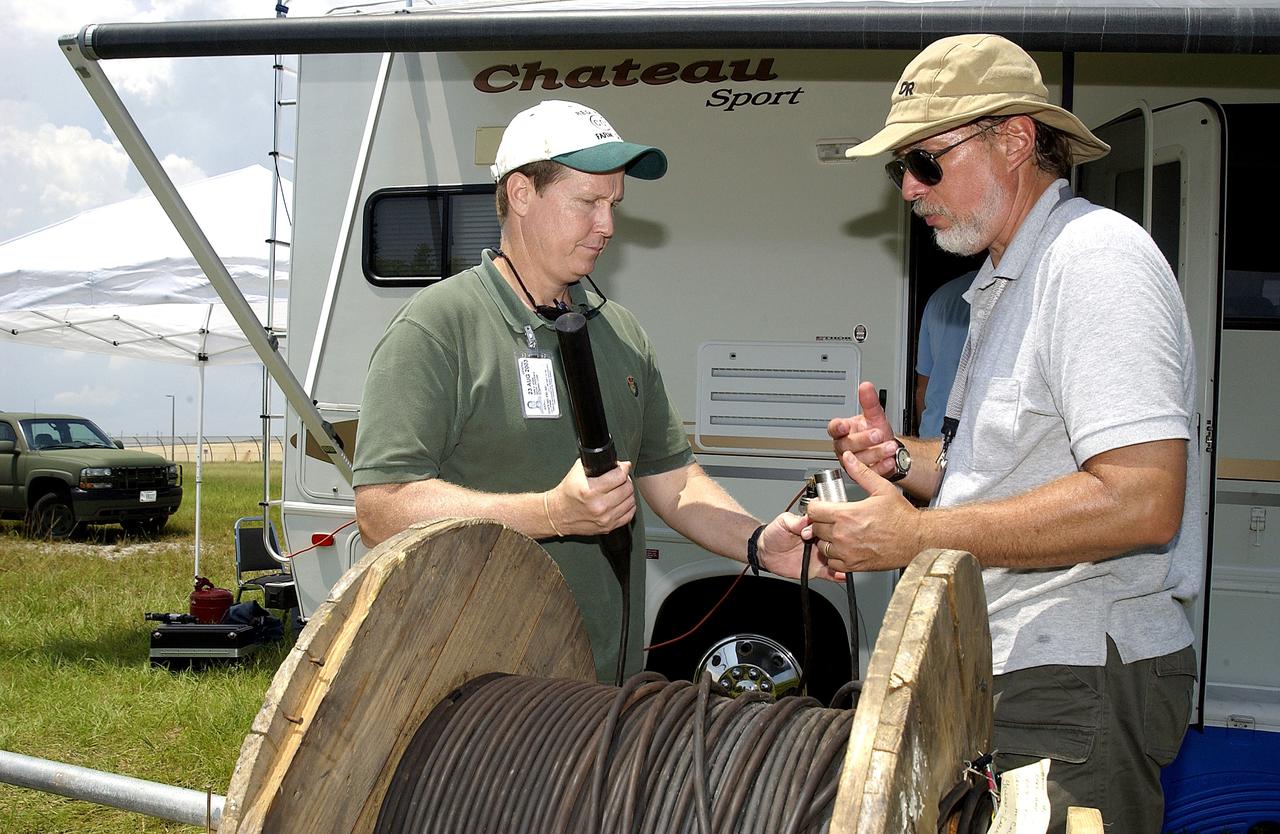
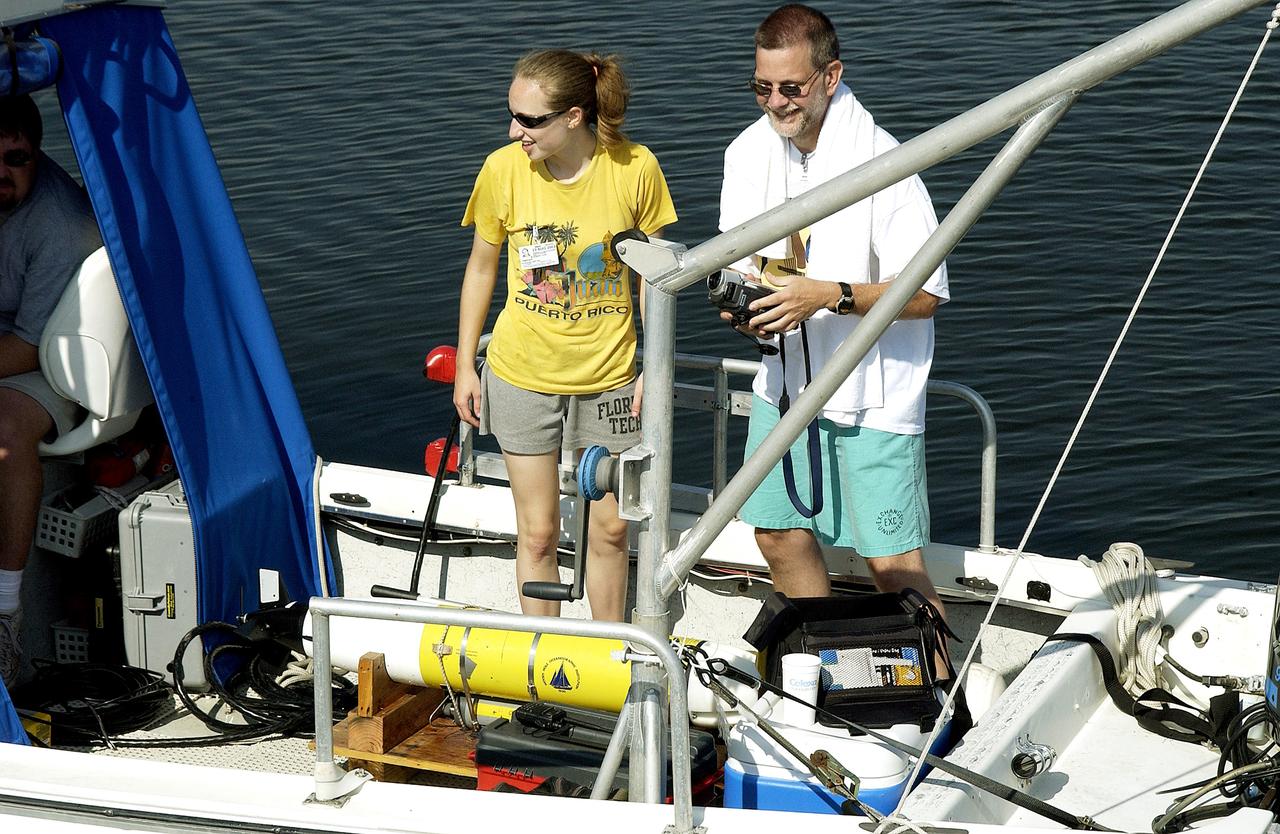
KENNEDY SPACE CENTER, FLA.  -  Research team members work with acoustic cable during underwater acoustic research being conducted in the Launch Complex 39 turn basin.  Several government agencies, including NASA, NOAA, the Navy, the Coast Guard, and the Florida Fish and Wildlife Commission are involved in the testing. The research involves demonstrations of passive and active sensor technologies, with applications in fields ranging from marine biological research to homeland security. The work is also serving as a pilot project to assess the cooperation between the agencies involved. Equipment under development includes a passive acoustic monitor developed by NASA’s Jet Propulsion Laboratory, and mobile robotic sensors from the Navy’s Mobile Diving and Salvage Unit.
KENNEDY SPACE CENTER, FLA. - Research team members work with acoustic cable during underwater acoustic research being conducted in the Launch Complex 39 turn basin. Several government agencies, including NASA, NOAA, the Navy, the Coast Guard, and the Florida Fish and Wildlife Commission are involved in the testing. The research involves demonstrations of passive and active sensor technologies, with applications in fields ranging from marine biological research to homeland security. The work is also serving as a pilot project to assess the cooperation between the agencies involved. Equipment under development includes a passive acoustic monitor developed by NASA’s Jet Propulsion Laboratory, and mobile robotic sensors from the Navy’s Mobile Diving and Salvage Unit.
KENNEDY SPACE CENTER, FLA.  -  Researchers are positioned on one of the watercraft being utilized to conduct underwater acoustic research in the Launch Complex 39 turn basin.  Several government agencies, including NASA, NOAA, the Navy, the Coast Guard, and the Florida Fish and Wildlife Commission are involved in the testing. The research involves demonstrations of passive and active sensor technologies, with applications in fields ranging from marine biological research to homeland security. The work is also serving as a pilot project to assess the cooperation between the agencies involved. Equipment under development includes a passive acoustic monitor developed by NASA’s Jet Propulsion Laboratory, and mobile robotic sensors from the Navy’s Mobile Diving and Salvage Unit.
KENNEDY SPACE CENTER, FLA. - Researchers are positioned on one of the watercraft being utilized to conduct underwater acoustic research in the Launch Complex 39 turn basin. Several government agencies, including NASA, NOAA, the Navy, the Coast Guard, and the Florida Fish and Wildlife Commission are involved in the testing. The research involves demonstrations of passive and active sensor technologies, with applications in fields ranging from marine biological research to homeland security. The work is also serving as a pilot project to assess the cooperation between the agencies involved. Equipment under development includes a passive acoustic monitor developed by NASA’s Jet Propulsion Laboratory, and mobile robotic sensors from the Navy’s Mobile Diving and Salvage Unit.
KENNEDY SPACE CENTER, FLA.  -  Researchers conduct underwater acoustic research in the Launch Complex 39 turn basin.  Several government agencies, including NASA, NOAA, the Navy, the Coast Guard, and the Florida Fish and Wildlife Commission are involved in the testing. The research involves demonstrations of passive and active sensor technologies, with applications in fields ranging from marine biological research to homeland security. The work is also serving as a pilot project to assess the cooperation between the agencies involved. Equipment under development includes a passive acoustic monitor developed by NASA’s Jet Propulsion Laboratory, and mobile robotic sensors from the Navy’s Mobile Diving and Salvage Unit.
KENNEDY SPACE CENTER, FLA. - Researchers conduct underwater acoustic research in the Launch Complex 39 turn basin. Several government agencies, including NASA, NOAA, the Navy, the Coast Guard, and the Florida Fish and Wildlife Commission are involved in the testing. The research involves demonstrations of passive and active sensor technologies, with applications in fields ranging from marine biological research to homeland security. The work is also serving as a pilot project to assess the cooperation between the agencies involved. Equipment under development includes a passive acoustic monitor developed by NASA’s Jet Propulsion Laboratory, and mobile robotic sensors from the Navy’s Mobile Diving and Salvage Unit.
KENNEDY SPACE CENTER, FLA.  -  Researchers utilize several types of watercraft to conduct underwater acoustic research in the Launch Complex 39 turn basin.  Several government agencies, including NASA, NOAA, the Navy, the Coast Guard, and the Florida Fish and Wildlife Commission are involved in the testing. The research involves demonstrations of passive and active sensor technologies, with applications in fields ranging from marine biological research to homeland security. The work is also serving as a pilot project to assess the cooperation between the agencies involved. Equipment under development includes a passive acoustic monitor developed by NASA’s Jet Propulsion Laboratory, and mobile robotic sensors from the Navy’s Mobile Diving and Salvage Unit.
KENNEDY SPACE CENTER, FLA. - Researchers utilize several types of watercraft to conduct underwater acoustic research in the Launch Complex 39 turn basin. Several government agencies, including NASA, NOAA, the Navy, the Coast Guard, and the Florida Fish and Wildlife Commission are involved in the testing. The research involves demonstrations of passive and active sensor technologies, with applications in fields ranging from marine biological research to homeland security. The work is also serving as a pilot project to assess the cooperation between the agencies involved. Equipment under development includes a passive acoustic monitor developed by NASA’s Jet Propulsion Laboratory, and mobile robotic sensors from the Navy’s Mobile Diving and Salvage Unit.
KENNEDY SPACE CENTER, FLA.  -  Research team members work with acoustic cable during underwater acoustic research being conducted in the Launch Complex 39 turn basin.  Several government agencies, including NASA, NOAA, the Navy, the Coast Guard, and the Florida Fish and Wildlife Commission are involved in the testing. The research involves demonstrations of passive and active sensor technologies, with applications in fields ranging from marine biological research to homeland security. The work is also serving as a pilot project to assess the cooperation between the agencies involved. Equipment under development includes a passive acoustic monitor developed by NASA’s Jet Propulsion Laboratory, and mobile robotic sensors from the Navy’s Mobile Diving and Salvage Unit.
KENNEDY SPACE CENTER, FLA. - Research team members work with acoustic cable during underwater acoustic research being conducted in the Launch Complex 39 turn basin. Several government agencies, including NASA, NOAA, the Navy, the Coast Guard, and the Florida Fish and Wildlife Commission are involved in the testing. The research involves demonstrations of passive and active sensor technologies, with applications in fields ranging from marine biological research to homeland security. The work is also serving as a pilot project to assess the cooperation between the agencies involved. Equipment under development includes a passive acoustic monitor developed by NASA’s Jet Propulsion Laboratory, and mobile robotic sensors from the Navy’s Mobile Diving and Salvage Unit.
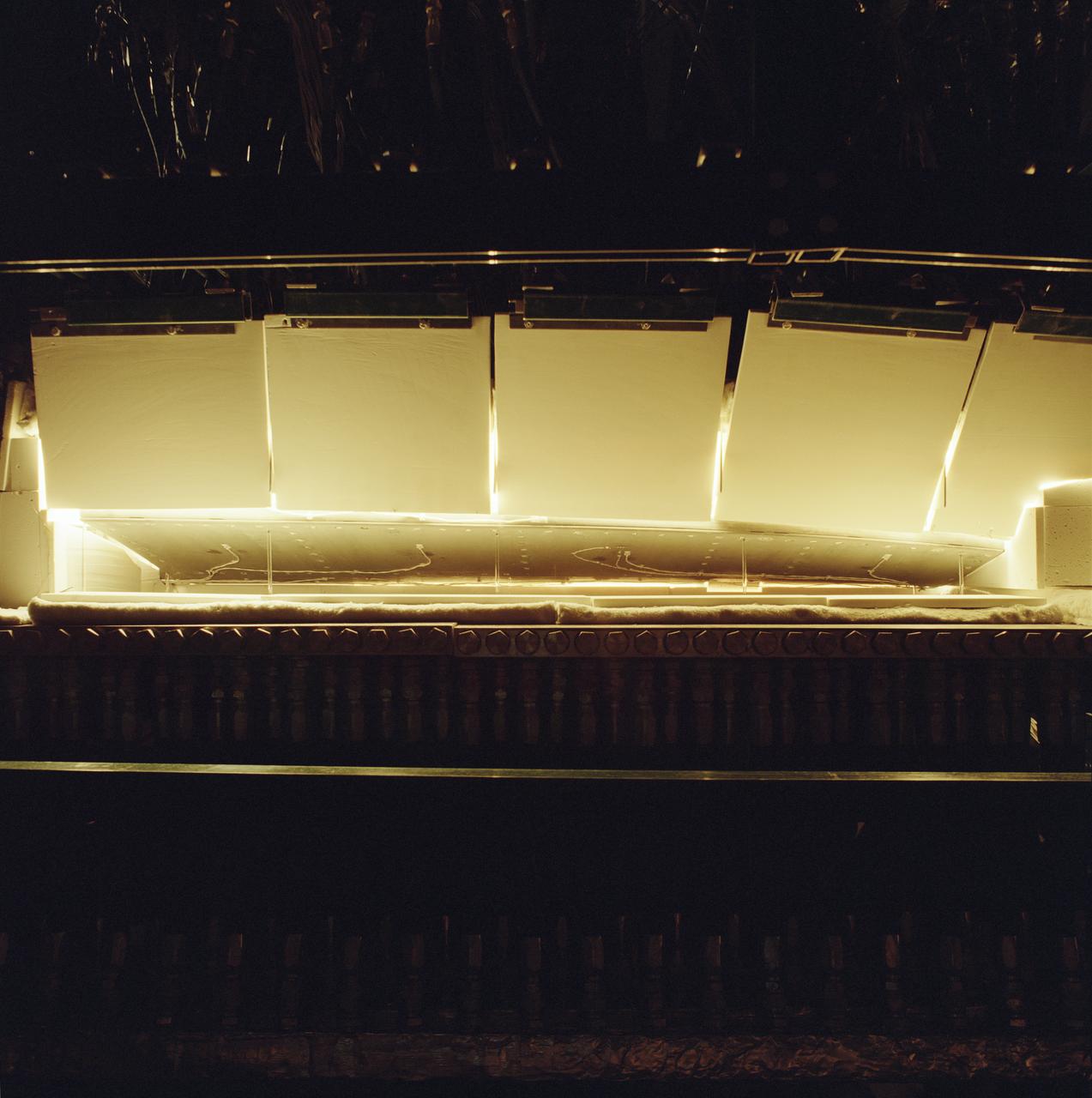
The X-37 advanced technology demonstrator flaperon unit was one of the first ever thermal and mechanical qualification tests of a carbon-carbon control surface designed for space flight. The test also featured extensive use of high-temperature fiber optic strain sensors. Peak temperatures reached 2,500 degrees Fahrenheit.
Piazza Knows How to Manage the Heat
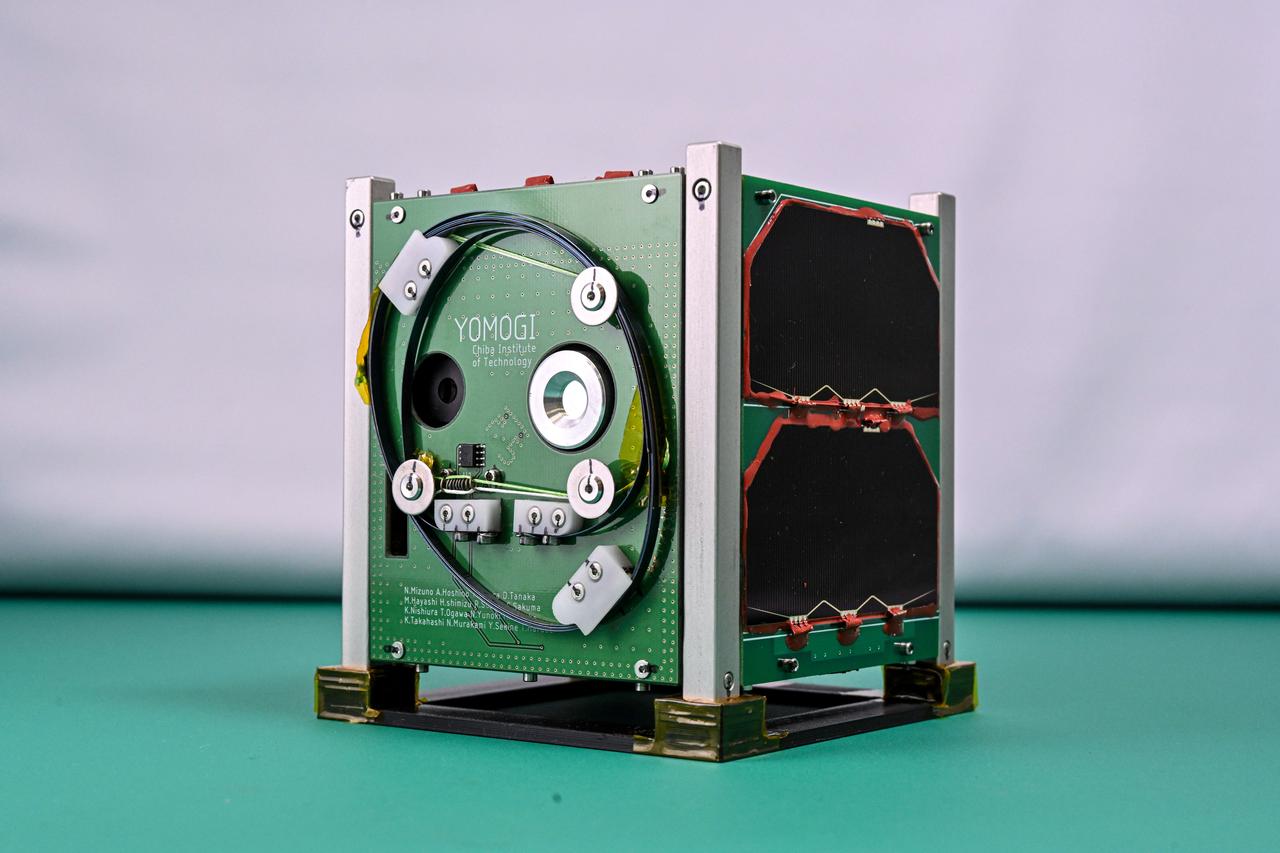
jsc2025e000005 (11/8/2023) --- Shown is the Growing Advanced and Refined space Development ENgineering succession and under the satellite - YOMOGI (GARDENs – YOMOGI) flight unit. YOMOGI is an 1kg 1U CubeSat, developed as part of the GARDENs Project from the Chiba Institute of Technology. The goal of the YOMOGI mission is to send and receive sensor data from ground stations using the APRS (Automatic Packet Reporting System), and to demonstrate observations the capability to make Earth observations of Tokyo Bay and water sources in Uganda. Image courtesy of Chiba Institute of Technology.
GARDENs-YOMOGI
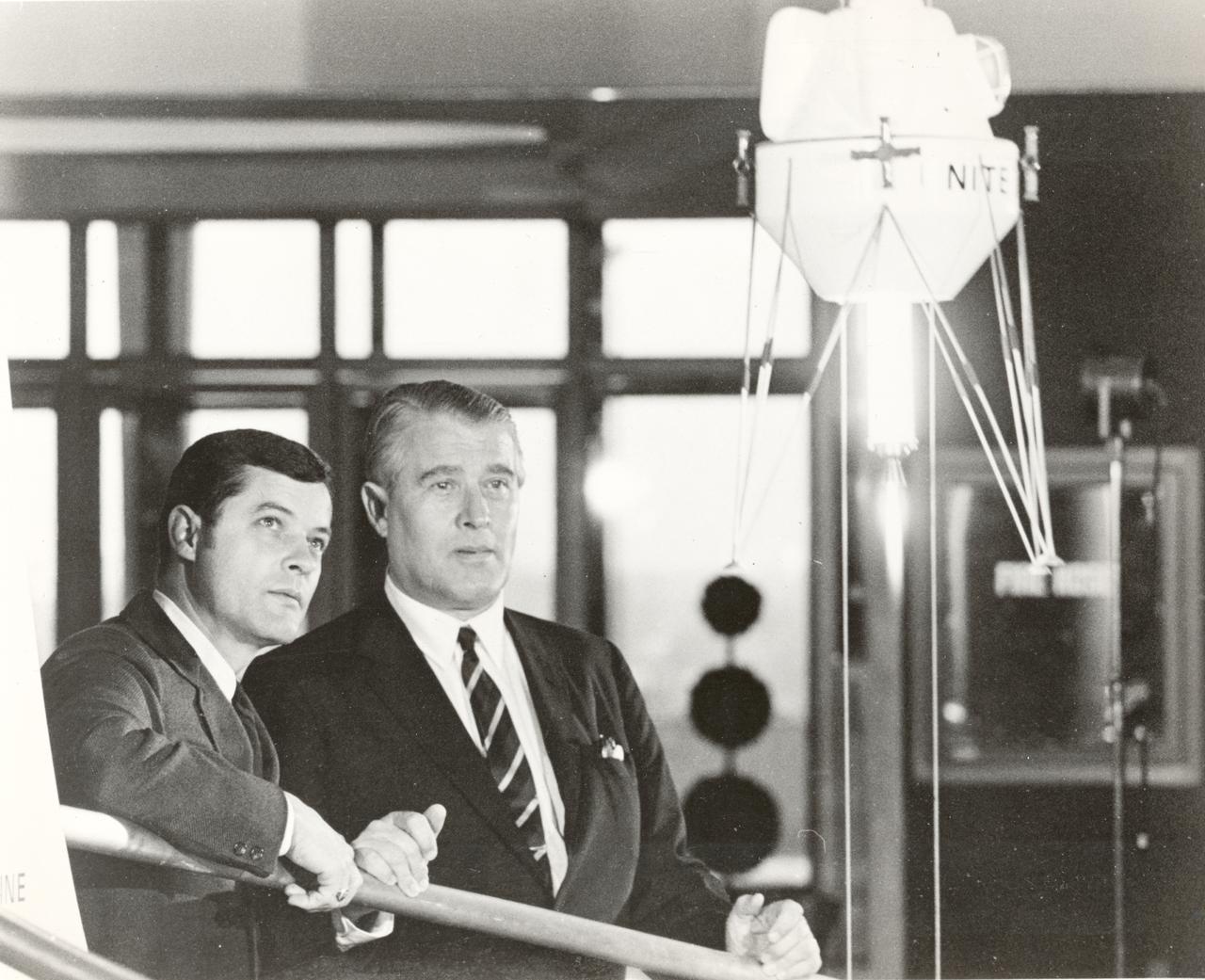
Edward O. Buckbee, the first Director of the Alabama Space Science Center (left), and Dr. Wernher von Braun (right) view a demonstration of a simulated spacecraft which uses an actual hybrid rocket engine for liftoff, hover, and landing. The display was presented to the Alabama Space Science Center, later renamed the U.S. Space and Rocket Center, by United Technology Center, a division of United Aircraft.
Wernher von Braun
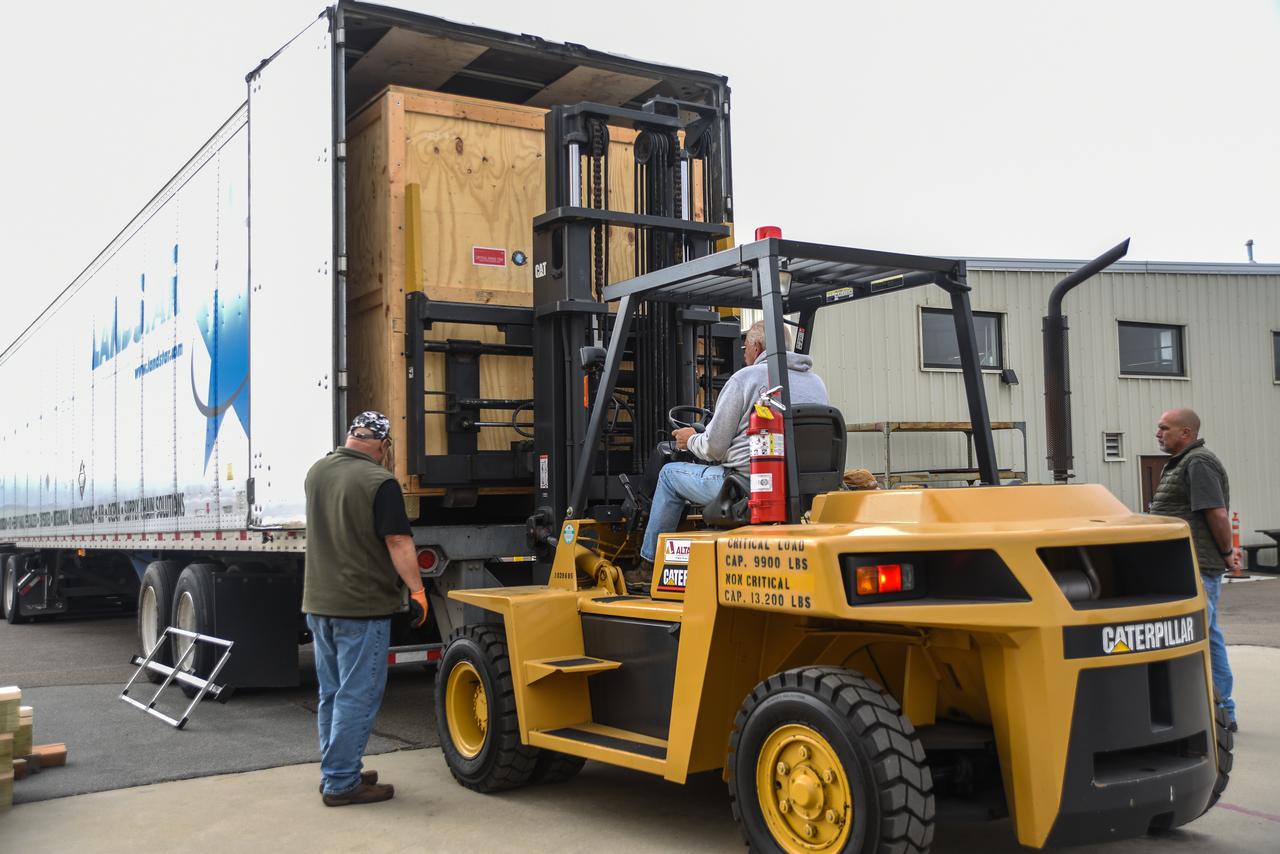
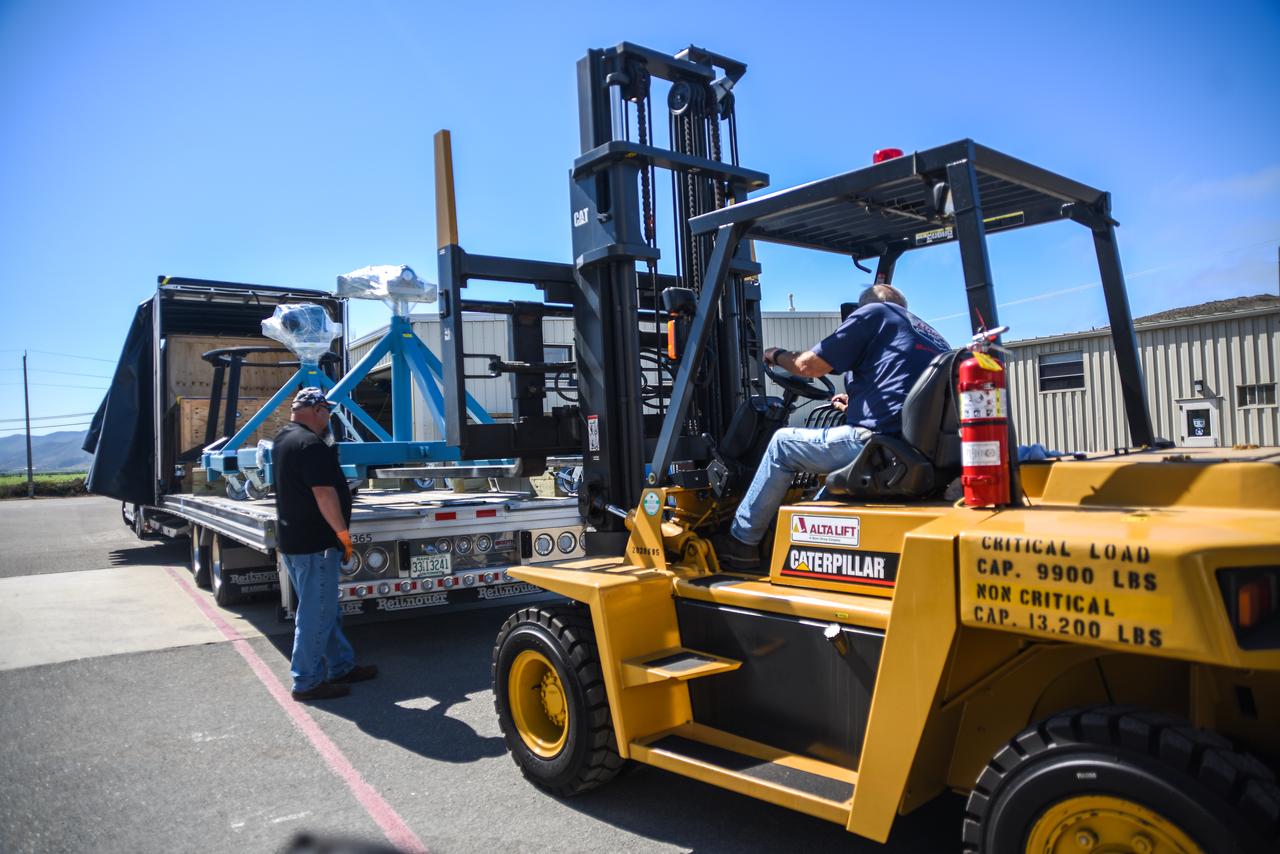
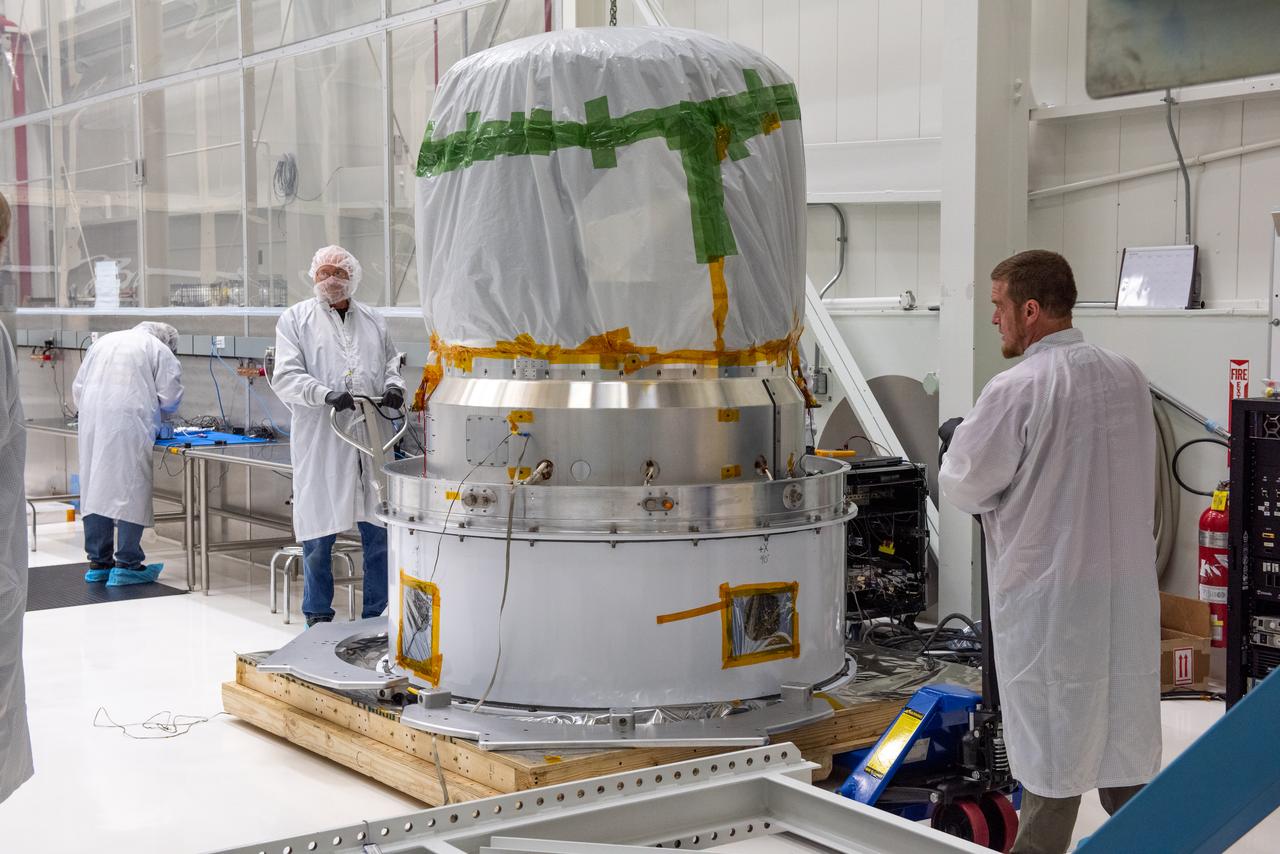
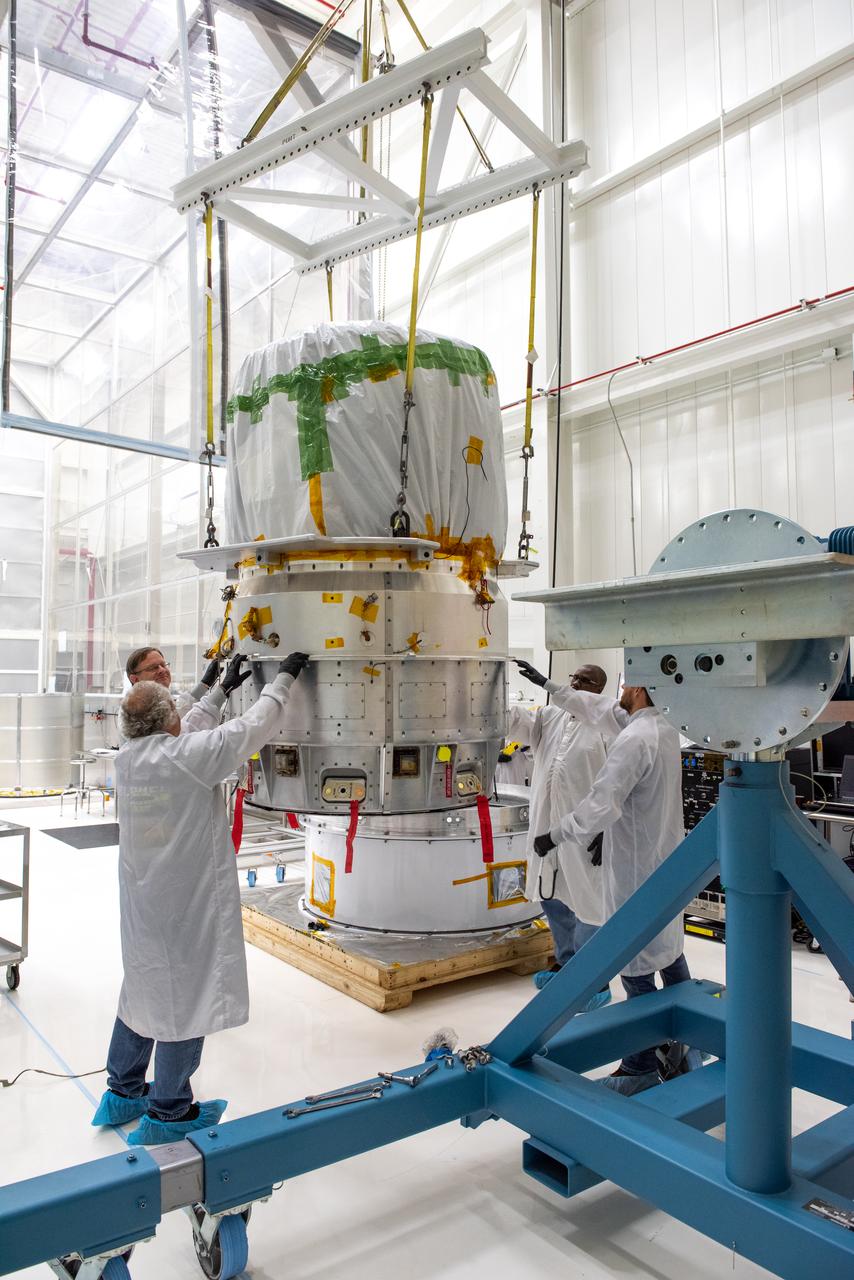
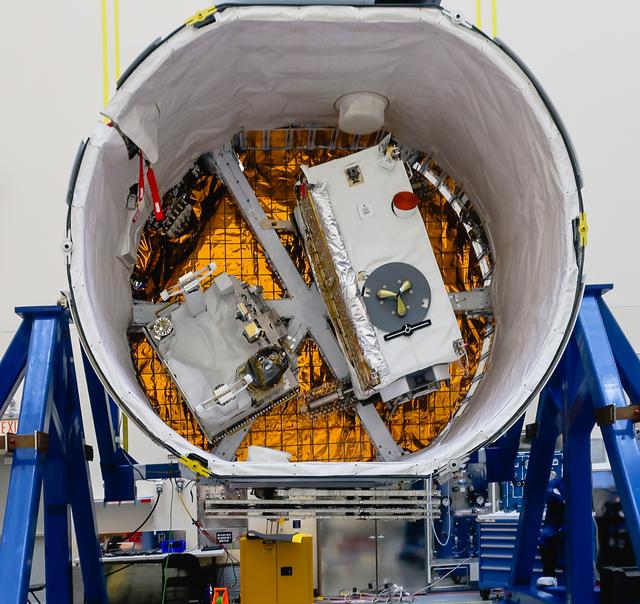
NASA’s Low-Earth Orbit Flight Test of an Inflatable Decelerator, or LOFTID, arrives by cargo truck at Vandenberg Space Force Base in California on Aug. 15, 2022. The technology demonstration mission will demonstrate inflatable heat shield technology that uses aerodynamic drag to slow down spacecraft in the most mass-efficient way. This technology could enable a variety of proposed NASA missions to destinations such as Mars, Venus, and Titan, as well as returning heavier payloads from low-Earth orbit. LOFTID is a rideshare launching with the National Oceanic and Atmospheric Administration’s (NOAA) Joint Polar Satellite System-2 (JPSS-2) satellite. NASA and NOAA are targeting Nov. 1 for the JPSS-2 launch on a United Launch Alliance (ULA) Atlas V 401 rocket from Space Launch Complex-3 at Vandenberg Space Force Base.
LOFTID Spacecraft Arrival
NASA’s Low-Earth Orbit Flight Test of an Inflatable Decelerator, or LOFTID, arrives by cargo truck at Vandenberg Space Force Base in California on Aug. 15, 2022. The technology demonstration mission will demonstrate inflatable heat shield technology that uses aerodynamic drag to slow down spacecraft in the most mass-efficient way. This technology could enable a variety of proposed NASA missions to destinations such as Mars, Venus, and Titan, as well as returning heavier payloads from low-Earth orbit. LOFTID is a rideshare launching with the National Oceanic and Atmospheric Administration’s (NOAA) Joint Polar Satellite System-2 (JPSS-2) satellite. NASA and NOAA are targeting Nov. 1 for the JPSS-2 launch on a United Launch Alliance (ULA) Atlas V 401 rocket from Space Launch Complex-3 at Vandenberg Space Force Base.
LOFTID Spacecraft Arrival
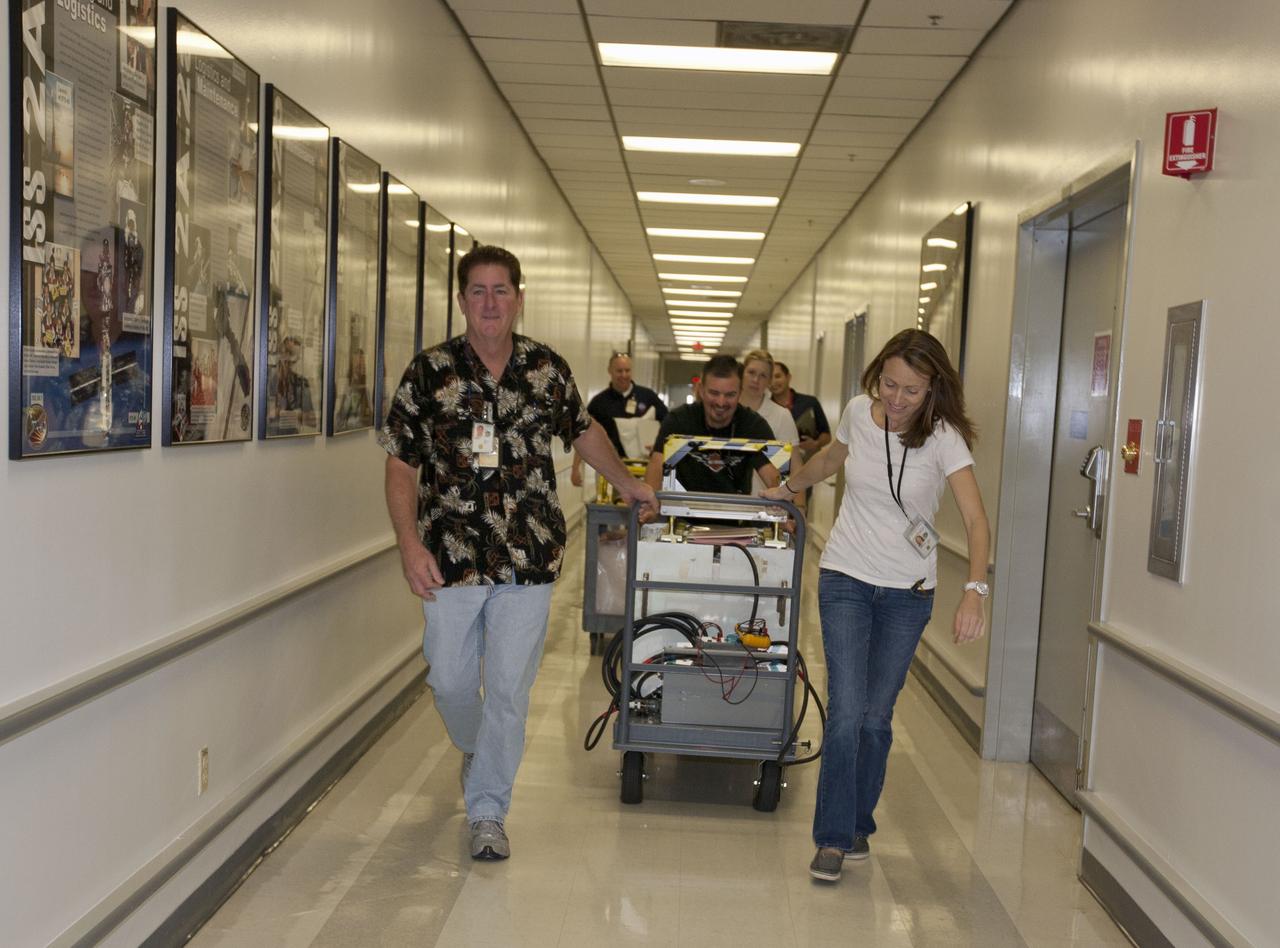
The flight demonstration unit of the next-generation 4-bed CO2 Scrubber (4BCO2) is targeted for launch aboard NG16 NET August 1, 2021. Once aboard the space station, this u nit will be mounted in a basic express rack. This four-bed technology is a mainstay for metabolic CO2 removal and crew life support.  The new 4-Bed Carbon Dioxide Scrubber, developed, built, and tested at NASA’s Marshall Space Flight Center in Huntsville, Alabama, is checked out by Kathi Lange, a Bastion Technologies contractor supporting the quality assurance group in Marshall’s Safety and Mission Assurance Directorate, prior to its shipment to NASA’s Wallops Flight Facility in Wallops Island, Virginia.
CO2 Scrubber (4BCO2) unit
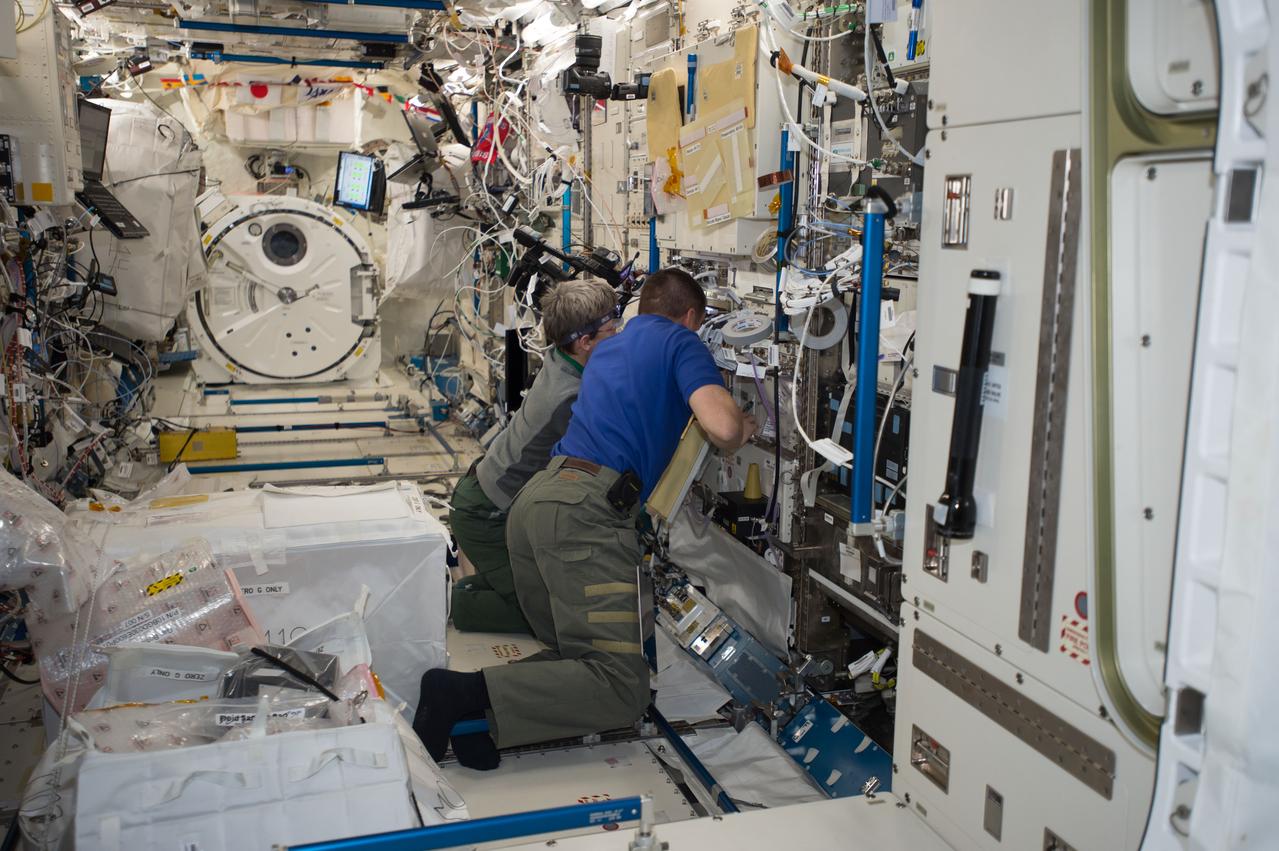
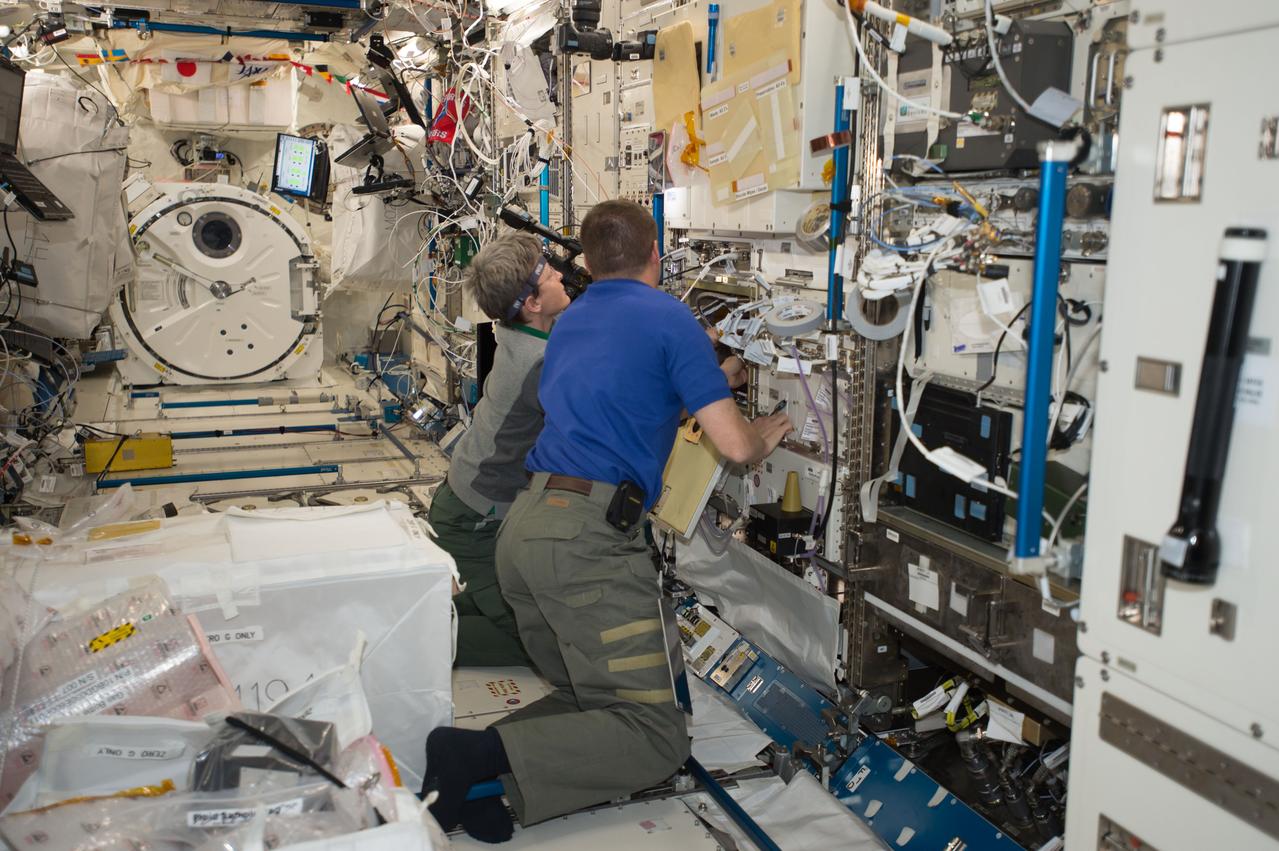
iss051e050849 (5/26/2017) --- NASA astronaut Peggy Whitson and Jack Fischer work to install a Gas Supply Hose Assembly and Gas Bottle Unit Air in the Electrostatic Levitation Furnace (ELF) in the Kibo Japanese Experiment Pressurized Module (JPM) aboard the International Space Station (ISS) in supprt of the Passive Thermal Flight Experiment.The Advanced Passive Thermal eXperiment (APTx) tests three advanced thermal management technologies. It demonstrates the in-space performance of each, an important step toward improving these technologies for use on future space exploration missions.
Whitson and Fischer in Kibo
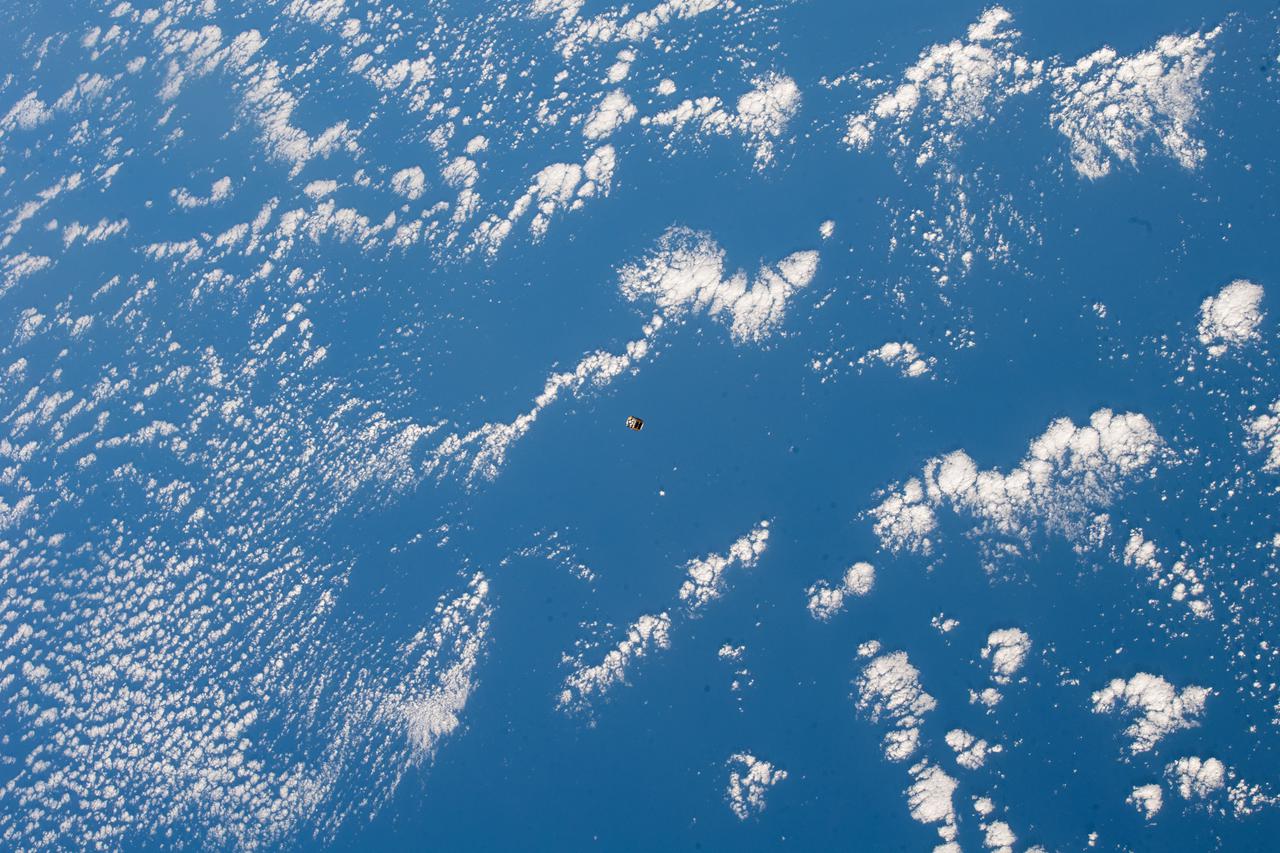
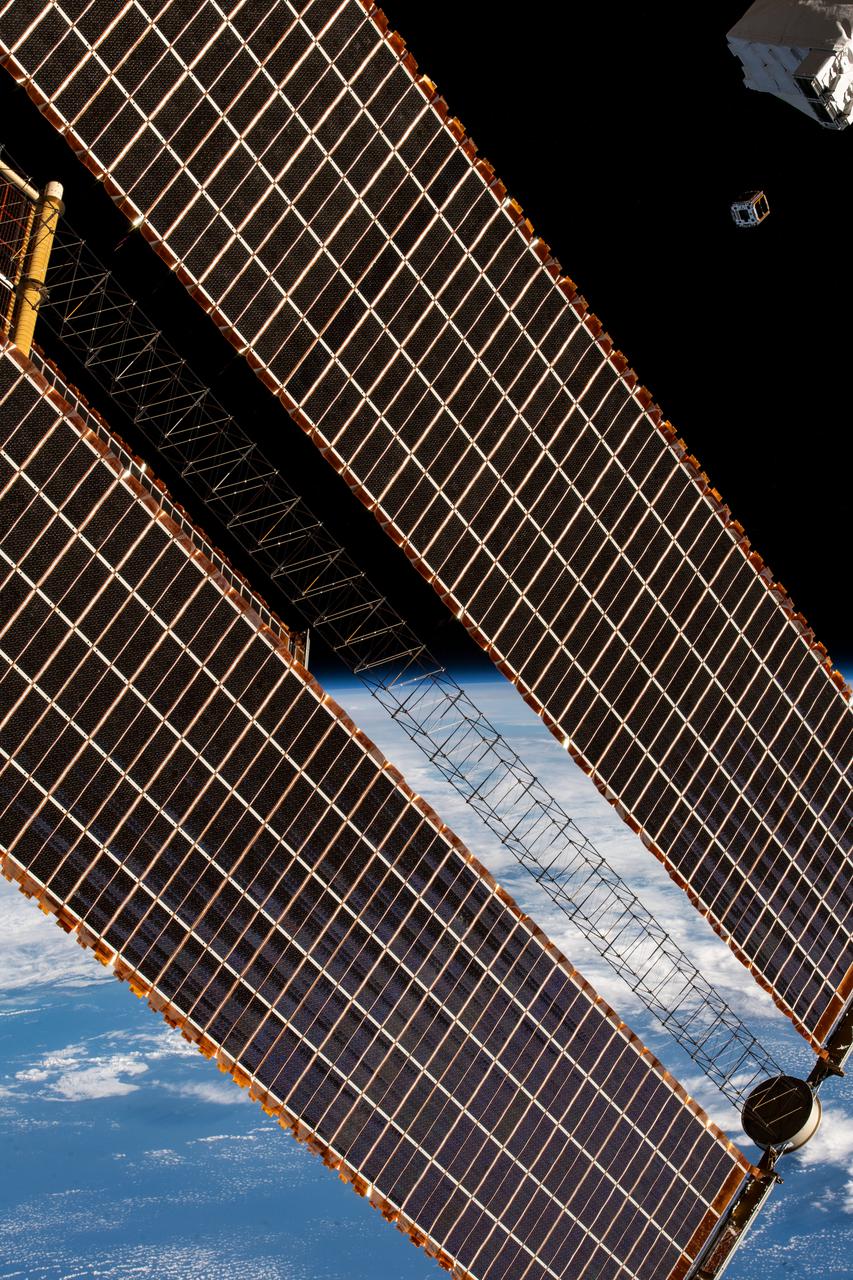
iss066e135744 (2/3/2022) --- A view of the deployed GT-1 CubeSat. The Georgia Institute of Technology-1 (GT-1) is a 1.14 kg 1-Unit (1U) CubeSat, developed by the Georgia Institute of Technology, with experimental deployable solar panels and a deployable UHF radio antenna. The GT-1 mission demonstrates a rapid “cradle-to-grave” development lifecycle of a university level CubeSat. GT-1 is deployed as a part of the JEM Small Satellite Orbital Deployer-20 (J-SSOD-20) CubeSat deployment mission, and is launched to the International Space Station (ISS) aboard the SpaceX-24 Dragon Cargo Vehicle.
iss066e135744
iss066e135308 (2/3/2022) --- A view of the deployed GT-1 CubeSat. The Georgia Institute of Technology-1 (GT-1) is a 1.14 kg 1-Unit (1U) CubeSat, developed by the Georgia Institute of Technology, with experimental deployable solar panels and a deployable UHF radio antenna. The GT-1 mission demonstrates a rapid “cradle-to-grave” development lifecycle of a university level CubeSat. GT-1 is deployed as a part of the JEM Small Satellite Orbital Deployer-20 (J-SSOD-20) CubeSat deployment mission, and is launched to the International Space Station (ISS) aboard the SpaceX-24 Dragon Cargo Vehicle.
iss066e135308
iss066e135704 (2/3/2022) --- A view of the deployed GT-1 CubeSat. The Georgia Institute of Technology-1 (GT-1) is a 1.14 kg 1-Unit (1U) CubeSat, developed by the Georgia Institute of Technology, with experimental deployable solar panels and a deployable UHF radio antenna. The GT-1 mission demonstrates a rapid “cradle-to-grave” development lifecycle of a university level CubeSat. GT-1 is deployed as a part of the JEM Small Satellite Orbital Deployer-20 (J-SSOD-20) CubeSat deployment mission, and is launched to the International Space Station (ISS) aboard the SpaceX-24 Dragon Cargo Vehicle.
iss066e135704
iss051e050850 (5/26/2017) --- NASA astronaut Peggy Whitson and Jack Fischer work to install a Gas Supply Hose Assembly and Gas Bottle Unit Air in the Electrostatic Levitation Furnace (ELF) in the Kibo Japanese Experiment Pressurized Module (JPM) aboard the International Space Station (ISS) in supprt of the Passive Thermal Flight Experiment.The Advanced Passive Thermal eXperiment (APTx) tests three advanced thermal management technologies. It demonstrates the in-space performance of each, an important step toward improving these technologies for use on future space exploration missions.
Whitson and Fischer in Kibo
jsc2025e064343 (9/19/2023) --- Shown is the Space Tethered Autonomous Robotic Satellite Mini-elevator #2 - STARS-Me2 flight unit. STARS-Me2 is a 1U CubeSat developed by the Shizuoka University as part of the STARS project. The purpose of the STARS-Me2 mission is to demonstrate a technology to control orbital descending. This is achieved by step-by-step deployment and retrieval of a steel convex tether of approximately 10 meters...Image Credit: Shizuoka University
jsc2025e064343
jsc2022e057881 (2/25/2022) --- Launch configuration of the HSU-SAT1 1-Unit (1U) CubeSat. HSU-SAT1 provides a demonstration that modulated infrared light emitted from a ground station can be used as a command transmission link. HSU-SAT1 also evaluates new technologies for electrical power supply, on board computing, and other satellite bus components. Image courtesy of Future Science Institute.
HSU-SAT1
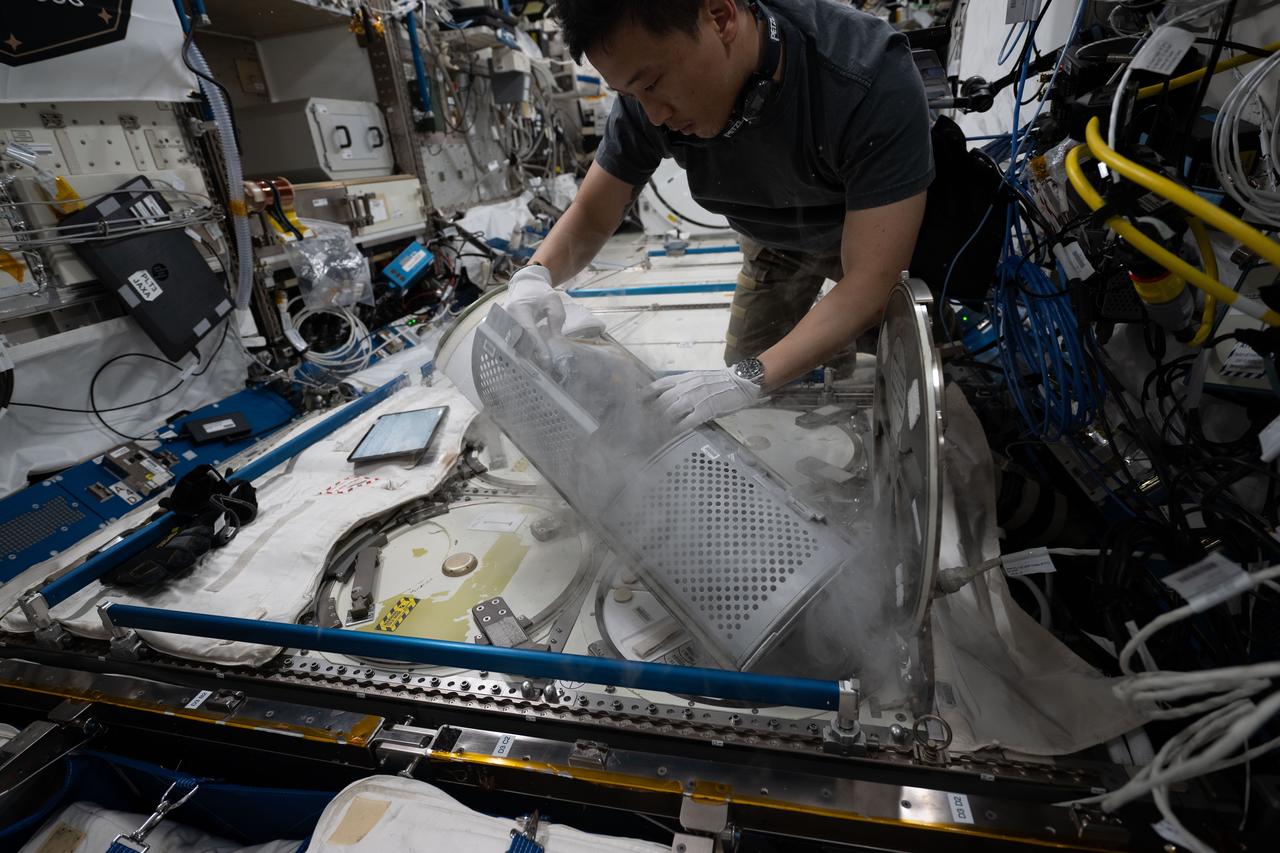
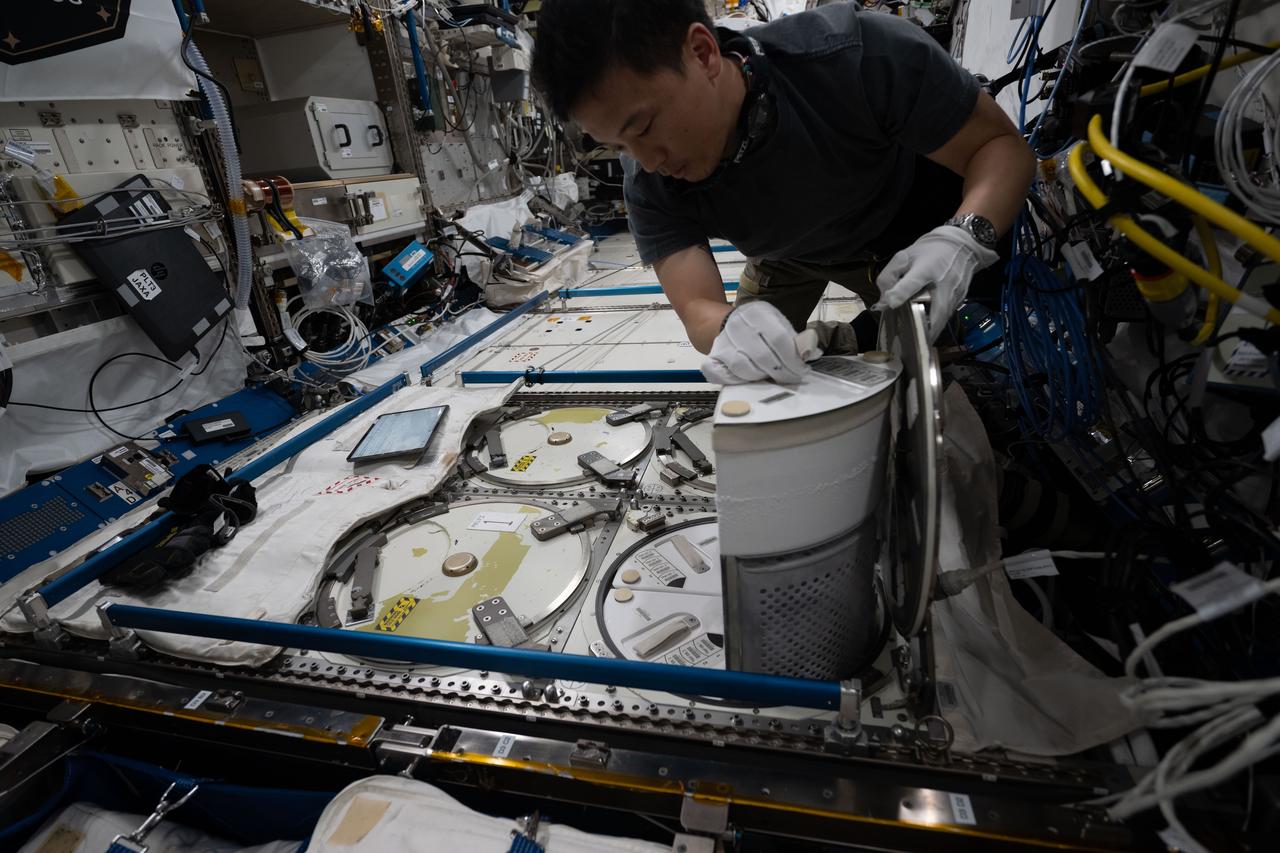
iss073e0071610 (May 16, 2025) --- NASA astronaut and Expedition 73 Flight Engineer Jonny Kim removes a cryogenic storage unit, called a dewar, containing frozen protein crystal samples from a science freezer located inside International Space Station's Kibo laboratory module. The research activities were part of a technology demonstration potentially enabling the synthesis of medications during deep space missions and improving the pharmaceutical industry on Earth.
NASA astronaut Jonny Kim removes a cryogenic storage unit containing frozen protein crystal samples
iss073e0071611 (May 16, 2025) --- NASA astronaut and Expedition 73 Flight Engineer Jonny Kim removes a cryogenic storage unit, called a dewar, containing frozen protein crystal samples from a science freezer located inside International Space Station's Kibo laboratory module. The research activities were part of a technology demonstration potentially enabling the synthesis of medications during deep space missions and improving the pharmaceutical industry on Earth.
NASA astronaut Jonny Kim removes a cryogenic storage unit containing frozen protein crystal samples
CAPE CANAVERAL, Fla. – At NASA’s Kennedy Space Center in Florida, Robert Lightfoot, NASA associate director, partially hidden in the center, learns about Integrated Ground Operations Demonstration Units, or IGODU, technology during a tour of the Cyrogenics Testbed Laboratory. Second from left is Kennedy Director Bob Cabana. Photo credit: NASA_Jim Grossmann
KSC-2013-2572
iss073e0071617 (May 16, 2025) --- NASA astronaut and Expedition 73 Flight Engineer Jonny Kim removes a cryogenic storage unit, called a dewar, containing frozen protein crystal samples from a science freezer located inside International Space Station's Kibo laboratory module. The research activities were part of a technology demonstration potentially enabling the synthesis of medications during deep space missions and improving the pharmaceutical industry on Earth.
NASA astronaut Jonny Kim removes a cryogenic storage unit containing frozen protein crystal samples
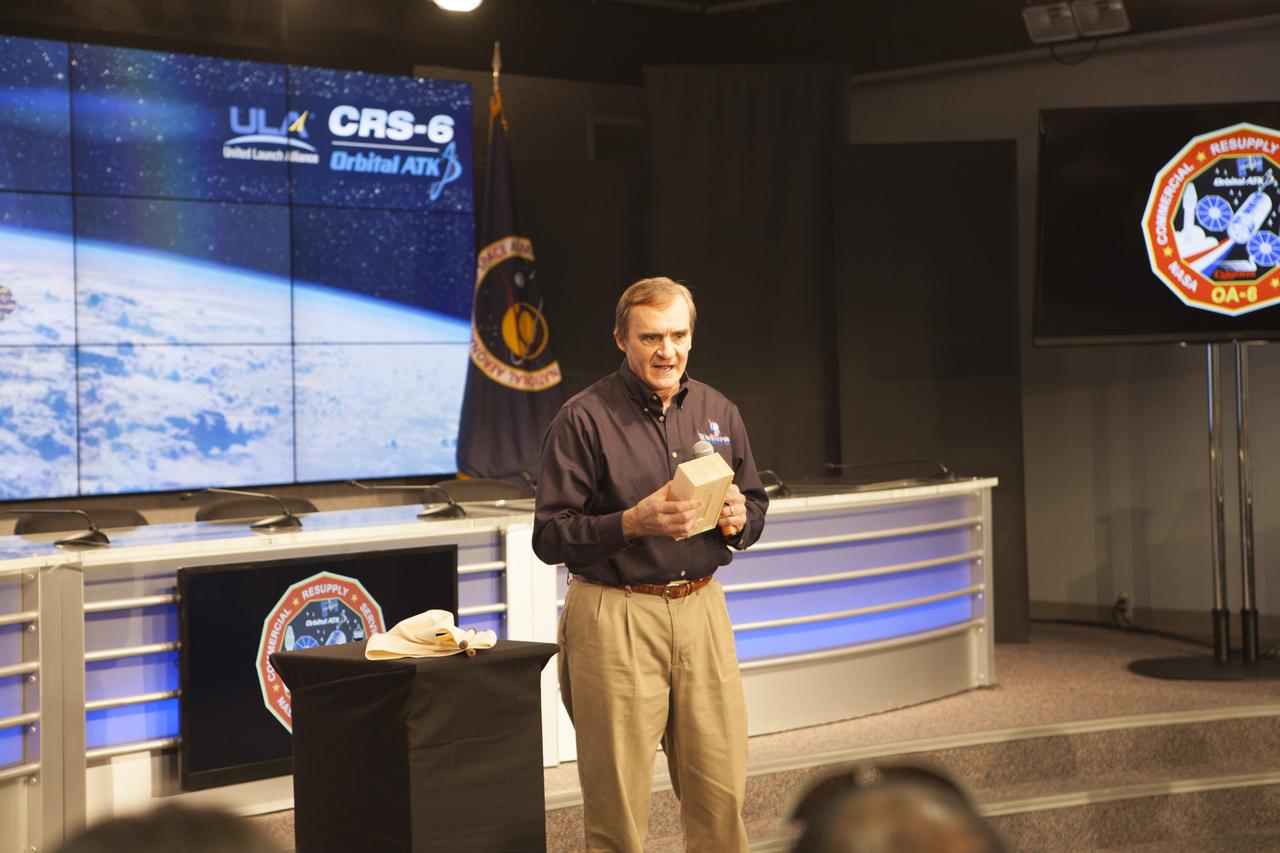
Gary Ruff, NASA project manager and co-investigator for the Spacecraft Fire Safety Demonstration Project, or Saffire, at the Glenn Research Center in Cleveland, speaks to members of the media in the Kennedy Space Center’s Press Site auditorium. The briefing focused on science research and technology work planned for the International Space Station, or ISS, following the arrival of a Cygnus spacecraft. The Cygnus is scheduled to be launched March 22 atop a United Launch Alliance Atlas V rocket on the Orbital ATK CRS-6 commercial resupply services mission.
"What's on Board" Science Briefing for Cygnus Orbital ATK OA-6
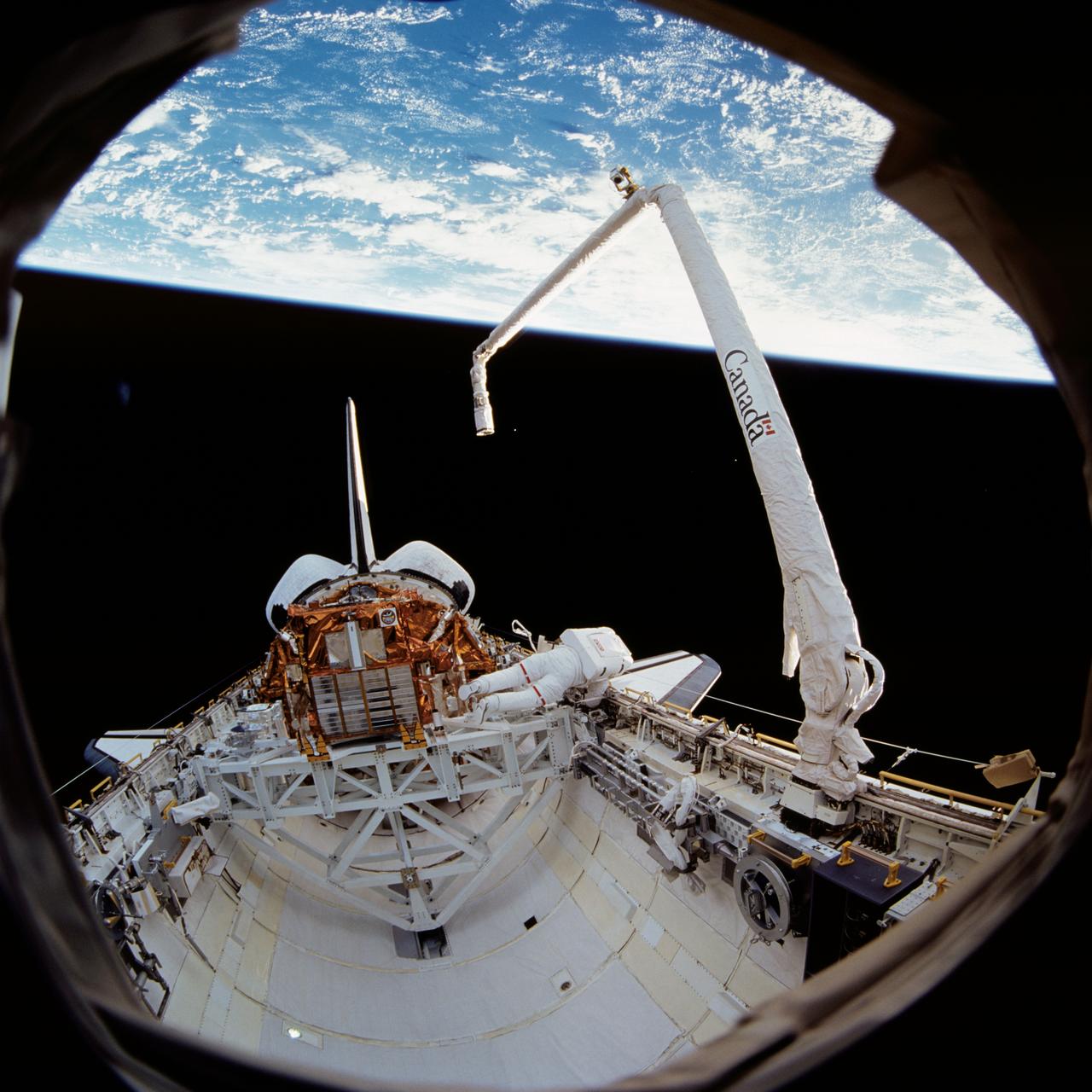
STS072-722-041 (17 Jan. 1996) --- Astronaut Winston E. Scott traverses the portside of the Space Shuttle Endeavour's cargo bay during the second of two Extravehicular Activities (EVA) to demonstrate space station assembly techniques. A 30mm lens on a 70mm handheld camera gives a "fish-eye" effect to the scene.  Both the Japanese Space Flyer Unit (SFU) and the Office of Aeronautics and Space Technology (OAST) Flyer satellite are in their stowed positions. TV cameras on the Remote Manipulator System (RMS) provided live coverage of the activity.
Payload bay activity during second EVA of STS-72 mission
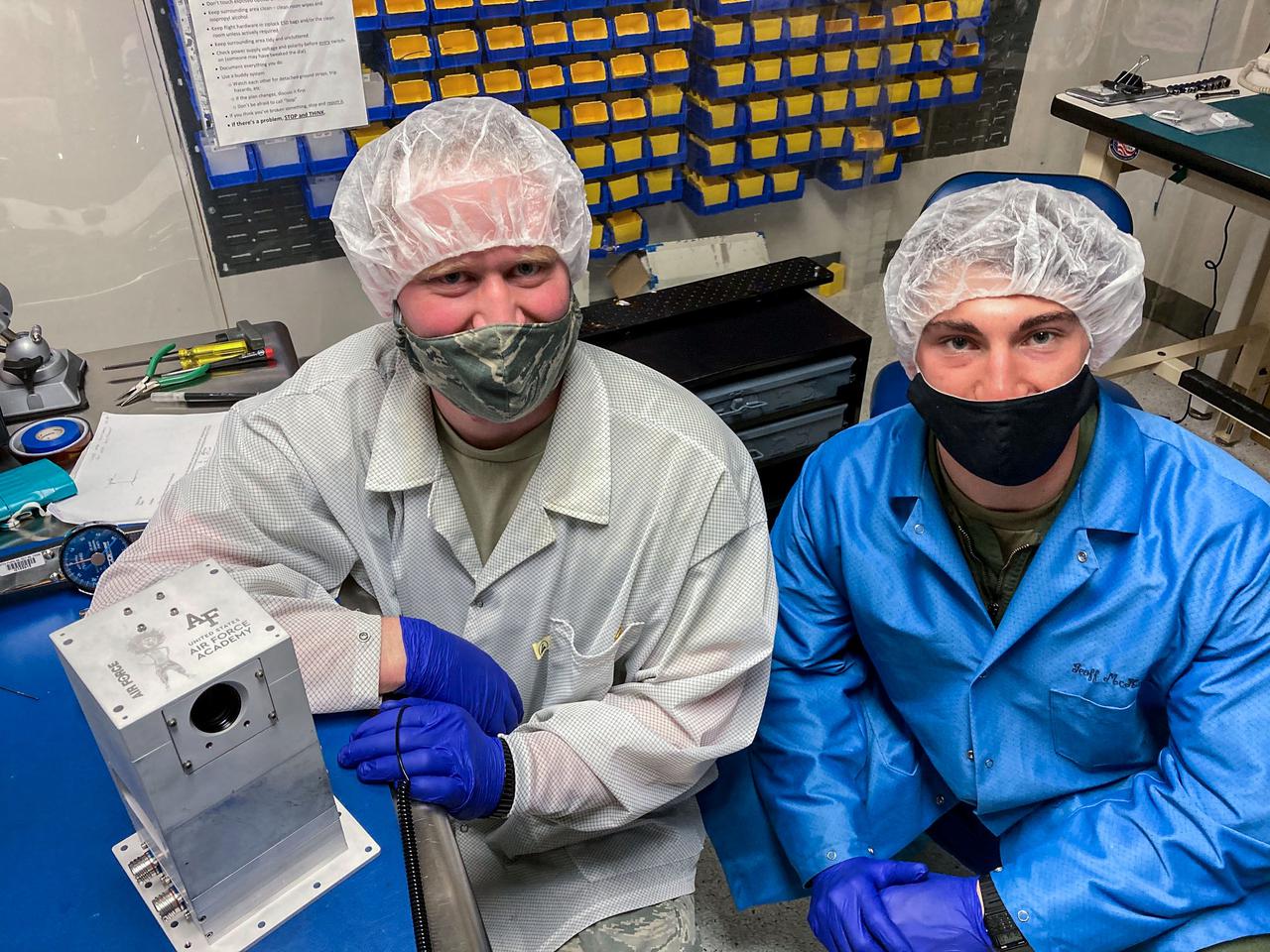
jsc2021e048047 (2/19/2021) --- Captain Hayden Richards (left) and Cadet Madison Yates (Right) with the flight unit of Falcon Neuro. Lightning and sprites are related forms of electrical discharges in Earth’s atmosphere. Space Test Program-Houston 7-Falcon Neuro (STP-H7-Falcon Neuro) demonstrates using event-based sensors (EBSs) to detect lightning in cloud tops and electrical discharges in the middle atmosphere. EBSs provide the high-speed optical sensing needed to capture such brief phenomena and data rates fast enough for making these observations from space. This technology could improve understanding of atmospheric electrical phenomena. Image courtesy of United States Air Force Academy.
jsc2021e048047
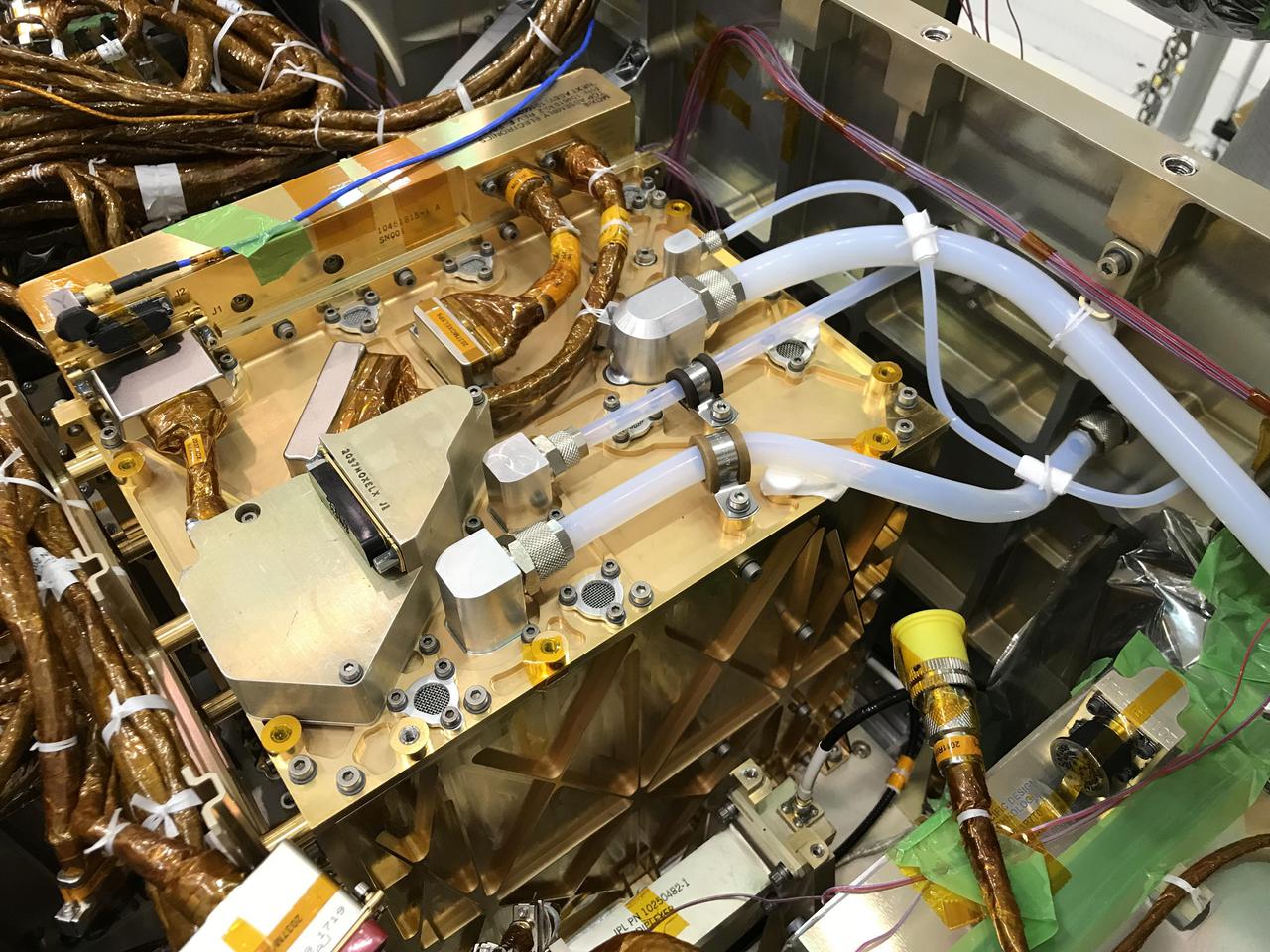
In this image, the gold-plated Mars Oxygen In-Situ Resource Utilization Experiment (MOXIE) Instrument shines after being installed inside the Perseverance rover. The largest white tube on the top surface of MOXIE takes in filtered carbon dioxide-rich Martian atmosphere. That CO2 is pressurized and passed through the Solid Oxide Electrolysis unit, where it is split into carbon monoxide and oxygen. The smallest tube snaking across the top of the unit sends the oxygen produced by MOXIE through a composition sensor to measure purity, then vents the oxygen out to the Martian atmosphere. This technology demonstration may guide the design of future, larger devices that could enable human exploration of Mars.  https://photojournal.jpl.nasa.gov/catalog/PIA24203
MOXIE All Tucked In
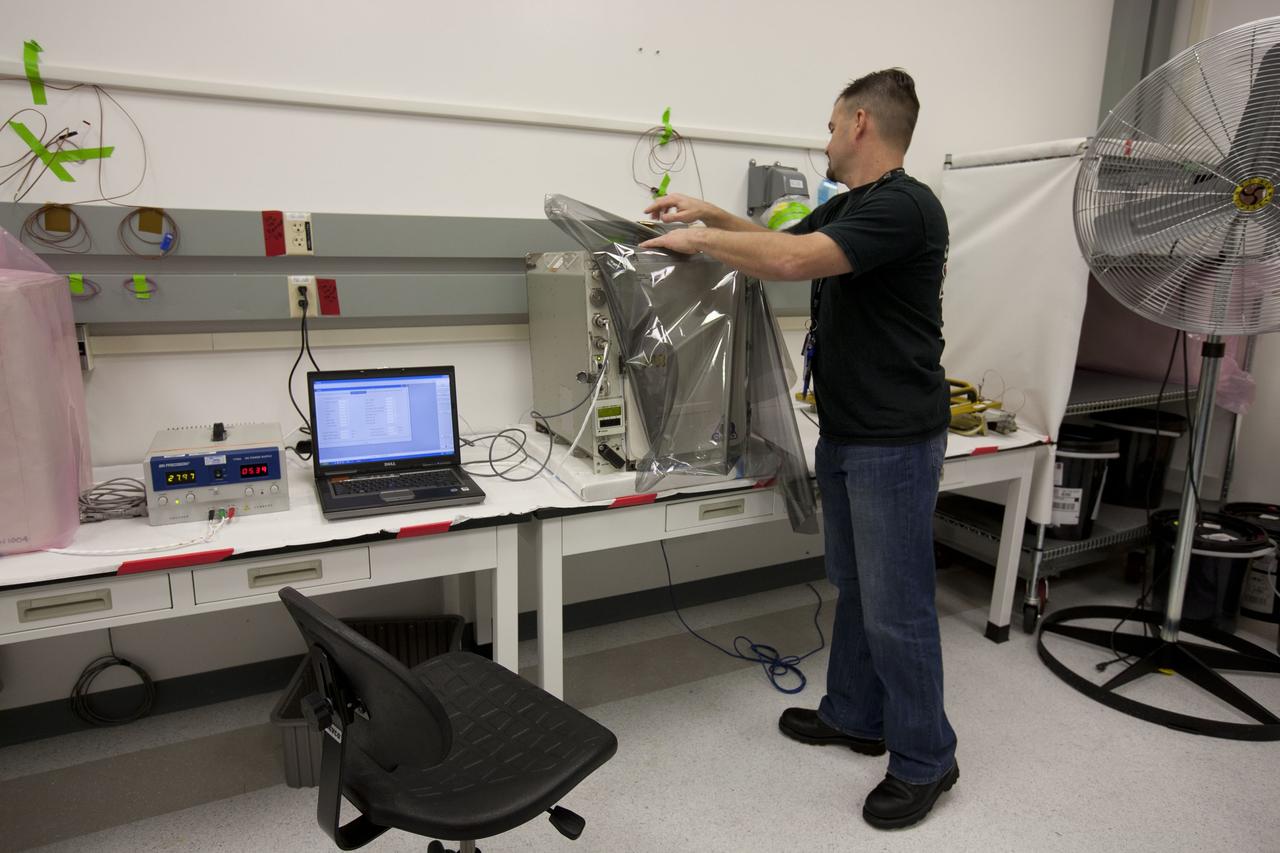
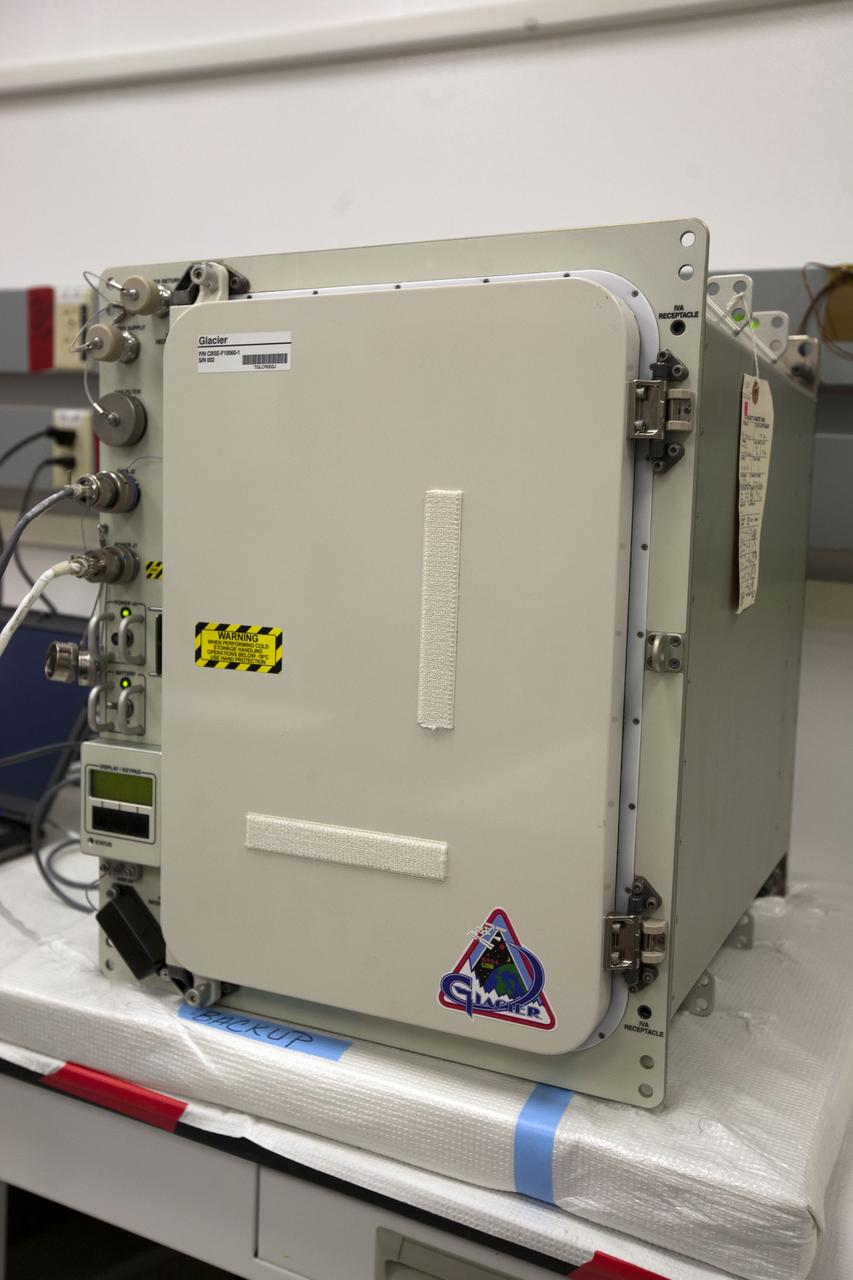
CAPE CANAVERAL, Fla. – Inside the Space Station Processing Facility at NASA’s Kennedy Space Center in Florida, an International Space Station experiment cryogenic freezer called a Glacier unit, is being prepared for transport to Space Launch Complex-40 at Cape Canaveral Air Force Station. The unit is for an experiment late-load demonstration test with the Space Exploration Technologies Corp. SpaceX Falcon 9 rocket and Dragon capsule.     SpaceX is one of two companies under contract with NASA to take cargo to the International Space Station. NASA is working with SpaceX to combine its last two demonstration flights, and if approved, the Falcon 9 would launch the Dragon capsule to the orbiting laboratory for a docking within the next several months. Photo credit: NASA/Amanda Diller
KSC-2012-1602
CAPE CANAVERAL, Fla. – Inside the Space Station Processing Facility at NASA’s Kennedy Space Center in Florida, cold storage team members pack an International Space Station experiment cryogenic freezer called a Glacier unit, for transport to Space Launch Complex-40 at Cape Canaveral Air Force Station. The unit is for an experiment late-load demonstration test with the Space Exploration Technologies Corp. SpaceX Falcon 9 rocket and Dragon capsule.    SpaceX is one of two companies under contract with NASA to take cargo to the International Space Station. NASA is working with SpaceX to combine its last two demonstration flights, and if approved, the Falcon 9 would launch the Dragon capsule to the orbiting laboratory for a docking within the next several months. Photo credit: NASA/Amanda Diller
KSC-2012-1606
CAPE CANAVERAL, Fla. – Inside the Space Station Processing Facility at NASA’s Kennedy Space Center in Florida, a cold storage team member prepares an International Space Station experiment cryogenic freezer called a Glacier unit, for transport to Space Launch Complex-40 at Cape Canaveral Air Force Station. The unit is for an experiment late-load demonstration test with the Space Exploration Technologies Corp. SpaceX Falcon 9 rocket and Dragon capsule.     SpaceX is one of two companies under contract with NASA to take cargo to the International Space Station. NASA is working with SpaceX to combine its last two demonstration flights, and if approved, the Falcon 9 would launch the Dragon capsule to the orbiting laboratory for a docking within the next several months. Photo credit: NASA/Amanda Diller
KSC-2012-1604
CAPE CANAVERAL, Fla. –Inside the Space Station Processing Facility at NASA’s Kennedy Space Center in Florida, a cold storage team member prepares an International Space Station experiment cryogenic freezer called a Glacier unit, for transport to Space Launch Complex-40 at Cape Canaveral Air Force Station. The unit is for an experiment late-load demonstration test with the Space Exploration Technologies Corp. SpaceX Falcon 9 rocket and Dragon capsule.       SpaceX is one of two companies under contract with NASA to take cargo to the International Space Station. NASA is working with SpaceX to combine its last two demonstration flights, and if approved, the Falcon 9 would launch the Dragon capsule to the orbiting laboratory for a docking within the next several months. Photo credit: NASA/Amanda Diller
KSC-2012-1603
CAPE CANAVERAL, Fla. – Inside the Space Station Processing Facility at NASA’s Kennedy Space Center in Florida, cold storage team members cart an International Space Station experiment cryogenic freezer called a Glacier unit, for transport to Space Launch Complex-40 at Cape Canaveral Air Force Station. The unit is for an experiment late-load demonstration test with Space Exploration Technologies Corp. SpaceX Falcon 9 rocket and Dragon capsule.    SpaceX is one of two companies under contract with NASA to take cargo to the International Space Station. NASA is working with SpaceX to combine its last two demonstration flights, and if approved, the Falcon 9 would launch the Dragon capsule to the orbiting laboratory for a docking within the next several months. Photo credit: NASA/Amanda Diller
KSC-2012-1607
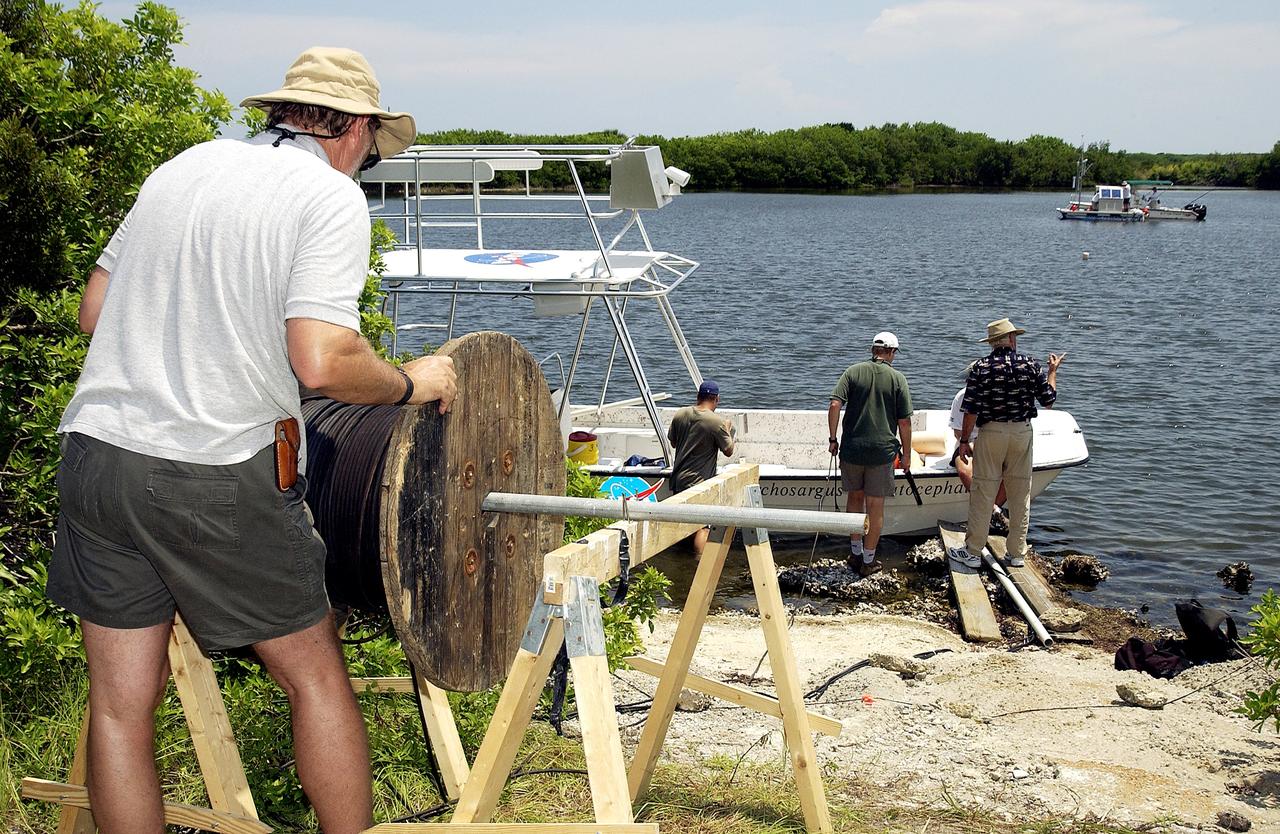
KENNEDY SPACE CENTER, FLA.  -  Research team members roll out acoustic cable to the water's edge during underwater acoustic research being conducted in the Launch Complex 39 turn basin.  Several government agencies, including NASA, NOAA, the Navy, the Coast Guard, and the Florida Fish and Wildlife Commission are involved in the testing. The research involves demonstrations of passive and active sensor technologies, with applications in fields ranging from marine biological research to homeland security. The work is also serving as a pilot project to assess the cooperation between the agencies involved. Equipment under development includes a passive acoustic monitor developed by NASA’s Jet Propulsion Laboratory, and mobile robotic sensors from the Navy’s Mobile Diving and Salvage Unit.
KENNEDY SPACE CENTER, FLA. - Research team members roll out acoustic cable to the water's edge during underwater acoustic research being conducted in the Launch Complex 39 turn basin. Several government agencies, including NASA, NOAA, the Navy, the Coast Guard, and the Florida Fish and Wildlife Commission are involved in the testing. The research involves demonstrations of passive and active sensor technologies, with applications in fields ranging from marine biological research to homeland security. The work is also serving as a pilot project to assess the cooperation between the agencies involved. Equipment under development includes a passive acoustic monitor developed by NASA’s Jet Propulsion Laboratory, and mobile robotic sensors from the Navy’s Mobile Diving and Salvage Unit.
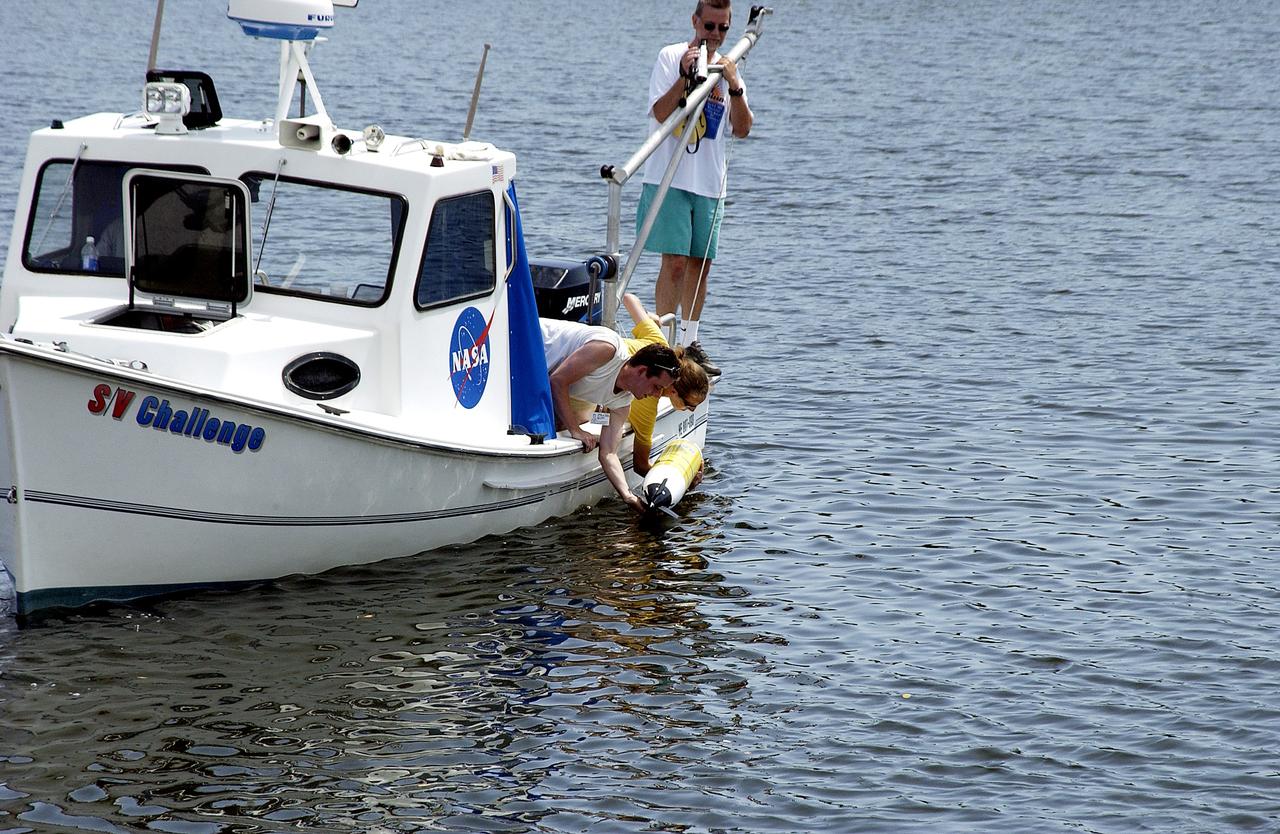
KENNEDY SPACE CENTER, FLA.  -  A research team member aboard one of the watercraft being utilized to conduct underwater acoustic research in the Launch Complex 39 turn basin releases some of the project's equipment into the water.  Several government agencies, including NASA, NOAA, the Navy, the Coast Guard, and the Florida Fish and Wildlife Commission are involved in the testing. The research involves demonstrations of passive and active sensor technologies, with applications in fields ranging from marine biological research to homeland security. The work is also serving as a pilot project to assess the cooperation between the agencies involved. Equipment under development includes a passive acoustic monitor developed by NASA’s Jet Propulsion Laboratory, and mobile robotic sensors from the Navy’s Mobile Diving and Salvage Unit.
KENNEDY SPACE CENTER, FLA. - A research team member aboard one of the watercraft being utilized to conduct underwater acoustic research in the Launch Complex 39 turn basin releases some of the project's equipment into the water. Several government agencies, including NASA, NOAA, the Navy, the Coast Guard, and the Florida Fish and Wildlife Commission are involved in the testing. The research involves demonstrations of passive and active sensor technologies, with applications in fields ranging from marine biological research to homeland security. The work is also serving as a pilot project to assess the cooperation between the agencies involved. Equipment under development includes a passive acoustic monitor developed by NASA’s Jet Propulsion Laboratory, and mobile robotic sensors from the Navy’s Mobile Diving and Salvage Unit.
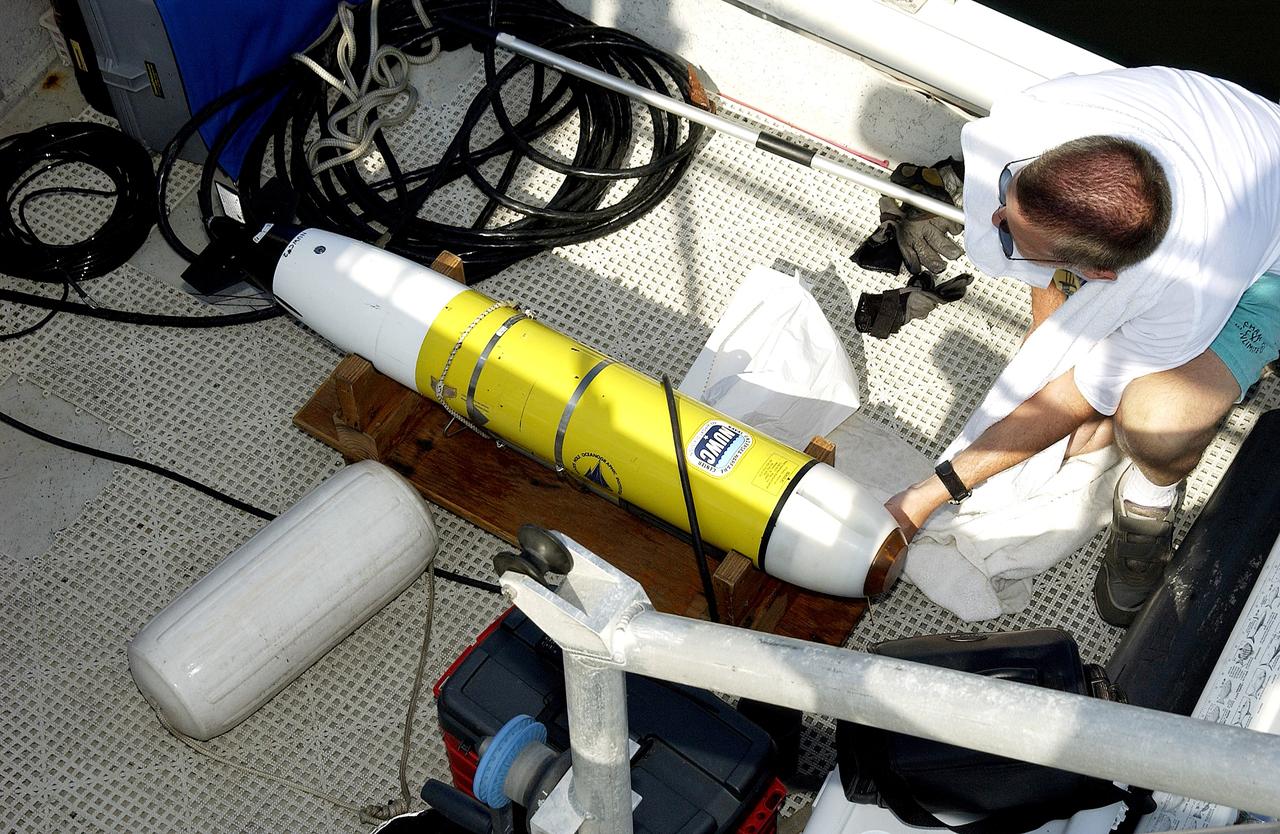
KENNEDY SPACE CENTER, FLA.  -  Research team members aboard one of the watercraft being utilized to conduct underwater acoustic research in the Launch Complex 39 turn basin secure some of the project's equipment back into the vessel.  Several government agencies, including NASA, NOAA, the Navy, the Coast Guard, and the Florida Fish and Wildlife Commission are involved in the testing. The research involves demonstrations of passive and active sensor technologies, with applications in fields ranging from marine biological research to homeland security. The work is also serving as a pilot project to assess the cooperation between the agencies involved. Equipment under development includes a passive acoustic monitor developed by NASA’s Jet Propulsion Laboratory, and mobile robotic sensors from the Navy’s Mobile Diving and Salvage Unit.
KENNEDY SPACE CENTER, FLA. - Research team members aboard one of the watercraft being utilized to conduct underwater acoustic research in the Launch Complex 39 turn basin secure some of the project's equipment back into the vessel. Several government agencies, including NASA, NOAA, the Navy, the Coast Guard, and the Florida Fish and Wildlife Commission are involved in the testing. The research involves demonstrations of passive and active sensor technologies, with applications in fields ranging from marine biological research to homeland security. The work is also serving as a pilot project to assess the cooperation between the agencies involved. Equipment under development includes a passive acoustic monitor developed by NASA’s Jet Propulsion Laboratory, and mobile robotic sensors from the Navy’s Mobile Diving and Salvage Unit.
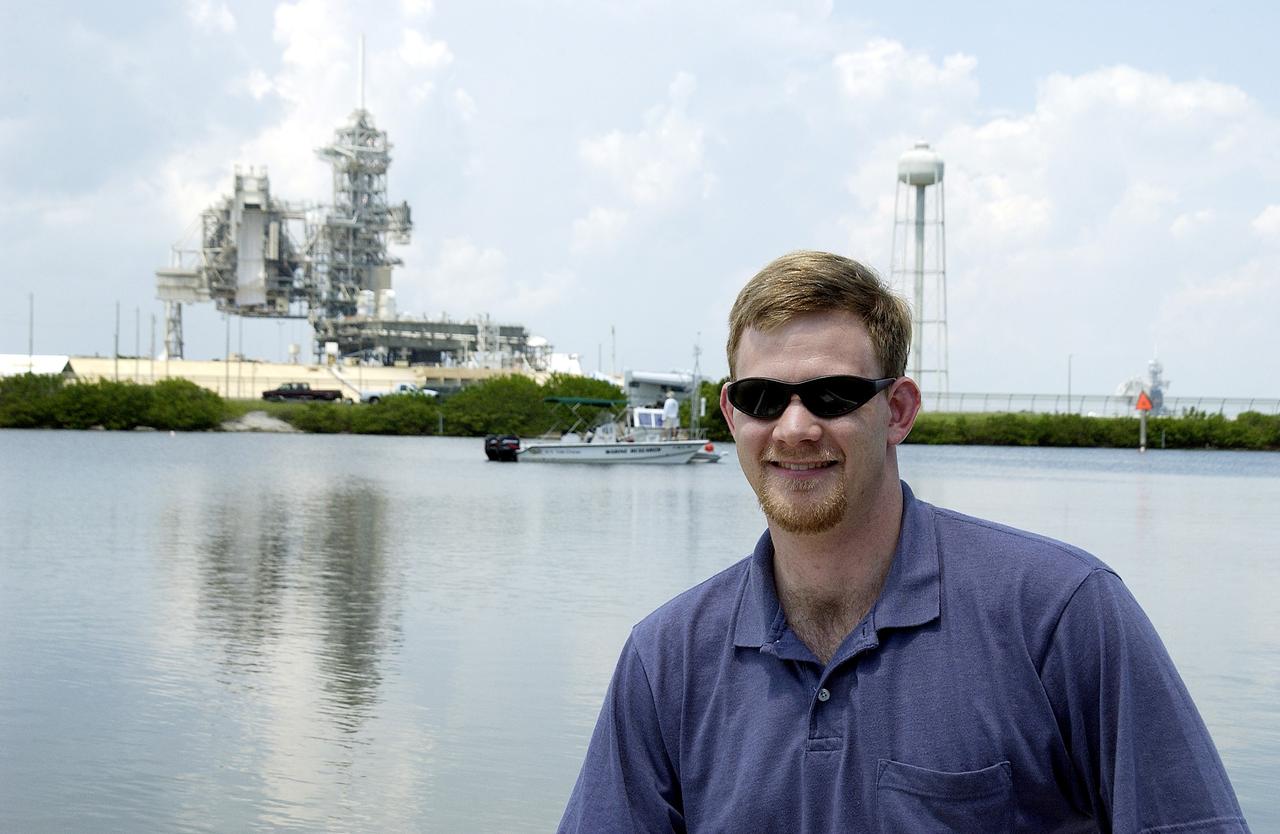
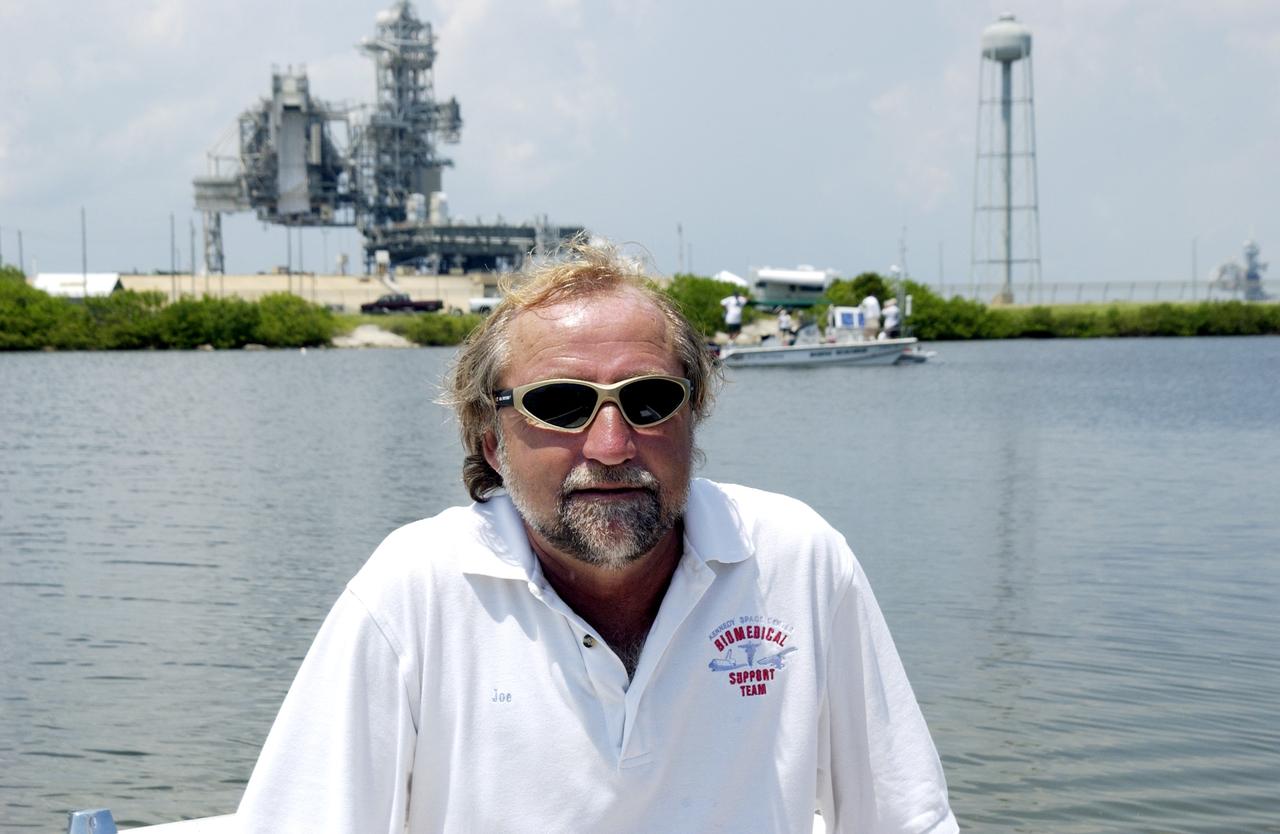
KENNEDY SPACE CENTER, FLA.  -  Justin Manley, of the National Oceanic and Atmospheric Administration, is a member of the research team conducting underwater acoustic research in the Launch Complex 39 turn basin near Launch Pad 39A.  Several government agencies, including NASA, NOAA, the Navy, the Coast Guard, and the Florida Fish and Wildlife Commission are involved in the testing. The research involves demonstrations of passive and active sensor technologies, with applications in fields ranging from marine biological research to homeland security. The work is also serving as a pilot project to assess the cooperation between the agencies involved. Equipment under development includes a passive acoustic monitor developed by NASA’s Jet Propulsion Laboratory, and mobile robotic sensors from the Navy’s Mobile Diving and Salvage Unit.
KENNEDY SPACE CENTER, FLA. - Justin Manley, of the National Oceanic and Atmospheric Administration, is a member of the research team conducting underwater acoustic research in the Launch Complex 39 turn basin near Launch Pad 39A. Several government agencies, including NASA, NOAA, the Navy, the Coast Guard, and the Florida Fish and Wildlife Commission are involved in the testing. The research involves demonstrations of passive and active sensor technologies, with applications in fields ranging from marine biological research to homeland security. The work is also serving as a pilot project to assess the cooperation between the agencies involved. Equipment under development includes a passive acoustic monitor developed by NASA’s Jet Propulsion Laboratory, and mobile robotic sensors from the Navy’s Mobile Diving and Salvage Unit.
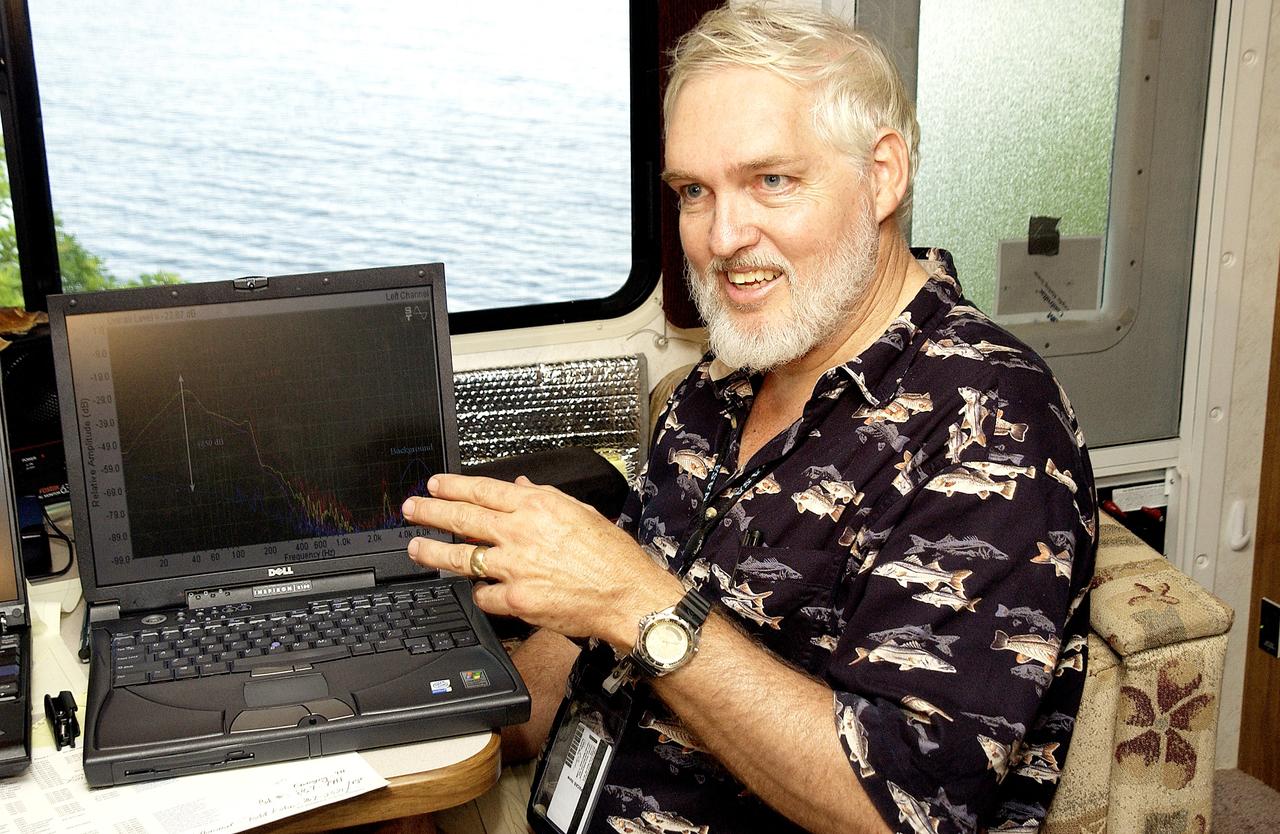
KENNEDY SPACE CENTER, FLA.  -  Dr. Grant Gilmore, Dynamac Corp., utilizes a laptop computer to explain aspects of the underwater acoustic research under way in the Launch Complex 39 turn basin.  Several government agencies, including NASA, NOAA, the Navy, the Coast Guard, and the Florida Fish and Wildlife Commission are involved in the testing. The research involves demonstrations of passive and active sensor technologies, with applications in fields ranging from marine biological research to homeland security. The work is also serving as a pilot project to assess the cooperation between the agencies involved. Equipment under development includes a passive acoustic monitor developed by NASA’s Jet Propulsion Laboratory, and mobile robotic sensors from the Navy’s Mobile Diving and Salvage Unit.
KENNEDY SPACE CENTER, FLA. - Dr. Grant Gilmore, Dynamac Corp., utilizes a laptop computer to explain aspects of the underwater acoustic research under way in the Launch Complex 39 turn basin. Several government agencies, including NASA, NOAA, the Navy, the Coast Guard, and the Florida Fish and Wildlife Commission are involved in the testing. The research involves demonstrations of passive and active sensor technologies, with applications in fields ranging from marine biological research to homeland security. The work is also serving as a pilot project to assess the cooperation between the agencies involved. Equipment under development includes a passive acoustic monitor developed by NASA’s Jet Propulsion Laboratory, and mobile robotic sensors from the Navy’s Mobile Diving and Salvage Unit.
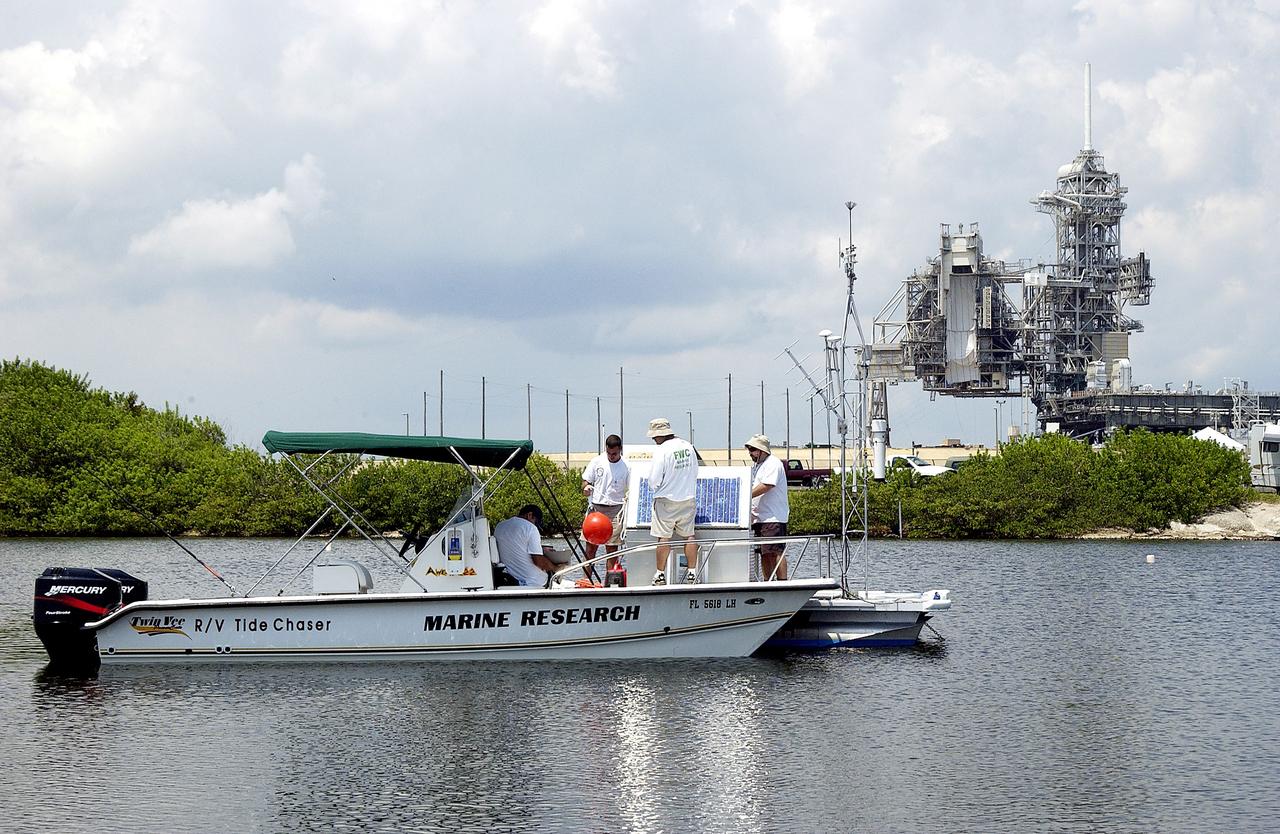
KENNEDY SPACE CENTER, FLA.  -  Researchers utilize several types of watercraft to conduct underwater acoustic research in the Launch Complex 39 turn basin near Launch Pad 39A.  Several government agencies, including NASA, NOAA, the Navy, the Coast Guard, and the Florida Fish and Wildlife Commission are involved in the testing. The research involves demonstrations of passive and active sensor technologies, with applications in fields ranging from marine biological research to homeland security. The work is also serving as a pilot project to assess the cooperation between the agencies involved. Equipment under development includes a passive acoustic monitor developed by NASA’s Jet Propulsion Laboratory, and mobile robotic sensors from the Navy’s Mobile Diving and Salvage Unit.
KENNEDY SPACE CENTER, FLA. - Researchers utilize several types of watercraft to conduct underwater acoustic research in the Launch Complex 39 turn basin near Launch Pad 39A. Several government agencies, including NASA, NOAA, the Navy, the Coast Guard, and the Florida Fish and Wildlife Commission are involved in the testing. The research involves demonstrations of passive and active sensor technologies, with applications in fields ranging from marine biological research to homeland security. The work is also serving as a pilot project to assess the cooperation between the agencies involved. Equipment under development includes a passive acoustic monitor developed by NASA’s Jet Propulsion Laboratory, and mobile robotic sensors from the Navy’s Mobile Diving and Salvage Unit.
KENNEDY SPACE CENTER, FLA.  -  Research team members roll out acoustic cable to the water's edge as others stand by in a watercraft during underwater acoustic research being conducted in the Launch Complex 39 turn basin.  Several government agencies, including NASA, NOAA, the Navy, the Coast Guard, and the Florida Fish and Wildlife Commission are involved in the testing. The research involves demonstrations of passive and active sensor technologies, with applications in fields ranging from marine biological research to homeland security. The work is also serving as a pilot project to assess the cooperation between the agencies involved. Equipment under development includes a passive acoustic monitor developed by NASA’s Jet Propulsion Laboratory, and mobile robotic sensors from the Navy’s Mobile Diving and Salvage Unit.
KENNEDY SPACE CENTER, FLA. - Research team members roll out acoustic cable to the water's edge as others stand by in a watercraft during underwater acoustic research being conducted in the Launch Complex 39 turn basin. Several government agencies, including NASA, NOAA, the Navy, the Coast Guard, and the Florida Fish and Wildlife Commission are involved in the testing. The research involves demonstrations of passive and active sensor technologies, with applications in fields ranging from marine biological research to homeland security. The work is also serving as a pilot project to assess the cooperation between the agencies involved. Equipment under development includes a passive acoustic monitor developed by NASA’s Jet Propulsion Laboratory, and mobile robotic sensors from the Navy’s Mobile Diving and Salvage Unit.
KENNEDY SPACE CENTER, FLA.  -  Research team members aboard one of the watercraft being utilized to conduct underwater acoustic research in the Launch Complex 39 turn basin prepare to release some of the project's equipment into the water.  Several government agencies, including NASA, NOAA, the Navy, the Coast Guard, and the Florida Fish and Wildlife Commission are involved in the testing. The research involves demonstrations of passive and active sensor technologies, with applications in fields ranging from marine biological research to homeland security. The work is also serving as a pilot project to assess the cooperation between the agencies involved. Equipment under development includes a passive acoustic monitor developed by NASA’s Jet Propulsion Laboratory, and mobile robotic sensors from the Navy’s Mobile Diving and Salvage Unit.
KENNEDY SPACE CENTER, FLA. - Research team members aboard one of the watercraft being utilized to conduct underwater acoustic research in the Launch Complex 39 turn basin prepare to release some of the project's equipment into the water. Several government agencies, including NASA, NOAA, the Navy, the Coast Guard, and the Florida Fish and Wildlife Commission are involved in the testing. The research involves demonstrations of passive and active sensor technologies, with applications in fields ranging from marine biological research to homeland security. The work is also serving as a pilot project to assess the cooperation between the agencies involved. Equipment under development includes a passive acoustic monitor developed by NASA’s Jet Propulsion Laboratory, and mobile robotic sensors from the Navy’s Mobile Diving and Salvage Unit.
KENNEDY SPACE CENTER, FLA.  -  Research team members aboard one of the watercraft being utilized to conduct underwater acoustic research in the Launch Complex 39 turn basin release some of the project's equipment into the water.  Several government agencies, including NASA, NOAA, the Navy, the Coast Guard, and the Florida Fish and Wildlife Commission are involved in the testing. The research involves demonstrations of passive and active sensor technologies, with applications in fields ranging from marine biological research to homeland security. The work is also serving as a pilot project to assess the cooperation between the agencies involved. Equipment under development includes a passive acoustic monitor developed by NASA’s Jet Propulsion Laboratory, and mobile robotic sensors from the Navy’s Mobile Diving and Salvage Unit.
KENNEDY SPACE CENTER, FLA. - Research team members aboard one of the watercraft being utilized to conduct underwater acoustic research in the Launch Complex 39 turn basin release some of the project's equipment into the water. Several government agencies, including NASA, NOAA, the Navy, the Coast Guard, and the Florida Fish and Wildlife Commission are involved in the testing. The research involves demonstrations of passive and active sensor technologies, with applications in fields ranging from marine biological research to homeland security. The work is also serving as a pilot project to assess the cooperation between the agencies involved. Equipment under development includes a passive acoustic monitor developed by NASA’s Jet Propulsion Laboratory, and mobile robotic sensors from the Navy’s Mobile Diving and Salvage Unit.
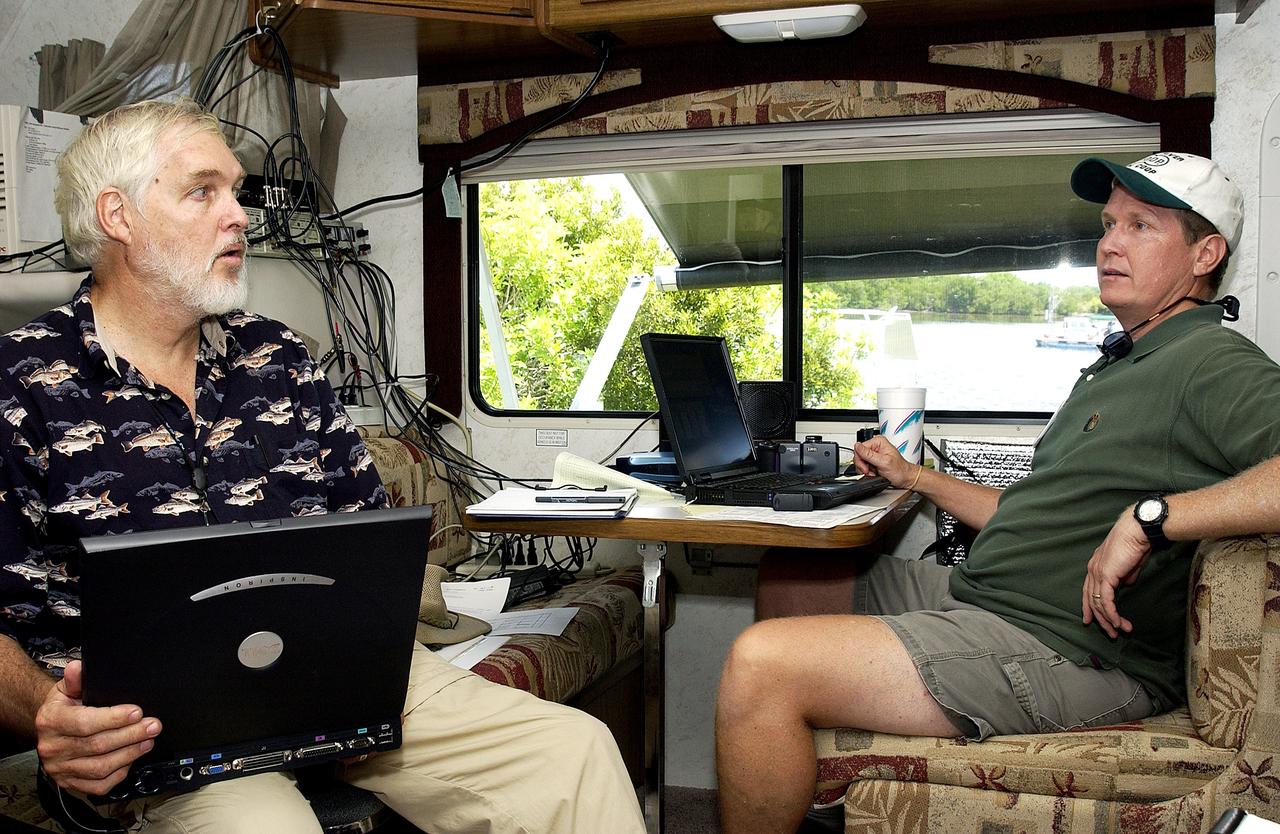
KENNEDY SPACE CENTER, FLA.  -  Dr. Grant Gilmore (left), Dynamac Corp., talks to another member of the research team conducting underwater acoustic research in the Launch Complex 39 turn basin.  Several government agencies, including NASA, NOAA, the Navy, the Coast Guard, and the Florida Fish and Wildlife Commission are involved in the testing. The research involves demonstrations of passive and active sensor technologies, with applications in fields ranging from marine biological research to homeland security. The work is also serving as a pilot project to assess the cooperation between the agencies involved. Equipment under development includes a passive acoustic monitor developed by NASA’s Jet Propulsion Laboratory, and mobile robotic sensors from the Navy’s Mobile Diving and Salvage Unit.
KENNEDY SPACE CENTER, FLA. - Dr. Grant Gilmore (left), Dynamac Corp., talks to another member of the research team conducting underwater acoustic research in the Launch Complex 39 turn basin. Several government agencies, including NASA, NOAA, the Navy, the Coast Guard, and the Florida Fish and Wildlife Commission are involved in the testing. The research involves demonstrations of passive and active sensor technologies, with applications in fields ranging from marine biological research to homeland security. The work is also serving as a pilot project to assess the cooperation between the agencies involved. Equipment under development includes a passive acoustic monitor developed by NASA’s Jet Propulsion Laboratory, and mobile robotic sensors from the Navy’s Mobile Diving and Salvage Unit.
KENNEDY SPACE CENTER, FLA.  -  Research team members aboard one of the watercraft being utilized to conduct underwater acoustic research in the Launch Complex 39 turn basin retrieve some of the project's equipment from the water.  Several government agencies, including NASA, NOAA, the Navy, the Coast Guard, and the Florida Fish and Wildlife Commission are involved in the testing. The research involves demonstrations of passive and active sensor technologies, with applications in fields ranging from marine biological research to homeland security. The work is also serving as a pilot project to assess the cooperation between the agencies involved. Equipment under development includes a passive acoustic monitor developed by NASA’s Jet Propulsion Laboratory, and mobile robotic sensors from the Navy’s Mobile Diving and Salvage Unit.
KENNEDY SPACE CENTER, FLA. - Research team members aboard one of the watercraft being utilized to conduct underwater acoustic research in the Launch Complex 39 turn basin retrieve some of the project's equipment from the water. Several government agencies, including NASA, NOAA, the Navy, the Coast Guard, and the Florida Fish and Wildlife Commission are involved in the testing. The research involves demonstrations of passive and active sensor technologies, with applications in fields ranging from marine biological research to homeland security. The work is also serving as a pilot project to assess the cooperation between the agencies involved. Equipment under development includes a passive acoustic monitor developed by NASA’s Jet Propulsion Laboratory, and mobile robotic sensors from the Navy’s Mobile Diving and Salvage Unit.
KENNEDY SPACE CENTER, FLA.  -  A research team member aboard one of the watercraft being utilized to conduct underwater acoustic research in the Launch Complex 39 turn basin prepares some of the project's equipment for placement in the water.  Several government agencies, including NASA, NOAA, the Navy, the Coast Guard, and the Florida Fish and Wildlife Commission are involved in the testing. The research involves demonstrations of passive and active sensor technologies, with applications in fields ranging from marine biological research to homeland security. The work is also serving as a pilot project to assess the cooperation between the agencies involved. Equipment under development includes a passive acoustic monitor developed by NASA’s Jet Propulsion Laboratory, and mobile robotic sensors from the Navy’s Mobile Diving and Salvage Unit.
KENNEDY SPACE CENTER, FLA. - A research team member aboard one of the watercraft being utilized to conduct underwater acoustic research in the Launch Complex 39 turn basin prepares some of the project's equipment for placement in the water. Several government agencies, including NASA, NOAA, the Navy, the Coast Guard, and the Florida Fish and Wildlife Commission are involved in the testing. The research involves demonstrations of passive and active sensor technologies, with applications in fields ranging from marine biological research to homeland security. The work is also serving as a pilot project to assess the cooperation between the agencies involved. Equipment under development includes a passive acoustic monitor developed by NASA’s Jet Propulsion Laboratory, and mobile robotic sensors from the Navy’s Mobile Diving and Salvage Unit.
KENNEDY SPACE CENTER, FLA.  -  Research team members take their places on one of the watercraft being utilized to conduct underwater acoustic research in the Launch Complex 39 turn basin.  Several government agencies, including NASA, NOAA, the Navy, the Coast Guard, and the Florida Fish and Wildlife Commission are involved in the testing. The research involves demonstrations of passive and active sensor technologies, with applications in fields ranging from marine biological research to homeland security. The work is also serving as a pilot project to assess the cooperation between the agencies involved. Equipment under development includes a passive acoustic monitor developed by NASA’s Jet Propulsion Laboratory, and mobile robotic sensors from the Navy’s Mobile Diving and Salvage Unit.
KENNEDY SPACE CENTER, FLA. - Research team members take their places on one of the watercraft being utilized to conduct underwater acoustic research in the Launch Complex 39 turn basin. Several government agencies, including NASA, NOAA, the Navy, the Coast Guard, and the Florida Fish and Wildlife Commission are involved in the testing. The research involves demonstrations of passive and active sensor technologies, with applications in fields ranging from marine biological research to homeland security. The work is also serving as a pilot project to assess the cooperation between the agencies involved. Equipment under development includes a passive acoustic monitor developed by NASA’s Jet Propulsion Laboratory, and mobile robotic sensors from the Navy’s Mobile Diving and Salvage Unit.
KENNEDY SPACE CENTER, FLA.  -  Research team members aboard one of the watercraft being utilized to conduct underwater acoustic research in the Launch Complex 39 turn basin monitor some of the project's equipment just released into the water.  Several government agencies, including NASA, NOAA, the Navy, the Coast Guard, and the Florida Fish and Wildlife Commission are involved in the testing. The research involves demonstrations of passive and active sensor technologies, with applications in fields ranging from marine biological research to homeland security. The work is also serving as a pilot project to assess the cooperation between the agencies involved. Equipment under development includes a passive acoustic monitor developed by NASA’s Jet Propulsion Laboratory, and mobile robotic sensors from the Navy’s Mobile Diving and Salvage Unit.
KENNEDY SPACE CENTER, FLA. - Research team members aboard one of the watercraft being utilized to conduct underwater acoustic research in the Launch Complex 39 turn basin monitor some of the project's equipment just released into the water. Several government agencies, including NASA, NOAA, the Navy, the Coast Guard, and the Florida Fish and Wildlife Commission are involved in the testing. The research involves demonstrations of passive and active sensor technologies, with applications in fields ranging from marine biological research to homeland security. The work is also serving as a pilot project to assess the cooperation between the agencies involved. Equipment under development includes a passive acoustic monitor developed by NASA’s Jet Propulsion Laboratory, and mobile robotic sensors from the Navy’s Mobile Diving and Salvage Unit.
KENNEDY SPACE CENTER, FLA.  -  A research team member aboard one of the watercraft being utilized to conduct underwater acoustic research in the Launch Complex 39 turn basin lifts some of the project's equipment from the water.  Several government agencies, including NASA, NOAA, the Navy, the Coast Guard, and the Florida Fish and Wildlife Commission are involved in the testing. The research involves demonstrations of passive and active sensor technologies, with applications in fields ranging from marine biological research to homeland security. The work is also serving as a pilot project to assess the cooperation between the agencies involved. Equipment under development includes a passive acoustic monitor developed by NASA’s Jet Propulsion Laboratory, and mobile robotic sensors from the Navy’s Mobile Diving and Salvage Unit.
KENNEDY SPACE CENTER, FLA. - A research team member aboard one of the watercraft being utilized to conduct underwater acoustic research in the Launch Complex 39 turn basin lifts some of the project's equipment from the water. Several government agencies, including NASA, NOAA, the Navy, the Coast Guard, and the Florida Fish and Wildlife Commission are involved in the testing. The research involves demonstrations of passive and active sensor technologies, with applications in fields ranging from marine biological research to homeland security. The work is also serving as a pilot project to assess the cooperation between the agencies involved. Equipment under development includes a passive acoustic monitor developed by NASA’s Jet Propulsion Laboratory, and mobile robotic sensors from the Navy’s Mobile Diving and Salvage Unit.
KENNEDY SPACE CENTER, FLA.  -  Joe Bartoszek, NASA, is a member of the research team conducting underwater acoustic research in the Launch Complex 39 turn basin near Launch Pad 39A.  Several government agencies, including NASA, NOAA, the Navy, the Coast Guard, and the Florida Fish and Wildlife Commission are involved in the testing. The research involves demonstrations of passive and active sensor technologies, with applications in fields ranging from marine biological research to homeland security. The work is also serving as a pilot project to assess the cooperation between the agencies involved. Equipment under development includes a passive acoustic monitor developed by NASA’s Jet Propulsion Laboratory, and mobile robotic sensors from the Navy’s Mobile Diving and Salvage Unit.
KENNEDY SPACE CENTER, FLA. - Joe Bartoszek, NASA, is a member of the research team conducting underwater acoustic research in the Launch Complex 39 turn basin near Launch Pad 39A. Several government agencies, including NASA, NOAA, the Navy, the Coast Guard, and the Florida Fish and Wildlife Commission are involved in the testing. The research involves demonstrations of passive and active sensor technologies, with applications in fields ranging from marine biological research to homeland security. The work is also serving as a pilot project to assess the cooperation between the agencies involved. Equipment under development includes a passive acoustic monitor developed by NASA’s Jet Propulsion Laboratory, and mobile robotic sensors from the Navy’s Mobile Diving and Salvage Unit.
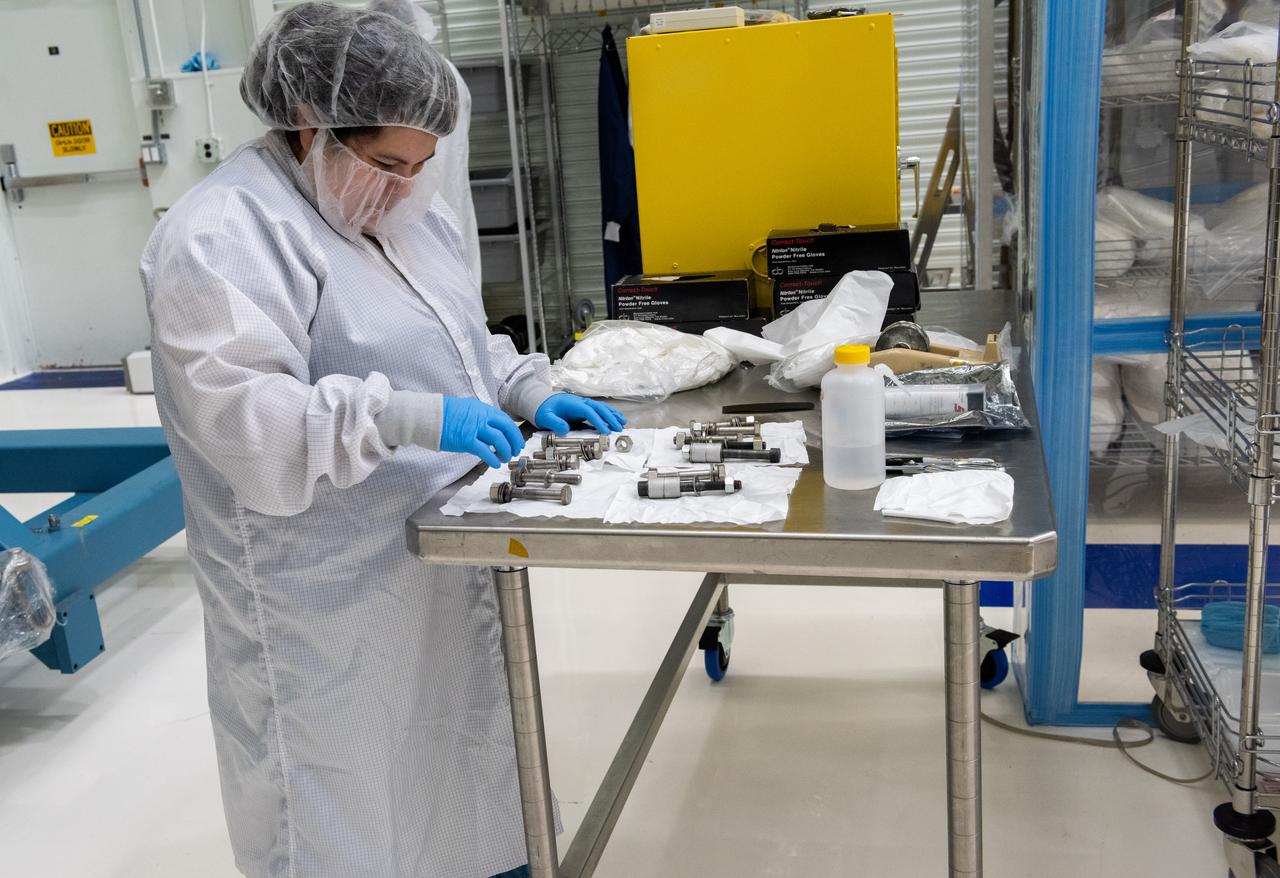
Technicians move NASA’s Low-Earth Orbit Flight Test of an Inflatable Decelerator (LOFTID) re-entry vehicle over to a turnover fixture for prelaunch processing inside Building 836 at Vandenberg Space Force Base in California on Aug. 19, 2022. Dedicated to the memory of Bernard Kutter, LOFTID is a technology demonstration mission aimed at validating inflatable heat shield technology for atmospheric re-entry. This technology could enable missions to other planetary bodies, as well as allow NASA to return heavier payloads from low-Earth orbit. LOFTID is a rideshare launching with the National Oceanic and Atmospheric Administration’s (NOAA) Joint Polar Satellite System-2 (JPSS-2) satellite. NASA and NOAA are targeting Nov. 1, 2022, for the launch of JPSS-2 on a United Launch Alliance Atlas V rocket from Space Launch Complex-3 at Vandenberg.
LOFTID Spacecraft Lift RV to Turnover Fixture
Inside Building 836 at Vandenberg Space Force Base in California, a technician works on installing ejetable data recorders onto NASA’s Low-Earth Orbit Flight Test of an Inflatable Decelerator (LOFTID) on Aug. 19, 2022. Dedicated to the memory of Bernard Kutter, LOFTID is a technology demonstration mission aimed at validating inflatable heat shield technology for atmospheric re-entry. This technology could enable missions to other planetary bodies, as well as allow NASA to return heavier payloads from low-Earth orbit. LOFTID is a rideshare launching with the National Oceanic and Atmospheric Administration’s (NOAA) Joint Polar Satellite System-2 (JPSS-2) satellite. NASA and NOAA are targeting Nov. 1, 2022, for the launch of JPSS-2 on a United Launch Alliance Atlas V rocket from Space Launch Complex-3 at Vandenberg.
LOFTID Spacecraft EDR Install
Technicians move NASA’s Low-Earth Orbit Flight Test of an Inflatable Decelerator (LOFTID) re-entry vehicle onto a turnover fixture for prelaunch processing inside Building 836 at Vandenberg Space Force Base in California on Aug. 19, 2022. Dedicated to the memory of Bernard Kutter, LOFTID is a technology demonstration mission aimed at validating inflatable heat shield technology for atmospheric re-entry. This technology could enable missions to other planetary bodies, as well as allow NASA to return heavier payloads from low-Earth orbit. LOFTID is a rideshare launching with the National Oceanic and Atmospheric Administration’s (NOAA) Joint Polar Satellite System-2 (JPSS-2) satellite. NASA and NOAA are targeting Nov. 1, 2022, for the launch of JPSS-2 on a United Launch Alliance Atlas V rocket from Space Launch Complex-3 at Vandenberg.
LOFTID Spacecraft Lift RV to Turnover Fixture
Technicians prepare to move NASA’s Low-Earth Orbit Flight Test of an Inflatable Decelerator (LOFTID) re-entry vehicle onto a turnover fixture for prelaunch processing inside Building 836 at Vandenberg Space Force Base in California on Aug. 19, 2022. Dedicated to the memory of Bernard Kutter, LOFTID is a technology demonstration mission aimed at validating inflatable heat shield technology for atmospheric re-entry. This technology could enable missions to other planetary bodies, as well as allow NASA to return heavier payloads from low-Earth orbit. LOFTID is a rideshare launching with the National Oceanic and Atmospheric Administration’s (NOAA) Joint Polar Satellite System-2 (JPSS-2) satellite. NASA and NOAA are targeting Nov. 1, 2022, for the launch of JPSS-2 on a United Launch Alliance Atlas V rocket from Space Launch Complex-3 at Vandenberg.
LOFTID Spacecraft Lift RV to Turnover Fixture
Inside Building 836 at Vandenberg Space Force Base in California, a worker inspects and prepares hardware used during the installation of ejectable data recorders onto NASA’s Low-Earth Orbit Flight Test of an Inflatable Decelerator (LOFTID) on Aug. 19, 2022. Dedicated to the memory of Bernard Kutter, LOFTID is a technology demonstration mission aimed at validating inflatable heat shield technology for atmospheric re-entry. This technology could enable missions to other planetary bodies, as well as allow NASA to return heavier payloads from low-Earth orbit. LOFTID is a rideshare launching with the National Oceanic and Atmospheric Administration’s (NOAA) Joint Polar Satellite System-2 (JPSS-2) satellite. NASA and NOAA are targeting Nov. 1, 2022, for the launch of JPSS-2 on a United Launch Alliance Atlas V rocket from Space Launch Complex-3 at Vandenberg.
LOFTID Spacecraft EDR Install
Technicians work on installing ejectable data recorders onto NASA’s Low-Earth Orbit Flight Test of an Inflatable Decelerator (LOFTID) inside Building 836 at Vandenberg Space Force Base in California on Aug. 19, 2022. Dedicated to the memory of Bernard Kutter, LOFTID is a technology demonstration mission aimed at validating inflatable heat shield technology for atmospheric re-entry. This technology could enable missions to other planetary bodies, as well as allow NASA to return heavier payloads from low-Earth orbit. LOFTID is a rideshare launching with the National Oceanic and Atmospheric Administration’s (NOAA) Joint Polar Satellite System-2 (JPSS-2) satellite. NASA and NOAA are targeting Nov. 1, 2022, for the launch of JPSS-2 on a United Launch Alliance Atlas V rocket from Space Launch Complex-3 at Vandenberg.
LOFTID Spacecraft EDR Install
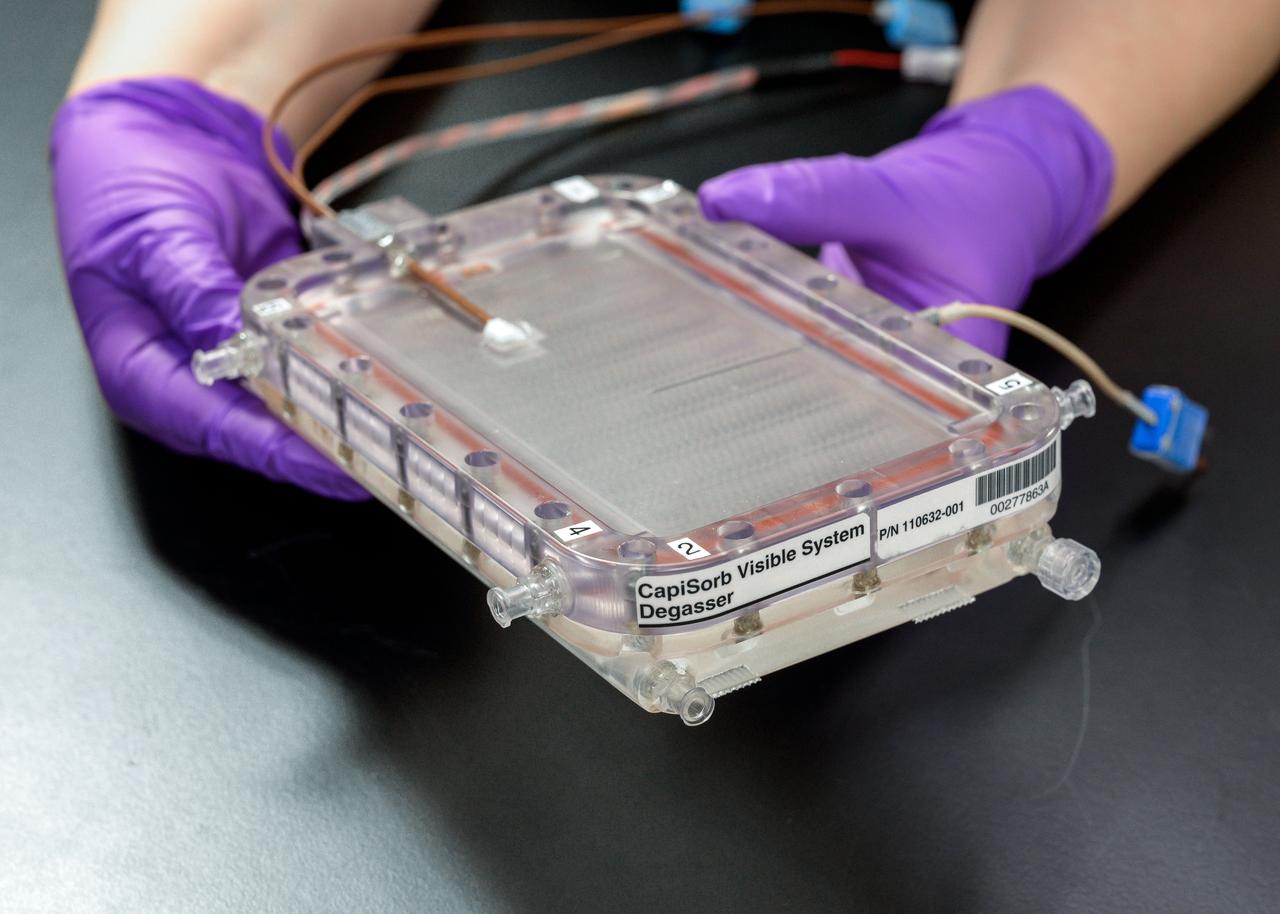
jsc2023e010167 (1/30/2023) --- CapiSorb Visible System flight unit degasser assembly in N240 room 133B. The CapiSorb Visible System will be launched on SpaceX CRS-27 in March 2023 to the International Space Station to demonstrate a liquid sorbent-based system that leverages the advantages of liquid control through capillary action to remove carbon dioxide from crewed atmospheres...Capillary wedges in the CapiSorb Visible System Degasser, shown here pre-flight, control and passively transport viscous liquid in microgravity in order to demonstrate capabilities needed for future liquid sorbent carbon dioxide removal technologies. The CapiSorb Visible System investigation demonstrates a liquid control using capillary forces, over a range of liquid properties that are characteristic of liquid carbon dioxide sorbents. Image courtesy of NASA's Ames Research Center.
CapiSorb Visible System
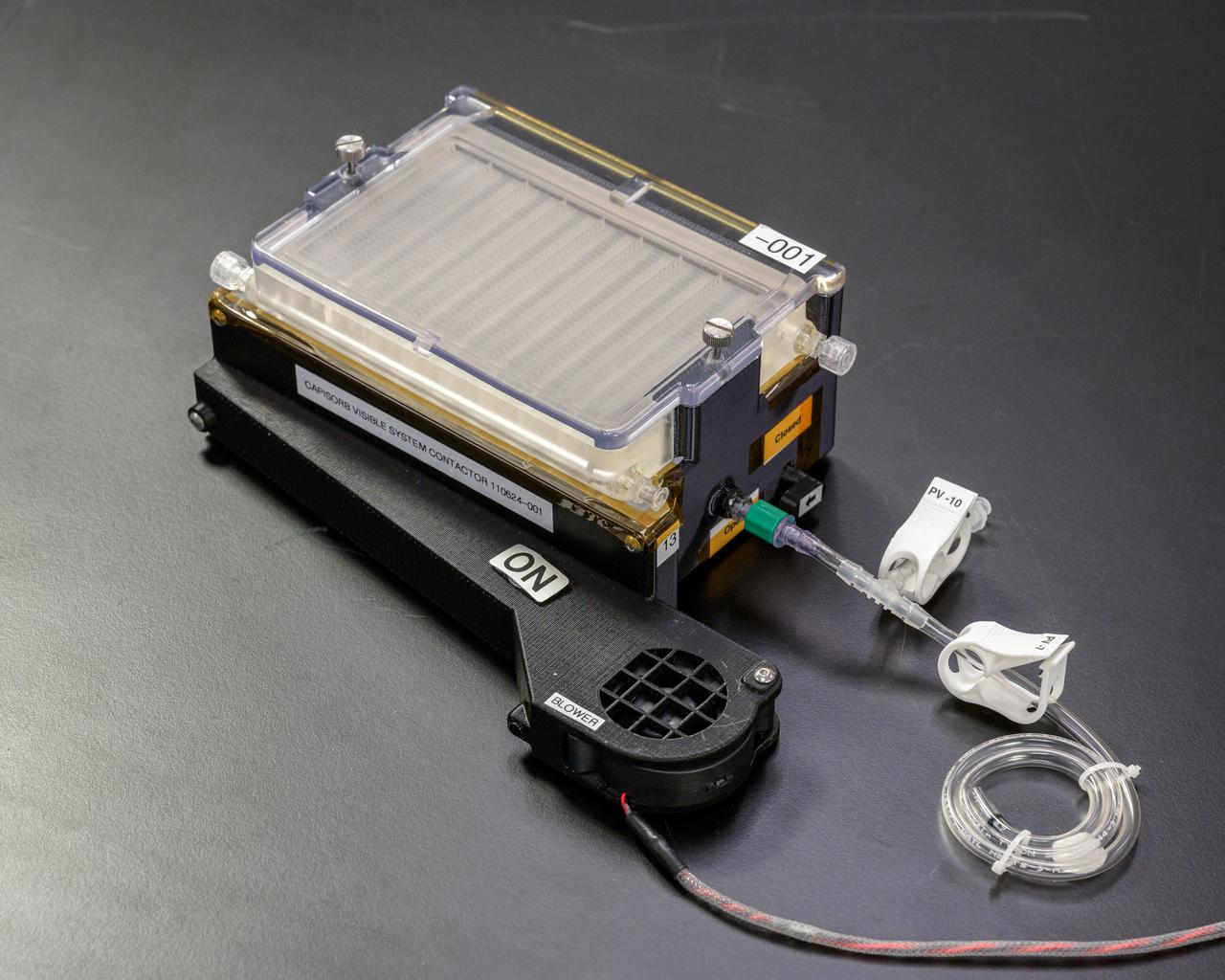
jsc2023e010168 (1/30/2023) --- CapiSorb Visible System flight unit contactor in N240 room 133B. The CapiSorb Visible System will be launched on SpaceX CRS-27 in March 2023 to the International Space Station to demonstrate a liquid sorbent-based system that leverages the advantages of liquid control through capillary action to remove carbon dioxide from crewed atmospheres...Capillary wedges in the CapiSorb Visible System Contactor, shown here preflight, control and passively transport viscous liquid in microgravity in order to demonstrate capabilities needed for future liquid carbon dioxide removal technologies. The CapiSorb Visible System investigation demonstrates a liquid control using capillary forces, over a range of properties that are characteristic of liquids which absorb carbon dioxide. Image courtesy of NASA's Ames Research Cente
CapiSorb Visible System
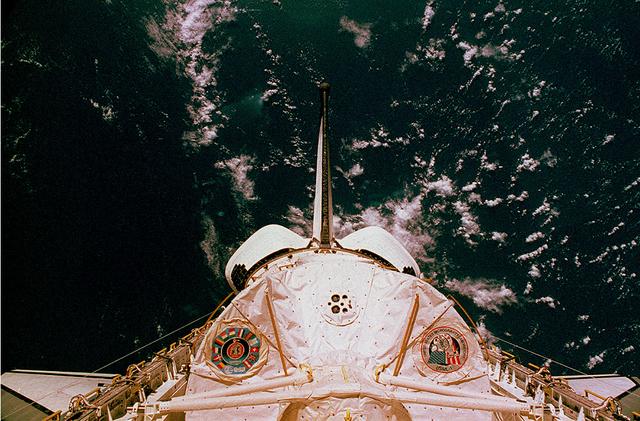
This is a photograph of the Spacelab module for the first United States Microgravity Laboratory (USML-1) mission, showing logos of the Spacelab mission on the left and the USML-1 mission on the right. The USML-1 was one part of a science and technology program that opened NASA's next great era of discovery and established the United States' leadership in space. From investigations designed to gather fundamental knowledge in a variety of areas to demonstrations of new equipment, USML-1 forged the way for future USML missions and helped prepare for advanced microgravity research and processing aboard the Space Station. Thirty-one investigations comprised the payload of the first USML-1 mission. The experiments aboard USML-1 covered five basic areas: fluid dynamics, the study of how liquids and gases respond to the application or absence of differing forces; crystal growth, the production of inorganic and organic crystals; combustion science, the study of the processes and phenomena of burning; biological science, the study of plant and animal life; and technology demonstrations. The USML-1 was managed by the Marshall Space Flight Center and launched aboard the Space Shuttle Orbiter Columbia (STS-50) on June 25, 1992.
Spacelab
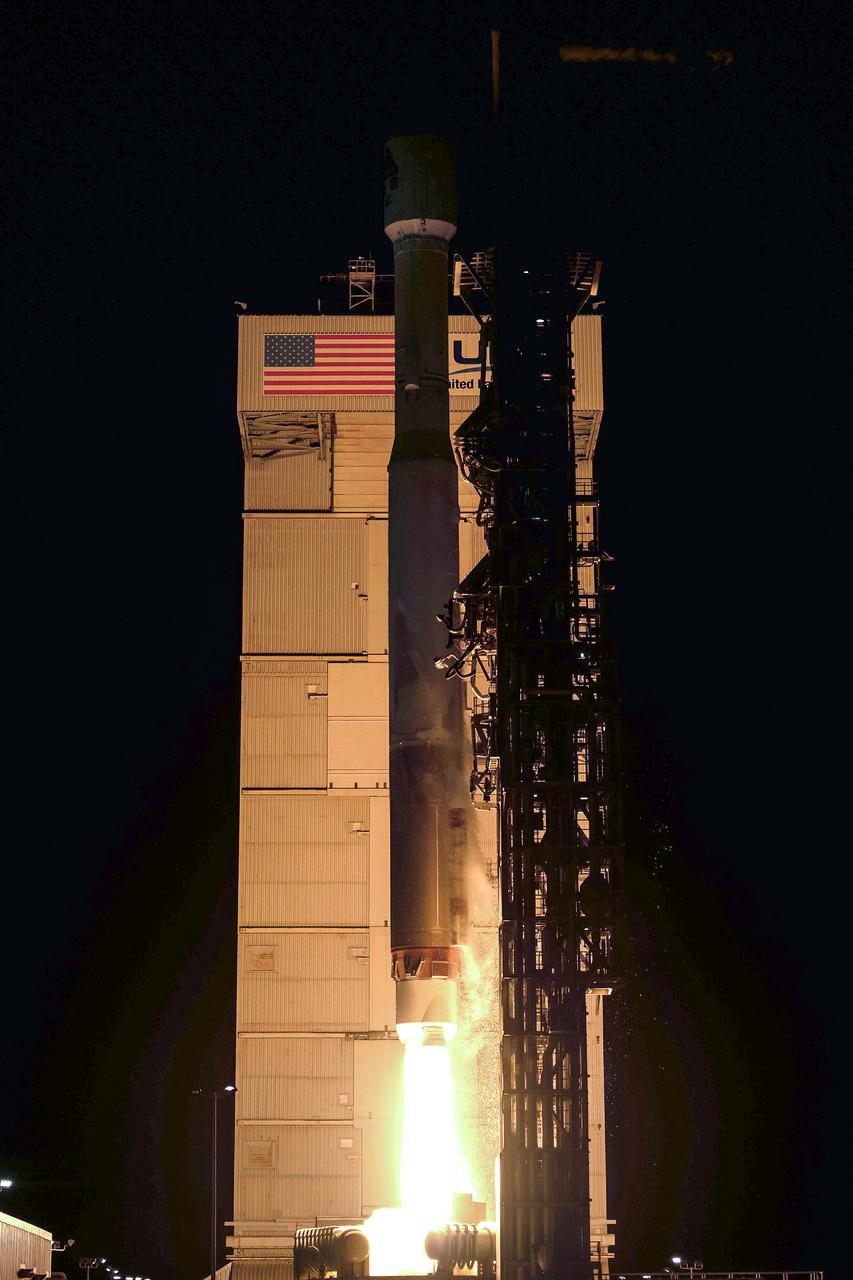
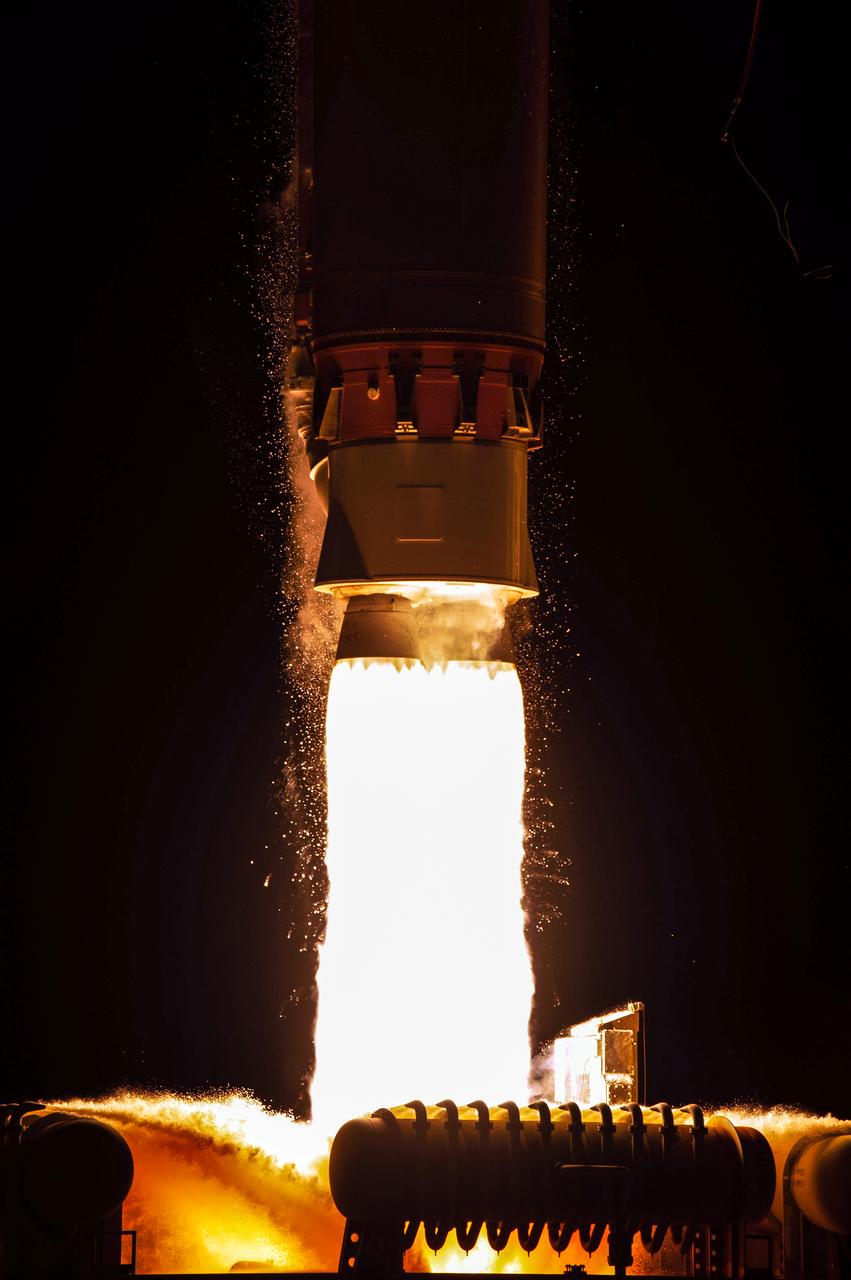
A United Launch Alliance Atlas V 401 rocket lifts off from Space Launch Complex 3 at Vandenberg Space Force Base in California on Nov. 10 carrying the National Oceanic and Atmospheric Administration’s (NOAA) Joint Polar Satellite System-2 (JPSS-2) and NASA’s Low-Earth Orbit Flight Test of an Inflatable Decelerator (LOFTID) technology demonstration. Liftoff was at 2:25 a.m. PDT. JPSS-2 is the third satellite in the polar satellite series and is expected to capture data to improve weather forecasts, helping scientists predict and prepare for extreme weather events and climate change. After JPSS-2 safely reaches orbit, LOFTID will follow a re-entry trajectory from low-Earth orbit to demonstrate the inflatable heat shield’s ability to slow down and survive re-entry. LOFTID is a partnership with ULA and is dedicated to the memory of Bernard Kutter, one of the company’s engineers who played a key role in developing the technology. LOFTID will demonstrate how the inflatable aeroshell, or heat shield, can slow down and survive re-entry in conditions relevant to many potential applications, whether landing humans on Mars, new missions to Venus and Titan, or returning heavier payloads and samples from low-Earth orbit.
JPSS-2/LOFTID Liftoff
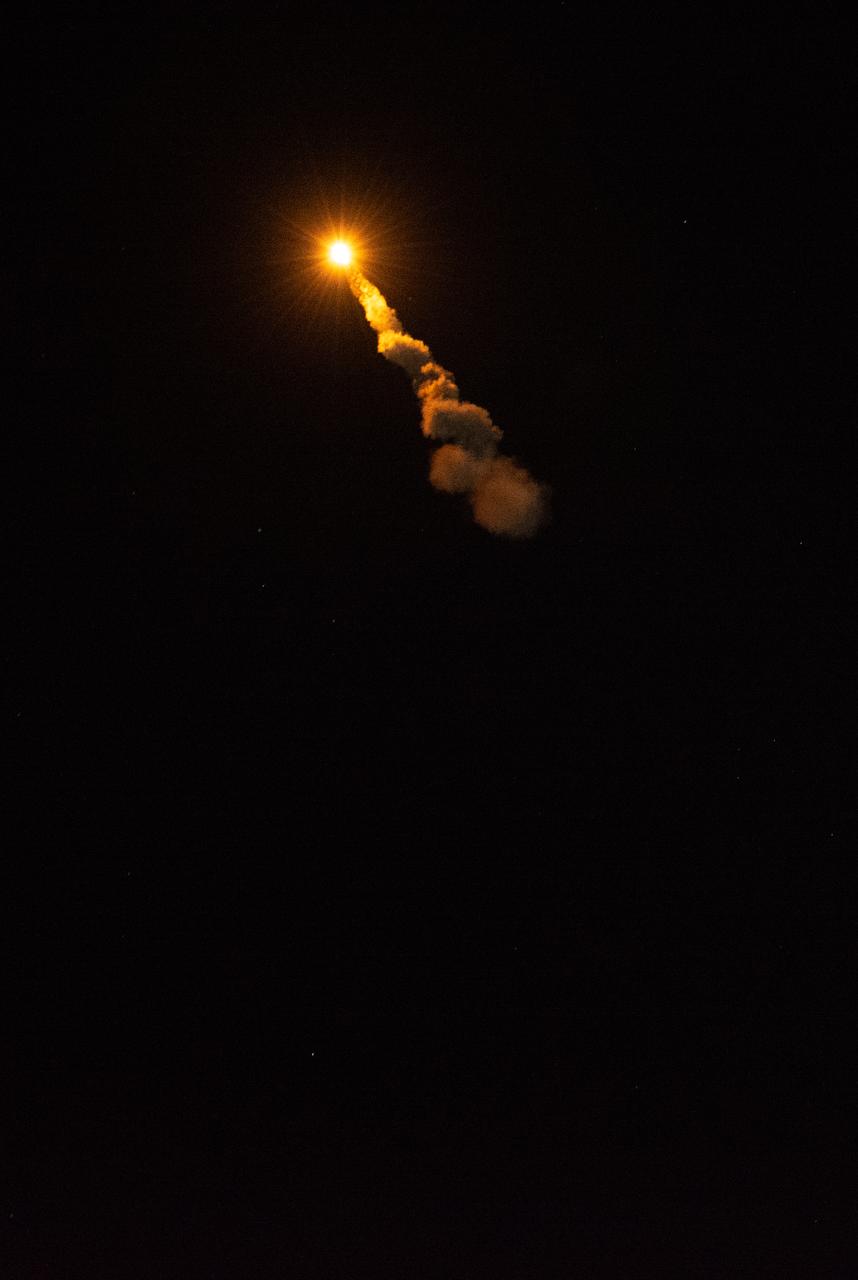
A United launch Alliance Atlas V 401 rocket soars upward after liftoff from Space Launch Complex 3 at Vandenberg Space Force Base in California on Nov. 10, carrying the National Oceanic and Atmospheric Administration’s (NOAA) Joint Polar Satellite System-2 (JPSS-2) and NASA’s Low-Earth Orbit Flight Test of an Inflatable Decelerator (LOFTID) technology demonstration. Launch was at 1:49 a.m. PST. JPSS-2 is the third satellite in the polar satellite series and is expected to capture data to improve weather forecasts, helping scientists predict and prepare for extreme weather events and climate change. After JPSS-2 safely reaches orbit, LOFTID will follow a re-entry trajectory from low-Earth orbit to demonstrate the inflatable heat shield’s ability to slow down and survive re-entry. LOFTID is a partnership with ULA and is dedicated to the memory of Bernard Kutter, one of the company’s engineers who played a key role in developing the technology. LOFTID will demonstrate how the inflatable aeroshell, or heat shield, can slow down and survive re-entry in conditions relevant to many potential applications, whether landing humans on Mars, new missions to Venus and Titan, or returning heavier payloads and samples from low-Earth orbit.
JPSS-2/LOFTID Liftoff
A United Launch Alliance Atlas V 401 rocket lifts off from Space Launch Complex 3 at Vandenberg Space Force Base in California on Nov. 10 carrying the National Oceanic and Atmospheric Administration’s (NOAA) Joint Polar Satellite System-2 (JPSS-2) and NASA’s Low-Earth Orbit Flight Test of an Inflatable Decelerator (LOFTID) technology demonstration. Liftoff was at 2:25 a.m. PDT. JPSS-2 is the third satellite in the polar satellite series and is expected to capture data to improve weather forecasts, helping scientists predict and prepare for extreme weather events and climate change. After JPSS-2 safely reaches orbit, LOFTID will follow a re-entry trajectory from low-Earth orbit to demonstrate the inflatable heat shield’s ability to slow down and survive re-entry. LOFTID is a partnership with ULA and is dedicated to the memory of Bernard Kutter, one of the company’s engineers who played a key role in developing the technology. LOFTID will demonstrate how the inflatable aeroshell, or heat shield, can slow down and survive re-entry in conditions relevant to many potential applications, whether landing humans on Mars, new missions to Venus and Titan, or returning heavier payloads and samples from low-Earth orbit.
JPSS-2/LOFTID Liftoff
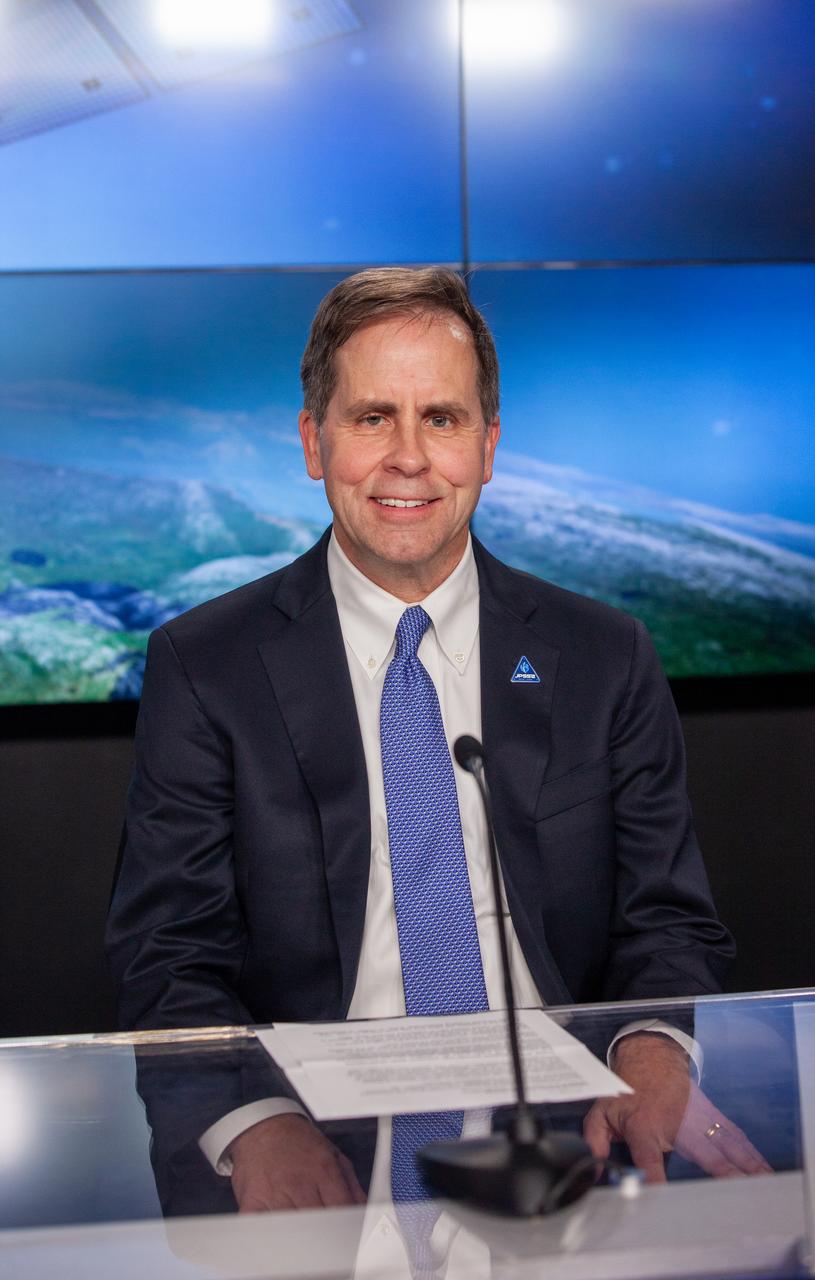
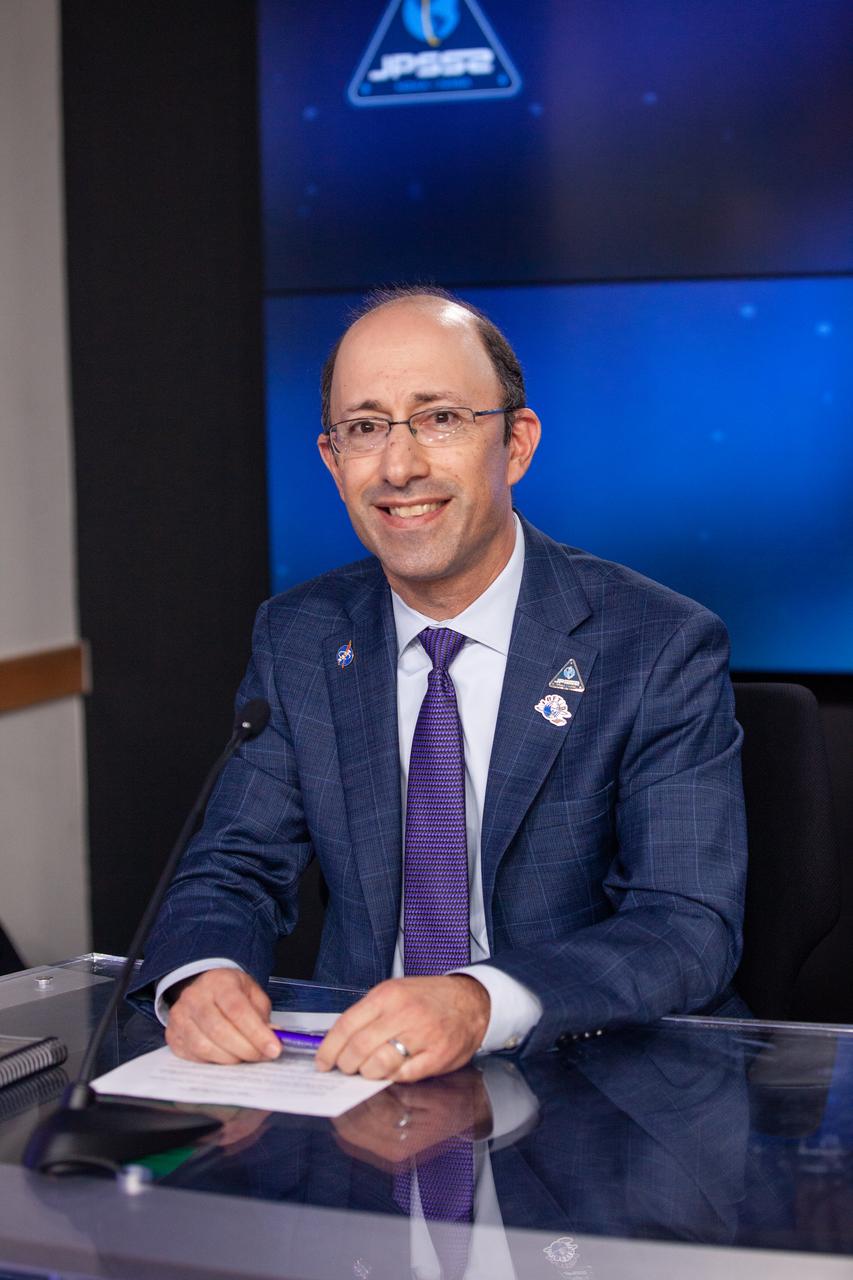
Jim Reuter, associate administrator for NASA’s Space Technology Mission Directorate, participates in a prelaunch news conference for the National Oceanic and Atmospheric Administration’s (NOAA) Joint Polar Satellite System-2 (JPSS-2) and NASA Low-Earth Orbit Flight Test of an Inflatable Decelerator (LOFTID) technology demonstration at Vandenberg Space Force Base in California on Oct. 28, 2022. JPSS-2 is the third satellite in the polar satellite series and is expected to capture data to improve weather forecasts, helping scientists predict and prepare for extreme weather events and climate change. JPSS-2 is scheduled to launch at 2:25 a.m. PDT Tuesday, Nov. 1, on a United Launch Alliance (ULA) Atlas V 401 rocket from Space Launch Complex 3 at Vandenberg Space Force Base in California. Launching with JPSS-2 is NASA’s LOFTID technology demonstration. After JPSS-2 safely reaches orbit, LOFTID will follow a re-entry trajectory from low-Earth orbit to demonstrate the inflatable heat shield’s ability to slow down and survive re-entry. LOFTID is a partnership with ULA and is dedicated to the memory of Bernard Kutter, one of the company’s engineers who played a key role in developing the technology. LOFTID will demonstrate how the inflatable aeroshell, or heat shield, can slow down and survive re-entry in conditions relevant to many potential applications, whether landing humans on Mars, new missions to Venus and Titan, or returning heavier payloads and samples from low-Earth orbit.
JPSS-2/LOFTID Prelaunch News Conference
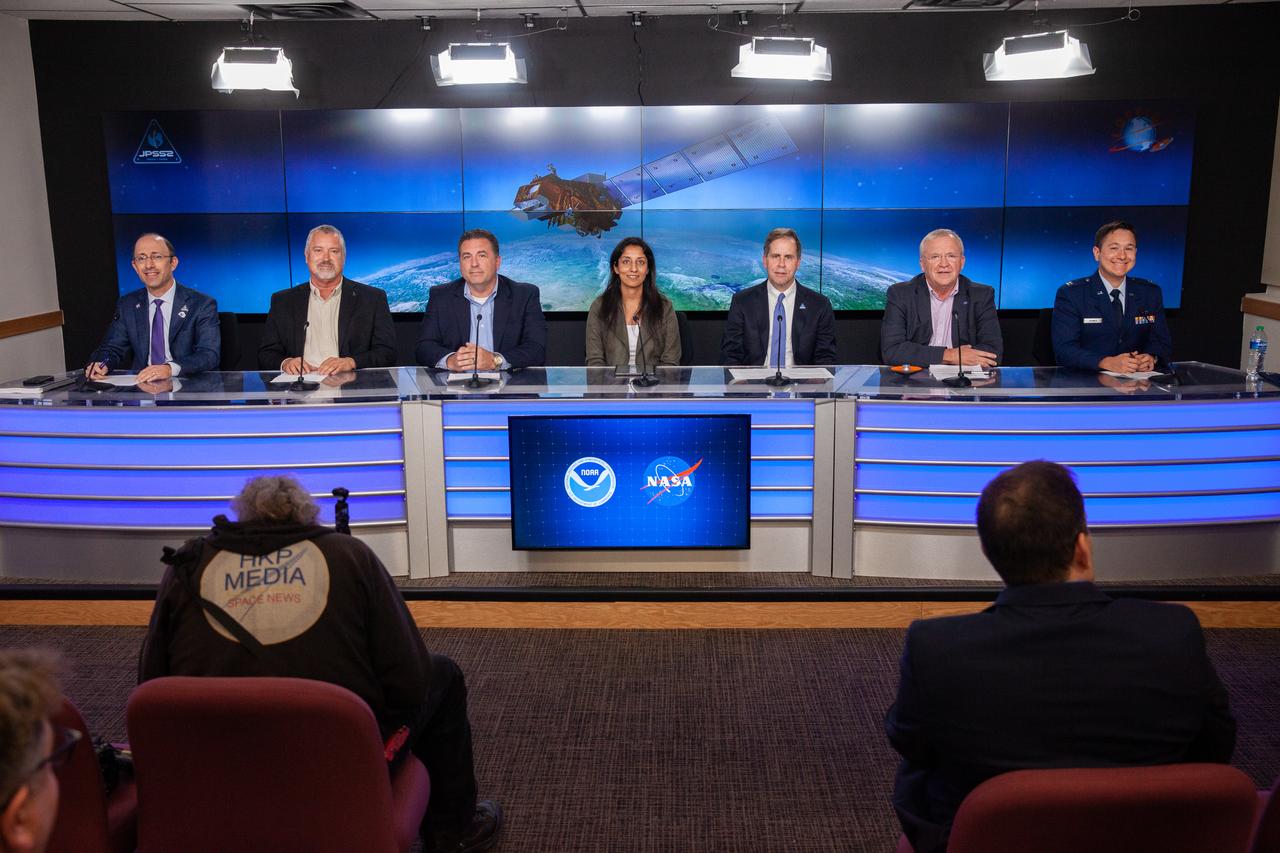
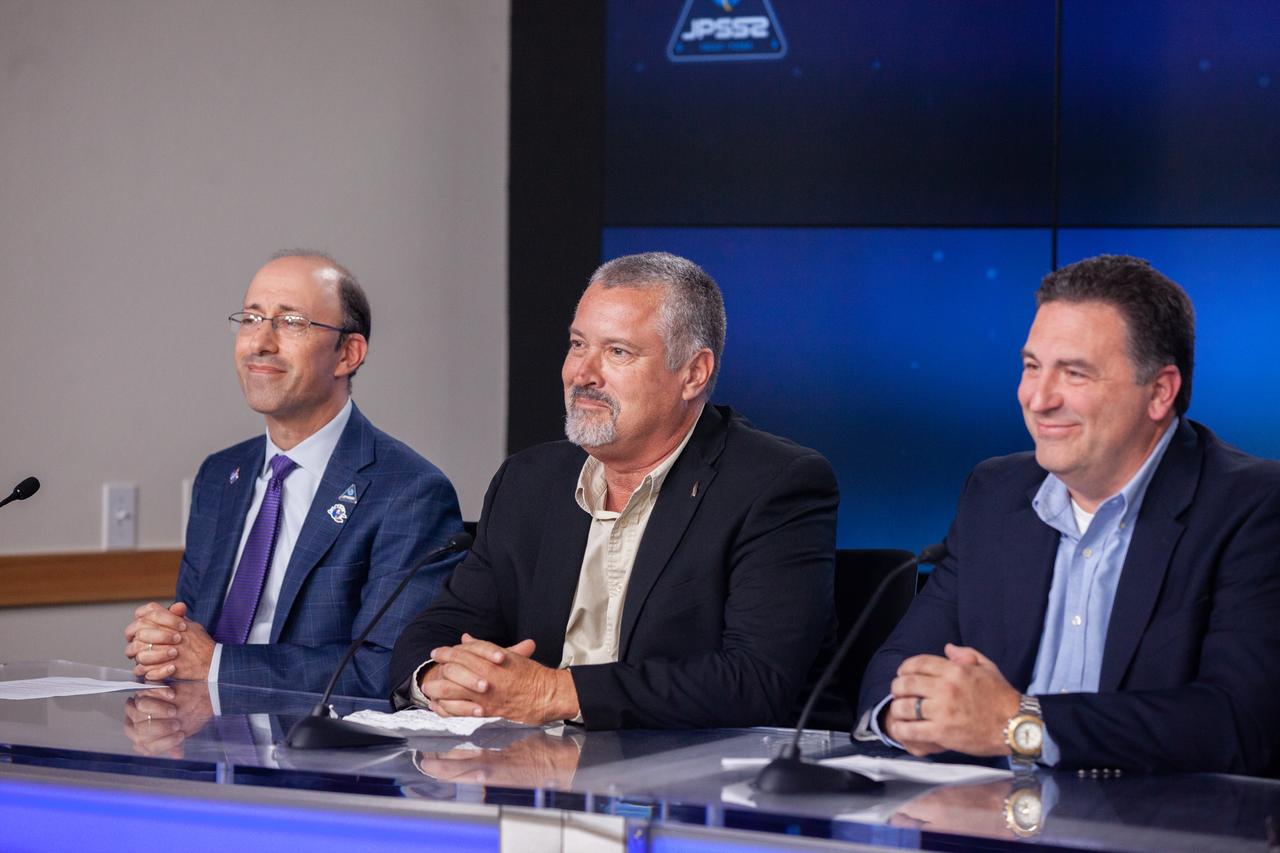
NASA held a prelaunch news conference for the National Oceanic and Atmospheric Administration’s (NOAA) Joint Polar Satellite System-2 (JPSS-2) and the agency’s Low-Earth Orbit Flight Test of an Inflatable Decelerator (LOFTID) technology demonstration at Vandenberg Space Force Base in California on Oct. 28, 2022. Participants from left are: Megan Cruz, NASA Communications; John Gagosian, director, NASA’s Joint Agency Satellite Division; Omar Baez, launch director, NASA’s Launch Services Program; Gary Wentz, vice president, Government and Commercial Programs, ULA; Irene Parker, deputy assistant administrator, NOAA Systems, National Environmental Satellite, Data, and Services; Tim Walsh, director, NOAA’s JPSS Program Office, NOAA; Jim Reuter, associate administrator for NASA’s Space Technology Mission Directorate; Capt. Zack Zounes, launch weather officer, U.S. Space Force. JPSS-2 is the third satellite in the polar satellite series and is expected to capture data to improve weather forecasts, helping scientists predict and prepare for extreme weather events and climate change. JPSS-2 is scheduled to launch at 2:25 a.m. PDT Tuesday, Nov. 1, on a United Launch Alliance (ULA) Atlas V 401 rocket from Space Launch Complex 3 at Vandenberg Space Force Base in California. Launching with JPSS-2 is NASA’s LOFTID technology demonstration. After JPSS-2 safely reaches orbit, LOFTID will follow a re-entry trajectory from low-Earth orbit to demonstrate the inflatable heat shield’s ability to slow down and survive re-entry. LOFTID is a partnership with ULA and is dedicated to the memory of Bernard Kutter, one of the company’s engineers who played a key role in developing the technology. LOFTID will demonstrate how the inflatable aeroshell, or heat shield, can slow down and survive re-entry in conditions relevant to many potential applications, whether landing humans on Mars, new missions to Venus and Titan, or returning heavier payloads and samples from low-Earth or
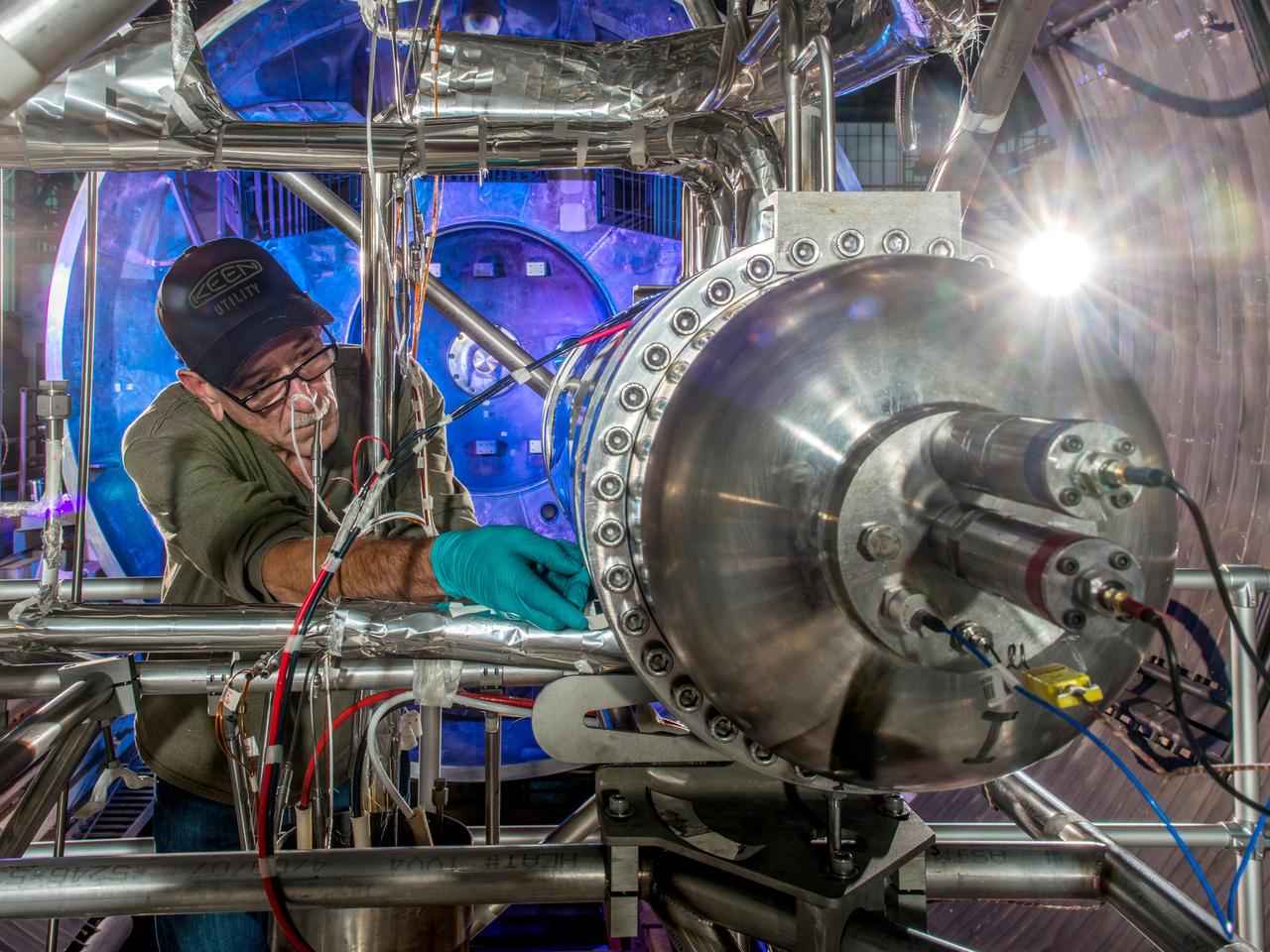
JPSS-2/LOFTID Prelaunch News Conference
NASA held a prelaunch news conference for the National Oceanic and Atmospheric Administration’s (NOAA) Joint Polar Satellite System-2 (JPSS-2) and the agency’s Low-Earth Orbit Flight Test of an Inflatable Decelerator (LOFTID) technology demonstration at Vandenberg Space Force Base in California on Oct. 28, 2022. Participants from left are: John Gagosian, director, NASA’s Joint Agency Satellite Division; Omar Baez, launch director, NASA’s Launch Services Program; Gary Wentz, vice president, Government and Commercial Programs, ULA; Irene Parker, deputy assistant administrator, NOAA Systems, National Environmental Satellite, Data, and Services; Tim Walsh, director, NOAA’s JPSS Program Office, NOAA; Jim Reuter, associate administrator for NASA’s Space Technology Mission Directorate; Capt. Zack Zounes, launch weather officer, U.S. Space Force. JPSS-2 is the third satellite in the polar satellite series and is expected to capture data to improve weather forecasts, helping scientists predict and prepare for extreme weather events and climate change. JPSS-2 is scheduled to launch at 2:25 a.m. PDT Tuesday, Nov. 1, on a United Launch Alliance (ULA) Atlas V 401 rocket from Space Launch Complex 3 at Vandenberg Space Force Base in California. Launching with JPSS-2 is NASA’s LOFTID technology demonstration. After JPSS-2 safely reaches orbit, LOFTID will follow a re-entry trajectory from low-Earth orbit to demonstrate the inflatable heat shield’s ability to slow down and survive re-entry. LOFTID is a partnership with ULA and is dedicated to the memory of Bernard Kutter, one of the company’s engineers who played a key role in developing the technology. LOFTID will demonstrate how the inflatable aeroshell, or heat shield, can slow down and survive re-entry in conditions relevant to many potential applications, whether landing humans on Mars, new missions to Venus and Titan, or returning heavier payloads and samples from low-Earth orbit.
JPSS-2/LOFTID Prelaunch News Conference
Omar Baez, launch director, NASA’s Launch Services Program, participates in a prelaunch news conference for the National Oceanic and Atmospheric Administration’s (NOAA) Joint Polar Satellite System-2 (JPSS-2) and NASA Low-Earth Orbit Flight Test of an Inflatable Decelerator (LOFTID) technology demonstration at Vandenberg Space Force Base in California on Oct. 28, 2022. JPSS-2 is the third satellite in the polar satellite series and is expected to capture data to improve weather forecasts, helping scientists predict and prepare for extreme weather events and climate change. JPSS-2 is scheduled to launch at 2:25 a.m. PDT Tuesday, Nov. 1, on a United Launch Alliance (ULA) Atlas V 401 rocket from Space Launch Complex 3 at Vandenberg Space Force Base in California. Launching with JPSS-2 is NASA’s LOFTID technology demonstration. After JPSS-2 safely reaches orbit, LOFTID will follow a re-entry trajectory from low-Earth orbit to demonstrate the inflatable heat shield’s ability to slow down and survive re-entry. LOFTID is a partnership with ULA and is dedicated to the memory of Bernard Kutter, one of the company’s engineers who played a key role in developing the technology. LOFTID will demonstrate how the inflatable aeroshell, or heat shield, can slow down and survive re-entry in conditions relevant to many potential applications, whether landing humans on Mars, new missions to Venus and Titan, or returning heavier payloads and samples from low-Earth orbit.
JPSS-2/LOFTID Prelaunch News Conference
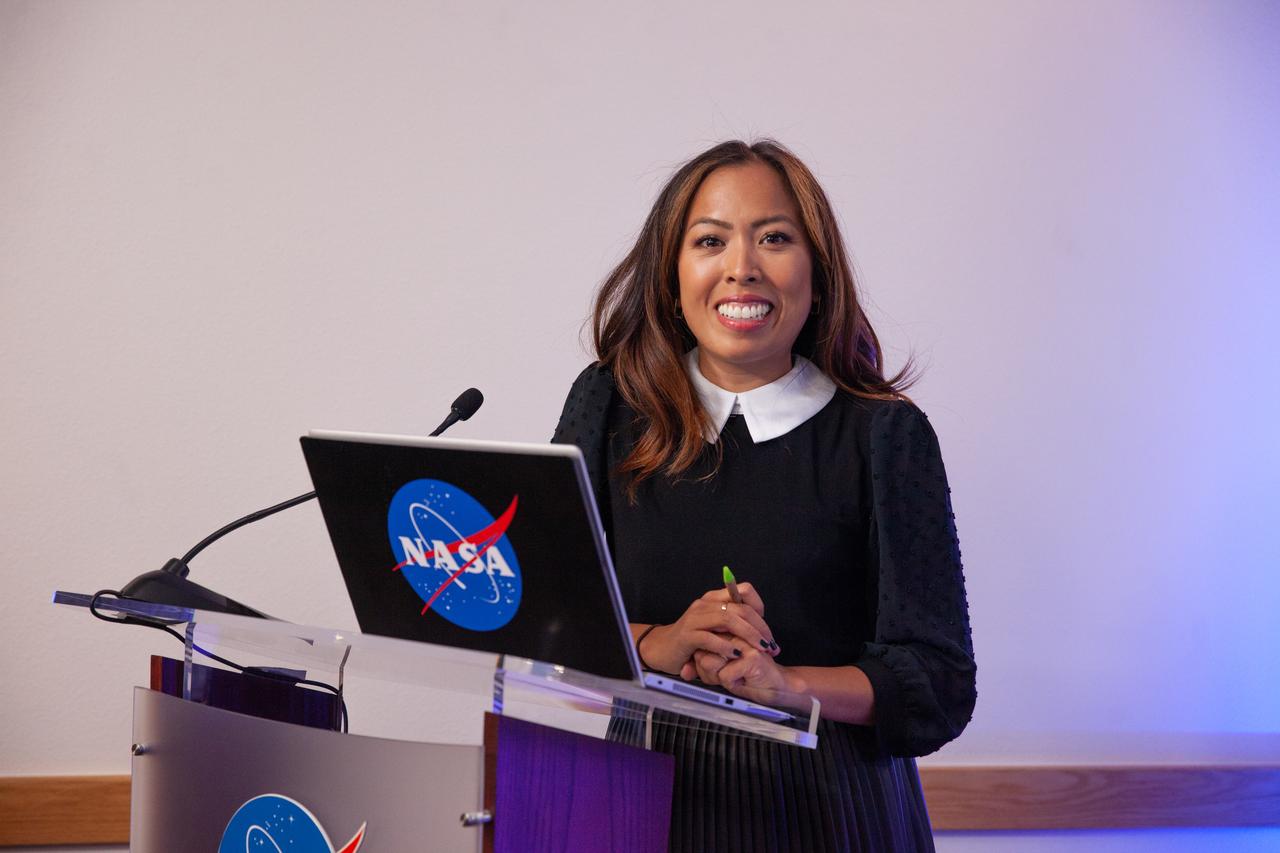
Megan Cruz, NASA Communications, moderates a prelaunch news conference for the National Oceanic and Atmospheric Administration’s (NOAA) Joint Polar Satellite System-2 (JPSS-2) and NASA Low-Earth Orbit Flight Test of an Inflatable Decelerator (LOFTID) technology demonstration at Vandenberg Space Force Base in California on Oct. 28, 2022. JPSS-2 is the third satellite in the polar satellite series and is expected to capture data to improve weather forecasts, helping scientists predict and prepare for extreme weather events and climate change. JPSS-2 is scheduled to launch at 2:25 a.m. PDT Tuesday, Nov. 1, on a United Launch Alliance (ULA) Atlas V 401 rocket from Space Launch Complex 3 at Vandenberg Space Force Base in California. Launching with JPSS-2 is NASA’s LOFTID technology demonstration. After JPSS-2 safely reaches orbit, LOFTID will follow a re-entry trajectory from low-Earth orbit to demonstrate the inflatable heat shield’s ability to slow down and survive re-entry. LOFTID is a partnership with ULA and is dedicated to the memory of Bernard Kutter, one of the company’s engineers who played a key role in developing the technology. LOFTID will demonstrate how the inflatable aeroshell, or heat shield, can slow down and survive re-entry in conditions relevant to many potential applications, whether landing humans on Mars, new missions to Venus and Titan, or returning heavier payloads and samples from low-Earth orbit.
JPSS-2/LOFTID Prelaunch News Conference
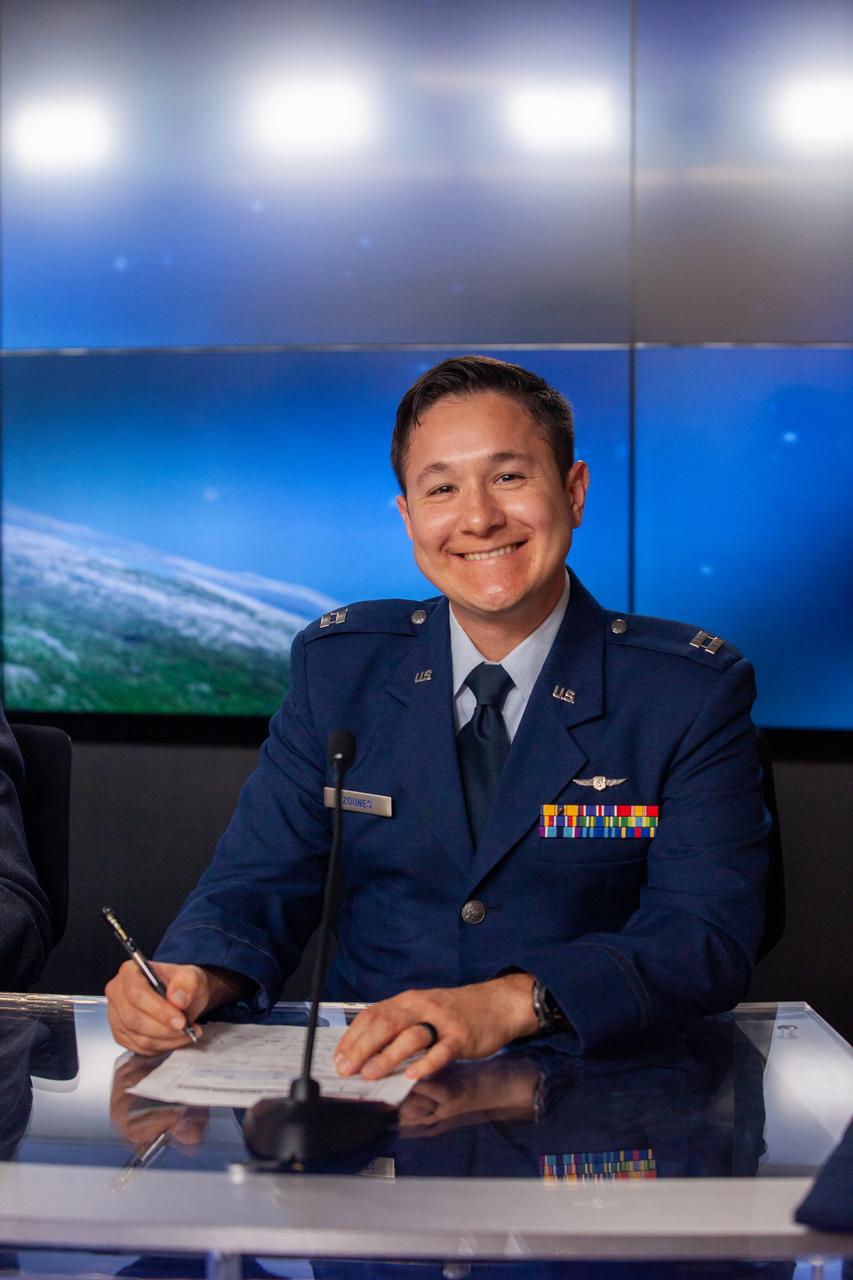
Capt. Zack Zounes, launch weather officer, U.S. Space Force, participates in a prelaunch news conference for the National Oceanic and Atmospheric Administration’s (NOAA) Joint Polar Satellite System-2 (JPSS-2) and NASA Low-Earth Orbit Flight Test of an Inflatable Decelerator (LOFTID) technology demonstration at Vandenberg Space Force Base in California on Oct. 28, 2022. JPSS-2 is the third satellite in the polar satellite series and is expected to capture data to improve weather forecasts, helping scientists predict and prepare for extreme weather events and climate change. JPSS-2 is scheduled to launch at 2:25 a.m. PDT Tuesday, Nov. 1, on a United Launch Alliance (ULA) Atlas V 401 rocket from Space Launch Complex 3 at Vandenberg Space Force Base in California. Launching with JPSS-2 is NASA’s LOFTID technology demonstration. After JPSS-2 safely reaches orbit, LOFTID will follow a re-entry trajectory from low-Earth orbit to demonstrate the inflatable heat shield’s ability to slow down and survive re-entry. LOFTID is a partnership with ULA and is dedicated to the memory of Bernard Kutter, one of the company’s engineers who played a key role in developing the technology. LOFTID will demonstrate how the inflatable aeroshell, or heat shield, can slow down and survive re-entry in conditions relevant to many potential applications, whether landing humans on Mars, new missions to Venus and Titan, or returning heavier payloads and samples from low-Earth orbit.
JPSS-2/LOFTID Prelaunch News Conference
Tim Walsh, director, NOAA’s JPSS Program Office, NOAA, participates in a prelaunch news conference for the National Oceanic and Atmospheric Administration’s (NOAA) Joint Polar Satellite System-2 (JPSS-2) and NASA Low-Earth Orbit Flight Test of an Inflatable Decelerator (LOFTID) technology demonstration at Vandenberg Space Force Base in California on Oct. 28, 2022. JPSS-2 is the third satellite in the polar satellite series and is expected to capture data to improve weather forecasts, helping scientists predict and prepare for extreme weather events and climate change. JPSS-2 is scheduled to launch at 2:25 a.m. PDT Tuesday, Nov. 1, on a United Launch Alliance (ULA) Atlas V 401 rocket from Space Launch Complex 3 at Vandenberg Space Force Base in California. Launching with JPSS-2 is NASA’s LOFTID technology demonstration. After JPSS-2 safely reaches orbit, LOFTID will follow a re-entry trajectory from low-Earth orbit to demonstrate the inflatable heat shield’s ability to slow down and survive re-entry. LOFTID is a partnership with ULA and is dedicated to the memory of Bernard Kutter, one of the company’s engineers who played a key role in developing the technology. LOFTID will demonstrate how the inflatable aeroshell, or heat shield, can slow down and survive re-entry in conditions relevant to many potential applications, whether landing humans on Mars, new missions to Venus and Titan, or returning heavier payloads and samples from low-Earth orbit.
JPSS-2/LOFTID Prelaunch News Conference
John Gagosian, director, NASA’s Joint Agency Satellite Division, participates in a prelaunch news conference for the National Oceanic and Atmospheric Administration’s (NOAA) Joint Polar Satellite System-2 (JPSS-2) and NASA Low-Earth Orbit Flight Test of an Inflatable Decelerator (LOFTID) technology demonstration at Vandenberg Space Force Base in California on Oct. 28, 2022. JPSS-2 is the third satellite in the polar satellite series and is expected to capture data to improve weather forecasts, helping scientists predict and prepare for extreme weather events and climate change. JPSS-2 is scheduled to launch at 2:25 a.m. PDT Tuesday, Nov. 1, on a United Launch Alliance (ULA) Atlas V 401 rocket from Space Launch Complex 3 at Vandenberg Space Force Base in California. Launching with JPSS-2 is NASA’s LOFTID technology demonstration. After JPSS-2 safely reaches orbit, LOFTID will follow a re-entry trajectory from low-Earth orbit to demonstrate the inflatable heat shield’s ability to slow down and survive re-entry. LOFTID is a partnership with ULA and is dedicated to the memory of Bernard Kutter, one of the company’s engineers who played a key role in developing the technology. LOFTID will demonstrate how the inflatable aeroshell, or heat shield, can slow down and survive re-entry in conditions relevant to many potential applications, whether landing humans on Mars, new missions to Venus and Titan, or returning heavier payloads and samples from low-Earth orbit.
JPSS-2/LOFTID Prelaunch News Conference
NASA held a prelaunch news conference for the National Oceanic and Atmospheric Administration’s (NOAA) Joint Polar Satellite System-2 (JPSS-2) and the agency’s Low-Earth Orbit Flight Test of an Inflatable Decelerator (LOFTID) technology demonstration at Vandenberg Space Force Base in California on Oct. 28, 2022. Participants from left are: John Gagosian, director, NASA’s Joint Agency Satellite Division; Omar Baez, launch director, NASA’s Launch Services Program; Gary Wentz, vice president, Government and Commercial Programs, ULA. JPSS-2 is the third satellite in the polar satellite series and is expected to capture data to improve weather forecasts, helping scientists predict and prepare for extreme weather events and climate change. JPSS-2 is scheduled to launch at 2:25 a.m. PDT Tuesday, Nov. 1, on a United Launch Alliance (ULA) Atlas V 401 rocket from Space Launch Complex 3 at Vandenberg Space Force Base in California. Launching with JPSS-2 is NASA’s LOFTID technology demonstration. After JPSS-2 safely reaches orbit, LOFTID will follow a re-entry trajectory from low-Earth orbit to demonstrate the inflatable heat shield’s ability to slow down and survive re-entry. LOFTID is a partnership with ULA and is dedicated to the memory of Bernard Kutter, one of the company’s engineers who played a key role in developing the technology. LOFTID will demonstrate how the inflatable aeroshell, or heat shield, can slow down and survive re-entry in conditions relevant to many potential applications, whether landing humans on Mars, new missions to Venus and Titan, or returning heavier payloads and samples from low-Earth orbit.
JPSS-2/LOFTID Prelaunch News Conference
Gary Wentz, vice president, Government and Commercial Programs, ULA, participates in a prelaunch news conference for the National Oceanic and Atmospheric Administration’s (NOAA) Joint Polar Satellite System-2 (JPSS-2) and NASA Low-Earth Orbit Flight Test of an Inflatable Decelerator (LOFTID) technology demonstration at Vandenberg Space Force Base in California on Oct. 28, 2022. JPSS-2 is the third satellite in the polar satellite series and is expected to capture data to improve weather forecasts, helping scientists predict and prepare for extreme weather events and climate change. JPSS-2 is scheduled to launch at 2:25 a.m. PDT Tuesday, Nov. 1, on a United Launch Alliance (ULA) Atlas V 401 rocket from Space Launch Complex 3 at Vandenberg Space Force Base in California. Launching with JPSS-2 is NASA’s LOFTID technology demonstration. After JPSS-2 safely reaches orbit, LOFTID will follow a re-entry trajectory from low-Earth orbit to demonstrate the inflatable heat shield’s ability to slow down and survive re-entry. LOFTID is a partnership with ULA and is dedicated to the memory of Bernard Kutter, one of the company’s engineers who played a key role in developing the technology. LOFTID will demonstrate how the inflatable aeroshell, or heat shield, can slow down and survive re-entry in conditions relevant to many potential applications, whether landing humans on Mars, new missions to Venus and Titan, or returning heavier payloads and samples from low-Earth orbit.
JPSS-2/LOFTID Prelaunch News Conference
Omar Baez, launch director, NASA’s Launch Services Program, participates in a prelaunch news conference for the National Oceanic and Atmospheric Administration’s (NOAA) Joint Polar Satellite System-2 (JPSS-2) and NASA Low-Earth Orbit Flight Test of an Inflatable Decelerator (LOFTID) technology demonstration at Vandenberg Space Force Base in California on Oct. 28, 2022. JPSS-2 is the third satellite in the polar satellite series and is expected to capture data to improve weather forecasts, helping scientists predict and prepare for extreme weather events and climate change. JPSS-2 is scheduled to launch at 2:25 a.m. PDT Tuesday, Nov. 1, on a United Launch Alliance (ULA) Atlas V 401 rocket from Space Launch Complex 3 at Vandenberg Space Force Base in California. Launching with JPSS-2 is NASA’s LOFTID technology demonstration. After JPSS-2 safely reaches orbit, LOFTID will follow a re-entry trajectory from low-Earth orbit to demonstrate the inflatable heat shield’s ability to slow down and survive re-entry. LOFTID is a partnership with ULA and is dedicated to the memory of Bernard Kutter, one of the company’s engineers who played a key role in developing the technology. LOFTID will demonstrate how the inflatable aeroshell, or heat shield, can slow down and survive re-entry in conditions relevant to many potential applications, whether landing humans on Mars, new missions to Venus and Titan, or returning heavier payloads and samples from low-Earth orbit.
JPSS-2/LOFTID Prelaunch News Conference
Irene Parker, deputy assistant administrator, NOAA Systems, National Environmental Satellite, Data, and Services, participates in a prelaunch news conference for the National Oceanic and Atmospheric Administration’s (NOAA) Joint Polar Satellite System-2 (JPSS-2) and NASA Low-Earth Orbit Flight Test of an Inflatable Decelerator (LOFTID) technology demonstration at Vandenberg Space Force Base in California on Oct. 28, 2022. JPSS-2 is the third satellite in the polar satellite series and is expected to capture data to improve weather forecasts, helping scientists predict and prepare for extreme weather events and climate change. JPSS-2 is scheduled to launch at 2:25 a.m. PDT Tuesday, Nov. 1, on a United Launch Alliance (ULA) Atlas V 401 rocket from Space Launch Complex 3 at Vandenberg Space Force Base in California. Launching with JPSS-2 is NASA’s LOFTID technology demonstration. After JPSS-2 safely reaches orbit, LOFTID will follow a re-entry trajectory from low-Earth orbit to demonstrate the inflatable heat shield’s ability to slow down and survive re-entry. LOFTID is a partnership with ULA and is dedicated to the memory of Bernard Kutter, one of the company’s engineers who played a key role in developing the technology. LOFTID will demonstrate how the inflatable aeroshell, or heat shield, can slow down and survive re-entry in conditions relevant to many potential applications, whether landing humans on Mars, new missions to Venus and Titan, or returning heavier payloads and samples from low-Earth orbit.
JPSS-2/LOFTID Prelaunch News Conference
ISS033-S-001 (Dec. 2011) ---The Expedition 33 patch depicts the International Space Station (ISS) orbiting around the Earth, and into the future. The national flags of Japan, Russia, and the United States of America represent the crew of Expedition 33, which consists of six astronauts and cosmonauts from Japan, Russia and the United States.  The five white stars represent the partners participating in the ISS Program - Canada, European countries, Japan, Russia and the United States. Expedition 33 will continue the work of the previous thirty-two expedition crews on board the multi-national laboratory in areas such as biology and biotechnology, earth and space science, educational activities, human research, physical and material sciences, and technology development and demonstration. The NASA insignia design for shuttle and space station flights is reserved for use by the astronauts and for other official use as the NASA Administrator may authorize. Public availability has been approved only in the form of illustrations by the various news media. When and if there is any change in this policy, which is not anticipated, it will be publicly announced. Photo credit: NASA
EXP_33_patch_FINAL_OL
Inside the Space Station Processing Facility at NASA’s Kennedy Space Center in Florida, an engineer installs the Mass Spectrometer observing lunar operations (MSolo) onto its radiator bracket on June 14, 2022. Having successfully completed its thermal vacuum testing, the unit will undergo vibration testing later this month. This spectrometer is part of the PRIME-1 (Polar Resources Ice Mining Experiment-1) payload suite, slated to launch to the Moon in 2023 with Intuitive Machines. MSolo is a commercial off-the-shelf mass spectrometer modified to work in space and it will help analyze the chemical makeup of landing sites on the Moon, as well as study water on the lunar surface. MSolo is manifested to fly on four of the agency’s Commercial Lunar Payload Delivery Service missions where under Artemis, commercial deliveries beginning in 2023 will perform science experiments, test technologies, and demonstrate capabilities to help NASA explore the Moon and prepare for human missions.
Install Flight Instrument on Radiator for MSolo
Inside the Space Station Processing Facility at NASA’s Kennedy Space Center in Florida, an engineer installs the Mass Spectrometer observing lunar operations (MSolo) onto its radiator bracket on June 14, 2022. Having successfully completed its thermal vacuum testing, the unit will undergo vibration testing later this month. This spectrometer is part of the PRIME-1 (Polar Resources Ice Mining Experiment-1) payload suite, slated to launch to the Moon in 2023 with Intuitive Machines. MSolo is a commercial off-the-shelf mass spectrometer modified to work in space and it will help analyze the chemical makeup of landing sites on the Moon, as well as study water on the lunar surface. MSolo is manifested to fly on four of the agency’s Commercial Lunar Payload Delivery Service missions where under Artemis, commercial deliveries beginning in 2023 will perform science experiments, test technologies, and demonstrate capabilities to help NASA explore the Moon and prepare for human missions.
Install Flight Instrument on Radiator for MSolo
This image of the greater Los Angeles area was taken on March 29, 2019, by ASTERIA, the Arcsecond Space Telescope Enabling Research in Astrophysics satellite. The Port of Long Beach is visible near the center of the image.  ASTERIA is a CubeSat, or a small satellite composed of cube units that measure 10 centimeters (4.5 inches) on each side. ASTERIA was designed to demonstrate precision pointing technology in a CubeSat, which could be used to observe planets around other stars. A slight decrease in a star's brightness as detected by ASTERIA could indicate that a planet is orbiting the star and passed in front of the star. This is called a planet transit.  After completing its primary mission objectives in January 2018, ASTERIA has continued to operate on an extended mission. The mission team took this image to further test the capabilities of the satellite.  https://photojournal.jpl.nasa.gov/catalog/PIA23124
ASTERIA Image of Los Angeles 1
Members of Lewis’ Educational Services Office pose with one of the center’s Spacemobile space science demonstration units. Unlike its predecessor, the NACA, the new NASA space agency considered public outreach one of its core tenets. The early astronauts were lionized and new technologies touted. Lewis, which had previously been a closed laboratory, began hosting open houses and elaborate space fairs in the early 1960s.     In addition, the center initiated educational programs that worked with local schools and a robust speaker’s bureau that explained NASA activities to the community. One aspect of these efforts was the Spacemobile Program. These vehicles included a delegated speaker, exhibits, models, and other resources. The Spacemobiles, which made forays across the Midwest, were extremely active throughout the 1960s.
Lewis Educational Services Staff with a Spacemobile Vehicle
Inside the Space Station Processing Facility at NASA’s Kennedy Space Center in Florida, an engineer installs the Mass Spectrometer observing lunar operations (MSolo) onto its radiator bracket on June 14, 2022. Having successfully completed its thermal vacuum testing, the unit will undergo vibration testing later this month. This spectrometer is part of the PRIME-1 (Polar Resources Ice Mining Experiment-1) payload suite, slated to launch to the Moon in 2023 with Intuitive Machines. MSolo is a commercial off-the-shelf mass spectrometer modified to work in space and it will help analyze the chemical makeup of landing sites on the Moon, as well as study water on the lunar surface. MSolo is manifested to fly on four of the agency’s Commercial Lunar Payload Delivery Service missions where under Artemis, commercial deliveries beginning in 2023 will perform science experiments, test technologies, and demonstrate capabilities to help NASA explore the Moon and prepare for human missions.
Install Flight Instrument on Radiator for MSolo
NASA’s Low-Earth Orbit Flight Test of an Inflatable Decelerator (LOFTID) arrives for processing inside Building 836 at Vandenberg Space Force Base in California Monday, Aug. 15, 2022. LOFTID is a rideshare launching with the National Oceanic and Atmospheric Administration’s (NOAA) Joint Polar Satellite System-2 (JPSS-2) satellite. Teams working at Astrotech will prepare LOFTID to mate it with JPSS-2. After that a team will stack the encapsulated spacecraft and re-entry vehicle on a United Launch Alliance (ULA) Atlas V 401 rocket. The technology demonstration mission is slated to test new capabilities for landing payloads, including in a thinner atmosphere like that on Mars. NASA is targeting launch for Tuesday, Nov. 1, from Vandenberg’s Space Launch Complex-3.
LOFTID Spacecraft Uncrating
NASA’s Low-Earth Orbit Flight Test of an Inflatable Decelerator (LOFTID) arrives for processing inside Building 836 at Vandenberg Space Force Base in California Monday, Aug. 15, 2022. LOFTID is a rideshare launching with the National Oceanic and Atmospheric Administration’s (NOAA) Joint Polar Satellite System-2 (JPSS-2) satellite. Teams working at Astrotech will prepare LOFTID to mate it with JPSS-2. After that a team will stack the encapsulated spacecraft and re-entry vehicle on a United Launch Alliance (ULA) Atlas V 401 rocket. The technology demonstration mission is slated to test new capabilities for landing payloads, including in a thinner atmosphere like that on Mars. NASA is targeting launch for Tuesday, Nov. 1, from Vandenberg’s Space Launch Complex-3.
LOFTID Spacecraft Uncrating
Proteus DSA control room in Mojave, CA (L to R) Jean-Pierre Soucy; Amphitech International Software engineer Craig Bomben; NASA Dryden Test Pilot Pete Siebold; (with headset, at computer controls) Scaled Composites pilot Bob Roehm; New Mexico State University (NMSU) UAV Technical Analysis Application Center (TAAC) Chuck Coleman; Scaled Composites Pilot Kari Sortland; NMSU TAAC Russell Wolfe; Modern Technology Solutions, Inc.  Scaled Composites' unique tandem-wing Proteus was the testbed for a series of UAV collision-avoidance flight demonstrations. An Amphitech 35GHz radar unit installed below Proteus' nose was the primary sensor for the Detect, See and Avoid tests.
Proteus DSA control room in Mojave, CA
CAPE CANAVERAL, Fla. -- In the Thermal Protection System Facility NASA's Kennedy Space Center in Florida, agency astronaut candidates are briefed on tiles being manufactured for the agency's Orion spacecraft. TPSF manager, Martin Wilson of Jacobs Technology, has just placed a tile sample in an oven to demonstrate its ability to protect a spacecraft during the heat of reentry. Plans call for the Lockheed Martin-built Orion to launch atop a United Launch Alliance Delta IV Heavy rocket from Cape Canaveral Air Force Station on Exploration Flight Test EFT-1 later this year. The astronaut class of 2013 was selected by NASA after an extensive year-and-a-half search. The new group will help the agency push the boundaries of exploration and travel to new destinations in the solar system. To learn more about the astronaut class of 2013, visit: http://www.nasa.gov/astronauts/2013astroclass.html Photo credit: NASA/Kim Shiflett
ASCANS Class of 2013 Tour
CAPE CANAVERAL, Fla. – John Grotzinger, project scientist for Mars Science Laboratory (MSL) at the California Institute of Technology in Pasadena, Calif., demonstrates the operation of MSL's rover, Curiosity, during a science briefing at NASA's Kennedy Space Center in Florida, part of preflight activities for the MSL mission. Michael Malin, principal investigator for the Mast Camera and Mars Descent Imager investigations on Curiosity from Malin Space Science Systems, looks on at right.    MSL’s components include a car-sized rover, Curiosity, which has 10 science instruments designed to search for signs of life, including methane, and help determine if the gas is from a biological or geological source. Launch of MSL aboard a United Launch Alliance Atlas V rocket is scheduled for Nov. 26 from Space Launch Complex 41 on Cape Canaveral Air Force Station in Florida. For more information, visit http://www.nasa.gov/msl. Photo credit: NASA/Kim Shiflett
KSC-2011-7880
Inside the Space Station Processing Facility at NASA’s Kennedy Space Center in Florida, an engineer installs the Mass Spectrometer observing lunar operations (MSolo) onto its radiator bracket on June 14, 2022. Having successfully completed its thermal vacuum testing, the unit will undergo vibration testing later this month. This spectrometer is part of the PRIME-1 (Polar Resources Ice Mining Experiment-1) payload suite, slated to launch to the Moon in 2023 with Intuitive Machines. MSolo is a commercial off-the-shelf mass spectrometer modified to work in space and it will help analyze the chemical makeup of landing sites on the Moon, as well as study water on the lunar surface. MSolo is manifested to fly on four of the agency’s Commercial Lunar Payload Delivery Service missions where under Artemis, commercial deliveries beginning in 2023 will perform science experiments, test technologies, and demonstrate capabilities to help NASA explore the Moon and prepare for human missions.
Install Flight Instrument on Radiator for MSolo
Inside the Space Station Processing Facility at NASA’s Kennedy Space Center in Florida, the Mass Spectrometer observing lunar operations (MSolo) is being installed on a radiator bracket on June 14, 2022. Having successfully completed its thermal vacuum testing, the unit will undergo vibration testing later this month. This spectrometer is part of the PRIME-1 (Polar Resources Ice Mining Experiment-1) payload suite, slated to launch to the Moon in 2023 with Intuitive Machines. MSolo is a commercial off-the-shelf mass spectrometer modified to work in space and it will help analyze the chemical makeup of landing sites on the Moon, as well as study water on the lunar surface. MSolo is manifested to fly on four of the agency’s Commercial Lunar Payload Delivery Service missions where under Artemis, commercial deliveries beginning in 2023 will perform science experiments, test technologies, and demonstrate capabilities to help NASA explore the Moon and prepare for human missions.
Install Flight Instrument on Radiator for MSolo
NASA’s Orbiting Carbon Observatory-3 (OCO-3) and Space Test Program-Houston 6 (STP-H6) are in view installed in the truck of SpaceX’s Dragon spacecraft inside the SpaceX facility at NASA’s Kennedy Space Center in Florida on March 23, 2019. OCO-3 and STP-H6 will be delivered to the International Space Station on SpaceX’s 17th Commercial Resupply Services mission (CRS-17) for NASA. STP-H6 is an x-ray communication investigation that will be used to perform a space-based demonstration of a new technology for generating beams of modulated x-rays. This technology may be useful for providing efficient communication to deep space probes, or communicating with hypersonic vehicles where plasma sheaths prevent traditional radio communications. OCO-3 will be robotically installed on the exterior of the space station’s Japanese Experiment Module Exposed Facility Unit, where it will measure and map carbon dioxide from space to provide further understanding of the relationship between carbon and climate. CRS-17 is scheduled to launch from Space Launch Complex 40 on Cape Canaveral Air Force Station in late April.
OCO-3 and STP-H6 for SpaceX CRS-17
The first United States Microgravity Laboratory (USML-1) provided scientific research in materials science, fluid dynamics, biotechnology, and combustion science in a weightless environment inside the Spacelab module. This photograph is a close-up view of the Glovebox in operation during the mission. The Spacelab Glovebox, provided by the European Space Agency, offers experimenters new capabilities to test and develop science procedures and technologies in microgravity. It enables crewmembers to handle, transfer, and otherwise manipulate materials in ways that are impractical in the open Spacelab. The facility is equipped with three doors: a central port through which experiments are placed in the Glovebox and two glovedoors on both sides with an attachment for gloves or adjustable cuffs and adapters for cameras. The Glovebox has an enclosed compartment that offers a clean working space and minimizes the contamination risks to both Spacelab and experiment samples. Although fluid containment and ease of cleanup are major benefits provided by the facility, it can also contain powders and bioparticles; toxic, irritating, or potentially infectious materials; and other debris produced during experiment operations. The facility is equipped with photographic/video capabilities and permits mounting a microscope. For the USML-1 mission, the Glovebox experiments fell into four basic categories: fluid dynamics, combustion science, crystal growth, and technology demonstration. The USML-1 flew aboard the STS-50 mission in June 1992.
Spacelab
CAPE CANAVERAL, Fla. – Near the Hypergolic Maintenance Facility at NASA’s Kennedy Space Center in Florida, a groundbreaking ceremony was held to mark the location of the Ground Operations Demonstration Unit Liquid Hydrogen, or GODU LH2, test site. From left, are Johnny Nguyen, Fluids Test and Technology Development branch chief Emily Watkins, engineering intern Jeff Walls, Engineering Services Contract, or ESC, Cryogenics Test Lab engineer Kelly Currin, systems engineer Stephen Huff and Rudy Werlink partially hidden, cryogenics engineers Angela Krenn, systems engineer Doug Hammond, command and control engineer in the electrical division William Notardonato, GODU LH2 project manager and Kevin Jumper, ESC Cryogenics Test Lab manager.    The GODU LH2 test site is one of the projects in NASA’s Advanced Exploration Systems Program. The site will be used to demonstrate advanced liquid hydrogen systems that are cost and energy efficient ways to store and transfer liquid hydrogen during process, loading, launch and spaceflight. The main components of the site will be a storage tank and a cryogenic refrigerator.  Photo credit: NASA/Dimitri Gerondidakis
KSC-2012-3732
CAPE CANAVERAL, Fla. – Near the Hypergolic Maintenance Facility at NASA’s Kennedy Space Center in Florida, a groundbreaking ceremony was held to mark the location of the Ground Operations Demonstration Unit Liquid Hydrogen, or GODU LH2, test site. From left, are Johnny Nguyen, Fluids Test and Technology Development branch chief Emily Watkins, engineering intern Jeff Walls, Engineering Services Contract, or ESC, Cryogenics Test Lab engineer Kelly Currin, systems engineer Stephen Huff and Rudy Werlink partially hidden, cryogenics engineers Angela Krenn, systems engineer Doug Hammond, command and control engineer in the electrical division William Notardonato, GODU LH2 project manager and Kevin Jumper, ESC Cryogenics Test Lab manager.    The GODU LH2 test site is one of the projects in NASA’s Advanced Exploration Systems Program. The site will be used to demonstrate advanced liquid hydrogen systems that are cost and energy efficient ways to store and transfer liquid hydrogen during process, loading, launch and spaceflight. The main components of the site will be a storage tank and a cryogenic refrigerator.  Photo credit: NASA/Dimitri Gerondidakis
KSC-2012-3731
The first United States Microgravity Laboratory (USML-1) was one of NASA's science and technology programs that provided scientists an opportunity to research various scientific investigations in a weightlessness environment inside the Spacelab module. It also provided demonstrations of new equipment to help prepare for advanced microgravity research and processing aboard the Space Station. The USML-1 flew in orbit for extended periods, providing greater opportunities for research in materials science, fluid dynamics, biotechnology (crystal growth), and combustion science. This is a close-up view of the Drop Physics Module (DPM) in the USML science laboratory. The DPM was dedicated to the detailed study of the dynamics of fluid drops in microgravity: their equilibrium shapes, the dynamics of their flows, and their stable and chaotic behaviors. It also demonstrated a technique known as containerless processing. The DPM and microgravity combine to remove the effects of the container, such as chemical contamination and shape, on the sample being studied. Sound waves, generating acoustic forces, were used to suspend a sample in microgravity and to hold a sample of free drops away from the walls of the experiment chamber, which isolated the sample from potentially harmful external influences. The DPM gave scientists the opportunity to test theories of classical fluid physics, which have not been confirmed by experiments conducted on Earth. This image is a close-up view of the DPM. The USML-1 flew aboard the STS-50 mission on June 1992, and was managed by the Marshall Space Flight Center.
Spacelab