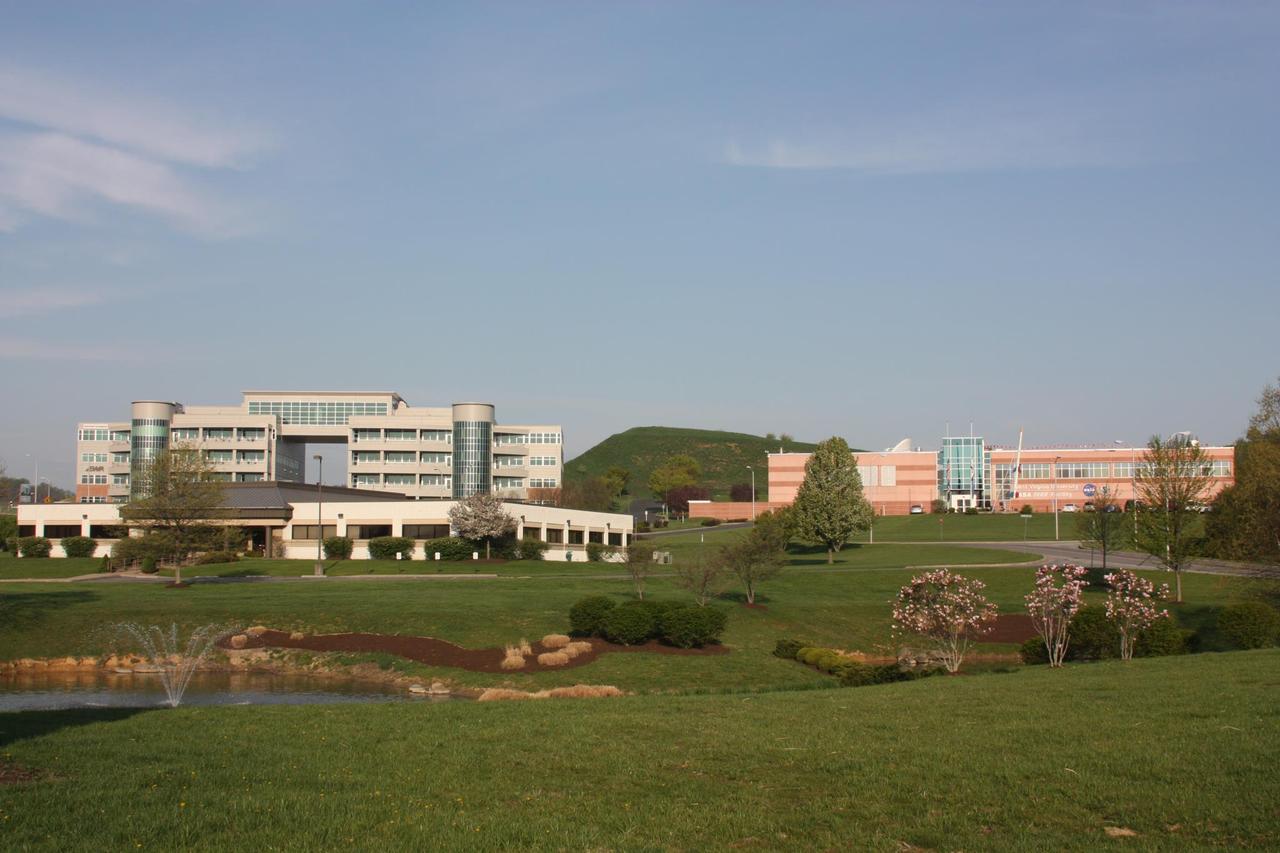
NASA's Katherine Johnson Independent Verification and Validation Facility in Fairmont, West Virginia. Credit: NASA
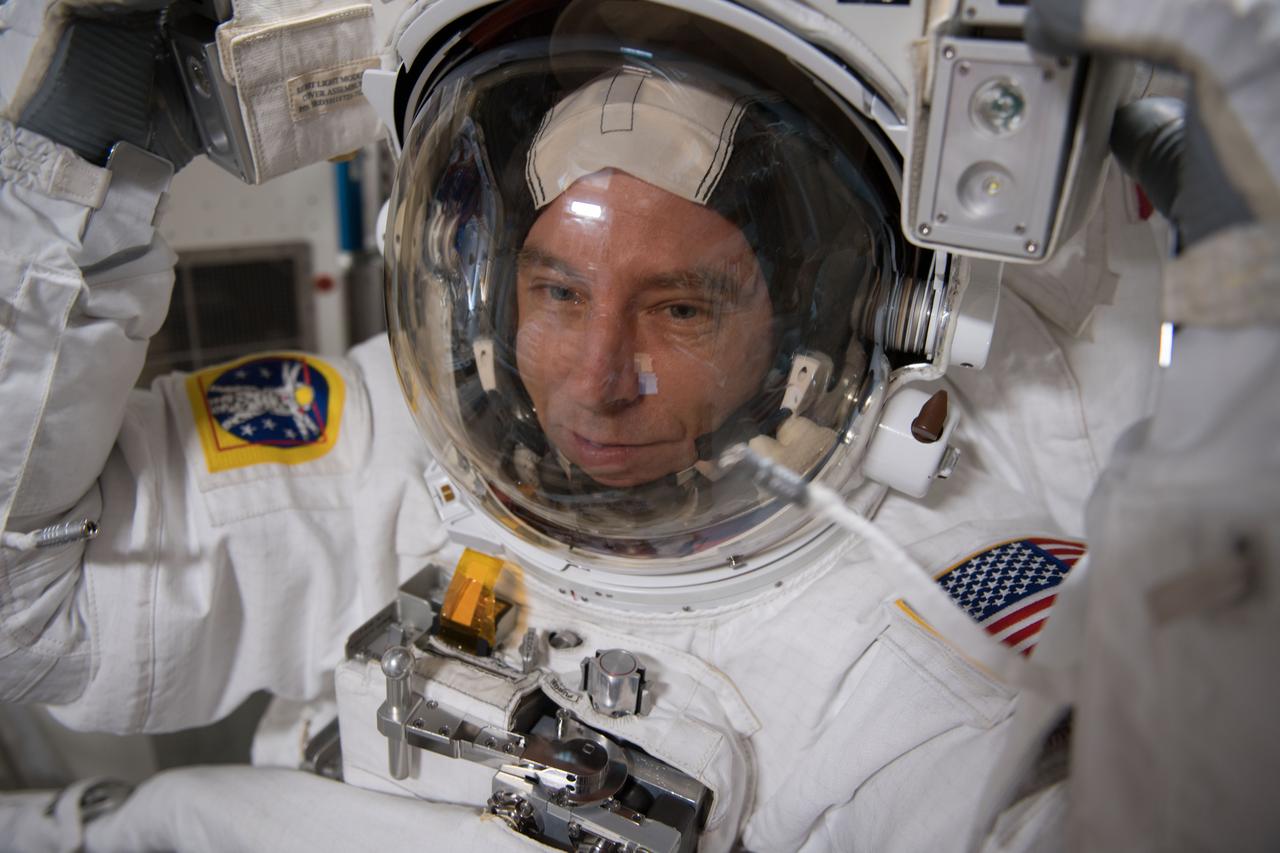
iss055e108824 (May 7, 2018) --- NASA astronaut Drew Feustel is suited up inside his U.S. spacesuit for a fit check verification ahead of a spacewalk that took place May 16, 2016.
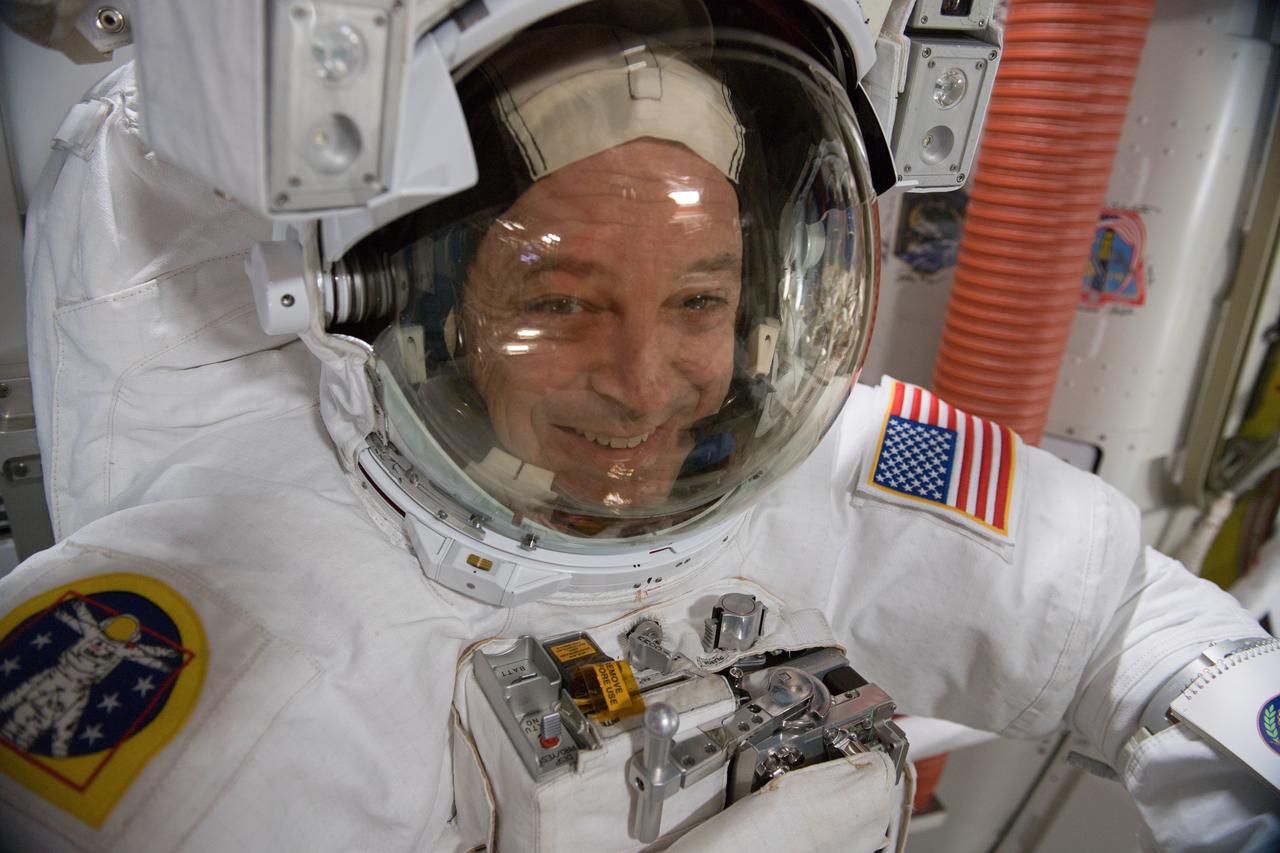
iss055e108820 (May 7, 2018) --- NASA astronaut Ricky Arnold is suited up inside his U.S. spacesuit for a fit check verification ahead of a spacewalk that took place May 16, 2016.
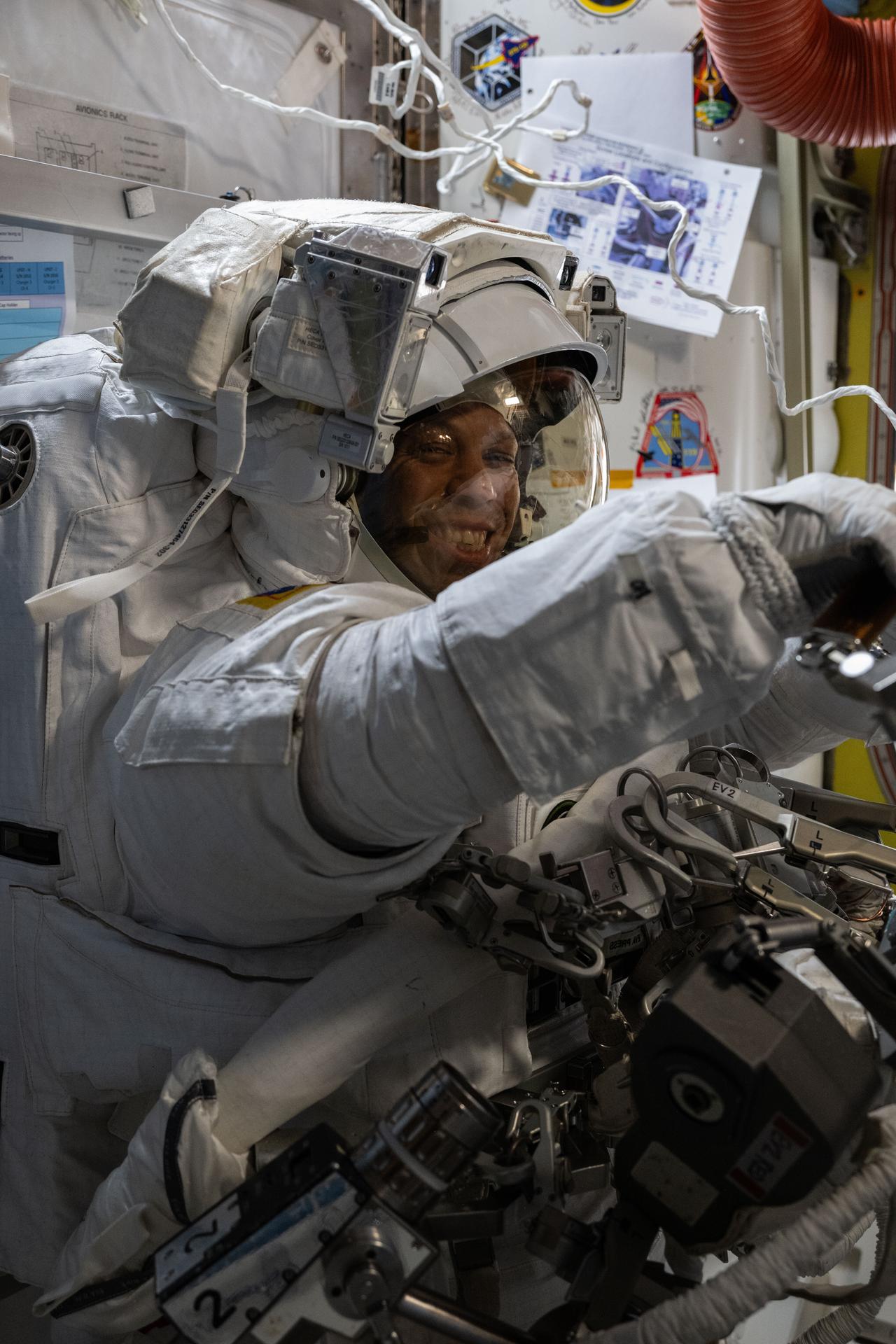
iss074e0009033 (Jan. 2, 2025) --- NASA astronaut and Expedition 74 crew member Chris Williams smiles for the camera during a spacesuit fit verification inside the International Space Station’s Quest airlock. Officially called the On-Orbit Fit Verification, this procedure confirms that the spacesuit is airtight and properly configured, assesses comfort and mobility, and helps prevent potential safety risks. Credit: NASA/Zena Cardman
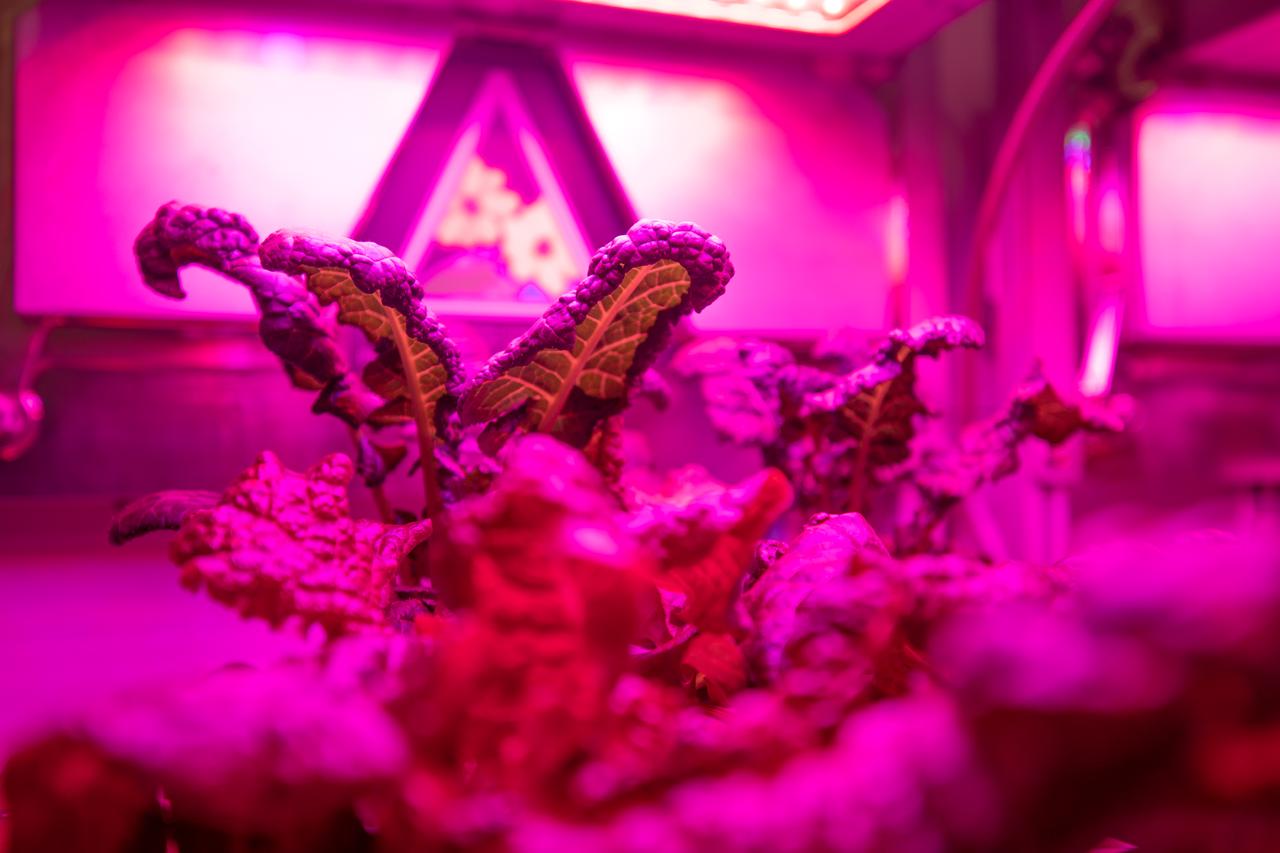
Three crops grown under a test condition representative of the International Space Station are photographed moments before harvest for a science verification test (SVT) in the Space Station Processing Facility at NASA’s Kennedy Space Center in Florida on Sept. 30, 2019. The SVT will study the potential of the three plant cultivars to grow in space. The harvest included ‘outredgeous’ red romaine lettuce, which has been grown in space before, and two new plant cultivars – amara mustard and shungiku, an Asian green comparable to an edible chrysanthemum. All three lettuce plants were grown from seed film, making this the first SVT with this new plant growth material. Earlier this year, the amara mustard and shungiku plants were grown for the first time using seed bags – referred to as pillows – during the Sustained Veggie project, a study funded by the Human Research Program.
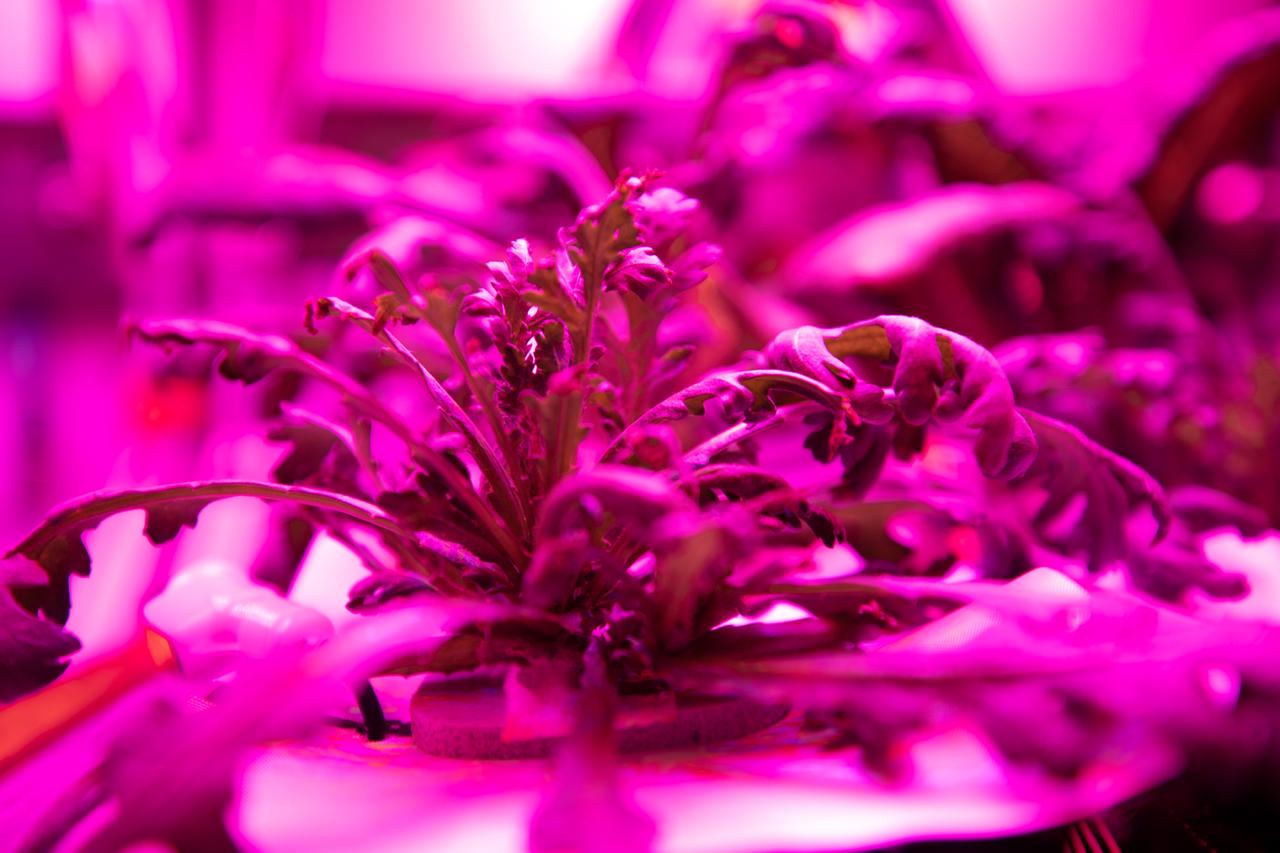
Three crops grown under a test condition representative of the International Space Station are photographed moments before harvest for a science verification test (SVT) in the Space Station Processing Facility at NASA’s Kennedy Space Center in Florida on Sept. 30, 2019. The SVT will study the potential of the three plant cultivars to grow in space. The harvest included ‘outredgeous’ red romaine lettuce, which has been grown in space before, and two new plant cultivars – amara mustard and shungiku, an Asian green comparable to an edible chrysanthemum. All three lettuce plants were grown from seed film, making this the first SVT with this new plant growth material. Earlier this year, the amara mustard and shungiku plants were grown for the first time using seed bags – referred to as pillows – during the Sustained Veggie project, a study funded by the Human Research Program.
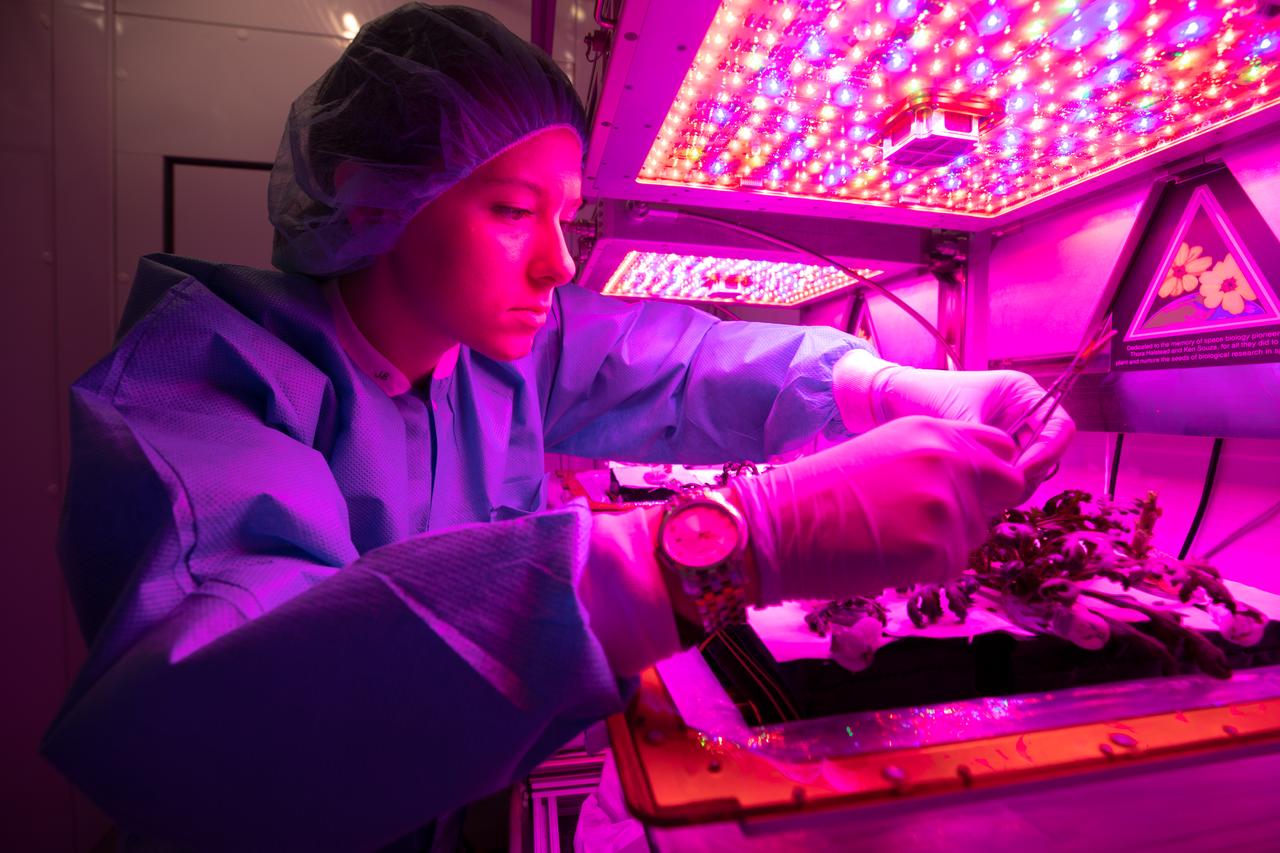
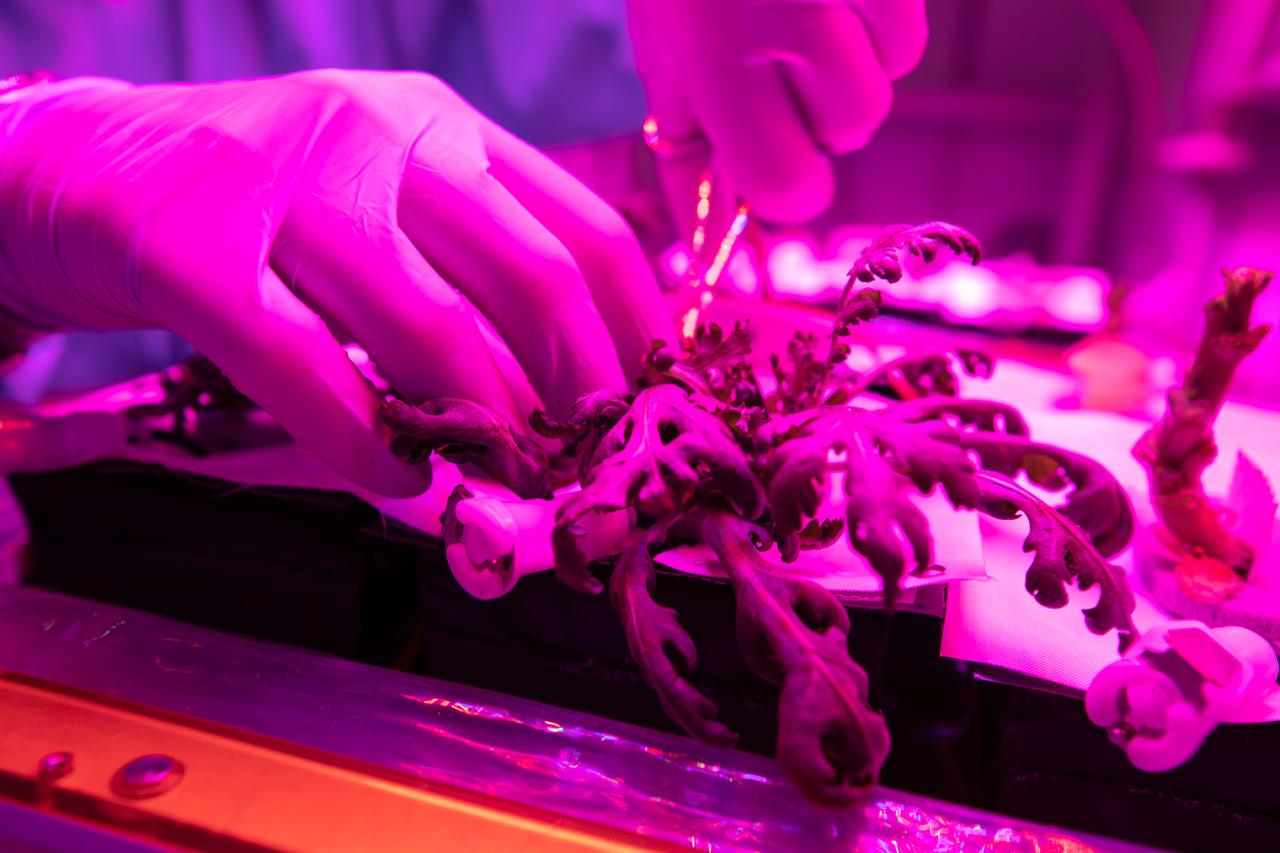
Jess Bunchek, an associate scientist at NASA’s Kennedy Space Center in Florida, harvests shungiku – an Asian green comparable to an edible chrysanthemum – inside the Veggie growth chamber in the Space Station Processing Facility on Sept. 30, 2019, for a science verification test (SVT). The SVT included the harvest of two other plant cultivars – amara mustard and ‘outredgeous’ red romaine lettuce – and will study their potential to grow in space. All three lettuce plants were grown from seed film, making this the first SVT with this new plant growth material. Earlier this year, the amara mustard and shungiku plants were grown for the first time using seed bags – referred to as pillows – during the Sustained Veggie project, a study funded by the Human Research Program.
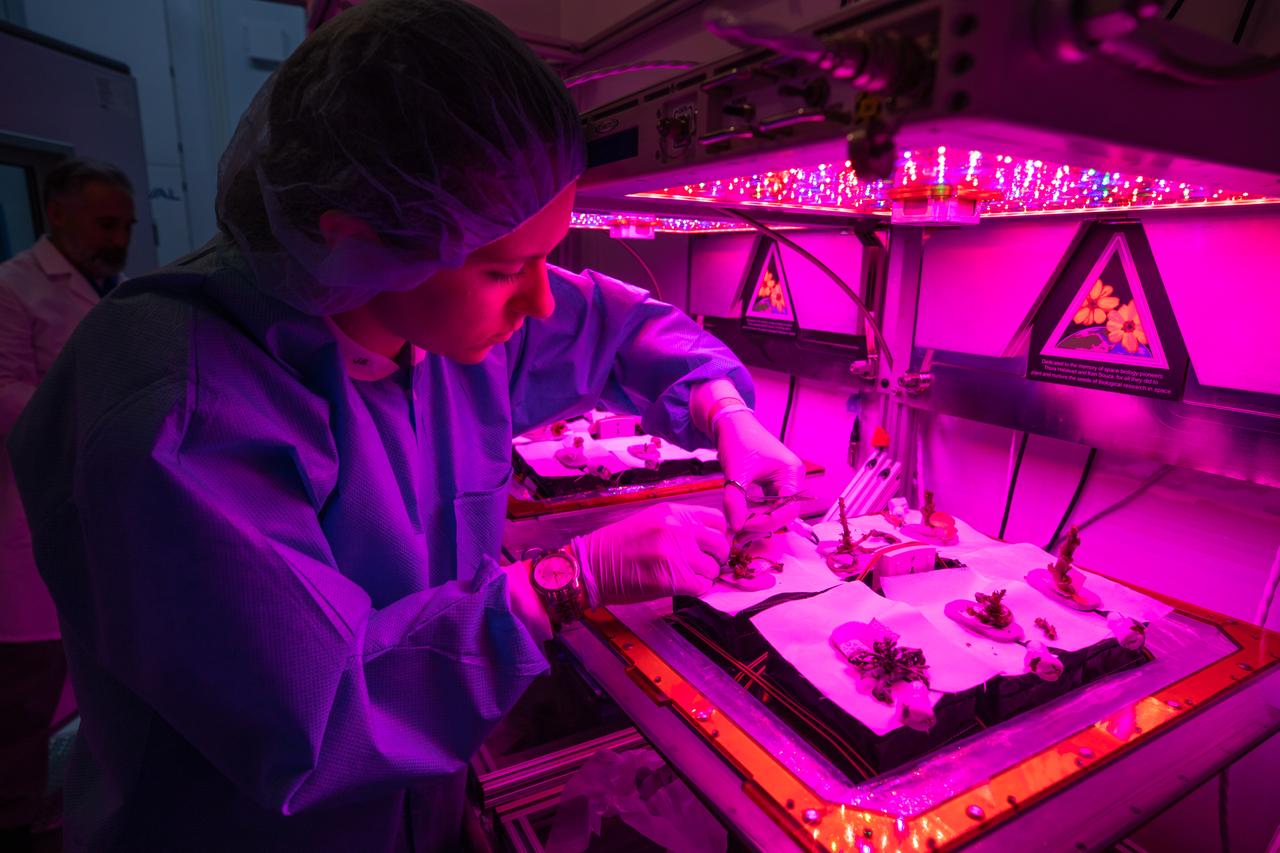
Jess Bunchek, an associate scientist at NASA’s Kennedy Space Center in Florida, harvests plant cultivars inside the Veggie growth chamber in the Space Station Processing Facility on Sept. 30, 2019, for a science verification test (SVT). This SVT will study the potential of three plants – amara mustard, ‘outredgeous’ red romaine lettuce and shungiku, an Asian green comparable to an edible chrysanthemum – to grow in space. All three lettuce plants were grown from seed film, making this the first SVT with this new plant growth material. Earlier this year, the amara mustard and shungiku plants were grown for the first time using seed bags – referred to as pillows – during the Sustained Veggie project, a study funded by the Human Research Program.
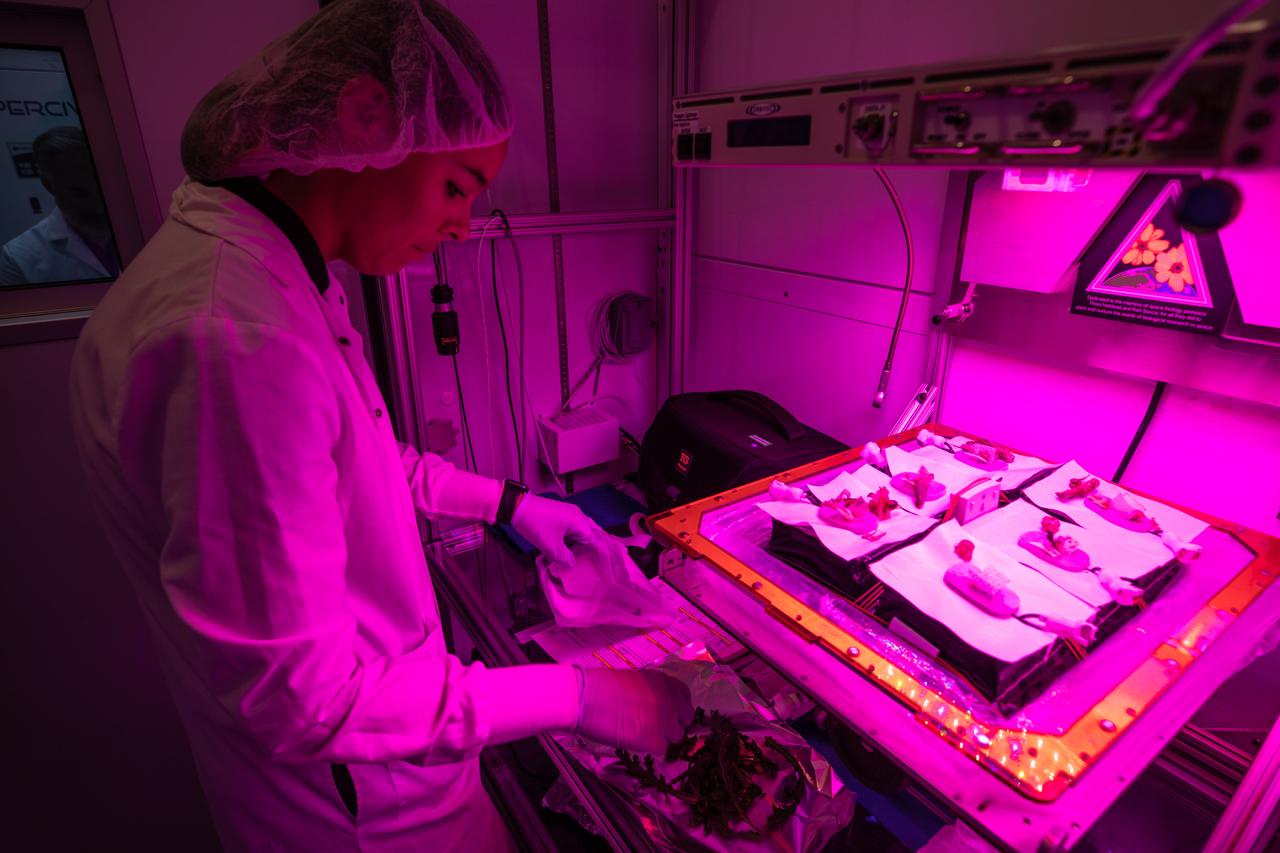
Test crops are harvested inside the Veggie growth chamber in the Space Station Processing Facility at NASA’s Kennedy Space Center in Florida on Sept. 30, 2019, for a science verification test (SVT) to study their potential to grow in space. The harvest included ‘outredgeous’ red romaine lettuce, which has been grown in space before, and two new plant cultivars – amara mustard and shungiku, an Asian green comparable to an edible chrysanthemum. All three lettuce plants were grown from seed film, making this the first SVT with this new plant growth material. Earlier this year, the amara mustard and shungiku plants were grown for the first time using seed bags – referred to as pillows – during the Sustained Veggie project, a study funded by the Human Research Program.
Kennedy Space Center employee Anna Maria Ruby harvests plant cultivars inside the Veggie growth chamber in the Space Station Processing Facility on Sept. 30, 2019, for a science verification test (SVT). This SVT will study the potential of three plants – amara mustard, ‘outredgeous’ red romaine lettuce and shungiku, an Asian green comparable to an edible chrysanthemum – to grow in space. All three lettuce plants were grown from seed film, making this the first SVT with this new plant growth material. Earlier this year, the amara mustard and shungiku plants were grown for the first time using seed bags – referred to as pillows – during the Sustained Veggie project, a study funded by the Human Research Program.
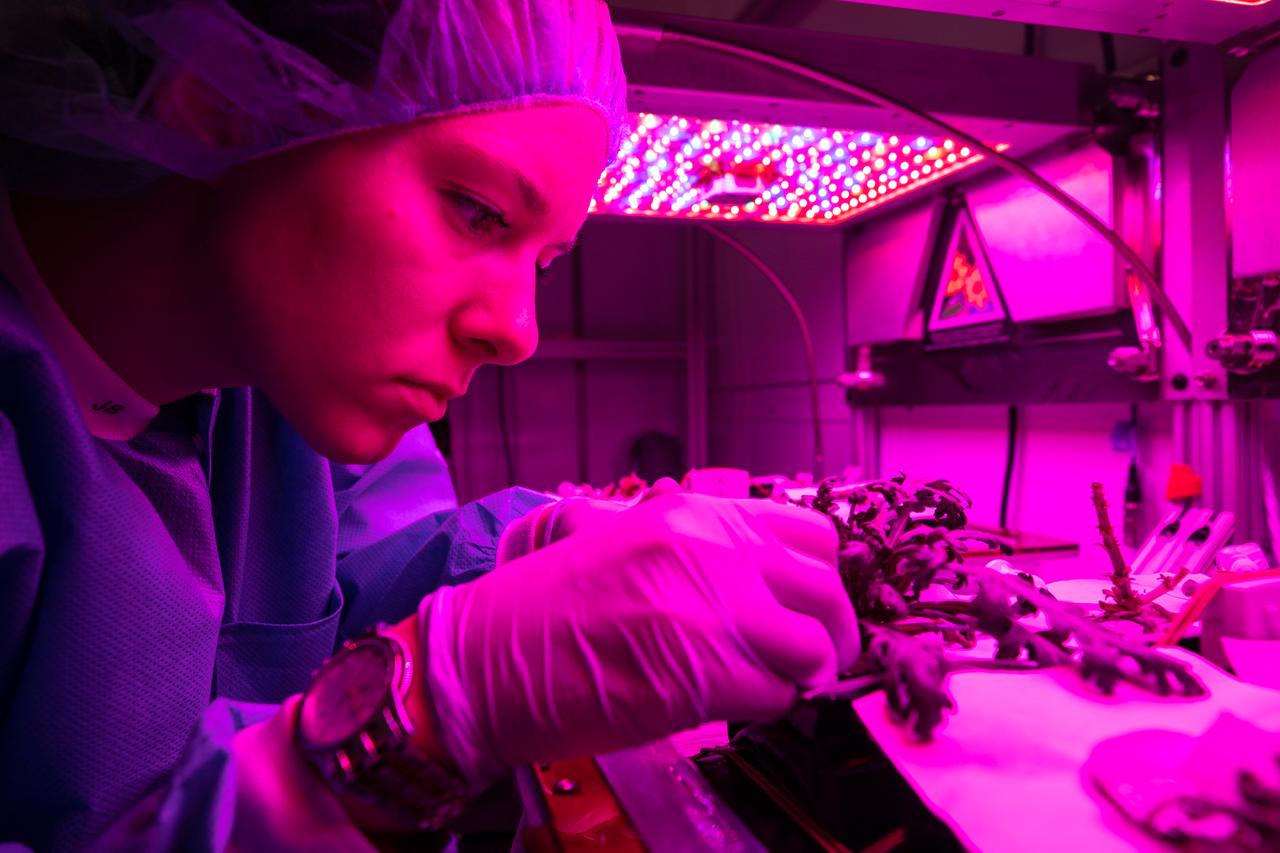
Jess Bunchek, an associate scientist at NASA’s Kennedy Space Center in Florida, harvests plant cultivars inside the Veggie growth chamber in the Space Station Processing Facility on Sept. 30, 2019, for a science verification test (SVT). This SVT will study the potential of three plants – amara mustard, ‘outredgeous’ red romaine lettuce and shungiku, an Asian green comparable to an edible chrysanthemum – to grow in space. All three lettuce plants were grown from seed film, making this the first SVT with this new plant growth material. Earlier this year, the amara mustard and shungiku plants were grown for the first time using seed bags – referred to as pillows – during the Sustained Veggie project, a study funded by the Human Research Program.
Kennedy Space Center Veggie Project Manager Trent Smith harvests test crops inside the Veggie growth chamber in the Florida spaceport’s Space Station Processing Facility on Sept. 30, 2019, for a science verification test (SVT) to study their potential to grown in space. The harvest included ‘outredgeous’ red romaine lettuce, which has been grown in space before, and two new plant cultivars – amara mustard and shungiku, an Asian green comparable to an edible chrysanthemum. All three lettuce plants were grown from seed film, making this the first SVT with this new plant growth material. Earlier this year, the amara mustard and shungiku plants were grown for the first time using seed bags – referred to as pillows – during the Sustained Veggie project, a study funded by the Human Research Program.
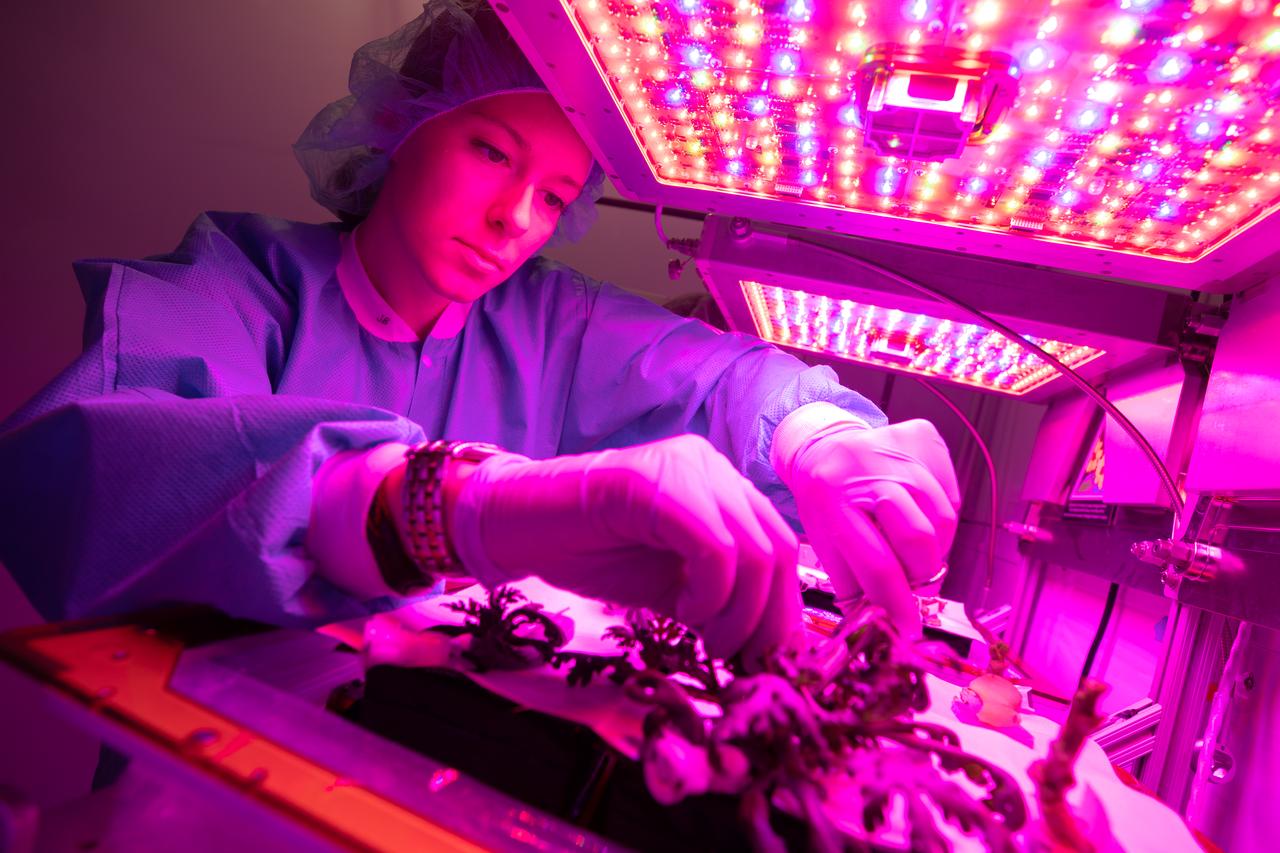
Jess Bunchek, an associate scientist at NASA’s Kennedy Space Center in Florida, harvests shungiku – an Asian green comparable to an edible chrysanthemum – inside the Veggie growth chamber in the Space Station Processing Facility on Sept. 30, 2019, for a science verification test (SVT). The SVT included the harvest of two other plant cultivars – amara mustard and ‘outredgeous’ red romaine lettuce – and will study their potential to grow in space. All three lettuce plants were grown from seed film, making this the first SVT with this new plant growth material. Earlier this year, the amara mustard and shungiku plants were grown for the first time using seed bags – referred to as pillows – during the Sustained Veggie project, a study funded by the Human Research Program.
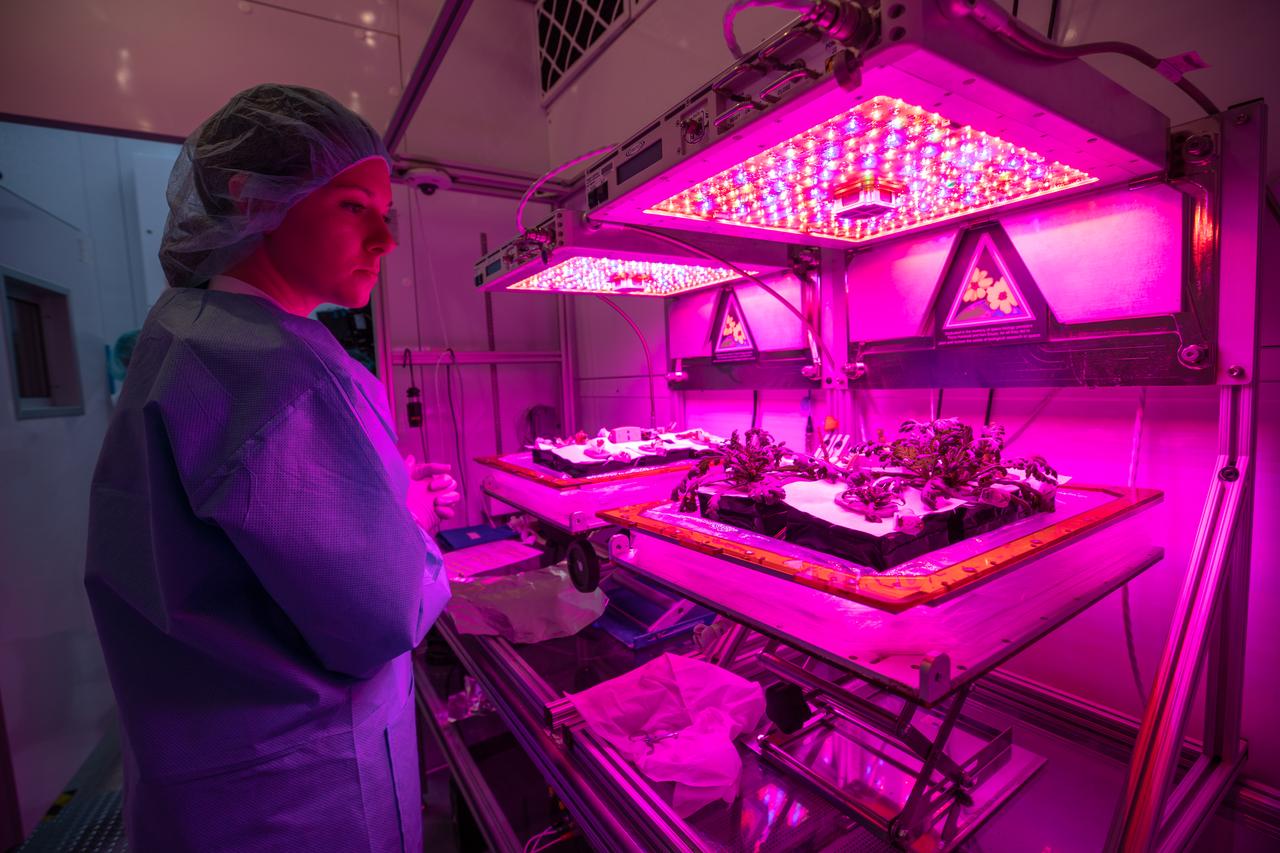
Jess Bunchek, an associate scientist at NASA’s Kennedy Space Center in Florida, observes plant cultivars inside the Veggie growth chamber in the Space Station Processing Facility prior to harvesting them on Sept. 30, 2019, for a science verification test (SVT). This SVT will study the potential of three plants – amara mustard, ‘outredgeous’ red romaine lettuce and shungiku, an Asian green comparable to an edible chrysanthemum – to grow in space. All three lettuce plants were grown from seed film, making this the first SVT with this new plant growth material. Earlier this year, the amara mustard and shungiku plants were grown for the first time using seed bags – referred to as pillows – during the Sustained Veggie project, a study funded by the Human Research Program.
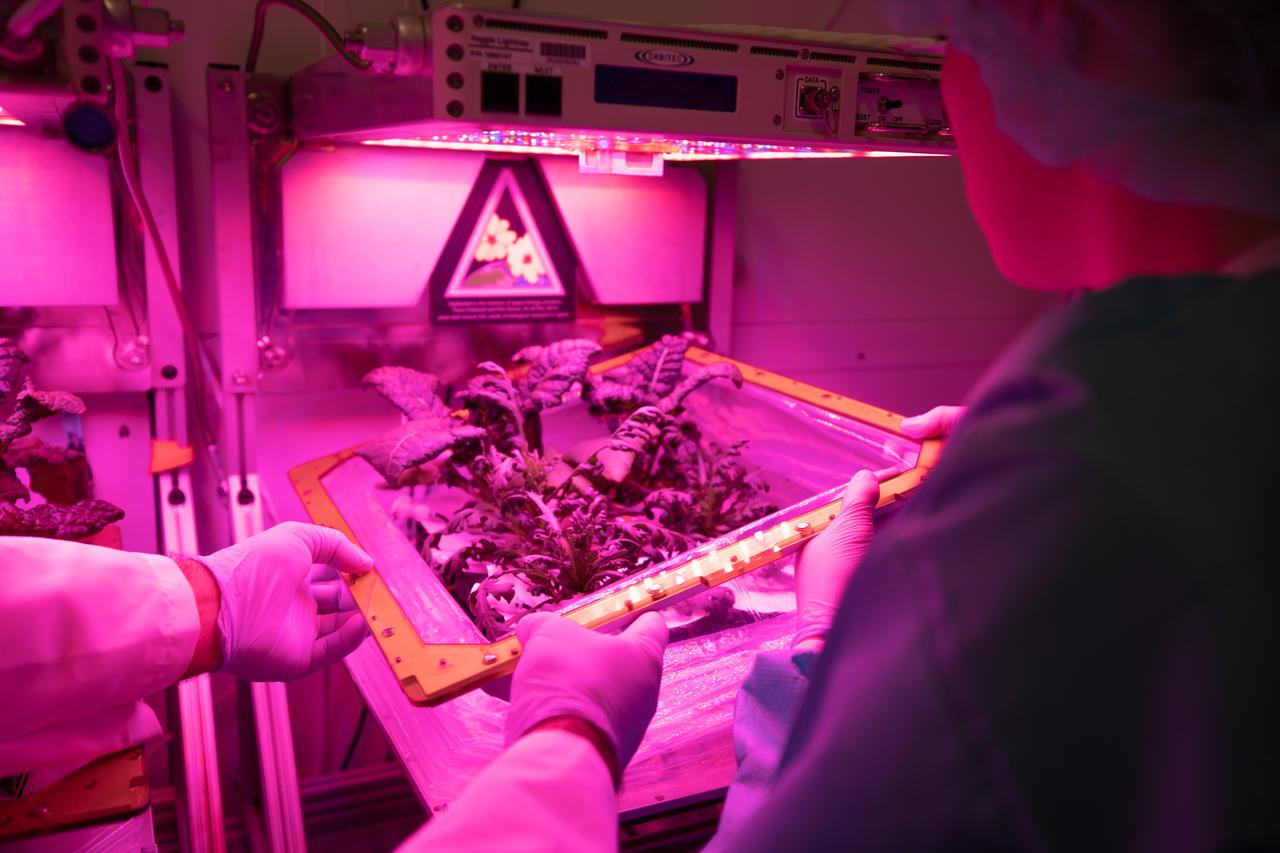
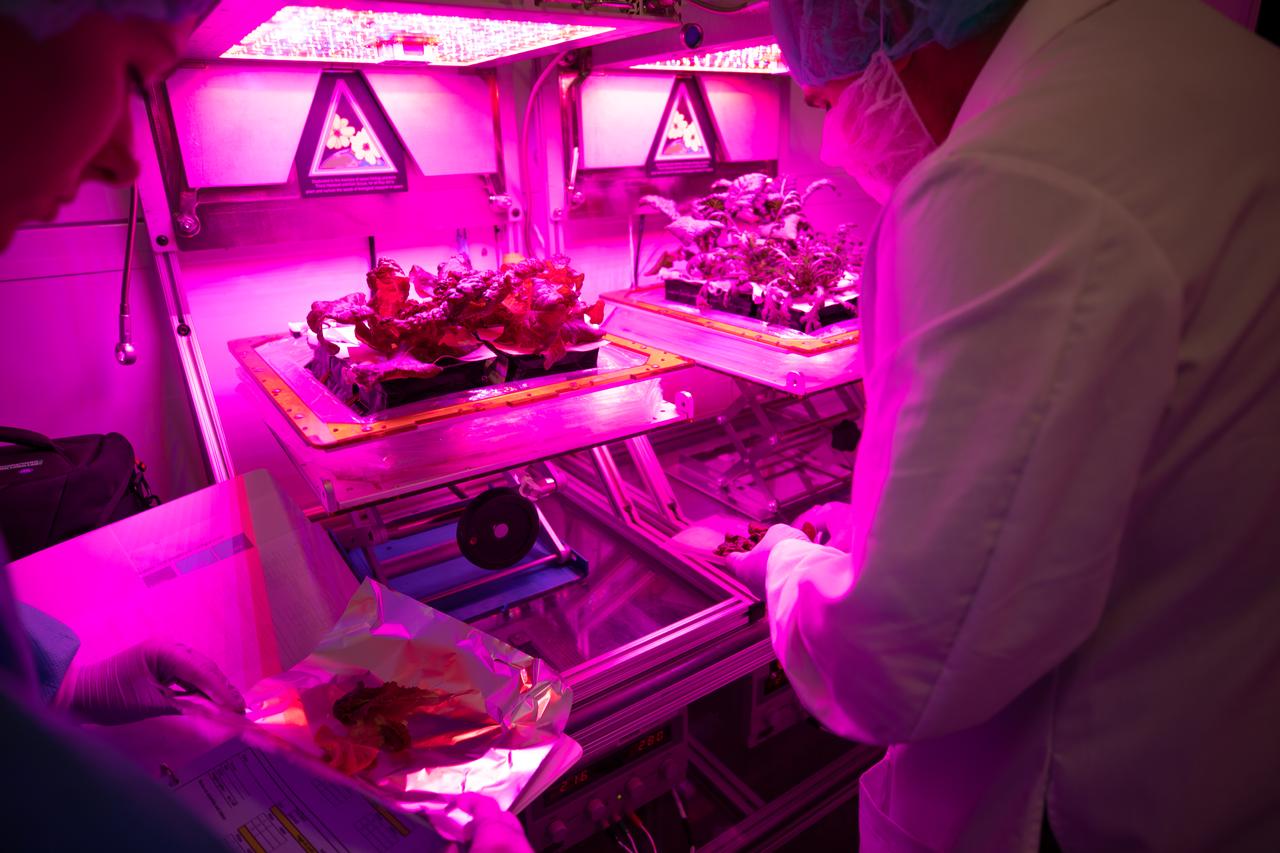
Kennedy Space Center employees harvest test crops inside the Veggie growth chamber in the Florida spaceport’s Space Station Processing Facility on Sept. 30, 2019, for a science verification test (SVT) to study their potential to grown in space. The harvest included ‘outredgeous’ red romaine lettuce, which has been grown in space before, and two new plant cultivars – amara mustard and shungiku, an Asian green comparable to an edible chrysanthemum. All three lettuce plants were grown from seed film, making this the first SVT with this new plant growth material. Earlier this year, the amara mustard and shungiku plants were grown for the first time using seed bags – referred to as pillows – during the Sustained Veggie project, a study funded by the Human Research Program.
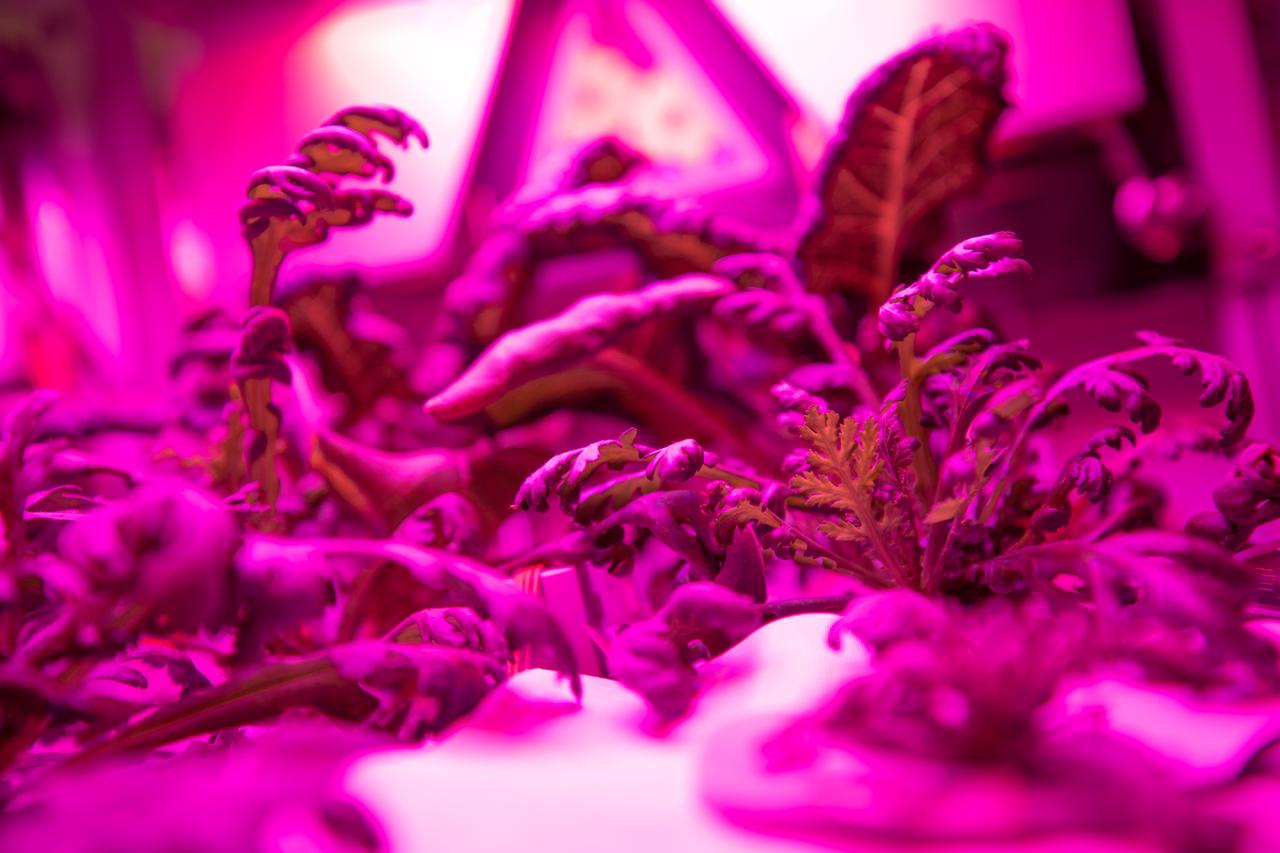
Three crops grown under a test condition representative of the International Space Station are photographed moments before harvest for a science verification test (SVT) in the Space Station Processing Facility at NASA’s Kennedy Space Center in Florida on Sept. 30, 2019. The SVT will study the potential of the three plant cultivars to grow in space. The harvest included ‘outredgeous’ red romaine lettuce, which has been grown in space before, and two new plant cultivars – amara mustard and shungiku, an Asian green comparable to an edible chrysanthemum. All three lettuce plants were grown from seed film, making this the first SVT with this new plant growth material. Earlier this year, the amara mustard and shungiku plants were grown for the first time using seed bags – referred to as pillows – during the Sustained Veggie project, a study funded by the Human Research Program.
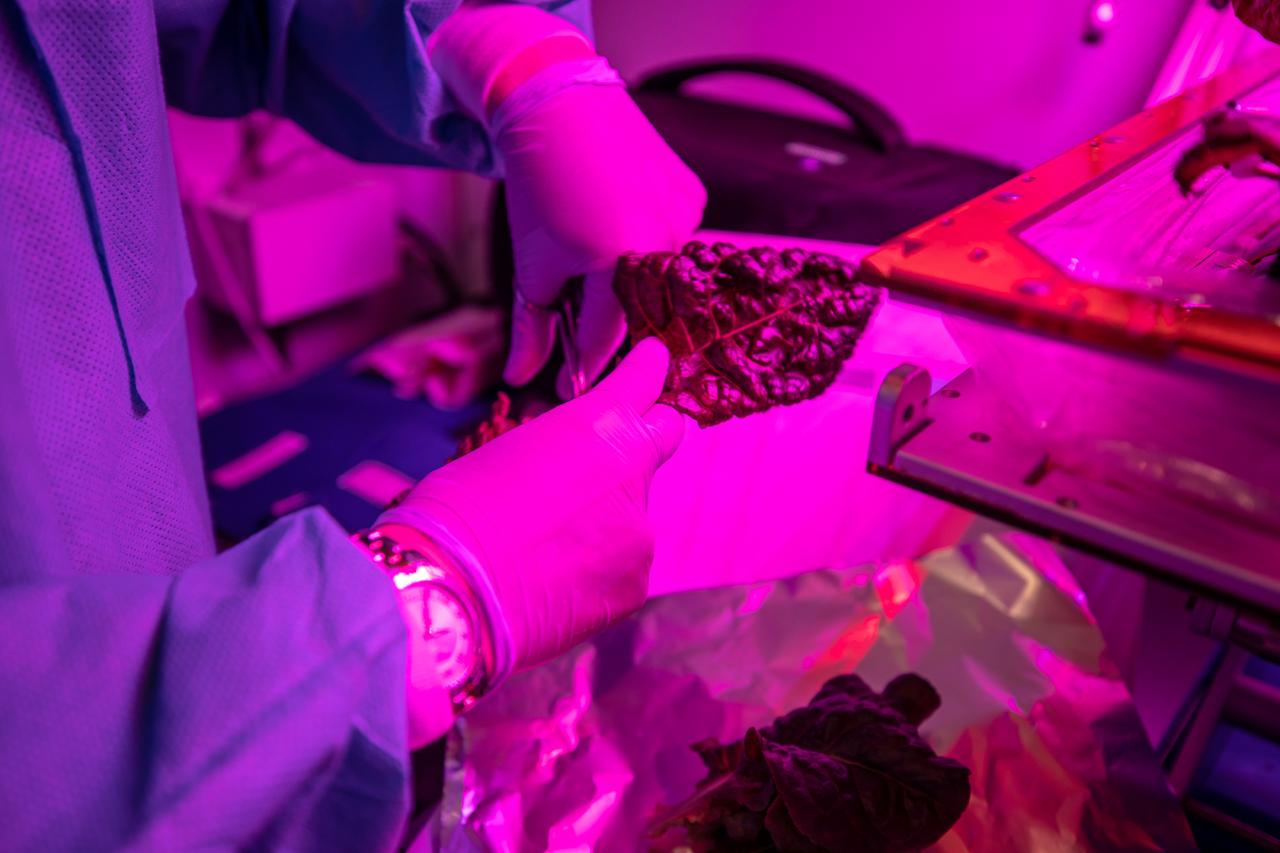
Test crops are harvested inside the Veggie growth chamber in the Space Station Processing Facility at NASA’s Kennedy Space Center in Florida on Sept. 30, 2019, for a science verification test (SVT) to study their potential to grow in space. The harvest included ‘outredgeous’ red romaine lettuce, which has been grown in space before, and two new plant cultivars – amara mustard and shungiku, an Asian green comparable to an edible chrysanthemum. All three lettuce plants were grown from seed film, making this the first SVT with this new plant growth material. Earlier this year, the amara mustard and shungiku plants were grown for the first time using seed bags – referred to as pillows – during the Sustained Veggie project, a study funded by the Human Research Program.
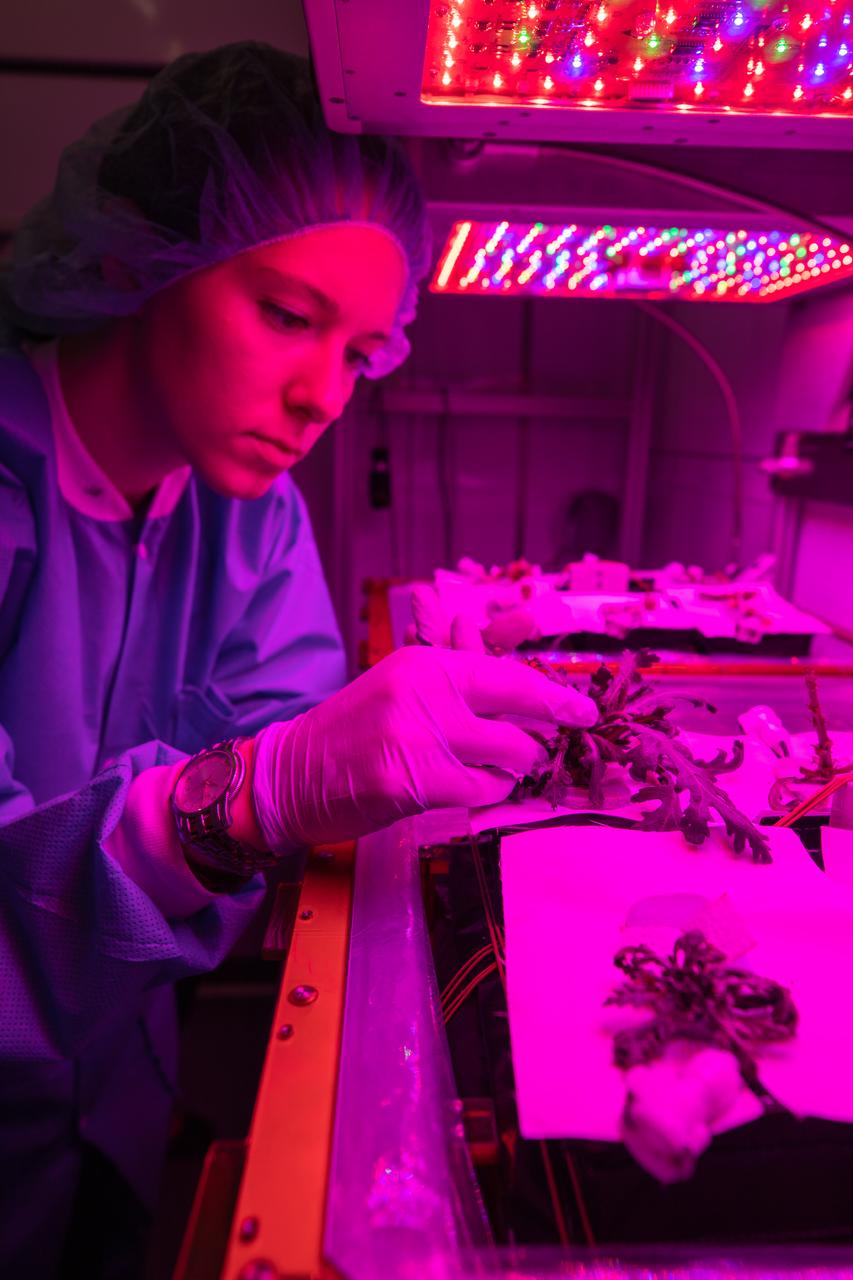
Jess Bunchek, an associate scientist at NASA’s Kennedy Space Center in Florida, harvests plant cultivars inside the Veggie growth chamber in the Space Station Processing Facility on Sept. 30, 2019, for a science verification test (SVT). This SVT will study the potential of three plants – amara mustard, ‘outredgeous’ red romaine lettuce and shungiku, an Asian green comparable to an edible chrysanthemum – to grow in space. All three lettuce plants were grown from seed film, making this the first SVT with this new plant growth material. Earlier this year, the amara mustard and shungiku plants were grown for the first time using seed bags – referred to as pillows – during the Sustained Veggie project, a study funded by the Human Research Program.
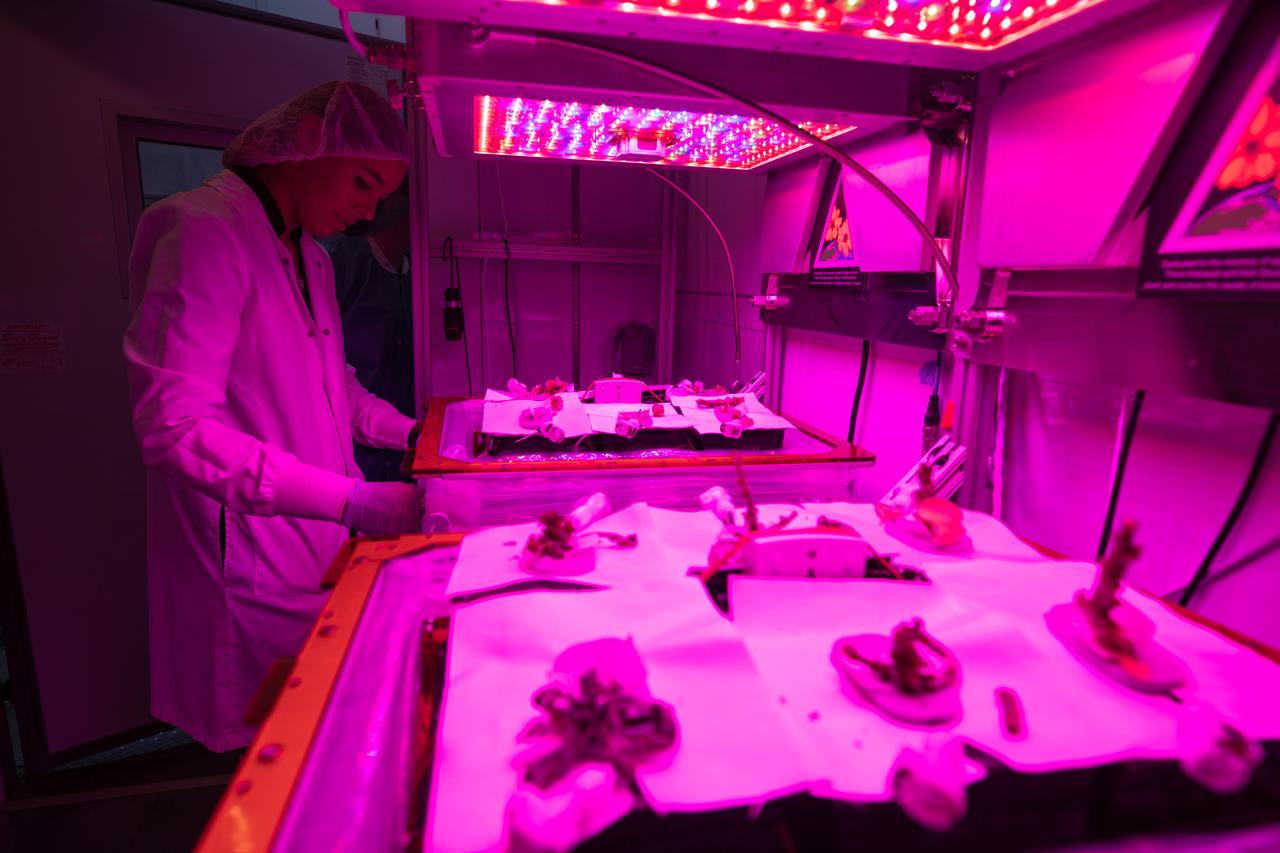
Kennedy Space Center employee Anna Maria Ruby observes plant cultivars inside the Veggie growth chamber in the Space Station Processing Facility prior to harvesting them on Sept. 30, 2019, for a science verification test (SVT). This SVT will study the potential of three plants – amara mustard, ‘outredgeous’ red romaine lettuce and shungiku, an Asian green comparable to an edible chrysanthemum – to grow in space. All three lettuce plants were grown from seed film, making this the first SVT with this new plant growth material. Earlier this year, the amara mustard and shungiku plants were grown for the first time using seed bags – referred to as pillows – during the Sustained Veggie project, a study funded by the Human Research Program.
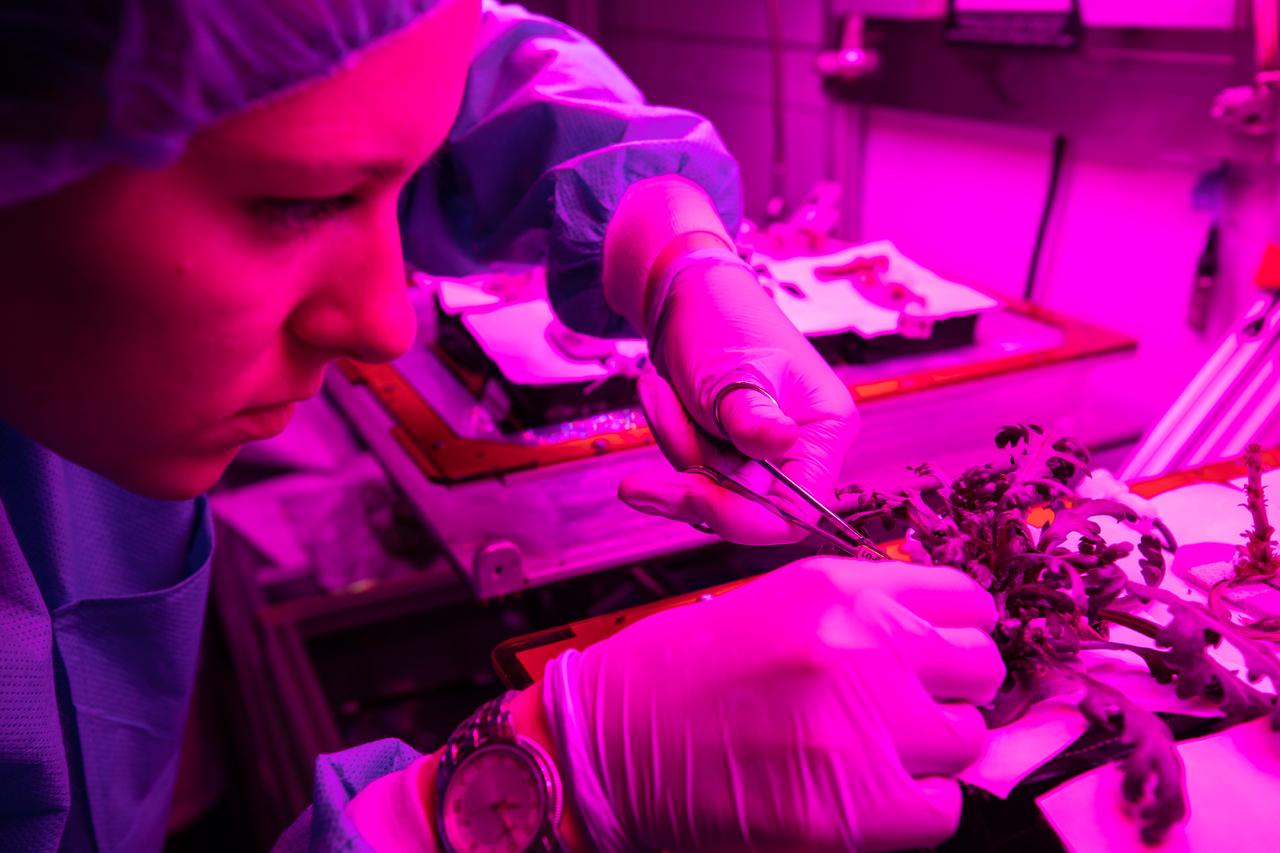
Jess Bunchek, an associate scientist at NASA’s Kennedy Space Center in Florida, harvests shungiku – an Asian green comparable to an edible chrysanthemum – inside the Veggie growth chamber in the Space Station Processing Facility on Sept. 30, 2019, for a science verification test (SVT). The SVT included the harvest of two other plant cultivars – amara mustard and ‘outredgeous’ red romaine lettuce – and will study their potential to grow in space. All three lettuce plants were grown from seed film, making this the first SVT with this new plant growth material. Earlier this year, the amara mustard and shungiku plants were grown for the first time using seed bags – referred to as pillows – during the Sustained Veggie project, a study funded by the Human Research Program.
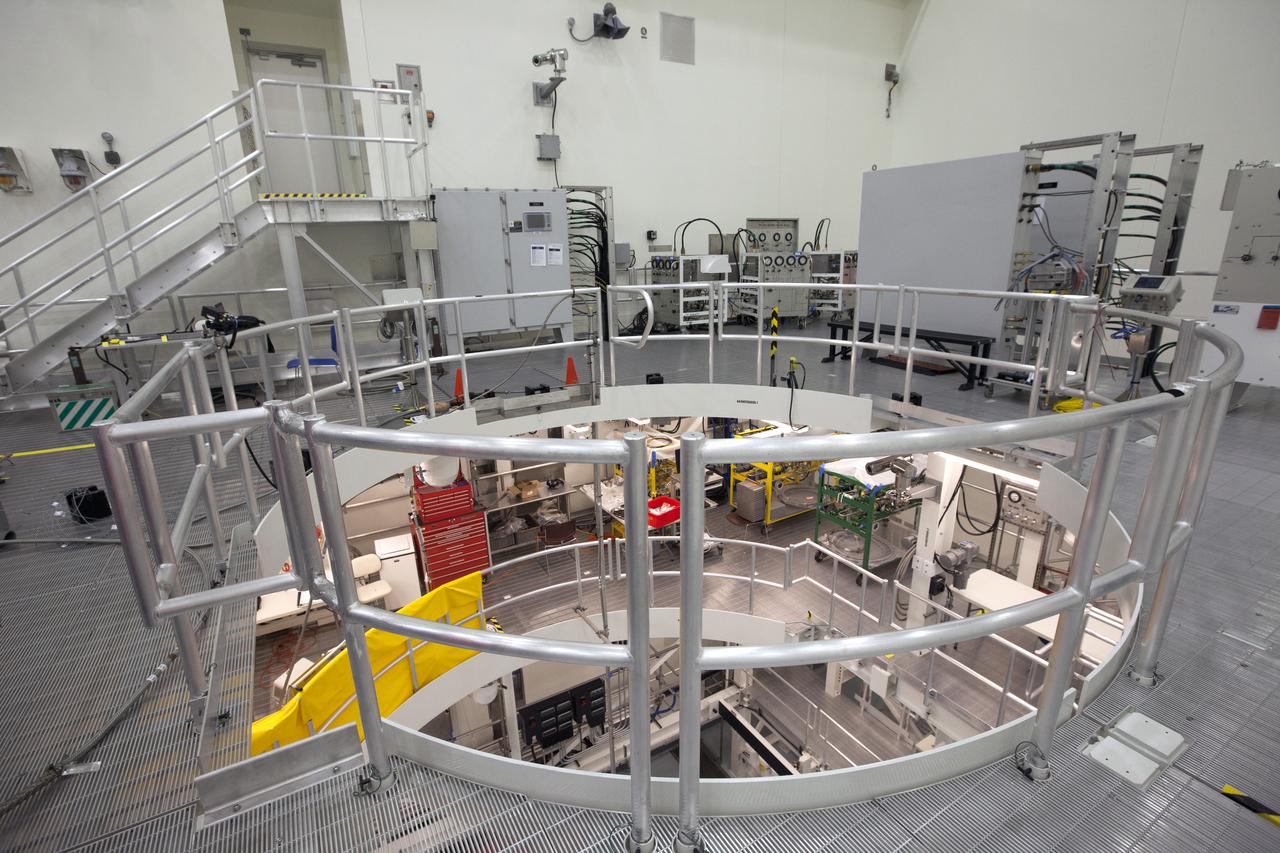
Engineers and technicians completed verification and validation testing of several pneumatic systems inside and outside the Multi-Payload Processing Facility (MPPF) at NASA's Kennedy Space Center in Florida. In view is the top level of the service platform for Orion spacecraft processing. The MPPF will be used for offline processing and fueling of the Orion spacecraft and service module stack before launch. Orion also will be de-serviced in the MPPF after a mission. The Ground Systems Development and Operations Program (GSDO) is overseeing upgrades to the facility. The Engineering Directorate led the recent pneumatic tests.
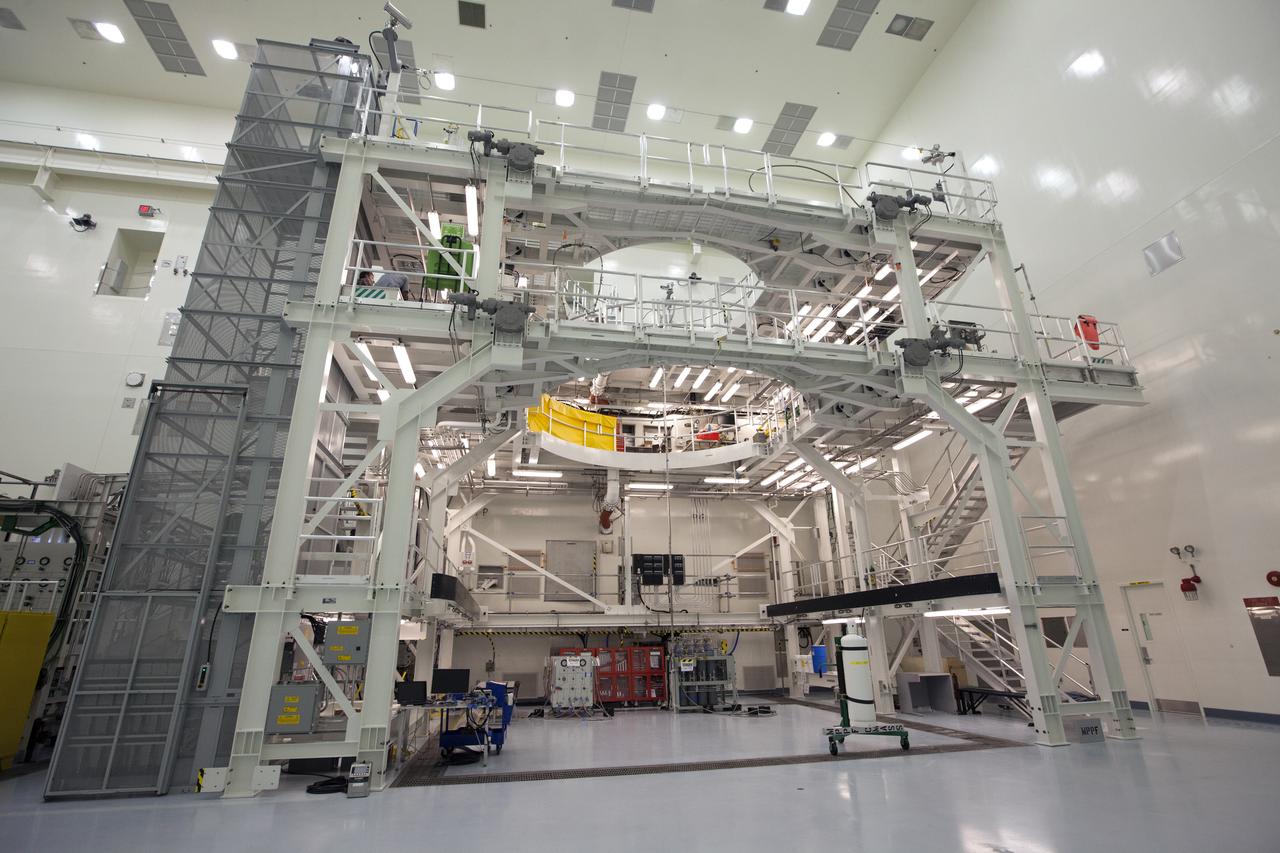
Engineers and technicians completed verification and validation testing of several pneumatic systems inside and outside the Multi-Payload Processing Facility (MPPF) at NASA's Kennedy Space Center in Florida. In view is the service platform for Orion spacecraft processing. The MPPF will be used for offline processing and fueling of the Orion spacecraft and service module stack before launch. Orion also will be de-serviced in the MPPF after a mission. The Ground Systems Development and Operations Program (GSDO) is overseeing upgrades to the facility. The Engineering Directorate led the recent pneumatic tests.
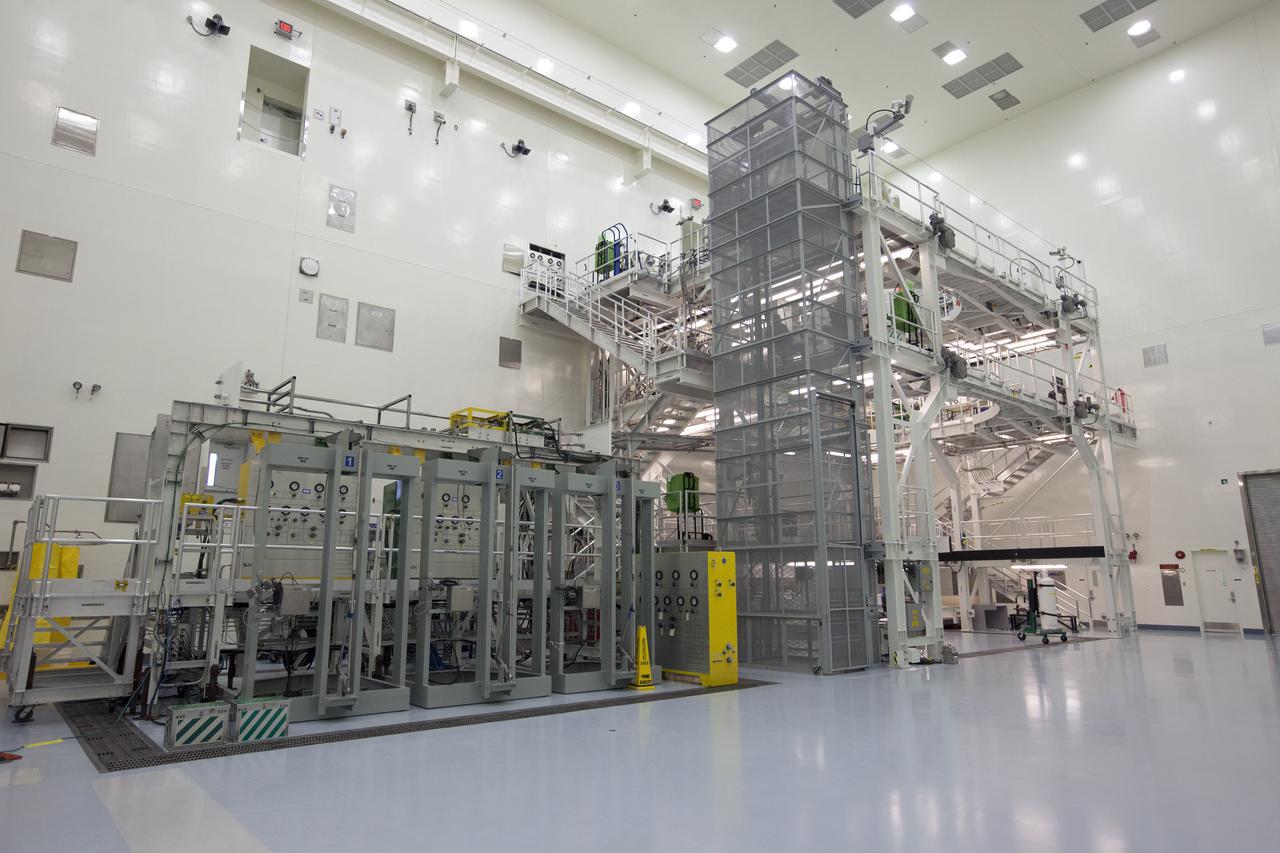
Engineers and technicians completed verification and validation testing of several pneumatic systems inside and outside the Multi-Payload Processing Facility (MPPF) at NASA's Kennedy Space Center in Florida. In view is the service platform for Orion spacecraft processing. To the left are several pneumatic panels. The MPPF will be used for offline processing and fueling of the Orion spacecraft and service module stack before launch. Orion also will be de-serviced in the MPPF after a mission. The Ground Systems Development and Operations Program (GSDO) is overseeing upgrades to the facility. The Engineering Directorate led the recent pneumatic tests.
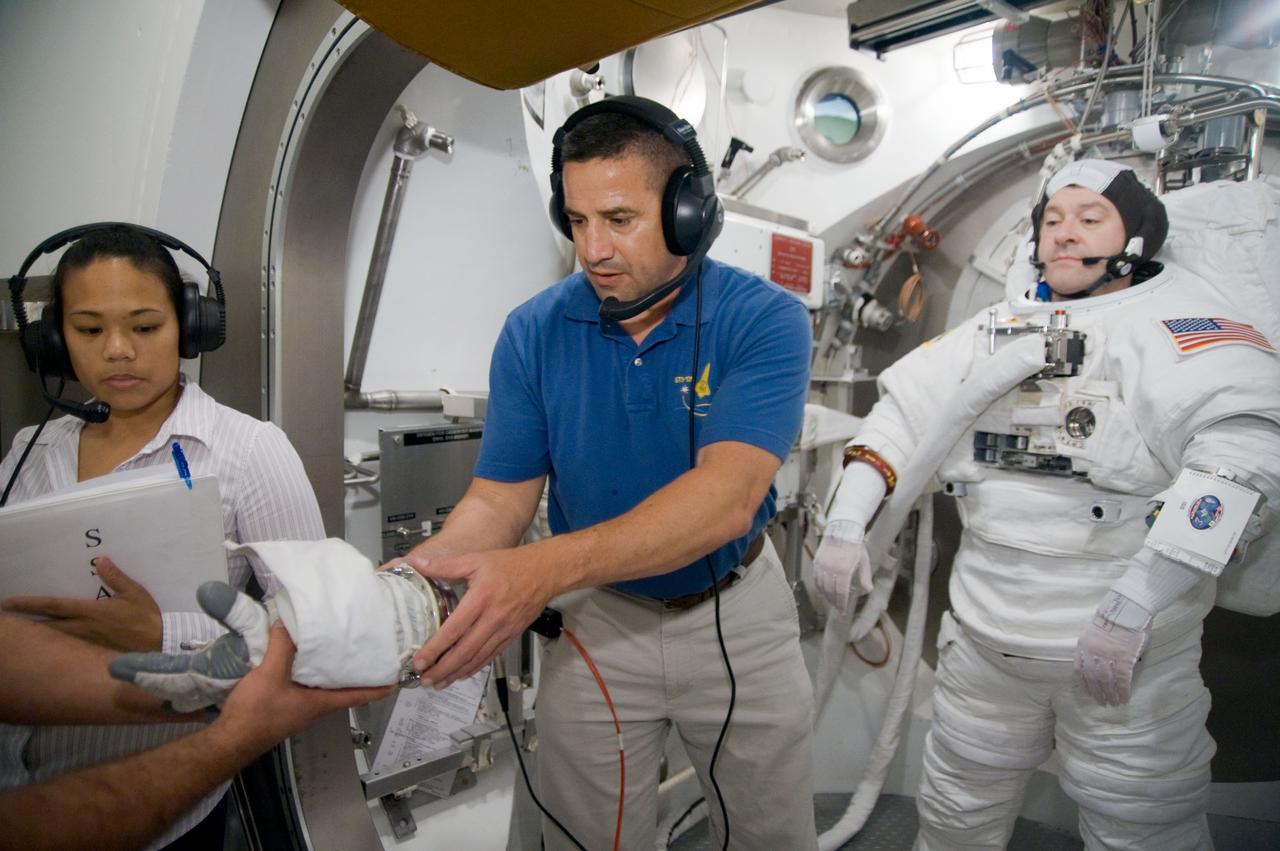
STS-130 astronaut Nick Patrick during dry run for SSATA Crew Training and EMU Verification for STS-130. Photo Date: October 29, 2009. Location: Building 7 - SSATA Chamber. Photographer: Robert Markowitz.
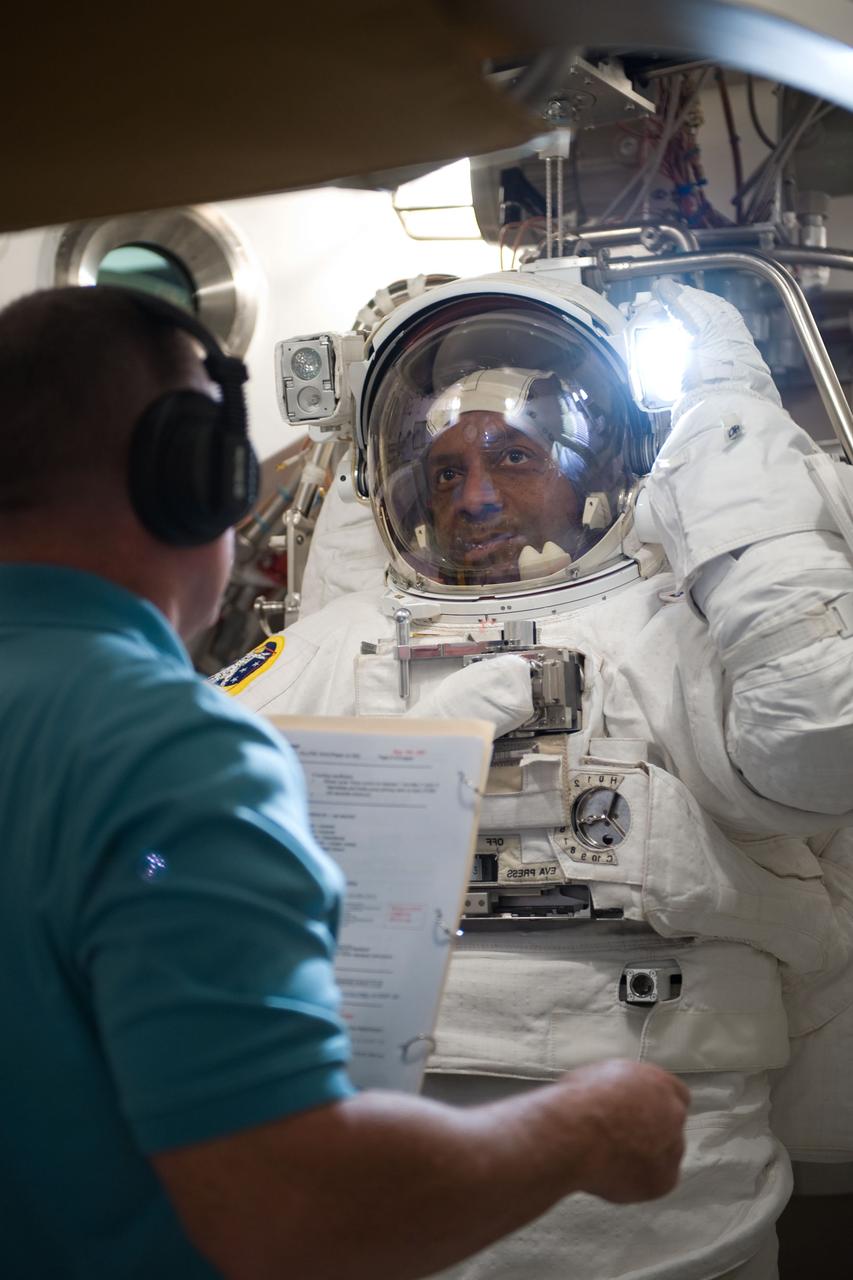
PHOTO DATE(S): 08/27/09 (Satcher) @ 0900 LOCATION: Bldg 7/SSATA Chamber SUBJECT: SSATA Crew Training and EMU Verification for STS-129 crew member Robert Satcher during suited dry run. Test Director: Cristina Anchondo. PHOTOGRAPHER: BLAIR

SSATA Crew Training and EMU Verification for STS-128 crew member Danny Olivas during suited dry run. Test Directors: Cristina Anchondo and Laura Campbell. Photo Date: April 22, 2009. Location: Building 7 - SSATA Chamber. Photographer: Robert Markowitz
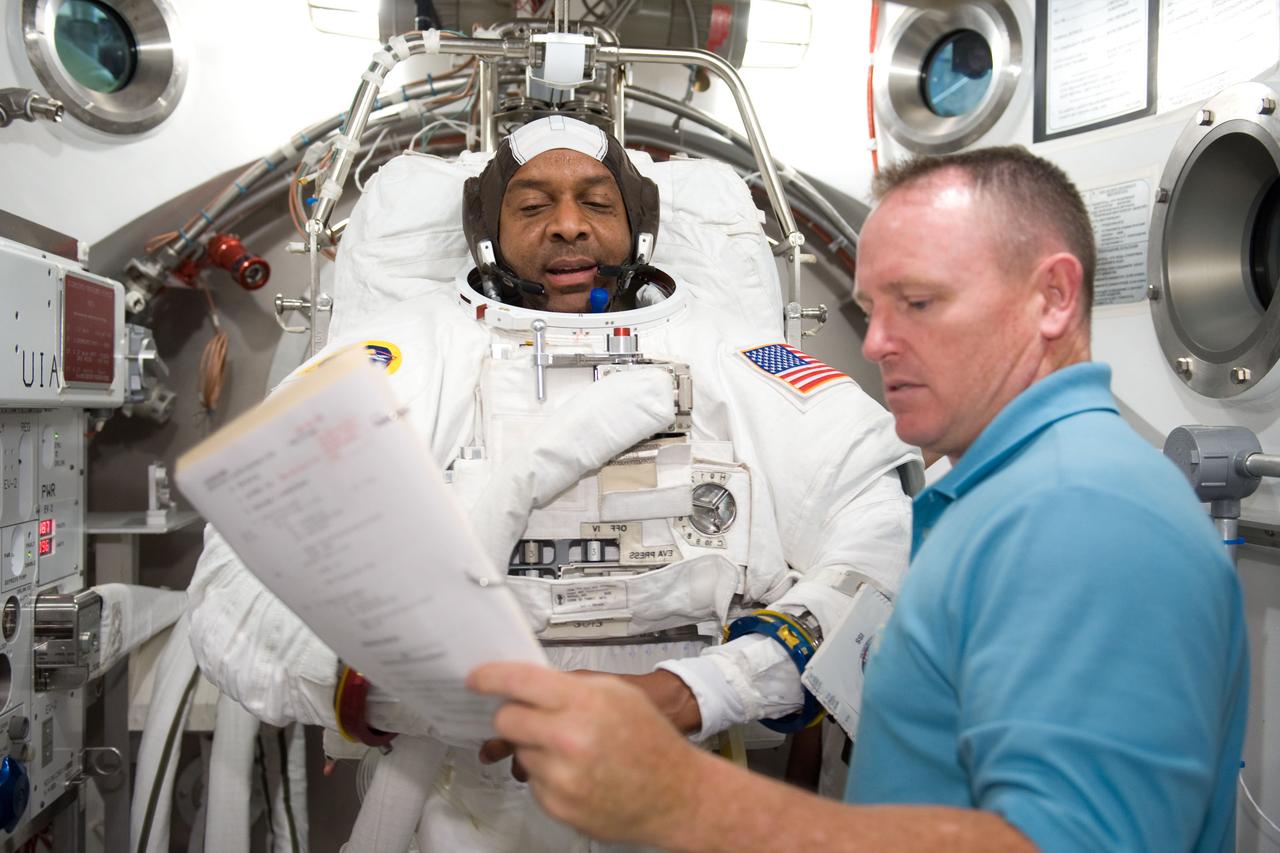
PHOTO DATE(S): 08/27/09 (Satcher) @ 0900 LOCATION: Bldg 7/SSATA Chamber SUBJECT: SSATA Crew Training and EMU Verification for STS-129 crew member Robert Satcher during suited dry run. Test Director: Cristina Anchondo. PHOTOGRAPHER: BLAIR
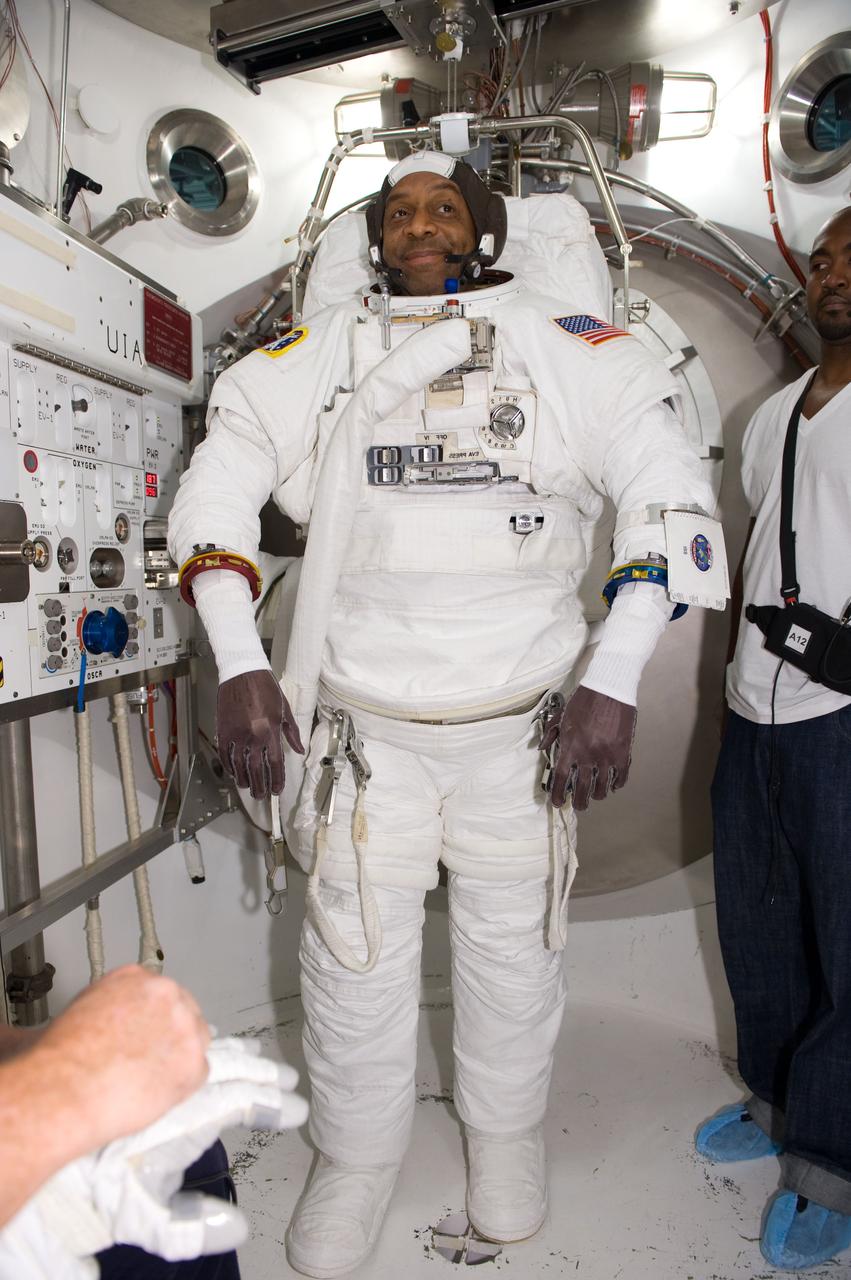
PHOTO DATE(S): 08/27/09 (Satcher) @ 0900 LOCATION: Bldg 7/SSATA Chamber SUBJECT: SSATA Crew Training and EMU Verification for STS-129 crew member Robert Satcher during suited dry run. Test Director: Cristina Anchondo. PHOTOGRAPHER: BLAIR
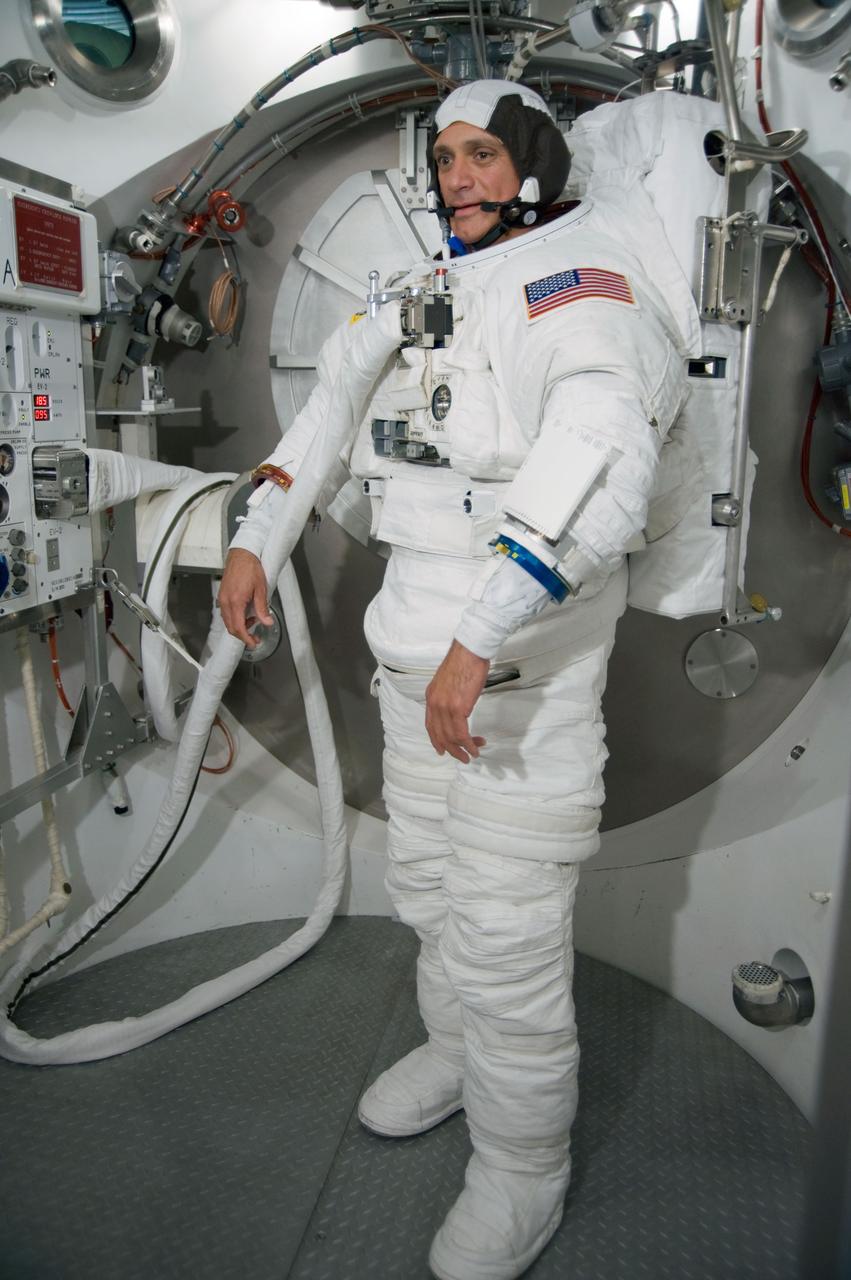
SSATA Crew Training and EMU Verification for STS-128 crew member Danny Olivas during suited dry run. Test Directors: Cristina Anchondo and Laura Campbell. Photo Date: April 22, 2009. Location: Building 7 - SSATA Chamber. Photographer: Robert Markowitz

SSATA Crew Training and EMU Verification for STS-128 crew member Danny Olivas during suited dry run. Test Directors: Cristina Anchondo and Laura Campbell. Photo Date: April 22, 2009. Location: Building 7 - SSATA Chamber. Photographer: Robert Markowitz
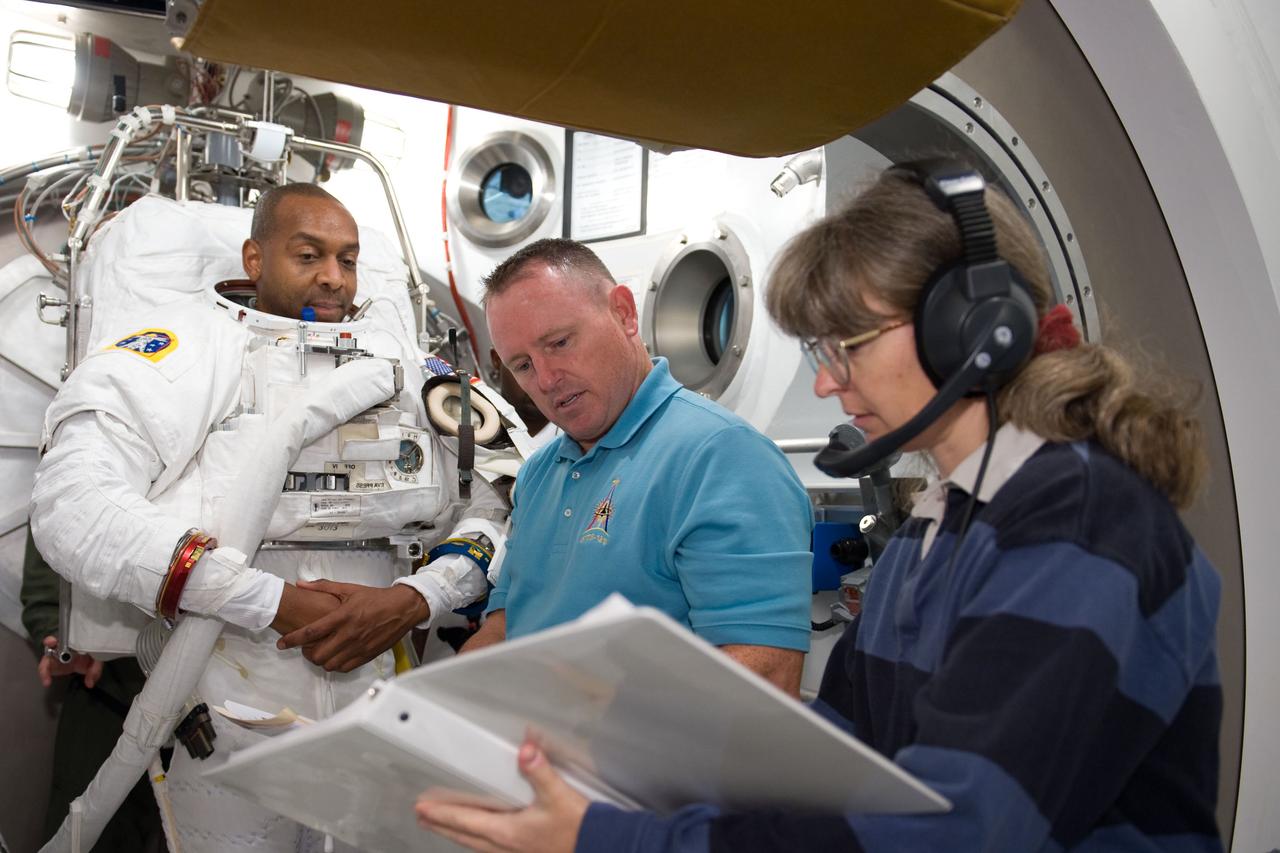
PHOTO DATE(S): 08/27/09 (Satcher) @ 0900 LOCATION: Bldg 7/SSATA Chamber SUBJECT: SSATA Crew Training and EMU Verification for STS-129 crew member Robert Satcher during suited dry run. Test Director: Cristina Anchondo. PHOTOGRAPHER: BLAIR
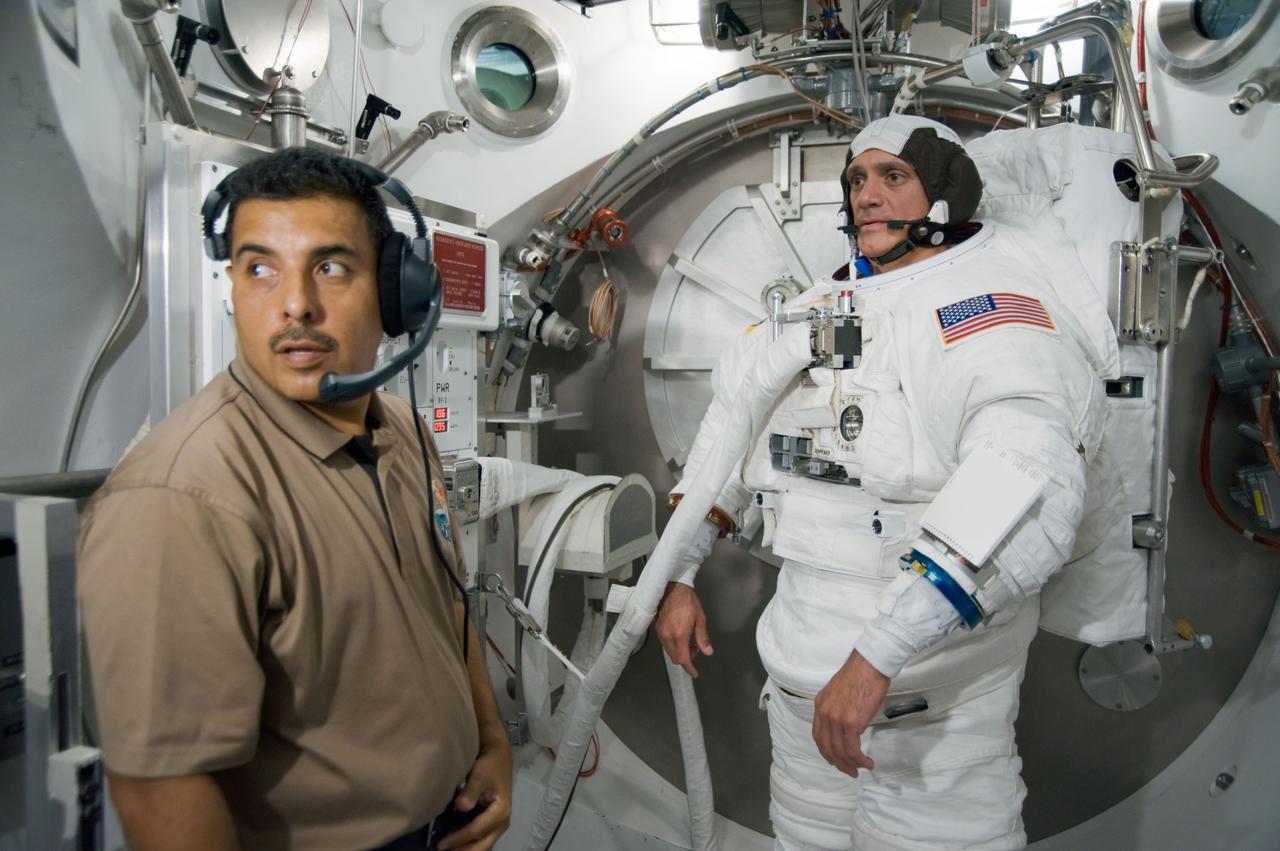
SSATA Crew Training and EMU Verification for STS-128 crew member Danny Olivas during suited dry run. Test Directors: Cristina Anchondo and Laura Campbell. Photo Date: April 22, 2009. Location: Building 7 - SSATA Chamber. Photographer: Robert Markowitz
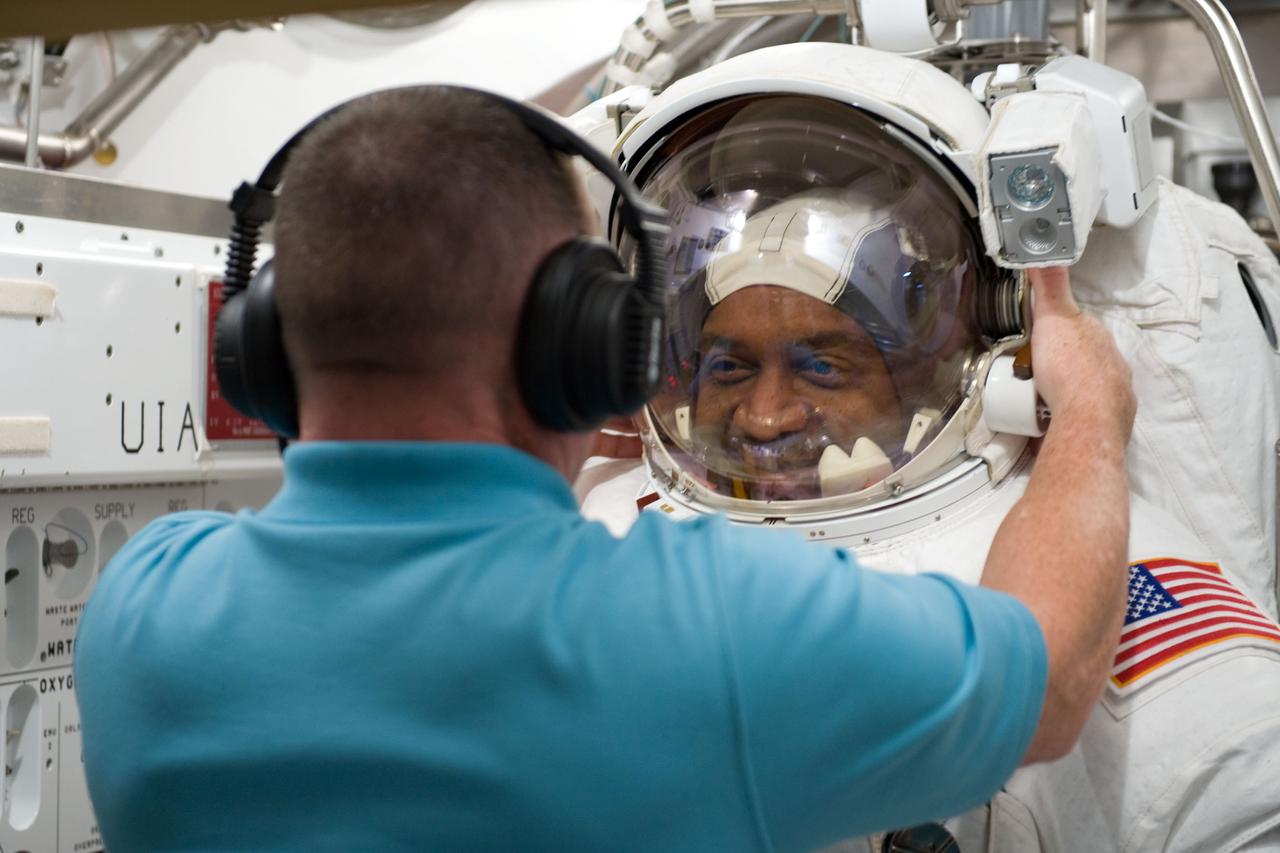
PHOTO DATE(S): 08/27/09 (Satcher) @ 0900 LOCATION: Bldg 7/SSATA Chamber SUBJECT: SSATA Crew Training and EMU Verification for STS-129 crew member Robert Satcher during suited dry run. Test Director: Cristina Anchondo. PHOTOGRAPHER: BLAIR
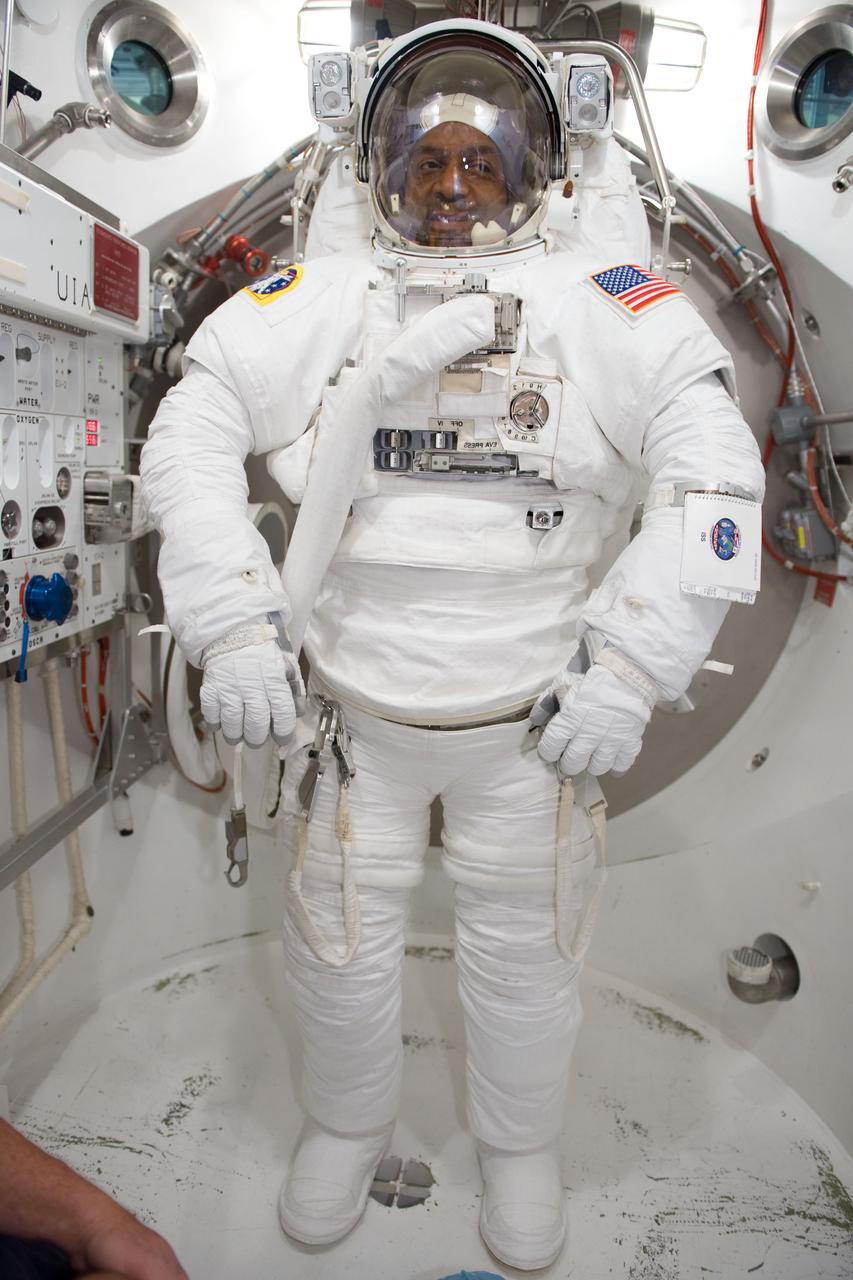
PHOTO DATE(S): 08/27/09 (Satcher) @ 0900 LOCATION: Bldg 7/SSATA Chamber SUBJECT: SSATA Crew Training and EMU Verification for STS-129 crew member Robert Satcher during suited dry run. Test Director: Cristina Anchondo. PHOTOGRAPHER: BLAIR
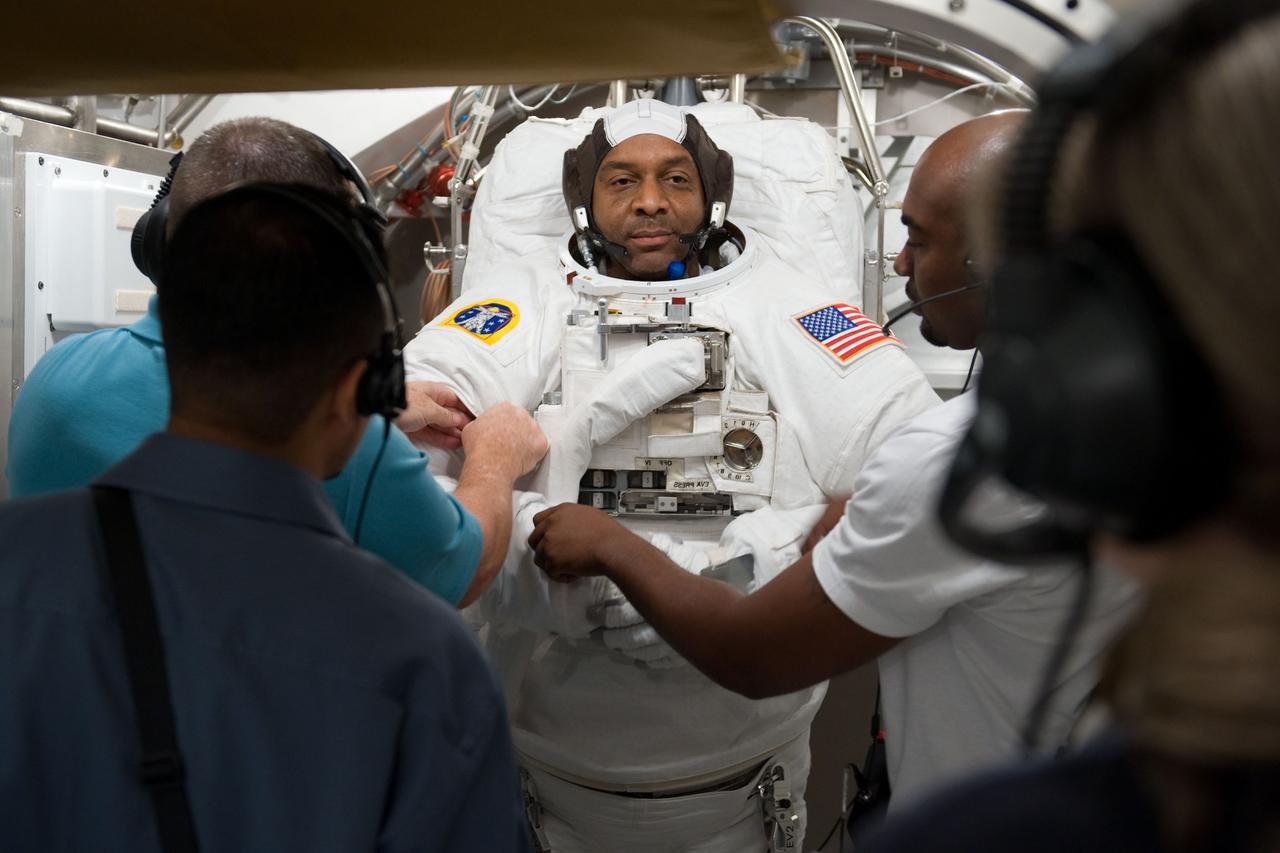
PHOTO DATE(S): 08/27/09 (Satcher) @ 0900 LOCATION: Bldg 7/SSATA Chamber SUBJECT: SSATA Crew Training and EMU Verification for STS-129 crew member Robert Satcher during suited dry run. Test Director: Cristina Anchondo. PHOTOGRAPHER: BLAIR
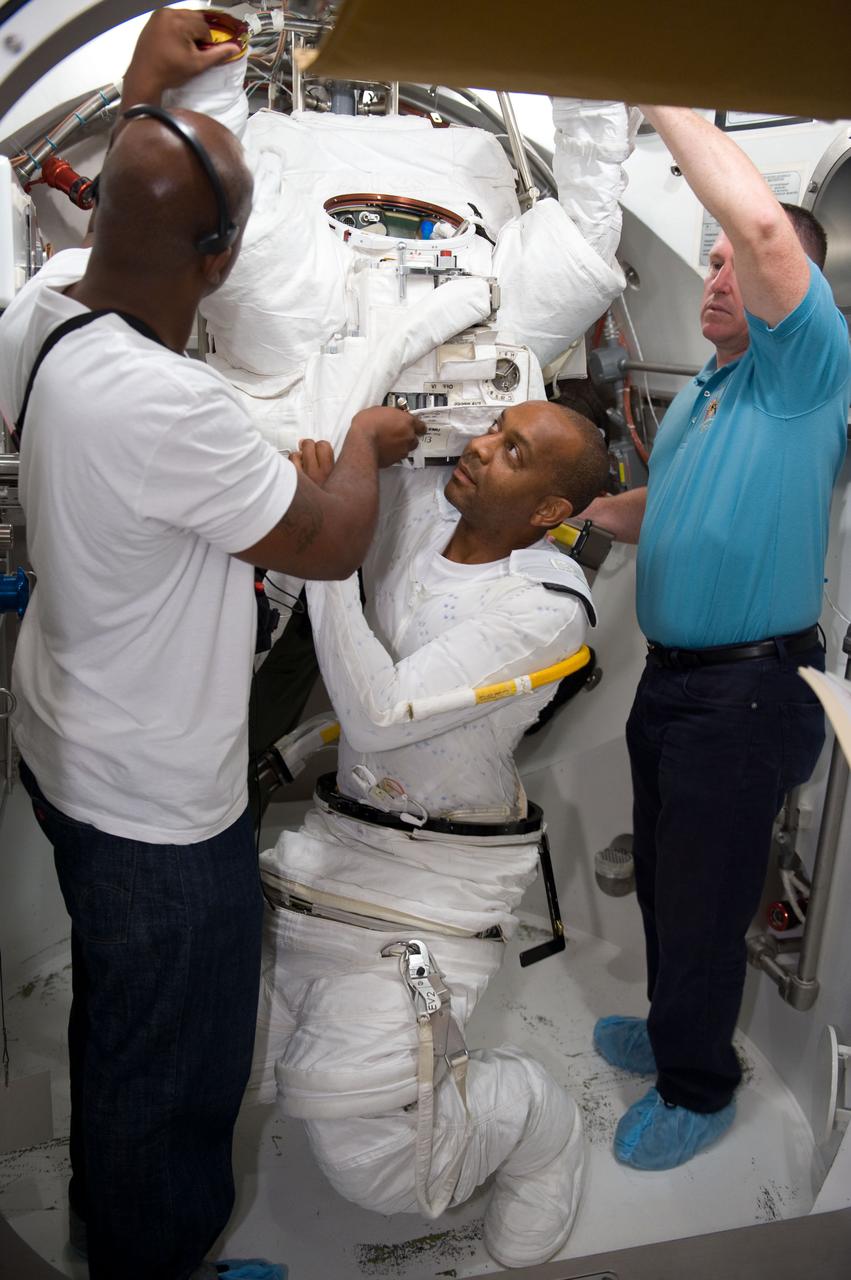
PHOTO DATE(S): 08/27/09 (Satcher) @ 0900 LOCATION: Bldg 7/SSATA Chamber SUBJECT: SSATA Crew Training and EMU Verification for STS-129 crew member Robert Satcher during suited dry run. Test Director: Cristina Anchondo. PHOTOGRAPHER: BLAIR
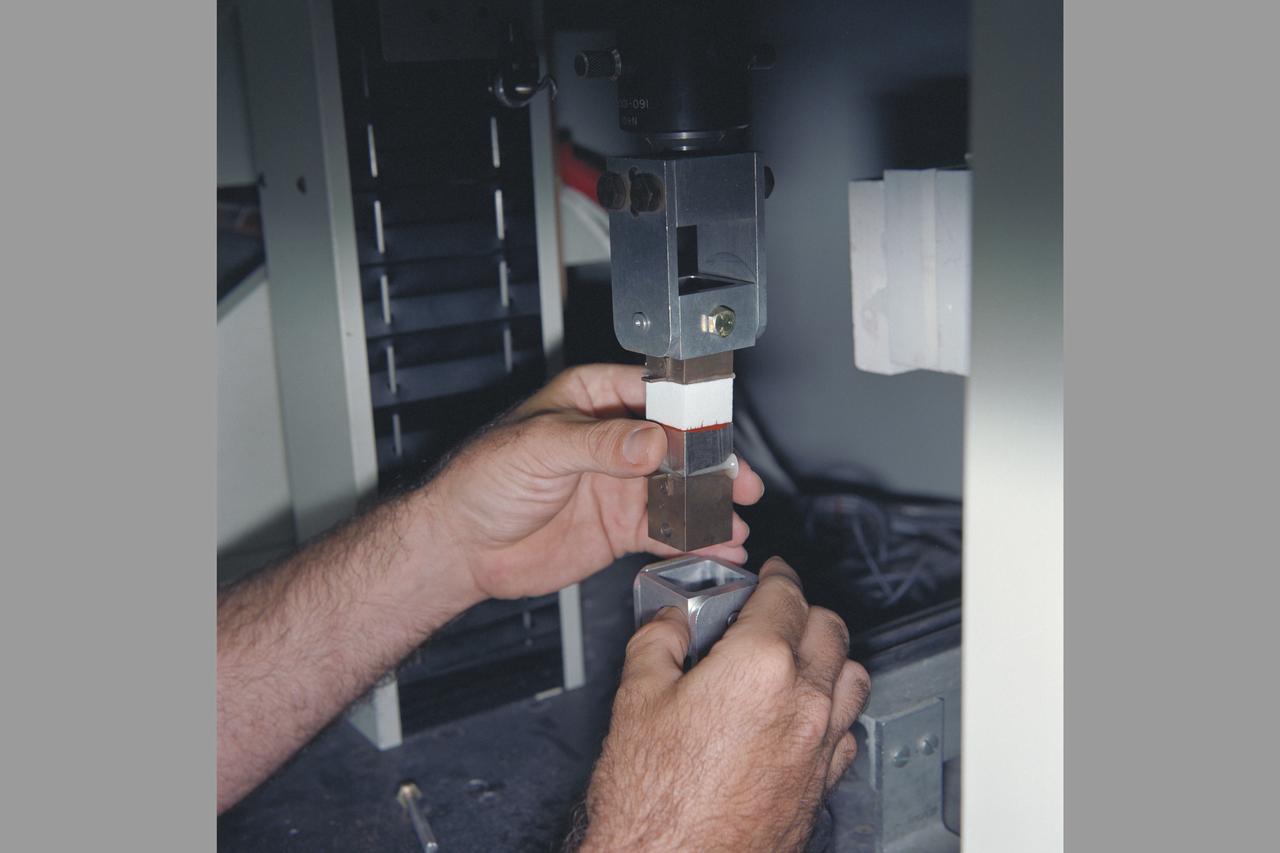
X-33 (Leeward) Aeroshell flight test instrumentation bond verification procedure (shop)
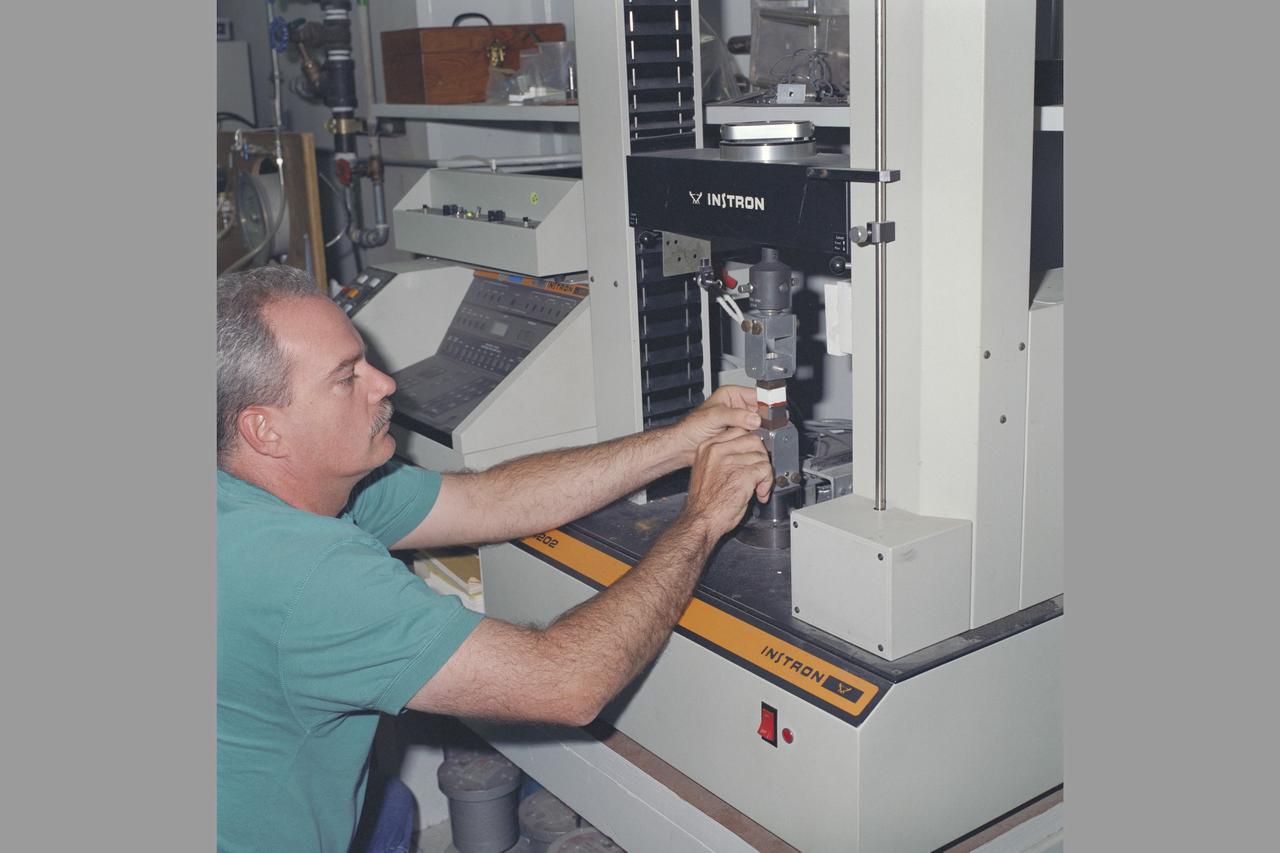
X-33 (Leeward) Aeroshell flight test instrumentation bond verification procedure (shop) with Richard Piquette
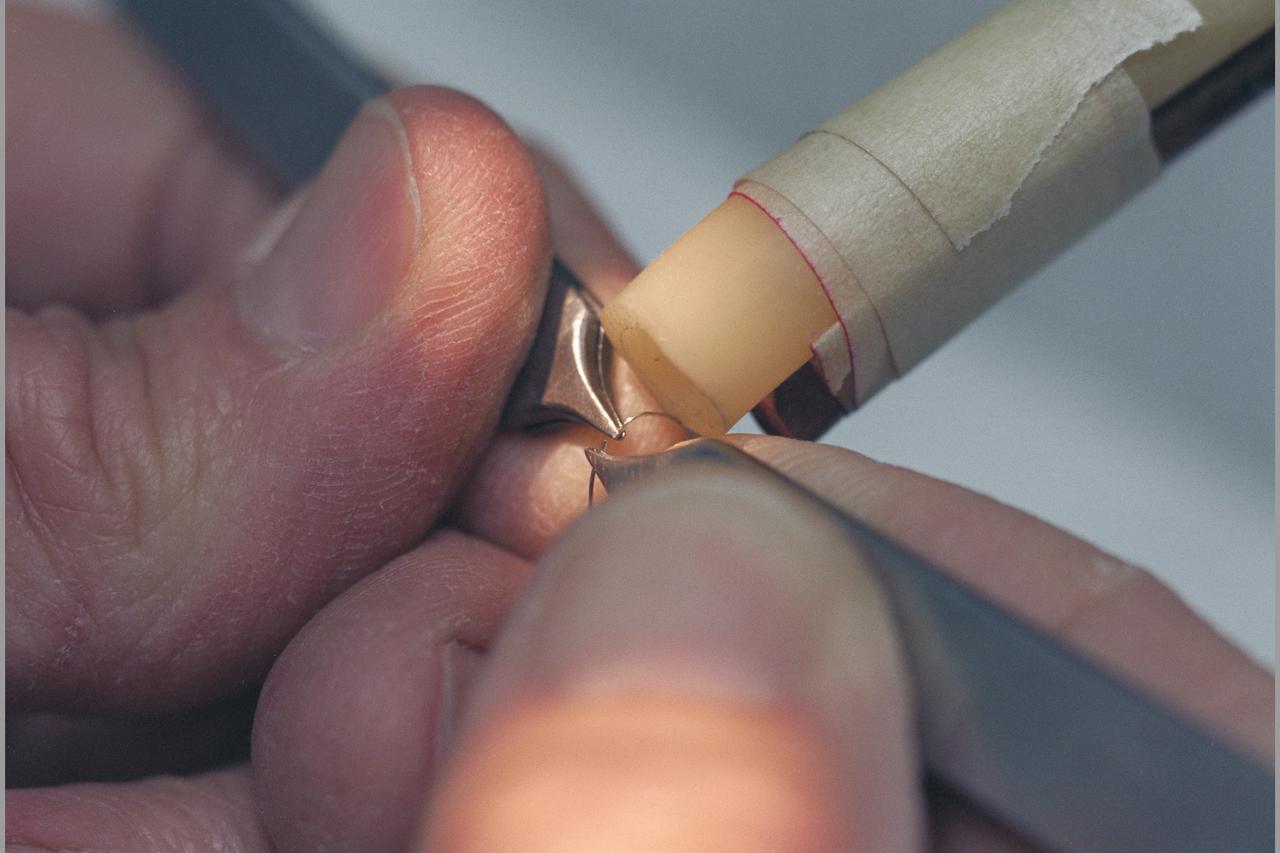
X-33 (Leeward) Aeroshell flight test instrumentation bond verification procedure (shop)
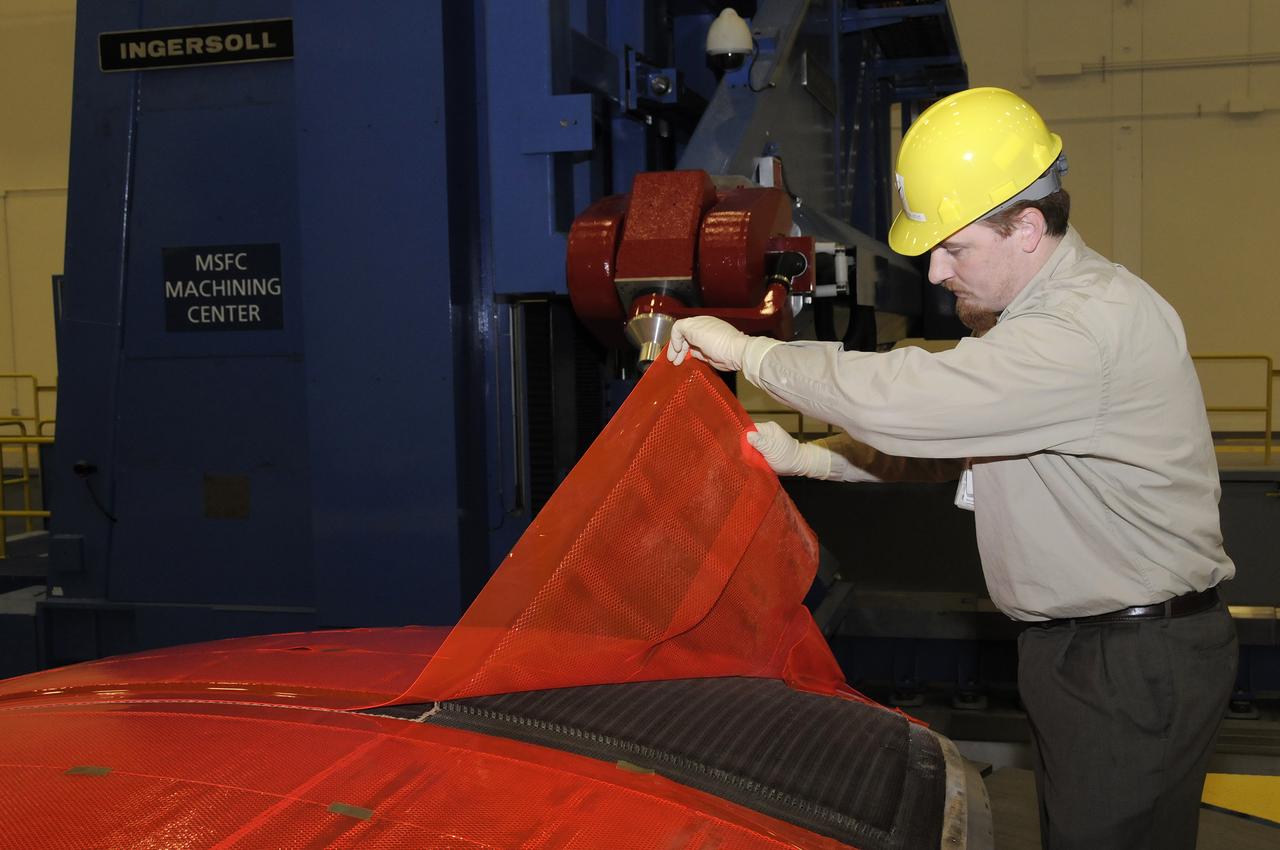
JOHN V. BAUSANO, ICRC, COMPOSITE ENGINEER, CHECKING QUARTER DOME MACHINING VERIFICATION FILM
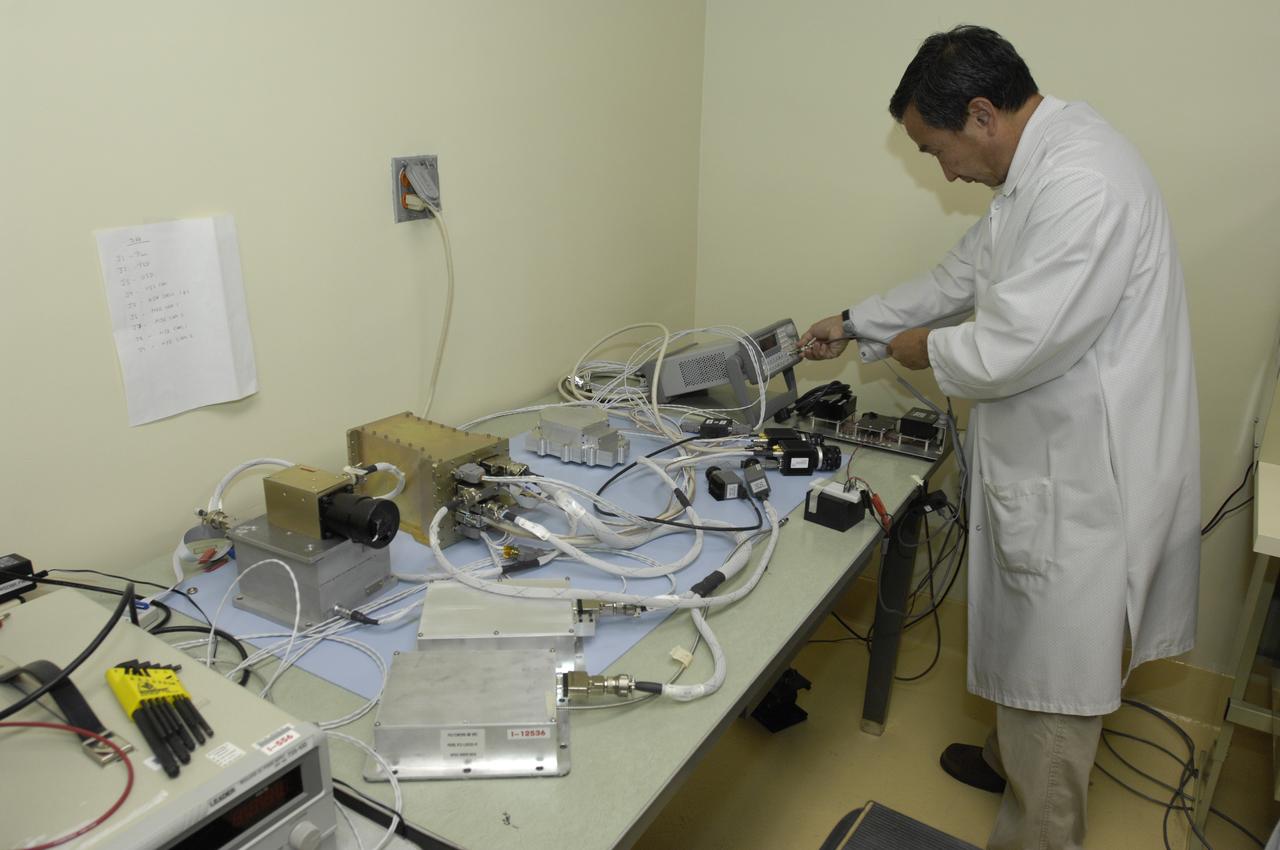
LCROSS in Clean Room at Ames Research Centeer - flight hardware cable check and verification
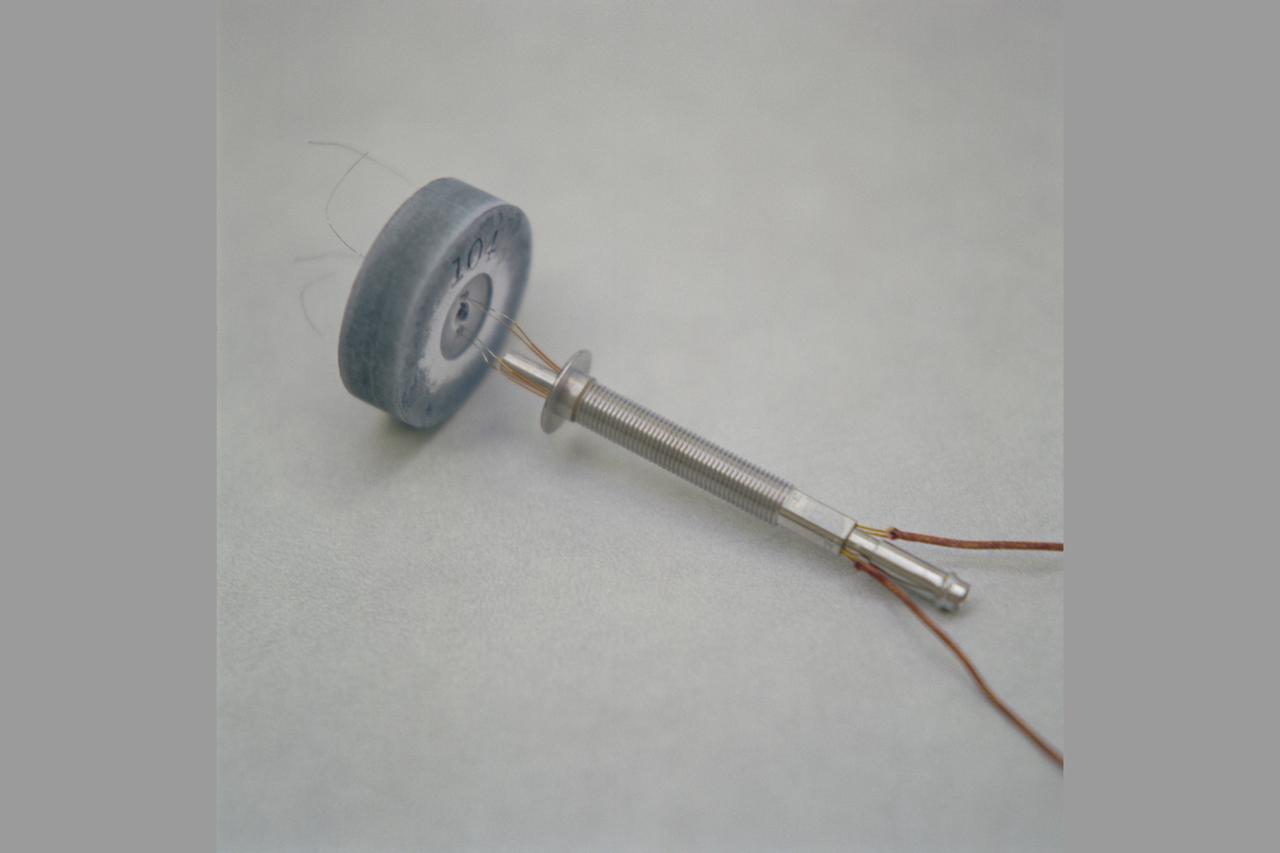
X-33 (Leeward) Aeroshell flight test instrumentation bond verification procedure (shop)
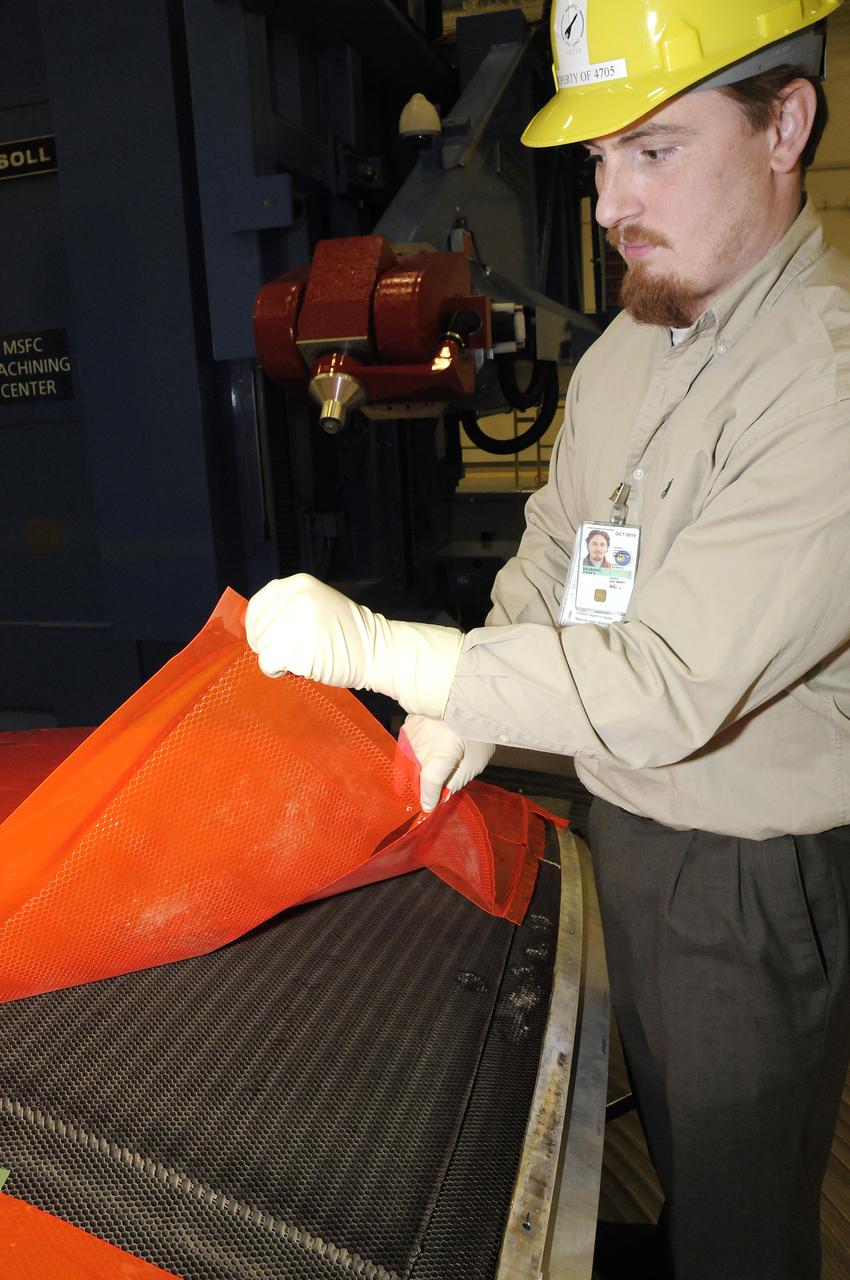
JOHN V. BAUSANO, ICRC, COMPOSITE ENGINEER, CHECKING QUARTER DOME MACHINING VERIFICATION FILM.
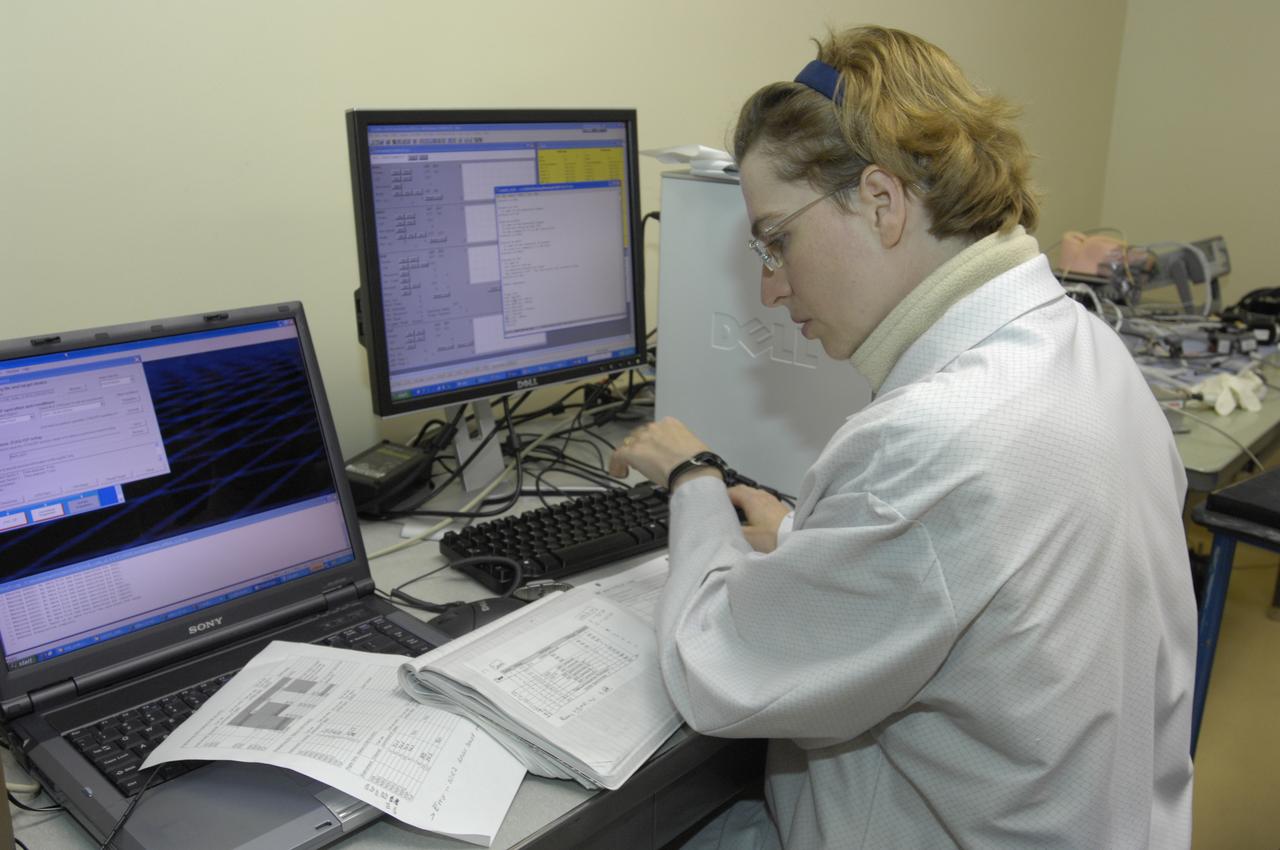
LCROSS in Clean Room at Ames Research Centeer - flight hardware cable check and verification with Kim Ennico
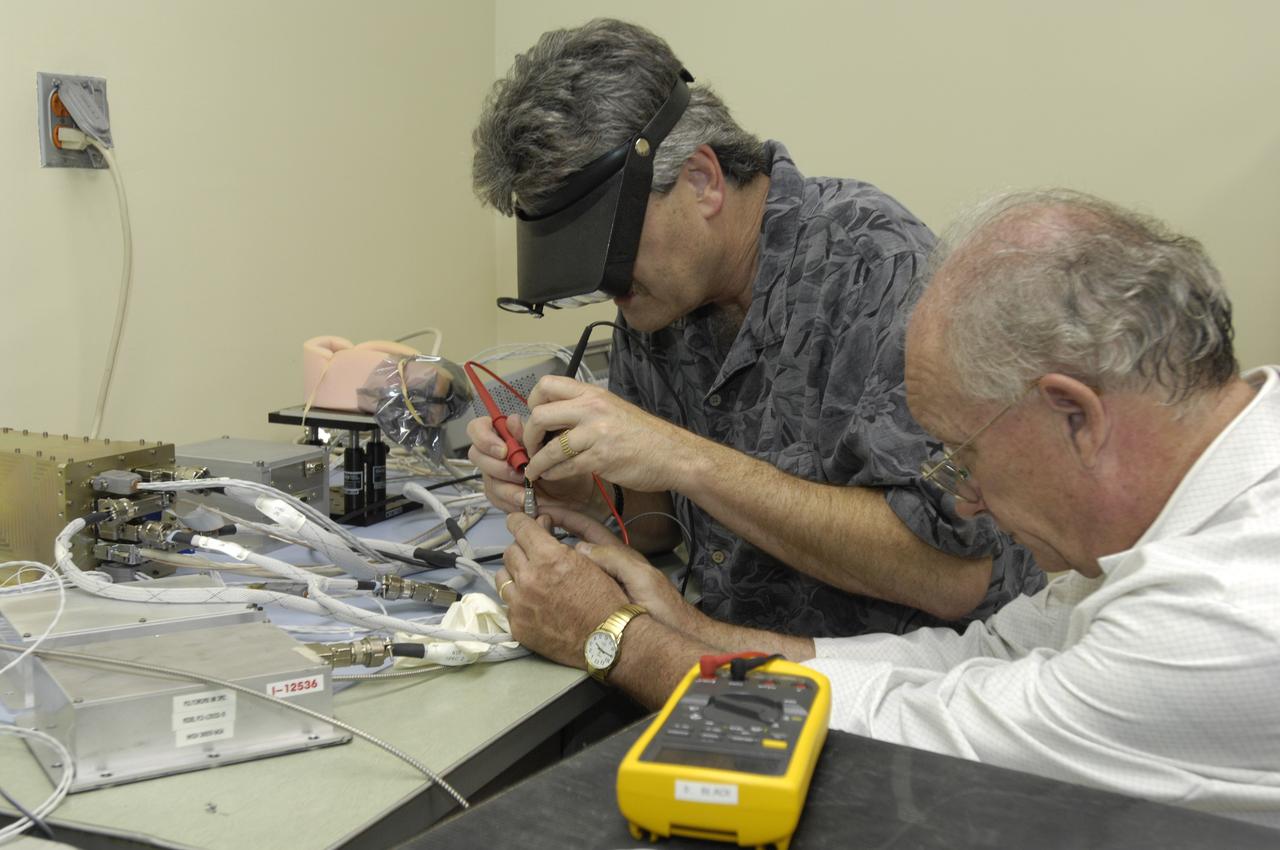
LCROSS in Clean Room at Ames Research Centeer - flight hardware cable check and verification
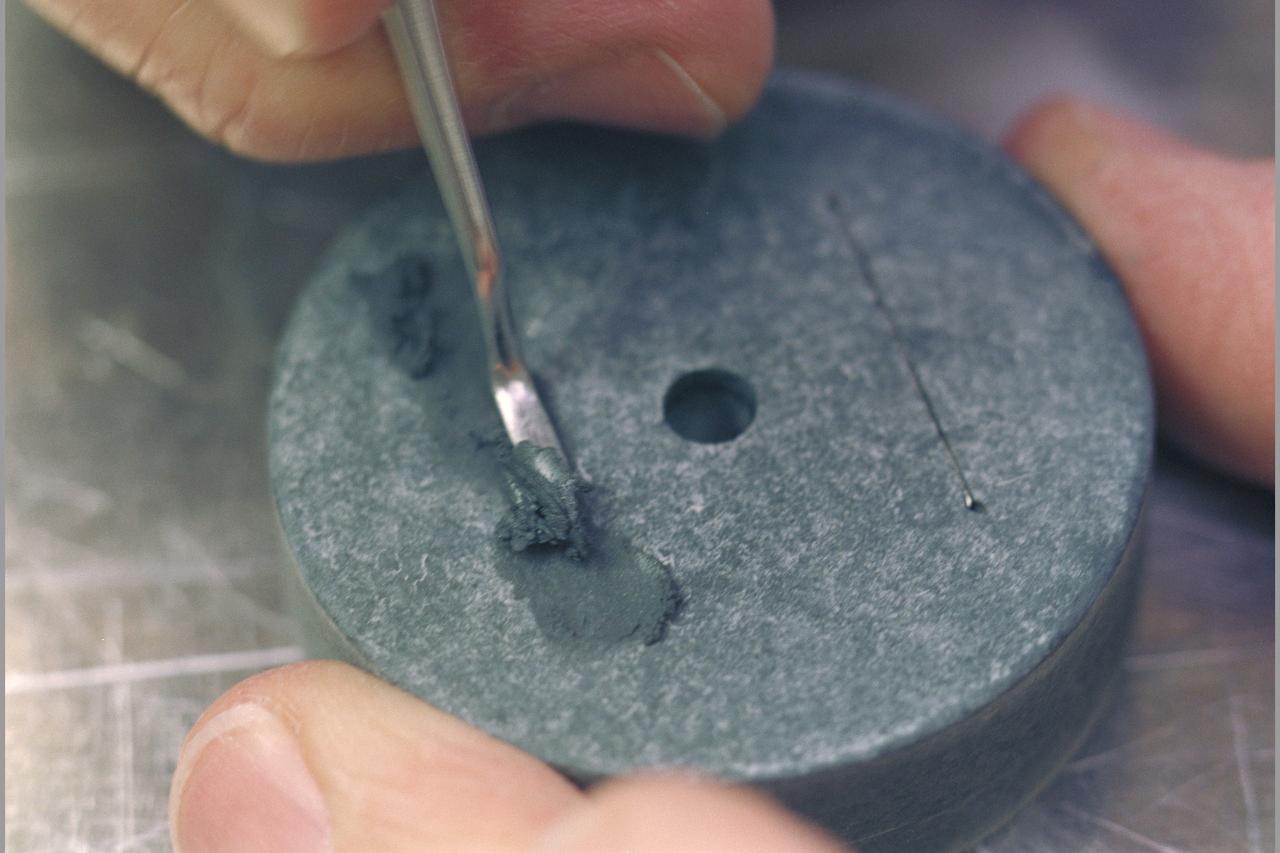
X-33 (Leeward) Aeroshell flight test instrumentation bond verification procedure (shop)
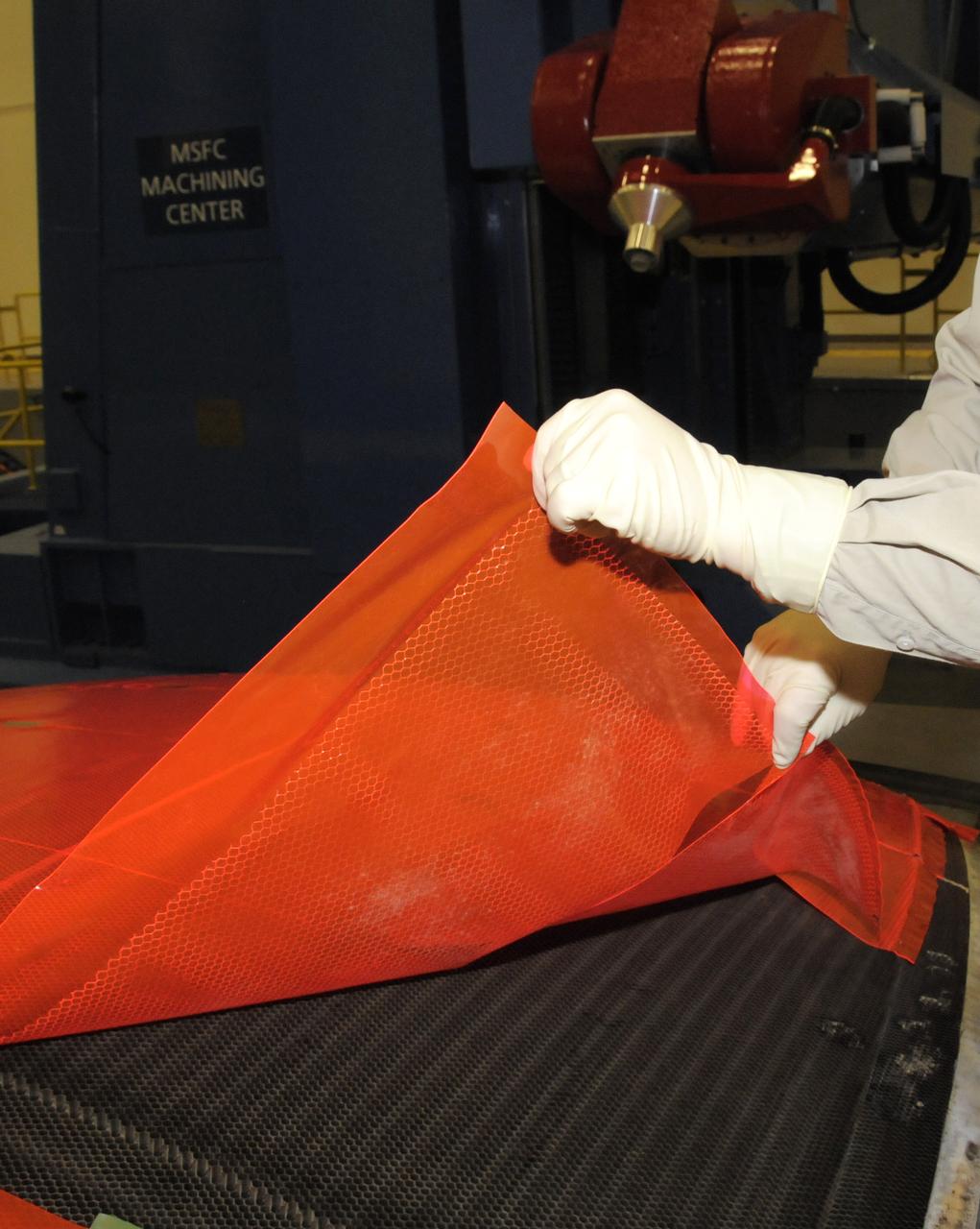
JOHN V. BAUSANO, IRC, COMPOSITE ENGINEER, CHECKING QUARTER DOME MACHINING VERIFICATION FILM
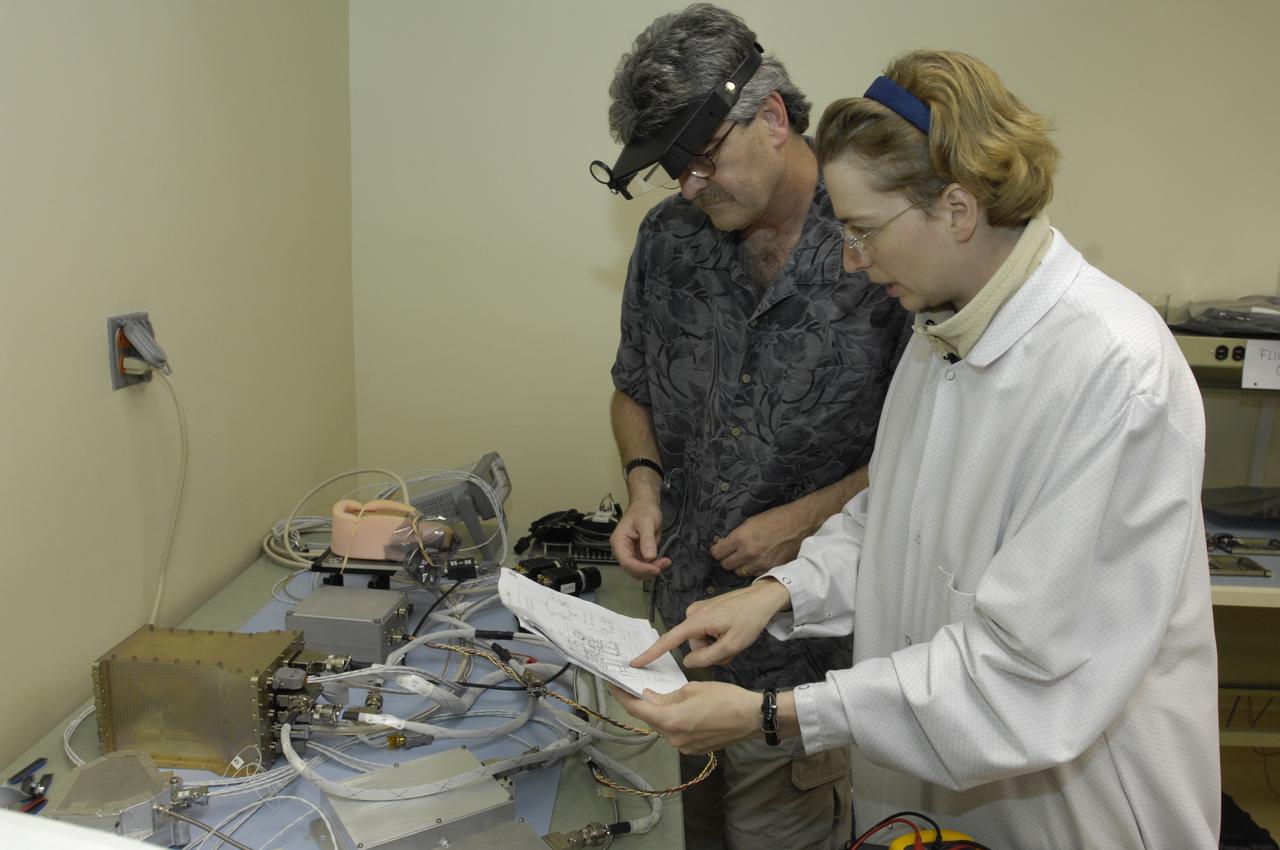
LCROSS in Clean Room at Ames Research Centeer - flight hardware cable check and verification
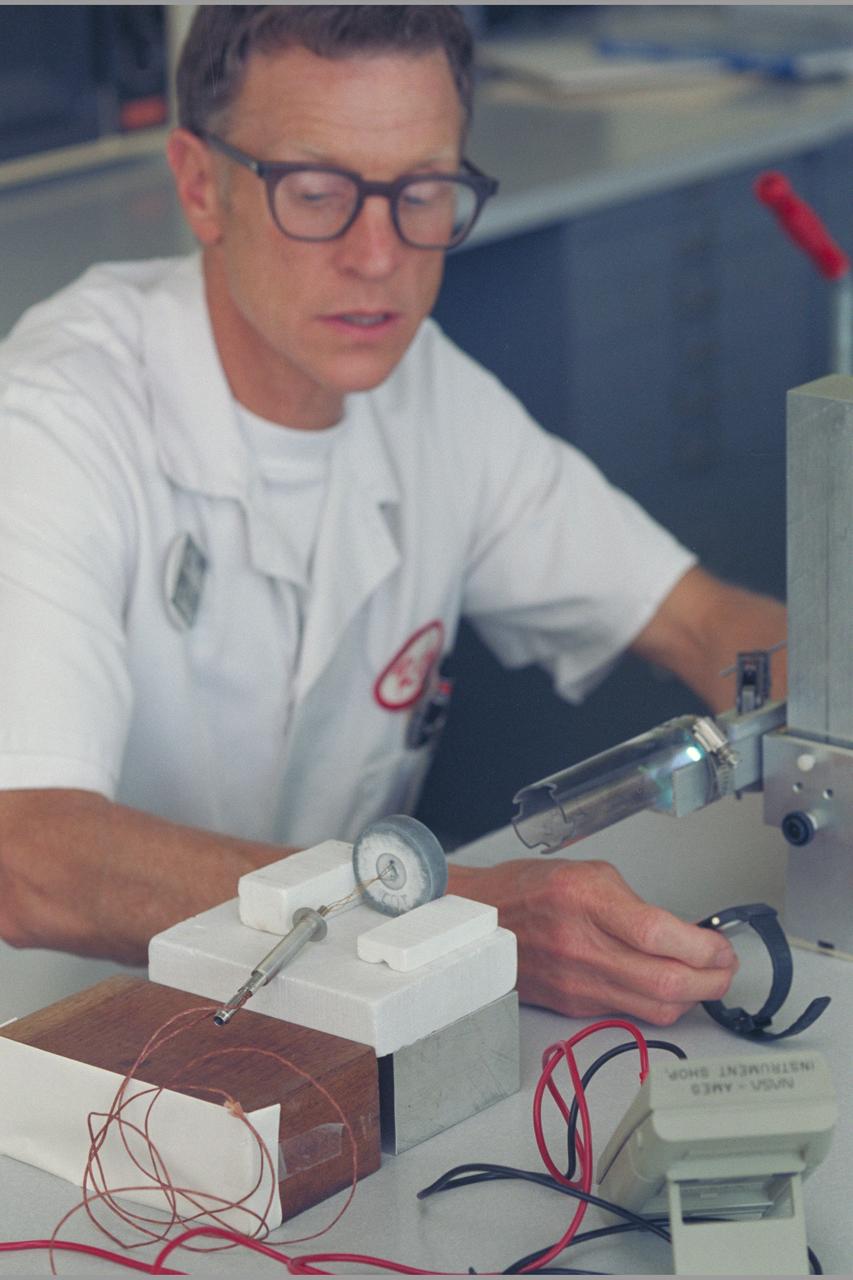
X-33 (Leeward) Aeroshell flight test instrumentation bond verification procedure (shop)
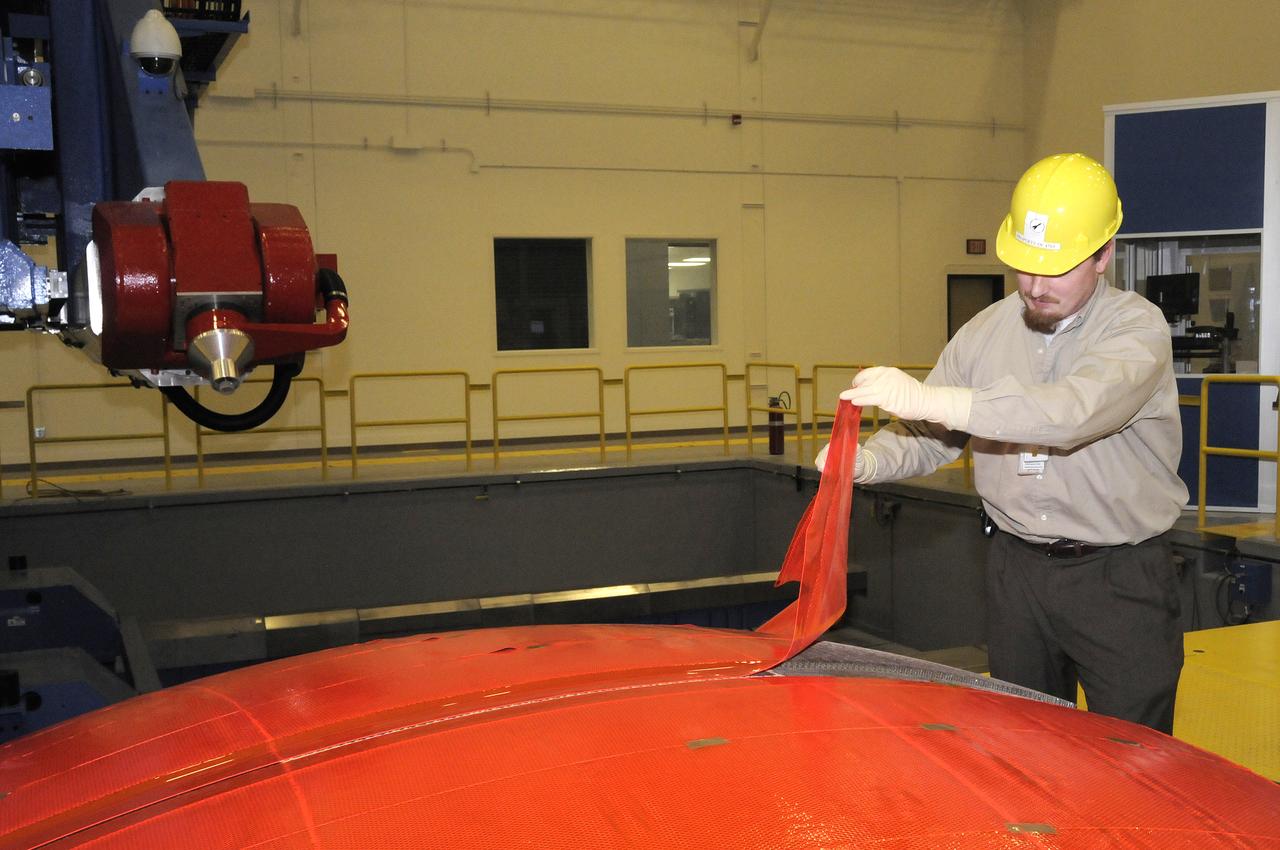
JOHN V. BAUSANO, ICRC, COMPOSITE ENGINEER, CHECKING QUARTER DOME MACHINING VERIFICATION FILM
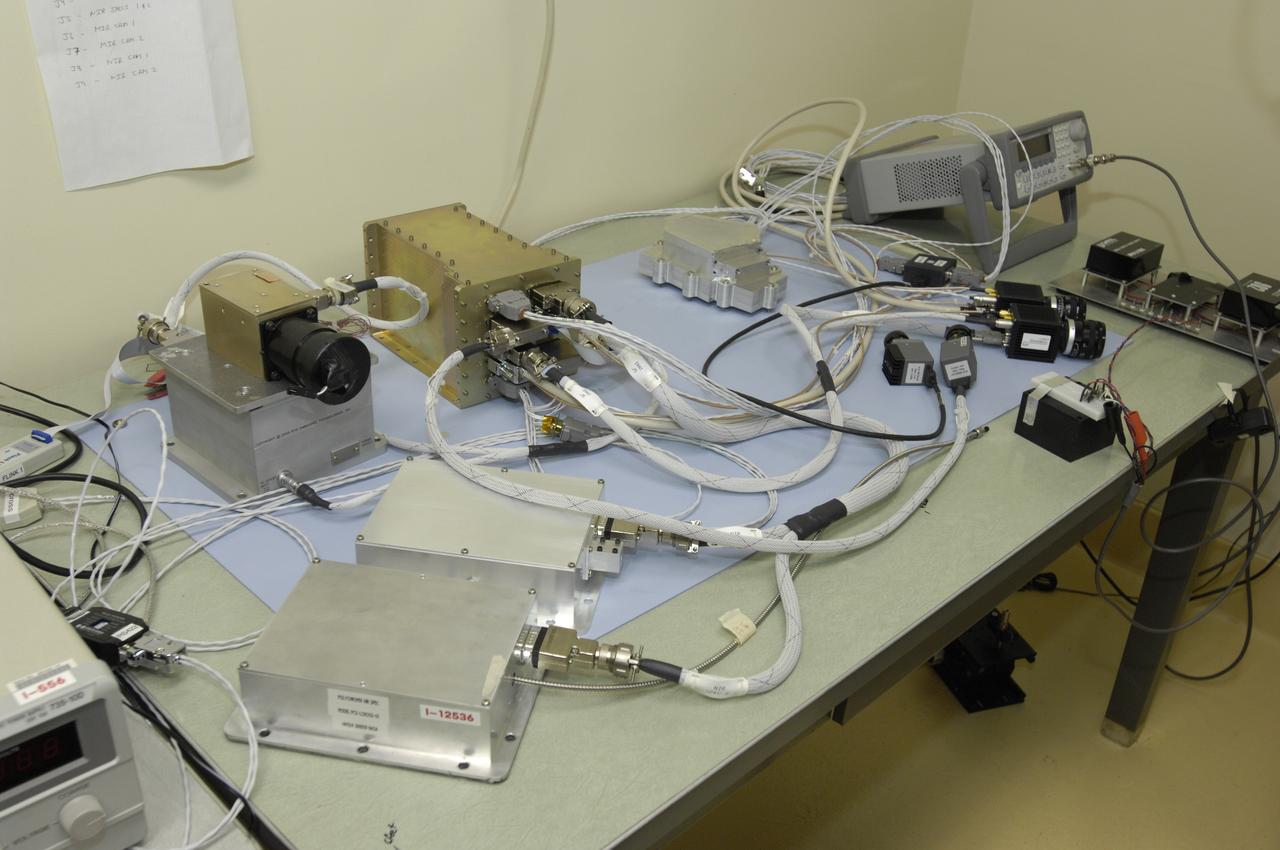
LCROSS in Clean Room at Ames Research Centeer - flight hardware cable check and verification
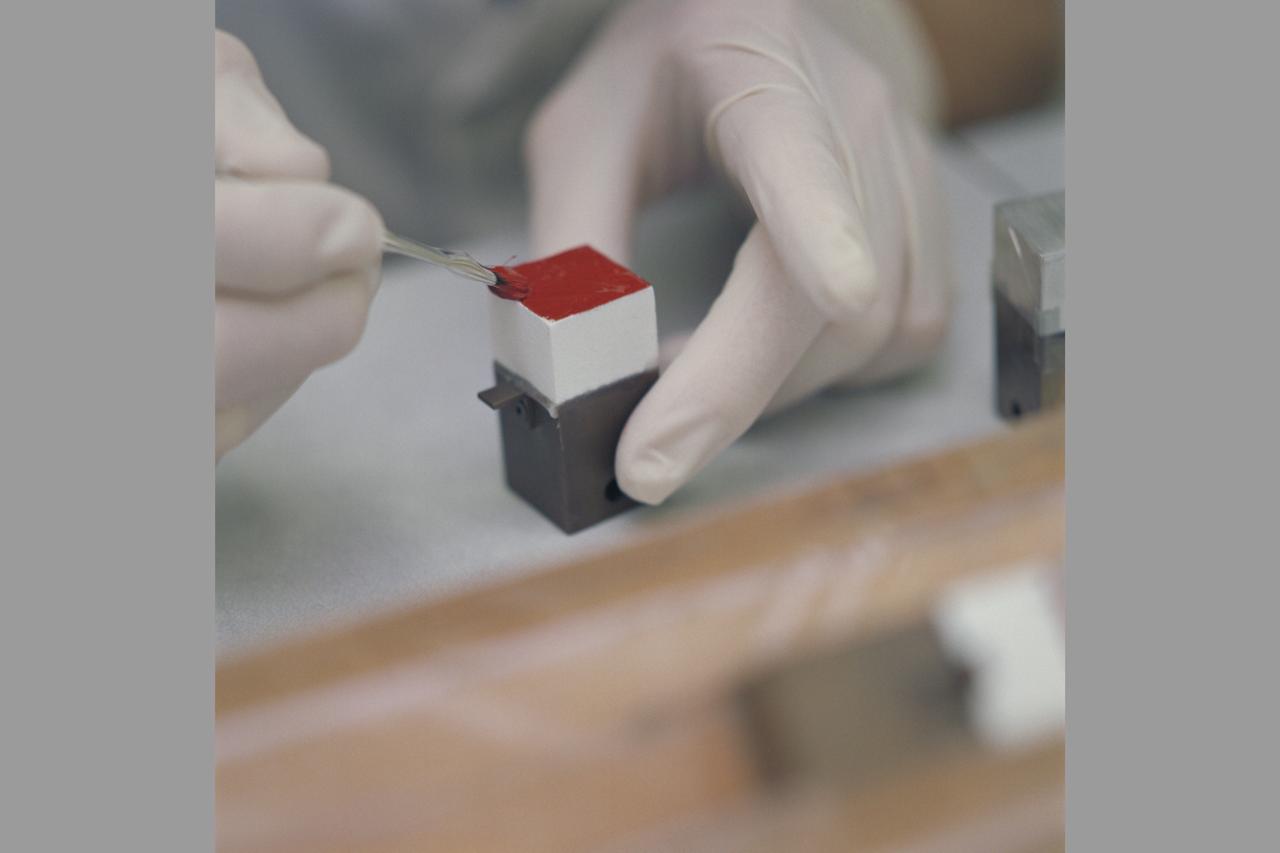
X-33 (Leeward) Aeroshell flight test instrumentation bond verification procedure (shop)
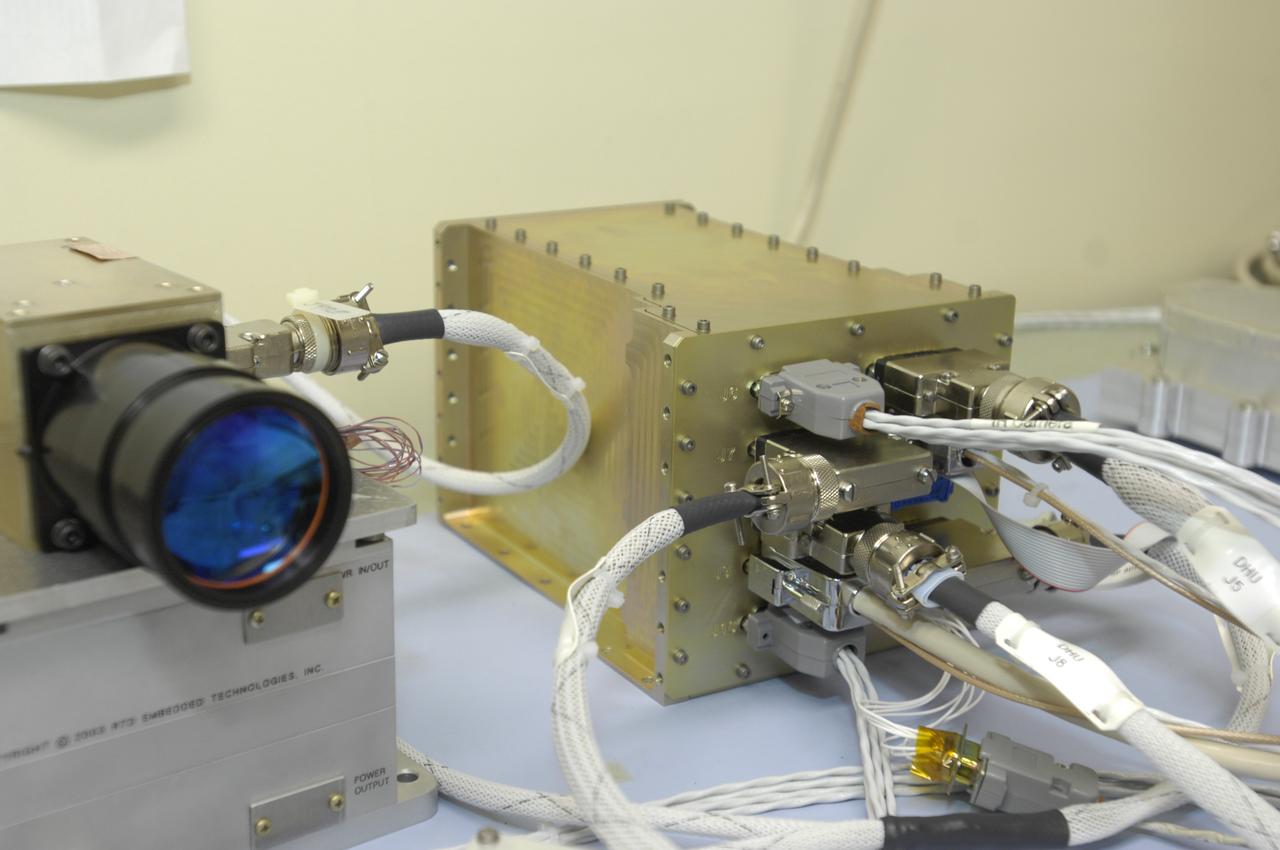
LCROSS in Clean Room at Ames Research Centeer - flight hardware cable check and verification
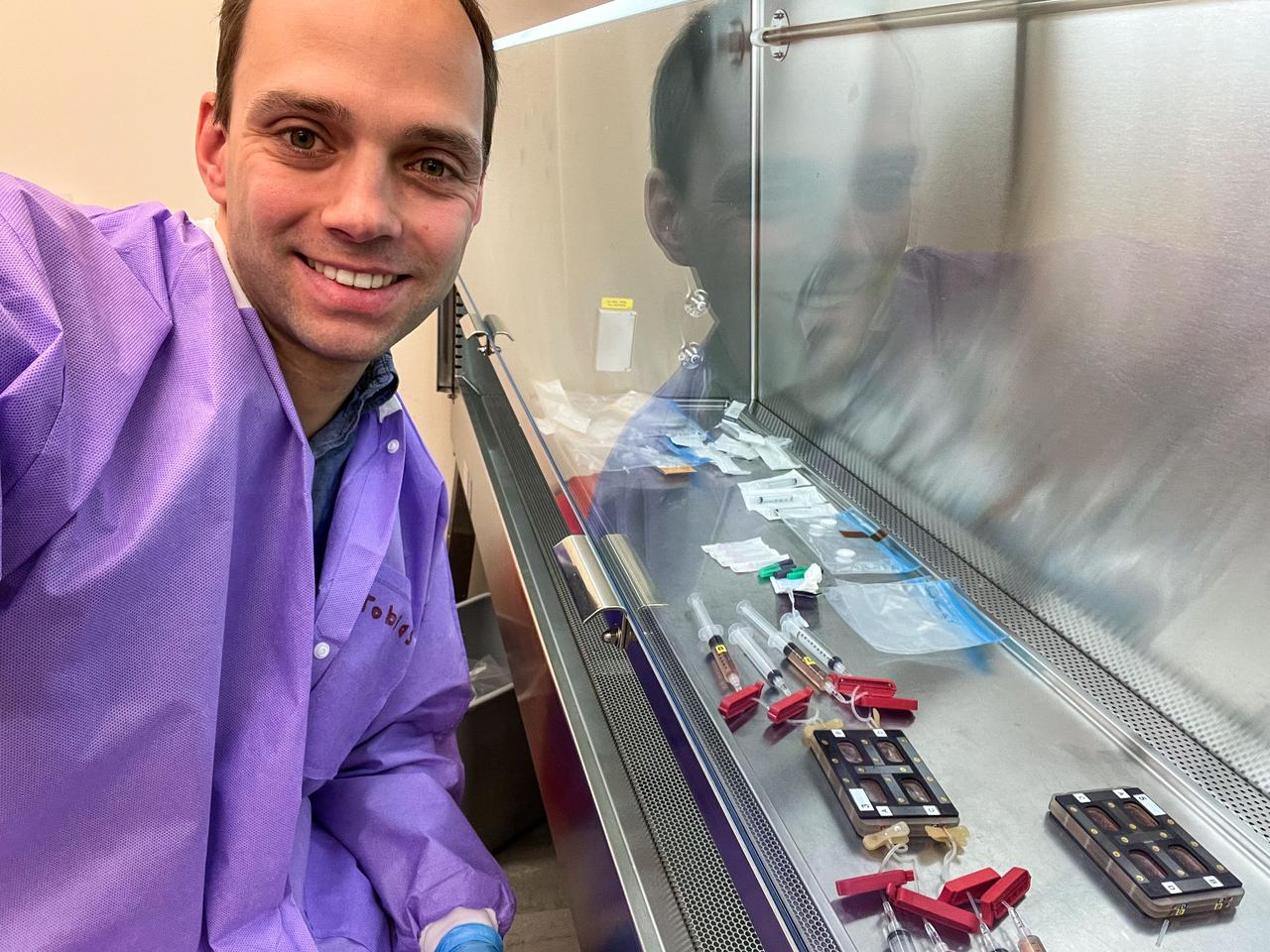
Dr. Tobias Niederwieser simulating crew operations of the biomanufacturing process during the Experiment Verification Test (EVT). (Credit: BioServe)
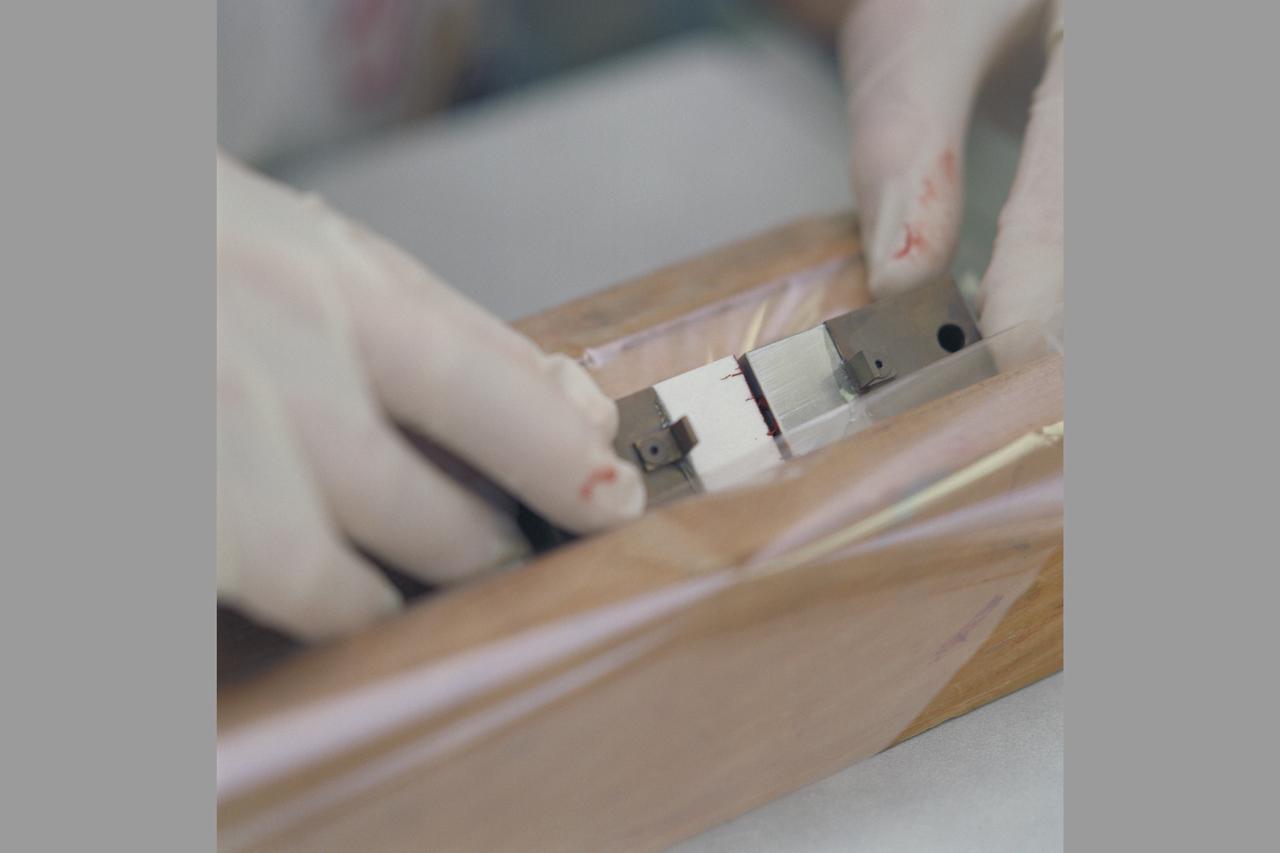
X-33 (Leeward) Aeroshell flight test instrumentation bond verification procedure (shop)
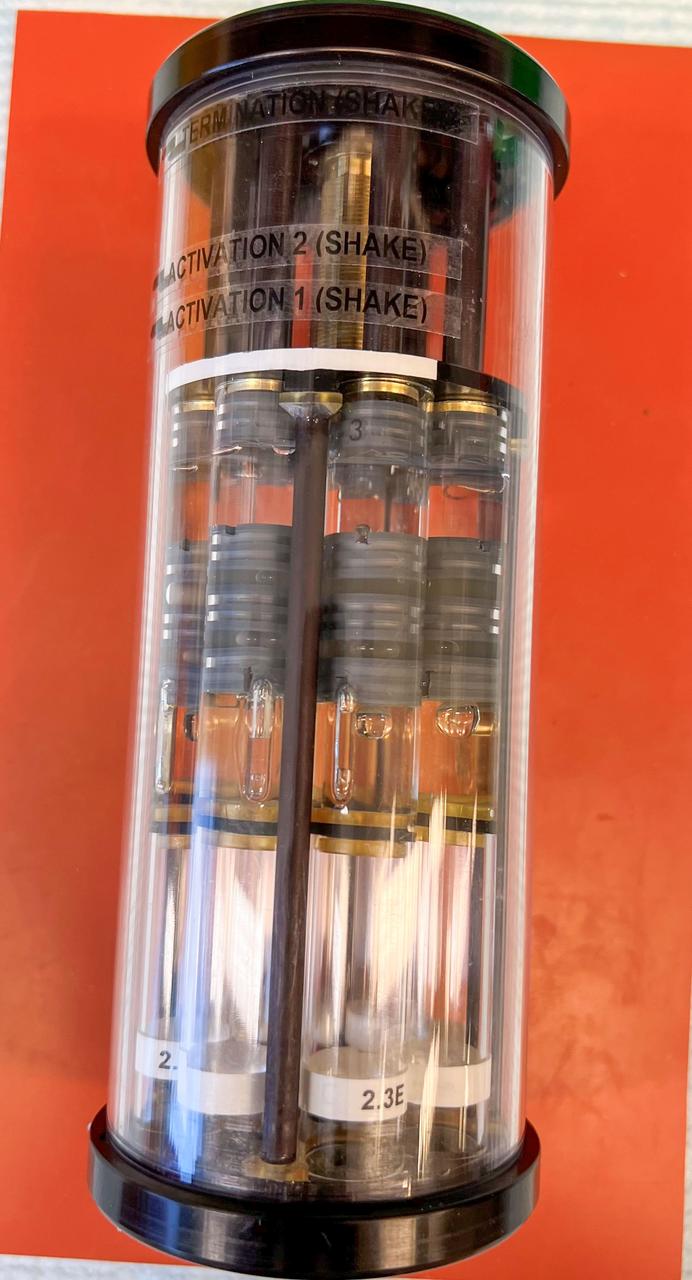
jsc2025e007255 (2/14/2025) --- Loaded Group Activation Pack (GAP) during the Experiment Verification Testing (EVT).
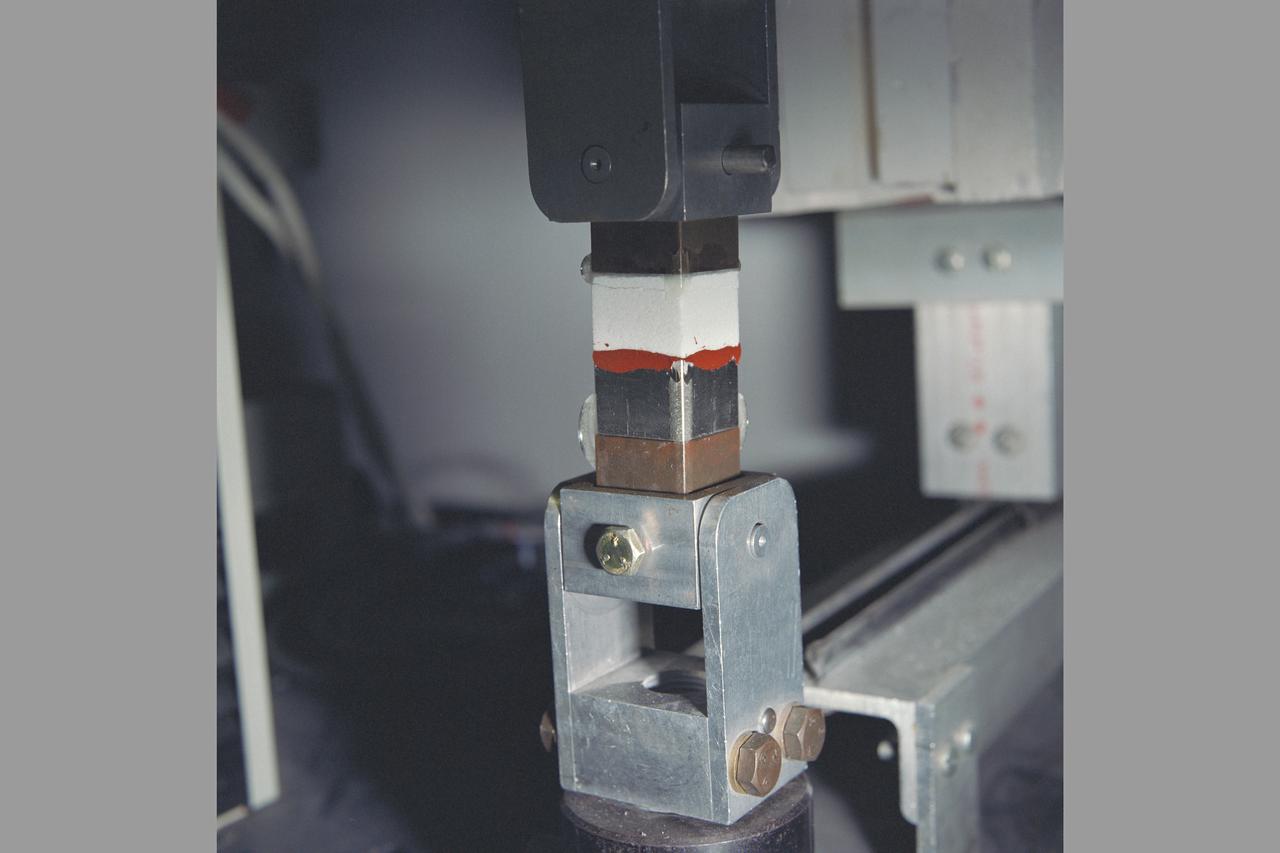
X-33 (Leeward) Aeroshell flight test instrumentation bond verification procedure (shop)
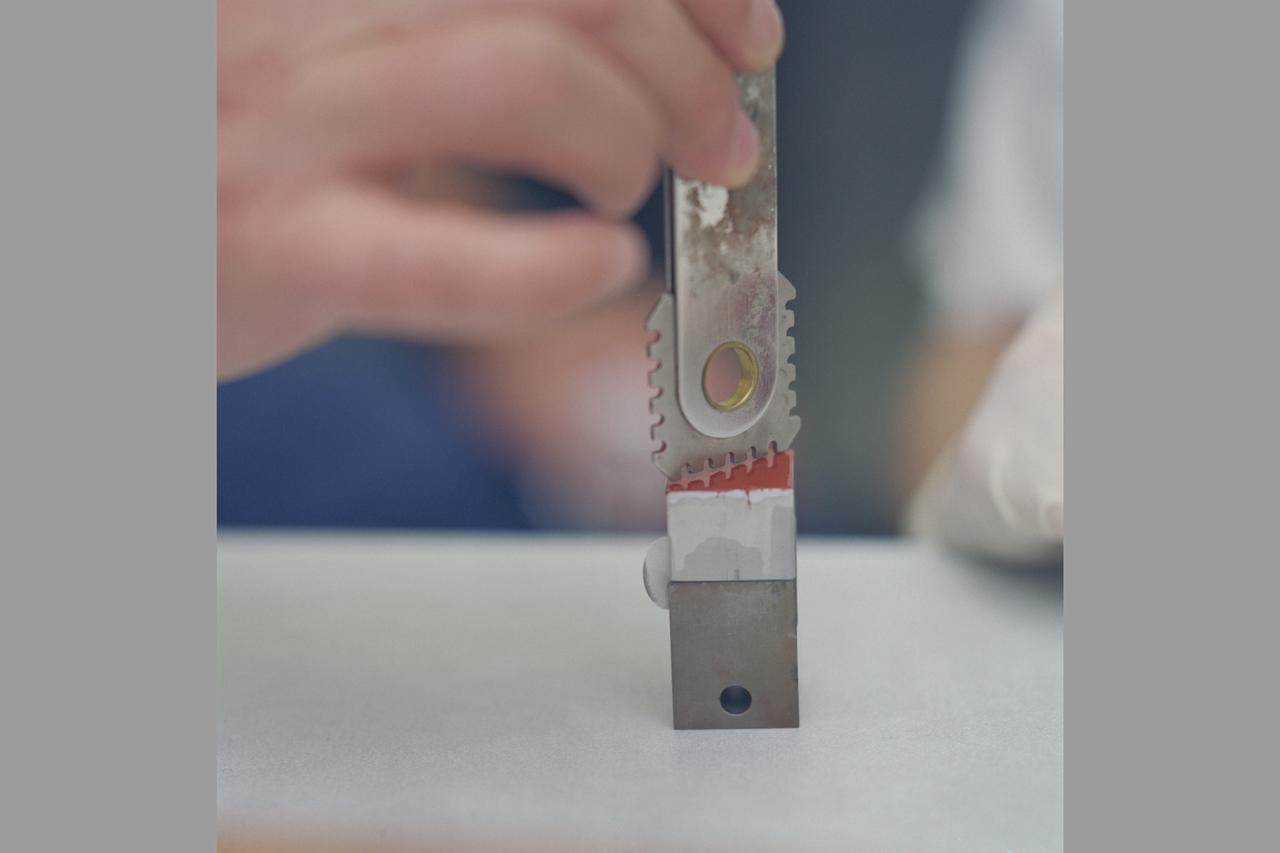
X-33 (Leeward) Aeroshell flight test instrumentation bond verification procedure (shop)
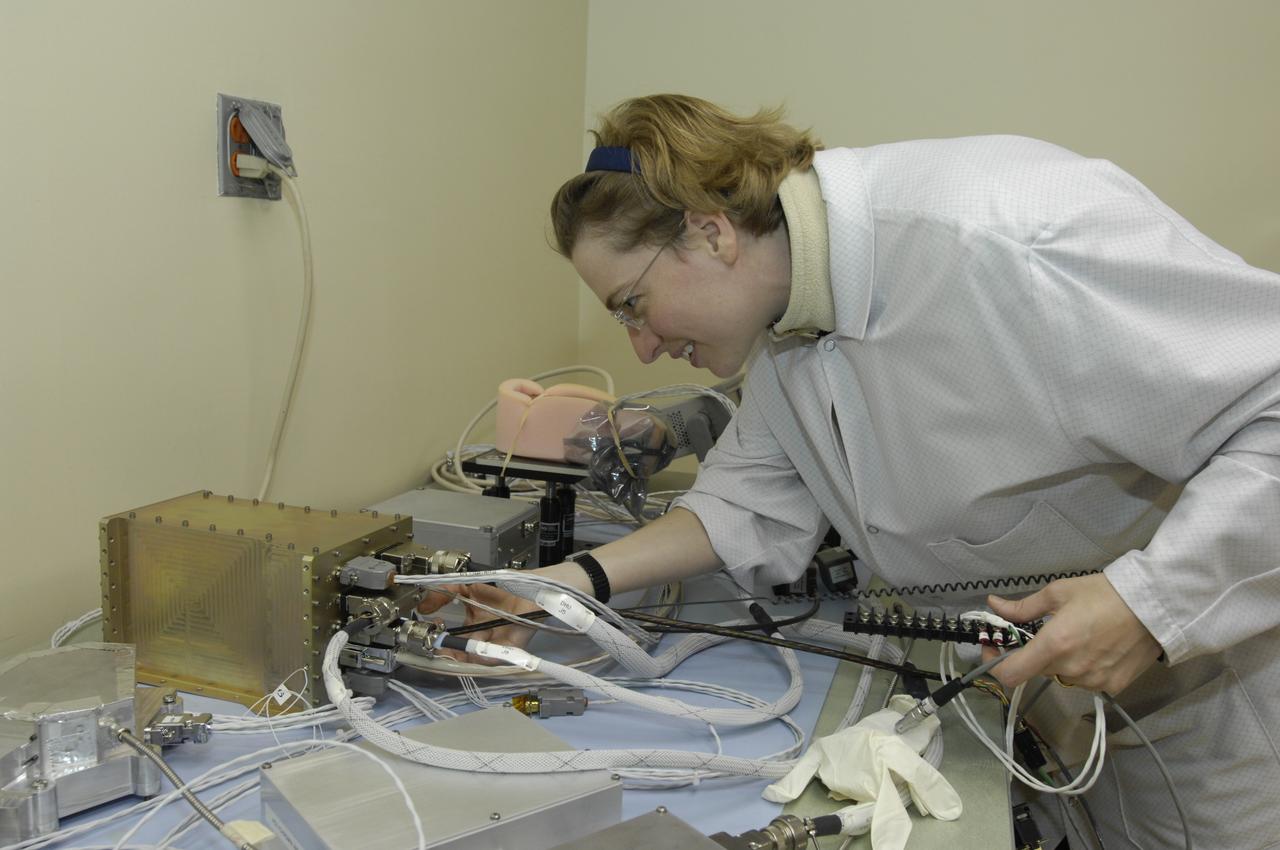
LCROSS in Clean Room at Ames Research Centeer - flight hardware cable check and verification with Kim Ennico
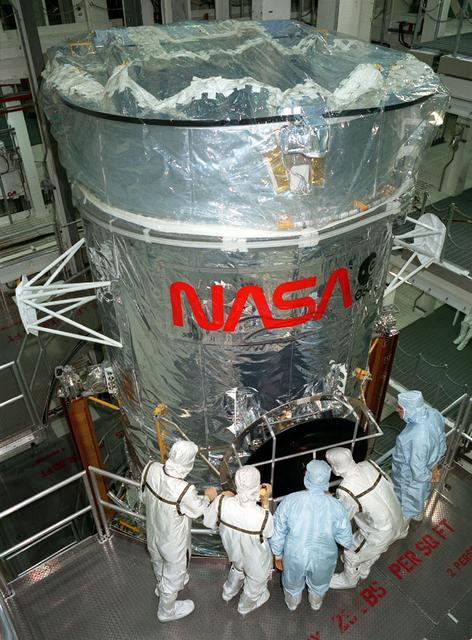
The Hubble Space Telescope (HST) pictured in the Vertical Processing Facility (VPF) support fixture during final testing and verification at the Lockheed assembly plant.
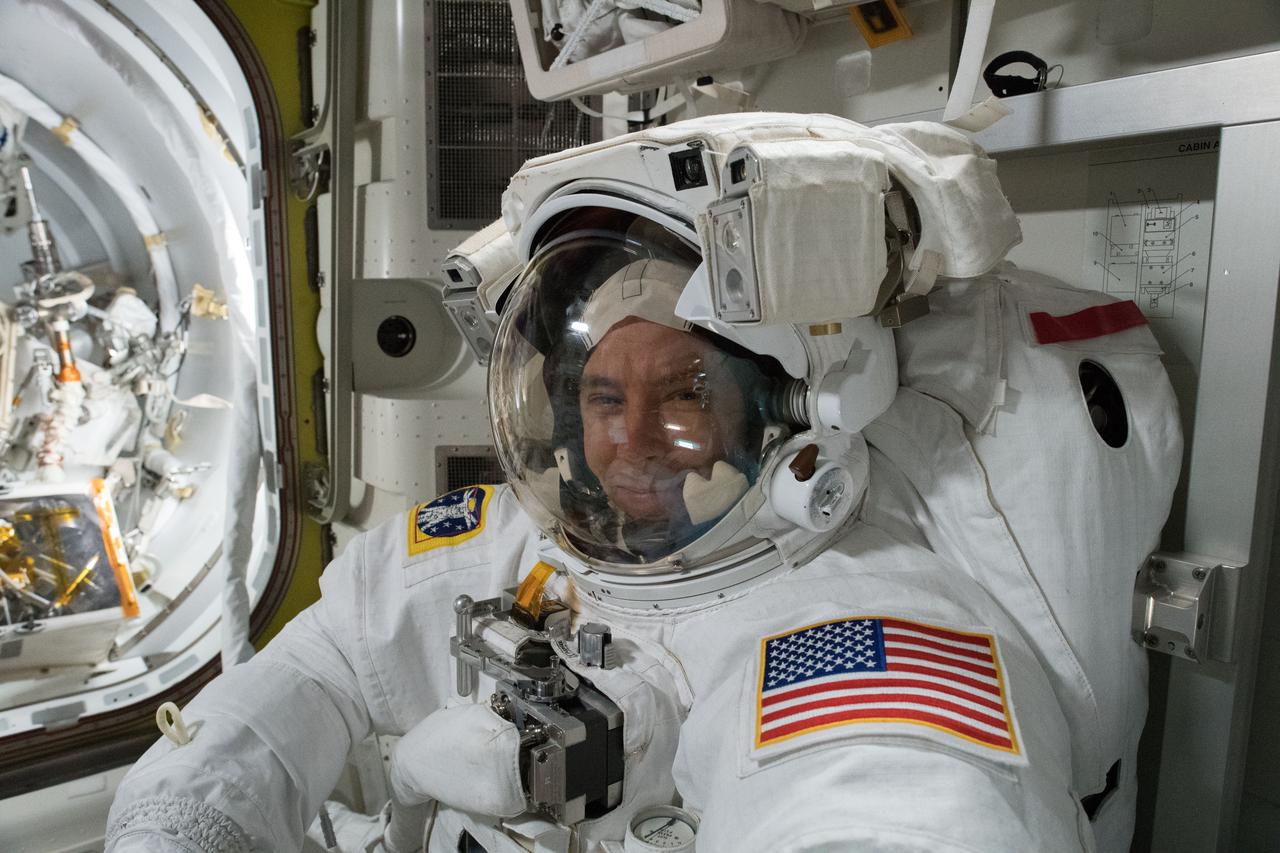
iss055e063892 (May 7, 2018) --- NASA astronaut Drew Feustel is pictured inside a U.S. spacesuit for a fit check verification ahead of a pair of spacewalks.
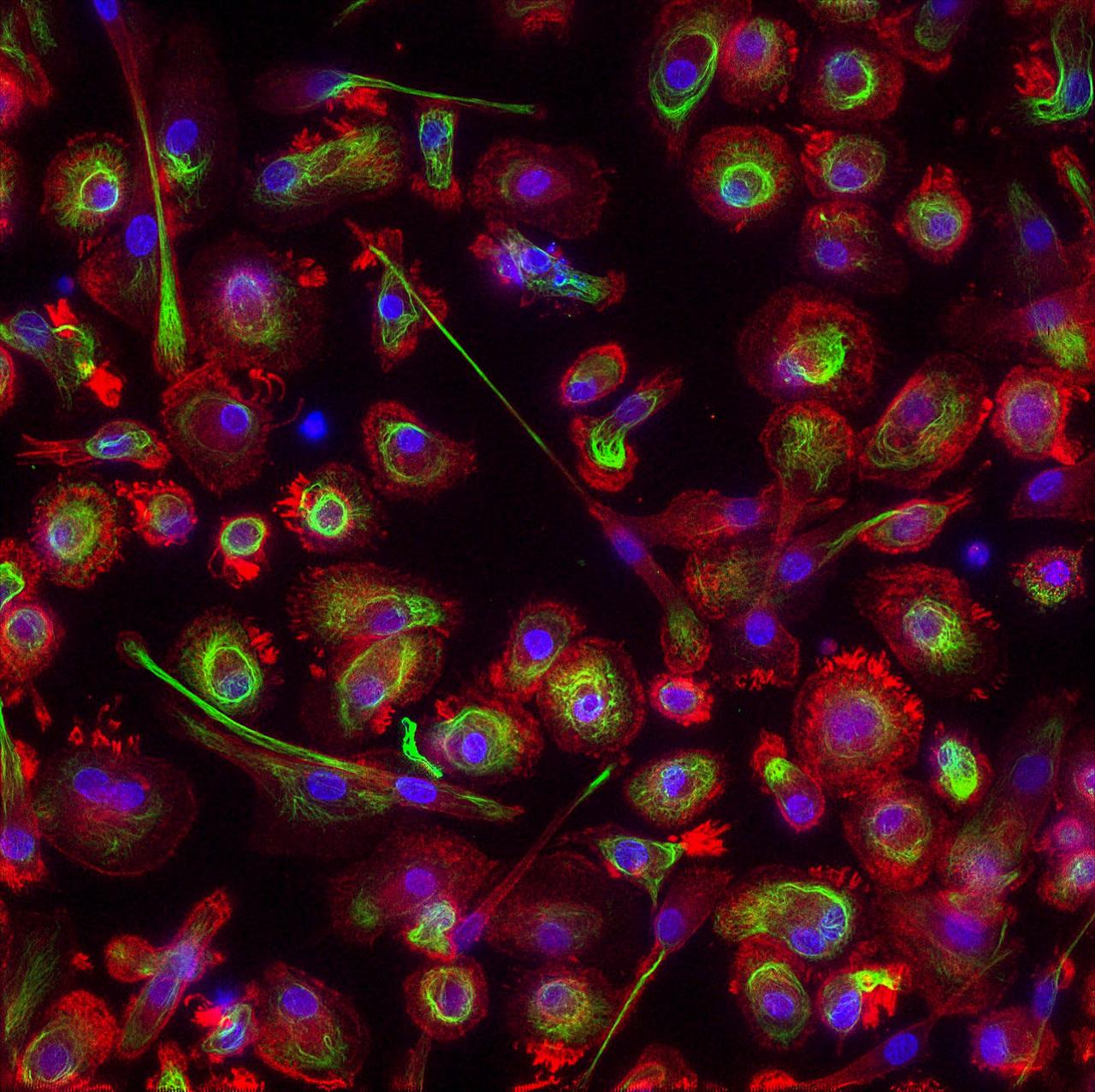
jsc2019e051831 --- Image of fixed macrophages using three chromophores created by the FLUMIAS-DEA miniaturized fluorescence microscope during Science Verification Test. Image courtesy of: Airbus
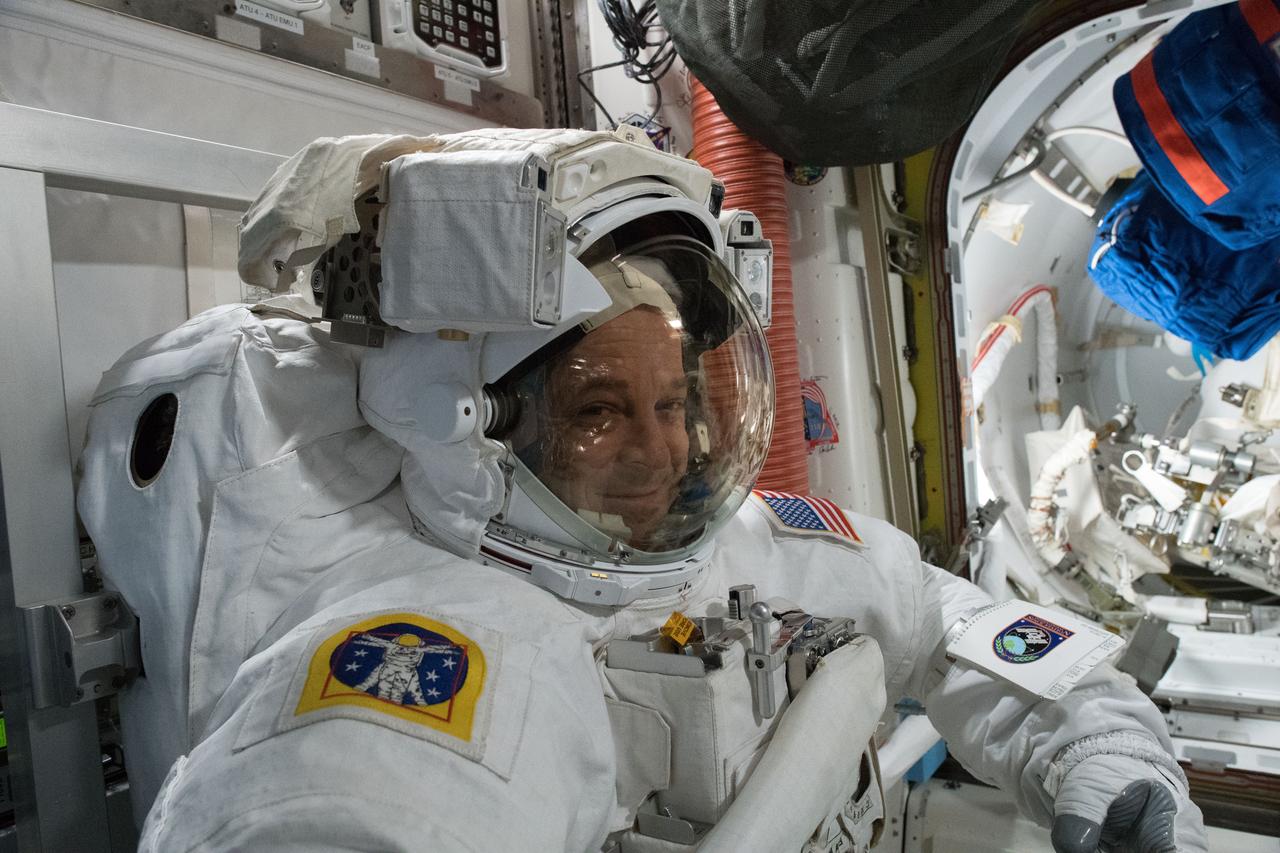
iss055e063891 (May 7, 2018) --- NASA astronaut Ricky Arnold is pictured inside a U.S. spacesuit for a fit check verification ahead of a pair of spacewalks.
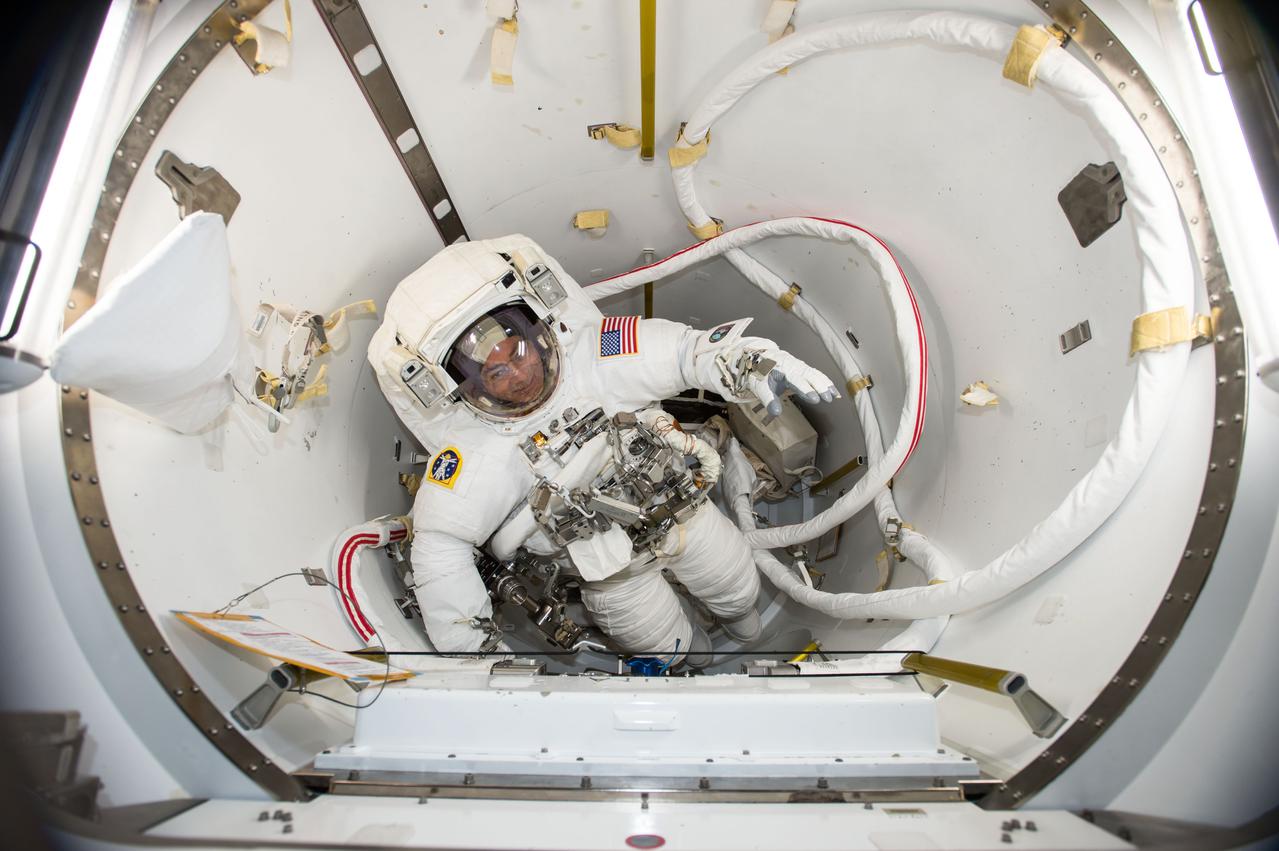
iss053e064252 (Sept. 29, 2017) --- NASA astronaut and Expedition 53 Flight Engineer Mark Vande Hei verifies his U.S. spacesuit fits while inside the International Space Station's U.S. Quest airlock.
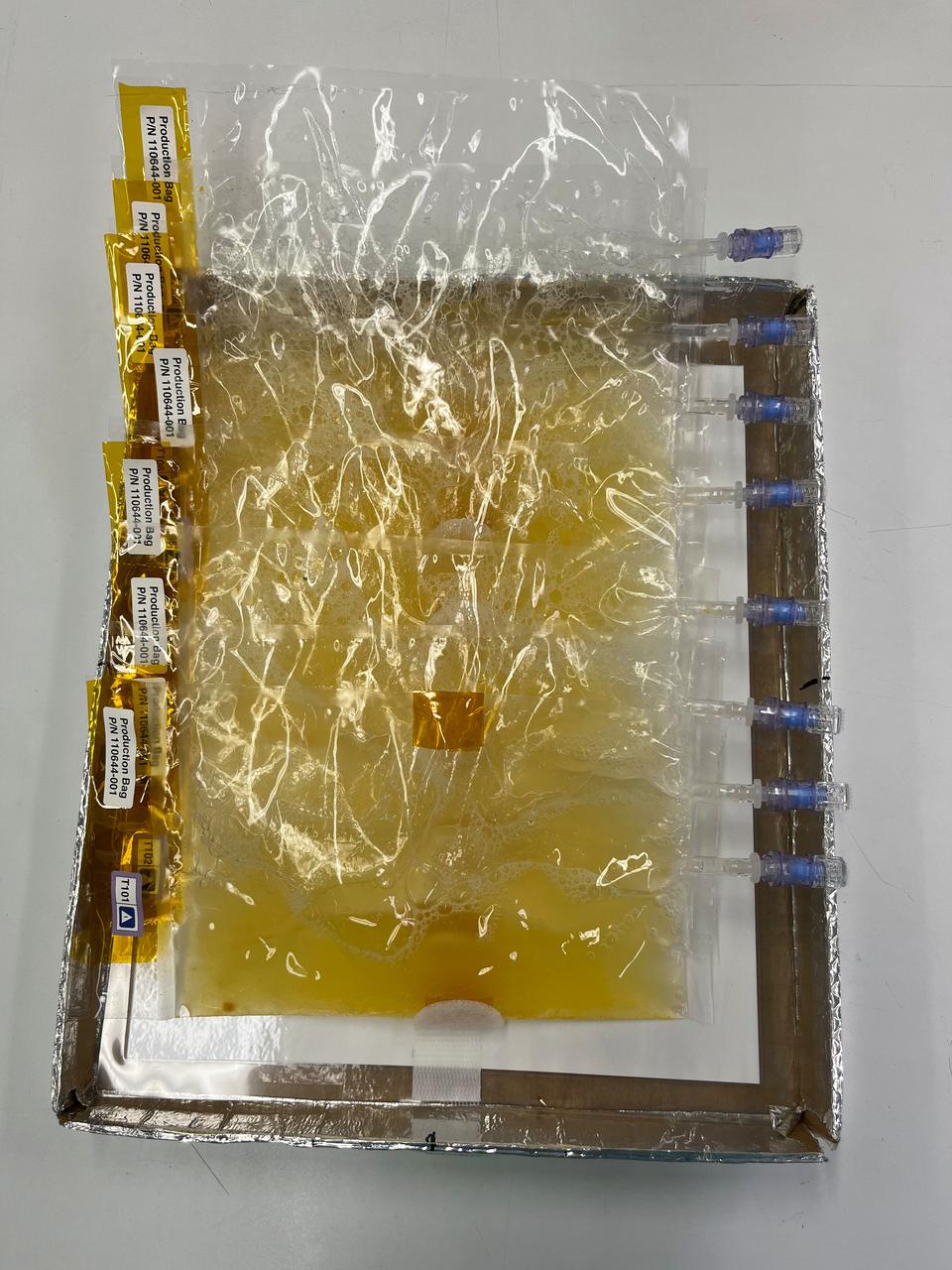
Eight BioNutrients-3 production bags containing yeast (S. cerevisiae Y55 strain 1034) attached to the SABL Tray mockup during the BioNutrients-3 Experiment Verification Test Photo Credit: NASA Ames
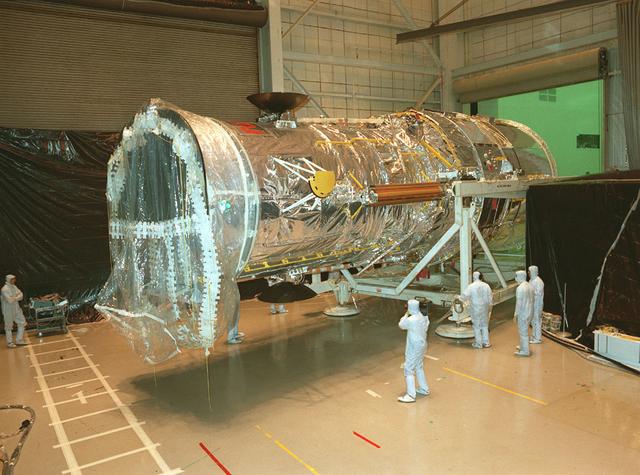
The Hubble Space Telescope (HST) being transferred from the Vertical Assembly Test Area (VATA) to the High Bay at the Lockheed assembly plant in preparation for transport to the Kennedy Space Center (KSC) after final testing and verification.
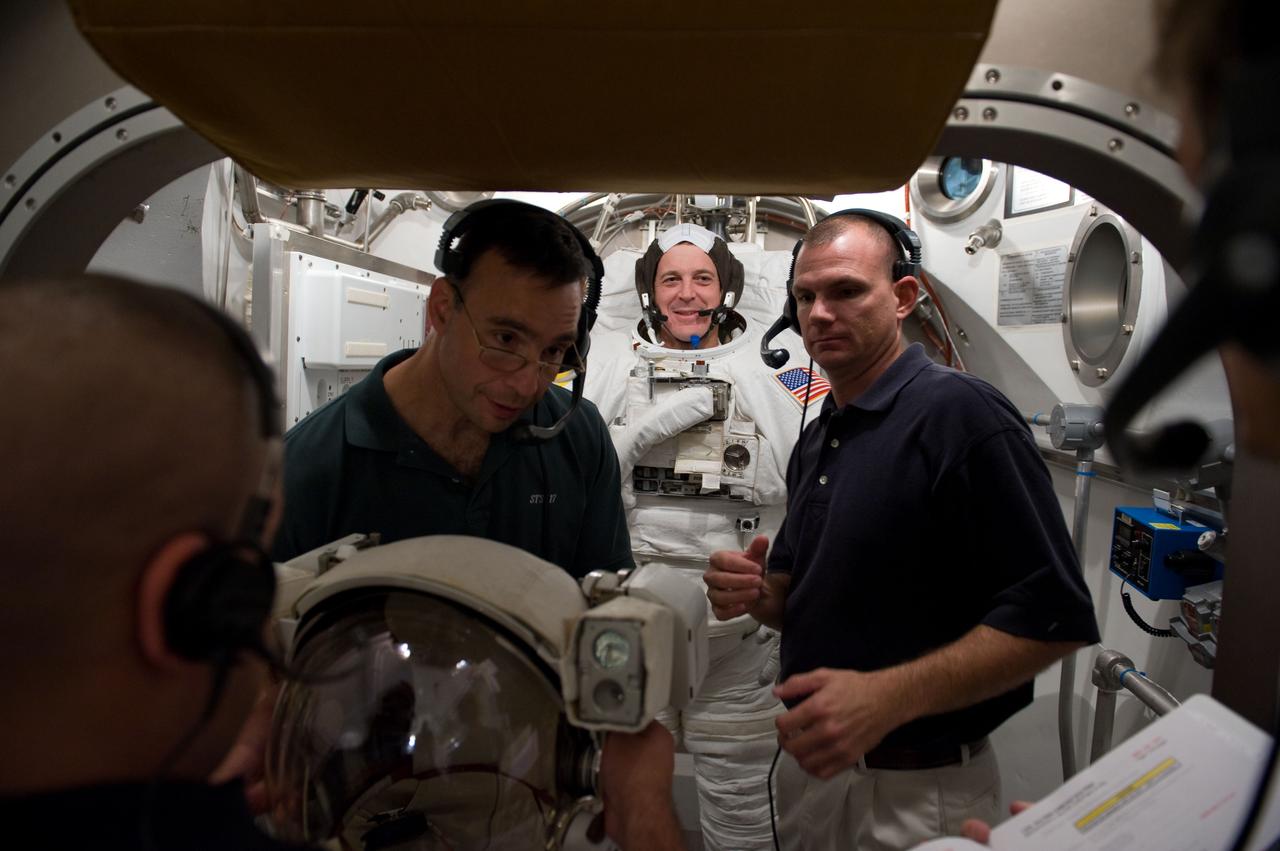
Date: 11-04-08 Location: Bldg 7, SSATA Subject: SSATA crew training and EMU verification for STS-119 crew member Ricky Arnold. STB-SS-1862 Photographer: Blair
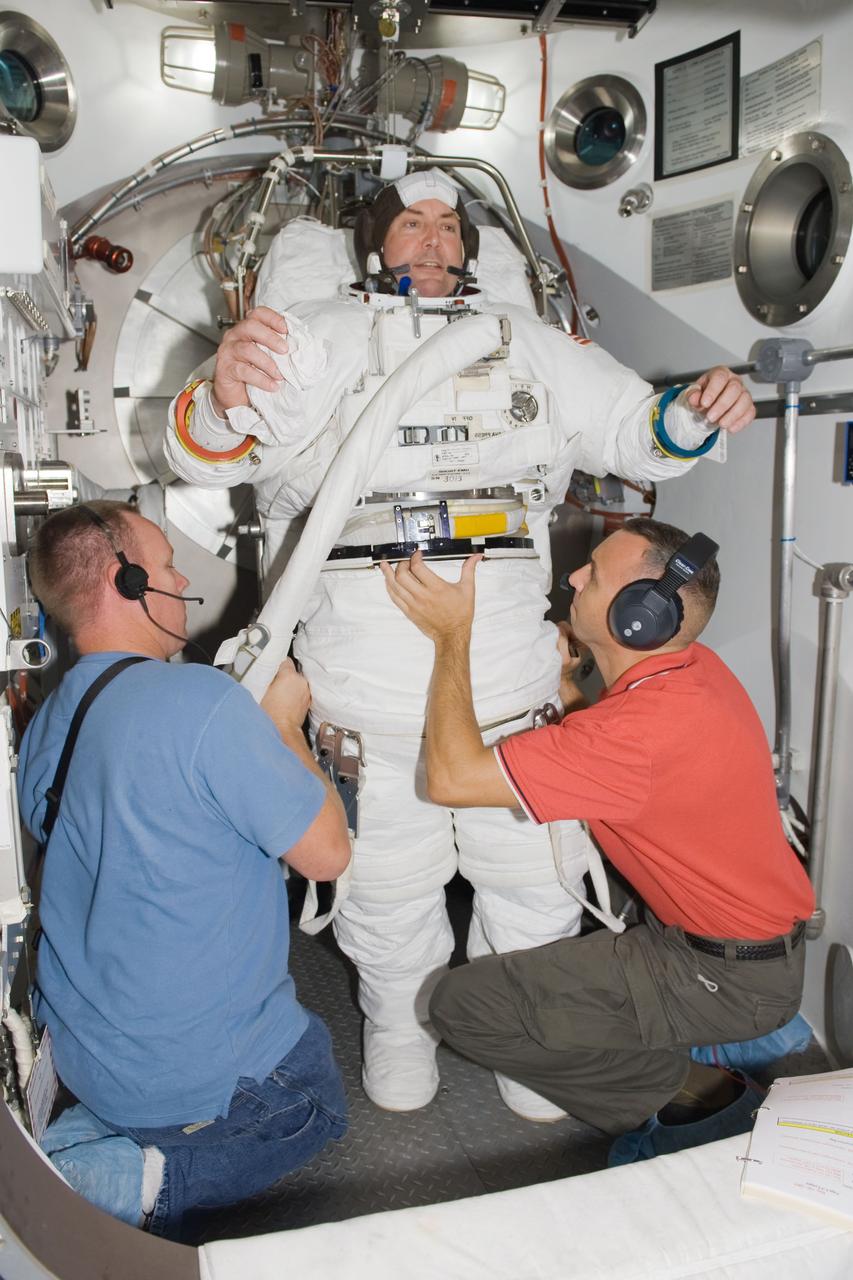
DATE: 08/19/09 LOCATION: Bldg 7/SSATA Chamber SUBJECT: SSATA Crew Training and EMU Verification for STS-129 crew member Mike Foreman during suited dry run PHOTOGRAPHER: Lauren Harnett
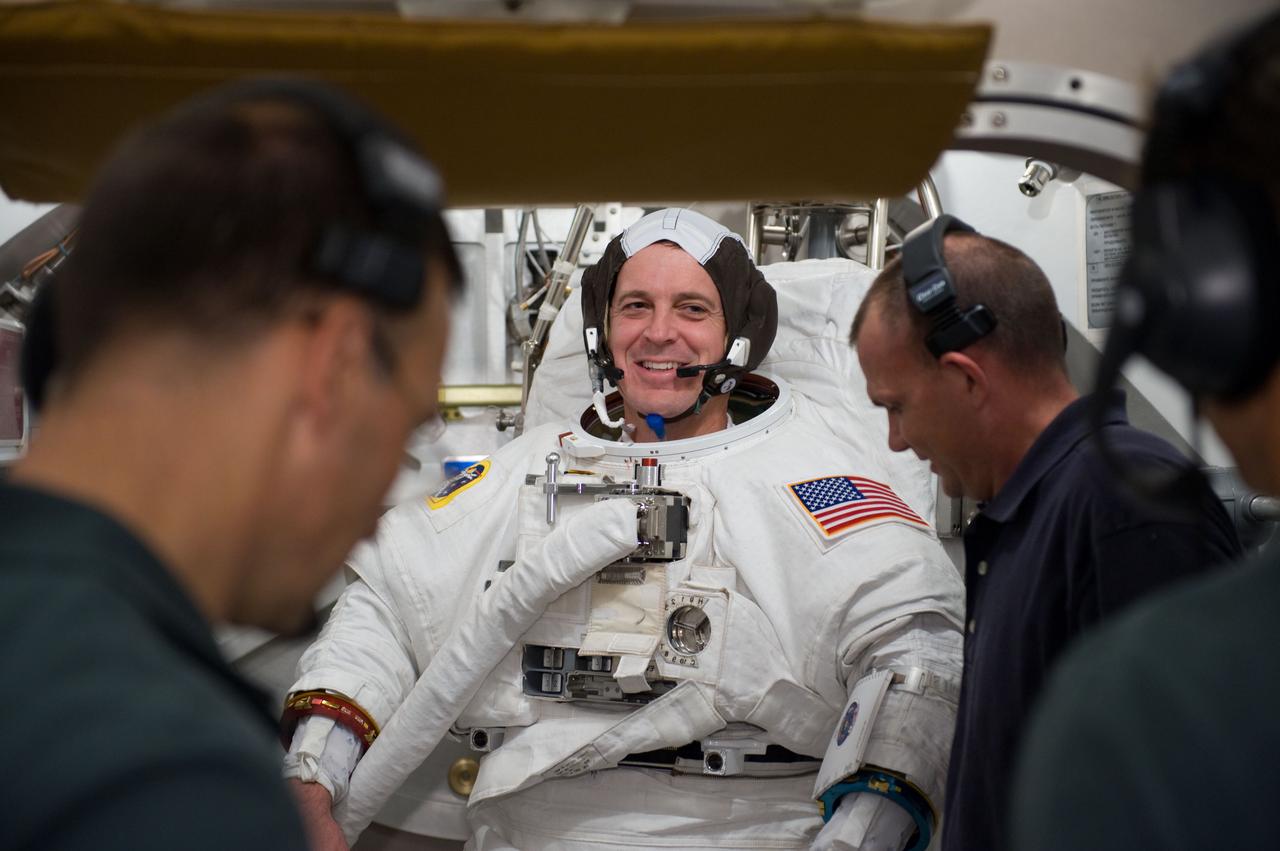
Date: 11-04-08 Location: Bldg 7, SSATA Subject: SSATA crew training and EMU verification for STS-119 crew member Ricky Arnold. STB-SS-1862 Photographer: Blair
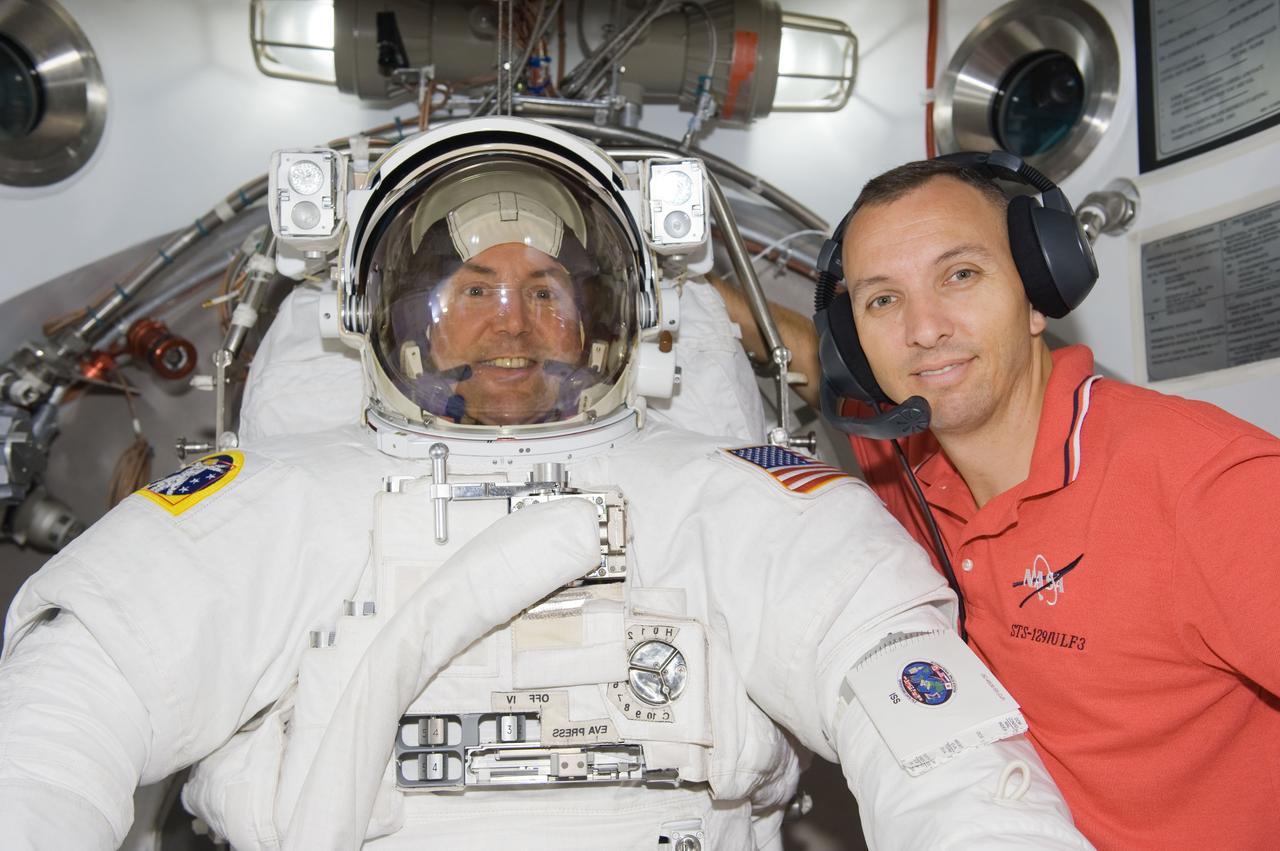
DATE: 08/19/09 LOCATION: Bldg 7/SSATA Chamber SUBJECT: SSATA Crew Training and EMU Verification for STS-129 crew member Mike Foreman during suited dry run PHOTOGRAPHER: Lauren Harnett
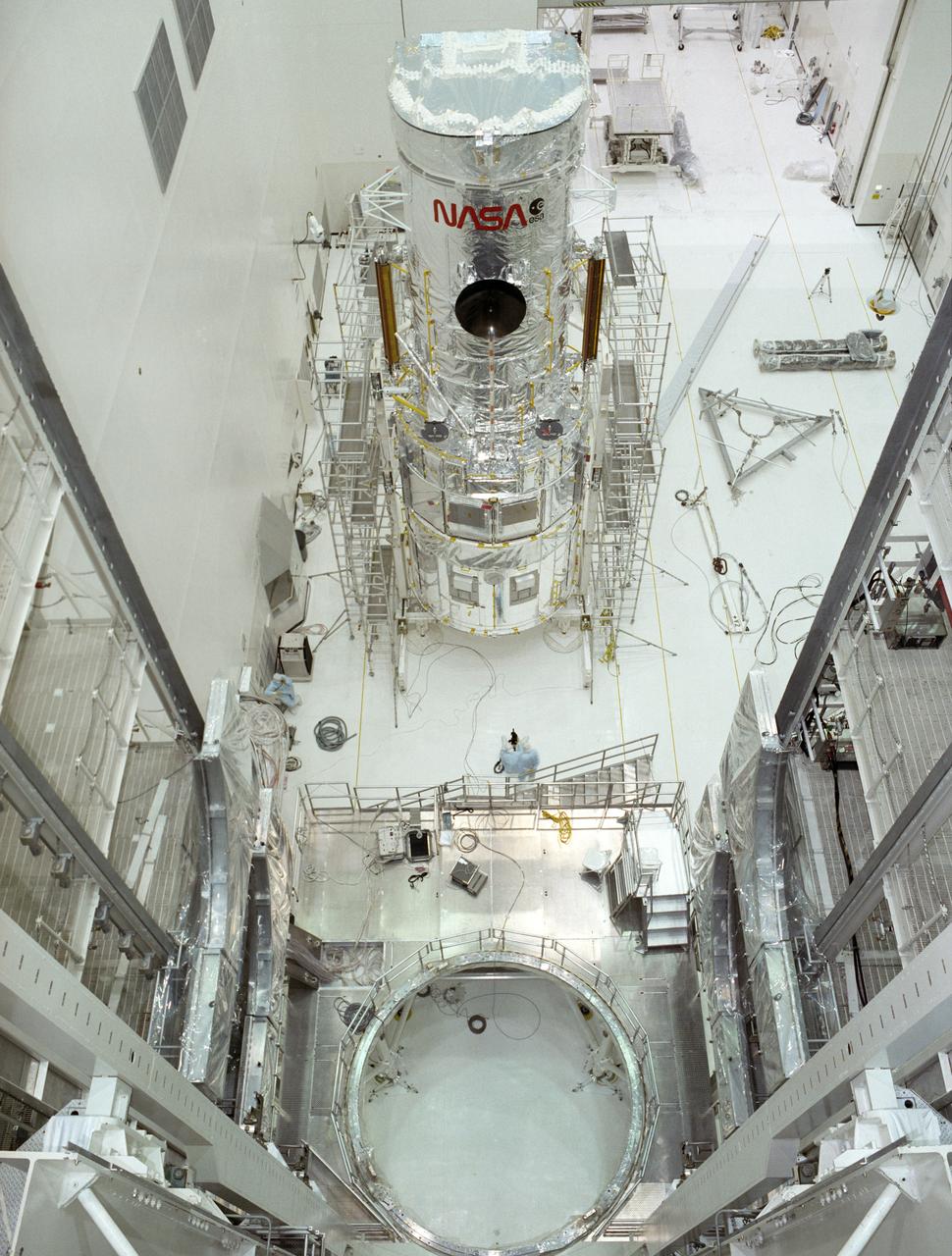
Ready for transportation to the Kennedy Space Center, the Hubble Space Telescope (HST) is pictured onboard the strongback dolly at the Vertical Processing Facility (VPF) at the Lockheed assembly plant upon completion of final testing and verification.
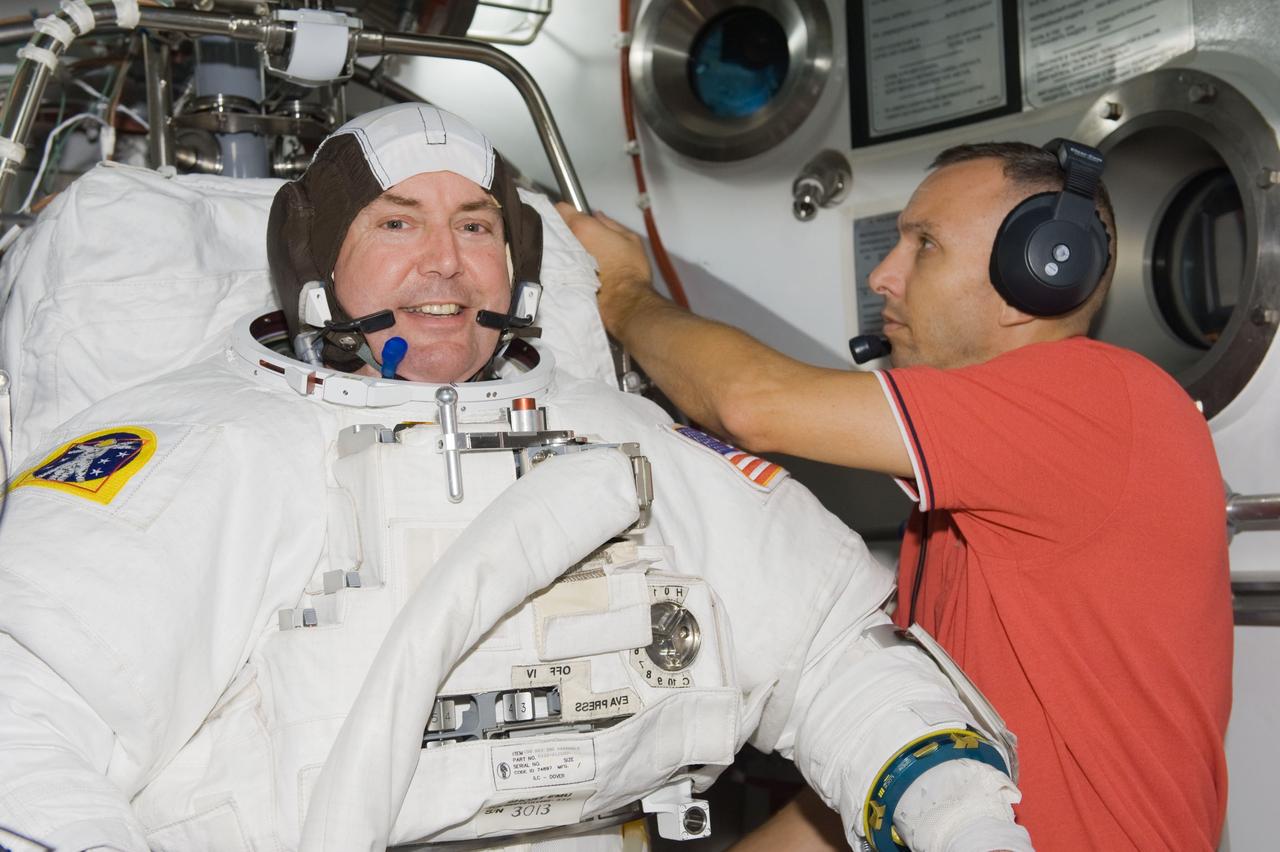
DATE: 08/19/09 LOCATION: Bldg 7/SSATA Chamber SUBJECT: SSATA Crew Training and EMU Verification for STS-129 crew member Mike Foreman during suited dry run PHOTOGRAPHER: Lauren Harnett
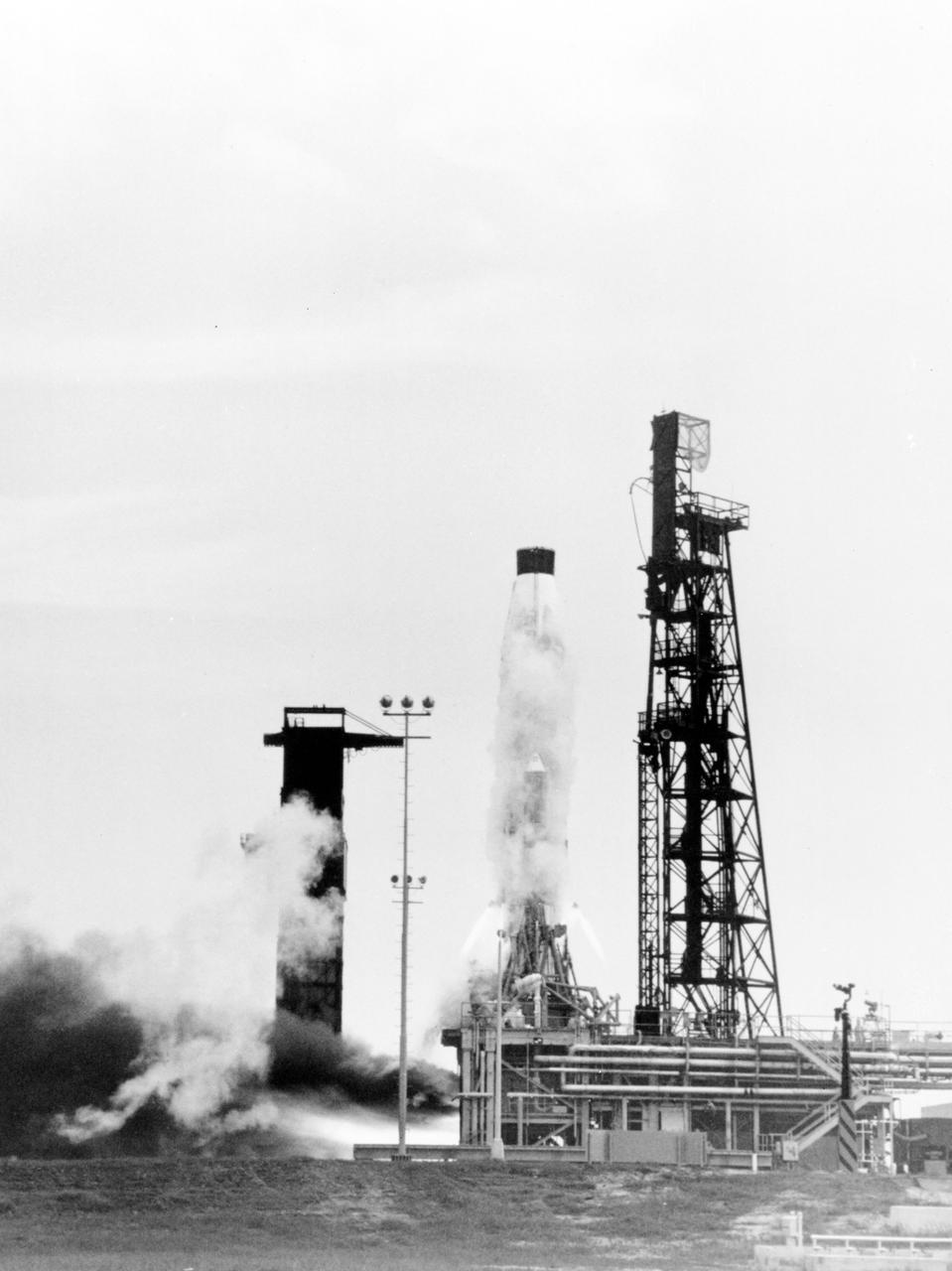
S62-06634 (1962) --- Static test firing of the Mercury-Atlas 8 (MA-8) Atlas 113D during preflight verification of launch vehicle systems. Photo credit: NASA
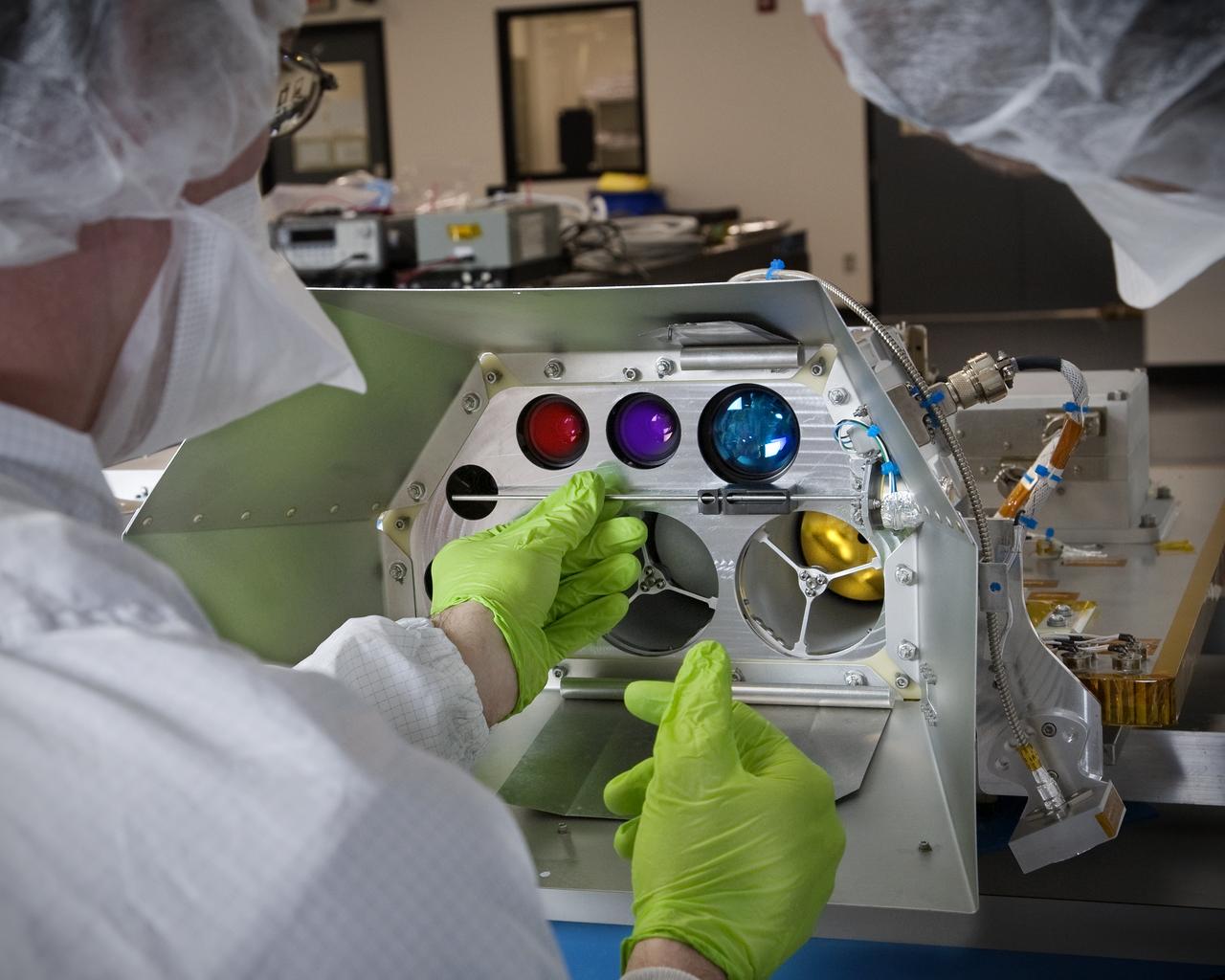
LCROSS leaves Northrup Grumman Redondo Beach, CA clean room post shippment verification tests before being mated to the Lunar Reconnaissance Orbitor (LR0) spacecraft for a piggyback ride to the Moon.
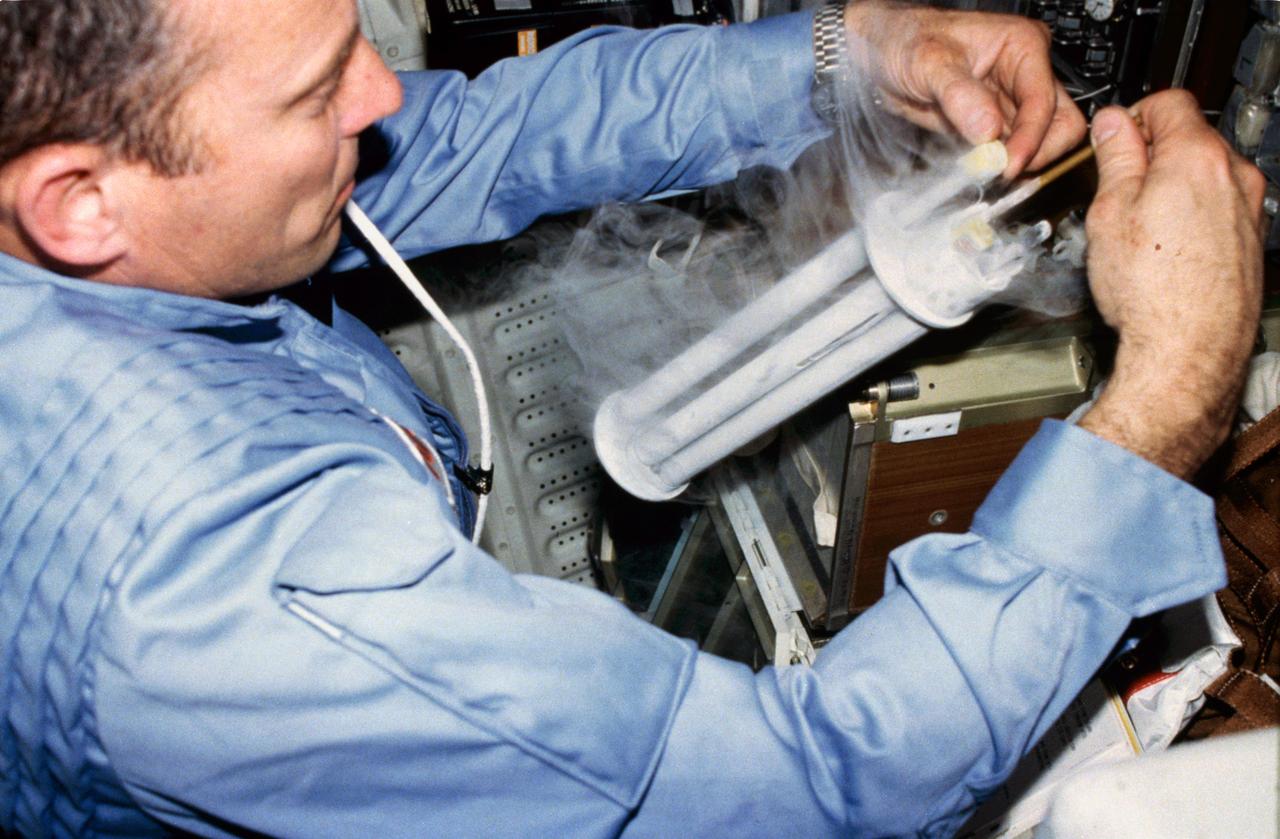
Commander Jack Lousma works with Electrophoresis Equipment Verification Test (EEVT) electrophoresis unit, cryogenic freezer and tube, and stowage locker equipment located on crew compartment middeck aft bulkhead.
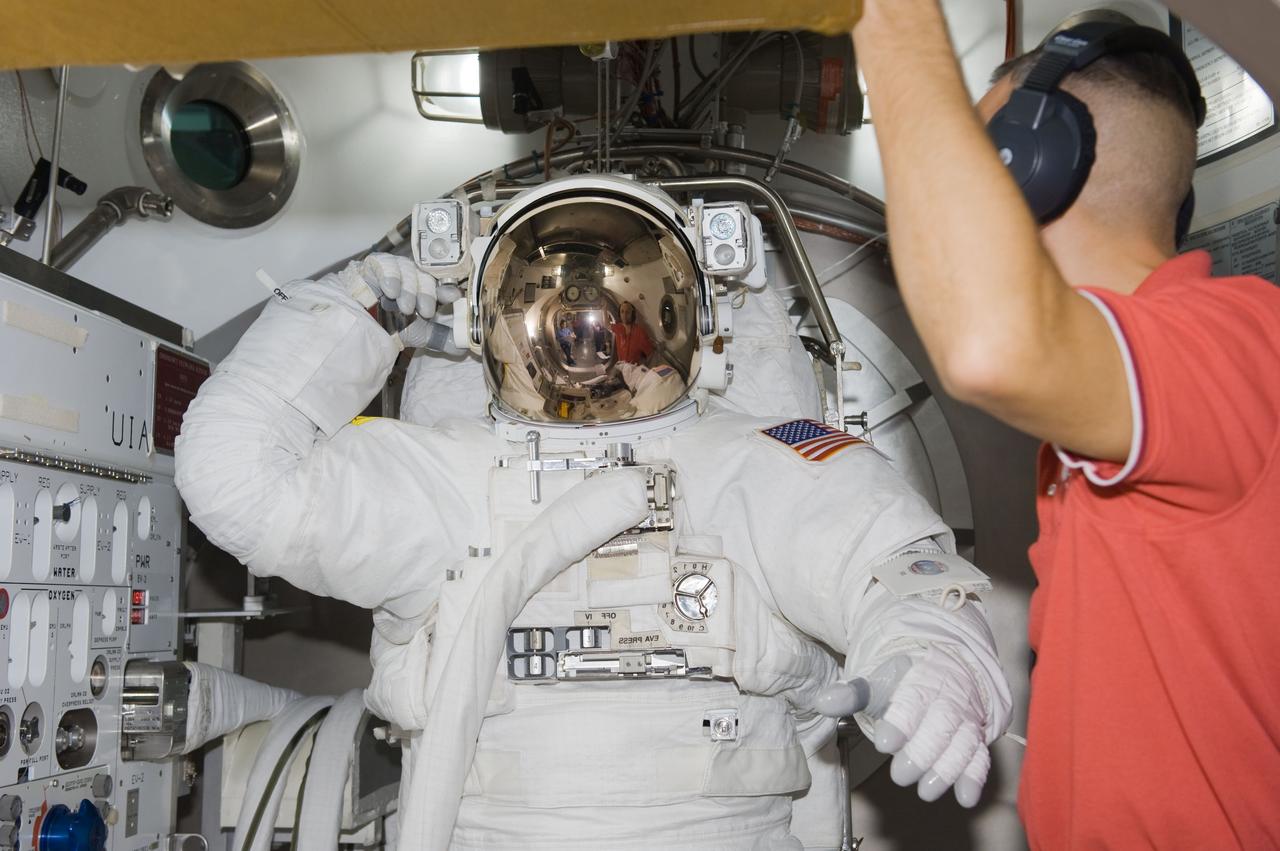
DATE: 08/19/09 LOCATION: Bldg 7/SSATA Chamber SUBJECT: SSATA Crew Training and EMU Verification for STS-129 crew member Mike Foreman during suited dry run PHOTOGRAPHER: Lauren Harnett
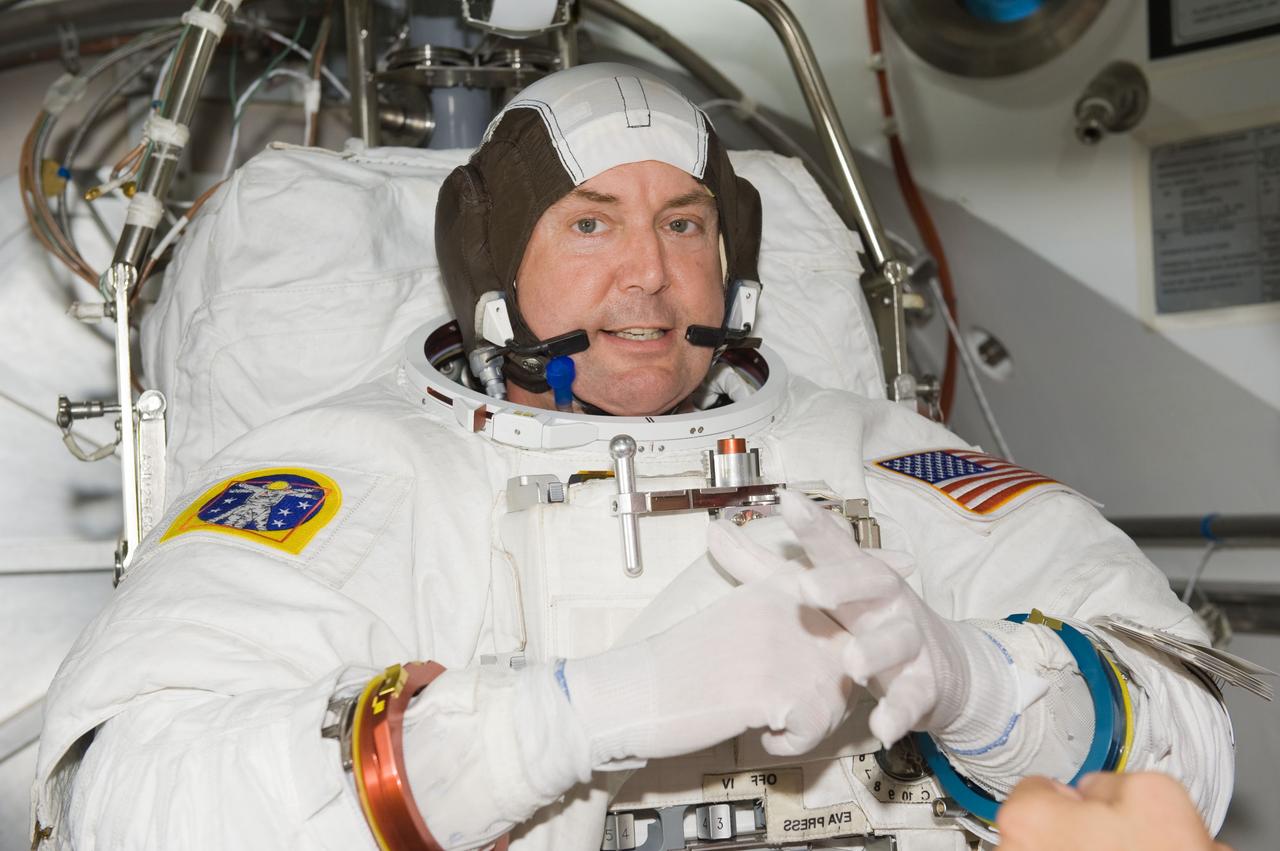
DATE: 08/19/09 LOCATION: Bldg 7/SSATA Chamber SUBJECT: SSATA Crew Training and EMU Verification for STS-129 crew member Mike Foreman during suited dry run PHOTOGRAPHER: Lauren Harnett
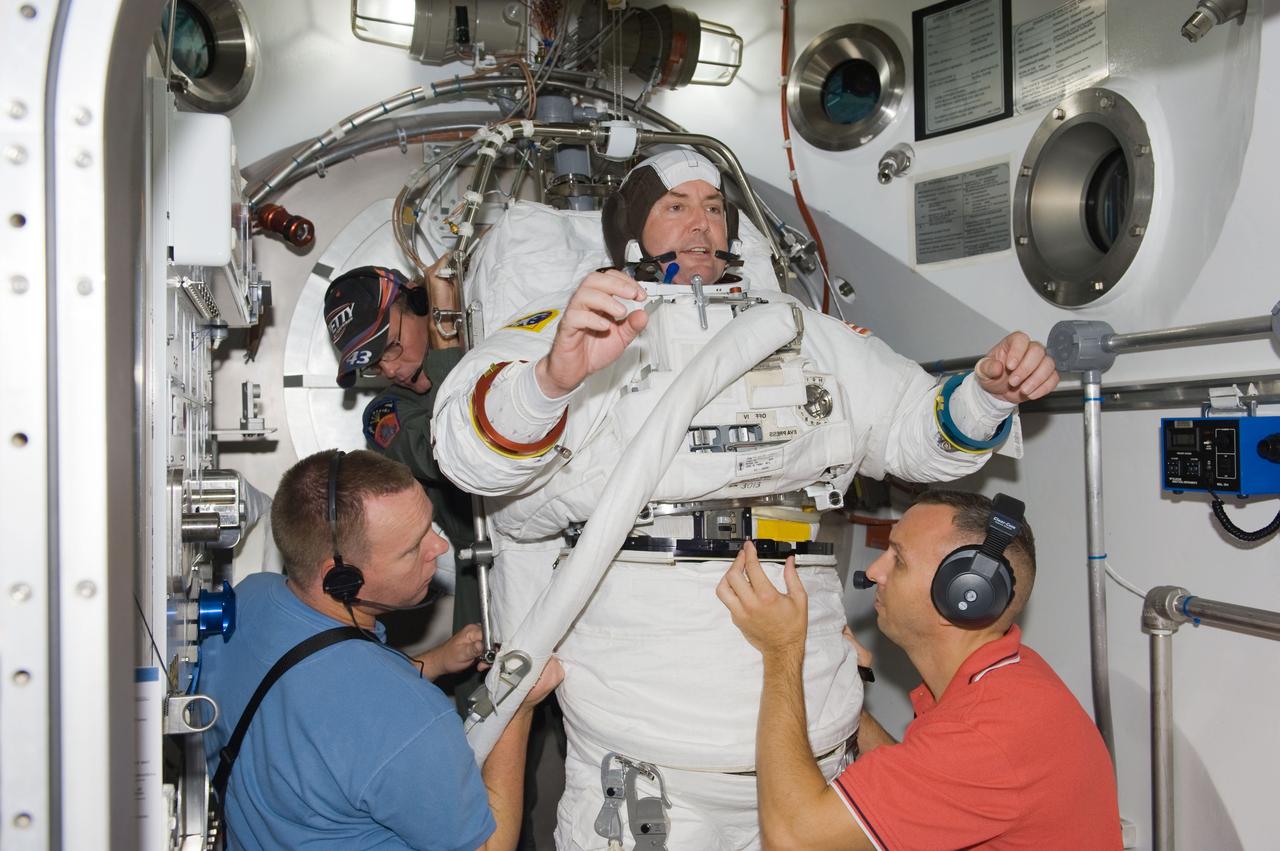
DATE: 08/19/09 LOCATION: Bldg 7/SSATA Chamber SUBJECT: SSATA Crew Training and EMU Verification for STS-129 crew member Mike Foreman during suited dry run PHOTOGRAPHER: Lauren Harnett
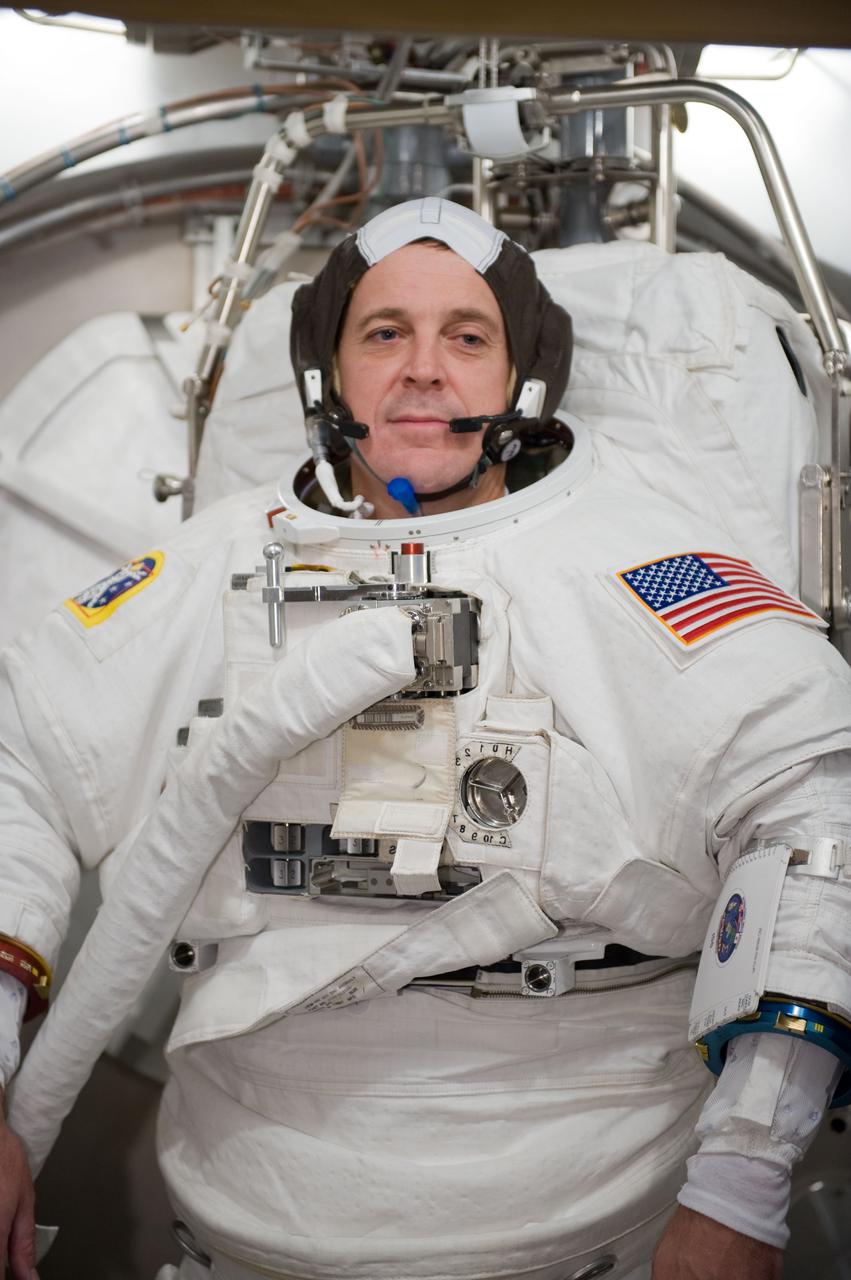
Date: 11-04-08 Location: Bldg 7, SSATA Subject: SSATA crew training and EMU verification for STS-119 crew member Ricky Arnold. STB-SS-1862 Photographer: Blair
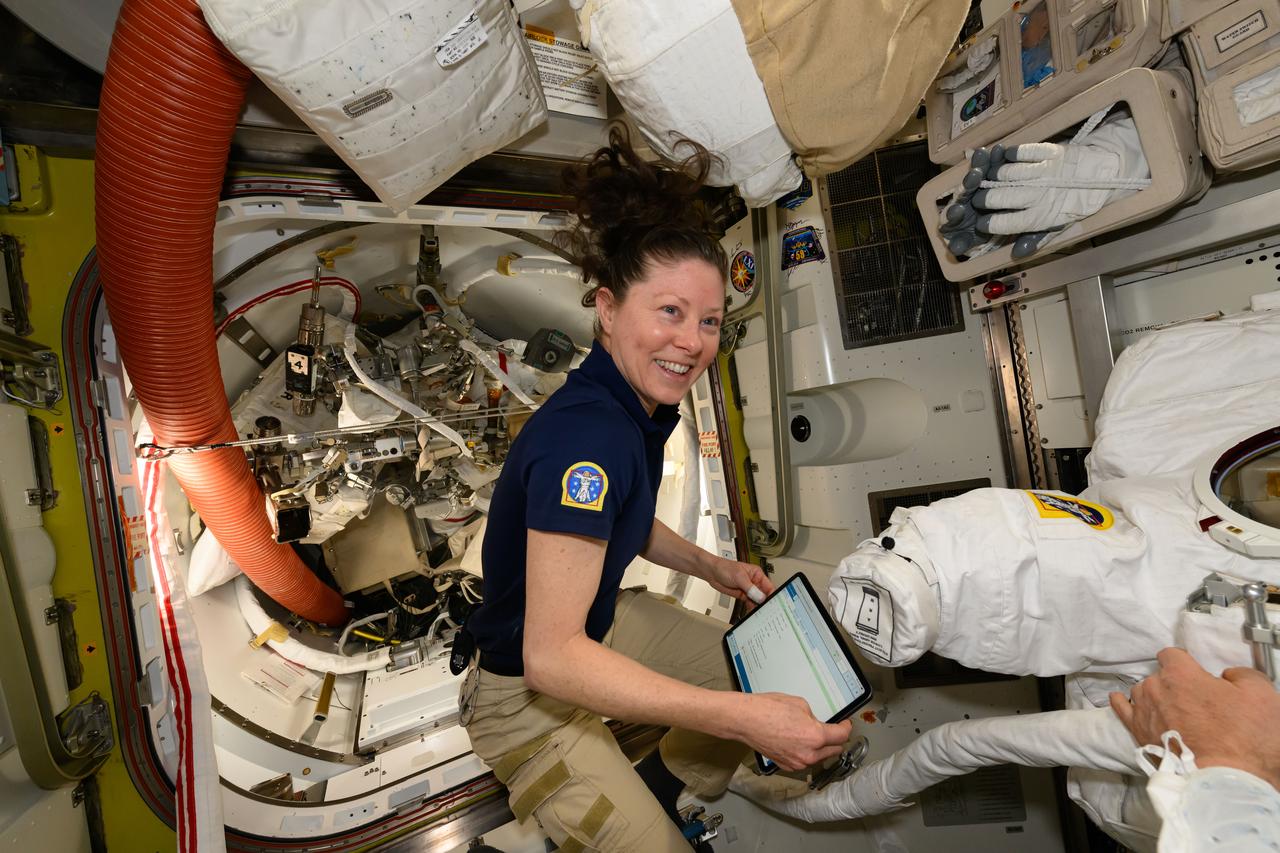
iss071e178113 (June 5, 2024) --- NASA astronaut and Expedition 71 Flight Engineer Tracy C. Dyson works inside the International Space Station's Quest airlock and checks procedures on a computer tablet to prepare a spacesuit for a fit verification.
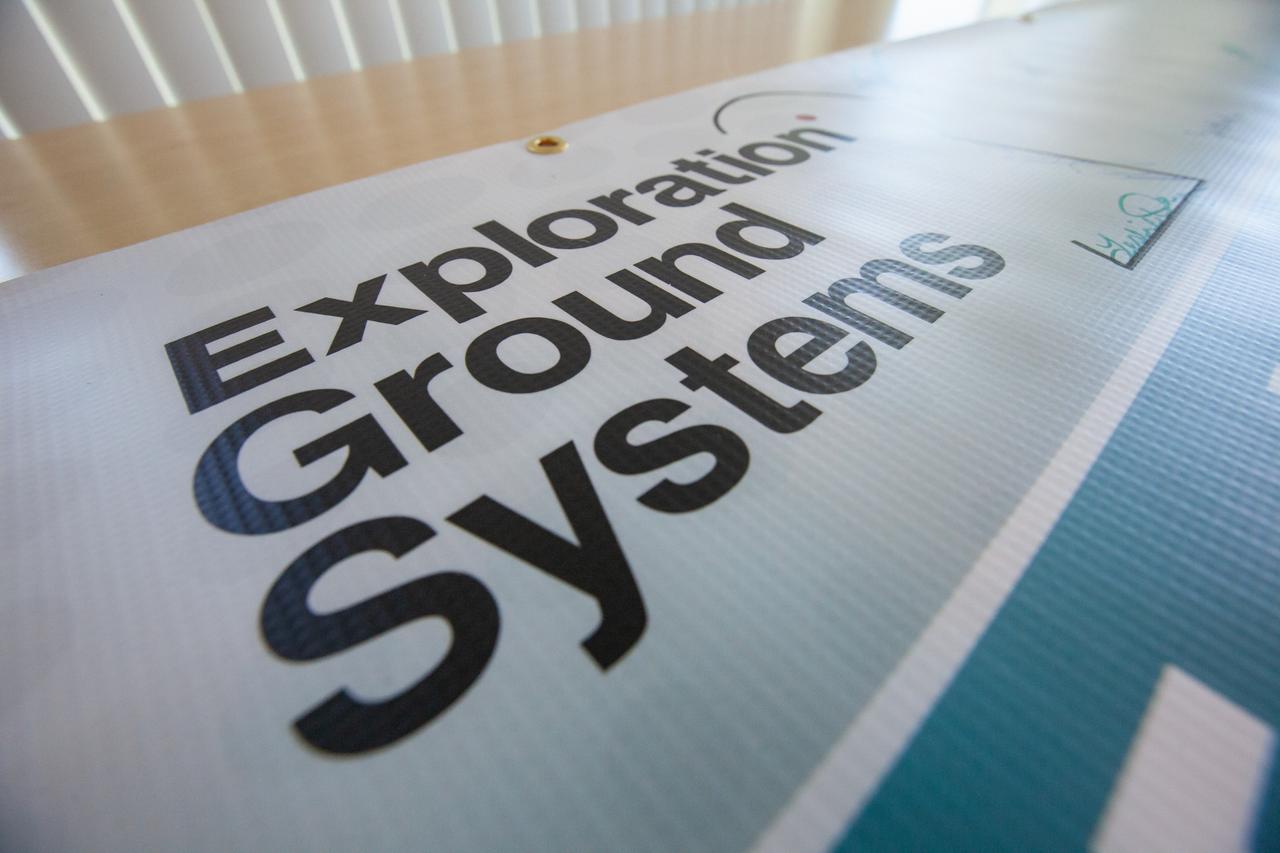
A banner signing event was held April 22, 2019, at NASA’s Kennedy Space Center in Florida, to mark the accomplishments of the Kennedy engineering team that supported the Ground Support Equipment (GSE) Subsystem Software development. This team includes the software leads, local developers, remote developers, modelers, project engineers, software quality assurance, build team members, integrators, system engineers, a chief engineer and some software managers. There are 60 unique instances of GSE Subsystem Software code. As of today, 58 of those 60 instances have completed software Level 5 Verification (L5V) and are in the process of completing Subsystem Verification & Validation.
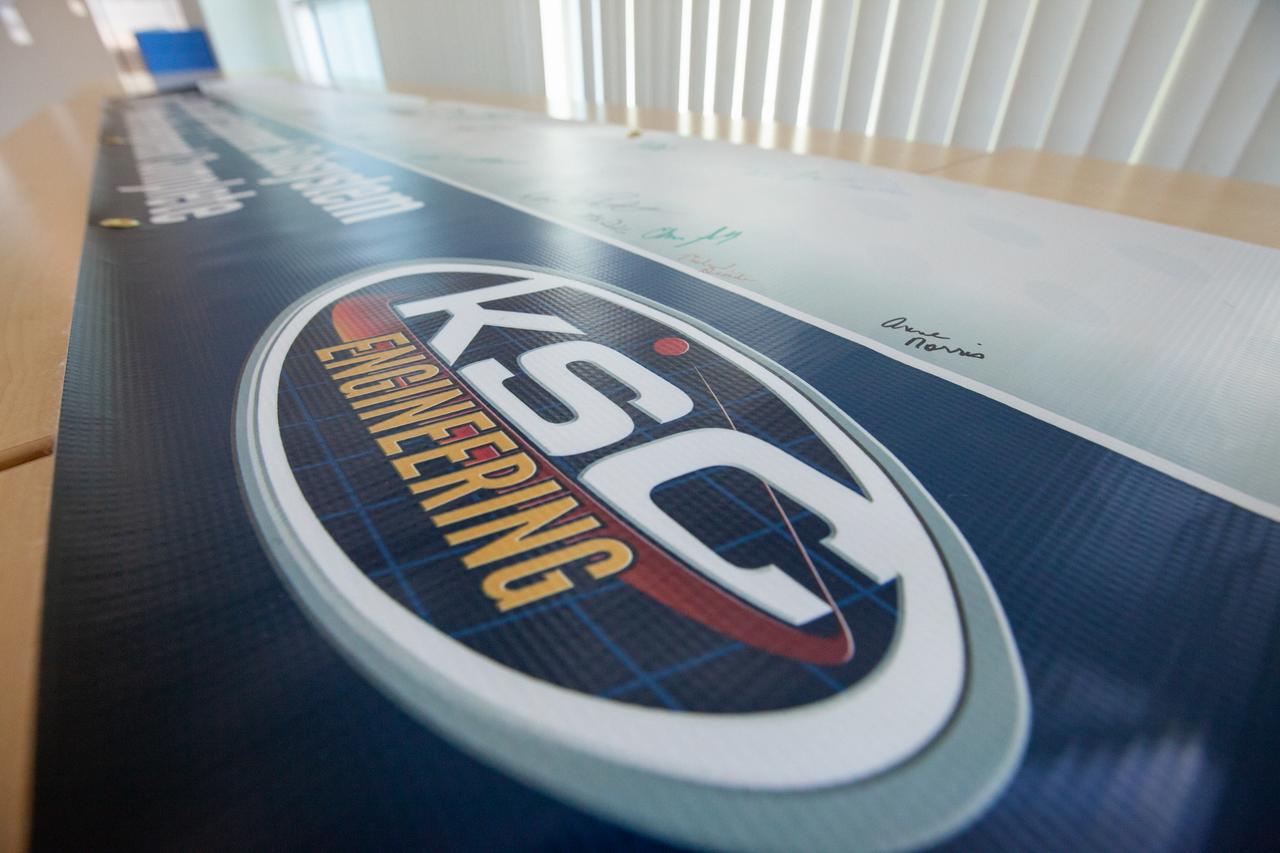
A banner signing event was held April 22, 2019, at NASA’s Kennedy Space Center in Florida, to mark the accomplishments of the Kennedy engineering team that supported the Ground Support Equipment (GSE) Subsystem Software development. This team includes the software leads, local developers, remote developers, modelers, project engineers, software quality assurance, build team members, integrators, system engineers, a chief engineer and some software managers. There are 60 unique instances of GSE Subsystem Software code. As of today, 58 of those 60 instances have completed software Level 5 Verification (L5V) and are in the process of completing Subsystem Verification & Validation.

John "JC" Carver, a payload integration engineer with NASA Kennedy Space Center's Test and Operations Support Contract, harvests half the Arabidopsis thaliana plants inside the growth chamber of the Advanced Plant Habitat (APH) Flight Unit No. 1. The harvest is part of an ongoing verification test of the APH unit, which is located inside the International Space Station Environmental Simulator in Kennedy's Space Station Processing Facility. The APH undergoing testing at Kennedy is identical to one on the station and uses red, green and broad-spectrum white LED lights to grow plants in an environmentally controlled chamber. The seeds grown during the verification test will be grown on the station to help scientists understand how these plants adapt to spaceflight.
A banner signing event was held April 22, 2019, at NASA’s Kennedy Space Center in Florida, to mark the accomplishments of the Kennedy engineering team that supported the Ground Support Equipment (GSE) Subsystem Software development. This team includes the software leads, local developers, remote developers, modelers, project engineers, software quality assurance, build team members, integrators, system engineers, a chief engineer and some software managers. There are 60 unique instances of GSE Subsystem Software code. As of today, 58 of those 60 instances have completed software Level 5 Verification (L5V) and are in the process of completing Subsystem Verification & Validation.

Arabidopsis thaliana plants are seen inside the growth chamber of the Advanced Plant Habitat (APH) Flight Unit No. 1 prior to harvest of half the plants. The harvest is part of an ongoing verification test of the APH unit, which is located inside the International Space Station Environmental Simulator in NASA Kennedy Space Center's Space Station Processing Facility. The APH undergoing testing at Kennedy is identical to one on the station and uses red, green and broad-spectrum white LED lights to grow plants in an environmentally controlled chamber. The seeds grown during the verification test will be grown on the station to help scientists understand how these plants adapt to spaceflight.
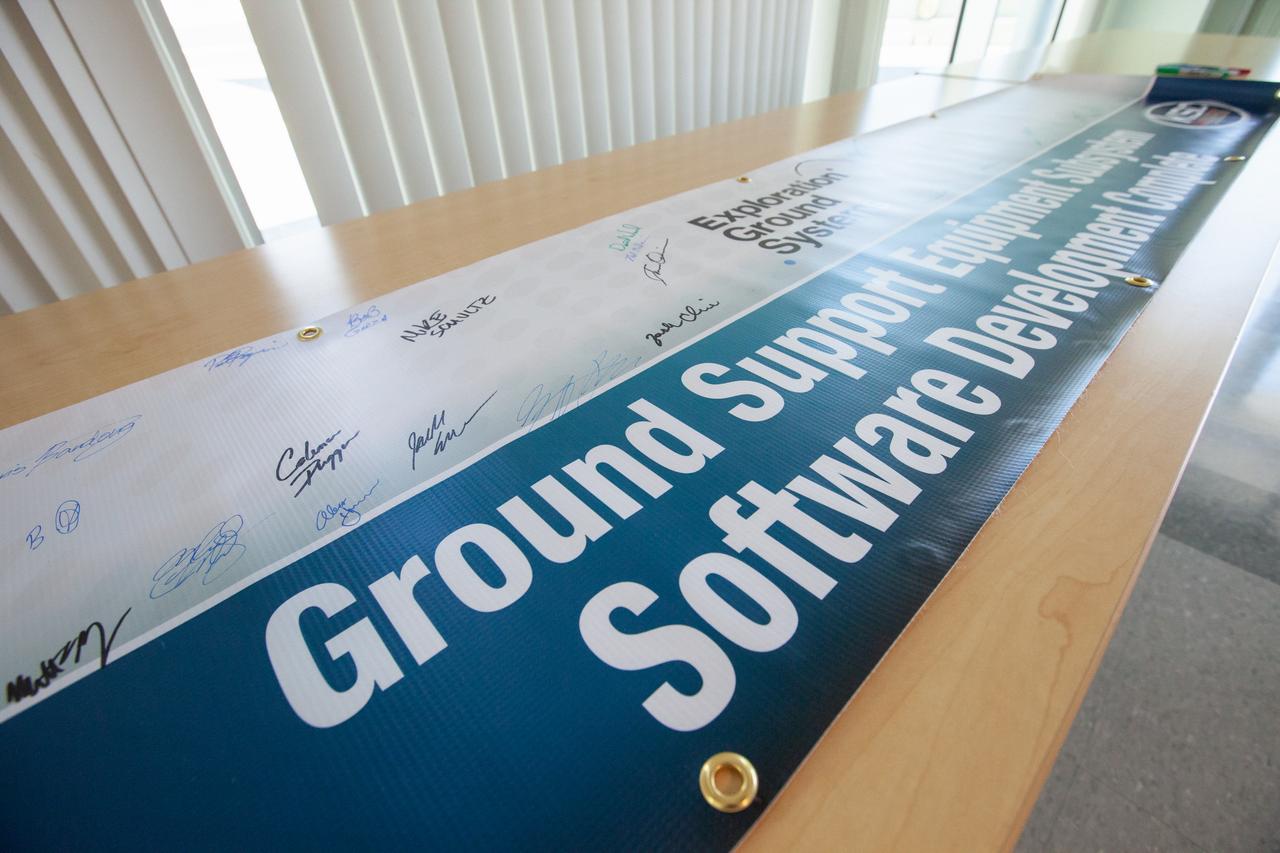
A banner signing event was held April 22, 2019, at NASA’s Kennedy Space Center in Florida, to mark the accomplishments of the Kennedy engineering team that supported the Ground Support Equipment (GSE) Subsystem Software development. This team includes the software leads, local developers, remote developers, modelers, project engineers, software quality assurance, build team members, integrators, system engineers, a chief engineer and some software managers. There are 60 unique instances of GSE Subsystem Software code. As of today, 58 of those 60 instances have completed software Level 5 Verification (L5V) and are in the process of completing Subsystem Verification & Validation.

A banner signing event was held April 22, 2019, at NASA’s Kennedy Space Center in Florida, to mark the accomplishments of the Kennedy engineering team that supported the Ground Support Equipment (GSE) Subsystem Software development. This team includes the software leads, local developers, remote developers, modelers, project engineers, software quality assurance, build team members, integrators, system engineers, a chief engineer and some software managers. There are 60 unique instances of GSE Subsystem Software code. As of today, 58 of those 60 instances have completed software Level 5 Verification (L5V) and are in the process of completing Subsystem Verification & Validation.
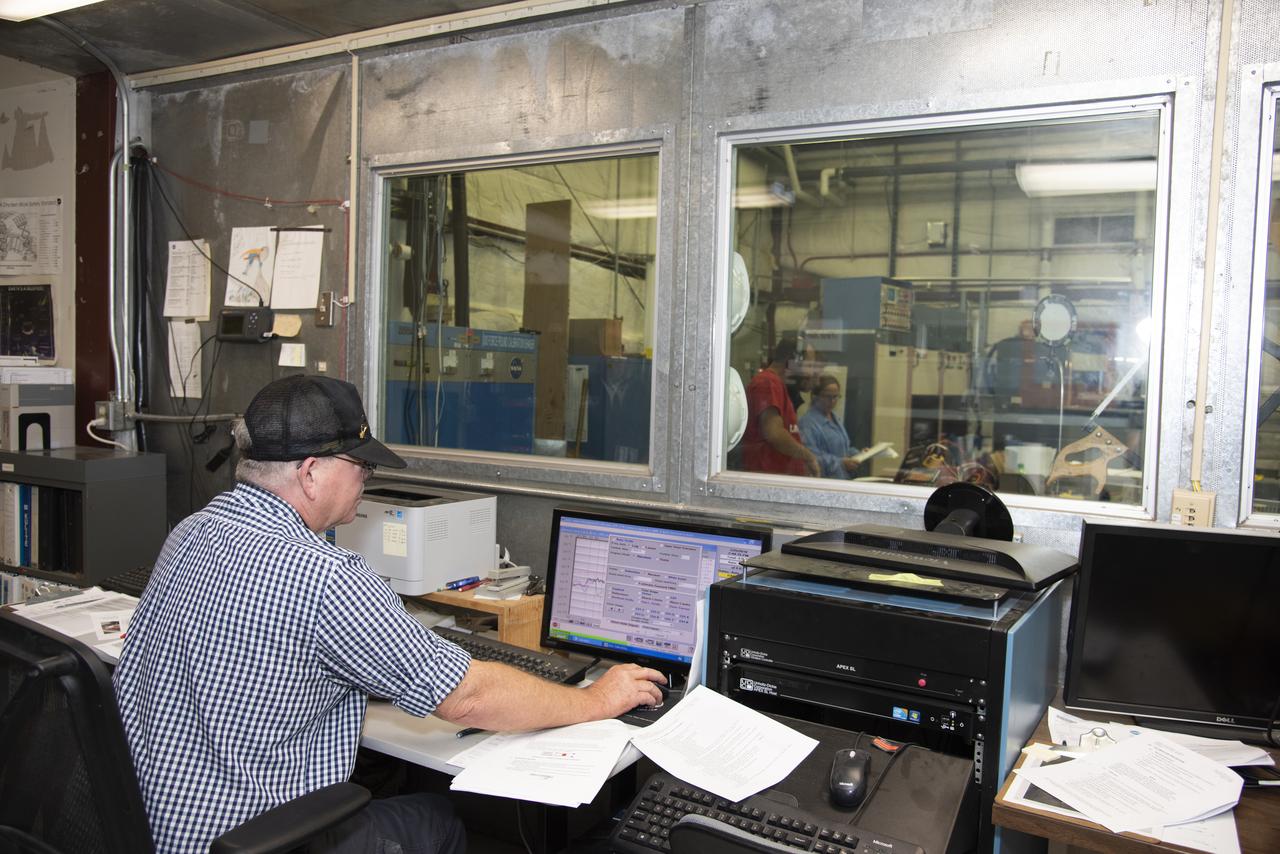
Martin Munday selects the accelerometers that will be used for vibration testing of the Orion AA-2 test article components in the Environmental Laboratory at NASA’s Armstrong Flight Research Center in California. Following Armstrong’s validation and verification work, the components will be integrated on the AA-2 test article for a flight set for 2019.
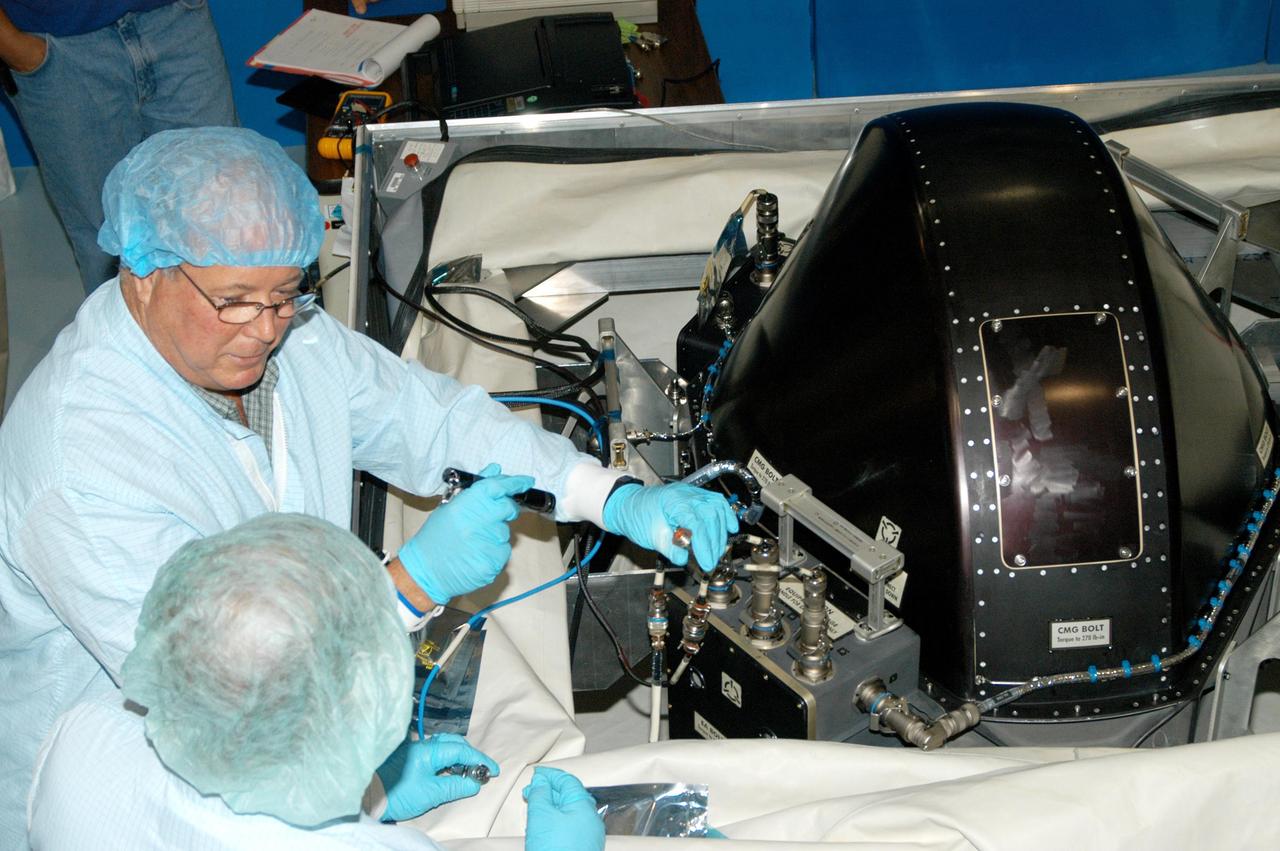
KENNEDY SPACE CENTER, FLA. - In the Space Station Processing Facility, workers conduct a post-delivery verification test on a Control Moment Gyro (CMG) that is scheduled to fly on mission STS-114. The CMG will replace another on the International Space Station, which will require a spacewalk.
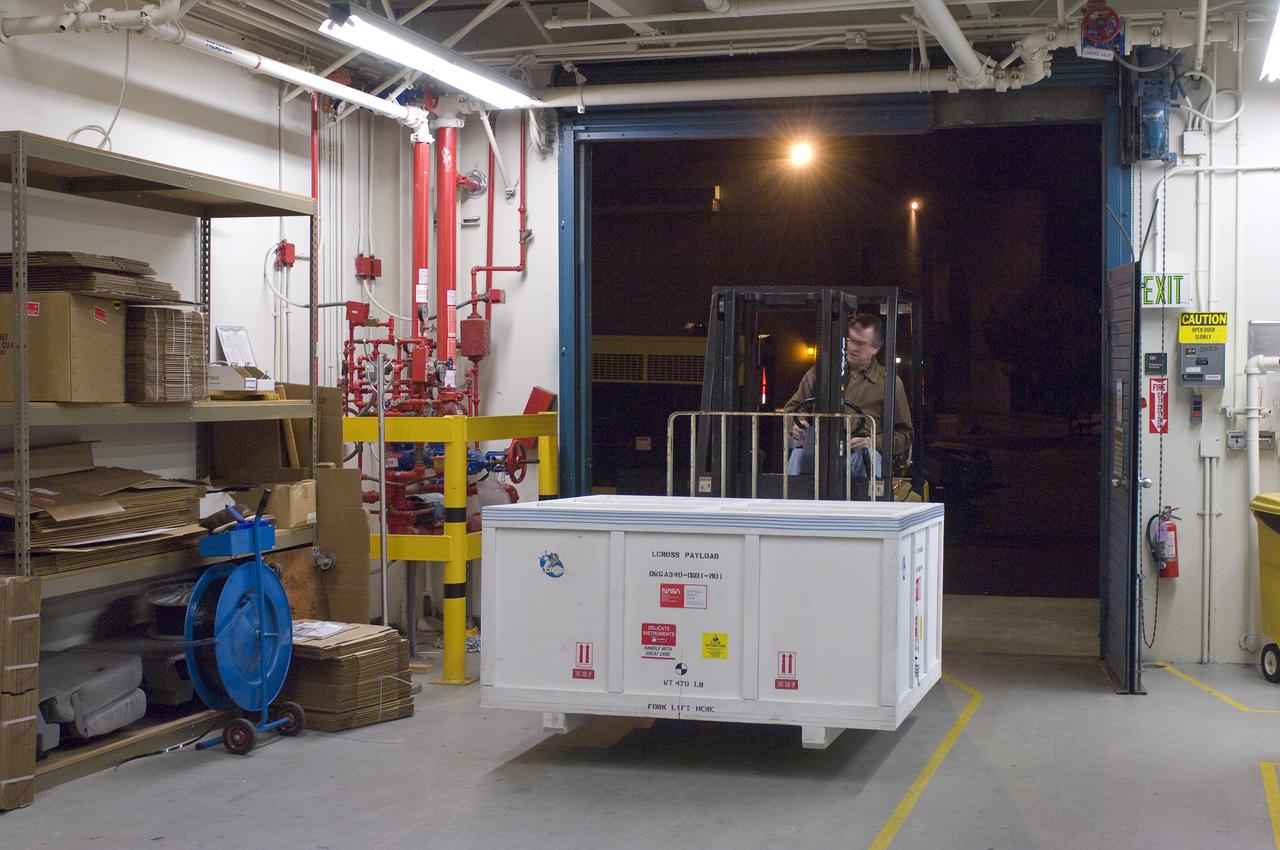
LCROSS leaves Ames clean room to be loaded onto a truck for trip to Northrup Grumman Redondo Beach, CA for further calibration and verification tests before being mated to the Lunar Reconnaissance Orbitor (LR0) spacecraft for a piggyback ride to the Moon.
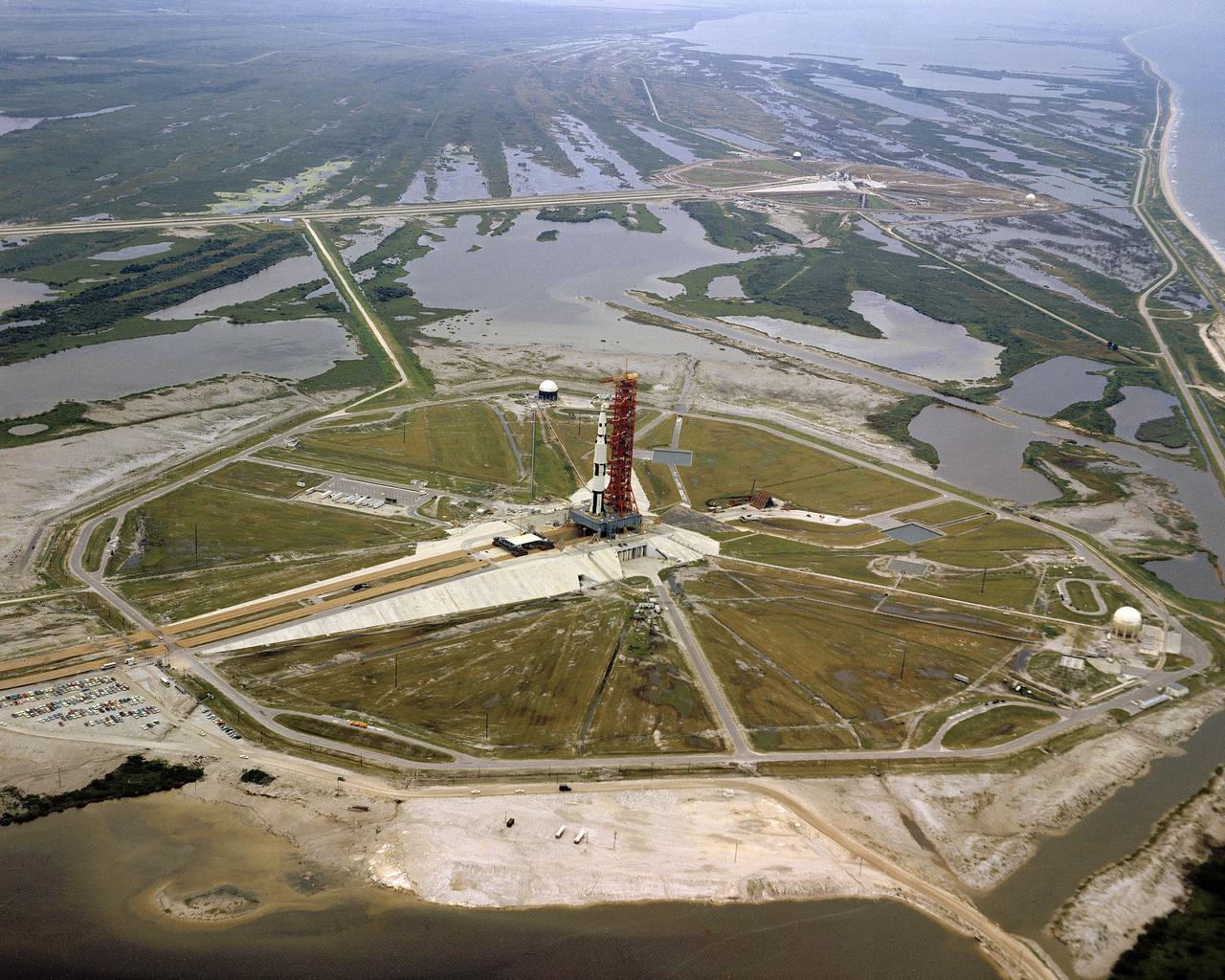
CAPE KENNEDY, Fla. -- An aerial view of Launch Complex 39A at the Kennedy Space Center in Florida, with the 500F facilities verification vehicle on the pad during testing of the site where NASA plans to launch astronauts to the moon as part of the Apollo Program. Photo Credit: NASA
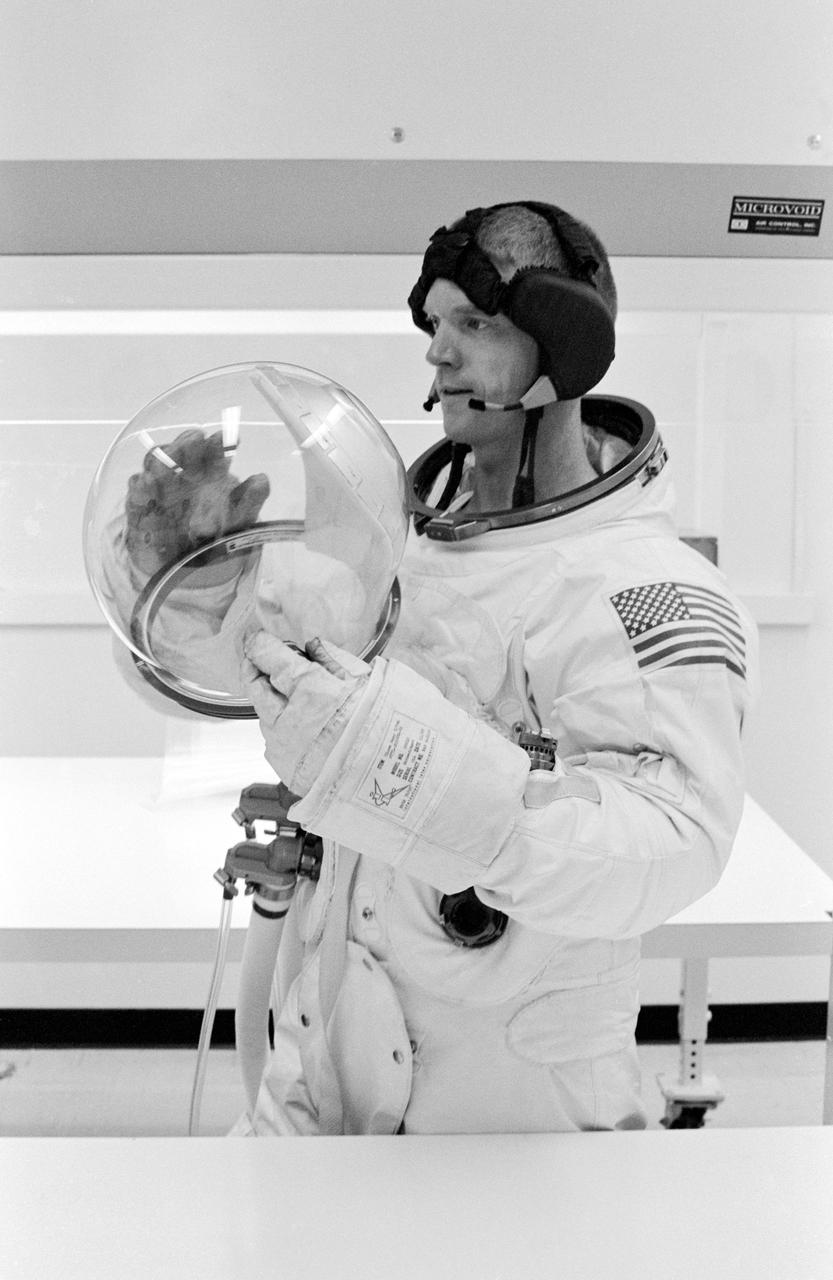
S68-38051 (29 June 1968) --- Astronaut Russell L. Schweickart suits up to participate in an altitude verification test of the Apollo Portable Life Support System flight unit in Crew Systems Division's 8-ft altitude chamber in Building 7.
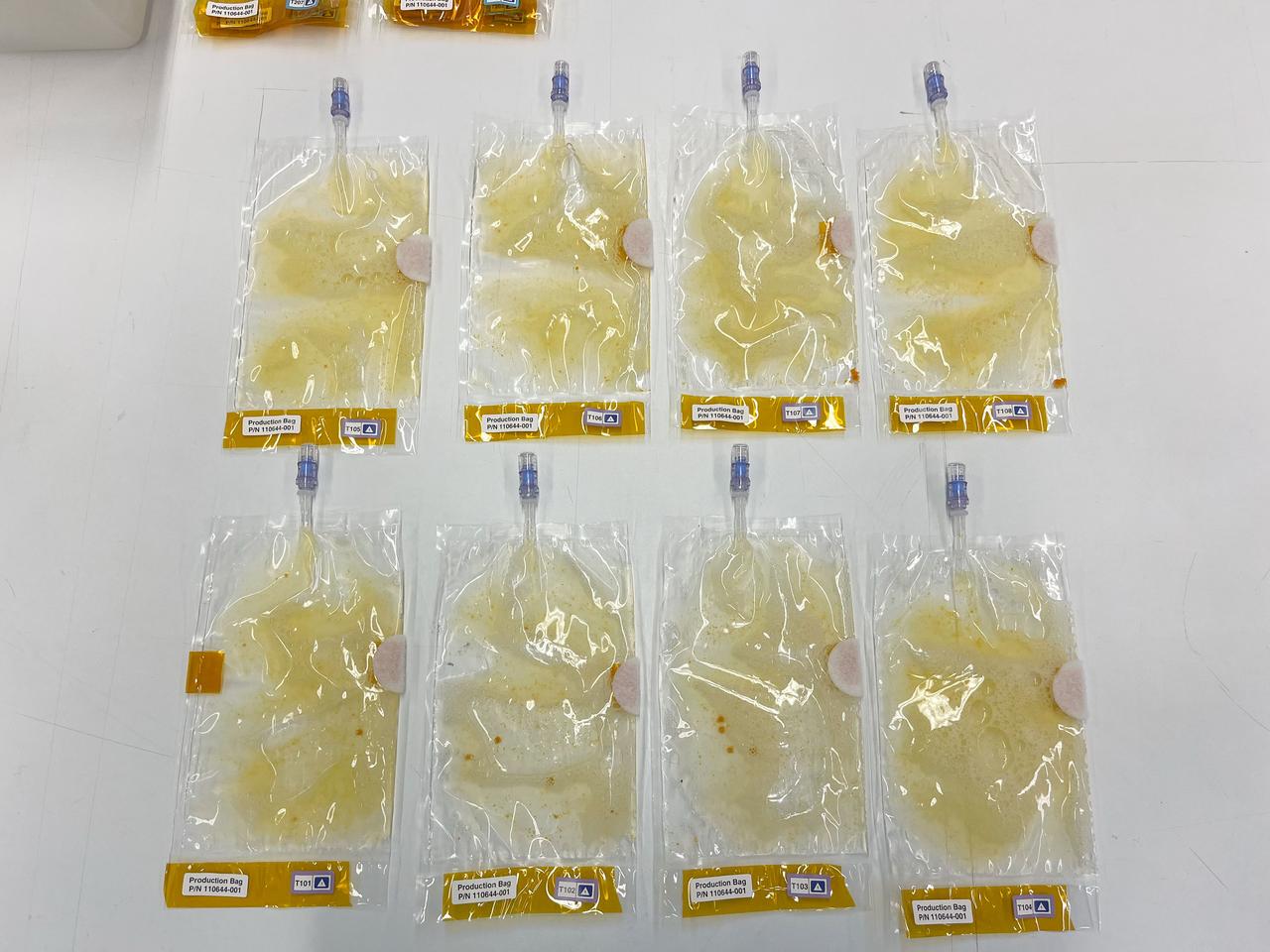
Eight BioNutrients-3 production bags containing yeast (S. cerevisiae Y55 strain 1034) photographed against a white background during the BioNutrients-3 Experiment Verification Test. Note the orange yeast pellets which are visible in some of the bags. Photo Credit: NASA Ames
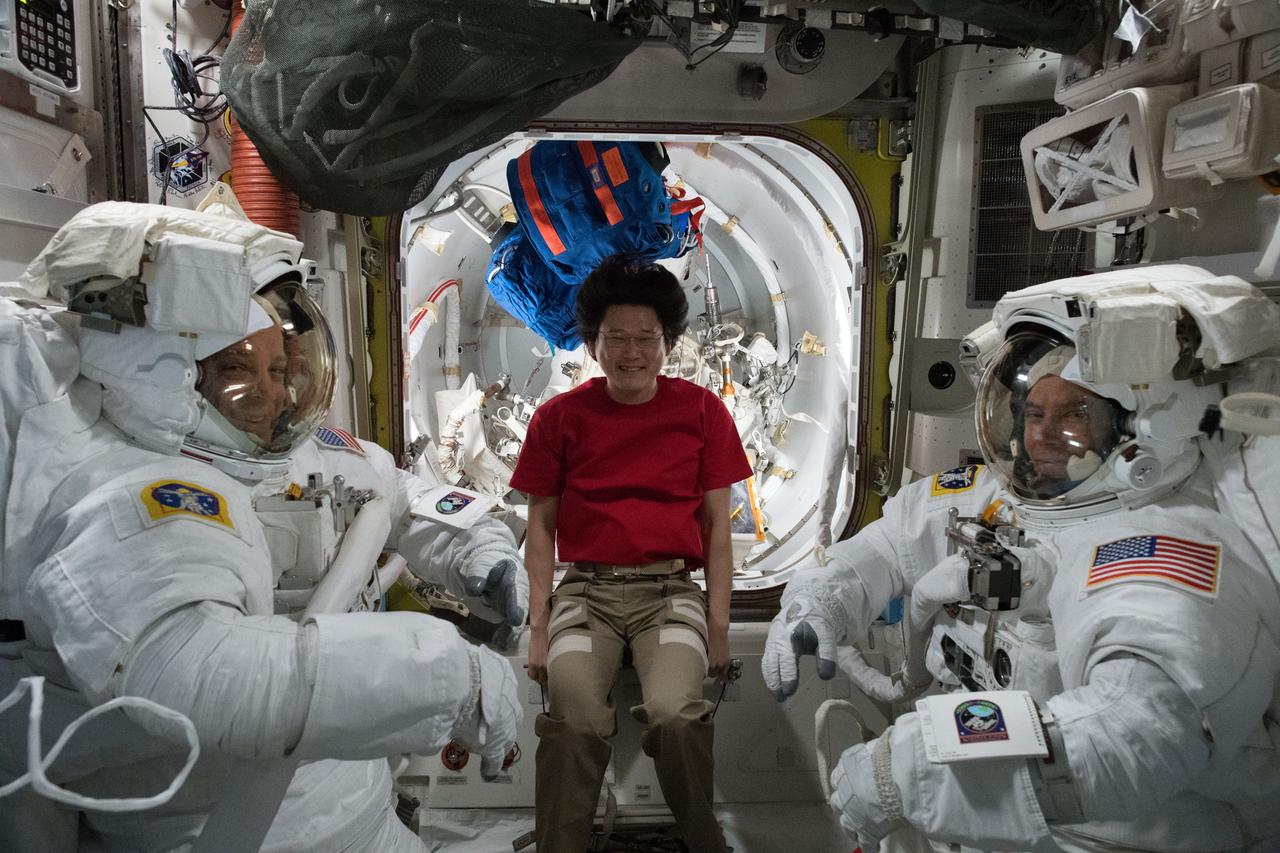
iss055e063888 (May 7, 2018) --- NASA astronauts Ricky Arnold (left) and Drew Feustel are pictured inside their U.S. spacesuits for a fit check verification ahead of a pair of spacewalks. Norishige Kanai (center), from the Japan Aerospace Exploration Agency, assisted the duo in and out of the spacesuits during the sizing process.
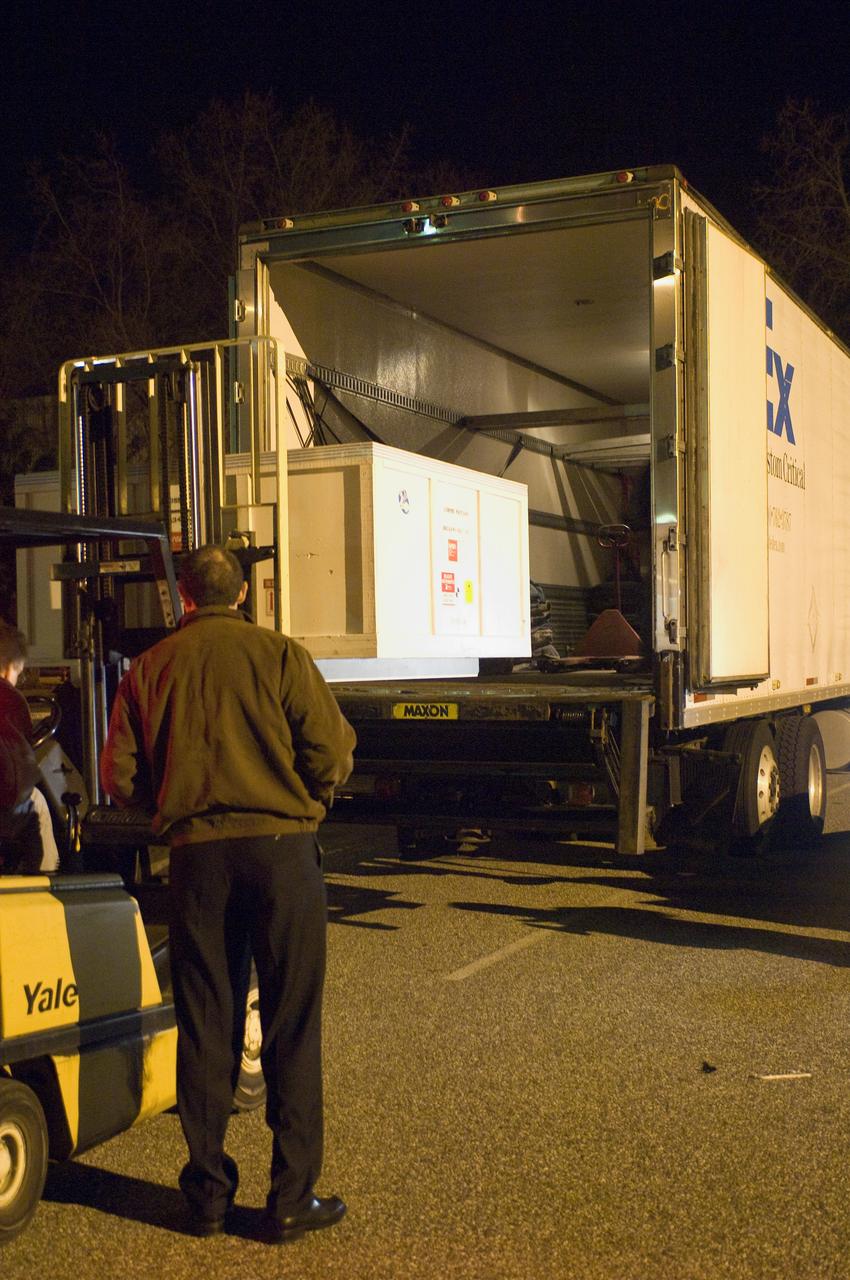
LCROSS leaves Ames clean room and is loaded onto a truck for trip to Northrup Grumman Redondo Beach, CA for further calibration and verification tests before being mated to the Lunar Reconnaissance Orbitor (LR0) spacecraft for a piggyback ride to the Moon.
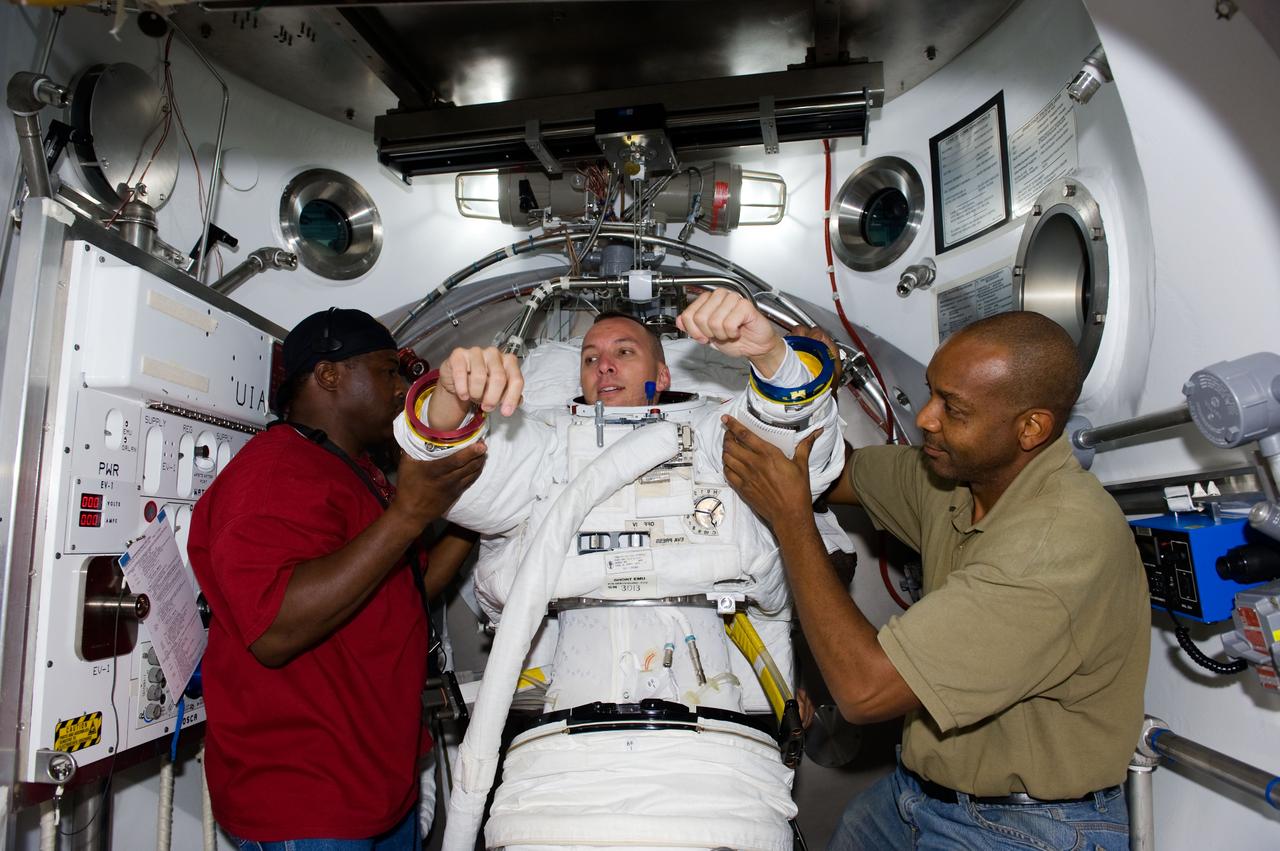
PHOTO DATE: 08/24/09 LOCATION: Bldg 7/SSATA Chamber SUBJECT: SSATA Crew Training and EMU Verification for STS-129 crew member Randy Bresnik during suited dry run PHOTOGRAPHER: Lauren Harnett
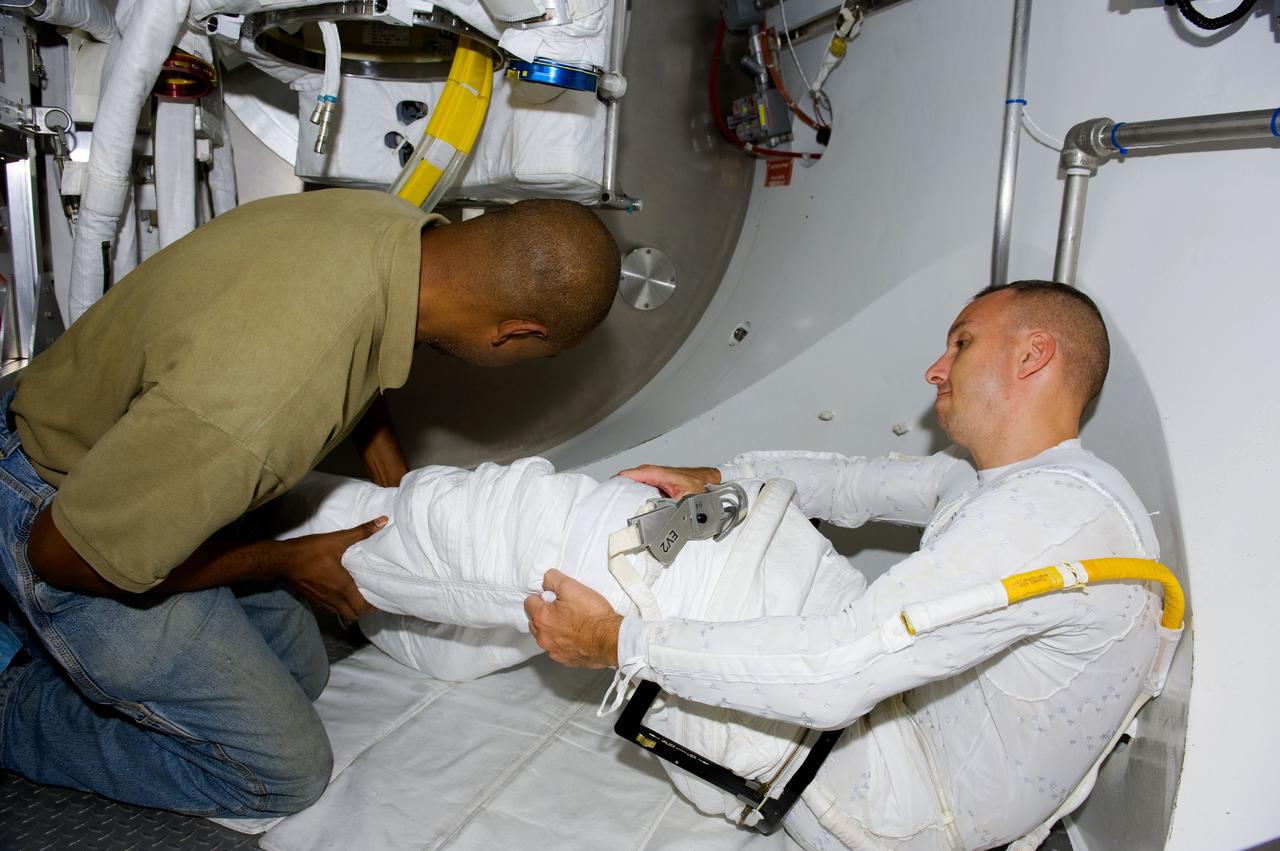
PHOTO DATE: 08/24/09 LOCATION: Bldg 7/SSATA Chamber SUBJECT: SSATA Crew Training and EMU Verification for STS-129 crew member Randy Bresnik during suited dry run PHOTOGRAPHER: Lauren Harnett
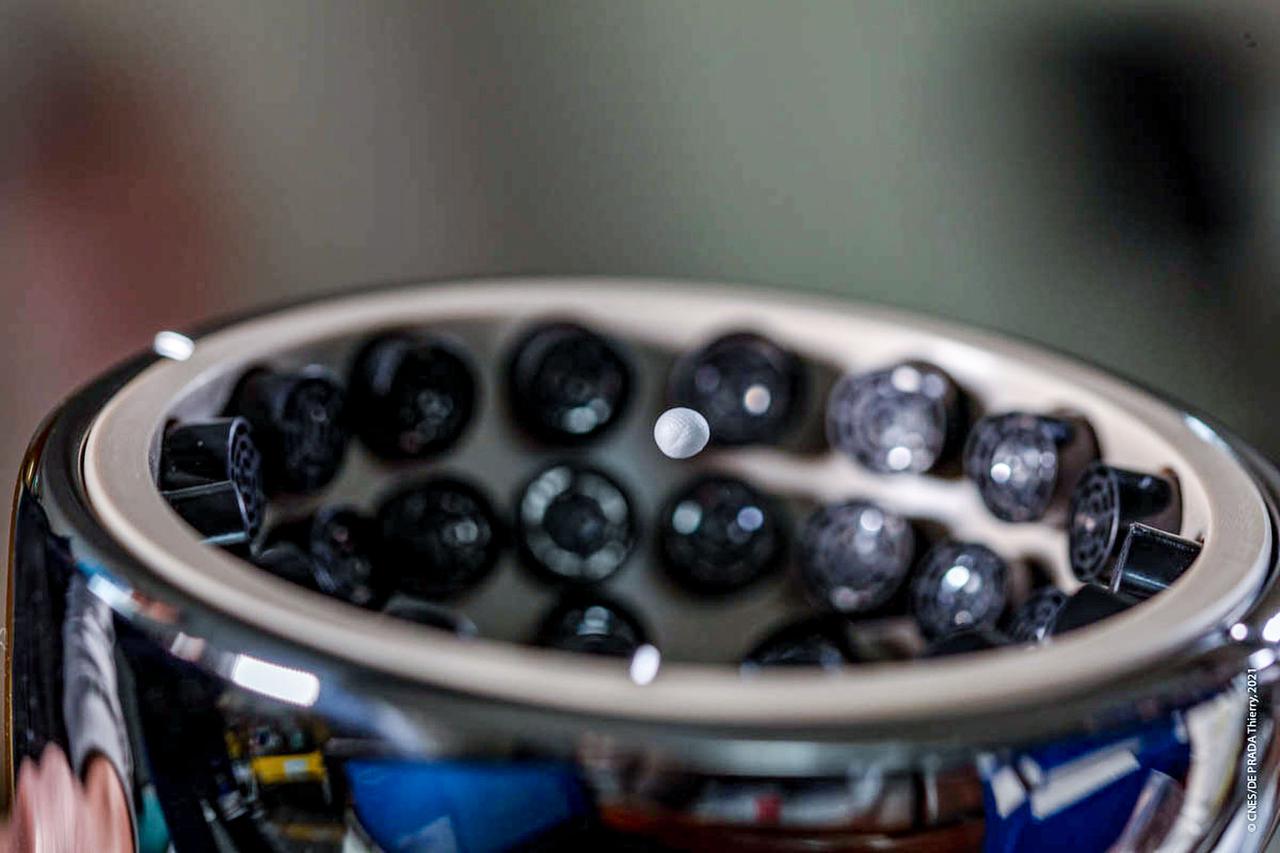
jsc2021e020420 (2/10/2021) --- A preflight view of the Ultrasonic Tweezers handle trapping a polystyrene sphere during hardware verification. The objective of the Ultrasonic Tweezers project is to develop acoustic tweezers that use sound to allow for remote and contactless manipulation of materials in a microgravity context. Image courtesy of CNES/T. De Prada.
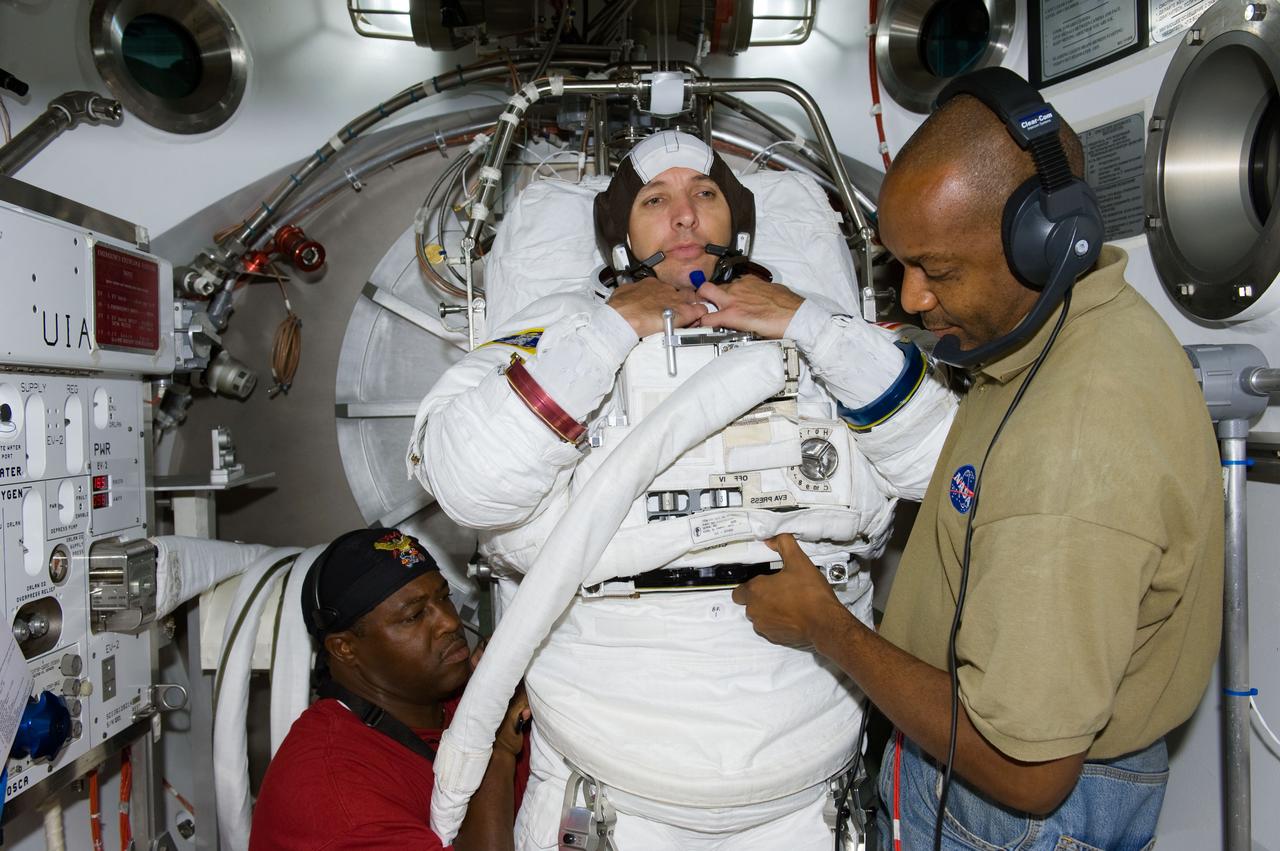
PHOTO DATE: 08/24/09 LOCATION: Bldg 7/SSATA Chamber SUBJECT: SSATA Crew Training and EMU Verification for STS-129 crew member Randy Bresnik during suited dry run PHOTOGRAPHER: Lauren Harnett
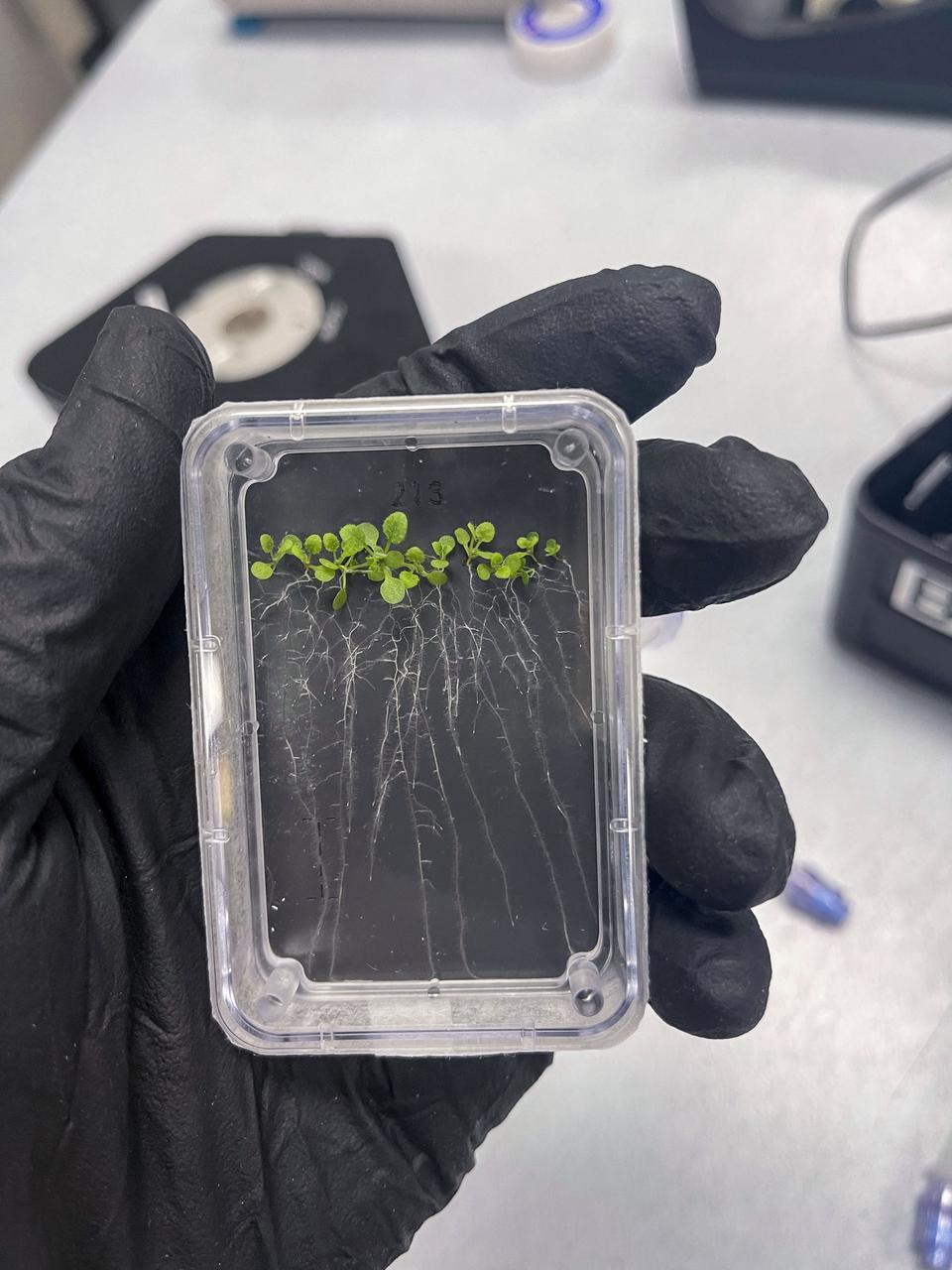
jsc2021e063283--Representative image of plate with Arabidopsis seedlings after 10 days of growth for the Plant RNA Regulation Redux in Multi Variable Platform (MVP) (MVP-Plant-01) investigation. Taken after the experiment verification test. Image courtesy of Grant Vellinger (Techshot/Redwire).