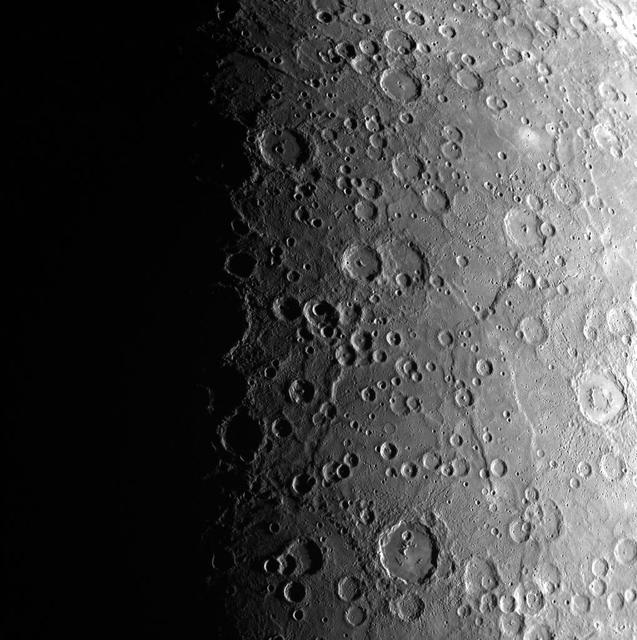
Hasta La Vista, Baby!
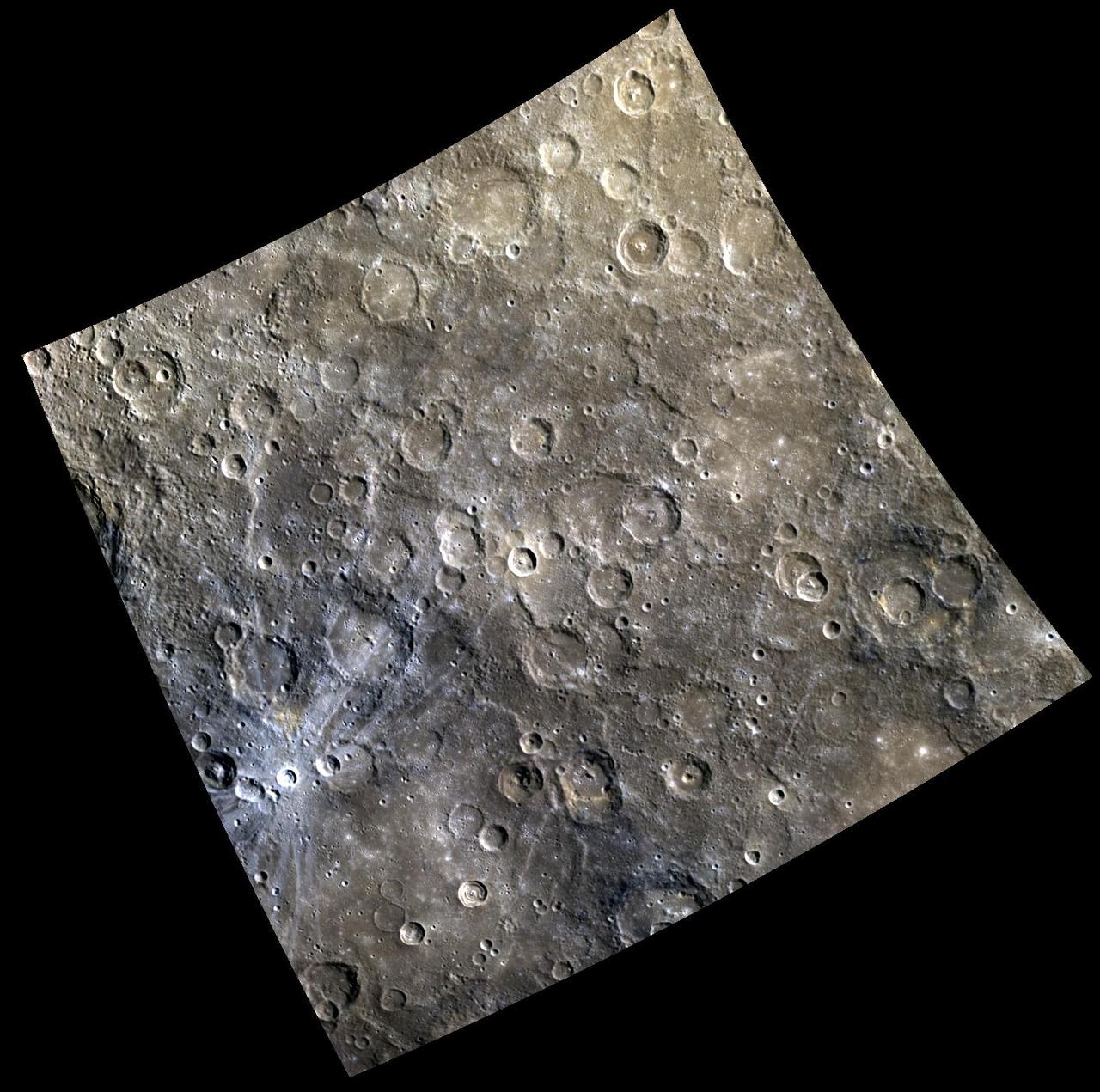
It All Over Now, Baby Blue
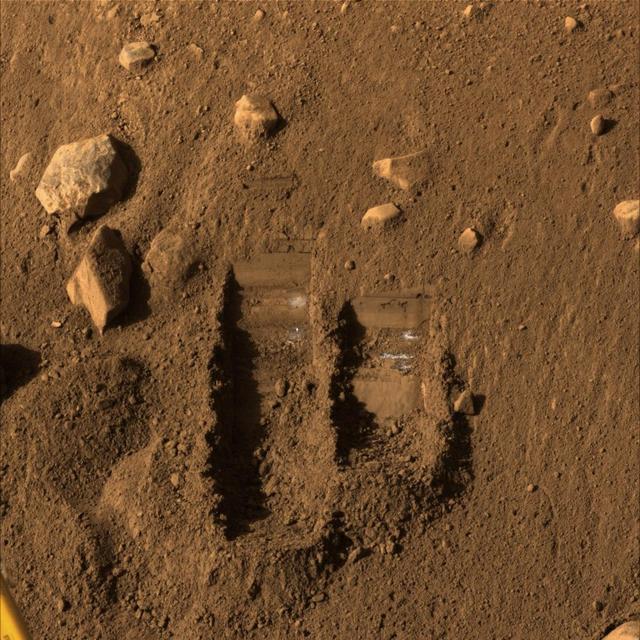
Color View Dodo and Baby Bear Trenches
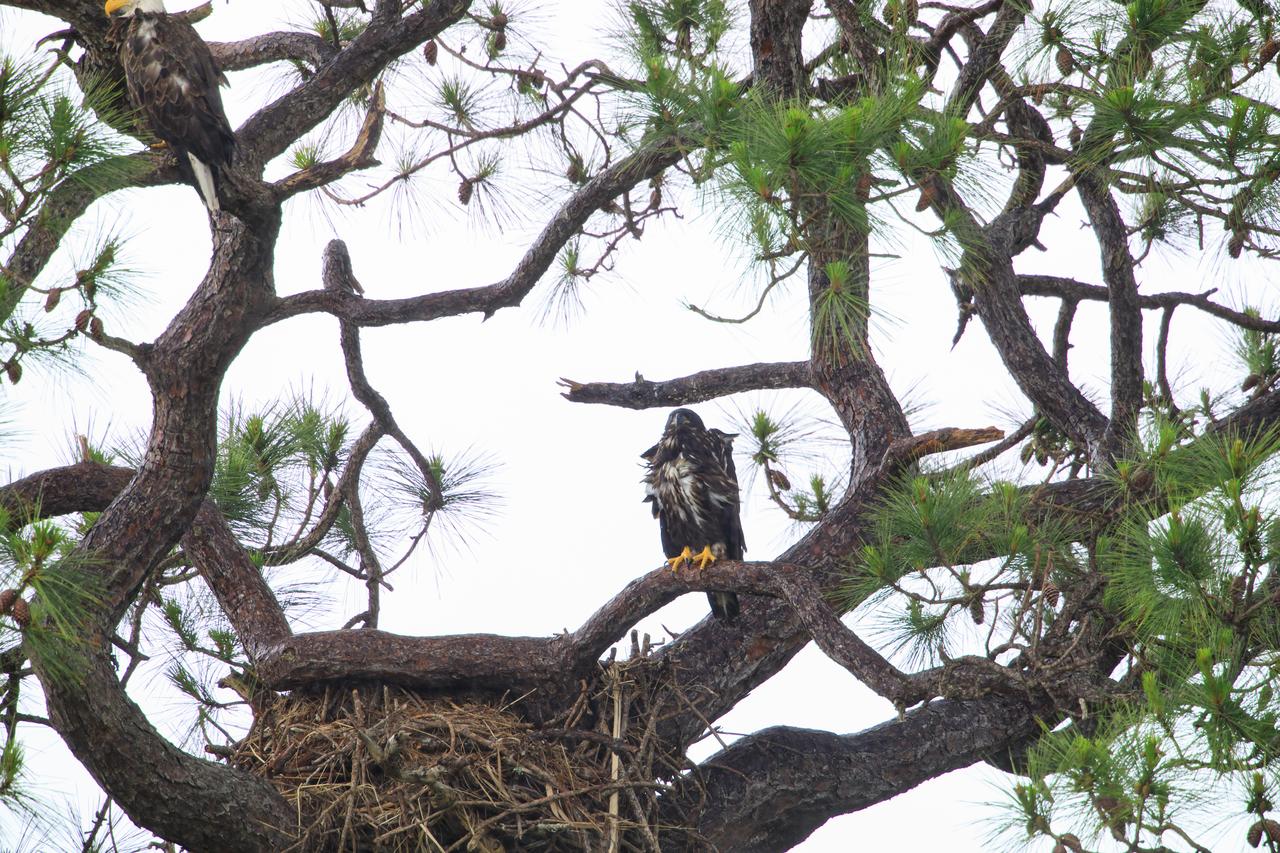
An American bald eagle, upper left, and its baby are perched in a tree near their nest at NASA’s Kennedy Space Center in Florida on April 25, 2023. The eaglet is the lone offspring of a mated pair of eagles that recently built the new home after storms badly damaged their original nest located about 50 yards away. That nest was built in 1973 and had been used by eagles almost every year since 1975.
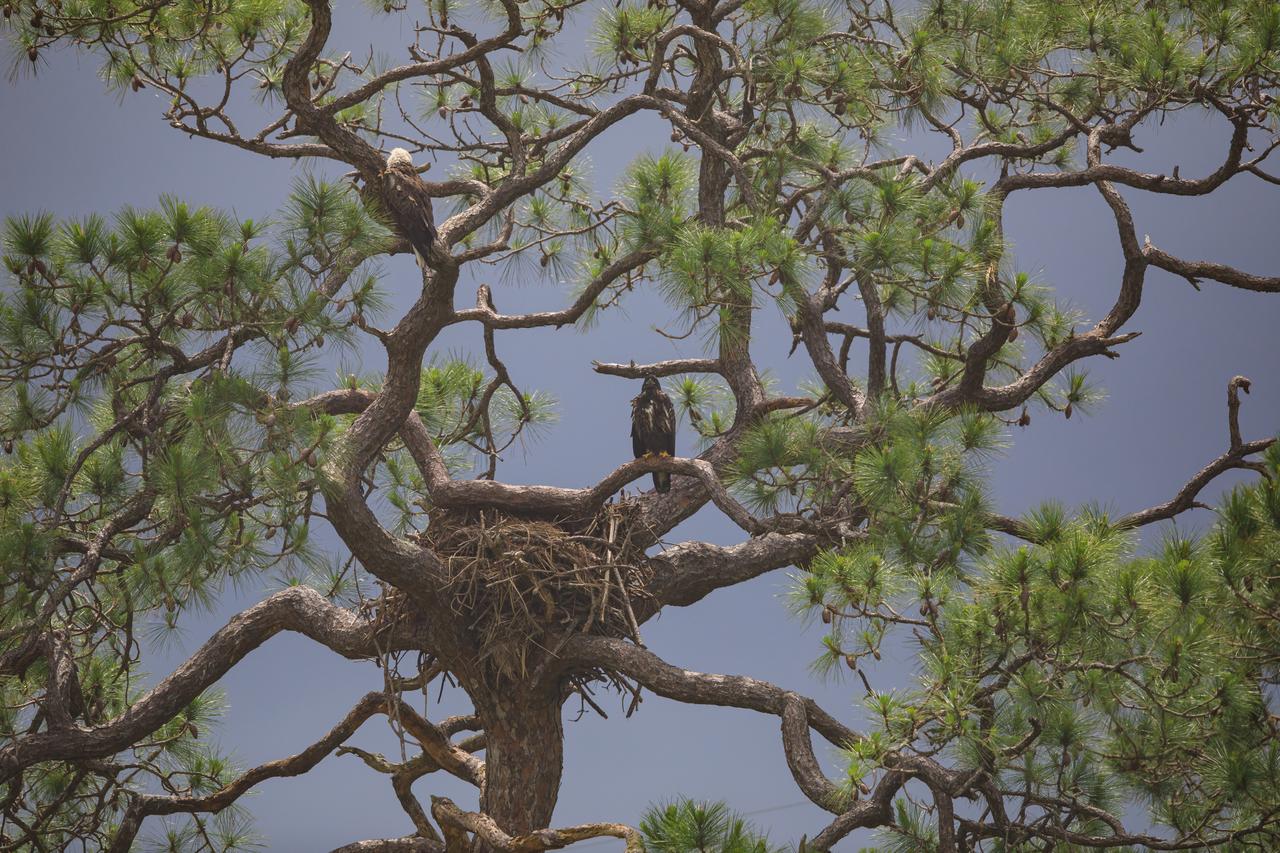
An American bald eagle, upper left, and its baby are perched in a tree near their nest at NASA’s Kennedy Space Center in Florida as a rainstorm approaches on April 25, 2023. The eaglet is the lone offspring of a mated pair of eagles that recently built the new home after storms badly damaged their original nest located about 50 yards away. That nest was built in 1973 and had been used by eagles almost every year since 1975.

An American bald eagle, upper left, and its baby are perched in a tree near their nest at NASA’s Kennedy Space Center in Florida as a rainstorm approaches on April 25, 2023. The eaglet is the lone offspring of a mated pair of eagles that recently built the new home after storms badly damaged their original nest located about 50 yards away. That nest was built in 1973 and had been used by eagles almost every year since 1975.
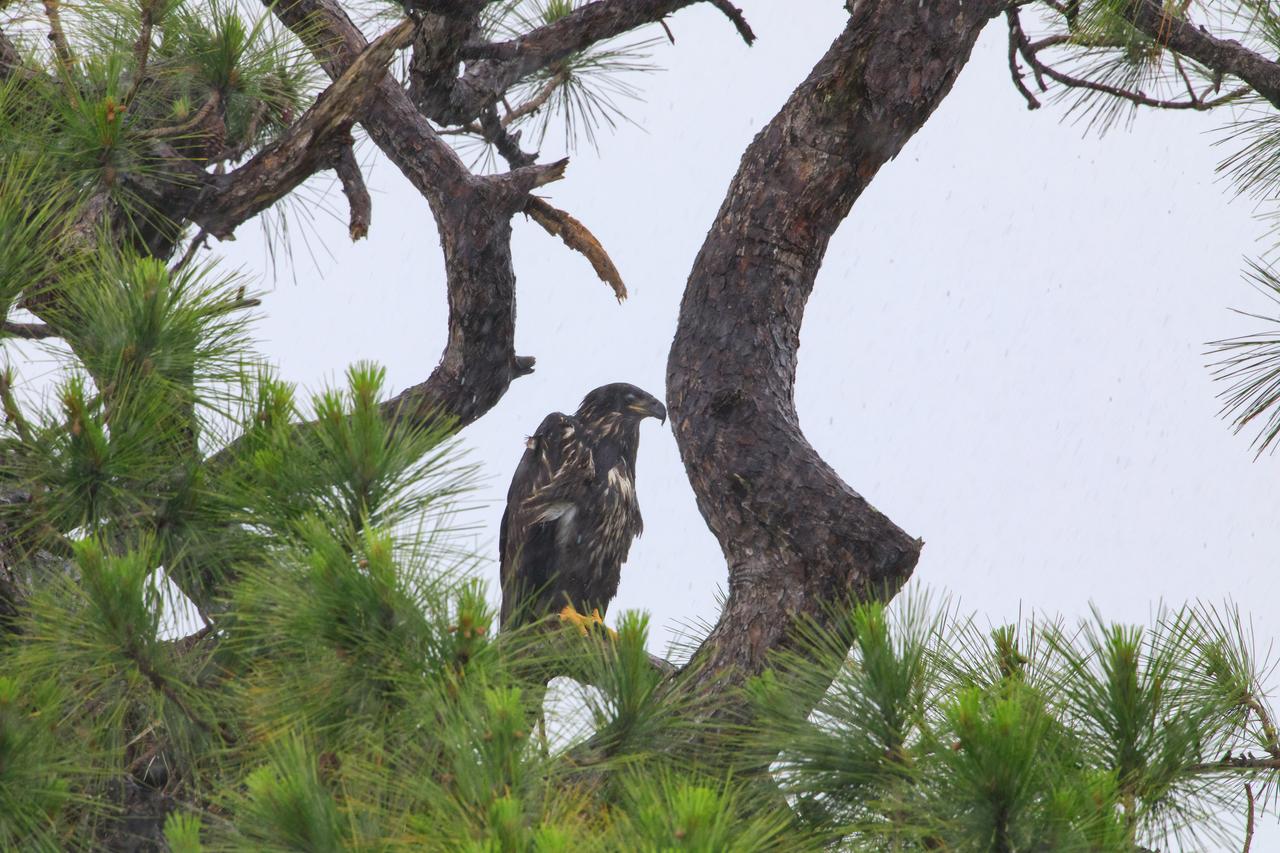
A baby American bald eagle looks out from just above its nest, located in a tree at NASA’s Kennedy Space Center in Florida on April 25, 2023. The eaglet is the lone offspring of a mated pair of eagles that recently built the new home after storms badly damaged their original nest located about 50 yards away. That nest was built in 1973 and had been used by eagles almost every year since 1975.
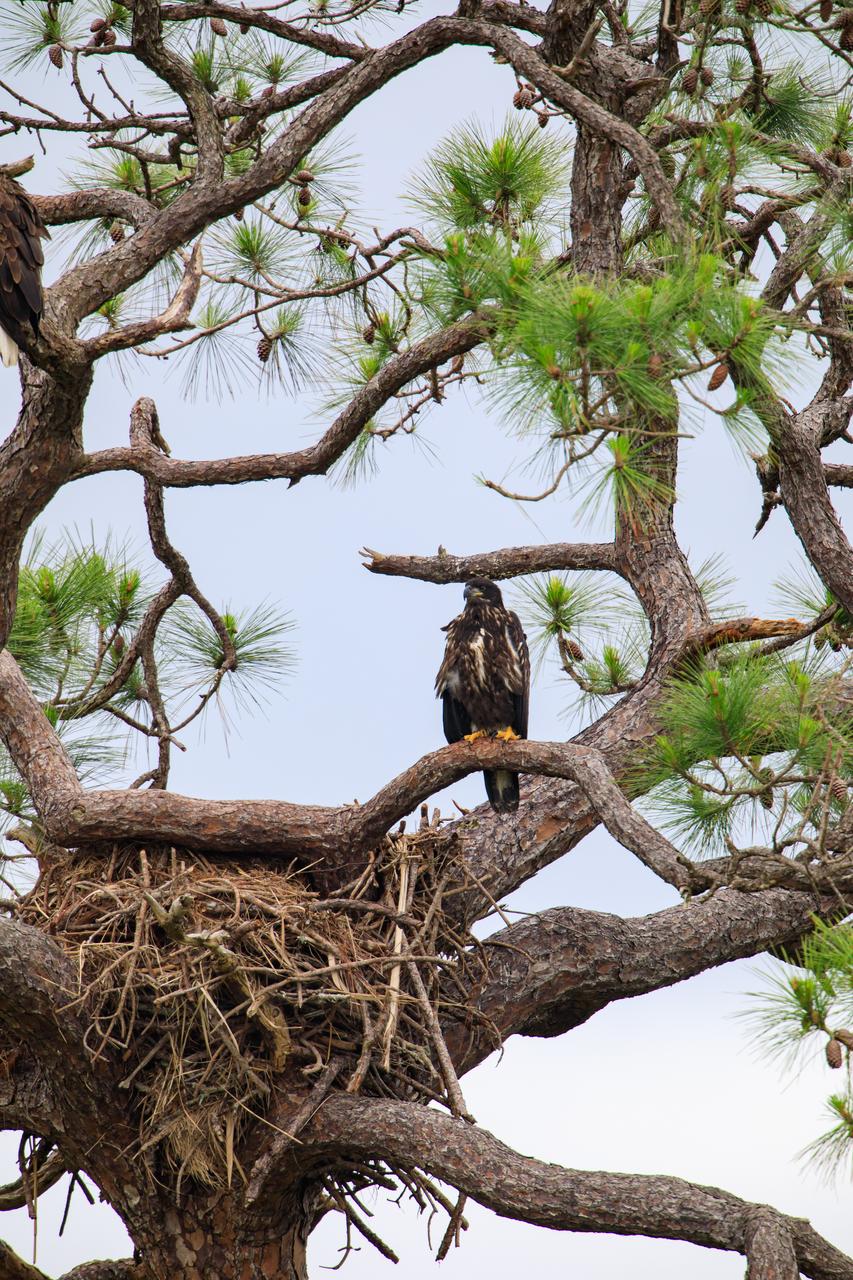
A baby American bald eagle looks out from just above its nest, located in a tree at NASA’s Kennedy Space Center in Florida on April 25, 2023. A mated pair of eagles recently built a new home in this tree after storms badly damaged their original nest located about 50 yards away, and produced one eaglet. The previous nest was built in 1973 and had been used by eagles almost every year since 1975.
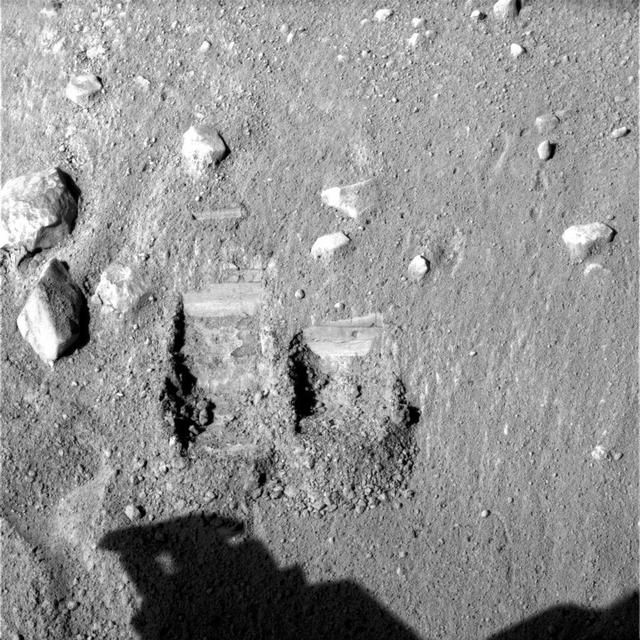
Dodo and Baby
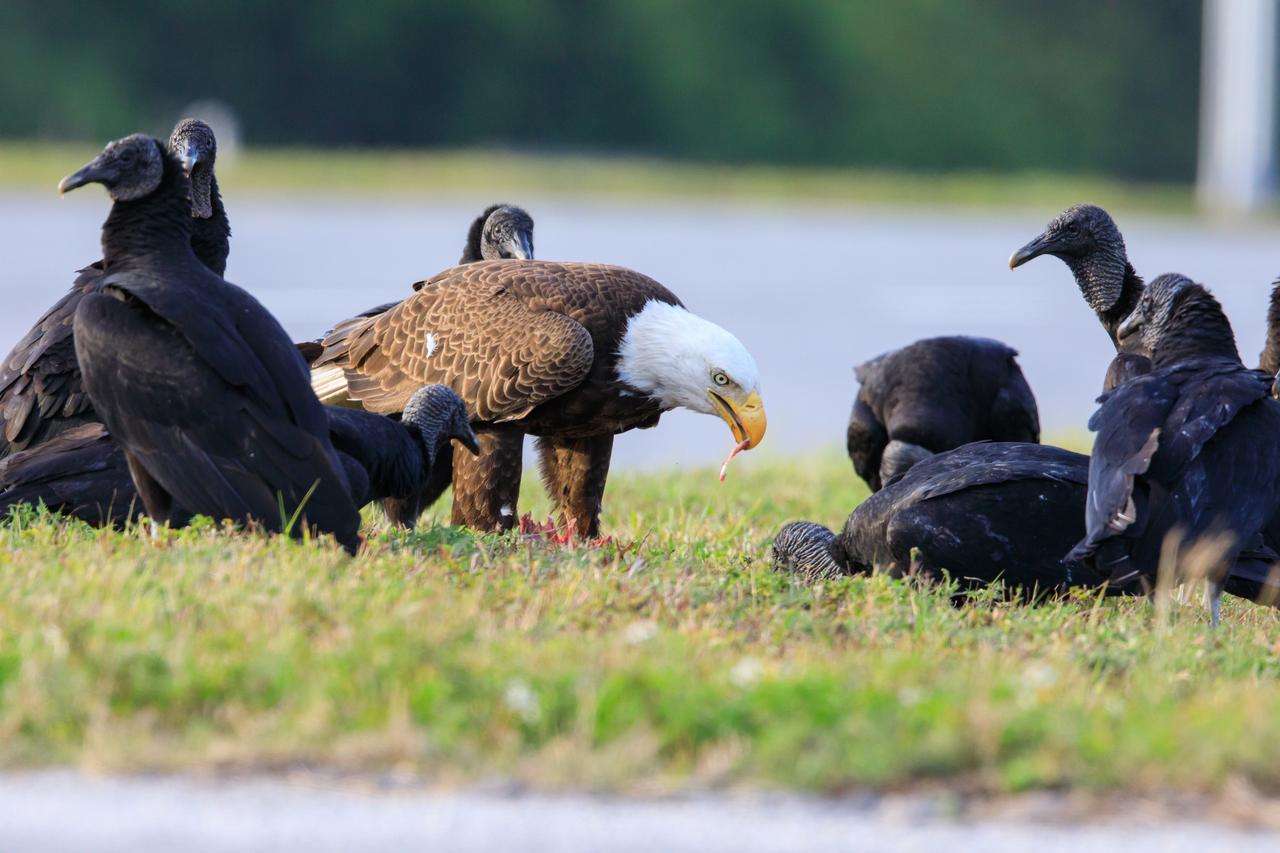
An American bald eagle feeds alongside some vultures at NASA’s Kennedy Space Center on April 10, 2023. The eagle is part of a mated pair that takes up residence at the Florida spaceport during nesting season. The pair is raising a baby eagle in their nest located off of Kennedy Parkway, about two miles from the Vehicle Assembly Building. Kennedy currently is home to approximately 20 nesting pairs of bald eagles.
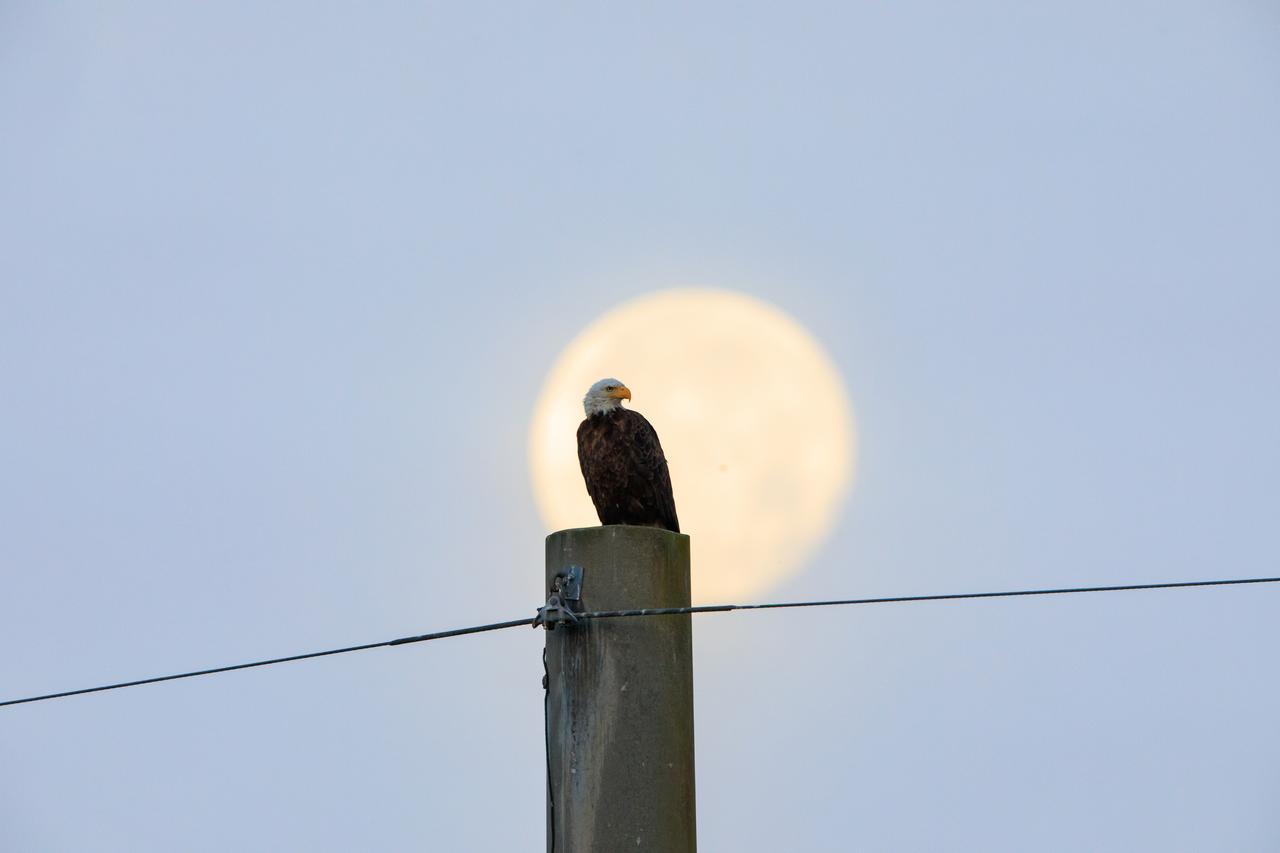
With the Moon in the background, an American bald eagle perches on a pole near its nest at NASA’s Kennedy Space Center on April 10, 2023. The eagle is part of a mated pair that takes up residence at the Florida spaceport during nesting season. This year, the pair is raising a lone baby eagle in the nest, located off of Kennedy Parkway, about two miles from the Vehicle Assembly Building. Kennedy currently is home to approximately 20 nesting pairs of bald eagles.
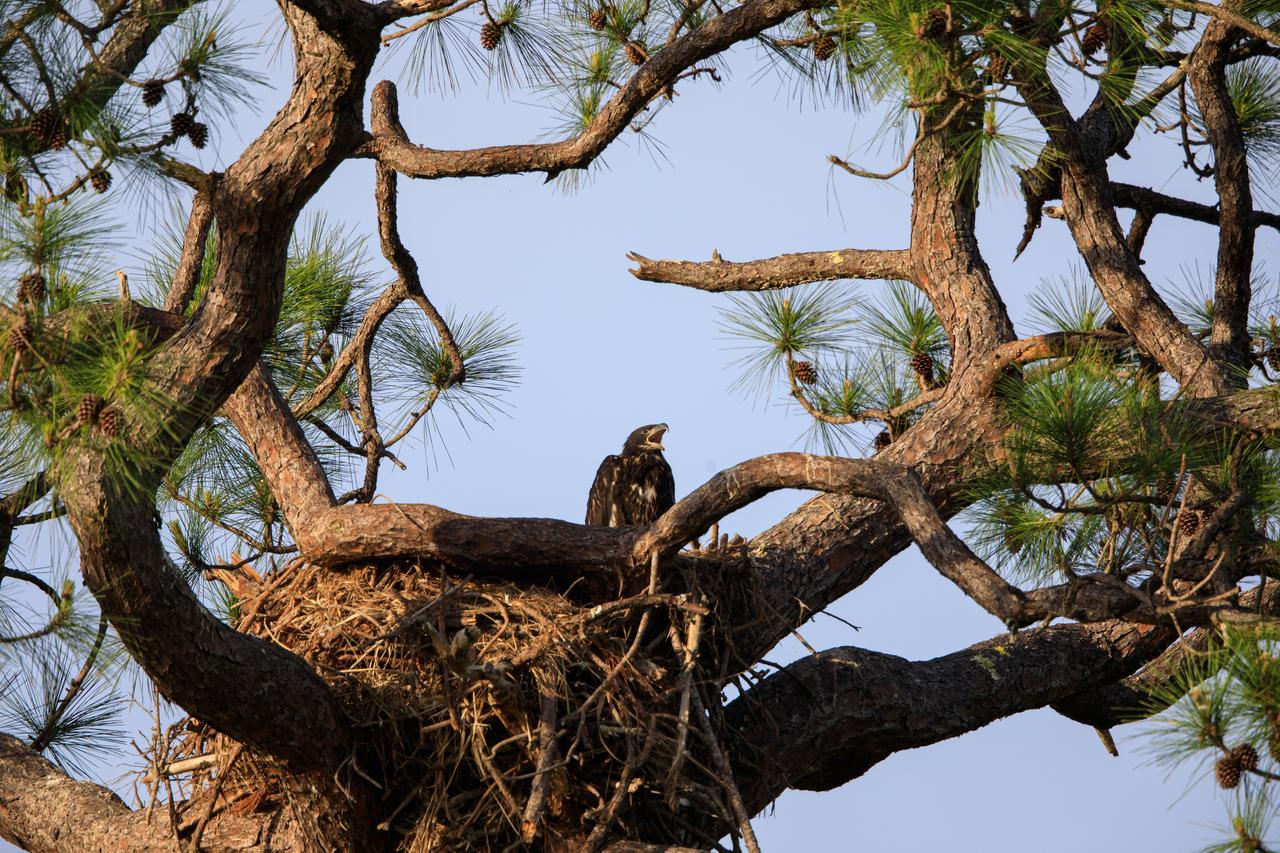
A baby American bald eagle calls out from a nest located near Kennedy Parkway North at NASA’s Kennedy Space Center in Florida on April 10, 2023. The eaglet is the lone offspring of a mated pair of eagles that recently built the new home after storms badly damaged their original nest located about 50 yards away. That nest was built in 1973 and had been used by eagles almost every year since 1975.
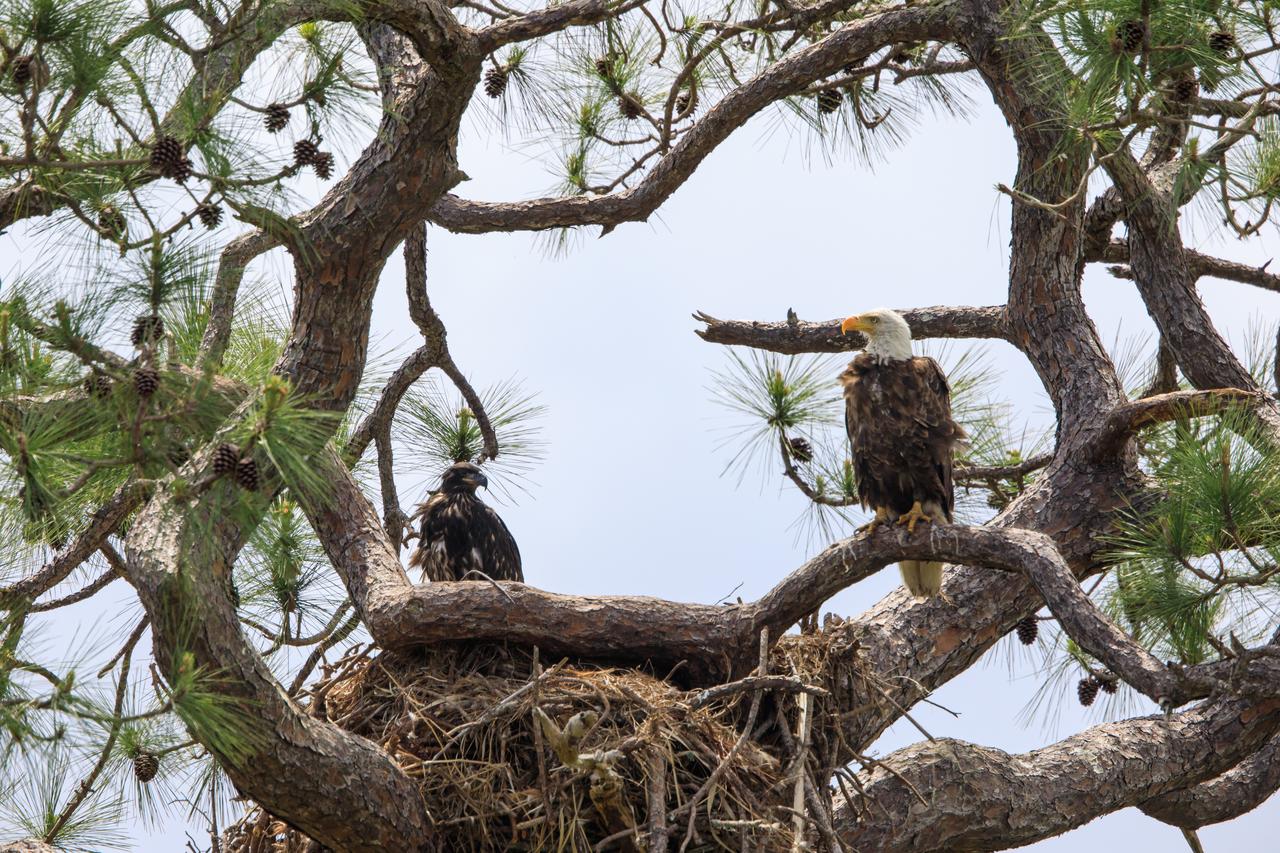
A baby American bald eagle looks out from its nest, accompanied by one of its parents, in a tree located near Kennedy Parkway North at NASA’s Kennedy Space Center in Florida on April 10, 2023. A mated pair of eagles recently built a new home in this tree after storms badly damaged their original nest located about 50 yards away. That nest was built in 1973 and had been used by eagles almost every year since 1975.
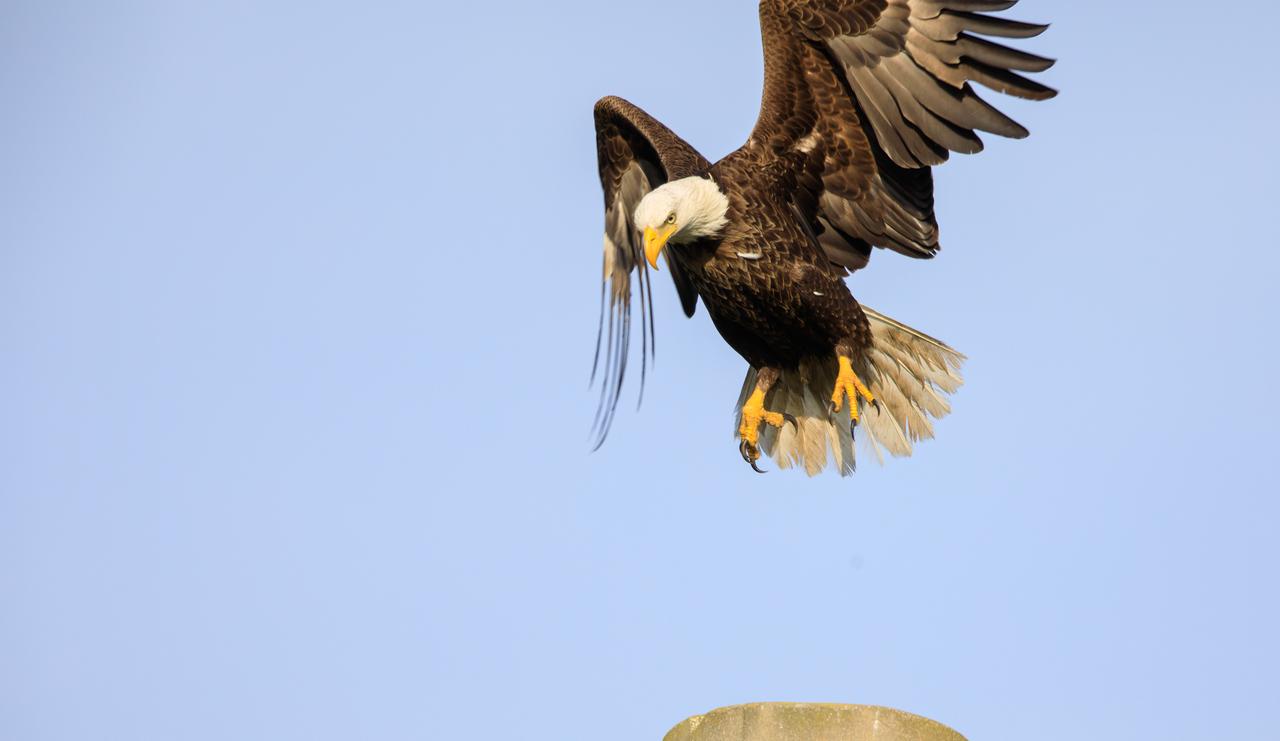
An American bald eagle swoops down to land on a pole at NASA’s Kennedy Space Center on April 10, 2023. The eagle is part of a mated pair that takes up residence at the Florida spaceport during nesting season. This year, the pair is raising a lone baby eagle in the nest, located in a tree near Kennedy Parkway, about two miles from the Vehicle Assembly Building. Kennedy currently is home to approximately 20 nesting pairs of bald eagles.
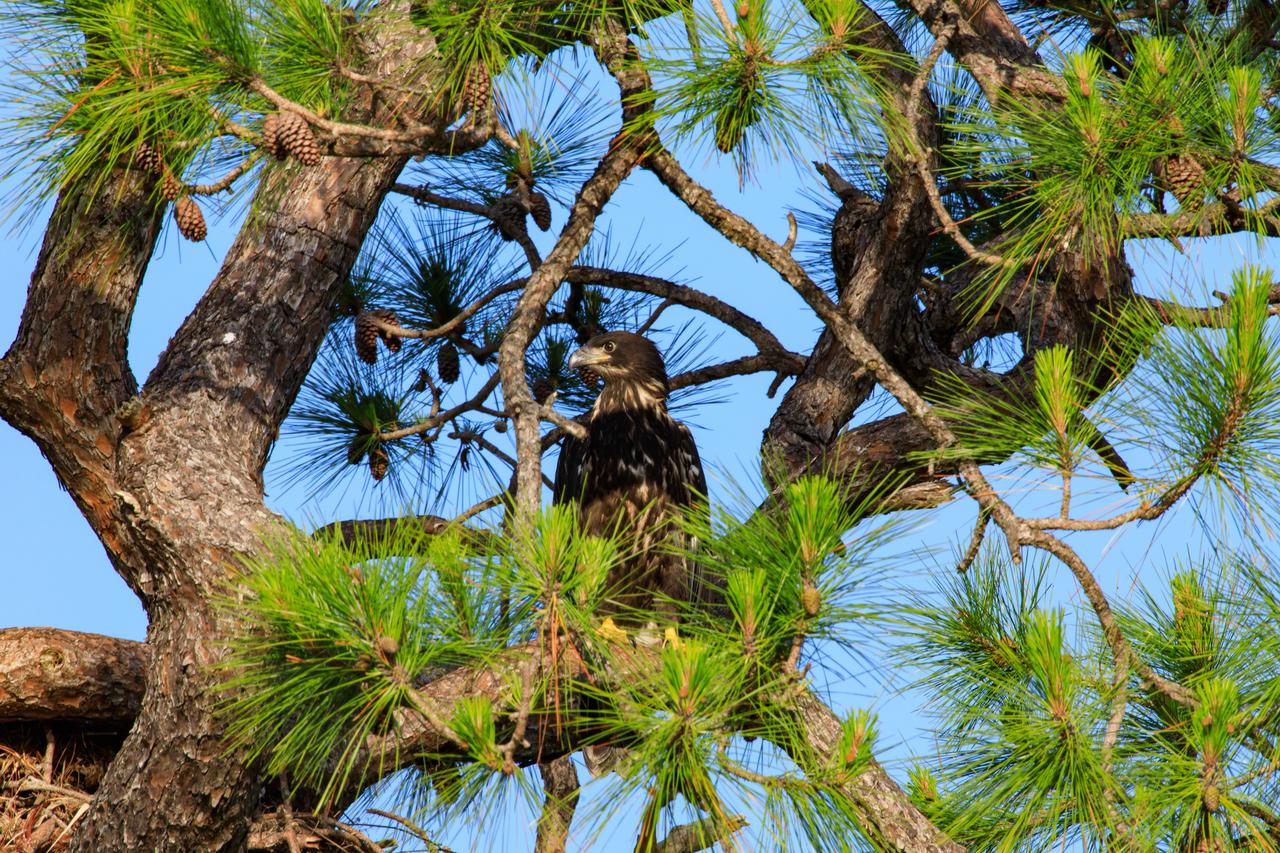
A baby American bald eagle is perched high in a tree above its nest at NASA’s Kennedy Space Center in Florida on April 26, 2023. The nest is located off Kennedy Parkway, about two miles from the Vehicle Assembly Building. The eagle is from a mated pair that recently built a new home in this tree after storms badly damaged their original nest located about 50 yards away. That nest was built in 1973 and had been used by eagles almost every year since 1975. Kennedy currently is home to approximately 20 nesting pairs of bald eagles.
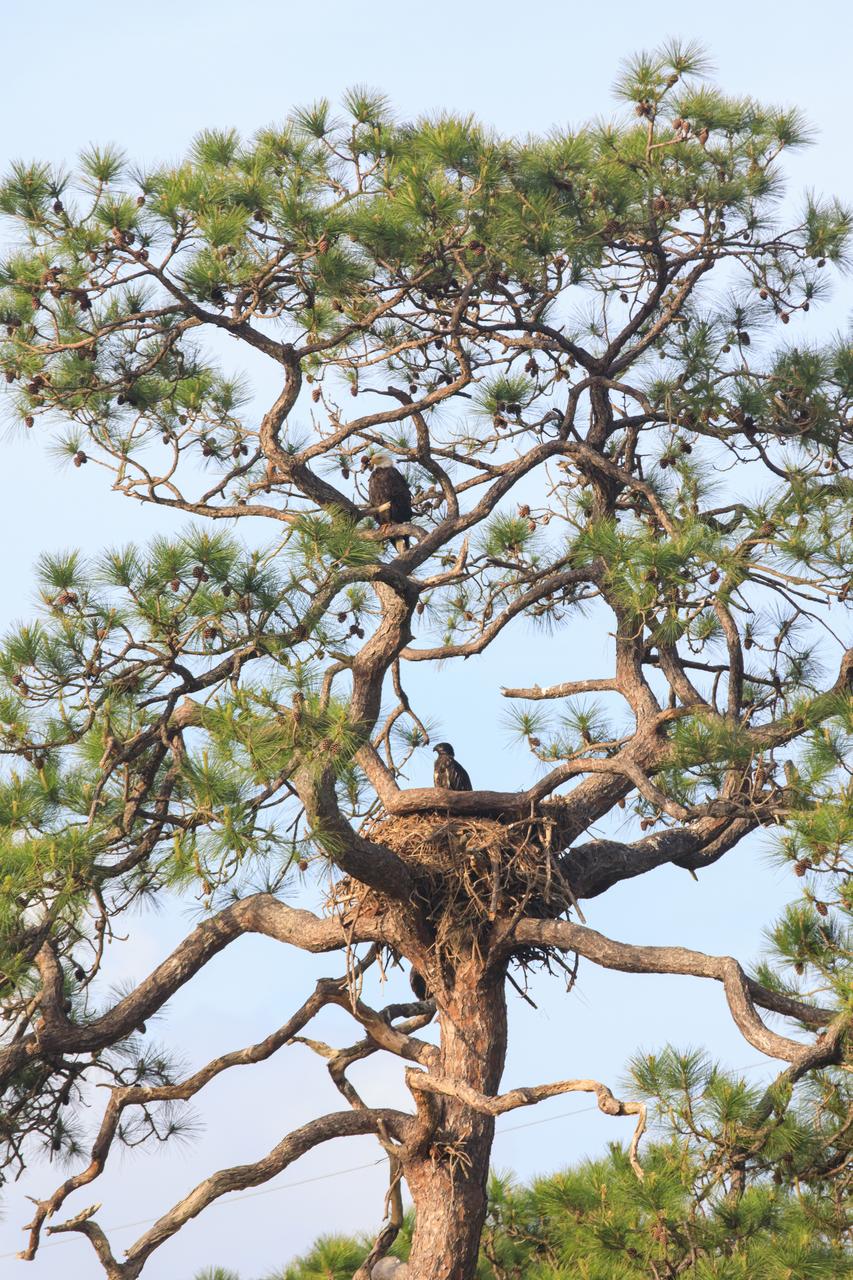
An American bald eagle is perched high in a tree above its nest at NASA’s Kennedy Space Center in Florida on April 10, 2023. Below is its baby eagle, looking up from the nest located off of Kennedy Parkway, about two miles from the Vehicle Assembly Building. The adult eagle is part of a mated pair that recently built a new home in this tree after storms badly damaged their original nest located about 50 yards away. That nest was built in 1973 and had been used by eagles almost every year since 1975.
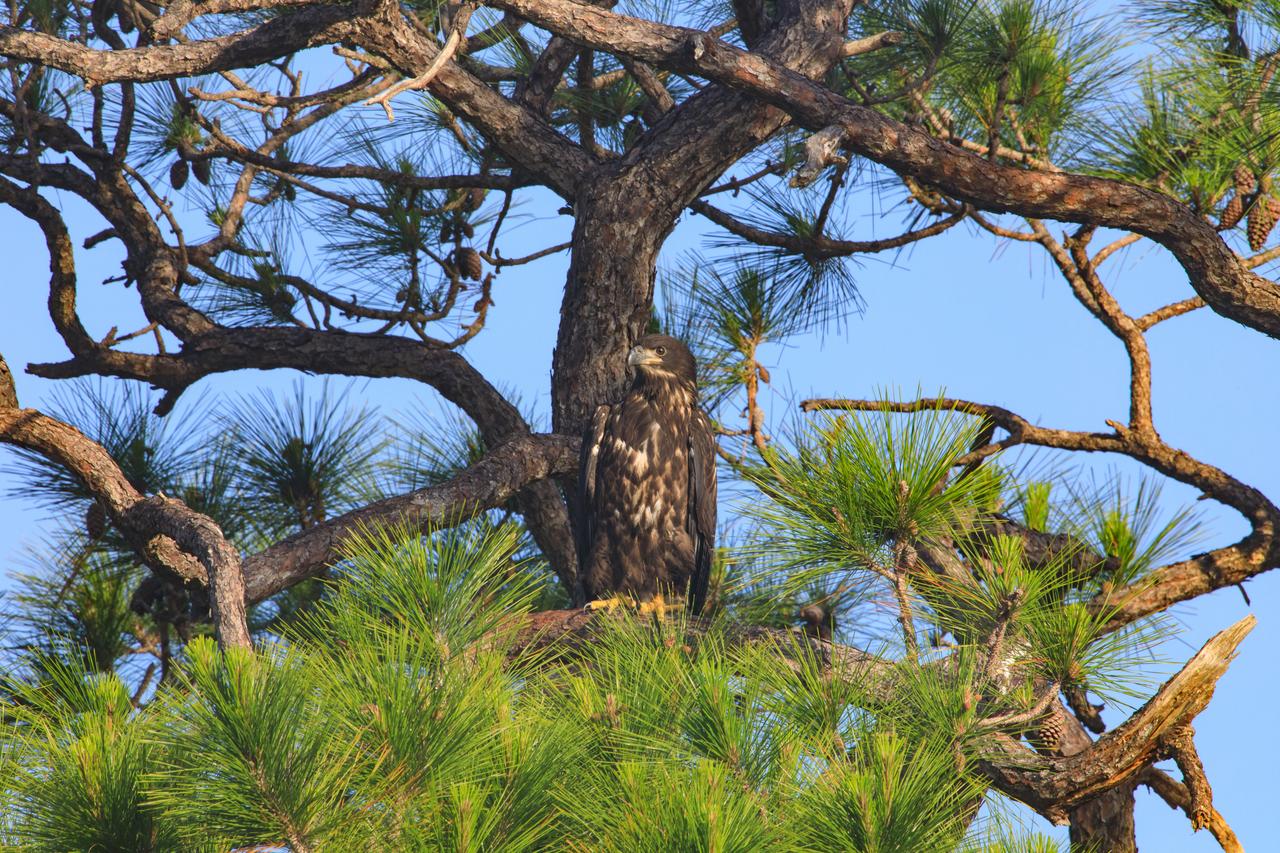
A baby American bald eagle is perched high in a tree above its nest at NASA’s Kennedy Space Center in Florida on April 26, 2023. The nest is located off Kennedy Parkway, about two miles from the Vehicle Assembly Building. The eagle is from a mated pair that recently built a new home in this tree after storms badly damaged their original nest located about 50 yards away. That nest was built in 1973 and had been used by eagles almost every year since 1975. Kennedy currently is home to approximately 20 nesting pairs of bald eagles.
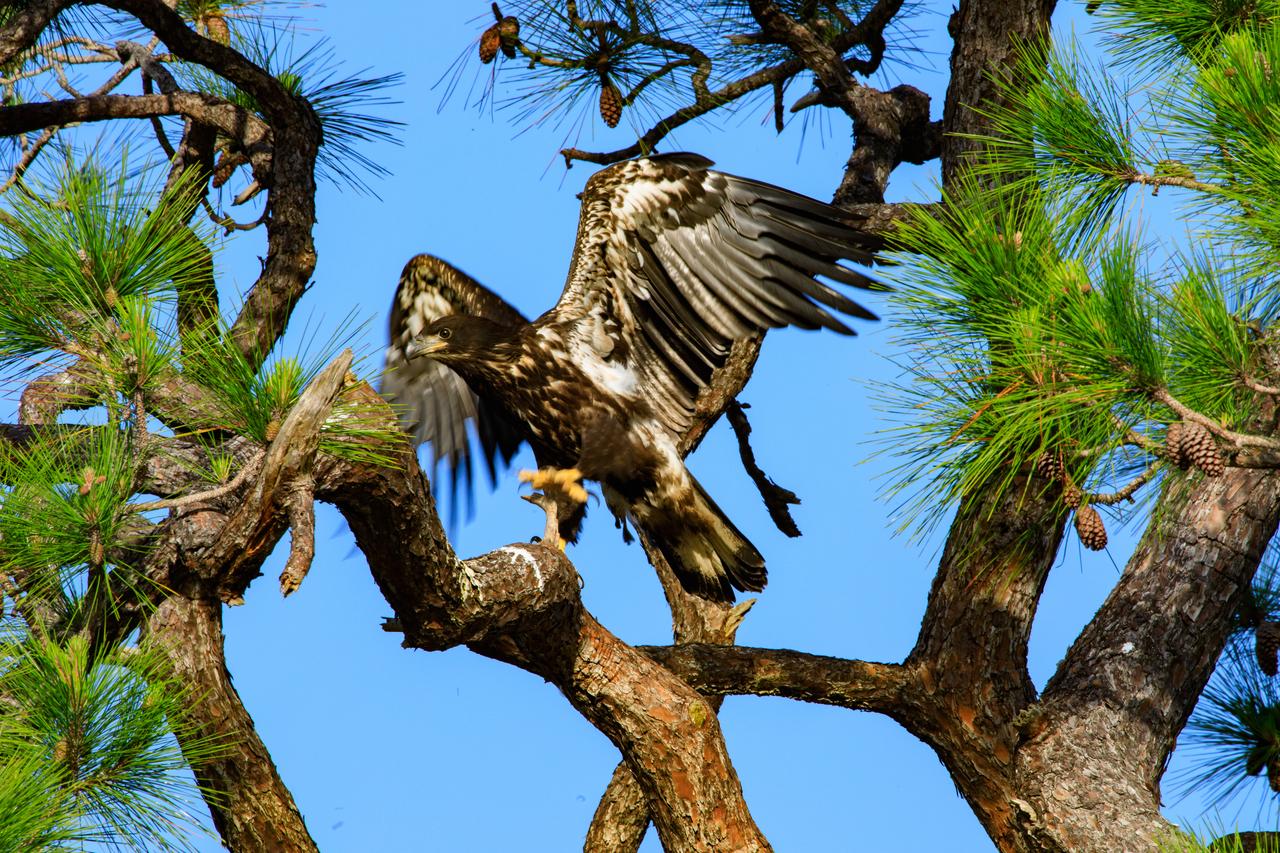
A baby American bald eagle spreads its wings to fly high above a tree that contains its nest at NASA’s Kennedy Space Center in Florida on April 26, 2023. The nest is located off Kennedy Parkway, about two miles from the Vehicle Assembly Building. The eagle is from a mated pair that recently built a new home in this tree after storms badly damaged their original nest located about 50 yards away. That nest was built in 1973 and had been used by eagles almost every year since 1975. Kennedy currently is home to approximately 20 nesting pairs of bald eagles.
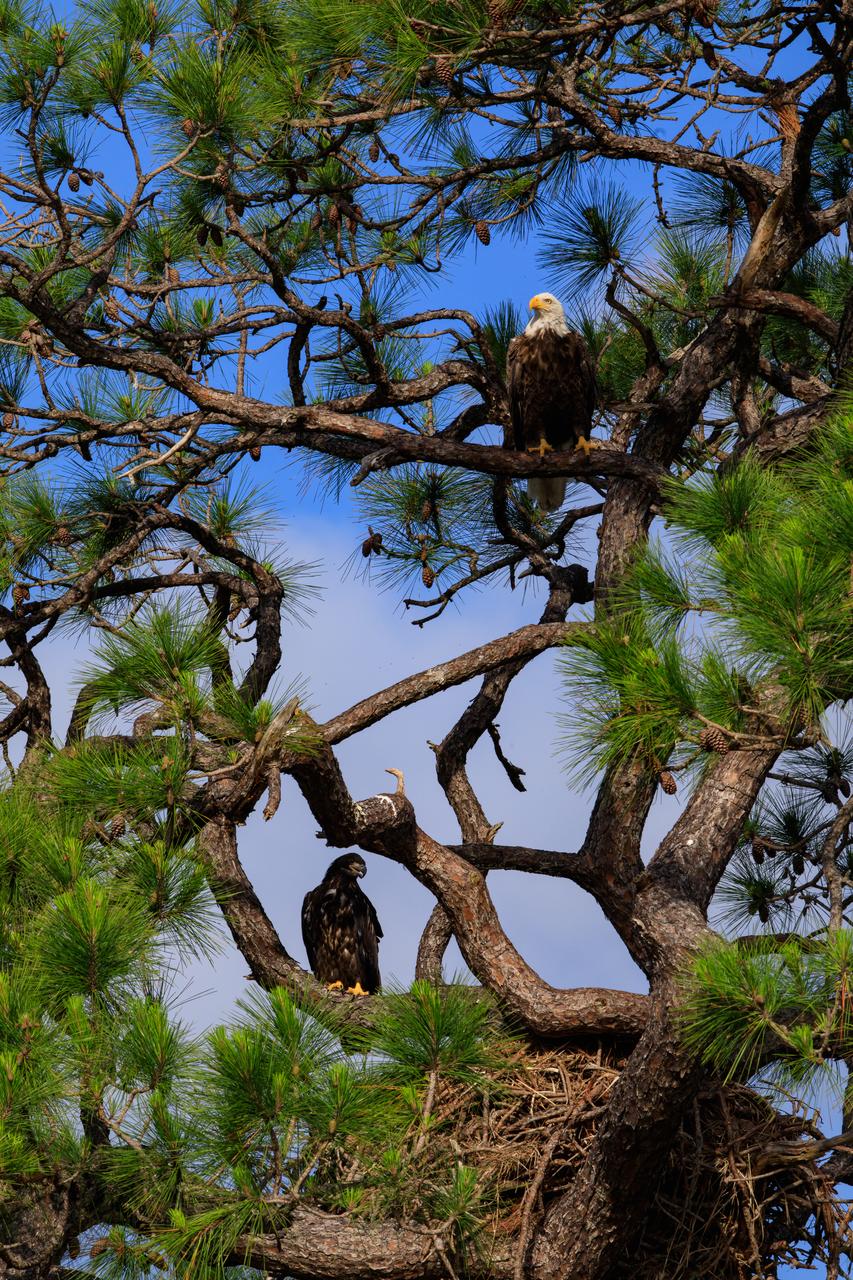
An American bald eagle is perched high in a tree above its nest at NASA’s Kennedy Space Center in Florida on April 10, 2023. Below is its baby eagle, looking up from the nest located off of Kennedy Parkway, about two miles from the Vehicle Assembly Building. The adult eagle is part of a mated pair that recently built a new home in this tree after storms badly damaged their original nest located about 50 yards away. That nest was built in 1973 and had been used by eagles almost every year since 1975. Kennedy currently is home to approximately 20 nesting pairs of bald eagles.
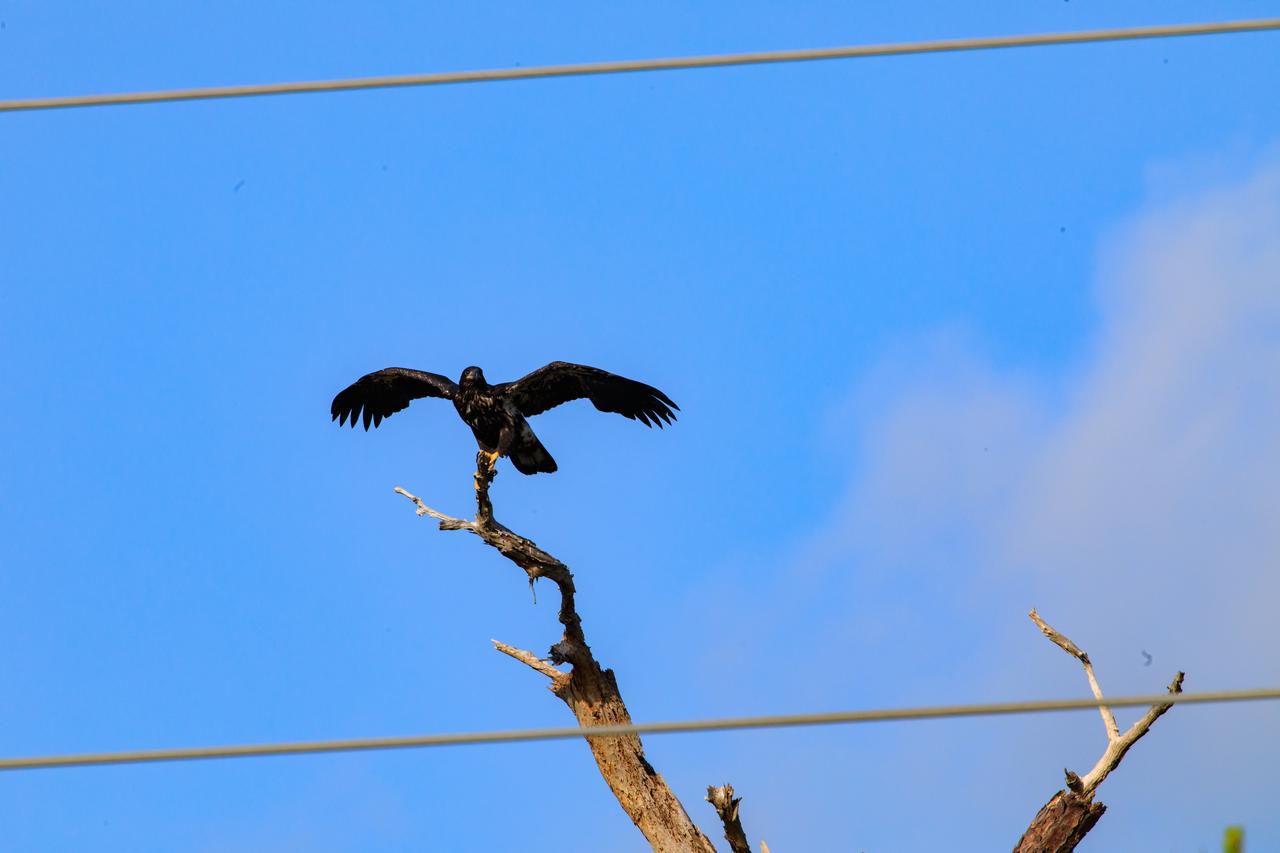
A baby American bald eagle spreads its wings to fly above a tree that contains its nest at NASA’s Kennedy Space Center in Florida on April 26, 2023. The nest is located off Kennedy Parkway, about two miles from the Vehicle Assembly Building. The eagle is from a mated pair that recently built a new home in this tree after storms badly damaged their original nest located about 50 yards away. That nest was built in 1973 and had been used by eagles almost every year since 1975. Kennedy currently is home to approximately 20 nesting pairs of bald eagles.
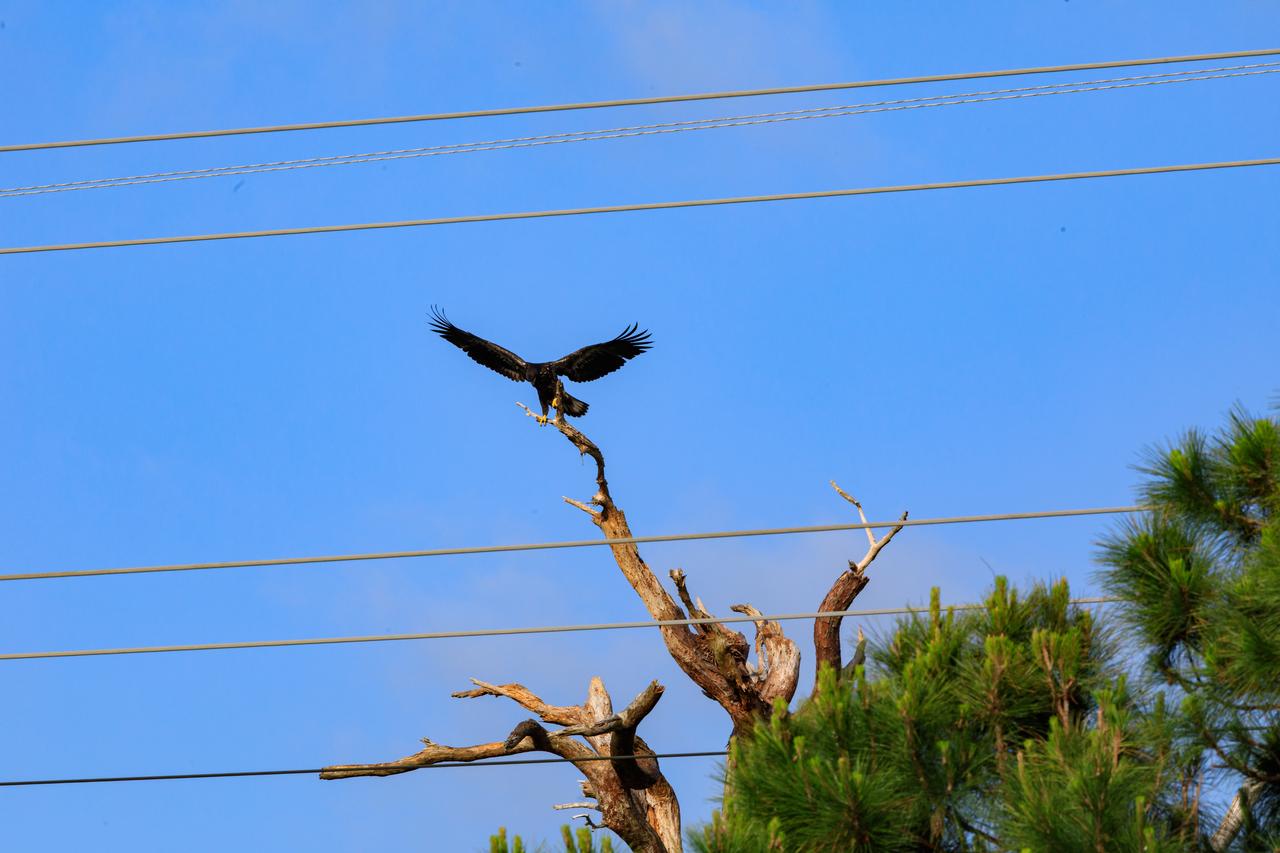
A baby American bald eagle spreads its wings to fly above a tree that contains its nest at NASA’s Kennedy Space Center in Florida on April 26, 2023. The nest is located off Kennedy Parkway, about two miles from the Vehicle Assembly Building. The eagle is from a mated pair that recently built a new home in this tree after storms badly damaged their original nest located about 50 yards away. That nest was built in 1973 and had been used by eagles almost every year since 1975. Kennedy currently is home to approximately 20 nesting pairs of bald eagles.
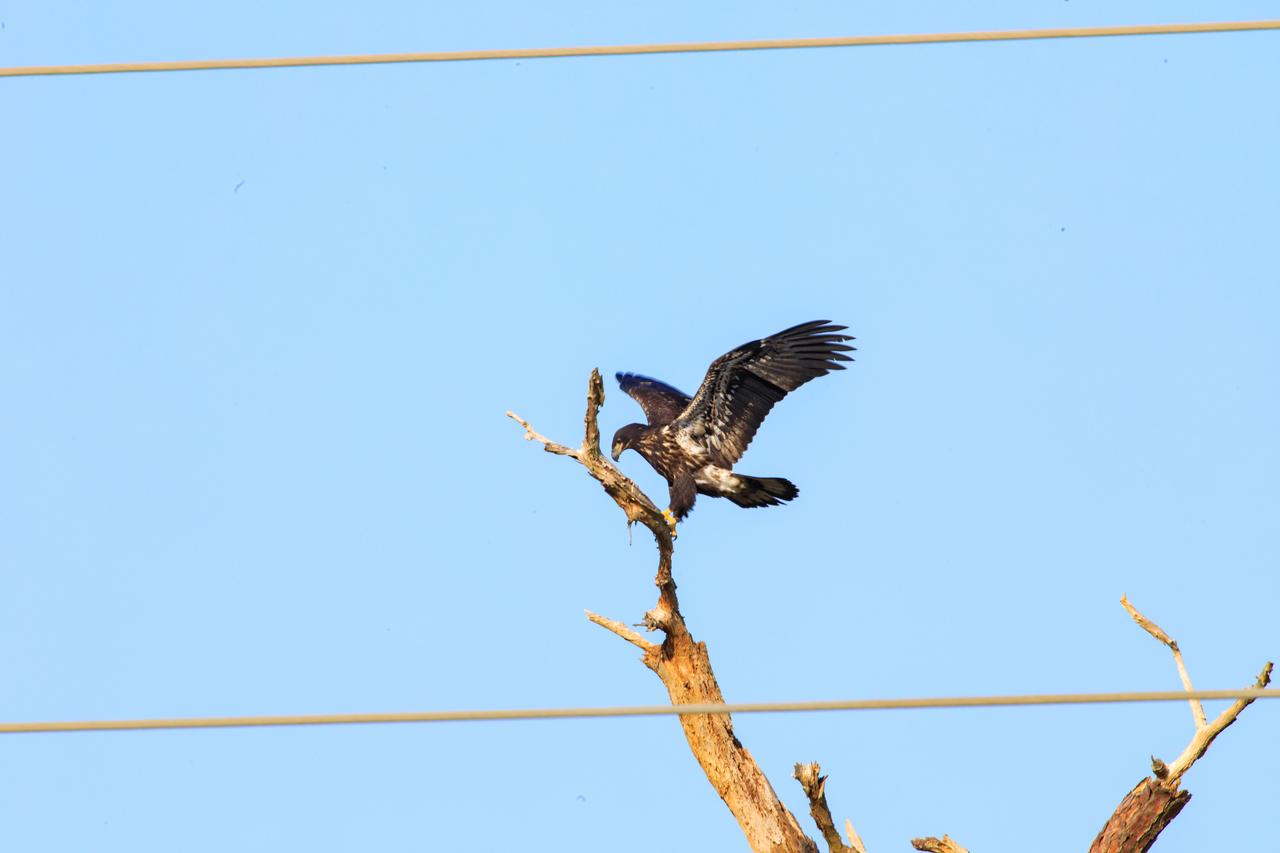
A baby American bald eagle spreads its wings to fly above a tree that contains its nest at NASA’s Kennedy Space Center in Florida on April 26, 2023. The nest is located off Kennedy Parkway, about two miles from the Vehicle Assembly Building. The eagle is from a mated pair that recently built a new home in this tree after storms badly damaged their original nest located about 50 yards away. That nest was built in 1973 and had been used by eagles almost every year since 1975. Kennedy currently is home to approximately 20 nesting pairs of bald eagles.
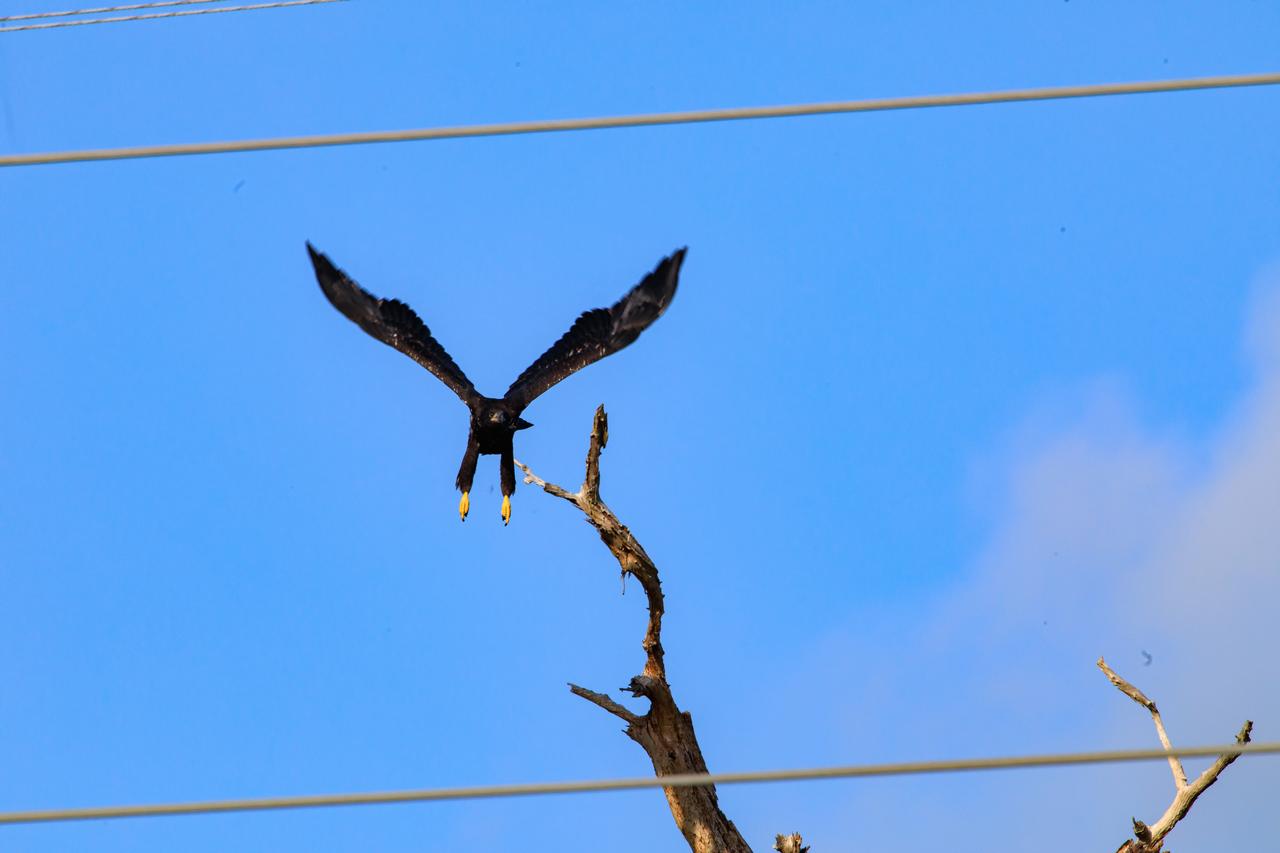
A baby American bald eagle takes flight from a tree that contains its nest at NASA’s Kennedy Space Center in Florida on April 26, 2023. The nest is located off Kennedy Parkway, about two miles from the Vehicle Assembly Building. The eagle is from a mated pair that recently built a new home in this tree after storms badly damaged their original nest located about 50 yards away. That nest was built in 1973 and had been used by eagles almost every year since 1975. Kennedy currently is home to approximately 20 nesting pairs of bald eagles.
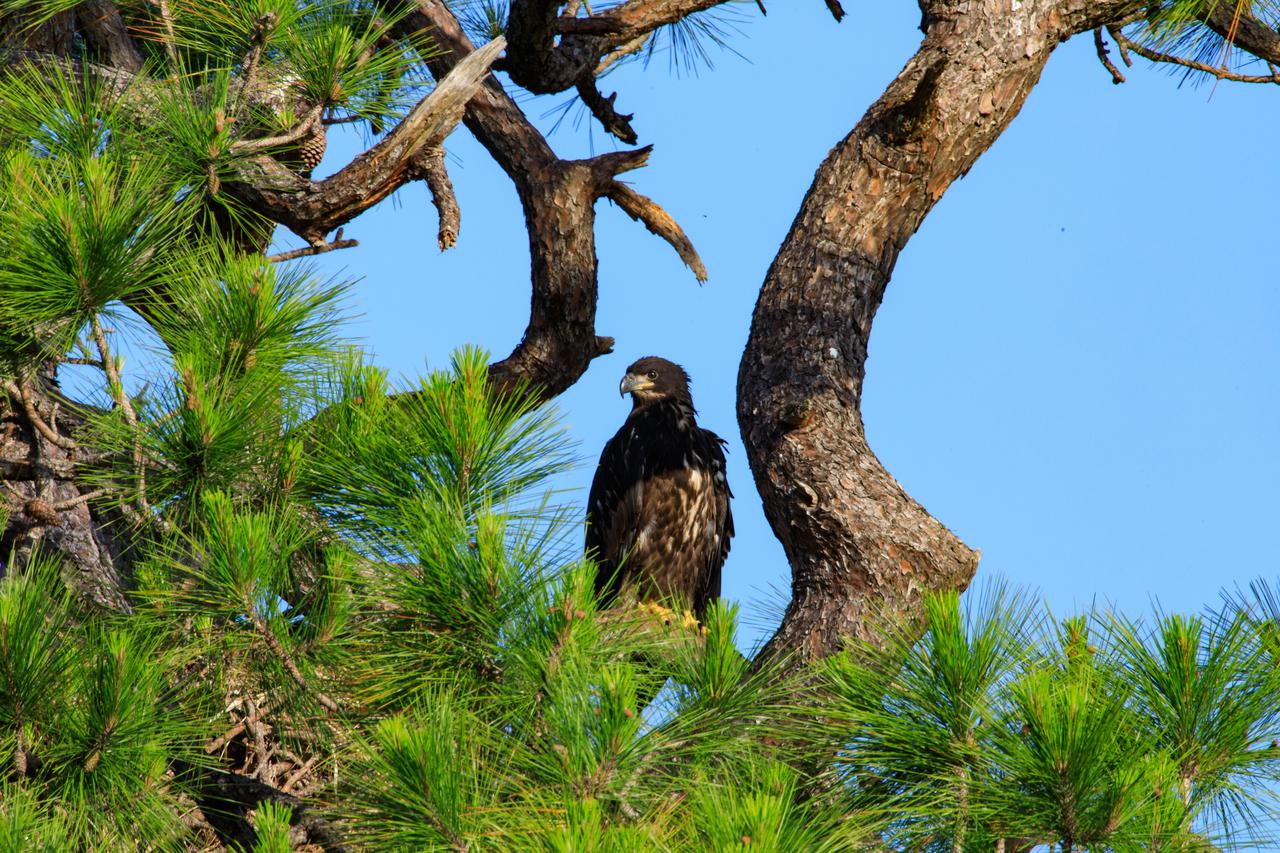
A baby American bald eagle is perched high in a tree above its nest at NASA’s Kennedy Space Center in Florida on April 26, 2023. The nest is located off Kennedy Parkway, about two miles from the Vehicle Assembly Building. The eagle is from a mated pair that recently built a new home in this tree after storms badly damaged their original nest located about 50 yards away. That nest was built in 1973 and had been used by eagles almost every year since 1975. Kennedy currently is home to approximately 20 nesting pairs of bald eagles.
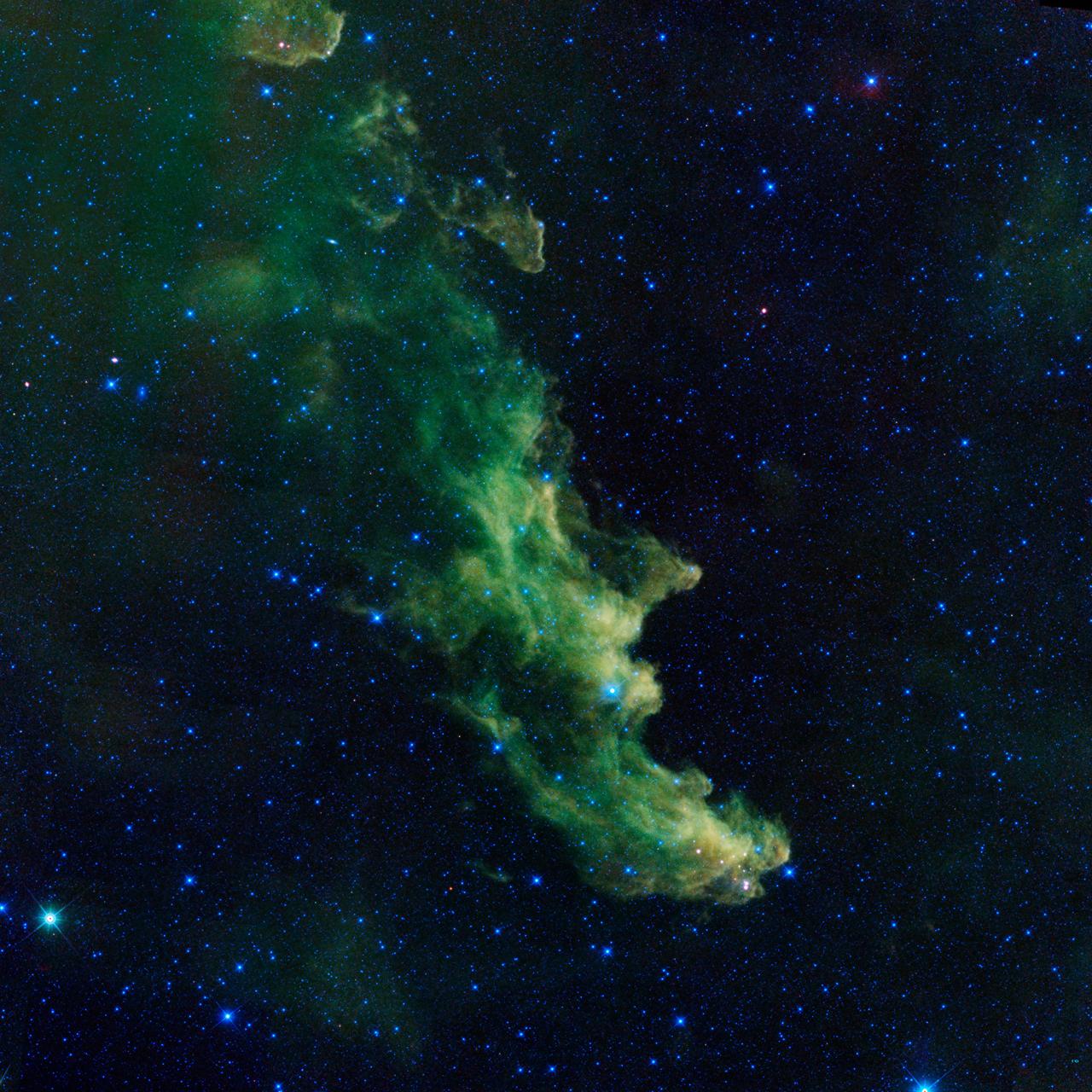
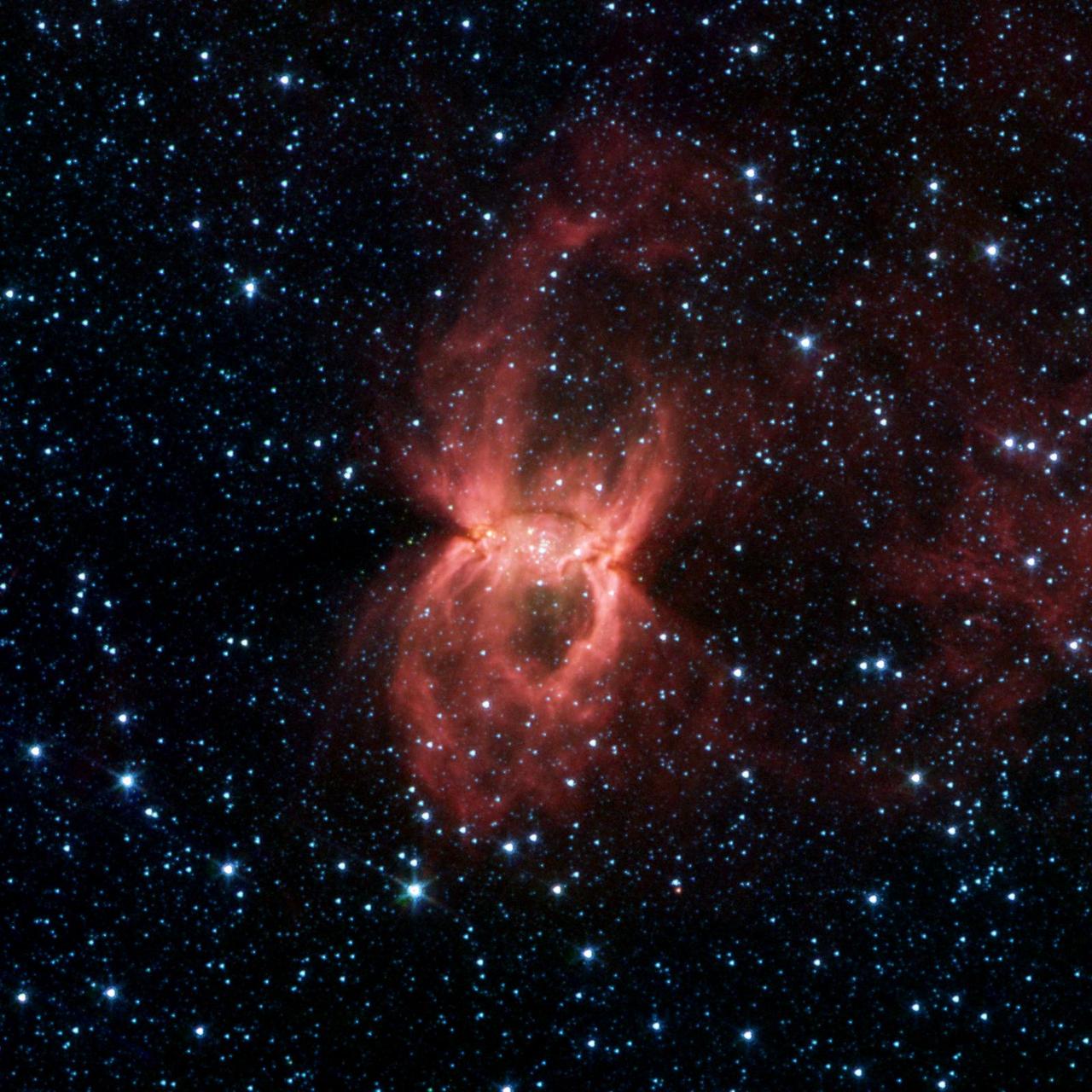
A witch appears to be screaming out into space in this new image from NASA's Wide-Field Infrared Survey Explorer, or WISE. The infrared portrait shows the Witch Head nebula, named after its resemblance to the profile of a wicked witch. Astronomers say the billowy clouds of the nebula, where baby stars are brewing, are being lit up by massive stars. Dust in the cloud is being hit with starlight, causing it to glow with infrared light, which was picked up by WISE's detectors. The Witch Head nebula is estimated to be hundreds of light-years away in the Orion constellation, just off the famous hunter's knee. WISE was recently "awakened" to hunt for asteroids in a program called NEOWISE. The reactivation came after the spacecraft was put into hibernation in 2011, when it completed two full scans of the sky, as planned. Image credit: NASA/JPL-Caltech <b><a href="http://www.nasa.gov/audience/formedia/features/MP_Photo_Guidelines.html" rel="nofollow">NASA image use policy.</a></b> <b><a href="http://www.nasa.gov/centers/goddard/home/index.html" rel="nofollow">NASA Goddard Space Flight Center</a></b> enables NASA’s mission through four scientific endeavors: Earth Science, Heliophysics, Solar System Exploration, and Astrophysics. Goddard plays a leading role in NASA’s accomplishments by contributing compelling scientific knowledge to advance the Agency’s mission. <b>Follow us on <a href="http://twitter.com/NASA_GoddardPix" rel="nofollow">Twitter</a></b> <b>Like us on <a href="http://www.facebook.com/pages/Greenbelt-MD/NASA-Goddard/395013845897?ref=tsd" rel="nofollow">Facebook</a></b> <b>Find us on <a href="http://instagram.com/nasagoddard?vm=grid" rel="nofollow">Instagram</a></b>
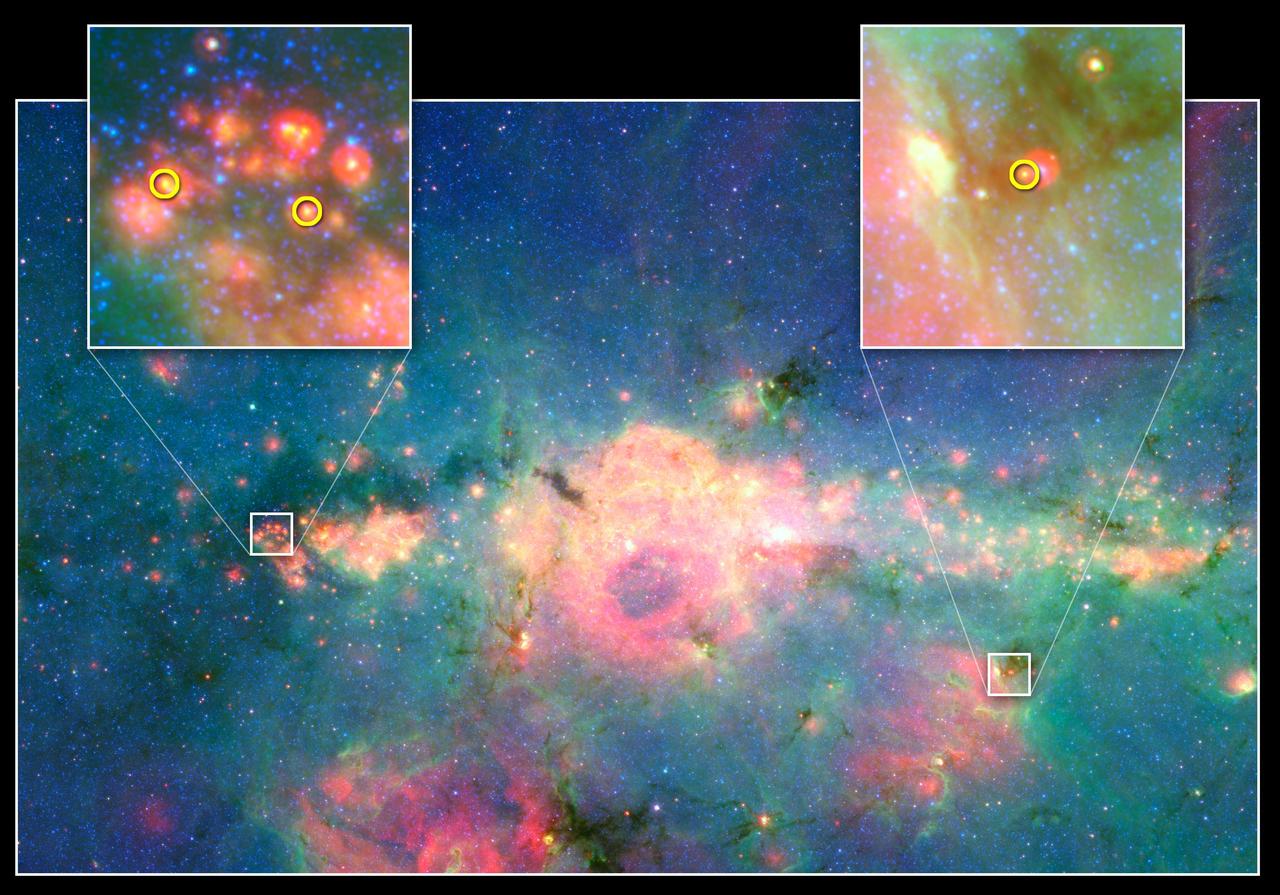
This infrared image from NASA Spitzer Space Telescope shows three baby stars in the bustling center of our Milky Way galaxy. The three stars are the first to be discovered in the region.
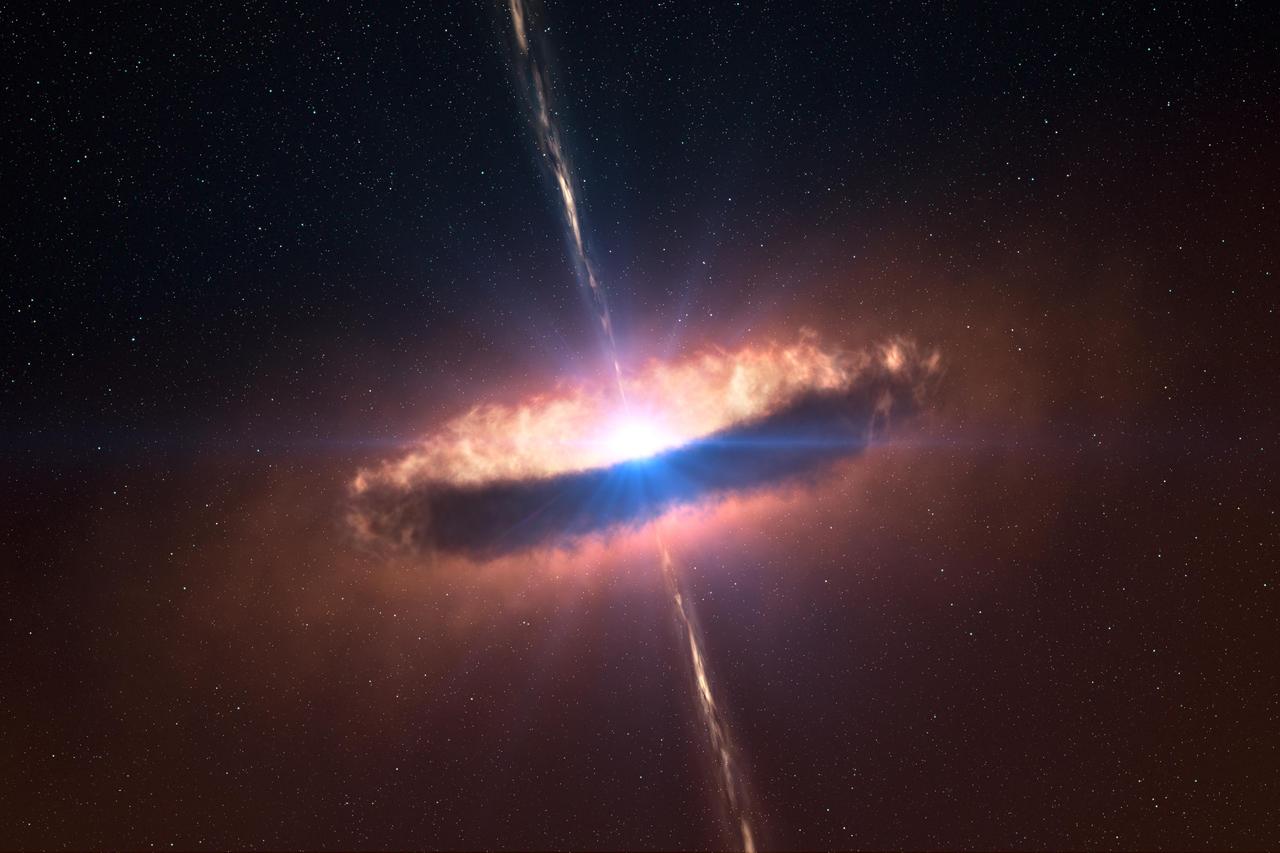
Astronomers have obtained the first clear look at a dusty disk closely encircling a massive baby star; this artist concept shows what such a massive disk might look like.
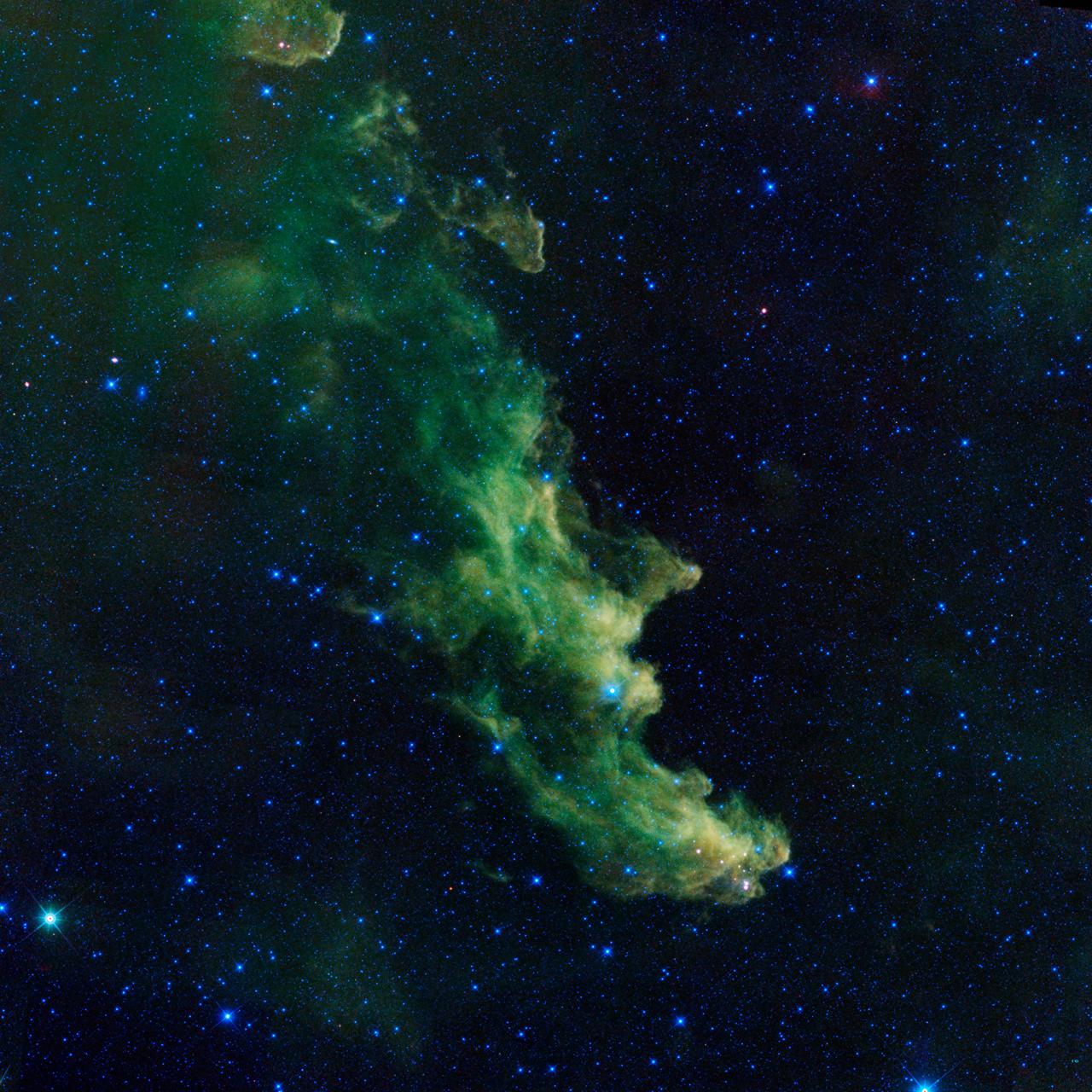
A witch appears to be screaming out into space in this new image from NASA's Wide-Field Infrared Survey Explorer, or WISE. The infrared portrait shows the Witch Head nebula, named after its resemblance to the profile of a wicked witch. Astronomers say the billowy clouds of the nebula, where baby stars are brewing, are being lit up by massive stars. Dust in the cloud is being hit with starlight, causing it to glow with infrared light, which was picked up by WISE's detectors. The Witch Head nebula is estimated to be hundreds of light-years away in the Orion constellation, just off the famous hunter's knee. WISE was recently "awakened" to hunt for asteroids in a program called NEOWISE. The reactivation came after the spacecraft was put into hibernation in 2011, when it completed two full scans of the sky, as planned. Image credit: NASA/JPL-Caltech NASA image use policy. ( http://www.nasa.gov/audience/formedia/features/MP_Photo_Guidelines.html ) NASA Goddard Space Flight Center ( http://www.nasa.gov/centers/goddard/home/index.html ) enables NASA’s mission through four scientific endeavors: Earth Science, Heliophysics, Solar System Exploration, and Astrophysics. Goddard plays a leading role in NASA’s accomplishments by contributing compelling scientific knowledge to advance the Agency’s mission. Follow us on Twitter ( http://twitter.com/NASA_GoddardPix ) Like us on Facebook ( http://www.facebook.com/pages/Greenbelt-MD/NASA-Goddard/395013845897?ref=tsd ) Find us on Instagram ( http://instagram.com/nasagoddard?vm=grid )
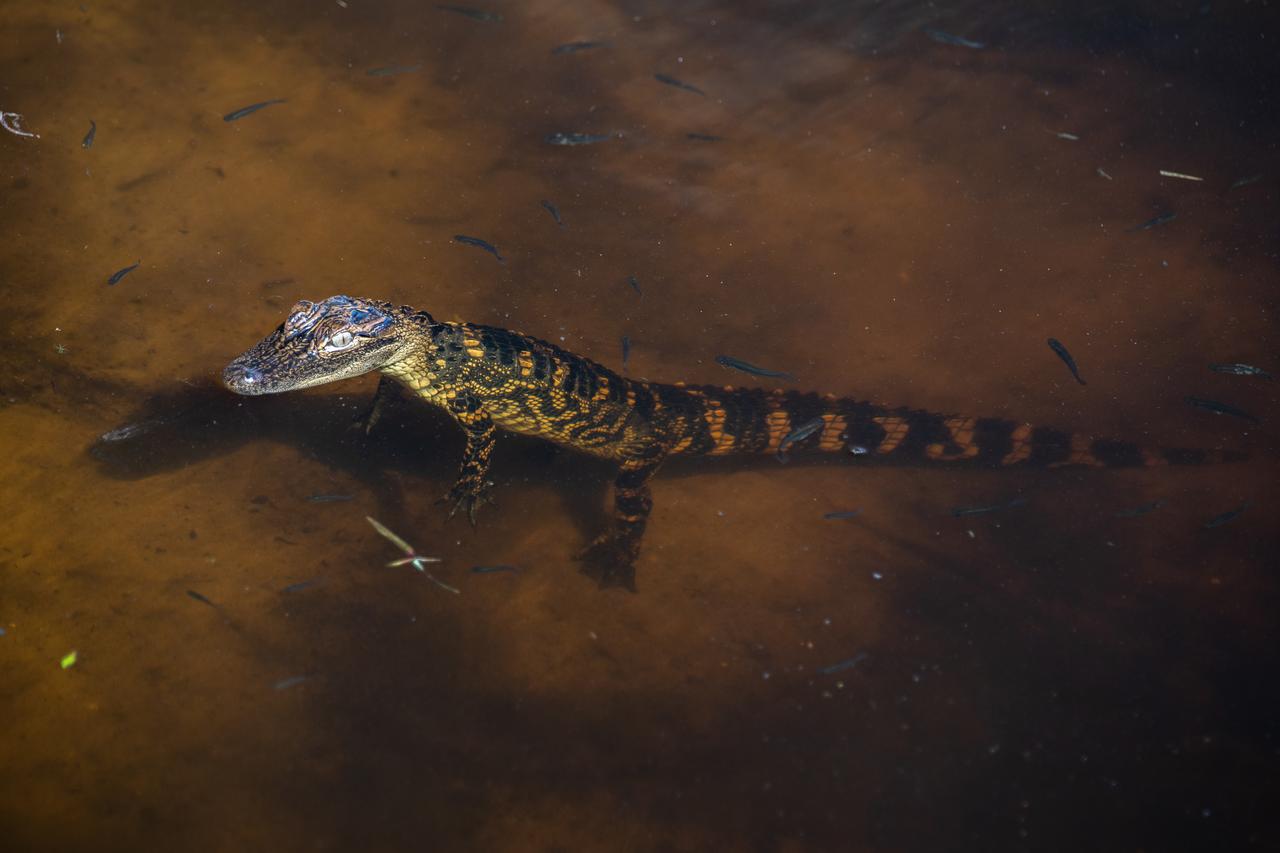
A baby alligator is in view in a waterway at NASA’s Kennedy Space Center in Florida on March 9, 2023. The center shares a boundary with the Merritt Island National Wildlife Refuge. The refuge is home to more than 65 amphibian and reptile species, along with 330 native and migratory bird species, 25 mammal and 117 fish species.
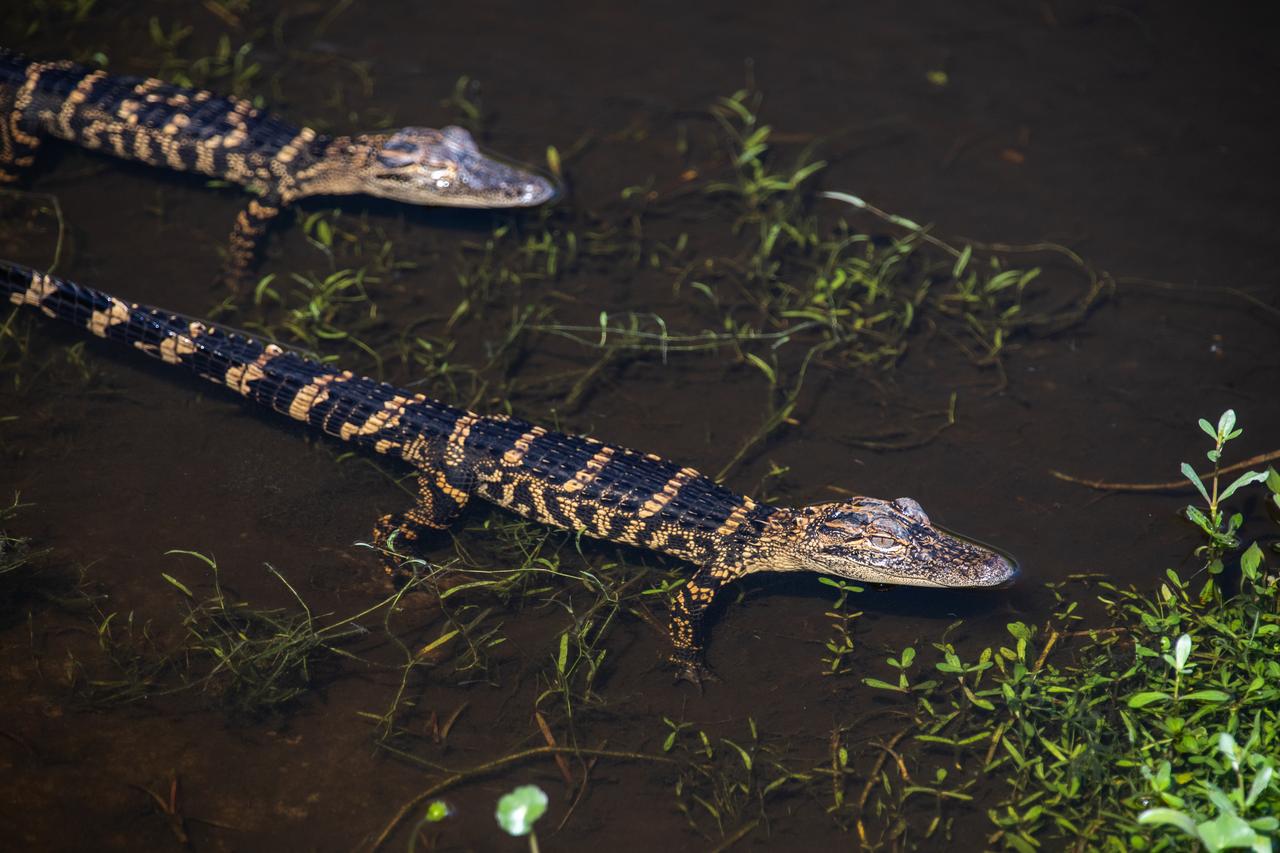
Two baby alligators are in view in a waterway at NASA’s Kennedy Space Center in Florida on March 9, 2023. The center shares a boundary with the Merritt Island National Wildlife Refuge. The refuge is home to more than 65 amphibian and reptile species, along with 330 native and migratory bird species, 25 mammal and 117 fish species.
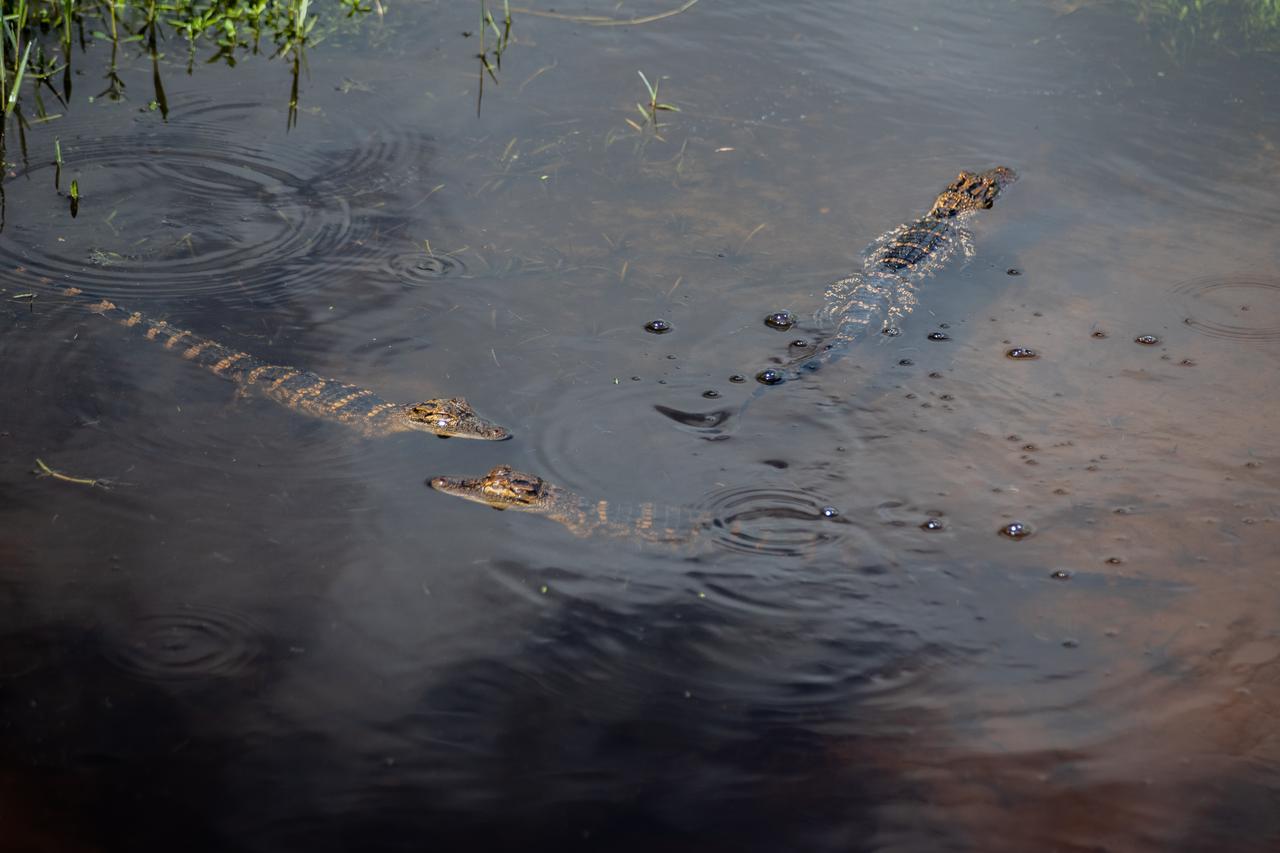
Three baby alligators are in view in a waterway at NASA’s Kennedy Space Center in Florida on March 9, 2023. The center shares a boundary with the Merritt Island National Wildlife Refuge. The refuge is home to more than 65 amphibian and reptile species, along with 330 native and migratory bird species, 25 mammal and 117 fish species.
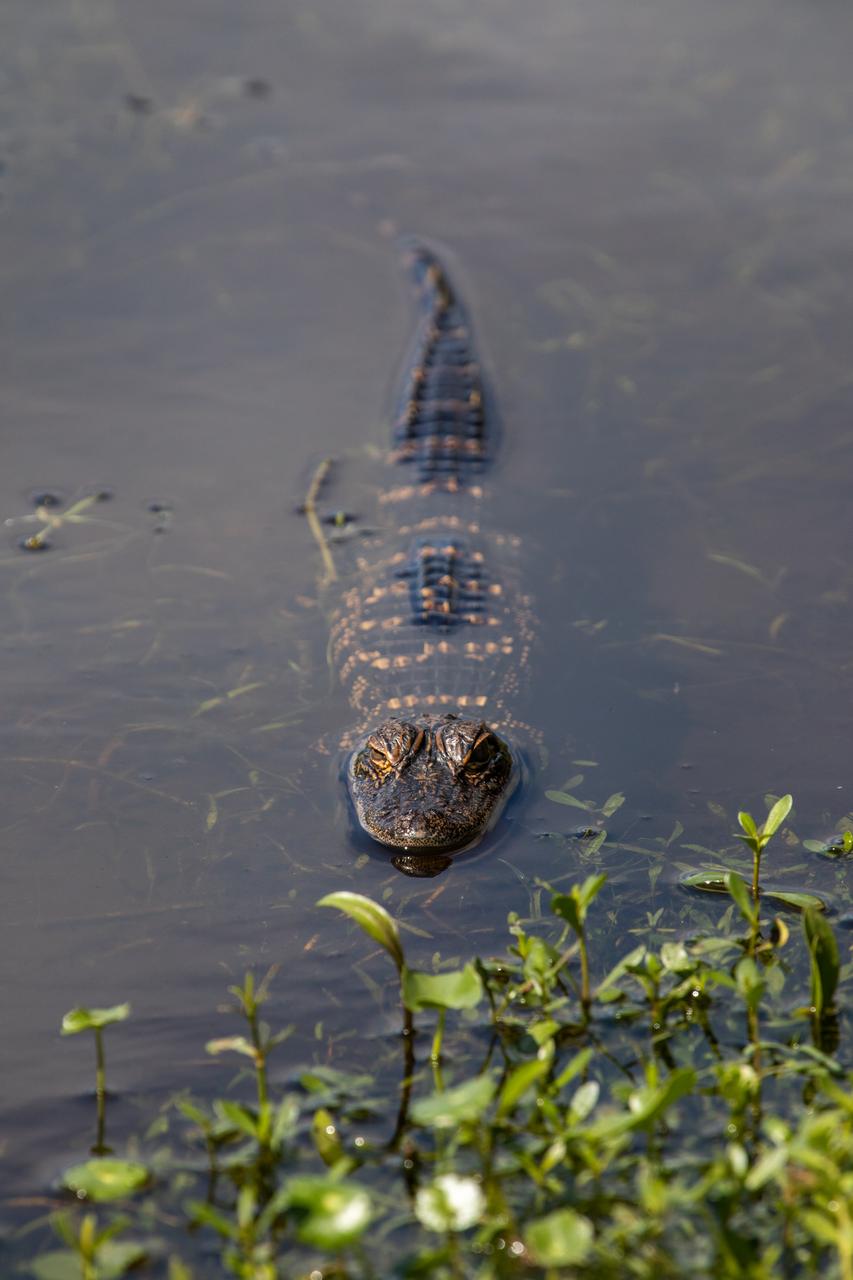
A baby alligator is in view in a waterway at NASA’s Kennedy Space Center in Florida on March 9, 2023. The center shares a boundary with the Merritt Island National Wildlife Refuge. The refuge is home to more than 65 amphibian and reptile species, along with 330 native and migratory bird species, 25 mammal and 117 fish species.
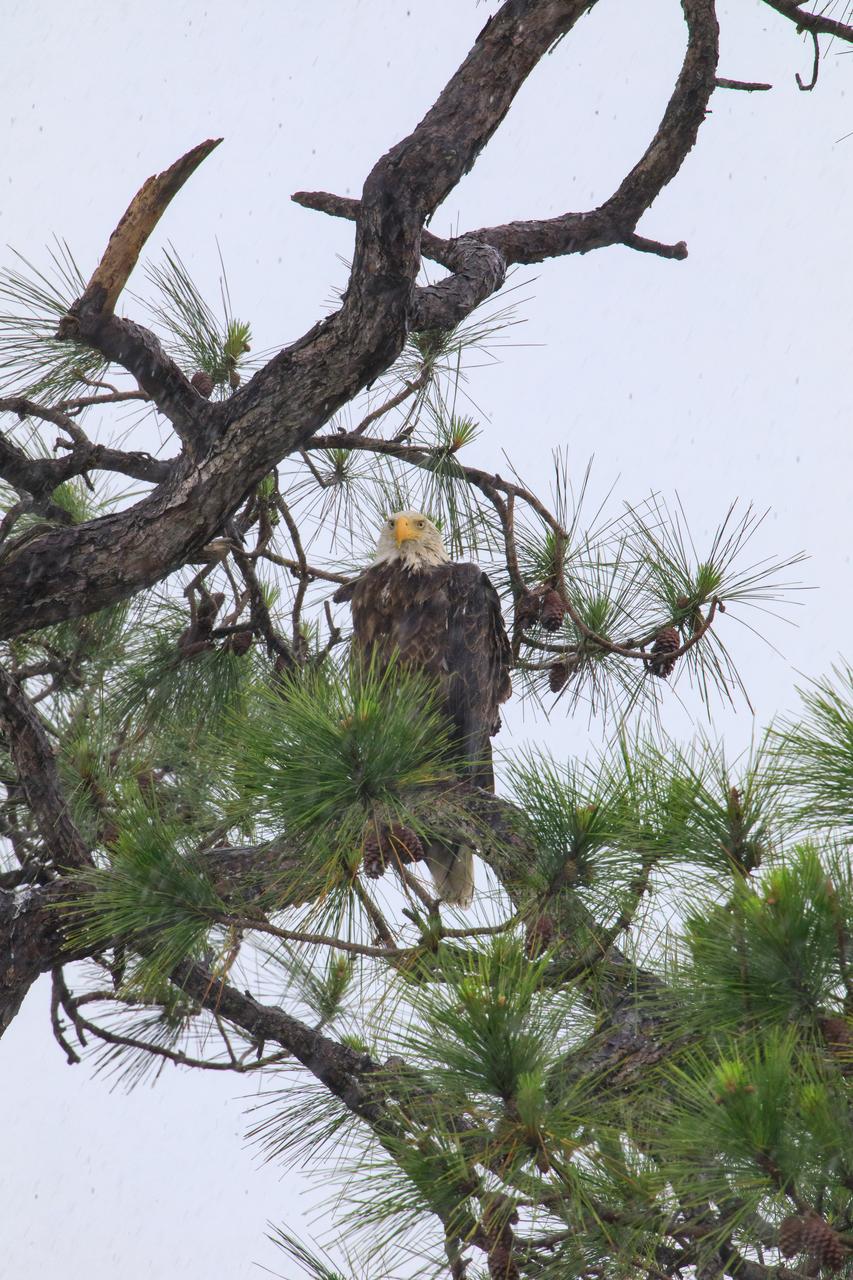
An American bald eagle is perched high in a tree above its nest at NASA’s Kennedy Space Center in Florida on April 25, 2023. The adult eagle is part of a mated pair that recently built a new home in this tree after storms badly damaged their original nest located about 50 yards away. That nest was built in 1973 and had been used by eagles almost every year since 1975. This season, the pair produced one eaglet.
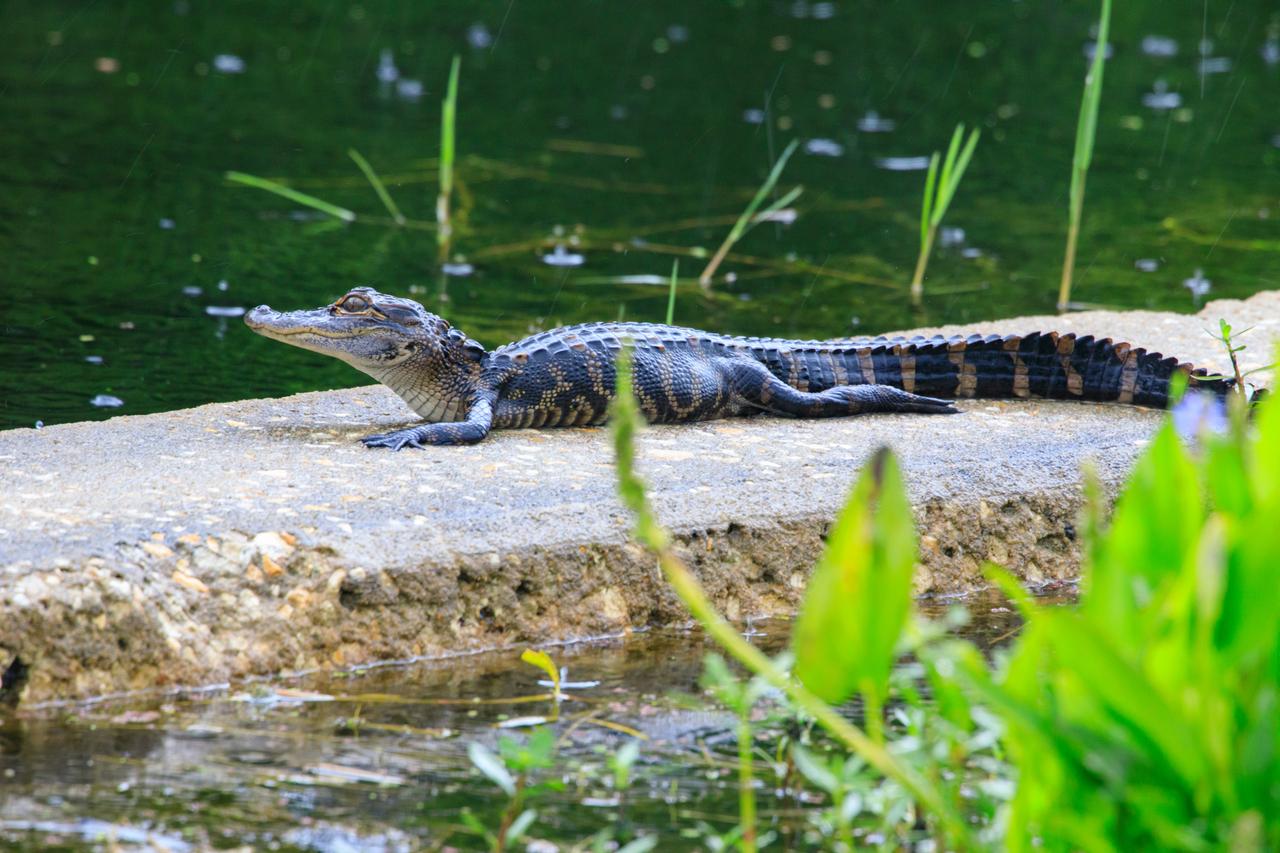
A young alligator rests on a concrete structure at NASA’s Kennedy Space Center in Florida on April 25, 2023. Alligator breeding season starts in May when males begin courting females. By June, pairs have mated and females build vegetation nests in the marsh. Eggs hatch in about 65 days. The mother carries her young to the water and protects them from predators, including male alligators.
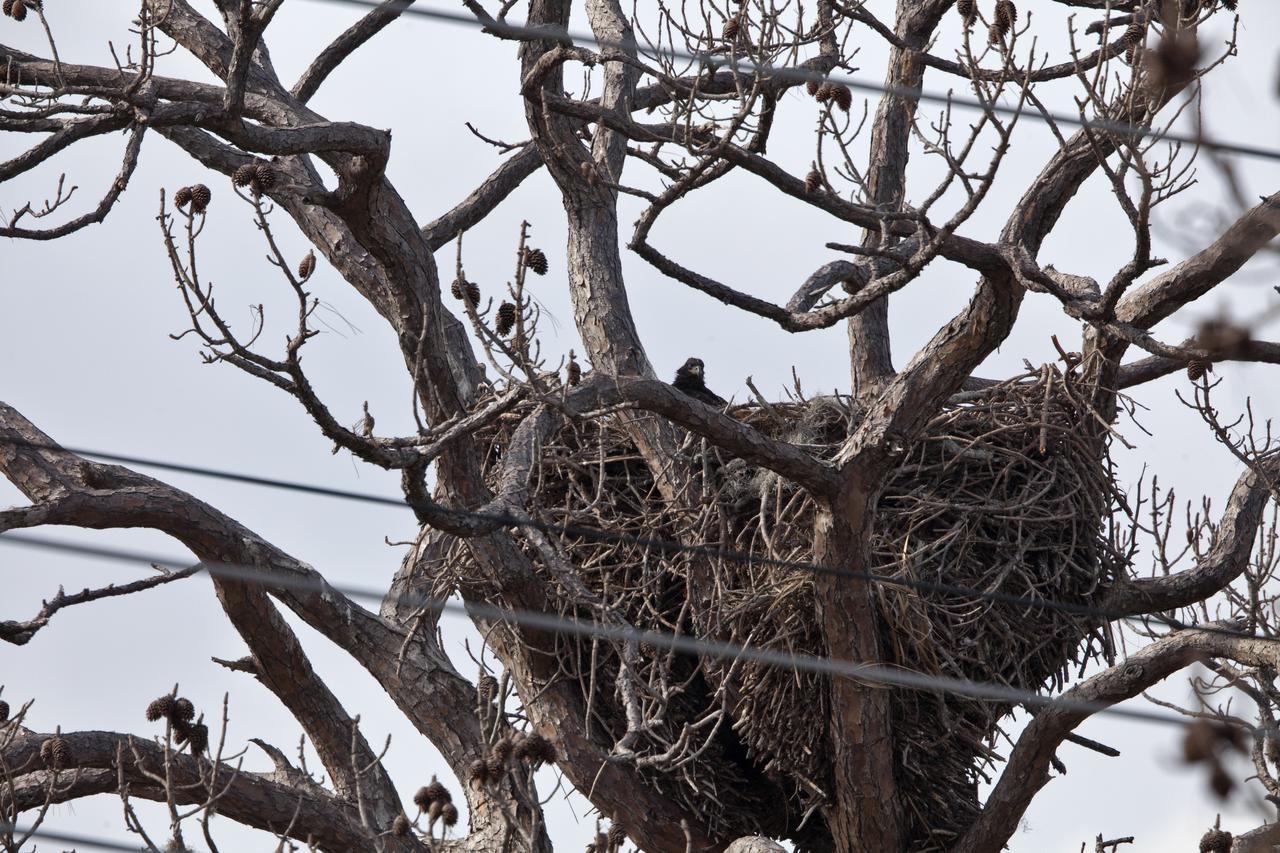
A baby eagle perches in a nest in a tree along State Road 3 at NASA's Kennedy Space Center in Florida. The center shares a border with the 140,000-acre Merritt Island National Wildlife Refuge. More than 330 native and migratory bird species, 25 mammals, 117 fishes and 65 amphibians and reptiles call Kennedy and the wildlife refuge home.
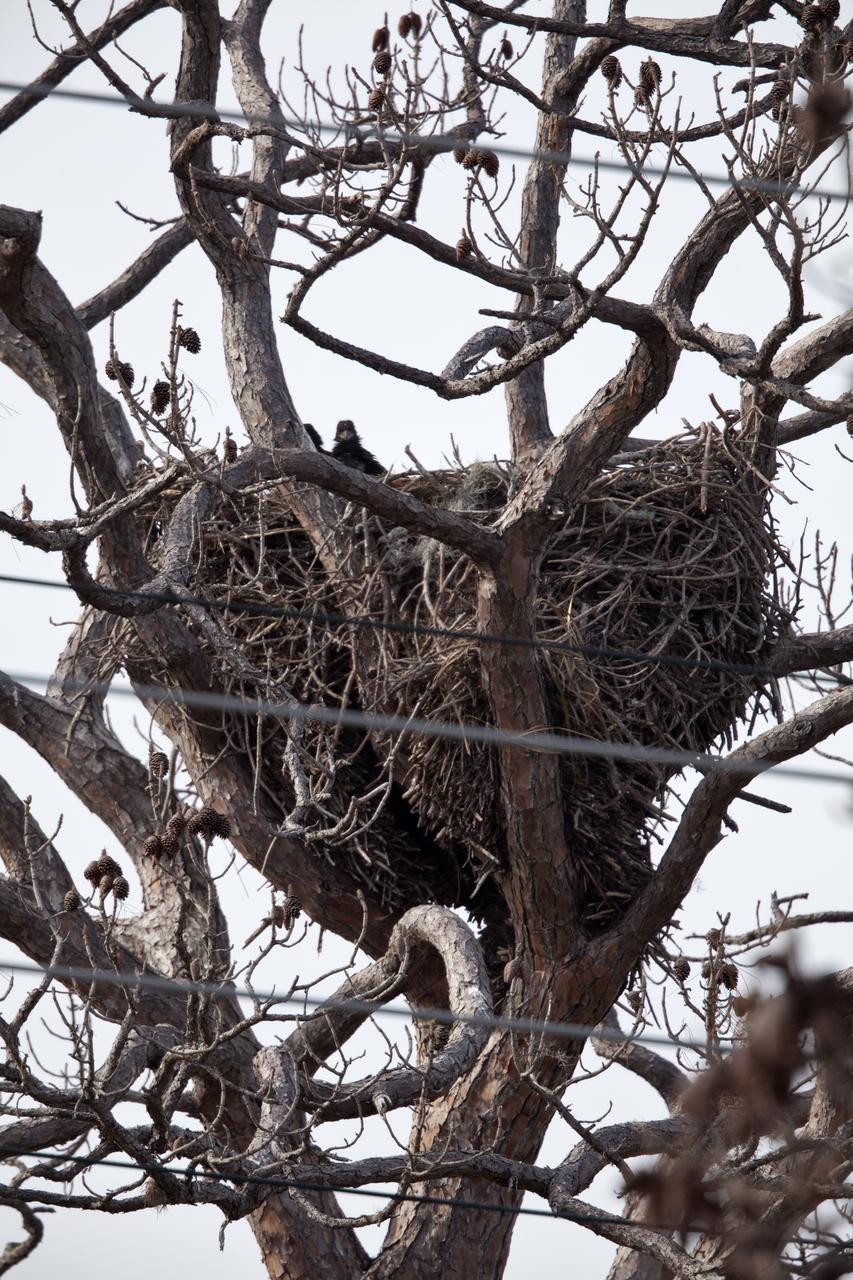
Two baby eagles perch in a nest in a tree along State Road 3 at NASA's Kennedy Space Center in Florida. The center shares a border with the 140,000-acre Merritt Island National Wildlife Refuge. More than 330 native and migratory bird species, 25 mammals, 117 fishes and 65 amphibians and reptiles call Kennedy and the wildlife refuge home.
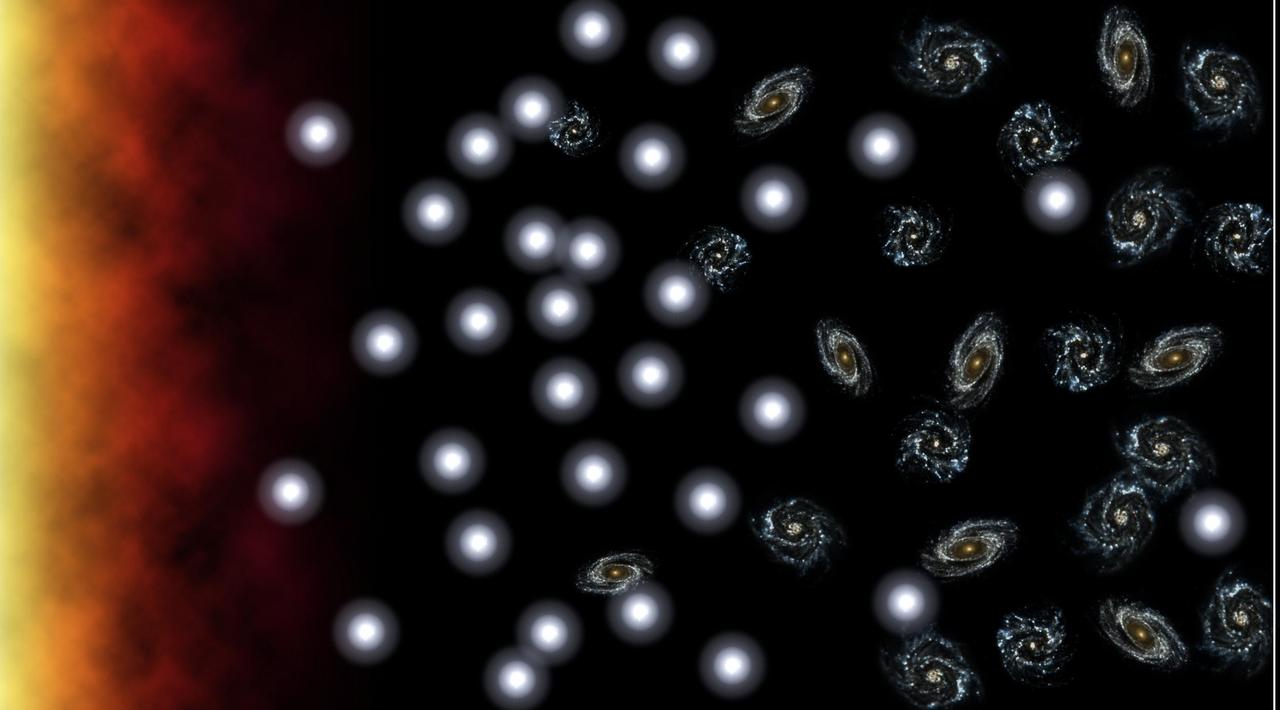
This artist's conception illustrates the decline in our universe's "birth-rate" over time. When the universe was young, massive galaxies were forming regularly, like baby bees in a bustling hive. In time, the universe bore fewer and fewer "offspring," and newborn galaxies (white circles) matured into older ones more like our own Milky Way (spirals). Previously, astronomers thought that the universe had ceased to give rise to massive, young galaxies, but findings from NASA's Galaxy Evolution Explorer suggest that may not be the case. Surveying thousands of nearby galaxies with its highly sensitive ultraviolet eyes, the telescope spotted three dozen that greatly resemble youthful galaxies from billions of years ago. In this illustration, those galaxies are represented as white circles on the right, or "today" side of the timeline. The discovery not only suggests that our universe may still be alive with youth, but also offers astronomers their first close-up look at what appear to be baby galaxies. Prior to the new result, astronomers had to peer about 11 billion light-years into the distant universe to see newborn galaxies. The newfound galaxies are only about 2 to 4 billion light-years away. http://photojournal.jpl.nasa.gov/catalog/PIA07142
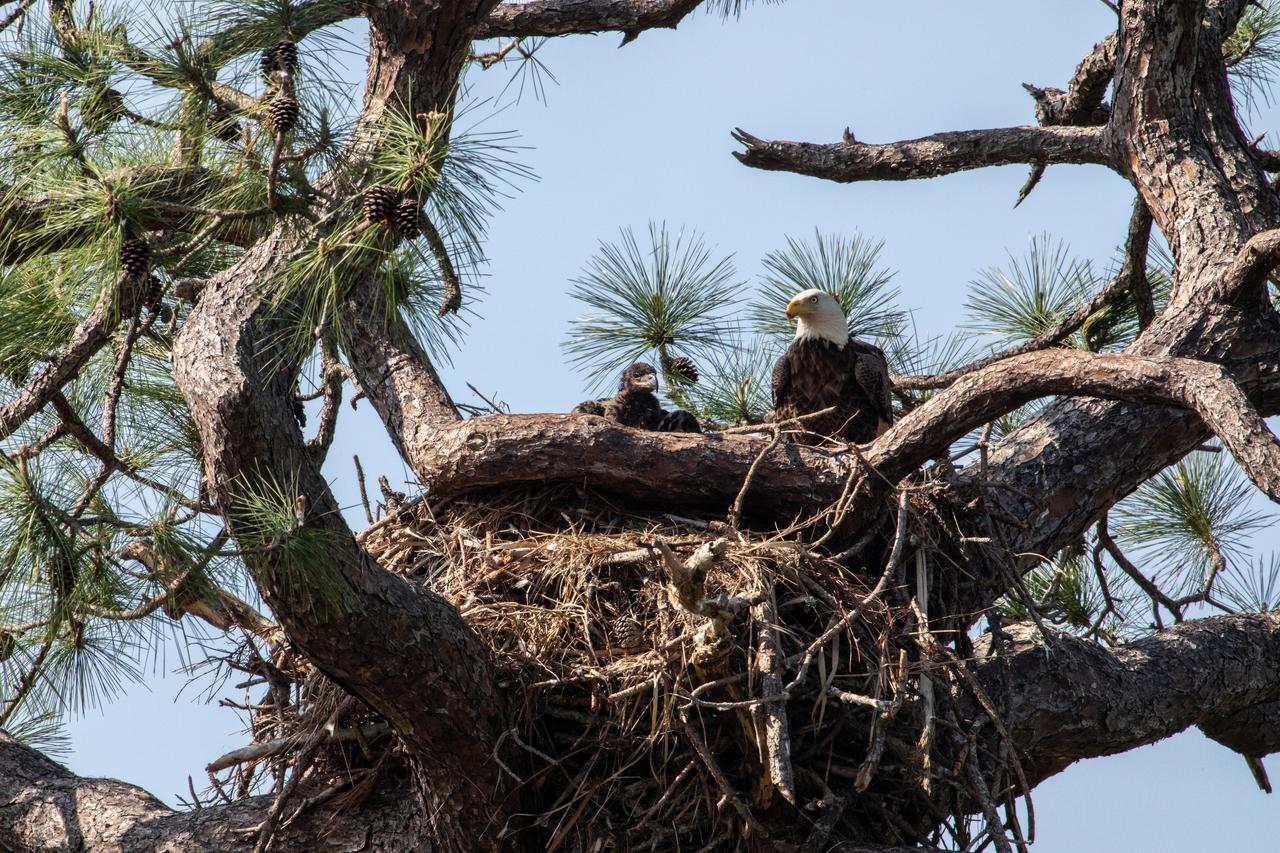
A baby American bald eagle spends time with one of its parents in a nest located near Kennedy Parkway North at NASA’s Kennedy Space Center in Florida on March 8, 2023. A mating pair of eagles recently built a new home in this tree after a combination of storms badly damaged their original nest located less than 100 yards away. That nest was built in 1973 and had been used by eagles almost every year since 1975.
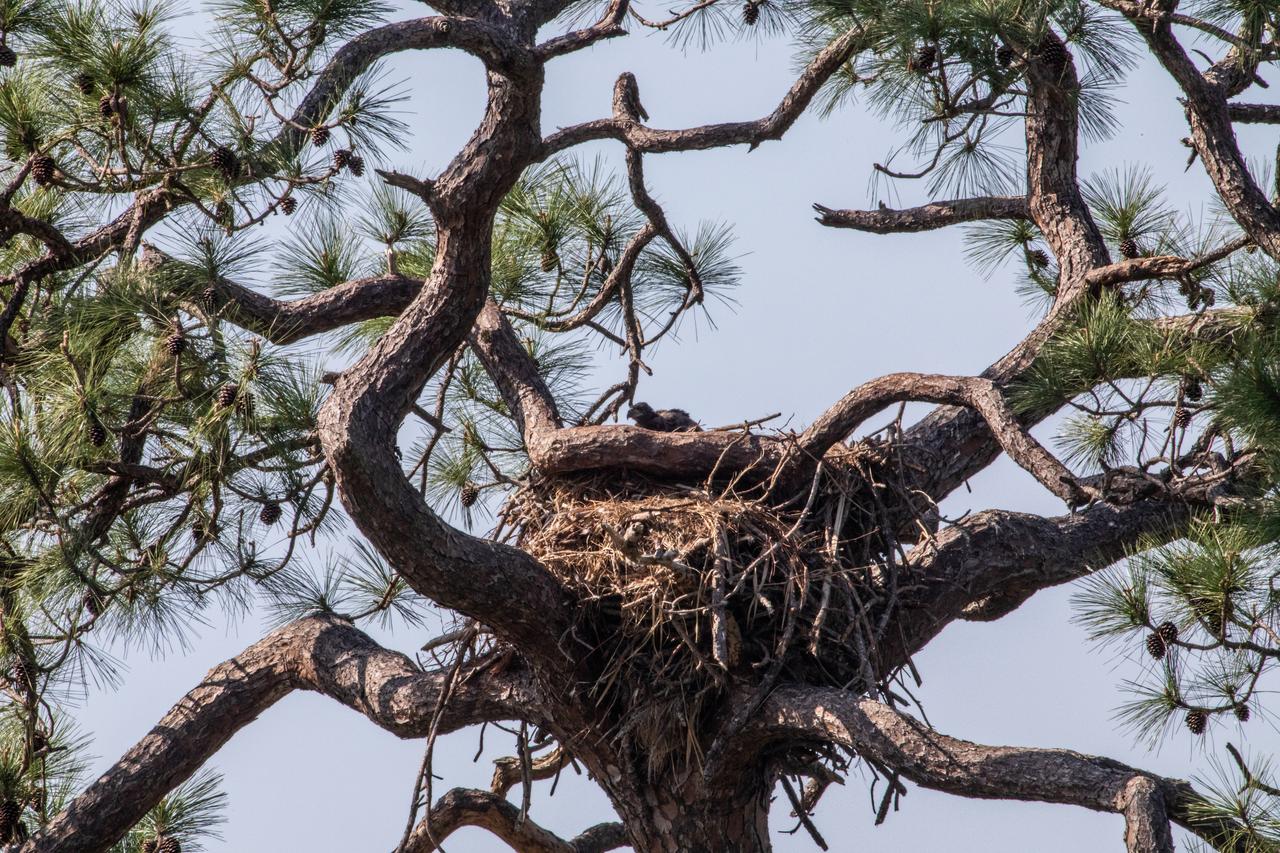
A baby American bald eagle pokes its head up from a nest located near Kennedy Parkway North at NASA’s Kennedy Space Center in Florida on March 8, 2023. A mating pair of eagles recently built a new home in this tree after a combination of storms badly damaged their original nest located less than 100 yards away. That nest was built in 1973 and had been used by eagles almost every year since 1975.
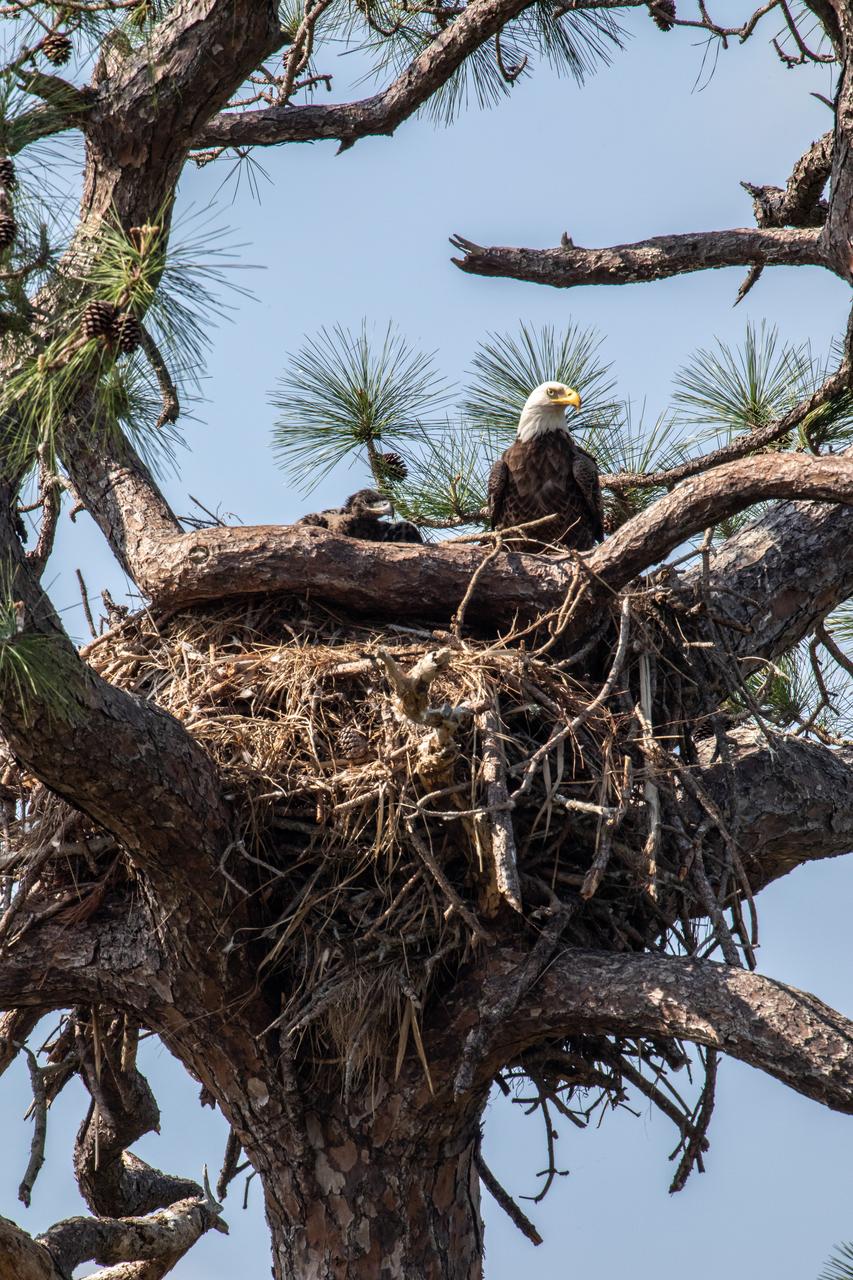
A baby American bald eagle looks out from its nest, along with one of its parents, from their temporary home located near Kennedy Parkway North at NASA’s Kennedy Space Center in Florida on March 8, 2023. A mating pair of eagles recently built a new nest in this tree after a combination of storms badly damaged their original nest located less than 100 yards away. That nest was built in 1973 and had been used by eagles almost every year since 1975.
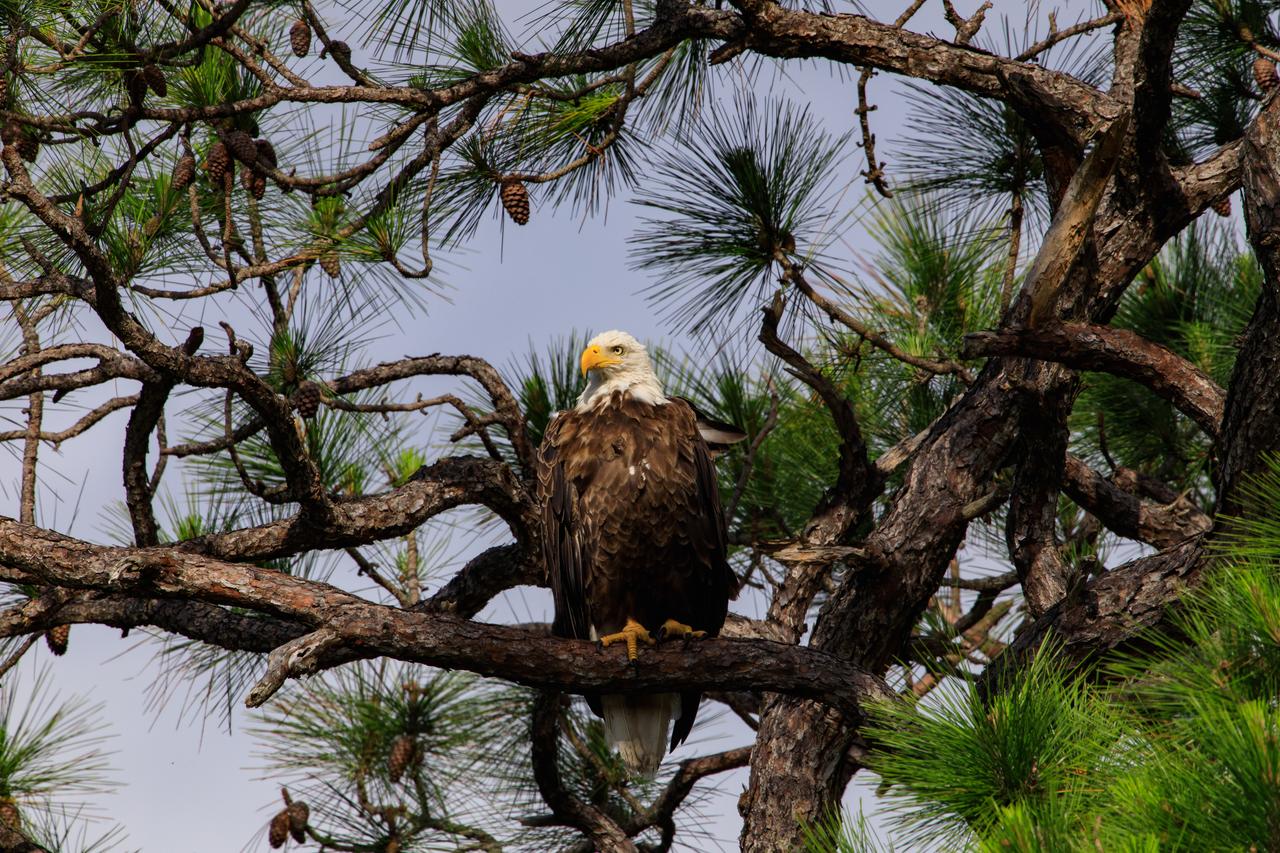
An American bald eagle is perched high in a tree above its nest at NASA’s Kennedy Space Center in Florida on April 10, 2023. The nest is located off of Kennedy Parkway, about two miles from the Vehicle Assembly Building. The adult eagle is part of a mated pair that recently built a new home in this tree after storms badly damaged their original nest located about 50 yards away. That nest was built in 1973 and had been used by eagles almost every year since 1975. Kennedy currently is home to approximately 20 nesting pairs of bald eagles.

Image release June 22, 2010 A spectacular new NASA/ESA Hubble Space Telescope image — one of the largest ever released of a star-forming region — highlights N11, part of a complex network of gas clouds and star clusters within our neighbouring galaxy, the Large Magellanic Cloud. This region of energetic star formation is one of the most active in the nearby Universe. The Large Magellanic Cloud contains many bright bubbles of glowing gas. One of the largest and most spectacular has the name LHA 120-N 11, from its listing in a catalogue compiled by the American astronomer and astronaut Karl Henize in 1956, and is informally known as N11. Close up, the billowing pink clouds of glowing gas make N11 resemble a puffy swirl of fairground candy floss. From further away, its distinctive overall shape led some observers to nickname it the Bean Nebula. The dramatic and colourful features visible in the nebula are the telltale signs of star formation. N11 is a well-studied region that extends over 1000 light-years. It is the second largest star-forming region within the Large Magellanic Cloud and has produced some of the most massive stars known. It is the process of star formation that gives N11 its distinctive look. Three successive generations of stars, each of which formed further away from the centre of the nebula than the last, have created shells of gas and dust. These shells were blown away from the newborn stars in the turmoil of their energetic birth and early life, creating the ring shapes so prominent in this image. Beans are not the only terrestrial shapes to be found in this spectacular high resolution image from the NASA/ESA Hubble Space Telescope. In the upper left is the red bloom of nebula LHA 120-N 11A. Its rose-like petals of gas and dust are illuminated from within, thanks to the radiation from the massive hot stars at its centre. N11A is relatively compact and dense and is the site of the most recent burst of star development in the region. Other star clusters abound in N11, including NGC 1761 at the bottom of the image, which is a group of massive hot young stars busily pouring intense ultraviolet radiation out into space. Although it is much smaller than our own galaxy, the Large Magellanic Cloud is a very vigorous region of star formation. Studying these stellar nurseries helps astronomers understand a lot more about how stars are born and their ultimate development and lifespan. Both the Large Magellanic Cloud and its small companion, the Small Magellanic Cloud, are easily seen with the unaided eye and have always been familiar to people living in the southern hemisphere. The credit for bringing these galaxies to the attention of Europeans is usually given to Portuguese explorer Fernando de Magellan and his crew, who viewed it on their 1519 sea voyage. However, the Persian astronomer Abd Al-Rahman Al Sufi and the Italian explorer Amerigo Vespucci recorded the Large Magellanic Cloud in 964 and 1503 respectively. Credit: NASA, ESA and Jesús Maíz Apellániz (Instituto de Astrofísica de Andalucía, Spain) To learn more about Hubble go to: <a href="http://www.nasa.gov/mission_pages/hubble/main/index.html" rel="nofollow">www.nasa.gov/mission_pages/hubble/main/index.html</a> <b><a href="http://www.nasa.gov/centers/goddard/home/index.html" rel="nofollow">NASA Goddard Space Flight Center</a></b> is home to the nation's largest organization of combined scientists, engineers and technologists that build spacecraft, instruments and new technology to study the Earth, the sun, our solar system, and the universe.
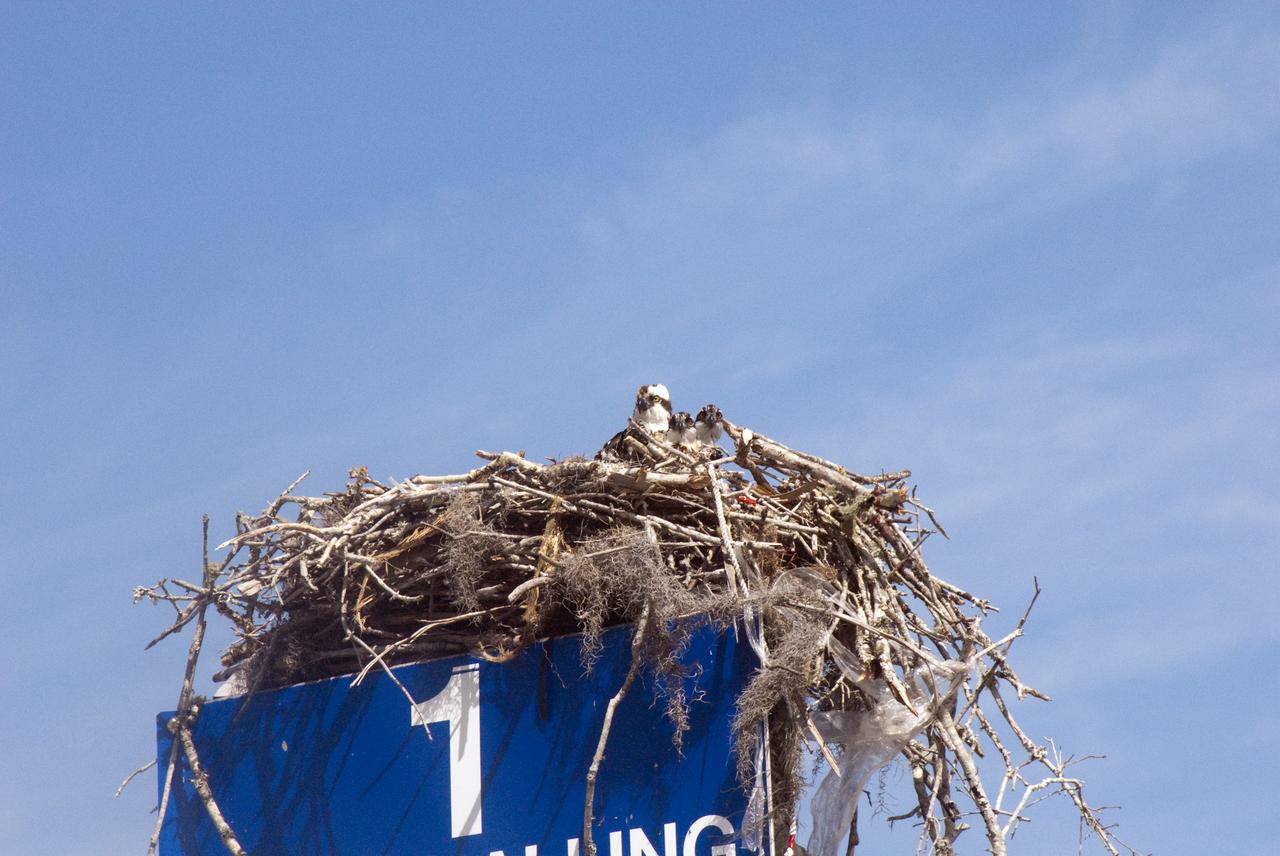
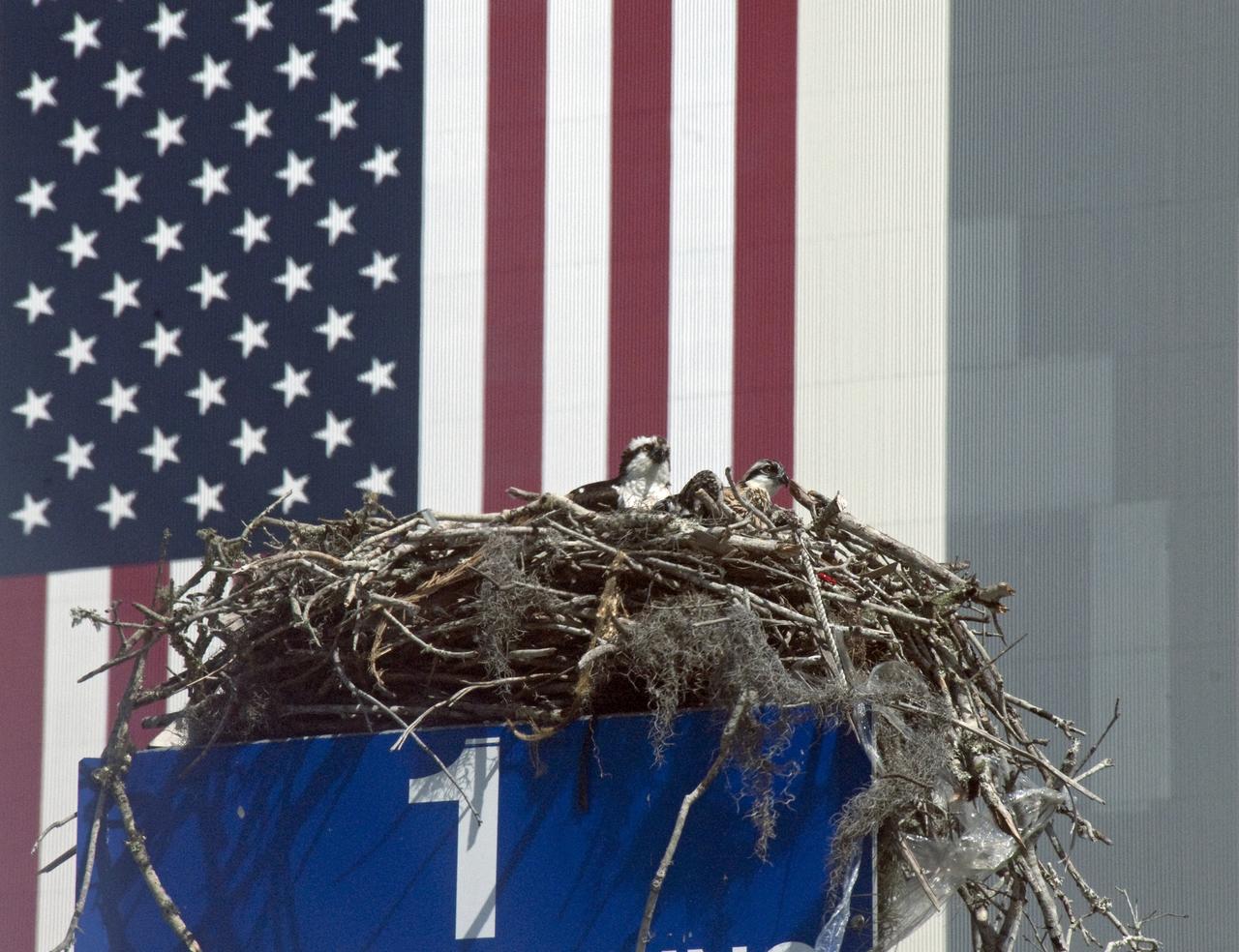
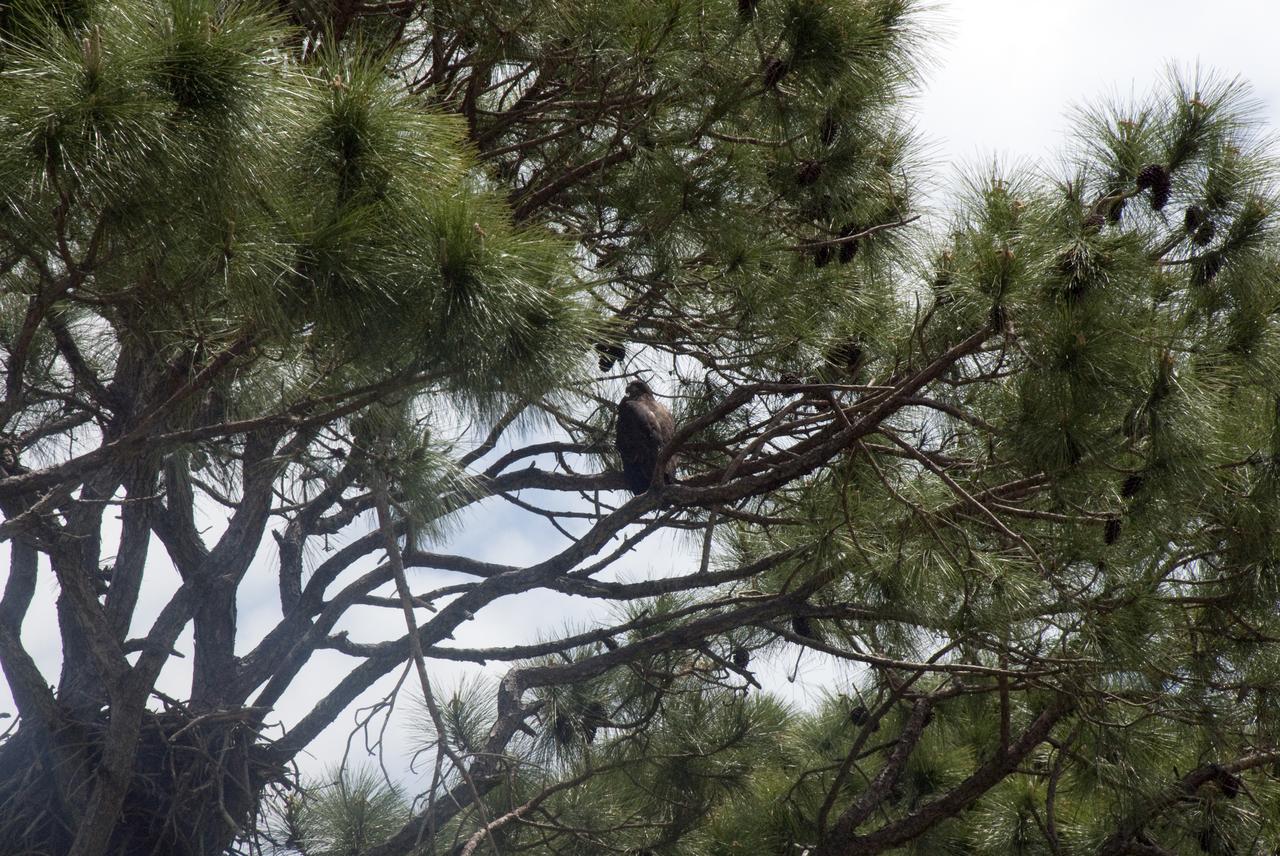
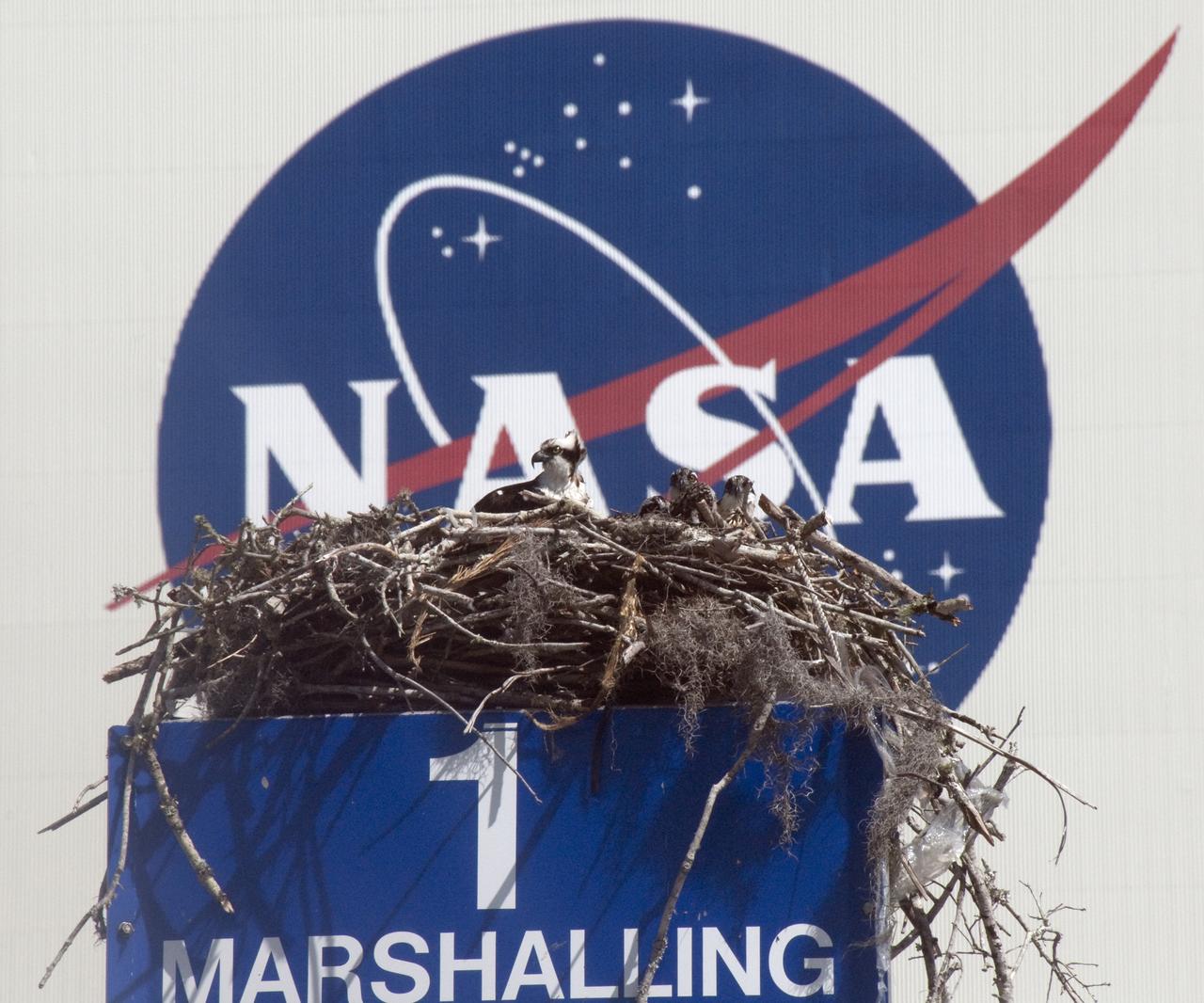
KSC WILDLIFE - BABY EAGLE AT REST ON SR3 - BABY OSPREYS AT PRESS SITE
KSC WILDLIFE - BABY EAGLE AT REST ON SR3 - BABY OSPREYS AT PRESS SITE
KSC WILDLIFE - BABY EAGLE AT REST ON SR3 - BABY OSPREYS AT PRESS SITE
KSC WILDLIFE - BABY EAGLE AT REST ON SR3 - BABY OSPREYS AT PRESS SITE
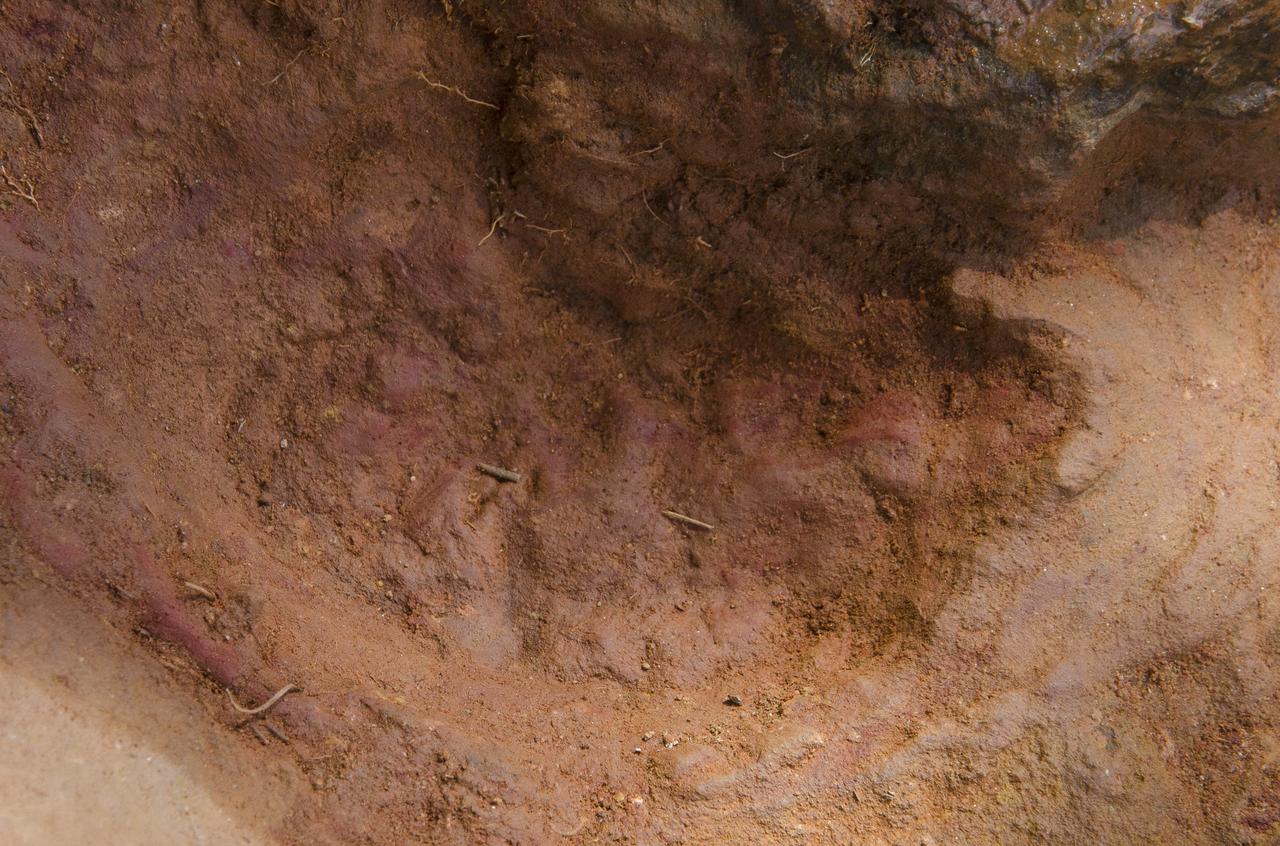
Not one, but two nodosaurs passed through the Goddard campus 110 to 112 million years ago, a USGS paleontologist confirmed. Pictured here the second track, overlapping the first, looks to be a young version of the same creature, perhaps following and sniffing along after, said Rob Weems, emeritus paleontologist and stratigrapher with the USGS. “It’s definitely a track.” To read more go to: <a href="http://1.usa.gov/P9NYg7" rel="nofollow">1.usa.gov/P9NYg7</a> Credit: NASA/GSFC/Rebecca Roth <b><a href="http://www.nasa.gov/audience/formedia/features/MP_Photo_Guidelines.html" rel="nofollow">NASA image use policy.</a></b> <b><a href="http://www.nasa.gov/centers/goddard/home/index.html" rel="nofollow">NASA Goddard Space Flight Center</a></b> enables NASA’s mission through four scientific endeavors: Earth Science, Heliophysics, Solar System Exploration, and Astrophysics. Goddard plays a leading role in NASA’s accomplishments by contributing compelling scientific knowledge to advance the Agency’s mission. <b>Follow us on <a href="http://twitter.com/NASA_GoddardPix" rel="nofollow">Twitter</a></b> <b>Like us on <a href="http://www.facebook.com/pages/Greenbelt-MD/NASA-Goddard/395013845897?ref=tsd" rel="nofollow">Facebook</a></b> <b>Find us on <a href="http://instagrid.me/nasagoddard/?vm=grid" rel="nofollow">Instagram</a></b>

In this image, NASA's 2001 Mars Odyssey spacecraft spies what looks like a momma holding a baby. Orbit Number: 51251 Latitude: -5.73294 Longitude: 210.403 Instrument: IR Captured: 2013-07-03 22:58 https://photojournal.jpl.nasa.gov/catalog/PIA21683
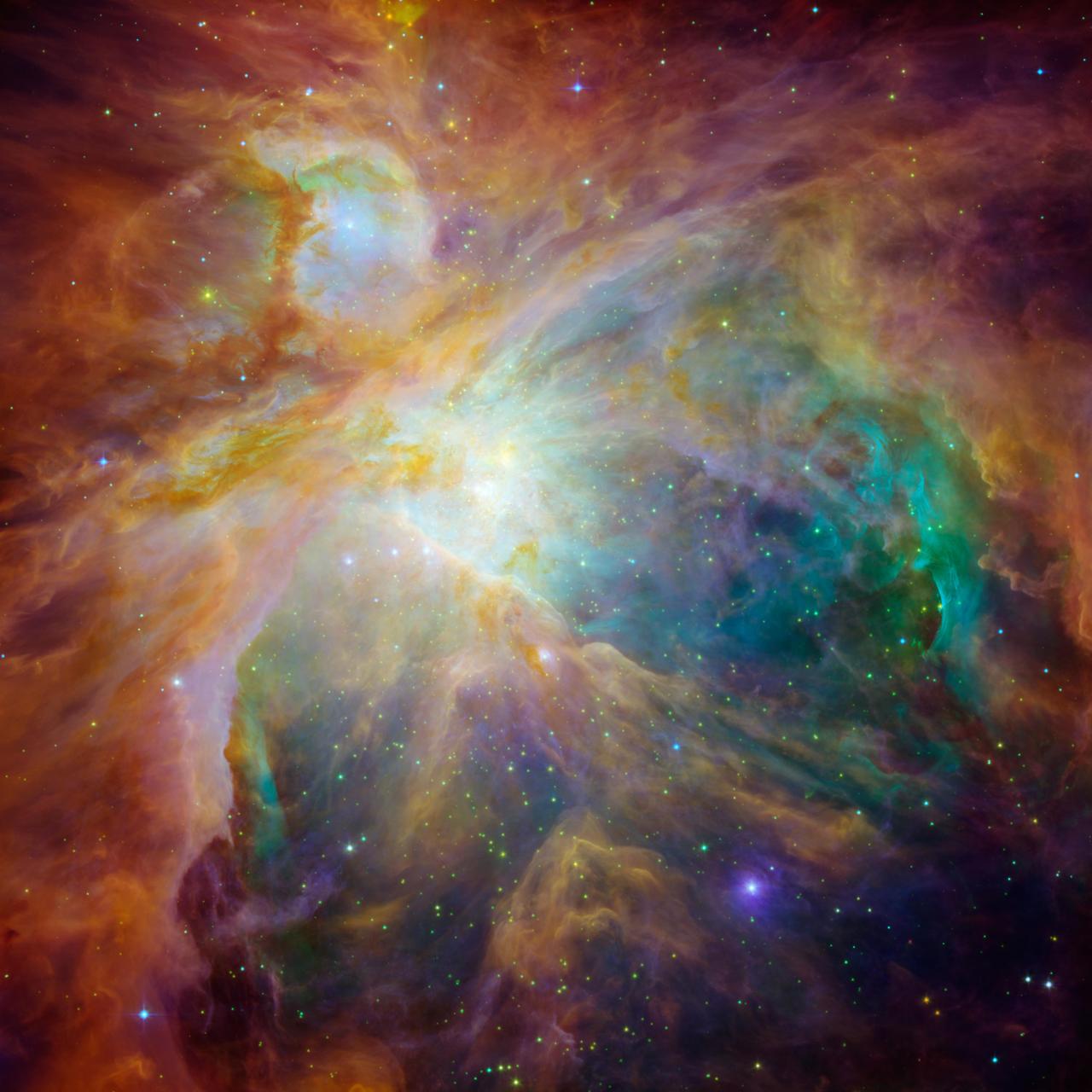
NASA Spitzer and Hubble Space Telescopes have teamed up to expose the chaos that baby stars are creating 1,500 light-years away in a cosmic cloud called the Orion nebula.
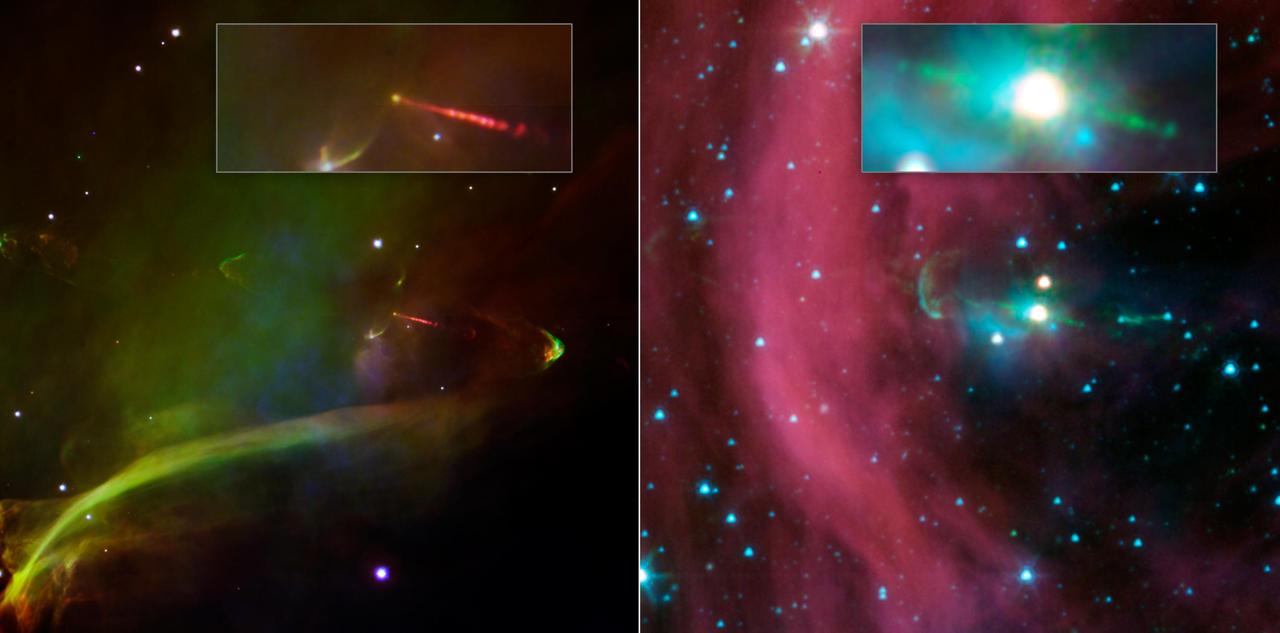
This image layout shows two views of the same baby star from NASA Spitzer Space Telescope. Spitzer view shows that this star has a second, identical jet shooting off in the opposite direction of the first.
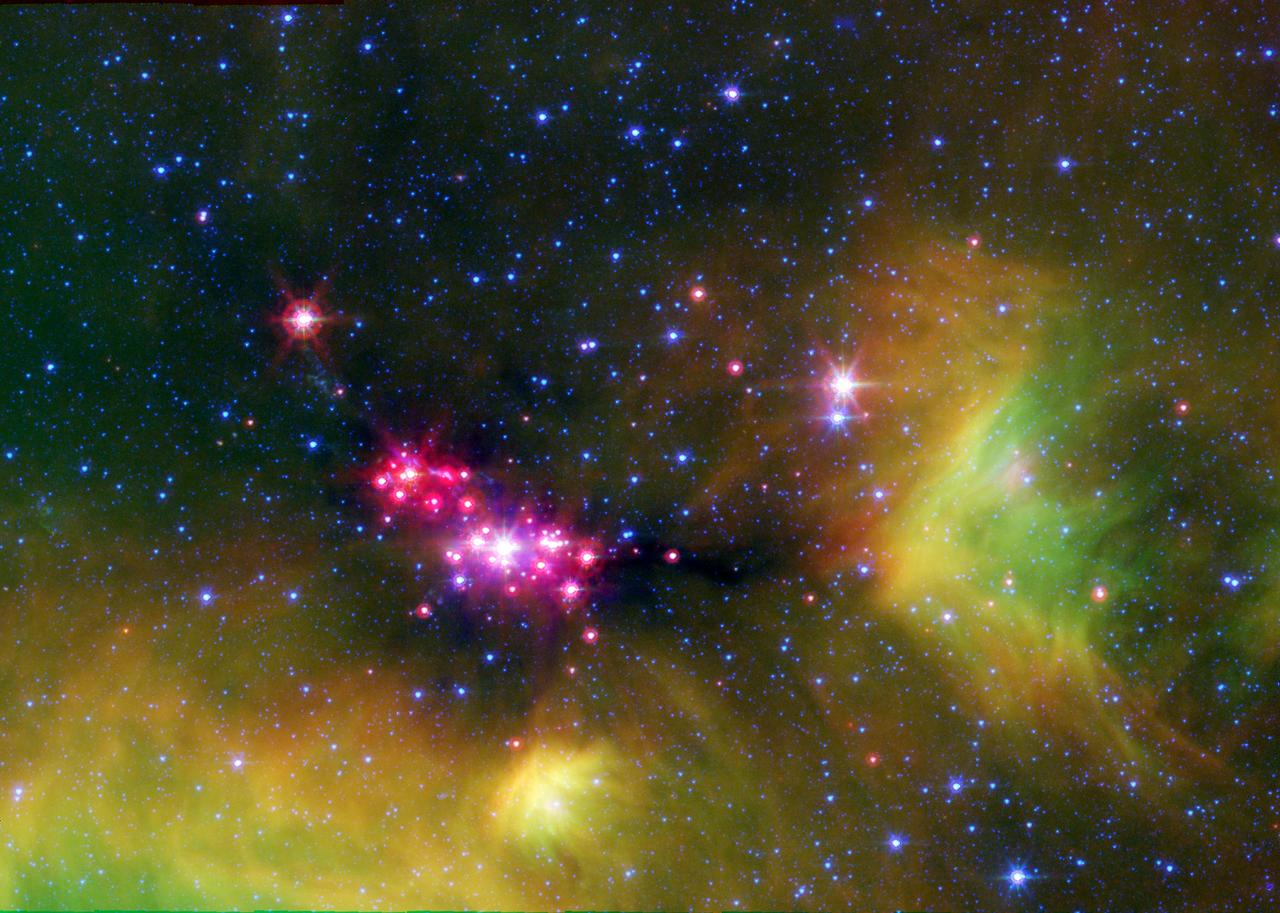
Infant stars are glowing gloriously in this image of the Serpens star-forming region, captured by NASA Spitzer Space Telescope. The reddish-pink dots are baby stars deeply embedded in the cosmic cloud of gas and dust that collapsed to create it.
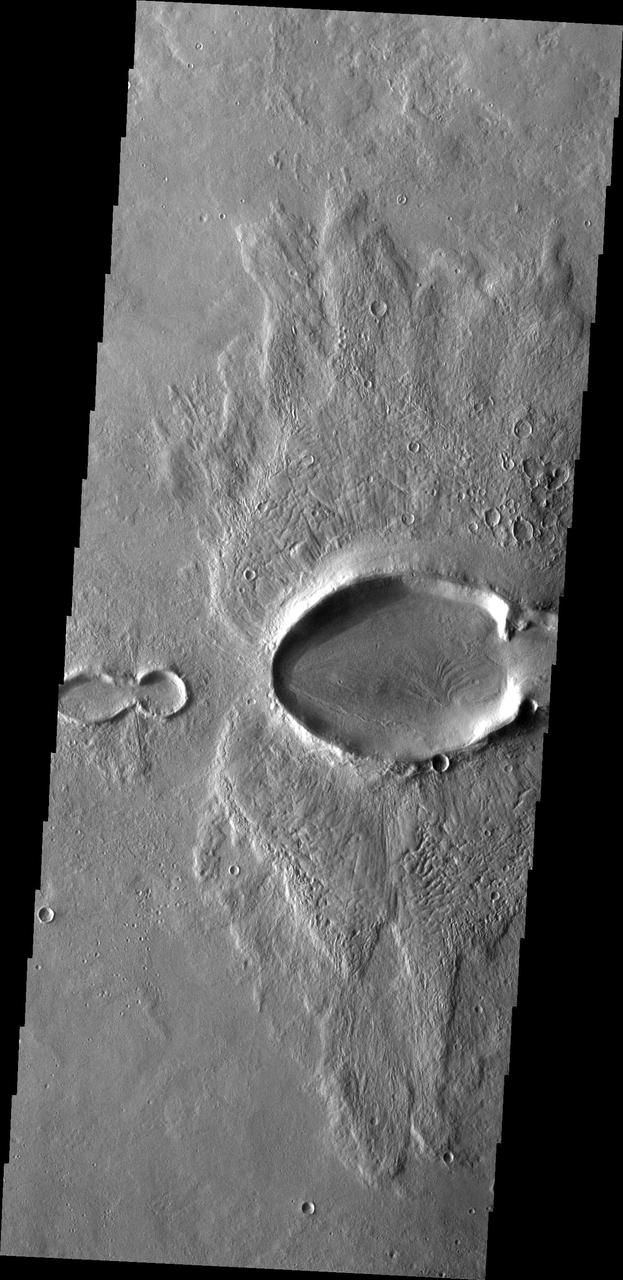
Do you see what I see in this image from NASA Mars Odyssey spacecraft? The multiple craters that cross the center of this image resemble a baby bug following the larger mama bug.
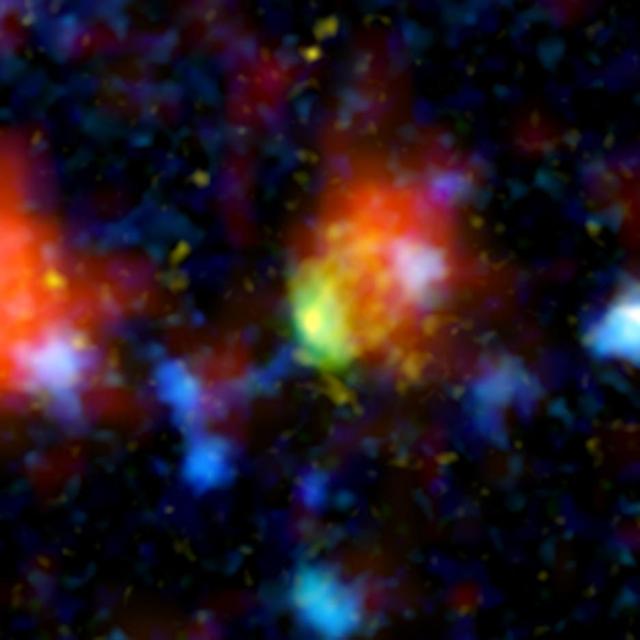
The green and red splotch in this image is the most active star-making galaxy in the very distant universe. Nicknamed Baby Boom, it was spotted 12.3 billion light-years away by a suite of telescopes, including NASA Spitzer Space Telescope.
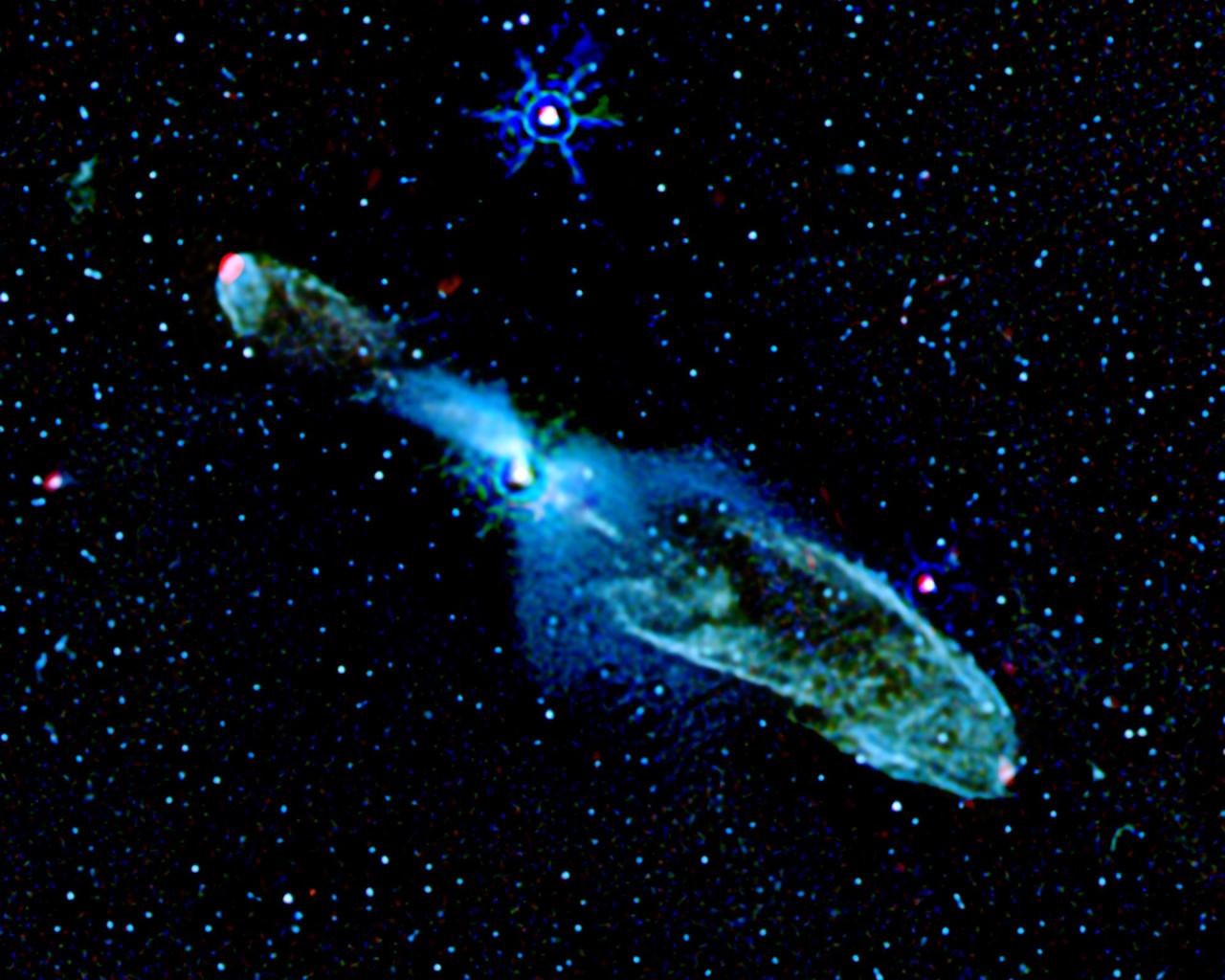
In this processed Spitzer Space Telescope image, baby star HH 46/47 can be seen blowing two massive bubbles. The star is 1,140 light-years away from Earth.
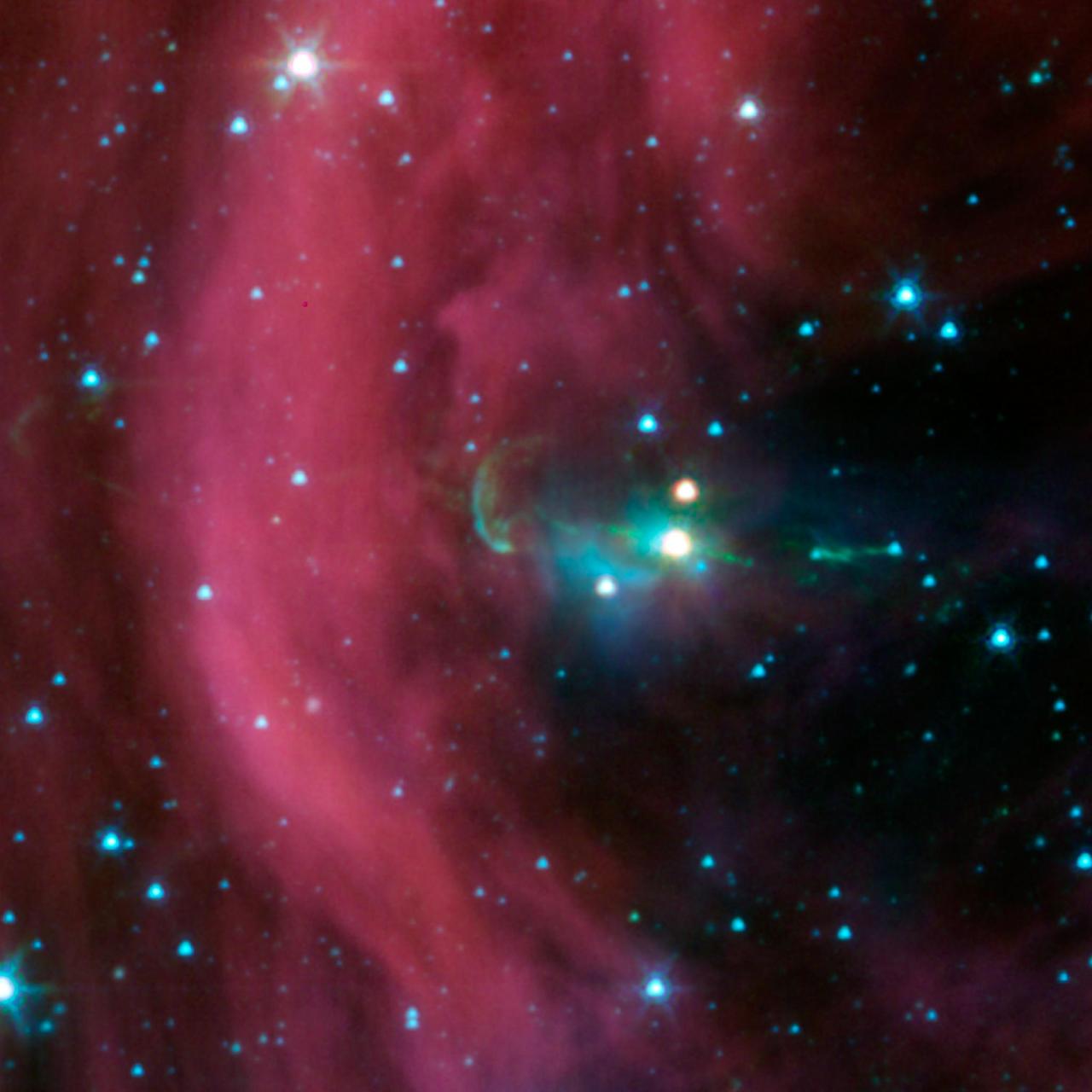
NASA Spitzer Space Telescope took this image of a baby star sprouting two identical jets green lines emanating from fuzzy star. The left jet was hidden behind a dark cloud, which Spitzer can see through.
NASA Spitzer Space Telescope shows two opposing bubbles being formed in opposite directions by the powerful outflows from massive groups of forming stars. The baby stars can be seen as specks of yellow where the two bubbles overlap.

Artist impression of Herschel is set against an image captured by the observatory, showing baby stars forming in the Rosette nebula. The bright spots are dusty cocoons containing massive forming stars, each one up to ten times the mass of our own sun.
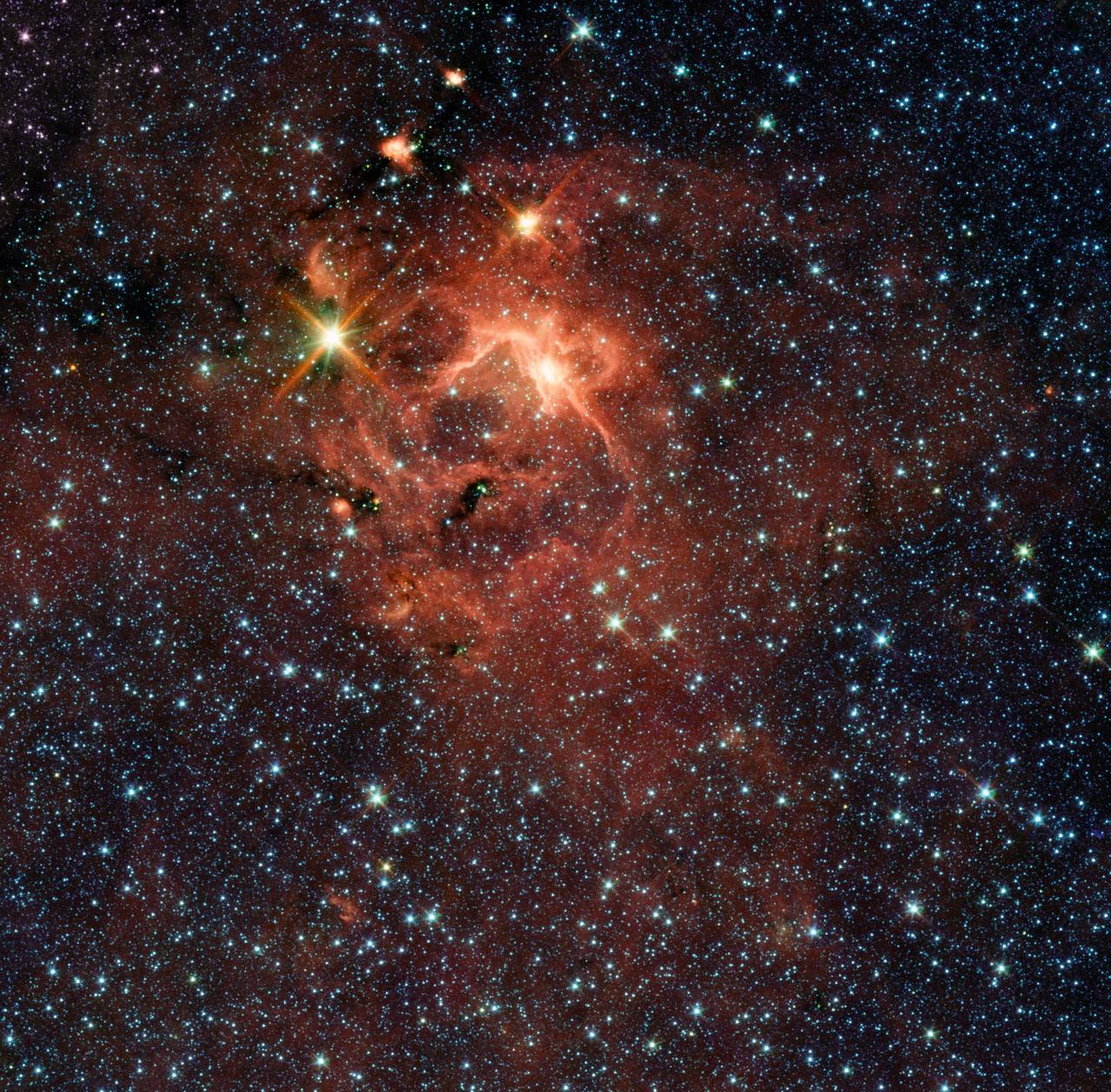
This star-forming region, captured by NASA Spitzer Space Telescope, is dominated by the bright, young star IRAS 13481-6124; it is the first massive baby star for which astronomers could obtain a detailed look at the dusty disk closely encircling it.
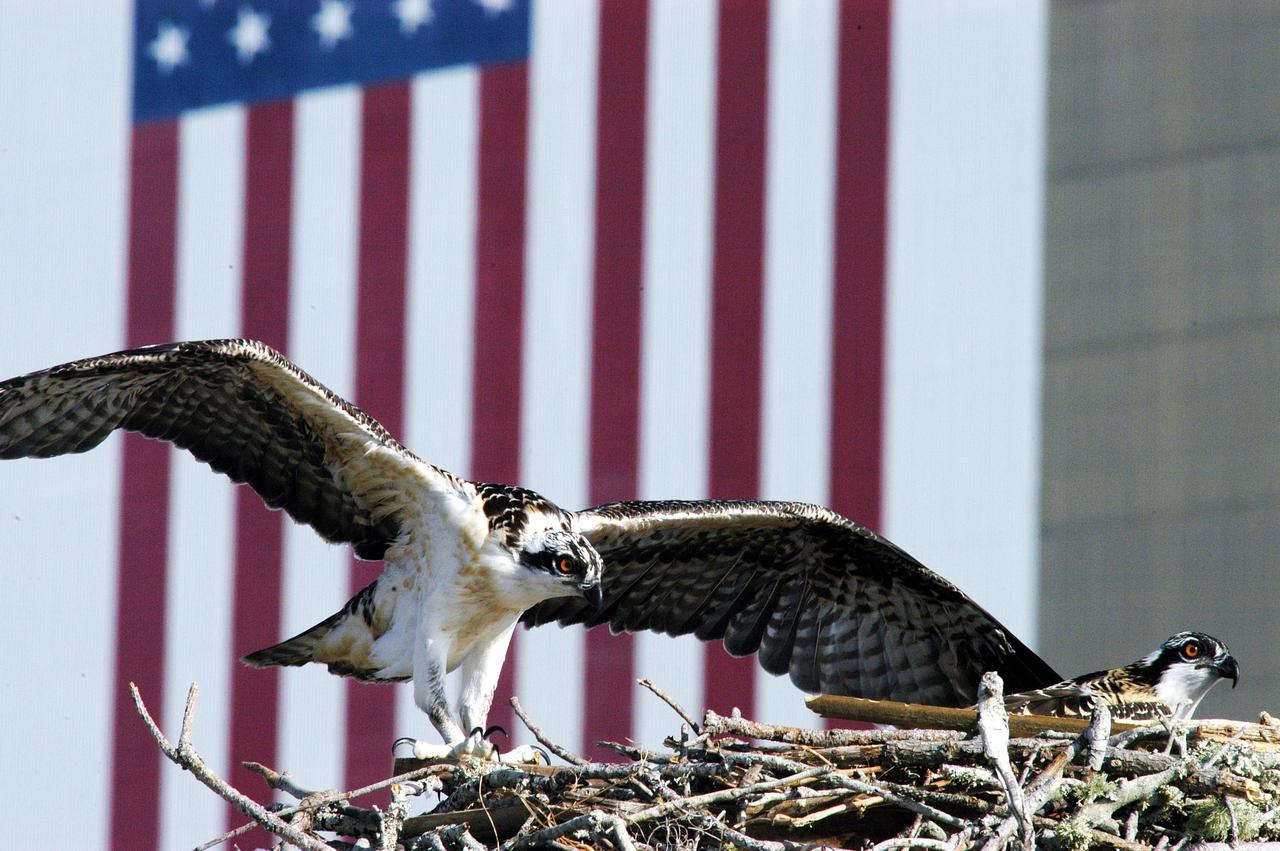
KENNEDY SPACE CENTER, FLA. -- One of three osprey fledglings spreads its wings, anticipating flight. The nest is in the NASA News Center parking lot, across from the Vehicle Assembly Building, with its 209-foot-high American flag painted on the south side. Ospreys select nesting sites of opportunity, from trees and telephone poles to rocks or even flat ground. In the United States they are found from Alaska to Florida and the Gulf Coast. Osprey nests are found throughout the Kennedy Space Center and nearby Merritt Island National Wildlife Refuge. Known as a fish hawk, ospreys often can be seen flying overhead with a fish in their talons.
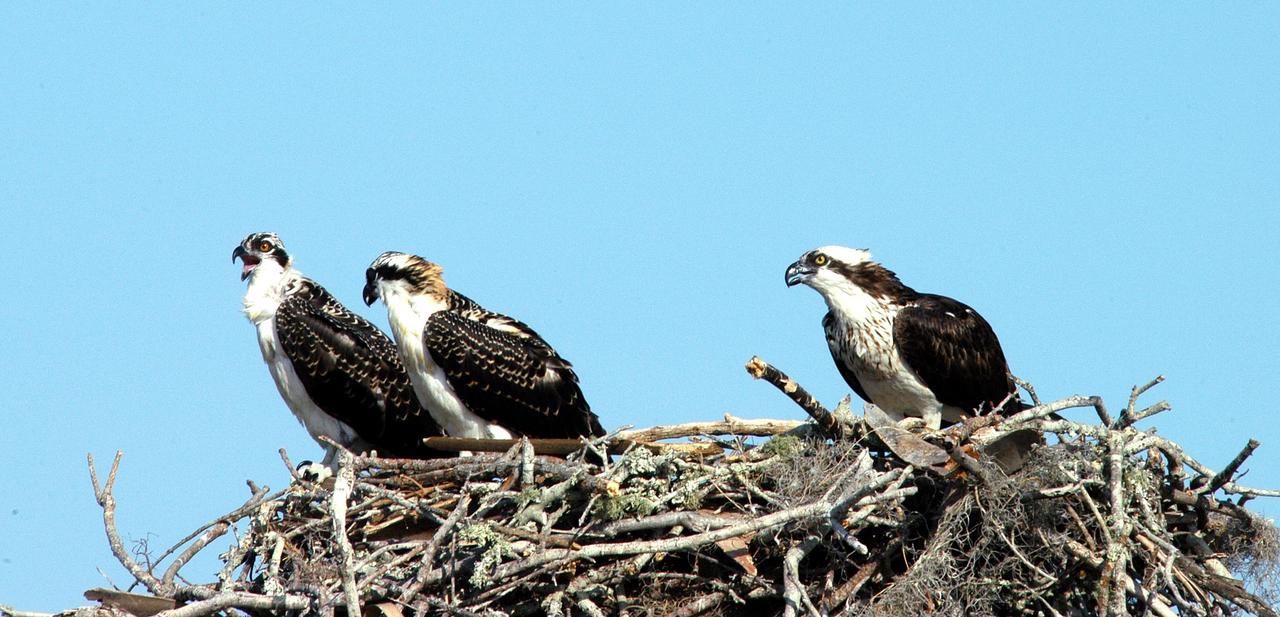
KENNEDY SPACE CENTER, FLA. -- - Three osprey fledglings are ready to test their wings from the nest at the NASA News Center parking lot. Ospreys select nesting sites of opportunity, from trees and telephone poles to rocks or even flat ground. In the United States they are found from Alaska to Florida and the Gulf Coast. Osprey nests are found throughout the Kennedy Space Center and nearby Merritt Island National Wildlife Refuge. Known as a fish hawk, ospreys often can be seen flying overhead with a fish in their talons.
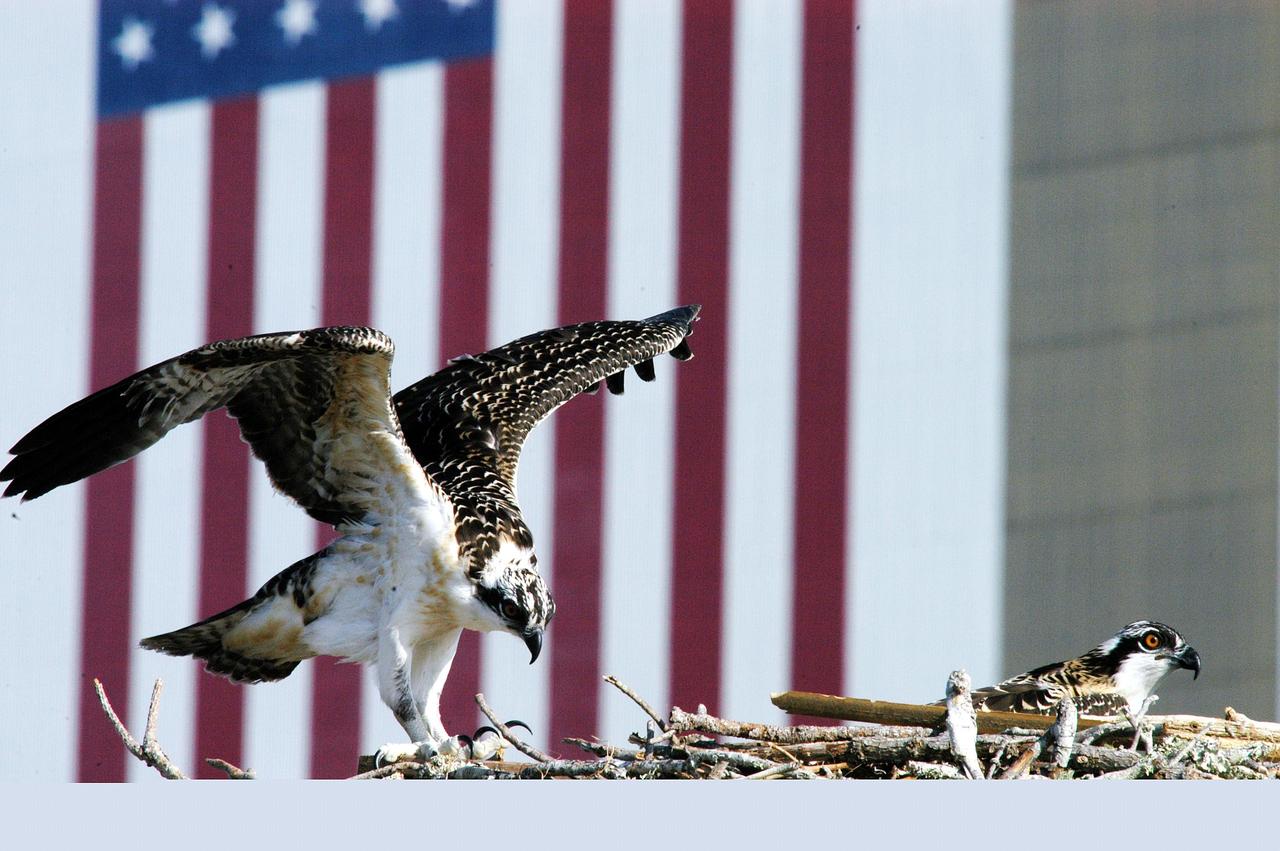
KENNEDY SPACE CENTER, FLA. -- One of three osprey fledglings exercises its wings, anticipating flight. The nest is in the NASA News Center parking lot, across from the Vehicle Assembly Building, with its 209-foot-high American flag painted on the south side. Ospreys select nesting sites of opportunity, from trees and telephone poles to rocks or even flat ground. In the United States they are found from Alaska to Florida and the Gulf Coast. Osprey nests are found throughout the Kennedy Space Center and nearby Merritt Island National Wildlife Refuge. Known as a fish hawk, ospreys often can be seen flying overhead with a fish in their talons.
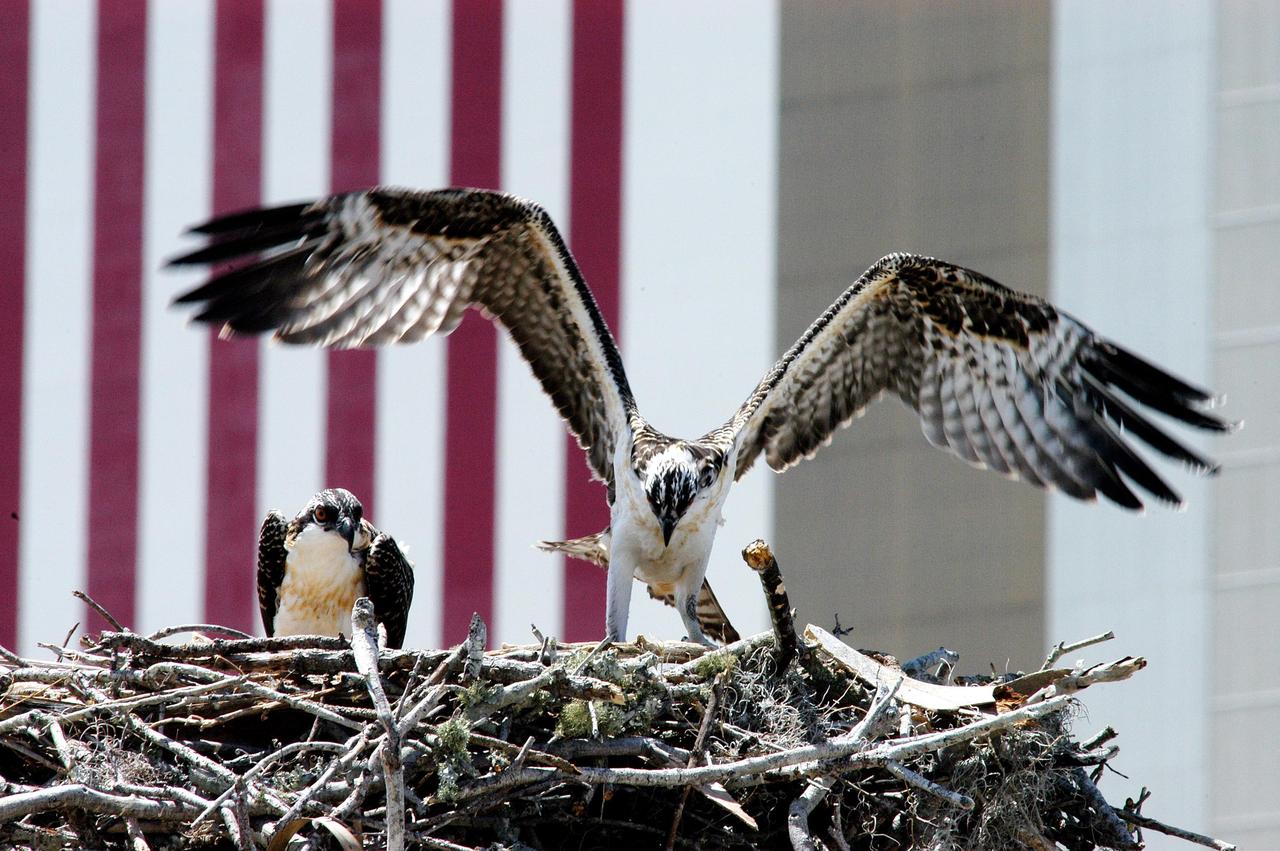
KENNEDY SPACE CENTER, FLA. -- One of three osprey fledglings exercises its wings, anticipating flight. The nest is in the NASA News Center parking lot, across from the Vehicle Assembly Building, with its 209-foot-high American flag painted on the south side. Ospreys select nesting sites of opportunity, from trees and telephone poles to rocks or even flat ground. In the United States they are found from Alaska to Florida and the Gulf Coast. Osprey nests are found throughout the Kennedy Space Center and nearby Merritt Island National Wildlife Refuge. Known as a fish hawk, ospreys often can be seen flying overhead with a fish in their talons.
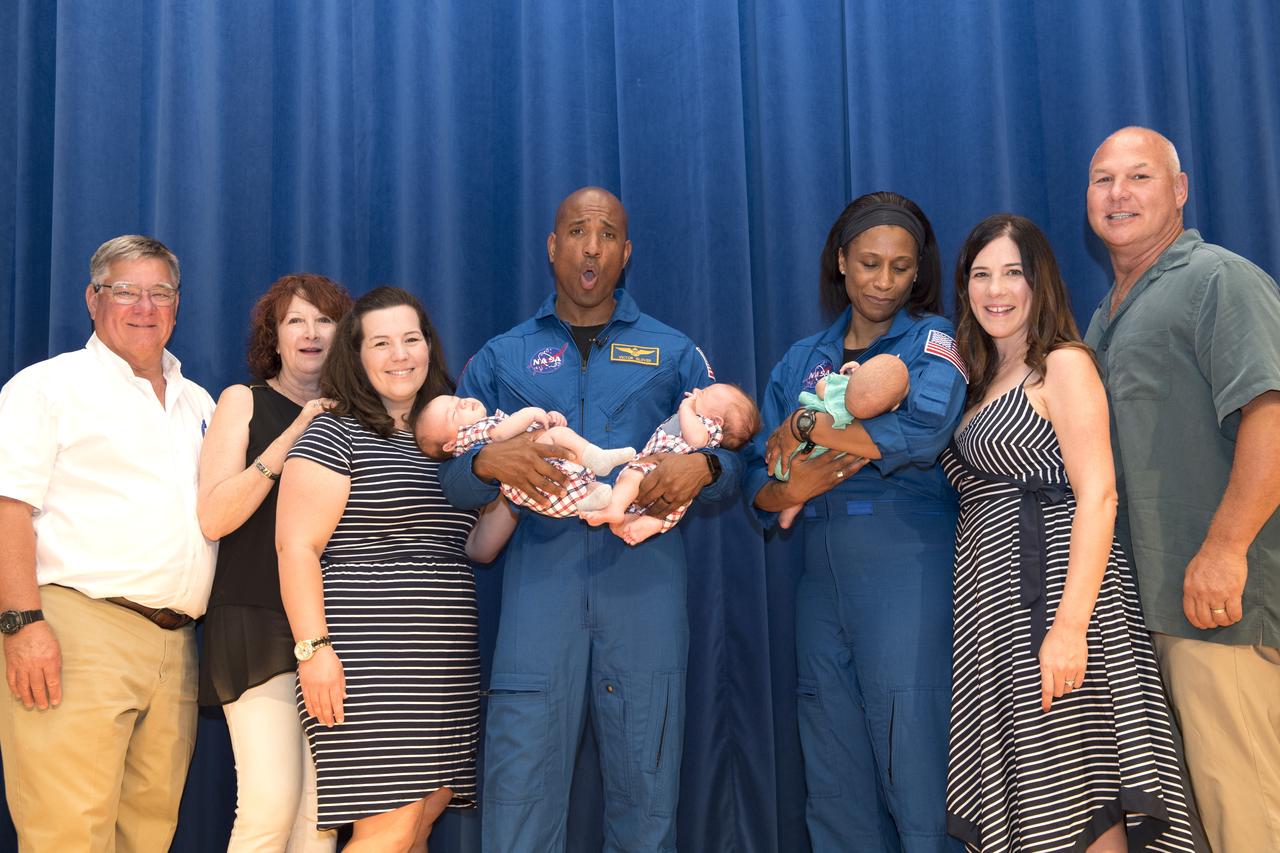
Astronauts Victor Glover and Jeanette Epps presented Silver Snoopy Awards at Stennis Space Center on June 27, including to NASA engineer Katie Carr Kopeso, who accepted the award with her ever-expanding family

This image from ESA Herschel Space Observatory shows of a portion of the Rosette nebula, a stellar nursery about 5,000 light-years from Earth in the Monoceros, or Unicorn, constellation.
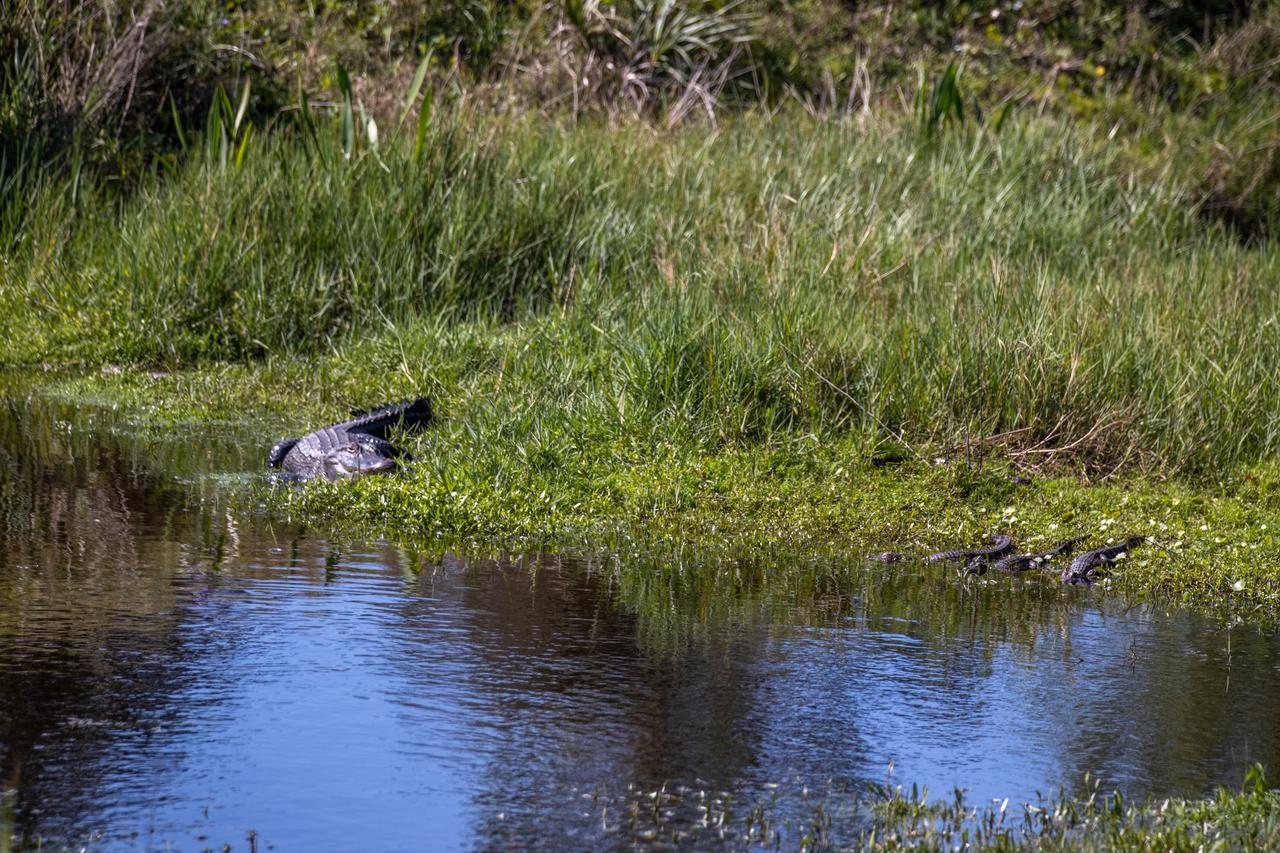
A large alligator is in view in a waterway at NASA’s Kennedy Space Center in Florida on March 9, 2023. The center shares a boundary with the Merritt Island National Wildlife Refuge. The refuge is home to more than 65 amphibian and reptile species, along with 330 native and migratory bird species, 25 mammal and 117 fish species.
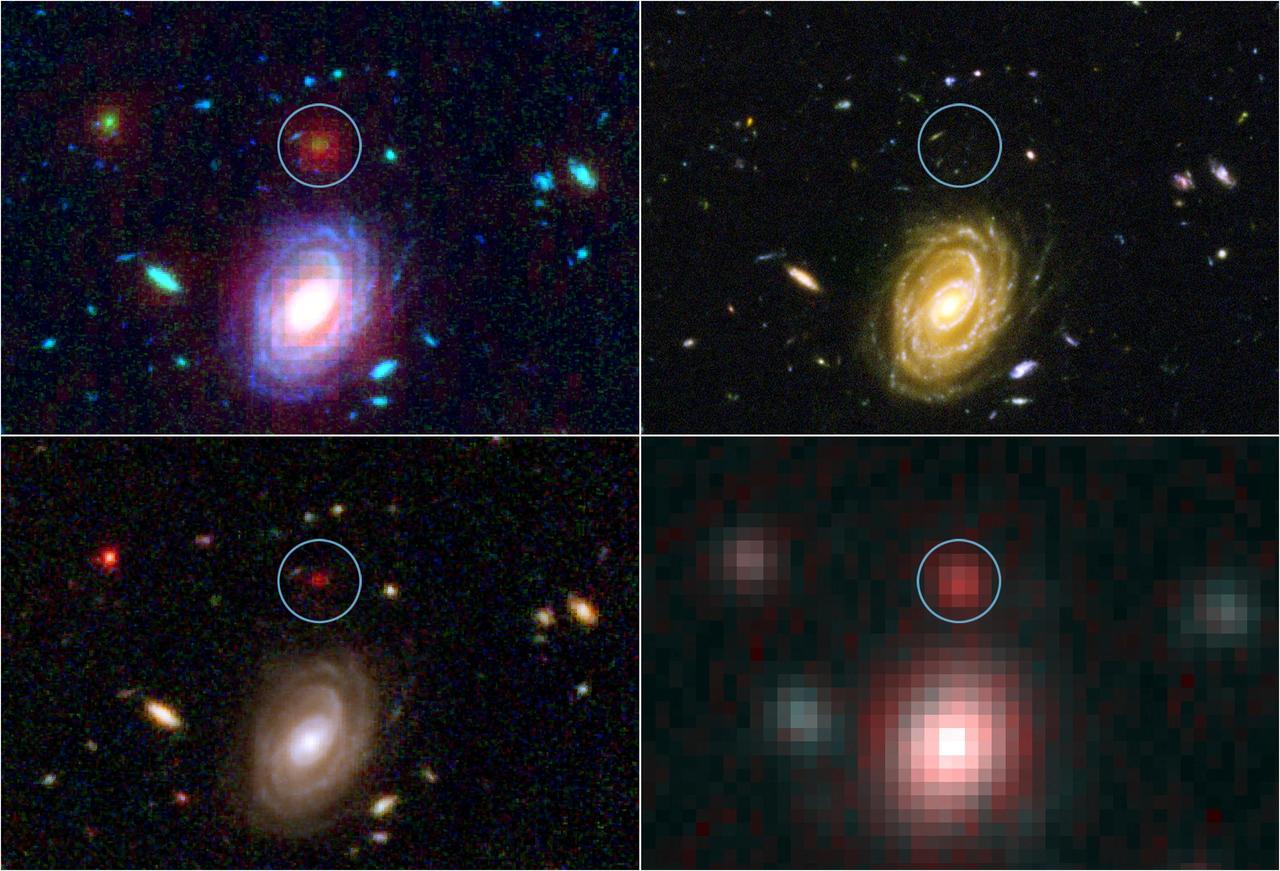
This image demonstrates how data from two of NASA Great Observatories, the Spitzer and Hubble Space Telescopes, are used to identify one of the most distant galaxies ever seen. This galaxy is named named HUDF-JD2.

A large alligator is in view in a waterway at NASA’s Kennedy Space Center in Florida on March 9, 2023. The center shares a boundary with the Merritt Island National Wildlife Refuge. The refuge is home to more than 65 amphibian and reptile species, along with 330 native and migratory bird species, 25 mammal and 117 fish species.
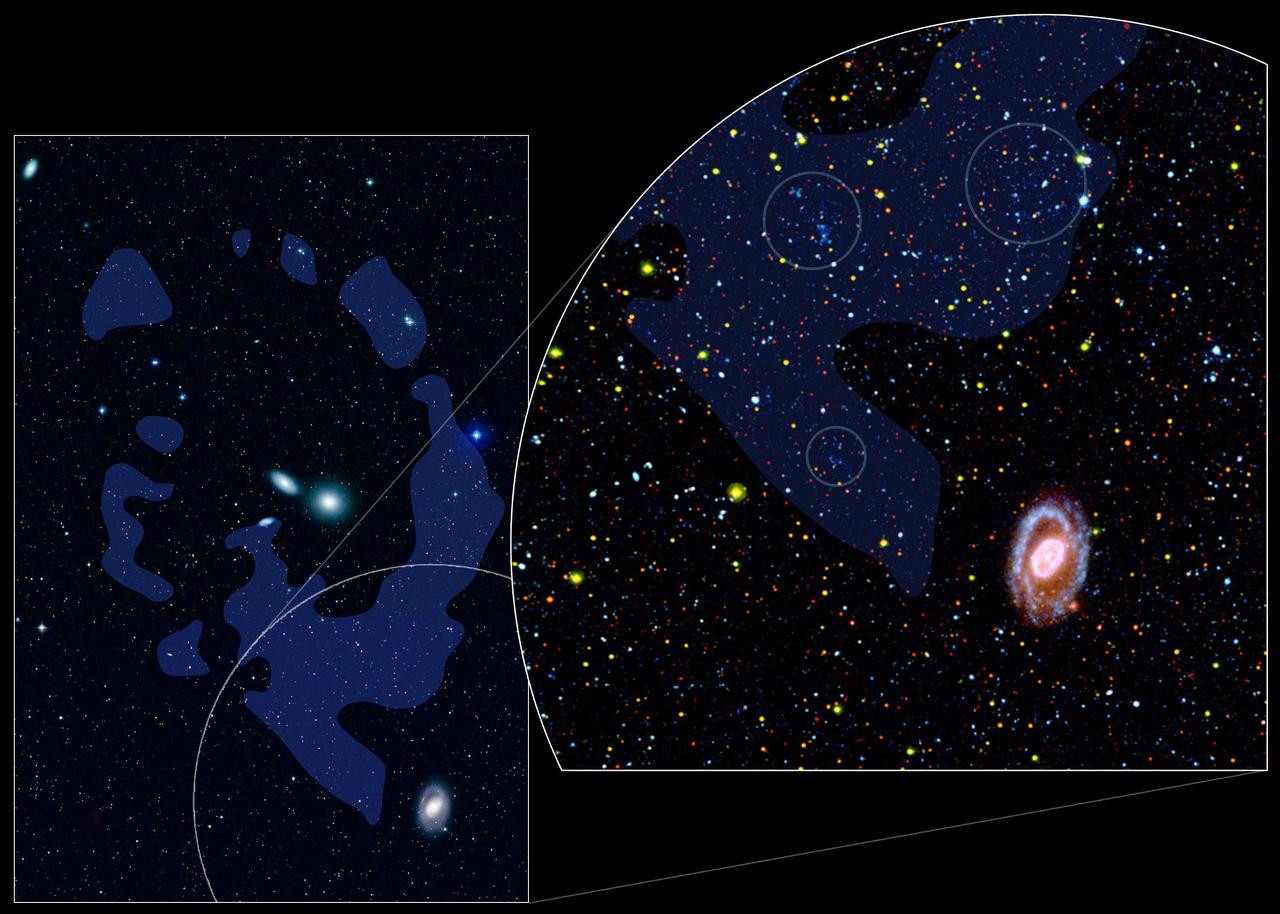
The unique ultraviolet vision of NASA Galaxy Evolution Explorer revealed, for the first time, dwarf galaxies forming out of nothing more than pristine gas likely leftover from the early universe.
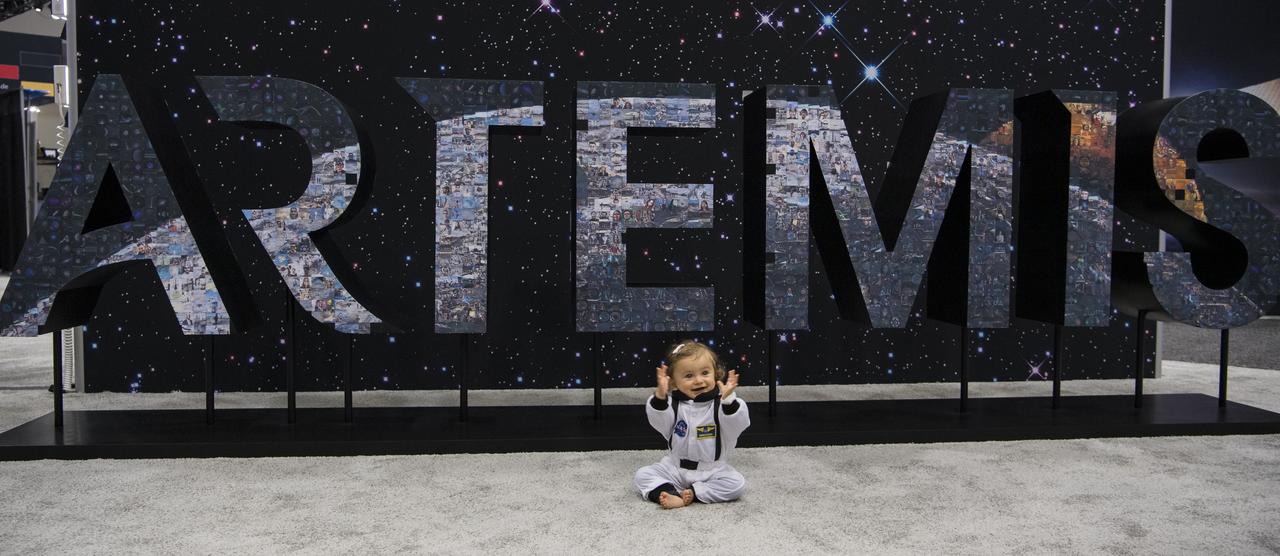
A baby in a flight suit sits in front of the Artemis sign at the NASA exhibit during the 70th International Astronautical Congress, Friday, Oct. 25, 2019, at the Walter E. Washington Convention Center in Washington. Photo credit: (NASA/Aubrey Gemignani)
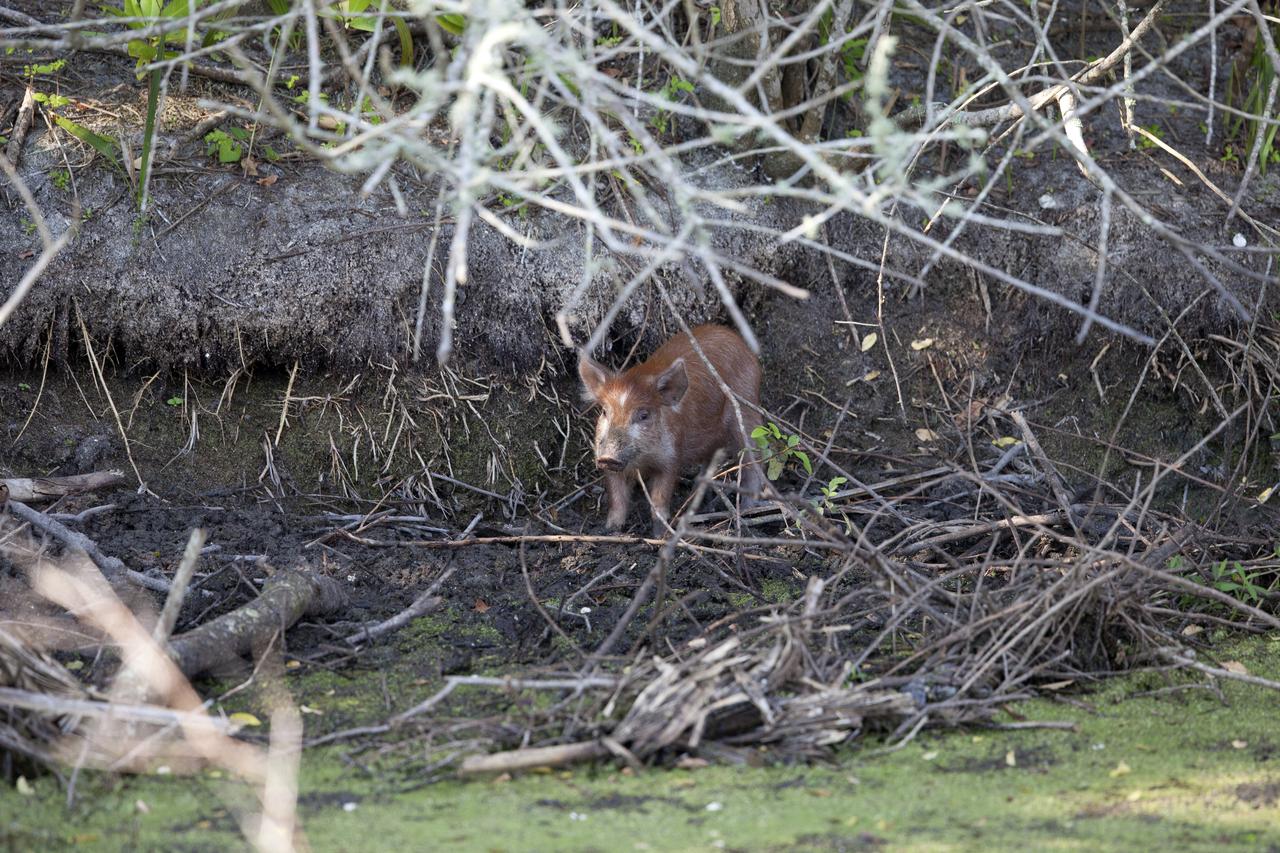
A baby pig stands in the underbrush near a bog at NASA's Kennedy Space Center in Florida. The center shares a border with the Merritt Island National Wildlife Refuge. More than 330 native and migratory bird species, 25 mammals, 117 fishes and 65 amphibians and reptiles call Kennedy and the wildlife refuge home.
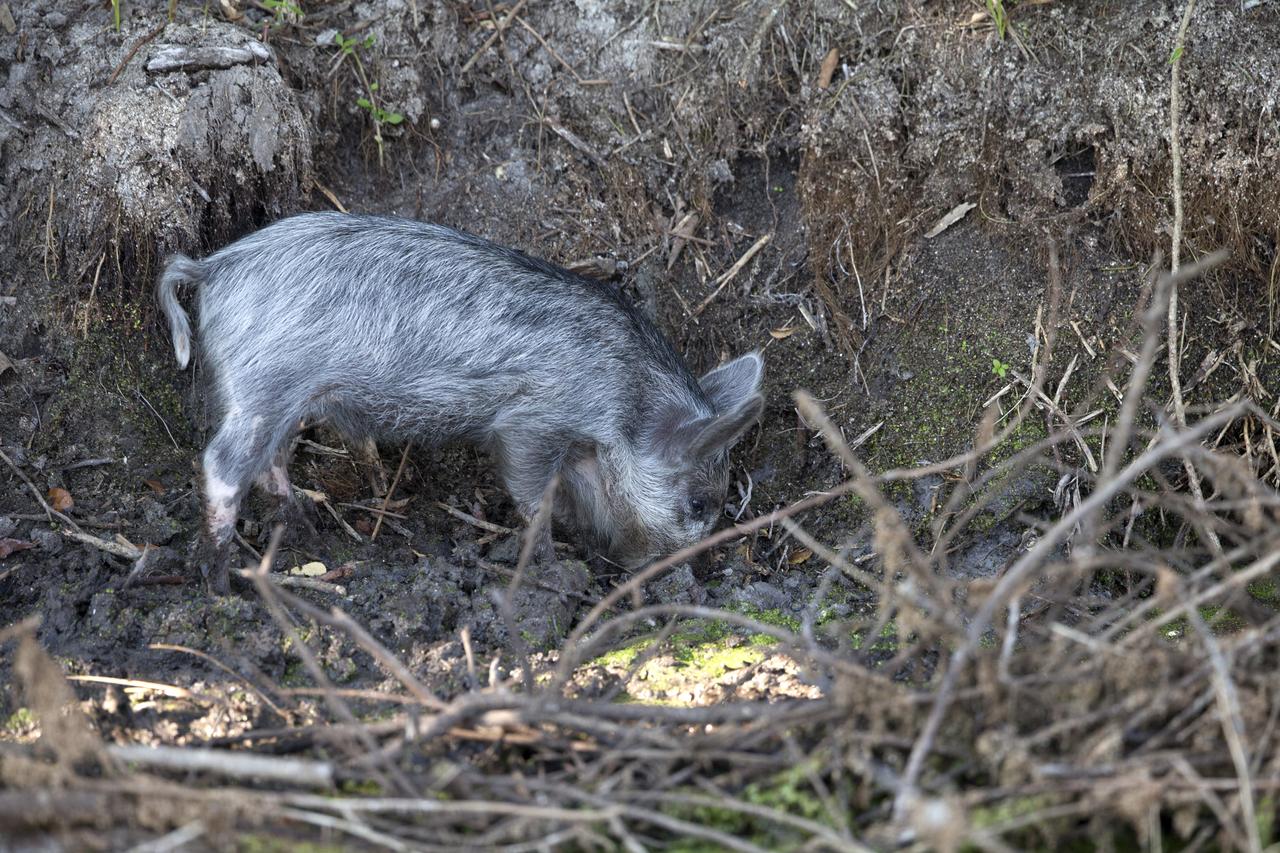
A baby pig digs in the underbrush at NASA's Kennedy Space Center in Florida. The center shares a border with the Merritt Island National Wildlife Refuge. More than 330 native and migratory bird species, 25 mammals, 117 fishes and 65 amphibians and reptiles call Kennedy and the wildlife refuge home.
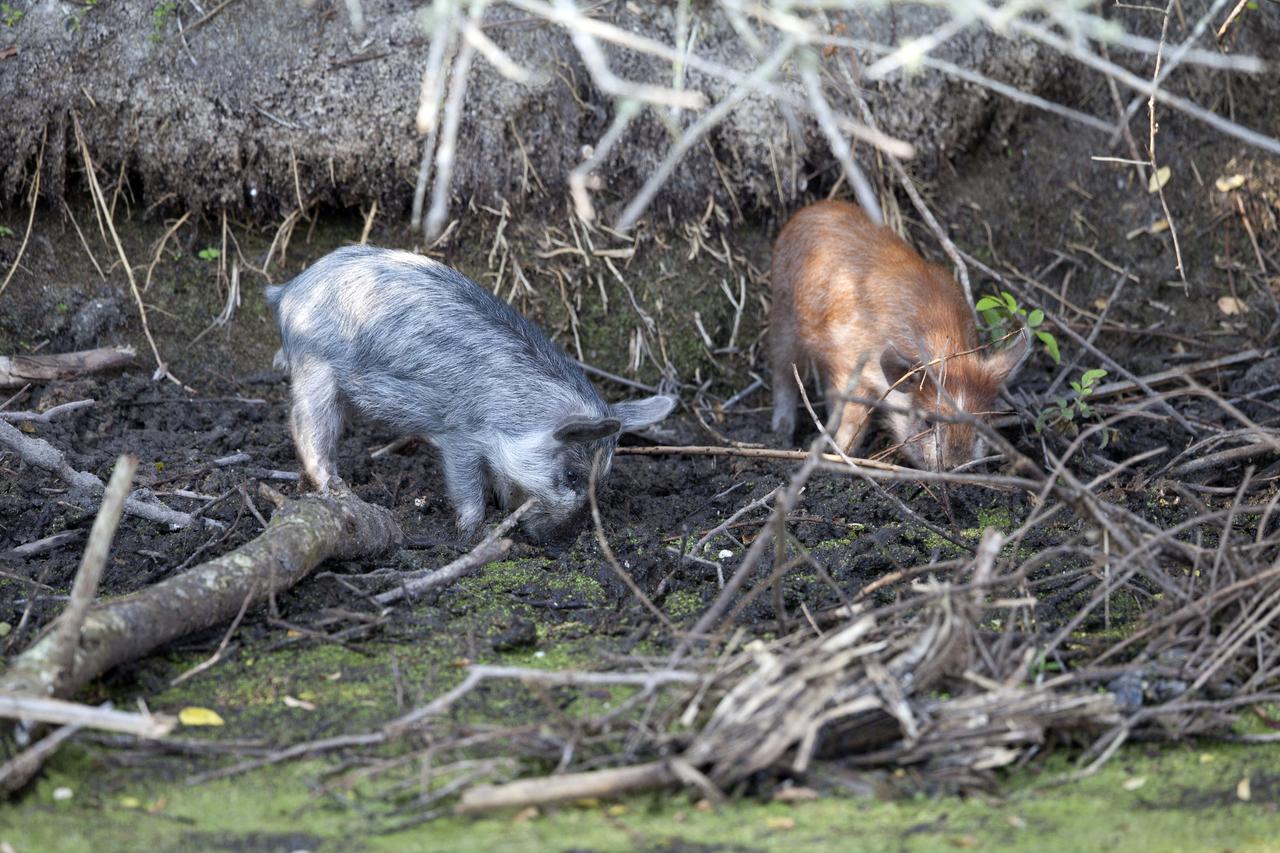
Two baby pigs dig in the underbrush at NASA's Kennedy Space Center in Florida. The center shares a border with the Merritt Island National Wildlife Refuge. More than 330 native and migratory bird species, 25 mammals, 117 fishes and 65 amphibians and reptiles call Kennedy and the wildlife refuge home.
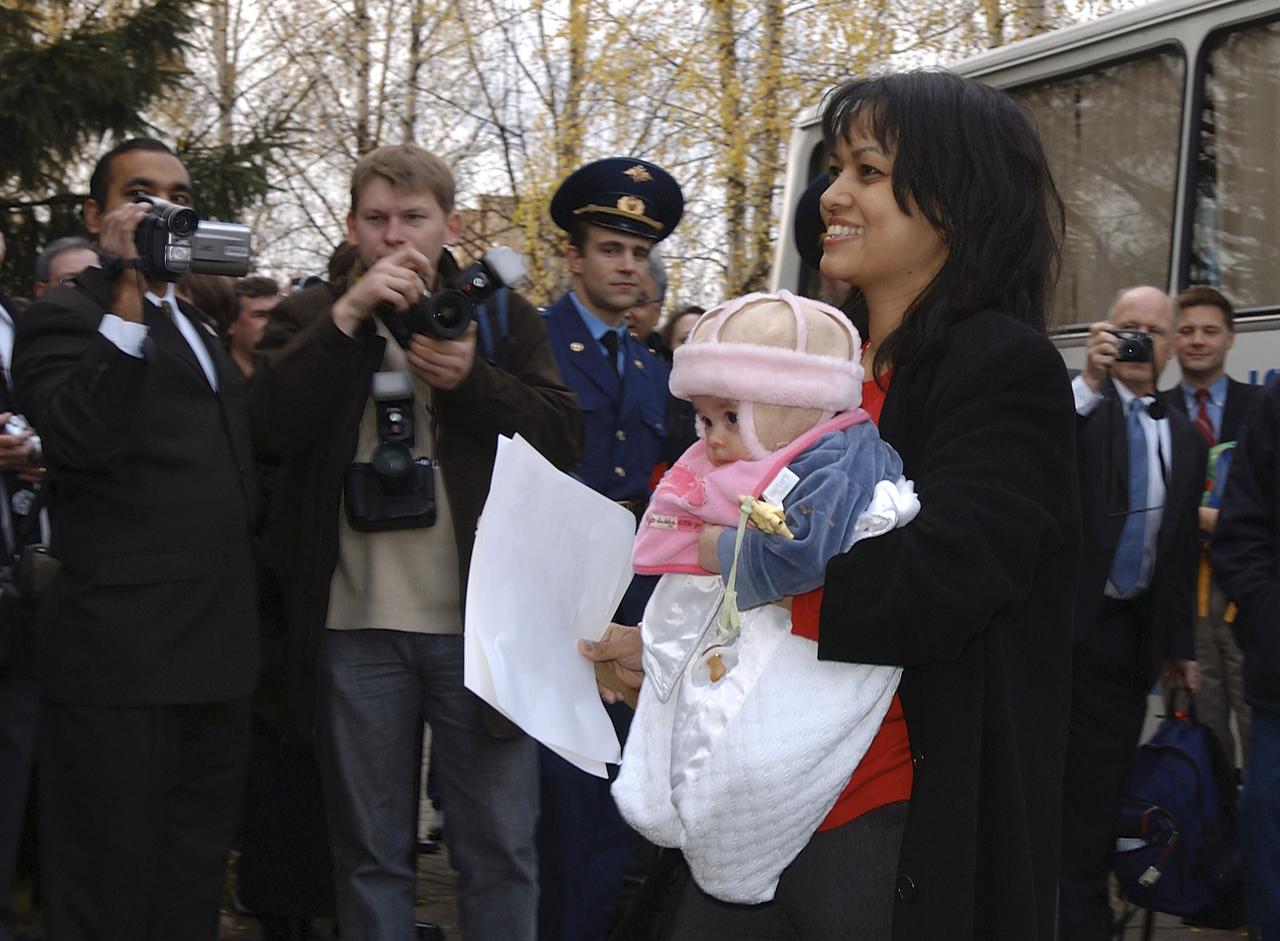
Renita Fincke follows the arrival of her husband, NASA astronaut Michael Fincke, to the Gagarin Cosmonaut Training Center while holding their 4 month-old baby Tarali Fincke, Sunday, October 24, 2004, in Star City, Russia. Photo Credit: (NASA/Bill Ingalls)
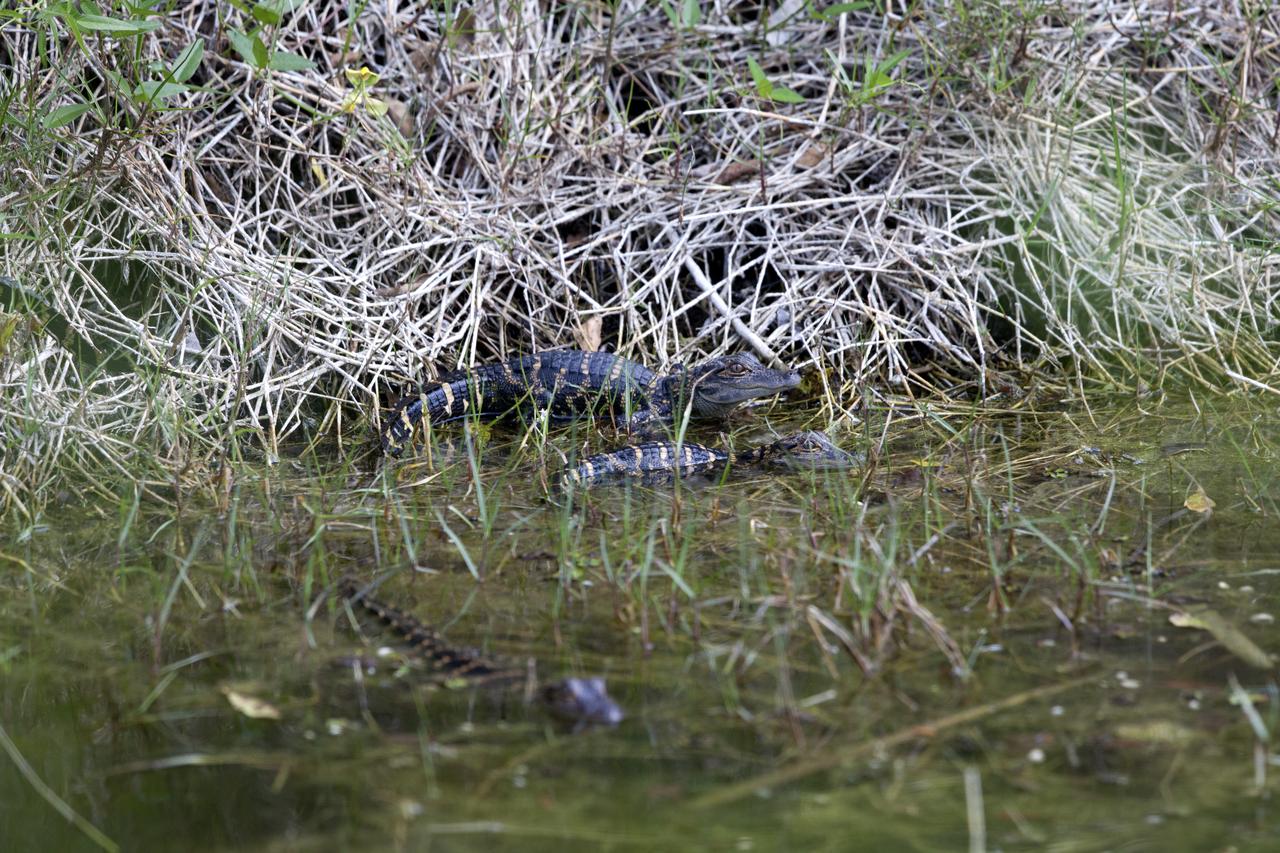
Baby alligators gather in a shallow waterway at NASA's Kennedy Space Center in Florida. The center shares a border with the Merritt Island National Wildlife Refuge. More than 330 native and migratory bird species, 25 mammals, 117 fishes and 65 amphibians and reptiles call Kennedy and the wildlife refuge home.
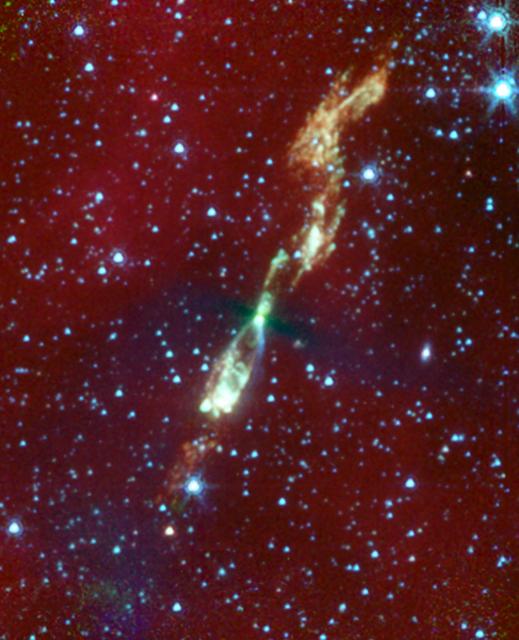
A rare, infrared view of a developing star and its flaring jets taken by NASA Spitzer Space Telescope shows us what our own solar system might have looked like billions of years ago.
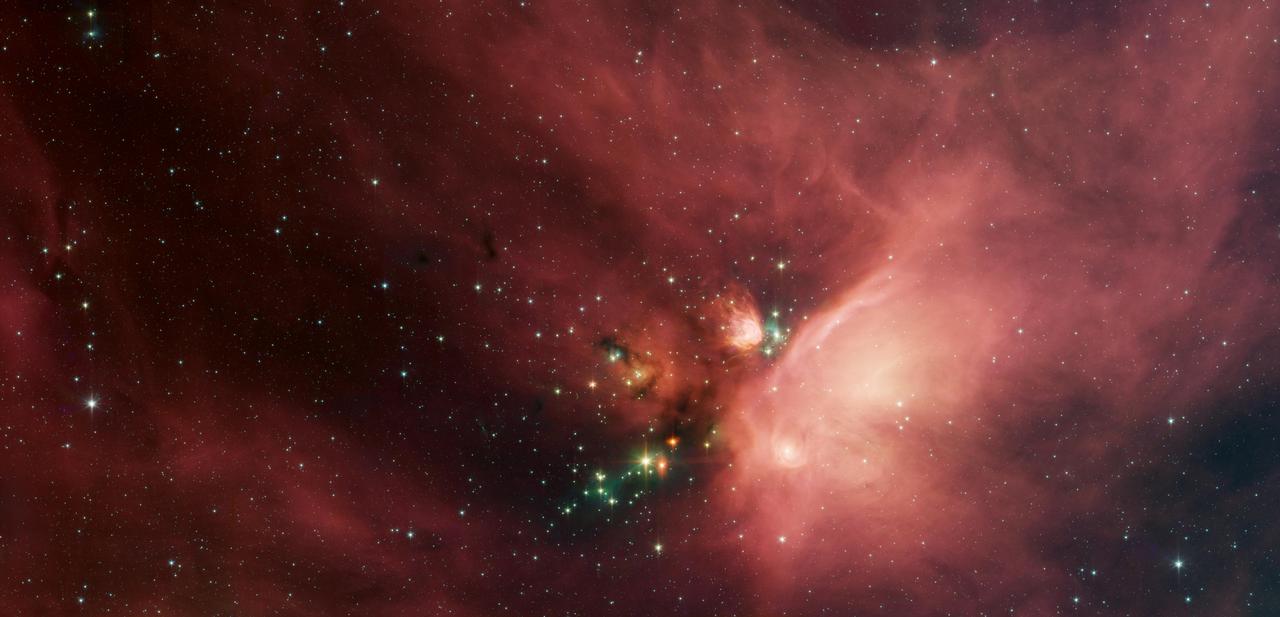
Newborn stars peek out from beneath their natal blanket of dust in this dynamic image of the Rho Ophiuchi dark cloud from NASA Spitzer Space Telescope. This nebula is about 407 light years away from Earth.
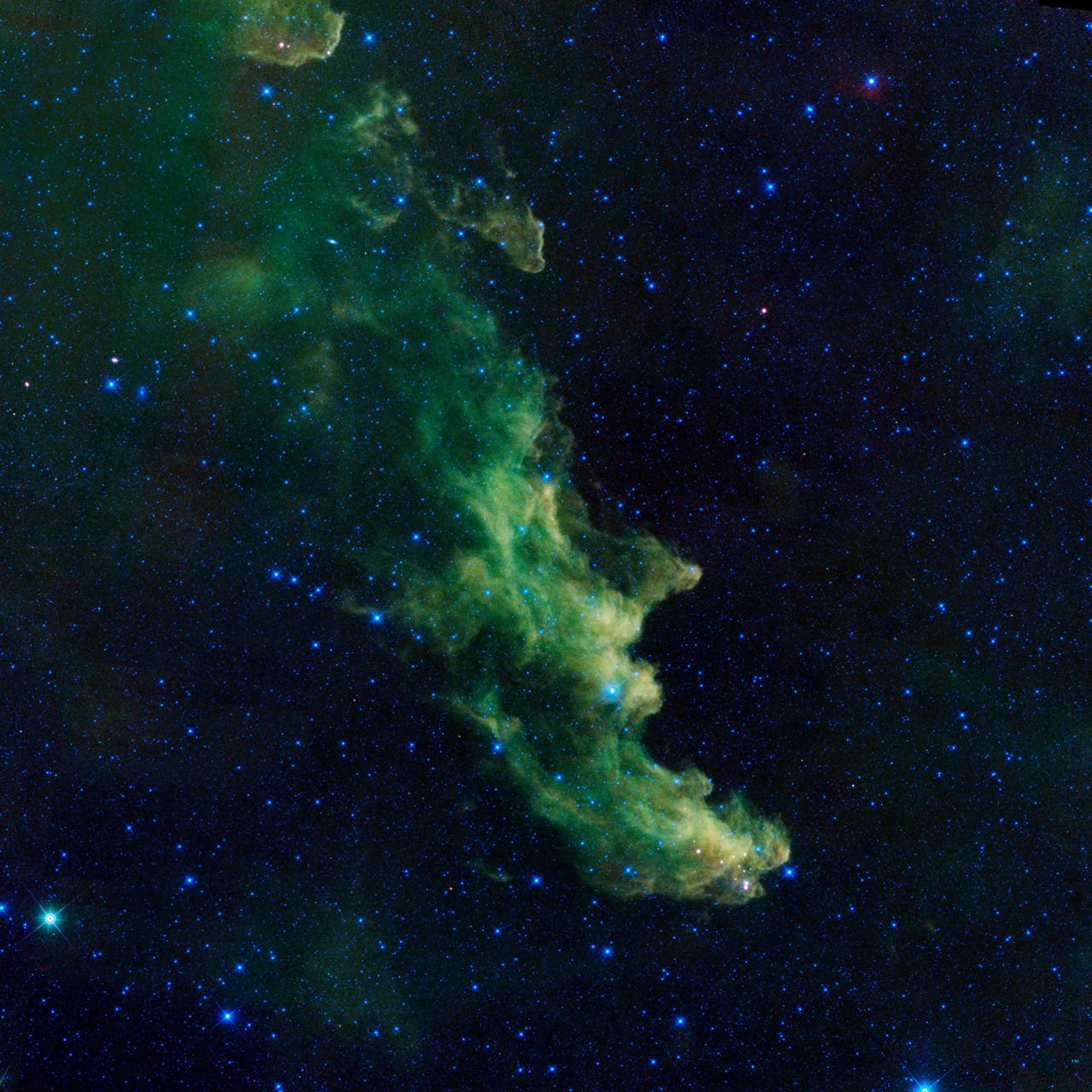
An infrared portrait of the Witch Head nebula from NASA Wide-field Infrared Survey Explorer, or WISE, shows billowy clouds where new stars are brewing.
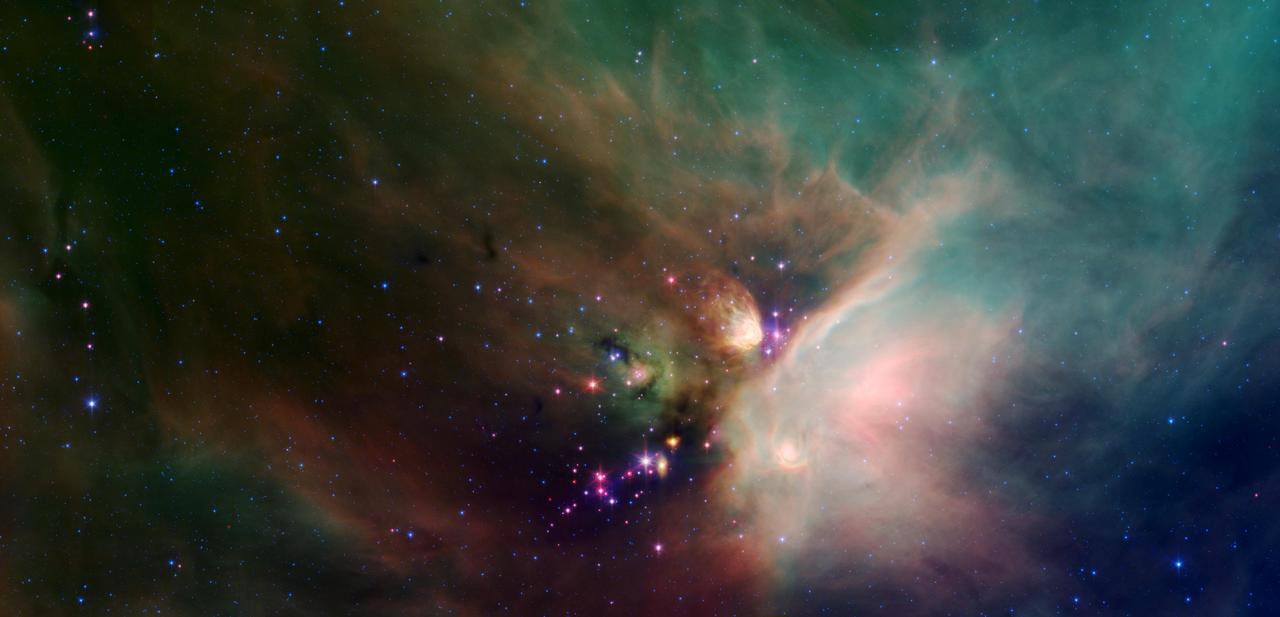
Newborn stars peek out from beneath their natal blanket of dust in this dynamic image of the Rho Ophiuchi dark cloud from NASA Spitzer Space Telescope.
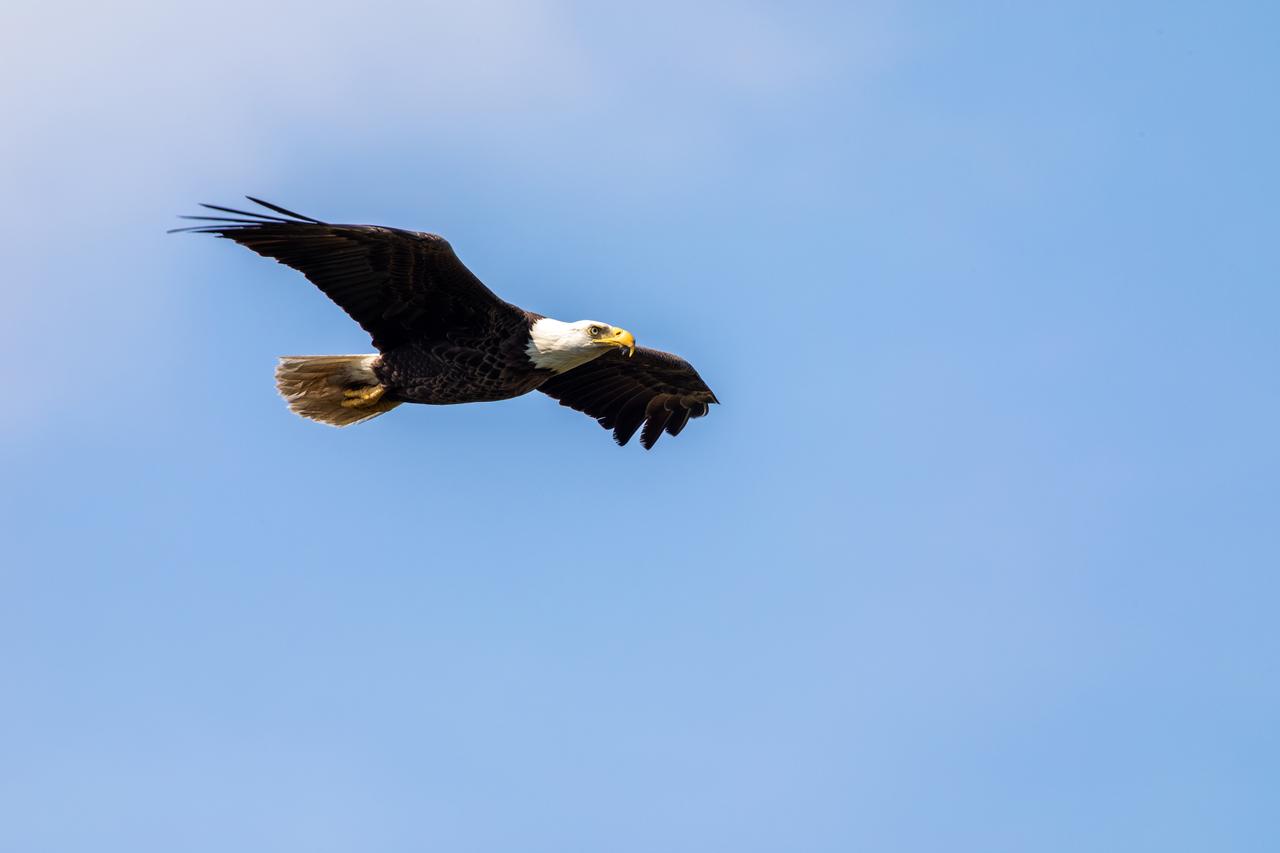
An American bald eagle soars through the sky at NASA’s Kennedy Space Center on March 8, 2023. The eagle is part of a mating pair that takes up residence at the Florida spaceport during nesting season. Recently, a baby eagle was spotted in their nest, located off of Kennedy Parkway, about two miles from the Vehicle Assembly Building. There are 39 eagle territories at Kennedy, 33 of which are active or potentially active.
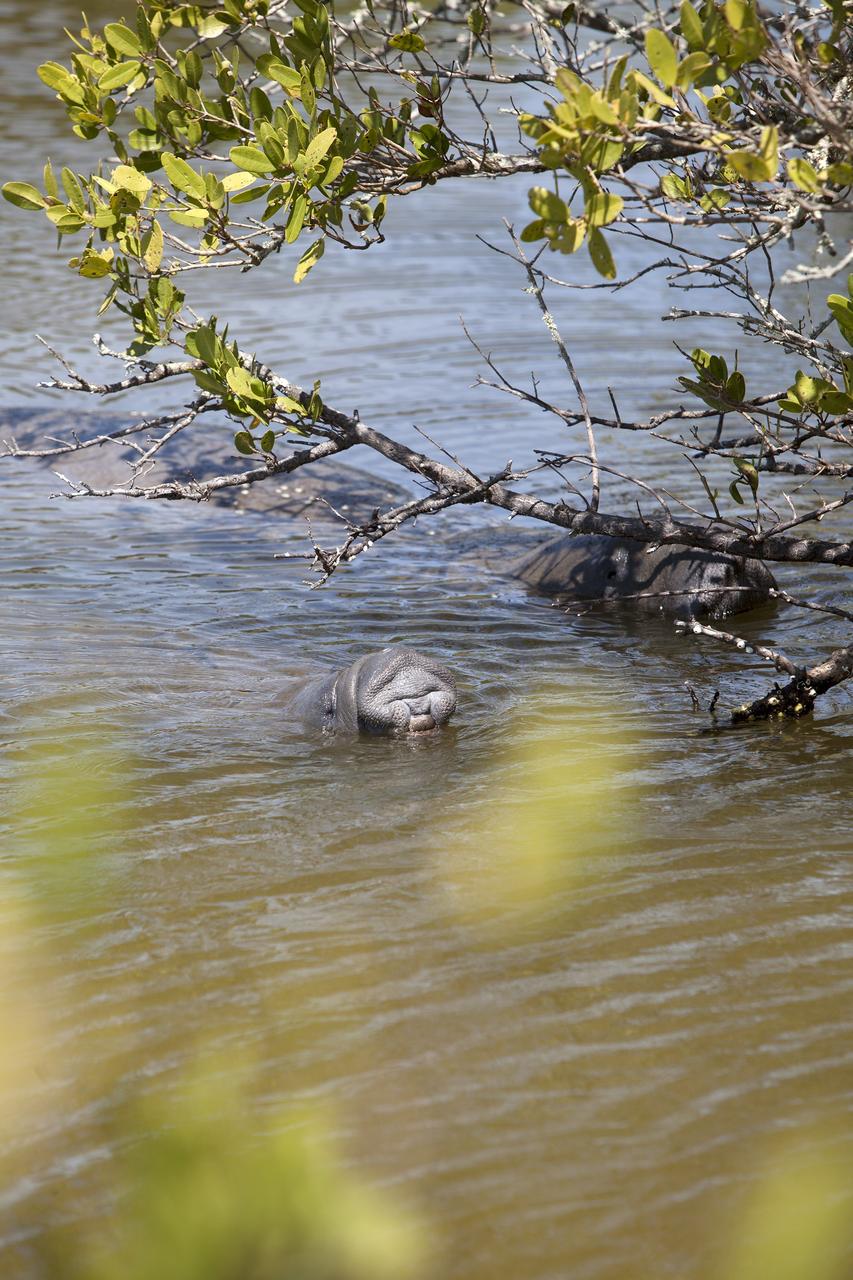
CAPE CANAVERAL, Fla. – A parent and a baby manatee come up for air beneath the branches of a mangrove in a creek at NASA's Kennedy Space Center in Florida. The center shares a boundary with the Merritt Island National Wildlife Refuge, which encompasses 140,000 acres that provide a habitat for more than 330 species of birds, 31 mammals, 117 fishes, and 65 amphibians and reptiles. Photo credit: NASA/Daniel Casper
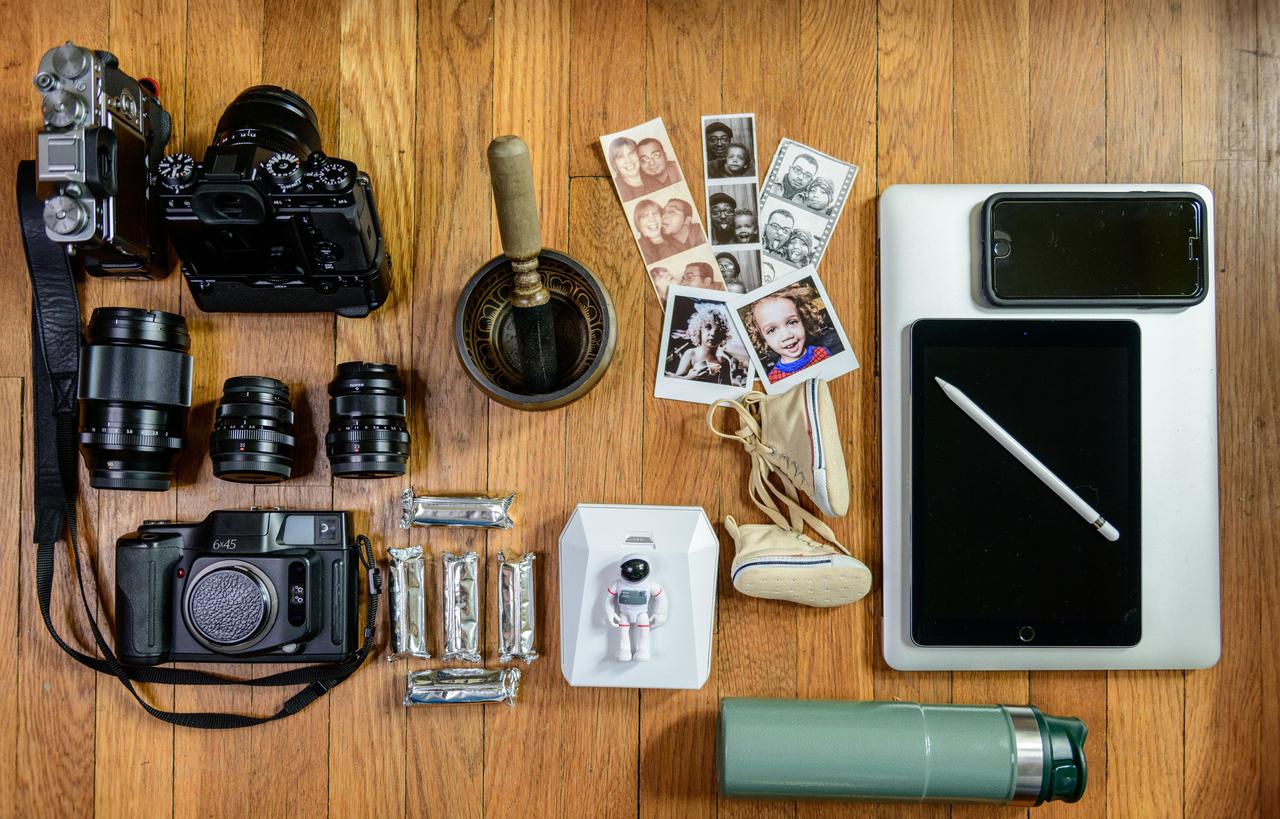
Two mirrirless Digital Camers, 56mm f1.2 lens, 90mm f2 lens, 35mm f2 lens, 23mm f2 lens, 6x4.5 Medium Format Film Camera, 120 film, Singing Bowl, wirerless instant printer, My 3yr olds Astronaut toy, family photos, Oldest Sons (27) baby shoes for luck, Laptop, Phone (for music), Tablet and Pen, Water Bottle.
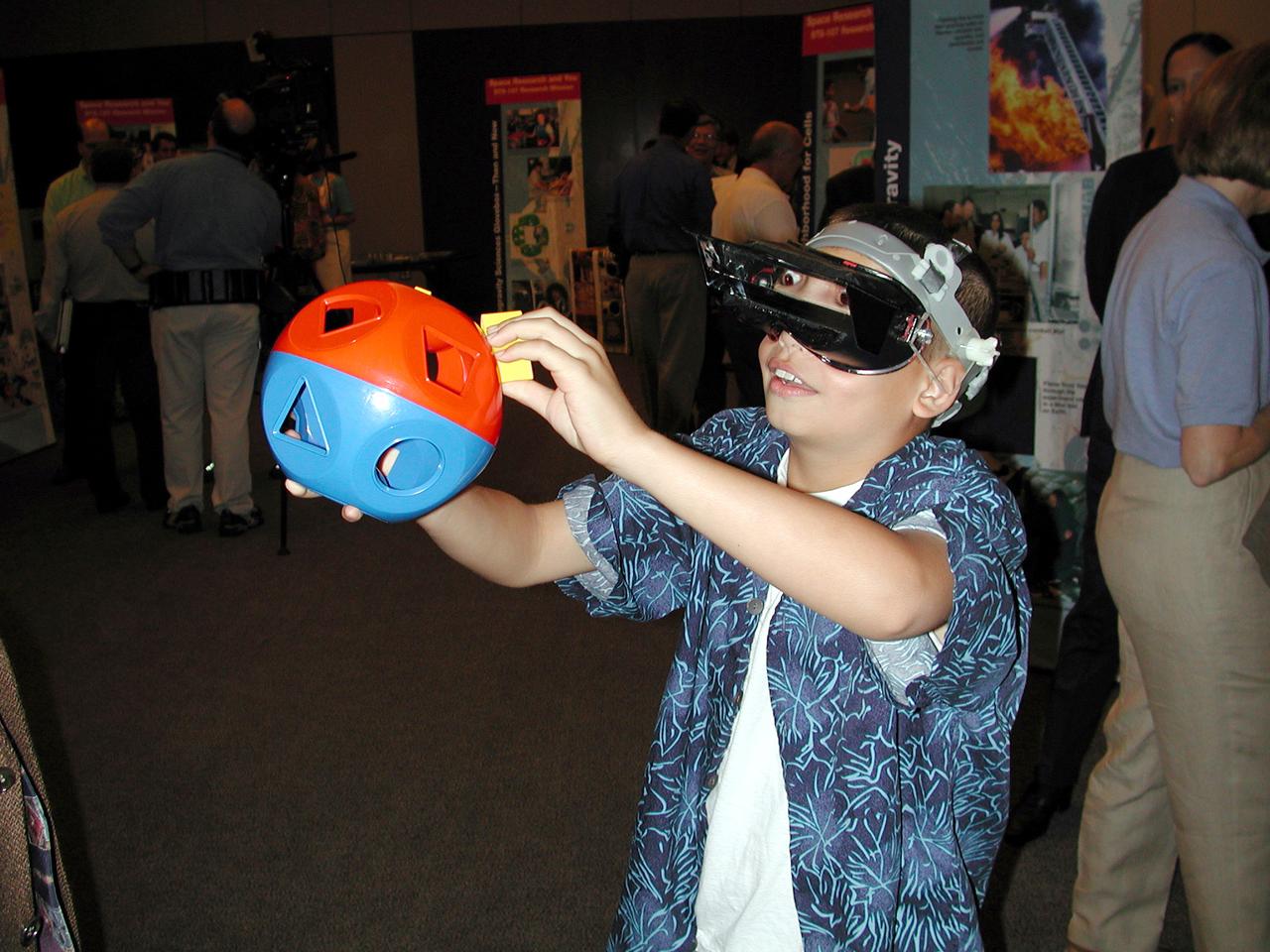
A student tries to insert plastic blocks into the correct holes in a baby's toy. The seemingly trivial task becomes nearly impossible when the prism glasses he is wearing reverse left and right. This is similar to tests used to measure how astronauts adapt to space and then readapt to Earth. The activity was part of the Space Research and You education event held by NASA's Office of Biological and Physical Research on June 25, 2002, in Arlington, VA, to highlight the research that will be conducted on STS-107.
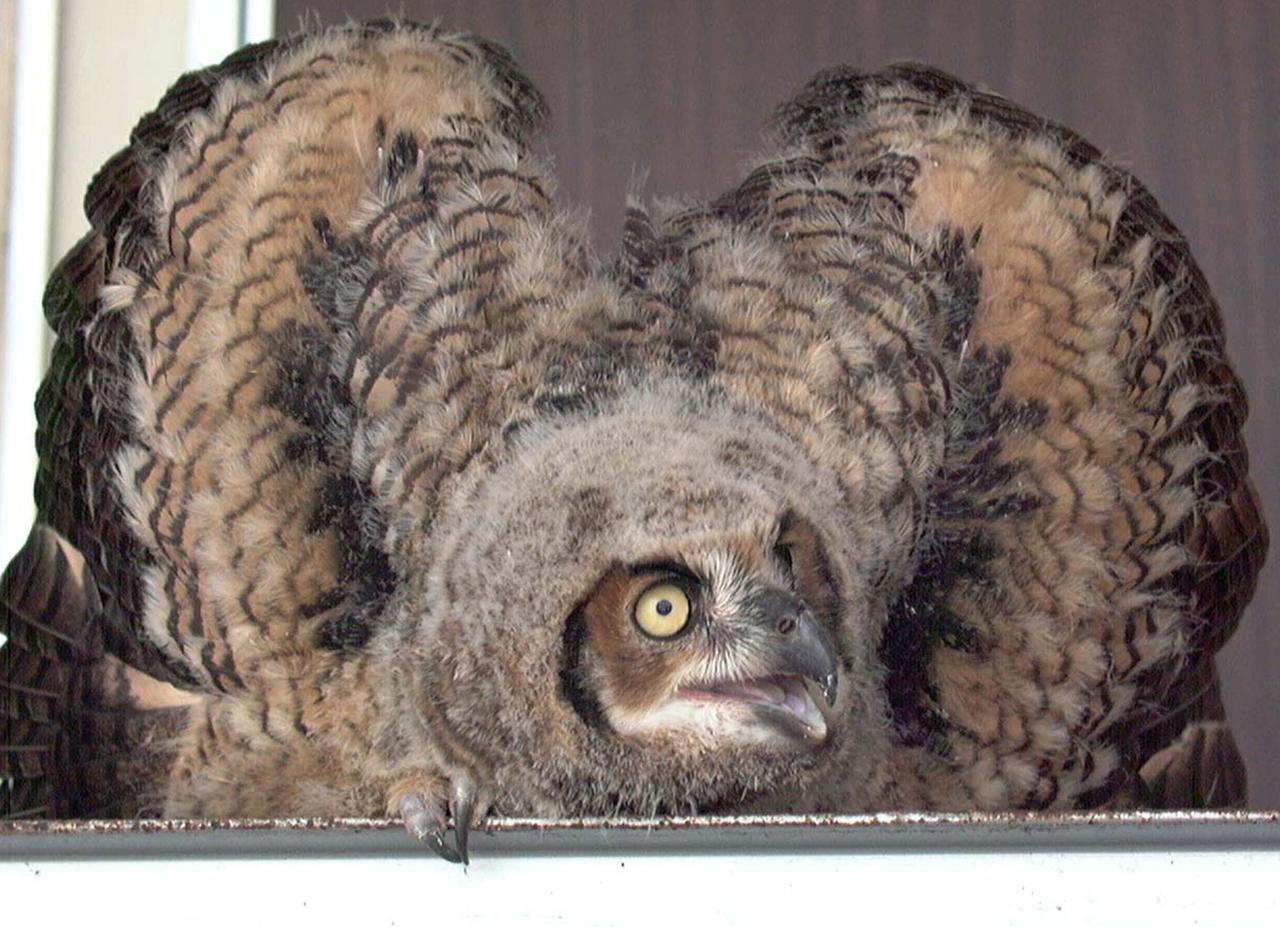
KENNEDY SPACE CENTER, FLA. -- A baby owl, possibly a screech owl, shows its fear and resentment of the photographer snapping its picture. The owl was found on the stairs inside Hangar G, Cape Canaveral Air Force Station. It had apparently tried to fly from a nest near the ceiling but couldn't get back to it. Workers called an Audubon rescue center near Orlando, which captured it and will ensure the bird is returned to the wild when it's ready
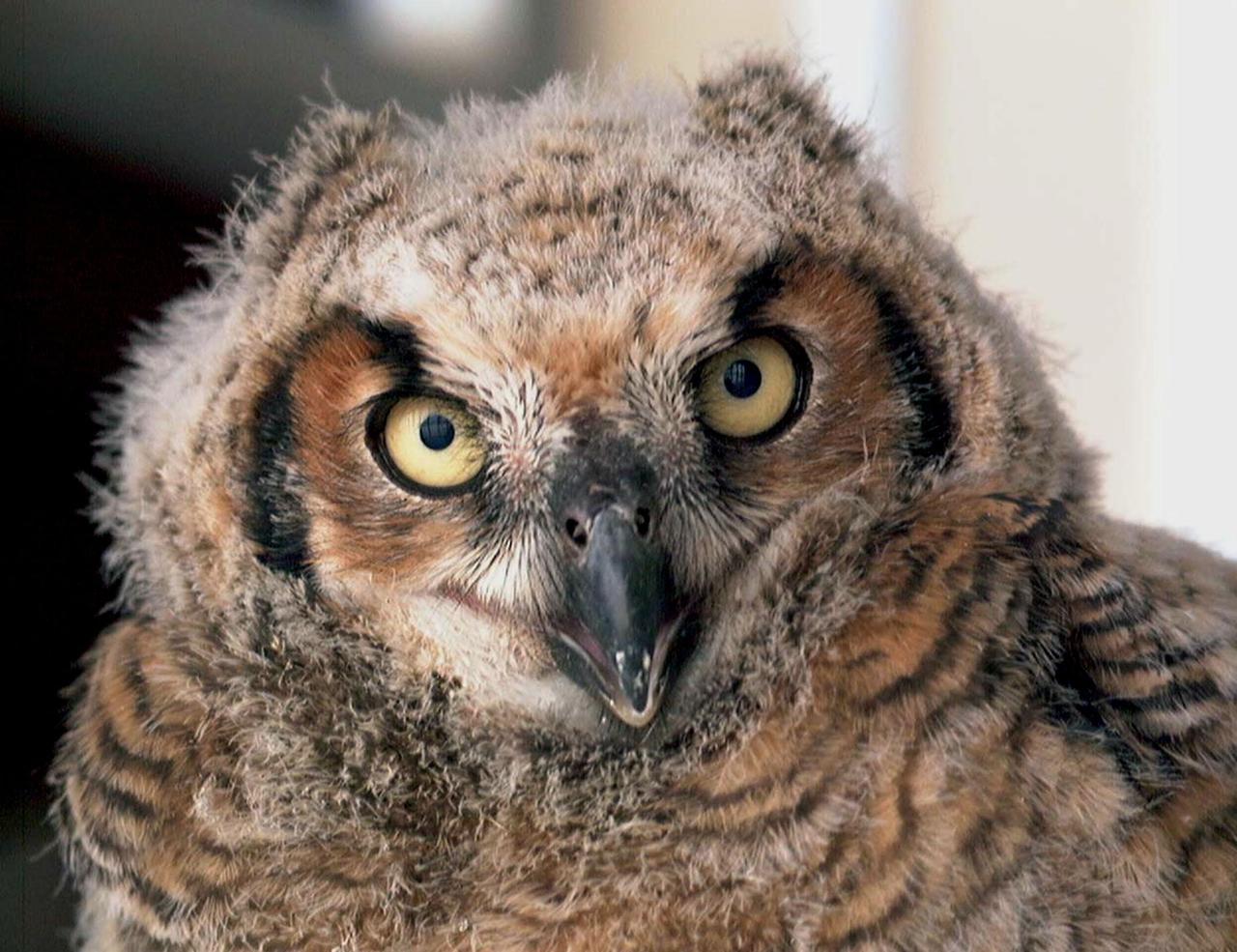
KENNEDY SPACE CENTER, FLA. -- A baby owl, possibly a screech owl, stares at the photographer snapping its picture. The owl was found on the stairs inside Hangar G, Cape Canaveral Air Force Station. It had apparently tried to fly from a nest near the ceiling but couldn't get back to it. Workers called an Audubon rescue center near Orlando, which captured it and will ensure the bird is returned to the wild when it's ready
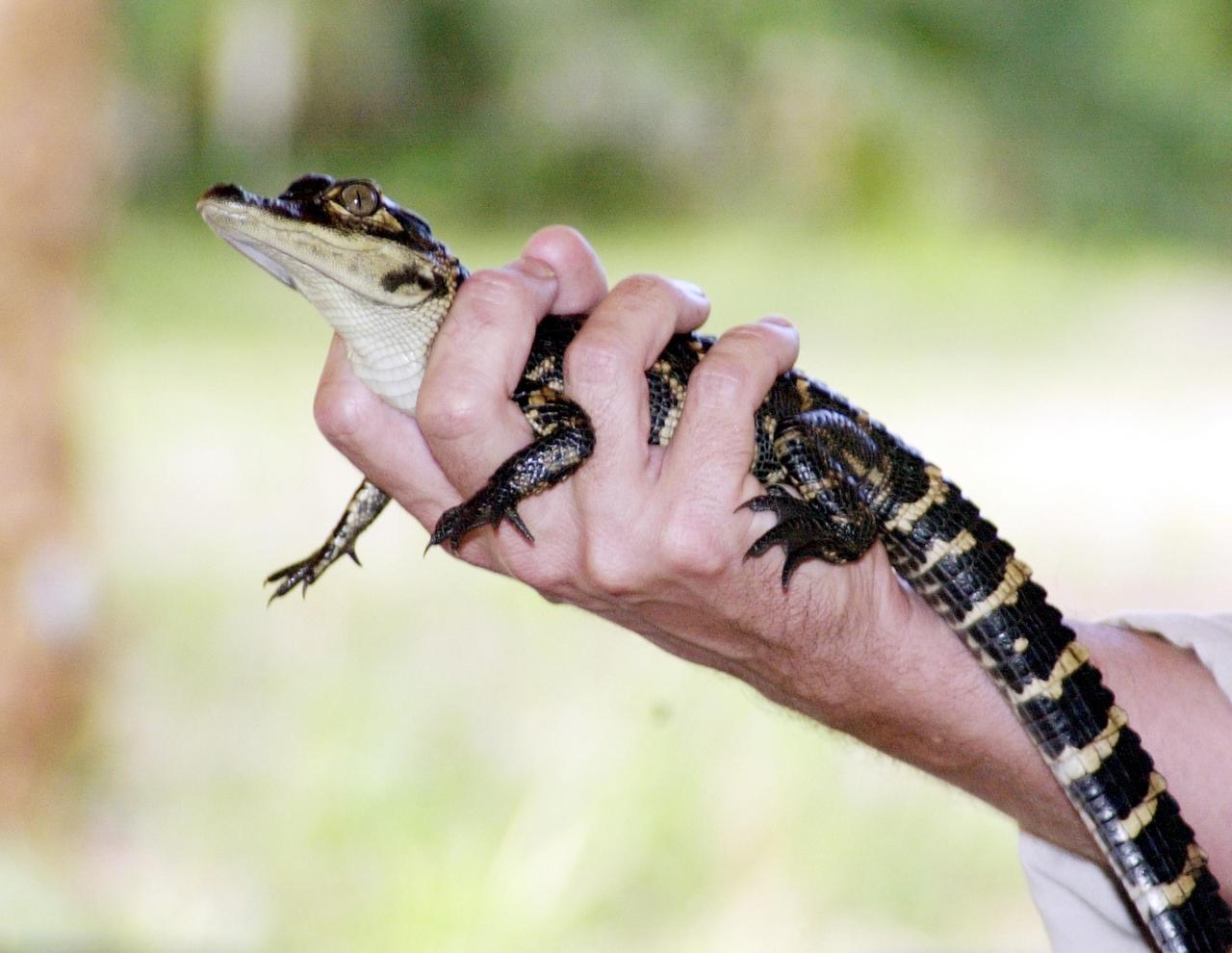
KENNEDY SPACE CENTER, FLA. - A baby alligator is displayed during the dedication of the Sendler Education Outpost, located at Dummit Cove on the Merritt Island National Wildlife Refuge (MINWR). The outpost is a resource for environmental educational students in the Central Florida area. It is named for Karl Sendler, a space pioneer and manager under Dr. Kurt Debus, KSC's first center director. Funding for the facility was provided by the Merritt Island Wildlife Association with assistance from MINWR and Kennedy Space Center.
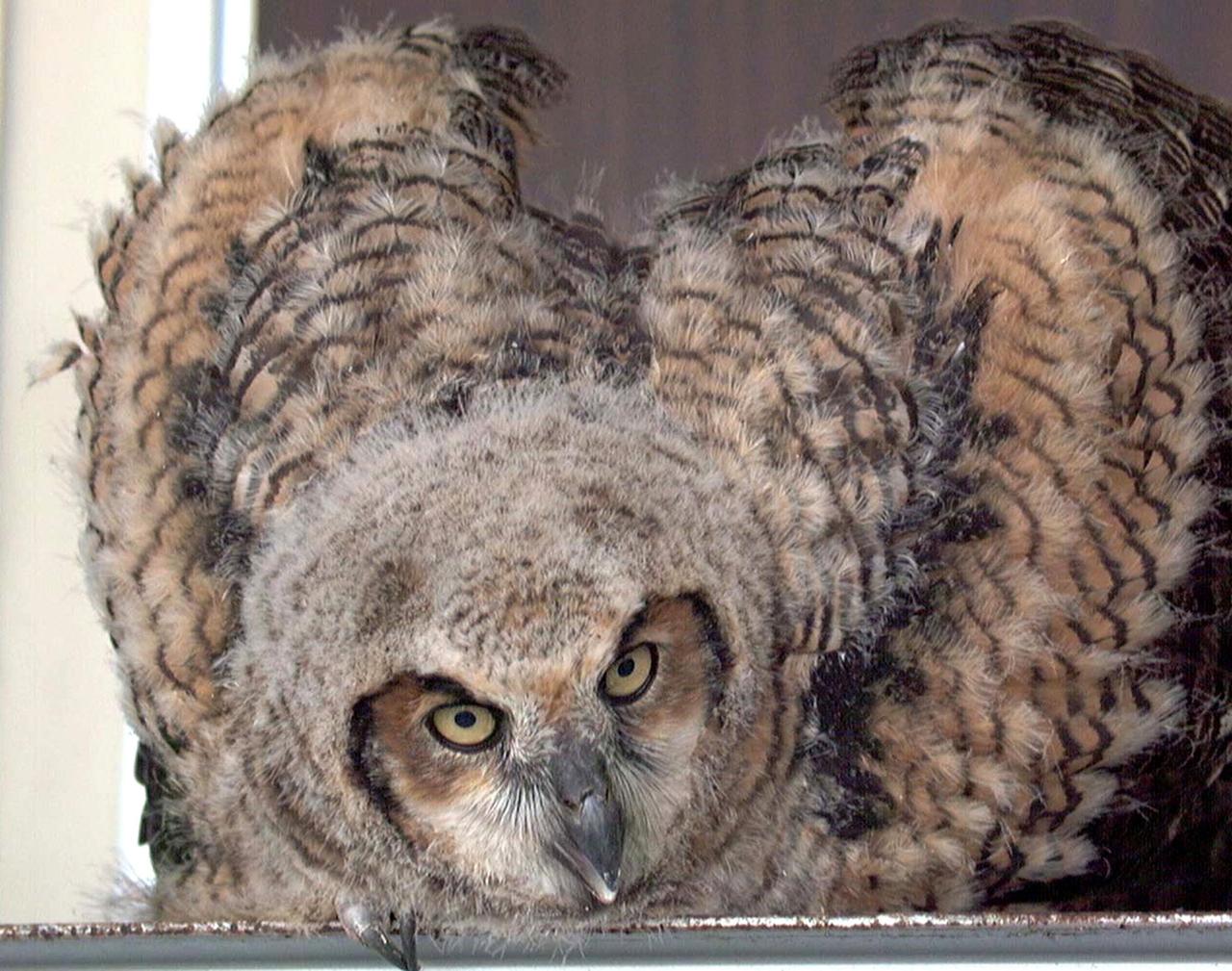
KENNEDY SPACE CENTER, FLA. -- A baby owl displays its wings at the photographer snapping its picture. The owl was found on the stairs inside Hangar G, Cape Canaveral Air Force Station. It had apparently tried to fly from a nest near the ceiling but couldn't get back to it. Workers called an Audubon rescue center near Orlando, which captured it and will ensure the bird is returned to the wild when it's ready.
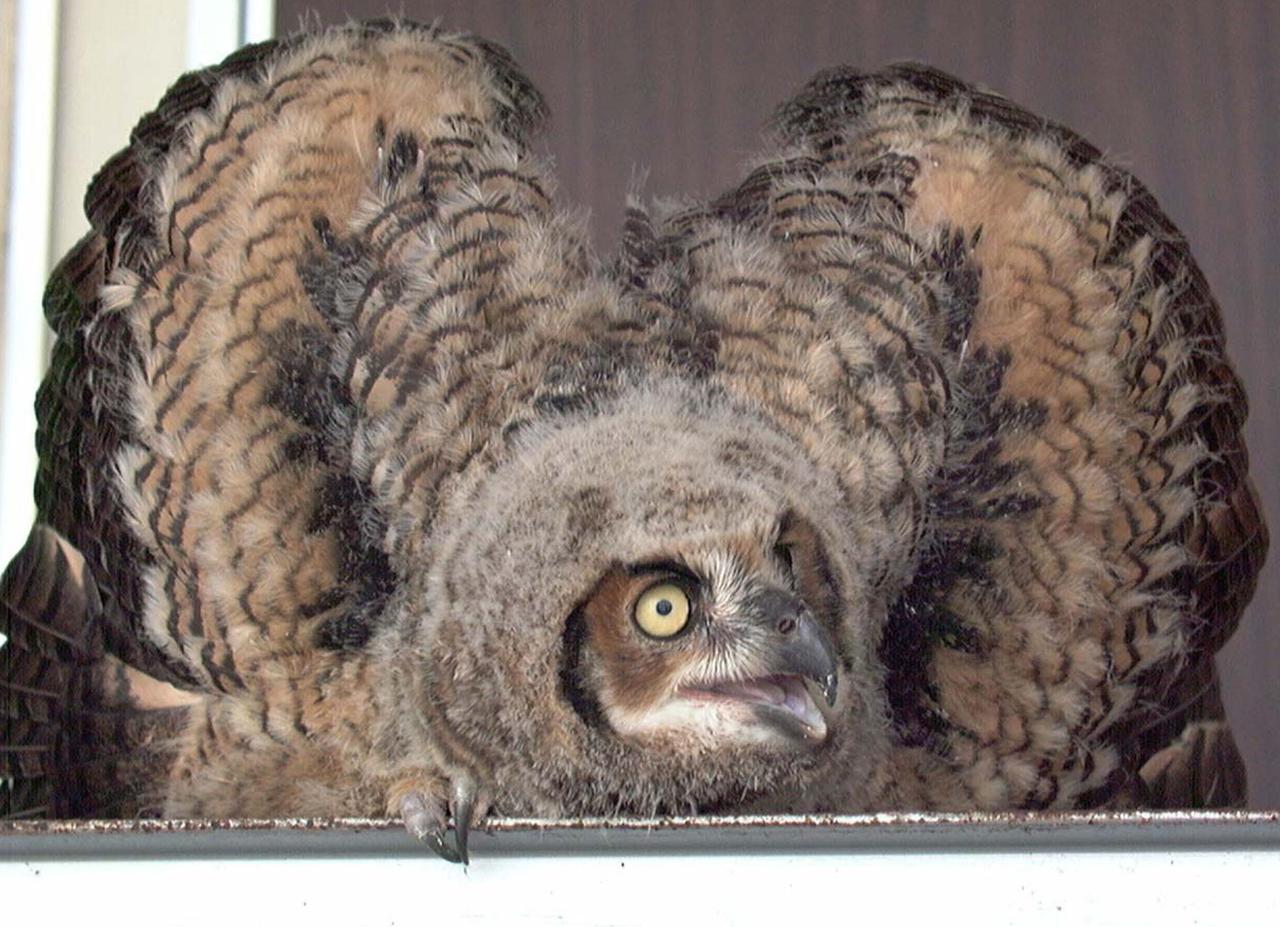
KENNEDY SPACE CENTER, FLA. -- A baby owl, possibly a screech owl, shows its fear and resentment of the photographer snapping its picture. The owl was found on the stairs inside Hangar G, Cape Canaveral Air Force Station. It had apparently tried to fly from a nest near the ceiling but couldn't get back to it. Workers called an Audubon rescue center near Orlando, which captured it and will ensure the bird is returned to the wild when it's ready
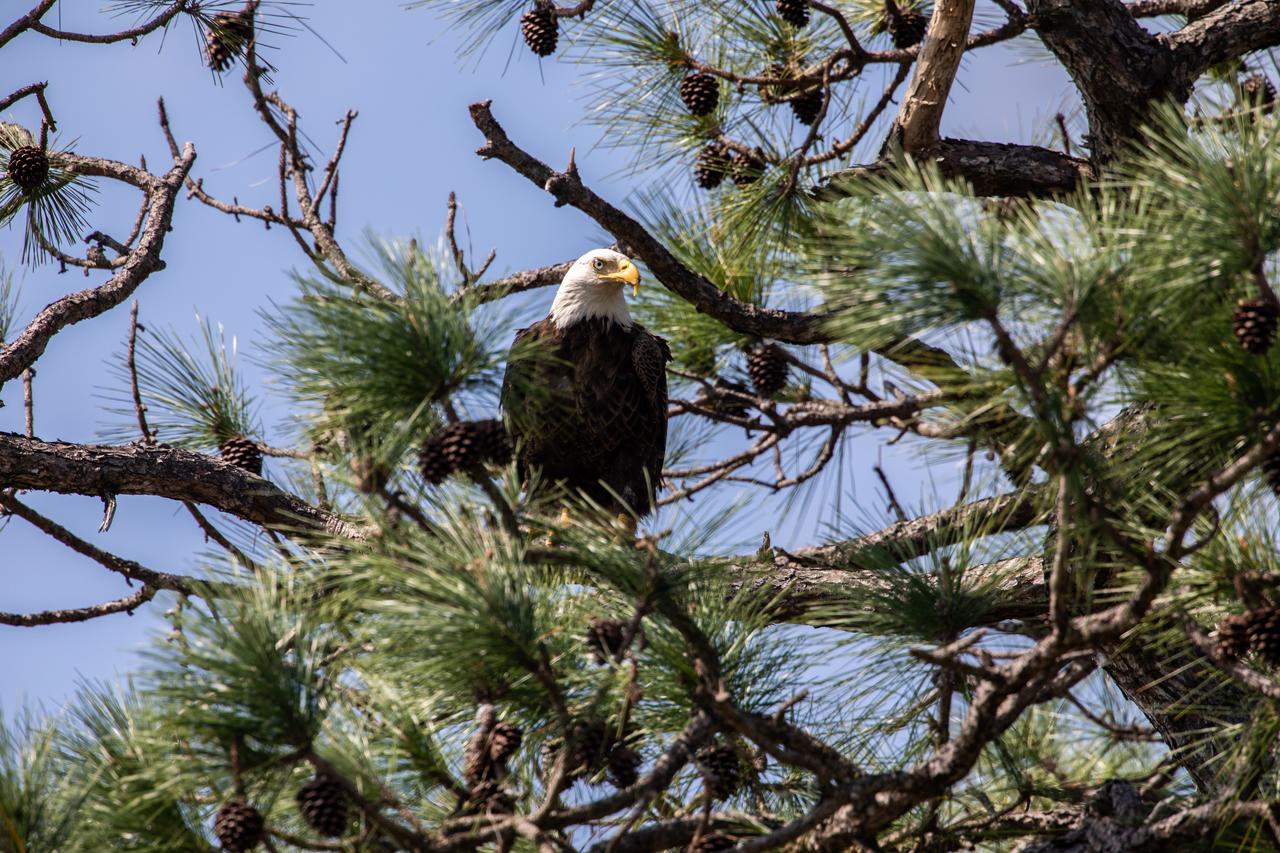
An American bald eagle is perched in a tree near its nest at NASA’s Kennedy Space Center on March 8, 2023. The eagle is part of a mating pair that takes up residence at the Florida spaceport during nesting season. Recently, a baby eagle was spotted in their nest, located off of Kennedy Parkway, about two miles from the Vehicle Assembly Building. There are 39 eagle territories at Kennedy, 33 of which are active or potentially active.
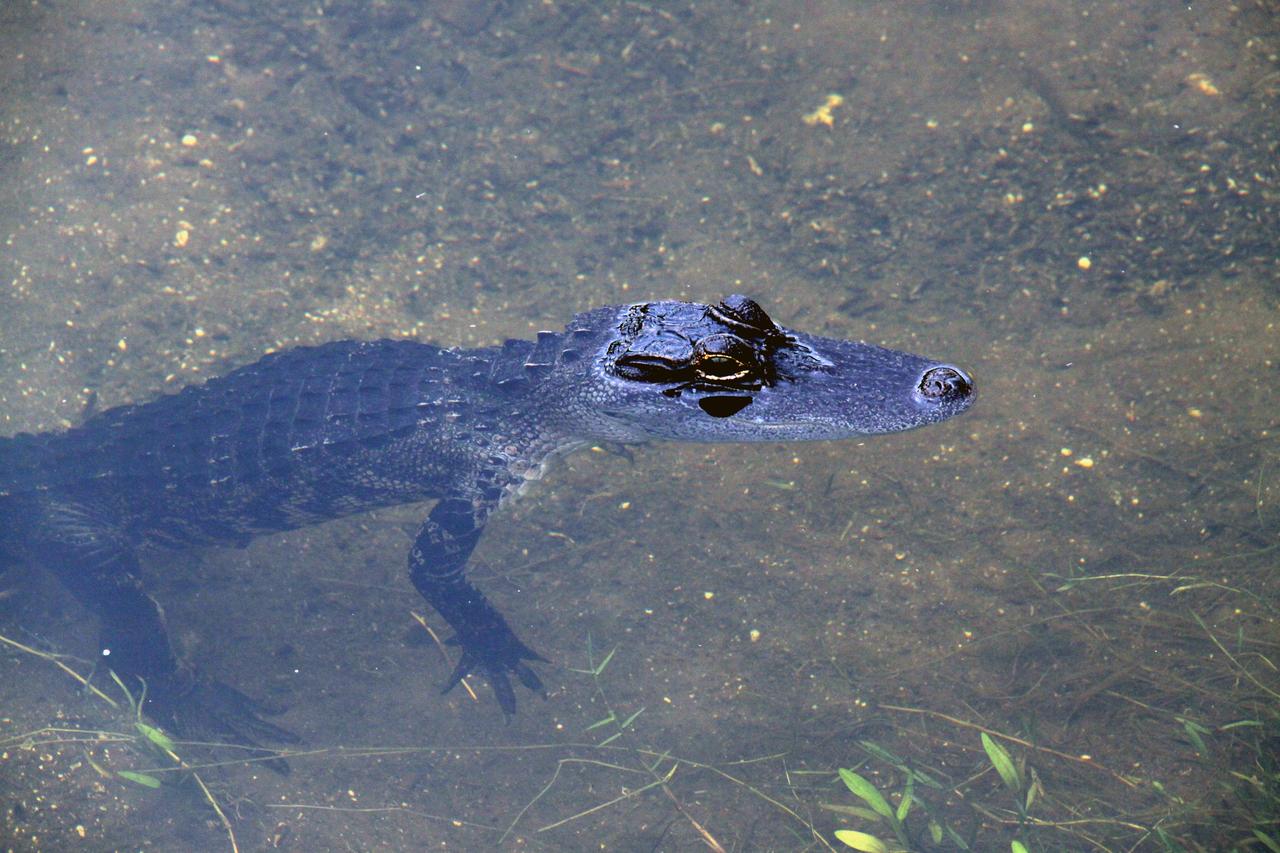
CAPE CANAVERAL, Fla. – A baby alligator is unaware that the water saturating the ground is the aftermath of thunderstorms in the vicinity of NASA Kennedy Space Center’s Shuttle Landing Facility and that space shuttle Atlantis is unable to land to conclude the STS-125 mission. Alligators can be spotted in the drainage canals and other waters surrounding Kennedy. The center shares a boundary with the Merritt Island Wildlife Nature Refuge, which is a habitat for more than 310 species of birds, 25 mammals, 117 fishes and 65 amphibians and reptiles. Photo credit: NASA/Glenn Benson
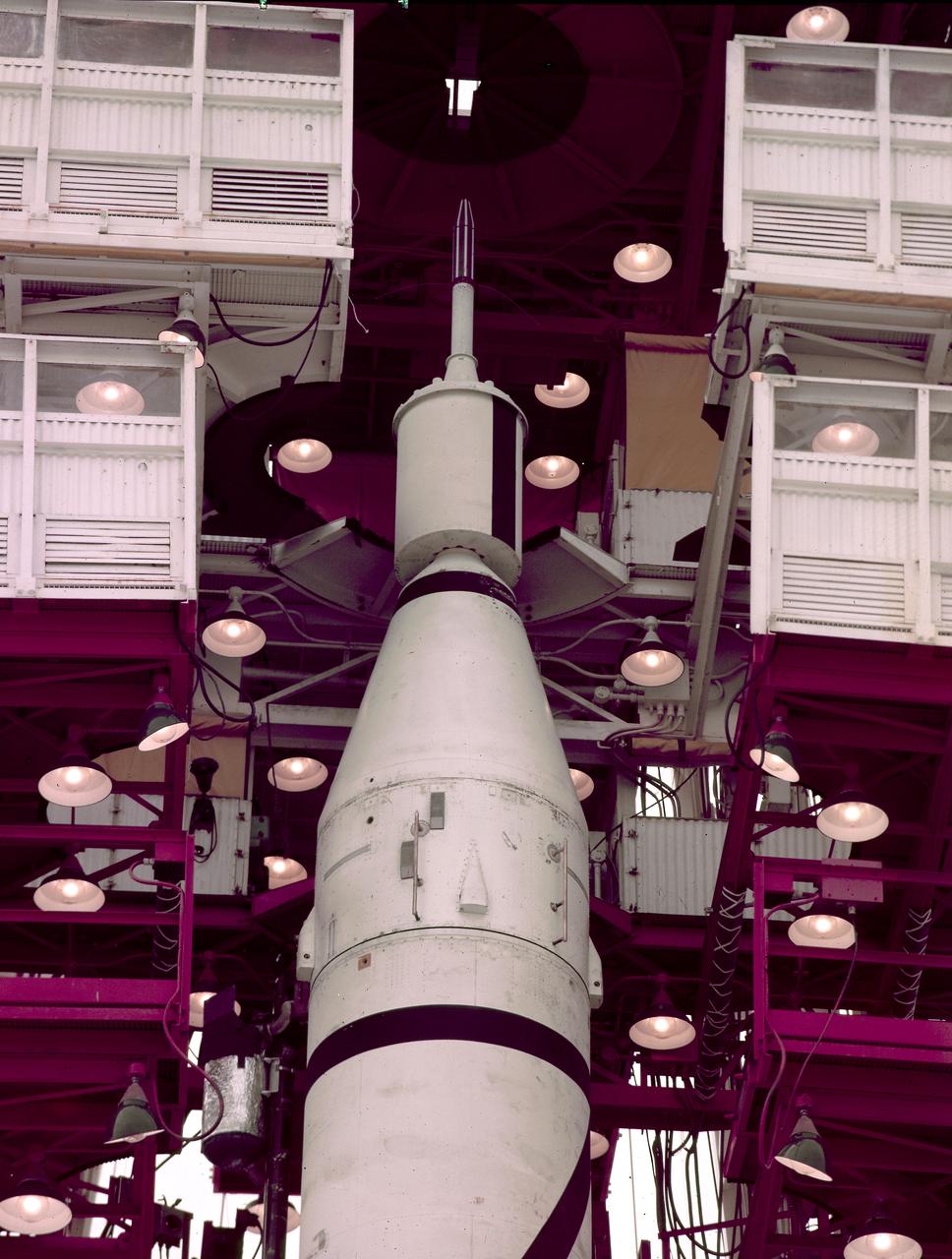
Explorer 1 atop a Jupiter-C in gantry. Jupiter-C carrying the first American satellite, Explorer 1, was successfully launched on January 31, 1958. The Jupiter-C launch vehicle consisted of a modified version of the Redstone rocket's first stage and two upper stages of clustered Baby Sergeant rockets developed by the Jet Propulsion Laboratory and later designated as Juno boosters for space launches
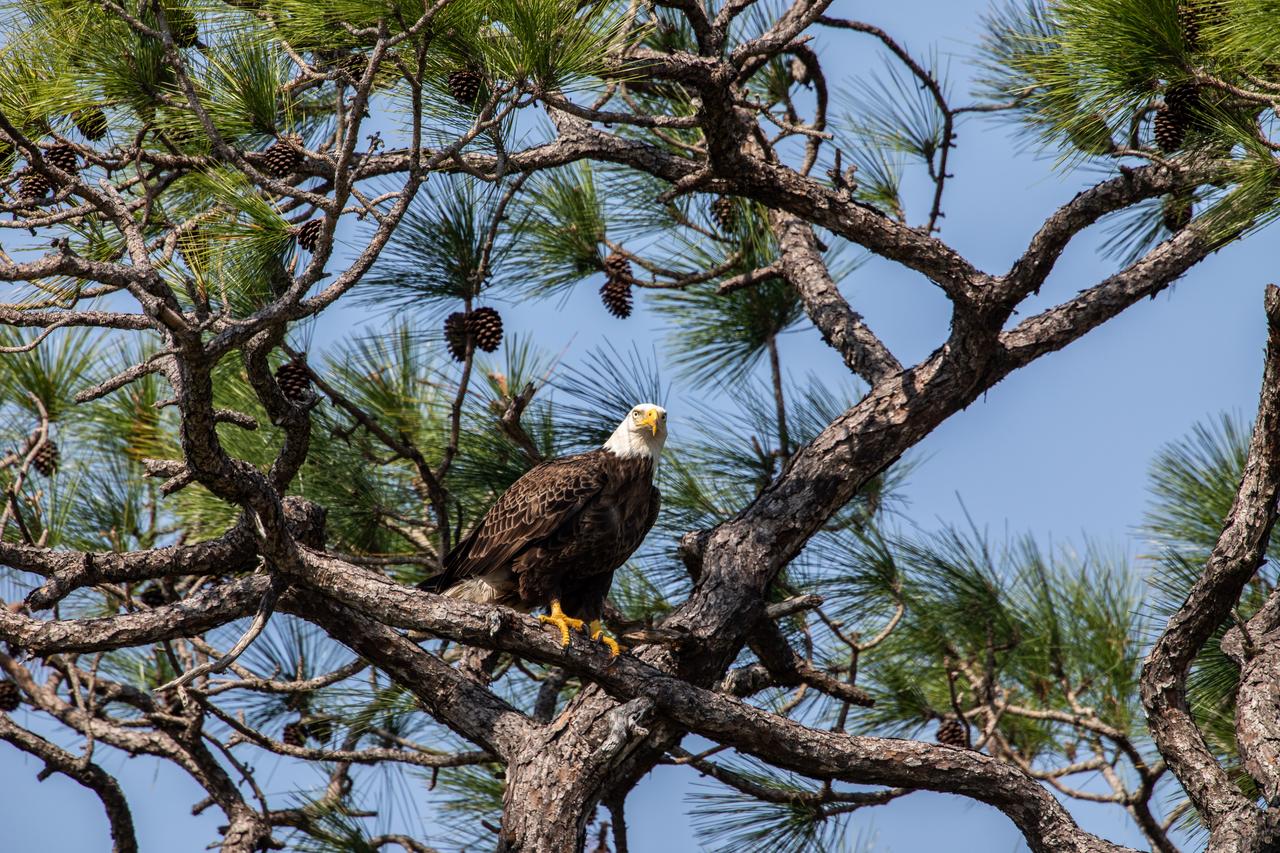
An American bald eagle is perched in a tree near its nest at NASA’s Kennedy Space Center on March 8, 2023. The eagle is part of a mating pair that takes up residence at the Florida spaceport during nesting season. Recently, a baby eagle was spotted in their nest, located off of Kennedy Parkway, about two miles from the Vehicle Assembly Building. There are 39 eagle territories at Kennedy, 33 of which are active or potentially active.
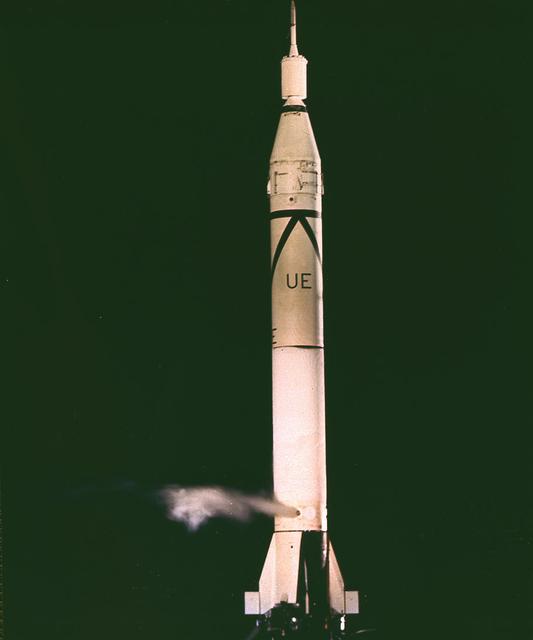
Juno I, a slightly modified Jupiter-C launch vehicle, shortly before the January 31, 1958 launch of America's first satellite, Explorer I. The Jupiter-C, developed by Dr. Wernher von Braun and the rocket team at Redstone Arsenal in Huntsville, Alabama, consisted of a modified version of the Redstone rocket's first stage and two upper stages of clustered Baby Sergeant rockets developed by the Jet Propulsion Laboratory.
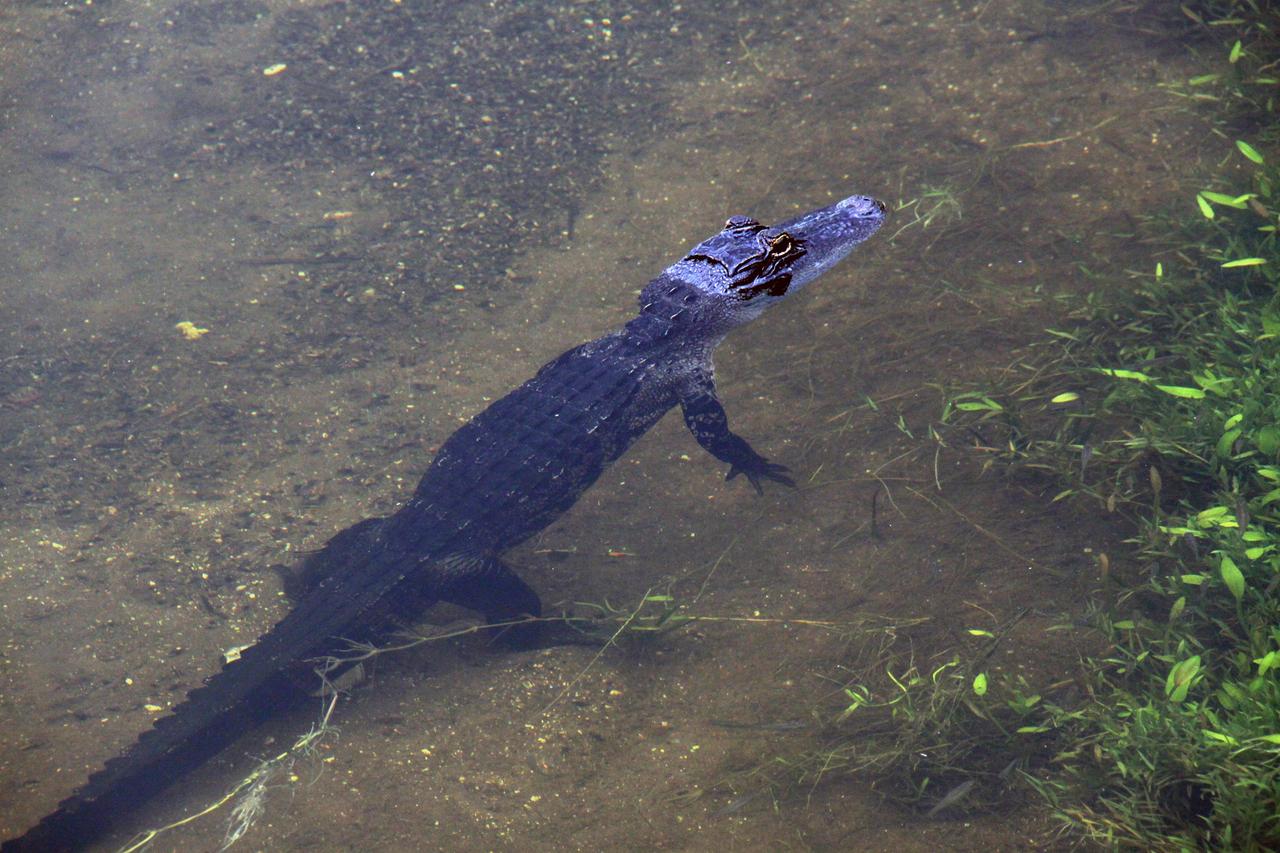
CAPE CANAVERAL, Fla. – A baby alligator is unconcerned that water saturates the ground and space shuttle Atlantis is unable to land at NASA’s Kennedy Space Center to conclude the STS-125 mission, the aftermath of thunderstorms in the vicinity of the Shuttle Landing Facility. Alligators can be spotted in the drainage canals and other waters surrounding Kennedy. The center shares a boundary with the Merritt Island Wildlife Nature Refuge, which is a habitat for more than 310 species of birds, 25 mammals, 117 fishes and 65 amphibians and reptiles. Photo credit: NASA/Glenn Benson
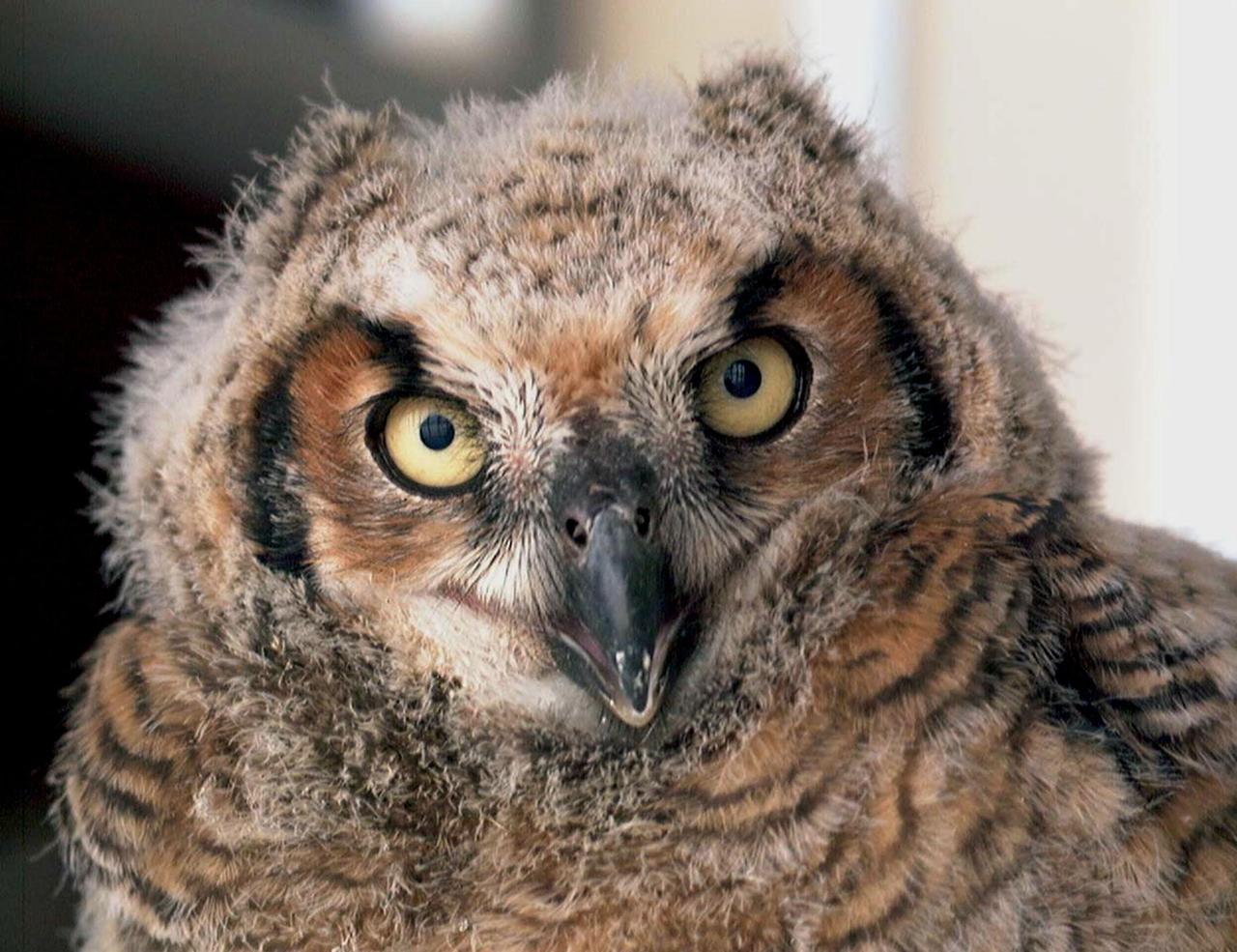
KENNEDY SPACE CENTER, FLA. -- A baby owl, possibly a screech owl, stares at the photographer snapping its picture. The owl was found on the stairs inside Hangar G, Cape Canaveral Air Force Station. It had apparently tried to fly from a nest near the ceiling but couldn't get back to it. Workers called an Audubon rescue center near Orlando, which captured it and will ensure the bird is returned to the wild when it's ready
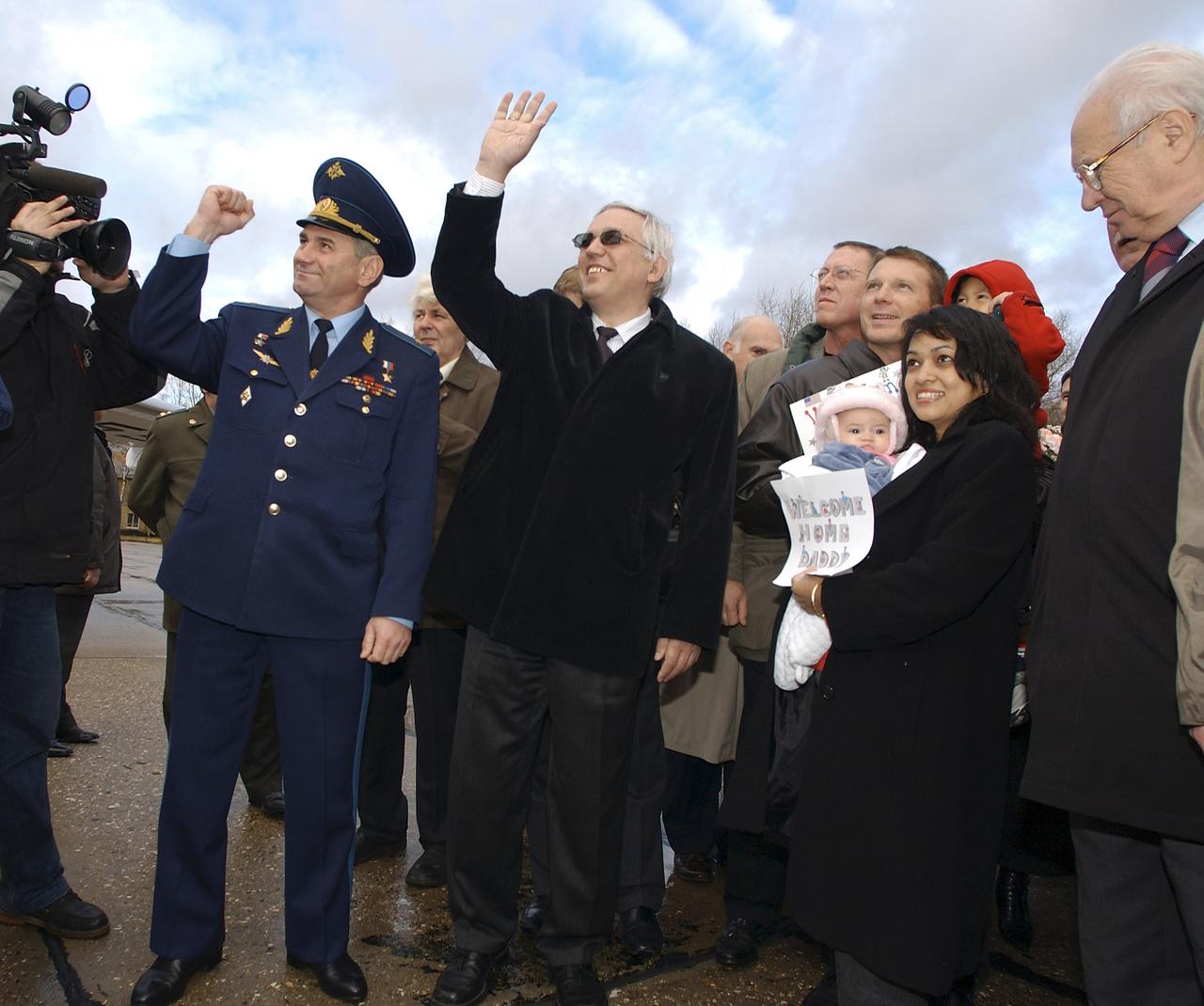
Russian Federal Space Agency Deputy General-Director Nikolai Moiseev, center, Renita Fincke, wife of Expedition 9 Flight Engineer Michael Fincke, second from right with baby, and other officials and family members celebrate the return of the Expedition 9 crew to Star City, Russia after their Soyuz capsule landed safely approximately 85 kilometers northeast of Arkalyk in northern Kazakhstan, Sunday, October 24, 2004. Photo Credit: (NASA/Bill Ingalls)
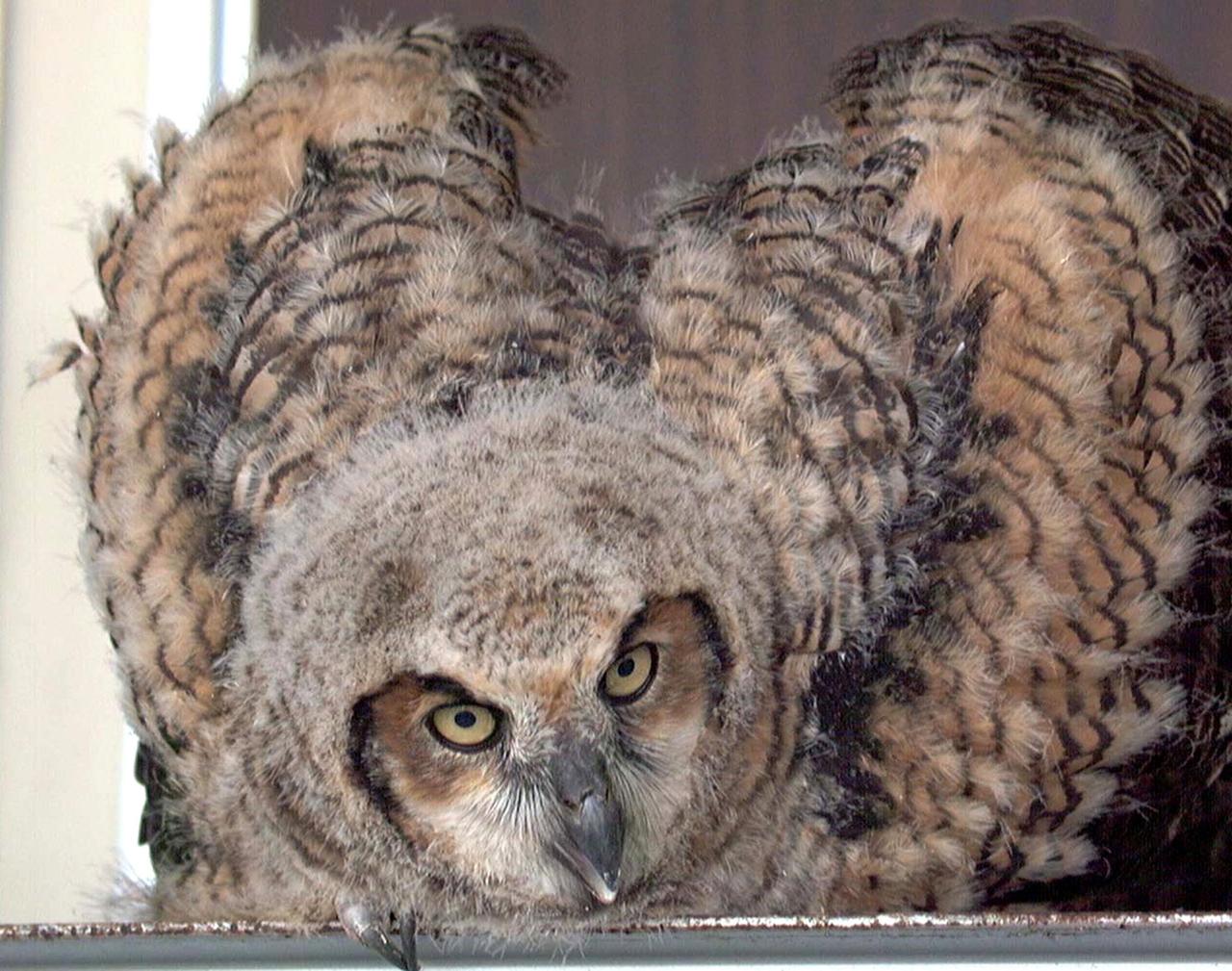
KENNEDY SPACE CENTER, FLA. -- A baby owl displays its wings at the photographer snapping its picture. The owl was found on the stairs inside Hangar G, Cape Canaveral Air Force Station. It had apparently tried to fly from a nest near the ceiling but couldn't get back to it. Workers called an Audubon rescue center near Orlando, which captured it and will ensure the bird is returned to the wild when it's ready.
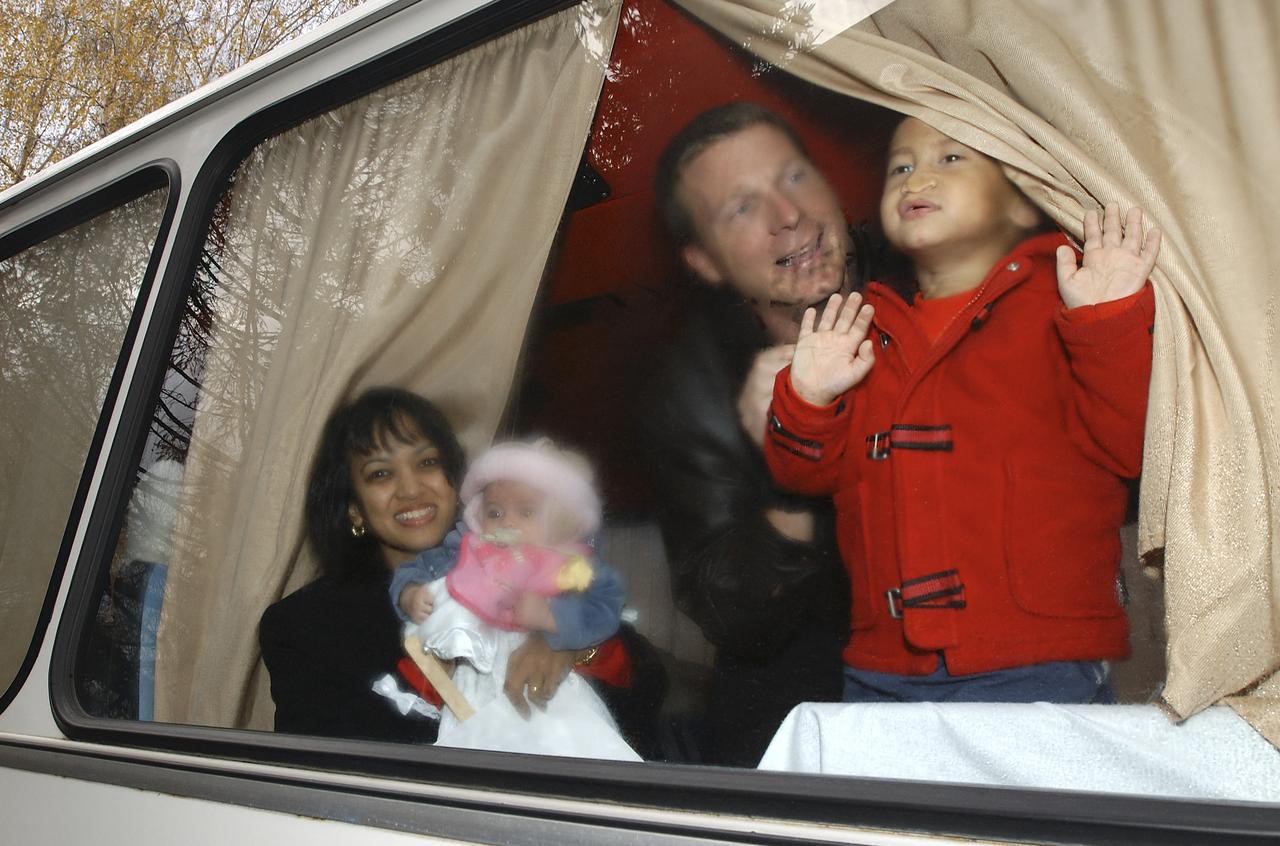
Renita Fincke, left, watches her husband, NASA astronaut Michael Fincke and Expedition 9 Flight Engineer depart from the crew bus while holding her 4 month-old baby Tarali Fincke, Sunday, October 24, 2004 in Star City, Russia. Astronaut Terry Virts helps by holding Chandra Fincke. Photo Credit: (NASA/Bill Ingalls)
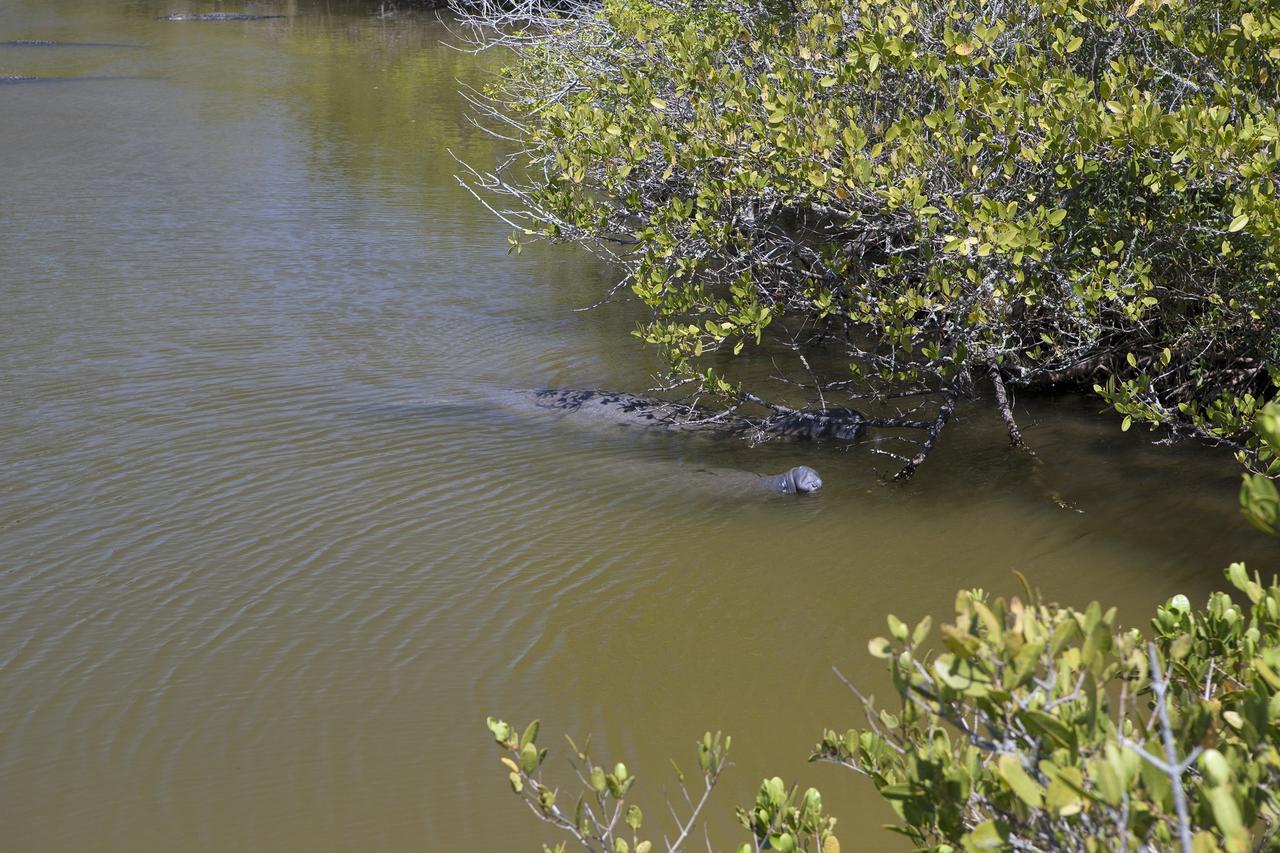
CAPE CANAVERAL, Fla. – A parent and a baby manatee come up for air beneath the branches of a mangrove in a creek at NASA's Kennedy Space Center in Florida. The center shares a boundary with the Merritt Island National Wildlife Refuge, which encompasses 140,000 acres that provide a habitat for more than 330 species of birds, 31 mammals, 117 fishes, and 65 amphibians and reptiles. Photo credit: NASA/Daniel Casper

jsc2021e019402 (8/6/2016) --- Juvenile bobtail squid swimming in seawater just after hatching. The bobtail squid are born without their symbiotic microbes and must acquire them from their environment. Once the baby squid are colonized by the bacteria they gain the ability to glow in the dark and hide from their predators. Understanding of Microgravity on Animal-Microbe Interactions (UMAMI) examines the effects of spaceflight on the molecular and chemical interactions between beneficial microbes and their animal hosts. Image courtesy of Jamie S. Foster.

Renita Fincke, right, awaits the arrival of her husband NASA astronaut Michael Fincke, while holding their 4 month-old baby Tarali, Sunday, October 24, 2004, in Star City, Russia. Astronaut Terry Virts, Center helps by holding 2 year-old Chandra Fincke. Photo Credit: (NASA/Bill Ingalls)