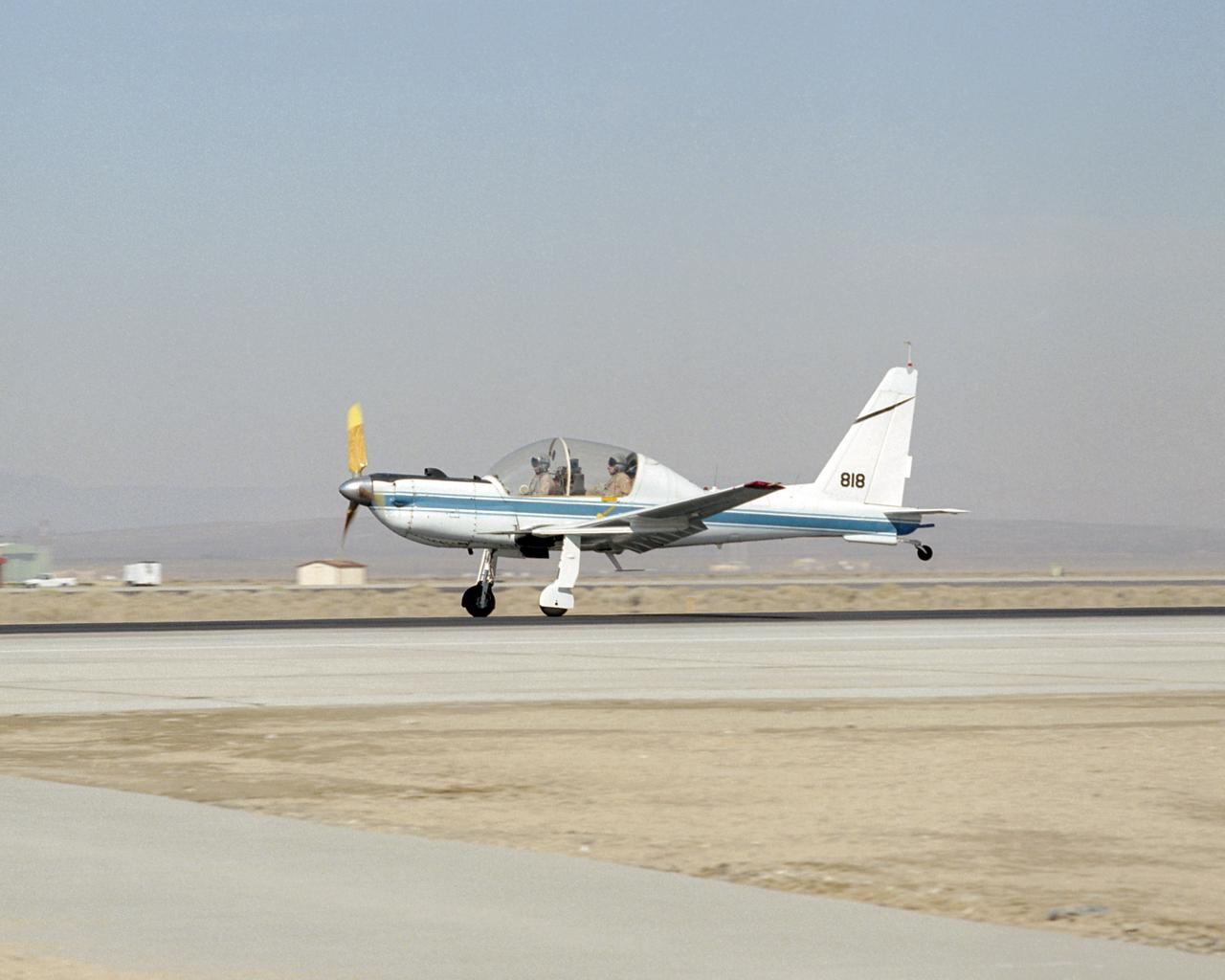
NASA's converted YO-3A observation plane, now used for acoustics research, touches down at Edwards Air Force Base following a pilot checkout flight.
NASA's converted YO-3A observation plane, now used for acoustics research, touches down at Edwards Air Force Base following a pilot checkout flight
A real-time data translator machine converted Mariner 4 digital image data into numbers printed on strips of paper.
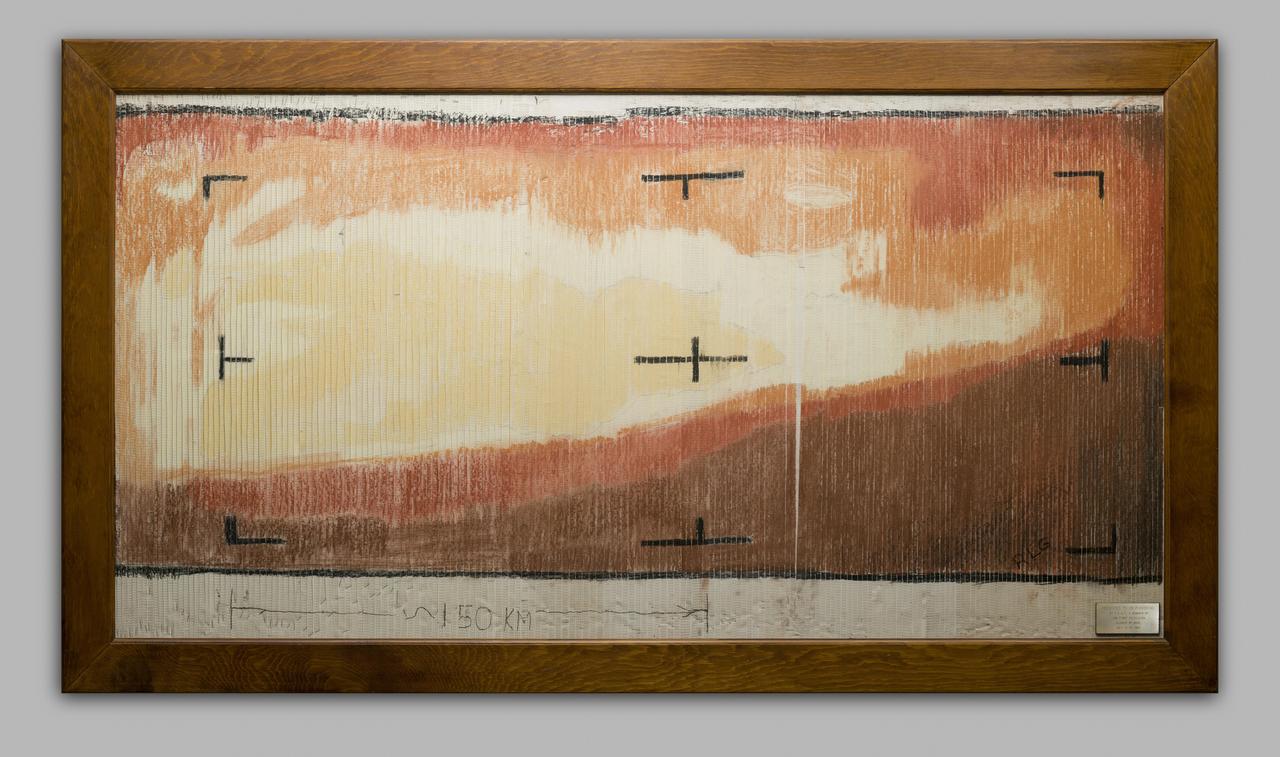
First TV Image of Mars Hand Colored
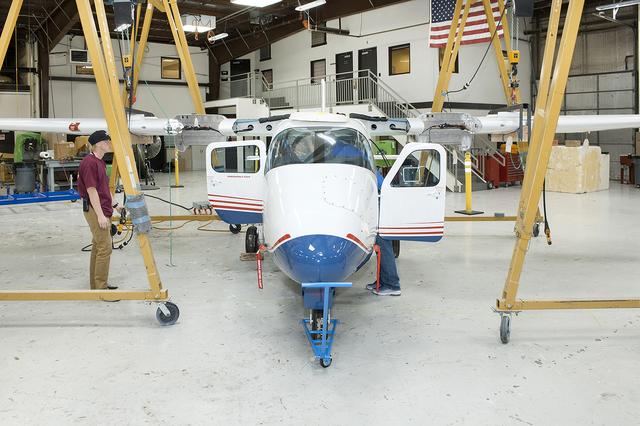
The Tecnam P2006T undergoes wing integration at Scaled Composites in Mojave, California, where the aircraft’s system will be converted to feature electric propulsion.
NASA X-57 Simulator Prepares Pilots, Engineers for Flight of Electric X-Plane
In many parts of the world, wetlands are being converted to shrimp ponds in order to farm these crustaceans for food and sale. One example is on the west coast of Ecuador, south of Guayaquil. This image was acquired by NASA Terra spacecraft.
Shrimp Farms, Ecuador
converted PNM file
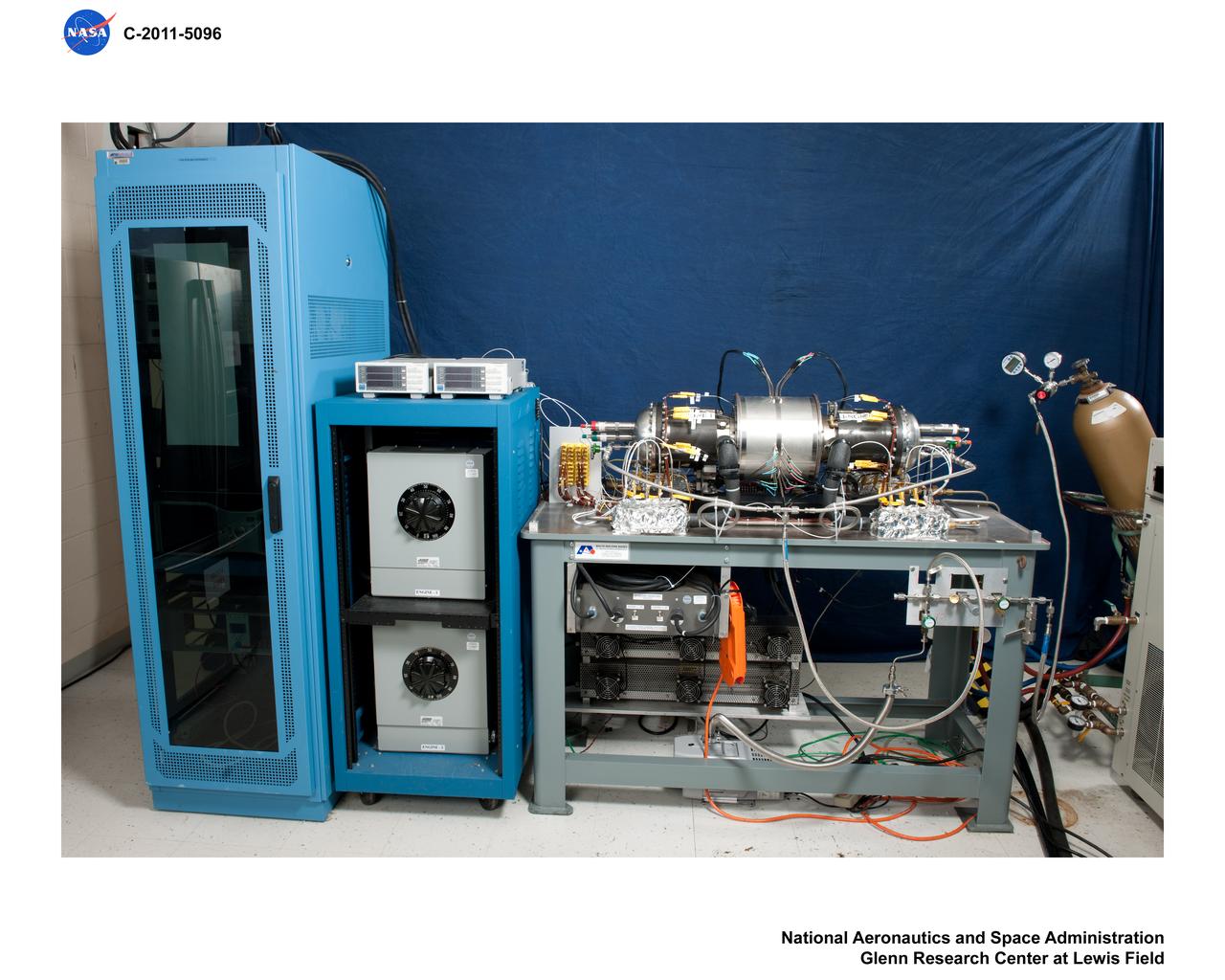
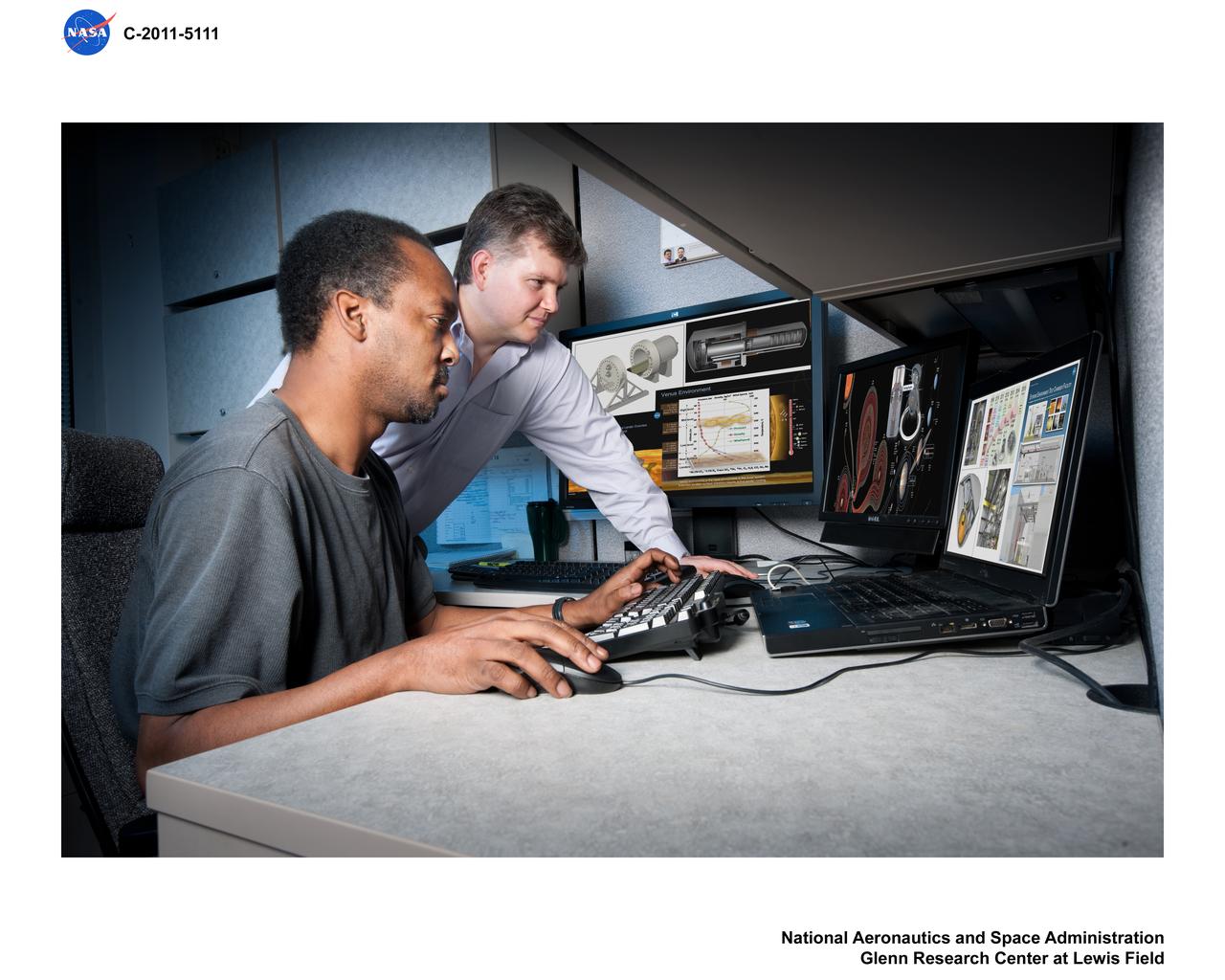
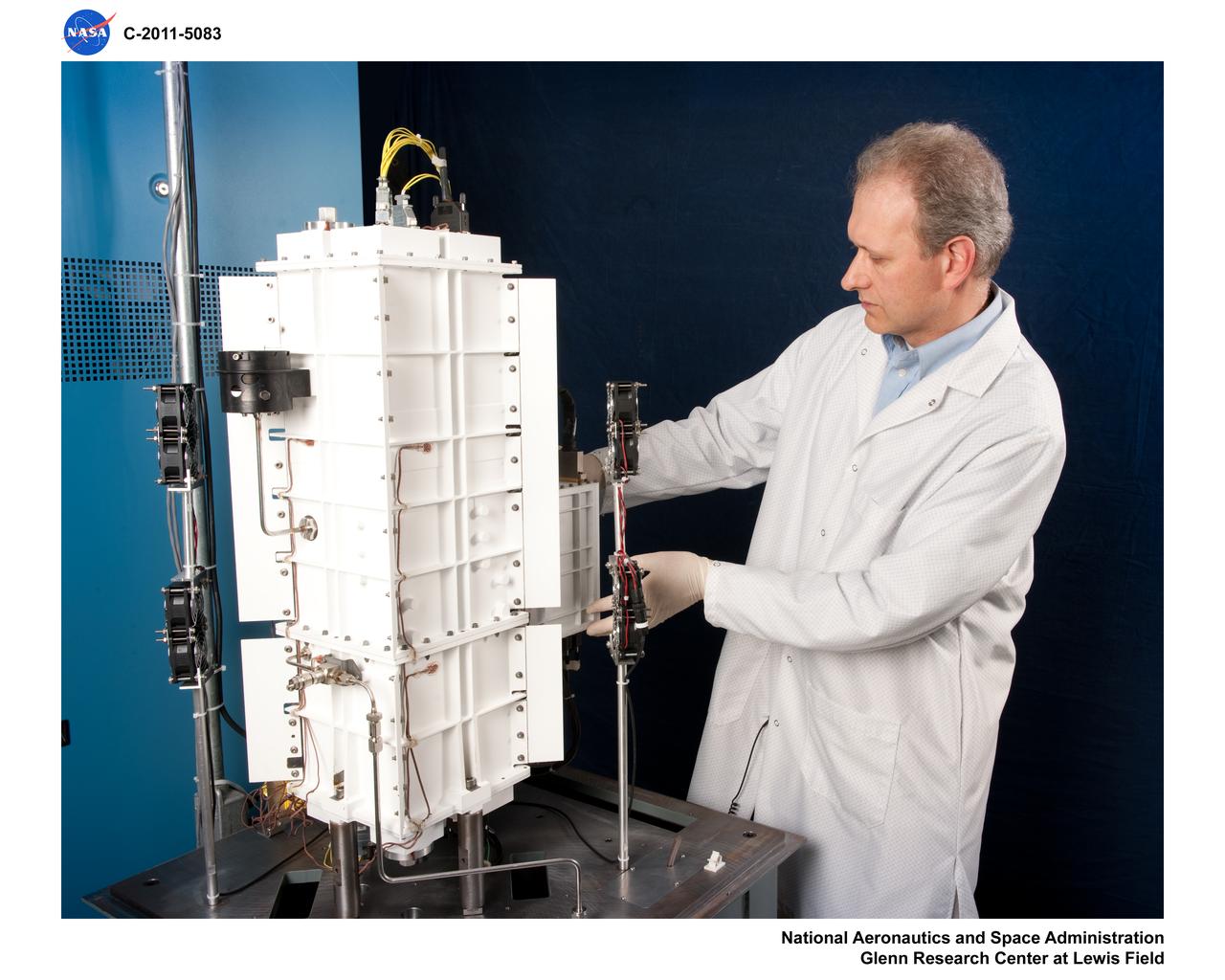
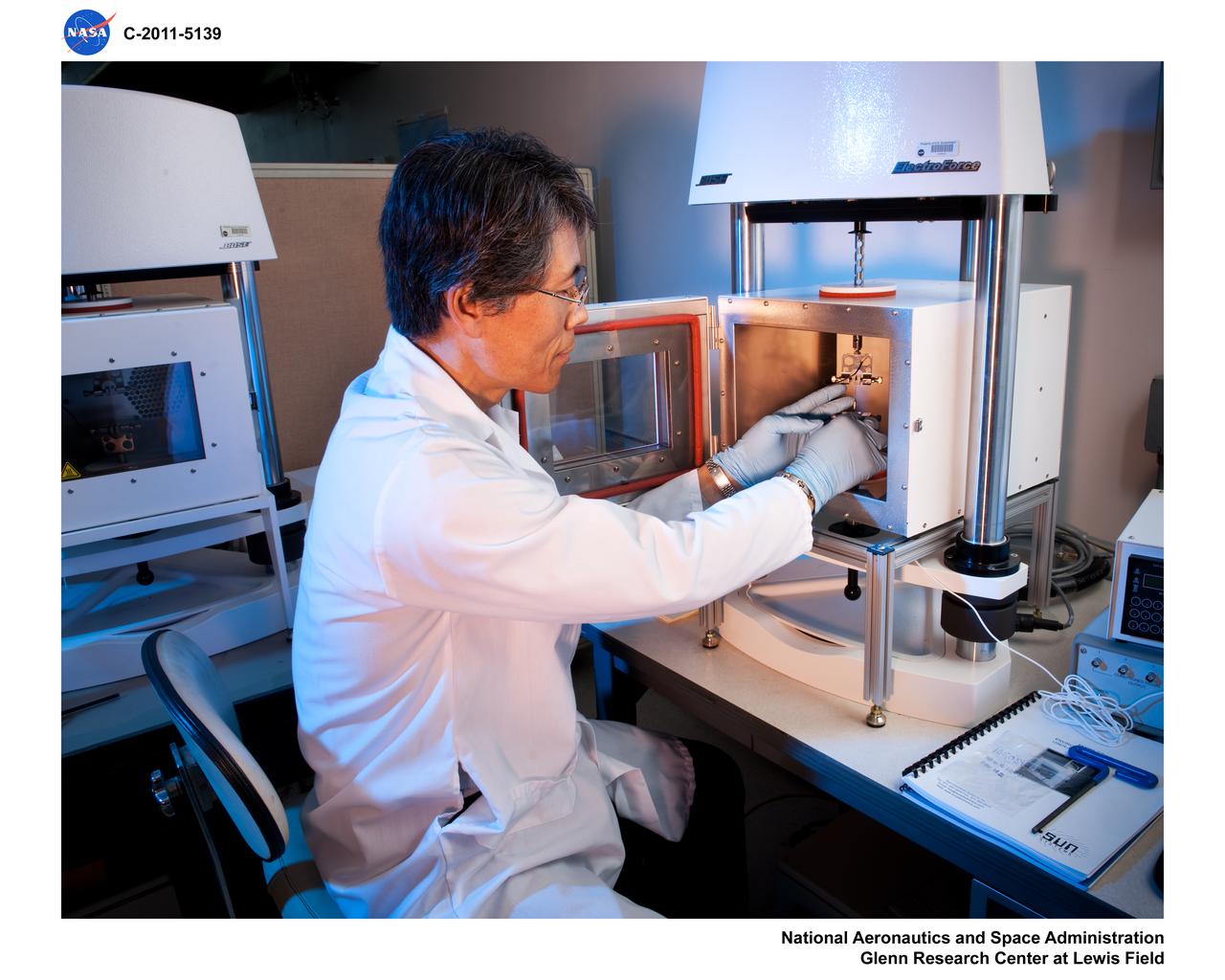
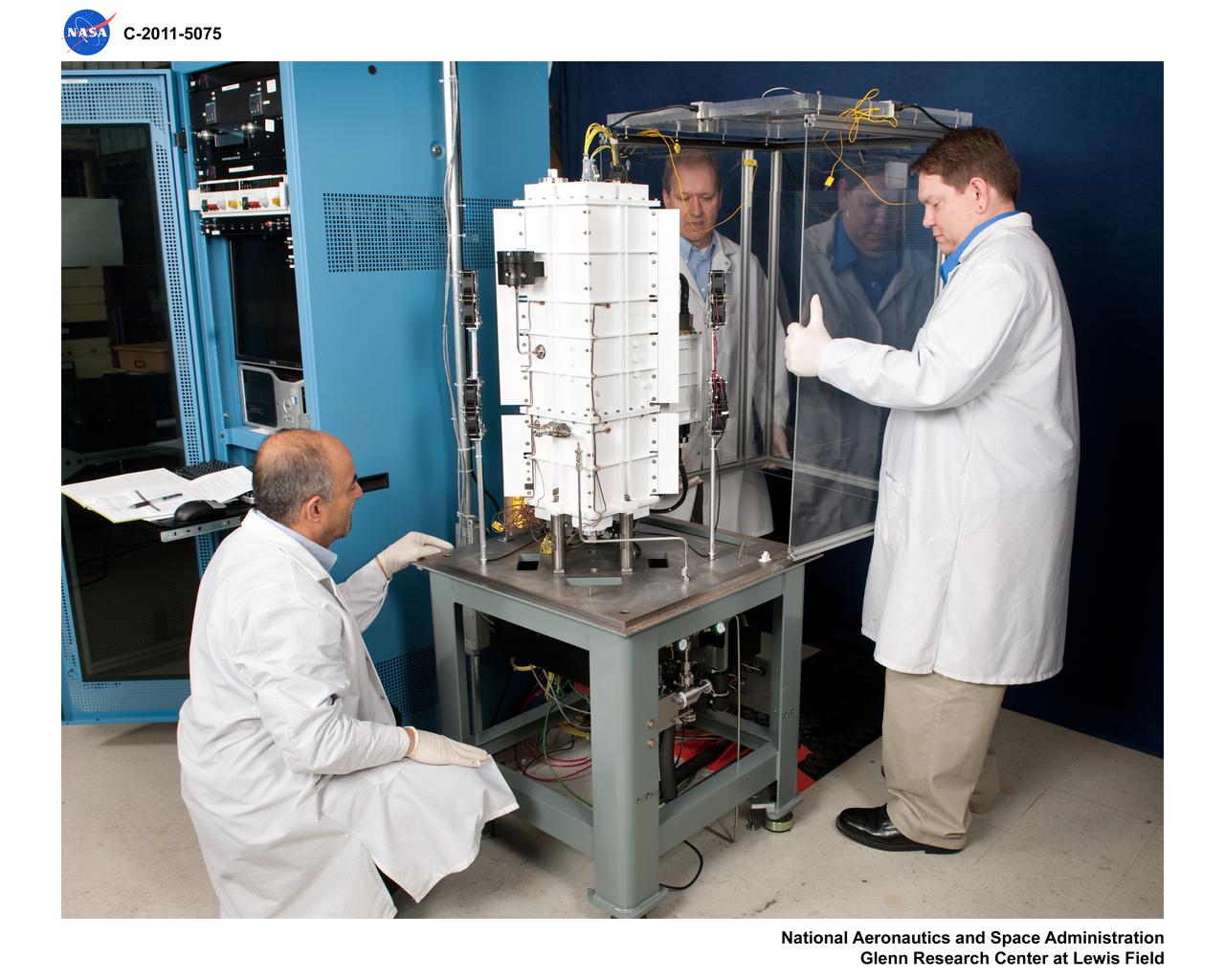
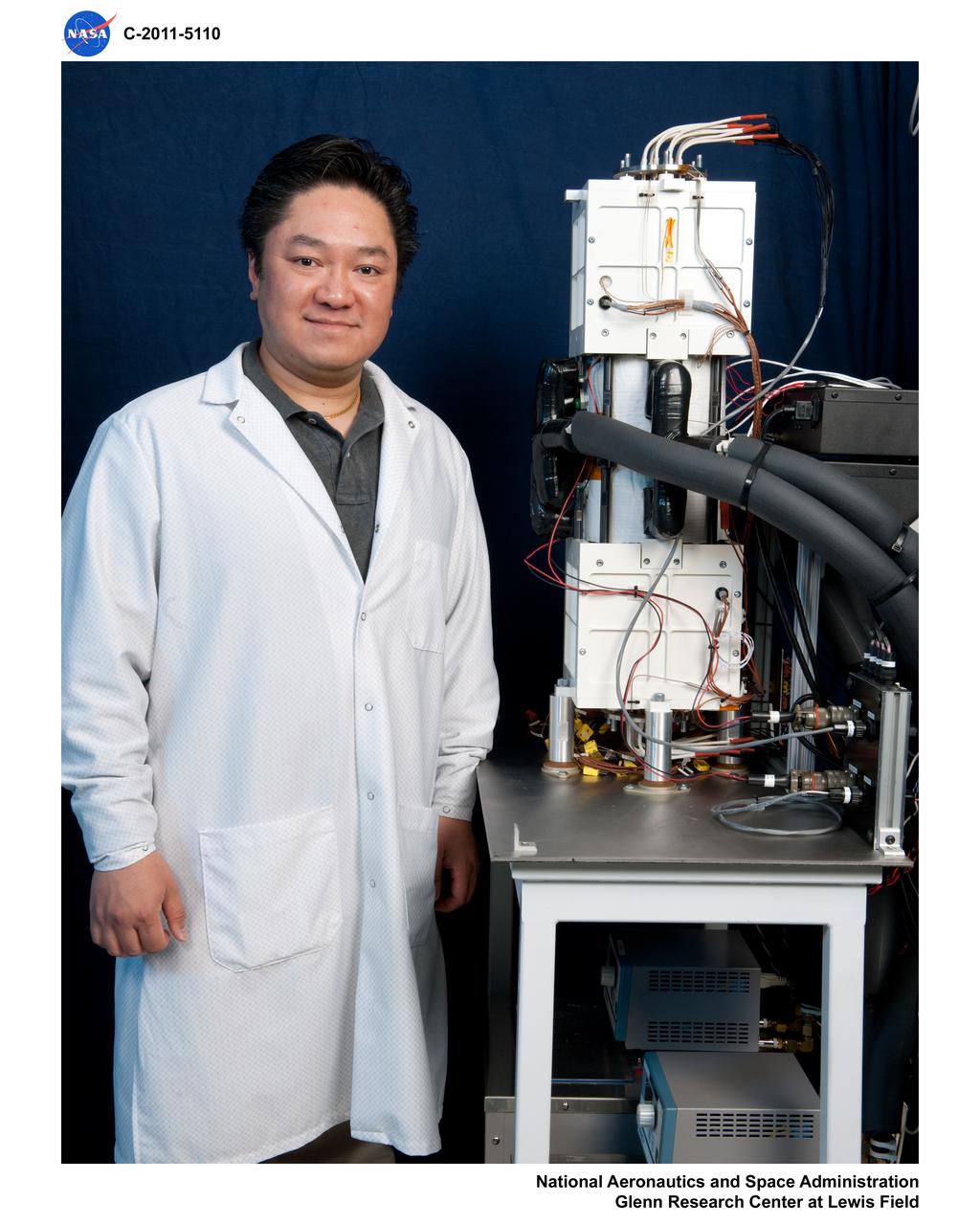
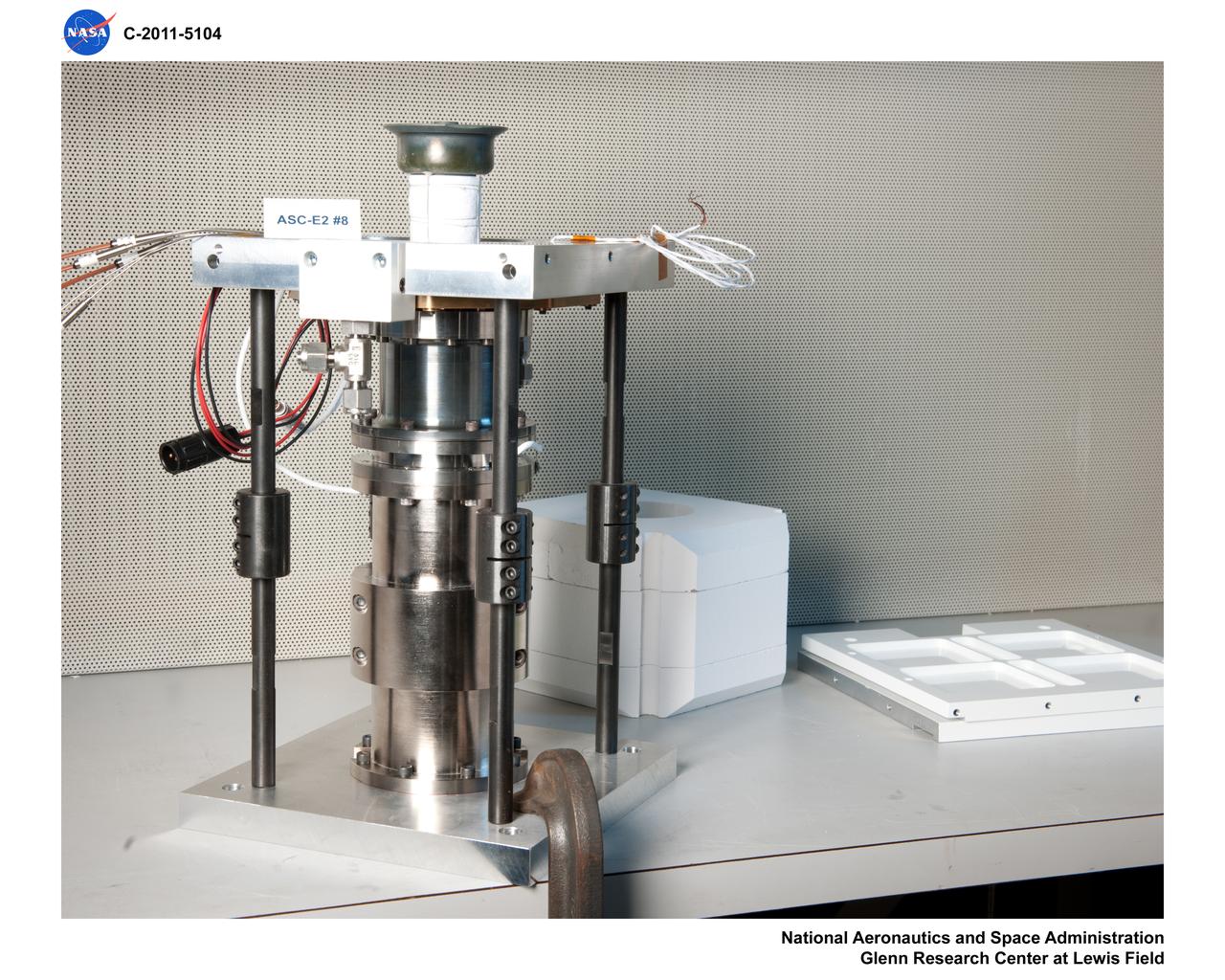
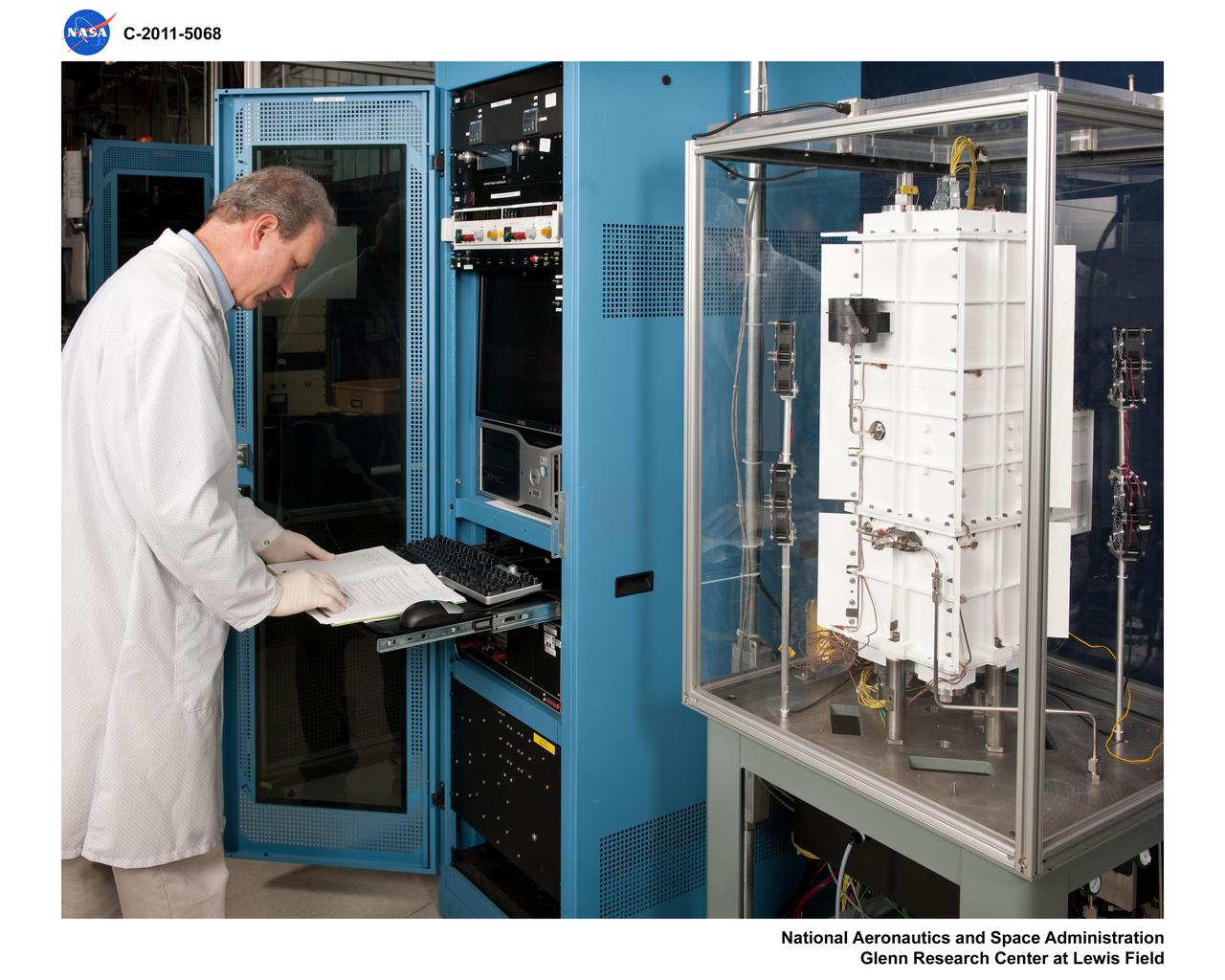
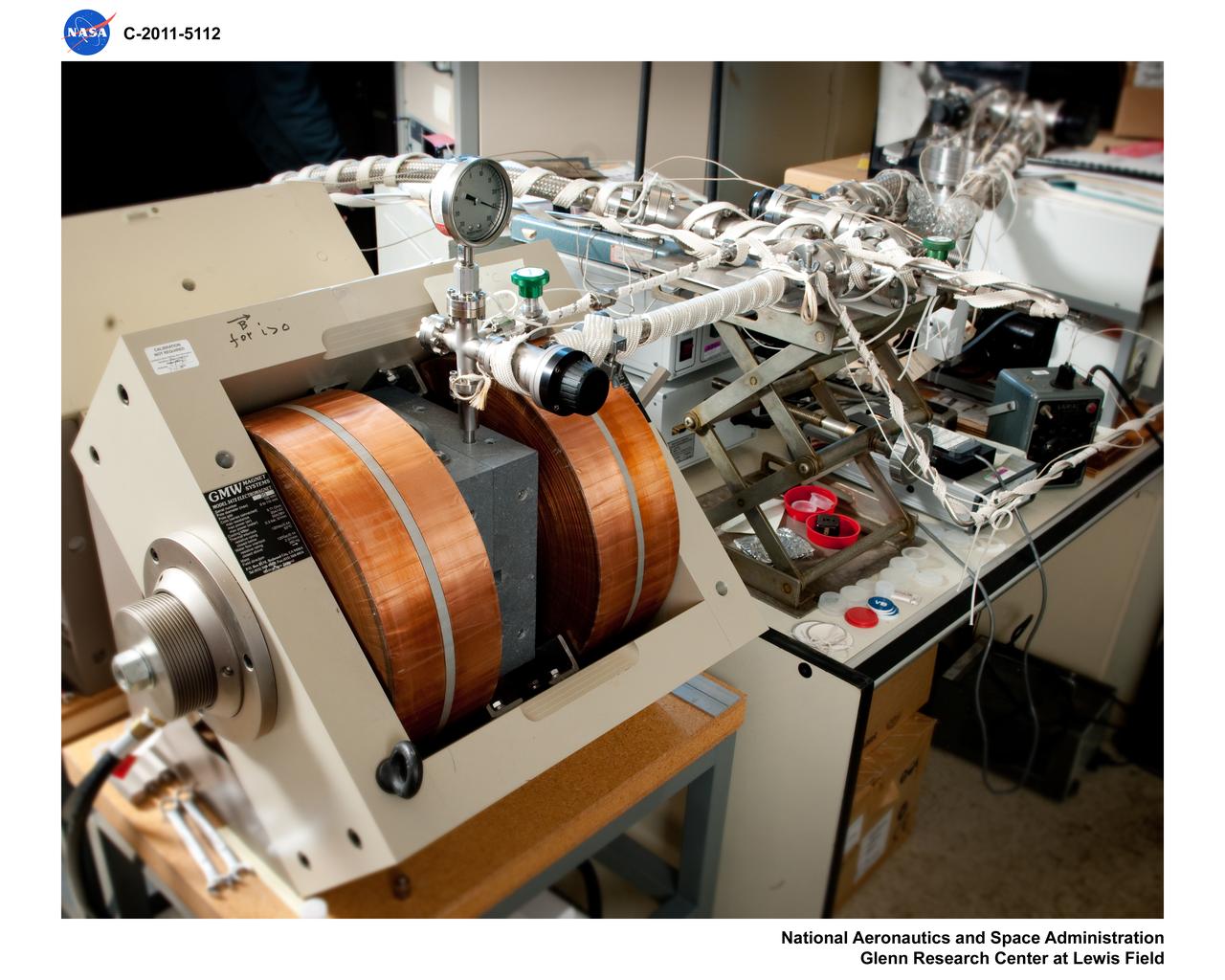
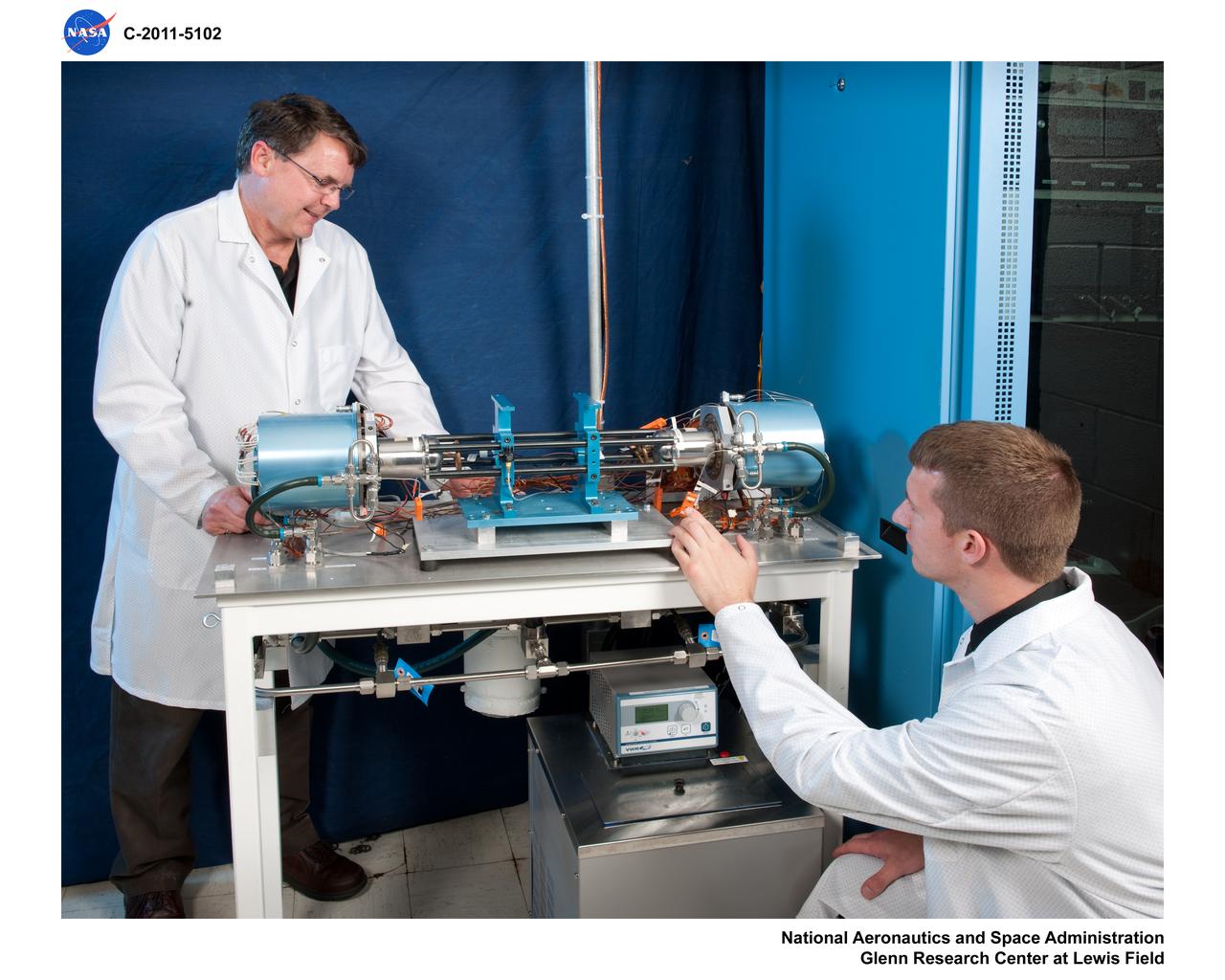
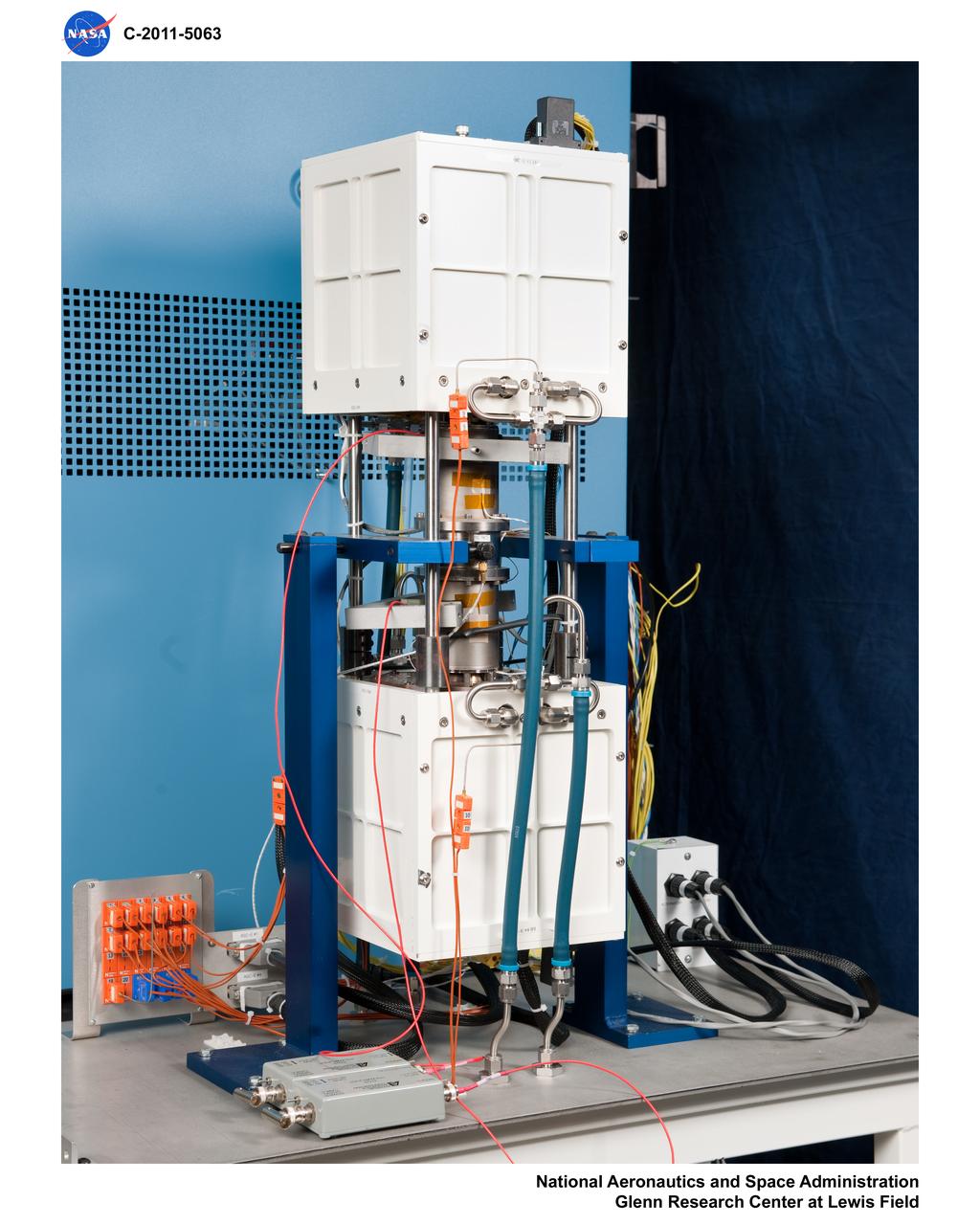
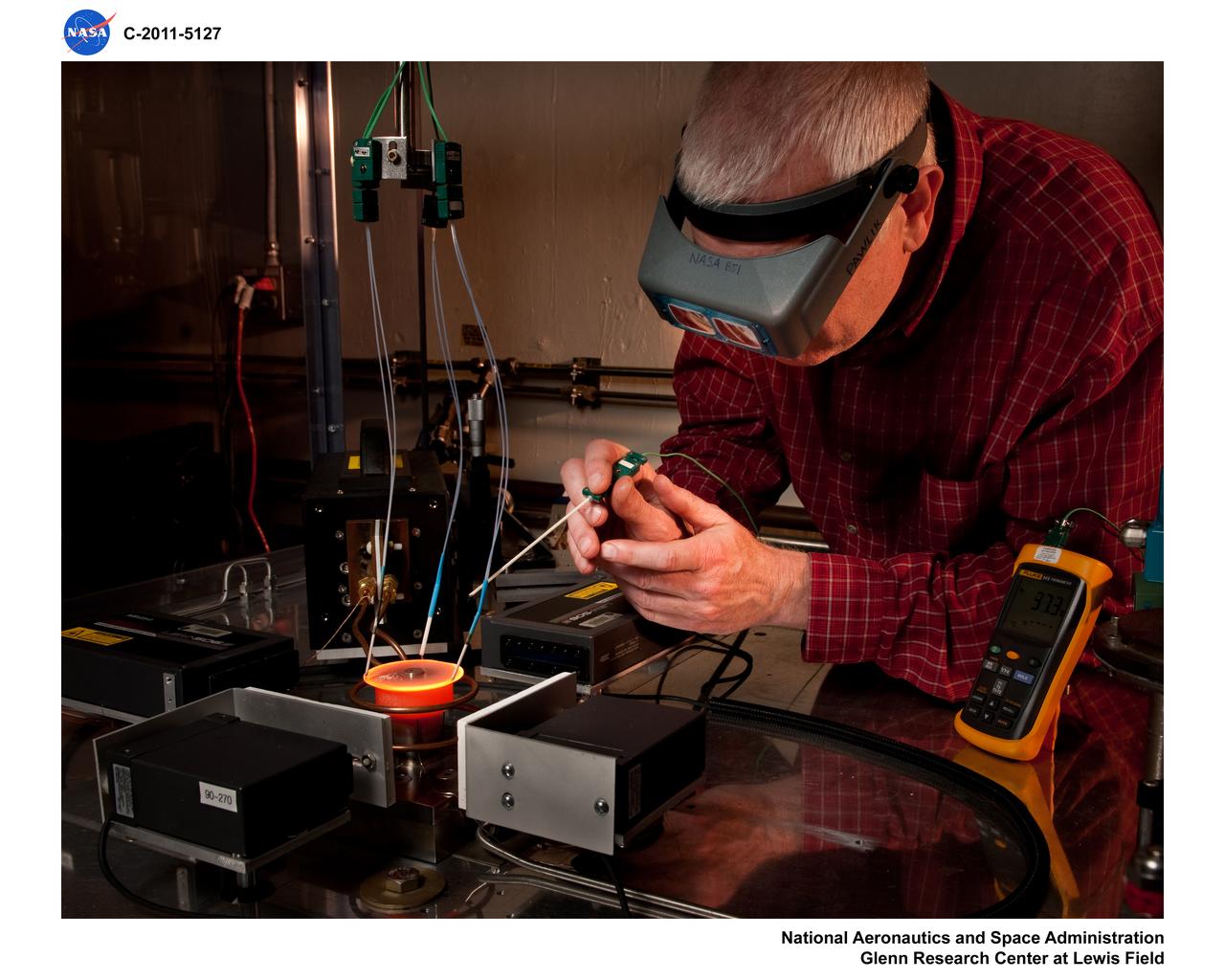
Advanced Stirling Converter
GRC-2011-C-05083
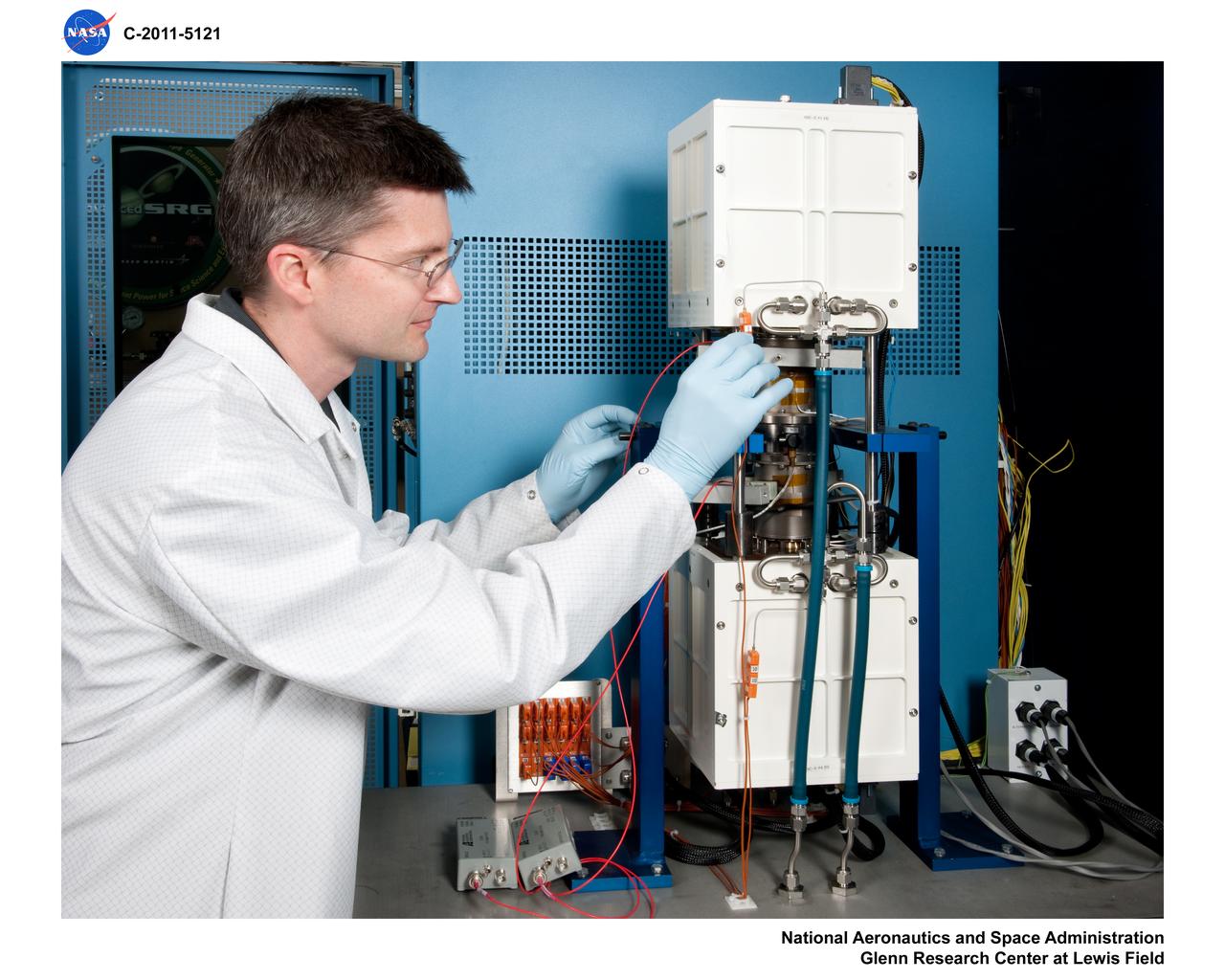
Advanced Stirling Converter
GRC-2011-C-05121
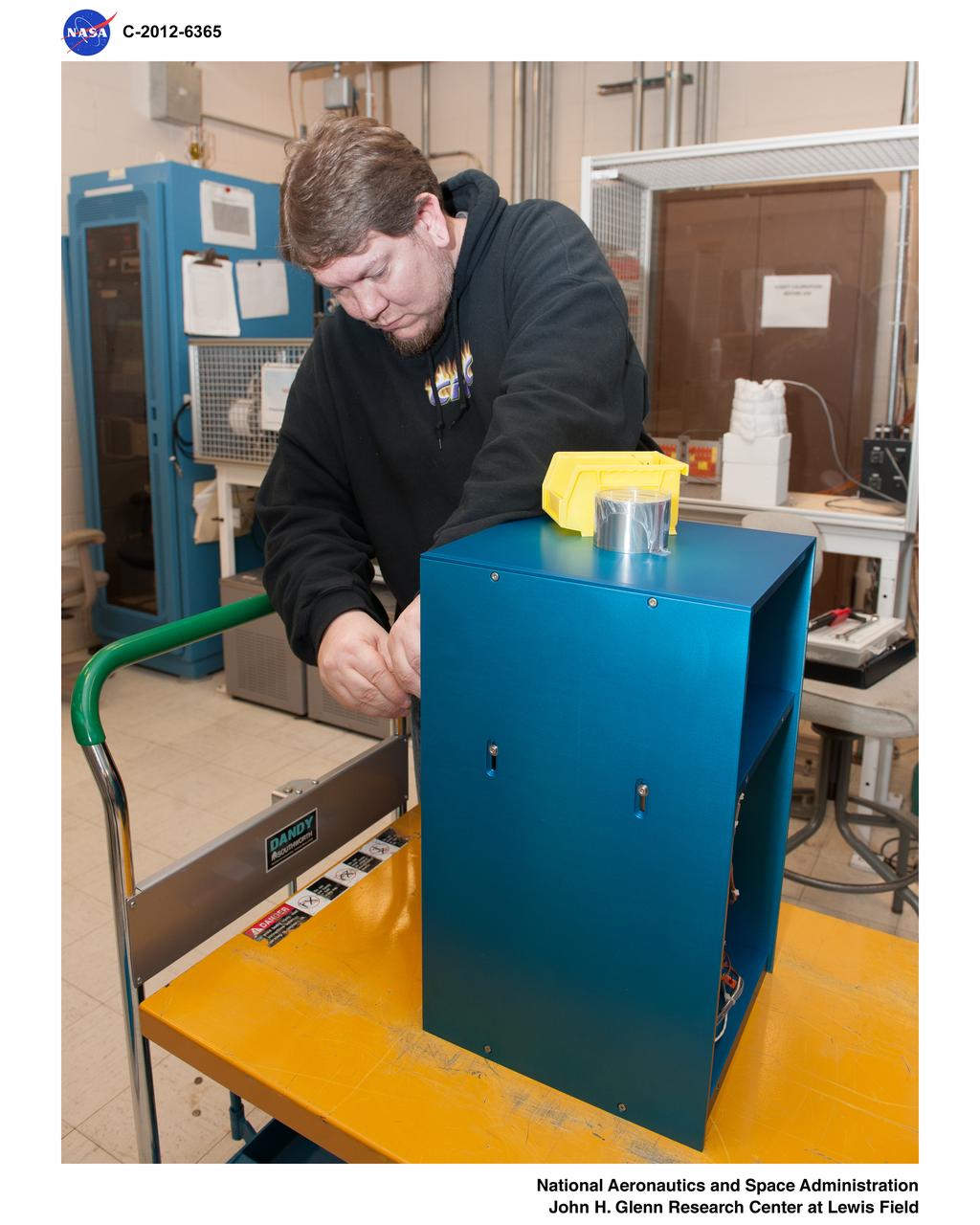
Advanced Stirling Converter
GRC-2012-C-06365
converted PNM file
Opportunity Clouds
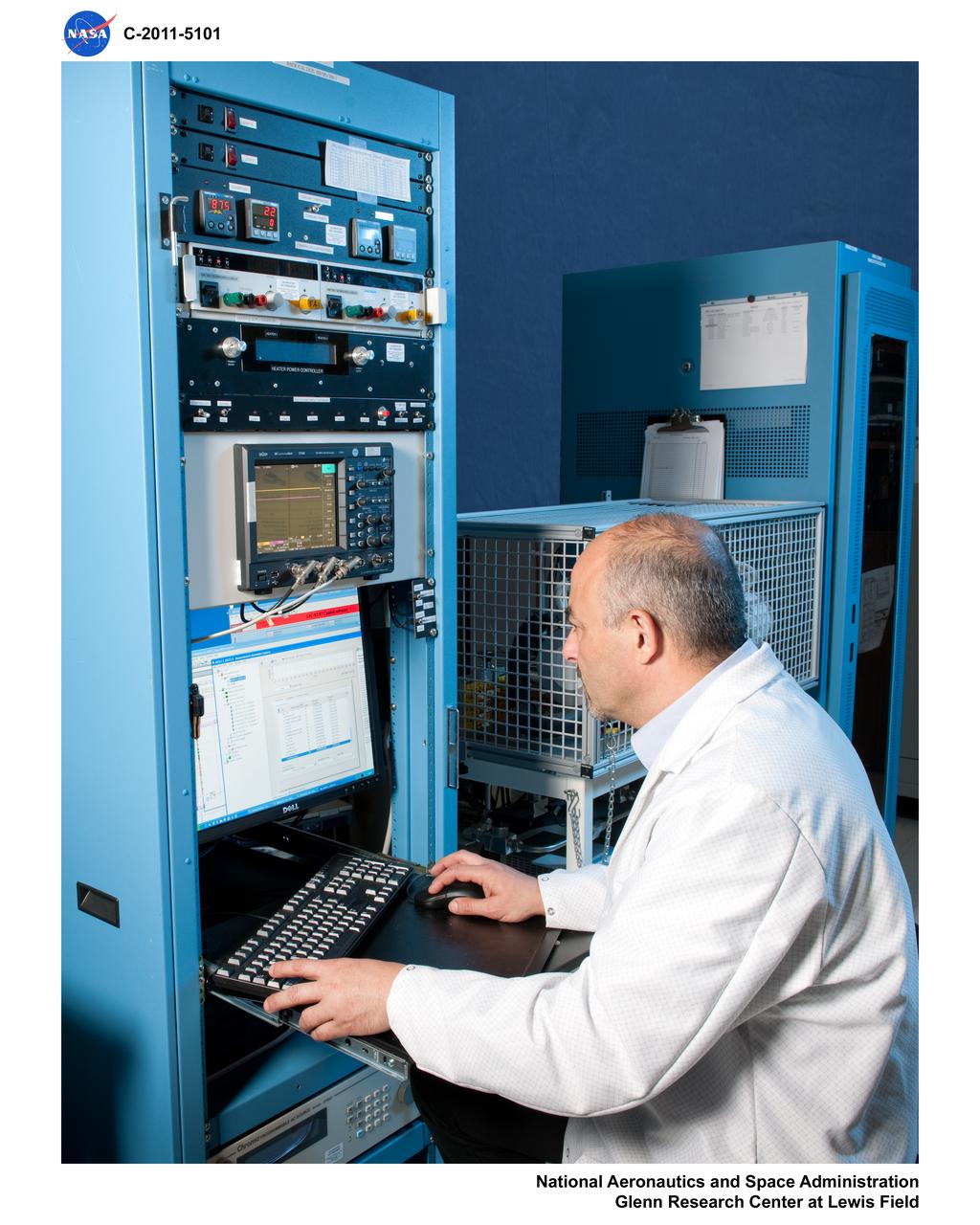
Advanced Stirling Converter
GRC-2011-C-05100
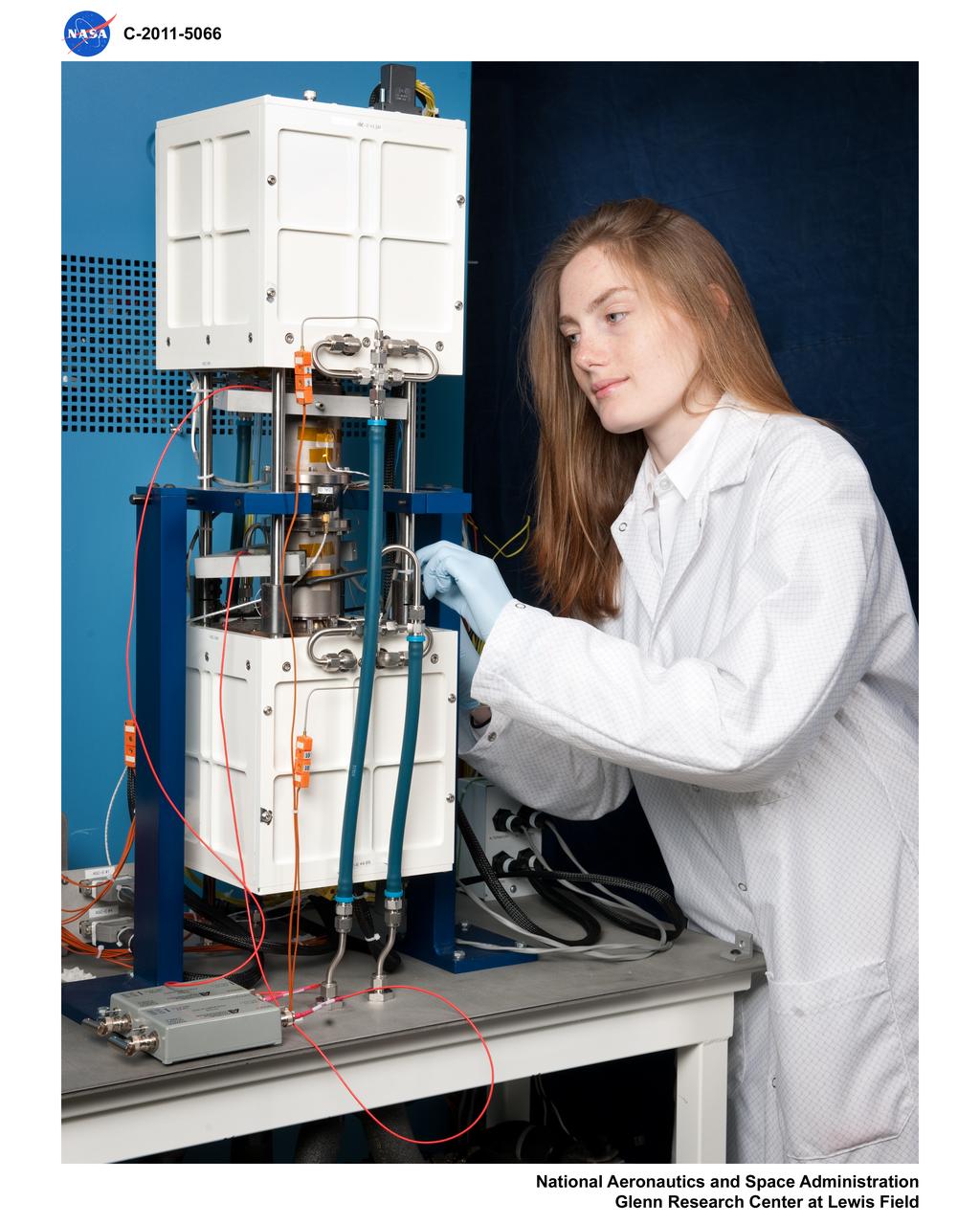
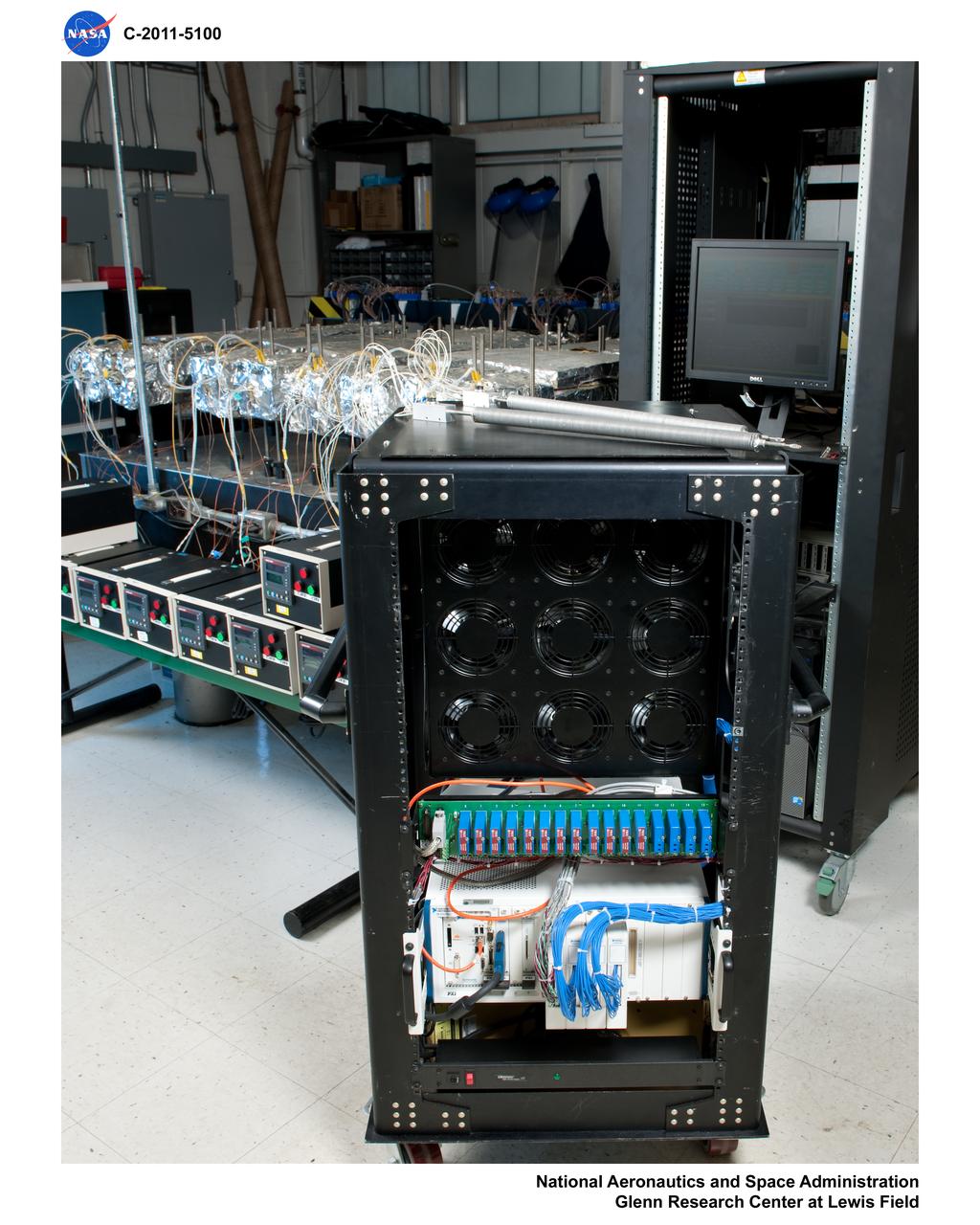
Advanced Stirling Converter
GRC-2011-C-05066
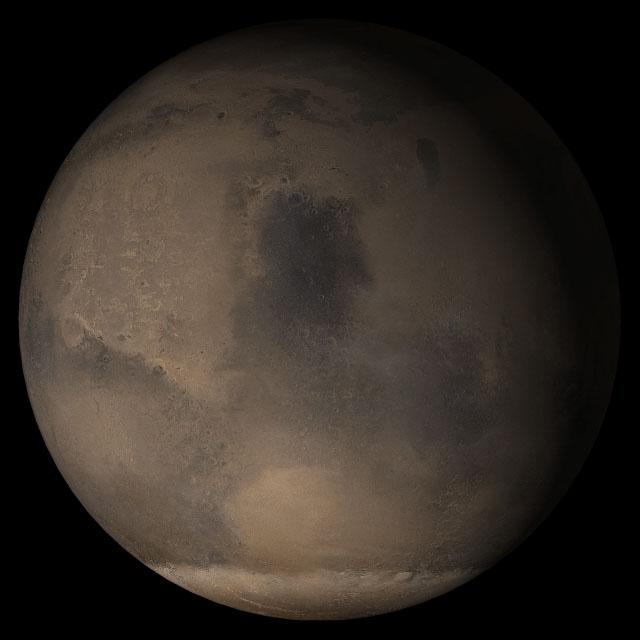
converted PNM file
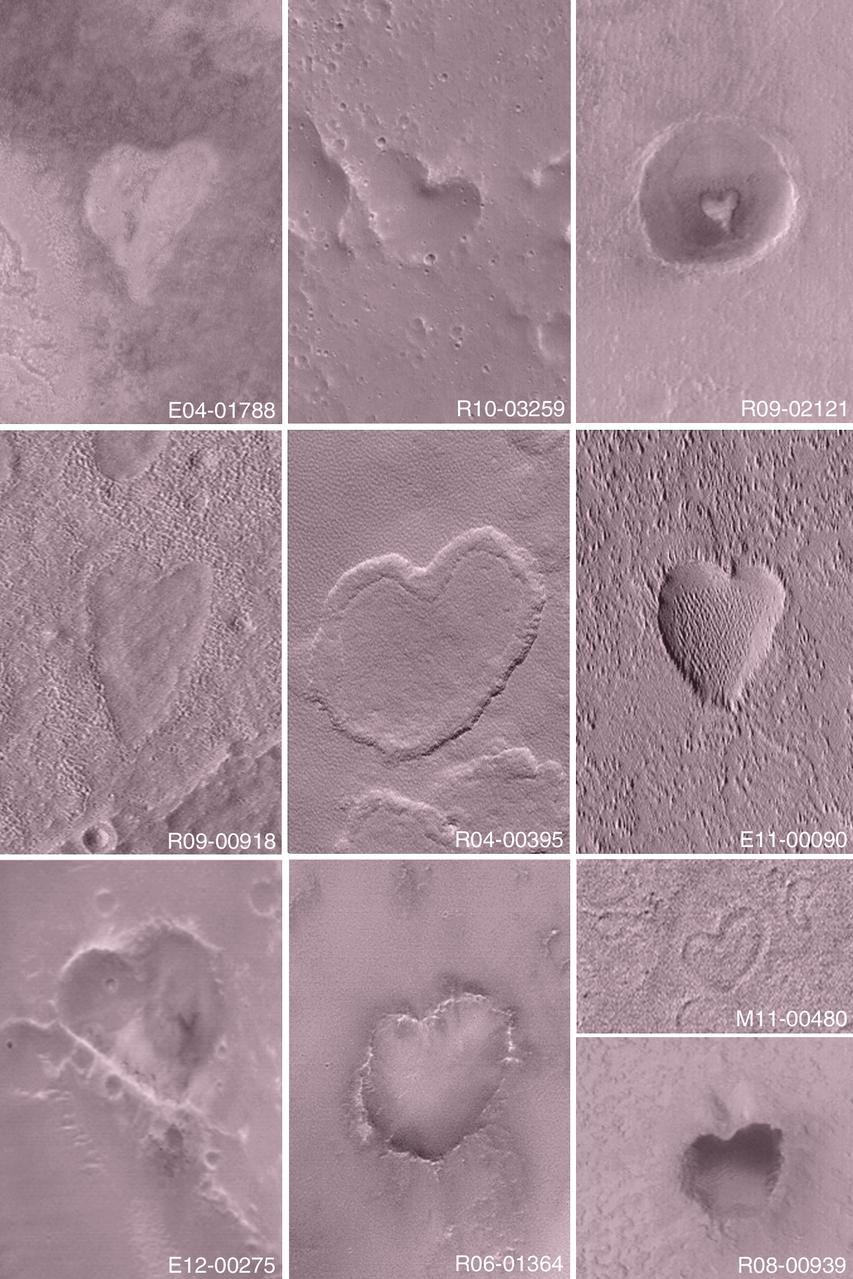
Happy Valentine Day 2004
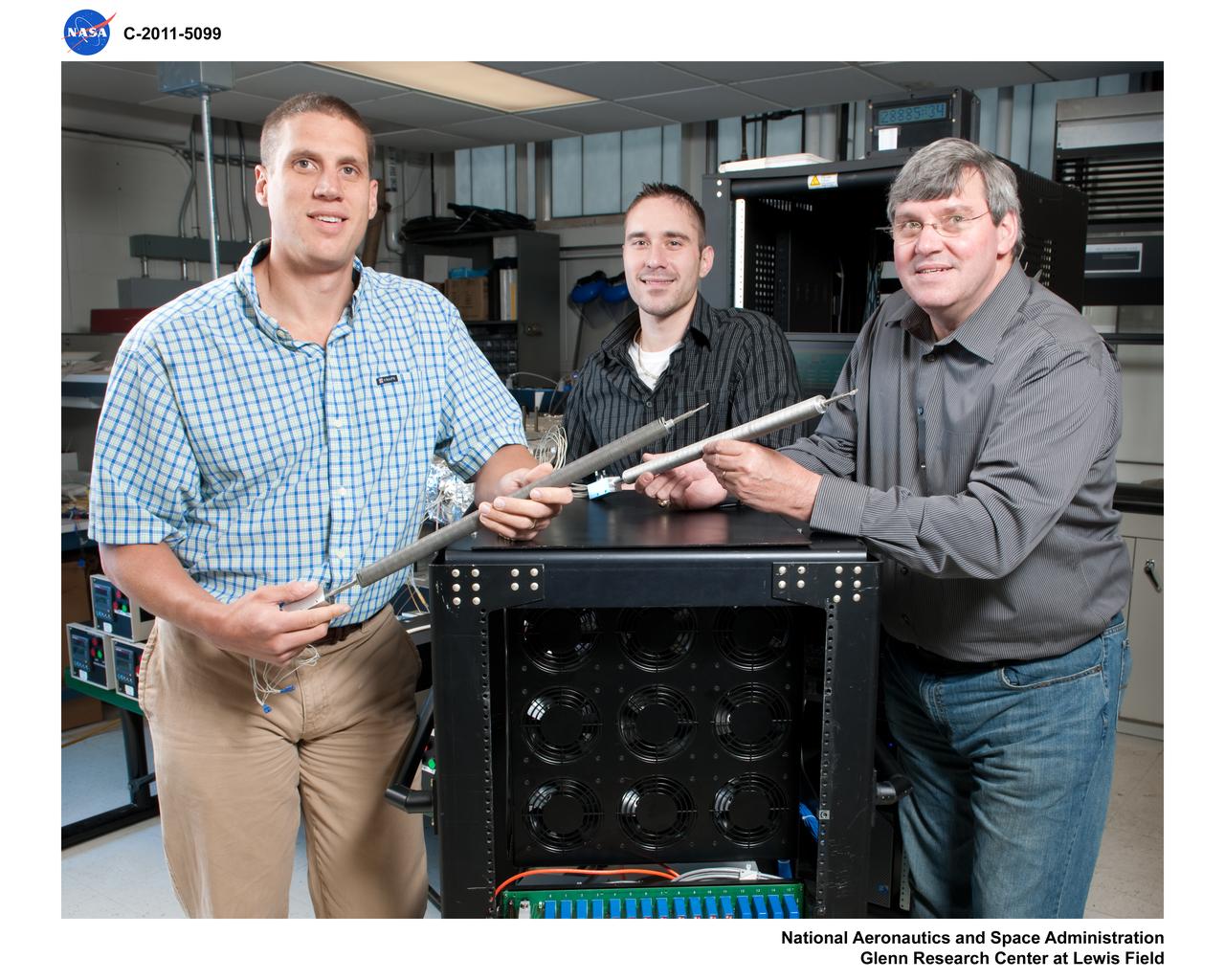
Advanced Stirling Converter
GRC-2011-C-05099
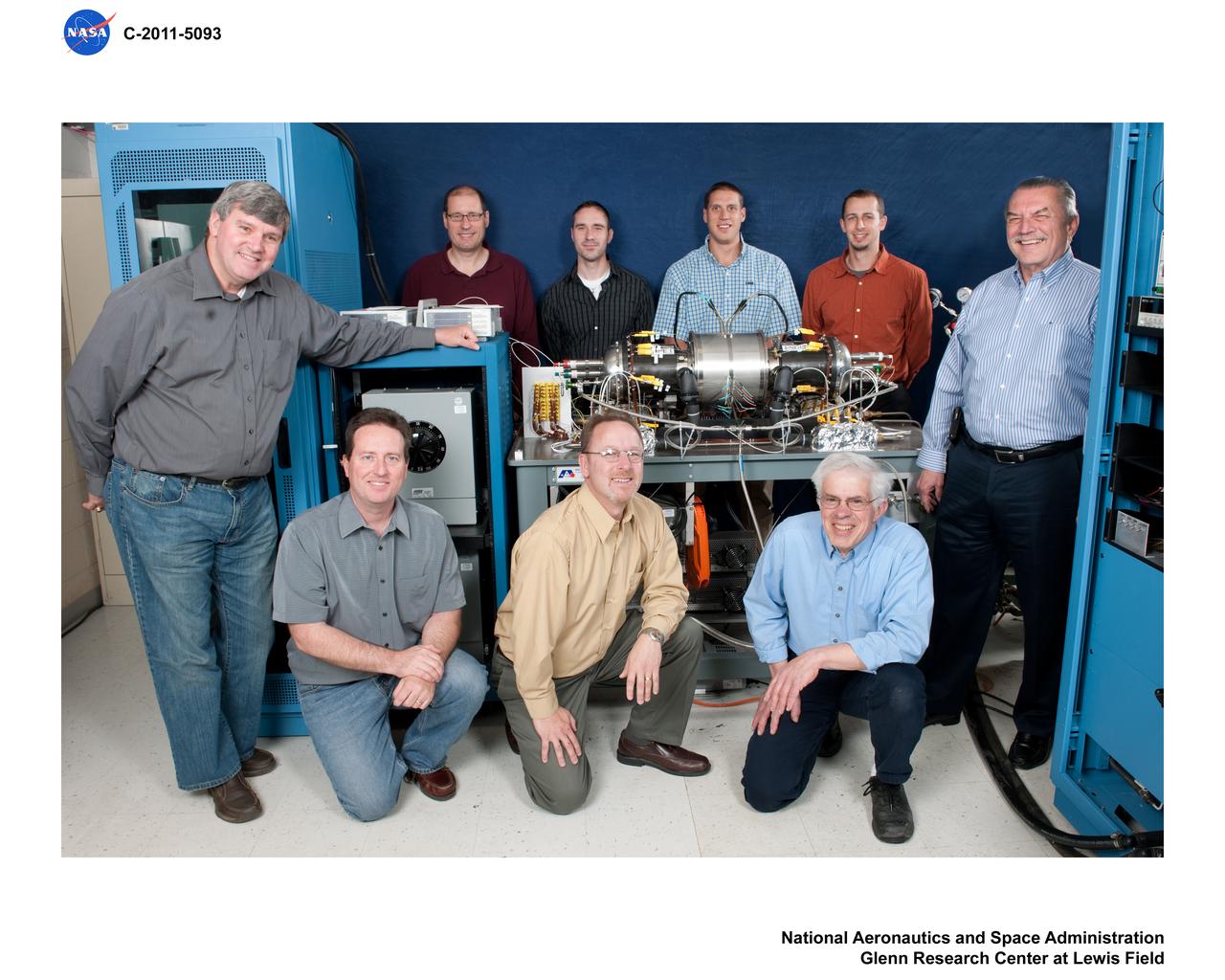
Advanced Stirling Converter
GRC-2011-C-05093
Advanced Stirling Converter
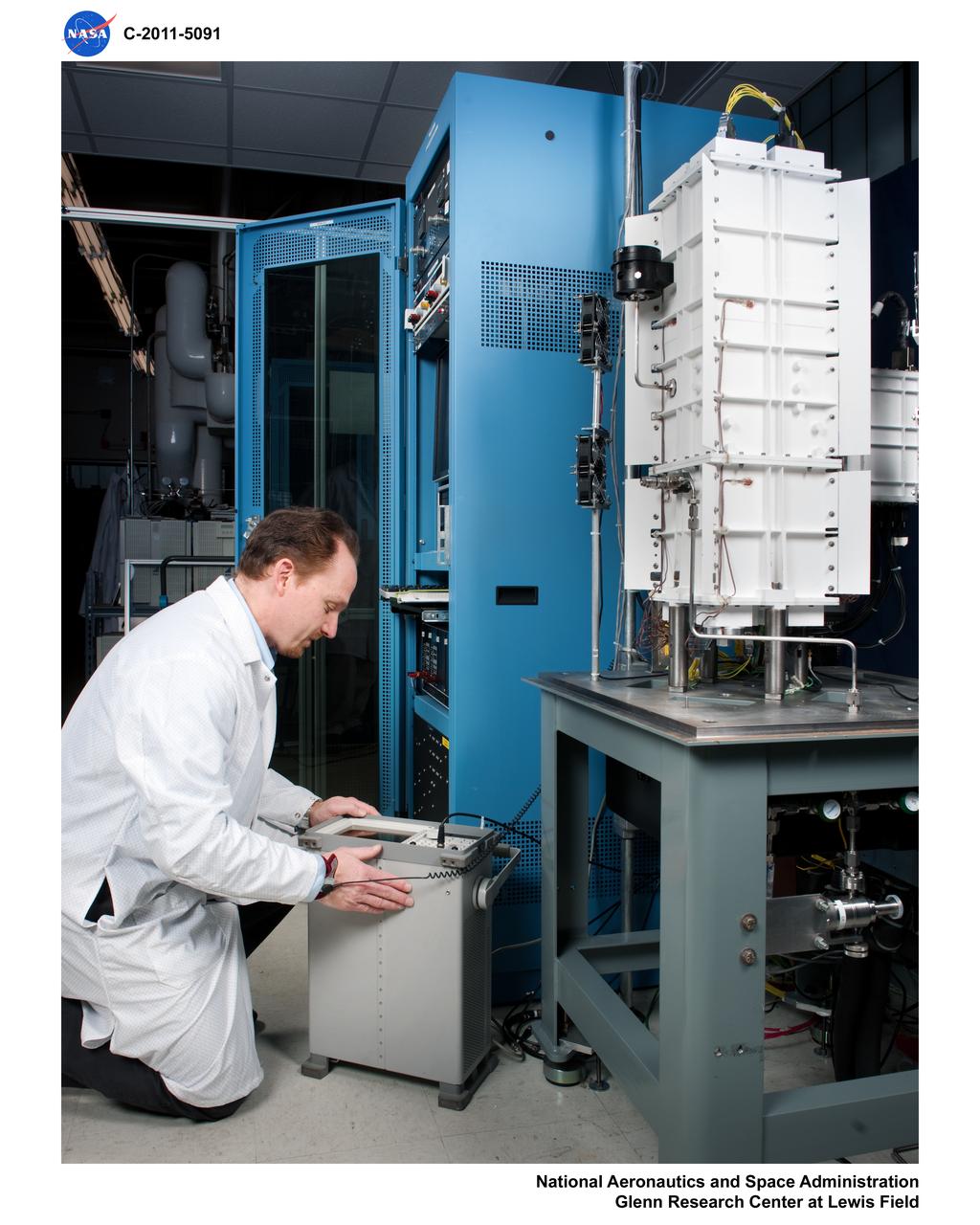
GRC-2011-C-05091
Advanced Stirling Converter
GRC-2011-C-05071
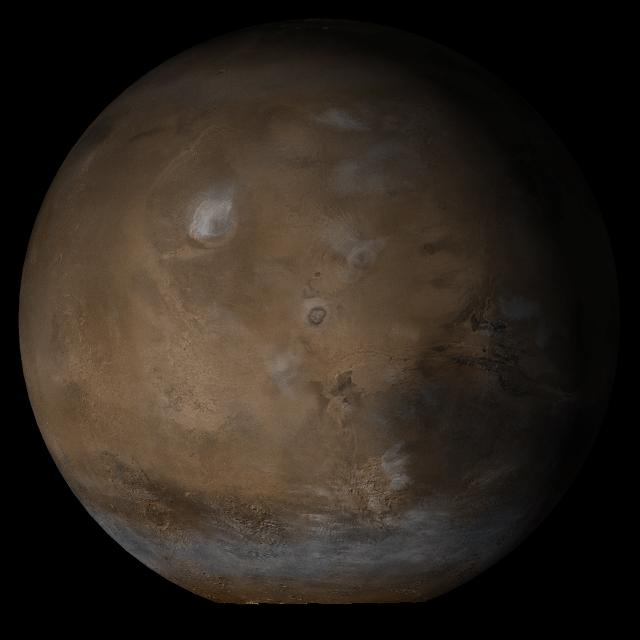
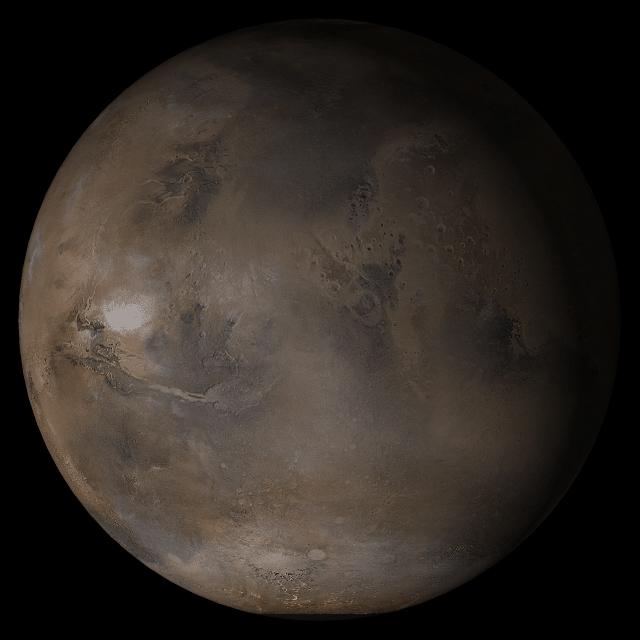
converted PNM file
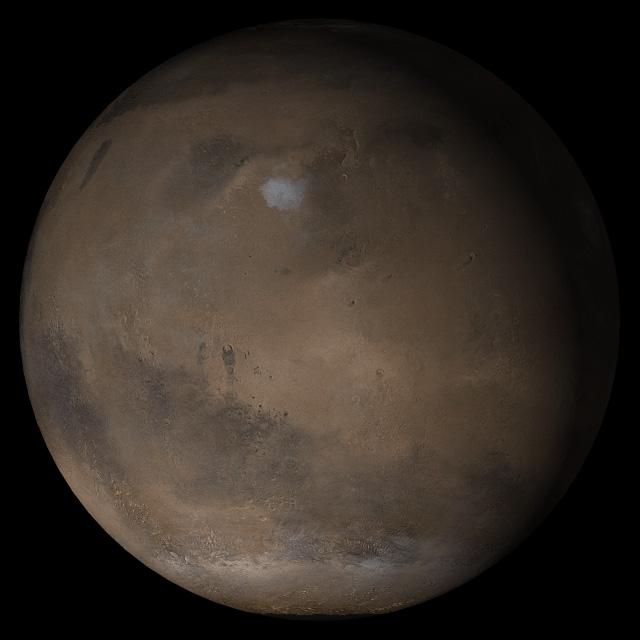
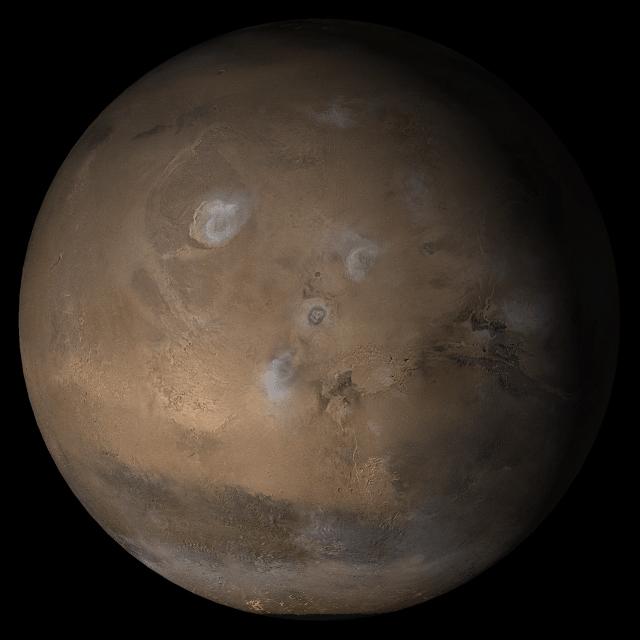
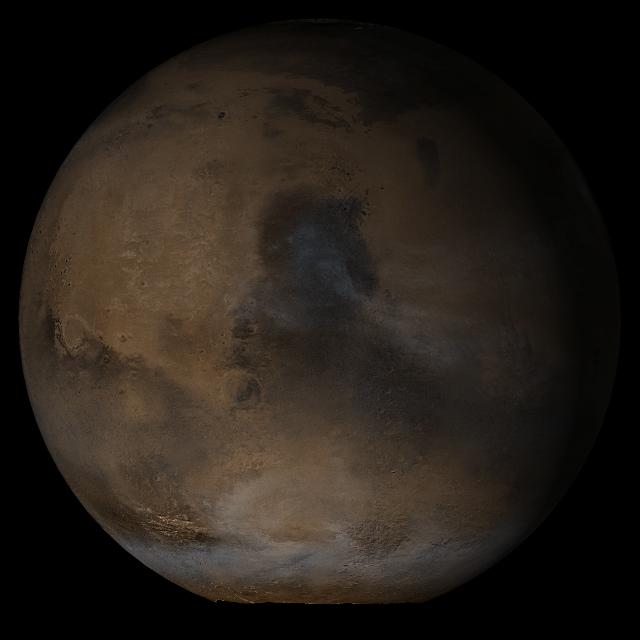
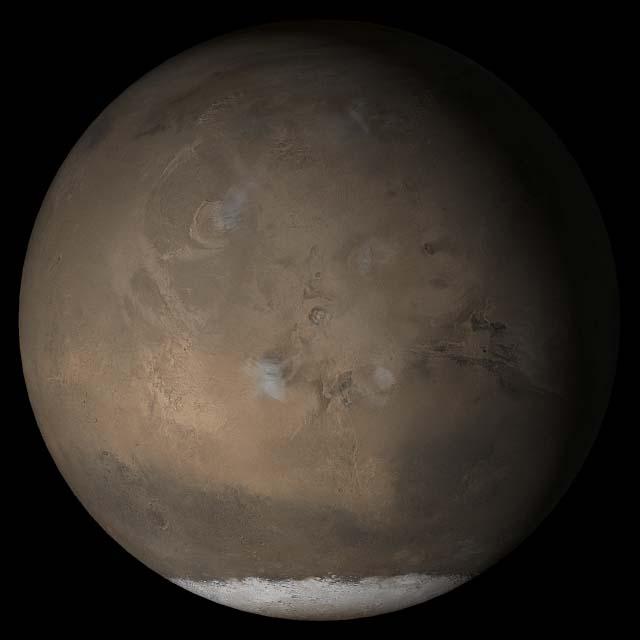
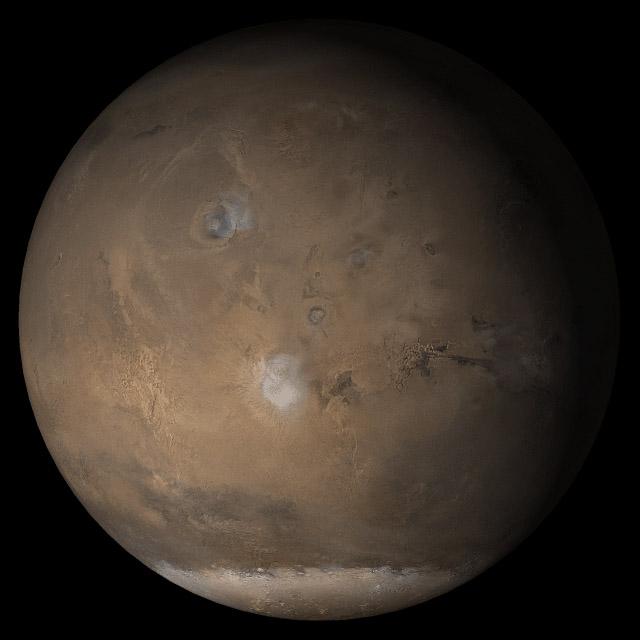
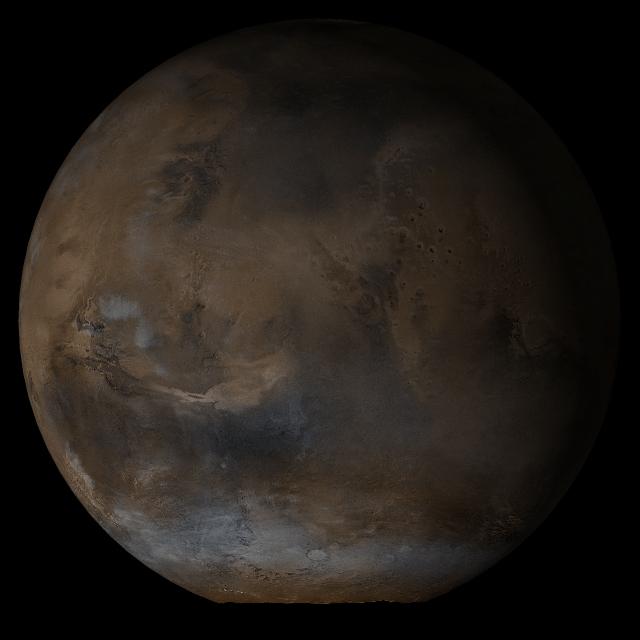
Mars at Ls 145?: Tharsis
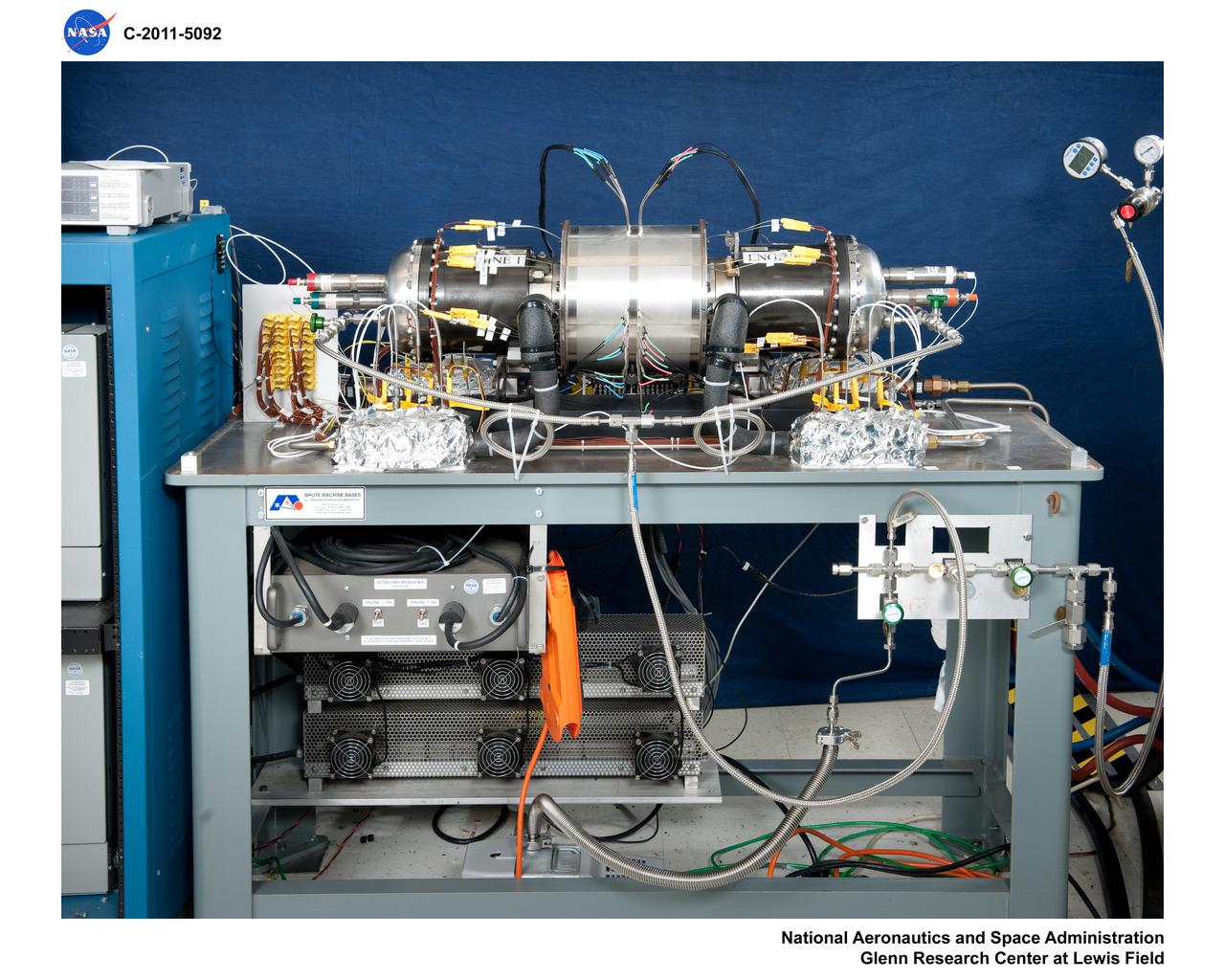
Advanced Stirling Converter
GRC-2011-C-05092
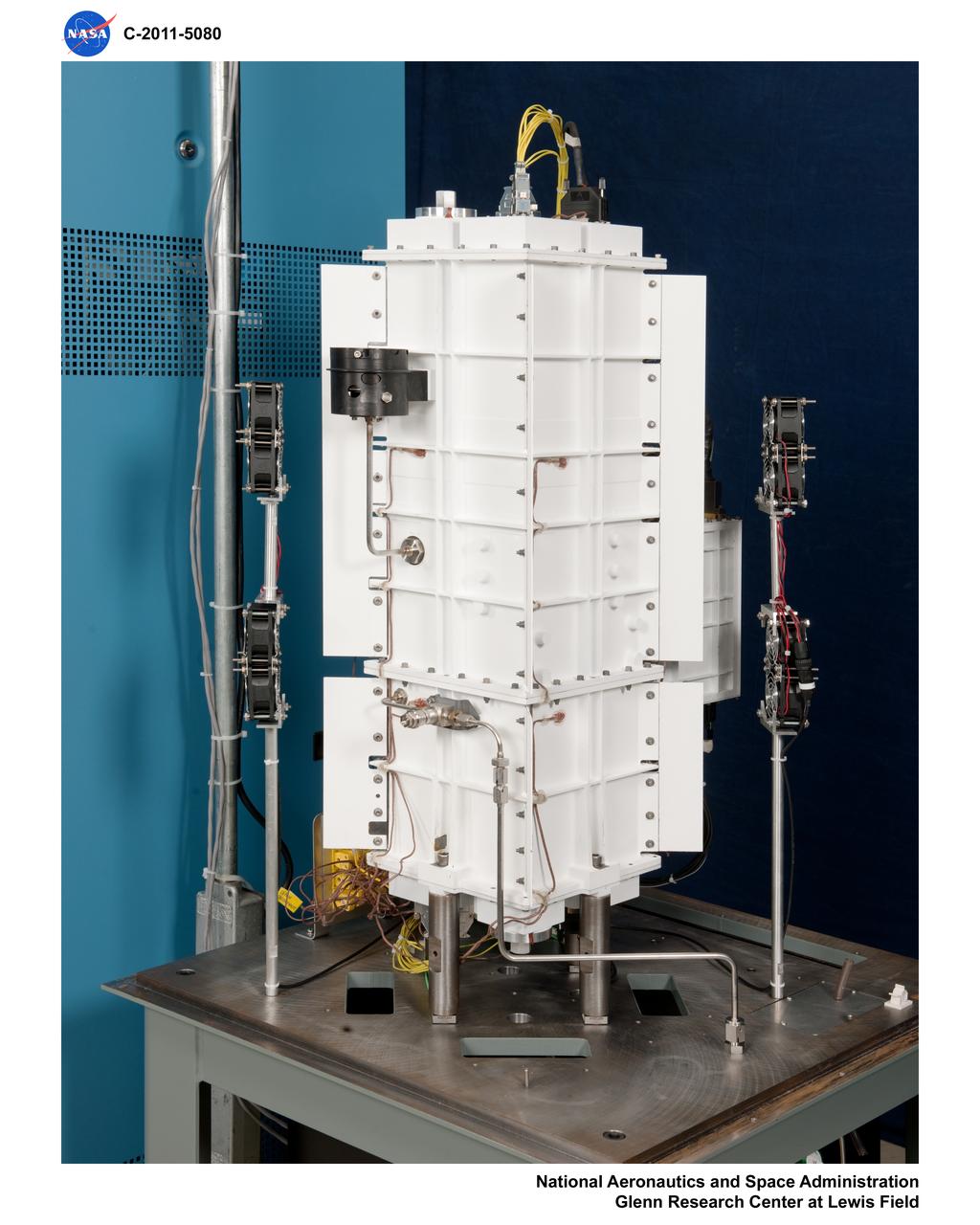
Advanced Stirling Converter
GRC-2011-C-05080
Advanced Stirling Converter
GRC-2011-C-05103
Advanced Stirling Converter
GRC-2011-C-05104
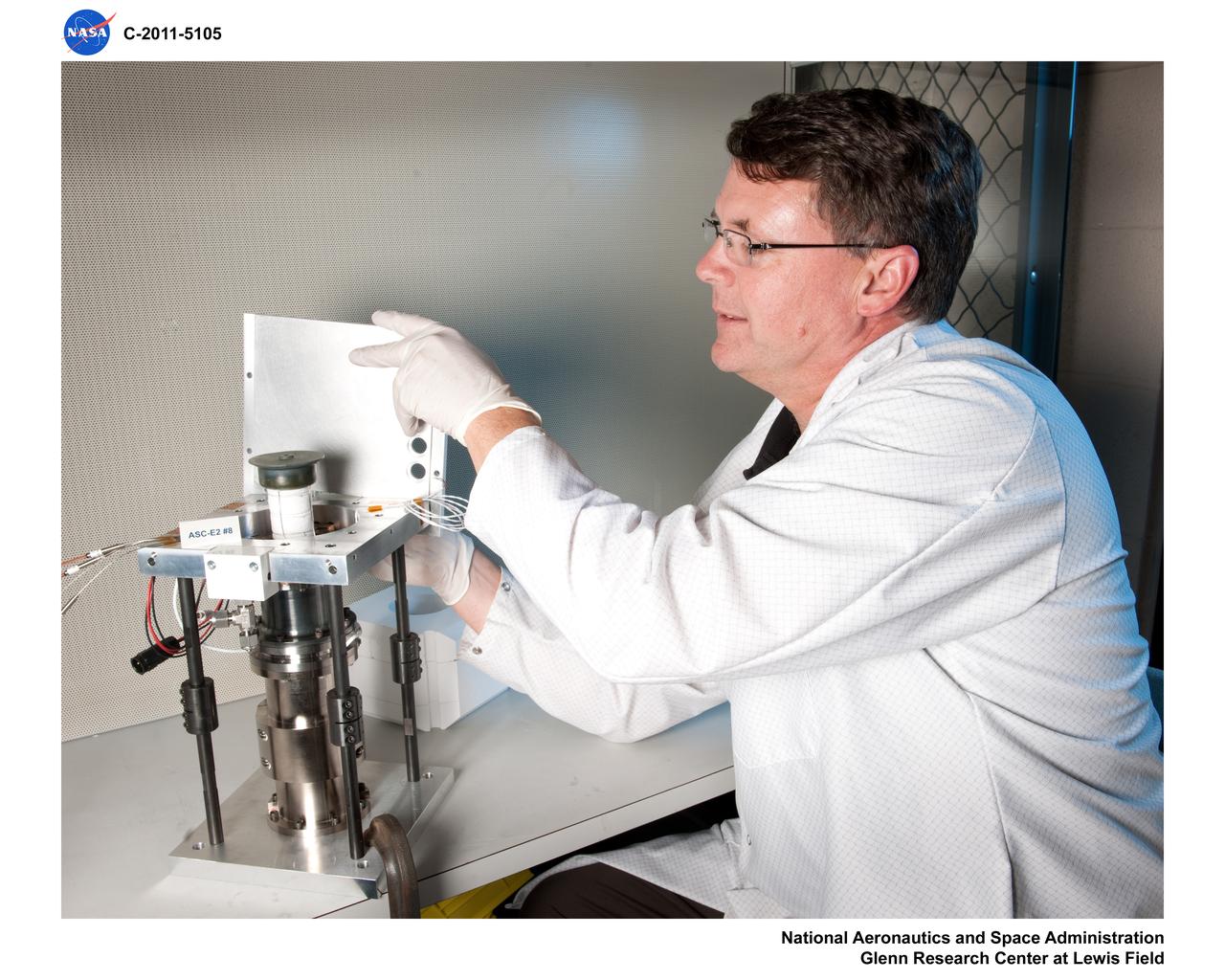
Advanced Stirling Converter
GRC-2011-C-05105
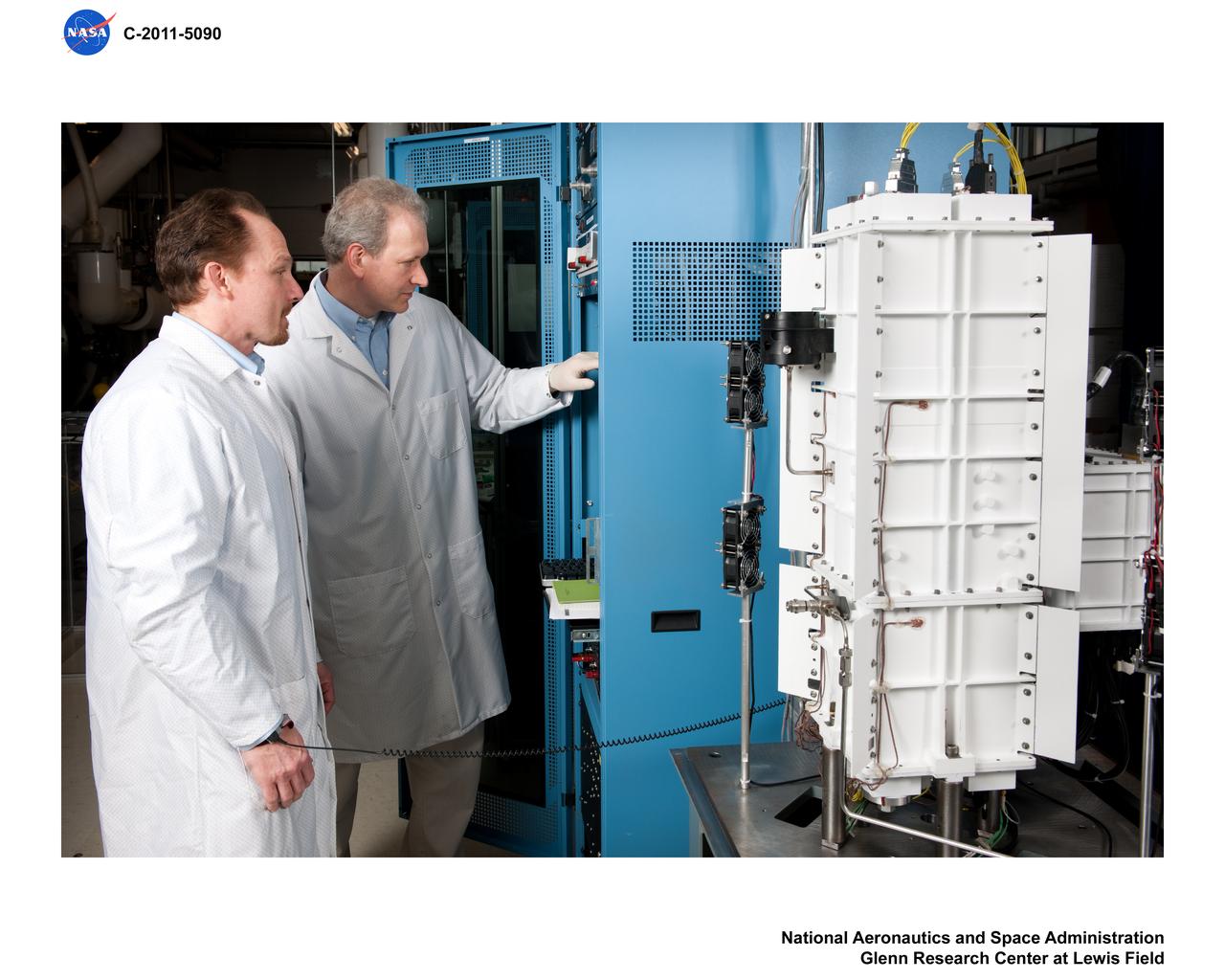
Advanced Stirling Converter
GRC-2011-C-05090
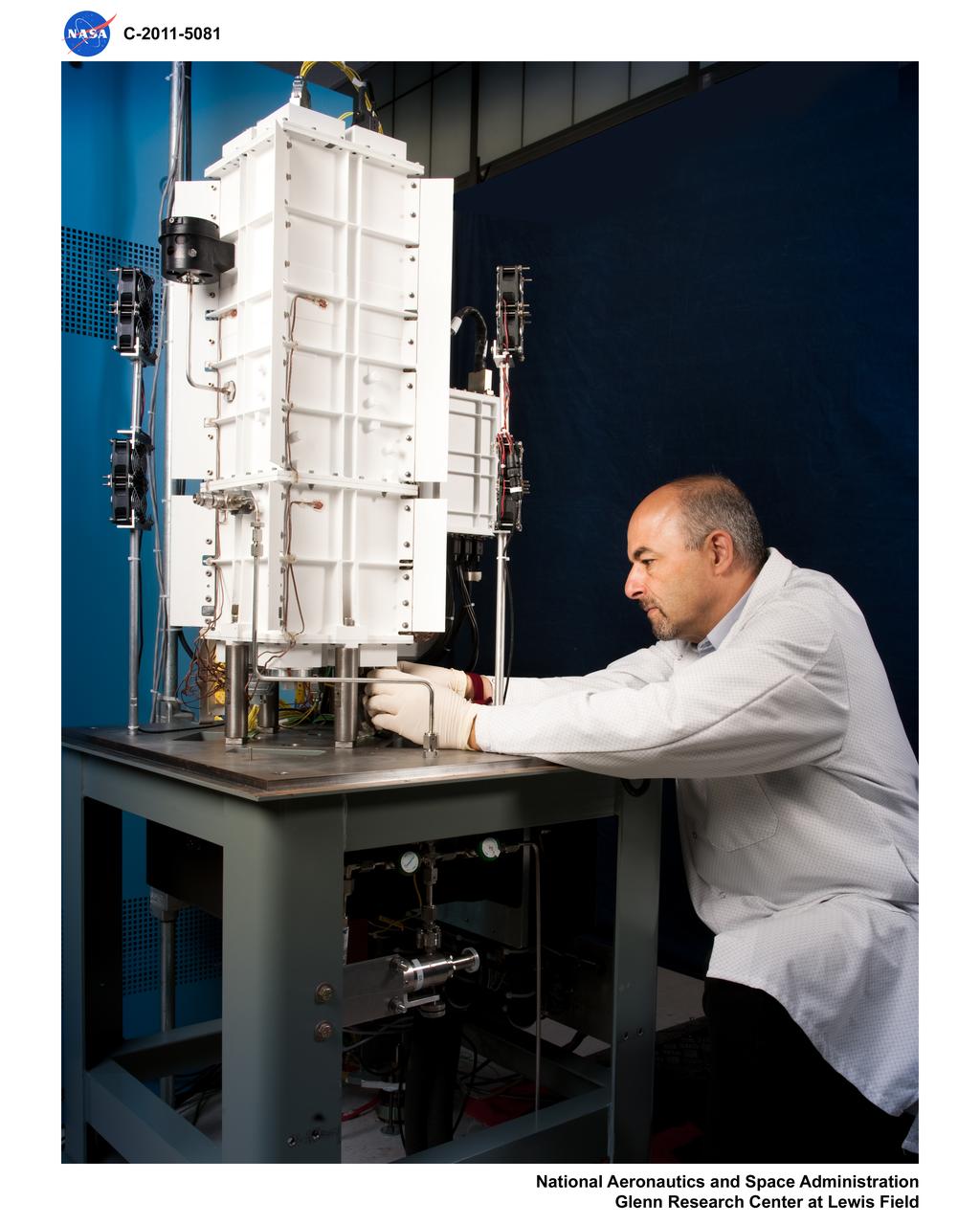
Advanced Stirling Converter
GRC-2011-C-05081
converted PNM file
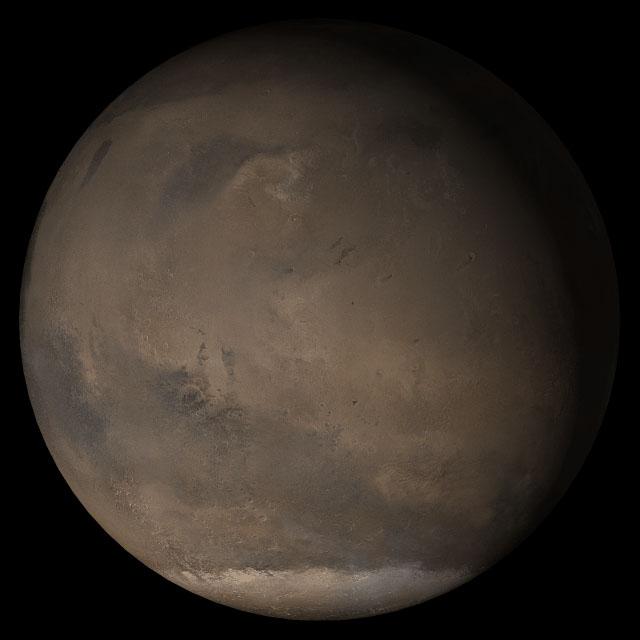
Mars at Ls 193°: Tharsis
Advanced Stirling Converter
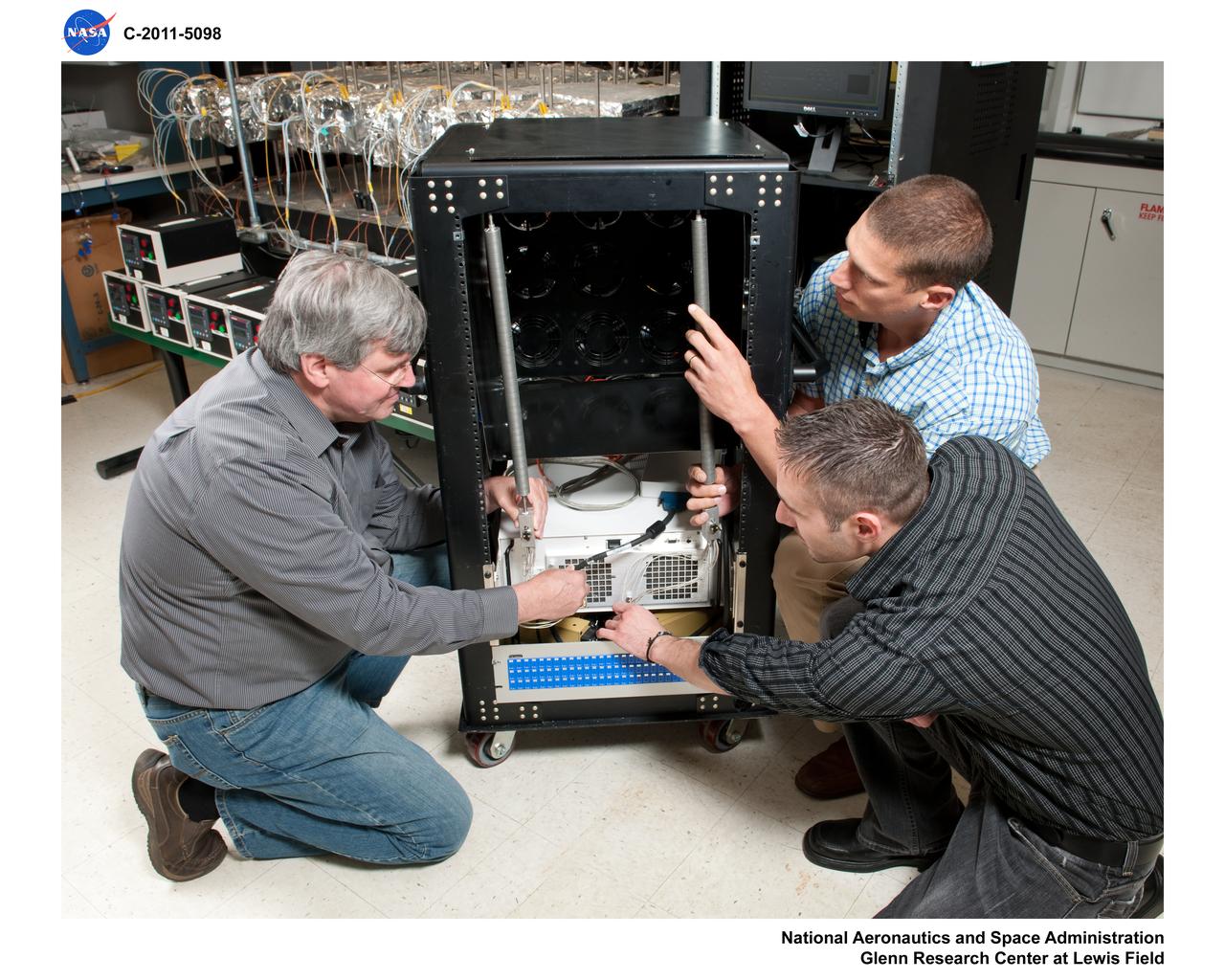
GRC-2011-C-05098
Advanced Stirling Converter
GRC-2011-C-05075
Advanced Stirling Converter
GRC-2011-C-05109
Advanced Stirling Converter
GRC-2011-C-05068
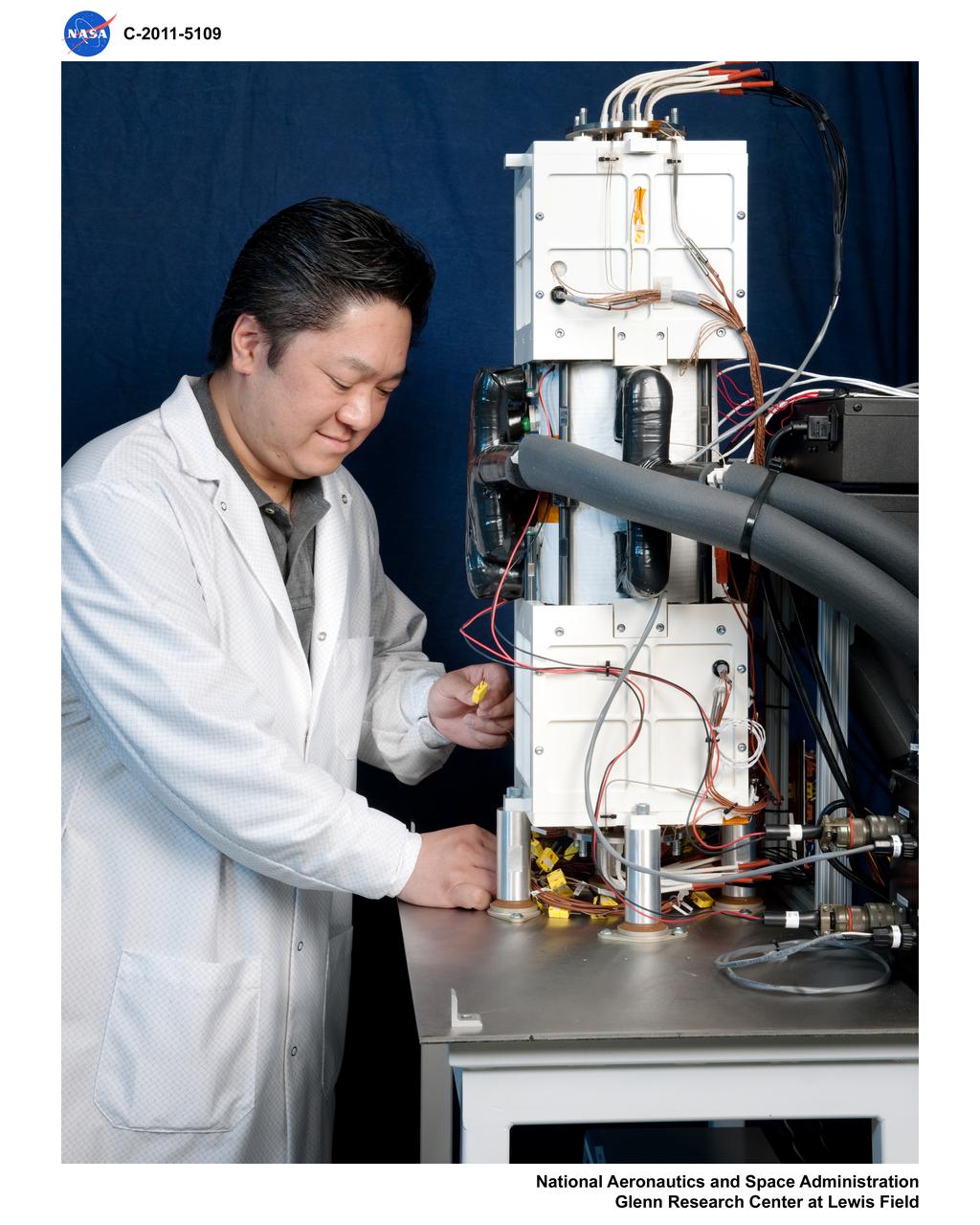
Advanced Stirling Converter
GRC-2011-C-05110
converted PNM file
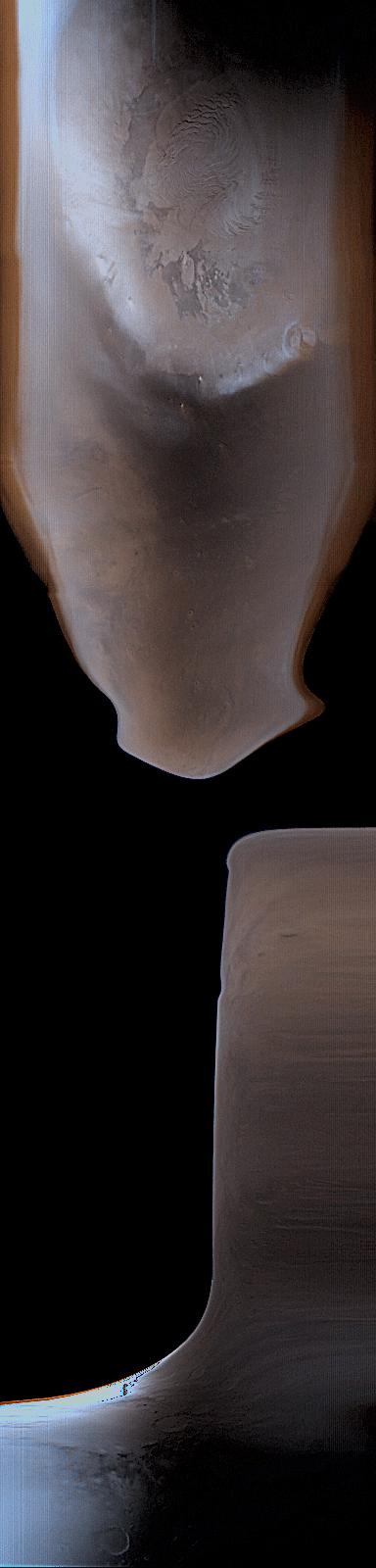
Mars at Ls 176?: Tharsis
converted PNM file
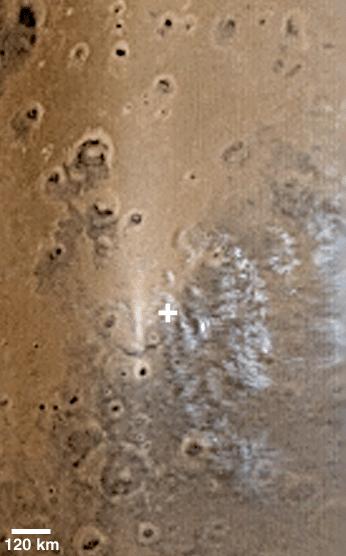
Charitum Montes
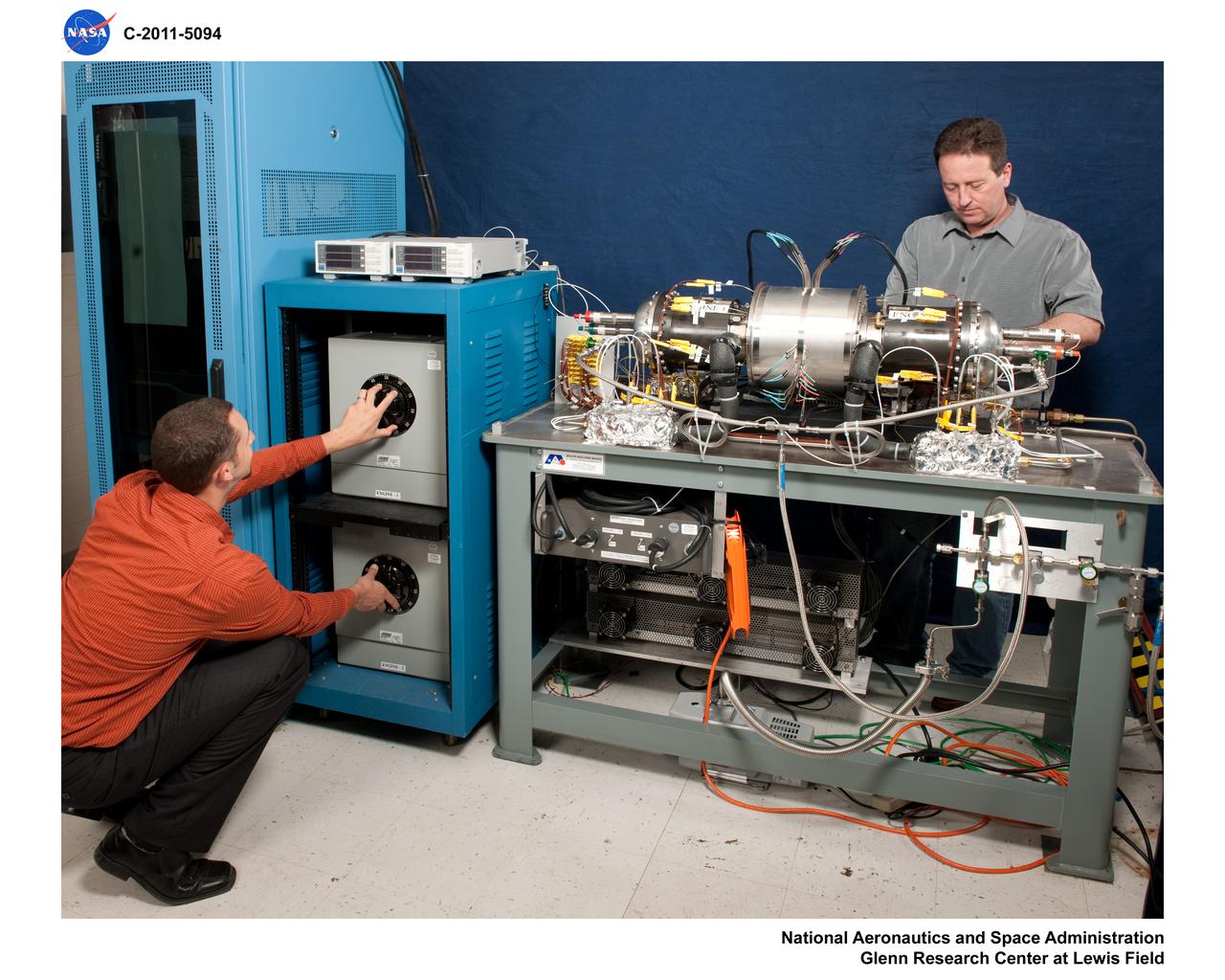
Advanced Stirling Converter
GRC-2011-C-05094
Advanced Stirling Converter
GRC-2011-C-05102
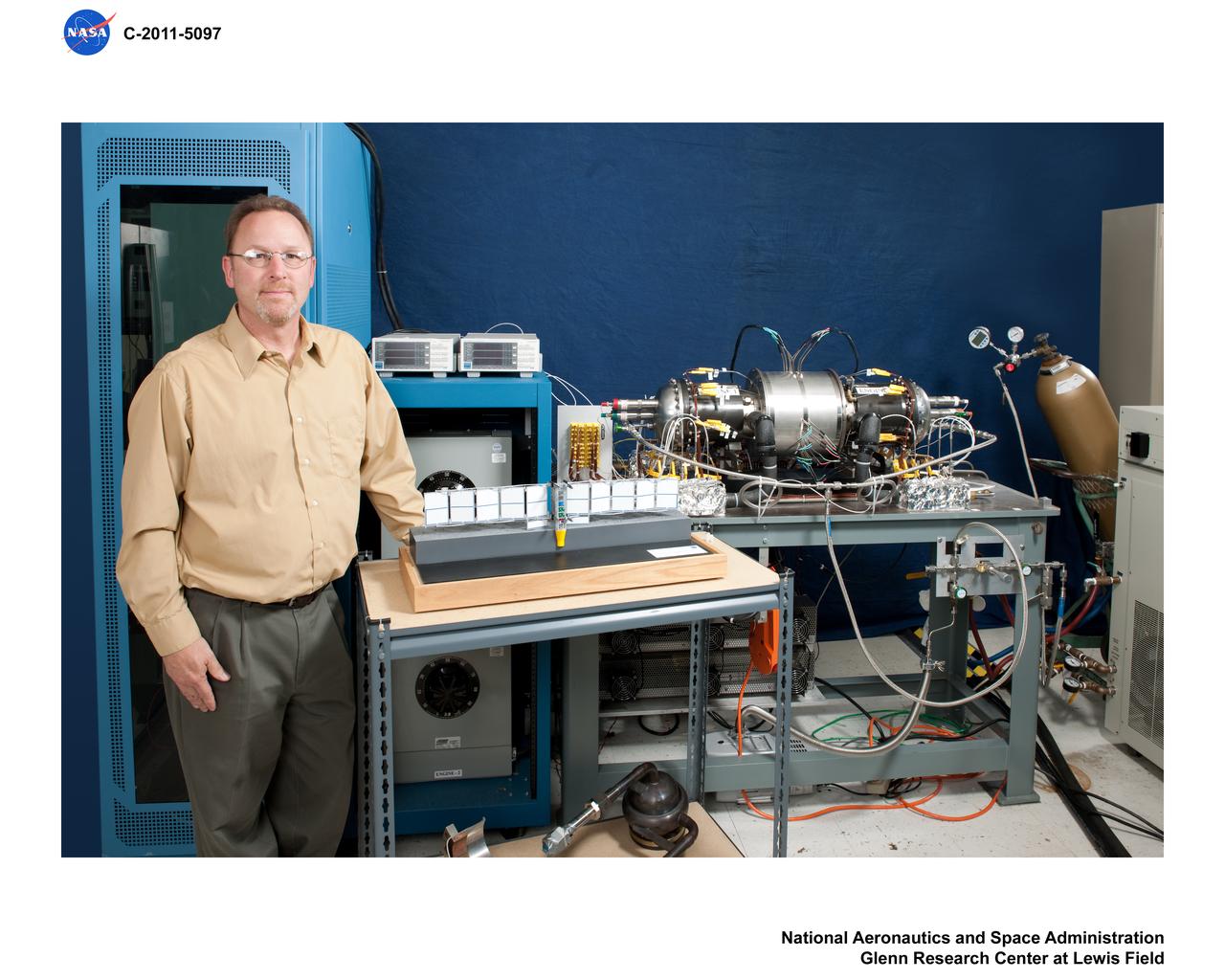
Advanced Stirling Converter
GRC-2011-C-05097
Advanced Stirling Converter
GRC-2011-C-05127
converted PNM file
Advanced Stirling Converter
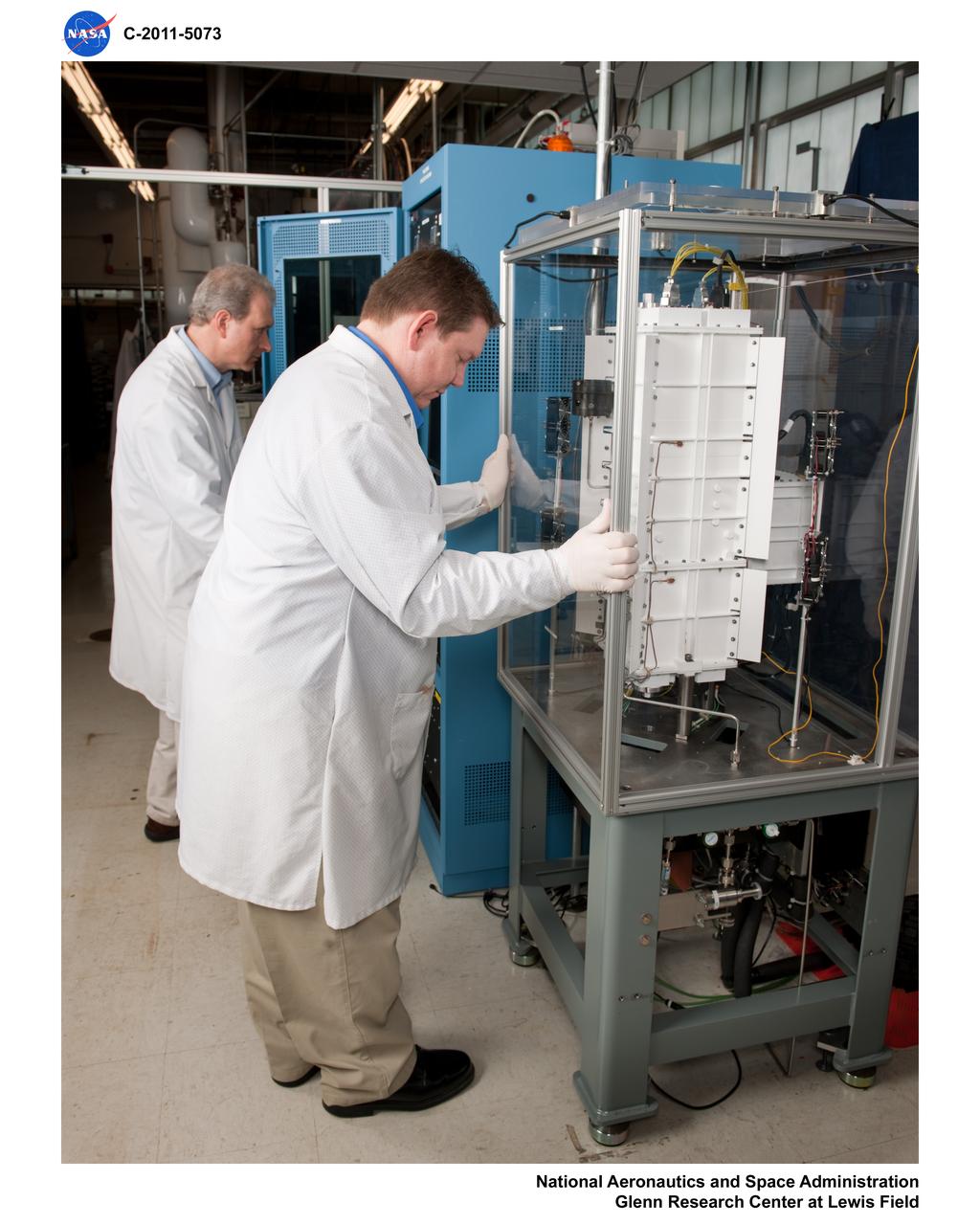
GRC-2011-C-05073
Advanced Stirling Converter
GRC-2011-C-05063
Advanced Stirling Converter
GRC-2011-C-05112
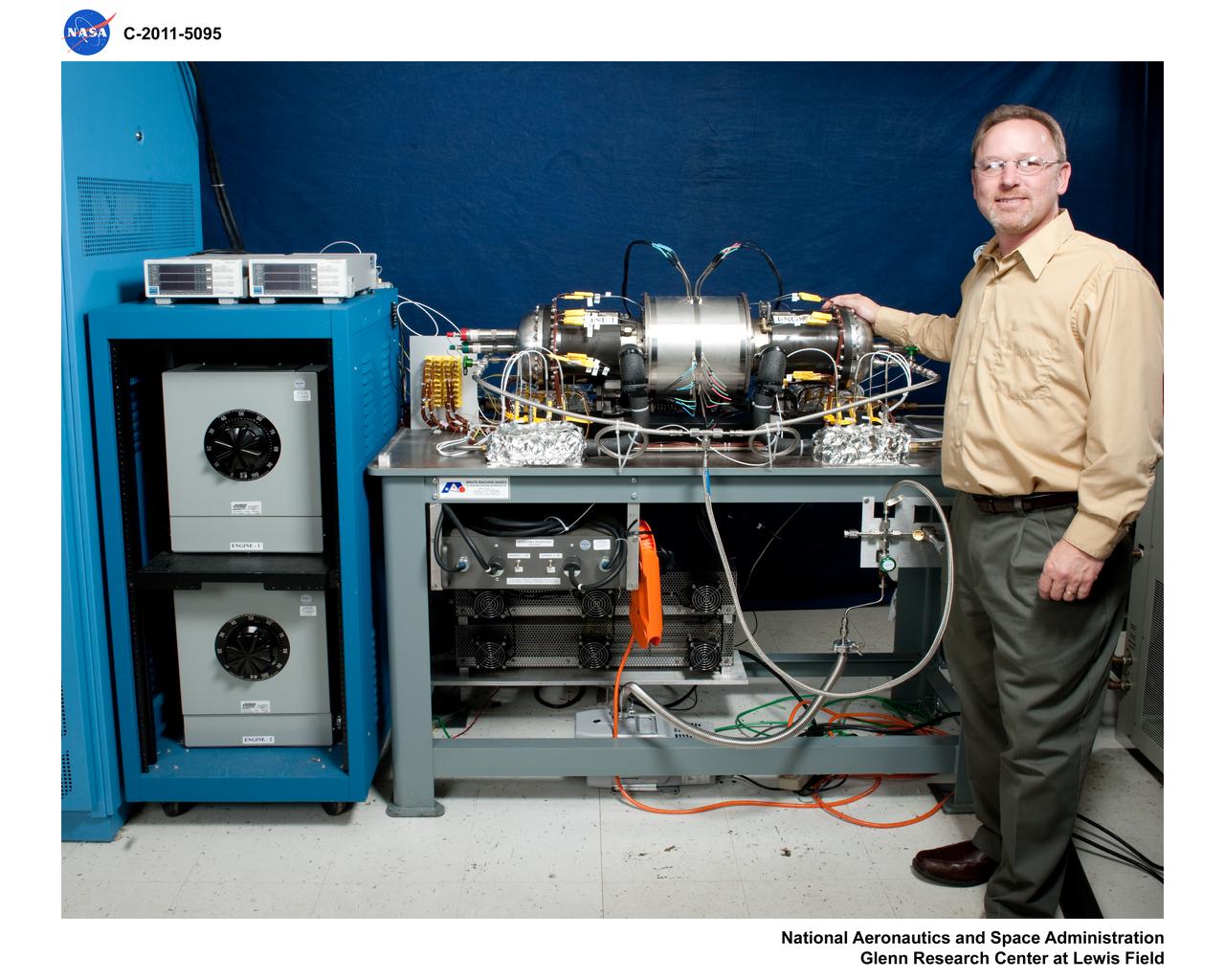
Advanced Stirling Converter
GRC-2011-C-05095
Advanced Stirling Converter
GRC-2011-C-05096
converted PNM file
Advanced Stirling Converter
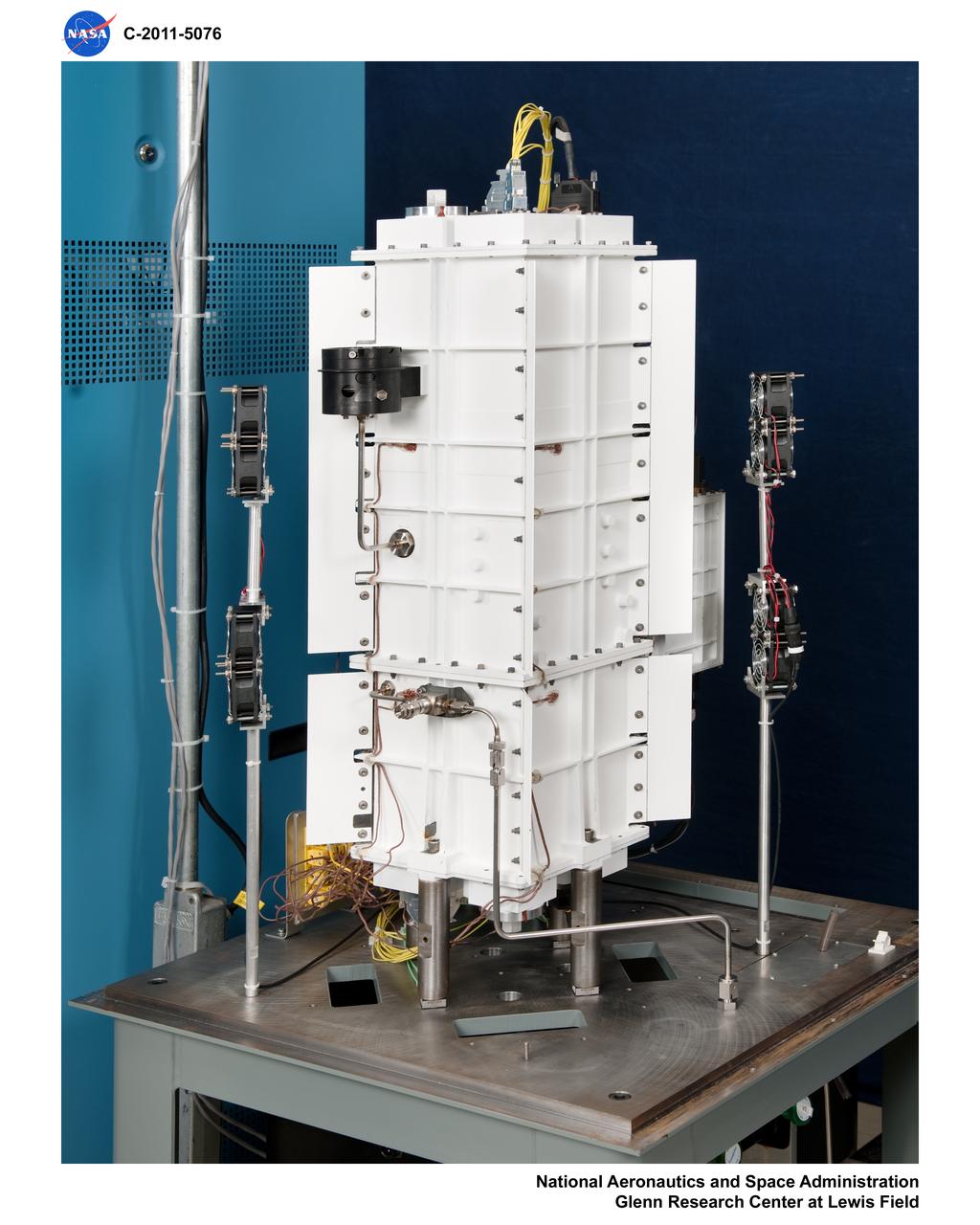
GRC-2011-C-05076
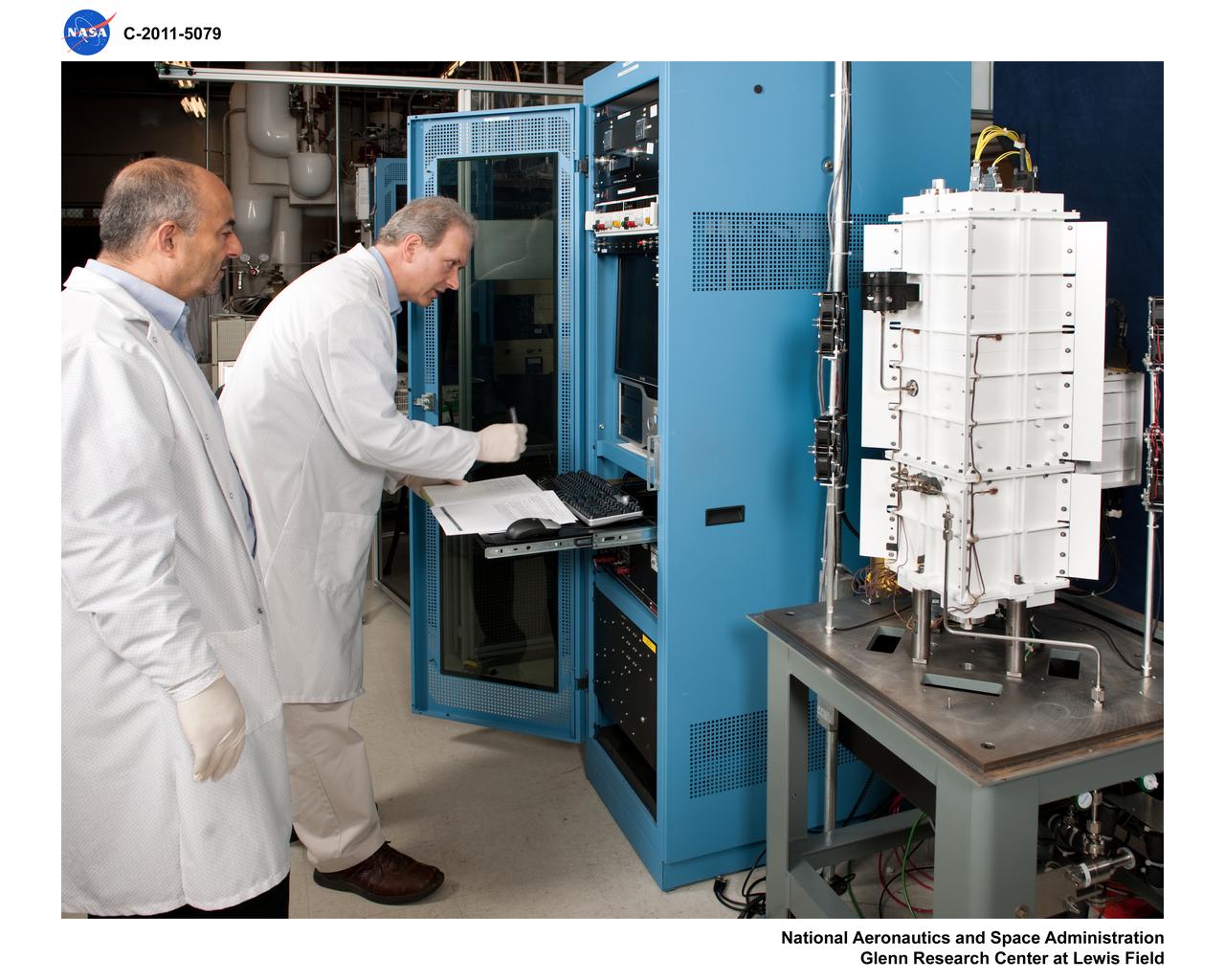
Advanced Stirling Converter
GRC-2011-C-05079
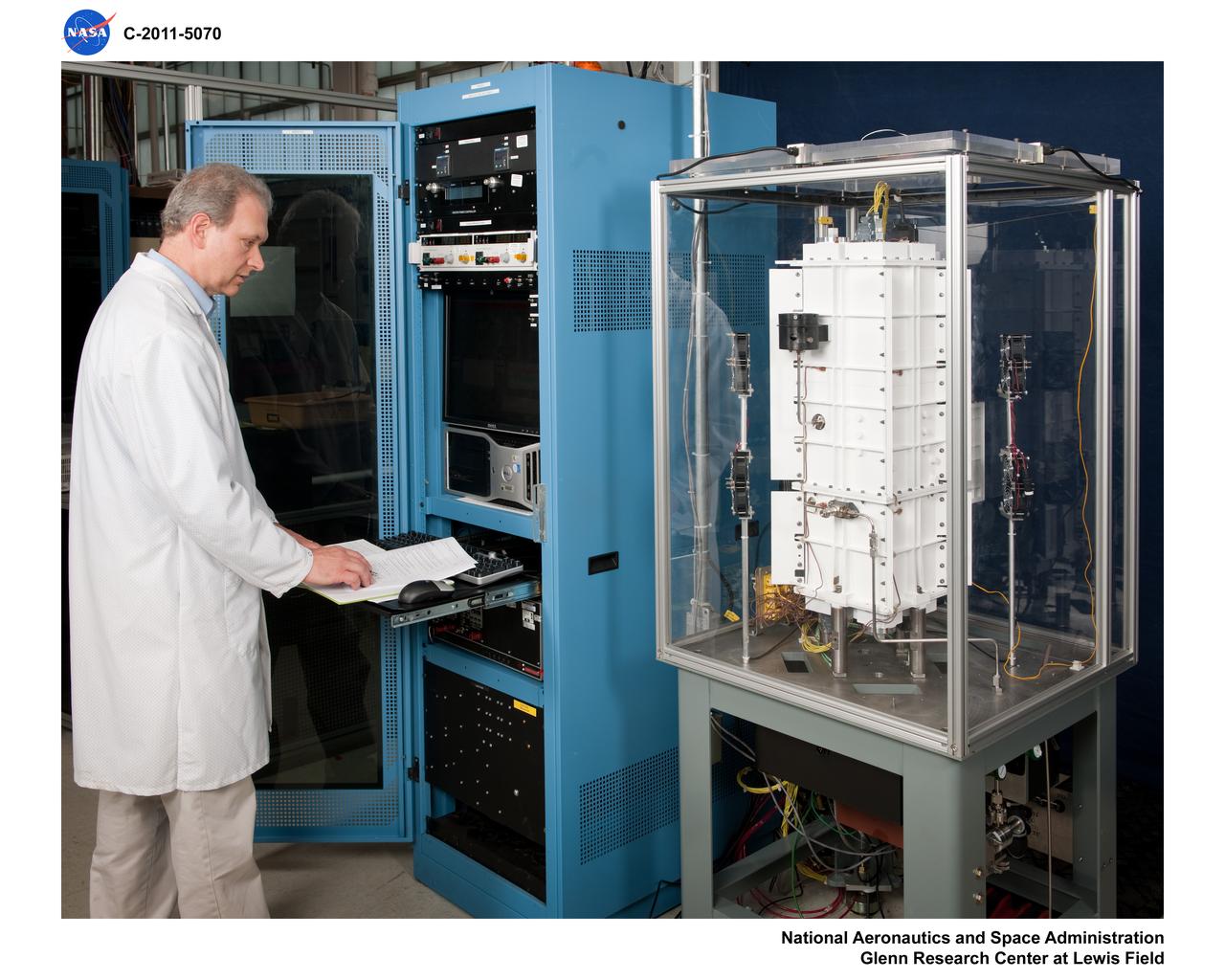
Advanced Stirling Converter
GRC-2011-C-05070
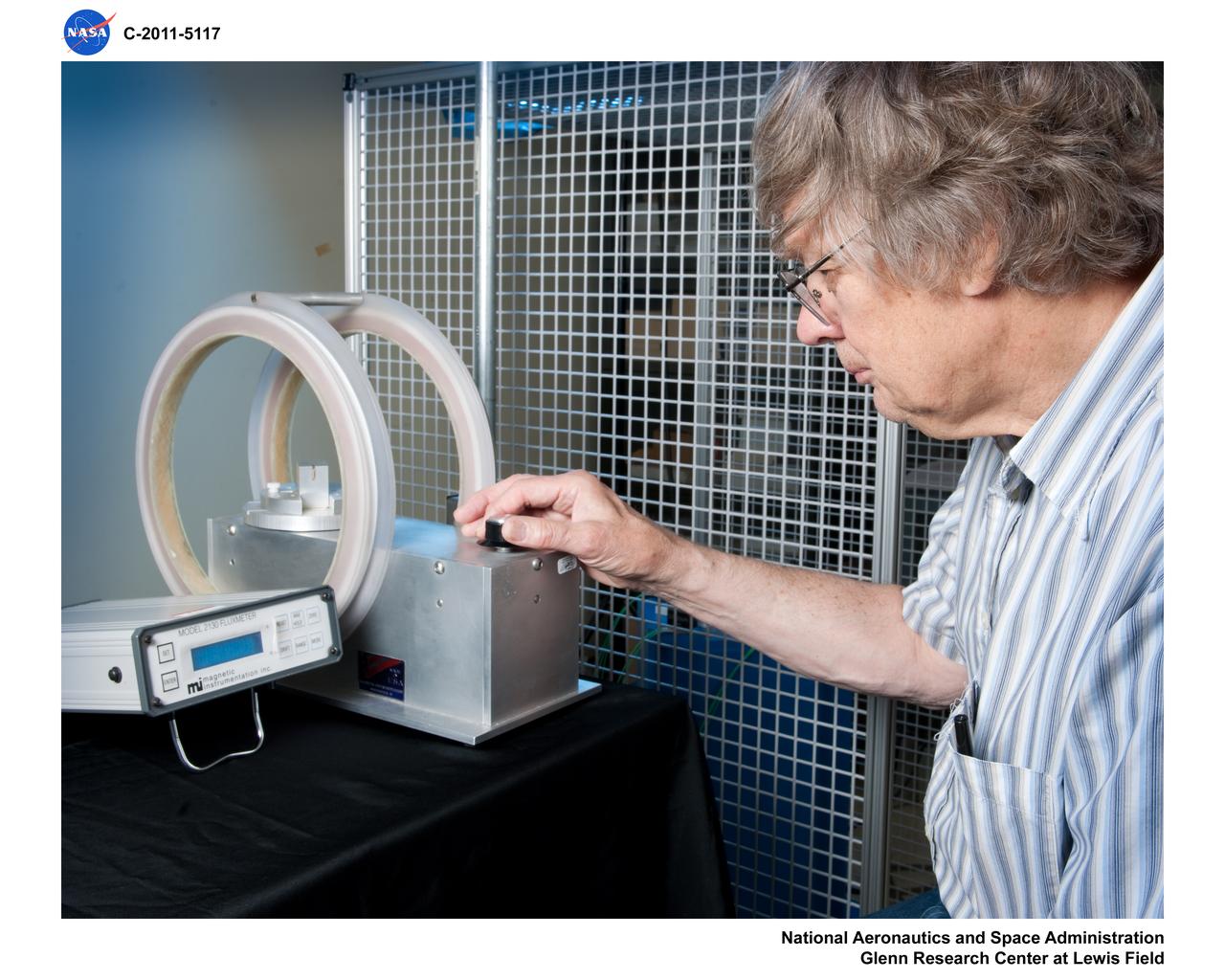
Advanced Stirling Converter
GRC-2011-C-05117
Advanced Stirling Converter
GRC-2011-C-05118
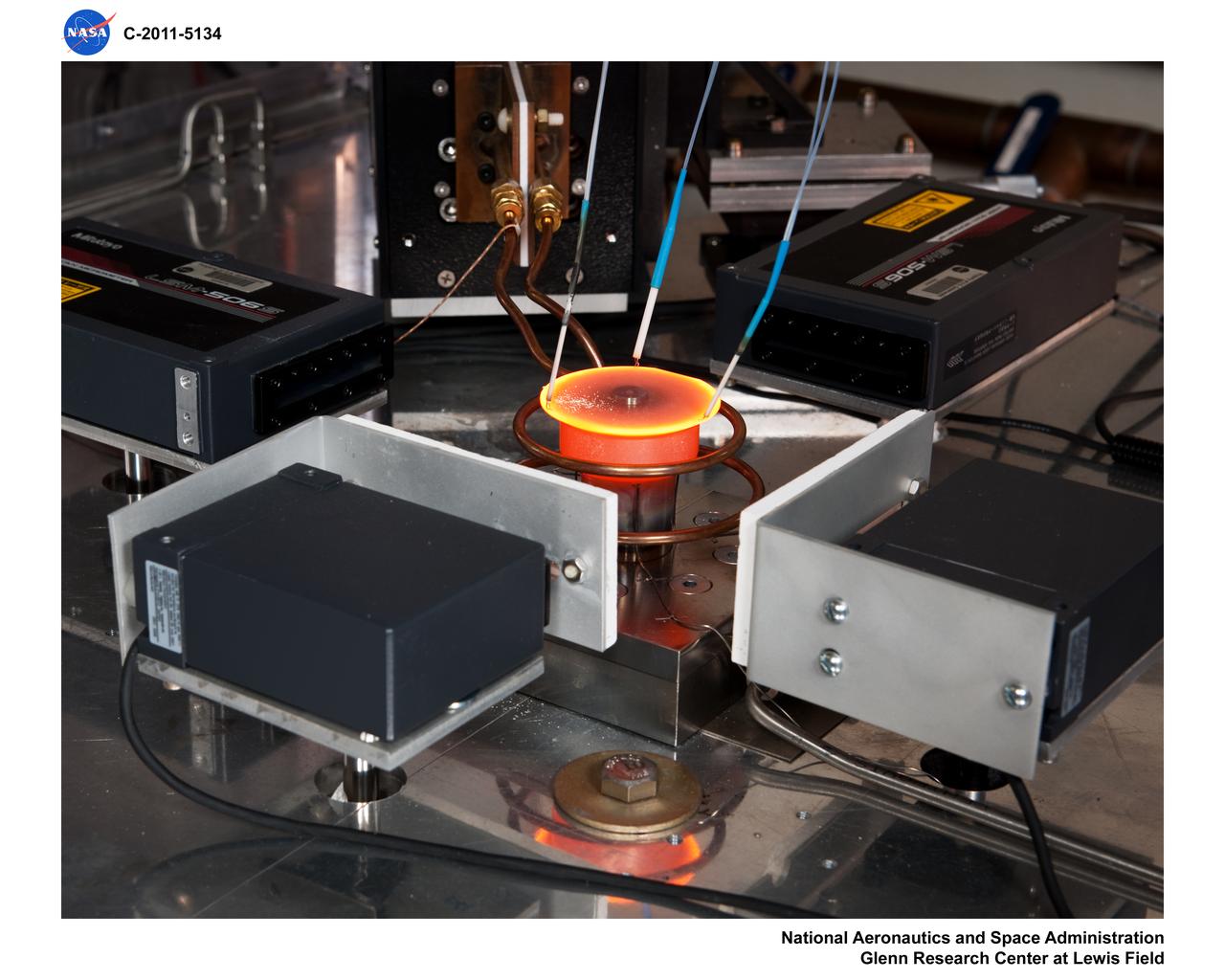
Advanced Stirling Converter
GRC-2011-C-05134
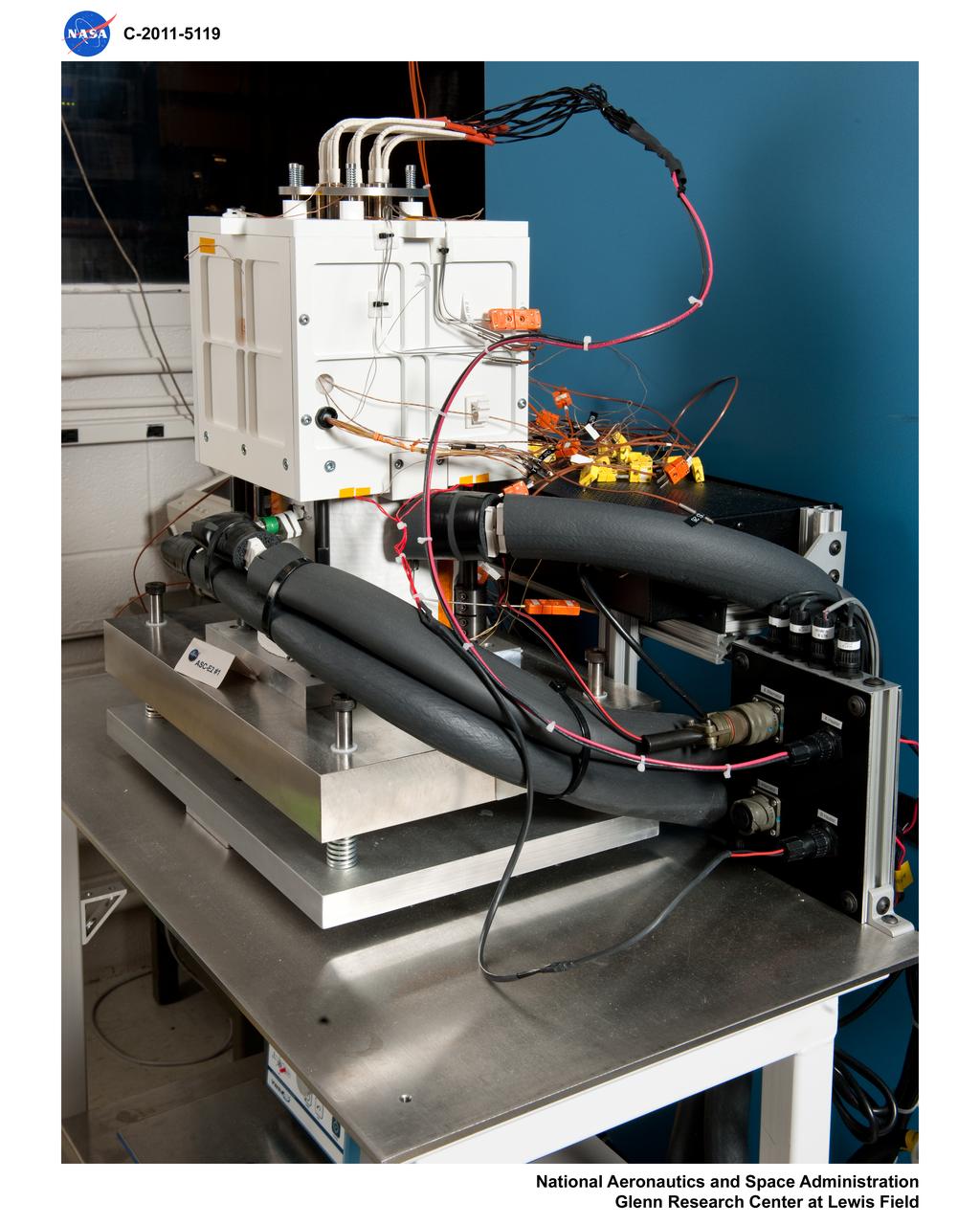
Advanced Stirling Converter
GRC-2011-C-05119
Advanced Stirling Converter
GRC-2011-C-05087
Advanced Stirling Converter
GRC-2011-C-05069
Advanced Stirling Converter
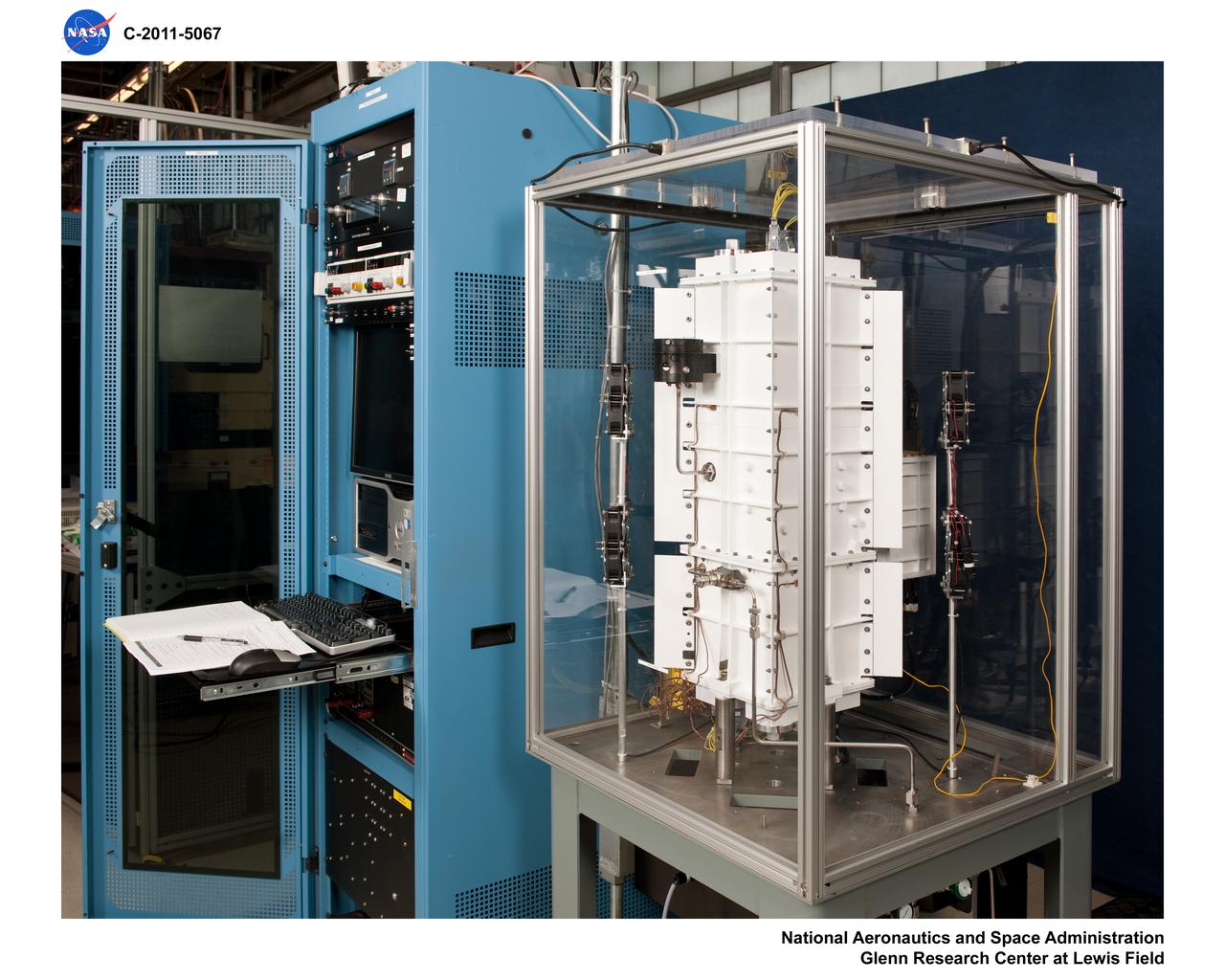
GRC-2011-C-05067
Advanced Stirling Converter
GRC-2011-C-05113
converted PNM file
Global With OSM-7
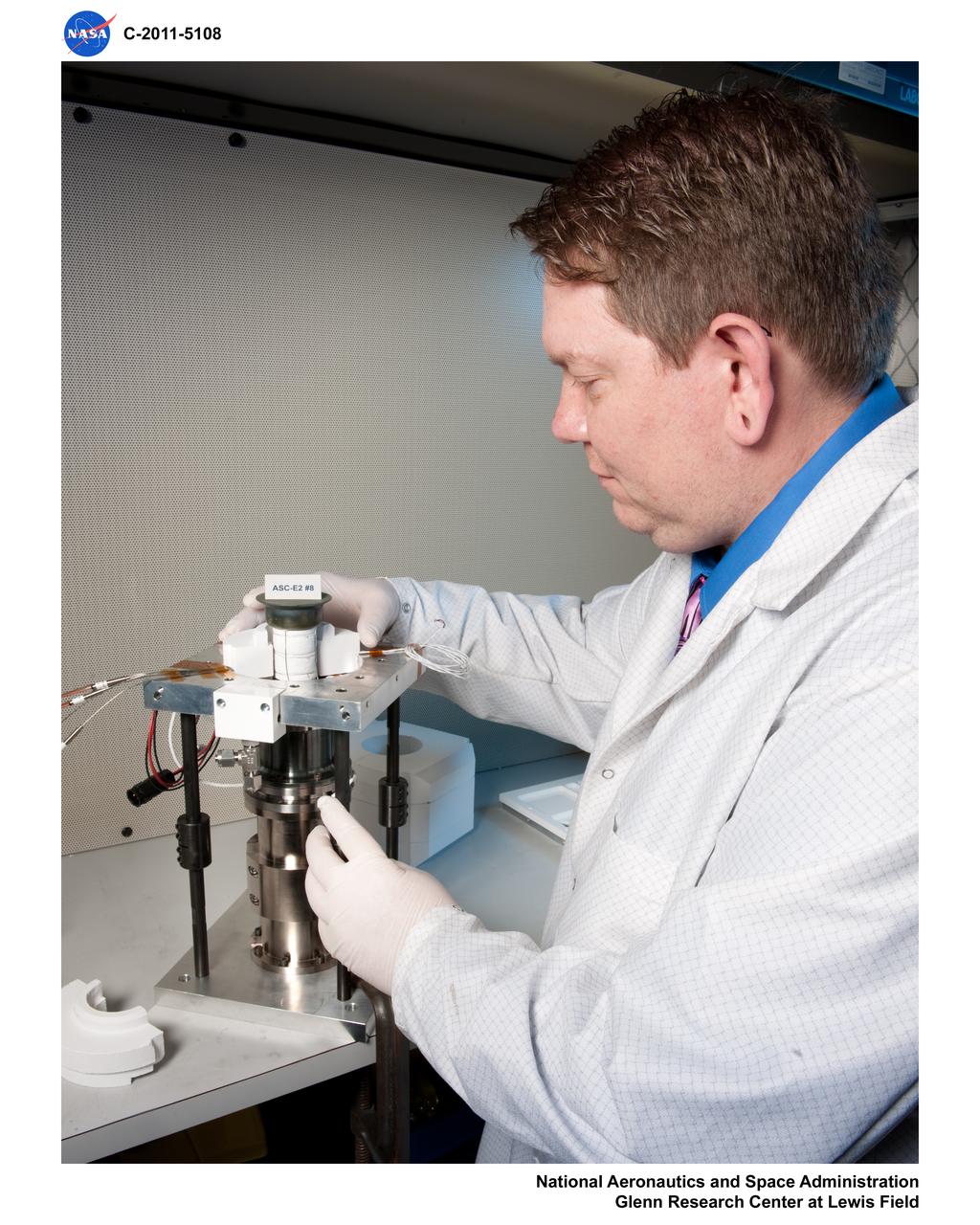
Advanced Stirling Converter
GRC-2011-C-05108
Advanced Stirling Converter
GRC-2011-C-05115
Advanced Stirling Converter
GRC-2011-C-05139
Advanced Stirling Converter
GRC-2011-C-05111
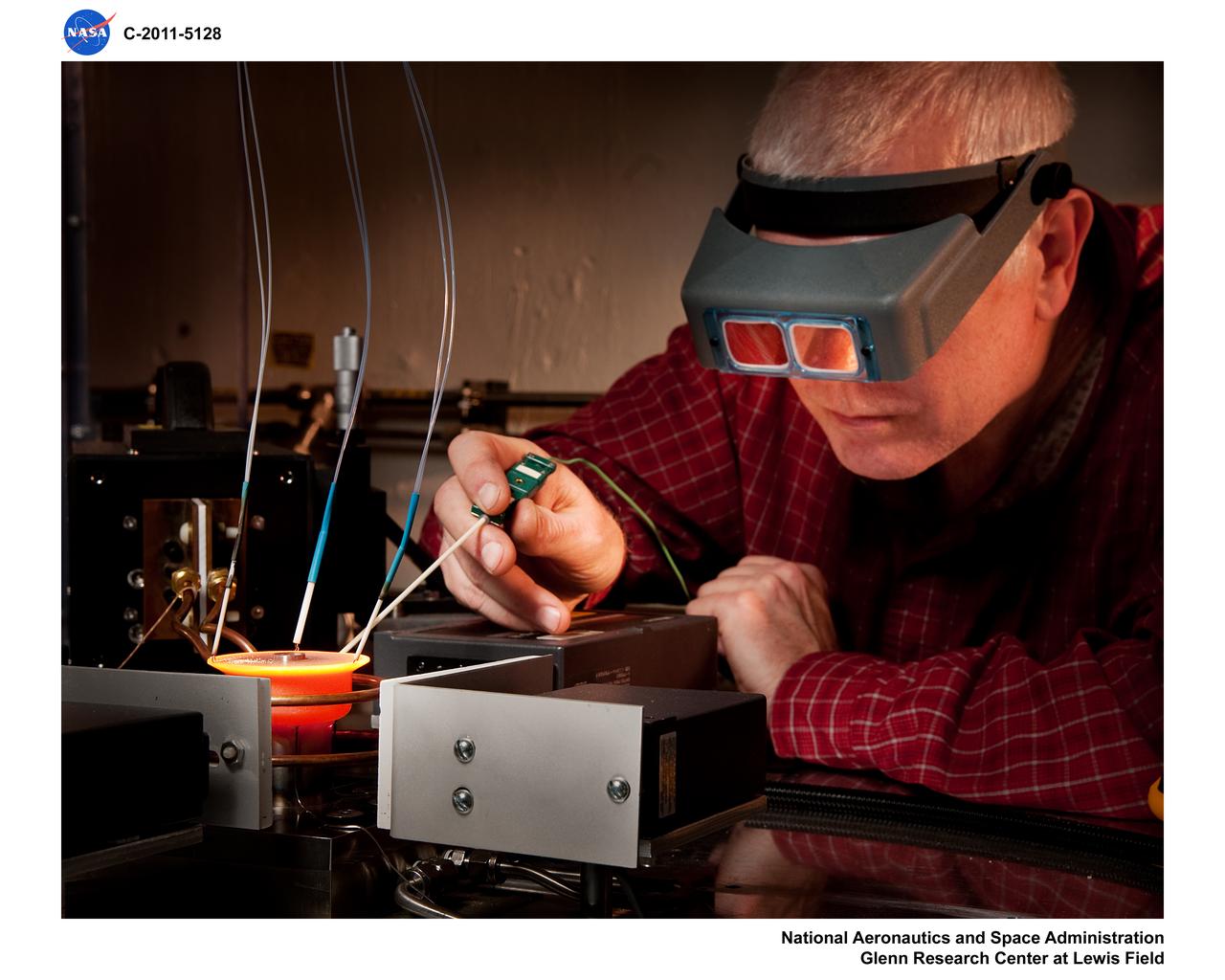
Advanced Stirling Converter
GRC-2011-C-05128
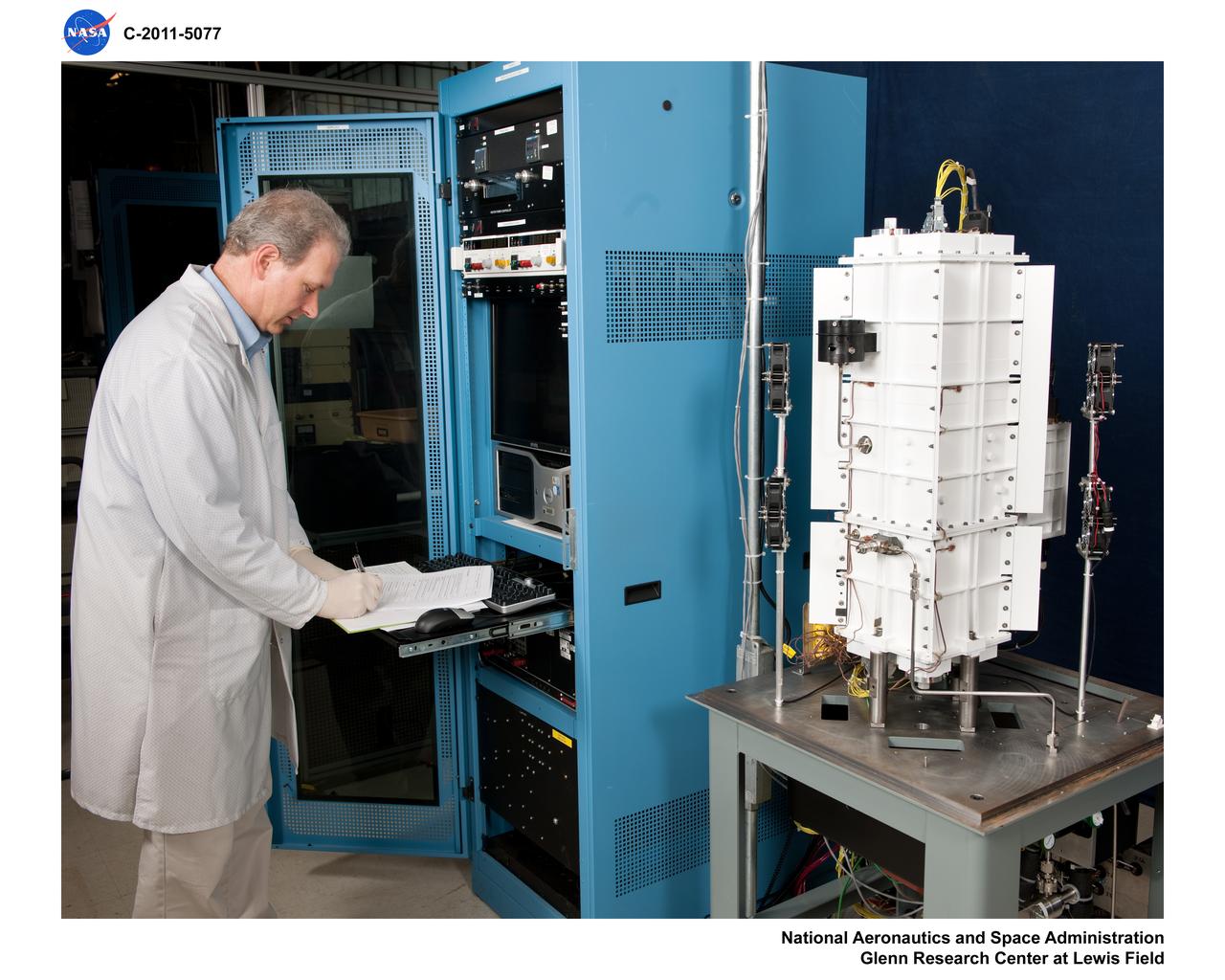
Advanced Stirling Converter
GRC-2011-C-05077
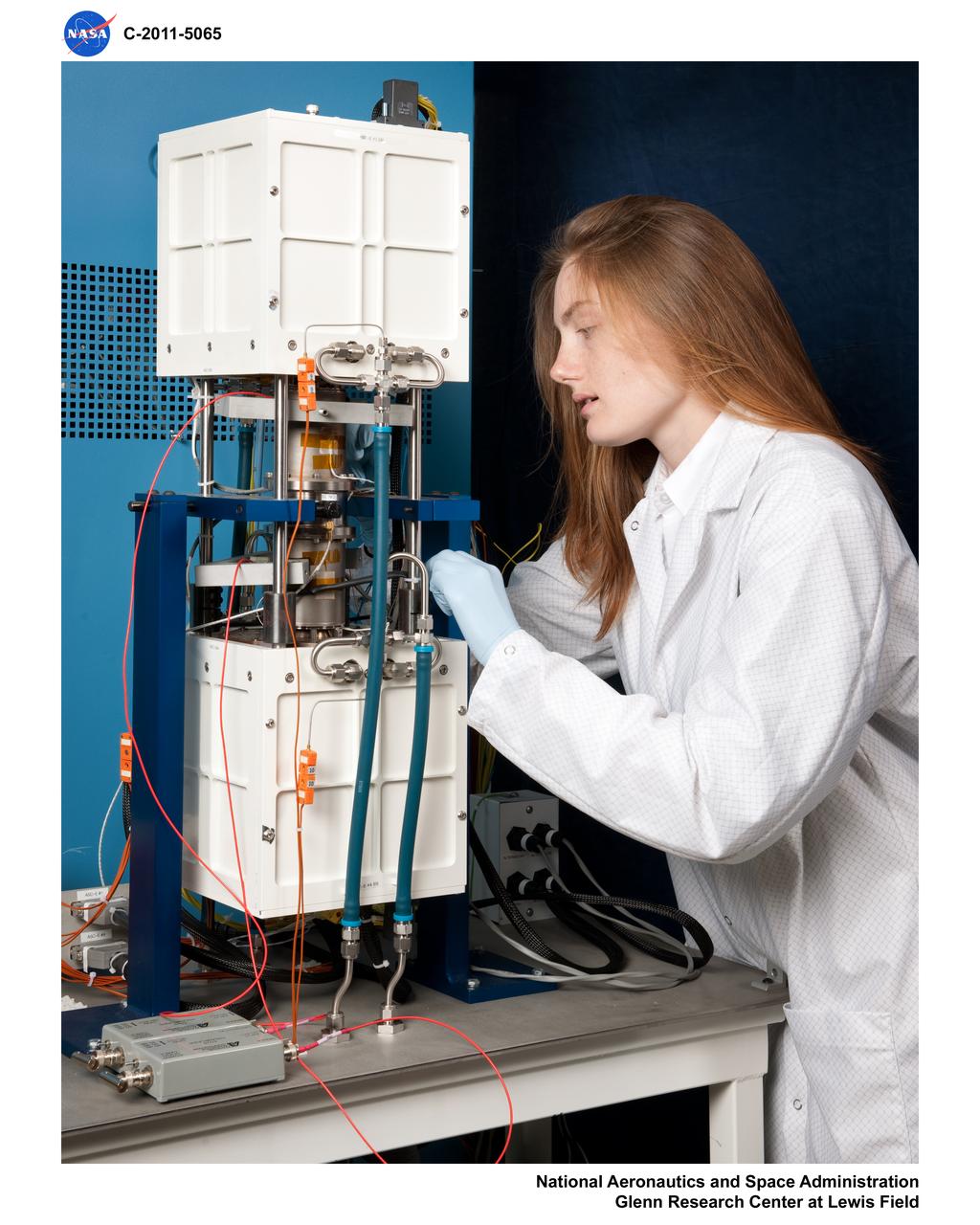
Advanced Stirling Converter
GRC-2011-C-05065
Advanced Stirling Converter
GRC-2011-C-05101
converted PNM file
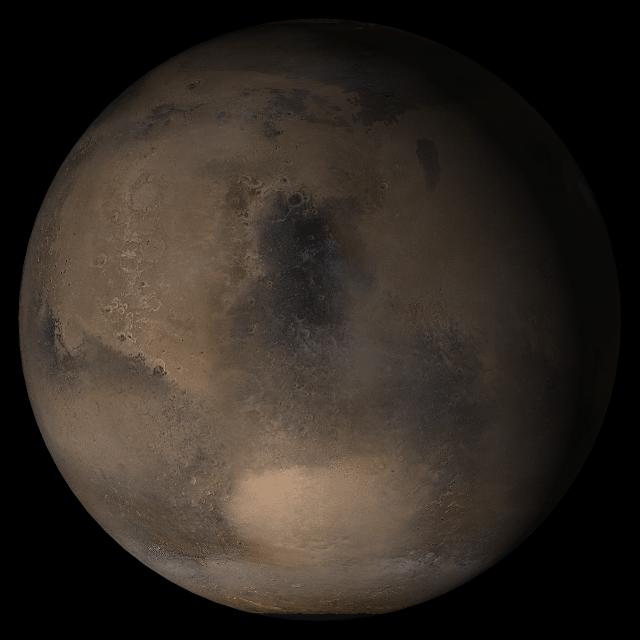
Mars at Ls 160°: Tharsis
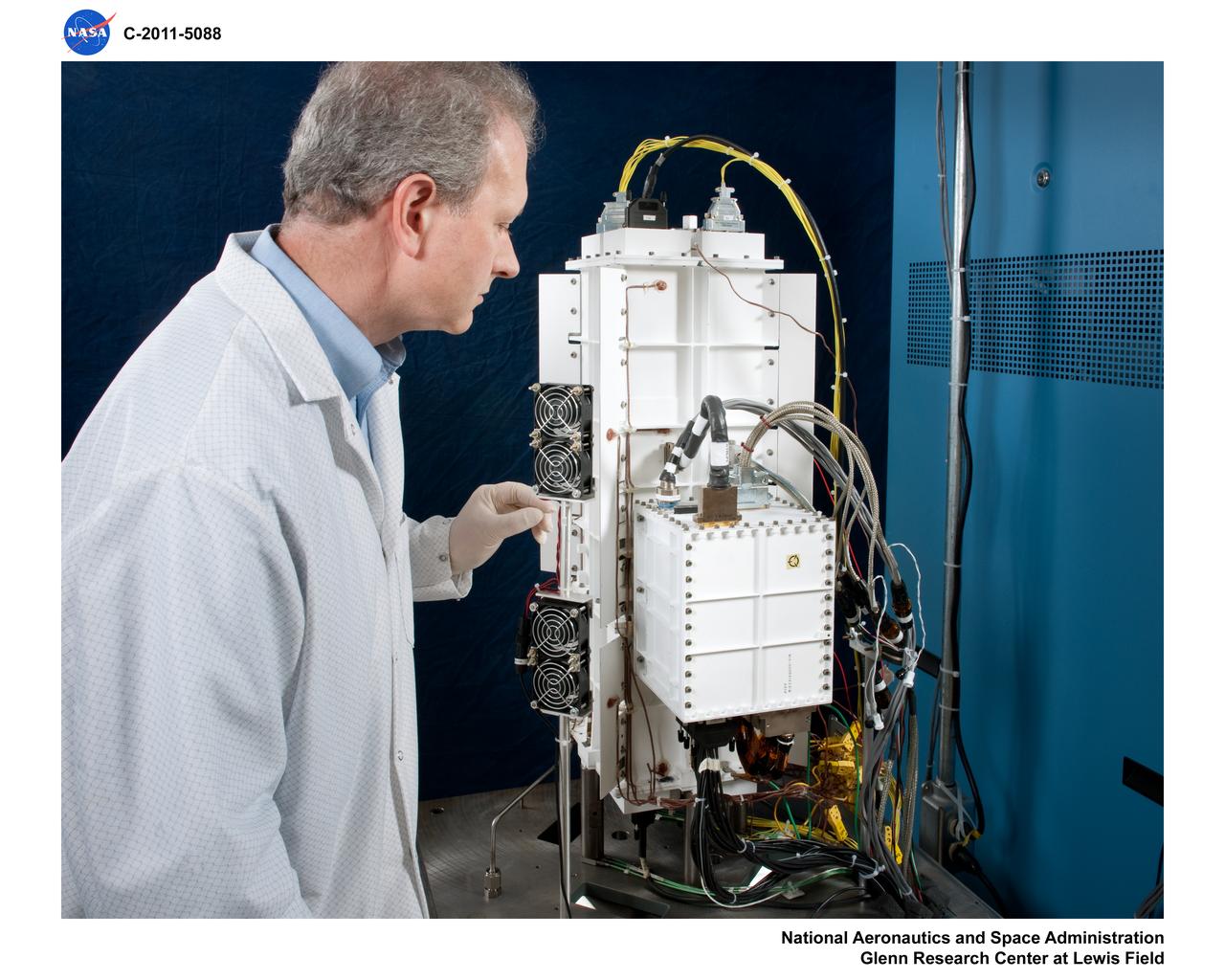
Advanced Stirling Converter
GRC-2011-C-05088
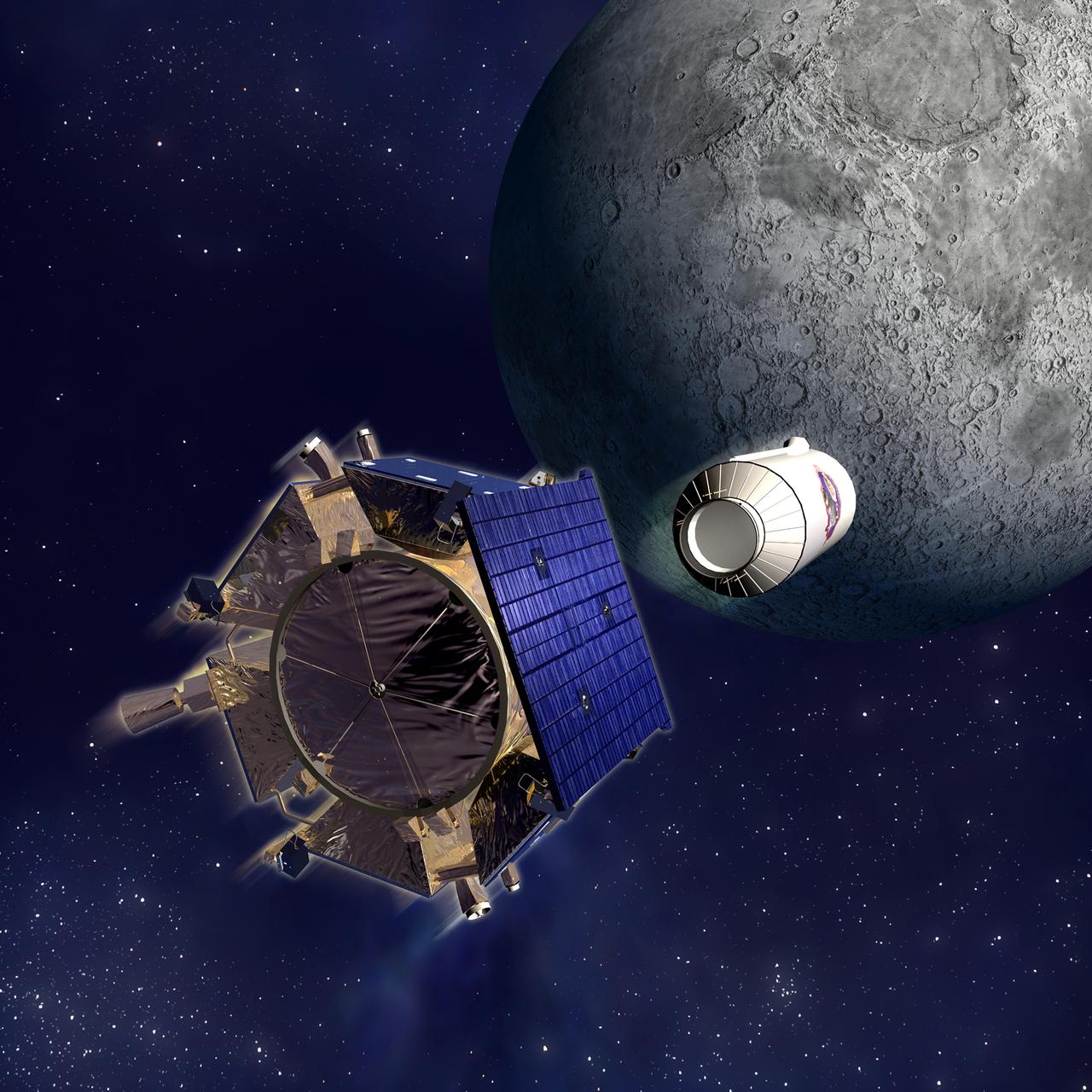
LCROSS artwork. Credit Northrup Grumman   Image converted using ifftoany
ARC-2007-ACD06-0232-010
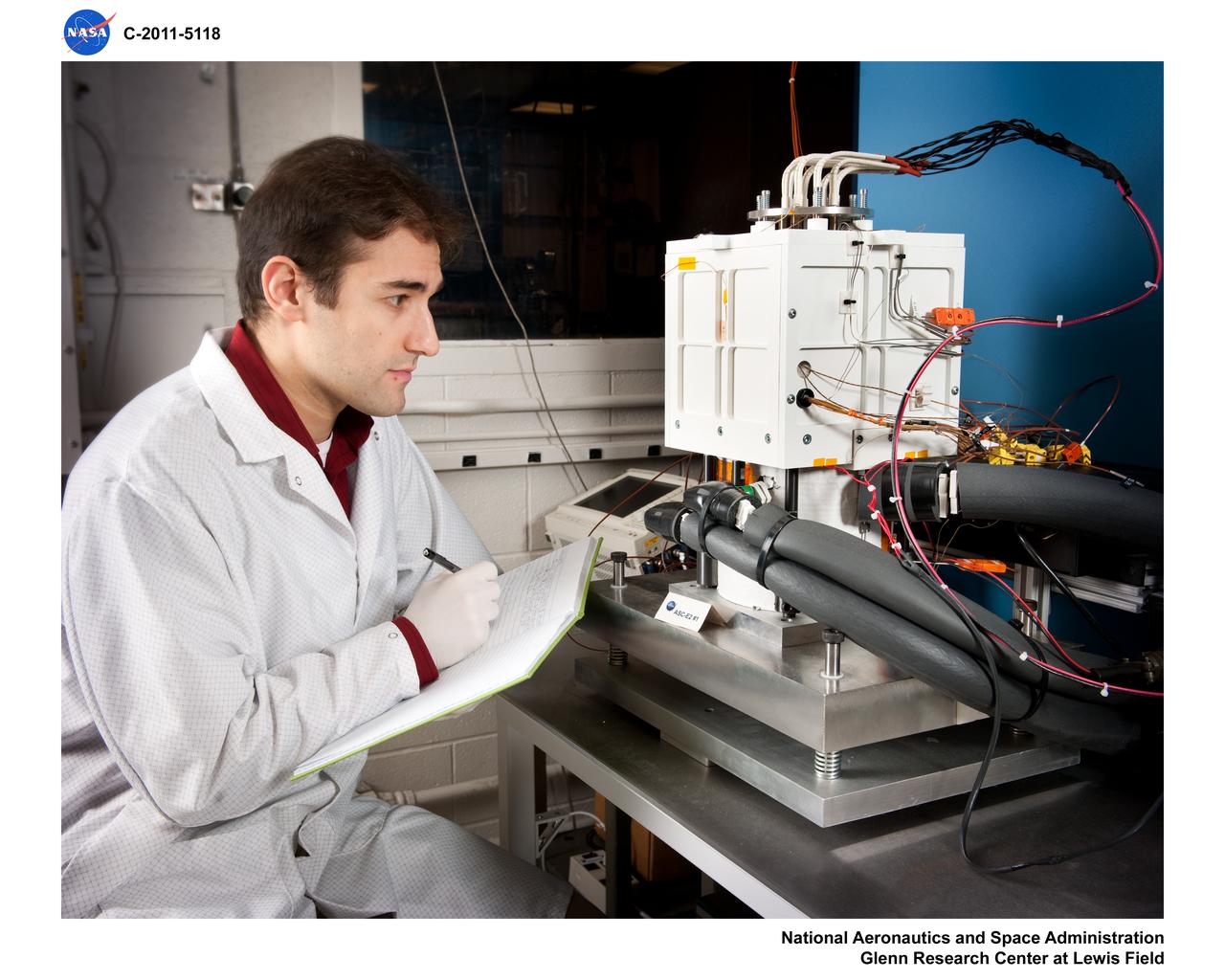
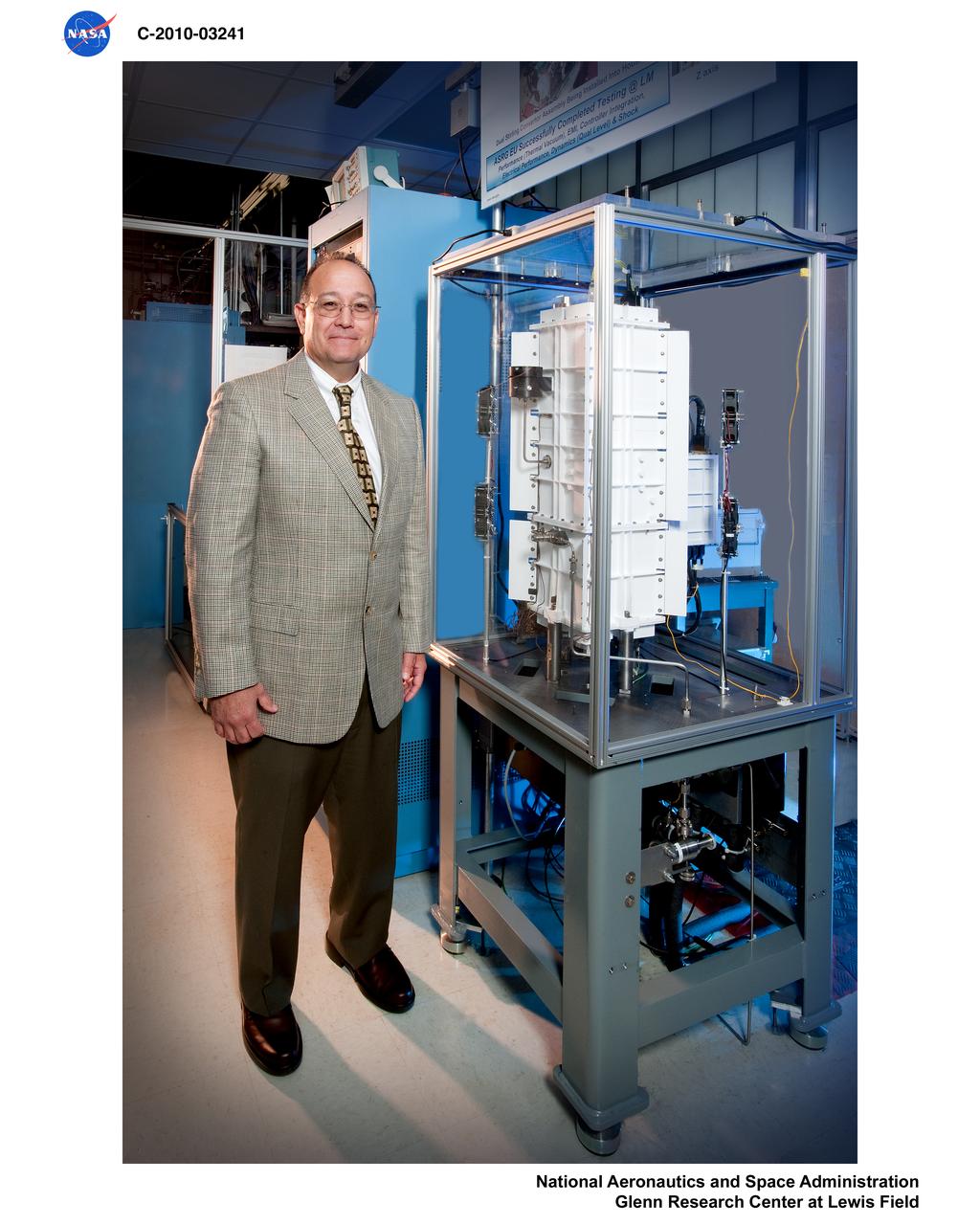
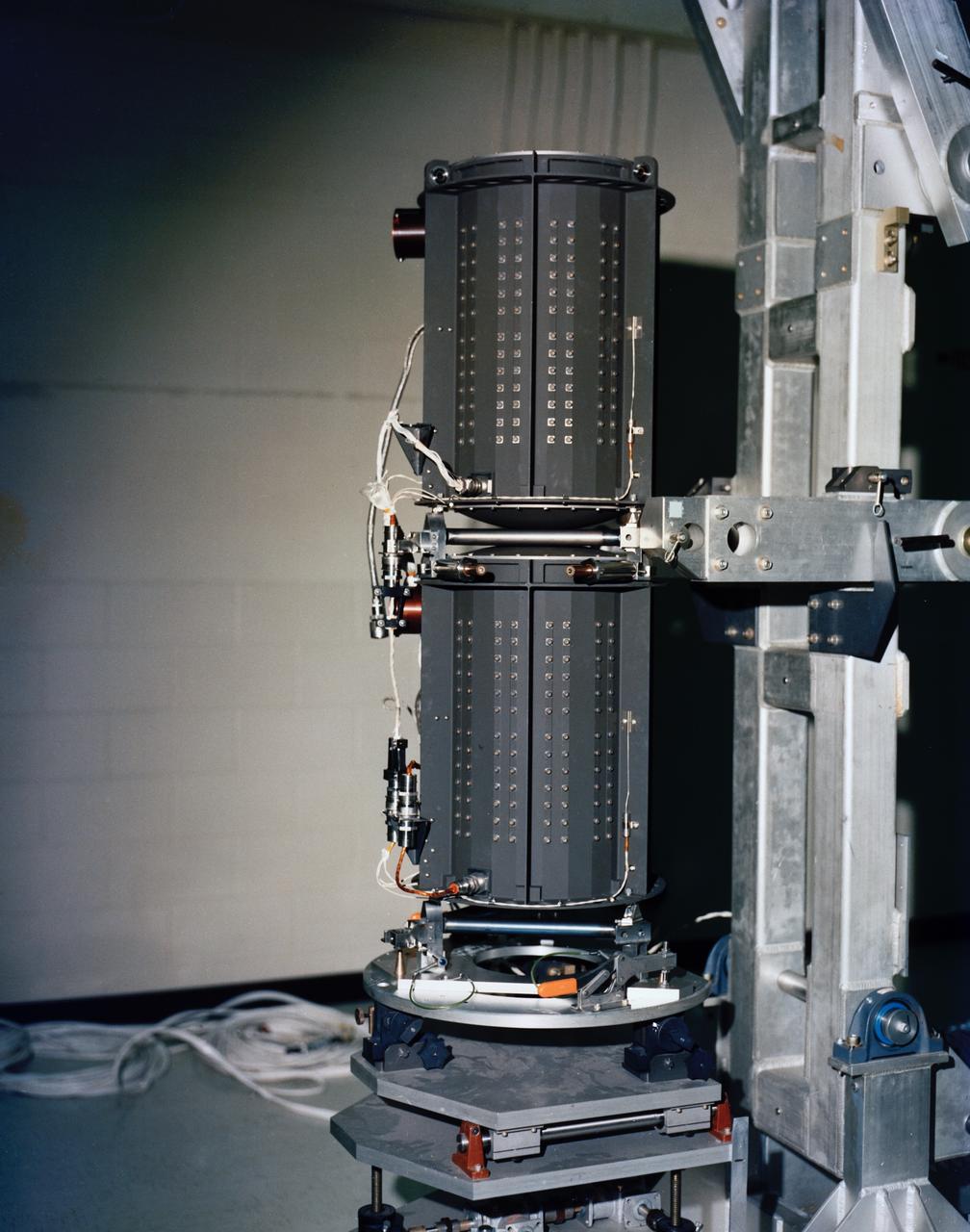
Advanced Stirling Converter, ASC-E4.  This photograph was taken for publication in HiVelocity Magazine
GRC-2010-C-03241
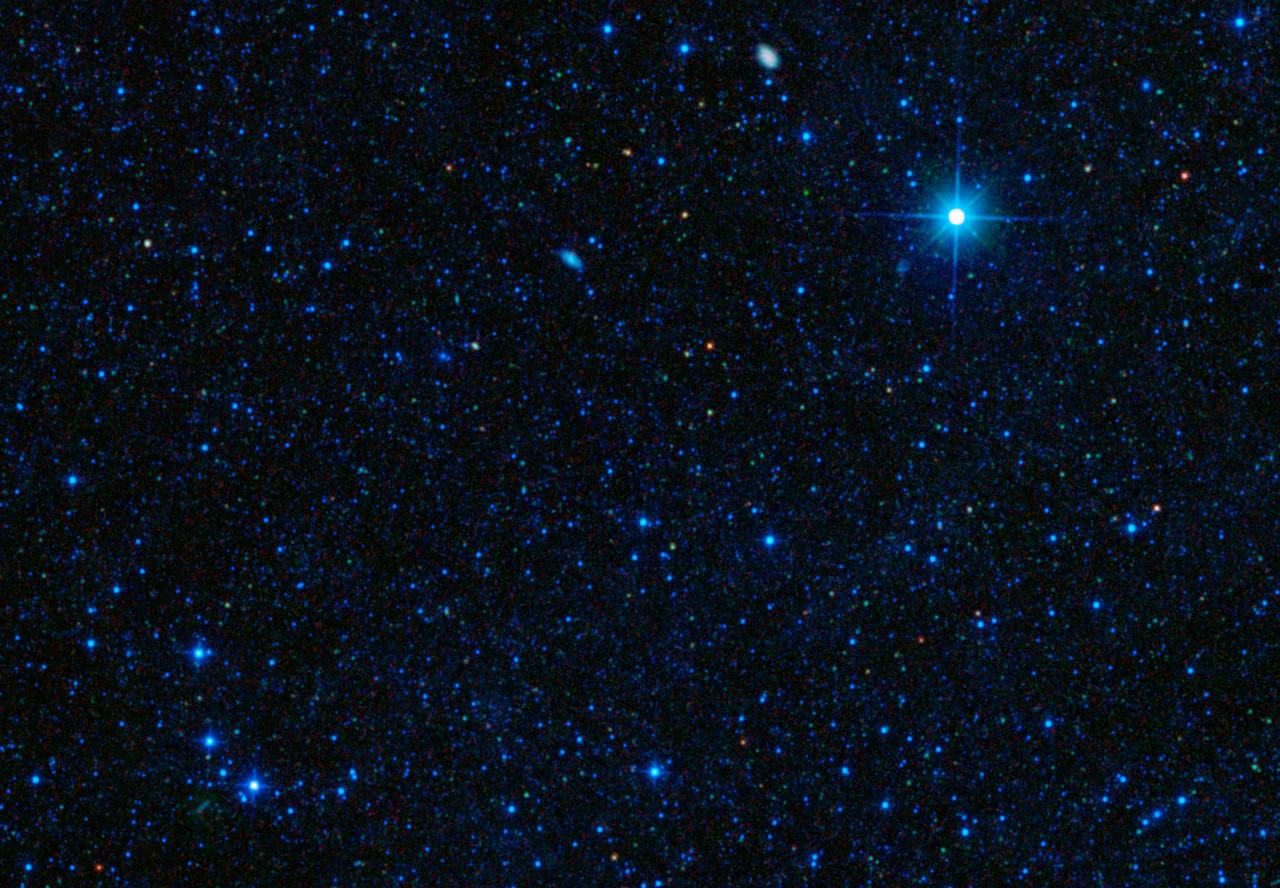
The tiny red spot in this image is one of the most efficient star-making galaxies ever observed, converting gas into stars at the maximum possible rate. The galaxy is shown here is from NASA WISE, which first spotted the rare galaxy in infrared light.
Galaxy Packs Big Star-Making Punch
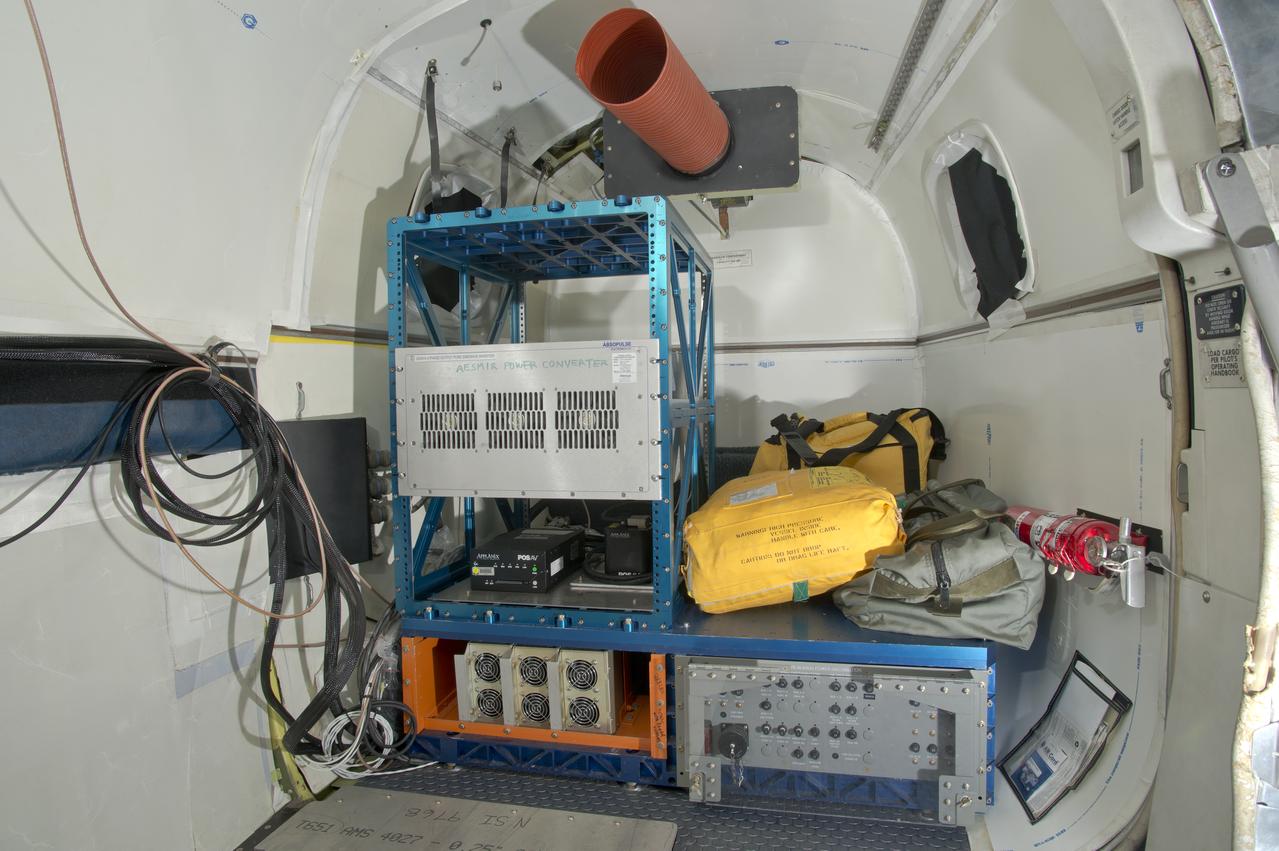
power converter and Applanix unit installed in Welch rack; Welch rack mounted on aft riser
(SLAP) Scanning L-band Active Passive Installed on NASA UC-12B A
Each of NASA's Voyager probes are equipped with three radioisotope thermoelectric generators (RTGs), including the one shown here at NASA's Kennedy Space Center in Florida. The RTGs provide power for the spacecraft by converting the heat generated by the decay of plutonium-238 into electricity.  Launched in 1977, the Voyager mission is managed for NASA by the agency's Jet Propulsion Laboratory, a division of Caltech in Pasadena, California.  https://photojournal.jpl.nasa.gov/catalog/PIA25782
Voyager's RTG
(Rabbit) Converts the major storage form of high energy phosphate (creatine phosphate) to usable energy form (ATP). A major muscle enzyme and implicated in some muscle diseases.
Microgravity
S63-07645 (1963) --- Astronaut L. Gordon Cooper Jr. and his wife at Patrick Air Force Base rides a convertible in a parade given in his honor. Photo credit: NASA
Astronaut Gordon Cooper at Patrick Air Force Base for parade
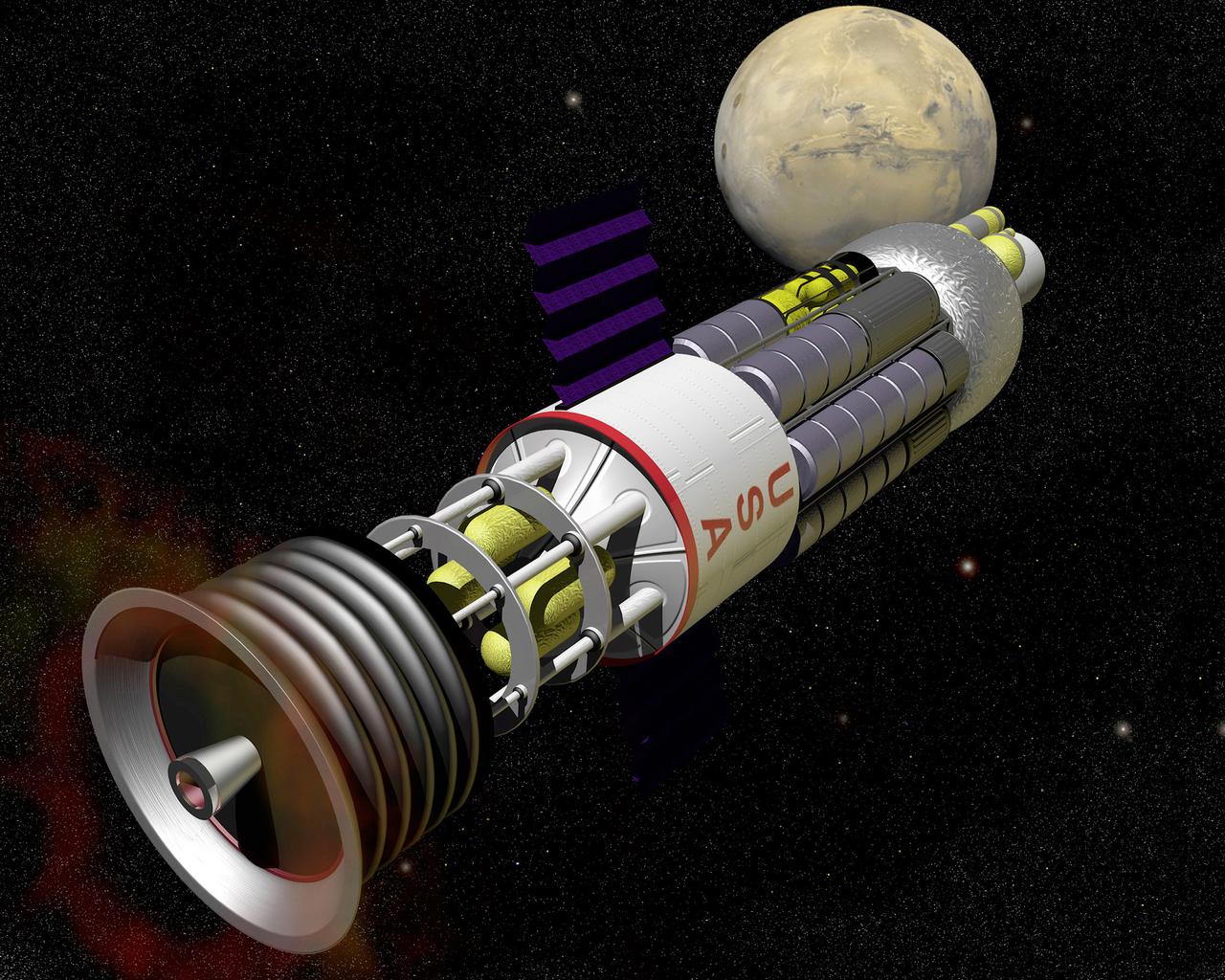
In the 1960's U.S. Government laboratories, under Project Orion, investigated a pulsed nuclear fission propulsion system. Small nuclear pulse units would be sequentially discharged from the aft end of the vehicle. A blast shield and shock absorber system would protect the crew and convert the shock loads into a continuous propulsive force.
Research Technology
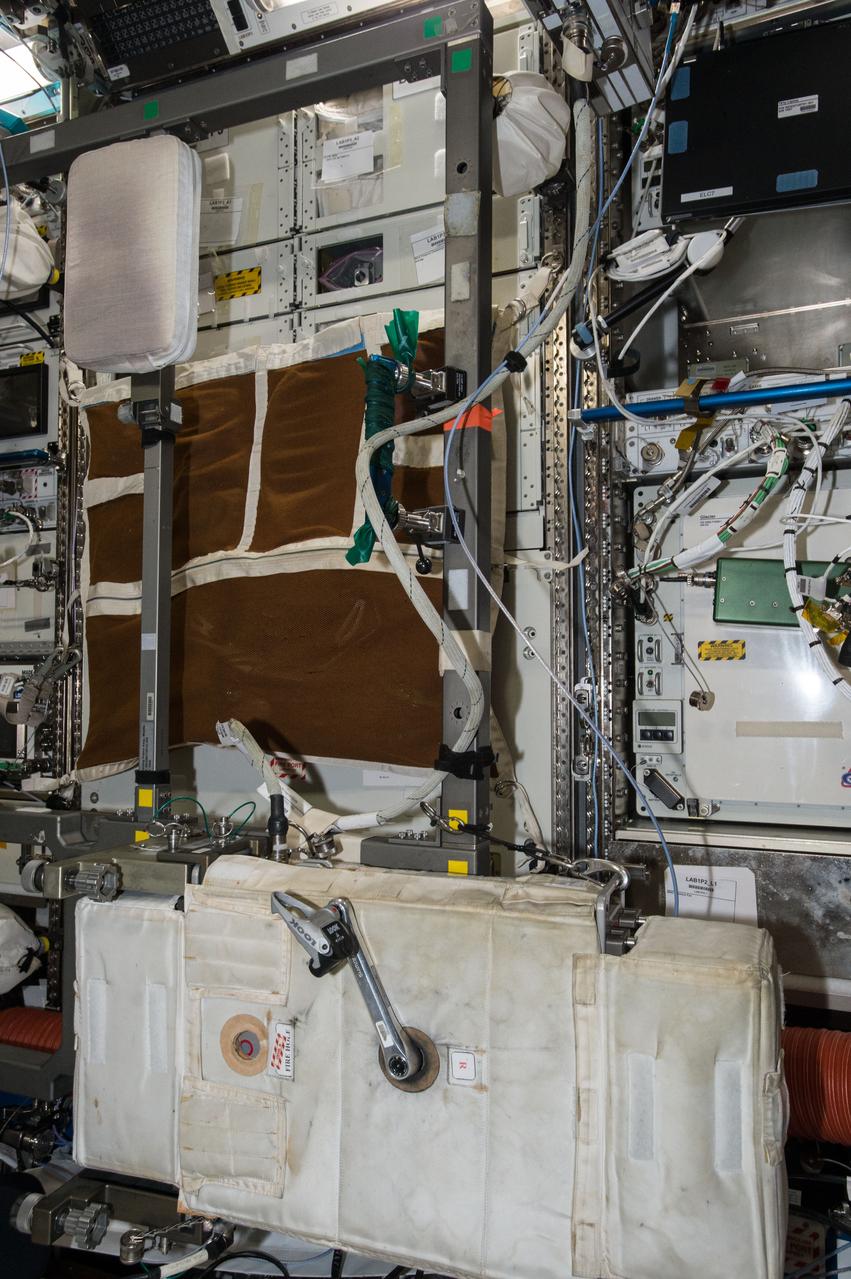
iss048e004552 (6/20/2016) --- Image taken to document re-installation of the Cycle Ergometer with Vibration Isolation and Stabilization (CEVIS) at LAB1P3 following inflight maintenance (IFM) on the Direct Current to Direct Current Converter Unit-1 (DDCU-1) Rack. Image was taken in the Destiny U.S. Laboratory.
CEVIS Installation on LAB1P3 Rack
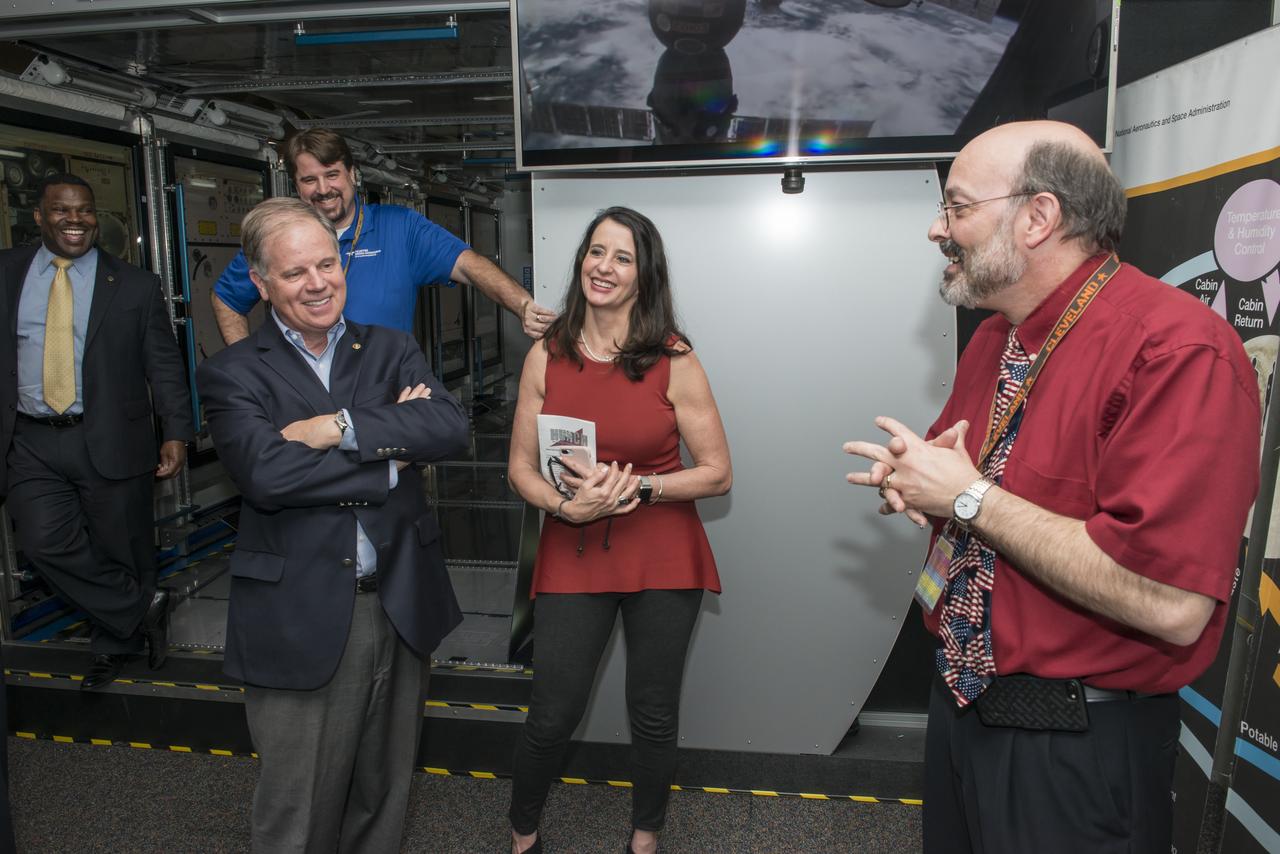
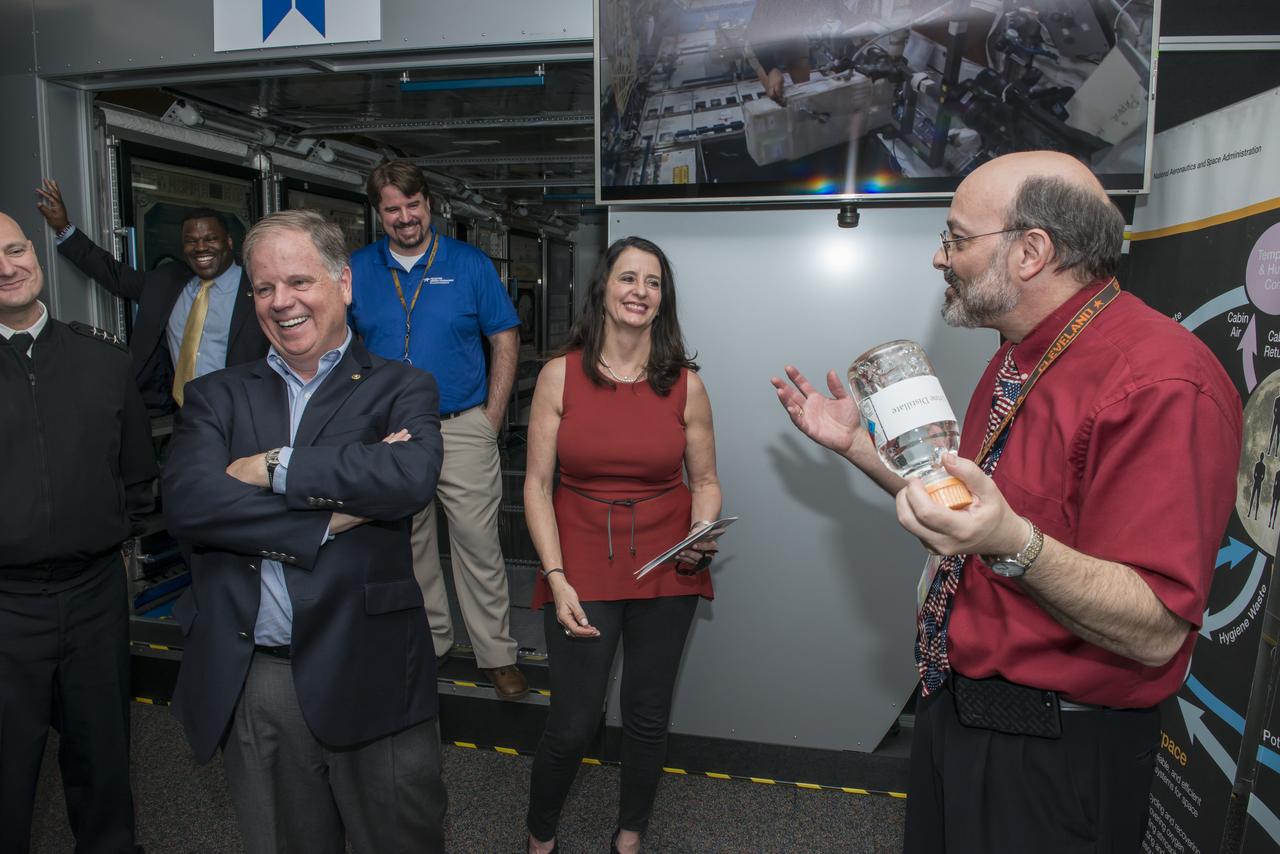
Senator Doug Jones (D-Al.) and wife Louise are presented an overview of the Environmental Control and Life Support System (ECLSS) which was developed at Marshall Space flight Center. Marshall engineer Keith Parrish explains the steps in converting waste fluids generated on the International Space Station (ISS) into purified drinking water.
Senator Doug Jones (D-AL) Tour of MSFC Facilities
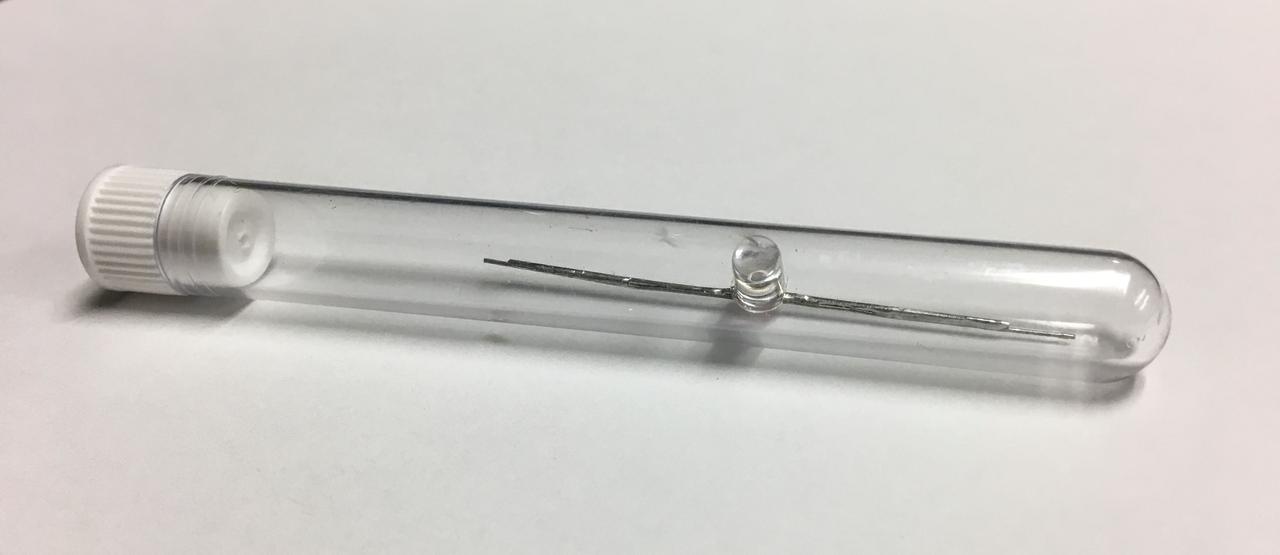
jsc2019e056551 (9/6/2019) --- Preflight imagery of the LEctenna device. LEctenna demonstrates how to transmit energy wirelessly using microwave signals in the form of wifi. This is done by using a LEctenna device which converts the microwave into electricity which powers an LED bulb.   Image courtesy of: Naval Research Laboratory.
LEctenna
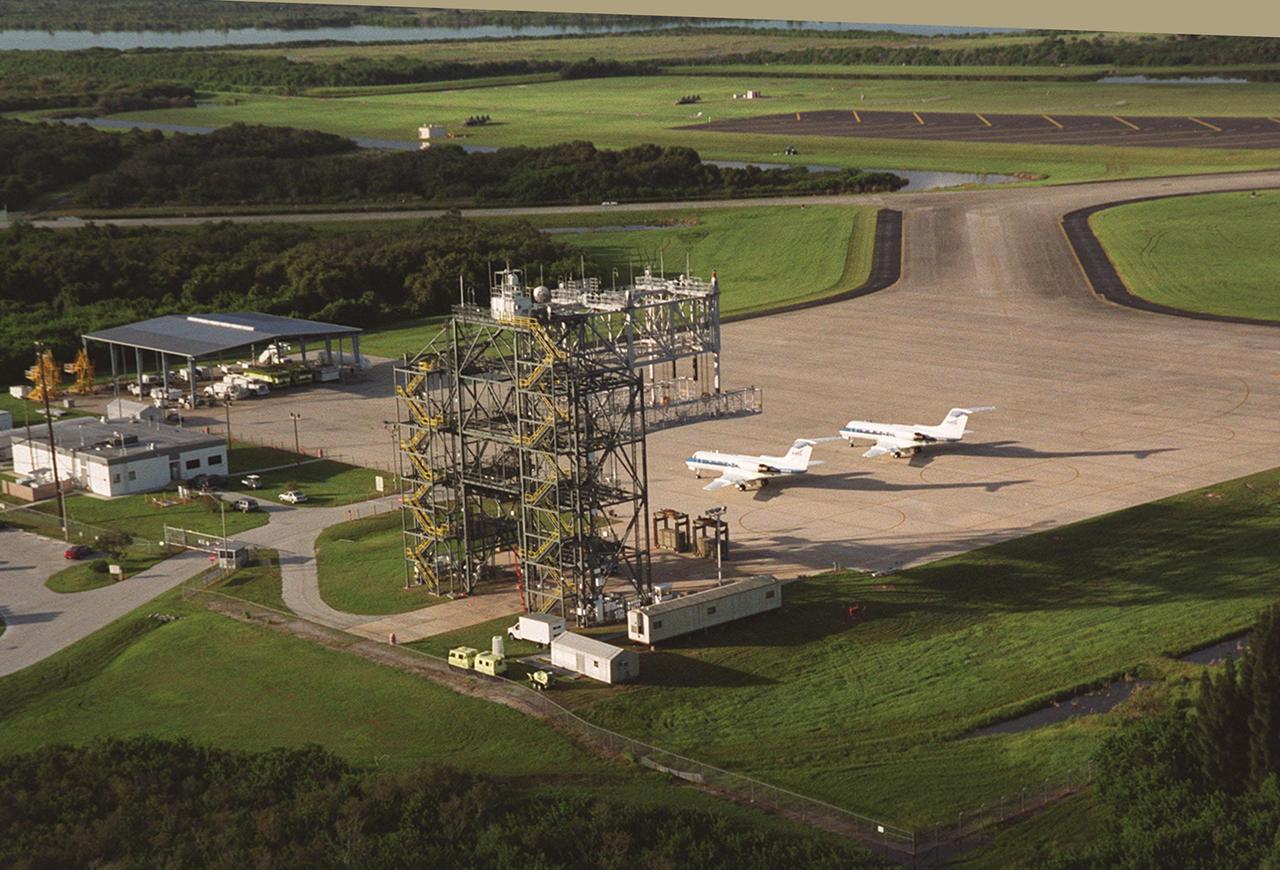
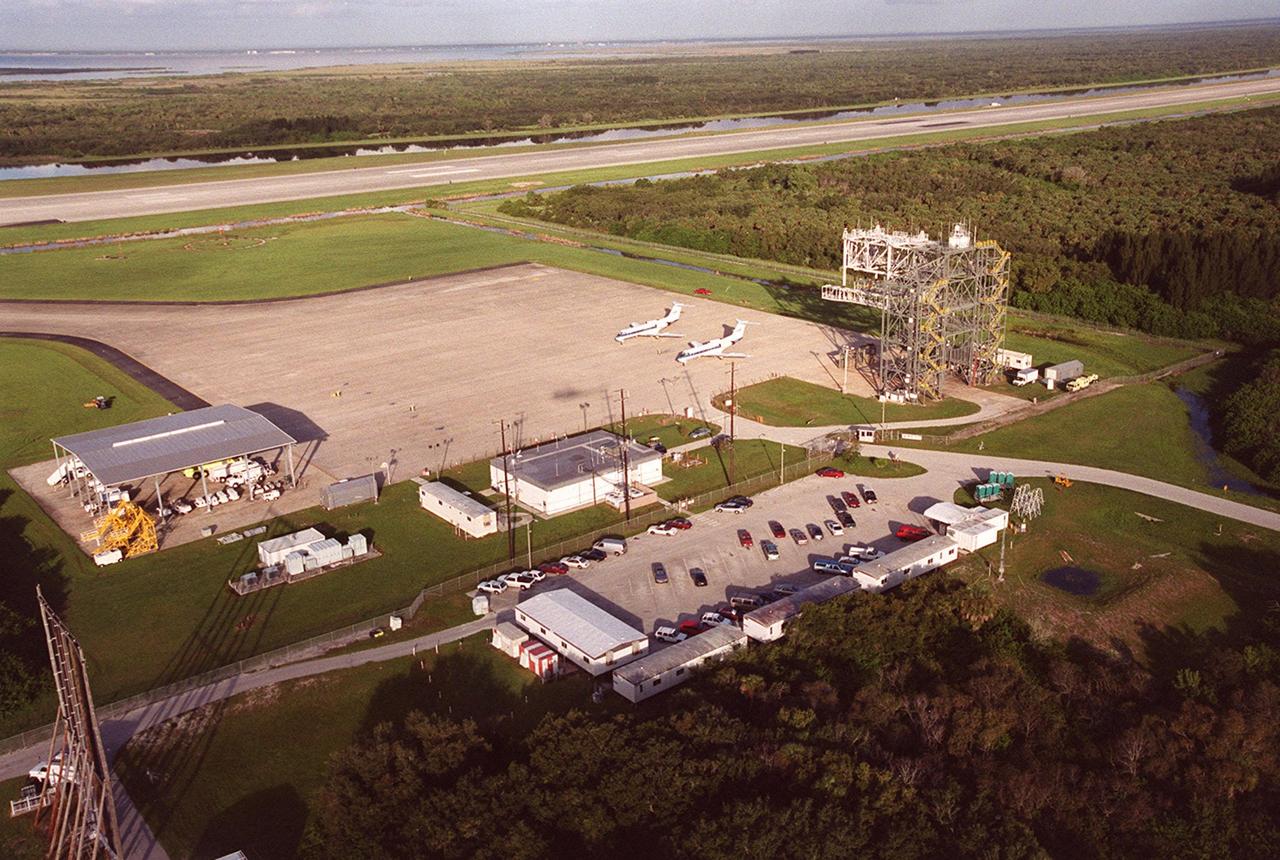
An aerial view of the Shuttle Landing Facility shows the Mate/Demate device in the foreground, with two Shuttle Training Aircraft (STA) on the ground behind it. Visible in the background is the runway and the taxi way leading from the SLF to the right. The STAs are Grumman Gulfstream 2 aircraft with converted cockpits that emulate those in the Shuttles for practice landings at the SLF.
KSC-00PP-1429
Senator Doug Jones (D-Al.) and wife Louise are presented an overview of the Environmental Control and Life Support System (ECLSS) which was developed at Marshall Space flight Center. Marshall engineer Keith Parrish explains the steps in converting waste fluids generated on the International Space Station (ISS) into purified drinking water.
Senator Doug Jones (D-AL) Tour of MSFC Facilities
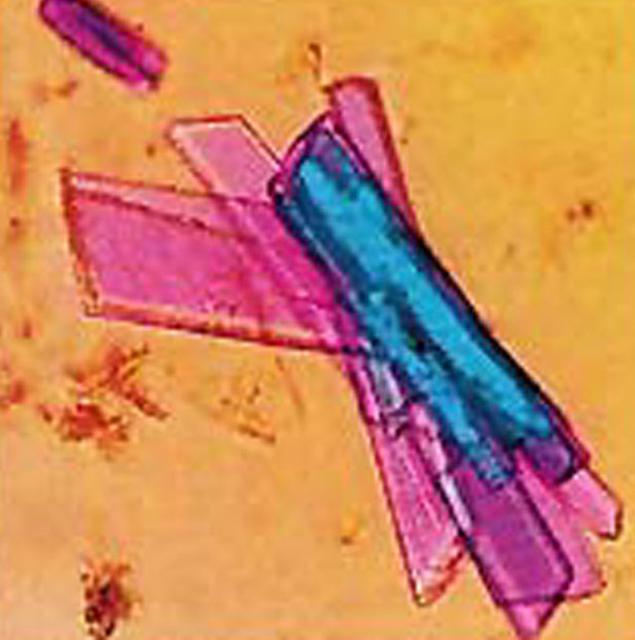
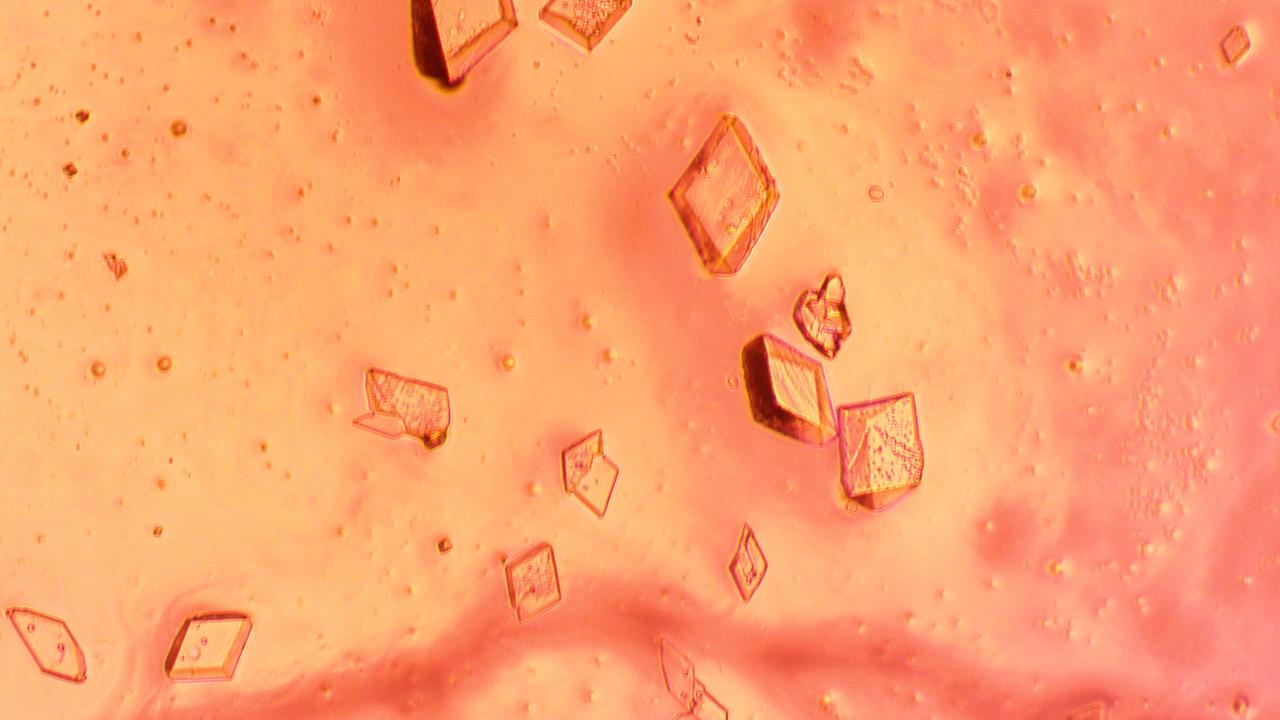
jsc2024e038396 (6/5/2024) --- Insulin crystals grown with Redwire's PIL-BOX aboard the International Space Station. This image was taken after the crystals returned to Earth in April 2024. This control compound helps the body convert food into energy and store it for later use. The ADSEP-PIL-02 investigation aims to study the effect of microgramInsulin crystals grown with Redwire's PIL-BOX aboard the International Space Station. This image was taken after the crystals returned to Earth in April 2024. This control compound helps the body convert food into energy and store it for later use. The In-Space Production Application – Pharmaceutical In-space Laboratory – 02 (InSPA-PIL-02) (ADSEP-PIL-02) investigation aims to study the effect of microgravity on the production of various types of crystals. Image courtesy of Redwire. on the production of various types of crystals. Image courtesy of Redwire.
jsc2024e038396
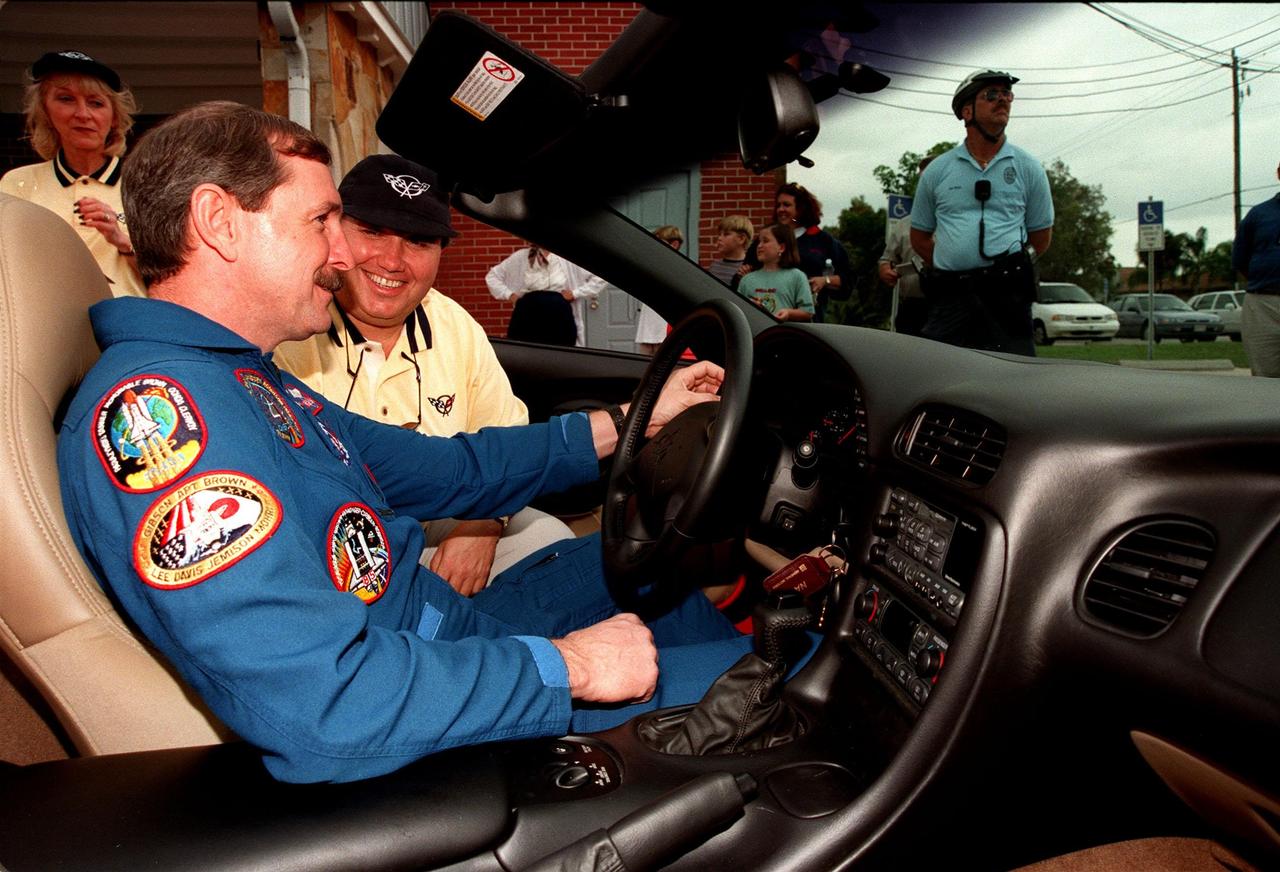
STS-95 Commander Curtis L. Brown Jr. examines the heads up display in the 1999 C-5 Corvette convertible in which he will be riding during a parade down State Road A1A in nearby Cocoa Beach as Dan Adovasio, a parade coordinator, looks on. Organizers of the parade include the Cocoa Beach Area Chamber of Commerce, the Brevard County Tourist Development Council, and the cities of Cape Canaveral and Cocoa Beach. The parade is reminiscent of those held after missions during the Mercury Program
KSC-98pc1843
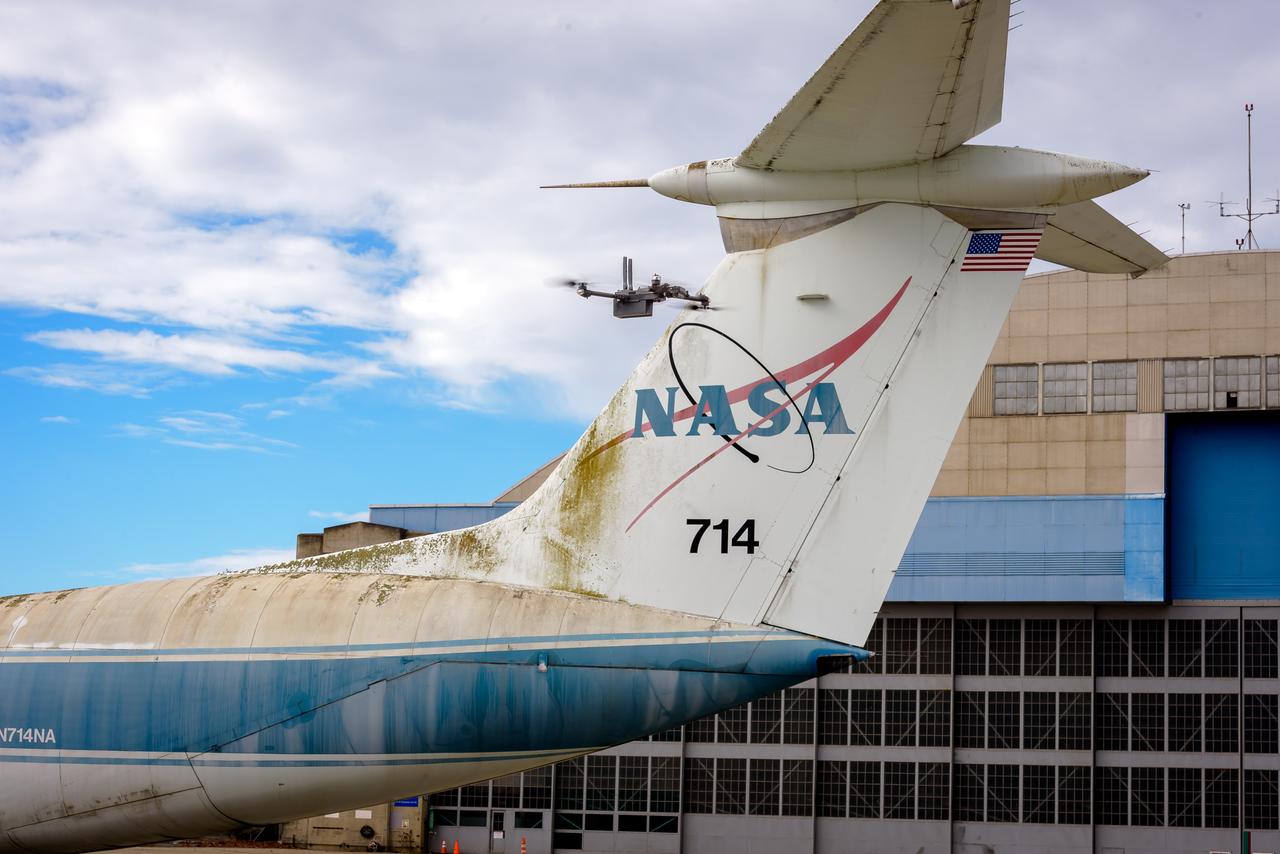
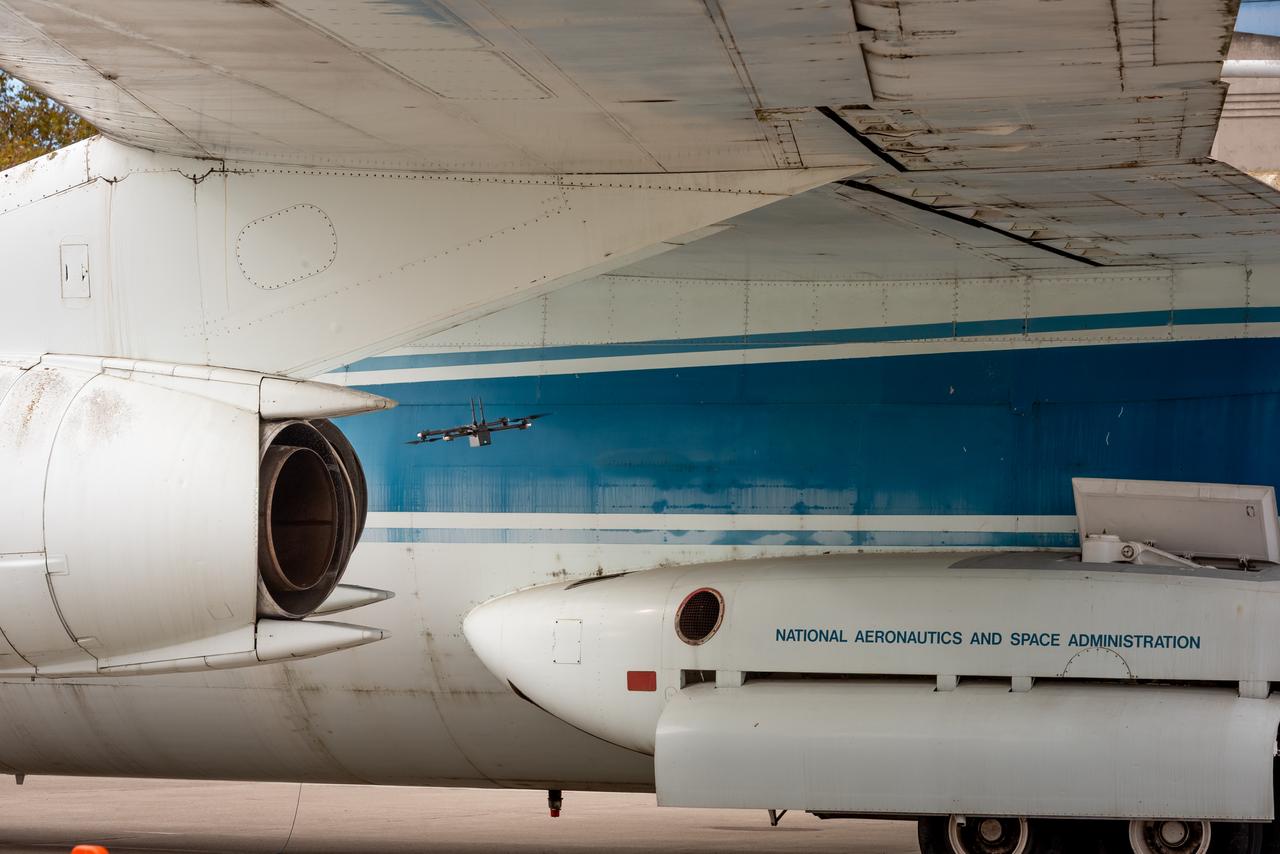
The drone follows an autonomously defined path around the modified C-141 Kuiper Airborne Observatory, (KAO) (NASA-714), on the N211 apron.  The drone photographs the aircraft with a visible and infrared camera which are processed using a photogrammetry software package called Pix4D that converts them into a 3D model.  Scanning the aircraft is the first phase of documenting the aircraft demolition as well as an opportunity to train pilots to operate the Pix4D software.
Kuiper Airborne Observatory (KAO) Demolition
S86-25375 (1986) --- (Artist's concept of possible exploration programs.) On Phobos, the innermost moon of Mars and likely location for extraterrestrial resources, a mobile propellant-production plant lumbers across the irregular surface. Using a nuclear reactor the large tower melts into the surface, generating steam which is converted into liquid hydrogen and liquid oxygen. Artwork by Pat Rawlings, of Eagle Engineering, Incorporated.
FUTURE PORGRAMS - ART CONCEPTS
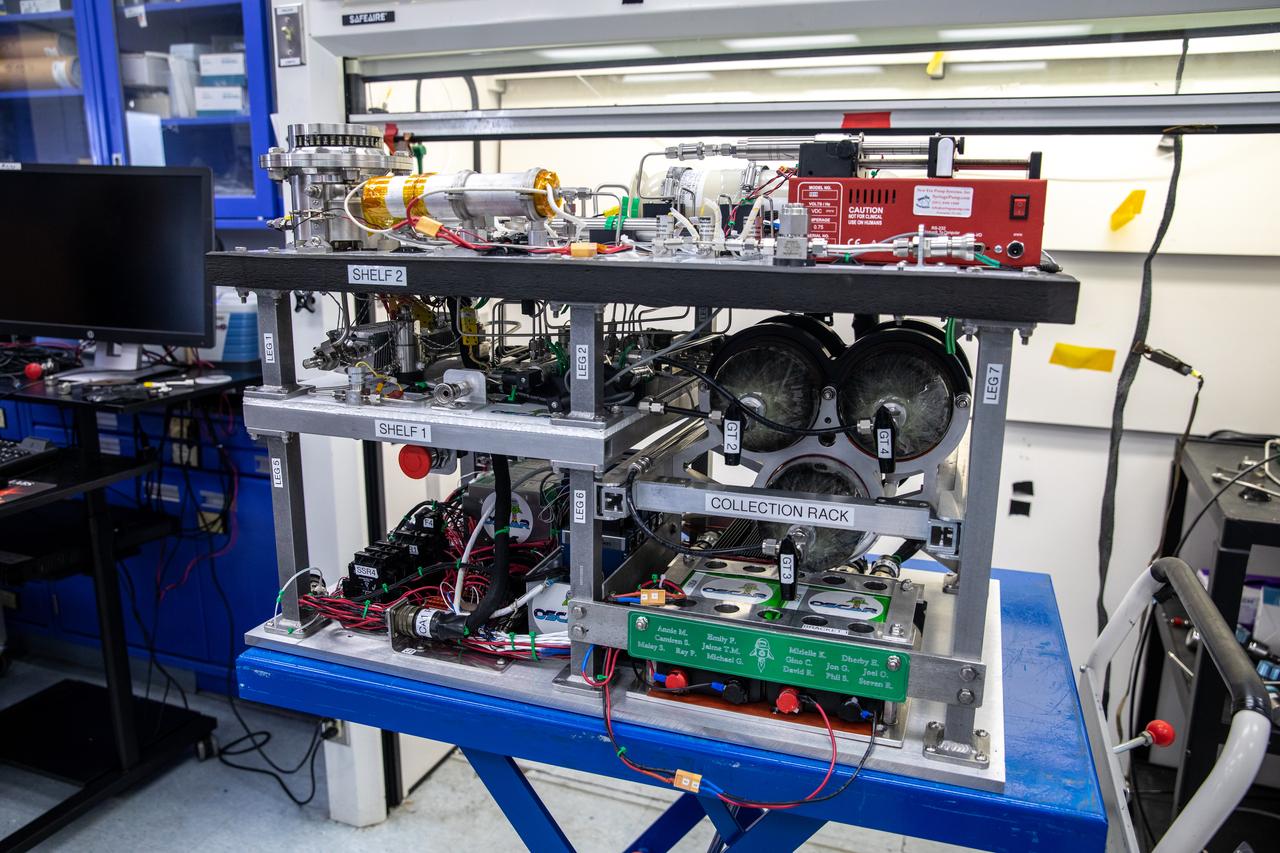
Technicians wearing protective equipment perform work for a future mission on flight hardware for NASA’s Orbital Syngas Commodity Augmentation Reactor, or OSCAR, at the Neil Armstrong Operations and Checkout Facility at the agency’s Kennedy Space Center in Florida on Aug. 10, 2020. OSCAR began as an Early Career Initiative project at the spaceport that studies technology to convert trash and human waste into useful gasses such as methane, hydrogen, and carbon dioxide. By processing small pieces of trash in a high-temperature reactor, OSCAR is advancing new and innovative technology for managing waste in space.
OSCAR Project - August 2020
The drone follows an autonomously defined path around the modified C-141 Kuiper Airborne Observatory, (KAO) (NASA-714), on the N211 apron.  The drone photographs the aircraft with a visible and infrared camera which are processed using a photogrammetry software package called Pix4D that converts them into a 3D model.  Scanning the aircraft is the first phase of documenting the aircraft demolition as well as an opportunity to train pilots to operate the Pix4D software.
Kuiper Airborne Observatory (KAO) Demolition
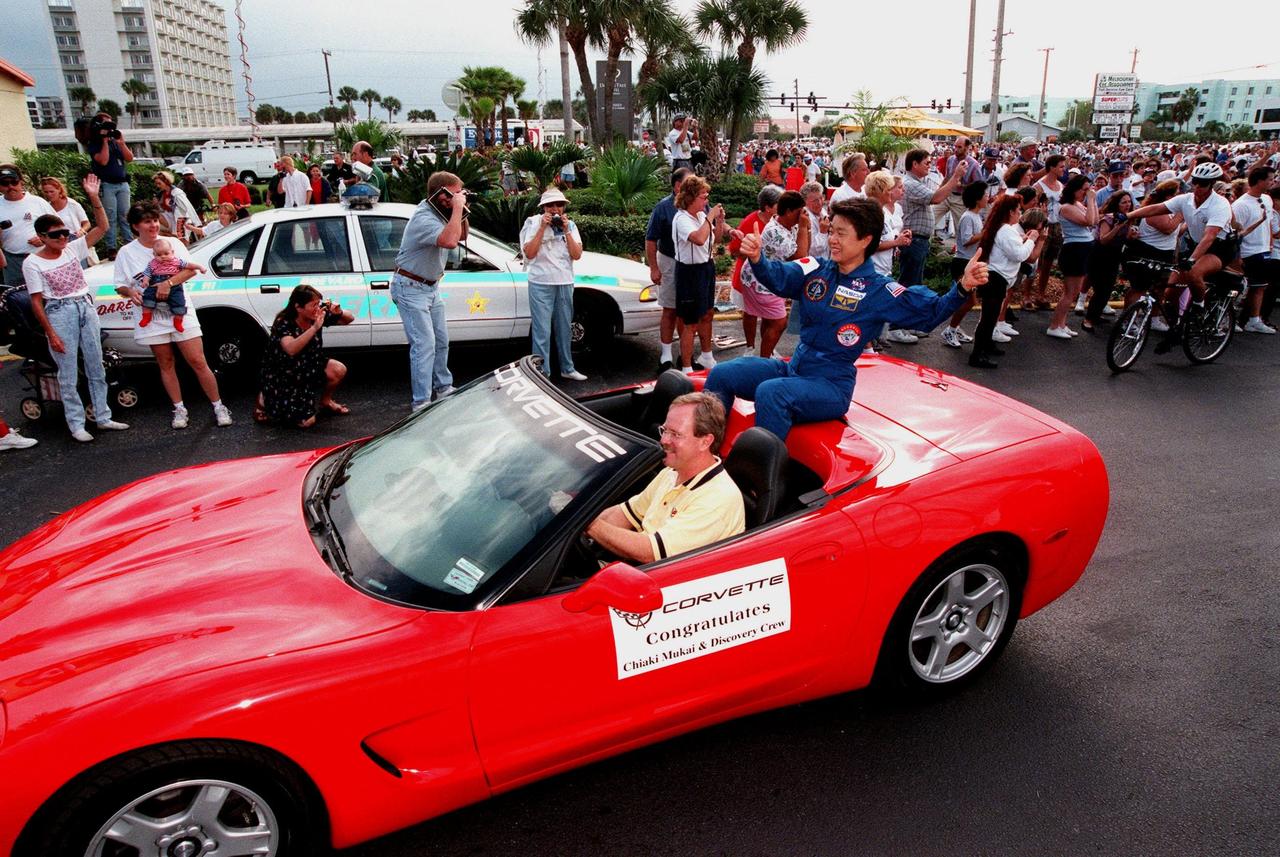
STS-95 Payload Specialist John H. Glenn Jr. waves to spectators from the back of a silver 1999 C-5 Corvette convertible during a parade down State Road A1A in nearby Cocoa Beach. Organizers of the parade include the Cocoa Beach Area Chamber of Commerce, the Brevard County Tourist Development Council, and the cities of Cape Canaveral and Cocoa Beach. The parade is reminiscent of those held after missions during the Mercury Program
KSC-98pc1847
STS-95 Payload Specialist John H. Glenn Jr. waves to a dense crowd of well-wishers from the back of a silver 1999 C-5 Corvette convertible during a parade down State Road A1A in nearby Cocoa Beach. Organizers of the parade include the Cocoa Beach Area Chamber of Commerce, the Brevard County Tourist Development Council, and the cities of Cape Canaveral and Cocoa Beach. The parade is reminiscent of those held after missions during the Mercury Program
KSC-98pc1846
ISS020-E-021811 (18 July 2009) --- Astronaut Tim Kopra, STS-127 mission specialist converting to Expedition 20 flight engineer,  is all smiles prior to donning his helmet and  performing the final touches of suiting-up in the International Space Station's Quest airlock. He later joined astronaut Dave Wolf,  STS-127 mission specialist, for the first of five scheduled sessions of extravehicular activity, requiring four different astronauts for the outside activities.
iss020e021811
STS097-376-006 (7 Dec 2000) --- A close-up view of the P6 solar array on the International Space Station (ISS), backdropped against the blackness of space and the Earth?s horizon. The P6 solar array is the first of eight sets of solar arrays that at the completion of the space station construction in 2006, will comprise the station?s electrical power system, converting sunlight to electricity.
P6 Truss, Photovoltaic (PV) Solar Array Wing (SAW)
CAPE CANAVERAL, Fla.  – In the Orbiter Processing Facility bay 3, space shuttle Discovery's robotic arm (top of photo) is being moved for installation in the shuttle's payload bay.  Scheduled to launch on the STS-119 mission, Discovery will carry the S6 truss segment to complete the 361-foot-long backbone of the International Space Station. The truss includes the fourth pair of solar array wings and electronics that convert sunlight to power for the orbiting laboratory. A launch date has not yet been determined.  Photo credit: NASA/Jim Grossmann
KSC-08pd1854
iss035e007095 (3/22/2013) --- A close-up view of an alloy cartridge to be installed in the Gradient Heating Furnace (GHF) of the Kobairo rack for the Alloy Semiconductor experiment. Image was taken in the Kibo Japanese Experiment Pressurized Module (JPM) aboard the International Space Station (ISS). The Alloy Semiconductor investigation aims to develop a clear understanding of how semiconductor materials grow and crystallize in microgravity. The materials studied are also known to be useful as devices which convert heat into electricity (thermoelectrics).
Alloy Cartridges for the Alloy Semiconductor Experiment
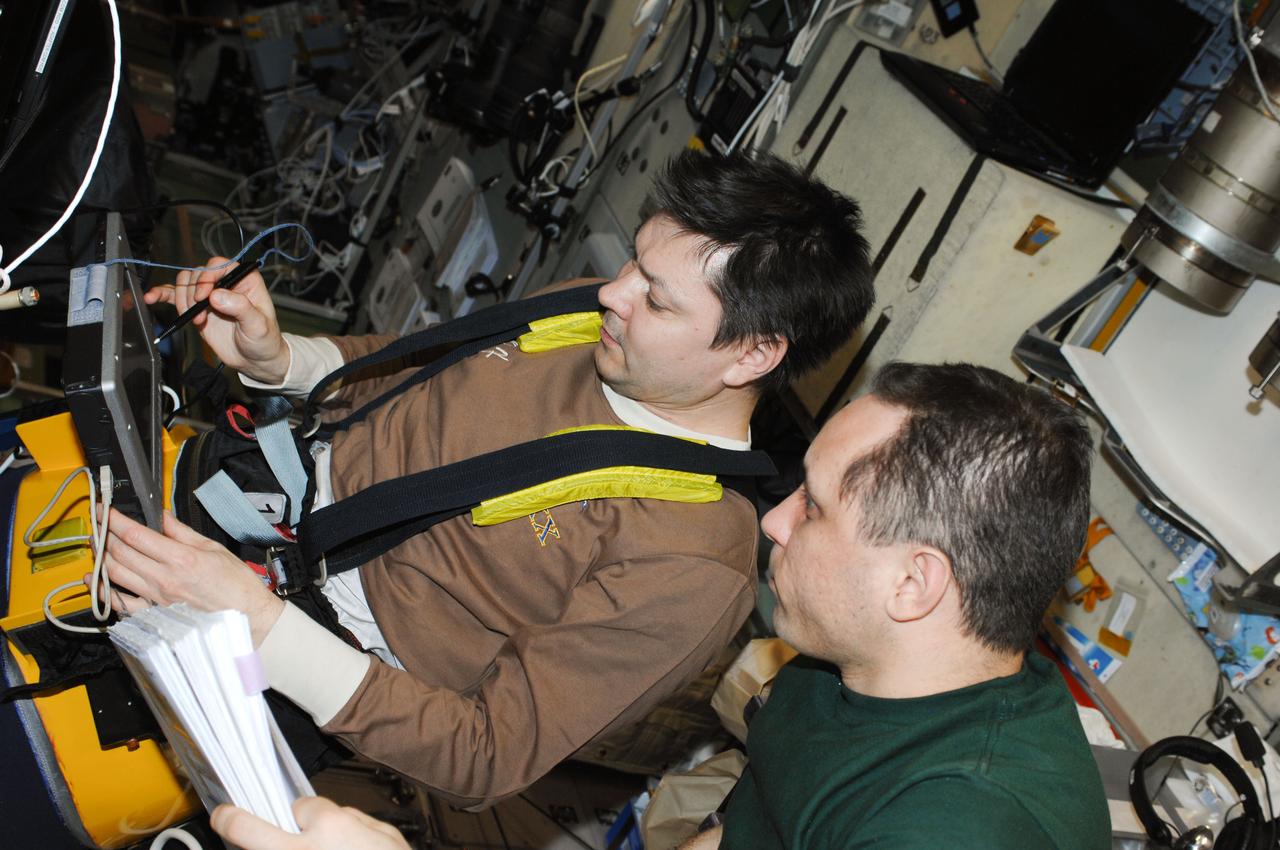
ISS030-E-104844 (28 Feb. 2012) --- In the International Space Station?s Zvezda Service Module, Russian cosmonauts Oleg Kononenko (left) and Anton Shkaplerov, both Expedition 30 flight engineers, work with Russian Lower Body Negative Pressure (LBNP) or Chibis suits (PVK-1, PVK-2), converting them to the advanced version Chibis-M.
iss030e104844
The drone follows an autonomously defined path around the modified C-141 Kuiper Airborne Observatory, (KAO) (NASA-714), on the N211 apron.  The drone photographs the aircraft with a visible and infrared camera which are processed using a photogrammetry software package called Pix4D that converts them into a 3D model.  Scanning the aircraft is the first phase of documenting the aircraft demolition as well as an opportunity to train pilots to operate the Pix4D software.
Kuiper Airborne Observatory (KAO) Demolition
The drone follows an autonomously defined path around the modified C-141 Kuiper Airborne Observatory, (KAO) (NASA-714), on the N211 apron.  The drone photographs the aircraft with a visible and infrared camera which are processed using a photogrammetry software package called Pix4D that converts them into a 3D model.  Scanning the aircraft is the first phase of documenting the aircraft demolition as well as an opportunity to train pilots to operate the Pix4D software.
Kuiper Airborne Observatory (KAO) Demolition
KENNEDY SPACE CENTER, FLA. -- An aerial view of the Shuttle Landing Facility shows the fuel truck shelter (left), administrative building (center) with parking lot behind it (foreground), two Shuttle Training Aircraft (STA) parked on the apron and the mate/demate device (right). In the background is the runway. The STAs are Grumman Gulfstream 2 aircraft with converted cockpits that emulate those in the Shuttles for practice landings at the SLF. The mate/demate device is used to lift the orbiter onto or off a Shuttle Carrier Aircraft when it has to be ferried to or from KSC
KSC00pp1430