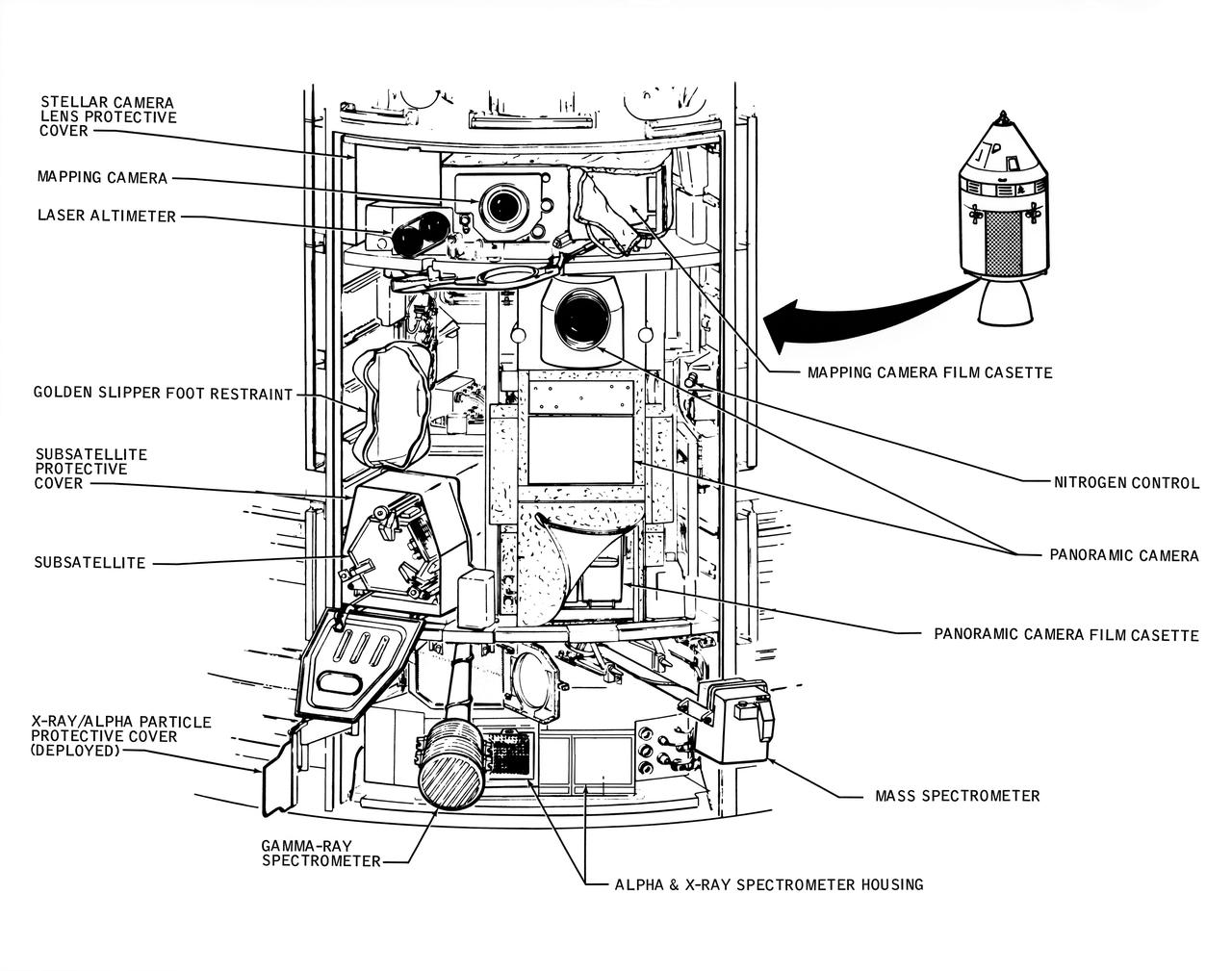
A line drawing illustrating the layout of the Scietific Instrument Module (SIM) of the Apollo 16 Service Module. Shown here is the location in the SIM bay of the equipment for each orbital experiment. Arrows point to various components of the SIM bay. The sensors for the gamma ray spectrometer and the mas spectrometer both extend outward on a boom about 25 feet when the instruments are in use. The subsatellite is launched while the Service Module is in orbit around the moon. The film cassettes must be retrieved prior to Command Module/Service Module separation.
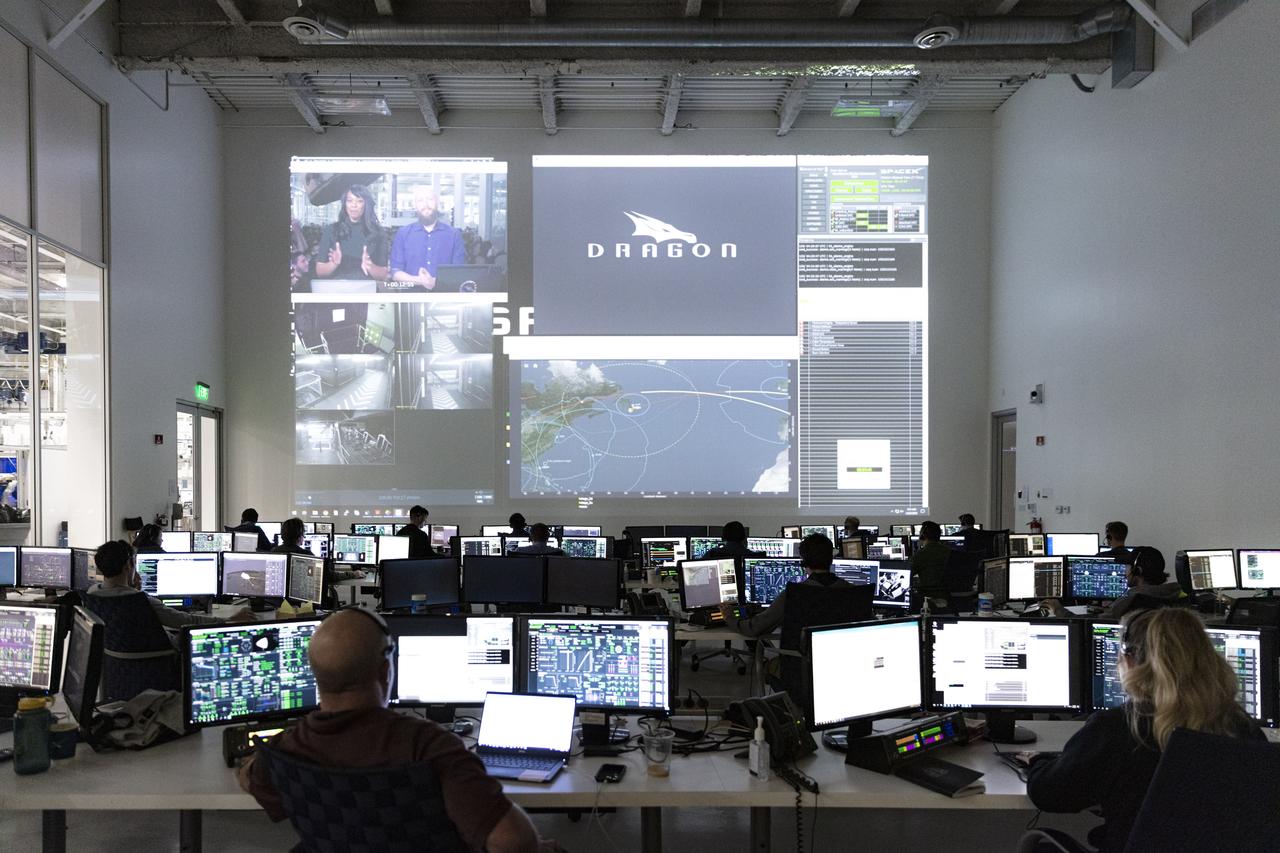
On Thursday, March 19 and Friday, March 20, SpaceX teams in Firing Room 4 at NASA's Kennedy Space Center in Florida and the company's Mission Control in Hawthorne, California, along with NASA flight controllers in Mission Control Houston, executed a full simulation of launch and docking of the Crew Dragon spacecraft, with NASA astronauts Bob Behnken and Doug Hurley participating in SpaceX's flight simulator.
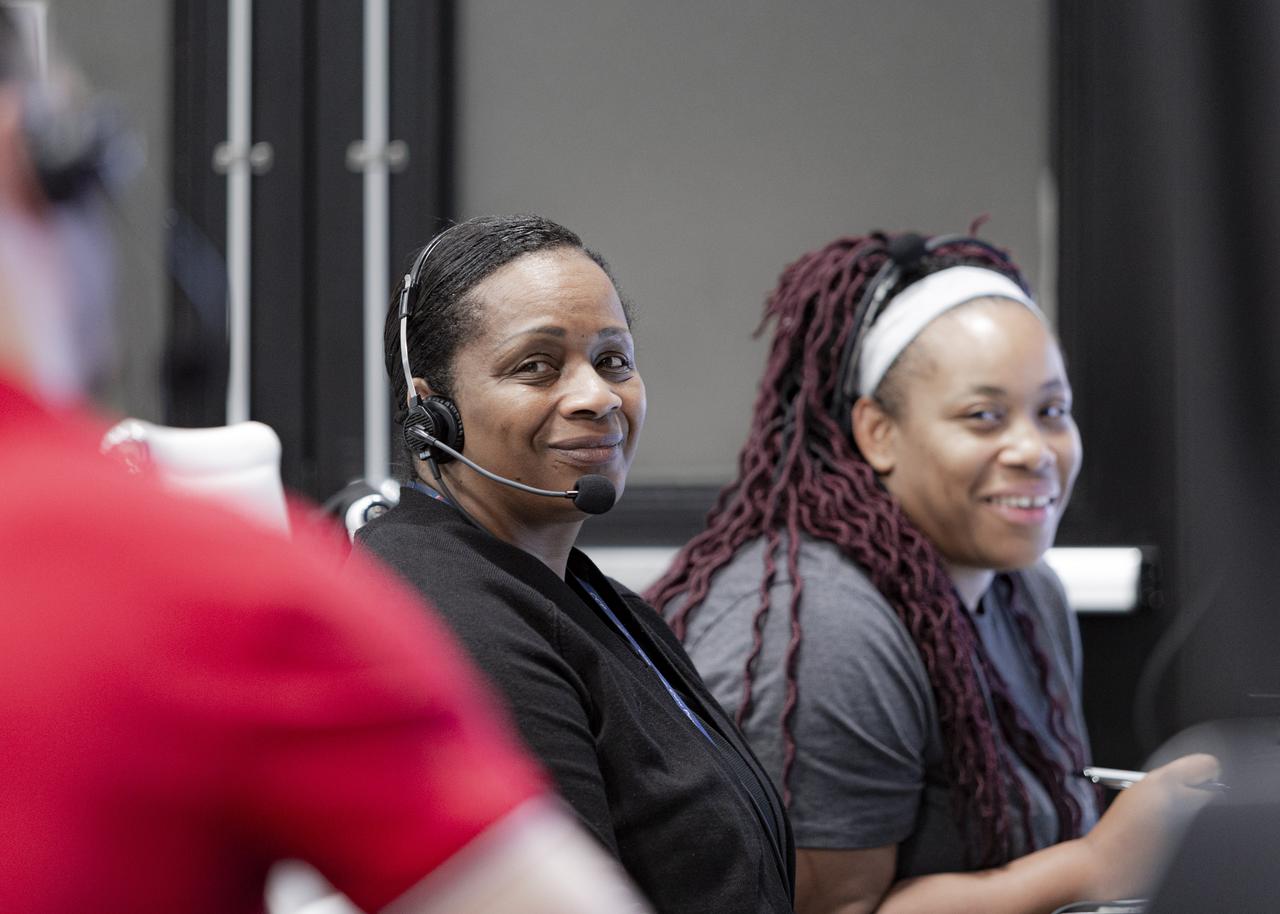
On Thursday, March 19 and Friday, March 20, SpaceX teams in Firing Room 4 at NASA's Kennedy Space Center in Florida and the company's Mission Control in Hawthorne, California, along with NASA flight controllers in Mission Control Houston, executed a full simulation of launch and docking of the Crew Dragon spacecraft, with NASA astronauts Bob Behnken and Doug Hurley participating in SpaceX's flight simulator.
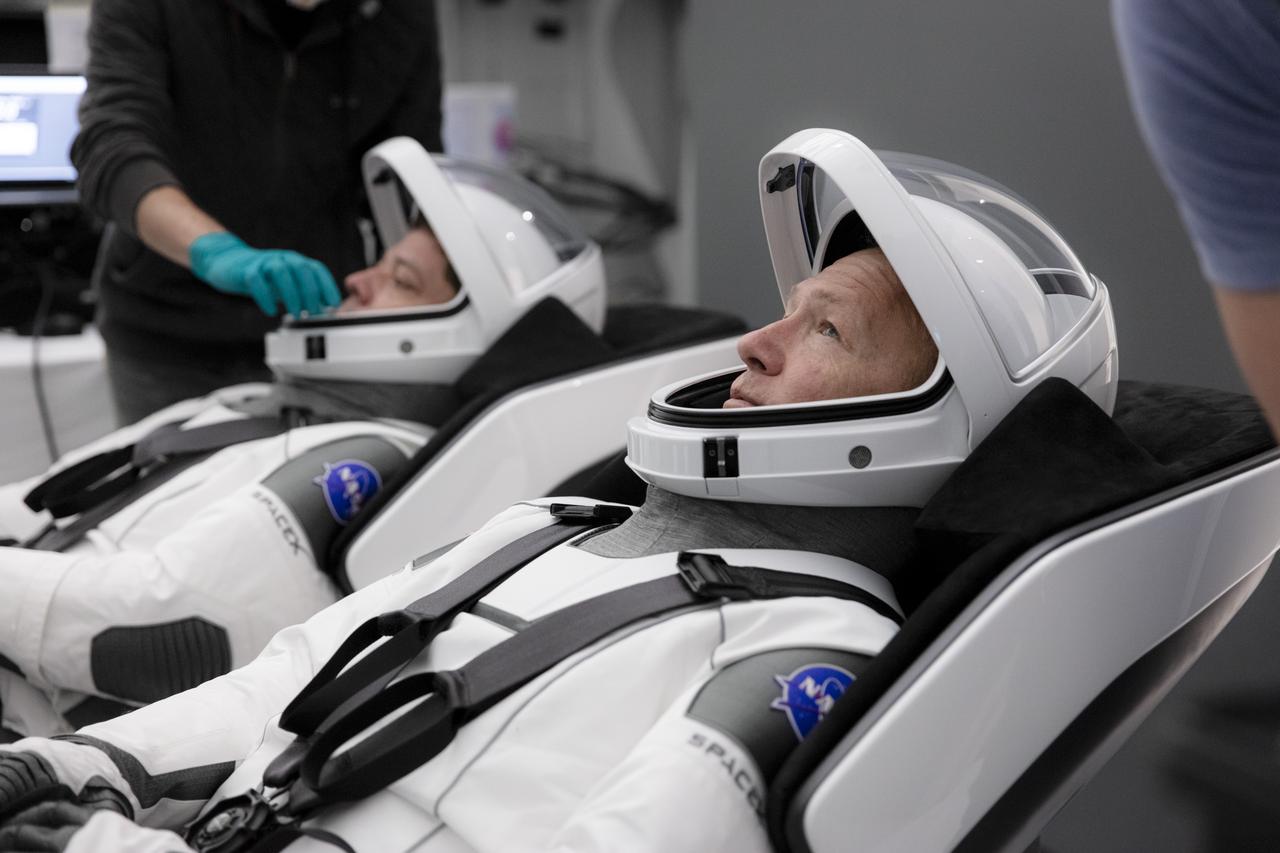
On Thursday, March 19 and Friday, March 20, SpaceX teams in Firing Room 4 at NASA's Kennedy Space Center in Florida and the company's Mission Control in Hawthorne, California, along with NASA flight controllers in Mission Control Houston, executed a full simulation of launch and docking of the Crew Dragon spacecraft, with NASA astronauts Bob Behnken and Doug Hurley participating in SpaceX's flight simulator.
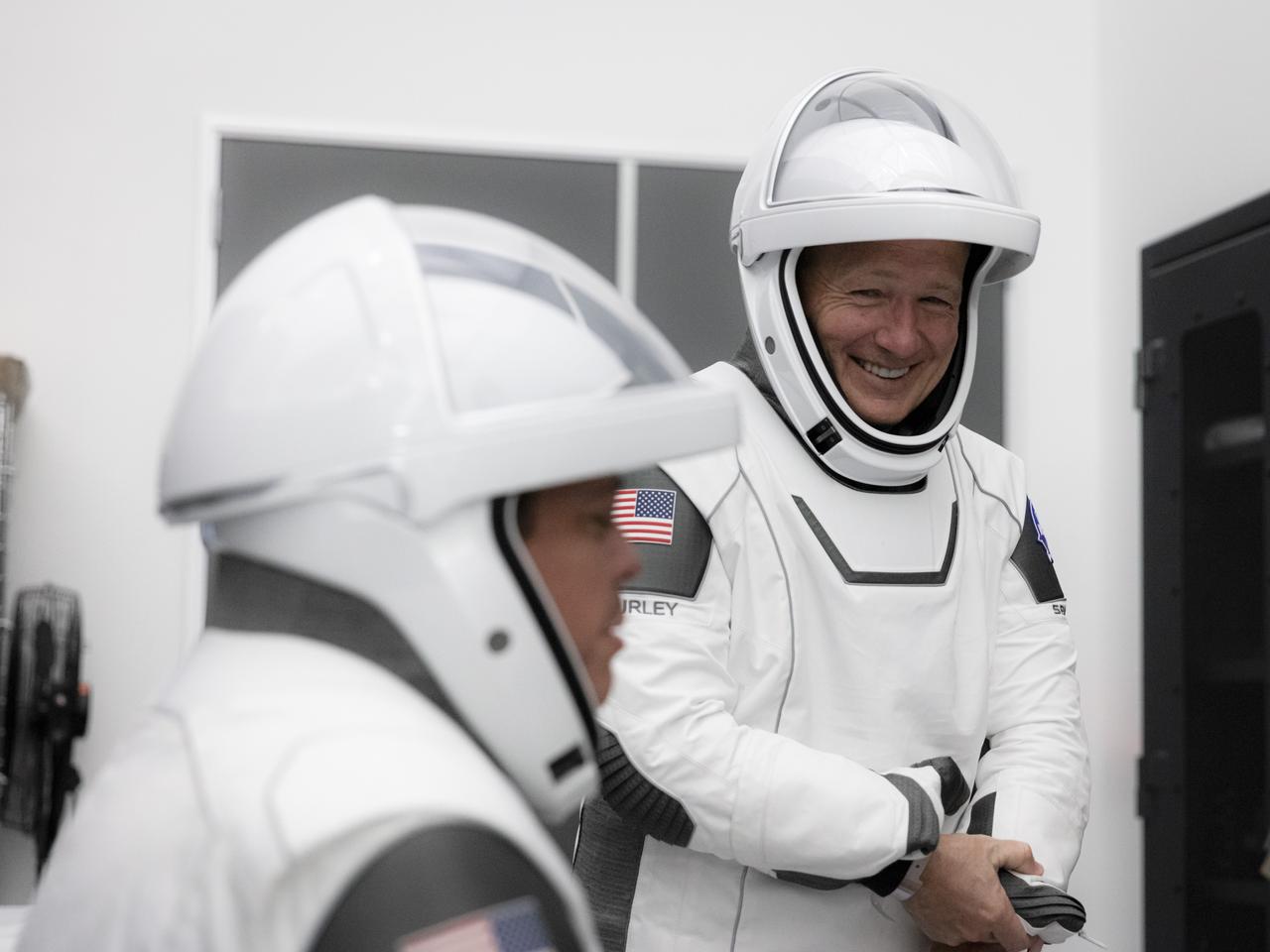
On Thursday, March 19 and Friday, March 20, SpaceX teams in Firing Room 4 at NASA's Kennedy Space Center in Florida and the company's Mission Control in Hawthorne, California, along with NASA flight controllers in Mission Control Houston, executed a full simulation of launch and docking of the Crew Dragon spacecraft, with NASA astronauts Bob Behnken and Doug Hurley participating in SpaceX's flight simulator.
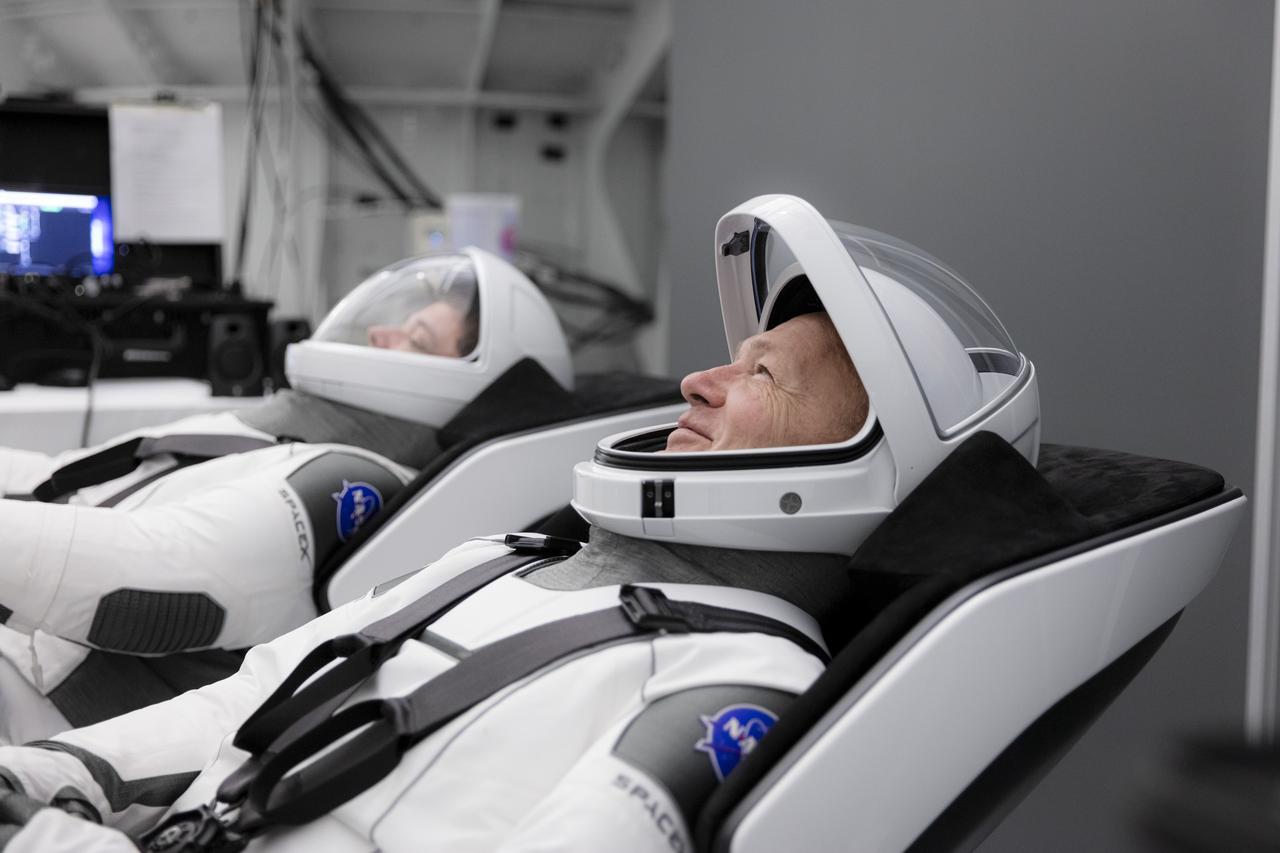
On Thursday, March 19 and Friday, March 20, SpaceX teams in Firing Room 4 at NASA's Kennedy Space Center in Florida and the company's Mission Control in Hawthorne, California, along with NASA flight controllers in Mission Control Houston, executed a full simulation of launch and docking of the Crew Dragon spacecraft, with NASA astronauts Bob Behnken and Doug Hurley participating in SpaceX's flight simulator.
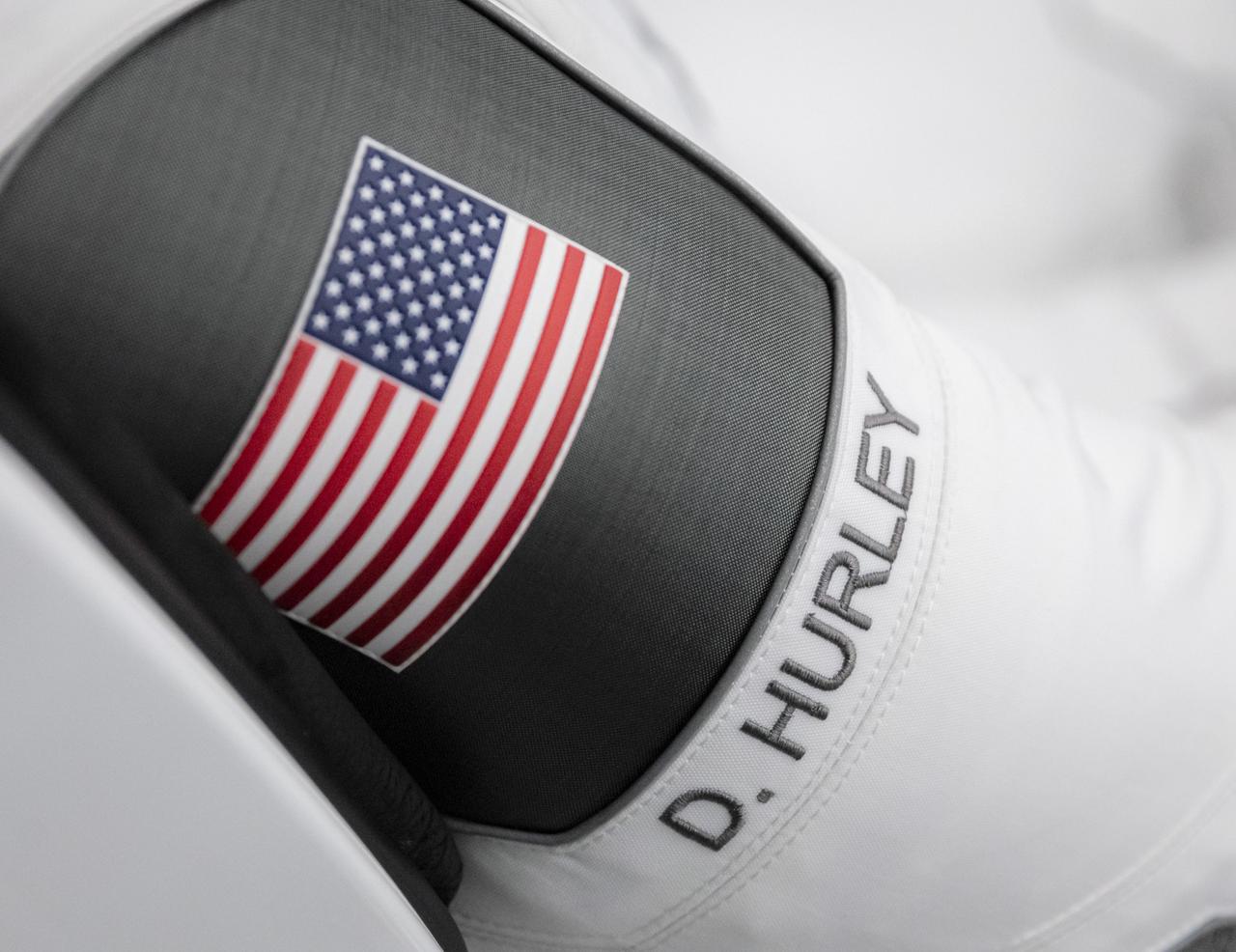
On Thursday, March 19 and Friday, March 20, SpaceX teams in Firing Room 4 at NASA's Kennedy Space Center in Florida and the company's Mission Control in Hawthorne, California, along with NASA flight controllers in Mission Control Houston, executed a full simulation of launch and docking of the Crew Dragon spacecraft, with NASA astronauts Bob Behnken and Doug Hurley participating in SpaceX's flight simulator.
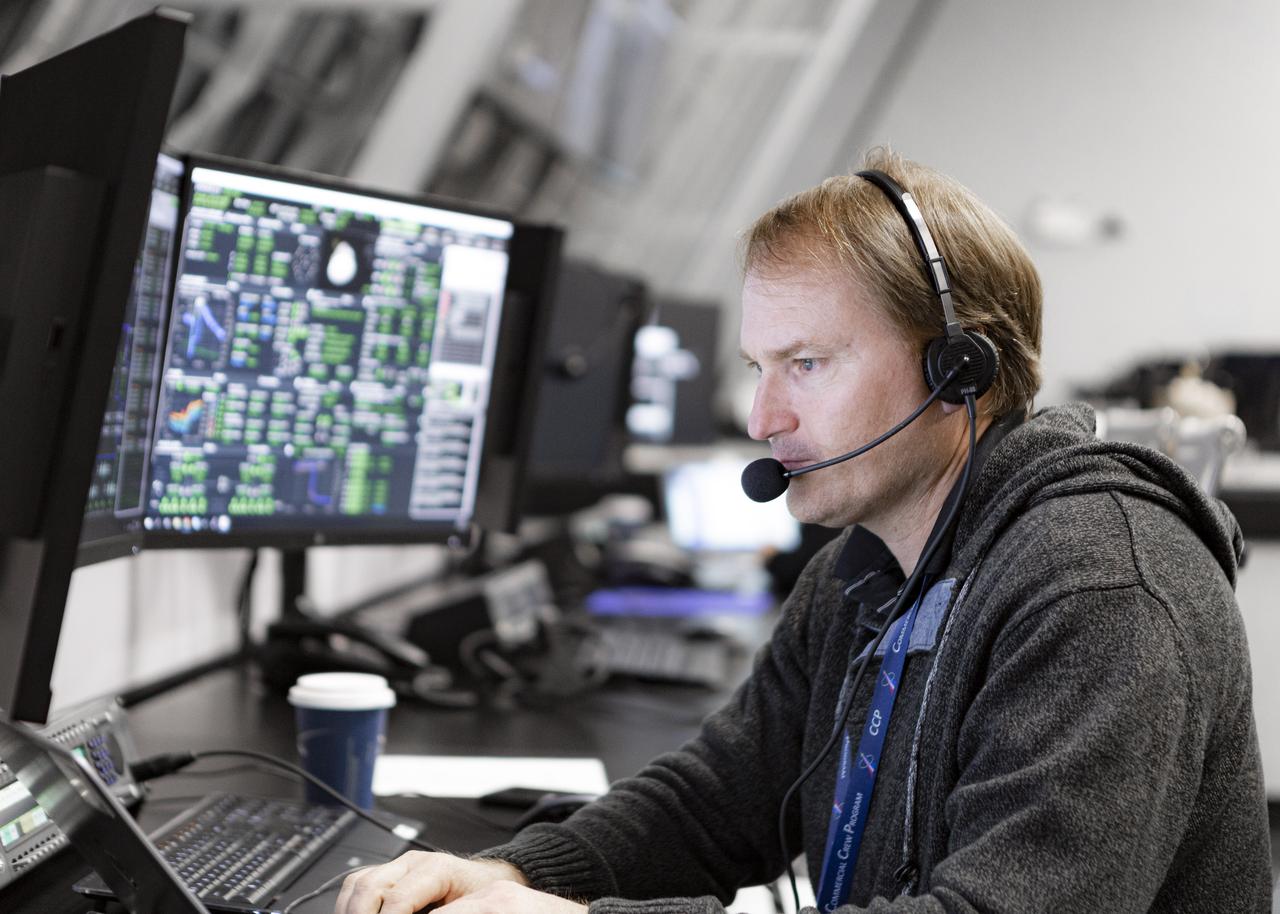
On Thursday, March 19 and Friday, March 20, SpaceX teams in Firing Room 4 at NASA's Kennedy Space Center in Florida and the company's Mission Control in Hawthorne, California, along with NASA flight controllers in Mission Control Houston, executed a full simulation of launch and docking of the Crew Dragon spacecraft, with NASA astronauts Bob Behnken and Doug Hurley participating in SpaceX's flight simulator.
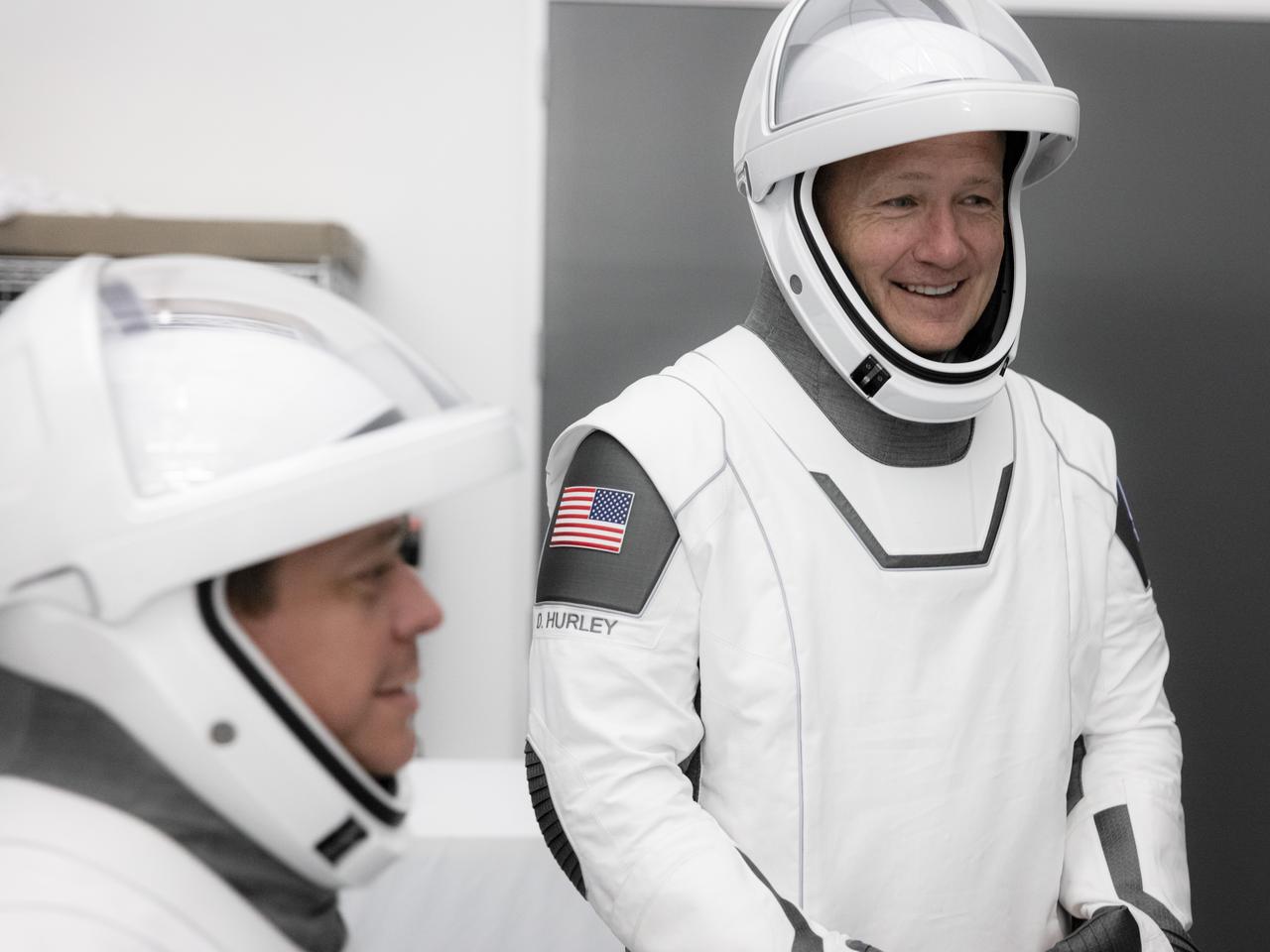
On Thursday, March 19 and Friday, March 20, SpaceX teams in Firing Room 4 at NASA's Kennedy Space Center in Florida and the company's Mission Control in Hawthorne, California, along with NASA flight controllers in Mission Control Houston, executed a full simulation of launch and docking of the Crew Dragon spacecraft, with NASA astronauts Bob Behnken and Doug Hurley participating in SpaceX's flight simulator.
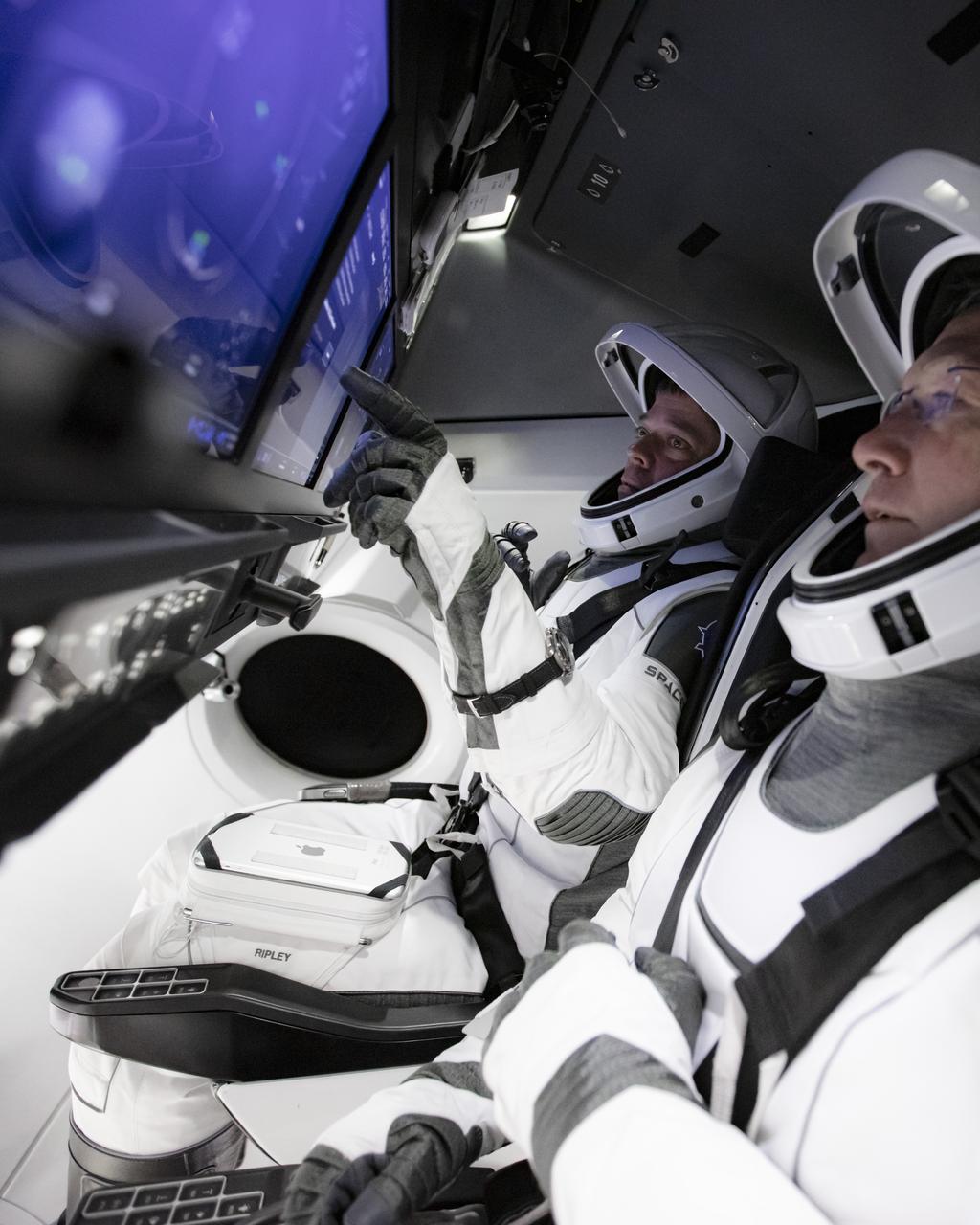
On Thursday, March 19 and Friday, March 20, SpaceX teams in Firing Room 4 at NASA's Kennedy Space Center in Florida and the company's Mission Control in Hawthorne, California, along with NASA flight controllers in Mission Control Houston, executed a full simulation of launch and docking of the Crew Dragon spacecraft, with NASA astronauts Bob Behnken and Doug Hurley participating in SpaceX's flight simulator.
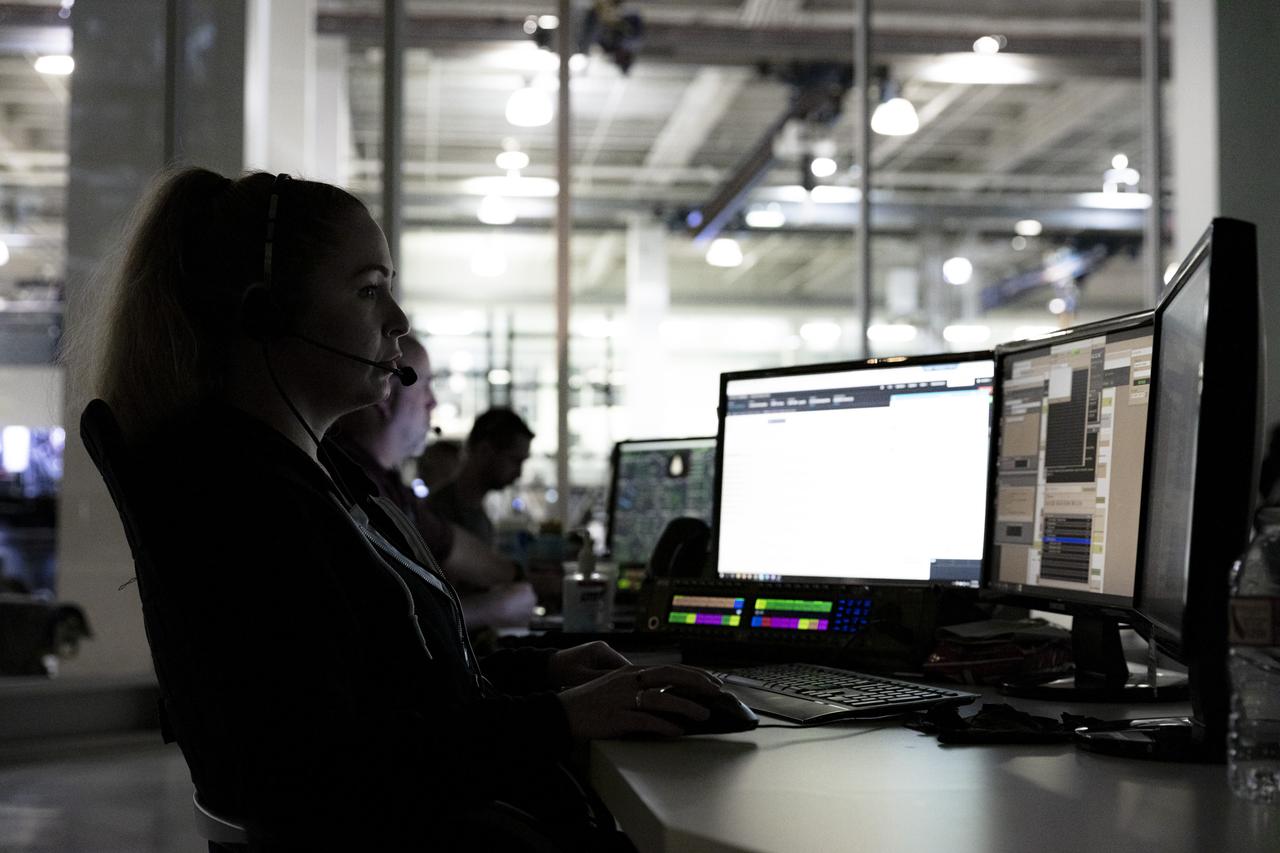
On Thursday, March 19 and Friday, March 20, SpaceX teams in Firing Room 4 at NASA's Kennedy Space Center in Florida and the company's Mission Control in Hawthorne, California, along with NASA flight controllers in Mission Control Houston, executed a full simulation of launch and docking of the Crew Dragon spacecraft, with NASA astronauts Bob Behnken and Doug Hurley participating in SpaceX's flight simulator.
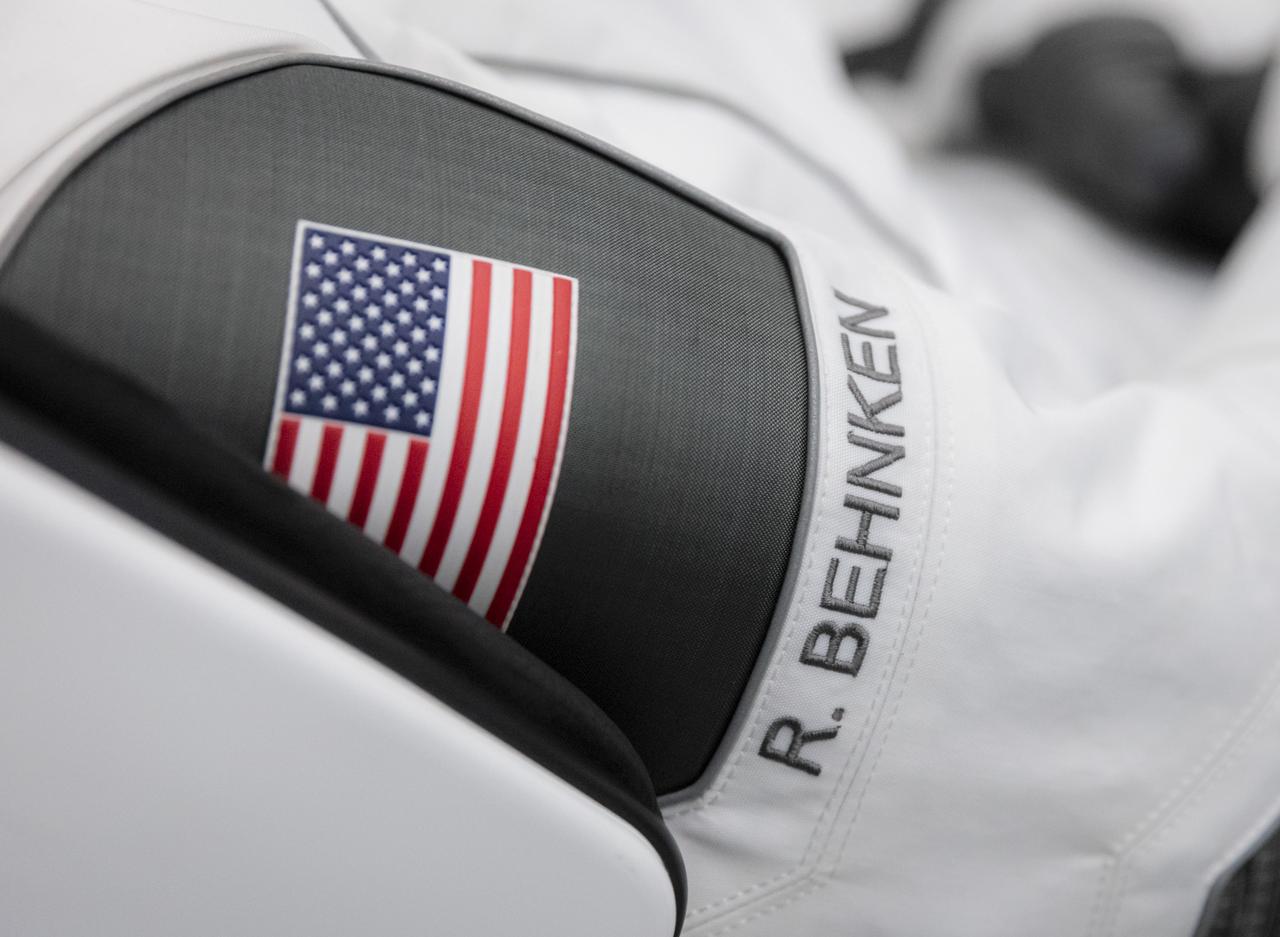
On Thursday, March 19 and Friday, March 20, SpaceX teams in Firing Room 4 at NASA's Kennedy Space Center in Florida and the company's Mission Control in Hawthorne, California, along with NASA flight controllers in Mission Control Houston, executed a full simulation of launch and docking of the Crew Dragon spacecraft, with NASA astronauts Bob Behnken and Doug Hurley participating in SpaceX's flight simulator.
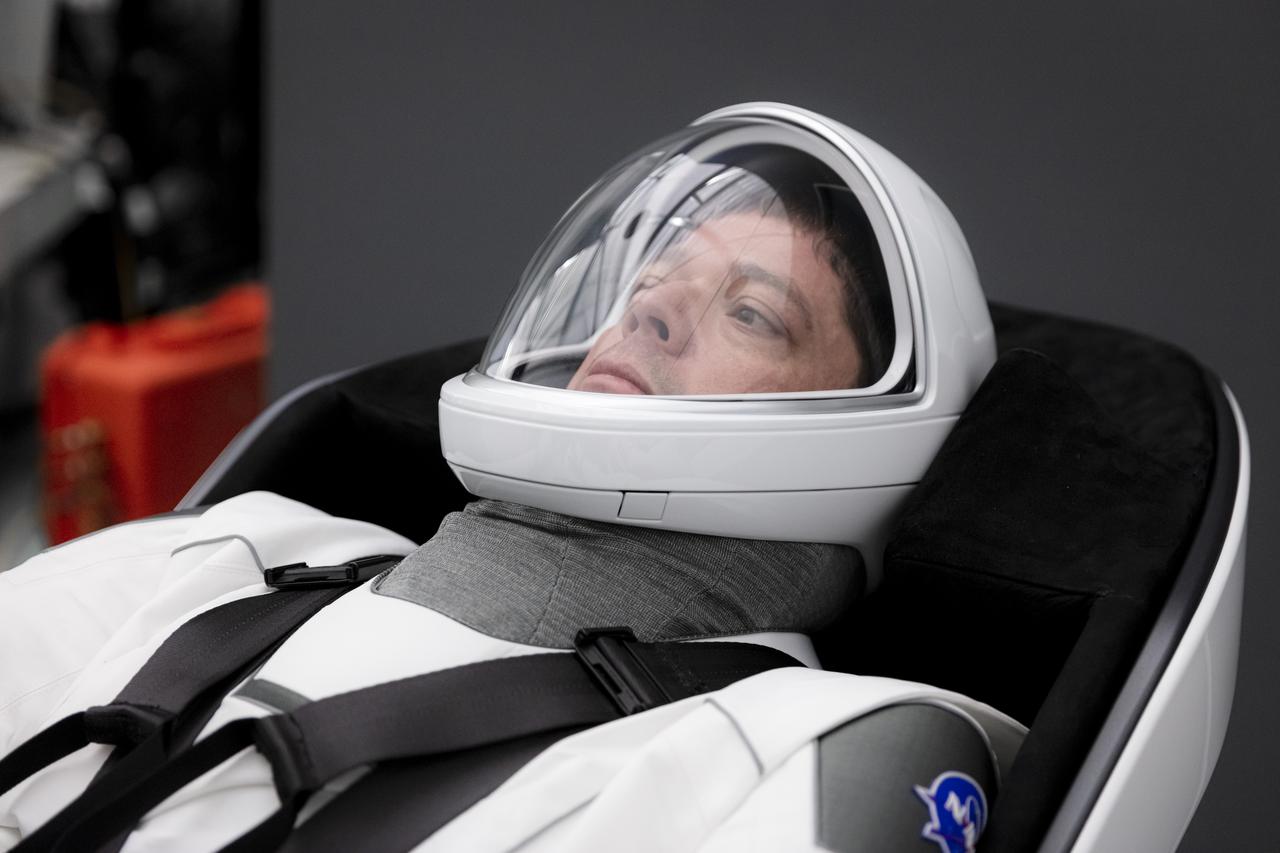
On Thursday, March 19 and Friday, March 20, SpaceX teams in Firing Room 4 at NASA's Kennedy Space Center in Florida and the company's Mission Control in Hawthorne, California, along with NASA flight controllers in Mission Control Houston, executed a full simulation of launch and docking of the Crew Dragon spacecraft, with NASA astronauts Bob Behnken and Doug Hurley participating in SpaceX's flight simulator.
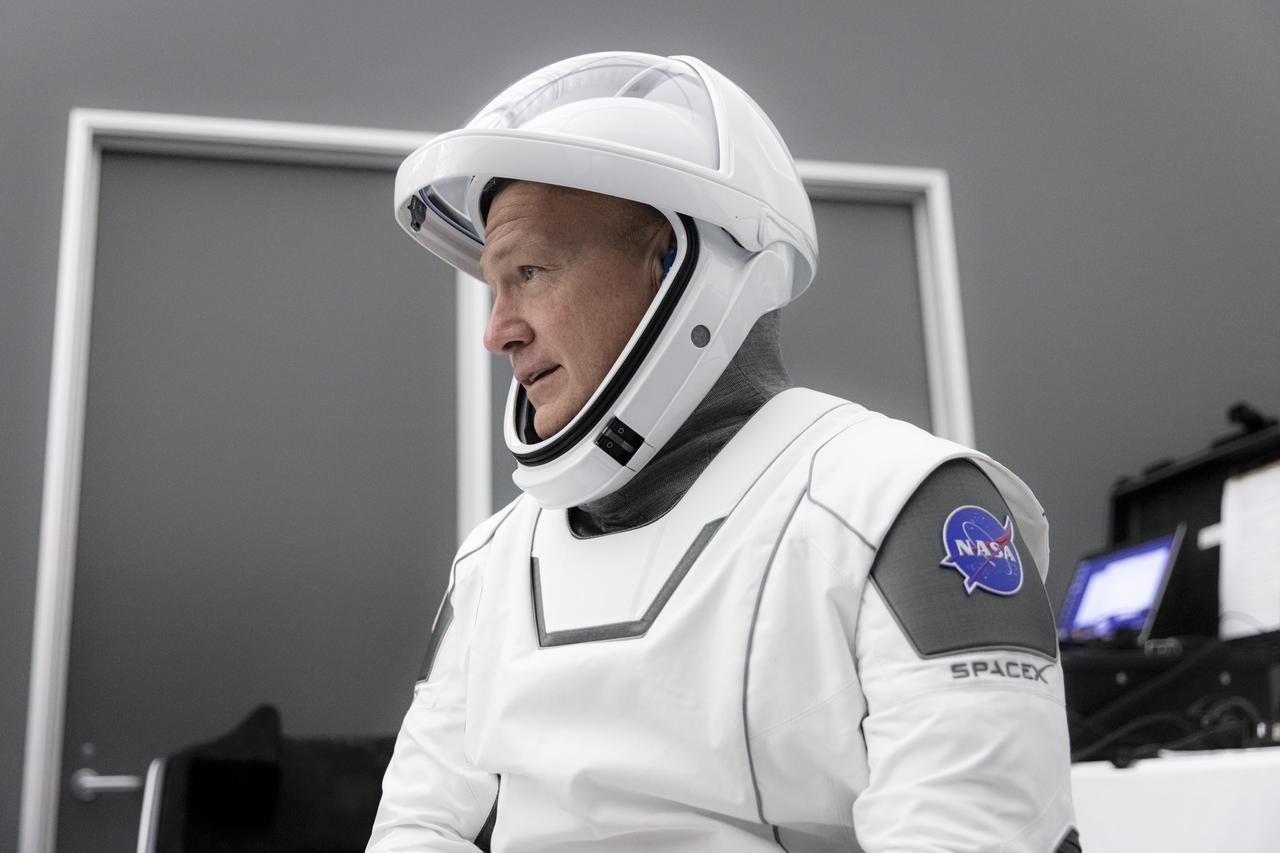
On Thursday, March 19 and Friday, March 20, SpaceX teams in Firing Room 4 at NASA's Kennedy Space Center in Florida and the company's Mission Control in Hawthorne, California, along with NASA flight controllers in Mission Control Houston, executed a full simulation of launch and docking of the Crew Dragon spacecraft, with NASA astronauts Bob Behnken and Doug Hurley participating in SpaceX's flight simulator.
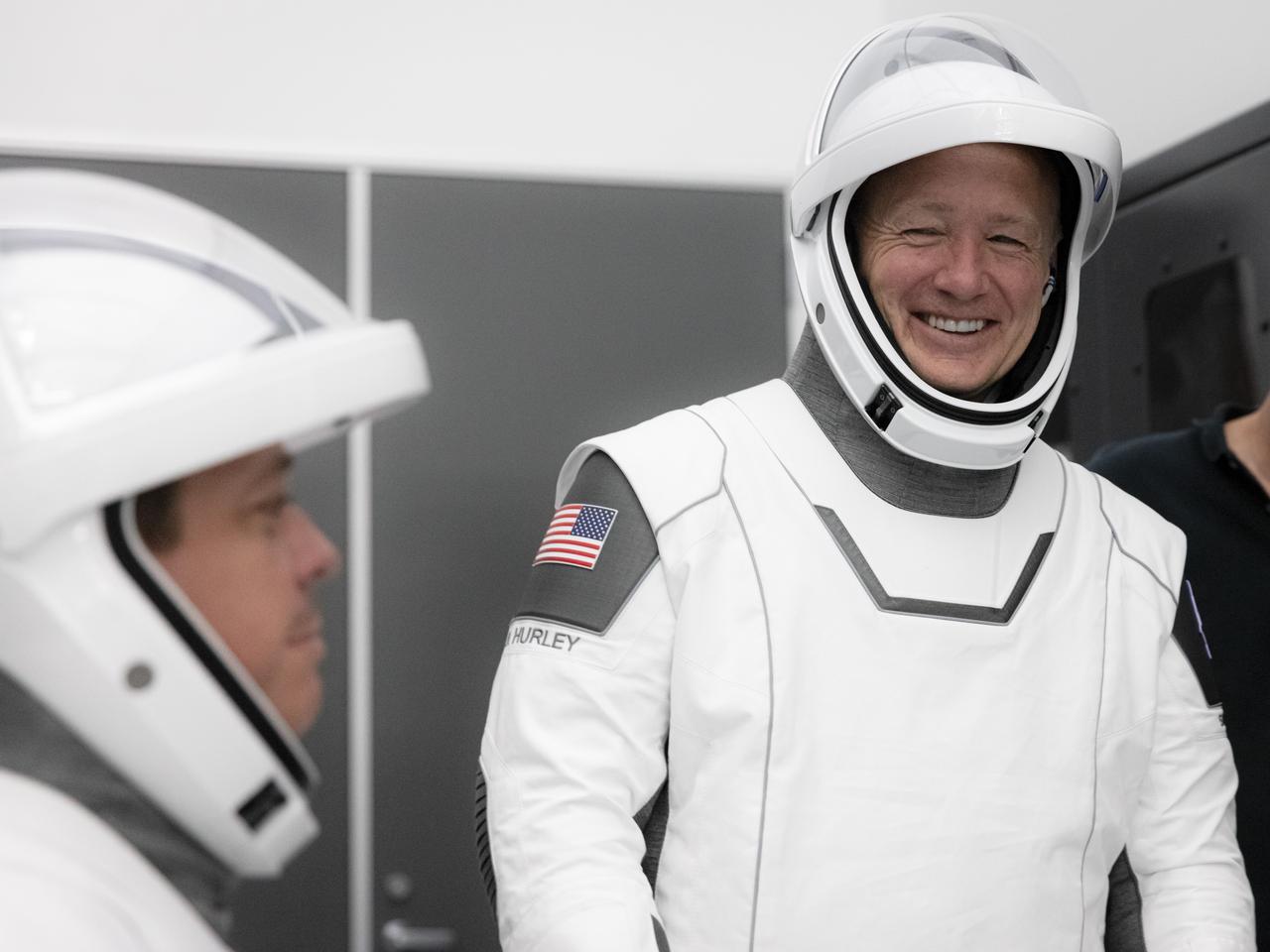
On Thursday, March 19 and Friday, March 20, SpaceX teams in Firing Room 4 at NASA's Kennedy Space Center in Florida and the company's Mission Control in Hawthorne, California, along with NASA flight controllers in Mission Control Houston, executed a full simulation of launch and docking of the Crew Dragon spacecraft, with NASA astronauts Bob Behnken and Doug Hurley participating in SpaceX's flight simulator.
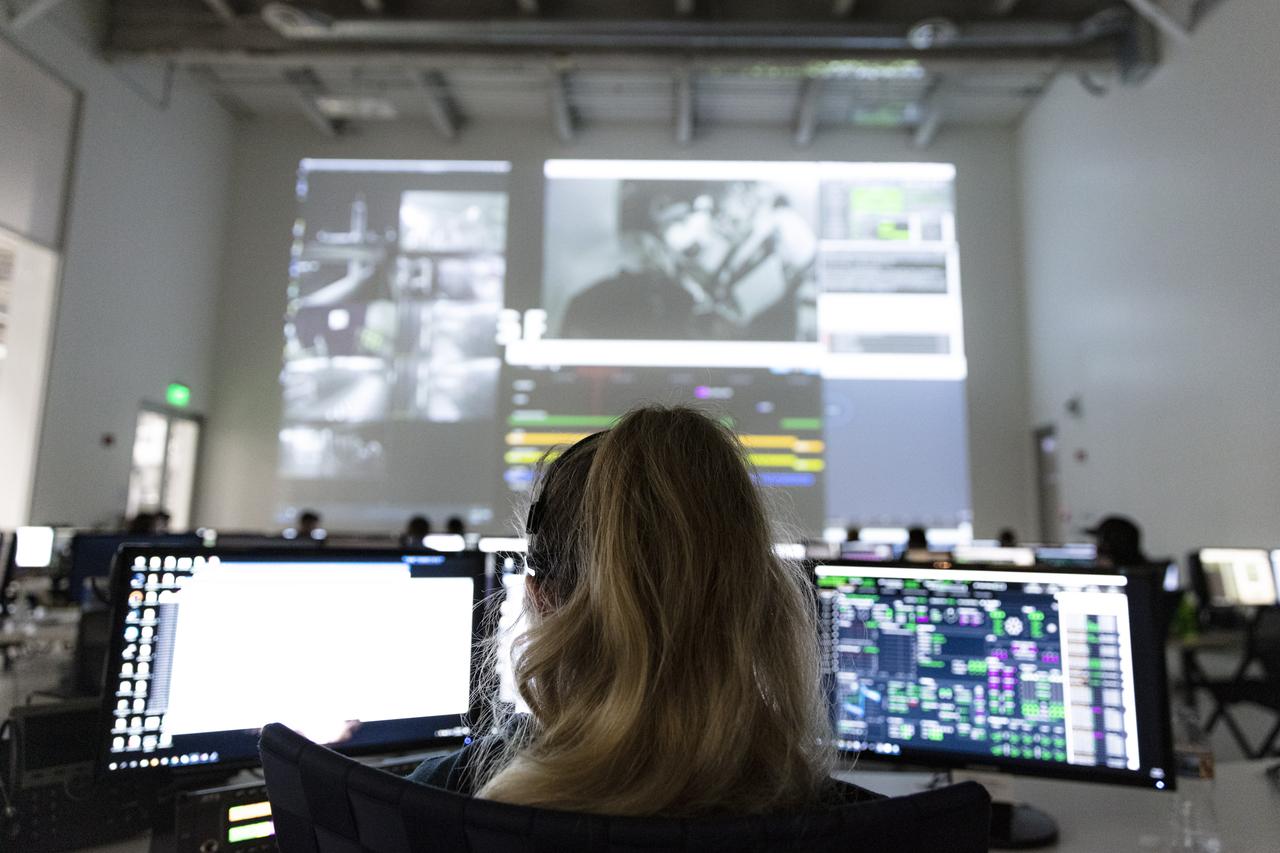
On Thursday, March 19 and Friday, March 20, SpaceX teams in Firing Room 4 at NASA's Kennedy Space Center in Florida and the company's Mission Control in Hawthorne, California, along with NASA flight controllers in Mission Control Houston, executed a full simulation of launch and docking of the Crew Dragon spacecraft, with NASA astronauts Bob Behnken and Doug Hurley participating in SpaceX's flight simulator.
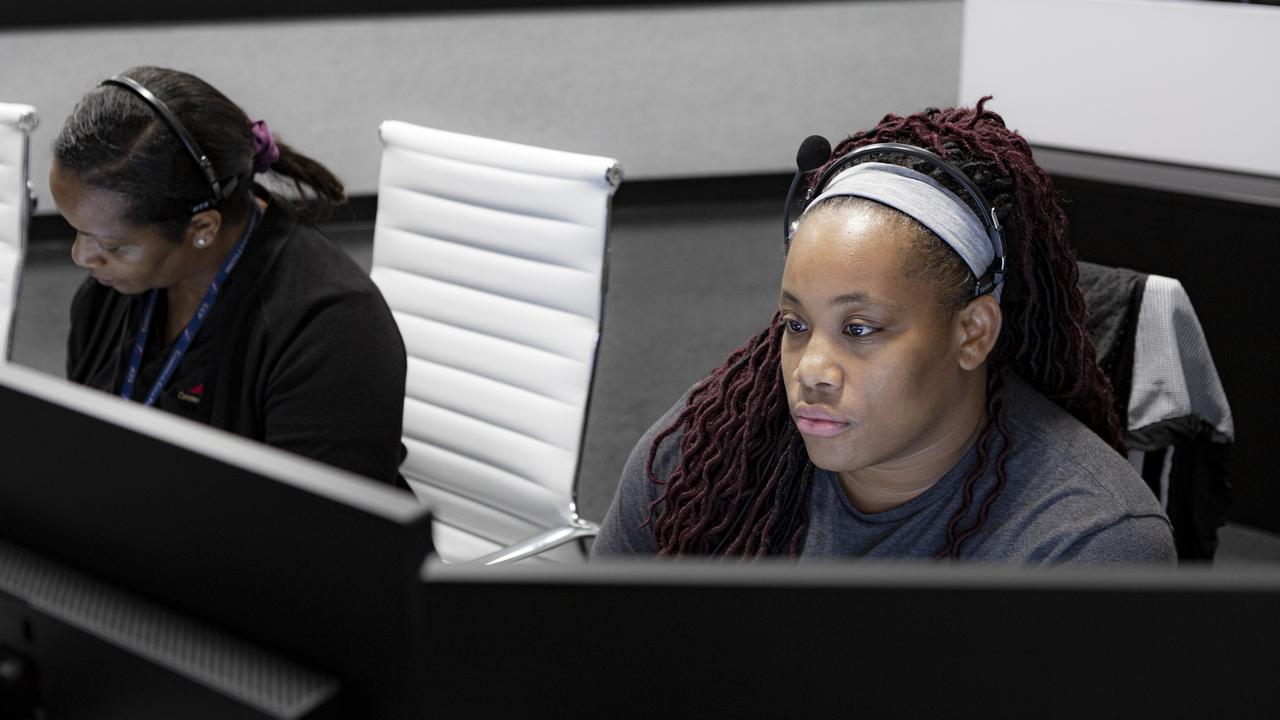
On Thursday, March 19 and Friday, March 20, SpaceX teams in Firing Room 4 at NASA's Kennedy Space Center in Florida and the company's Mission Control in Hawthorne, California, along with NASA flight controllers in Mission Control Houston, executed a full simulation of launch and docking of the Crew Dragon spacecraft, with NASA astronauts Bob Behnken and Doug Hurley participating in SpaceX's flight simulator.
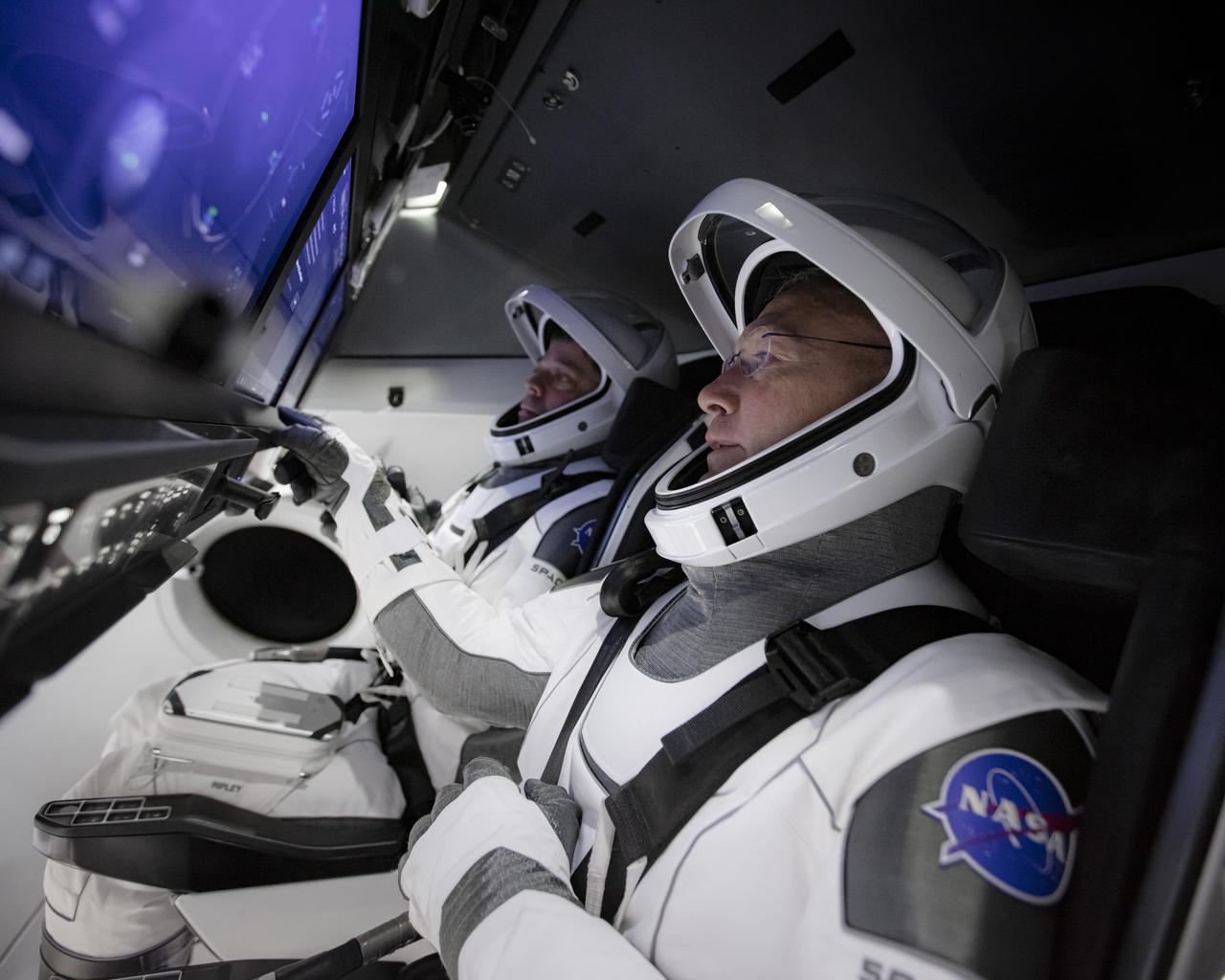
On Thursday, March 19 and Friday, March 20, SpaceX teams in Firing Room 4 at NASA's Kennedy Space Center in Florida and the company's Mission Control in Hawthorne, California, along with NASA flight controllers in Mission Control Houston, executed a full simulation of launch and docking of the Crew Dragon spacecraft, with NASA astronauts Bob Behnken and Doug Hurley participating in SpaceX's flight simulator.
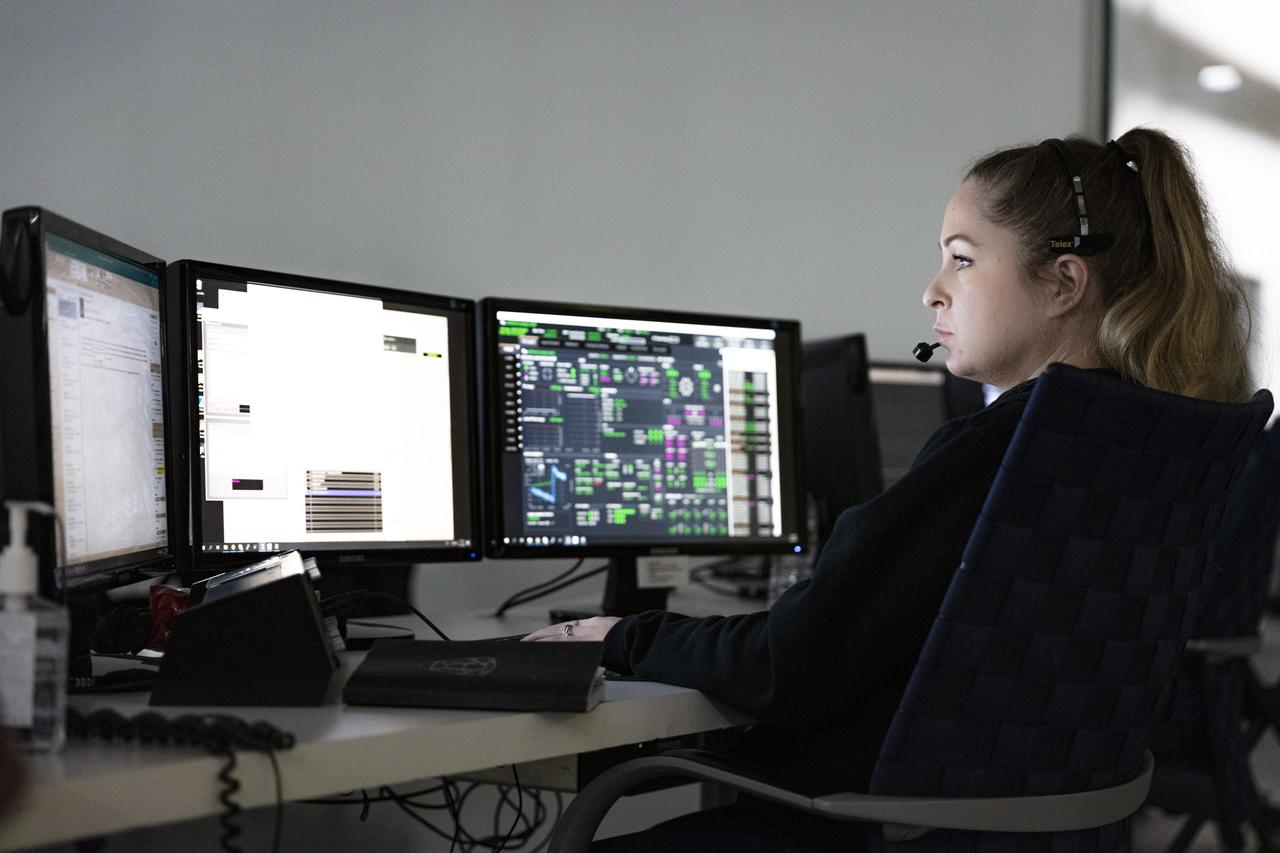
On Thursday, March 19 and Friday, March 20, SpaceX teams in Firing Room 4 at NASA's Kennedy Space Center in Florida and the company's Mission Control in Hawthorne, California, along with NASA flight controllers in Mission Control Houston, executed a full simulation of launch and docking of the Crew Dragon spacecraft, with NASA astronauts Bob Behnken and Doug Hurley participating in SpaceX's flight simulator.
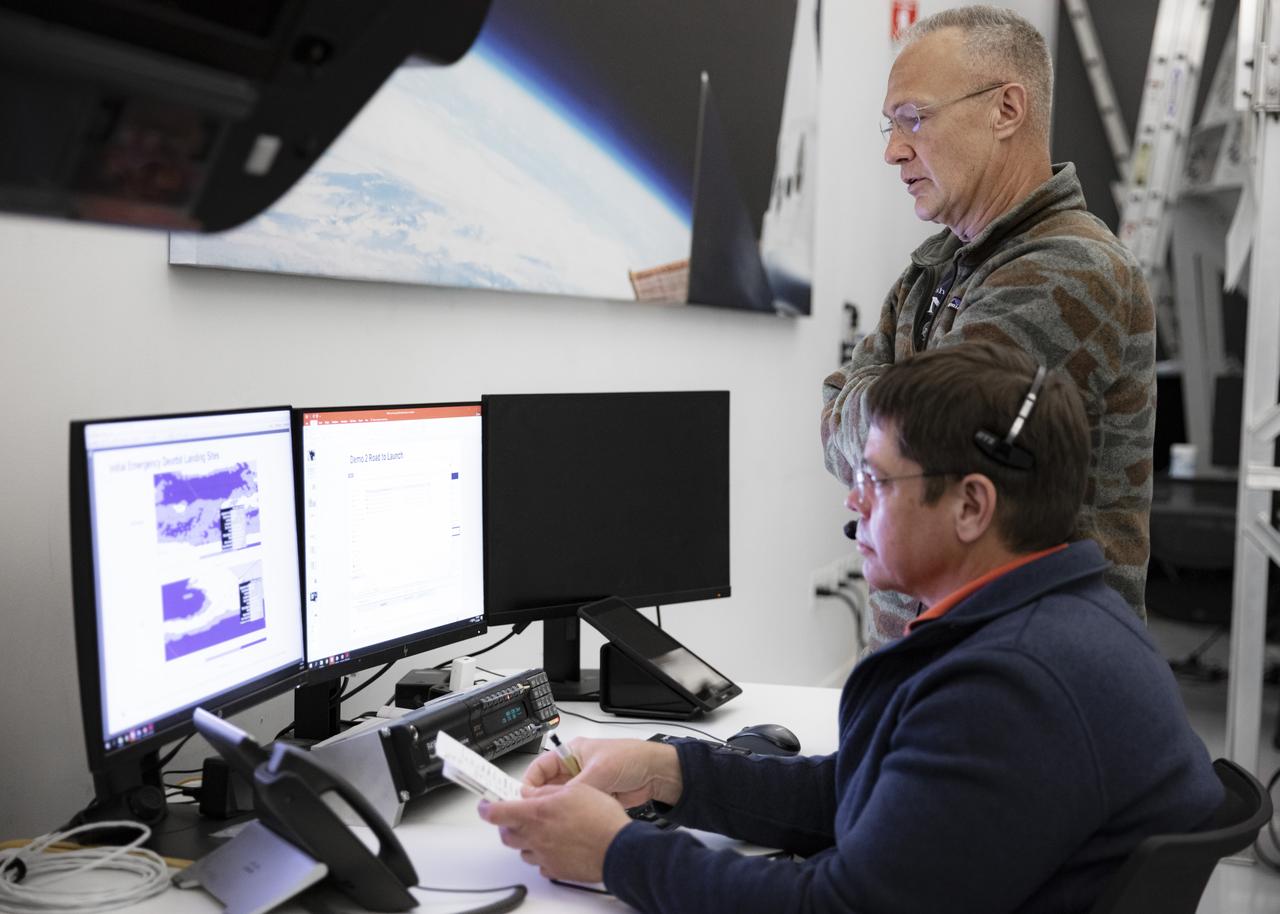
On Thursday, March 19 and Friday, March 20, SpaceX teams in Firing Room 4 at NASA's Kennedy Space Center in Florida and the company's Mission Control in Hawthorne, California, along with NASA flight controllers in Mission Control Houston, executed a full simulation of launch and docking of the Crew Dragon spacecraft, with NASA astronauts Bob Behnken and Doug Hurley participating in SpaceX's flight simulator.
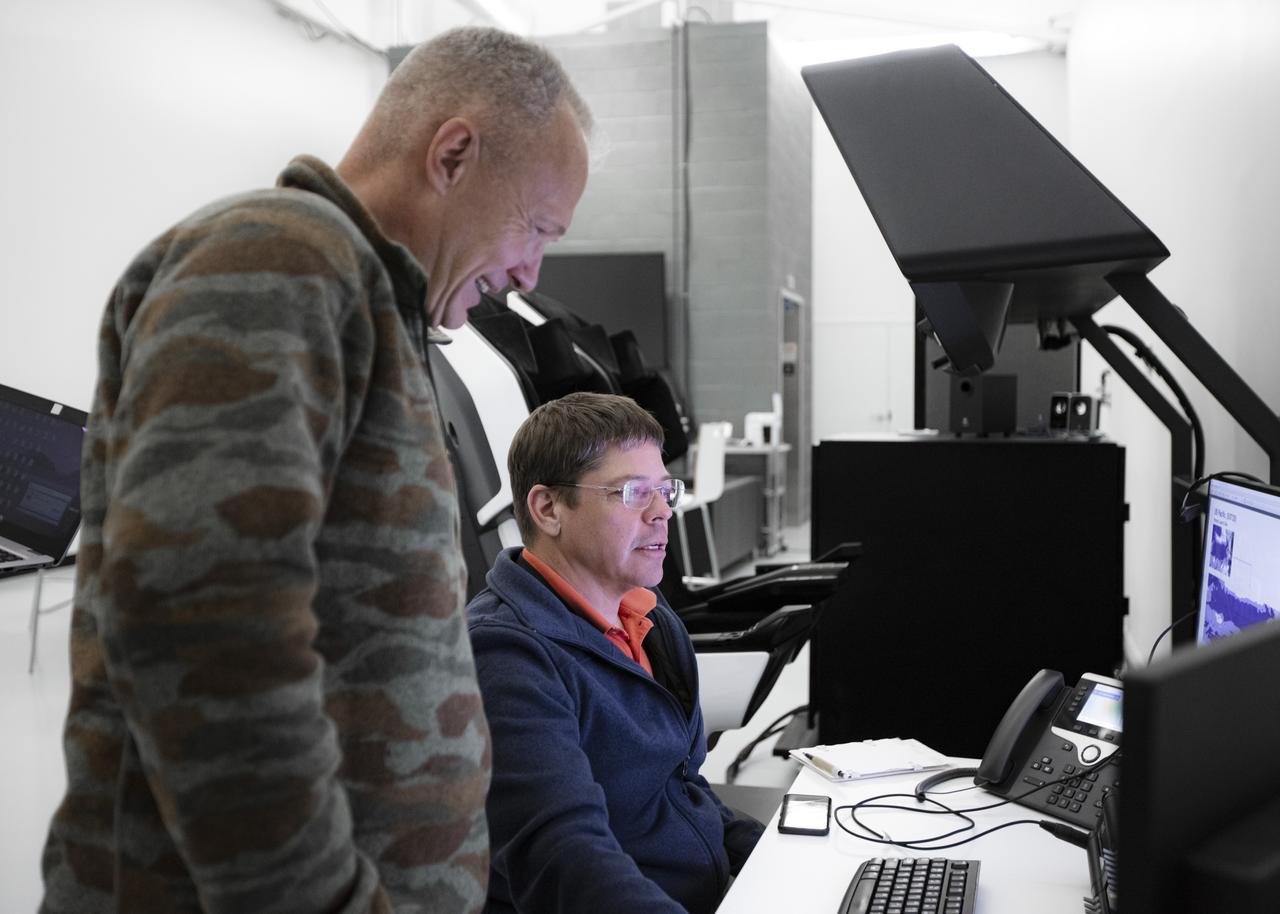
On Thursday, March 19 and Friday, March 20, SpaceX teams in Firing Room 4 at NASA's Kennedy Space Center in Florida and the company's Mission Control in Hawthorne, California, along with NASA flight controllers in Mission Control Houston, executed a full simulation of launch and docking of the Crew Dragon spacecraft, with NASA astronauts Bob Behnken and Doug Hurley participating in SpaceX's flight simulator.
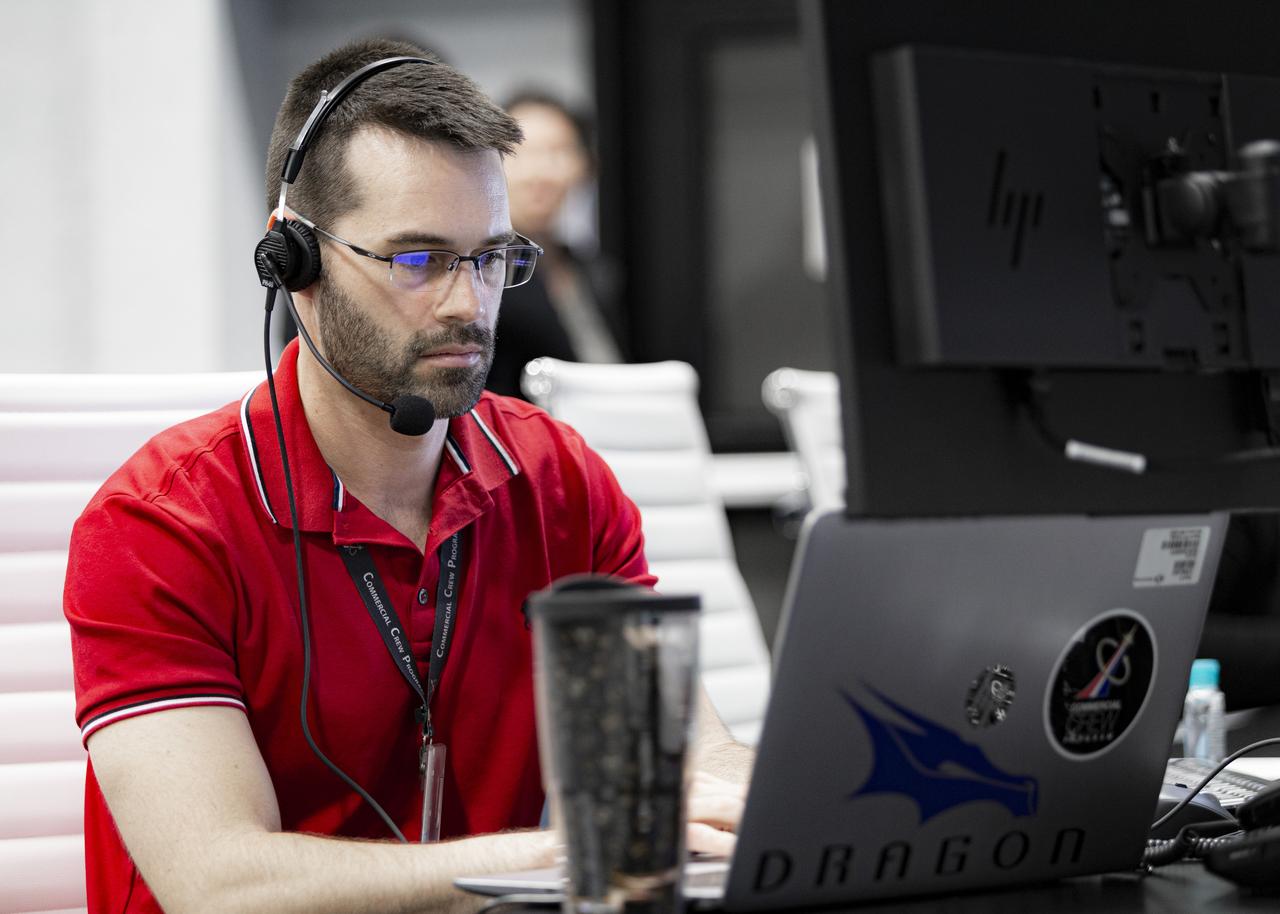
On Thursday, March 19 and Friday, March 20, SpaceX teams in Firing Room 4 at NASA's Kennedy Space Center in Florida and the company's Mission Control in Hawthorne, California, along with NASA flight controllers in Mission Control Houston, executed a full simulation of launch and docking of the Crew Dragon spacecraft, with NASA astronauts Bob Behnken and Doug Hurley participating in SpaceX's flight simulator.
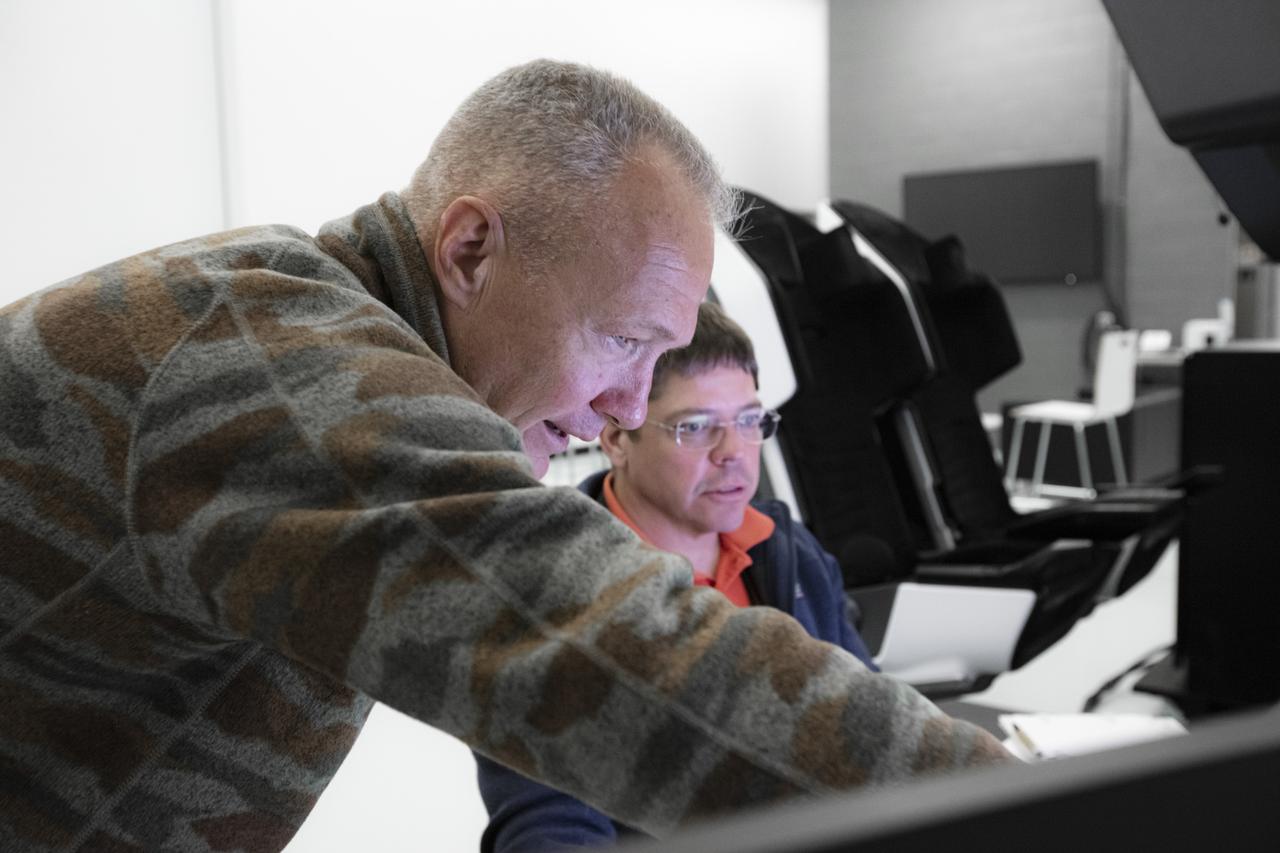
On Thursday, March 19 and Friday, March 20, SpaceX teams in Firing Room 4 at NASA's Kennedy Space Center in Florida and the company's Mission Control in Hawthorne, California, along with NASA flight controllers in Mission Control Houston, executed a full simulation of launch and docking of the Crew Dragon spacecraft, with NASA astronauts Bob Behnken and Doug Hurley participating in SpaceX's flight simulator.
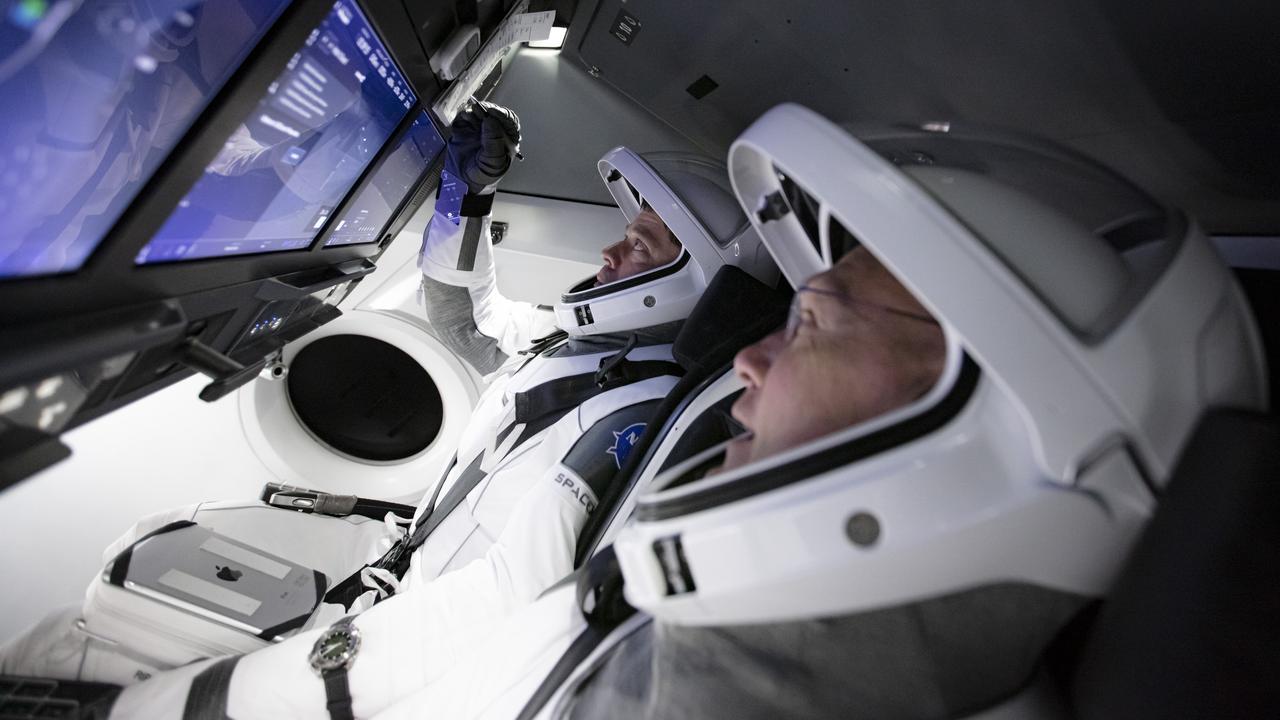
On Thursday, March 19 and Friday, March 20, SpaceX teams in Firing Room 4 at NASA's Kennedy Space Center in Florida and the company's Mission Control in Hawthorne, California, along with NASA flight controllers in Mission Control Houston, executed a full simulation of launch and docking of the Crew Dragon spacecraft, with NASA astronauts Bob Behnken and Doug Hurley participating in SpaceX's flight simulator.
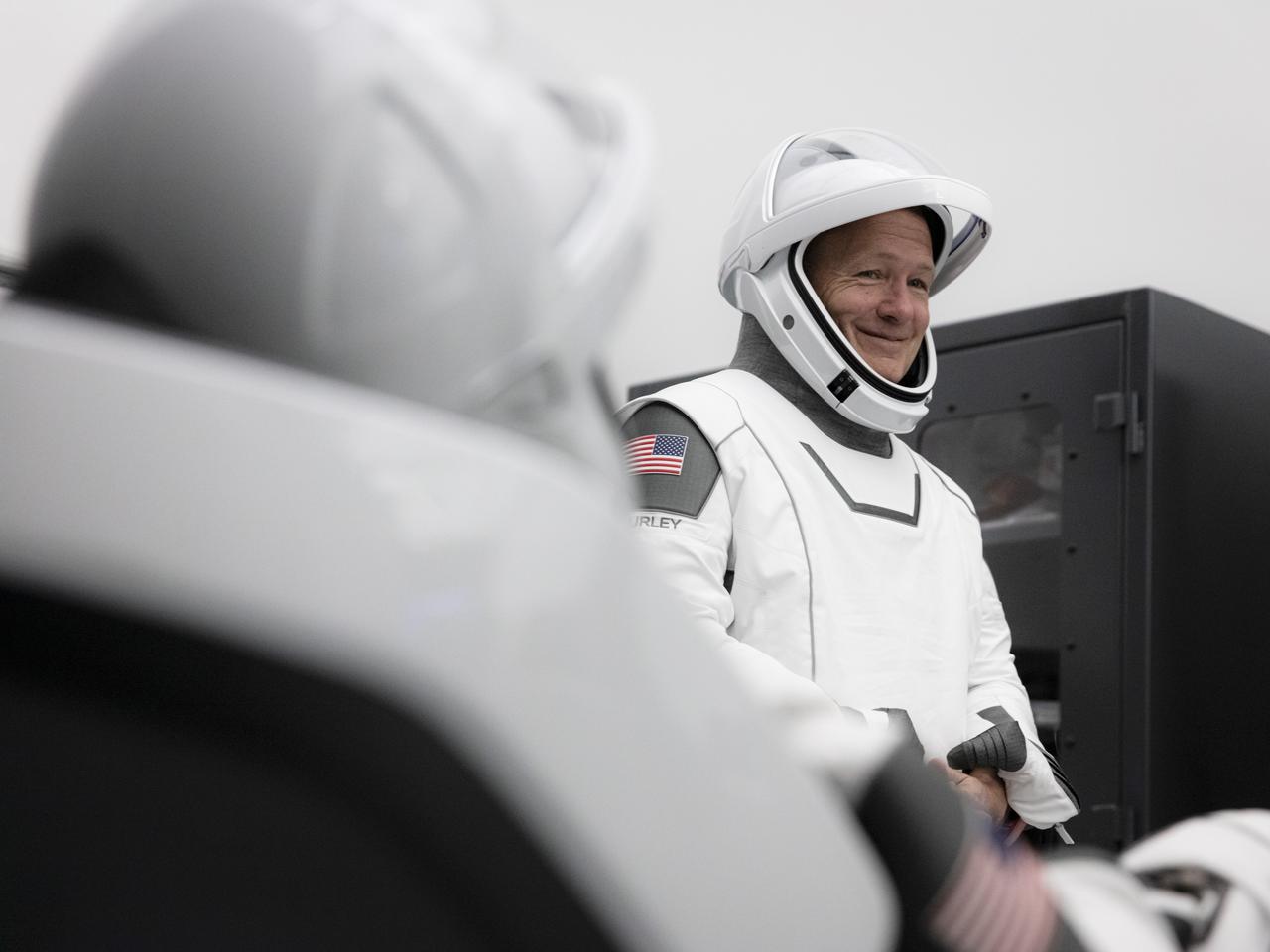
On Thursday, March 19 and Friday, March 20, SpaceX teams in Firing Room 4 at NASA's Kennedy Space Center in Florida and the company's Mission Control in Hawthorne, California, along with NASA flight controllers in Mission Control Houston, executed a full simulation of launch and docking of the Crew Dragon spacecraft, with NASA astronauts Bob Behnken and Doug Hurley participating in SpaceX's flight simulator.

Artemis III launch team members participate in a cryogenic propellant loading simulation on Wednesday, June 10, 2026, inside Firing Room 1 and 2 of the Rocco A. Petrone Launch Control Center at NASA’s Kennedy Space Center in Florida. Members of NASA’s Exploration Ground Systems team rehearse the steps to load the super-cooled liquid hydrogen and liquid oxygen into the SLS (Space Launch System) rocket core stage, a process that starts several hours before liftoff for the Artemis III mission. Artemis III will carry out a series of objectives in low Earth orbit designed to demonstrate critical systems needed for future lunar landings, beginning with Artemis IV.

Artemis III launch team members participate in a cryogenic propellant loading simulation on Wednesday, June 10, 2026, inside Firing Room 1 and 2 of the Rocco A. Petrone Launch Control Center at NASA’s Kennedy Space Center in Florida. Members of NASA’s Exploration Ground Systems team rehearse the steps to load the super-cooled liquid hydrogen and liquid oxygen into the SLS (Space Launch System) rocket core stage, a process that starts several hours before liftoff for the Artemis III mission. Artemis III will carry out a series of objectives in low Earth orbit designed to demonstrate critical systems needed for future lunar landings, beginning with Artemis IV.

Carlos Monge, chief NASA Test Director, participates in a cryogenic propellant loading simulation for NASA’s Artemis III mission on Wednesday, June 10, 2026, inside Firing Room 1 of the Rocco A. Petrone Launch Control Center at the agency’s Kennedy Space Center in Florida. Members of NASA’s Exploration Ground Systems team rehearse the steps to load the super-cooled liquid hydrogen and liquid oxygen into the SLS (Space Launch System) rocket core stage, a process that starts several hours before liftoff for the Artemis III mission. Artemis III will carry out a series of objectives in low Earth orbit designed to demonstrate critical systems needed for future lunar landings, beginning with Artemis IV.

Charlie Blackwell-Thompson, Artemis launch director, participates in a cryogenic propellant loading simulation for NASA’s Artemis III mission on Wednesday, June 10, 2026, inside Firing Room 1 of the Rocco A. Petrone Launch Control Center at the agency’s Kennedy Space Center in Florida. Members of NASA’s Exploration Ground Systems team rehearse the steps to load the super-cooled liquid hydrogen and liquid oxygen into the SLS (Space Launch System) rocket core stage, a process that starts several hours before liftoff for the Artemis III mission. Artemis III will carry out a series of objectives in low Earth orbit designed to demonstrate critical systems needed for future lunar landings, beginning with Artemis IV.

Artemis III launch team members participate in a cryogenic propellant loading simulation on Wednesday, June 10, 2026, inside Firing Room 1 and 2 of the Rocco A. Petrone Launch Control Center at NASA’s Kennedy Space Center in Florida. Members of NASA’s Exploration Ground Systems team rehearse the steps to load the super-cooled liquid hydrogen and liquid oxygen into the SLS (Space Launch System) rocket core stage, a process that starts several hours before liftoff for the Artemis III mission. Artemis III will carry out a series of objectives in low Earth orbit designed to demonstrate critical systems needed for future lunar landings, beginning with Artemis IV.

Artemis III launch team members participate in a cryogenic propellant loading simulation on Wednesday, June 10, 2026, inside Firing Room 1 and 2 of the Rocco A. Petrone Launch Control Center at NASA’s Kennedy Space Center in Florida. Members of NASA’s Exploration Ground Systems team rehearse the steps to load the super-cooled liquid hydrogen and liquid oxygen into the SLS (Space Launch System) rocket core stage, a process that starts several hours before liftoff for the Artemis III mission. Artemis III will carry out a series of objectives in low Earth orbit designed to demonstrate critical systems needed for future lunar landings, beginning with Artemis IV.

Charlie Blackwell-Thompson, Artemis launch director, participates in a cryogenic propellant loading simulation for NASA’s Artemis III mission on Wednesday, June 10, 2026, inside Firing Room 1 of the Rocco A. Petrone Launch Control Center at the agency’s Kennedy Space Center in Florida. Members of NASA’s Exploration Ground Systems team rehearse the steps to load the super-cooled liquid hydrogen and liquid oxygen into the SLS (Space Launch System) rocket core stage, a process that starts several hours before liftoff for the Artemis III mission. Artemis III will carry out a series of objectives in low Earth orbit designed to demonstrate critical systems needed for future lunar landings, beginning with Artemis IV.

Aaron Sherman, launch project engineer, participates in a cryogenic propellant loading simulation for NASA’s Artemis III mission on Wednesday, June 10, 2026, inside Firing Room 1 of the Rocco A. Petrone Launch Control Center at the agency’s Kennedy Space Center in Florida. Members of NASA’s Exploration Ground Systems team rehearse the steps to load the super-cooled liquid hydrogen and liquid oxygen into the SLS (Space Launch System) rocket core stage, a process that starts several hours before liftoff for the Artemis III mission. Artemis III will carry out a series of objectives in low Earth orbit designed to demonstrate critical systems needed for future lunar landings, beginning with Artemis IV.

Charlie Blackwell-Thompson, launch director, Exploration Ground Systems Program, participates in the Artemis III terminal countdown simulation on Thursday, May 7, 2026, inside Firing Room 1 of the Rocco A. Petrone Launch Control Center at NASA’s Kennedy Space Center in Florida. This marked the first simulation the launch team performed ahead of Artemis III.
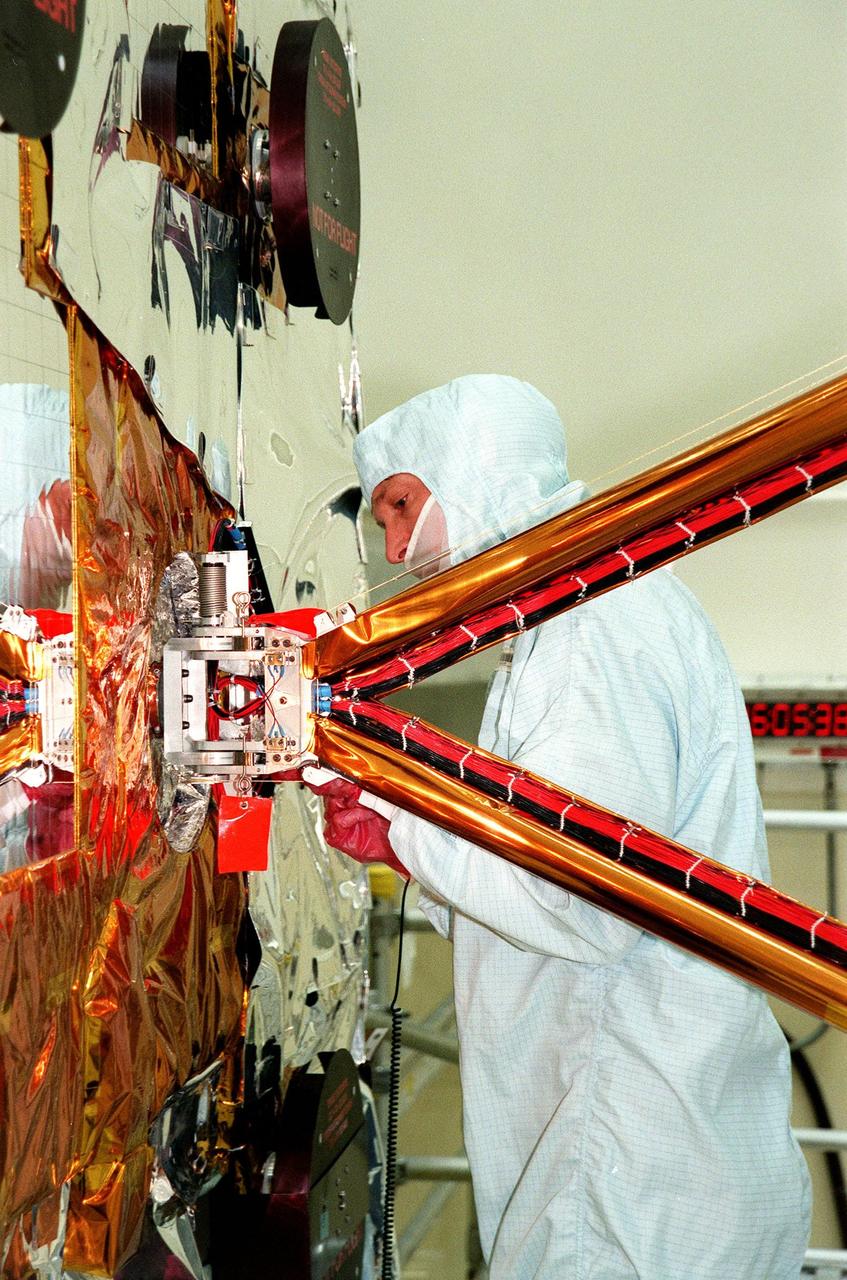
In the Vertical Processing Facility, a TRW technician checks the attachment of the solar panel array (out of sight to the right) to the Chandra X-ray Observatory, at left. Formerly called the Advanced X-ray Astrophysics Facility, Chandra comprises three major elements: the spacecraft, the science instrument module (SIM), and the world's most powerful X-ray telescope. Chandra will allow scientists from around the world to see previously invisible black holes and high-temperature gas clouds, giving the observatory the potential to rewrite the books on the structure and evolution of our universe. Chandra is scheduled for launch July 9 aboard Space Shuttle Columbia, on mission STS-93
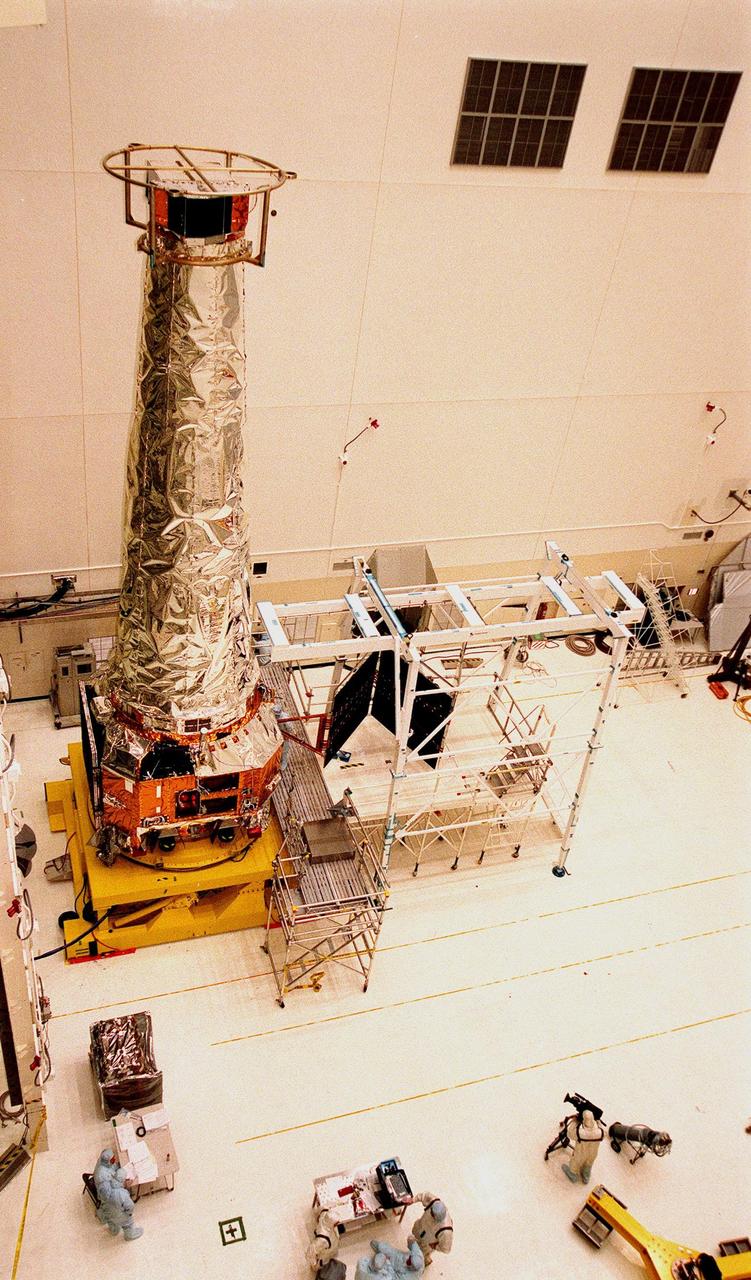
Viewed from above in the Vertical Processing Facility, the Chandra X-ray Observatory is seen with one of its solar panel arrays attached, at right. Formerly called the Advanced X-ray Astrophysics Facility, Chandra comprises three major elements: the spacecraft, the science instrument module (SIM), and the world's most powerful X-ray telescope. Chandra will allow scientists from around the world to see previously invisible black holes and high-temperature gas clouds, giving the observatory the potential to rewrite the books on the structure and evolution of our universe. Chandra is scheduled for launch July 9 aboard Space Shuttle Columbia, on mission STS-93
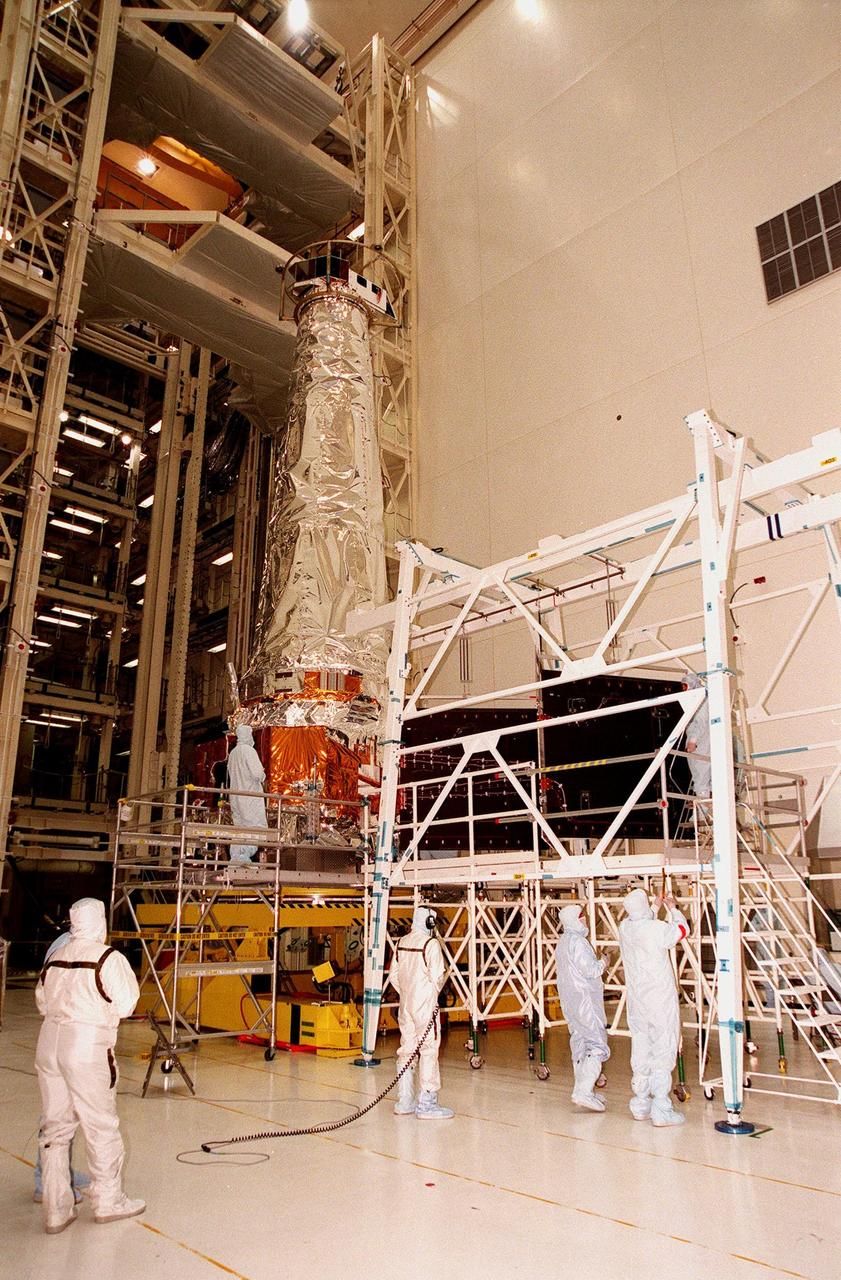
TRW workers in the Vertical Processing Facility check equipment after deployment of the solar panel array above them, attached to the Chandra X-ray Observatory. Formerly called the Advanced X-ray Astrophysics Facility, Chandra comprises three major elements: the spacecraft, the science instrument module (SIM), and the world's most powerful X-ray telescope. Chandra will allow scientists from around the world to see previously invisible black holes and high-temperature gas clouds, giving the observatory the potential to rewrite the books on the structure and evolution of our universe. Chandra is scheduled for launch July 9 aboard Space Shuttle Columbia, on mission STS-93
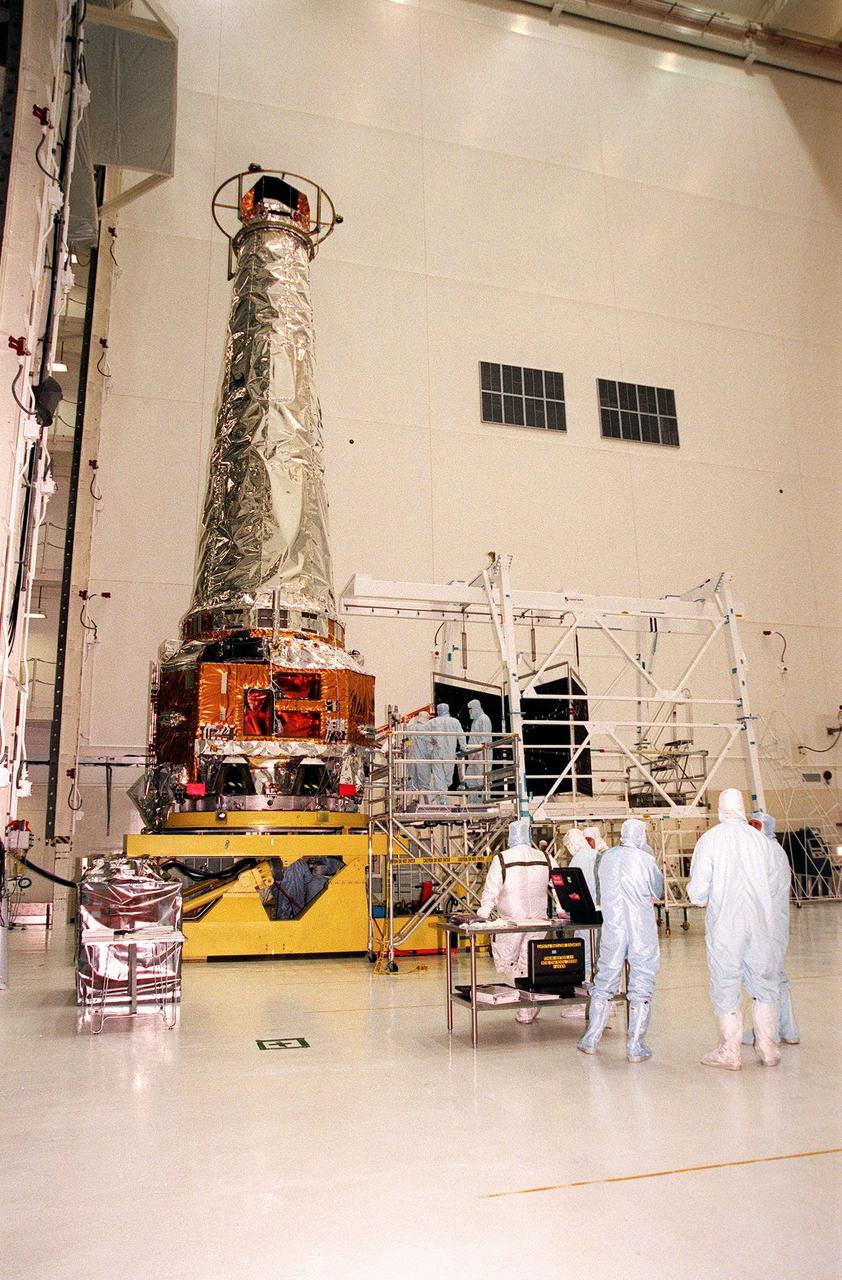
In the Vertical Processing Facility, TRW technicians get ready to attach and deploy a solar panel array on the Chandra X-ray Observatory, which is sitting on a workstand. The panel is to the right. Formerly called the Advanced X-ray Astrophysics Facility, Chandra comprises three major elements: the spacecraft, the science instrument module (SIM), and the world's most powerful X-ray telescope. Chandra will allow scientists from around the world to see previously invisible black holes and high-temperature gas clouds, giving the observatory the potential to rewrite the books on the structure and evolution of our universe. Chandra is scheduled for launch July 9 aboard Space Shuttle Columbia, on mission STS-93
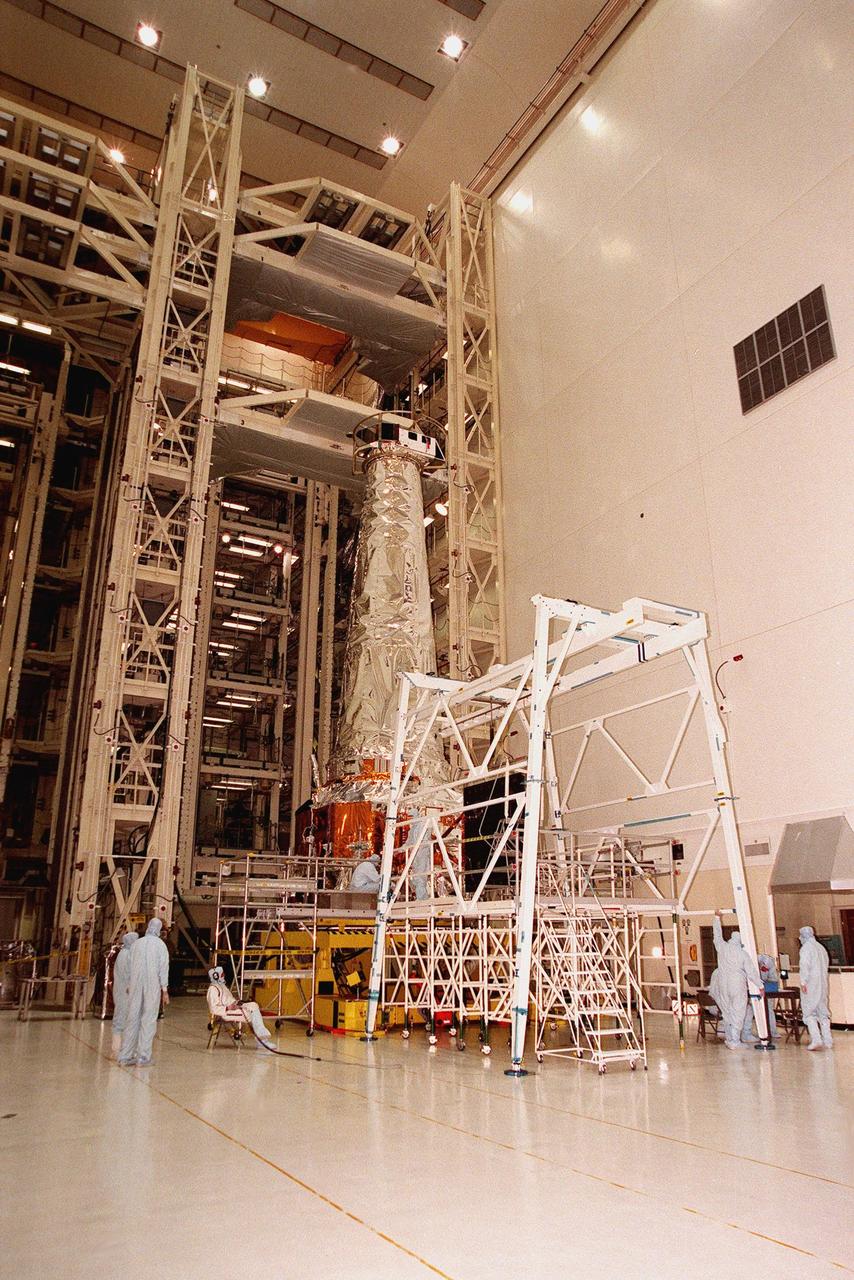
In the Vertical Processing Facility, the Chandra X-ray Observatory is observed after deployment of the solar panel array (near the bottom and to the right). Formerly called the Advanced X-ray Astrophysics Facility, Chandra comprises three major elements: the spacecraft, the science instrument module (SIM), and the world's most powerful X-ray telescope. Chandra will allow scientists from around the world to see previously invisible black holes and high-temperature gas clouds, giving the observatory the potential to rewrite the books on the structure and evolution of our universe. Chandra is scheduled for launch July 9 aboard Space Shuttle Columbia, on mission STS-93
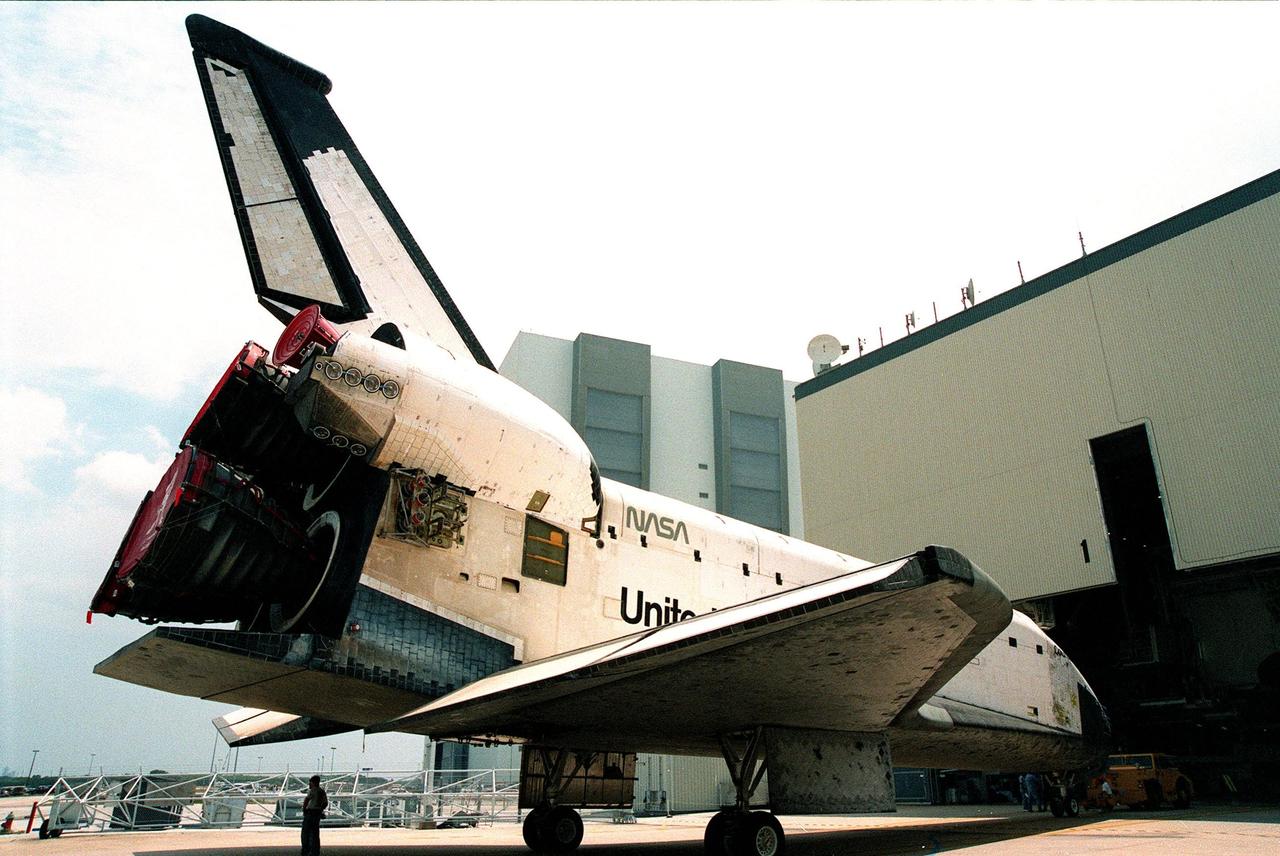
The Space Shuttle orbiter Columbia sits outside the Orbiter Processing Facility bay 1 after transfer from the Vehicle Assembly Building. Columbia will undergo processing for mission STS-93, targeted for launch in July 1999. The STS-93 mission will deploy the Chandra X-ray Observatory (formerly AXAF) which comprises three major elements: the spacecraft, the telescope, and the science instrument module (SIM). Chandra will allow scientists from around the world to obtain unprecedented X-ray images of a variety of high-energy objects to help understand the structure and evolution of the universe. The STs-93 mission commander is Eileen M. Collins, the first woman to serve in that capacity
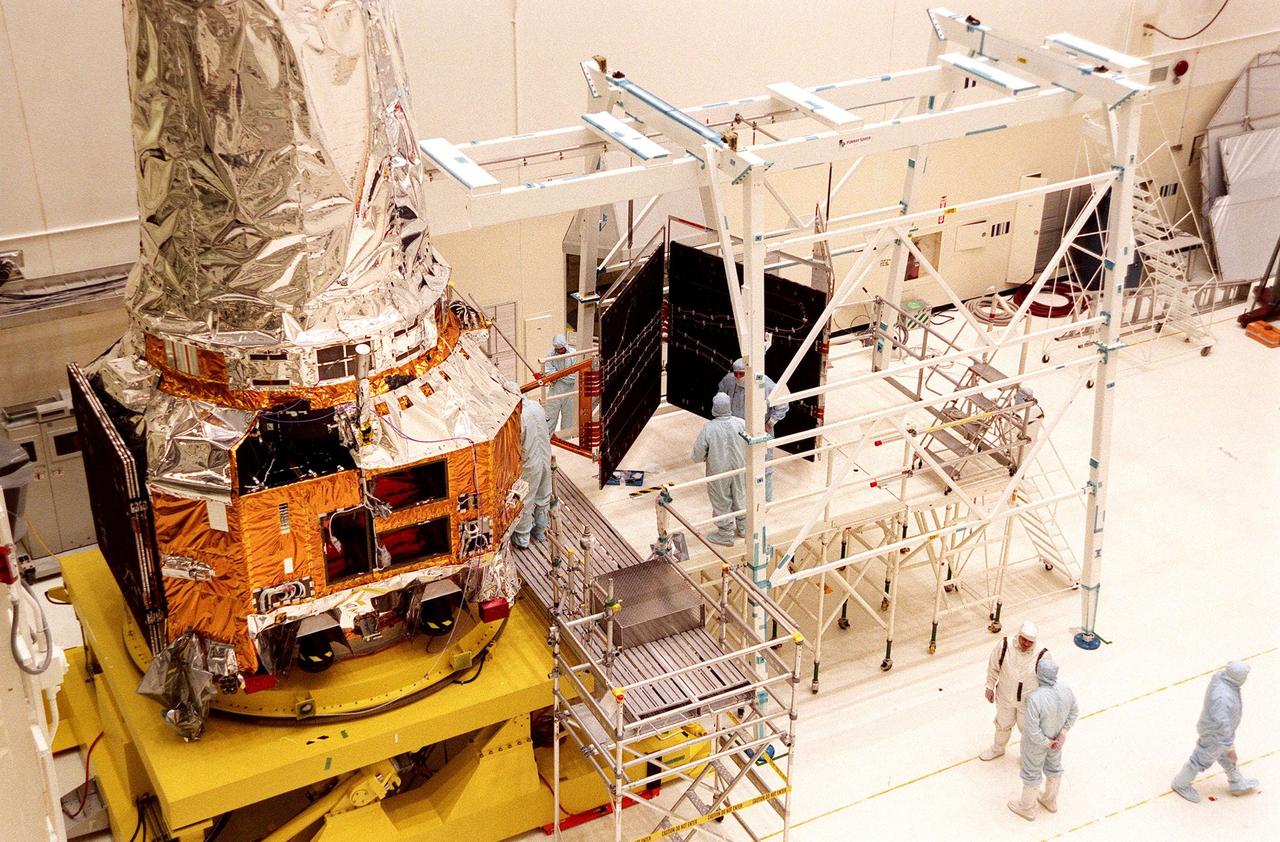
In the Vertical Processing Facility, TRW workers continue checking the deployment of the solar panel array (right) after attaching it to the Chandra X-ray Observatory (left). Formerly called the Advanced X-ray Astrophysics Facility, Chandra comprises three major elements: the spacecraft, the science instrument module (SIM), and the world's most powerful X-ray telescope. Chandra will allow scientists from around the world to see previously invisible black holes and high-temperature gas clouds, giving the observatory the potential to rewrite the books on the structure and evolution of our universe. Chandra is scheduled for launch July 9 aboard Space Shuttle Columbia, on mission STS-93

In the Vertical Processing Facility, TRW technicians check the point of attachment of the solar panel array at right. Formerly called the Advanced X-ray Astrophysics Facility, Chandra comprises three major elements: the spacecraft, the science instrument module (SIM), and the world's most powerful X-ray telescope. Chandra will allow scientists from around the world to see previously invisible black holes and high-temperature gas clouds, giving the observatory the potential to rewrite the books on the structure and evolution of our universe. Chandra is scheduled for launch July 9 aboard Space Shuttle Columbia, on mission STS-93
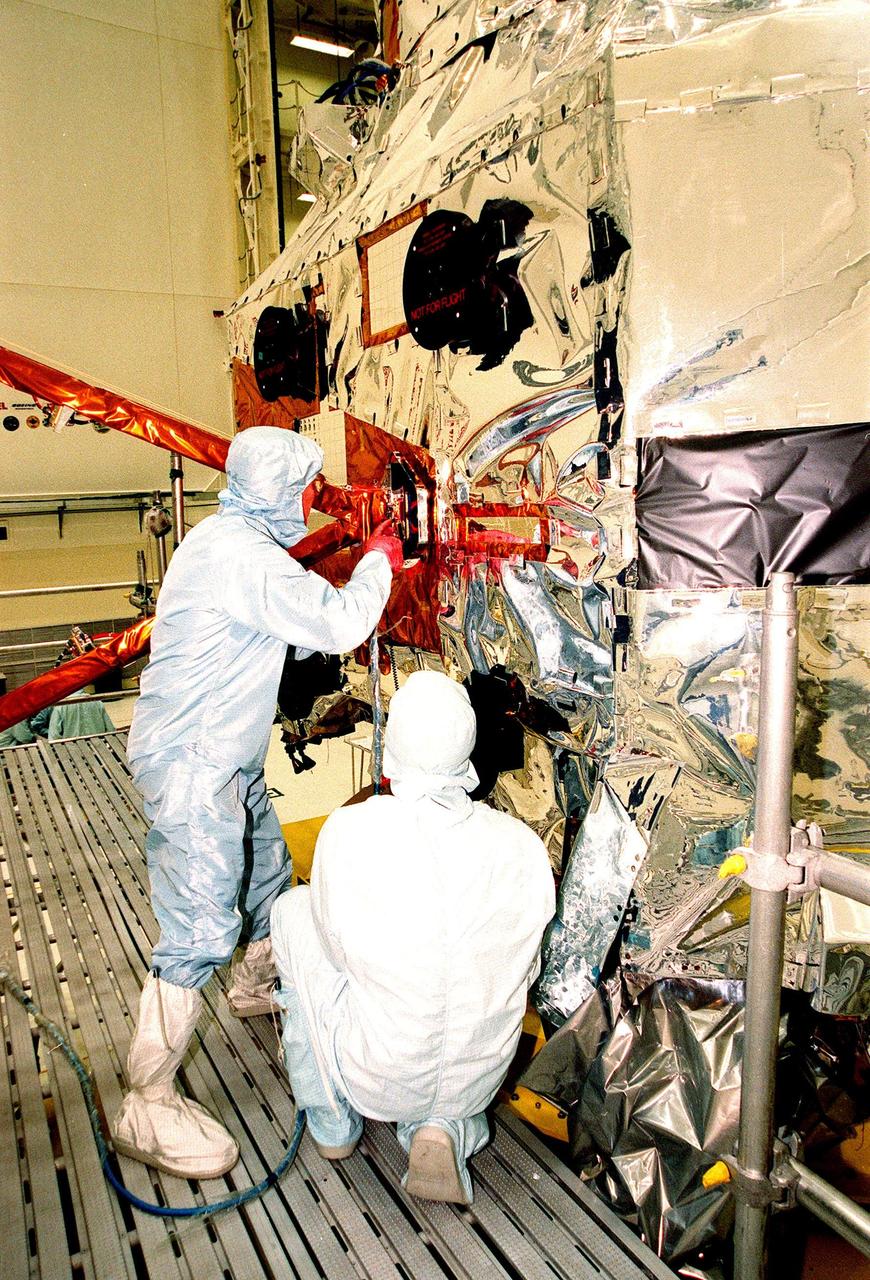
TRW technicians in the Vertical Processing Facility check the fitting of the solar panel array being attached to the Chandra X-ray Observatory. Formerly called the Advanced X-ray Astrophysics Facility, Chandra comprises three major elements: the spacecraft, the science instrument module (SIM), and the world's most powerful X-ray telescope. Chandra will allow scientists from around the world to see previously invisible black holes and high-temperature gas clouds, giving the observatory the potential to rewrite the books on the structure and evolution of our universe. Chandra is scheduled for launch July 9 aboard Space Shuttle Columbia, on mission STS-93
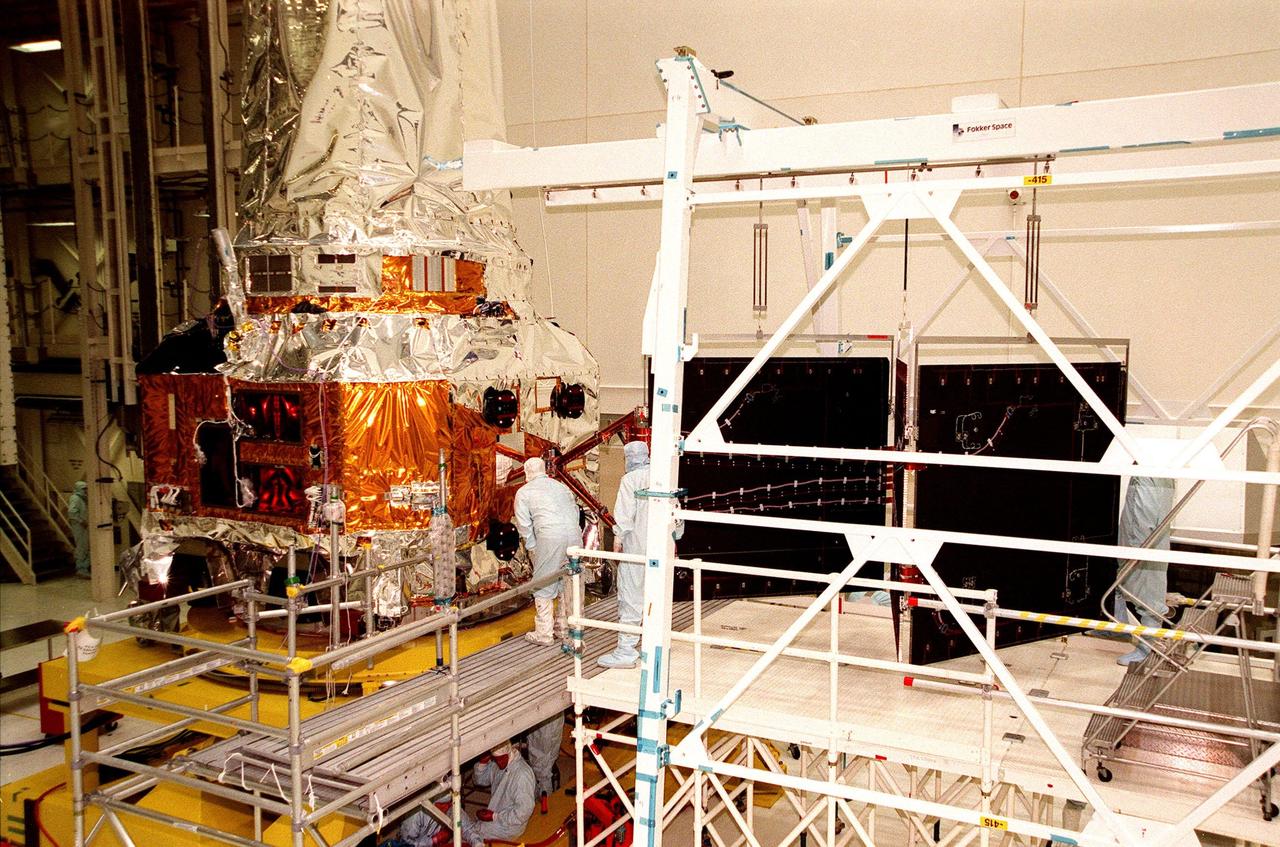
In the Vertical Processing Facility, TRW technicians look at the point of attachment on the Chandra X-ray Observatory, at left, for the solar panel array (behind them). They are getting ready to attach and deploy the solar panel. Formerly called the Advanced X-ray Astrophysics Facility, Chandra comprises three major elements: the spacecraft, the science instrument module (SIM), and the world's most powerful X-ray telescope. Chandra will allow scientists from around the world to see previously invisible black holes and high-temperature gas clouds, giving the observatory the potential to rewrite the books on the structure and evolution of our universe. Chandra is scheduled for launch July 9 aboard Space Shuttle Columbia, on mission STS-93

Inside the Launch Control Center’s Firing Room 1 at NASA’s Kennedy Space Center in Florida, members of the Artemis I launch team rehearse the procedures for fueling the Space Launch System (SLS) rocket with super cold propellants, or cryogenics, on Aug. 18, 2020. During the cryogenic simulation, potential problem scenarios were introduced to test the tools, processes, and procedures necessary for fueling the rocket. Artemis I will be the first integrated test flight of SLS and the Orion spacecraft – the system that will ultimately land the first woman and the next man on the Moon by 2024.

Artemis I Launch Director Charlie Blackwell-Thompson stands at her console inside the Launch Control Center’s Firing Room 1 at NASA’s Kennedy Space Center in Florida during a simulation rehearsing propellant loading on Aug. 18, 2020. The simulation involved members of the launch team practicing the procedures for loading the Space Launch System (SLS) rocket with cryogenics, or super cold propellants. During the exercise, potential problem scenarios were introduced to test the tools, processes, and procedures necessary for fueling the rocket. Artemis I will be the first integrated test flight of SLS and the Orion spacecraft – the system that will ultimately land the first woman and the next man on the Moon by 2024.

Inside the Launch Control Center’s Firing Room 1 at NASA’s Kennedy Space Center in Florida, members of the Artemis I launch team rehearse the procedures for fueling the Space Launch System (SLS) rocket with super cold propellants, or cryogenics, on Aug. 18, 2020. During the cryogenic simulation, potential problem scenarios were introduced to test the tools, processes, and procedures necessary for fueling the rocket. Artemis I will be the first integrated test flight of SLS and the Orion spacecraft – the system that will ultimately land the first woman and the next man on the Moon by 2024.

Artemis I Launch Director Charlie Blackwell-Thompson stands at her console inside the Launch Control Center’s Firing Room 1 at NASA’s Kennedy Space Center in Florida during a simulation rehearsing propellant loading on Aug. 18, 2020. The simulation involved members of the launch team practicing the procedures for loading the Space Launch System (SLS) rocket with cryogenics, or super cold propellants. During the exercise, potential problem scenarios were introduced to test the tools, processes, and procedures necessary for fueling the rocket. Artemis I will be the first integrated test flight of SLS and the Orion spacecraft – the system that will ultimately land the first woman and the next man on the Moon by 2024.

Inside the Launch Control Center’s Firing Room 1 at NASA’s Kennedy Space Center in Florida, members of the Artemis I launch team rehearse the procedures for fueling the Space Launch System (SLS) rocket with super cold propellants, or cryogenics, on Aug. 18, 2020. During the cryogenic simulation, potential problem scenarios were introduced to test the tools, processes, and procedures necessary for fueling the rocket. Artemis I will be the first integrated test flight of SLS and the Orion spacecraft – the system that will ultimately land the first woman and the next man on the Moon by 2024.

Inside the Launch Control Center’s Firing Room 1 at NASA’s Kennedy Space Center in Florida, members of the Artemis I launch team rehearse the procedures for fueling the Space Launch System (SLS) rocket with super cold propellants, or cryogenics, on Aug. 18, 2020. During the cryogenic simulation, potential problem scenarios were introduced to test the tools, processes, and procedures necessary for fueling the rocket. Artemis I will be the first integrated test flight of SLS and the Orion spacecraft – the system that will ultimately land the first woman and the next man on the Moon by 2024.

Inside the Launch Control Center’s Firing Room 1 at NASA’s Kennedy Space Center in Florida, members of the Artemis I launch team rehearse the procedures for fueling the Space Launch System (SLS) rocket with super cold propellants, or cryogenics, on Aug. 18, 2020. During the cryogenic simulation, potential problem scenarios were introduced to test the tools, processes, and procedures necessary for fueling the rocket. Artemis I will be the first integrated test flight of SLS and the Orion spacecraft – the system that will ultimately land the first woman and the next man on the Moon by 2024.
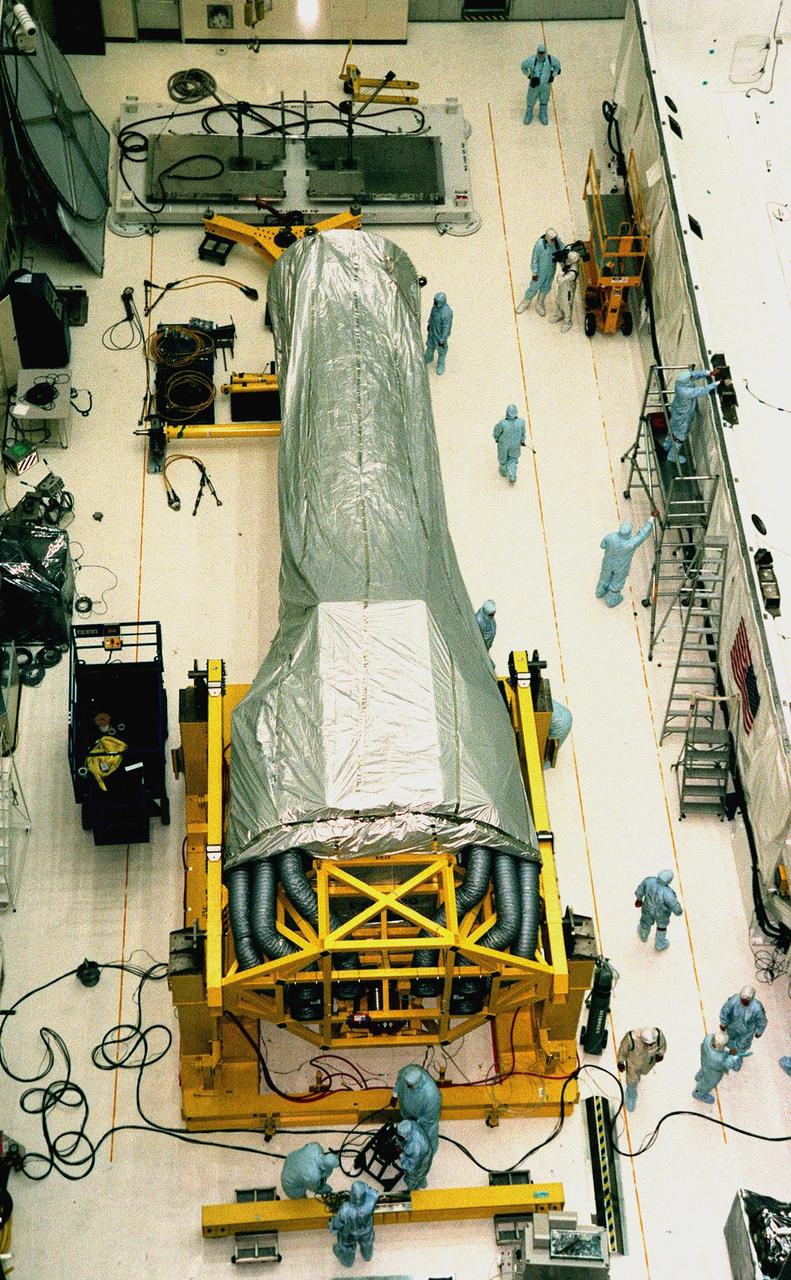
In the Vertical Processing Facility (VPF), the Chandra X-ray Observatory is the object of attention of the STS-93 crew and workers on the floor. STS-93, scheduled to launch July 9 aboard Space Shuttle Columbia, has the primary mission of the deployment of the Chandra X-ray Observatory. Crew members are Commander Eileen Collins, Pilot Jeffrey S. Ashby, and Mission Specialists Steven A. Hawley, Catherine G. Coleman and Michel Tognini of France, who represents the Centre National d'Etudes Spatiales (CNES). Formerly called the Advanced X-ray Astrophysics Facility, Chandra comprises three major elements: the spacecraft, the science instrument module (SIM), and the world's most powerful X-ray telescope. Chandra will allow scientists from around the world to see previously invisible black holes and high-temperature gas clouds, giving the observatory the potential to rewrite the books on the structure and evolution of our universe
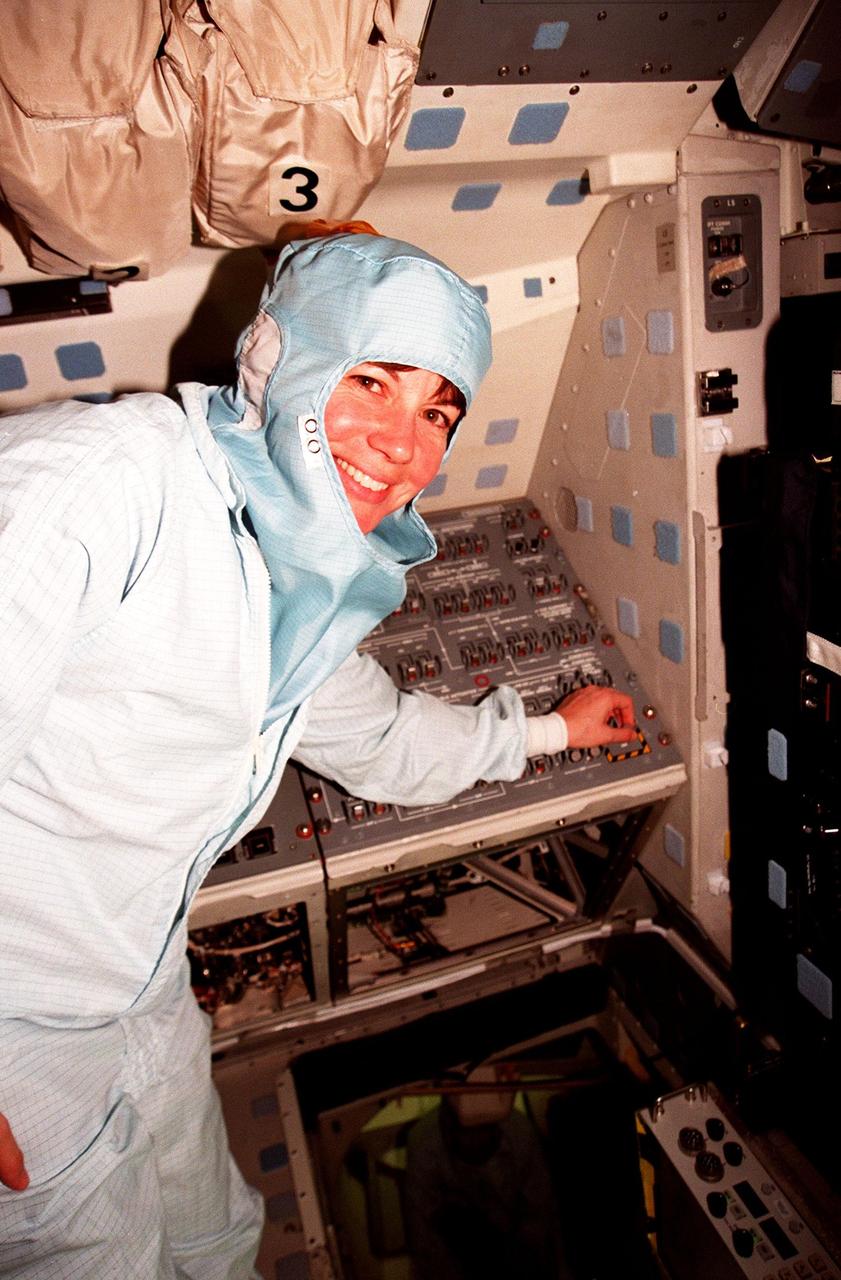
In the Orbiter Processing Facility Bay 3, during the Crew Equipment Interface Test (CEIT), Mission Specialist Catherine G. Coleman checks equipment that will fly on mission STS-93. The STS-93 mission will deploy the Advanced X-ray Astrophysics Facility (AXAF) which comprises three major elements: the spacecraft, the telescope, and the science instrument module (SIM). AXAF will allow scientists from around the world to obtain unprecedented X-ray images of a variety of high-energy objects to help understand the structure and evolution of the universe. The other STS-93 crew members are Mission Commander Eileen M. Collins, Pilot Jeffrey S. Ashby, Mission Specialist Steven A. Hawley and Mission Specialist Michel Tognini of France. Targeted date for the launch of STS-93 is March 18, 1999
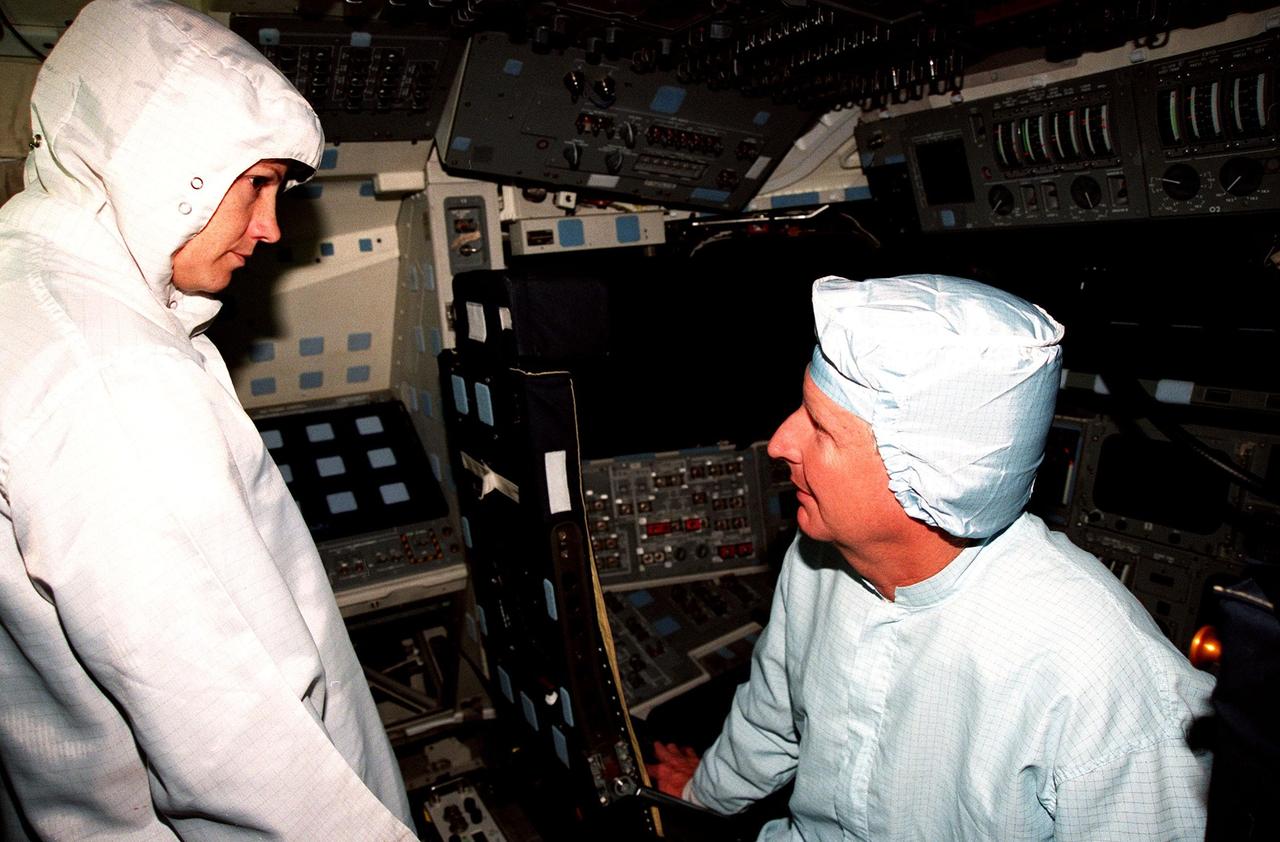
In the Orbiter Processing Facility Bay 3, aboard the orbiter Columbia, STS-93 Mission Commander Eileen M. Collins listens to Mission Specialist Steven A. Hawley during the Crew Equipment Interface Test (CEIT). Collins is the first woman to serve as a mission commander on a shuttle flight. The CEIT provides an opportunity for crew members to check equipment and facilities that will be aboard the orbiter during their mission. The rest of the crew members are Pilot Jeffrey S. Ashby, Mission Specialist Catherine G. Coleman, and Mission Specialist Michel Tognini of France. The STS-93 mission will deploy the Advanced X-ray Astrophysics Facility (AXAF), which comprises three major elements: the spacecraft, the telescope, and the science instrument module (SIM). AXAF will allow scientists from around the world to obtain unprecedented X-ray images of a variety of high-energy objects to help understand the structure and evolution of the universe. Targeted date for the launch of STS-93 is March 18, 1999
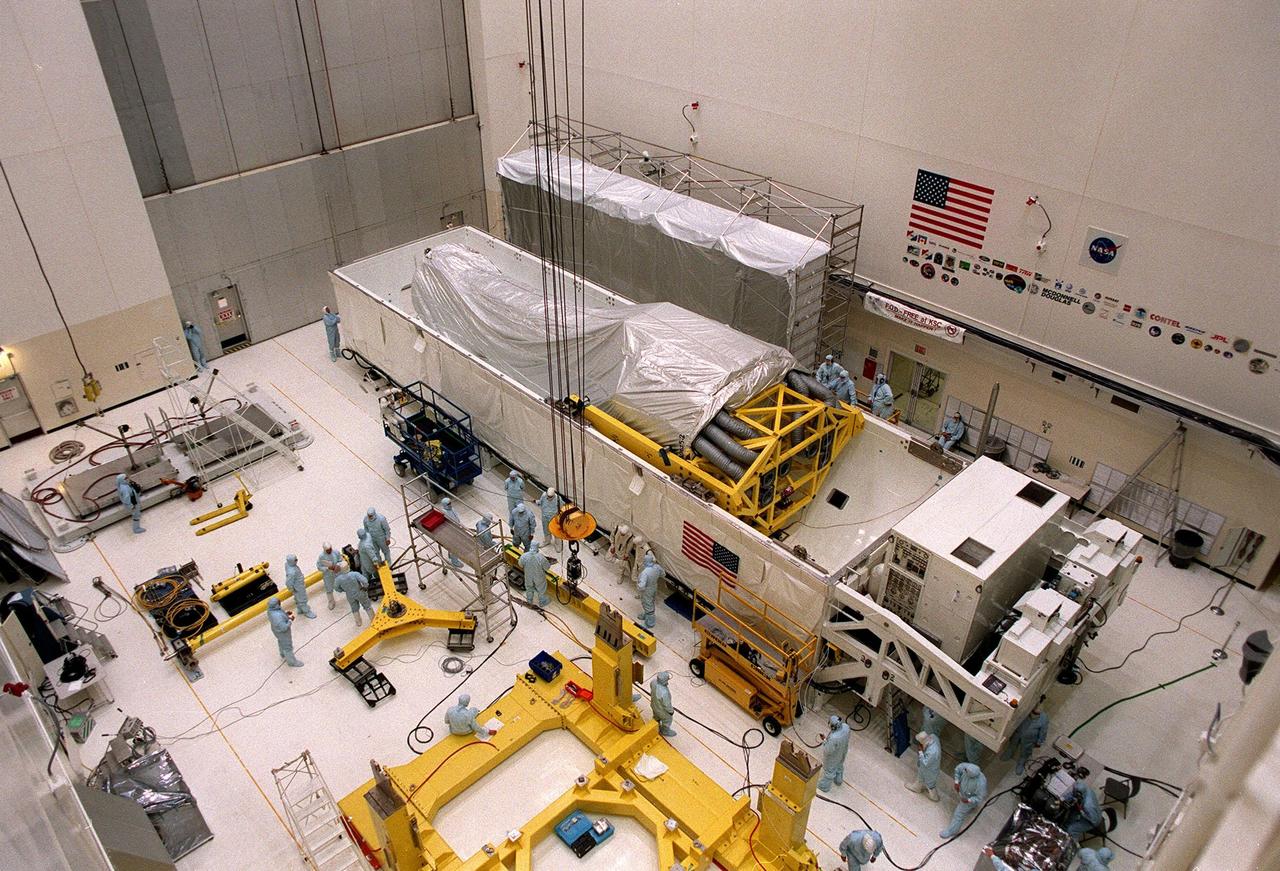
Inside the Vertical Processing Facility (VPF), the Chandra X-ray Observatory (top) lies in its protective container while workers on the floor prepare the overhead cable that will remove it. In the VPF, the telescope will undergo final installation of associated electronic components; it will also be tested, fueled and mated with the Inertial Upper Stage booster. A set of integrated tests will follow. Chandra is scheduled for launch July 9 aboard Space Shuttle Columbia, on mission STS-93 . Formerly called the Advanced X-ray Astrophysics Facility, Chandra comprises three major elements: the spacecraft, the science instrument module (SIM), and the world's most powerful X-ray telescope. Chandra will allow scientists from around the world to see previously invisible black holes and high-temperature gas clouds, giving the observatory the potential to rewrite the books on the structure and evolution of our universe
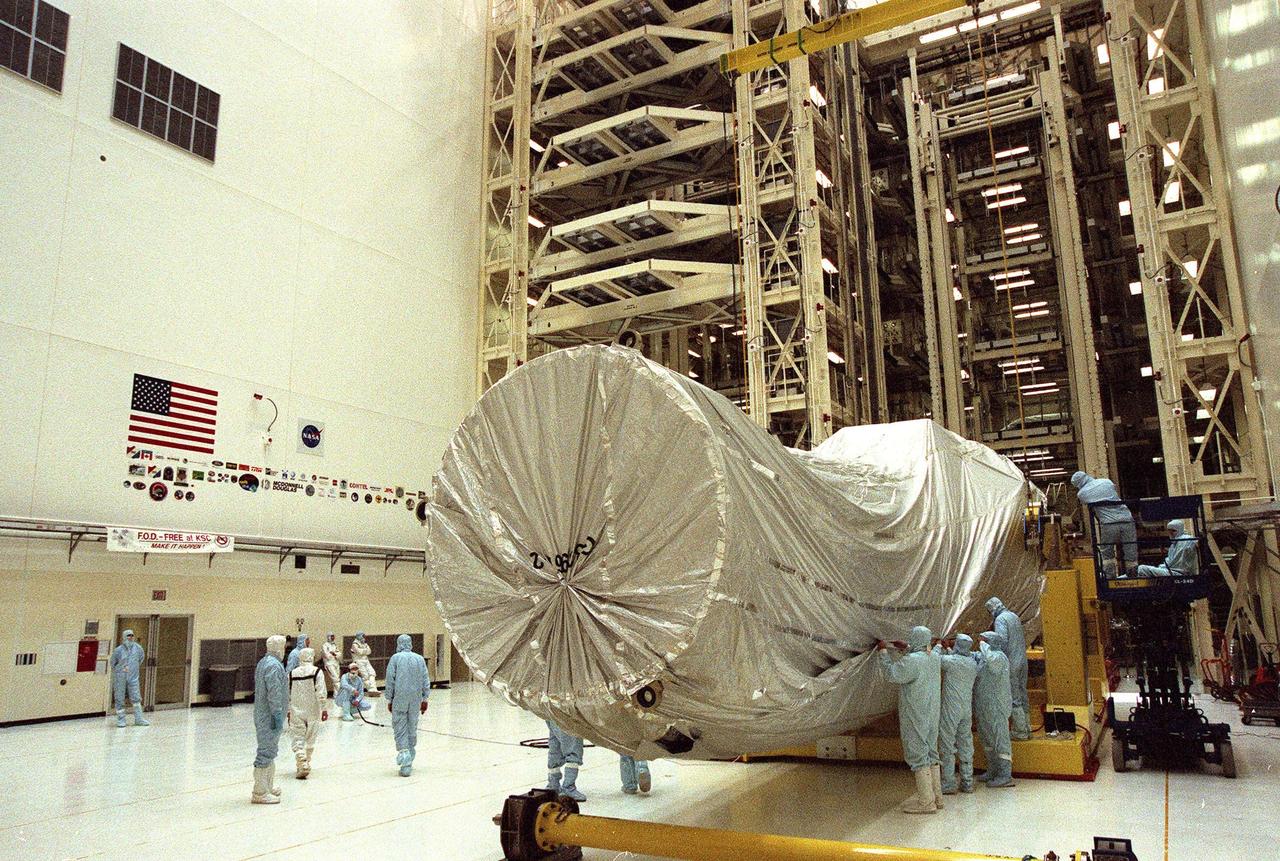
In the Vertical Processing Facility (VPF), workers prepare the shrouded Chandra X-ray Observatory for its lift to a vertical position. The telescope will undergo final installation of associated electronic components; it will also be tested, fueled and mated with the Inertial Upper Stage booster. A set of integrated tests will follow. Chandra is scheduled for launch July 9 aboard Space Shuttle Columbia, on mission STS-93 . Formerly called the Advanced X-ray Astrophysics Facility, Chandra comprises three major elements: the spacecraft, the science instrument module (SIM), and the world's most powerful X-ray telescope. Chandra will allow scientists from around the world to see previously invisible black holes and high-temperature gas clouds, giving the observatory the potential to rewrite the books on the structure and evolution of our universe

In the Vertical Processing Facility (VPF), workers move the shrouded Chandra X-ray Observatory on its workstand to the scaffolding behind it. The telescope will undergo final installation of associated electronic components; it will also be tested, fueled and mated with the Inertial Upper Stage booster. A set of integrated tests will follow. Chandra is scheduled for launch July 9 aboard Space Shuttle Columbia, on mission STS-93 . Formerly called the Advanced X-ray Astrophysics Facility, Chandra comprises three major elements: the spacecraft, the science instrument module (SIM), and the world's most powerful X-ray telescope. Chandra will allow scientists from around the world to see previously invisible black holes and high-temperature gas clouds, giving the observatory the potential to rewrite the books on the structure and evolution of our universe
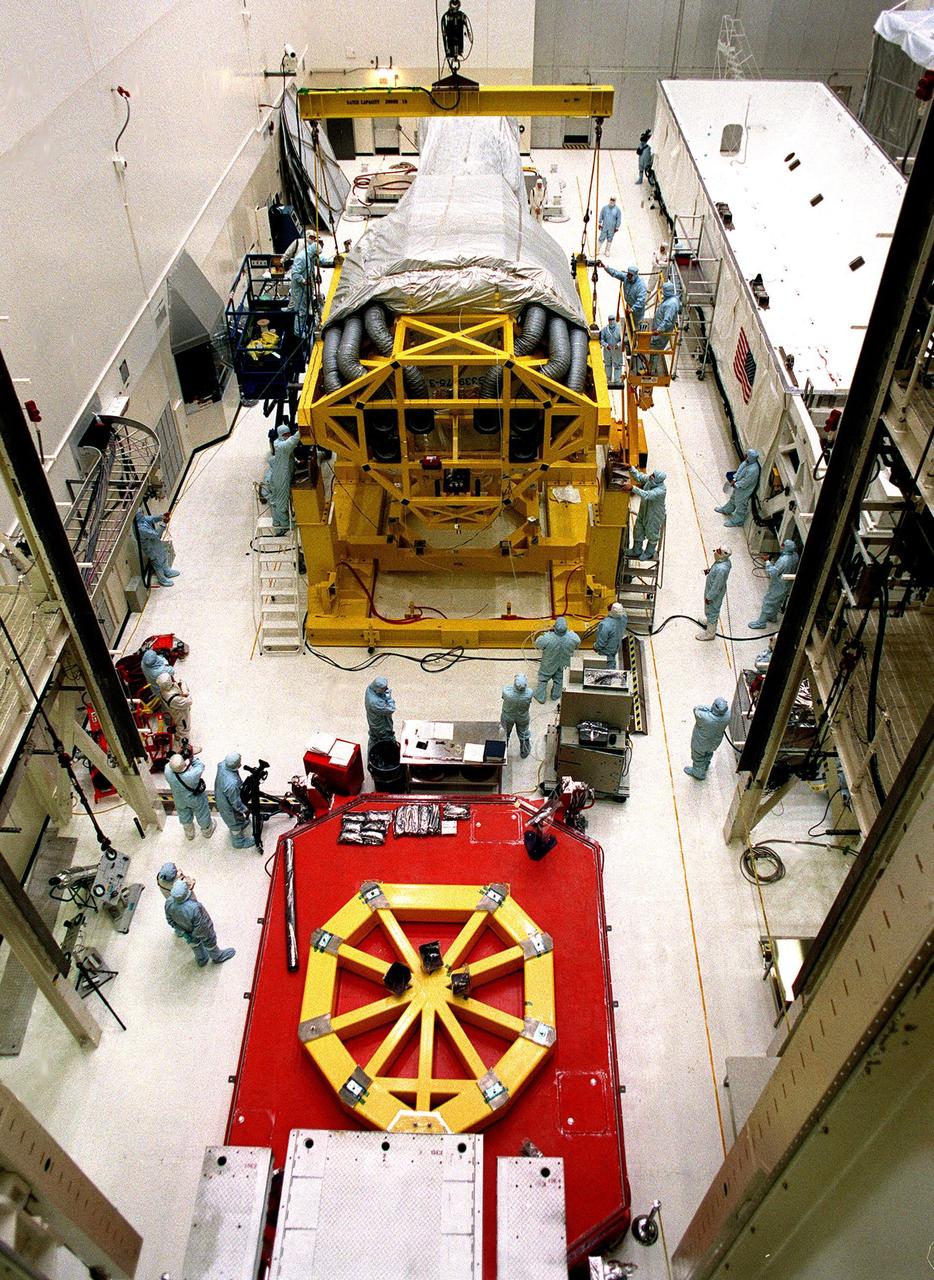
In the Vertical Processing Facility (VPF), workers check the placement of the Chandra X-ray Observatory on the stand on the floor. The stand will be used to raise the observatory to a vertical position. While in the VPF, the telescope will undergo final installation of associated electronic components; it will also be tested, fueled and mated with the Inertial Upper Stage booster. A set of integrated tests will follow. Chandra is scheduled for launch July 9 aboard Space Shuttle Columbia, on mission STS-93 . Formerly called the Advanced X-ray Astrophysics Facility, Chandra comprises three major elements: the spacecraft, the science instrument module (SIM), and the world's most powerful X-ray telescope. Chandra will allow scientists from around the world to see previously invisible black holes and high-temperature gas clouds, giving the observatory the potential to rewrite the books on the structure and evolution of our universe
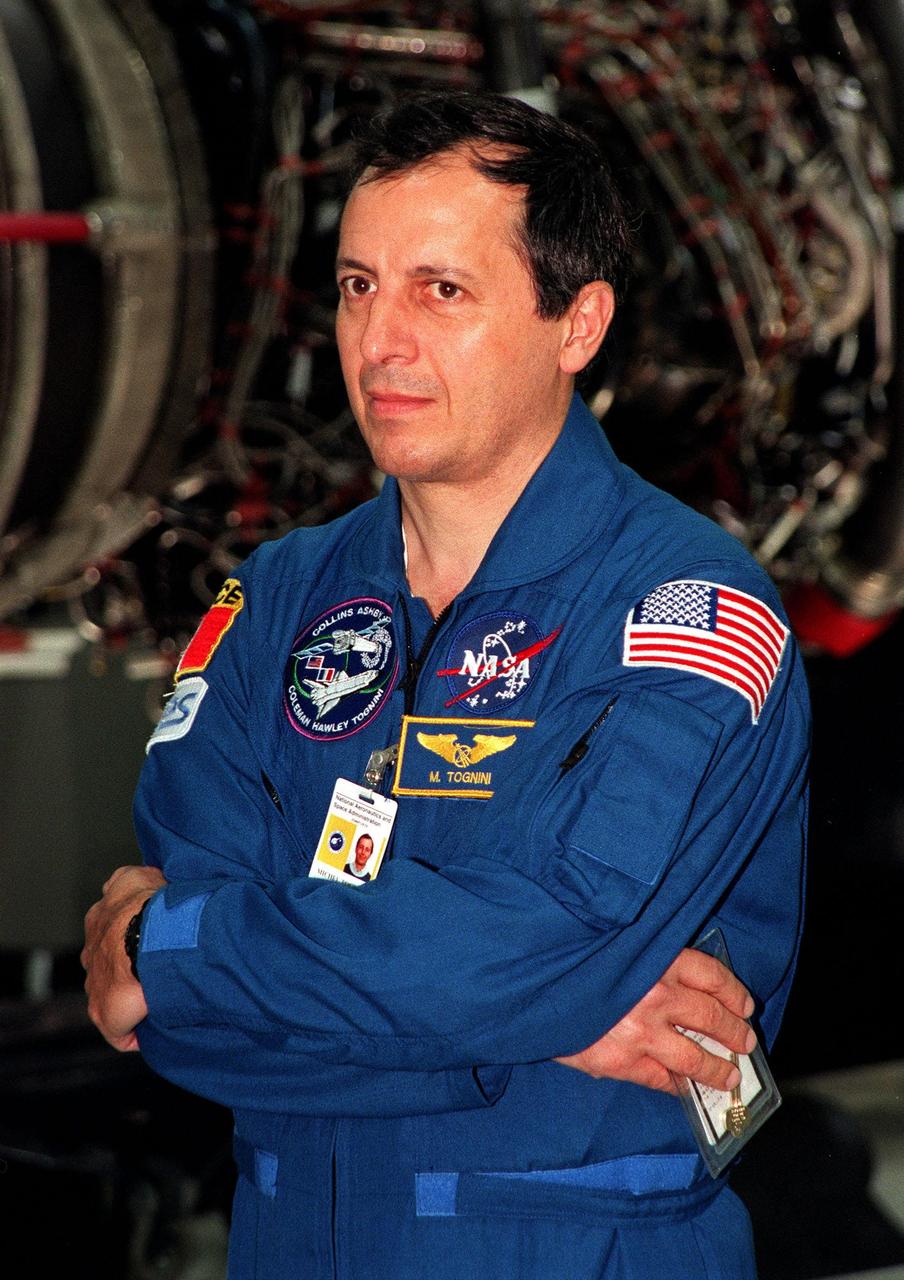
STS-93 Mission Specialist Michel Tognini of France, who represents the Centre National d'Etudes Spatiales (CNES), poses in the Space Shuttle Main Engine Facility, which holds the main engine of the orbiter Columbia. He and other crew members Commander Eileen Collins, Mission Specialist Catherine G. Coleman, Pilot Jeffrey S. Ashby, and Mission Specialist Steven A. Hawley are visiting Kennedy to look over the primary payload, the Chandra X-ray Observatory. STS-93 is scheduled to launch July 9 aboard Space Shuttle Columbia. Formerly called the Advanced X-ray Astrophysics Facility, Chandra comprises three major elements: the spacecraft, the science instrument module (SIM), and the world's most powerful X-ray telescope. Chandra will allow scientists from around the world to see previously invisible black holes and high-temperature gas clouds, giving the observatory the potential to rewrite the books on the structure and evolution of our universe
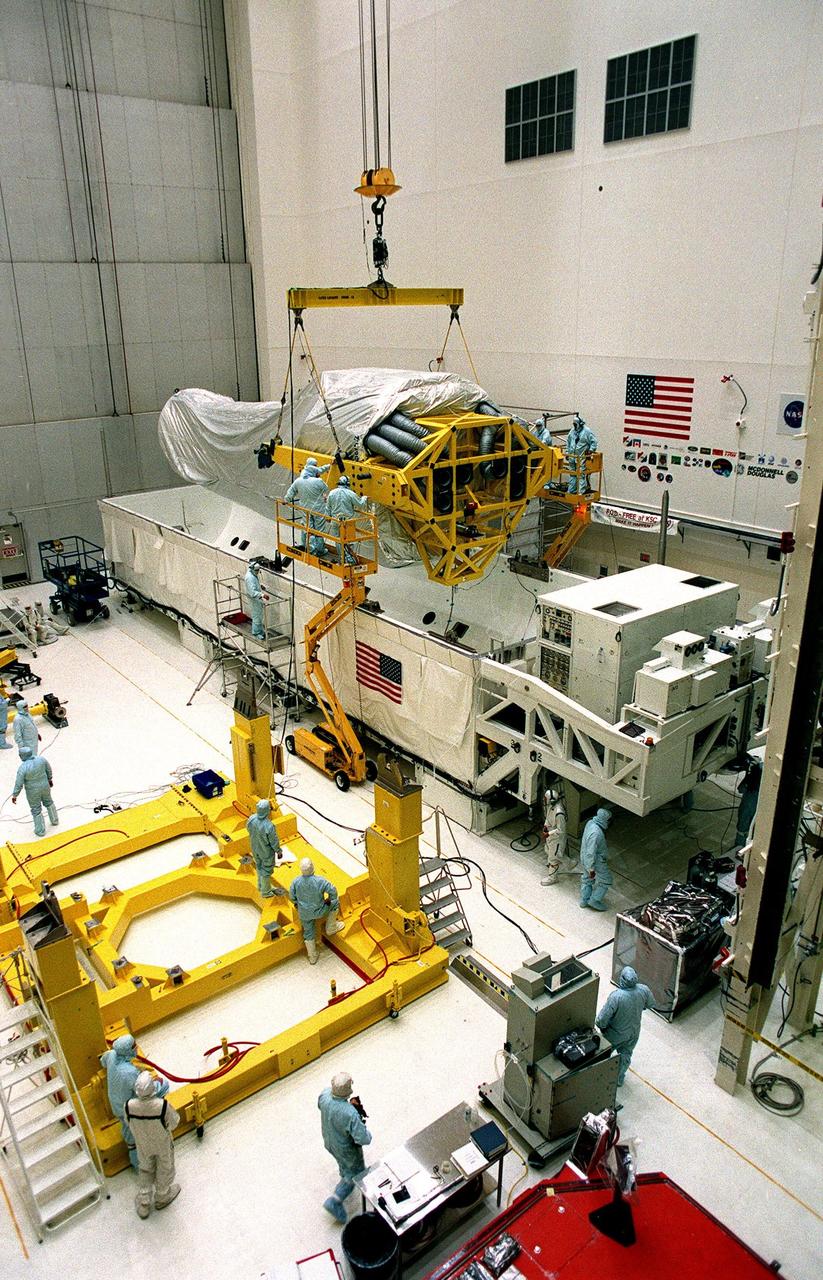
Inside the Vertical Processing Facility (VPF), workers begin lifting the Chandra X-ray Observatory out of its protective container. While in the VPF, the telescope will undergo final installation of associated electronic components; it will also be tested, fueled and mated with the Inertial Upper Stage booster. A set of integrated tests will follow. Chandra is scheduled for launch July 9 aboard Space Shuttle Columbia, on mission STS-93 . Formerly called the Advanced X-ray Astrophysics Facility, Chandra comprises three major elements: the spacecraft, the science instrument module (SIM), and the world's most powerful X-ray telescope. Chandra will allow scientists from around the world to see previously invisible black holes and high-temperature gas clouds, giving the observatory the potential to rewrite the books on the structure and evolution of our universe
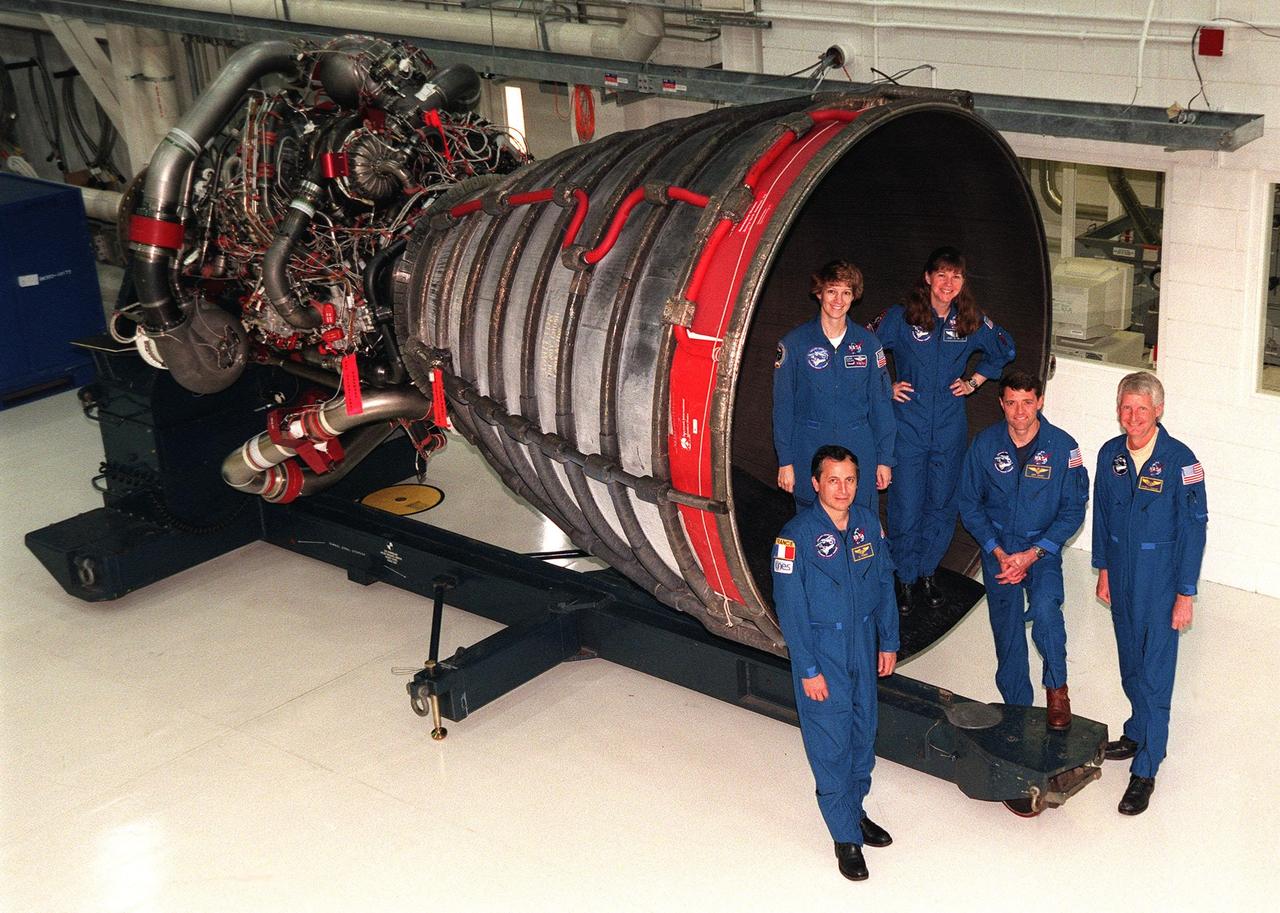
In the Space Shuttle Main Engine Facility, the STS-93 crew poses in the nozzle of Space Shuttle Columbia's main engine. From left, they are Mission Specialist Michel Tognini of France, who represents the Centre National d'Etudes Spatiales (CNES), Commander Eileen Collins, Mission Specialist Catherine G. Coleman, Pilot Jeffrey S. Ashby, and Mission Specialist Steven A. Hawley. STS-93, scheduled to launch July 9 aboard Space Shuttle Columbia, has the primary mission of the deployment of the Chandra X-ray Observatory. Formerly called the Advanced X-ray Astrophysics Facility, Chandra comprises three major elements: the spacecraft, the science instrument module (SIM), and the world's most powerful X-ray telescope. Chandra will allow scientists from around the world to see previously invisible black holes and high-temperature gas clouds, giving the observatory the potential to rewrite the books on the structure and evolution of our universe
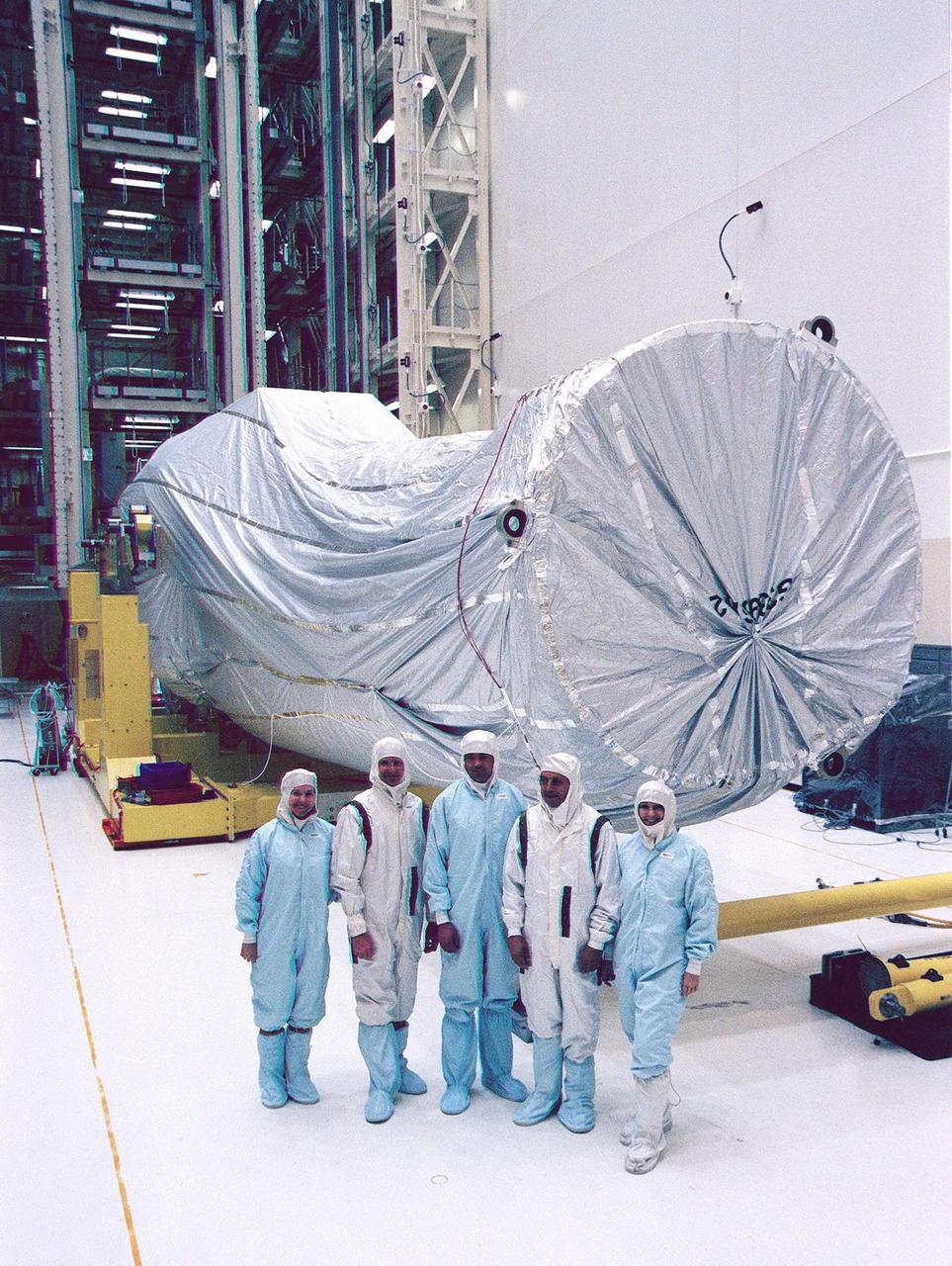
In the Vertical Processing Facility (VPF), the STS-93 crew pose in front of the Chandra X-ray Observatory, which is the primary payload of their mission. From left, the crew members are Mission Specialists Catherine G. Coleman and Steven A. Hawley, Pilot Jeffrey S. Ashby, Mission Specialist Michel Tognini of France, and Commander Eileen M. Collins. Tognini represents France's space agency, Centre National d'Etudes Spatiales (CNES). STS-93 is scheduled to launch July 9 aboard Space Shuttle Columbia. Formerly called the Advanced X-ray Astrophysics Facility, Chandra comprises three major elements: the spacecraft, the science instrument module (SIM), and the world's most powerful X-ray telescope. Chandra will allow scientists from around the world to see previously invisible black holes and high-temperature gas clouds, giving the observatory the potential to rewrite the books on the structure and evolution of our universe

Inside the Vertical Processing Facility (VPF), workers check the overhead cable that will lift the Chandra X-ray Observatory out of its protective container. While in the VPF, the telescope will undergo final installation of associated electronic components; it will also be tested, fueled and mated with the Inertial Upper Stage booster. A set of integrated tests will follow. Chandra is scheduled for launch July 9 aboard Space Shuttle Columbia, on mission STS-93 . Formerly called the Advanced X-ray Astrophysics Facility, Chandra comprises three major elements: the spacecraft, the science instrument module (SIM), and the world's most powerful X-ray telescope. Chandra will allow scientists from around the world to see previously invisible black holes and high-temperature gas clouds, giving the observatory the potential to rewrite the books on the structure and evolution of our universe
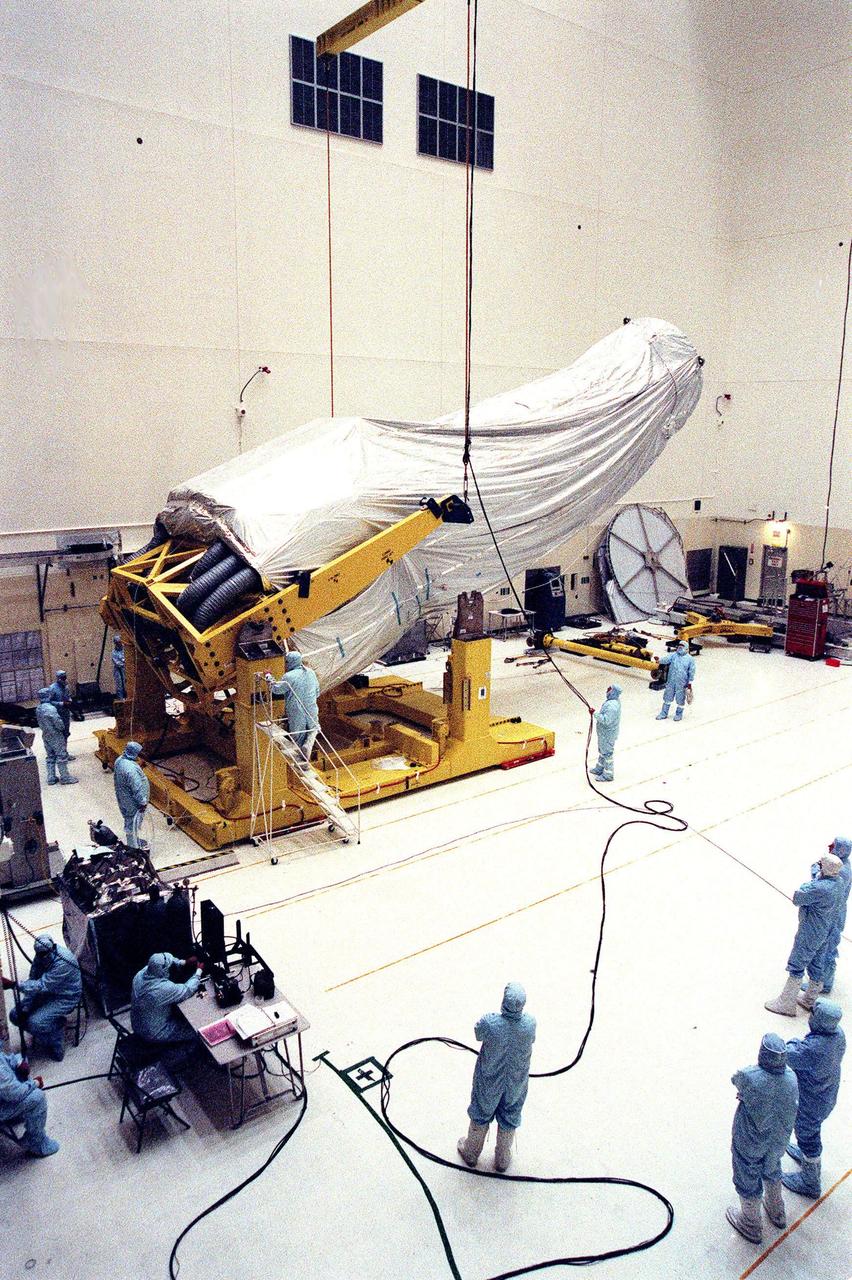
In the Vertical Processing Facility (VPF), workers watch as the overhead crane starts lifting the shrouded Chandra X-ray Observatory to a vertical position. The telescope will undergo final installation of associated electronic components; it will also be tested, fueled and mated with the Inertial Upper Stage booster. A set of integrated tests will follow. Chandra is scheduled for launch July 9 aboard Space Shuttle Columbia, on mission STS-93 . Formerly called the Advanced X-ray Astrophysics Facility, Chandra comprises three major elements: the spacecraft, the science instrument module (SIM), and the world's most powerful X-ray telescope. Chandra will allow scientists from around the world to see previously invisible black holes and high-temperature gas clouds, giving the observatory the potential to rewrite the books on the structure and evolution of our universe
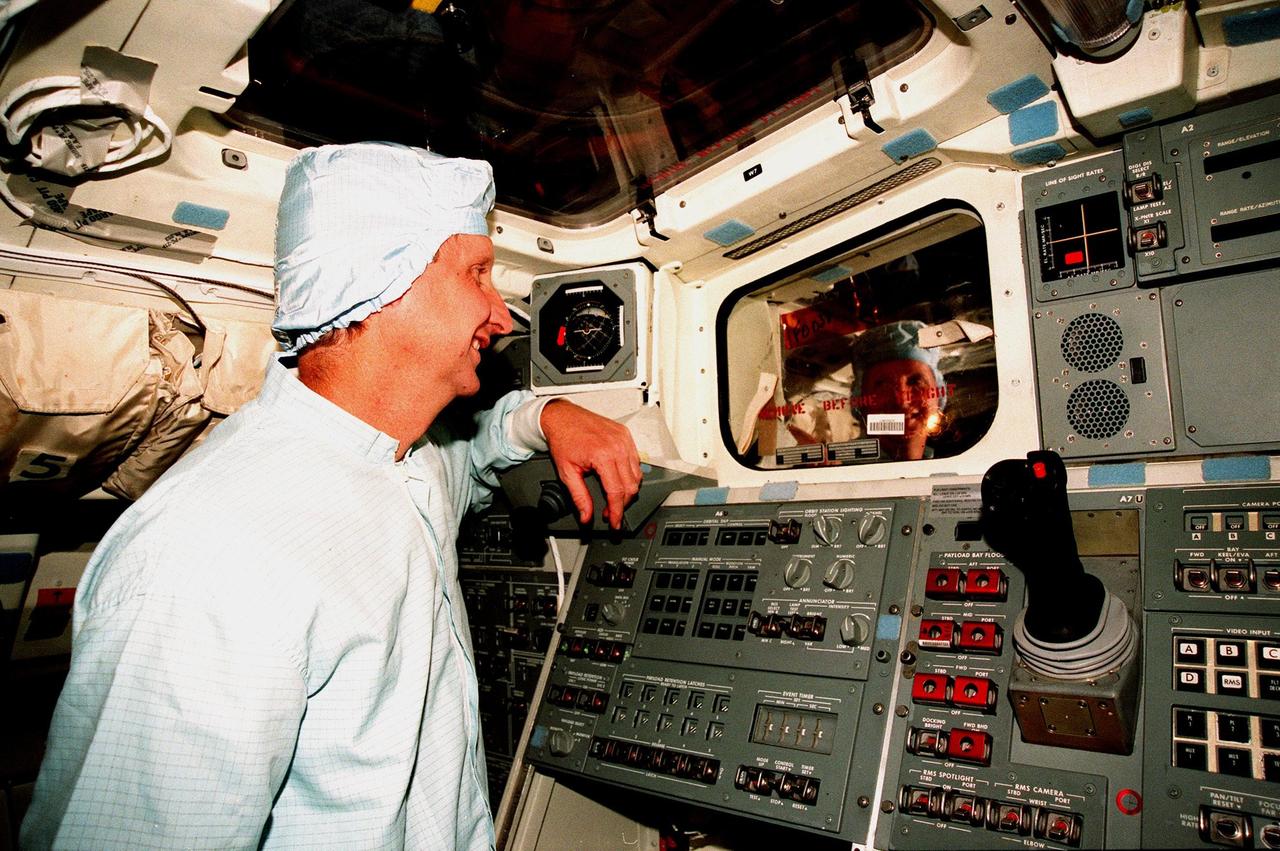
In the Orbiter Processing Facility Bay 3, during the Crew Equipment Interface Test (CEIT) for mission STS-93, Mission Specialist Steven A. Hawley checks out equipment in the orbiter Columbia. The CEIT provides an opportunity for crew members to check equipment and facilities that will be aboard the orbiter during their mission. The STS-93 mission will deploy the Advanced X-ray Astrophysics Facility (AXAF), which comprises three major elements: the spacecraft, the telescope, and the science instrument module (SIM). AXAF will allow scientists from around the world to obtain unprecedented X-ray images of a variety of high-energy objects to help understand the structure and evolution of the universe. The other STS-93 crew members are Mission Commander Eileen M. Collins, Pilot Jeffrey S. Ashby, Mission Specialist Catherine G. Coleman and Mission Specialist Michel Tognini of France. Targeted date for the launch of STS-93 is March 18, 1999
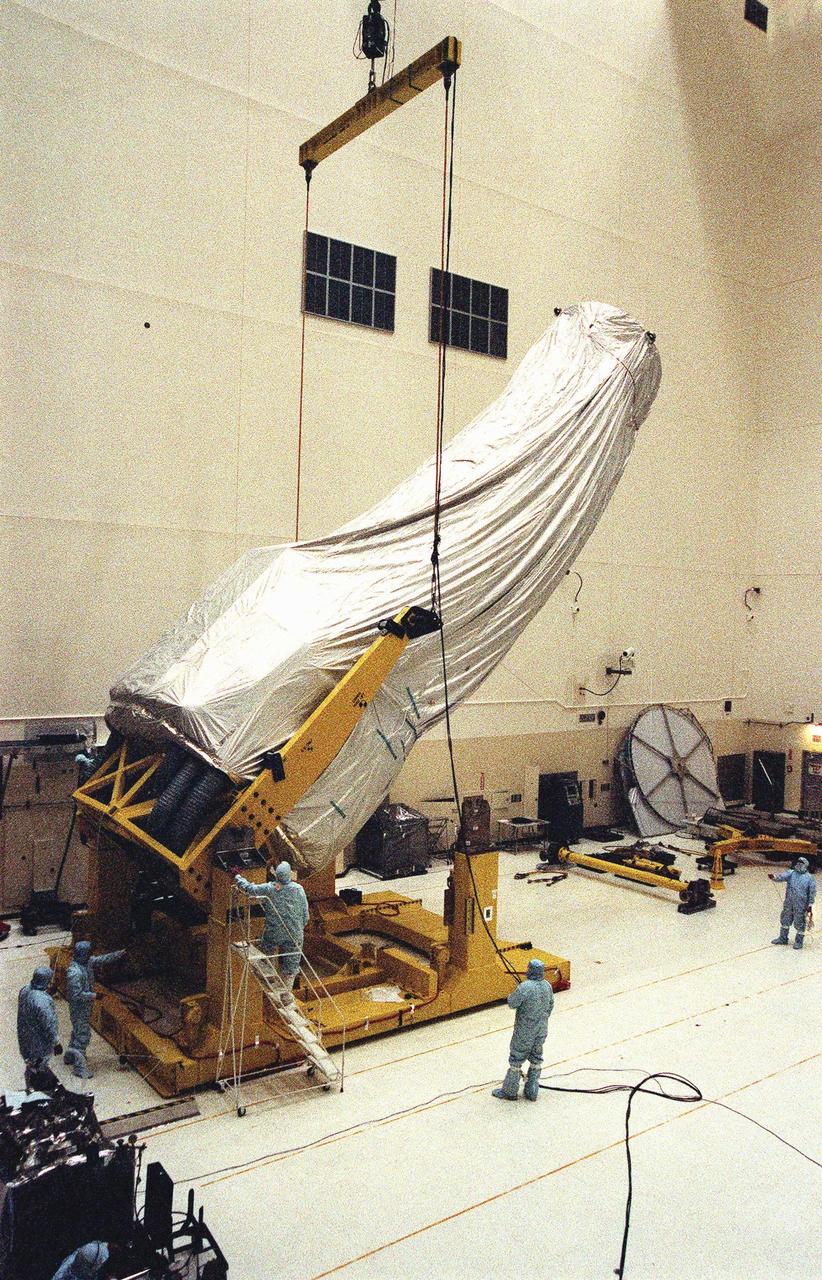
In the Vertical Processing Facility (VPF), workers keep watch on the crane lifting the shrouded Chandra X-ray Observatory to a vertical position. The telescope will undergo final installation of associated electronic components; it will also be tested, fueled and mated with the Inertial Upper Stage booster. A set of integrated tests will follow. Chandra is scheduled for launch July 9 aboard Space Shuttle Columbia, on mission STS-93 . Formerly called the Advanced X-ray Astrophysics Facility, Chandra comprises three major elements: the spacecraft, the science instrument module (SIM), and the world's most powerful X-ray telescope. Chandra will allow scientists from around the world to see previously invisible black holes and high-temperature gas clouds, giving the observatory the potential to rewrite the books on the structure and evolution of our universe
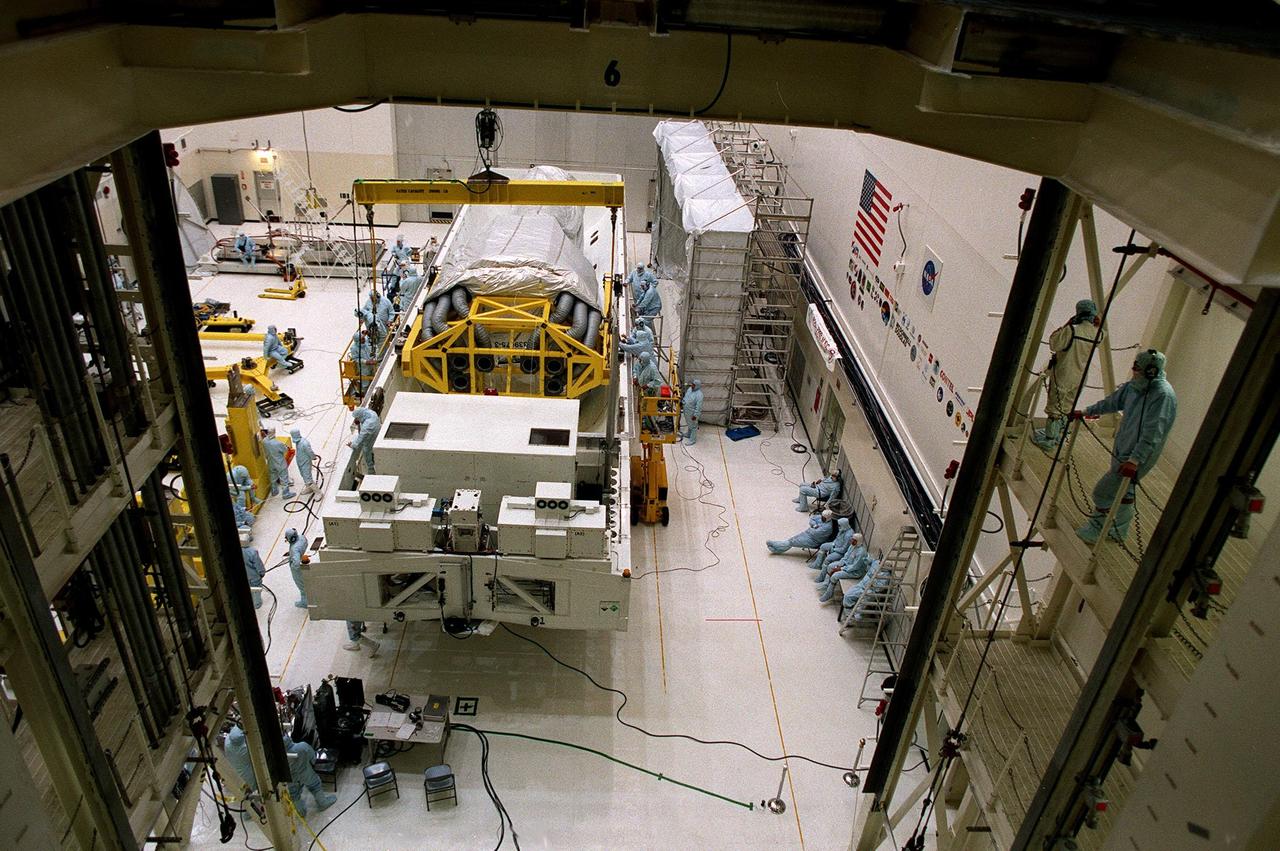
Inside the Vertical Processing Facility (VPF), workers attach the overhead cable to the Chandra X-ray Observatory to lift it out of its protective container. While in the VPF, the telescope will undergo final installation of associated electronic components; it will also be tested, fueled and mated with the Inertial Upper Stage booster. A set of integrated tests will follow. Chandra is scheduled for launch July 9 aboard Space Shuttle Columbia, on mission STS-93 . Formerly called the Advanced X-ray Astrophysics Facility, Chandra comprises three major elements: the spacecraft, the science instrument module (SIM), and the world's most powerful X-ray telescope. Chandra will allow scientists from around the world to see previously invisible black holes and high-temperature gas clouds, giving the observatory the potential to rewrite the books on the structure and evolution of our universe
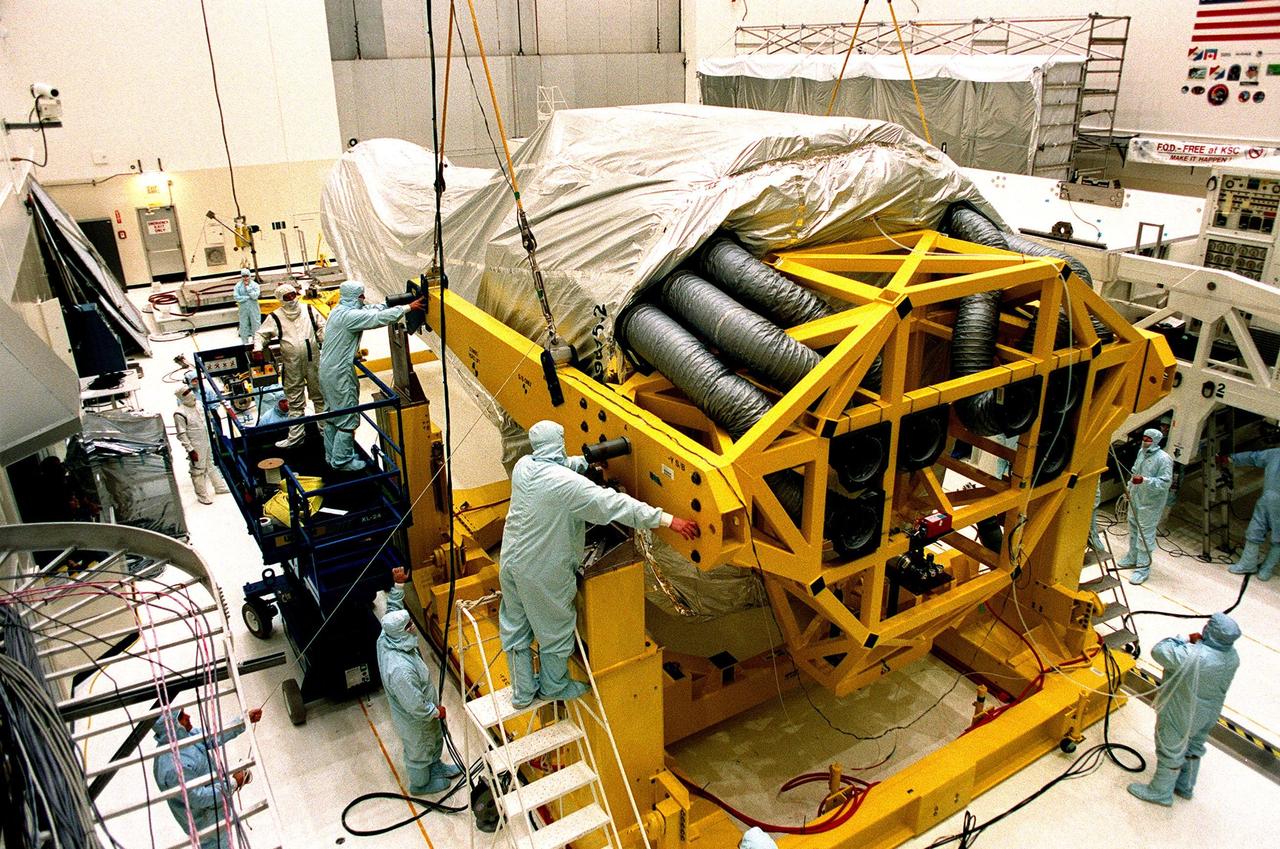
In the Vertical Processing Facility (VPF), workers check fittings and cables on the stand that will raise the Chandra X-ray Observatory to a vertical position. While in the VPF, the telescope will undergo final installation of associated electronic components; it will also be tested, fueled and mated with the Inertial Upper Stage booster. A set of integrated tests will follow. Chandra is scheduled for launch July 9 aboard Space Shuttle Columbia, on mission STS-93 . Formerly called the Advanced X-ray Astrophysics Facility, Chandra comprises three major elements: the spacecraft, the science instrument module (SIM), and the world's most powerful X-ray telescope. Chandra will allow scientists from around the world to see previously invisible black holes and high-temperature gas clouds, giving the observatory the potential to rewrite the books on the structure and evolution of our universe
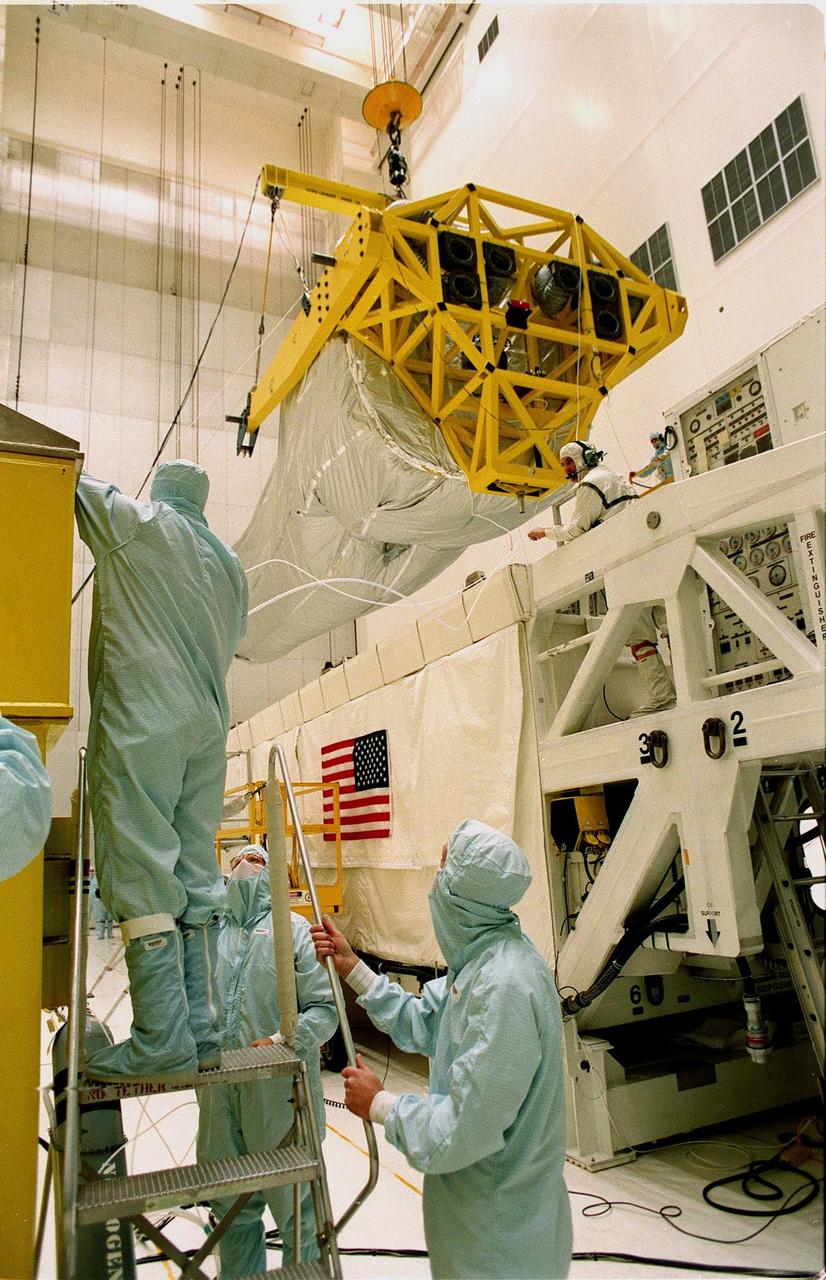
In the Vertical Processing Facility (VPF), workers begin moving the overhead crane carrying the Chandra X-ray Observatory from its protective container to a stand on the floor. While in the VPF, the telescope will undergo final installation of associated electronic components; it will also be tested, fueled and mated with the Inertial Upper Stage booster. A set of integrated tests will follow. Chandra is scheduled for launch July 9 aboard Space Shuttle Columbia, on mission STS-93 . Formerly called the Advanced X-ray Astrophysics Facility, Chandra comprises three major elements: the spacecraft, the science instrument module (SIM), and the world's most powerful X-ray telescope. Chandra will allow scientists from around the world to see previously invisible black holes and high-temperature gas clouds, giving the observatory the potential to rewrite the books on the structure and evolution of our universe
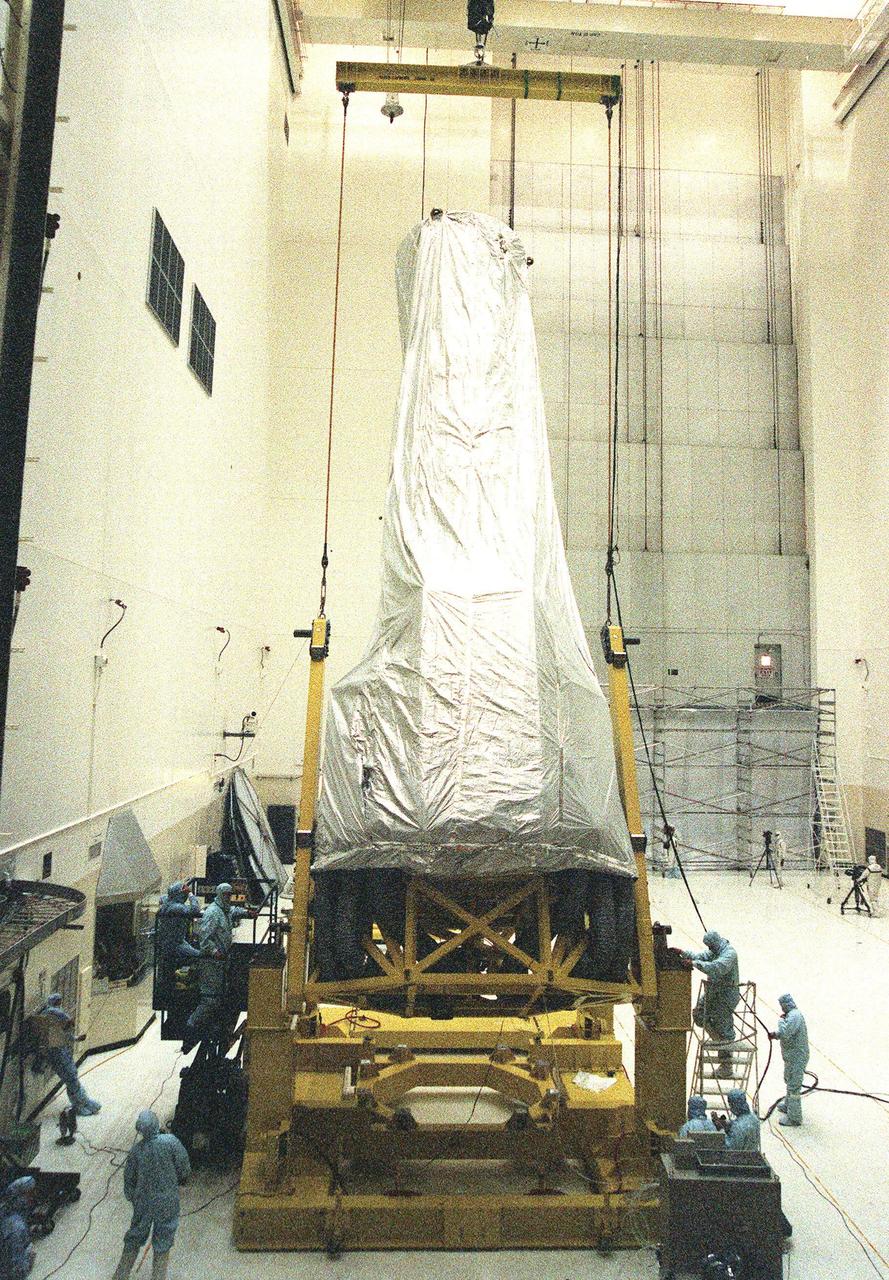
In the Vertical Processing Facility (VPF), the shrouded Chandra X-ray Observatory achieves a vertical position via the overhead crane. The telescope will undergo final installation of associated electronic components; it will also be tested, fueled and mated with the Inertial Upper Stage booster. A set of integrated tests will follow. Chandra is scheduled for launch July 9 aboard Space Shuttle Columbia, on mission STS-93 . Formerly called the Advanced X-ray Astrophysics Facility, Chandra comprises three major elements: the spacecraft, the science instrument module (SIM), and the world's most powerful X-ray telescope. Chandra will allow scientists from around the world to see previously invisible black holes and high-temperature gas clouds, giving the observatory the potential to rewrite the books on the structure and evolution of our universe
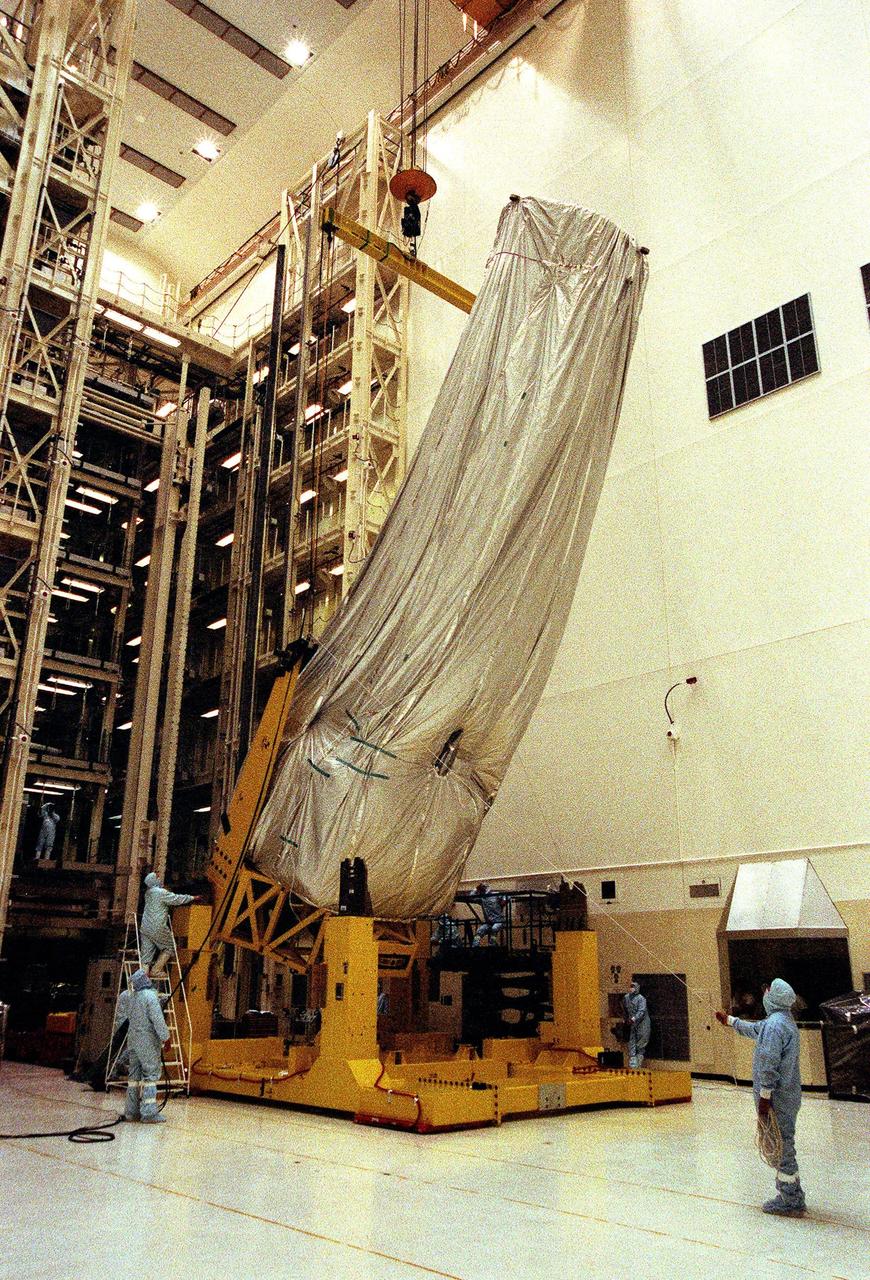
In the Vertical Processing Facility (VPF), workers guide the final stages as the overhead crane lifts the shrouded Chandra X-ray Observatory to a vertical position. The telescope will undergo final installation of associated electronic components; it will also be tested, fueled and mated with the Inertial Upper Stage booster. A set of integrated tests will follow. Chandra is scheduled for launch July 9 aboard Space Shuttle Columbia, on mission STS-93 . Formerly called the Advanced X-ray Astrophysics Facility, Chandra comprises three major elements: the spacecraft, the science instrument module (SIM), and the world's most powerful X-ray telescope. Chandra will allow scientists from around the world to see previously invisible black holes and high-temperature gas clouds, giving the observatory the potential to rewrite the books on the structure and evolution of our universe
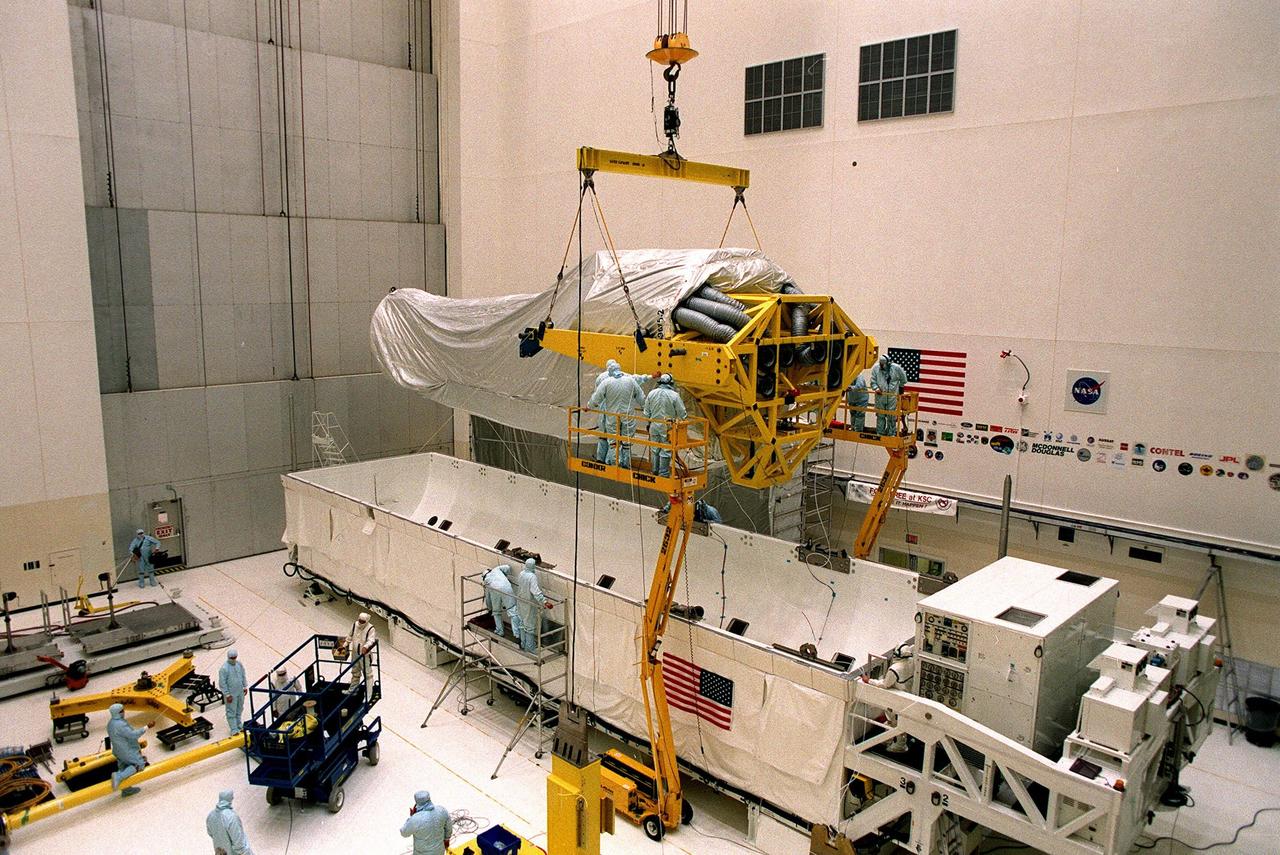
Inside the Vertical Processing Facility (VPF), the overhead crane lifts Chandra X-ray Observatory completely out of its protective container. While in the VPF, the telescope will undergo final installation of associated electronic components; it will also be tested, fueled and mated with the Inertial Upper Stage booster. A set of integrated tests will follow. Chandra is scheduled for launch July 9 aboard Space Shuttle Columbia, on mission STS-93 . Formerly called the Advanced X-ray Astrophysics Facility, Chandra comprises three major elements: the spacecraft, the science instrument module (SIM), and the world's most powerful X-ray telescope. Chandra will allow scientists from around the world to see previously invisible black holes and high-temperature gas clouds, giving the observatory the potential to rewrite the books on the structure and evolution of our universe
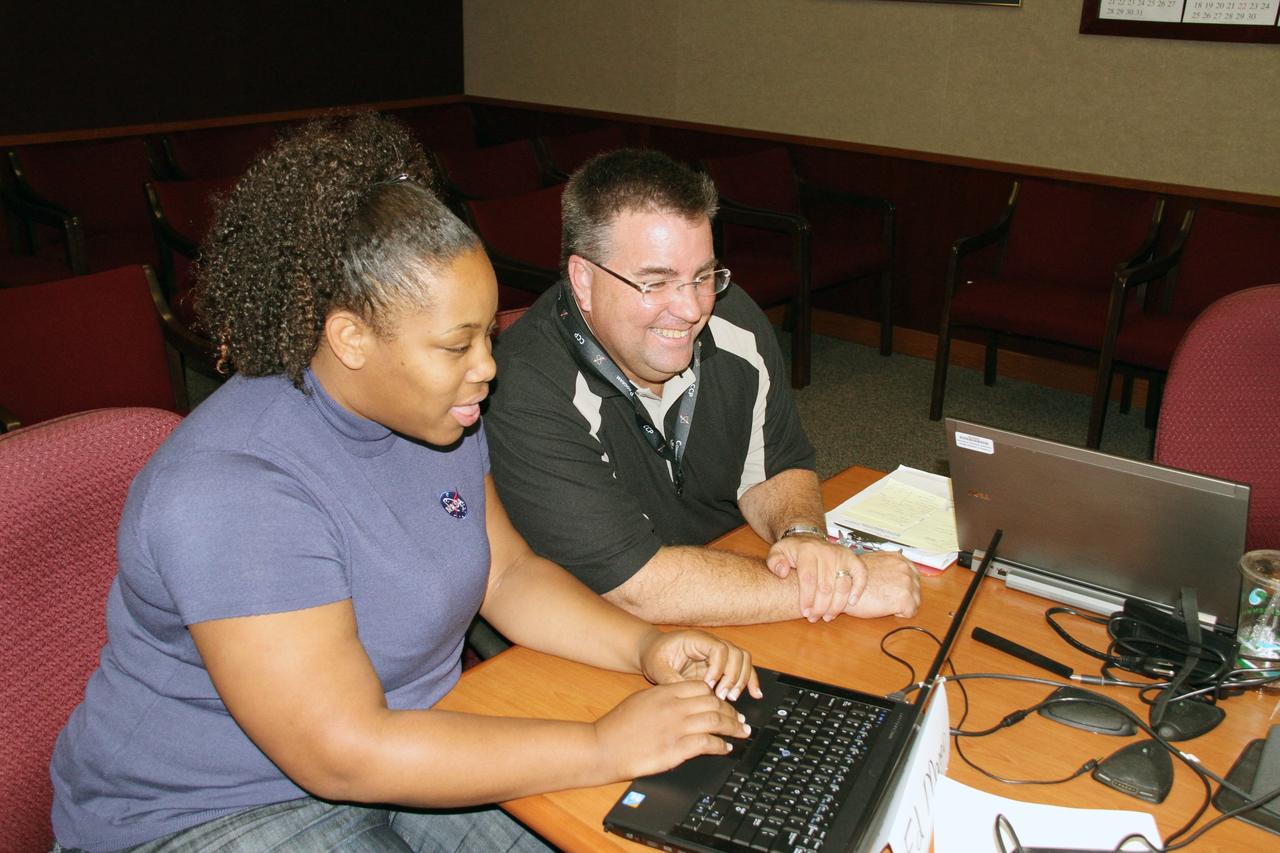
CAPE CANAVERAL, Fla. – The manager of NASA's Commercial Crew Program CCP, Ed Mango, hosts a virtual conversation, called a Tweet Chat, with Twitter followers from around the world. Those who follow www.twitter.com/commercial_crew had an hour-long opportunity to ask Mango questions about NASA’s efforts to get astronauts to low Earth orbit and the International Space Station aboard American rockets and spacecraft. Mango stuck to the social networking service's 140 character limit and answered dozens of questions. At left, is Brittani Sims, a member of the CCP team. The goal of CCP is to drive down the cost of space travel as well as open up space to more people than ever before by balancing industry’s own innovative capabilities with NASA's 50 years of human spaceflight experience. Seven aerospace companies are maturing launch vehicle and spacecraft designs under the program’s second round of development, called Commercial Crew Development Round 2 CCDev2), including Alliant Techsystems Inc. ATK, The Boeing Co., Excalibur Almaz Inc., Blue Origin, Sierra Nevada, Space Exploration Technologies SpaceX, and United Launch Alliance ULA. For more information, visit www.nasa.gov/commercialcrew. Image credit: NASA/Gianni Woods
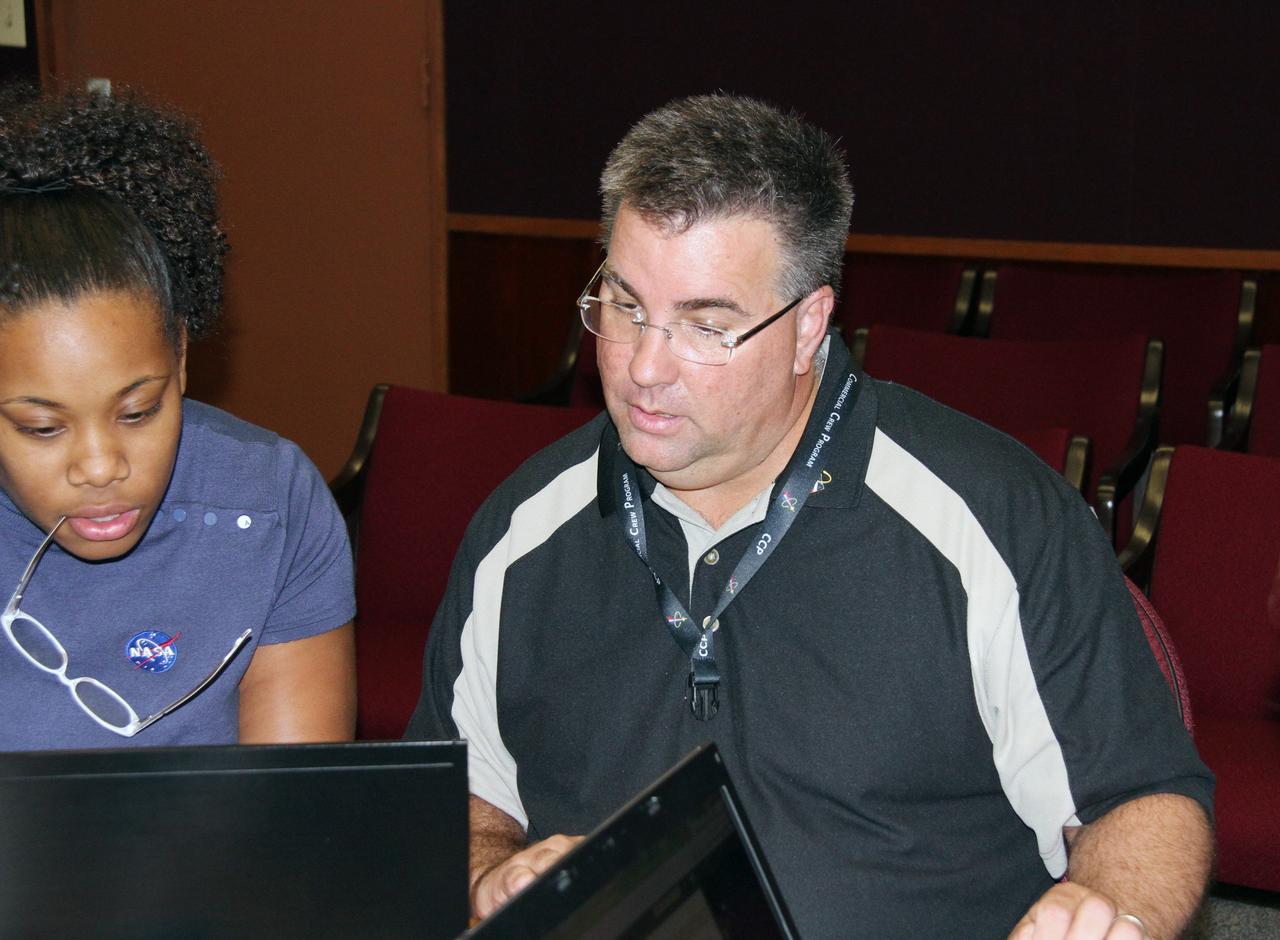
CAPE CANAVERAL, Fla. – The manager of NASA's Commercial Crew Program CCP, Ed Mango, hosts a virtual conversation, called a Tweet Chat, with Twitter followers from around the world. Those who follow www.twitter.com/commercial_crew had an hour-long opportunity to ask Mango questions about NASA’s efforts to get astronauts to low Earth orbit and the International Space Station aboard American rockets and spacecraft. Mango stuck to the social networking service's 140 character limit and answered dozens of questions. At left, is Brittani Sims, a member of the CCP team. The goal of CCP is to drive down the cost of space travel as well as open up space to more people than ever before by balancing industry’s own innovative capabilities with NASA's 50 years of human spaceflight experience. Seven aerospace companies are maturing launch vehicle and spacecraft designs under the program’s second round of development, called Commercial Crew Development Round 2 CCDev2), including Alliant Techsystems Inc. ATK, The Boeing Co., Excalibur Almaz Inc., Blue Origin, Sierra Nevada, Space Exploration Technologies SpaceX, and United Launch Alliance ULA. For more information, visit www.nasa.gov/commercialcrew. Image credit: NASA/Gianni Woods
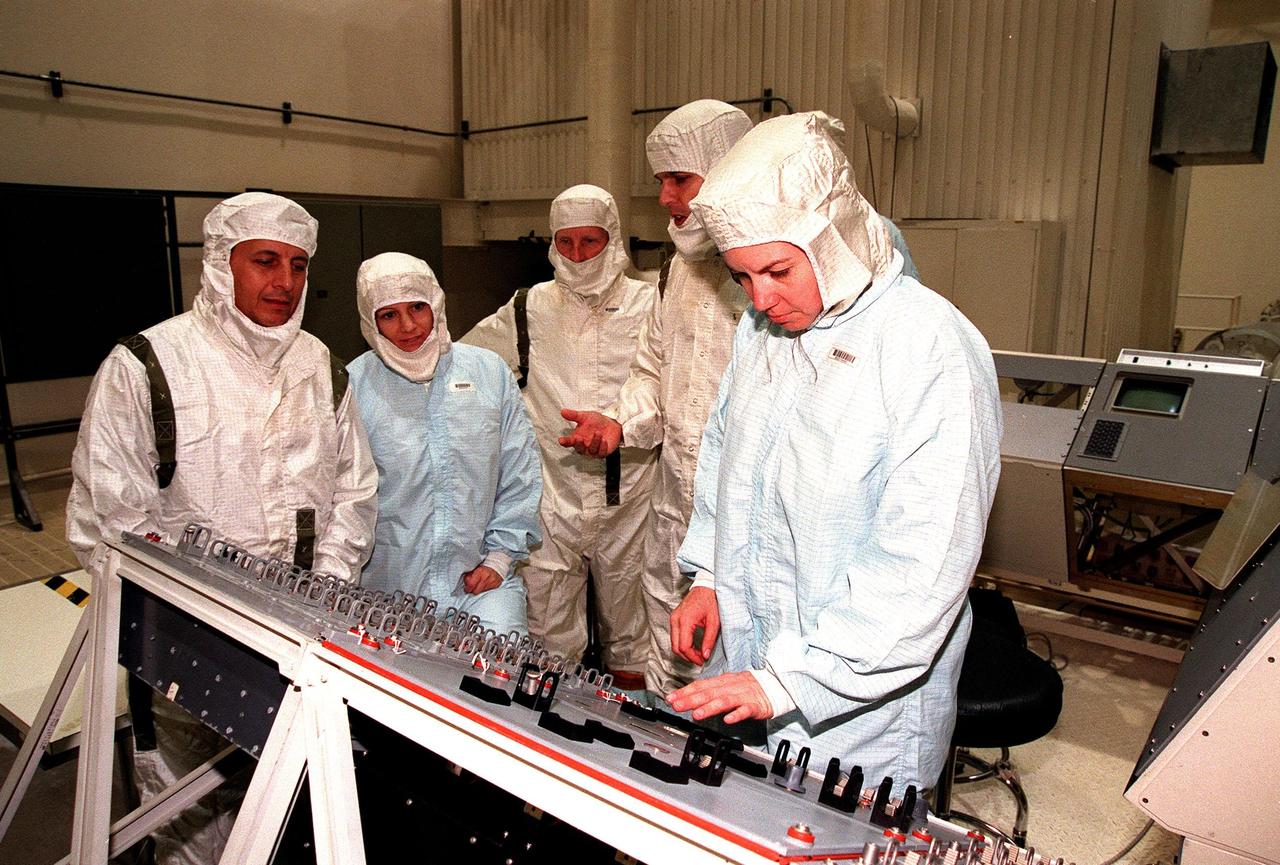
In the Vertical Processing Facility (VPF), the STS-93 crew stands in front of the VPF Aft Flight Deck simulator, which is part of KSC's Cargo Integration Test Equipment. From left, they are Mission Specialist Michel Tognini of France, Commander Eileen M. Collins, Mission Specialist Steven A. Hawley, Pilot Jeffrey S. Ashby and Mission Specialist Catherine G. Coleman. Tognini represents France's space agency, the Centre National d'Etudes Spatiales (CNES). STS-93, scheduled to launch July 9 aboard Space Shuttle Columbia, has the primary mission of the deployment of the Chandra X-ray Observatory, which is undergoing testing in the VPF. Formerly called the Advanced X-ray Astrophysics Facility, Chandra comprises three major elements: the spacecraft, the science instrument module (SIM), and the world's most powerful X-ray telescope. Chandra will allow scientists from around the world to see previously invisible black holes and high-temperature gas clouds, giving the observatory the potential to rewrite the books on the structure and evolution of our universe
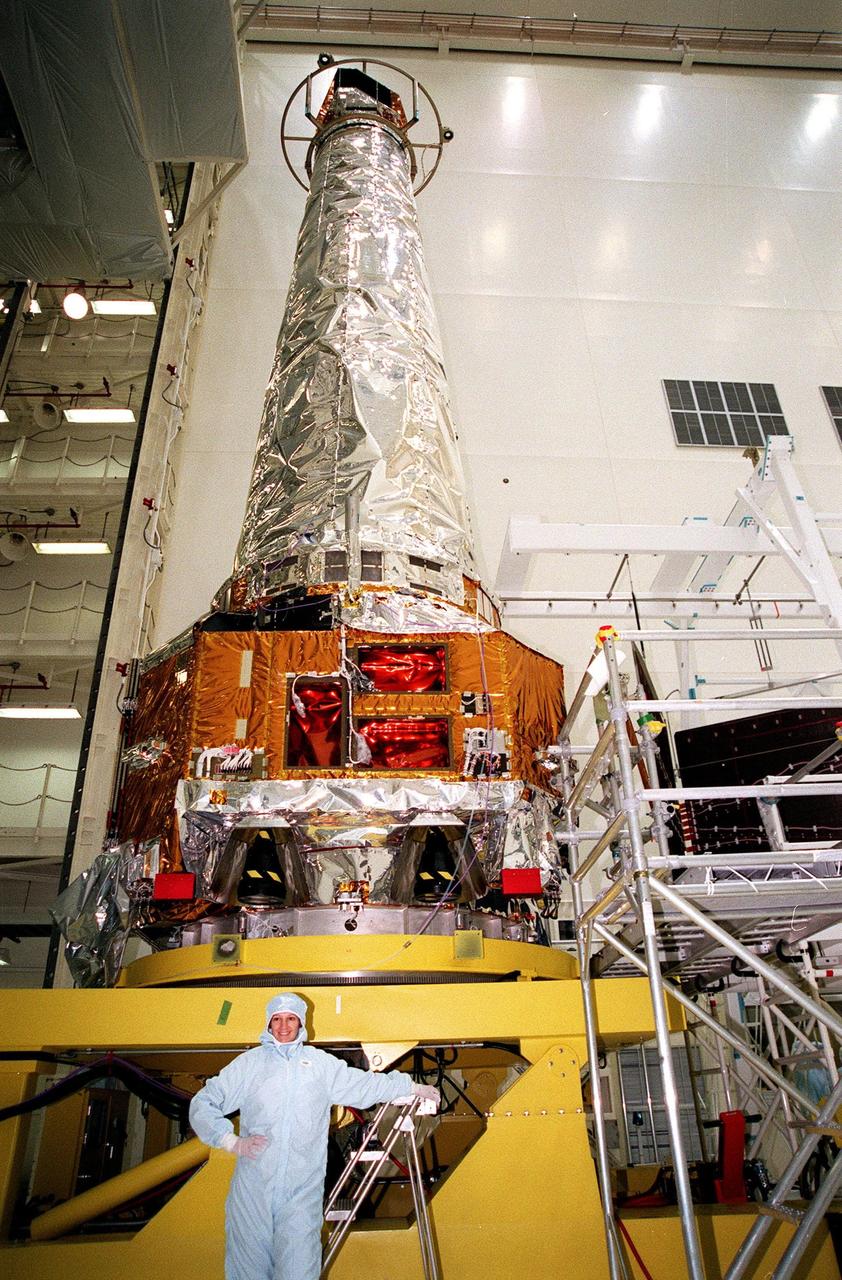
STS-93 Commander Eileen Collins poses at the foot of the Chandra X-ray Observatory during payload familiarization. Other members of the STS-93 crew who are at KSC are Pilot Jeffrey S. Ashby and Mission Specialists Catherine G. Coleman and Michel Tognini of France, who represents the Centre National d'Etudes Spatiales (CNES). Collins is the first woman to serve as a shuttle mission commander. She was the first woman pilot of a Space Shuttle, on mission STS-63, and also served as pilot on mission STS-84. The fifth member of the crew is Mission Specialist Steven A. Hawley. Chandra is scheduled for launch July 9 aboard Space Shuttle Columbia, on mission STS-93 . Formerly called the Advanced X-ray Astrophysics Facility, Chandra comprises three major elements: the spacecraft, the science instrument module (SIM), and the world's most powerful X-ray telescope. Chandra will allow scientists from around the world to see previously invisible black holes and high-temperature gas clouds, giving the observatory the potential to rewrite the books on the structure and evolution of our universe
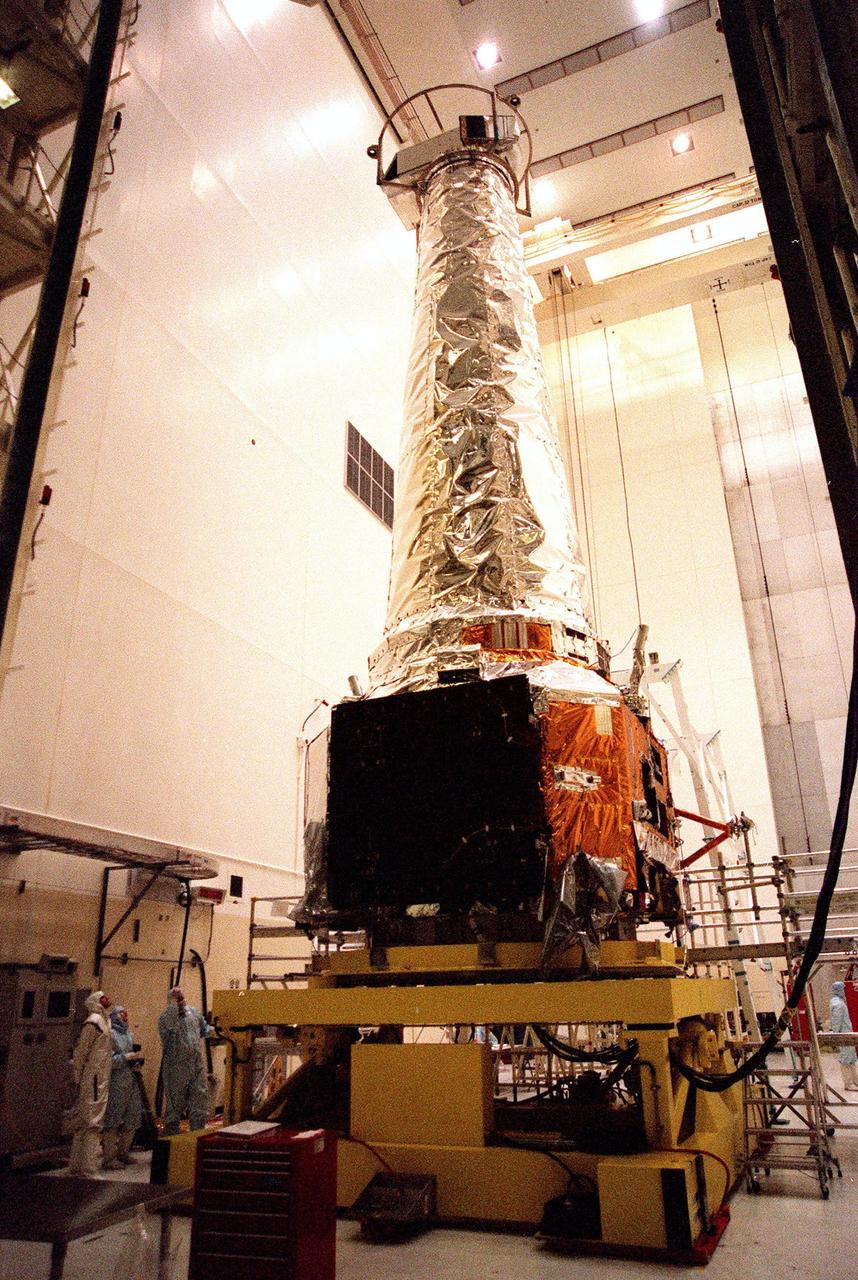
In the Vertical Processing Facility, STS-93 Pilot Jeffrey S. Ashby and Commander Eileen Collins join a TRW technician observing the Chandra X-ray Observatory on top of a work stand. Other members of the STS-93 crew who are at KSC for payload familiarization are Mission Specialists Catherine G. Coleman and Michel Tognini of France, who represents the Centre National d'Etudes Spatiales (CNES). Collins is the first woman to serve as a shuttle mission commander. She was the first woman pilot of a Space Shuttle, on mission STS-63, and also served as pilot on mission STS-84. The fifth member of the crew is Mission Specialist Steven A. Hawley. Chandra is scheduled for launch July 9 aboard Space Shuttle Columbia, on mission STS-93 . Formerly called the Advanced X-ray Astrophysics Facility, Chandra comprises three major elements: the spacecraft, the science instrument module (SIM), and the world's most powerful X-ray telescope. Chandra will allow scientists from around the world to see previously invisible black holes and high-temperature gas clouds, giving the observatory the potential to rewrite the books on the structure and evolution of our universe
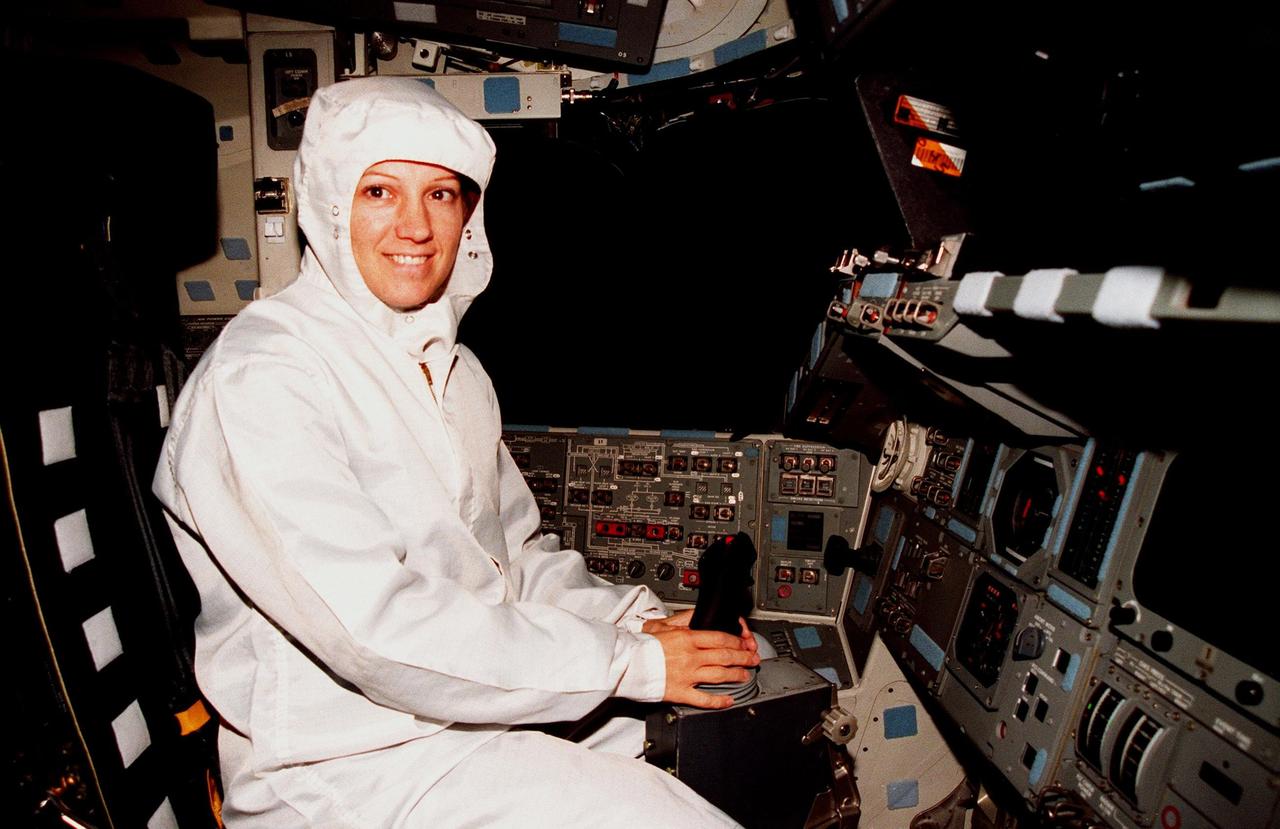
In the Orbiter Processing Facility Bay 3, during the Crew Equipment Interface Test (CEIT) for mission STS-93, Mission Commander Eileen M. Collins checks out her seat in the orbiter Columbia. Collins is the first woman to serve as a mission commander on a shuttle flight. The CEIT provides an opportunity for crew members to check equipment and facilities that will be aboard the orbiter during their mission. The STS-93 mission will deploy the Advanced X-ray Astrophysics Facility (AXAF), which comprises three major elements: the spacecraft, the telescope, and the science instrument module (SIM). AXAF will allow scientists from around the world to obtain unprecedented X-ray images of a variety of high-energy objects to help understand the structure and evolution of the universe. The other STS-93 crew members are Pilot Jeffrey S. Ashby, Mission Specialist Catherine G. Coleman, Mission Specialist Steven A. Hawley and Mission Specialist Michel Tognini of France. Targeted date for the launch of STS-93 is March 18, 1999
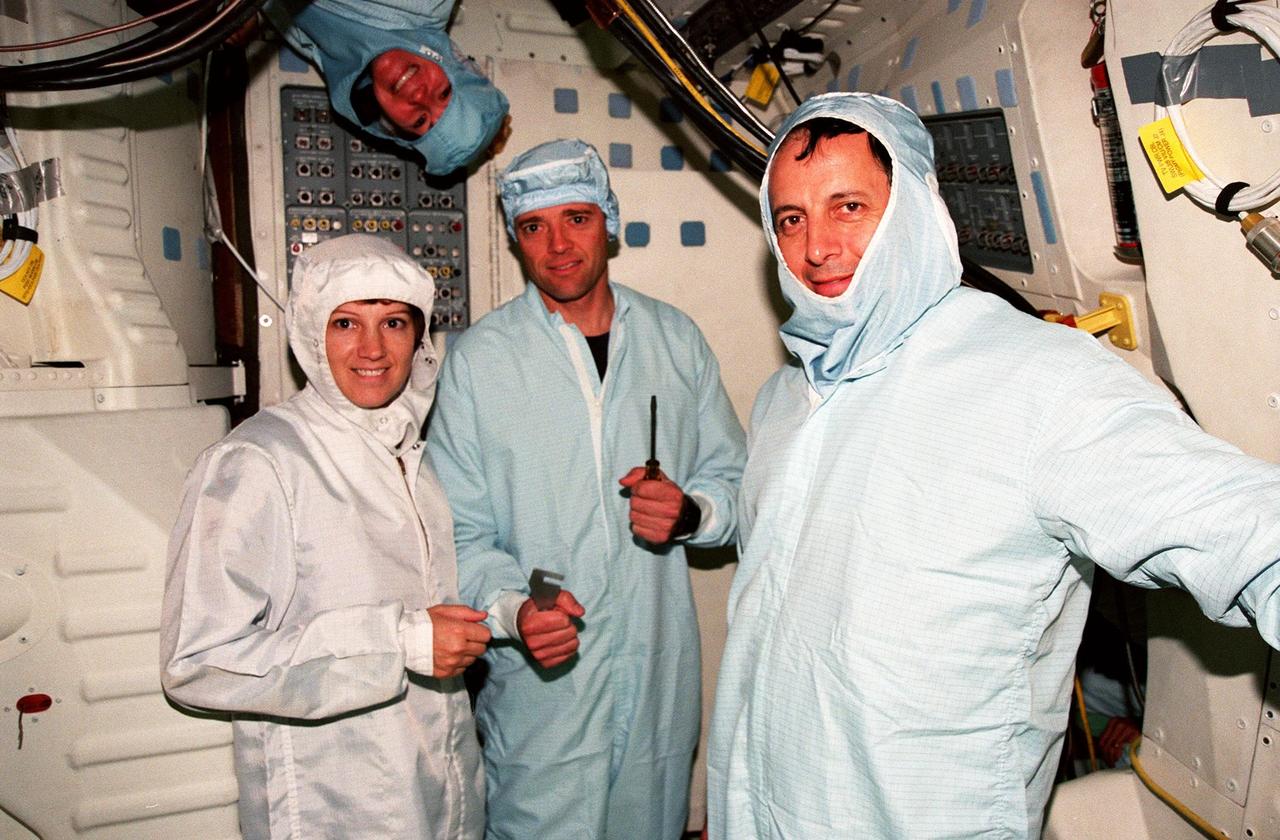
In the Orbiter Processing Facility Bay 3, during the Crew Equipment Interface Test (CEIT) for mission STS-93, crew members pose for a photograph . From left they are Mission Commander Eileen M. Collins, Pilot Jeffrey S. Ashby, and Mission Specialist Michel Tognini of France. Above Ashby's head is Mission Specialist Catherine G. Coleman. Not shown is Mission Specialist Steven A. Hawley. Collins is the first woman to serve as a mission commander on a shuttle flight. The CEIT provides an opportunity for crew members to check equipment and facilities that will be aboard the orbiter during their mission. The STS-93 mission will deploy the Advanced X-ray Astrophysics Facility (AXAF), which comprises three major elements: the spacecraft, the telescope, and the science instrument module (SIM). AXAF will allow scientists from around the world to obtain unprecedented X-ray images of a variety of high-energy objects to help understand the structure and evolution of the universe. Targeted date for the launch of STS-93 is March 18, 1999
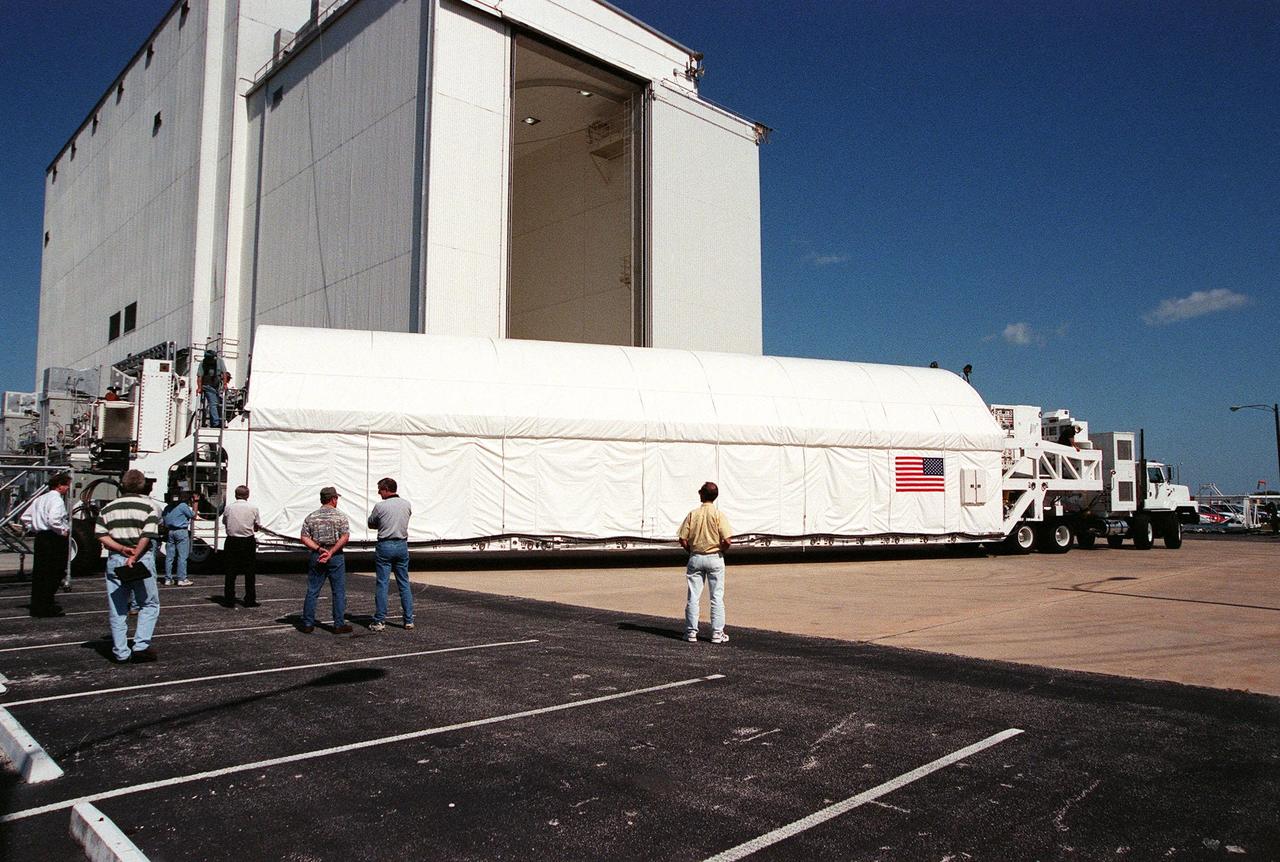
Cradled in the cargo hold of a tractor-trailer rig called the Space Cargo Transportation System, the Chandra X-ray Observatory reaches the Vertical Processing Facility (VPF). Chandra arrived at the Shuttle Landing Facility on Thursday, Feb. 4, aboard an Air Force C-5 Galaxy aircraft. In the VPF, the telescope will undergo final installation of associated electronic components; it will also be tested, fueled and mated with the Inertial Upper Stage booster. A set of integrated tests will follow. Chandra is scheduled for launch July 9 aboard Space Shuttle Columbia, on mission STS-93 . Formerly called the Advanced X-ray Astrophysics Facility, Chandra comprises three major elements: the spacecraft, the science instrument module (SIM), and the world's most powerful X-ray telescope. Chandra will allow scientists from around the world to see previously invisible black holes and high-temperature gas clouds, giving the observatory the potential to rewrite the books on the structure and evolution of our universe
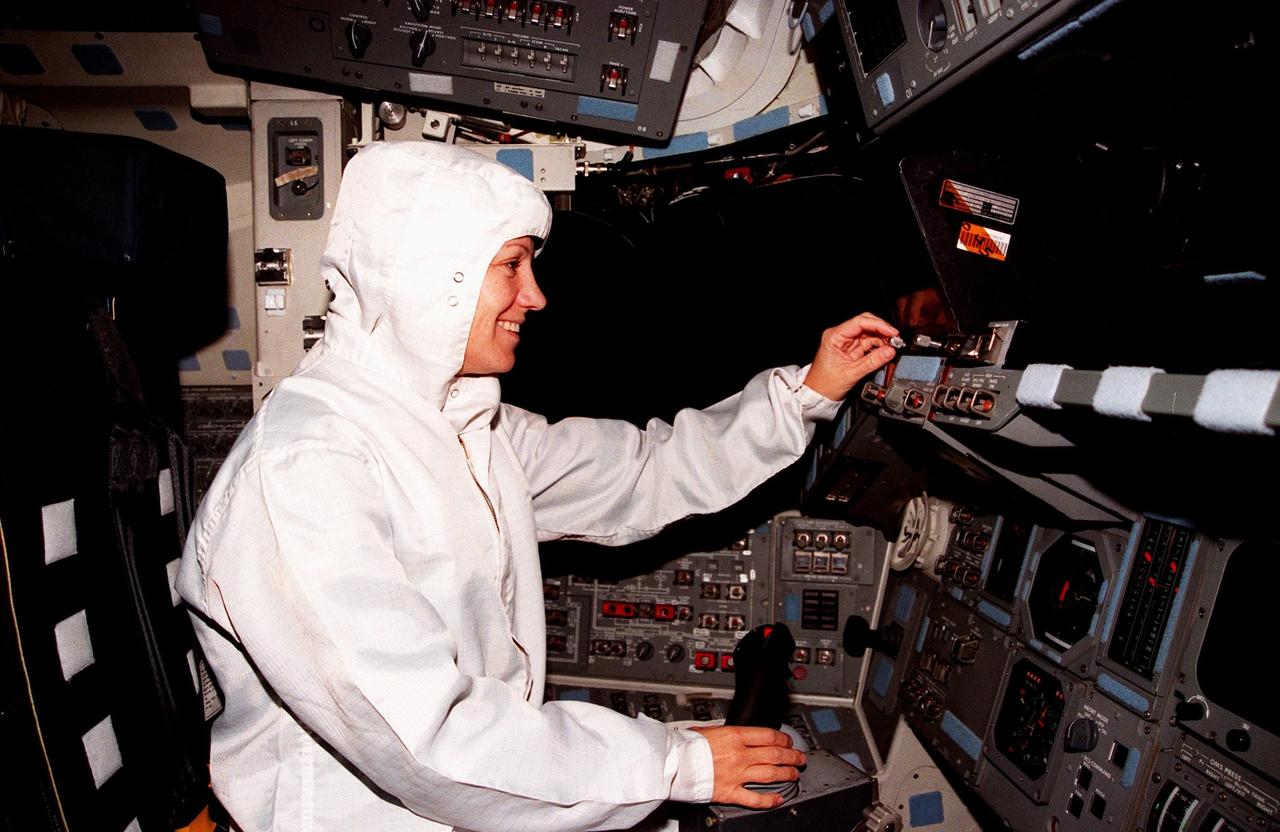
During the Crew Equipment Interface Test (CEIT) for mission STS-93, Mission Commander Eileen M. Collins checks out the flight deck on the orbiter Columbia, in the Orbiter Processing Facility Bay 3. The CEIT provides an opportunity for crew members to check equipment and facilities that will be aboard the orbiter during their mission. The STS-93 mission will deploy the Advanced X-ray Astrophysics Facility (AXAF) which comprises three major elements: the spacecraft, the telescope, and the science instrument module (SIM). AXAF will allow scientists from around the world to obtain unprecedented X-ray images of a variety of high-energy objects to help understand the structure and evolution of the universe. Collins is the first woman to serve as a shuttle mission commander. The other STS-93 crew members are Mission Specialist Catherine G. Coleman, Pilot Jeffrey S. Ashby, Mission Specialist Steven A. Hawley and Mission Specialist Michel Tognini of France. Targeted date for the launch of STS-93 is March 18, 1999

Inside the Vehicle Assembly Building, two STS-93 crew members, (center) Mission Specialist Michel Tognini of France and Pilot Jeffrey S. Ashby, get a close look at something seldom seen, the tip of an external tank. With them are Roland Nedelkovich (far left), with the Vertical Integration Test Team, and John Hlavacka (far right). STS-93 is scheduled to launch July 9 aboard Space Shuttle Columbia and has the primary mission of the deployment of the Chandra X-ray Observatory. Formerly called the Advanced X-ray Astrophysics Facility, Chandra comprises three major elements: the spacecraft, the science instrument module (SIM), and the world's most powerful X-ray telescope. Chandra will allow scientists from around the world to see previously invisible black holes and high-temperature gas clouds, giving the observatory the potential to rewrite the books on the structure and evolution of our universe. Other STS-93 crew members are Commander Eileen M. Collins and Mission Specialists Catherine G. Coleman and Steven A. Hawley
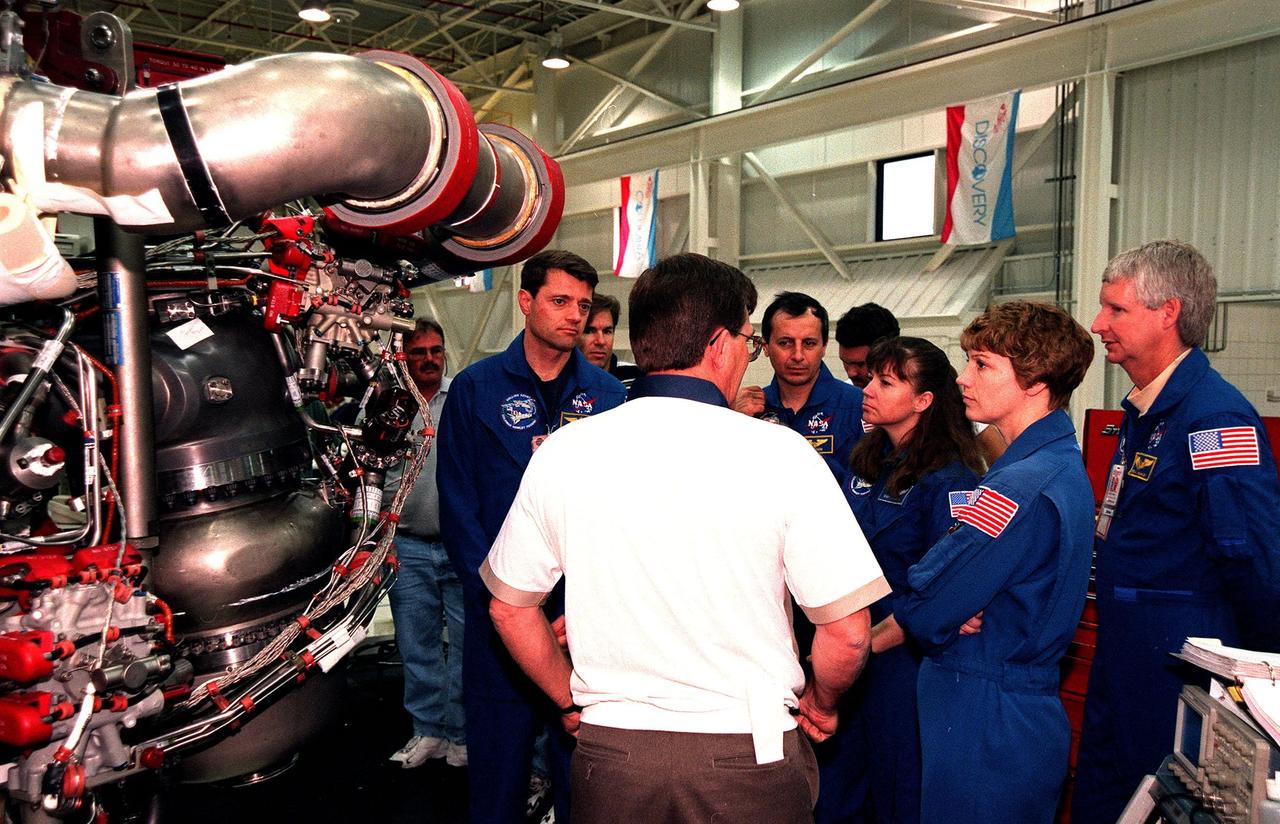
In the Space Shuttle Main Engine Facility, , STS-93 crew members listen to Site Director Dan Hausman, with Rocketdyne, while looking over the main engine of the Space Shuttle Columbia. From left, they are Pilot Jeffrey S. Ashby, Mission Specialists Michel Tognini of France, who represents the Centre National d'Etudes Spatiales (CNES), and Mission Specialist Catherine G. Coleman, Commander Eileen Collins and Mission Specialist Steven A. Hawley. STS-93, scheduled to launch July 9 aboard Space Shuttle Columbia, has the primary mission of the deployment of the Chandra X-ray Observatory. Formerly called the Advanced X-ray Astrophysics Facility, Chandra comprises three major elements: the spacecraft, the science instrument module (SIM), and the world's most powerful X-ray telescope. Chandra will allow scientists from around the world to see previously invisible black holes and high-temperature gas clouds, giving the observatory the potential to rewrite the books on the structure and evolution of our universe
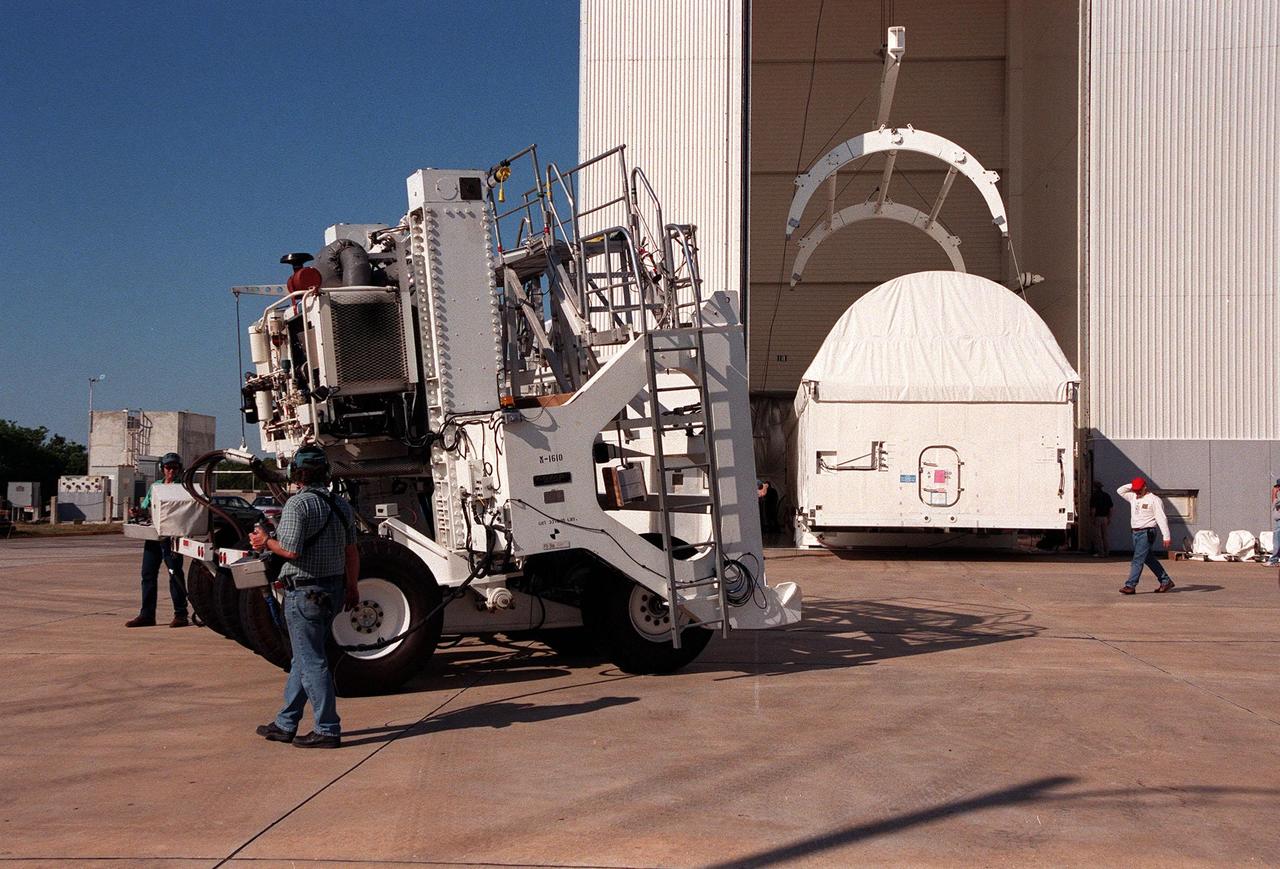
At the Vertical Processing Facility (VPF), workers (left) drive, by remote control, the rear bogie away from the VPF. The bogie is part of the tractor-trailer rig called the Space Cargo Transportation System that helped move the Chandra X-ray Observatory (right) from the Shuttle Landing Facility into the VPF. Chandra arrived at KSC on Thursday, Feb. 4, aboard an Air Force C-5 Galaxy aircraft. In the VPF, the telescope will undergo final installation of associated electronic components; it will also be tested, fueled and mated with the Inertial Upper Stage booster. A set of integrated tests will follow. Chandra is scheduled for launch July 9 aboard Space Shuttle Columbia, on mission STS-93 . Formerly called the Advanced X-ray Astrophysics Facility, Chandra comprises three major elements: the spacecraft, the science instrument module (SIM), and the world's most powerful X-ray telescope. Chandra will allow scientists from around the world to see previously invisible black holes and high-temperature gas clouds, giving the observatory the potential to rewrite the books on the structure and evolution of our universe
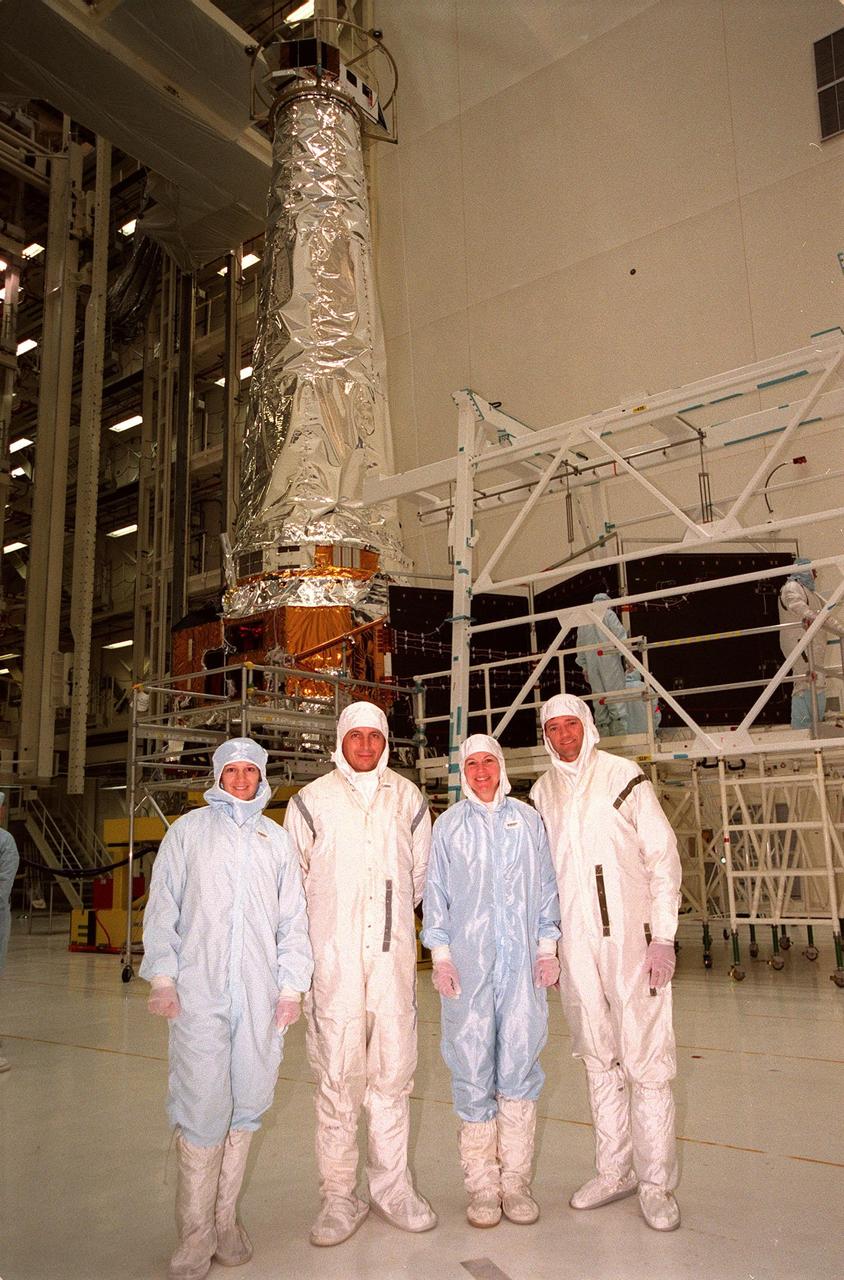
During payload familiarization, four members of the STS-93 crew pose in front of the Chandra X-ray Observatory, which is in the Vertical Processing Facility. From left are Commander Eileen Collins, Mission Specialists Michel Tognini of France and Catherine G. Coleman, and Pilot Jeffrey S. Ashby. Tognini represents the Centre National d'Etudes Spatiales (CNES). Collins is the first woman to serve as a shuttle mission commander. She was the first woman pilot of a Space Shuttle, on mission STS-63, and also served as pilot on mission STS-84. The fifth member of the STS-93 crew is Mission Specialist Steven A. Hawley. Chandra is scheduled for launch July 9 aboard Space Shuttle Columbia, on mission STS-93 . Formerly called the Advanced X-ray Astrophysics Facility, Chandra comprises three major elements: the spacecraft, the science instrument module (SIM), and the world's most powerful X-ray telescope. Chandra will allow scientists from around the world to see previously invisible black holes and high-temperature gas clouds, giving the observatory the potential to rewrite the books on the structure and evolution of our universe
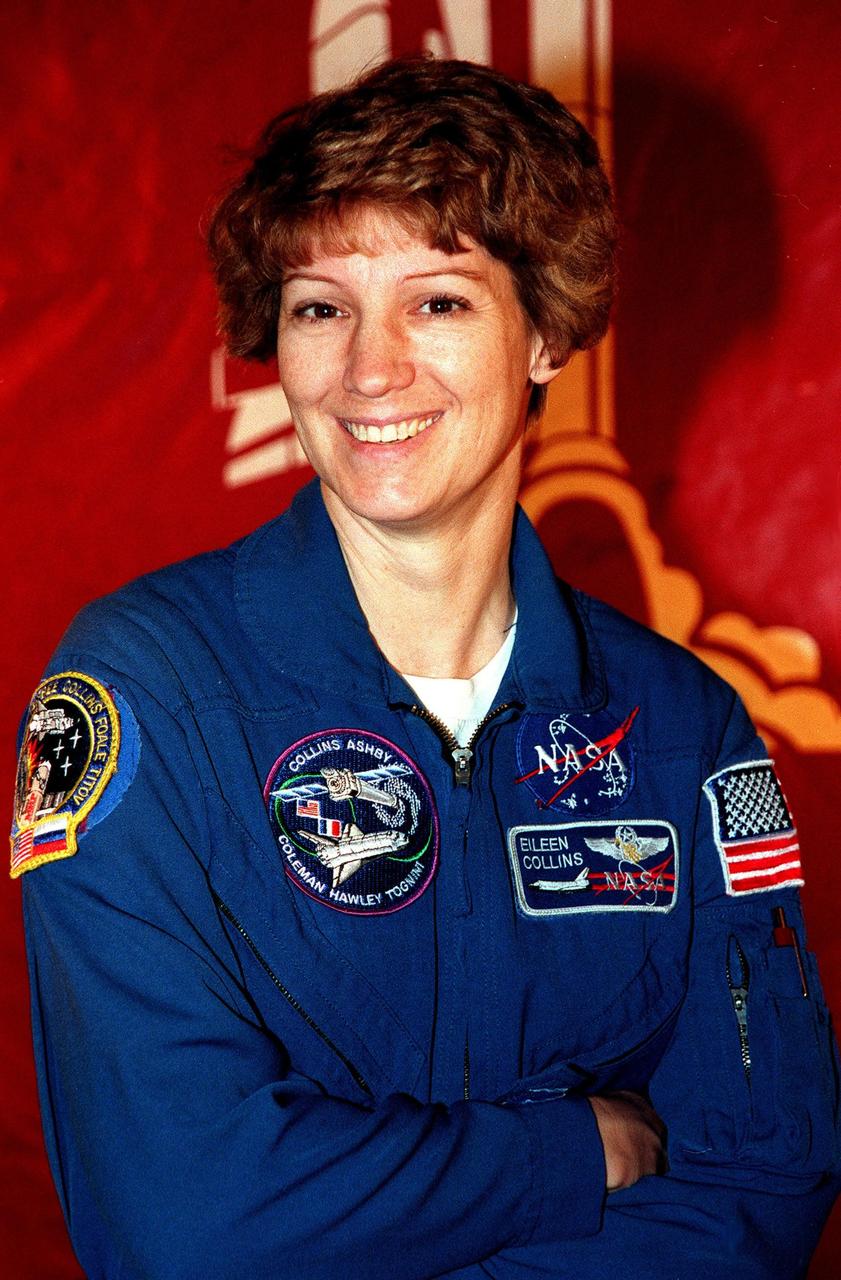
STS-93 Commander Eileen Collins (pictured) is the first woman to serve as a shuttle mission commander. She was the first woman pilot of a Space Shuttle, on mission STS-63, and also served as pilot on mission STS-84. Collins will command the crew of STS-93 on a five-day mission aboard Space Shuttle Columbia on its newly scheduled launch date July 9. The other STS-93 crew members are Pilot Jeffrey S. Ashby and Mission Specialists Steven A. Hawley, Catherine G. Coleman and Michel Tognini of France, representing the Centre National d'Etudes Spatiales (CNES). The primary mission of STS-93 is the deployment of the Chandra X-ray Observatory. Formerly called the Advanced X-ray Astrophysics Facility, Chandra comprises three major elements: the spacecraft, the science instrument module (SIM), and the world's most powerful X-ray telescope. Chandra will allow scientists from around the world to see previously invisible black holes and high-temperature gas clouds, giving the observatory the potential to rewrite the books on the structure and evolution of our universe

In the Solid Motor Assembly Building, Cape Canaveral Air Station, STS-93 Mission Specialist Catherine G. Coleman (left) lifts the protective covering to look at the avionics box on the Inertial Upper Stage booster. Next to her are Eric Herrburger (center), with Boeing, and crew member Mission Specialist Michel Tognini (right) of France, who represents the Centre National d'Etudes Spatiales (CNES). STS-93 is scheduled to launch July 9 aboard Space Shuttle Columbia and has the primary mission of the deployment of the Chandra X-ray Observatory. Formerly called the Advanced X-ray Astrophysics Facility, Chandra comprises three major elements: the spacecraft, the science instrument module (SIM), and the world's most powerful X-ray telescope. Chandra will allow scientists from around the world to see previously invisible black holes and high-temperature gas clouds, giving the observatory the potential to rewrite the books on the structure and evolution of our universe. Other STS-93 crew members are Commander Eileen M. Collins, Pilot Jeffrey S. Ashby and Mission Specialist Steven A. Hawley
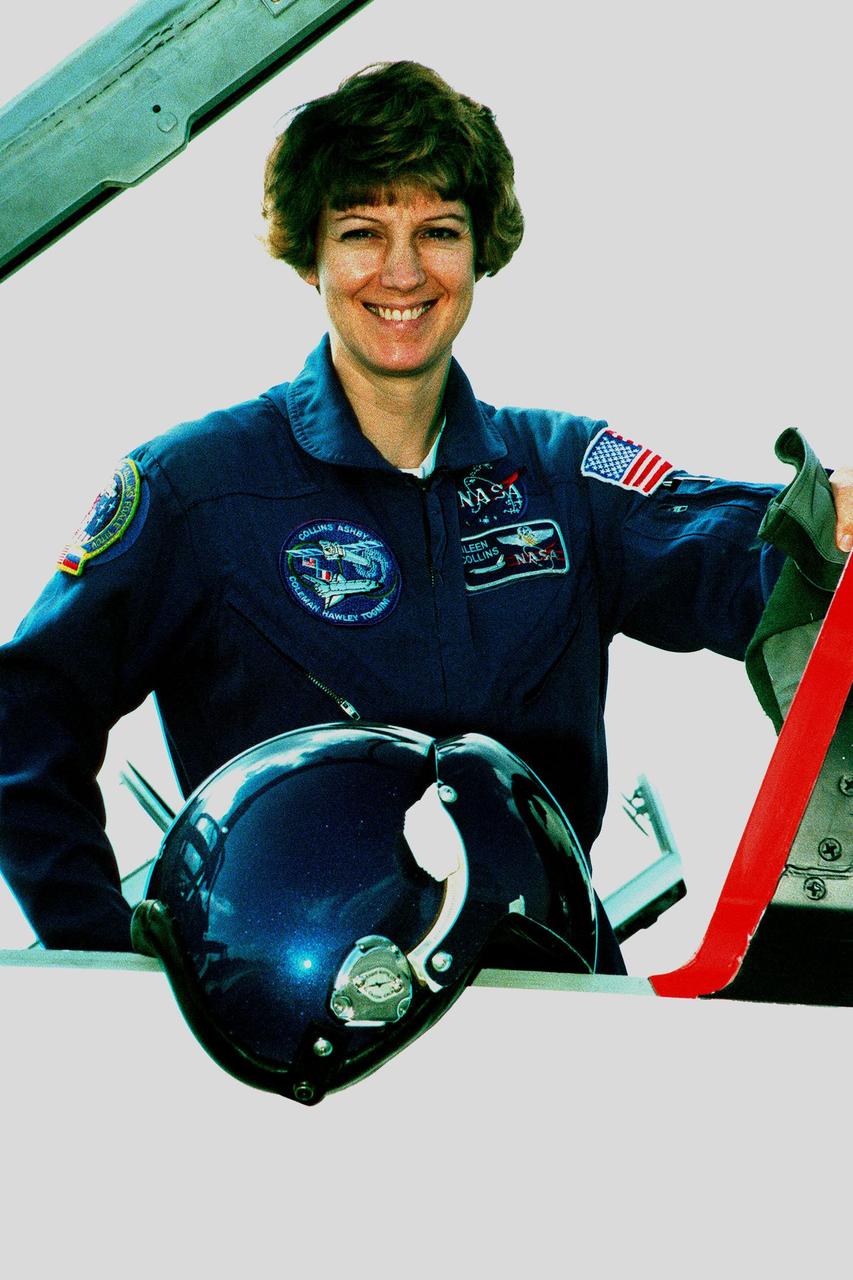
Before leaving KSC, STS-93 Commander Eileen M. Collins poses by a T-38 jet trainer aircraft at the Shuttle Landing Facility. She and the rest of the STS-93 crew spent two days visiting mission-related sites, including the Vertical Processing Facility where the Chandra X-ray Observatory is undergoing testing. STS-93 is scheduled to launch July 9 aboard Space Shuttle Columbia and has the primary mission of the deployment of the observatory. Formerly called the Advanced X-ray Astrophysics Facility, Chandra comprises three major elements: the spacecraft, the science instrument module (SIM), and the world's most powerful X-ray telescope. Chandra will allow scientists from around the world to see previously invisible black holes and high-temperature gas clouds, giving the observatory the potential to rewrite the books on the structure and evolution of our universe. Collins is the first woman to serve as commander of a Space Shuttle. Other STS-93 crew members are Pilot Jeffrey S. Ashby and Mission Specialists Catherine G. Coleman, Steven A. Hawley, and Michel Tognini of France, who represents the Centre National d'Etudes Spatiales (CNES)
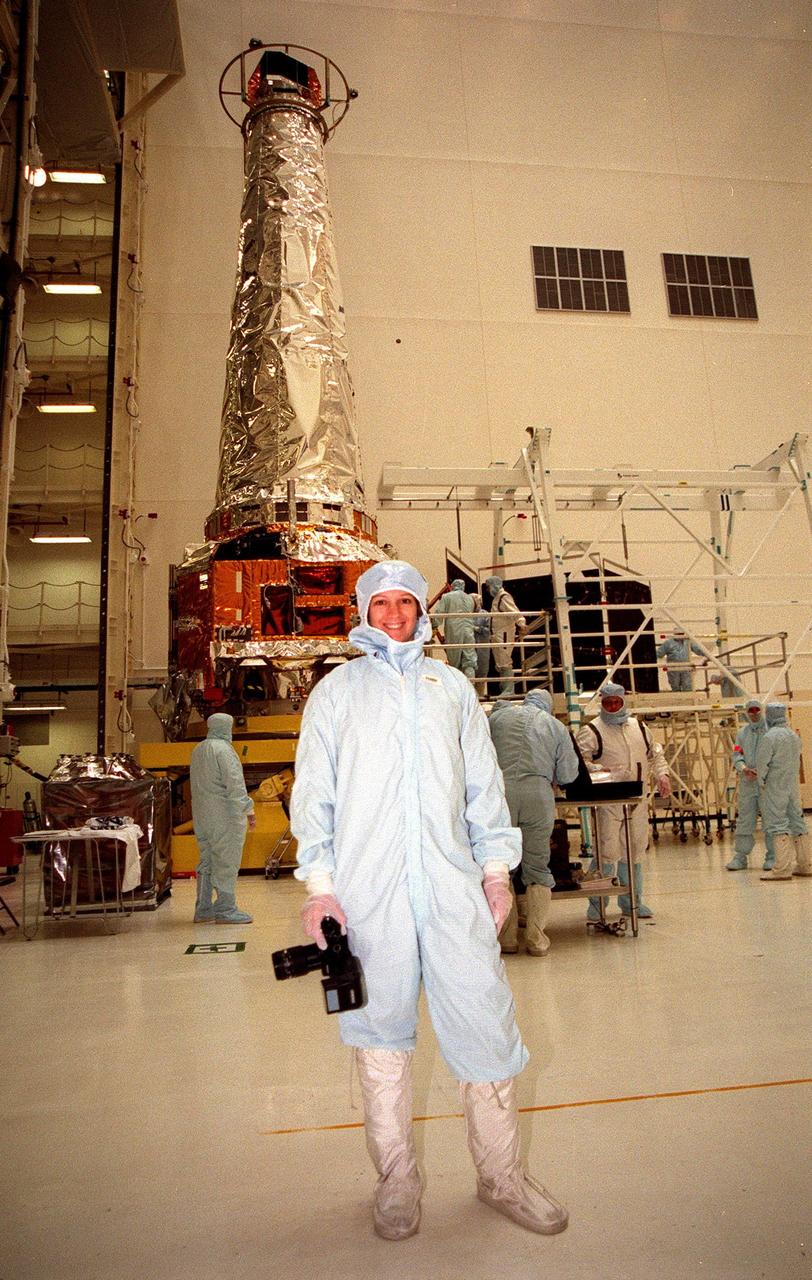
STS-93 Commander Eileen Collins poses with her camera in front of the Chandra X-ray Observatory during payload familiarization. Other members of the STS-93 crew who are at KSC are Pilot Jeffrey S. Ashby and Mission Specialists Catherine G. Coleman and Michel Tognini of France, who represents the Centre National d'Etudes Spatiales (CNES). Collins is the first woman to serve as a shuttle mission commander. She was the first woman pilot of a Space Shuttle, on mission STS-63, and also served as pilot on mission STS-84. The fifth member of the crew is Mission Specialist Steven A. Hawley. Chandra is scheduled for launch July 9 aboard Space Shuttle Columbia, on mission STS-93 . Formerly called the Advanced X-ray Astrophysics Facility, Chandra comprises three major elements: the spacecraft, the science instrument module (SIM), and the world's most powerful X-ray telescope. Chandra will allow scientists from around the world to see previously invisible black holes and high-temperature gas clouds, giving the observatory the potential to rewrite the books on the structure and evolution of our universe
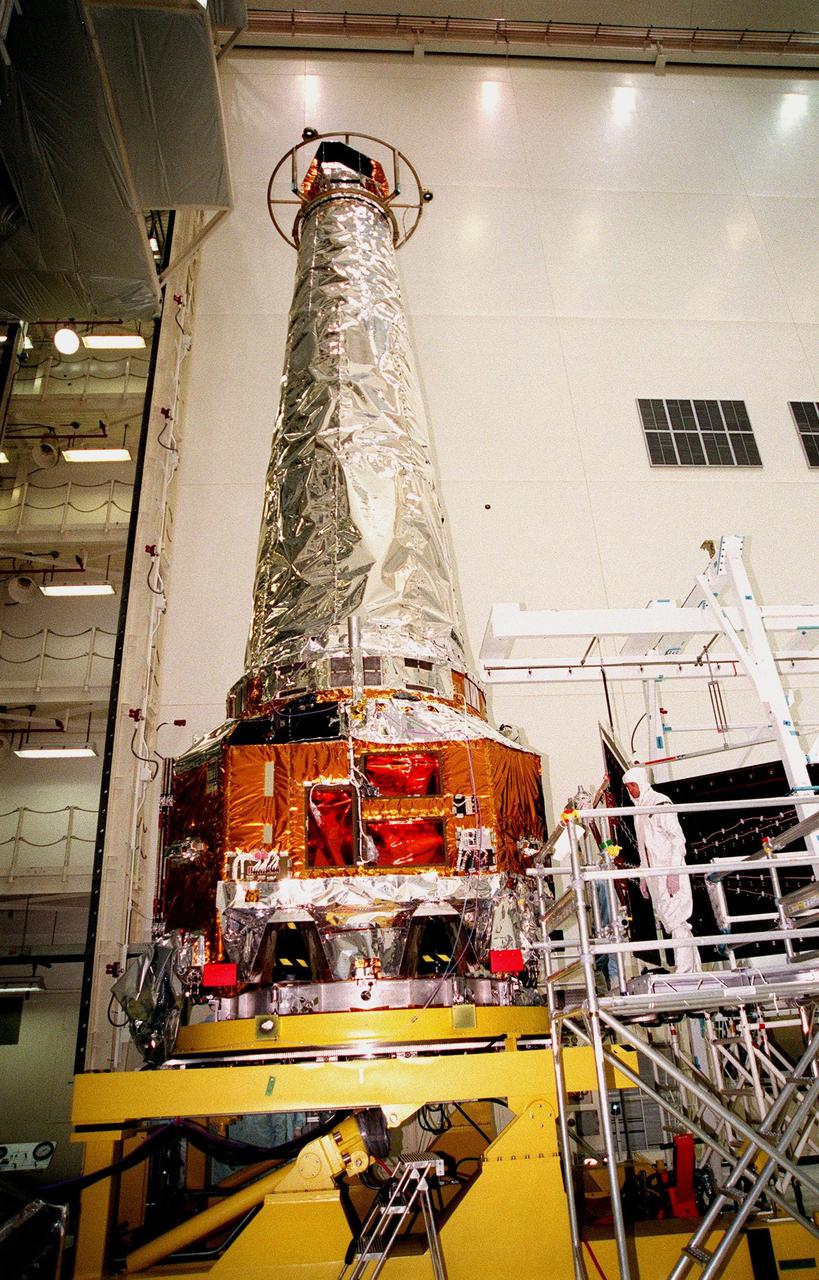
In the Vertical Processing Facility, STS-93 Pilot Jeffrey S. Ashby gets a close look at the Chandra X-ray Observatory. Other members of the STS-93 crew who are at KSC for payload familiarization are Commander Eileen Collins and Mission Specialists Catherine G. Coleman and Michel Tognini of France, who represents the Centre National d'Etudes Spatiales (CNES). Collins is the first woman to serve as a shuttle mission commander. She was the first woman pilot of a Space Shuttle, on mission STS-63, and also served as pilot on mission STS-84. The fifth member of the crew is Mission Specialist Steven A. Hawley. Chandra is scheduled for launch July 9 aboard Space Shuttle Columbia, on mission STS-93 . Formerly called the Advanced X-ray Astrophysics Facility, Chandra comprises three major elements: the spacecraft, the science instrument module (SIM), and the world's most powerful X-ray telescope. Chandra will allow scientists from around the world to see previously invisible black holes and high-temperature gas clouds, giving the observatory the potential to rewrite the books on the structure and evolution of our universe
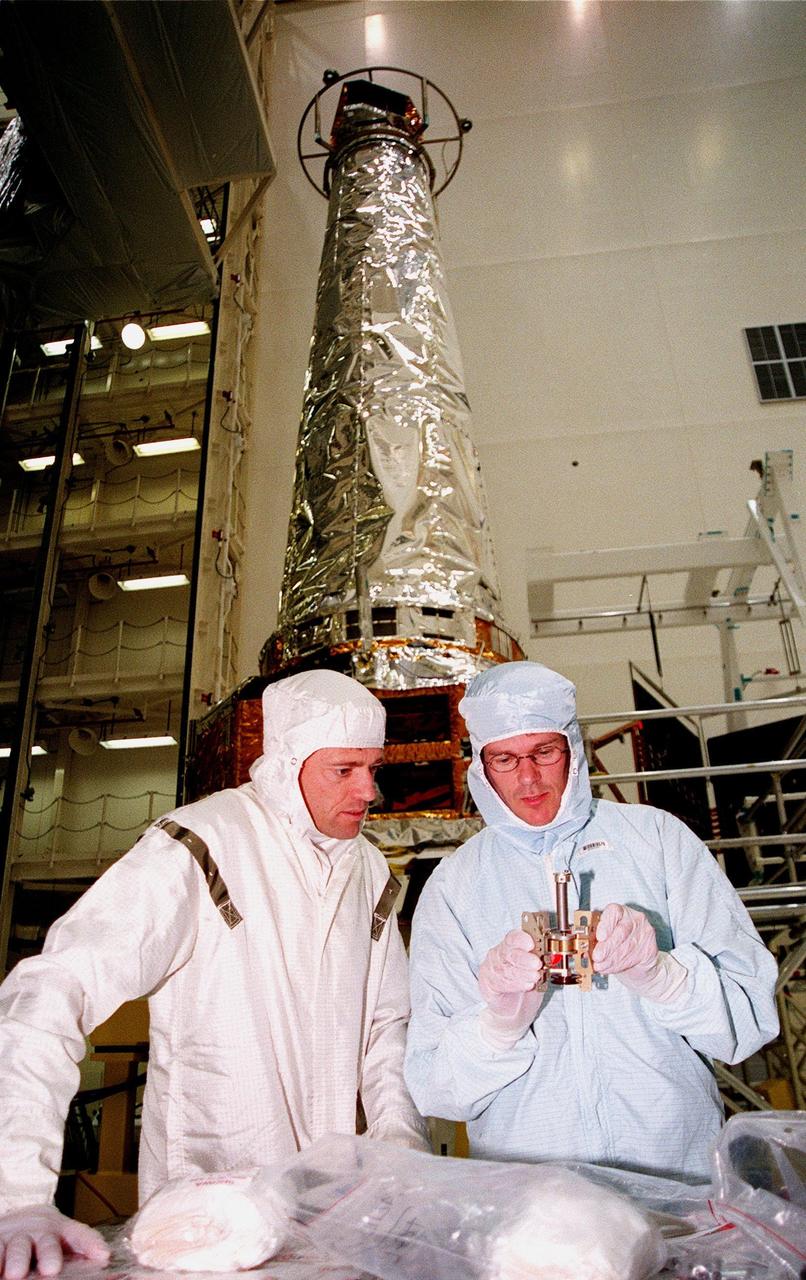
STS-93 Pilot Jeffrey S. Ashby learns about the solar panel hinge, held by a TRW technician, and its use on the Chandra X-ray Observatory behind them. Members of the STS-93 crew are at KSC for payload familiarization, including Mission Specialists Catherine G. Coleman and Michel Tognini of France, who represents the Centre National d'Etudes Spatiales (CNES). Collins is the first woman to serve as a shuttle mission commander. She was the first woman pilot of a Space Shuttle, on mission STS-63, and also served as pilot on mission STS-84. The fifth member of the crew is Mission Specialist Steven A. Hawley. Chandra is scheduled for launch July 9 aboard Space Shuttle Columbia, on mission STS-93 . Formerly called the Advanced X-ray Astrophysics Facility, Chandra comprises three major elements: the spacecraft, the science instrument module (SIM), and the world's most powerful X-ray telescope. Chandra will allow scientists from around the world to see previously invisible black holes and high-temperature gas clouds, giving the observatory the potential to rewrite the books on the structure and evolution of our universe
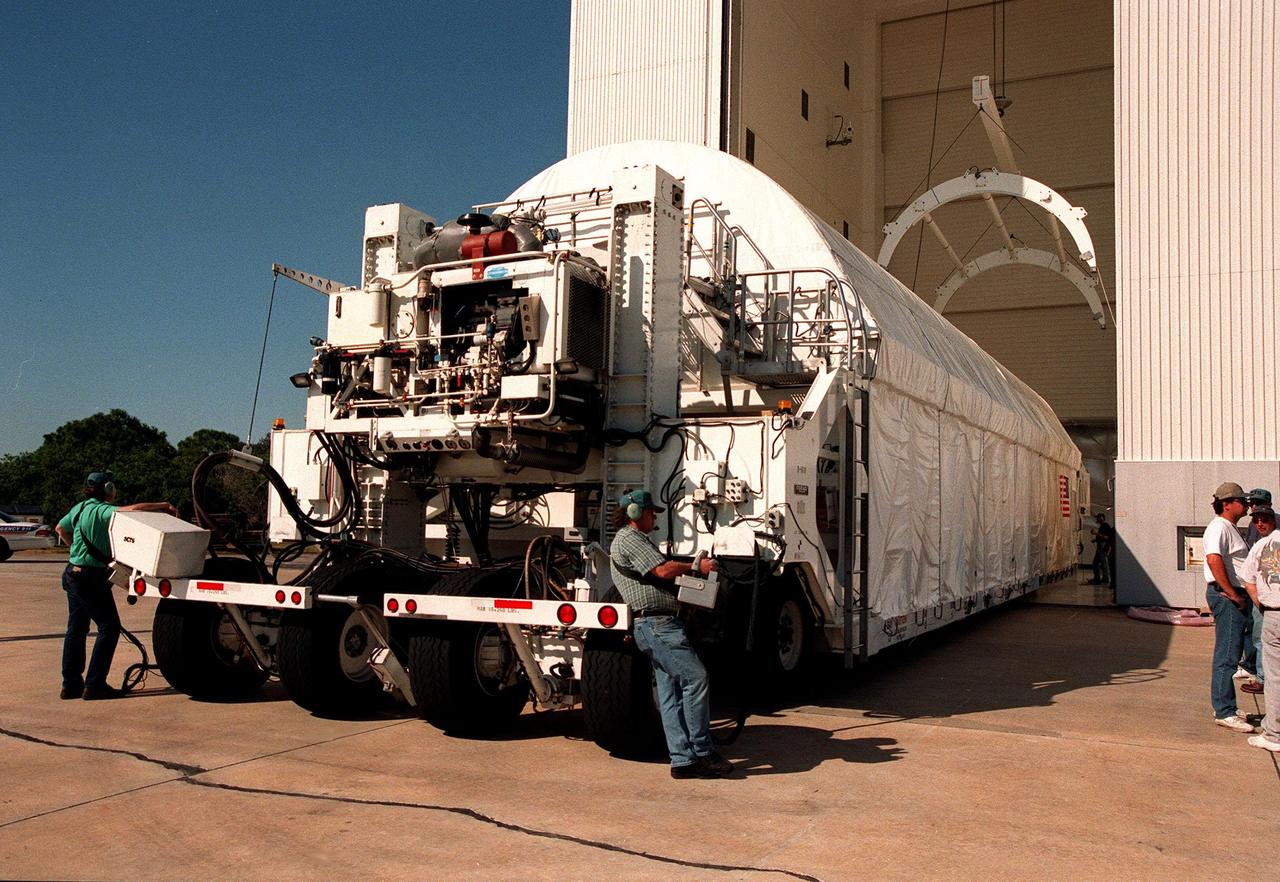
Cradled in the cargo hold of a tractor-trailer rig called the Space Cargo Transportation System, the Chandra X-ray Observatory waits to be moved inside the Vertical Processing Facility (VPF). Chandra arrived at the Shuttle Landing Facility on Thursday, Feb. 4, aboard an Air Force C-5 Galaxy aircraft. In the VPF, the telescope will undergo final installation of associated electronic components; it will also be tested, fueled and mated with the Inertial Upper Stage booster. A set of integrated tests will follow. Chandra is scheduled for launch July 9 aboard Space Shuttle Columbia, on mission STS-93 . Formerly called the Advanced X-ray Astrophysics Facility, Chandra comprises three major elements: the spacecraft, the science instrument module (SIM), and the world's most powerful X-ray telescope. Chandra will allow scientists from around the world to see previously invisible black holes and high-temperature gas clouds, giving the observatory the potential to rewrite the books on the structure and evolution of our universe
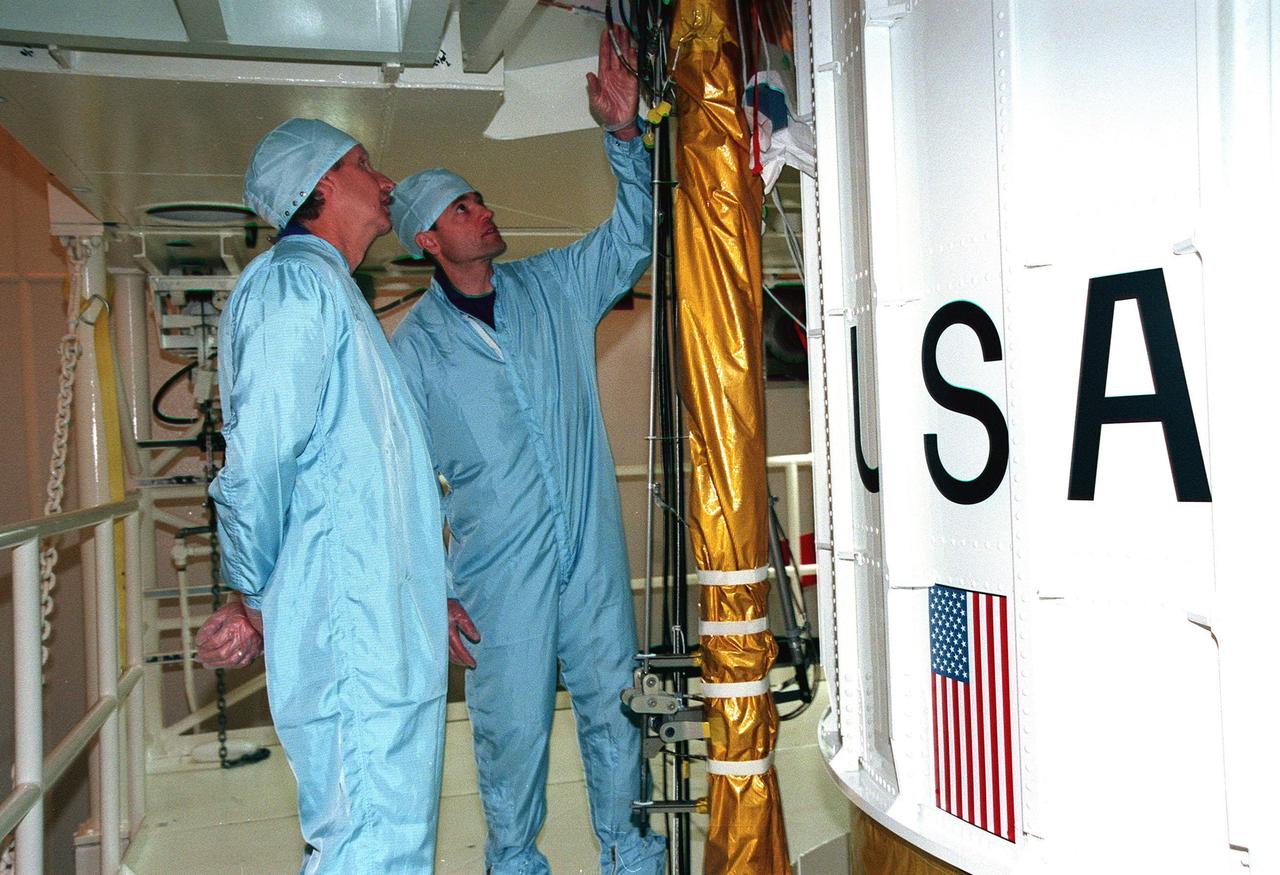
In the Solid Motor Assembly Building, Cape Canaveral Air Station, STS-93 Pilot Jeffrey S. Ashby and Mission Specialist Steven A. Hawley look over the Inertial Upper Stage booster being readied for their mission. Other crew members (not shown) are Commander Eileen Collins and Mission Specialists Catherine G. Coleman and Michel Tognini of France, who represents the Centre National d'Etudes Spatiales (CNES). STS-93, scheduled to launch July 9 aboard Space Shuttle Columbia, has the primary mission of the deployment of the Chandra X-ray Observatory. Formerly called the Advanced X-ray Astrophysics Facility, Chandra comprises three major elements: the spacecraft, the science instrument module (SIM), and the world's most powerful X-ray telescope. Chandra will allow scientists from around the world to see previously invisible black holes and high-temperature gas clouds, giving the observatory the potential to rewrite the books on the structure and evolution of our universe
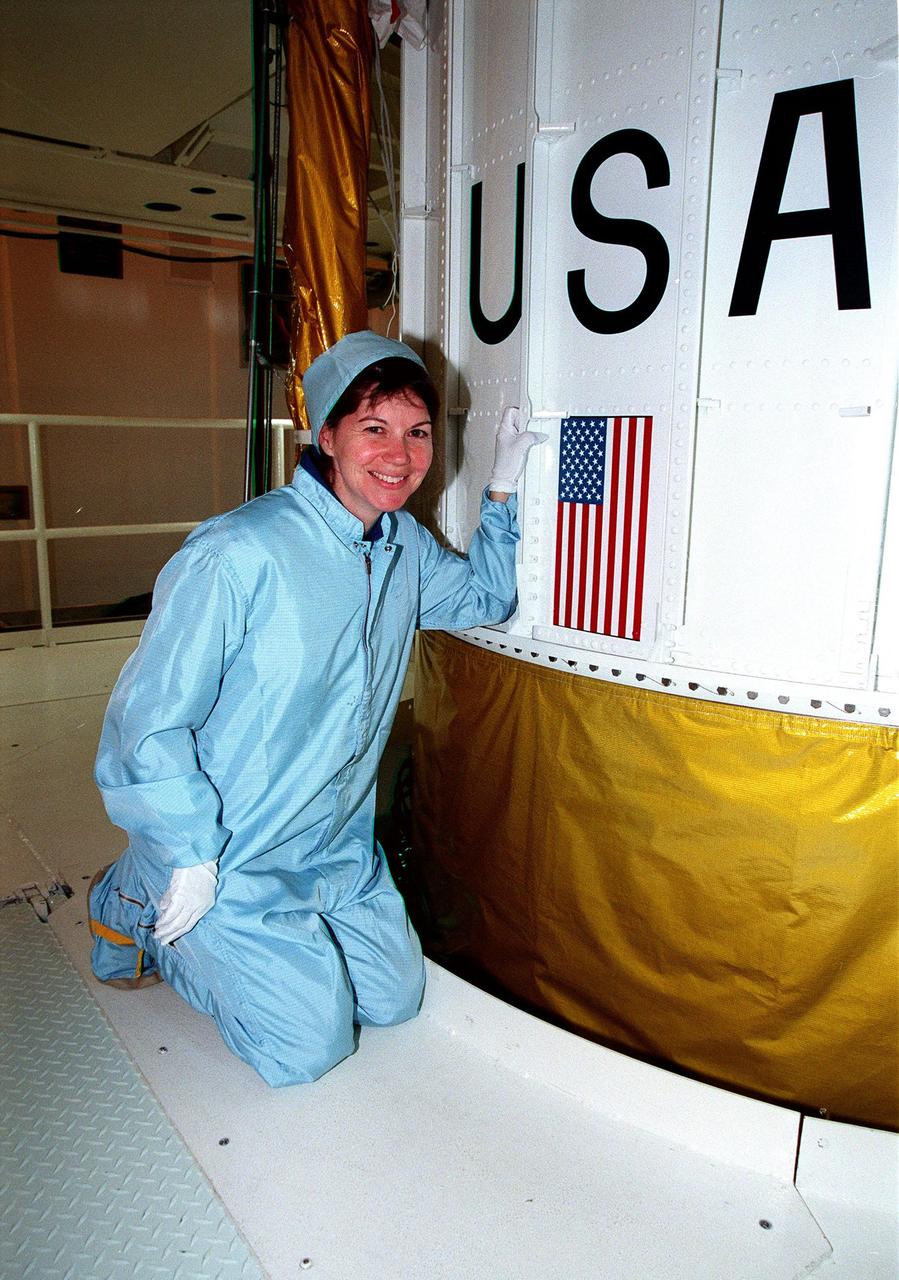
In the Solid Motor Assembly Building, Cape Canaveral Air Station, STS-93 Mission Specialist Catherine G. Coleman kneels next to the Inertial Upper Stage booster being readied for the mission. Other crew members (not shown) are Commander Eileen Collins, Pilot Jeffrey S. Ashby and Mission Specialists Steven A. Hawley and Michel Tognini of France, who represents the Centre National d'Etudes Spatiales (CNES). STS-93, scheduled to launch July 9 aboard Space Shuttle Columbia, has the primary mission of the deployment of the Chandra X-ray Observatory. Formerly called the Advanced X-ray Astrophysics Facility, Chandra comprises three major elements: the spacecraft, the science instrument module (SIM), and the world's most powerful X-ray telescope. Chandra will allow scientists from around the world to see previously invisible black holes and high-temperature gas clouds, giving the observatory the potential to rewrite the books on the structure and evolution of our universe
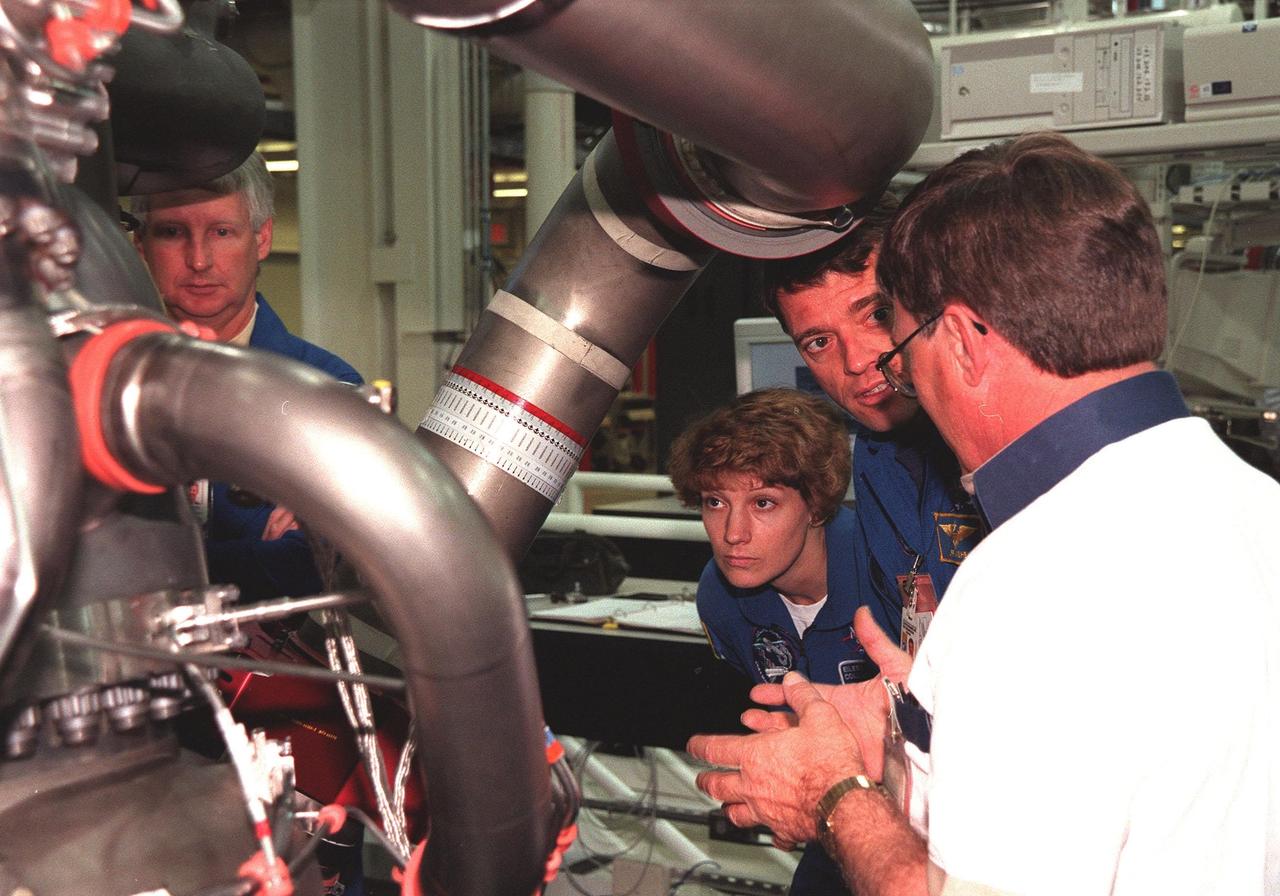
In the Space Shuttle Main Engine Facility, STS-93 crew members listen to Site Director Dan Hausman, with Rocketdyne, while looking over the main engine of the Space Shuttle Columbia. From left, they are Mission Specialist Steven A. Hawley, Commander Eileen Collins and Pilot Jeffrey S. Ashby. Other crew members (not shown) are Mission Specialist Michel Tognini of France, who represents the Centre National d'Etudes Spatiales (CNES), and Mission Specialist Catherine G. Coleman. STS-93, scheduled to launch July 9 aboard Space Shuttle Columbia, has the primary mission of the deployment of the Chandra X-ray Observatory. Formerly called the Advanced X-ray Astrophysics Facility, Chandra comprises three major elements: the spacecraft, the science instrument module (SIM), and the world's most powerful X-ray telescope. Chandra will allow scientists from around the world to see previously invisible black holes and high-temperature gas clouds, giving the observatory the potential to rewrite the books on the structure and evolution of our universe
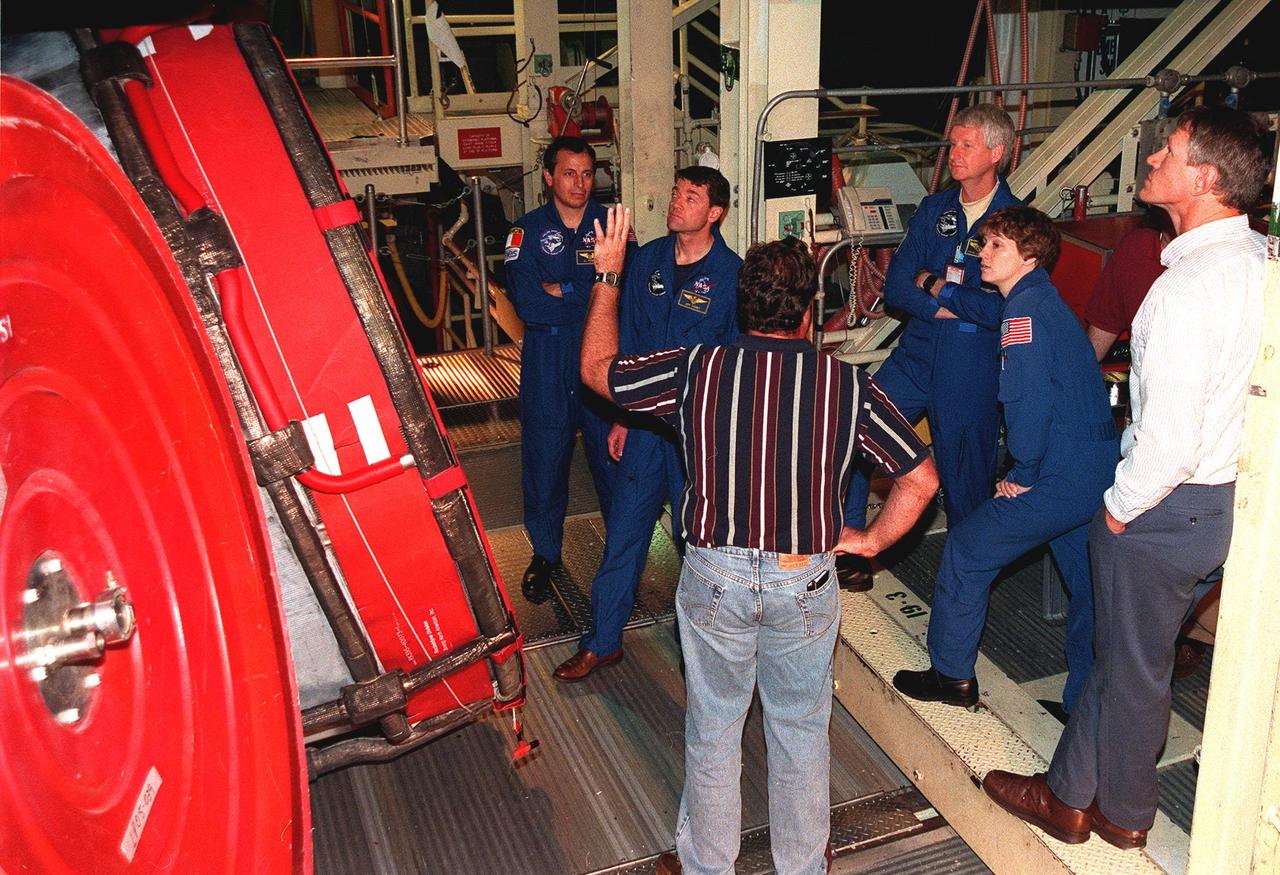
Members of the STS-93 crew look over the Space Shuttle Columbia's main engine in the Space Shuttle Main Engine Facility as they listen to Al Strainer, with United Space Alliance. From left, the crew members are Mission Specialist Michel Tognini of France, who represents the Centre National d'Etudes Spatiales (CNES), Pilot Jeffrey S. Ashby, Mission Specialist Steven A. Hawley, and Commander Eileen Collins. At the far right is Matt Gaetjens, with the Vehicle Integration Test Team. The fifth crew member (not shown) is Mission Specialist Catherine G. Coleman. STS-93, scheduled to launch July 9, has the primary mission of the deployment of the Chandra X-ray Observatory. Formerly called the Advanced X-ray Astrophysics Facility, Chandra comprises three major elements: the spacecraft, the science instrument module (SIM), and the world's most powerful X-ray telescope. Chandra will allow scientists from around the world to see previously invisible black holes and high-temperature gas clouds, giving the observatory the potential to rewrite the books on the structure and evolution of our universe
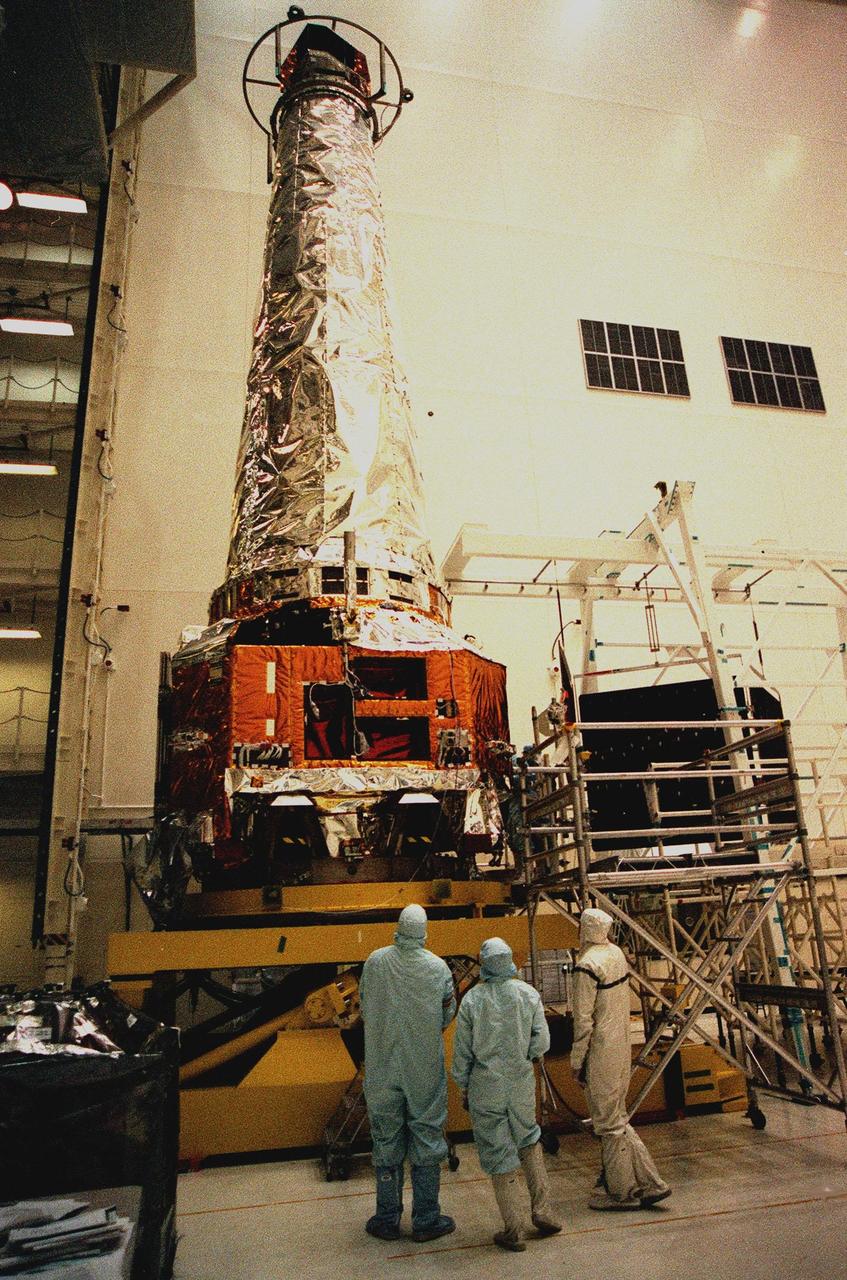
A TRW technician joins STS-93 Commander Eileen Collins (center) and Pilot Jeffrey S. Ashby (right) as they observe the Chandra X-ray Observatory on its work stand inside the Vertical Processing Facility. Other members of the STS-93 crew who are at KSC for payload familiarization are Mission Specialists Catherine G. Coleman and Michel Tognini of France, who represents the Centre National d'Etudes Spatiales (CNES). Collins is the first woman to serve as a shuttle mission commander. She was the first woman pilot of a Space Shuttle, on mission STS-63, and also served as pilot on mission STS-84. The fifth member of the crew is Mission Specialist Steven A. Hawley. Chandra is scheduled for launch July 9 aboard Space Shuttle Columbia, on mission STS-93 . Formerly called the Advanced X-ray Astrophysics Facility, Chandra comprises three major elements: the spacecraft, the science instrument module (SIM), and the world's most powerful X-ray telescope. Chandra will allow scientists from around the world to see previously invisible black holes and high-temperature gas clouds, giving the observatory the potential to rewrite the books on the structure and evolution of our universe

In the Solid Motor Assembly Building, Cape Canaveral Air Station, looking over the Inertial Upper Stage booster being readied for their mission are (left to right) STS-93 Pilot Jeffrey S. Ashby and Mission Specialists Michel Tognini, who represents the Centre National d'Etudes Spatiales (CNES), and Steven A. Hawley. On the far right is Eric Herrburger, with Boeing. Other crew members (not shown) are Commander Eileen Collins and Mission Specialist Catherine G. Coleman. STS-93, scheduled to launch July 9 aboard Space Shuttle Columbia, has the primary mission of the deployment of the Chandra X-ray Observatory. Formerly called the Advanced X-ray Astrophysics Facility, Chandra comprises three major elements: the spacecraft, the science instrument module (SIM), and the world's most powerful X-ray telescope. Chandra will allow scientists from around the world to see previously invisible black holes and high-temperature gas clouds, giving the observatory the potential to rewrite the books on the structure and evolution of our universe
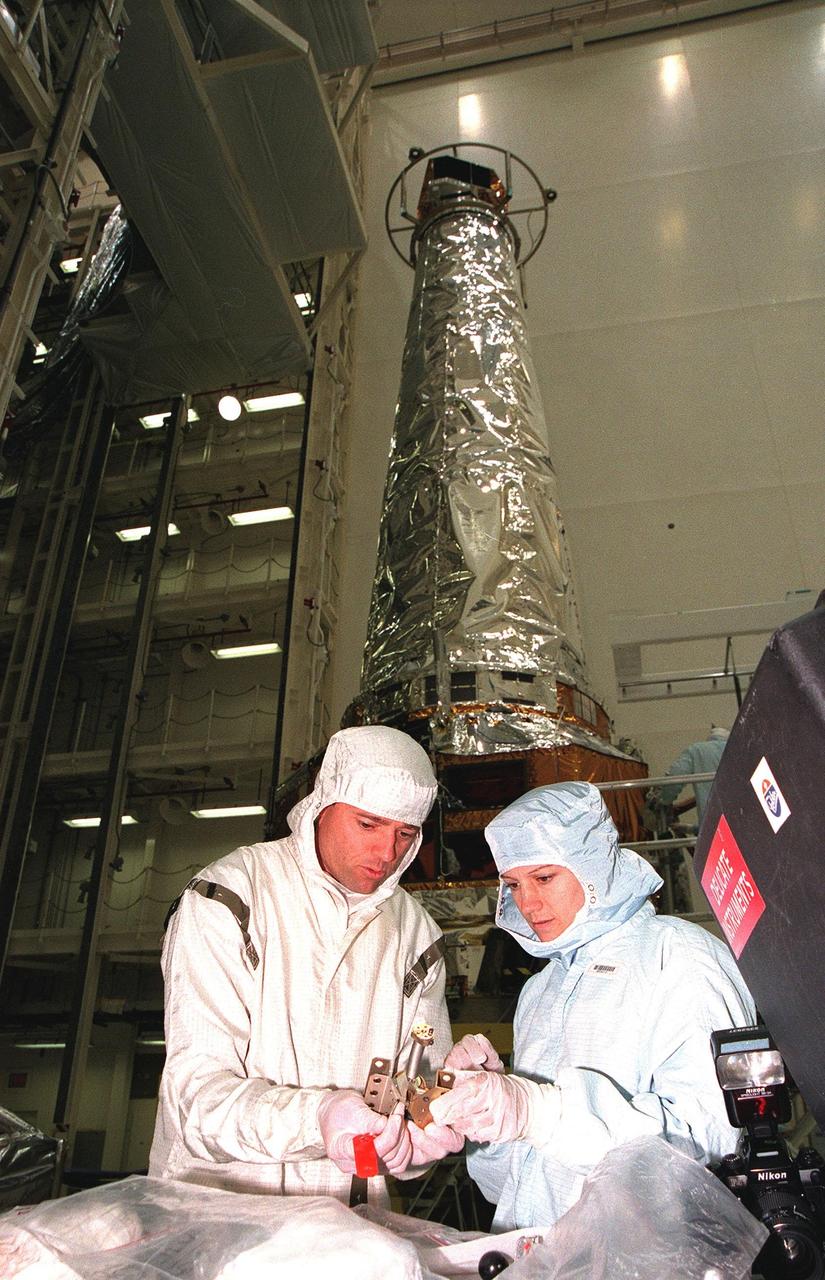
In the Vertical Processing Facility, STS-93 Pilot Jeffrey S. Ashby and Commander Eileen M. Collins look at a hinge used on the solar panels of the Chandra X-ray Observatory. Members of the STS-93 crew are at KSC for payload familiarization. Also participating are Mission Specialists Catherine G. Coleman and Michel Tognini of France, representing the Centre National d'Etudes Spatiales (CNES). Collins is the first woman to serve as a shuttle mission commander. She was the first woman pilot of a Space Shuttle, on mission STS-63, and also served as pilot on mission STS-84. The fifth member of the crew is Mission Specialist Steven A. Hawley. Chandra is scheduled for launch July 9 aboard Space Shuttle Columbia, on mission STS-93 . Formerly called the Advanced X-ray Astrophysics Facility, Chandra comprises three major elements: the spacecraft, the science instrument module (SIM), and the world's most powerful X-ray telescope. Chandra will allow scientists from around the world to see previously invisible black holes and high-temperature gas clouds, giving the observatory the potential to rewrite the books on the structure and evolution of our universe
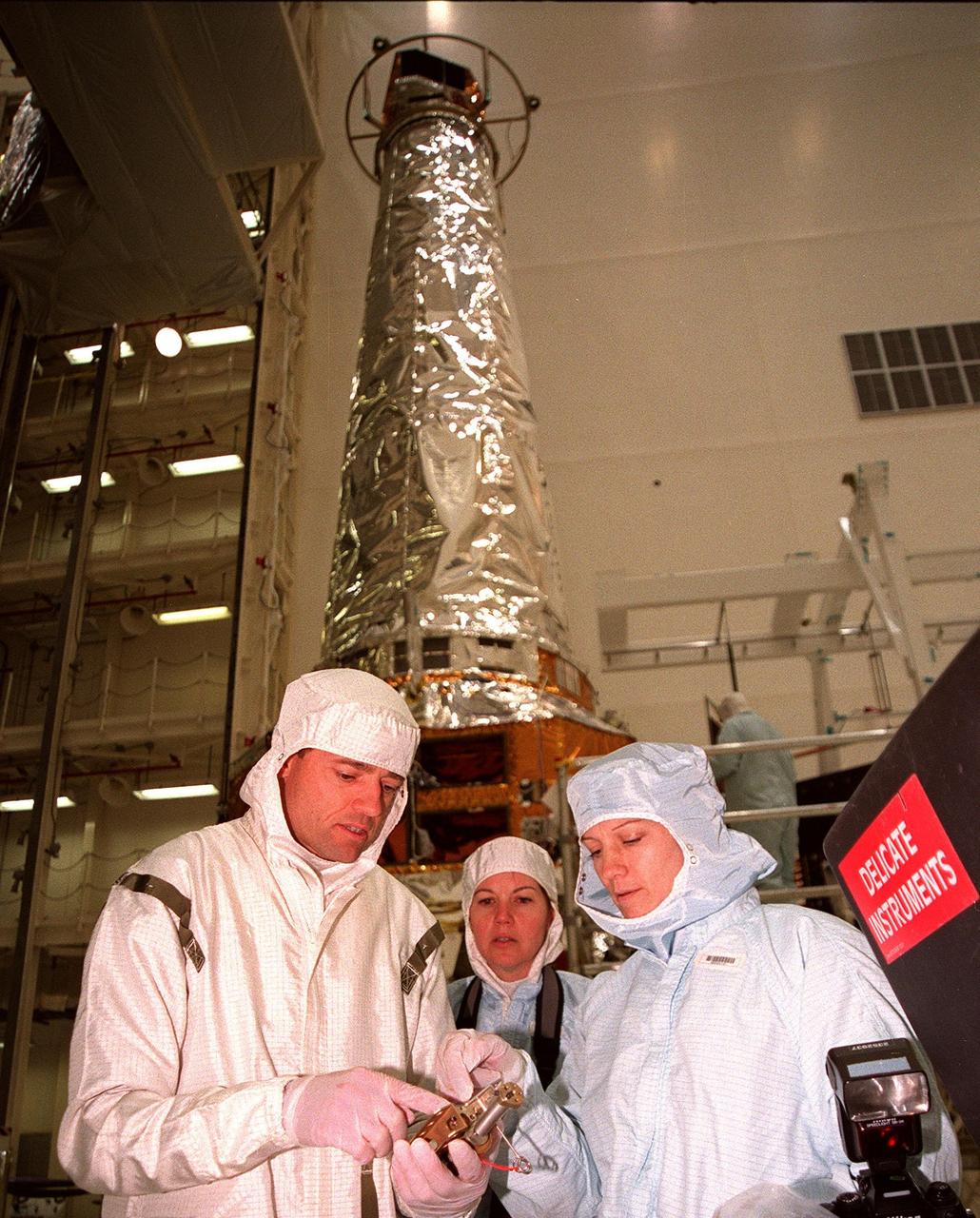
In the Vertical Processing Facility, STS-93 Pilot Jeffrey S. Ashby, Mission Specialist Catherine G. Coleman and Commander Eileen M. Collins look at a hinge used on the solar panels of the Chandra X-ray Observatory. Members of the STS-93 crew are at KSC for payload familiarization, including Mission Specialist Michel Tognini of France, representing the Centre National d'Etudes Spatiales (CNES). Collins is the first woman to serve as a shuttle mission commander. She was the first woman pilot of a Space Shuttle, on mission STS-63, and also served as pilot on mission STS-84. The fifth member of the crew is Mission Specialist Steven A. Hawley. Chandra is scheduled for launch July 9 aboard Space Shuttle Columbia, on mission STS-93 . Formerly called the Advanced X-ray Astrophysics Facility, Chandra comprises three major elements: the spacecraft, the science instrument module (SIM), and the world's most powerful X-ray telescope. Chandra will allow scientists from around the world to see previously invisible black holes and high-temperature gas clouds, giving the observatory the potential to rewrite the books on the structure and evolution of our universe