
Typhoon Kilo continues to thrive in the Northwestern Pacific and imagery from NASA's Terra satellite late on September 7 showed that the storm still maintained a clear eye. The MODIS or Moderate Resolution Imaging Spectroradiometer instrument that flies aboard Terra provided a visible-light image of Kilo on September 7 at 23:50 UTC (7:50 p.m. EDT). The image showed thick bands of thunderstorms wrapping around the eastern and northern quadrants of the visible eye. At 0900 UTC (5 a.m. EDT) on September 9, Typhoon Kilo had maximum sustained winds near 65 knots (74.8 mph/120.4 kph). Kilo is expected to strengthen to 75 knots (86.3 mph/ 138.9 kph) later in the day before weakening. It was centered near 26.8 North latitude and 158.5 East longitude, about 289 nautical miles northeast of Minami Tori Shima, Japan. Kilo was moving to the west-northwest at 18 knots (20.7 mph/33.3 kph). The Joint Typhoon Warning Center noted that Kilo is expected to take more of a northerly track by September 10. Thereafter, Kilo is expected to become extra-tropical and curve to the northeast near the Kuril Islands in Russia's Sakhalin Oblast region. The islands form an 808 mile (1,300 kilometer) volcanic archipelago that stretches northeast from Hokkaido, Japan, to Kamchatka, Russia. For updated watches and warnings from the Japan Meteorological Agency, visit: <a href="http://www.jma.go.jp/en/warn/" rel="nofollow">www.jma.go.jp/en/warn/</a> <b><a href="http://www.nasa.gov/audience/formedia/features/MP_Photo_Guidelines.html" rel="nofollow">NASA image use policy.</a></b> <b><a href="http://www.nasa.gov/centers/goddard/home/index.html" rel="nofollow">NASA Goddard Space Flight Center</a></b> enables NASA’s mission through four scientific endeavors: Earth Science, Heliophysics, Solar System Exploration, and Astrophysics. Goddard plays a leading role in NASA’s accomplishments by contributing compelling scientific knowledge to advance the Agency’s mission. <b>Follow us on <a href="http://twitter.com/NASAGoddardPix" rel="nofollow">Twitter</a></b> <b>Like us on <a href="http://www.facebook.com/pages/Greenbelt-MD/NASA-Goddard/395013845897?ref=tsd" rel="nofollow">Facebook</a></b> <b>Find us on <a href="http://instagrid.me/nasagoddard/?vm=grid" rel="nofollow">Instagram</a></b>
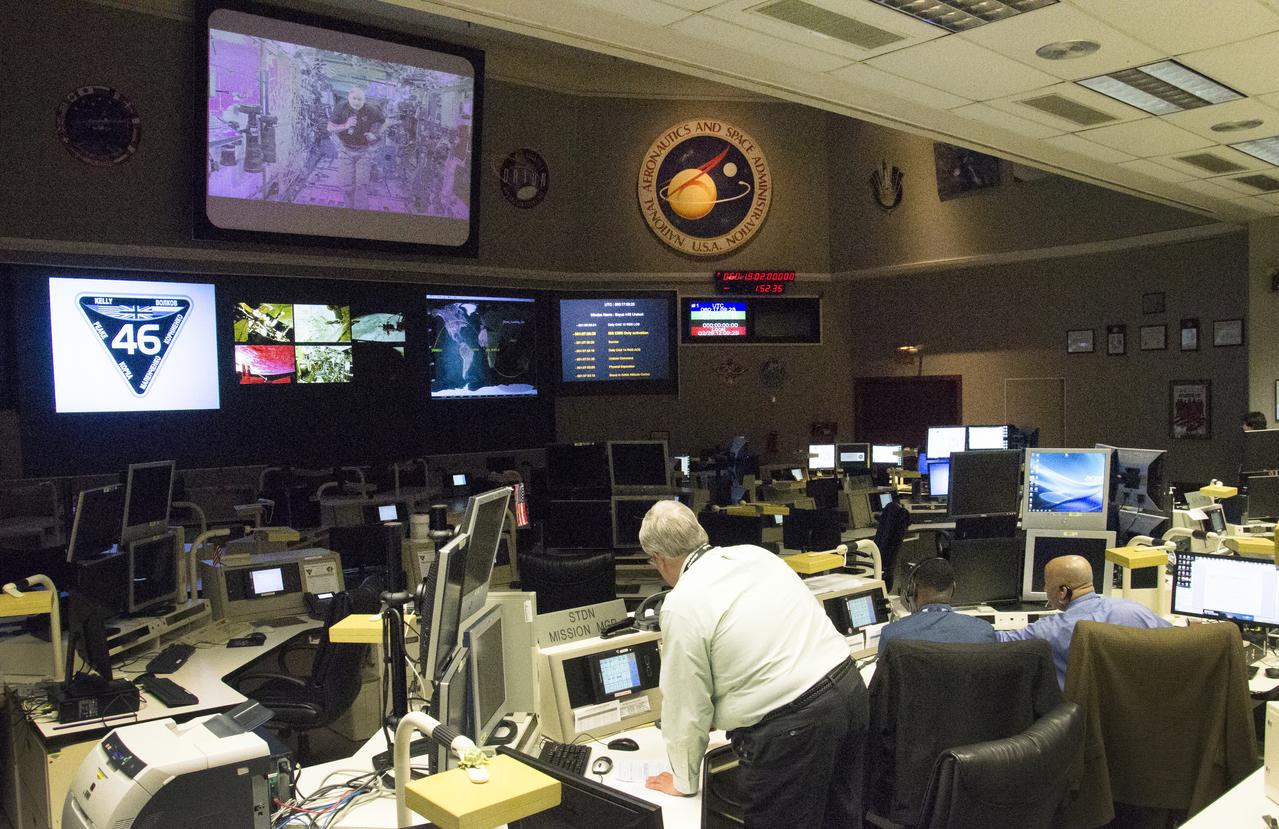
NASA's Goddard Space Flight Center in Greenbelt, Maryland, will monitor the landing of NASA Astronaut Scott Kelly and Russian Cosmonaut Mikhail Kornienko from their #YearInSpace Mission. Goddard's Networks Integration Center, pictured above, leads all coordination for space-to-ground communications support for the International Space Station and provides contingency support for the Soyuz TMA-18M 44S spacecraft, ensuring complete communications coverage through NASA's Space Network. The Soyuz 44S spacecraft will undock at 8:02 p.m. EST this evening from the International Space Station. It will land approximately three and a half hours later, at 11:25 p.m. EST in Kazakhstan. Both Kelly and Kornienko have spent 340 days aboard the International Space Station, preparing humanity for long duration missions and exploration into deep space. Read more: <a href="http://www.nasa.gov/feature/goddard/2016/ending-year-in-space-nasa-goddard-network-maintains-communications-from-space-to-ground" rel="nofollow">www.nasa.gov/feature/goddard/2016/ending-year-in-space-na...</a> Credit: NASA/Goddard/Rebecca Roth <b><a href="http://www.nasa.gov/audience/formedia/features/MP_Photo_Guidelines.html" rel="nofollow">NASA image use policy.</a></b> <b><a href="http://www.nasa.gov/centers/goddard/home/index.html" rel="nofollow">NASA Goddard Space Flight Center</a></b> enables NASA’s mission through four scientific endeavors: Earth Science, Heliophysics, Solar System Exploration, and Astrophysics. Goddard plays a leading role in NASA’s accomplishments by contributing compelling scientific knowledge to advance the Agency’s mission. <b>Follow us on <a href="http://twitter.com/NASAGoddardPix" rel="nofollow">Twitter</a></b> <b>Like us on <a href="http://www.facebook.com/pages/Greenbelt-MD/NASA-Goddard/395013845897?ref=tsd" rel="nofollow">Facebook</a></b> <b>Find us on <a href="http://instagrid.me/nasagoddard/?vm=grid" rel="nofollow">Instagram</a></b>
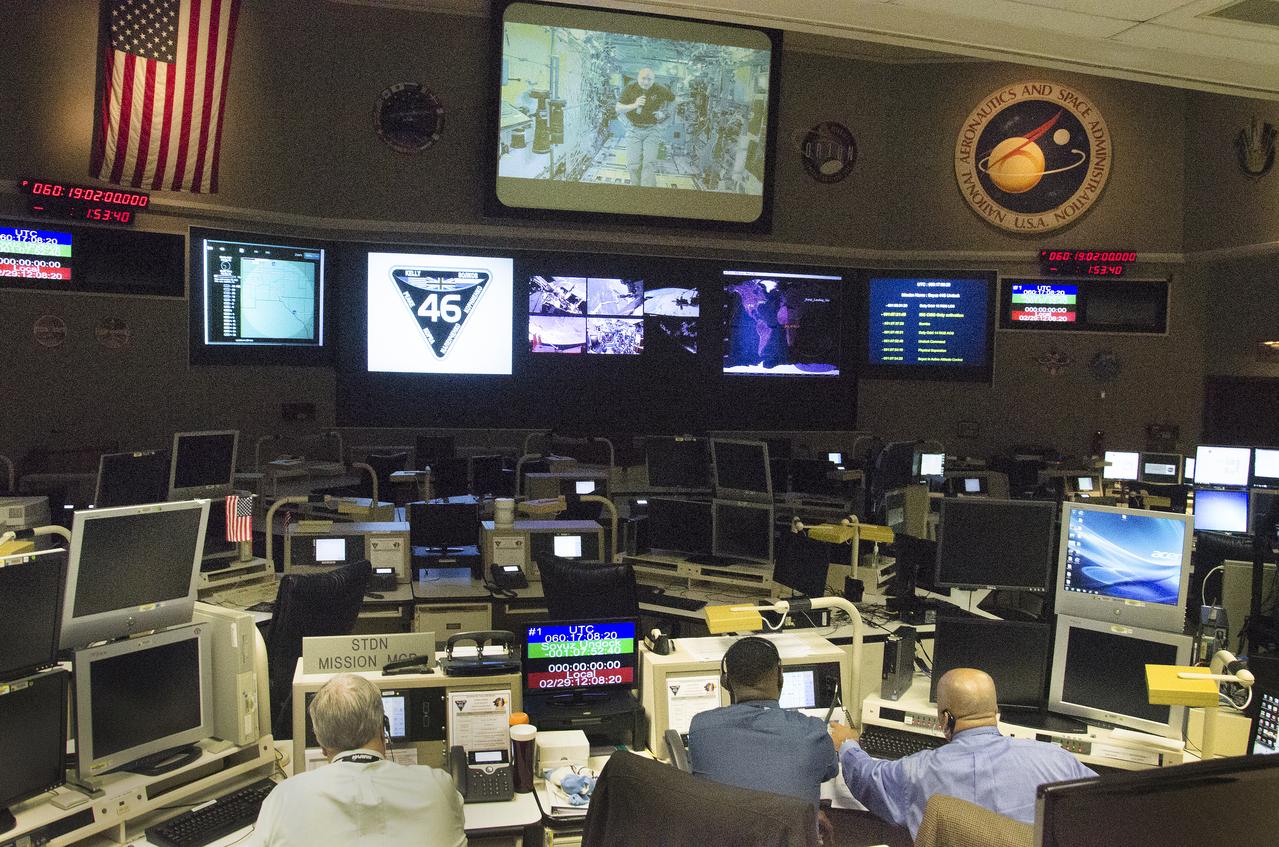
NASA's Goddard Space Flight Center in Greenbelt, Maryland, will monitor the landing of NASA Astronaut Scott Kelly and Russian Cosmonaut Mikhail Kornienko from their #YearInSpace Mission. Goddard's Networks Integration Center, pictured above, leads all coordination for space-to-ground communications support for the International Space Station and provides contingency support for the Soyuz TMA-18M 44S spacecraft, ensuring complete communications coverage through NASA's Space Network. The Soyuz 44S spacecraft will undock at 8:02 p.m. EST this evening from the International Space Station. It will land approximately three and a half hours later, at 11:25 p.m. EST in Kazakhstan. Both Kelly and Kornienko have spent 340 days aboard the International Space Station, preparing humanity for long duration missions and exploration into deep space. Read more: <a href="http://www.nasa.gov/feature/goddard/2016/ending-year-in-space-nasa-goddard-network-maintains-communications-from-space-to-ground" rel="nofollow">www.nasa.gov/feature/goddard/2016/ending-year-in-space-na...</a> Credit: NASA/Goddard/Rebecca Roth <b><a href="http://www.nasa.gov/audience/formedia/features/MP_Photo_Guidelines.html" rel="nofollow">NASA image use policy.</a></b> <b><a href="http://www.nasa.gov/centers/goddard/home/index.html" rel="nofollow">NASA Goddard Space Flight Center</a></b> enables NASA’s mission through four scientific endeavors: Earth Science, Heliophysics, Solar System Exploration, and Astrophysics. Goddard plays a leading role in NASA’s accomplishments by contributing compelling scientific knowledge to advance the Agency’s mission. <b>Follow us on <a href="http://twitter.com/NASAGoddardPix" rel="nofollow">Twitter</a></b> <b>Like us on <a href="http://www.facebook.com/pages/Greenbelt-MD/NASA-Goddard/395013845897?ref=tsd" rel="nofollow">Facebook</a></b> <b>Find us on <a href="http://instagrid.me/nasagoddard/?vm=grid" rel="nofollow">Instagram</a></b>
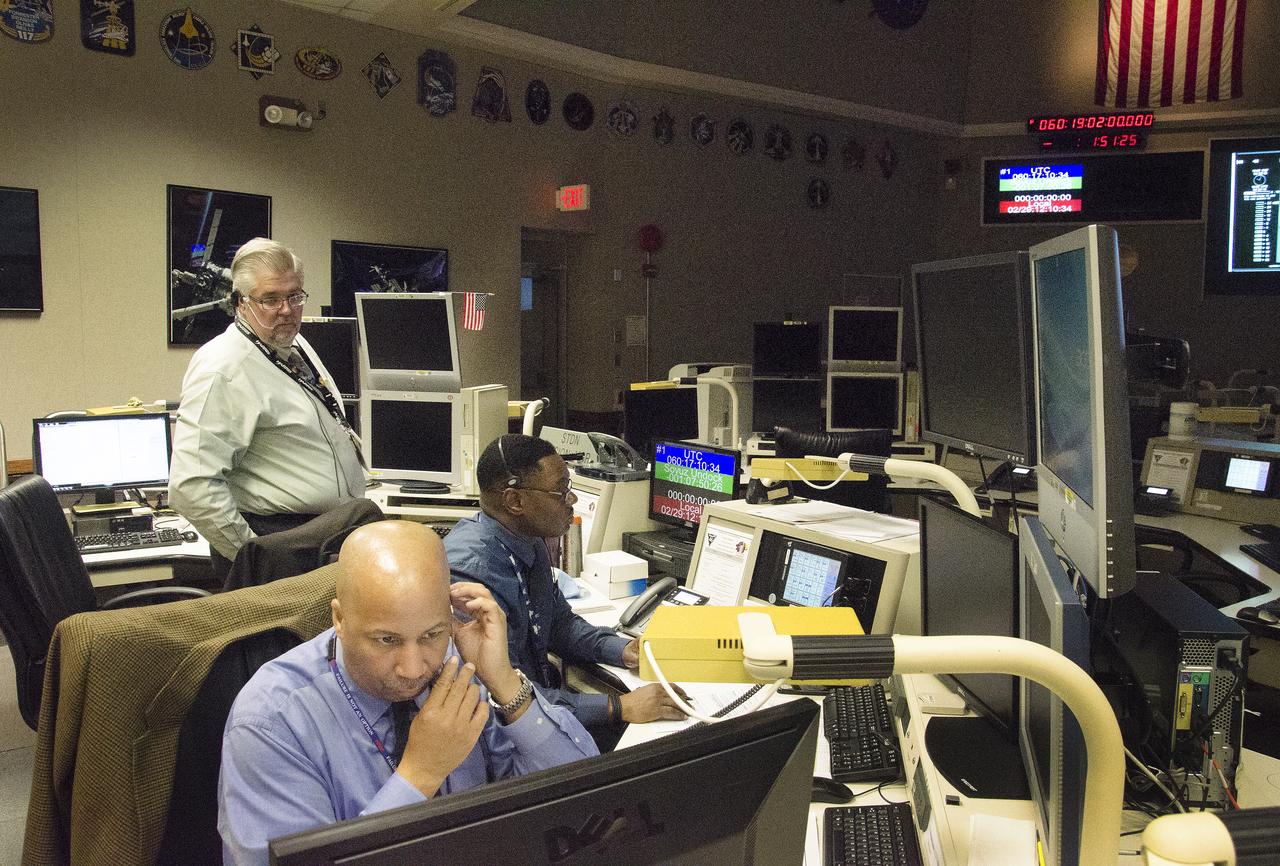
NASA's Goddard Space Flight Center in Greenbelt, Maryland, will monitor the landing of NASA Astronaut Scott Kelly and Russian Cosmonaut Mikhail Kornienko from their #YearInSpace Mission. Goddard's Networks Integration Center, pictured above, leads all coordination for space-to-ground communications support for the International Space Station and provides contingency support for the Soyuz TMA-18M 44S spacecraft, ensuring complete communications coverage through NASA's Space Network. The Soyuz 44S spacecraft will undock at 8:02 p.m. EST this evening from the International Space Station. It will land approximately three and a half hours later, at 11:25 p.m. EST in Kazakhstan. Both Kelly and Kornienko have spent 340 days aboard the International Space Station, preparing humanity for long duration missions and exploration into deep space. Read more: <a href="http://www.nasa.gov/feature/goddard/2016/ending-year-in-space-nasa-goddard-network-maintains-communications-from-space-to-ground" rel="nofollow">www.nasa.gov/feature/goddard/2016/ending-year-in-space-na...</a> Credit: NASA/Goddard/Rebecca Roth <b><a href="http://www.nasa.gov/audience/formedia/features/MP_Photo_Guidelines.html" rel="nofollow">NASA image use policy.</a></b> <b><a href="http://www.nasa.gov/centers/goddard/home/index.html" rel="nofollow">NASA Goddard Space Flight Center</a></b> enables NASA’s mission through four scientific endeavors: Earth Science, Heliophysics, Solar System Exploration, and Astrophysics. Goddard plays a leading role in NASA’s accomplishments by contributing compelling scientific knowledge to advance the Agency’s mission. <b>Follow us on <a href="http://twitter.com/NASAGoddardPix" rel="nofollow">Twitter</a></b> <b>Like us on <a href="http://www.facebook.com/pages/Greenbelt-MD/NASA-Goddard/395013845897?ref=tsd" rel="nofollow">Facebook</a></b> <b>Find us on <a href="http://instagrid.me/nasagoddard/?vm=grid" rel="nofollow">Instagram</a></b>
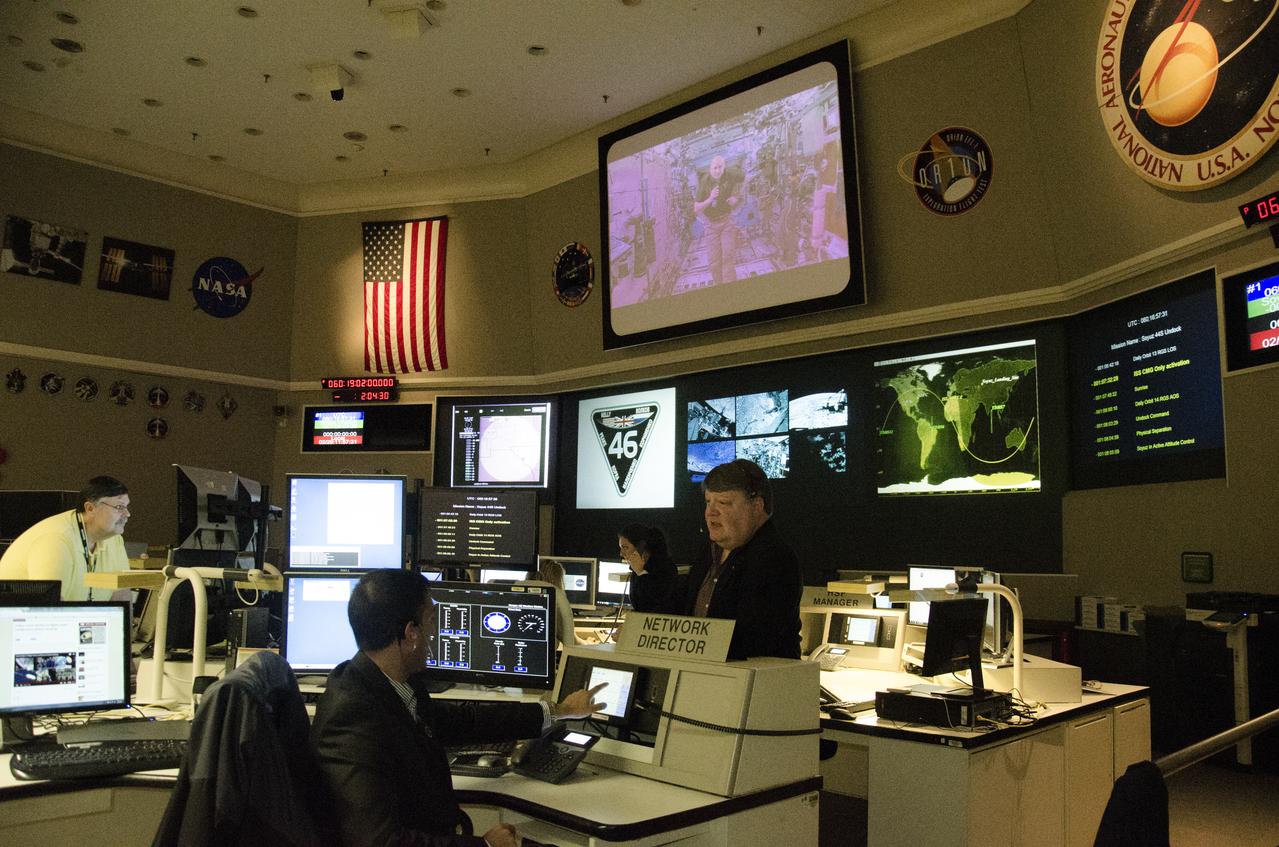
NASA's Goddard Space Flight Center in Greenbelt, Maryland, will monitor the landing of NASA Astronaut Scott Kelly and Russian Cosmonaut Mikhail Kornienko from their #YearInSpace Mission. Goddard's Networks Integration Center, pictured above, leads all coordination for space-to-ground communications support for the International Space Station and provides contingency support for the Soyuz TMA-18M 44S spacecraft, ensuring complete communications coverage through NASA's Space Network. The Soyuz 44S spacecraft will undock at 8:02 p.m. EST this evening from the International Space Station. It will land approximately three and a half hours later, at 11:25 p.m. EST in Kazakhstan. Both Kelly and Kornienko have spent 340 days aboard the International Space Station, preparing humanity for long duration missions and exploration into deep space. Read more: <a href="http://www.nasa.gov/feature/goddard/2016/ending-year-in-space-nasa-goddard-network-maintains-communications-from-space-to-ground" rel="nofollow">www.nasa.gov/feature/goddard/2016/ending-year-in-space-na...</a> Credit: NASA/Goddard/Rebecca Roth <b><a href="http://www.nasa.gov/audience/formedia/features/MP_Photo_Guidelines.html" rel="nofollow">NASA image use policy.</a></b> <b><a href="http://www.nasa.gov/centers/goddard/home/index.html" rel="nofollow">NASA Goddard Space Flight Center</a></b> enables NASA’s mission through four scientific endeavors: Earth Science, Heliophysics, Solar System Exploration, and Astrophysics. Goddard plays a leading role in NASA’s accomplishments by contributing compelling scientific knowledge to advance the Agency’s mission. <b>Follow us on <a href="http://twitter.com/NASAGoddardPix" rel="nofollow">Twitter</a></b> <b>Like us on <a href="http://www.facebook.com/pages/Greenbelt-MD/NASA-Goddard/395013845897?ref=tsd" rel="nofollow">Facebook</a></b> <b>Find us on <a href="http://instagrid.me/nasagoddard/?vm=grid" rel="nofollow">Instagram</a></b>
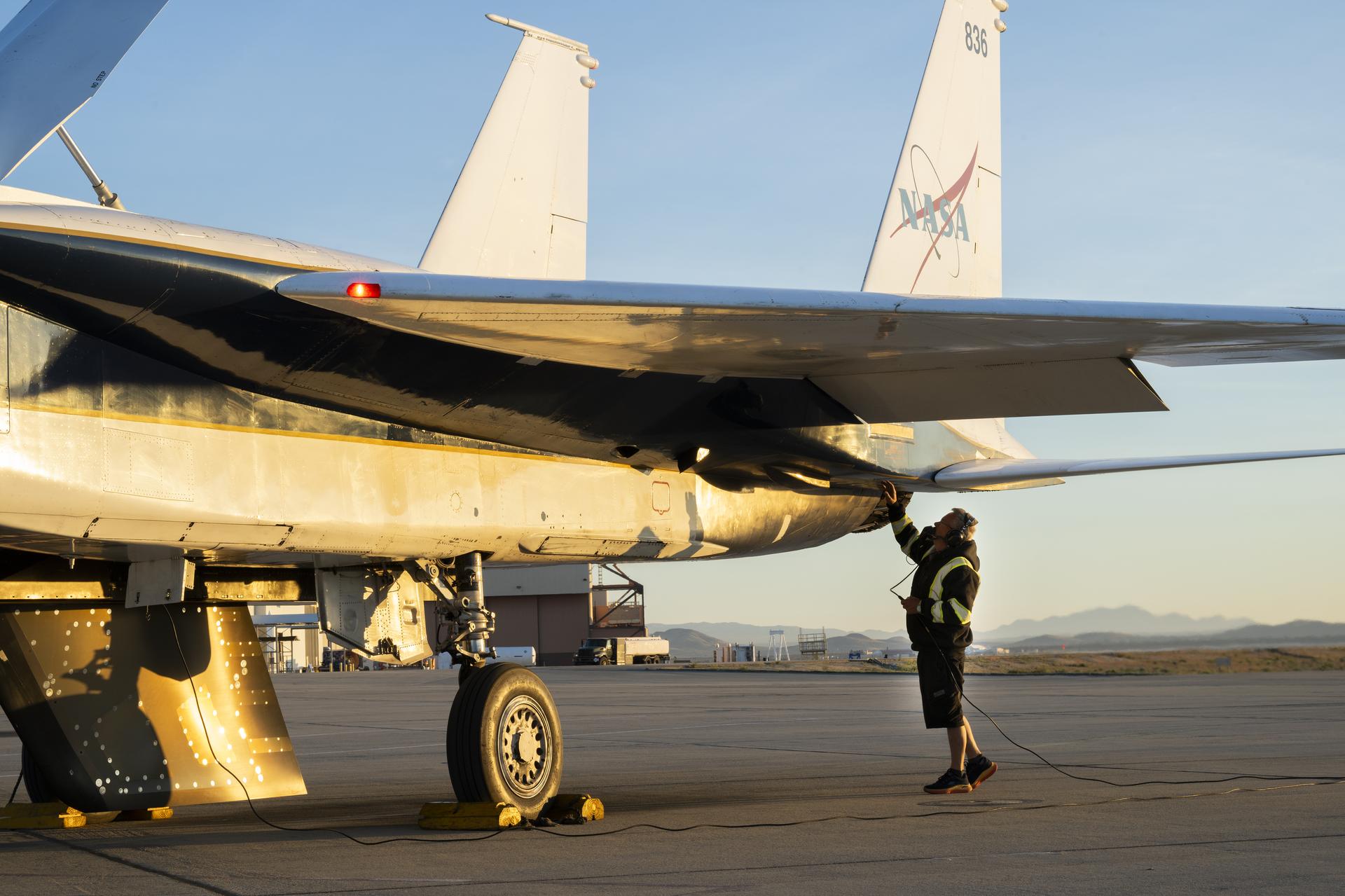
NASA crew chief Walt Kondracki checks an F-15 aircraft Tuesday, March 17, 2026, at NASA’s Armstrong Flight Research Center in Edwards, California. Ground crews, made of various roles, maintain the aircraft to be ready for each mission.

Saturn moon Prometheus orbits near some of its handiwork in the F ring in this image from NASA Cassini spacecraft. Prometheus and its partner Pandora gravitationally sculpt and maintain the narrow F ring.

The sharp outer boundary of Saturn B ring, which is the bright ring region seen to the right in this image, is maintained by a strong resonance with the moon Mimas. For every two orbits made by particles at this distance from Saturn

Mount Kilimanjaro, the highest point in Africa, reaches 5,895 meters 19,340 feet above sea level, tall enough to maintain a permanent snow cap despite being just 330 kilometers 210 miles south of the equator.

iss072e487421 (Jan. 16, 2025) --- NASA astronaut and Expedition 72 Commander Suni Williams is pictured during a spacewalk outside the International Space Station where she replaced a rate gyro assembly that helps maintain the orientation of the orbital outpost.
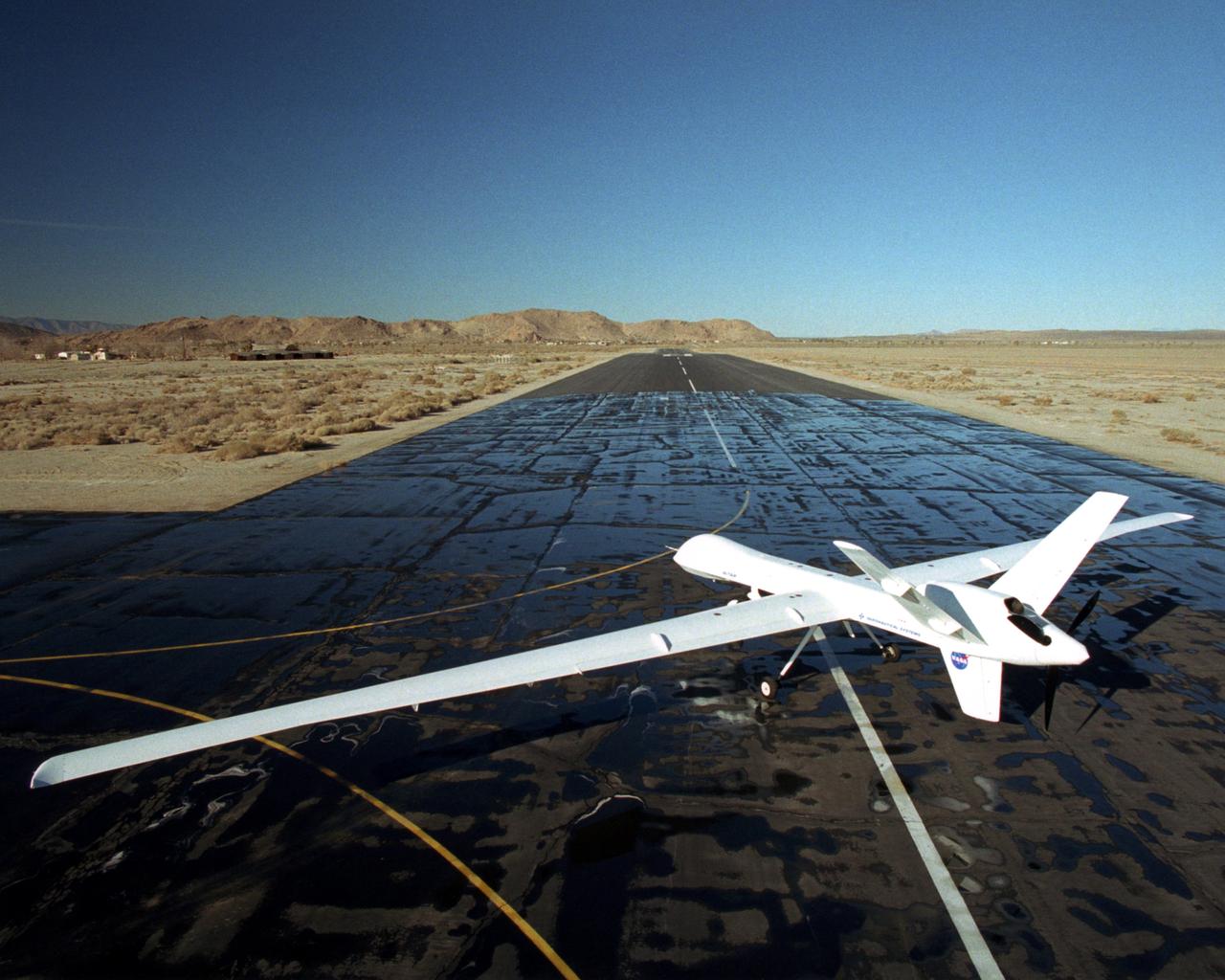
The long, narrow wings of NASA's Altair are designed to allow the unmanned aerial vehicle (UAV) to maintain long-duration flight at high altitudes.
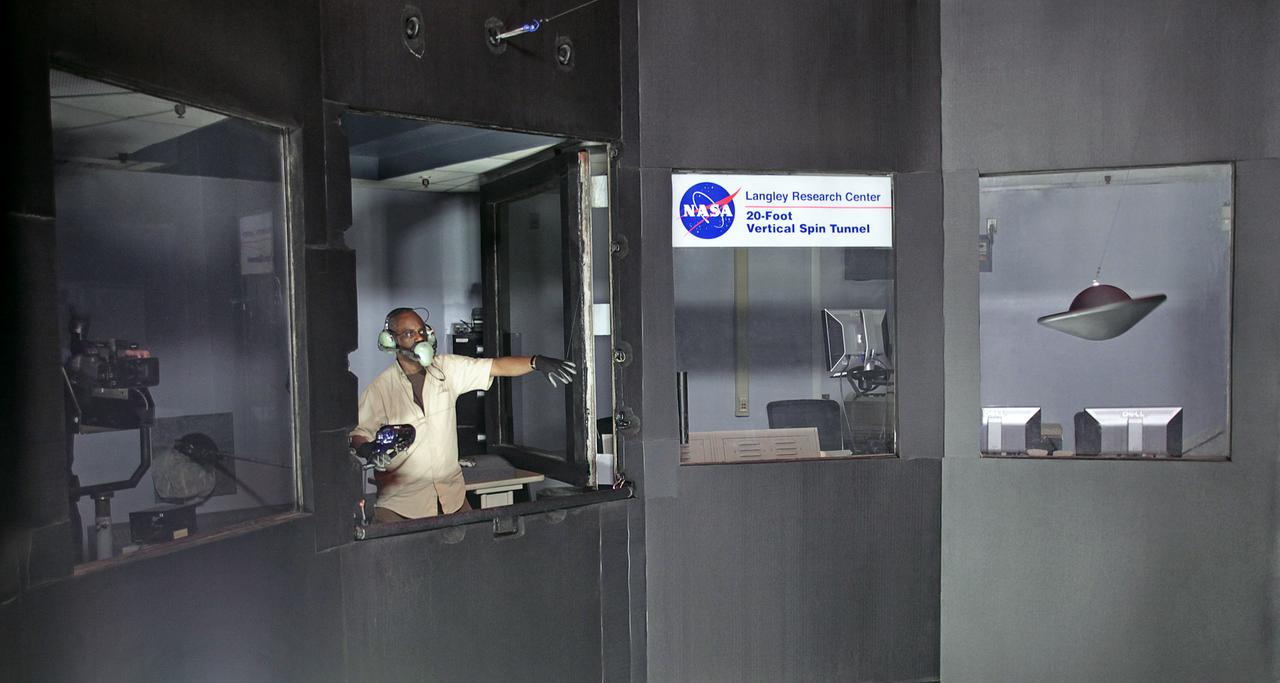
NASA Langley engineer, Clinton Duncan maintains controls of the tethered Multi Mission Earth Entry Vehicle model while being tested in the Vertical Spin Tunnel.

One of many safety posters produced by NACA artists during World War II. The Aircraft Engine Research Laboratory established a Safety Office in 1942 to coordinate and oversee safety-related activities. The lab struggled to maintain a full staff during the war when military research projects were at a peak. NACA management mandated six-day work weeks without overtime and the elimination of holidays. As such, workplace injuries were a serious threat to maintaining productivity needed to sustain the military’s aeronautics efforts.

Motor and propeller blades in 40x80ft wind tunnel. Six 40-foot-diameter fans, each powered by a 6000-horsepower electric motor maintained airflow at 230 mph or less (these are still tornado velocities).

ISS045e147255 (11/28/2015) --- Nightfall slides across the Earth and astronauts & cosmonauts aboard the International Space Station begin their resting period after many hours of conducting experiments and maintaining the station.
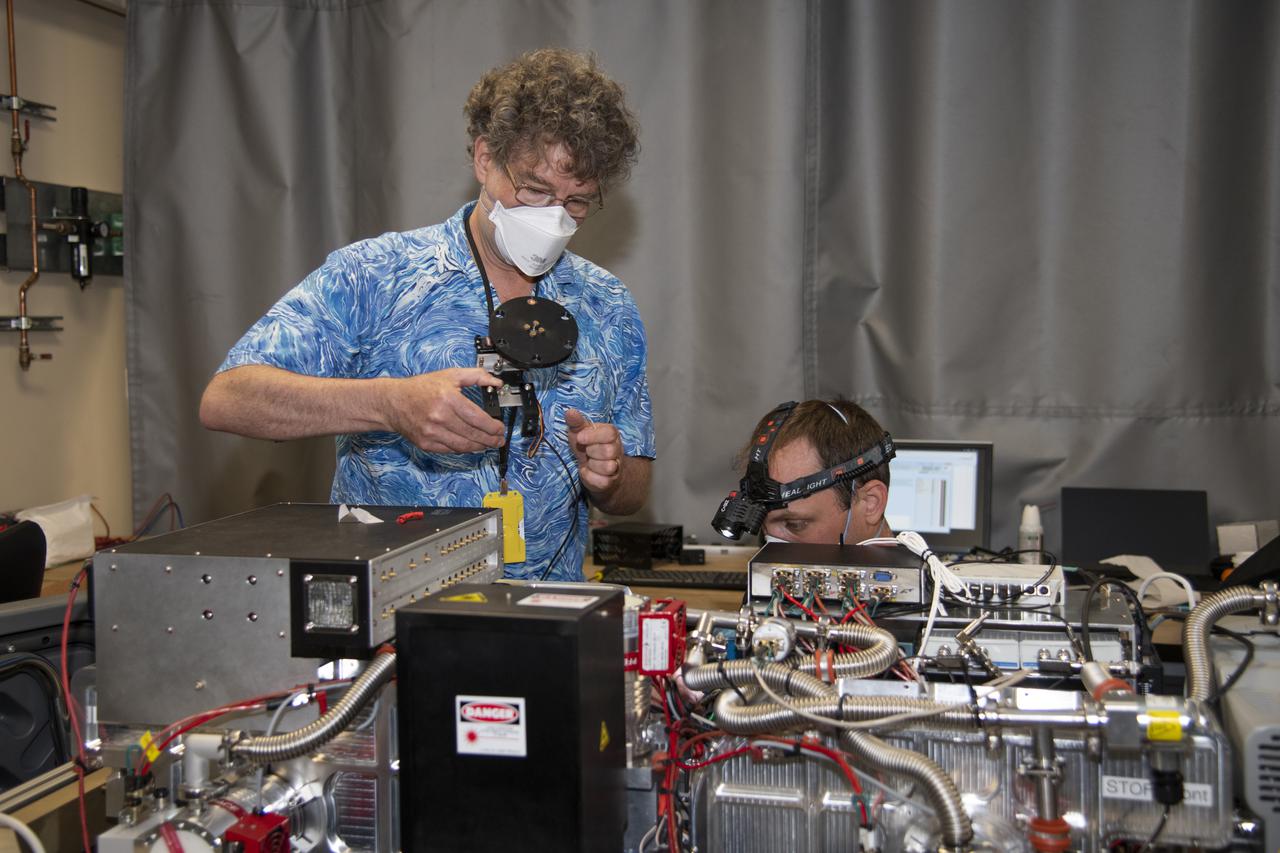
Particle Analysis by Laser Mass Spectrometry or PALMS instrument maintained by Dave Thomson and Justin Jacquot of Purdue University as part of NASA's Dynamics and Chemistry of the Summer Stratosphere (DCOTSS) mission
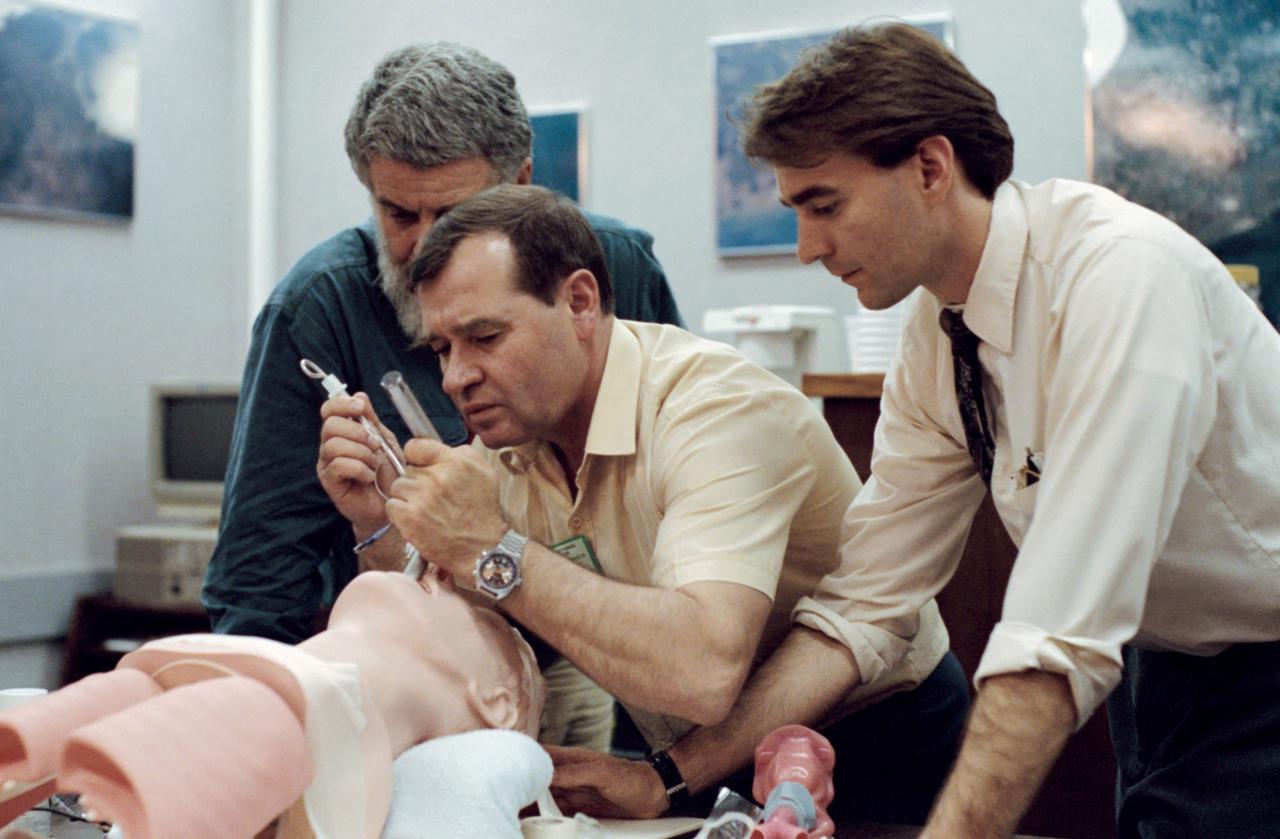
Mir 18 crewmember Gennadiy M. Strekalov, center, practicies an emergency medical procedure to maintain a patient airway during training at JSC. Looking on are Dave E. Ward (right), a JSC medical doctor, and an unidentified interpreter.
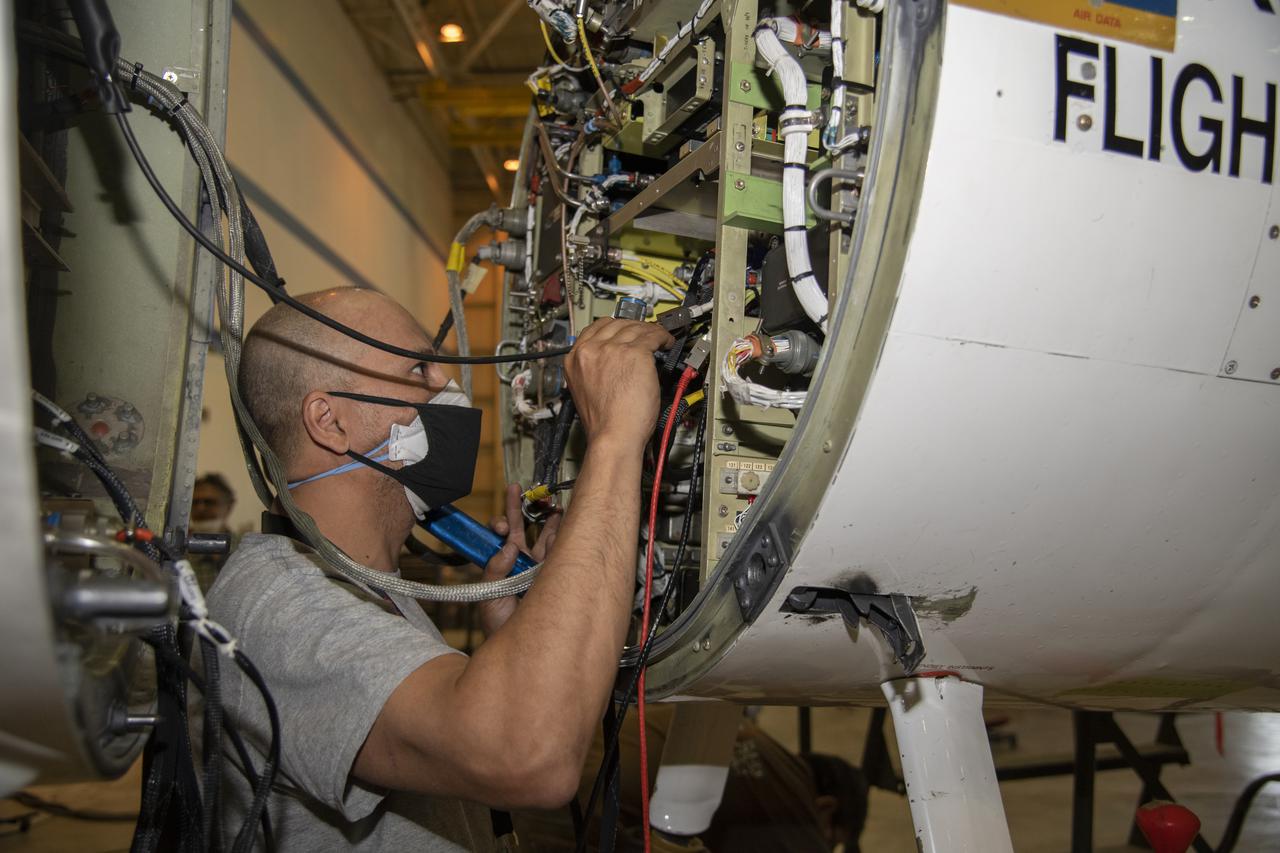
NASA’s Armstrong Flight Research Center ER-2 #809 high-altitude aircraft maintained by avionics technician Gregory Bantalin for Dynamics and Chemistry of the Summer Stratosphere (DCOTSS) science flights.

iss057e1140192 (Dec. 5, 2018) --- NASA astronauts Serena Auñón-Chancellor (background) and Anne McClain work inside the Japanese Kibo laboratory module cleaning vents to maintain air circulation aboard the International Space Station.
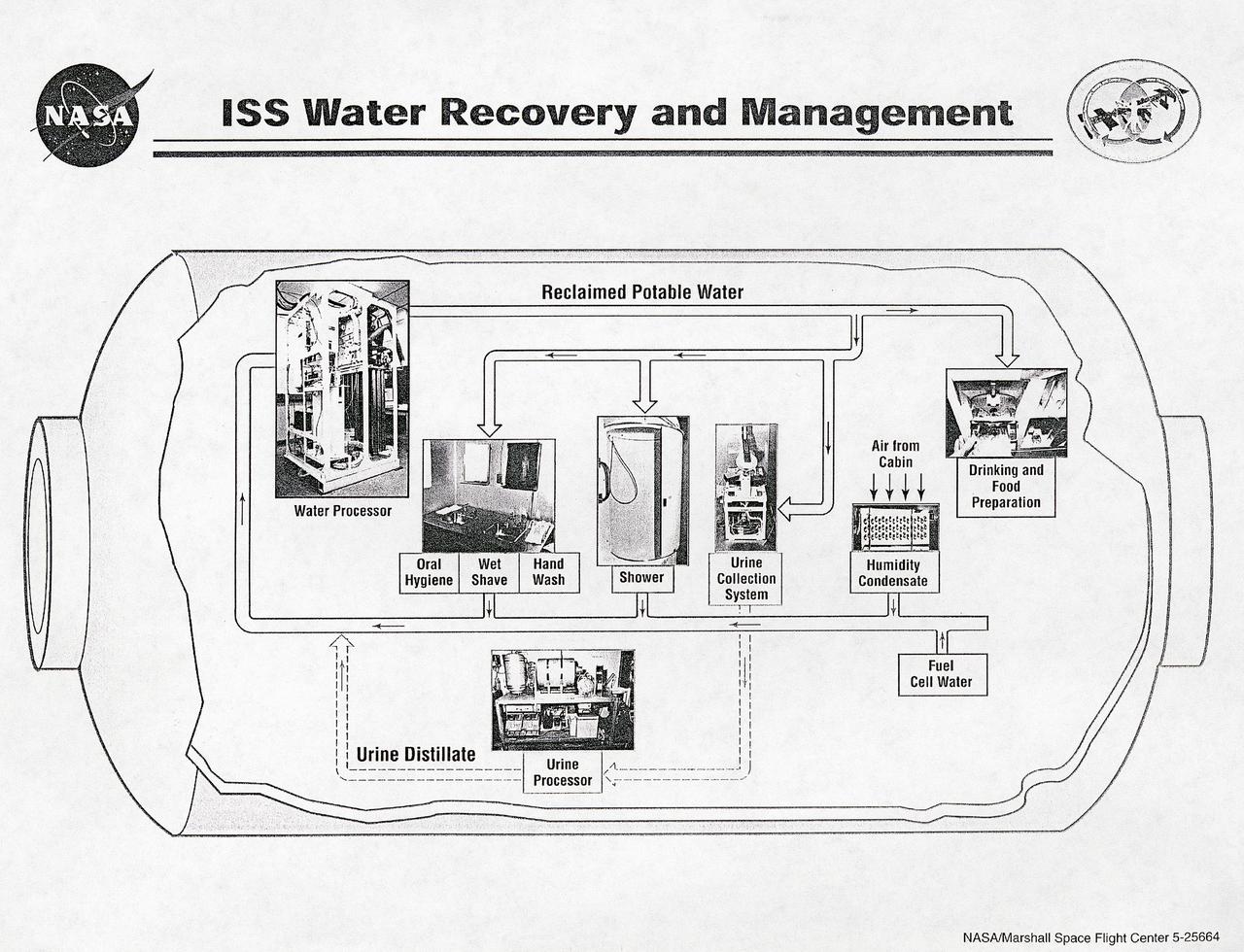
This diagram shows the flow of water recovery and management in the International Space Station (ISS). The Environmental Control and Life Support System (ECLSS) Group of the Flight Projects Directorate at the Marshall Space Flight Center is responsible for the regenerative ECLSS hardware, as well as providing technical support for the rest of the system. The regenerative ECLSS, whose main components are the Water Recovery System (WRS), and the Oxygen Generation System (OGS), reclaims and recycles water oxygen. The ECLSS maintains a pressurized habitation environment, provides water recovery and storage, maintains and provides fire detection/ suppression, and provides breathable air and a comfortable atmosphere in which to live and work within the ISS. The ECLSS hardware will be located in the Node 3 module of the ISS.
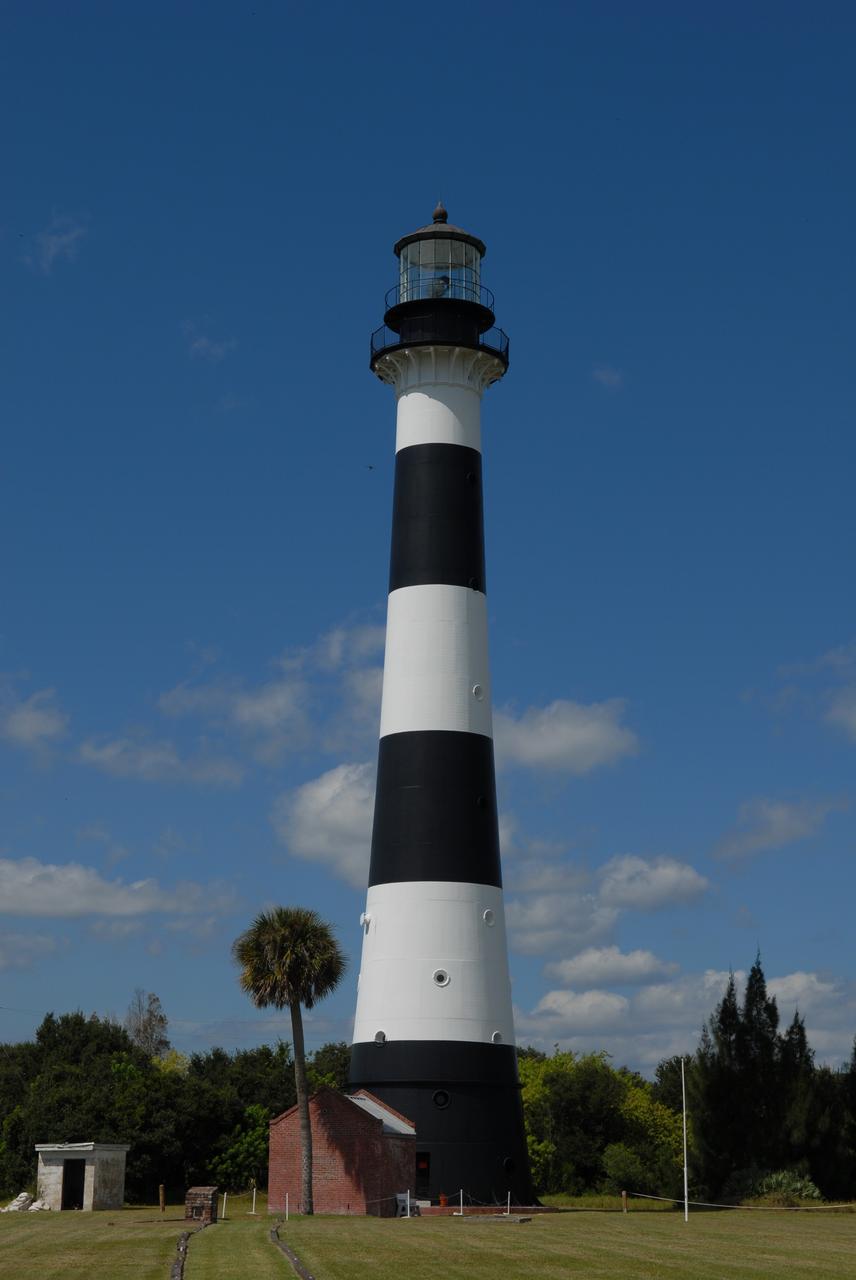
CAPE CANAVERAL, Fla. – The Cape Canaveral Lighthouse stands in the midst of space-age structures, a monolith born in another era of exploration. Located near Launch Complex 36 on Cape Canaveral Air Force Station, the Coast Guard transferred ownership in 2000 of the lighthouse structure and its grounds to the U.S. Air Force, which is now responsible for maintaining it. A restoration of the lighthouse was completed by the Air Force in 2007. The Coast Guard continues to maintain the beacon as an active navigational aid. For the history of the lighthouse, visit http://www.nasa.gov/centers/kennedy/about/history/lighthouse.html. For current information, visit http://www.CanaveralLight.org. Photo credit: NASA/Jim Grossmann
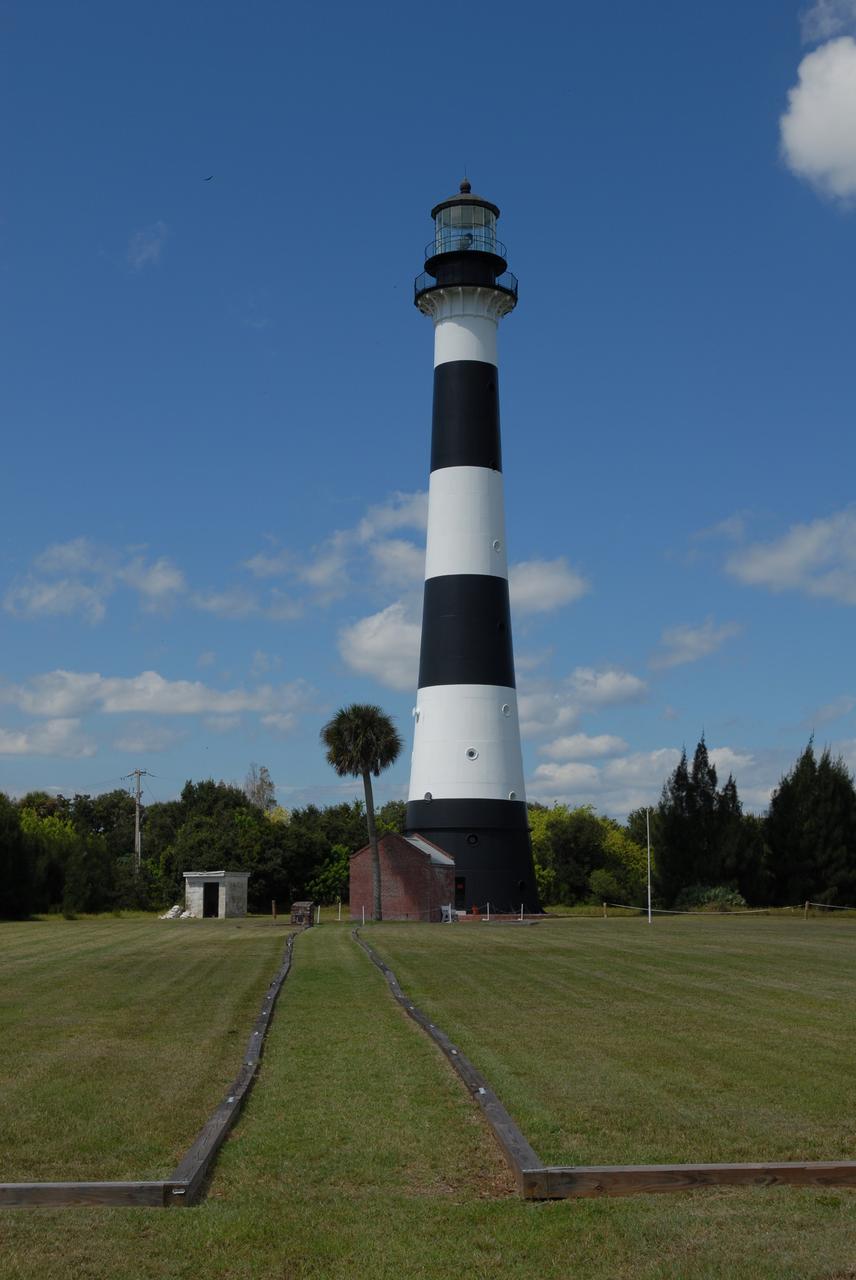
CAPE CANAVERAL, Fla. – The Cape Canaveral Lighthouse stands in the midst of space-age structures, a monolith born in another era of exploration. Located near Launch Complex 36 on Cape Canaveral Air Force Station, the Coast Guard transferred ownership in 2000 of the lighthouse structure and its grounds to the U.S. Air Force, which is now responsible for maintaining it. A restoration of the lighthouse was completed by the Air Force in 2007. The Coast Guard continues to maintain the beacon as an active navigational aid. For the history of the lighthouse, visit http://www.nasa.gov/centers/kennedy/about/history/lighthouse.html. For current information, visit http://www.CanaveralLight.org. Photo credit: NASA/Jim Grossmann
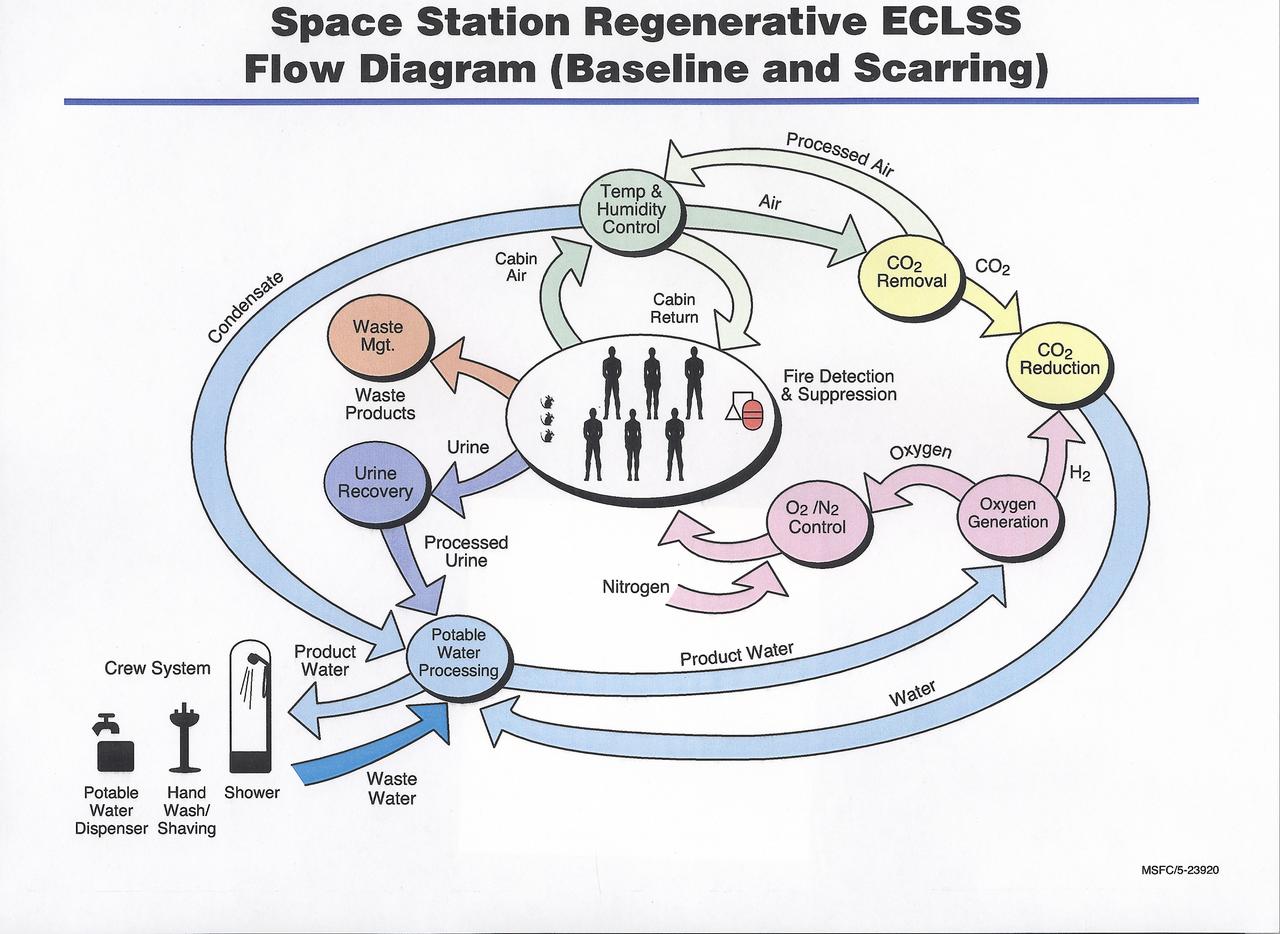
This diagram shows the flow of recyclable resources in the International Space Station (ISS). The Environmental Control and Life Support System (ECLSS) Group of the Flight Projects Directorate at the Marshall Space Flight Center is responsible for the regenerative ECLSS hardware, as well as providing technical support for the rest of the system. The regenerative ECLSS, whose main components are the Water Recovery System (WRS), and the Oxygen Generation System (OGS), reclaims and recycles water and oxygen. The ECLSS maintains a pressurized habitation environment, provides water recovery and storage, maintains and provides fire detection / suppression, and provides breathable air and a comfortable atmosphere in which to live and work within the ISS. The ECLSS hardware will be located in the Node 3 module of the ISS.
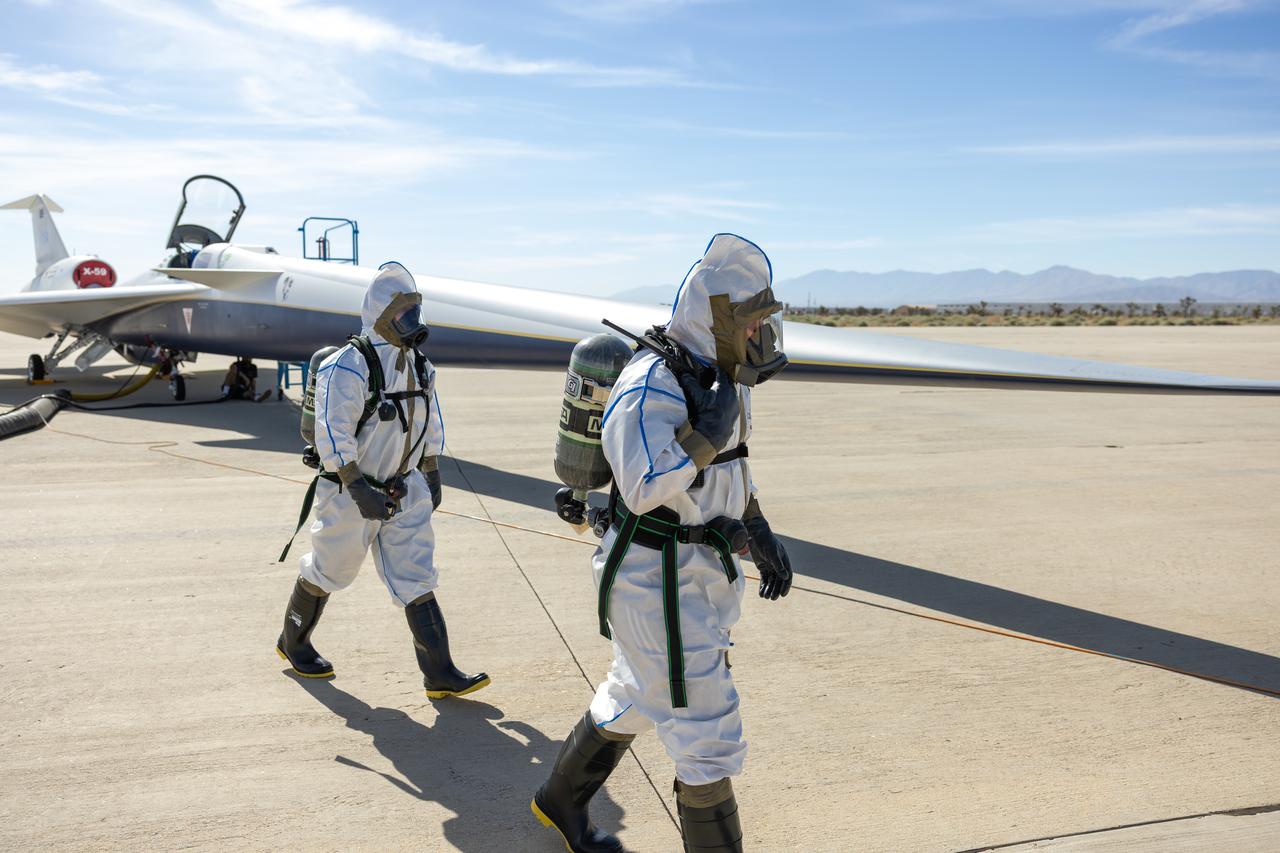
Maintainers perform a hydrazine safety check on NASA’s quiet supersonic X-59 aircraft at U.S. Air Force Plant 42 in Palmdale, California, on Aug. 18, 2025. Hydrazine is a highly toxic chemical, but it serves as a critical backup to restart the engine in flight, if necessary, which is one of several safety features being validated ahead of the aircraft’s first flight.
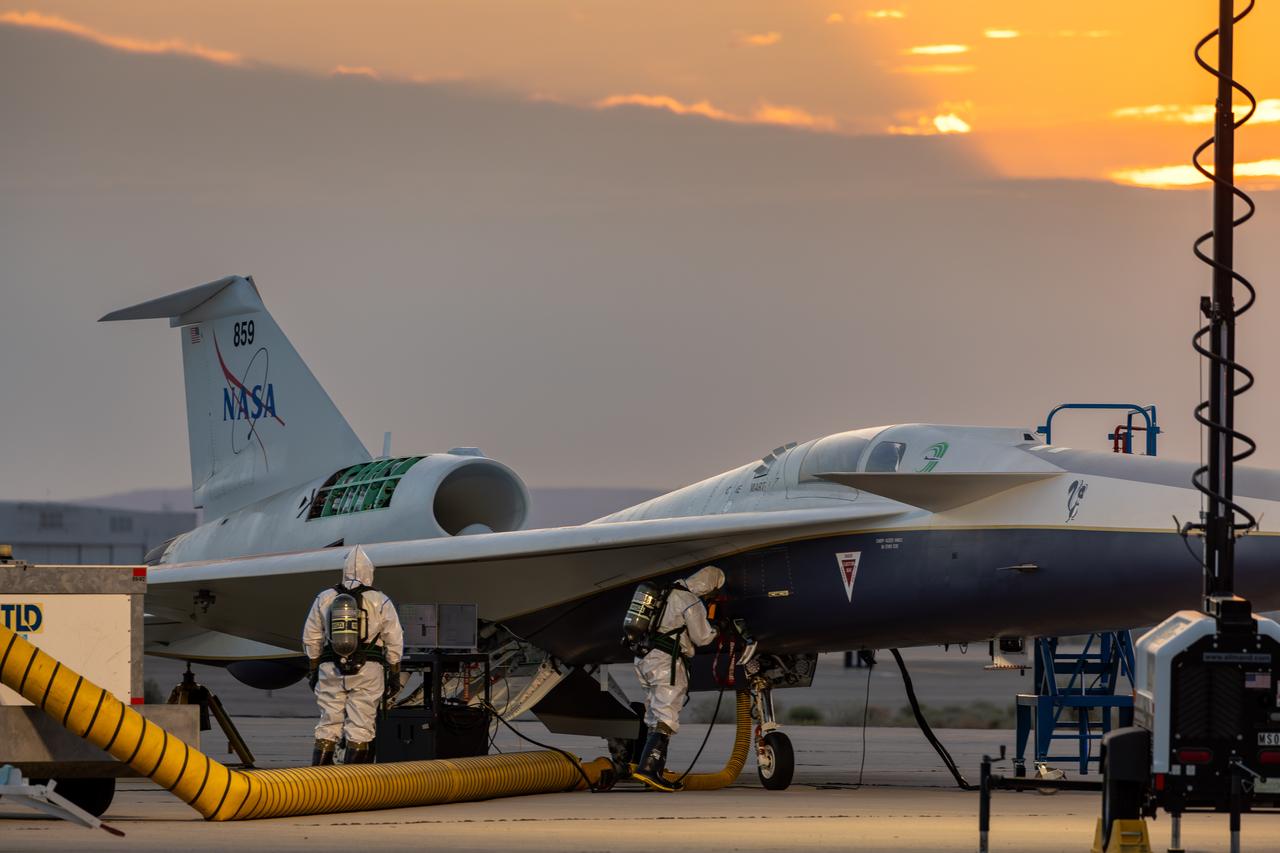
Maintainers perform a hydrazine safety check on the agency’s quiet supersonic X-59 aircraft at U.S. Air Force Plant 42 in Palmdale, California, on Aug. 18, 2025. Hydrazine is a highly toxic chemical, but it serves as a critical backup to restart the engine in flight, if necessary, and is one of several safety features being validated ahead of the aircraft’s first flight.
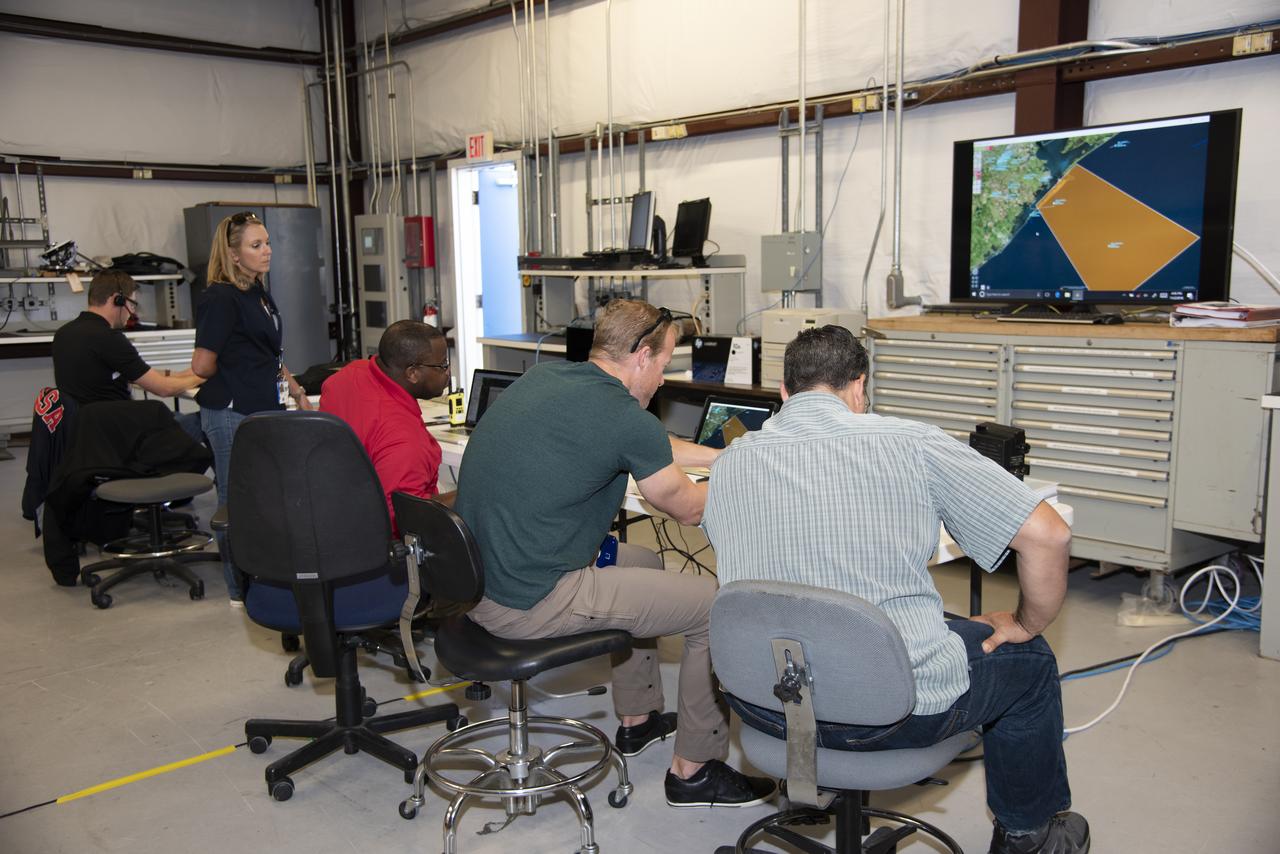
NASA mission controllers, engineers, pilots and communications specialists in the mission control room monitor the supersonic research flight off the coast of Galveston, as part of the QSF18 flight series. The flight operations crew tracks the status of the flights, maintains communications with the aircraft, communicates with U.S. Coast Guard, and coordinates community feedback data.

NASA mission controllers, engineers, pilots and communications specialists in the mission control room monitor the supersonic research flight off the coast of Galveston, as part of the QSF18 flight series. The flight operations crew tracks the status of the flights, maintains communications with the aircraft, communicates with U.S. Coast Guard, and coordinates community feedback data.
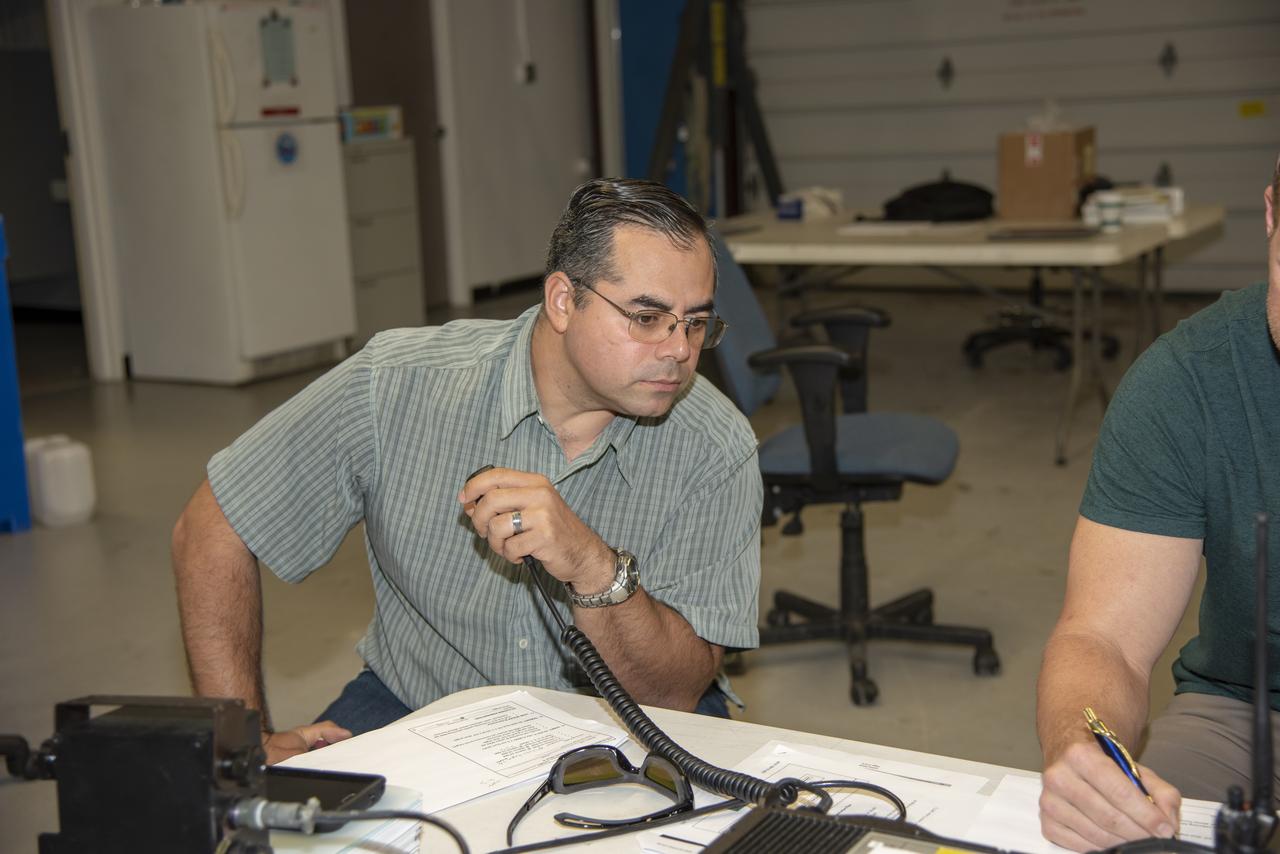
NASA mission controllers, engineers, pilots and communications specialists in the mission control room monitor the supersonic research flight off the coast of Galveston, as part of the QSF18 flight series. The flight operations crew tracks the status of the flights, maintains communications with the aircraft, communicates with U.S. Coast Guard, and coordinates community feedback data.
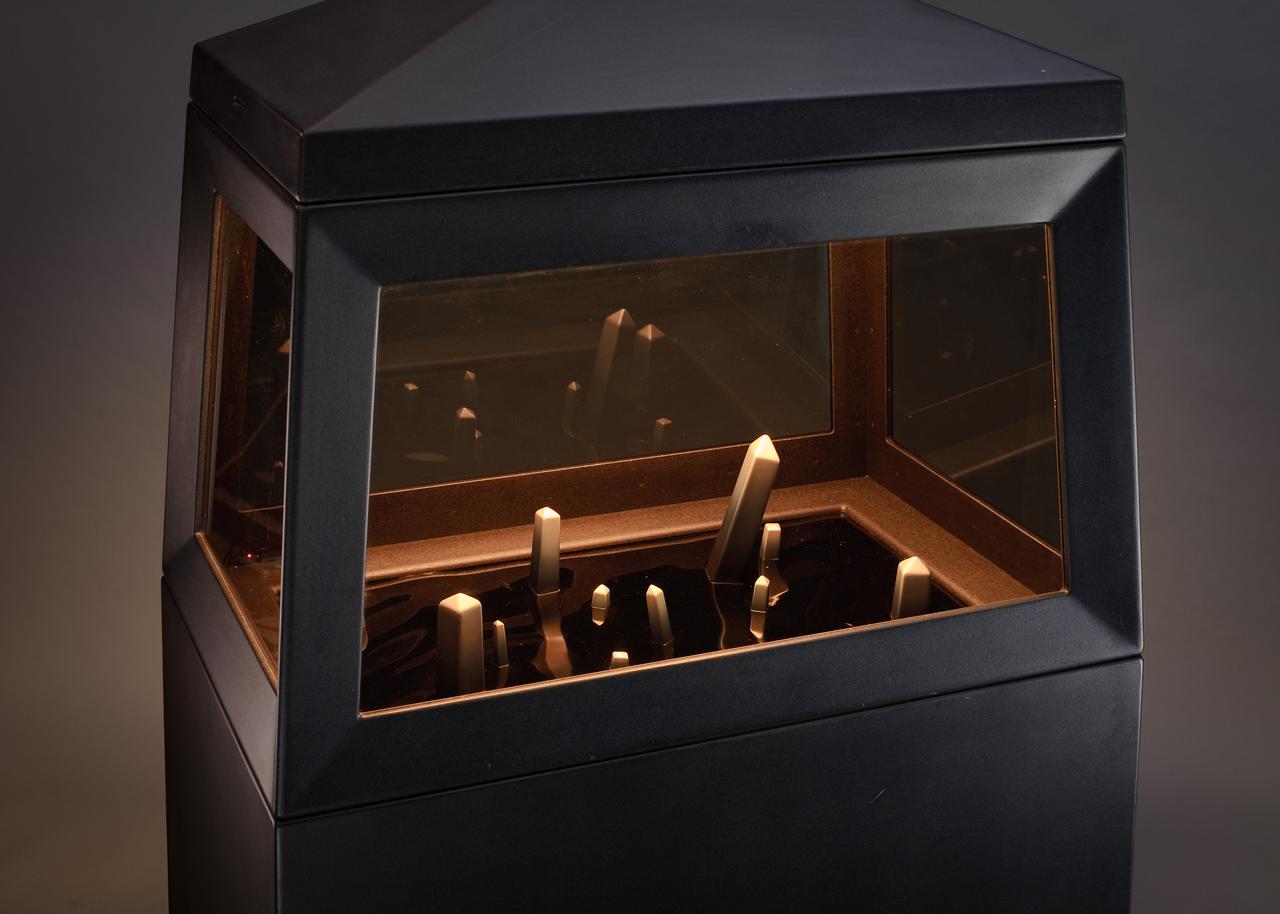
ARC Sculpture by Peter Gutkin 'Nice Ice in New York' circa 1970's. This sculputre was donated to Ames Research Center by the artist. Peter Gutkin has designed special interiors, exhibits, and display furniture for Ames since 1979. He currently maintains an office in San Francisco, CA.
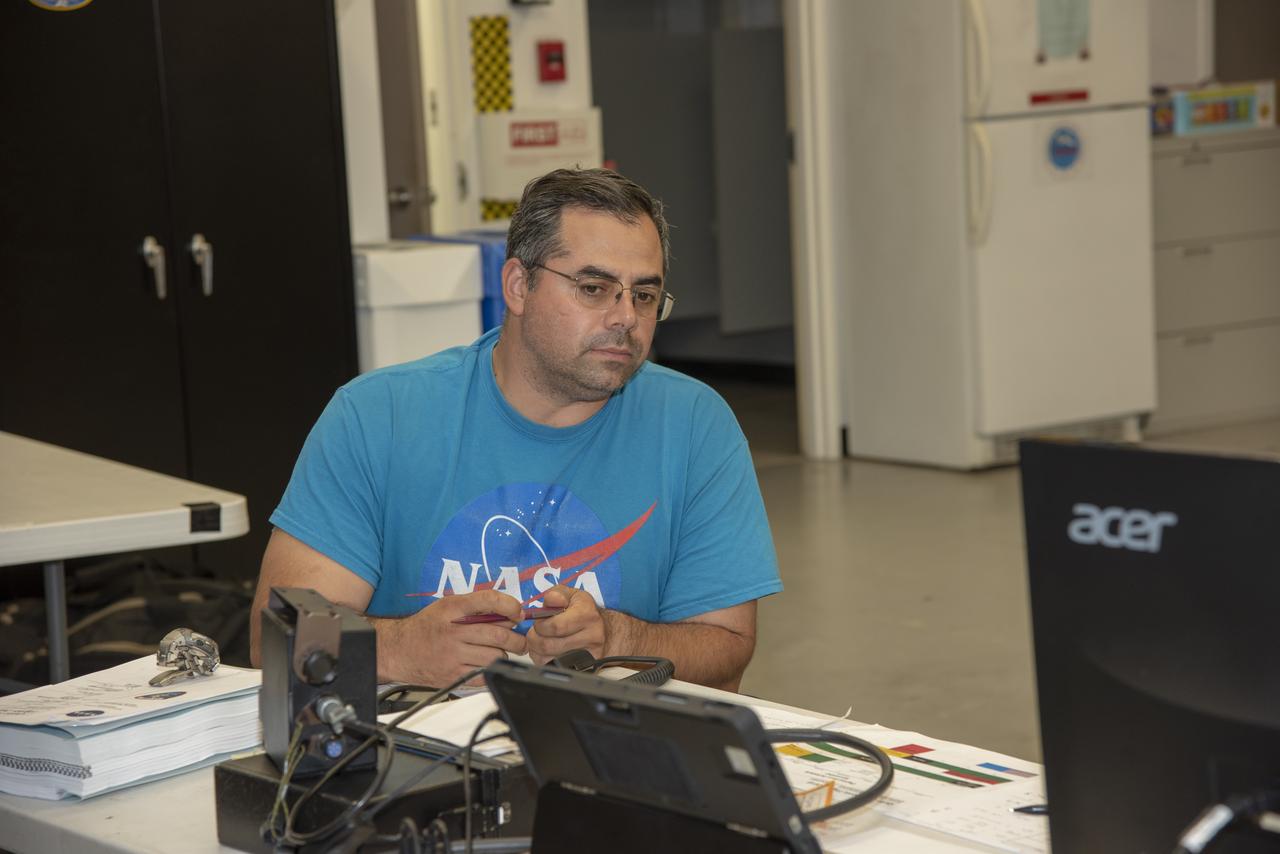
NASA mission controllers, engineers, pilots and communications specialists in the mission control room monitor the supersonic research flight off the coast of Galveston, as part of the QSF18 flight series. The flight operations crew tracks the status of the flights, maintains communications with the aircraft, communicates with U.S. Coast Guard, and coordinates community feedback data.
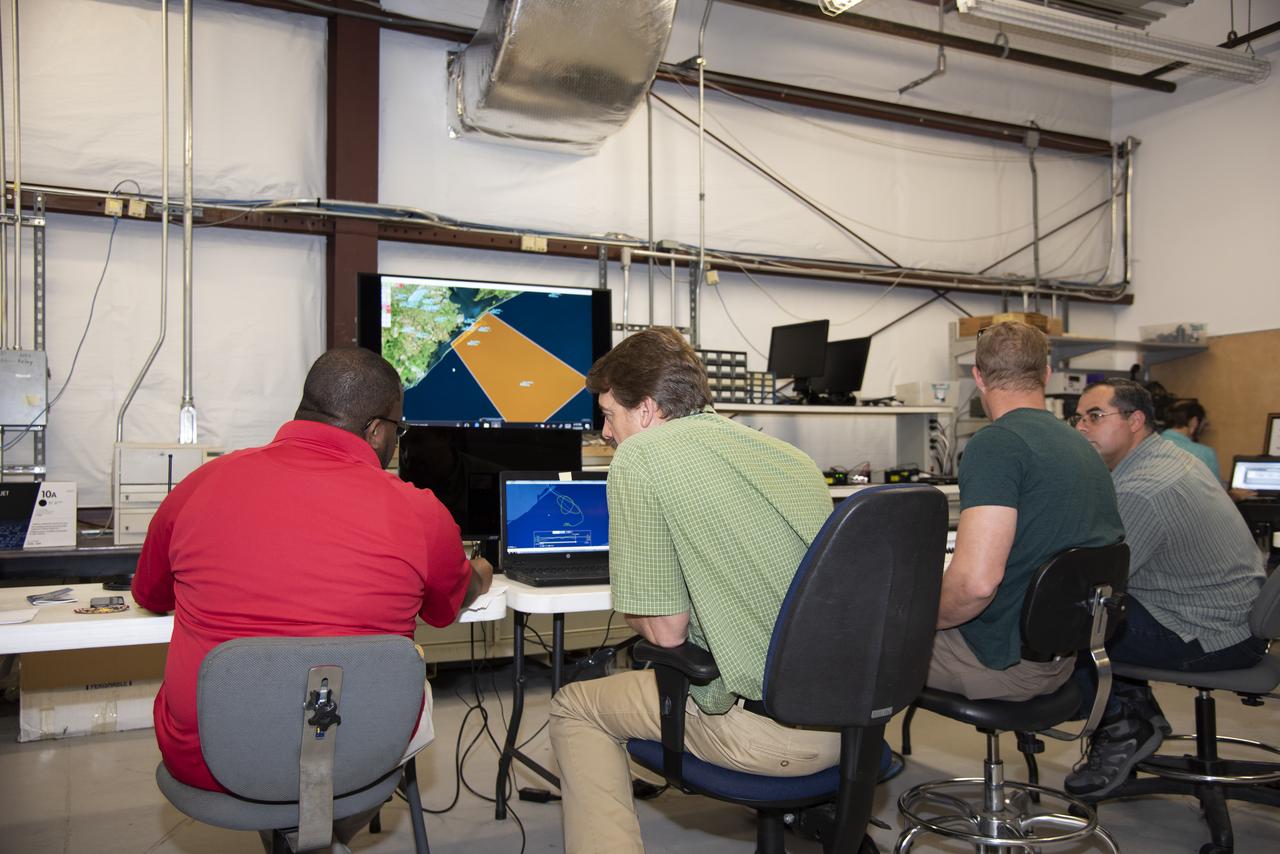
NASA mission controllers, engineers, pilots and communications specialists in the mission control room monitor the supersonic research flight off the coast of Galveston, as part of the QSF18 flight series. The flight operations crew tracks the status of the flights, maintains communications with the aircraft, communicates with U.S. Coast Guard, and coordinates community feedback data.
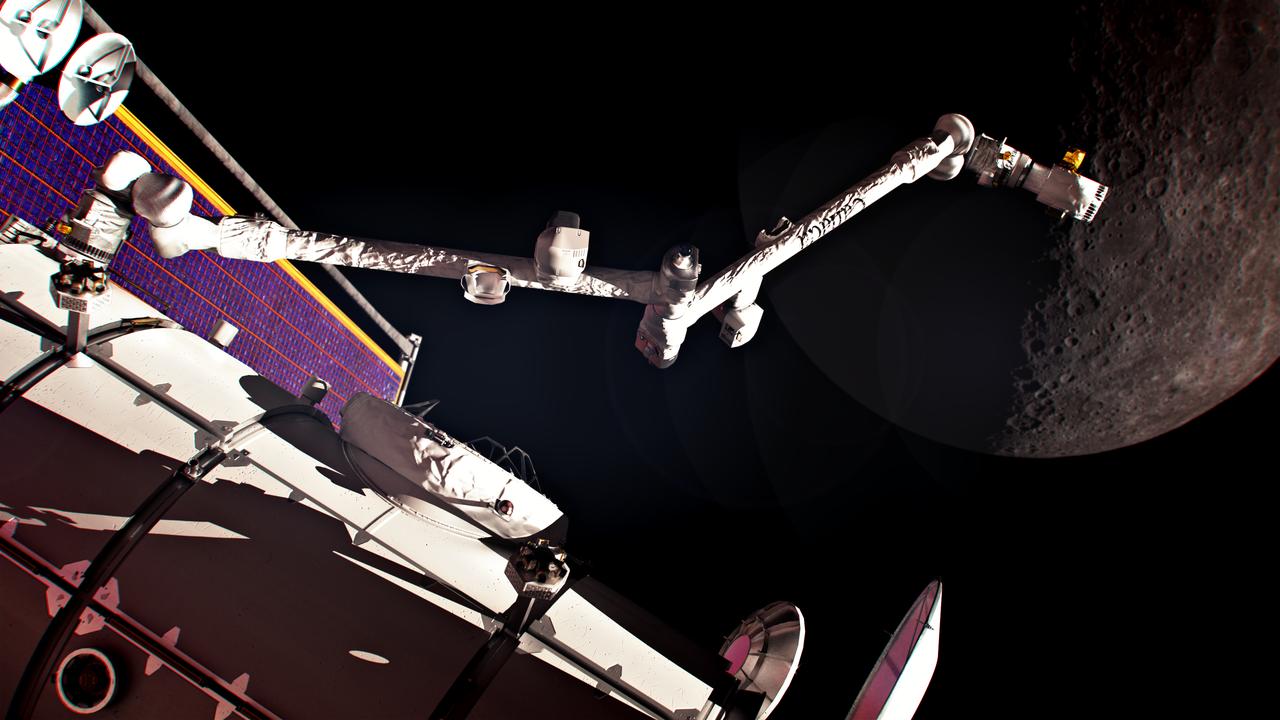
Part of the Gateway External Robotics Systems (GERS) provided by CSA, Canadarm3 is a robotic system that will use cutting-edge software to perform Gateway tasks. The system will help maintain, repair and inspect Gateway, capture visiting vehicles, help astronauts during spacewalks, and enable science in Gateway’s lunar orbit.
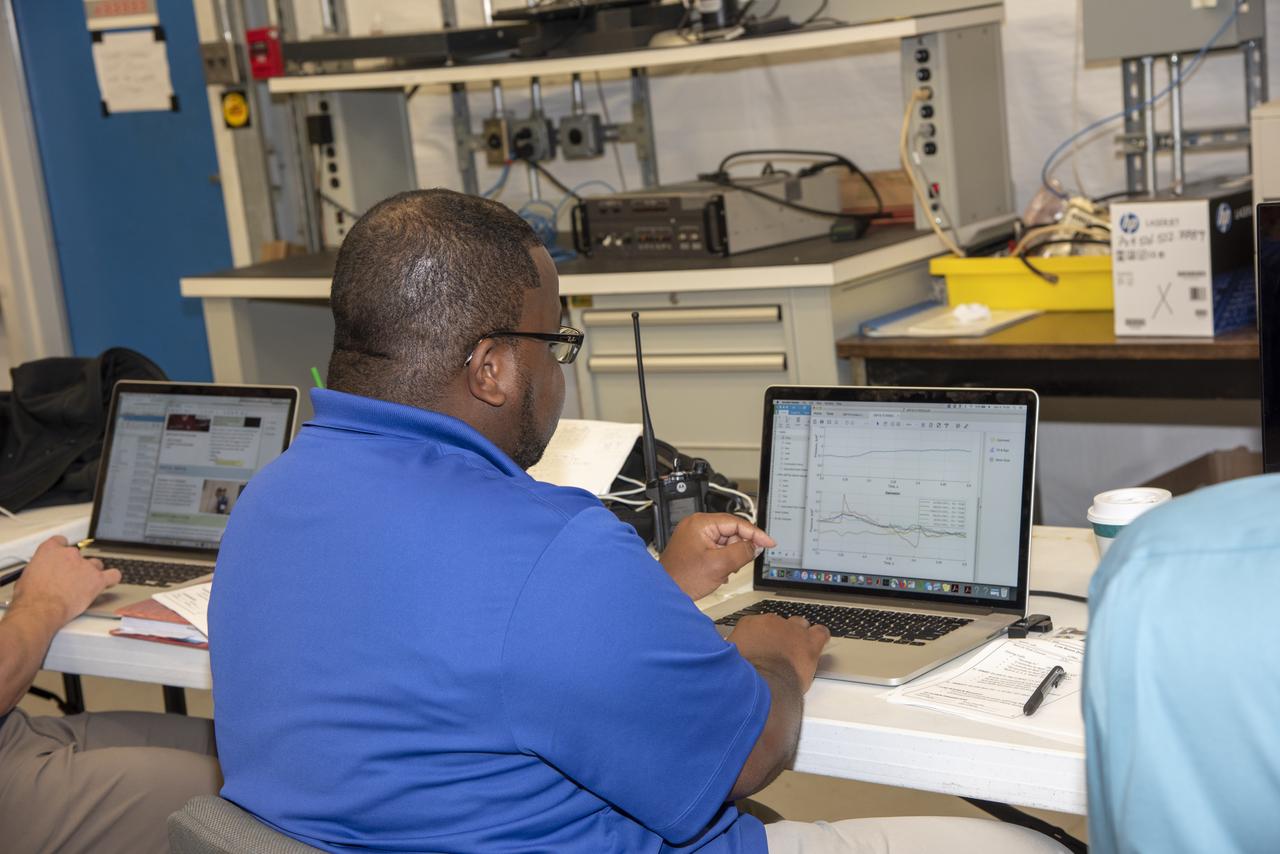
NASA mission controllers, engineers, pilots and communications specialists in the mission control room monitor the supersonic research flight off the coast of Galveston, as part of the QSF18 flight series. The flight operations crew tracks the status of the flights, maintains communications with the aircraft, communicates with U.S. Coast Guard, and coordinates community feedback data.
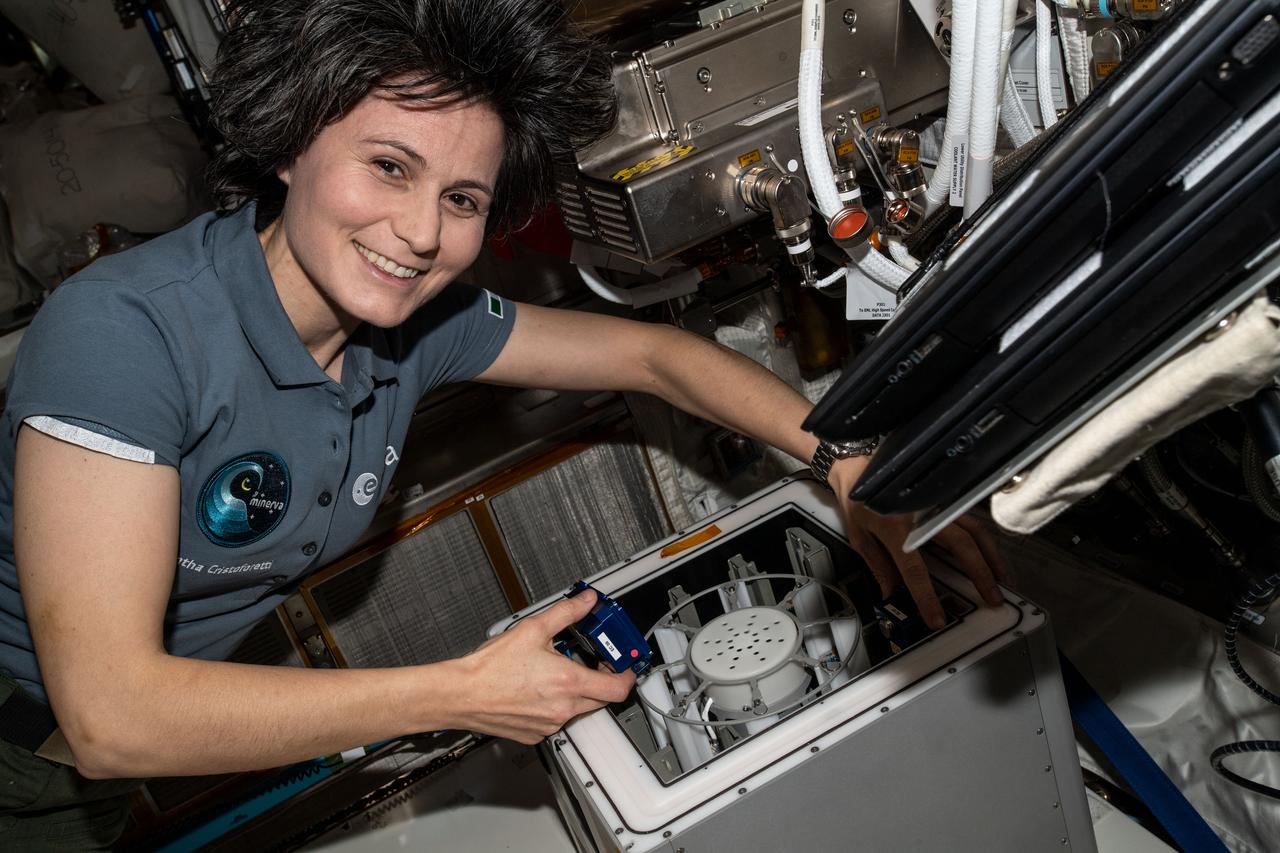
iss067e214036 (Aug. 2, 2022) --- Expedition 67 Flight Engineer and ESA (European Space Agency) astronaut Samantha Cristoforetti packs experiment containers for the Biofilms investigation aboard the International Space Station. The biotechnology study explores ways to protect astronaut health and maintain spacecraft safety from microbes living in the orbiting's lab environment.
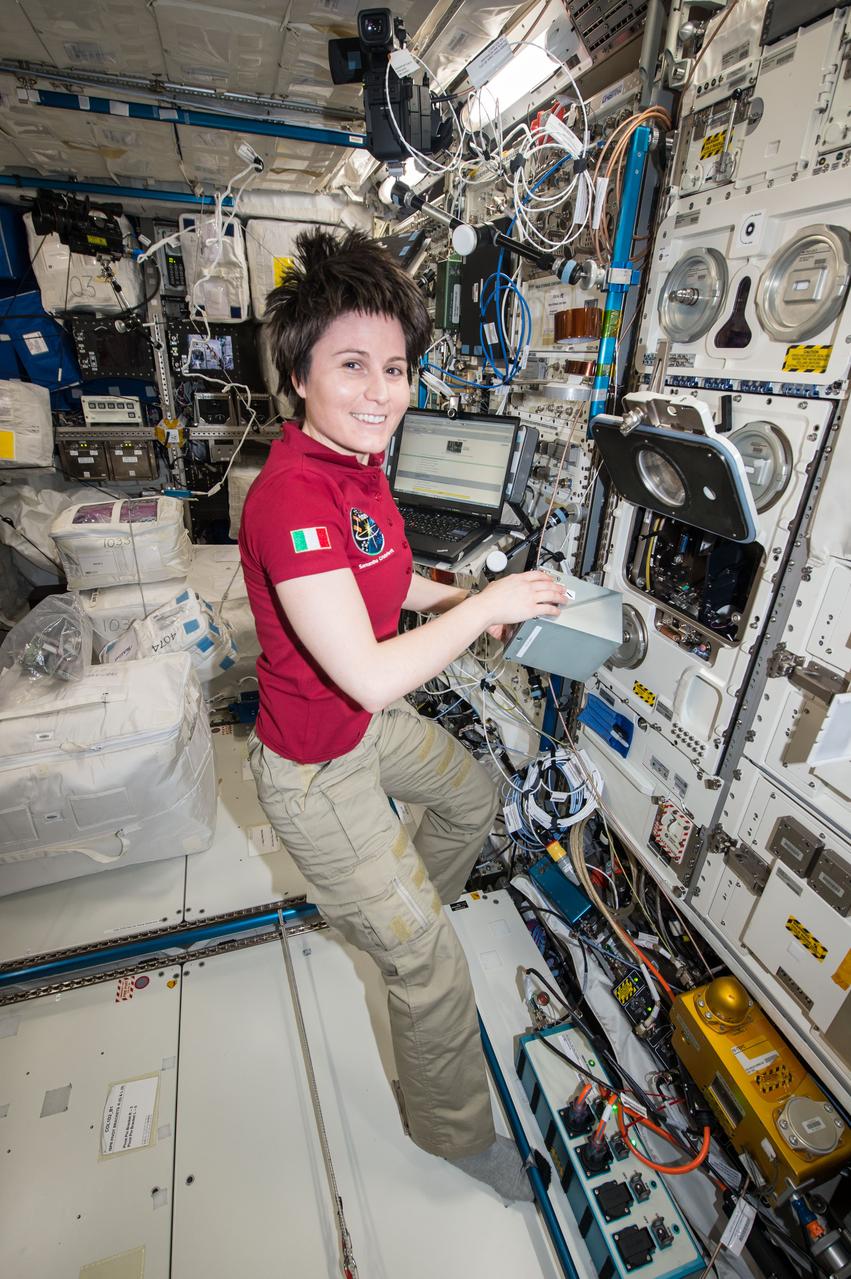
ISS043E181043 (05/08/2015) --- ESA (European Space Agency) astronaut Samantha Cristoforetti prepares the TripleLux-A experiment for return on SpaceX’s Dragon cargo craft. TripleLux-A is investigating immune suppression in space as understanding such risks is essential in maintaining the health and performance of crew members during long-duration missions.
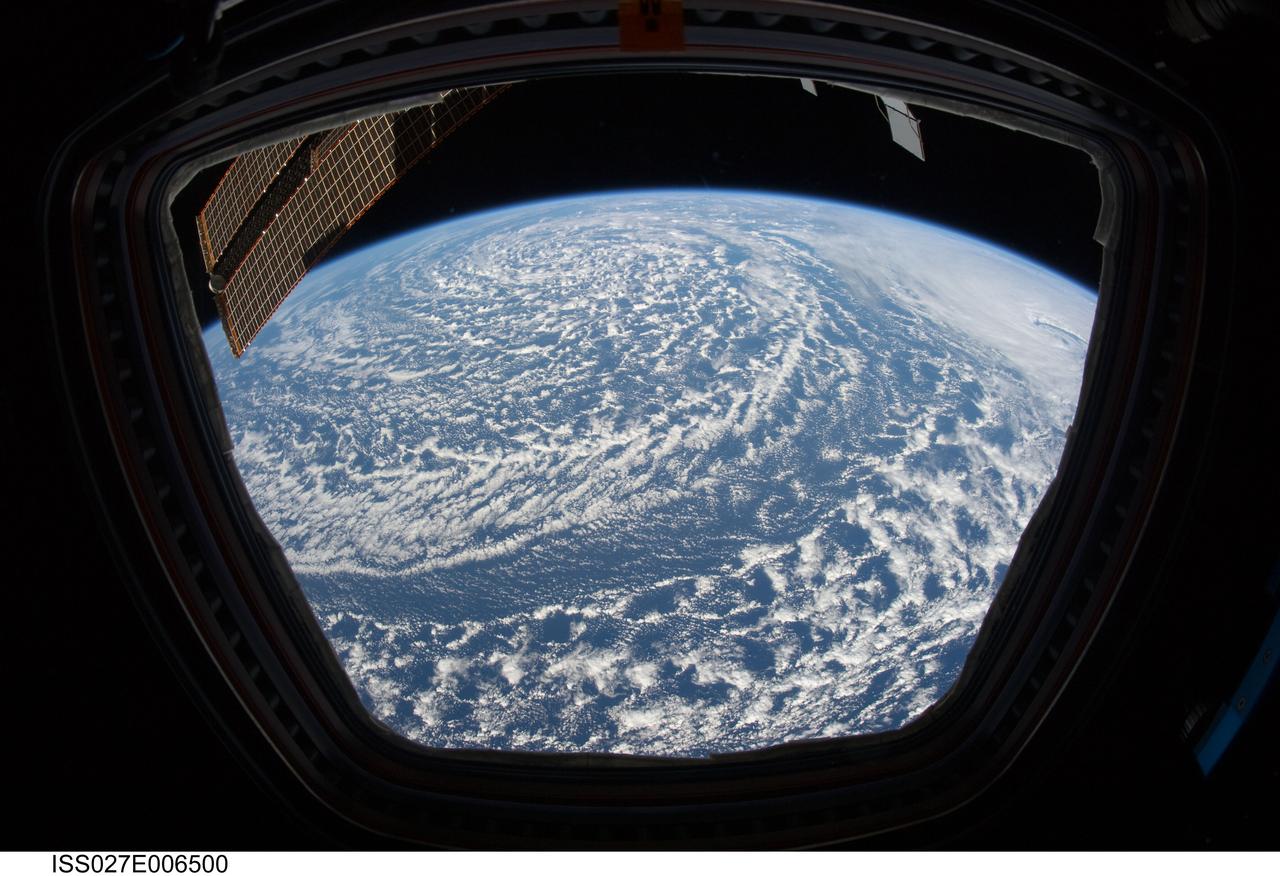
ISS027-E-006500 (20 March 2011) --- A low pressure system in the eastern North Pacific Ocean is featured in this image photographed by an Expedition 27 crew member in the Cupola of the International Space Station. Although weak, the low pressure area still has the appropriate conditions to maintain cloud development accompanying the counter-clockwise winds.
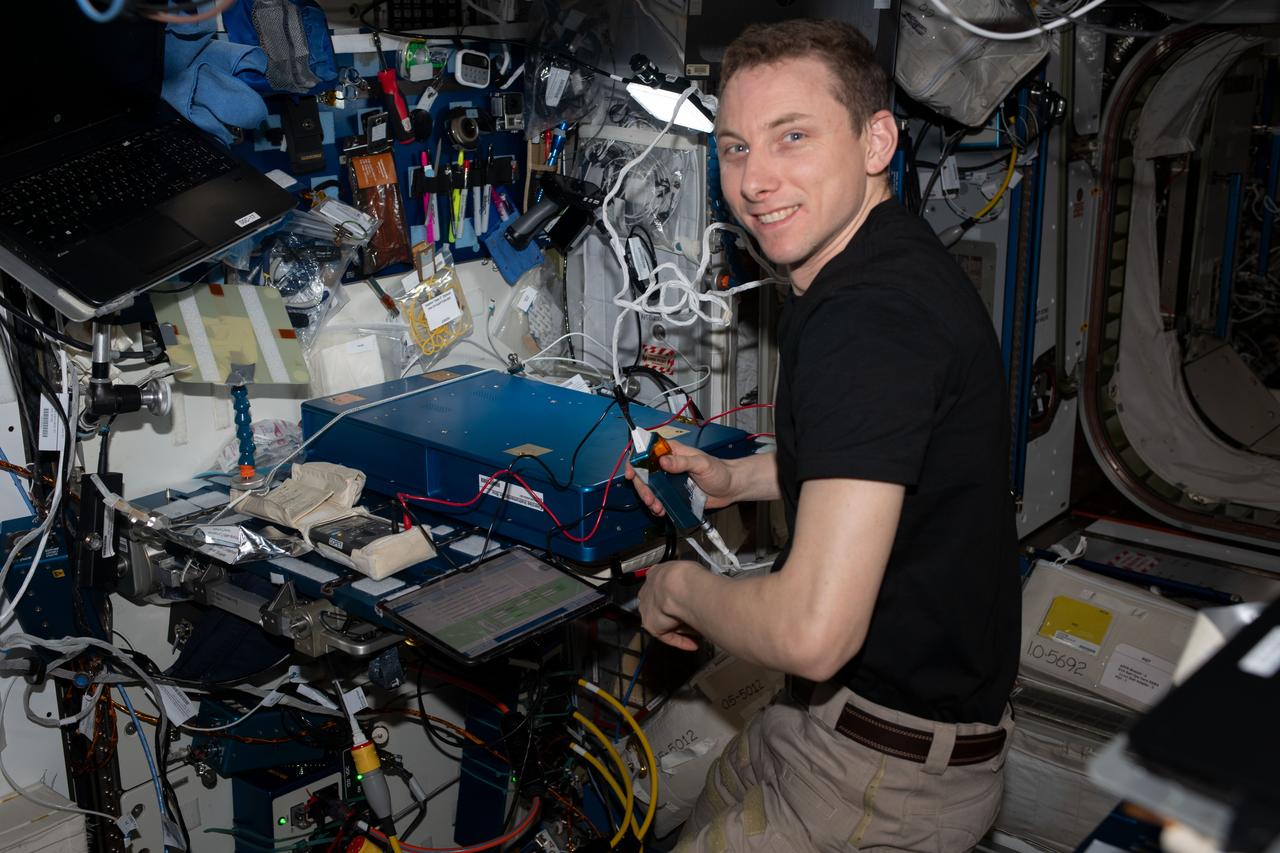
iss069e055097 (Aug. 8, 2023) --- NASA astronaut and Expedition 69 Flight Engineer Woody Hoburg troubleshoots hardware from the the Tranquility module's advanced resistive exercise device (ARED). The ARED is a workout system that mimics free weights on Earth to maintain muscle strength and mass in microgravity.
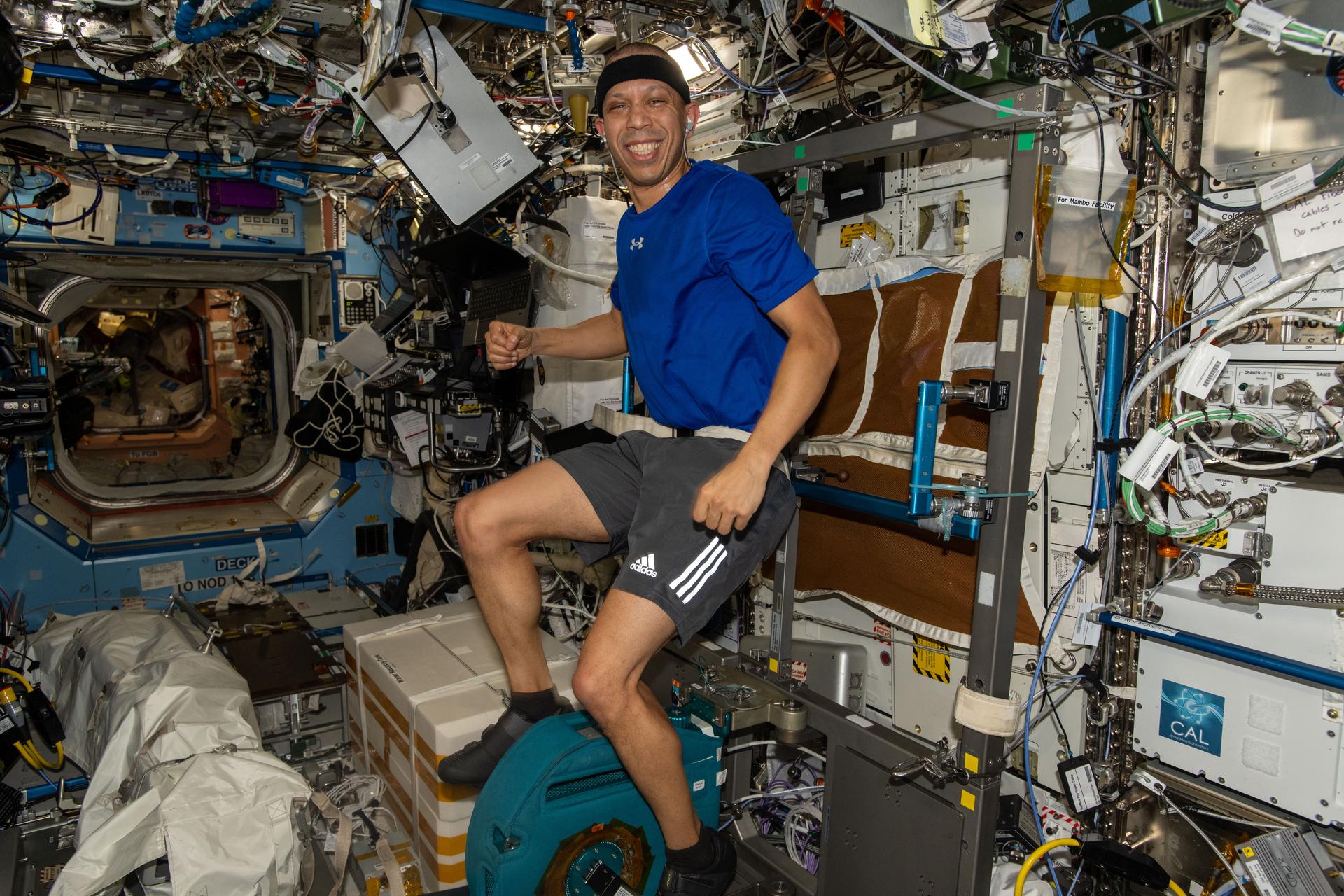
iss074e0364911 (March 6, 2026) --- NASA astronaut and Expedition 74 flight engineer Chris Williams pedals on the exercise cycle inside the International Space Station’s Destiny laboratory module. Astronauts work out daily on the exercise cycle to maintain muscle, bone, and cardiovascular health in microgravity. Credit: NASA/Jack Hathaway
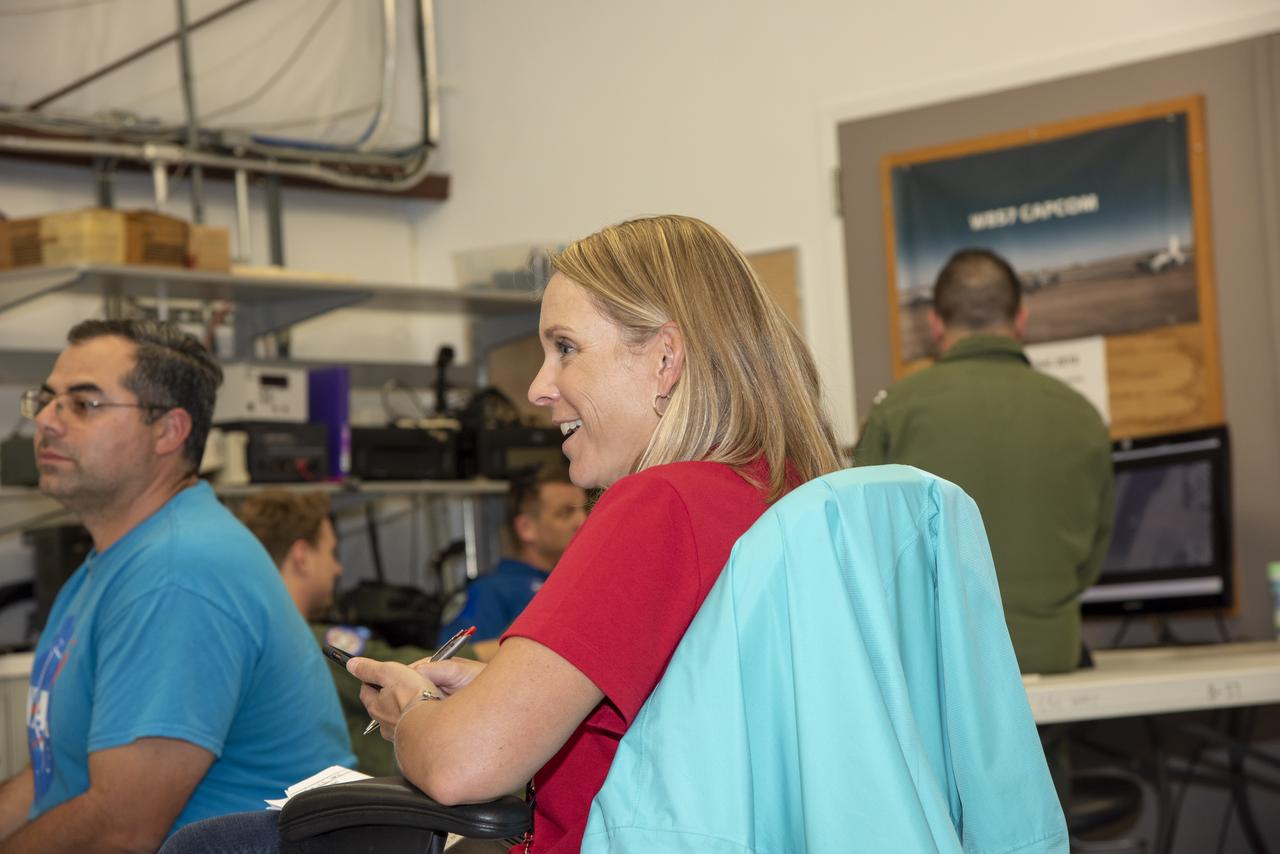
NASA mission controllers, engineers, pilots and communications specialists in the mission control room monitor the supersonic research flight off the coast of Galveston, as part of the QSF18 flight series. The flight operations crew tracks the status of the flights, maintains communications with the aircraft, communicates with U.S. Coast Guard, and coordinates community feedback data.
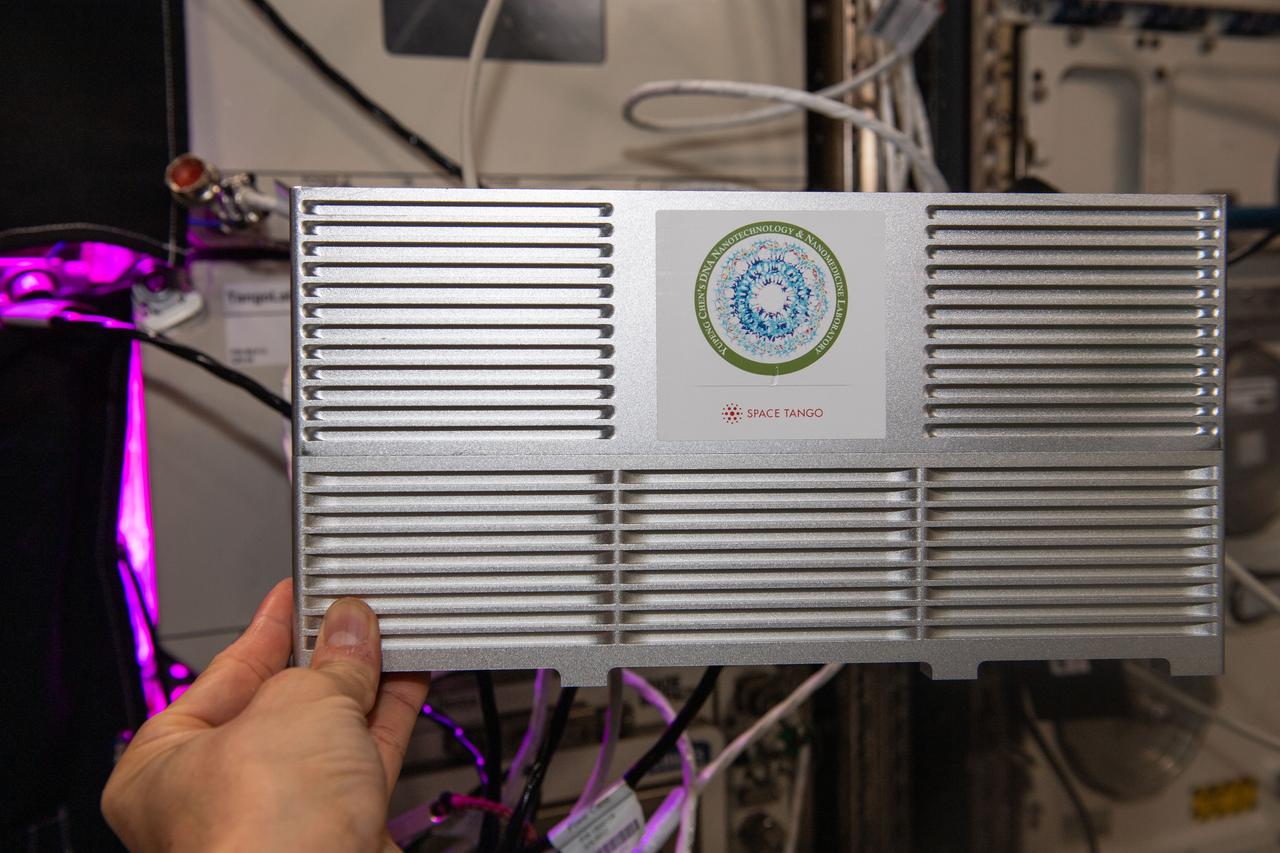
iss070e094551 (2/16/2024) --- The Space Tango CubeLab is shown aboard the International Space Station. The CubeLab houses the Compartment Cartilage Tissue Construct investigation that aims to develop engineered cartilage tissue construct (3D cartilage cell culture) that maintains healthy functioning of cartilage cells to treat osteoarthritis and other cartilage degeneration diseases.
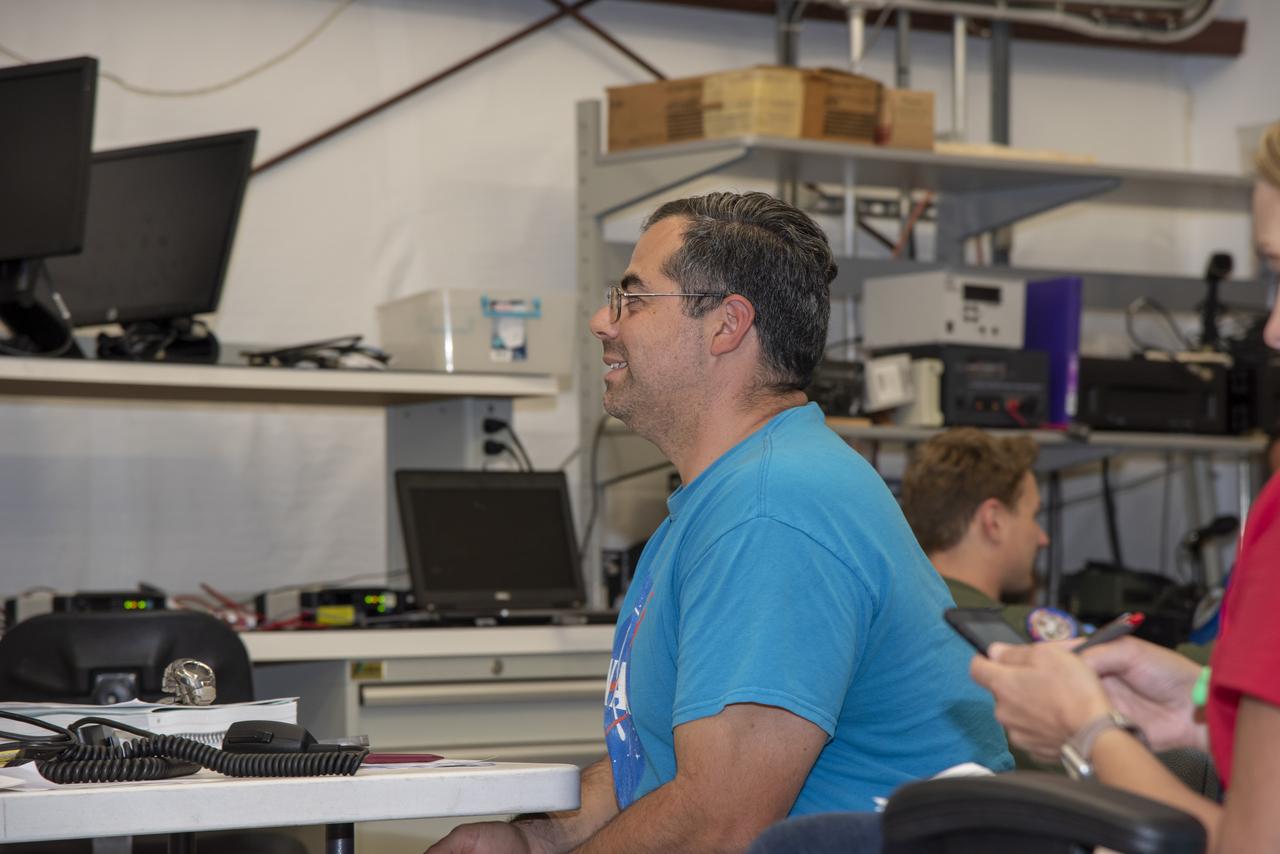
NASA mission controllers, engineers, pilots and communications specialists in the mission control room monitor the supersonic research flight off the coast of Galveston, as part of the QSF18 flight series. The flight operations crew tracks the status of the flights, maintains communications with the aircraft, communicates with U.S. Coast Guard, and coordinates community feedback data.
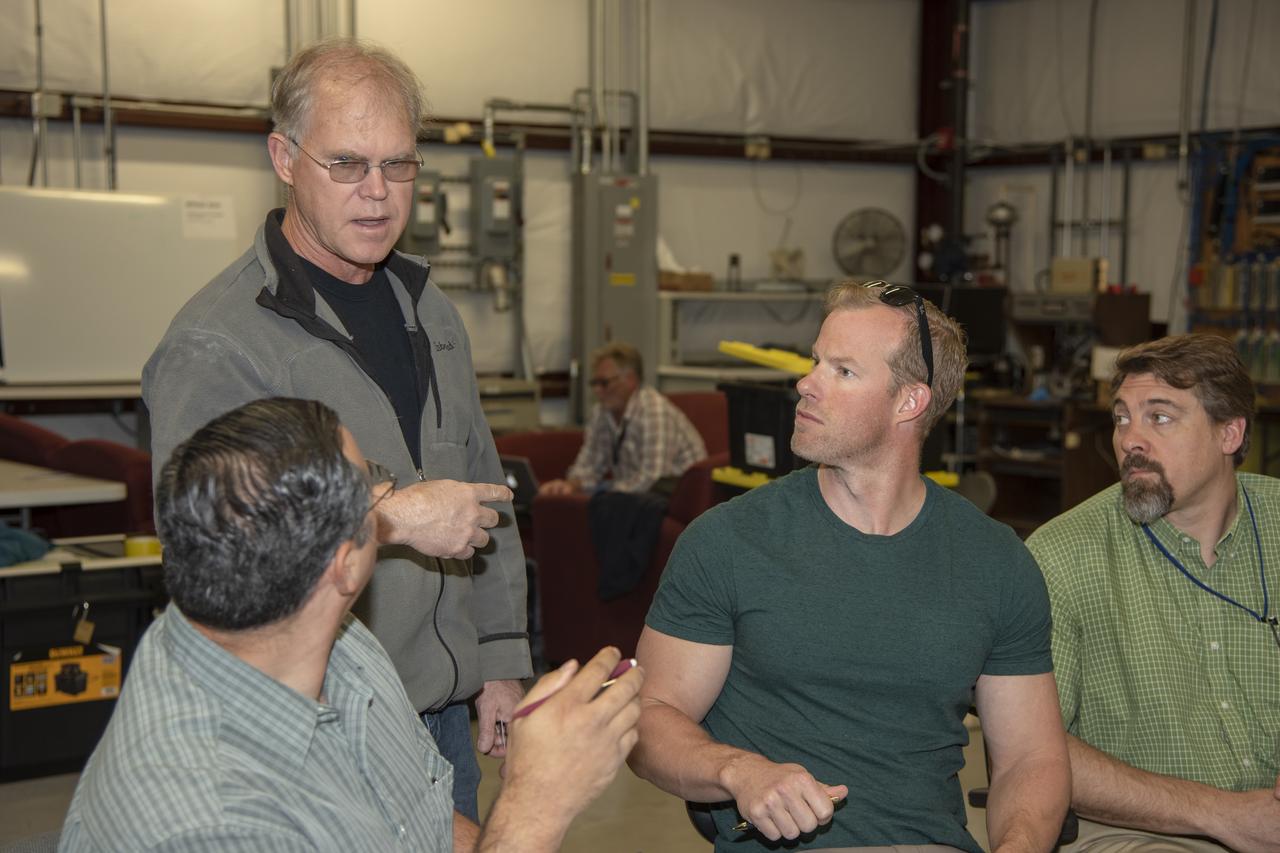
NASA mission controllers, engineers, pilots and communications specialists in the mission control room monitor the supersonic research flight off the coast of Galveston, as part of the QSF18 flight series. The flight operations crew tracks the status of the flights, maintains communications with the aircraft, communicates with U.S. Coast Guard, and coordinates community feedback data.
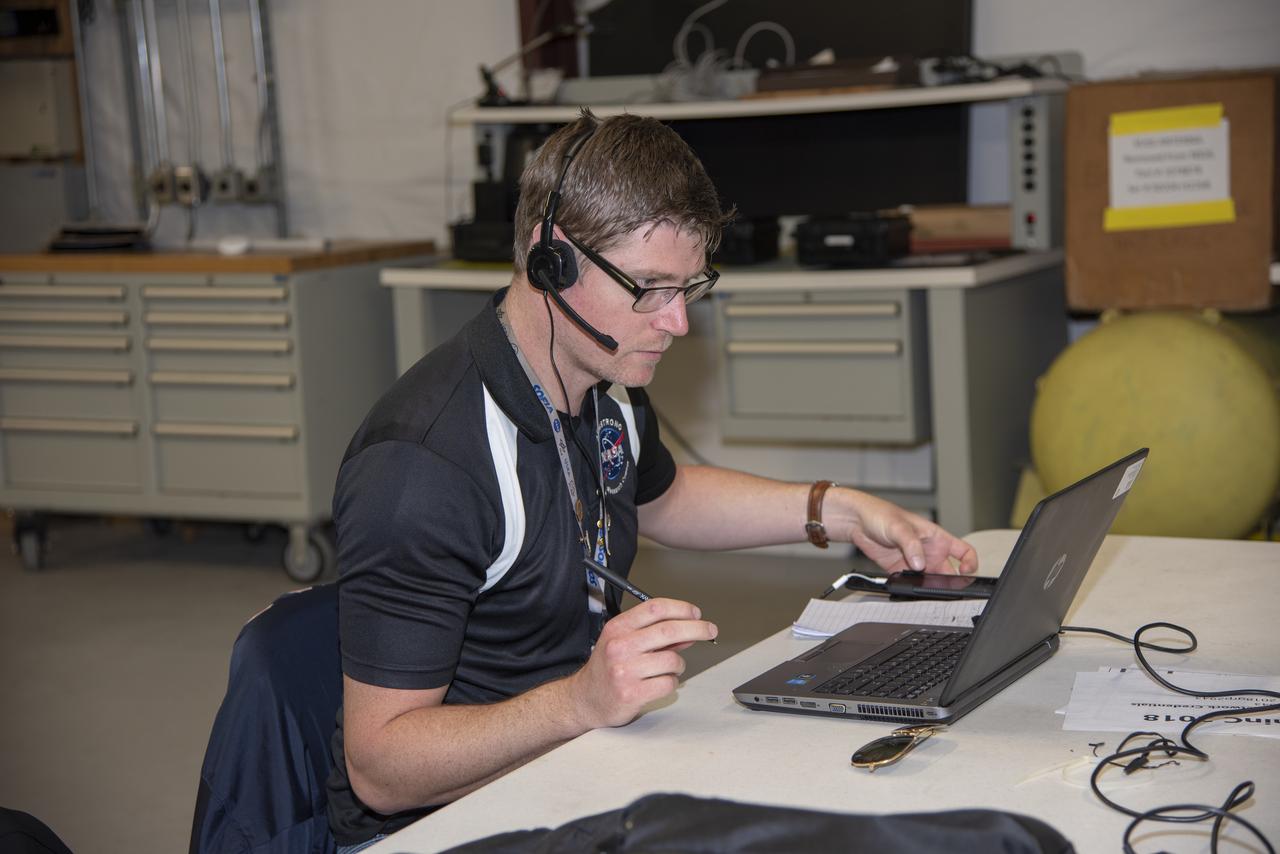
NASA mission controllers, engineers, pilots and communications specialists in the mission control room monitor the supersonic research flight off the coast of Galveston, as part of the QSF18 flight series. The flight operations crew tracks the status of the flights, maintains communications with the aircraft, communicates with U.S. Coast Guard, and coordinates community feedback data.
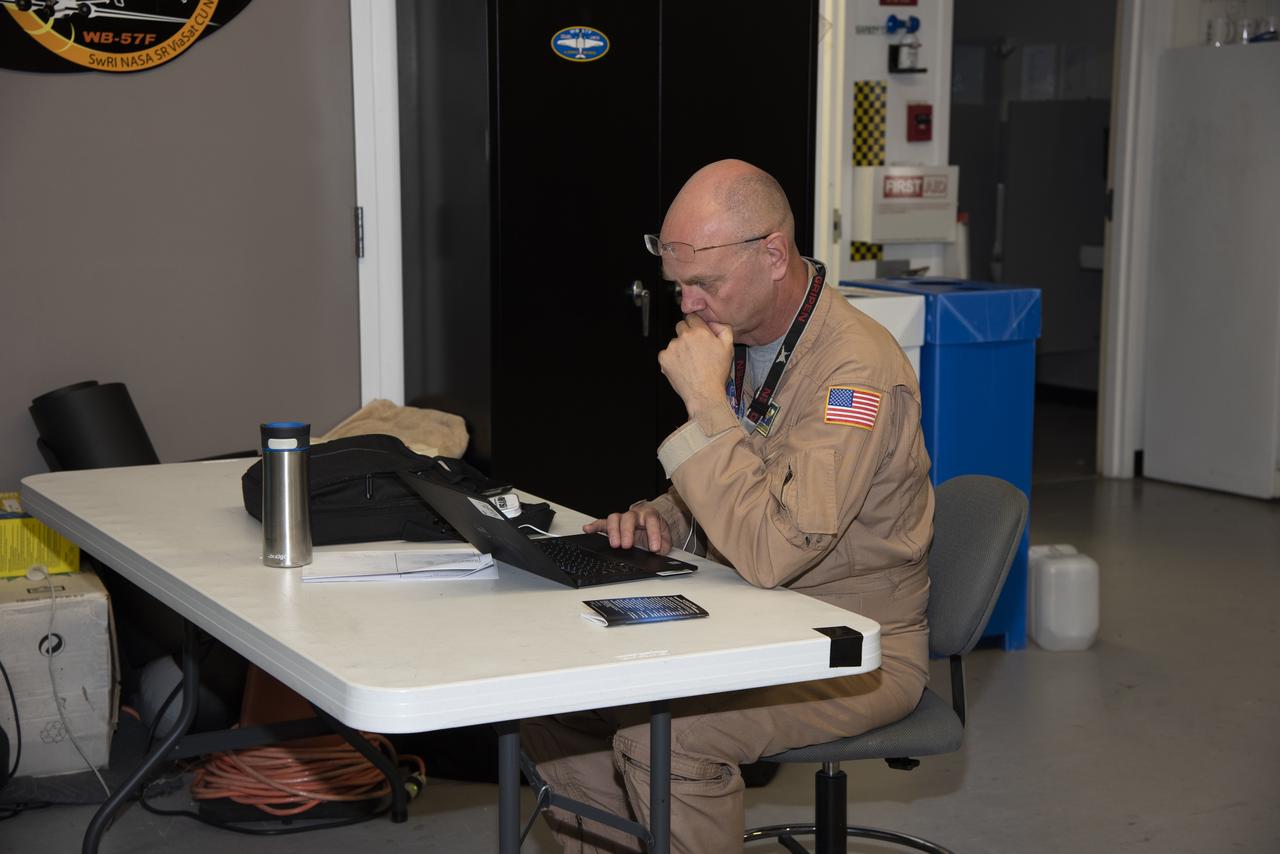
NASA mission controllers, engineers, pilots and communications specialists in the mission control room monitor the supersonic research flight off the coast of Galveston, as part of the QSF18 flight series. The flight operations crew tracks the status of the flights, maintains communications with the aircraft, communicates with U.S. Coast Guard, and coordinates community feedback data.
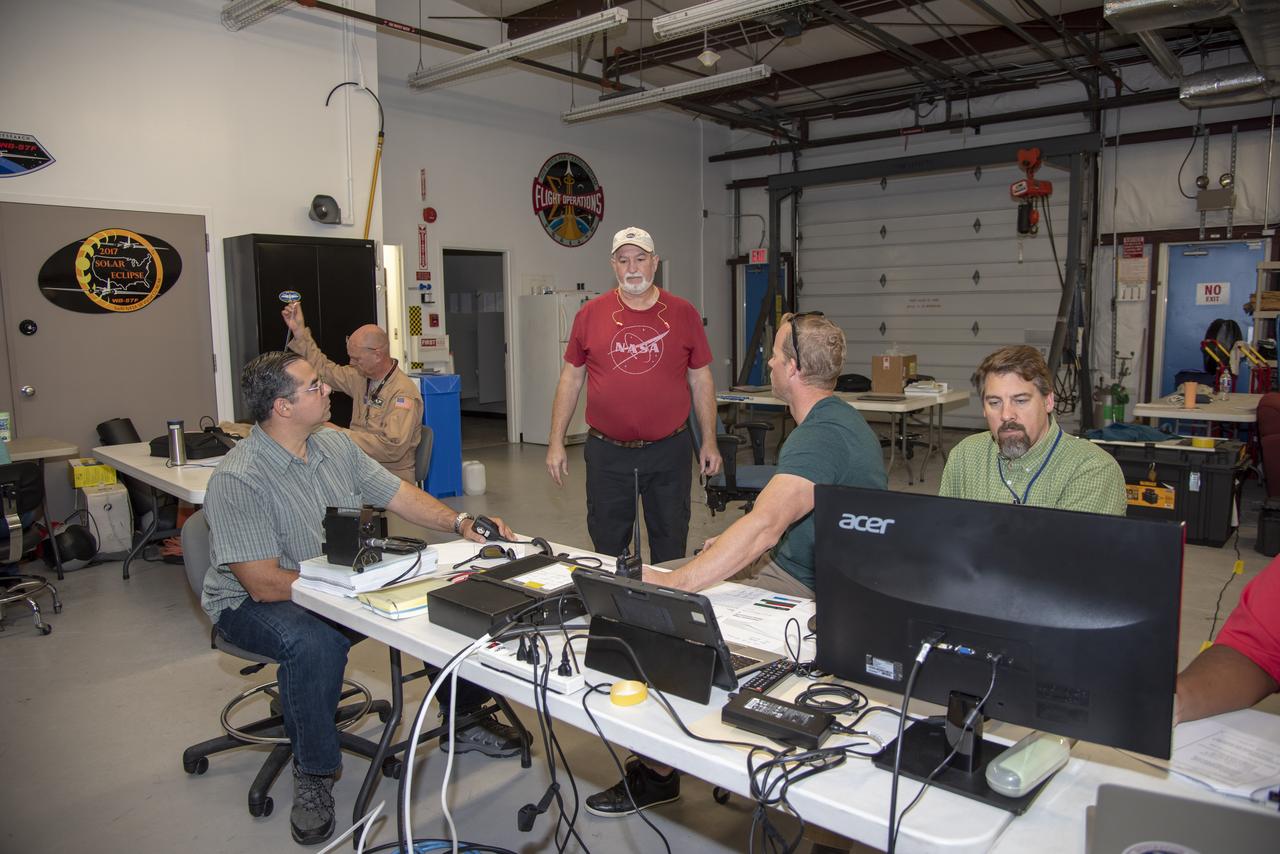
NASA mission controllers, engineers, pilots and communications specialists in the mission control room monitor the supersonic research flight off the coast of Galveston, as part of the QSF18 flight series. The flight operations crew tracks the status of the flights, maintains communications with the aircraft, communicates with U.S. Coast Guard, and coordinates community feedback data.
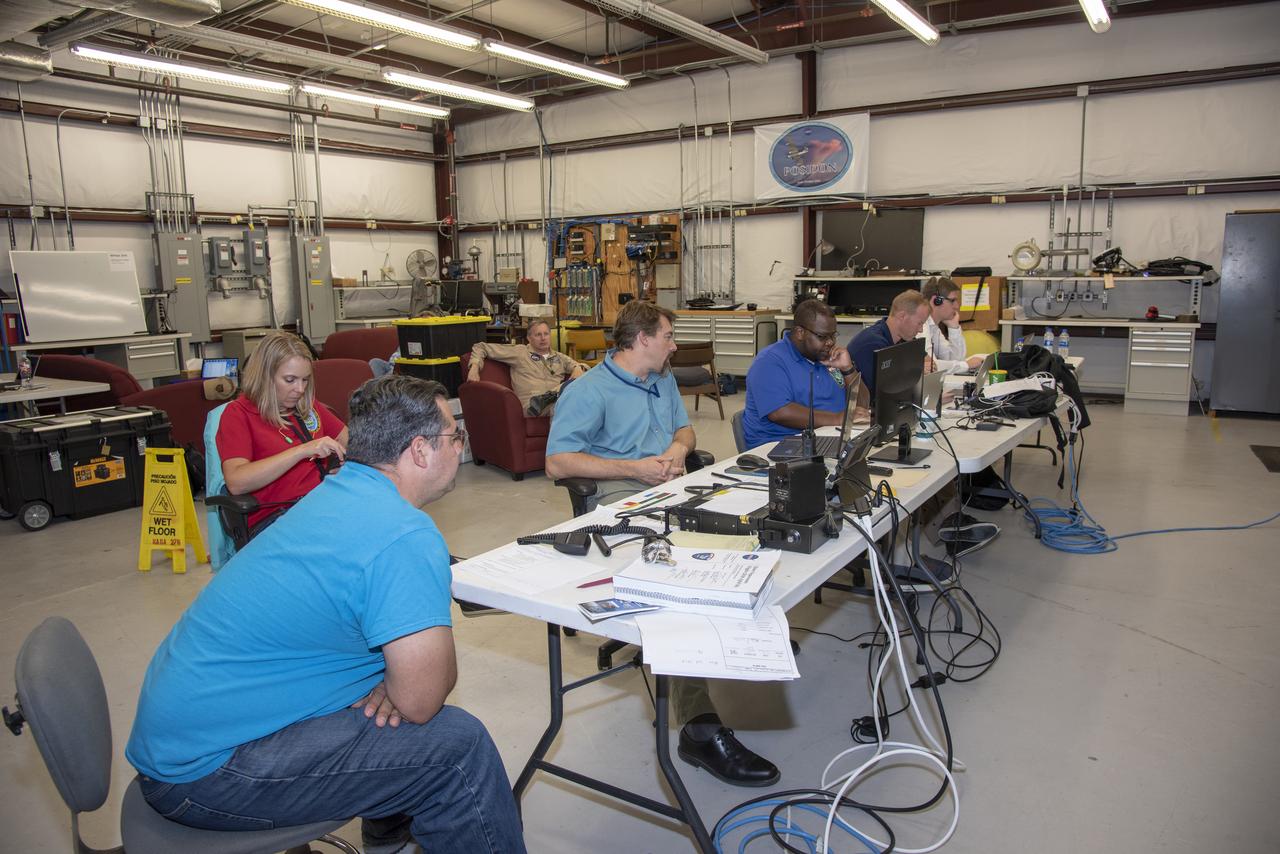
NASA mission controllers, engineers, pilots and communications specialists in the mission control room monitor the supersonic research flight off the coast of Galveston, as part of the QSF18 flight series. The flight operations crew tracks the status of the flights, maintains communications with the aircraft, communicates with U.S. Coast Guard, and coordinates community feedback data.
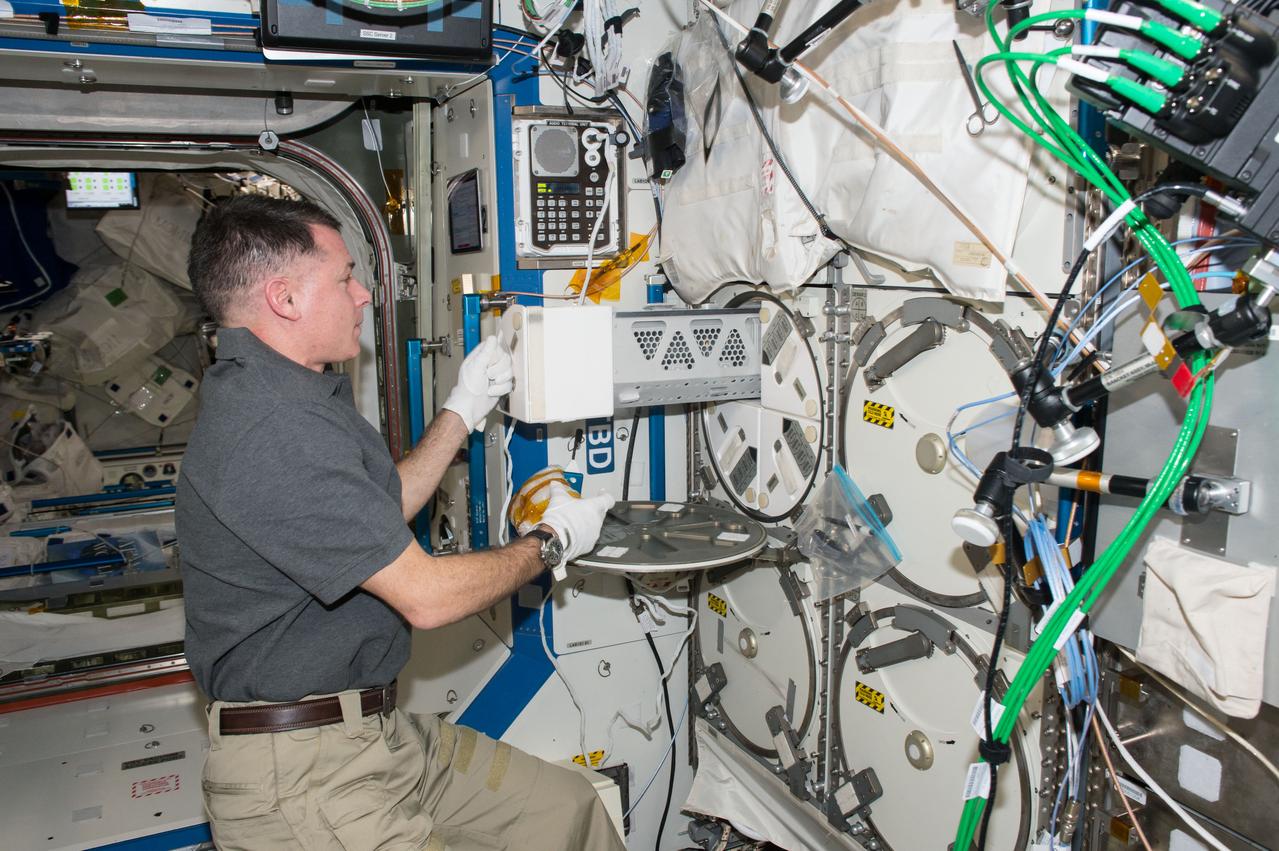
iss050e057428 (03/15/2017) --- NASA astronaut Shane Kimbrough removes a storage locker in the Minus Eighty-degree Laboratory Freezer for ISS (MELFI) to store samples from an experiment. MELFI is a cold storage unit that maintains experiment samples at ultra-cold temperatures throughout a mission.
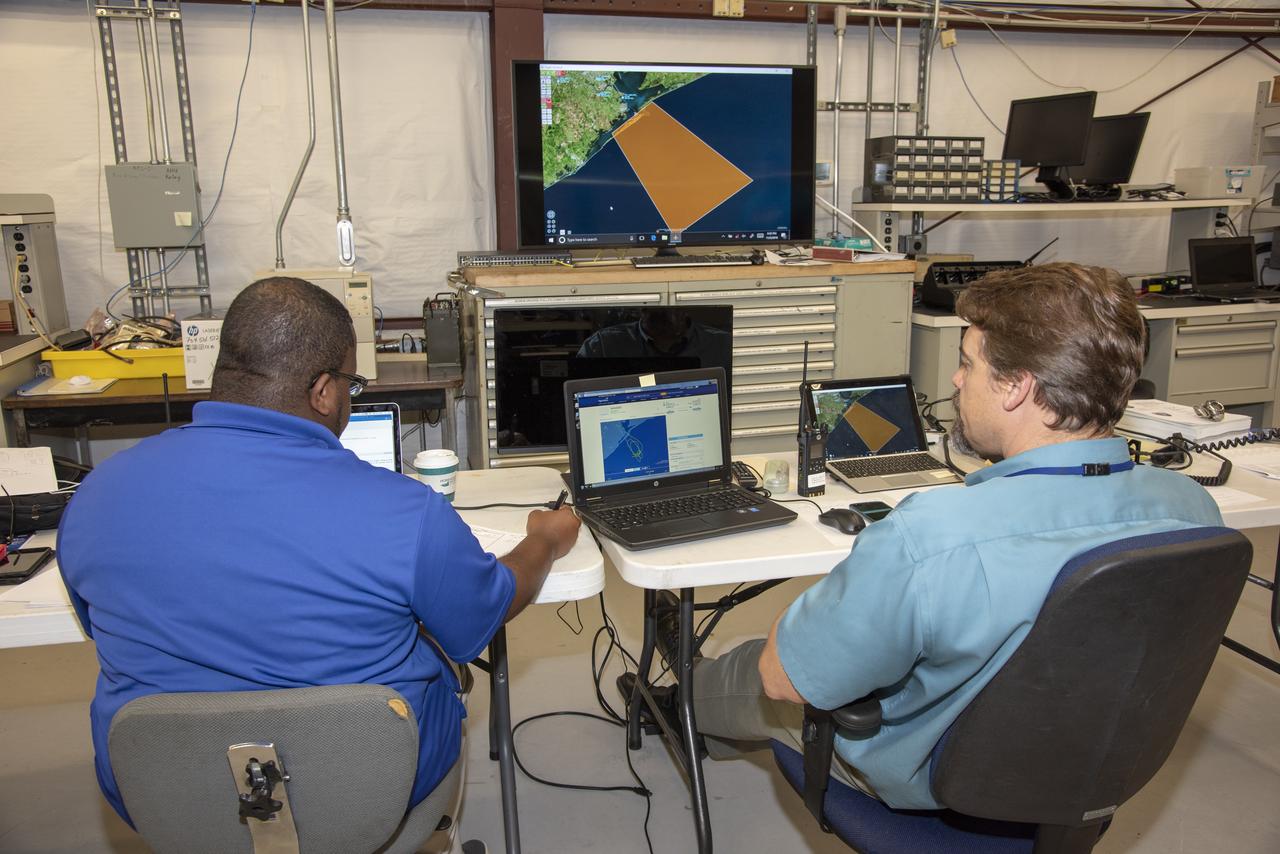
NASA mission controllers, engineers, pilots and communications specialists in the mission control room monitor the supersonic research flight off the coast of Galveston, as part of the QSF18 flight series. The flight operations crew tracks the status of the flights, maintains communications with the aircraft, communicates with U.S. Coast Guard, and coordinates community feedback data.
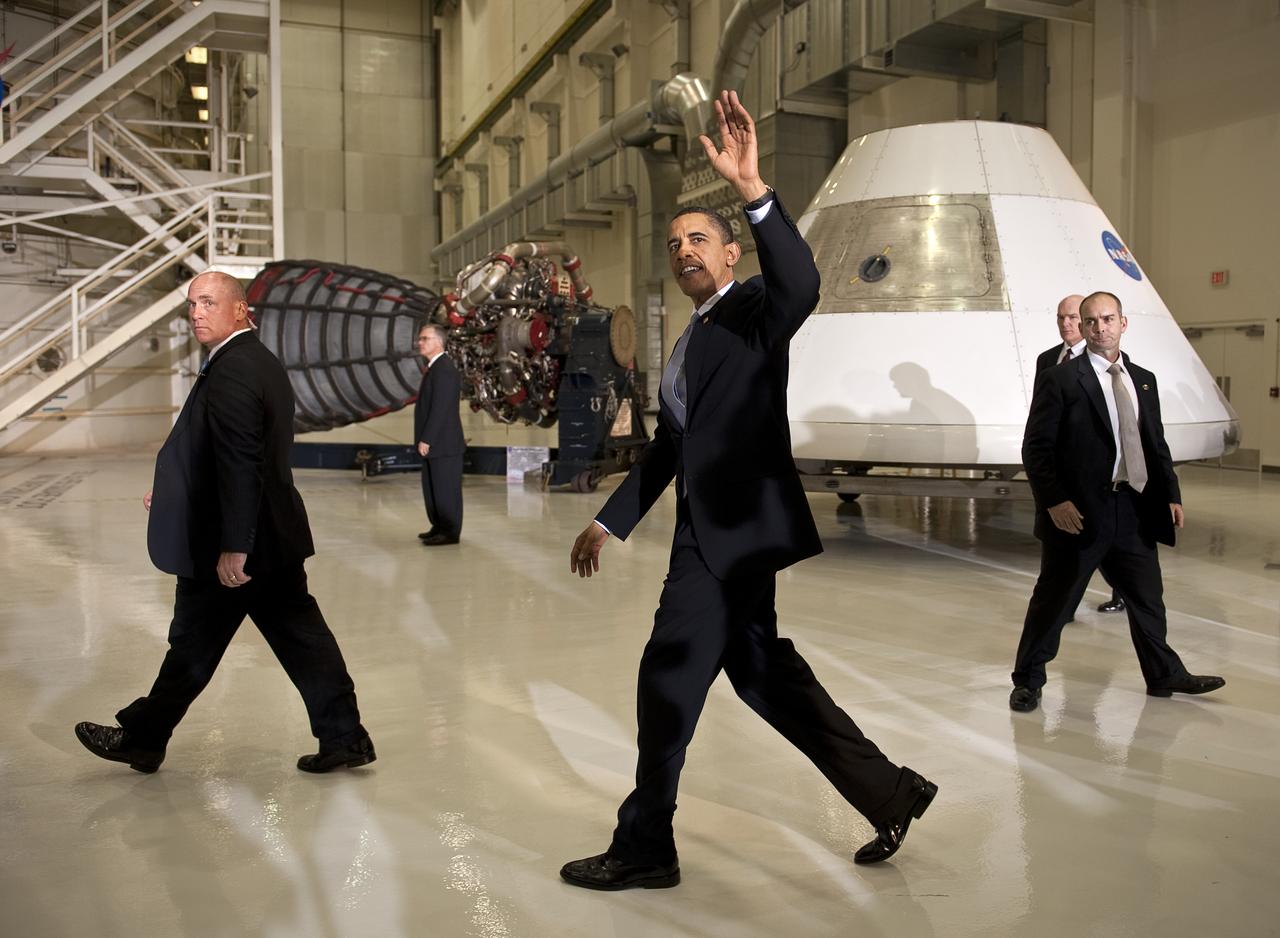
President Barack Obama waves farewell after speaking at the NASA Kennedy Space Center in Cape Canaveral, Fla. on Thursday, April 15, 2010. Obama visited Kennedy to deliver remarks on the bold new course the administration is charting to maintain U.S. leadership in human space flight. Photo Credit: (NASA/Bill Ingalls)
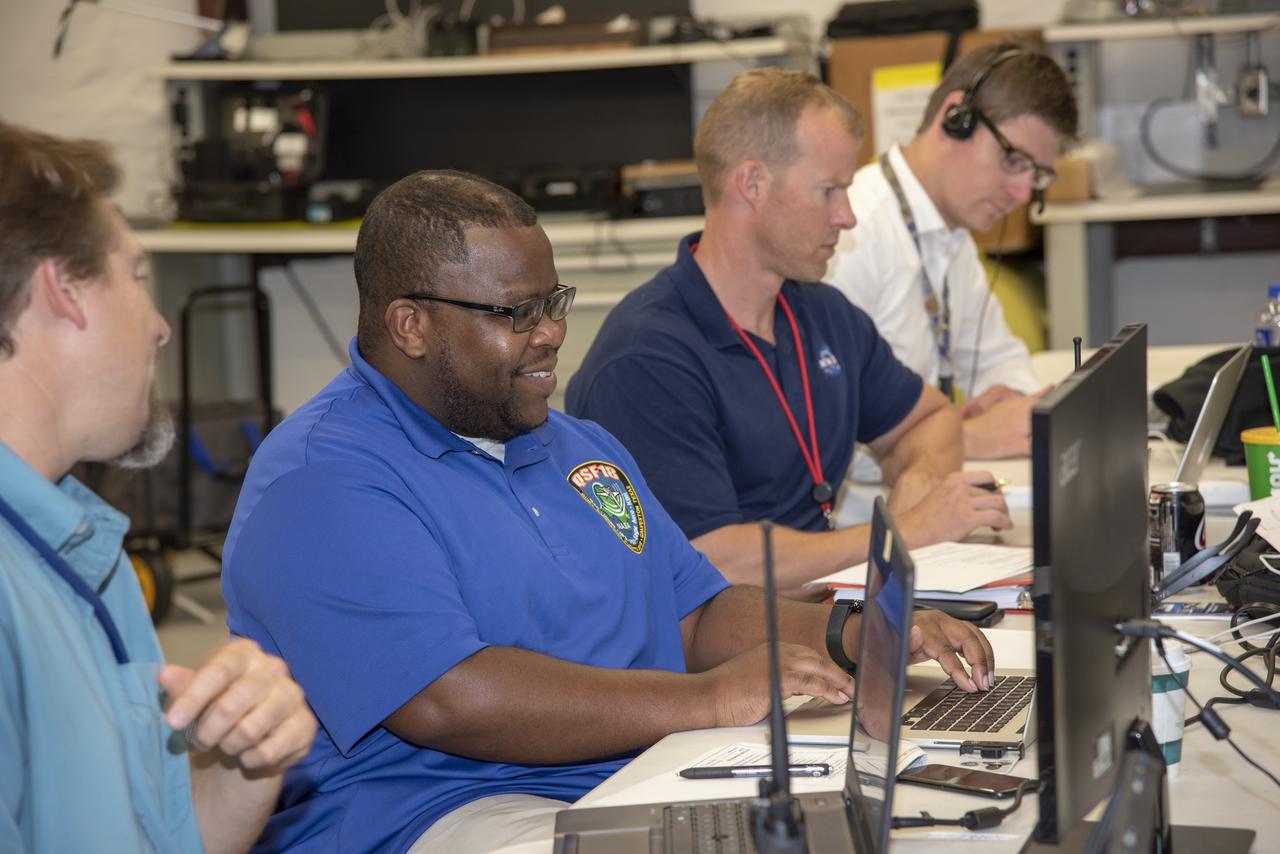
NASA mission controllers, engineers, pilots and communications specialists in the mission control room monitor the supersonic research flight off the coast of Galveston, as part of the QSF18 flight series. The flight operations crew tracks the status of the flights, maintains communications with the aircraft, communicates with U.S. Coast Guard, and coordinates community feedback data.
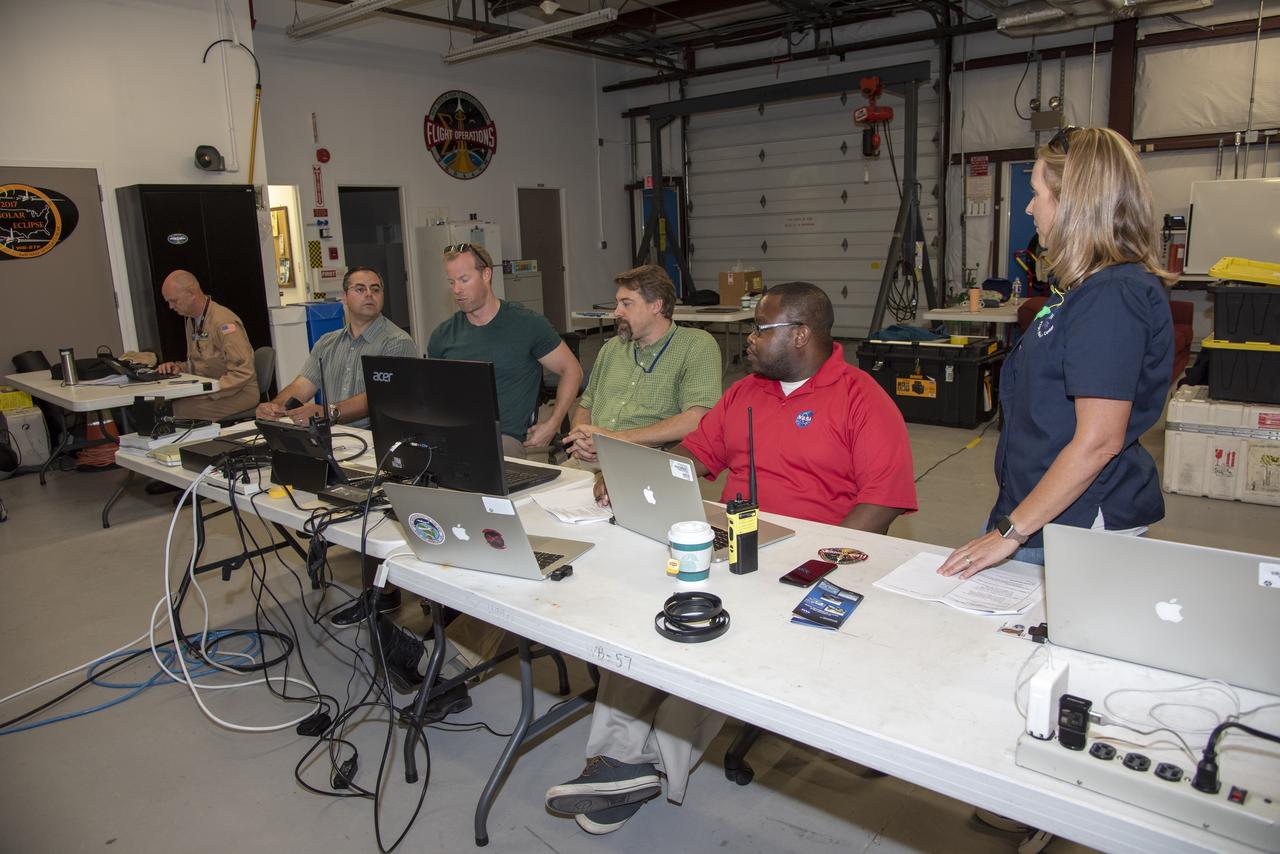
NASA mission controllers, engineers, pilots and communications specialists in the mission control room monitor the supersonic research flight off the coast of Galveston, as part of the QSF18 flight series. The flight operations crew tracks the status of the flights, maintains communications with the aircraft, communicates with U.S. Coast Guard, and coordinates community feedback data.

NASA mission controllers, engineers, pilots and communications specialists in the mission control room monitor the supersonic research flight off the coast of Galveston, as part of the QSF18 flight series. The flight operations crew tracks the status of the flights, maintains communications with the aircraft, communicates with U.S. Coast Guard, and coordinates community feedback data.
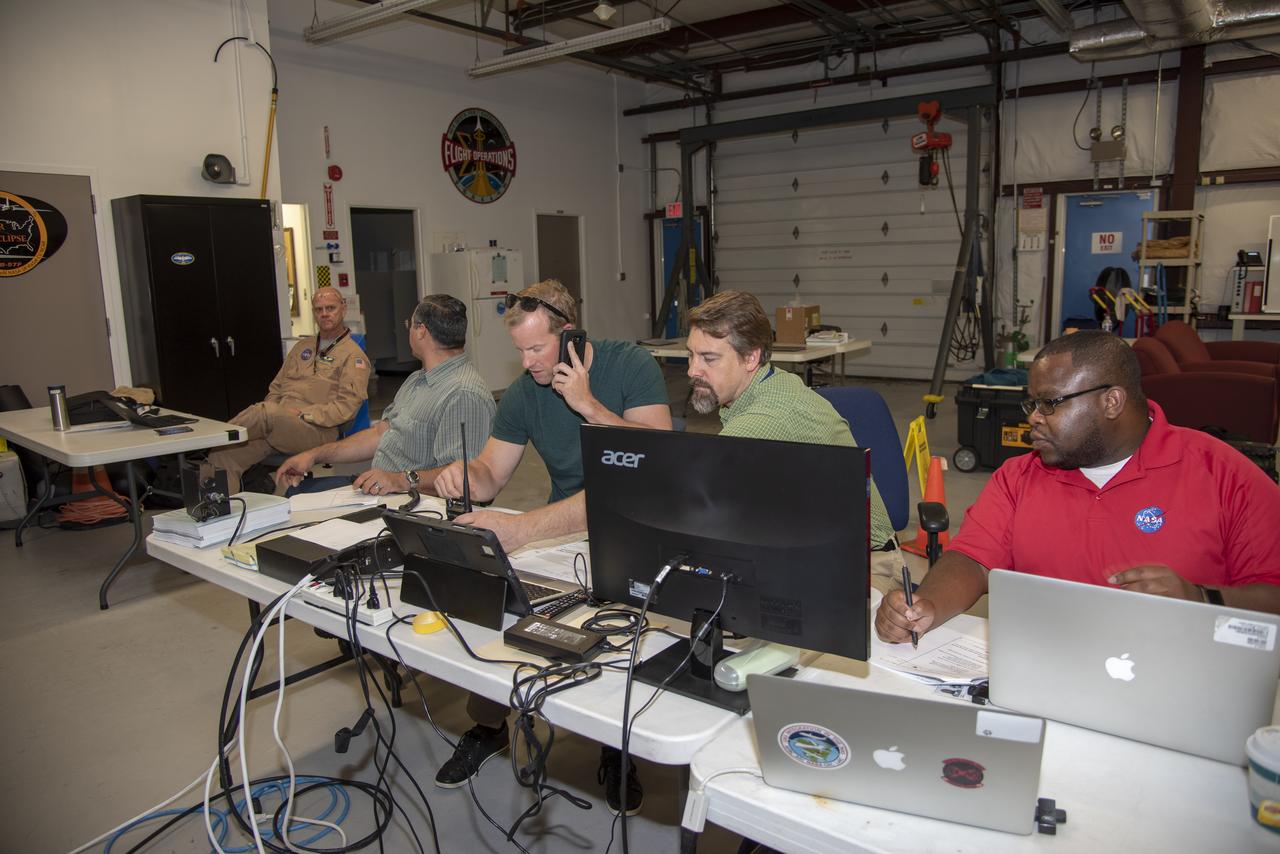
NASA mission controllers, engineers, pilots and communications specialists in the mission control room monitor the supersonic research flight off the coast of Galveston, as part of the QSF18 flight series. The flight operations crew tracks the status of the flights, maintains communications with the aircraft, communicates with U.S. Coast Guard, and coordinates community feedback data.

Concrete frame enclosing the fan drive bents of the 40x80 foot wind tunnel at ames. Once installed, six 40-foot-diameter fans, each powered by a 6000-horsepower electric motor maintained airflow at 230 mph or less (these are still tornado velocities).

The shuttle is a reusable launch vehicle that can maintain a consistent orbit and provide up to 17 days of high-quality microgravity conditions. The shuttle, which can accomodate a wide range of experiment apparatus, provides a laboratory environment in which scientists can conduct long-term investigations.
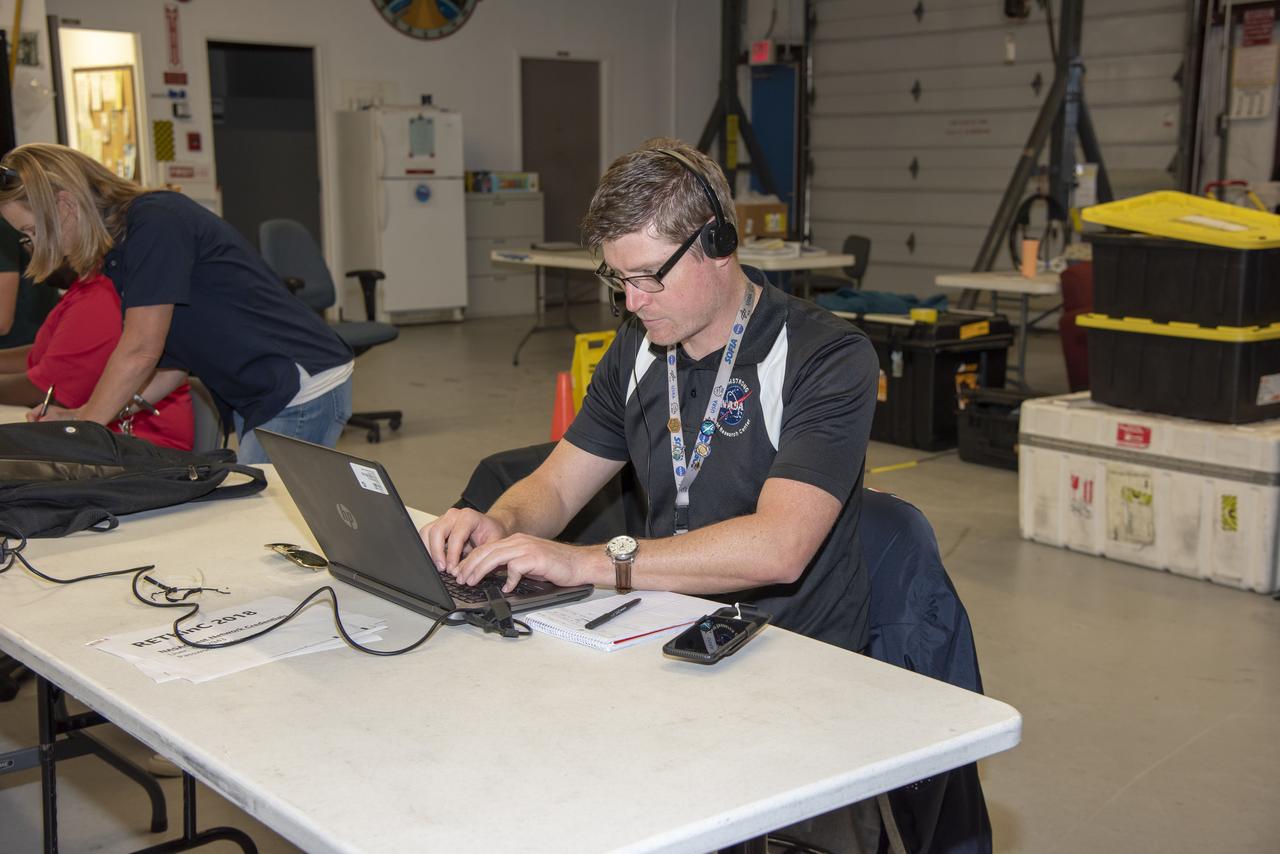
NASA mission controllers, engineers, pilots and communications specialists in the mission control room monitor the supersonic research flight off the coast of Galveston, as part of the QSF18 flight series. The flight operations crew tracks the status of the flights, maintains communications with the aircraft, communicates with U.S. Coast Guard, and coordinates community feedback data.
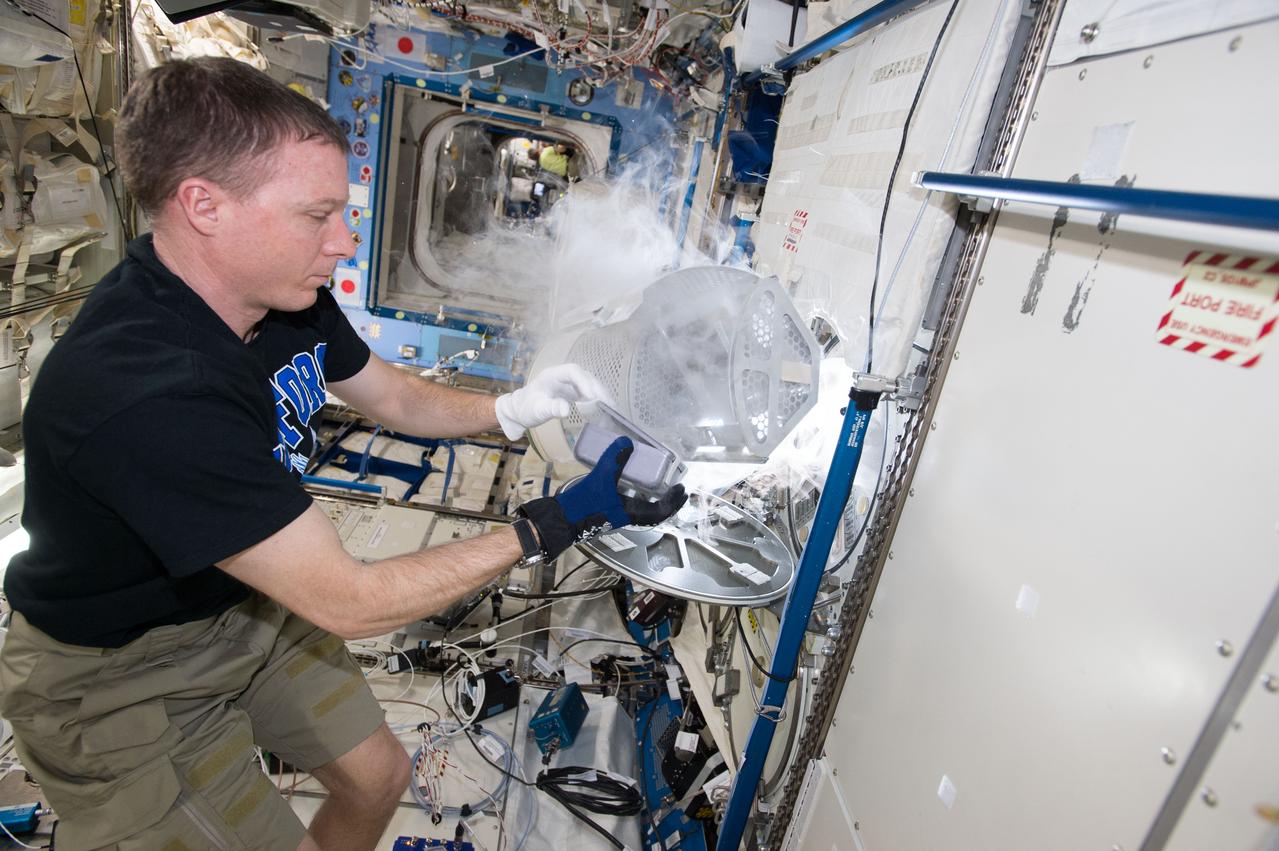
ISS043E207615 (05/18/2015) --- Expedition 43 Commander Terry Virts on the International Space Station works with experiment samples stored inside one of the station’s Minus Eighty-Degree Laboratory Freezer for ISS, or MELFI. These laboratory freezers are used to maintain experiment samples at ultra-cold temperatures throughout a mission.
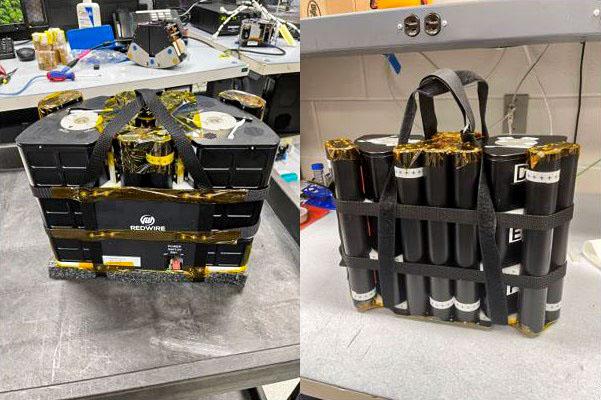
jsc2024e036957 (5/24/2024) --- Six modules configured in their Powered Carrier for ascent. The carrier helps perfuse media through the tissue while launched in a cold bag, maintaining approximately 37°C for the Maturation of Vascularized Liver Tissue Construct in Zero Gravity (MVP Cell-07) investigation. Image courtesy of Grant Vellinger, Redwire.
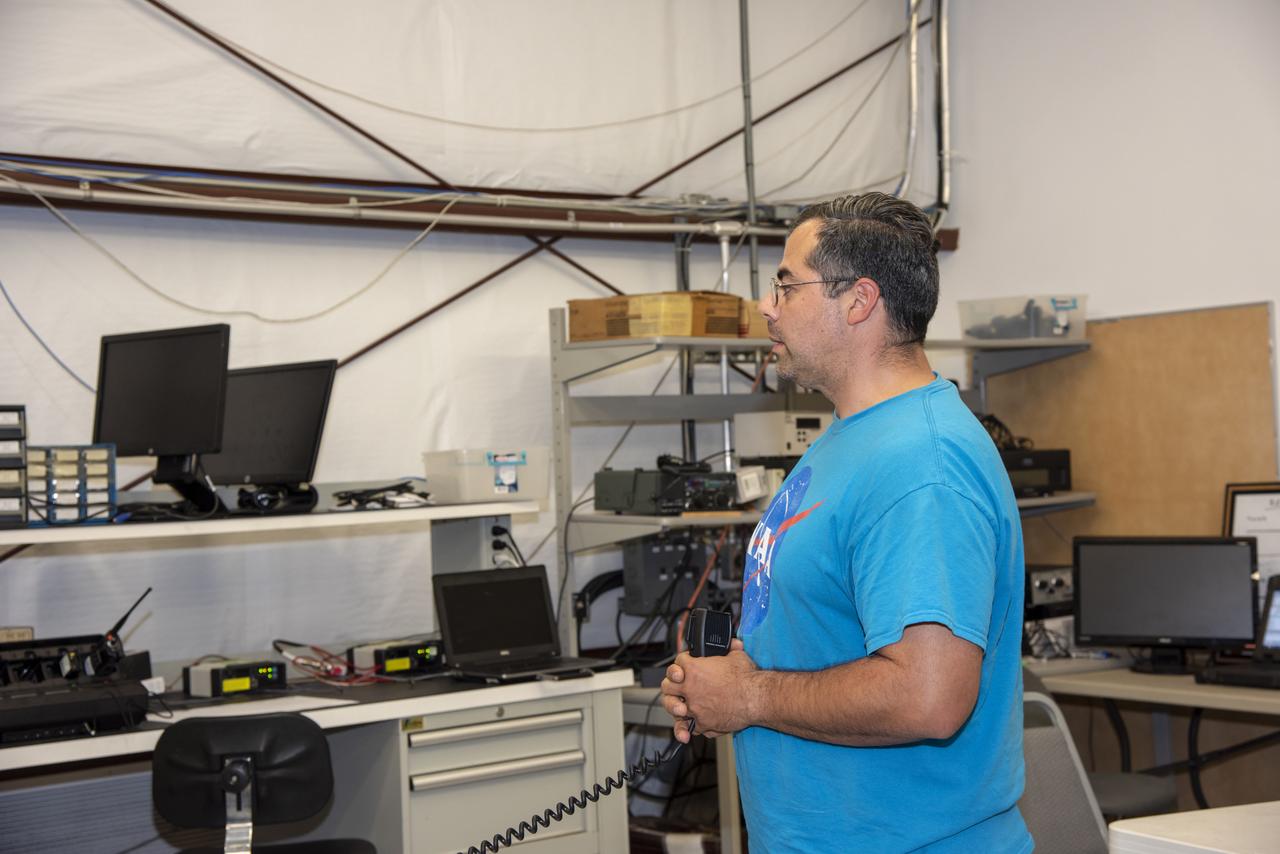
NASA mission controllers, engineers, pilots and communications specialists in the mission control room monitor the supersonic research flight off the coast of Galveston, as part of the QSF18 flight series. The flight operations crew tracks the status of the flights, maintains communications with the aircraft, communicates with U.S. Coast Guard, and coordinates community feedback data.
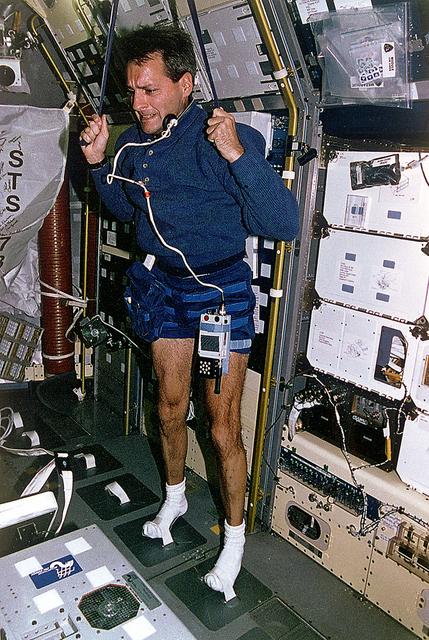
Onboard Space Shuttle Columbia (STS-78) Mission Specialist Richard M. Lirnehan works out in the Life and Microgravity Spacelab (LMS-1) Science Module. With an almost 17-day mission away from Earth's gravity, crew members maintained an exercise regimen above and beyond their assigned LMS-1 duty assignments.
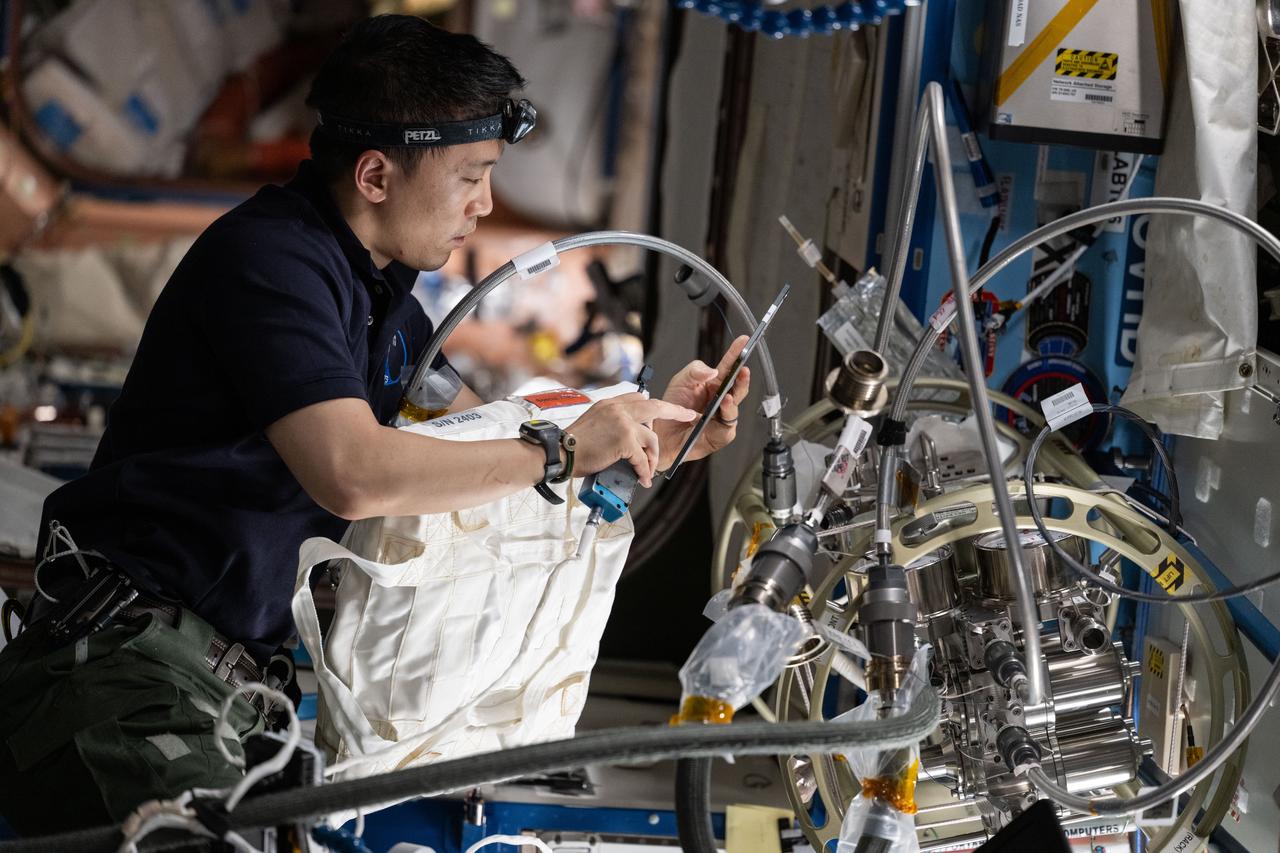
iss073e0416805 (July 25, 2025) --- NASA astronaut and Expedition 73 Flight Engineer Jonny Kim performs maintenance on the Destiny laboratory module's fluid servicer system used to maintain and repair rack water lines and systems throughout the International Space Station.
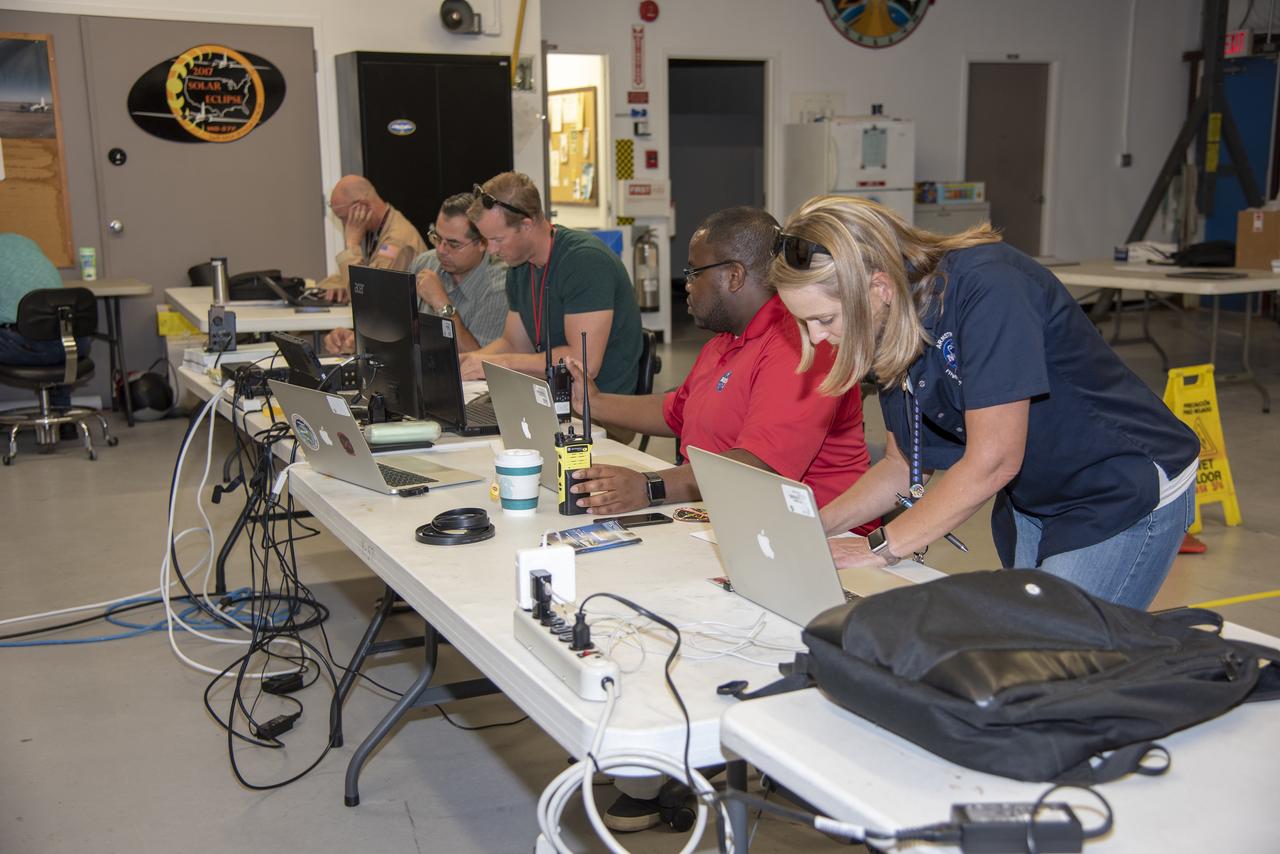
NASA mission controllers, engineers, pilots and communications specialists in the mission control room monitor the supersonic research flight off the coast of Galveston, as part of the QSF18 flight series. The flight operations crew tracks the status of the flights, maintains communications with the aircraft, communicates with U.S. Coast Guard, and coordinates community feedback data.
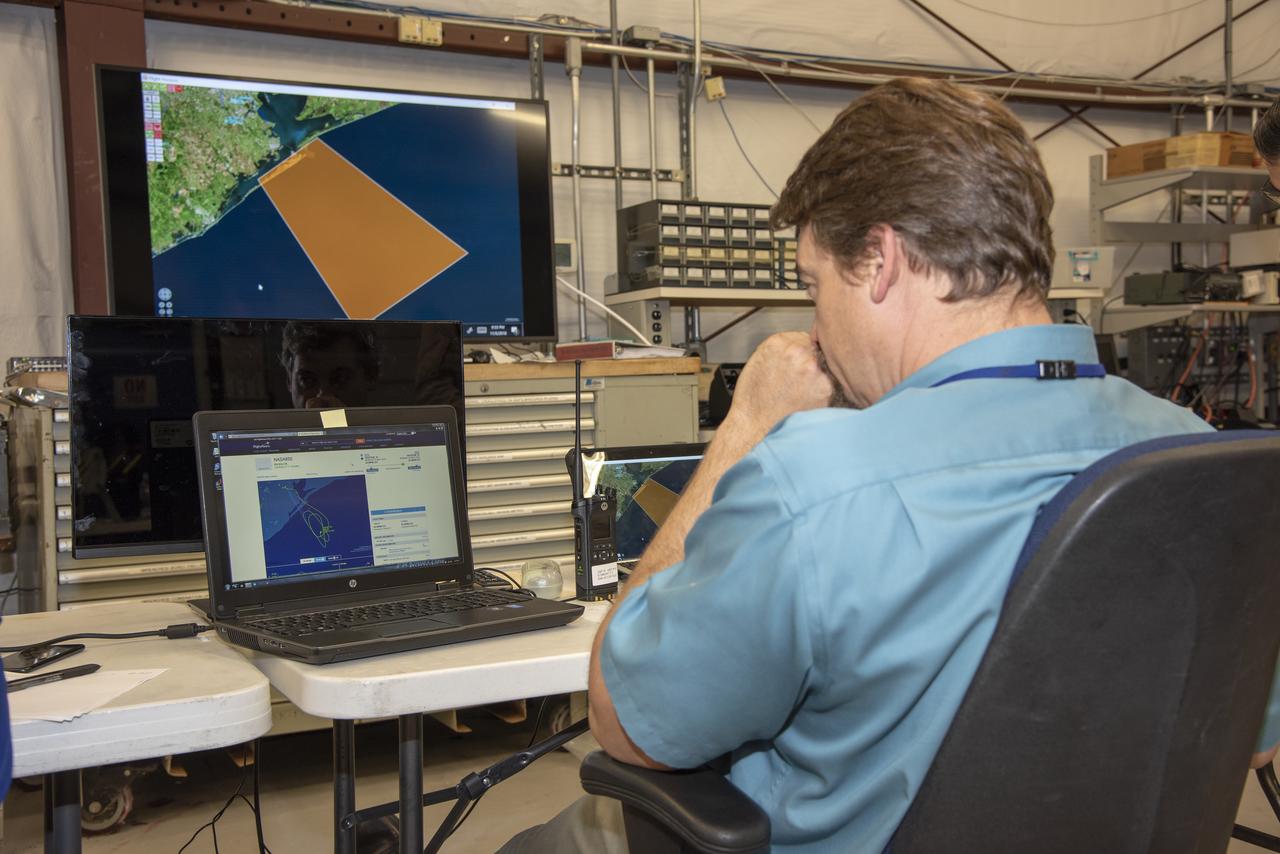
NASA mission controllers, engineers, pilots and communications specialists in the mission control room monitor the supersonic research flight off the coast of Galveston, as part of the QSF18 flight series. The flight operations crew tracks the status of the flights, maintains communications with the aircraft, communicates with U.S. Coast Guard, and coordinates community feedback data.
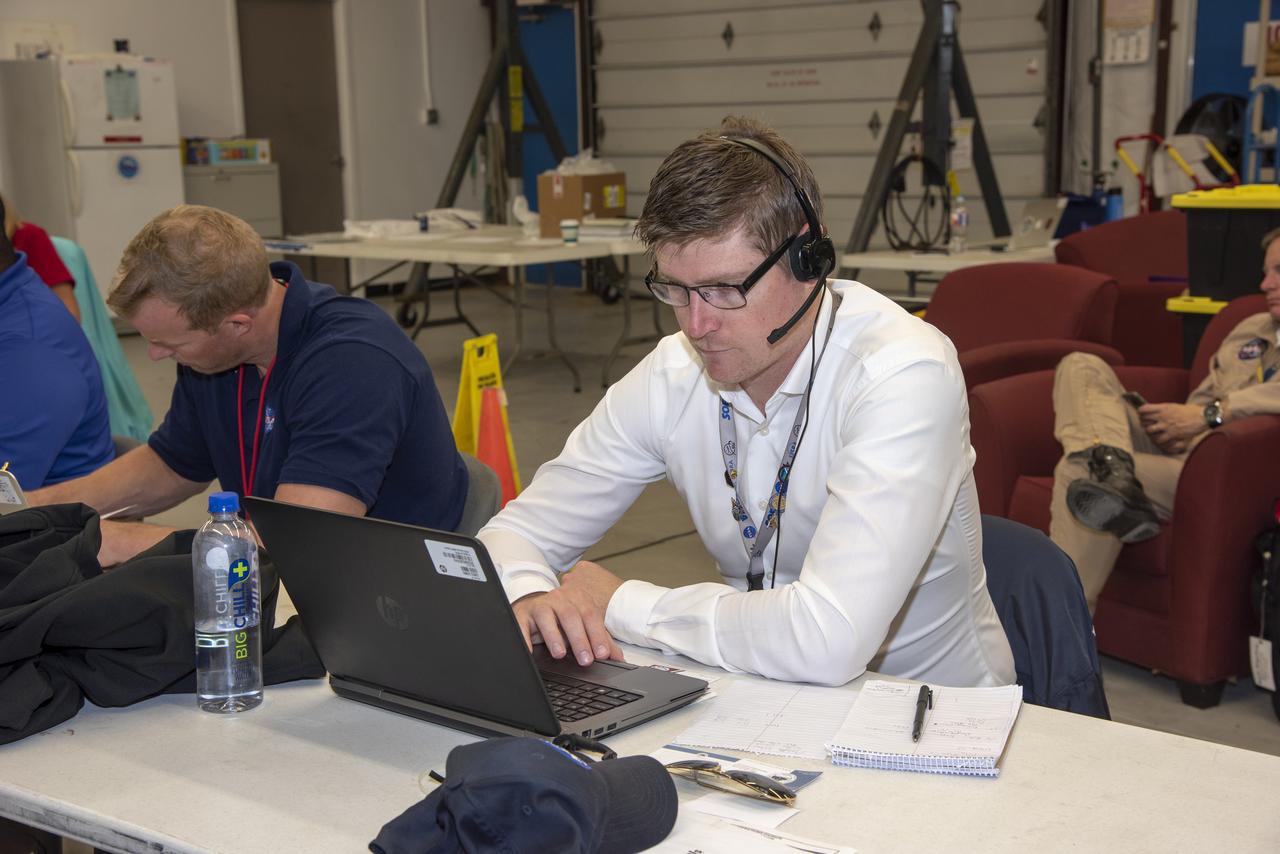
NASA mission controllers, engineers, pilots and communications specialists in the mission control room monitor the supersonic research flight off the coast of Galveston, as part of the QSF18 flight series. The flight operations crew tracks the status of the flights, maintains communications with the aircraft, communicates with U.S. Coast Guard, and coordinates community feedback data.
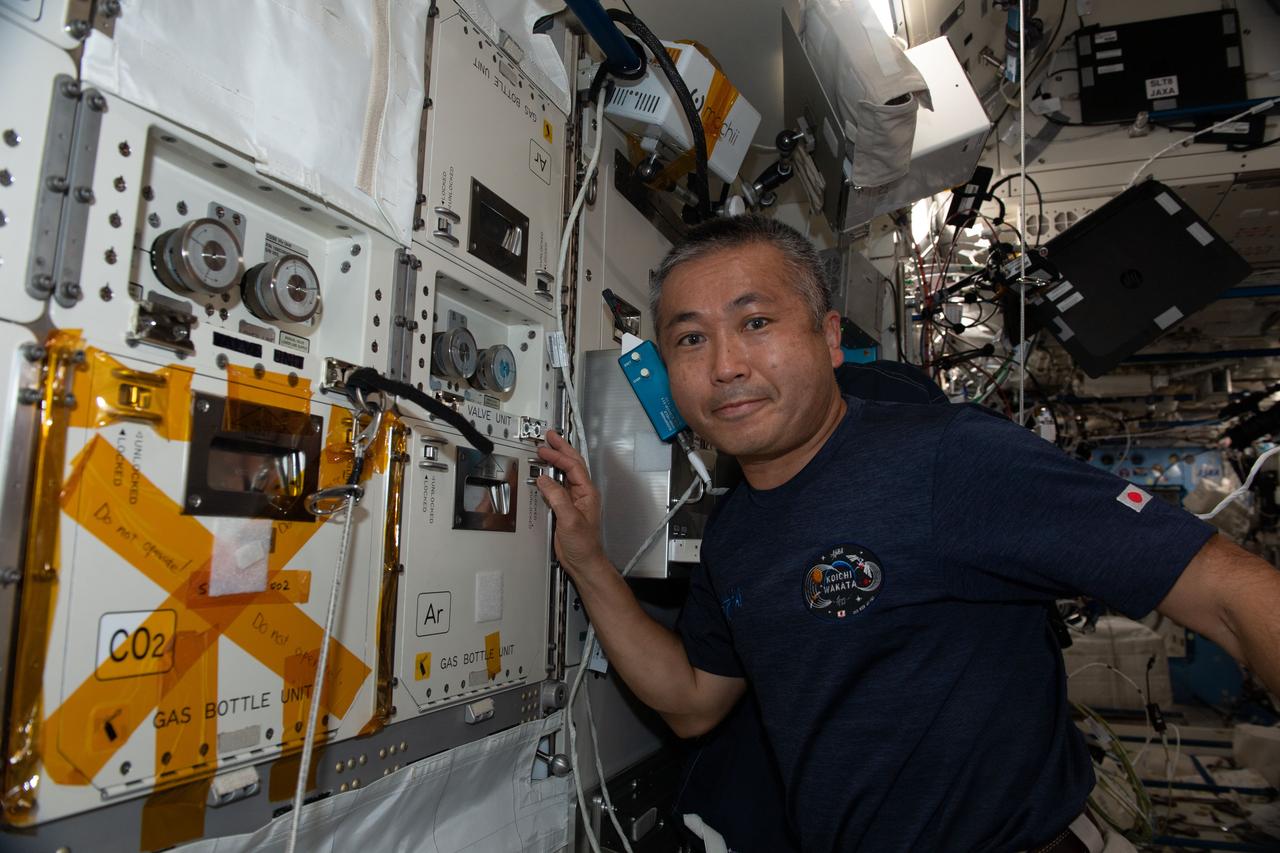
iss068e017277 (Oct. 17, 2022) --- Expedition 68 Flight Engineer Koichi Wakata of the Japan Aerospace Exploration Agency (JAXA) switches an Argon gas supply line to maintain gas pressure aboard the International Space Station's Kibo laboratory module.
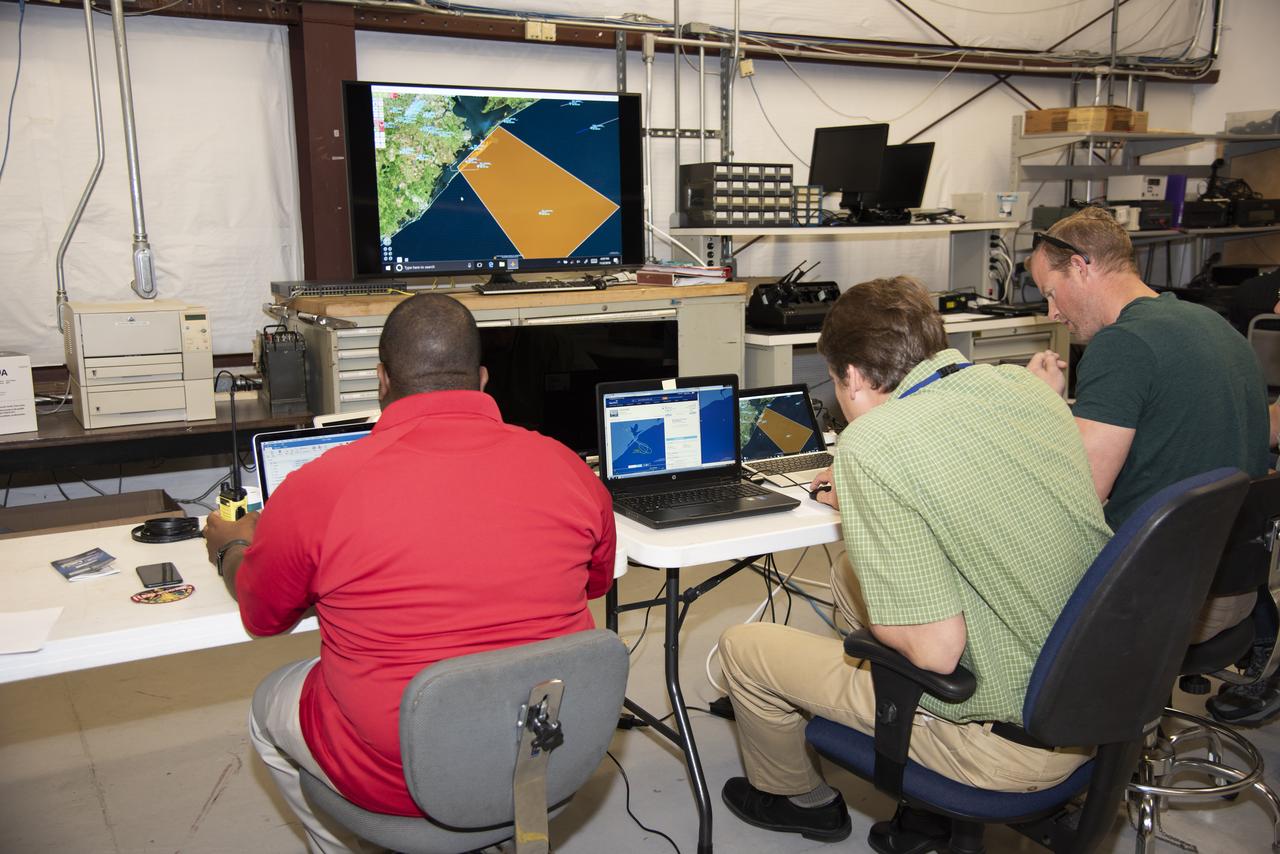
NASA mission controllers, engineers, pilots and communications specialists in the mission control room monitor the supersonic research flight off the coast of Galveston, as part of the QSF18 flight series. The flight operations crew tracks the status of the flights, maintains communications with the aircraft, communicates with U.S. Coast Guard, and coordinates community feedback data.
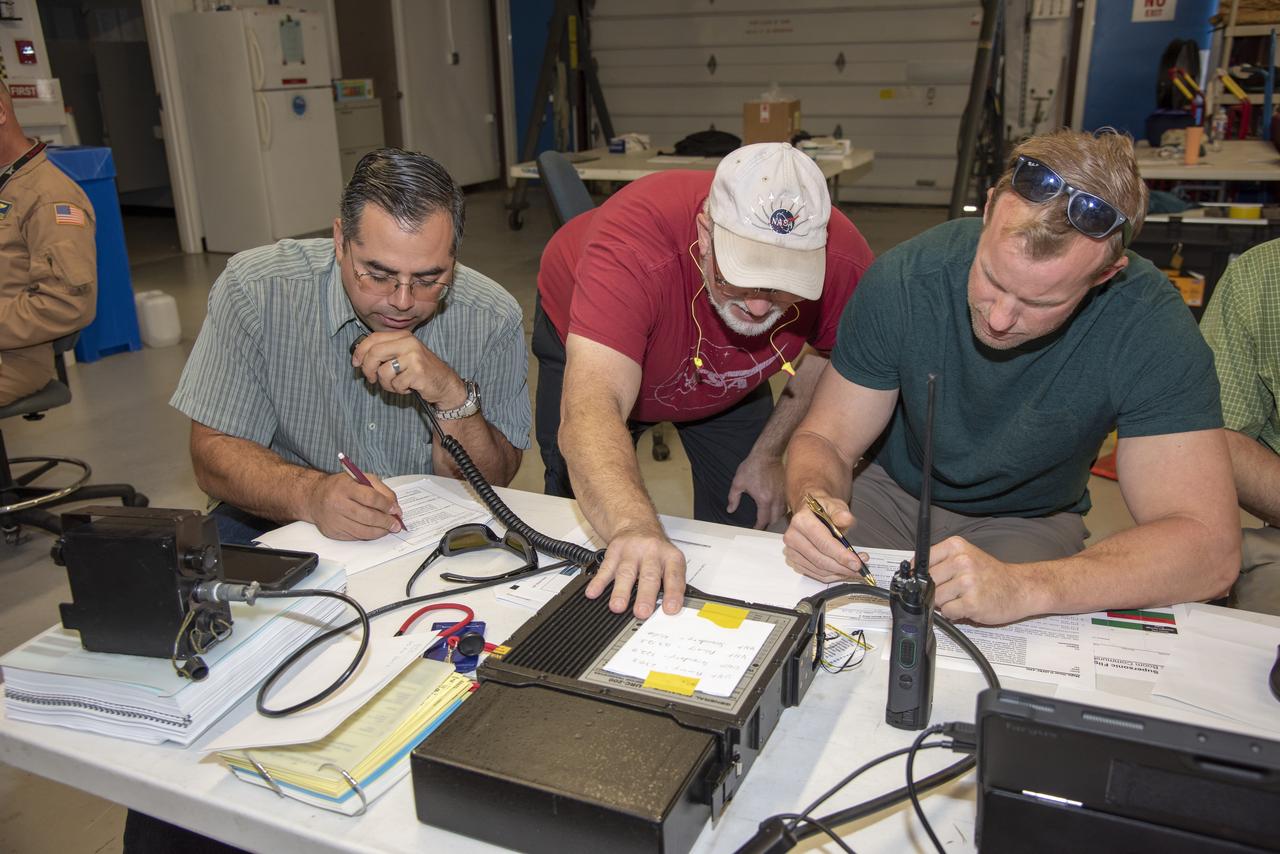
NASA mission controllers, engineers, pilots and communications specialists in the mission control room monitor the supersonic research flight off the coast of Galveston, as part of the QSF18 flight series. The flight operations crew tracks the status of the flights, maintains communications with the aircraft, communicates with U.S. Coast Guard, and coordinates community feedback data.
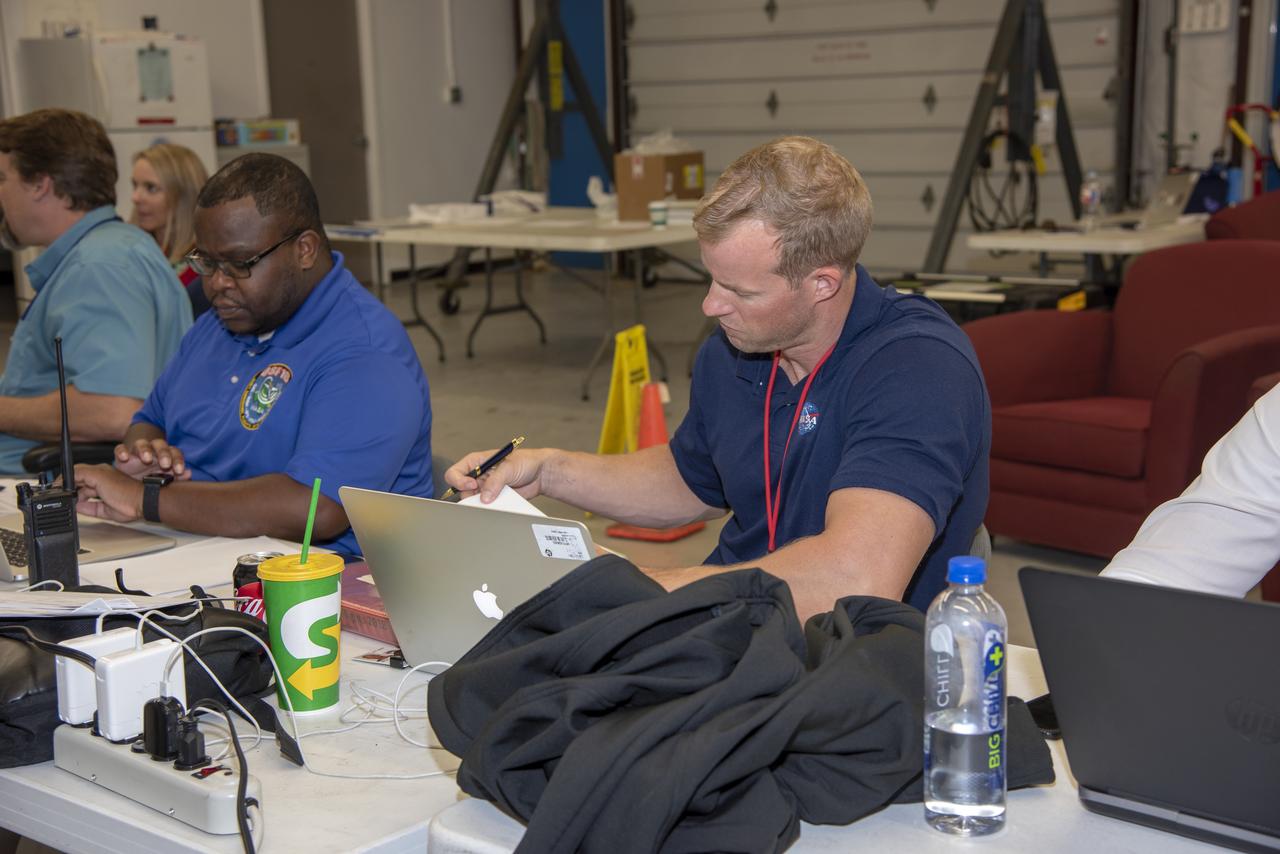
NASA mission controllers, engineers, pilots and communications specialists in the mission control room monitor the supersonic research flight off the coast of Galveston, as part of the QSF18 flight series. The flight operations crew tracks the status of the flights, maintains communications with the aircraft, communicates with U.S. Coast Guard, and coordinates community feedback data.
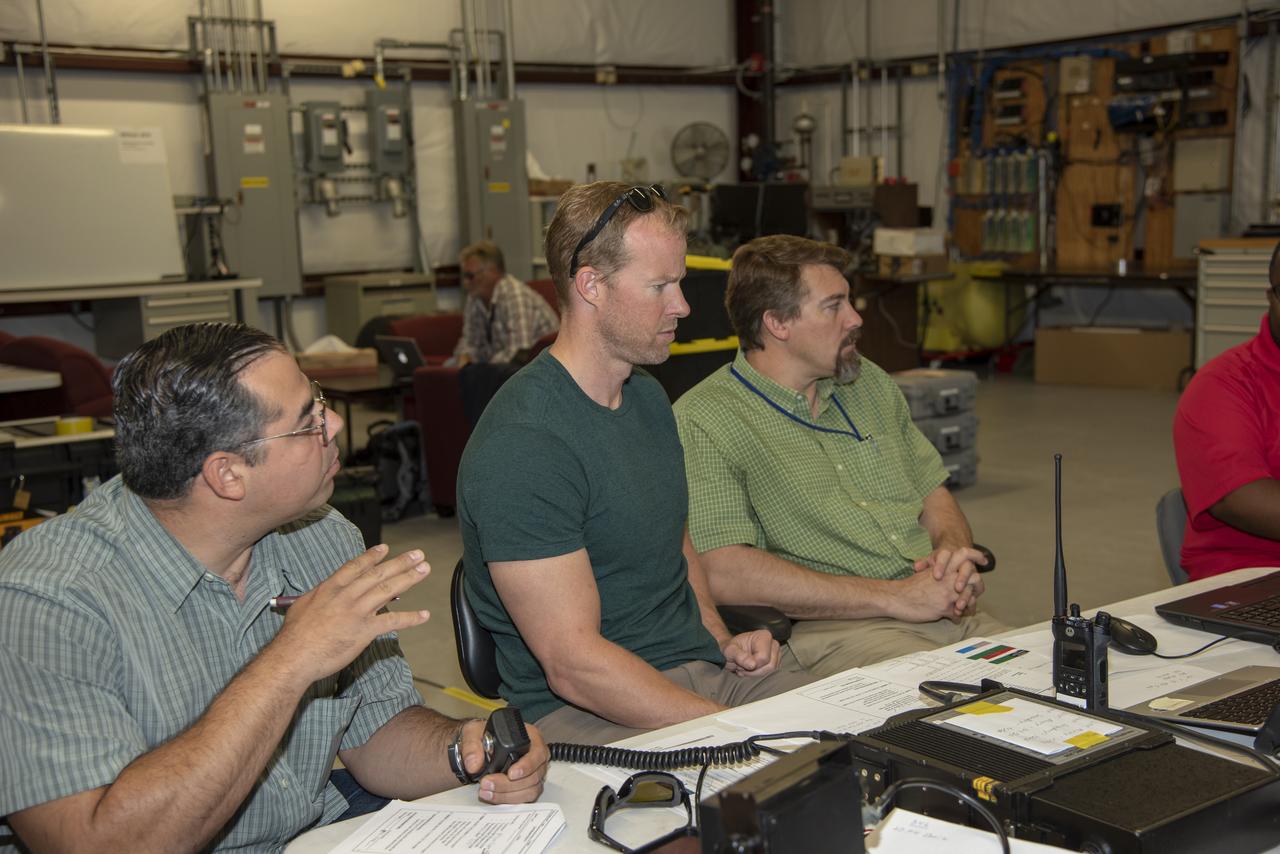
NASA mission controllers, engineers, pilots and communications specialists in the mission control room monitor the supersonic research flight off the coast of Galveston, as part of the QSF18 flight series. The flight operations crew tracks the status of the flights, maintains communications with the aircraft, communicates with U.S. Coast Guard, and coordinates community feedback data.
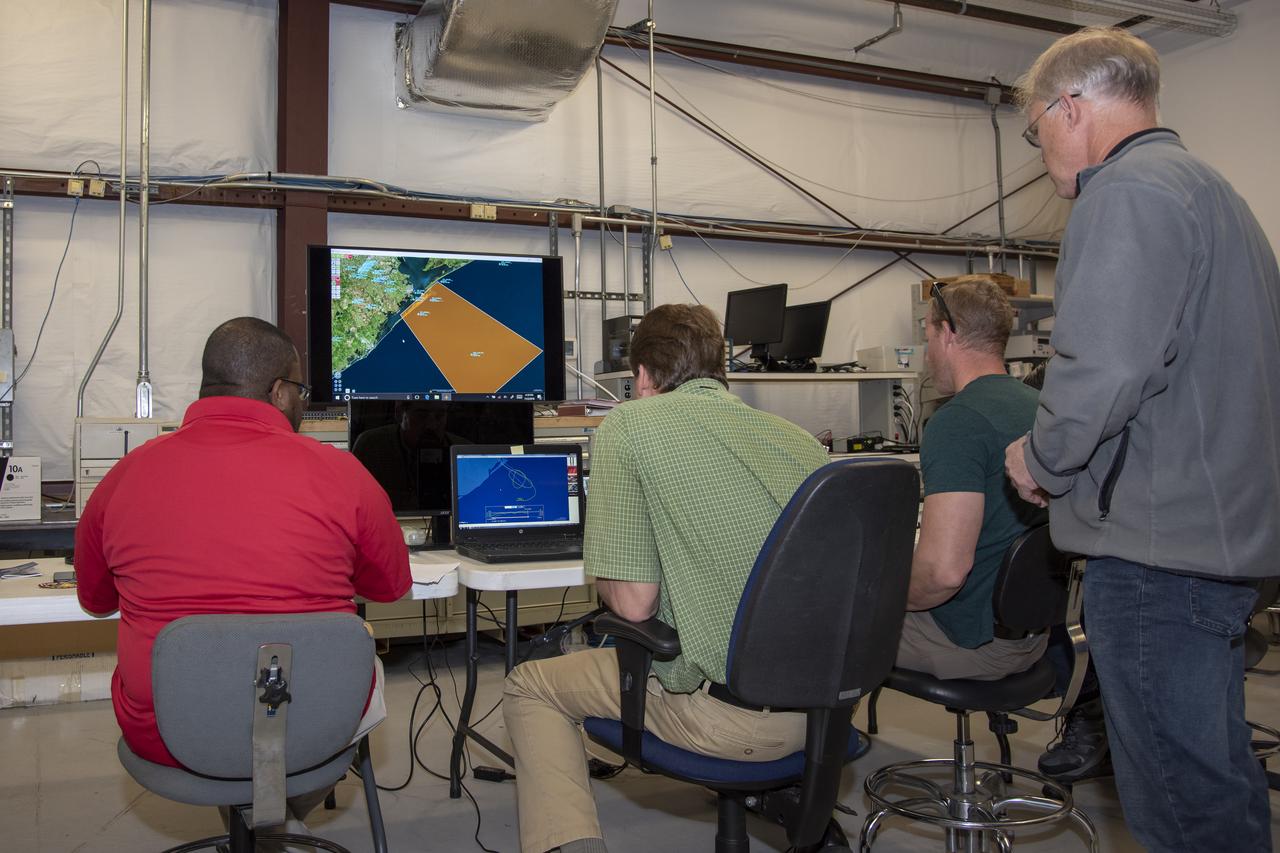
NASA mission controllers, engineers, pilots and communications specialists in the mission control room monitor the supersonic research flight off the coast of Galveston, as part of the QSF18 flight series. The flight operations crew tracks the status of the flights, maintains communications with the aircraft, communicates with U.S. Coast Guard, and coordinates community feedback data.
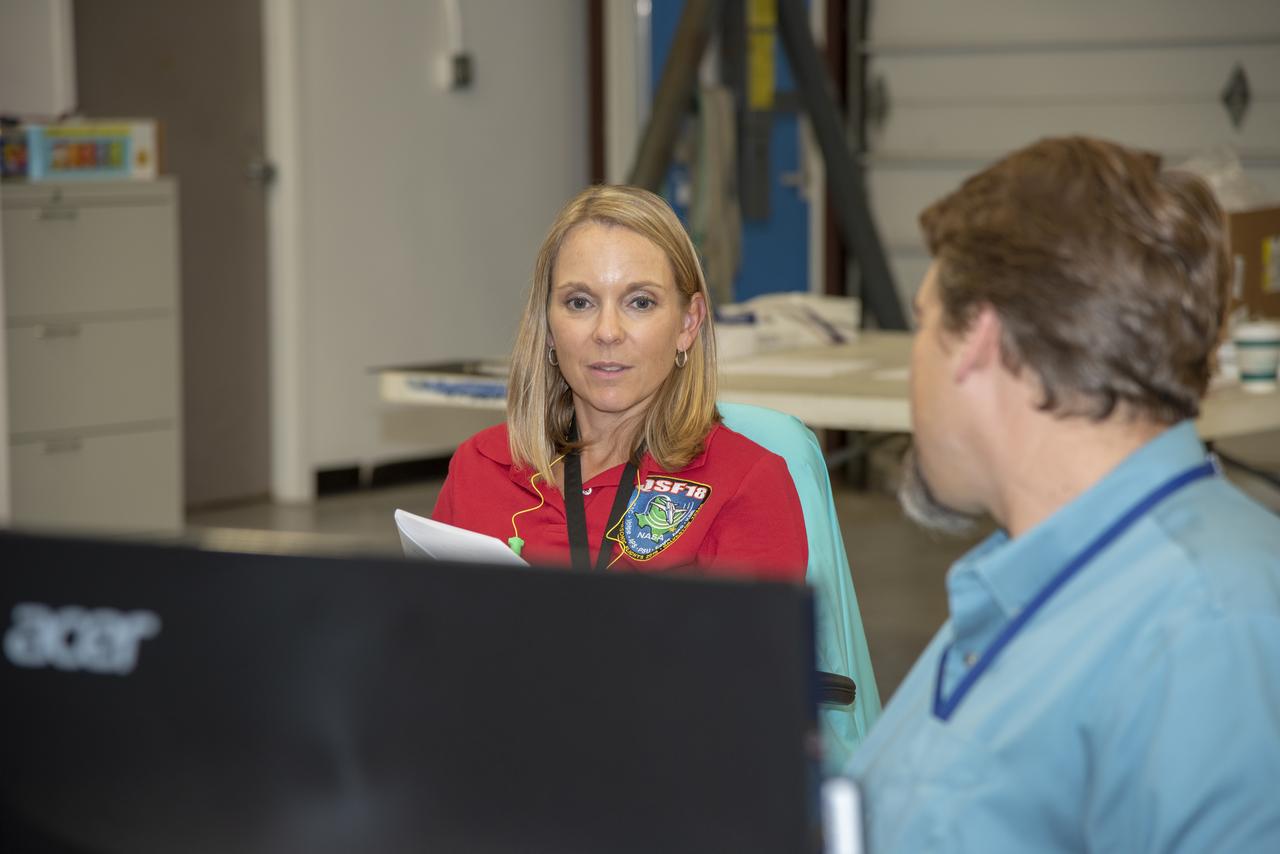
NASA mission controllers, engineers, pilots and communications specialists in the mission control room monitor the supersonic research flight off the coast of Galveston, as part of the QSF18 flight series. The flight operations crew tracks the status of the flights, maintains communications with the aircraft, communicates with U.S. Coast Guard, and coordinates community feedback data.
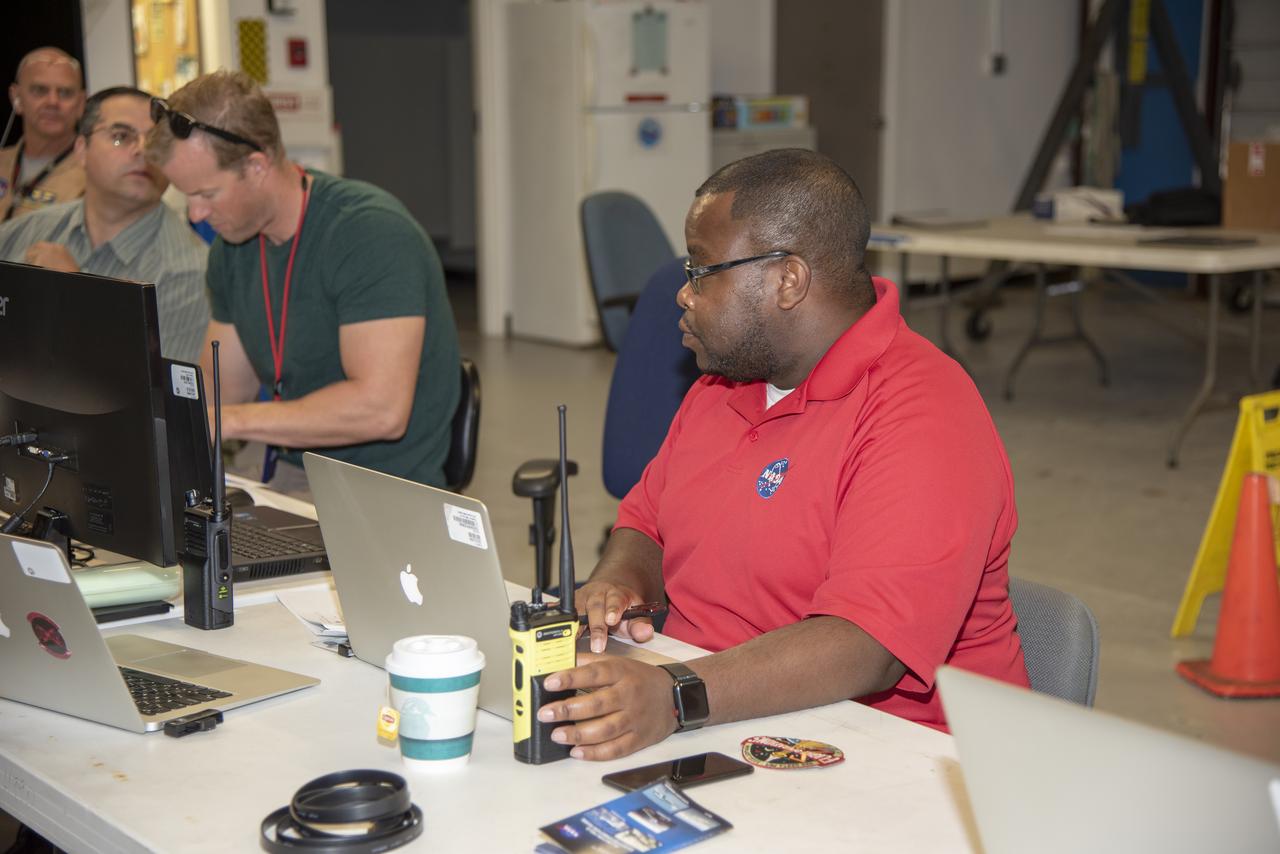
NASA mission controllers, engineers, pilots and communications specialists in the mission control room monitor the supersonic research flight off the coast of Galveston, as part of the QSF18 flight series. The flight operations crew tracks the status of the flights, maintains communications with the aircraft, communicates with U.S. Coast Guard, and coordinates community feedback data.
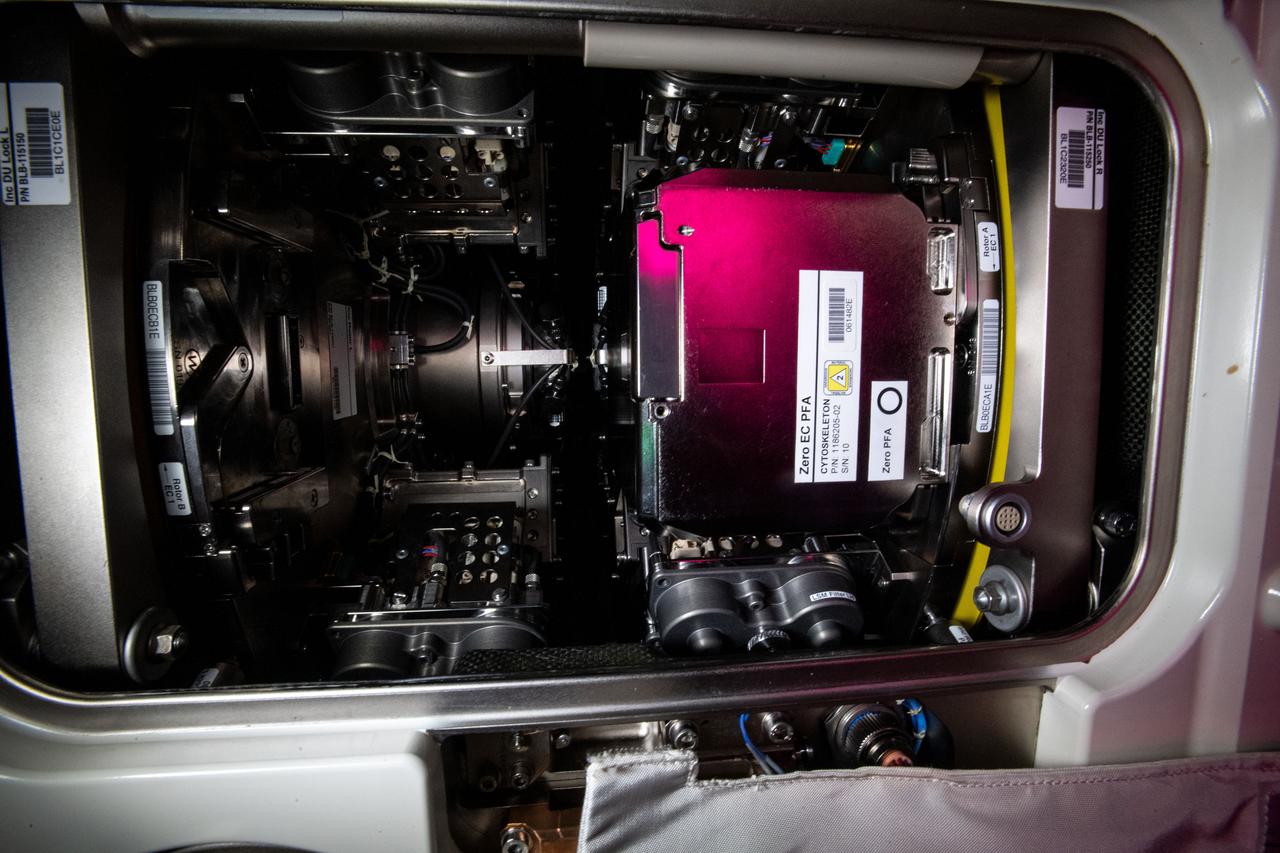
iss066e098812 (12/30/2021) --- A view during installation of the Cytoskeleton experiment containers installed on the BIOLAB Rotor during Expedition 66. This investigation helps to understand the way in which the human body responds to microgravity, which could feed into the development of future countermeasures to help maintain an optimal level of crew member health and performance.
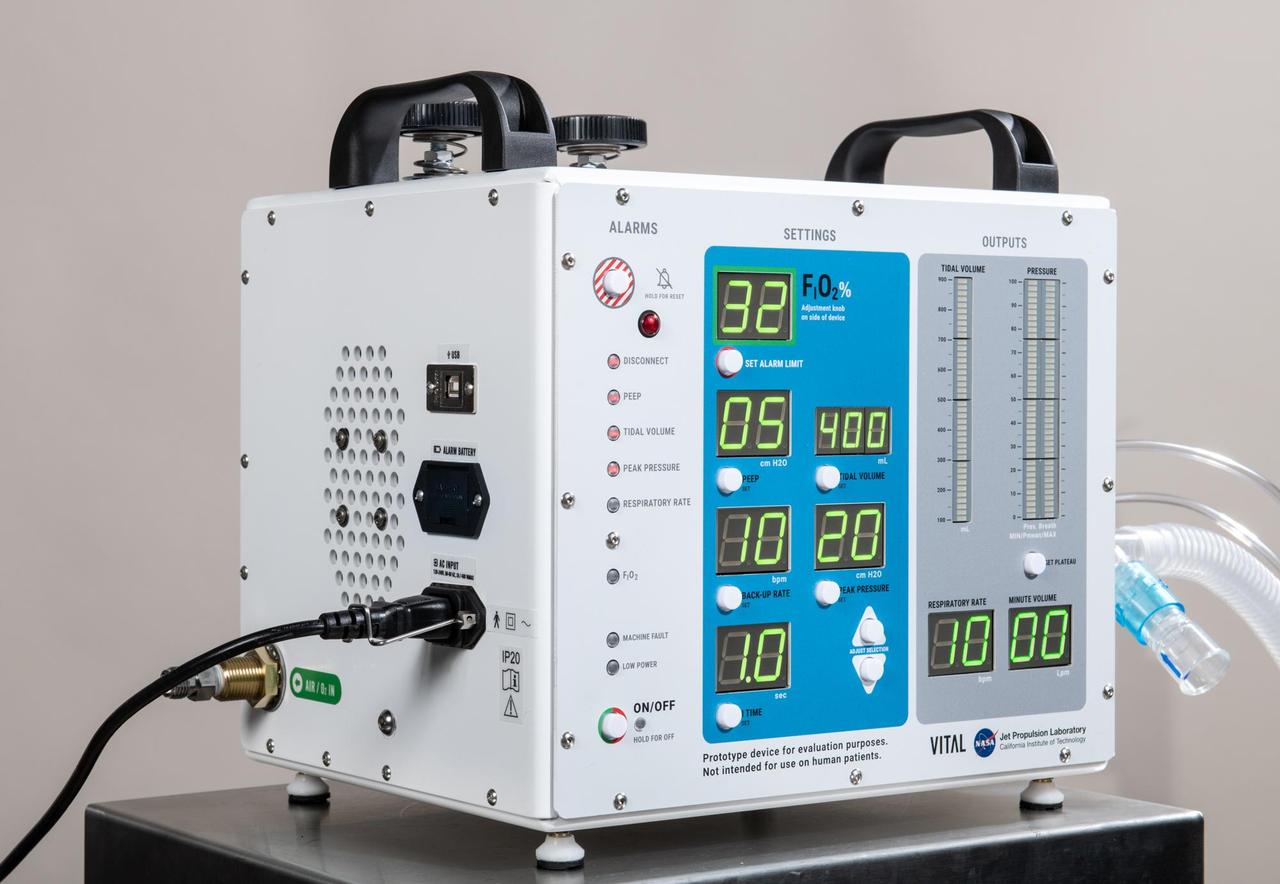
This image shows the ventilator prototype for coronavirus patients designed and built by NASA's Jet Propulsion Laboratory in Southern California. VITAL (Ventilator Intervention Technology Accessible Locally) is designed to be faster to build and easier to maintain than traditional ventilators, with a fraction of the parts. https://photojournal.jpl.nasa.gov/catalog/PIA23714
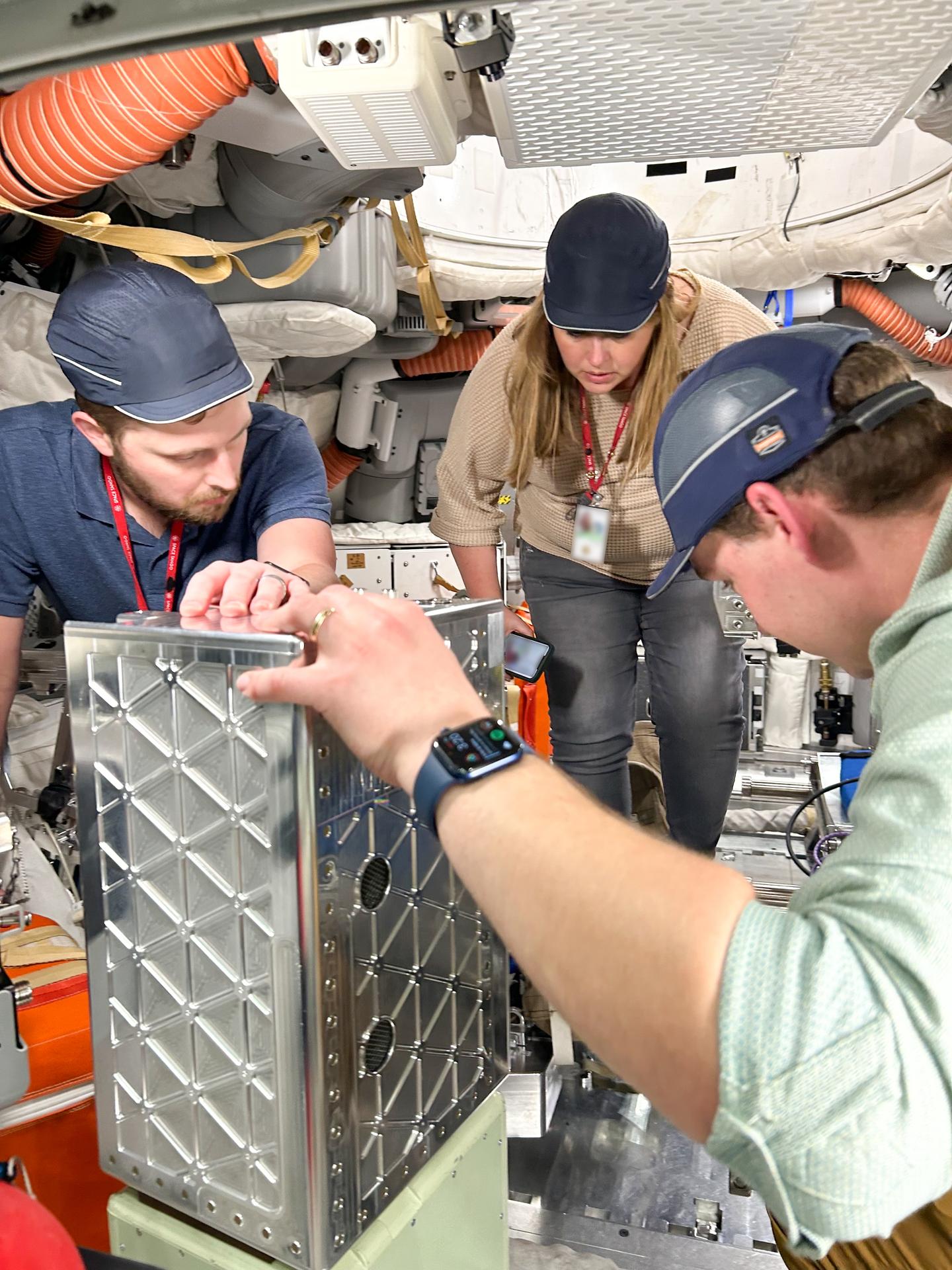
During the Artemis II mission, the organ chips will be secured in a custom payload developed by Space Tango and mounted inside the capsule during the mission. The battery-powered payload will maintain automated environmental control and media delivery to the organ chips throughout the flight.
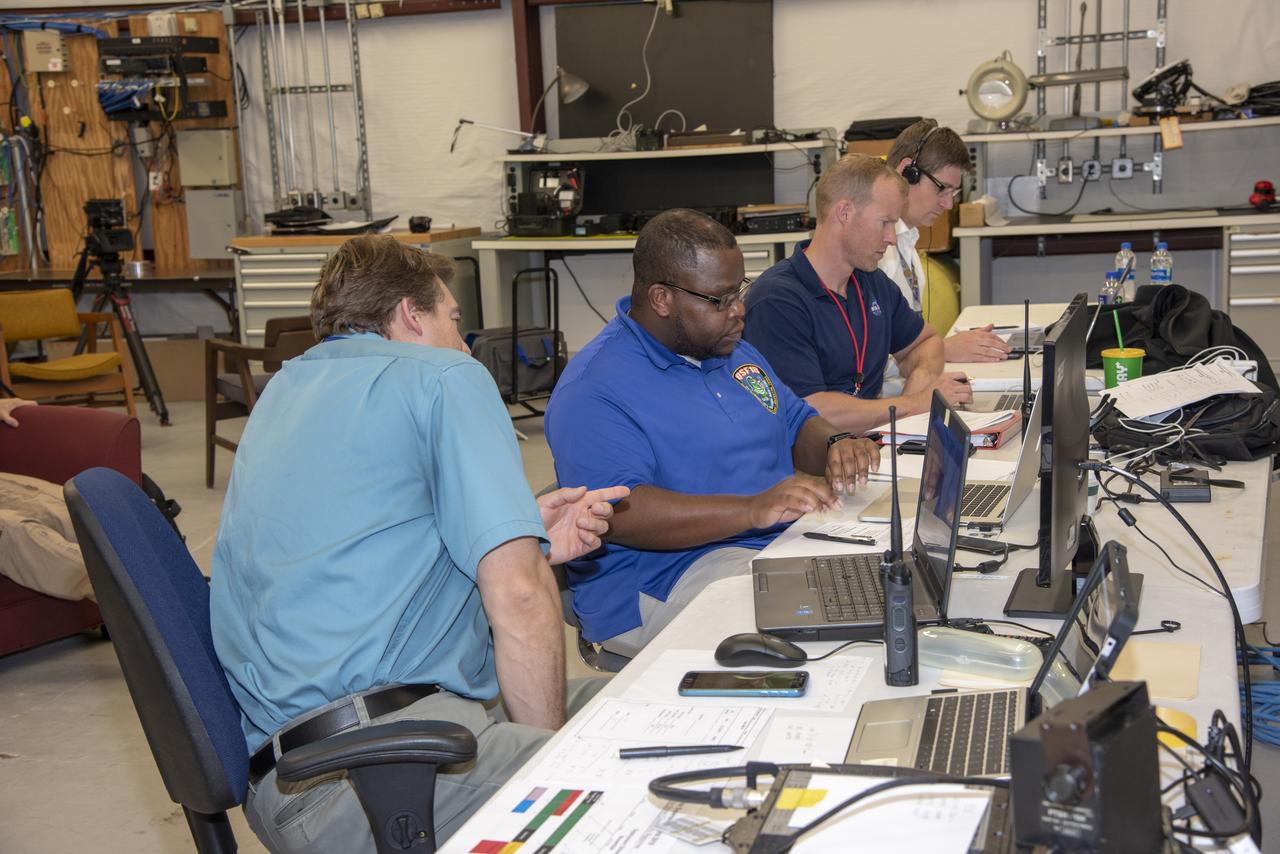
NASA mission controllers, engineers, pilots and communications specialists in the mission control room monitor the supersonic research flight off the coast of Galveston, as part of the QSF18 flight series. The flight operations crew tracks the status of the flights, maintains communications with the aircraft, communicates with U.S. Coast Guard, and coordinates community feedback data.
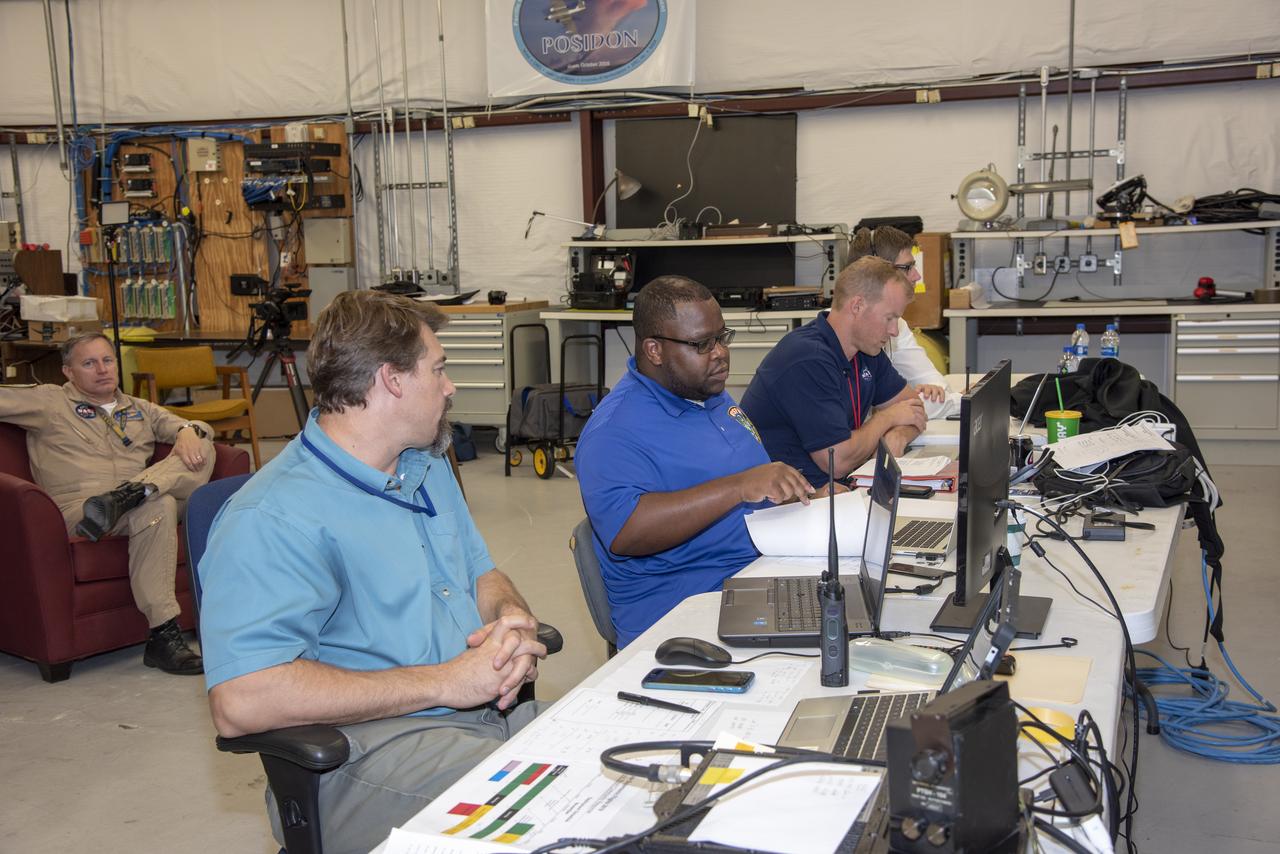
NASA mission controllers, engineers, pilots and communications specialists in the mission control room monitor the supersonic research flight off the coast of Galveston, as part of the QSF18 flight series. The flight operations crew tracks the status of the flights, maintains communications with the aircraft, communicates with U.S. Coast Guard, and coordinates community feedback data.
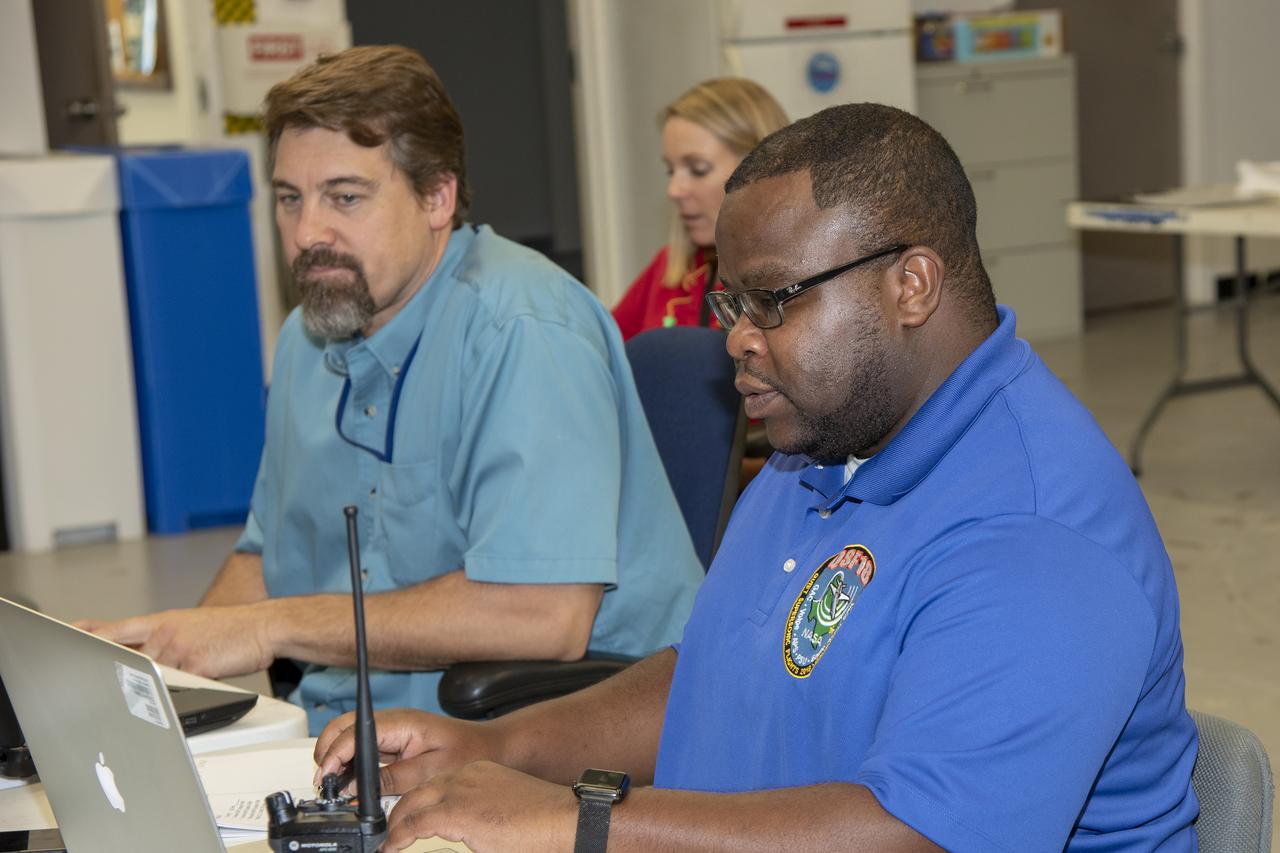
NASA mission controllers, engineers, pilots and communications specialists in the mission control room monitor the supersonic research flight off the coast of Galveston, as part of the QSF18 flight series. The flight operations crew tracks the status of the flights, maintains communications with the aircraft, communicates with U.S. Coast Guard, and coordinates community feedback data.
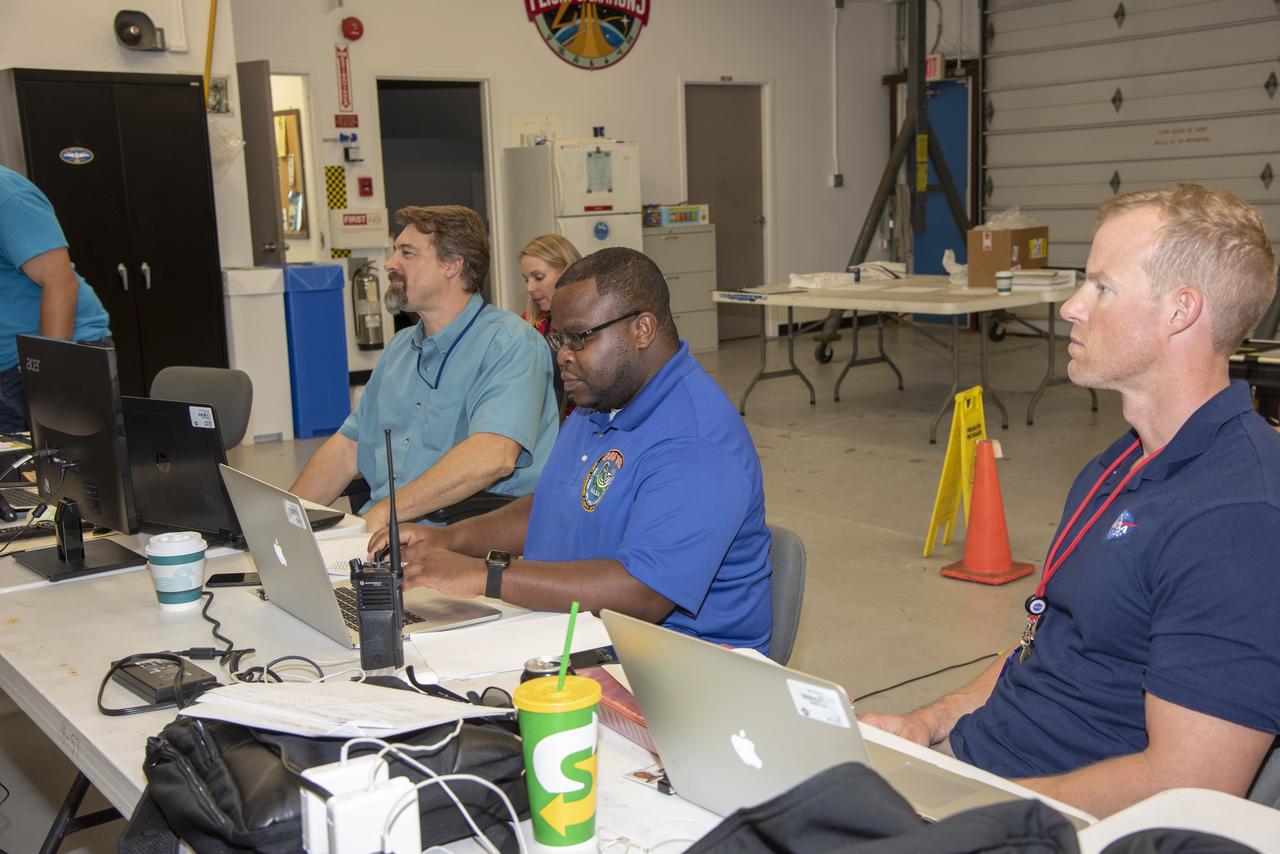
NASA mission controllers, engineers, pilots and communications specialists in the mission control room monitor the supersonic research flight off the coast of Galveston, as part of the QSF18 flight series. The flight operations crew tracks the status of the flights, maintains communications with the aircraft, communicates with U.S. Coast Guard, and coordinates community feedback data.
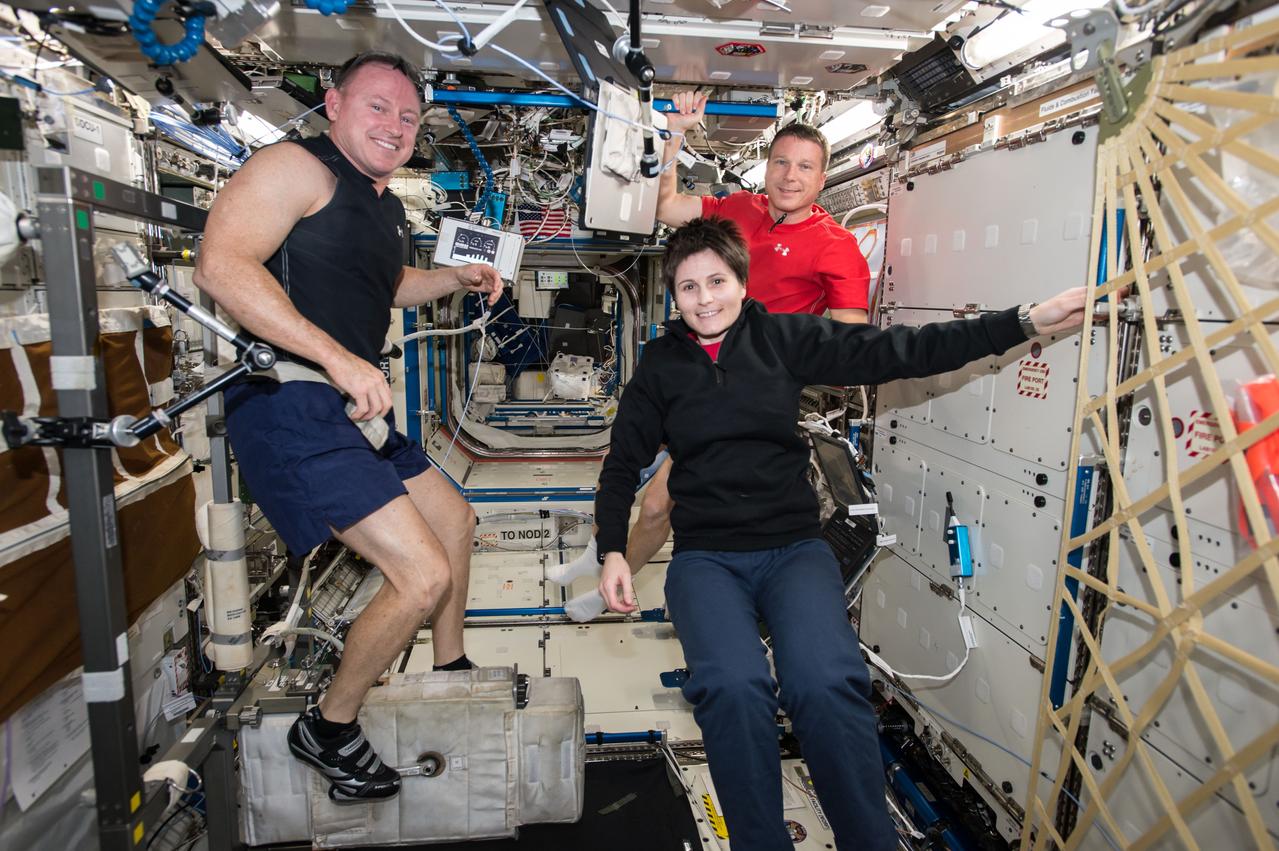
ISS042E016676 (11/27/2014) --- Expedition 42 Commander Barry Wilmore of NASA, Flight Engineer Samantha Cristoforetti of the European Space Agency and Flight Engineer Terry Virts of NASA (left to right) are living and working on the International Space Station, performing hundreds of research investigations and maintaining the orbital laboratory.
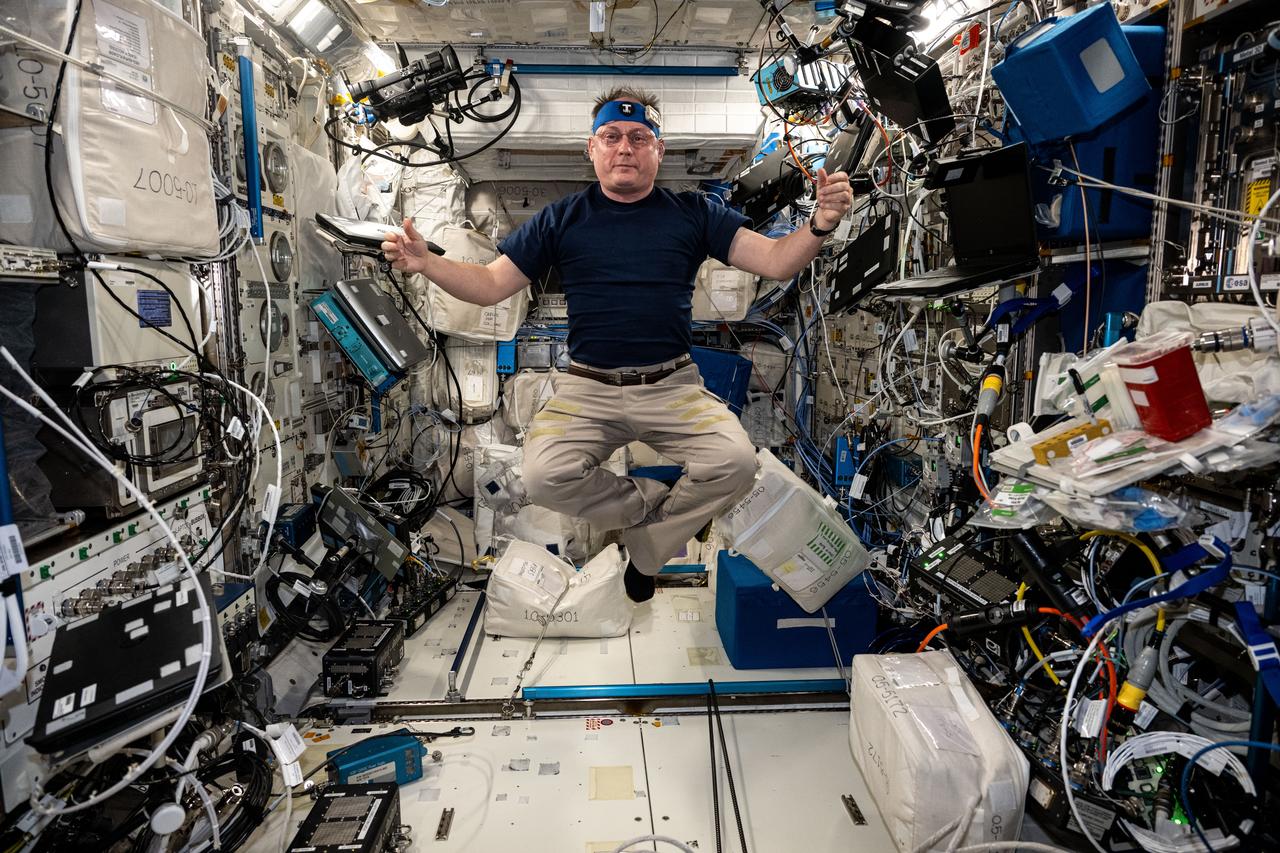
iss073e0420910 (Aug. 3, 2025) --- NASA astronaut and Expedition 73 Flight Engineer Mike Fincke poses for a portrait inside the International Space Station's Columbus laboratory module during research operations to learn how the body maintains its core temperature in microgravity.

NASA mission controllers, engineers, pilots and communications specialists in the mission control room monitor the supersonic research flight off the coast of Galveston, as part of the QSF18 flight series. The flight operations crew tracks the status of the flights, maintains communications with the aircraft, communicates with U.S. Coast Guard, and coordinates community feedback data.
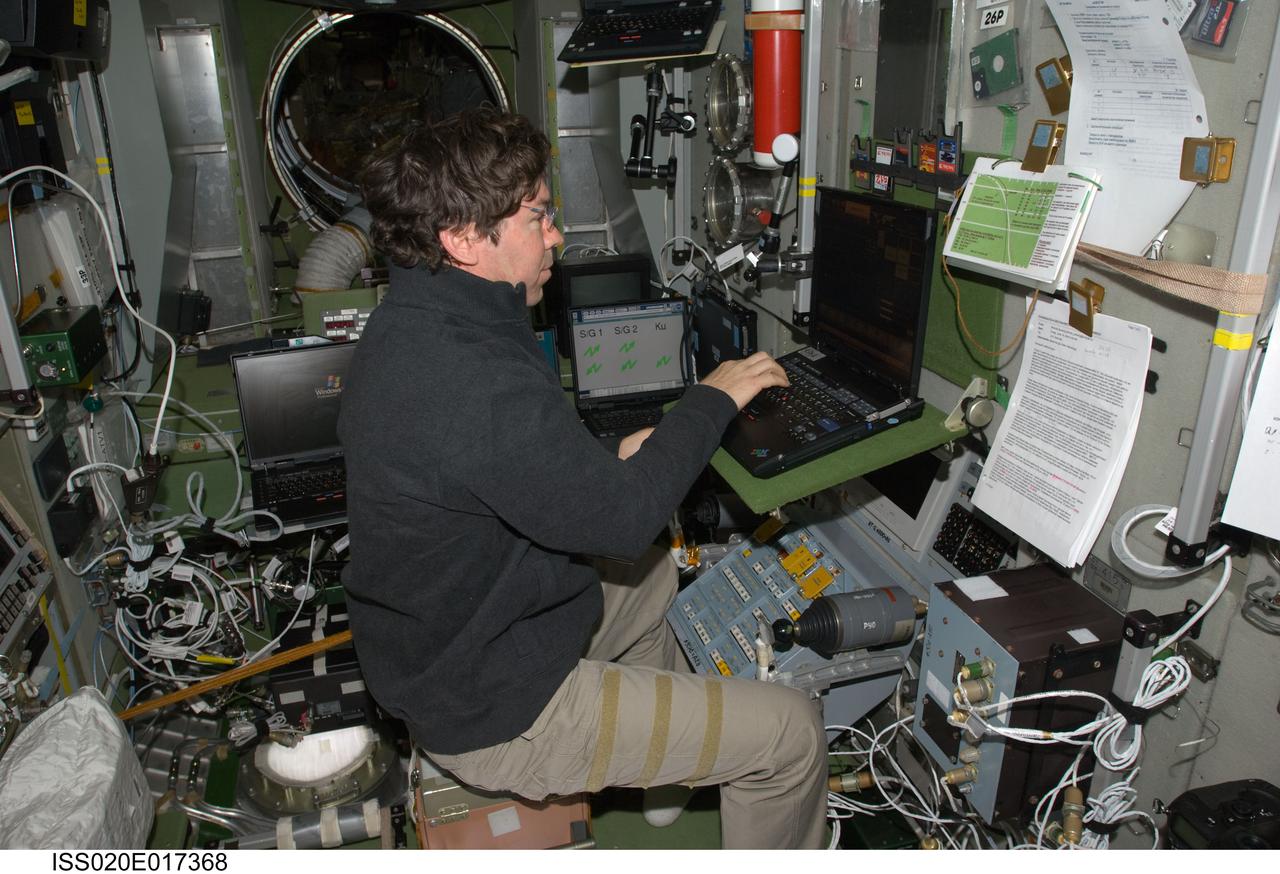
ISS020-E-017368 (6 July 2009) --- NASA astronaut Michael Barratt, Expedition 20 flight engineer, uses a computer at the TORU teleoperated control system in the Zvezda Service Module of the International Space Station while conducting Soyuz descent training to maintain proficiency on systems used for entry and landing in the Soyuz vehicle.
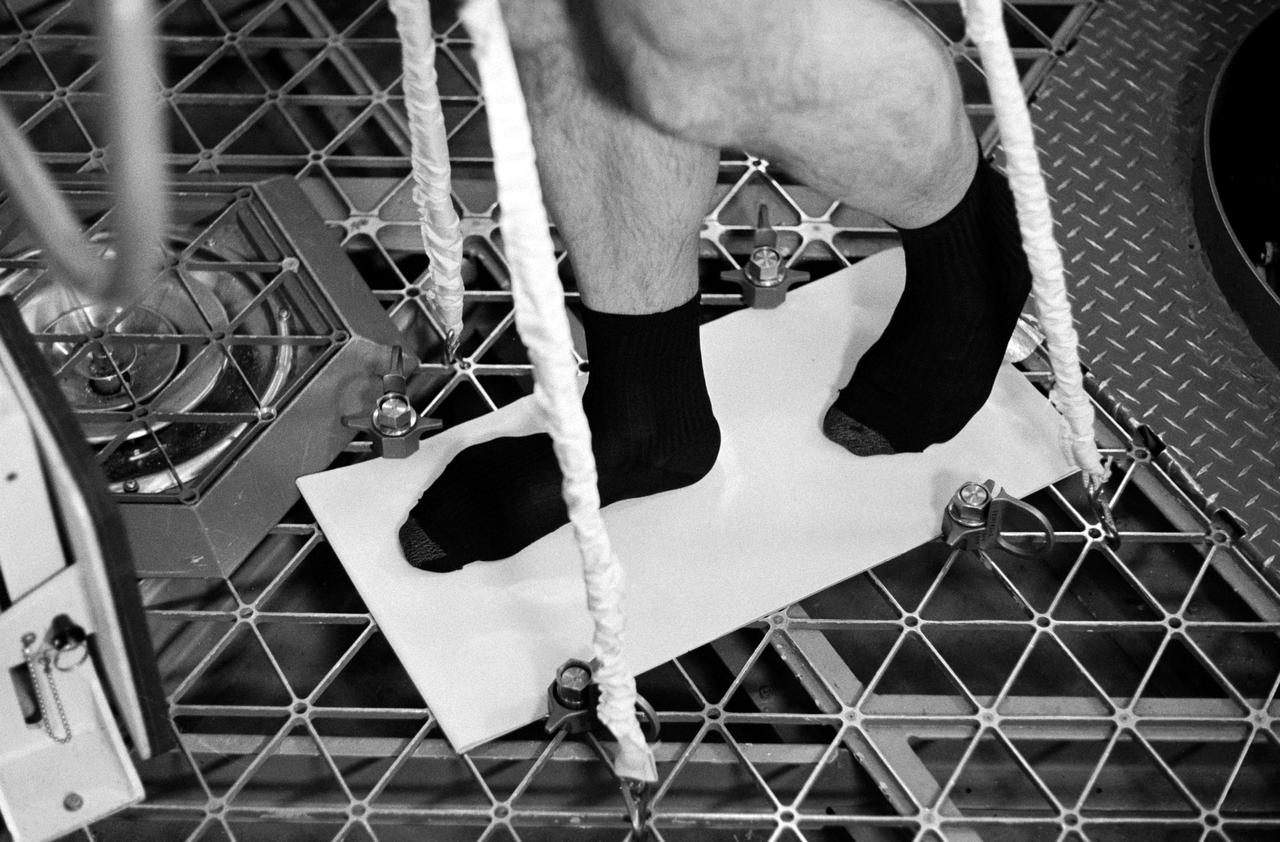
S73-33858 (November 1973) --- A close-up view of the feet of scientist-astronaut William E. Thornton as he demonstrates the use of a treadmill-like exercise device which was developed for maintaining the leg and back muscles of the Skylab 4 crewman. Thornton is in the Skylab Orbital Workshop simulator in Building 5 at the Johnson Space Center. The Skylab 2 and Skylab 3 astronauts had no exercise device onboard capable of adequately maintaining their leg and back muscles. The treadmill device consists of a Teflon-coated aluminum plate or sheet bolted to the floor of the Skylab Orbital Workshop. The crewmen will wear the bicycle ergometer harness while exercising. Bungee cords attached to the floor and to the harness will supply the downward pressure or force for the back and leg muscles. The astronaut's feet will slide over the Teflon-coated plate as he "marches in place." Photo credit: NASA

The main gate (Gate 7) of the Michoud Assembly Facility has been demolished and replaced following the tornado that struck the area in February 2017. The project included moving the gate to a position of 300 feet off the property line (away from Old Gentilly Blvd). The configuration included expanding the entrance to the gate from 2 lanes to 3 while maintaining 2 exit lanes. This layout provides for a guard post shelter rain canopy over two of the entrance lanes. Assessments and repairs continue on various structures and facilities across the facility.
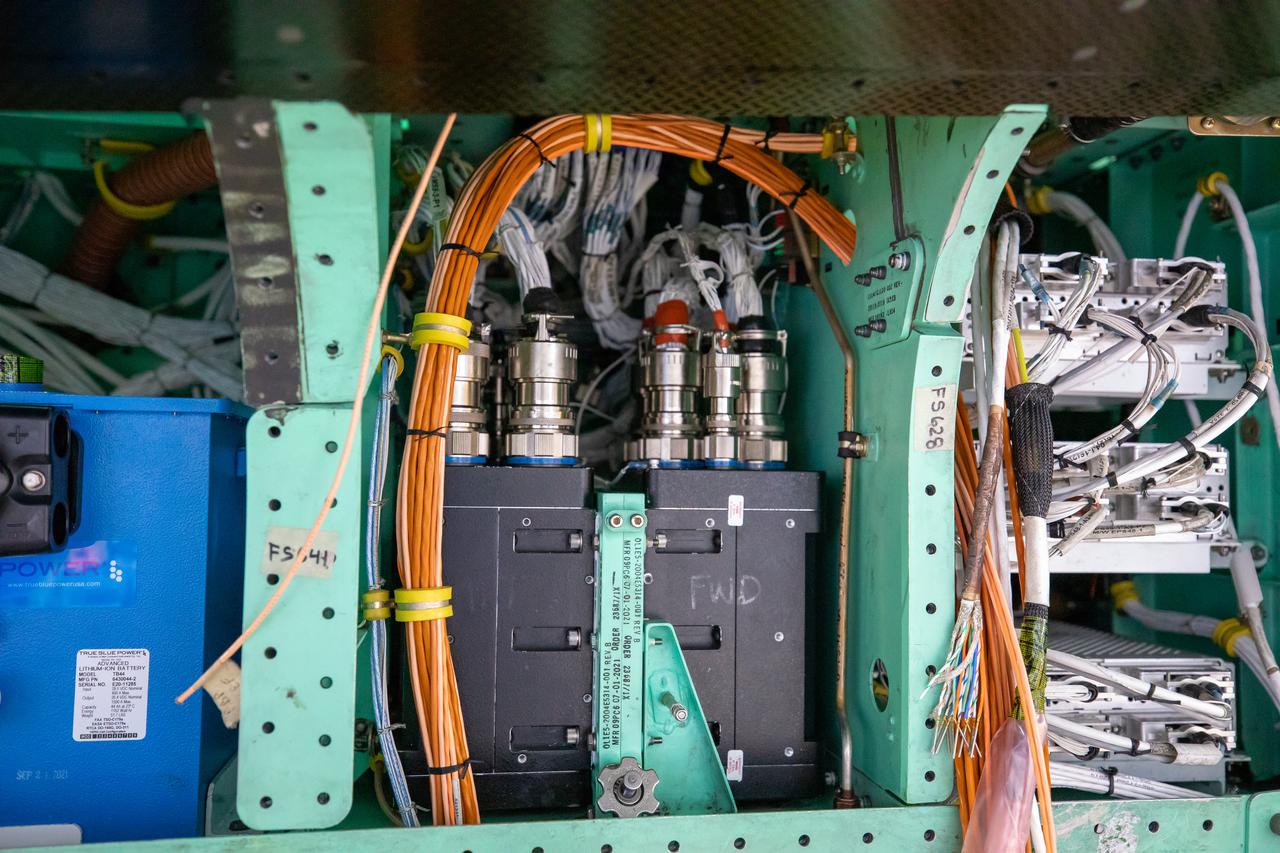
This is a closeup view of the inner workings of the X-59 aircraft. Visible are one the plane’s three lithium-ion batteries (blue box), electrical power system and other wiring components including the vehicle management systems computers (two black boxes) and the white wirings which assist in providing the power that is needed for the aircraft to function in flight. All of these components are essential to maintaining and monitoring the X-59 once it takes to the skies. The X-59 is the centerpiece of the Quesst mission which plans to help enable commercial supersonic air travel over land.

The main gate (Gate 7) of the Michoud Assembly Facility has been demolished and replaced following the tornado that struck the area in February 2017. The project included moving the gate to a position of 300 feet off the property line (away from Old Gentilly Blvd). The configuration included expanding the entrance to the gate from 2 lanes to 3 while maintaining 2 exit lanes. This layout provides for a guard post shelter rain canopy over two of the entrance lanes. Assessments and repairs continue on various structures and facilities across the facility.
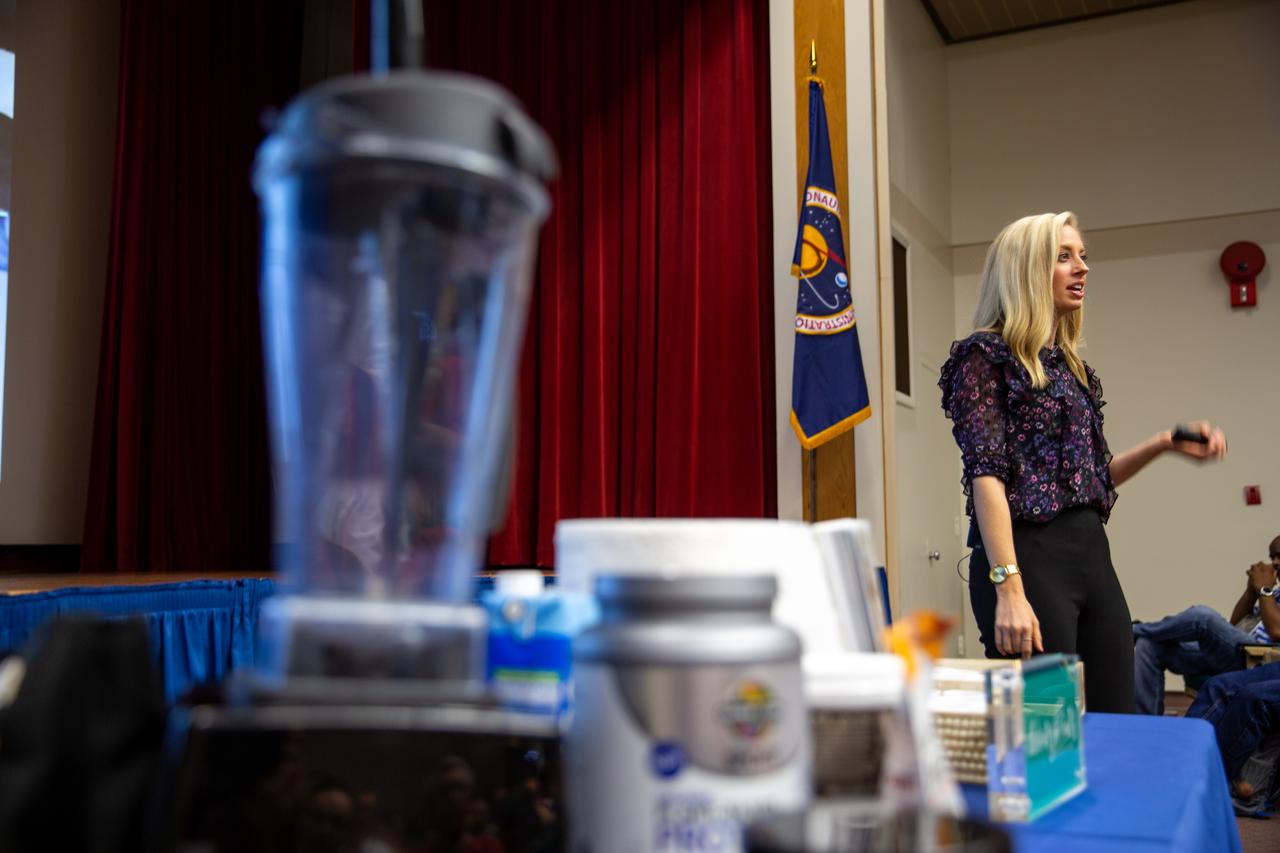
Carly Paige, an integrative nutrition health coach and chef, speaks to Kennedy Space Center employees inside the Florida spaceport’s Training Auditorium on March 5, 2020, during the center’s annual Safety and Health Days. Taking place March 2 through March 6, Safety and Health Days provides Kennedy employees with a variety of presentations to attend – all of which focus on how to maintain a safe and healthy workforce. Paige’s presentation included information on simple swaps that can be made to incorporate healthier habits on a daily basis.
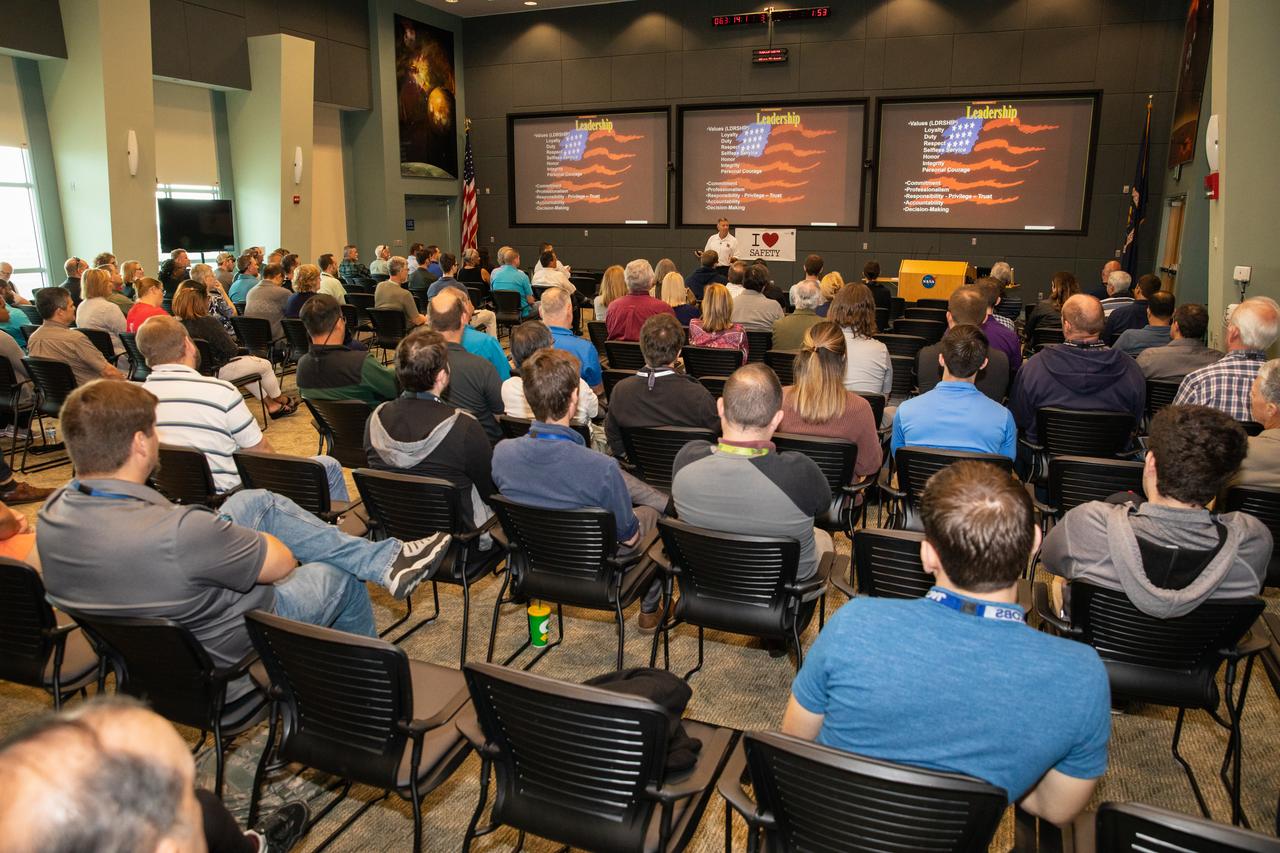
Danny McKnight, a U.S. Army retired colonel, speaks to Kennedy Space Center employees inside the Florida spaceport’s Operations Support Building II on March 3, 2020, during the center’s annual Safety and Health Days. Taking place March 2 through March 6, Safety and Health Days provides Kennedy employees with a variety of presentations to attend – all of which focus on how to maintain a safe and healthy workforce. McKnight’s presentation included information on the commitment and leadership required to be successful when operating in difficult conditions.
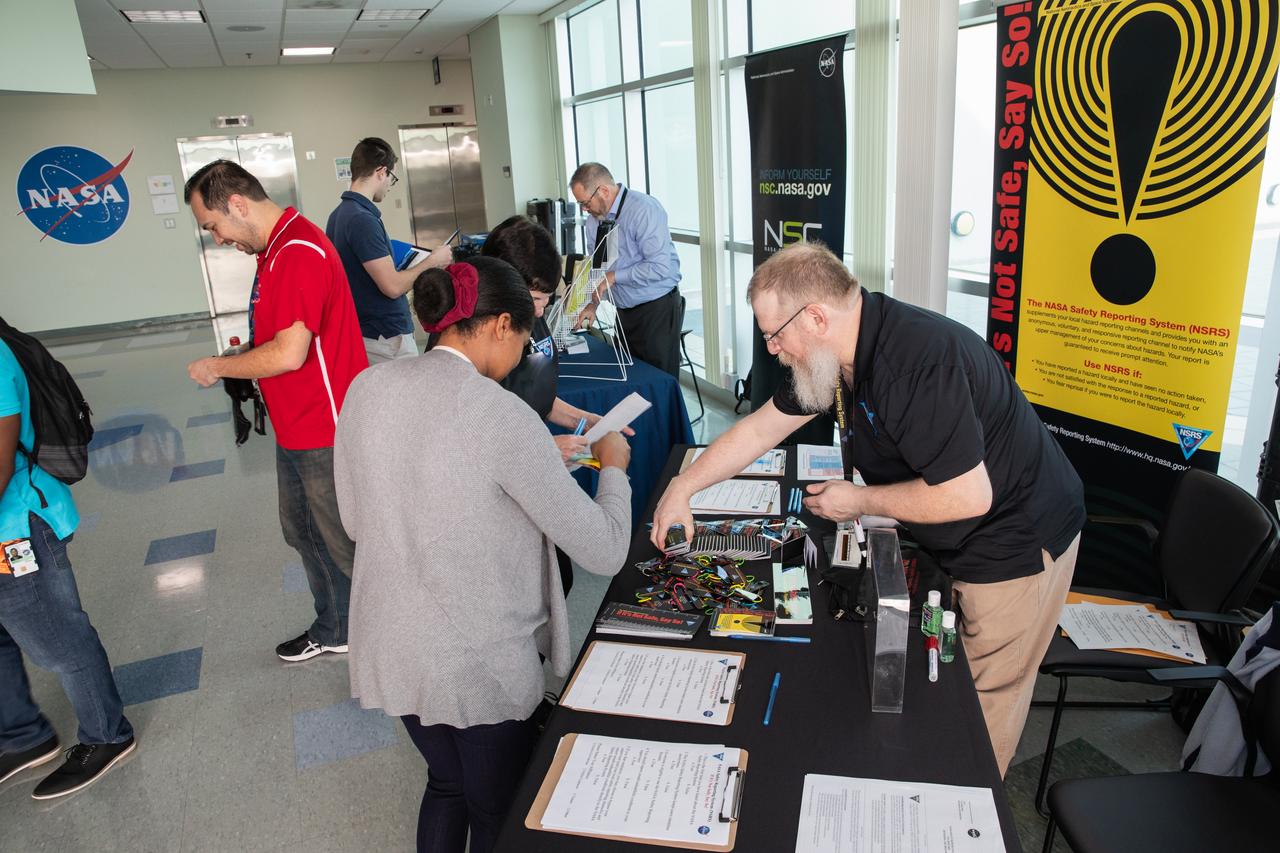
NASA Kennedy Space Center employees learn more about safety from informational tables set up inside the Florida spaceport’s Operations Support Building II on March 3, 2020, during the center’s annual Safety and Health Days. Taking place March 2 through March 6, Safety and Health Days provides Kennedy employees with a variety of presentations to attend – all of which focus on how to maintain a safe and healthy workforce.

Backup Spaceflight Participant Barbara Barrett speaks during the State Commission meeting to approve the Soyuz launch of Expedition 21 Flight Engineer Jeffrey N. Williams, Expedition 21 Flight Engineer Maxim Suraev, and Spaceflight Participant Guy Laliberté on Tuesday, Sept. 29, 2009 in Baikonur, Kazakhstan. The crew is kept in a separate room with a glass window in order to help maintain their health. Photo Credit: (NASA/Bill Ingalls)
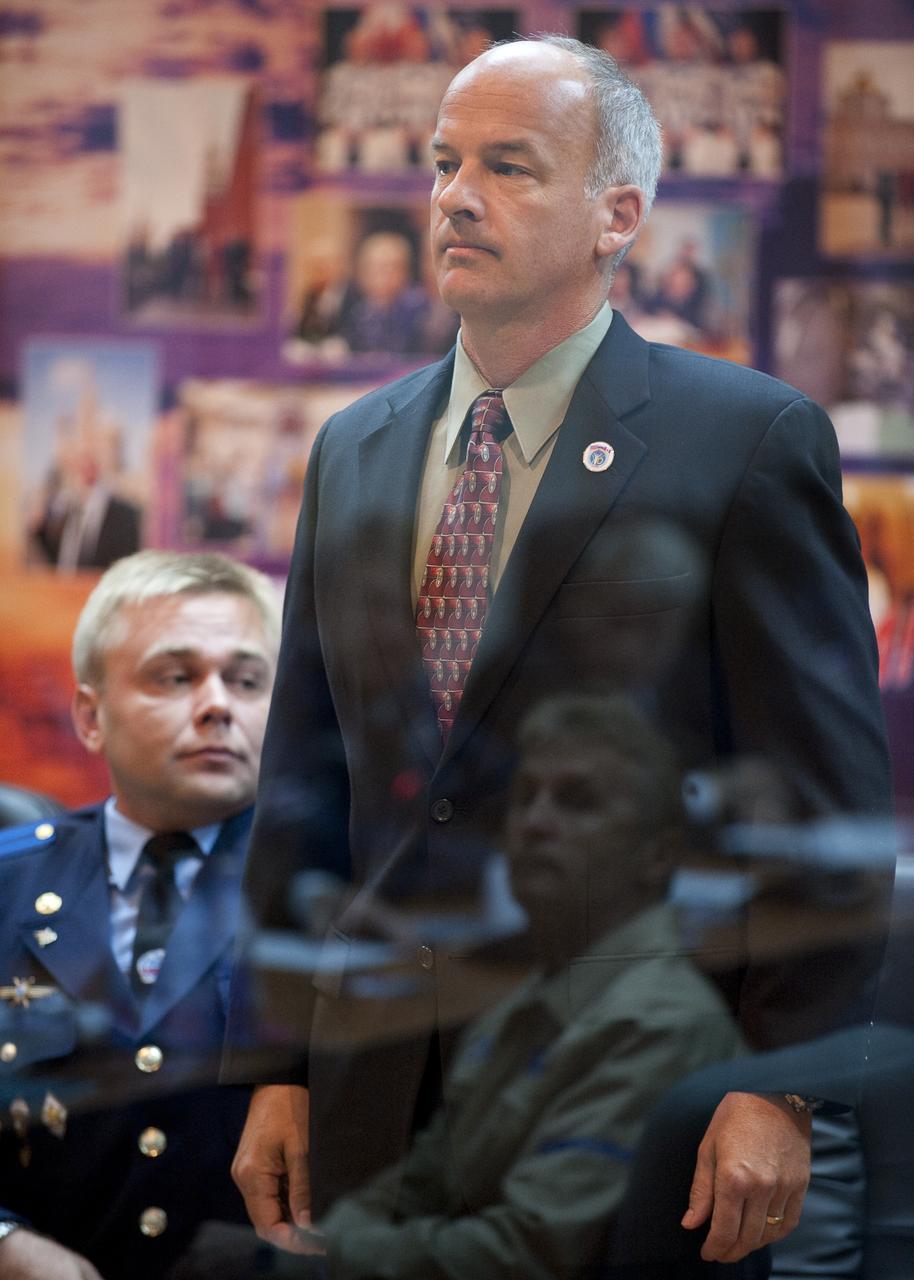
Expedition 21 Flight Engineer Jeffrey N. Williams stands as he is recognized during the State Commission meeting to approve the Soyuz launch of Williams, Expedition 21 Flight Engineer Maxim Suraev, and Spaceflight Participant Guy Laliberté on Tuesday, Sept. 29, 2009 in Baikonur, Kazakhstan. The crew is kept in a separate room with a glass window in order to help maintain their health. Photo Credit: (NASA/Bill Ingalls)
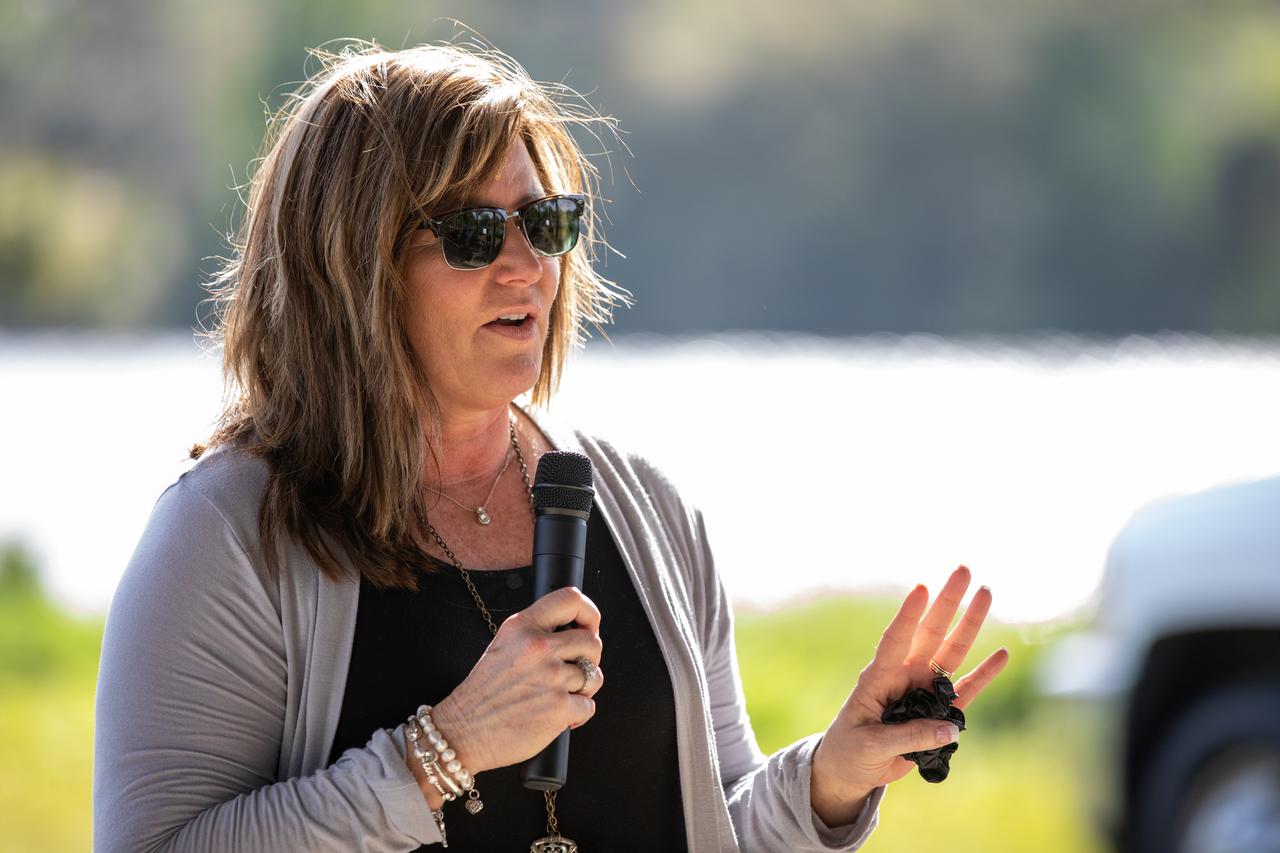
Jennifer Kunz, director of Safety and Mission Assurance at NASA’s Kennedy Space Center in Florida, speaks to Kennedy employees during a Safety and Health Days celebration on March 5, 2020. Taking place March 2 through March 6, Safety and Health Days provides Kennedy employees with a variety of presentations to attend – all of which focus on how to maintain a safe and healthy workforce. The celebration on March 5 took place at the spaceport’s KARS Park II and was open for all employees to attend.
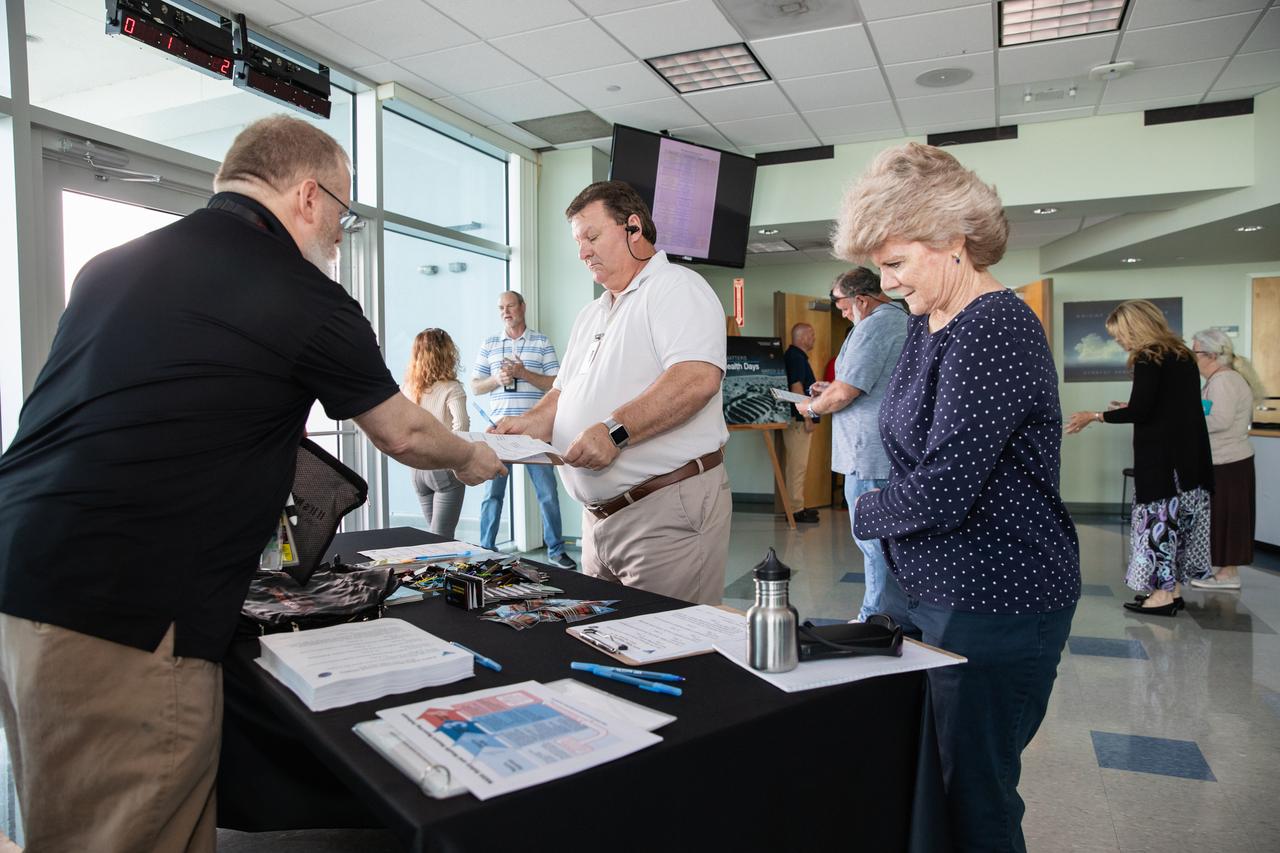
NASA Kennedy Space Center employees learn more about safety from informational tables set up inside the Florida spaceport’s Operations Support Building II on March 3, 2020, during the center’s annual Safety and Health Days. Taking place March 2 through March 6, Safety and Health Days provides Kennedy employees with a variety of presentations to attend – all of which focus on how to maintain a safe and healthy workforce.
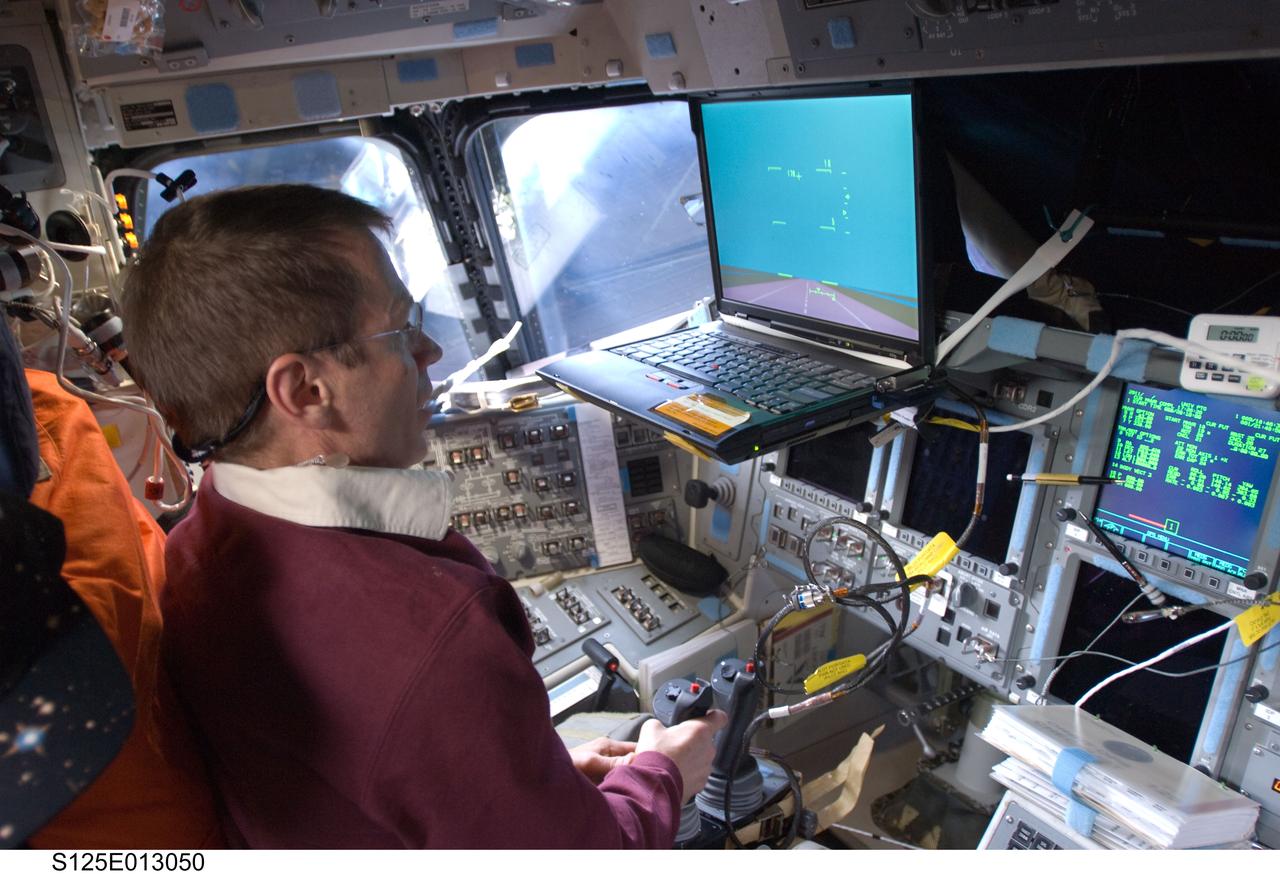
S125-E-013050 (21 May 2009) --- Occupying the commander?s station, astronaut Gregory C. Johnson, STS-125 pilot, uses the Portable In-Flight Landing Operations Trainer (PILOT) on the flight deck of the Earth-orbiting Space Shuttle Atlantis. PILOT consists of a laptop computer and a joystick system, which helps to maintain a high level of proficiency for the end-of-mission approach and landing tasks required to bring the shuttle safely back to Earth.
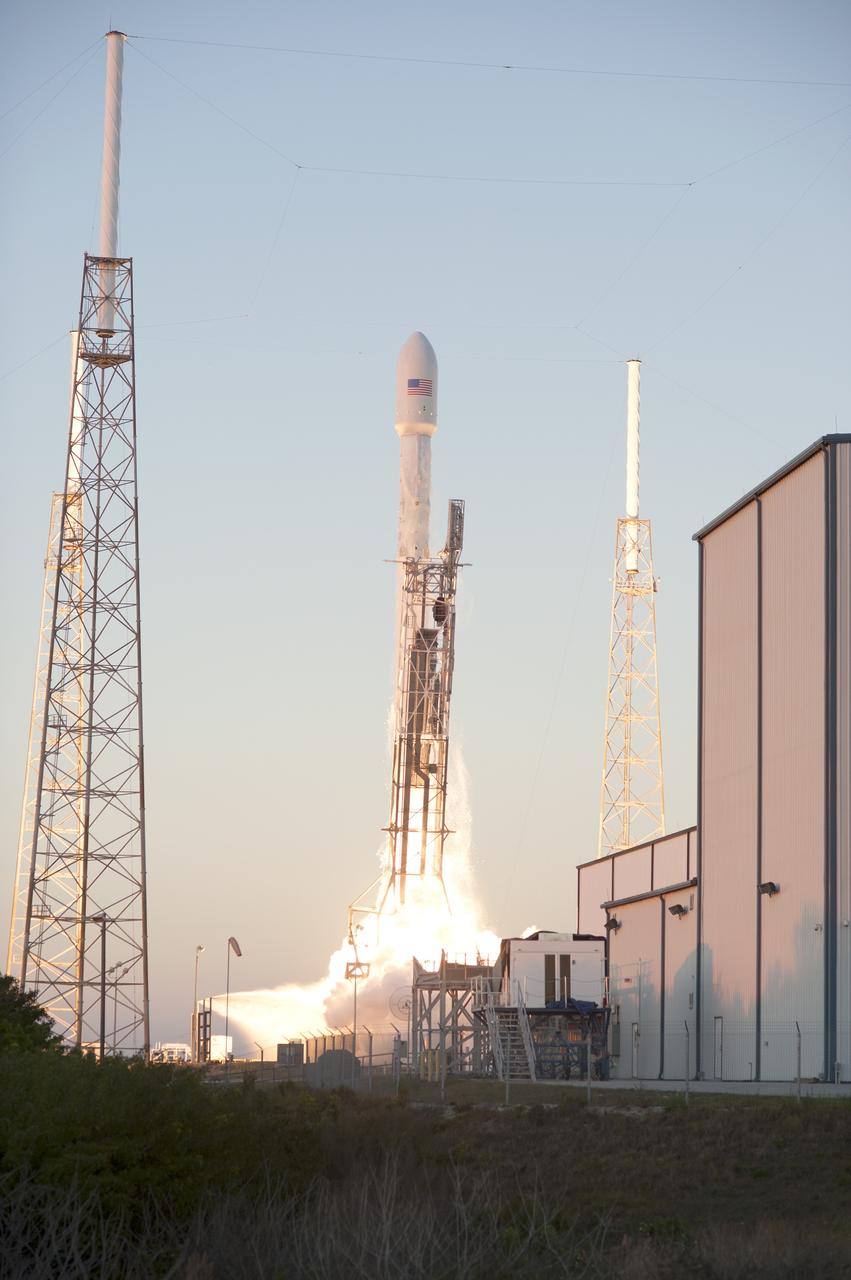
The SpaceX Falcon 9 rocket carrying NOAA’s Deep Space Climate Observatory spacecraft, or DSCOVR, lifts off from Space Launch Complex 40 at Cape Canaveral Air Force Station in Florida. Liftoff occurred at 6:03 p.m. EST. DSCOVR is a partnership between NOAA, NASA and the U.S. Air Force, and will maintain the nation's real-time solar wind monitoring capabilities. To learn more about DSCOVR, visit http://www.nesdis.noaa.gov/DSCOVR. Photo credit: NASA/Tony Gray and Tim Powers

Kennedy Space Center Director Bob Cabana hosts a lunch and learn on March 4, 2020, inside the Florida spaceport’s Training Auditorium during the center’s annual Safety and Health Days. Taking place March 2 through March 6, Safety and Health Days provides Kennedy employees with a variety of presentations to attend – all of which emphasize how to maintain a safe and healthy workforce. The lunch and learn focused on Cabana’s past experiences as an astronaut and what it takes to become one.
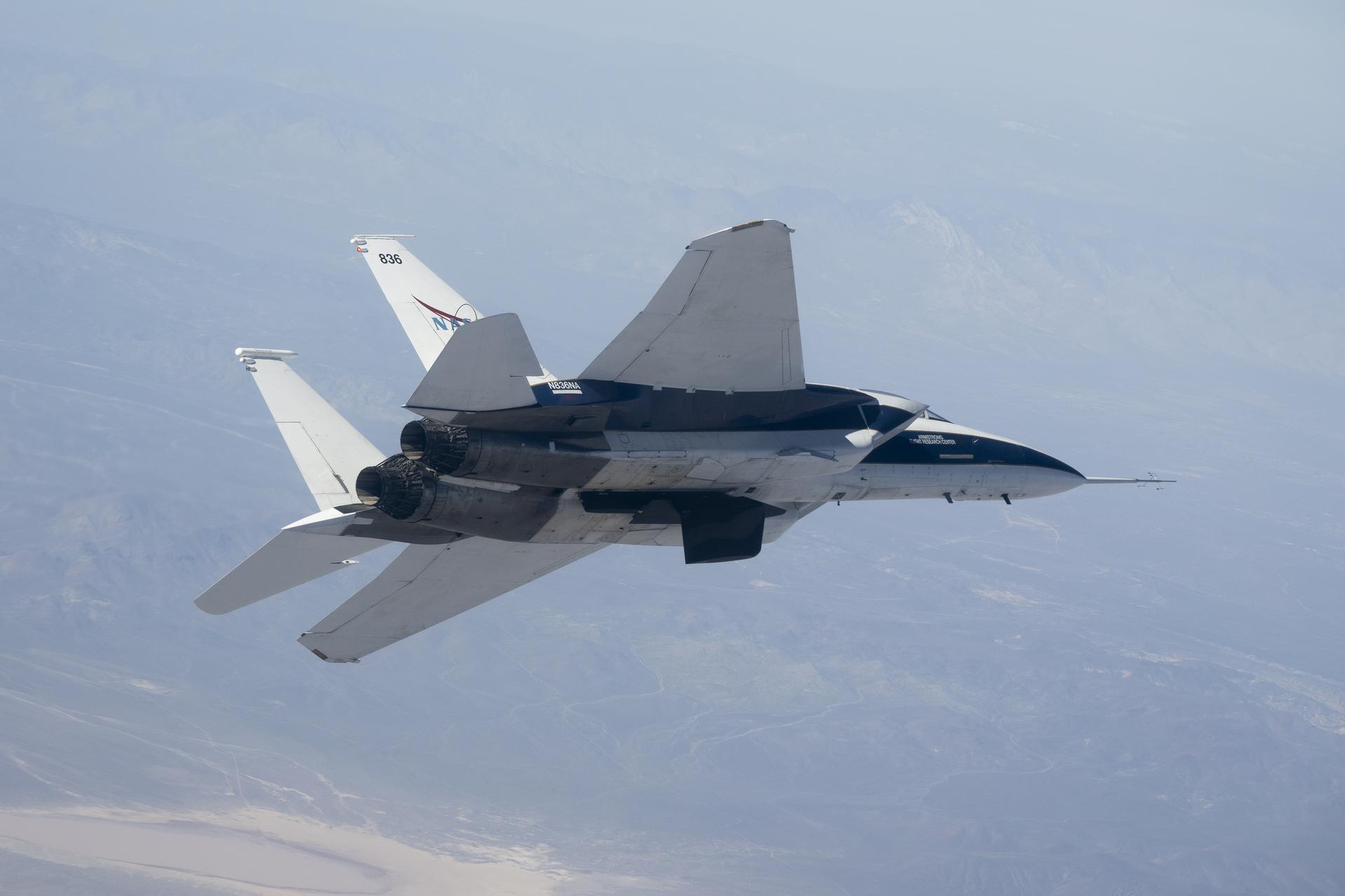
NASA’s Crossflow Attenuated Natural Laminar Flow (CATNLF) scale-model wing flies on a NASA F-15 research jet during a test flight from NASA’s Armstrong Flight Research Center in Edwards, California. The CATNLF technology is designed to maintain smooth airflow, known as laminar flow. NASA will continue flight tests to collect data that validates the CATNLF design and its potential to improve laminar flow, reducing drag and lowering fuel costs for future commercial aircraft.
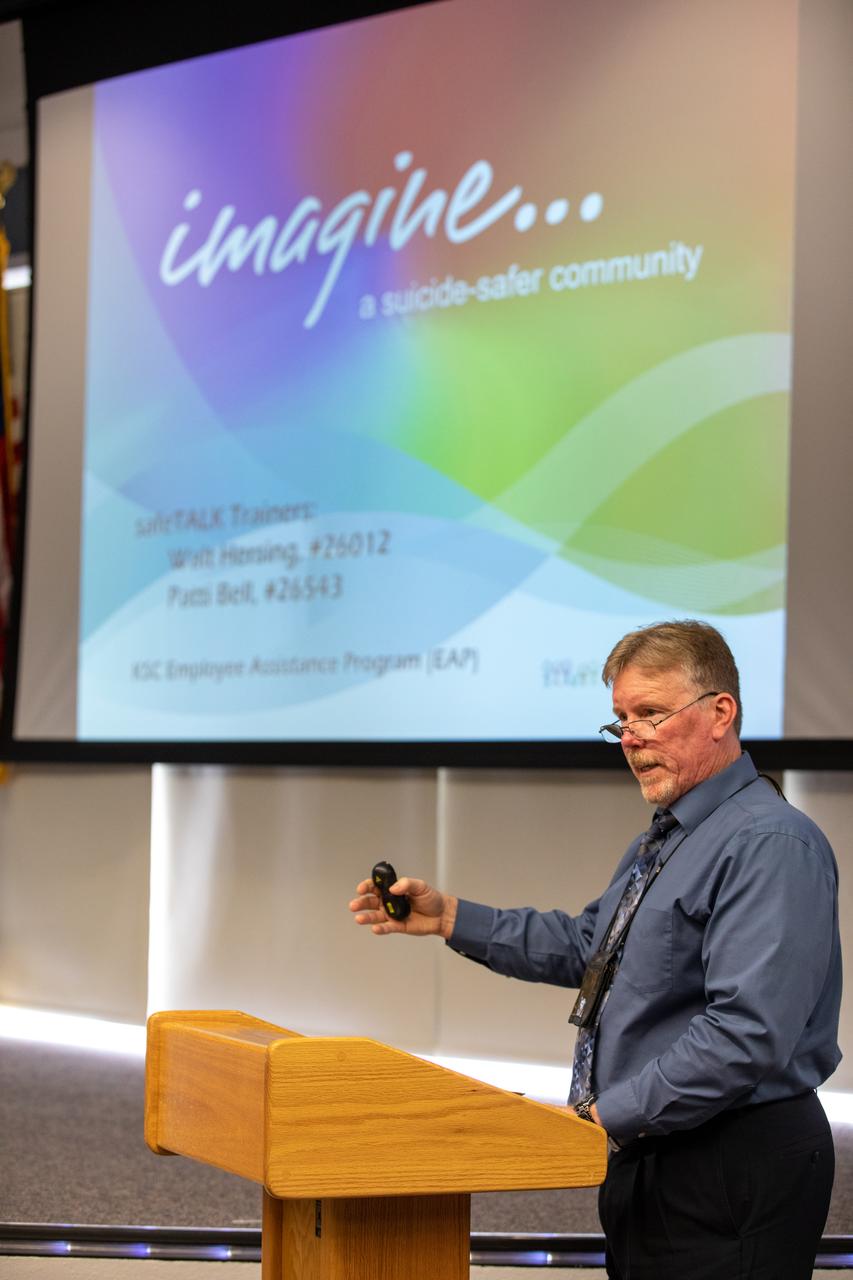
Kennedy Space Center’s Walt Hersing, with the KSC Employee Assistance Program, conducts a SafeTALK suicide awareness and intervention training as part of the center’s annual Safety and Health Days on March 2, 2020, inside the Florida spaceport’s Kennedy Learning Institute. Taking place March 2 through March 6, Safety and Health Days provides Kennedy employees with a variety of presentations to attend – all of which focus on how to maintain a safe and healthy workforce.

“I Love Safety” stickers are photographed inside the Training Auditorium at NASA’s Kennedy Space Center in Florida on March 2, 2020. The stickers were available for Kennedy employees during the center’s annual Safety and Health Days, which took place March 2 through March 6. Throughout the week, Kennedy employees had the opportunity to attend a variety of presentations – all of which focused on how to maintain a safe and healthy workforce.