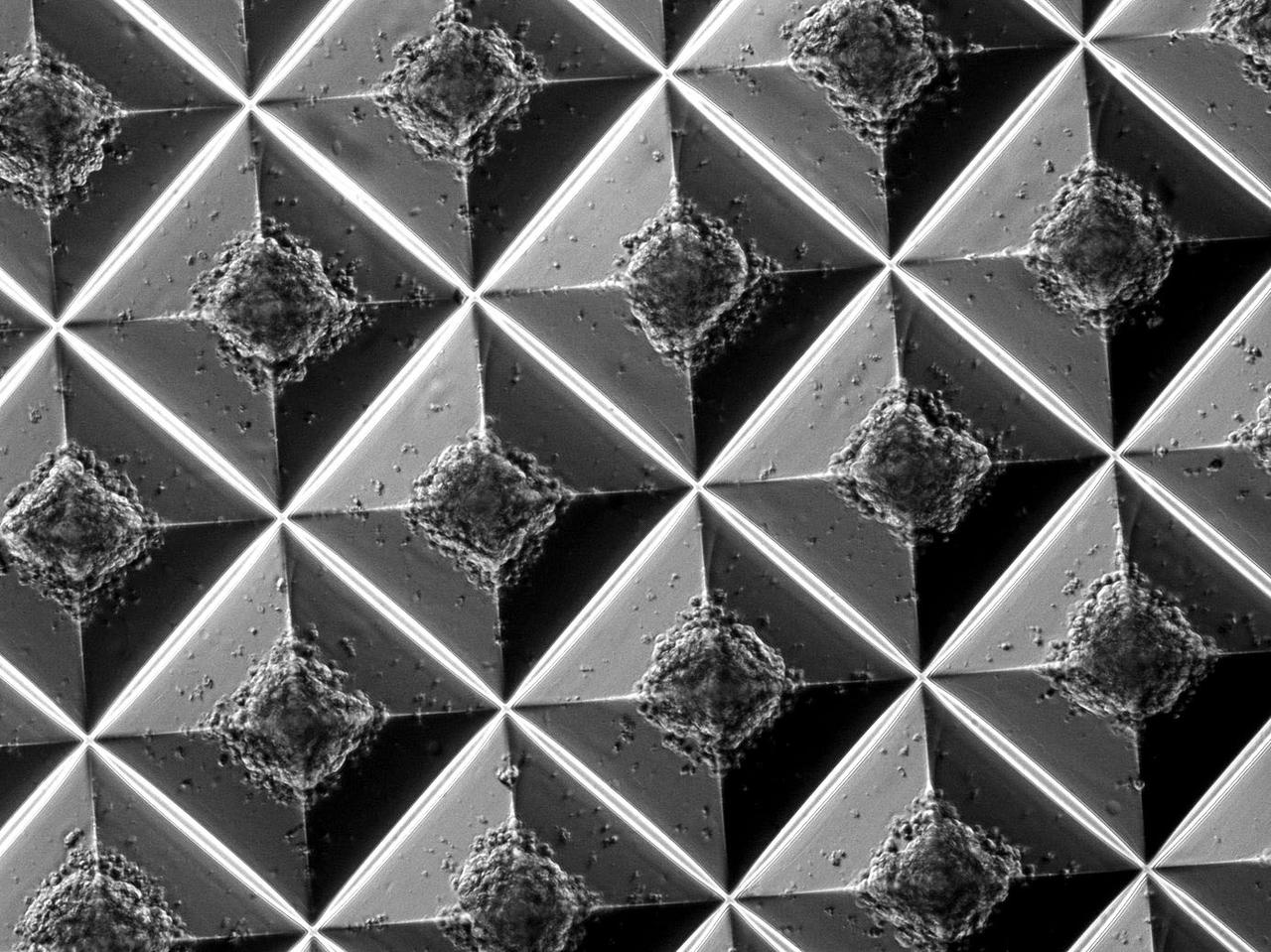
jsc2022e072970 (9/22/2022) --- A preflight view of 3D heart cells generated by microscale tissue engineering. ISS: Engineering Stem Cell-Derived Cardiac Microtissues with Metabolic Regulators in Space to Promote Cardiomyocyte Maturation (Project EAGLE) grows 3D cultures of heart cells on the International Space Station. What is learned could help scientists establish a functional heart tissue model that mimics heart disease and can be used to test new drugs. Image courtesy of Parvin Forghani, Ph.D., Emory University.

This diagram illustrates that mature planetary systems like our own might be more common around twin, or binary, stars that are either really close together, or really far apart.

Observations from NASA Spitzer Space Telescope have revealed that mature planetary systems -- dusty disks of asteroids, comets and possibly planets -- are more frequent around close-knit twin, or binary, stars than single stars like our sun.
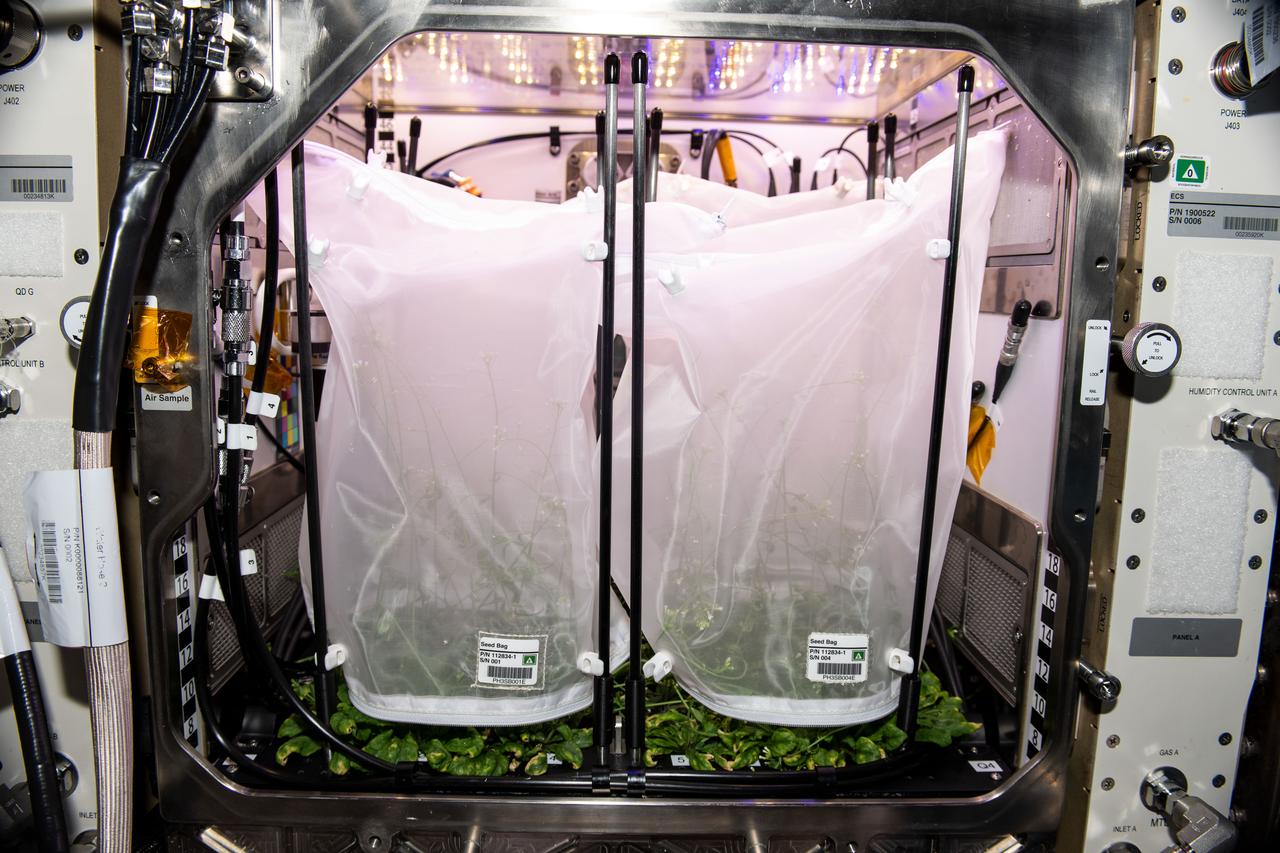
iss068e047055 (2/7/2023) --- Lightweight mesh bags are installed over plant stalks for the Plant Habitat-03 (PH-03) investigation aboard the International Space Station, helping contain them as seeds mature. Astronauts harvest the seed stalks when they mature and begin to dry, preserving them for a return to Earth and further analysis. PH-03 aims to discover whether genetic changes persist through multiple plant generations, a first step in developing plants better suited for future space exploration.
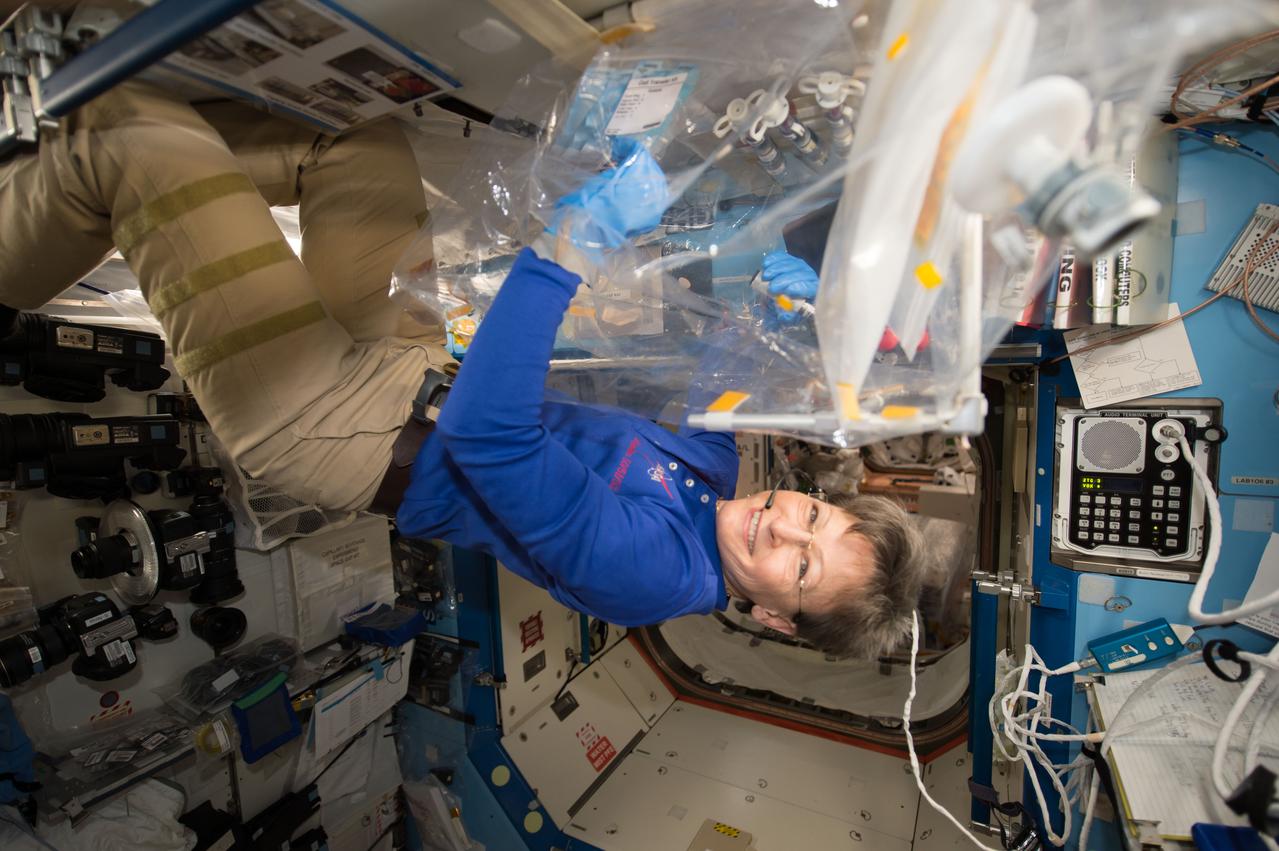
iss052e062035 (8/9/2017) --- NASA astronaut Peggy Whitson is photographed performing Cardiac Myocytes investigation operations. The Conversion of Adipogenic Mesenchymal Stem Cells into Mature Cardiac Myocytes (Cardiac Myocytes) investigation uses the microgravity environment of space to examine how stem cells differentiate into specialized heart cells (cardiac myocytes).

iss052e062004 (8/9/2017) --- NASA astronaut Peggy Whitson is photographed performing Cardiac Myocytes investigation operations. The Conversion of Adipogenic Mesenchymal Stem Cells into Mature Cardiac Myocytes (Cardiac Myocytes) investigation uses the microgravity environment of space to examine how stem cells differentiate into specialized heart cells (cardiac myocytes).
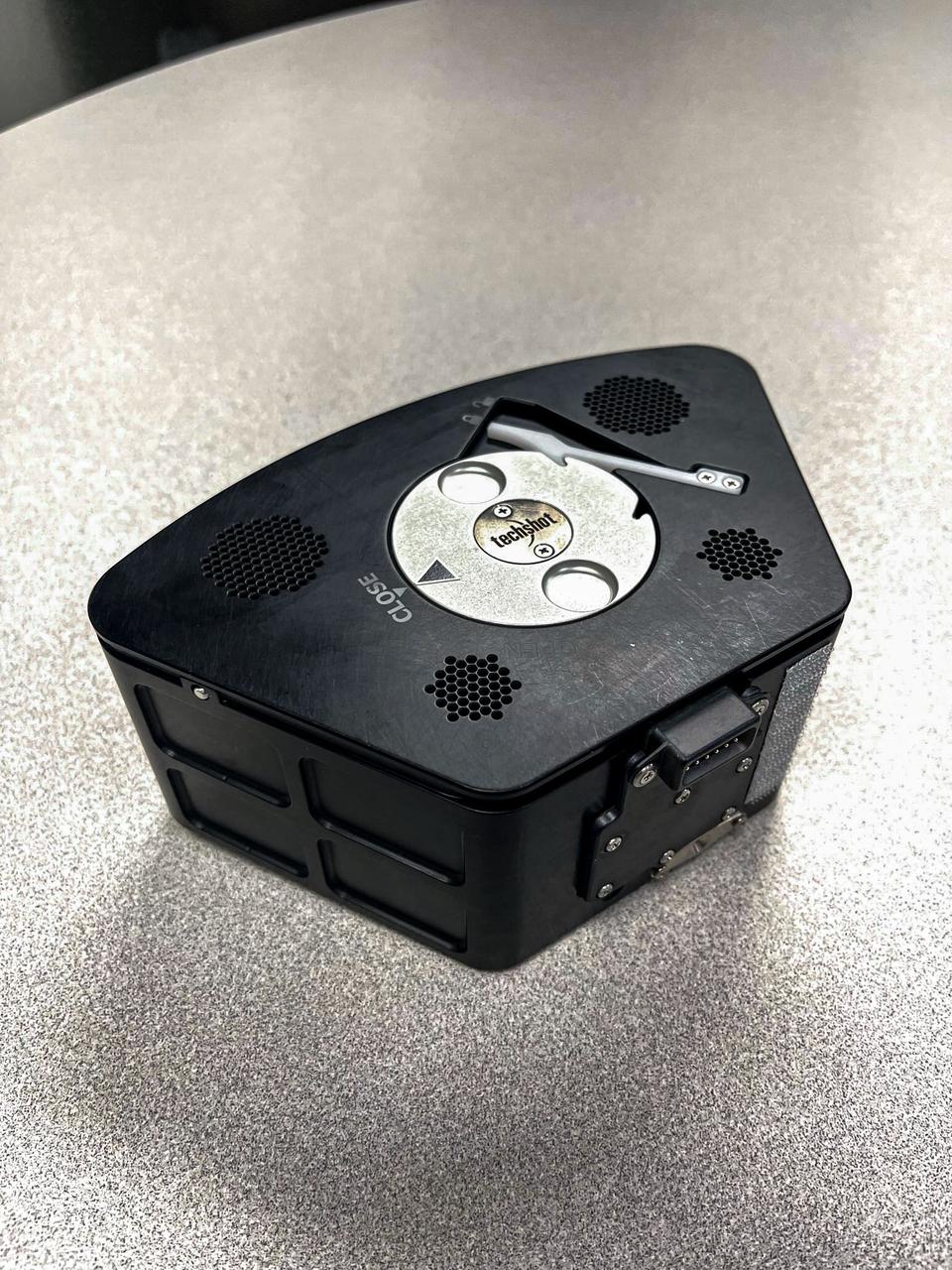
jsc2024e036956 (3/9/2023) --- The Multi-use Variable-g Platform (MVP) Cell Experiment Module is shown. Twelve of these modules run with each housing three sample conditions for the Maturation of Vascularized Liver Tissue Construct in Zero Gravity (MVP Cell-07) investigation. Image courtesy of Grant Vellinger, Redwire.
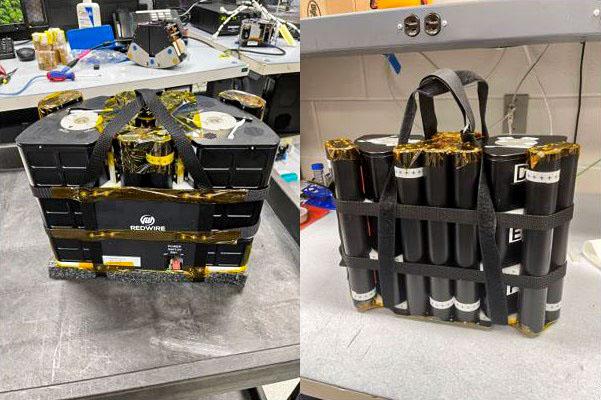
jsc2024e036957 (5/24/2024) --- Six modules configured in their Powered Carrier for ascent. The carrier helps perfuse media through the tissue while launched in a cold bag, maintaining approximately 37°C for the Maturation of Vascularized Liver Tissue Construct in Zero Gravity (MVP Cell-07) investigation. Image courtesy of Grant Vellinger, Redwire.
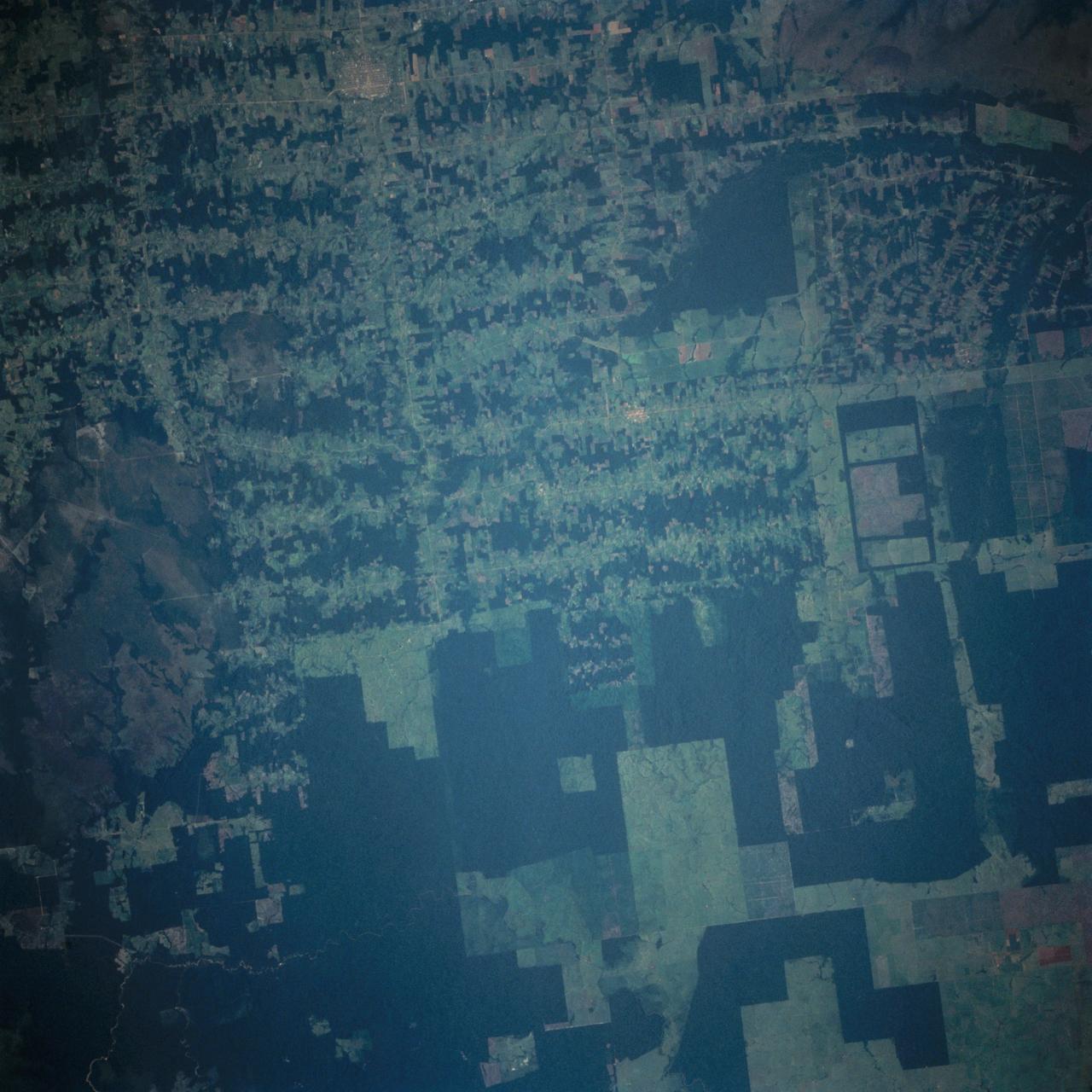
This near vertical photograph illustrates the differences in agricultural land patterns typically seen in many parts of southwestern Brazil, near the Bolivian border. The larger rectangular field patterns reflect a mature, fully developed agricultural environment. The smaller areas are less well defined and indicate new agricultural development.

ISS040-E-017316 (23 June 2014) --- As the International Space Station was passing over the North Atlantic Ocean, just east of Newfoundland, on June 23, 2014, one of the Expedition 40 crew members on the orbital outpost recorded this panoramic view of the swirling bands of a mature, not dangerous non-tropical, cyclone. Such cyclonic activity is not unusual for this time of year in that area.
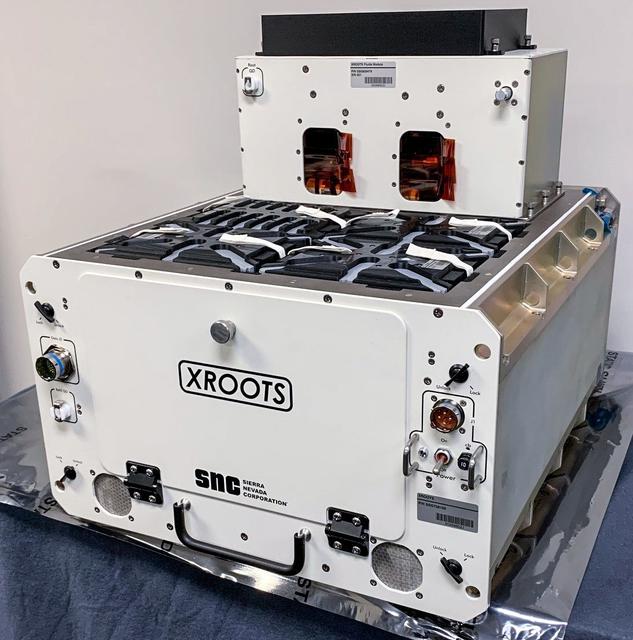
jsc2021e037285 (2/12/2021) --- A preflight view of the XROOTS hardware. The eXposed Root On-Orbit Test System (XROOTS) investigation uses hydroponic and aeroponic techniques to grow plants without soil or other growth media. Video and still images enable evaluation of multiple independent growth chambers for the entire plant life cycle from seed germination through maturity. Results could identify suitable methods to produce crops on a larger scale for future space missions.
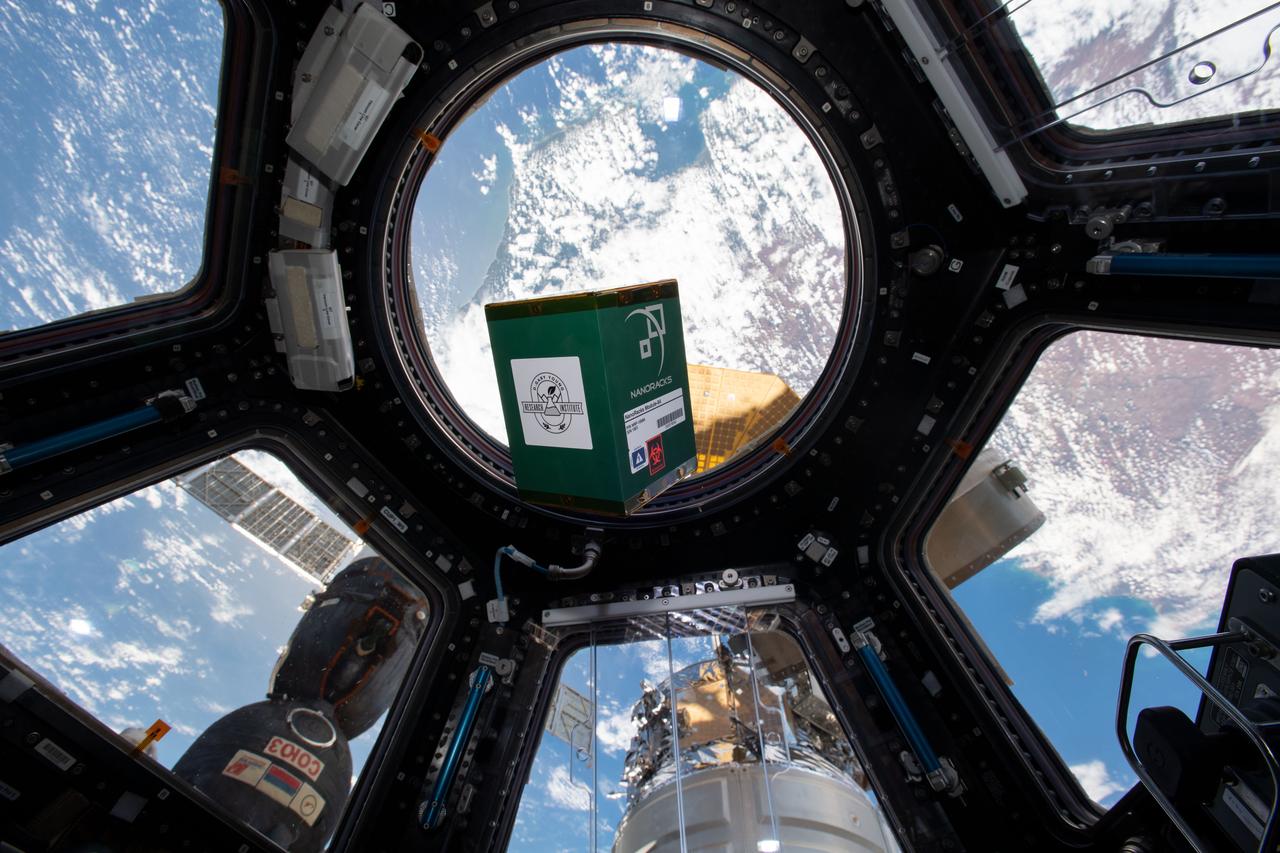
iss060e020116 (7/31/2019) --- A view of the NanoLab containing the Young Living investigation in the Cupola window aboard the International Space Station (ISS). The Young Living investigation studies the effects of exposure to the extraterrestrial environment on plant seeds and essential oils. Researchers expose seeds to the space environment then germinate and grow them to maturity on the ground and extract essential oils. The plant growth and composition of essential oils are compared to those from controls kept on the ground.
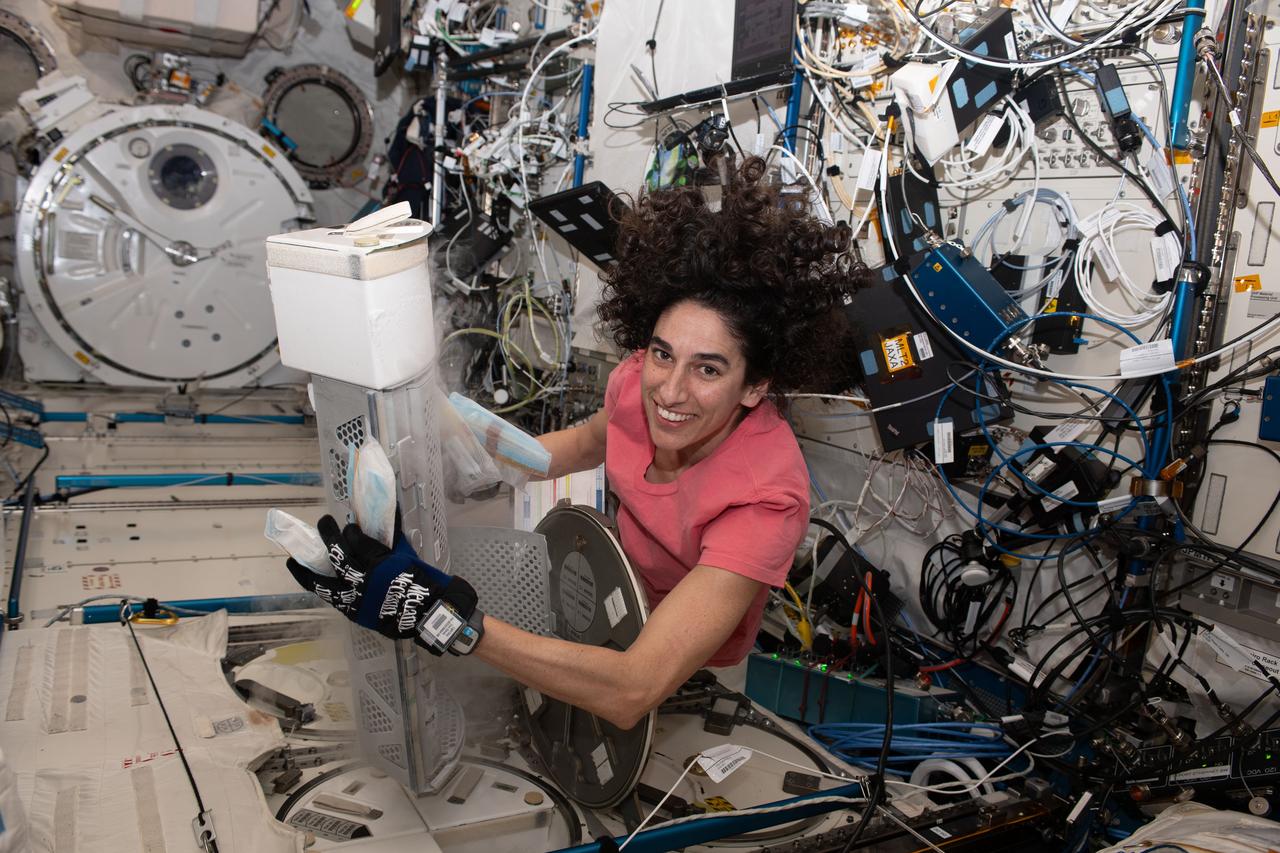
iss070e108265 (3/6/2024) --- Flight Engineer Jasmin Moghbeli works to retrieve Media Bags for the SS: Engineering Stem Cell-Derived Cardiac Microtissues with Metabolic Regulators in Space to Promote Cardiomyocyte Maturation (Project EAGLE) investigation from Minus Eighty Degree Laboratory Freezer for ISS-1 (MELFI-1). Photo was taken in the Kibo Japanese Experiment Module (JEM).
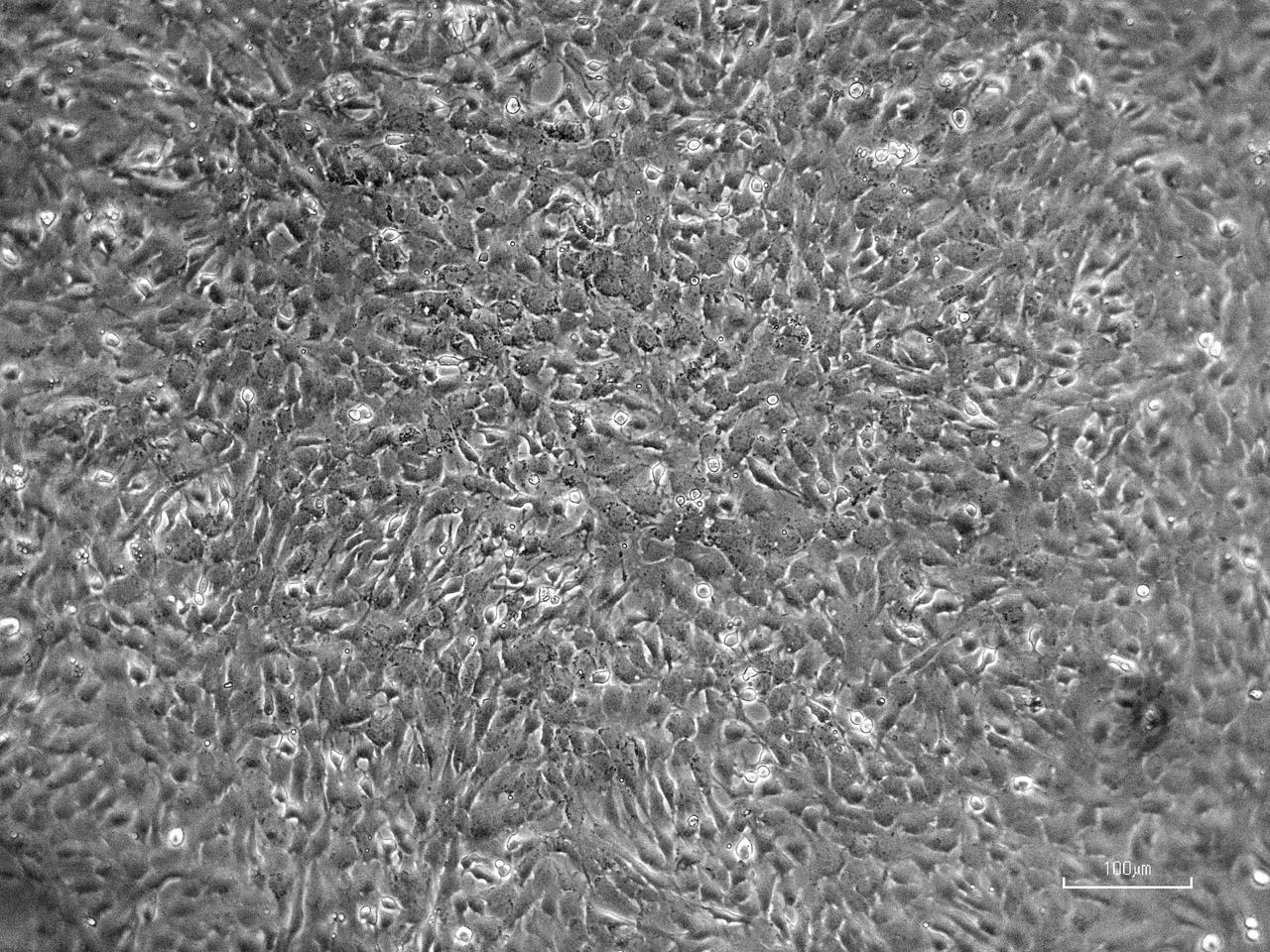
jsc2022e072967 (4/12/2021) --- Image of bovine ovary Granulosa cells. Coordinated by the Italian Space Agency (ASI), OVOSPACE investigates how microgravity influences the maturation and development ovarian cells in mammals, including Granulosa cells. This experiment could help scientists understand how long-term settlement on the Moon or Mars might affect the fertility of astronauts living in reduced gravity for long durations. Image courtesy of Professor Mariano Bizzarri, Department of Experimental Medicine, Sapienza University of Rome.
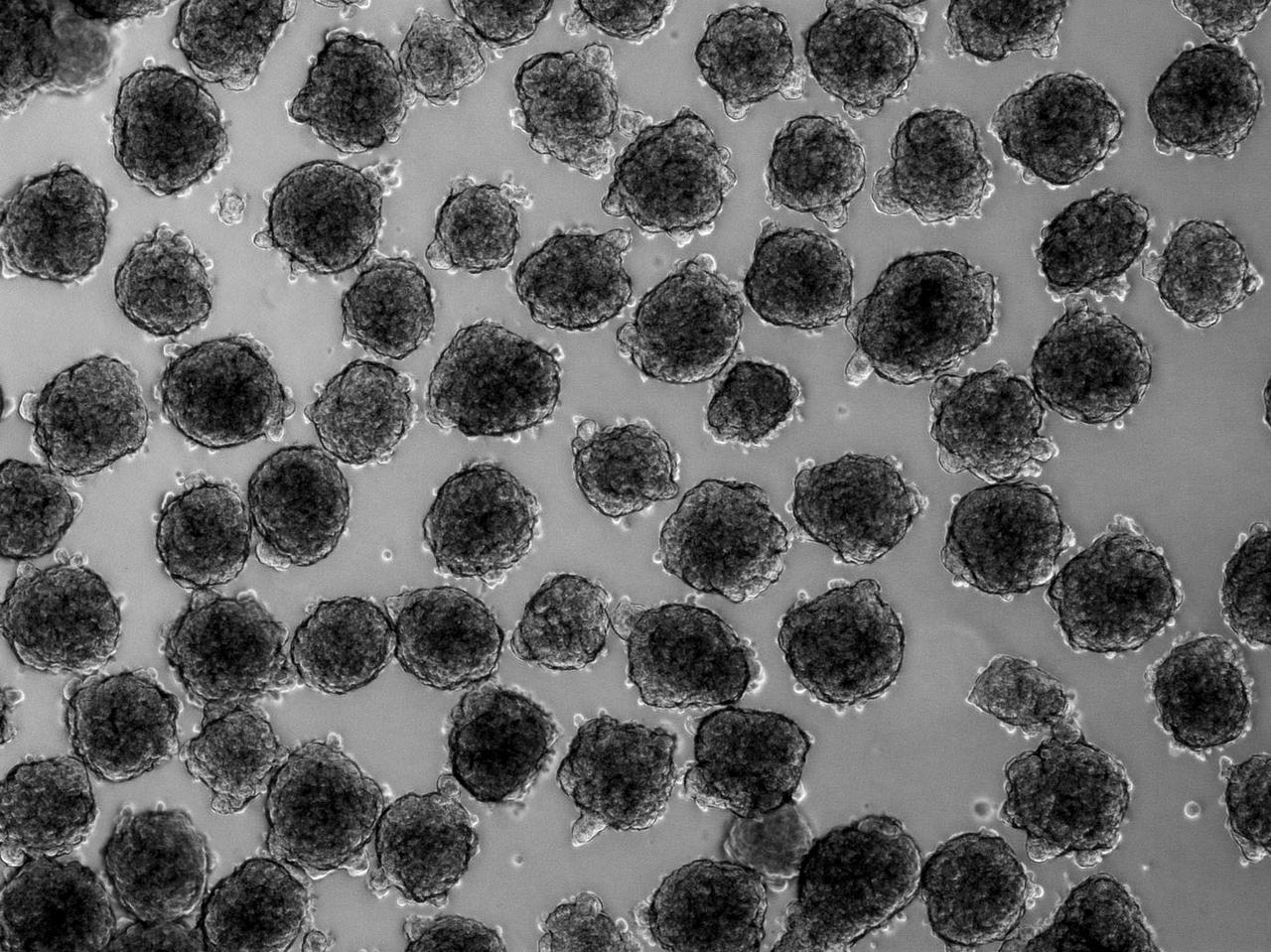
jsc2022e072971 (9/22/2022) --- A preflight view 3D heart cells in suspension culture. ISS: Engineering Stem Cell-Derived Cardiac Microtissues with Metabolic Regulators in Space to Promote Cardiomyocyte Maturation (Project EAGLE) grows 3D cultures of heart cells on the International Space Station. What is learned could help scientists establish a functional heart tissue model that mimics heart disease and can be used to test new drugs. Image courtesy of Parvin Forghani, Ph.D., Emory University.
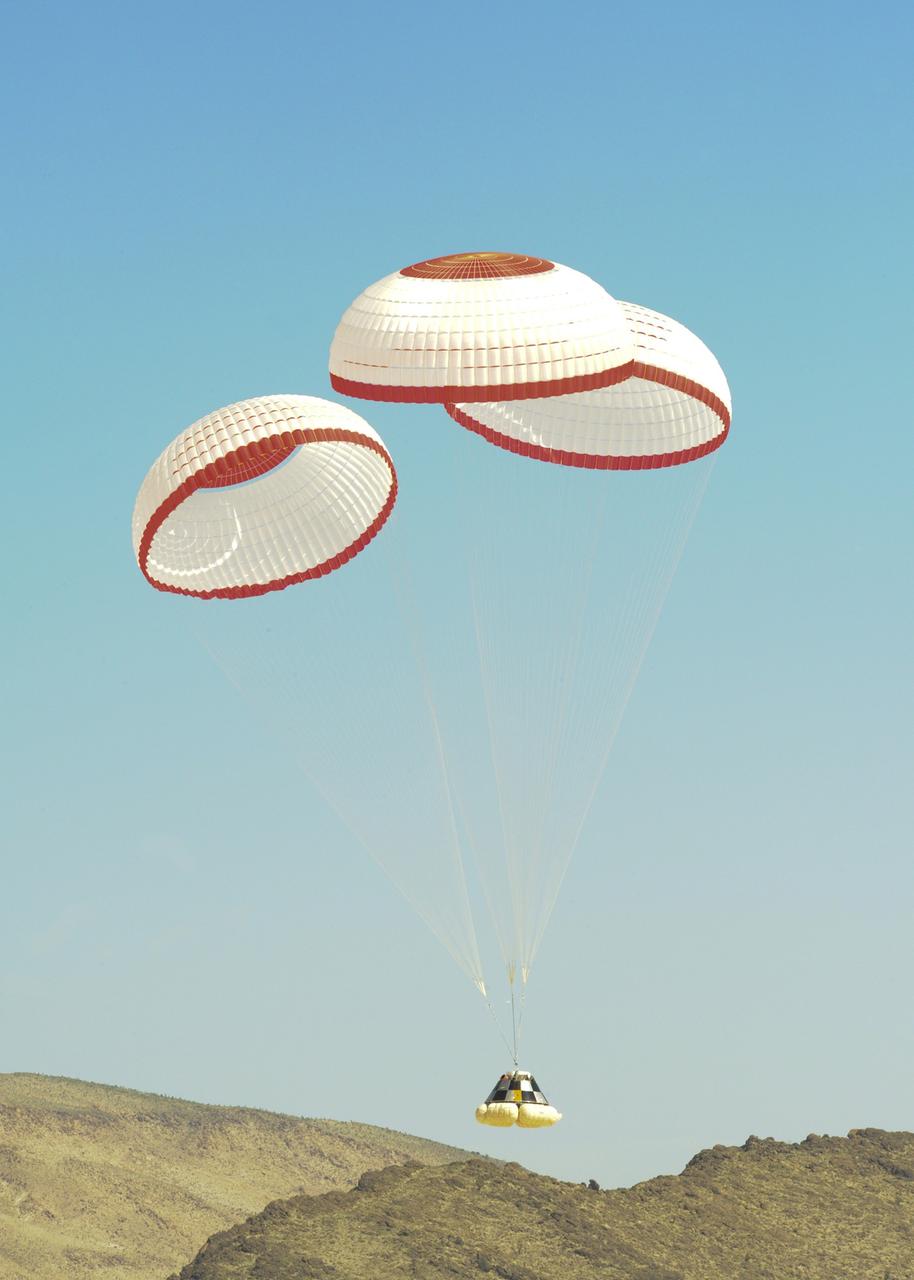
DELAMAR DRY LAKE BED, Nev. – The Boeing Company's CST-100 crew capsule floats to a smooth landing beneath three main parachutes over the Delamar Dry Lake Bed near Alamo, Nev. This is the second parachute test that Boeing performed under its partnership with NASA's Commercial Crew Program CCP. The first showed the parachute system’s deployment scheme worked and that it could be re-packed and re-used for this second test. In 2011, NASA selected Boeing during Commercial Crew Development Round 2 CCDev2) activities to mature the design and development of a crew transportation system with the overall goal of accelerating a United States-led capability to the International Space Station. The goal of CCP is to drive down the cost of space travel as well as open up space to more people than ever before by balancing industry’s own innovative capabilities with NASA's 50 years of human spaceflight experience. Six other aerospace companies also are maturing launch vehicle and spacecraft designs under CCDev2, including Alliant Techsystems Inc. ATK, Excalibur Almaz Inc., Blue Origin, Sierra Nevada, Space Exploration Technologies SpaceX, and United Launch Alliance ULA. For more information, visit www.nasa.gov/commercialcrew. Image credit: Boeing
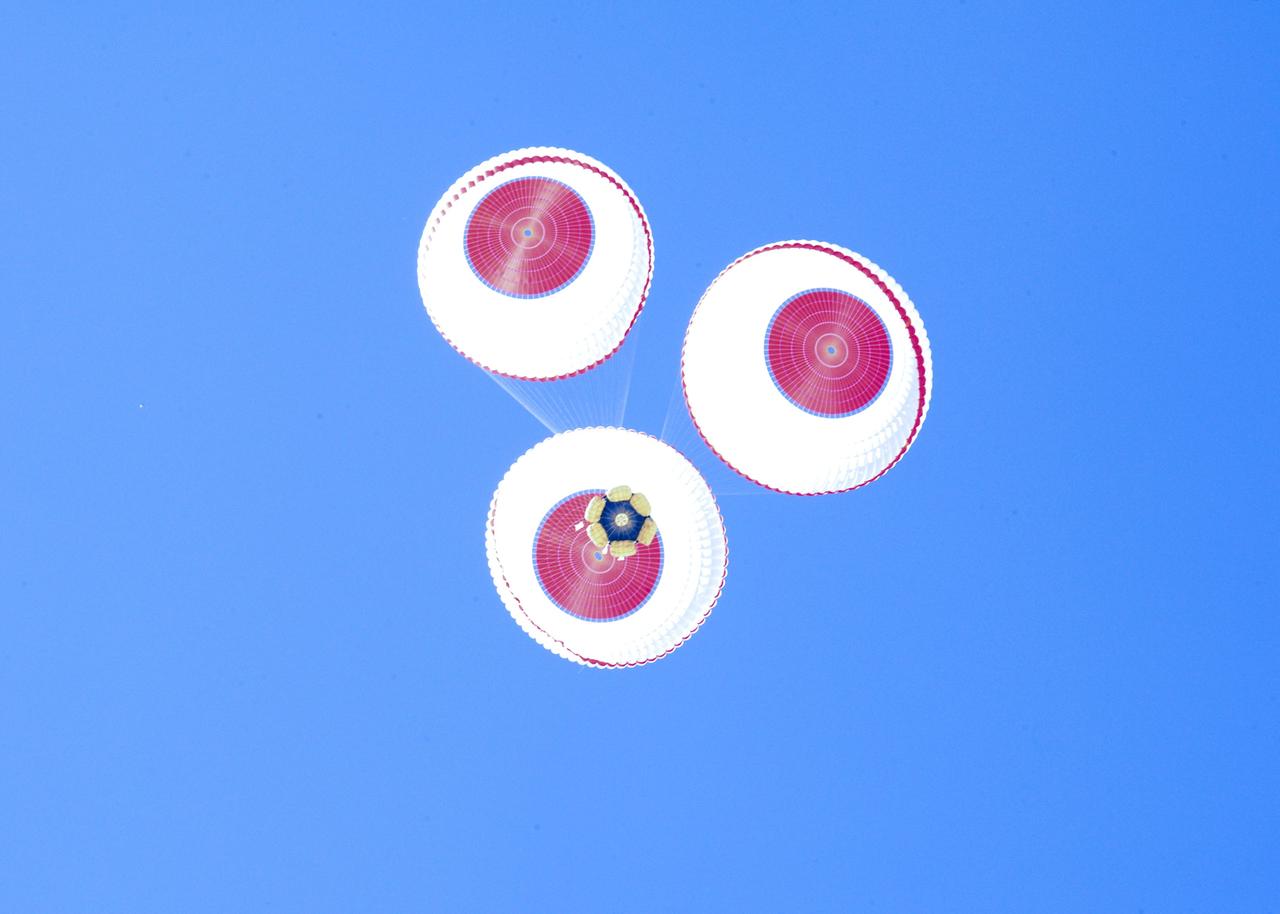
DELAMAR DRY LAKE BED, Nev. – The Boeing Company's CST-100 crew capsule floats to a smooth landing beneath three main parachutes over the Delamar Dry Lake Bed near Alamo, Nev. This is the second parachute test that Boeing performed under its partnership with NASA's Commercial Crew Program CCP. The first showed the parachute system’s deployment scheme worked and that it could be re-packed and re-used for this second test. In 2011, NASA selected Boeing during Commercial Crew Development Round 2 CCDev2) activities to mature the design and development of a crew transportation system with the overall goal of accelerating a United States-led capability to the International Space Station. The goal of CCP is to drive down the cost of space travel as well as open up space to more people than ever before by balancing industry’s own innovative capabilities with NASA's 50 years of human spaceflight experience. Six other aerospace companies also are maturing launch vehicle and spacecraft designs under CCDev2, including Alliant Techsystems Inc. ATK, Excalibur Almaz Inc., Blue Origin, Sierra Nevada, Space Exploration Technologies SpaceX, and United Launch Alliance ULA. For more information, visit www.nasa.gov/commercialcrew. Image credit: Boeing
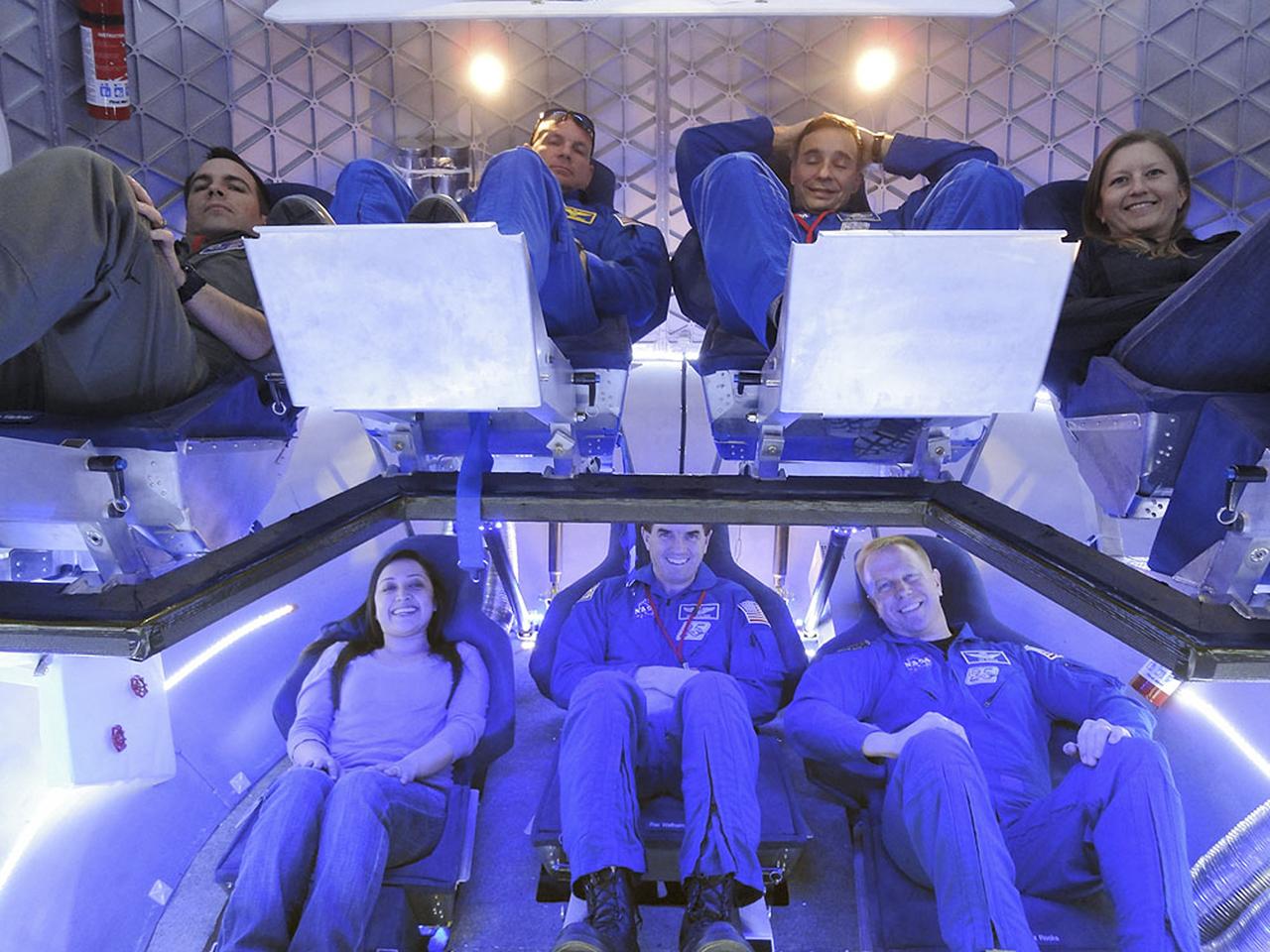
HAWTHORNE, Calif. -- NASA astronauts and industry experts check out the crew accommodations in the Dragon spacecraft under development by Space Exploration Technologies SpaceX of Hawthorne, Calif., for the agency's Commercial Crew Program. On top, from left, are NASA Crew Survival Engineering Team Lead Dustin Gohmert, NASA astronauts Tony Antonelli and Lee Archambault, and SpaceX Mission Operations Engineer Laura Crabtree. On bottom, from left, are SpaceX Thermal Engineer Brenda Hernandez and NASA astronauts Rex Walheim and Tim Kopra. In 2011, NASA selected SpaceX during Commercial Crew Development Round 2 CCDev2) activities to mature the design and development of a crew transportation system with the overall goal of accelerating a United States-led capability to the International Space Station. The goal of CCP is to drive down the cost of space travel as well as open up space to more people than ever before by balancing industry’s own innovative capabilities with NASA's 50 years of human spaceflight experience. Six other aerospace companies also are maturing launch vehicle and spacecraft designs under CCDev2, including Alliant Techsystems Inc. ATK, The Boeing Co., Excalibur Almaz Inc., Blue Origin, Sierra Nevada, and United Launch Alliance ULA. For more information, visit www.nasa.gov/commercialcrew. Image credit: Space Exploration Technologies
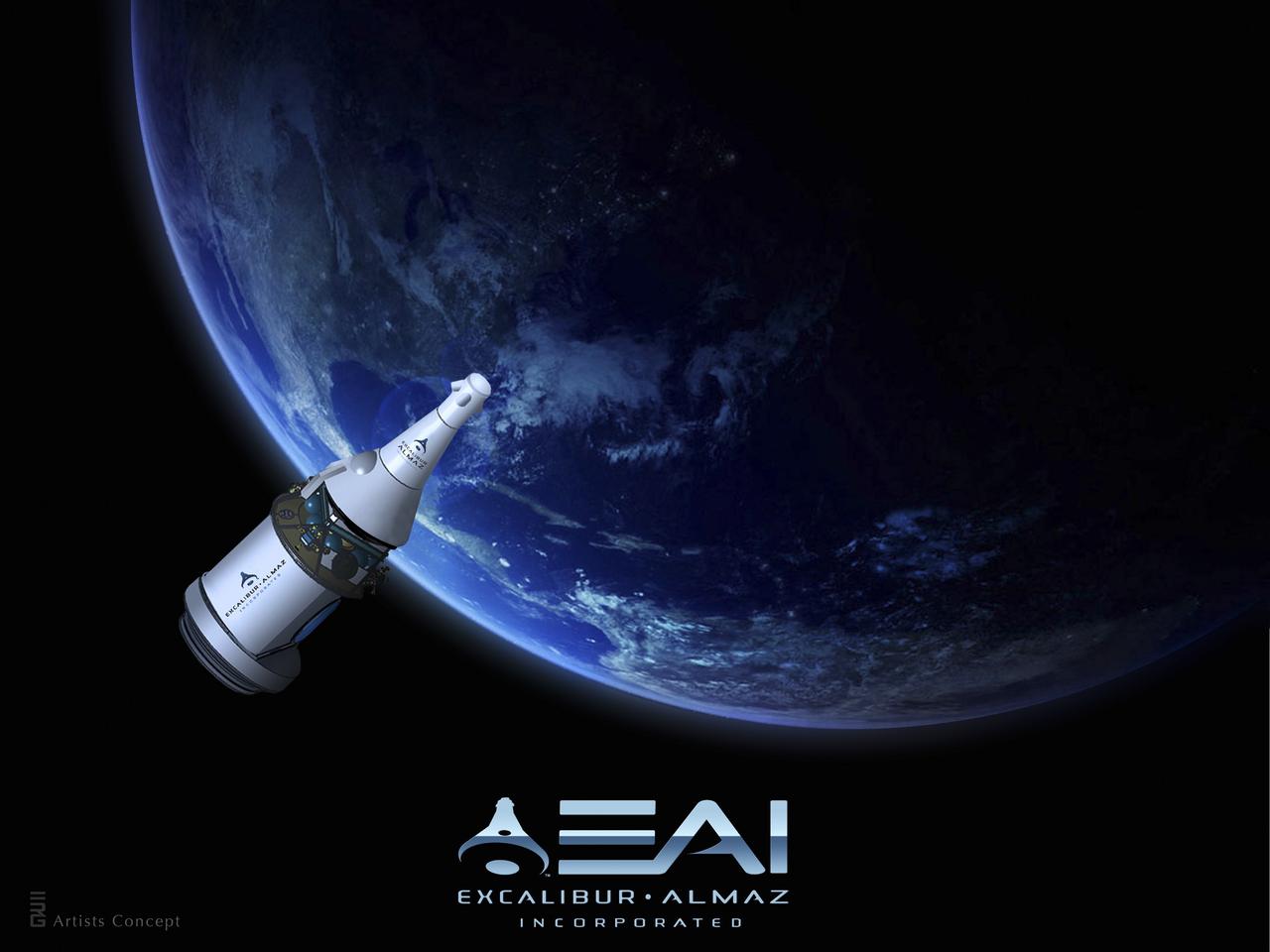
CAPE CANAVERAL, Fla. -- This is an artist's conception of the Human Spacecraft being considered for NASA's Commercial Crew Program CCP. In 2011, NASA and Excalibur Almaz Inc. of Houston entered into an unfunded Space Act Agreement during Commercial Crew Development Round 2 CCDev2) activities to mature the design and development of a crew transportation system with the overall goal of accelerating a United States-led capability to the International Space Station. The goal of CCP is to drive down the cost of space travel as well as open up space to more people than ever before by balancing industry’s own innovative capabilities with NASA's 50 years of human spaceflight experience. Six other aerospace companies also are maturing launch vehicle and spacecraft designs under CCDev2, including Alliant Techsystems Inc. ATK, Blue Origin, The Boeing Co., Sierra Nevada Corp., Space Exploration Technologies SpaceX, and United Launch Alliance ULA. For more information, visit www.nasa.gov/exploration/commercialcrew Image credit: Excalibur Almaz Inc.
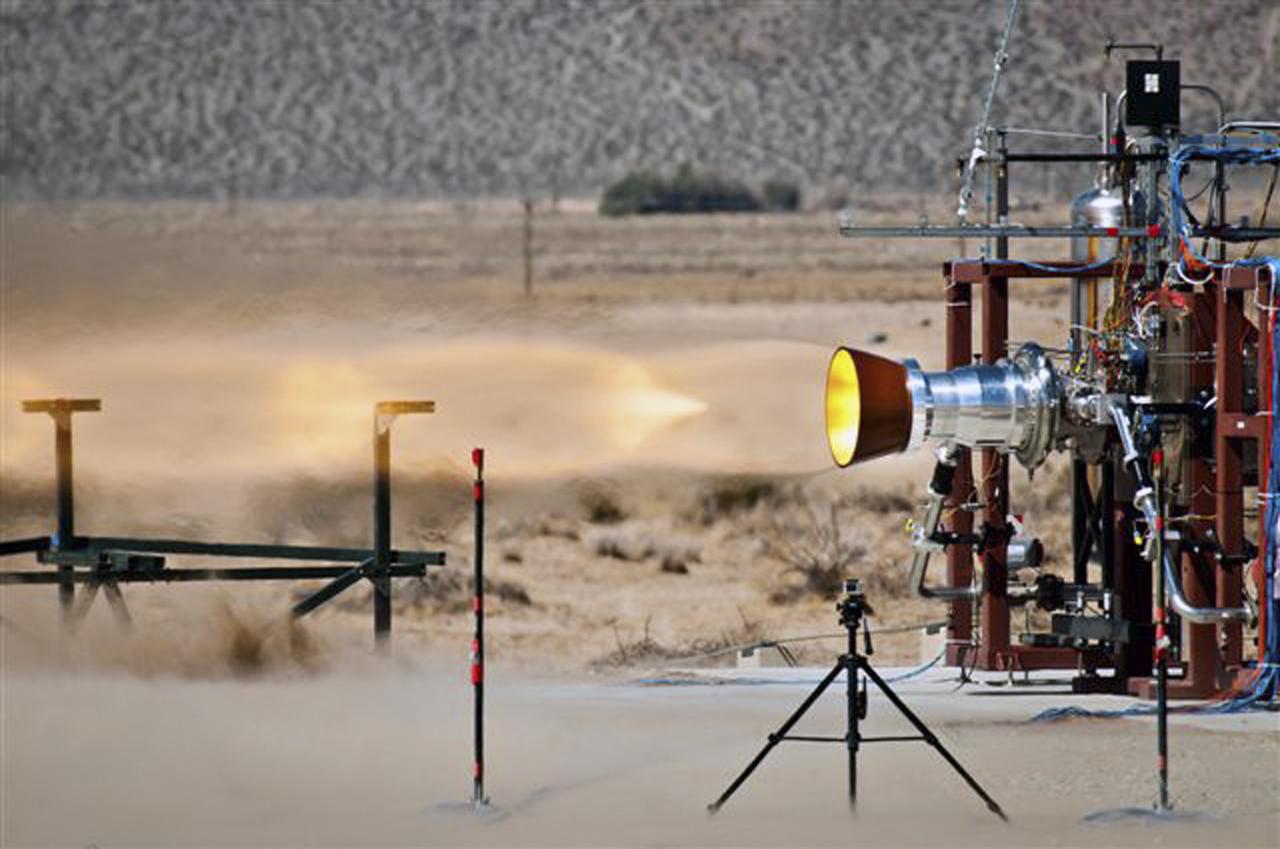
CANOGA PARK, Calif. -- Pratt & Whitney Rocketdyne hot-fires a launch abort engine for The Boeing Co., which is developing its CST-100 spacecraft for NASA's Commercial Crew Program. Under its fixed-price contract with Boeing, Pratt and Whitney Rocketdyne is combining its Attitude Control Propulsion System thrusters from heritage spaceflight programs, Bantam abort engine design and storable propellant engineering capabilities. In 2011, NASA selected Boeing of Houston during Commercial Crew Development Round 2 CCDev2) activities to mature the design and development of a crew transportation system with the overall goal of accelerating a United States-led capability to the International Space Station. The goal of CCP is to drive down the cost of space travel as well as open up space to more people than ever before by balancing industry’s own innovative capabilities with NASA's 50 years of human spaceflight experience. Six other aerospace companies also are maturing launch vehicle and spacecraft designs under CCDev2, including Alliant Techsystems Inc. ATK, Blue Origin, Excalibur Almaz Inc., Sierra Nevada Corp., Space Exploration Technologies SpaceX, and United Launch Alliance ULA. For more information, visit www.nasa.gov/commercialcrew. Image credit: Pratt & Whitney Rocketdyne
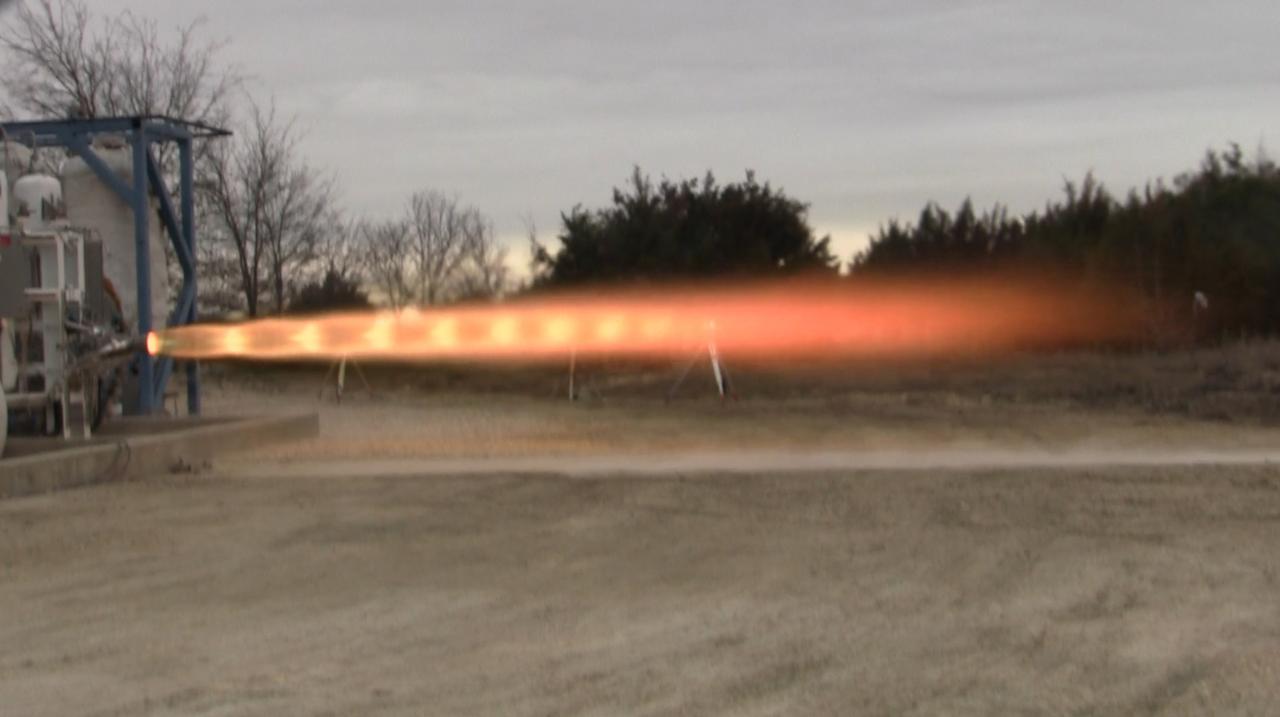
MCGREGOR, Texas -- Space Exploration Technologies (SpaceX) completes a full-duration, full-thrust firing of its new SuperDraco engine prototype at the company’s Rocket Development Facility in McGregor, Texas. The firing was in preparation for the ninth milestone to be completed under SpaceX's funded Space Act Agreement (SAA) with NASA's Commercial Crew Program (CCP). SpaceX is working with CCP during Commercial Crew Development Round 2 (CCDev2) in order to mature the design and development of its Dragon spacecraft with the overall goal of accelerating a United States-led capability to the International Space Station. Eight SuperDracos would be built into the sidewalls of the Dragon capsule to carry astronauts to safety should an emergency occur during launch or ascent. The goal of CCP is to drive down the cost of space travel as well as open up space to more people than ever before by balancing industry’s own innovative capabilities with NASA's 50 years of human spaceflight experience. Six other aerospace companies also are maturing launch vehicle and spacecraft designs under CCDev2, including Alliant Techsystems Inc. (ATK), Blue Origin, The Boeing Co., Excalibur Almaz Inc., Sierra Nevada Corp. and United Launch Alliance (ULA). For more information, visit www.nasa.gov/commercialcrew
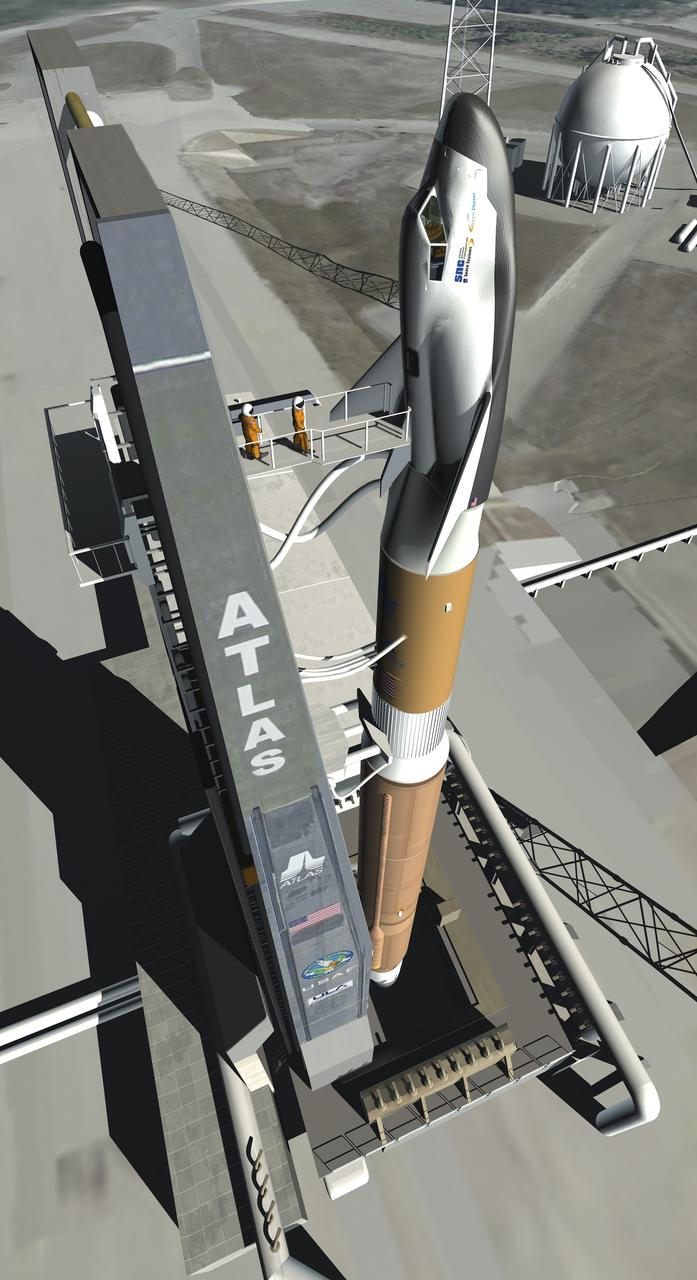
CAPE CANAVERAL, Fla. -- This is an artist's conception of the Dream Chaser spacecraft integrated with an Atlas V rocket. Dream Chaser is under development by Sierra Nevada of Centennial, Colo., for NASA's Commercial Crew Program (CCP). In 2011, NASA selected Sierra Nevada during Commercial Crew Development Round 2 (CCDev2) activities to mature the design and development of a crew transportation system with the overall goal of accelerating a United States-led capability to the International Space Station. United Launch Alliance's Atlas V also is being considered under CCDev2. The goal of CCP is to drive down the cost of space travel as well as open up space to more people than ever before by balancing industry’s own innovative capabilities with NASA's 50 years of human spaceflight experience. Five other aerospace companies also are maturing launch vehicle and spacecraft designs under CCDev2, including Alliant Techsystems Inc. (ATK), The Boeing Co., Excalibur Almaz Inc., Blue Origin, and Space Exploration Technologies (SpaceX). For more information, visit www.nasa.gov/commercialcrew. Image credit: Sierra Nevada Corp.
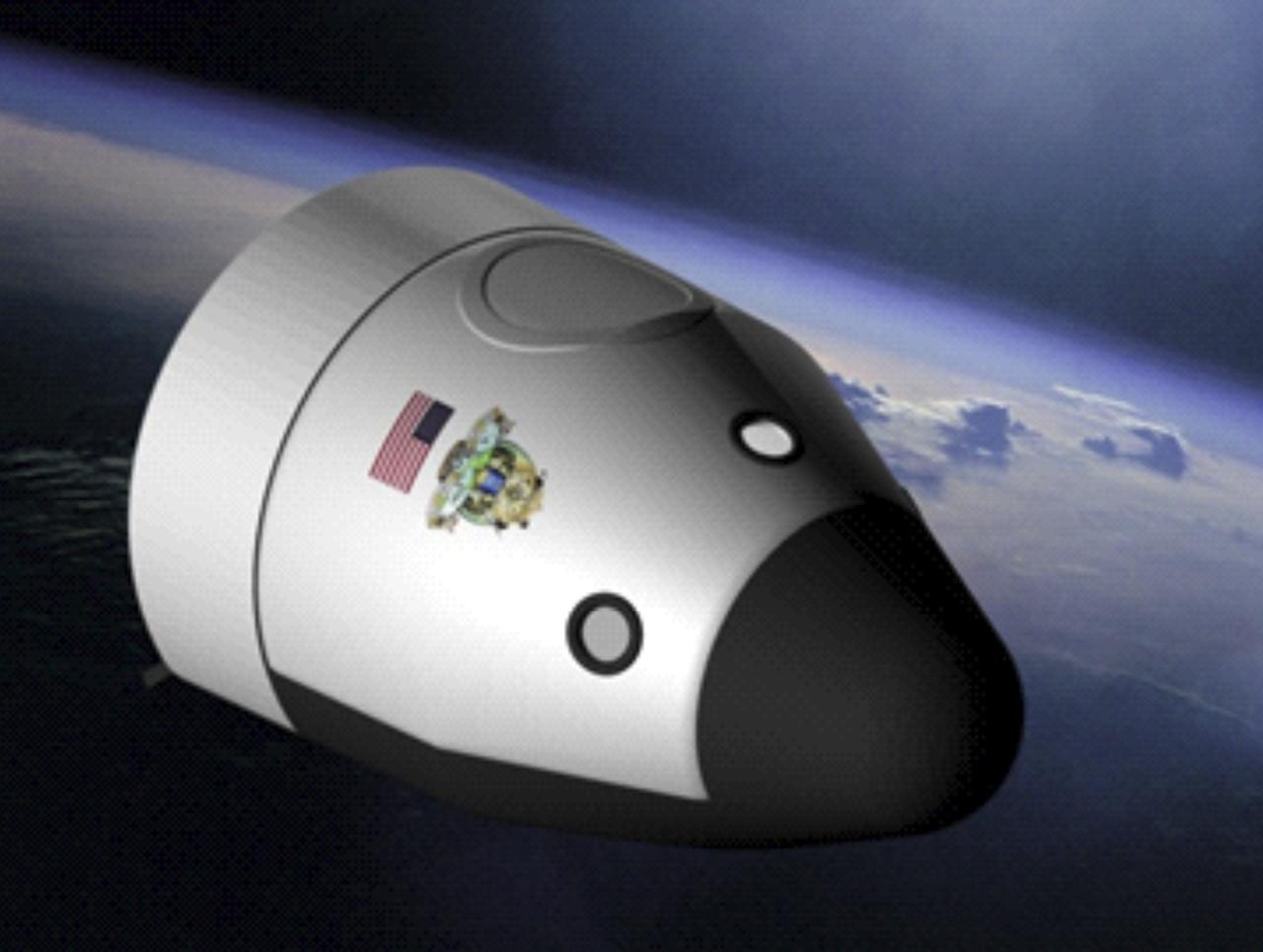
CAPE CANAVERAL, Fla. -- This is an artist's conception of the Space Vehicle under development by Blue Origin of Kent, Wash., for NASA's Commercial Crew Program (CCP). In 2011, NASA selected Blue Origin during Commercial Crew Development Round 2 (CCDev2) activities to mature the design and development of a crew transportation system with the overall goal of accelerating a United States-led capability to the International Space Station. The goal of CCP is to drive down the cost of space travel as well as open up space to more people than ever before by balancing industry’s own innovative capabilities with NASA's 50 years of human spaceflight experience. Six other aerospace companies also are maturing launch vehicle and spacecraft designs under CCDev2, including Alliant Techsystems Inc. (ATK), The Boeing Co., Excalibur Almaz Inc., Sierra Nevada Corp., Space Exploration Technologies (SpaceX), and United Launch Alliance (ULA). For more information, visit www.nasa.gov/commercialcrew. Image credit: Blue Origin
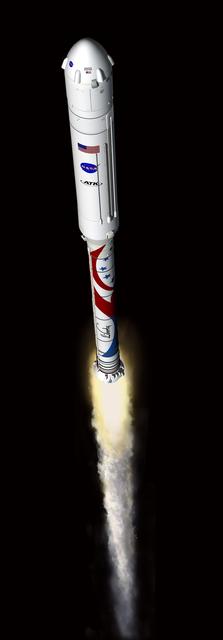
CAPE CANAVERAL, Fla. -- This is an artist's conception of the Liberty Launch Vehicle under development by Alliant Techsystems Inc. (ATK) of Promontory, Utah, for NASA's Commercial Crew Program (CCP). In 2011, NASA and ATK entered into an unfunded Space Act Agreement during Commercial Crew Development Round 2 (CCDev2) activities to mature the design and development of a crew transportation system with the overall goal of accelerating a United States-led capability to the International Space Station. The goal of CCP is to drive down the cost of space travel as well as open up space to more people than ever before by balancing industry’s own innovative capabilities with NASA's 50 years of human spaceflight experience. Six other aerospace companies also are maturing launch vehicle and spacecraft designs under CCDev2, including Blue Origin, The Boeing Co., Excalibur Almaz Inc., Sierra Nevada Corp., Space Exploration Technologies (SpaceX), and United Launch Alliance (ULA). For more information, visit www.nasa.gov/commercialcrew. Image credit: Alliant Techsystems Inc.
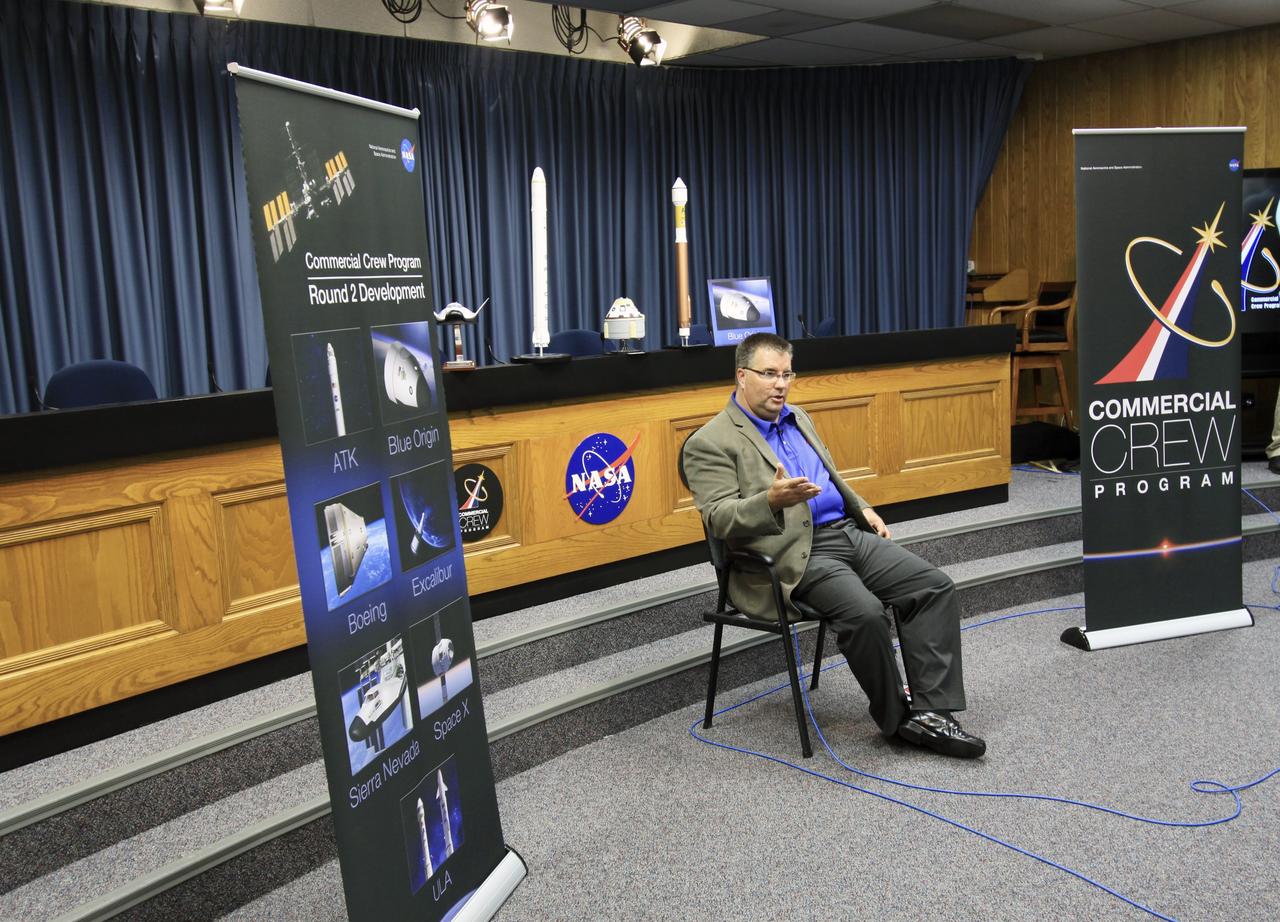
CAPE CANAVERAL, Fla. -- Ed Mango, program manager for NASA's Commercial Crew Program (CCP), updates media on the progress of Commercial Crew Development Round 2 (CCDev2) activities in which seven aerospace companies are maturing launch vehicle and spacecraft systems designed to take astronauts to the International Space Station. The goal of the program is to drive down the cost of space travel as well as open up space to more people than ever before by balancing industry’s own innovative capabilities with NASA's 50 years of human spaceflight experience. Seven aerospace companies are maturing launch vehicle and spacecraft designs under CCDev2, including Alliant Techsystems Inc. (ATK) of Promontory, Utah, Blue Origin of Kent, Wash., The Boeing Co., of Houston, Excalibur Almaz Inc. of Houston, Sierra Nevada Corp. of Louisville, Colo., Space Exploration Technologies (SpaceX) of Hawthorne, Calif., and United Launch Alliance (ULA) of Centennial, Colo. For more information, visit www.nasa.gov/exploration/commercial Photo credit: Jim Grossmann
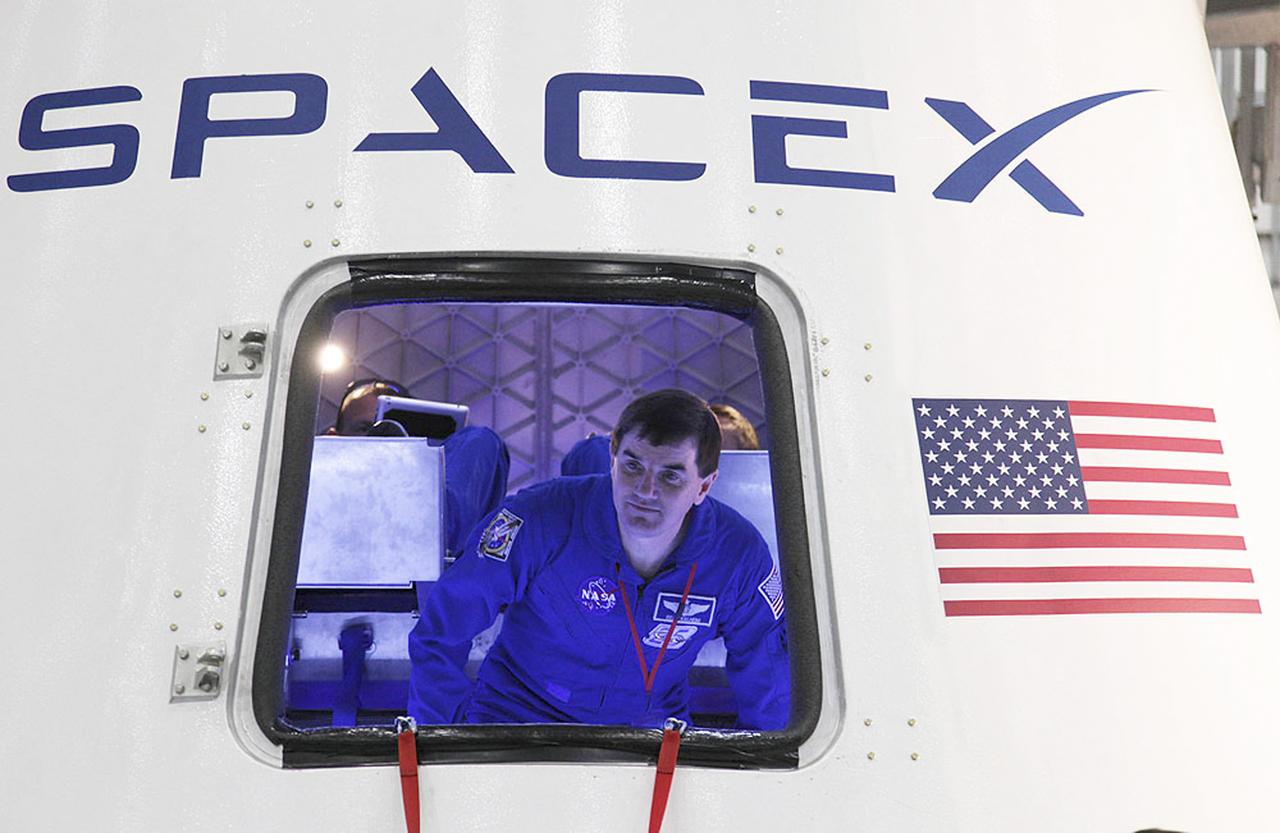
HAWTHORNE, Calif. -- NASA astronaut Rex Walheim checks out the Dragon spacecraft under development by Space Exploration Technologies SpaceX of Hawthorne, Calif., for the agency's Commercial Crew Program. In 2011, NASA selected SpaceX during Commercial Crew Development Round 2 CCDev2) activities to mature the design and development of a crew transportation system with the overall goal of accelerating a United States-led capability to the International Space Station. The goal of CCP is to drive down the cost of space travel as well as open up space to more people than ever before by balancing industry’s own innovative capabilities with NASA's 50 years of human spaceflight experience. Six other aerospace companies also are maturing launch vehicle and spacecraft designs under CCDev2, including Alliant Techsystems Inc. ATK, The Boeing Co., Excalibur Almaz Inc., Blue Origin, Sierra Nevada, and United Launch Alliance ULA. For more information, visit www.nasa.gov/commercialcrew. Image credit: Space Exploration Technologies
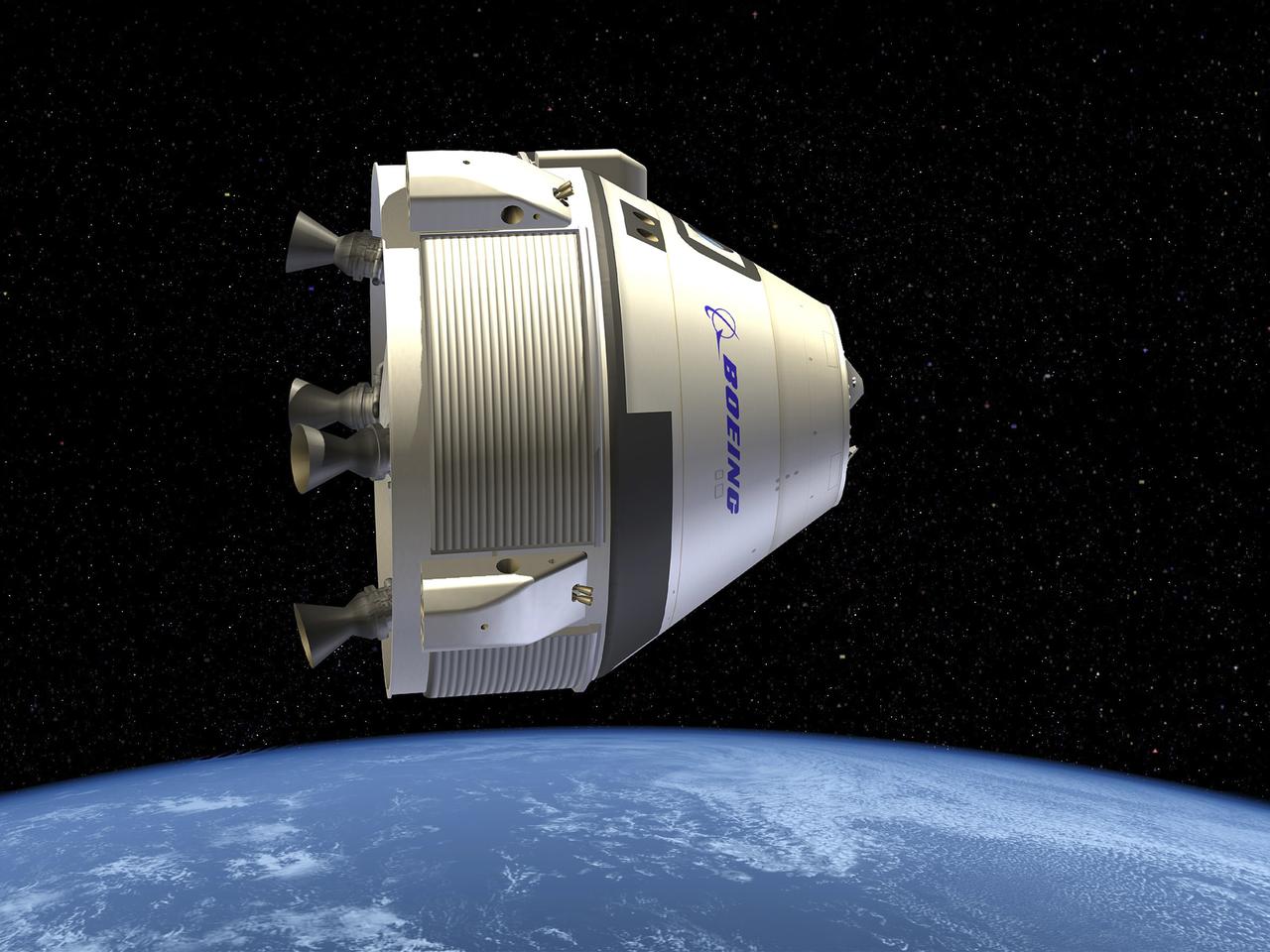
CAPE CANAVERAL, Fla. -- This is an artist's conception of the CST-100 under development by The Boeing Co. of Houston for NASA's Commercial Crew Program (CCP). In 2011, NASA selected Boeing during Commercial Crew Development Round 2 (CCDev2) activities to mature the design and development of a crew transportation system with the overall goal of accelerating a United States-led capability to the International Space Station. The goal of CCP is to drive down the cost of space travel as well as open up space to more people than ever before by balancing industry’s own innovative capabilities with NASA's 50 years of human spaceflight experience. Six other aerospace companies also are maturing launch vehicle and spacecraft designs under CCDev2, including Alliant Techsystems Inc. (ATK), Blue Origin, Excalibur Almaz Inc., Sierra Nevada Corp., Space Exploration Technologies (SpaceX), and United Launch Alliance (ULA). For more information, visit www.nasa.gov/commercialcrew. Image credit: The Boeing Co.
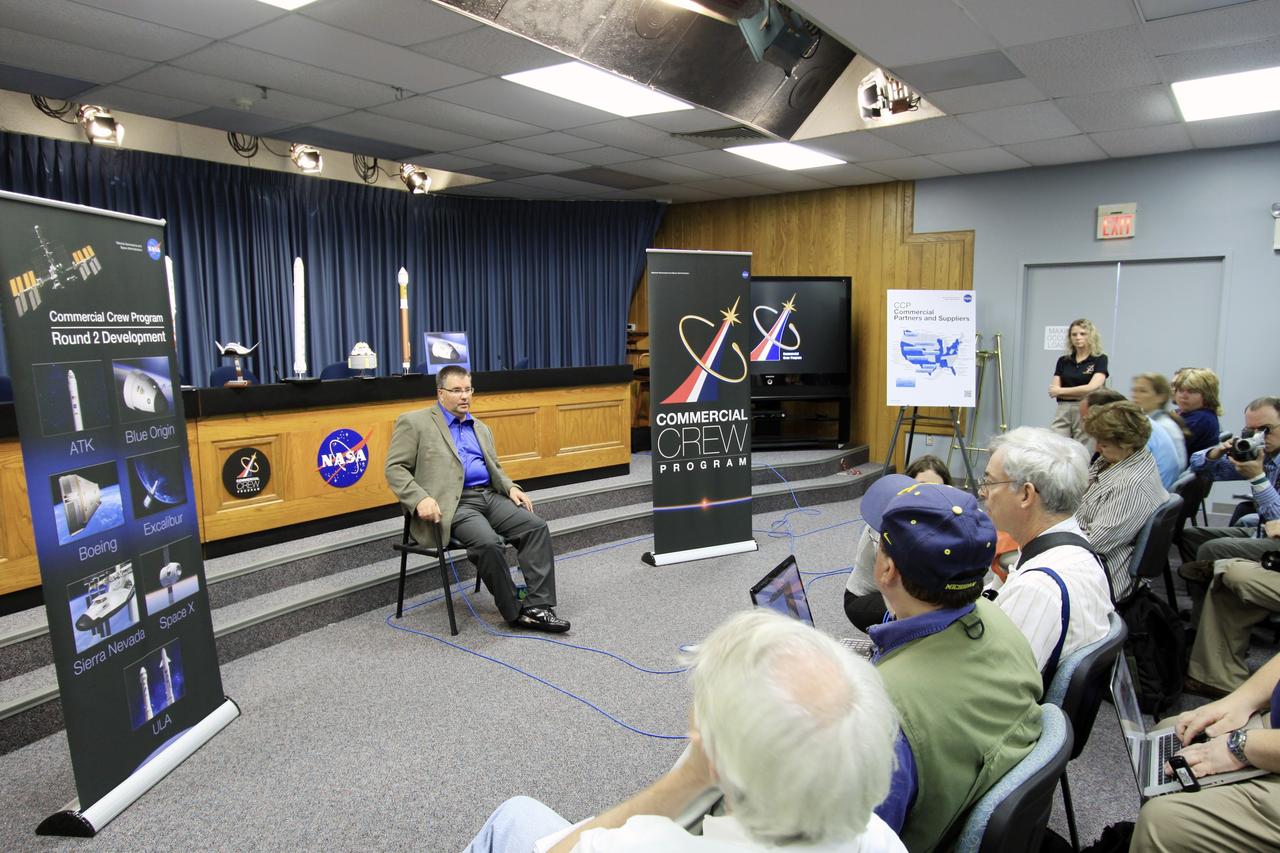
CAPE CANAVERAL, Fla. -- Ed Mango, program manager for NASA's Commercial Crew Program (CCP), updates media on the progress of Commercial Crew Development Round 2 (CCDev2) activities in which seven aerospace companies are maturing launch vehicle and spacecraft systems designed to take astronauts to the International Space Station. The goal of the program is to drive down the cost of space travel as well as open up space to more people than ever before by balancing industry’s own innovative capabilities with NASA's 50 years of human spaceflight experience. Seven aerospace companies are maturing launch vehicle and spacecraft designs under CCDev2, including Alliant Techsystems Inc. (ATK) of Promontory, Utah, Blue Origin of Kent, Wash., The Boeing Co., of Houston, Excalibur Almaz Inc. of Houston, Sierra Nevada Corp. of Louisville, Colo., Space Exploration Technologies (SpaceX) of Hawthorne, Calif., and United Launch Alliance (ULA) of Centennial, Colo. For more information, visit www.nasa.gov/exploration/commercial Photo credit: Jim Grossmann
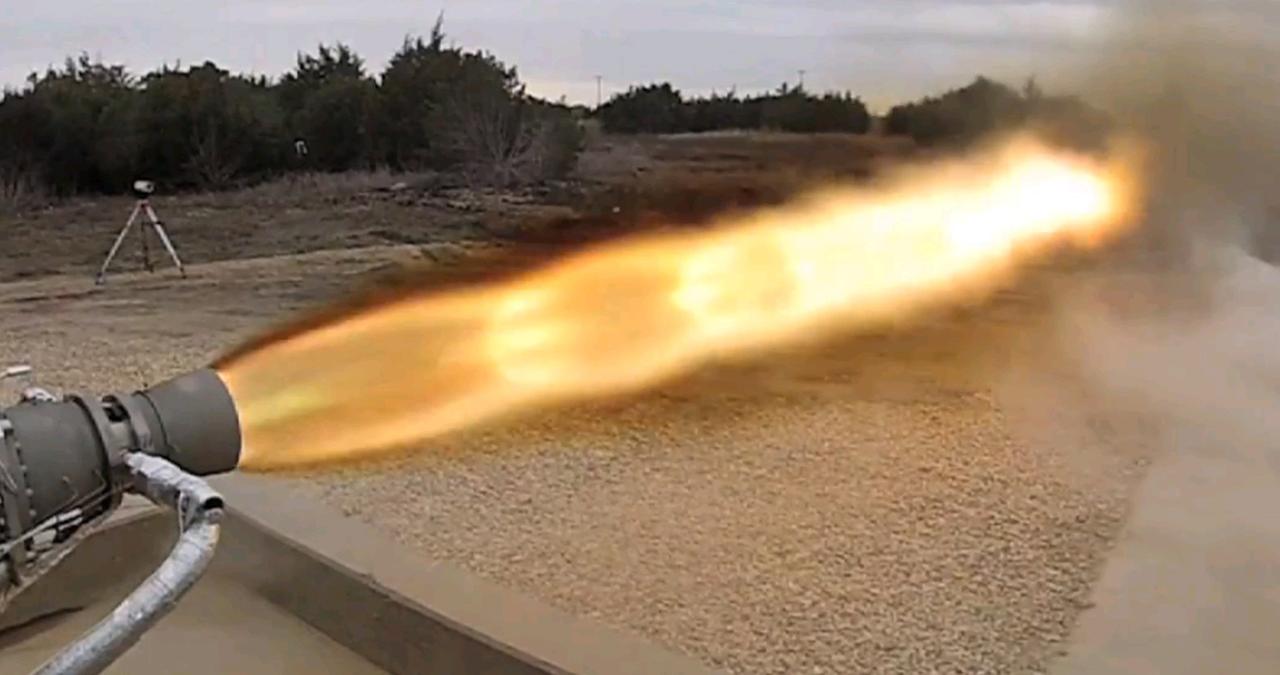
MCGREGOR, Texas -- Space Exploration Technologies (SpaceX) completes a full-duration, full-thrust firing of its new SuperDraco engine prototype at the company’s Rocket Development Facility in McGregor, Texas. The firing was in preparation for the ninth milestone to be completed under SpaceX's funded Space Act Agreement (SAA) with NASA's Commercial Crew Program (CCP). SpaceX is working with CCP during Commercial Crew Development Round 2 (CCDev2) in order to mature the design and development of its Dragon spacecraft with the overall goal of accelerating a United States-led capability to the International Space Station. Eight SuperDracos would be built into the sidewalls of the Dragon capsule to carry astronauts to safety should an emergency occur during launch or ascent. The goal of CCP is to drive down the cost of space travel as well as open up space to more people than ever before by balancing industry’s own innovative capabilities with NASA's 50 years of human spaceflight experience. Six other aerospace companies also are maturing launch vehicle and spacecraft designs under CCDev2, including Alliant Techsystems Inc. (ATK), Blue Origin, The Boeing Co., Excalibur Almaz Inc., Sierra Nevada Corp. and United Launch Alliance (ULA). For more information, visit www.nasa.gov/commercialcrew
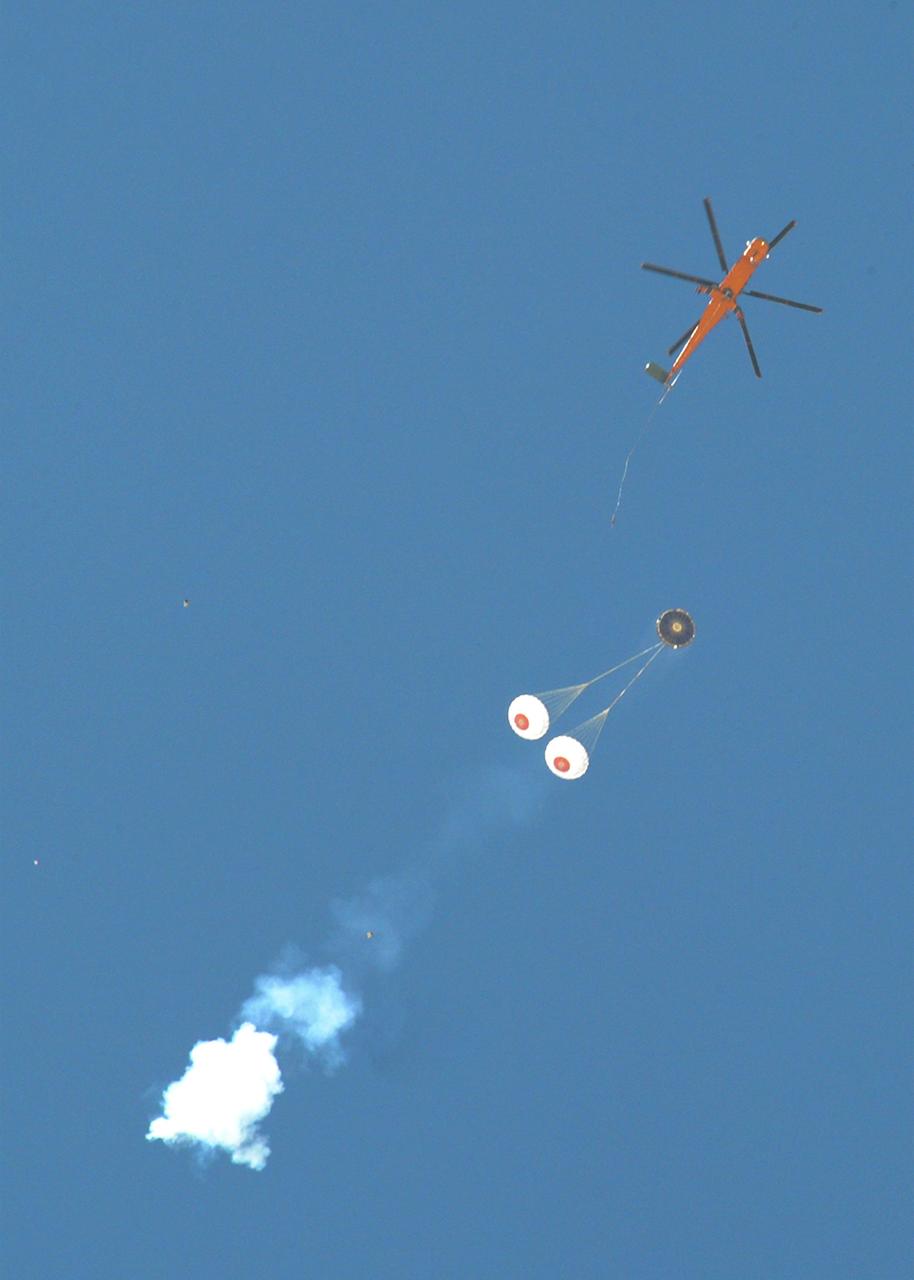
DELAMAR DRY LAKE BED, Nev. – An Erickson Sky Crane helicopter releases The Boeing Company's CST-100 crew capsule over the Delamar Dry Lake Bed near Alamo, Nev., where it floated to a smooth landing beneath its parachute system. This is the second parachute test that Boeing performed under its partnership with NASA's Commercial Crew Program CCP. The first showed the parachute system’s deployment scheme worked and that it could be re-packed and re-used for this second test. In 2011, NASA selected Boeing during Commercial Crew Development Round 2 CCDev2) activities to mature the design and development of a crew transportation system with the overall goal of accelerating a United States-led capability to the International Space Station. The goal of CCP is to drive down the cost of space travel as well as open up space to more people than ever before by balancing industry’s own innovative capabilities with NASA's 50 years of human spaceflight experience. Six other aerospace companies also are maturing launch vehicle and spacecraft designs under CCDev2, including Alliant Techsystems Inc. ATK, Excalibur Almaz Inc., Blue Origin, Sierra Nevada, Space Exploration Technologies SpaceX, and United Launch Alliance ULA. For more information, visit www.nasa.gov/commercialcrew. Image credit: Boeing
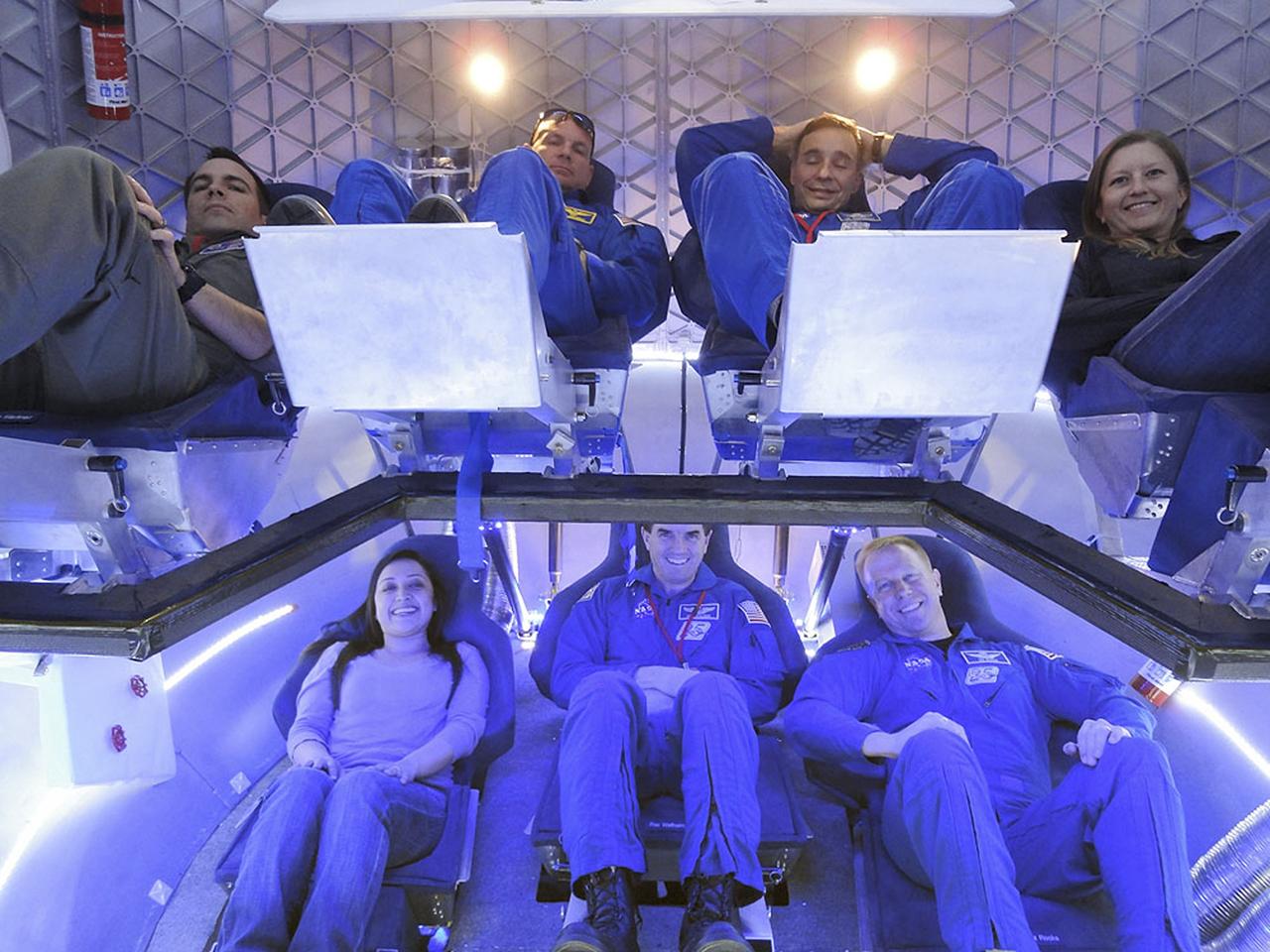
HAWTHORNE, Calif. -- NASA astronauts and industry experts check out the crew accommodations in the Dragon spacecraft under development by Space Exploration Technologies SpaceX of Hawthorne, Calif., for the agency's Commercial Crew Program. On top, from left, are NASA Crew Survival Engineering Team Lead Dustin Gohmert, NASA astronauts Tony Antonelli and Lee Archambault, and SpaceX Mission Operations Engineer Laura Crabtree. On bottom, from left, are SpaceX Thermal Engineer Brenda Hernandez and NASA astronauts Rex Walheim and Tim Kopra. In 2011, NASA selected SpaceX during Commercial Crew Development Round 2 CCDev2) activities to mature the design and development of a crew transportation system with the overall goal of accelerating a United States-led capability to the International Space Station. The goal of CCP is to drive down the cost of space travel as well as open up space to more people than ever before by balancing industry’s own innovative capabilities with NASA's 50 years of human spaceflight experience. Six other aerospace companies also are maturing launch vehicle and spacecraft designs under CCDev2, including Alliant Techsystems Inc. ATK, The Boeing Co., Excalibur Almaz Inc., Blue Origin, Sierra Nevada, and United Launch Alliance ULA. For more information, visit www.nasa.gov/commercialcrew. Image credit: Space Exploration Technologies
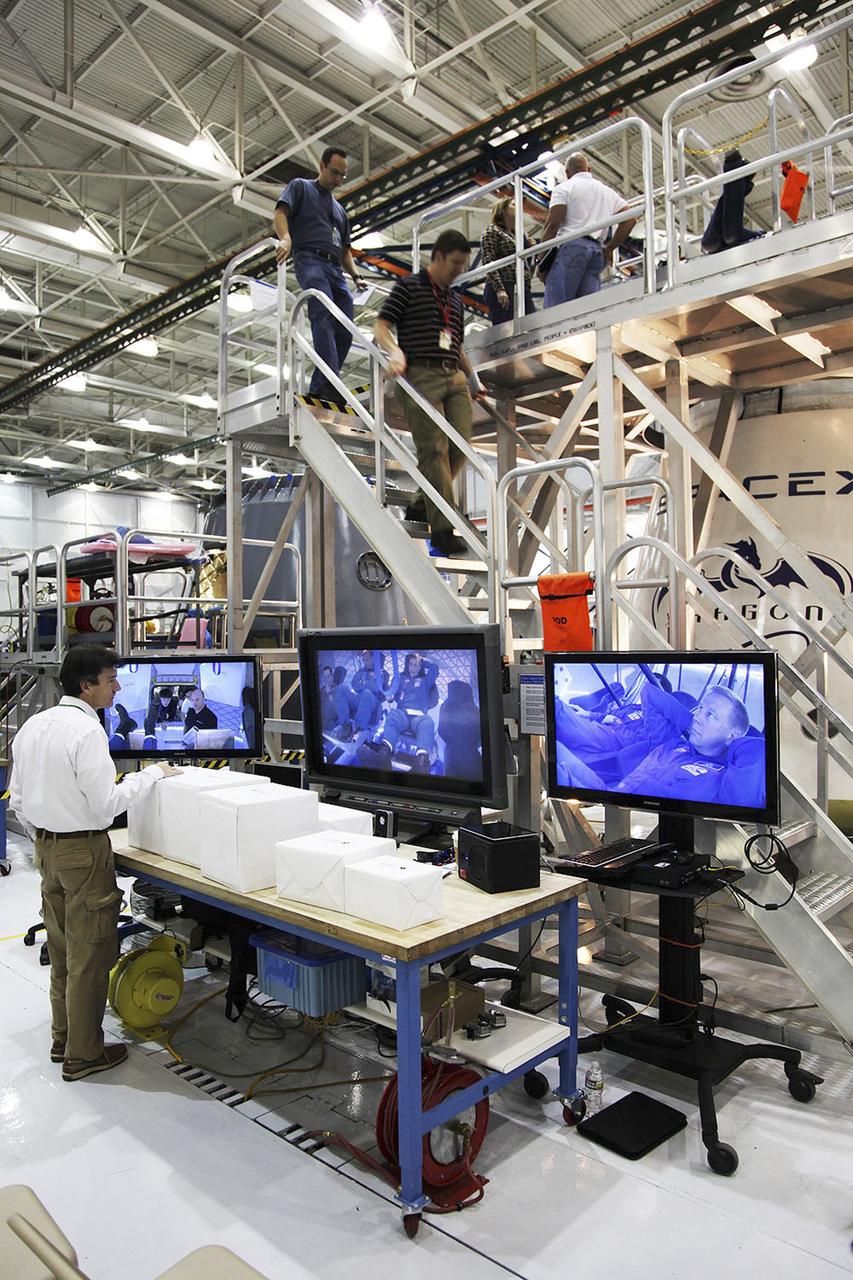
HAWTHORNE, Calif. -- NASA astronauts and industry experts are monitored while they check out the crew accommodations in the Dragon spacecraft under development by Space Exploration Technologies SpaceX of Hawthorne, Calif., for the agency's Commercial Crew Program. In 2011, NASA selected SpaceX during Commercial Crew Development Round 2 CCDev2) activities to mature the design and development of a crew transportation system with the overall goal of accelerating a United States-led capability to the International Space Station. The goal of CCP is to drive down the cost of space travel as well as open up space to more people than ever before by balancing industry’s own innovative capabilities with NASA's 50 years of human spaceflight experience. Six other aerospace companies also are maturing launch vehicle and spacecraft designs under CCDev2, including Alliant Techsystems Inc. ATK, The Boeing Co., Excalibur Almaz Inc., Blue Origin, Sierra Nevada, and United Launch Alliance ULA. For more information, visit www.nasa.gov/commercialcrew. Image credit: Space Exploration Technologies
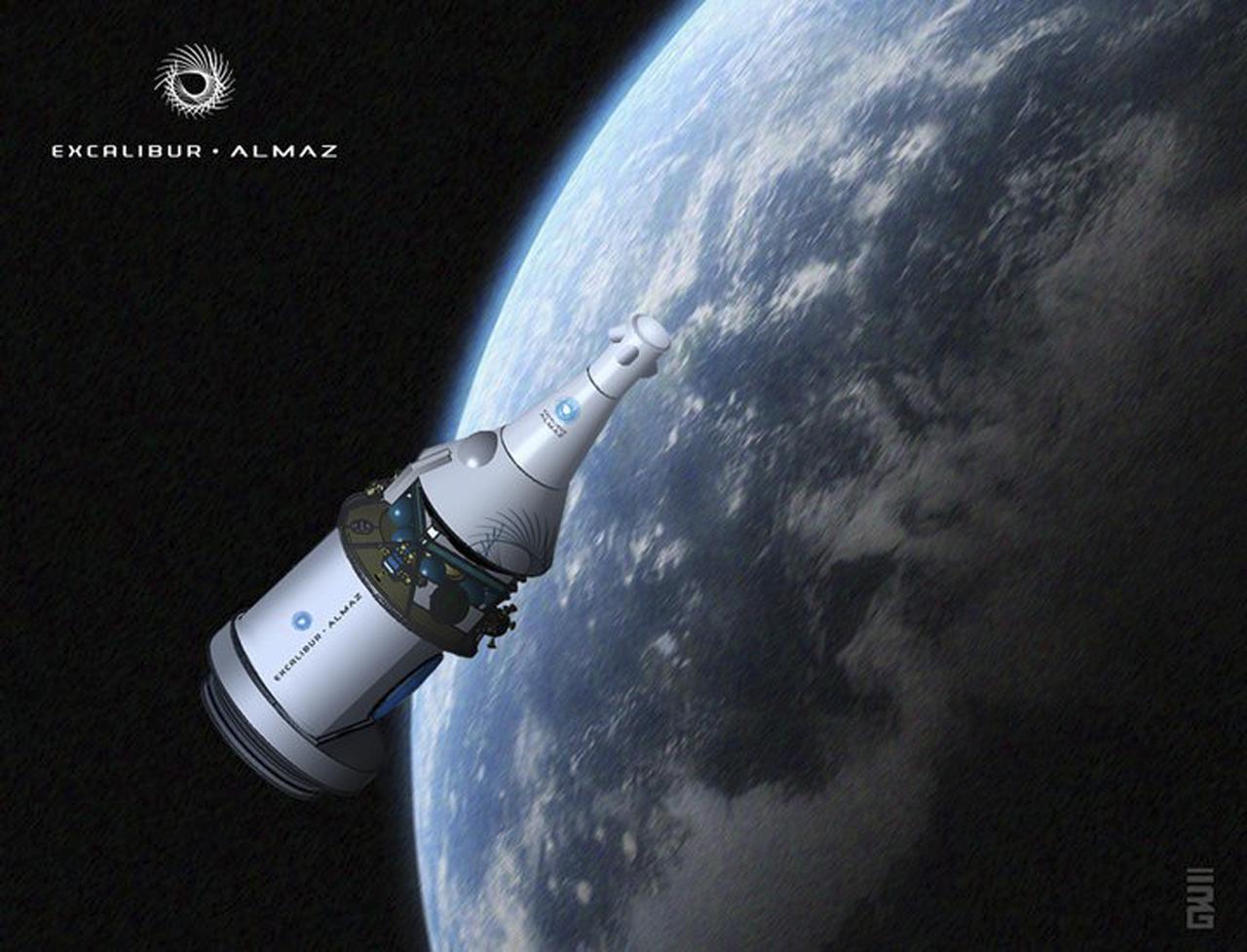
CAPE CANAVERAL, Fla. -- This is an artist's conception of an Almaz capsule, the basis of Excalibur Almaz Inc.'s Human Spacecraft design. In 2011, NASA's Commercial Crew Program CCP and the Houston-based company entered into an unfunded Space Act Agreement during Commercial Crew Development Round 2 CCDev2) activities to mature the design and development of a crew transportation system with the overall goal of accelerating a United States-led capability to the International Space Station. The goal of CCP is to drive down the cost of space travel as well as open up space to more people than ever before by balancing industry’s own innovative capabilities with NASA's 50 years of human spaceflight experience. Six other aerospace companies also are maturing launch vehicle and spacecraft designs under CCDev2, including Alliant Techsystems ATK, Blue Origin, The Boeing Co., Sierra Nevada Corp., Space Exploration Technologies SpaceX, and United Launch Alliance ULA. For more information, visit www.nasa.gov/commercialcrew. Image credit: Excalibur Almaz Limited
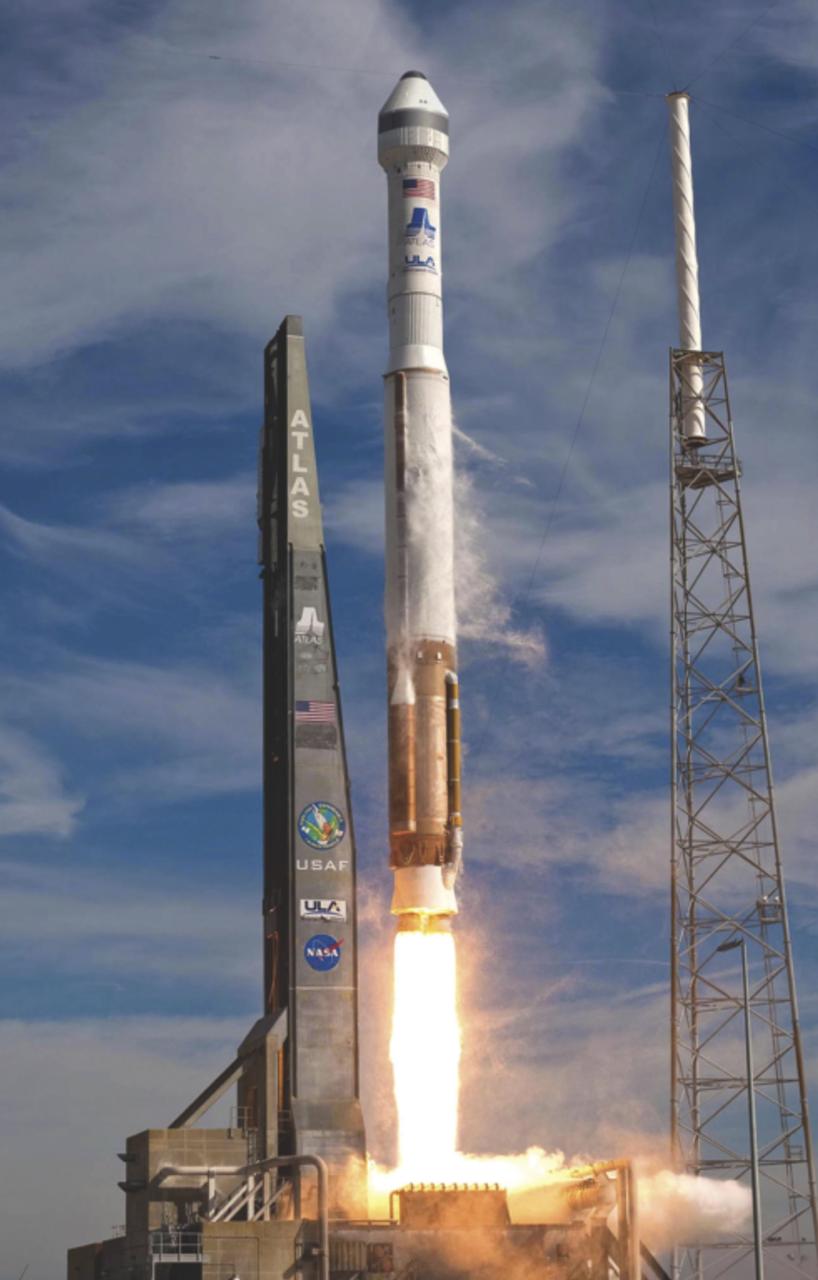
CAPE CANAVERAL, Fla. -- This is an artist's conception of a United Launch Alliance (ULA) Atlas V rocket being considered for NASA's Commercial Crew Program (CCP). In 2011, NASA and ULA of Englewood, Colo., entered into an unfunded Space Act Agreement during Commercial Crew Development Round 2 (CCDev2) activities to mature the design and development of a crew transportation system with the overall goal of accelerating a United States-led capability to the International Space Station. The goal of CCP is to drive down the cost of space travel as well as open up space to more people than ever before by balancing industry’s own innovative capabilities with NASA's 50 years of human spaceflight experience. Six other aerospace companies also are maturing launch vehicle and spacecraft designs under CCDev2, including Alliant Techsystems Inc. (ATK), Blue Origin, The Boeing Co., Excalibur Almaz Inc., Sierra Nevada Corp., and Space Exploration Technologies (SpaceX). For more information, visit www.nasa.gov/commercialcrew. Image credit: United Launch Alliance
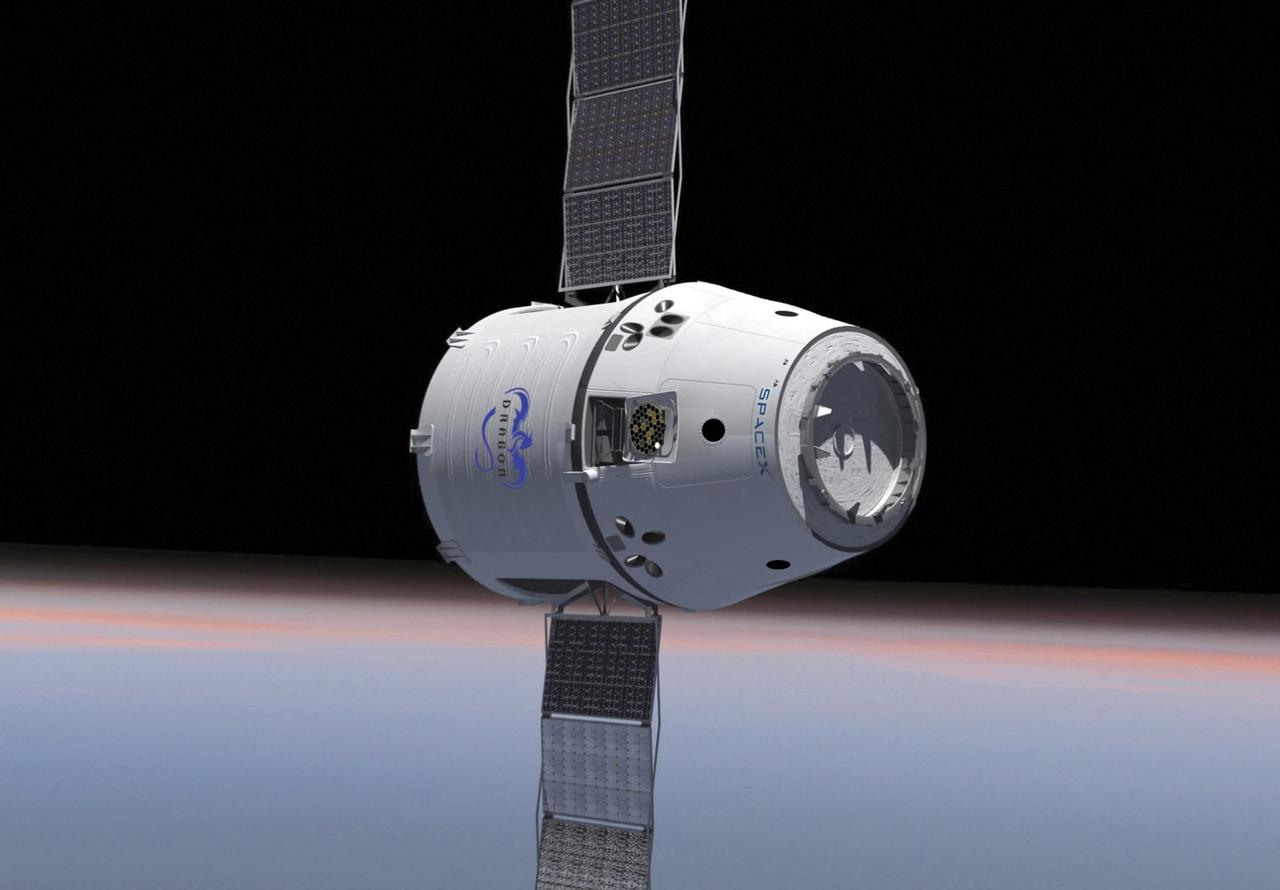
CAPE CANAVERAL, Fla. -- This is an artist's conception of the Dragon capsule under development by Space Exploration Technologies (SpaceX) of Hawthorne, Calif., for NASA's Commercial Crew Program (CCP). In 2011, NASA selected SpaceX during Commercial Crew Development Round 2 (CCDev2) activities to mature the design and development of a crew transportation system with the overall goal of accelerating a United States-led capability to the International Space Station. The goal of CCP is to drive down the cost of space travel as well as open up space to more people than ever before by balancing industry’s own innovative capabilities with NASA's 50 years of human spaceflight experience. Six other aerospace companies also are maturing launch vehicle and spacecraft designs under CCDev2, including Alliant Techsystems Inc. (ATK), The Boeing Co., Excalibur Almaz Inc., Blue Origin, Sierra Nevada, and United Launch Alliance (ULA). For more information, visit www.nasa.gov/commercialcrew. Image credit: Space Exploration Technologies
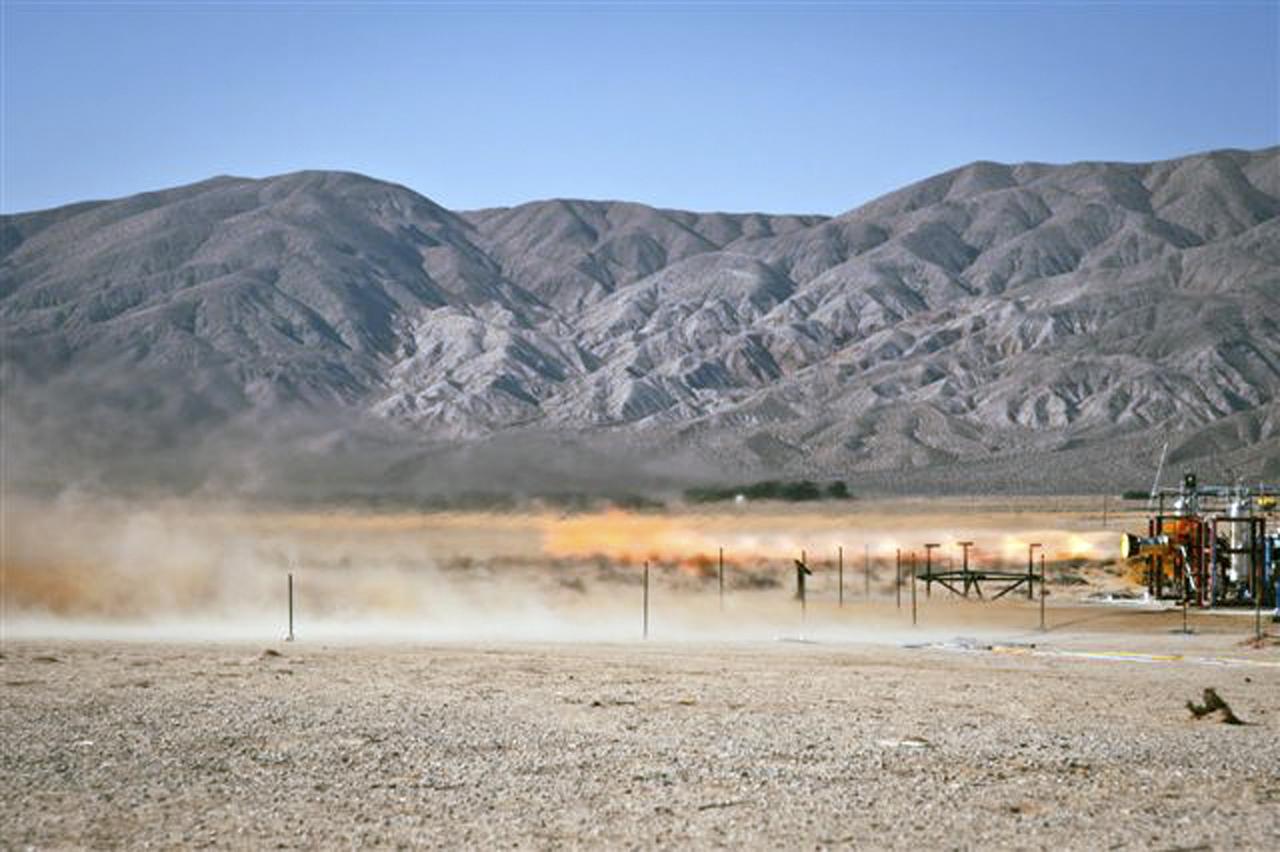
CANOGA PARK, Calif. -- Pratt & Whitney Rocketdyne hot-fires a launch abort engine for The Boeing Co., which is developing its CST-100 spacecraft for NASA's Commercial Crew Program. Under its fixed-price contract with Boeing, Pratt and Whitney Rocketdyne is combining its Attitude Control Propulsion System thrusters from heritage spaceflight programs, Bantam abort engine design and storable propellant engineering capabilities. In 2011, NASA selected Boeing of Houston during Commercial Crew Development Round 2 CCDev2) activities to mature the design and development of a crew transportation system with the overall goal of accelerating a United States-led capability to the International Space Station. The goal of CCP is to drive down the cost of space travel as well as open up space to more people than ever before by balancing industry’s own innovative capabilities with NASA's 50 years of human spaceflight experience. Six other aerospace companies also are maturing launch vehicle and spacecraft designs under CCDev2, including Alliant Techsystems Inc. ATK, Blue Origin, Excalibur Almaz Inc., Sierra Nevada Corp., Space Exploration Technologies SpaceX, and United Launch Alliance ULA. For more information, visit www.nasa.gov/commercialcrew. Image credit: Pratt & Whitney Rocketdyne
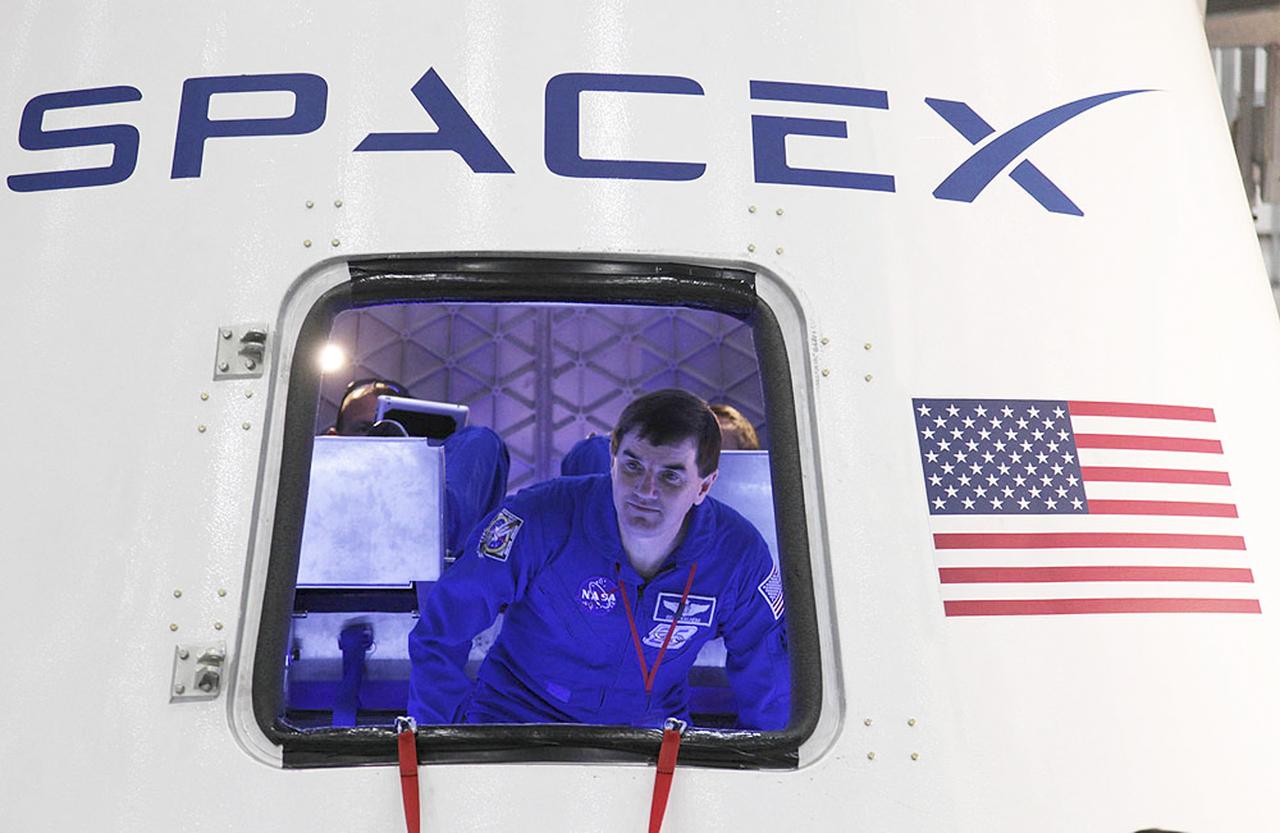
HAWTHORNE, Calif. -- NASA astronaut Rex Walheim checks out the Dragon spacecraft under development by Space Exploration Technologies SpaceX of Hawthorne, Calif., for the agency's Commercial Crew Program. In 2011, NASA selected SpaceX during Commercial Crew Development Round 2 CCDev2) activities to mature the design and development of a crew transportation system with the overall goal of accelerating a United States-led capability to the International Space Station. The goal of CCP is to drive down the cost of space travel as well as open up space to more people than ever before by balancing industry’s own innovative capabilities with NASA's 50 years of human spaceflight experience. Six other aerospace companies also are maturing launch vehicle and spacecraft designs under CCDev2, including Alliant Techsystems Inc. ATK, The Boeing Co., Excalibur Almaz Inc., Blue Origin, Sierra Nevada, and United Launch Alliance ULA. For more information, visit www.nasa.gov/commercialcrew. Image credit: Space Exploration Technologies
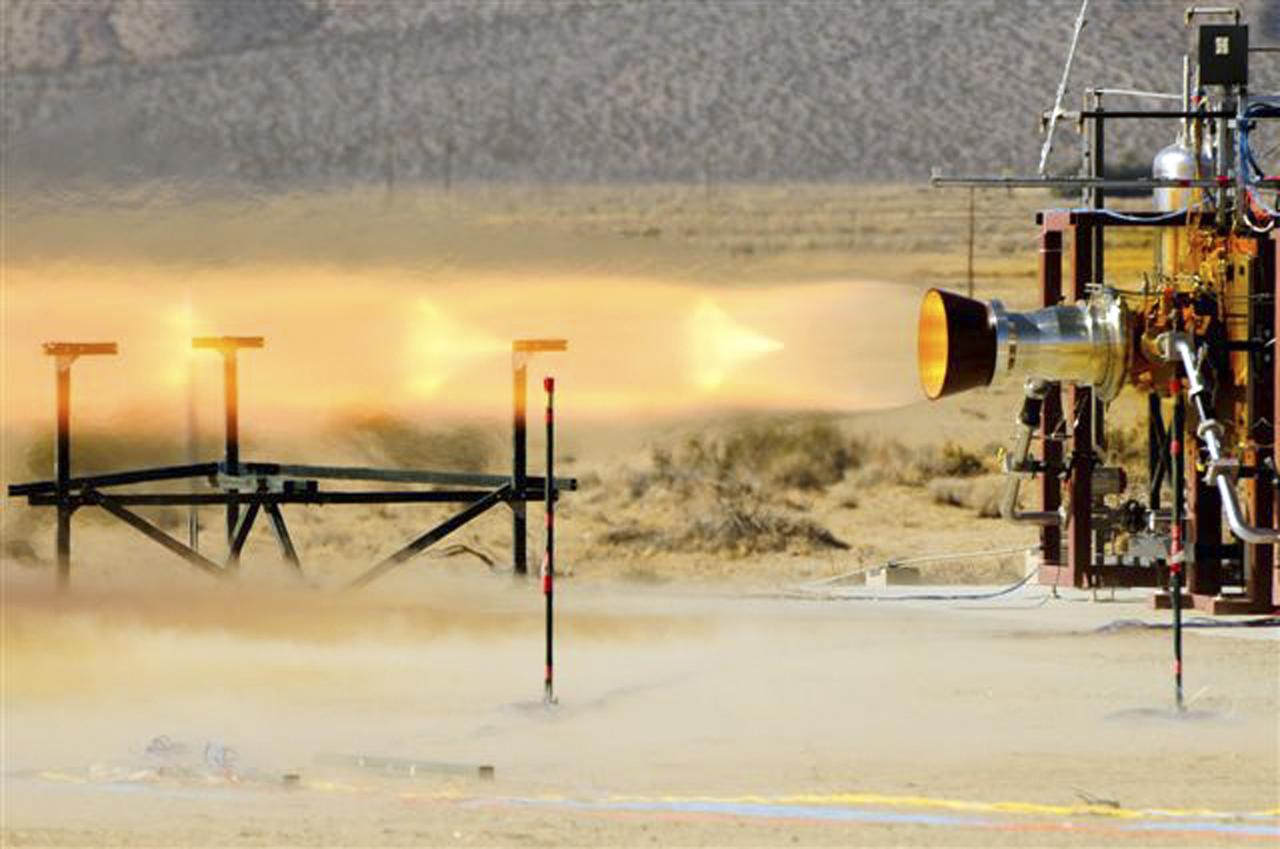
CANOGA PARK, Calif. -- Pratt & Whitney Rocketdyne hot-fires a launch abort engine for The Boeing Co., which is developing its CST-100 spacecraft for NASA's Commercial Crew Program. Under its fixed-price contract with Boeing, Pratt and Whitney Rocketdyne is combining its Attitude Control Propulsion System thrusters from heritage spaceflight programs, Bantam abort engine design and storable propellant engineering capabilities. In 2011, NASA selected Boeing of Houston during Commercial Crew Development Round 2 CCDev2) activities to mature the design and development of a crew transportation system with the overall goal of accelerating a United States-led capability to the International Space Station. The goal of CCP is to drive down the cost of space travel as well as open up space to more people than ever before by balancing industry’s own innovative capabilities with NASA's 50 years of human spaceflight experience. Six other aerospace companies also are maturing launch vehicle and spacecraft designs under CCDev2, including Alliant Techsystems Inc. ATK, Blue Origin, Excalibur Almaz Inc., Sierra Nevada Corp., Space Exploration Technologies SpaceX, and United Launch Alliance ULA. For more information, visit www.nasa.gov/commercialcrew. Image credit: Pratt & Whitney Rocketdyne
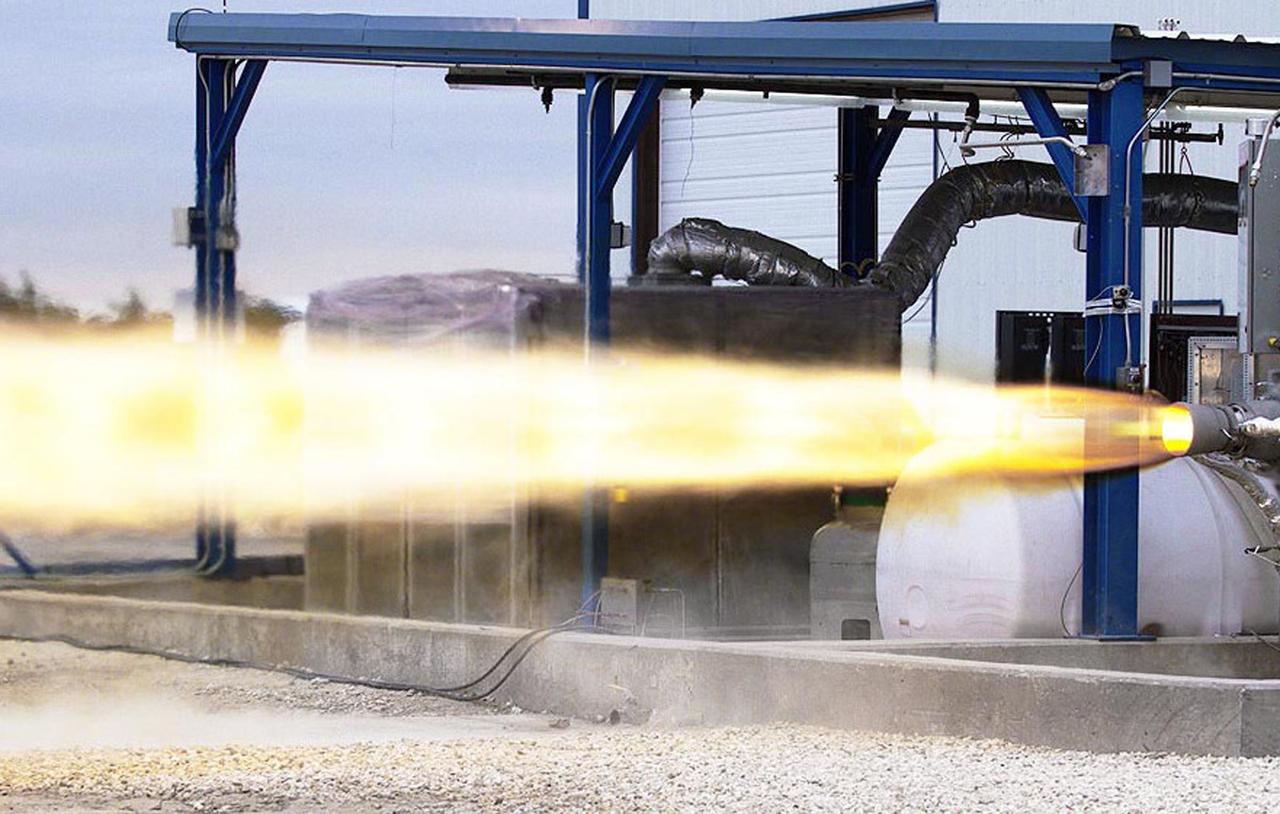
MCGREGOR, Texas -- Space Exploration Technologies (SpaceX) completes a full-duration, full-thrust firing of its new SuperDraco engine prototype at the company’s Rocket Development Facility in McGregor, Texas. The firing was in preparation for the ninth milestone to be completed under SpaceX's funded Space Act Agreement (SAA) with NASA's Commercial Crew Program (CCP). SpaceX is working with CCP during Commercial Crew Development Round 2 (CCDev2) in order to mature the design and development of its Dragon spacecraft with the overall goal of accelerating a United States-led capability to the International Space Station. Eight SuperDracos would be built into the sidewalls of the Dragon capsule to carry astronauts to safety should an emergency occur during launch or ascent. The goal of CCP is to drive down the cost of space travel as well as open up space to more people than ever before by balancing industry’s own innovative capabilities with NASA's 50 years of human spaceflight experience. Six other aerospace companies also are maturing launch vehicle and spacecraft designs under CCDev2, including Alliant Techsystems Inc. (ATK), Blue Origin, The Boeing Co., Excalibur Almaz Inc., Sierra Nevada Corp. and United Launch Alliance (ULA). For more information, visit www.nasa.gov/commercialcrew
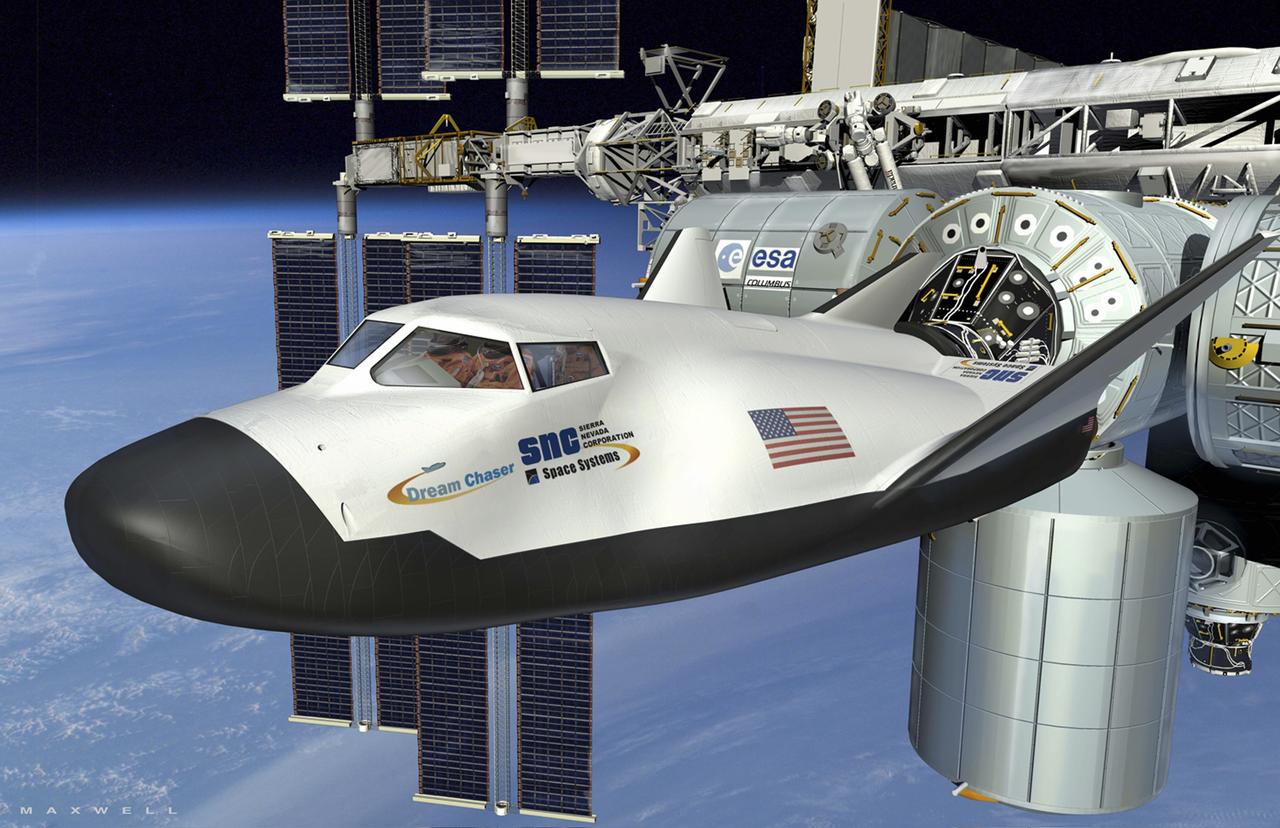
CAPE CANAVERAL, Fla. -- This is an artist's conception of the Dream Chaser spacecraft under development by Sierra Nevada of Centennial, Colo., for NASA's Commercial Crew Program (CCP). In 2011, NASA selected Sierra Nevada during Commercial Crew Development Round 2 (CCDev2) activities to mature the design and development of a crew transportation system with the overall goal of accelerating a United States-led capability to the International Space Station. The goal of CCP is to drive down the cost of space travel as well as open up space to more people than ever before by balancing industry’s own innovative capabilities with NASA's 50 years of human spaceflight experience. Six other aerospace companies also are maturing launch vehicle and spacecraft designs under CCDev2, including Alliant Techsystems Inc. (ATK), The Boeing Co., Excalibur Almaz Inc., Blue Origin, Space Exploration Technologies (SpaceX), and United Launch Alliance (ULA). For more information, visit www.nasa.gov/commercialcrew. Image credit: Sierra Nevada Corp.
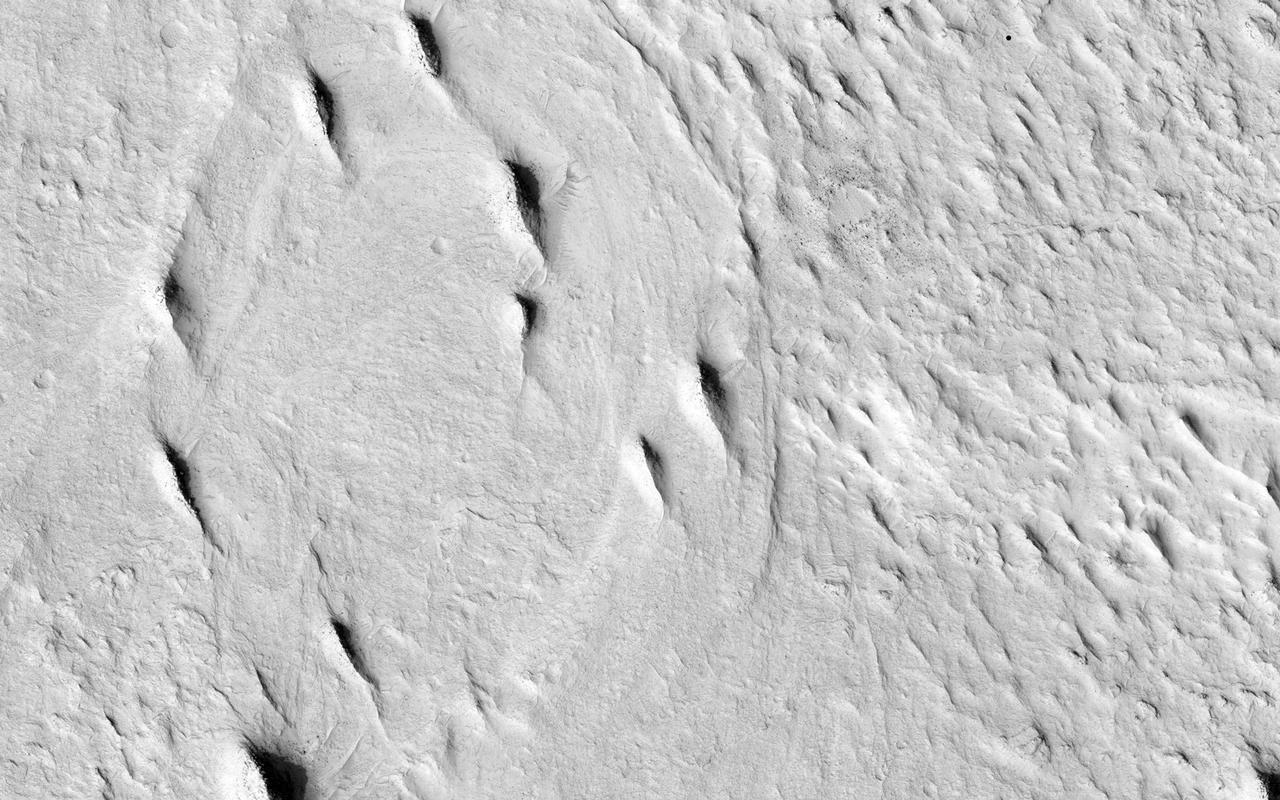
This image from NASA Mars Reconnaissance Orbiter spacecraft contains interesting examples of crosscutting, sinuous and straight ridges. The ridge in the lower left of the image (orange) has gradual bends and well-defined positive relief, while the ridge in the upper right (blue) exhibits a degree of high sinuosity. Both ridges may be ancient river deposits. In the southern part of the image, there are also possible cut bank and point bar deposition scars (green), but these do not possess visible positive relief. Although lacking relief, the sinuosity of these scars implies an ancient, mature, and low-gradient meandering river. The upper right ridge exhibits a sinuous geometry with positive relief reminiscent of a mature meandering river. Cementation of by underground fluids may have given the river deposits a higher resistance to erosion compared to the surrounding flood plain. Subsequent weathering removed the deposits in the flood plain, leaving behind the river channel positive relief. Offsets of the lower left ridge along possible fault scarps (red) suggest that the area was cut by faults either during or after deposition of the river deposits. There also appears to be a less pronounced fault at the terminus of the upper right ridge. http://photojournal.jpl.nasa.gov/catalog/PIA20160
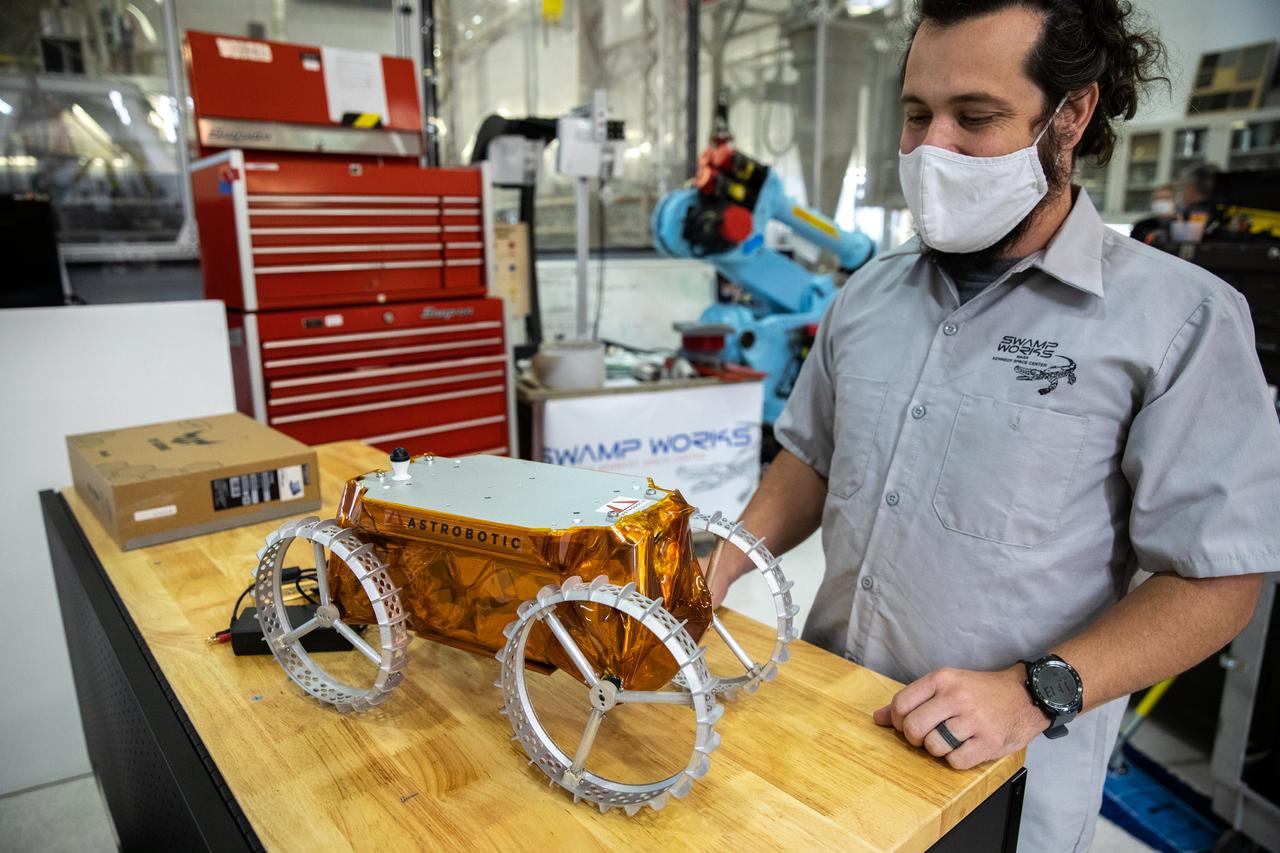
A.J. Nick, with Kennedy Space Center’s Exploration and Research and Technology programs, unboxes a CubeRover at the Florida spaceport on Oct. 9, 2020. The rover was delivered by Pittsburgh-based space robotics company Astrobotic, as part of a Small Business Innovative Research (SBIR) award from NASA. Nick will lead CubeRover testing in the coming months in the Granular Mechanics and Regolith Operations (GMRO) Laboratory’s regolith bin, which holds approximately 120 tons of lunar regolith simulant at Kennedy’s Swamp Works. In 2019, NASA announced a $2 million Tipping Point award to develop more mature CubeRover’s payload interfaces and increase its capabilities.

ISS017-E-010706 (9 July 2008) --- Hurricane Bertha was traveling northward at 10 knots (11.5 miles per hour) across the eastern part of the central Atlantic Ocean when this image was taken on July 9 by one of the Expedition 17 crewmembers aboard the International Space Station from a vantage point of 220 statute miles above the Earth. The sustained winds were 85 knots (97.9 miles per hour) with gusts up to 105 knots (121.0 miles per hour) and predicted to intensify. Mature and developing Cumulonimbus-type clouds are seen scattered through the cloud bands of the hurricane's system.
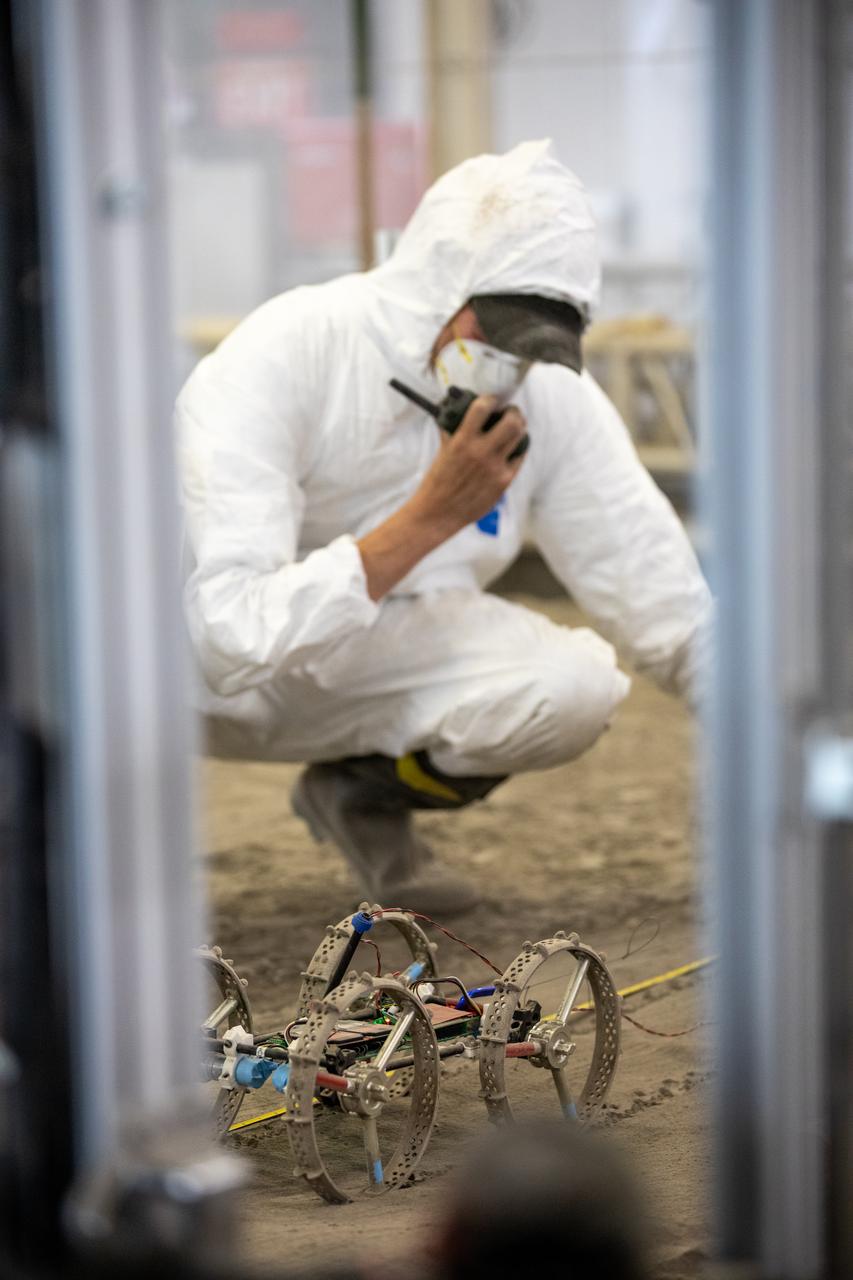
Senior Software Engineer Taylor Whitaker reports the results of a drawbar pull run to Astrobotic staff outside of the Granular Mechanics and Regolith Operations (GMRO) Laboratory’s regolith pit at NASA Kennedy Space Center’s Swamp Works facility on June 30, 2022. Astrobotic – a Pittsburgh-based space robotics company – is using the GMRO lab’s regolith bin, which holds approximately 120 tons of lunar regolith simulant, to depict how the company’s CubeRover would perform on the Moon. NASA’s Small Business Innovation Research program provided the funding for initial development, and a $2 million Tipping Point award from the agency has provided additional funding for continued development into a more mature rover.
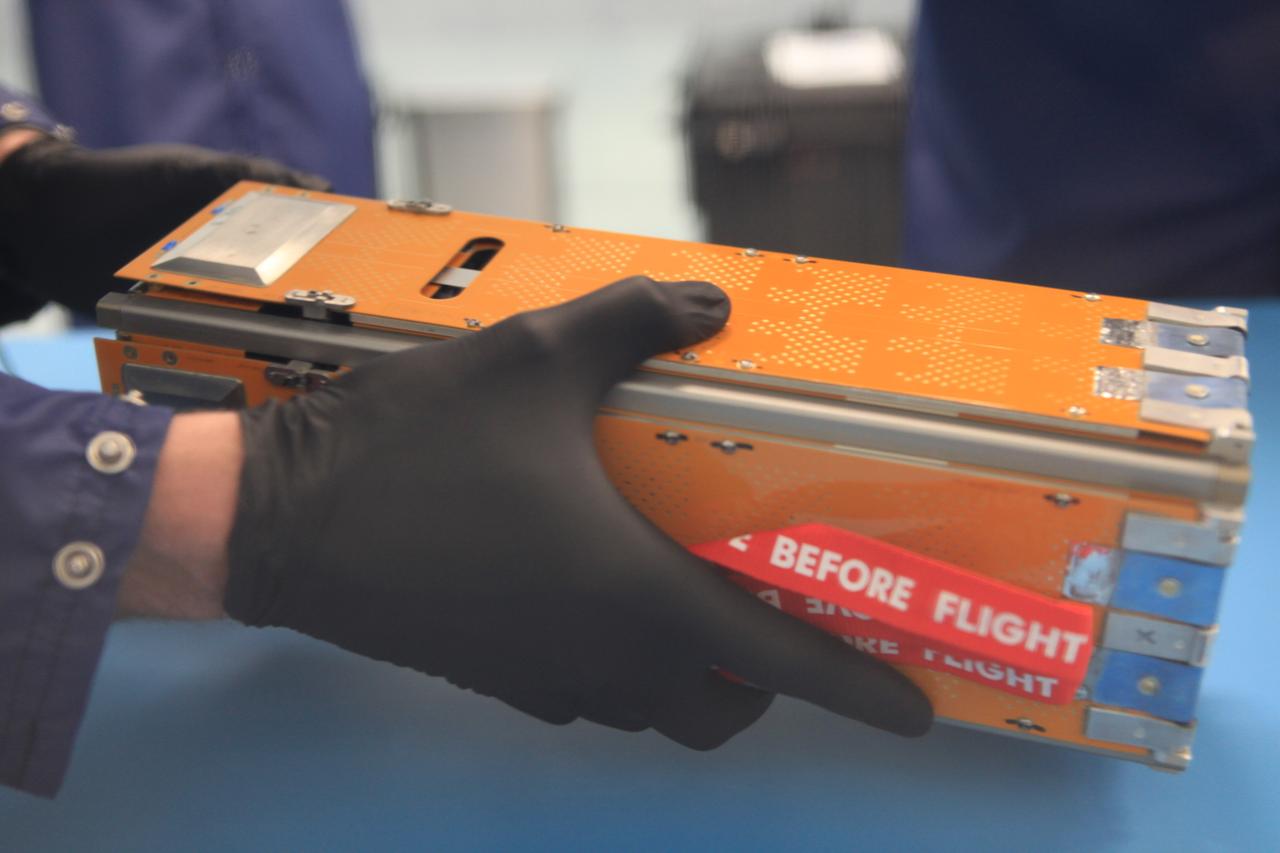
The Advanced Electrical Bus (ALBus) mission is a technology demonstration of resettable Shape Memory Alloy (SMA) mechanisms for deployable solar arrays and a pathfinder for high power density CubeSats. The mission has two primary objectives. The first is to demonstrate the functionality of the novel SMA activated solar array mechanisms in the on-orbit environment. The second objective is to assess the system level ability to charge a high capacity battery, distribute 100 W of electrical power and thermally control the 3-U CubeSat system. Performance from the mission will be used to mature the SMA mechanism designs for CubeSat applications and plan for future high power density CubeSat missions.
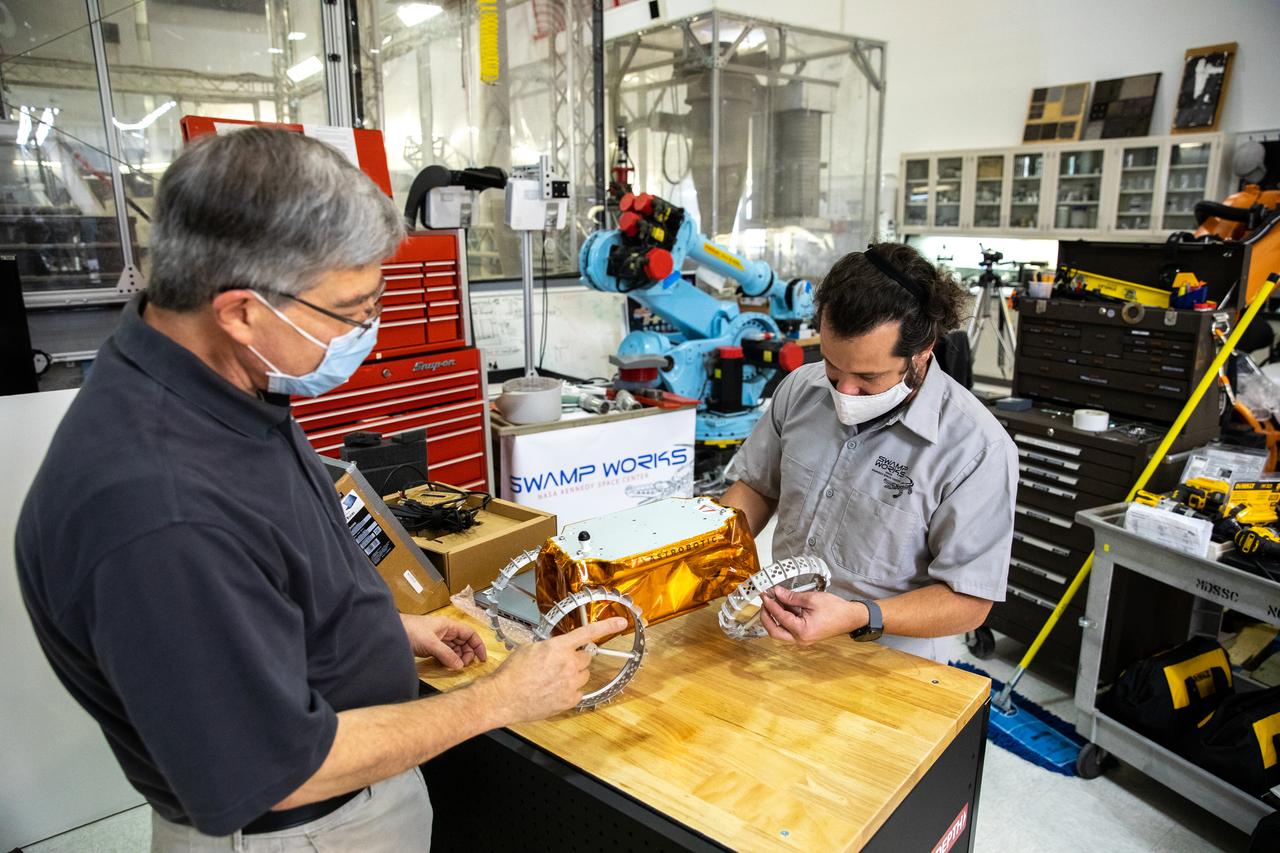
Jim Mantovani, left, and A.J. Nick, with Kennedy Space Center’s Exploration and Research and Technology programs, unbox a CubeRover at the Florida spaceport on Oct. 9, 2020. The rover was delivered by Pittsburgh-based space robotics company Astrobotic, as part of a Small Business Innovative Research (SBIR) award from NASA. Nick will lead CubeRover testing in the coming months in the Granular Mechanics and Regolith Operations (GMRO) Laboratory’s regolith bin, which holds approximately 120 tons of lunar regolith simulant at Kennedy’s Swamp Works. In 2019, NASA announced a $2 million Tipping Point award to develop more mature CubeRover’s payload interfaces and increase its capabilities.
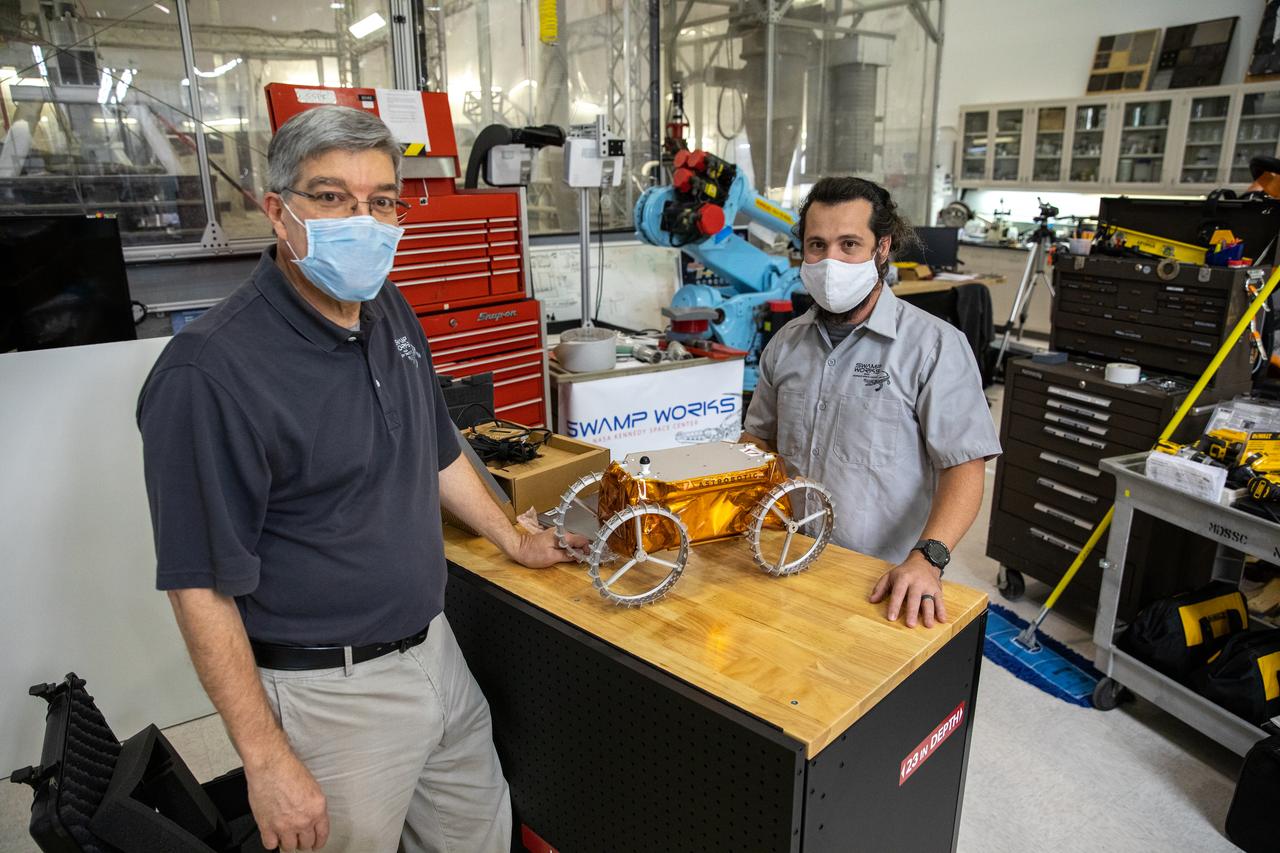
Jim Mantovani, left, and A.J. Nick, with Kennedy Space Center’s Exploration and Research and Technology programs, unbox a CubeRover at the Florida spaceport on Oct. 9, 2020. The rover was delivered by Pittsburgh-based space robotics company Astrobotic, as part of a Small Business Innovative Research (SBIR) award from NASA. Nick will lead CubeRover testing in the coming months in the Granular Mechanics and Regolith Operations (GMRO) Laboratory’s regolith bin, which holds approximately 120 tons of lunar regolith simulant at Kennedy’s Swamp Works. In 2019, NASA announced a $2 million Tipping Point award to develop more mature CubeRover’s payload interfaces and increase its capabilities.
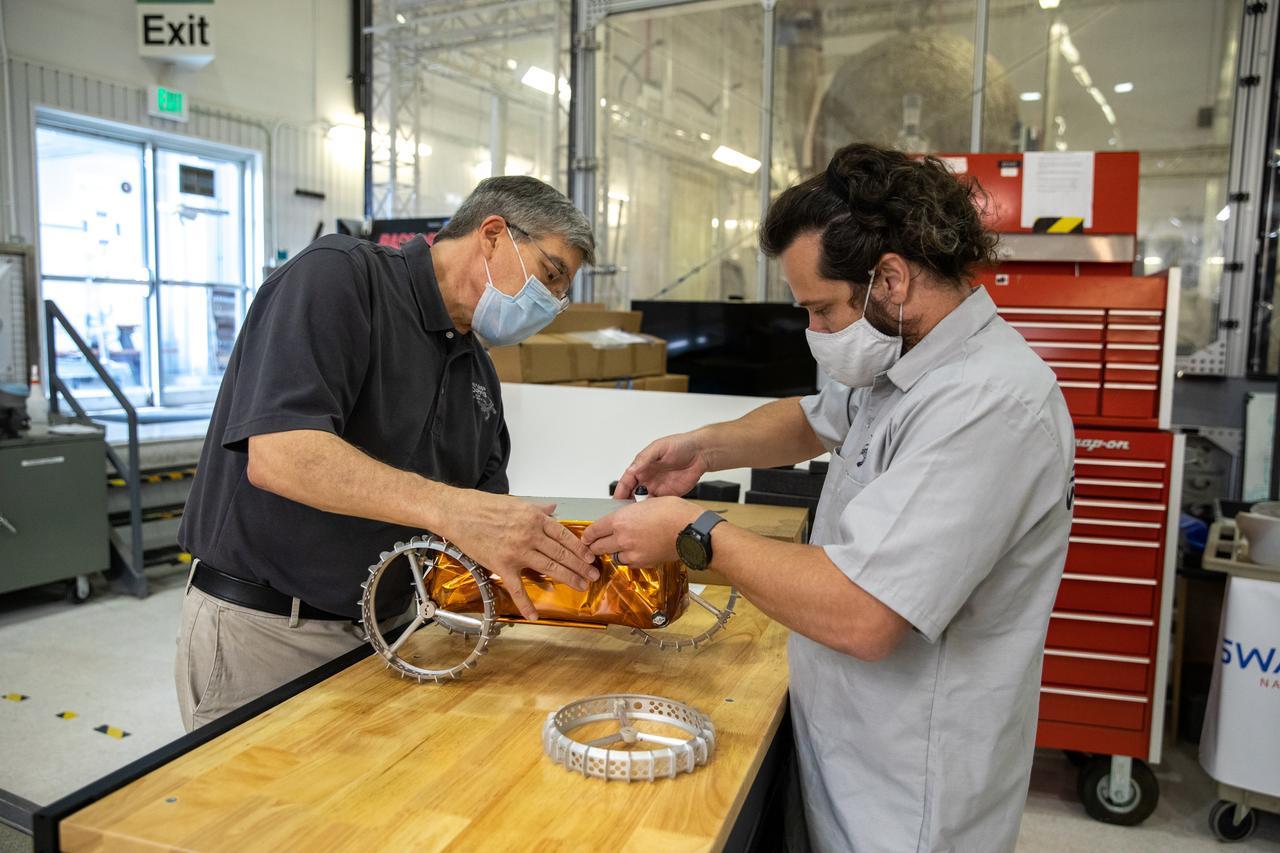
Jim Mantovani, left, and A.J. Nick, with Kennedy Space Center’s Exploration and Research and Technology programs, unbox a CubeRover at the Florida spaceport on Oct. 9, 2020. The rover was delivered by Pittsburgh-based space robotics company Astrobotic, as part of a Small Business Innovative Research (SBIR) award from NASA. Nick will lead CubeRover testing in the coming months in the Granular Mechanics and Regolith Operations (GMRO) Laboratory’s regolith bin, which holds approximately 120 tons of lunar regolith simulant at Kennedy’s Swamp Works. In 2019, NASA announced a $2 million Tipping Point award to develop more mature CubeRover’s payload interfaces and increase its capabilities.
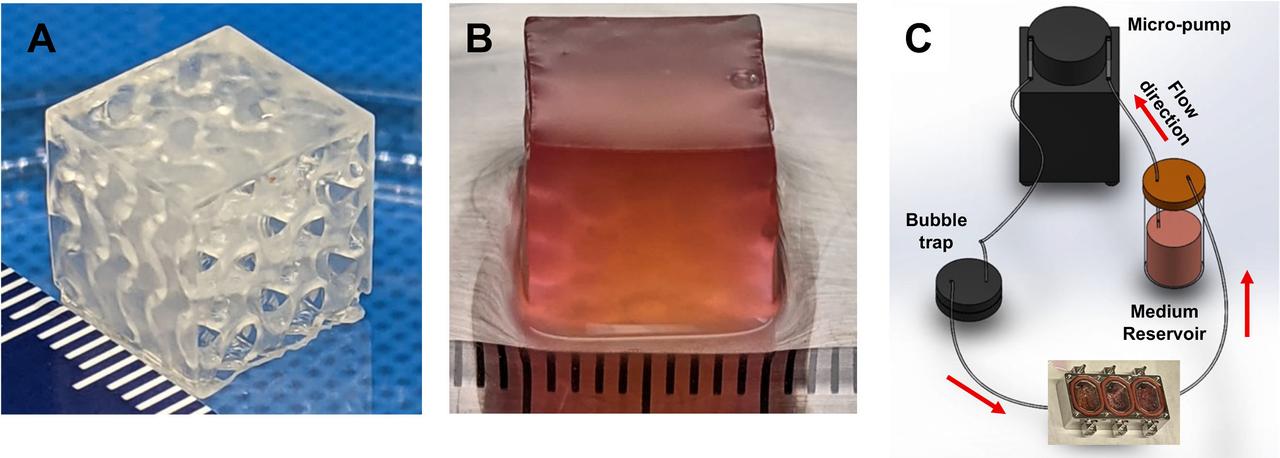
jsc2024e043915 (6/17/2024) --- Maturation of Vascularized Liver Tissue Construct in Zero Gravity (MVP Cell-07) examines the behavior in microgravity of bioprinted or engineered liver tissue constructs that contain blood vessels. This preflight image shows A) Bioprinted vascularized construct with a gyroid design consisting of interconnected channels. B) Bioprinted human liver tissue construct fabricated using a digital light projection (DLP) printer. C) The tissue construct-containing flow chamber is connected to a perfusion system. Data from this vascularized liver tissue construct helps support the development of clinically relevant organs on Earth. Image courtesy of the Wake Forest Institute for Regenerative Medicine.
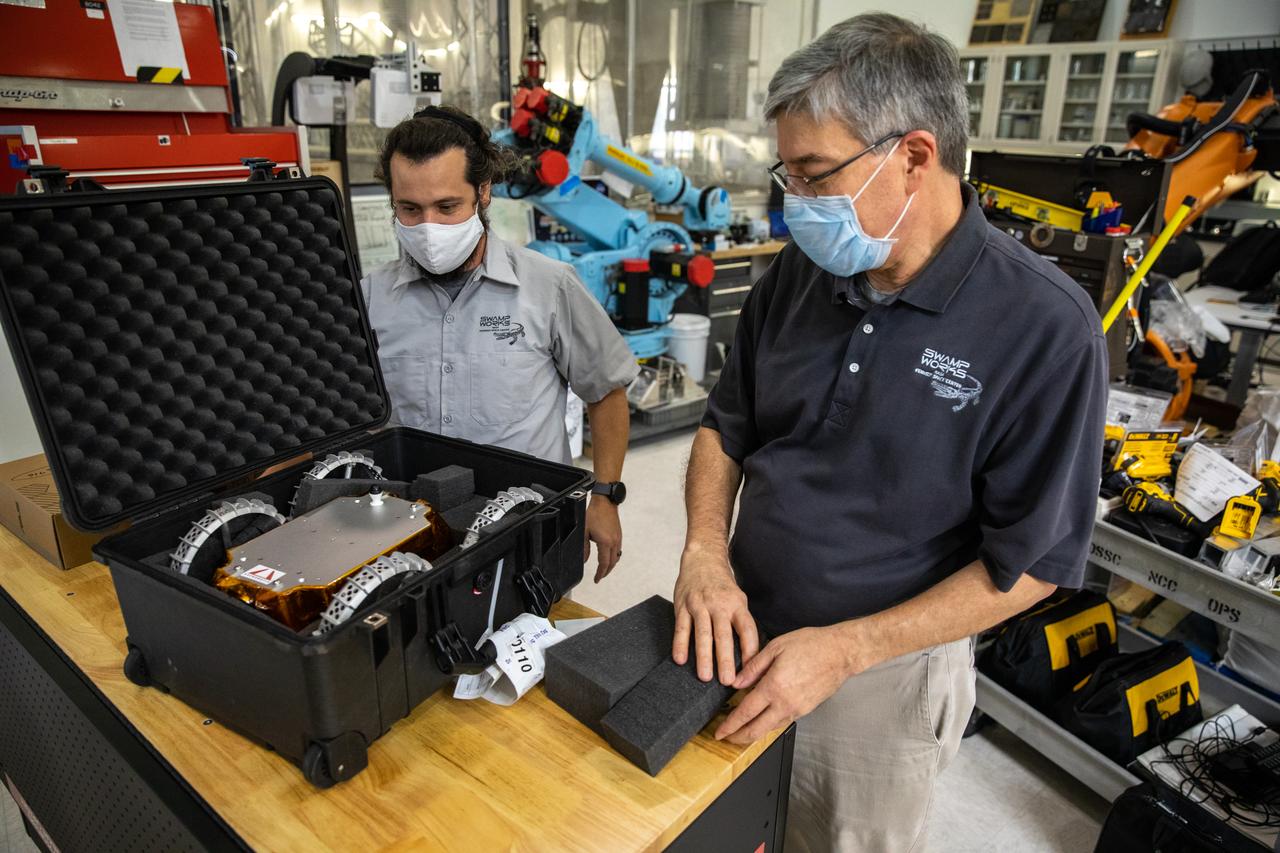
A.J. Nick, left, and Jim Mantovani, with Kennedy Space Center’s Exploration and Research and Technology programs, unbox a CubeRover at the Florida spaceport on Oct. 9, 2020. The rover was delivered by Pittsburgh-based space robotics company Astrobotic, as part of a Small Business Innovative Research (SBIR) award from NASA. Nick will lead CubeRover testing in the coming months in the Granular Mechanics and Regolith Operations (GMRO) Laboratory’s regolith bin, which holds approximately 120 tons of lunar regolith simulant at Kennedy’s Swamp Works. In 2019, NASA announced a $2 million Tipping Point award to develop more mature CubeRover’s payload interfaces and increase its capabilities.
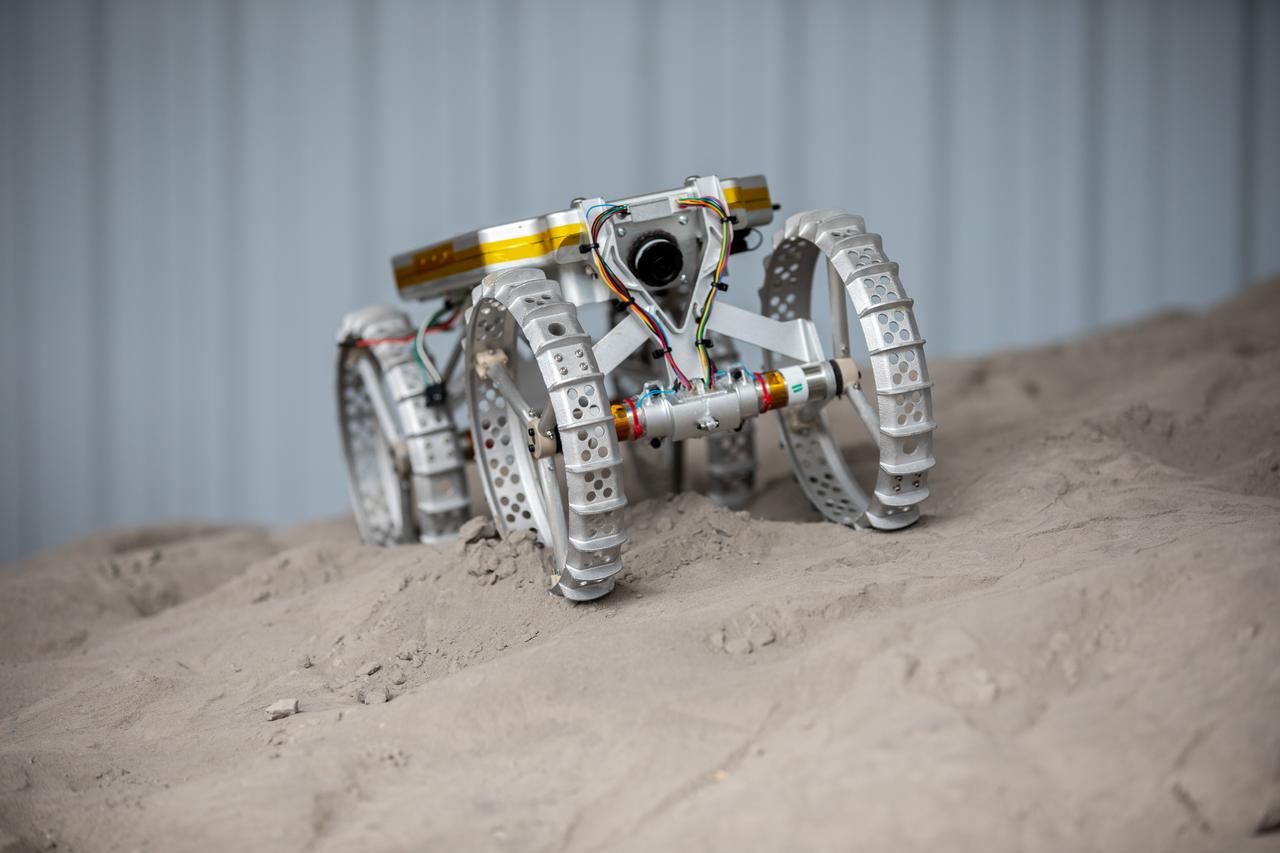
Astrobotic’s CubeRover – a lightweight, modular planetary rover – undergoes mobility testing inside the Granular Mechanics and Regolith Operations (GMRO) Laboratory’s regolith pit at NASA Kennedy Space Center’s Swamp Works facility on June 30, 2022. Astrobotic – a Pittsburgh-based space robotics company – is using the GMRO lab’s regolith bin, which holds approximately 120 tons of lunar regolith simulant, to depict how the company’s CubeRover would perform on the Moon. NASA’s Small Business Innovation Research program provided the funding for initial development, and a $2 million Tipping Point award from the agency has provided additional funding for continued development into a more mature rover.

ISS017-E-010709 (9 July 2008) --- Hurricane Bertha was traveling northward at 10 knots (11.5 miles per hour) across the eastern part of the central Atlantic Ocean when this image was taken on July 9 by one of the Expedition 17 crewmembers aboard the International Space Station from a vantage point of 220 statute miles above the Earth. The sustained winds were 85 knots (97.9 miles per hour) with gusts up to 105 knots (121.0 miles per hour) and predicted to intensify. Mature and developing Cumulonimbus-type clouds are seen scattered through the cloud bands of the hurricane's system.
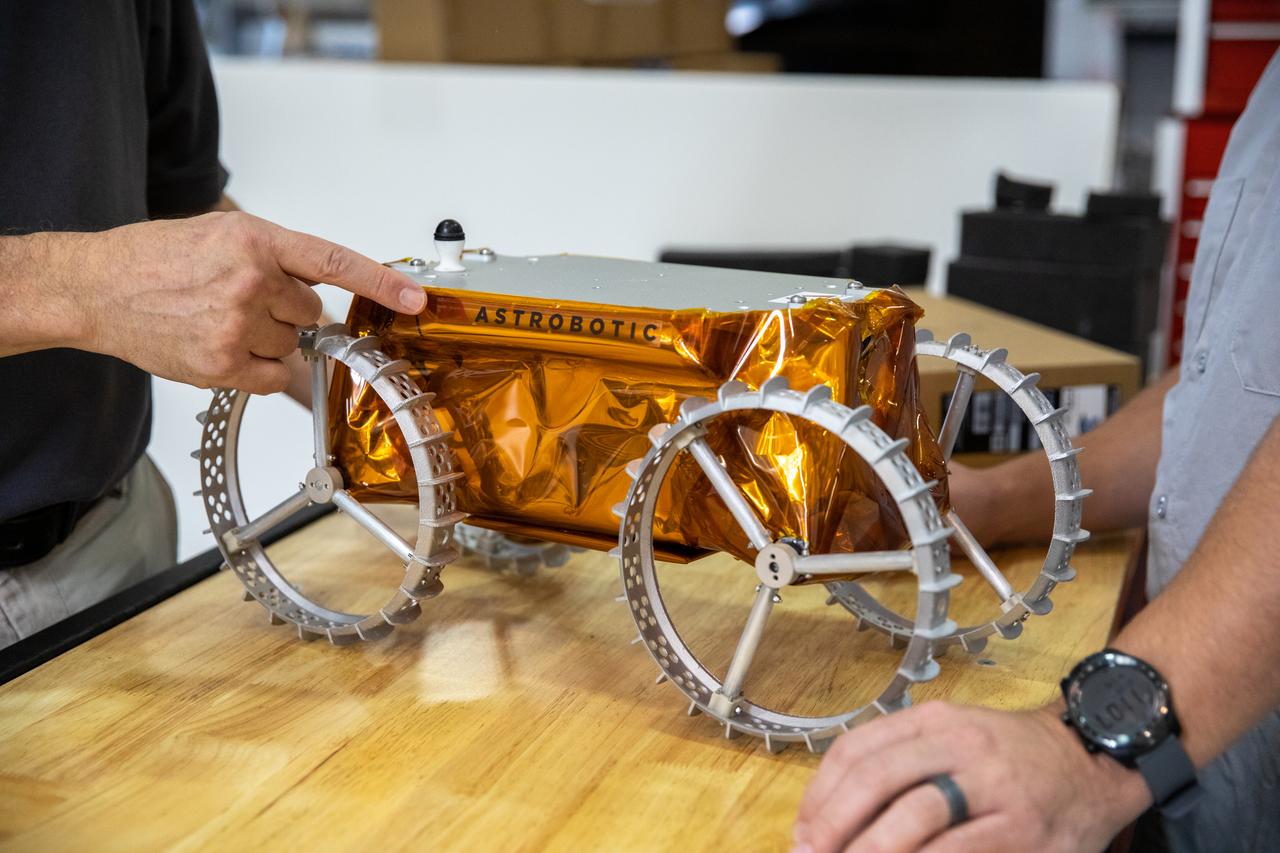
Jim Mantovani, left, and A.J. Nick, with Kennedy Space Center’s Exploration and Research and Technology programs, unbox a CubeRover at the Florida spaceport on Oct. 9, 2020. The rover was delivered by Pittsburgh-based space robotics company Astrobotic, as part of a Small Business Innovative Research (SBIR) award from NASA. Nick will lead CubeRover testing in the coming months in the Granular Mechanics and Regolith Operations (GMRO) Laboratory’s regolith bin, which holds approximately 120 tons of lunar regolith simulant at Kennedy’s Swamp Works. In 2019, NASA announced a $2 million Tipping Point award to develop more mature CubeRover’s payload interfaces and increase its capabilities.
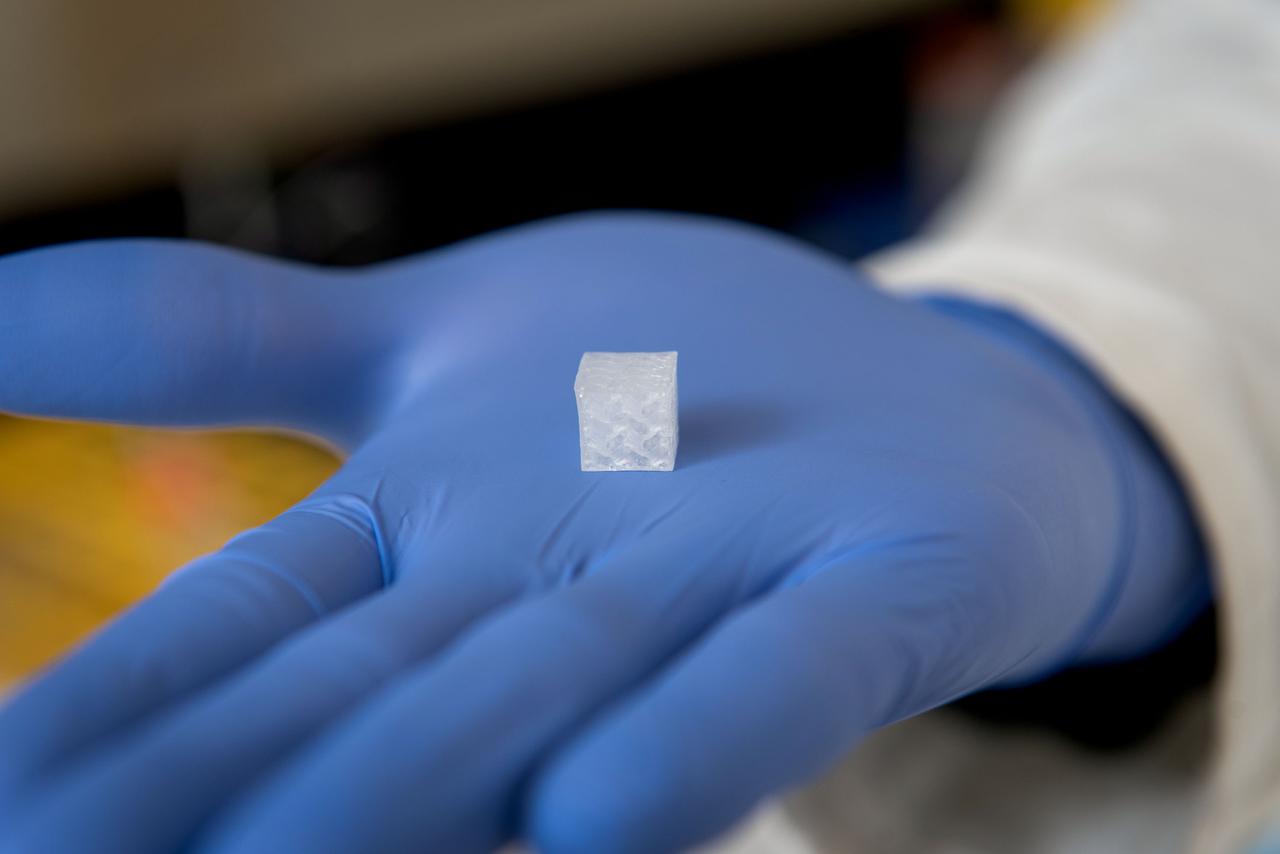
jsc2024e050836 (3/16/2022) --- Maturation of Vascularized Liver Tissue Construct in Zero Gravity (MVP Cell-07) examines the behavior in microgravity of bioprinted or engineered liver tissue constructs that contain blood vessels. The liver tissue constructs with a surface dimension of 1cm x 1cm x 1cm are bioprinted with a gyroid-shaped architecture with interconnected channels, allowing for uniform flow and surface shear stress that adequately covers the entire inner surfaces of cell-laden tissue constructs. The investigation sheds light on the formation of small blood vessels in engineered tissue. Image courtesy of Wake Forest Institute for Regenerative Medicine.

ISS017-E-010708 (9 July 2008) --- Hurricane Bertha was traveling northward at 10 knots (11.5 miles per hour) across the eastern part of the central Atlantic Ocean when this image was taken on July 9 by one of the Expedition 17 crewmembers aboard the International Space Station from a vantage point of 220 statute miles above the Earth. The sustained winds were 85 knots (97.9 miles per hour) with gusts up to 105 knots (121.0 miles per hour) and predicted to intensify. Mature and developing Cumulonimbus-type clouds are seen scattered through the cloud bands of the hurricane's system.
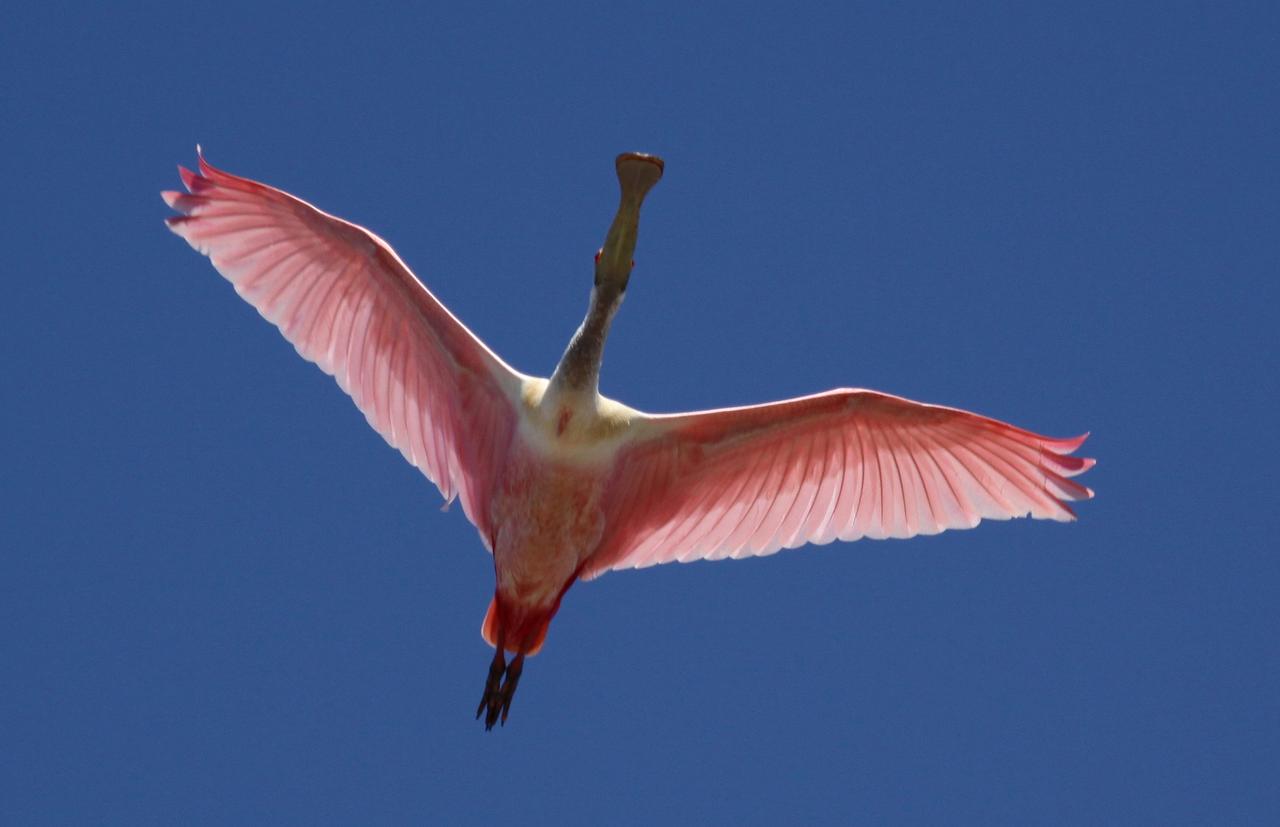
CAPE CANAVERAL, Fla. – A roseate spoonbill soars overhead against a deep blue sky covering NASA's Kennedy Space Center in Florida. Mature spoonbills feather the brilliant pink feathers with a white neck and beck and orange tails. Immature birds are white. The spoonbill is readily identified by the straight bill with a broad spatulate tip, which they use to obtain food by sweeping from side to side and scooping up whatever they encounter. They spend much of their time feeding on shrimps and fish in the shallow waters of the Florida Bay and Gulf of Mexico. Roseate spoonbills are a common sight throughout Kennedy, which shares a boundary with the Merritt Island National Wildlife Refuge. Photo credit: NASA/Kenny Allen
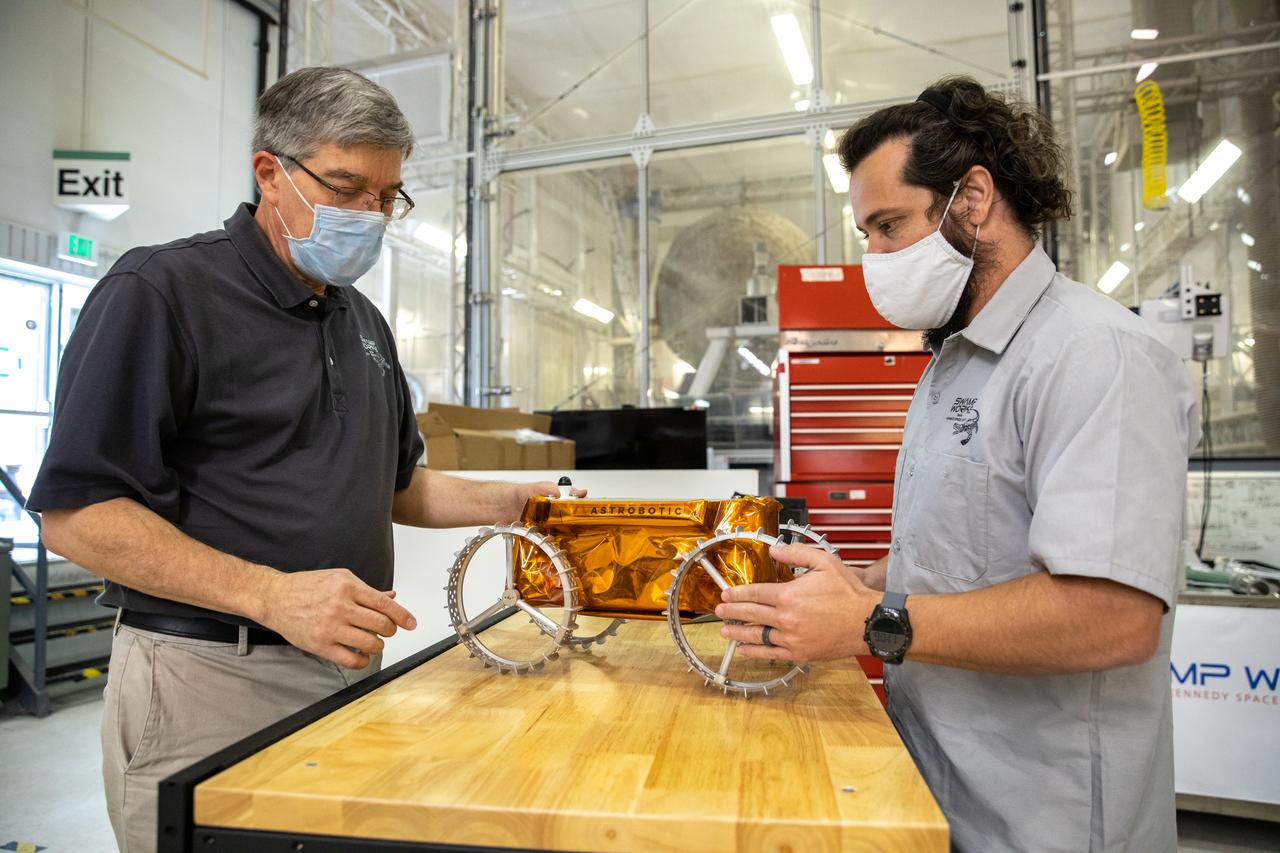
Jim Mantovani, left, and A.J. Nick, with Kennedy Space Center’s Exploration and Research and Technology programs, unbox a CubeRover at the Florida spaceport on Oct. 9, 2020. The rover was delivered by Pittsburgh-based space robotics company Astrobotic, as part of a Small Business Innovative Research (SBIR) award from NASA. Nick will lead CubeRover testing in the coming months in the Granular Mechanics and Regolith Operations (GMRO) Laboratory’s regolith bin, which holds approximately 120 tons of lunar regolith simulant at Kennedy’s Swamp Works. In 2019, NASA announced a $2 million Tipping Point award to develop more mature CubeRover’s payload interfaces and increase its capabilities.

ISS017-E-010715 (9 July 2008) --- Hurricane Bertha was traveling northward at 10 knots (11.5 miles per hour) across the eastern part of the central Atlantic Ocean when this image was taken on July 9 by one of the Expedition 17 crewmembers aboard the International Space Station from a vantage point of 220 statute miles above the Earth. The sustained winds were 85 knots (97.9 miles per hour) with gusts up to 105 knots (121.0 miles per hour) and predicted to intensify. Mature and developing Cumulonimbus-type clouds are seen scattered through the cloud bands of the hurricane's system.

ISS017-E-010711 (9 July 2008) --- Hurricane Bertha was traveling northward at 10 knots (11.5 miles per hour) across the eastern part of the central Atlantic Ocean when this image was taken on July 9 by one of the Expedition 17 crewmembers aboard the International Space Station from a vantage point of 220 statute miles above the Earth. The sustained winds were 85 knots (97.9 miles per hour) with gusts up to 105 knots (121.0 miles per hour) and predicted to intensify. Mature and developing Cumulonimbus-type clouds are seen scattered through the cloud bands of the hurricane's system.

A.J. Nick, with Kennedy Space Center’s Exploration and Research and Technology programs, unboxes a CubeRover at the Florida spaceport on Oct. 9, 2020. The rover was delivered by Pittsburgh-based space robotics company Astrobotic, as part of a Small Business Innovative Research (SBIR) award from NASA. Nick will lead CubeRover testing in the coming months in the Granular Mechanics and Regolith Operations (GMRO) Laboratory’s regolith bin, which holds approximately 120 tons of lunar regolith simulant at Kennedy’s Swamp Works. In 2019, NASA announced a $2 million Tipping Point award to develop more mature CubeRover’s payload interfaces and increase its capabilities.
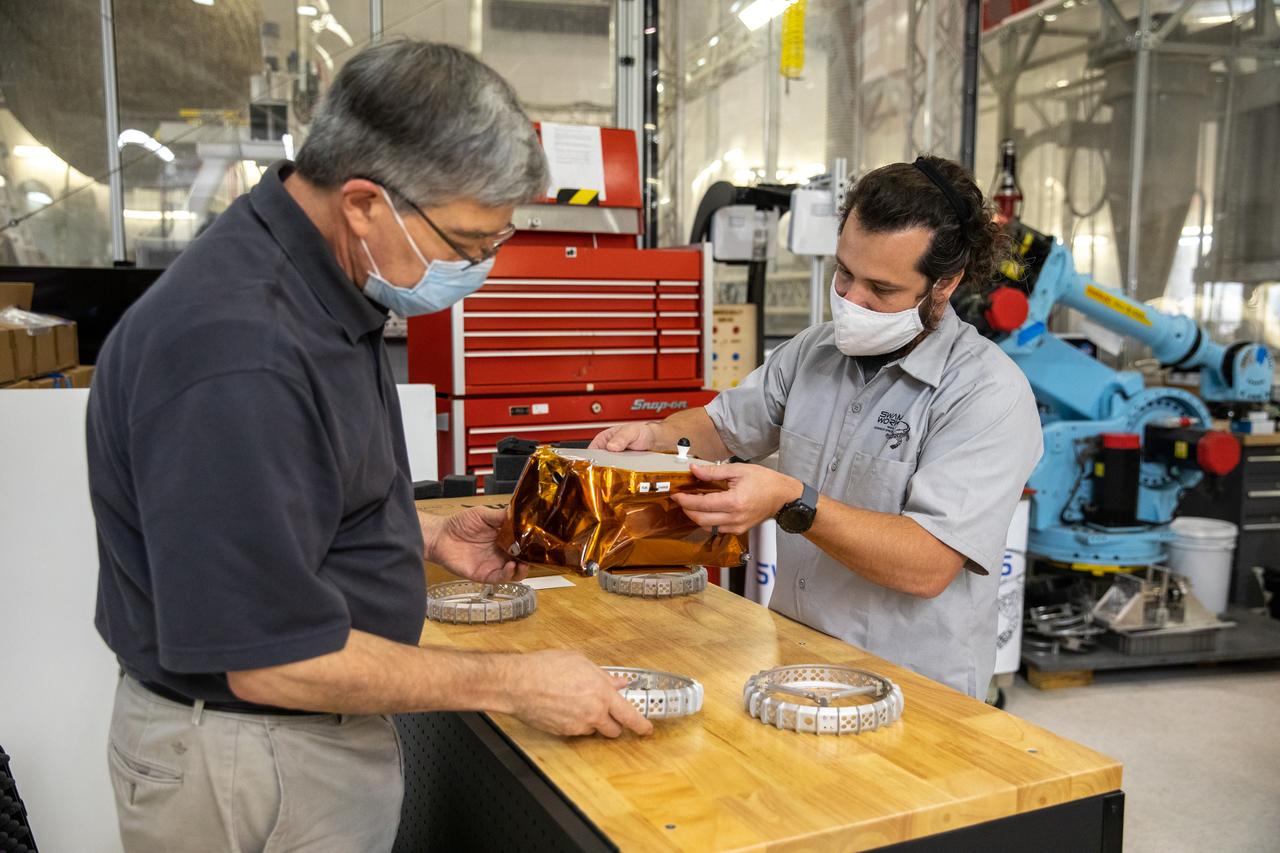
Jim Mantovani, left, and A.J. Nick, with Kennedy Space Center’s Exploration and Research and Technology programs, unbox a CubeRover at the Florida spaceport on Oct. 9, 2020. The rover was delivered by Pittsburgh-based space robotics company Astrobotic, as part of a Small Business Innovative Research (SBIR) award from NASA. Nick will lead CubeRover testing in the coming months in the Granular Mechanics and Regolith Operations (GMRO) Laboratory’s regolith bin, which holds approximately 120 tons of lunar regolith simulant at Kennedy’s Swamp Works. In 2019, NASA announced a $2 million Tipping Point award to develop more mature CubeRover’s payload interfaces and increase its capabilities.
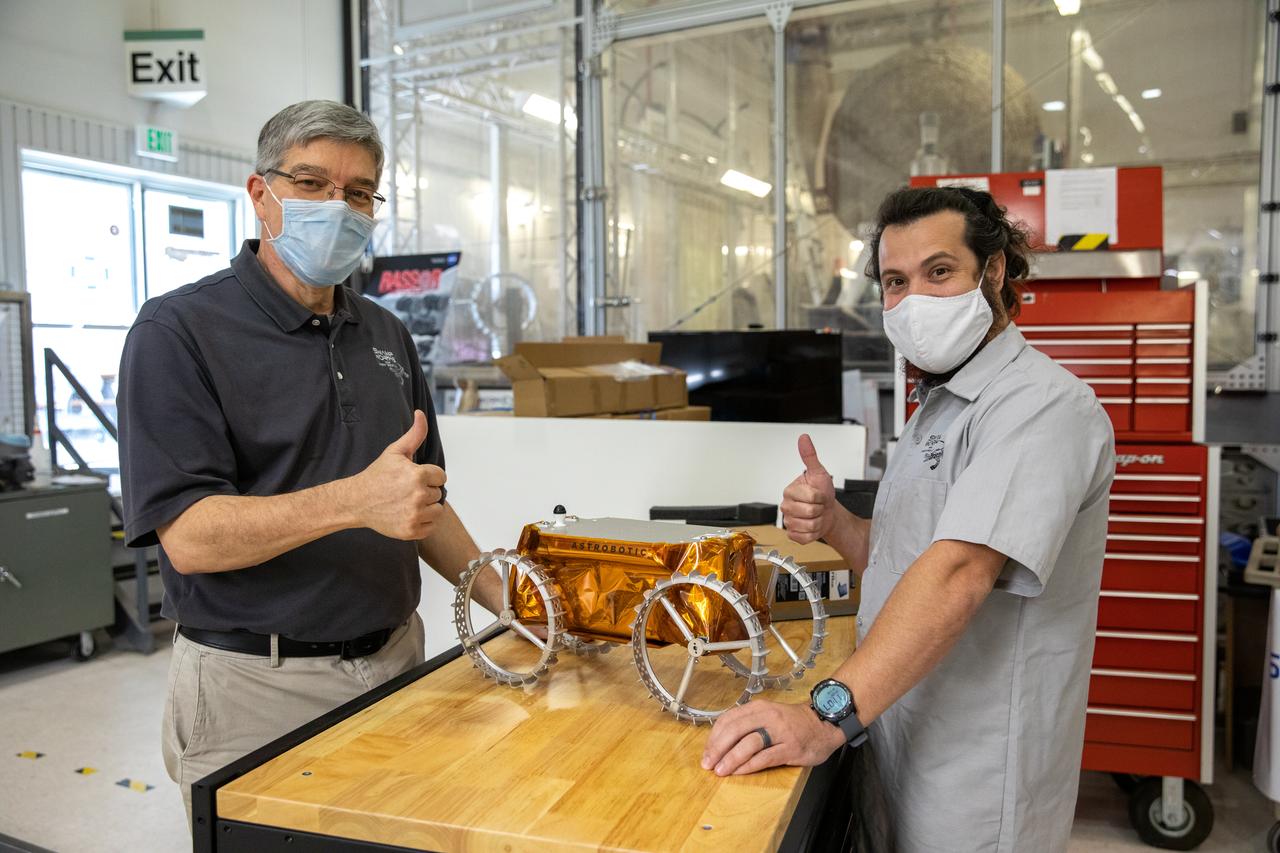
Jim Mantovani, left, and A.J. Nick, with Kennedy Space Center’s Exploration and Research and Technology programs, unbox a CubeRover at the Florida spaceport on Oct. 9, 2020. The rover was delivered by Pittsburgh-based space robotics company Astrobotic, as part of a Small Business Innovative Research (SBIR) award from NASA. Nick will lead CubeRover testing in the coming months in the Granular Mechanics and Regolith Operations (GMRO) Laboratory’s regolith bin, which holds approximately 120 tons of lunar regolith simulant at Kennedy’s Swamp Works. In 2019, NASA announced a $2 million Tipping Point award to develop more mature CubeRover’s payload interfaces and increase its capabilities.

ISS027-E-006501 (20 March 2011) --- A low pressure system in the eastern North Pacific Ocean is featured in this image photographed by an Expedition 27 crew member in the Cupola of the International Space Station. This vigorous low pressure system has started to occlude?a process associated with separation of warm air from the cyclone?s center at the Earth?s surface. This view shows the arc of strong convection beyond the center of the low pressure, formed as the low occludes when the cold front overtakes the warm front. This occurs around more mature low pressure areas, later in the process of the system?s life-cycle.
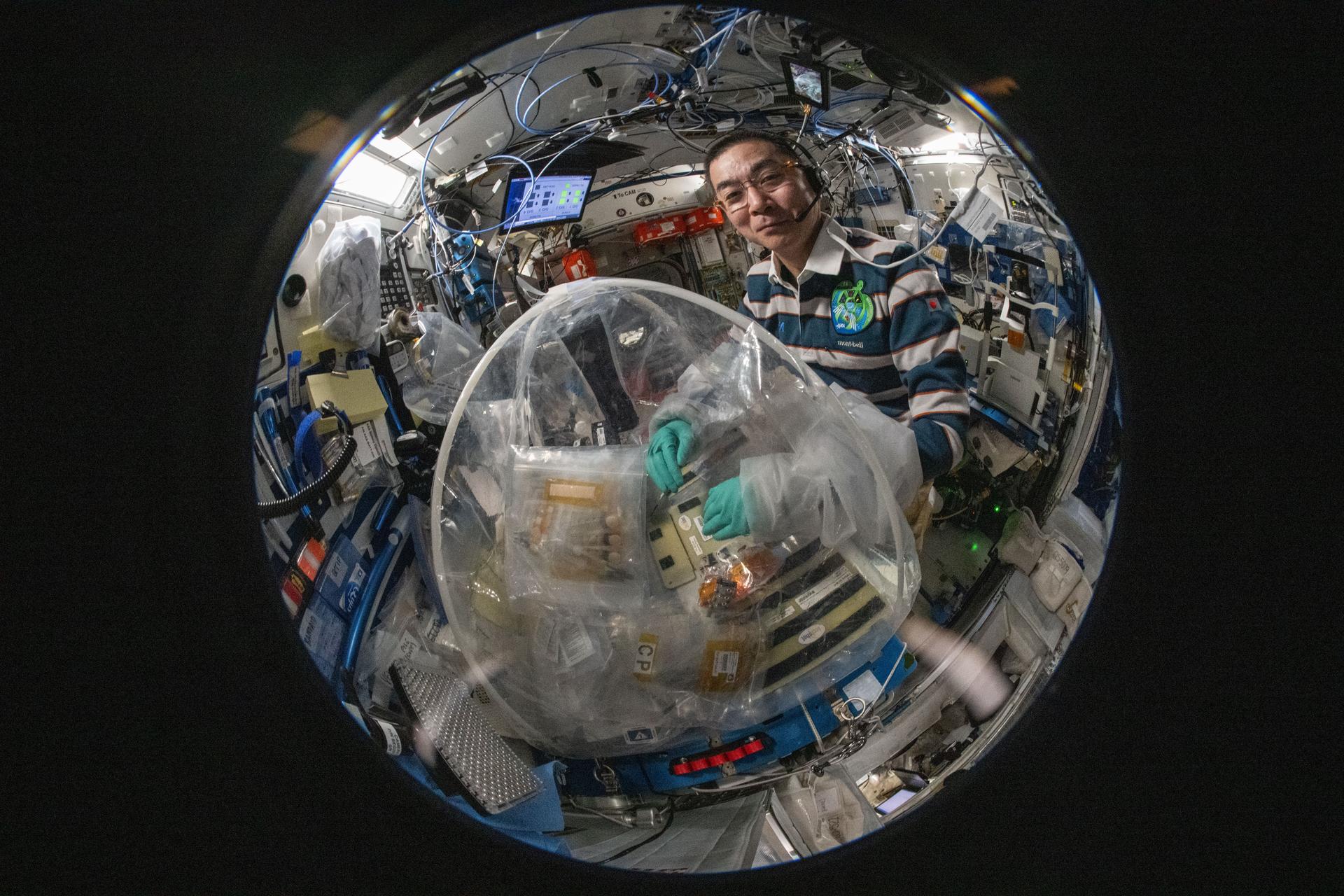
iss073e0606894 (Sept. 5, 2025) --- JAXA (Japan Aerospace Exploration Agency) astronaut and Expedition 73 Flight Engineer Kimiya Yui works on the Maturation of Vascularized Liver Tissue Construct in Zero Gravity (MVP Cell-07) investigation aboard the International Space Station. The experiment examines how bioprinted or engineered liver tissue constructs containing blood vessels printed on Earth develop in a microgravity environment. This research aims to advance space-based tissue production, potentially ensuring astronaut health on future missions and improving treatments for patients on Earth.
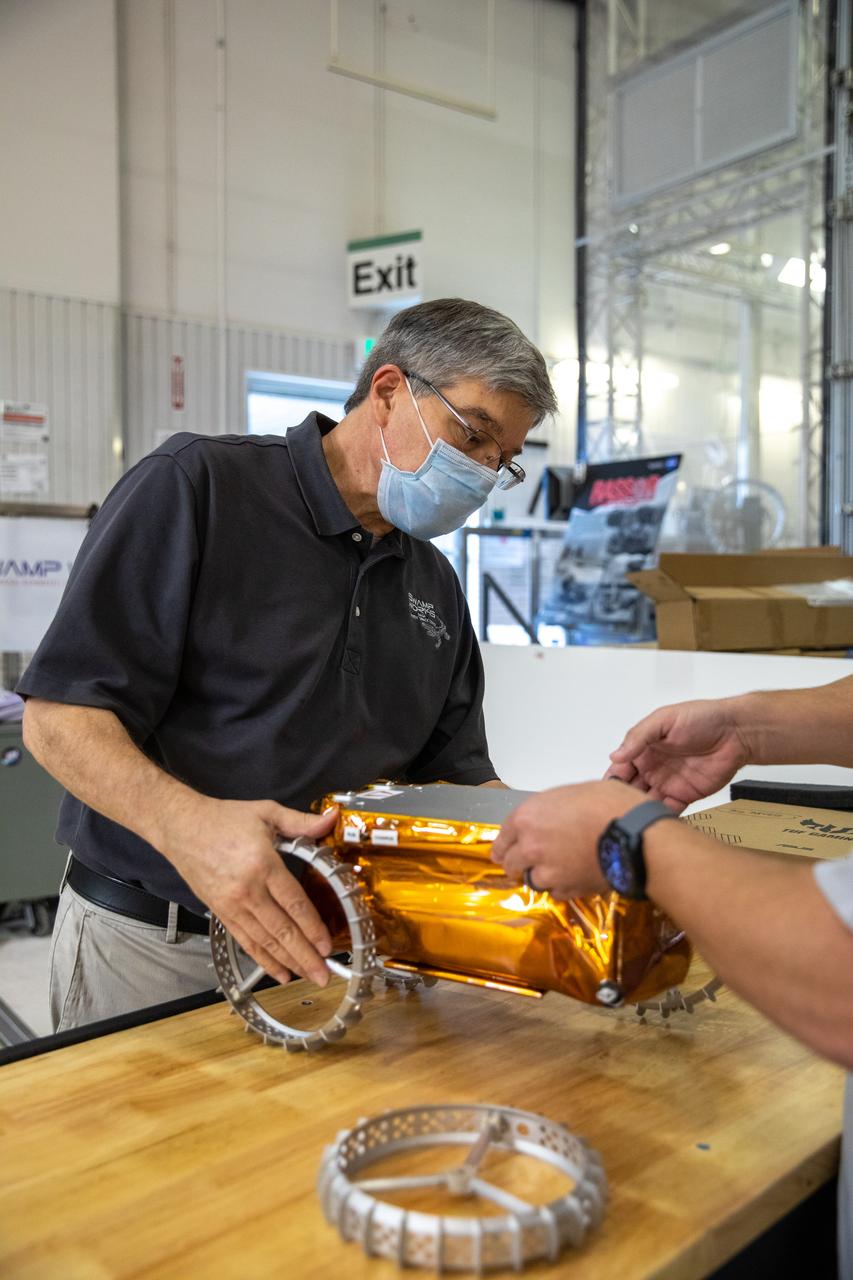
Jim Mantovani, with Kennedy Space Center’s Exploration and Research and Technology programs, unboxes a CubeRover at the Florida spaceport on Oct. 9, 2020. The rover was delivered by Pittsburgh-based space robotics company Astrobotic, as part of a Small Business Innovative Research (SBIR) award from NASA. Kennedy’s A.J. Nick will lead CubeRover testing in the coming months in the Granular Mechanics and Regolith Operations (GMRO) Laboratory’s regolith bin, which holds approximately 120 tons of lunar regolith simulant at Kennedy’s Swamp Works. In 2019, NASA announced a $2 million Tipping Point award to develop more mature CubeRover’s payload interfaces and increase its capabilities.
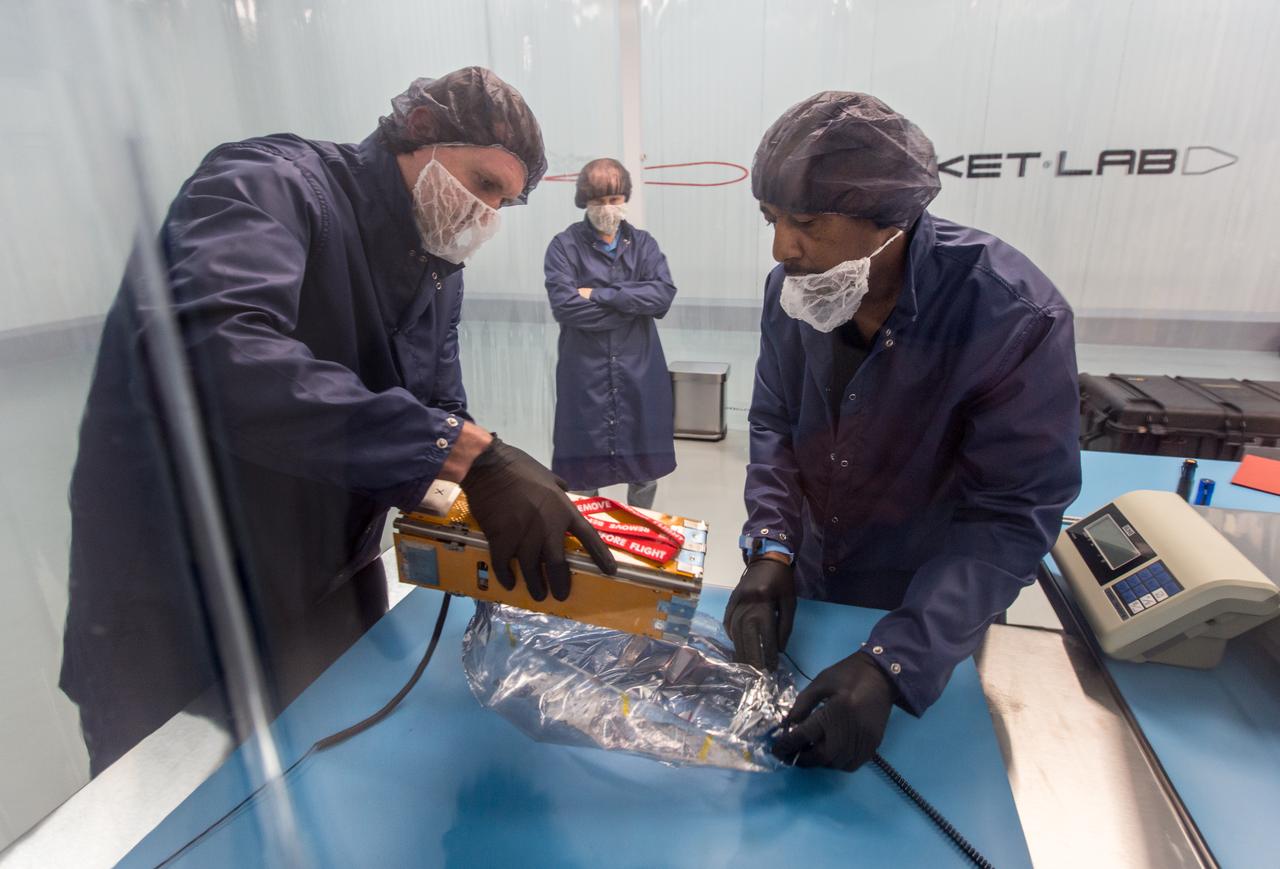
The Advanced Electrical Bus (ALBus) mission is a technology demonstration of resettable Shape Memory Alloy (SMA) mechanisms for deployable solar arrays and a pathfinder for high power density CubeSats. The mission has two primary objectives. The first is to demonstrate the functionality of the novel SMA activated solar array mechanisms in the on-orbit environment. The second objective is to assess the system level ability to charge a high capacity battery, distribute 100 W of electrical power and thermally control the 3-U CubeSat system. Performance from the mission will be used to mature the SMA mechanism designs for CubeSat applications and plan for future high power density CubeSat missions.
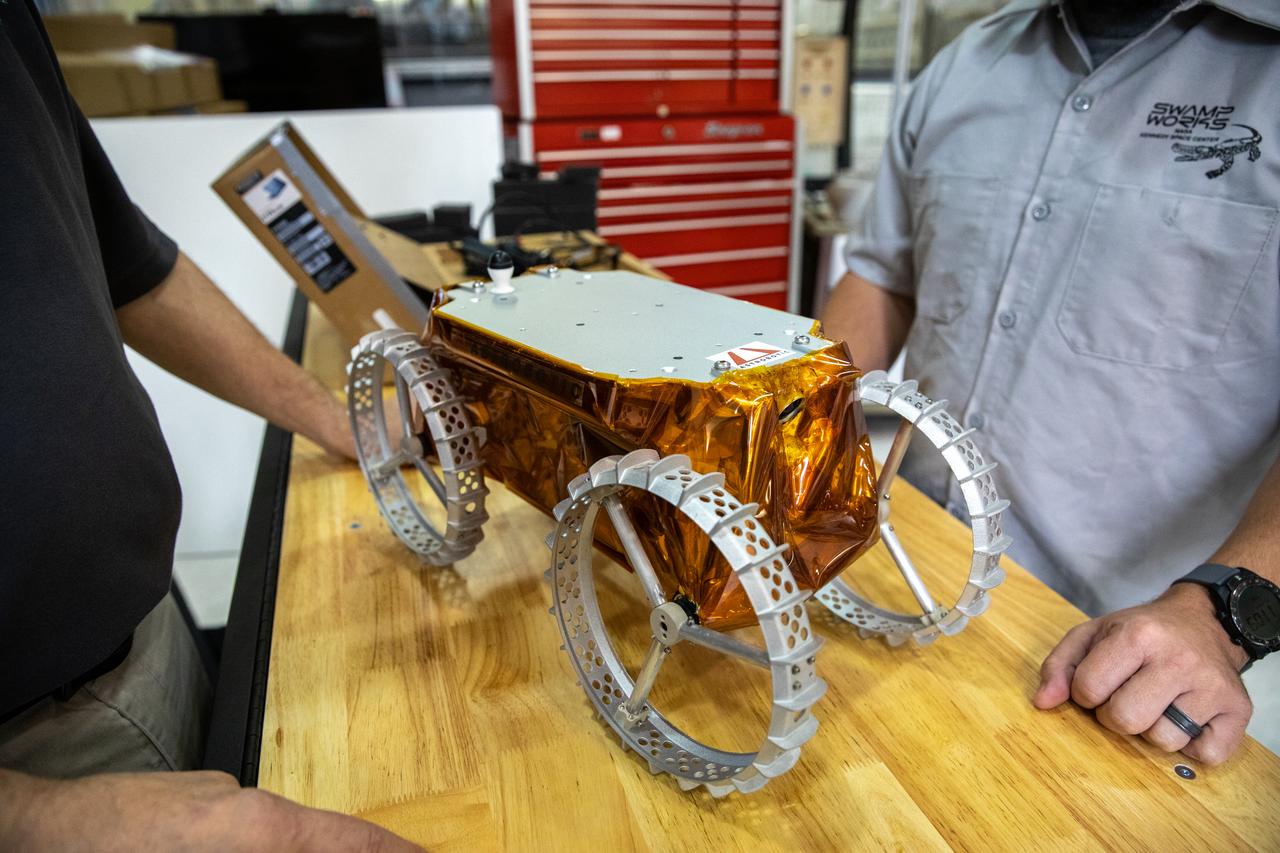
Jim Mantovani, left, and A.J. Nick, with Kennedy Space Center’s Exploration and Research and Technology programs, unbox a CubeRover at the Florida spaceport on Oct. 9, 2020. The rover was delivered by Pittsburgh-based space robotics company Astrobotic, as part of a Small Business Innovative Research (SBIR) award from NASA. Nick will lead CubeRover testing in the coming months in the Granular Mechanics and Regolith Operations (GMRO) Laboratory’s regolith bin, which holds approximately 120 tons of lunar regolith simulant at Kennedy’s Swamp Works. In 2019, NASA announced a $2 million Tipping Point award to develop more mature CubeRover’s payload interfaces and increase its capabilities.
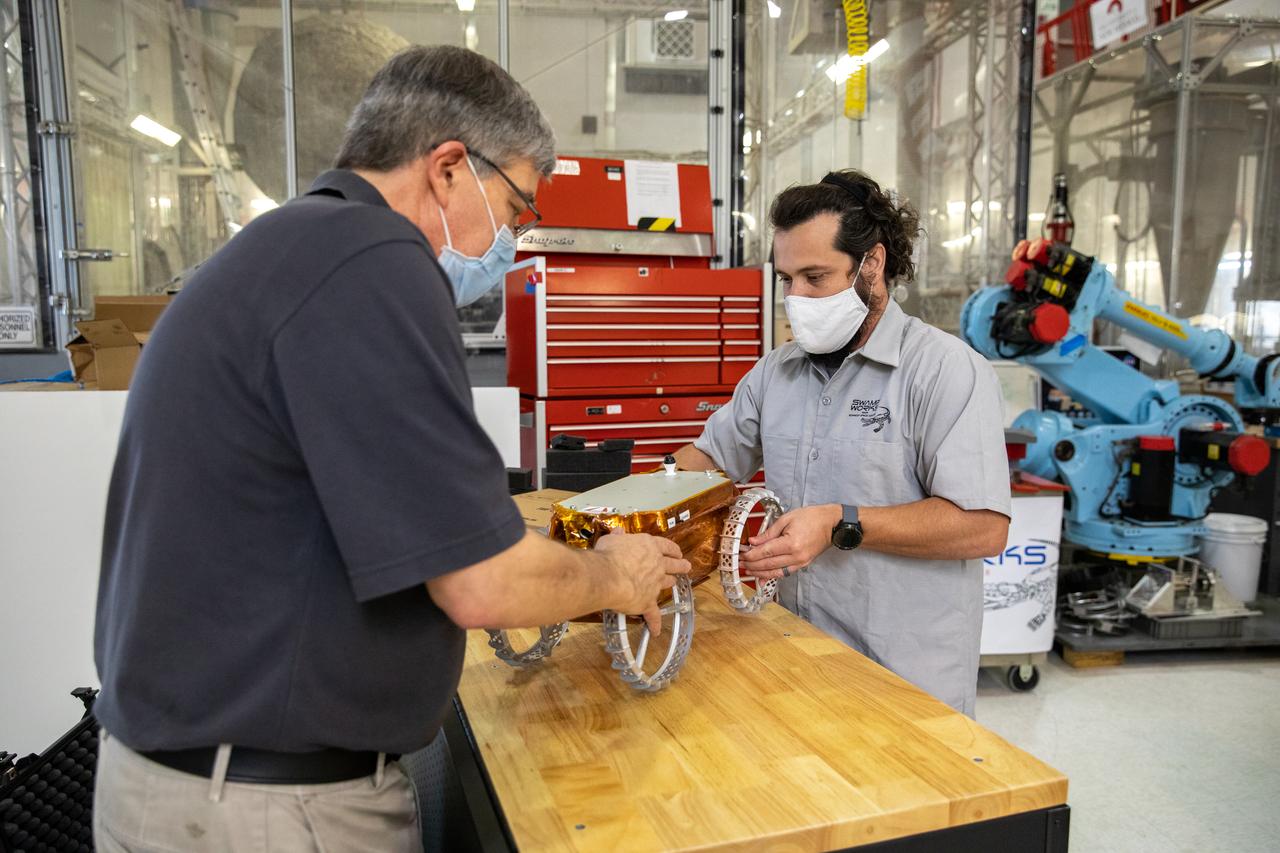
Jim Mantovani, left, and A.J. Nick, with Kennedy Space Center’s Exploration and Research and Technology programs, unbox a CubeRover at the Florida spaceport on Oct. 9, 2020. The rover was delivered by Pittsburgh-based space robotics company Astrobotic, as part of a Small Business Innovative Research (SBIR) award from NASA. Nick will lead CubeRover testing in the coming months in the Granular Mechanics and Regolith Operations (GMRO) Laboratory’s regolith bin, which holds approximately 120 tons of lunar regolith simulant at Kennedy’s Swamp Works. In 2019, NASA announced a $2 million Tipping Point award to develop more mature CubeRover’s payload interfaces and increase its capabilities.
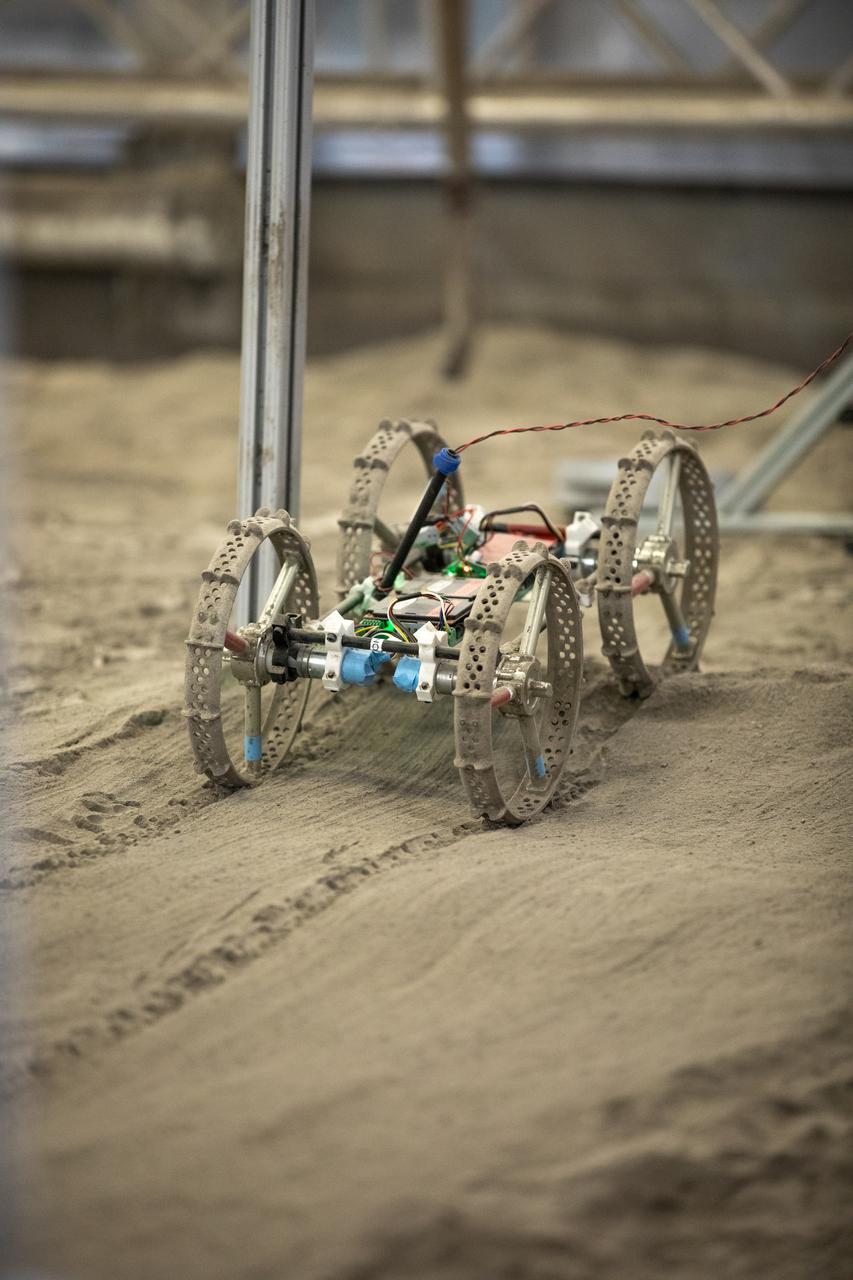
Astrobotic’s mass-offloaded CubeRover – a lightweight, modular planetary rover – undergoes mobility testing inside the Granular Mechanics and Regolith Operations (GMRO) Laboratory’s regolith pit at NASA Kennedy Space Center’s Swamp Works facility on June 30, 2022. Astrobotic – a Pittsburgh-based space robotics company – is using the GMRO lab’s regolith bin, which holds approximately 120 tons of lunar regolith simulant, to depict how the company’s CubeRover would perform on the Moon. NASA’s Small Business Innovation Research program provided the funding for initial development, and a $2 million Tipping Point award from the agency has provided additional funding for continued development into a more mature rover.

STS064-83-099 (9-20 Sept. 1994) --- Multiple thunderstorm cells leading to Earth's atmosphere were photographed on 70mm by the astronauts, orbiting aboard the space shuttle Discovery 130 nautical miles away. These thunderstorms are located about 16 degrees southeast of Hawaii in the Pacific Ocean. Every stage of a developing thunderstorm is documented in this photo; from the building cauliflower tops to the mature anvil phase. The anvil or the tops of the clouds being blown off are at about 50,000 feet. The light line in the blue atmosphere is either clouds in the distance or an atmospheric layer which is defined but different particle sizes. Photo credit: NASA or National Aeronautics and Space Administration
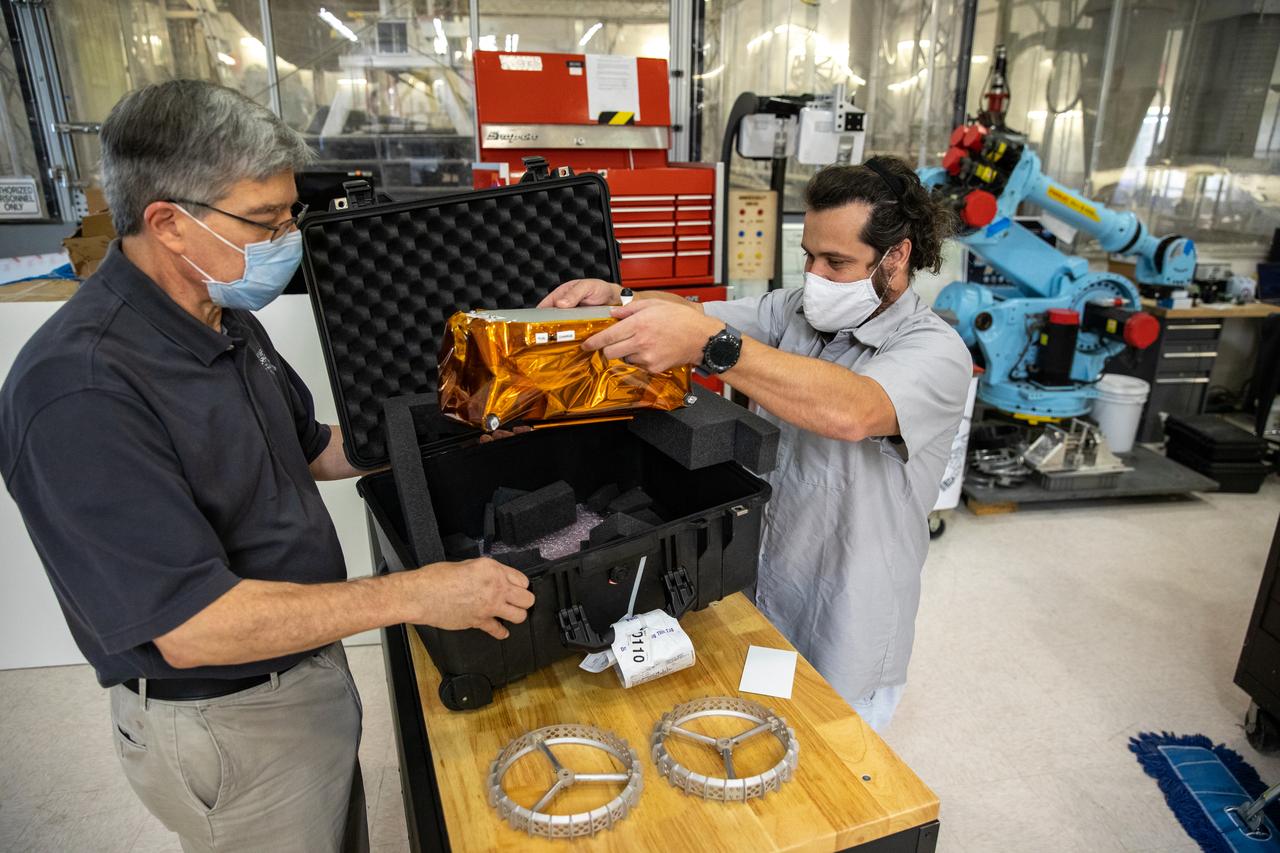
Jim Mantovani, left, and A.J. Nick, with Kennedy Space Center’s Exploration and Research and Technology programs, unbox a CubeRover at the Florida spaceport on Oct. 9, 2020. The rover was delivered by Pittsburgh-based space robotics company Astrobotic, as part of a Small Business Innovative Research (SBIR) award from NASA. Nick will lead CubeRover testing in the coming months in the Granular Mechanics and Regolith Operations (GMRO) Laboratory’s regolith bin, which holds approximately 120 tons of lunar regolith simulant at Kennedy’s Swamp Works. In 2019, NASA announced a $2 million Tipping Point award to develop more mature CubeRover’s payload interfaces and increase its capabilities.
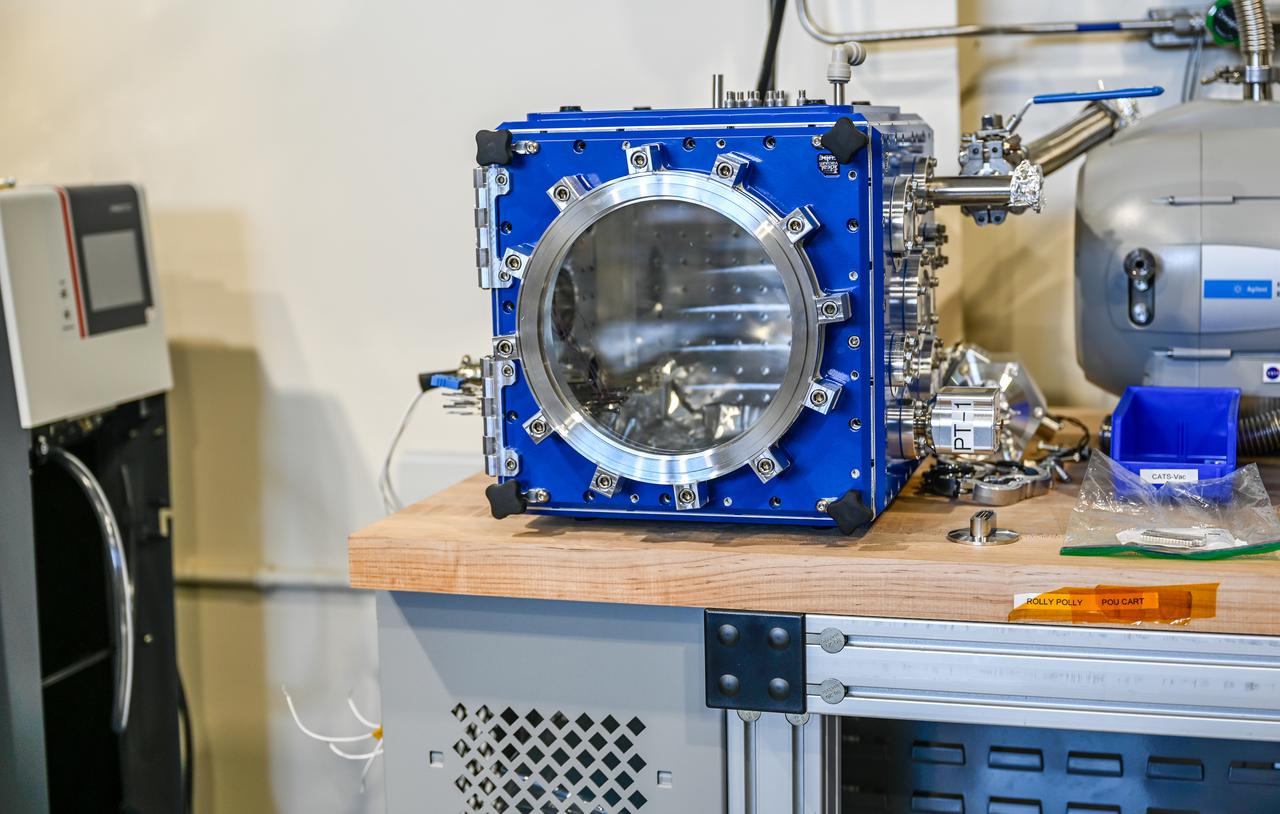
These photos, taken in fall 2024, show how NASA engineers use the Hub for Innovative Thermal Technology Maturation and Prototyping (Hi-TTeMP) laboratory at NASA’s Marshall Space Flight Center in Huntsville, Alabama. NASA engineers working in the HI-TTeMP lab not only design, set up, and run tests, they also provide insight and expertise in thermal engineering to assist NASA’s industry partners, such as SpaceX and other organizations, in validating concepts and models, or suggesting changes to designs. The lab is able to rapidly test and evaluate design updates or iterations. Engineering teams inside the lab are currently testing how well prototype insulation for SpaceX’s Starship HLS (Human Landing System) will insulate interior environments, including propellant storage tanks and the crew cabin. Starship HLS will land astronauts on the lunar surface during Artemis III and Artemis IV.
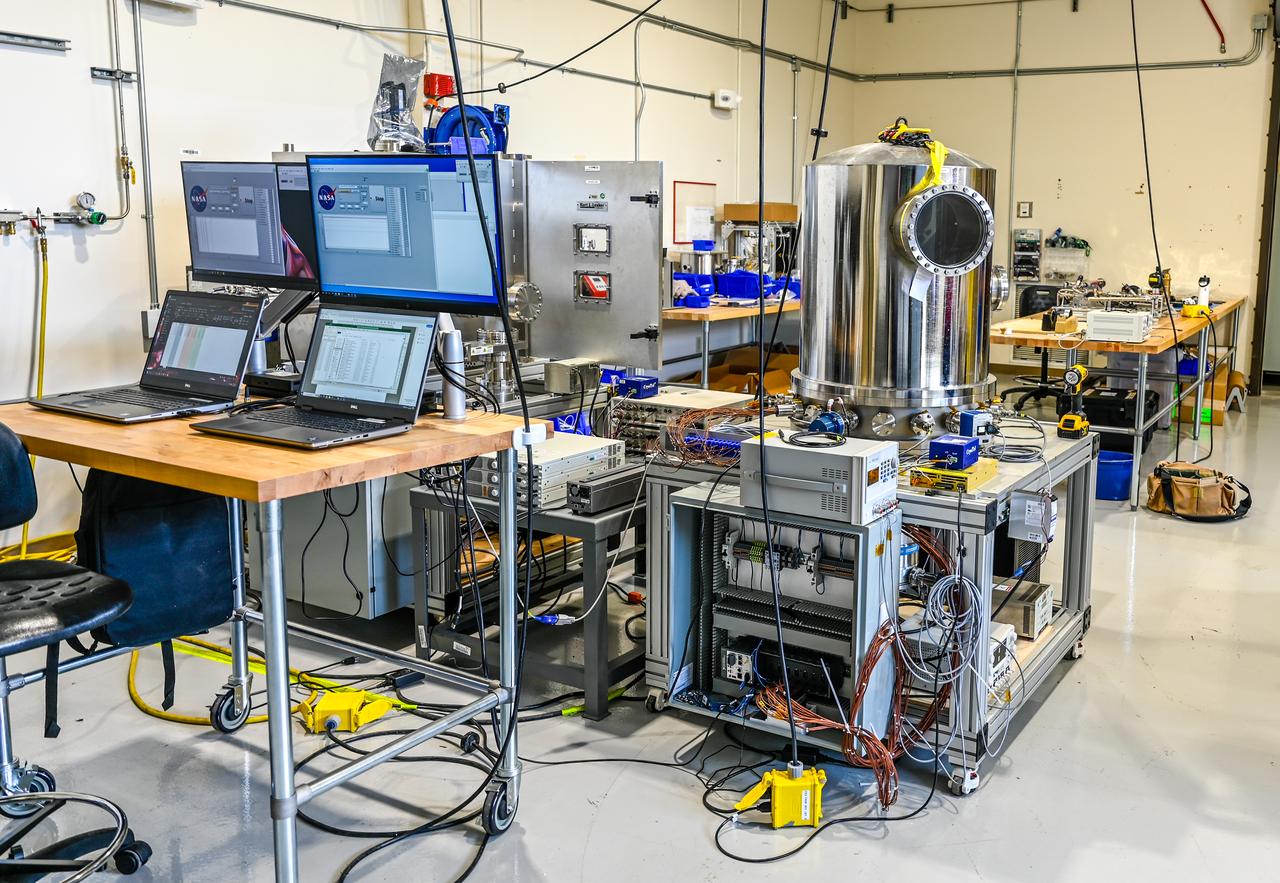
These photos, taken in fall 2024, show how NASA engineers use the Hub for Innovative Thermal Technology Maturation and Prototyping (Hi-TTeMP) laboratory at NASA’s Marshall Space Flight Center in Huntsville, Alabama. NASA engineers working in the HI-TTeMP lab not only design, set up, and run tests, they also provide insight and expertise in thermal engineering to assist NASA’s industry partners, such as SpaceX and other organizations, in validating concepts and models, or suggesting changes to designs. The lab is able to rapidly test and evaluate design updates or iterations. Engineering teams inside the lab are currently testing how well prototype insulation for SpaceX’s Starship HLS (Human Landing System) will insulate interior environments, including propellant storage tanks and the crew cabin. Starship HLS will land astronauts on the lunar surface during Artemis III and Artemis IV.
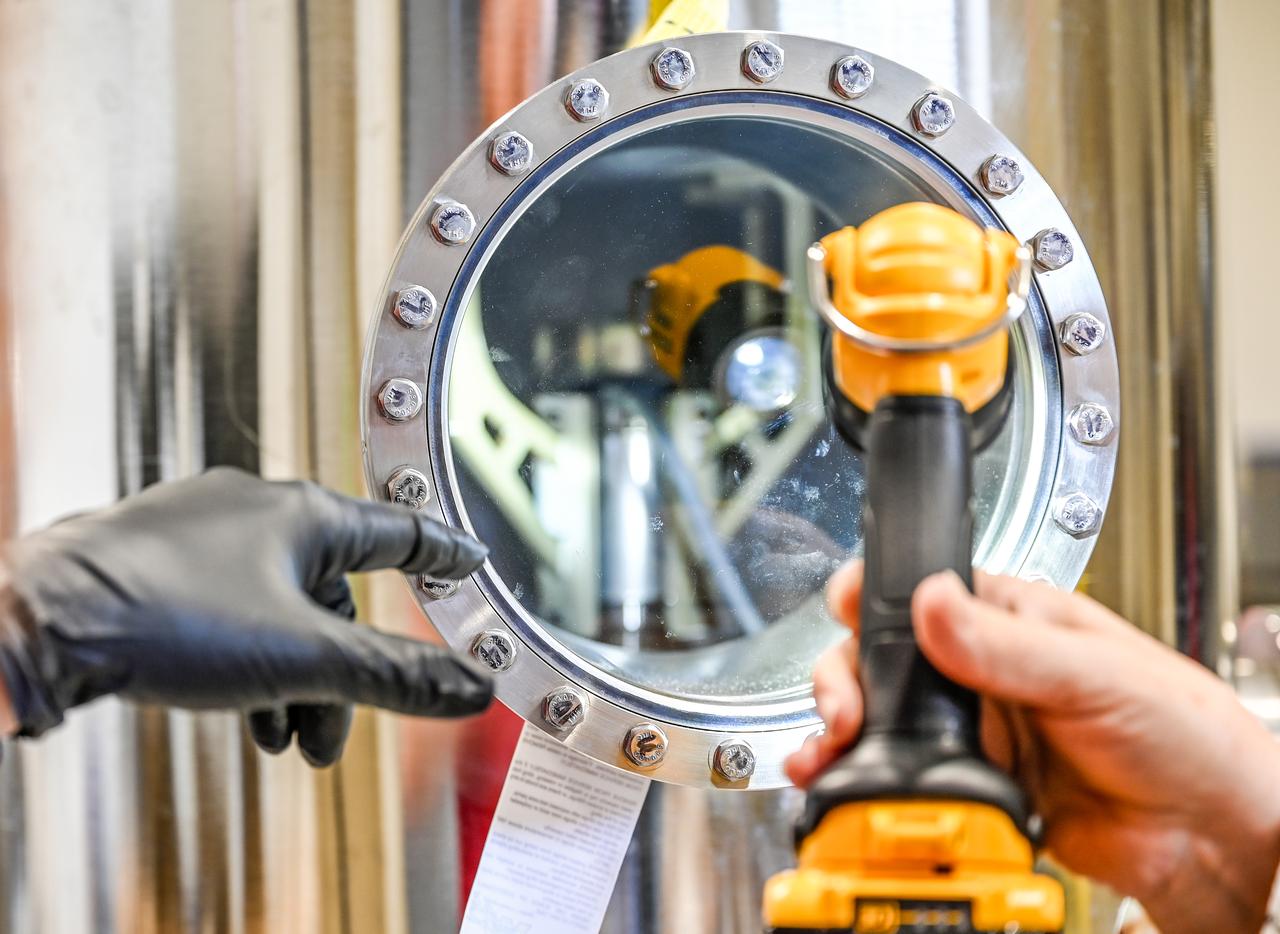
These photos, taken in fall 2024, show how NASA engineers use the Hub for Innovative Thermal Technology Maturation and Prototyping (Hi-TTeMP) laboratory at NASA’s Marshall Space Flight Center in Huntsville, Alabama. NASA engineers working in the HI-TTeMP lab not only design, set up, and run tests, they also provide insight and expertise in thermal engineering to assist NASA’s industry partners, such as SpaceX and other organizations, in validating concepts and models, or suggesting changes to designs. The lab is able to rapidly test and evaluate design updates or iterations. Engineering teams inside the lab are currently testing how well prototype insulation for SpaceX’s Starship HLS (Human Landing System) will insulate interior environments, including propellant storage tanks and the crew cabin. Starship HLS will land astronauts on the lunar surface during Artemis III and Artemis IV.
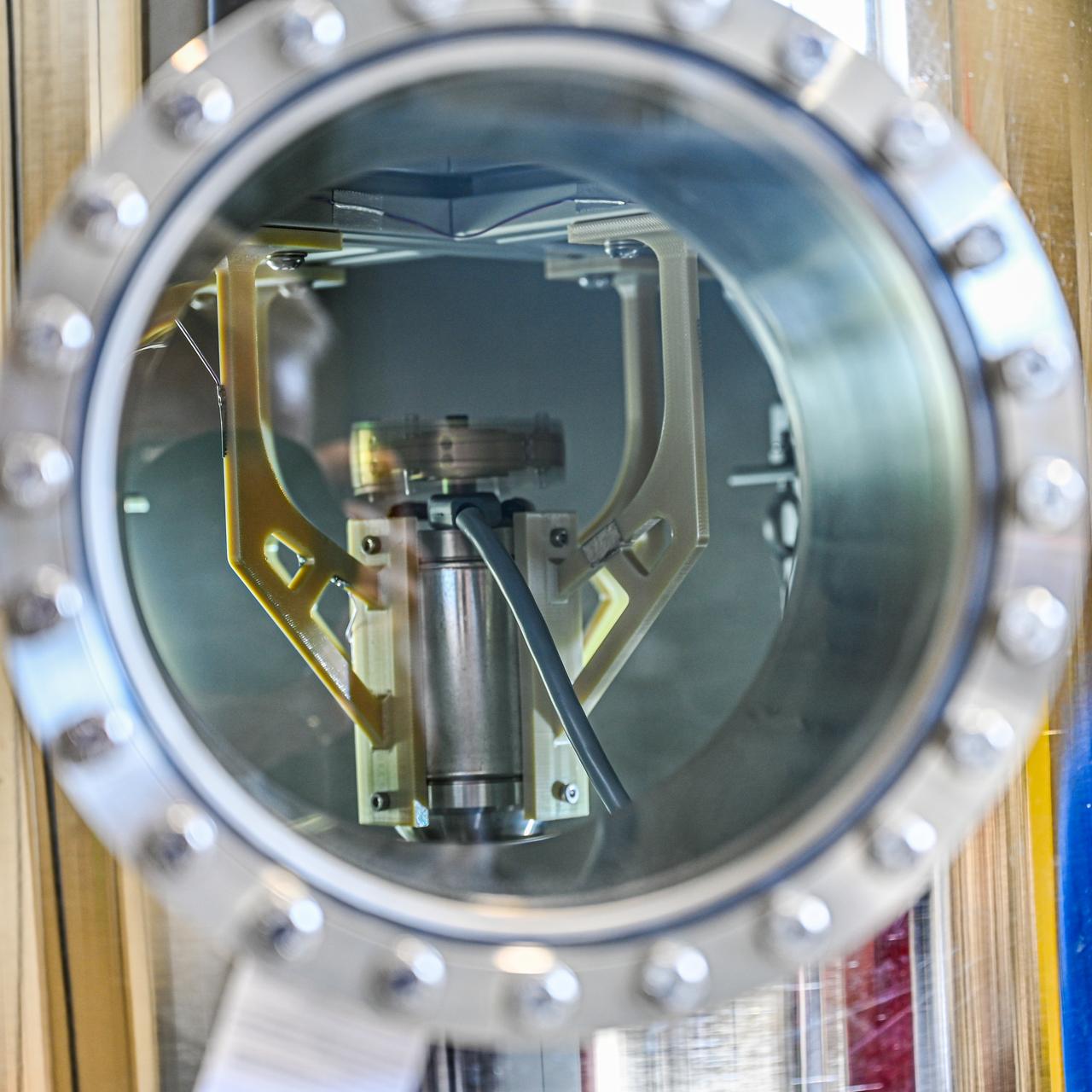
These photos, taken in fall 2024, show how NASA engineers use the Hub for Innovative Thermal Technology Maturation and Prototyping (Hi-TTeMP) laboratory at NASA’s Marshall Space Flight Center in Huntsville, Alabama. NASA engineers working in the HI-TTeMP lab not only design, set up, and run tests, they also provide insight and expertise in thermal engineering to assist NASA’s industry partners, such as SpaceX and other organizations, in validating concepts and models, or suggesting changes to designs. The lab is able to rapidly test and evaluate design updates or iterations. Engineering teams inside the lab are currently testing how well prototype insulation for SpaceX’s Starship HLS (Human Landing System) will insulate interior environments, including propellant storage tanks and the crew cabin. Starship HLS will land astronauts on the lunar surface during Artemis III and Artemis IV.
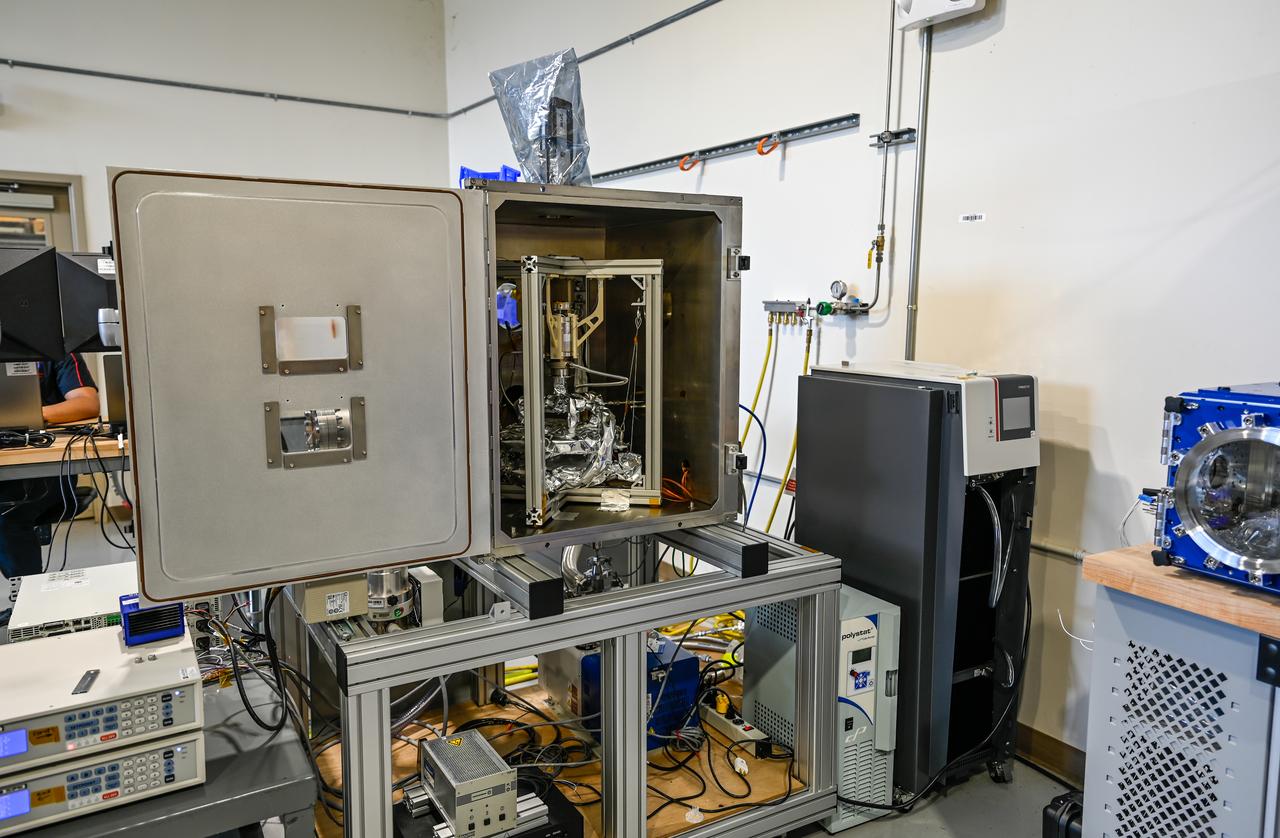
These photos, taken in fall 2024, show how NASA engineers use the Hub for Innovative Thermal Technology Maturation and Prototyping (Hi-TTeMP) laboratory at NASA’s Marshall Space Flight Center in Huntsville, Alabama. NASA engineers working in the HI-TTeMP lab not only design, set up, and run tests, they also provide insight and expertise in thermal engineering to assist NASA’s industry partners, such as SpaceX and other organizations, in validating concepts and models, or suggesting changes to designs. The lab is able to rapidly test and evaluate design updates or iterations. Engineering teams inside the lab are currently testing how well prototype insulation for SpaceX’s Starship HLS (Human Landing System) will insulate interior environments, including propellant storage tanks and the crew cabin. Starship HLS will land astronauts on the lunar surface during Artemis III and Artemis IV.
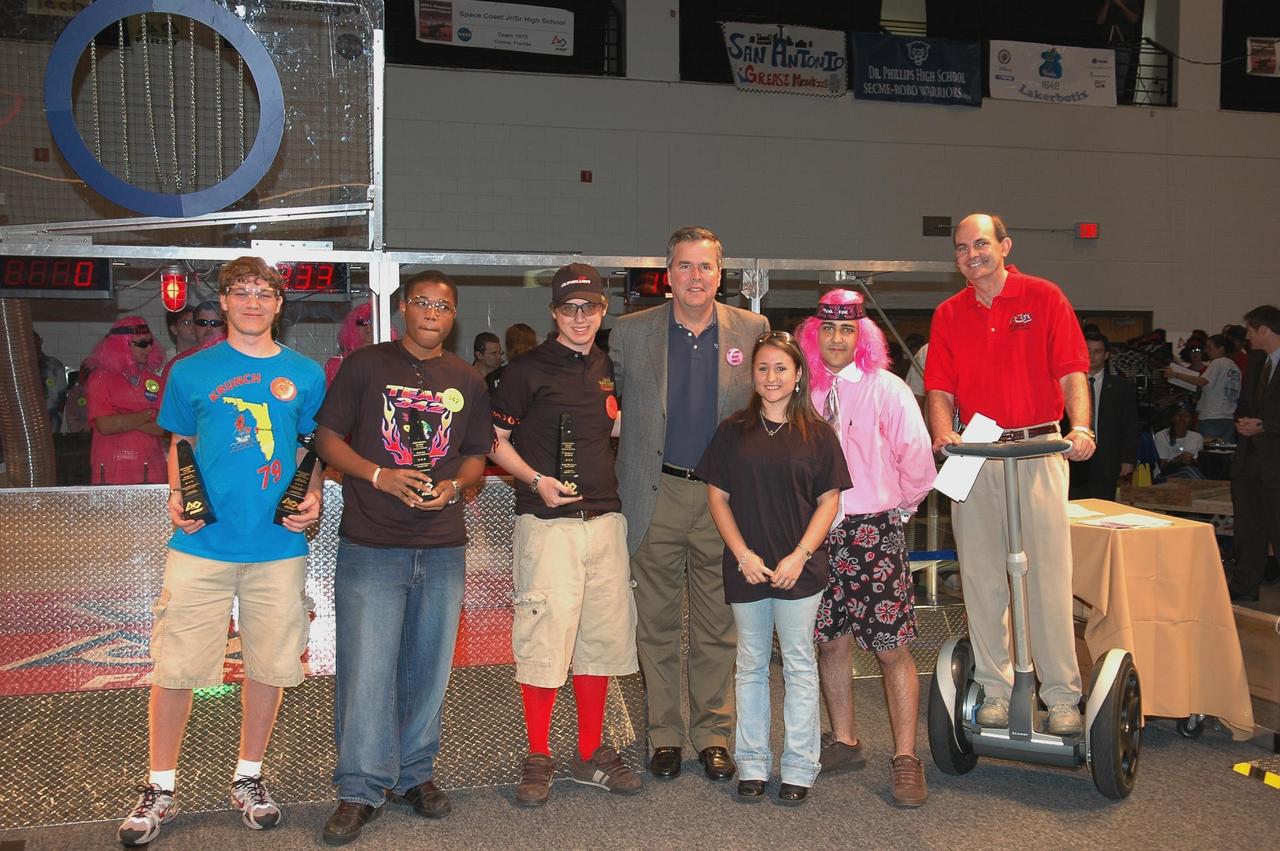
KENNEDY SPACE CENTER, FLA. - During opening ceremonies of the 2006 FIRST Robotics Regional Competition held March 9-11 at the University of Central Florida in Orlando, Florida Governor Jeb Bush poses with recipients of the Governor's Award trophy. The FIRST Robotics Competition challenges teams of young people and their mentors to solve a common problem in a six-week timeframe using a standard "kit of parts" and a common set of rules. Teams build robots from the parts and enter them in a series of competitions. FIRST, which is based on "For Inspiration and Recognition of Science and Technology," redefines winning for these students. Teams are rewarded for excellence in design, demonstrated team spirit, gracious professionalism and maturity, and ability to overcome obstacles. Scoring the most points is a secondary goal. Winning means building partnerships that last. NASA and the University of Central Florida are co-sponsors of the regional event, which this year included more than 50 teams. Photo credit: NASA/Kim Shiflett
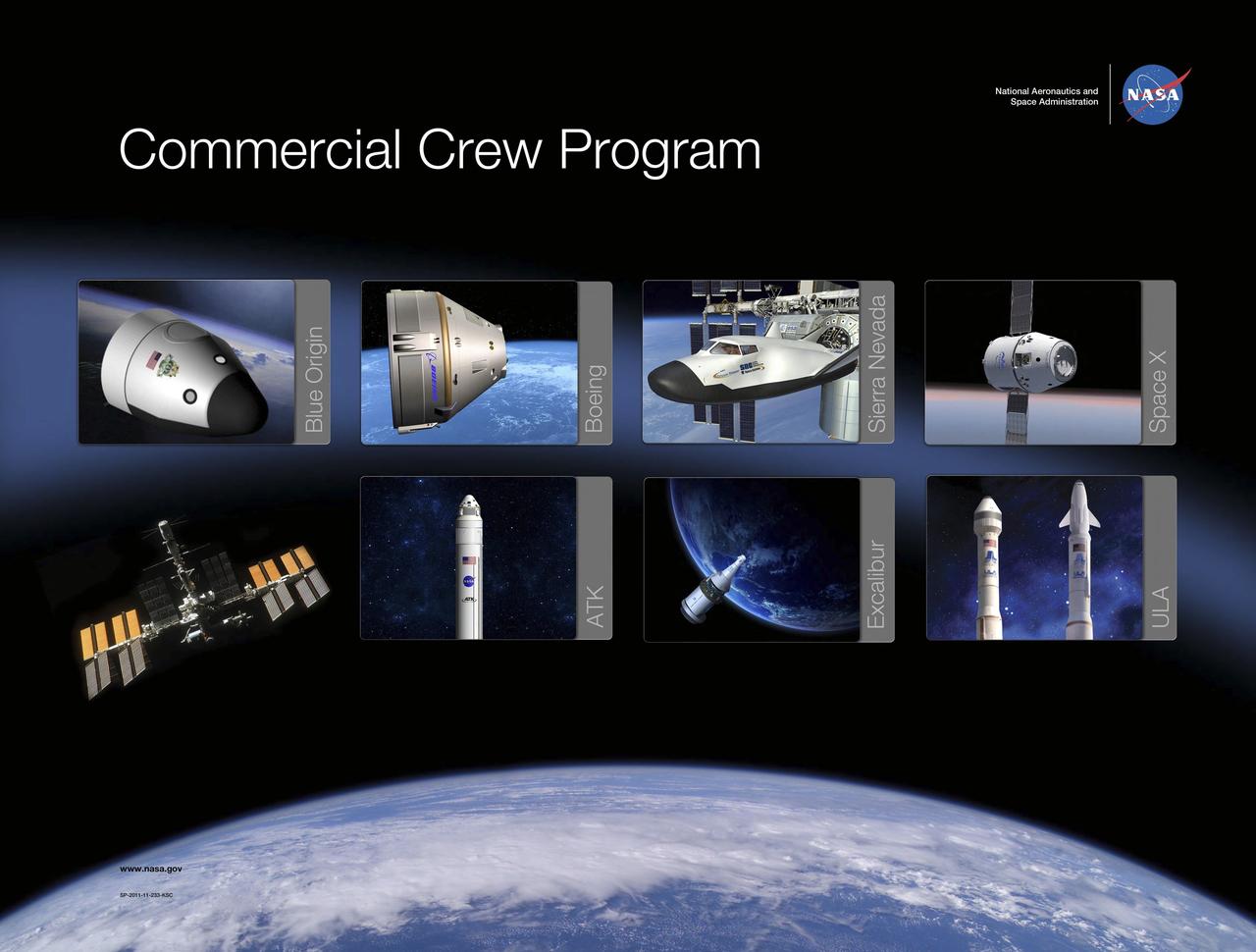
CAPE CANAVERAL, Fla. -- This is a printable poster of the aerospace companies NASA's Commercial Crew Program (CCP) entered into Space Act Agreements with during Commercial Crew Development Round 2 (CCDev2) activities in 2011 in order to mature the design and development of crew transportation systems with the overall goal of accelerating a United States-led capability to the International Space Station. CCDev2 companies are Alliant Techsystems (ATK), Blue Origin, The Boeing Co., Excalibur Almaz Inc., Sierra Nevada Corp., Space Exploration Technologies (SpaceX), and United Launch Alliance (ULA). The goal of CCP is to drive down the cost of space travel as well as open up space to more people than ever before by balancing industry’s own innovative capabilities with NASA's 50 years of human spaceflight experience. For more information, visit www.nasa.gov/commercialcrew
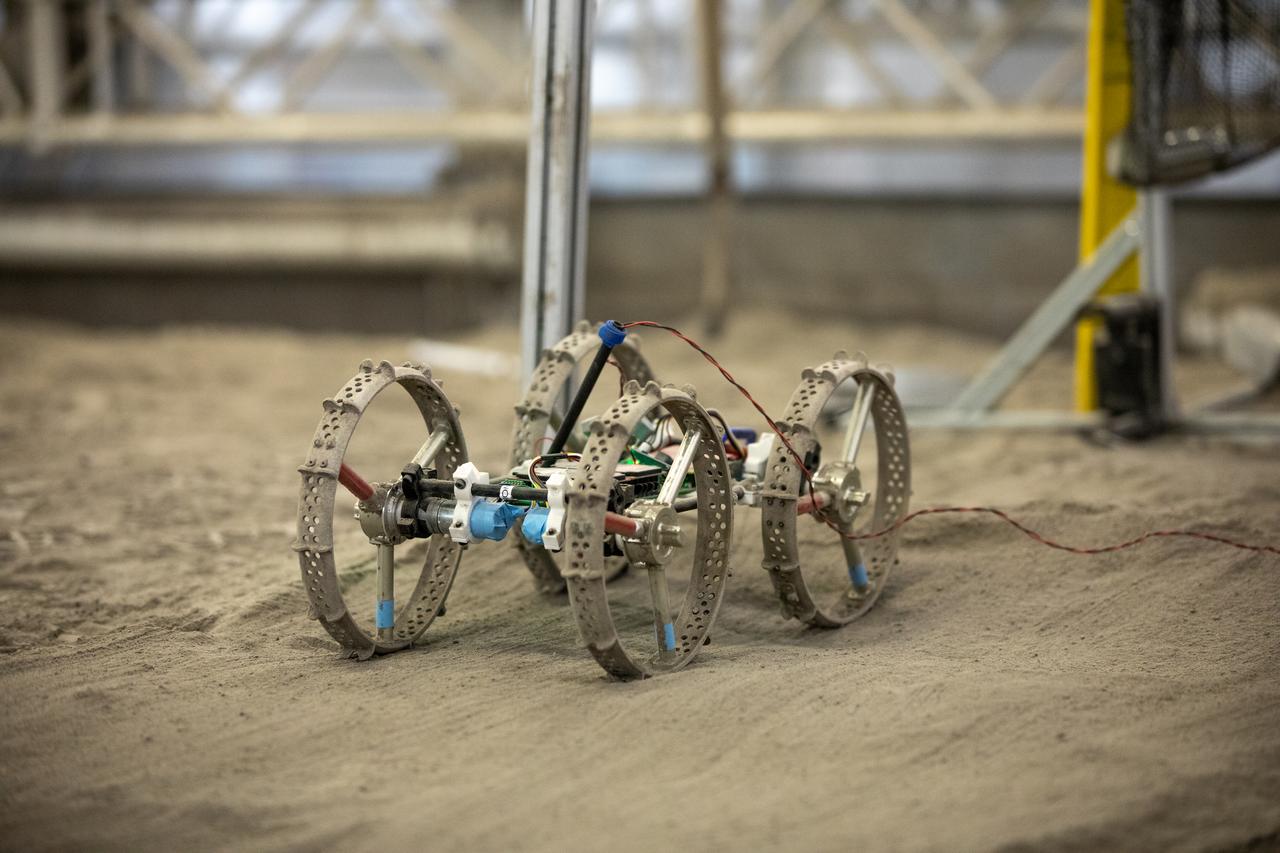
A mass-offloaded version of Astrobotic’s CubeRover – a lightweight, modular planetary rover – is used to simulate mobility in low lunar gravity inside the Granular Mechanics and Regolith Operations (GMRO) Laboratory’s regolith pit at NASA Kennedy Space Center’s Swamp Works facility on June 30, 2022. Astrobotic – a Pittsburgh-based space robotics company – is using the GMRO lab’s regolith bin, which holds approximately 120 tons of lunar regolith simulant, to depict how the company’s CubeRover would perform on the Moon. NASA’s Small Business Innovation Research program provided the funding for initial development, and a $2 million Tipping Point award from the agency has provided additional funding for continued development into a more mature rover.
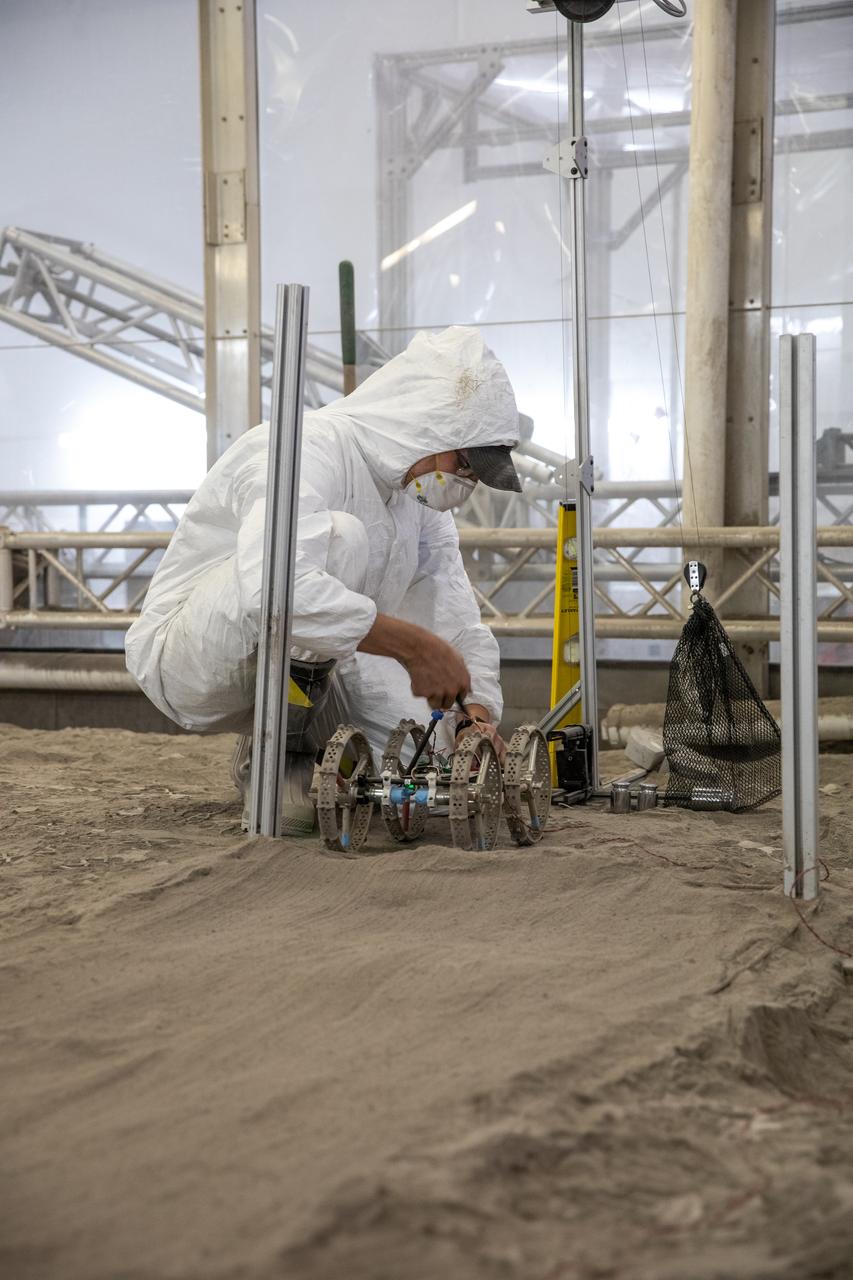
Senior Software Engineer Taylor Whitaker stages Astrobotic’s mass-offloaded CubeRover – a lightweight, modular planetary rover – for a drawbar pull test inside the Granular Mechanics and Regolith Operations (GMRO) Laboratory’s regolith pit at NASA Kennedy Space Center’s Swamp Works facility on June 30, 2022. Astrobotic – a Pittsburgh-based space robotics company – is using the GMRO lab’s regolith bin, which holds approximately 120 tons of lunar regolith simulant, to depict how the company’s CubeRover would perform on the Moon. NASA’s Small Business Innovation Research program provided the funding for initial development, and a $2 million Tipping Point award from the agency has provided additional funding for continued development into a more mature rover.
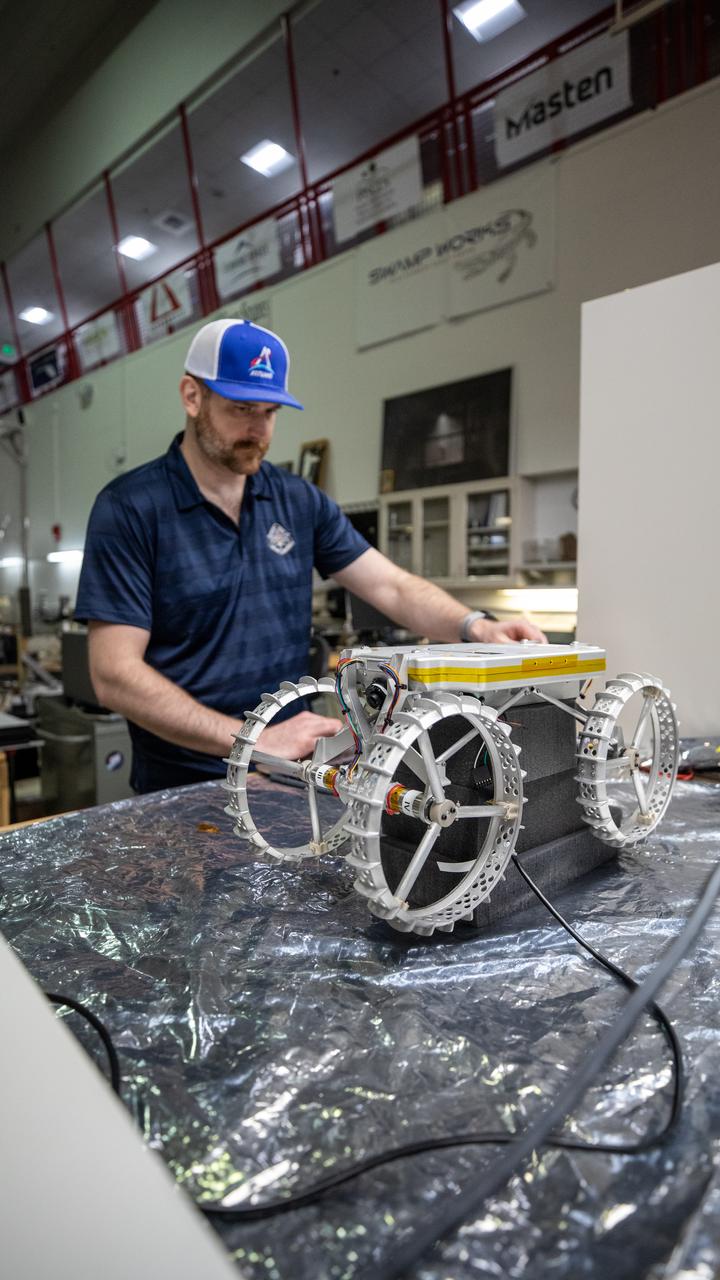
Robotics Software Engineer II Chris Rampolla runs benchtop verifications on Astrobotic’s CubeRover – a lightweight, modular planetary rover – before delivery to Swamp Works at NASA’s Kennedy Space Center in Florida on June 30, 2022. Astrobotic – a Pittsburgh-based space robotics company – is planning to use Swamp Work’s Granular Mechanics and Regolith Operations Laboratory’s regolith bin, which holds approximately 120 tons of lunar regolith simulant, to depict how the company’s CubeRover would perform on the Moon. NASA’s Small Business Innovation Research program provided the funding for initial development, and a $2 million Tipping Point award from the agency has provided additional funding for continued development into a more mature rover.
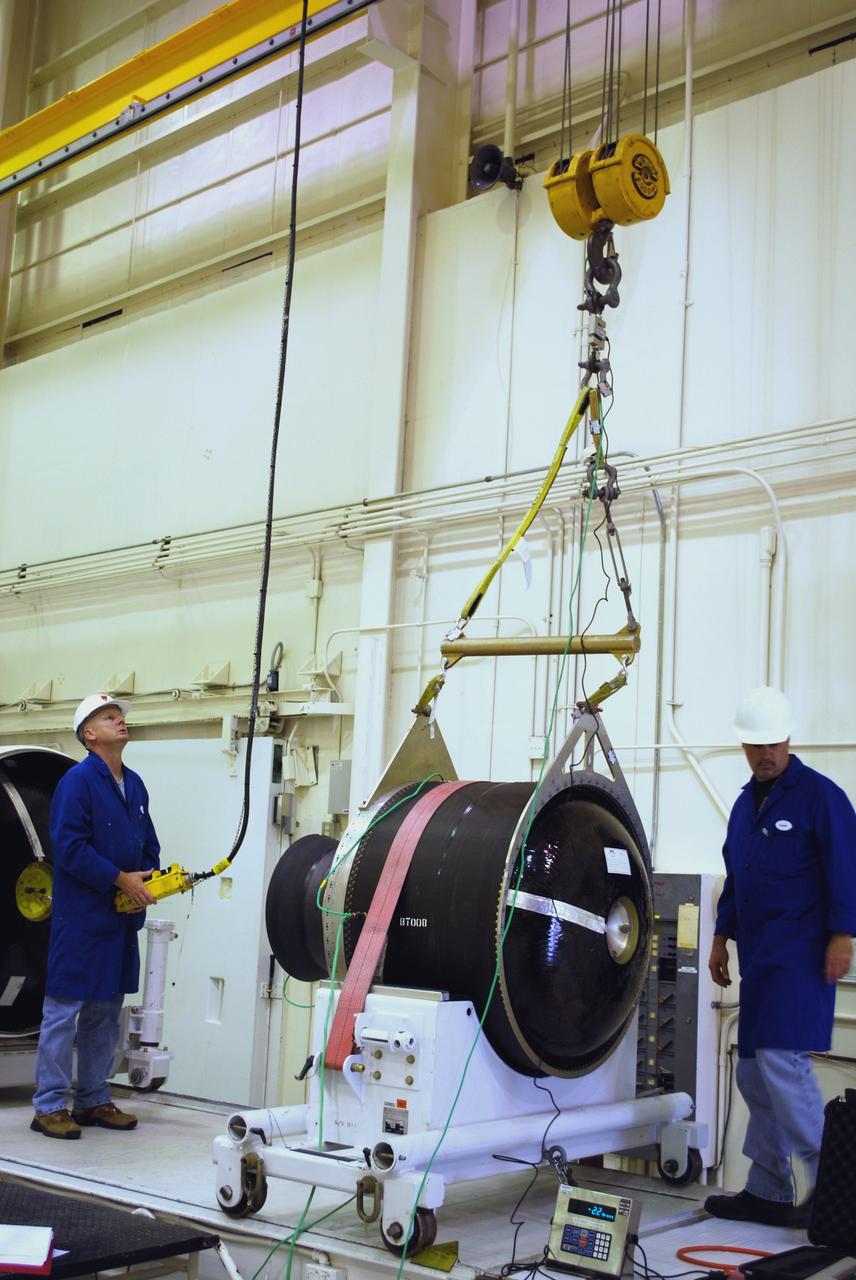
VANDENBERG AIR FORCE BASE, Calif. -- An Alliant motor designated for Stage 3 of a Taurus rocket is weighed by Orbital Sciences workers in Building 1555 at Vandenberg AFB. The Taurus will launch the Orbiting Carbon Observatory, or OCO, in January 2009. The OCO is a new Earth-orbiting mission sponsored by NASA's Earth System Science Pathfinder Program. OCO will provide space-based observations of atmospheric carbon dioxide (CO2), the principal human-initiated driver of climate change. Mature technologies will be used to address NASA's highest priority carbon cycle measurement requirement. NASA's Jet Propulsion Laboratory leads the OCO effort. Orbital Sciences Corporation is providing the Taurus launch vehicle; Hamilton Sundstrand Sensor Systems, the OCO spacecraft. Photo credit: NASA/Randy Beaudoin
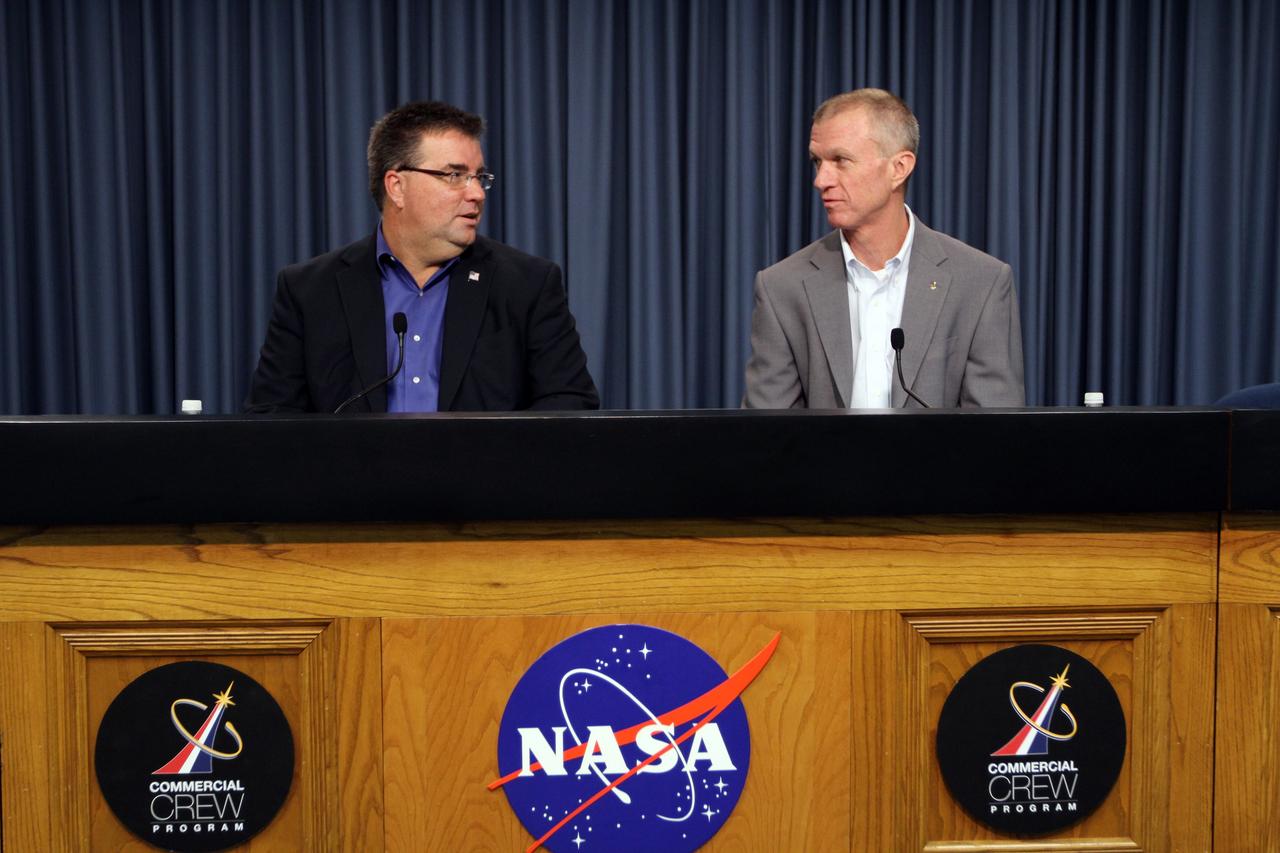
CAPE CANAVERAL, Fla. -- Commercial Crew Program (CCP) Manager Ed Mango, left, and Deputy Program Manager Brent Jett host a Program Strategy Forum at NASA's Kennedy Space Center in Florida. The forum was held to update industry partners about NASA's next phase of developing commercial space transportation system capabilities. CCP is helping to mature the design and development of a crew transportation system with the overall goal of accelerating a United States-led capability to the International Space Station. The goal of the program is to drive down the cost of space travel as well as open up space to more people than ever before by balancing industry’s own innovative capabilities with NASA's 50 years of human spaceflight experience. For more information, visit www.nasa.gov/commercialcrew. Photo credit: NASA/Kim Shiflett
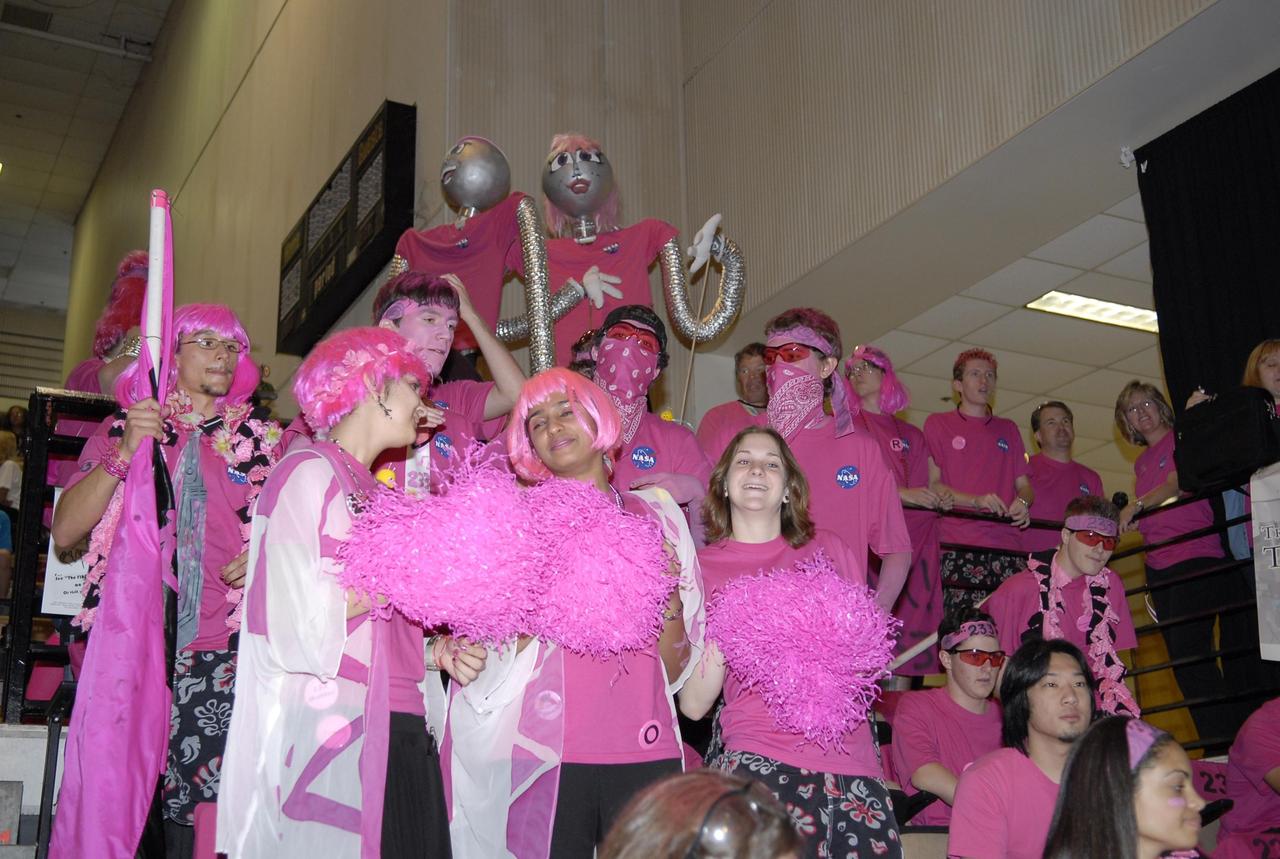
KENNEDY SPACE CENTER, FLA. -- The student team dressed in pink is a coordinated effort cosponsored by NASA KSC and representing Rockledge, Cocoa Beach and Viera High Schools in Central Florida. The FIRST, or For Inspiration and Recognition of Science and Technology, Robotics Competition challenges teams of young people and their mentors to solve a common problem in a six-week timeframe using a standard "kit of parts" and a common set of rules. Teams build robots from the parts and enter them in a series of competitions designed by FIRST founder Dean Kamen and Dr. Woodie Flowers, chairman and vice chairman of the Executive Advisory Board respectively, and a committee of engineers and other professionals. FIRST redefines winning for these students. Teams are rewarded for excellence in design, demonstrated team spirit, gracious professionalism and maturity, and ability to overcome obstacles. Scoring the most points is a secondary goal. Winning means building partnerships that last. Photo credit: NASA/Kim Shiflett
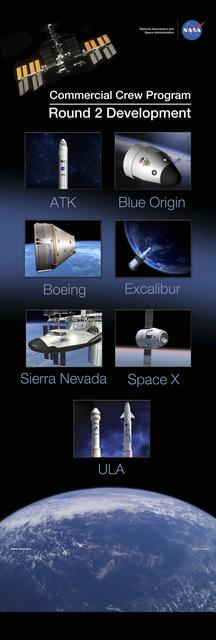
CAPE CANAVERAL, Fla. -- This is a printable banner of the aerospace companies NASA's Commercial Crew Program (CCP) entered into Space Act Agreements with during Commercial Crew Development Round 2 (CCDev2) activities in 2011 in order to mature the design and development of crew transportation systems with the overall goal of accelerating a United States-led capability to the International Space Station. CCDev2 companies are Alliant Techsystems (ATK), Blue Origin, The Boeing Co., Excalibur Almaz Inc., Sierra Nevada Corp., Space Exploration Technologies (SpaceX), and United Launch Alliance (ULA). The goal of CCP is to drive down the cost of space travel as well as open up space to more people than ever before by balancing industry’s own innovative capabilities with NASA's 50 years of human spaceflight experience. For more information, visit www.nasa.gov/commercialcrew

STS047-54-018 (12-20 Sept. 1992) --- The colors in this photograph provide insight into the relative density of the atmosphere. The crew members had many opportunities to witness sunrises and sunsets, considering they orbit the Earth every 90 minutes, but few, they said, compared to this scene. It captures the silhouette of several mature thunderstorms with their cirrus anvil tops spreading out against the tropopause (the top of the lowest layer of Earth's atmosphere) at sunset. The lowest layer (troposphere) is the densest and refracts light at the red end of the visible spectrum (7,400 Angstroms), while the blues (4,000 Angstroms) are separated in the least dense portion of the atmosphere (middle and upper atmosphere, or stratosphere and mesosphere). Several layers of blue can be seen. NASA scientists studying the photos believe this stratification to be caused by the scattering of light by particulate trapped in the stratosphere and mesosphere particulate that generally originate from volcanic eruptions, such as those of Mt. Pinatubo in the Philippines and, most recently, Mt. Spurr in Alaska.
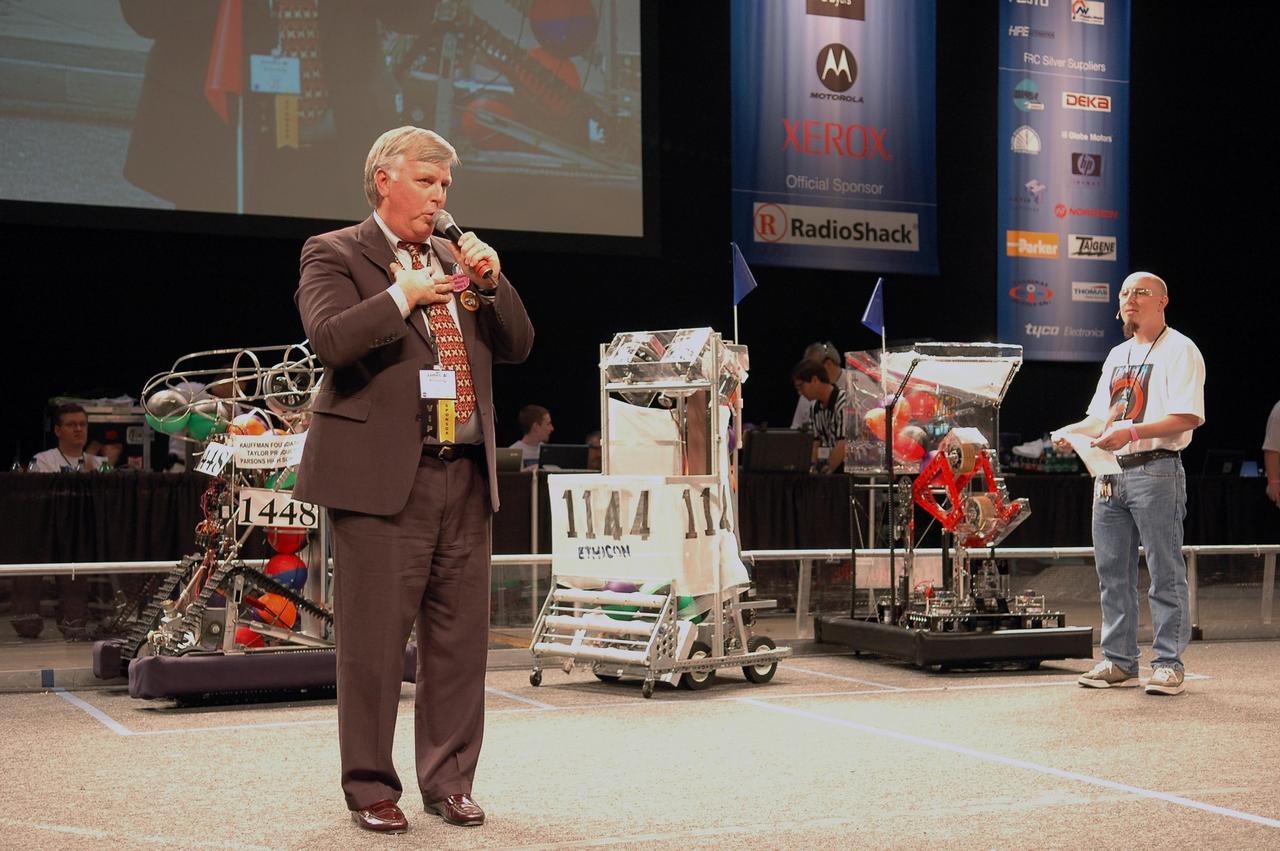
KENNEDY SPACE CENTER, FLA. - During opening ceremonies of the 2006 FIRST Robotics Regional Competition held March 9-11 at the University of Central Florida in Orlando, Kennedy Space Center Director Jim Kennedy talks to the participants. The FIRST Robotics Competition challenges teams of young people and their mentors to solve a common problem in a six-week timeframe using a standard "kit of parts" and a common set of rules. Teams build robots from the parts and enter them in a series of competitions. FIRST, which is based on "For Inspiration and Recognition of Science and Technology," redefines winning for these students. Teams are rewarded for excellence in design, demonstrated team spirit, gracious professionalism and maturity, and ability to overcome obstacles. Scoring the most points is a secondary goal. Winning means building partnerships that last. NASA and the University of Central Florida are co-sponsors of the regional event, which this year included more than 50 teams. Photo credit: NASA/Kim Shiflett
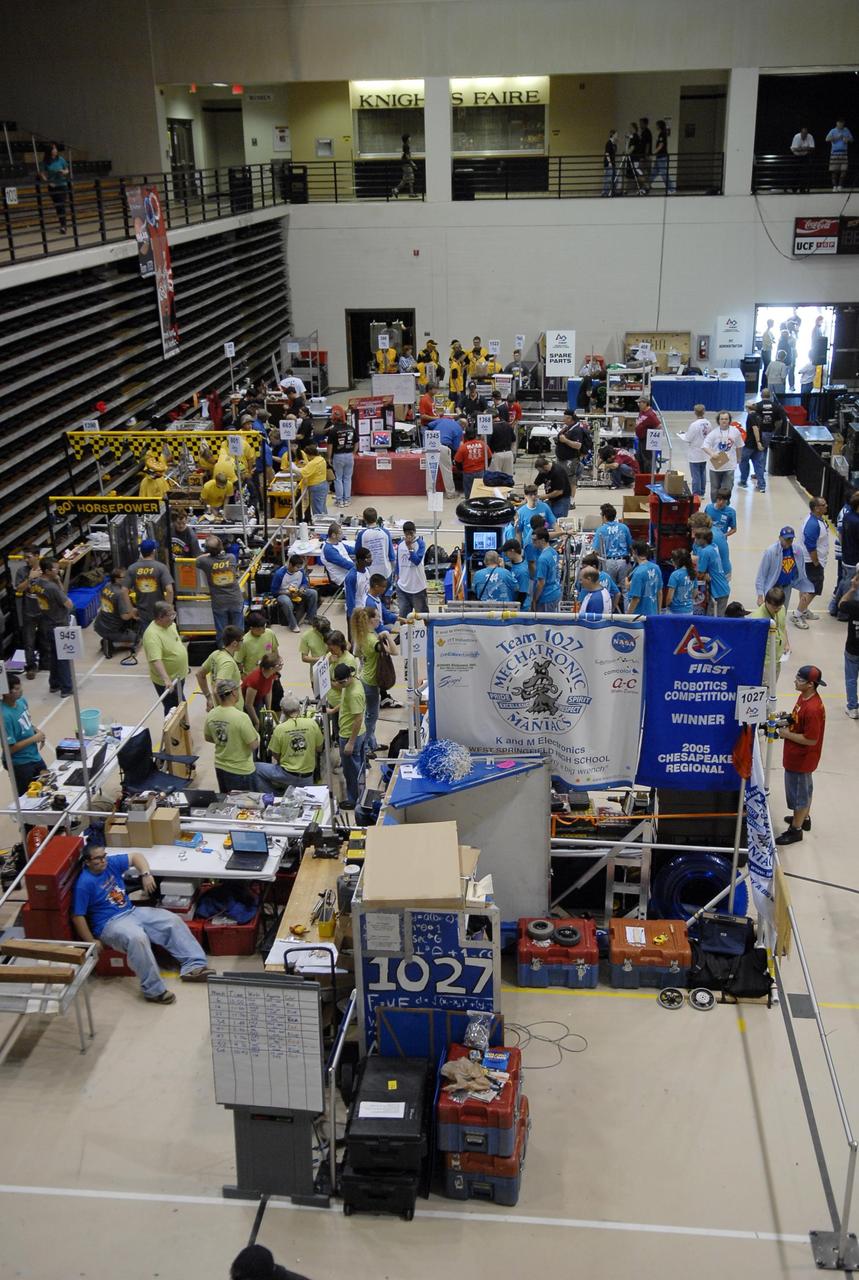
KENNEDY SPACE CENTER, FLA. -- Student teams representing Florida and several out-of-state areas display and work on their robots for the FIRST robotics event held at the University of Central Florida Arena March 8-10. The FIRST, or For Inspiration and Recognition of Science and Technology, Robotics Competition challenges teams of young people and their mentors to solve a common problem in a six-week timeframe using a standard "kit of parts" and a common set of rules. Teams build robots from the parts and enter them in a series of competitions designed by FIRST founder Dean Kamen and Dr. Woodie Flowers, chairman and vice chairman of the Executive Advisory Board respectively, and a committee of engineers and other professionals. FIRST redefines winning for these students. Teams are rewarded for excellence in design, demonstrated team spirit, gracious professionalism and maturity, and ability to overcome obstacles. Scoring the most points is a secondary goal. Winning means building partnerships that last. Photo credit: NASA/Kim Shiflett
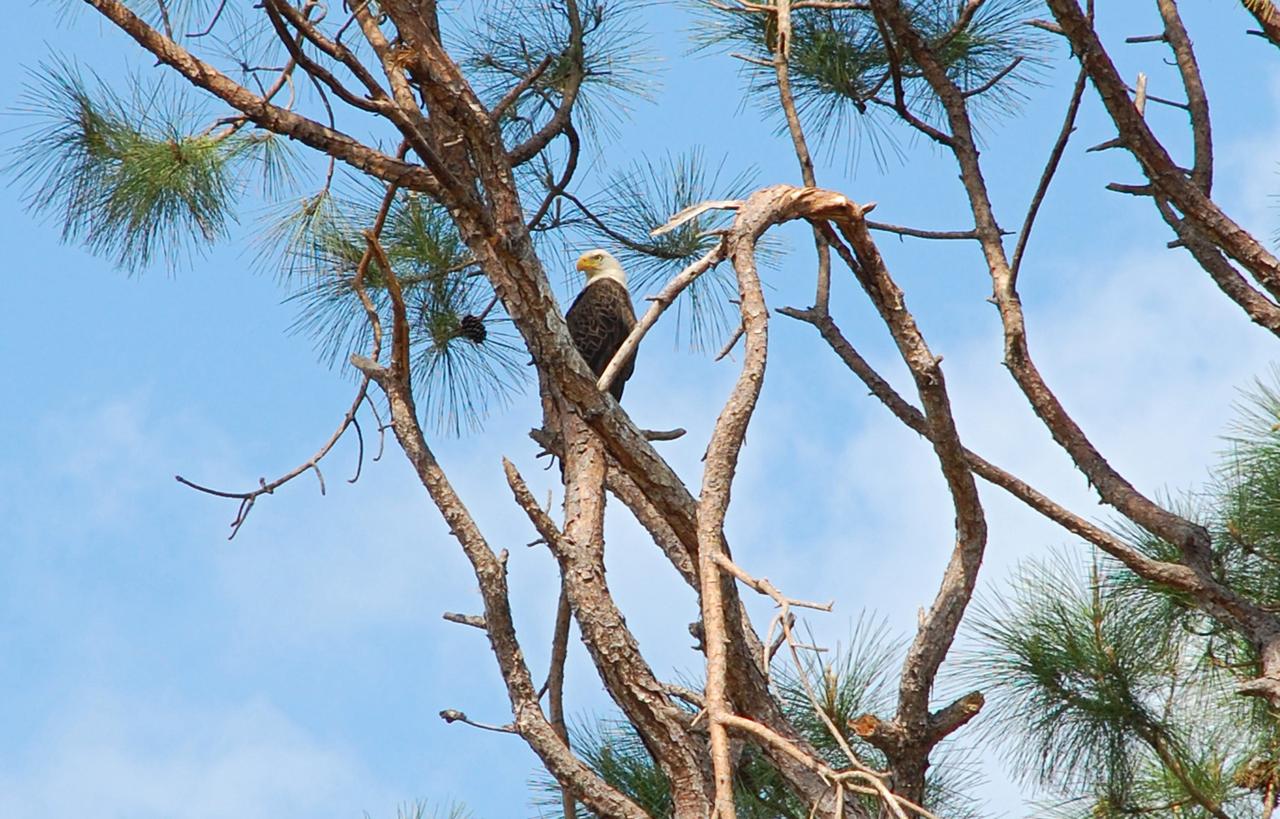
CAPE CANAVERAL, Fla. – A mature eagle stands watch near its nest, out of sight, which holds a young eagle. The nest is in a pine tree on S.R. 3 that runs through NASA's Kennedy Space Center in Florida. There are a dozen eagle nests within Kennedy and in the surrounding Merritt Island National Wildlife Refuge. Bald eagles use a specific territory for nesting (they mate for life), winter feeding or a year-round residence. Its natural domain is from Alaska to Baja, California, and from Maine to Florida. The Merritt Island refuge also includes several wading bird rookeries, many osprey nests, up to 400 manatees during the spring, and approximately 2,500 Florida scrub jays. It also is a major wintering area for migratory birds. More than 500 species of wildlife inhabit the refuge, with 15 considered federally threatened or endangered. Photo credit: NASA/Ben Smegelsky
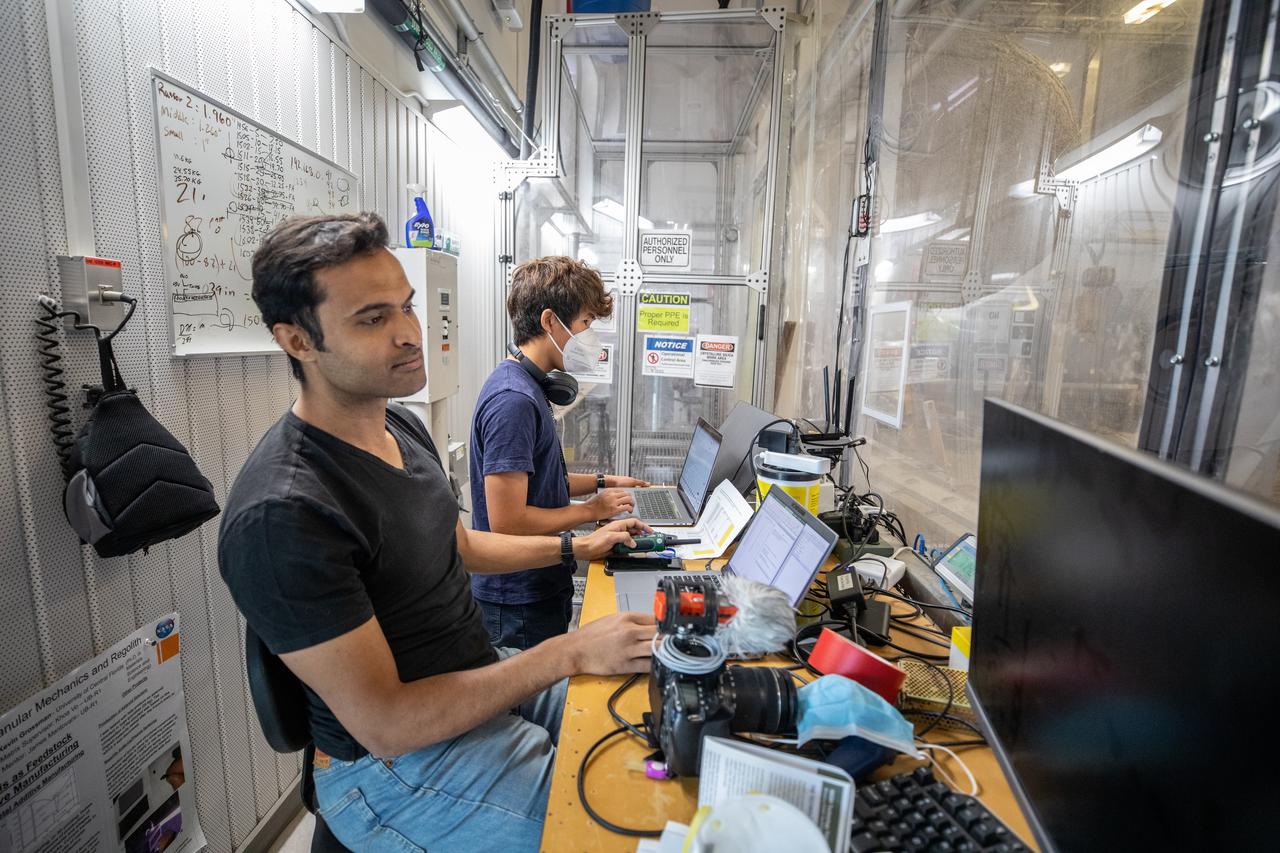
Senior Embedded Software Engineer Aamer Almujahed (left) and Software Engineering intern Ashten Akemoto run the ground software for Astrobotic’s CubeRover drawbar pull test inside the Granular Mechanics and Regolith Operations (GMRO) Laboratory’s regolith pit at NASA Kennedy Space Center’s Swamp Works facility on June 30, 2022. Astrobotic – a Pittsburgh-based space robotics company – is using the GMRO lab’s regolith bin, which holds approximately 120 tons of lunar regolith simulant, to depict how the company’s CubeRover would perform on the Moon. NASA’s Small Business Innovation Research program provided the funding for initial development, and a $2 million Tipping Point award from the agency has provided additional funding for continued development into a more mature rover.
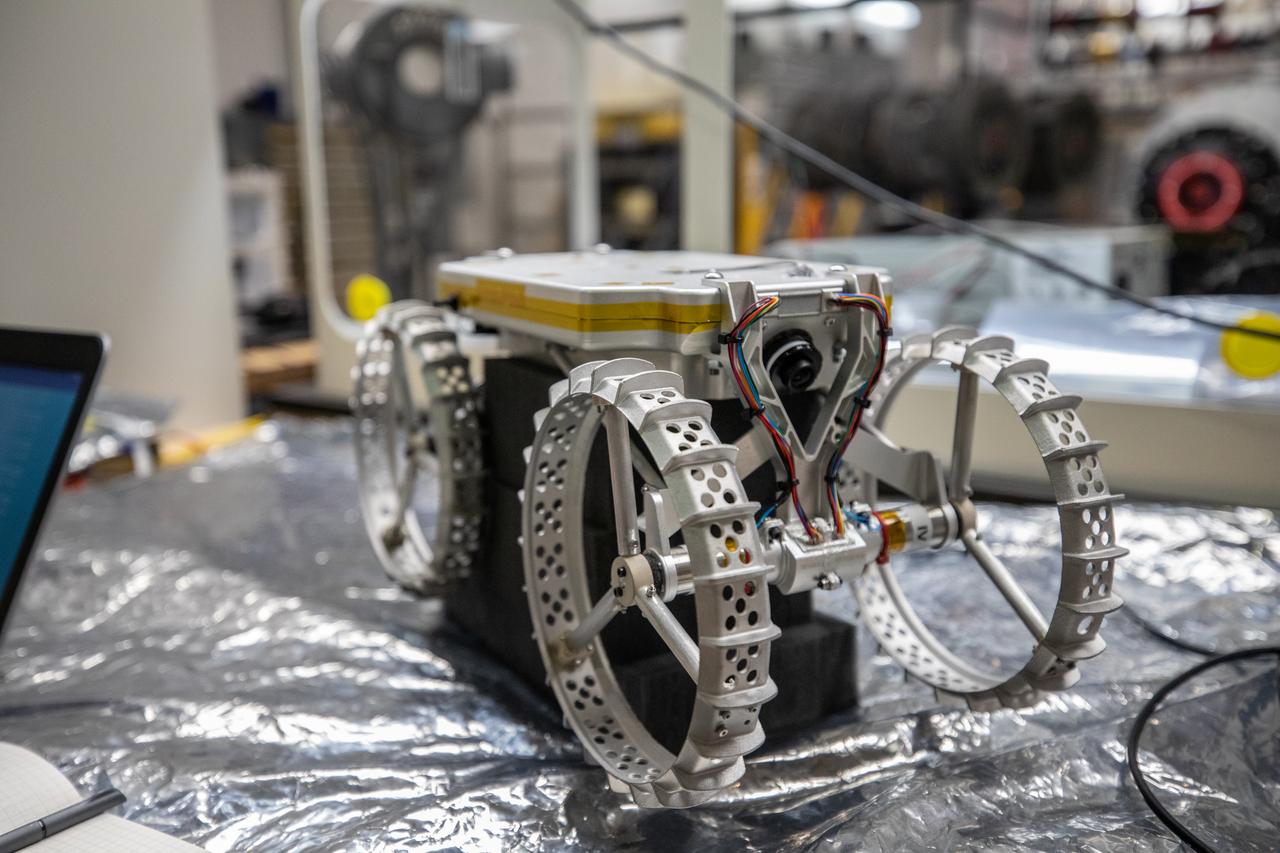
Astrobotic’s CubeRover – a lightweight, modular planetary rover – is photographed in its benchtop testing configuration at NASA’s Kennedy Space Center in Florida on June 30, 2022. Astrobotic – a Pittsburgh-based space robotics company – is planning to use the spaceport’s Swamp Works facility and Granular Mechanics and Regolith Operations Laboratory to conduct mobility testing of their rover. The laboratory’s regolith bin, which holds approximately 120 tons of lunar regolith simulant, will help depict how the company’s CubeRover would perform on the Moon. NASA’s Small Business Innovation Research program provided the funding for initial development, and a $2 million Tipping Point award from the agency has provided additional funding for continued development into a more mature rover.
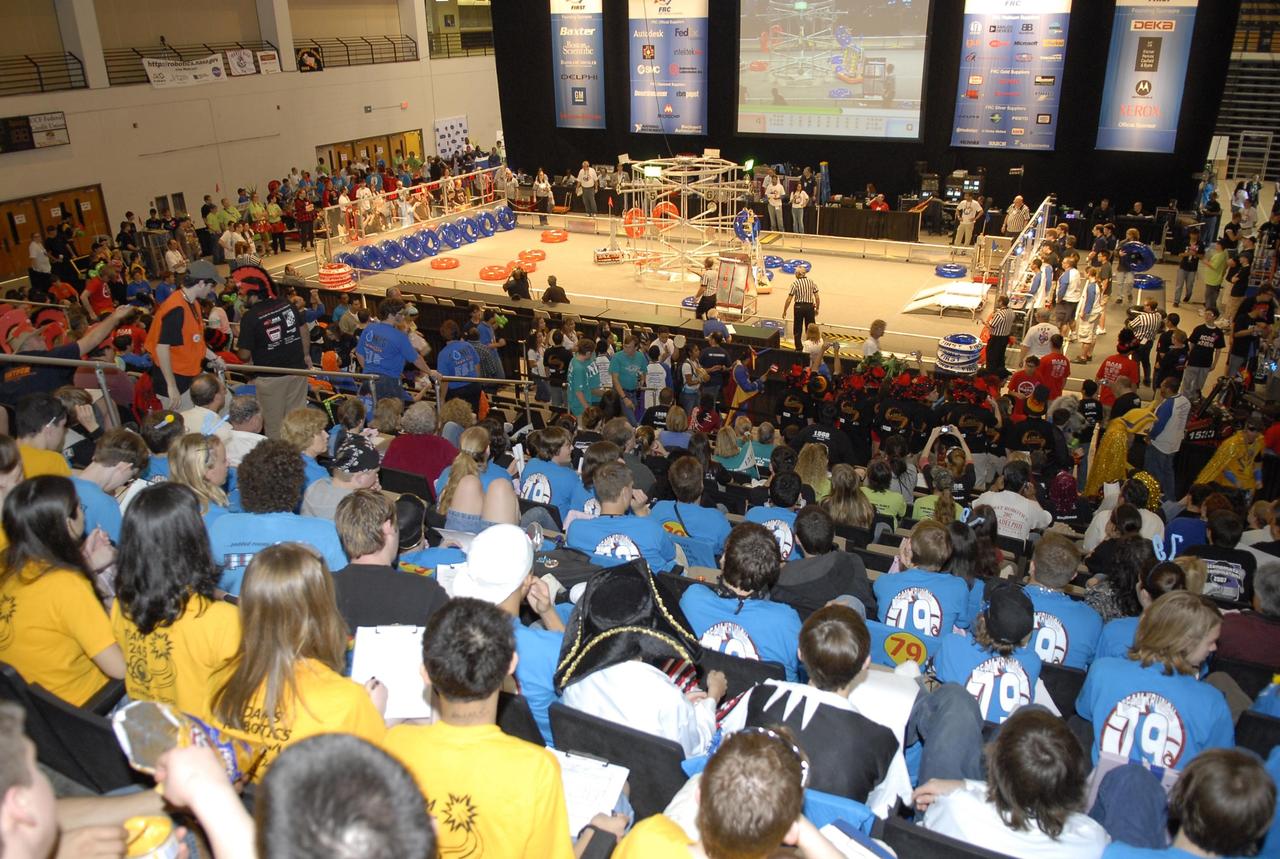
KENNEDY SPACE CENTER, FLA. -- The audience anxiously awaits a referee's decision during competition of student teams in the FIRST robotics event held at the University of Central Florida Arena March 8-10. The FIRST, or For Inspiration and Recognition of Science and Technology, Robotics Competition challenges teams of young people and their mentors to solve a common problem in a six-week timeframe using a standard "kit of parts" and a common set of rules. Teams build robots from the parts and enter them in a series of competitions designed by FIRST founder Dean Kamen and Dr. Woodie Flowers, chairman and vice chairman of the Executive Advisory Board respectively, and a committee of engineers and other professionals. FIRST redefines winning for these students. Teams are rewarded for excellence in design, demonstrated team spirit, gracious professionalism and maturity, and ability to overcome obstacles. Scoring the most points is a secondary goal. Winning means building partnerships that last. Photo credit: NASA/Kim Shiflett
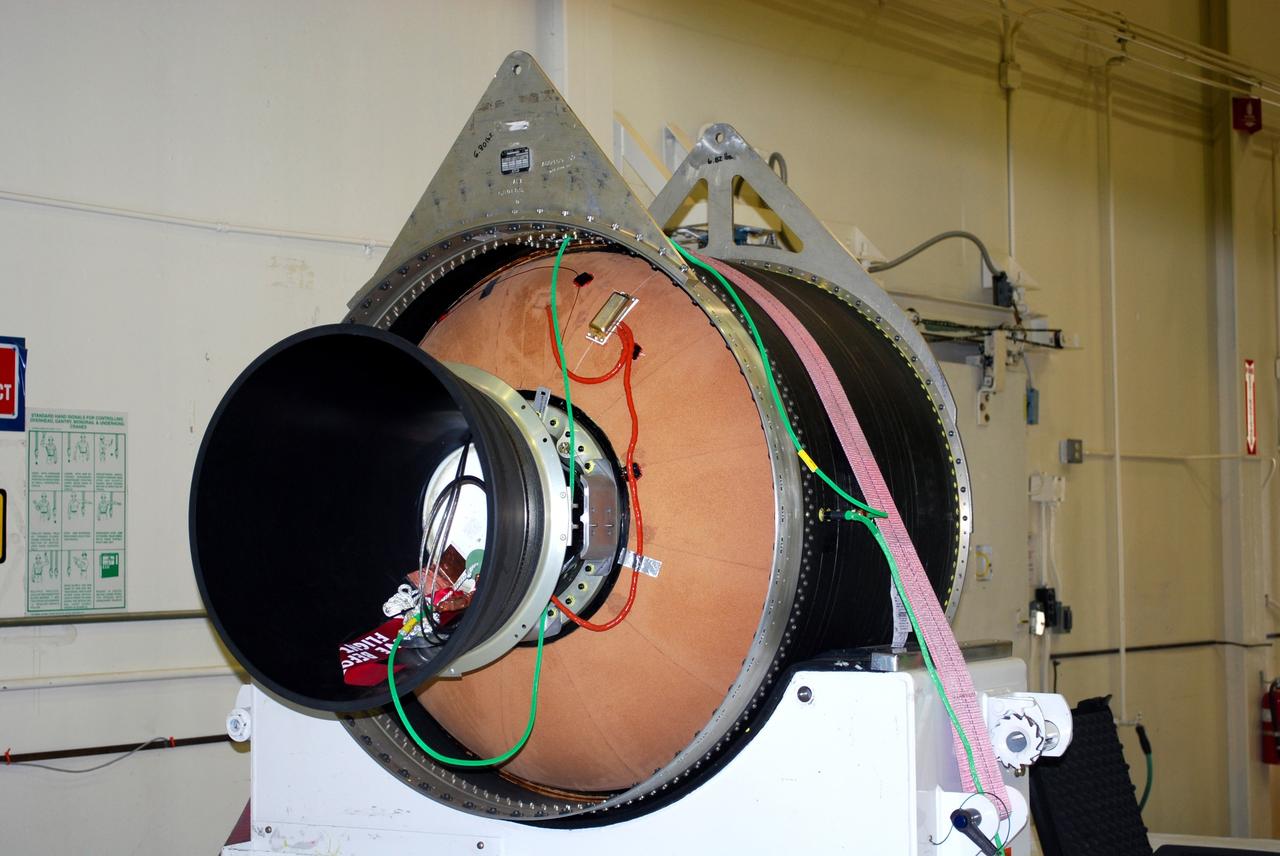
VANDENBERG AIR FORCE BASE, Calif. -- An Alliant motor designated for Stage 3 of a Taurus rocket is weighed by Orbital Sciences workers in Building 1555 at Vandenberg AFB. The Taurus will launch the Orbiting Carbon Observatory, or OCO, in January 2009. The OCO is a new Earth-orbiting mission sponsored by NASA's Earth System Science Pathfinder Program. OCO will provide space-based observations of atmospheric carbon dioxide (CO2), the principal human-initiated driver of climate change. Mature technologies will be used to address NASA's highest priority carbon cycle measurement requirement. NASA's Jet Propulsion Laboratory leads the OCO effort. Orbital Sciences Corporation is providing the Taurus launch vehicle; Hamilton Sundstrand Sensor Systems, the OCO spacecraft. Photo credit: NASA/Randy Beaudoin
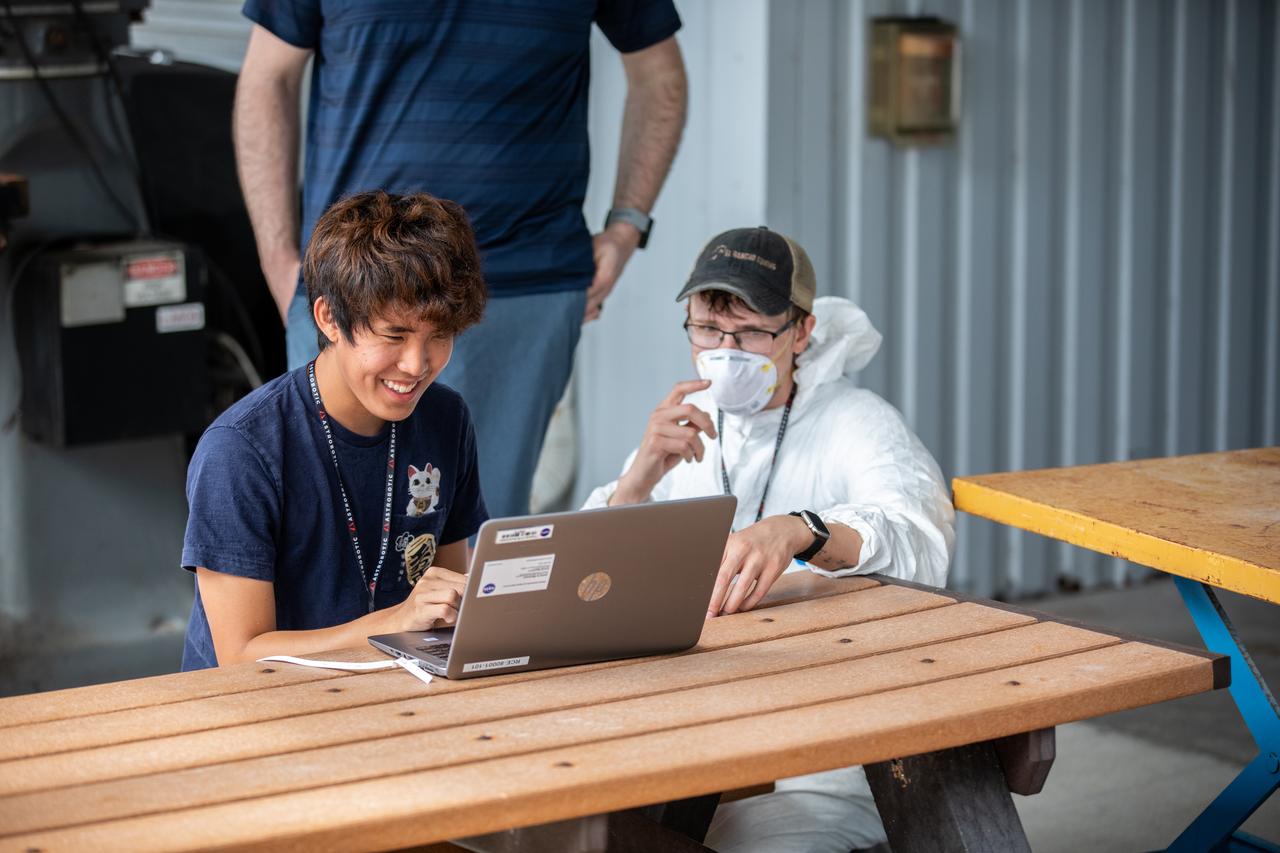
Senior Software Engineer Taylor Whitaker (right) and Software Engineering intern Ashten Akemoto create a mobility routine for Astrobotic’s CubeRover – a lightweight, modular planetary rover – using the company’s ground software at NASA’s Kennedy Space Center in Florida on June 30, 2022. Astrobotic – a Pittsburgh-based space robotics company – is using the spaceport’s Swamp Works facility and the Granular Mechanics and Regolith Operations Laboratory to conduct mobility testing of their rover. The laboratory’s regolith bin, which holds approximately 120 tons of lunar regolith simulant, will help depict how the company’s CubeRover would perform on the Moon. NASA’s Small Business Innovation Research program provided the funding for initial development, and a $2 million Tipping Point award from the agency has provided additional funding for continued development into a more mature rover.
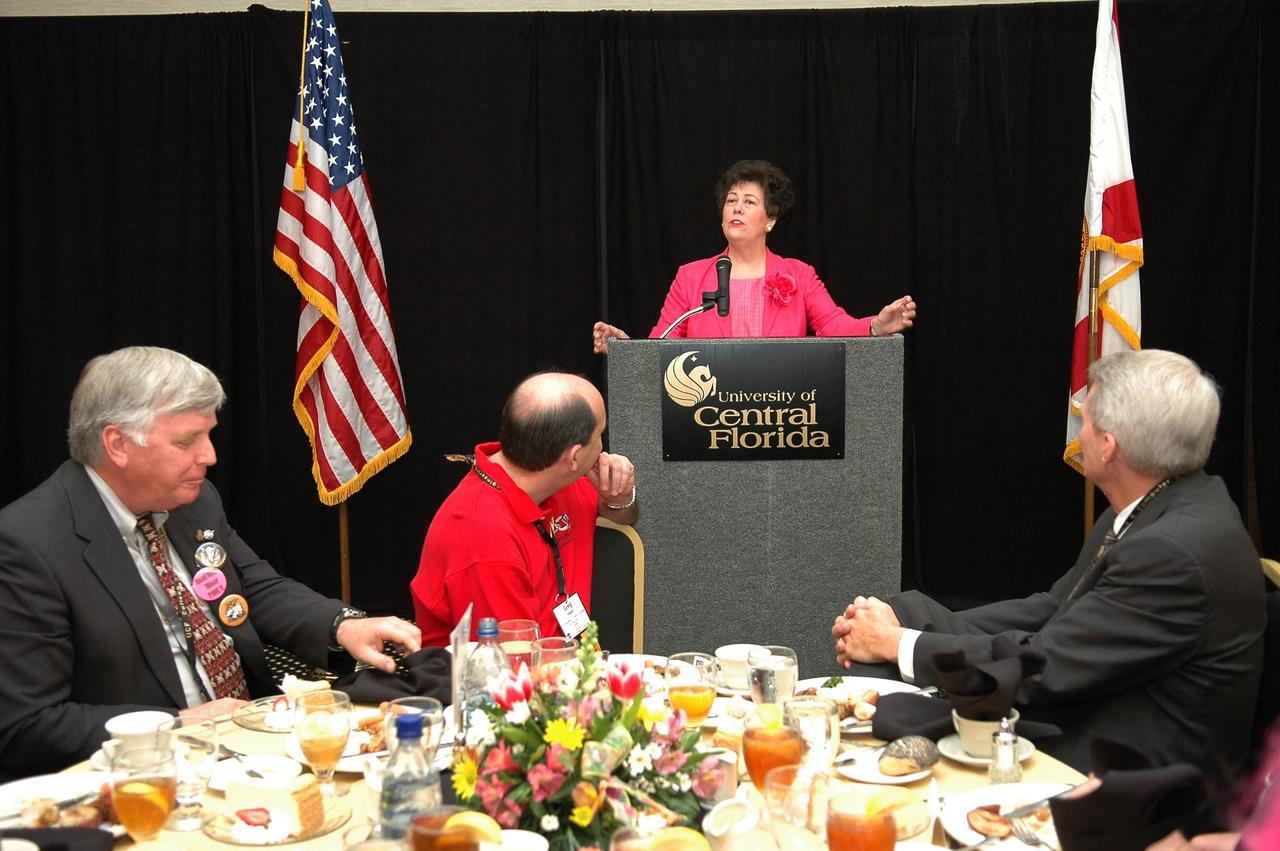
KENNEDY SPACE CENTER, FLA. - Florida's Lt. Governor Toni Jennings speaks during the V.I.P. luncheon at the 2006 FIRST Robotics Regional Competition held March 9-11 at the University of Central Florida in Orlando. The FIRST Robotics Competition challenges teams of young people and their mentors to solve a common problem in a six-week timeframe using a standard "kit of parts" and a common set of rules. Teams build robots from the parts and enter them in a series of competitions. FIRST, which is based on "For Inspiration and Recognition of Science and Technology," redefines winning for these students. Teams are rewarded for excellence in design, demonstrated team spirit, gracious professionalism and maturity, and ability to overcome obstacles. Scoring the most points is a secondary goal. Winning means building partnerships that last. NASA and the University of Central Florida are co-sponsors of the regional event, which this year included more than 50 teams. Photo credit: NASA/Kim Shiflett
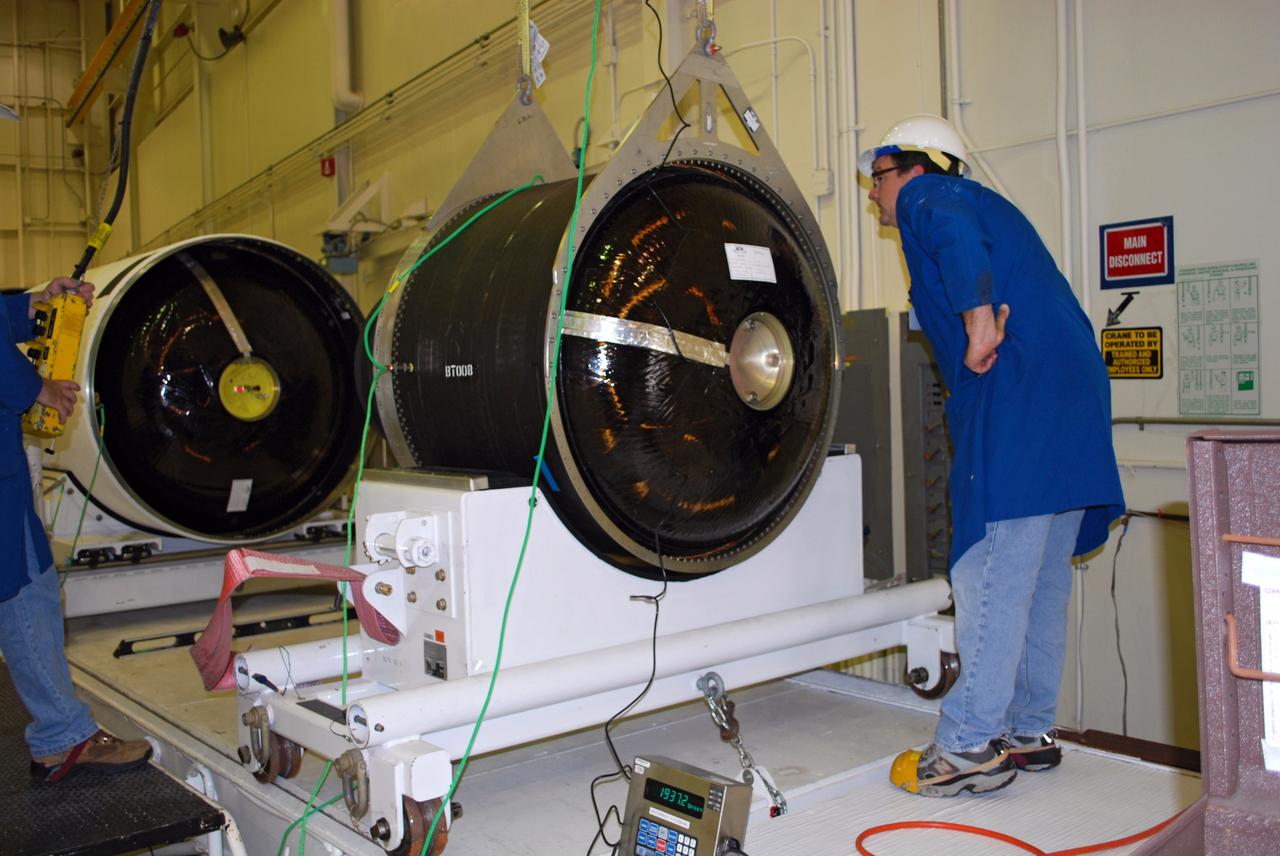
VANDENBERG AIR FORCE BASE, Calif. -- An Alliant motor designated for Stage 3 of a Taurus rocket is weighed by Orbital Sciences workers in Building 1555 at Vandenberg AFB. The Taurus will launch the Orbiting Carbon Observatory, or OCO, in January 2009. The OCO is a new Earth-orbiting mission sponsored by NASA's Earth System Science Pathfinder Program. OCO will provide space-based observations of atmospheric carbon dioxide (CO2), the principal human-initiated driver of climate change. Mature technologies will be used to address NASA's highest priority carbon cycle measurement requirement. NASA's Jet Propulsion Laboratory leads the OCO effort. Orbital Sciences Corporation is providing the Taurus launch vehicle; Hamilton Sundstrand Sensor Systems, the OCO spacecraft. Photo credit: NASA/Randy Beaudoin
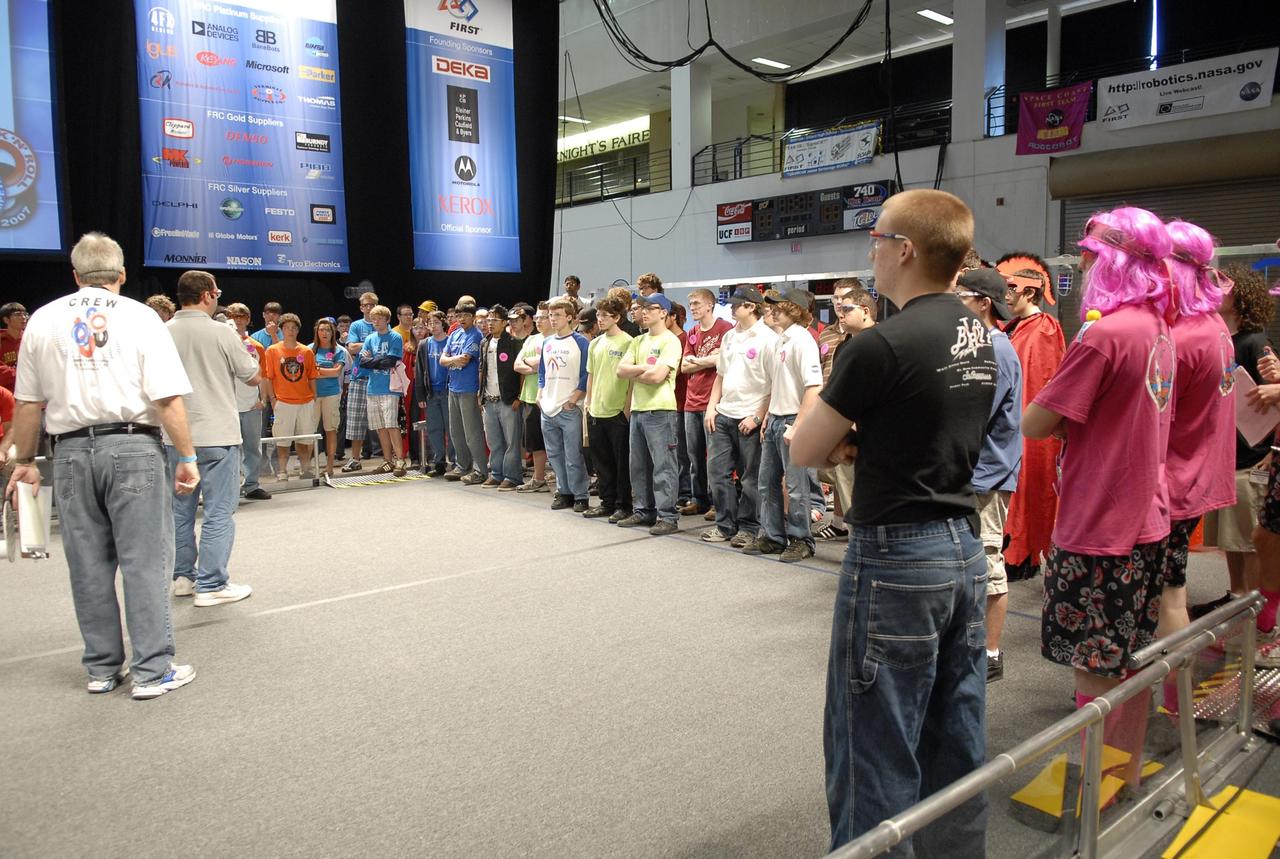
KENNEDY SPACE CENTER, FLA. -- Student competitors listen to game rules before the FIRST robotics event held at the University of Central Florida Arena March 8-10. The FIRST, or For Inspiration and Recognition of Science and Technology, Robotics Competition challenges teams of young people and their mentors to solve a common problem in a six-week timeframe using a standard "kit of parts" and a common set of rules. Teams build robots from the parts and enter them in a series of competitions designed by FIRST founder Dean Kamen and Dr. Woodie Flowers, chairman and vice chairman of the Executive Advisory Board respectively, and a committee of engineers and other professionals. FIRST redefines winning for these students. Teams are rewarded for excellence in design, demonstrated team spirit, gracious professionalism and maturity, and ability to overcome obstacles. Scoring the most points is a secondary goal. Winning means building partnerships that last. Photo credit: NASA/Kim Shiflett

KENNEDY SPACE CENTER, FLA. -- Center Director Bill Parsons (left) greets the Lt. Governor of the State of Florida, Jeff Kottkamp, at the FIRST robotics event held at the University of Central Florida Arena March 8-10. The FIRST, or For Inspiration and Recognition of Science and Technology, Robotics Competition challenges teams of young people and their mentors to solve a common problem in a six-week timeframe using a standard "kit of parts" and a common set of rules. Teams build robots from the parts and enter them in a series of competitions designed by FIRST founder Dean Kamen and Dr. Woodie Flowers, chairman and vice chairman of the Executive Advisory Board respectively, and a committee of engineers and other professionals. FIRST redefines winning for these students. Teams are rewarded for excellence in design, demonstrated team spirit, gracious professionalism and maturity, and ability to overcome obstacles. Scoring the most points is a secondary goal. Winning means building partnerships that last. Photo credit: NASA/Kim Shiflett

STS047-54-016 (12 - 20 Sept 1992) --- The colors in this photograph provide insight into the relative density of the atmosphere. The crew members had many opportunities to witness sunrises and sunsets, considering they orbit the Earth every 90 minutes, but few, they said, compared to this scene. It captures the silhouette of several mature thunderstorms with their cirrus anvil tops spreading out against the tropopause (the top of the lowest layer of Earth's atmosphere) at sunset. The lowest layer (troposphere) is the densest and refracts light at the red end of the visible spectrum (7,400 Angstroms), while the blues (4,000 Angstroms) are separated in the least dense portion of the atmosphere (middle and upper atmosphere, or stratosphere and mesosphere). Several layers of blue can be seen. NASA scientists studying the photos believe this stratification to be caused by the scattering of light by particulate trapped in the stratosphere and mesosphere particulate that generally originate from volcanic eruptions, such as those of Mt. Pinatubo in the Philippines and, most recently, Mt. Spurr in Alaska.
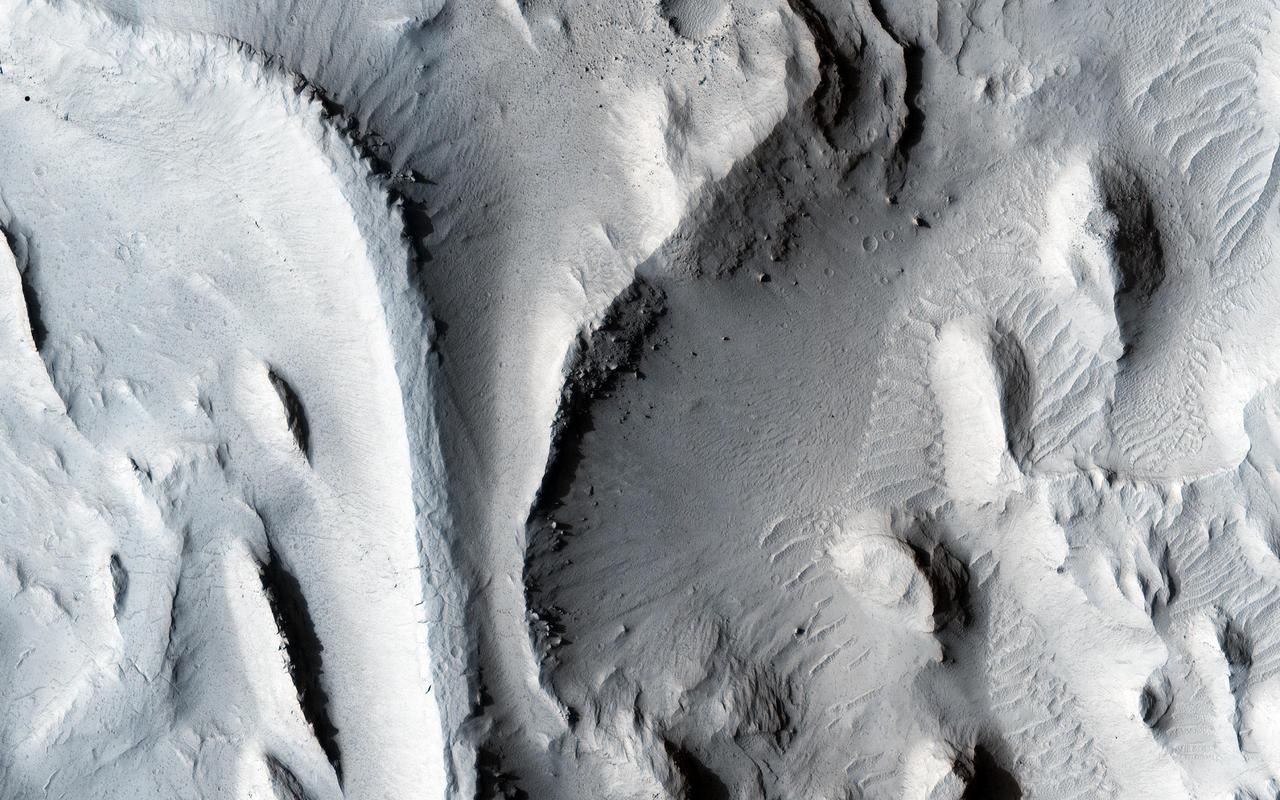
The sinuous ridges in this image display strong characteristics of ancient meandering riverbeds that are preserved as inverted topography (blue). The ancient river sediments that make up the ridges might have allowed fluids to produce cements (e.g., calcite or iron oxides) to make the channel lithology resistant to weathering and erosion. Later, physical and/or chemical processes removed the weaker surrounding flood plain material and left inverted river channels, or "positive relief." On closer inspection, degradation along sections of some inverted channels display large blocks of cemented sediment that were transported downslope by mass wasting. The sinuous character of the ridges resembles multi-thread river branches, implying that the ancient river flowed down a gentle to nearly horizontal slope (i.e., a moderate to low stream gradient). This ancient river was a mature meandering system, with flow from south to north. Multiple branches that diverted from the main flow later converged back with it. http://photojournal.jpl.nasa.gov/catalog/PIA20210