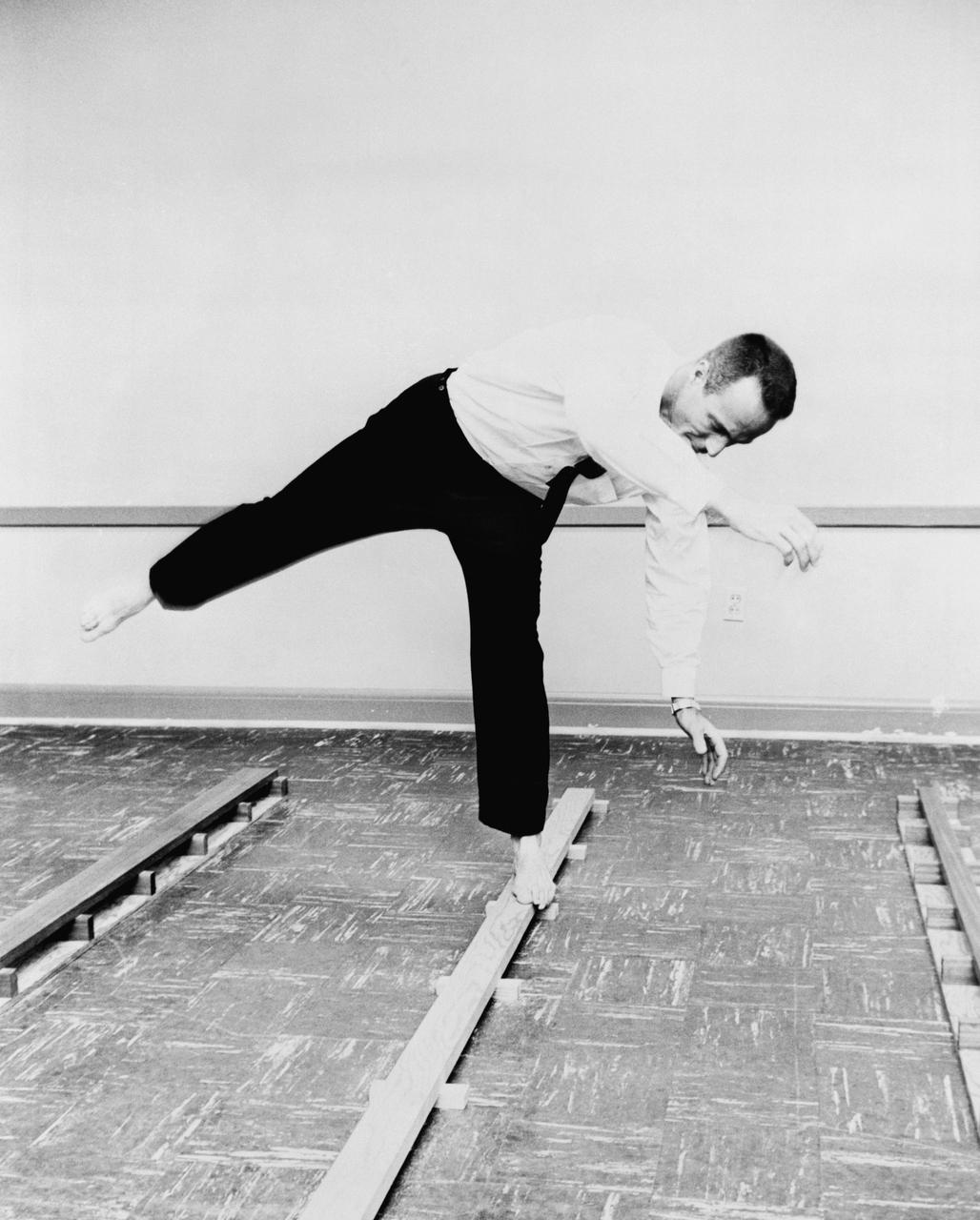
S61-04570 (1961) --- Astronaut M. Scott Carpenter's balance mechanism performance is tested by his walking on a narrow board in his bare feet. He is performing this test at the School of Aviation Medicine, Pensacola, Florida. Photo credit: NASA
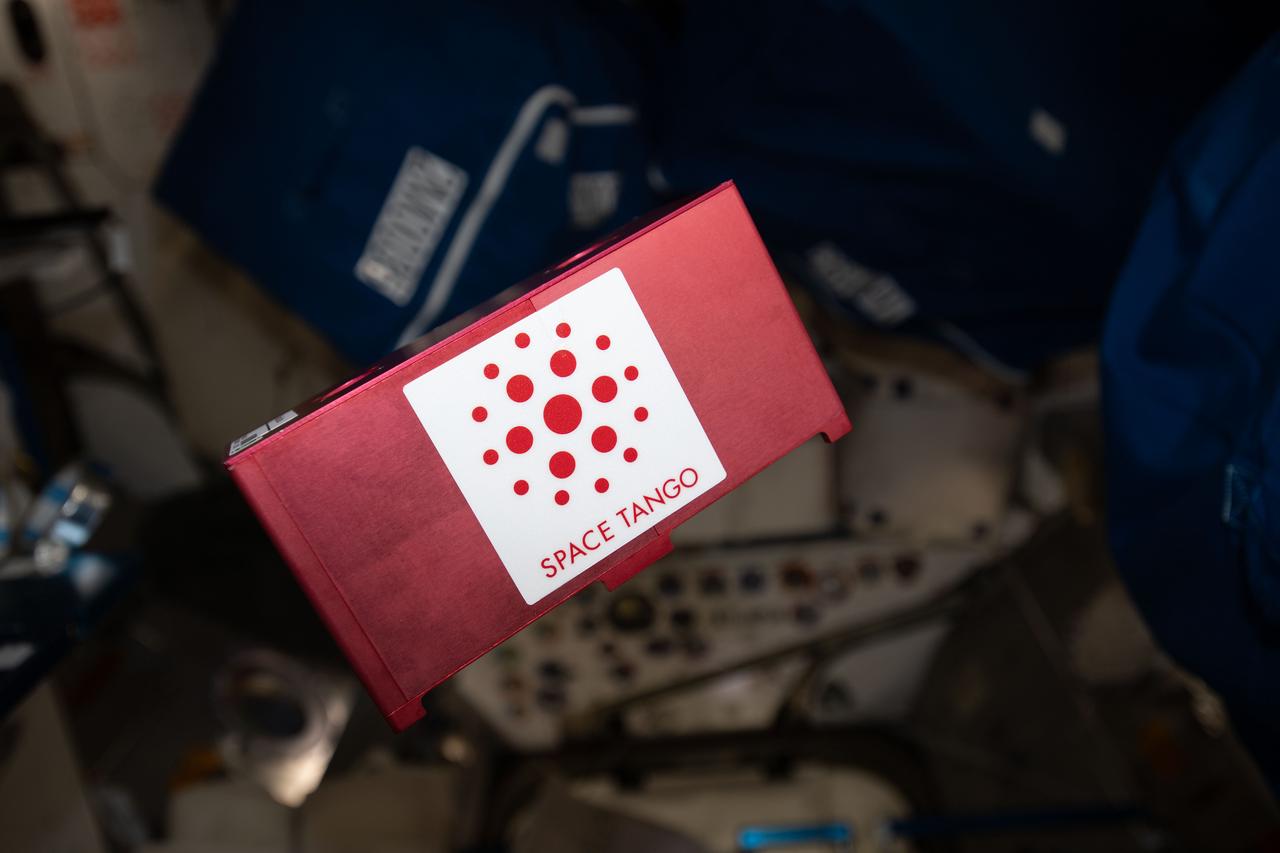
iss062e115956 (3/28/2020) --- A view of the Space Tango CubleLab for the the Microgravity Exposure on Medicinal Plant Seeds investigation aboard the International Space Station (ISS). The Microgravity Exposure on Medicinal Plant Seeds evaluates microgravity’s effects on Cannibis sativa (Victoria) seeds. The cannabinoid content of plants grown from seeds exposed to microgravity conditions aboard the International Space Station (ISS) are compared to plants grown from seeds maintained on the ground.
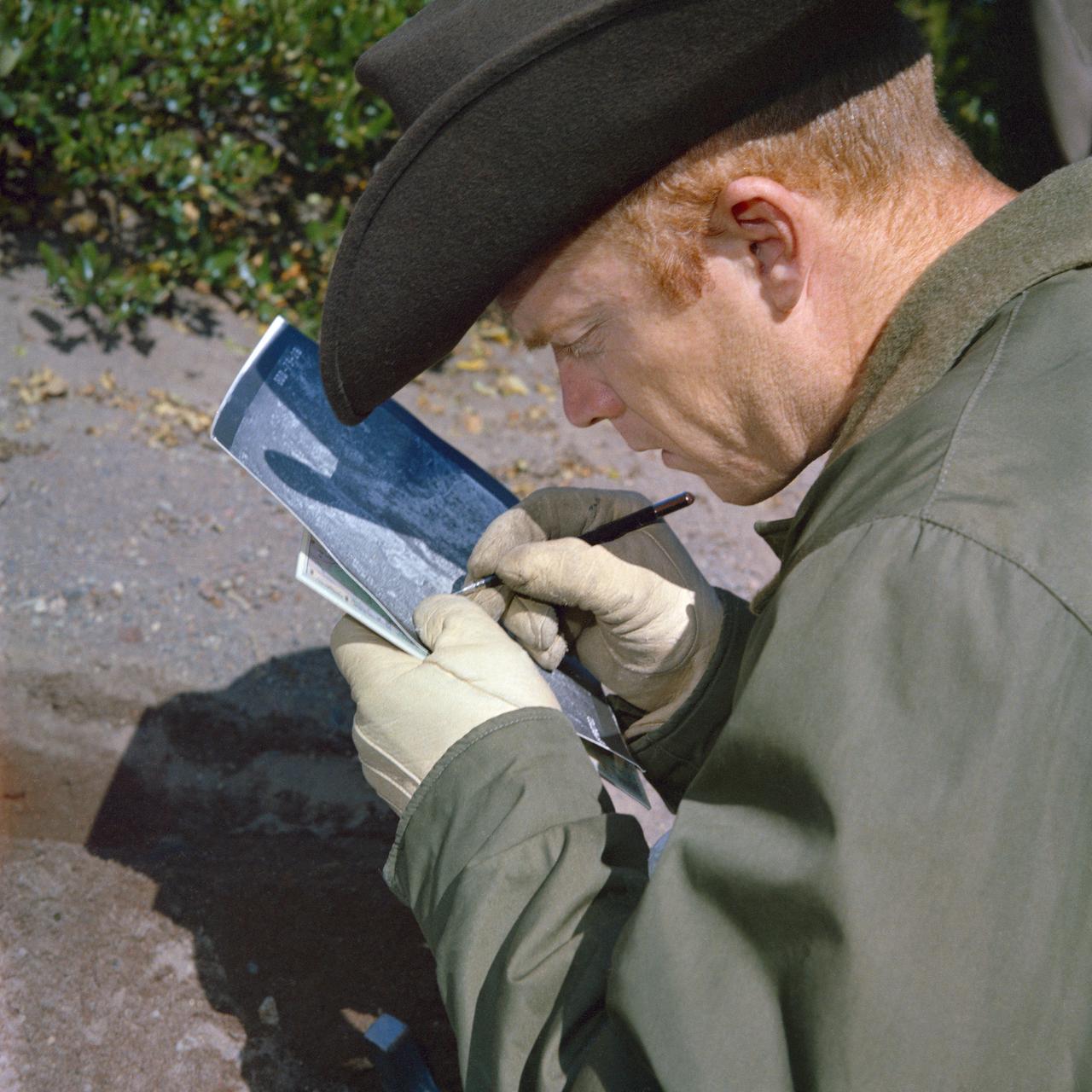
S65-51857 (September 1965) -- View of Donald A. Beattie during geological field trip with two Astronauts from the 3rd Group. Photo taken in Medicine Lake, California.
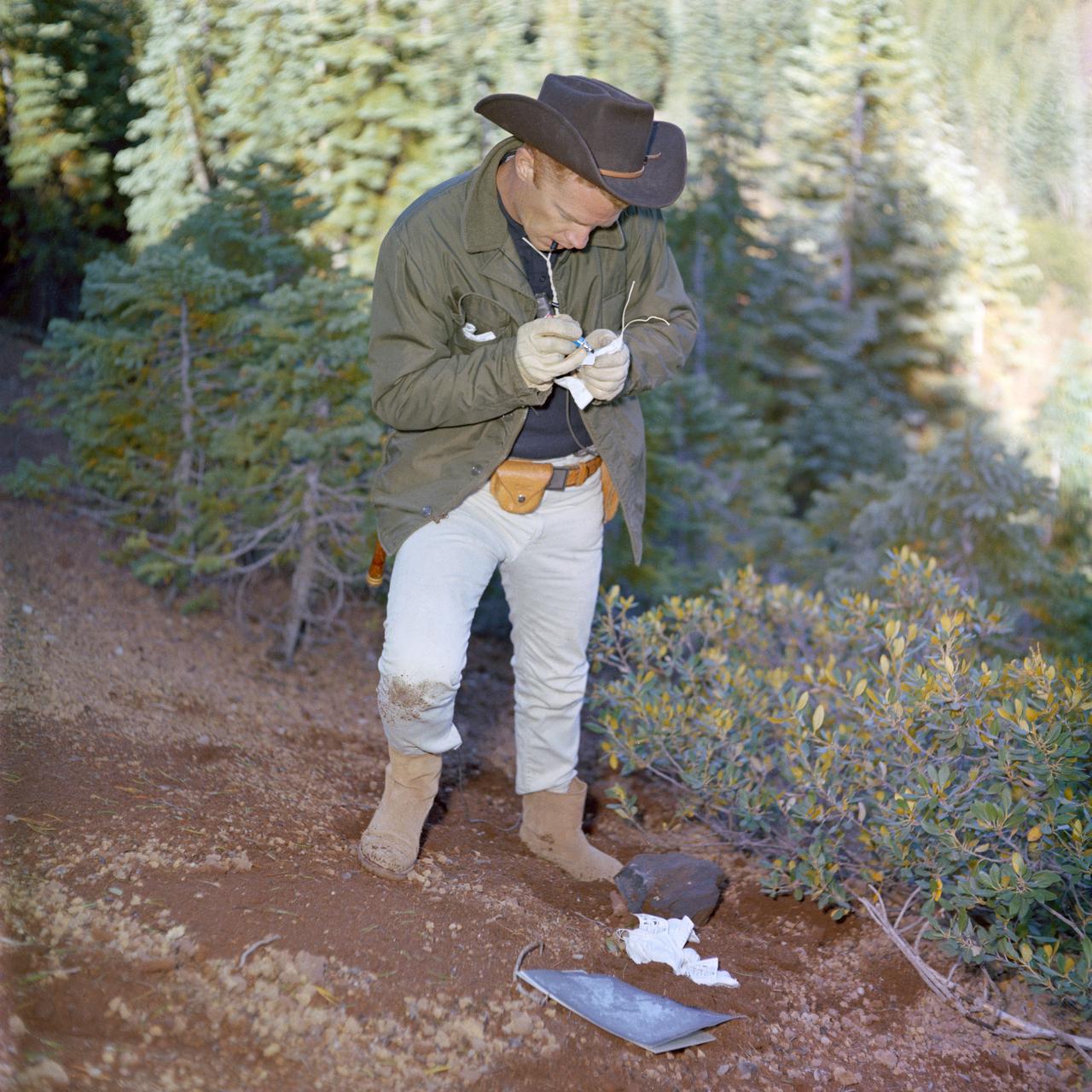
S65-51898 (September 1965) -- View of Donald A. Beattie during geological field trip with two Astronauts from the 3rd Group. Photo taken in Medicine Lake, California.
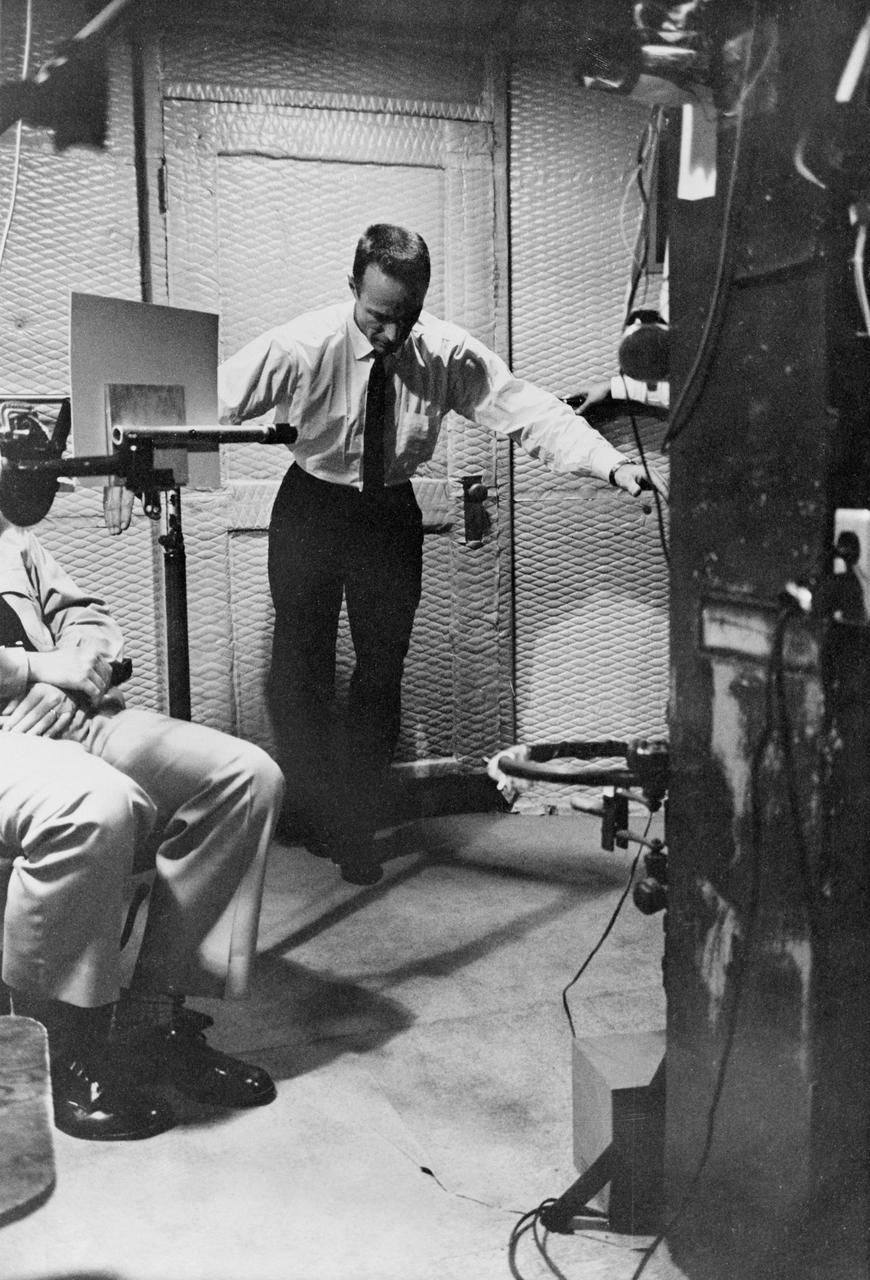
S61-04571 (1961) --- Astronaut M. Scott Carpenter's balance mechanism performance is tested as he walks a straight line by putting one foot directly in front of the other. He is performing this test at the School of Aviation Medicine, Pensicola, Florida. Photo credit: NASA
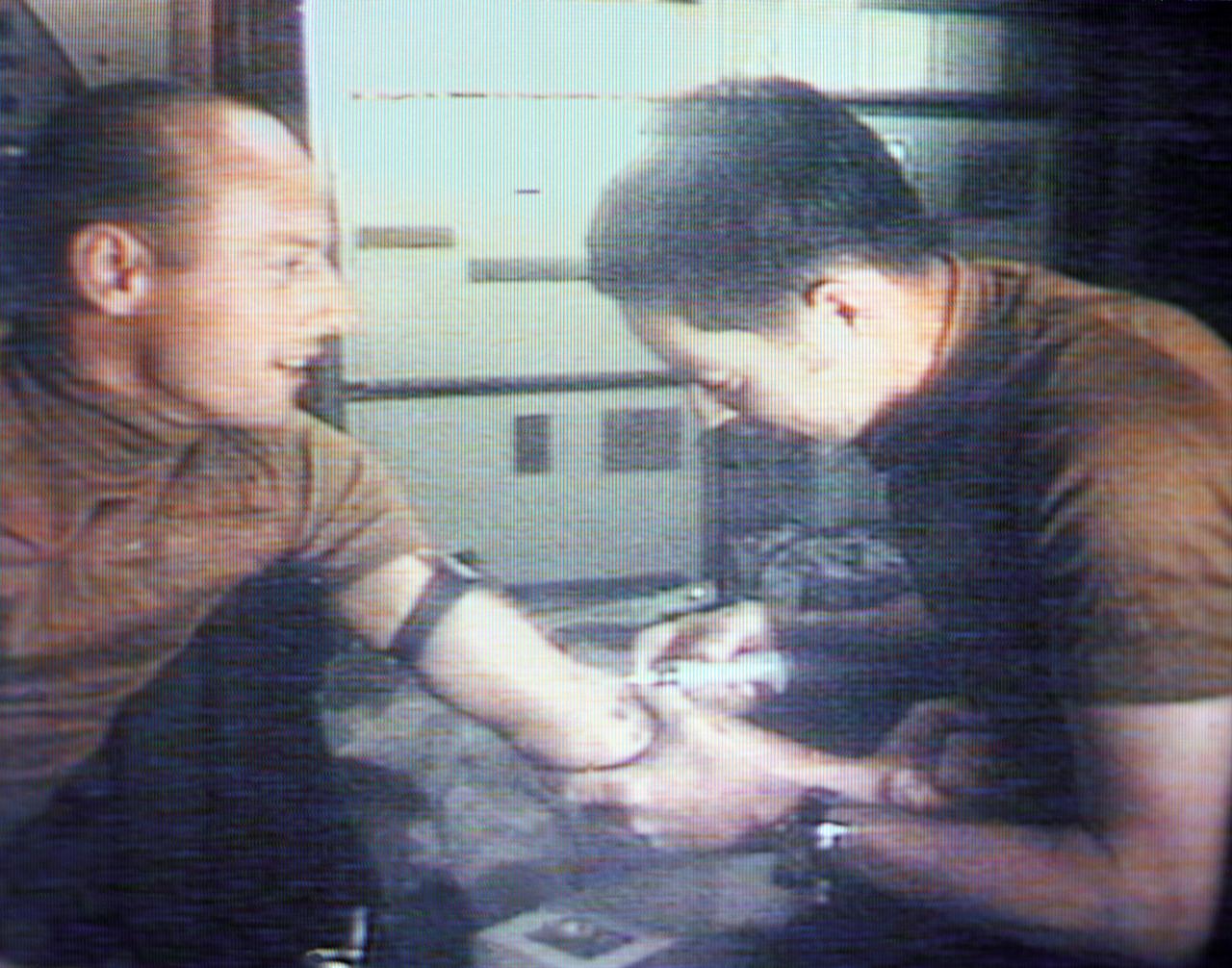
S73-27509 (6 June 1973) --- Scientist-astronaut Joseph P. Kerwin (right), Skylab 2 science pilot and a doctor of medicine, takes a blood sample from astronaut Charles Conrad Jr., Skylab 2 commander, as seen in this reproduction taken from a color television transmission made by a TV camera aboard the Skylab 1 and 2 space station cluster in Earth orbit. The blood sampling was part of the Skylab Hematology and Immunology Experiment M110 series. Photo credit: NASA
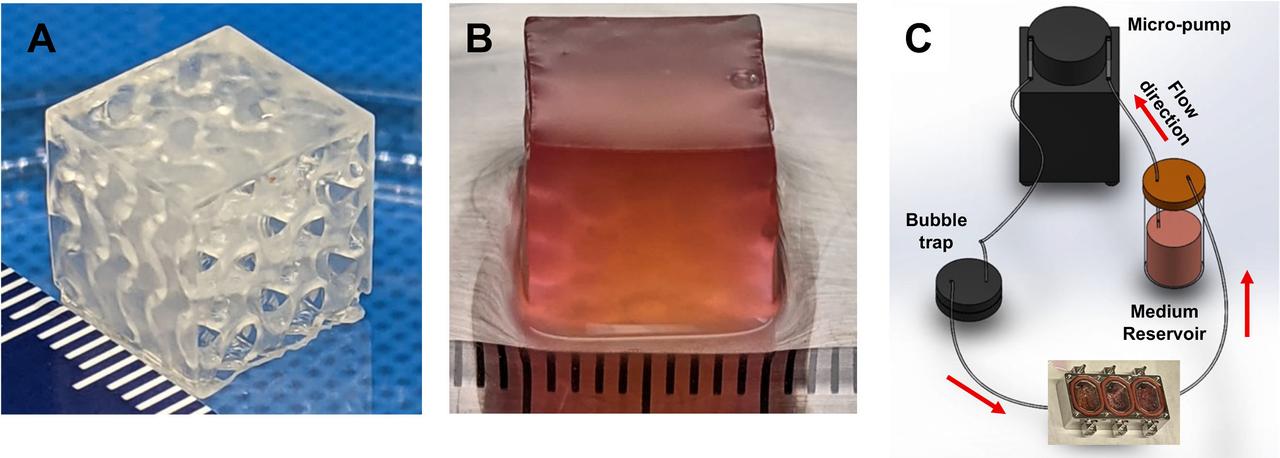
jsc2024e043915 (6/17/2024) --- Maturation of Vascularized Liver Tissue Construct in Zero Gravity (MVP Cell-07) examines the behavior in microgravity of bioprinted or engineered liver tissue constructs that contain blood vessels. This preflight image shows A) Bioprinted vascularized construct with a gyroid design consisting of interconnected channels. B) Bioprinted human liver tissue construct fabricated using a digital light projection (DLP) printer. C) The tissue construct-containing flow chamber is connected to a perfusion system. Data from this vascularized liver tissue construct helps support the development of clinically relevant organs on Earth. Image courtesy of the Wake Forest Institute for Regenerative Medicine.
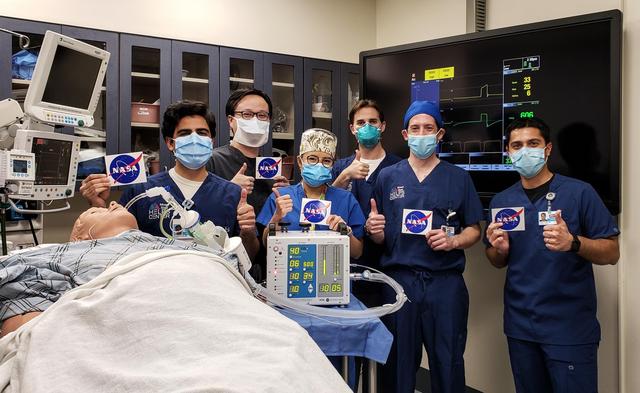
After testing a ventilator prototype developed by NASA's Jet Propulsion Laboratory, doctors in the Department of Anesthesiology and the Human Simulation Lab at the Icahn School of Medicine at Mount Sinai in New York City give a thumbs up. Developed in response to the coronavirus outbreak, the device, called VITAL (Ventilator Intervention Technology Accessible Locally), requires far fewer parts than traditional ventilators, making it cheaper to build and ideal for rapid manufacture. Lying on the bed is a human patient simulator used to test the device. https://photojournal.jpl.nasa.gov/catalog/PIA23772
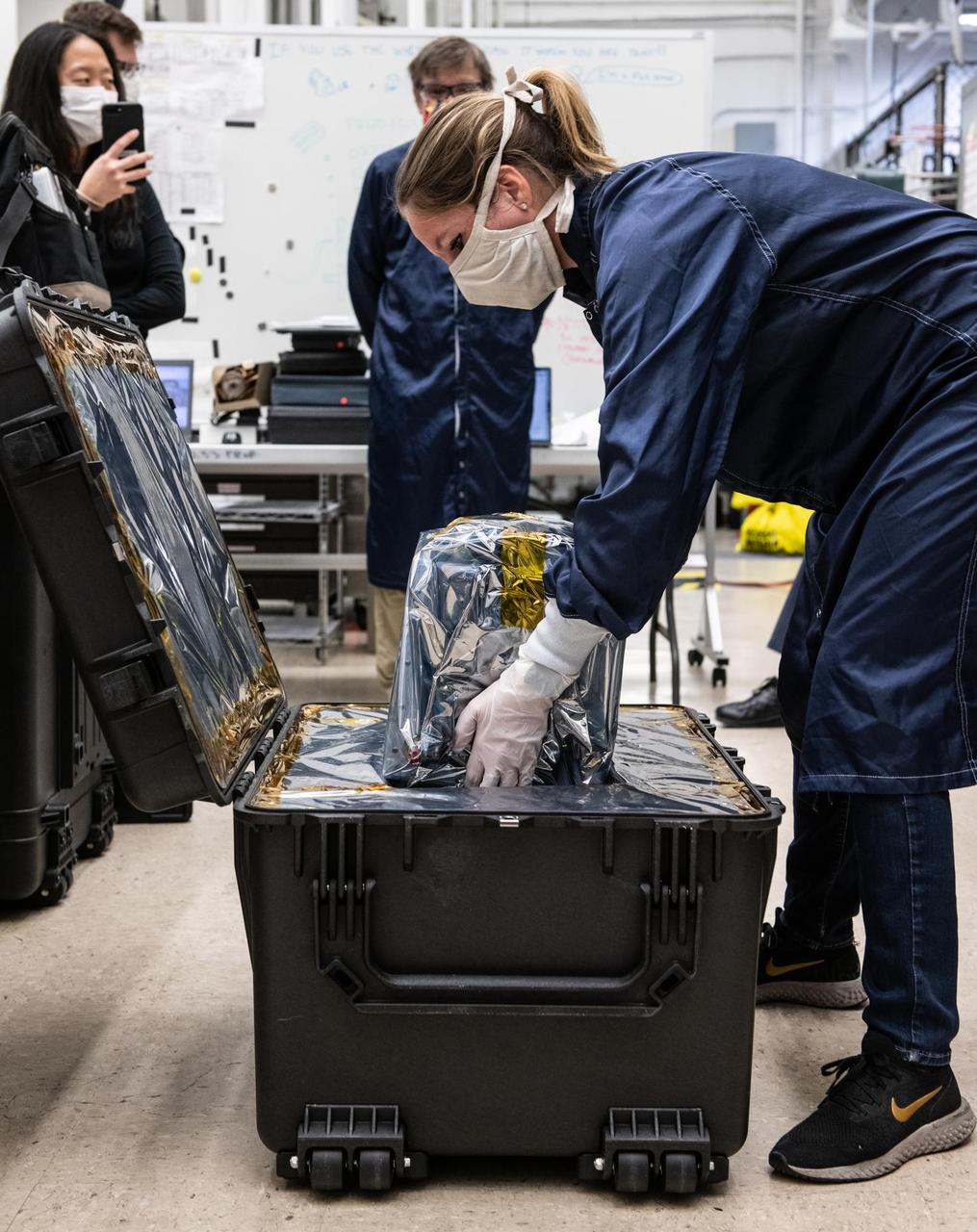
Engineers at NASA's Jet Propulsion Laboratory in Southern California prepare to ship a prototype ventilator for coronavirus patients to the Icahn School of Medicine at Mount Sinai in New York. VITAL (Ventilator Intervention Technology Accessible Locally) is designed to be faster to build and easier to maintain than traditional ventilators, with a fraction of the parts. JPL engineers created the prototype specially targeted at COVID-19 patients in 37 days in March and April 2020. https://photojournal.jpl.nasa.gov/catalog/PIA23716
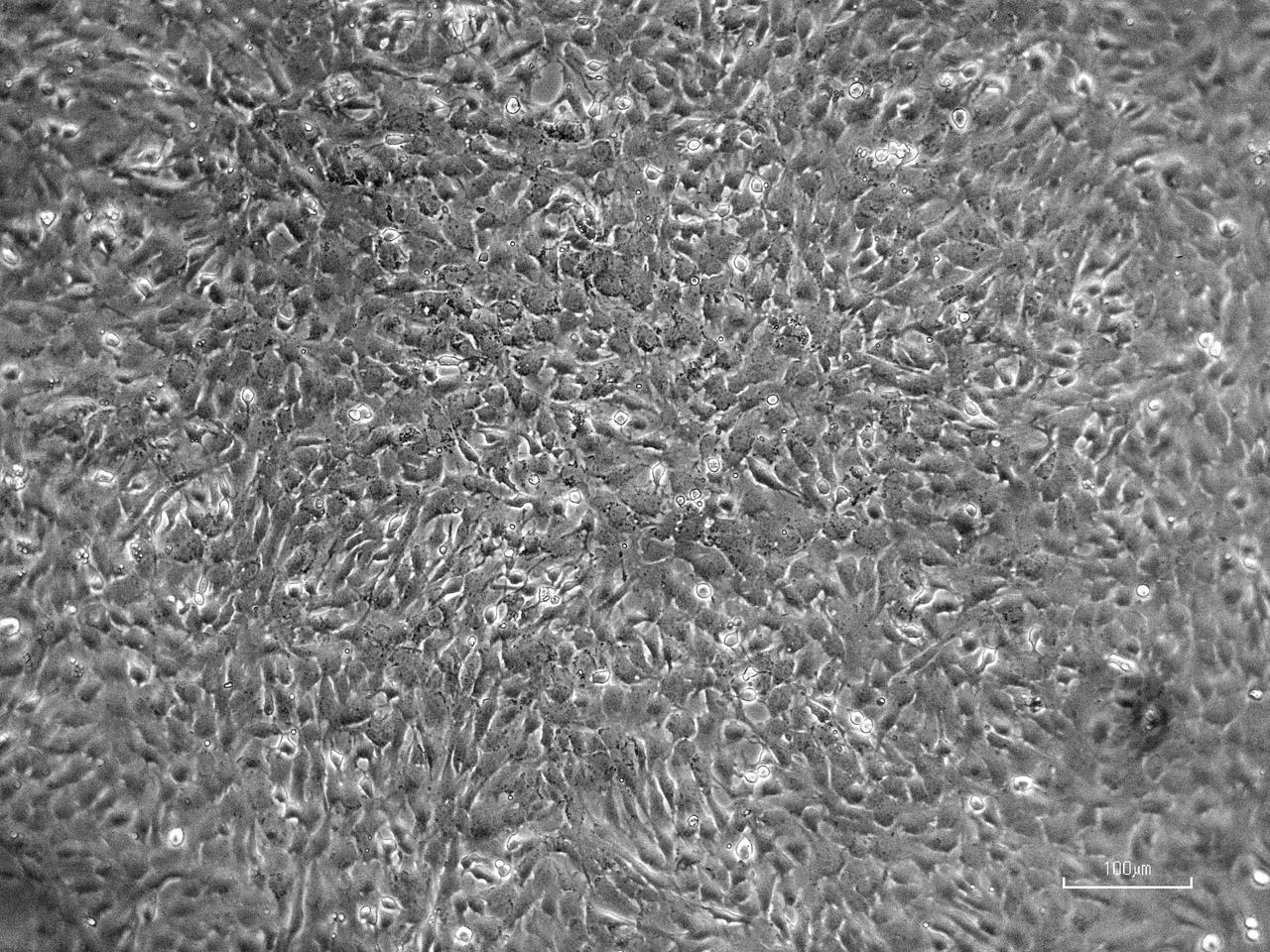
jsc2022e072967 (4/12/2021) --- Image of bovine ovary Granulosa cells. Coordinated by the Italian Space Agency (ASI), OVOSPACE investigates how microgravity influences the maturation and development ovarian cells in mammals, including Granulosa cells. This experiment could help scientists understand how long-term settlement on the Moon or Mars might affect the fertility of astronauts living in reduced gravity for long durations. Image courtesy of Professor Mariano Bizzarri, Department of Experimental Medicine, Sapienza University of Rome.
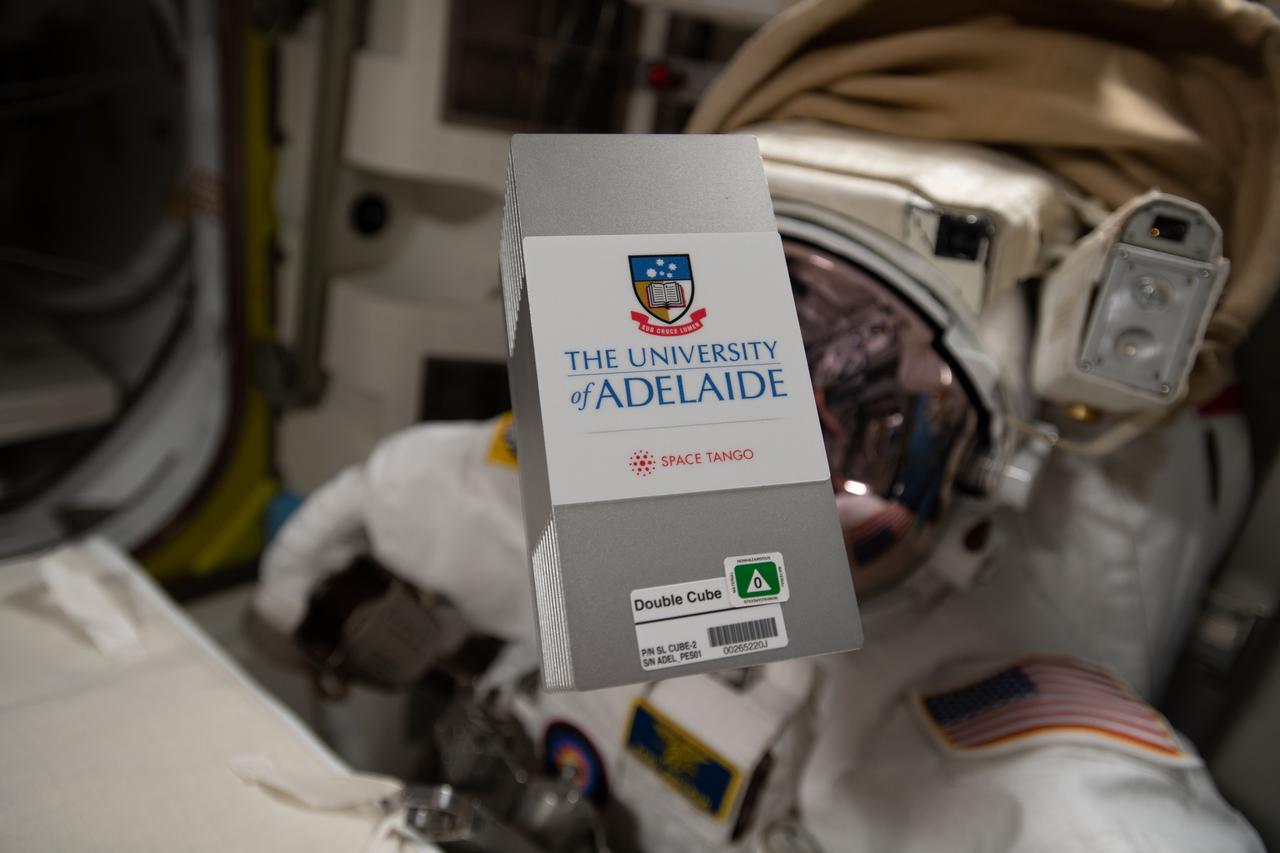
iss063e107043 (10/11/2020) --- A view of the Tango Lab CubeLab from the University of Adelaide. The Evaluation of Long-Term Stability of Pharmaceutical Ingredients in an Excipient Matrix for Use in Potential Future On-Orbit Manufacturing (Pharmaceutical Excipient Ingredient Stability in Microgravity) is an investigation by the University of Adelaide that tests long-duration stability providing data for potential future on-orbit manufacturing of medicines in space. The stability of medicines, encapsulated flavors, and vitamins will be studied as a function of their formulation environment, i.e., the pharmaceutical excipients which form a tablet.
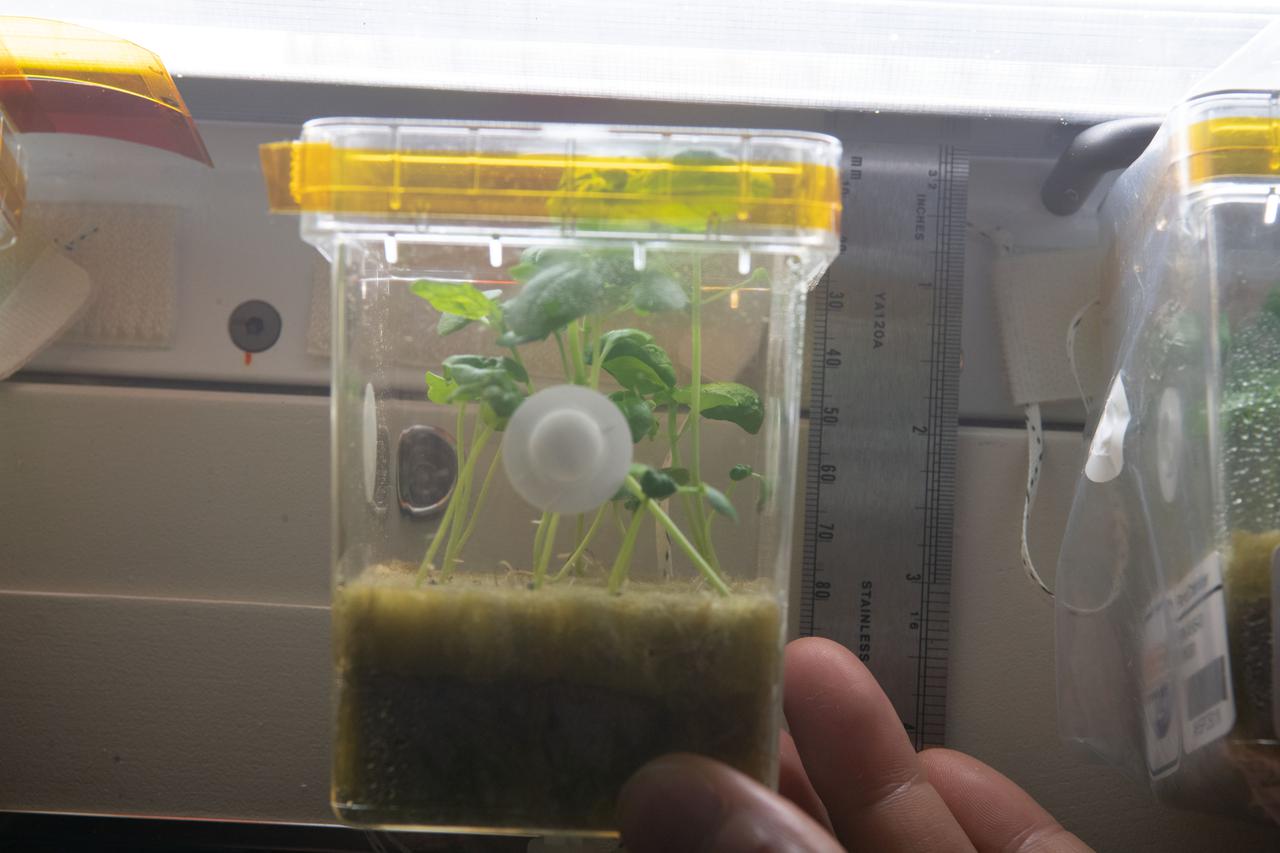
iss064e041150 (March 11, 2021) --- Plants are pictured growing inside a container for the Asian Herbs study. The space botany investigation is exploring ways to cultivate fast-growing plants used for traditional medicine and food flavoring.
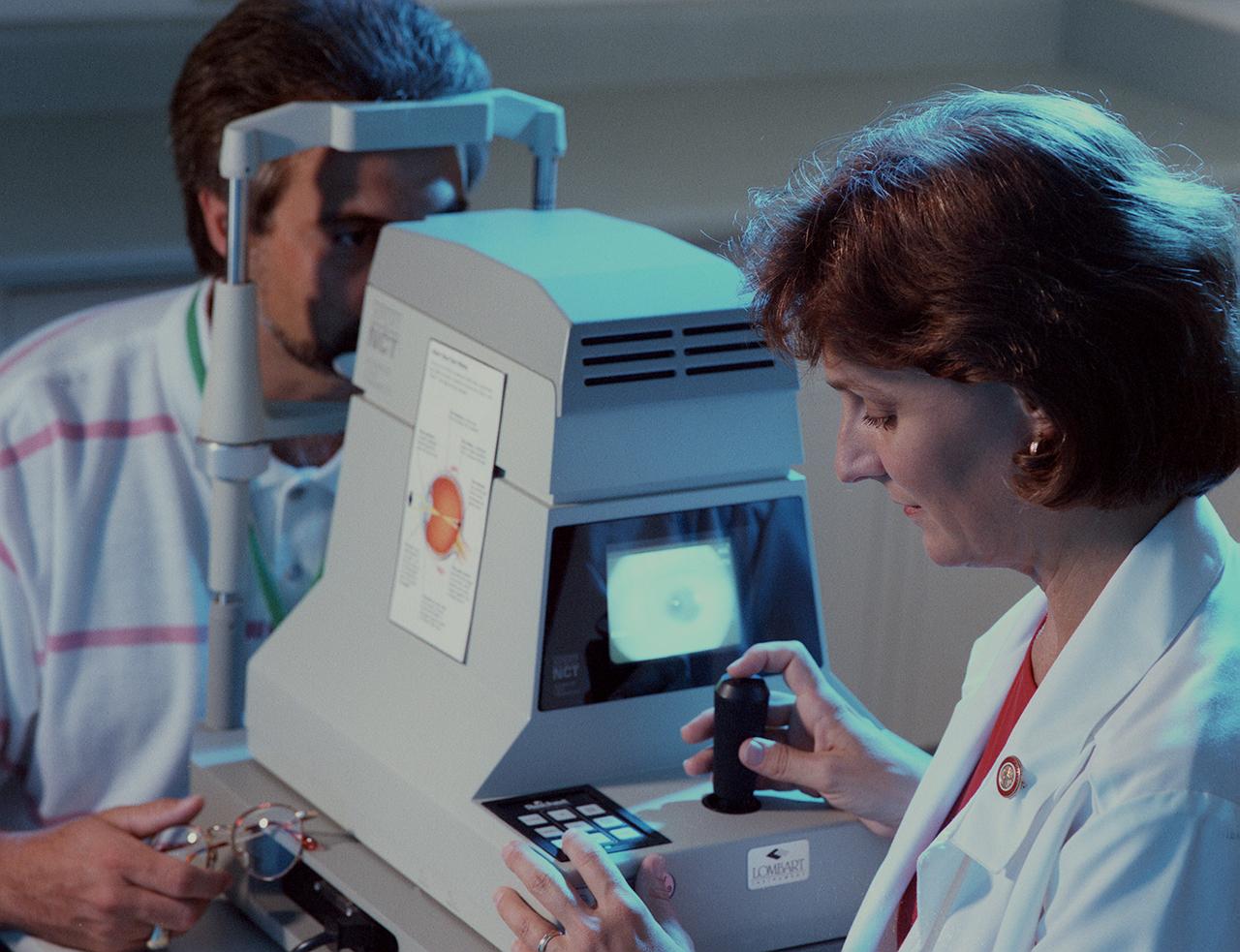
Nurse performs tonometry examination, which measure the tension of the eyeball, during an employee's arnual physical examination given by MSFC Occupational Medicine Environmental Health Services under the Center Operations Directorate.
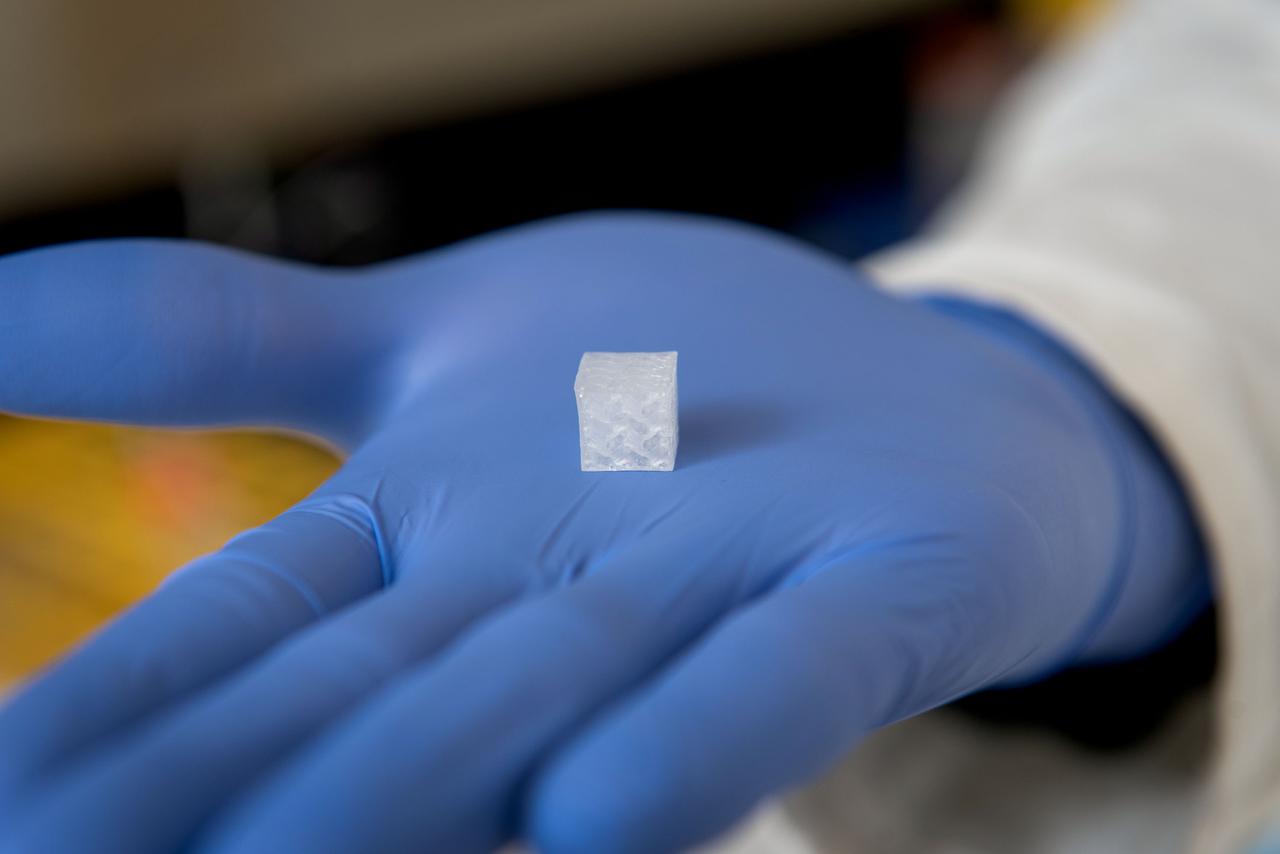
jsc2024e050836 (3/16/2022) --- Maturation of Vascularized Liver Tissue Construct in Zero Gravity (MVP Cell-07) examines the behavior in microgravity of bioprinted or engineered liver tissue constructs that contain blood vessels. The liver tissue constructs with a surface dimension of 1cm x 1cm x 1cm are bioprinted with a gyroid-shaped architecture with interconnected channels, allowing for uniform flow and surface shear stress that adequately covers the entire inner surfaces of cell-laden tissue constructs. The investigation sheds light on the formation of small blood vessels in engineered tissue. Image courtesy of Wake Forest Institute for Regenerative Medicine.
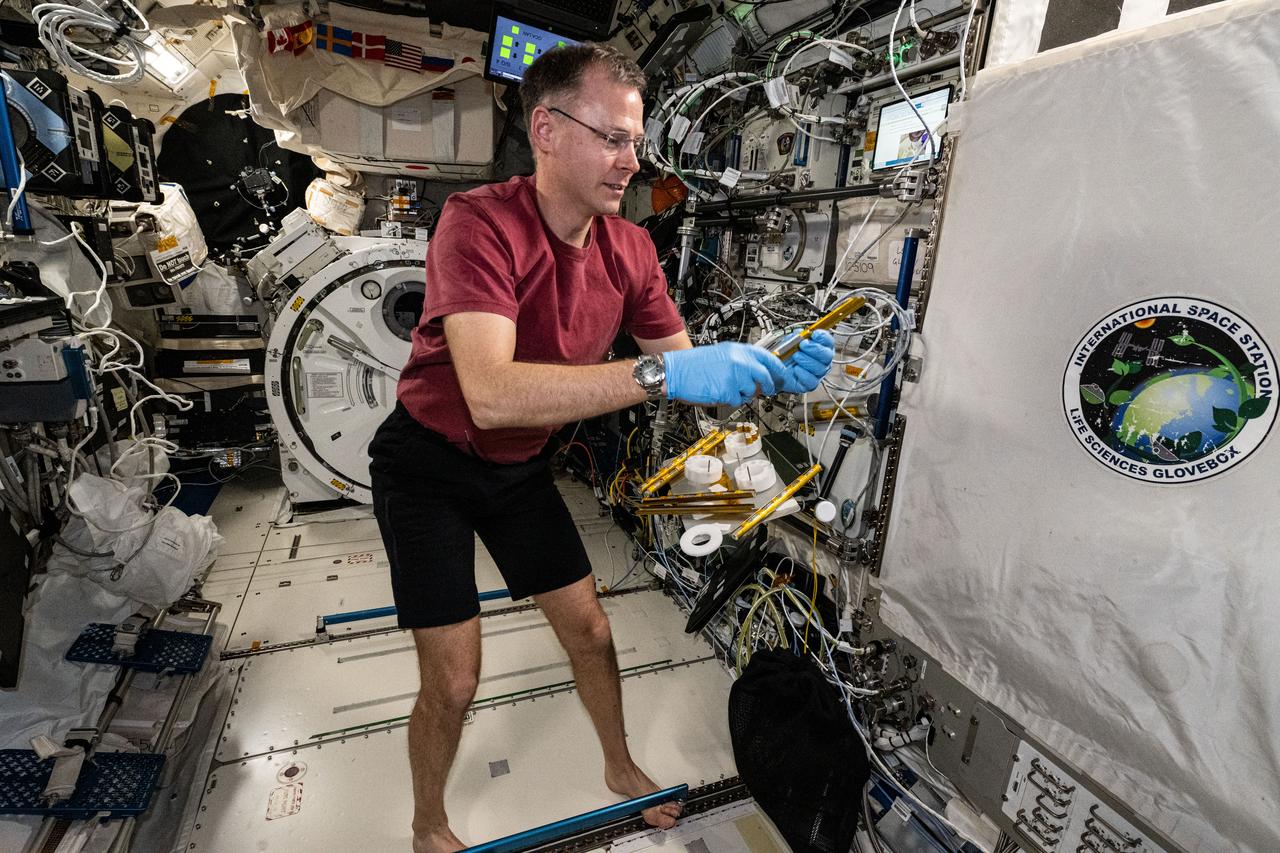
iss072e277661 (Nov. 23, 2024) --- NASA astronaut and Expedition 72 Flight Engineer Nick Hague services research hardware for the Rhodium Biomanufacturing-03 experiment inside the International Space Station's Kibo laboratory module. The investigation explores using bacteria and yeast samples as a method to potentially enable the production of food and medicine in space.

iss070e129992 (March 29, 2024) --- Expedition 70 Flight Engineer and NASA astronaut Mike Barratt works aboard the International Space Station's Harmony module processing protein crystal samples inside a portable glovebag to learn how to generate personalized medicines in space for astronauts.

iss070e129996 (March 29, 2024) --- Expedition 70 Flight Engineer and NASA astronaut Mike Barratt works aboard the International Space Station's Harmony module processing protein crystal samples inside a portable glovebag to learn how to generate personalized medicines in space for astronauts.

iss070e129992 (March 29, 2024) --- Expedition 70 Flight Engineer and NASA astronaut Mike Barratt works aboard the International Space Station's Harmony module processing protein crystal samples inside a portable glovebag to learn how to generate personalized medicines in space for astronauts.
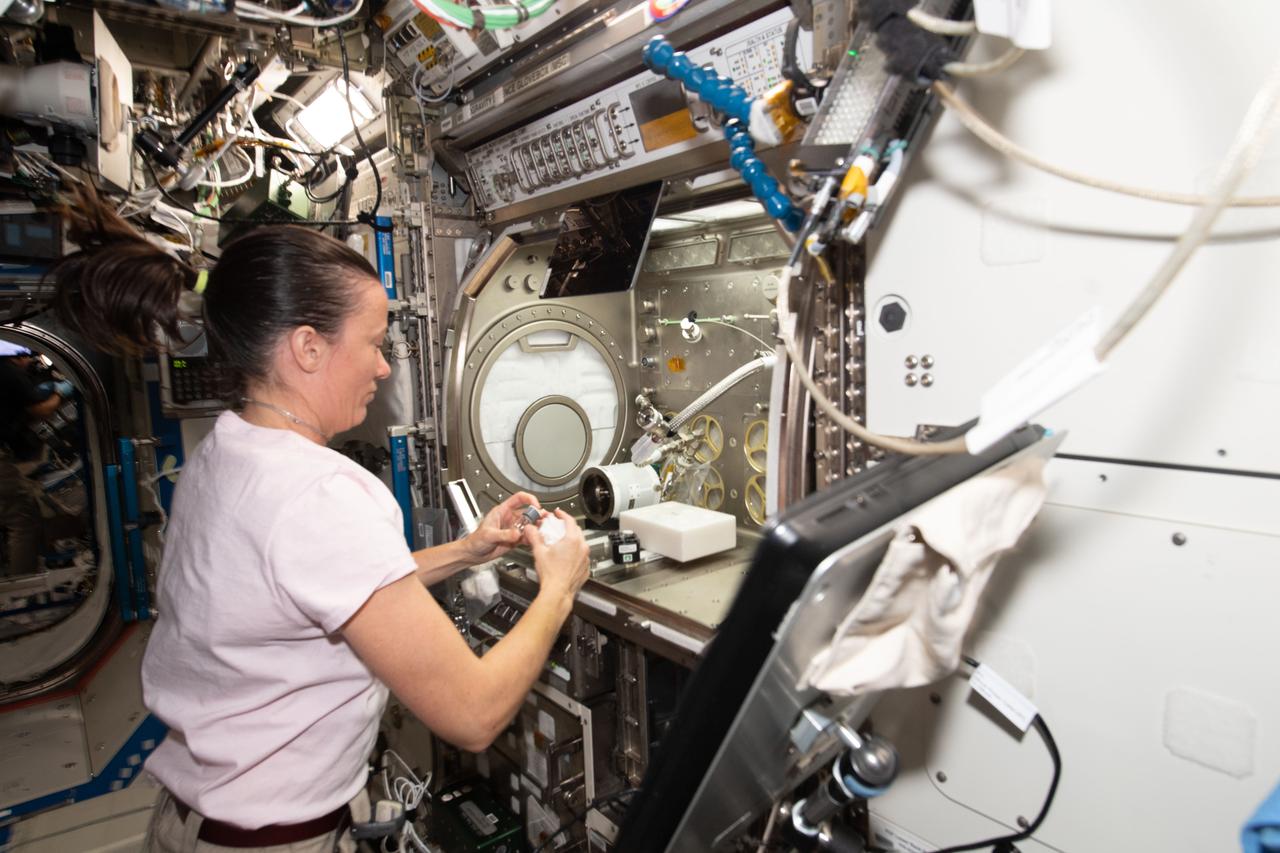
iss065e103879 (June 14, 2021) --- NASA astronaut and Expedition 65 Flight Engineer Megan McArthur conducts research inside the Microgravity Science Glovebox for the Lyophilization-2 pharmaceutical experiment seeking to improve the quality and extend the shelf-life of medicines on Earth and in space.
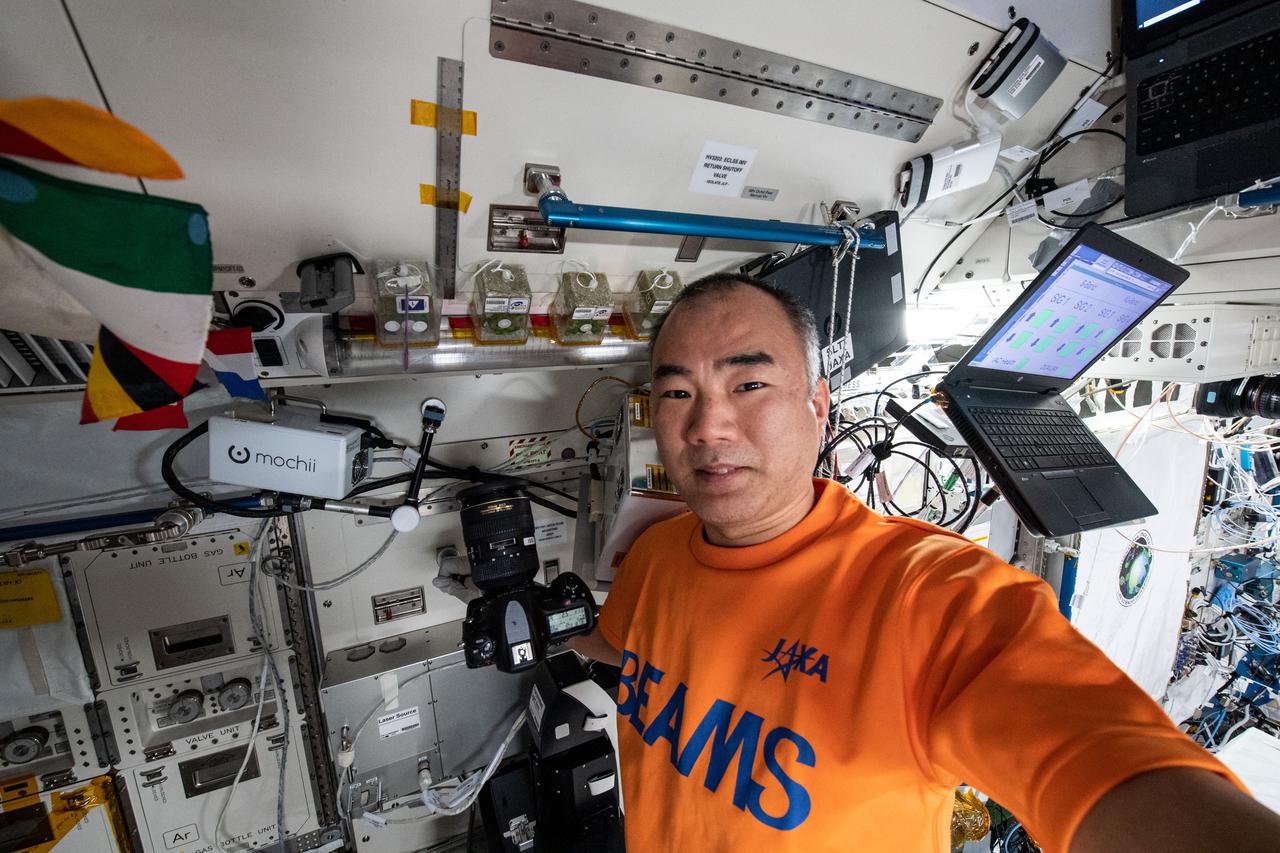
iss064e040578 (March 9, 2021) --- JAXA (Japan Aerospace Exploration Agency) Soichi Noguchi astronaut poses with plants growing inside containers for the Asian Herbs study. The space botany investigation is exploring ways to cultivate fast-growing plants used for traditional medicine and food flavoring.
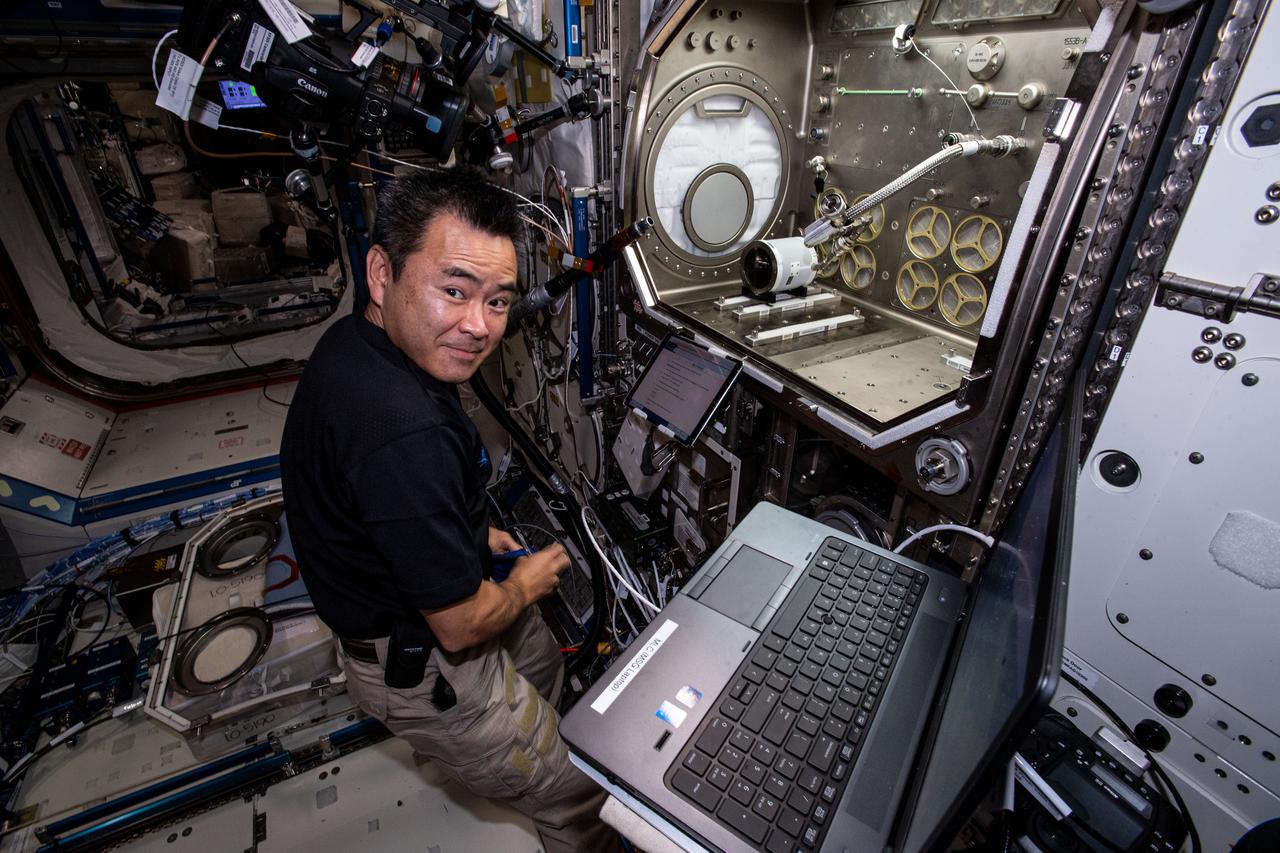
iss065e143164 (June 21, 2021) --- Expedition 65 Commander Akihiko Hoshide of the Japan Aerospace Exploration Agency (JAXA) works inside the Microgravity Science Glovebox conducting research for the Lyophilization-2 pharmaceutical experiment seeking to improve the quality and extend the shelf-life of medicines on Earth and in space.
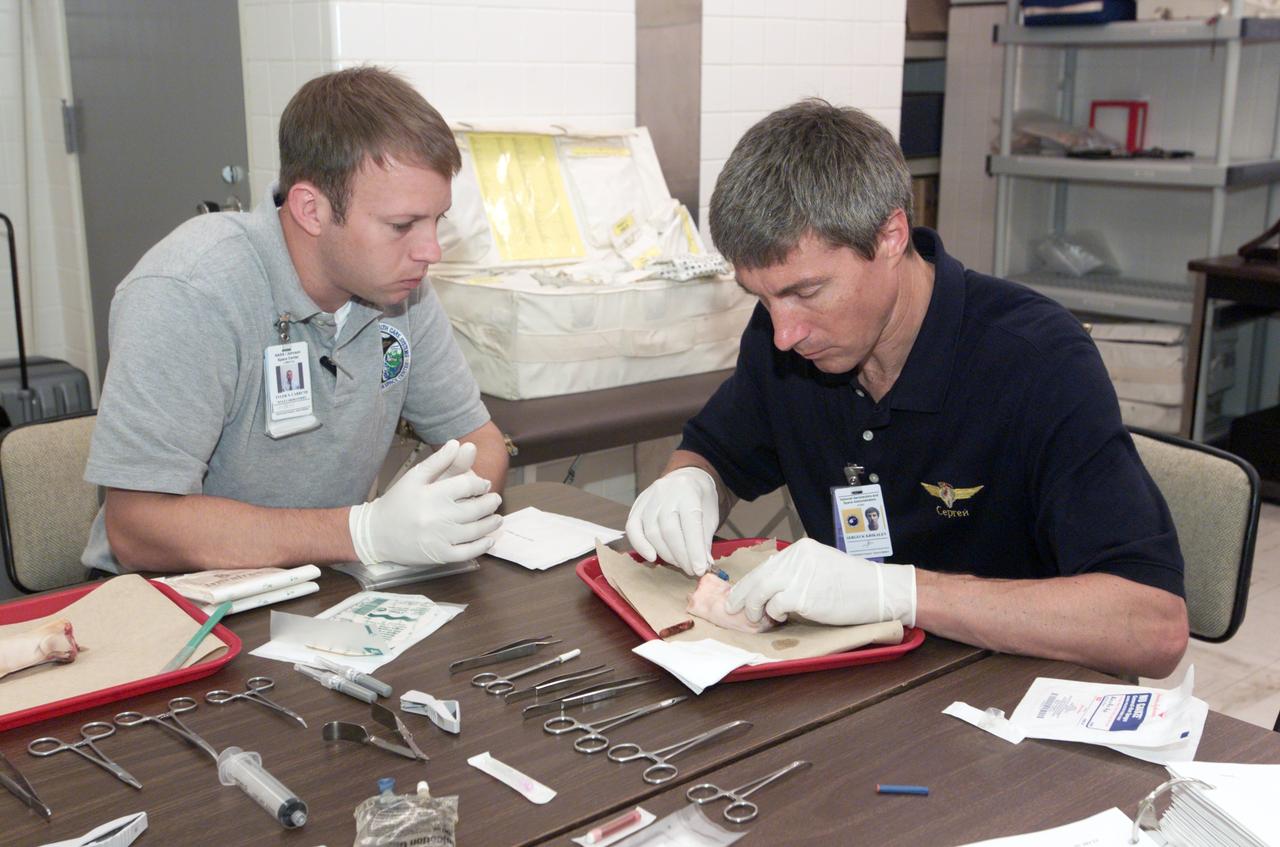
JSC2004-E-26778 (24 June 2004) --- Cosmonaut Sergei K. Krikalev, Expedition 11 commander representing Russia’s Federal Space Agency, participates in medical training at Johnson Space Center (JSC). Space Medicine Instructor Tyler N. Carruth with Wyle Life Sciences assisted Krikalev.
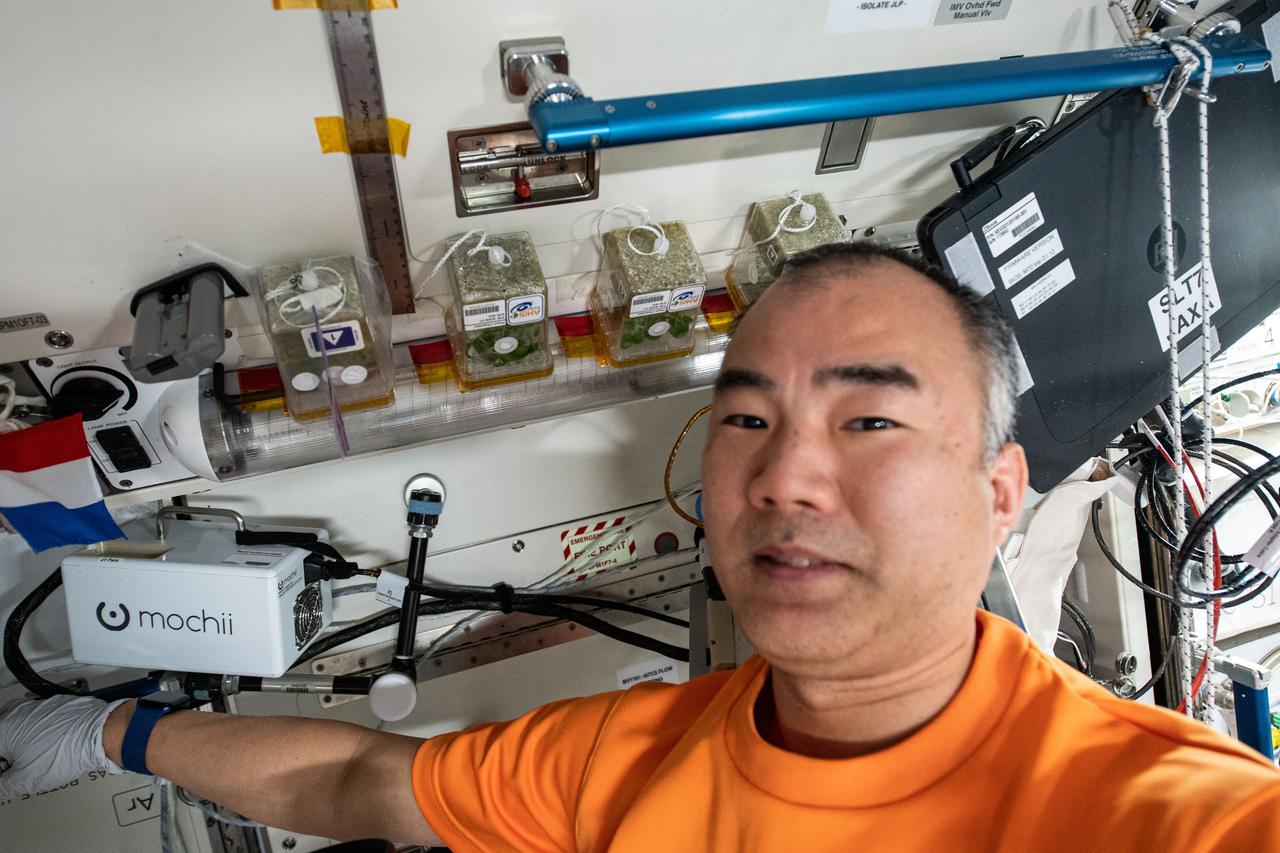
iss064e040580 (March 9, 2021) --- JAXA (Japan Aerospace Exploration Agency) astronaut Soichi Noguchi poses with plants growing inside containers for the Asian Herbs study. The space botany investigation is exploring ways to cultivate fast-growing plants used for traditional medicine and food flavoring.
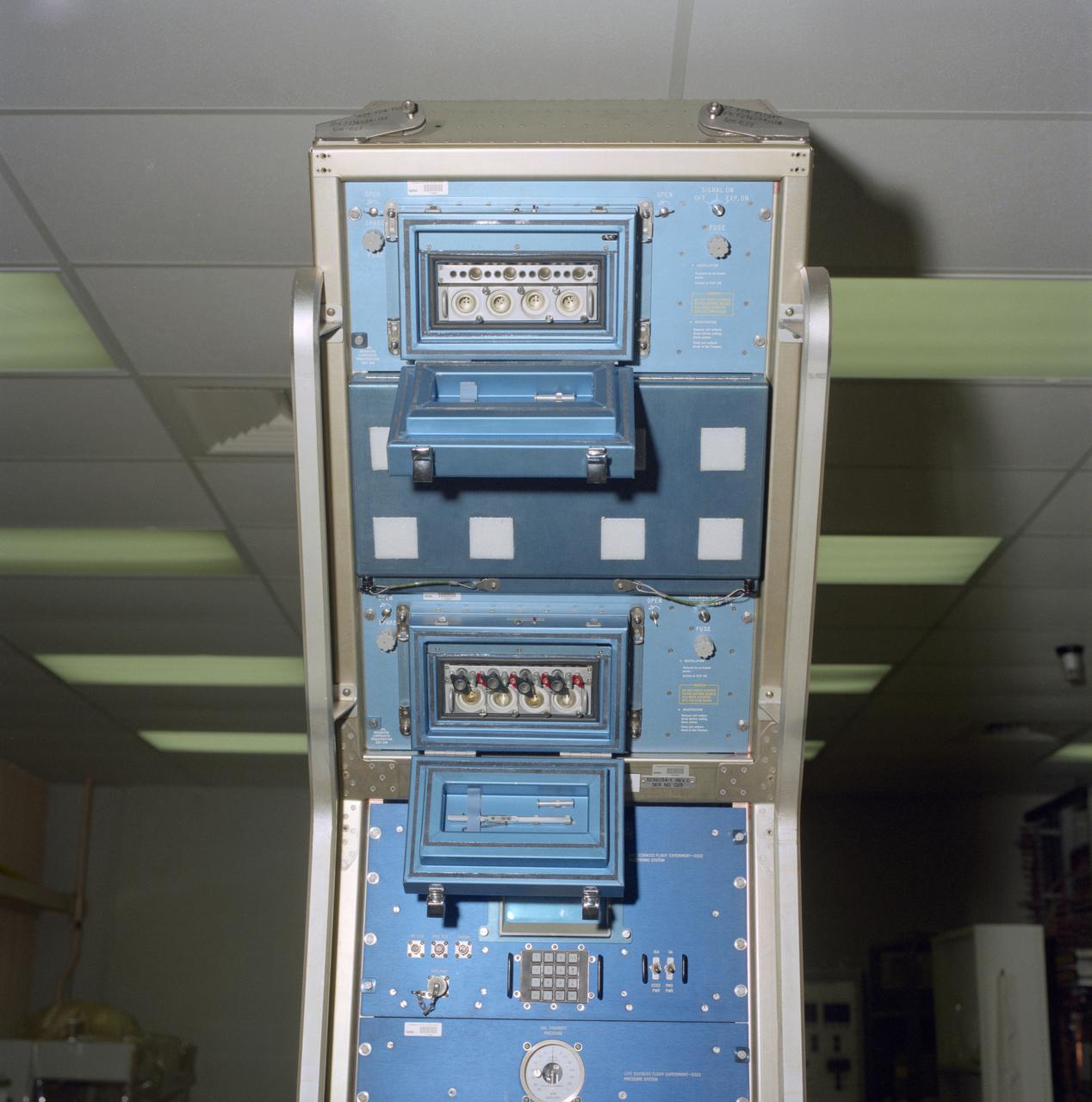
S84-43683 (26 Nov 1984) --- This vertically positioned rectangular piece of hardware, scheduled to fly on the science module of Spacelab Life Sciences-1, is important to the immunology investigation on the mission. Called Lymphocyte Proliferation in Weightlessness (Experiment 240), the test was developed by Dr. Augosto Cogoli of the Institute of Biotechnology, Gruppe Weltraum Biologie, in Zurich, Switzerland. It represents a continuation of previous Spacelab experiments by examining the effects of weightlessness on lymphocyte activation. Cultures will be grown in the microgravity incubators on the pictured hardware.
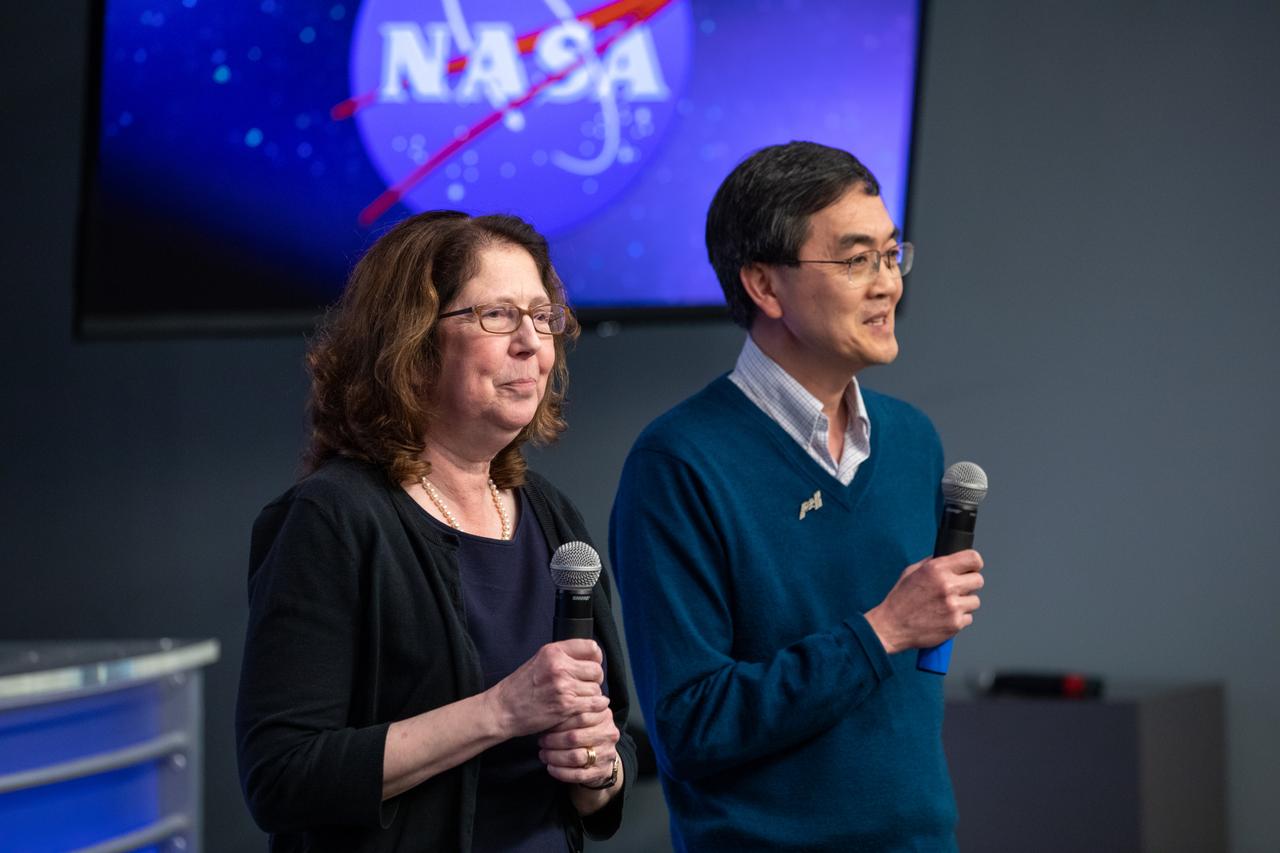
A What’s On Board Briefing for SpaceX’s 19th Commercial Resupply Services (CRS-19) mission for NASA to the International Space Station took place on Dec. 3, 2019, at the agency’s Kennedy Space Center in Florida. Se-Jin Lee (at right) professor at the Jackson Laboratory and University of Connecticut School of Medicine, and principal investigator of Rodent Research-19, and Emily Germain-Lee, professor at the University of Connecticut School of Medicine and chief of endocrinology and diabetes, Connecticut Children’s Medical Center, present their research to members of the media. They discussed the research on molecular signaling pathways that influence muscle degradation to prevent skeletal muscle and bone loss during spaceflight, and enhance recovery following return to Earth. The SpaceX Falcon 9 rocket and Dragon cargo module are scheduled to launch on Dec. 4, 2019, from Space Launch Complex 40 on Cape Canaveral Air Force Station in Florida.
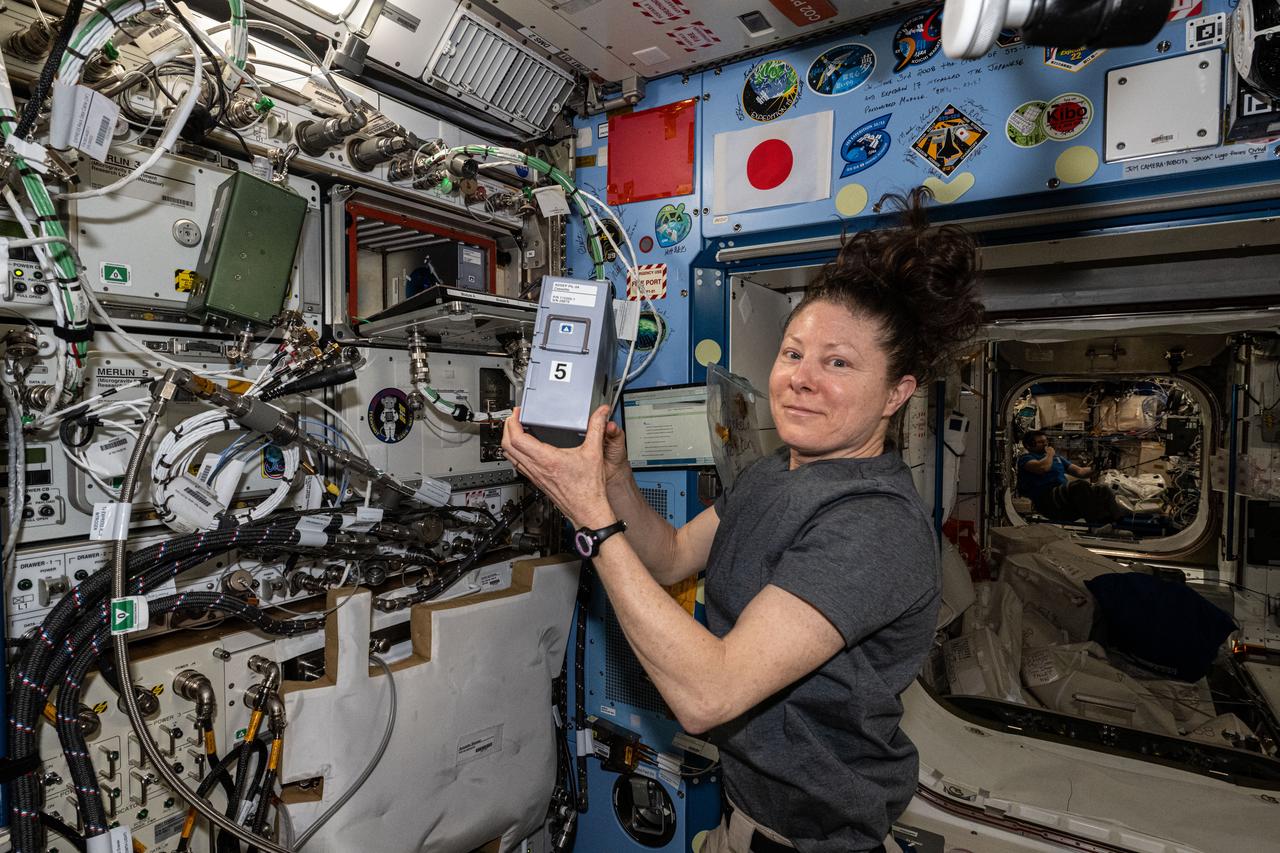
iss071e515505 (Aug. 20, 2024) --- NASA astronaut and Expedition 71 Flight Engineer Tracy C. Dyson displays a sample processor for the Pharmaceutical In-space Laboratory experiment that is exploring the production and manufacturing of medicines to benefit astronauts in space and humans on Earth. She installed the processor in the Advanced Space Experiment Processor, or ADSEP, that can house a variety of research samples and be delivered to the International Space Station and returned to Earth aboard the SpaceX Dragon cargo craft.
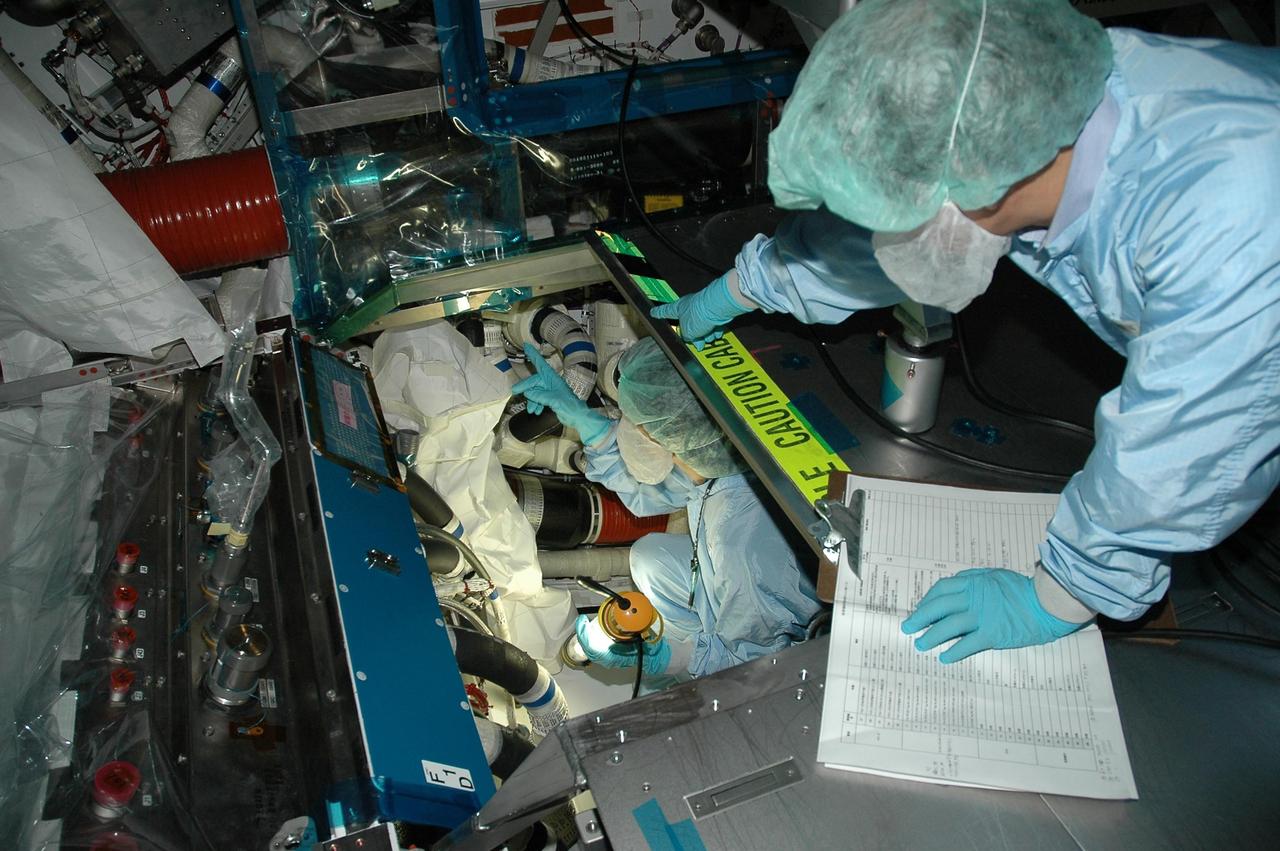
KENNEDY SPACE CENTER, FLA. - In the Space Station Processing Facility, a Japan Aerospace Exploration Agency (JAXA) technician inspects the wiring on the Japanese Experiment Module (JEM). The JEM, developed by JAXA for use on the International Space Station, is named Kibo -- which means "hope" in Japanese -- and will enhance the unique research capabilities of the orbiting complex by providing an additional environment for astronauts to conduct science experiments. Research conducted in Kibo will focus on space medicine, biology, Earth observations, material production, biotechnology and communications. Photo credit: NASA/Amanda Diller
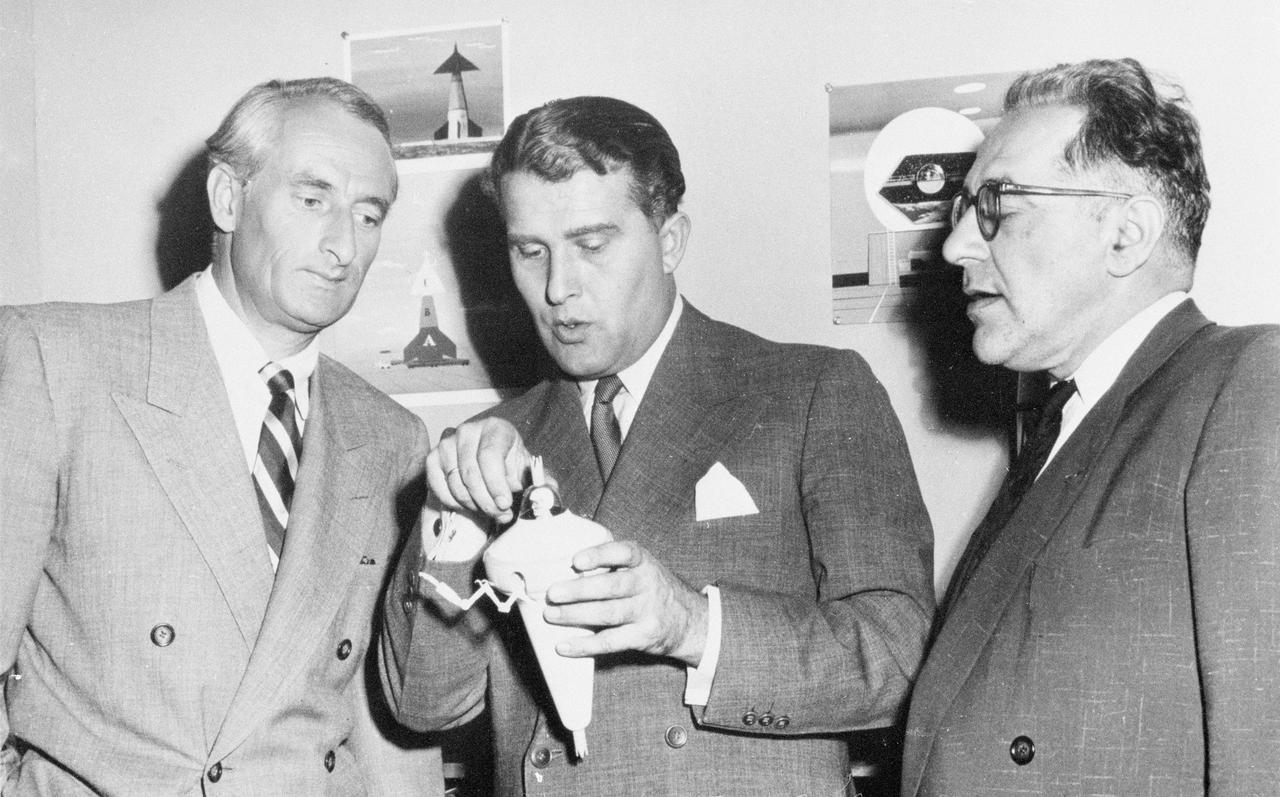
Dr. Wernher von Braun (center), then Chief of the Guided Missile Development Division at Redstone Arsenal, Alabama, discusses a "bottle suit" model with Dr. Heinz Haber (left), an expert on aviation medicine, and Willey Ley, a science writer on rocketry and space exploration. The three men were at the Disney studios appearing in the motion picture, entitled "Man in Space."
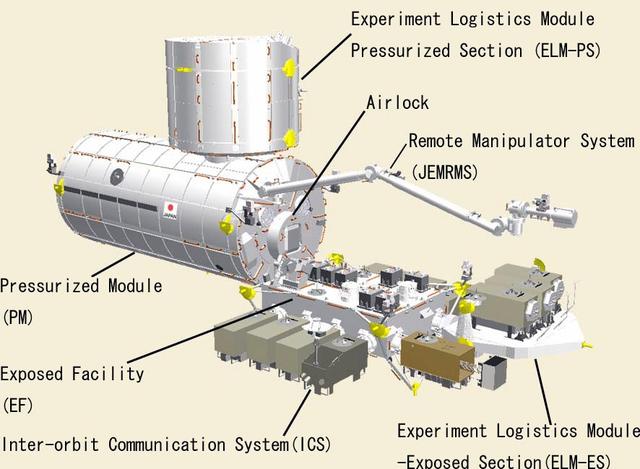
JSC2003-E-42552 (For Release: 18 June 2003) --- This artwork depicts the Japanese Experiment Module (JEM), Japan's primary contribution to the International Space Station. The JEM, called Kibo, which means "hope" in Japanese, is Japan's first human space facility and enhances the unique research capabilities of the International Space Station. Experiments in Kibo focus on space medicine, biology, earth observations, material production, biotechnology, and communications research. Photo Credit: NASDA
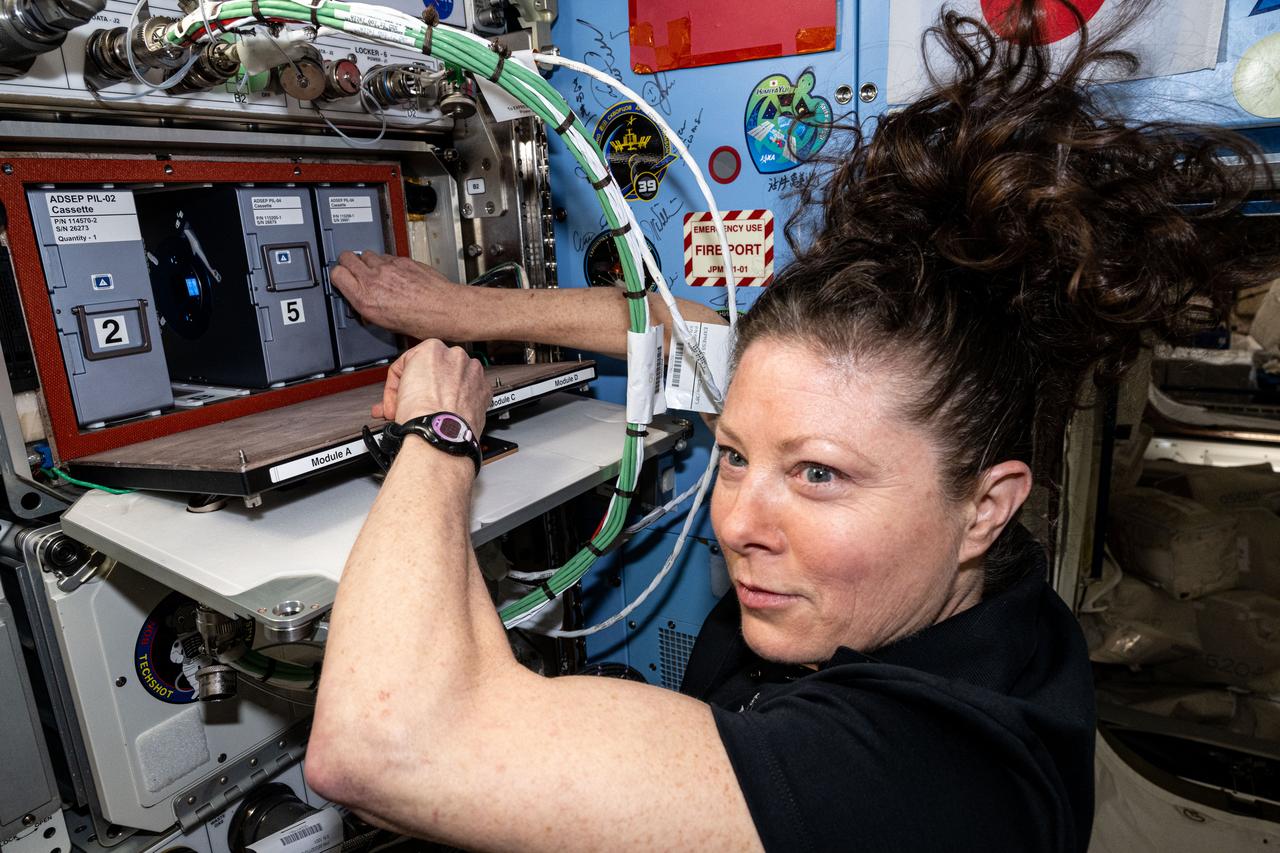
iss071e486706 (Aug. 15, 2024) --- NASA astronaut and Expedition 71 Flight Engineer Tracy C. Dyson swaps out sample processors for the Pharmaceutical In-space Laboratory experiment that is exploring the production and manufacturing of medicines to benefit astronauts in space and humans on Earth. The processors were installed in the Advanced Space Experiment Processor, or ADSEP, that can process a variety of research samples and be delivered to the International Space Station and returned to Earth aboard the SpaceX Dragon cargo craft.

iss049e012024 (9/28/2016) --- NASA astronaut Kate Rubins is photographed performing sample processing, setup of the Sample Module. The Hard to Wet Surfaces (Eli Lilly-Hard to Wet Surfaces) investigation studies how certain materials used in the pharmaceutical industry dissolve in water while in microgravity. Results from this investigation could help improve the design of tablets that dissolve in the body to deliver drugs, thereby improving drug design for medicines used in space and on Earth.
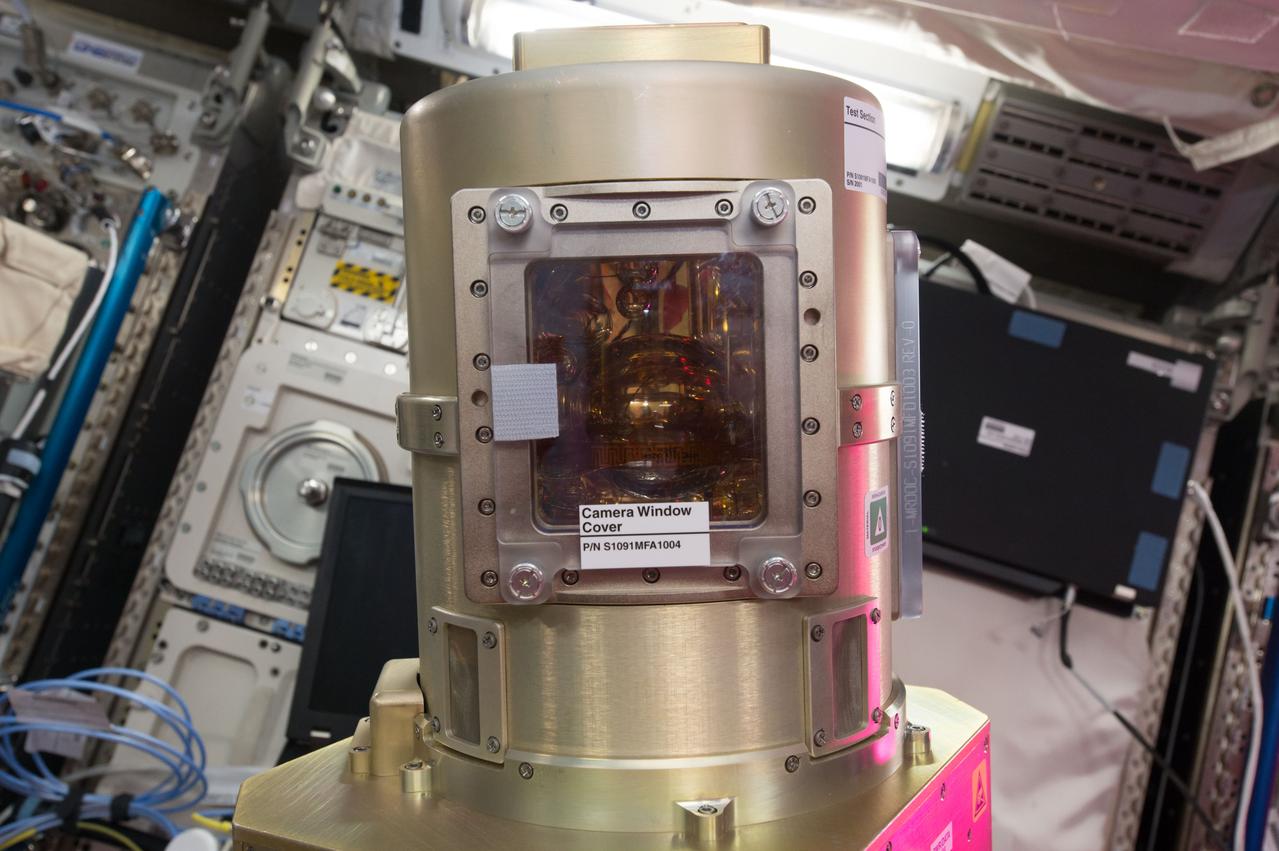
iss051e028301 (4/25/2017) --- A view of the Zero Boil-Off Tank (ZBOT) experiment Vacuum Jacket Camera Window Cover hardware. Zero Boil-Off Tank (ZBOT) uses an experimental fluid to test active heat removal and forced jet mixing as alternative means for controlling tank pressure for volatile fluids. Results from the investigation improve models used to design tanks for long-term cryogenic liquid storage, which are essential in biotechnology, medicine, industrial, and many other applications on Earth.
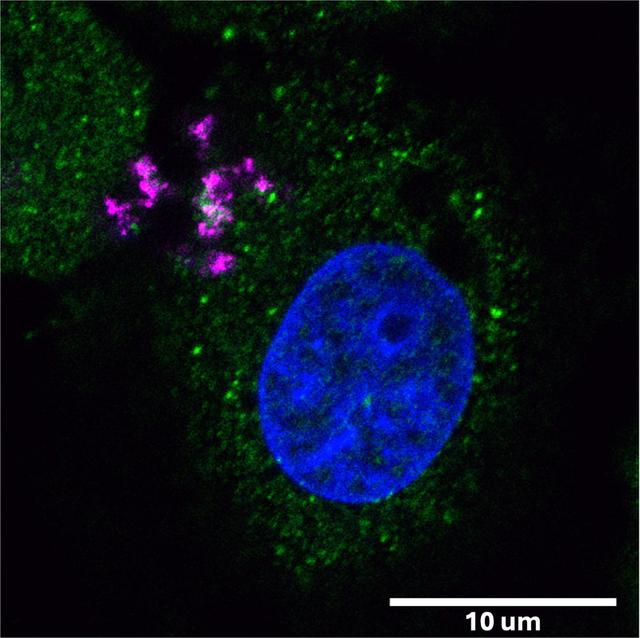
jsc2025e036195 (4/4/2025) --- A confocal microscope image shows a human cartilage cell, with its nucleus stained in blue, following delivery of Janus Base Nanoparticles (JBNp) and the subsequent release of bioactive mRNA (pink) that was translated into function protein (green). Biomimetic Fabrication of Multi-Functional DNA-Inspired Nanomaterials via Controlled Self-assembly in Space (DNA Nano Therapeutics-Mission 2) continues prior research on in-space manufacturing of nanomaterials that mimic DNA and have applications for vaccines and regenerative medicine. Image courtesy of University of Connecticut.
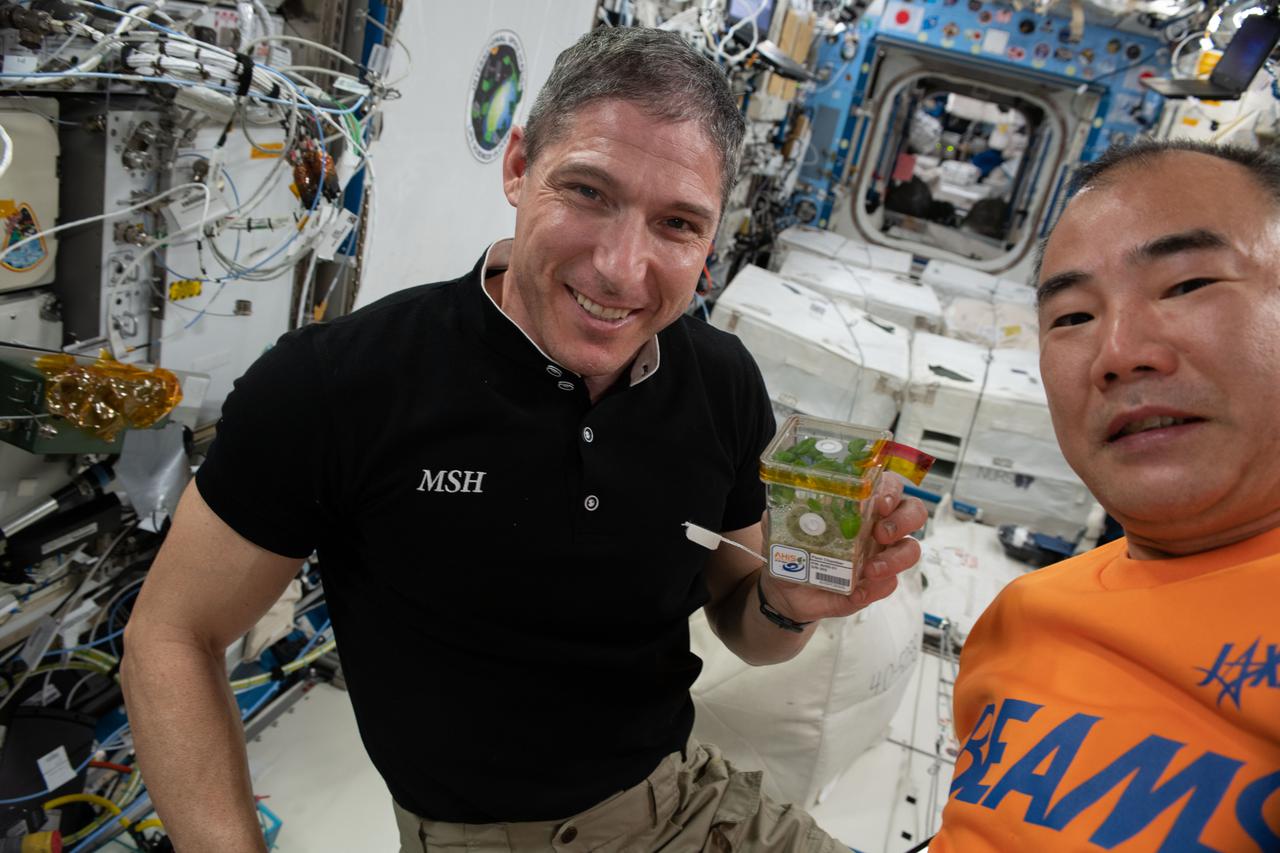
iss064e043776 (March 16, 2021) --- Expedition 64 Flight Engineers Michael Hopkins of NASA and Soichi Noguchi of JAXA (Japan Aerospace Exploration Agency) are pictured inside the International Space Station's Kibo laboratory module. Hopkins is showing a plant chamber containing plants growing for the Asian Herb in Space (AHiS) study. The space botany investigation is exploring ways to cultivate fast-growing plants used for traditional medicine and food flavoring.
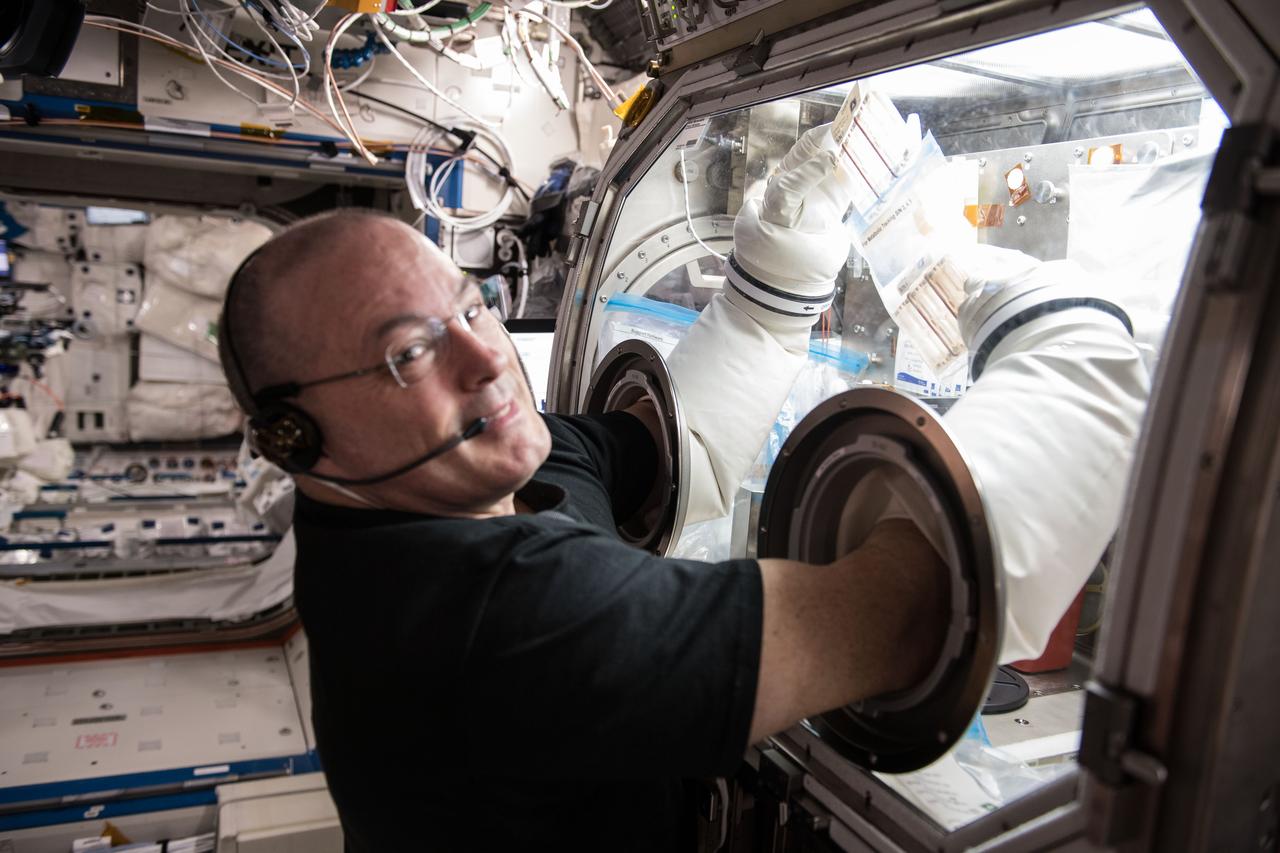
iss055e035338 (April 13, 2018) --- NASA astronaut Scott Tingle performs research operations with the Microgravity Sciences Glovebox inside the U.S. Destiny laboratory module. Tingle was working on the Metabolic Tracking experiment that looks at a particular type of medicine and how it interacts with human tissue cultures. Results could improve therapies in space and lead to better, cheaper drugs on Earth.

Preflight microscopic image of C. elegans worm expressing fluorescent labels, reporting on changes in gut, nerve, and muscle function as part of C. elegans Biological Investigation on Microbiome Effect in Space (CBIOMES). This investigation studies how spaceflight impacts the relationship between organisms and their gut microbiome by observing changes in nematodes down to the cellular level to identify ways to maintain microbiome stability. Credit: Baylor College of Medicine.

Preflight microscopic image of C. elegans worms expressing fluorescent labels, reporting on changes in gut, nerve, and muscle function as part of C. elegans Biological Investigation on Microbiome Effect in Space (CBIOMES). This investigation studies how spaceflight impacts the relationship between organisms and their gut microbiome by observing changes in nematodes down to the cellular level to identify ways to maintain microbiome stability. Credit: Baylor College of Medicine.
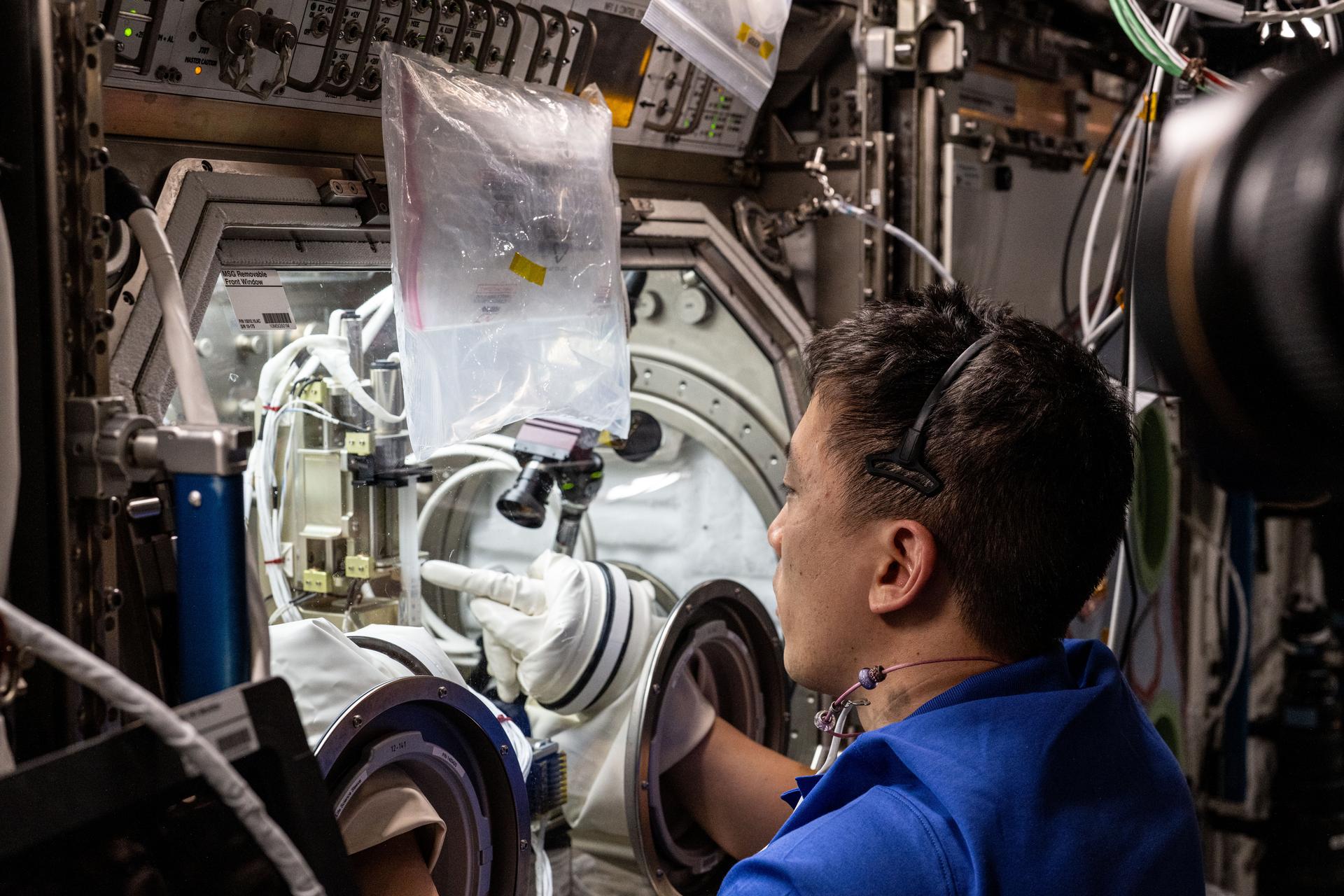
iss073e0177558 (June 12, 2025) -- NASA astronaut Jonny Kim works in the International Space Station’s Microgravity Science Glovebox on Ring Sheared Drop-IBP-2. This investigation studies the behavior of high-concentration protein fluids in microgravity using a special device that holds liquid protein solutions without containers, eliminating interference from interactions with container walls. Results could help advance manufacturing processes and 3D printing in space and for production of medicines, microelectronics, foods, and medical devices on Earth.
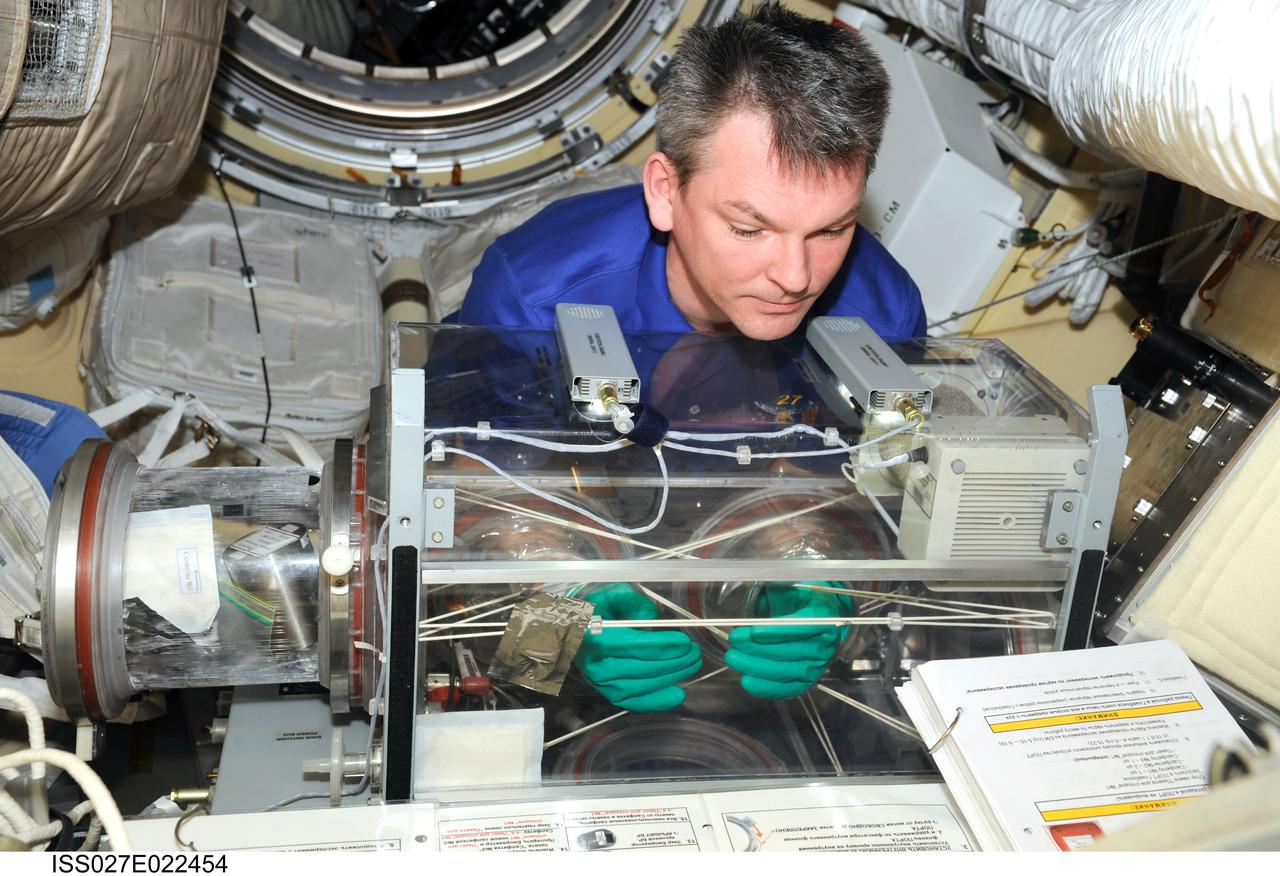
ISS027-E-022454 (5 May 2011) --- Russian cosmonaut Alexander Samokutyaev, Expedition 27 flight engineer, uses a glovebox to service the Russian Bioemulsion science payload in the Poisk Mini-Research Module 2 (MRM2) of the International Space Station. The Bioemulsion experiment is attempting to develop faster technologies for obtaining microorganism biomass and biologically active substance biomass for creating highly efficient environmentally pure bacteria, enzymes, and medicinal/pharmaceutical preparations.
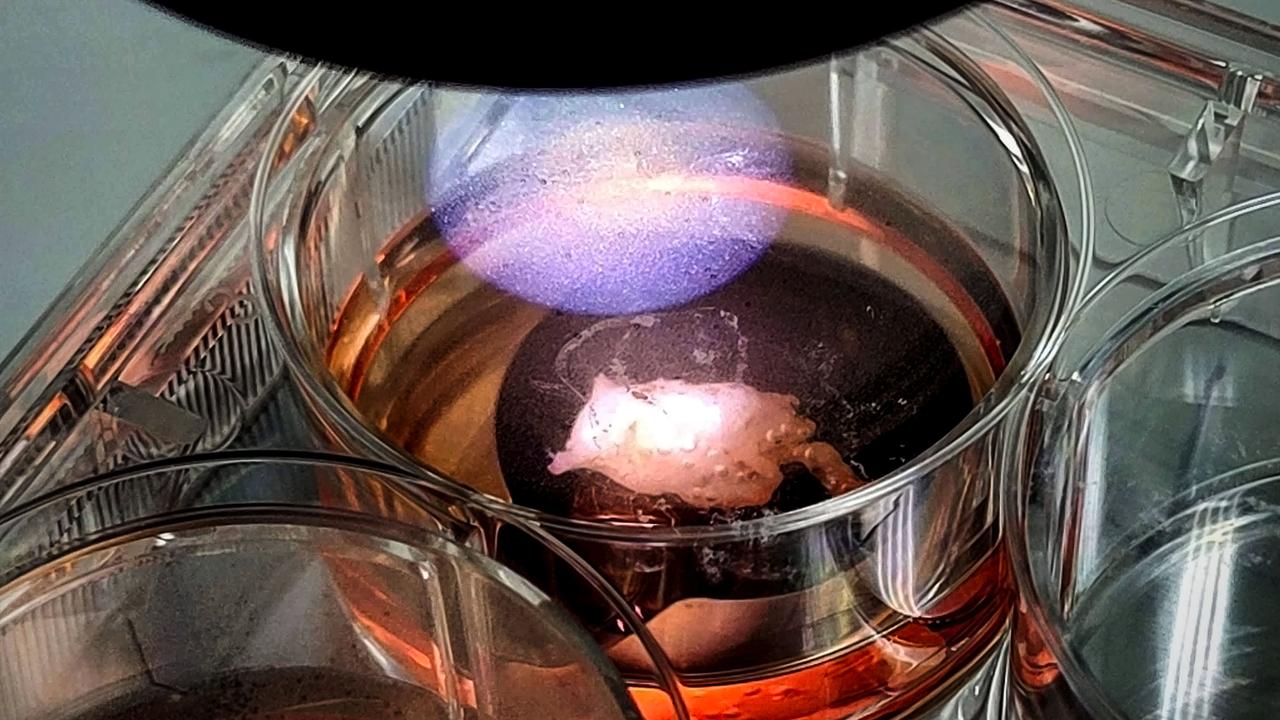
jsc2024e038395 (6/5/2024) --- Live human heart tissue bioprinted with Redwire's BioFabrication Facility aboard the International Space Station. The tissue was successfully returned to Earth in April 2024. Results of the Redwire Cardiac Bioprinting Investigation (BFF-Cardiac) could advance technologies for producing organs and tissues in lieu of donated organs for transplant. The investigation also improves 3D printing, with the goal of giving the crew the ability to print material like foods and medicines on demand for future long-duration space missions. Image courtesy of Redwire.
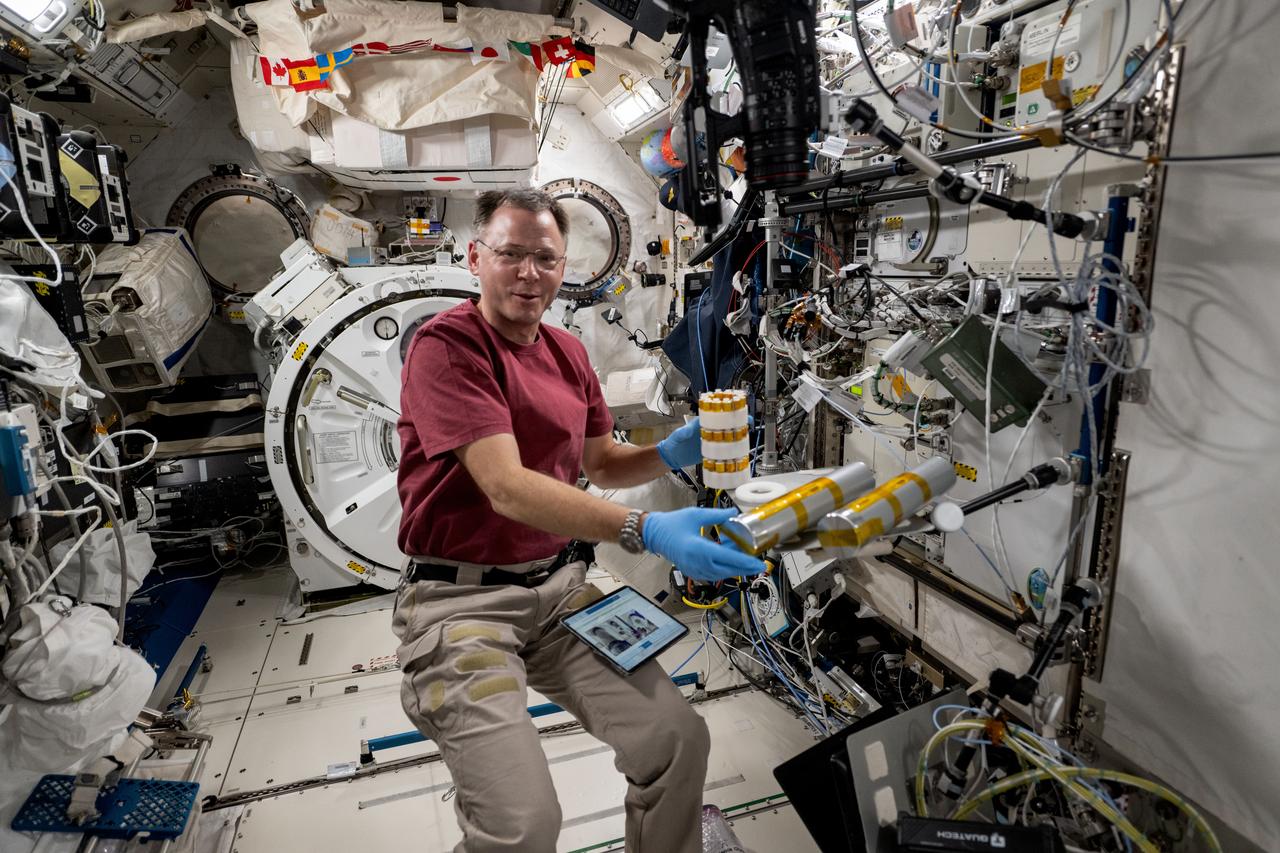
iss072e146315 (Nov. 6, 2024) --- NASA astronaut and Expedition 72 Flight Engineer Nick Hague works inside the International Space Station's Kibo laboratory module on space biology research. Hague was exploring the potential of biomanufacturing using microorganisms and cell cultures to create food, medicine, and more in the microgravity environment reducing the need for cargo missions launched from Earth and promoting crew self-sufficiency during long-term missions.
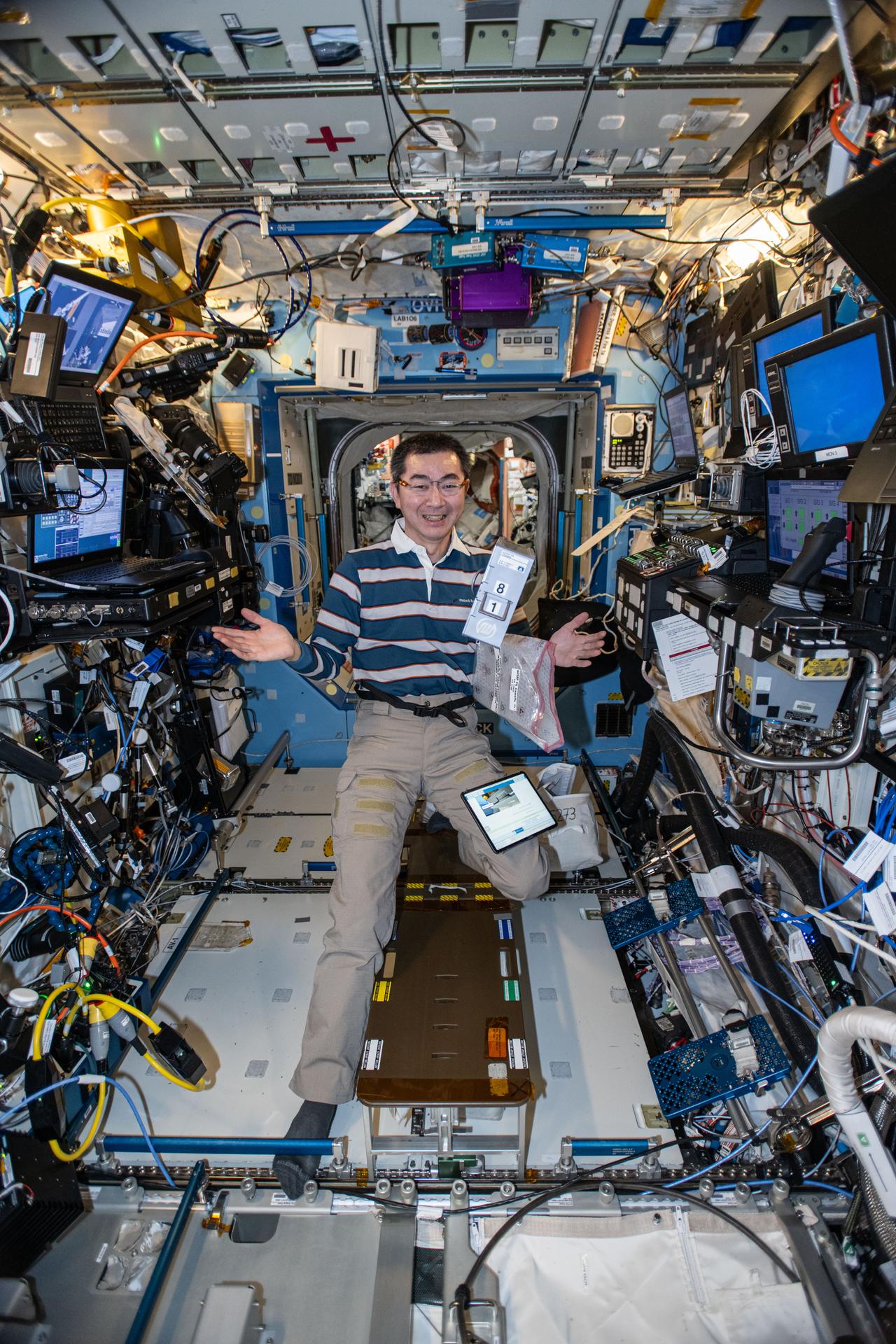
iss074e0043601 (Jan. 5, 2026) --- JAXA (Japan Aerospace Exploration Agency) astronaut and Expedition 74 Flight Engineer Kimiya Yui appears to juggle research hardware inside the International Space Station's Destiny laboratory. The science gear includes a computer tablet and a cassette designed to hold protein crystal samples, both supporting the Pharmaceutical In-Space Laboratory set of experiments that is exploring ways to develop and manufacture medicines in space.
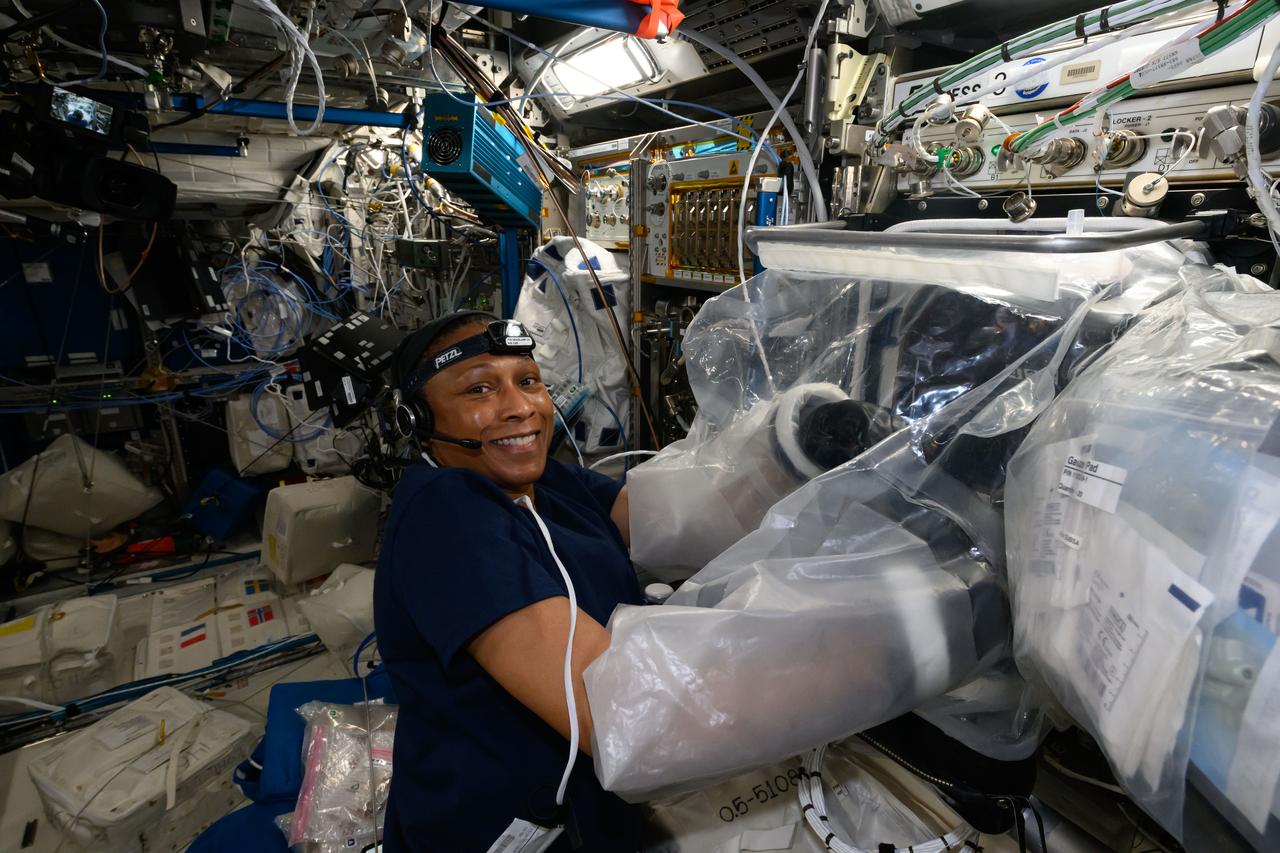
iss071e000901 (April 6, 2024) --- Expedition 71 Flight Engineer and NASA astronaut Jeanette Epps works in the BioFabrication Facility portable glovebag located in the International Space Station's Columbus laboratory module. She was working on the Redwire Cardiac Bioprinting Investigation that may offer the ability to print food and medicines for future space crews. Results may also enable the bioprinting of replacement organs and tissues potentially alleviating the shortage of donor organs on Earth.
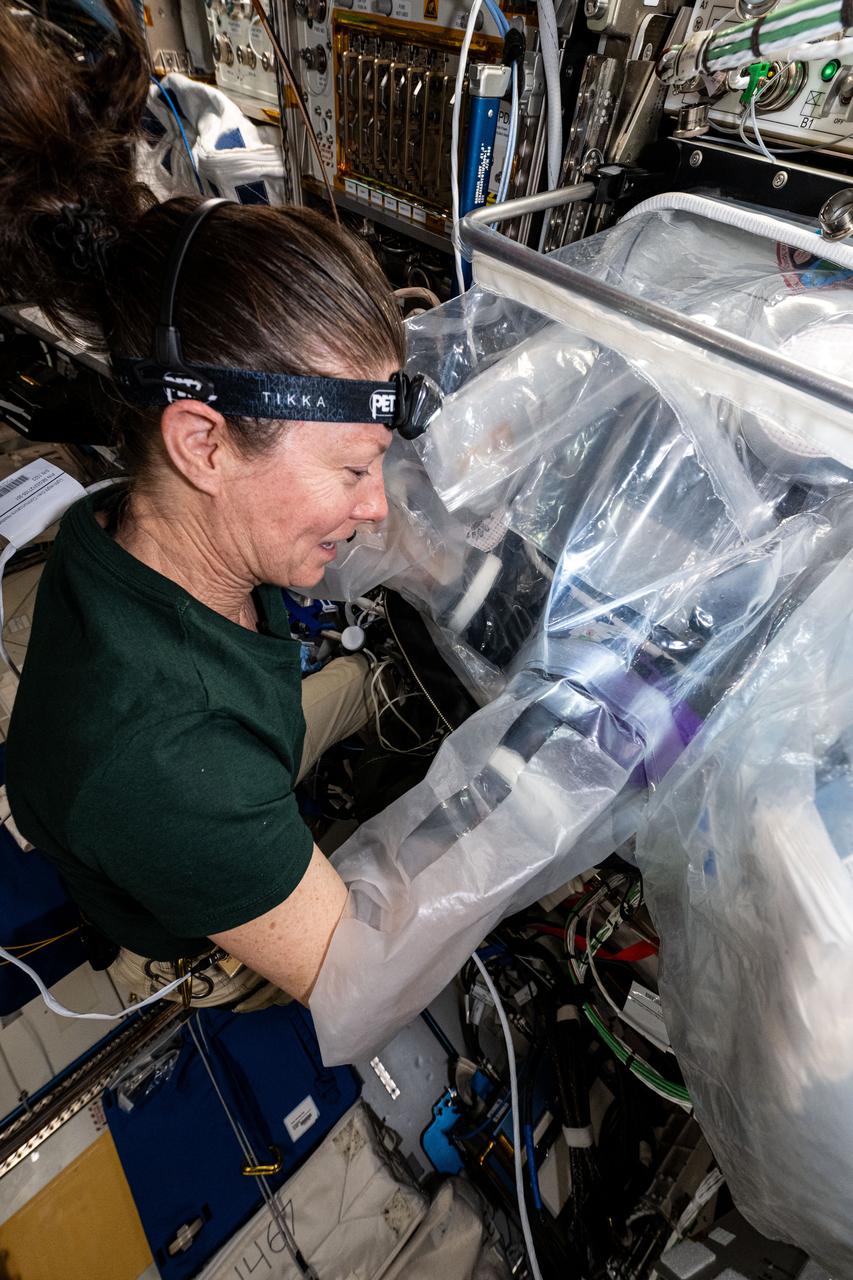
iss071e007507 (April 12, 2024) --- Expedition 70 Flight Engineer and NASA astronaut Tracy C. Dyson works inside the BioFabrication Facility using the portable glovebag aboard the International Space Station's Columbus laboratory module. She was working on the Redwire Cardiac Bioprinting Investigation that may offer the ability to print food and medicines for future space crews. Results may also enable the bioprinting of replacement organs and tissues potentially alleviating the shortage of donor organs on Earth.

S69-53894 (October 1969) --- Dr. Charles H. Walkinshaw, Jr., Spaceflight Biotechnology Branch botanist, Preventive Medicine Division, Manned Spacecraft Center (MSC), examines sorghum and tobacco plants in lunar (germ free) soil in the Plant Laboratory of the MSC’s Lunar Receiving Laboratory. The soil was brought back from the moon by the crew of the Apollo 11 lunar landing mission.
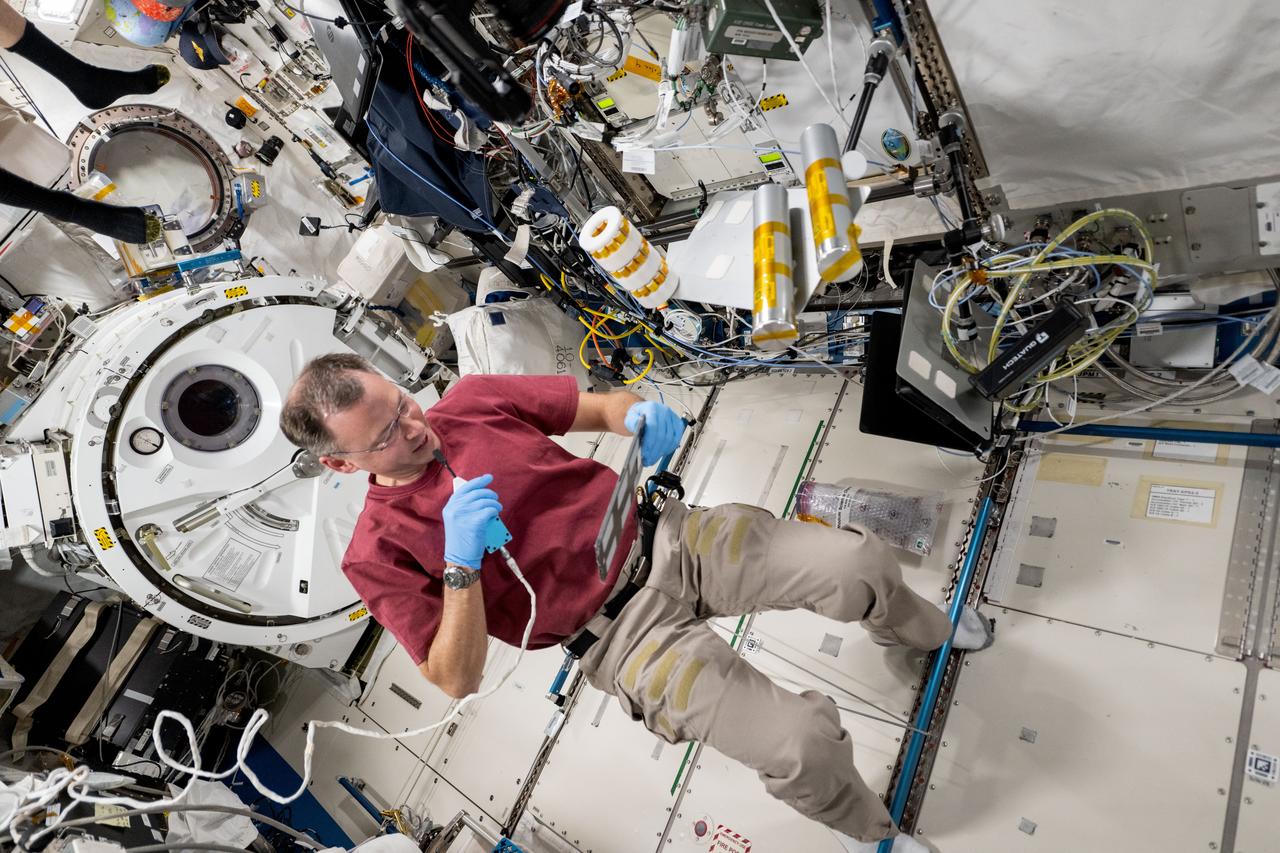
iss072e146328 (Nov. 6, 2024) --- NASA astronaut and Expedition 72 Flight Engineer Nick Hague works inside the International Space Station's Kibo laboratory module on space biology research. Hague was exploring the potential of biomanufacturing using microorganisms and cell cutlures to create food, medicine, and more in the microgravity environment reducing the need for cargo missions launched from Earth and promoting crew self-sufficiency during long-term missions.
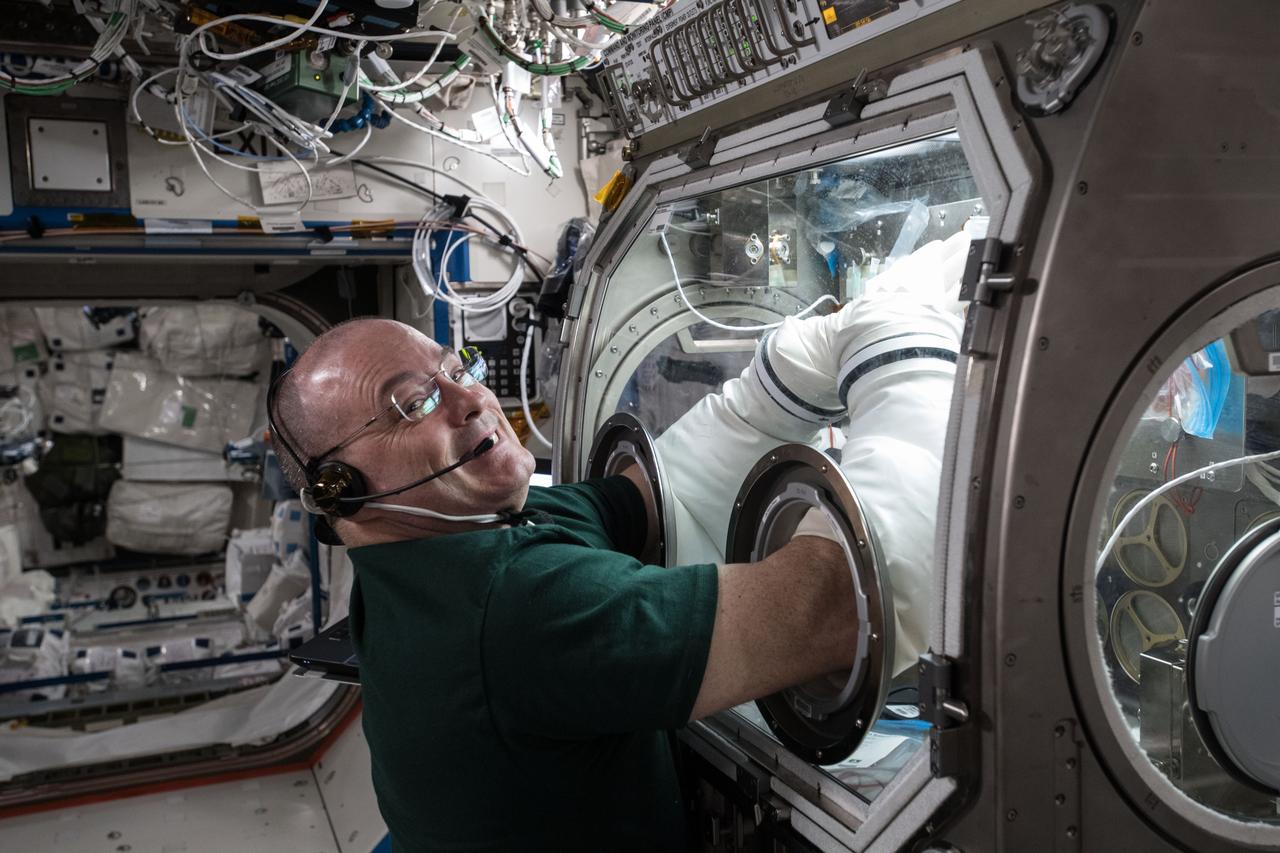
iss055e018653 (April 11, 2018) --- NASA astronaut Scott Tingle performs research operations with the Microgravity Sciences Glovebox inside the U.S. Destiny laboratory module. Tingle was working on the Metabolic Tracking experiment that looks at a particular type of medicine and how it interacts with human tissue cultures. Results could improve therapies in space and lead to better, cheaper drugs on Earth.
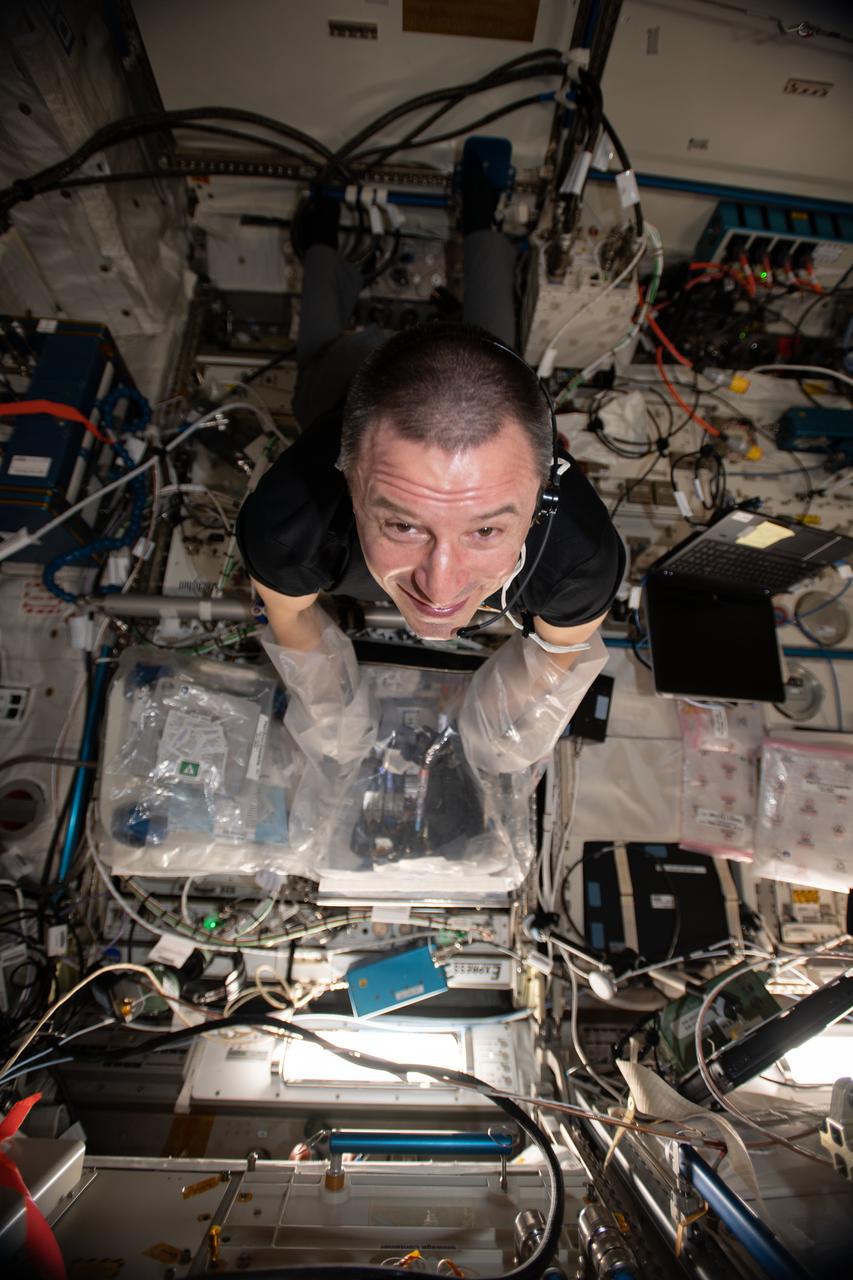
iss062e115402 (March 26, 2020) --- NASA astronaut and Expedition 62 Flight Engineer Andrew Morgan services the Bio-Fabrication Facility (BFF), a 3D bioprinter that seeks to demonstrate manufacturing human organs in space to help patients on Earth. The BFF may even lead to future crews printing their own food and medicines on missions farther away from Earth.
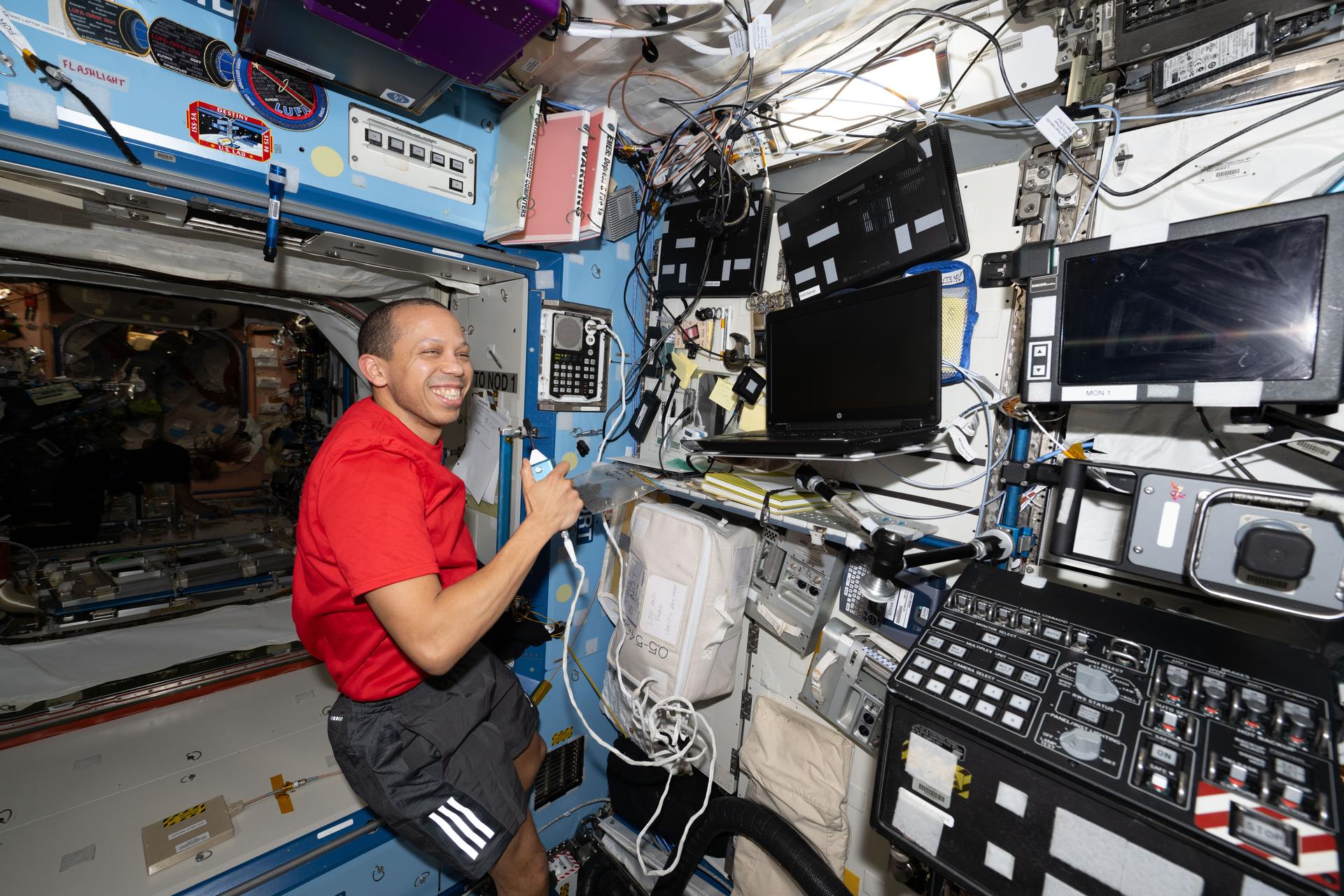
iss074e0316047 (Feb. 18, 2026) --- NASA astronaut and Expedition 74 Flight Engineer Chris Williams calls down to mission controllers during Crew Medical Officer training inside the International Space Station’s Destiny laboratory module. Williams trained to use medical hardware, including an automated external defibrillator, and reviewed procedures such as conducting eye exams and administering medicine. Credit: NASA/Jessica Meir
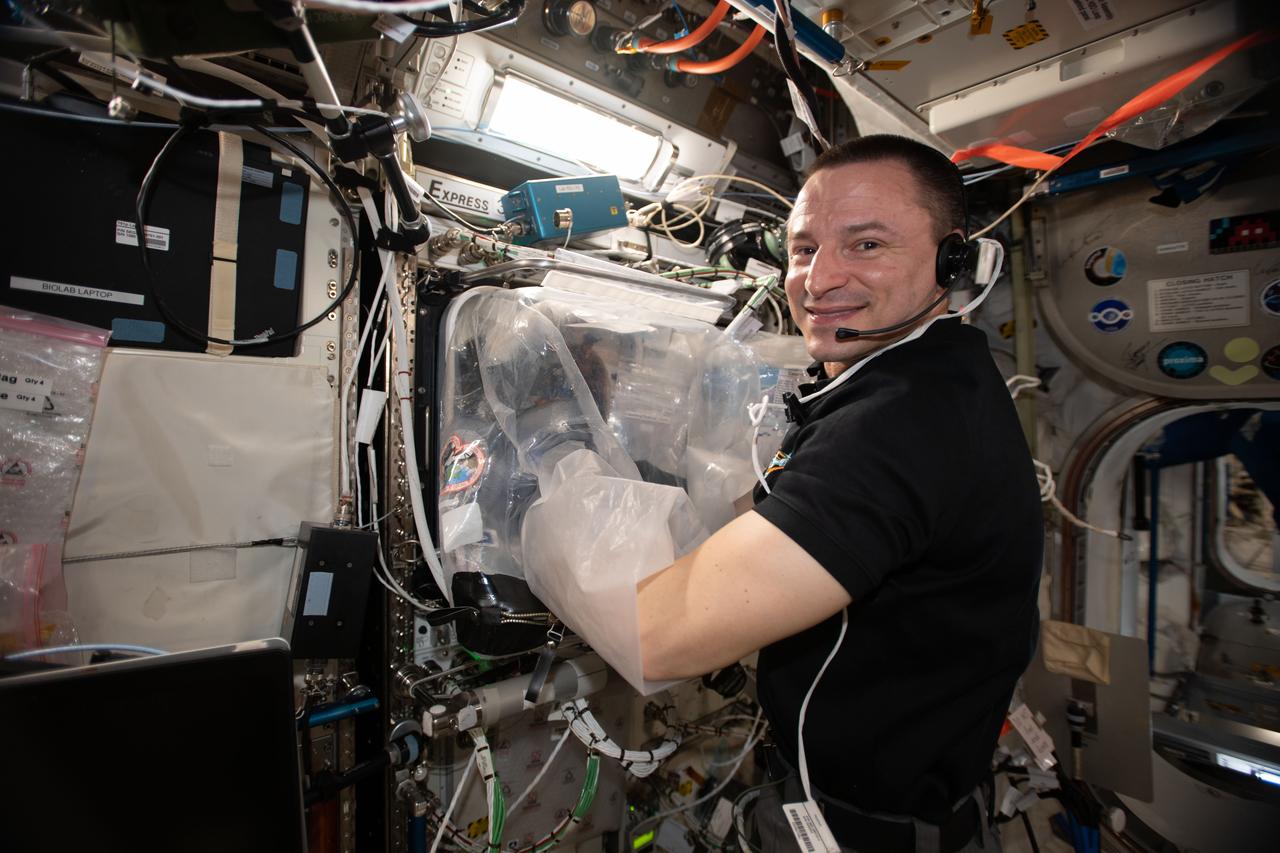
iss062e115396 (March 26, 2020) --- NASA astronaut and Expedition 62 Flight Engineer Andrew Morgan services the Bio-Fabrication Facility (BFF), a 3D bioprinter that seeks to demonstrate manufacturing human organs in space to help patients on Earth. The BFF may even lead to future crews printing their own food and medicines on missions farther away from Earth.
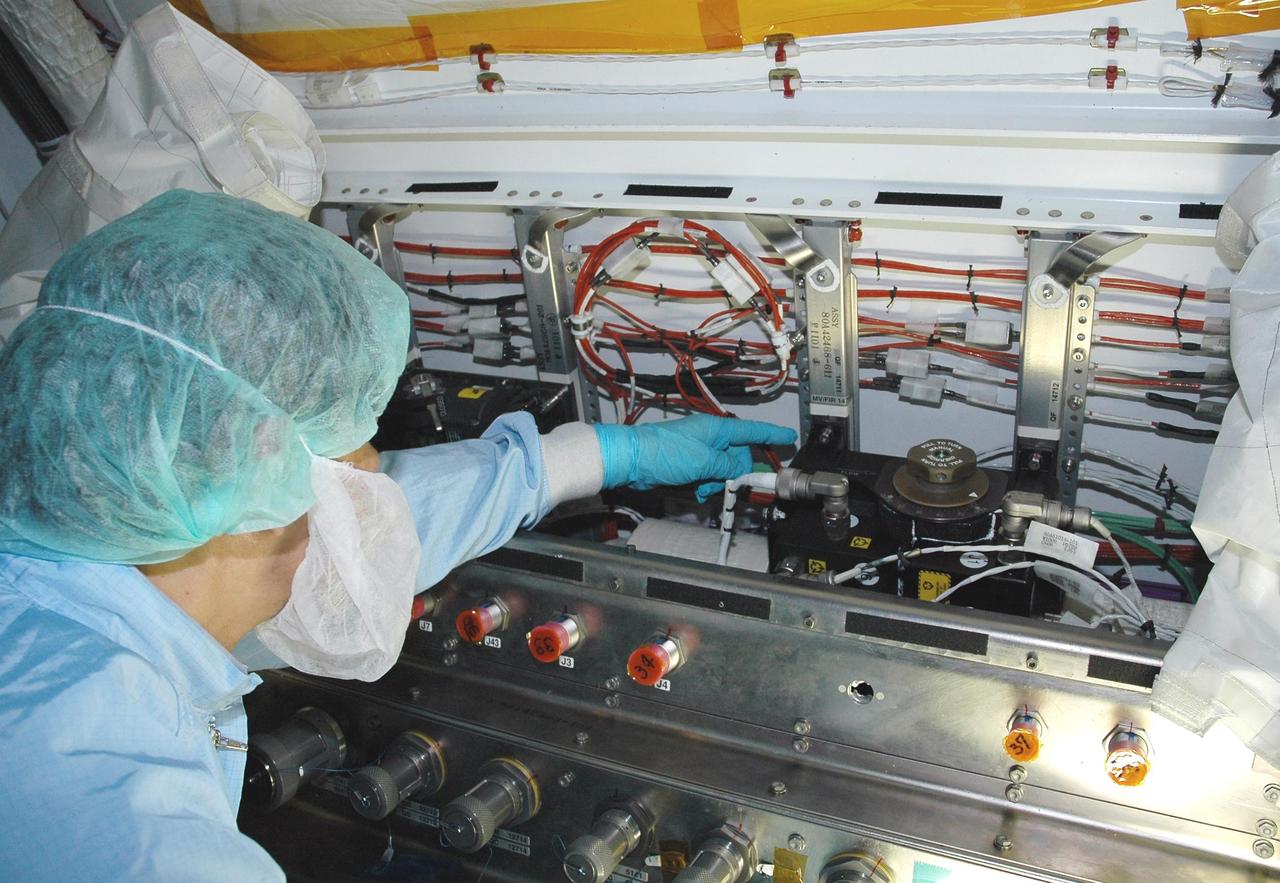
KENNEDY SPACE CENTER, FLA. - In the Space Station Processing Facility, Japan Aerospace Exploration Agency (JAXA) technicians inspect the wiring on the Japanese Experiment Module (JEM). The JEM, developed by JAXA for use on the International Space Station, is named Kibo -- which means "hope" in Japanese -- and will enhance the unique research capabilities of the orbiting complex by providing an additional environment for astronauts to conduct science experiments. Research conducted in Kibo will focus on space medicine, biology, Earth observations, material production, biotechnology and communications. Photo credit: NASA/Amanda Diller
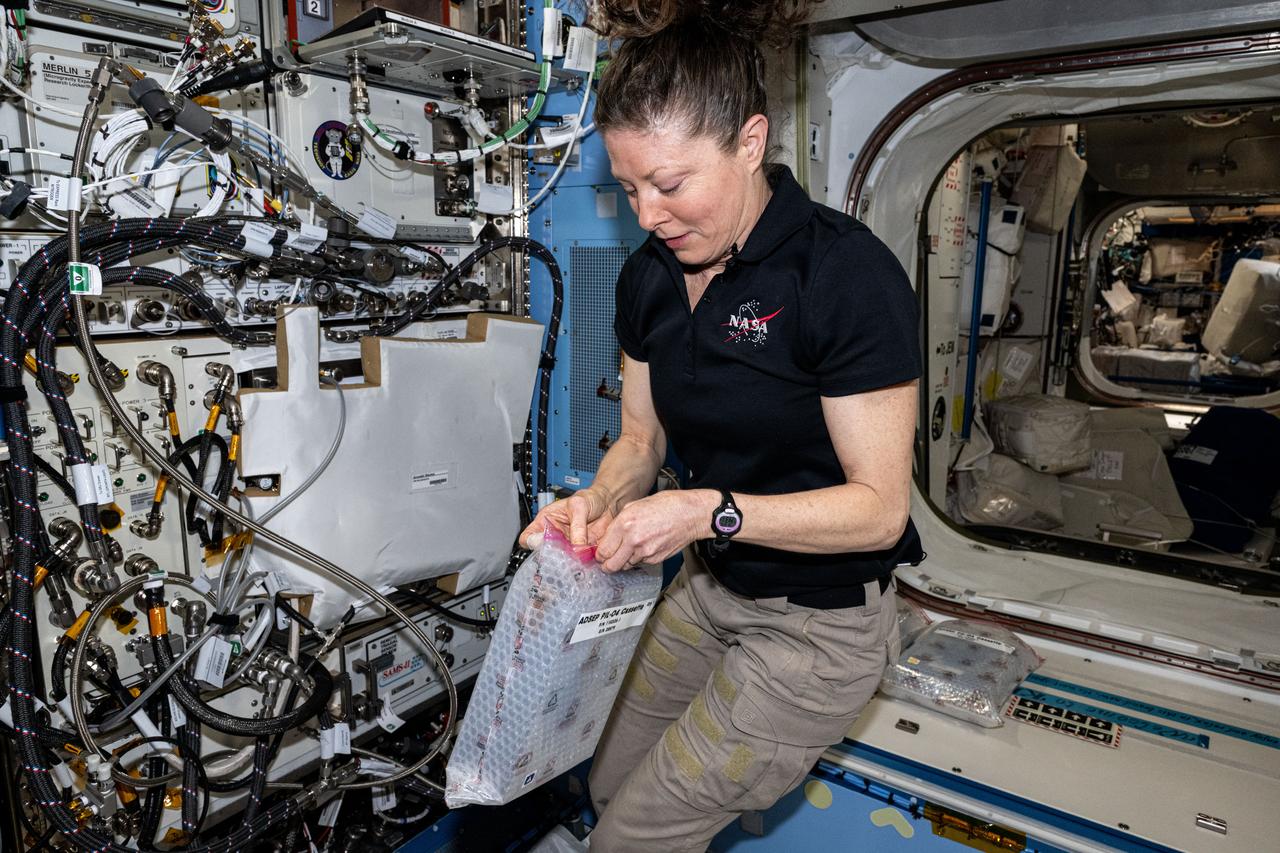
iss071e486657 (Aug. 15, 2024) --- NASA astronaut and Expedition 71 Flight Engineer Tracy C. Dyson swaps out sample processors for the Pharmaceutical In-space Laboratory experiment that is exploring the production and manufacturing of medicines to benefit astronauts in space and humans on Earth. The processors were installed in the Advanced Space Experiment Processor, or ADSEP, that can process a variety of research samples and be delivered to the International Space Station and returned to Earth aboard the SpaceX Dragon cargo craft.
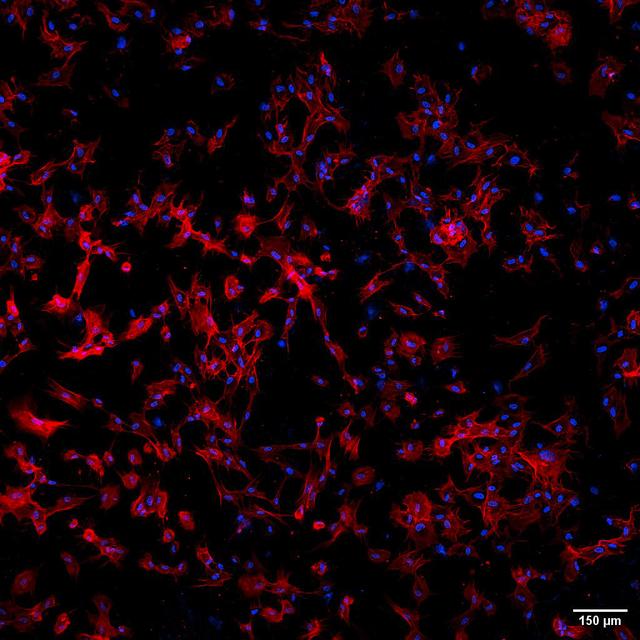
Jsc2025e036192 (4/4/2025) --- Stem cells grown along Janus Base Nanomaterial (JBNm) made on Earth. After four hours, the cells adhered to the scaffold. Biomimetic Fabrication of Multi-Functional DNA-Inspired Nanomaterials via Controlled Self-assembly in Space (DNA Nano Therapeutics-Mission 2) continues prior research on in-space manufacturing of nanomaterials that mimic DNA and have applications for vaccines and regenerative medicine. Image courtesy of University of Connecticut.
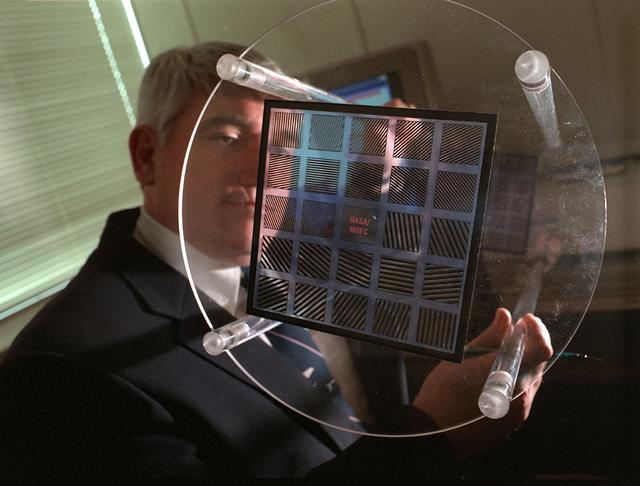
Marshall's wirner of a Research Technology Award, worked with the Fourier telescope. This project has developed new technology with the aid of today's advanced computers by allowing an object to be x-rayed using an absorption pattern, then sending this data to the computer where it calculates the data into pixels which inturn develops an image. This new technology is being used in fields like astronomy, astrophysics and medicine.
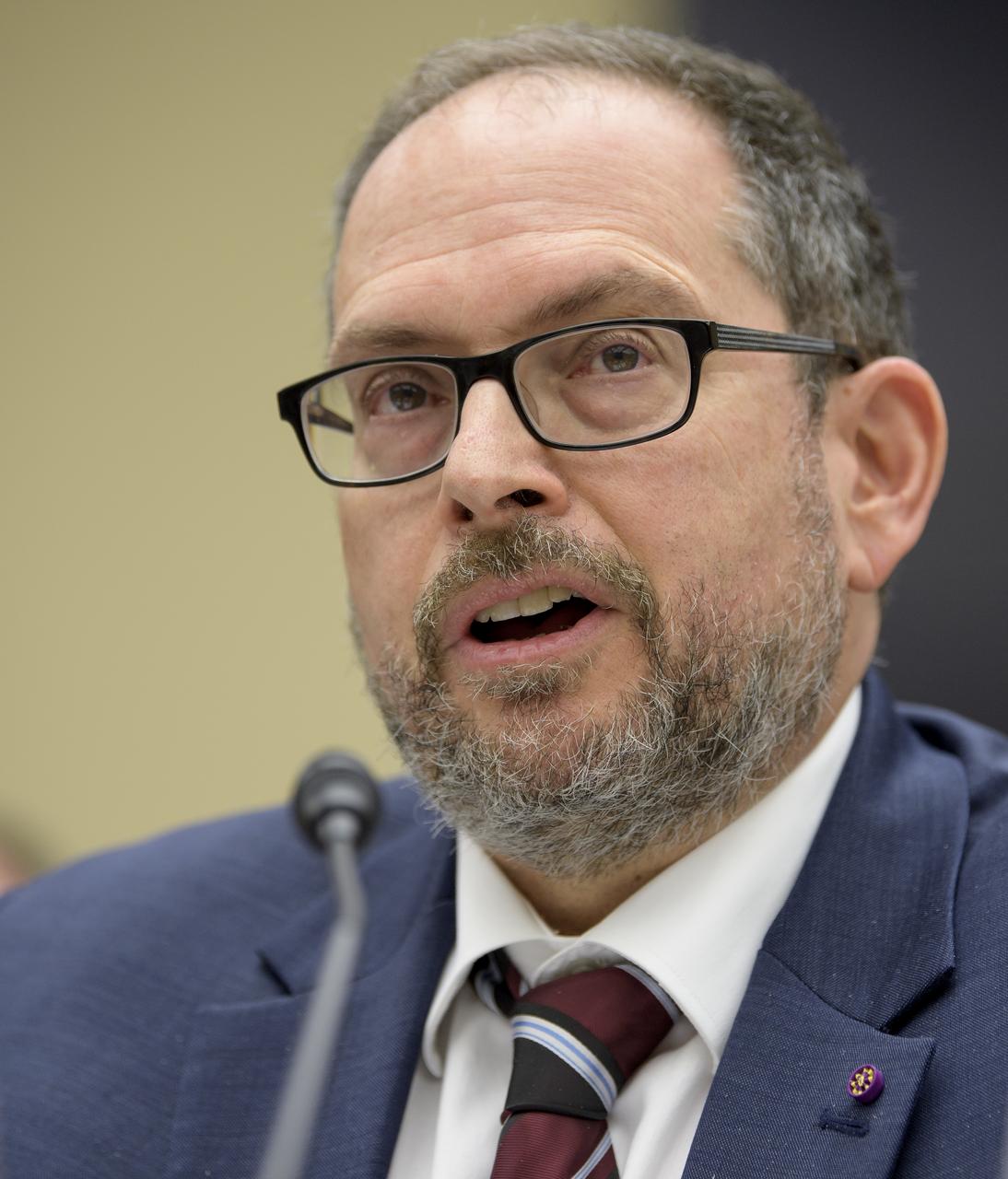
Dr. Jonathan Lunine, Director, Cornell Center for Astrophysics and Planetary Science, Co-Chair of the Former Committee on Human Spaceflight, National Academies of Sciences, Engineering, and Medicine testifies during the House Subcommittee on Space and Aeronautics hearing titled "Keeping our sights on Mars: A Review of NASA's Deep Space Exploration Programs and Lunar Proposal", Wednesday, May 8, 2019 at the Rayburn House Office Building in Washington. Photo Credit: (NASA/Bill Ingalls)
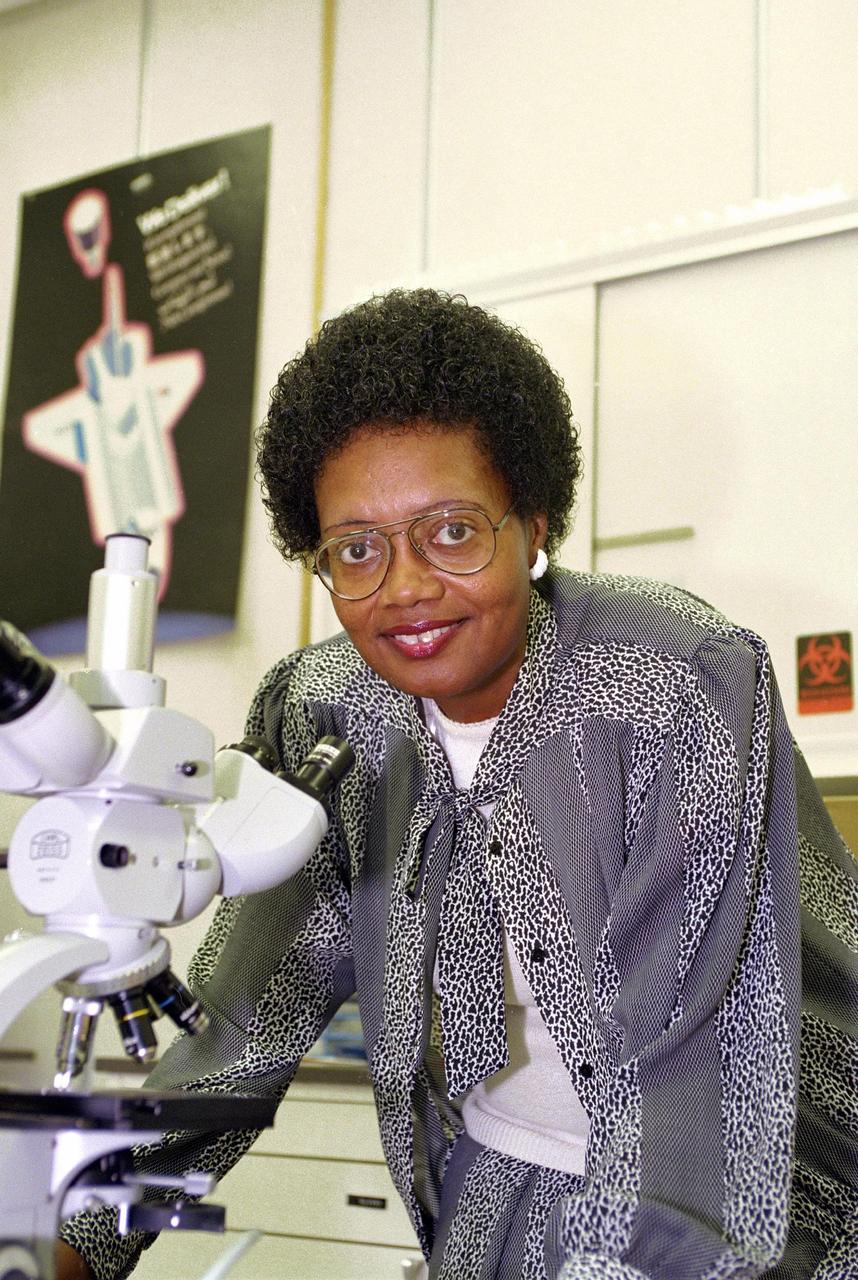
KENNEDY SPACE CENTER, FLA. -- Dr. Irene Duhart Long is the director, Biomedical Operations and Research Office, at the Kennedy Space Center effective July 24, 1994. She is responsible for the program management of the center's aerospace and occupational medicine, life sciences research, environmental health programs and the operations management of the life sciences support facilities. Dr. Long also is responsible for providing the coordinating medical, environmental monitoring and environmental health support to launch and landing activities and day-to-day institutional functions.
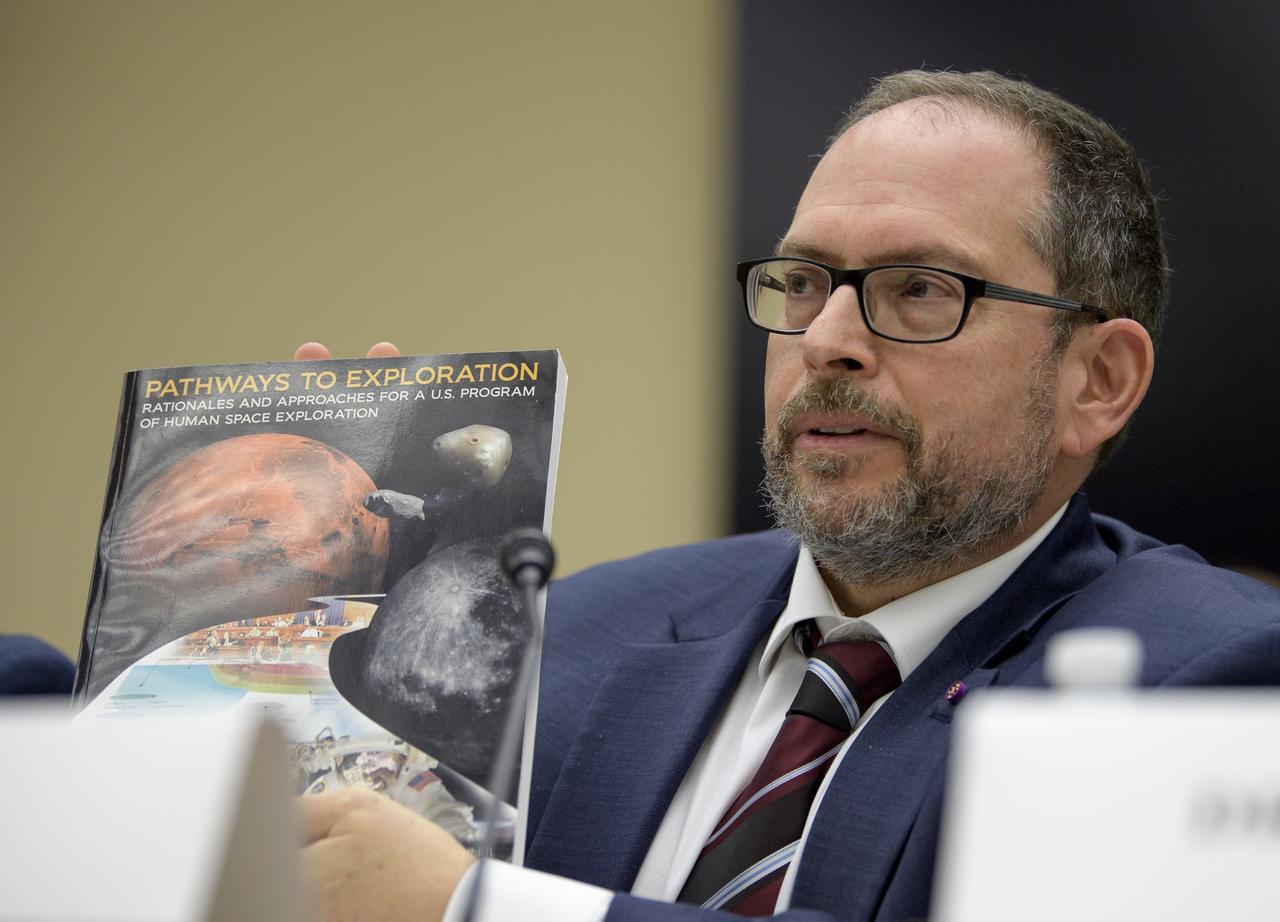
Dr. Jonathan Lunine, Director, Cornell Center for Astrophysics and Planetary Science, Co-Chair of the Former Committee on Human Spaceflight, National Academies of Sciences, Engineering, and Medicine testifies during the House Subcommittee on Space and Aeronautics hearing titled "Keeping our sights on Mars: A Review of NASA's Deep Space Exploration Programs and Lunar Proposal", Wednesday, May 8, 2019 at the Rayburn House Office Building in Washington. Photo Credit: (NASA/Bill Ingalls)
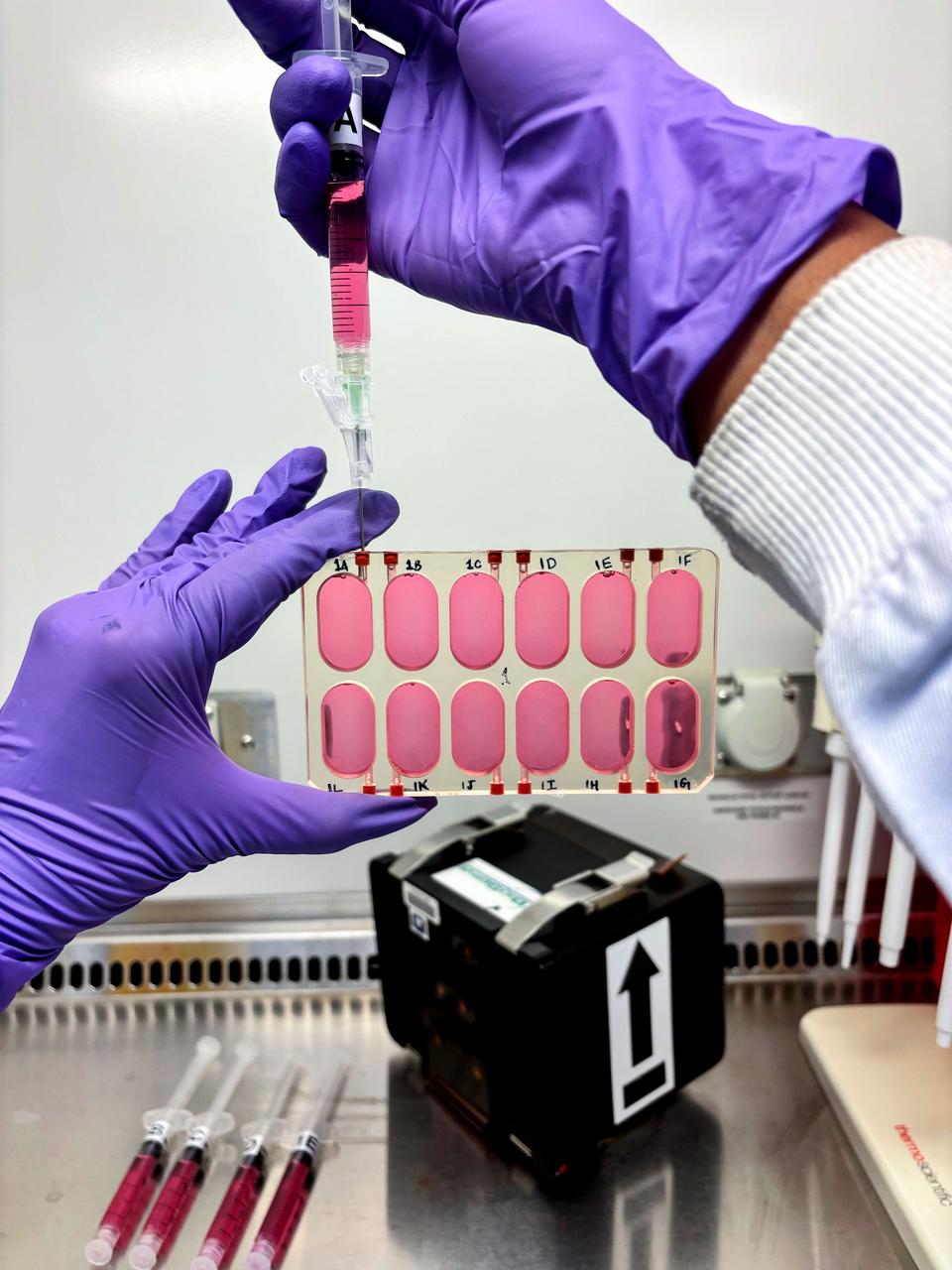
jsc2025e039326 (4/17/2025) --- Human skeletal muscle cells grow in a biocell that is placed in the plate habitat as part of the Myogenesis – ISRO investigation. The syringes contain a red-colored growth medium containing nutrients for the cells. The entire process is intended to mimic muscle repair process on-orbit, to compare with similar experiments carried out on Earth. the Image courtesy of Institute for Stem Cell Science and Regenerative Medicine (India).

Preflight microscopic image of C. elegans worms expressing fluorescent labels, reporting on changes in gut, nerve, and muscle function as part of C. elegans Biological Investigation on Microbiome Effect in Space (CBIOMES). This investigation studies how spaceflight impacts the relationship between organisms and their gut microbiome by observing changes in nematodes down to the cellular level to identify ways to maintain microbiome stability. Credit: Baylor College of Medicine.
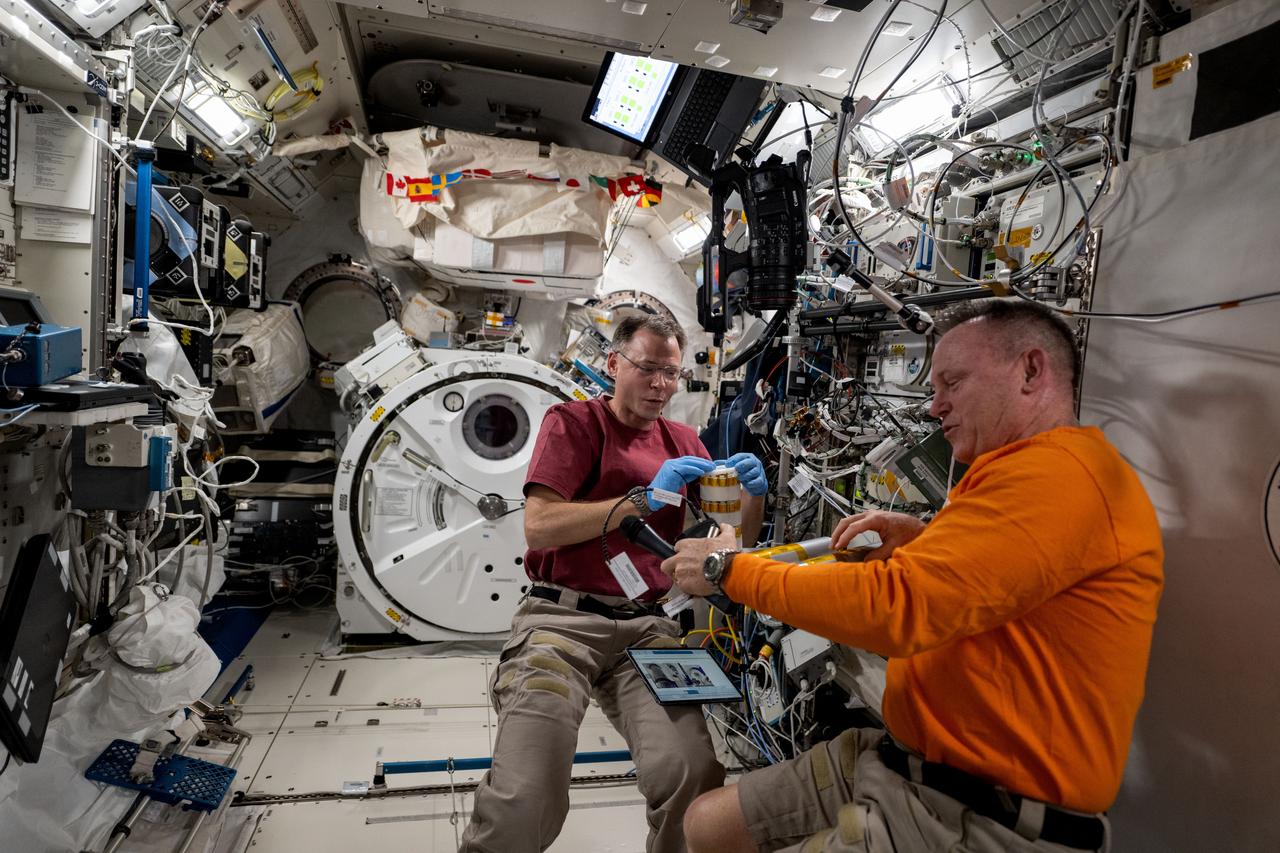
iss072e146319 (Nov. 6, 2024) --- Expedition 72 Flight Engineers (from left) Nick Hague and Butch Wilmore, both NASA astronauts, partner together inside the International Space Station's Kibo laboratory module on space biology research. Hague was exploring the potential of biomanufacturing using microorganisms and cell cutlures to create food, medicine, and more in the microgravity environment reducing the need for cargo missions launched from Earth and promoting crew self-sufficiency during long-term missions.
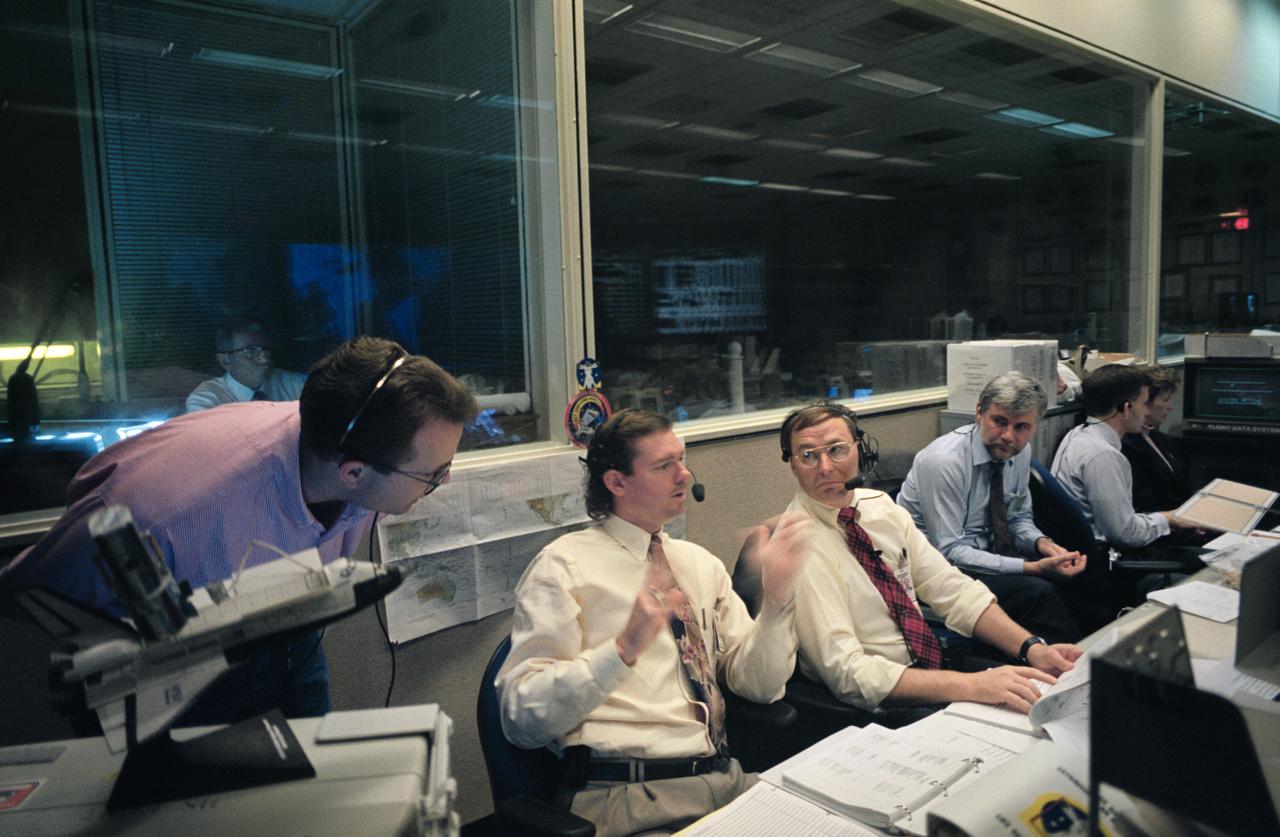
STS61-S-094 (5 Dec 1993) --- Kyle Herring, second left, illustrates a point during mission commentary for the second Extravehicular Activity (EVA-2) of the STS-61 Hubble Space Telescope (HST) servicing mission. Astronaut Jerry L. Ross (center), a space walker on two previous NASA shuttle missions, amplified Herring's explanations. At the flight surgeon's console is Dr. Klaus Lohn (third right) of the Institute for Flight Medicine in Koln, Germany.
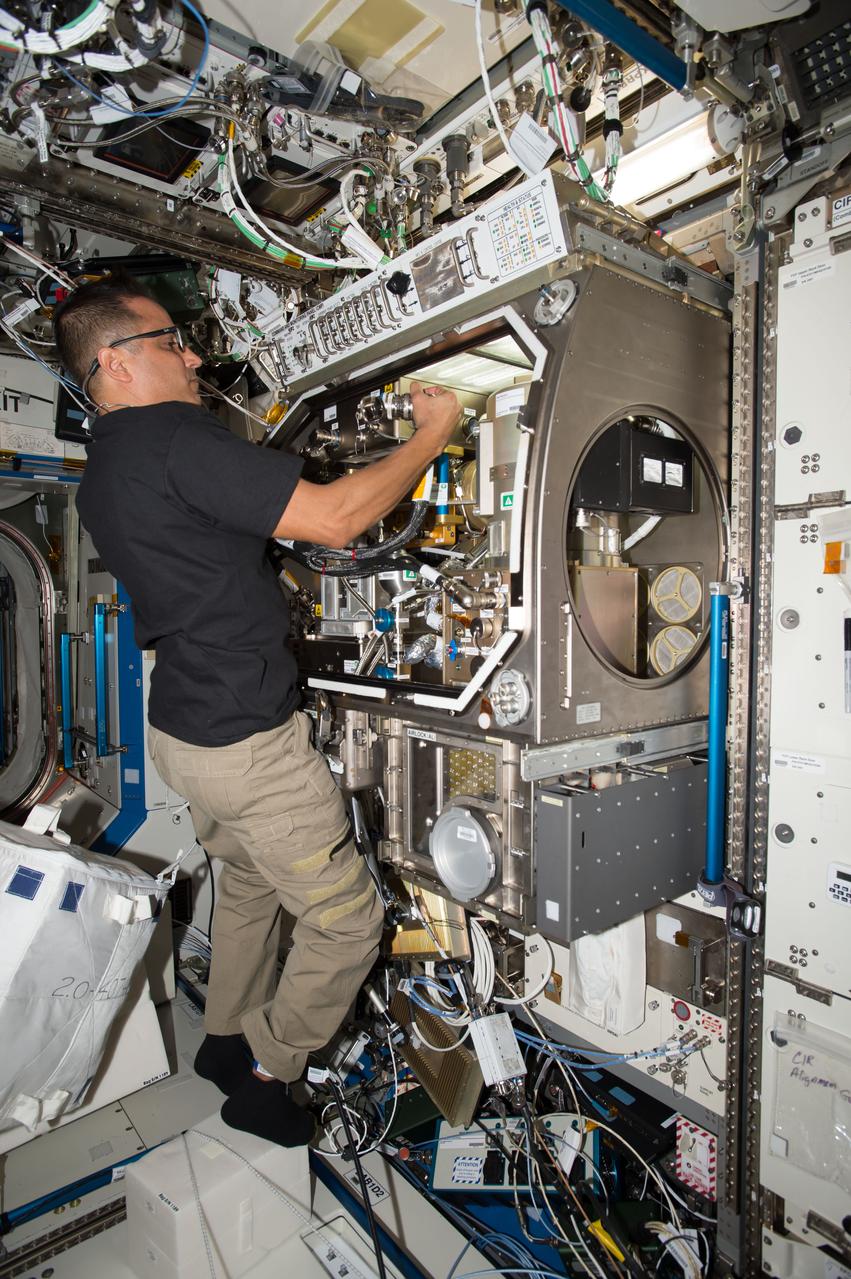
iss053e027113 (9/18/2017) --- NASA astronaut Joe Acaba during the Zero Boil-Off Tank Hardware Setup in the Microgravity Science Glovebox (MSG). Zero Boil-Off Tank (ZBOT) uses an experimental fluid to test active heat removal and forced jet mixing as alternative means for controlling tank pressure for volatile fluids. Results from the investigation improve models used to design tanks for long-term cryogenic liquid storage, which are essential in biotechnology, medicine, industrial, and many other applications on Earth.
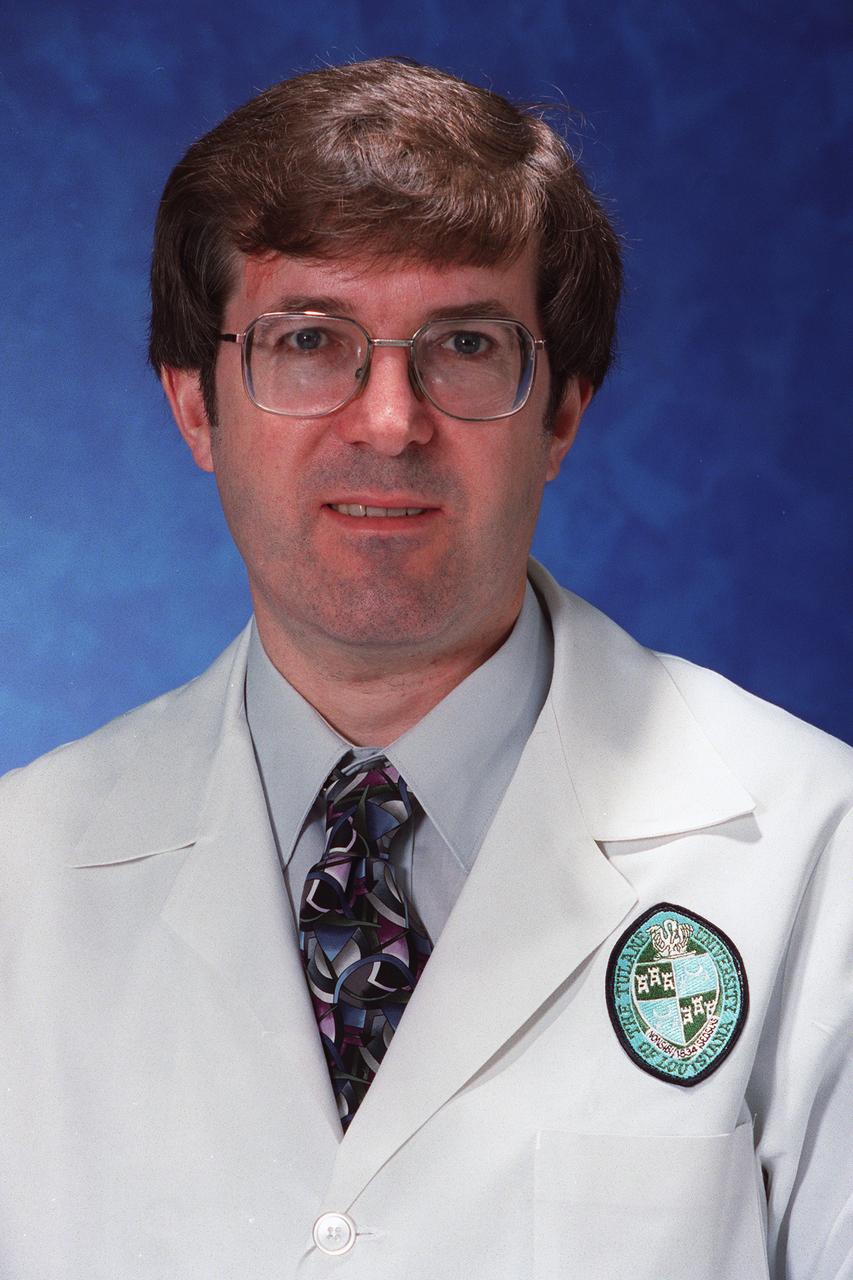
Dr. Timothy G. Hammond of the Department of Internal Medicine, Nephrology Section, Tulane University Medical Center, New Orleans, LA, is one of NASA's principal investigators conducting research with the NASA Bioreactor project directed by Johrnson Space Center. Hammond's investigations include Production of 1-25- diOH D3 by Renal Epithelial Cells in Simulated Microgravity Culture and Differentiation of Cultured Normal Human Renal Epithelial Cells in Microgravity. Photo credit: Tulane University.

Nancy Bray, director of Spaceport Integration and Services at NASA's Kennedy Space Center, left, is joined by Myrna Scott, center, and Dr. David Tipton, chief of Aerospace Medicine and Occupational Health, in cutting a ceremonial ribbon dedicating the Randal E. Scott Radiological Control Center at the Florida spaceport. Myrna Scott is the widow of Randy Scott, who was a professional health physicist of more than 40 years. He served as the Florida spaceport's Radiation Protection Officer for 14 years until his death June 17, 2016.

Nancy Bray, director of Spaceport Integration and Services at NASA's Kennedy Space Center, left, is joined by Myrna Scott, center, and Dr. David Tipton, chief of Aerospace Medicine and Occupational Health, in cutting a ceremonial ribbon dedicating the Randal E. Scott Radiological Control Center at the Florida spaceport. Myrna Scott is the widow of Randy Scott, who was a professional health physicist of more than 40 years. He served as the Florida spaceport's Radiation Protection Officer for 14 years until his death June 17, 2016.
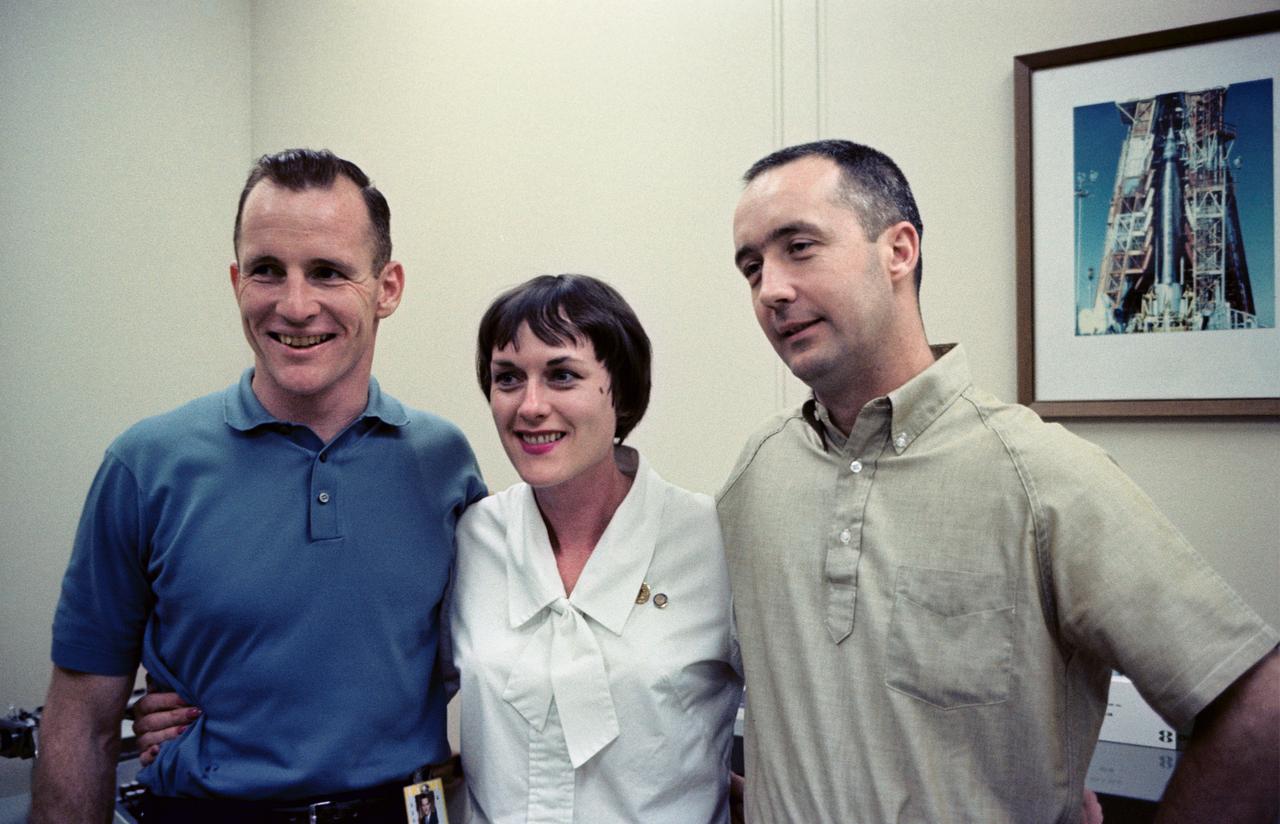
S65-29657 (June 1965) --- Gemini-4 prime crew, astronauts Edward H. White II (left), and James A. McDivitt are shown with Lt. Dolores (Dee) O'Hare, US Air Force, Center Medical Office, Flight Medicine Branch, Manned Spacecraft Center (MSC). Lieutenant O'Hare has served during several spaceflights as official medical nurse for the astronaut crew members on the missions.
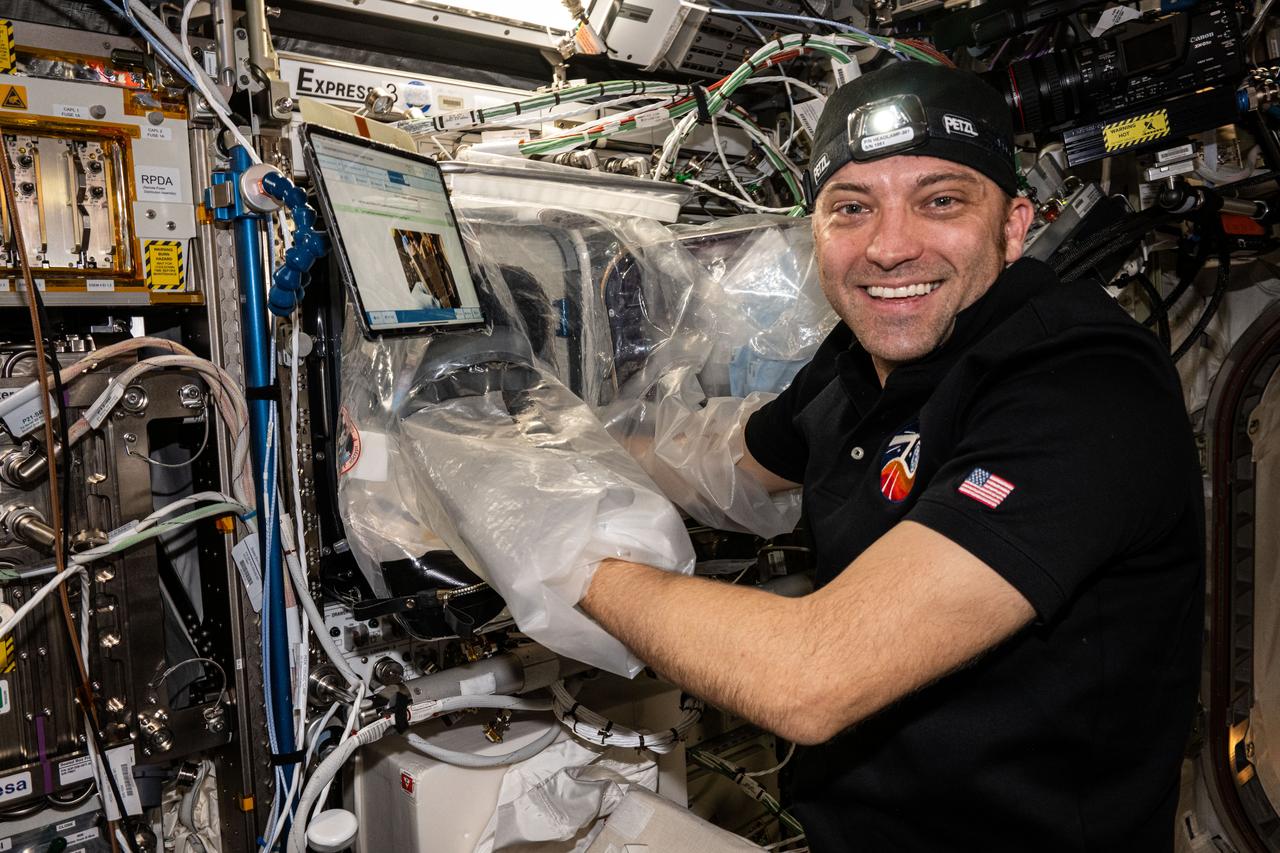
iss071e006125 (April 9, 2024) --- Expedition 70 Flight Engineer and NASA astronaut Matthew Dominick works inside the BioFabrication Facility using the portable glovebag aboard the International Space Station's Columbus laboratory module. He was working on the Redwire Cardiac Bioprinting Investigation that may offer the ability to print food and medicines for future space crews. Results may also enable the bioprinting of replacement organs and tissues potentially alleviating the shortage of donor organs on Earth.

Nancy Bray, director of Spaceport Integration and Services at NASA's Kennedy Space Center, left, is joined by Myrna Scott, center, and Dr. David Tipton, chief of Aerospace Medicine and Occupational Health, in cutting a ceremonial ribbon dedicating the Randal E. Scott Radiological Control Center at the Florida spaceport. Myrna Scott is the widow of Randy Scott, who was a professional health physicist of more than 40 years. He served as the Florida spaceport's Radiation Protection Officer for 14 years until his death June 17, 2016.
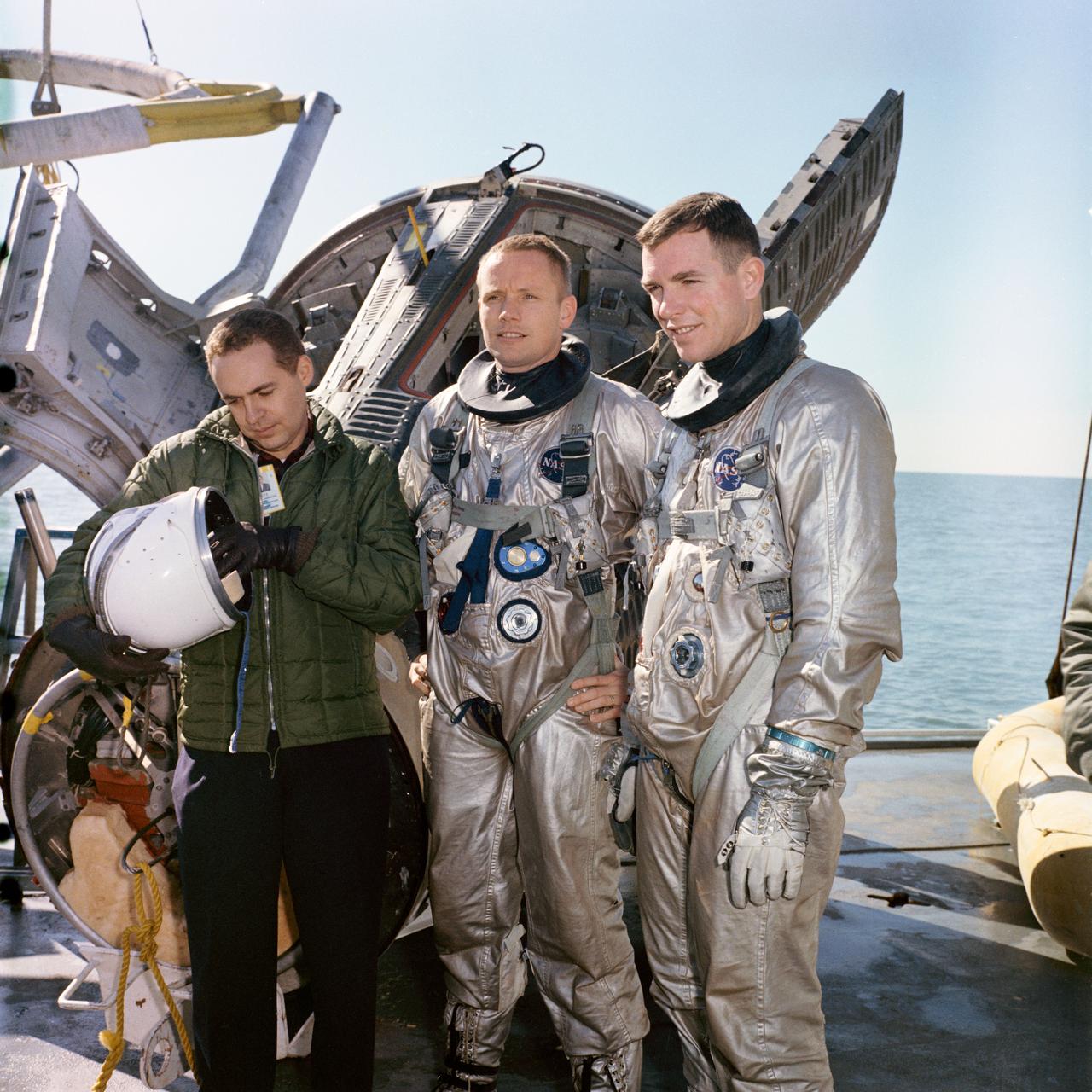
S66-17253 (15 Jan. 1966) --- Astronauts Neil A. Armstrong (center), command pilot, and David R. Scott (right), pilot of the Gemini-8 prime crew, are suited up for water egress training aboard the NASA Motor Vessel Retriever in the Gulf of Mexico. At left is Dr. Kenneth N. Beers, M.D., Flight Medicine Branch, Center Medical Office. Photo credit: NASA
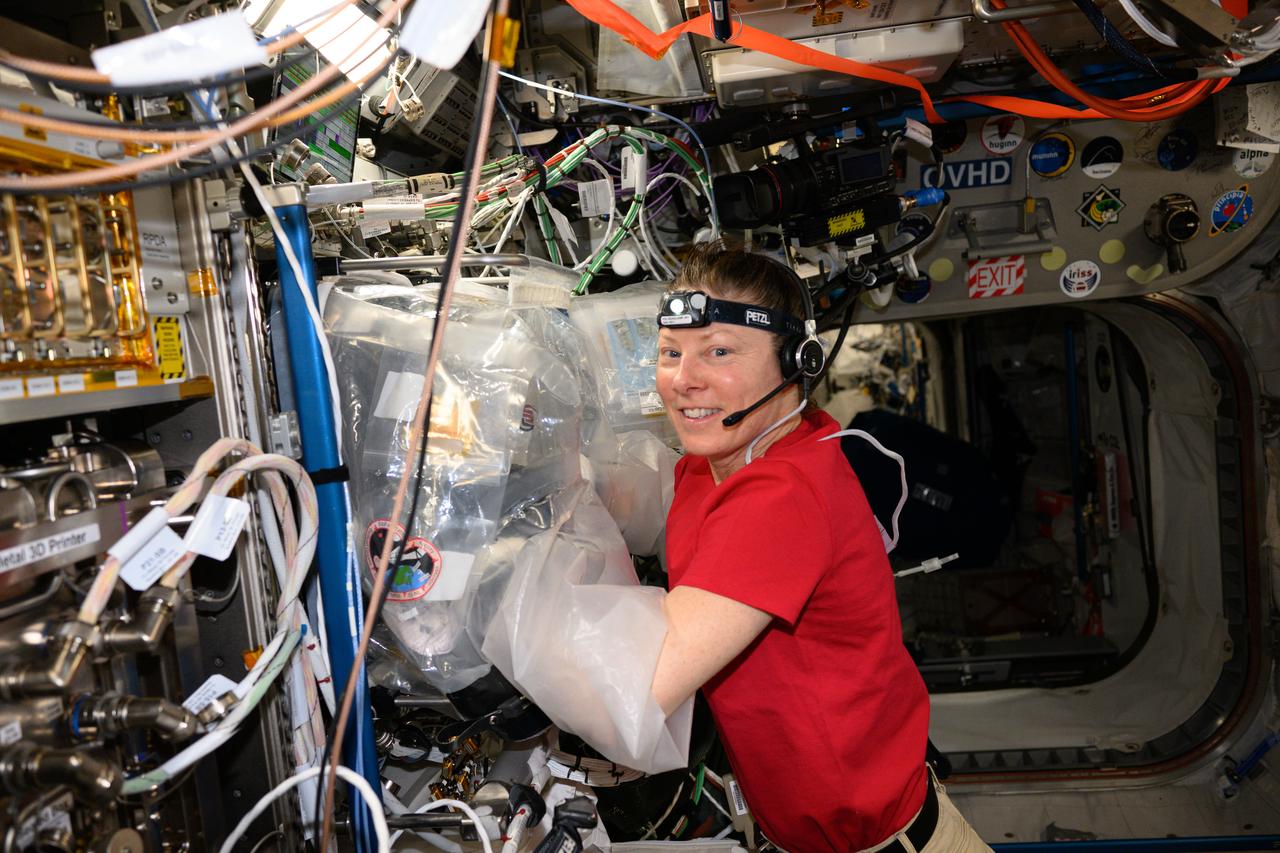
iss071e003194 (April 9, 2024) --- Expedition 71 Flight Engineer and NASA astronaut Tracy C. Dyson works in the BioFabrication Facility's portable glovebag located in the International Space Station's Columbus laboratory module. She was working on the Redwire Cardiac Bioprinting Investigation that may offer the ability to print food and medicines for future space crews. Results may also enable the bioprinting of replacement organs and tissues potentially alleviating the shortage of donor organs on Earth.
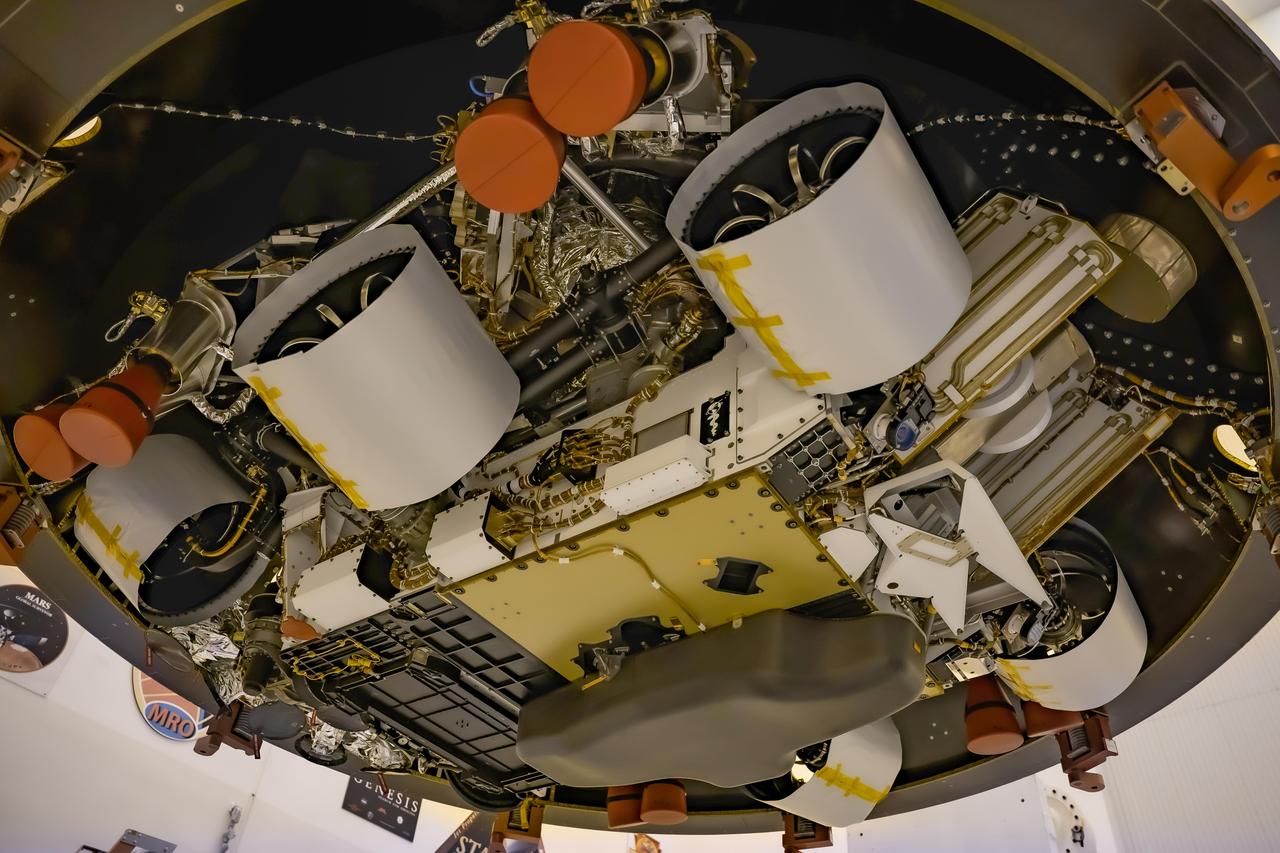
Seen from below, NASA's Mars 2020 Perseverance rover is in position in the aeroshell that will protect the rover on its way to the Red Planet. To the right of the middle wheel is the plaque that commemorates the impact of the COVID-19 pandemic and pays tribute to the perseverance of healthcare workers around the world. Featuring a snake-entwined rod to symbolize healing and medicine, the plaque was attached to the rover in May 2020 at Kennedy Space Center in Florida. https://photojournal.jpl.nasa.gov/catalog/PIA23924
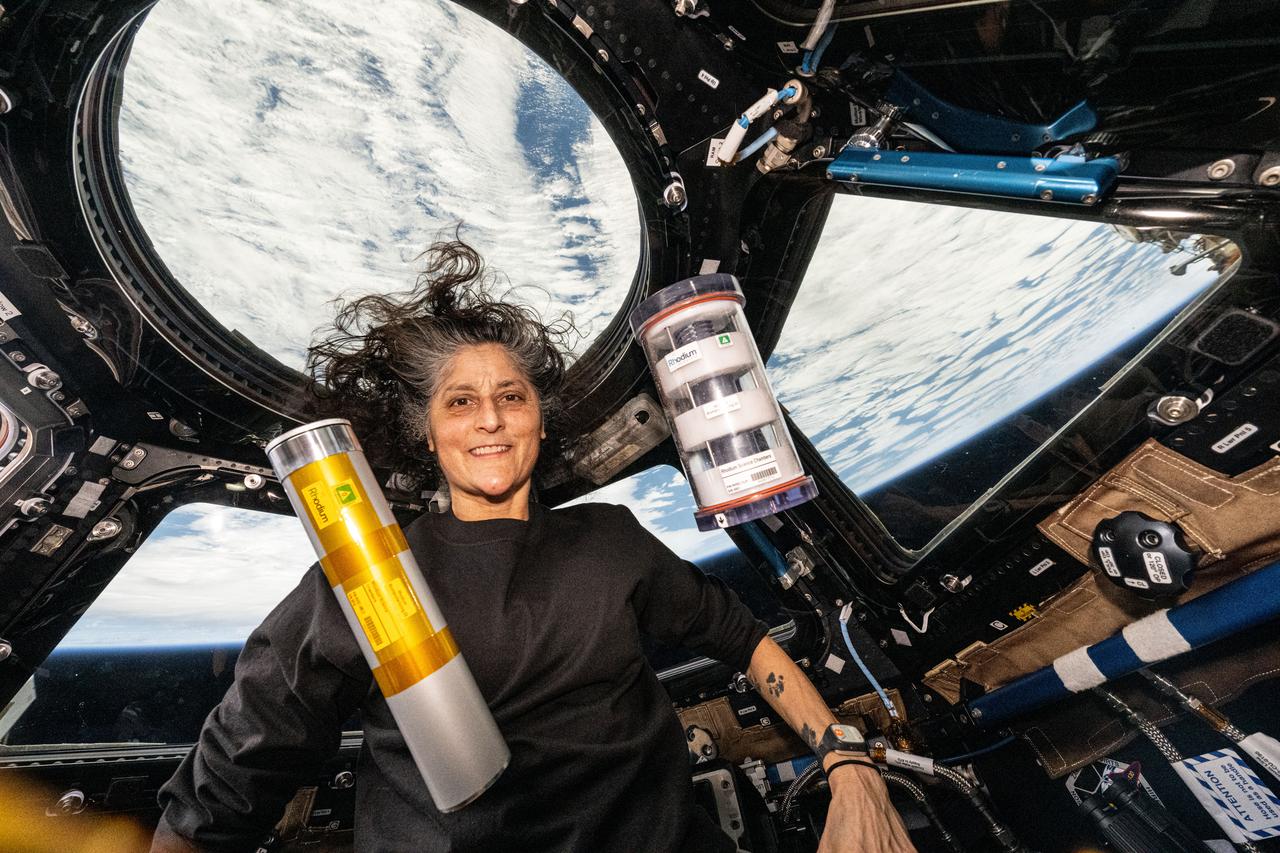
iss072e308289 (Dec. 2, 2024) --- NASA astronaut and Expedition 72 Commander Suni Williams displays science hardware housing bacteria and yeast samples for the Rhodium Biomanufacturing 03 study that may enable the production of food and medicine in space. Williams was in the cupola, the International Space Station's "window to the world," as the orbital outpost soared 258 miles above a cloudy Pacific Ocean off the coast of Costa Rica.
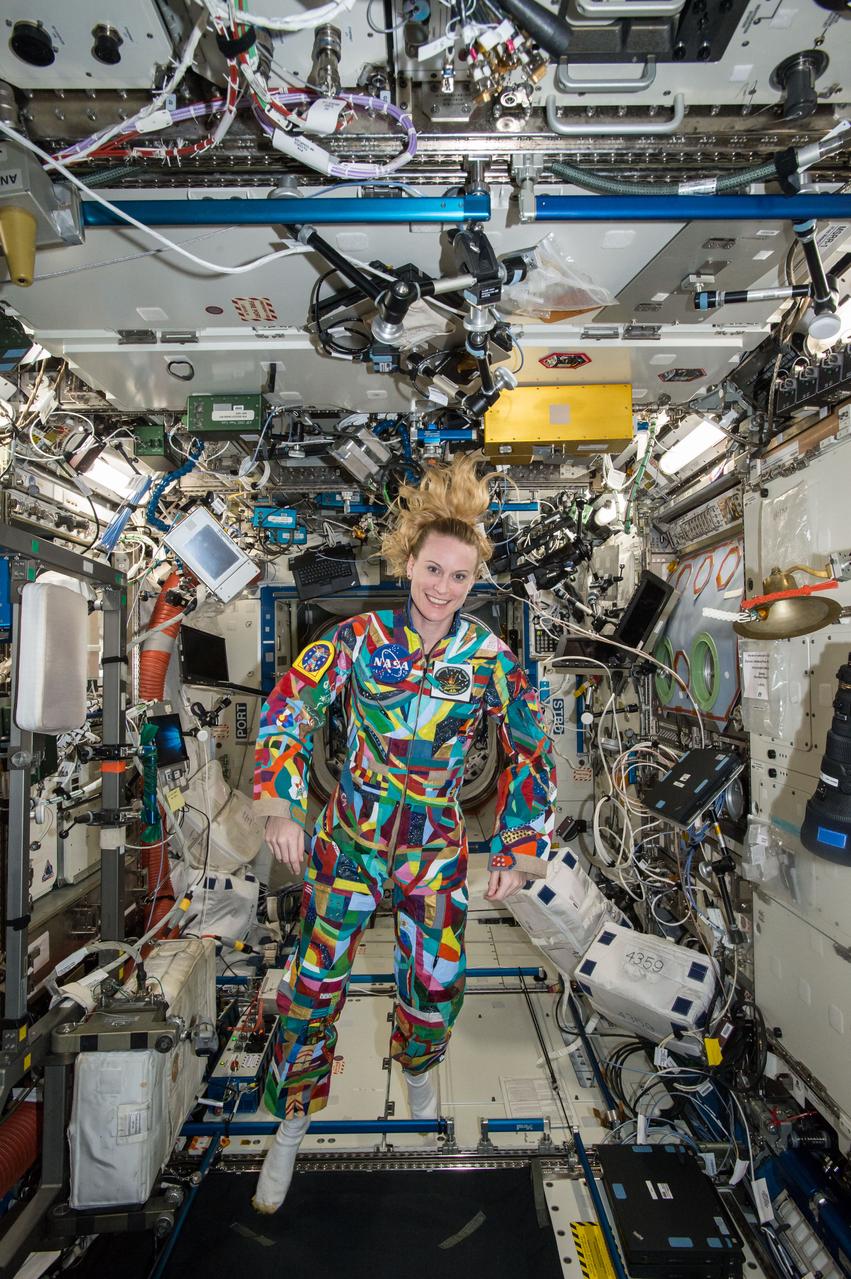
iss049e000758 (9/9/2016) --- NASA Astronaut Kate Rubins, wearing the colorful "Courage" flight suit, is photographed in the Destiney laboratory abroad the International Space Station (ISS). The suit was painted by children in the M. D. Anderson cancer ward through the hospital’s Arts in Medicine Program, which helps pediatric patients cope with cancer treatment through art.
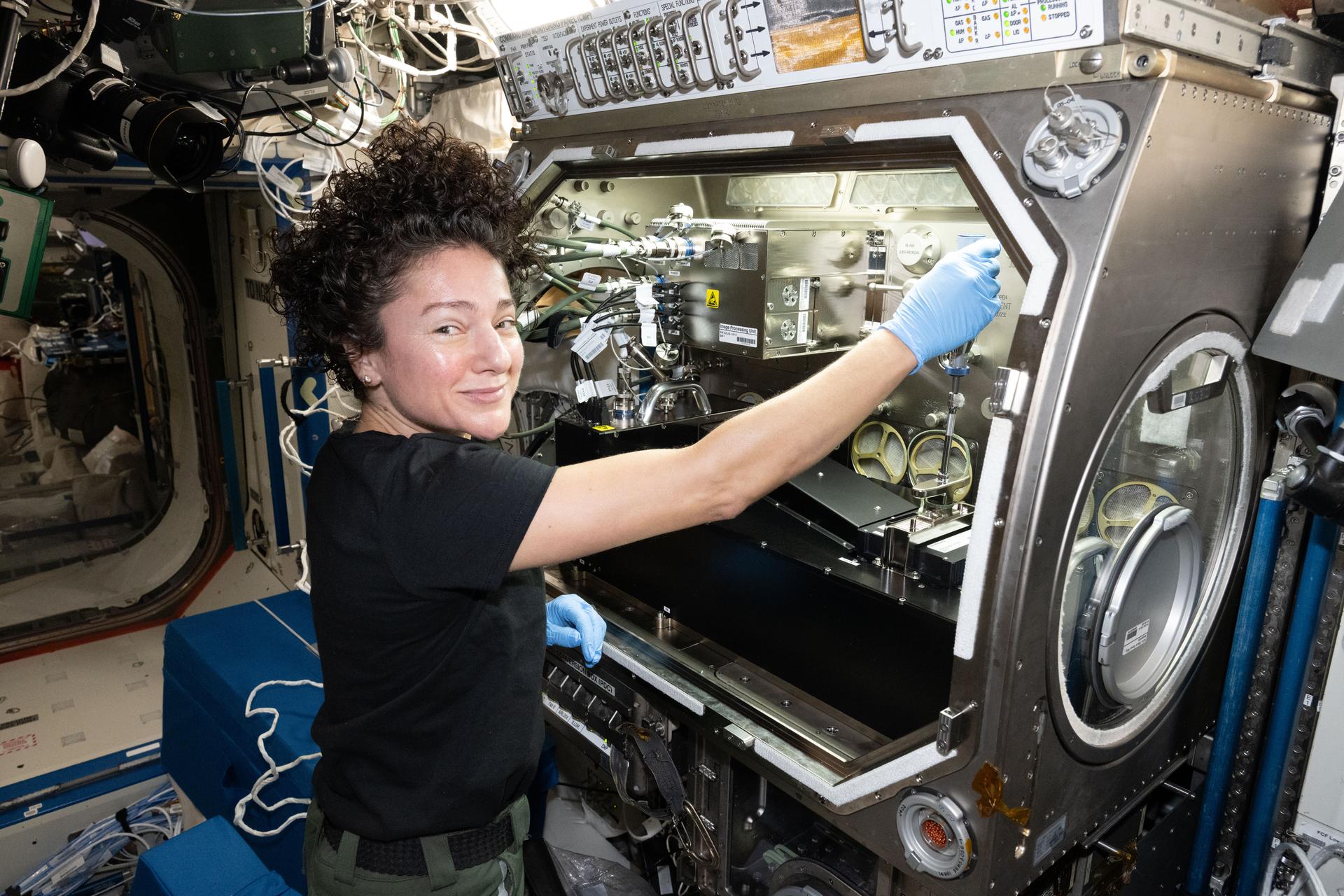
iss074e0541212 (April 29, 2026) --- NASA astronaut and Expedition 74 flight engineer Jessica Meir configures research gear inside the Destiny laboratory module's Microgravity Science Glovebox aboard the International Space Station. Meir was exploring how weightlessness affects tiny particles floating in a gelatin-like substance, known as a colloidal solid. Results may lead to advanced manufacturing techniques leading to new medicines, better food textures, and improved personal care products on Earth and in space. Credit: NASA/Jessica Meir
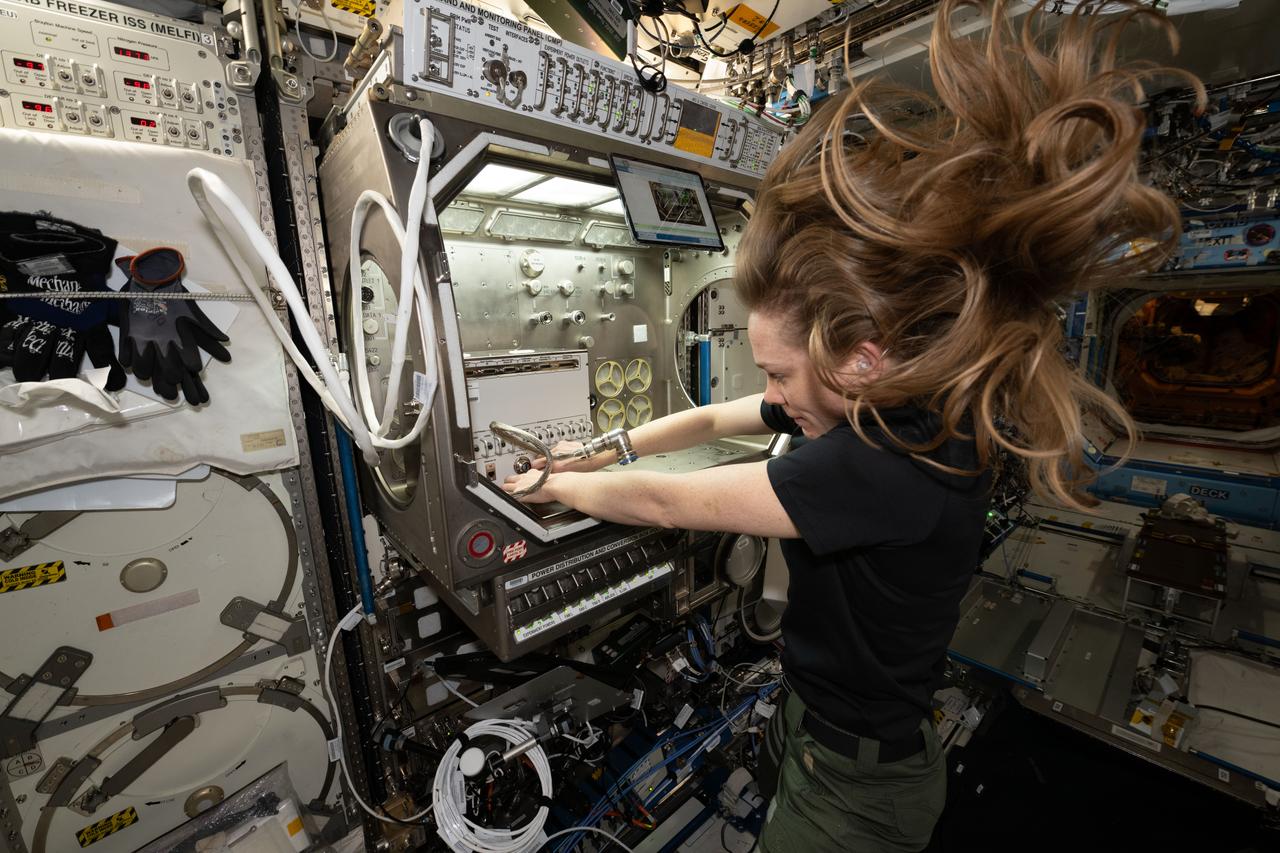
iss073e0134929 (6/9/2025) ---NASA astronaut Nichole Ayers sets up the station’s Ring Sheared Drop module. This system makes it possible to study liquid protein solutions without using containers, eliminating interactions between the solutions and container walls that can affect results. Ring Sheared Drop-IBP-2 studies the behavior of protein fluids in microgravity and tests computer models to predict that fluid’s behavior. Better models could help could advance manufacturing processes in space and on Earth for producing next-generation medicines for treating cancers and other diseases.NASA astronaut Nichole Ayers sets up the station’s Ring Sheared Drop module. This system makes it possible to study liquid protein solutions without using containers, eliminating interactions between the solutions and container walls that can affect results. Ring Sheared Drop-IBP-2 studies the behavior of protein fluids in microgravity and tests computer models to predict that fluid’s behavior. Better models could help could advance manufacturing processes in space and on Earth for producing next-generation medicines for treating cancers and other diseases.
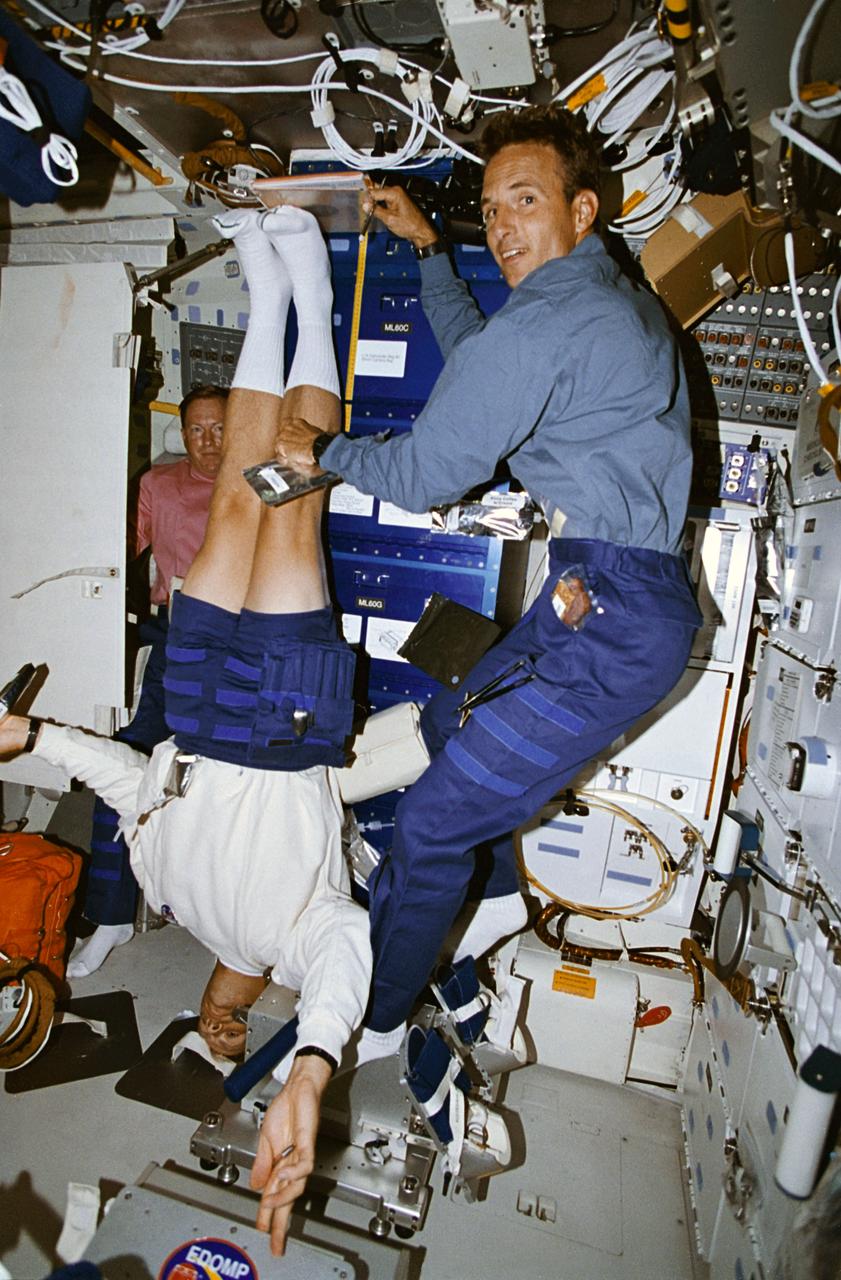
STS064-05-020 (9-20 Sept. 1994) --- Astronaut Mark C. Lee gets his height measured by astronaut Jerry M. Linenger as part of a daily in-flight routine supporting a medical Detailed Supplementary Objective (DSO). Astronaut Richard N. Richards, STS-64 mission commander, looks on in the background. This study was designed to collect information about back pain and height changes experienced by astronauts during flight. Crew members participating in this DSO are required to record height measurements and long back-pain symptoms daily. As an ongoing program, this DSO will gather data from 30 astronauts who spend more than eight consecutive days in space. Photo credit: NASA or National Aeronautics and Space Administration
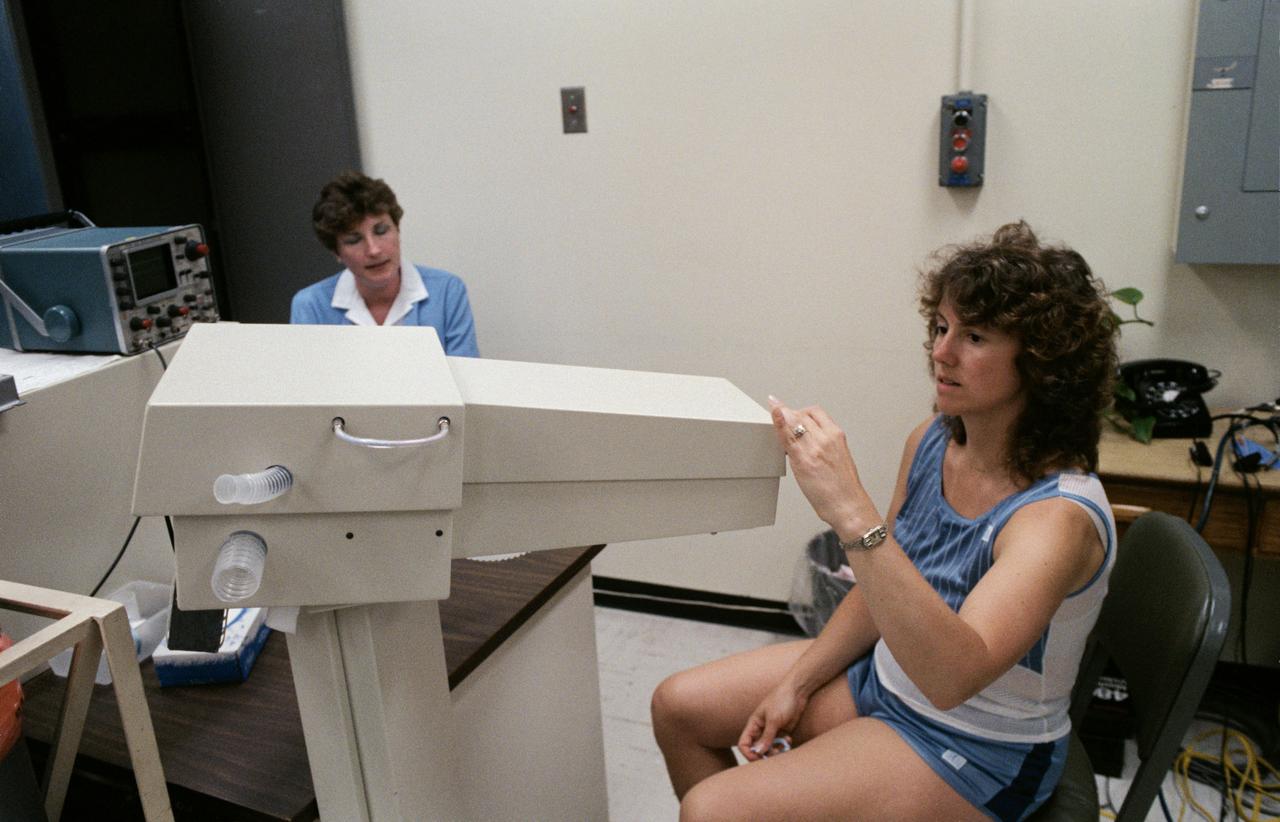
S85-36966 (10 July 1985) --- Teacher Sharon Christa McAuliffe prepares to test her lung capacity during medical examinations at the Johnson Space Center (JSC) clinic. Photo credit: NASA
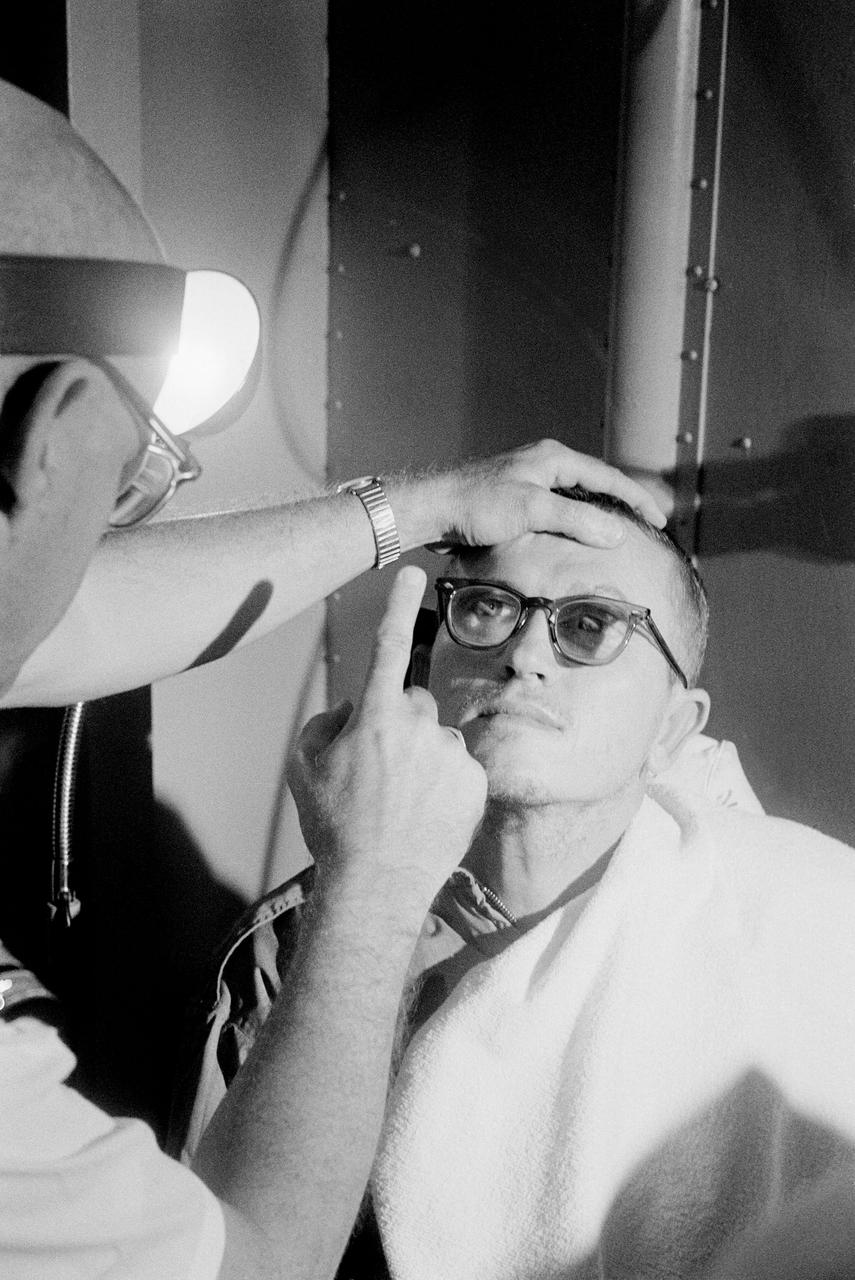
S66-17442 (19 Jan. 1966) --- Astronaut Frank Borman, command pilot for the Gemini-7 mission, has his vision checked during a postflight medical exam. Photo credit: NASA
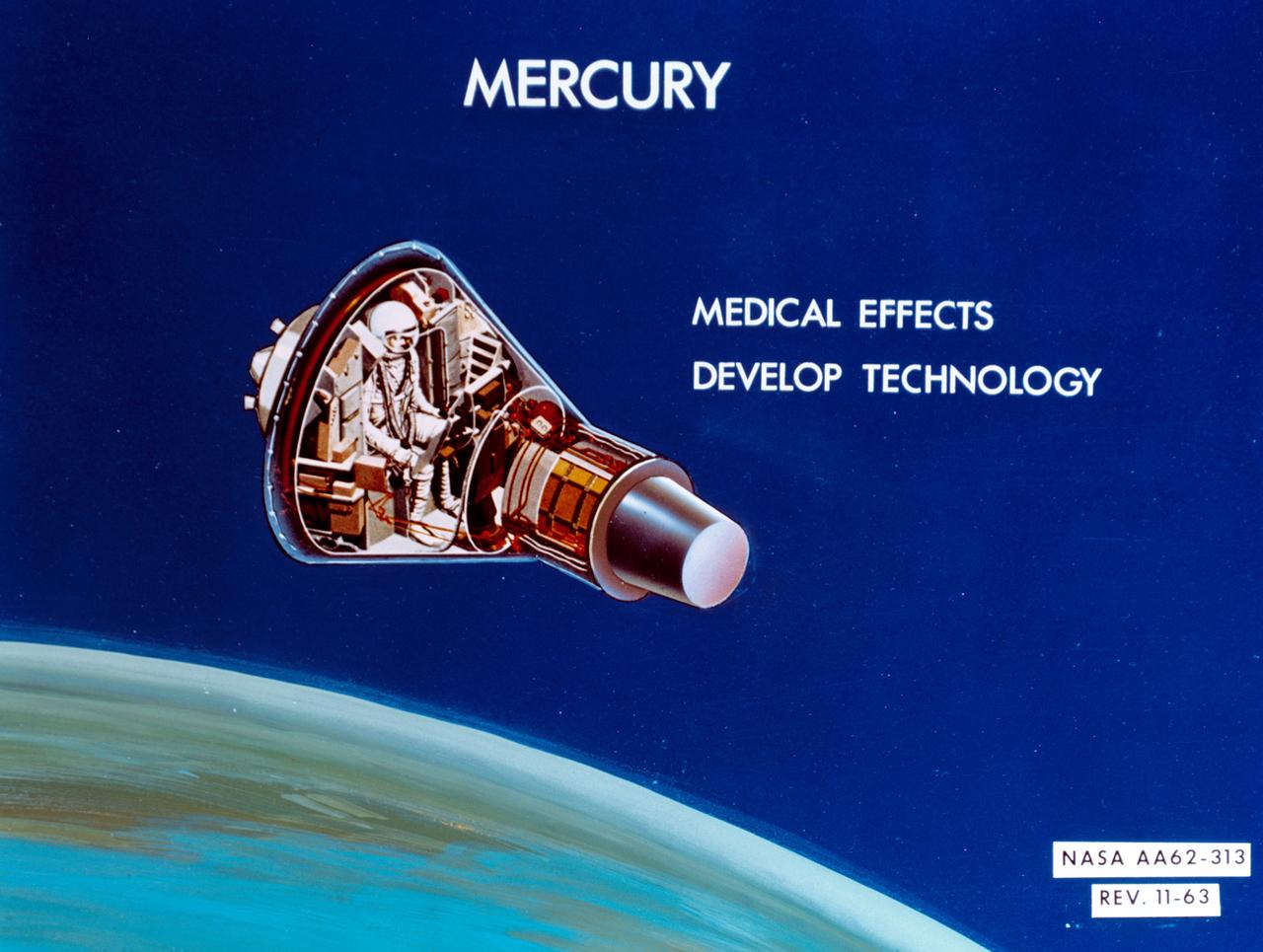
S64-14286 (11 Feb. 1964) --- An artist's concept of Mercury: Medical effects; develop technology. Photo credit: NASA
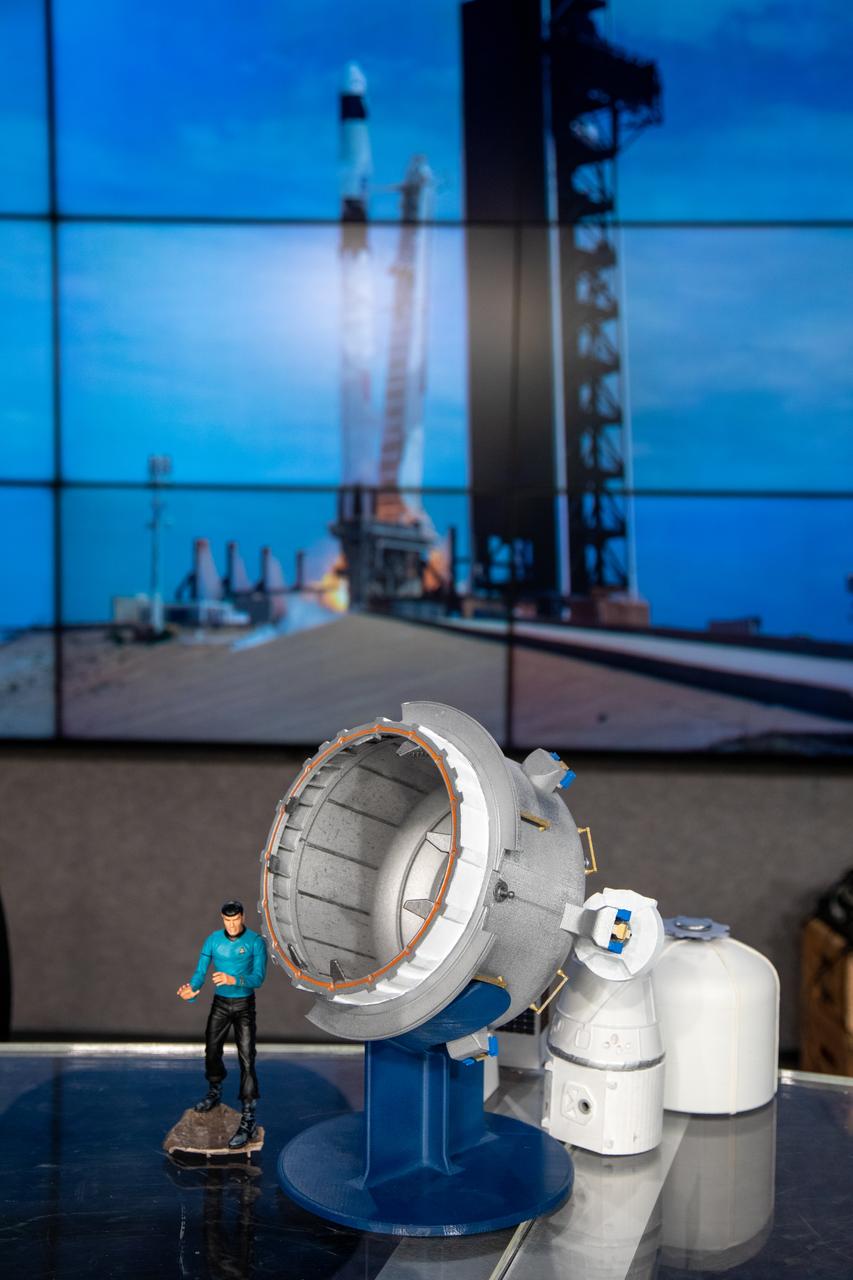
Props are used by Brock Howe, airlock program manager, Nanoracks, during a #NASASocial Science and Station Q&A show at the agency’s Kennedy Space Center in Florida on Dec. 4, 2020. NASA Communications’ Kenna Pell moderated the program, which also included Jennifer Scott-Williams, ISS Program Research Office; and Pinar Mesci, project scientist, Sanford Consortium for Regenerative Medicine, UC San Diego. SpaceX’s 21st Commercial Resupply Services (CRS-21) mission is scheduled to launch from Kennedy’s Launch Complex 39A on Dec. 5, 2020. Liftoff of the SpaceX Falcon 9 rocket and cargo Dragon spacecraft is targeted for 11:39 a.m. EST.

KENNEDY SPACE CENTER, FLA. -- Astronaut Dave Williams dons his wet suit before heading for the National Oceanic and Atmospheric Administration (NOAA) Aquarius Underwater Laboratory. Williams is leading a 17-day undersea mission as part of the NASA Extreme Environment Mission Operations (NEEMO) project. Other members of the mission are astronauts Nicole Stott and Ron Garan, plus Dr. Tim Broderick of the University of Cincinnati. The undersea laboratory is situated three miles off Key Largo in the Florida Keys National Marine Sanctuary, anchored 62 feet below the surface. The astronauts are testing space medicine concepts and moon-walking techniques.
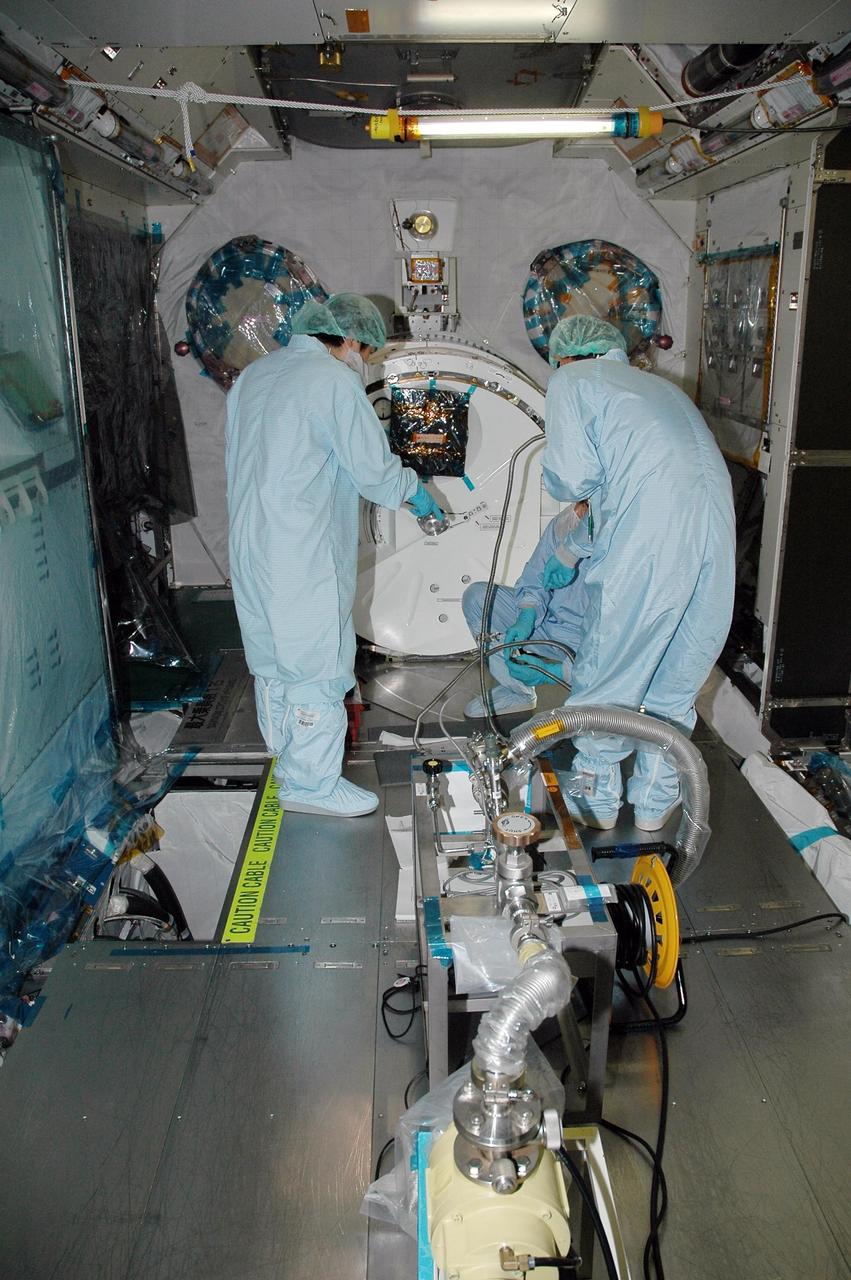
KENNEDY SPACE CENTER, FLA. - In the Space Station Processing Facility, Japan Aerospace Exploration Agency (JAXA) technicians install piping insulation on the Japanese Experiment Module (JEM). The JEM, developed by JAXA for use on the International Space Station, is named Kibo -- which means "hope" in Japanese -- and will enhance the unique research capabilities of the orbiting complex by providing an additional environment for astronauts to conduct science experiments. Research conducted in Kibo will focus on space medicine, biology, Earth observations, material production, biotechnology and communications. Photo credit: NASA/Amanda Diller

KENNEDY SPACE CENTER, FLA. -- Dr. Tim Broderick of the University of Cincinnati dons his wet suit before heading for the National Oceanic and Atmospheric Administration (NOAA) Aquarius Underwater Laboratory. Broderick is part of the team, which includes astronauts Dave Williams, Nicole Stott (at right) and Ron Garan, working on a 17-day undersea mission as part of the NASA Extreme Environment Mission Operations (NEEMO) project. Williams is team lead. The astronauts are testing space medicine concepts and moon-walking techniques. The undersea laboratory is situated three miles off Key Largo in the Florida Keys National Marine Sanctuary, anchored 62 feet below the surface.
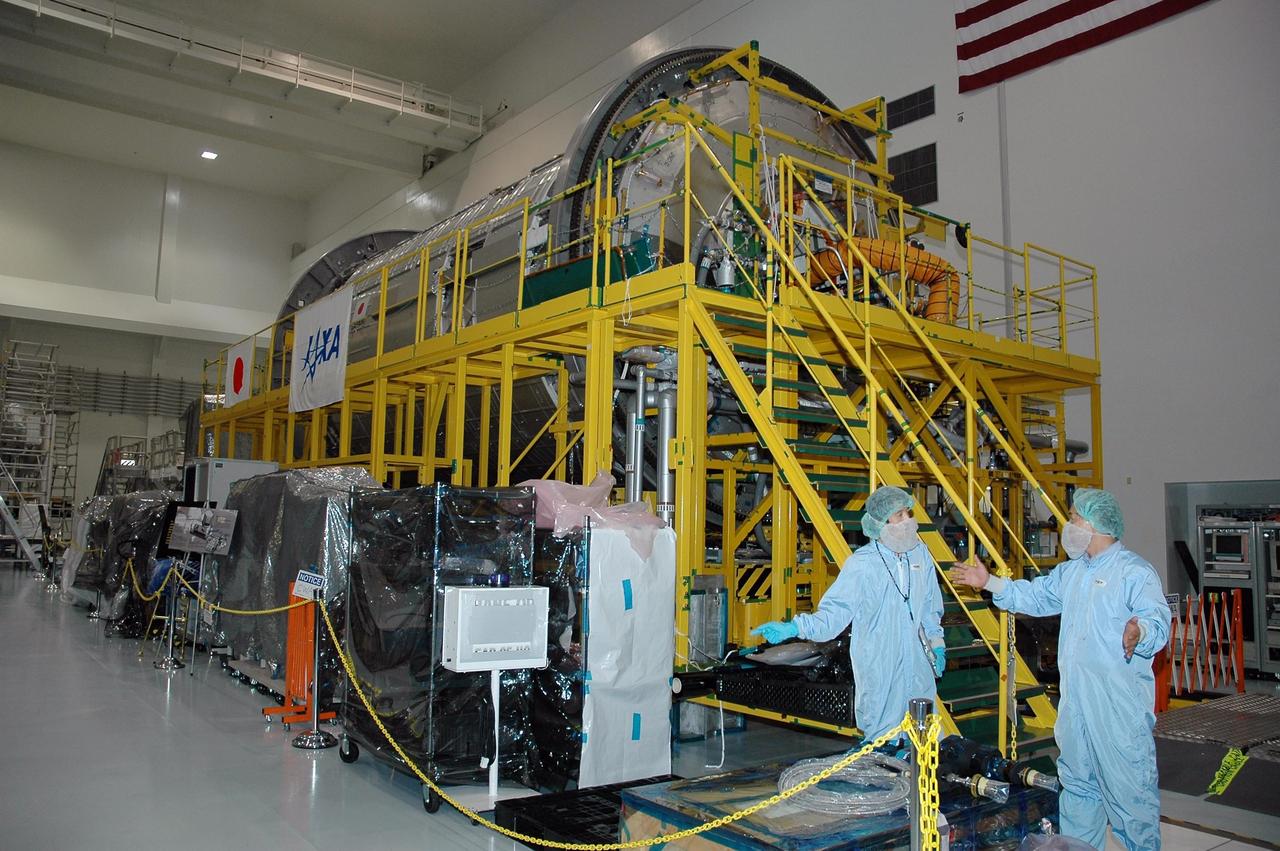
KENNEDY SPACE CENTER, FLA. - In the Space Station Processing Facility, processing continues on the Japanese Experiment Module (JEM) for its flight to the International Space Station (ISS). The JEM, developed by the Japan Aerospace Exploration Agency (JAXA) for installation on the ISS, is named Kibo -- which means "hope" in Japanese -- and will enhance the unique research capabilities of the orbiting complex by providing an additional environment for astronauts to conduct science experiments. Research conducted in Kibo will focus on space medicine, biology, Earth observations, material production, biotechnology and communications. Photo credit: NASA/Amanda Diller
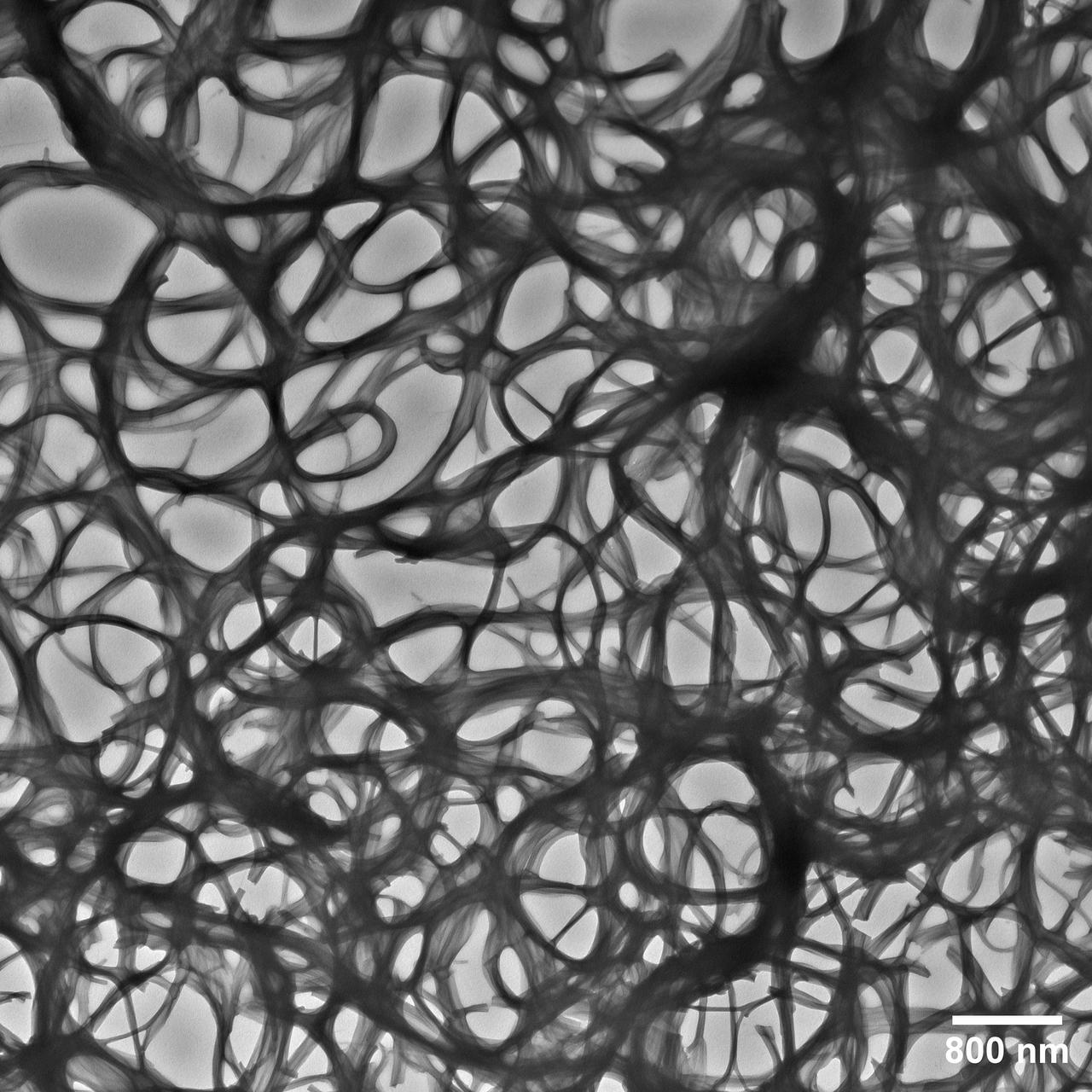
jsc2025e036191 (4/4/2025) --- An electron microscope image taken of a Janus Base Nanomaterial (JBNm) made on the International Space Station. The scale bar on the bottom represents 1/62500 the width of a human hair, making the JBNm bundles thick and interspersed, lead to better outcomes for cells. Biomimetic Fabrication of Multi-Functional DNA-Inspired Nanomaterials via Controlled Self-assembly in Space (DNA Nano Therapeutics-Mission 2) continues prior research on in-space manufacturing of nanomaterials that mimic DNA and have applications for vaccines and regenerative medicine. Image courtesy of University of Connecticut.
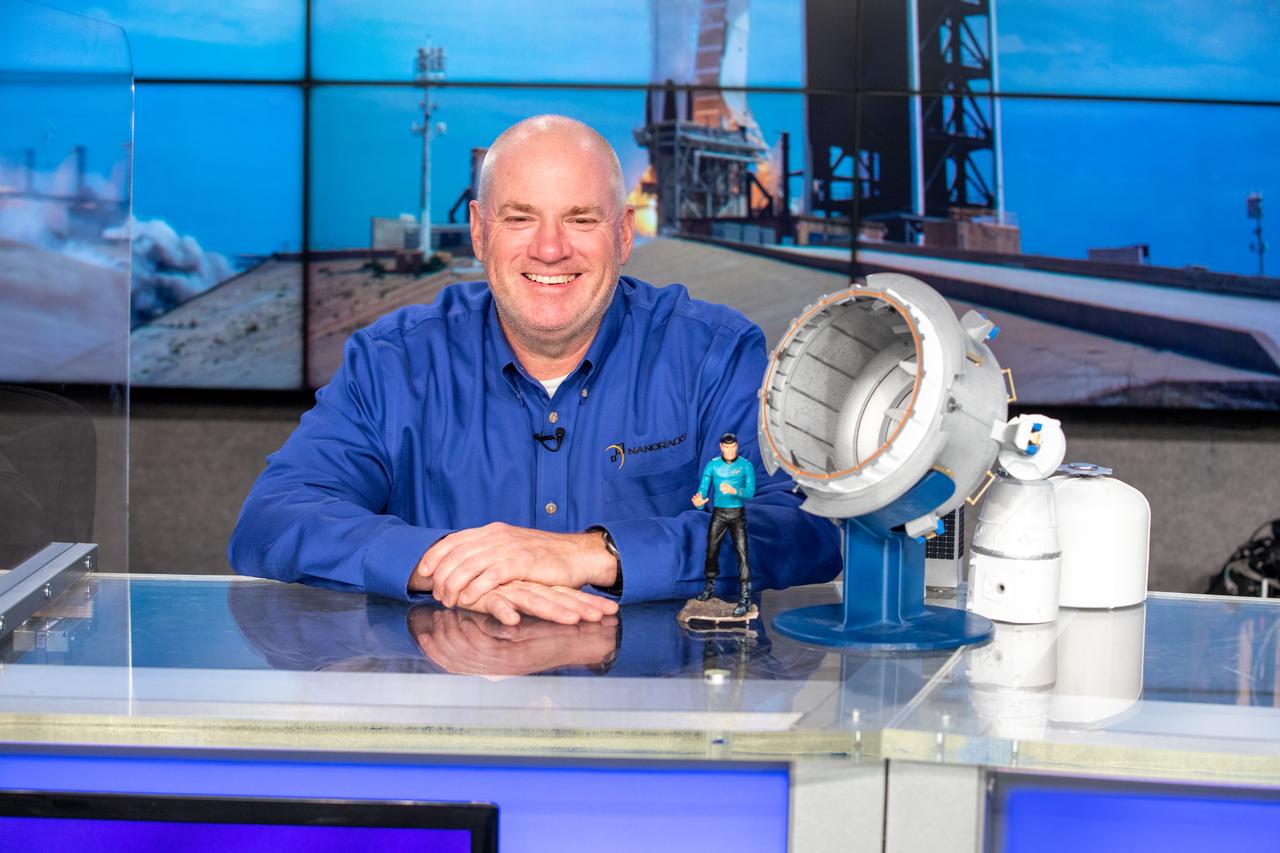
Brock Howe, airlock program manager, Nanoracks, participates in a #NASASocial Science and Station Q&A show at the agency’s Kennedy Space Center in Florida on Dec. 4, 2020. Jennifer Scott-Williams, ISS Program Research Office; and Pinar Mesci, project scientist, Sanford Consortium for Regenerative Medicine, UC San Diego, also participated in the event, which was moderated by NASA Communications’ Kenna Pell. SpaceX’s 21st Commercial Resupply Services (CRS-21) mission is scheduled to launch from Kennedy’s Launch Complex 39A on Dec. 5, 2020. Liftoff of the SpaceX Falcon 9 rocket and cargo Dragon spacecraft is targeted for 11:39 a.m. EST.
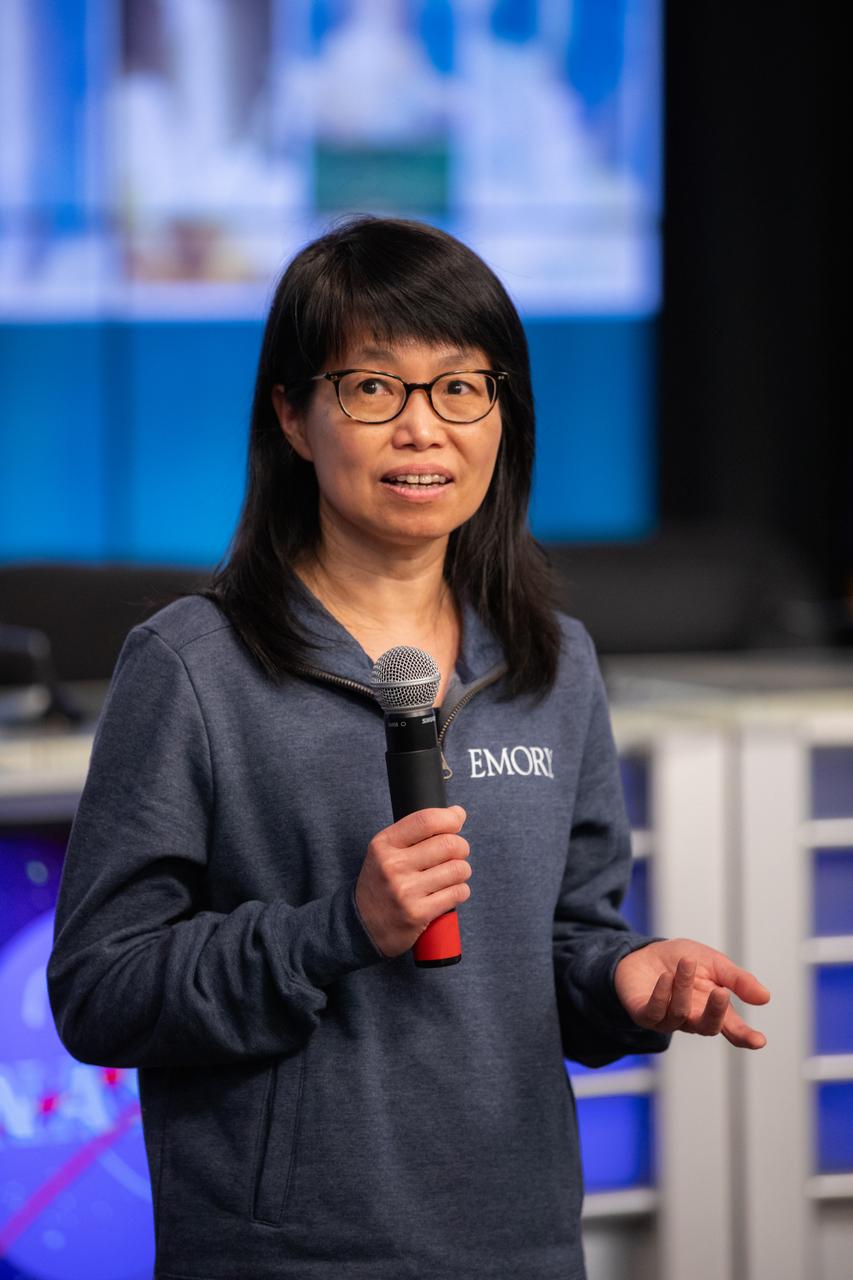
Chunhui Xu, associate professor at Emory University School of Medicine and principal investigator for the Generation of Cardiomyocytes from Induced Pluripotent Stem Cells experiment, addresses NASA Social participants during a What’s on Board science briefing at the agency’s Kennedy Space Center in Florida on March 5, 2020. The briefing provided a closer look at some of the payloads launching on SpaceX’s 20th Commercial Resupply Services (CRS-20) mission to the International Space Station. The company’s Falcon 9 rocket is scheduled to lift off from Cape Canaveral Air Force Station’s Space Launch Complex 40 at 11:50 p.m. EST on March 6, 2020.
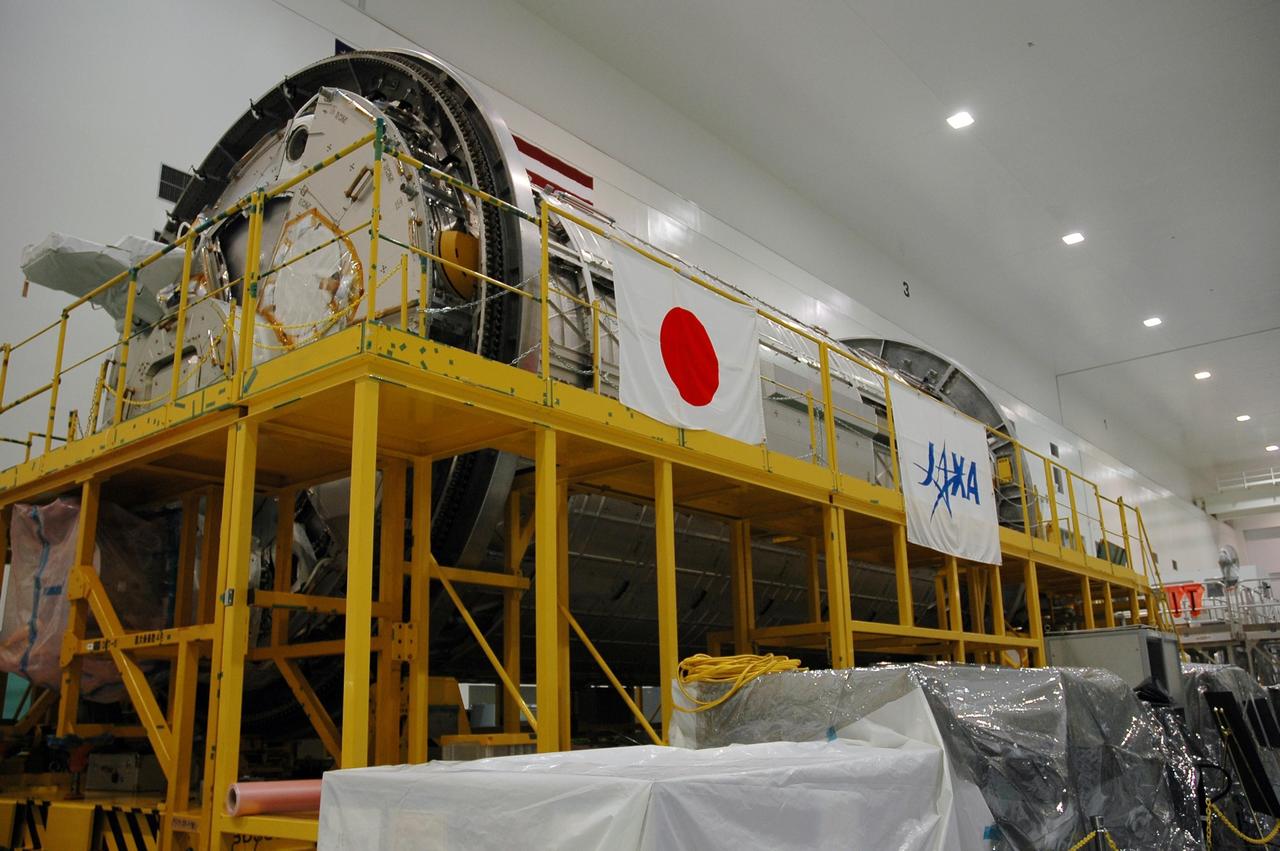
KENNEDY SPACE CENTER, FLA. - In the Space Station Processing Facility, the Japanese Experiment Module (JEM) awaits its flight to the International Space Station (ISS). The JEM, developed by the Japan Aerospace Exploration Agency (JAXA) for installation on the ISS, is named Kibo -- which means "hope" in Japanese -- and will enhance the unique research capabilities of the orbiting complex by providing an additional environment for astronauts to conduct science experiments. Research conducted in Kibo will focus on space medicine, biology, Earth observations, material production, biotechnology and communications. Photo credit: NASA/Amanda Diller
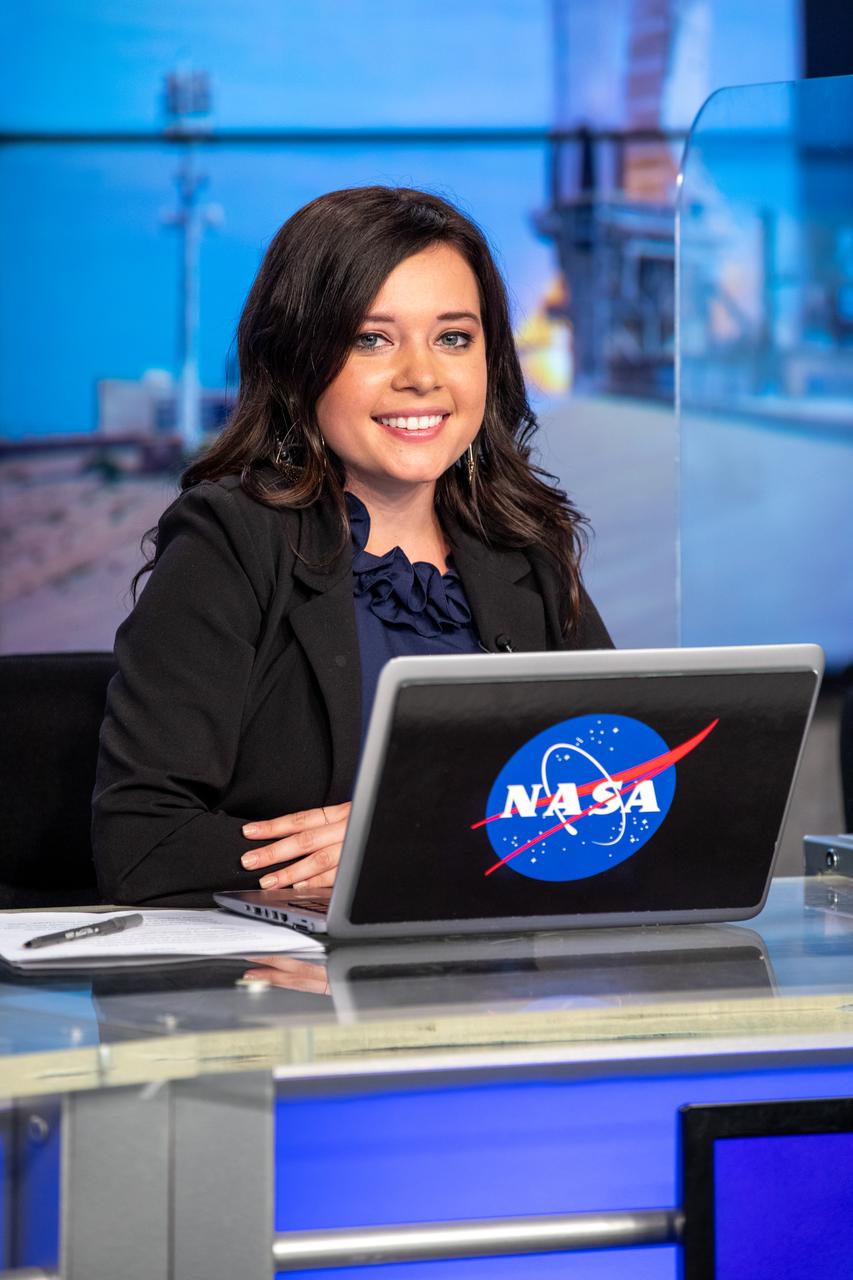
NASA Communications’ Kenna Pell moderates a #NASASocial Science and Station Q&A show at the agency’s Kennedy Space Center in Florida on Dec. 4, 2020. Participants included Brock Howe, airlock program manager, Nanoracks; Jennifer Scott-Williams, ISS Program Research Office; and Pinar Mesci, project scientist, Sanford Consortium for Regenerative Medicine, UC San Diego. SpaceX’s 21st Commercial Resupply Services (CRS-21) mission is scheduled to launch from Kennedy’s Launch Complex 39A on Dec. 5, 2020. Liftoff of the SpaceX Falcon 9 rocket and cargo Dragon spacecraft is targeted for 11:39 a.m. EST.
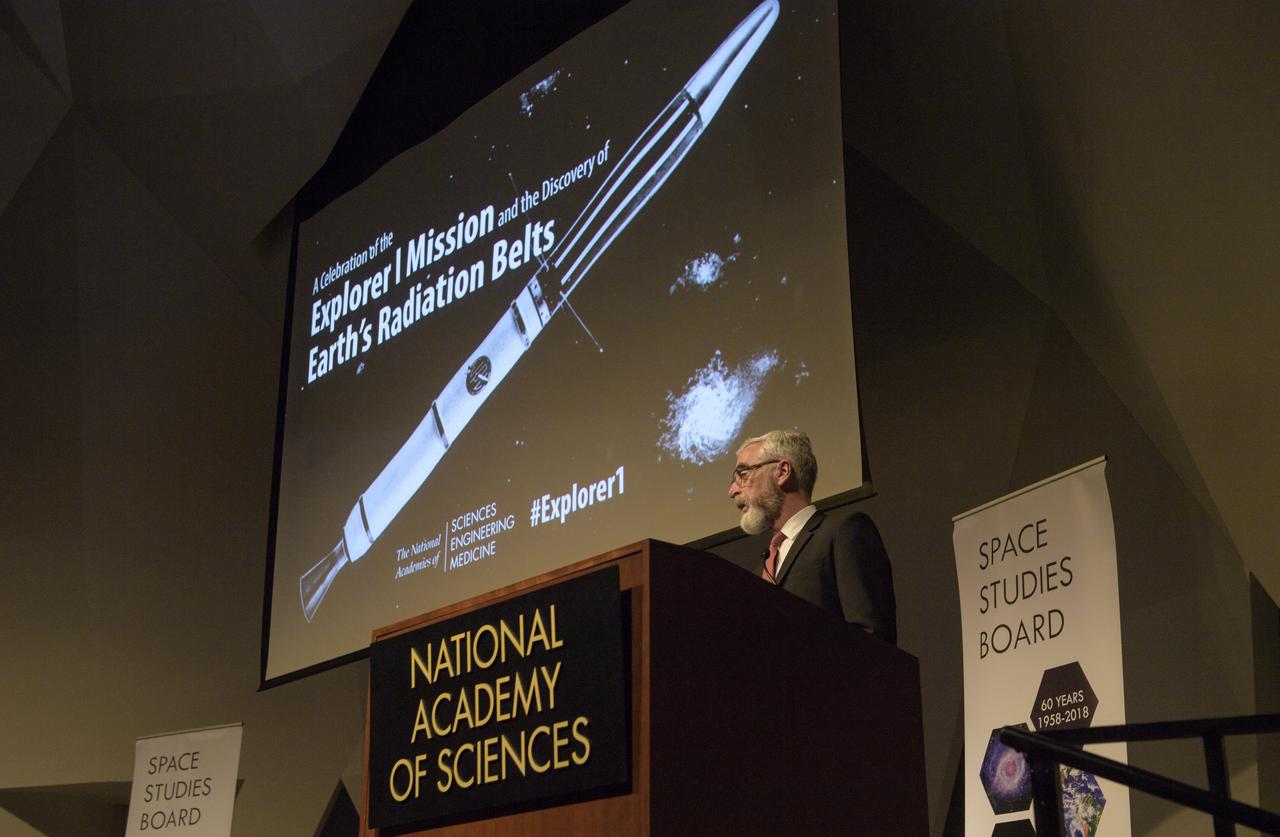
Michael Moloney, Director for Space and Aeronautics at the Space Studies Board and the Aeronautics and Space Engineering Board of the U.S. National Academies of Sciences, Engineering, and Medicine, delivers opening remarks during an event celebrating the 60th Anniversary of the Explorer 1 mission and the discovery of Earth's radiation belts, Wednesday, Jan. 31, 2018, at the National Academy of Sciences in Washington. The first U.S. satellite, Explorer 1, was launched from Cape Canaveral on January 31, 1958. The 30-pound satellite would yield a major scientific discovery, the Van Allen radiation belts circling our planet, and begin six decades of groundbreaking space science and human exploration. (NASA/Joel Kowsky)
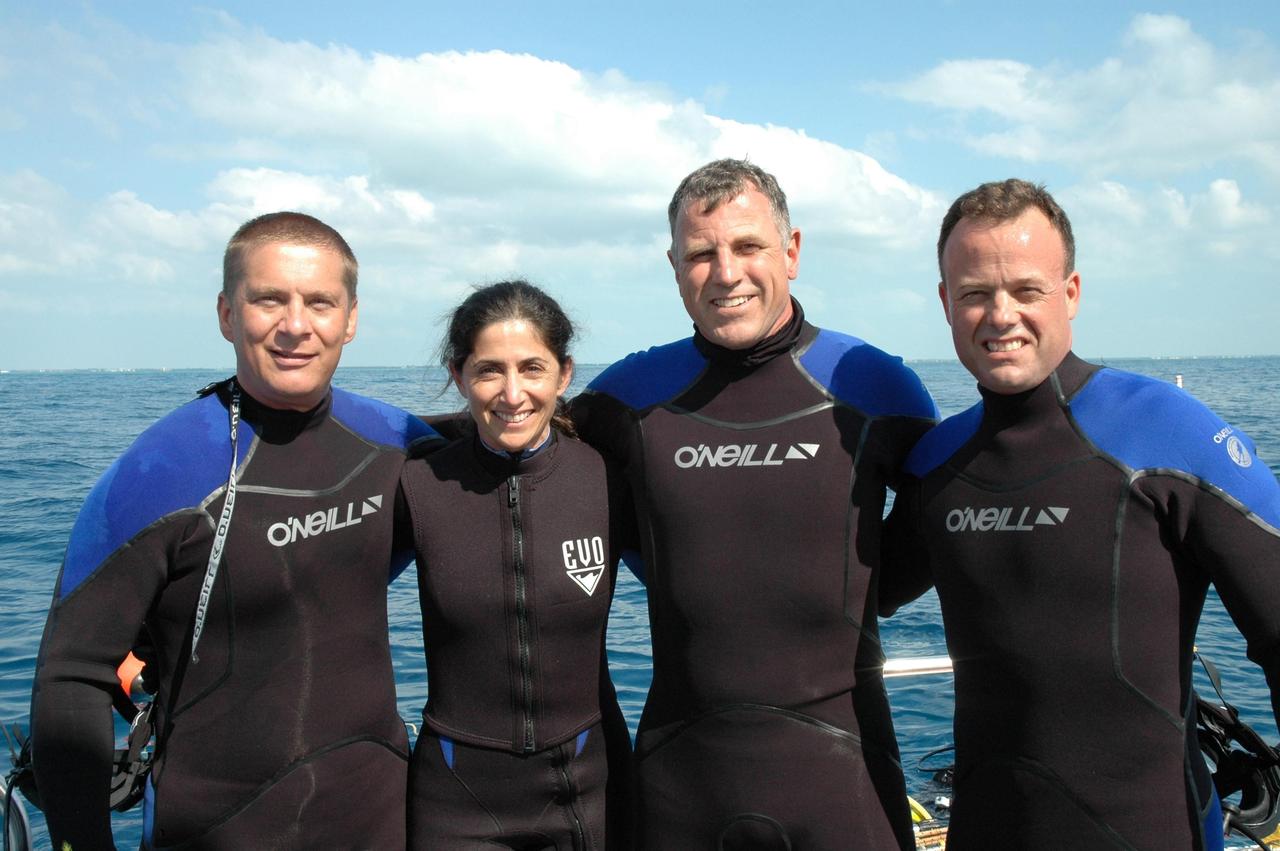
KENNEDY SPACE CENTER, FLA. -- The NASA Extreme Environment Mission Operations (NEEMO) team is ready to begin their 17-day undersea mission in the National Oceanic and Atmospheric Administration (NOAA) Aquarius Underwater Laboratory. From left are Dr. Tim Broderick of the University of Cincinnati and astronauts Nicole Stott, Dave Williams (team lead) and Ron Garan. The astronauts are testing space medicine concepts and moon-walking techniques. The undersea laboratory is situated three miles off Key Largo in the Florida Keys National Marine Sanctuary, anchored 62 feet below the surface.
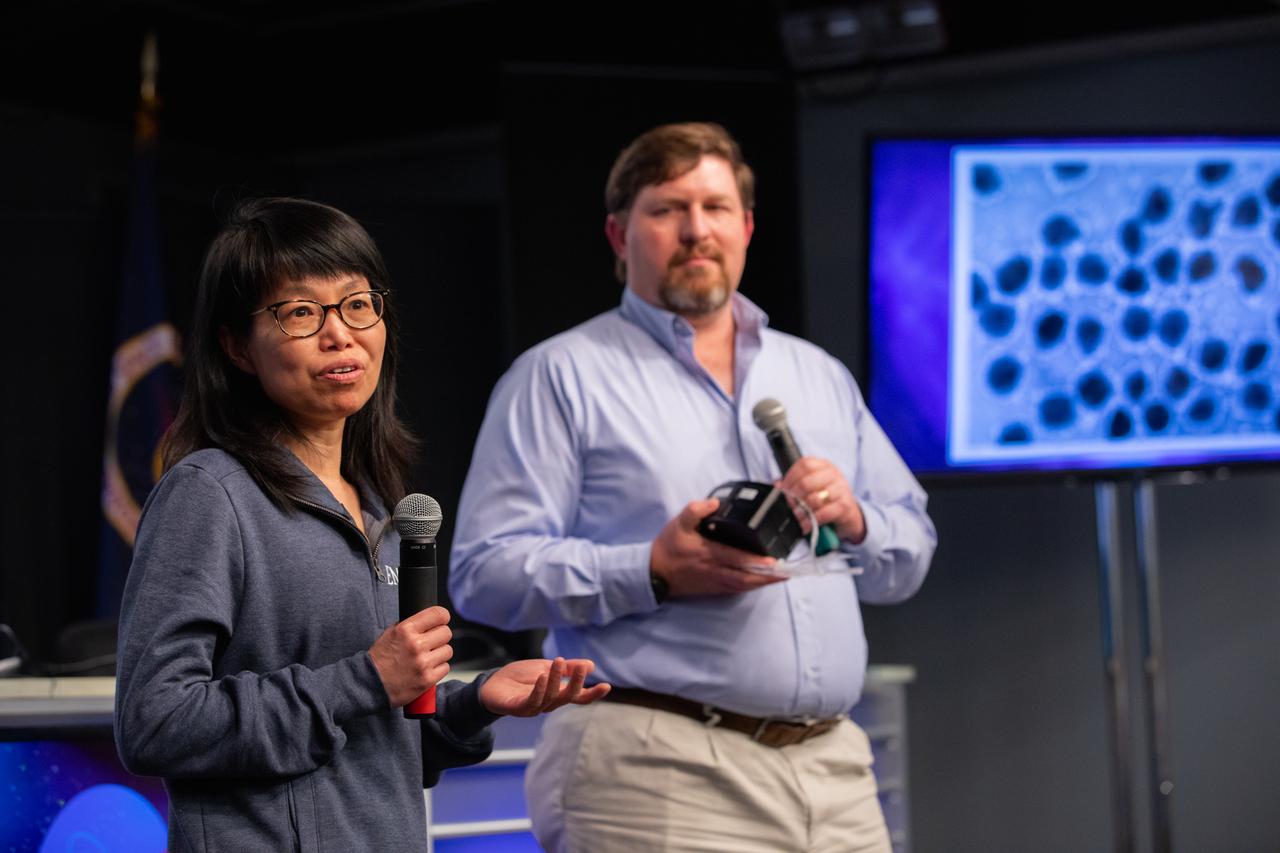
Chunhui Xu, left, associate professor at Emory University School of Medicine and principal investigator for the Generation of Cardiomyocytes from Induced Pluripotent Stem Cells experiment, and Gene Boland, chief scientist of Techshot, address NASA Social participants during a What’s on Board science briefing at the agency’s Kennedy Space Center in Florida on March 5, 2020. The briefing provided a closer look at some of the payloads launching on SpaceX’s 20th Commercial Resupply Services (CRS-20) mission to the International Space Station. The company’s Falcon 9 rocket is scheduled to lift off from Cape Canaveral Air Force Station’s Space Launch Complex 40 at 11:50 p.m. EST on March 6, 2020.
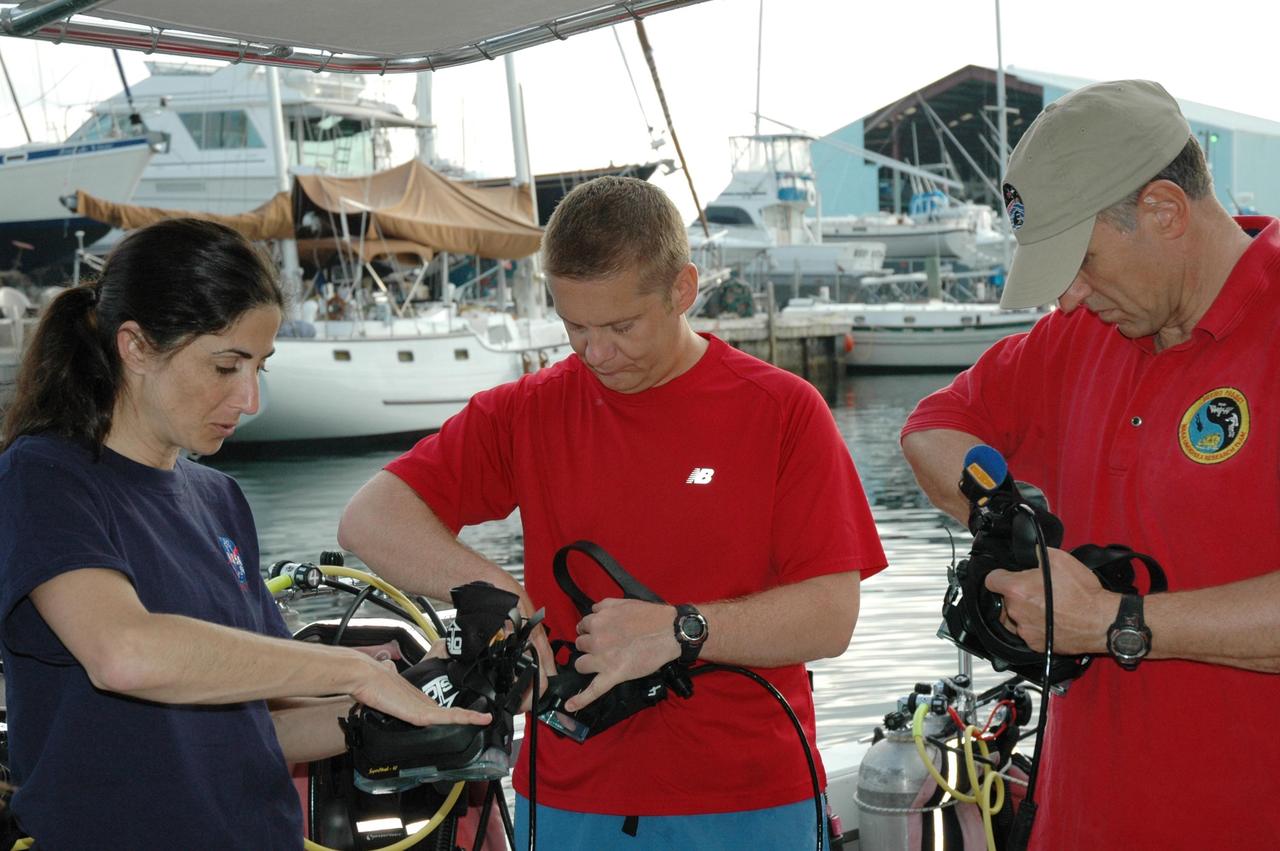
KENNEDY SPACE CENTER, FLA. -- Astronaut Nicole Stott, Dr. Tim Broderick of the University of Cincinnati, and astronaut Dave Williams are preparing for their 17-day mission on the NASA Extreme Environment Mission Operations (NEEMO) project. The mission will take place onboard the National Oceanic and Atmospheric Administration (NOAA) Aquarius Underwater Laboratory situated three miles off Key Largo in the Florida Keys National Marine Sanctuary, anchored 62 feet below the surface. Williams is leading the undersea mission, which also includes astronaut Ron Garan. The astronauts are testing space medicine concepts and moon-walking techniques.
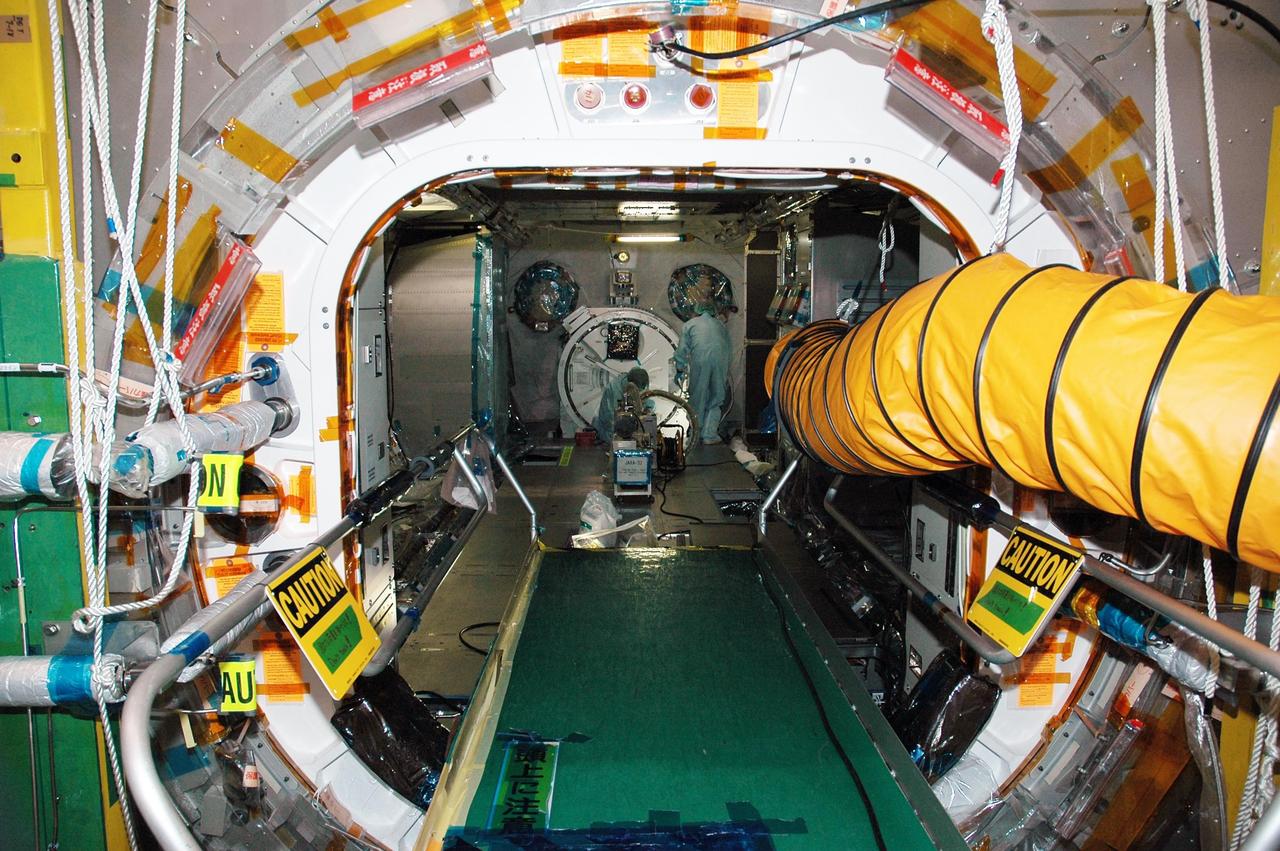
KENNEDY SPACE CENTER, FLA. - In the Space Station Processing Facility, Japan Aerospace Exploration Agency (JAXA) technicians install piping insulation on the Japanese Experiment Module (JEM). The JEM, developed by JAXA for use on the International Space Station, is named Kibo -- which means "hope" in Japanese -- and will enhance the unique research capabilities of the orbiting complex by providing an additional environment for astronauts to conduct science experiments. Research conducted in Kibo will focus on space medicine, biology, Earth observations, material production, biotechnology and communications. Photo credit: NASA/Amanda Diller
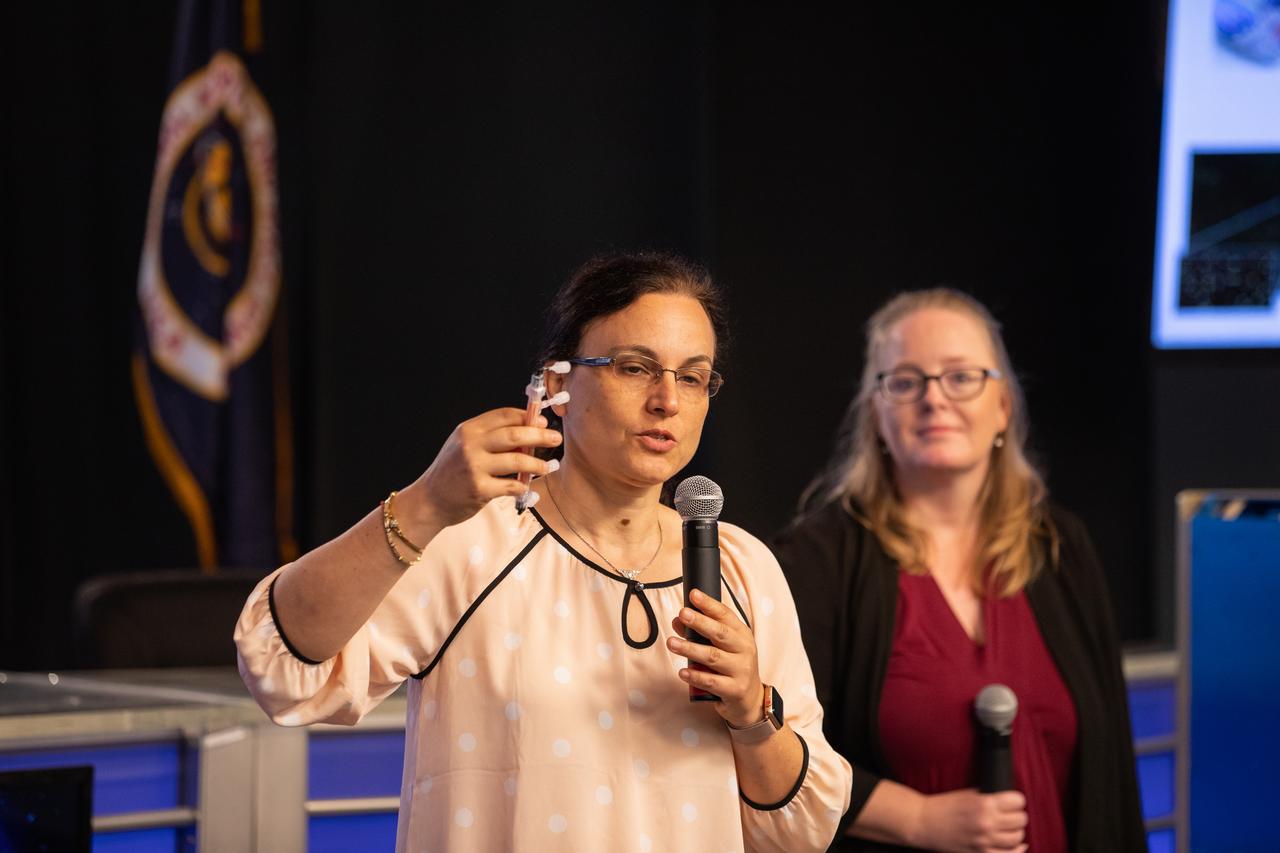
Rasha Hammamieh, Ph.D., left, the U.S. Army’s principal investigator for the Cell Science-02 investigation, and co-investigator Melissa Kacena, Ph.D., with the Indiana University School of Medicine, talk to NASA Social participants during a What’s On Board science briefing at the agency’s Kennedy Space Center in Florida on July 23, 2019. The briefing was held for SpaceX’s 18th Commercial Resupply Services (CRS-18) mission to the International Space Station. The SpaceX Falcon 9 rocket and uncrewed Dragon spacecraft are scheduled to launch July 24, 2019, from Space Launch Complex 40 at Florida’s Cape Canaveral Air Force Station.

KENNEDY SPACE CENTER, FLA. -- Marc Reagan (left) and Bill Todd, NASA Extreme Environment Mission Operations (NEEMO) project leads, have left the current NEEMO team in the National Oceanic and Atmospheric Administration (NOAA) Aquarius Underwater Laboratory to start their 17-day mission. The team comprises astronauts Dave Williams (team leader), Nicole Stott and Ron Garan, plus Dr. Tim Broderick of the University of Cincinnati. The astronauts are testing space medicine concepts and moon-walking techniques. The undersea laboratory is situated three miles off Key Largo in the Florida Keys National Marine Sanctuary, anchored 62 feet below the surface.
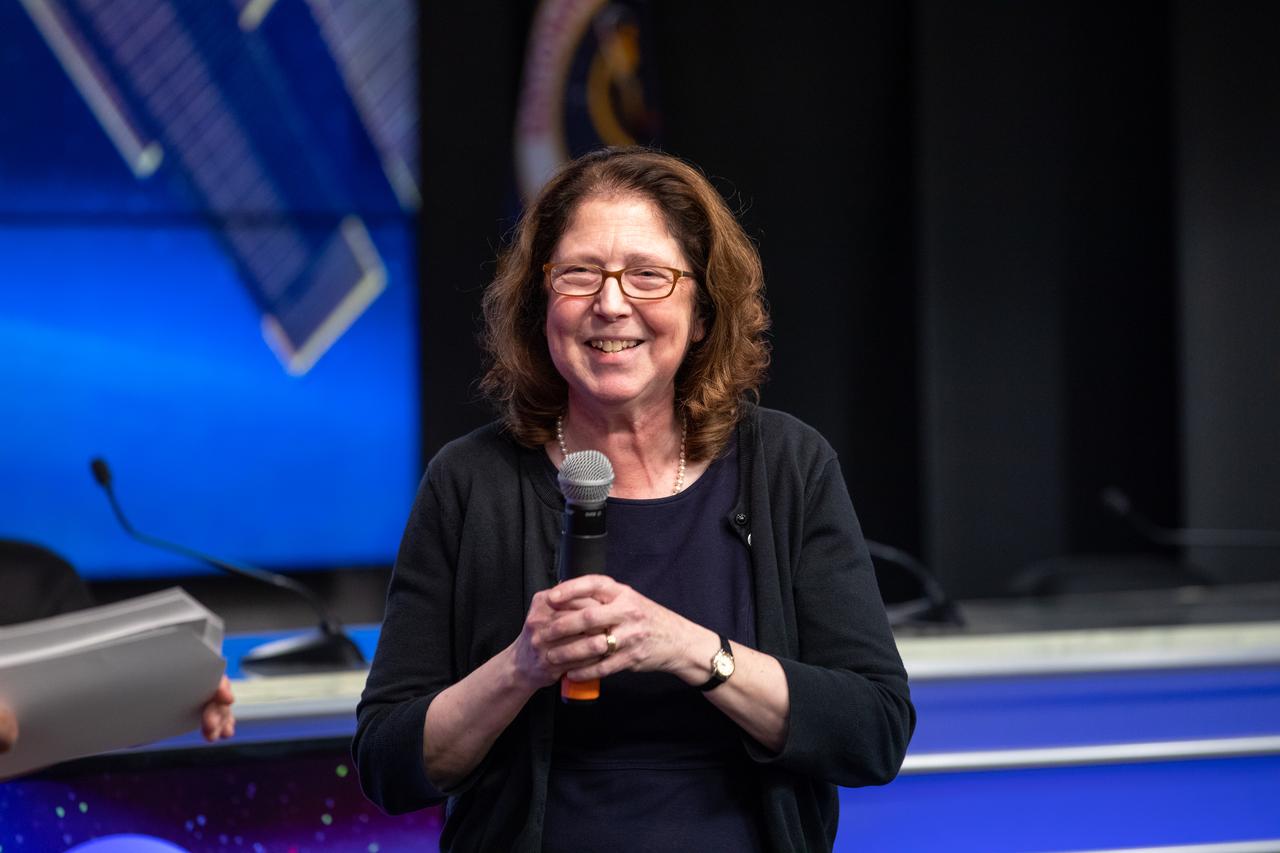
A What’s On Board Briefing for SpaceX’s 19th Commercial Resupply Services (CRS-19) mission for NASA to the International Space Station took place on Dec. 3, 2019, at the agency’s Kennedy Space Center in Florida. Emily Germain-Lee, professor at the University of Connecticut School of Medicine and chief of endocrinology and diabetes, Connecticut Children’s Medical Center, discussed her on molecular signaling pathways that influence muscle degradation to prevent skeletal muscle and bone loss during spaceflight, and enhance recovery following return to Earth. The SpaceX Falcon 9 rocket and Dragon cargo module are scheduled to launch on Dec. 4, 2019, from Space Launch Complex 40 on Cape Canaveral Air Force Station in Florida.
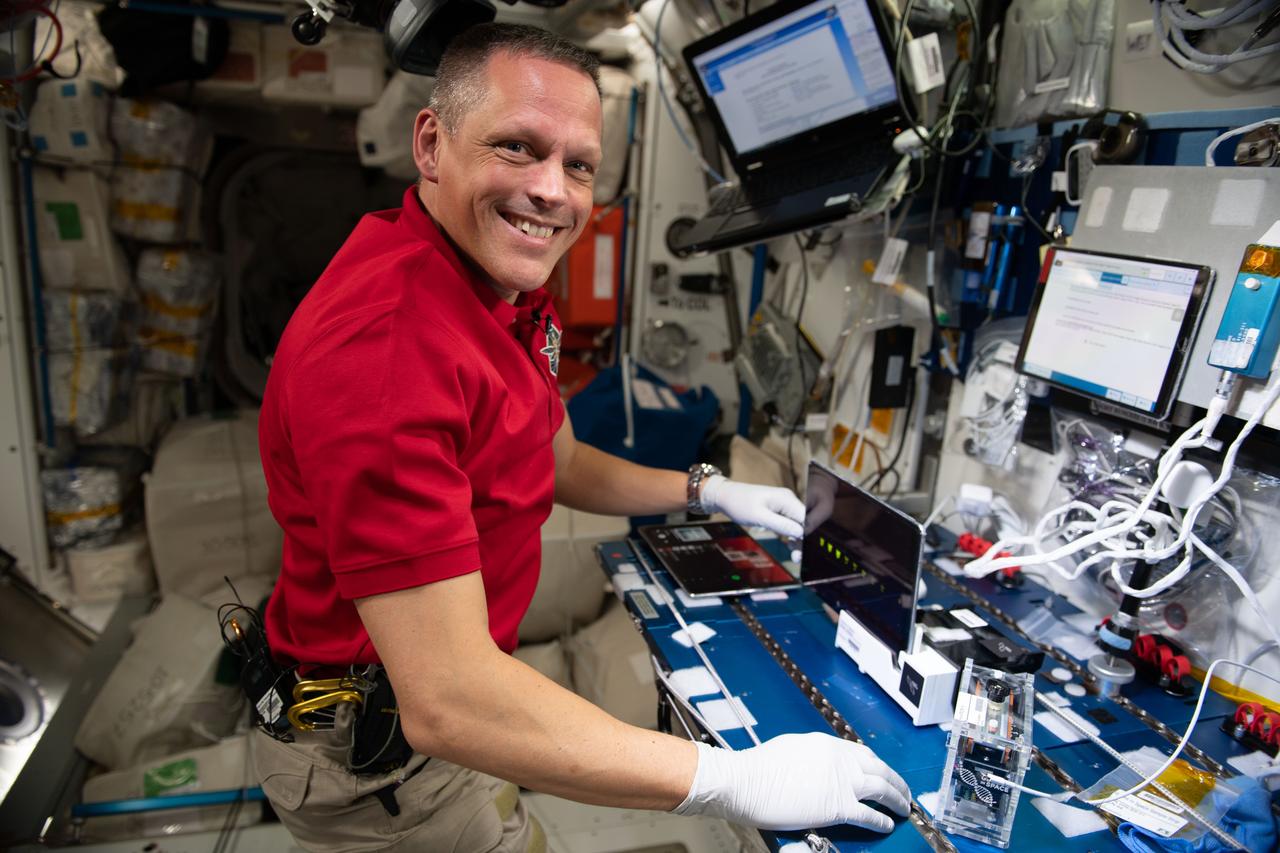
iss067e190796 (7/21/2022) --- NASA astronaut Bob Hines is shown performing Genes in Space-9 aboard the International Space Station (ISS). Cell-free technology is a platform for protein production that does not include living cells. GIS-9 evaluates two approaches for using this technology in microgravity: cell-free protein production and biosensors that can detect specific target molecules. The technology could provide a portable, low-resource, and low-cost tool with potential applications for medical diagnostics, on-demand production of medicine and vaccines, and environmental monitoring on future space missions.
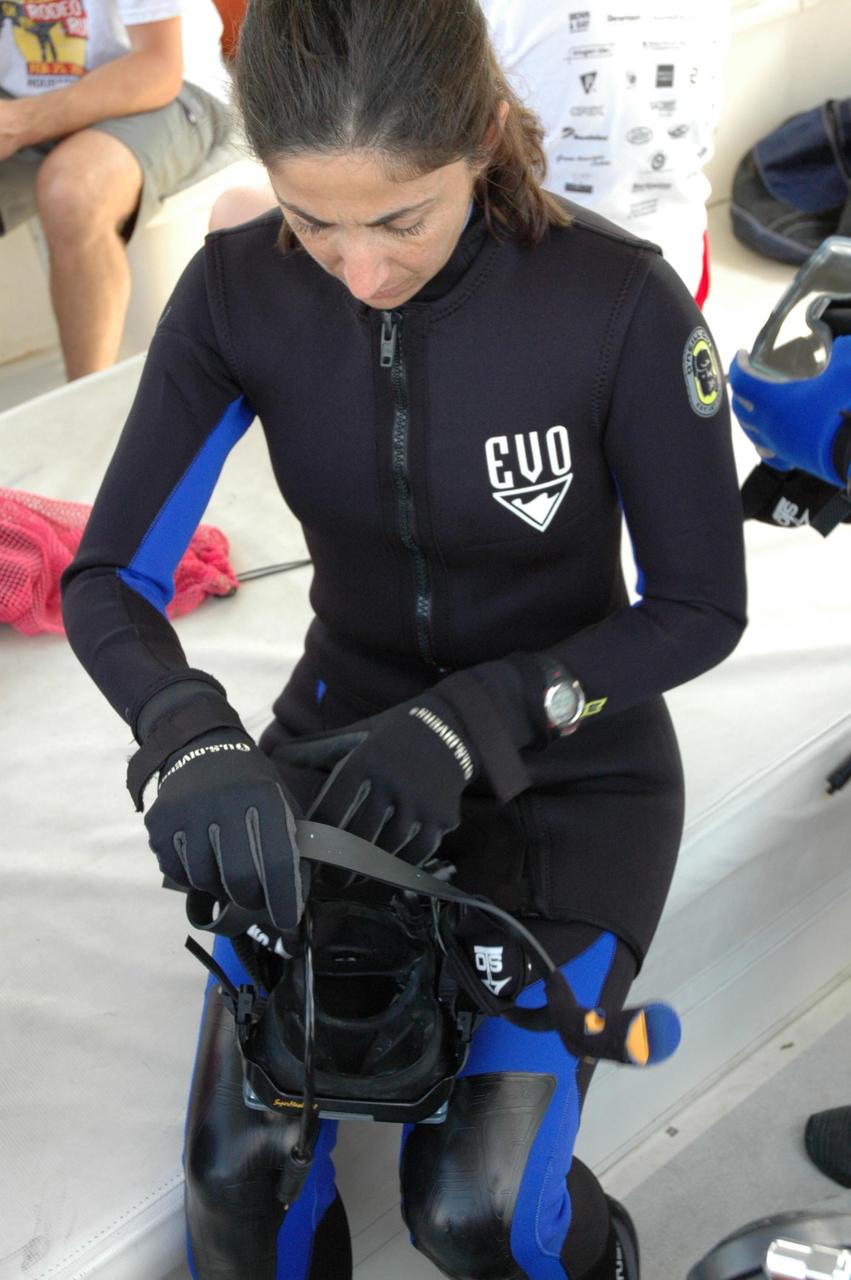
KENNEDY SPACE CENTER, FLA. -- Astronaut Nicole Stott checks her gear before heading for the National Oceanic and Atmospheric Administration (NOAA) Aquarius Underwater Laboratory. She is part of the team, which includes astronauts Dave Williams and Ron Garan, plus Dr. Tim Broderick of the University of Cincinnati, working on a 17-day undersea mission as part of the NASA Extreme Environment Mission Operations (NEEMO) project. Williams is team lead. The astronauts are testing space medicine concepts and moon-walking techniques. The undersea laboratory is situated three miles off Key Largo in the Florida Keys National Marine Sanctuary, anchored 62 feet below the surface.
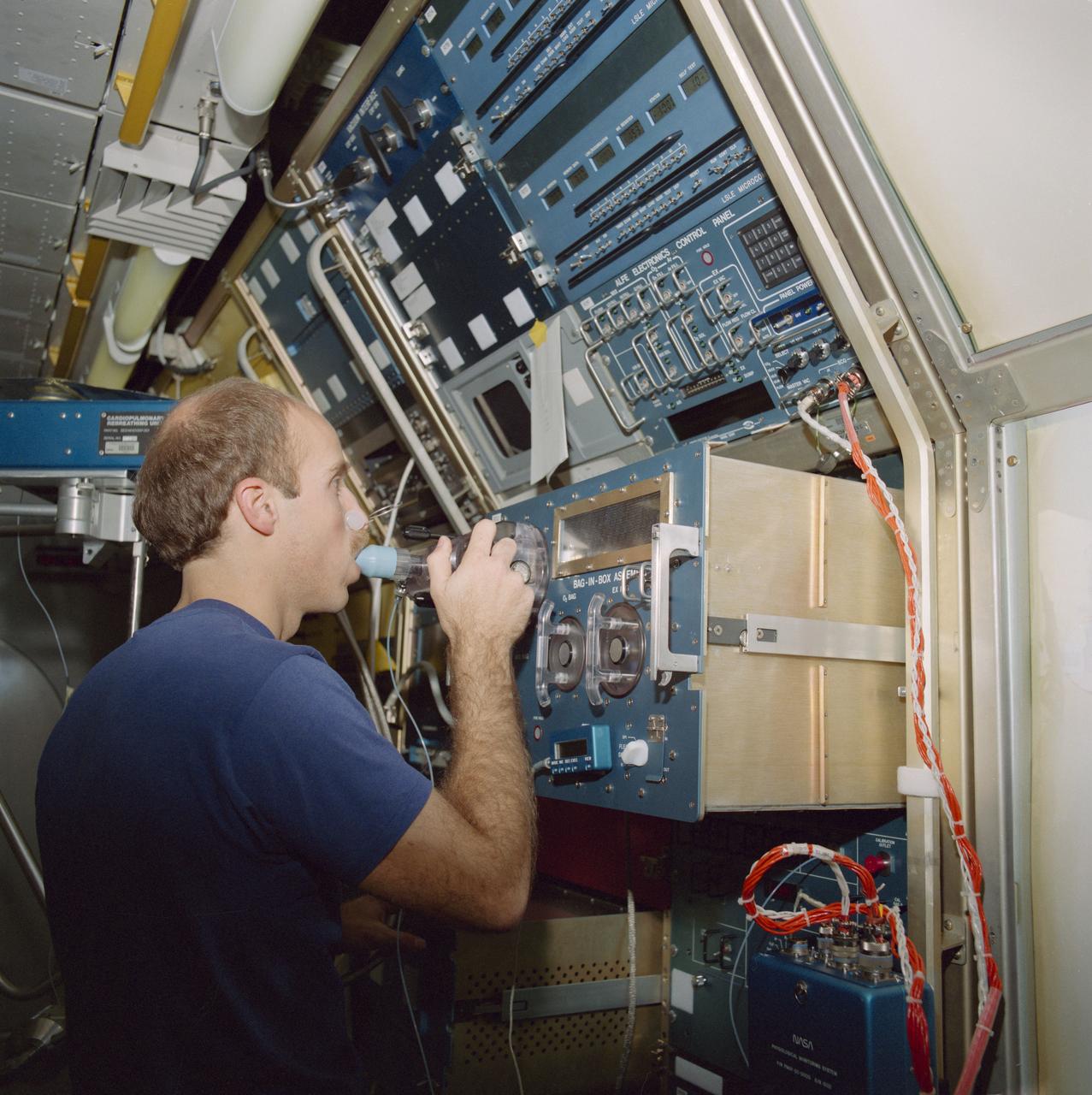
S85-26582 (Feb 1985) --- Training on the rebreathing assembly, astronaut James P. Bagian, STS-40 mission specialist, inhales a predetermined gas composition. A gas analyzer mass spectrometer determines the composition of the gases he exhales. The rebreathing assembly and gas analyzer system are part of an investigation that explores how lung function is altered. Dr. Bagian will be joined by two other mission specialists, the mission commander, the pilot and two payload specialists for the scheduled 10-day Spacelab Life Sciences-1 (SLS-1) mission. The flight is totally dedicated to biological and medical experimentation.