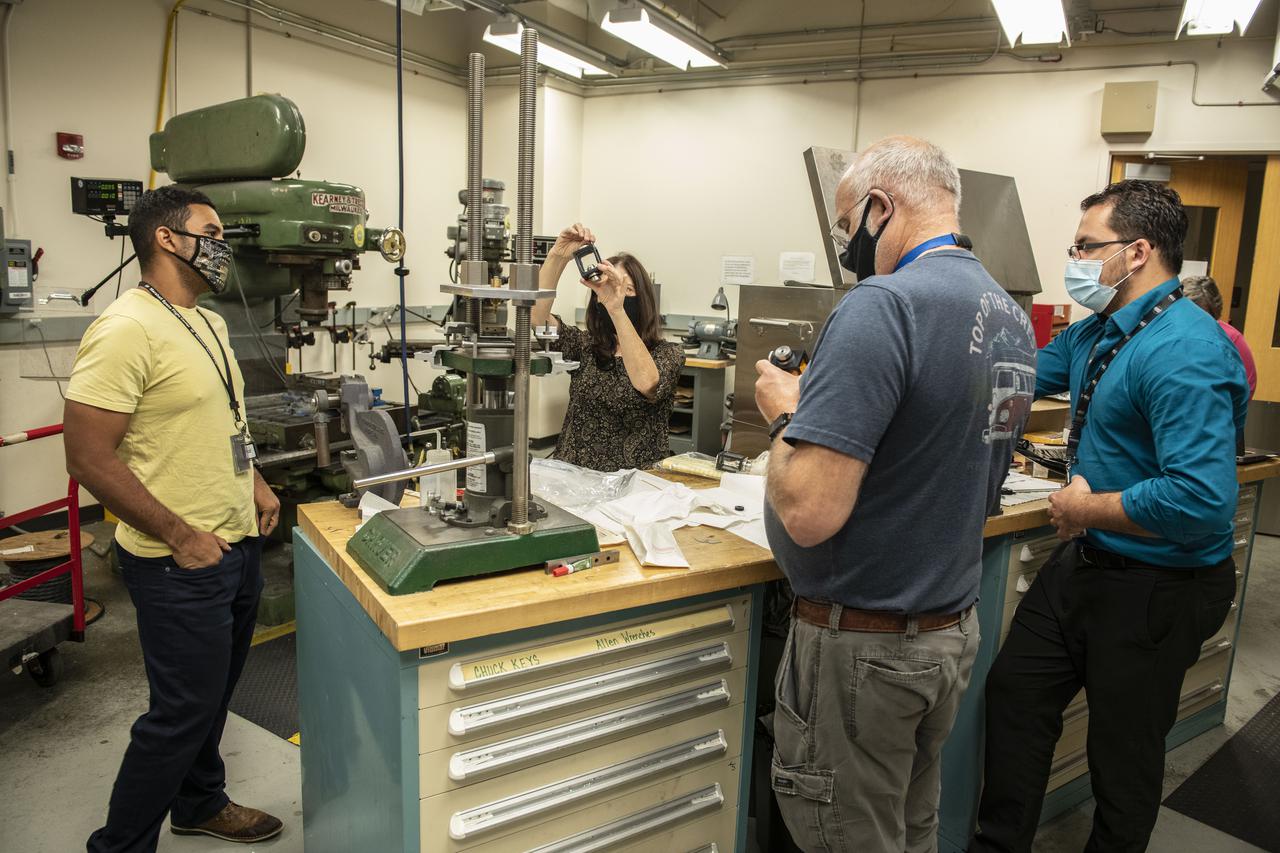
Scientists at NASA's Marshall Space Flight Center in Huntsville, Alabama, clean equipment and prepare for shipment of the ring sheared drop payload currently set for launch on Northrop Grumman 16 the first week in August, 2021. The payload studies the formation of potentially destructive amyloid fibrils, or protein clusters, like those found in the brain tissue of patients battling neurodegenerative diseases. Such illnesses may damage neurons, the drivers of the human nervous system. Experimentation in microgravity provides the opportunity to study amyloid fibril formation in conditions more analogous to those found in the human body than can be studied in a ground-based laboratory environment.
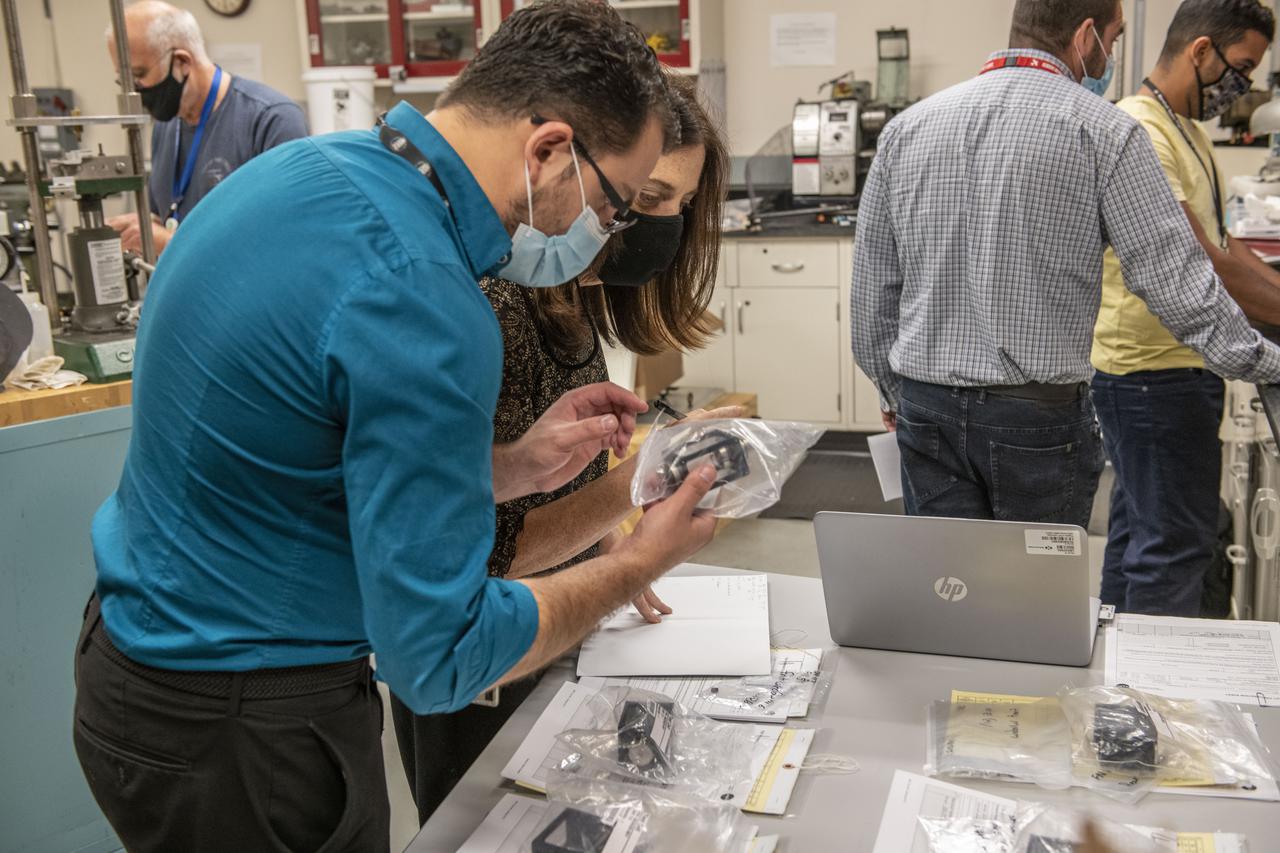
Scientists at NASA's Marshall Space Flight Center in Huntsville, Alabama, clean equipment and prepare for shipment of the ring sheared drop payload currently set for launch on Northrop Grumman 16 the first week in August, 2021. The payload studies the formation of potentially destructive amyloid fibrils, or protein clusters, like those found in the brain tissue of patients battling neurodegenerative diseases. Such illnesses may damage neurons, the drivers of the human nervous system. Experimentation in microgravity provides the opportunity to study amyloid fibril formation in conditions more analogous to those found in the human body than can be studied in a ground-based laboratory environment.

Scientists at NASA's Marshall Space Flight Center in Huntsville, Alabama, clean equipment and prepare for shipment of the ring sheared drop payload currently set for launch on Northrop Grumman 16 the first week in August, 2021. The payload studies the formation of potentially destructive amyloid fibrils, or protein clusters, like those found in the brain tissue of patients battling neurodegenerative diseases. Such illnesses may damage neurons, the drivers of the human nervous system. Experimentation in microgravity provides the opportunity to study amyloid fibril formation in conditions more analogous to those found in the human body than can be studied in a ground-based laboratory environment.

iss071e019819 (April 22, 2024) --- Expedition 71 Flight Engineer and NASA astronaut Mike Barratt processes brain organoid samples inside the Life Science Glovebox for a neurodegenerative disorder study. Doctors will use the results from the investigation to learn how protect a crew member’s central nervous system and provide treatments for neurodegenerative conditions on Earth. The Human Brain Organoid Models for Neurodegenerative Disease & Drug Discovery (HBOND) investigation studies 3D neuroglial organoids derived from the induced pluripotent stem cells (IPSCs) of patients with Parkinson’s disease and primary progressive multiple sclerosis. Results may improve understanding of neurodegenerative disease and accelerate the development of new treatments.
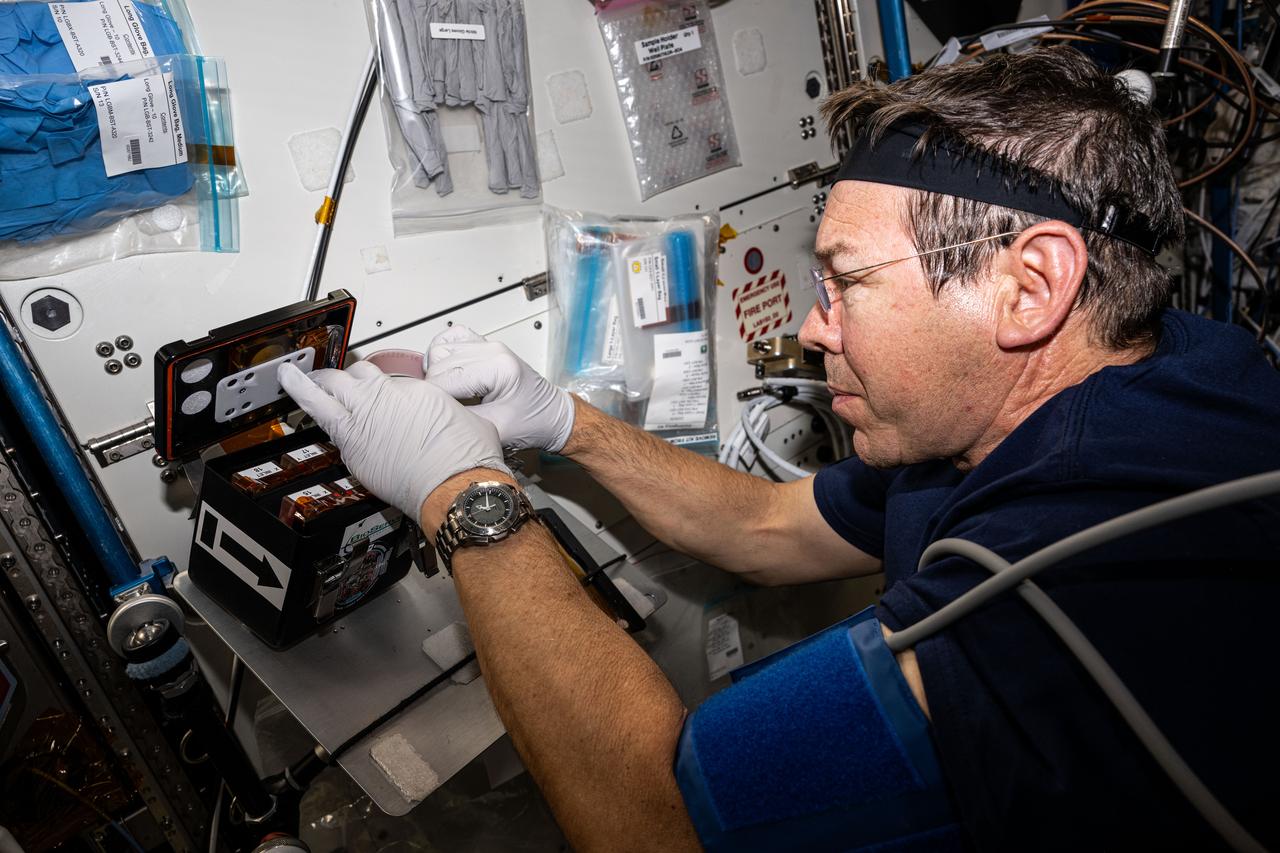
iss070e129569 (March 26, 2024) --- Expedition 70 Flight Engineer and NASA astronaut Mike Barratt processes brain organoid samples inside the BioServe Tissue Chamber. The research work was being done to learn how microgravity affects the central nervous system and develop therapies to counteract neurodegenerative diseases both in space and on Earth. The Human Brain Organoid Models for Neurodegenerative Disease & Drug Discovery (HBOND) investigation studies 3D neuroglial organoids derived from the induced pluripotent stem cells (IPSCs) of patients with Parkinson’s disease and primary progressive multiple sclerosis. Results may improve understanding of neurodegenerative disease and accelerate the development of new treatments.
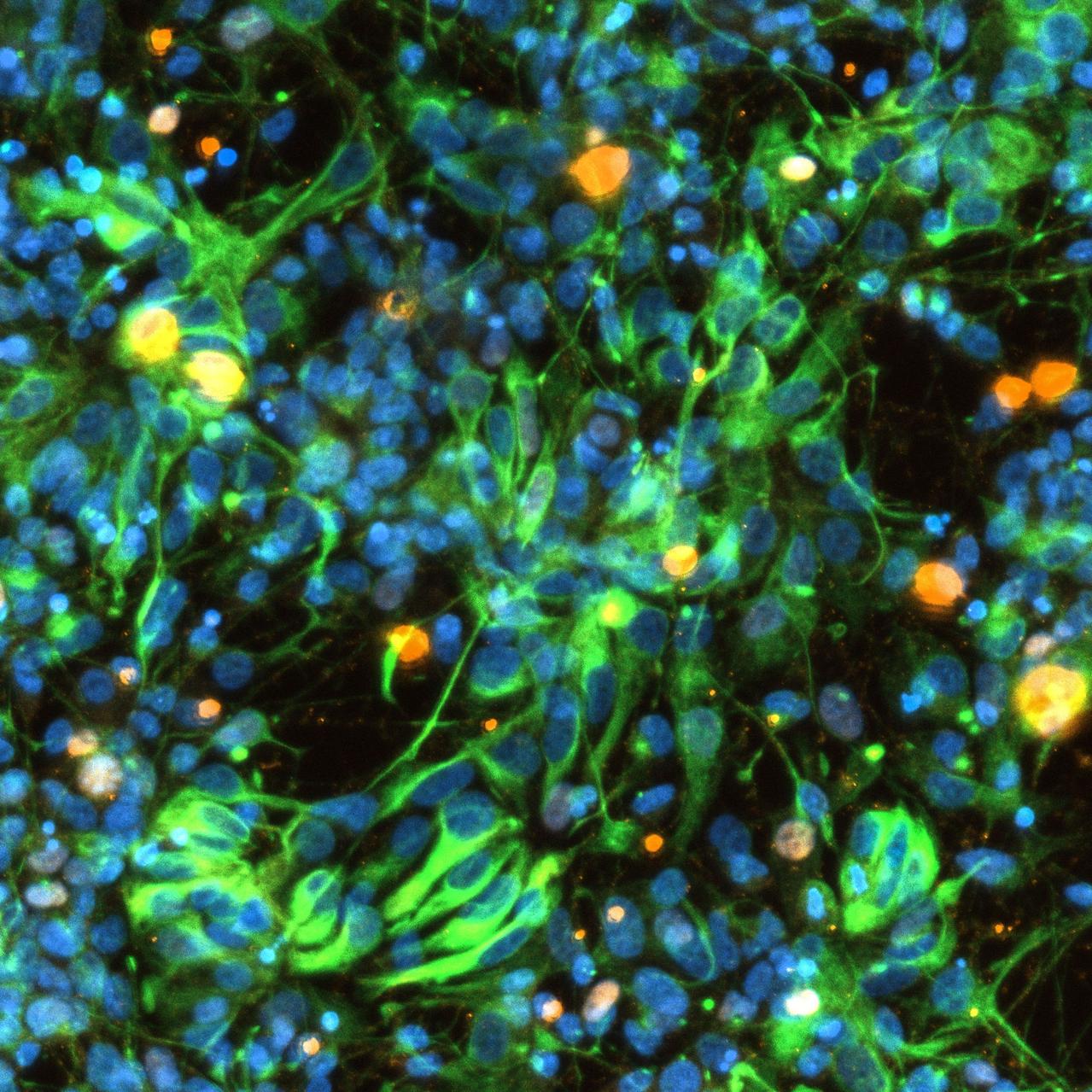
jsc2024e021221 (2/21/2024) --- Precursor cells are shown from the Human Brain Organoid Models for Neurodegenerative Disease & Drug Discovery (HBOND) investigation of Parkinson’s disease. These Cosmic Brain Organoids will spend approximately 30 days on the International Space Station. This investigation studies 3D neuroglial organoids derived from the induced pluripotent stem cells (IPSCs) of patients with Parkinson’s disease and primary progressive multiple sclerosis. Results may improve understanding of neurodegenerative disease and accelerate the development of new treatments. Image courtesy of the New York Stem Cell Research Institute.
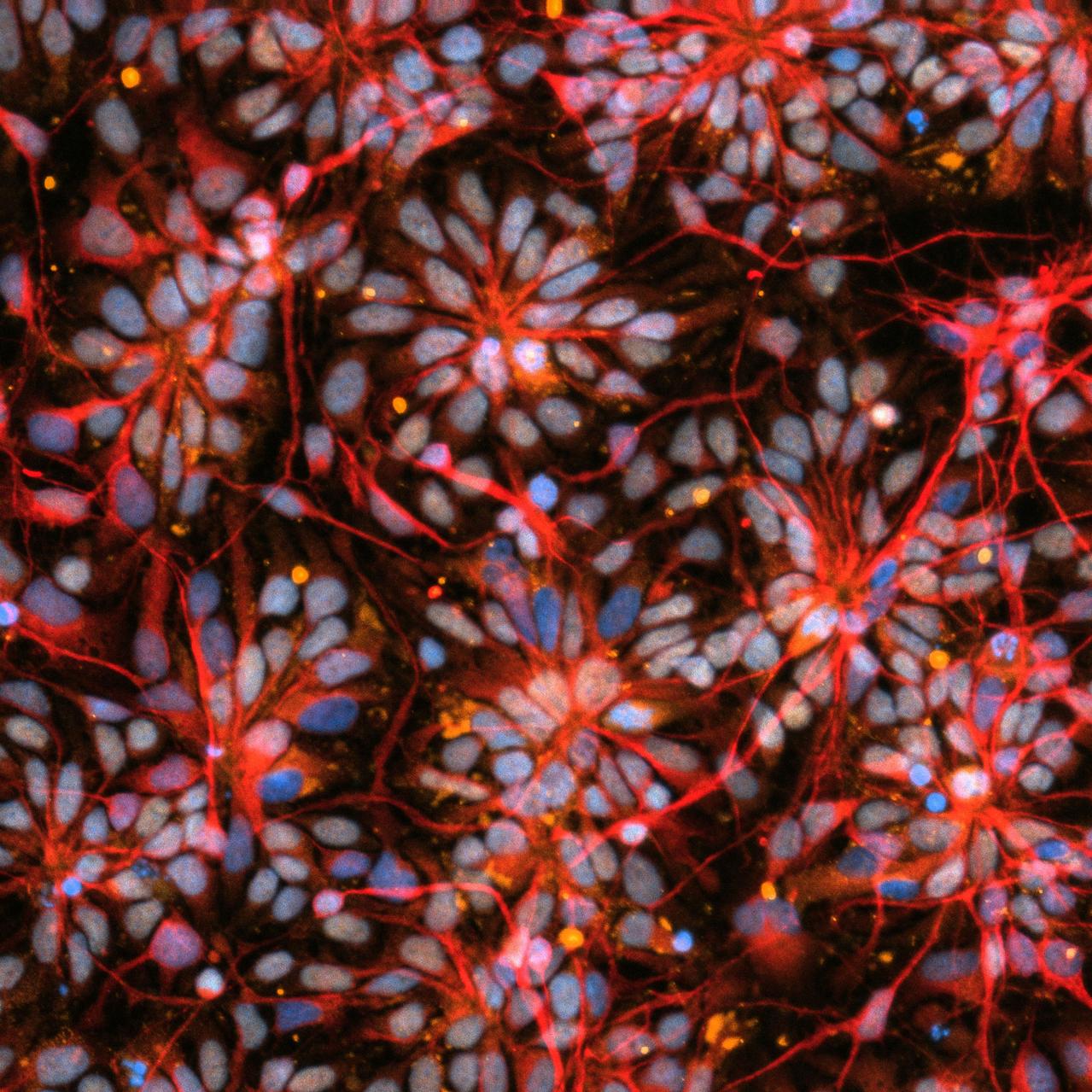
jsc2024e021220 (3/21/2024) --- Precursor cells are shown from the Human Brain Organoid Models for Neurodegenerative Disease & Drug Discovery (HBOND) investigation of primary progressive multiple sclerosis (MS). These Cosmic Brain Organoids will spend approximately 30 days on the International Space Station. This investigation studies 3D neuroglial organoids derived from the induced pluripotent stem cells (IPSCs) of patients with primary progressive MS and Parkinson’s disease. Results may improve understanding of neurodegenerative disease and accelerate the development of new treatments. Image courtesy of the New York Stem Cell Research Institute.
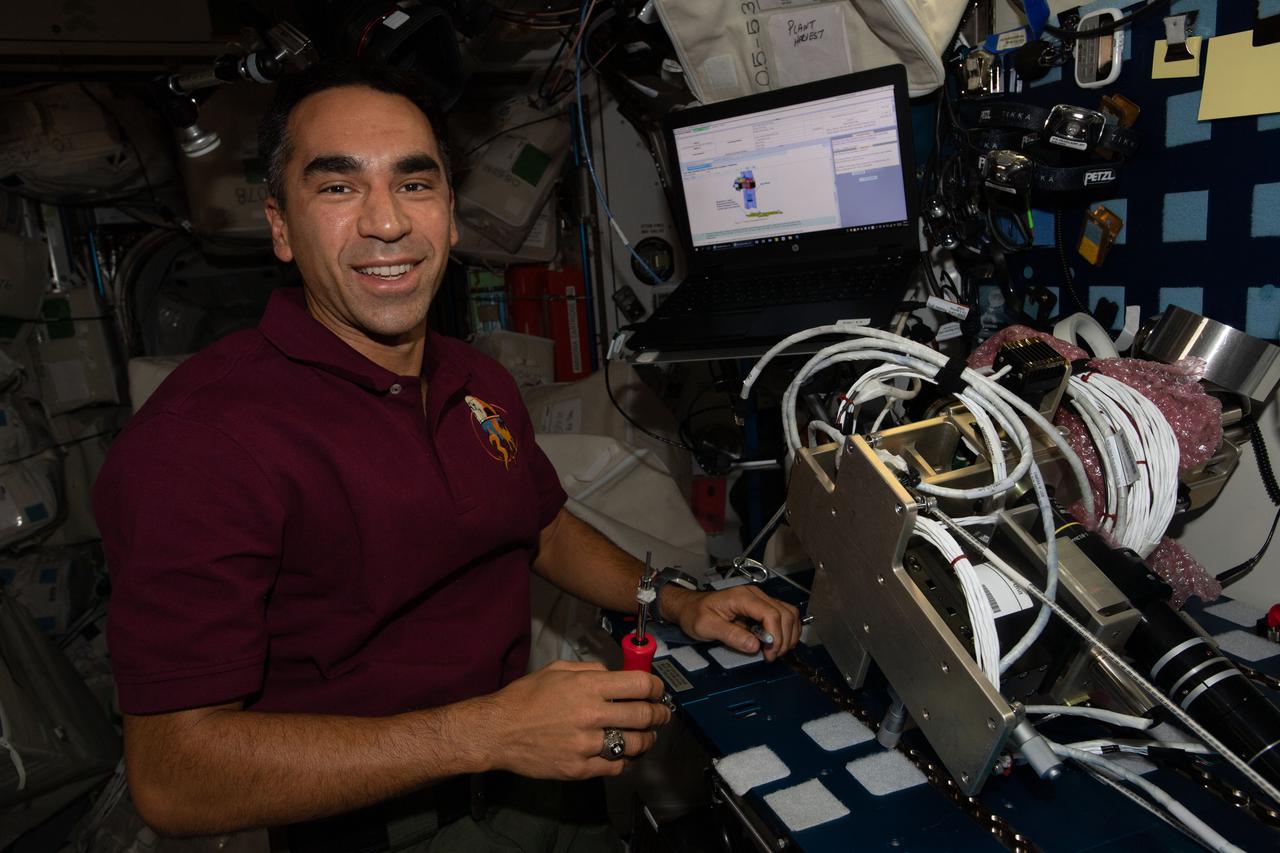
iss066e111006 (Jan. 12, 2022) --- NASA astronaut and Expedition 66 Flight Engineer Raja Chari removes components from the Ring Sheared Drop experiment that could lead to a better understanding of neurodegenerative diseases such as Alzheimer’s.
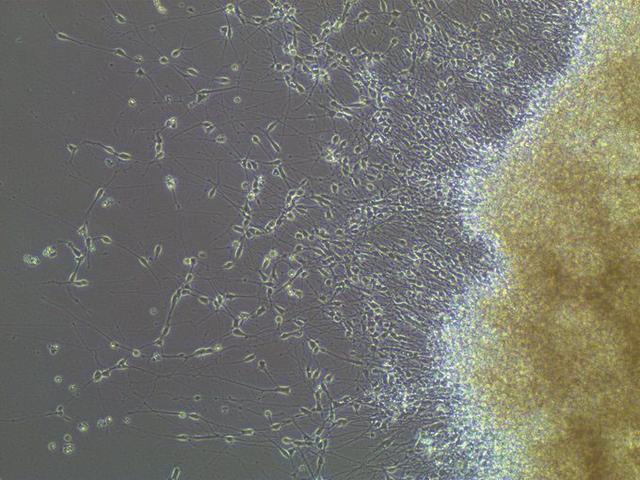
jsc2026e416047 (September 15, 2026) --- Robust neurite outgrowth stemming from cultured organoids captured after 30 days on the International Space Station, offering a view of how neurodegenerative cells interact in the MINDS investigation. This study examines how brain organoids respond to neuroinflammation in microgravity to better understand how disorders like Parkinson’s, multiple sclerosis, and Alzheimer’s progress. Investigation findings may reveal how microgravity affects brain organoids and could support the development of therapies to address neurodegenerative diseases. Credit: Aspen Neuroscience.

iss067e378812 (Sept. 21, 2022) --- Expedition 67 Flight Engineer and ESA (European Space Agency) astronaut Samantha Cristoforetti works inside the Microgravity Science Glovebox removing hardware that supported the Ring Sheared Drop experiment. The fluid physics study observes the formation of destructive protein clusters that may be responsible for neurodegenerative diseases such as Alzheimer’s.
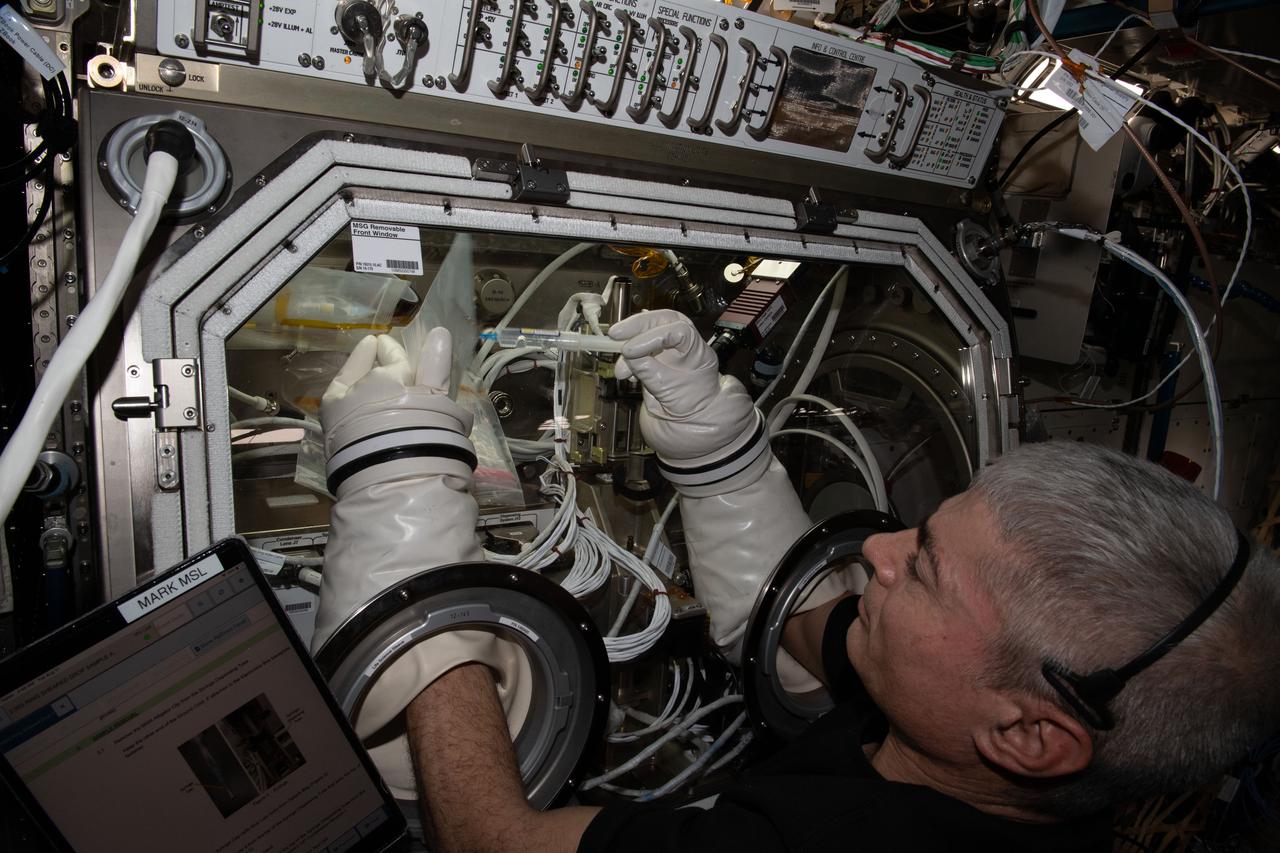
iss065e257449 (Aug. 17, 2021) --- NASA Astronaut and Expedition 65 Flight Engineer Mark Vande Hei works on the Ring Sheared Drop investigation in the Microgravity Science Glovebox (MSG) aboard the International Space Station. This experiment leverages the microgravity environment of the orbiting laboratory to study proteins associated with neurodegenerative diseases such as Alzheimer's and Parkinson's. The research may contribute to a better understanding of these diseases and development of potential treatments.
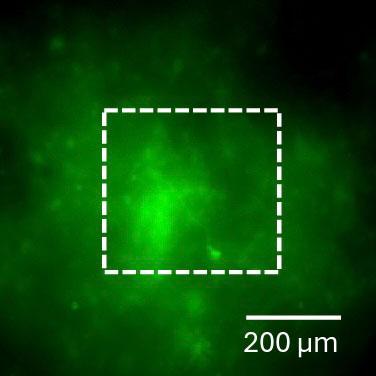
jsc2026e416048 (September 15, 2026) --- Image of dopaminergic neurons in the microgravity environment taken with the KERMIT microscope aboard the International Space Station. The MINDS investigation builds upon prior research to study how brain organoids respond to neuroinflammation and better understand disorders like Parkinson’s, multiple sclerosis, and Alzheimer’s Disease. Investigation results could inform how microgravity affects brain organoids and support the development of therapies that address neurodegenerative diseases. Credit: National Stem Cell Foundation Team.
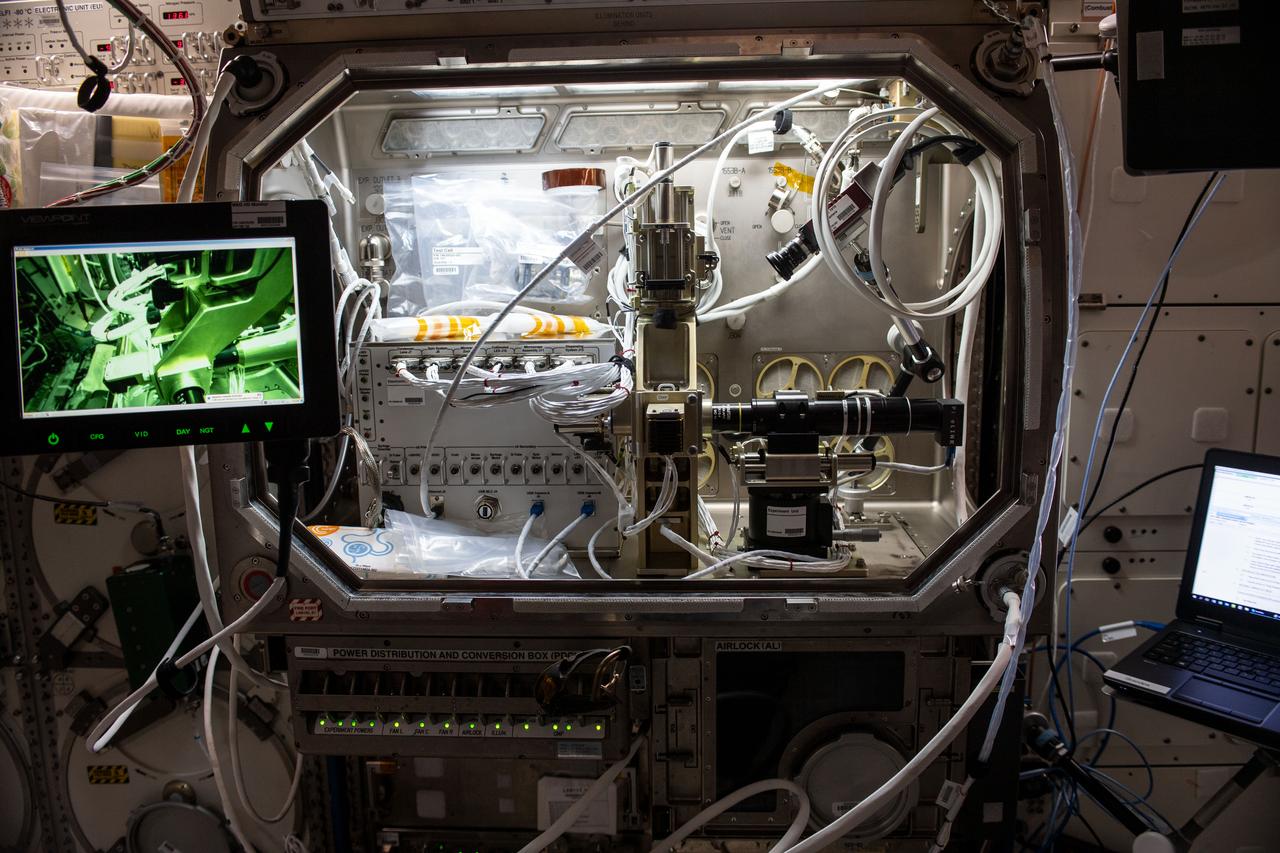
iss060e073382 (9/19/2019) --- Photo documentation of the Microgravity Science Glovebox (MSG) with the Ring Sheared Drop investigation in the Destiny Lab aboard the International Space Station (ISS). The Ring Sheared Drop investigation uses microgravity to examine the formation and flow of amyloids in the absence of surface tension and other complications created by the solid walls of a container. Fibrous, extracellular protein deposits found in organs and tissues, amyloids are associated with neurodegenerative diseases such as Alzheimer’s. Results could contribute to better understanding of these diseases as well as to development of advanced materials.
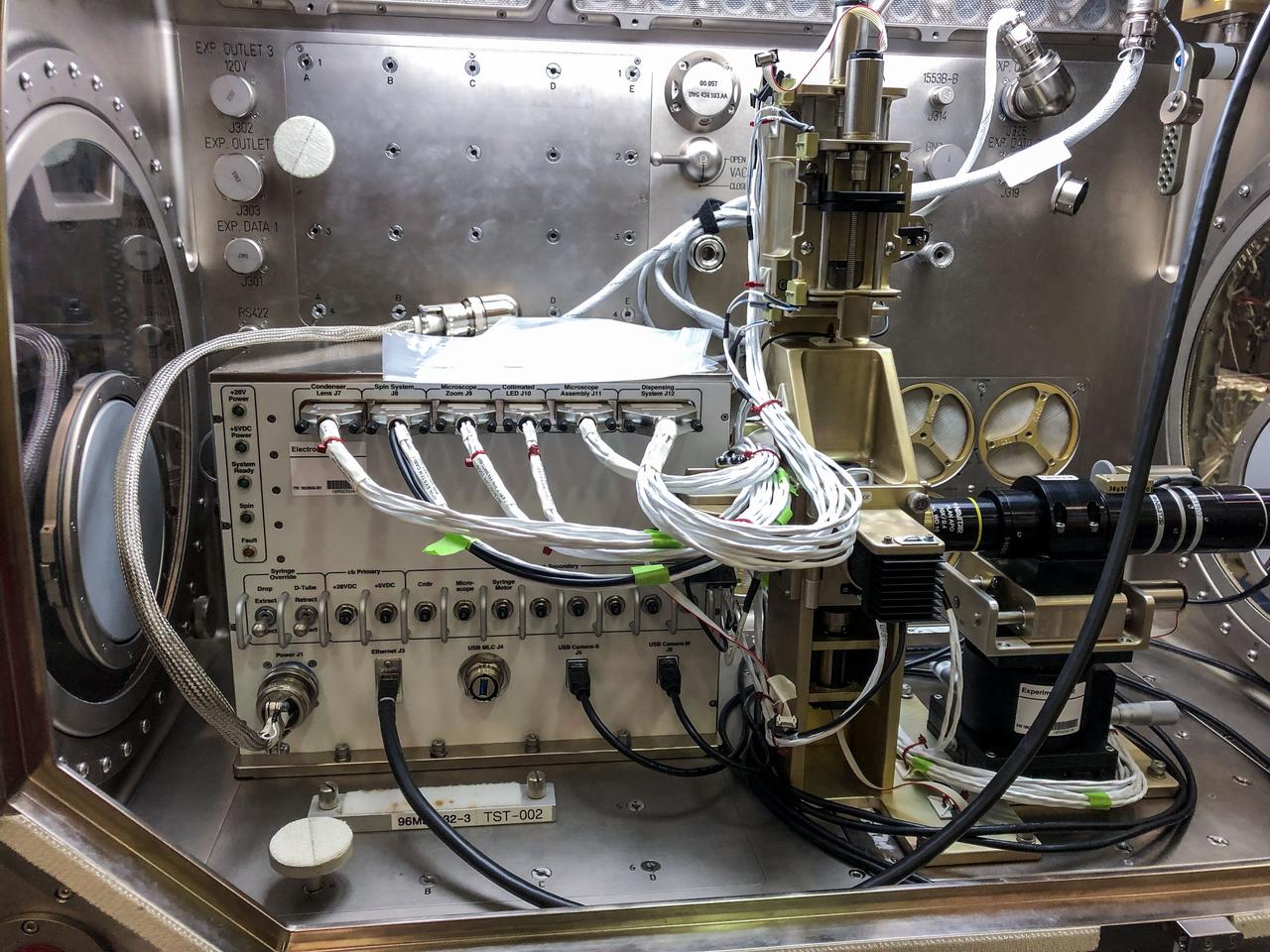
jsc2019e034530 (6/6/2019) --- Preflight photo documentation of the Ring Sheared Drop setup in the Microgravity Sciences Glovebox (MSG). The Ring Sheared Drop investigation uses microgravity to examine the formation and flow of amyloids in the absence of surface tension and other complications created by the solid walls of a container. Amyloids are associated with neurodegenerative diseases such as Alzheimer’s. This investigation may contribute to a better understanding of these diseases and development of potential treatments.
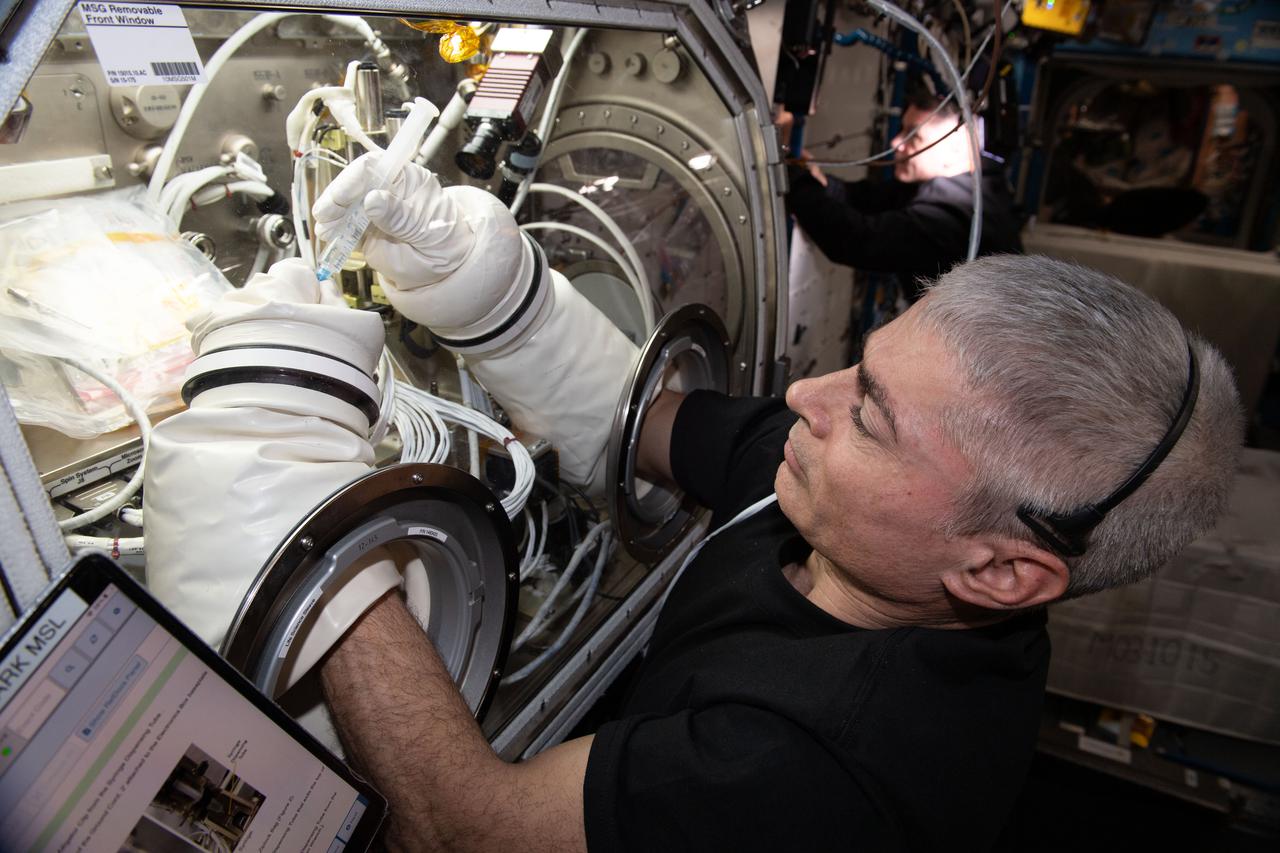
iss065e257447 (Aug. 17, 2021) --- NASA Astronaut and Expedition 65 Flight Engineer Mark Vande Hei works on the Ring Sheared Drop investigation in the Microgravity Science Glovebox (MSG) aboard the International Space Station. This experiment leverages the microgravity environment of the orbiting laboratory to study proteins associated with neurodegenerative diseases such as Alzheimer's and Parkinson's. The research may contribute to a better understanding of these diseases and development of potential treatments.

jsc2019e040134 (7/18/2019) --- Preflight images of Microglia cells growing in a culture dish (63x magnification). Microglia are the immune cells of the brain and play a role that is not fully understood in neurodegenerative diseases like multiple sclerosis. The cells shown here were differentiated from induced pluripotent stem cells that were made from a patient’s skin biopsy. The Effects of Microgravity on Microglia 3-Dimensional Models of Parkinson’s Disease and Multiple Sclerosis (Space Tango-Induced Pluripotent Stem Cells) examines how microglial cells grow and move in three-dimensional (3D) cultures as well as any changes in gene expression that occur as a result of microgravity exposure. Microglia are a type of immune defense cell found in the central nervous system. Results may help provide novel approaches to characterizing, understanding, and developing therapies for Parkinson’s disease and multiple sclerosis. (Image courtesy of: New York Stem Cell Foundation (NYSCF) Research Institute)
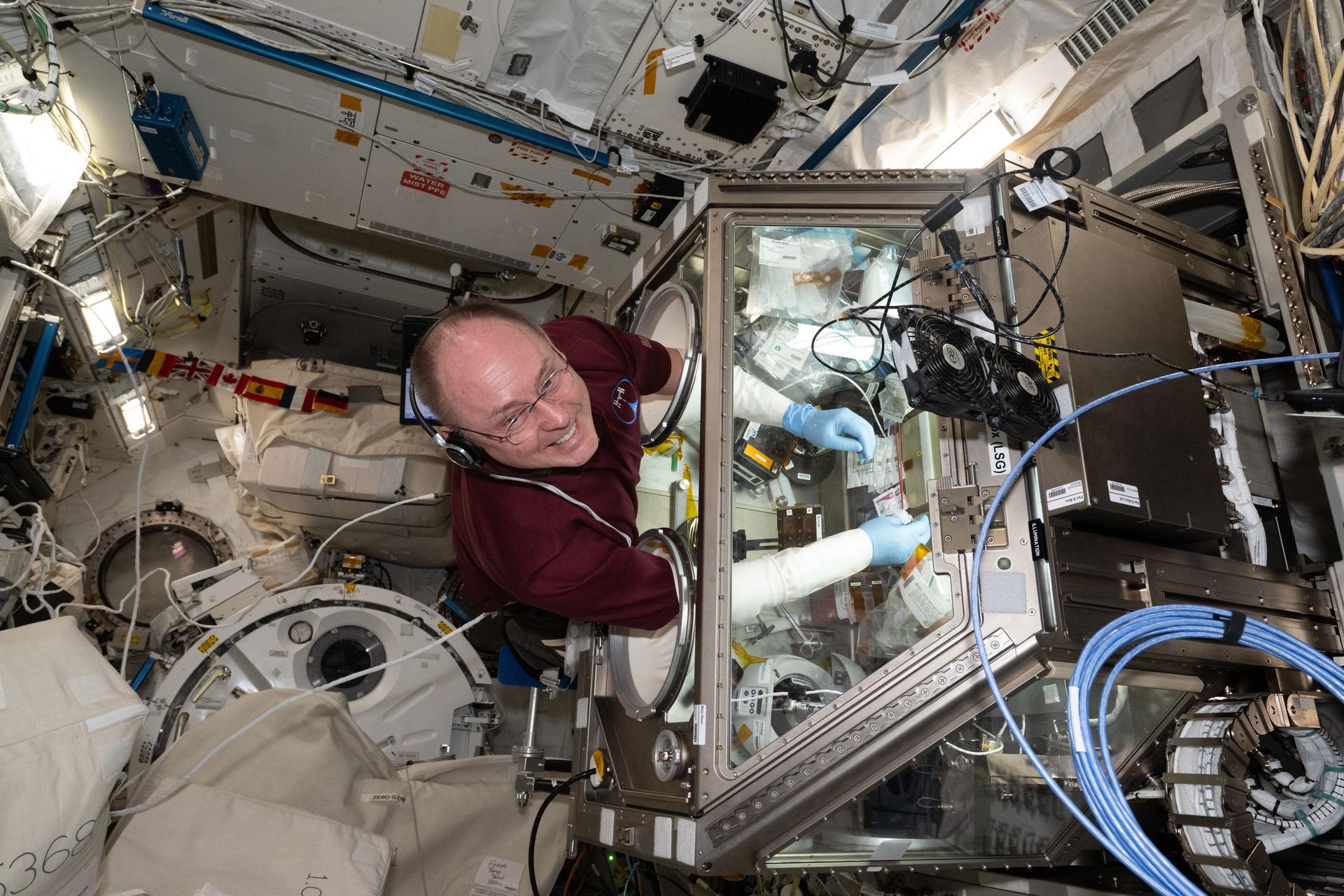
iss073e1046752 (Oct. 31, 2025) --- NASA astronaut and Expedition 73 Flight Engineer Mike Fincke conducts research operations inside the Life Science Glovebox aboard the International Space Station’s Kibo laboratory module. Fincke was assisting scientists in studying the behavior, growth, and differentiation of stem cells, and how they can be converted into brain or heart cells in microgravity. The results could lead to advancements in crew health monitoring and drug manufacturing in space, as well as new treatments for heart and neurodegenerative diseases on Earth.
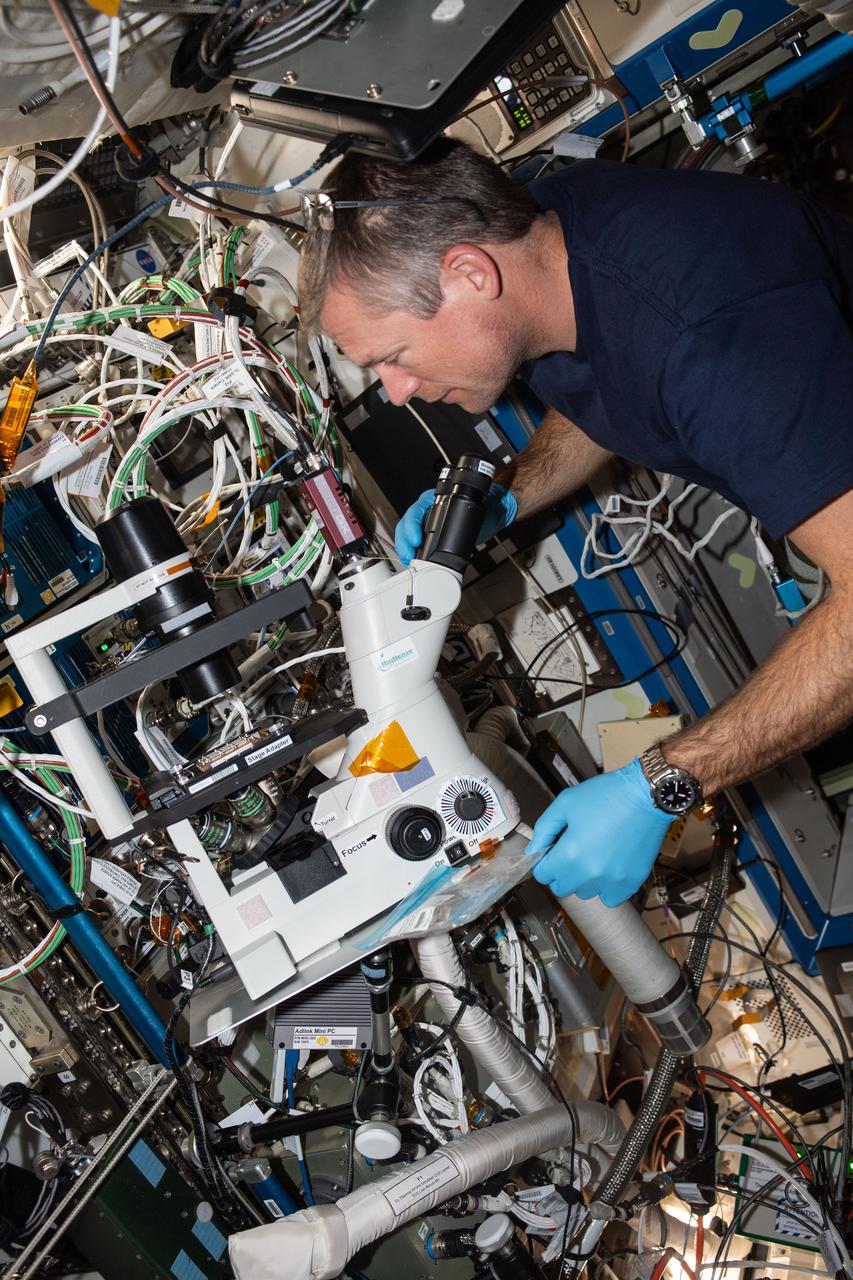
iss070e026216 (Nov. 17, 2023) --- ESA (European Space Agency) astronaut and Expedition 70 Commander Andreas Mogensen operates a microscope inside the International Space Station's Destiny laboratory module. He was capturing imagery of brain cell-like samples for the Cerebral Ageing space biology study that is exploring the degenerative processes of brain cells. Results may provide insights into accelerated ageing symptoms seen in space and neurodegenerative diseases experienced on Earth.
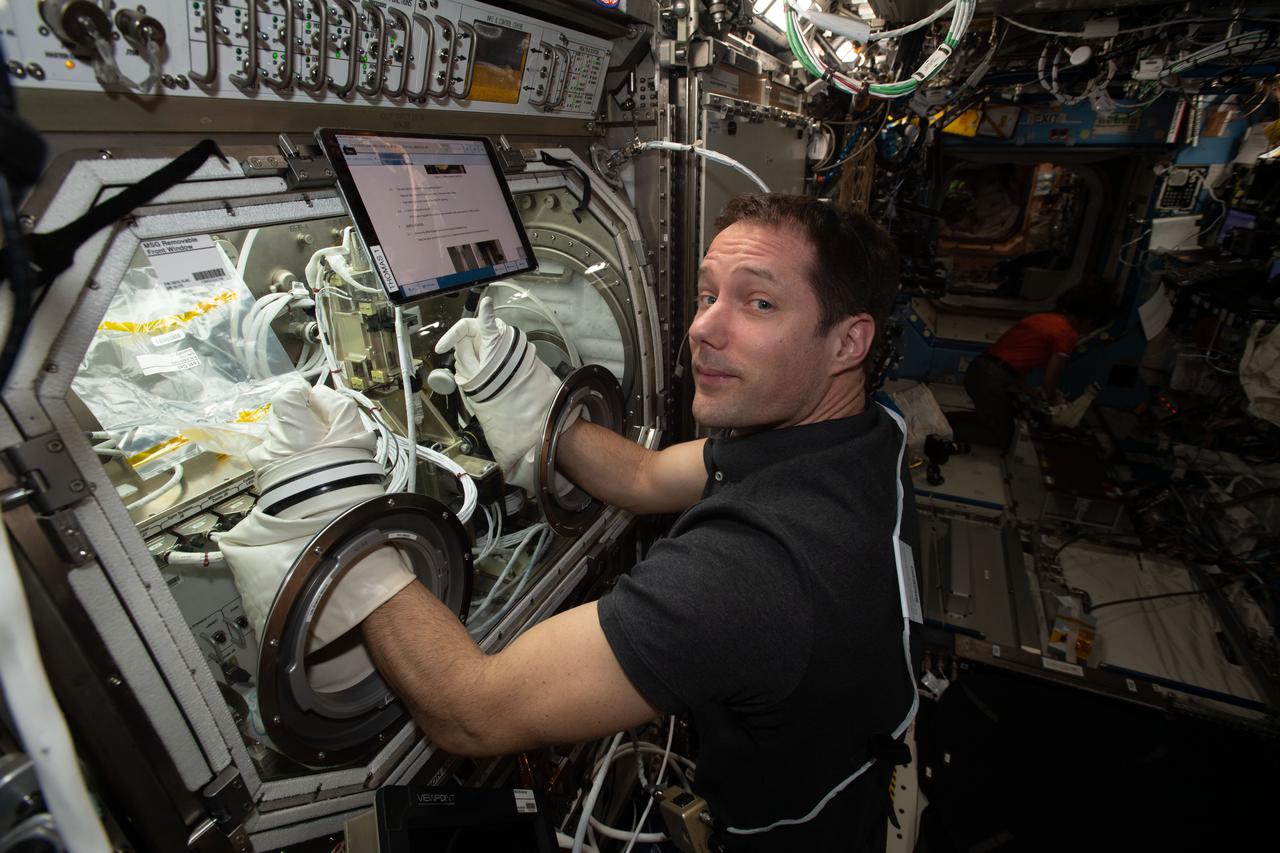
iss065e319336 (Aug. 27, 2021) --- Expedition 65 Flight Engineer Thomas Pesquet of ESA (European Space Agency) works on the Ring-Sheared Drop experiment inside the U.S. Destiny laboratory module's Microgravity Science Glovebox. Results from the fluid physics study could contribute to a better understanding of neurodegenerative diseases such as Alzheimer’s as well as the development of advanced materials.
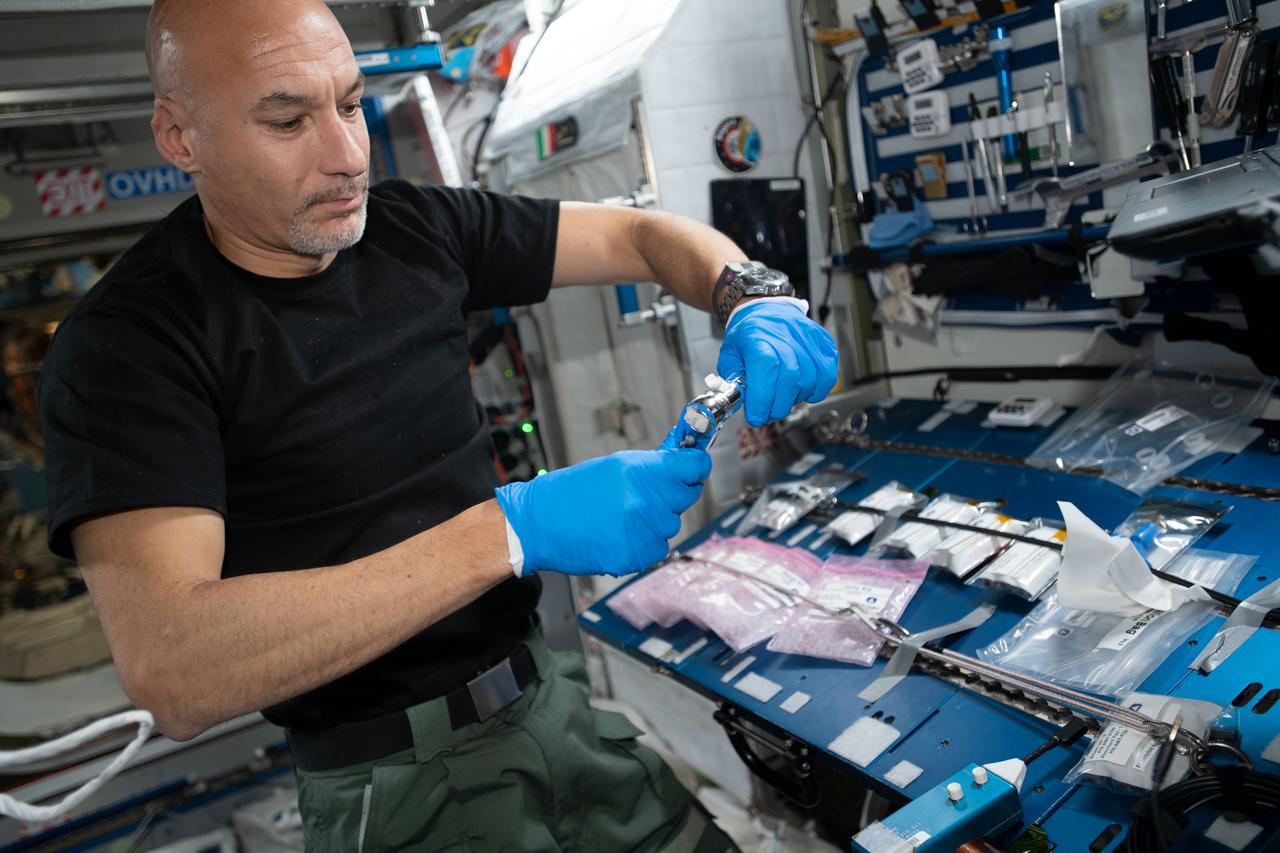
iss060e023992 (Aug. 7, 2019) --- European Space Agency astronaut Luca Parmitano is researching possible causes for neurodegenerative conditions such as Alzheimer’s disease. Parmitano was performing operations for the Amyloid Aggregation investigation examining protein samples for amyloid formation that differ from samples observed on Earth. Results may inform preventative therapies for Earthlings and astronauts on long-term missions.
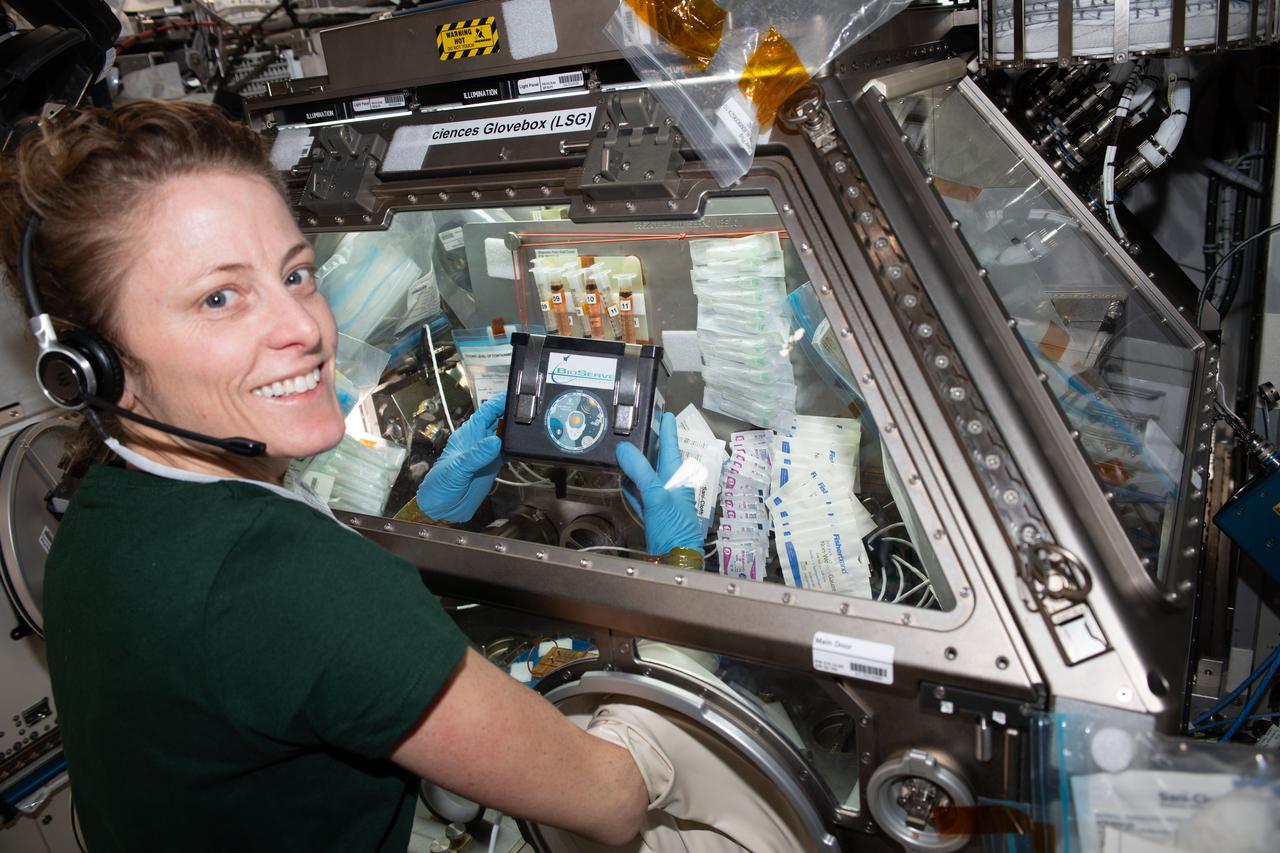
iss070e024859 (Nov. 14, 2023) --- NASA astronaut and Expedition 70 Flight Engineer Lora O'Hara treats brain cell-like samples inside the Kibo laboratory module's Life Science Glovebox aboard the International Space Station. She was processing the samples for the Cerebral Ageing space biology study that is exploring the degenerative processes of brain cells. Results may provide insights into accelerated ageing symptoms seen in space and neurodegenerative diseases experienced on Earth.
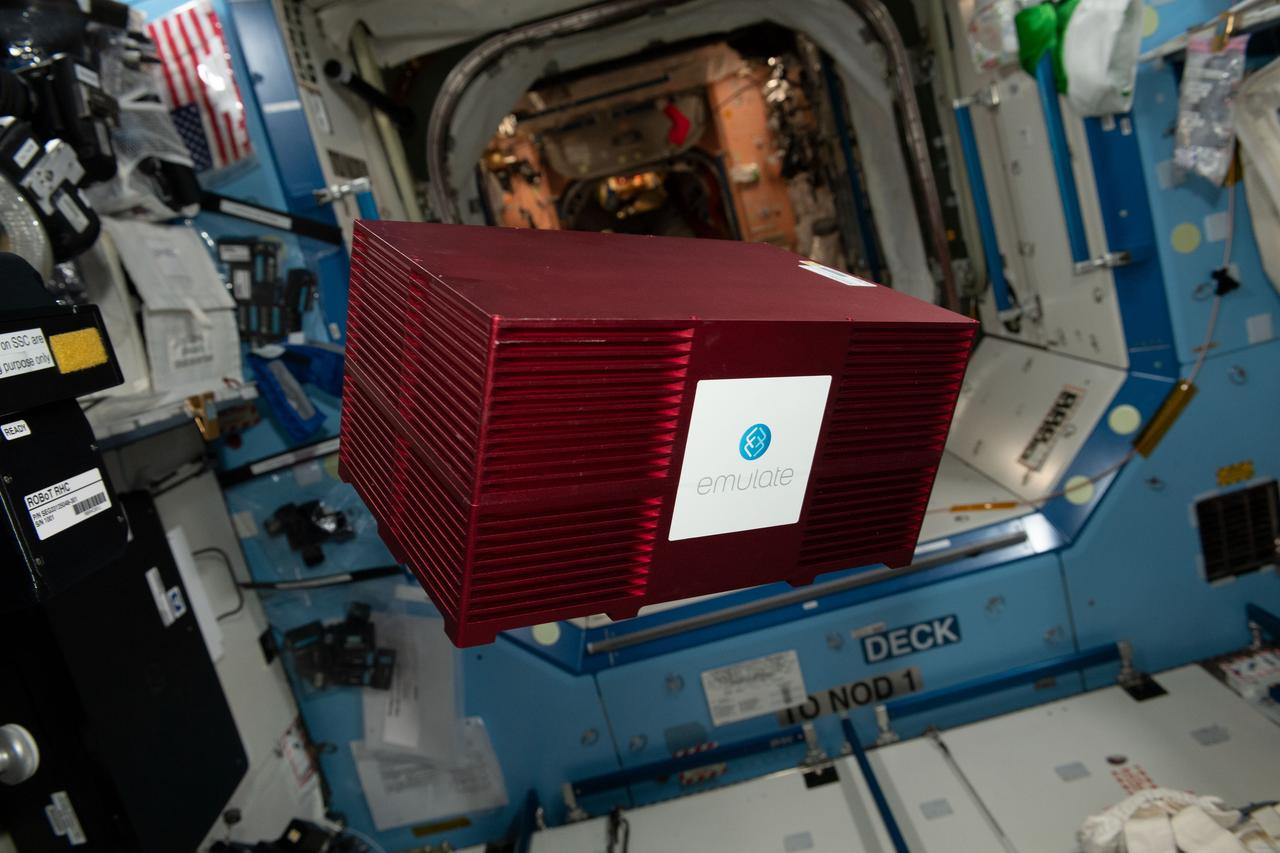
iss058e000975 (12/26/2018) --- A view of the Organs-On-Chips as a Platform for Studying Effects of Microgravity on Human Physiology investigation taken onboard the International Space Station (ISS). Organs-On-Chips as a Platform for Studying Effects of Microgravity on Human Physiology analyzes the effect of microgravity and other space-related stressors on the brain blood barrier. It uses fully automated tissue chip technology, a Brain-Chip, consisting of living neuronal and vascular endothelial cells in a micro-engineered environment. Results may provide insight into the relationship between inflammation and brain function and a better understanding of neurodegenerative diseases such as Alzheimer’s and Parkinson’s.