Downhill Run
Hit and Run
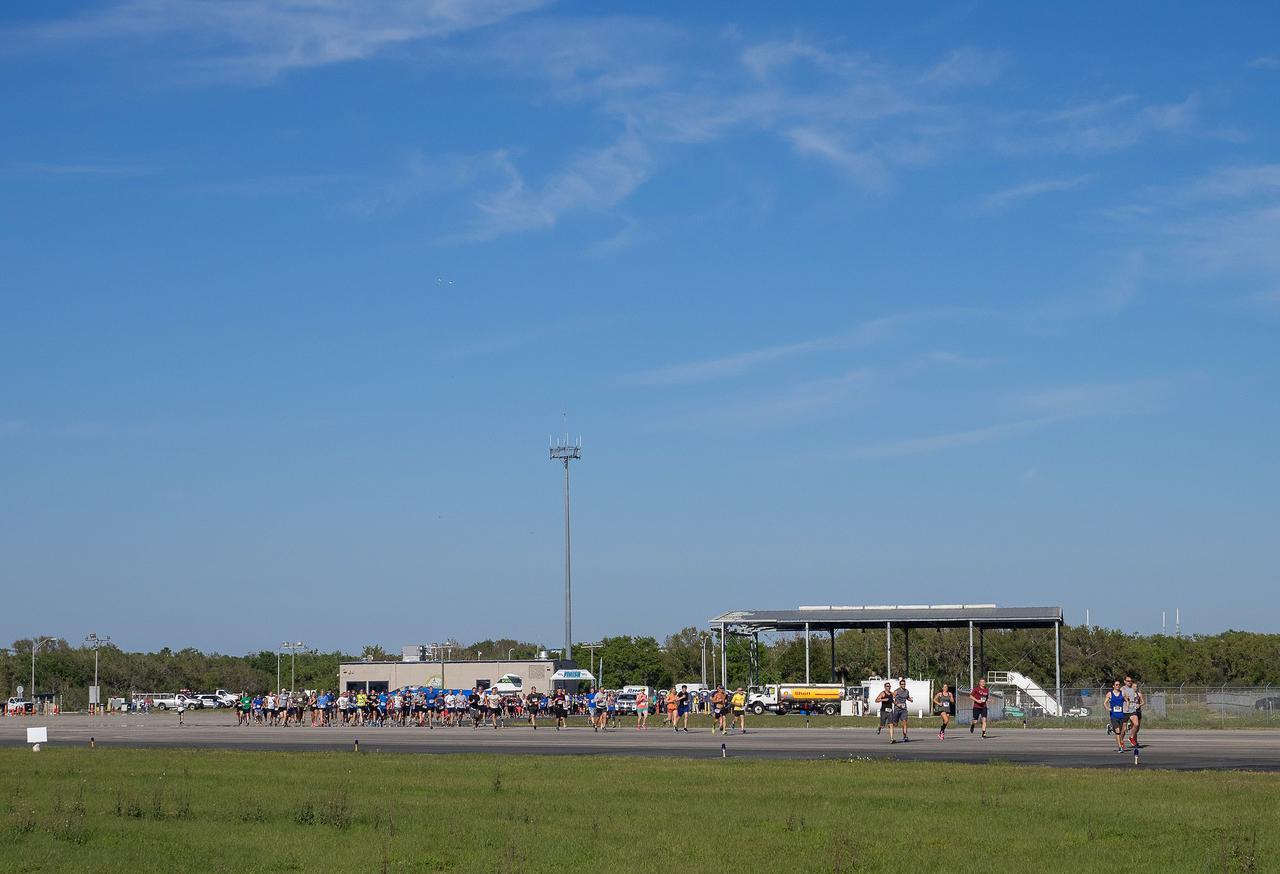
Kennedy Space Center employees and guests are off to a running start at the KSC Walk Run on the Shuttle Landing Facility runway. The annual event, part of Kennedy’s Safety and Health Days, offers 10K, 5K and 2-mile options in the spirit of friendly competition.
An Ocean Runs Through It
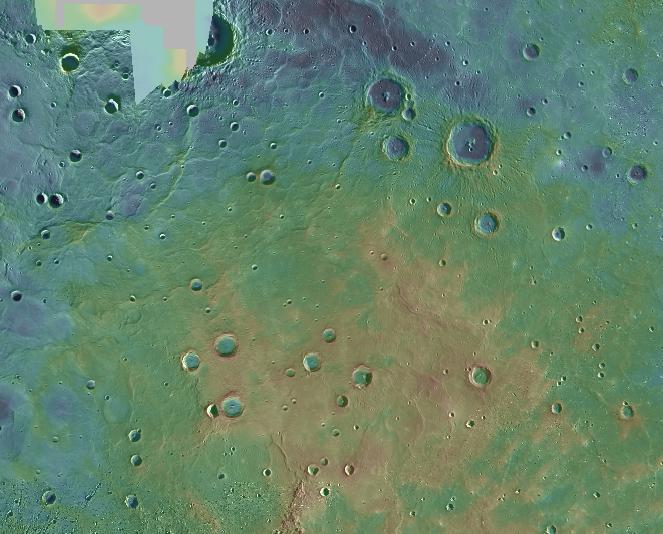
Running Up that Hill
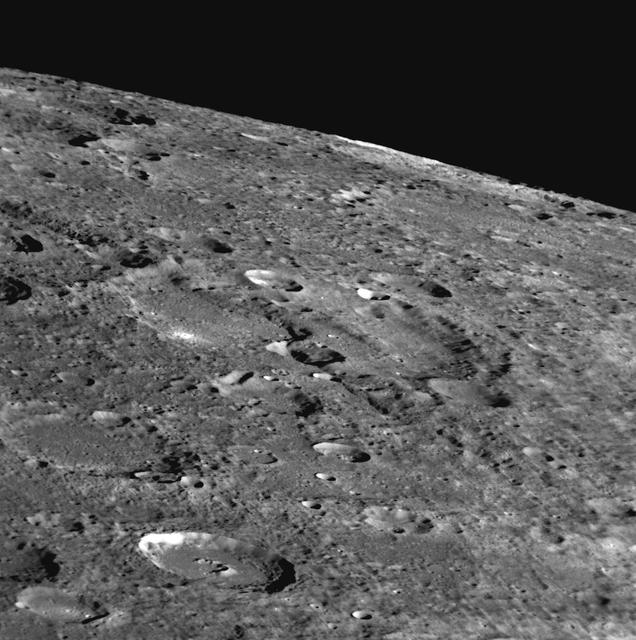
A Cliff Runs Through It
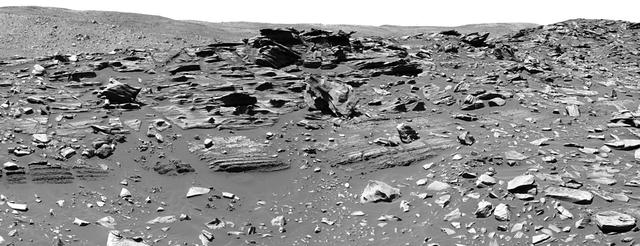
Spirit Hits a Home Run
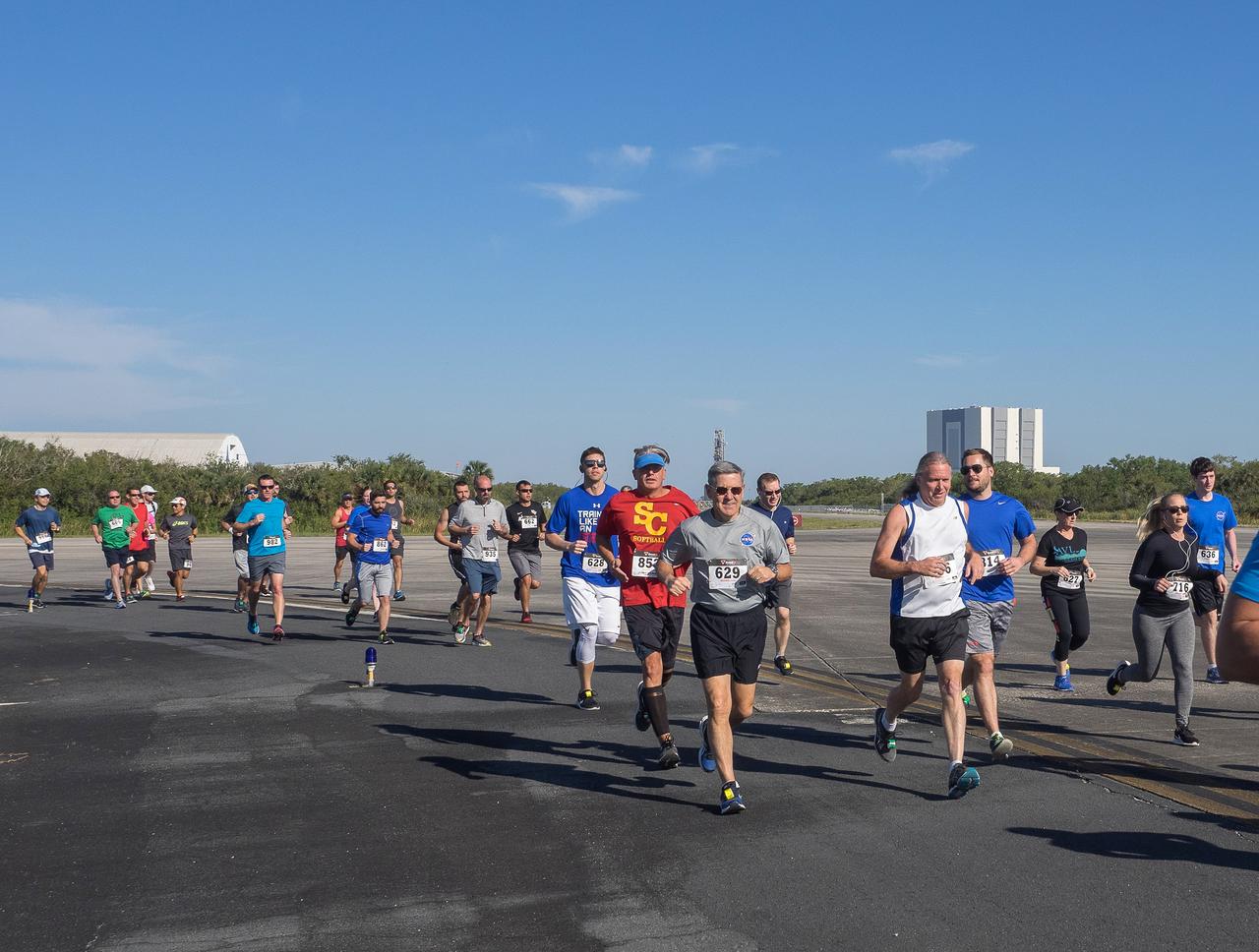
Kennedy Space Center Director Bob Cabana, center, is joined by a large group of center employees and guests as they participate in the KSC Walk Run on the Shuttle Landing Facility runway. The annual event, part of Kennedy’s Safety and Health Days, offers 10K, 5K and 2-mile options in the spirit of friendly competition.
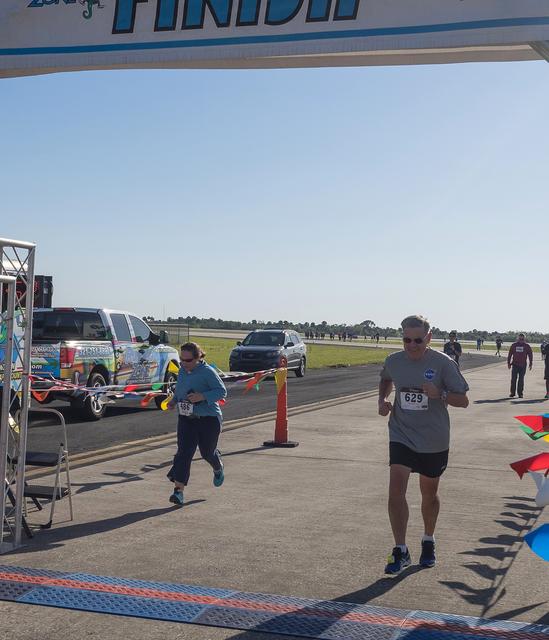
Kennedy Space Center Director Bob Cabana approaches the finish line at the KSC Walk Run on the Shuttle Landing Facility runway. The annual event, part of Kennedy’s Safety and Health Days, offers 10K, 5K and 2-mile options in the spirit of friendly competition.
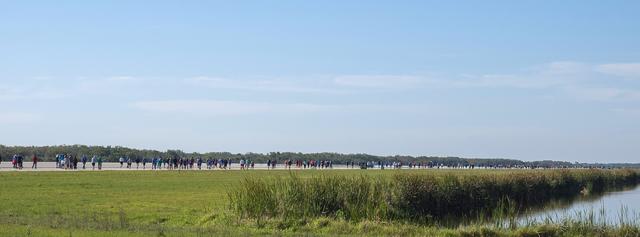
A line of Kennedy Space Center employees and guests stretches down the Shuttle Landing Facility Runway during the KSC Walk Run. The annual event, part of Kennedy’s Safety and Health Days, offers 10K, 5K and 2-mile options in the spirit of friendly competition.
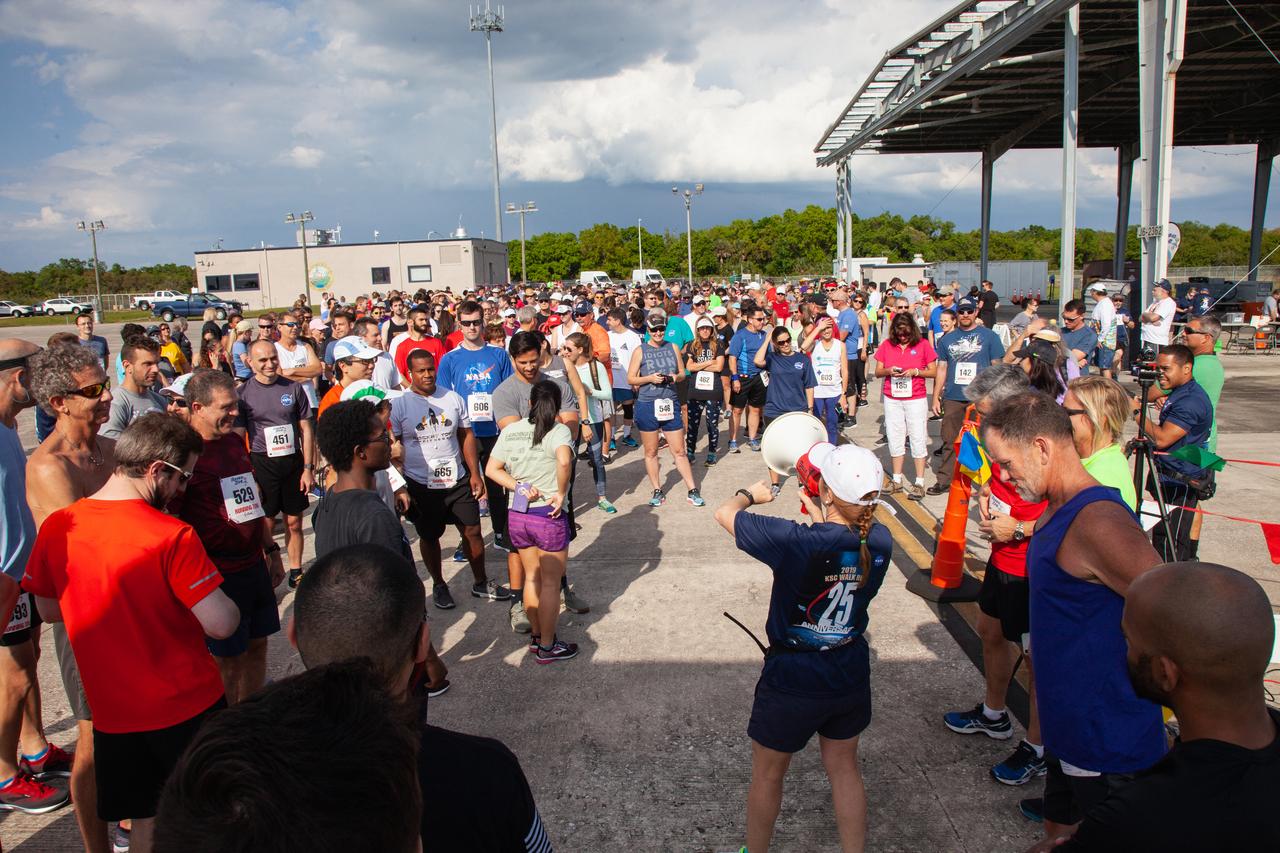
A speaker addresses Kennedy Space Center employees and guests prior to the start of the Florida spaceport’s annual KSC Walk Run on March 26, 2019. Part of Kennedy’s Safety and Health Days, the event takes place at the Shuttle Landing Facility runway and offers participants the chance to partake in a two-mile walk or run, a 5K or a 10K.
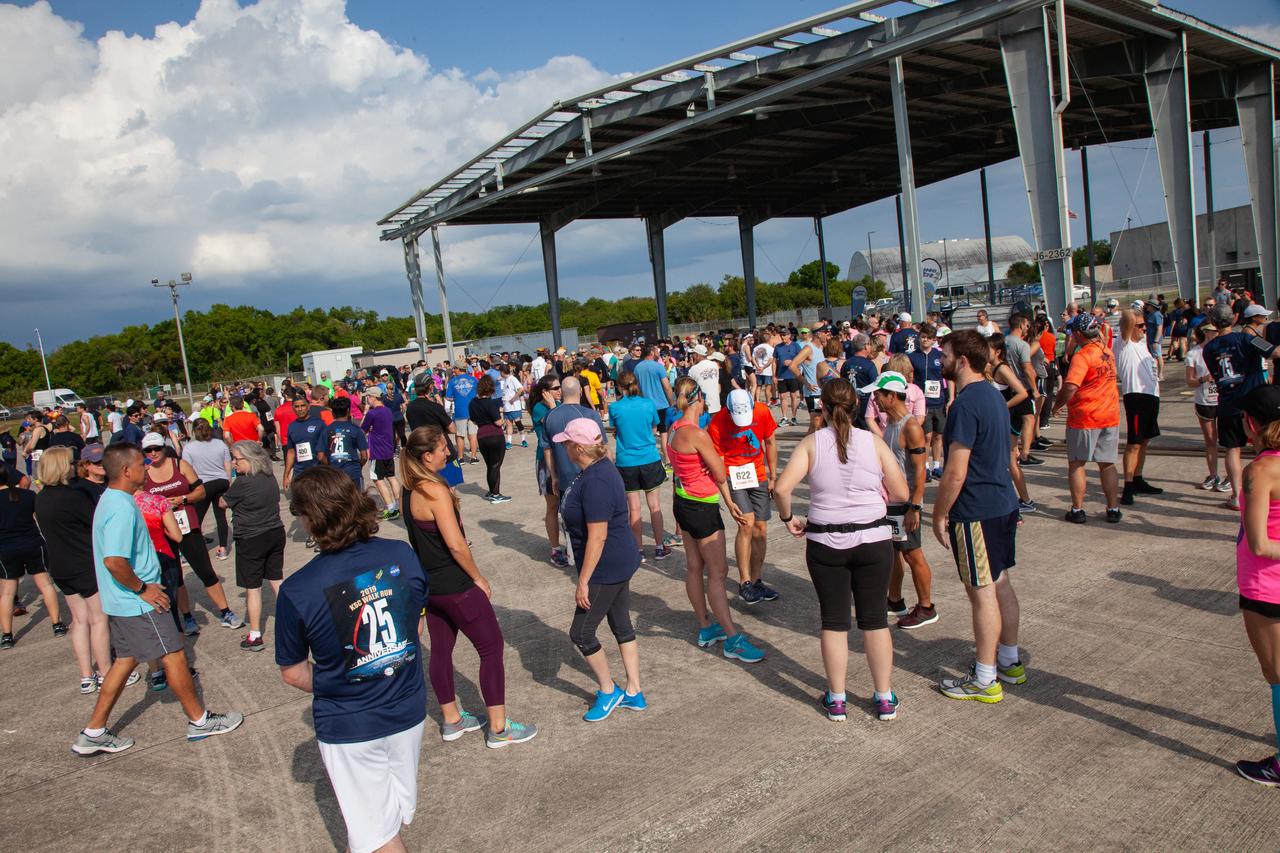
Kennedy Space Center employees and guests converse prior to the start of the Florida spaceport’s annual KSC Walk Run on March 26, 2019. Part of Kennedy’s Safety and Health Days, the event takes place at the Shuttle Landing Facility runway and offers participants the chance to partake in a two-mile walk or run, a 5K or a 10K.
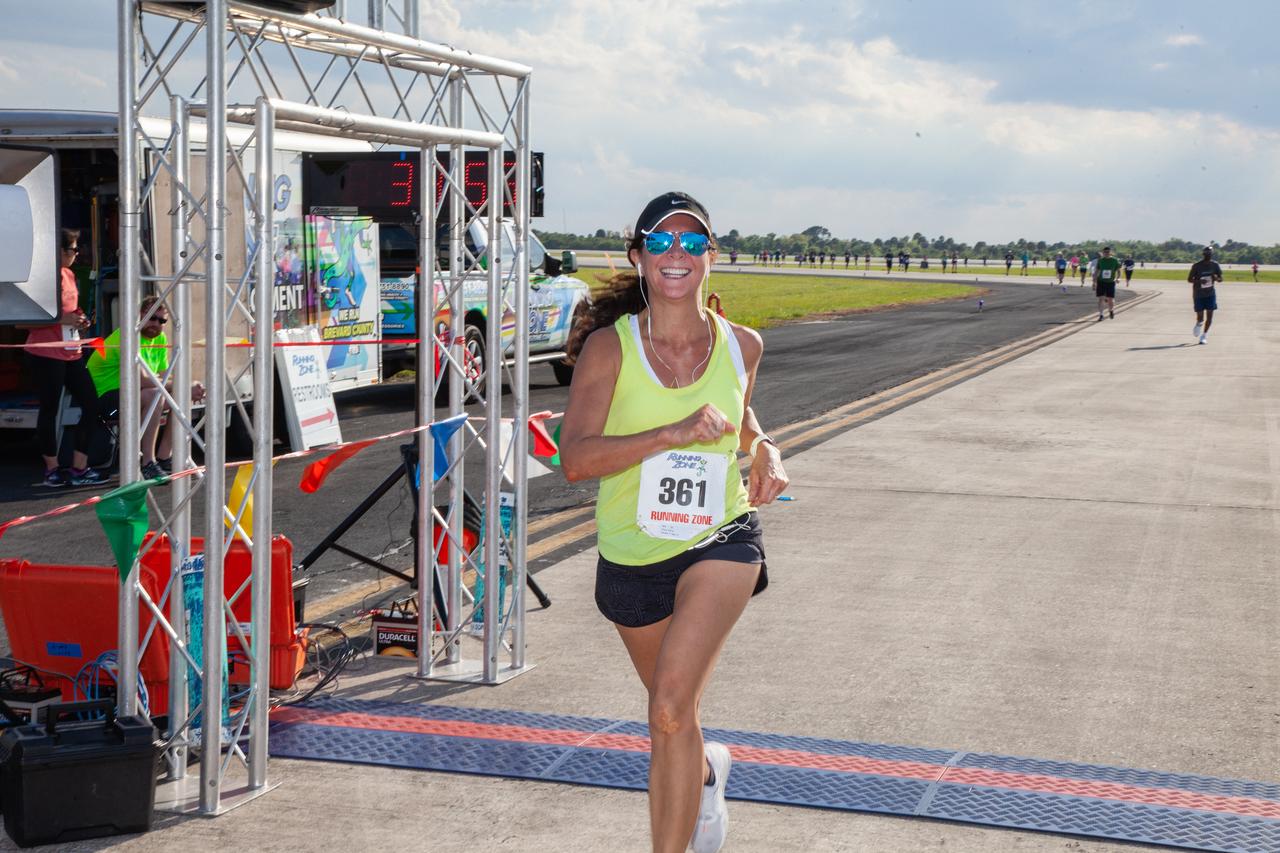
A participant crosses the finish line of Kennedy Space Center’s Walk Run on March 26, 2019. Part of Kennedy’s Safety and Health Days, the annual event takes place at the Florida spaceport’s Shuttle Landing Facility runway and offers employees and guests the chance to partake in a two-mile walk or run, a 5K or a 10K.
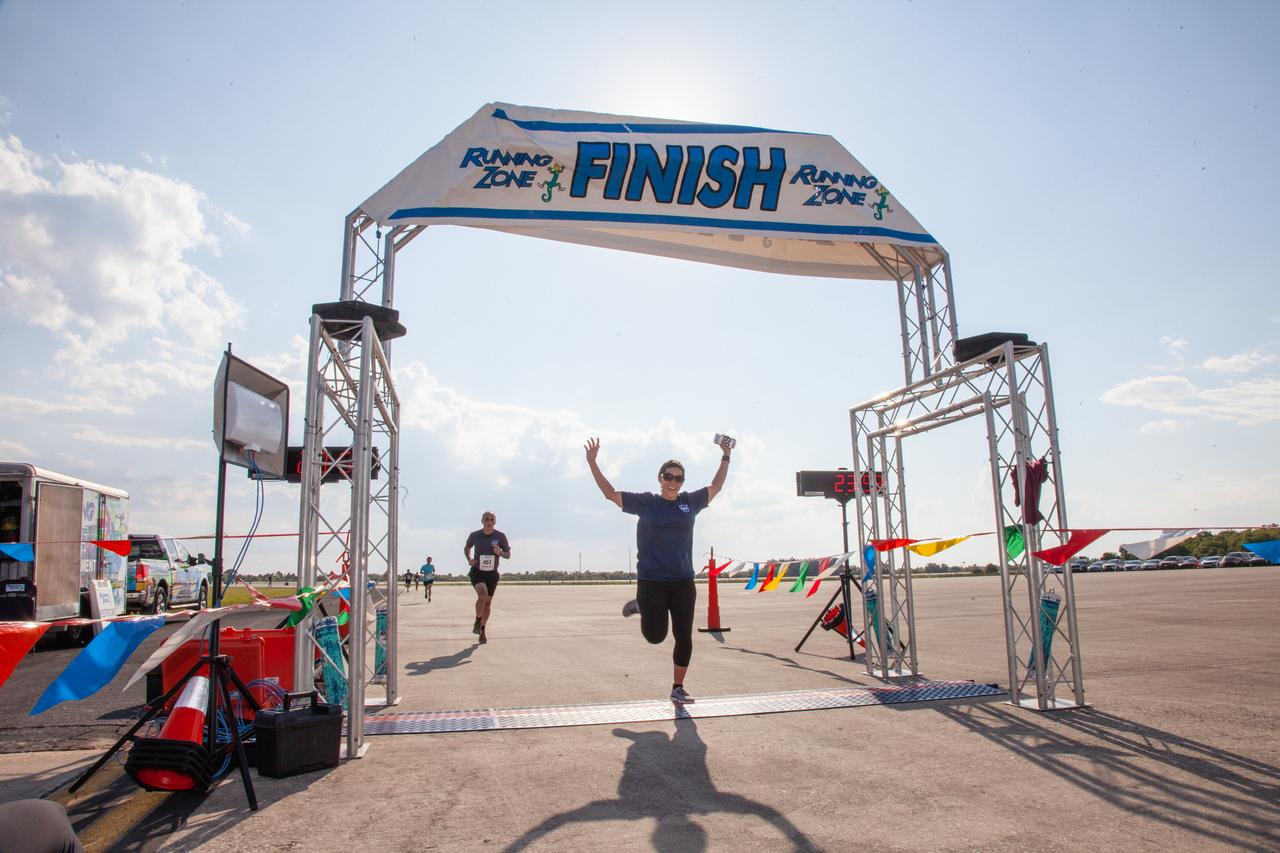
Kennedy Space Center employees and guests cross the finish line during the Florida spaceport’s annual KSC Walk Run on March 26, 2019. Part of Kennedy’s Safety and Health Days, the event takes place at the Shuttle Landing Facility runway and offers participants the chance to partake in a two-mile walk or run, a 5K or a 10K.
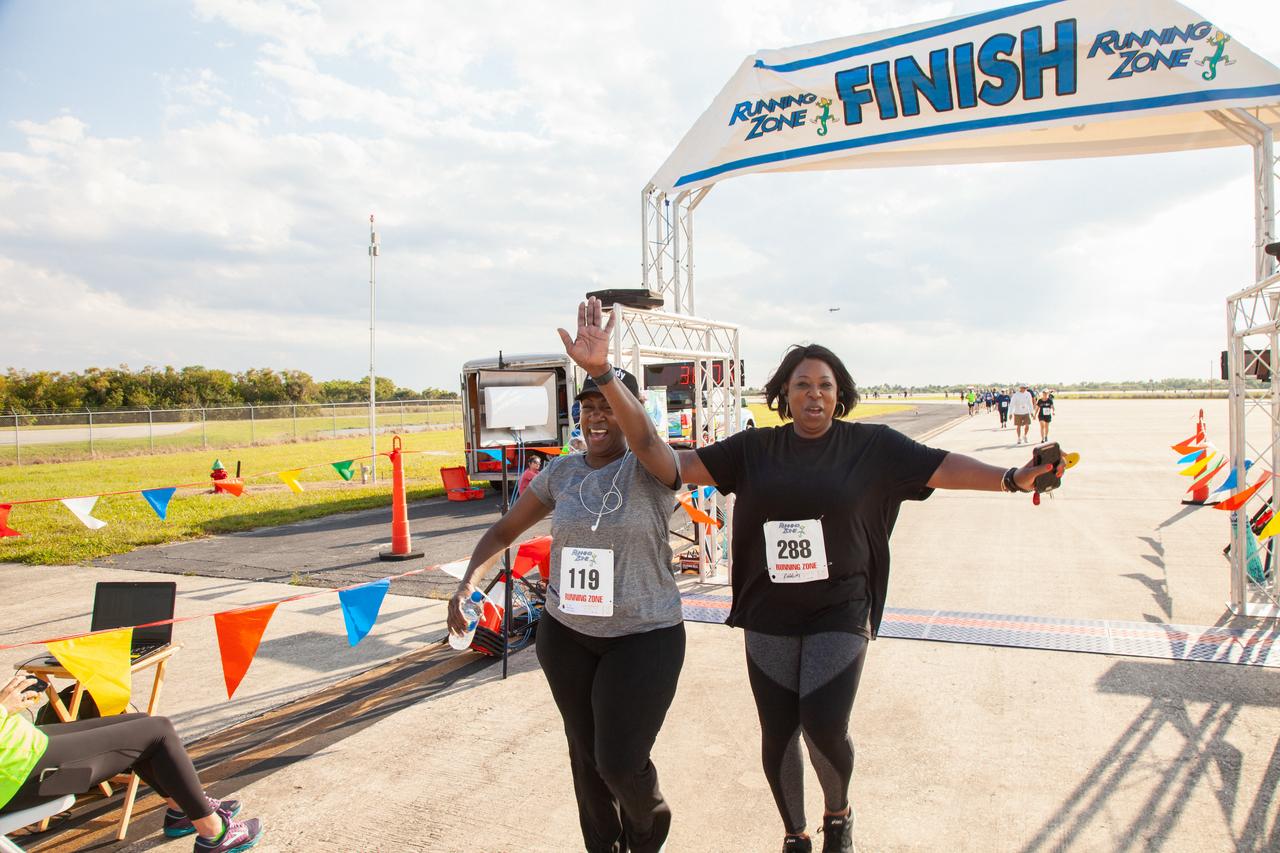
Participants cross the finish line of Kennedy Space Center’s Walk Run on March 26, 2019. Part of Kennedy’s Safety and Health Days, the annual event takes place at the Florida spaceport’s Shuttle Landing Facility runway and offers employees and guests the chance to partake in a two-mile walk or run, a 5K or a 10K.
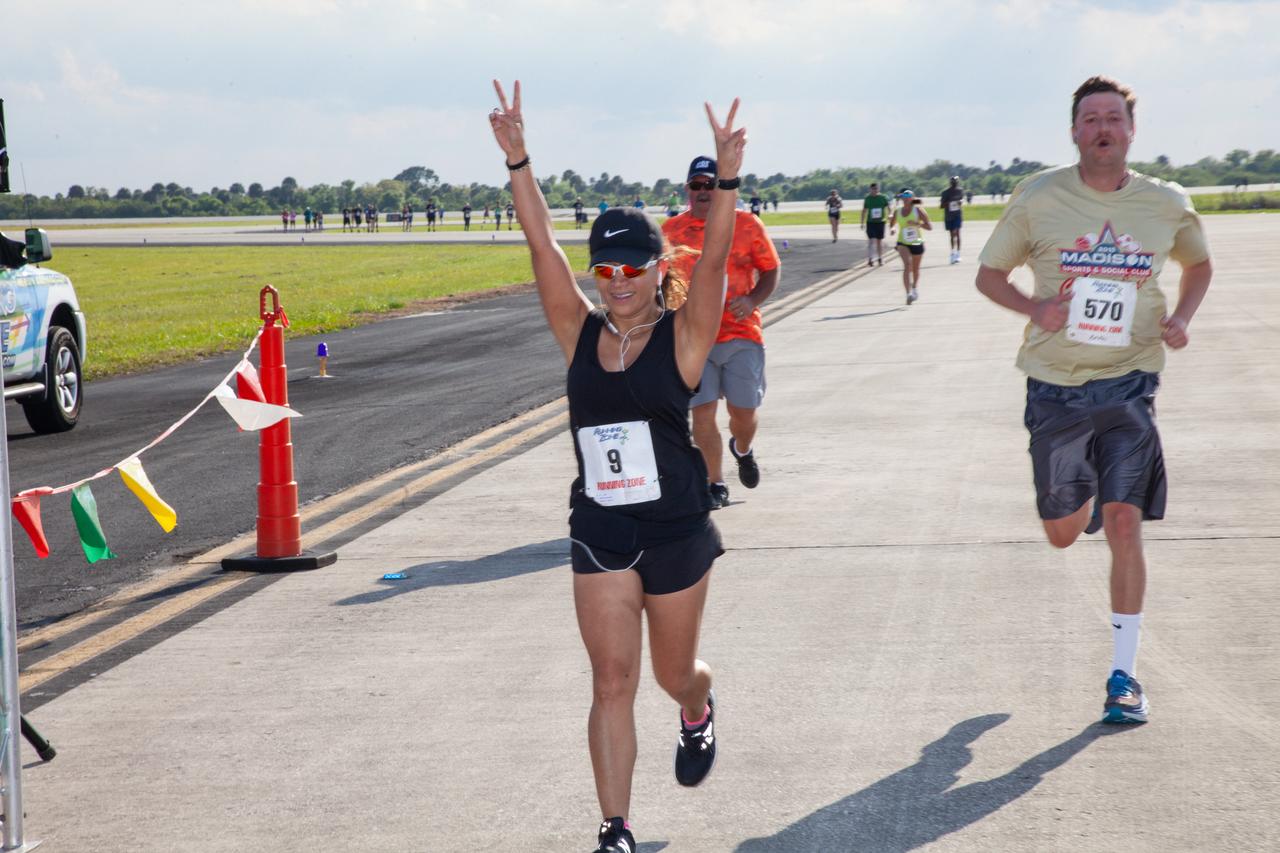
Kennedy Space Center employees and guests cross the finish line during the Florida spaceport’s annual KSC Walk Run on March 26, 2019. Part of Kennedy’s Safety and Health Days, the event takes place at the Shuttle Landing Facility runway and offers participants the chance to partake in a two-mile walk or run, a 5K or a 10K.
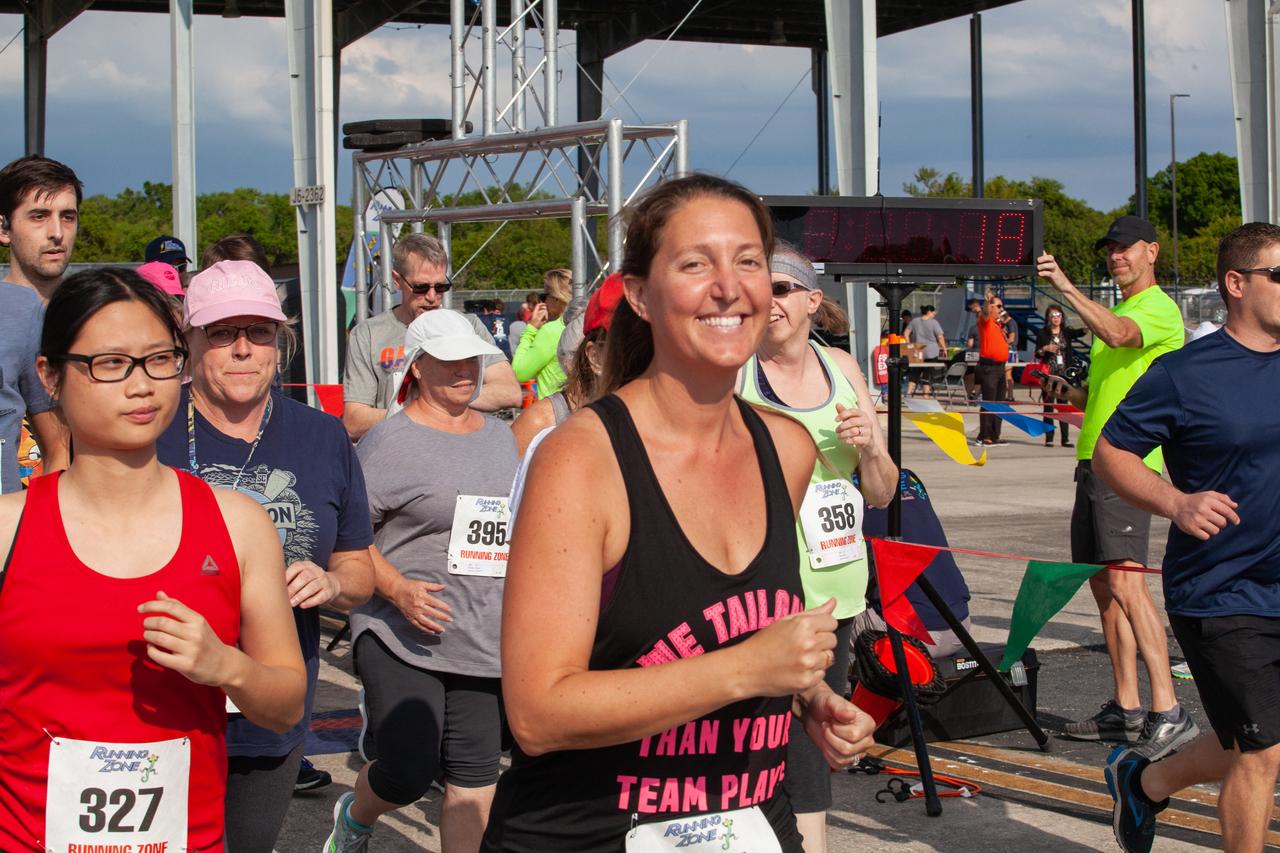
Kennedy Space Center employees and guests participate in the Florida spaceport’s annual KSC Walk Run on March 26, 2019. Part of Kennedy’s Safety and Health Days, the event takes place at the Shuttle Landing Facility runway and offers participants the chance to partake in a two-mile walk or run, a 5K or a 10K.
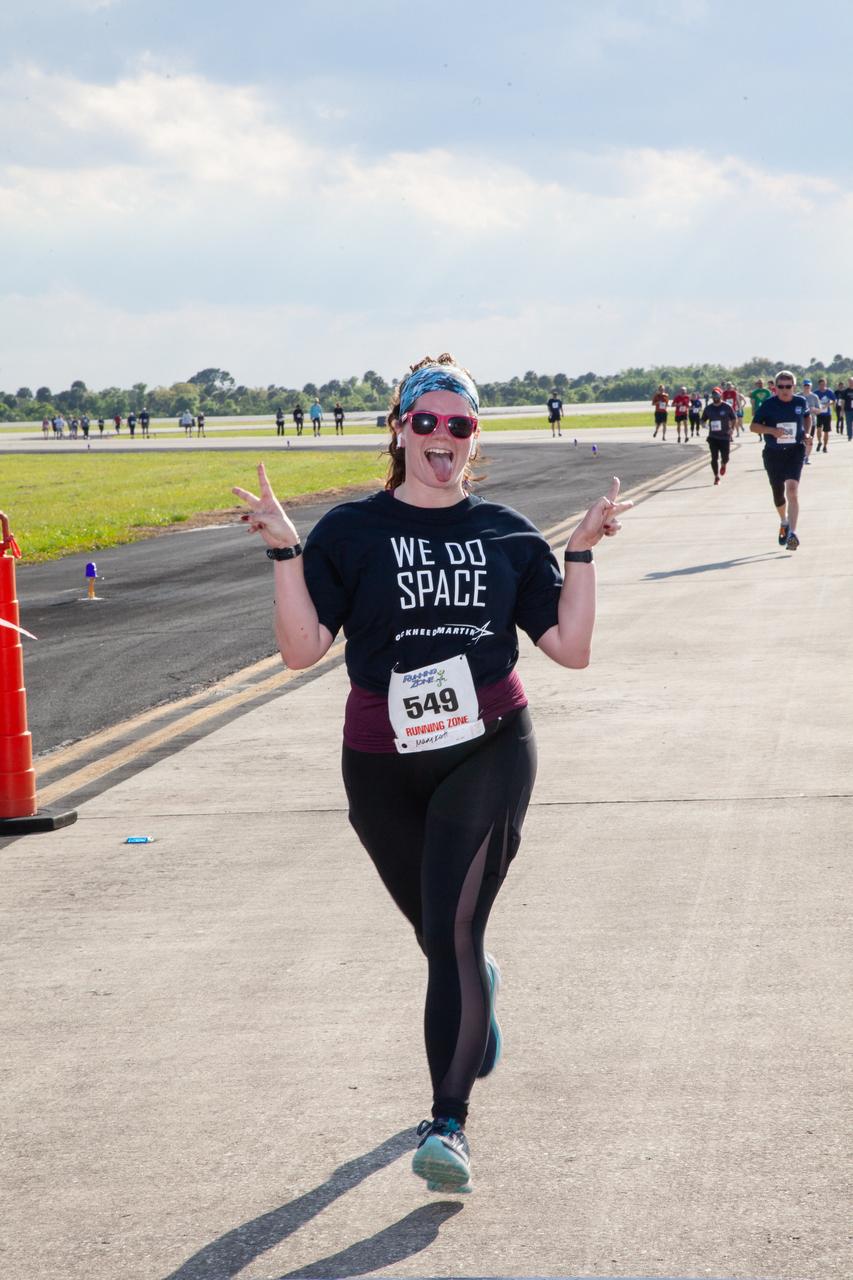
A participant poses as she crosses the finish line of Kennedy Space Center’s Walk Run on March 26, 2019. Part of Kennedy’s Safety and Health Days, the annual event takes place at the Florida spaceport’s Shuttle Landing Facility runway and offers employees and guests the chance to partake in a two-mile walk or run, a 5K or a 10K.
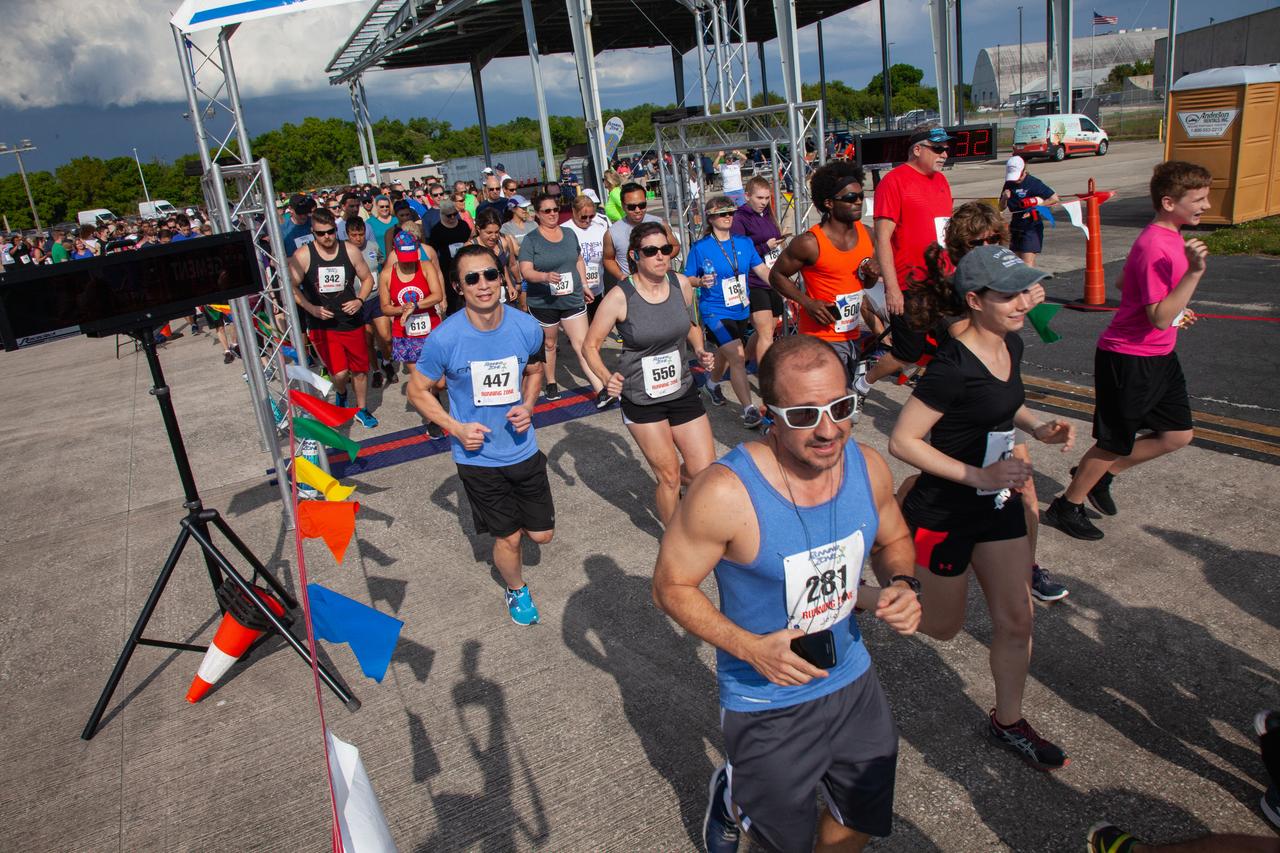
Kennedy Space Center employees and guests take off at the start of the Florida spaceport’s annual KSC Walk Run on March 26, 2019. Part of Kennedy’s Safety and Health Days, the event takes place at the Shuttle Landing Facility runway and offers participants the chance to partake in a two-mile walk or run, a 5K or a 10K.
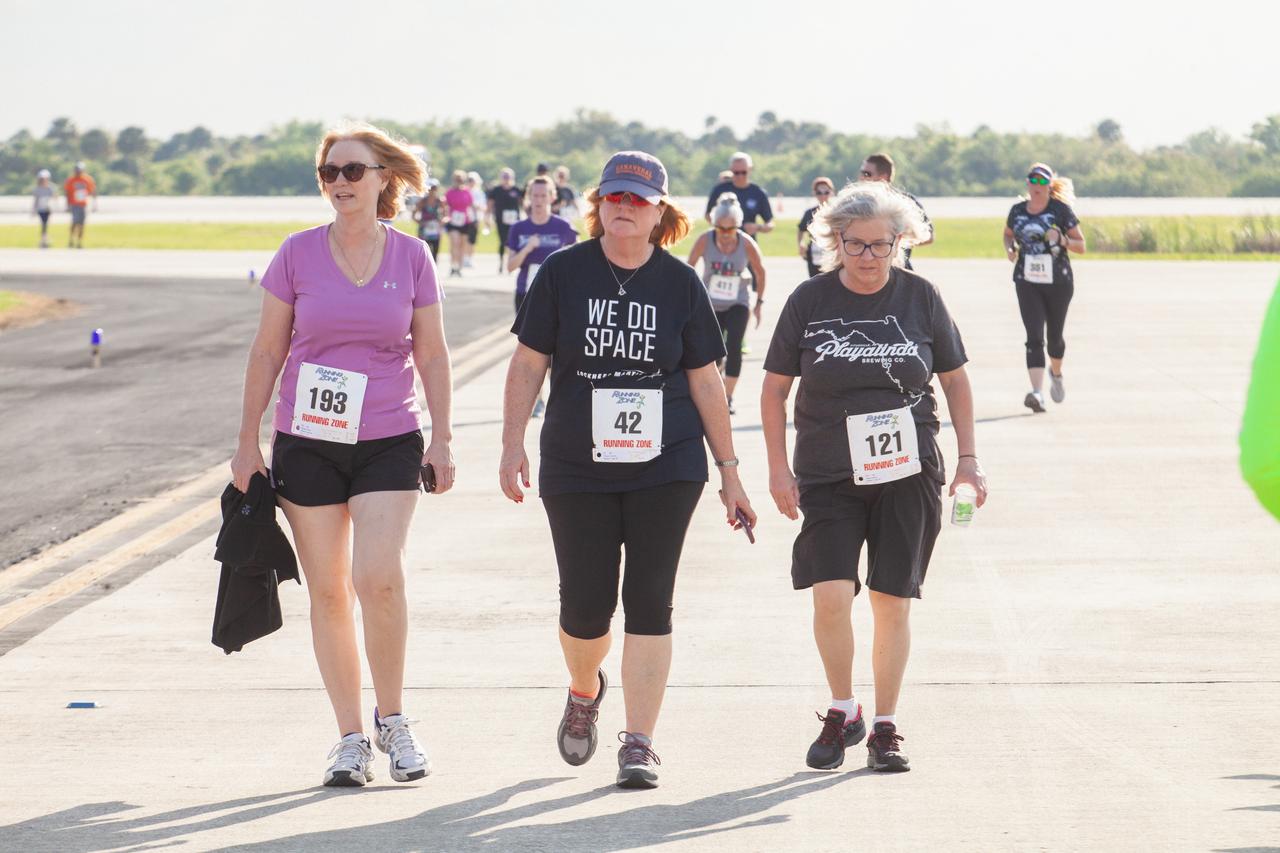
Kennedy Space Center employees and guests participate in the Florida spaceport’s annual KSC Walk Run on March 26, 2019. Part of Kennedy’s Safety and Health Days, the event takes place at the Shuttle Landing Facility runway and offers participants the chance to partake in a two-mile walk or run, a 5K or a 10K.
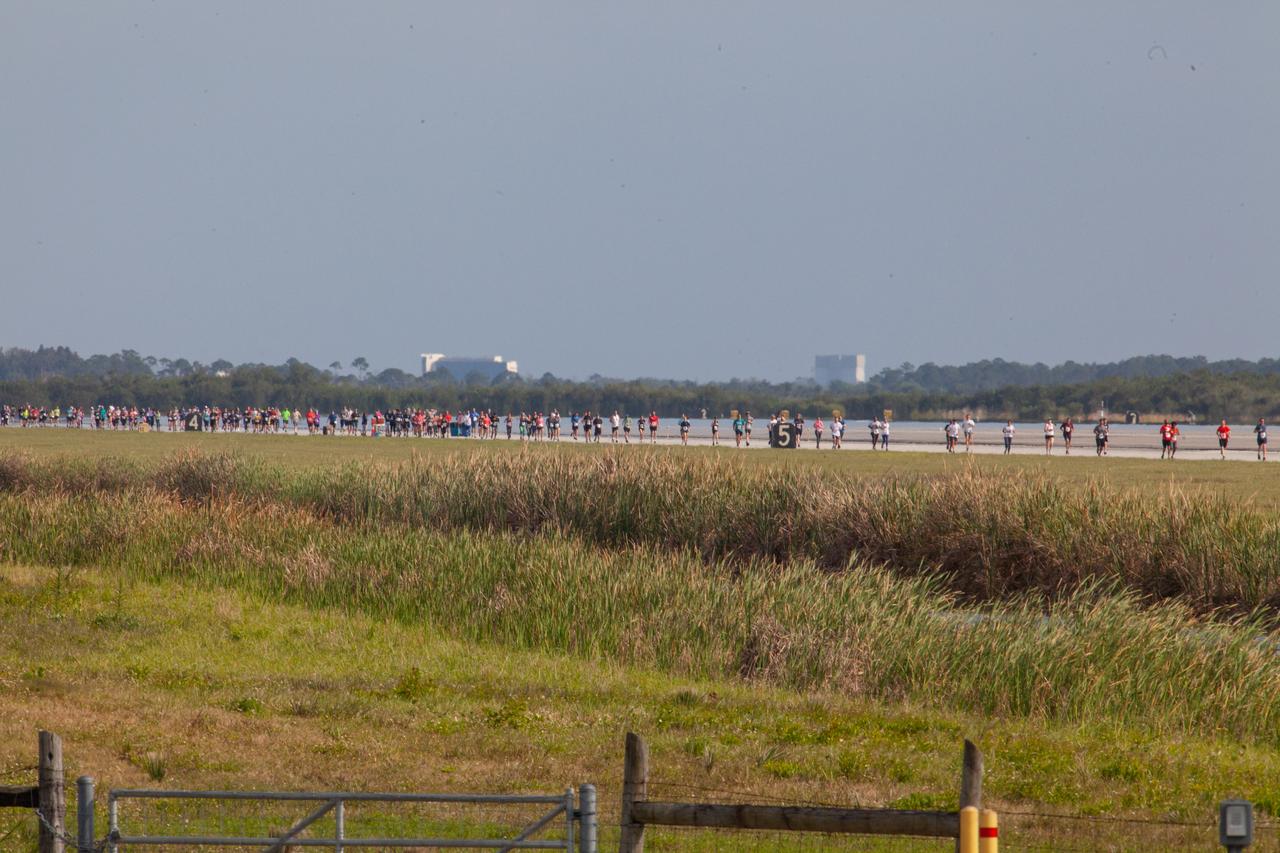
Kennedy Space Center employees and guests participate in the Florida spaceport’s annual KSC Walk Run on March 26, 2019. Part of Kennedy’s Safety and Health Days, the event takes place at the Shuttle Landing Facility runway and offers participants the chance to partake in a two-mile walk or run, a 5K or a 10K.
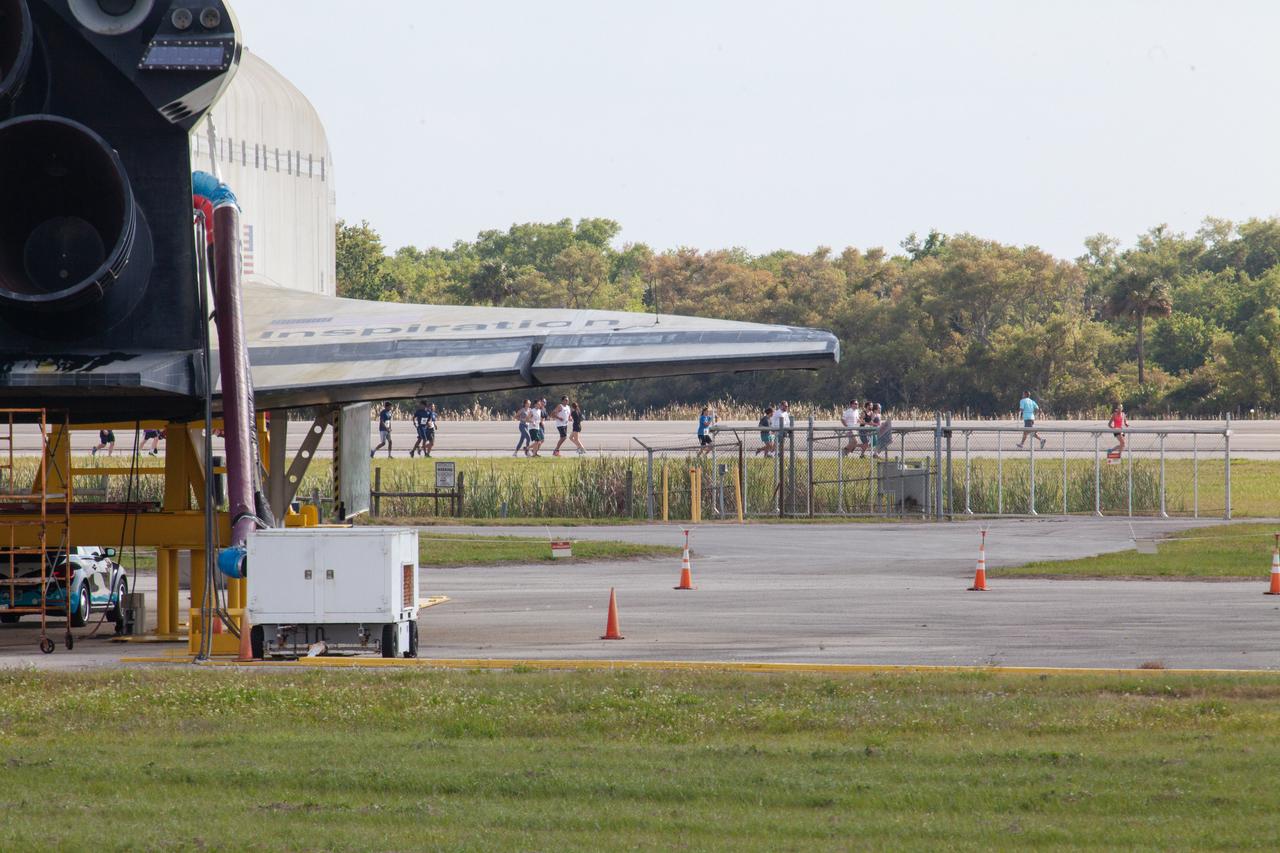
Kennedy Space Center employees and guests participate in the Florida spaceport’s annual KSC Walk Run on March 26, 2019. Part of Kennedy’s Safety and Health Days, the event takes place at the Shuttle Landing Facility runway and offers participants the chance to partake in a two-mile walk or run, a 5K or a 10K.
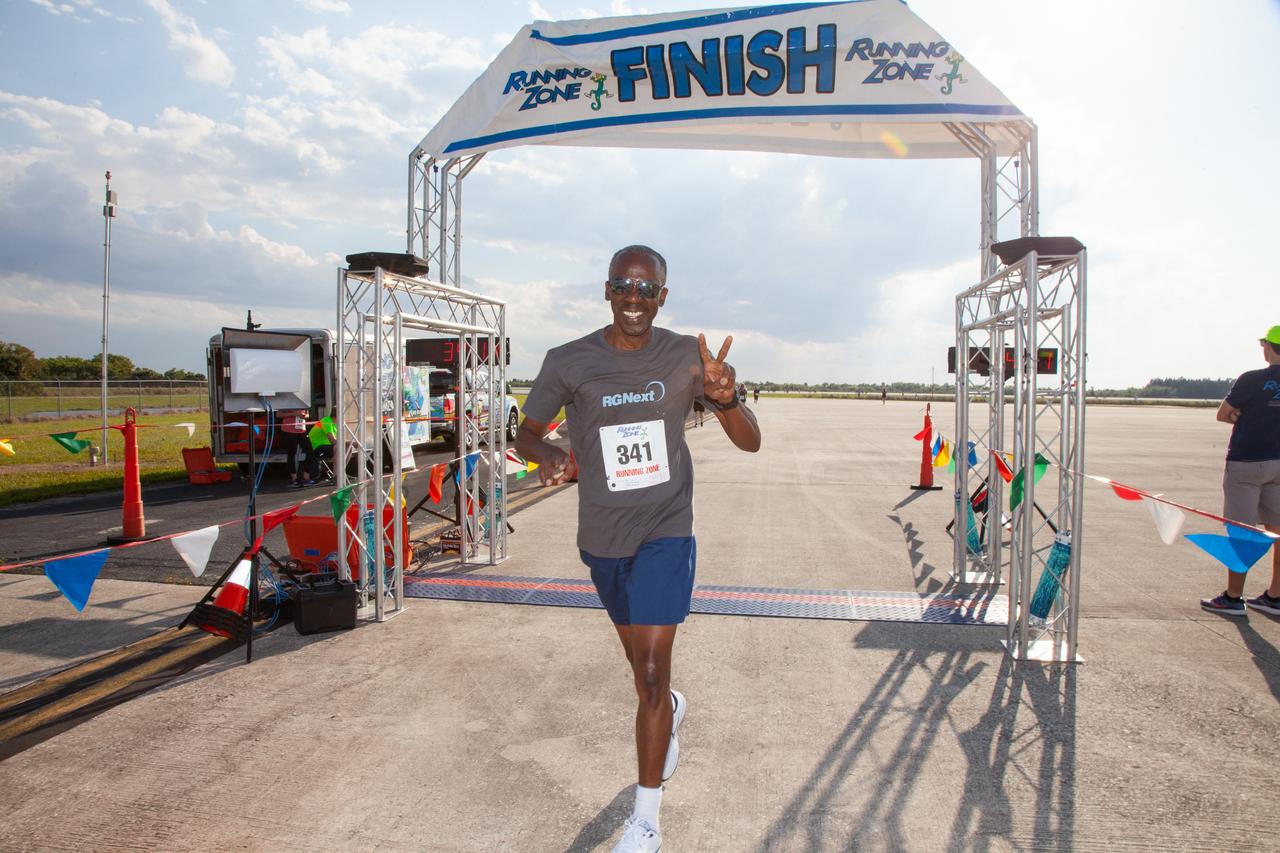
A participant crosses the finish line of Kennedy Space Center’s Walk Run on March 26, 2019. Part of Kennedy’s Safety and Health Days, the annual event takes place at the Florida spaceport’s Shuttle Landing Facility runway and offers employees and guests the chance to partake in a two-mile walk or run, a 5K or a 10K.
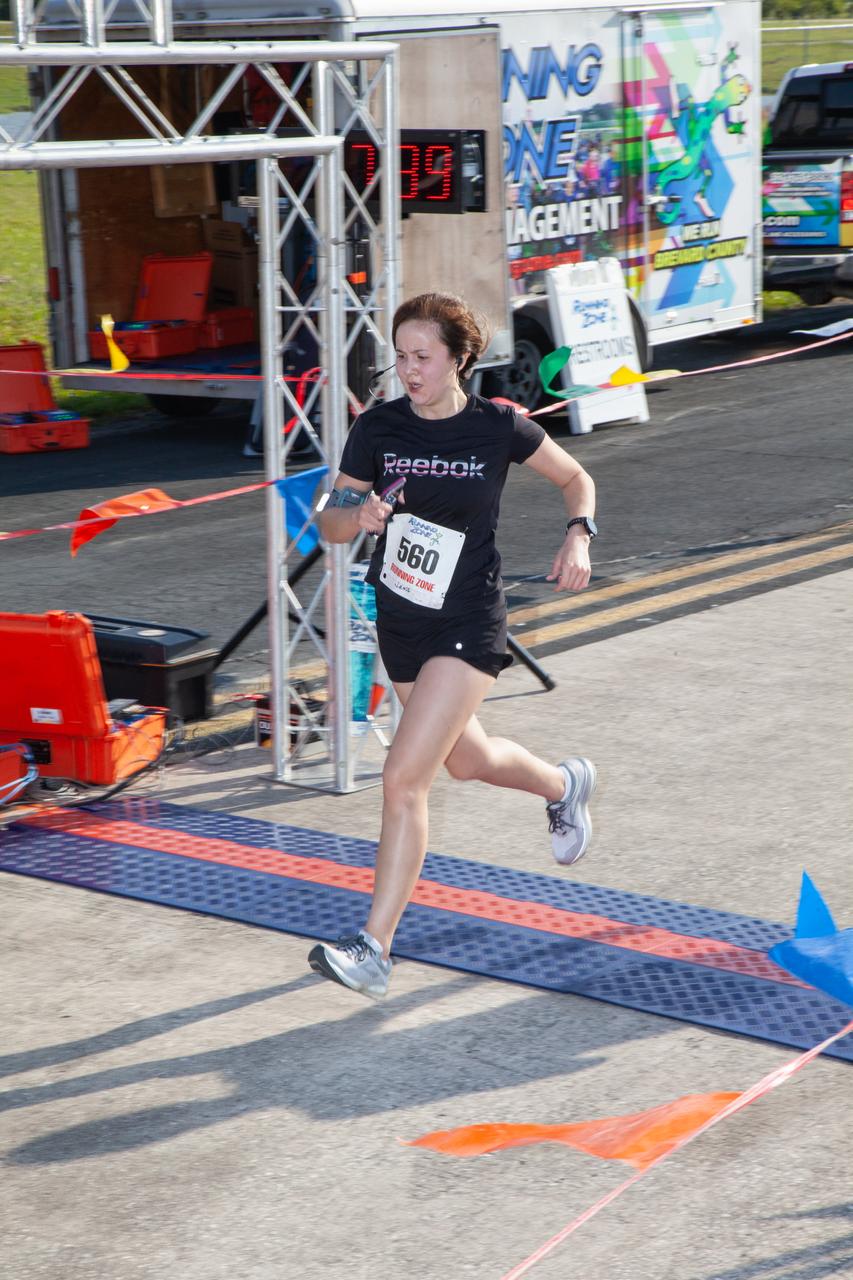
A participant crosses the finish line of Kennedy Space Center’s Walk Run on March 26, 2019. Part of Kennedy’s Safety and Health Days, the annual event takes place at the Florida spaceport’s Shuttle Landing Facility runway and offers employees and guests the chance to partake in a two-mile walk or run, a 5K or a 10K.
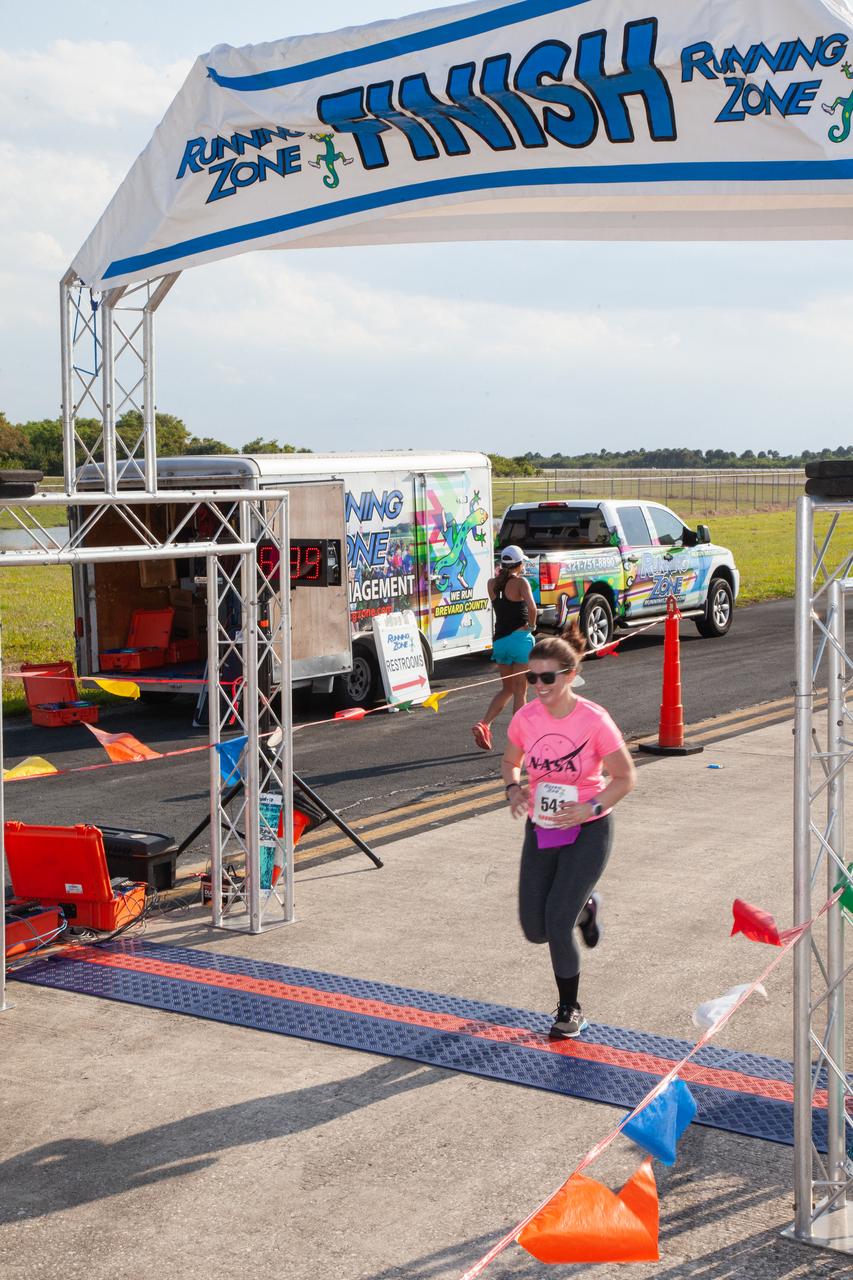
A participant crosses the finish line of Kennedy Space Center’s Walk Run on March 26, 2019. Part of Kennedy’s Safety and Health Days, the annual event takes place at the Florida spaceport’s Shuttle Landing Facility runway and offers employees and guests the chance to partake in a two-mile walk or run, a 5K or a 10K.
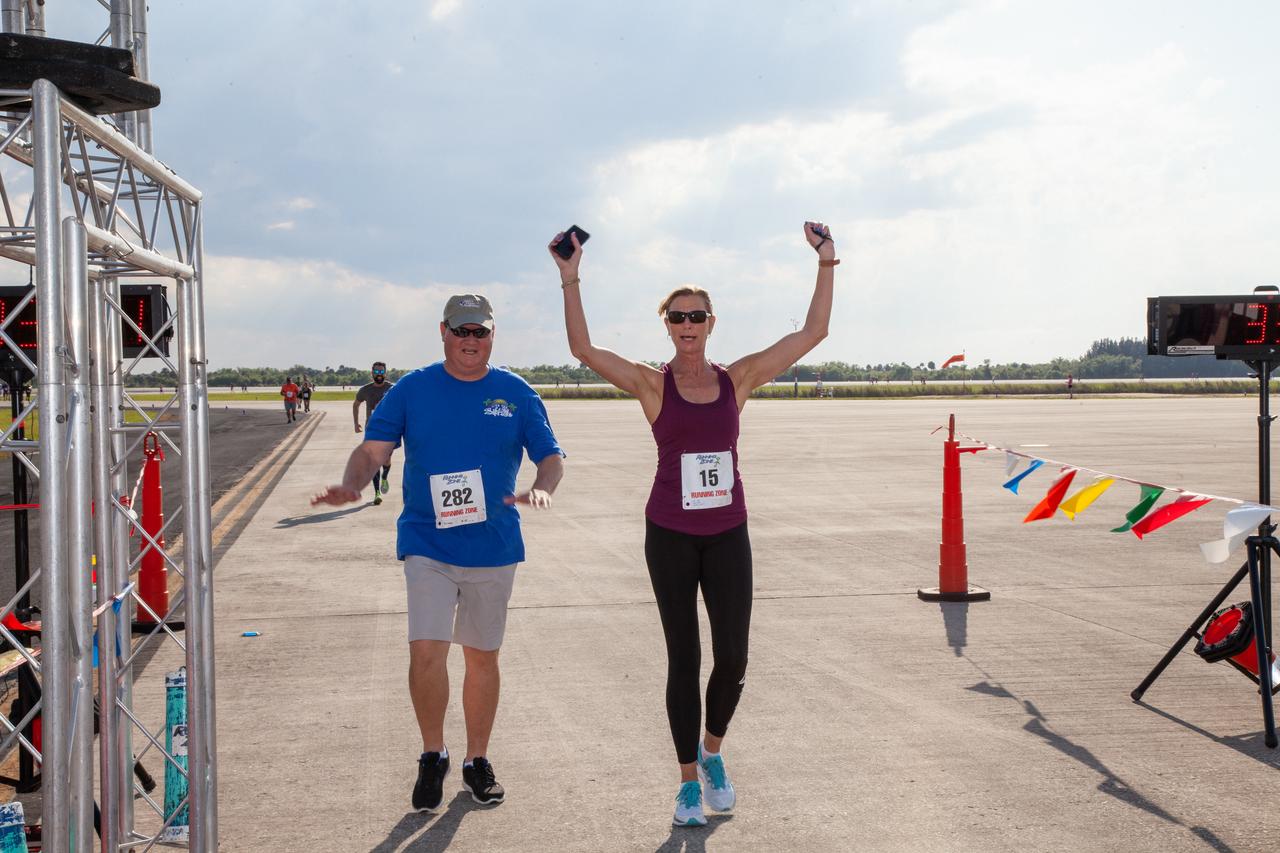
Kennedy Space Center employees and guests cross the finish line during the Florida spaceport’s annual KSC Walk Run on March 26, 2019. Part of Kennedy’s Safety and Health Days, the event takes place at the Shuttle Landing Facility runway and offers participants the chance to partake in a two-mile walk or run, a 5K or a 10K.
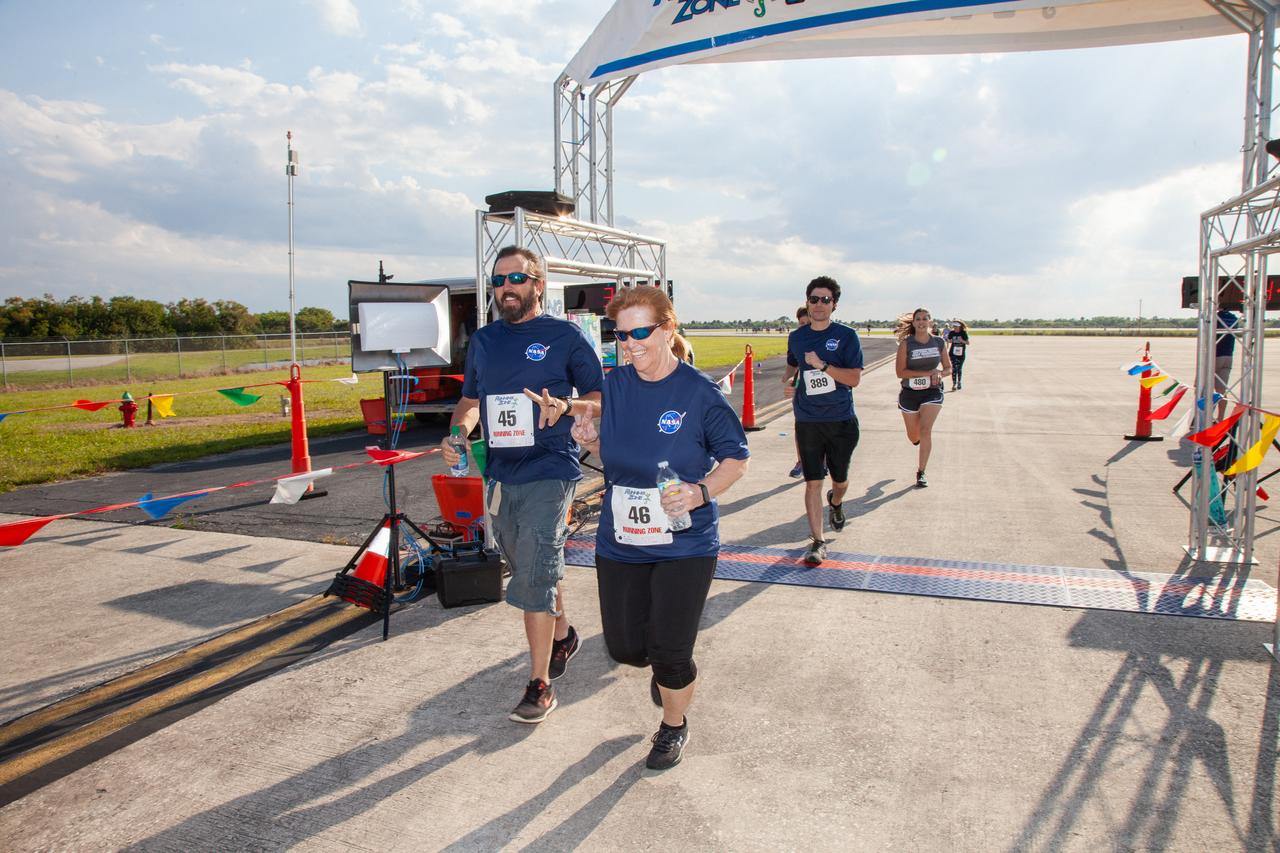
Kennedy Space Center employees and guests cross the finish line during the Florida spaceport’s annual KSC Walk Run on March 26, 2019. Part of Kennedy’s Safety and Health Days, the event takes place at the Shuttle Landing Facility runway and offers participants the chance to partake in a two-mile walk or run, a 5K or a 10K.
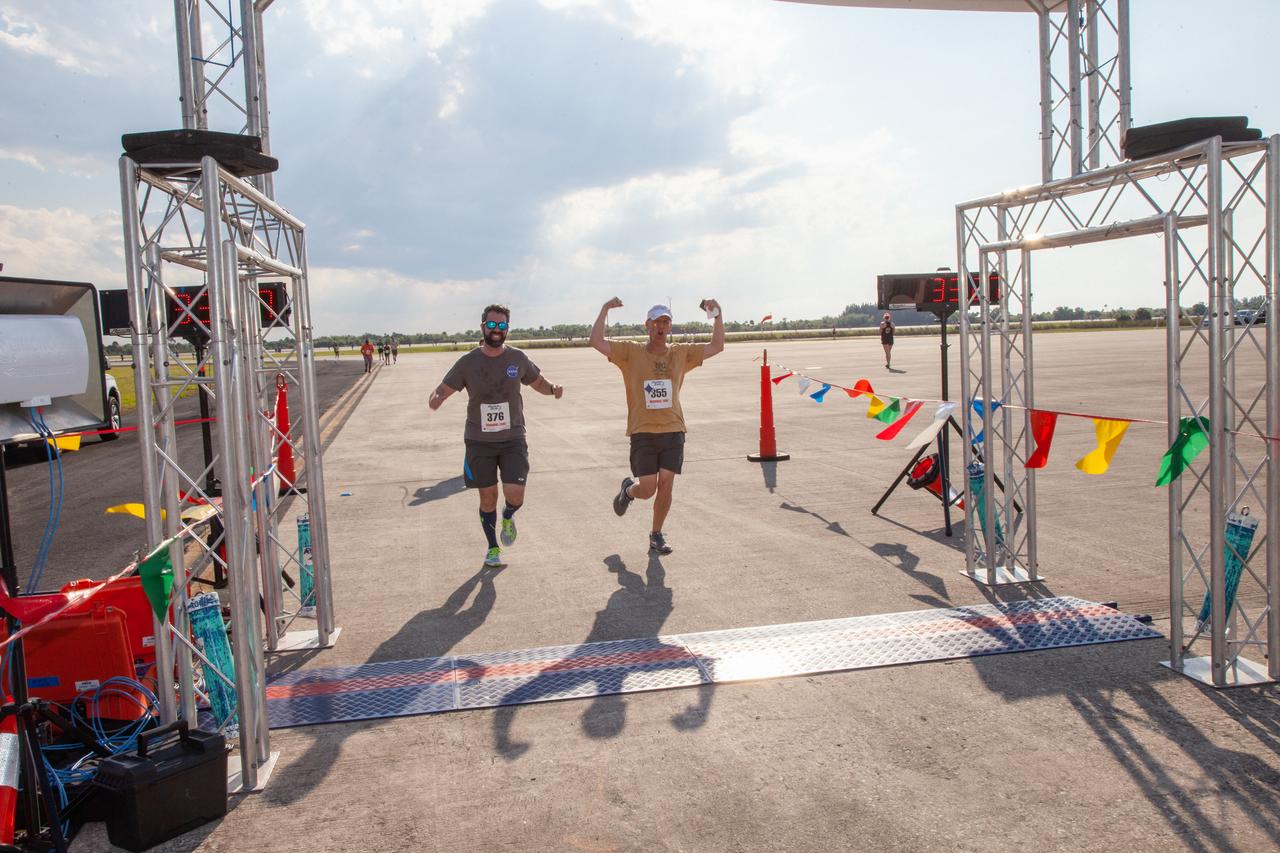
Kennedy Space Center employees and guests cross the finish line during the Florida spaceport’s annual KSC Walk Run on March 26, 2019. Part of Kennedy’s Safety and Health Days, the event takes place at the Shuttle Landing Facility runway and offers participants the chance to partake in a two-mile walk or run, a 5K or a 10K.
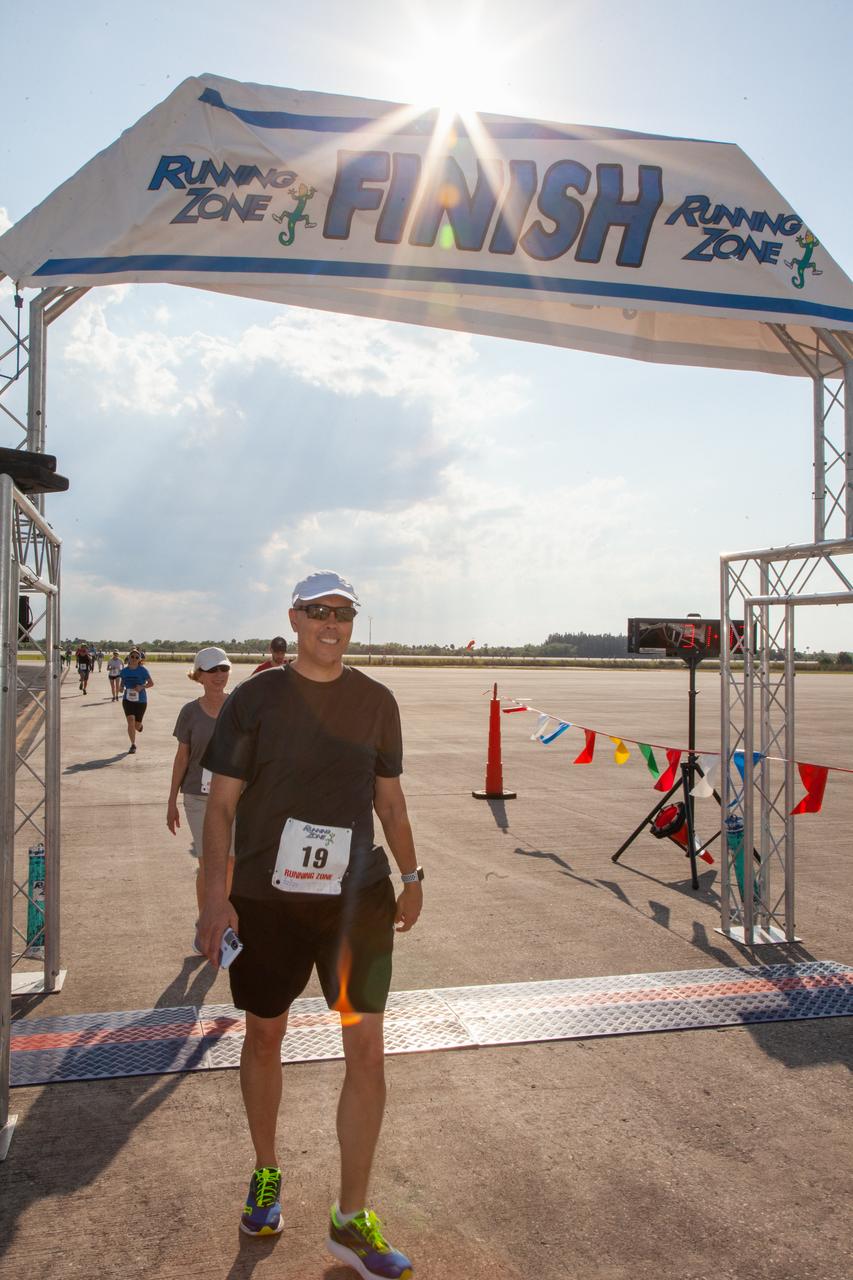
Kennedy Space Center employees and guests cross the finish line during the Florida spaceport’s annual KSC Walk Run on March 26, 2019. Part of Kennedy’s Safety and Health Days, the event takes place at the Shuttle Landing Facility runway and offers participants the chance to partake in a two-mile walk or run, a 5K or a 10K.
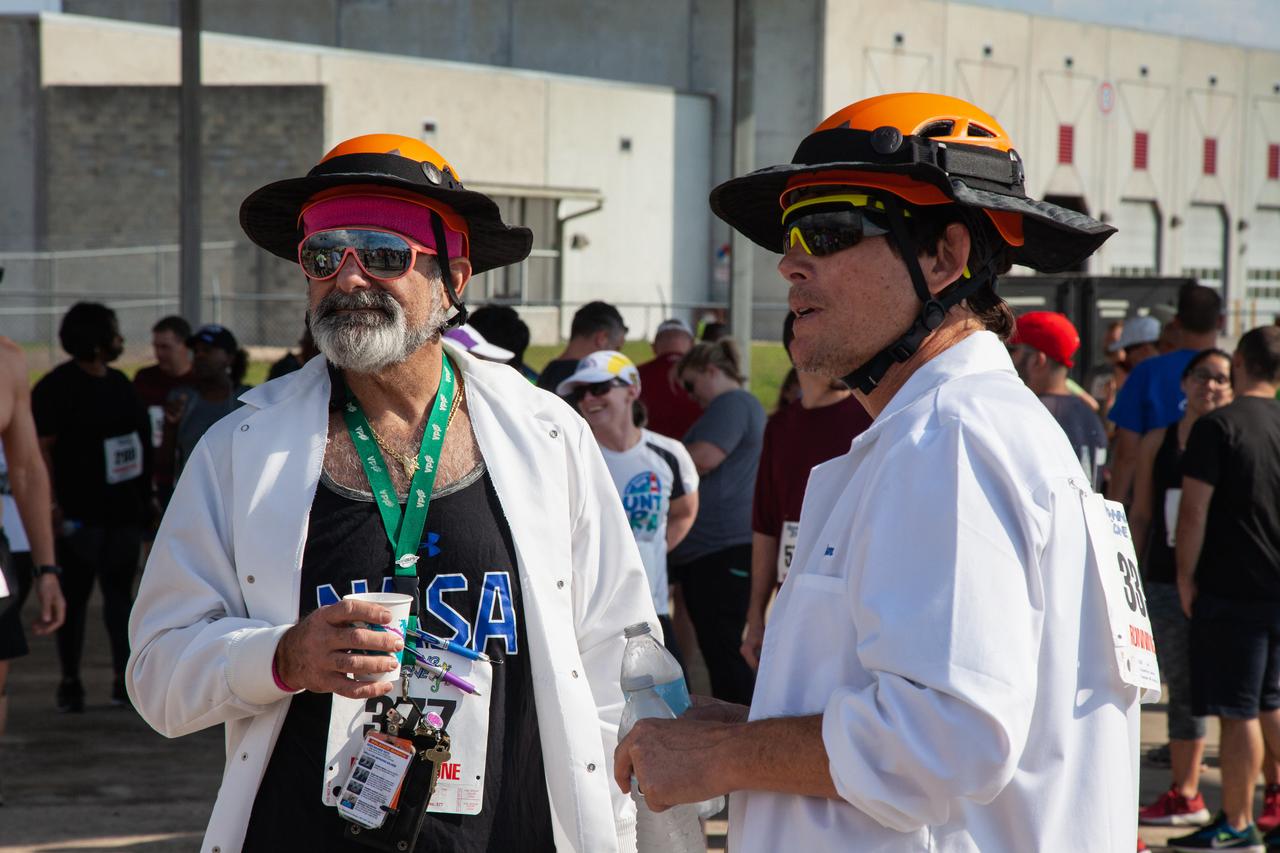
Kennedy Space Center employees and guests converse prior to the start of the Florida spaceport’s annual KSC Walk Run on March 26, 2019. Part of Kennedy’s Safety and Health Days, the event takes place at the Shuttle Landing Facility runway and offers participants the chance to partake in a two-mile walk or run, a 5K or a 10K.
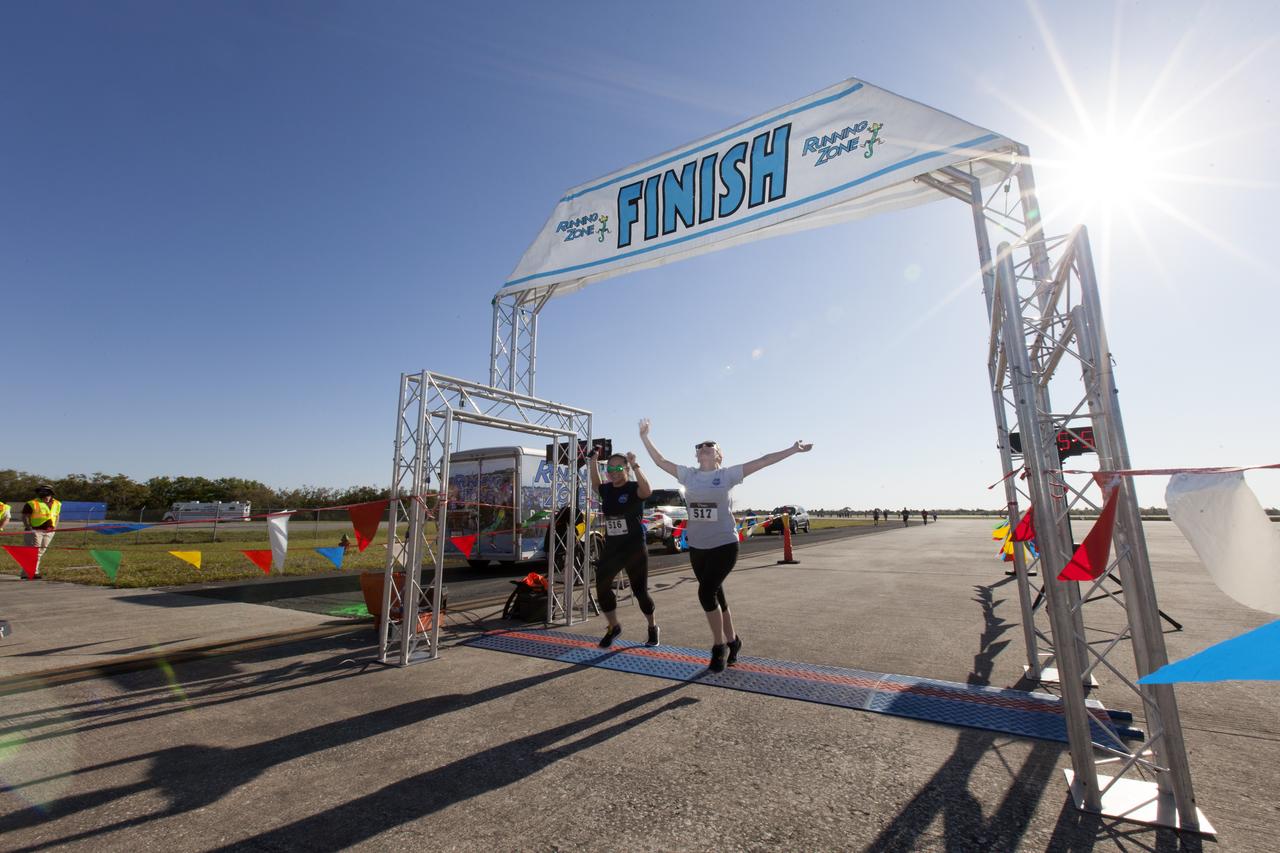
Kennedy Space Center employees and guests cross the finish line during the KSC Walk Run on the Shuttle Landing Facility runway. The annual event, part of Kennedy’s Safety and Health Days, offers 10K, 5K and 2-mile options in the spirit of friendly competition.
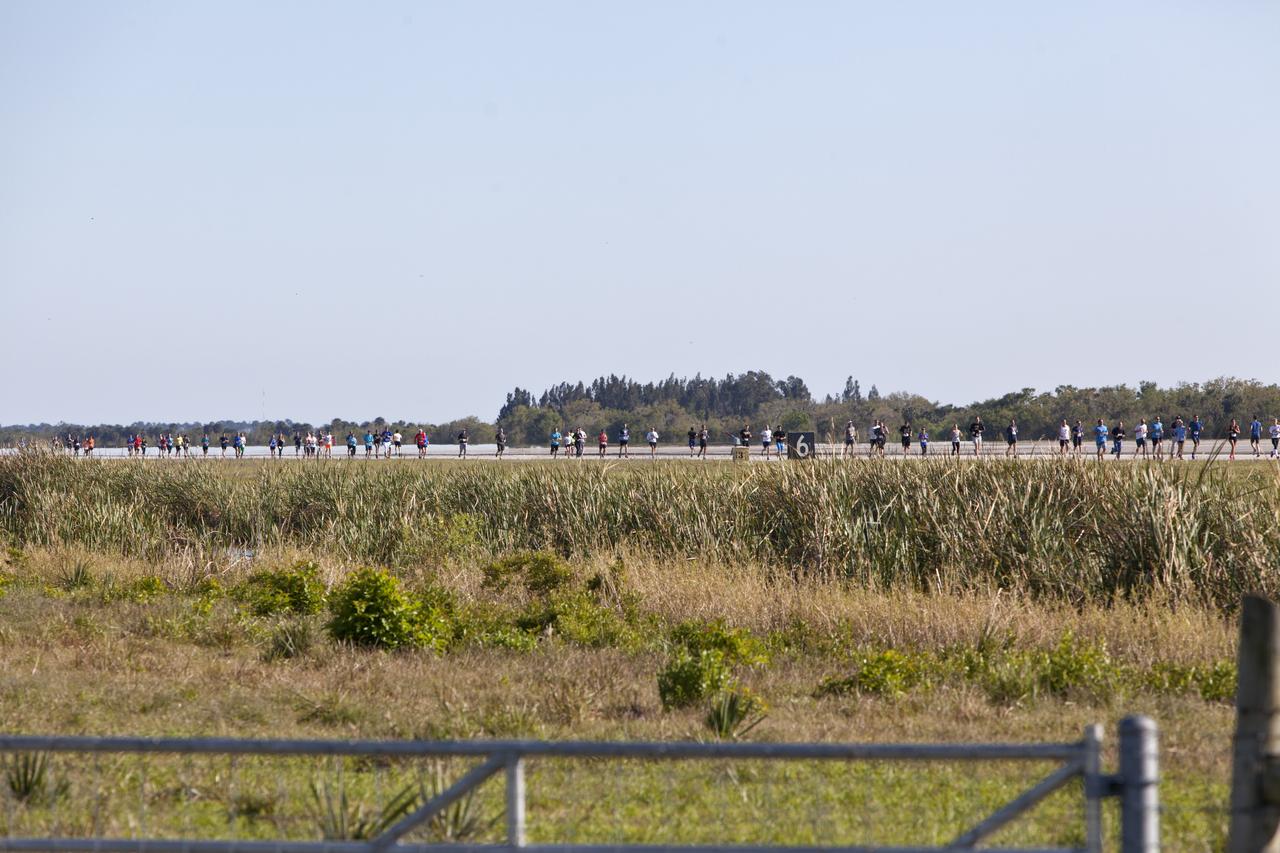
A line of Kennedy Space Center employees and guests stretches down the Shuttle Landing Facility Runway during the KSC Walk Run. The annual event, part of Kennedy’s Safety and Health Days, offers 10K, 5K and 2-mile options in the spirit of friendly competition.
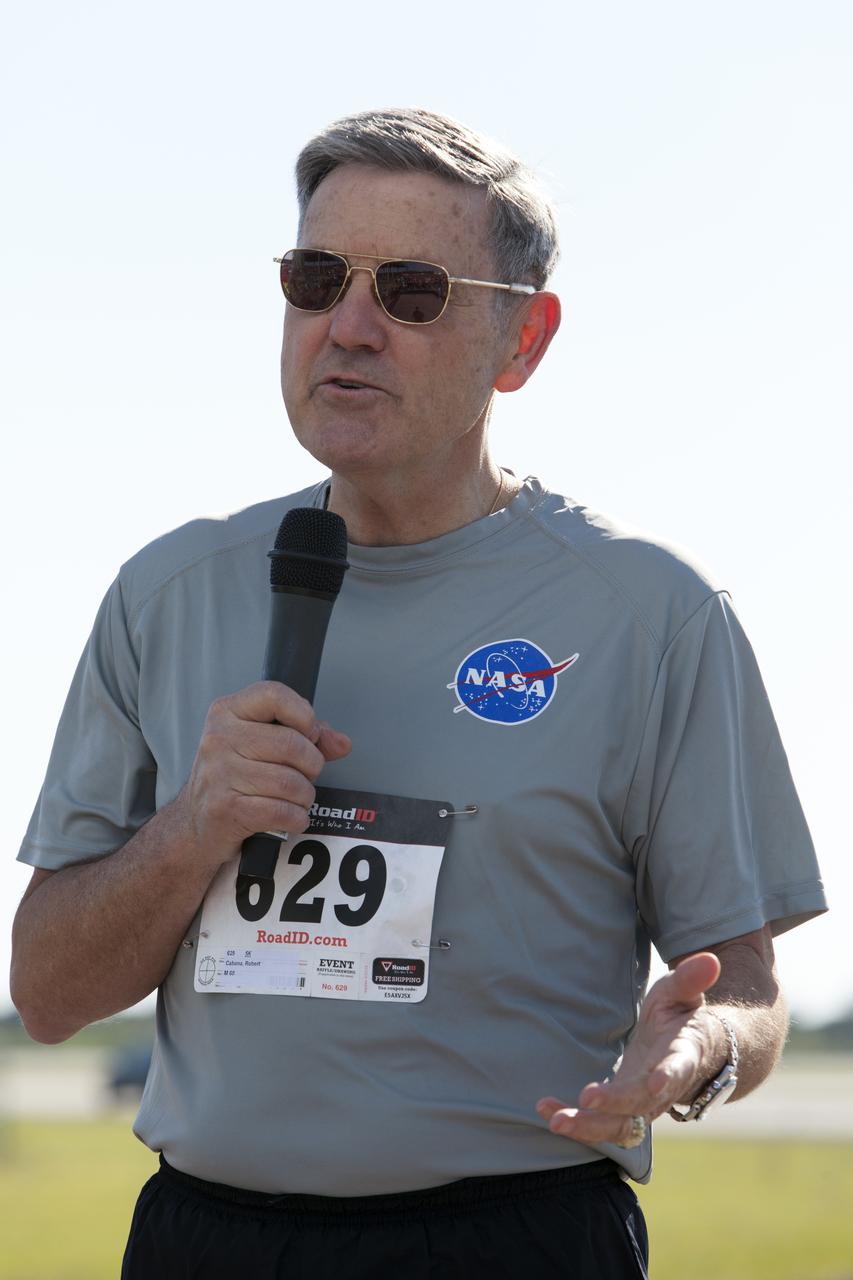
Kennedy Space Center Director Bob Cabana speaks to center employees and guests before the KSC Walk Run on the Shuttle Landing Facility runway. The annual event, part of Kennedy’s Safety and Health Days, offers 10K, 5K and 2-mile options in the spirit of friendly competition.
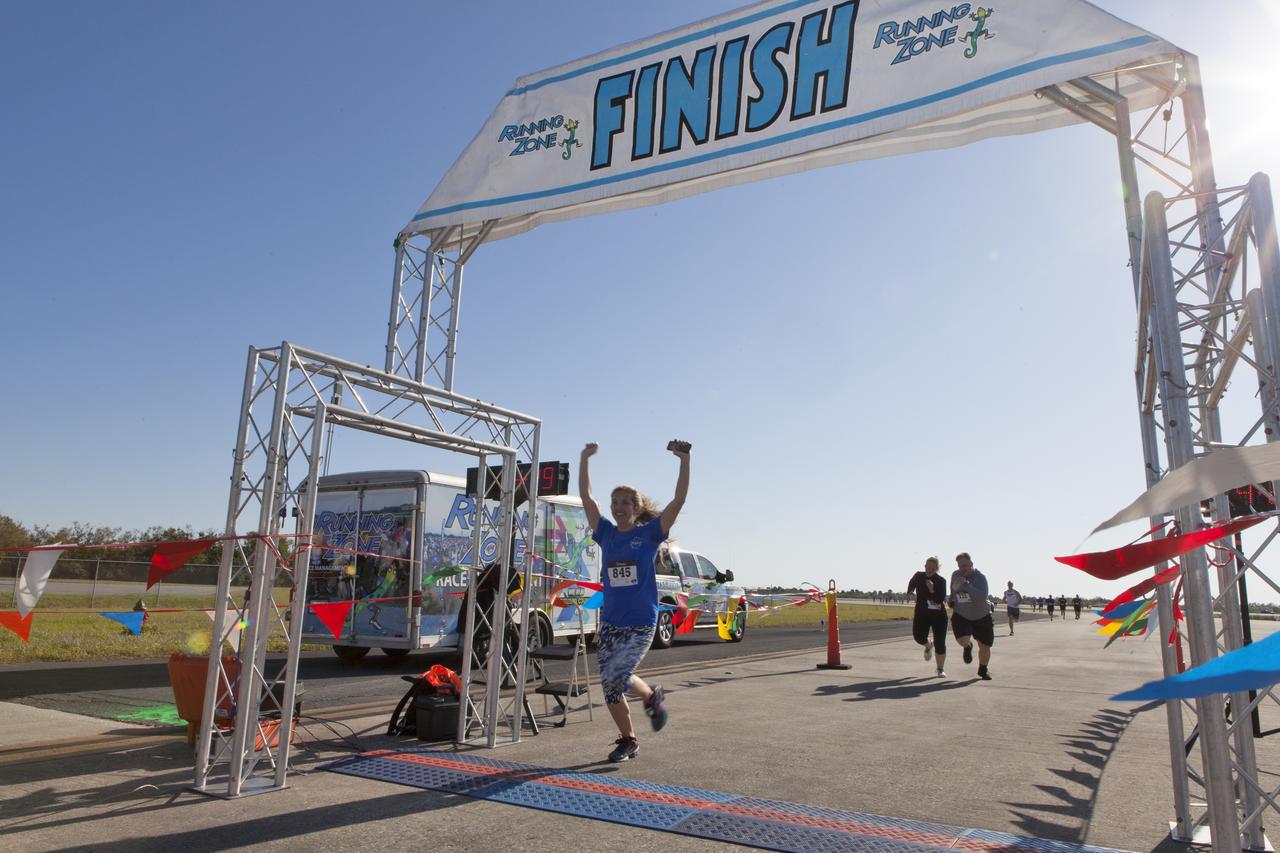
Kennedy Space Center employees and guests approach the finish line during the KSC Walk Run on the Shuttle Landing Facility runway. The annual event, part of Kennedy’s Safety and Health Days, offers 10K, 5K and 2-mile options in the spirit of friendly competition.
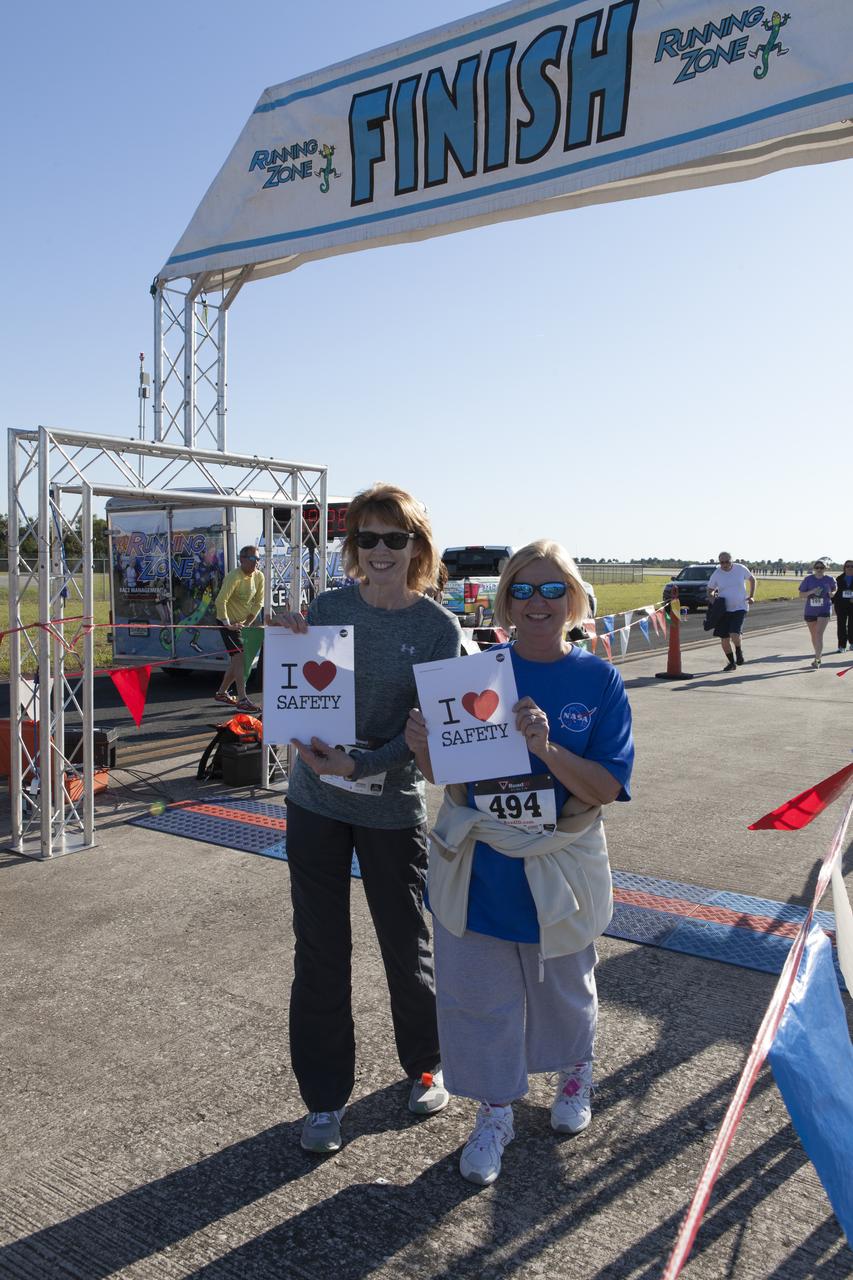
Kennedy Space Center employees hold up signs showing their commitment to safety after crossing the finish line at the KSC Walk Run. The annual event, part of Kennedy’s Safety and Health Days, offers 10K, 5K and 2-mile options on the Shuttle Landing Facility runway in the spirit of friendly competition.
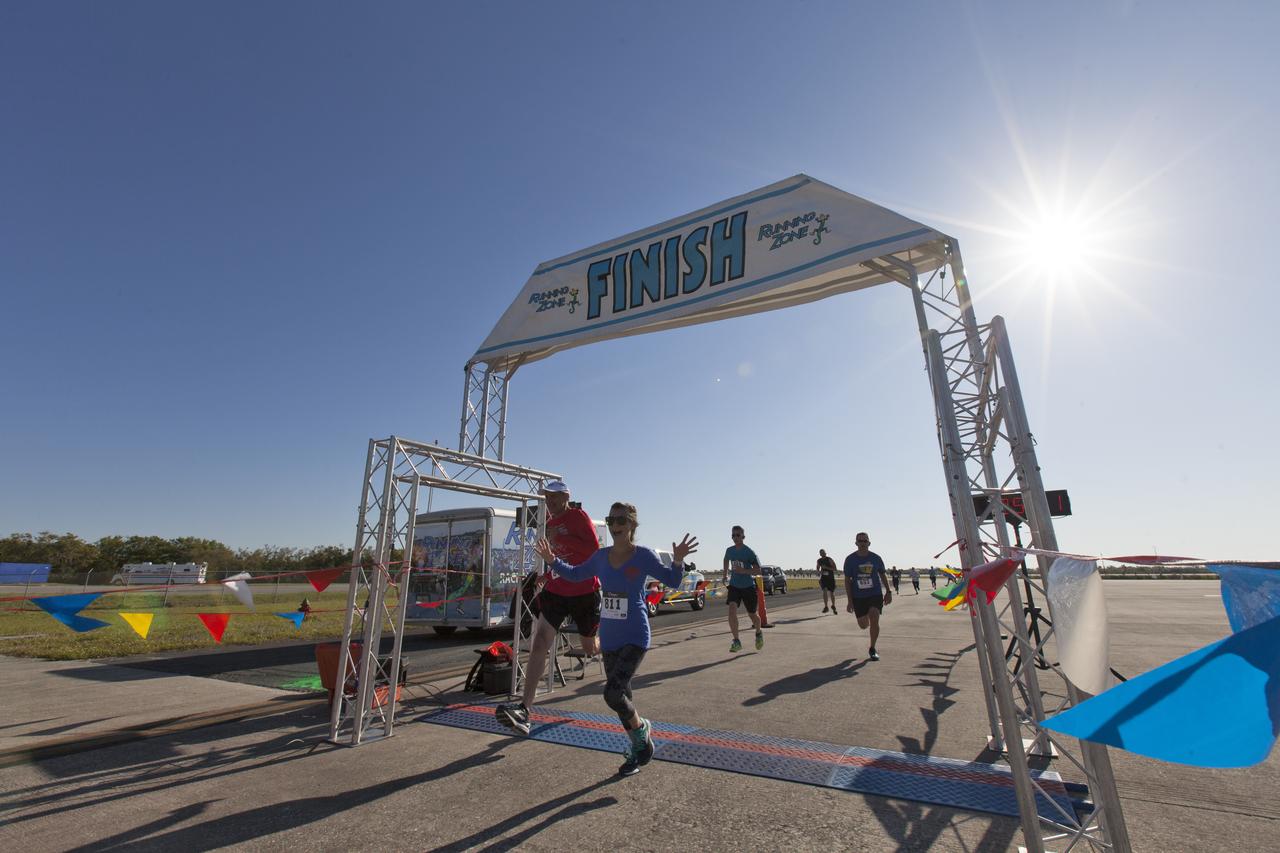
Kennedy Space Center employees and guests cross the finish line during the KSC Walk Run on the Shuttle Landing Facility runway. The annual event, part of Kennedy’s Safety and Health Days, offers 10K, 5K and 2-mile options in the spirit of friendly competition.
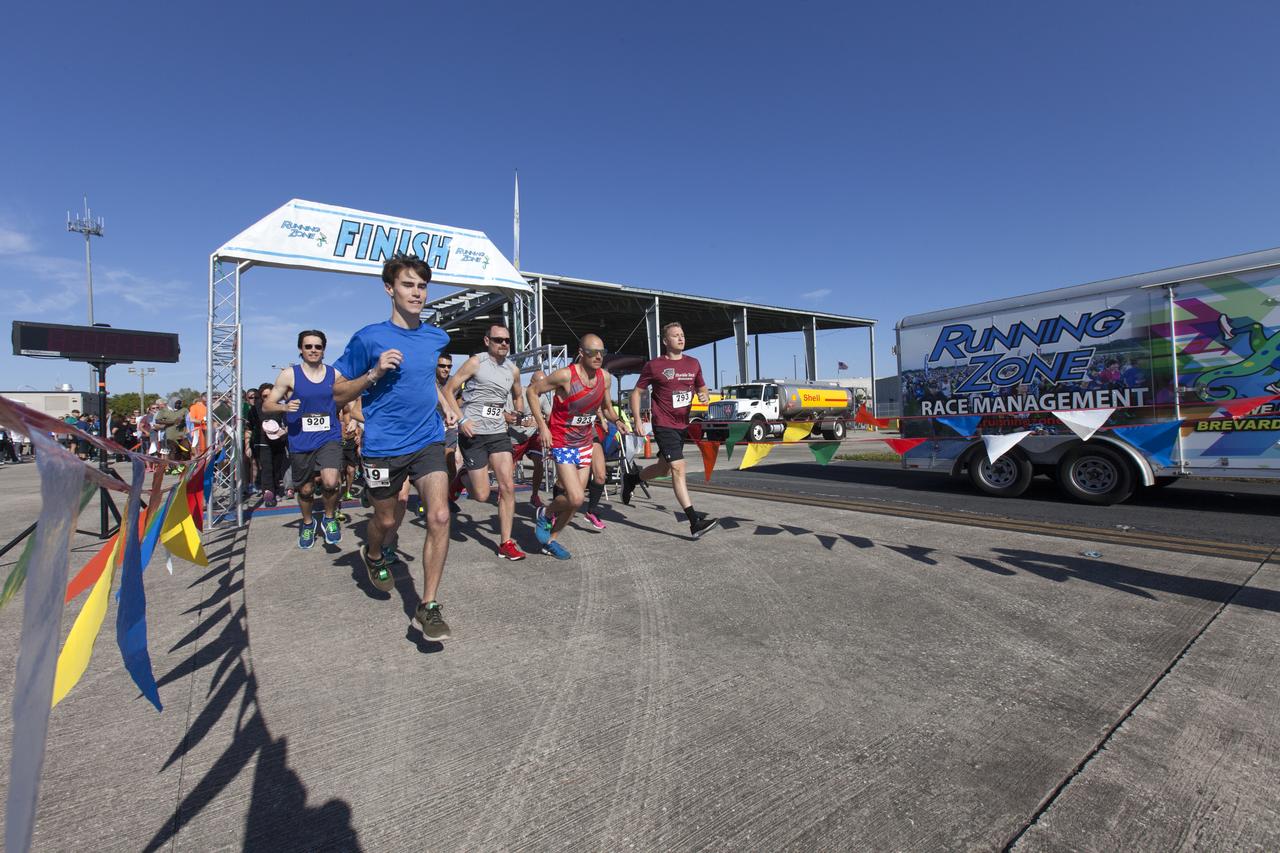
Kennedy Space Center employees and guests cross the finish line during the KSC Walk Run on the Shuttle Landing Facility runway. The annual event, part of Kennedy’s Safety and Health Days, offers 10K, 5K and 2-mile options in the spirit of friendly competition.
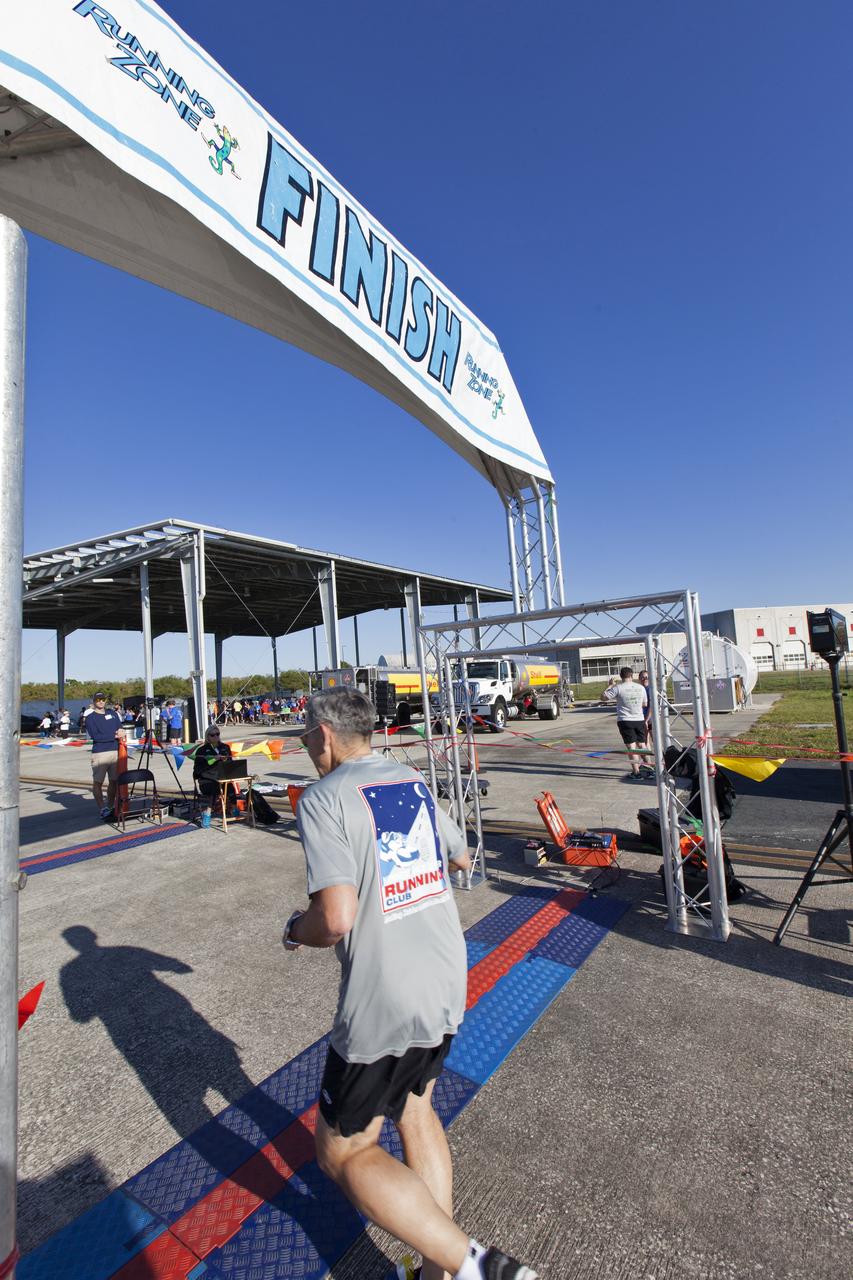
Kennedy Space Center Director Bob Cabana approaches the finish line at the KSC Walk Run on the Shuttle Landing Facility runway. The annual event, part of Kennedy’s Safety and Health Days, offers 10K, 5K and 2-mile options in the spirit of friendly competition.
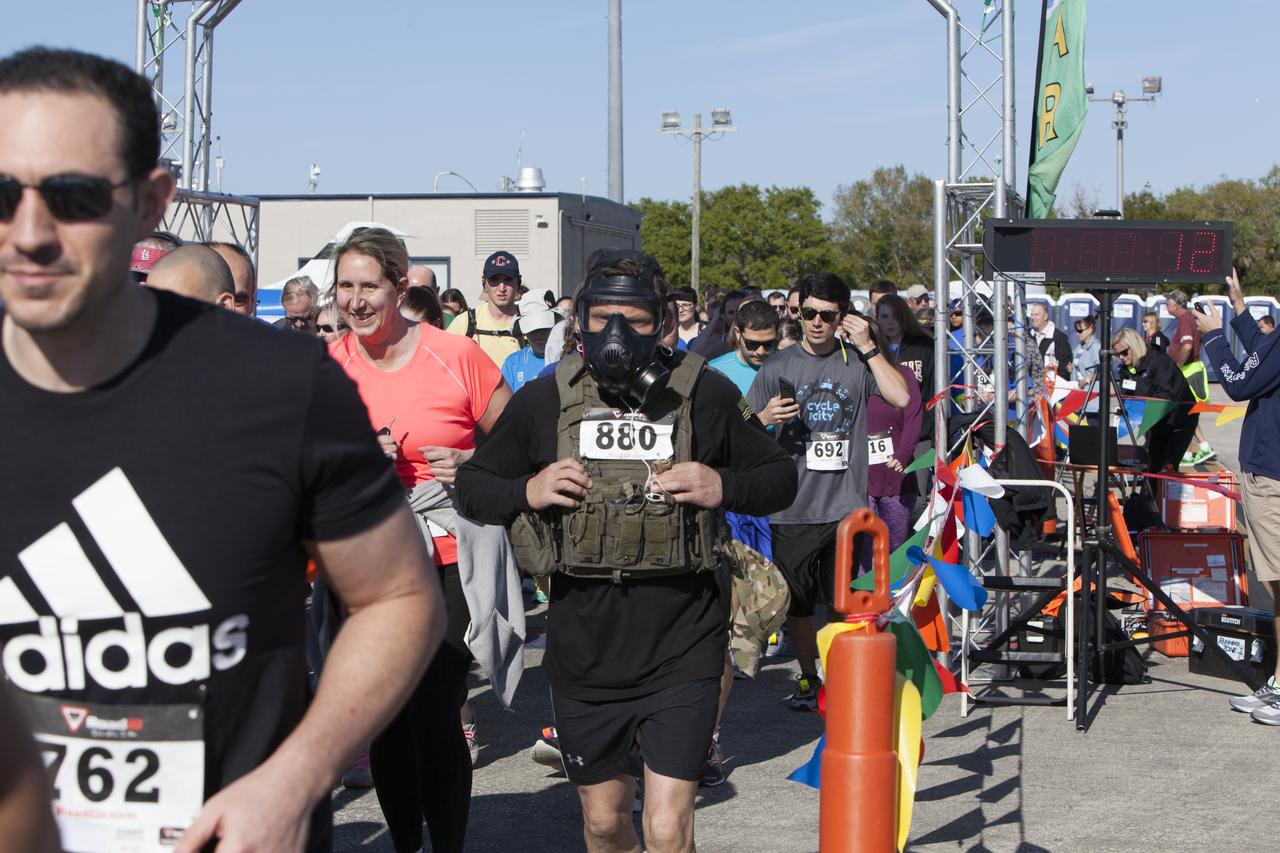
Kennedy Space Center employees and guests head toward the start line for the KSC Walk Run on the Shuttle Landing Facility runway. The annual event, part of Kennedy’s Safety and Health Days, offers 10K, 5K and 2-mile options in the spirit of friendly competition.
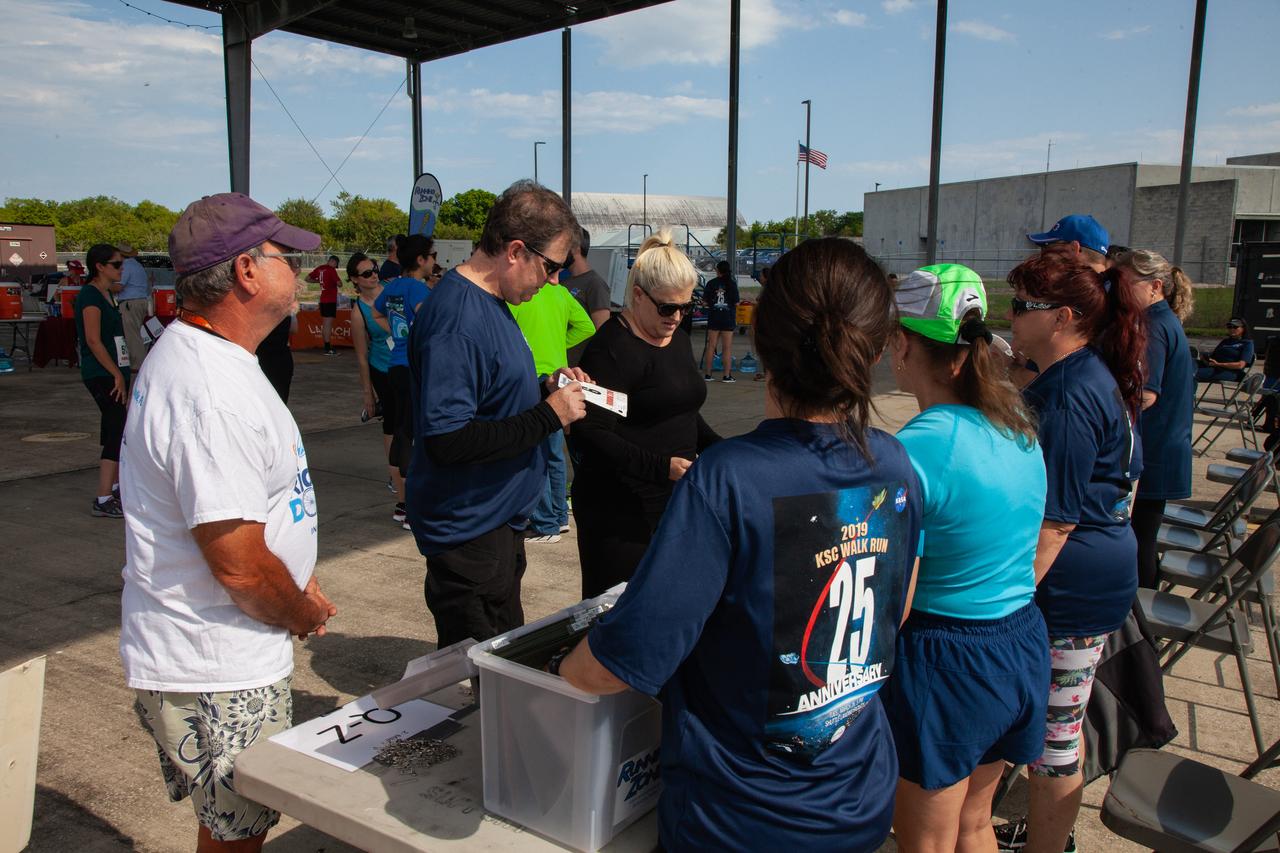
Kennedy Space Center employees and guests receive their race numbers prior to the start of the Florida spaceport’s annual KSC Walk Run on March 26, 2019. Part of Kennedy’s Safety and Health Days, the event takes place at the Shuttle Landing Facility runway and offers participants the chance to partake in a two-mile walk or run, a 5K or a 10K.
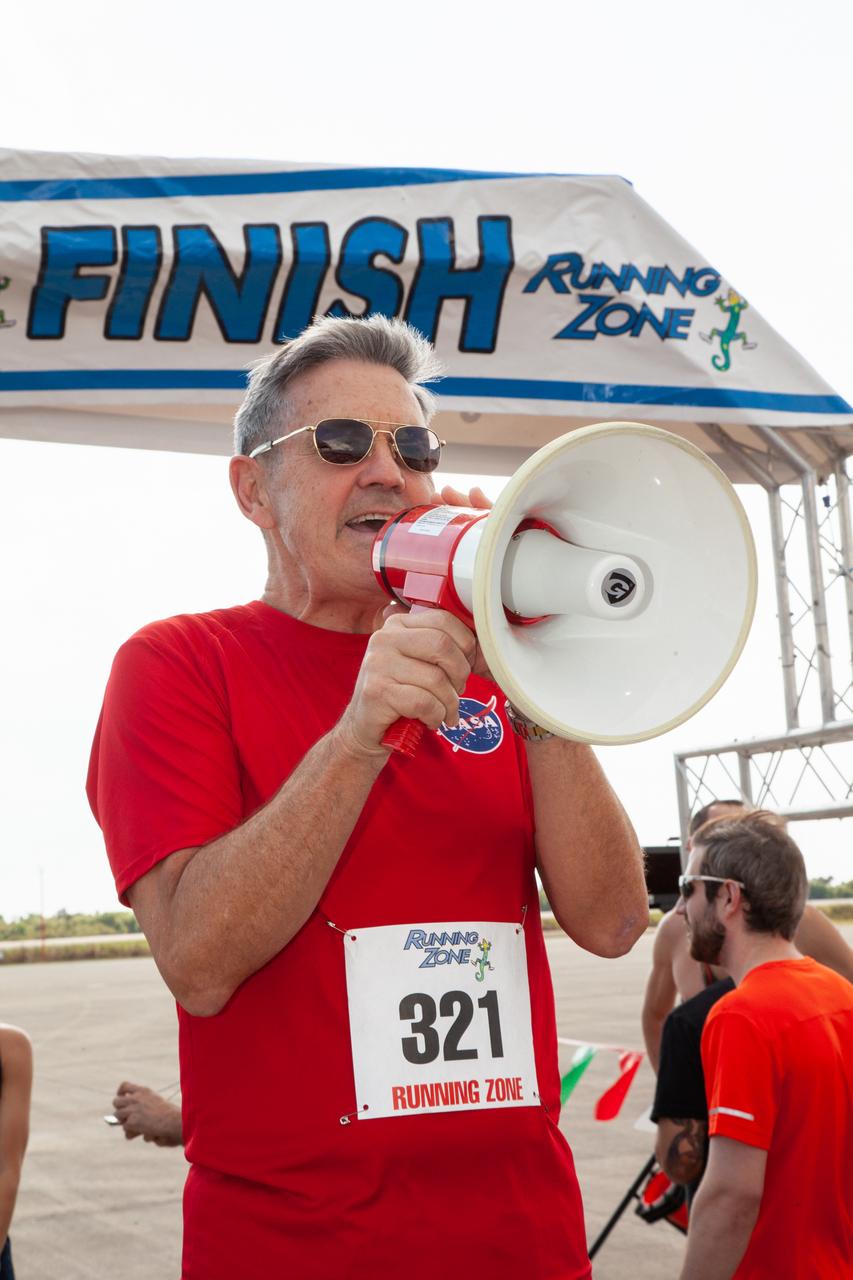
Kennedy Space Center Director Bob Cabana speaks to employees and guests before the start of the Florida spaceport’s annual KSC Walk Run on March 26, 2019. Part of Kennedy’s Safety and Health Days, the event takes place at the Shuttle Landing Facility runway and offers participants the chance to partake in a two-mile walk or run, a 5K or a 10K.
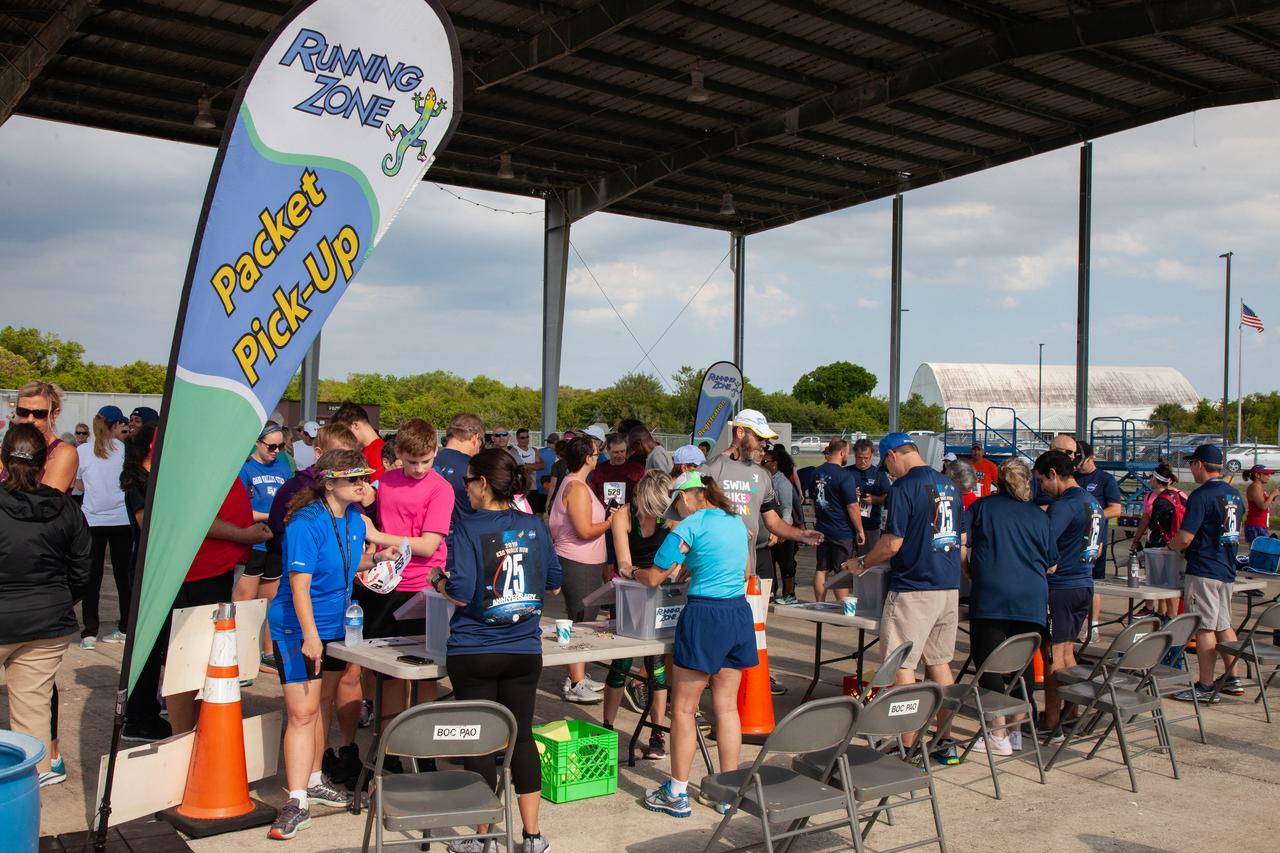
Kennedy Space Center employees and guests receive their race numbers prior to the start of the Florida spaceport’s annual KSC Walk Run on March 26, 2019. Part of Kennedy’s Safety and Health Days, the event takes place at the Shuttle Landing Facility runway and offers participants the chance to partake in a two-mile walk or run, a 5K or a 10K.
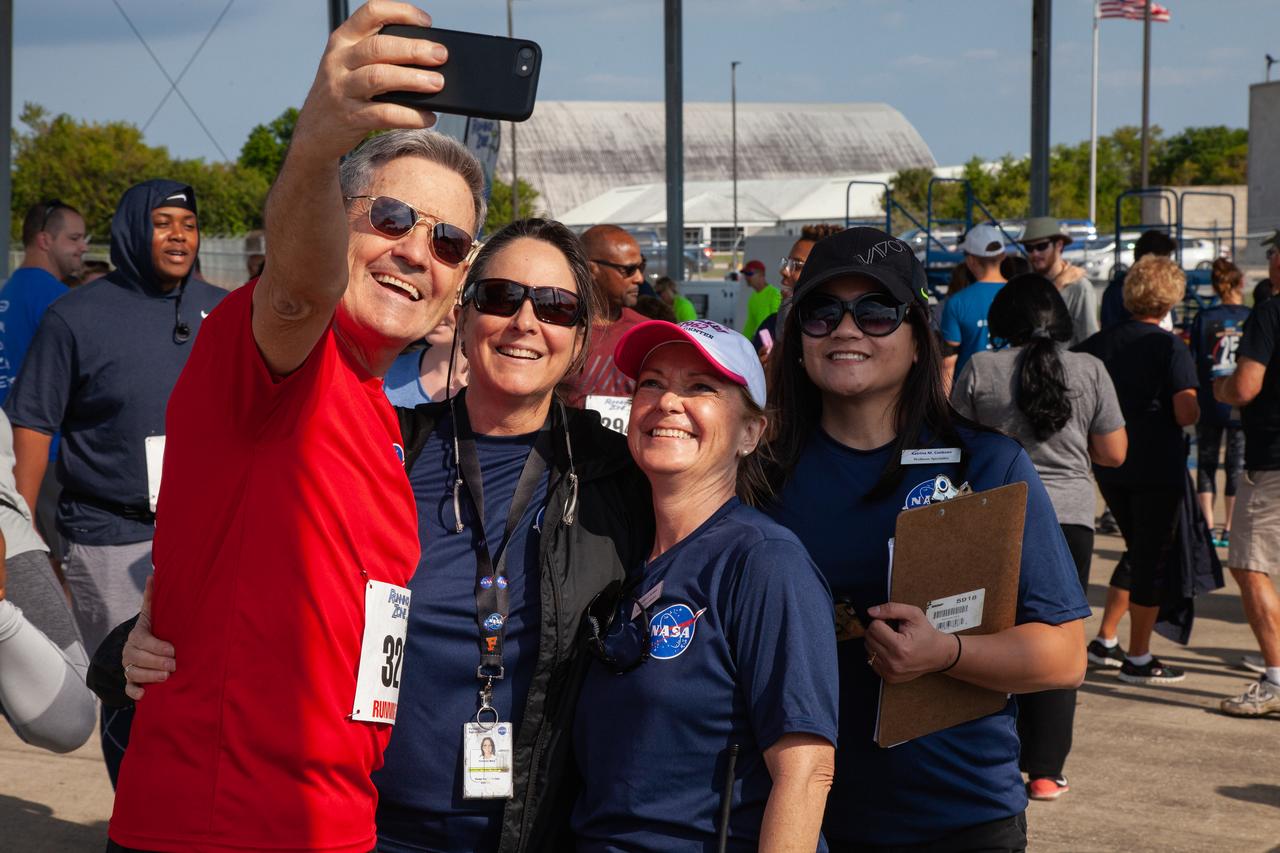
Kennedy Space Center employees and guests pose for a selfie with Center Director Bob Cabana prior to the start of the Florida spaceport’s annual KSC Walk Run on March 26, 2019. Part of Kennedy’s Safety and Health Days, the event takes place at the Shuttle Landing Facility runway and offers participants the chance to partake in a two-mile walk or run, a 5K or a 10K.

Kennedy Space Center Director Bob Cabana poses after crossing the finish line of the KSC Walk Run on March 26, 2019. Part of Kennedy’s Safety and Health Days, the annual event takes place at the Florida spaceport’s Shuttle Landing Facility runway and offers employees and guests the chance to partake in a two-mile walk or run, a 5K or a 10K.
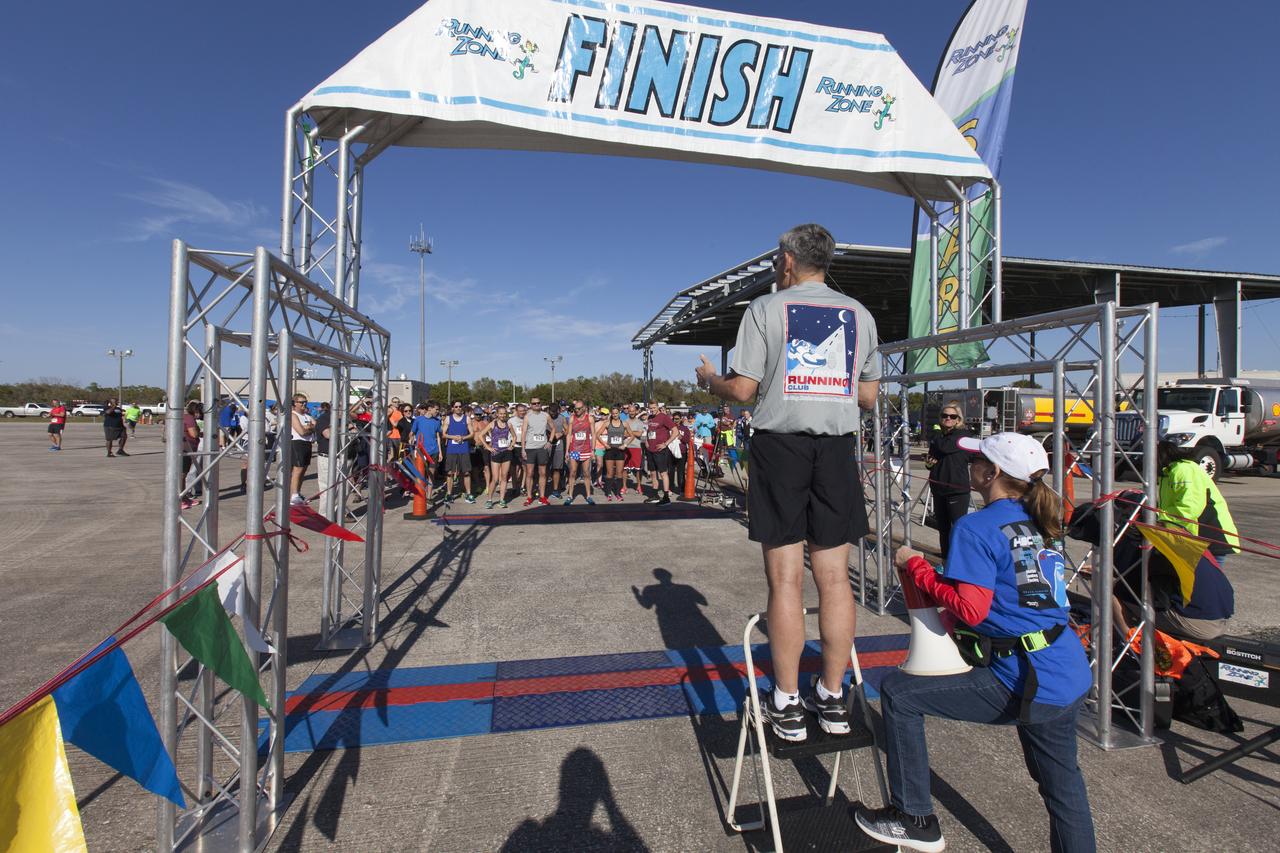
From his vantage point atop a stepladder near the finish line, Kennedy Space Center Director Bob Cabana speaks to center employees and guests before the KSC Walk Run on the Shuttle Landing Facility runway. The annual event, part of Kennedy’s Safety and Health Days, offers 10K, 5K and 2-mile options in the spirit of friendly competition.
NASA’s X-59 quiet supersonic research aircraft sits in its run stall at Lockheed Martin’s Skunk Works facility in Palmdale, California, firing up its engine for the first time. These engine-run tests start at low power and allow the X-59 team to verify the aircraft’s systems are working together while powered by its own engine. The X-59 is the centerpiece of NASA’s Quesst mission, which seeks to solve one of the major barriers to supersonic flight over land by making sonic booms quieter.
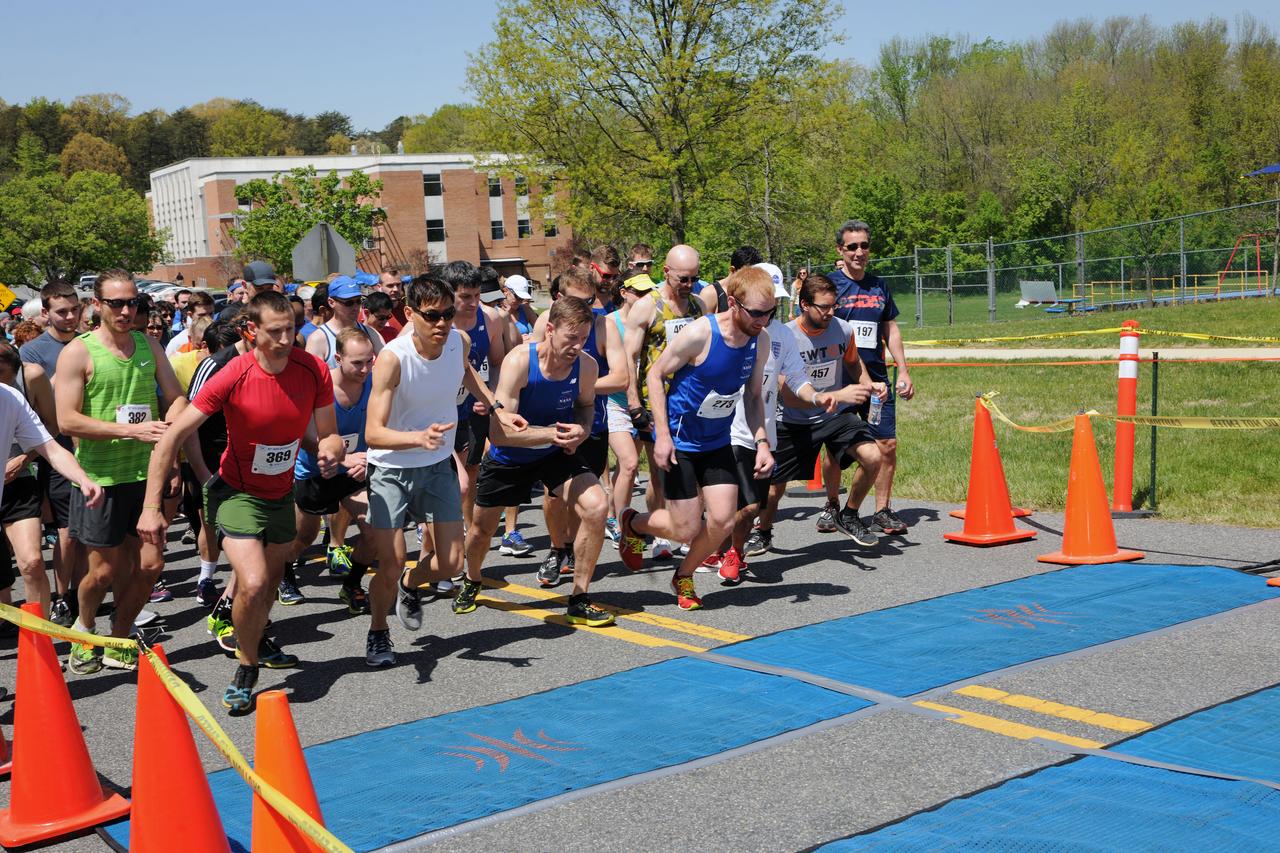
Goddard Spring Run was held on May 2, 2108 near Child Development Center
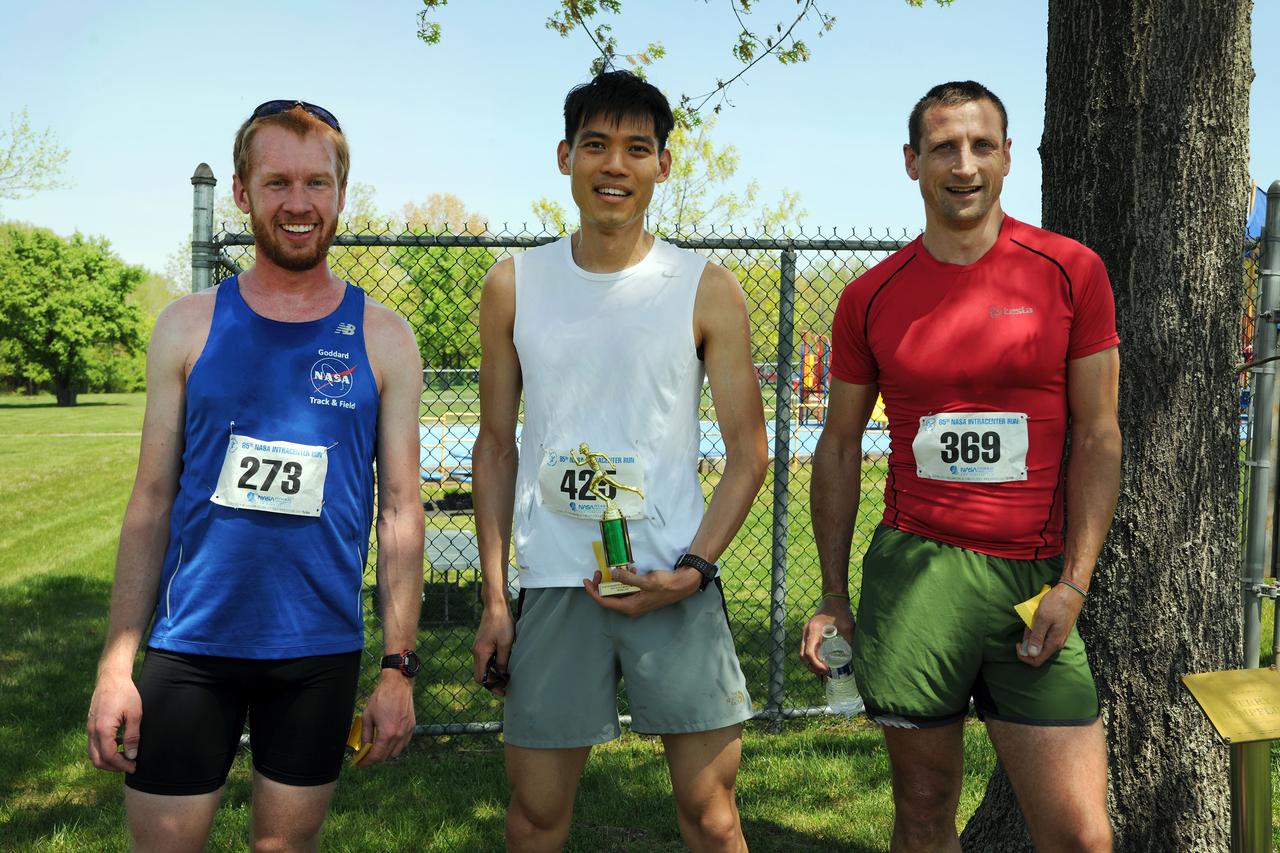
Goddard Spring Run was held on May 2, 2018 near Child Development Center First, Second and Third Place winners

In 1667, the Dutch exchanged Run Island (left-most in the image) with the British for Manhattan (renamed from New Amsterdam to New York). Run Island is one of the smallest, and western-most, of the Banda Islands, part of the Malukus, Indonesia. At the time it was the only source of the incredibly valuable spices nutmeg and mace. The image was acquired January 5, 2016, covers an area of 15.7 by 34.8 kilometers, and is located at 4.5 degrees south, 129.7 degrees east. https://photojournal.jpl.nasa.gov/catalog/PIA22133
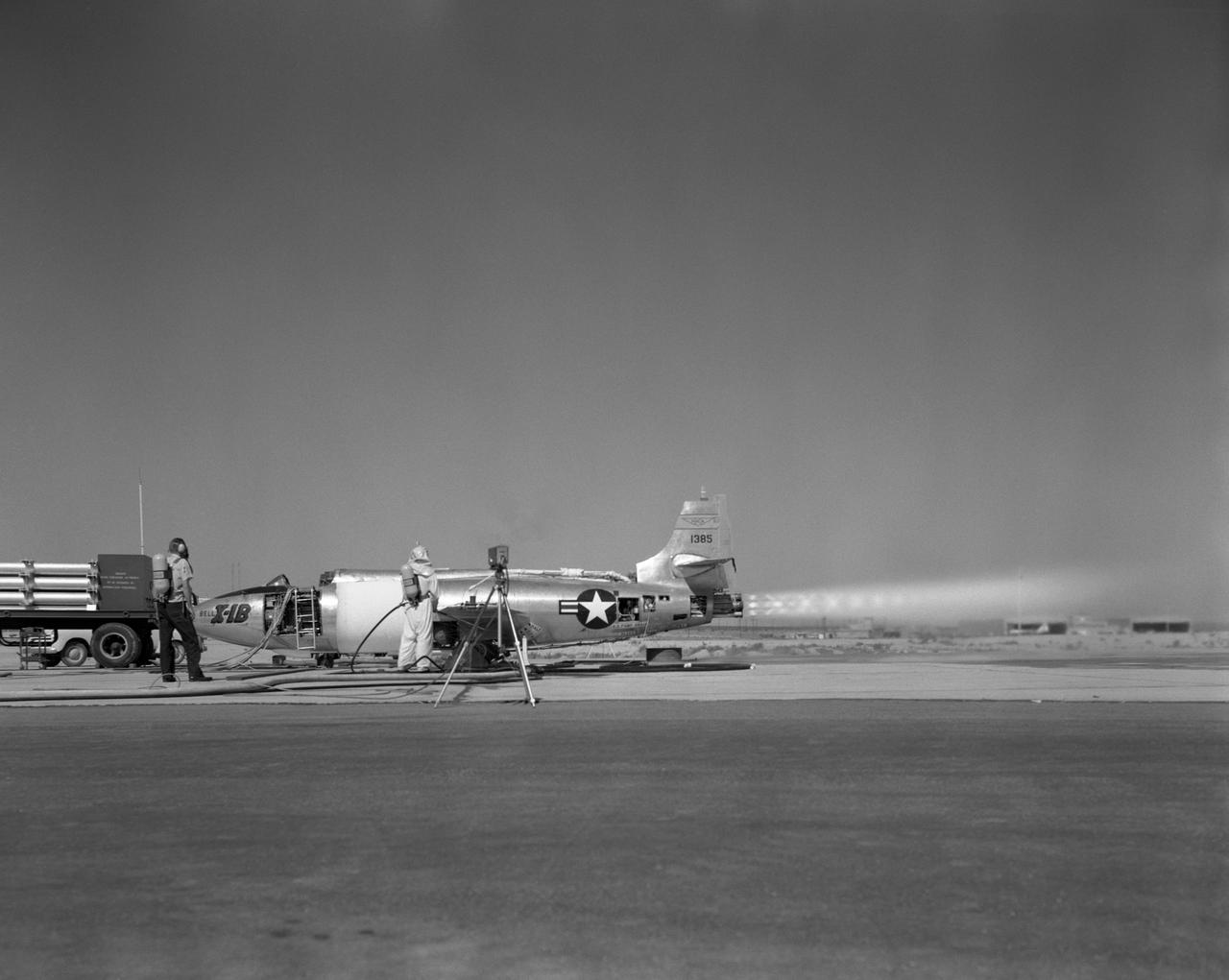
X-1B engine run on Air Force thrust stand.
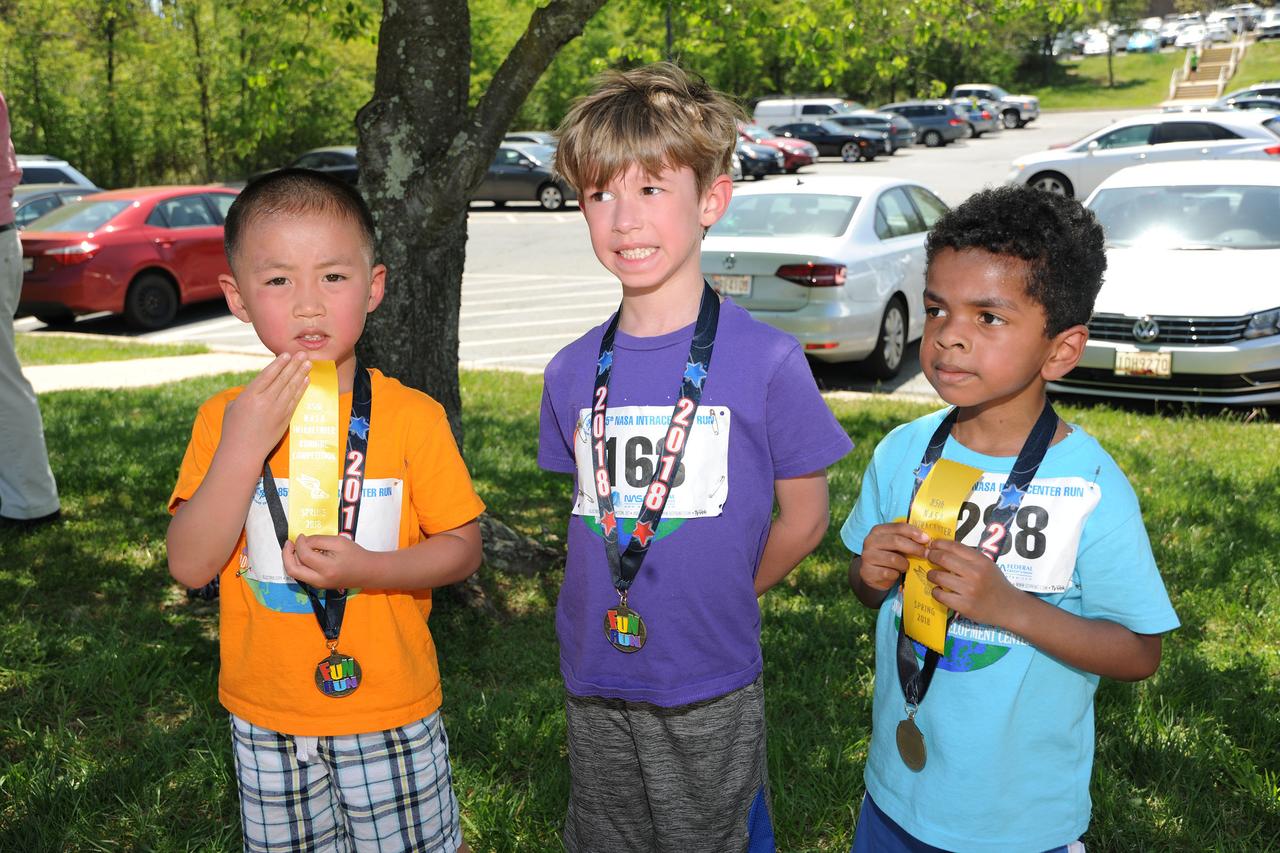
Goddard’s 85th Intracenter Run was held on May 2, 2018 near Child Development Center 1/2/3 place in Children’s race
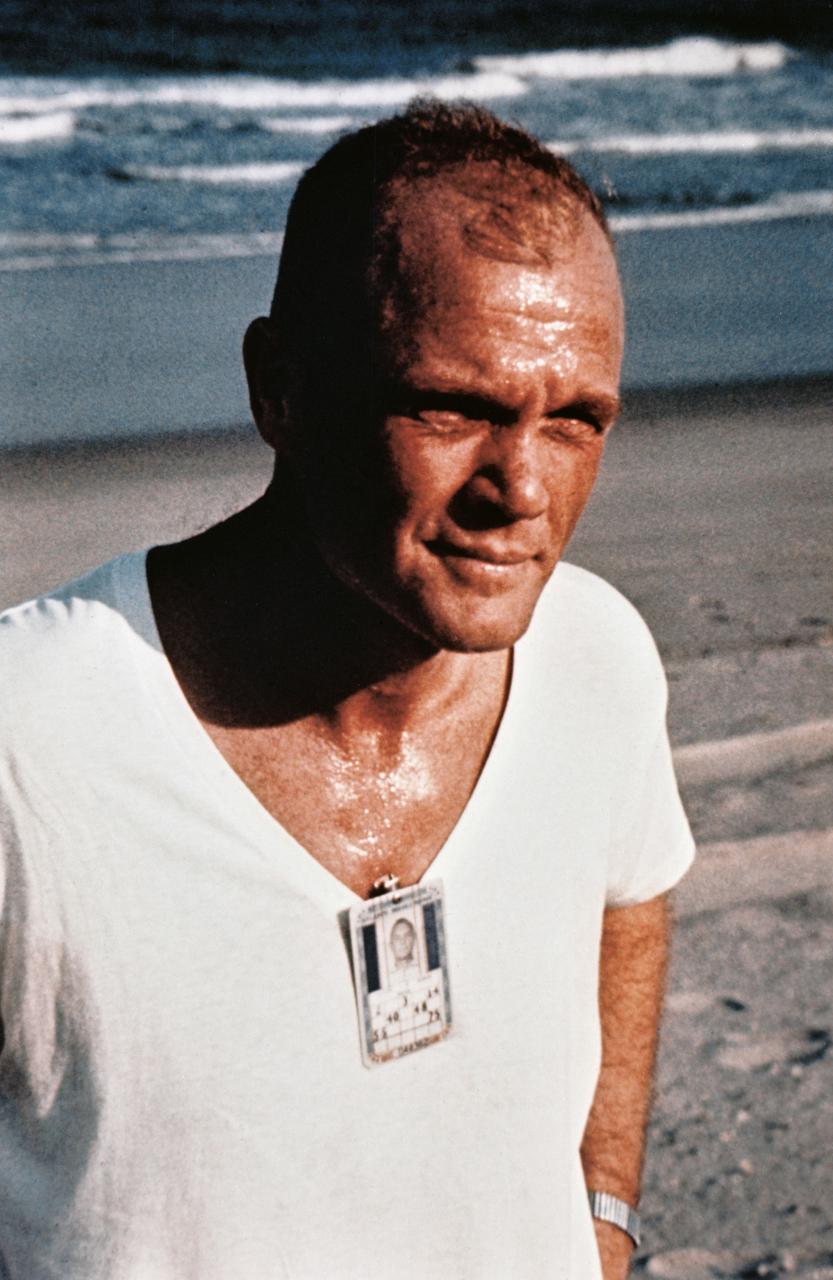
S64-14883 (1962) --- Astronaut John H. Glenn Jr., pilot of the Mercury-Atlas 6 mission, participates in a strict physical training program, as he exemplifies by frequent running. Here he pauses during an exercise period on the beach near Cape Canaveral, Florida. Photo credit: NASA
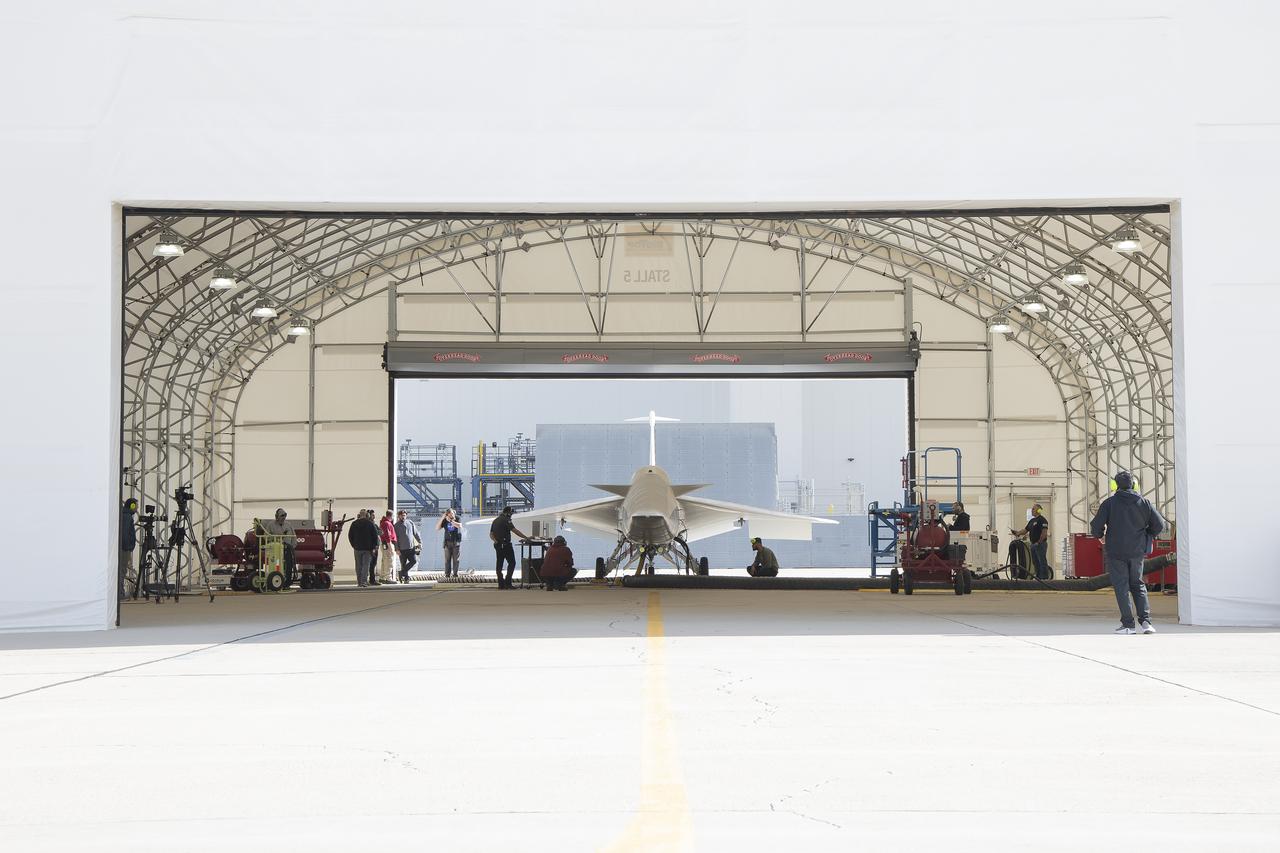
NASA’s X-59 quiet supersonic research aircraft sits in its run stall at Lockheed Martin’s Skunk Works facility in Palmdale, California, prior to its first engine run. Engine runs are part of a series of integrated ground tests needed to ensure safe flight and successful achievement of mission goals. The X-59 is the centerpiece of NASA’s Quesst mission, which seeks to solve one of the major barriers to supersonic flight over land by making sonic booms quieter.
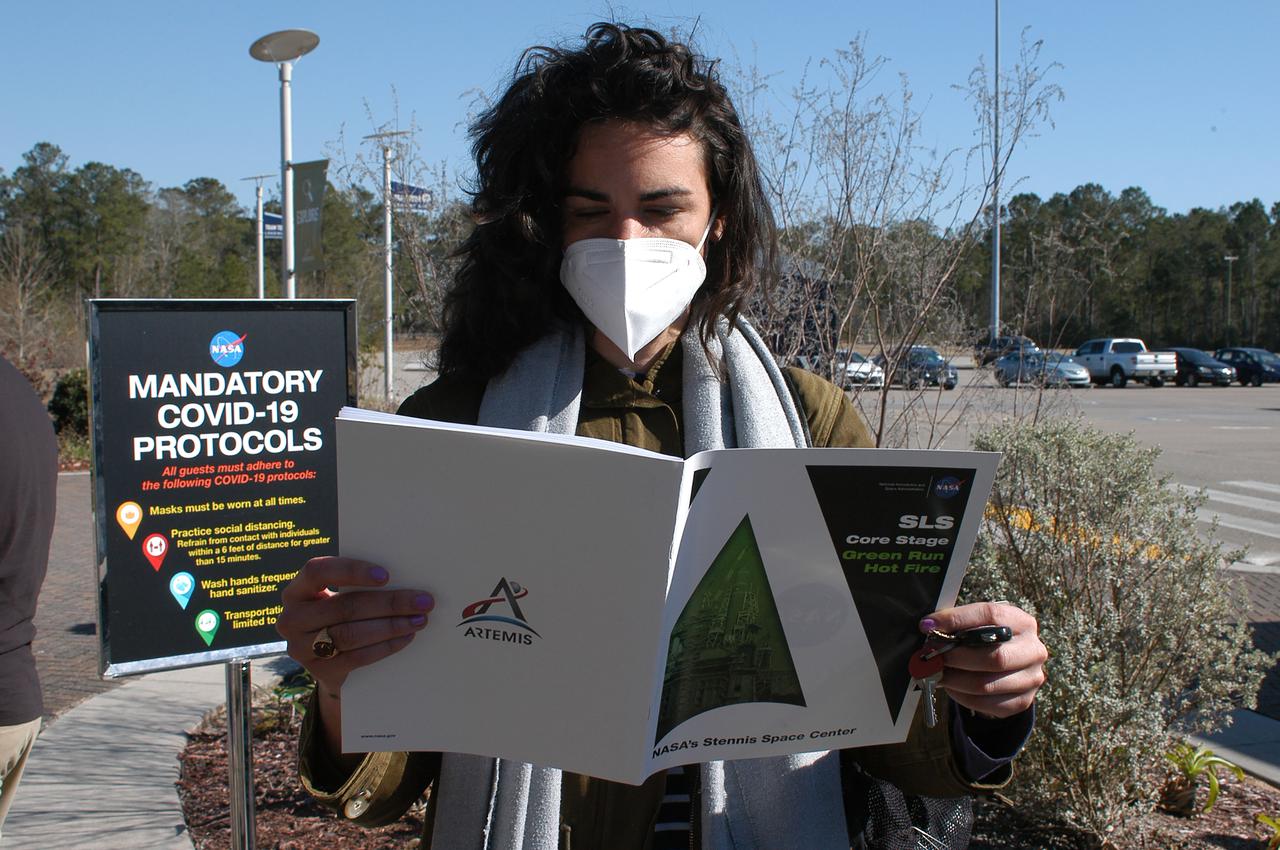
A guest reviews a commemorative Green Run booklet after arriving to view the Green Run hot fire test of the core stage for NASA’s Space Launch System (SLS) rocket at Stennis Space Center near Bay St. Louis, Mississippi, on Saturday, January 16, 2021. NASA conducted a hot fire test of the core stage’s four RS-25 engines on the B-2 Test Stand at Stennis. Scheduled for as long as eight minutes, the engines fired for a little more than one minute to generate a combined 1.6 million pounds of thrust, just as will occur during an actual launch. The hot fire is the final test of the Green Run test series, a comprehensive assessment of the SLS core stage prior to launching the Artemis I mission to the Moon.
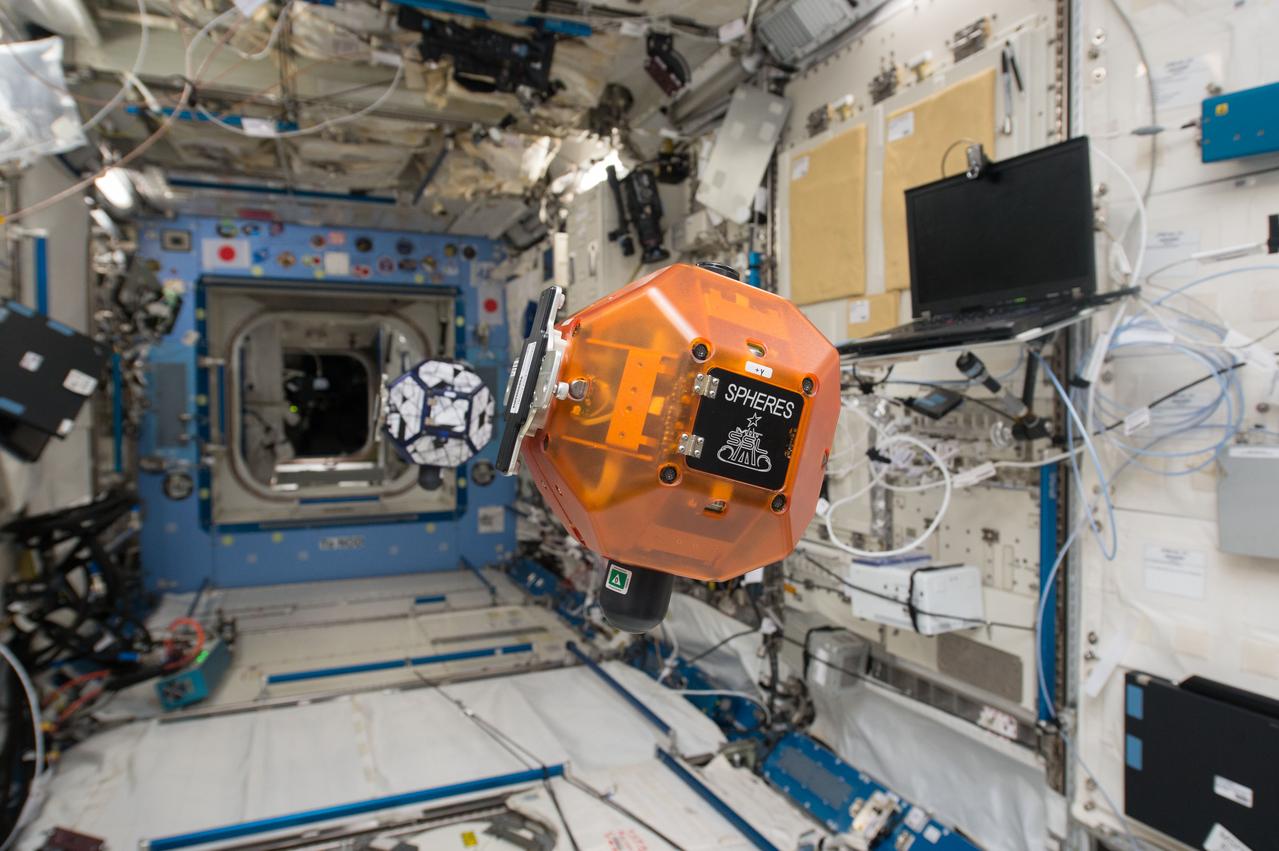
iss042e046207 (12/16/2018) --- Photographic documentation taken during the Synchronized Position Hold Engage and Reorient Experimental Satellites (SPHERES) test run in the Japanese Experiment Module (JEM).
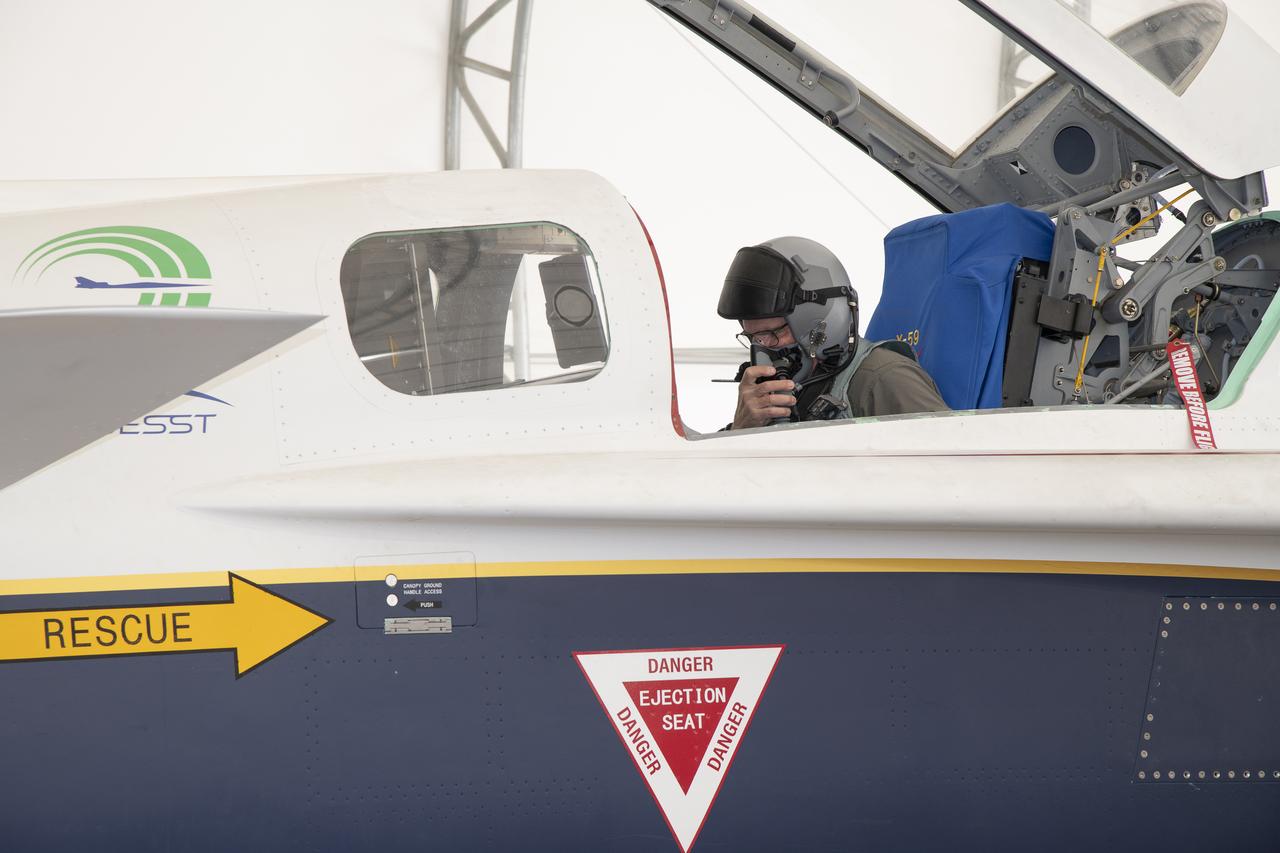
Lockheed Martin test pilot Dan “Dog” Canin sits in the cockpit of NASA’s X-59 quiet supersonic research aircraft in a run stall at Lockheed Martin’s Skunk Works facility in Palmdale, California prior to its first engine run. These engine-run tests featured the X-59 powered by its own engine, whereas in previous tests, the aircraft depended on external sources for power. The X-59 is the centerpiece of NASA’s Quesst mission, which seeks to solve one of the major barriers to supersonic flight over land by making sonic booms quieter.
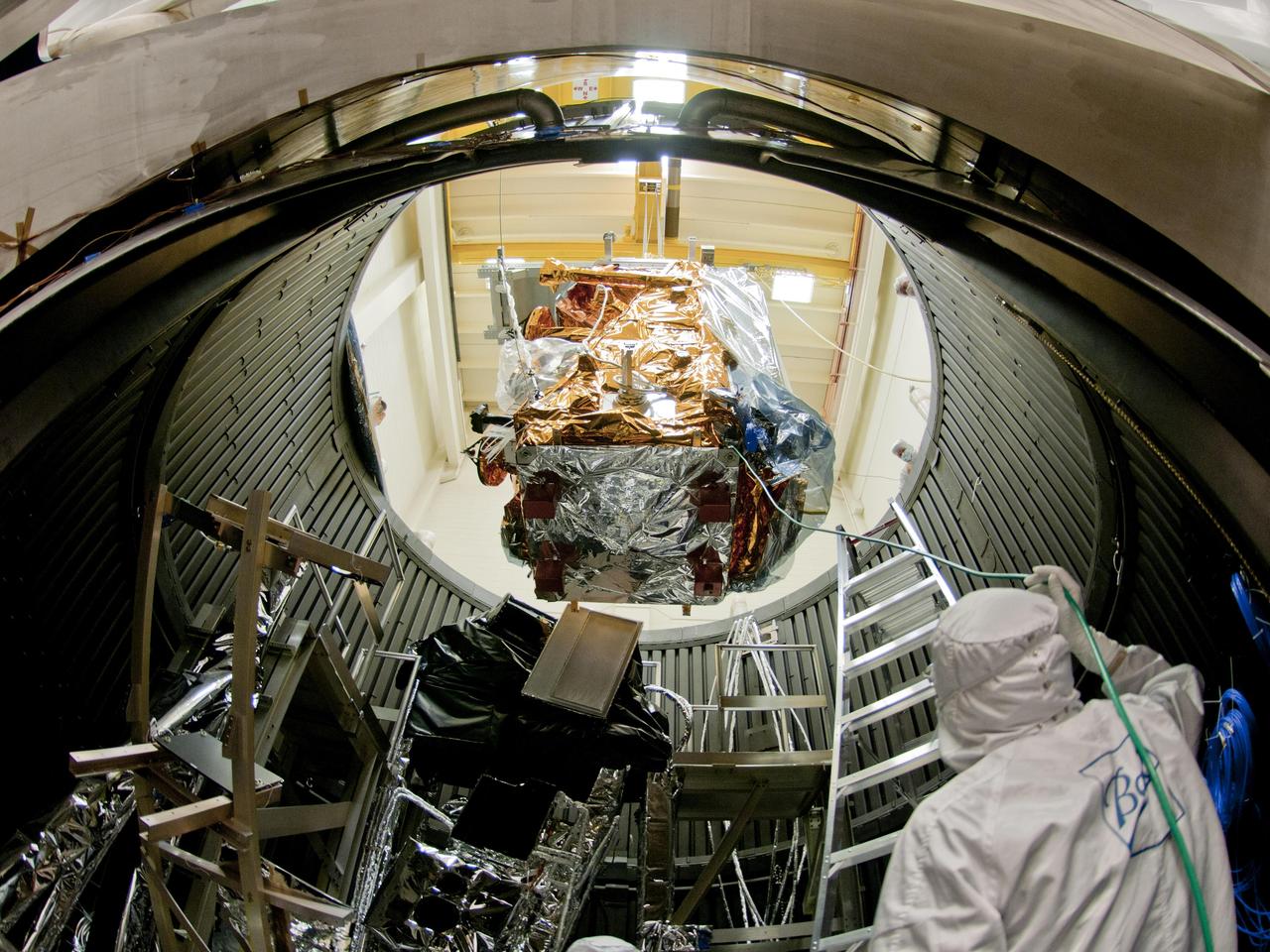
NPP is lowered into the thermal vacuum chamber. Once inside the Iron Maiden (visible in the lower left) is fitted in place. Then air is pumped out of the chamber and temperature extremes are applied to replicate orbit conditions. Credit: Ball Aerospace The NPP satellite sits surrounded by 144 rock concert speakers. They're stacked in a circle 16 feet high in a testing room at Ball Aerospace in Boulder, Colorado. As engineers set up for the environmental test, Pink Floyd's song "Money" plays gently in the background. The music stops. The room clears. Then the sound engineer wearing earplugs and headphones in the control room next door flips a switch. Slowly, the noise of thousands of pounds of exploding rocket fuel builds louder and louder until it blasts the satellite at a deafening 143.6 decibels -- loud enough to cause serious damage and pain to unprotected ears. "I was outside the building when they did the full level acoustics," says Glenn Iona, NPP Chief Engineer at NASA Goddard Space Flight Center, Greenbelt, Md. "and I could feel the ground shaking." To read more go to: <a href="http://www.nasa.gov/mission_pages/NPP/news/npp-testing.html" rel="nofollow">www.nasa.gov/mission_pages/NPP/news/npp-testing.html</a> <b><a href="http://www.nasa.gov/centers/goddard/home/index.html" rel="nofollow">NASA Goddard Space Flight Center</a></b> enables NASA’s mission through four scientific endeavors: Earth Science, Heliophysics, Solar System Exploration, and Astrophysics. Goddard plays a leading role in NASA’s accomplishments by contributing compelling scientific knowledge to advance the Agency’s mission. <b>Follow us on <a href="http://twitter.com/NASA_GoddardPix" rel="nofollow">Twitter</a></b> <b>Like us on <a href="http://www.facebook.com/pages/Greenbelt-MD/NASA-Goddard/395013845897?ref=tsd" rel="nofollow">Facebook</a></b> <b>Find us on <a href="http://web.stagram.com/n/nasagoddard/?vm=grid" rel="nofollow">Instagram</a></b>
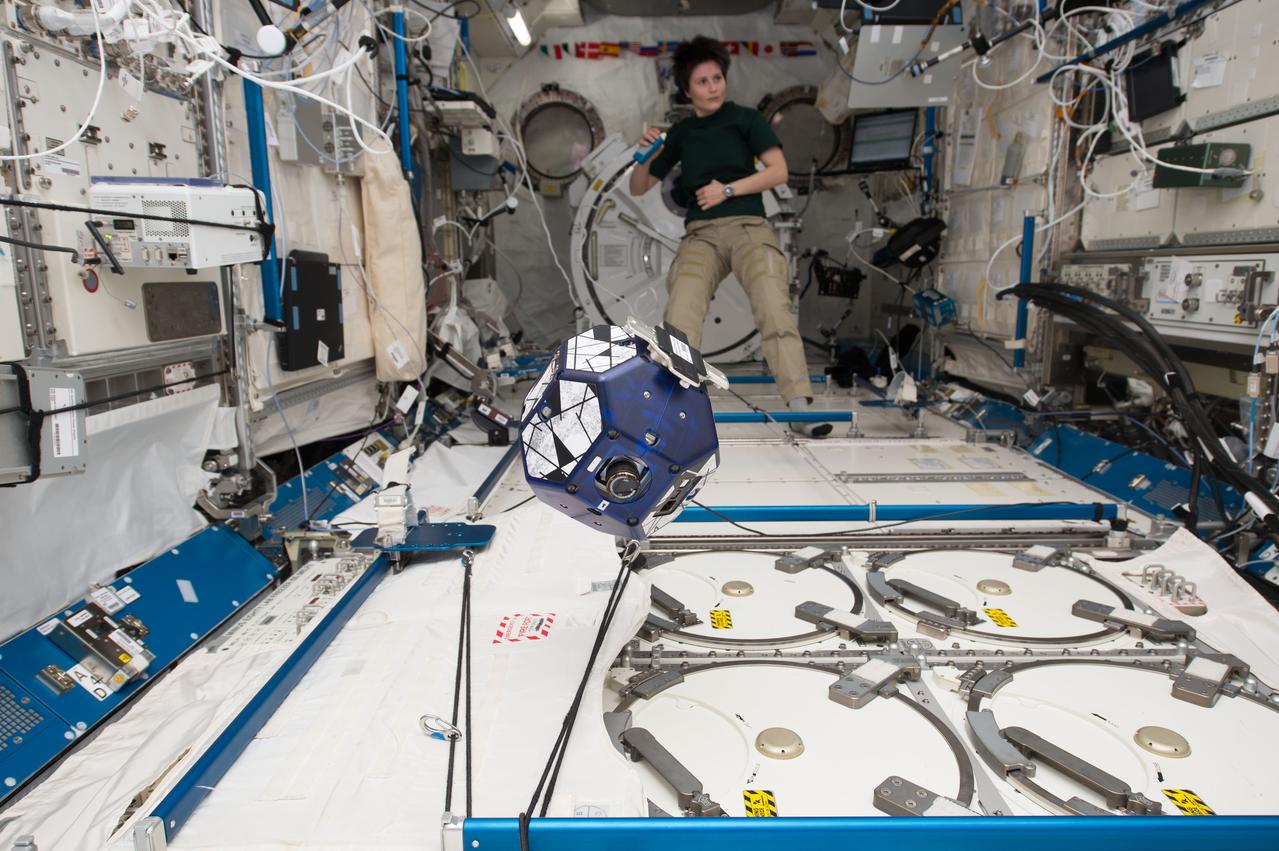
iss042e046171 (12/16/2018) --- Photographic documentation taken during the Synchronized Position Hold Engage and Reorient Experimental Satellites (SPHERES) test run in the Japanese Experiment Module (JEM). European Space Agency (ESA) astronaut Samantha Cristoforetti is visible conducting the test.
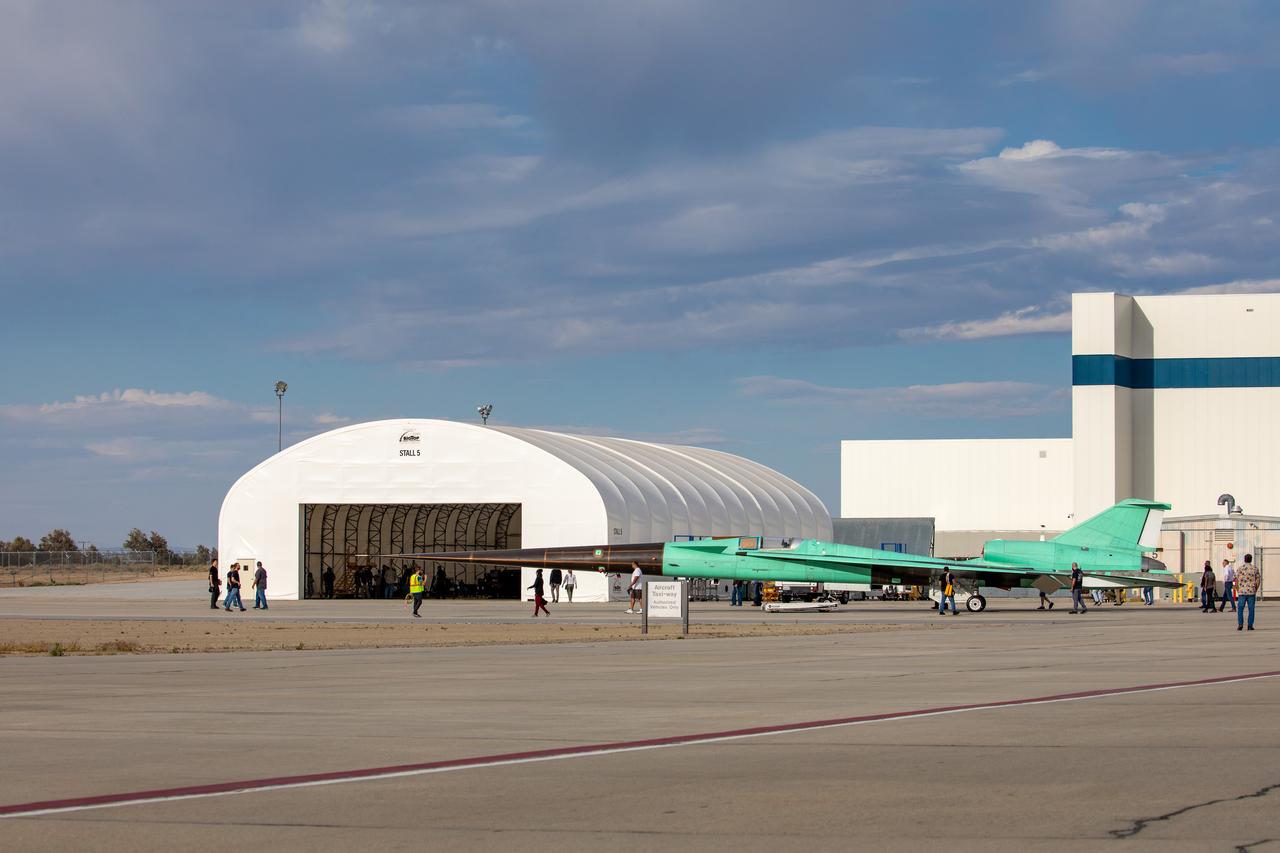
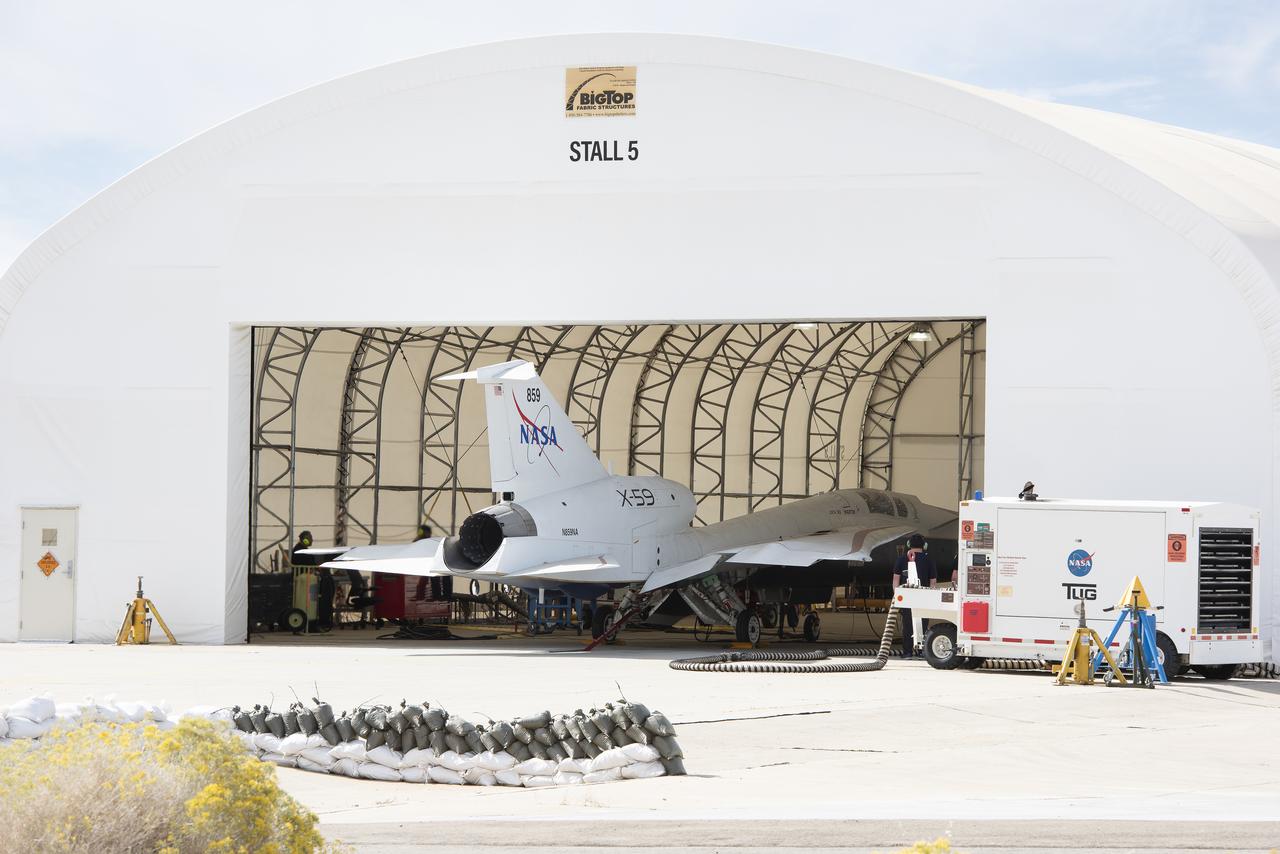
Technicians check out the X-59 aircraft as it sits near the runway at Lockheed Martin Skunk Works in Palmdale, California, on June 19, 2023. Lockheed Martin Photography By Garry Tice 1011 Lockheed Way, Palmdale, Ca. 93599 Event: Move to Run Stall 5 Date: 6/19/2023 Additional Info:
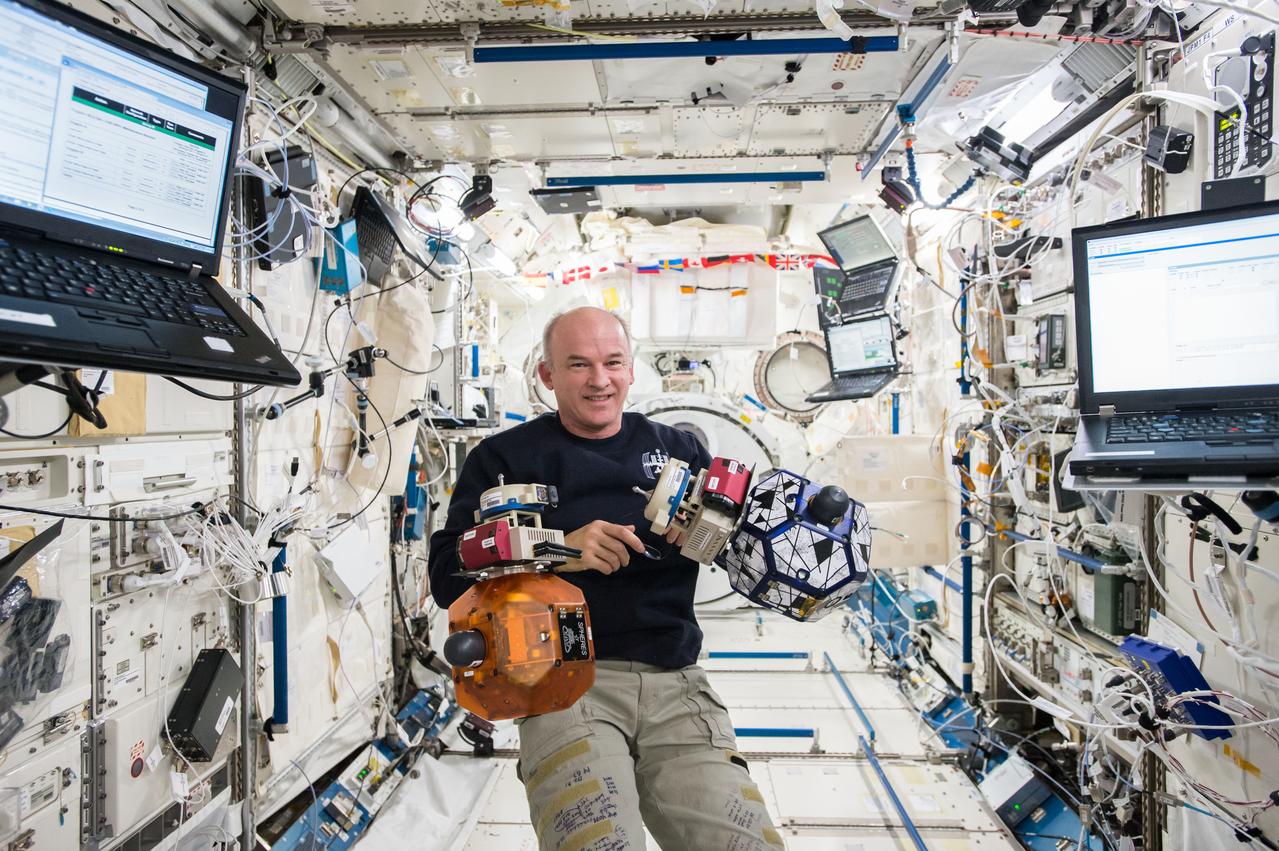
iss048e017435 (6/30/2016) --- Commander Jeff Williams monitors bowling ball-sized internal satellites known as SPHERES (Synchronized Position Hold, Engage, Reorient, Experimental Satellites) during a maintenance run in the Japanese Kibo Laboratory Module.

iss071e439833 (Aug. 8, 2024) --- Xiang River runs through the city of Changsha (center) in China's province of Hunan. At far left, the city of Yueyang lies on the bank of Dongdongting Lake in Hunan's humid, subtropical region. The International Space Station was orbiting 262 miles above the Asian nation at the time of this photograph.
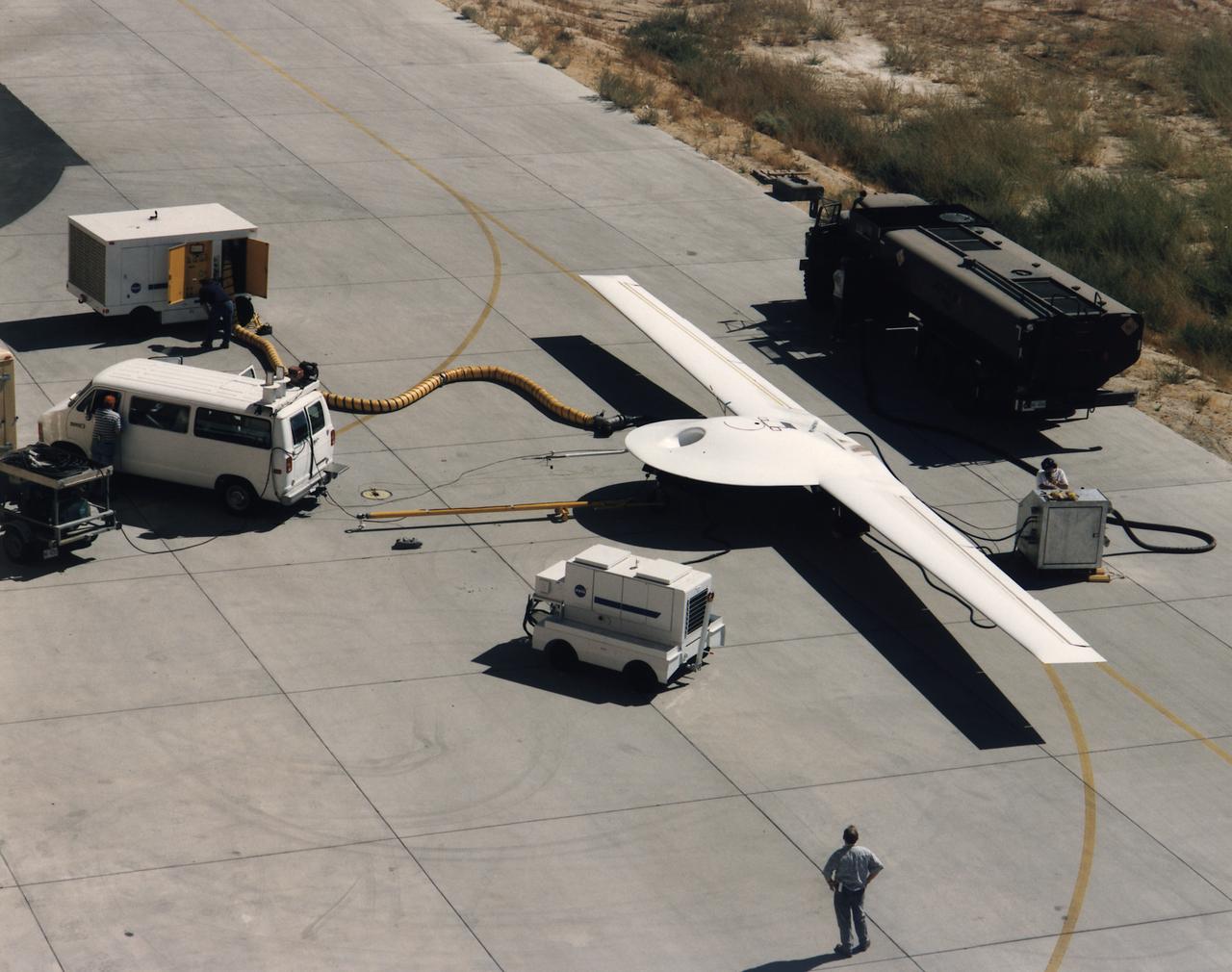
The Lockheed Martin/Boeing Tier III- (minus) unpiloted aerial vehicle undergoing an engine run on the ramp at the Dryden Flight Research Center, Edwards, California.
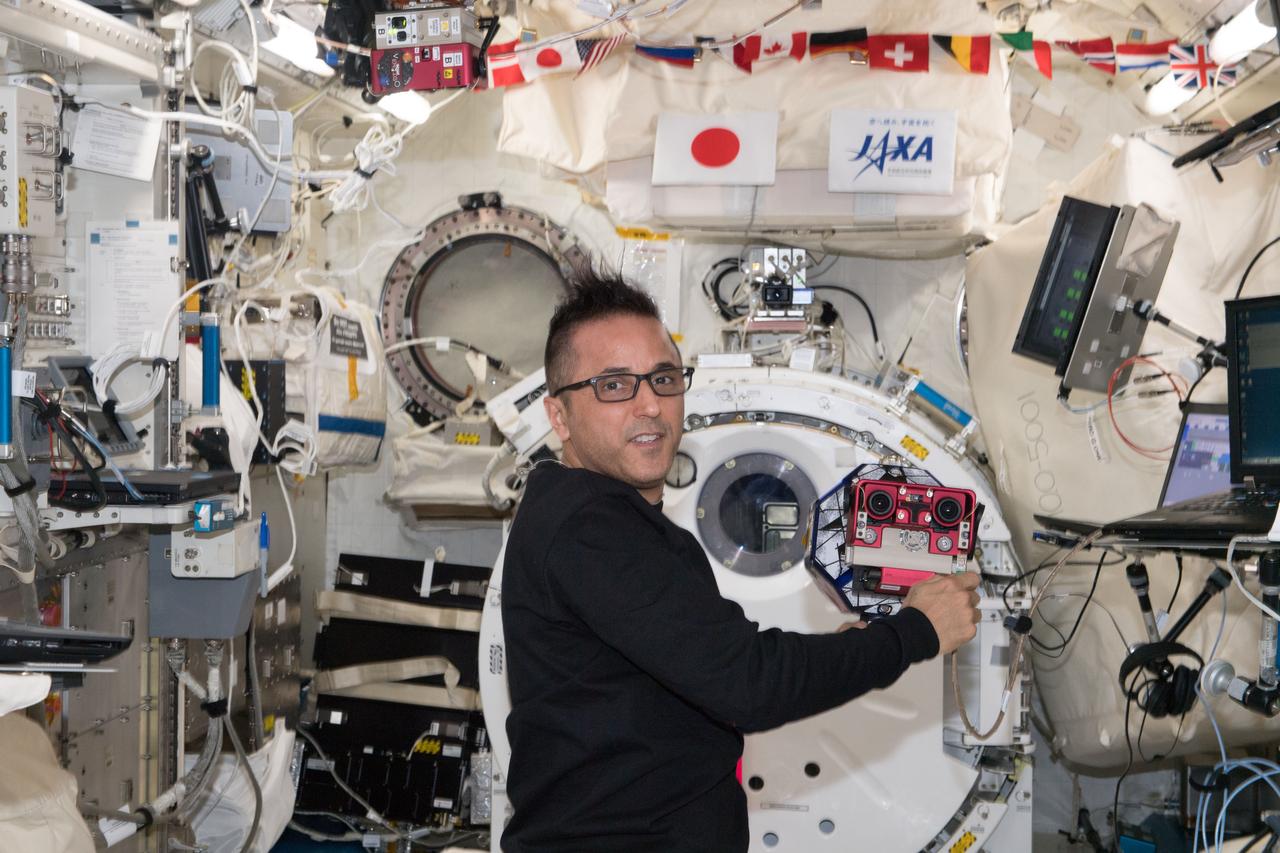
iss054e026583 (Jan. 31, 2018) --- NASA astronaut Joe Acaba during a Synchronized Position Hold, Engage, Reorient, Experimental Satellites (SPHERES) Smoothing-Based Relative Navigation (SmoothNav) experiment test run. SPHERES is a self-contained, free-flying satellite to test autonomous capabilities and docking maneuvers within the International Space Station (ISS). SmoothNav software uses a unique computational method to estimate position and velocity in multi-satellite formations.
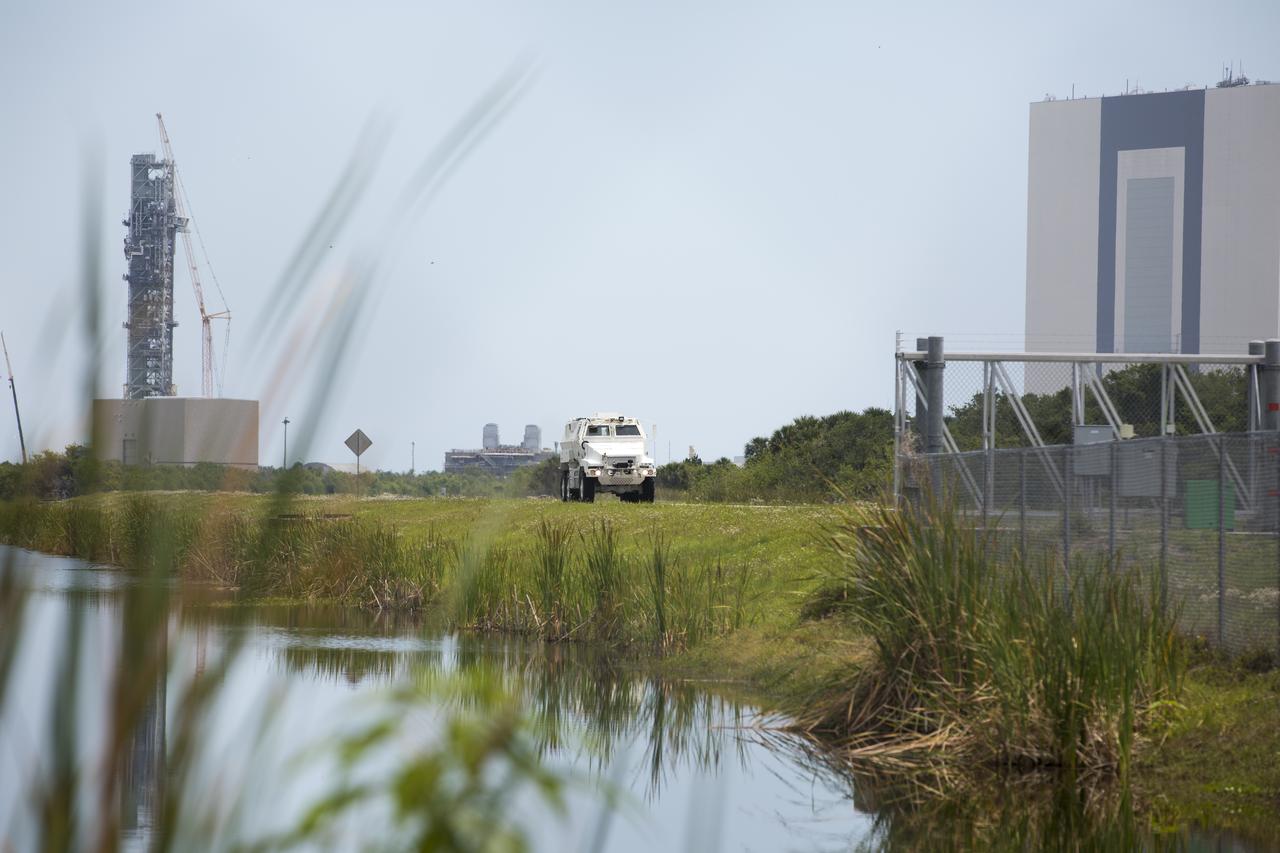
An MRAP armored vehicle goes through a training run on the Shuttle Landing Facility to support NASA's Commercial Crew Program at the agency's Kennedy Space Center in Florida. The 45,000-pound mine-resistant. The MRAP offers a mobile bunker for astronauts and ground crews in the unlikely event they have to get away from the launch pad quickly in an emergency.
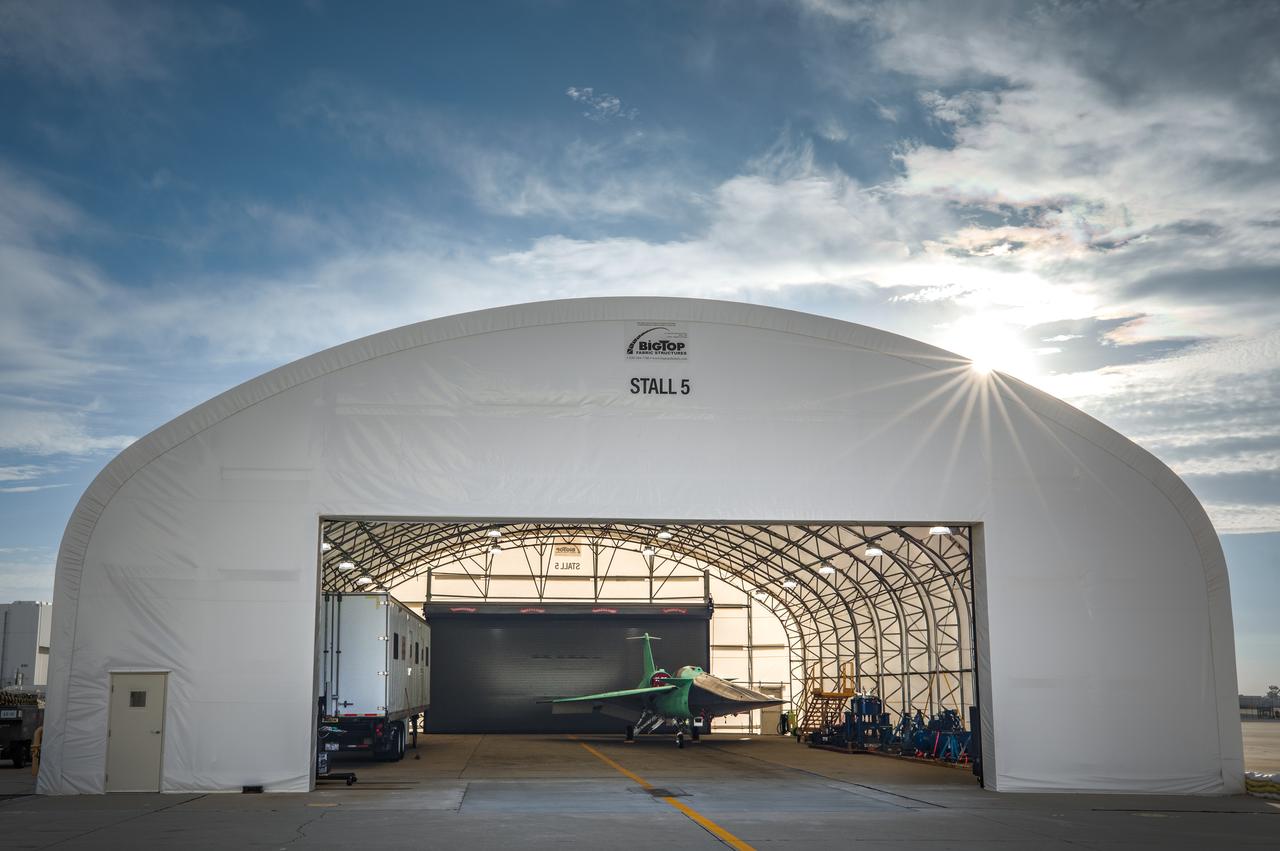
NASA’s X-59 aircraft is parked in stall five near the runway at Lockheed Martin Skunk Works in Palmdale, California, on June 19, 2023. This is where the X-59 will be housed during ground and initial flight tests. Lockheed Martin Photography By Garry Tice 1011 Lockheed Way, Palmdale, Ca. 93599 Event: Move to Run Stall 5 Date: 6/19/2023 Additional Info:
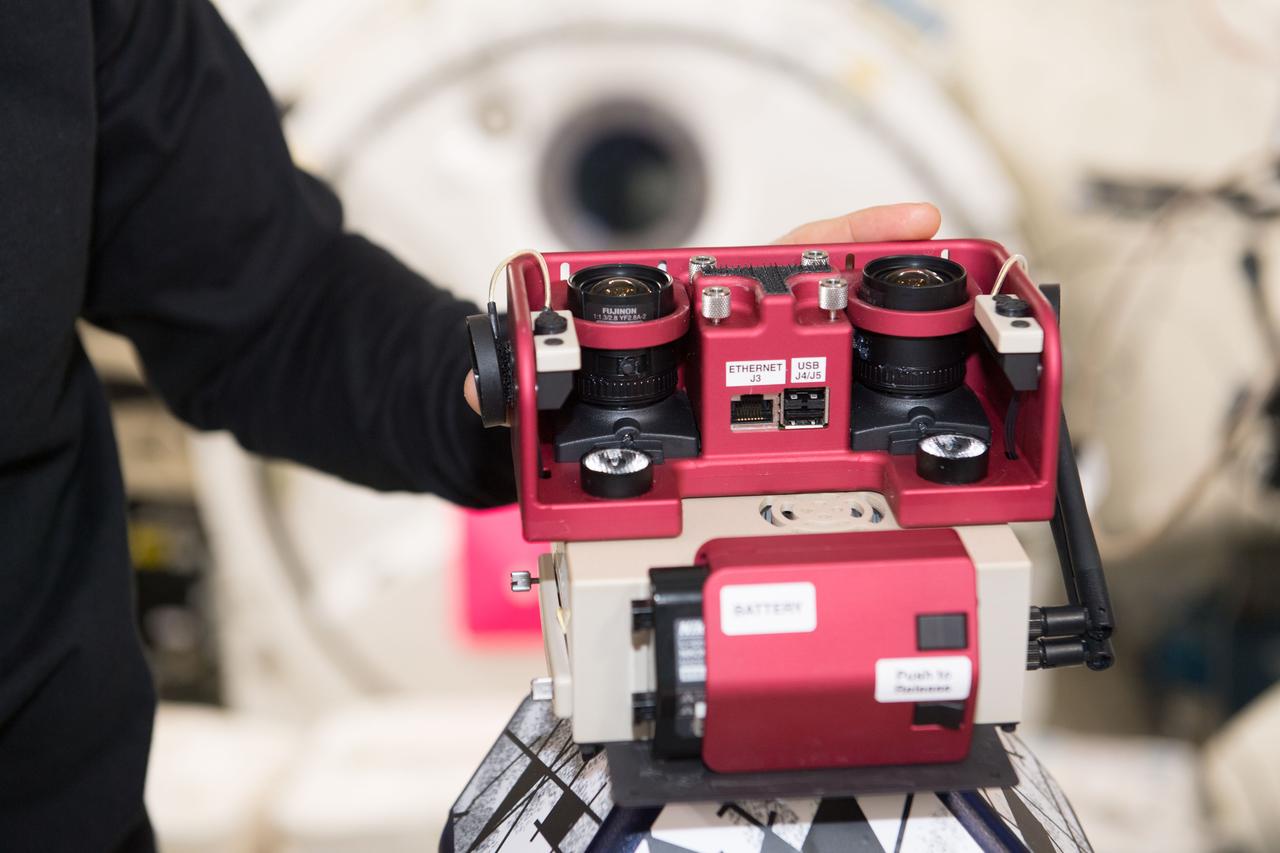
iss054e026578 (Jan. 31, 2018) --- Vertigo hardware used on Synchronized Position Hold, Engage, Reorient, Experimental Satellites (SPHERES) during a test run of Smoothing-Based Relative Navigation (SmoothNav). SPHERES is a self-contained, free-flying satellite to test autonomous capabilities and docking maneuvers within the International Space Station (ISS). SmoothNav software uses a unique computational method to estimate position and velocity in multi-satellite formations.
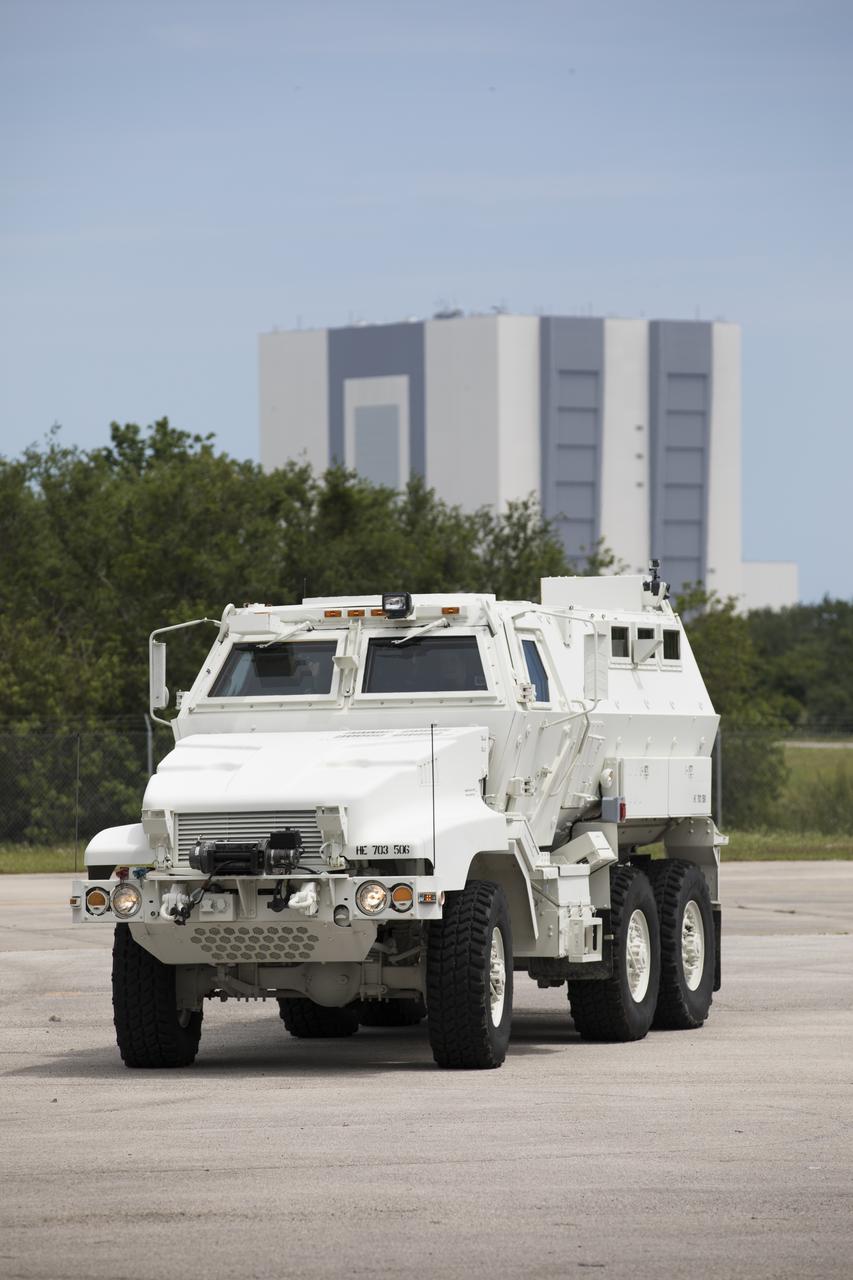
An MRAP armored vehicle goes through a training run on the Shuttle Landing Facility to support NASA's Commercial Crew Program at the agency's Kennedy Space Center in Florida. The 45,000-pound mine-resistant ambush protected vehicle, or MRAP, was originally designed for military applications. The MRAP offers a mobile bunker for astronauts and ground crews in the unlikely event they have to get away from the launch pad quickly in an emergency.
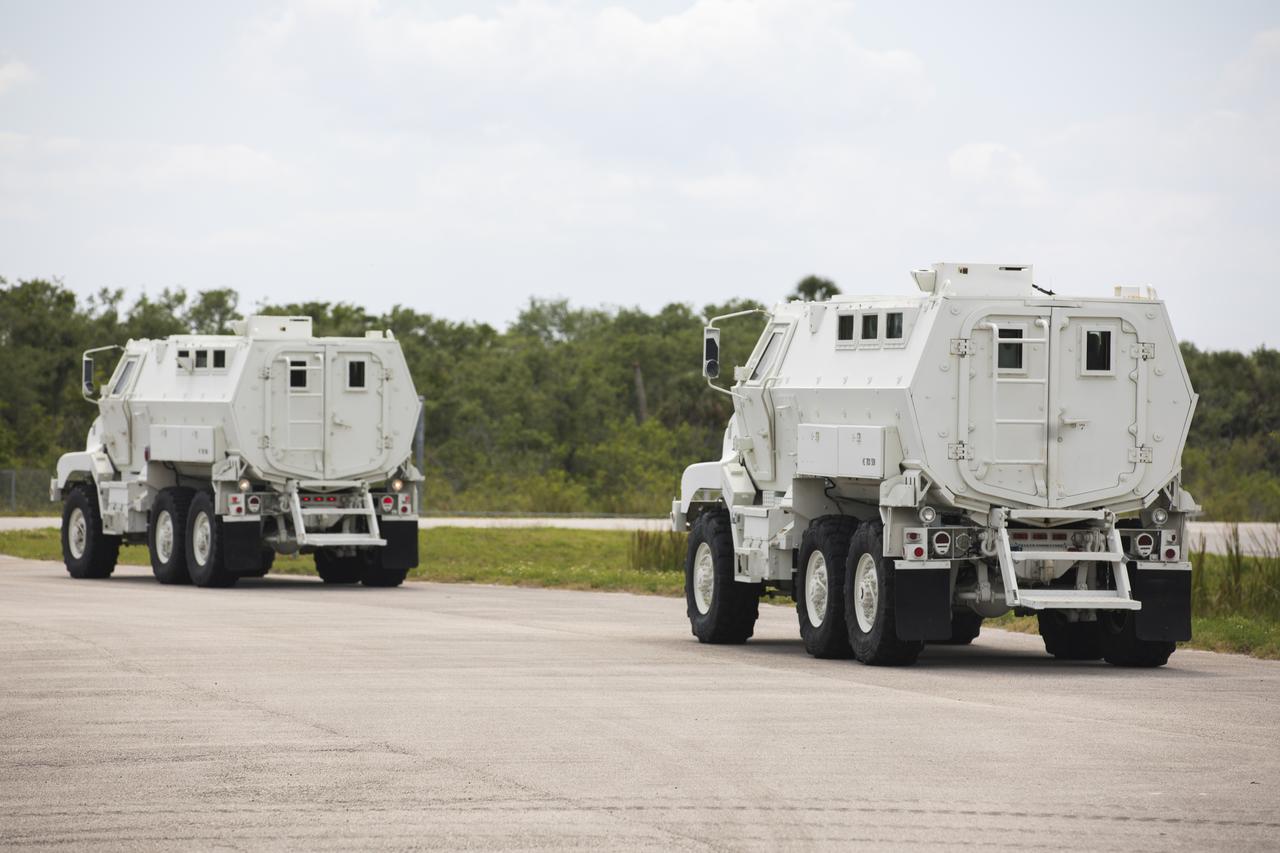
Two MRAP armored vehicles go through a training run on the Shuttle Landing Facility to support NASA's Commercial Crew Program at the agency's Kennedy Space Center in Florida. The 45,000-pound mine-resistant ambush protected vehicle, or MRAPs, were originally designed for military applications. The MRAP offers a mobile bunker for astronauts and ground crews in the unlikely event they have to get away from the launch pad quickly in an emergency.
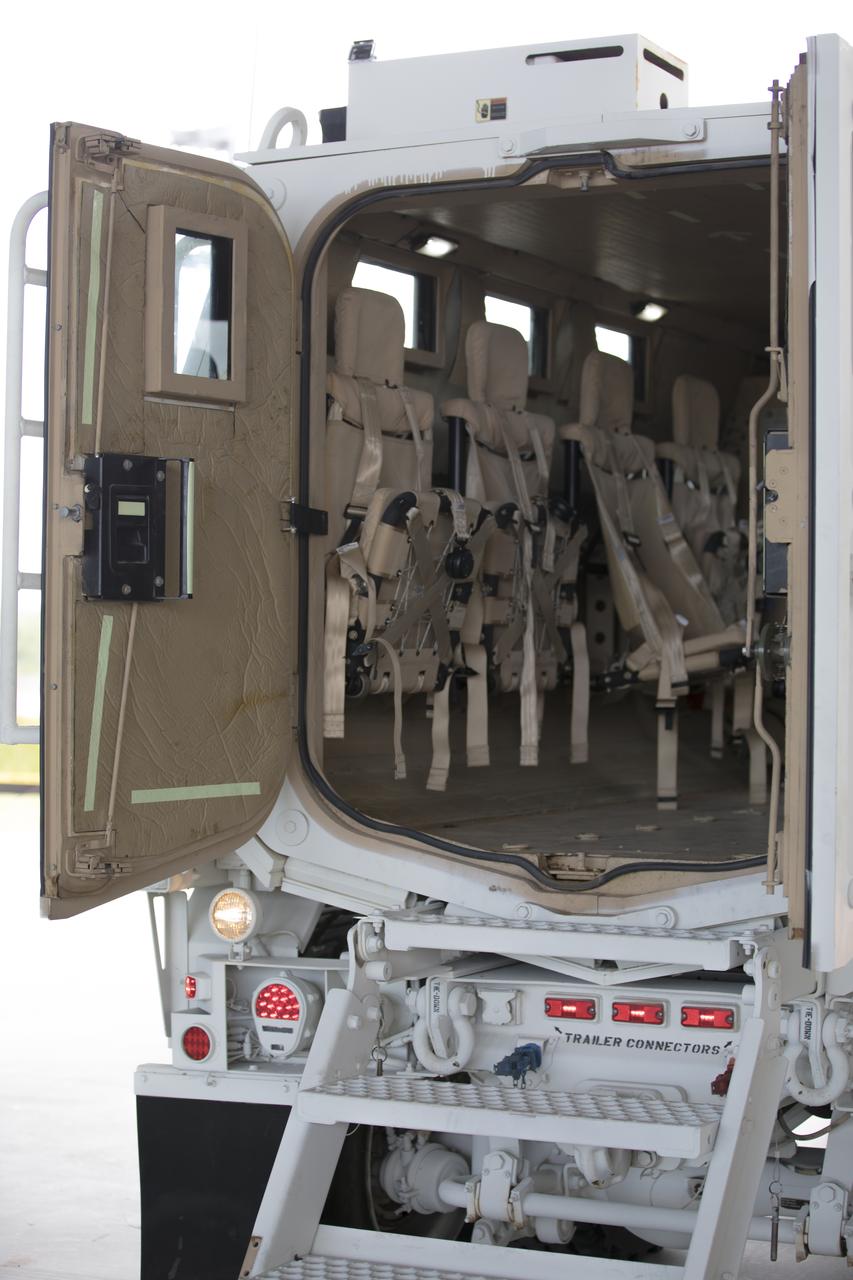
Following a training run on the Shuttle Landing Facility at NASA's Kennedy Space Center in Florida, MRAP back doors are opened showing seating in the armored vehicle. The 45,000-pound mine-resistant ambush protected vehicle, or MRAP, was originally designed for military applications, but will support the agency's Commercial Crew Program at the spaceport. The MRAP offers a mobile bunker for astronauts and ground crews in the unlikely event they have to get away from the launch pad quickly in an emergency.
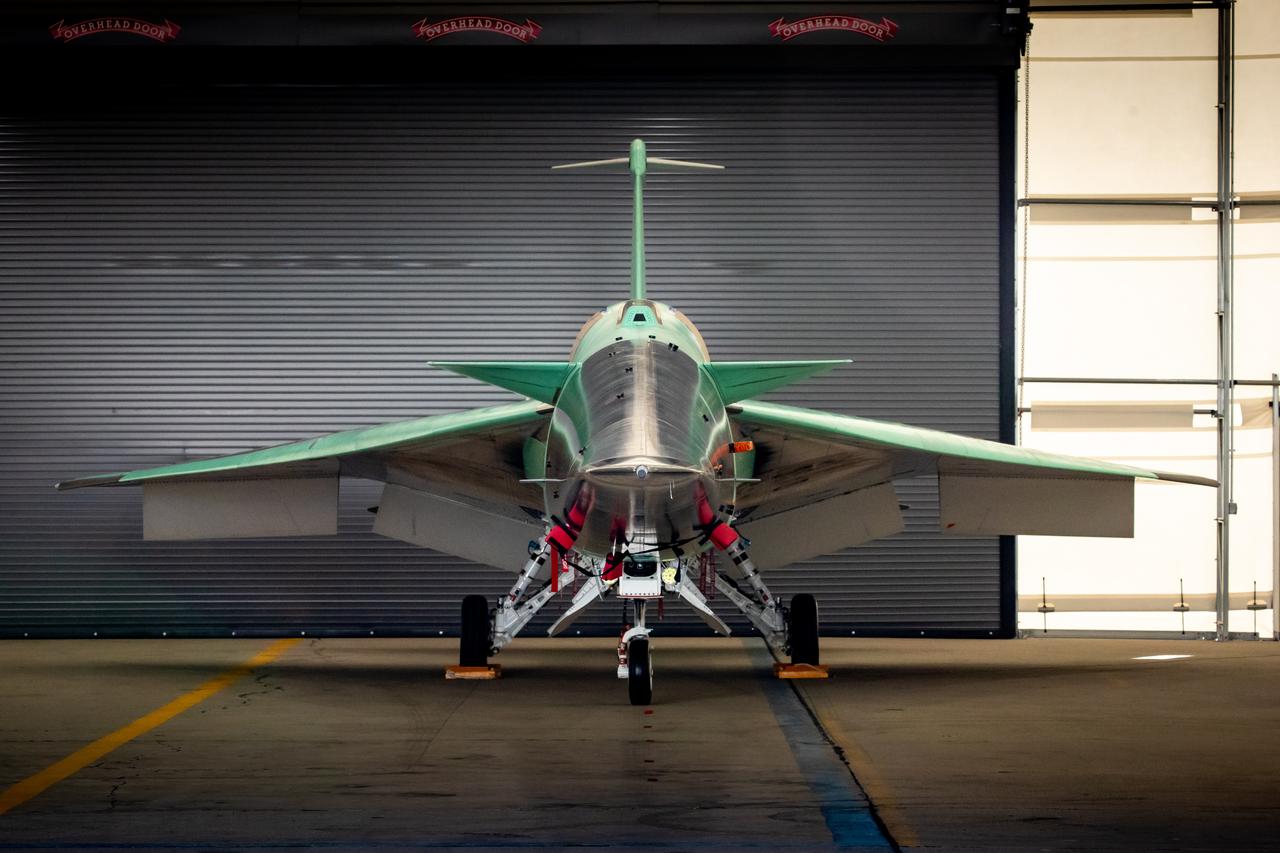
NASA’s X-59 aircraft is parked near the runway at Lockheed Martin Skunk Works in Palmdale, California, on June 19, 2023. This is where the X-59 will be housed during ground and initial flight tests. Lockheed Martin Photography By Garry Tice 1011 Lockheed Way, Palmdale, Ca. 93599 Event: Move to Run Stall 5 Date: 6/19/2023 Additional Info:
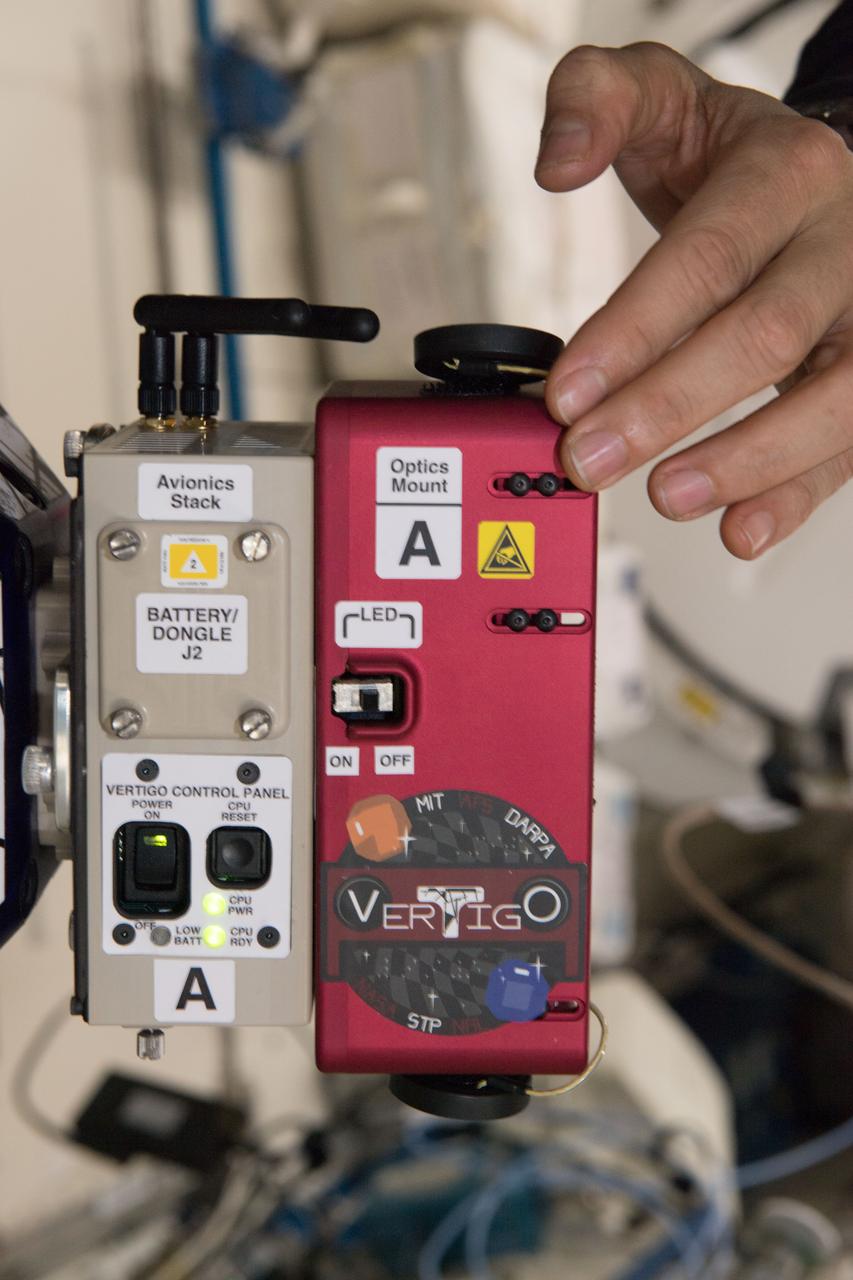
iss054e026580 (Jan. 31, 2018) --- Vertigo hardware used on Synchronized Position Hold, Engage, Reorient, Experimental Satellites (SPHERES) during a test run of Smoothing-Based Relative Navigation (SmoothNav). SPHERES is a self-contained, free-flying satellite to test autonomous capabilities and docking maneuvers within the International Space Station (ISS). SmoothNav software uses a unique computational method to estimate position and velocity in multi-satellite formations.
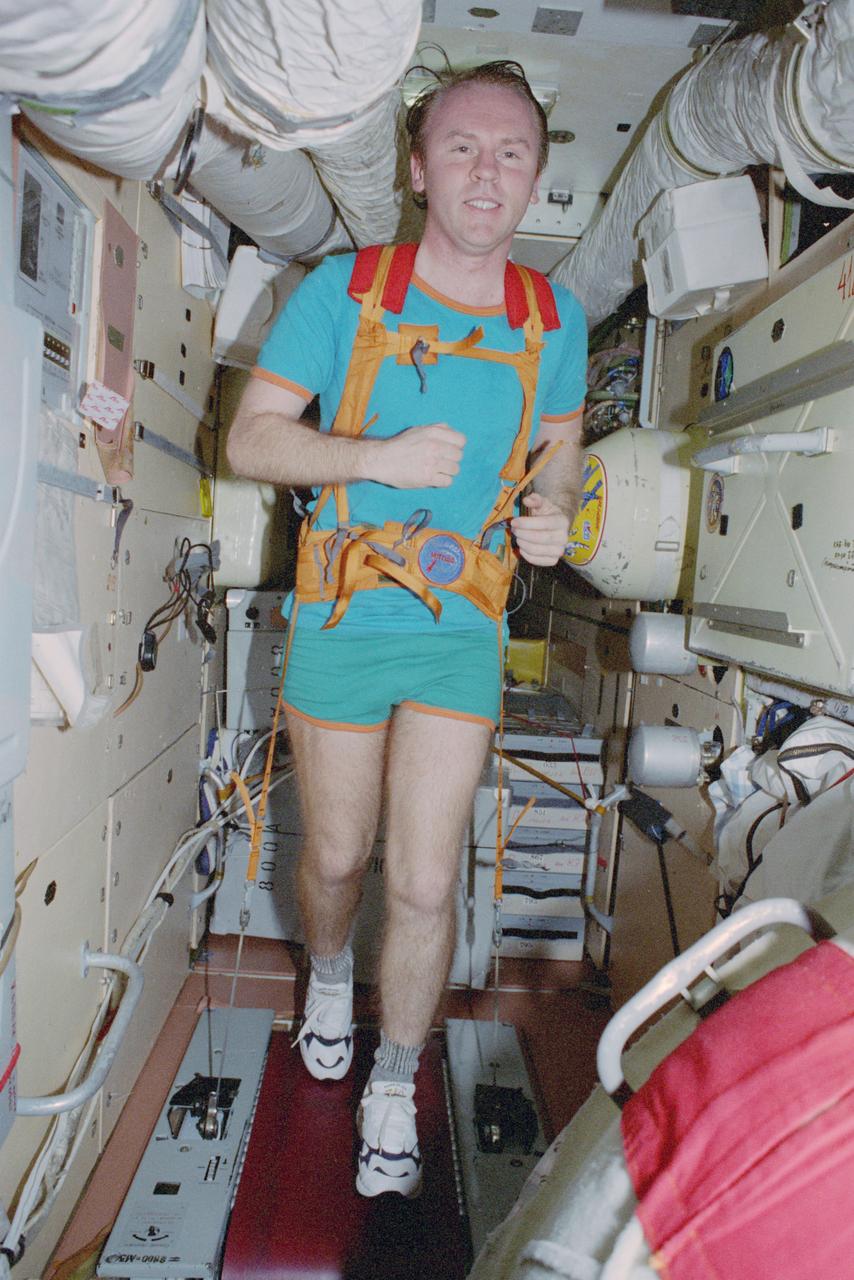
STS091-375-011 (2-12 June 1998) --- Andrew S.W. Thomas makes a treadmill run onboard the Kristall module before joining the STS-91 crew for a journey home that will complete 141 days in space for the NASA astronaut. Thomas is the final of seven NASA astronauts assigned to indvidual long-duration stays aboard Russia's Mir space station as cosmonaut guest researchers. Photo Credit: National Aeronautics and Space Administration (NASA) and the Russian Aviation and Space Agency.
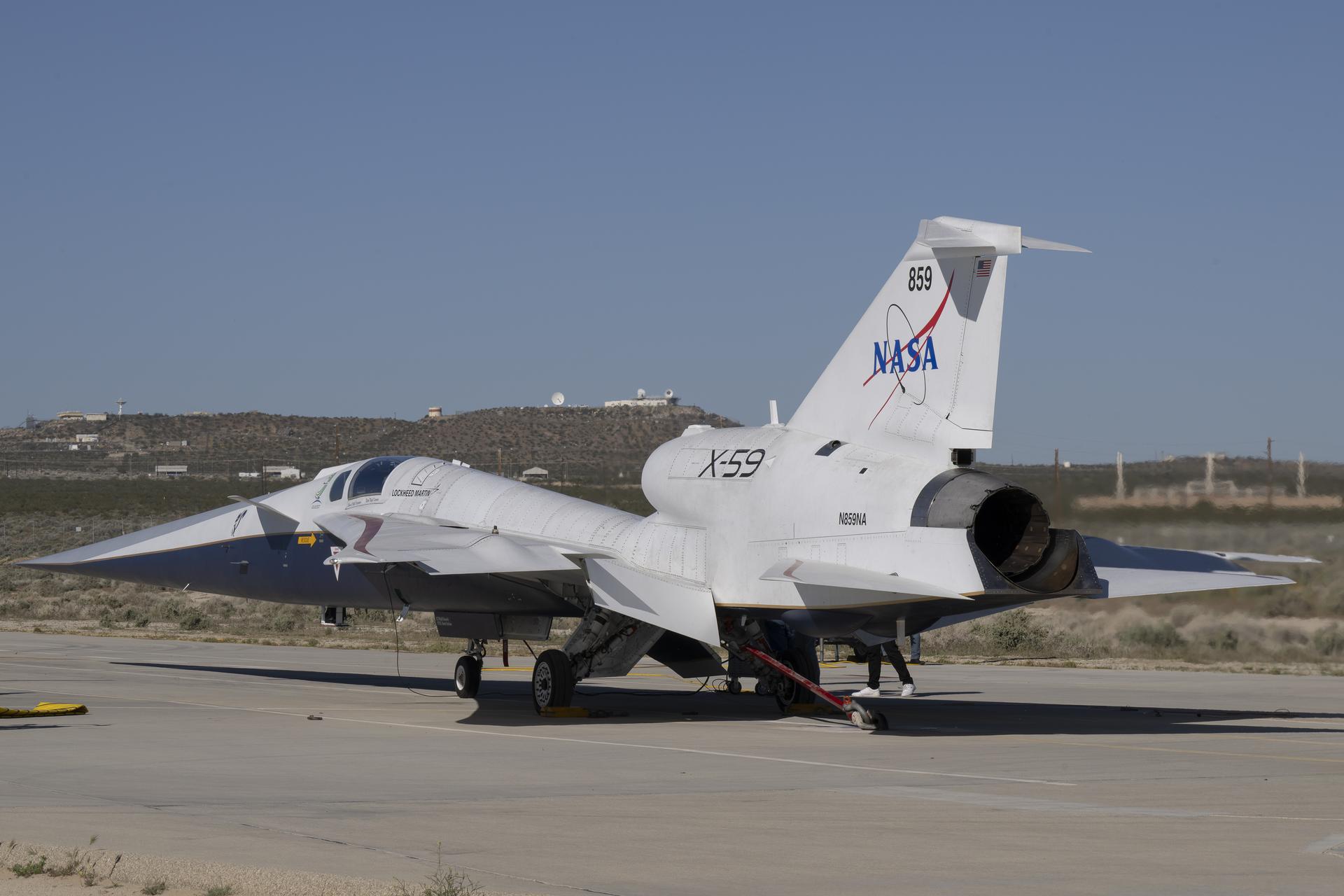
NASA’s X-59 quiet supersonic research aircraft completed a series of engine run tests on Thursday, March 12, 2026, at NASA’s Armstrong Flight Research Center in Edwards, California. These tests mark one of the final ground preparations before the aircraft’s second flight.

NASA’s X-59 quiet supersonic research aircraft sits on the ramp during engine run testing on Thursday, March 12, 2026, at NASA’s Armstrong Flight Research Center in Edwards, California. Engine runs are one of the final tests before the aircraft is ready for its second flight. The data collected from the aircraft during upcoming flight tests could help inform future regulations for commercial supersonic travel over land.

NASA’s X-59 quiet supersonic research aircraft sits on the ramp during engine run testing on Thursday, March 12, 2026, at NASA’s Armstrong Flight Research Center in Edwards, California. Engine runs are one of the final tests before the aircraft is ready for its second flight. The data collected from the aircraft during upcoming flight tests could help inform future regulations for commercial supersonic travel over land.
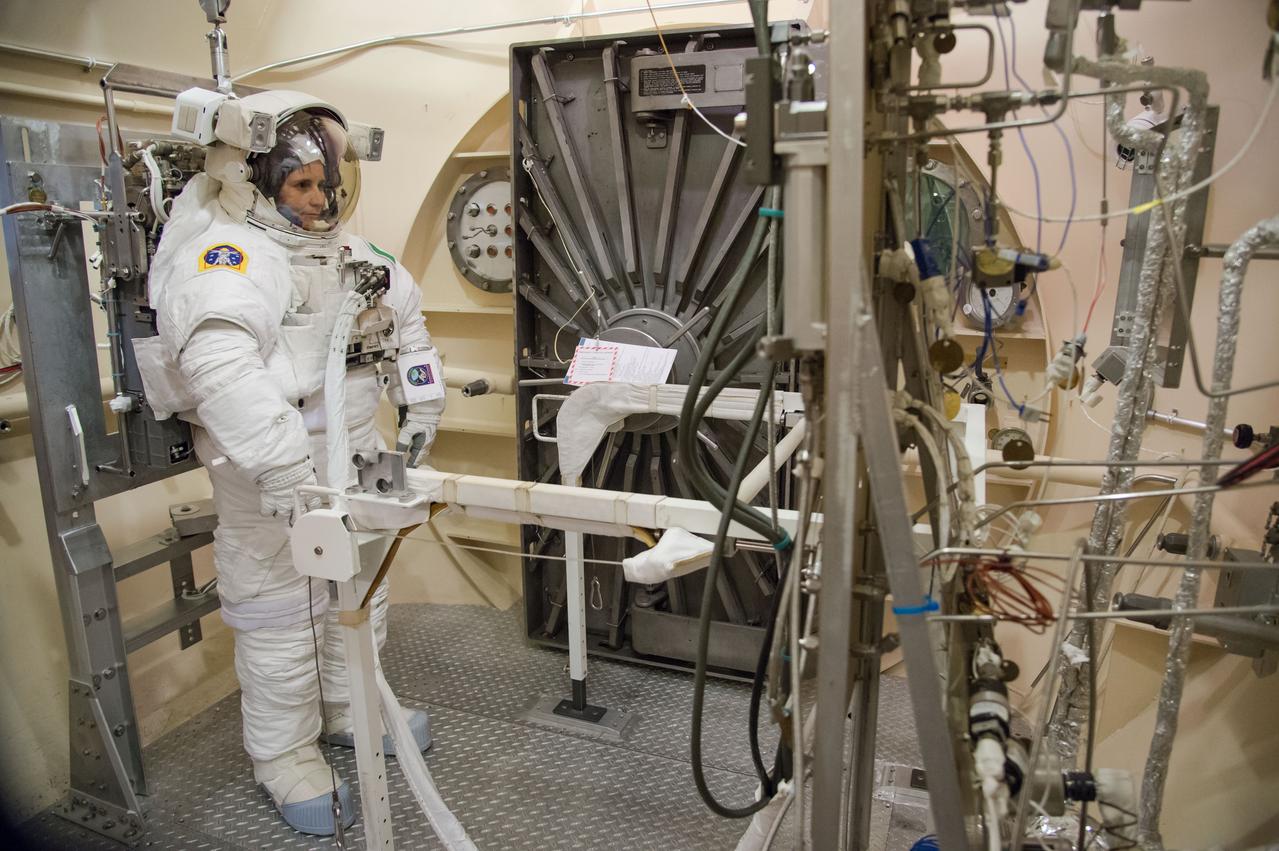
Expedition 42/43 ESA astronaut Samantha Cristoforetti during preparations for EMU Certification Altitude Run. Photo Date: September 22, 2014. Location: Bldg. 7, 11 foot chamber. Photographer: Robert Markowitz
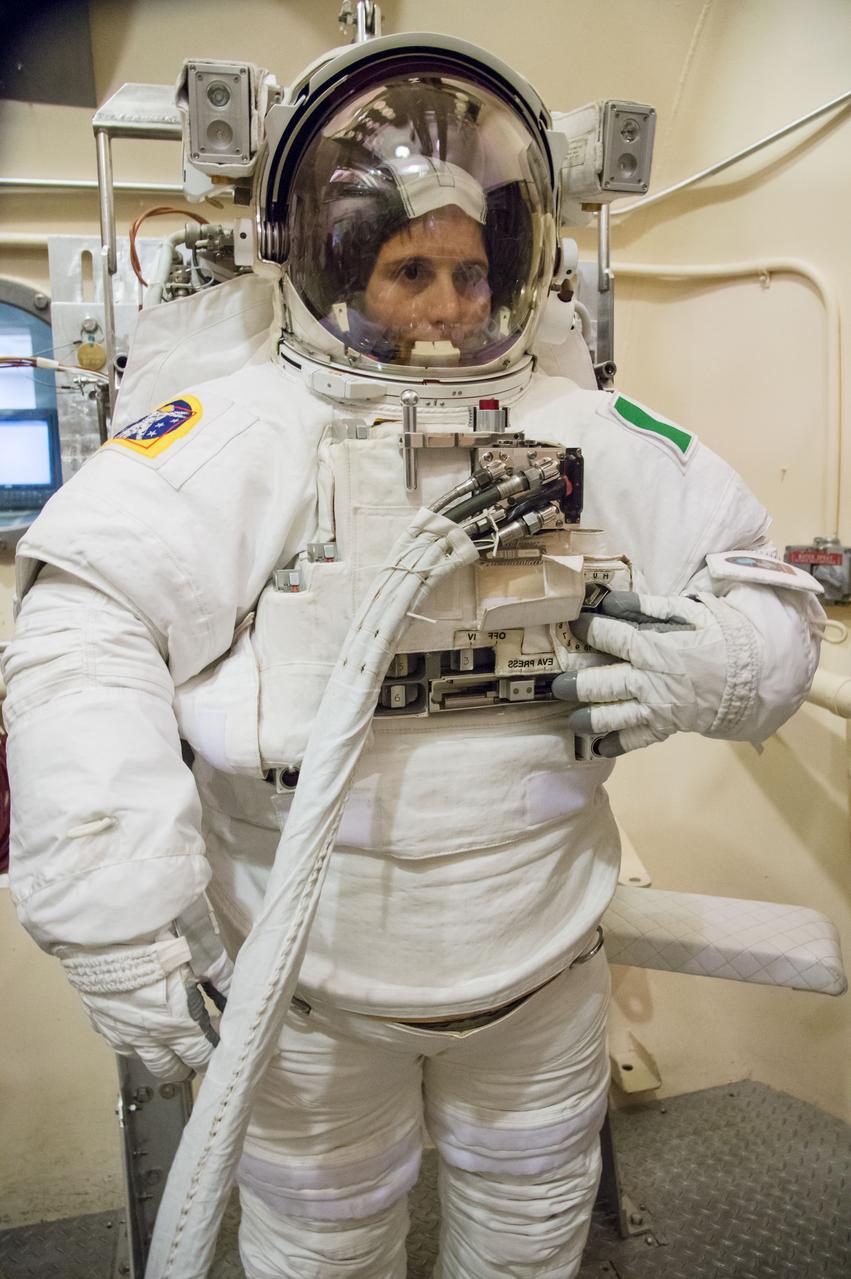
Expedition 42/43 ESA astronaut Samantha Cristoforetti during preparations for EMU Certification Altitude Run. Photo Date: September 22, 2014. Location: Bldg. 7, 11 foot chamber. Photographer: Robert Markowitz
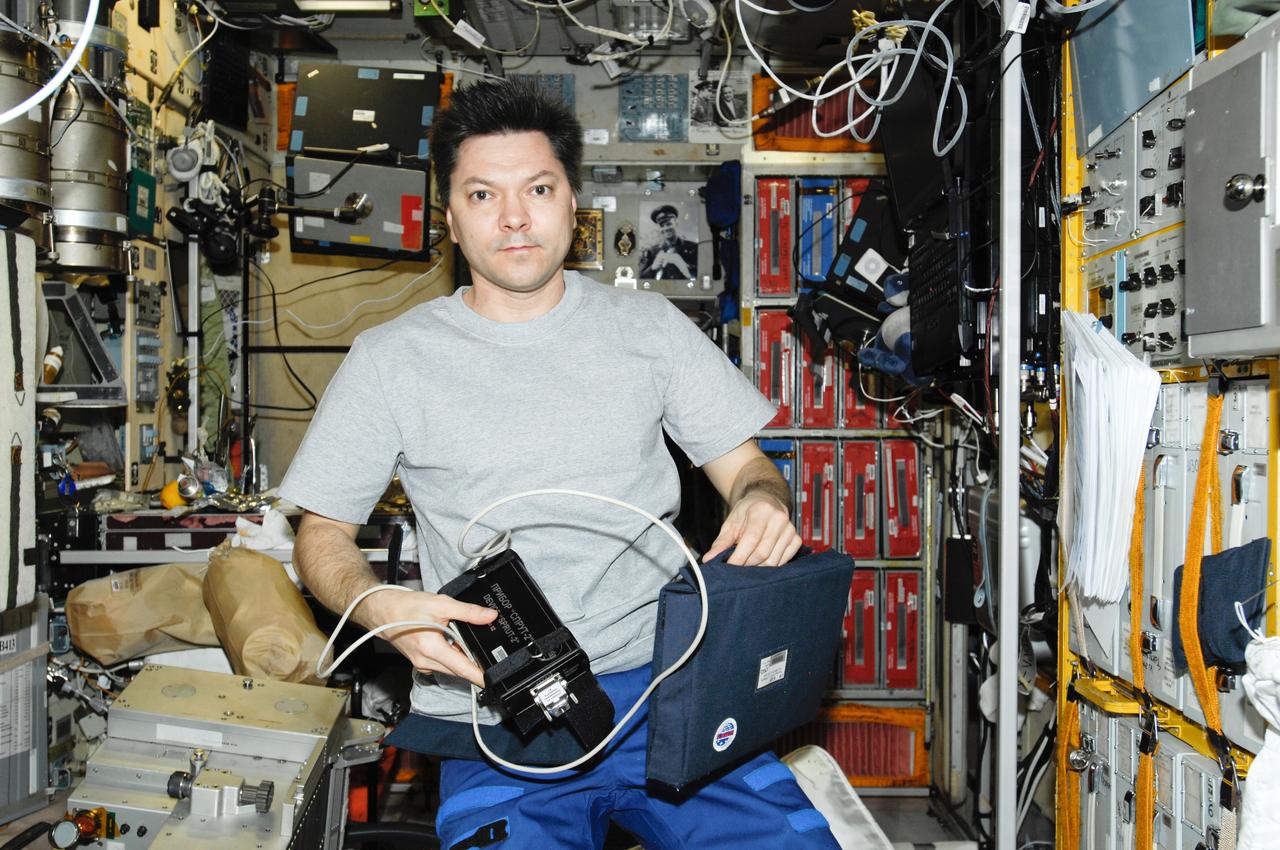
ISS030-E-093434 (23 Feb. 2012) --- Russian cosmonaut Oleg Kononenko, Expedition 30 flight engineer, performs a SPRUT-2 experiment run in the Zvezda Service Module of the International Space Station.
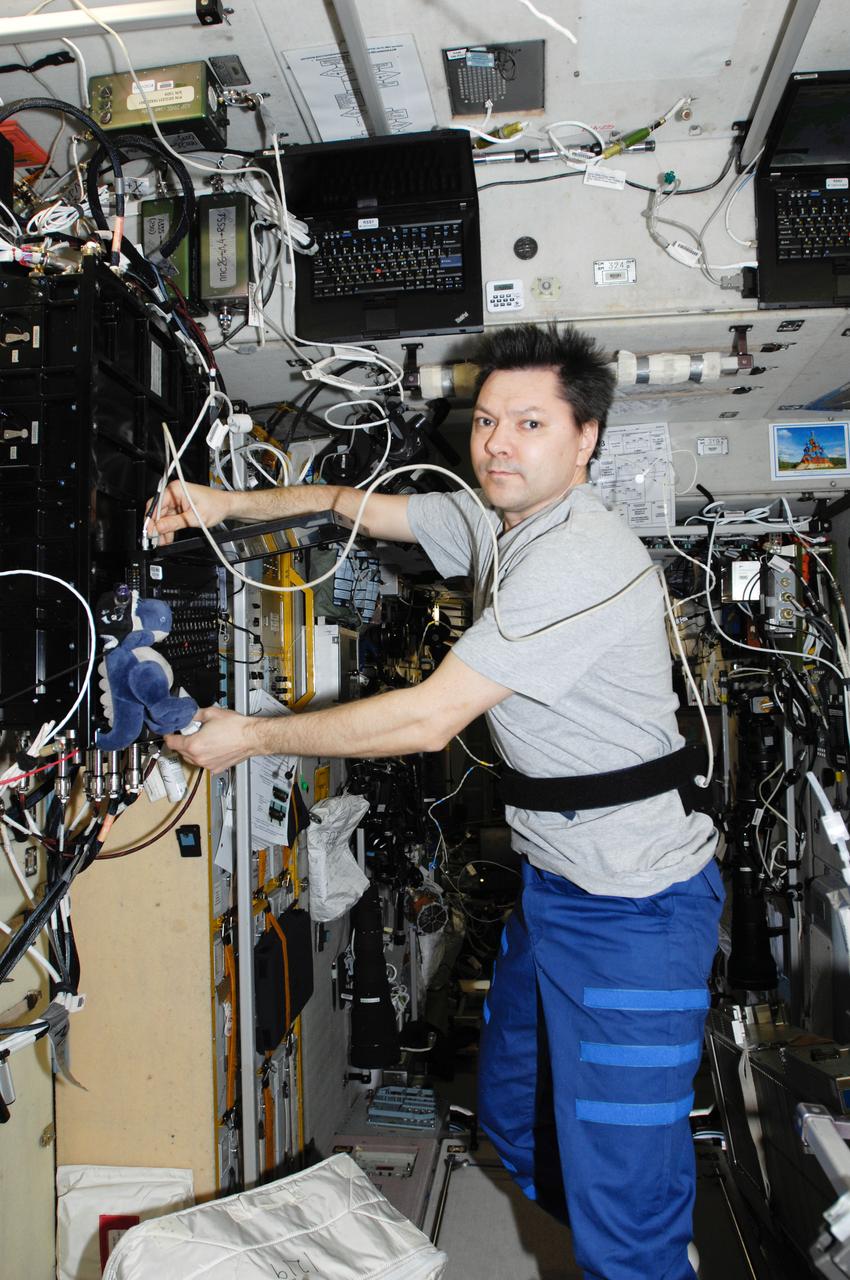
ISS030-E-093432 (23 Feb. 2012) --- Russian cosmonaut Oleg Kononenko, Expedition 30 flight engineer, performs a SPRUT-2 experiment run in the Zvezda Service Module of the International Space Station.
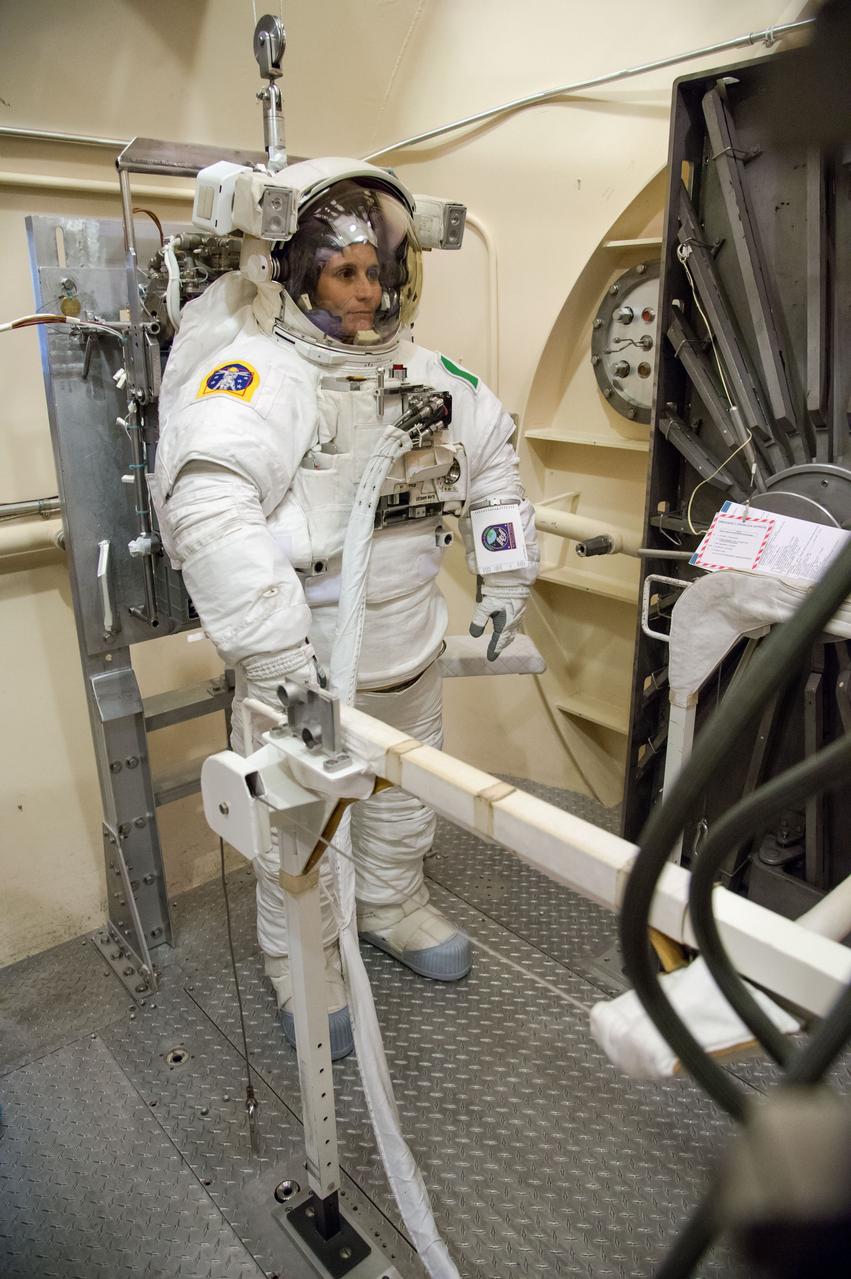
Expedition 42/43 ESA astronaut Samantha Cristoforetti during preparations for EMU Certification Altitude Run. Photo Date: September 22, 2014. Location: Bldg. 7, 11 foot chamber. Photographer: Robert Markowitz
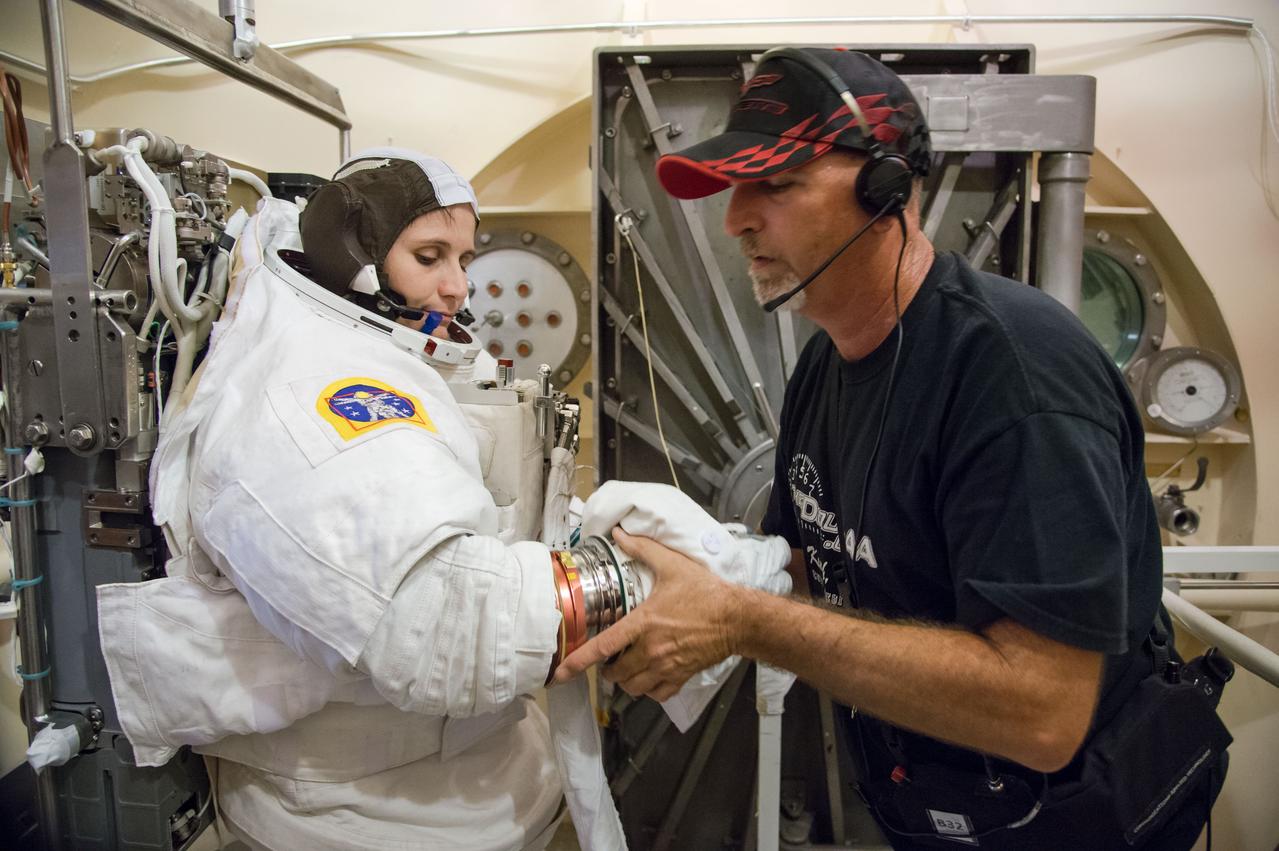
Expedition 42/43 ESA astronaut Samantha Cristoforetti during preparations for EMU Certification Altitude Run. Photo Date: September 22, 2014. Location: Bldg. 7, 11 foot chamber. Photographer: Robert Markowitz
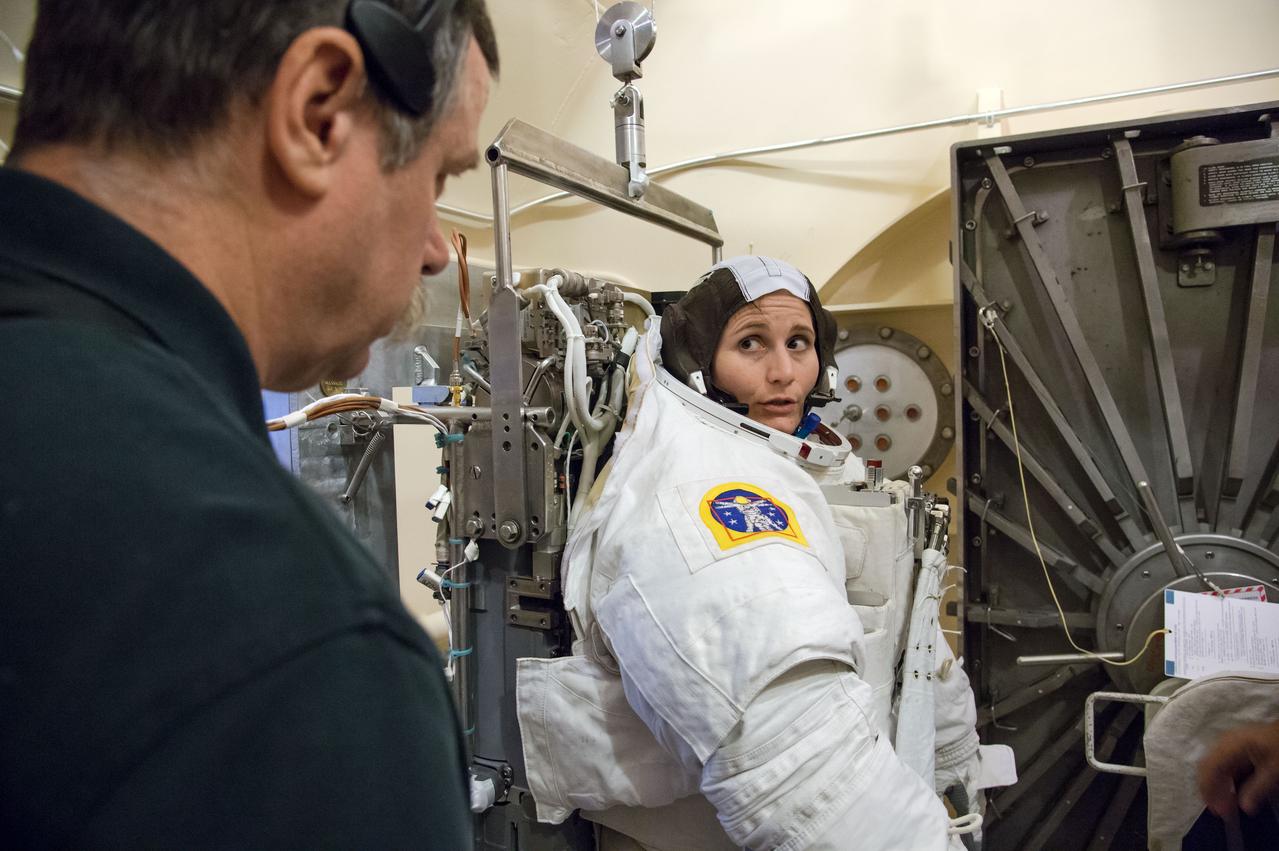
Expedition 42/43 ESA astronaut Samantha Cristoforetti during preparations for EMU Certification Altitude Run. Photo Date: September 22, 2014. Location: Bldg. 7, 11 foot chamber. Photographer: Robert Markowitz
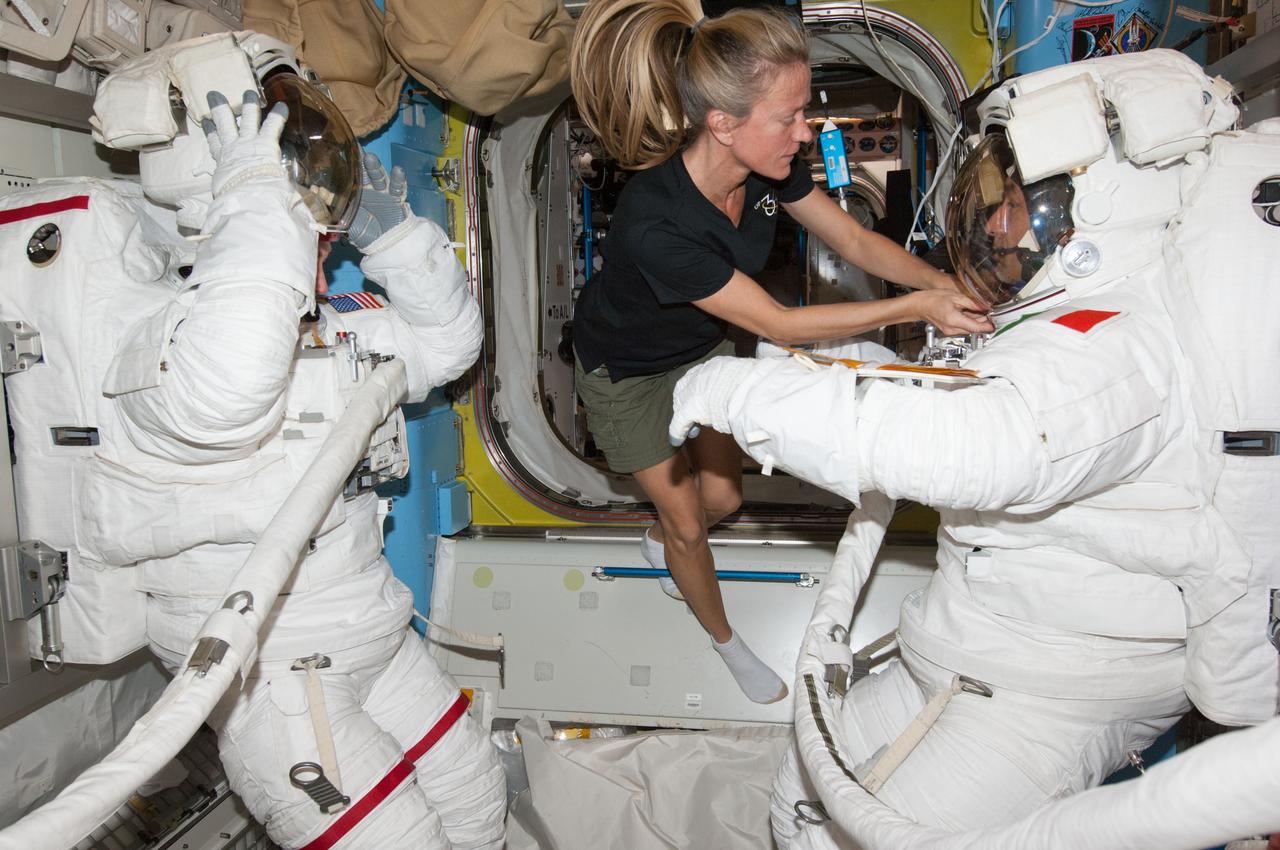
View of NASA astronaut Chris Cassidy (left) and European Space Agency astronaut Luca Parmitano (right), Expedition 36 flight engineers, preparing for a dry run in the International Space Stations Quest airlock in preparation for the first of two sessions of extravehicular (EVA) scheduled for July 9 and July 16. Both have donned their EMUs. Astronaut Karen Nyberg, Expetition 36 flight engineer, is visible in the center.
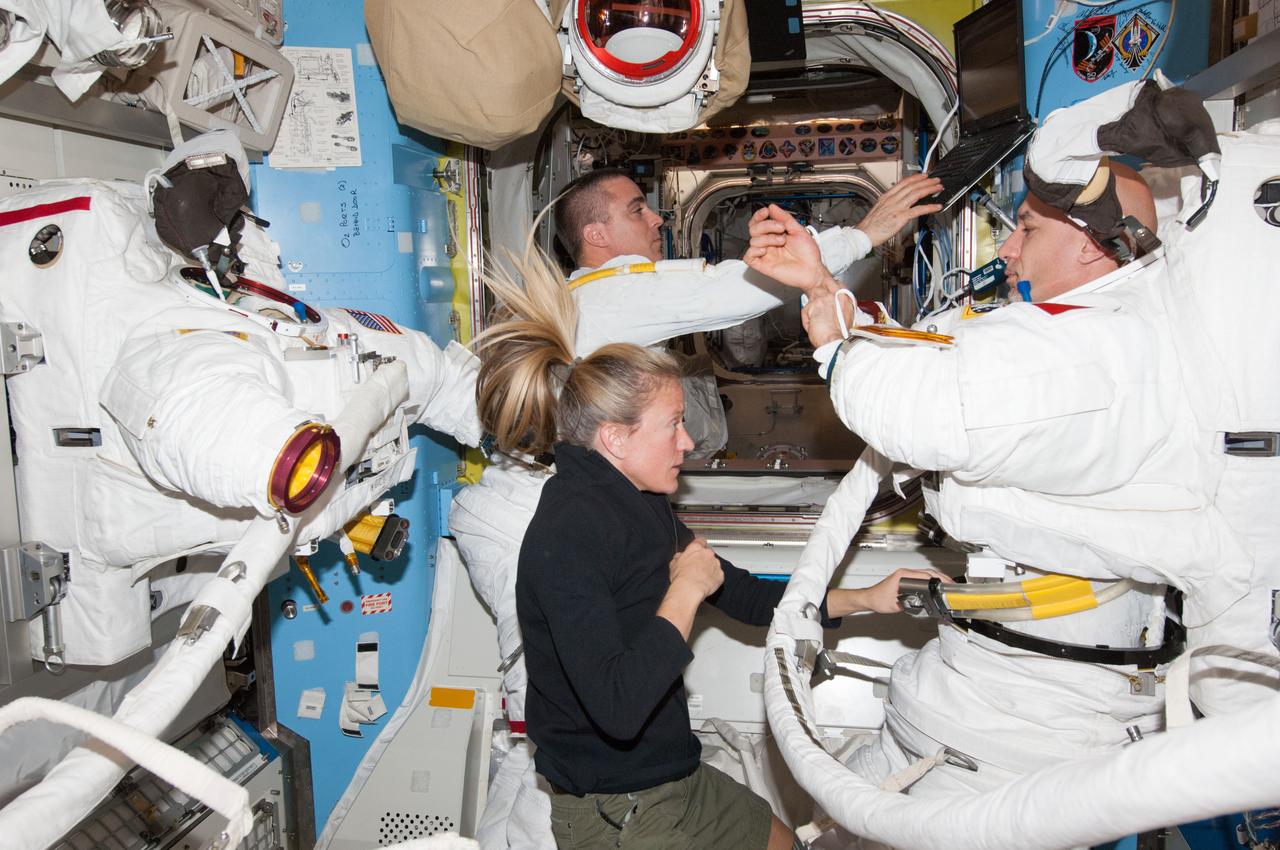
ISS036-E-014714 (3 July 2013) --- NASA astronaut Chris Cassidy (left background) and European Space Agency astronaut Luca Parmitano, both Expedition 36 flight engineers, don their Extravehicular Mobility Unit (EMU) spacesuits for a ?dry run? in the International Space Station?s Quest airlock in preparation for the first of two sessions of extravehicular (EVA) scheduled for July 9 and July 16. NASA astronaut Karen Nyberg, flight engineer, assists Cassidy and Parmitano.
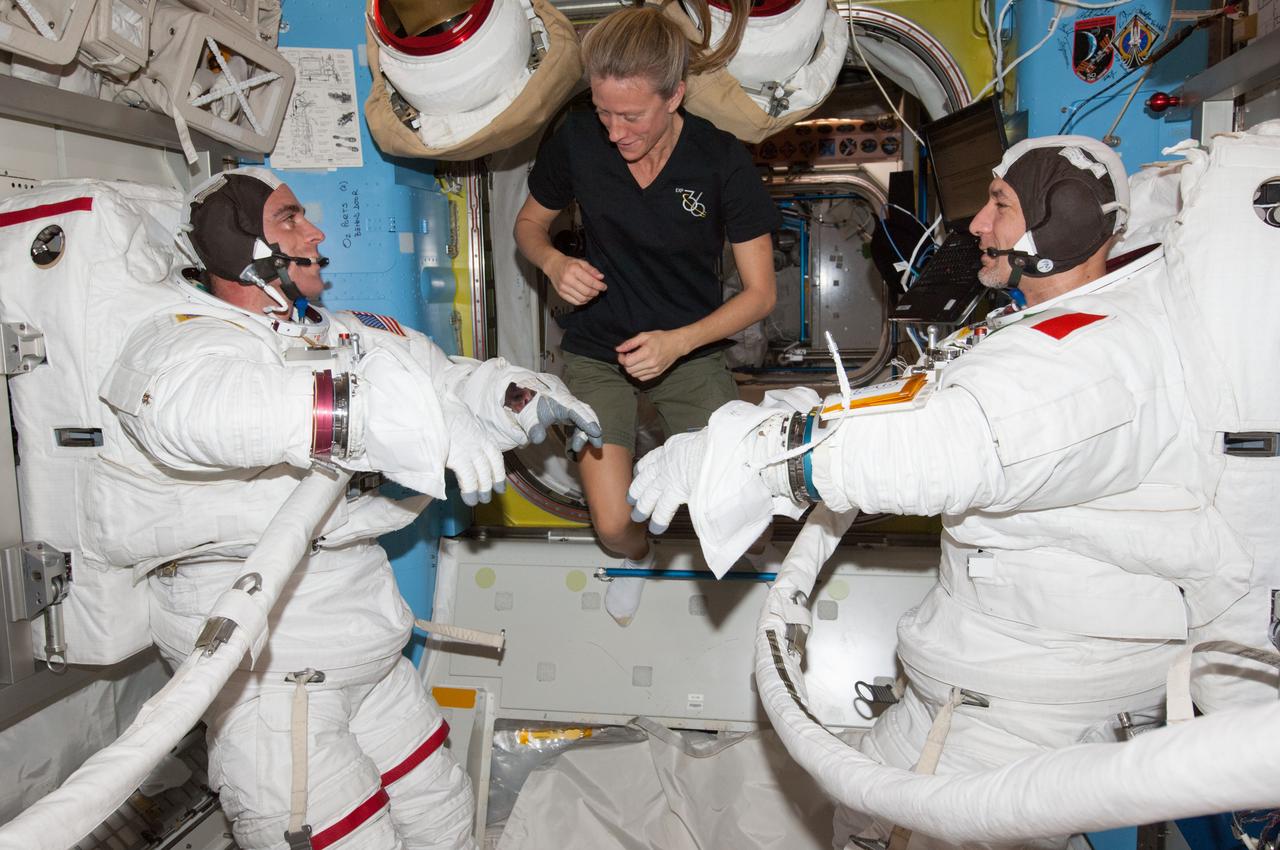
ISS036-E-014724 (3 July 2013) --- NASA astronaut Chris Cassidy (left) and European Space Agency astronaut Luca Parmitano, both Expedition 36 flight engineers, attired in their Extravehicular Mobility Unit (EMU) spacesuits, participate in a ?dry run? in the International Space Station?s Quest airlock in preparation for the first of two sessions of extravehicular (EVA) scheduled for July 9 and July 16. NASA astronaut Karen Nyberg, flight engineer, assists Cassidy and Parmitano.
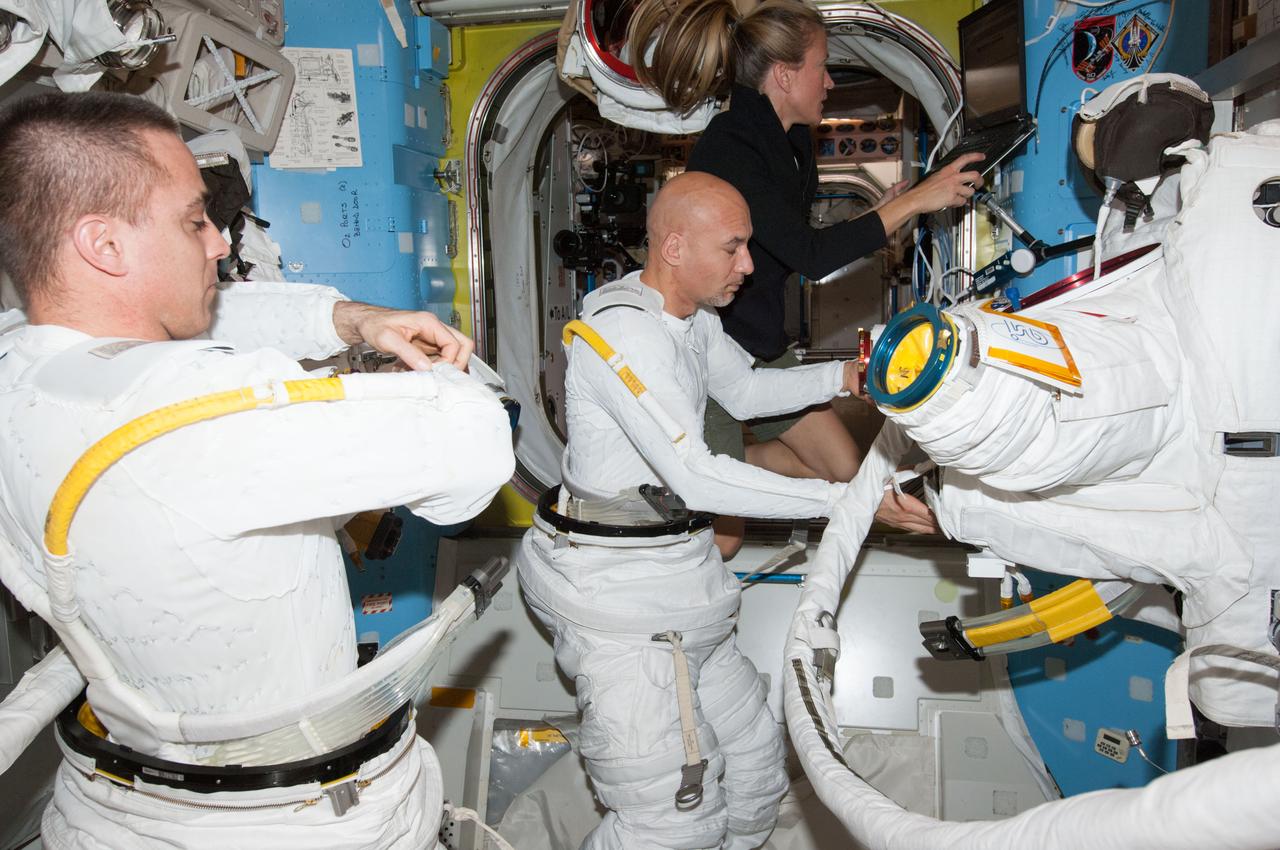
ISS036-E-014713 (3 July 2013) --- NASA astronaut Chris Cassidy (left) and European Space Agency astronaut Luca Parmitano, both Expedition 36 flight engineers, don their Extravehicular Mobility Unit (EMU) spacesuits for a ?dry run? in the International Space Station?s Quest airlock in preparation for the first of two sessions of extravehicular (EVA) scheduled for July 9 and July 16. NASA astronaut Karen Nyberg, flight engineer, uses a computer in the background.
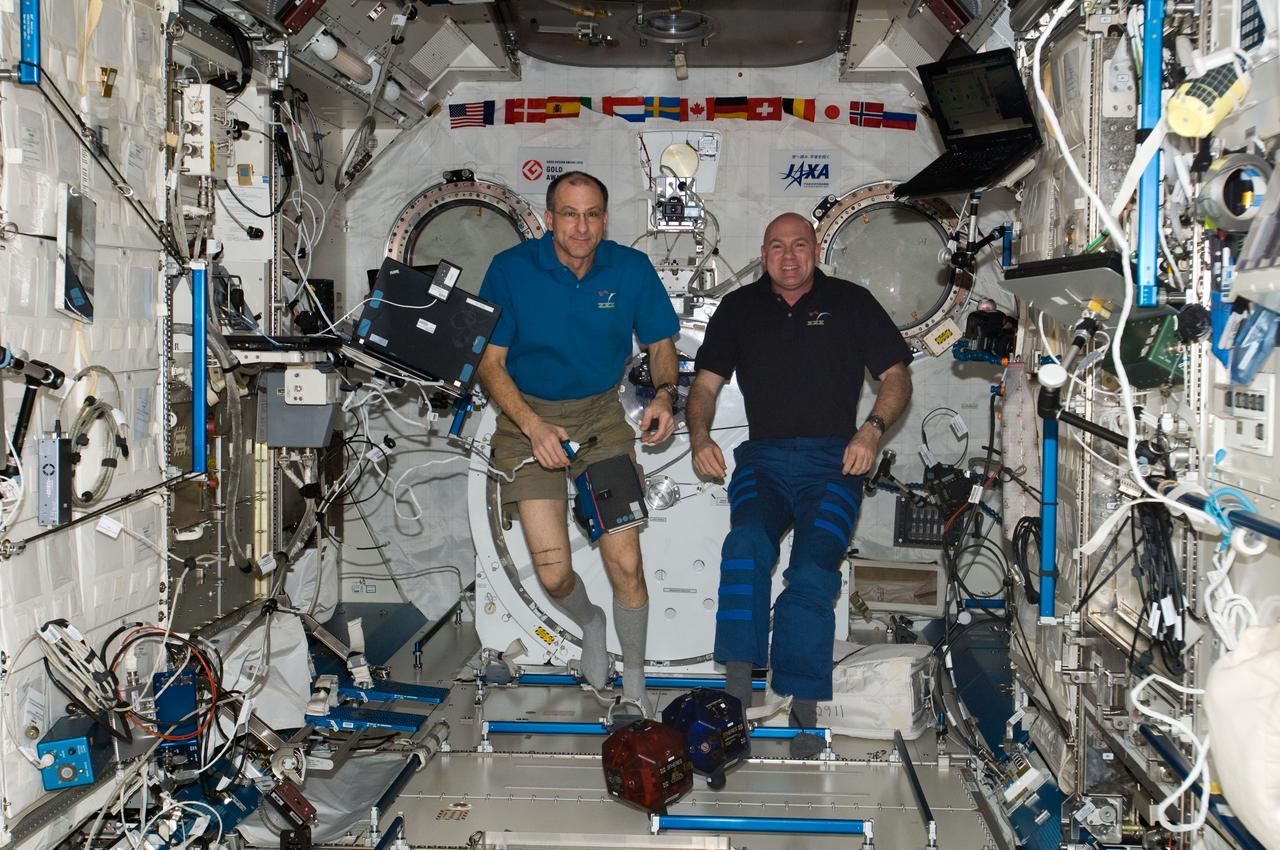
ISS030-E-047176 (23 Jan. 2012) --- In the International Space Station?s Kibo laboratory, NASA astronaut Don Pettit (left) and European Space Agency astronaut Andre Kuipers, both Expedition 30 flight engineers, support competing students on the ground in a run of the Synchronized Position Hold, Engage, Reorient, Experimental Satellites Zero Robotics (SPHERES ZR) experiment.
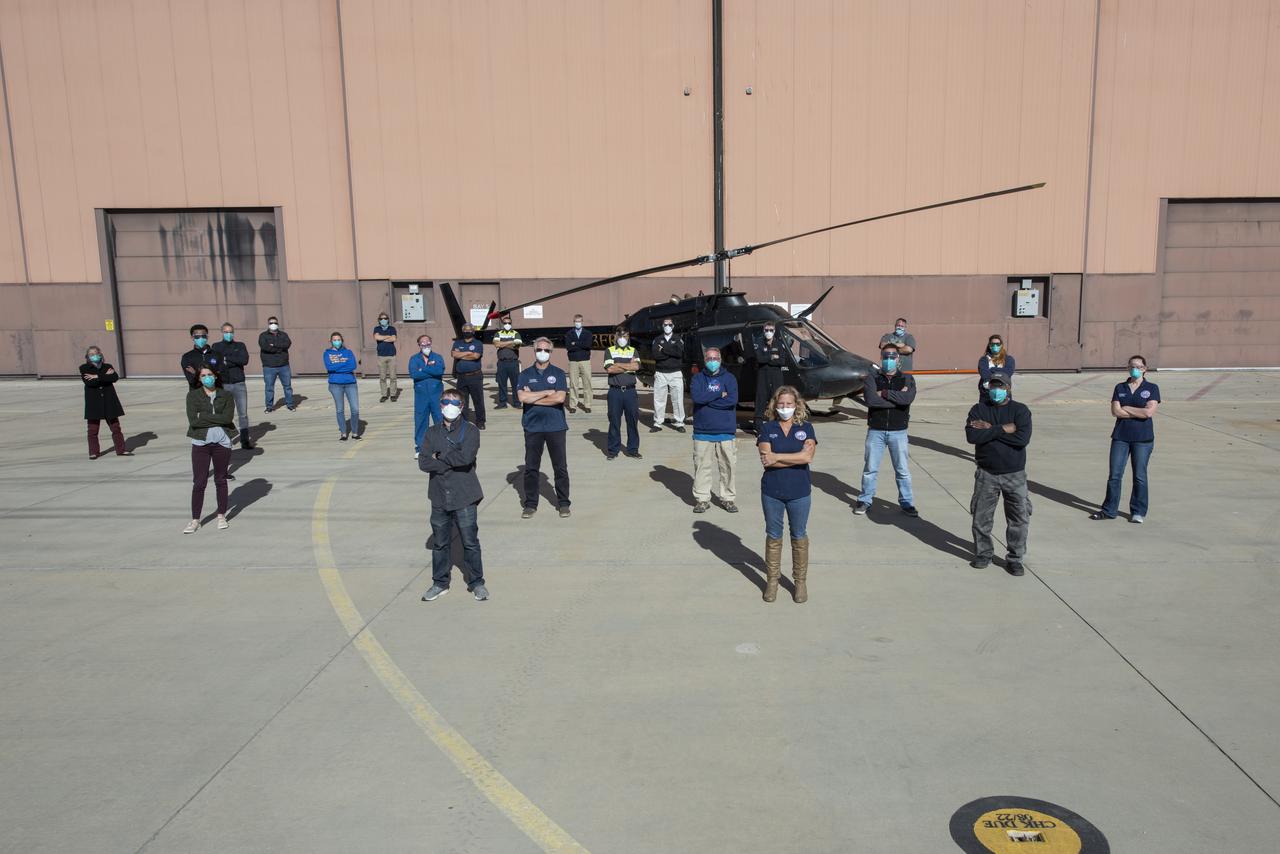
The Advanced Air Mobility National Campaign project’s NC Integrated Dry Run Test team is pictured in front of a Bell OH-58C Kiowa helicopter provided by Flight Research Inc. in Mojave, California the first week of December 2020 at NASA’s Armstrong Flight Research Center in California.
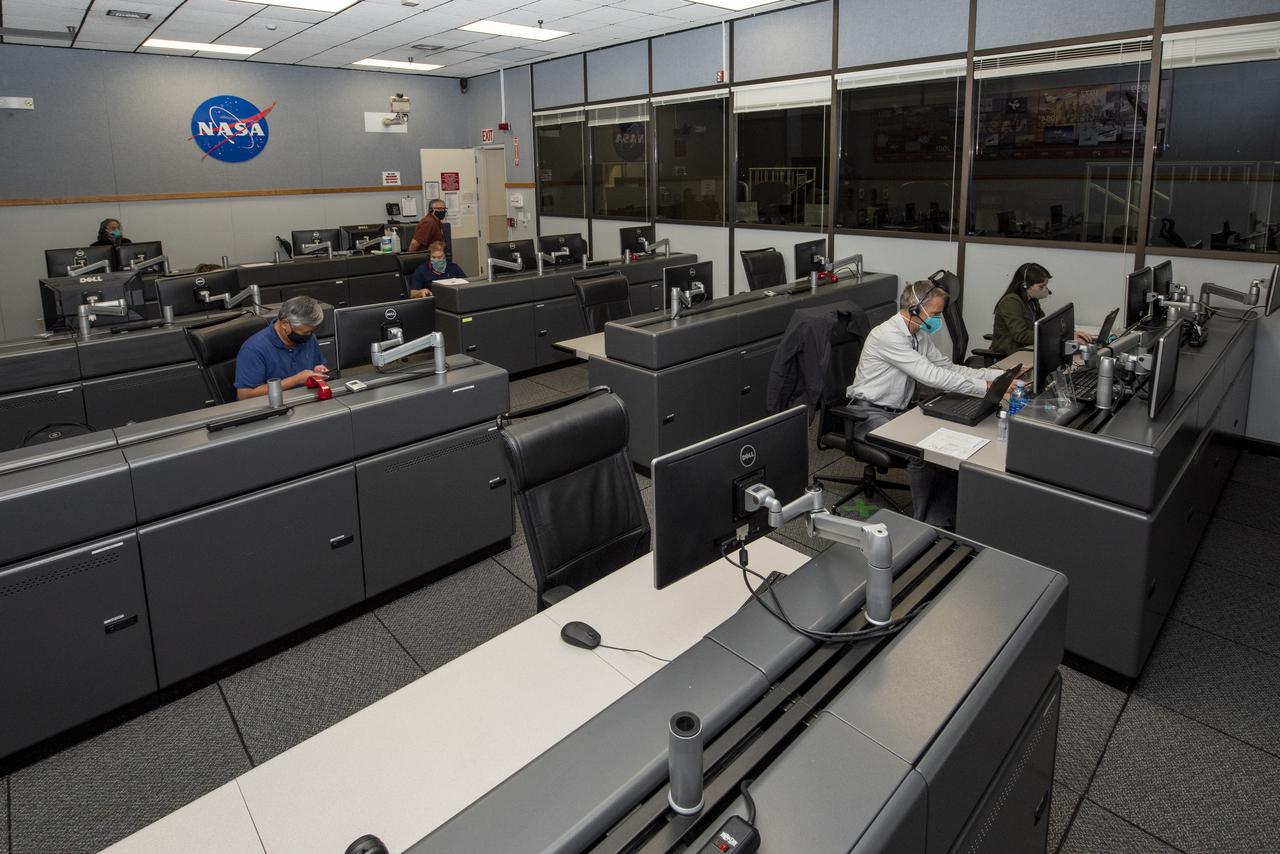
Ames Research Center researchers on the Advanced Air Mobility National Campaign project's Airspace Test Infrastructure (ATI) team monitor surveillance data and metrics from the helicopter in real time during the NC Integrated Dry Run Test team the first week of December 2020 at NASA's Armstrong Flight Research Center in California.
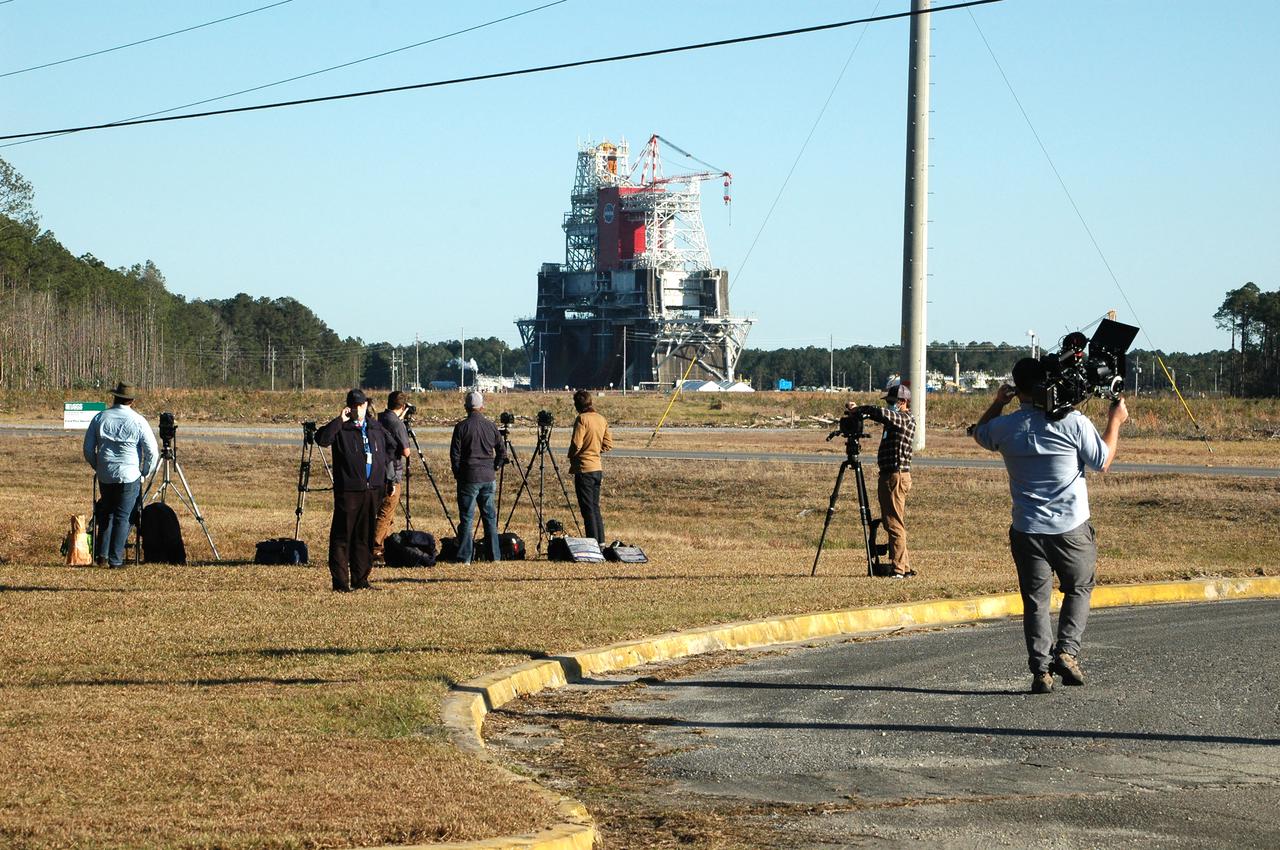
Members of the media stake out viewing spots prior to the Green Run hot fire test of the core stage for NASA’s Space Launch System (SLS) rocket at Stennis Space Center near Bay St. Louis, Mississippi, on Jan. 16, 2021. NASA conducted a hot fire test of the core stage’s four RS-25 engines on the B-2 Test Stand at Stennis. Scheduled for as long as eight minutes, the engines fired for a little more than one minute to generate a combined 1.6 million pounds of thrust, just as will occur during an actual launch. The hot fire is the final test of the Green Run test series, a comprehensive assessment of the SLS core stage prior to launching the Artemis I mission to the Moon.
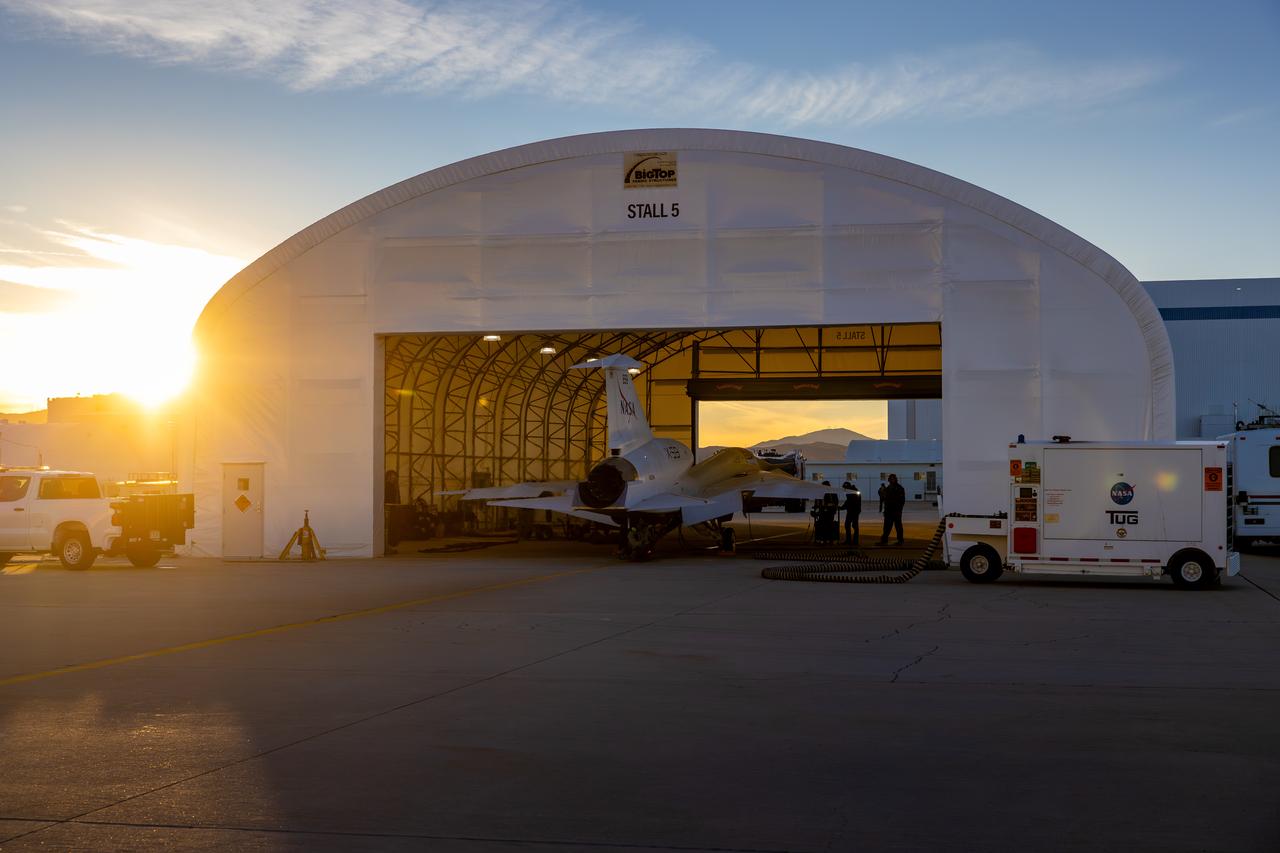
NASA’s X-59 quiet supersonic research aircraft sits inside its run stall in preparation for maximum afterburner testing at Lockheed Martin’s Skunk Works facility in Palmdale, California. Teams conduct final checks on the aircraft before its high-thrust engine runs. The X-59 is the centerpiece of NASA’s Quesst mission designed to demonstrate quiet supersonic flight over land, addressing a key barrier to commercial supersonic travel.
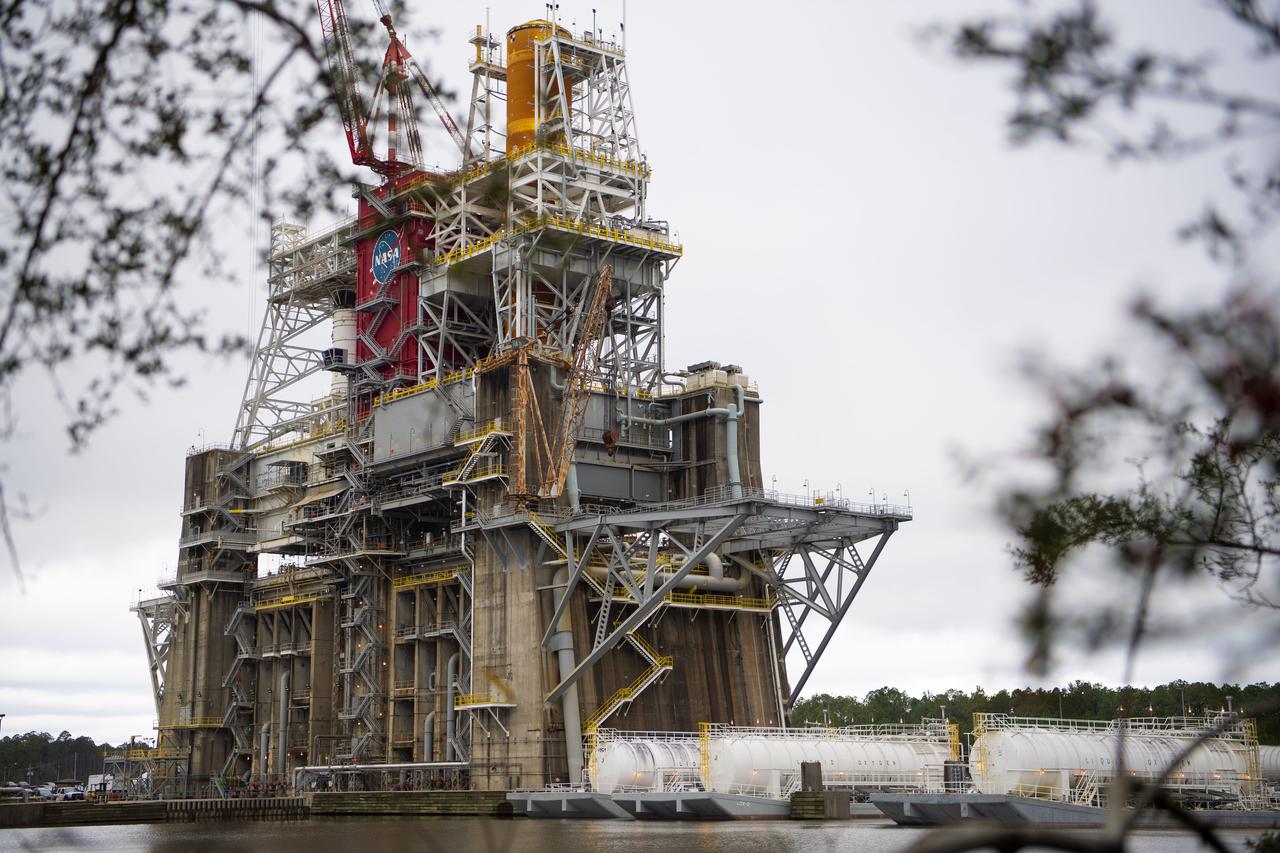
Barges are docked at the B-2 Test Stand at Stennis Space Center on Dec. 4, 2020, in preparation for upcoming Green Run test activities. Teams at the center have been performing Green Run tests of NASA’s Space Launch System core stage and its integrated systems throughout 2020. In mid-December, teams performed the seventh test of the Green Run series – a wet dress rehearsal of a countdown to hot fire. It marked the first time the stage tanks had been loaded with liquid oxygen and liquid hydrogen propellants supplied by the docked barges.
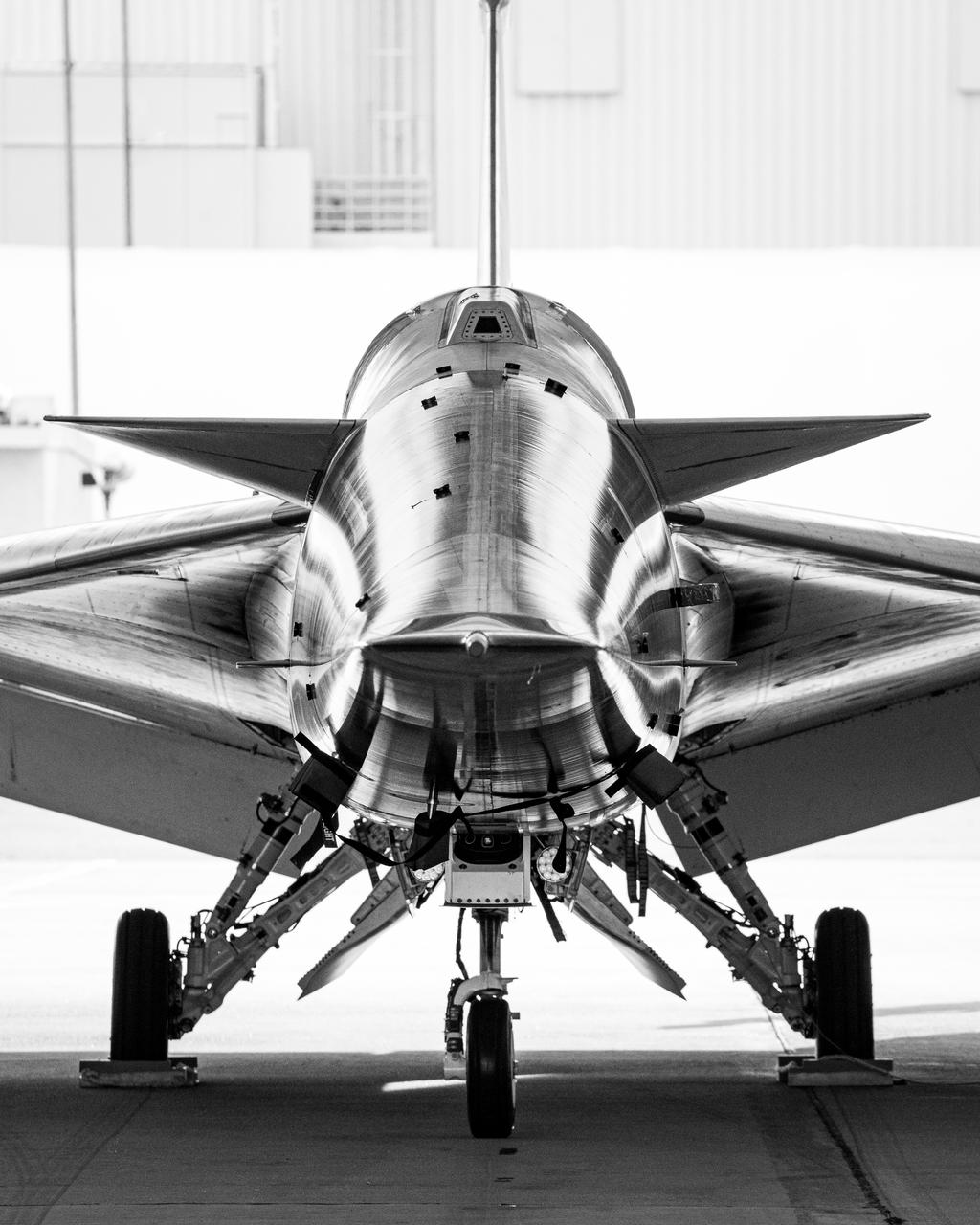
NASA’s X-59 research aircraft moves from its construction site to the flight line – or the space between the hangar and the runway – at Lockheed Martin Skunk Works in Palmdale, California, on June 16, 2023. This milestone kicks off a series of ground tests to ensure the X-59 is safe and ready to fly. The X-59 is designed to fly faster than Mach 1 while reducing the resulting sonic boom to a thump for people on the ground. NASA will evaluate this technology during flight tests as part of the agency’s Quesst mission, which helps enable commercial supersonic air travel over land. Lockheed Martin Photography By Garry Tice 1011 Lockheed Way, Palmdale, Ca. 93599 Event: Move to Run Stall 5 Date: 6/19/2023 Additional Info:
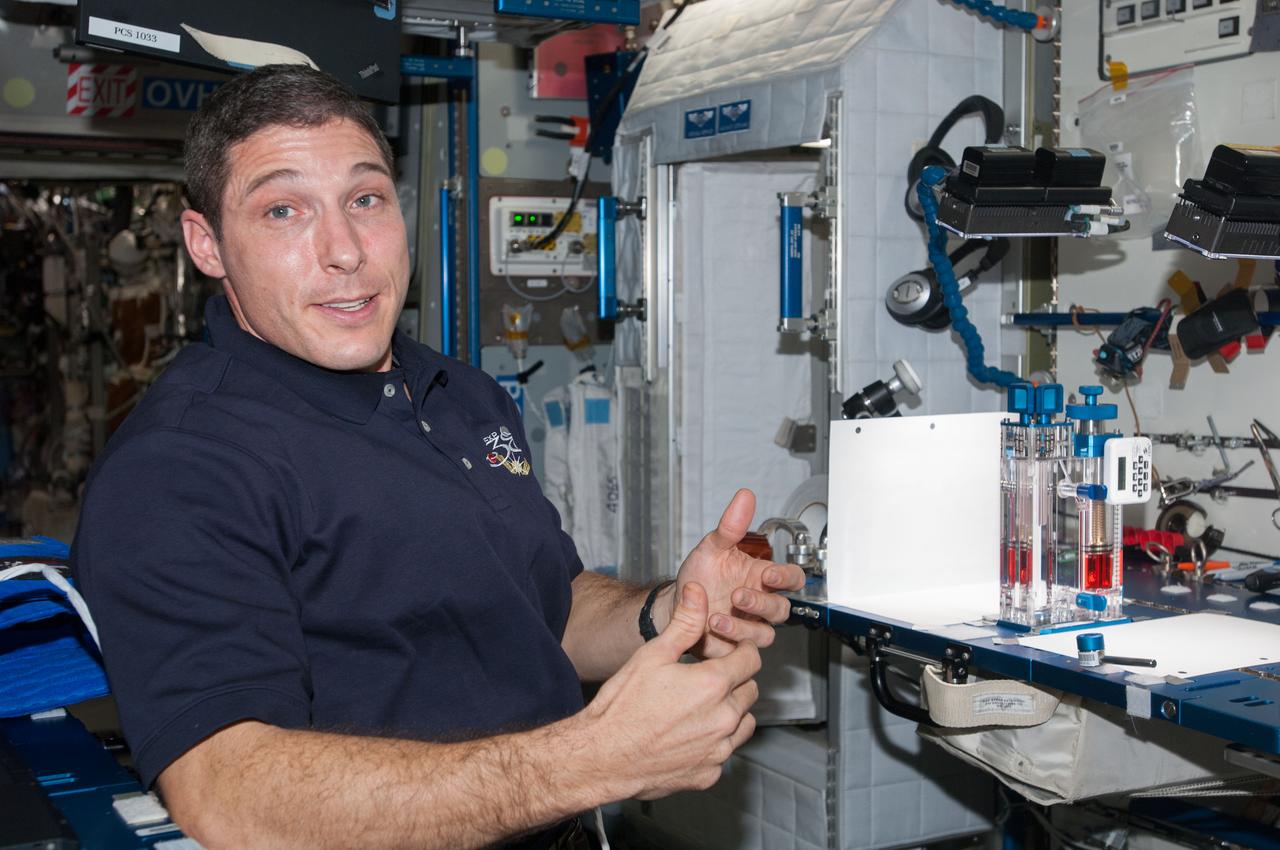
View of Flight Engineer (FE) Mike Hopkins initiating a CFE-2 (Capillary Flow Experiment - 2) Interior Corner Flow - 5 (ICF-5) test run. Liquids behave differently in space than they do on Earth, so containers that can process, hold or transport them must be designed carefully to work in microgravity. The Capillary Flow Experiment-2 furthers research on wetting, which is a liquid's ability to spread across a surface, and its impact over large length scales in strange container shapes in microgravity environments. This work will improve our capabilities to quickly and accurately predict how related processes occur, and allow us to design better systems to process liquids aboard spacecraft (i.e., liquid fuel tanks, thermals fluids, and water processing for life support). Image was released by astronaut on Twitter.
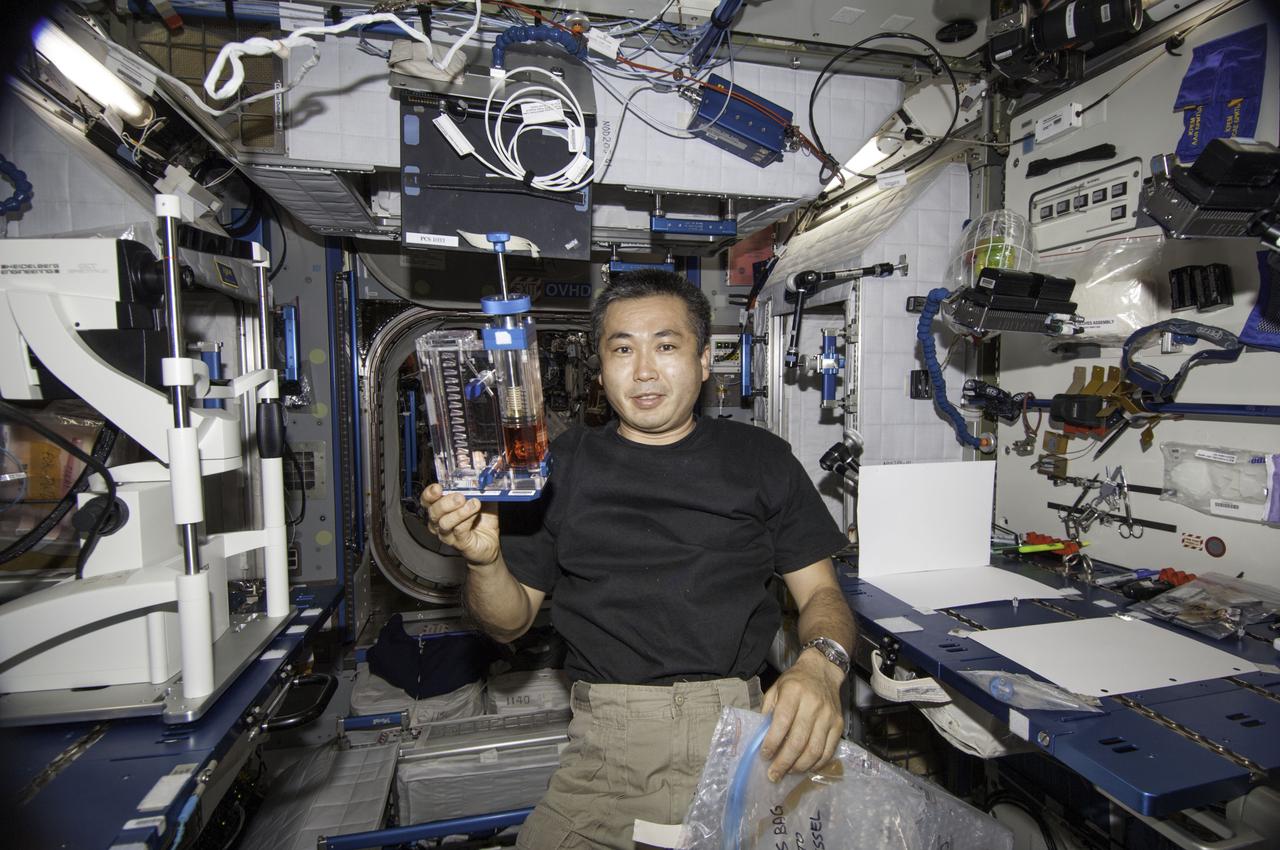
View of Flight Engineer (FE) Koichi Wakata posing for a photo during a CFE-2 (Capillary Flow Experiment - 2) Interior Corner Flow - 8 (ICF-8) test run. Liquids behave differently in space than they do on Earth, so containers that can process, hold or transport them must be designed carefully to work in microgravity. The Capillary Flow Experiment-2 furthers research on wetting, which is a liquid's ability to spread across a surface, and its impact over large length scales in strange container shapes in microgravity environments. This work will improve capabilities to quickly and accurately predict how related processes occur, and allow us to design better systems to process liquids aboard spacecraft (i.e., liquid fuel tanks, thermals fluids, and water processing for life support). Image was released by astronaut on Twitter.
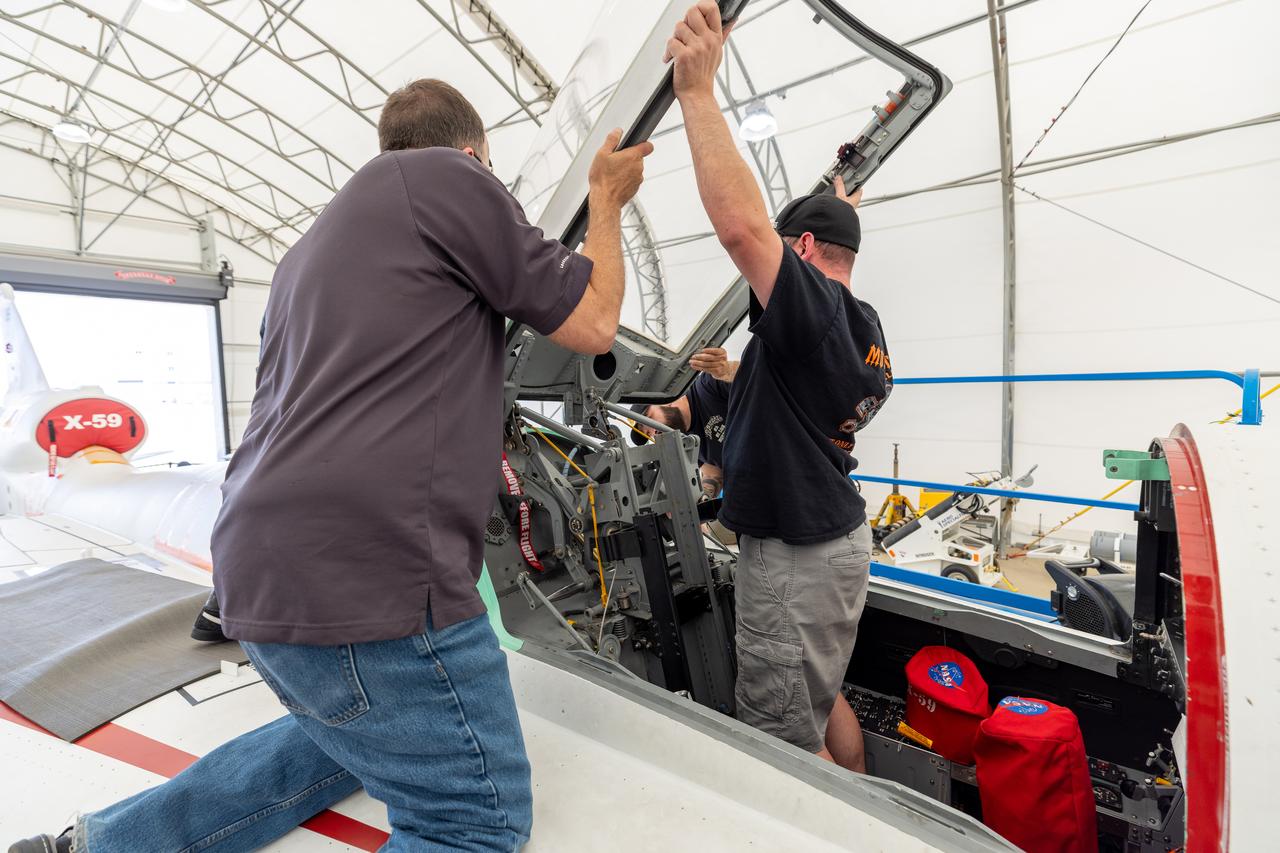
Lockheed Martin technicians temporarily remove the canopy from the X-59 in preparation for final installation of the ejection seat into the aircraft.
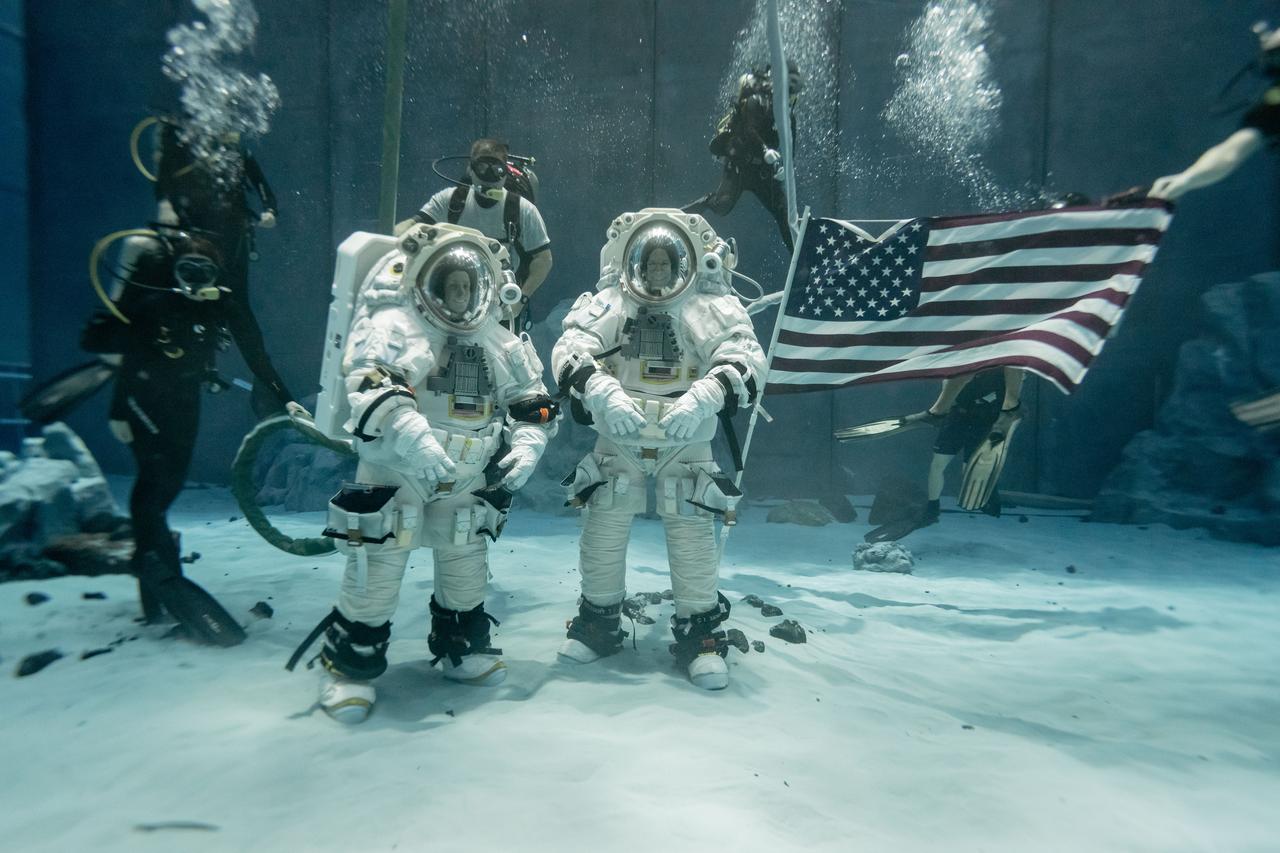
NASA astronauts Loral O’Hara (left) and Stan Love (right) pose for a photo during the first dual spacesuit run at NASA’s Neutral Buoyancy Laboratory while wearing Axiom Space’s lunar spacesuits. NASA and Axiom Space teams held the first dual spacesuit run at the Neutral Buoyancy Laboratory in Houston on September 24, 2025 with NASA Astronauts Stan Love and Loral O’Hara wearing Axiom Space’s lunar spacesuit, called the Axiom Extravehicular Mobility Unit (AxEMU). This was the final integration test in the pool, proving both the spacesuit and facility are prepped and ready for Artemis training.
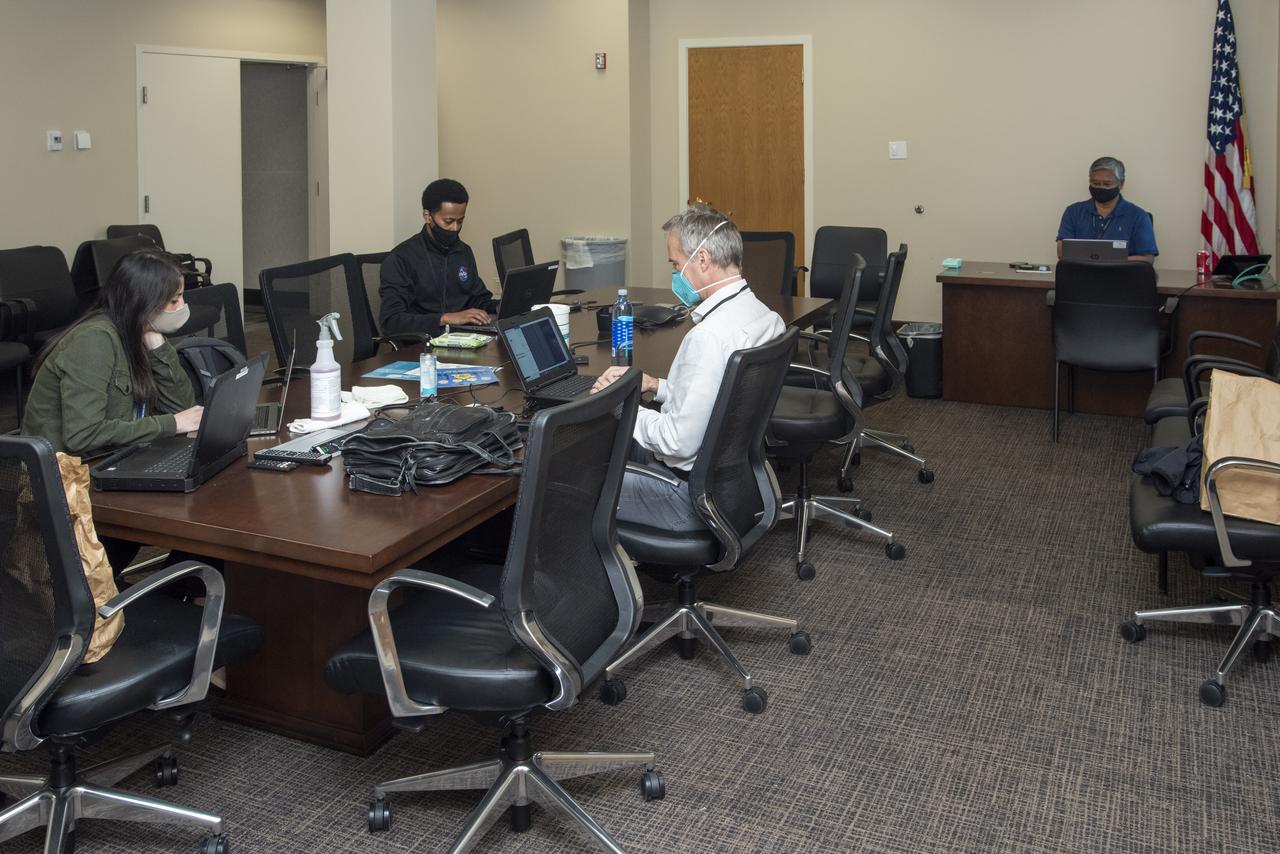
Ames Research Center researchers from left to right Yasmin Arbab,  Faisal Omar and Mark Snycerski on the Advanced Air Mobility National Campaign project’s Airspace Test Infrastructure (ATI) team as well as Armstrong’s Sam Simpliciano in the background. The researchers monitor surveillance data from the helicopter in real time during the NC Integrated Dry Run Test the first week of December 2020 at NASA’s Armstrong Flight Research Center in California.
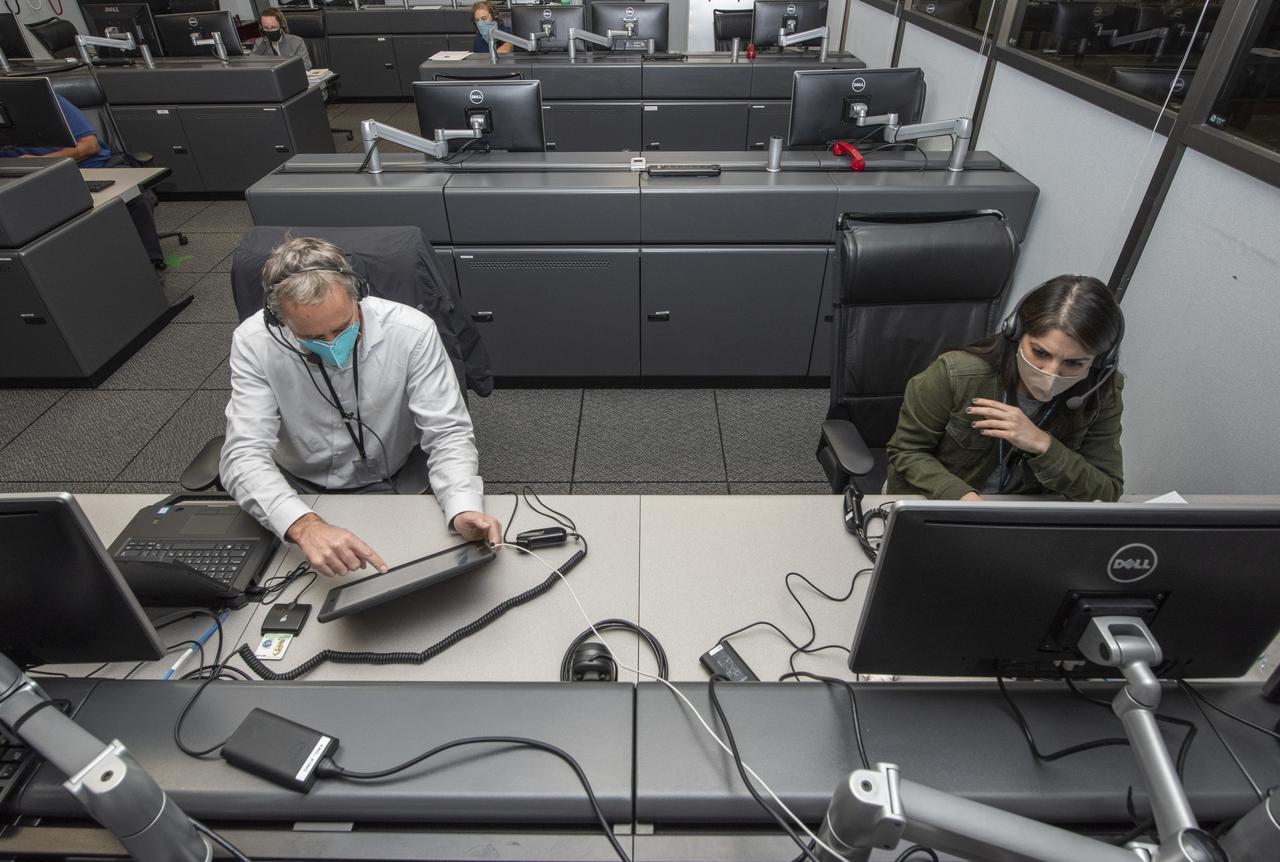
Ames Research Center researchers Yasmin Arbab and Mark Snycerski on the Advanced Air Mobility National Campaign project's Airspace Test Infrastructure (ATI) team monitor surveillance data and connectivity of the flight test infrastructure to a cloud based system in real time during the NC Integrated Dry Run Test team the first week of December 2020 at NASA's Armstrong Flight Research Center in California.
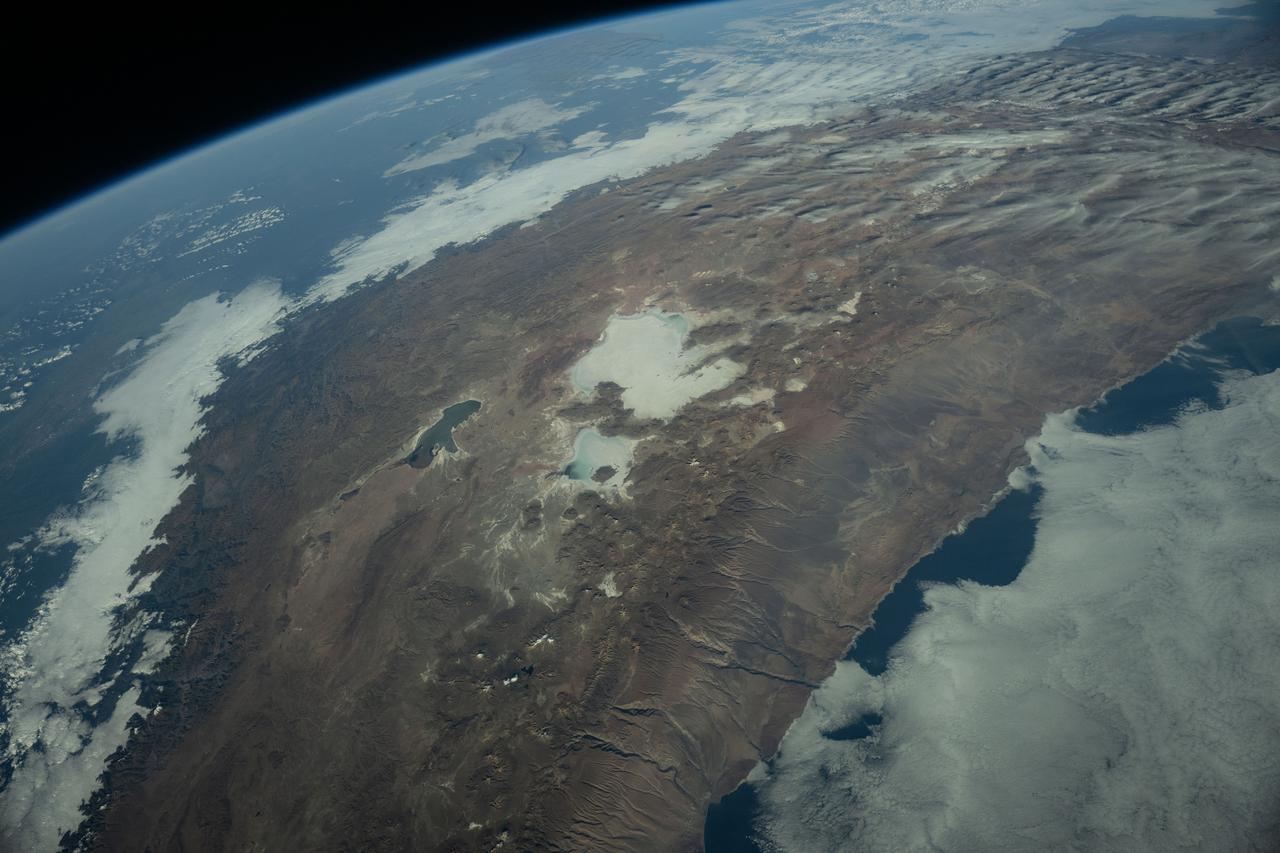
iss073e0384067 (July 12, 2025) --- The Andes Mountains run through Chile and Bolivia on the South American continent. The eastern slope of the Andes in Bolivia captures moisture from the Amazon basin creating more rainfall on that side of the nation and contributes to an arid climate on South America's Pacific coast. The International Space Station was orbiting 260 miles above Chile when this photograph was taken.