Sitting on Voltaire
Sitting on Voltaire
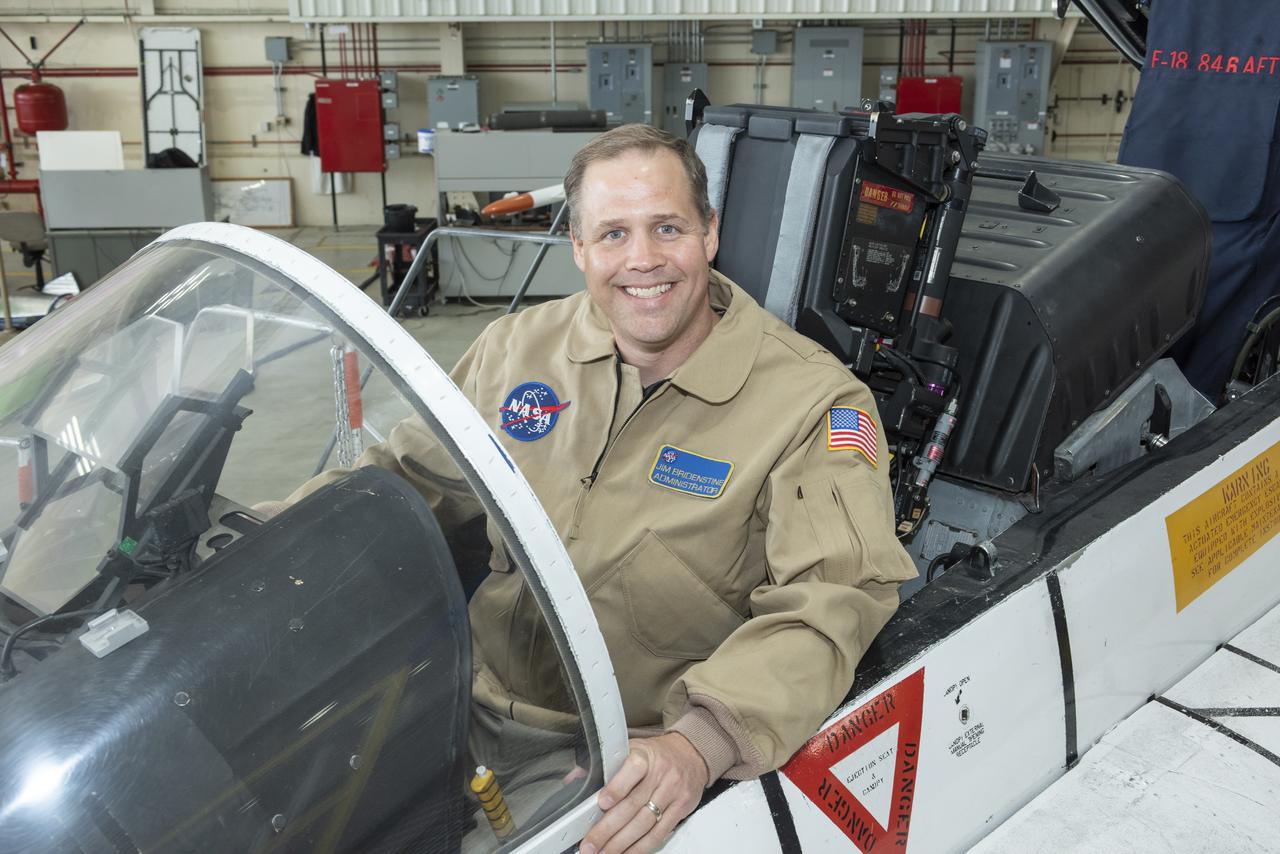
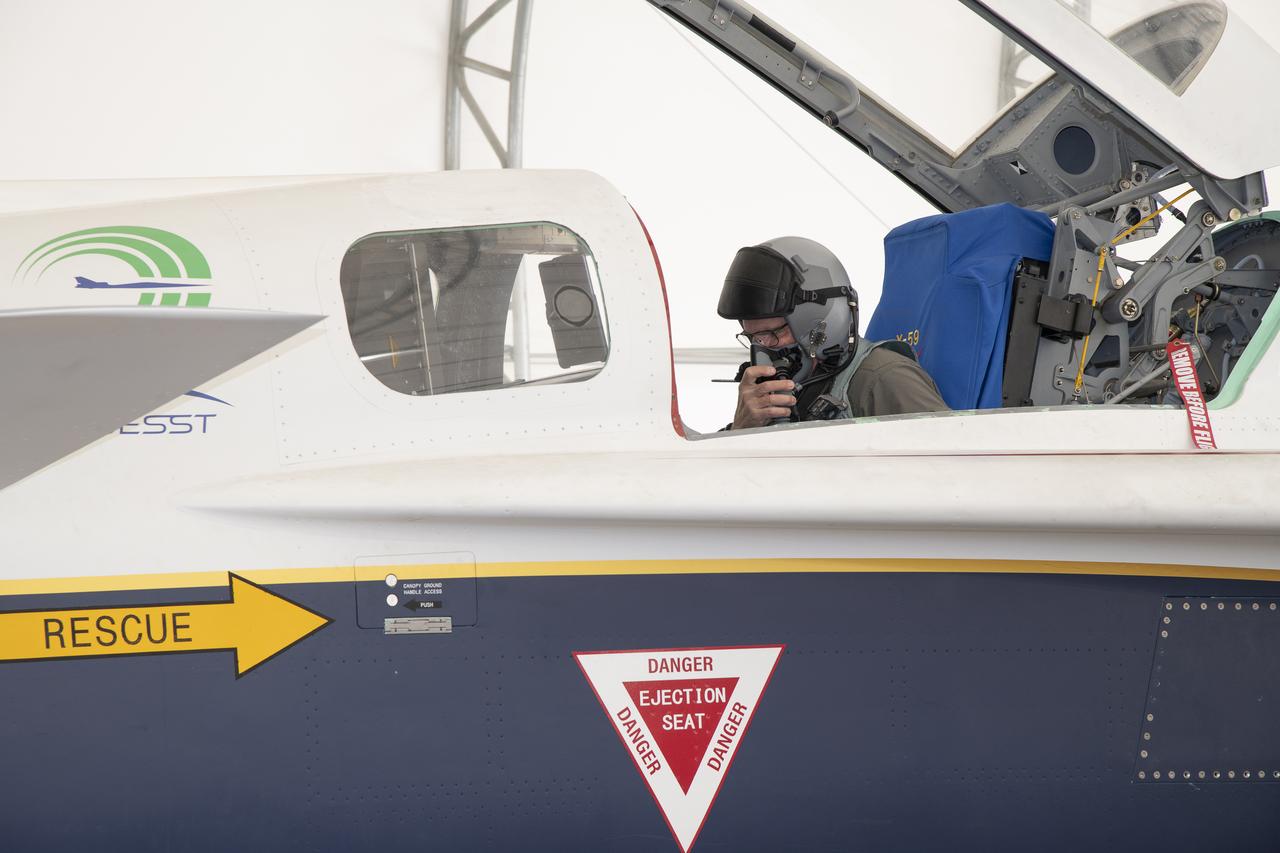
NASA Administrator Bridenstine, former navy pilot, sits comfortably back in F-18 jet cockpit at Armstrong Flight Research Center.
NASA Administrator Bridenstine sits in F-18 jet cockpit in NASA Armstrong Flight Research Center hangar in California where he did a Facebook Live event.
NASA Administrator Bridenstine, former navy pilot, sits comfortably back in F-18 jet cockpit at Armstrong Flight Research Center.
NASA Administrator Bridenstine sits in F-18 jet cockpit in NASA Armstrong Flight Research Center hangar in California where he did a Facebook Live event.
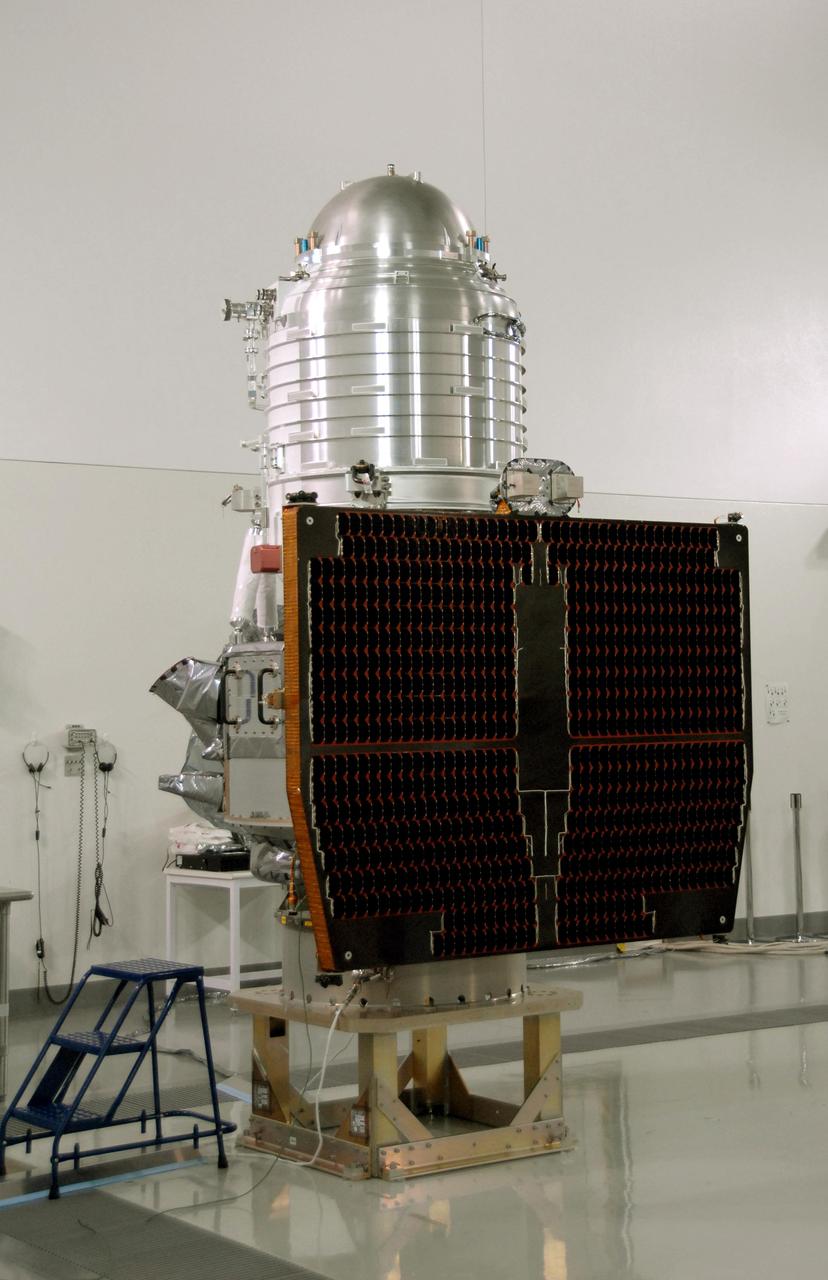
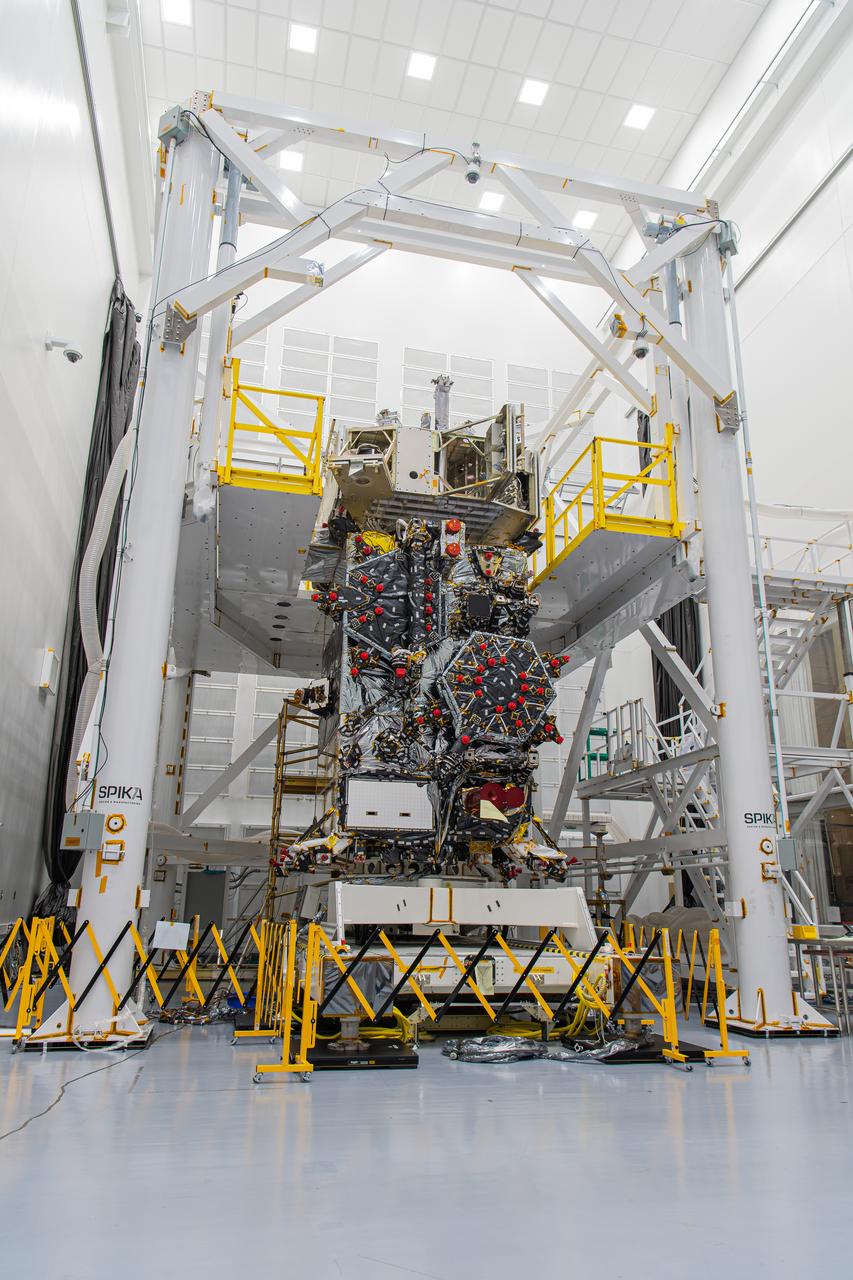
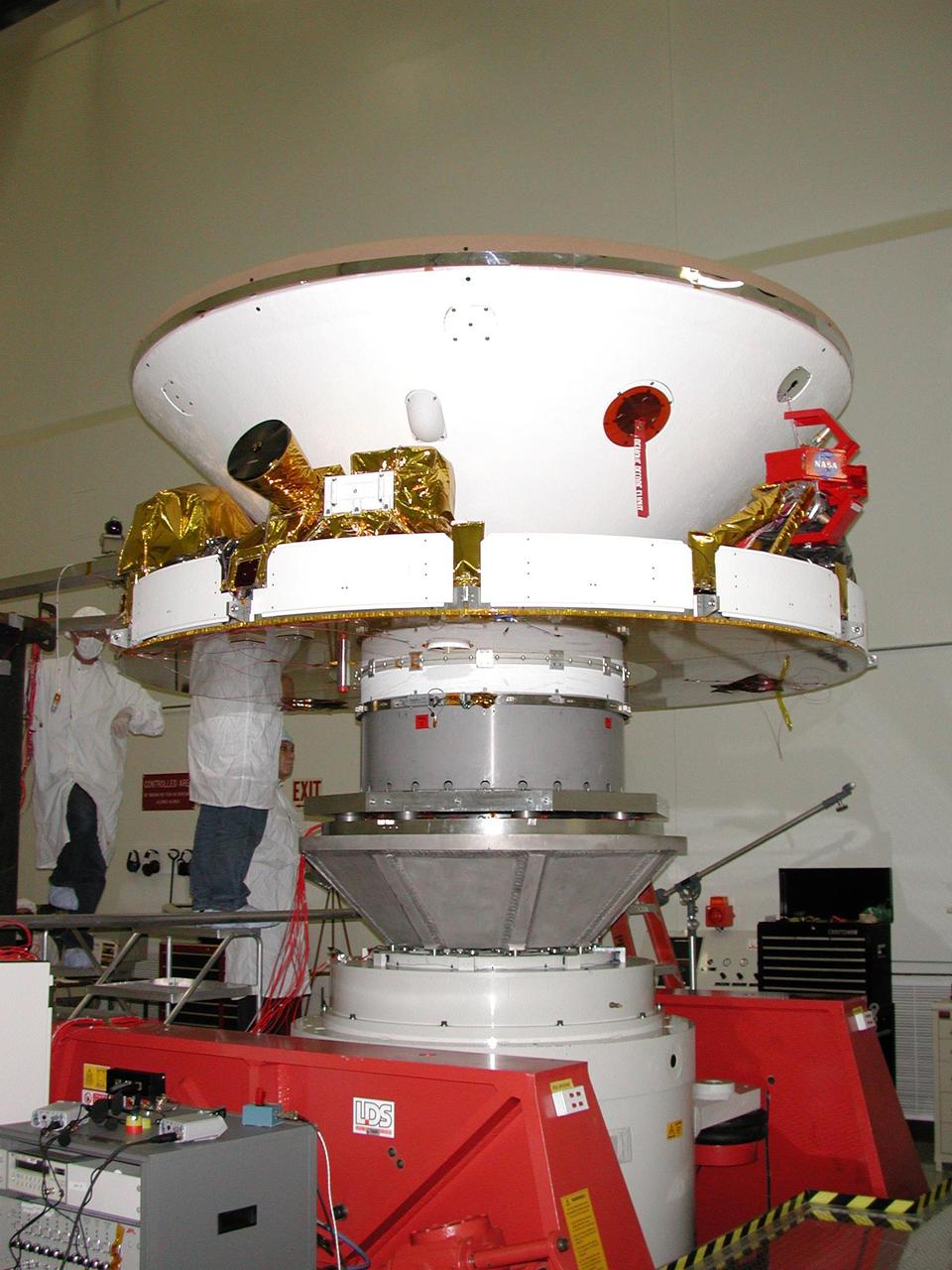
NASA Wide-field Infrared Survey Explorer, or WISE, spacecraft sits on the test stand after connection to the conical adapter.
NASA WISE Spacecraft sits on Test Stand
A NASA F/A-18 sits on the apron at NASA's Armstrong Flight Research Center in Edwards, California, prior to a supersonic research flight.
NASA F/A-18 Sits on Apron Prior to Flight
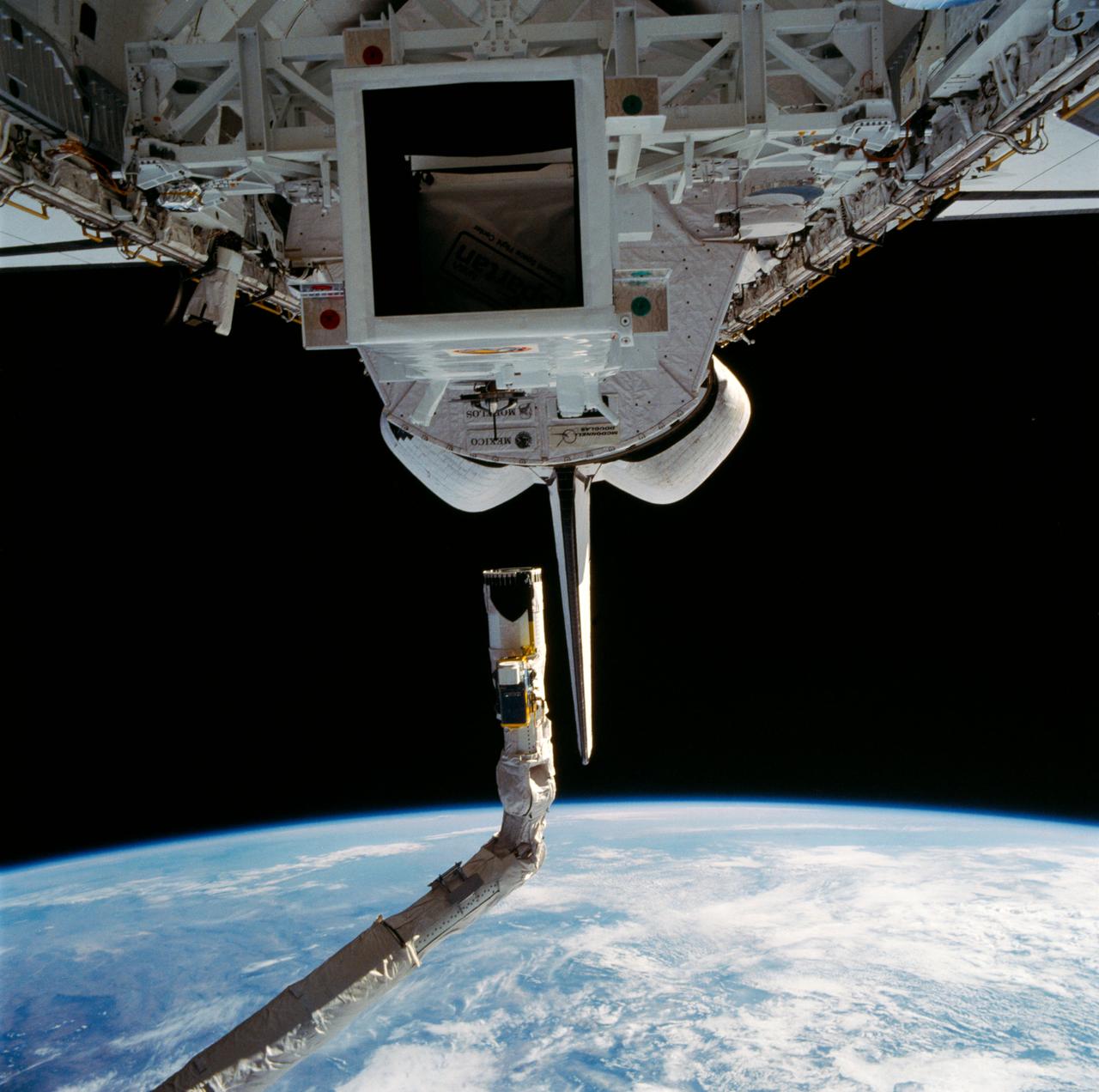
Spartan I satellte sits in the Discovery's payload bay prior to being deployed. Above it can be seen the remote manipulator system (RMS) arm and end effector. The Earth's horizon can also be seen above the orbiter.
Spartan 1 satellite sits in Discovery's payload bay
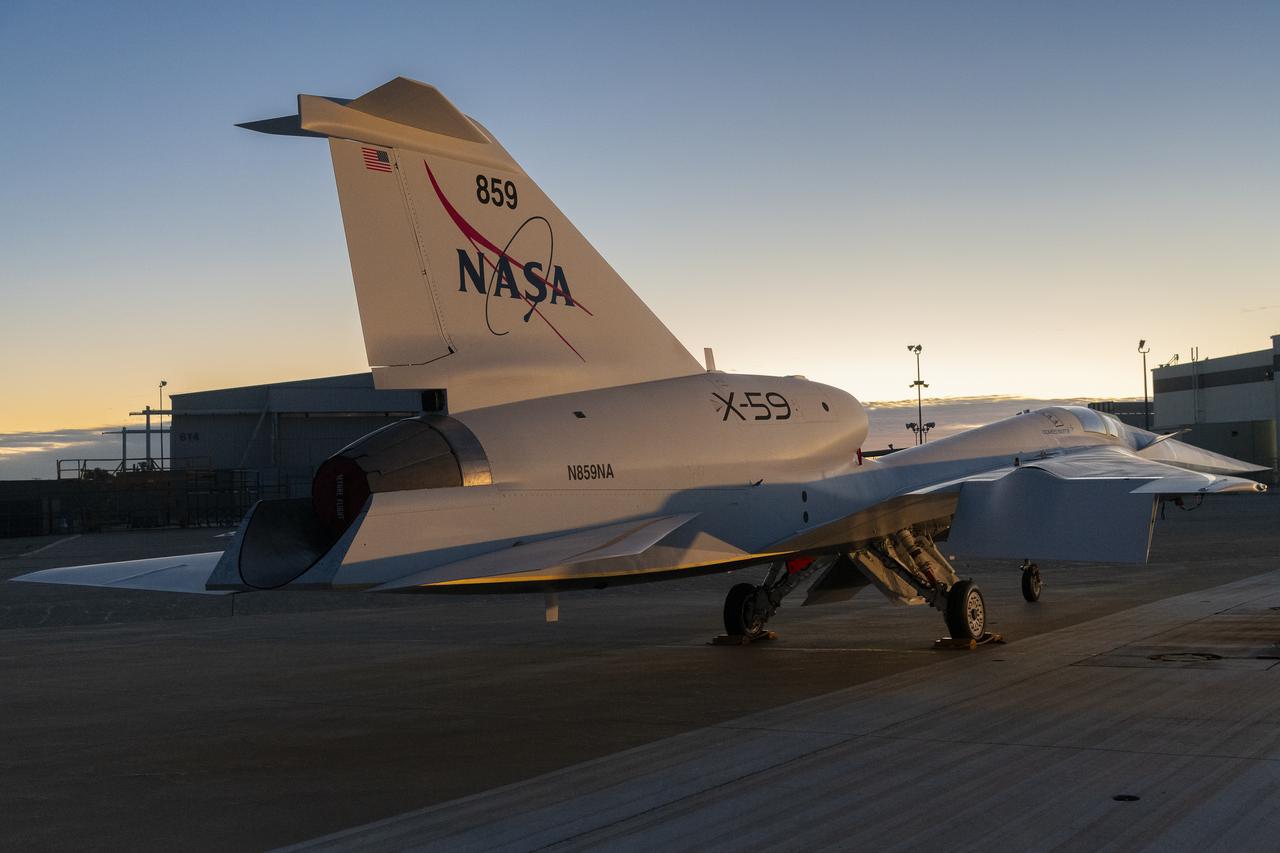
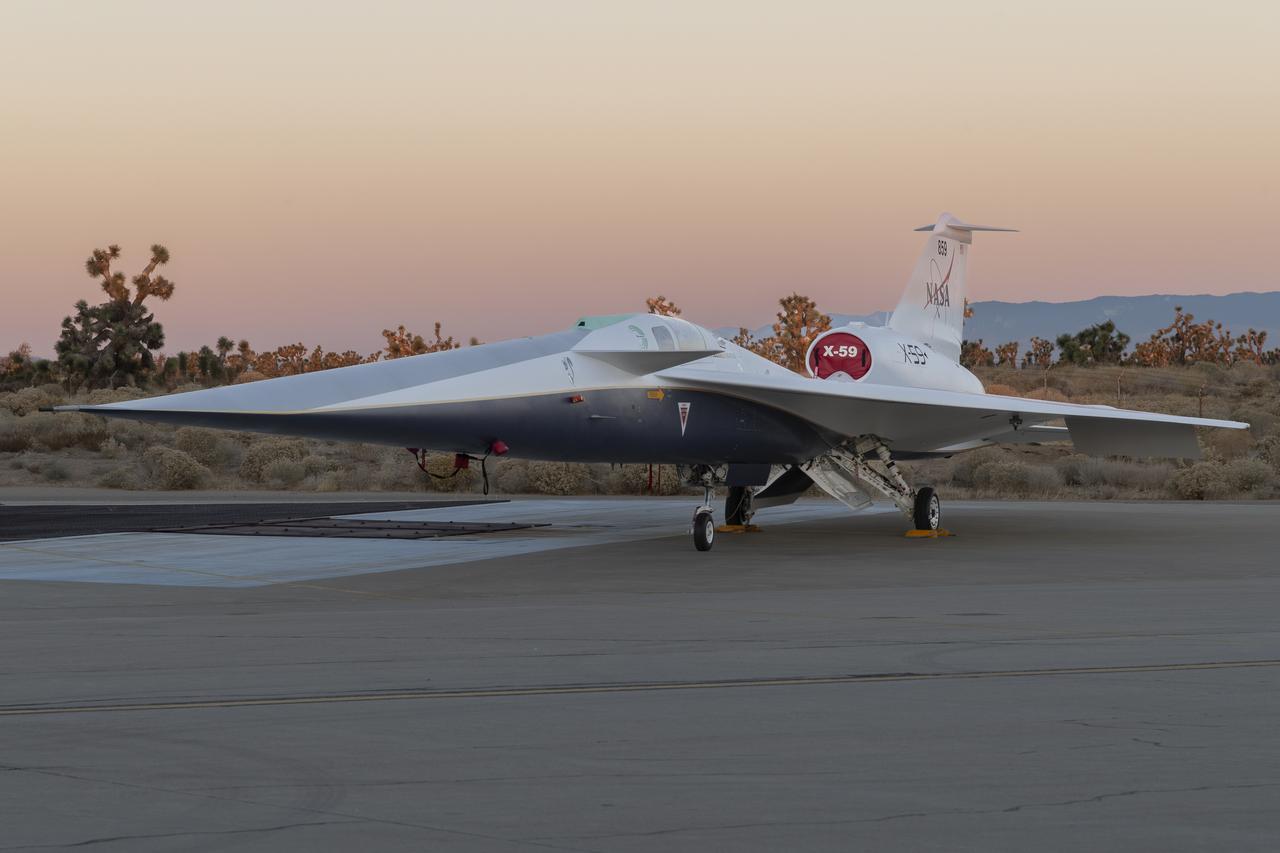
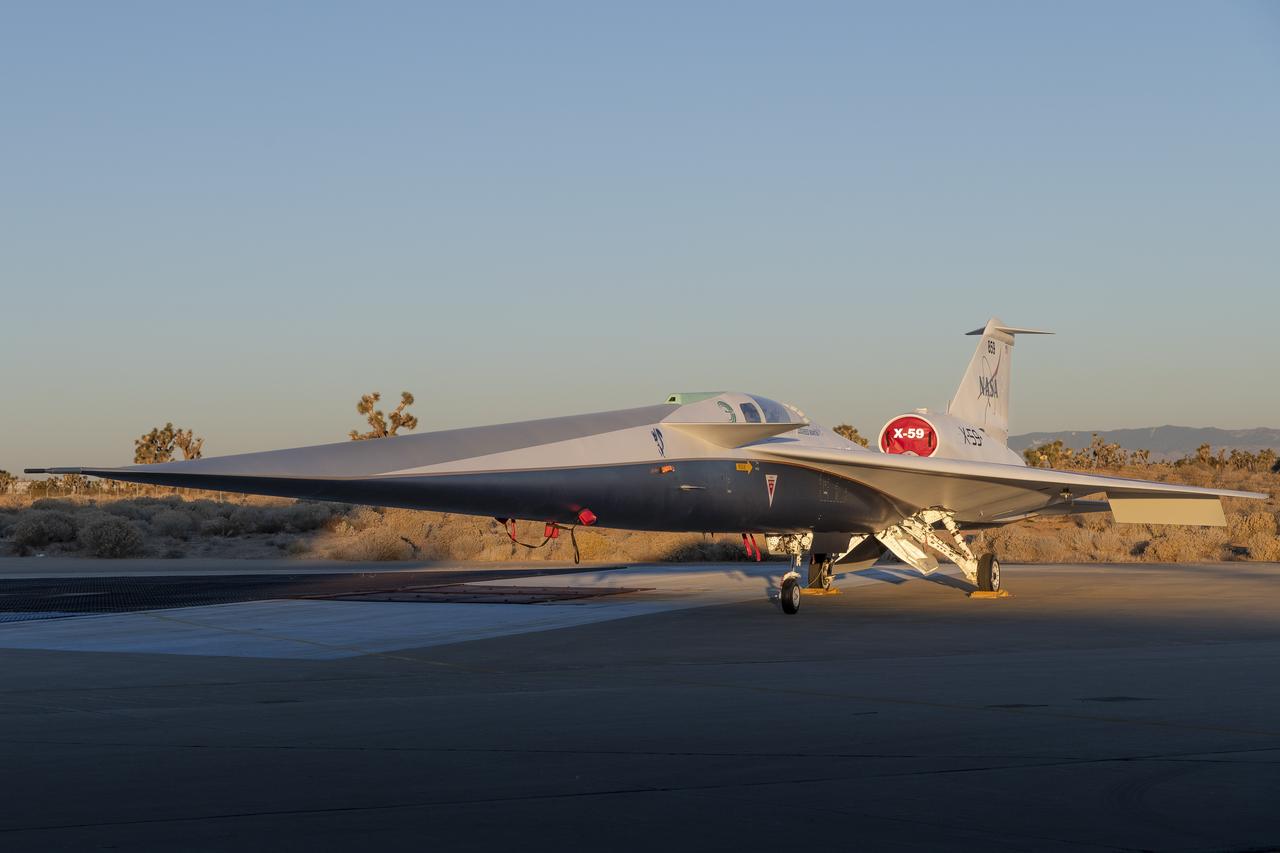
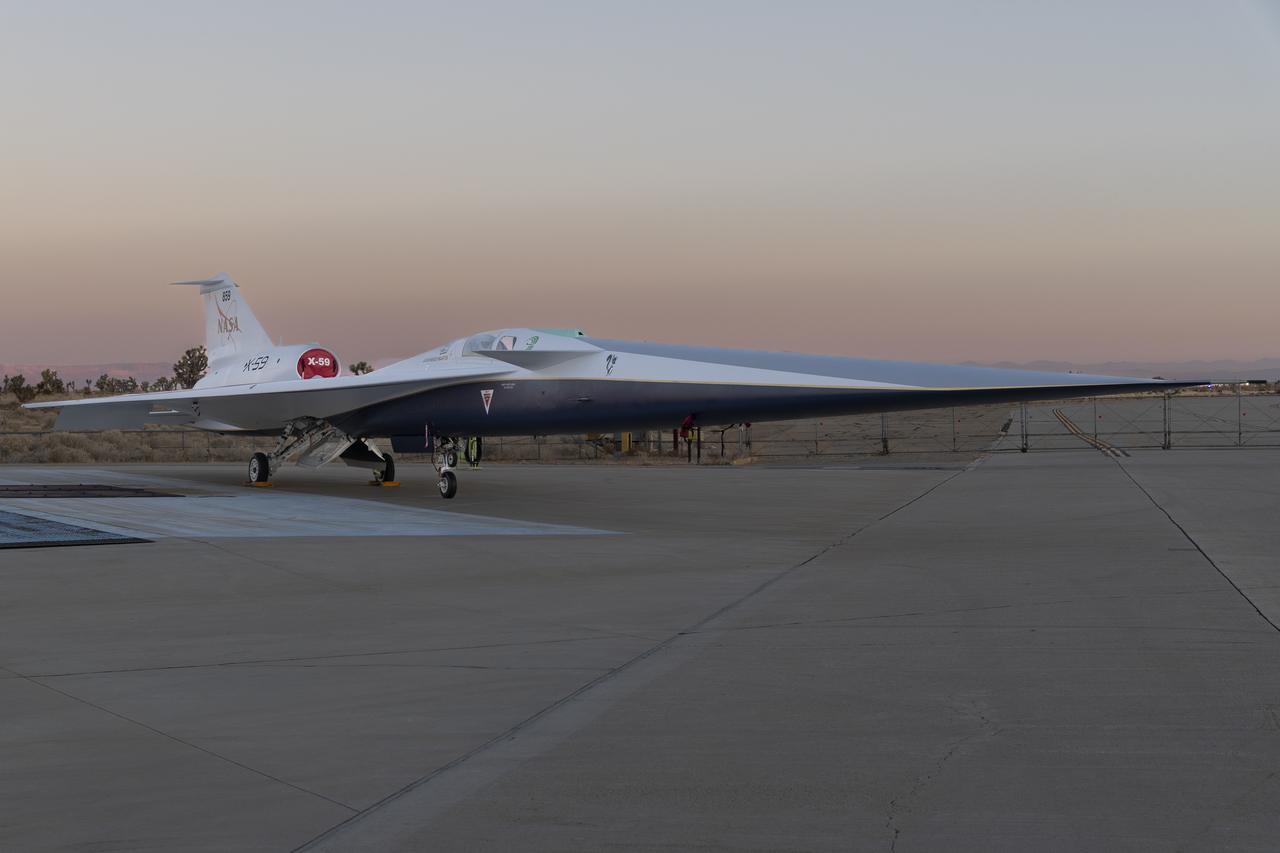
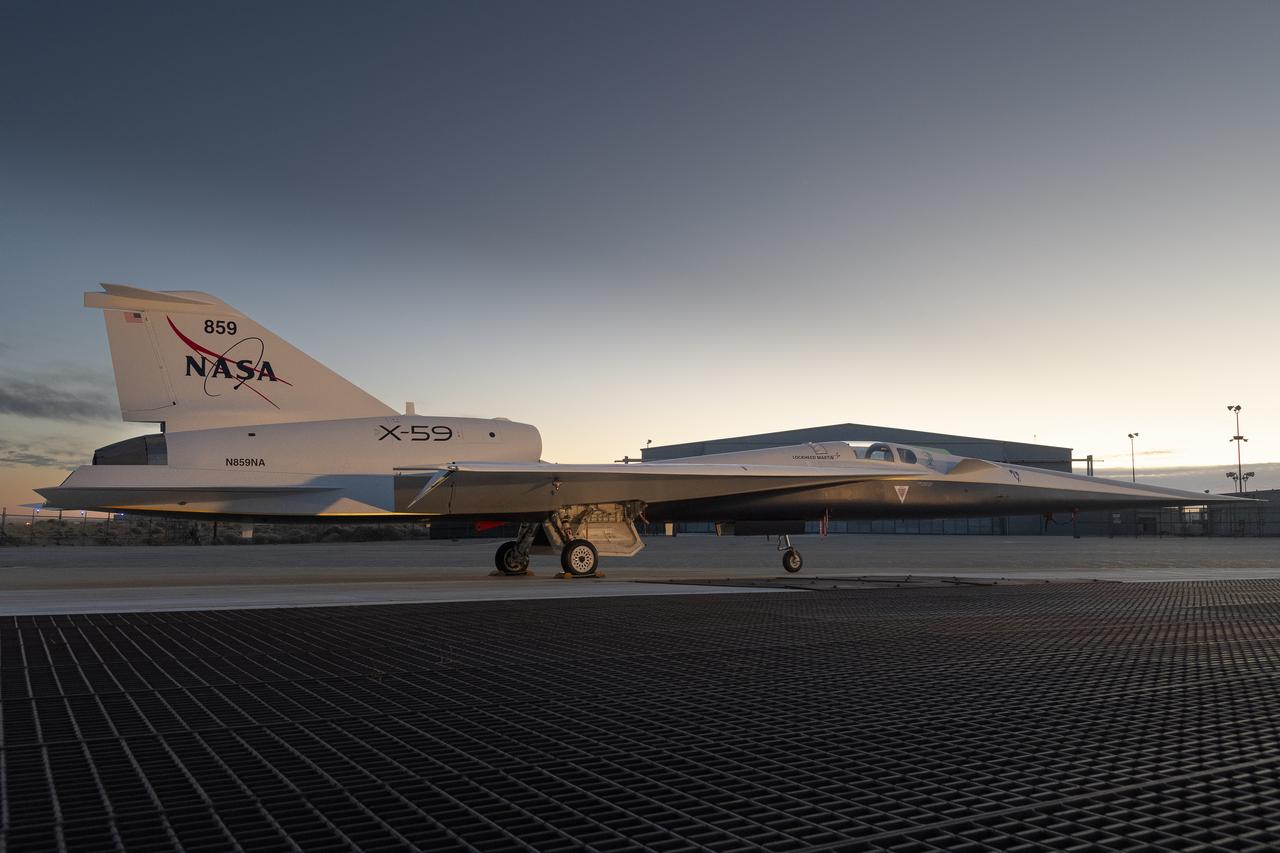
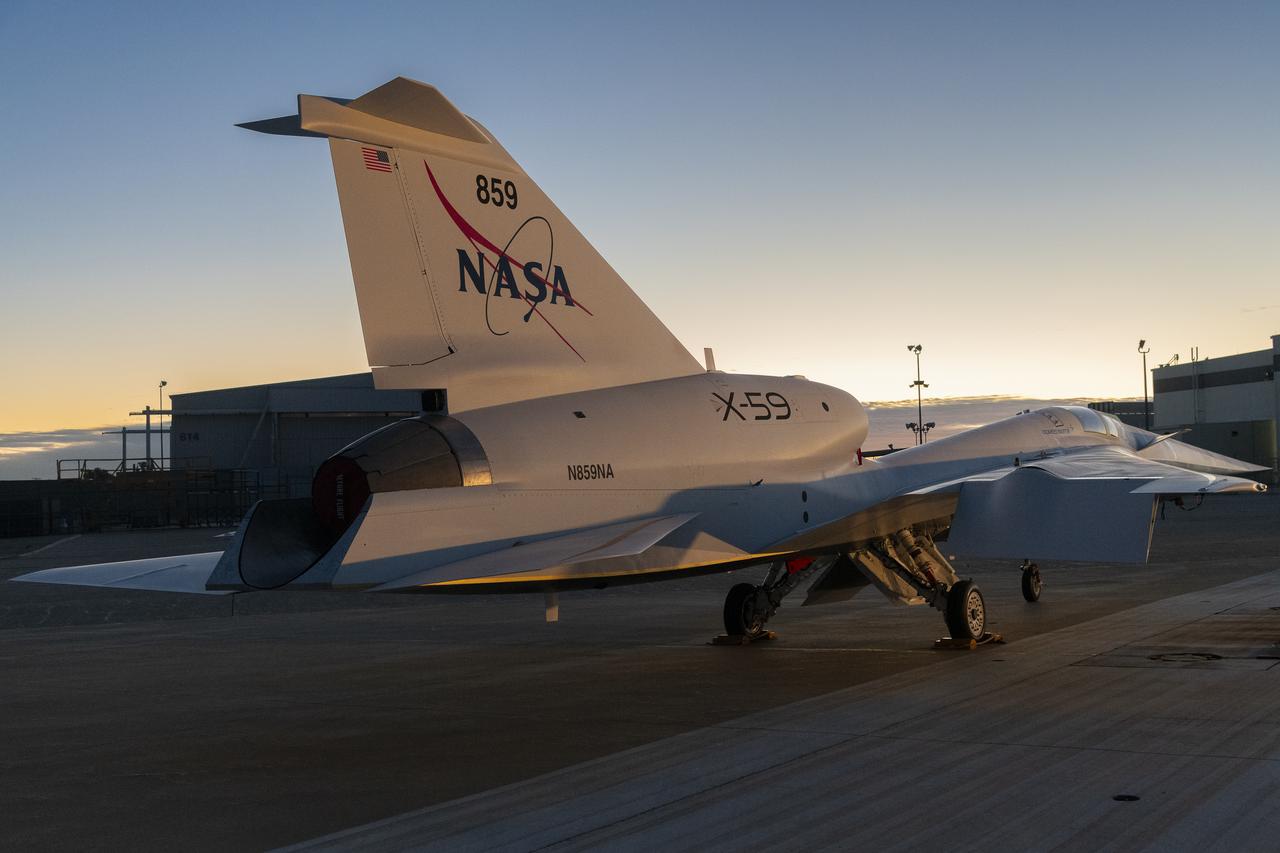
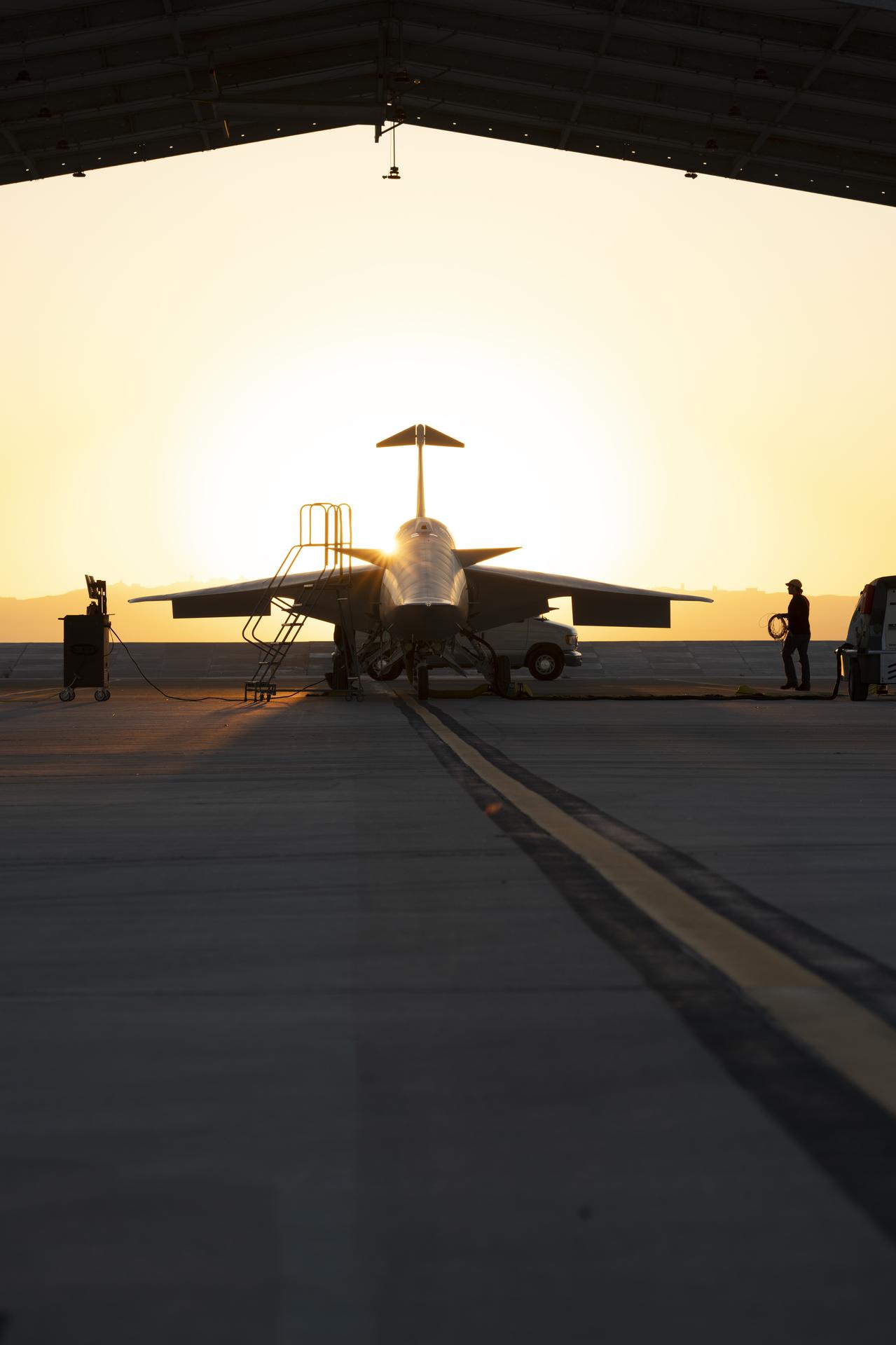
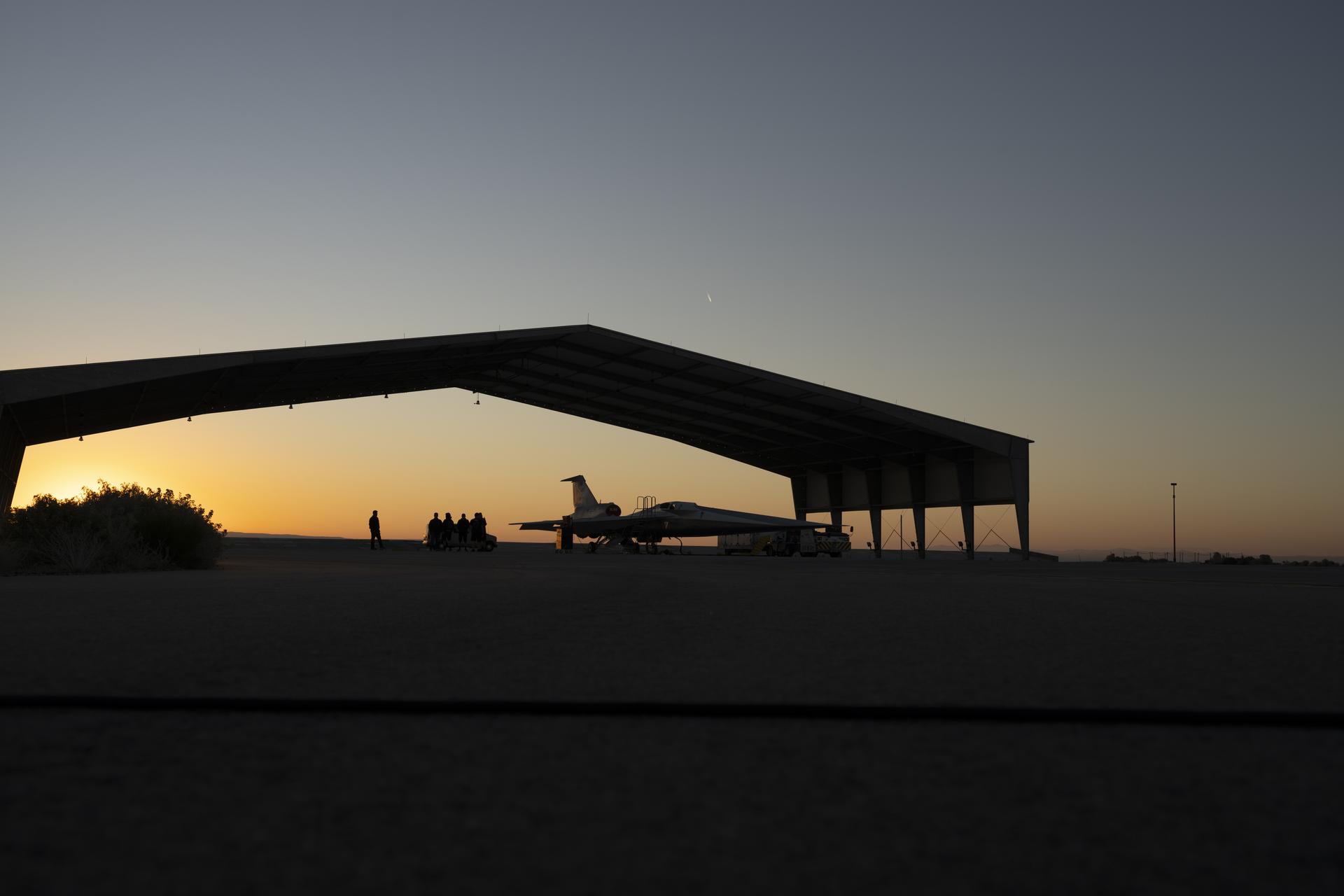
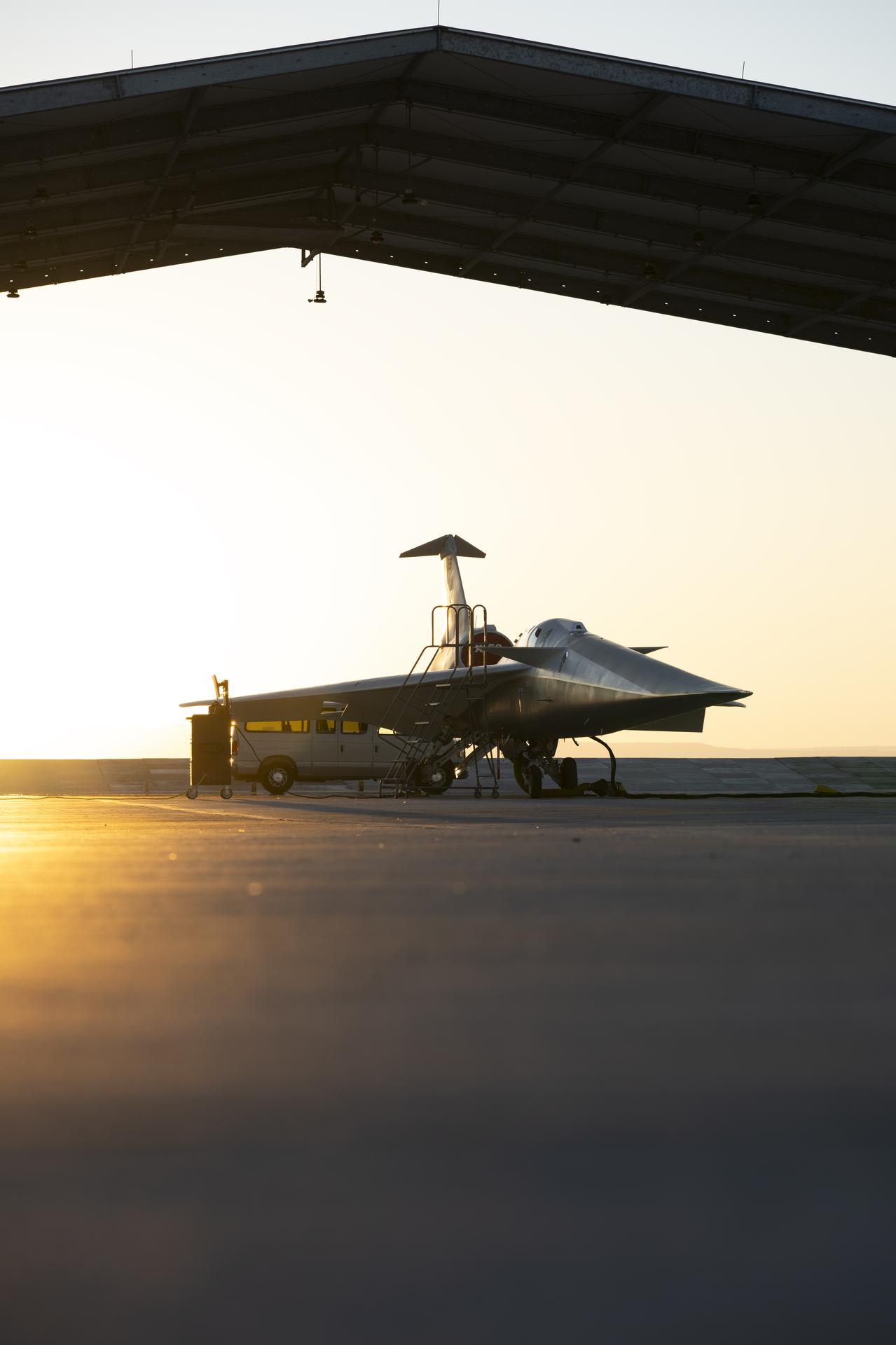
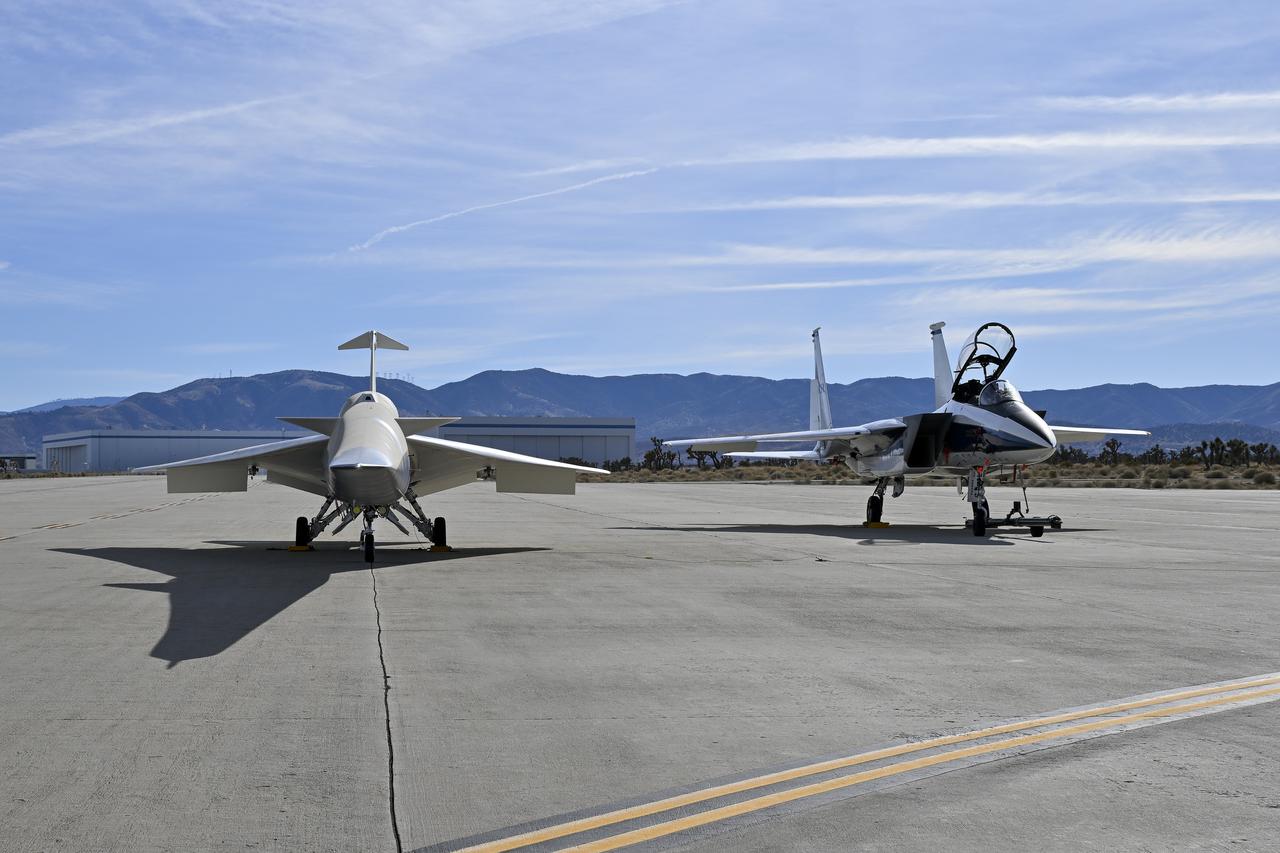
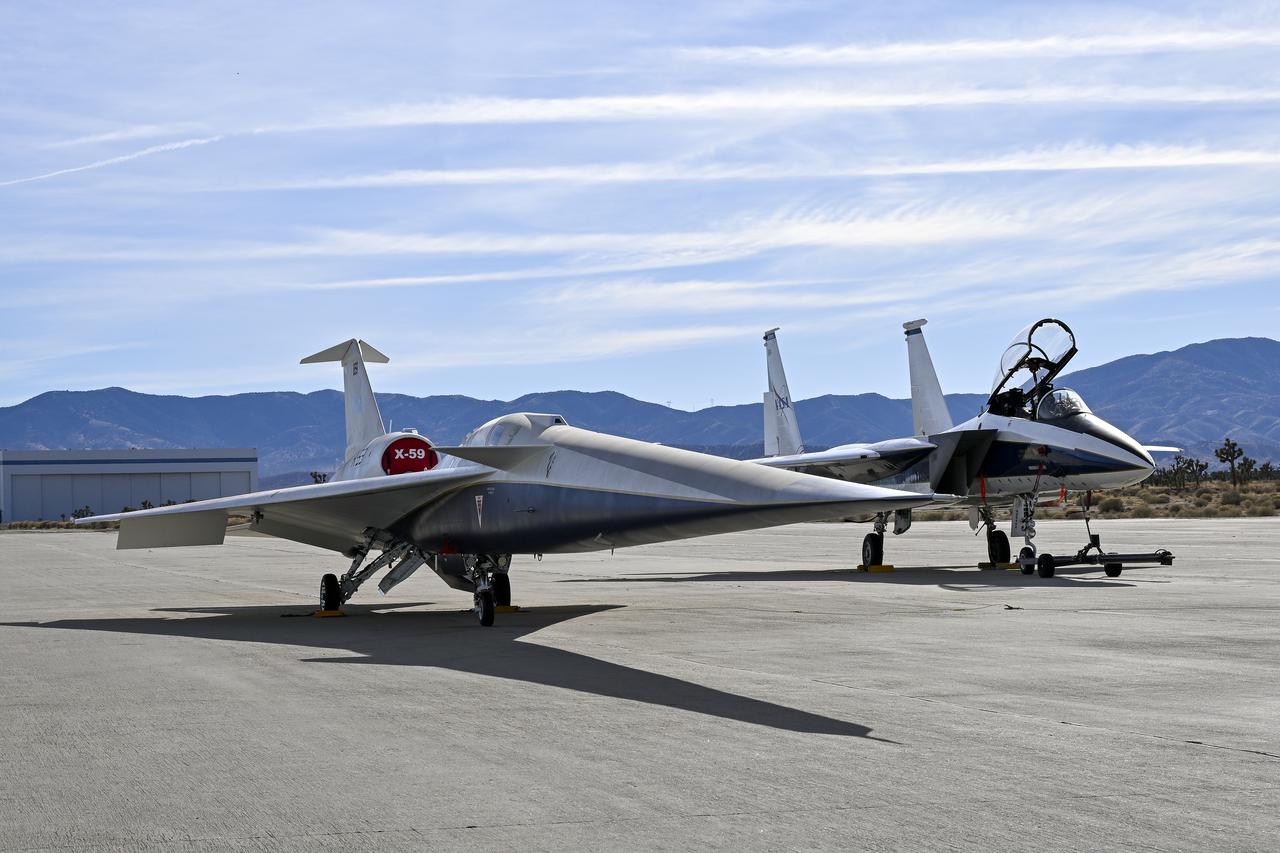
NASA’s X-59 quiet supersonic research aircraft sits on the ramp at Lockheed Martin Skunk Works in Palmdale, California during sunrise, shortly after completion of painting. With its unique design, including a 38-foot-long nose, the X-59 was built to demonstrate the ability to fly supersonic, or faster than the speed of sound, while reducing the typically loud sonic boom produced by aircraft at such speeds to a quieter sonic “thump”. The X-59 is the centerpiece of NASA’s Quesst mission, which seeks to solve one of the major barriers to supersonic flight over land, currently banned in the United States, by making sonic booms quieter.
NASA’s X-59 Sits on Ramp
NASA’s X-59 quiet supersonic research aircraft sits on the ramp at Lockheed Martin Skunk Works in Palmdale, California during sunrise, shortly after completion of painting. With its unique design, including a 38-foot-long nose, the X-59 was built to demonstrate the ability to fly supersonic, or faster than the speed of sound, while reducing the typically loud sonic boom produced by aircraft at such speeds to a quieter sonic “thump”. The X-59 is the centerpiece of NASA’s Quesst mission, which seeks to solve one of the major barriers to supersonic flight over land, currently banned in the United States, by making sonic booms quieter.
NASA’s X-59 Sits on Ramp
NASA’s X-59 quiet supersonic research aircraft sits on the ramp at Lockheed Martin Skunk Works in Palmdale, California during sunrise, shortly after completion of painting. With its unique design, including a 38-foot-long nose, the X-59 was built to demonstrate the ability to fly supersonic, or faster than the speed of sound, while reducing the typically loud sonic boom produced by aircraft at such speeds to a quieter sonic “thump”. The X-59 is the centerpiece of NASA’s Quesst mission, which seeks to solve one of the major barriers to supersonic flight over land, currently banned in the United States, by making sonic booms quieter.
NASA’s X-59 Sits on Ramp
NASA’s X-59 quiet supersonic research aircraft sits on the ramp at Lockheed Martin Skunk Works in Palmdale, California during sunrise, shortly after completion of painting. With its unique design, including a 38-foot-long nose, the X-59 was built to demonstrate the ability to fly supersonic, or faster than the speed of sound, while reducing the typically loud sonic boom produced by aircraft at such speeds to a quieter sonic “thump”. The X-59 is the centerpiece of NASA’s Quesst mission, which seeks to solve one of the major barriers to supersonic flight over land, currently banned in the United States, by making sonic booms quieter.
NASA’s X-59 Sits on Ramp
NASA’s X-59 quiet supersonic research aircraft sits on the ramp at Lockheed Martin Skunk Works in Palmdale, California during sunrise, shortly after completion of painting. With its unique design, including a 38-foot-long nose, the X-59 was built to demonstrate the ability to fly supersonic, or faster than the speed of sound, while reducing the typically loud sonic boom produced by aircraft at such speeds to a quieter sonic “thump”. The X-59 is the centerpiece of NASA’s Quesst mission, which seeks to solve one of the major barriers to supersonic flight over land, currently banned in the United States, by making sonic booms quieter.
NASA’s X-59 Sits on Ramp
NASA’s X-59 quiet supersonic research aircraft sits on the ramp at Lockheed Martin Skunk Works in Palmdale, California during sunrise, shortly after completion of painting. With its unique design, including a 38-foot-long nose, the X-59 was built to demonstrate the ability to fly supersonic, or faster than the speed of sound, while reducing the typically loud sonic boom produced by aircraft at such speeds to a quieter sonic “thump”. The X-59 is the centerpiece of NASA’s Quesst mission, which seeks to solve one of the major barriers to supersonic flight over land, currently banned in the United States, by making sonic booms quieter.
NASA’s X-59 Sits on Ramp
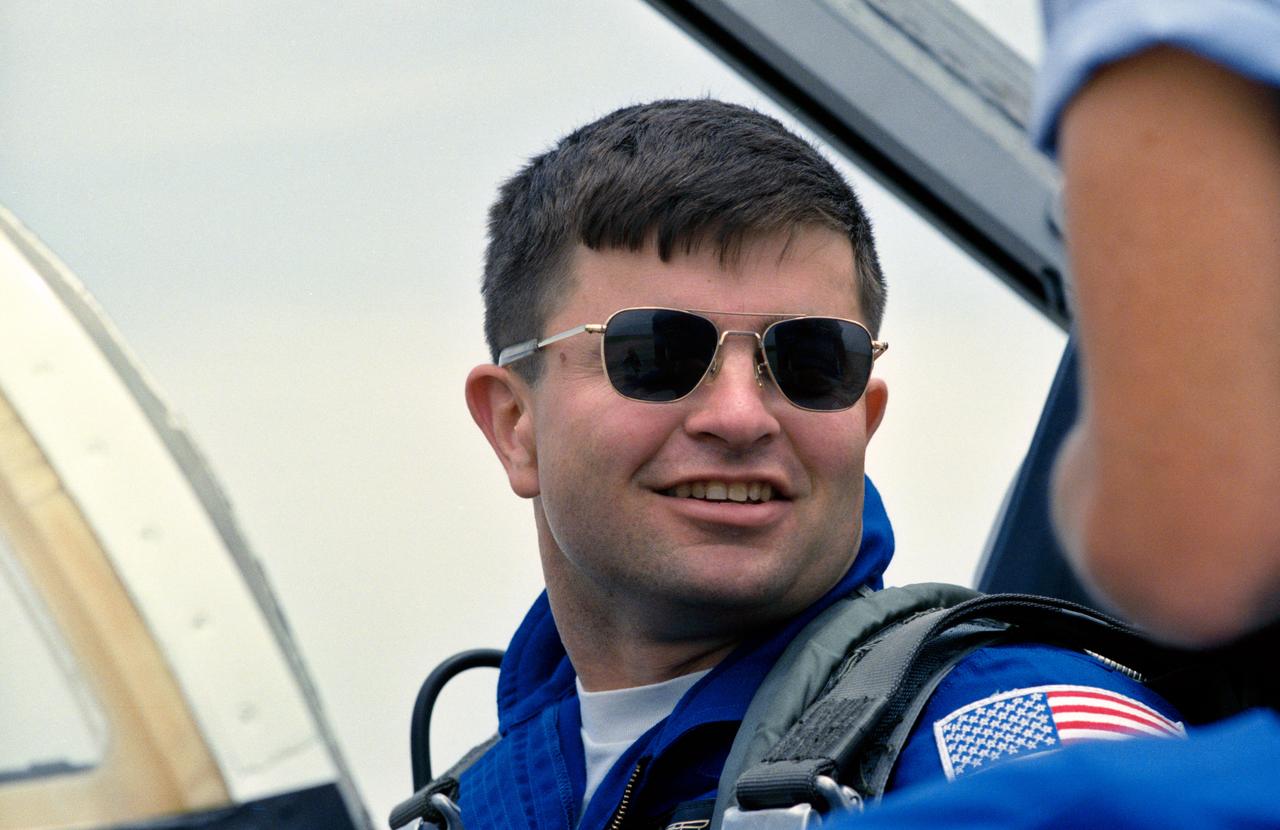
Head and shoulders view of astronaut Ken Cameron sitting in the cockpit of a T 38 at Ellington Field prior to his departure to Fairchild AFB, Washington.
Head and shoulders view of astronaut Ken Cameron sitting in the cockpit
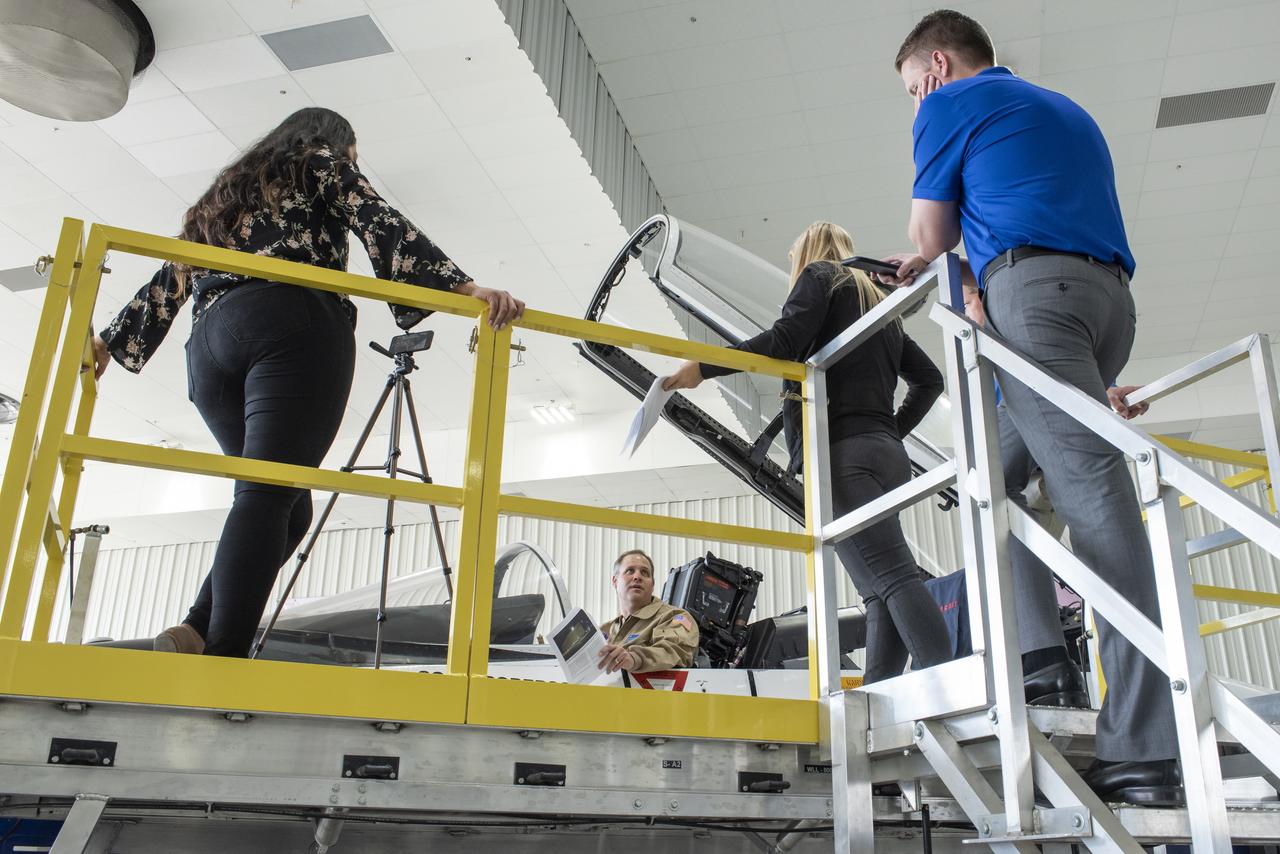
Rylee Ritter, student and first time visitor to NASA's Armstrong Flight Research Center, sits in a mockup of an F-15 cockpit, during the center's Take Your Kids To Work Day event.
Student Sits in Aircraft Cockpit Before the Space Station Downlink at NASA Armstrong
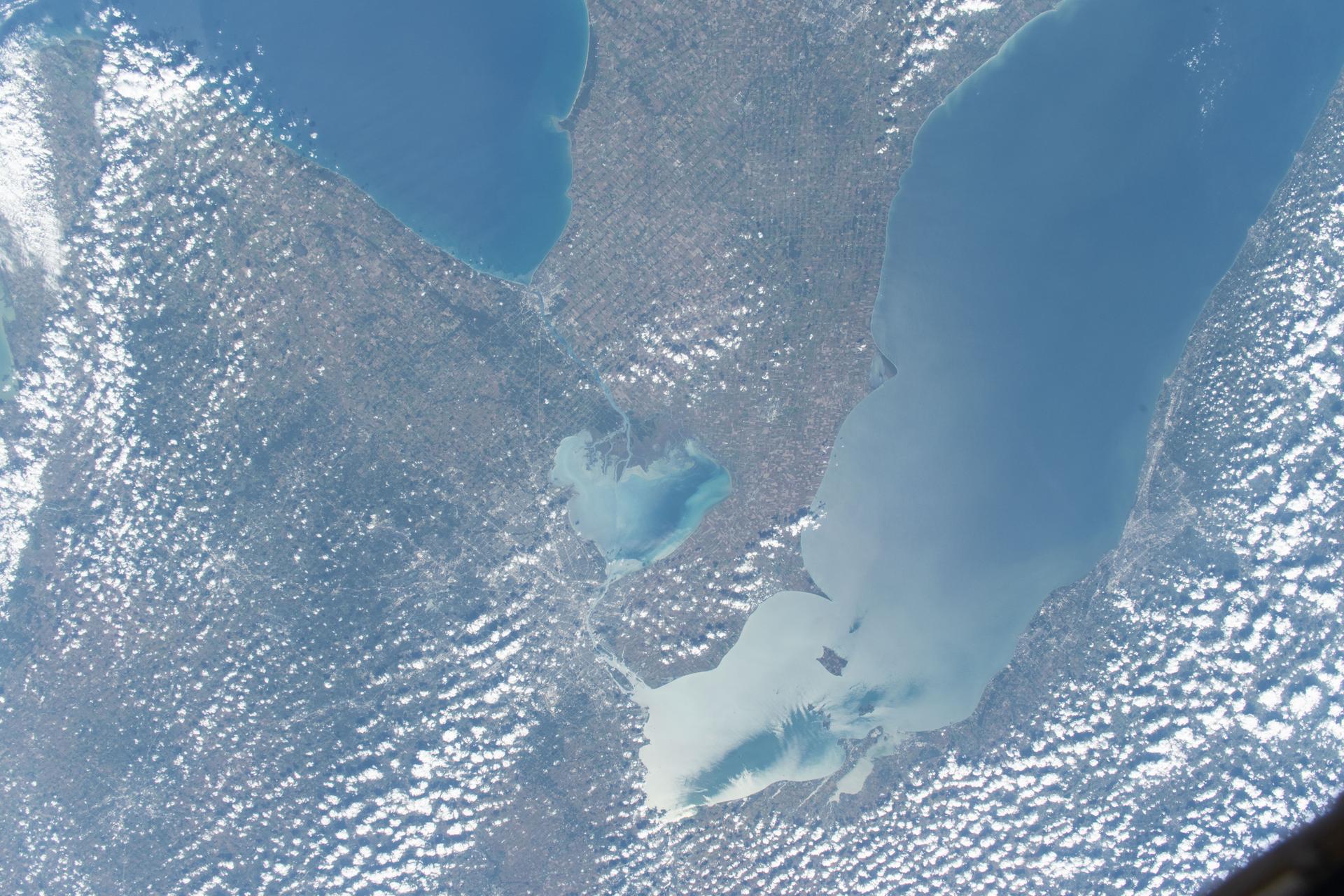
iss073e0814049 (Sept. 26, 2025) --- Detroit, Michigan, sits on the banks of the Detroit River, which connects Lake St. Clair (center) to Lake Erie to the south. To the north, the St. Clair River links Lake St. Clair with Lake Huron. Both rivers serve as natural borders between the United States and Canada. The International Space Station was orbiting 259 miles above Ontario, Canada, at the time of this photograph.
Detroit, Michigan, sits on the banks of the Detroit River
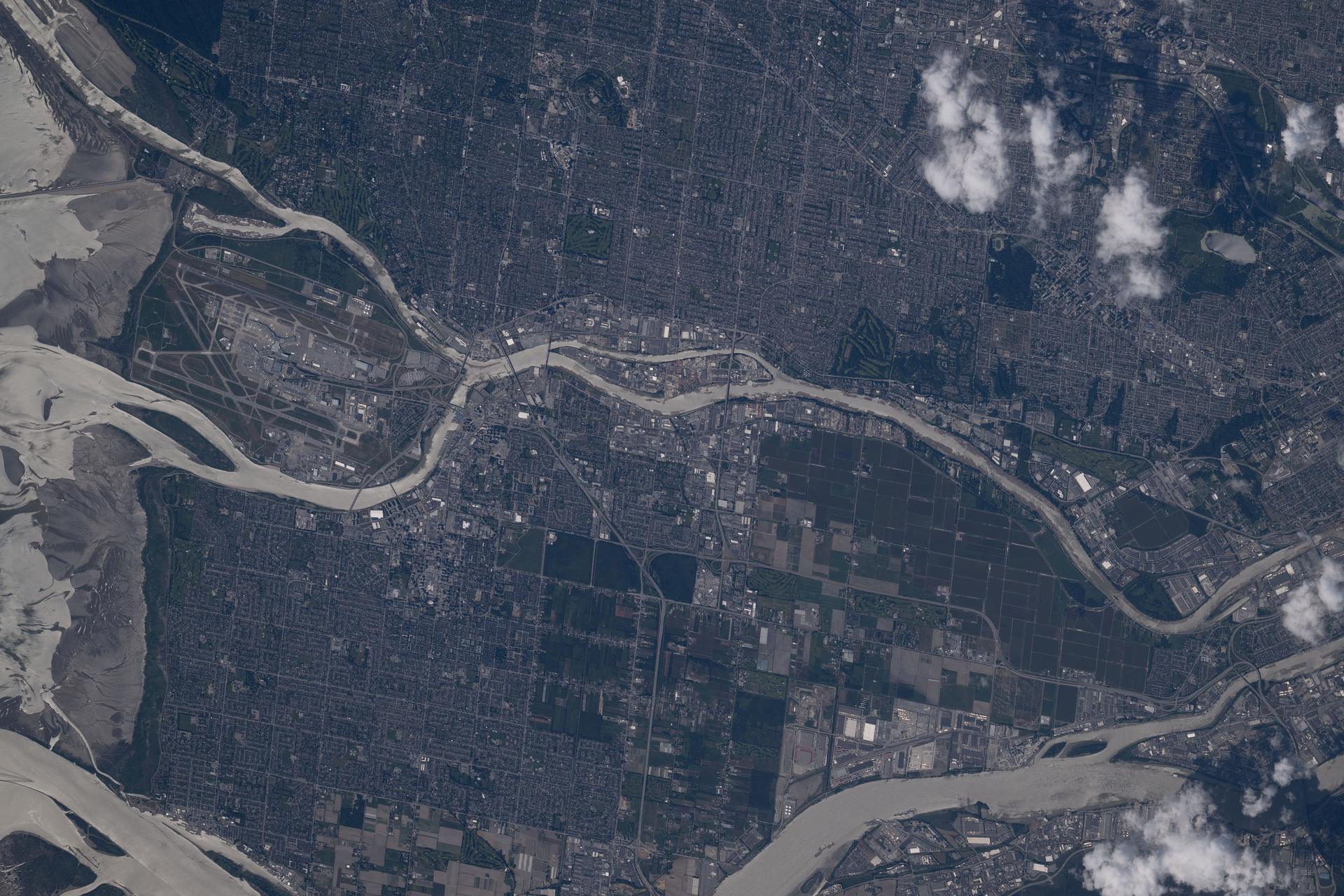
iss074e0623357 (May 30, 2026) --- Vancouver International Airport sits on Sea Island (left), where the Fraser River splits into its North and Middle Arms—a natural bifurcation—before emptying into the Strait of Georgia on Canada’s Pacific coast. The airport is the nation’s second busiest and lies just south of Vancouver, a metropolitan area of about 2.73 million people and 23 surrounding jurisdictions. Credit: NASA/Chris Williams
Vancouver International Airport sits on Sea Island
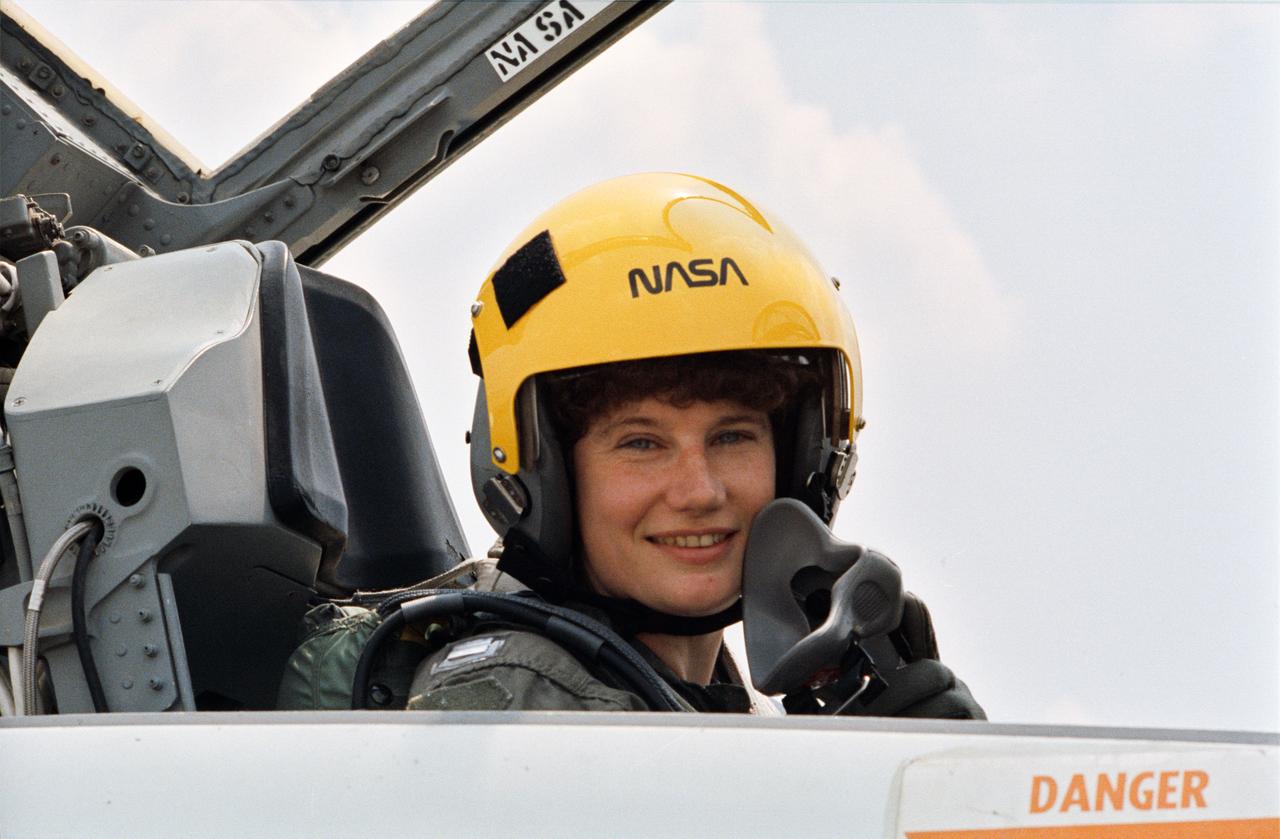
S90-45809 (July 1990) --- Susan J. Helms, one of the 23 astronaut candidates who began a year's training and evaluation program recently, sits in the cockpit of a NASA T-38 jet trainer at Ellington Field near the Johnson Space Center.
ASCAN Helms sits in T-38A cockpit and prepares for Ellington Field training
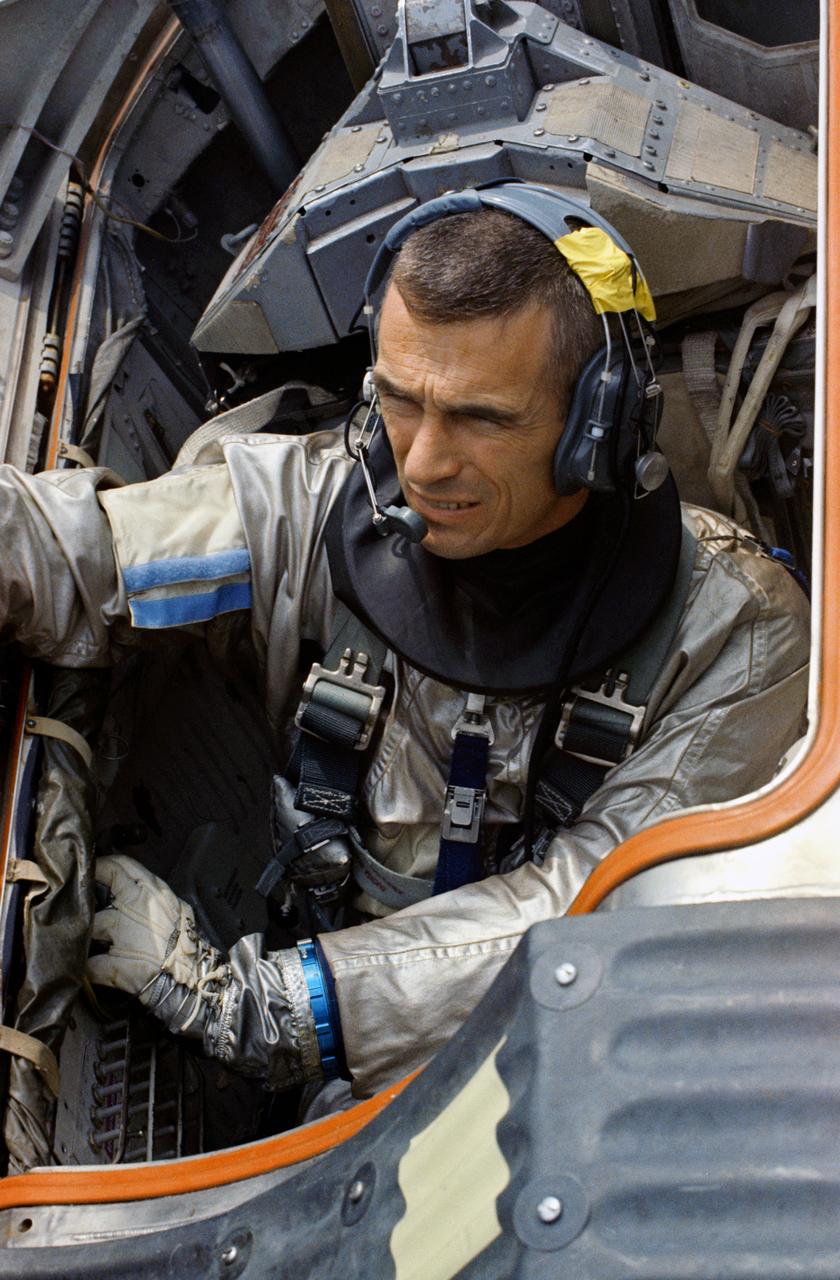
S66-29559 (9 April 1966) --- Astronaut Eugene A. Cernan, prime crew pilot of the National Aeronautics and Space Administration?s Gemini-9 spaceflight, sits in Gemini Boiler-plate during water egress training activity in the Gulf of Mexico. Photo credit: NASA
Astronaut Eugene Cernan sits in Gemini boilerplate during water egress
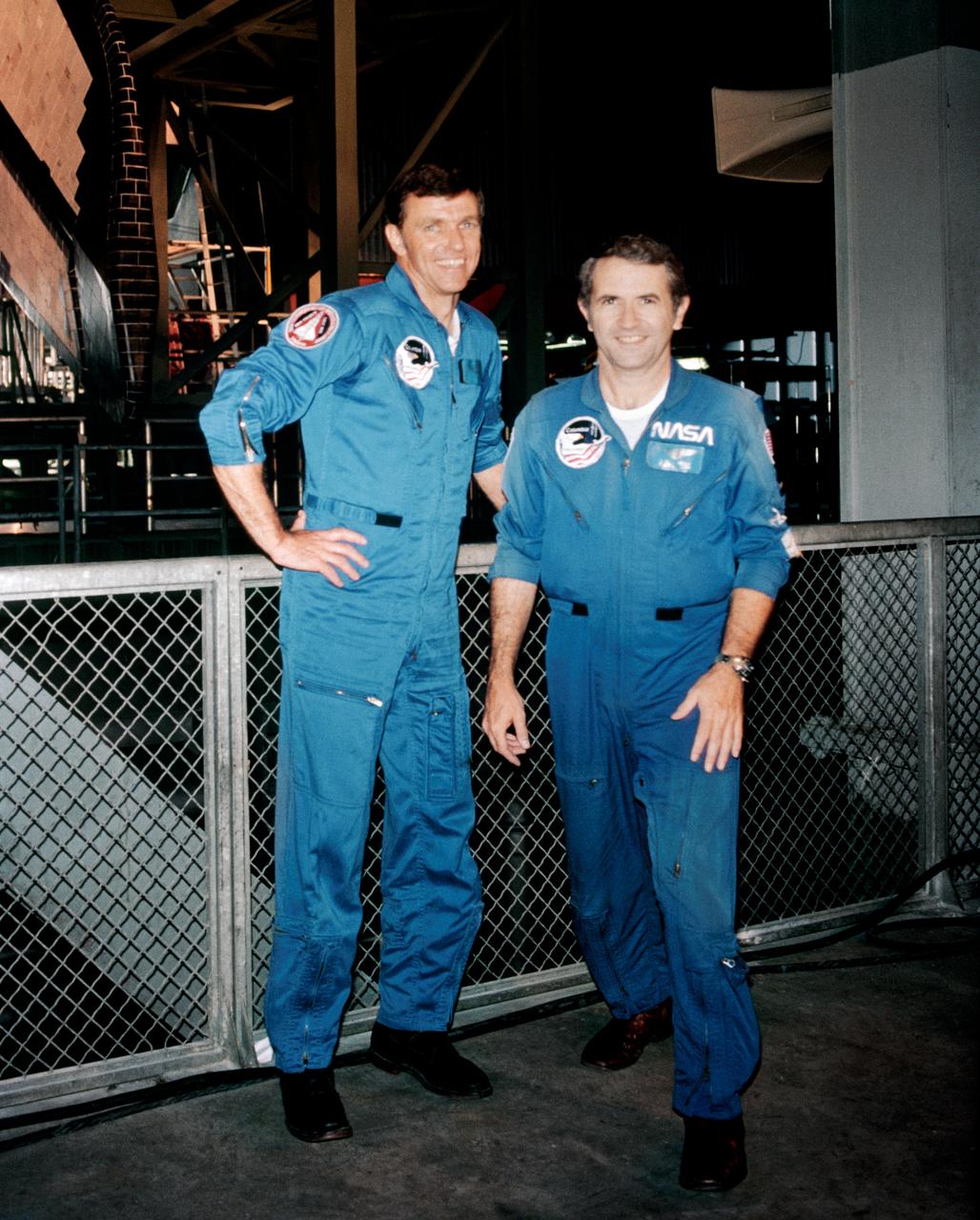
S81-36331 (24 Aug. 1981) --- Astronauts Joe H. Engle, left, and Richard H. Truly pause before participating in the integrated test of the assembled space shuttle components scheduled for launch no earlier than Sept. 30, 1981. Moments later, Engle, STS-2 crew commander, and Truly, pilot, entered the cabin of the orbiter Columbia for a mission simulation. The shuttle integrated tests (SIT) are designed to check out every connection and signal path in the STS-2 vehicle composed of the orbiter, two solid rocket boosters (SRB) and an external fuel tank (ET) for Columbia?s main engines. Completion of the tests will clear the way for preparations for rollout to Pad A at Launch Complex 39, scheduled for the latter part of August or early September. Photo credit: NASA
STS-2 - SOFTWARE INTEGRATION TESTS (SIT) - KSC
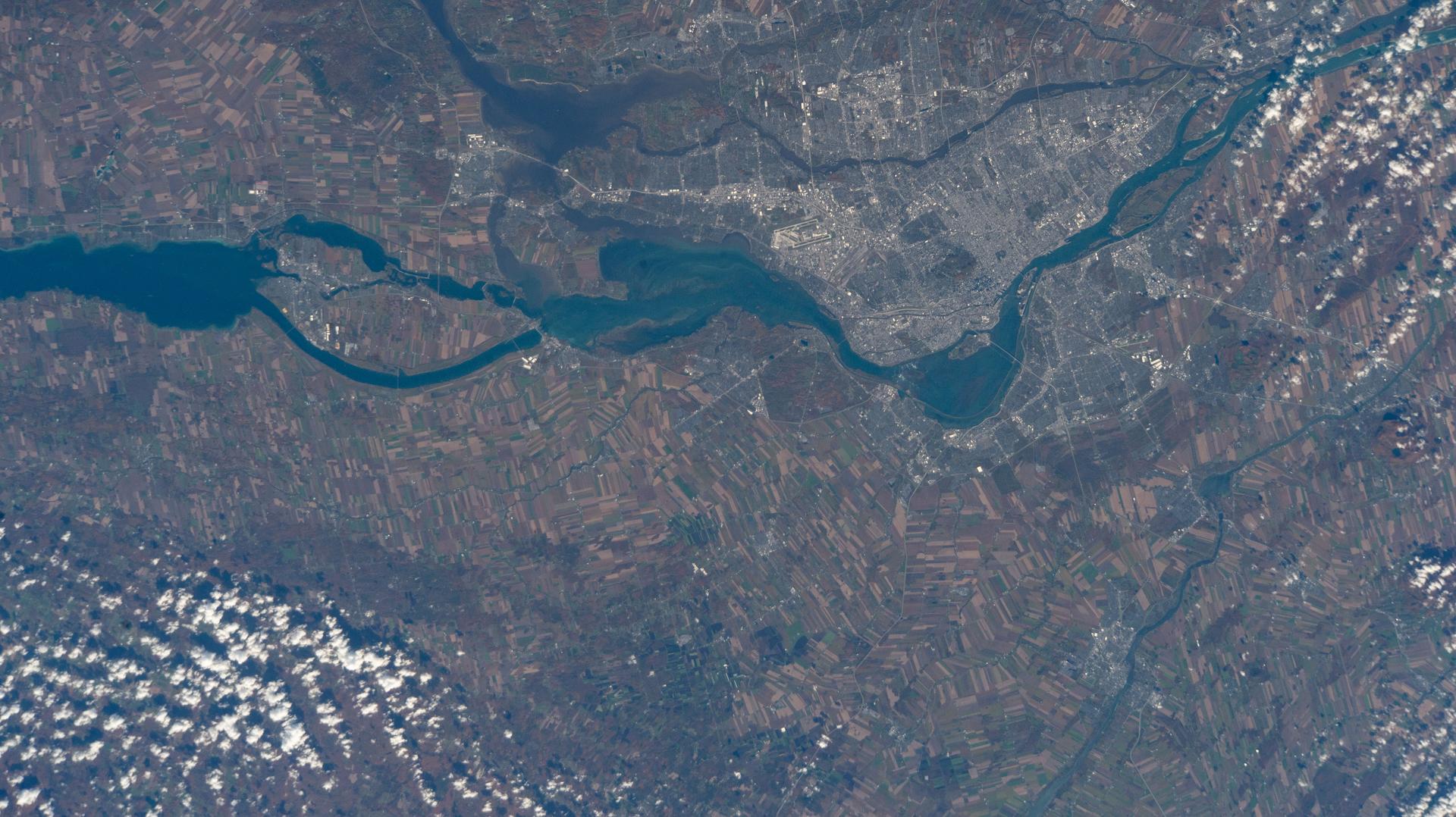
iss073e0866294 (Oct. 8, 2025) --- Montreal, Quebec, the second-most populous Canadian city with a metropolitan population of about 4.29 million, sits between the Prairies River to its north and the St. Lawrence River to the south. Montreal is named after Mount Royal, a prominent and natural landmark in the heart of the city. Montréal-Pierre Elliott Trudeau International Airport, voted North America's cleanest airport in 2025, is pictured near the bank of the St. Lawrence from the International Space Station as it orbited 263 miles above the Earth.
Montreal, Quebec sits between the Prairies River and the St. Lawrence River
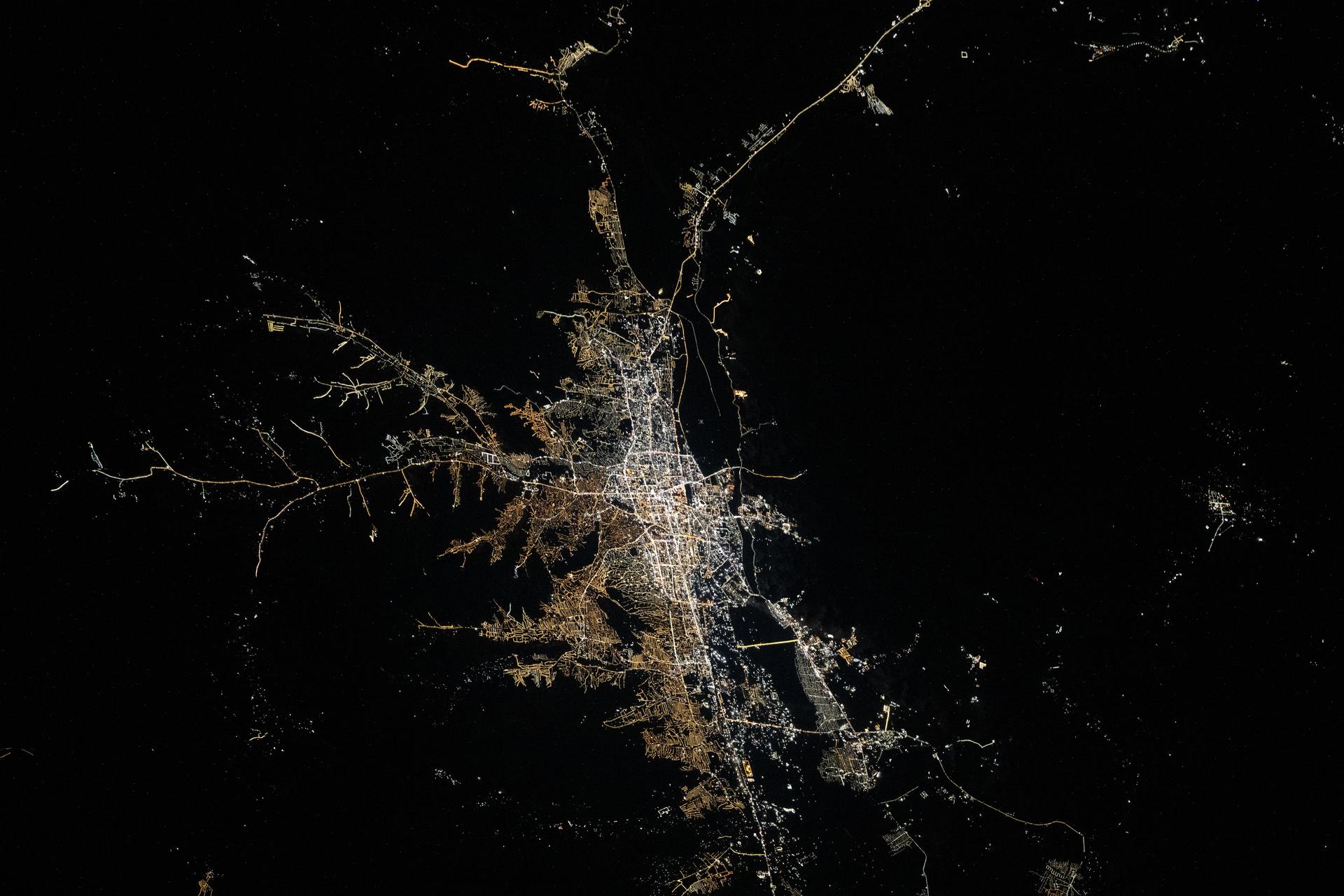
iss074e0381391 (March 14, 2026) --- Mongolia's capital, Ulaanbaatar, with a population of about 1.7 million, sits on the high, semi-arid Mongolian Plateau and experiences extremely cold winters and short warm summers. This photograph was taken at approximately 12:42 a.m. local time from the International Space Station as it orbited 264 miles above Asia. Credit: NASA/Jessica Meir
Mongolia's capital, Ulaanbaatar, sits on the high, semi-arid Mongolian Plateau
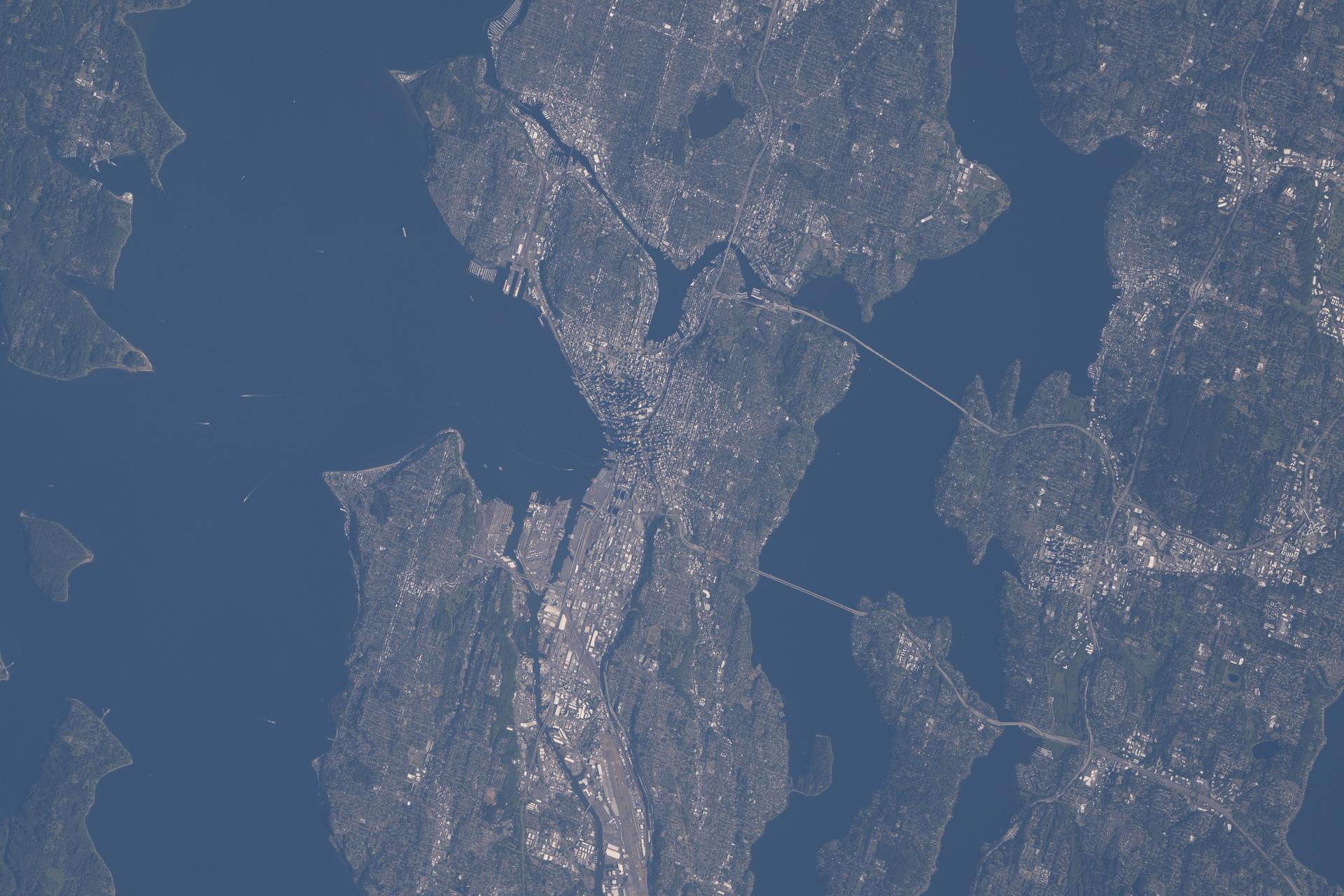
iss074e0723716 (June 16, 2026) --- Seattle, Washington, with a metropolitan population of over 4.15 million, sits between Puget Sound and Lake Washington and is also known as the "Emerald City" due to the lush evergreen forests surrounding it. Two famous landmarks in Seattle include Pike Place Market, America's oldest continuously operating farmers market since 1907, and the Space Needle, built for the 1962 World's Fair. The International Space Station was orbiting 265 miles above the U.S.–Canadian border at the time of this photograph. Credit: NASA/Chris Williams
Seattle, Washington, sits between Puget Sound and Lake Washington
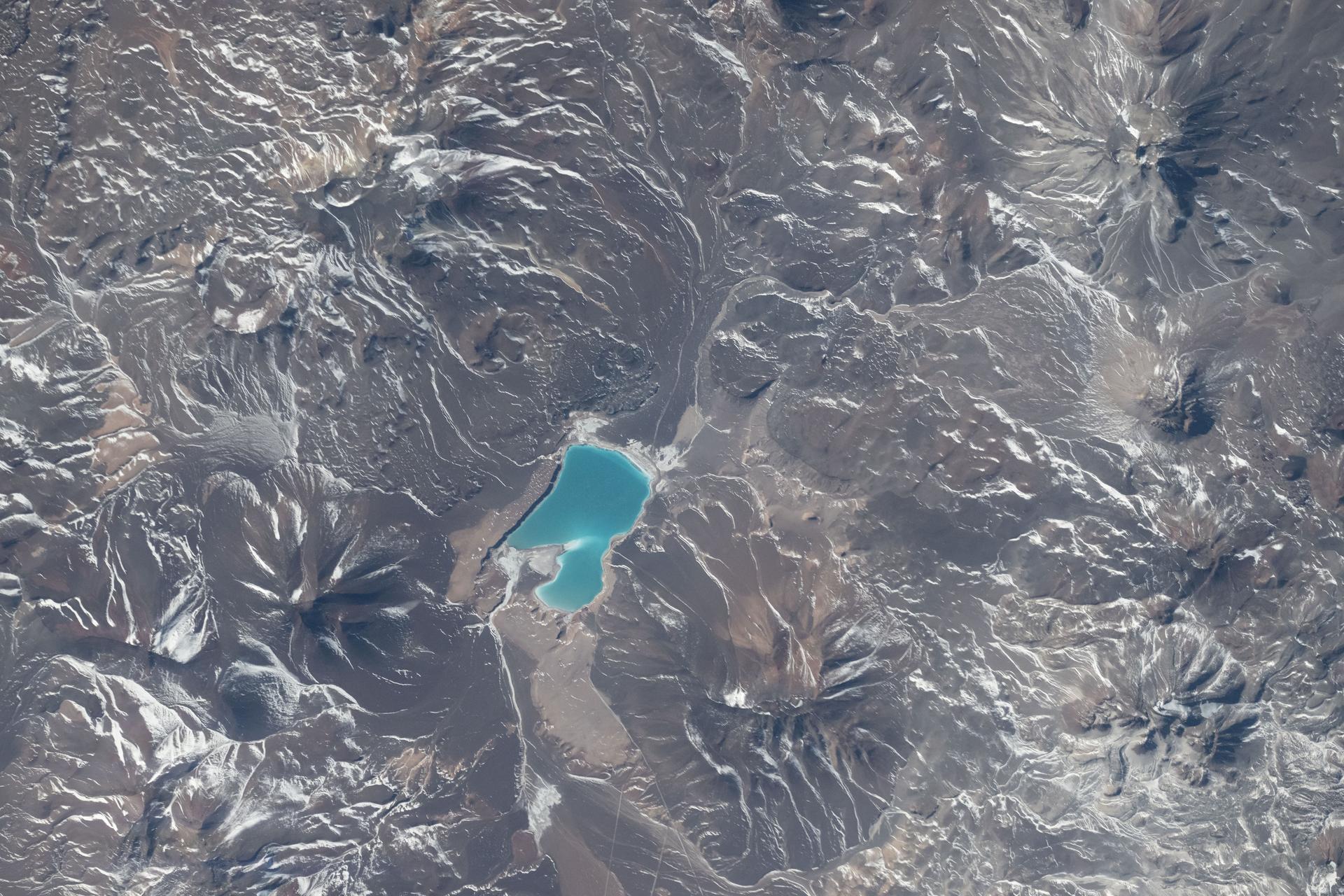
iss074e0791011 (July 1, 2026) --- Laguna Verde, a high-altitude salt lake at approximately 14,200 feet (4,328 meters) above sea level, sits in Chile’s northern Atacama Region in the Andes Mountains near the border with Argentina. The International Space Station was orbiting 264 miles above the South American nation at the time this photograph was taken. Credit: NASA
Laguna Verde sits in Chile’s northern Atacama Region in the Andes Mountains
Lockheed Martin test pilot Dan “Dog” Canin sits in the cockpit of NASA’s X-59 quiet supersonic research aircraft in a run stall at Lockheed Martin’s Skunk Works facility in Palmdale, California prior to its first engine run. These engine-run tests featured the X-59 powered by its own engine, whereas in previous tests, the aircraft depended on external sources for power. The X-59 is the centerpiece of NASA’s Quesst mission, which seeks to solve one of the major barriers to supersonic flight over land by making sonic booms quieter.
Test Pilot Sits in X-59 Cockpit Prior to First Engine Run
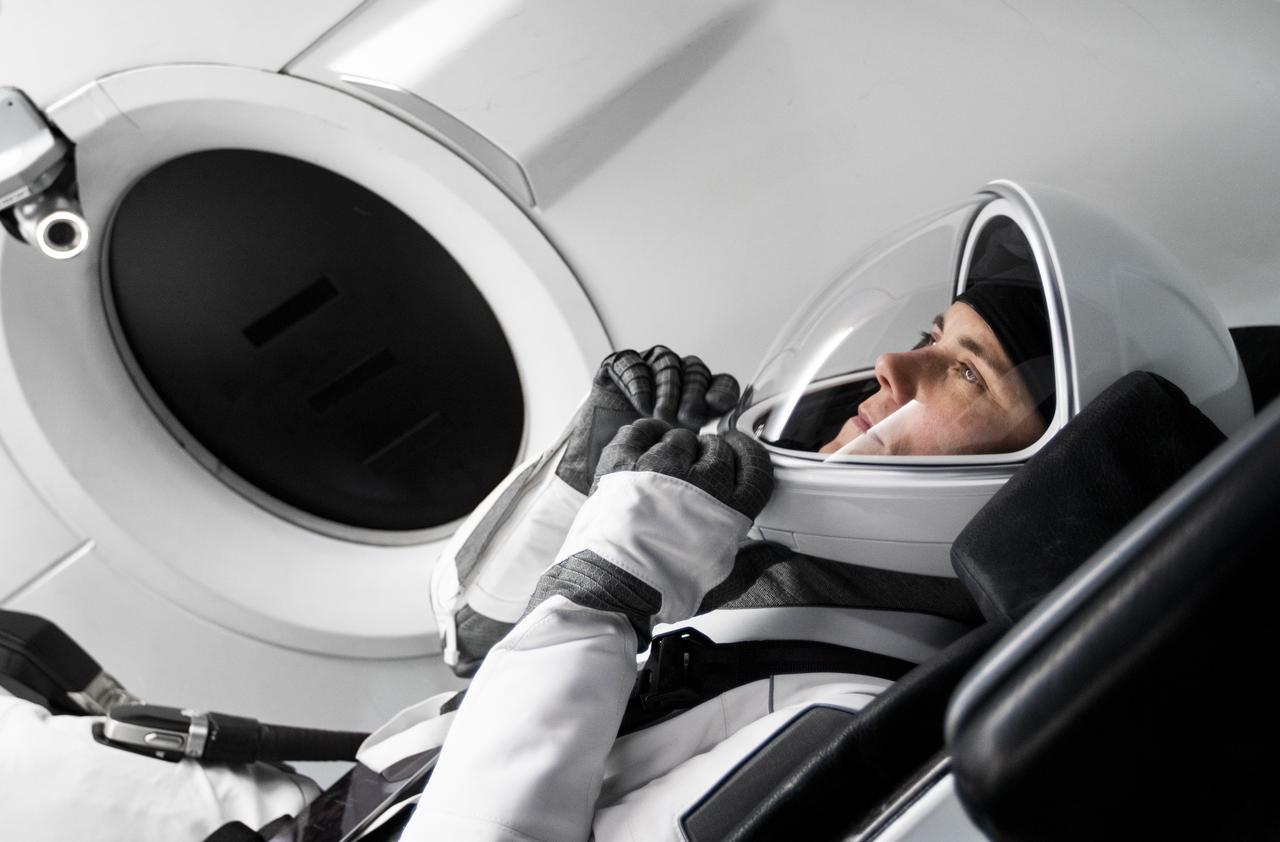
Cosmonaut Anna Kikina sits in a mockup of the spacecraft that will take NASA's SpaceX Crew-5 mission to the International Space Station during a training at SpaceX in Hawthorne, Claifornia.
Anna Kikina in Crew Capsule
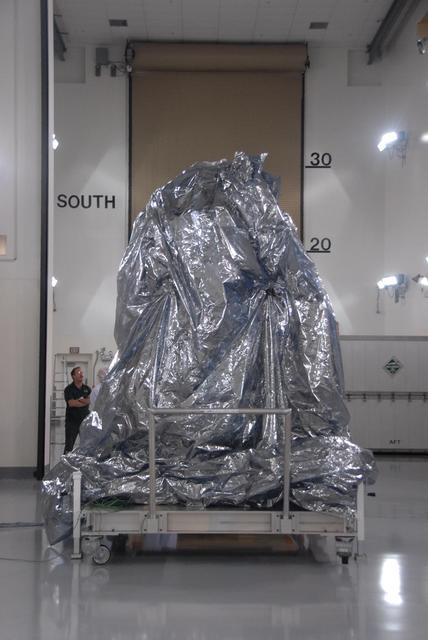
NASA Wide-field Infrared Survey Explorer spacecraft sits with its protective covering.
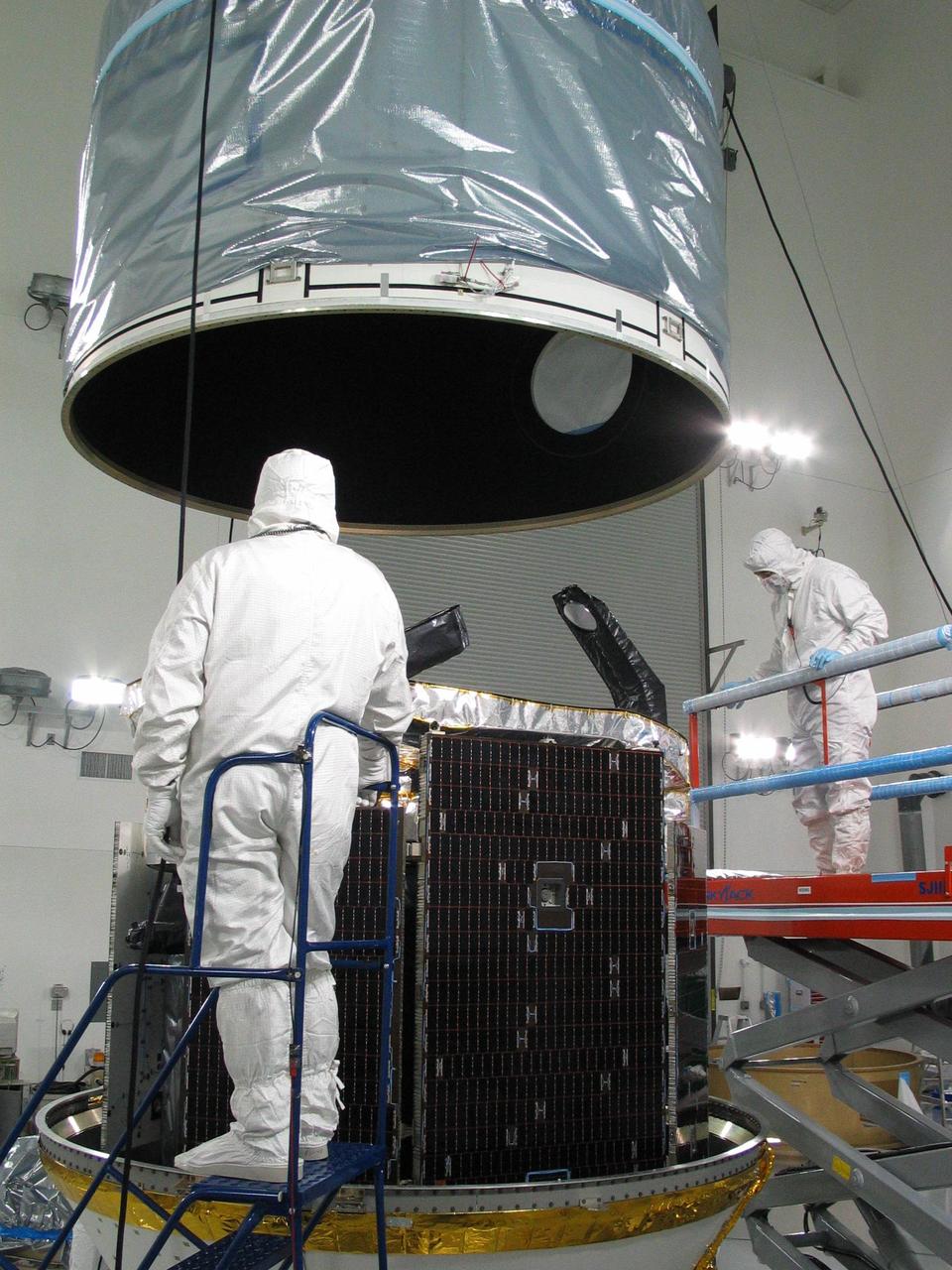
NASA WISE Spacecraft in Protective Covering
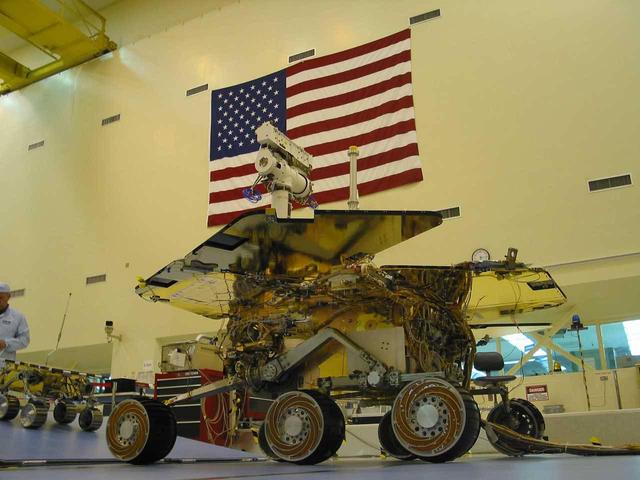
NASA Rover 1 sits atop the deployed lander with its solar arrays and wheels stowed.
Rover 1 in Cruise Stage
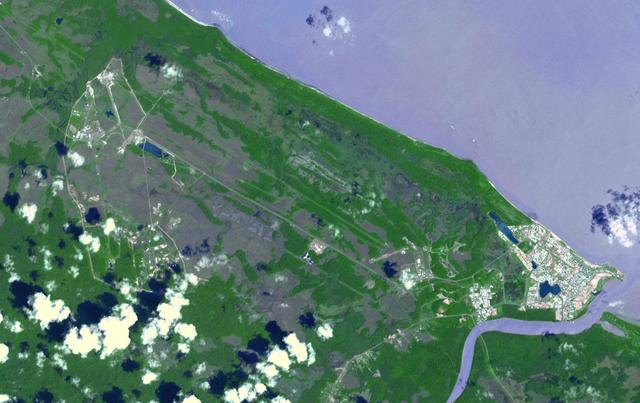
This image from NASA Terra spacecraft shows the town of Kourou, which sits at the mouth of the Kourou River, French Guiana.
Kouru, French Guiana
NASA Rover 1 sits atop the deployed lander with its solar arrays and wheels stowed.
Rover 1 and Lander
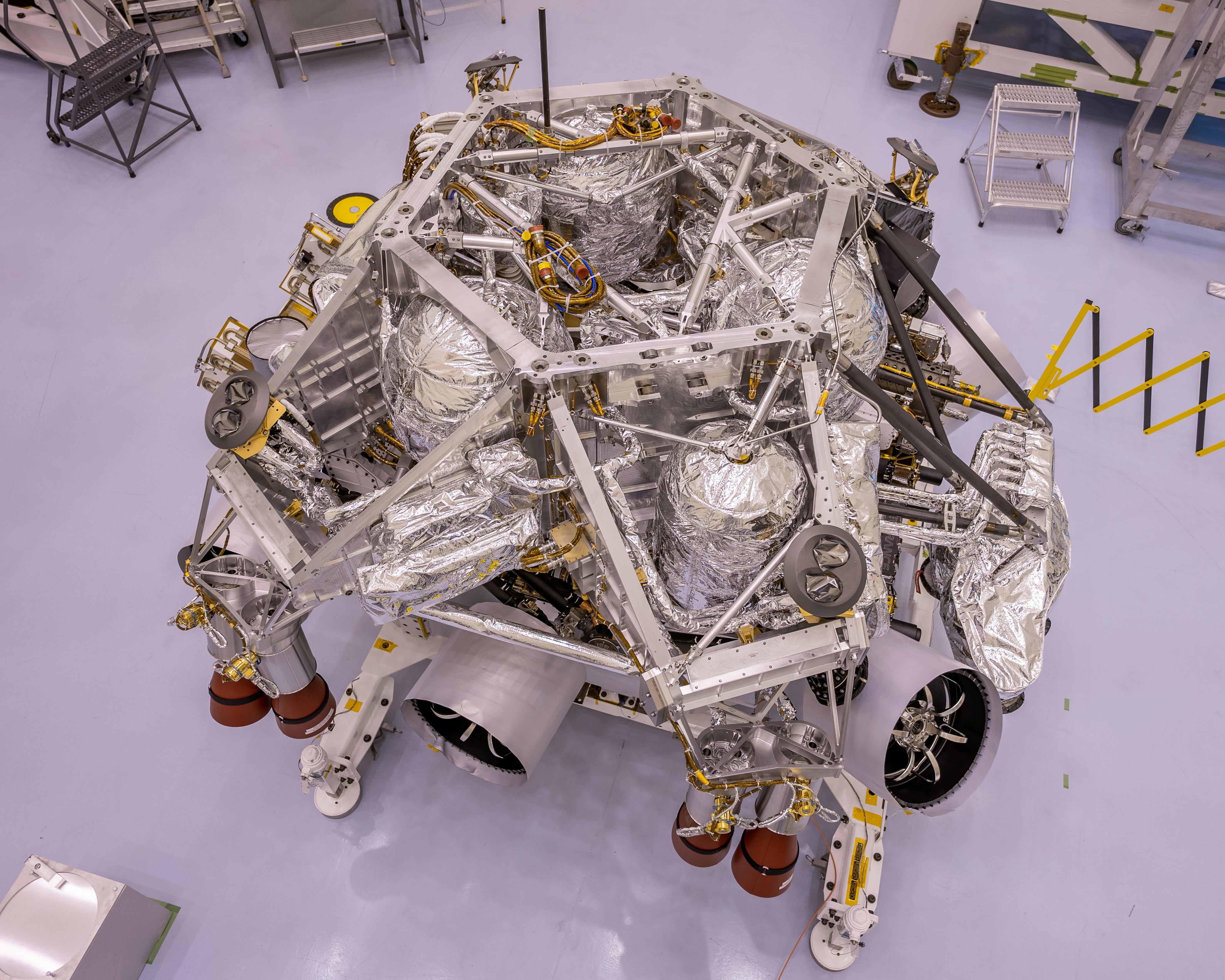
This image of the rocket-powered descent stage sitting on top of NASA's Perseverance rover was taken in a clean room at Kennedy Space Center on April 29, 2020. The integration of the two spacecraft was the first step in stacking the mission's major components into the configuration they will be in while sitting atop of the Atlas V rocket.  https://photojournal.jpl.nasa.gov/catalog/PIA23886
Perseverance Rover Gets in Launch Shape
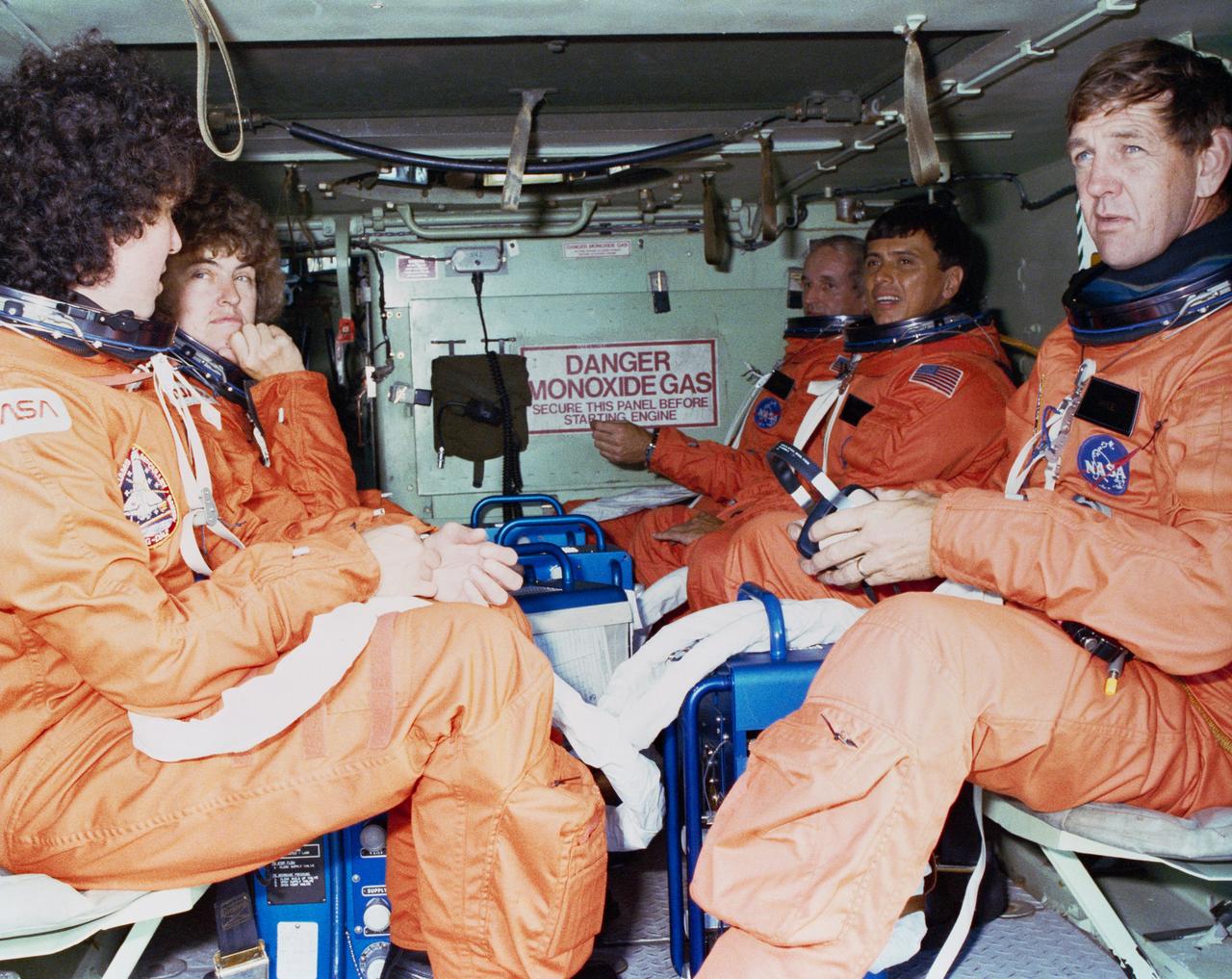
STS-34 crewmembers sit in M1-13 Armored Personnel Carrier (APC) during emergency egress training at KSC's shuttle landing facility (SLF) prior to terminal countdown demonstration test (TCDT) activities. Wearing launch and entry suits (LESs), are (from left) Mission Specialist (MS) Ellen S. Baker, MS Shannon W. Lucid, Commander Donald E. Williams (right side, in back), MS Franklin R. Chang-Diaz, and Pilot Michael J. McCulley (holding headset). View provided by KSC with alternate number KSC-89PC-871.
STS-34 crewmembers sit in M1-13 APC during emergency egress training at KSC
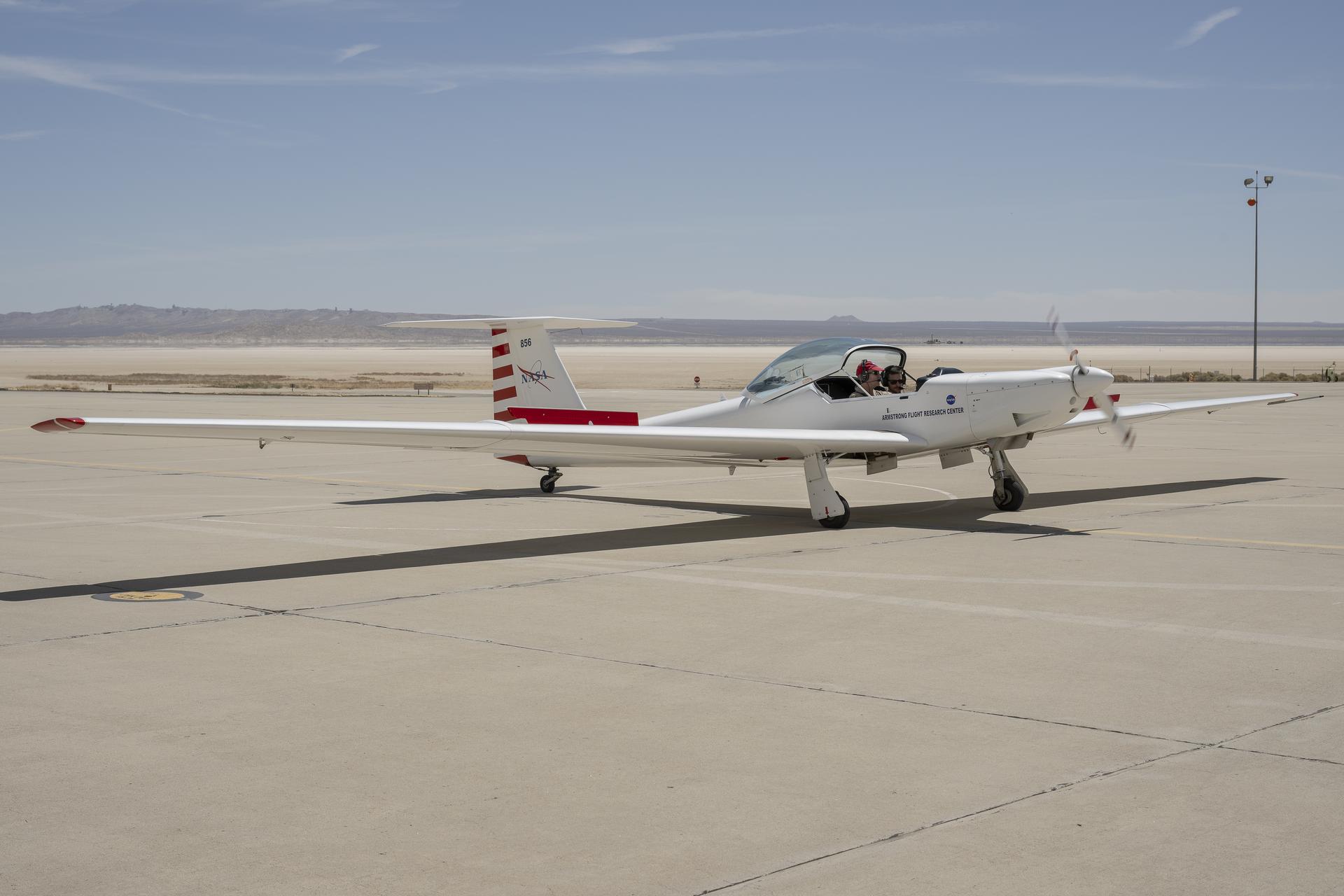
A NASA TG-14 sits on the ramp at NASA’s Armstrong Flight Research Center in Edwards, California, on Monday, Aug. 4, 2025, to support NASA’s Quesst mission.
NASA Armstrong TG-14
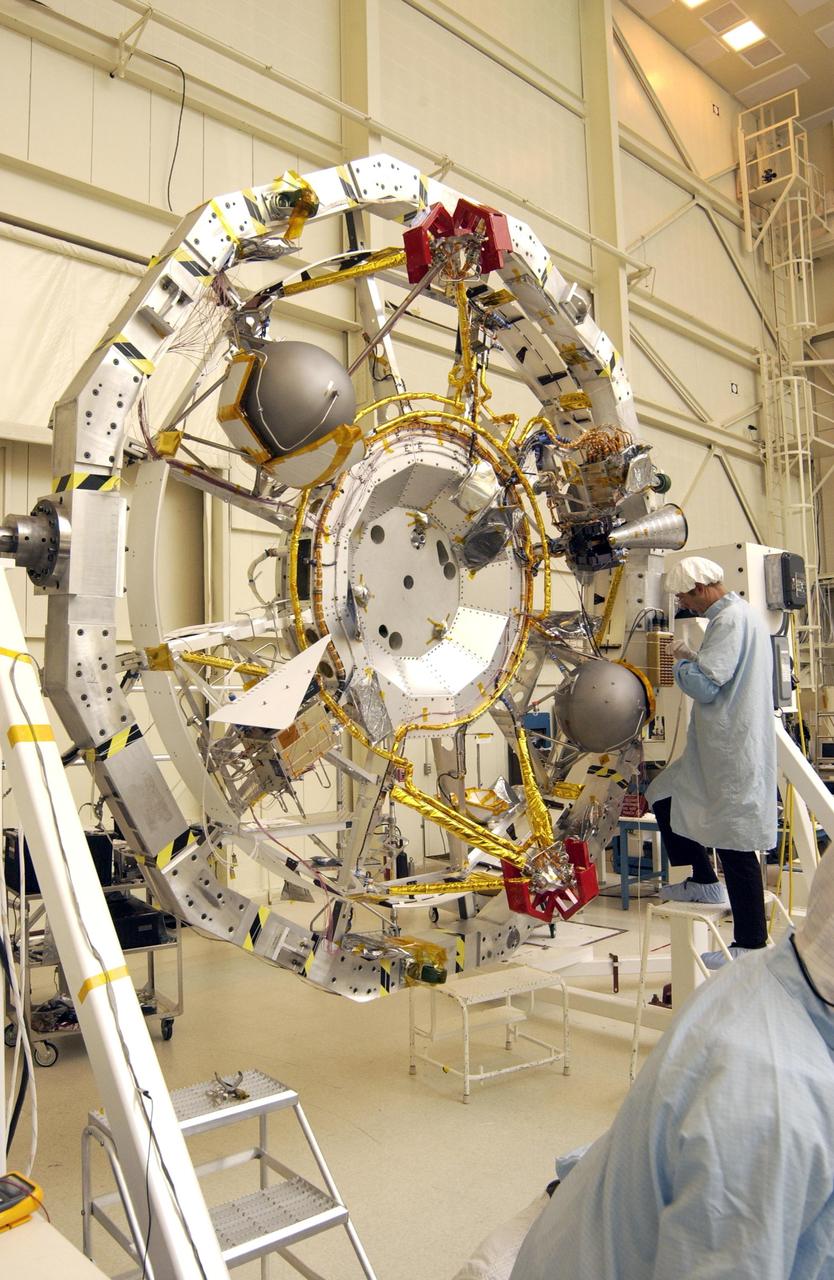
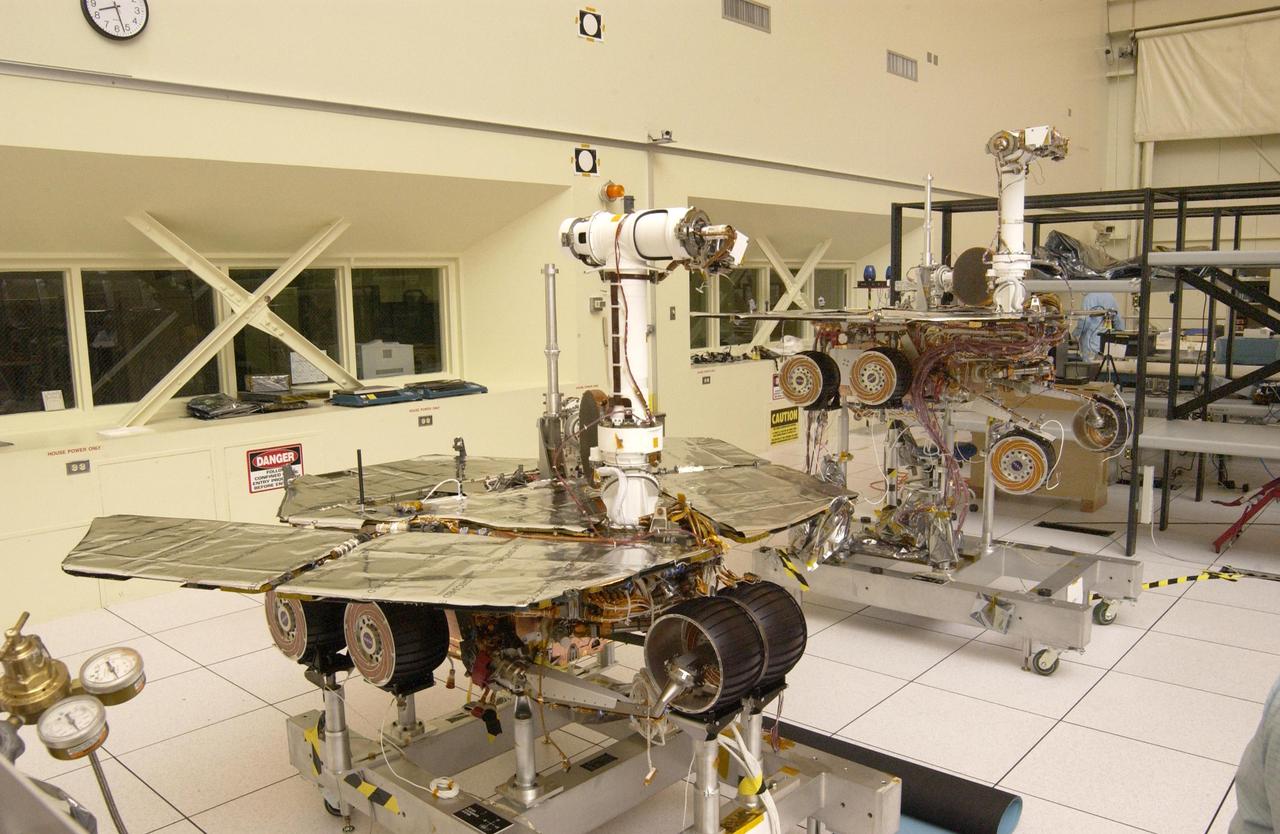
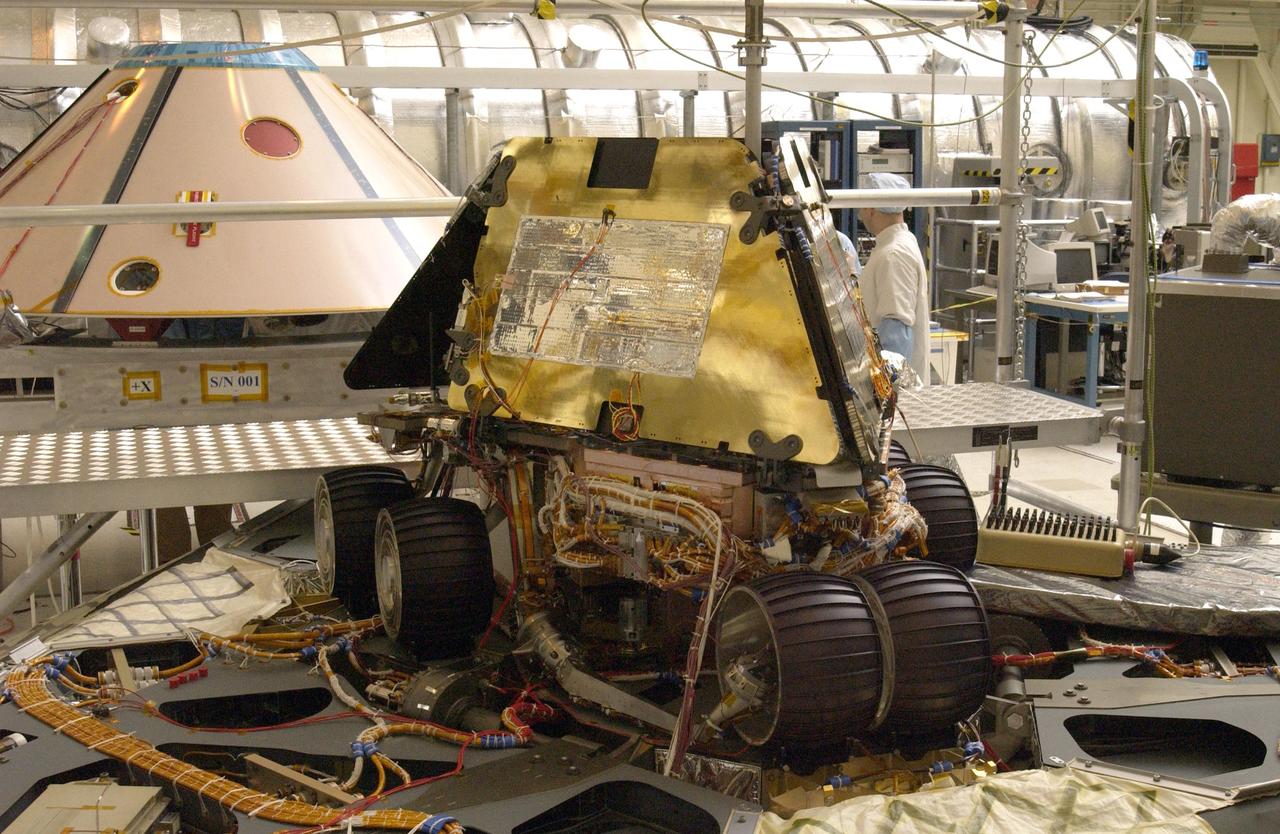
One of two Mars Exploration Rovers sits inside its cruise stage waiting to undergo environmental testing at NASA Jet Propulsion Laboratory.
Mars Exploration Rover Makes Progress
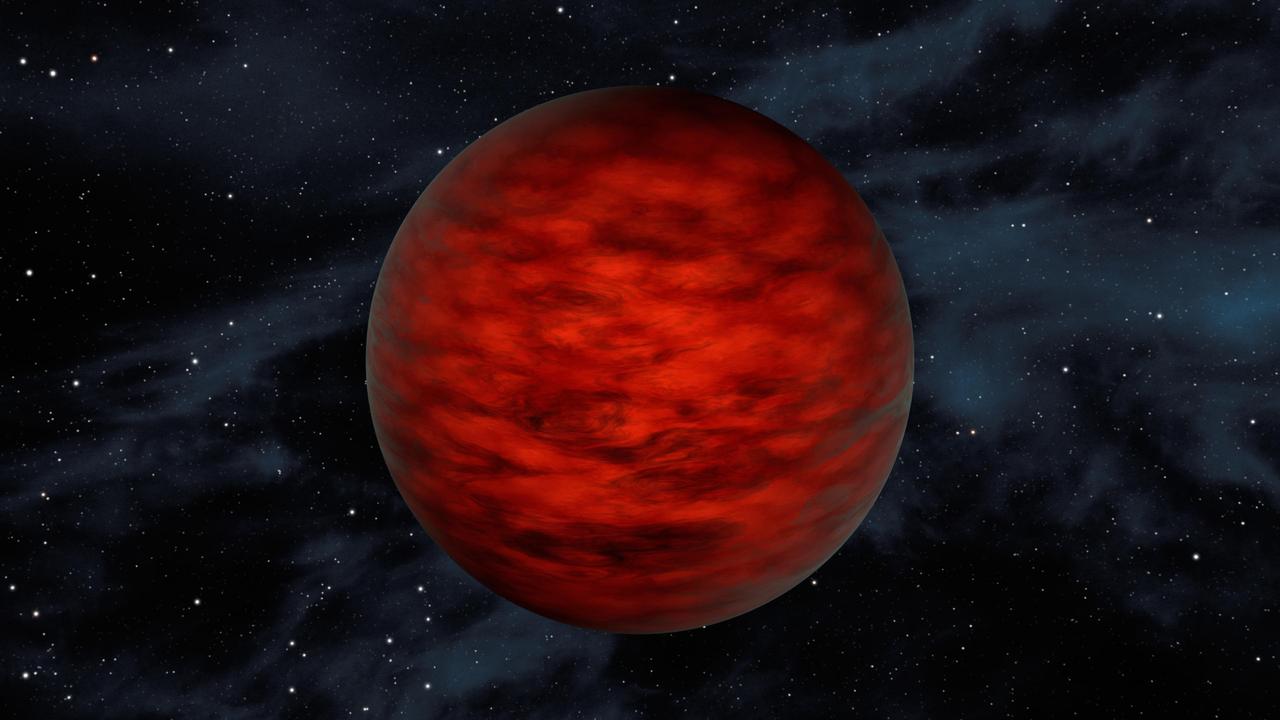
A young, free-floating world sits alone in space in this illustration. The object, called WISEA J114724.10-204021.3, is thought to be an exceptionally low-mass brown dwarf.
Young Brown Dwarf in TW Hydrae Family of Stars Artist Concept
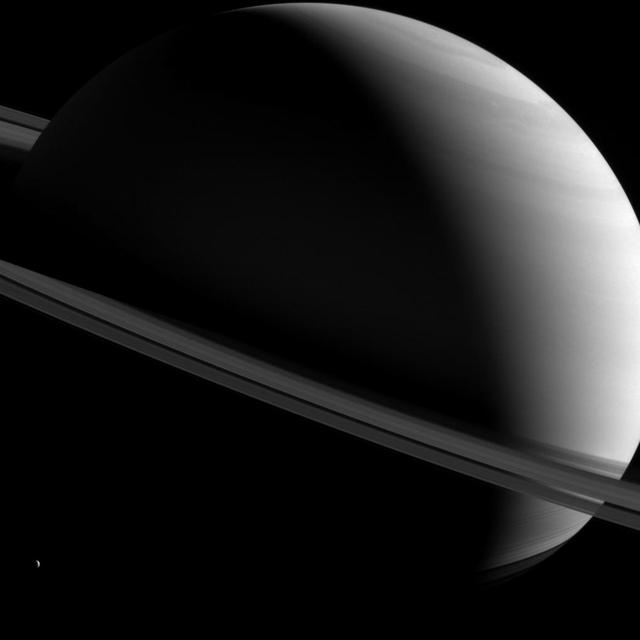
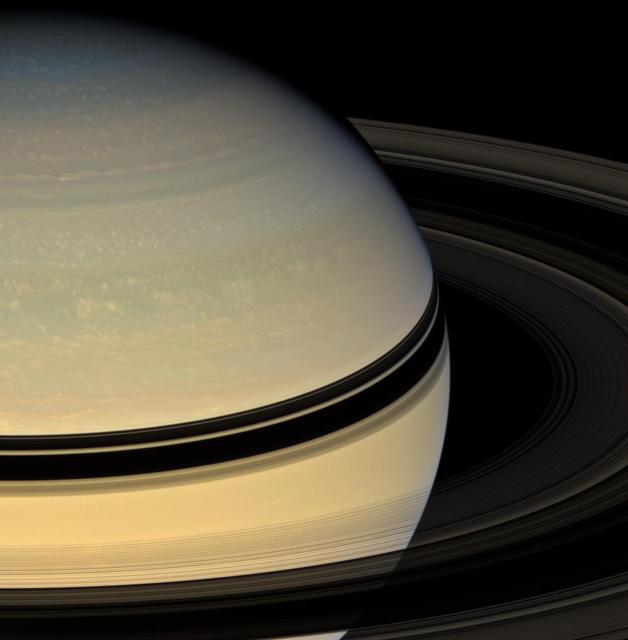
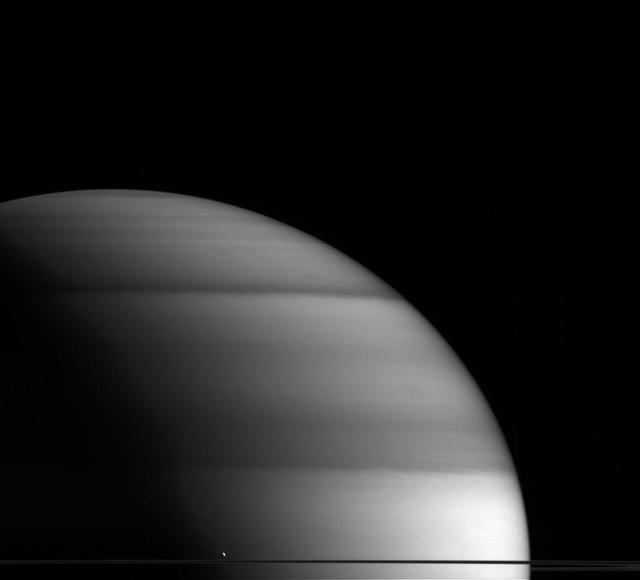
Surely one of the most gorgeous sights the solar system has to offer, Saturn sits enveloped by the full splendor of its stately rings
Blinding Saturn
NASA CloudSat spacecraft sits encapsulated within its Boeing Delta launch vehicle dual payload attach fitting at Vandenberg Air Force Base, Calif.
CloudSat Preps for Launch at Vandenberg Air Force Base, CA
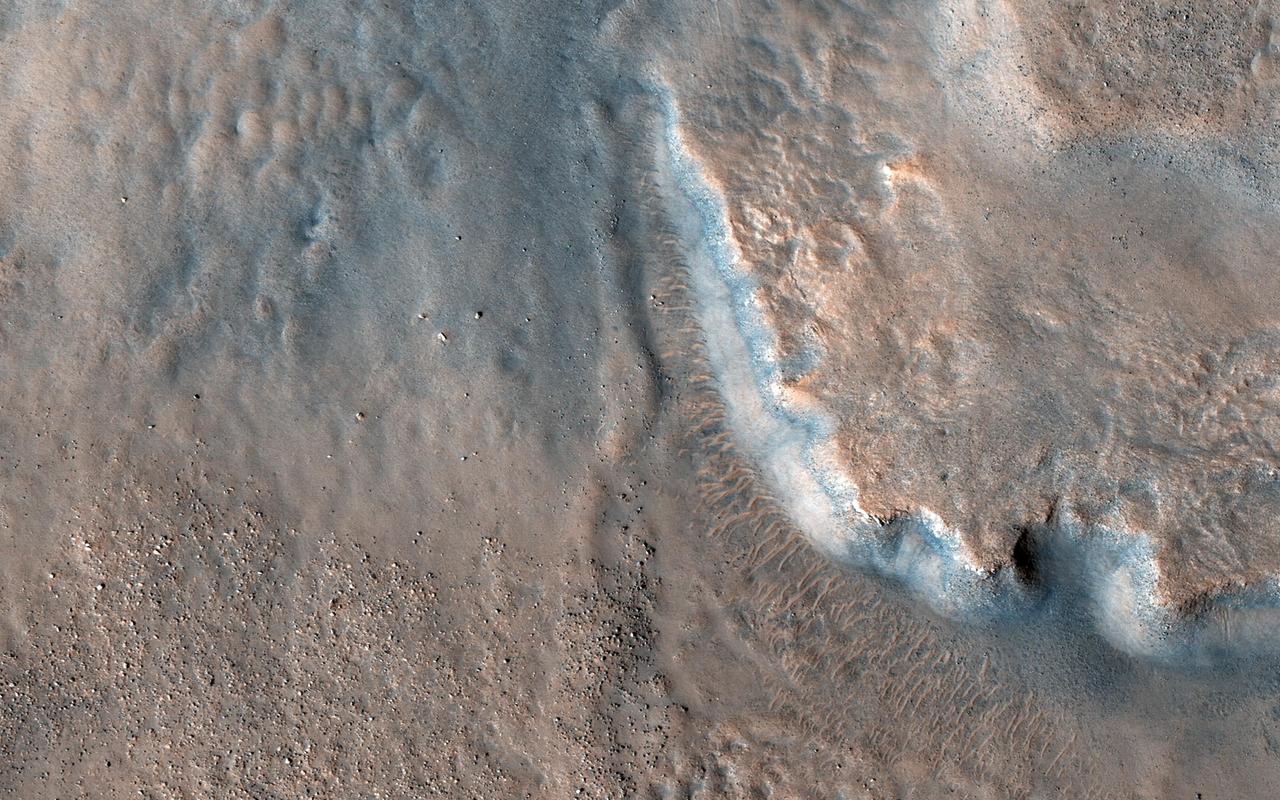
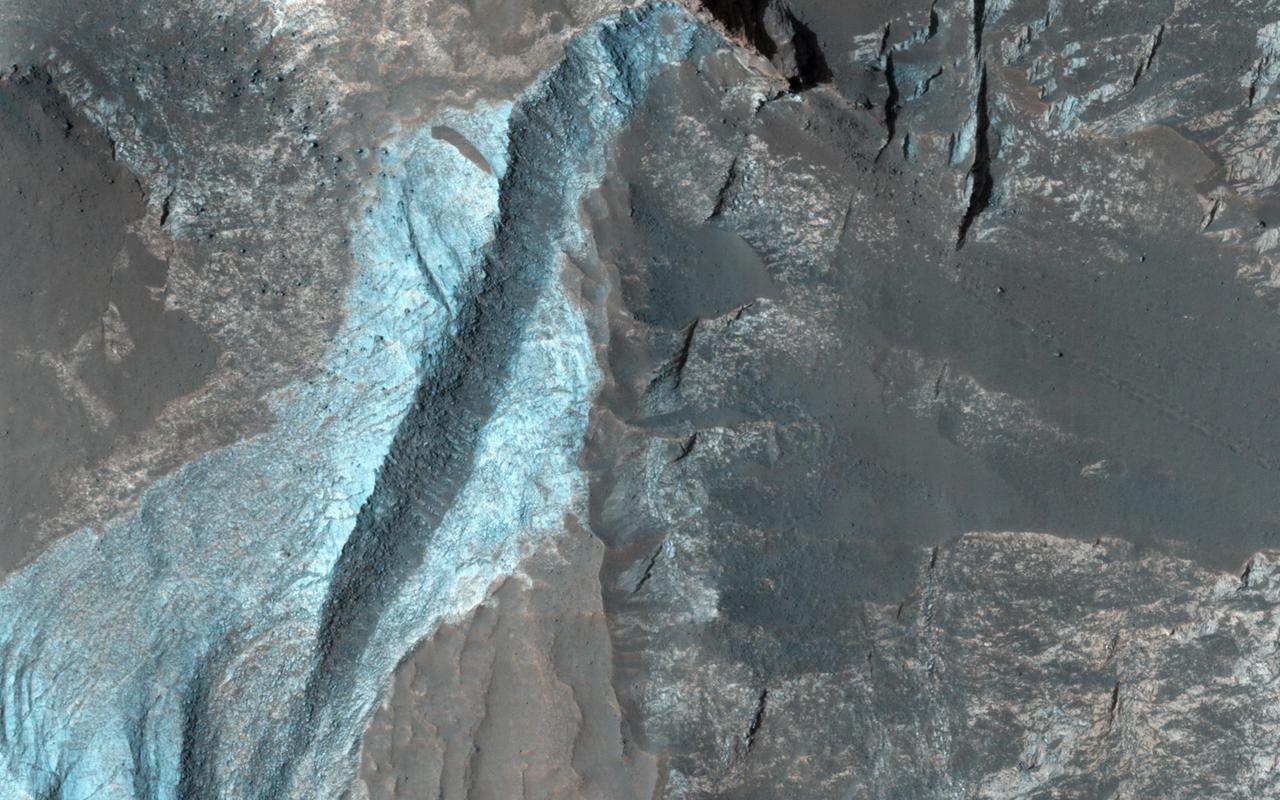
Terby Crater, sitting on the northern rim of Hellas Basin, has been filled by sedimentary deposits, perhaps deposited by or in water, as observed by NASA Mars Reconnaissance Orbiter.
Sedimentary Bedrock Diversity in Terby Crater
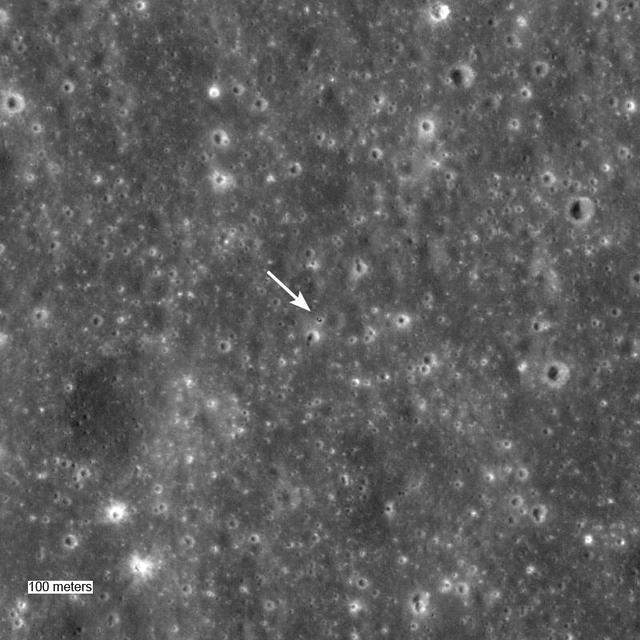
Surveyor 5 sitting in a 10-meter diameter crater. Surveyor 5 landed on Mare Tranquillitatis in September of 1967. This image was taken by NASA Lunar Reconnaissance Orbiter.
Surveyor 5: A Hole-in-One
The water-world Enceladus appears here to sit atop Saturn rings like a drop of dew upon a leaf in this view from NASA Cassini spacecraft.
The Dew Drop of Saturn
One of two Mars Exploration Rovers sits inside its cruise stage waitingto undergo environmental testing at NASA Jet PropulsionLaboratory.
Mars Exploration Rover
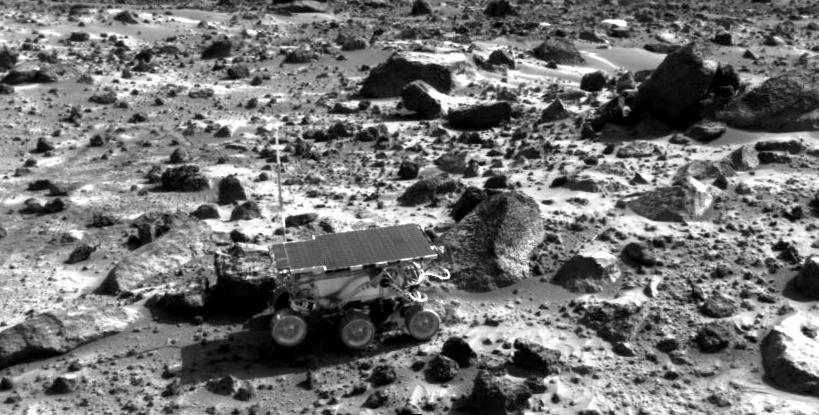
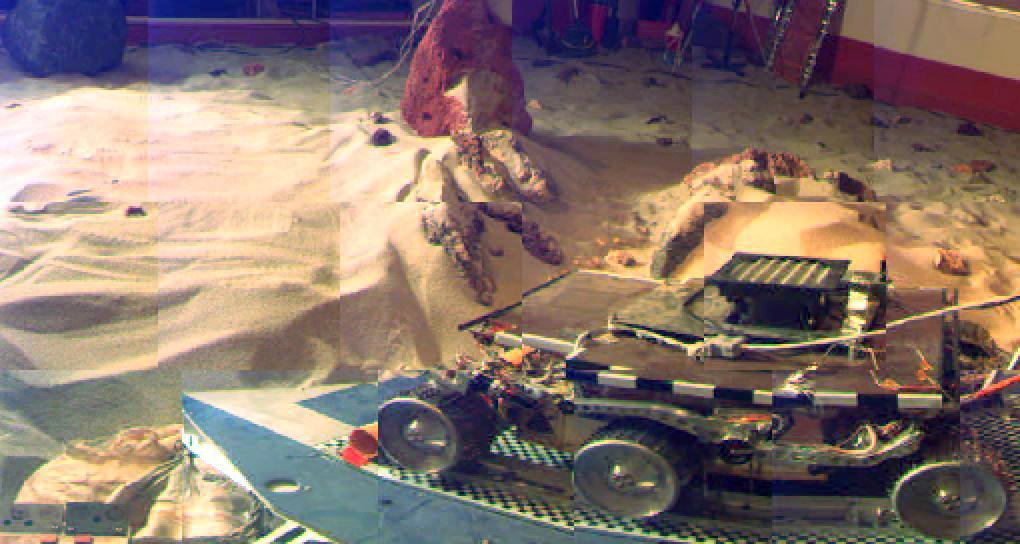
The Mars Pathfinder Rover Sojourner images by the Imager for Mars Pathfinder as it nears the rock "Wedge." Part of the Rock Garden is visible in the upper right of the image.  http://photojournal.jpl.nasa.gov/catalog/PIA04318
Sojourner Sits Near "Rock Garden"
In this image, NASA's 2001 Mars Odyssey spacecraft spies what looks like the letter L, or maybe someone sitting down.  Orbit Number: 51294 Latitude: 40.6933 Longitude: 28.8008 Instrument: IR Captured: 2013-07-07 13:36  https://photojournal.jpl.nasa.gov/catalog/PIA21684
THEMIS Art #126
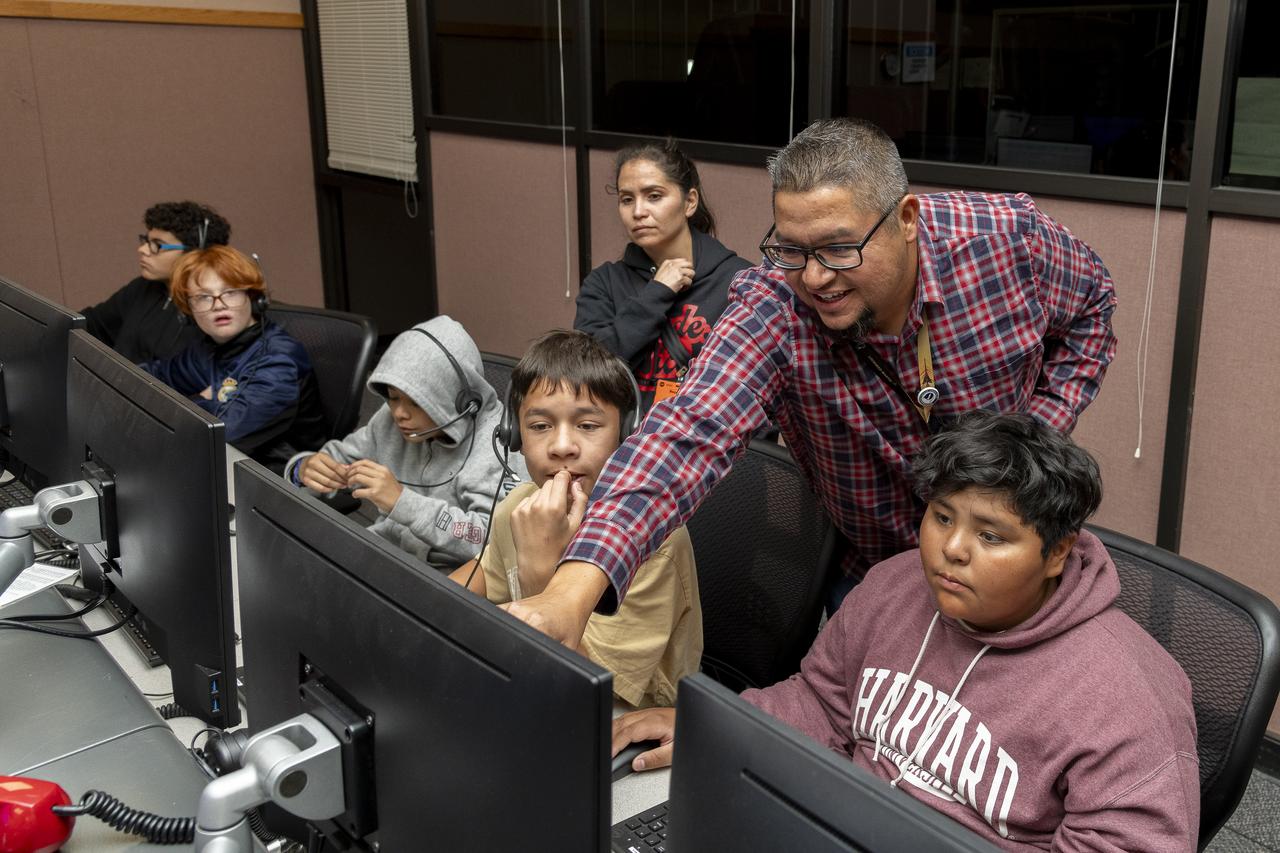
A group of middle school students and their teachers sit in the control room for a hands-on experience at NASA’s Armstrong Flight Research Center in Edwards, California during an event hosted by NASA’s California Office of STEM Engagement for National Aviation History Month.
NASA experts engage with students during National Aviation History Month
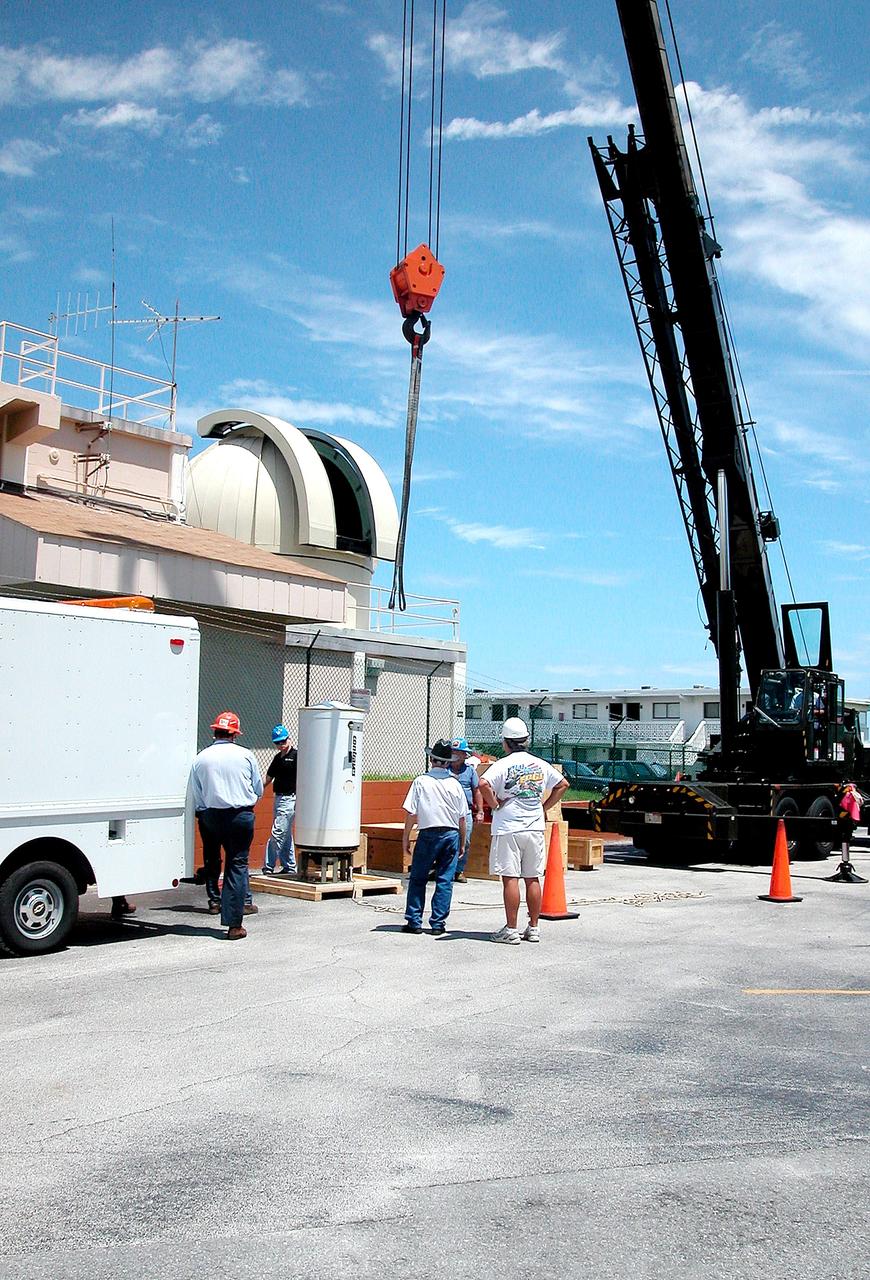
KENNEDY SPACE CENTER, FLA. -  In Cocoa Beach, Fla., a new five-meter telescope sits on a pallet waiting to be lifted up to the dome above and installed.  The tracking telescope is part of the Distant Object Attitude Measurement System (DOAMS) that provides optical support for launches from KSC and Cape Canaveral.
KENNEDY SPACE CENTER, FLA. - In Cocoa Beach, Fla., a new five-meter telescope sits on a pallet waiting to be lifted up to the dome above and installed. The tracking telescope is part of the Distant Object Attitude Measurement System (DOAMS) that provides optical support for launches from KSC and Cape Canaveral.
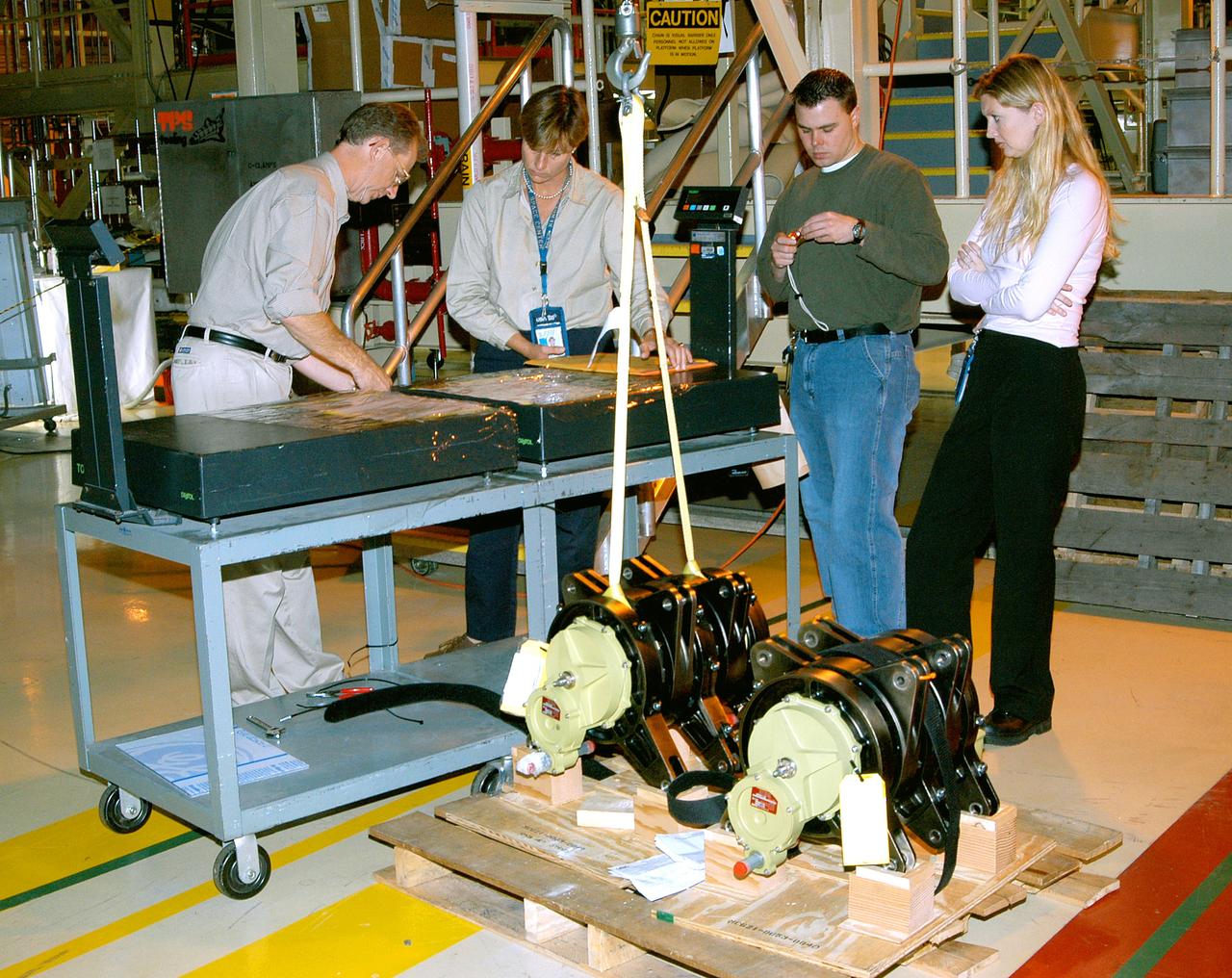
KENNEDY SPACE CENTER, FLA. -  Workers in the Orbiter Processing Facility get ready to measure the alignment of the bearings on the rudder speed brake actuators sitting on the floor in the foreground.  The actuators move an orbiter’s rudder, speed brake, elevons and main engines during flight.
KENNEDY SPACE CENTER, FLA. - Workers in the Orbiter Processing Facility get ready to measure the alignment of the bearings on the rudder speed brake actuators sitting on the floor in the foreground. The actuators move an orbiter’s rudder, speed brake, elevons and main engines during flight.
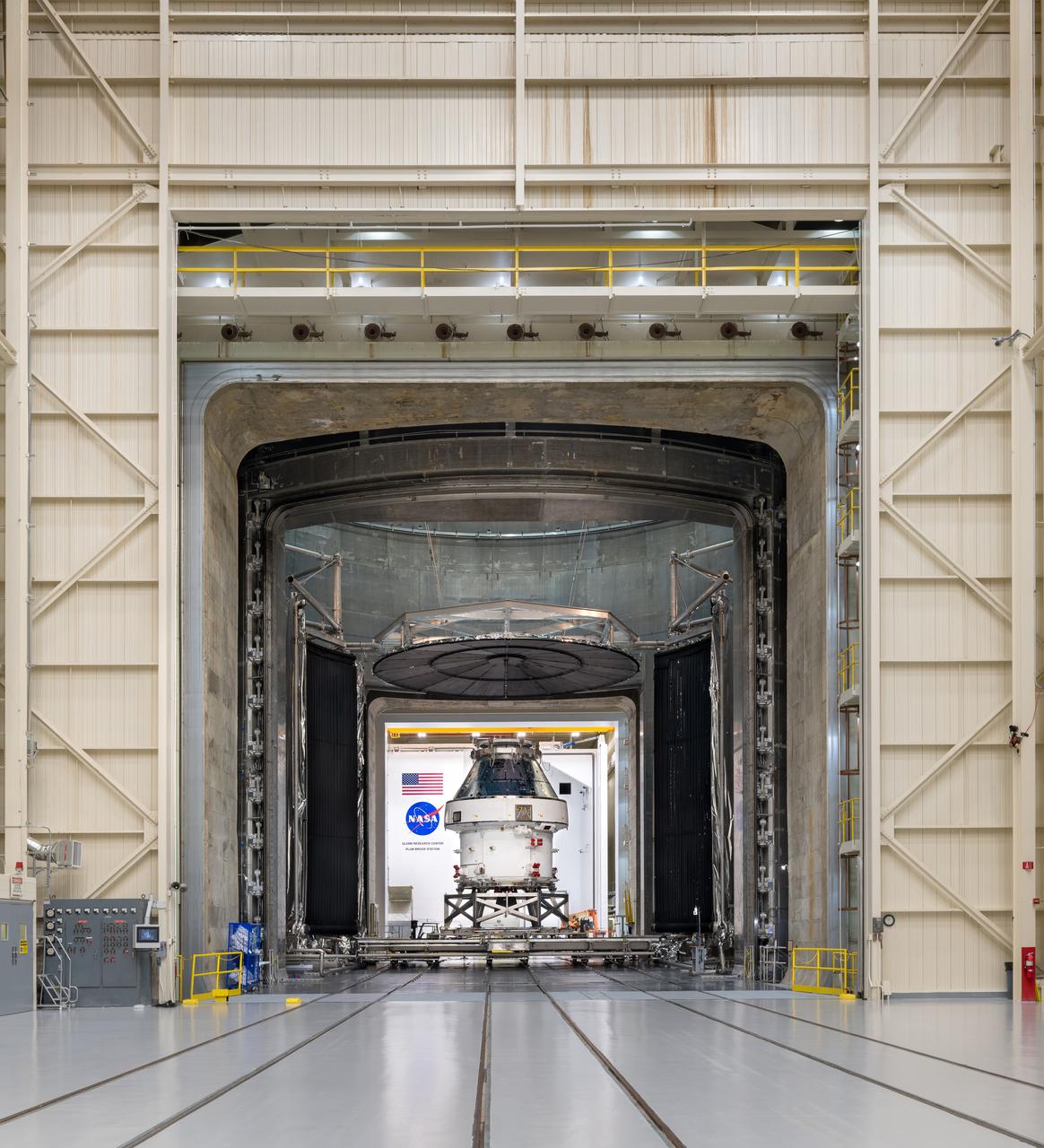
The Orion spacecraft for the Artemis I Mission, consisting of the crew module and European-built service module, sits in the NASA Glenn Research Center, Plum Brook Station, Space Environments Complex, SEC, Thermal Vacuum Chamber after more than three months of testing where it was subjected to the extreme temperatures and electromagnetic environment it will experience in the vacuum of space during Artemis missions.    Orion is a key component of Artemis I, an uncrewed test flight around the Moon that will land the first woman and next man on the lunar surface by 2024.
Orion spacecraft for the Artemis I Mission, consisting of the crew module and European-built service module, sits in the NASA Glenn Research Center, Plum Brook Station, Space Environments Complex, SEC, Thermal Vacuum Chamber
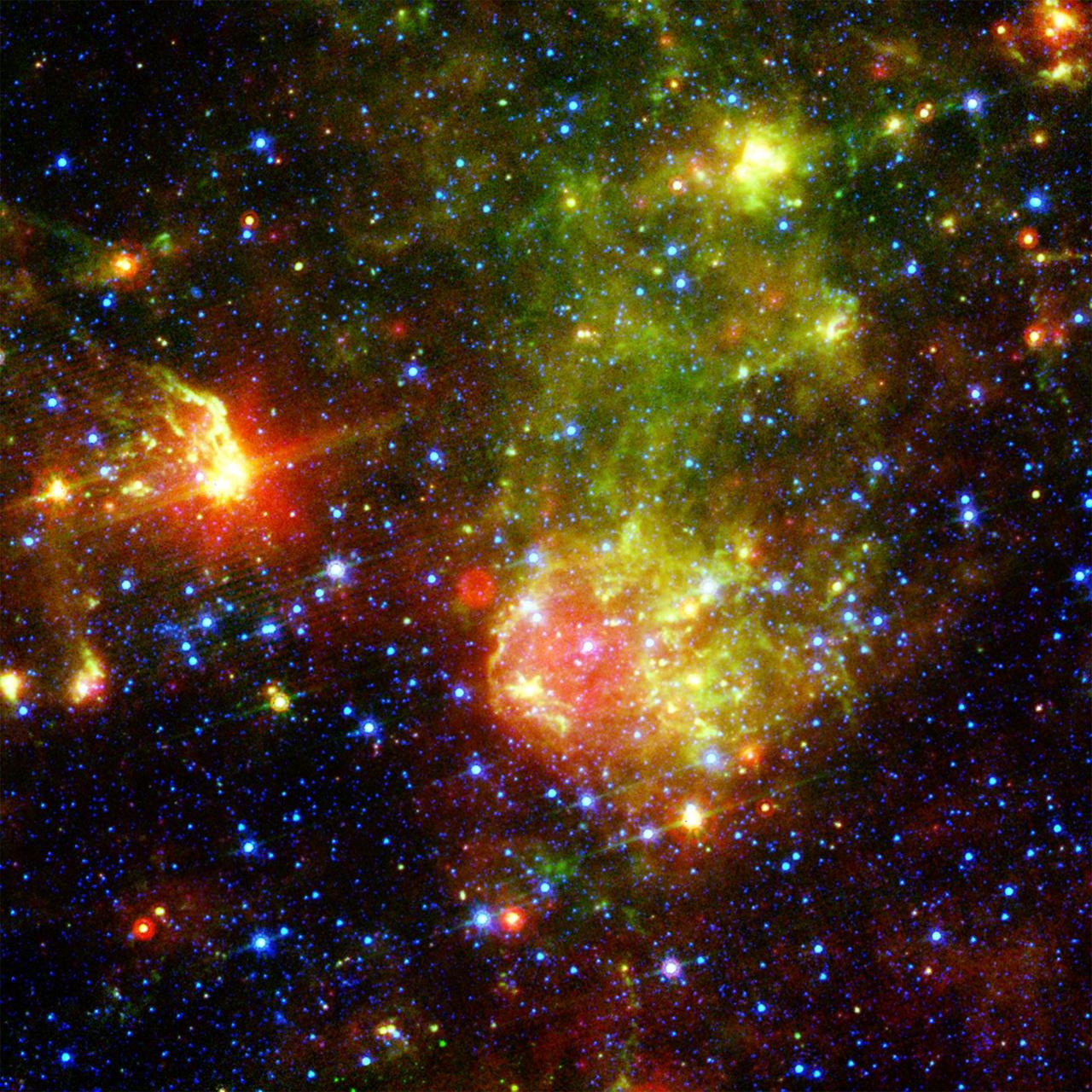
NASA Spitzer Space Telescope shows the supernova remnant 1E0102.2-7219 sits next to the nebula N76 in a bright, star-forming region of the Small Magellanic Cloud, a satellite galaxy to our Milky Way galaxy.
Dusty Death of a Massive Star
This image from NASA Dawn spacecraft shows the western rim of Azacca Crater on Ceres. A smaller impact feature sits on its flank. Of particular interest in this scene is the great number of small, bright spots, in the southern part of the image.
Dawn LAMO Image 90
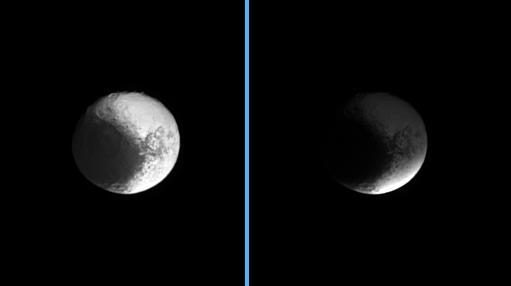
Darkness sweeps over Iapetus as the Cassini spacecraft watches the shadow of Saturn B ring engulf the dichotomous moon. The image at left shows the unshaded moon, while at right, Iapetus sits in the shadow of the densest of Saturn rings
Cloaking Iapetus
The Flame Nebula sits on the eastern hip of Orion the Hunter, a constellation most easily visible in the northern hemisphere during winter evenings in this view from NASA WISE Telescope.
A Different View of the Flame Nebula
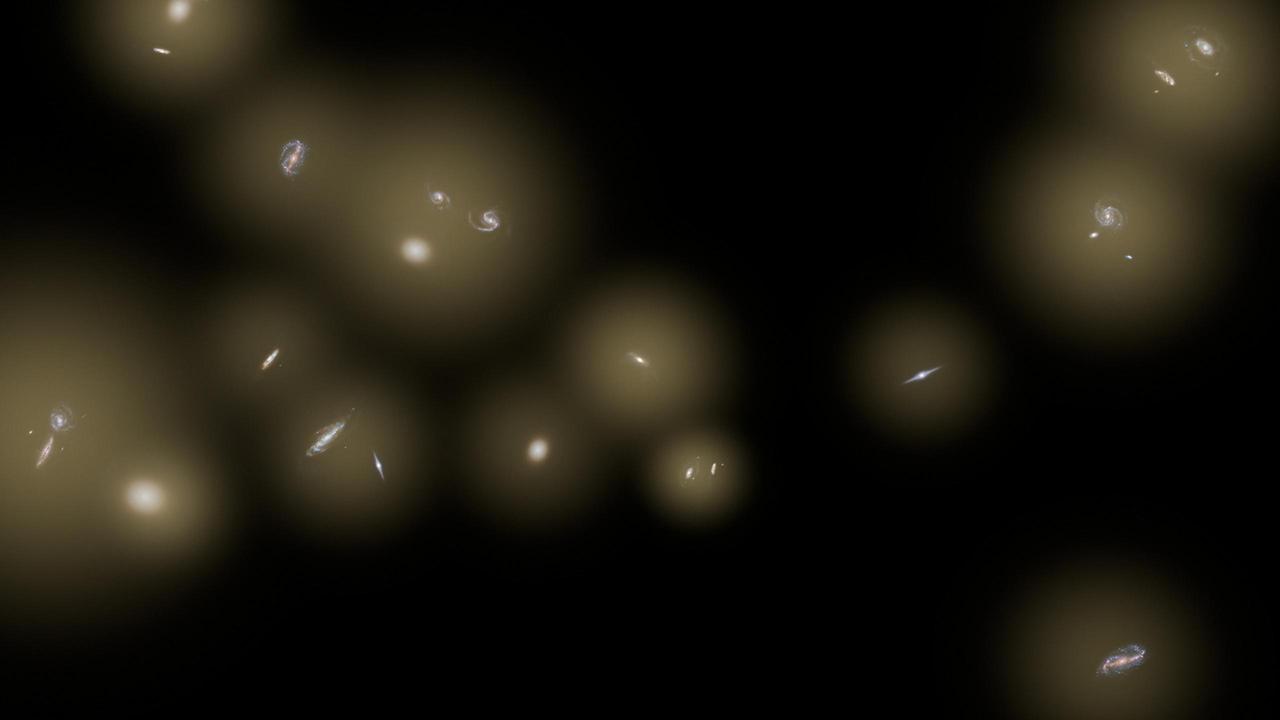
This artist concept shows a view of a number of galaxies sitting in huge halos of stars. The stars are too distant to be seen individually and instead are seen as a diffuse glow, colored yellow in this illustration.
Stray Stars Scattered in Space Artist Concept
Do you see what I see in this image from NASA Mars Odyssey spacecraft? There is a mickey mouse hat sitting on the top right side of this daytime infrared image.
THEMIS Art #112
The ringed planet sits in repose, the center of its own macrocosm of many rings and moons and one artificial NASA satellite named Cassini. Mimas 397 kilometers, or 247 miles across is visible at upper left.
Perspective on Saturn
Stately Saturn sits surrounded by its darkened disk of ice. An increasing range of hues has become visible in the northern hemisphere as spring approaches and the ring shadows slide southward
Revealing Saturn Colors
The twin rovers sit side-by-side in different stages of deployment. NASA Rover 2 left front wheels are stowed, while NASA Rover 1 front wheels are deployed.
2 Stages of Deployment
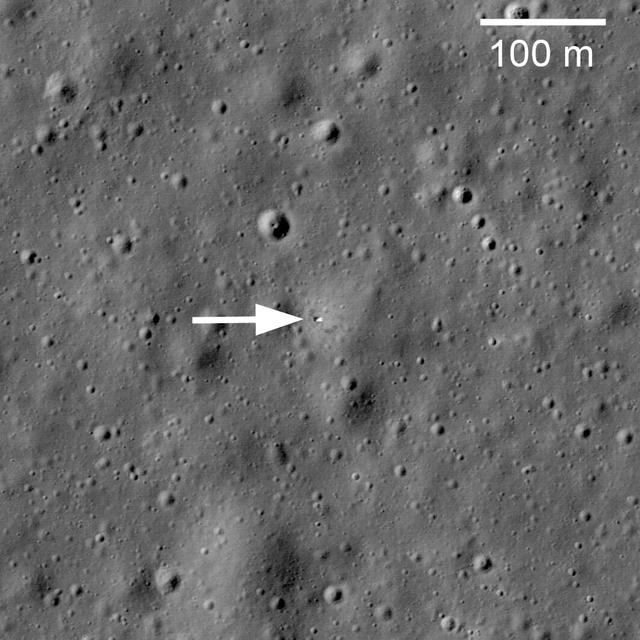
This image taken by NASA Lunar Reconnaissance Orbiter shows Soviet robotic lander Luna 17 still sitting on Mare Imbrium where it delivered the Lunokhod 1 Rover in November 1970.
Soviet Union Lunar Rovers
Gripped in the claw of the constellation Scorpius sits the reflection nebula DG 129, a cloud of gas and dust that reflects light from nearby, bright stars. This infrared view of the nebula was captured by NASA Wide-field Infrared Survey Explorer.
In the Grip of the Scorpion Claw
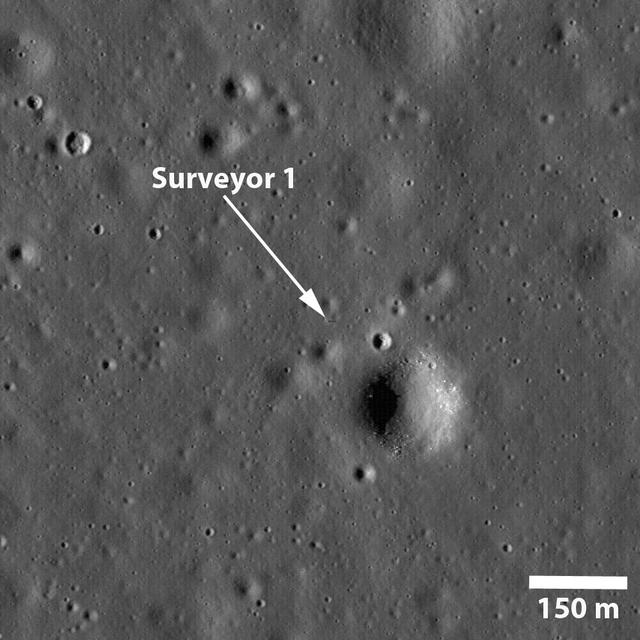
NASA Surveyor 1 spacecraft sitting silently on Oceanus Procellarum, the first US spacecraft to land on another planet on June 2, 1966 in this image taken by NASA Lunar Reconnaissance Orbiter.
Surveyor 1 -- America First Soft Lunar Landing
NASA Cassini spacecraft captured this image of Saturn as it views the planet and its expansive rings from all sorts of angles. Here, a half-lit Saturn sits askew as tiny Dione looks on from lower left.
Saturn Askew
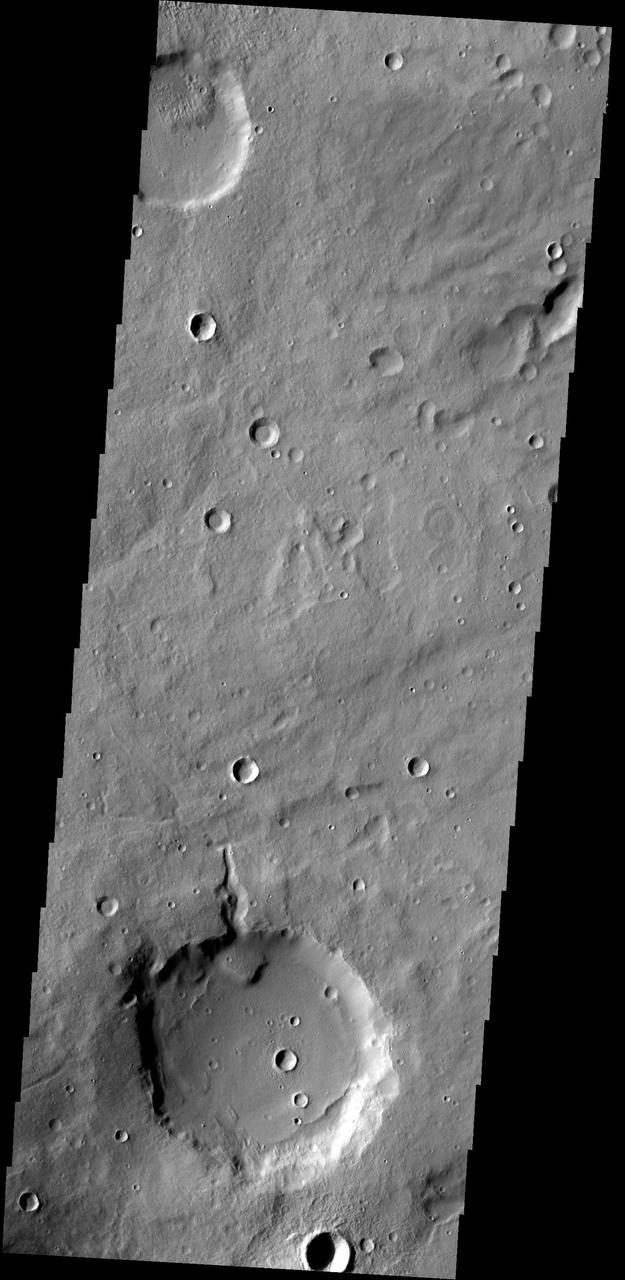
A delta deposit sits on the floor of this unnamed crater in Arabia Terra, as shown in this image from NASA 2001 Mars Odyssey spacecraft. The channel that created the delta dissects the crater rim.
Crater Delta
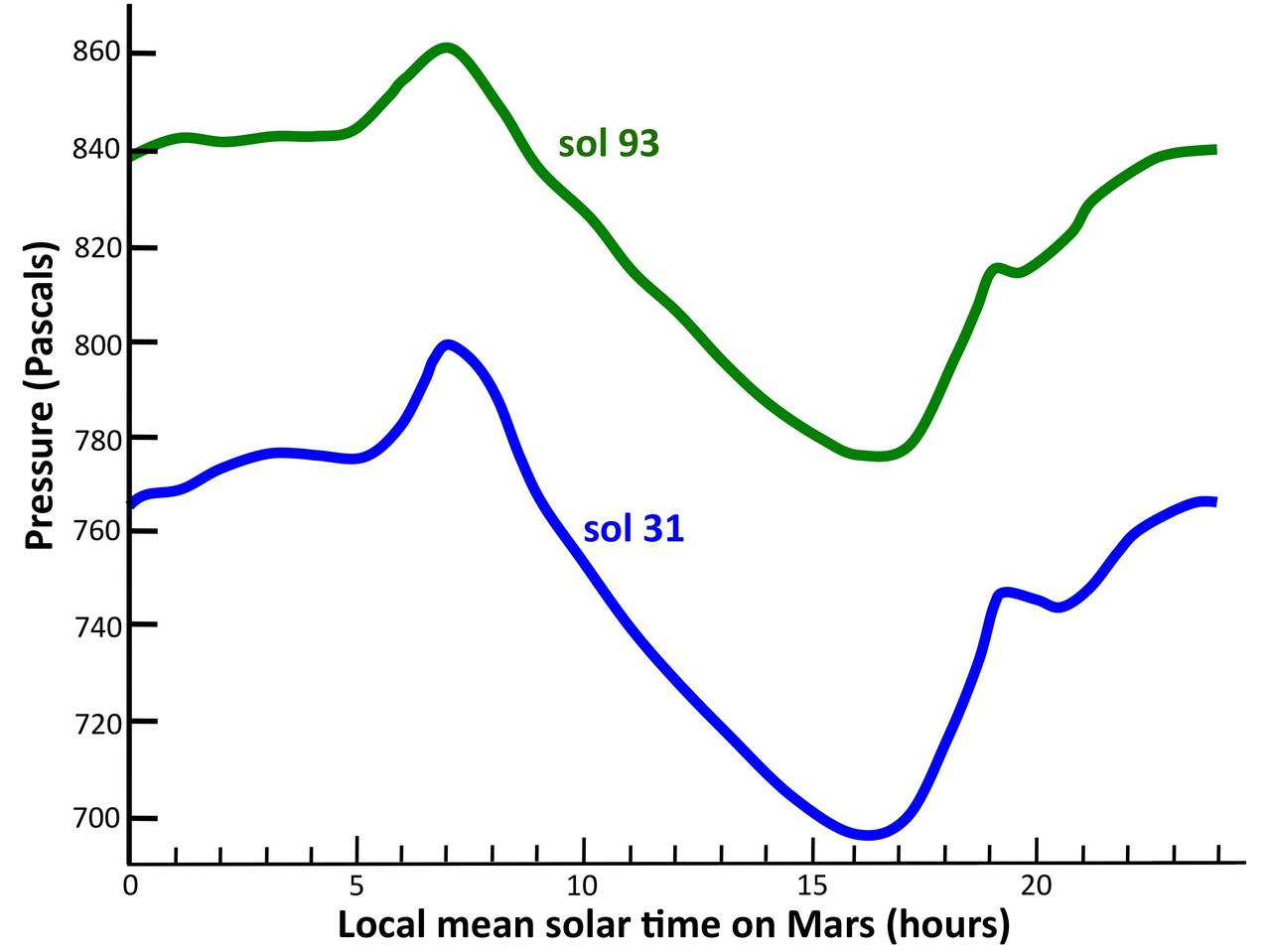
This graph shows the atmospheric pressure at the surface of Mars, as measured by the Rover Environmental Monitoring Station on NASA Curiosity rover. Pressure is a measure of the amount of air in the whole column of atmosphere sitting above the rover.
Pressure Cycles on Mars
Marie Curie sits on the lander petal prior to deployment during the pre-launch Operations Readiness Test ORT 6. NASA Pathfinder, a low-cost Discovery mission, is the first of a new fleet of spacecraft that are planned to explore Mars.
Marie
NASA’s X-59 quiet supersonic research aircraft sits in a run stall during sunrise on Tuesday, March 20, 2026, near NASA’s Armstrong Flight Research Center in Edwards, California, ahead of its second flight.
NASA’s X-59 at Sunrise
NASA’s X-59 quiet supersonic research aircraft sits in a run stall during sunrise on Tuesday, March 20, 2026, near NASA’s Armstrong Flight Research Center in Edwards, California, ahead of its second flight.
NASA’s X-59 at Sunrise
NASA’s X-59 quiet supersonic research aircraft sits in a run stall during sunrise on Tuesday, March 20, 2026, near NASA’s Armstrong Flight Research Center in Edwards, California, ahead of its second flight.
NASA’s X-59 at Sunrise
OSAM-1 spacecraft sits, almost completely assembled, in the cleanroom during integration at Goddard Space Flight Center, Greenbelt Md., Aug 28, 2024. This photo has been reviewed by Maxar, OSAM-1 project management, and the Export Control Office and is released for public view. NASA/Mike Guinto
GSFC_20240828_OSAM1_054511
This image acquired by NASA's Mars Reconnaissance Orbiter on April 29, 2018, shows an impact crater approximately 23 kilometers across is home to fan-shaped deposits that extend from the rim and sit on the interior crater floor.  Thick beds with varying tone are exposed along the edge of the fan. Shallow valleys that carve into the smooth upland surfaces outside of the crater may provide clues regarding the formation of the deposits. Many boulder-sized blocks sit on the interior crater floor beyond the toe (distal edge) of the deposits.  This fan-hosting crater is located near the boundary between Tempe Terra and Acidalia Planitia in the Northern Hemisphere of Mars.   More information is available at https://photojournal.jpl.nasa.gov/catalog/PIA22592
Fans and Valleys
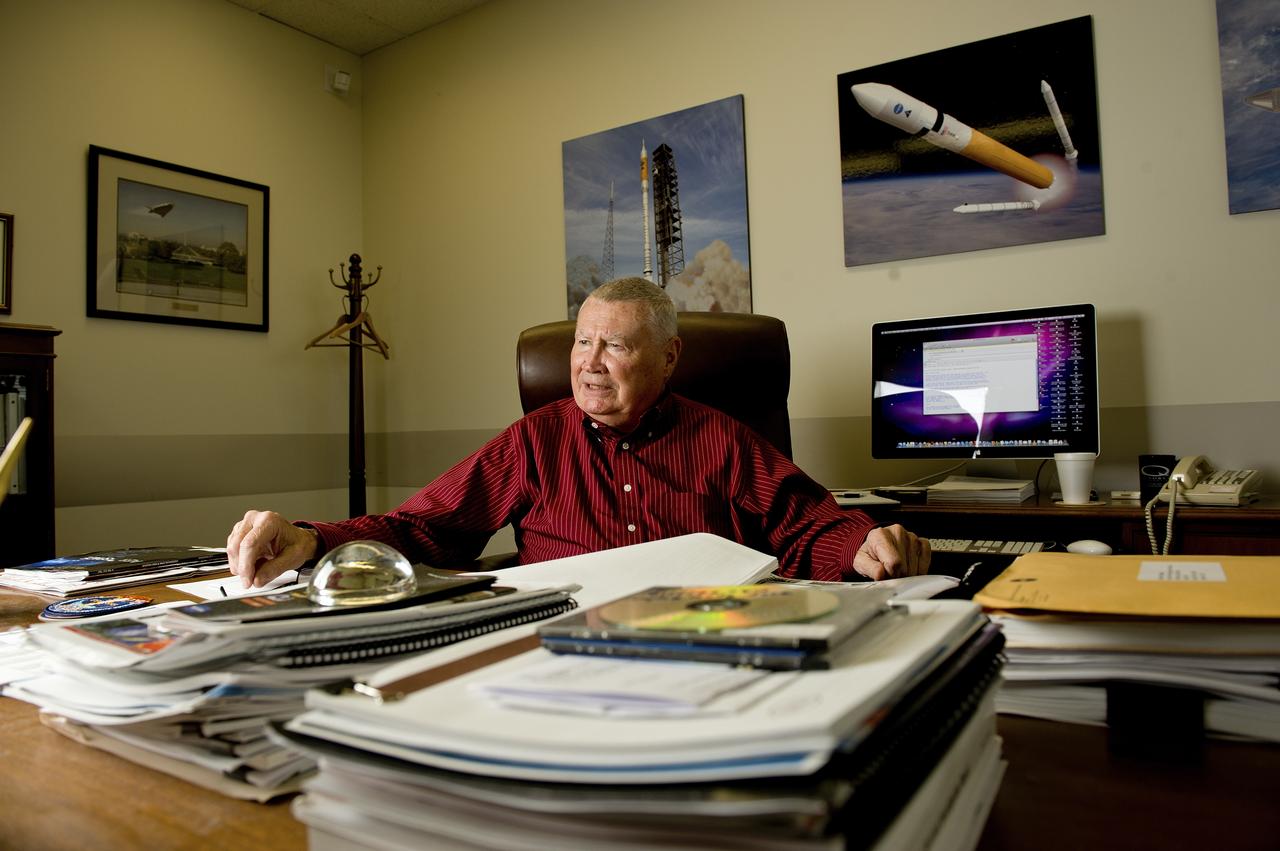
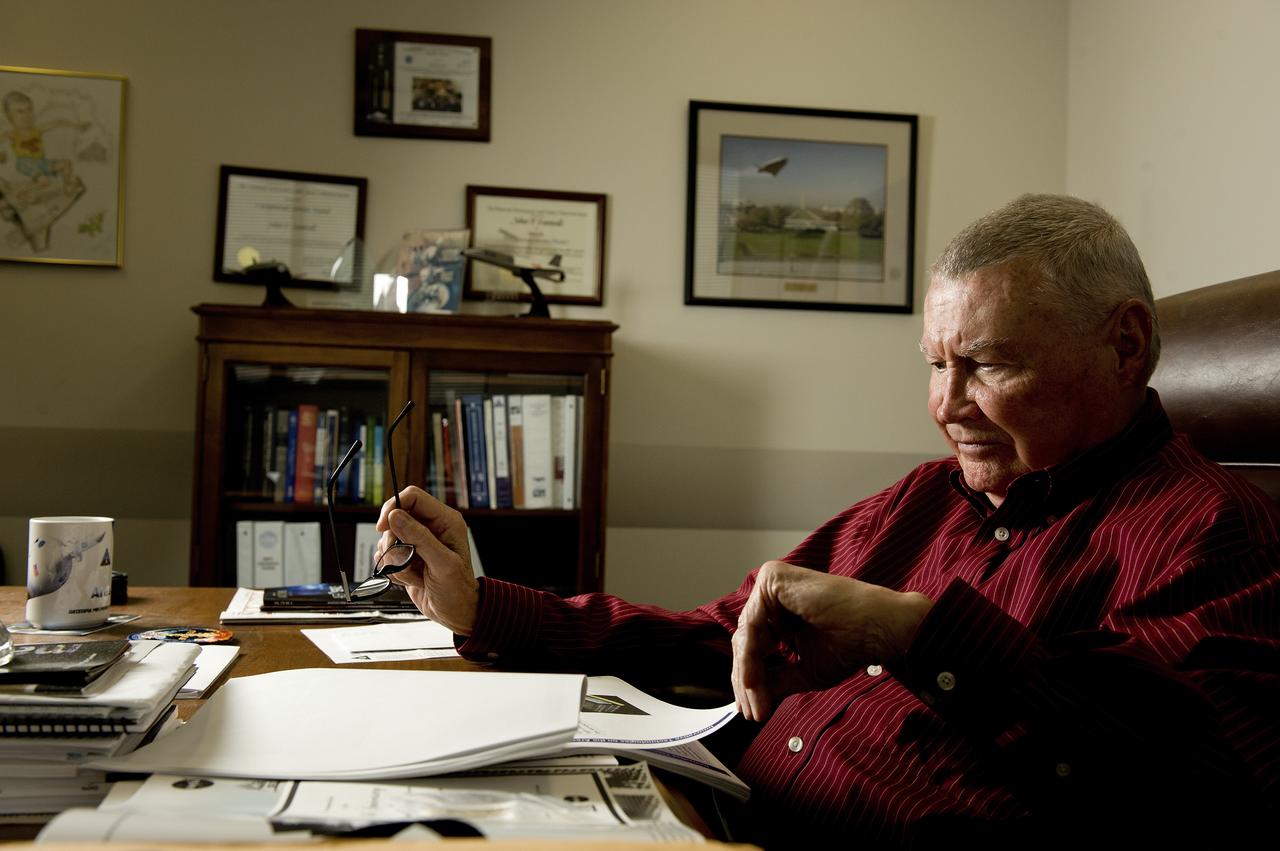
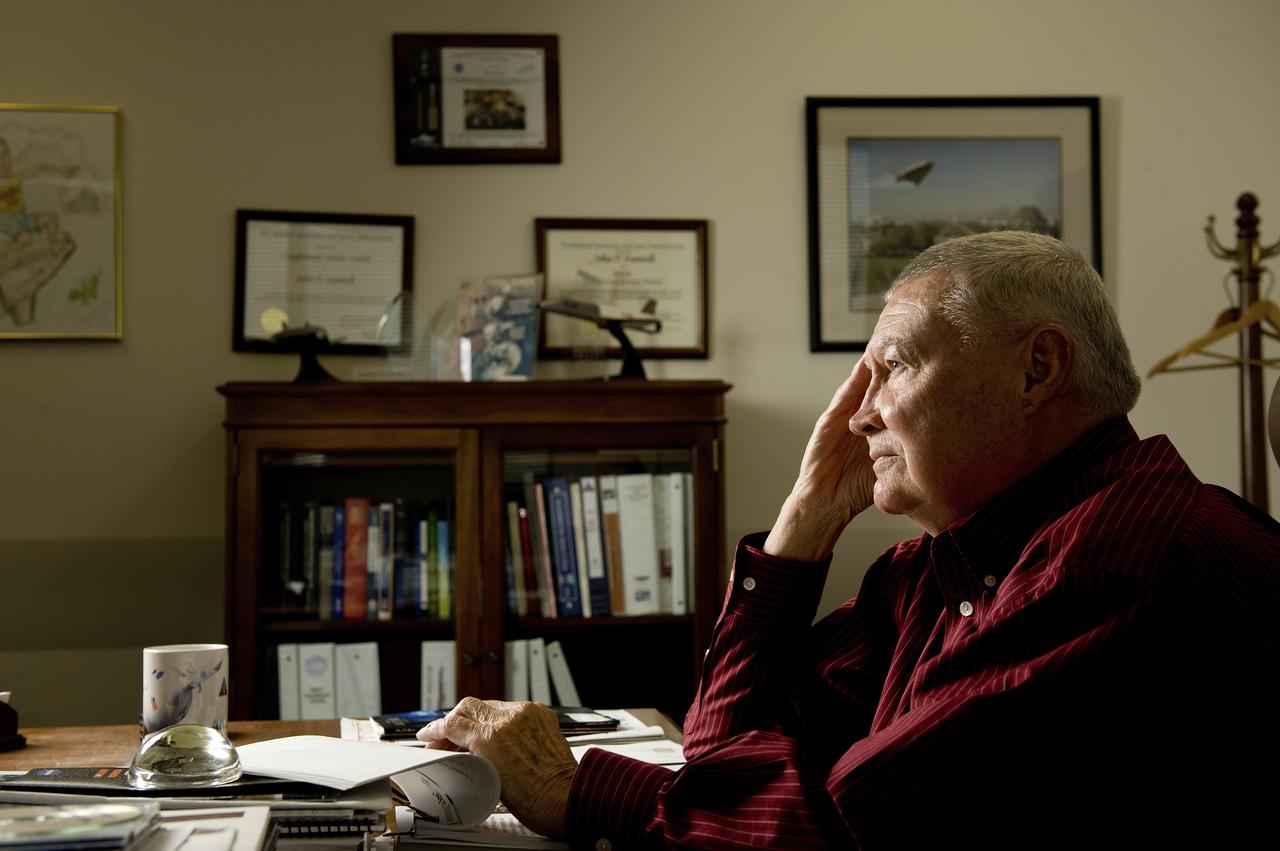
PHIL SUMRALL SITS AT HIS DESK IN BUILDING 4203
1100303
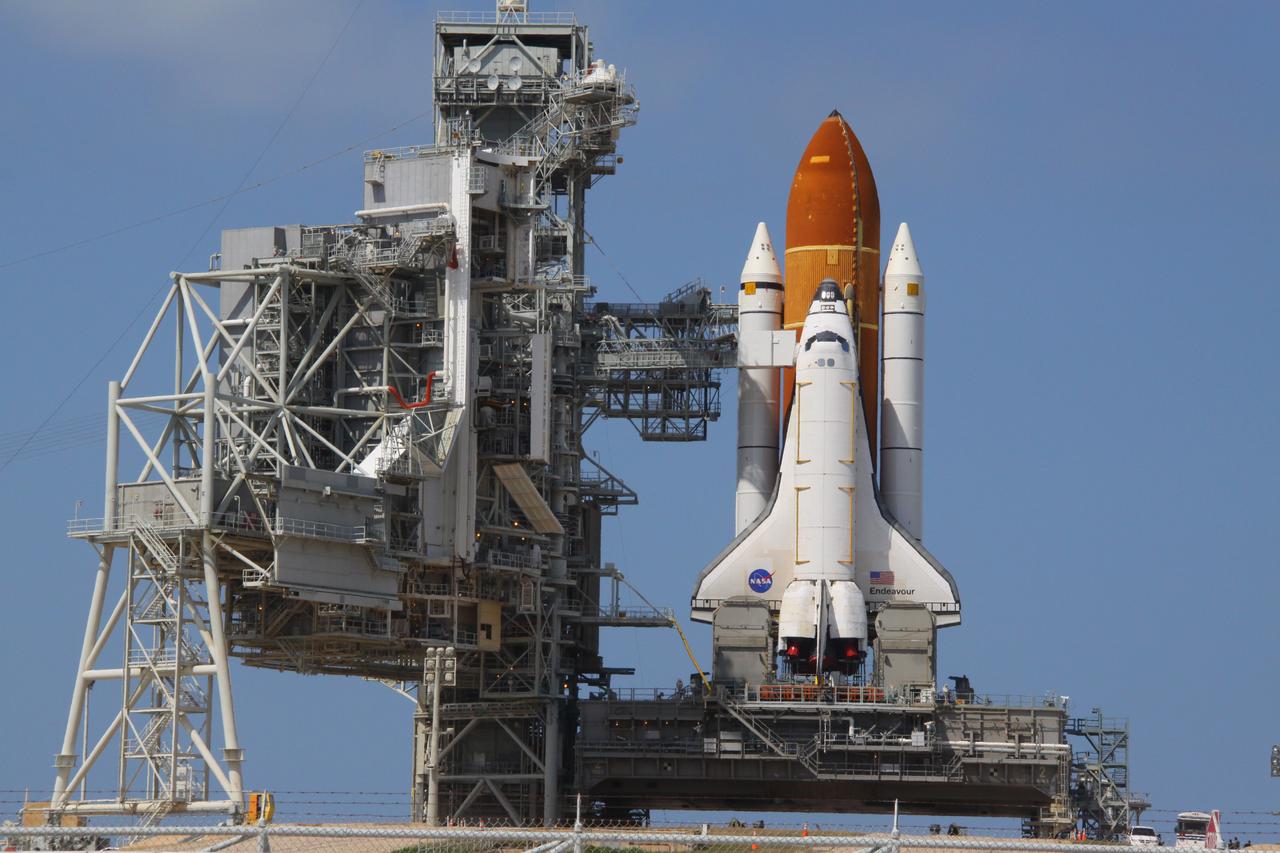
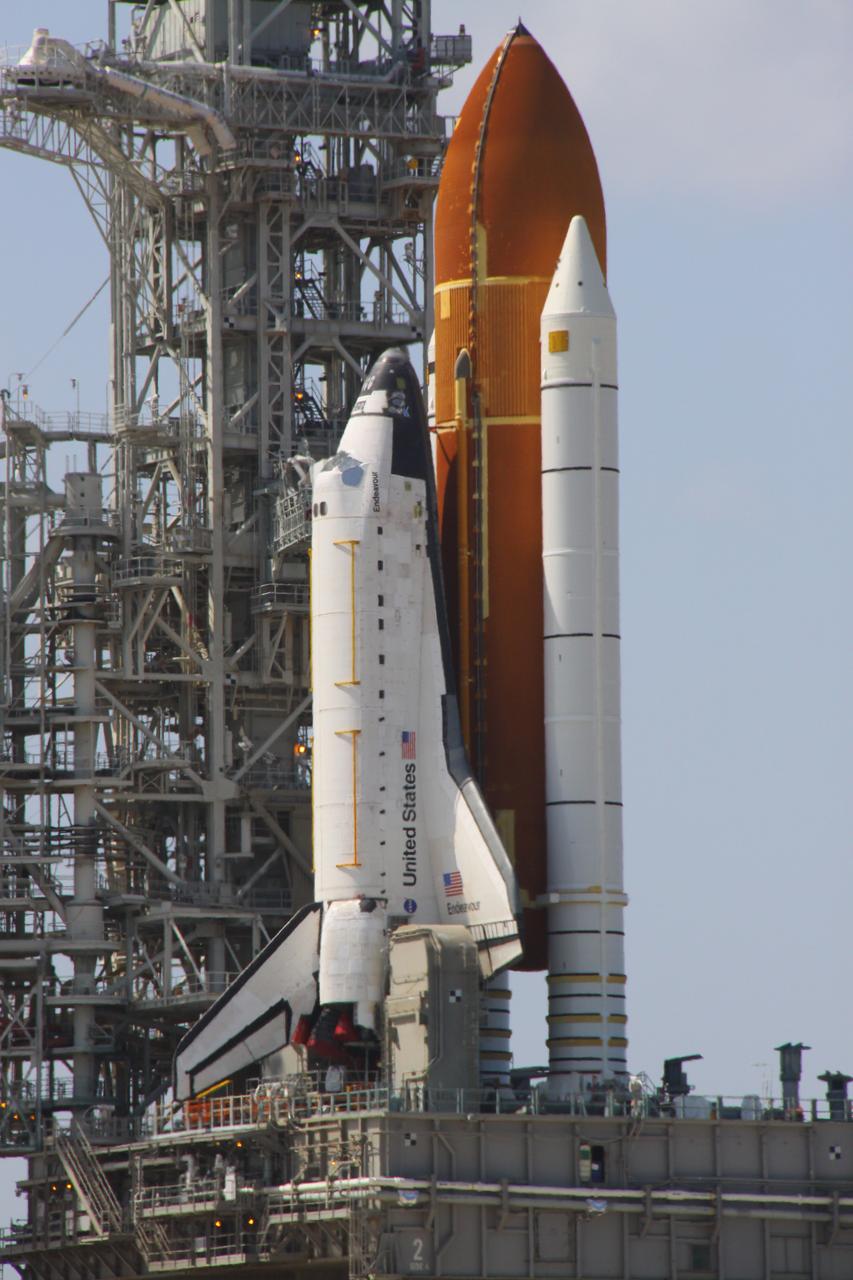
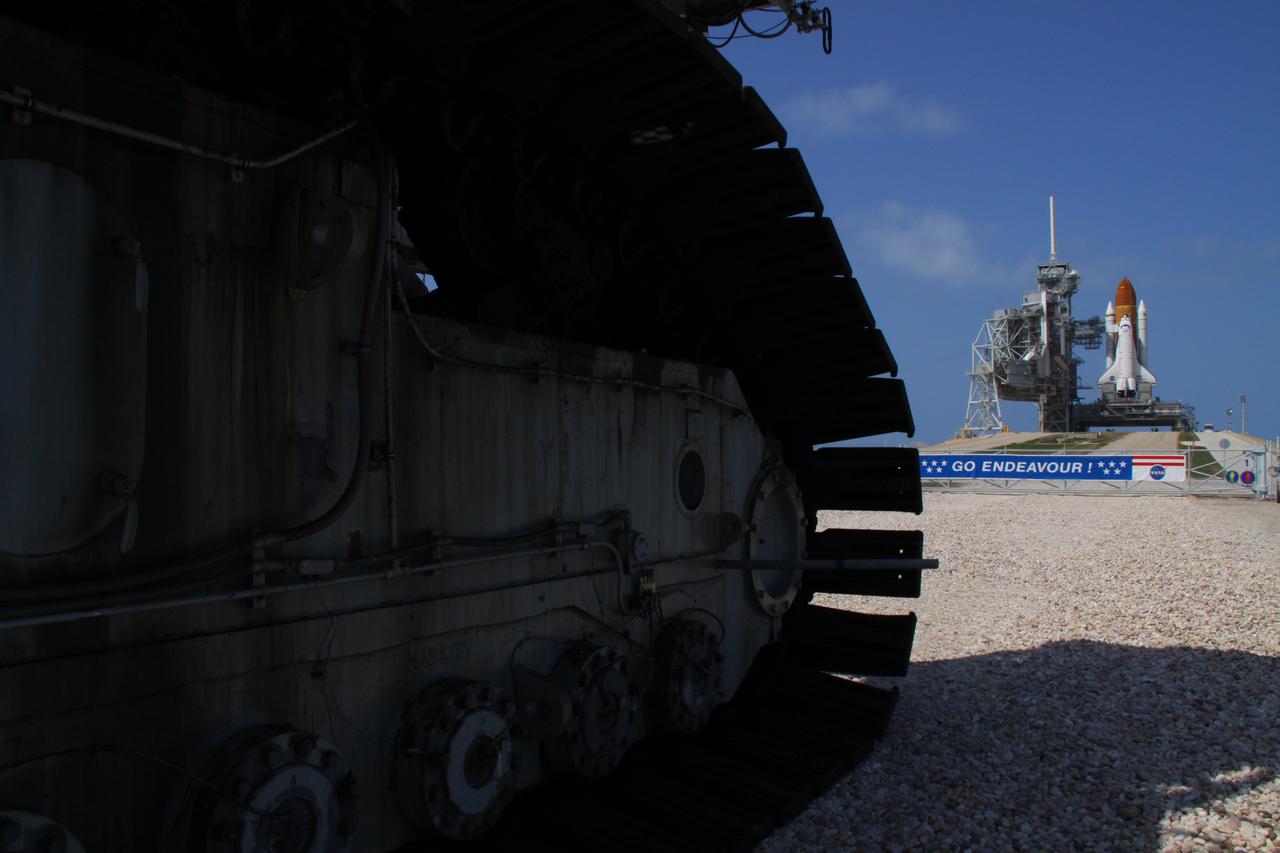
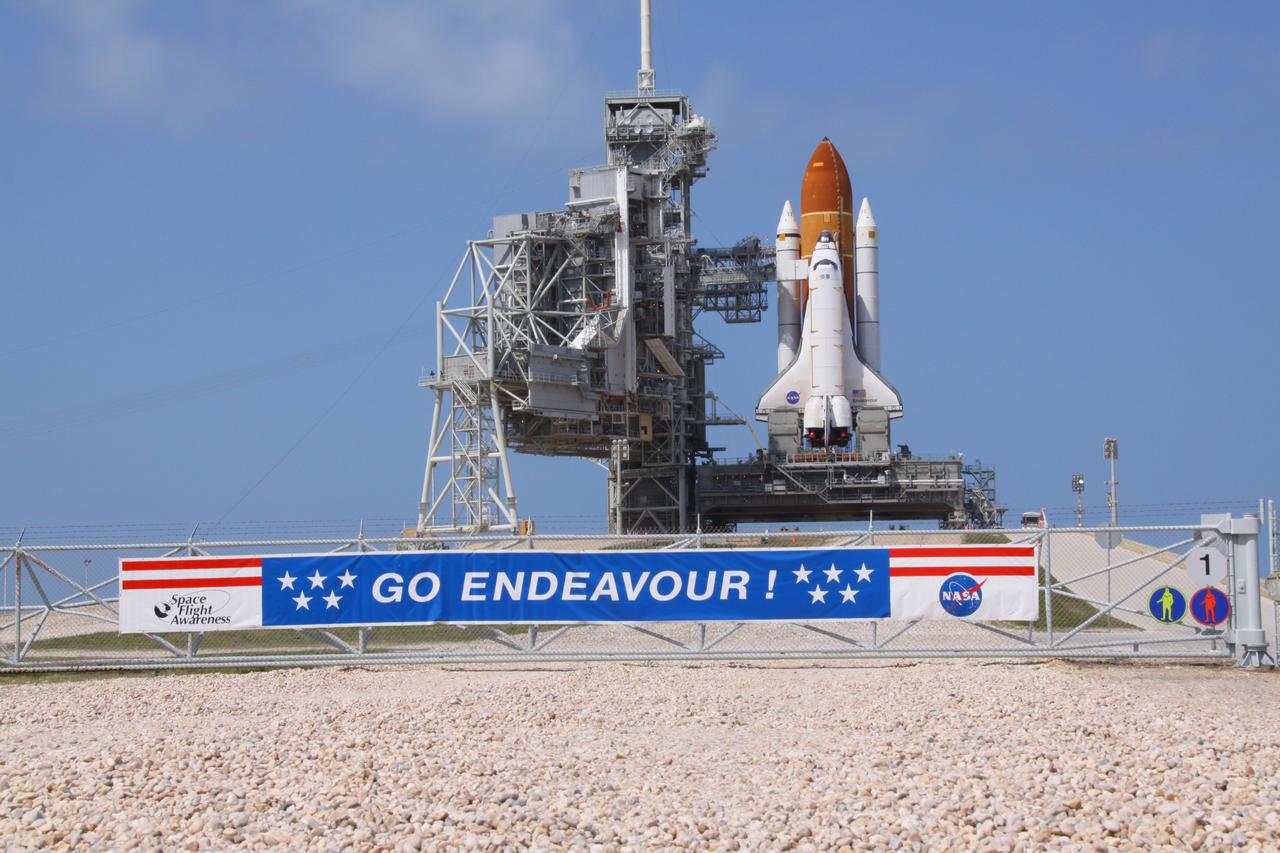
STS-134 Endeavour Sitting on Launch Pad 39A
2011-2405
STS-134 Endeavour Sitting on Launch Pad 39A
2011-2403
PHIL SUMRALL SITS AT HIS DESK IN BUILDING 4203
1100301
PHIL SUMRALL SITS AT HIS DESK IN BUILDING 4203
1100305
STS-134 Endeavour Sitting on Launch Pad 39A
2011-2404
STS-134 Endeavour Sitting on Launch Pad 39A
2011-2402
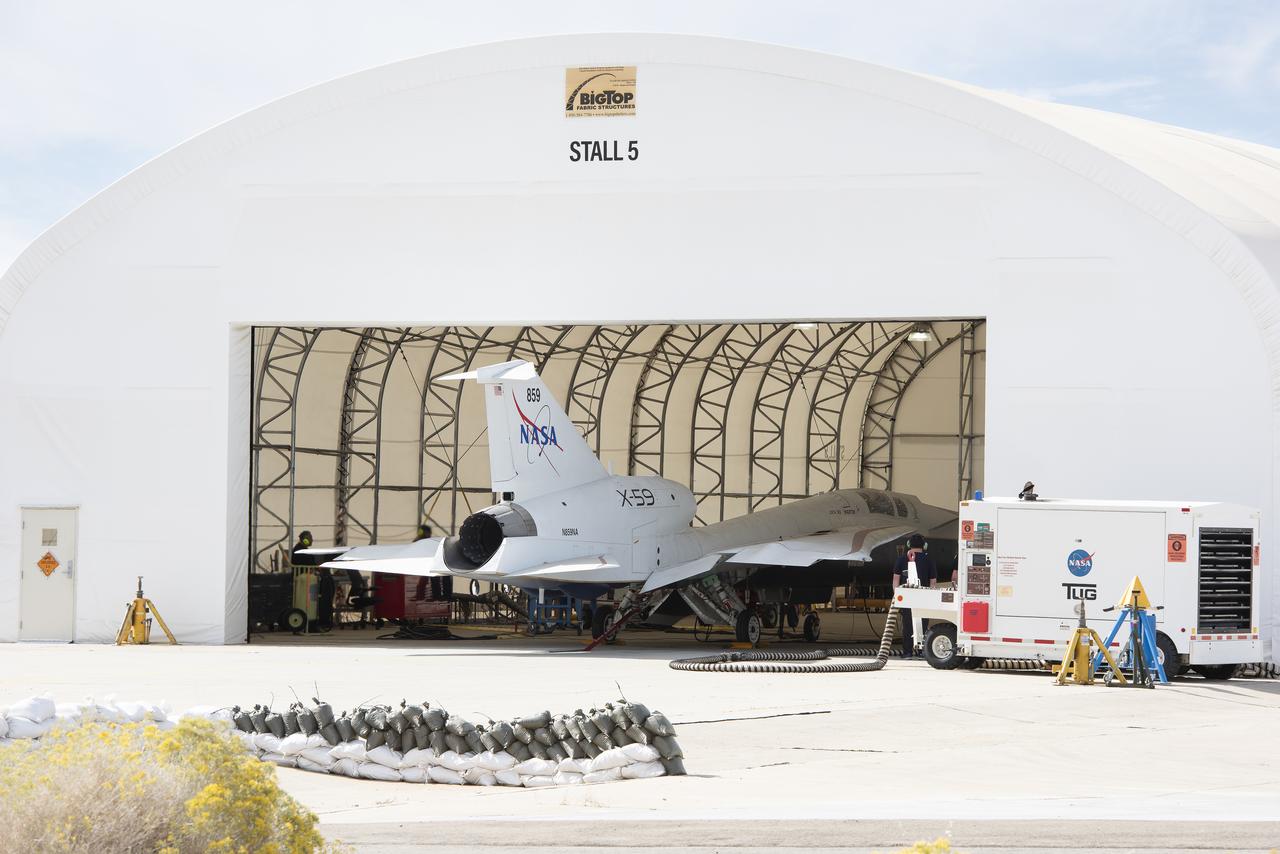
NASA’s X-59 quiet supersonic research aircraft sits in its run stall at Lockheed Martin’s Skunk Works facility in Palmdale, California, firing up its engine for the first time. These engine-run tests start at low power and allow the X-59 team to verify the aircraft’s systems are working together while powered by its own engine. The X-59 is the centerpiece of NASA’s Quesst mission, which seeks to solve one of the major barriers to supersonic flight over land by making sonic booms quieter.
X-59 Performs First Engine Run
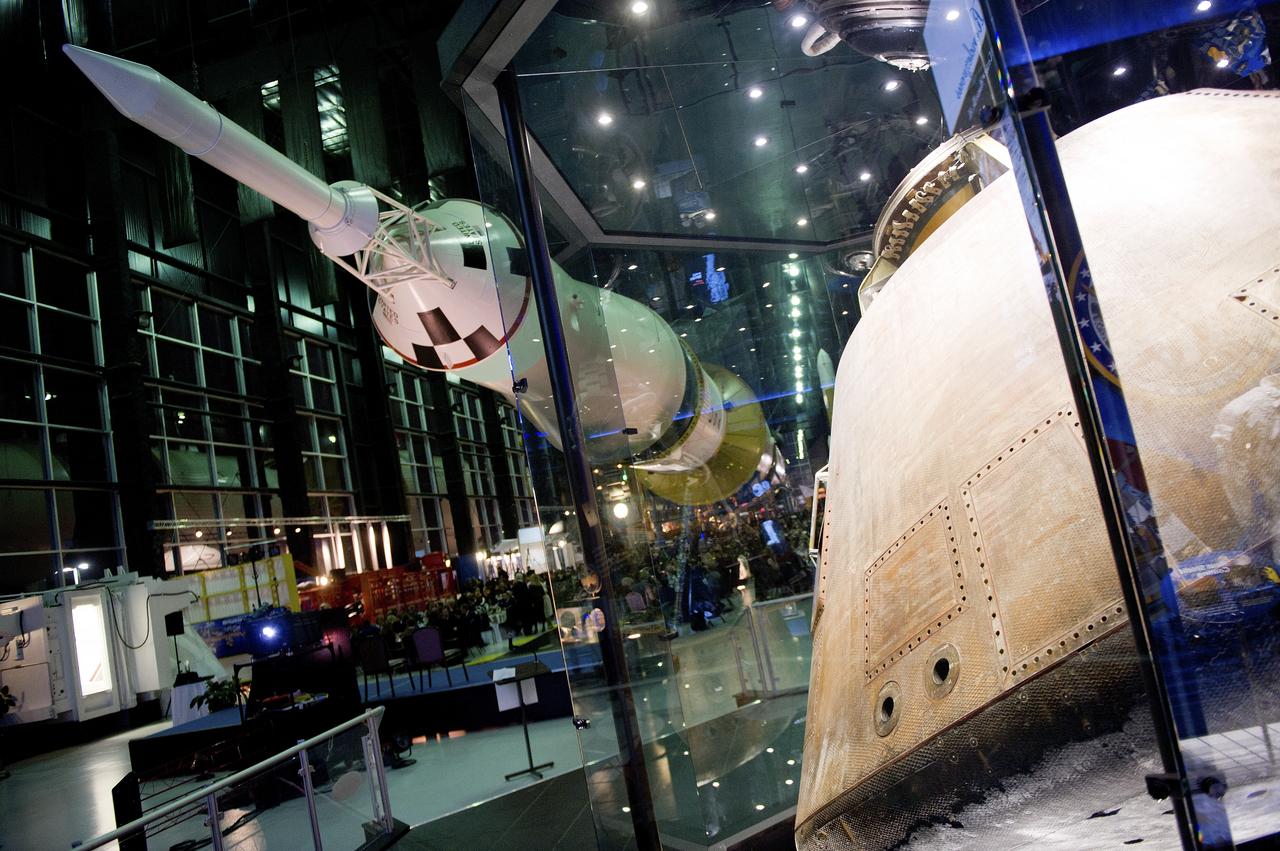
THE APOLLO 16 CAPSULE SITS ON DISPLAY IN THE FOREGROUND OF AN EVENT AT THE DAVIDSON CENTER.
1100071
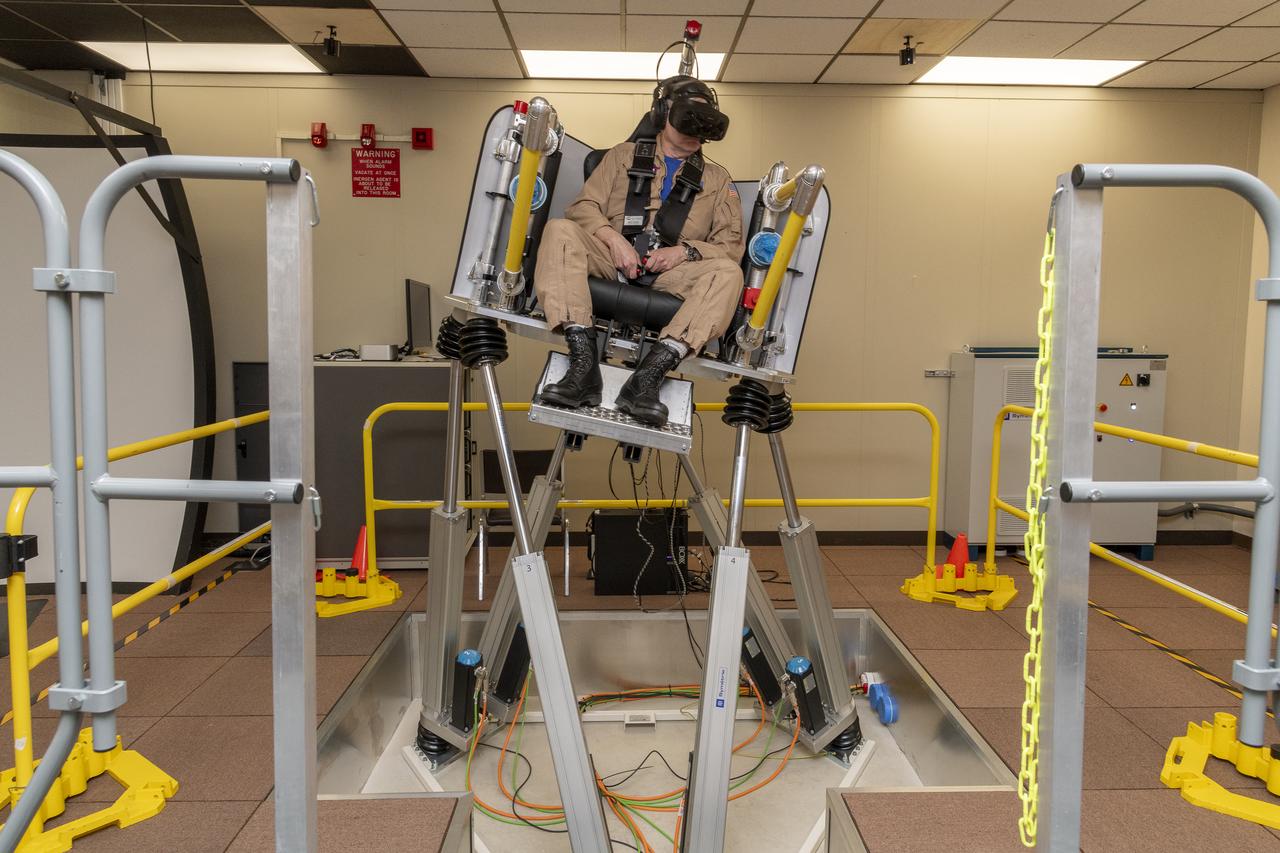
NASA test pilot Wayne Ringelberg sits in the air taxi virtual reality flight simulator during a test at NASA’s Armstrong Flight Research Center in Edwards, California in March 2024.
Air Taxi Passenger Comfort Simulator at NASA’s Armstrong Flight Research Center with Pilot
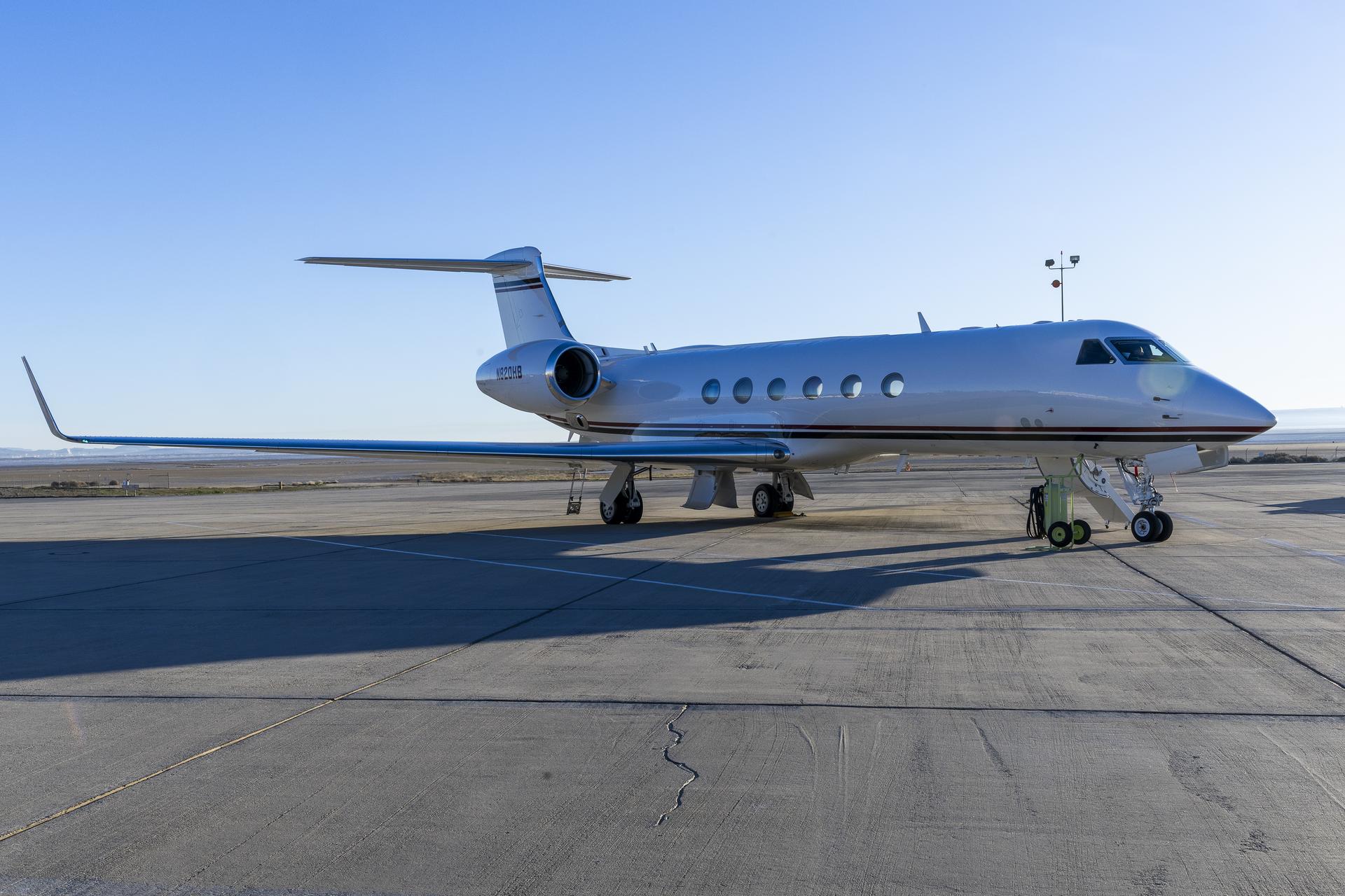
A Gulfstream GV aircraft sits on the ramp at NASA’s Armstrong Flight Research Center in Edwards, California, on Tuesday, Jan. 13, 2026. This aircraft is being modified to support the Airborne Science Program.
NASA Armstrong Gulfstream GV
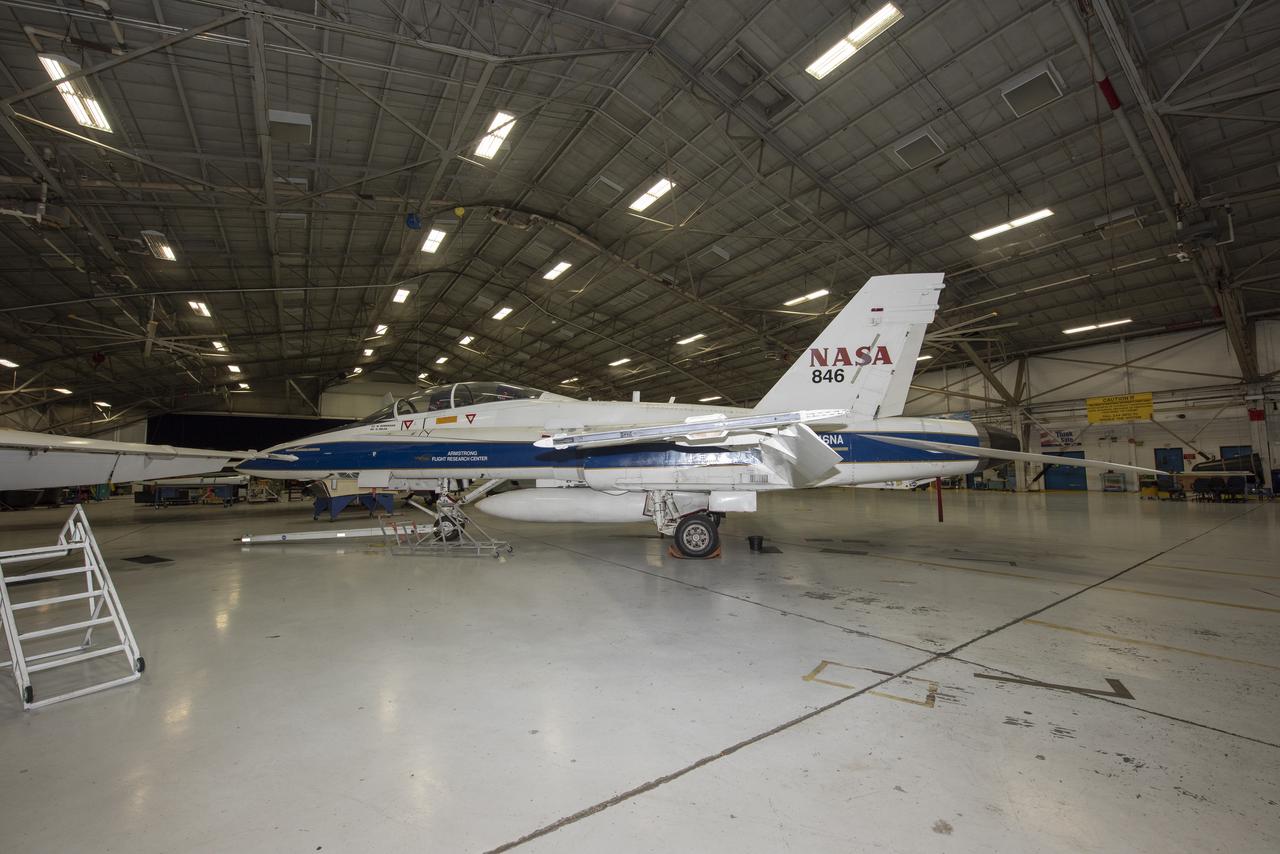
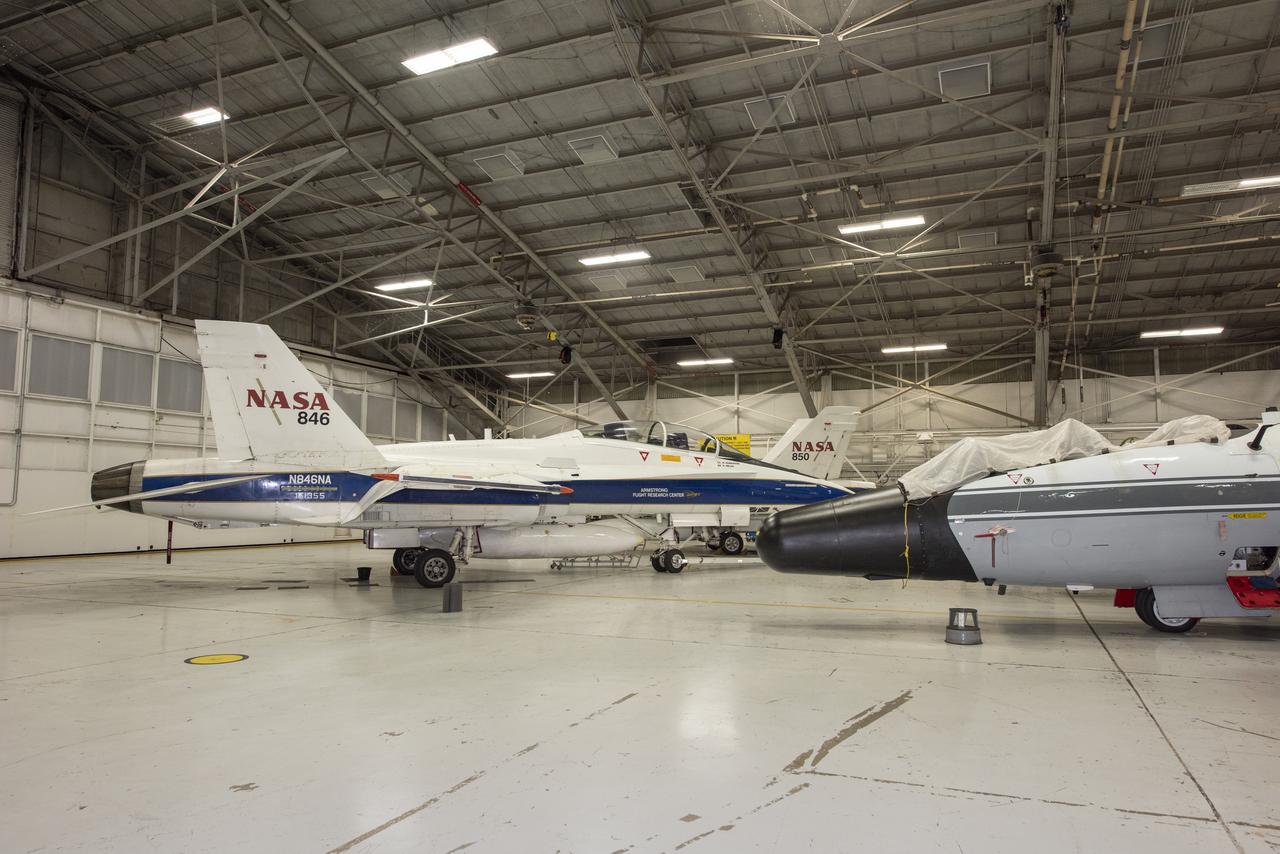
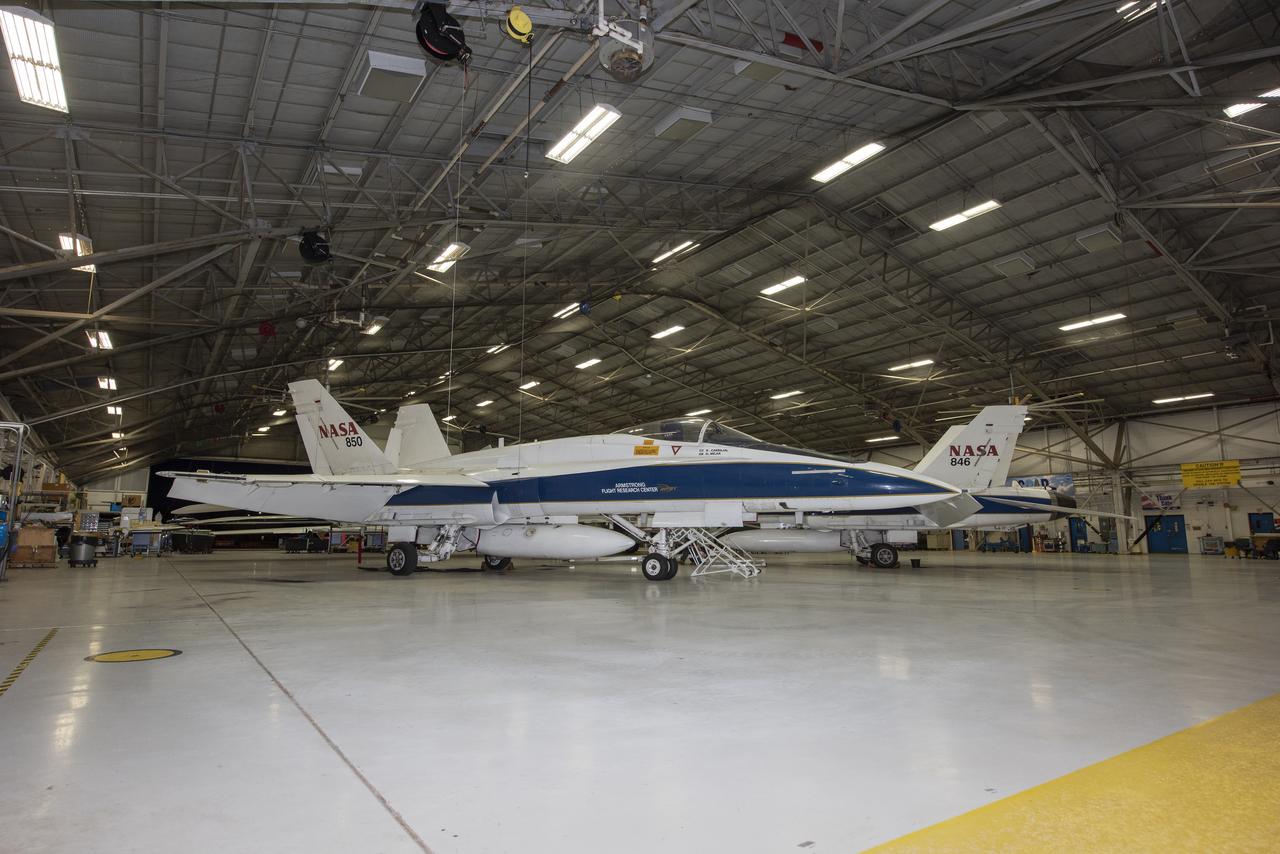
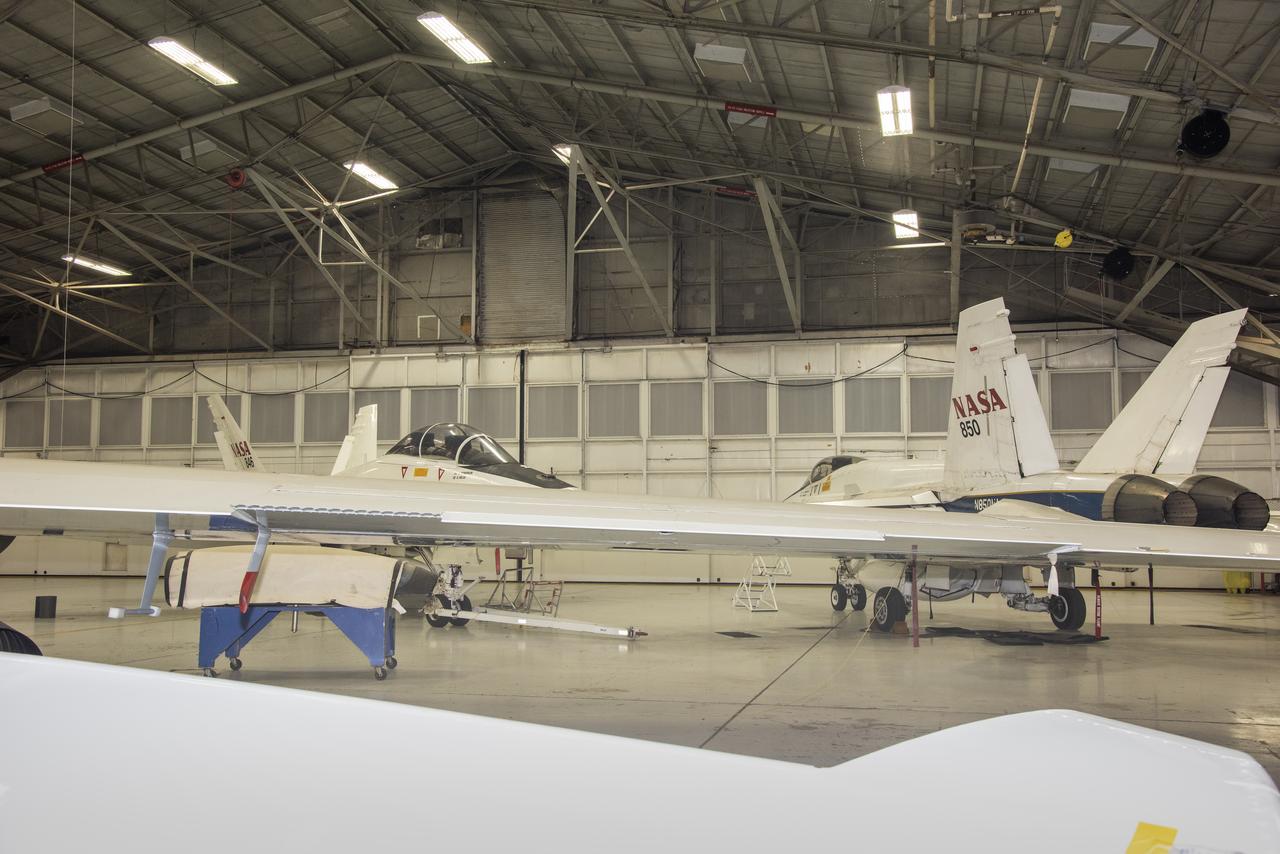
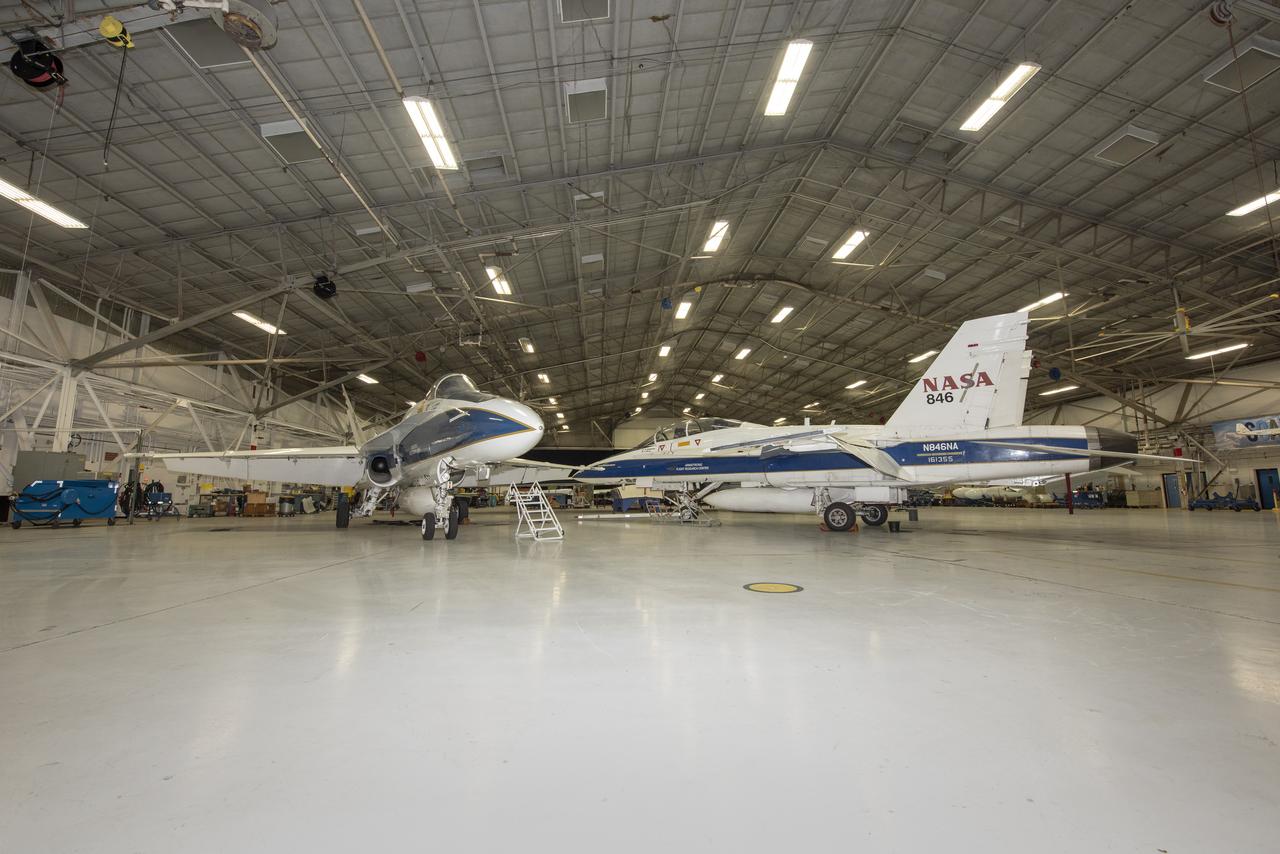
NASA deployed two F/A-18 research aircraft from NASA’s Armstrong Flight Research Center in California to fly the Quiet Supersonic Flights 2018 campaign, or QSF18. Having more than one aircraft allows pilots to conduct quick turnarounds with different aircrews between flights, fitting in as many targeted research flights as necessary.
NASA F/A-18 Aircraft Sit in Hangar
NASA deployed two F/A-18 research aircraft from NASA’s Armstrong Flight Research Center in California to fly the Quiet Supersonic Flights 2018 campaign, or QSF18. Having more than one aircraft allows pilots to conduct quick turnarounds with different aircrews between flights, fitting in as many targeted research flights as necessary.
NASA F/A-18 Aircraft Sit in Hangar
NASA deployed two F/A-18 research aircraft from NASA’s Armstrong Flight Research Center in California to fly the Quiet Supersonic Flights 2018 campaign, or QSF18. Having more than one aircraft allows pilots to conduct quick turnarounds with different aircrews between flights, fitting in as many targeted research flights as necessary.
NASA F/A-18 Aircraft Sit in Hangar
NASA deployed two F/A-18 research aircraft from NASA’s Armstrong Flight Research Center in California to fly the Quiet Supersonic Flights 2018 campaign, or QSF18. Having more than one aircraft allows pilots to conduct quick turnarounds with different aircrews between flights, fitting in as many targeted research flights as necessary.
NASA F/A-18 Aircraft Sit in Hangar
NASA deployed two F/A-18 research aircraft from NASA’s Armstrong Flight Research Center in California to fly the Quiet Supersonic Flights 2018 campaign, or QSF18. Having more than one aircraft allows pilots to conduct quick turnarounds with different aircrews between flights, fitting in as many targeted research flights as necessary.
NASA F/A-18 Aircraft Sit in Hangar
NASA deployed two F/A-18 research aircraft from NASA’s Armstrong Flight Research Center in California to fly the Quiet Supersonic Flights 2018 campaign, or QSF18. Having more than one aircraft allows pilots to conduct quick turnarounds with different aircrews between flights, fitting in as many targeted research flights as necessary.
NASA F/A-18 Aircraft Sit in Hangar
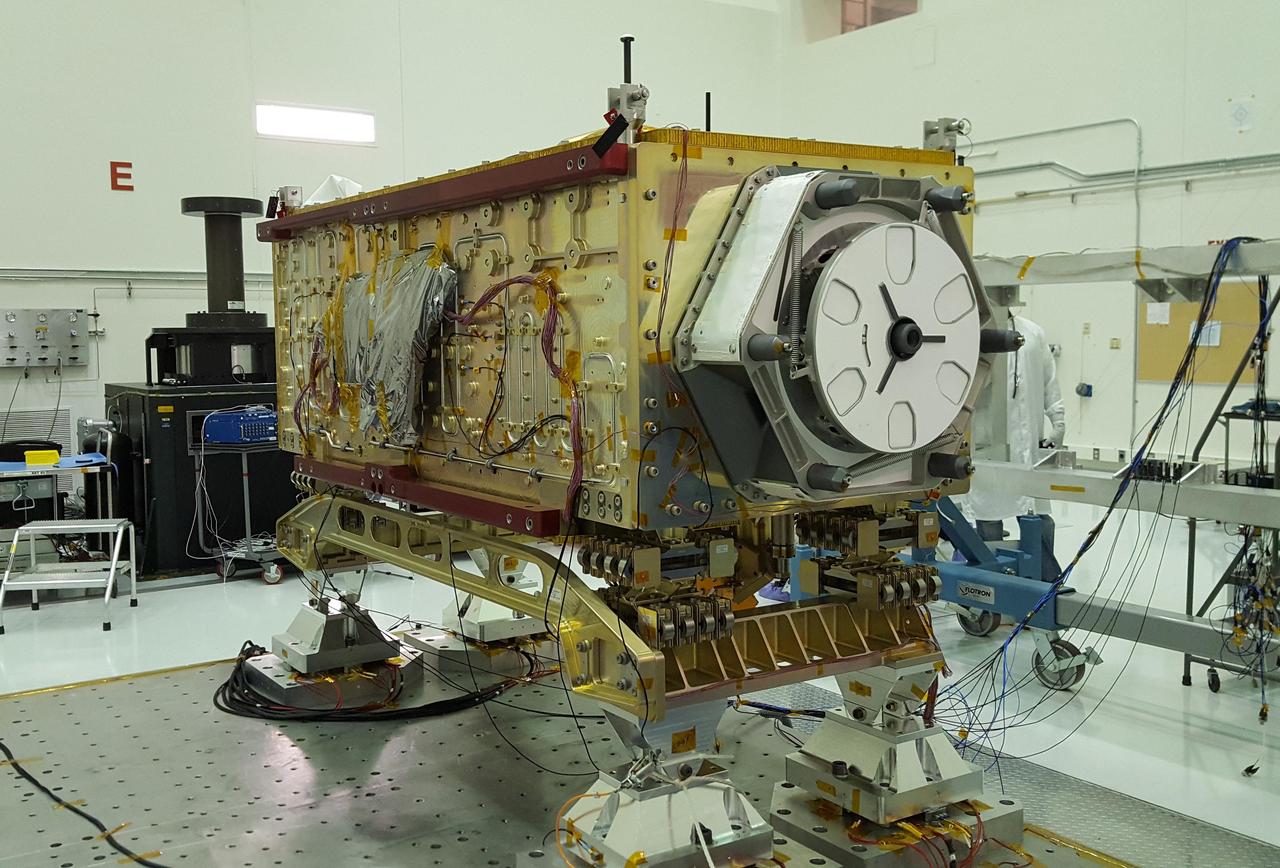
OCO-3 sits on the large vibration table (known as the "shaker") in the Environmental Test Lab at the Jet Propulsion Laboratory. The exposed wires lead to sensors used during dynamics and thermal-vacuum testing. Thermal blankets will be added to the instrument at Kennedy Space Center, where a Space-X Dragon capsule carrying OCO-3 will launch in on a Falcon 9 rocket to the space station on May 1, 2019.  https://photojournal.jpl.nasa.gov/catalog/PIA23211
Testing OCO-3
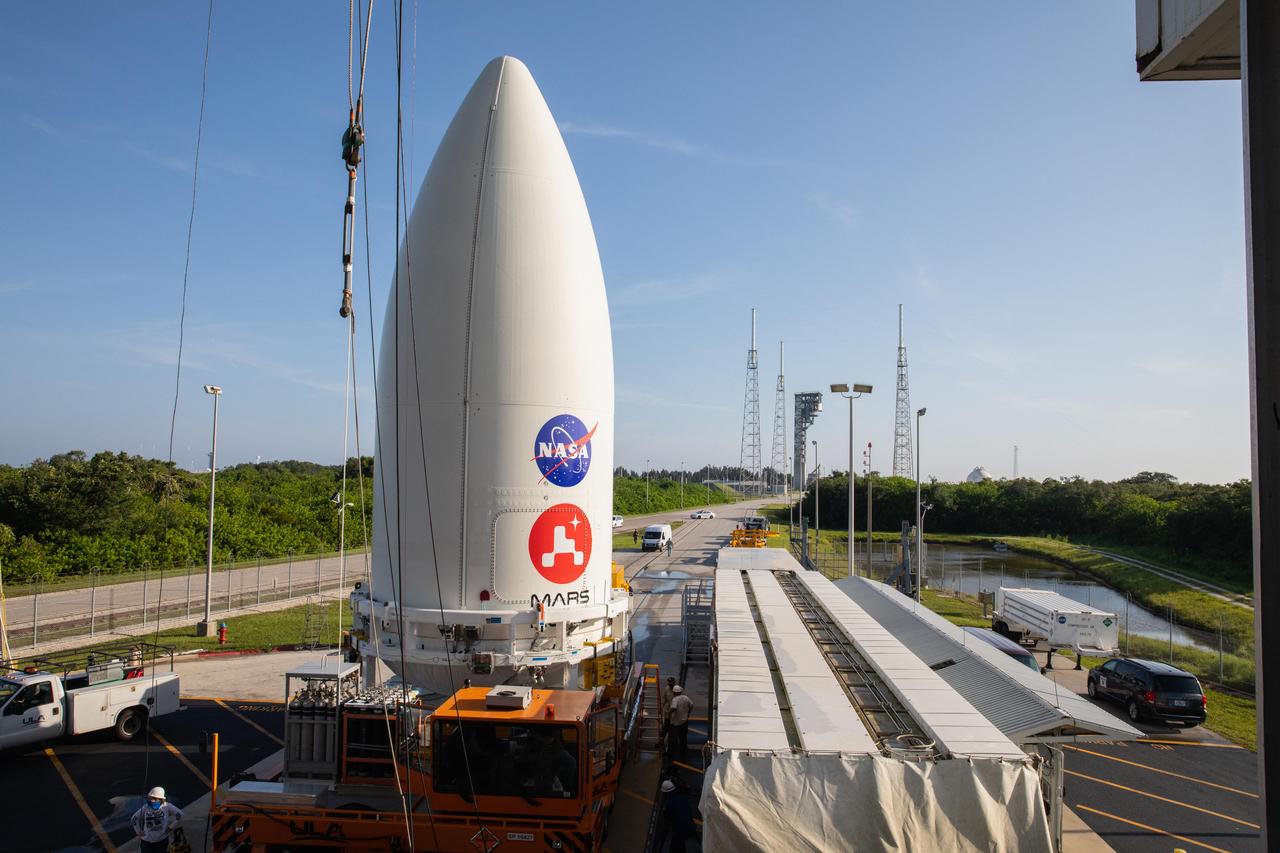
The payload fairing, or nose cone, containing the Mars 2020 Perseverance rover sits atop the motorized payload transporter that will carry it to Space Launch Complex 41 on Cape Canaveral Air Force Station in Florida. The image was taken on July 7, 2020.  https://photojournal.jpl.nasa.gov/catalog/PIA23985
Perseverance on the Move
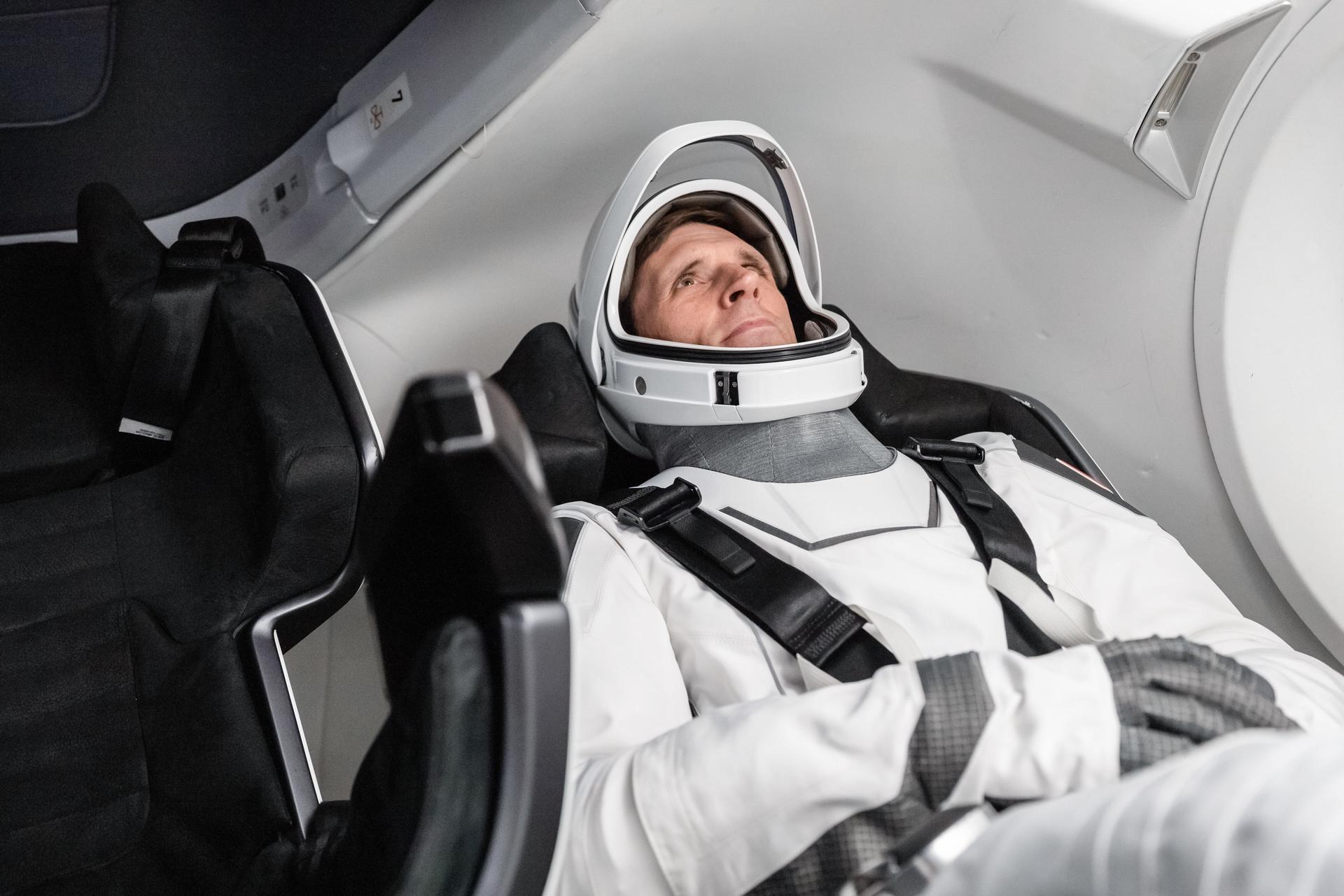
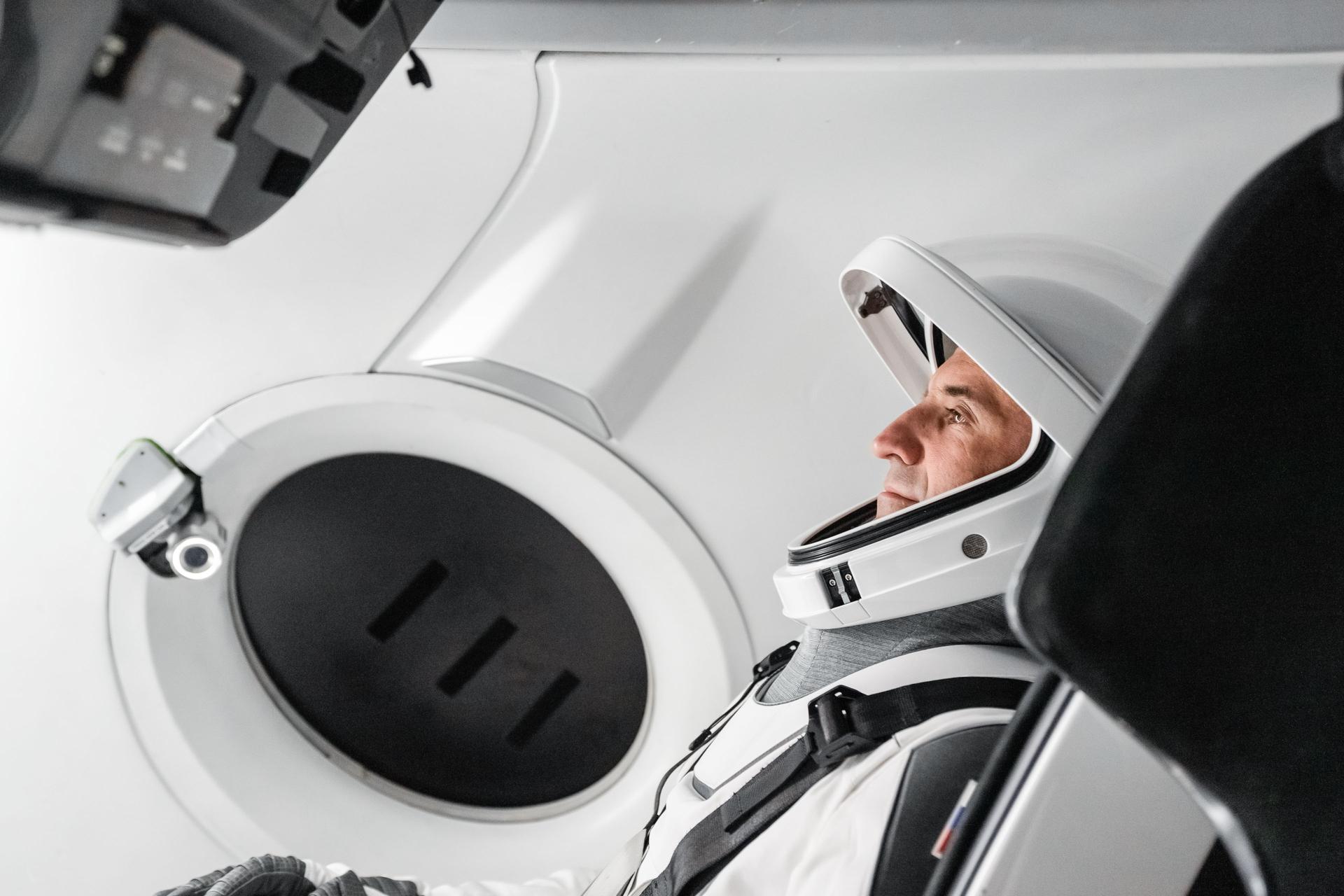
jsc2026e404734 (June 8, 2026) --- CSA (Canadian Space Agency) astronaut and SpaceX Crew-13 Mission Specialist Joshua Kutryk sits inside a Dragon spacecraft mockup while participating in a pre‑flight training session at SpaceX headquarters in Hawthorne, California. Credit: SpaceX
CSA (Canadian Space Agency) astronaut and SpaceX Crew-13 Mission Specialist Joshua Kutryk
jsc2026e404747 (June 8, 2026) --- Roscosmos cosmonaut and SpaceX Crew‑13 Mission Specialist Sergey Teteryatnikov sits inside a Dragon spacecraft mockup while participating in a pre‑flight training session at SpaceX headquarters in Hawthorne, California. Credit: SpaceX
Roscosmos cosmonaut and SpaceX Crew‑13 Mission Specialist Sergey Teteryatnikov
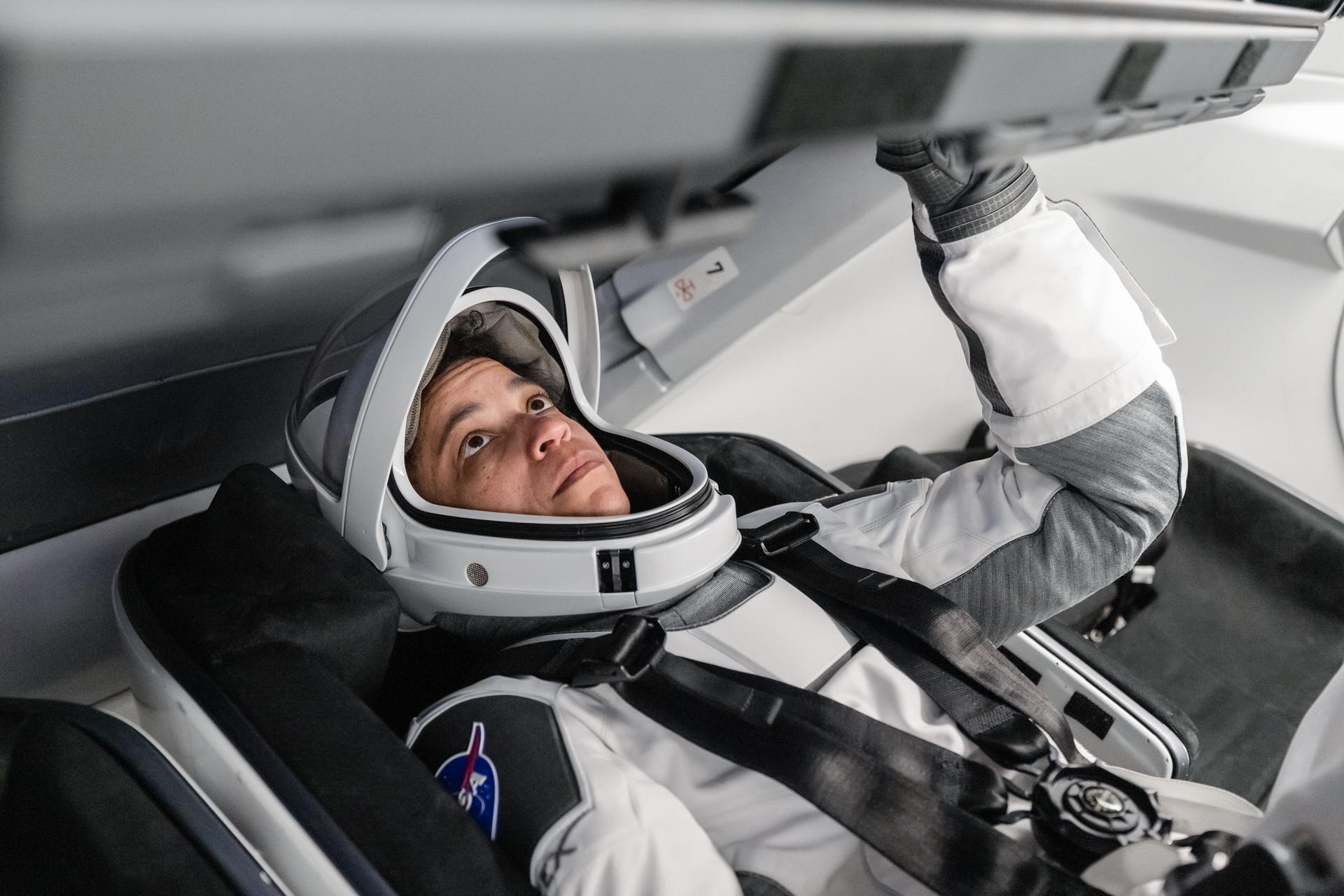
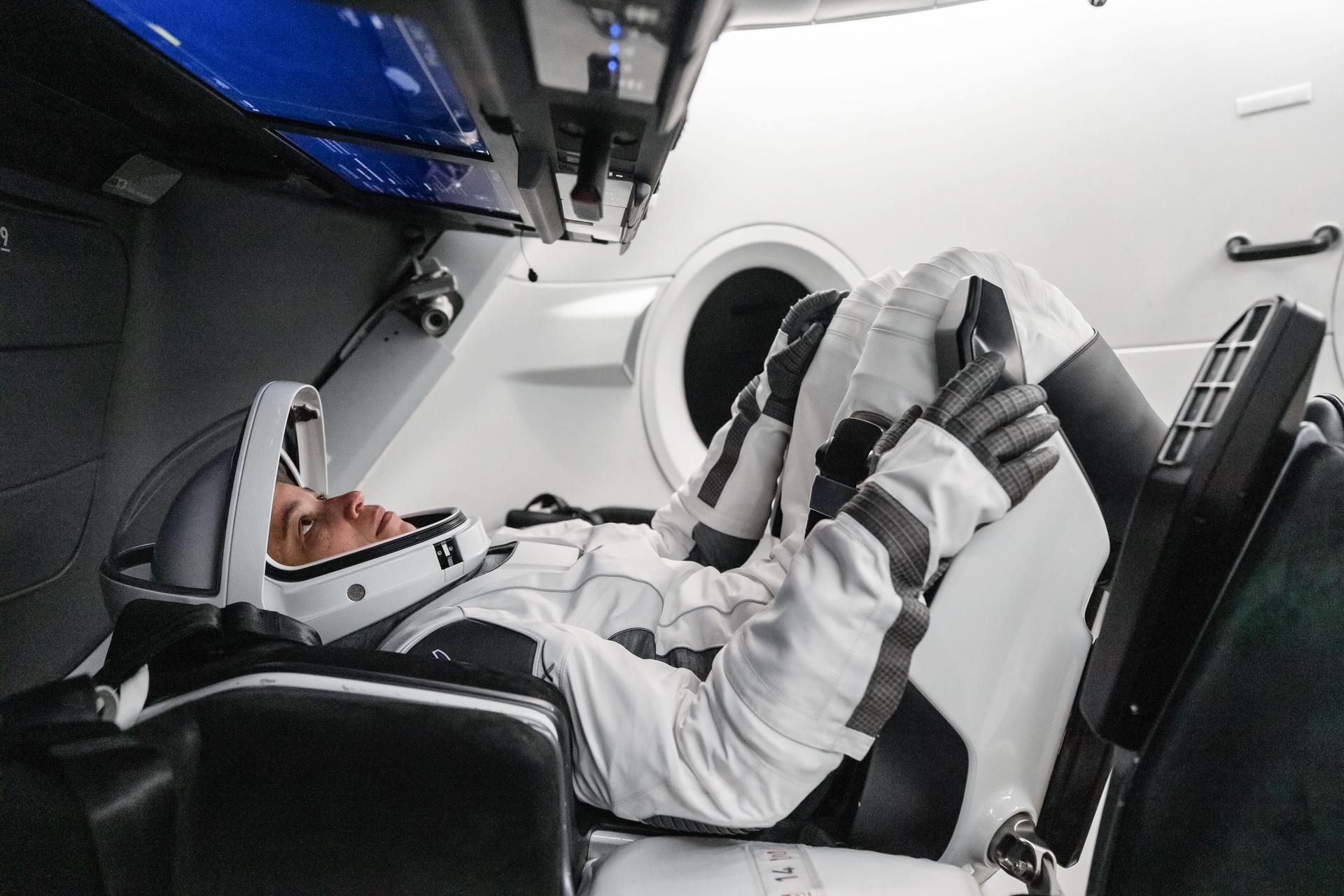
jsc2026e404708 (June 8, 2026) --- NASA astronaut and SpaceX Crew-13 Commander Jessica Watkins sits inside a Dragon spacecraft mockup while reading a cockpit screen interface during a pre-flight training session at SpaceX headquarters in Hawthorne, California. Credit: SpaceX
NASA astronaut and SpaceX Crew-13 Commander Jessica Watkins
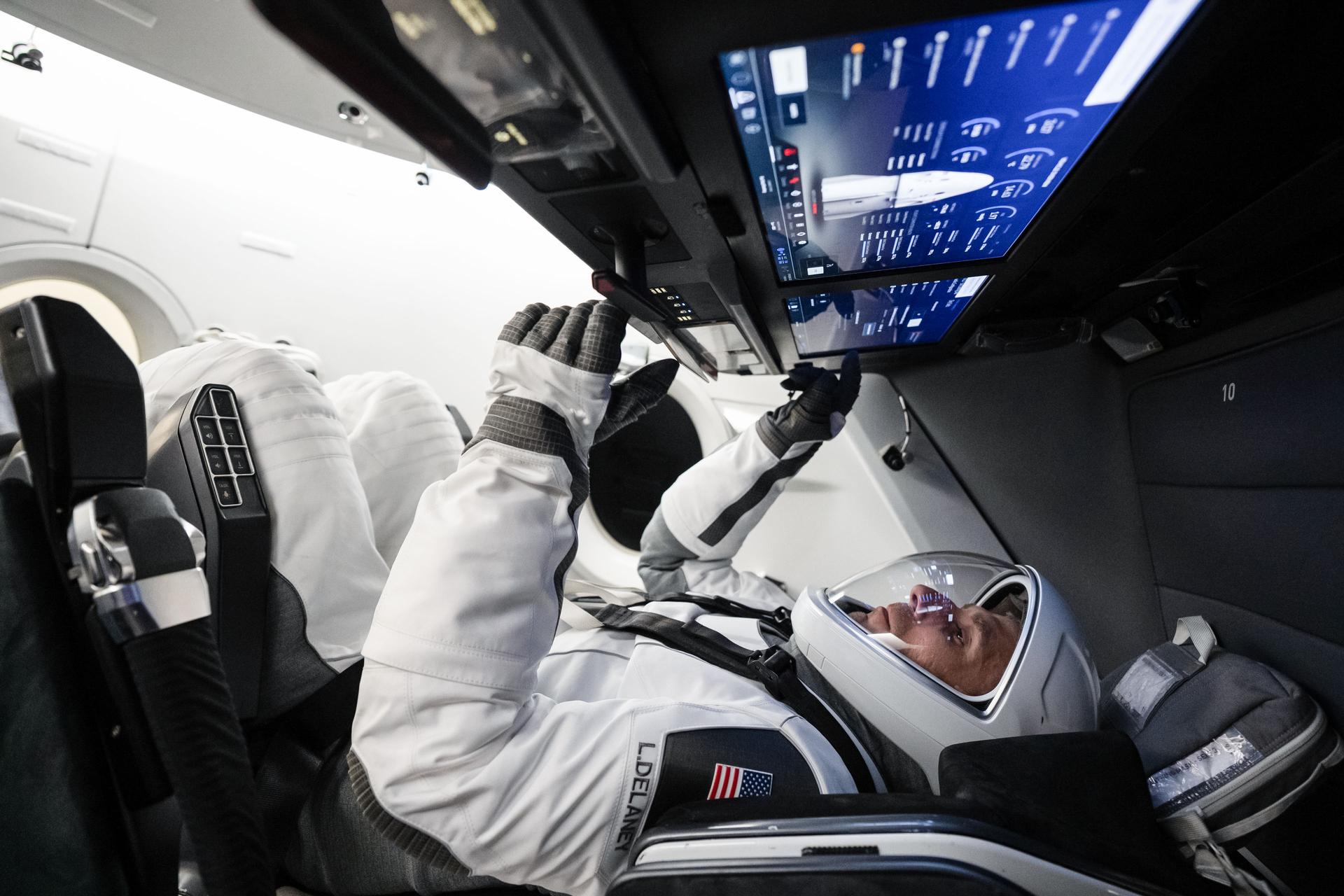
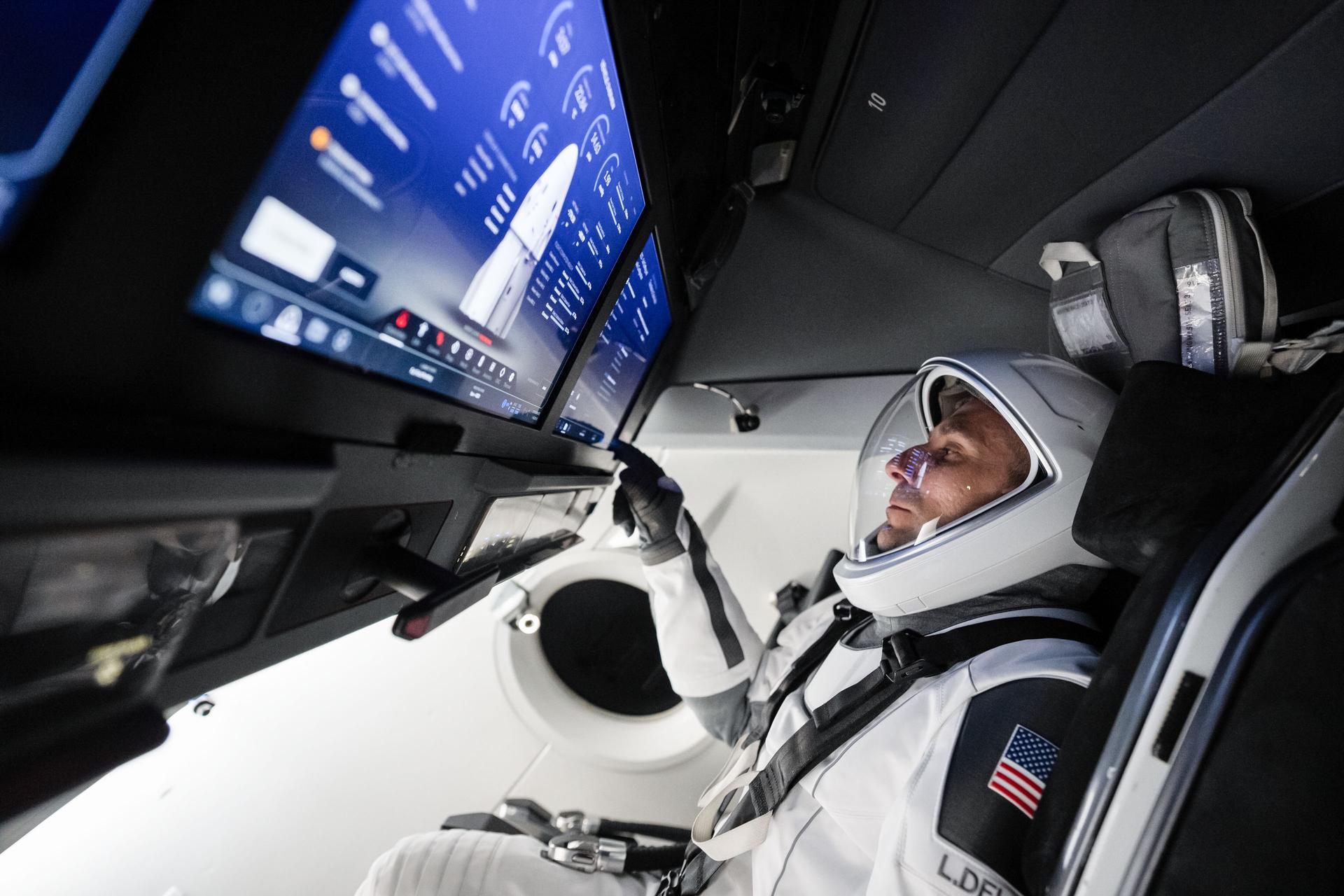
jsc2026e404727 (June 8, 2026) --- NASA astronaut and SpaceX Crew‑13 Pilot Luke Delaney sits inside a Dragon spacecraft mockup while tapping a cockpit screen interface during a pre‑flight training session at SpaceX headquarters in Hawthorne, California. Credit: SpaceX
NASA astronaut and SpaceX Crew‑13 Pilot Luke Delaney
jsc2026e404714 (June 8, 2026) --- NASA astronaut and SpaceX Crew-13 Commander Jessica Watkins sits inside a Dragon spacecraft mockup while participating in a pre‑flight training session at SpaceX headquarters in Hawthorne, California. Credit: SpaceX
NASA astronaut and SpaceX Crew-13 Commander Jessica Watkins
jsc2026e404725 (June 8, 2026) --- NASA astronaut and SpaceX Crew‑13 Pilot Luke Delaney sits inside a Dragon spacecraft mockup while tapping a cockpit screen interface during a pre‑flight training session at SpaceX headquarters in Hawthorne, California. Credit: SpaceX
NASA astronaut and SpaceX Crew‑13 Pilot Luke Delaney
From top left, an American bald eagle sits perched on a tree branch, another eaglet sits on a tree branch (bottom left), while an eaglet and a bald eagle sit in their nest at NASA’s Kennedy Space Center in Florida on Friday, March 13, 2026. Bald eagle nesting surveys across NASA Kennedy, Merritt Island National Wildlife Refuge, and Canaveral National Seashore are conducted annually to document the number of bald eagle active and inactive nests in support of wildlife management and regulatory compliance. Each year, eagles take up winter residence at the Florida spaceport, breeding and raising a new generation.
Wildlife Photography - Bald Eagles
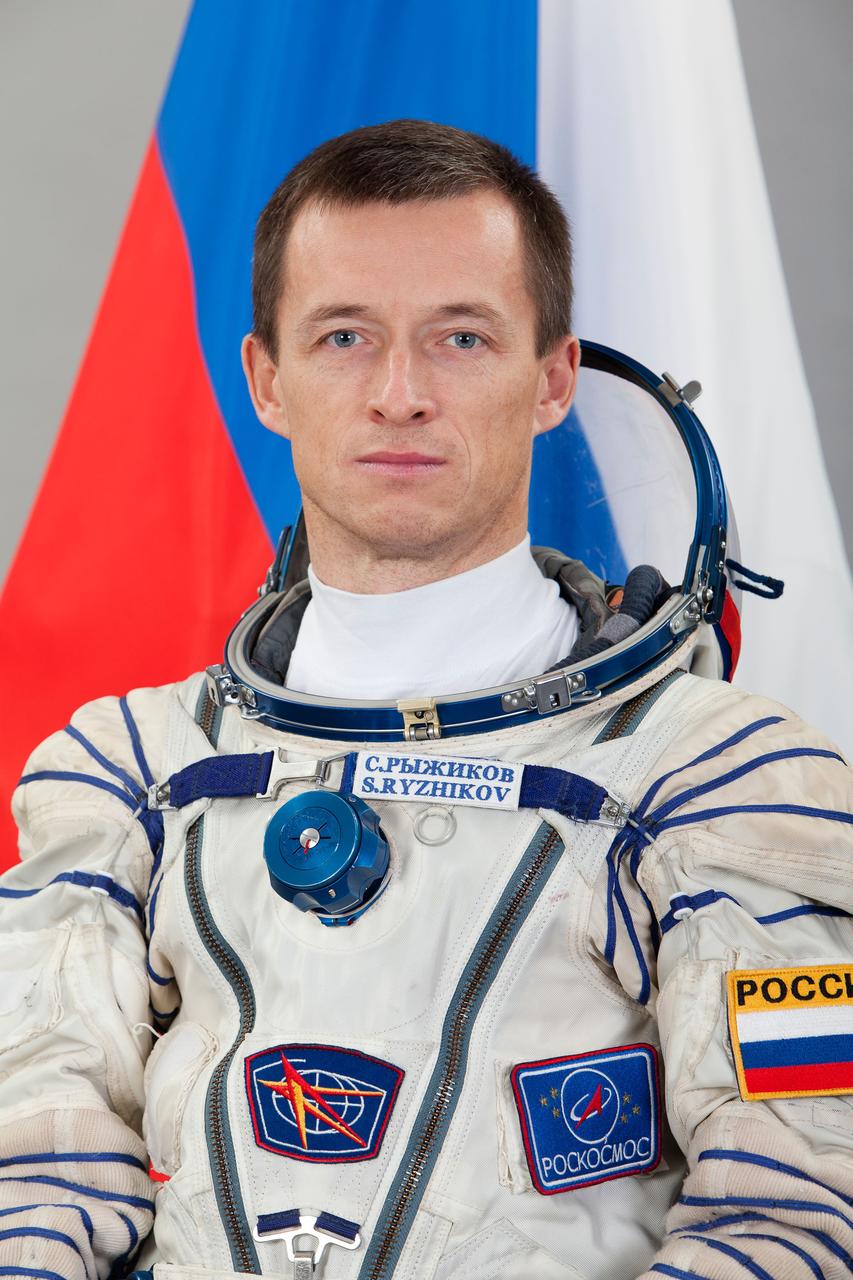
JSC2016e105228 (08/16/2016) --- Russian cosmonaut Sergey Ryzhikov sits for an official portrait for Expedition 49  to the International Space Station.
jsc2016e105228
SOFIA’s 9-foot mirror is lowered into the cavity and attached to a structure sitting on a thin layer of oil for stability and vibration-free operation.
Slow and Steady
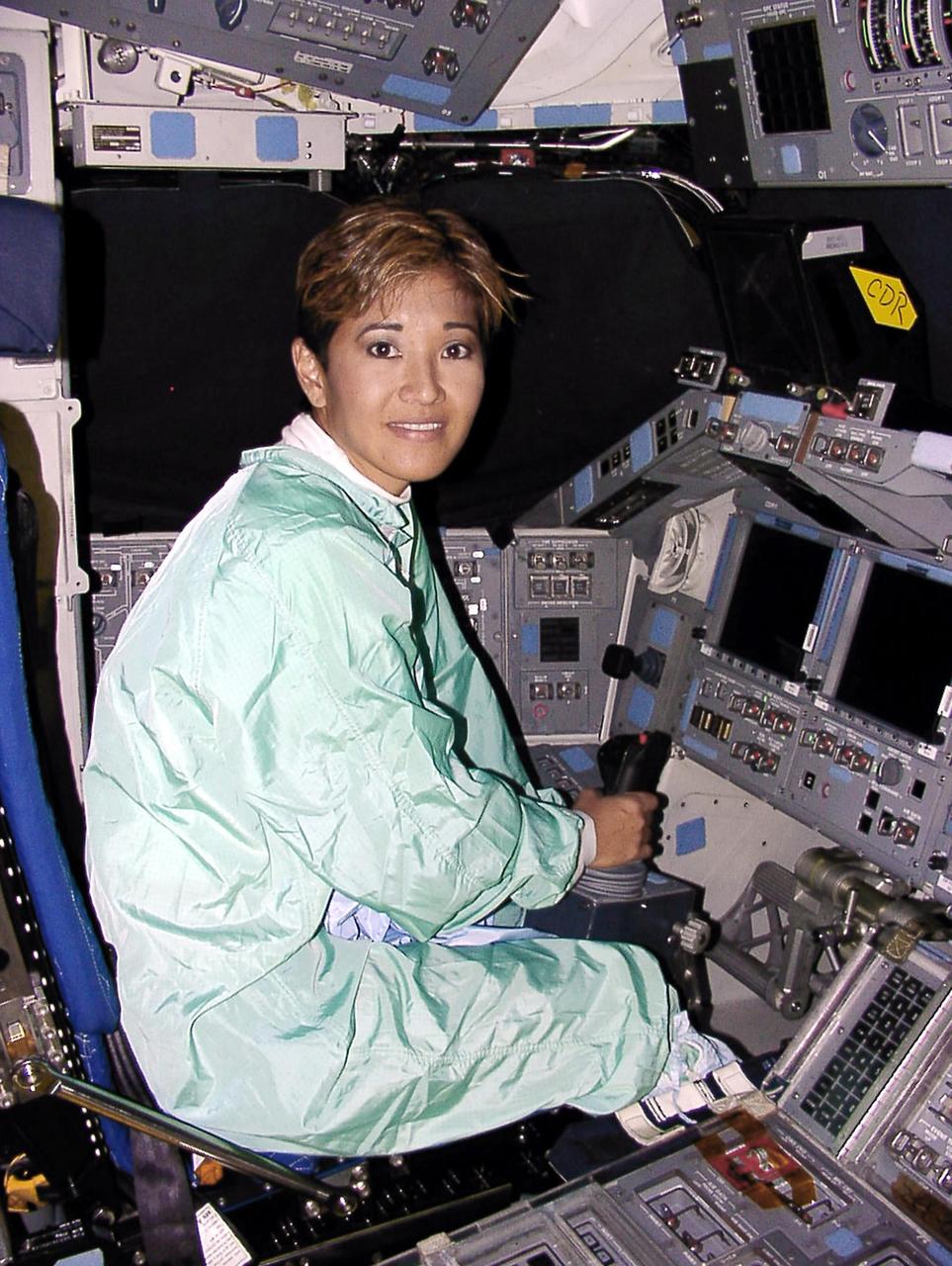
WESH-TV 2 News Anchor Wendy Chioji sits in the cockpit of a space shuttle while touring Kennedy Space Center.
KSC-02PD-1422
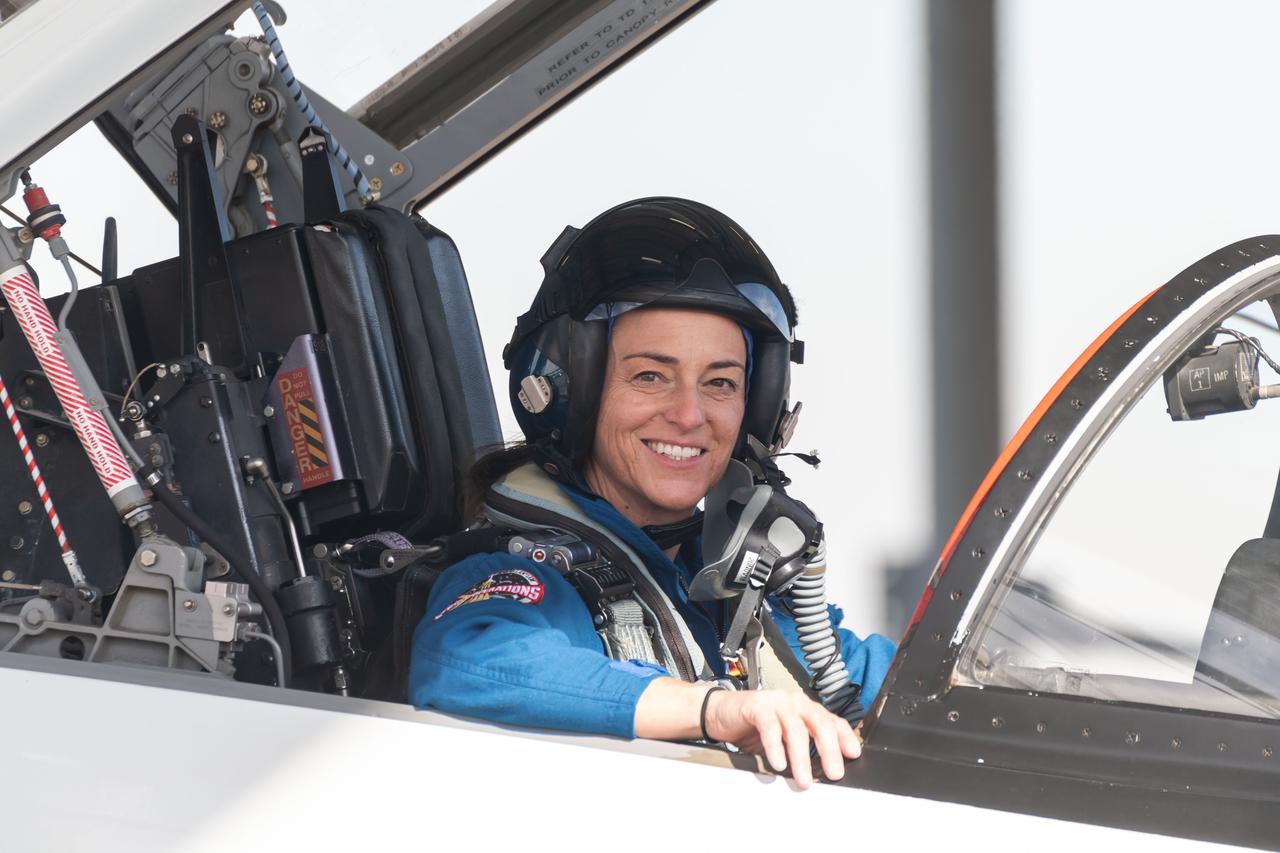
Nicole Mann sits in a T-38 in preparation for Commercial Crew Program astronaut training at NASA's Johnson Space Center.
Commercial Crew Program Astronaut Training - Nicole Mann
WESH-TV 2 News Anchor Wendy Chioji sits in the cockpit of a space shuttle while touring Kennedy Space Center.
KSC-02PD-1423