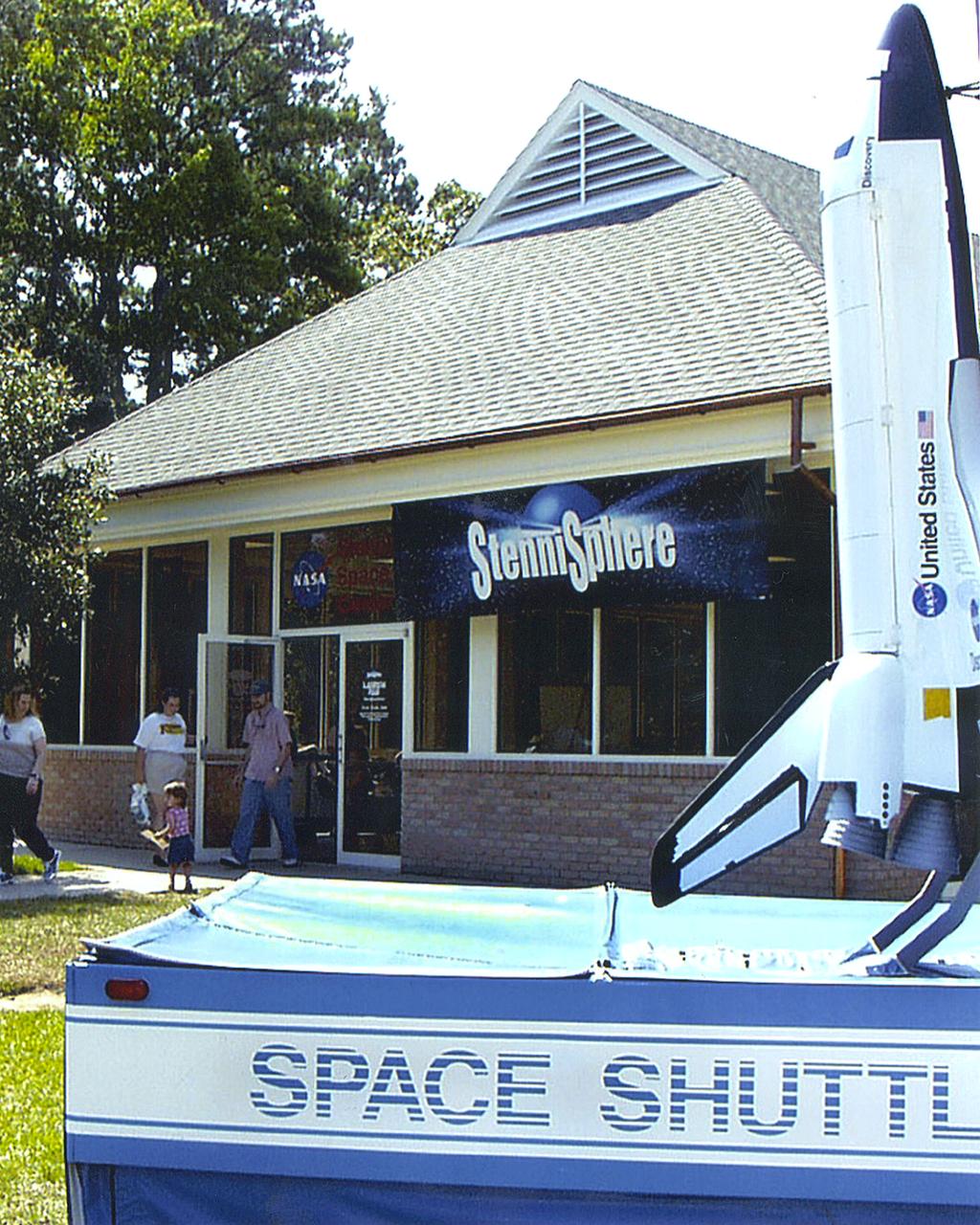
The Launch Pad tour stop at the Mississippi I-10 Welcome Center in Hancock County, Miss., is the point of origin for all tours of Stennis Space Center and StenniSphere. At the Launch Pad, visitors waiting to catch the shuttle buses are provided information and can see videos on StenniSphere exhibits and on the missions and programs of Stennis Space Center. StenniSphere is open free of charge from 9 a.m. to 5 p.m. daily, and buses depart from the Launch Pad to StenniSphere every 15 to 20 minutes.
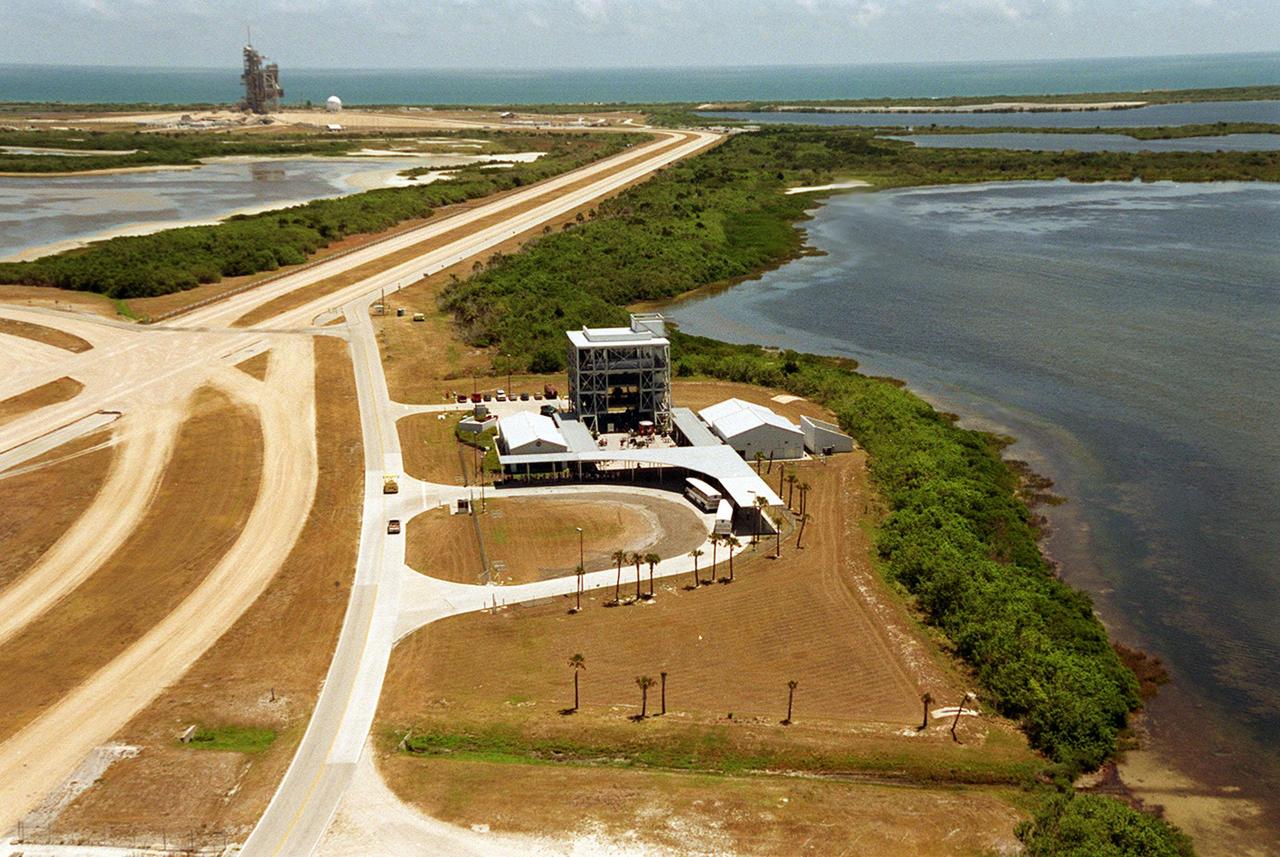
This aerial view is of a tour stop on the KSC bus tour, the Launch Complex 39 Observation Gantry. This stop allows visitors to view and photograph Pads A and B in Launch Complex 39 from an elevated vantage point. The roadway leading to the tour stop runs next to the crawlerway (left) which is used to transport Space Shuttles from the Vehicle Assembly Building to the pads. Pad A can be seen in the background.
This aerial view is of a tour stop on the KSC bus tour, the Launch Complex 39 Observation Gantry. This stop allows visitors to view and photograph Pads A and B in Launch Complex 39 from an elevated vantage point. The roadway leading to the tour stop runs next to the crawlerway (left) which is used to transport Space Shuttles from the Vehicle Assembly Building to the pads. Pad A can be seen in the background.
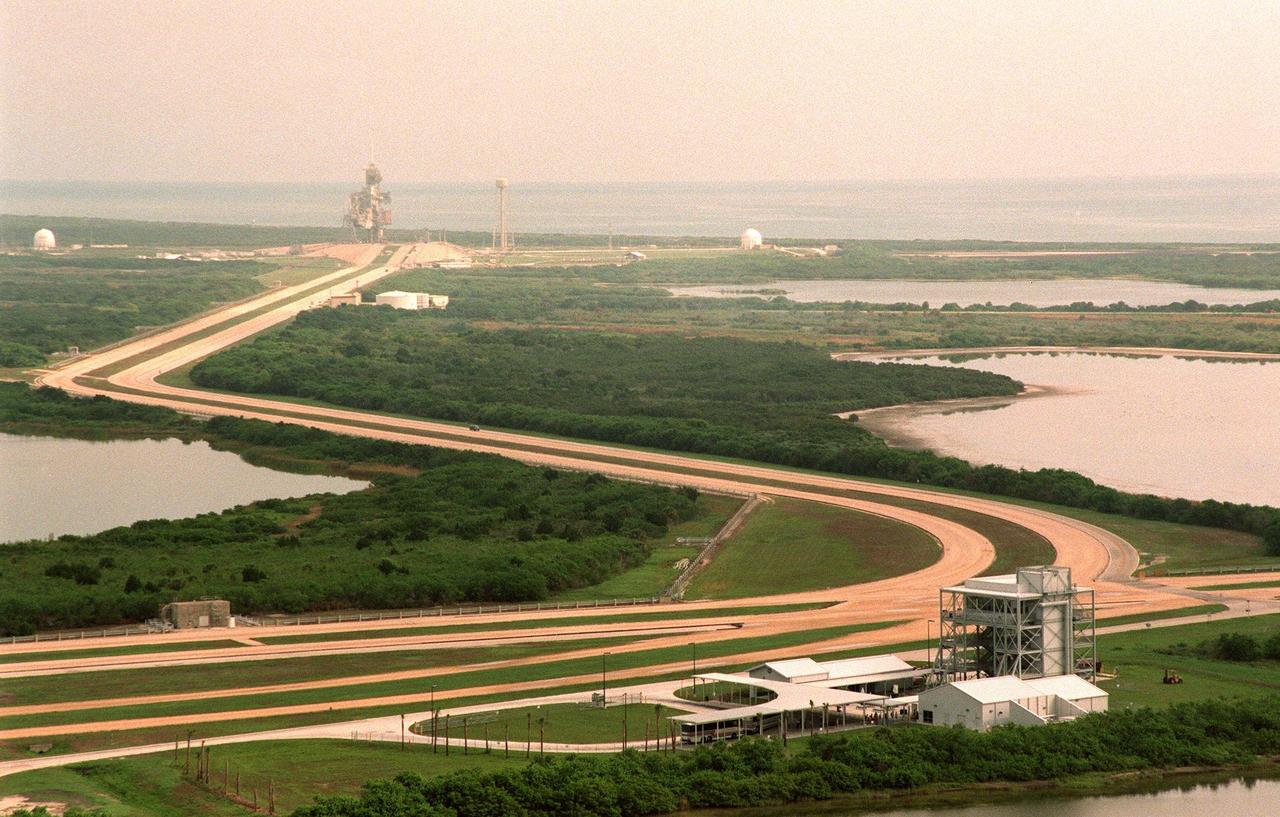
This aerial view looking northeast shows a new stop (bottom) on the KSC bus tour that allow visitors to view Pad LC-39B (top). The tour stop is next to the crawlerway that is used to transport the Space Shuttle vehicles to the pad. The length of the crawlerway from the Vehicle Assembly Building to Pad B is 6,828 meters (22,440 ft); its width overall is 40 meters (130 ft); each lane is 12 meters (40ft) with a 15-meter (50ft) median.
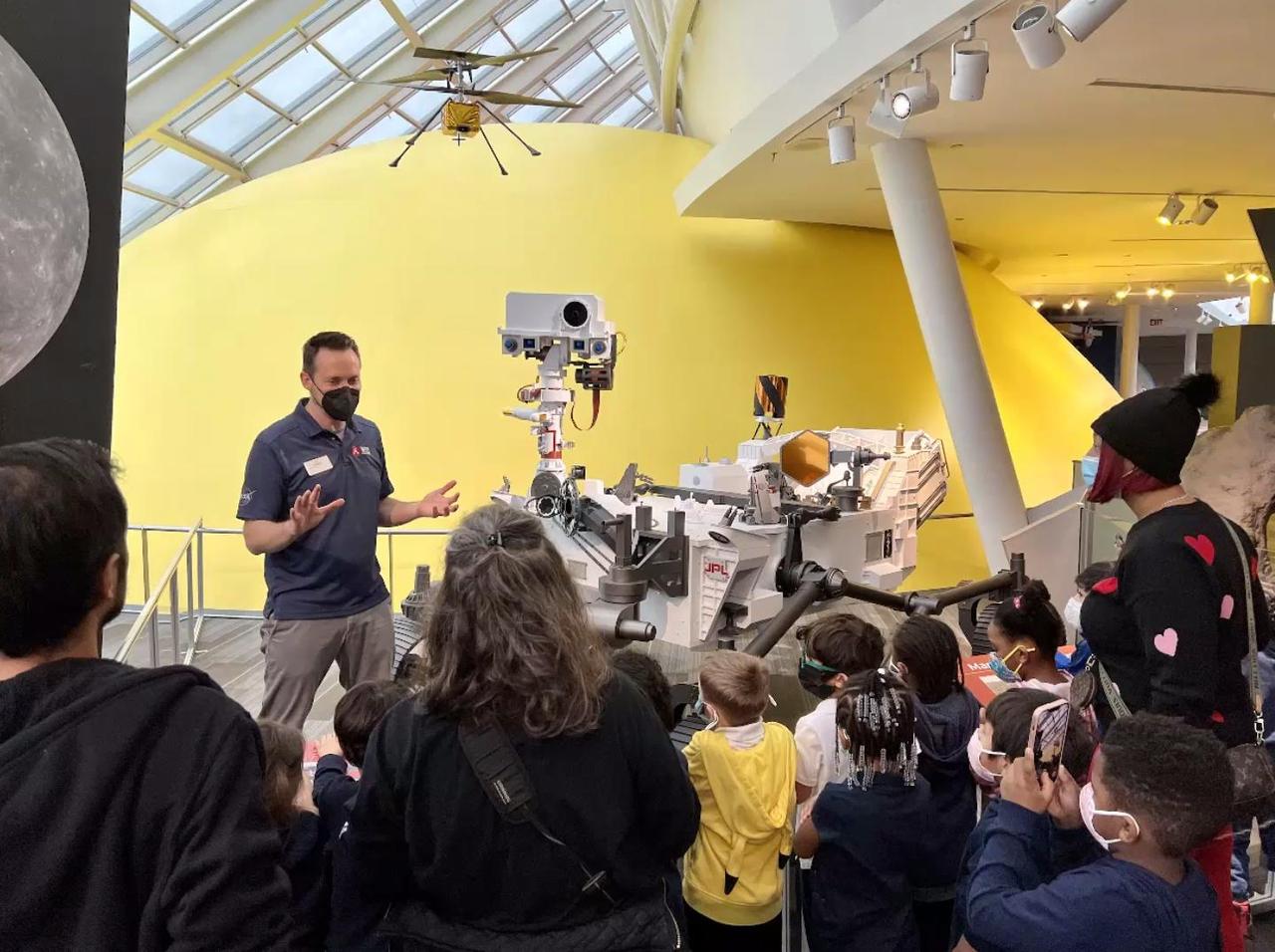
Members of the public met with NASA Mars team members and saw the Perseverance rover and Ingenuity helicopter models up close during a "Roving With Perseverance" tour stop at the Adler Planetarium in Chicago. https://photojournal.jpl.nasa.gov/catalog/PIA25640
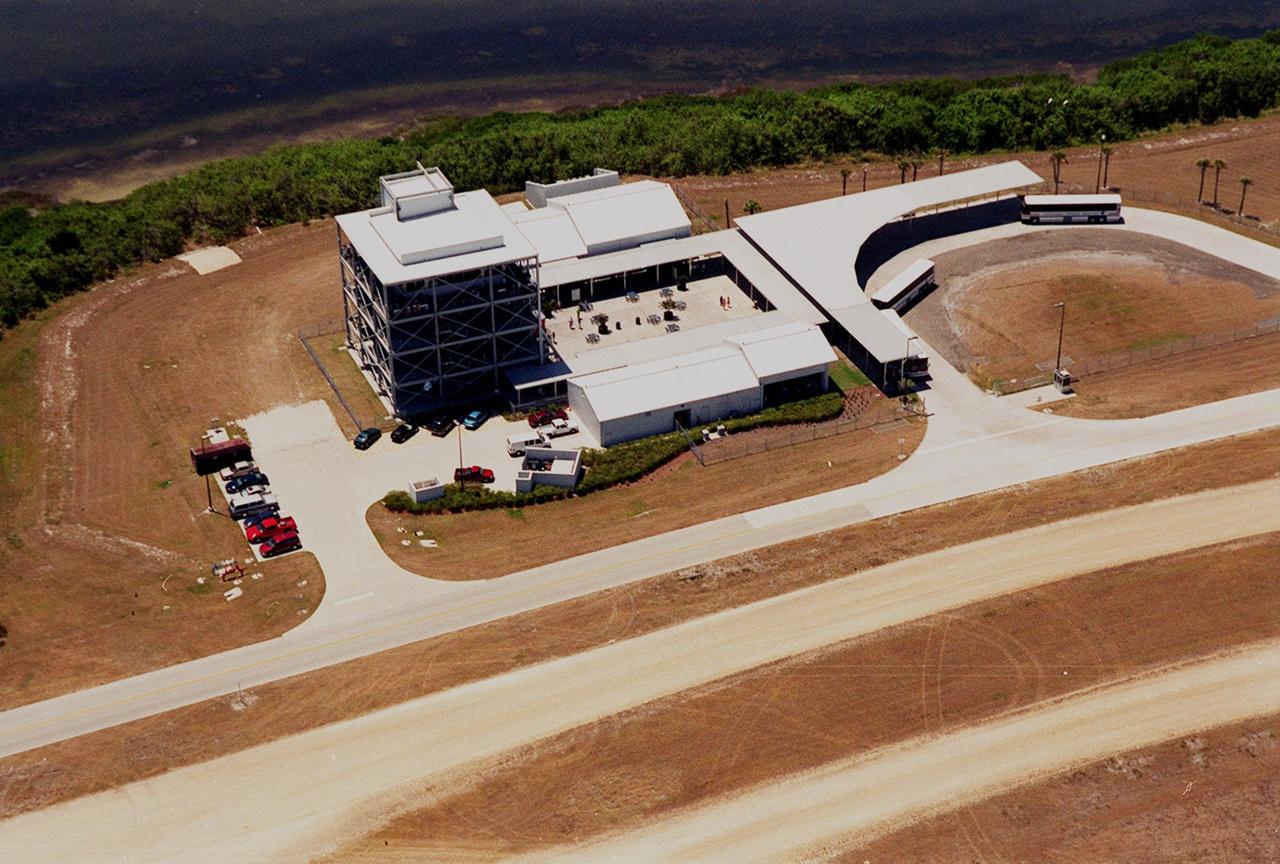
This aerial view is of a tour stop on the KSC bus tour, the Launch Complex 39 Observation Gantry. This stop allows visitors to view and photograph Pads A and B in Launch Complex 39 from an elevated vantage point. The roadway leading to the tour stop runs next to the crawlerway (foreground) which is used to transport Space Shuttles to the pads
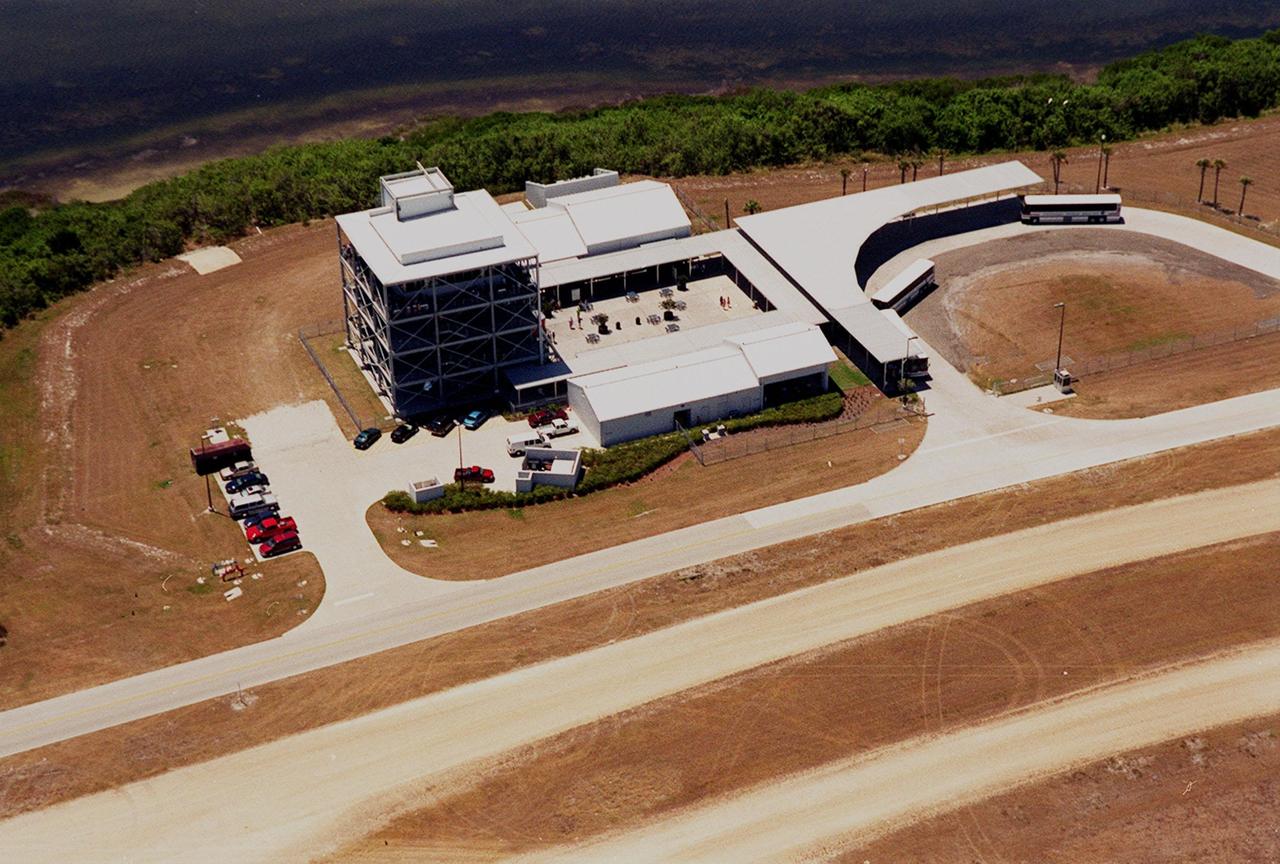
This aerial view is of a tour stop on the KSC bus tour, the Launch Complex 39 Observation Gantry. This stop allows visitors to view and photograph Pads A and B in Launch Complex 39 from an elevated vantage point. The roadway leading to the tour stop runs next to the crawlerway (foreground) which is used to transport Space Shuttles to the pads
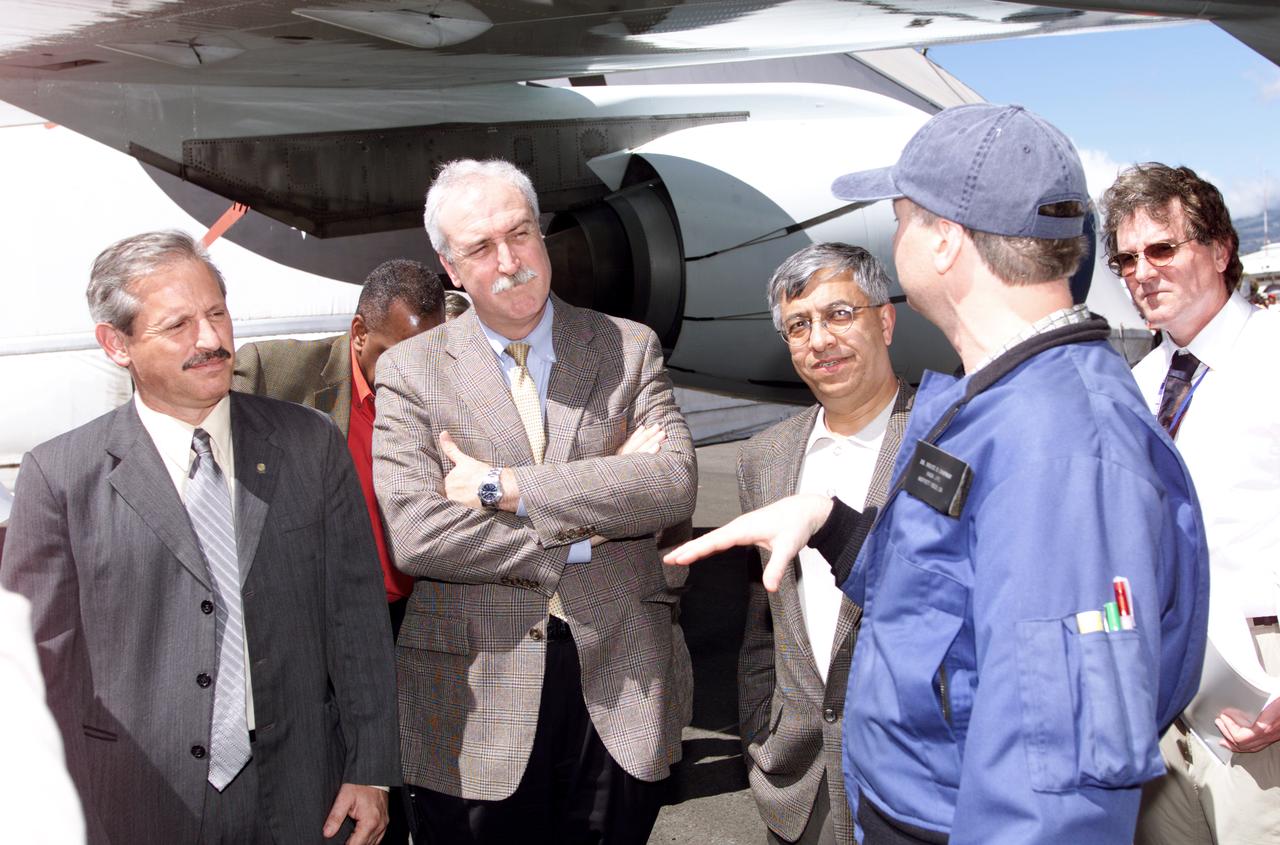
Personnel viewing AirSAR hardware while touring the outside of NASA's DC-8 during a stop-off on the AirSAR 2004 Mesoamerica campaign, L-R: Fernando Gutierrez, Costa Rican Minister of Science and Technology(MICIT); NASA Administrator Sean O'Keefe; Dr. Gahssem Asrar, NASA Associate Administrator for Earth Science Enterprises; JPL scientist Bruce Chapman; and Craig Dobson, NASA Program Manager for AirSAR. AirSAR 2004 Mesoamerica is a three-week expedition by an international team of scientists that will use an all-weather imaging tool, called the Airborne Synthetic Aperture Radar (AirSAR), in a mission ranging from the tropical rain forests of Central America to frigid Antarctica.
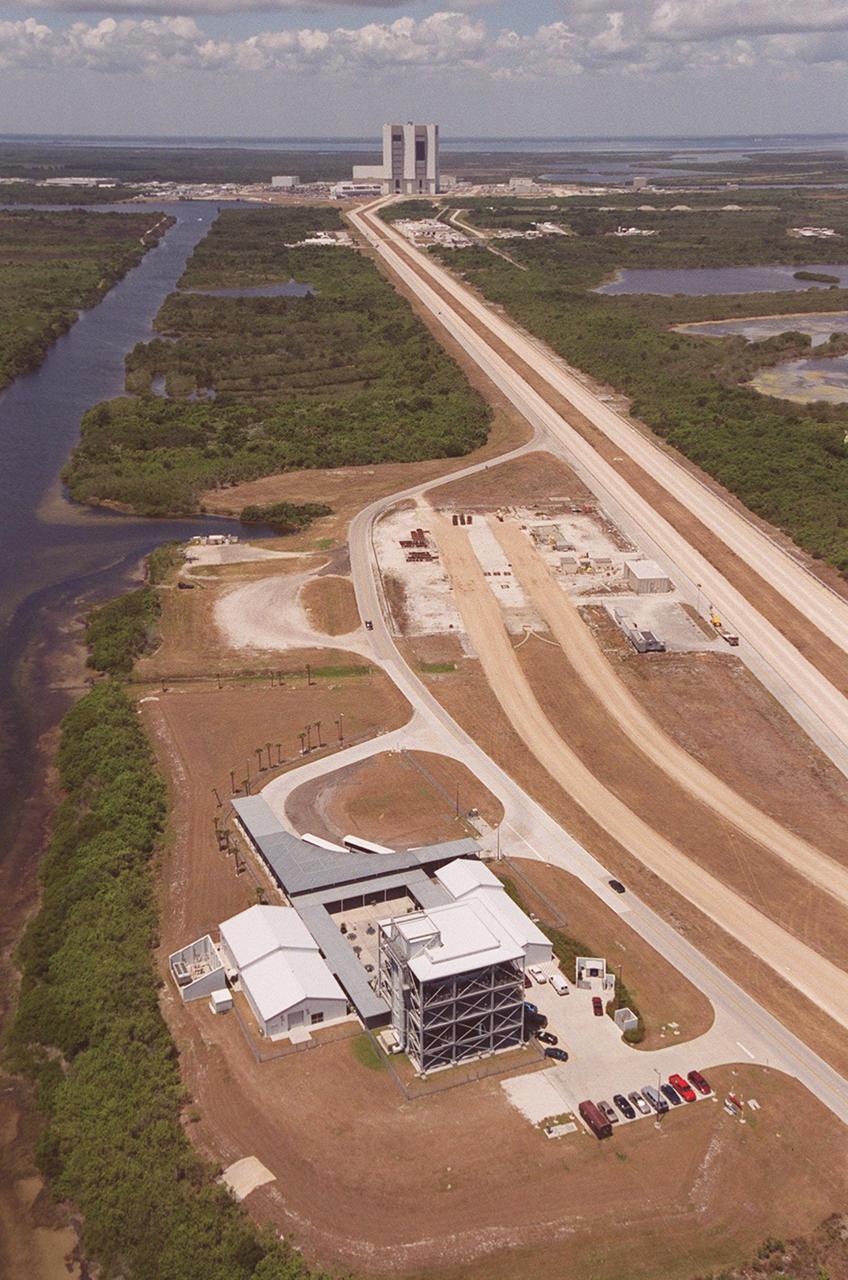
This aerial view is of a tour stop on the KSC bus tour, the Launch Complex 39 Observation Gantry. This stop allows visitors to view and photograph Pads A and B in Launch Complex 39 from an elevated vantage point. The roadway leading to the tour stop runs next to the crawlerway (right) which is used to transport Space Shuttles from the Vehicle Assembly Building (background) to the pads
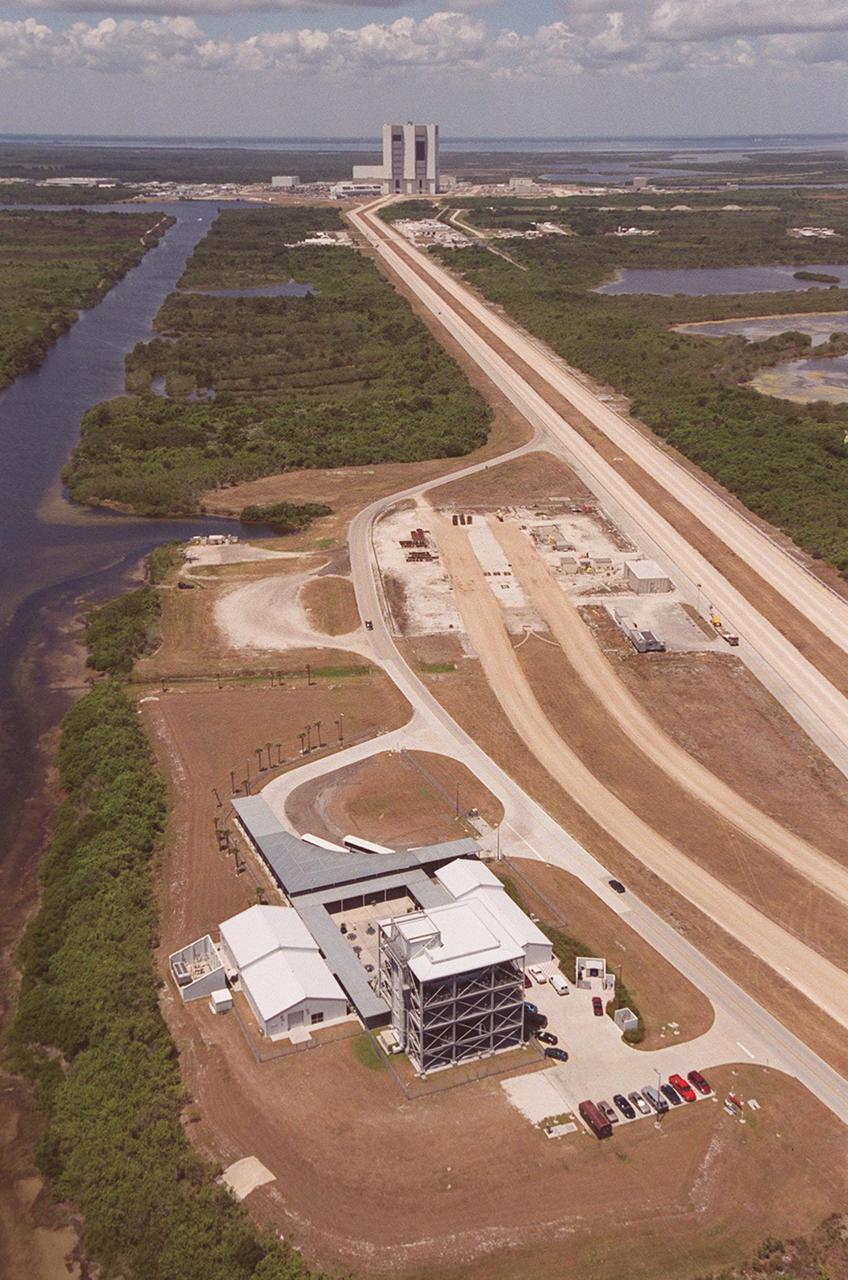
This aerial view is of a tour stop on the KSC bus tour, the Launch Complex 39 Observation Gantry. This stop allows visitors to view and photograph Pads A and B in Launch Complex 39 from an elevated vantage point. The roadway leading to the tour stop runs next to the crawlerway (right) which is used to transport Space Shuttles from the Vehicle Assembly Building (background) to the pads
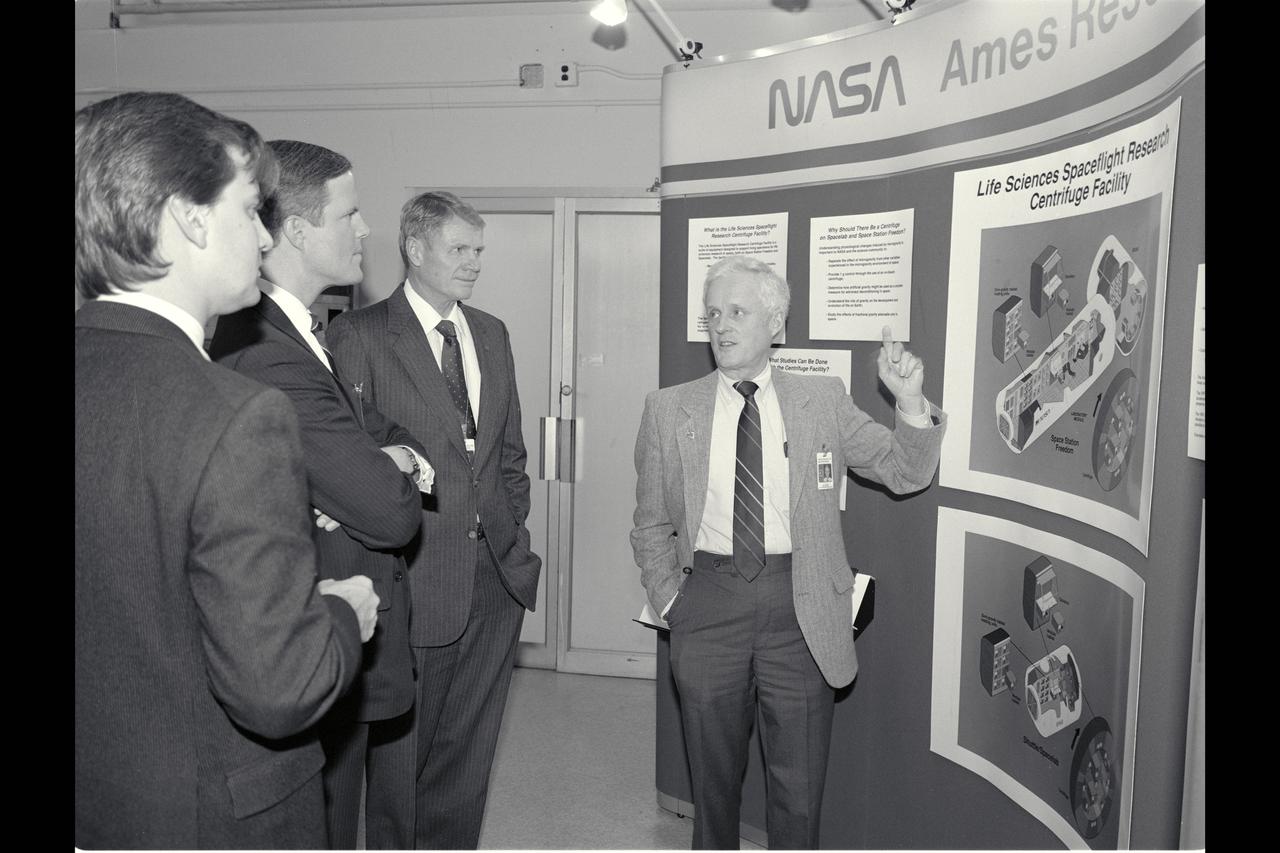
California Congressman Tom Campbell (15th District) stops on a tour of Ames with Dale Compton, Ames Director to learn about the SSBRP project for Space Station
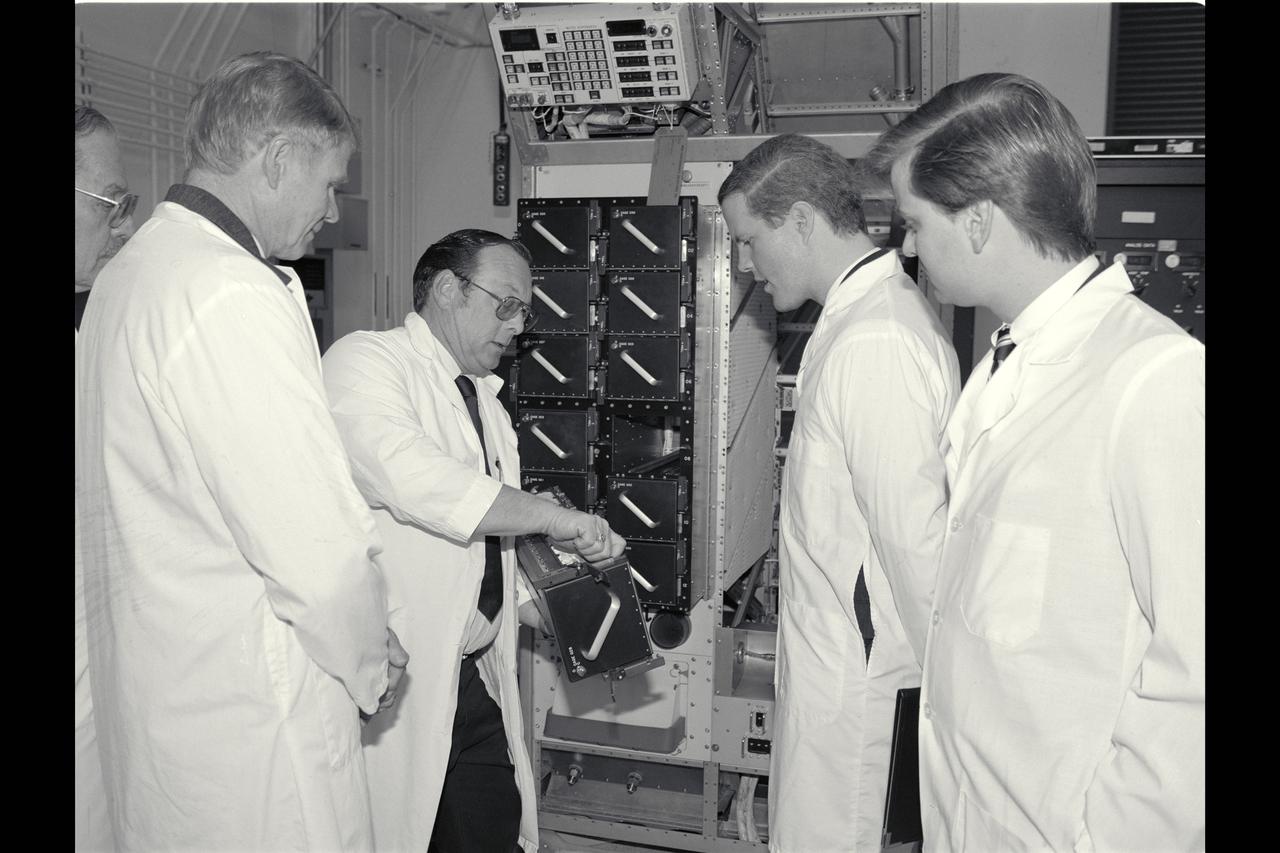
California Congressman Tom Campbell (15th District) stop on a tour of Ames with Dale Compton, Ames Director to learn about the AHRF in Life Sciences
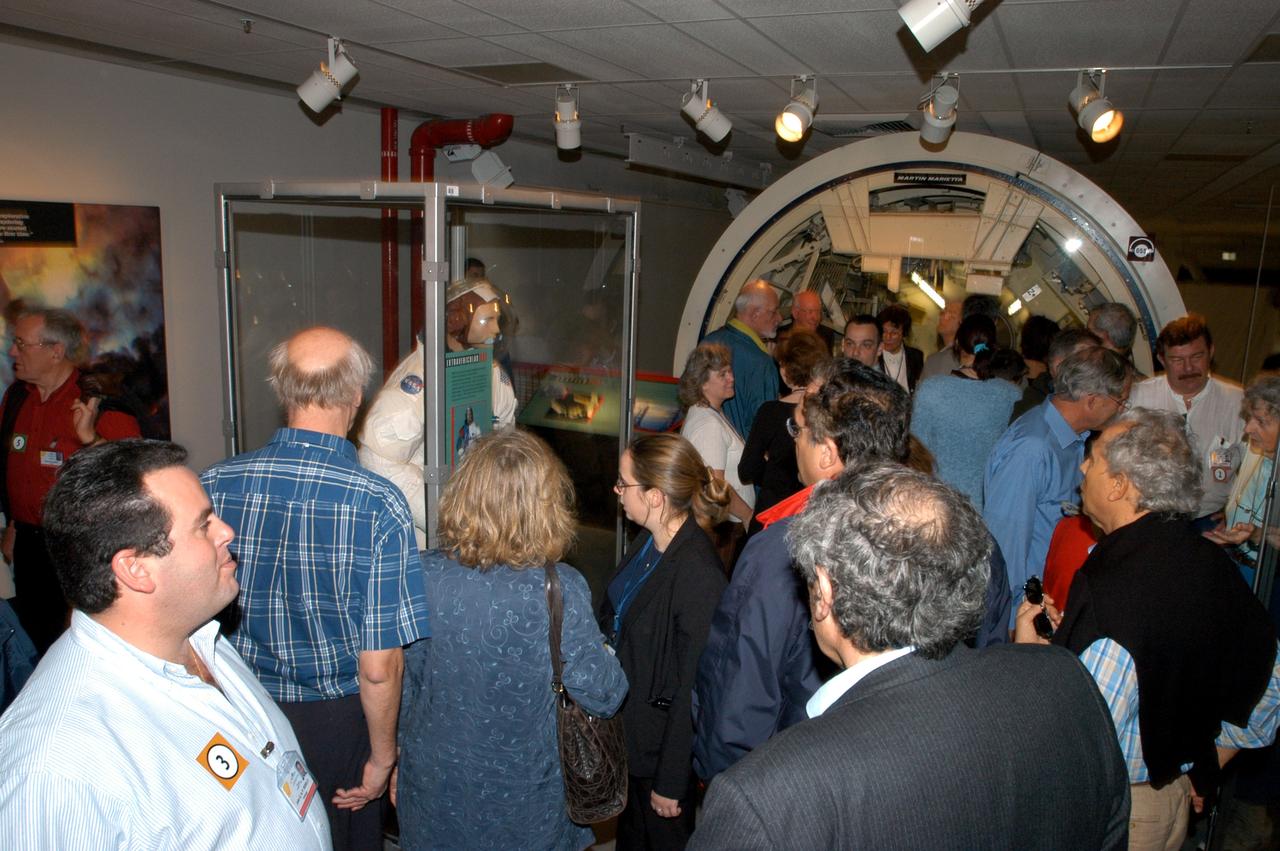
KENNEDY SPACE CENTER, FLA. - Members of the North American Treaty Organization (NATO) Parliamentary Assembly stop at the Space Station Processing Facility’s International Space Station observation room during their tour of KSC. The members are meeting in Orlando this year for their 49th annual gathering. They chose to visit KSC with their families during their one-day excursion break from meetings.
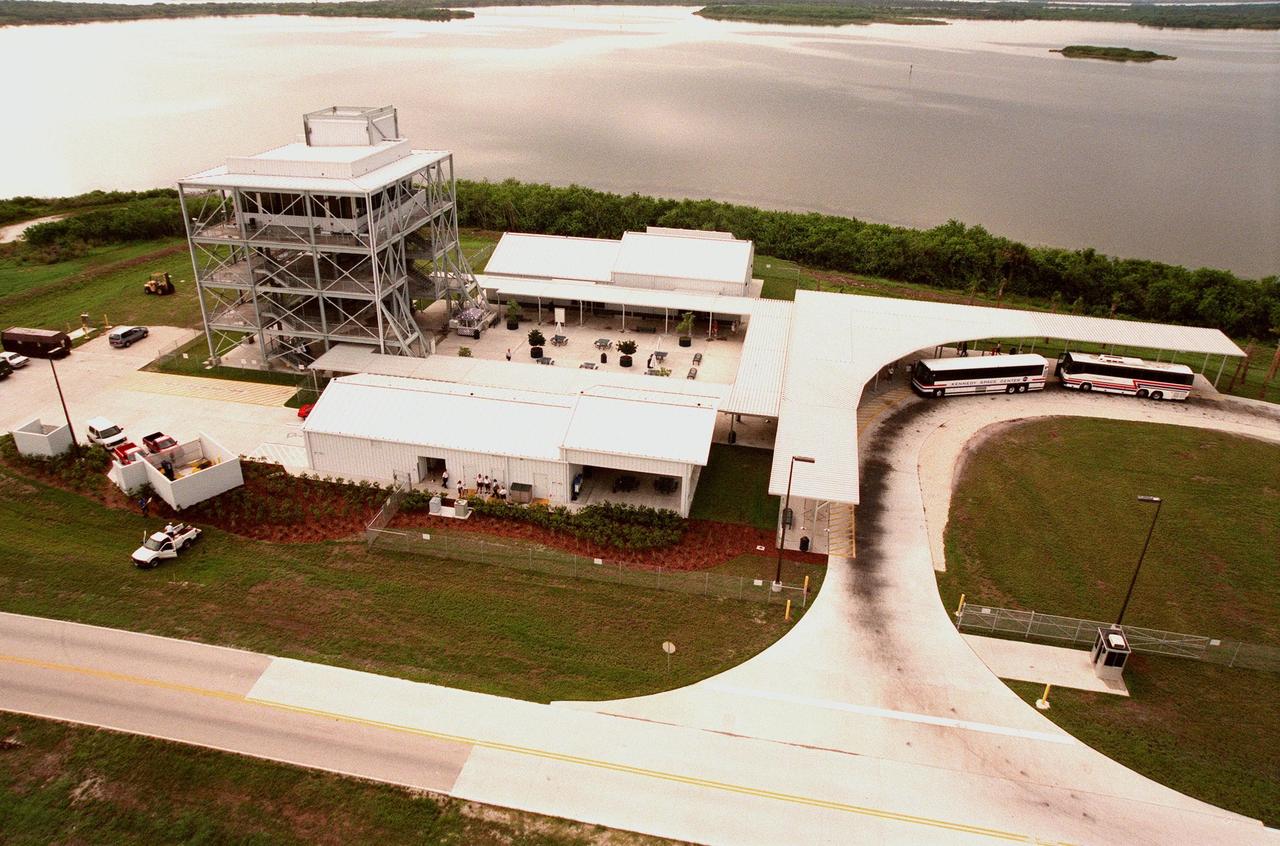
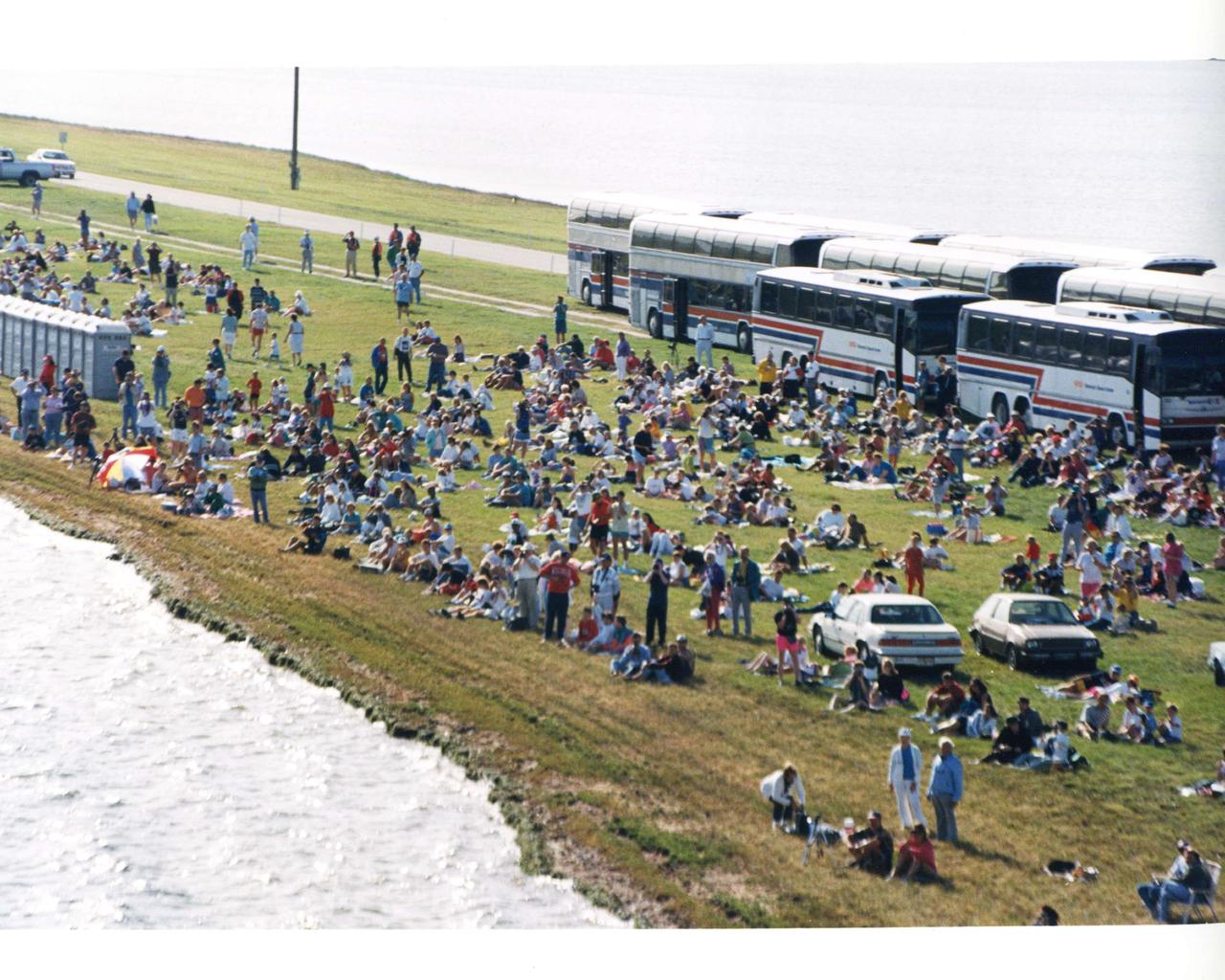
Tour buses unload passengers at a new stop on the KSC tour that allows visitors to view Pad LC-39B. The tour road runs parallel to the crawlerway (just out of sight) that is used to transport the Space Shuttle vehicles to the pad. The length of the crawlerway from the Vehicle Assembly Building to Pad B is 6,828 meters (22,440 ft); its width overall is 40 meters (130 ft); each lane is 12 meters (40ft) with a 15-meter (50ft) median. This view looks south
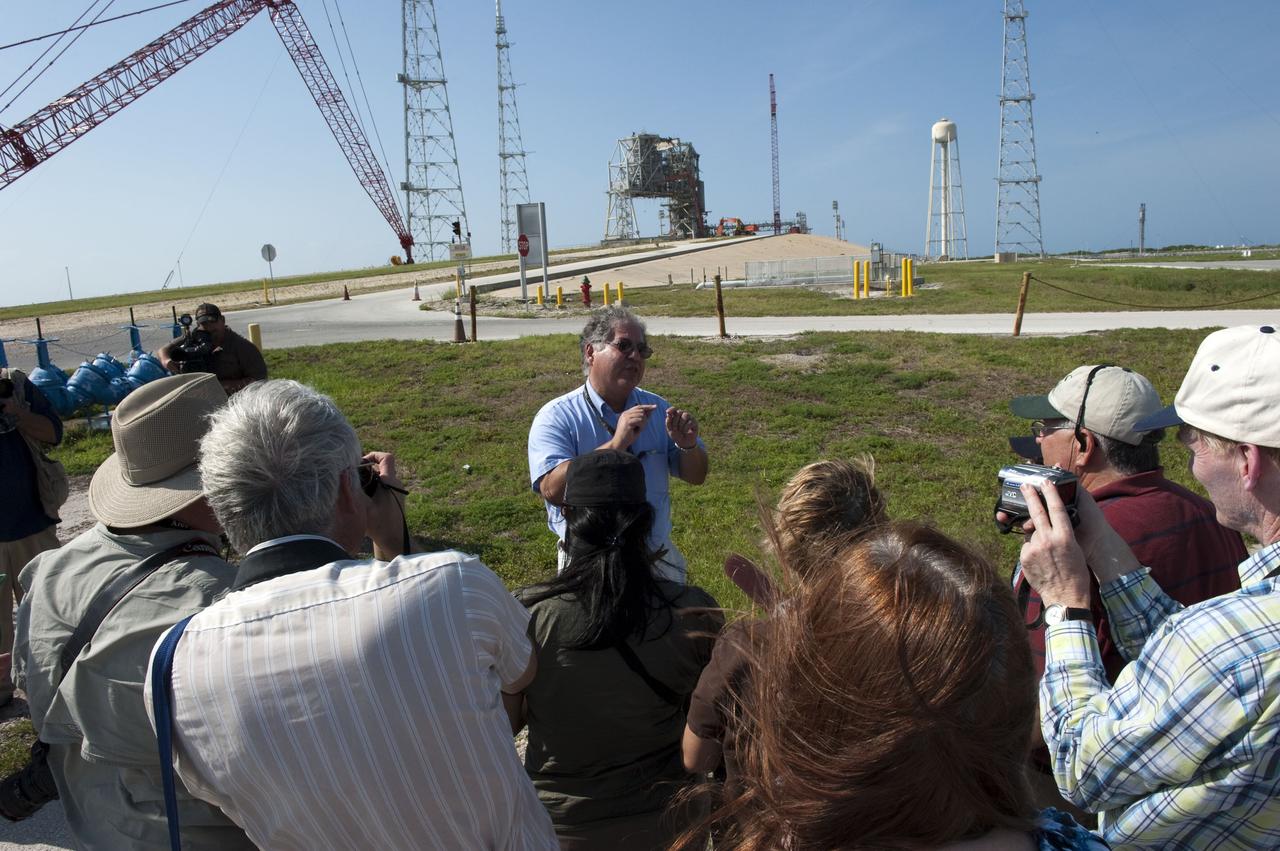
CAPE CANAVERAL, Fla. -- Media representatives participate in a Now and Future Tour at NASA's Kennedy Space Center in Florida. Here, they make a stop at the Launch Pad 39B, which is being restructured for future use. Its new design will feature a "clean pad" for rockets to come with their own launcher, making it more versatile for a number of vehicles. Leading the tour is Jose Perez-Morales, NASA's pad B project manager. Other stops along the tour included Orbiter Processing Facility-2 (OPF-2) and the Shuttle Landing Facility (SLF). OPF-2 is where shuttle Discovery is being prepared for future public display at the Smithsonian's National Air and Space Museum Steven F. Udvar-Hazy Center in Chantilly, Va. The SLF's runway could be used for private companies and government agencies to host a diversity of launch systems, including orbital and suborbital flights. Photo credit: NASA/Kim Shiflett
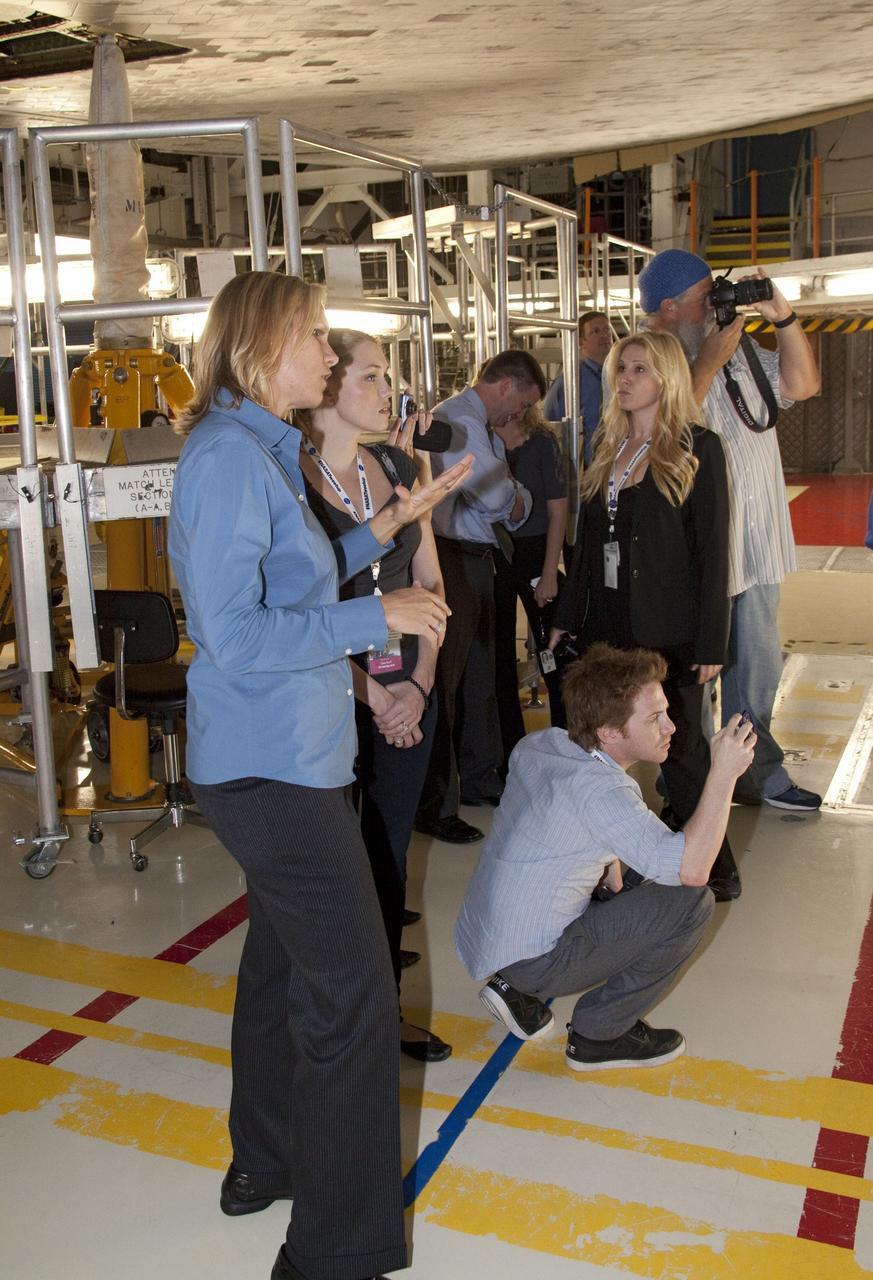
CAPE CANAVERAL, Fla. -- Media representatives participate in a Now and Future Tour at NASA's Kennedy Space Center in Florida. Here, they make a stop in Orbiter Processing Facility-2 (OPF-2) to learn about how shuttle Discovery is being prepared for future public display at the Smithsonian's National Air and Space Museum Steven F. Udvar-Hazy Center in Chantilly, Va. Leading the OPF-2 tour is Discovery's NASA Flow Director Stephanie Stilson. Other stops along the tour included Launch Pad 39B and the Shuttle Landing Facility (SLF). Pad B is being restructured for future use. Its new design will feature a "clean pad" for rockets to come with their own launcher, making it more versatile for a number of vehicles. The SLF's runway could be used for private companies and government agencies to host a diversity of launch systems, including orbital and suborbital flights. Photo credit: NASA/Jack Pfaller
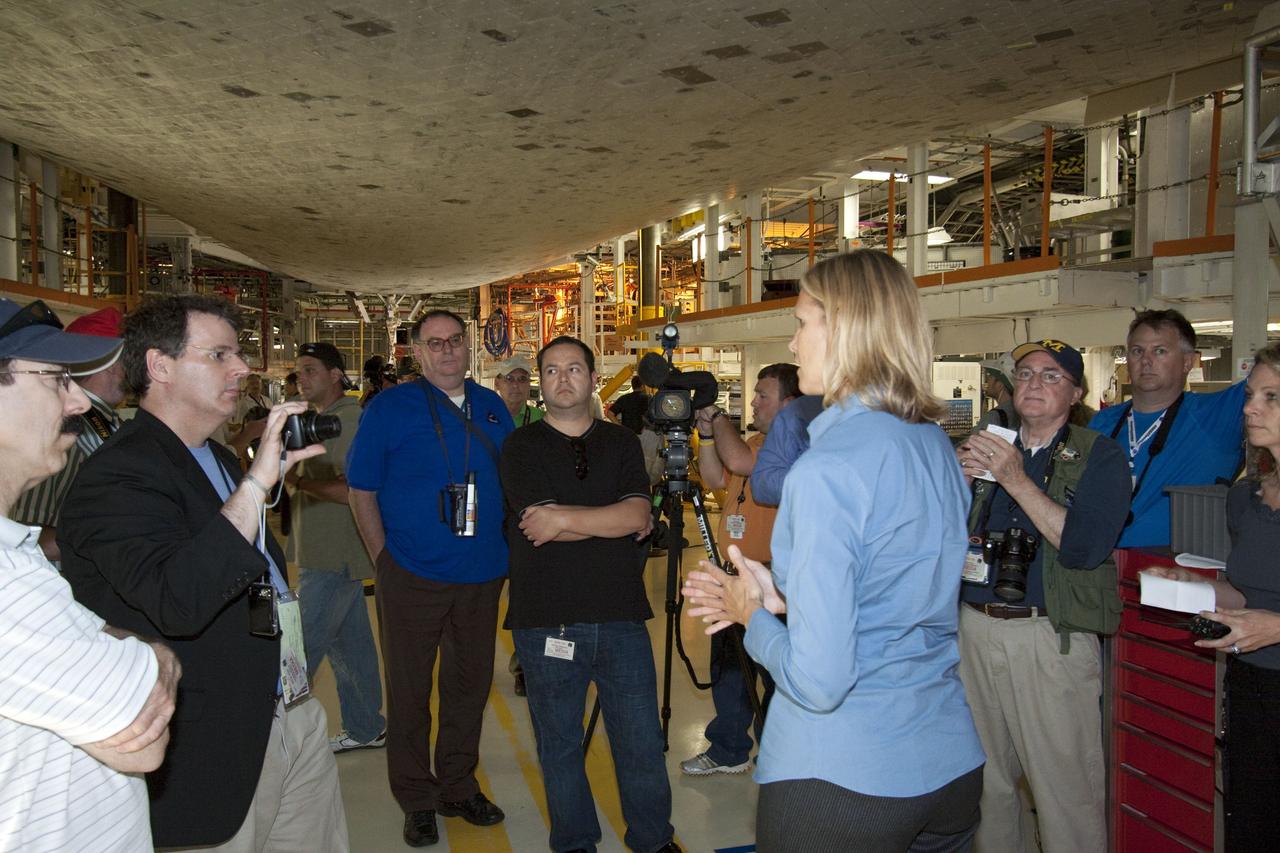
CAPE CANAVERAL, Fla. -- Media representatives participate in a Now and Future Tour at NASA's Kennedy Space Center in Florida. Here, they make a stop in Orbiter Processing Facility-2 (OPF-2) to learn about how shuttle Discovery is being prepared for future public display at the Smithsonian's National Air and Space Museum Steven F. Udvar-Hazy Center in Chantilly, Va. Leading the OPF-2 tour is Discovery's NASA Flow Director Stephanie Stilson. Other stops along the tour included Launch Pad 39B and the Shuttle Landing Facility (SLF). Pad B is being restructured for future use. Its new design will feature a "clean pad" for rockets to come with their own launcher, making it more versatile for a number of vehicles. The SLF's runway could be used for private companies and government agencies to host a diversity of launch systems, including orbital and suborbital flights. Photo credit: NASA/Jack Pfaller
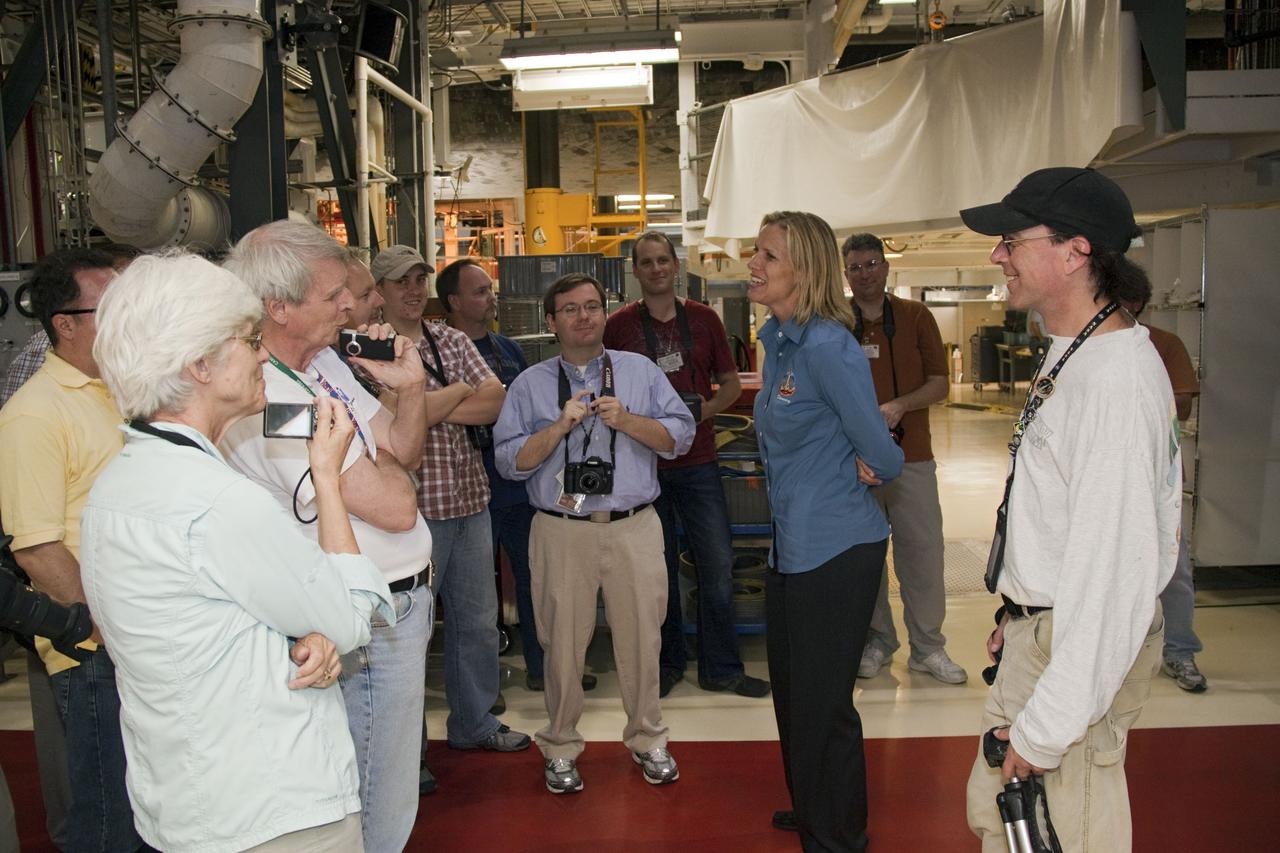
CAPE CANAVERAL, Fla. -- Media representatives participate in a Now and Future Tour at NASA's Kennedy Space Center in Florida. Here, they make a stop in Orbiter Processing Facility-2 (OPF-2) to learn about how shuttle Discovery is being prepared for future public display at the Smithsonian's National Air and Space Museum Steven F. Udvar-Hazy Center in Chantilly, Va. Leading the OPF-2 tour is Discovery's NASA Flow Director Stephanie Stilson. Other stops along the tour included Launch Pad 39B and the Shuttle Landing Facility (SLF). Pad B is being restructured for future use. Its new design will feature a "clean pad" for rockets to come with their own launcher, making it more versatile for a number of vehicles. The SLF's runway could be used for private companies and government agencies to host a diversity of launch systems, including orbital and suborbital flights. Photo credit: NASA/Jack Pfaller
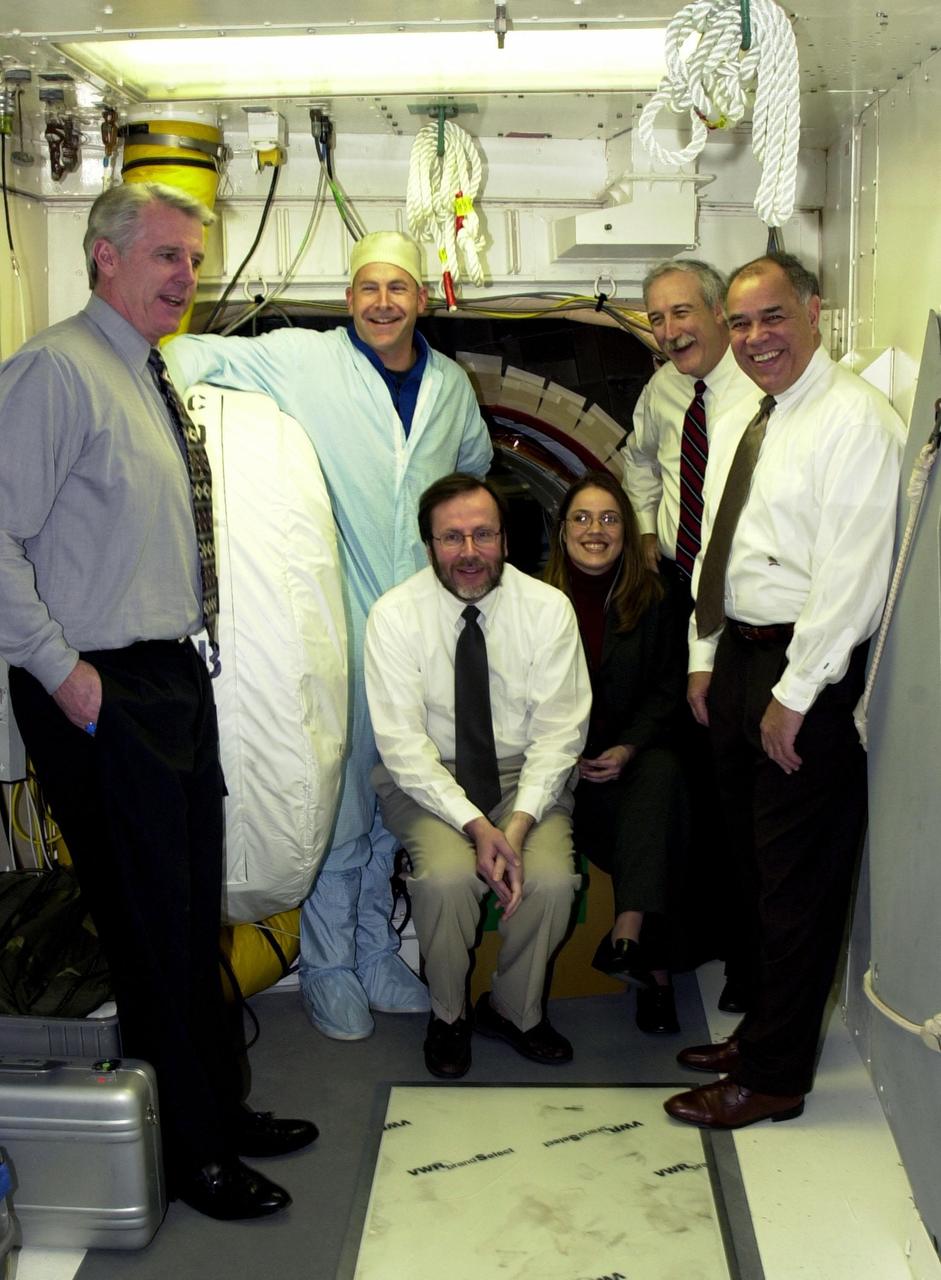
KENNEDY SPACE CENTER, Fla. - Enjoying a stop in the White Room, Launch Pad 39A, on his tour of KSC is the new NASA Administrator Sean O'Keefe (second from right). The administrator was at KSC on an agencywide familiarization tour of NASA field centers. He was nominated for the position as administrator in November 2001 by President George W. Bush. He was sworn in Dec. 21 as the agency's 10th chief
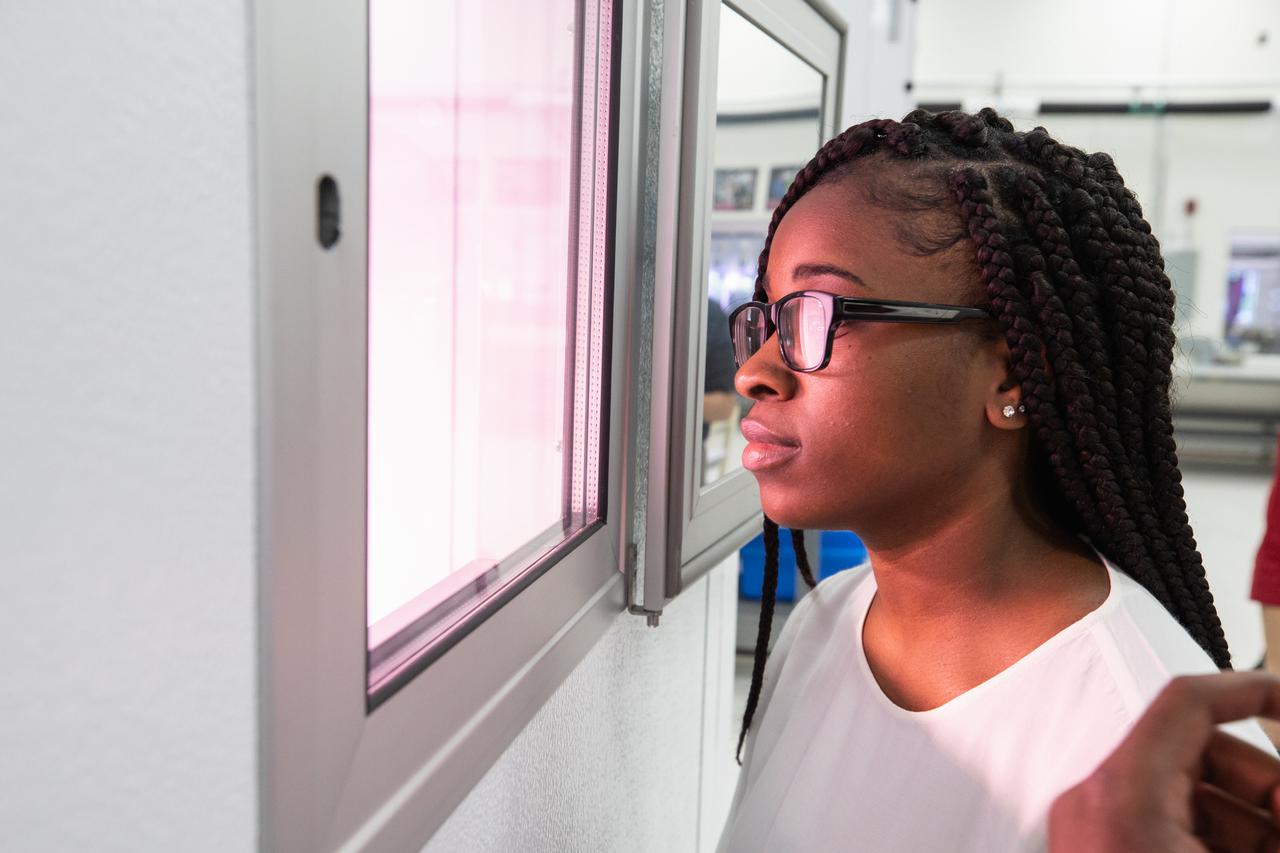
Langston University student Makyah Farris observes plants inside a Space Station Processing Facility lab at Kennedy Space Center on Sept. 18, 2019. Farris was part of a tour of the Florida spaceport organized by NASA’s Office of Education and Byron Quinn, Ph.D., Langston University director of the Science Research Institute. The students’ tour of Kennedy included stops at SwampWorks, the Neil Armstrong Operations and Checkout Building, the Vehicle Assembly Building, the visitor complex and the Center for Space Education.

NASA Astronaut Joe Acaba speaks to students and educators during their tour stop at the Lunar Landing Research Facility during an aerospace technical field career day event at Langley Research Center, Hampton Va., Wednesday, April 29, 2026. Photo Credit (NASA/Mark L Knopp)

NASA Mechanical Engineer Christopher B. Meek speaks to students and educators during their tour stop at the Lunar Landing Research Facility for an aerospace technical field career day event at Langley Research Center, Hampton Va., Wednesday, April 29, 2026. Photo Credit (NASA/Mark L. Knopp)
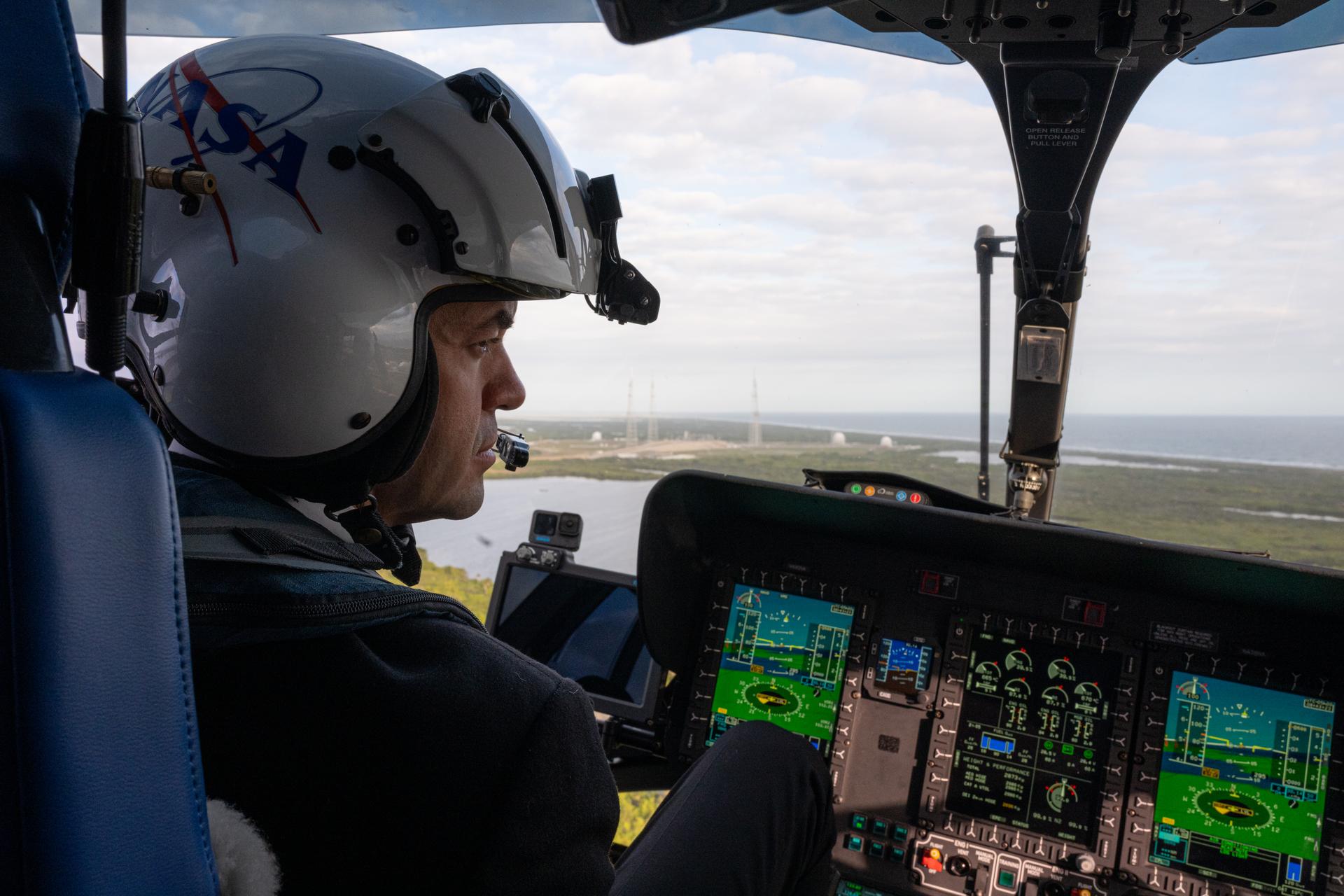
NASA Administrator Jared Isaacman participates in a helicopter tour of NASA’s Kennedy Space Center, Tuesday, Jan. 13, 2026, in Florida. Kennedy marks the fourth stop in Isaacman’s roadshow to visit NASA facilities and engage directly with the agency’s workforce. Photo Credit: (NASA/John Kraus)
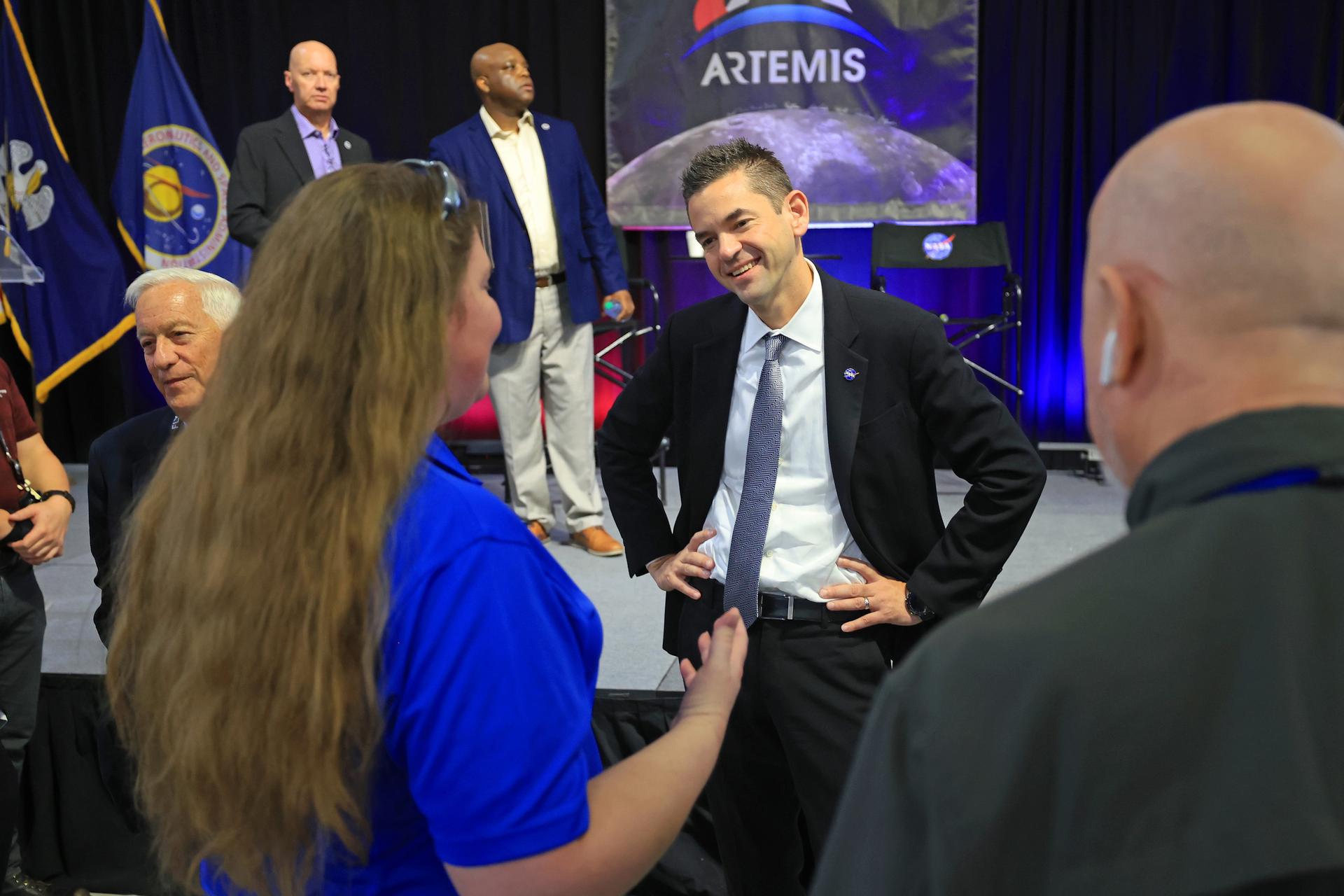
NASA Administrator Jared Isaacman speaks to the Michoud workforce during an employee town hall and Q&A session on Thursday, Sept. 17, 2026. Isaacman, NASA’s 15th administrator, stopped at Michoud during his multi-center tour to meet with employees, contractors, and partners. Image credit: NASA/Michael DeMocker
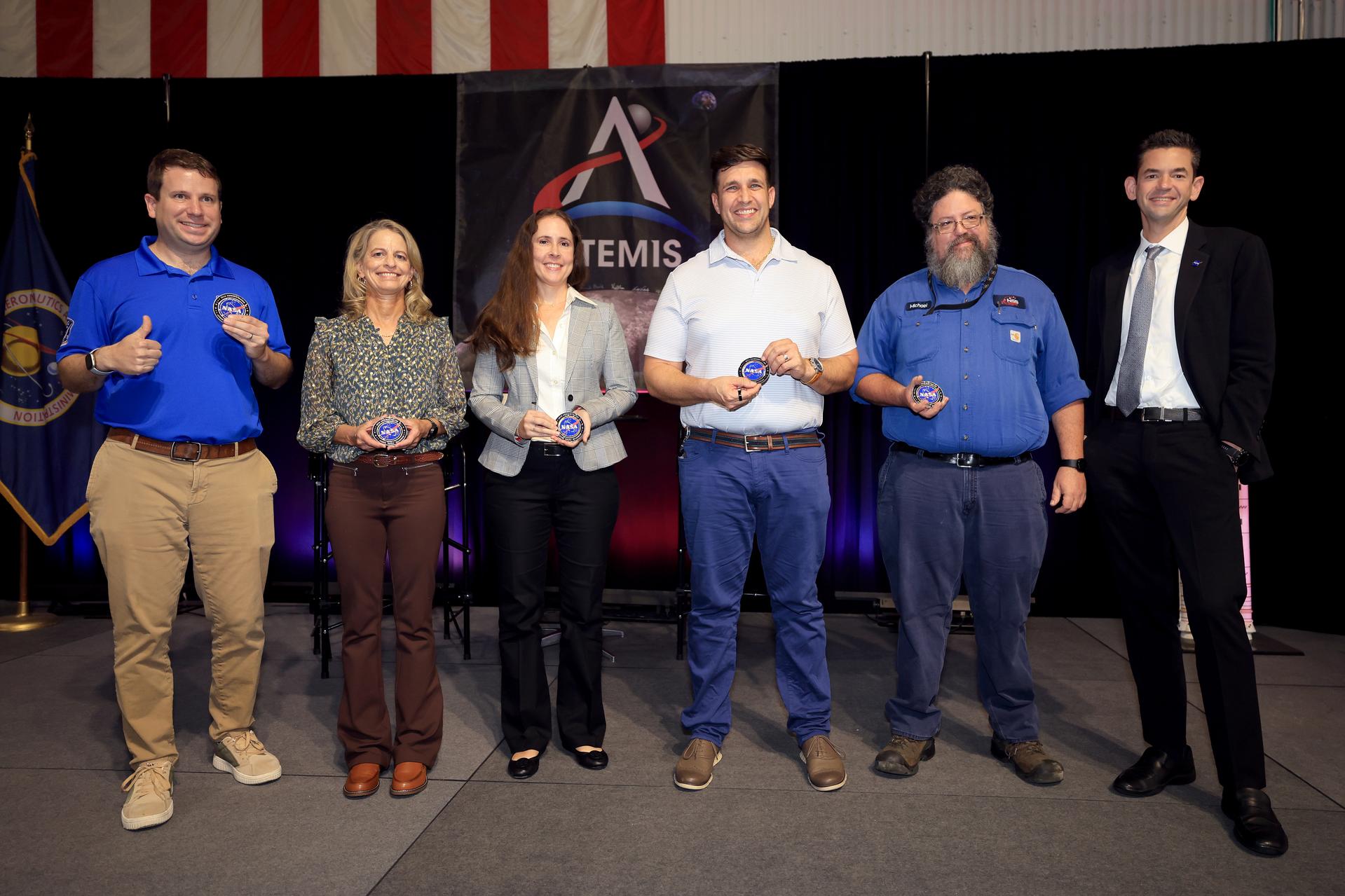
NASA Administrator Jared Isaacman speaks to the Michoud workforce during an employee town hall and Q&A session on Thursday, Sept. 17, 2026. Isaacman, NASA’s 15th administrator, stopped at Michoud during his multi-center tour to meet with employees, contractors, and partners. Image credit: NASA/Michael DeMocker
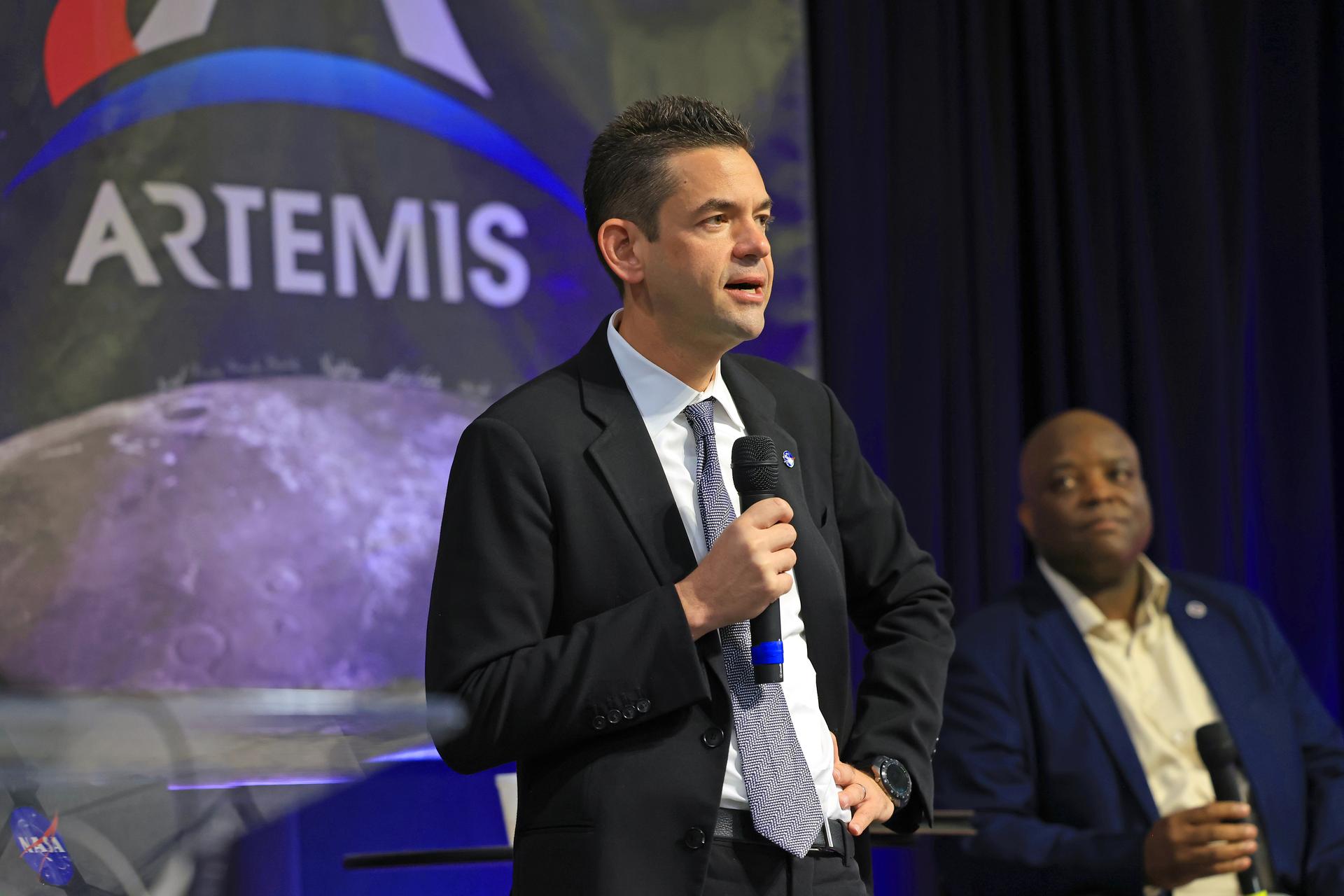
NASA Administrator Jared Isaacman speaks to the Michoud workforce during an employee town hall and Q&A session on Thursday, Sept. 17, 2026. Isaacman, NASA’s 15th administrator, stopped at Michoud during his multi-center tour to meet with employees, contractors, and partners. Image credit: NASA/Michael DeMocker
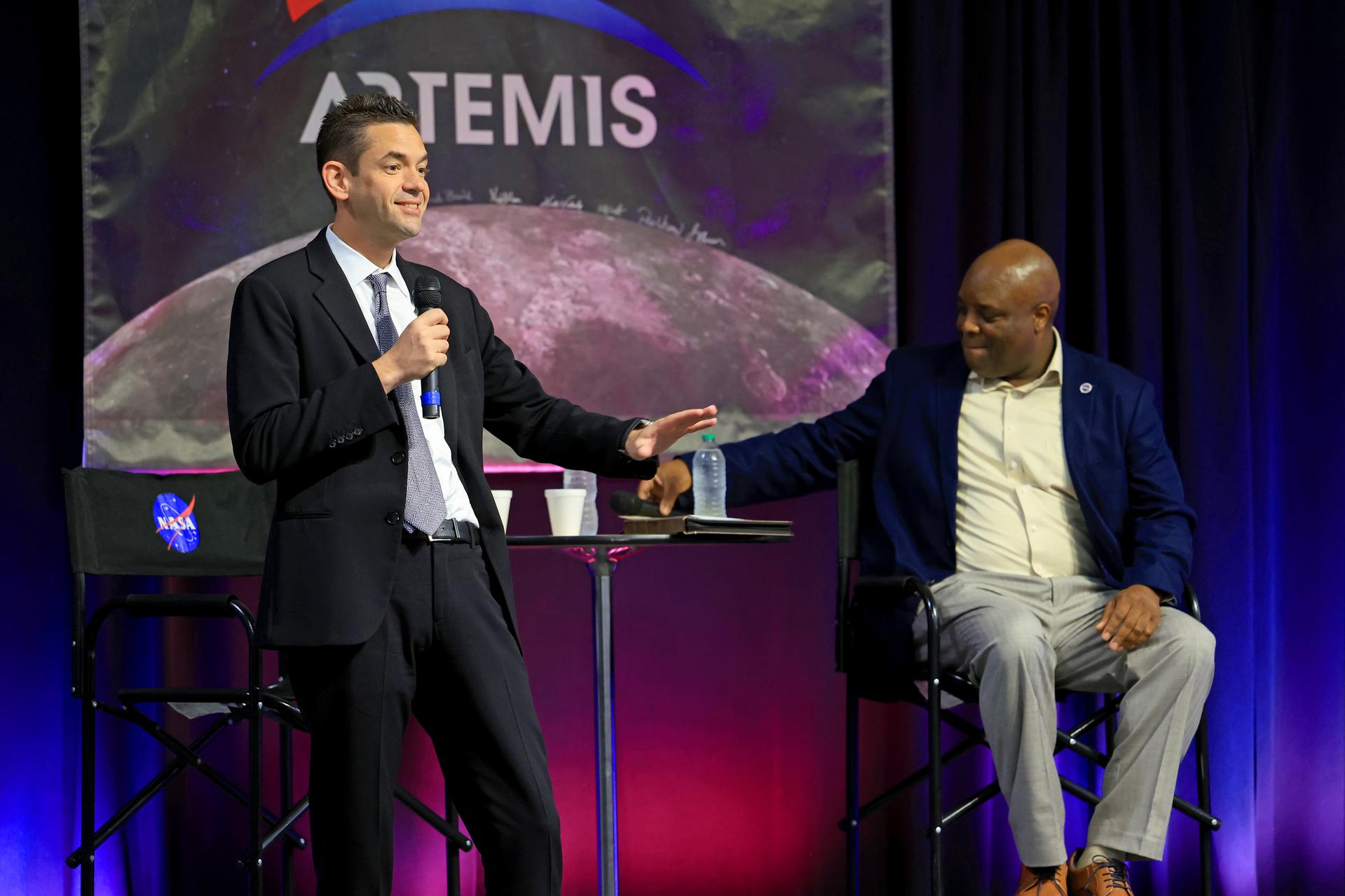
NASA Administrator Jared Isaacman speaks to the Michoud workforce during an employee town hall and Q&A session on Thursday, Sept. 17, 2026. Isaacman, NASA’s 15th administrator, stopped at Michoud during his multi-center tour to meet with employees, contractors, and partners. Image credit: NASA/Michael DeMocker
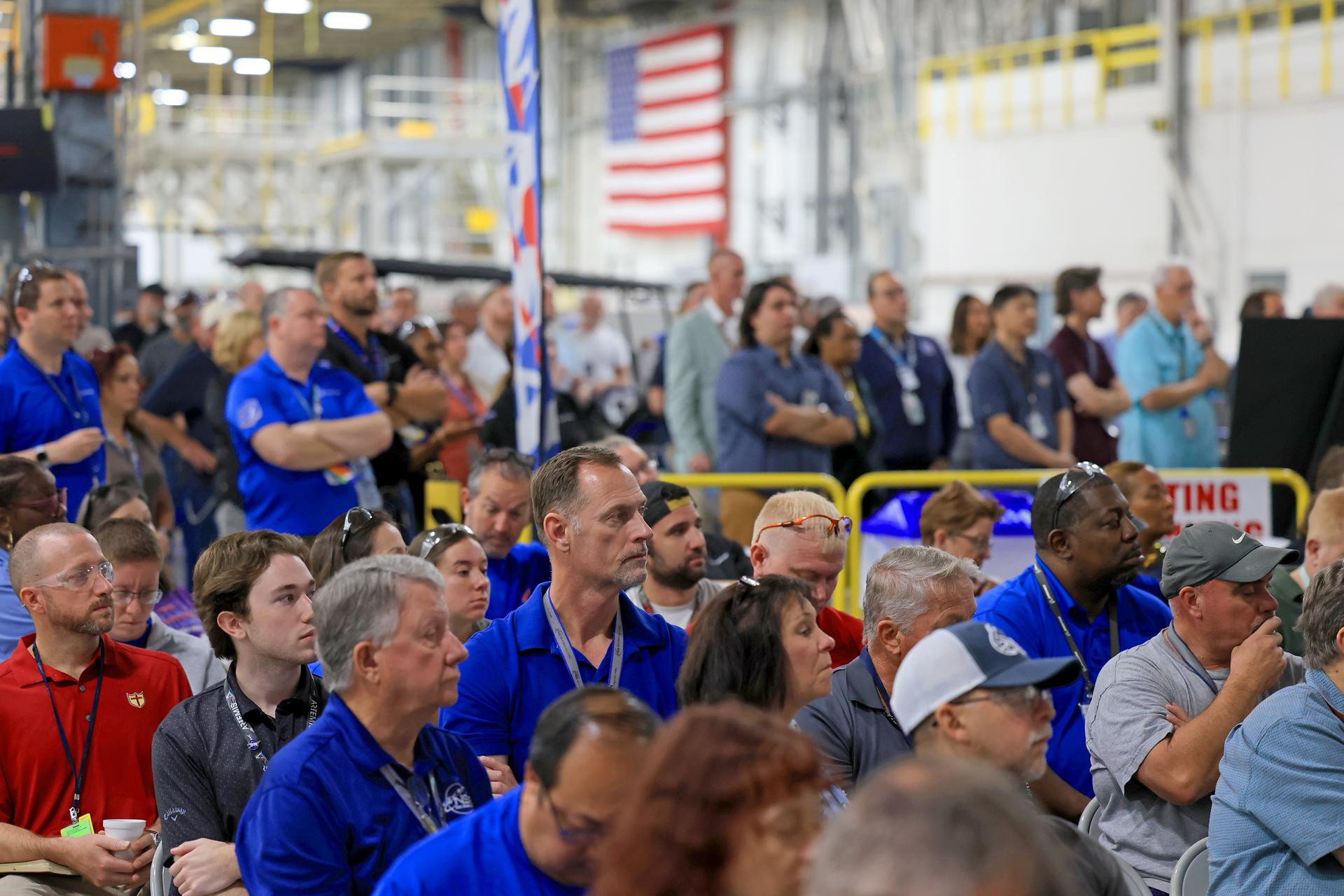
NASA Administrator Jared Isaacman speaks to the Michoud workforce during an employee town hall and Q&A session on Thursday, Sept. 17, 2026. Isaacman, NASA’s 15th administrator, stopped at Michoud during his multi-center tour to meet with employees, contractors, and partners. Image credit: NASA/Michael DeMocker
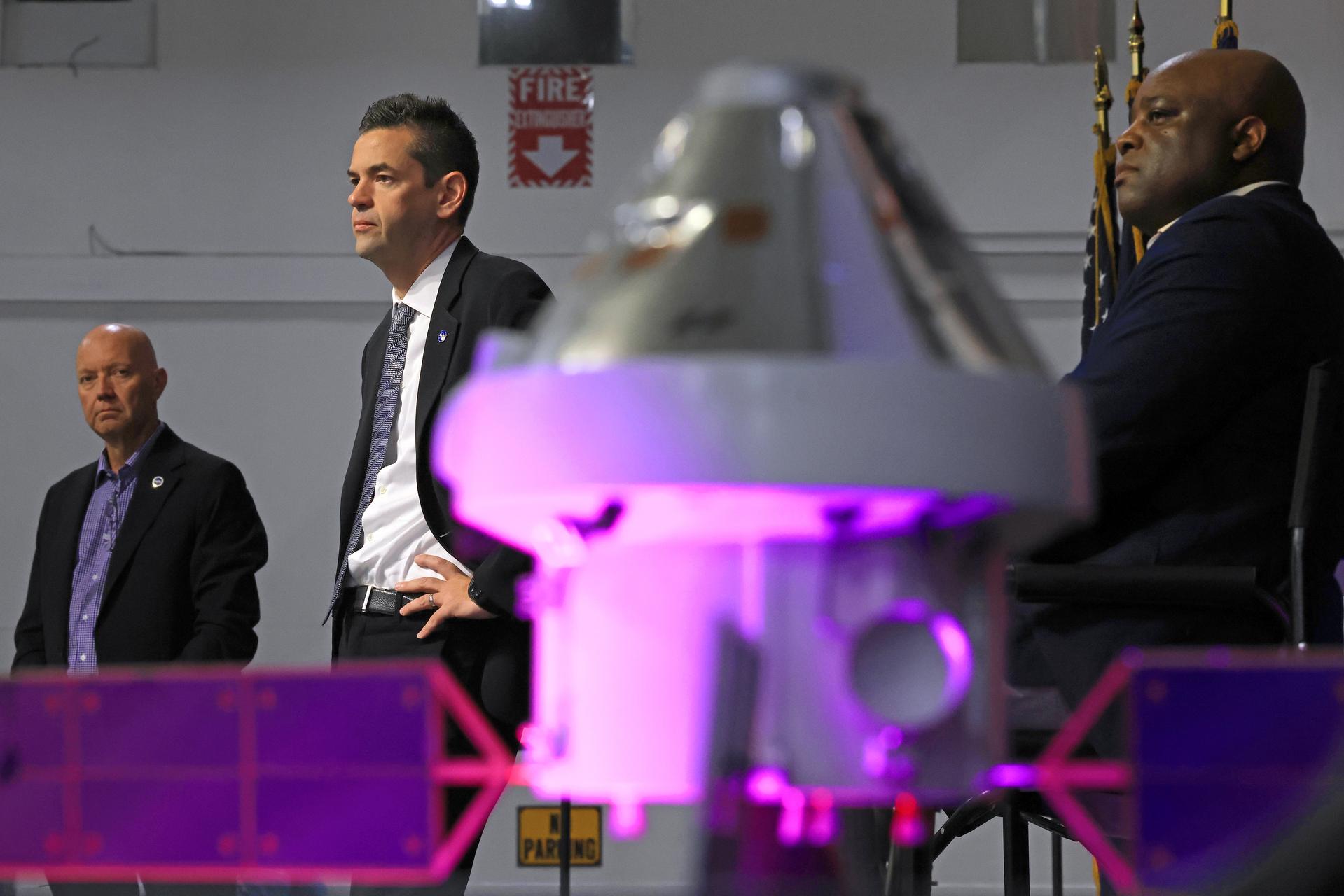
NASA Administrator Jared Isaacman speaks to the Michoud workforce during an employee town hall and Q&A session on Thursday, Sept. 17, 2026. Isaacman, NASA’s 15th administrator, stopped at Michoud during his multi-center tour to meet with employees, contractors, and partners. Image credit: NASA/Michael DeMocker
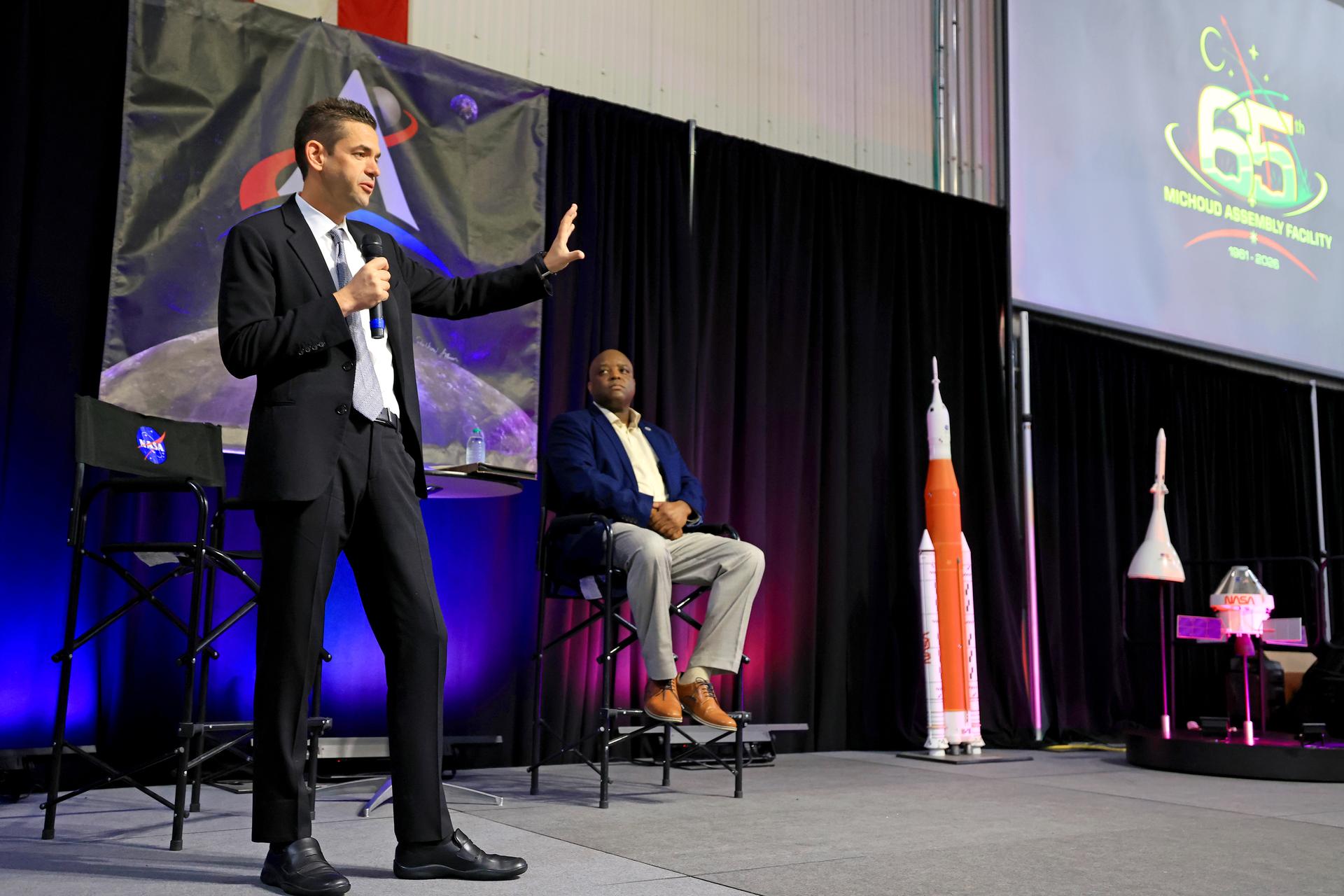
NASA Administrator Jared Isaacman speaks to the Michoud workforce during an employee town hall and Q&A session on Thursday, Sept. 17, 2026. Isaacman, NASA’s 15th administrator, stopped at Michoud during his multi-center tour to meet with employees, contractors, and partners. Image credit: NASA/Michael DeMocker
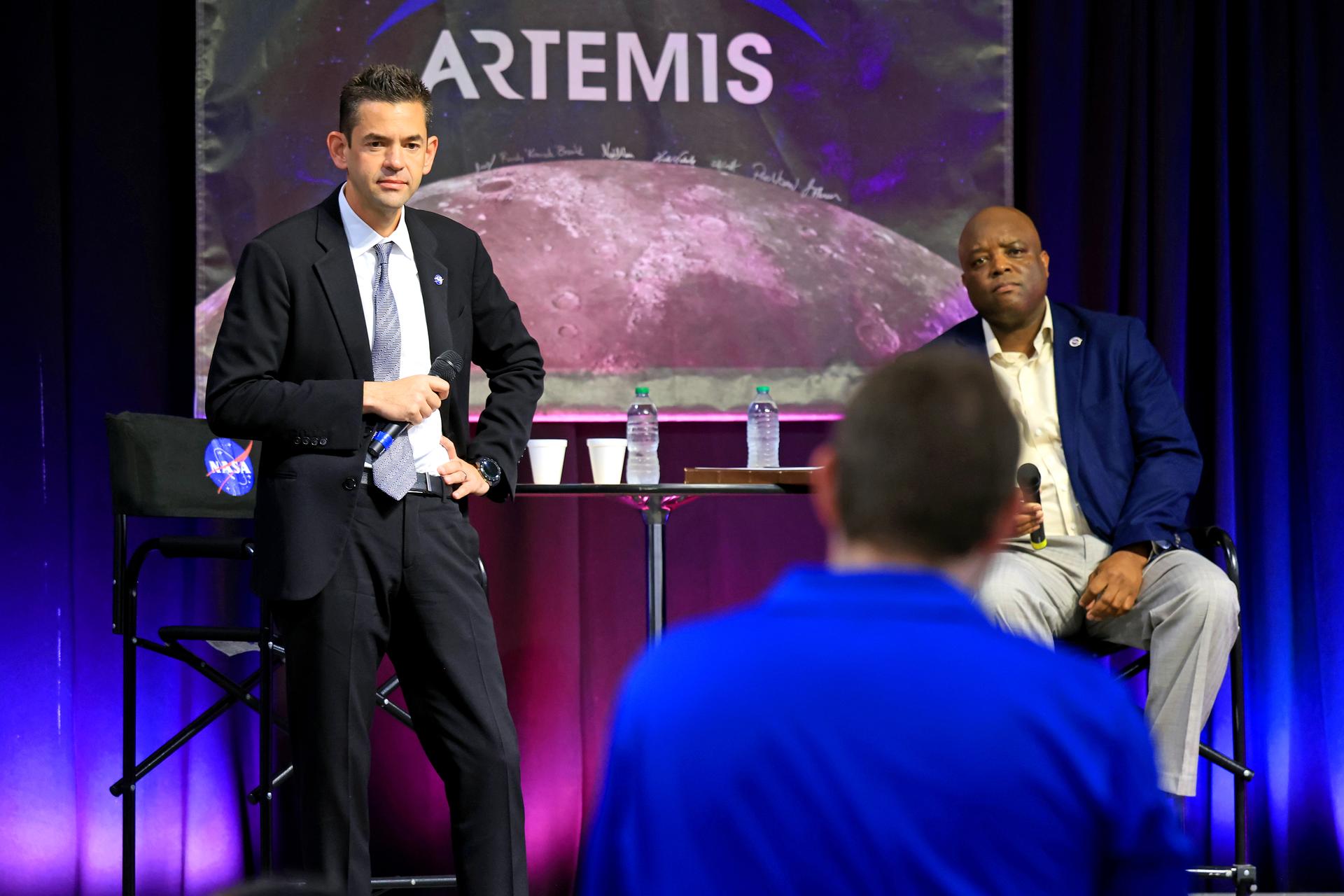
NASA Administrator Jared Isaacman speaks to the Michoud workforce during an employee town hall and Q&A session on Thursday, Sept. 17, 2026. Isaacman, NASA’s 15th administrator, stopped at Michoud during his multi-center tour to meet with employees, contractors, and partners. Image credit: NASA/Michael DeMocker
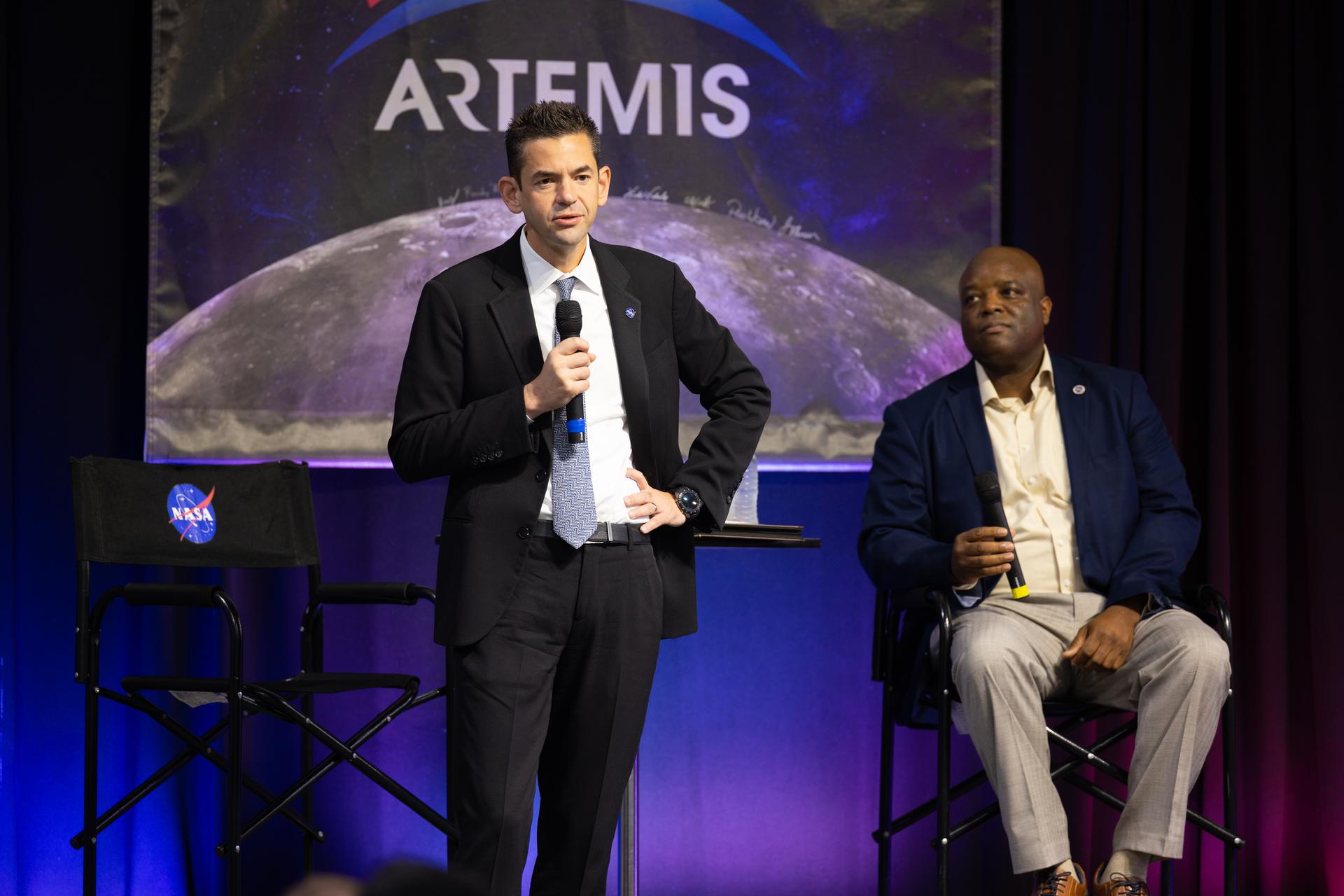
NASA Administrator Jared Isaacman speaks to the Michoud workforce during an employee town hall and Q&A session on Thursday, Sept. 17, 2026. Isaacman, NASA’s 15th administrator, stopped at Michoud during his multi-center tour to meet with employees, contractors, and partners.
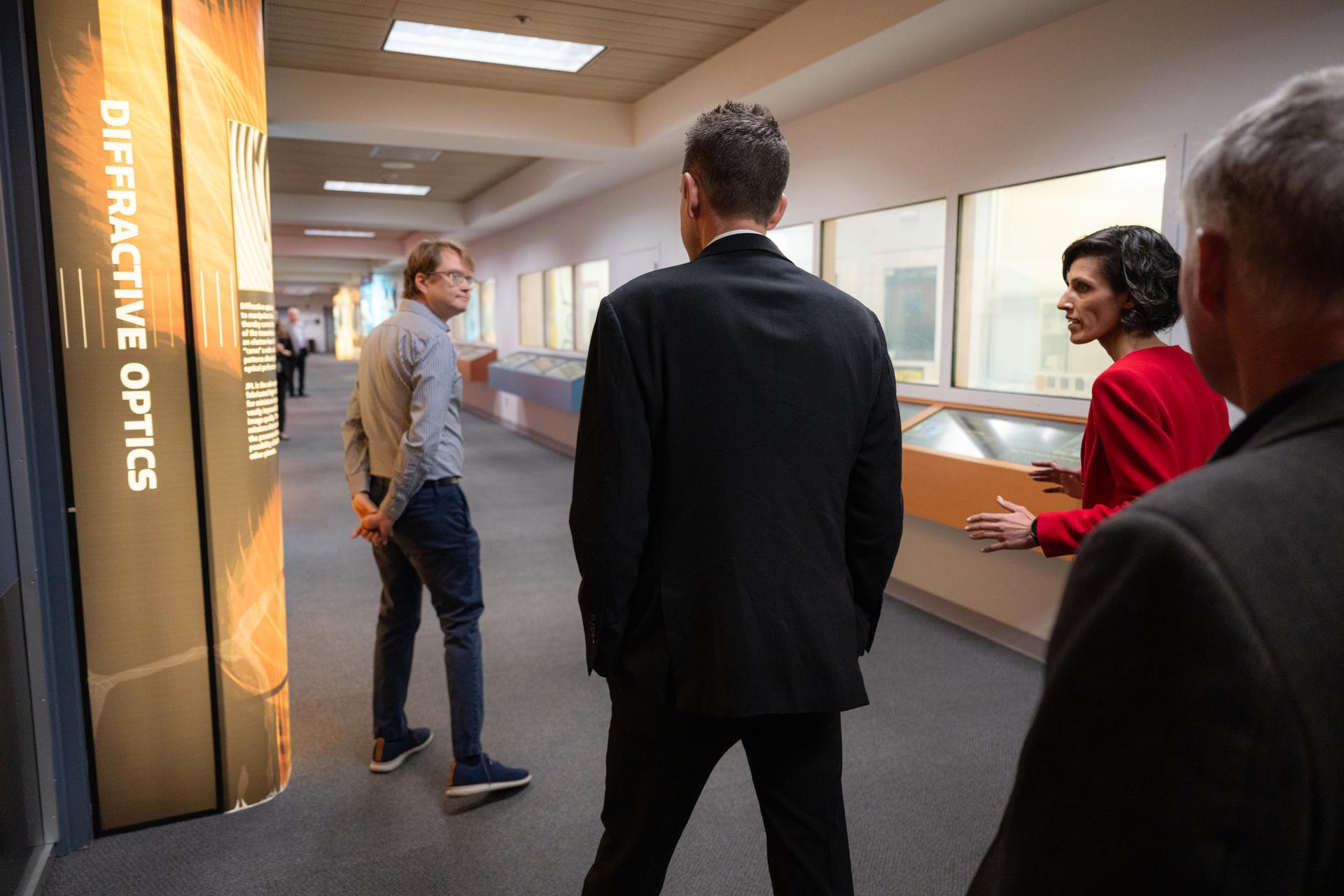
NASA Administrator Jared Isaacman, center, tours the Microdevices Laboratory at NASA’s Jet Propulsion Laboratory, Saturday, Jan. 24, 2026, in Pasadena, Calif. JPL marks the eighth stop in Isaacman’s roadshow to visit NASA facilities and engage directly with the agency’s workforce. Photo Credit: (NASA/John Kraus)
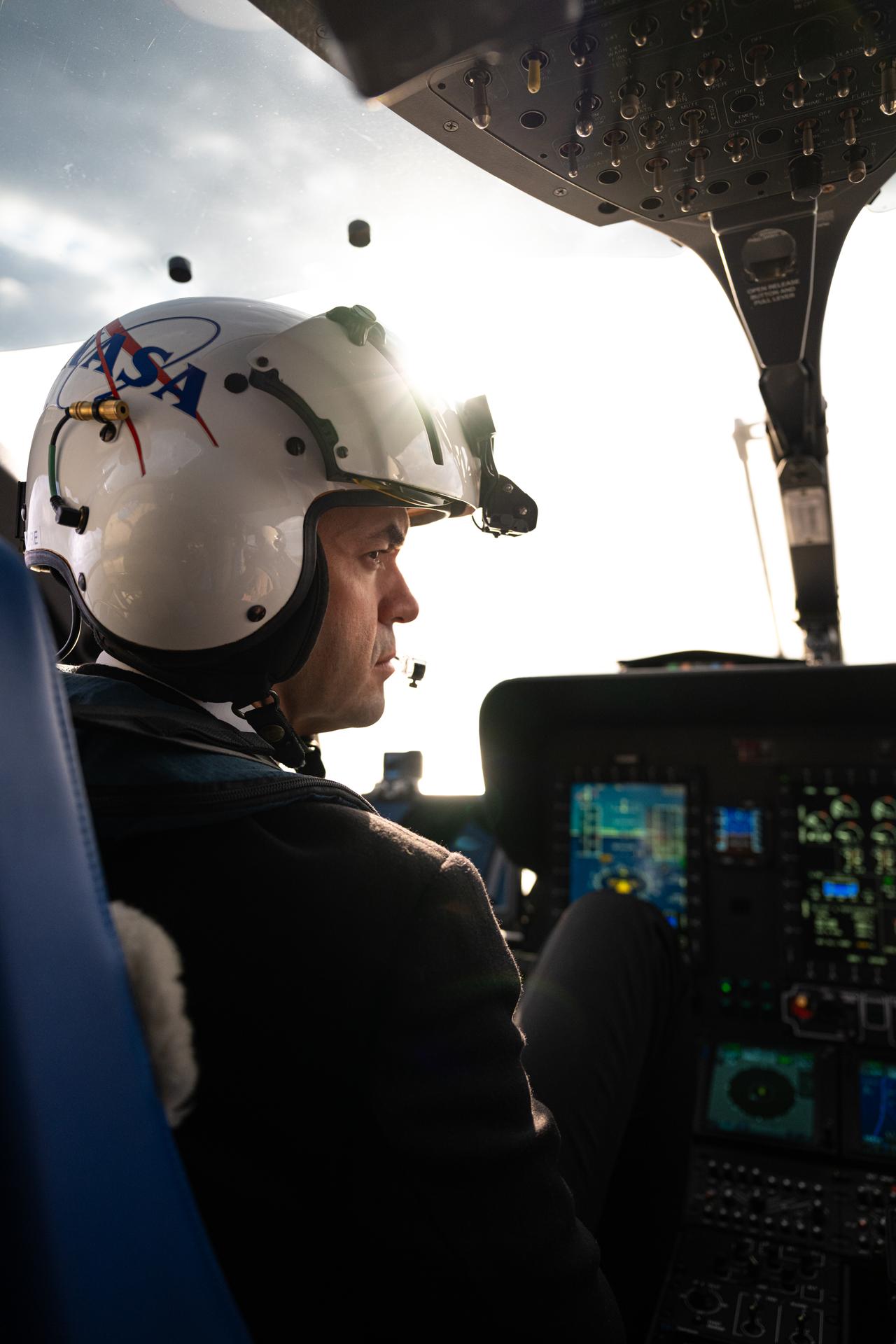
NASA Administrator Jared Isaacman participates in a helicopter tour of NASA’s Kennedy Space Center, Tuesday, Jan. 13, 2026, in Florida. Kennedy marks the fourth stop in Isaacman’s roadshow to visit NASA facilities and engage directly with the agency’s workforce. Photo Credit: (NASA/John Kraus)
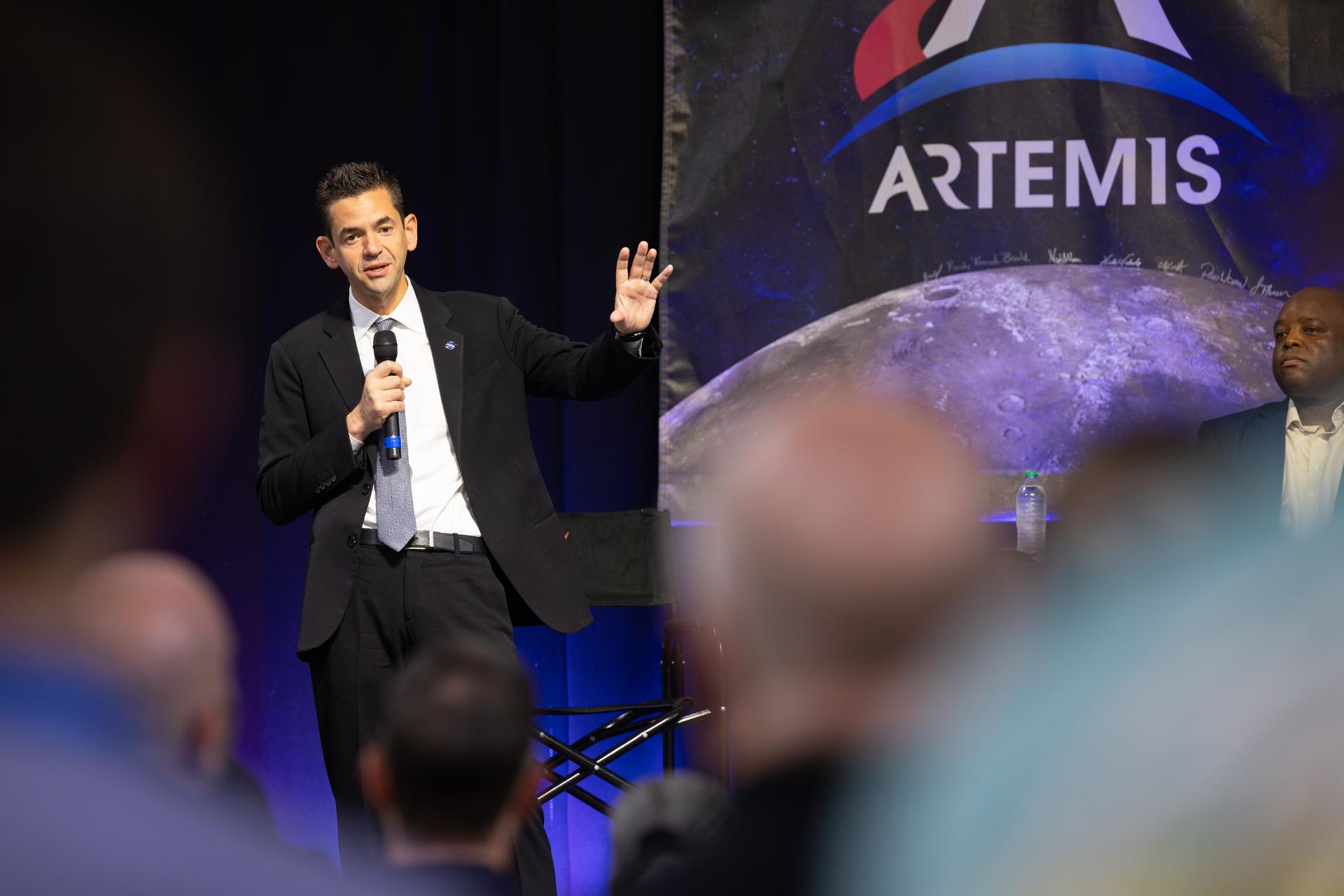
NASA Administrator Jared Isaacman speaks to the Michoud workforce during an employee town hall and Q&A session on Thursday, Sept. 17, 2026. Isaacman, NASA’s 15th administrator, stopped at Michoud during his multi-center tour to meet with employees, contractors, and partners.
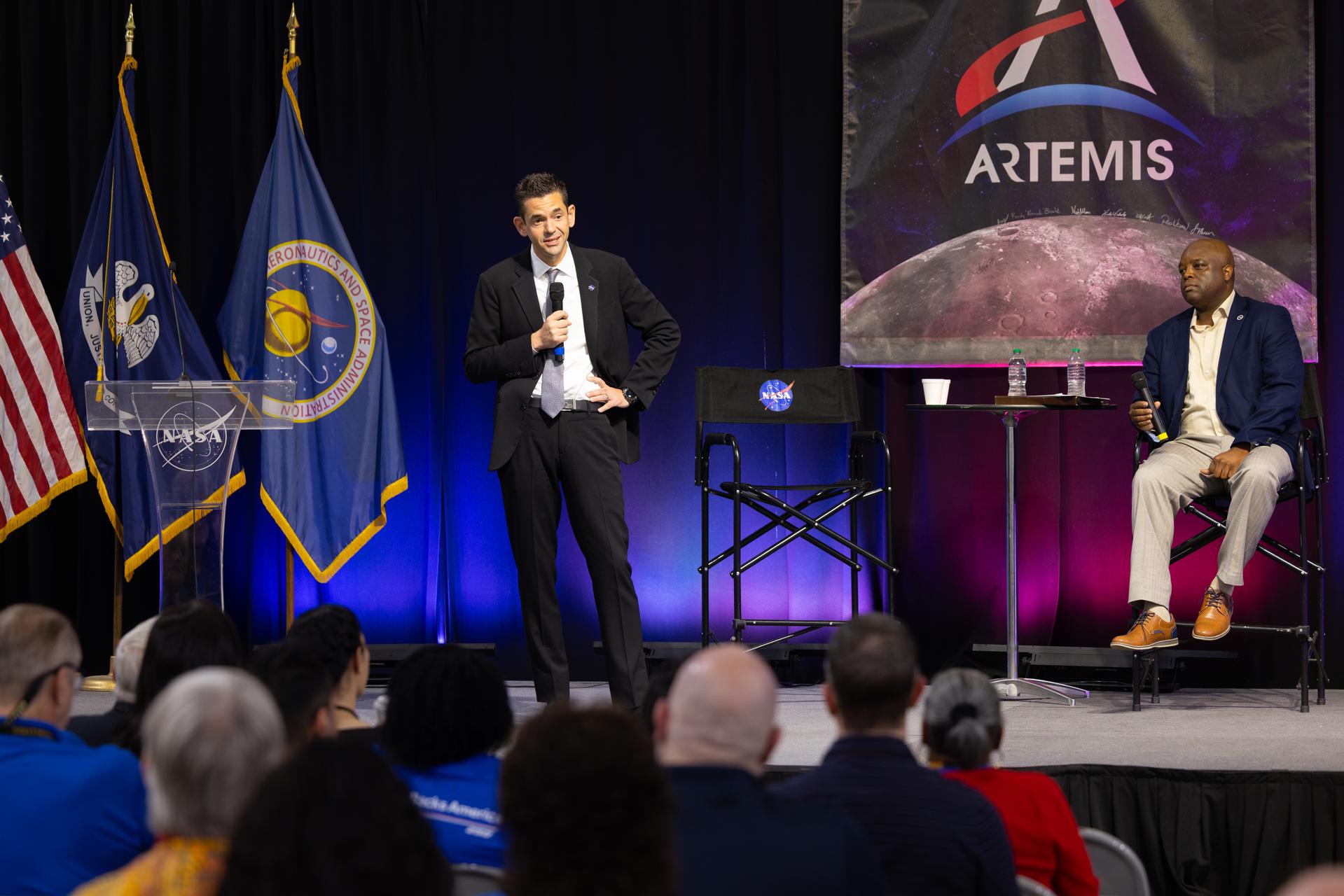
NASA Administrator Jared Isaacman speaks to the Michoud workforce during an employee town hall and Q&A session on Thursday, Sept. 17, 2026. Isaacman, NASA’s 15th administrator, stopped at Michoud during his multi-center tour to meet with employees, contractors, and partners.
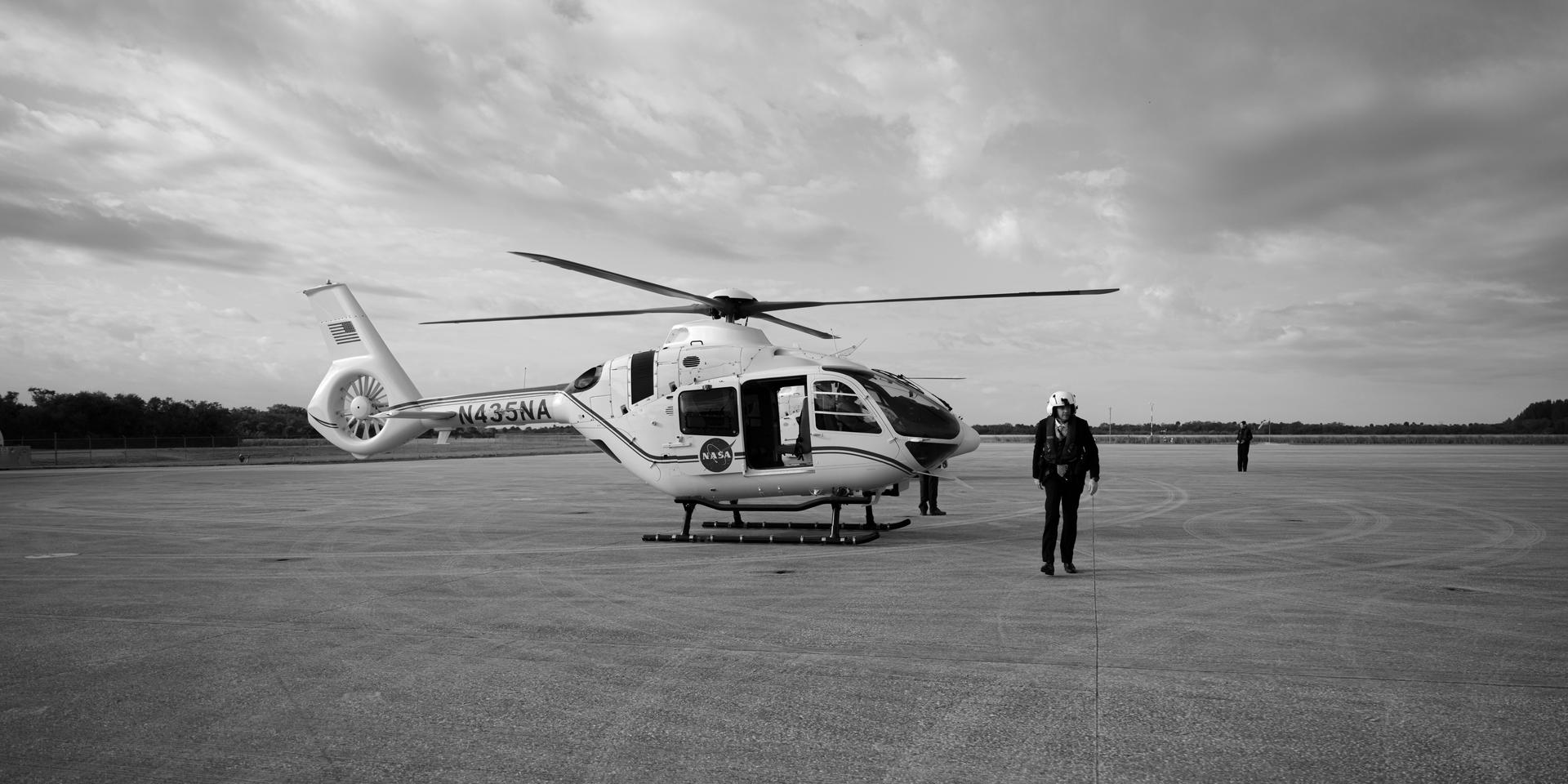
NASA Administrator Jared Isaacman is seen following a helicopter tour of NASA’s Kennedy Space Center, Tuesday, Jan. 13, 2026, in Florida. Kennedy marks the fourth stop in Isaacman’s roadshow to visit NASA facilities and engage directly with the agency’s workforce. Photo Credit: (NASA/John Kraus)
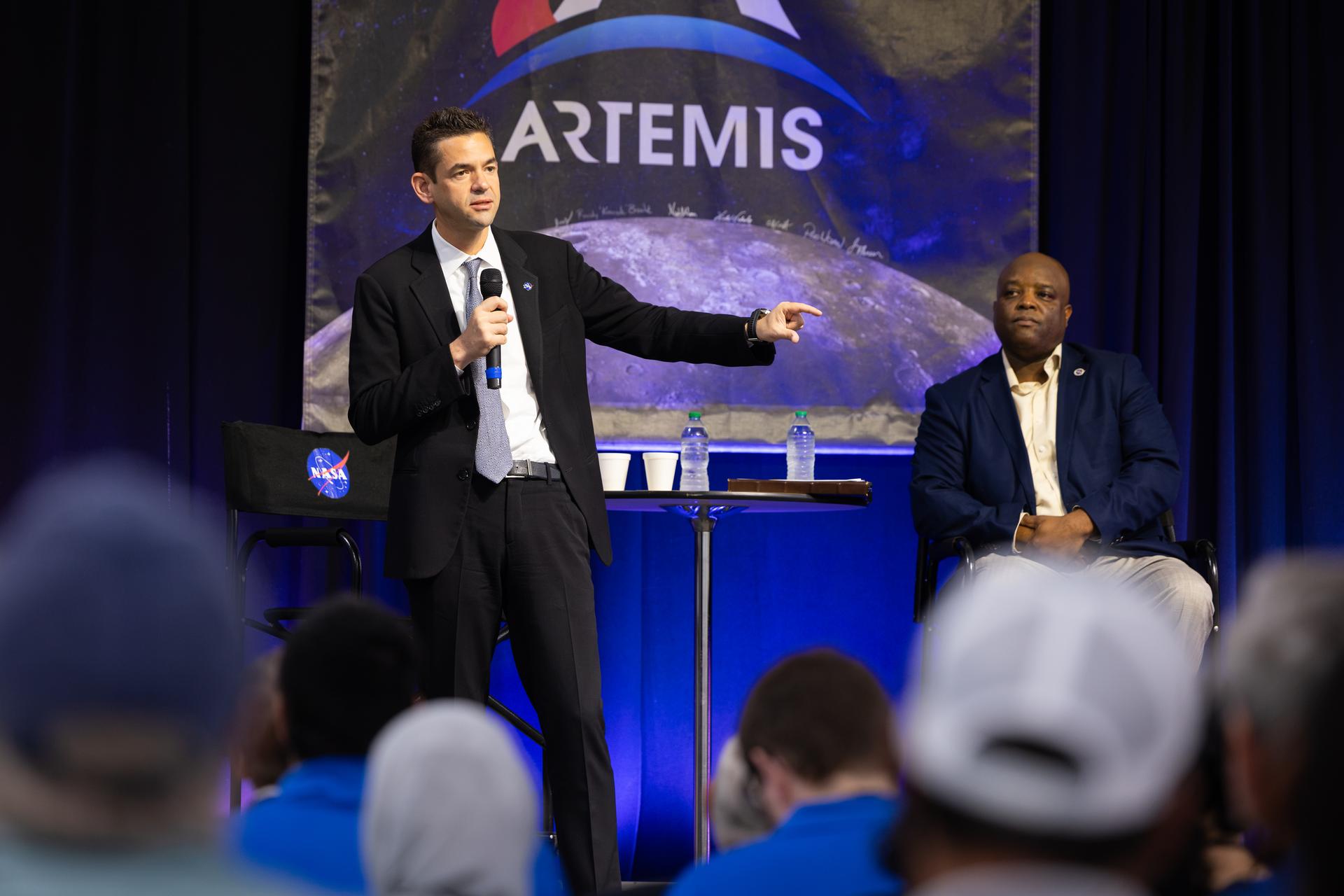
NASA Administrator Jared Isaacman speaks to the Michoud workforce during an employee town hall and Q&A session on Thursday, Sept. 17, 2026. Isaacman, NASA’s 15th administrator, stopped at Michoud during his multi-center tour to meet with employees, contractors, and partners.
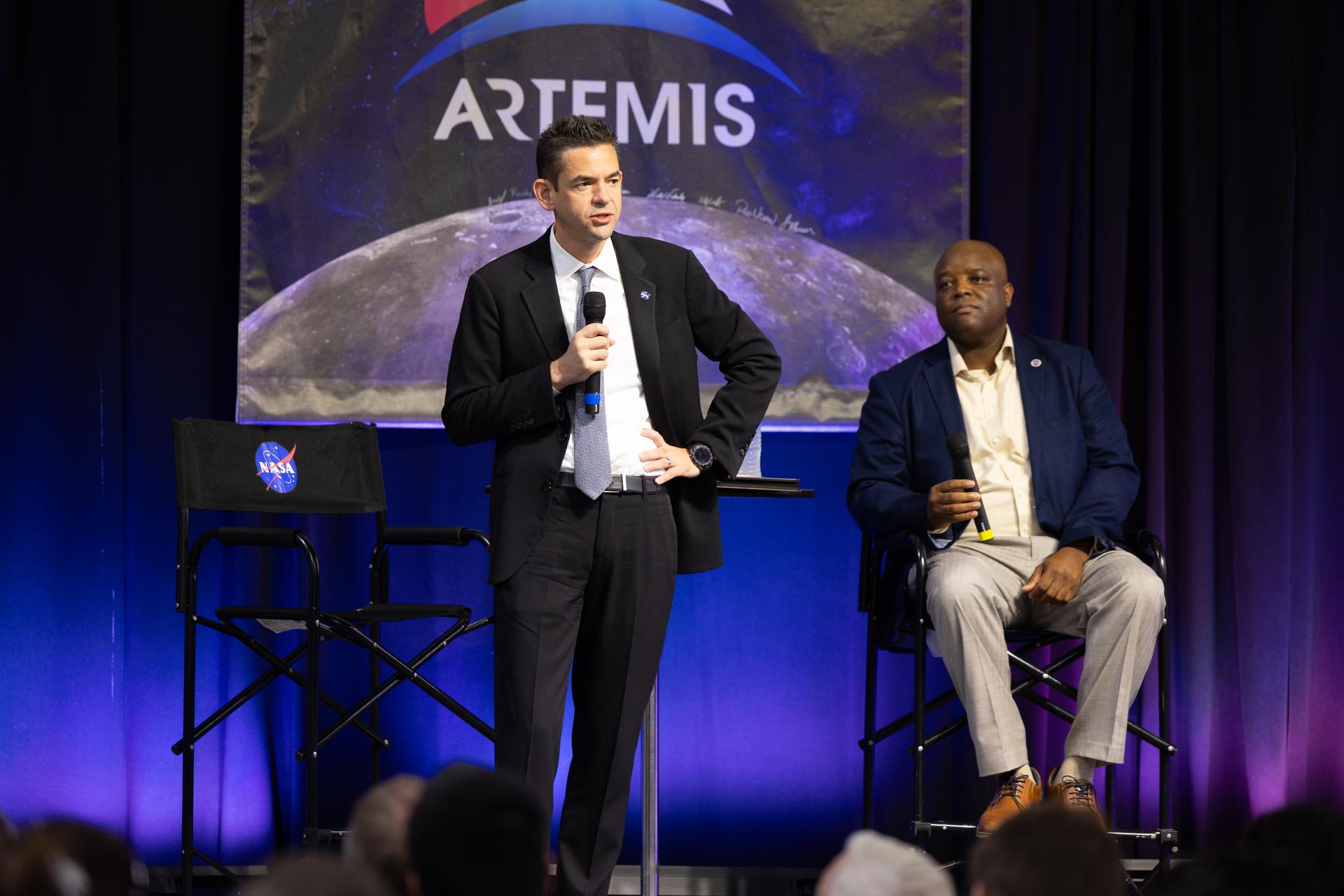
NASA Administrator Jared Isaacman speaks to the Michoud workforce during an employee town hall and Q&A session on Thursday, Sept. 17, 2026. Isaacman, NASA’s 15th administrator, stopped at Michoud during his multi-center tour to meet with employees, contractors, and partners.
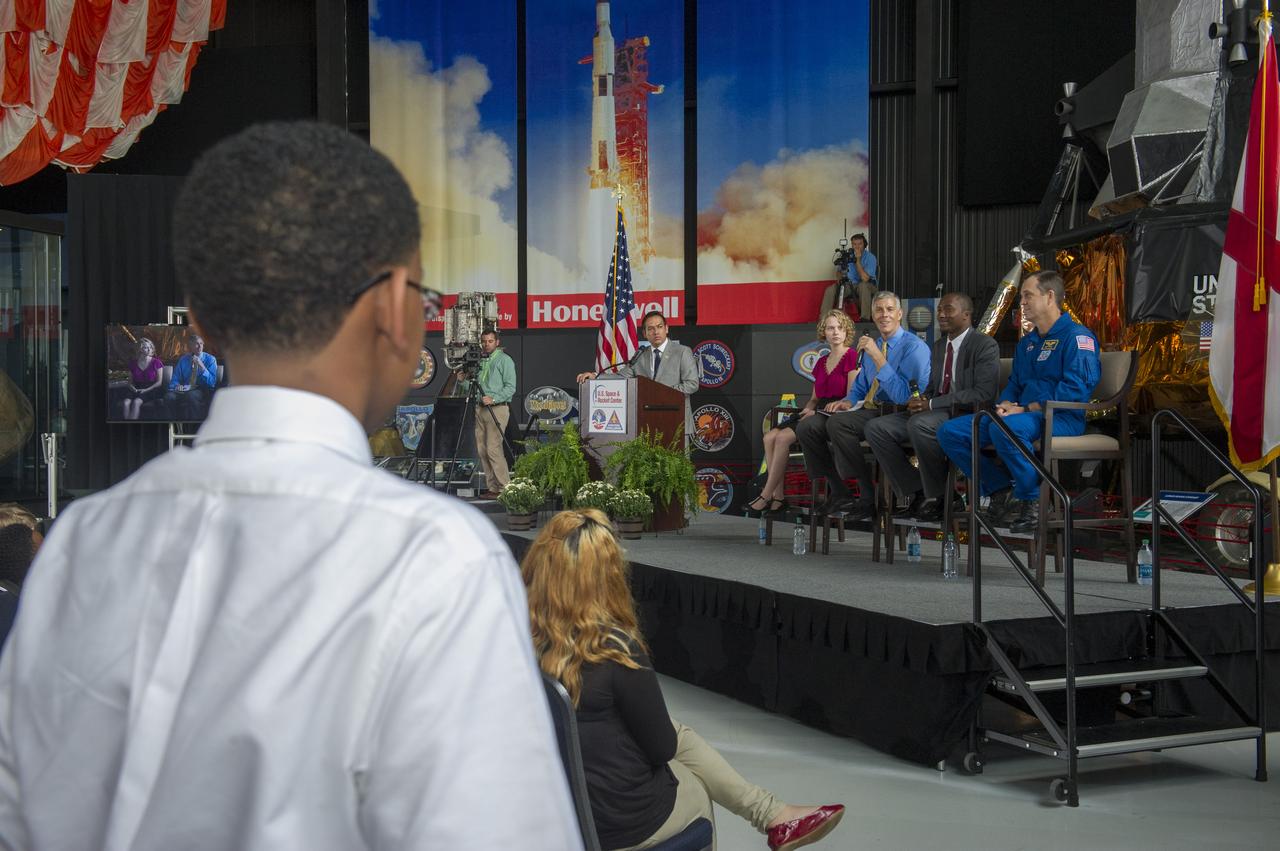
U.S. SECRETARY OF EDUCATION ARNE DUNCAN, ALONG WITH NASA ASTRONAUT RICKY ARNOLD AND OTHER GUESTS, ANSWER STUDENTS’ QUESTIONS DURING AN EDUCATIONAL TOWN HALL MEETING AT THE SPACE & ROCKET CENTER. THE SECRETARY’S VISIT WAS PART OF HIS TOUR TO PROMOTE EDUCATION, WITH STOPS IN GEORGIA, ALABAMA AND TENNESSEE
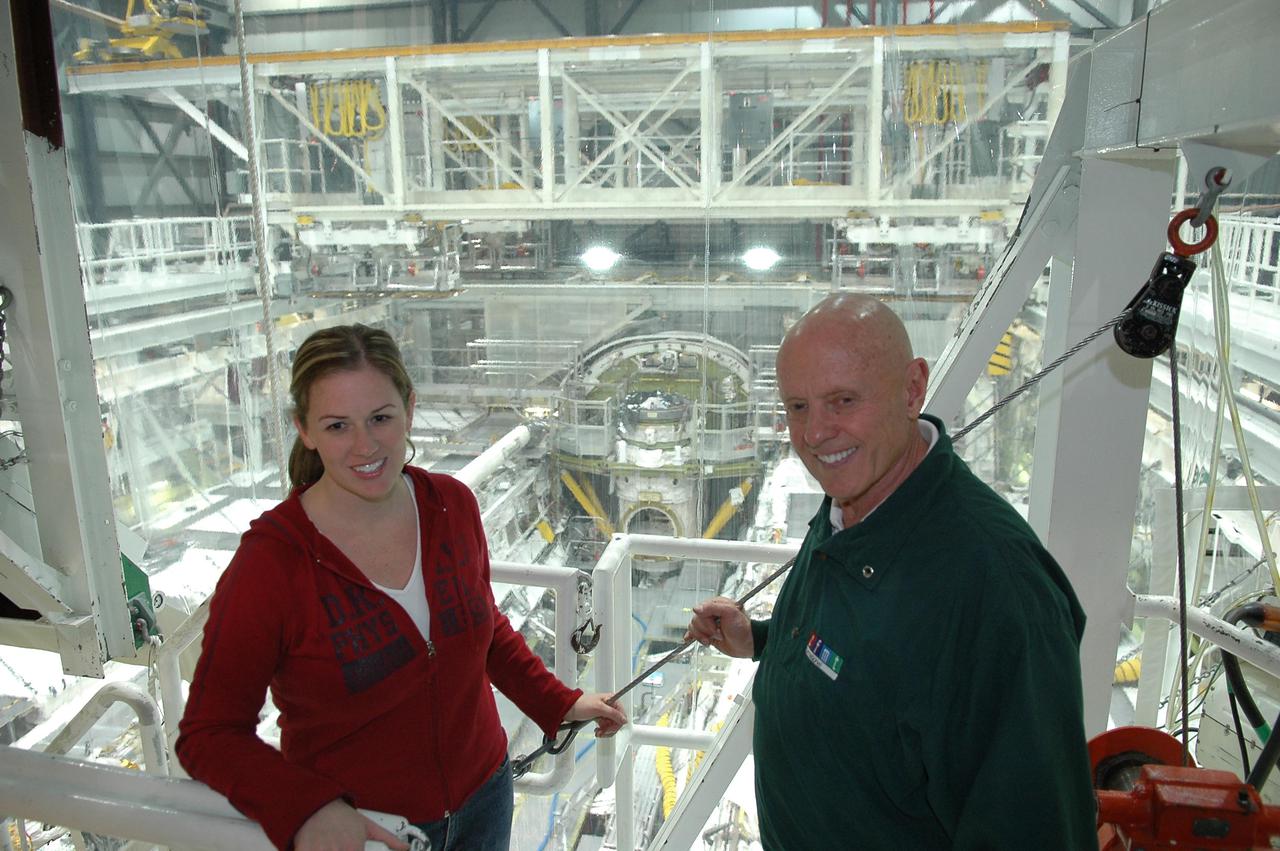
KENNEDY SPACE CENTER, FLA. - On a tour of Kennedy, author Stephen Covey, right, and his executive assistant Julie McAllister stop in the Orbiter Processing Facility to see Atlantis’ payload bay, below. Covey also spent time with KSC management discussing his newest book, The 8th Habit.
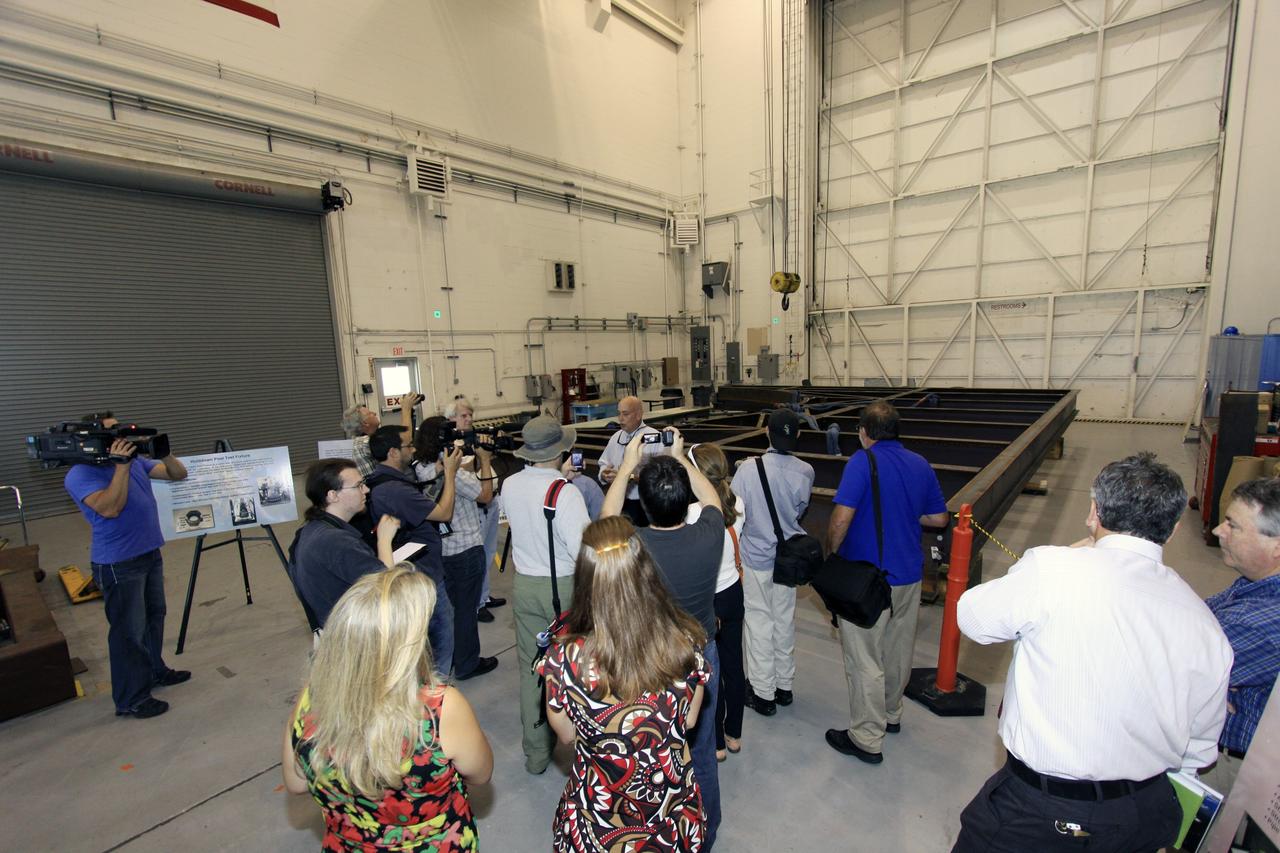
CAPE CANAVERAL, Fla. – Members of the media tour several facilities, including the Launch Equipment Test Facility in the Industrial Area, during the 21st Century Ground Systems Program Tour at Kennedy Space Center in Florida. Other tour stops were the Operations & Checkout Building, the Multi-Payload Processing Facility and the Canister Rotation Facility. NASA’s 21st Century Ground Systems Program was initiated at Kennedy Space Center to establish the needed launch and processing infrastructure to support the Space Launch System Program and to work toward transforming the landscape of the launch site for a multi-faceted user community. Photo credit: NASA/Jim Grossmann
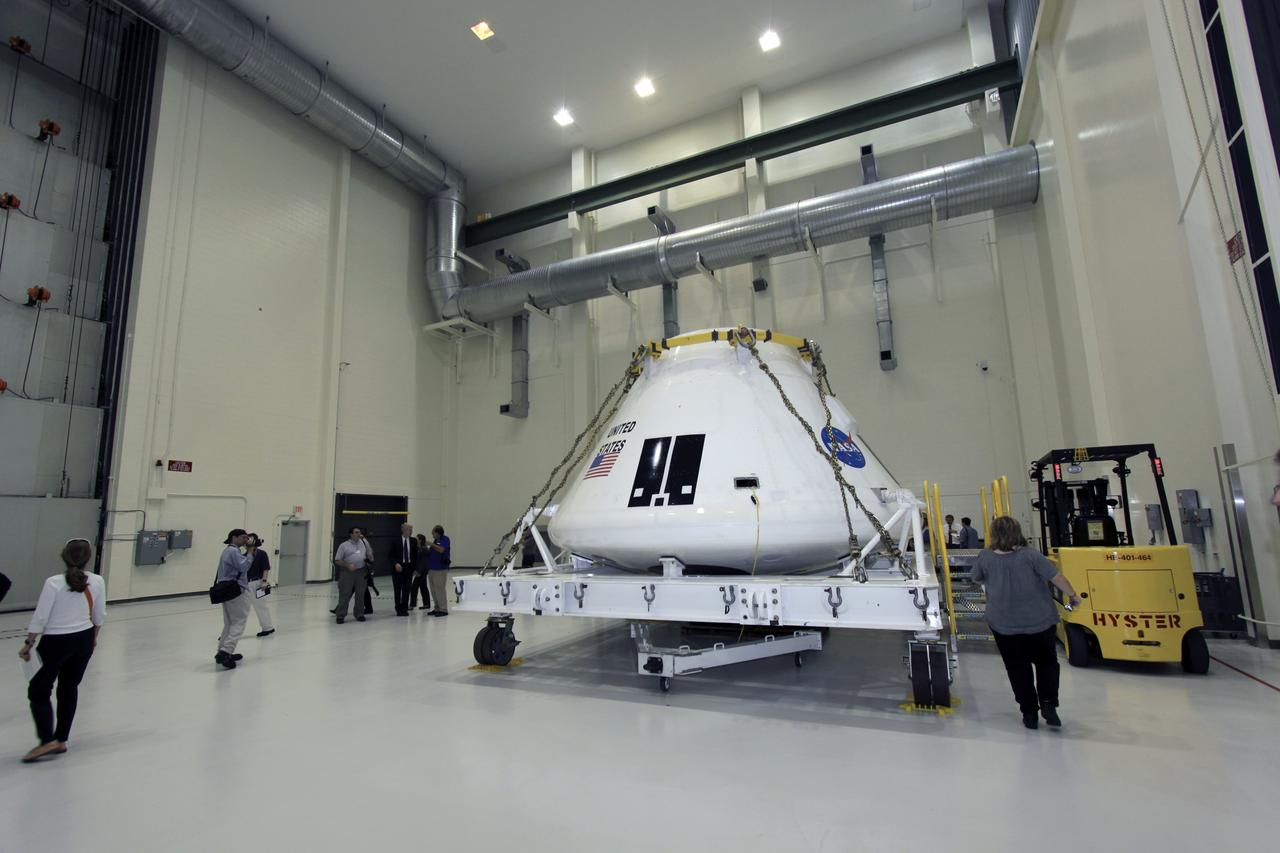
CAPE CANAVERAL, Fla. – Members of the media tour several facilities, including the Operations & Checkout Building high bay where NASA’s Multi-Purpose Crew Vehicle Orion will be processed, during the 21st Century Ground Systems Program Tour at Kennedy Space Center in Florida. Other tour stops were the Launch Equipment Test Facility, the Multi-Payload Processing Facility and the Canister Rotation Facility. NASA’s 21st Century Ground Systems Program was initiated at Kennedy Space Center to establish the needed launch and processing infrastructure to support the Space Launch System Program and to work toward transforming the landscape of the launch site for a multi-faceted user community. Photo credit: NASA/Jim Grossmann
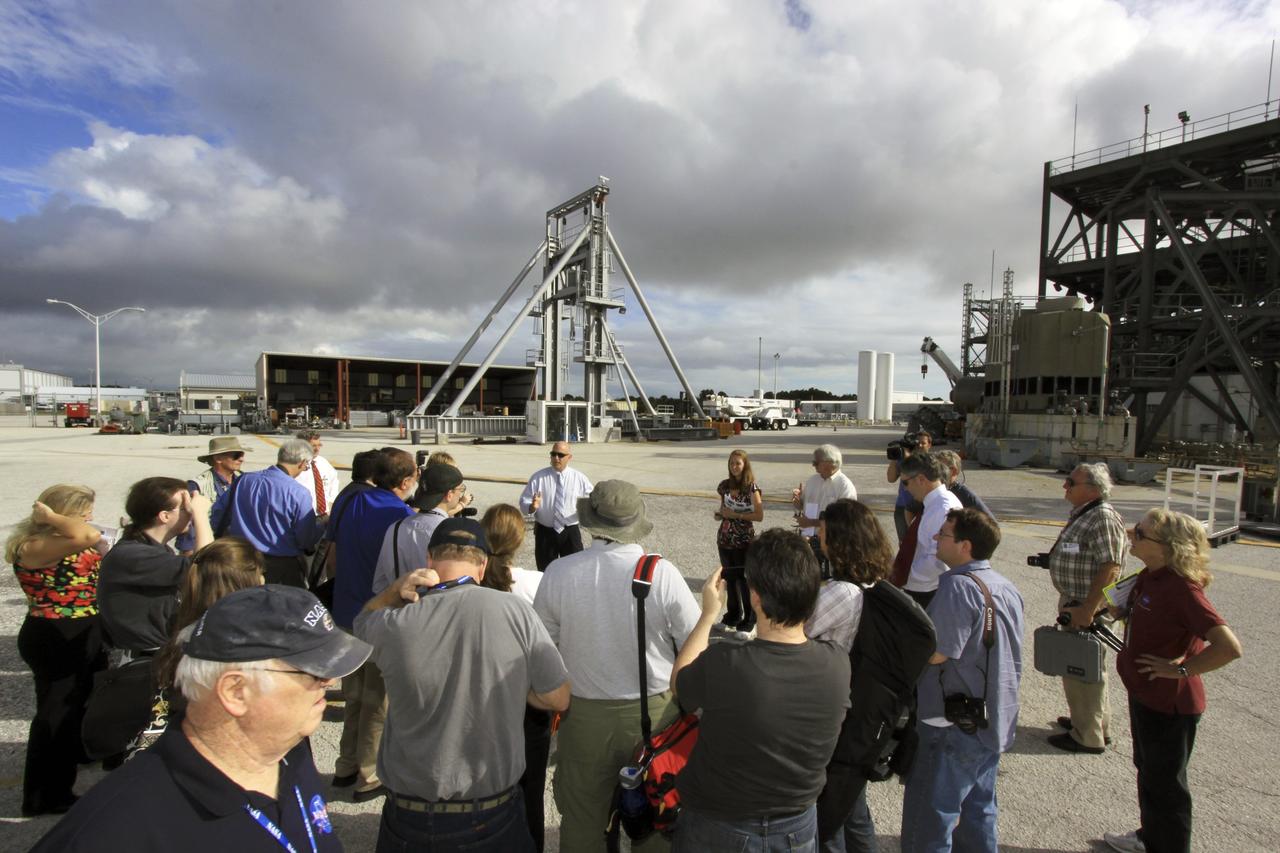
CAPE CANAVERAL, Fla. – Members of the media tour several facilities, including the Launch Equipment Test Facility in the Industrial Area, during the 21st Century Ground Systems Program Tour at Kennedy Space Center in Florida. Other tour stops were the Operations & Checkout Building, the Multi-Payload Processing Facility and the Canister Rotation Facility. NASA’s 21st Century Ground Systems Program was initiated at Kennedy Space Center to establish the needed launch and processing infrastructure to support the Space Launch System Program and to work toward transforming the landscape of the launch site for a multi-faceted user community. Photo credit: NASA/Jim Grossmann
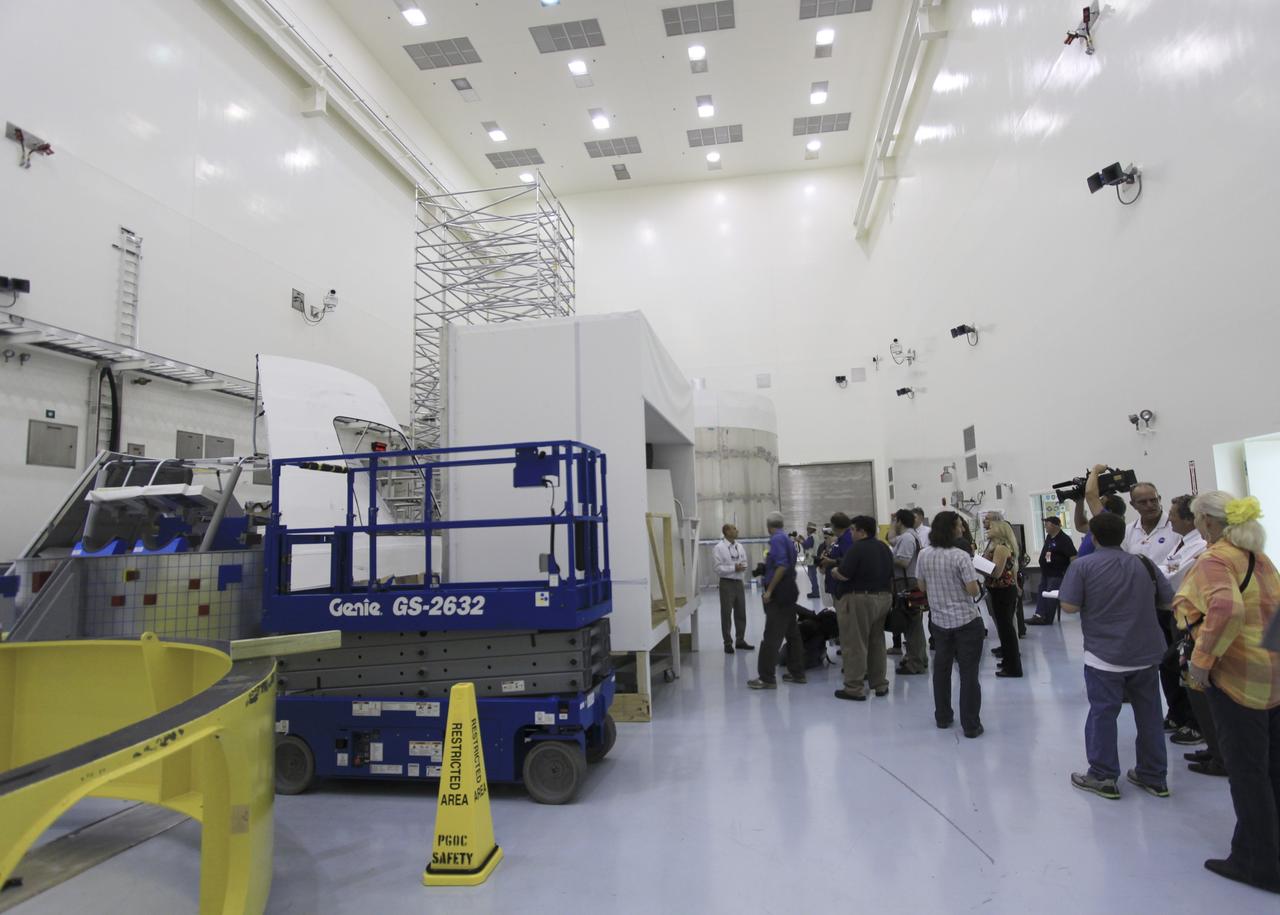
CAPE CANAVERAL, Fla. – Members of the media tour several facilities, including the Multi-Payload Processing Facility, during the 21st Century Ground Systems Program Tour at Kennedy Space Center in Florida. Other tour stops were the Launch Equipment Test Facility, the Operations & Checkout Building and the Canister Rotation Facility. NASA’s 21st Century Ground Systems Program was initiated at Kennedy Space Center to establish the needed launch and processing infrastructure to support the Space Launch System Program and to work toward transforming the landscape of the launch site for a multi-faceted user community. Photo credit: NASA/Jim Grossmann
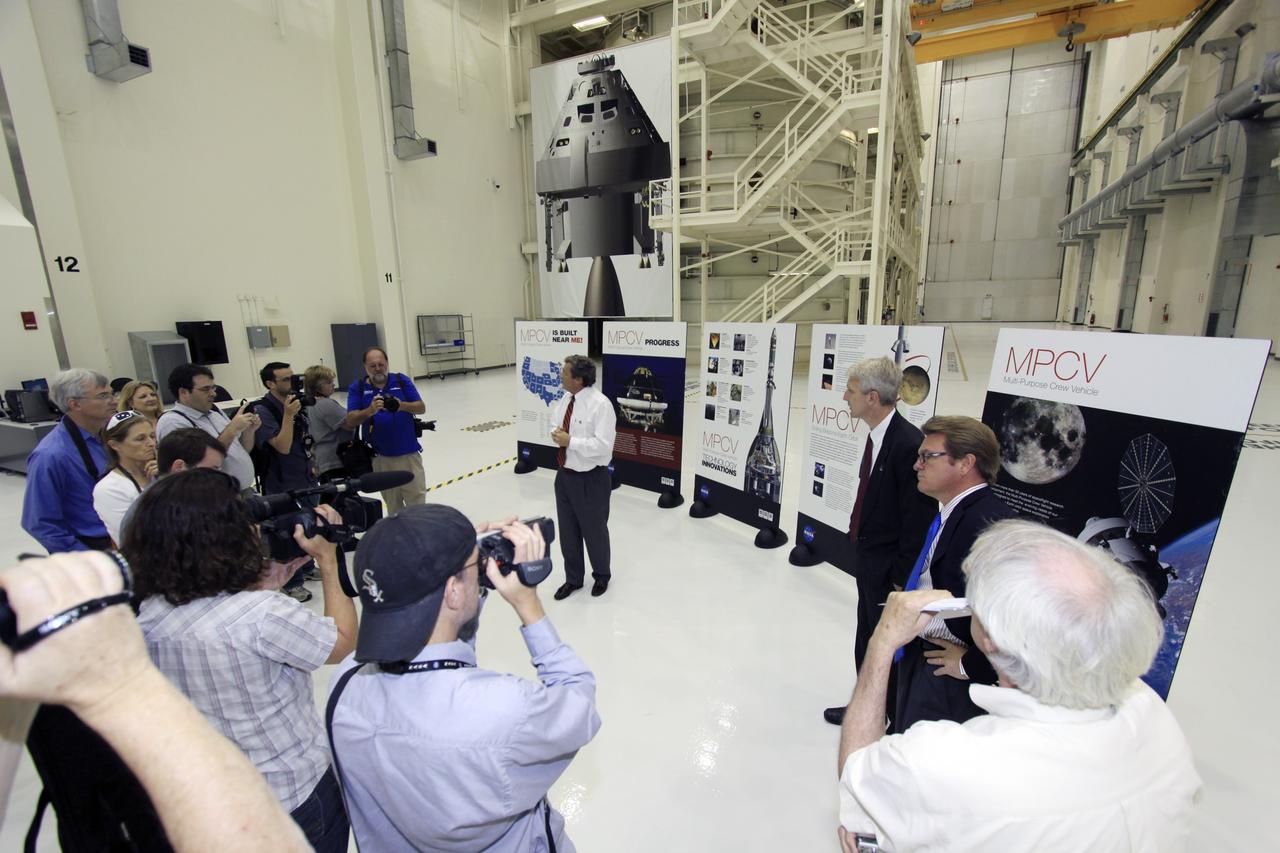
CAPE CANAVERAL, Fla. – Members of the media tour several facilities, including the Operations & Checkout Building high bay where NASA’s Multi-Purpose Crew Vehicle Orion will be processed, during the 21st Century Ground Systems Program Tour at Kennedy Space Center in Florida. Other tour stops were the Launch Equipment Test Facility, the Multi-Payload Processing Facility and the Canister Rotation Facility. NASA’s 21st Century Ground Systems Program was initiated at Kennedy Space Center to establish the needed launch and processing infrastructure to support the Space Launch System Program and to work toward transforming the landscape of the launch site for a multi-faceted user community. Photo credit: NASA/Jim Grossmann
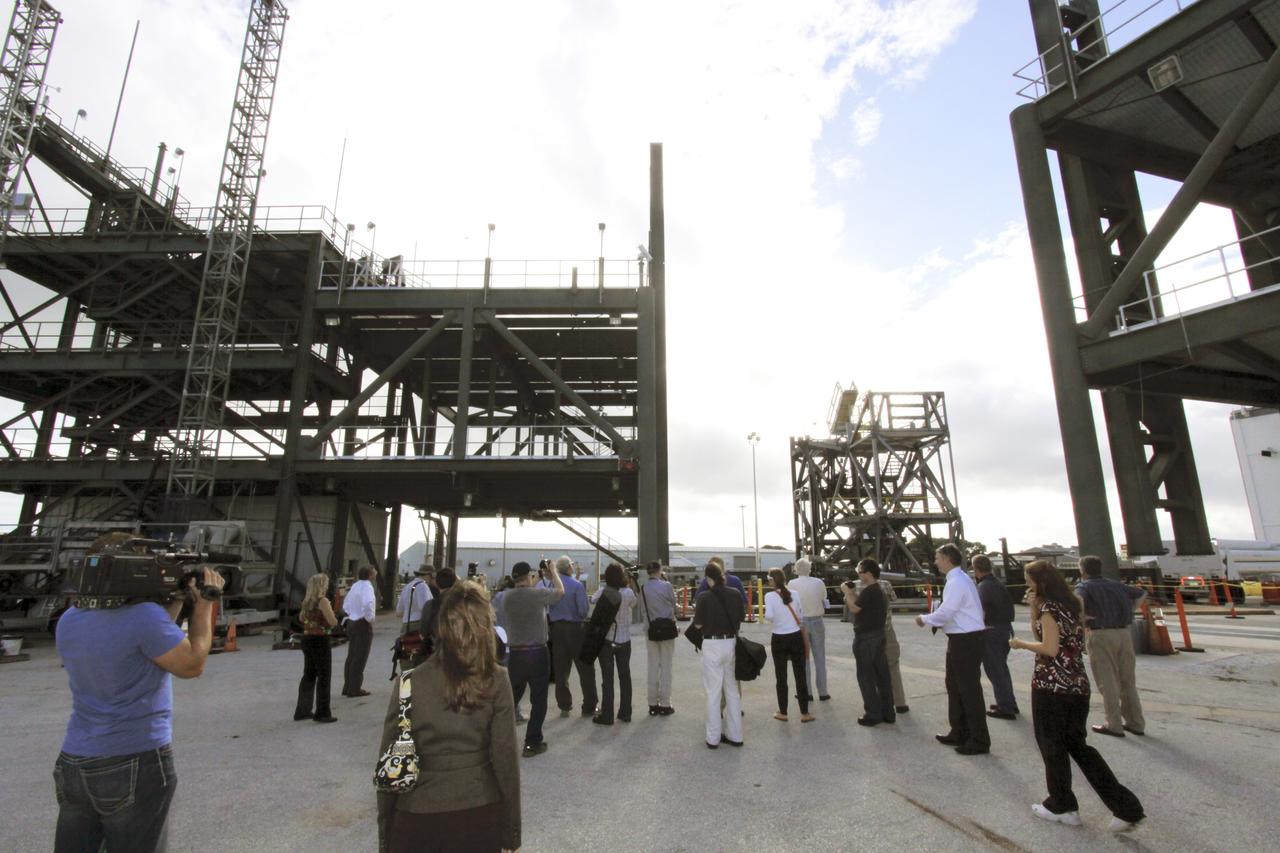
CAPE CANAVERAL, Fla. – Members of the media tour several facilities, including the Launch Equipment Test Facility in the Industrial Area, during the 21st Century Ground Systems Program Tour at Kennedy Space Center in Florida. Other tour stops were the Operations & Checkout Building, the Multi-Payload Processing Facility and the Canister Rotation Facility. NASA’s 21st Century Ground Systems Program was initiated at Kennedy Space Center to establish the needed launch and processing infrastructure to support the Space Launch System Program and to work toward transforming the landscape of the launch site for a multi-faceted user community. Photo credit: NASA/Jim Grossmann
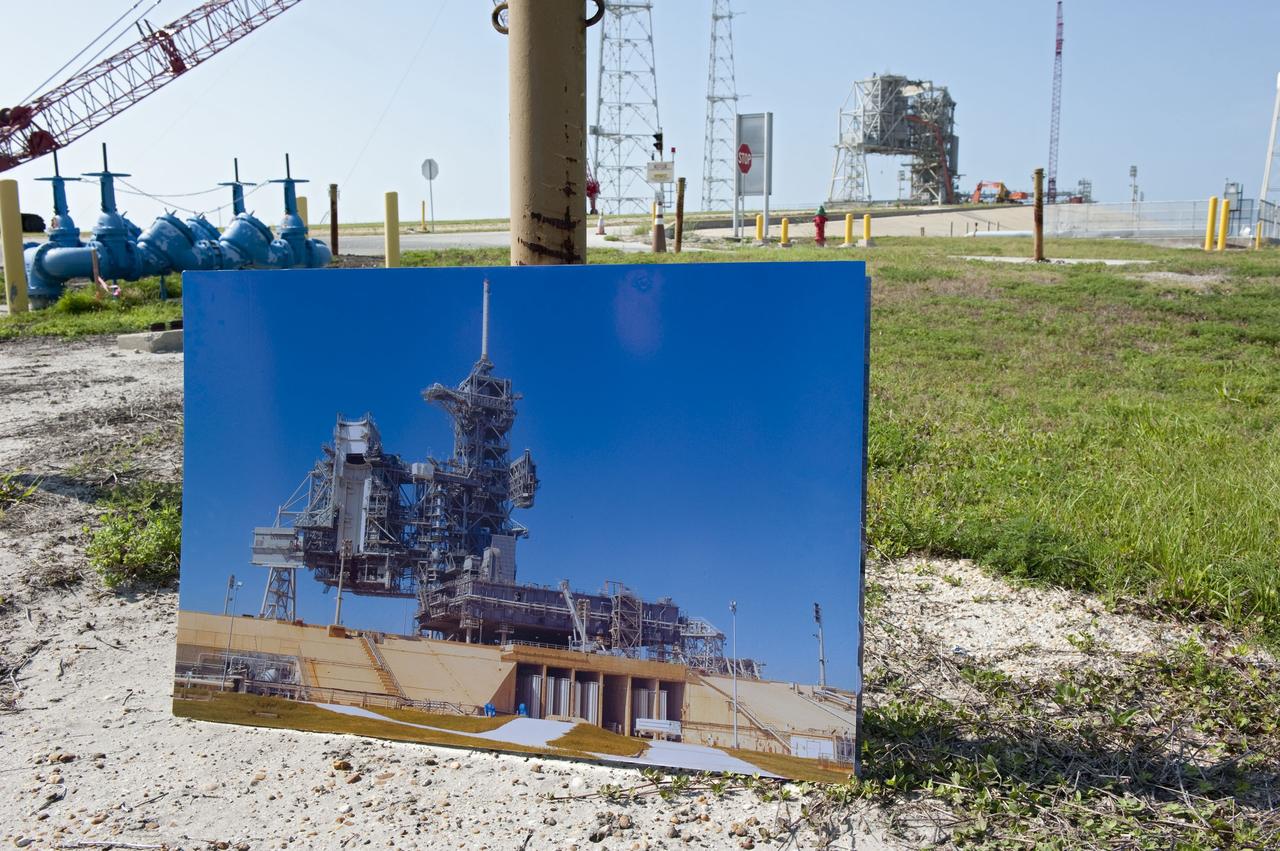
CAPE CANAVERAL, Fla. -- Media representatives participate in a Now and Future Tour at NASA's Kennedy Space Center in Florida. Here, they make a stop at the Launch Pad 39B, which is being restructured for future use. Its new design will feature a "clean pad" for rockets to come with their own launcher, making it more versatile for a number of vehicles. Other stops along the tour included Orbiter Processing Facility-2 (OPF-2) and the Shuttle Landing Facility (SLF). OPF-2 is where shuttle Discovery is being prepared for future public display at the Smithsonian's National Air and Space Museum Steven F. Udvar-Hazy Center in Chantilly, Va. The SLF's runway could be used for private companies and government agencies to host a diversity of launch systems, including orbital and suborbital flights. Photo credit: NASA/Kim Shiflett
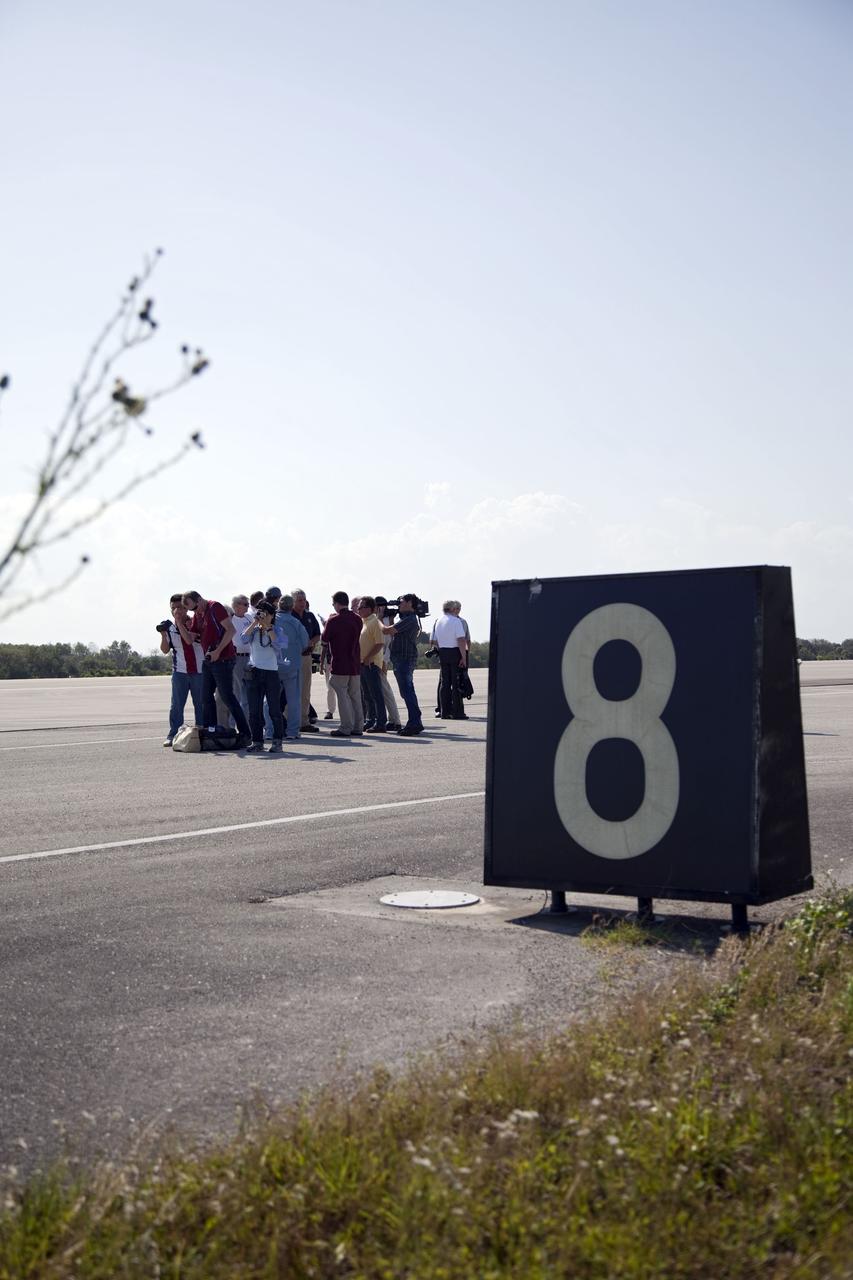
CAPE CANAVERAL, Fla. -- Media representatives participate in a Now and Future Tour at NASA's Kennedy Space Center in Florida. Here, they make a stop at the Shuttle Landing Facility's midfield to learn about the potential for private companies and government agencies to use the runway for a diversity of launch systems, including orbital and suborbital flights. Other stops along the tour included Launch Pad 39B and Orbiter Processing Facility-2 (OPF-2). Pad B is being restructured for future use. Its new design will feature a "clean pad" for rockets to come with their own launcher, making it more versatile for a number of vehicles. OPF-2 is where shuttle Discovery is being prepared for future public display at the Smithsonian's National Air and Space Museum Steven F. Udvar-Hazy Center in Chantilly, Va. Photo credit: NASA/Frankie Martin
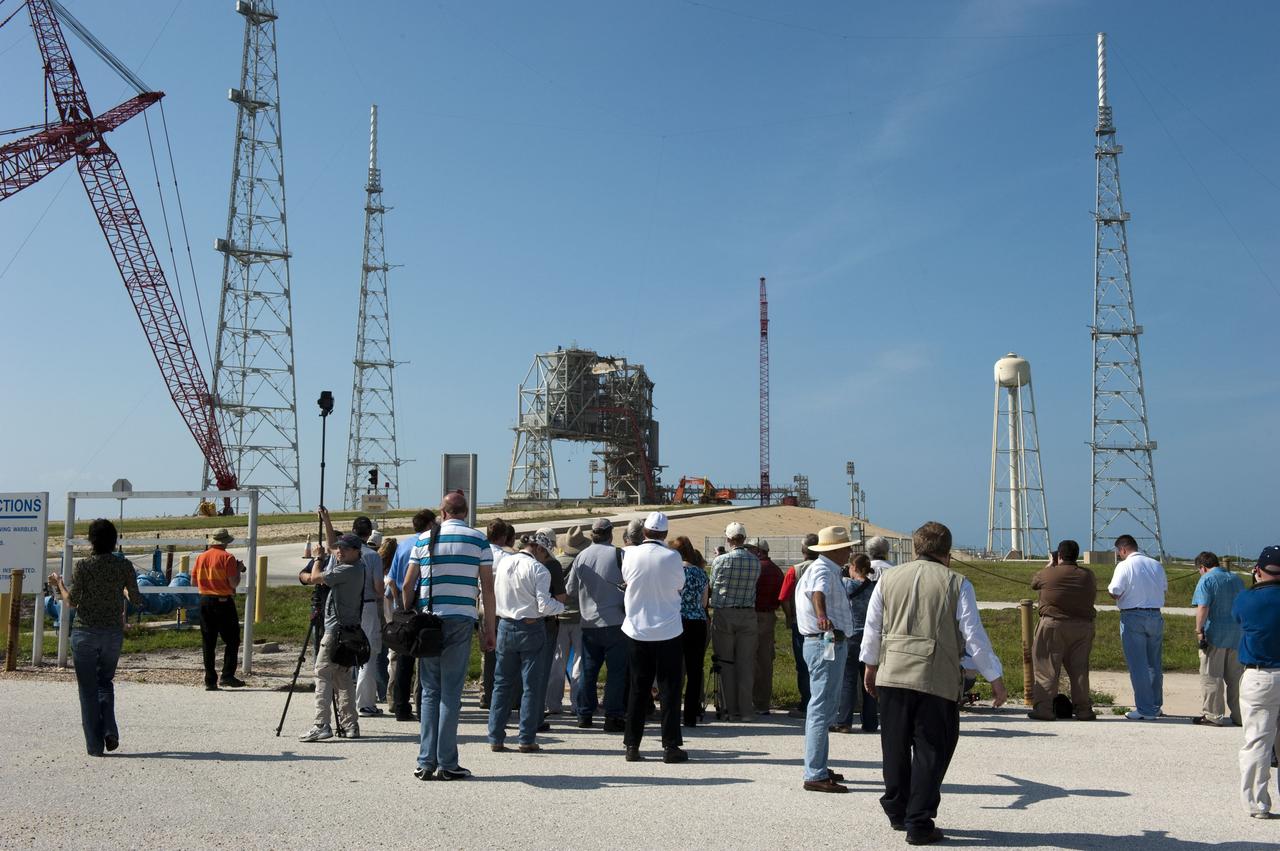
CAPE CANAVERAL, Fla. -- Media representatives participate in a Now and Future Tour at NASA's Kennedy Space Center in Florida. Here, they make a stop at the Launch Pad 39B, which is being restructured for future use. Its new design will feature a "clean pad" for rockets to come with their own launcher, making it more versatile for a number of vehicles. Other stops along the tour included Orbiter Processing Facility-2 (OPF-2) and the Shuttle Landing Facility (SLF). OPF-2 is where shuttle Discovery is being prepared for future public display at the Smithsonian's National Air and Space Museum Steven F. Udvar-Hazy Center in Chantilly, Va. The SLF's runway could be used for private companies and government agencies to host a diversity of launch systems, including orbital and suborbital flights. Photo credit: NASA/Kim Shiflett
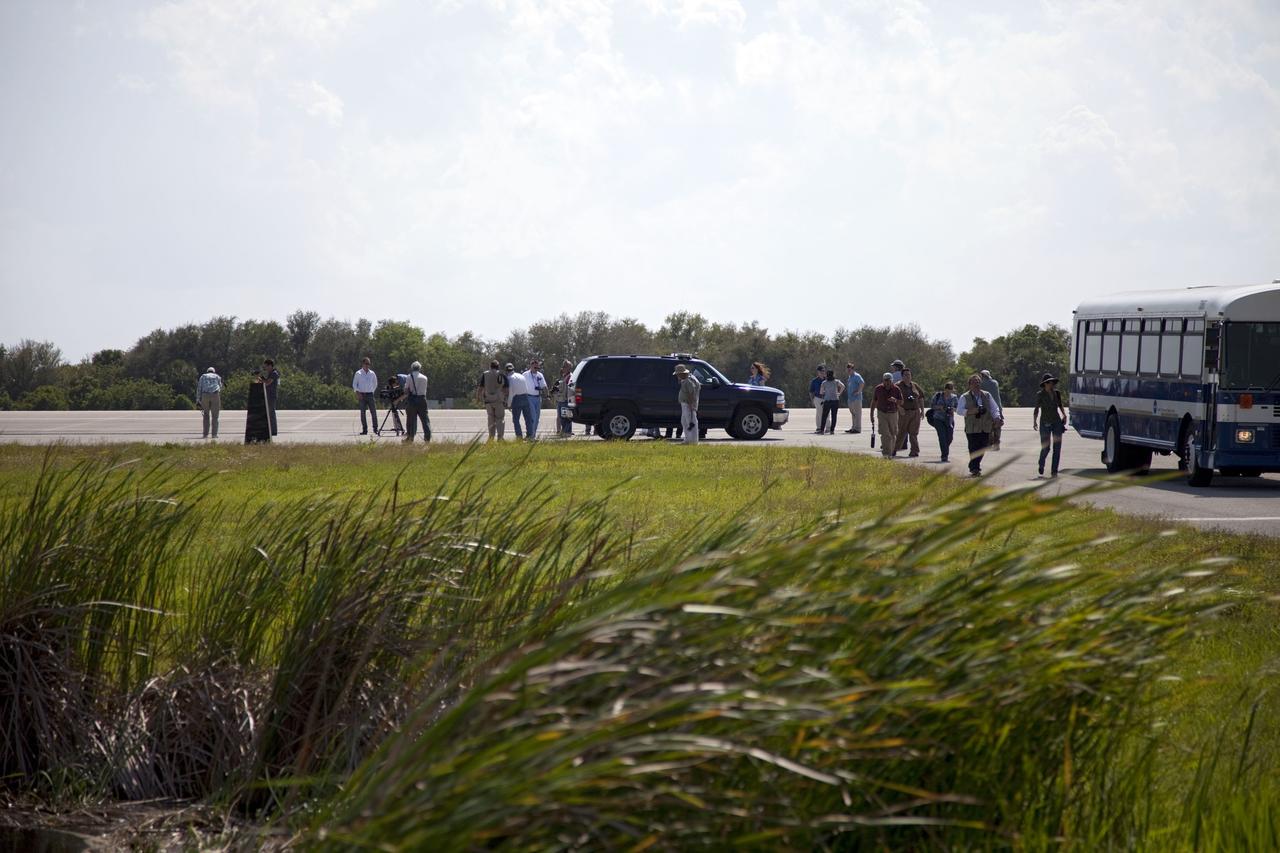
CAPE CANAVERAL, Fla. -- Media representatives participate in a Now and Future Tour at NASA's Kennedy Space Center in Florida. Here, they make a stop at the Shuttle Landing Facility's midfield to learn about the potential for private companies and government agencies to use the runway for a diversity of launch systems, including orbital and suborbital flights. Other stops along the tour included Launch Pad 39B and Orbiter Processing Facility-2 (OPF-2). Pad B is being restructured for future use. Its new design will feature a "clean pad" for rockets to come with their own launcher, making it more versatile for a number of vehicles. OPF-2 is where shuttle Discovery is being prepared for future public display at the Smithsonian's National Air and Space Museum Steven F. Udvar-Hazy Center in Chantilly, Va. Photo credit: NASA/Frankie Martin
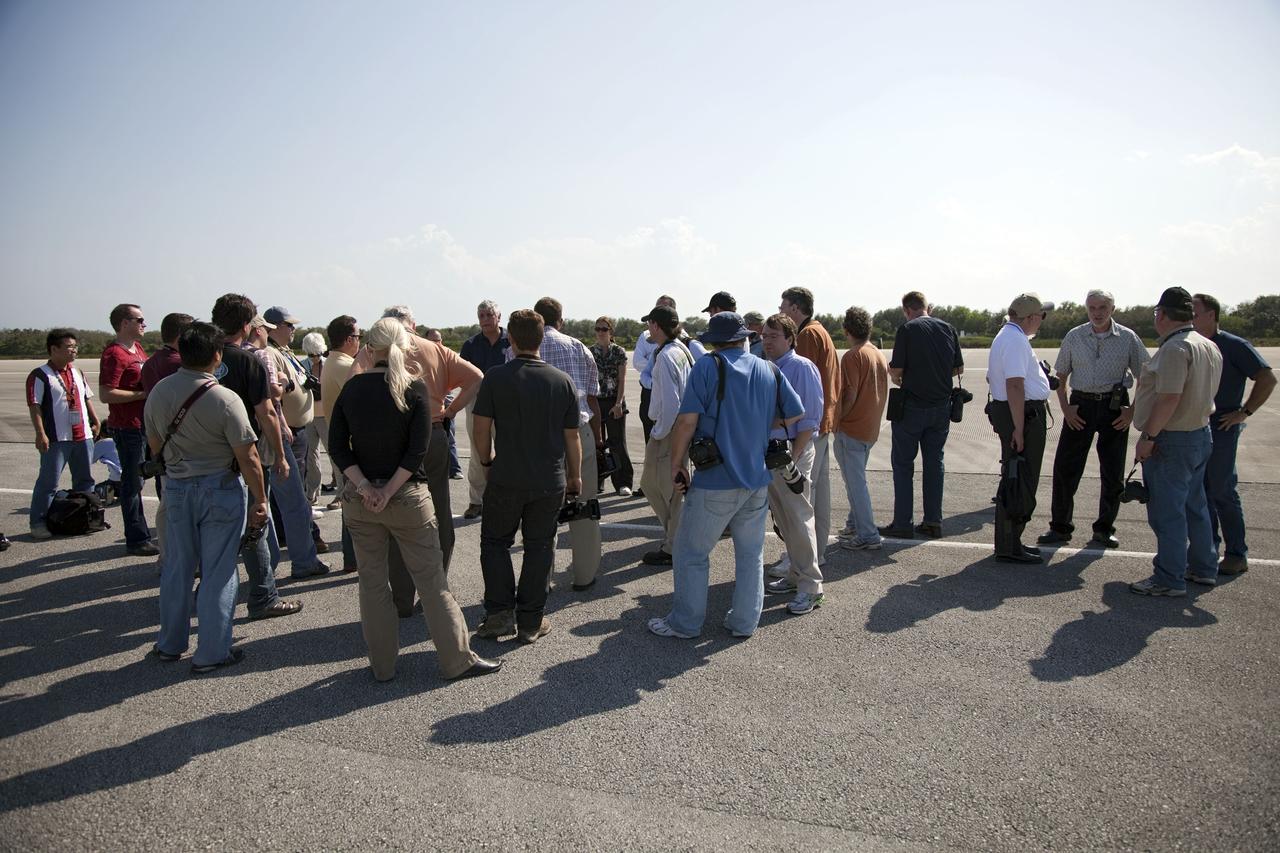
CAPE CANAVERAL, Fla. -- Media representatives participate in a Now and Future Tour at NASA's Kennedy Space Center in Florida. Here, they make a stop at the Shuttle Landing Facility's midfield to learn about the potential for private companies and government agencies to use the runway for a diversity of launch systems, including orbital and suborbital flights. Other stops along the tour included Launch Pad 39B and Orbiter Processing Facility-2 (OPF-2). Pad B is being restructured for future use. Its new design will feature a "clean pad" for rockets to come with their own launcher, making it more versatile for a number of vehicles. OPF-2 is where shuttle Discovery is being prepared for future public display at the Smithsonian's National Air and Space Museum Steven F. Udvar-Hazy Center in Chantilly, Va. Photo credit: NASA/Frankie Martin
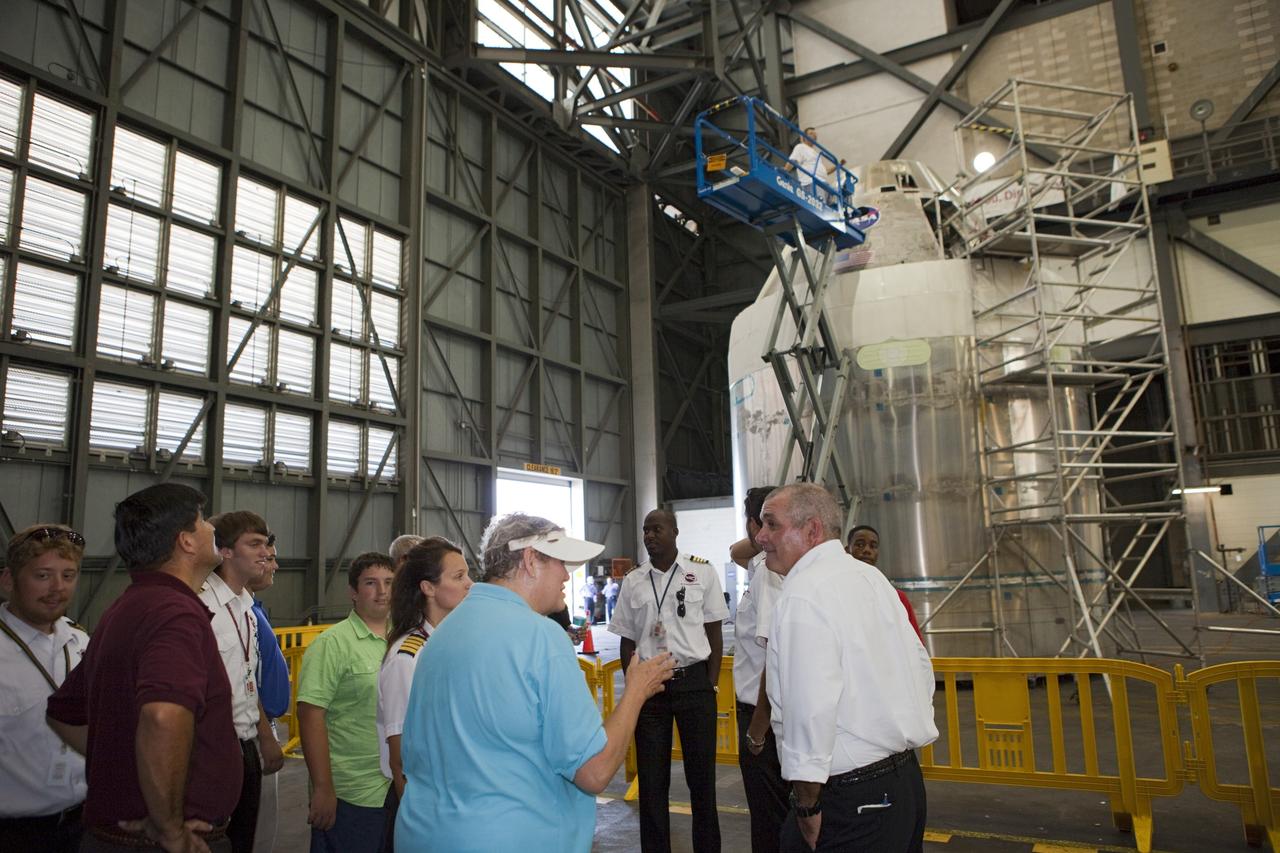
CAPE CANAVERAL, Fla. – Students and their flight instructors from Florida Tech, or FIT, in Melbourne, tour the Vehicle Assembly Building and view space shuttle Atlantis at NASA’s Kennedy Space Center in Florida. The instructors and their students arrived at the Shuttle Landing Facility, or SLF, in Cherokee Warrior and Cessna 172S lightweight aircraft. The middle and high school students are participating in FIT’s Av/Aero summer camp experience. They and their flight instructors also toured the SLF midfield control tower, viewed F104 Starfighters and NASA Huey helicopters in the RLV Hangar, and viewed the runway plaques marking wheels stop for each of the three space shuttles. Photo credit: NASA/Kim Shiflett
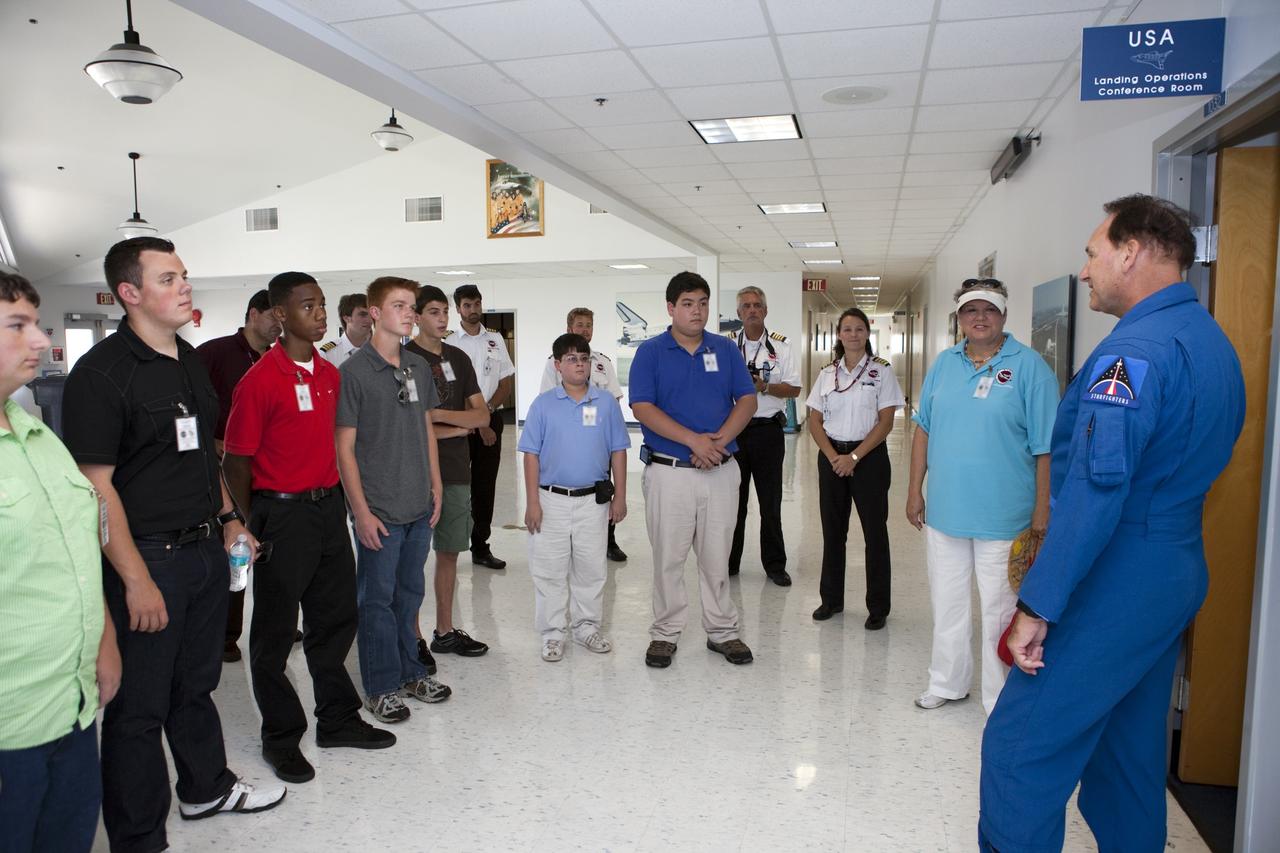
CAPE CANAVERAL, Fla. – In a support building near NASA Kennedy Space Center’s Shuttle Landing Facility, or SLF, in Florida, students and their flight instructors from Florida Tech, FIT, in Melbourne listen to F104 Starfighters Director Rick Svetkoff. The middle and high school students are participating in FIT’s Av/Aero summer camp experience. They and their flight instructors toured the SLF midfield control tower, viewed F104 Starfighters and NASA Huey helicopters in the RLV Hangar, viewed the runway plaques marking wheels stop for each of the three space shuttles, and toured the Vehicle Assembly Building where space shuttle Atlantis currently is stored. Photo credit: NASA/Kim Shiflett
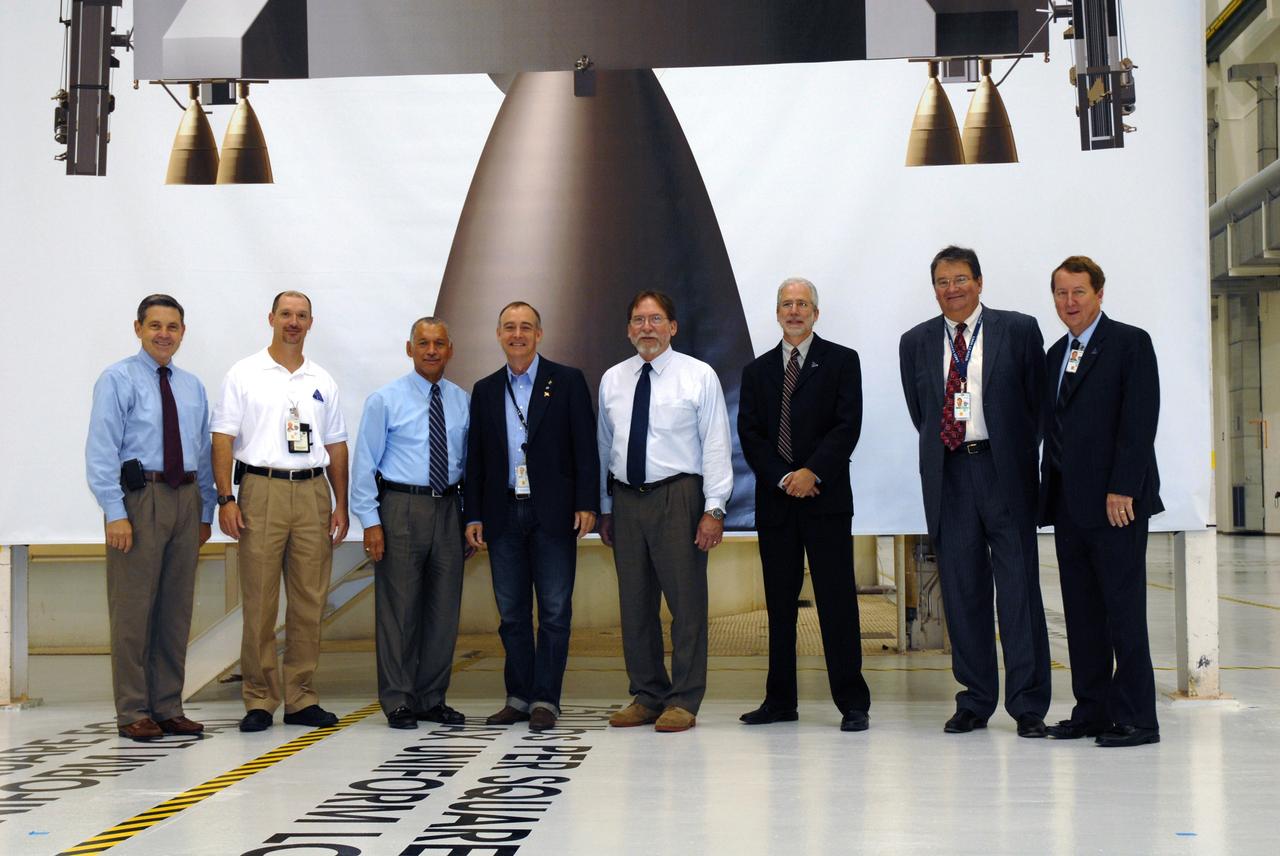
CAPE CANAVERAL, Fla. – Center Director Robert Cabana (left) and Constellation Program directors and managers accompany NASA Administrator Charles Bolden (third from left) on a tour of NASA's Kennedy Space Center in Florida. The tour included this stop in the Operations and Checkout Building to view the high bay planned for the assembly of the Constellation Program's Orion crew vehicle. Bolden also was at Kennedy for several events, including the landing of space shuttle Endeavour's STS-127 mission and the signing of the joint NASA-Japan Aerospace Exploration Agency agreement defining the terms of cooperation between the agencies on the Global Precipitation Measurement, or GPM, mission. Photo credit: NASA/Kim Shiflett
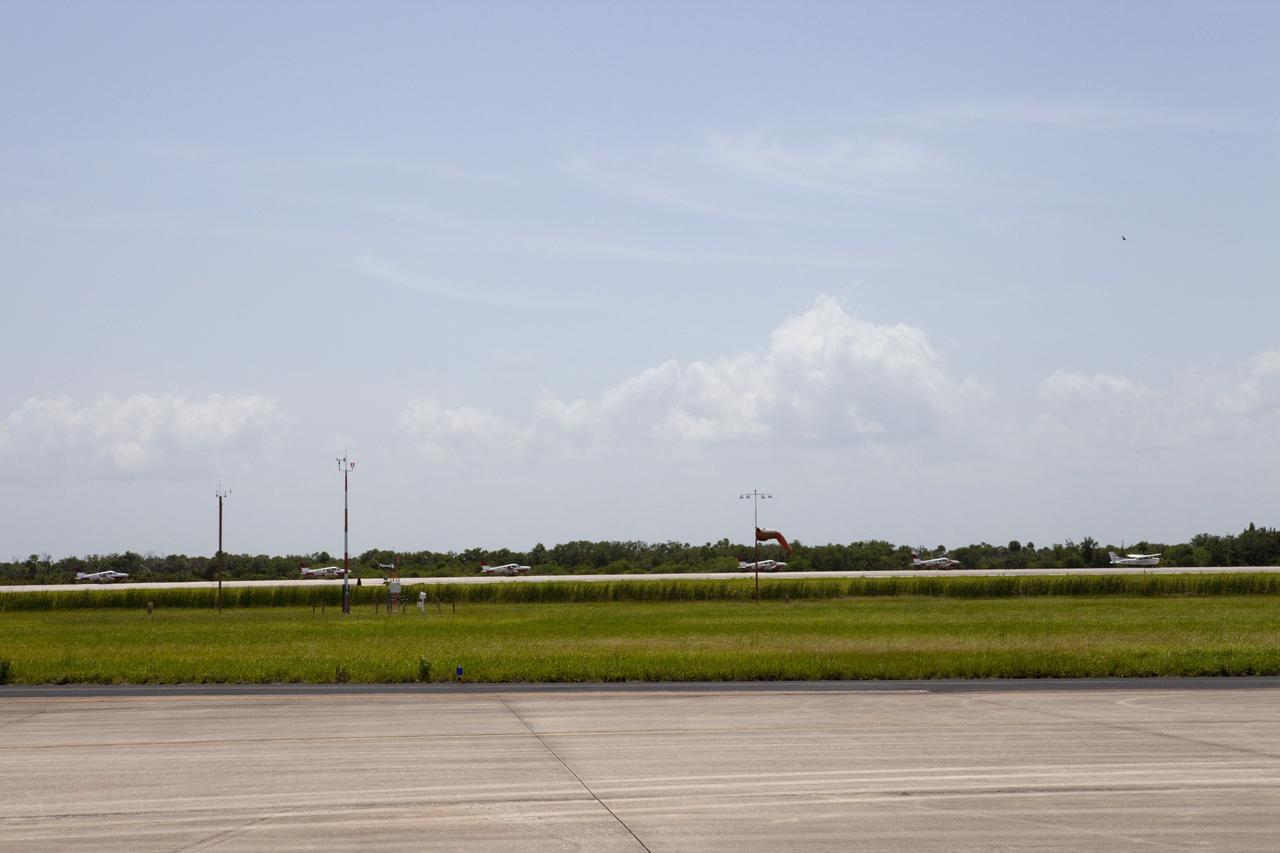
CAPE CANAVERAL, Fla. – At NASA Kennedy Space Center in Florida, flight instructors and their students from Florida Tech, or FIT, in Melbourne prepare to depart the Shuttle Landing Facility, or SLF, in Cherokee Warrior and Cessna 172S lightweight aircraft. The middle and high school students are participating in FIT’s Av/Aero summer camp experience. They and their flight instructors toured the SLF midfield control tower, viewed F104 Starfighters and NASA Huey helicopters in the RLV Hangar, viewed the runway plaques marking wheels stop for each of the three space shuttles, and toured the Vehicle Assembly Building where space shuttle Atlantis currently is stored. Photo credit: NASA/Kim Shiflett
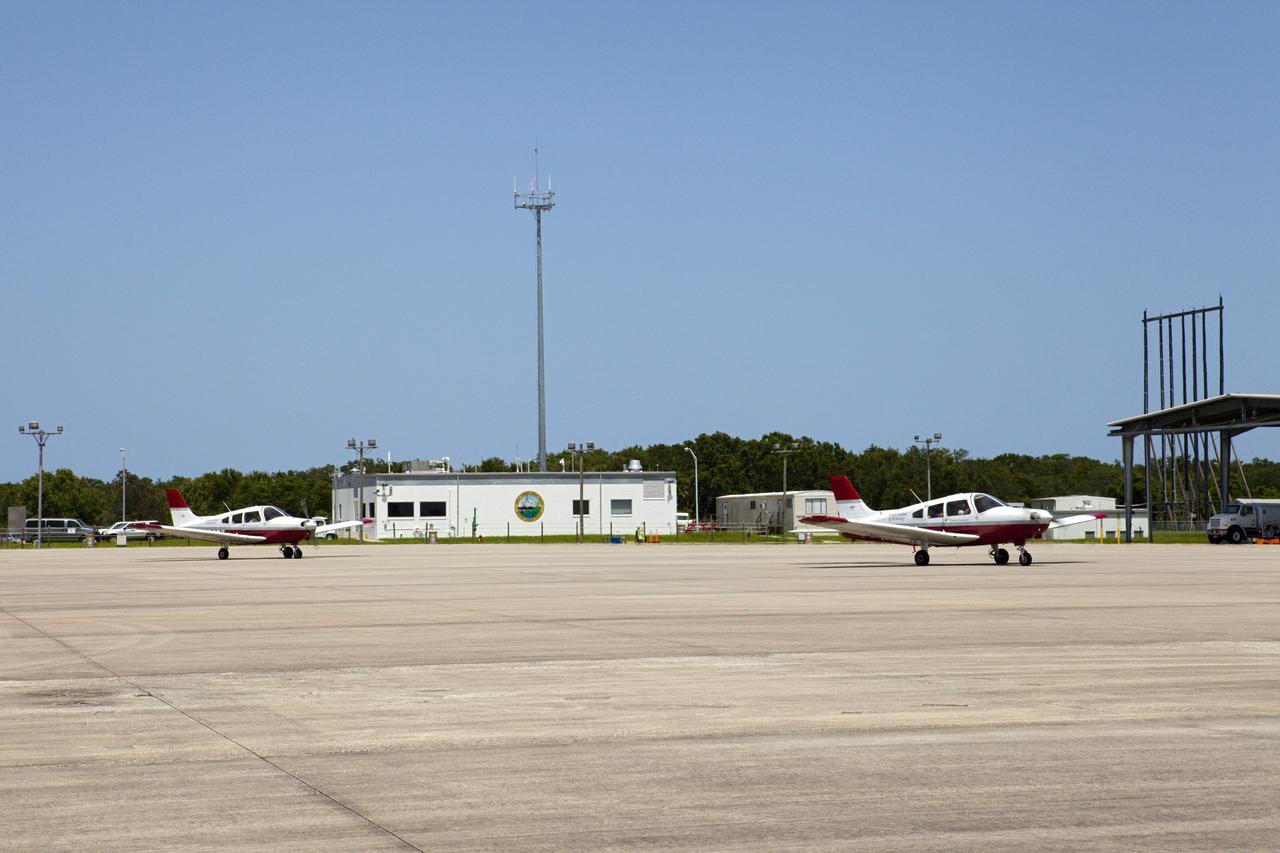
CAPE CANAVERAL, Fla. – At NASA Kennedy Space Center in Florida, flight instructors and their students from Florida Tech, or FIT, in Melbourne prepare to depart the Shuttle Landing Facility, or SLF, in Cherokee Warrior and Cessna 172S lightweight aircraft. The middle and high school students are participating in FIT’s Av/Aero summer camp experience. They and their flight instructors toured the SLF midfield control tower, viewed F104 Starfighters and NASA Huey helicopters in the RLV Hangar, viewed the runway plaques marking wheels stop for each of the three space shuttles, and toured the Vehicle Assembly Building where space shuttle Atlantis currently is stored. Photo credit: NASA/Kim Shiflett

CAPE CANAVERAL, Fla. – Students and their flight instructors from Florida Tech, or FIT, in Melbourne, tour the Vehicle Assembly Building and view space shuttle Atlantis at NASA’s Kennedy Space Center in Florida. The instructors and their students arrived at the Shuttle Landing Facility, or SLF, in Cherokee Warrior and Cessna 172S lightweight aircraft. The middle and high school students are participating in FIT’s Av/Aero summer camp experience. They and their flight instructors also toured the SLF midfield control tower, viewed F104 Starfighters and NASA Huey helicopters in the RLV Hangar, and viewed the runway plaques marking wheels stop for each of the three space shuttles. Photo credit: NASA/Kim Shiflett
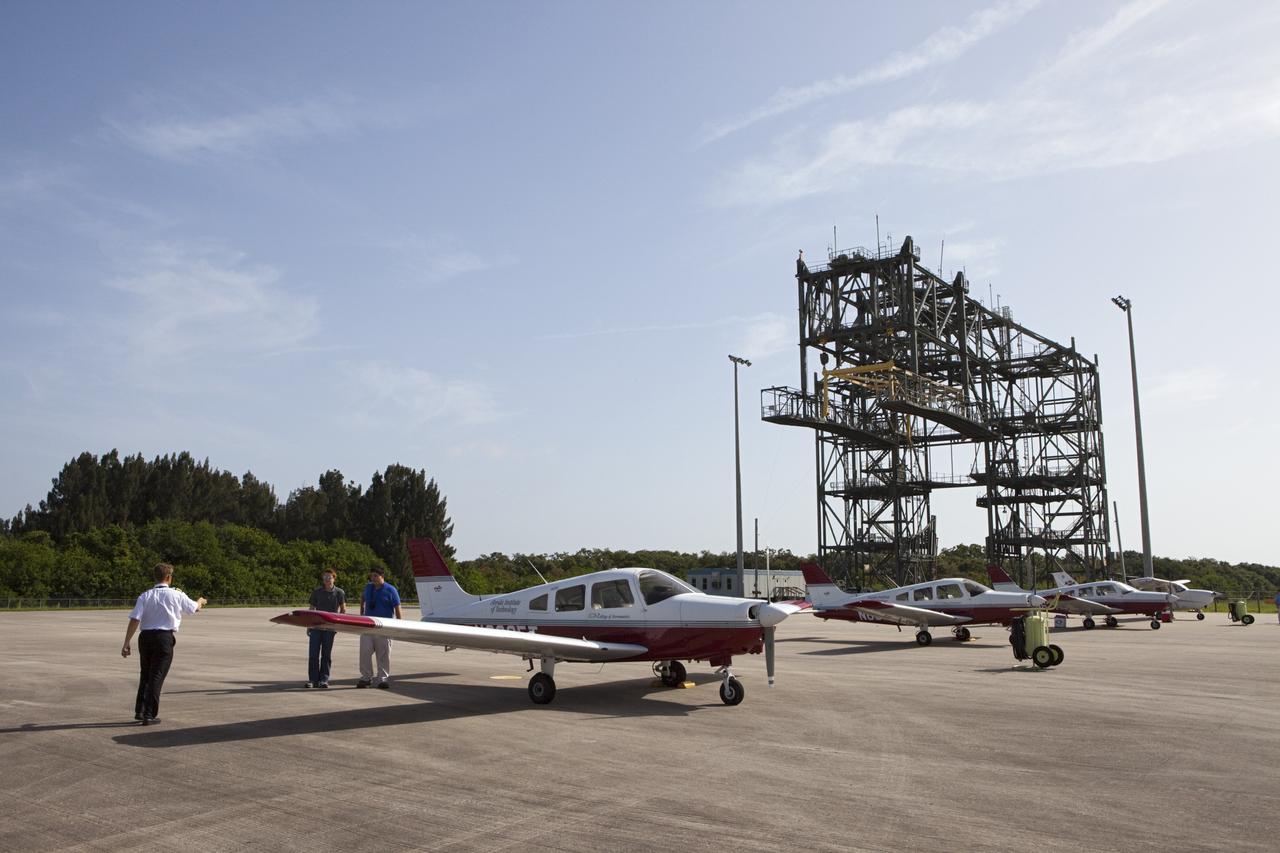
CAPE CANAVERAL, Fla. – Students and their flight instructors arrive at NASA Kennedy Space Center’s Shuttle Landing Facility, or SLF, in Florida in Cherokee Warrior and Cessna 172S lightweight aircraft from Florida Tech, or FIT, in Melbourne. The middle and high school students are participating in FIT’s Av/Aero summer camp experience. They and their flight instructors toured the SLF midfield control tower, viewed F104 Starfighters and NASA Huey helicopters in the RLV Hangar, viewed the runway plaques marking wheels stop for each of the three space shuttles, and toured the Vehicle Assembly Building where space shuttle Atlantis currently is stored. Photo credit: NASA/Kim Shiflett
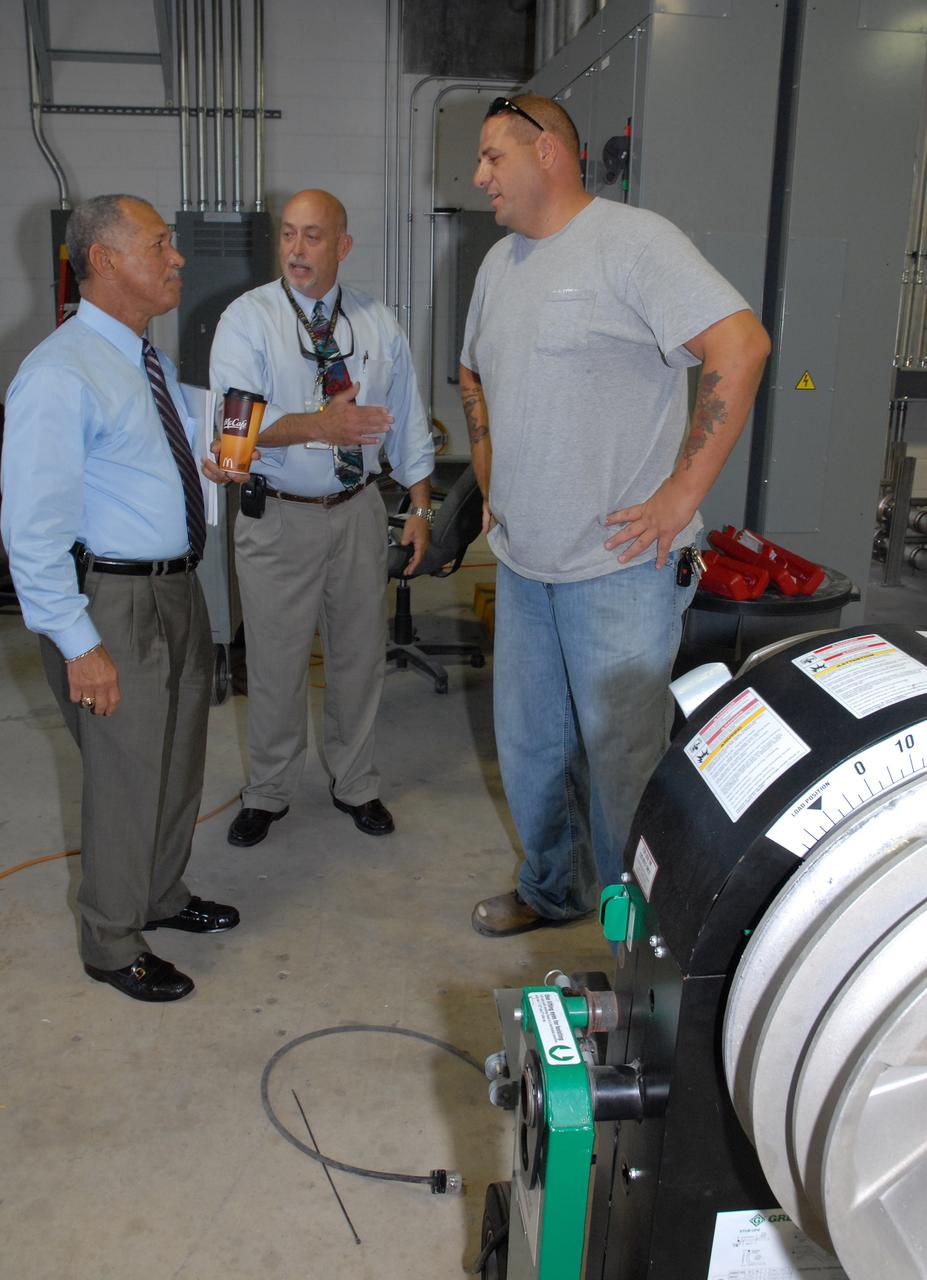
CAPE CANAVERAL, Fla. – NASA Administrator Charles Bolden (left) stops in the Launch Equipment Test Facility, or LETF, during his tour of NASA's Kennedy Space Center in Florida. At center is Eric Ernst, Kennedy LETF manager. Bolden is touring several facilities at Kennedy involved with NASA's Constellation Program. Bolden also was at Kennedy for several events, including the landing of space shuttle Endeavour's STS-127 mission and the signing of the joint NASA-Japan Aerospace Exploration Agency agreement defining the terms of cooperation between the agencies on the Global Precipitation Measurement, or GPM, mission. Photo credit: NASA/Kim Shiflett
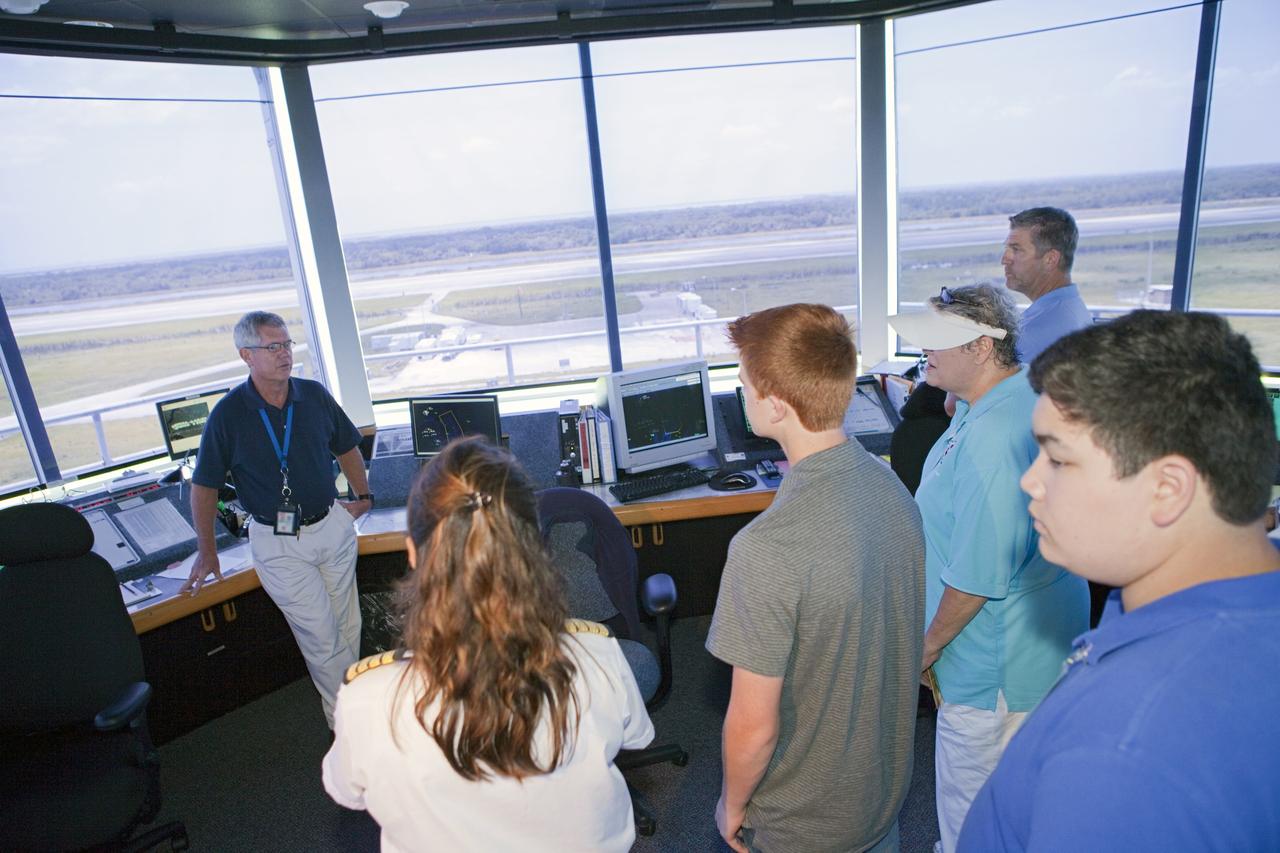
CAPE CANAVERAL, Fla. – At the Shuttle Landing Facility at NASA’s Kennedy Space Center in Florida, students and their flight instructors from Florida Tech, or FIT, in Melbourne, tour the midfield Air Traffic Control Tower. The instructors and their students arrived at the SLF in Cherokee Warrior and Cessna 172S lightweight aircraft. The middle and high school students are participating in FIT’s Av/Aero summer camp experience. They and their flight instructors toured the SLF midfield control tower, viewed F104 Starfighters and NASA Huey helicopters in the RLV Hangar, viewed the runway plaques marking wheels stop for each of the three space shuttles, and toured the Vehicle Assembly Building where space shuttle Atlantis currently is stored. Photo credit: NASA/Kim Shiflett
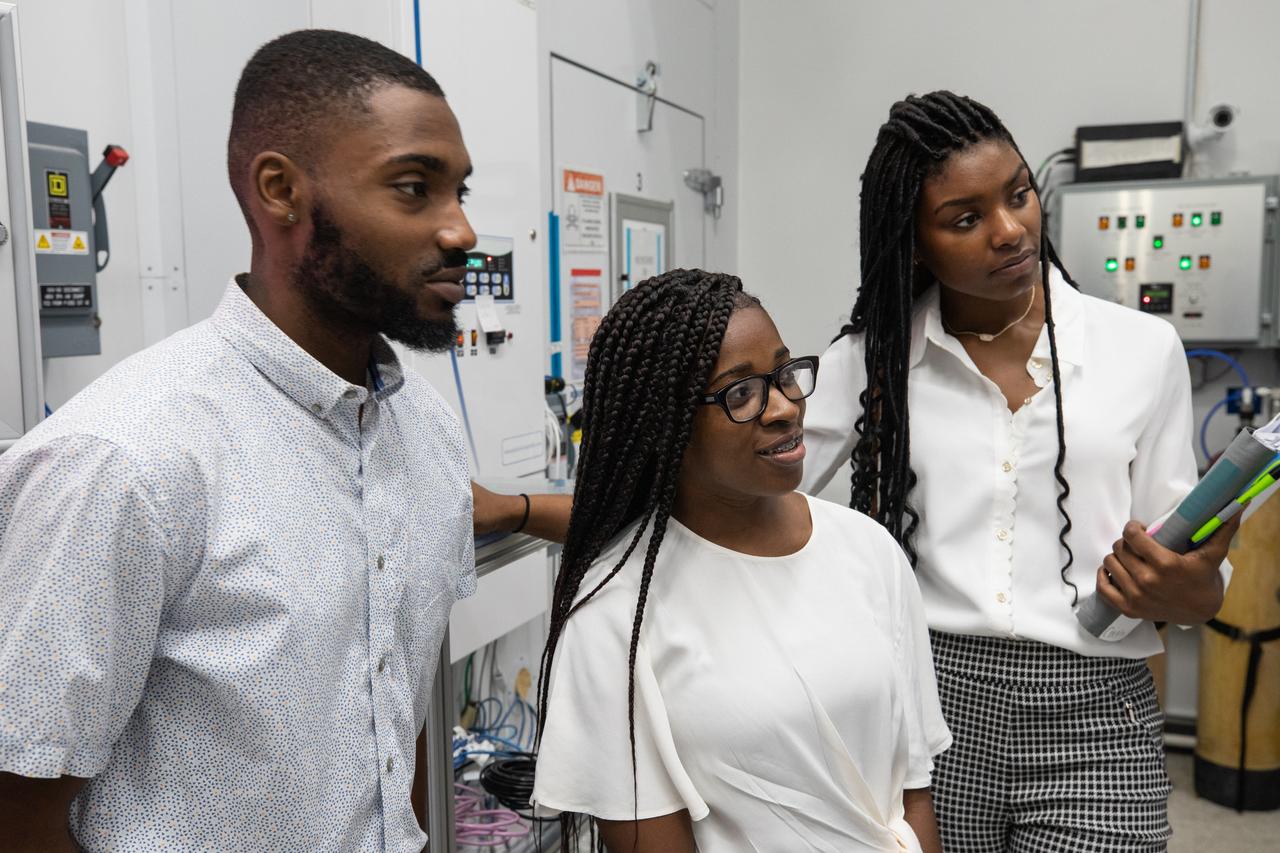
Langston University students, from left, Sherman Cravens, Makyah Farris and Courtney Miller listen to a presentation inside a Space Station Processing Facility lab at Kennedy Space Center on Sept. 18, 2019. The students were part of a tour of the Florida spaceport organized by NASA’s Office of Education and Byron Quinn, Ph.D., Langston University director of the Science Research Institute. The visit included stops at SwampWorks, the Neil Armstrong Operations and Checkout Building, the Vehicle Assembly Building, the visitor complex and the Center for Space Education.
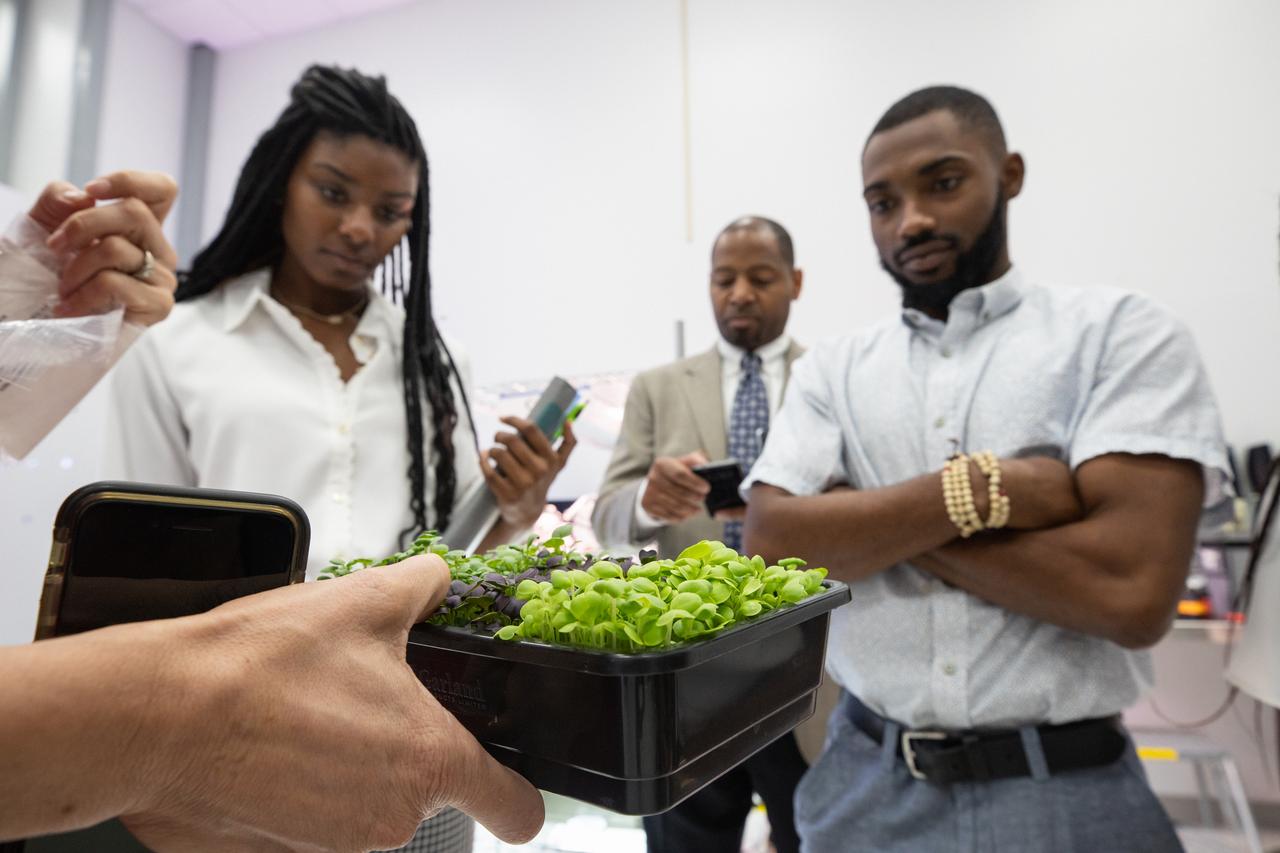
Langston University students Courtney Miller, left, and Sherman Cravens participate in a hands-on experience inside a Space Station Processing Facility lab at Kennedy Space Center on Sept. 18, 2019. Miller and Cravens were part of a tour of the Florida spaceport organized by Byron Quinn (background), Ph.D., Langston University director of the Science Research Institute, and NASA’s Office of Education. The Kennedy visit included stops at SwampWorks, the Neil Armstrong Operations and Checkout Building, the Vehicle Assembly Building, the visitor complex and the Center for Space Education.
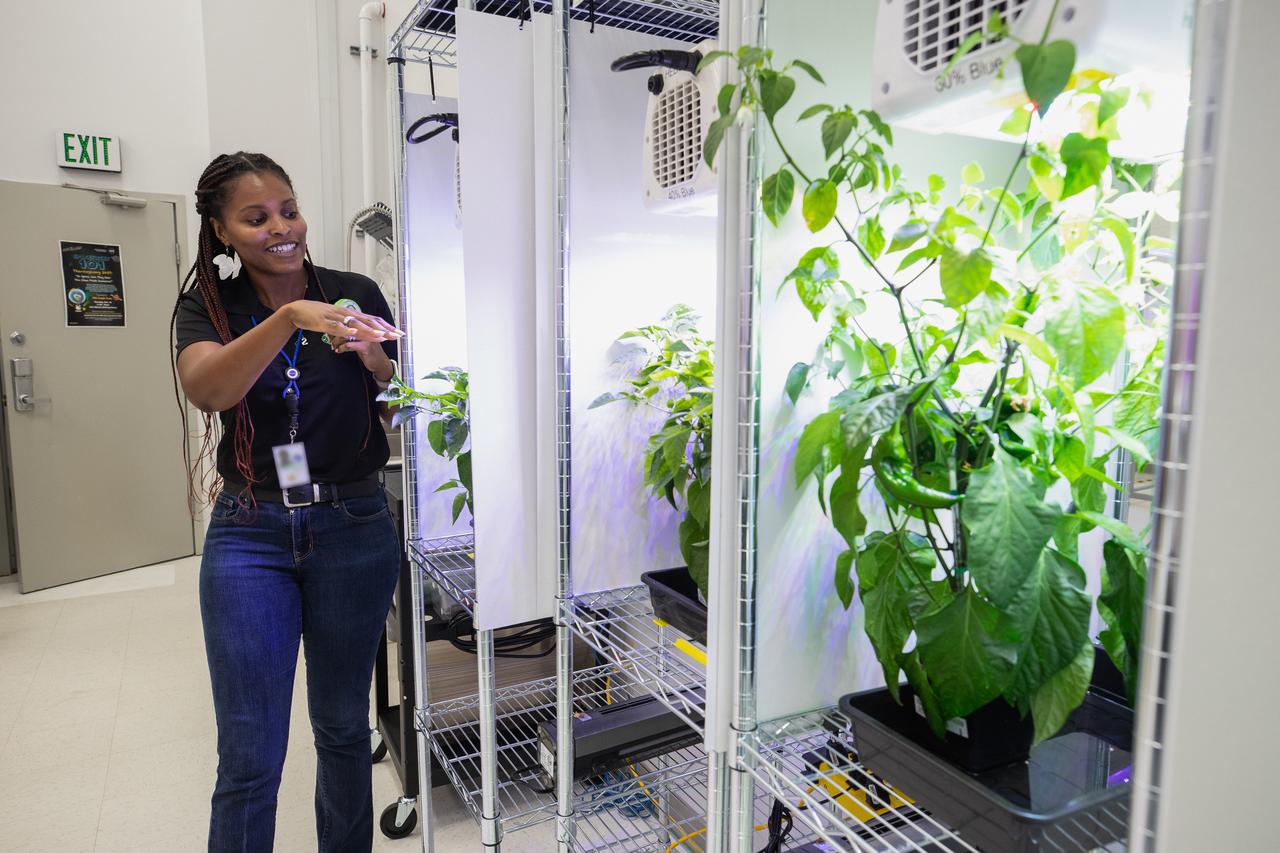
Kennedy Space Center Research and Development Scientist Lashelle Spencer discusses plant growth in space with Langston University students and professor Byron Quinn, Ph.D., inside a Space Station Processing Facility lab at Kennedy Space Center on Sept. 18, 2019. Quinn organized the tour through NASA’s Office of Education. The visit included stops at SwampWorks, the Neil Armstrong Operations and Checkout Building, the Vehicle Assembly Building, the visitor complex and the Center for Space Education.
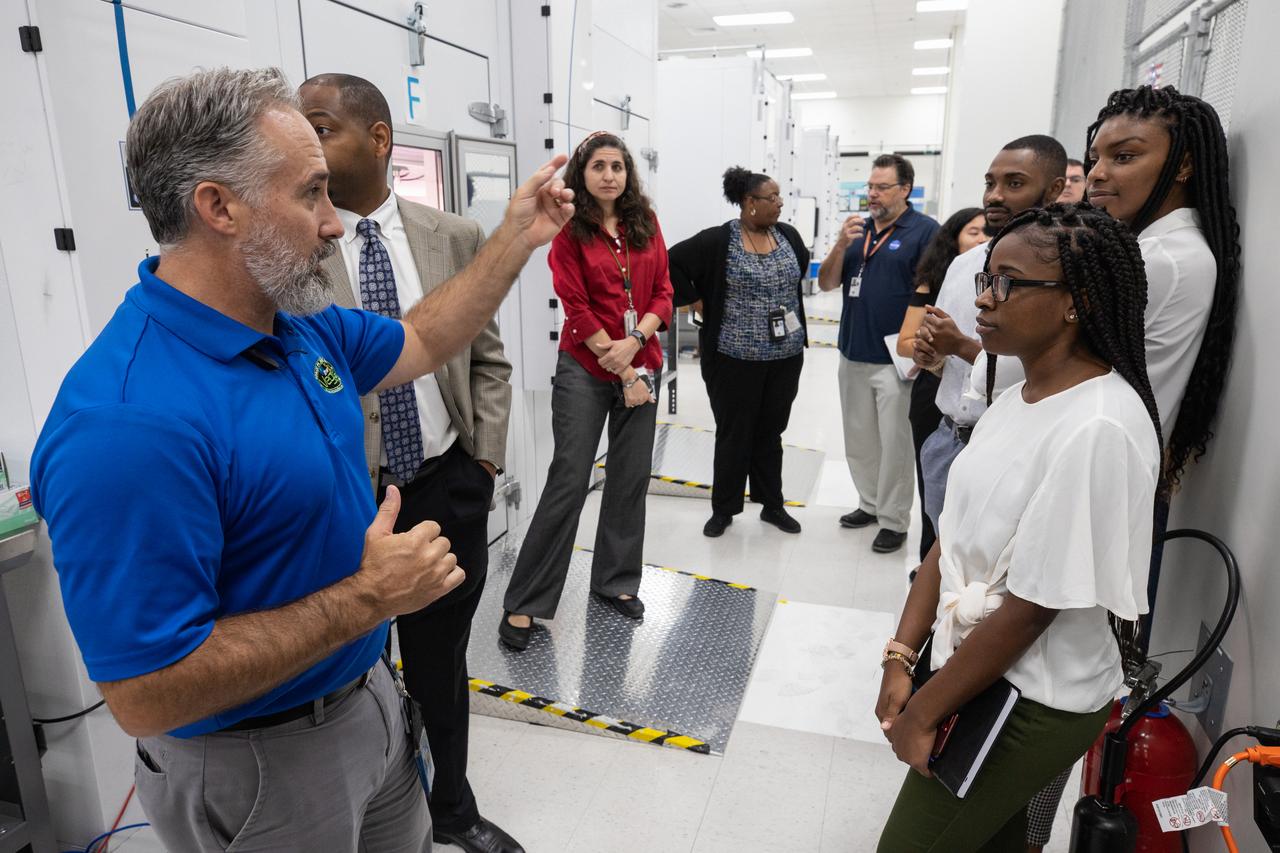
Kennedy Space Center Veggie Project Manager Trent Smith addresses students from Langston University in Oklahoma inside a Space Station Processing Facility lab at the Florida spaceport on Sept. 18, 2019. The students were part of a tour of Kennedy organized by Langston professor Byron Quinn, Ph.D., and NASA’s Office of Education. The visit included stops at SwampWorks, the Neil Armstrong Operations and Checkout Building, the Vehicle Assembly Building, the visitor complex and the Center for Space Education.
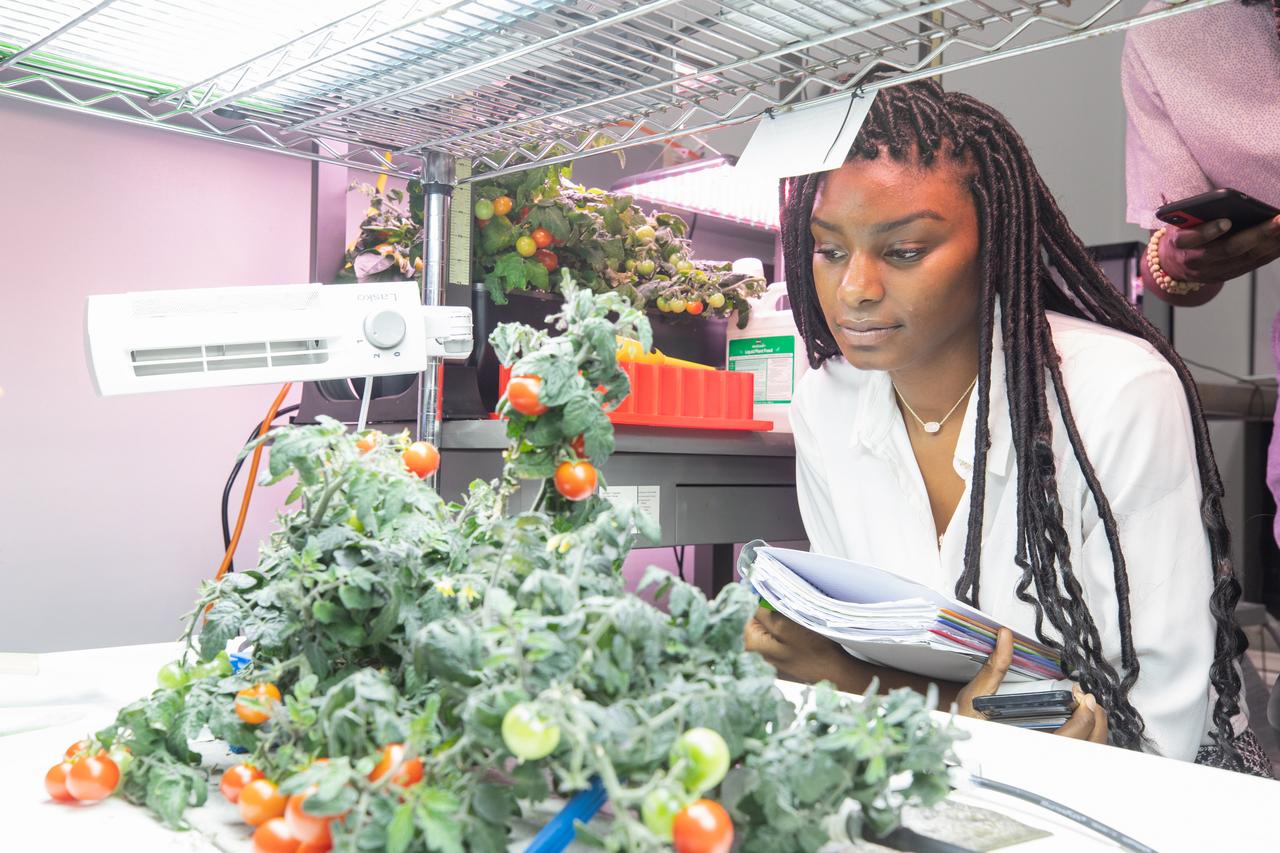
Courtney Miller, a student at Langston University in Oklahoma, participates in a hands-on experience inside a Space Station Processing Facility lab at Kennedy Space Center on Sept. 18, 2019. Miller was part of a tour of the Florida spaceport organized by NASA’s Office of Education and Langston professor Byron Quinn, Ph.D. The Kennedy visit included stops at SwampWorks, the Neil Armstrong Operations and Checkout Building, the Vehicle Assembly Building, the visitor complex and the Center for Space Education.
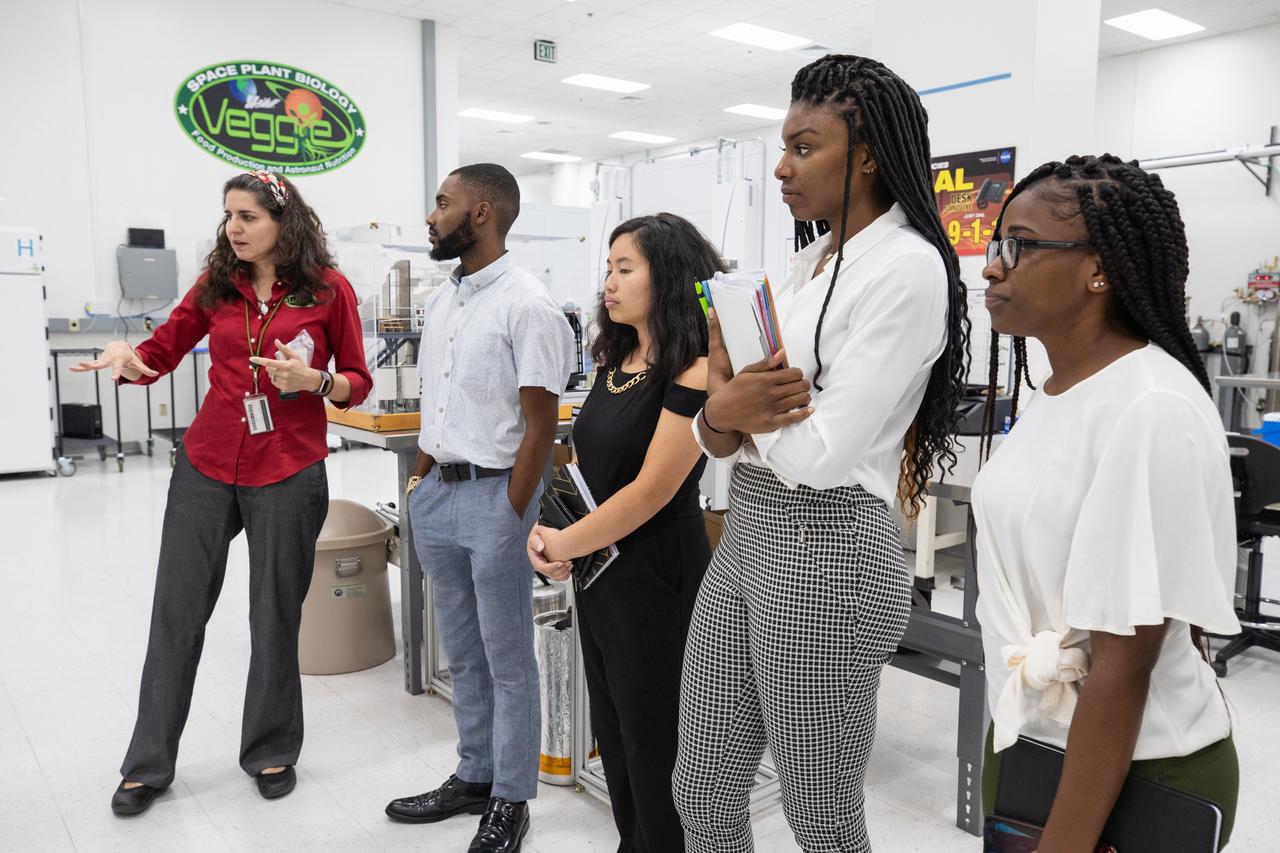
Dr. Gioia Massa, NASA Veggie project lead, addresses Langston University students, from left, Sherman Cravens, Kashia Cha, Courtney Miller and Makyah Farris inside a Space Station Processing Facility lab at Kennedy Space Center on Sept. 18, 2019. The tour, which was organized by Langston University professor Byron Quinn, Ph.D., and NASA’s Office of Education, included stops at SwampWorks, the Neil Armstrong Operations and Checkout Building, the Vehicle Assembly Building, the visitor complex and the Center for Space Education.

KENNEDY SPACE CENTER, FLA. - Author Stephen Covey, right, talks to KSC management about his latest book, The 8th Habit. Seated next to Covey are, from left, Deputy Director Woodrow Whitlow Jr. and Center Director Jim Kennedy. Covey also toured KSC, with stops at the Orbiter Processing Facility and Vehicle Assembly Building.

KENNEDY SPACE CENTER, FLA. -- Master Carpenter Norm Abram and crew of the television series "This Old House" stop in the Space Station Processing Facility on their tour of KSC. Abram is at left center. Escorting them is Bill Johnson (center, in the aisle), NASA TV manager; accompanying them is astronaut John Herrington (behind Johnson). Abram is at KSC to film an episode of the series
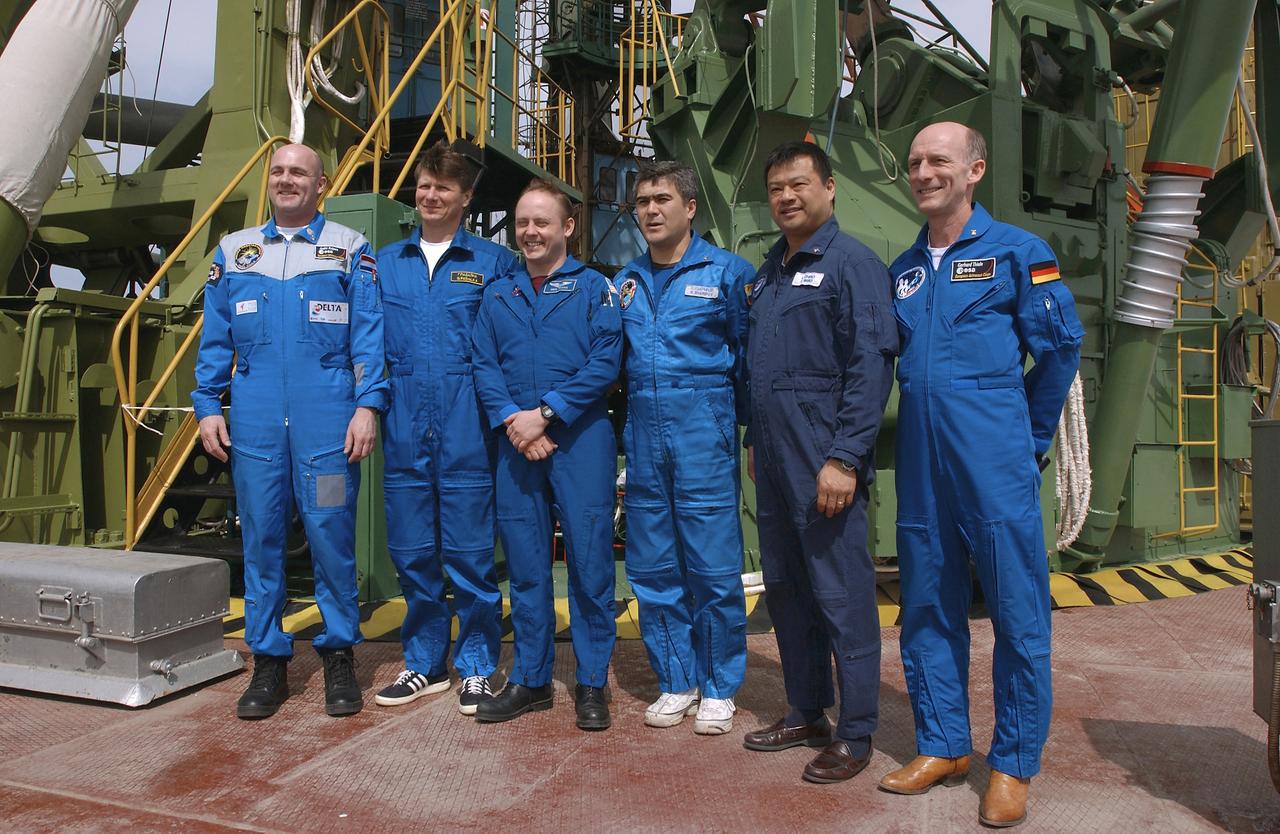
Left to Right: European Space Agency astronaut Andre Kuipers of the Netherlands, Expedition 9 Commander Gennady Padalka, Flight Engineer and NASA Science Officer Mike Fincke, Backup Flight Engineer Salizhan Sharipov, NASA Expedition 9 backup Commander Leroy Chiao and backup European Space Agency astronaut Gerhard Thiele of Germany stop to pose for a group photo during a tour of the Soyuz launch pad, Wednesday, April 14, 2004, in Baikonur, Kazakhstan. Photo Credit: (NASA/Bill Ingalls)
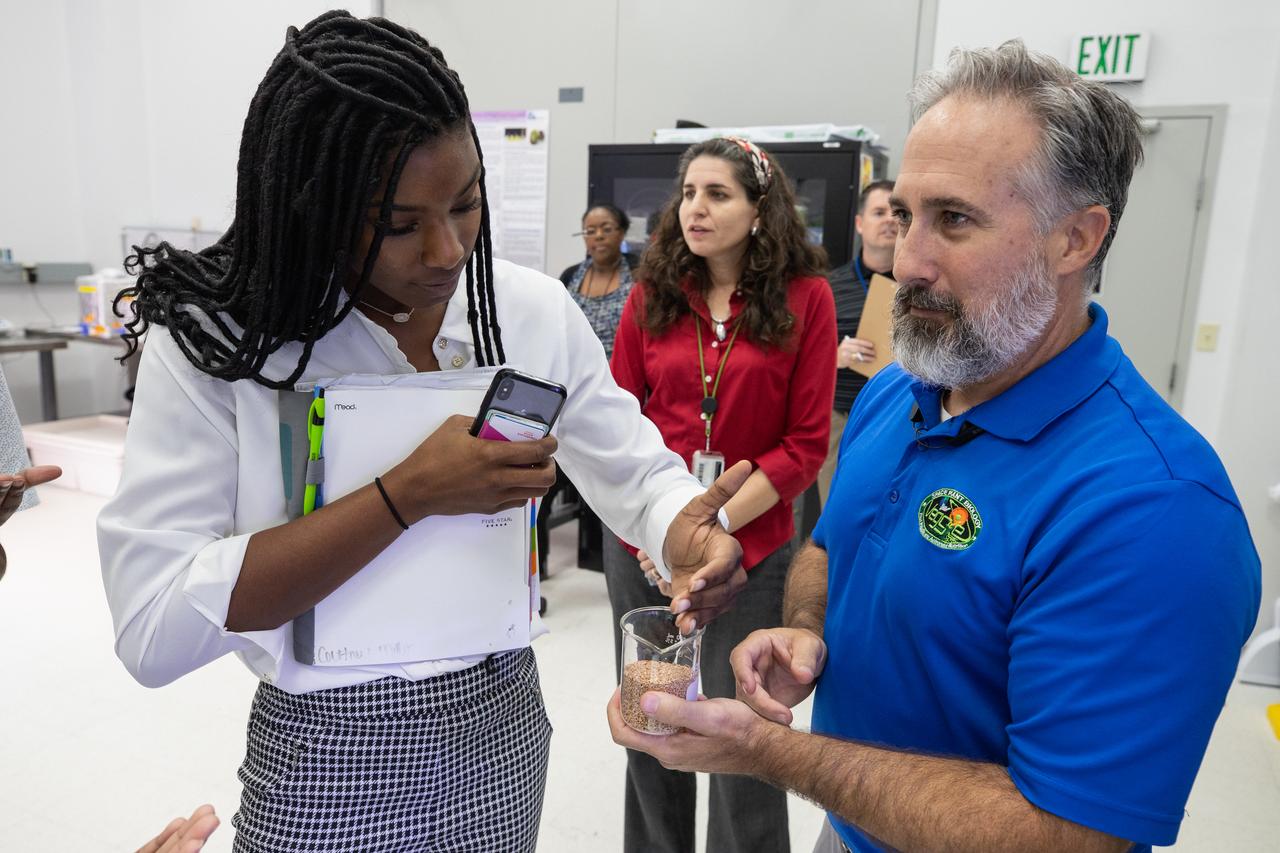
Langston University student Courtney Miller, left, interacts with Kennedy Space Center Veggie Project Manager Trent Smith inside a Space Station Processing Facility lab at Kennedy on Sept. 18, 2019. Behind them is Veggie Project lead Dr. Gioia Massa. Miller was one of four Langston students, along with professor Byron Quinn, Ph.D., who toured the Florida spaceport. The visit included stops at SwampWorks, the Neil Armstrong Operations and Checkout Building, the Vehicle Assembly Building, the visitor complex and the Center for Space Education.
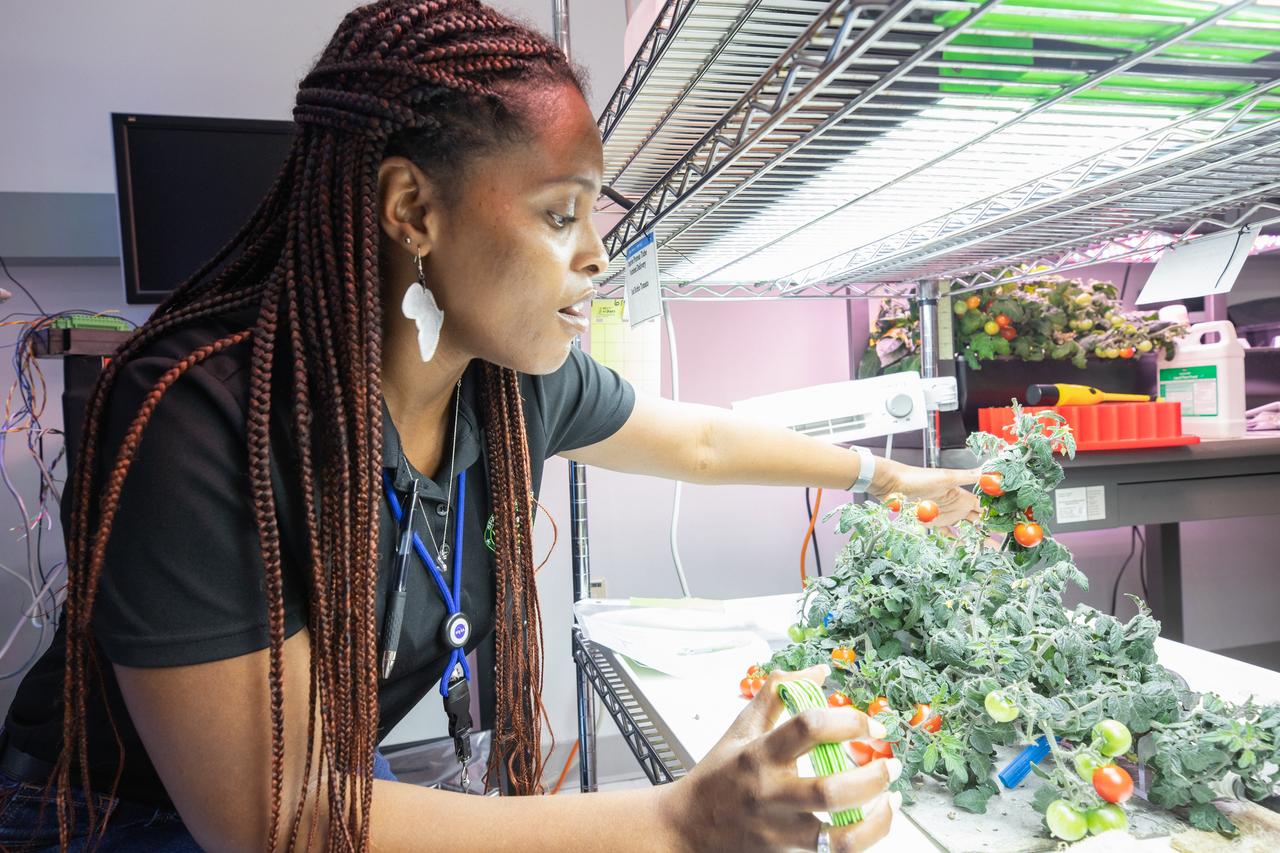
Kennedy Space Center Research and Development Scientist Lashelle Spencer explains methods for growing vegetables in space to a group of students from Langston University inside a Space Station Processing Facility lab at Kennedy Space Center on Sept. 18, 2019. The students’ tour of the Florida spaceport included stops at SwampWorks, the Neil Armstrong Operations and Checkout Building, the Vehicle Assembly Building, the visitor complex and the Center for Space Education.
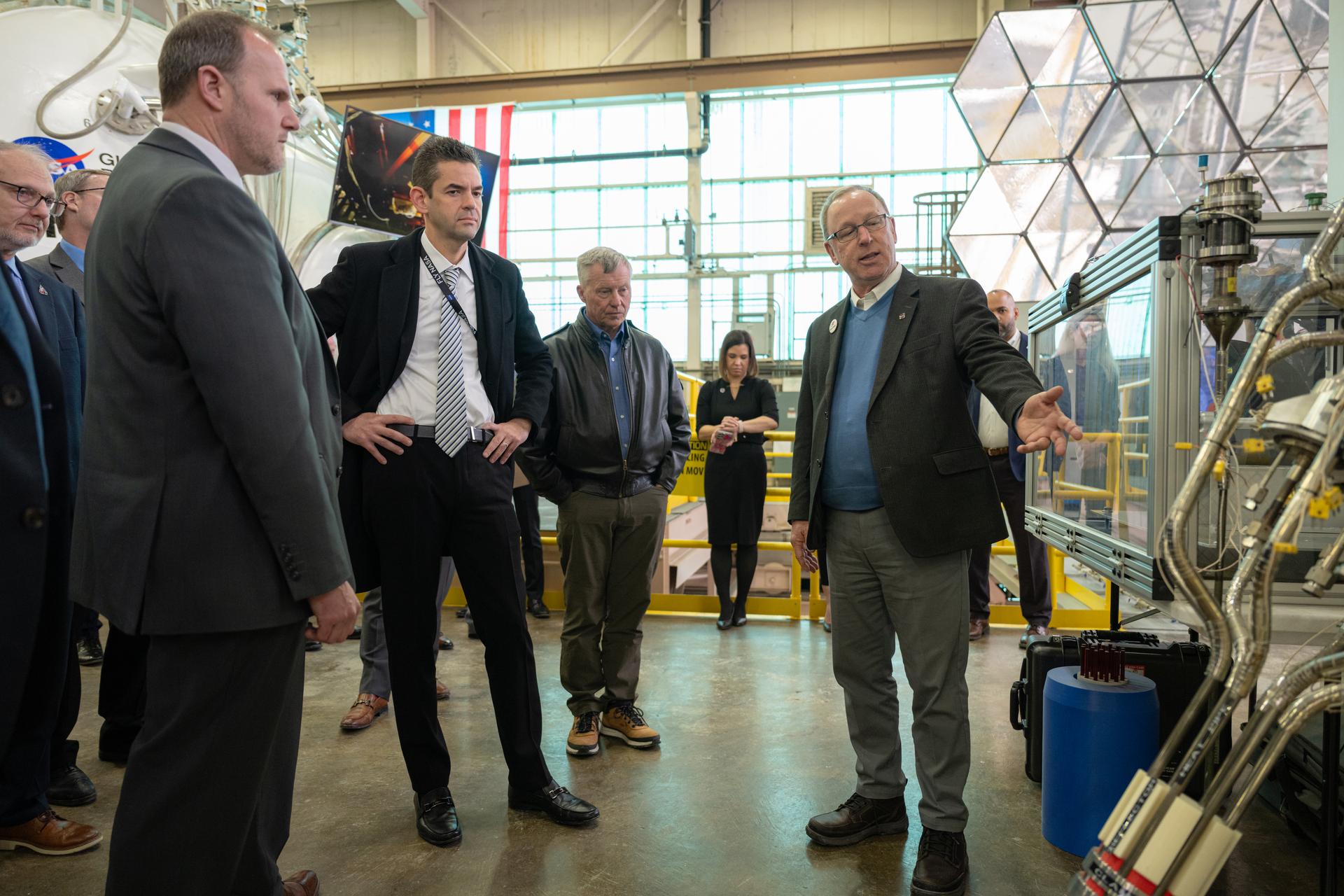
NASA Administrator Jared Isaacman, center left, is shown the Kilowatt Reactor Using Stirling TechnologY (KRUSTY) by Lee Mason, fission surface power chief technologist, right, as he tours the Electric Propulsion and Power Laboratory, Tuesday, Jan. 27, 2026, at NASA’s Glenn Research Center in Cleveland, Ohio. Glenn marks the eleventh stop in Isaacman’s roadshow to visit NASA facilities and engage directly with the agency’s workforce. Photo Credit: (NASA/John Kraus)
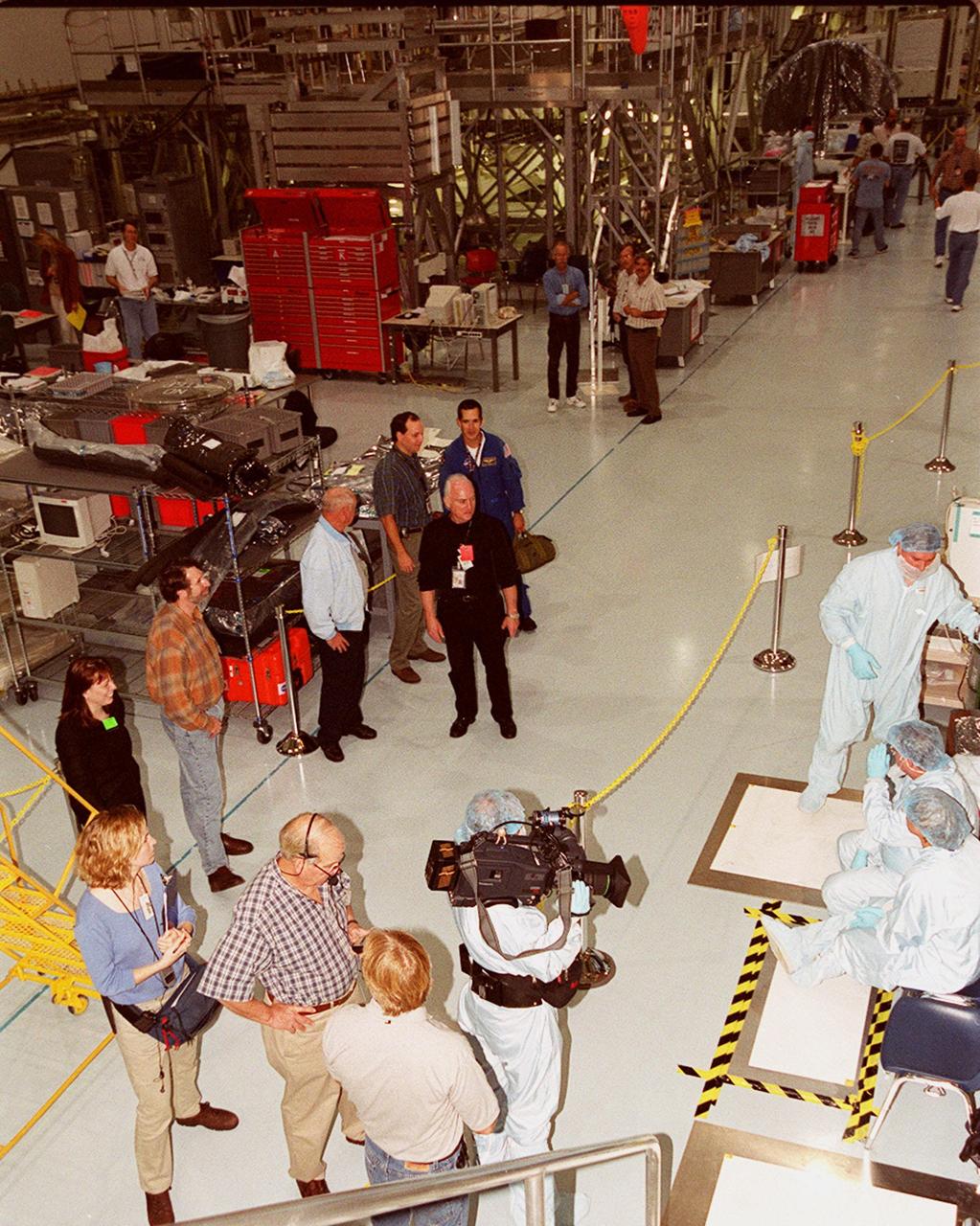
KENNEDY SPACE CENTER, FLA. -- Master Carpenter Norm Abram and crew of the television series "This Old House" stop in the Space Station Processing Facility on their tour of KSC. Abram is at left center. Escorting them is Bill Johnson (center, in the aisle), NASA TV manager; accompanying them is astronaut John Herrington (behind Johnson). Abram is at KSC to film an episode of the series
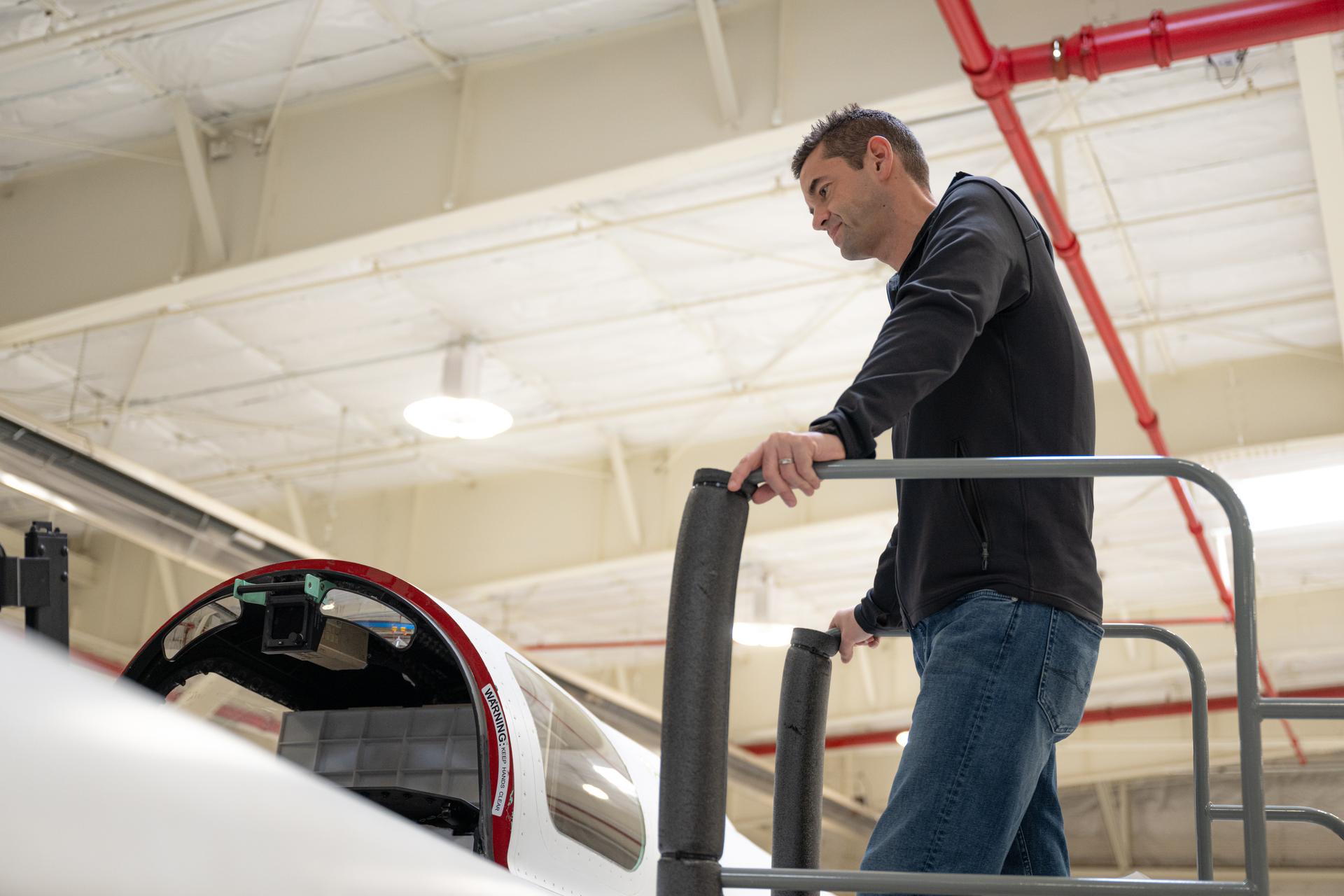
NASA Administrator Jared Isaacman tours the hangar housing the X-59 aircraft, Sunday, Jan. 25, 2026, at NASA’s Armstrong Flight Research Center at Edwards Air Force Base in California. Armstrong marks the ninth stop in Isaacman’s roadshow to visit NASA facilities and engage directly with the agency’s workforce. Photo Credit: (NASA/John Kraus)
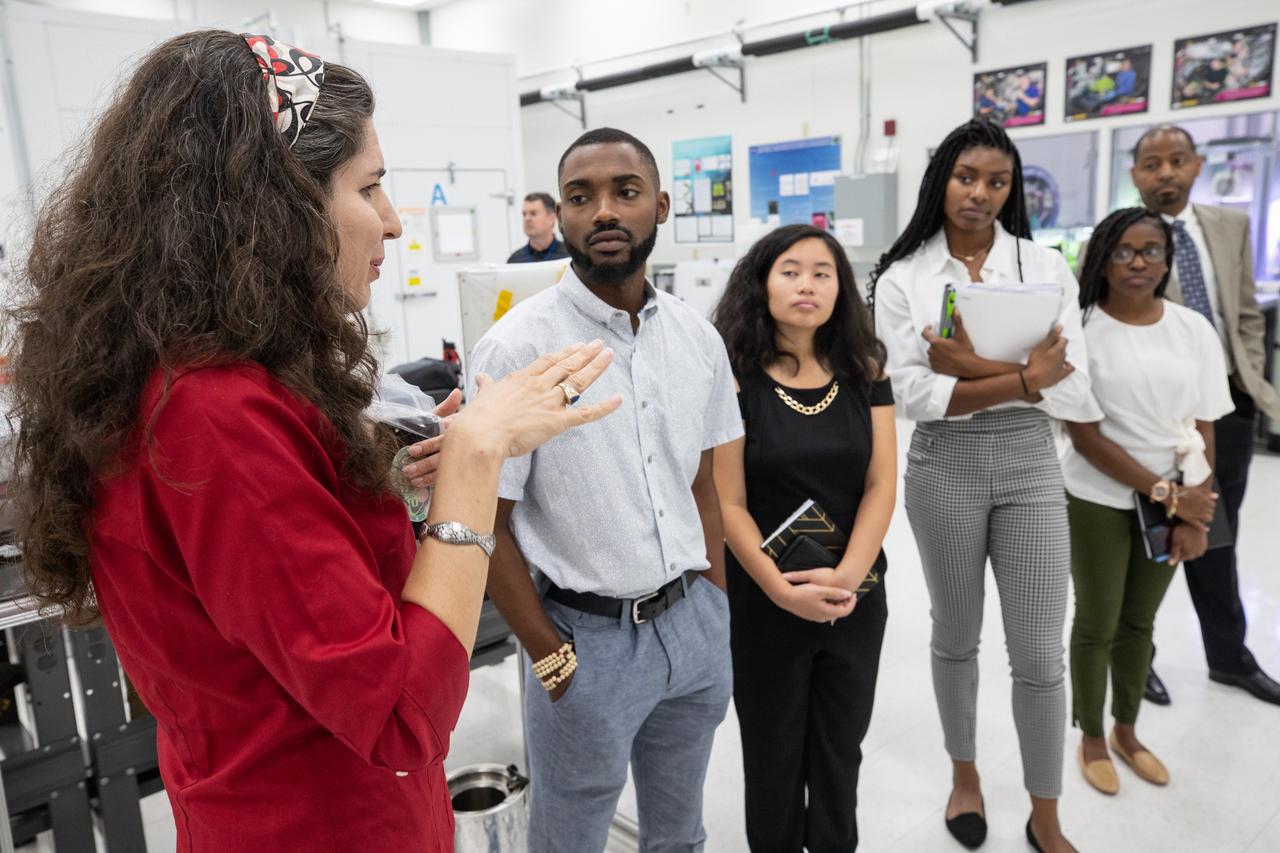
Dr. Gioia Massa, NASA Veggie project lead, addresses Langston University students, from left, Sherman Cravens, Kashia Cha, Courtney Miller and Makyah Farris, along with Langston professor Byron Quinn, Ph.D., inside a Space Station Processing Facility lab at Kennedy Space Center on Sept. 18, 2019. The tour, which was organized by Quinn and NASA’s Office of Education, included stops at SwampWorks, the Neil Armstrong Operations and Checkout Building, the Vehicle Assembly Building, the visitor complex and the Center for Space Education.
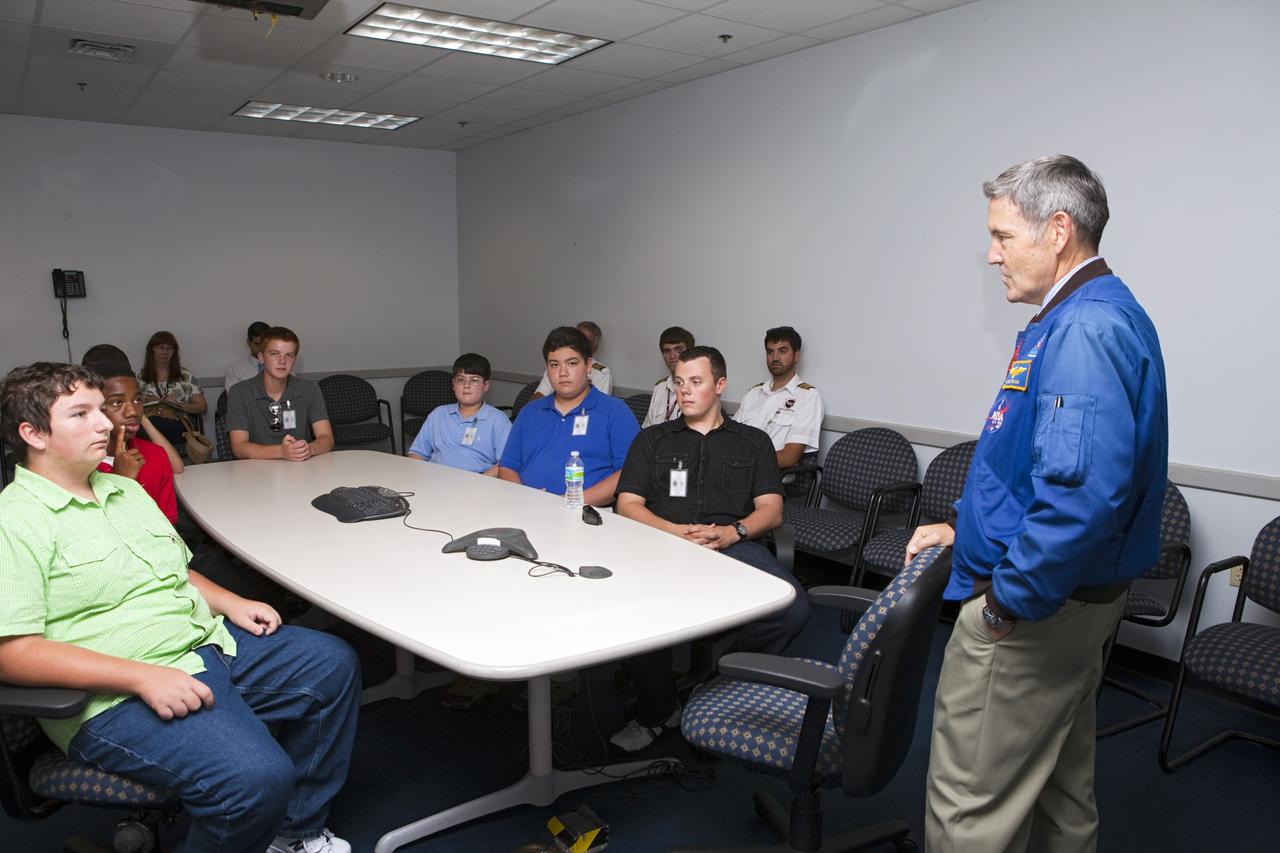
CAPE CANAVERAL, Fla. – In a support building near NASA Kennedy Space Center’s Shuttle Landing Facility, or SLF, in Florida, Center Director Bob Cabana speaks to students and their flight instructors from Florida Tech, or FIT, in Melbourne. The group arrived at the SLF in Cherokee Warrior and Cessna 172S lightweight aircraft. The middle and high school students are participating in FIT’s Av/Aero summer camp experience. They and their flight instructors toured the SLF midfield control tower, viewed F104 Starfighters and NASA Huey helicopters in the RLV Hangar, viewed the runway plaques marking wheels stop for each of the three space shuttles, and toured the Vehicle Assembly Building where space shuttle Atlantis currently is stored. Photo credit: NASA/Kim Shiflett
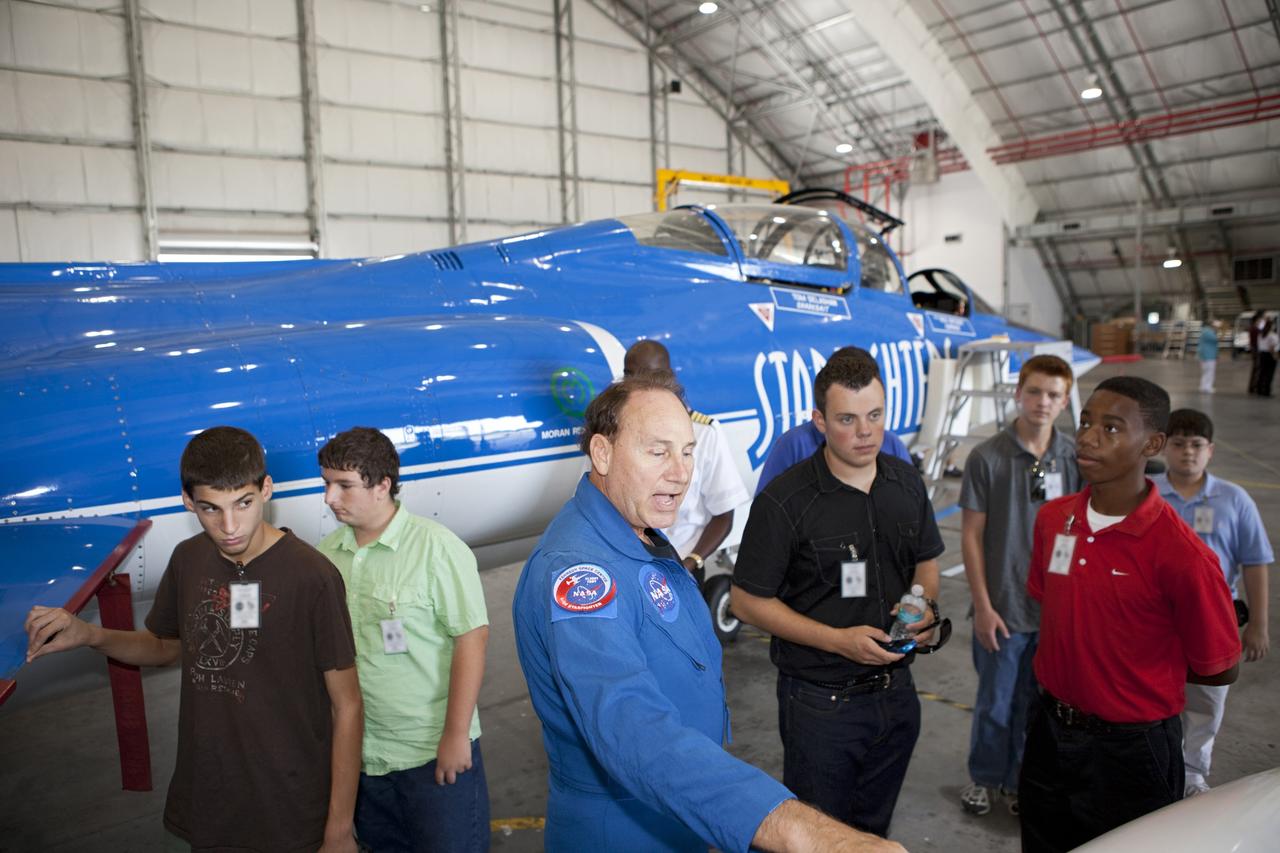
CAPE CANAVERAL, Fla. – Inside the RLV Hangar near NASA Kennedy Space Center’s Shuttle Landing Facility, or SLF, in Florida, students and their flight instructors from Florida Tech, FIT, in Melbourne, view F104 Starfighter aircraft and listen to Starfighter Director Rick Svetkoff. The flight instructors and their students arrived at the SLF in Cherokee Warrior and Cessna 172S lightweight aircraft. The middle and high school students are participating in FIT’s Av/Aero summer camp experience. They and their flight instructors toured the SLF midfield control tower, viewed F104 Starfighters and NASA Huey helicopters in the RLV Hangar, viewed the runway plaques marking wheels stop for each of the three space shuttles, and toured the Vehicle Assembly Building where space shuttle Atlantis currently is stored. Photo credit: NASA/Kim Shiflett
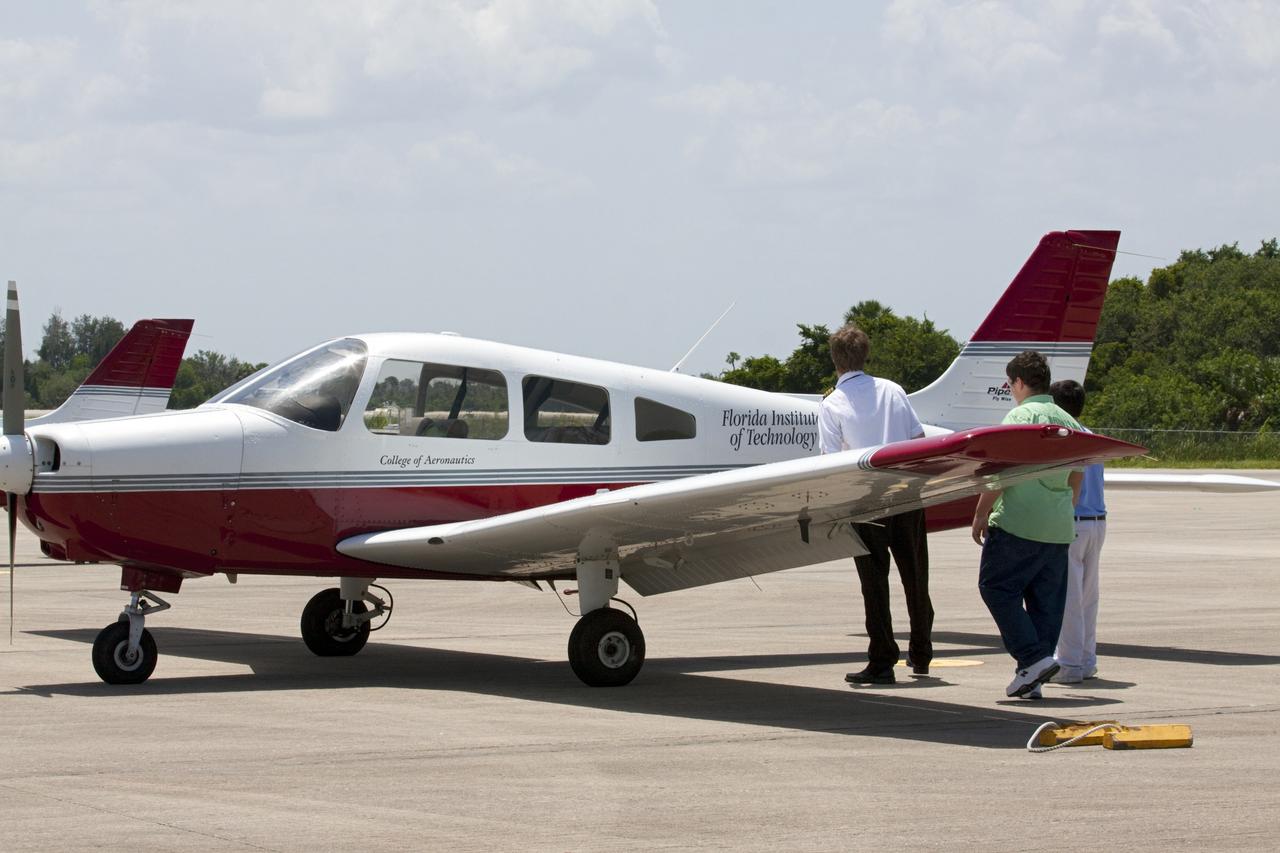
CAPE CANAVERAL, Fla. – At NASA Kennedy Space Center’s Shuttle Landing Facility, or SLF, in Florida, a flight instructor and his students inspect the lightweight aircraft they flew in earlier in the day from Florida Tech, or FIT, in Melbourne. Several instructors and their students arrived at the SLF in Cherokee Warrior and Cessna 172S lightweight aircraft. The middle and high school students are participating in FIT’s Av/Aero summer camp experience. They and their flight instructors toured the SLF midfield control tower, viewed F104 Starfighters and NASA Huey helicopters in the RLV Hangar, viewed the runway plaques marking wheels stop for each of the three space shuttles, and toured the Vehicle Assembly Building where space shuttle Atlantis currently is stored. Photo credit: NASA/Kim Shiflett
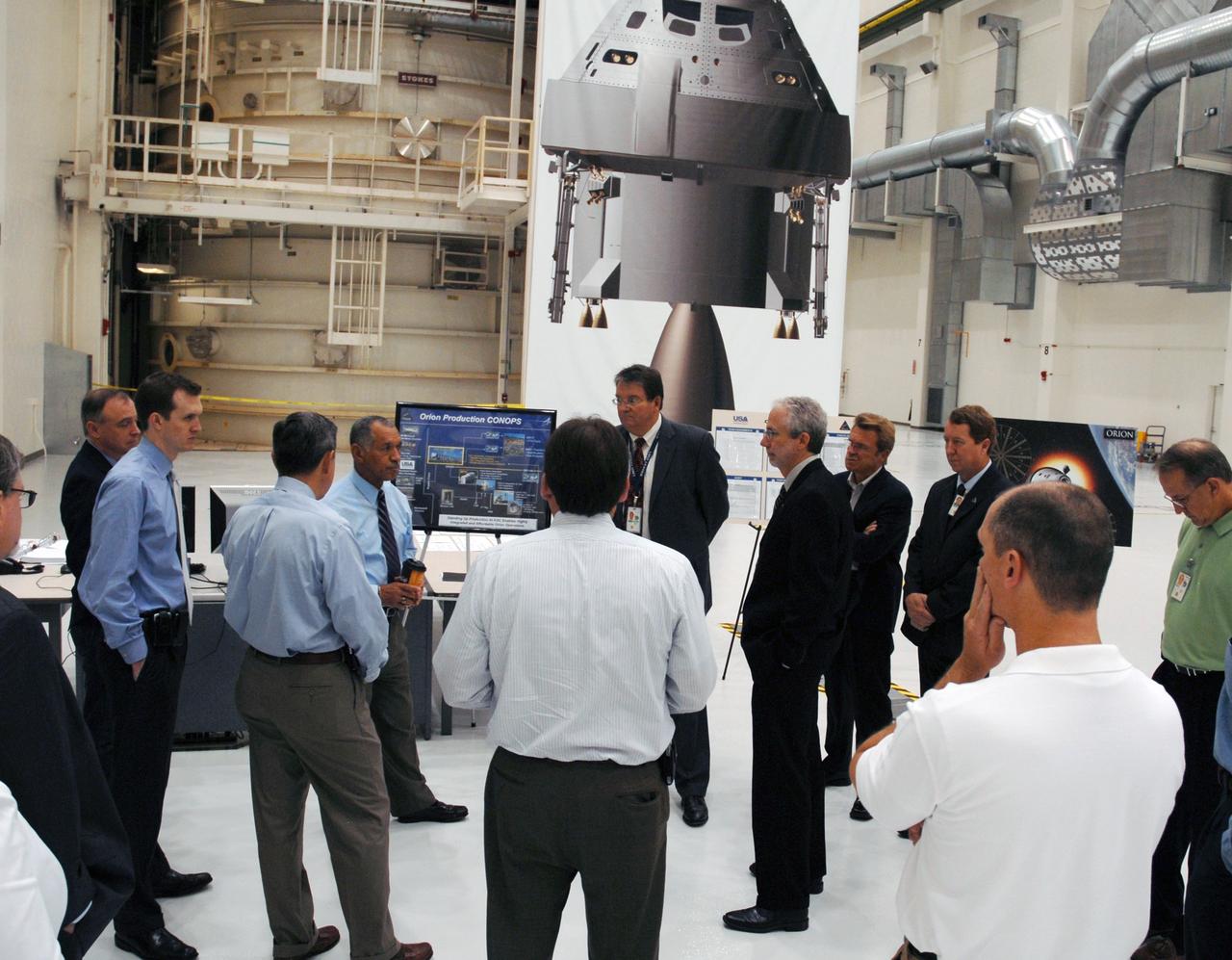
CAPE CANAVERAL, Fla. – On a tour of NASA's Kennedy Space Center in Florida, NASA Administrator Charles Bolden stops in the Operations and Checkout Building to view the high bay planned for the assembly of the Constellation Program's Orion crew vehicle. At left are Chief of Staff in the Office of the Administrator George Whitesides, Center Director Bob Cabana (back to camera) and Bolden. Facing Bolden is Lockheed Martin Space Systems Company Deputy Program Manager Richard F. Harris. Bolden is touring several facilities at Kennedy involved with NASA's Constellation Program. Bolden also was at Kennedy for several events, including the landing of space shuttle Endeavour's STS-127 mission and the signing of the joint NASA-Japan Aerospace Exploration Agency agreement defining the terms of cooperation between the agencies on the Global Precipitation Measurement, or GPM, mission. Photo credit: NASA/Kim Shiflett
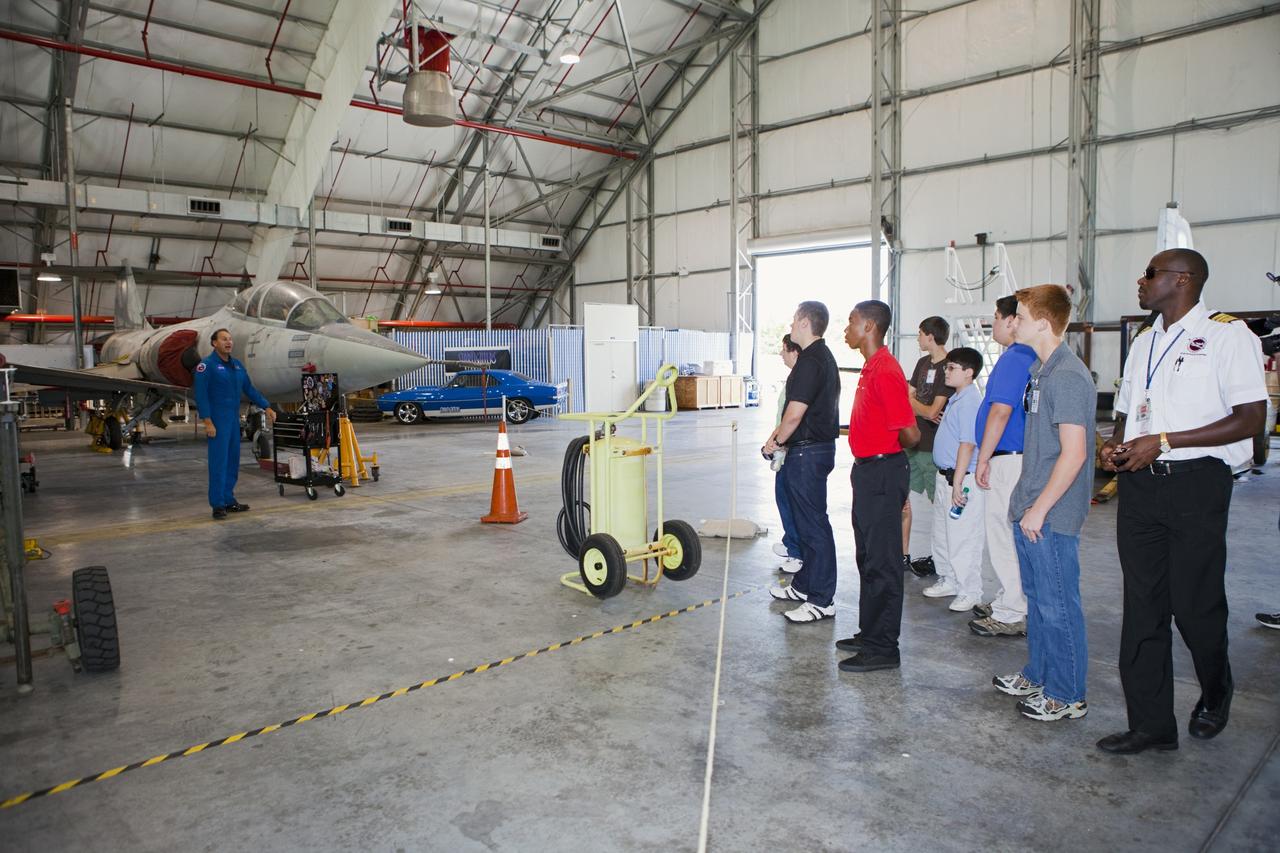
CAPE CANAVERAL, Fla. – Inside the RLV Hangar near NASA Kennedy Space Center’s Shuttle Landing Facility, or SLF, in Florida, students and their flight instructors from Florida Tech, FIT, in Melbourne view F104 Starfighter aircraft and hear a presentation from Starfighter Director Rick Svetkoff. The group arrived at the SLF in Cherokee Warrior and Cessna 172S lightweight aircraft. The middle and high school students are participating in FIT’s Av/Aero summer camp experience. They and their flight instructors toured the SLF midfield control tower, viewed F104 Starfighters and NASA Huey helicopters in the RLV Hangar, viewed the runway plaques marking wheels stop for each of the three space shuttles, and toured the Vehicle Assembly Building where space shuttle Atlantis currently is stored. Photo credit: NASA/Kim Shiflett
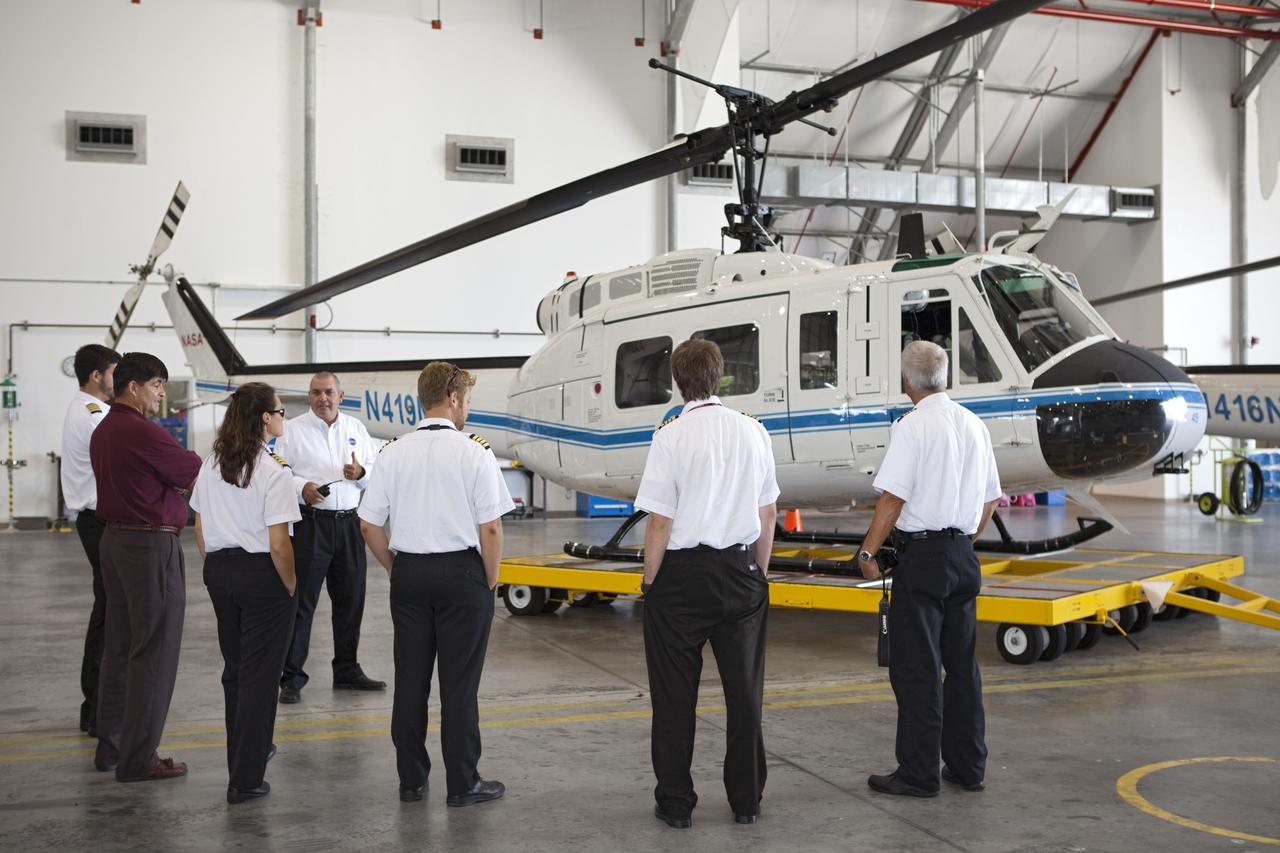
CAPE CANAVERAL, Fla. – Inside the RLV Hangar near NASA Kennedy Space Center’s Shuttle Landing Facility, or SLF, in Florida, flight instructors from Florida Tech, FIT, in Melbourne, listen to NASA Aviation Safety Officer Joe Torsani and view a NASA Huey helicopter. At left, in the red shirt is Glenn Vera, director of FIT Aviation. The flight instructors and their students arrived at the SLF in Cherokee Warrior and Cessna 172S lightweight aircraft. The middle and high school students are participating in FIT’s Av/Aero summer camp experience. They and their flight instructors toured the SLF midfield control tower, viewed F104 Starfighters and NASA Huey helicopters in the RLV Hangar, viewed the runway plaques marking wheels stop for each of the three space shuttles, and toured the Vehicle Assembly Building where space shuttle Atlantis currently is stored. Photo credit: NASA/Kim Shiflett
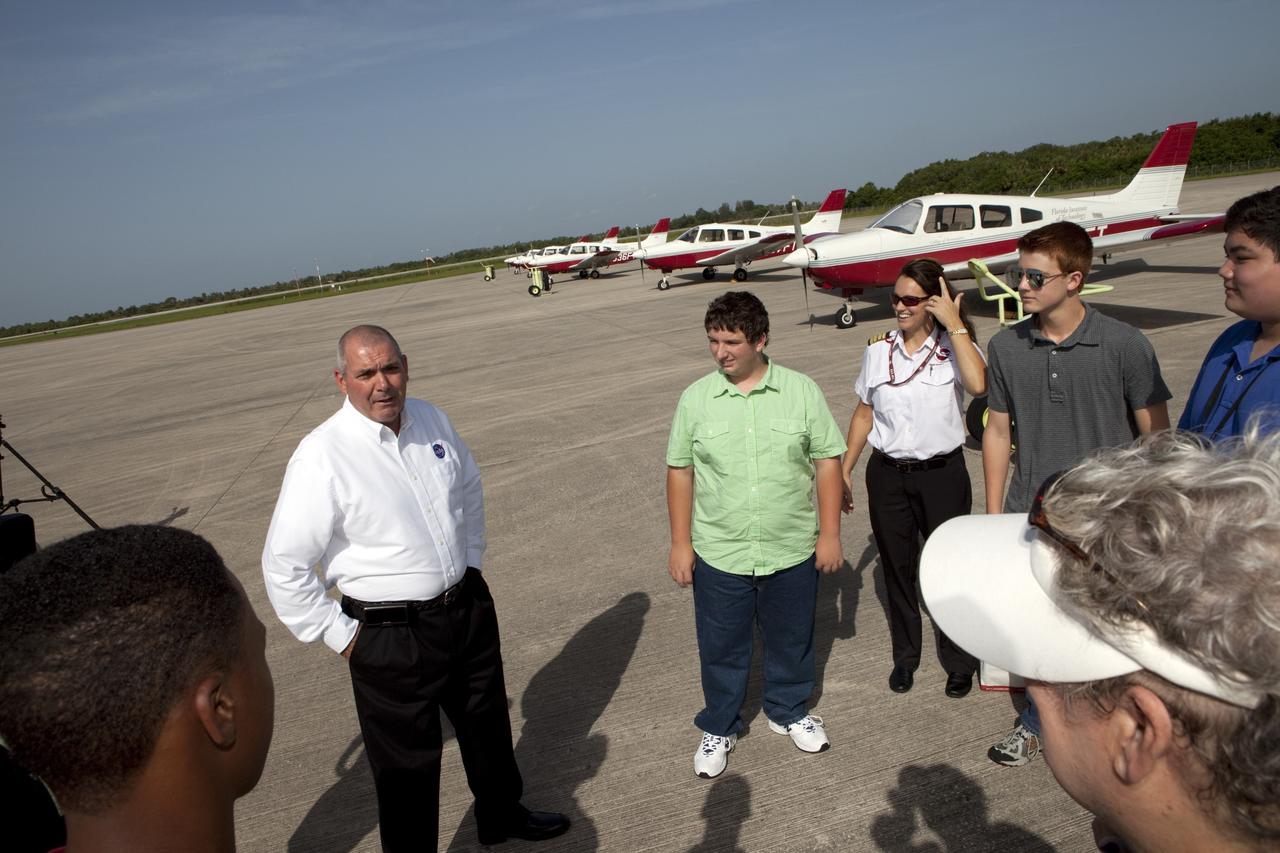
CAPE CANAVERAL, Fla. – At NASA Kennedy Space Center’s Shuttle Landing Facility, or SLF, in Florida, NASA Aviation Safety Officer Joe Torsani, at left, speaks with students and their flight instructors after they arrived in Cherokee Warrior and Cessna 172S lightweight aircraft from Florida Tech, FIT, in Melbourne. The middle and high school students are participating in FIT’s Av/Aero summer camp experience. They and their flight instructors toured the SLF midfield control tower, viewed F104 Starfighters and NASA Huey helicopters in the RLV Hangar, viewed the runway plaques marking wheels stop for each of the three space shuttles, and toured the Vehicle Assembly Building where space shuttle Atlantis currently is stored. Photo credit: NASA/Kim Shiflett
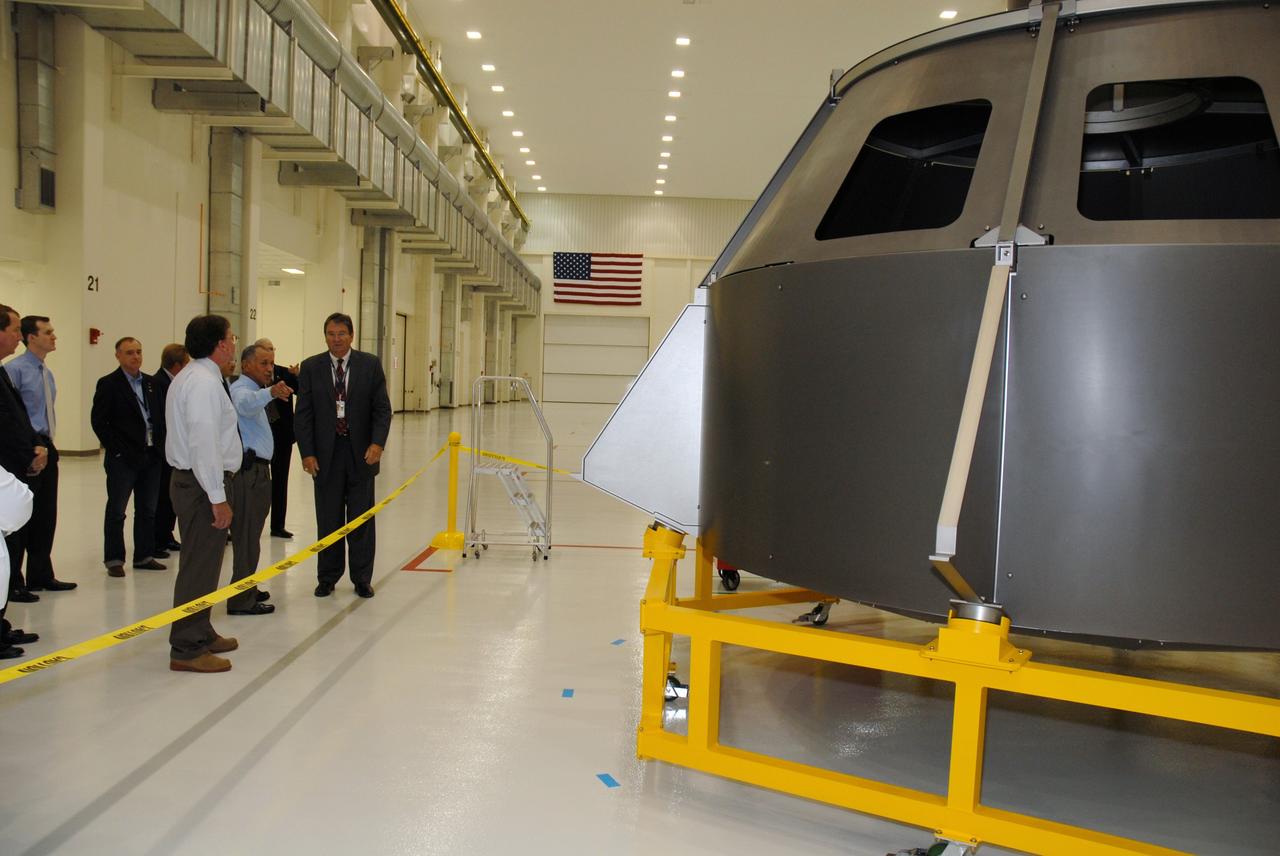
CAPE CANAVERAL, Fla. – On a tour of NASA's Kennedy Space Center in Florida, NASA Administrator Charles Bolden (pointing, at left) stops in the Operations and Checkout Building to view the high bay planned for the assembly of the Constellation Program's Orion crew vehicle (seen at right). On the right is Lockheed Martin Space Systems Company Deputy Program Manager Richard F. Harris. Bolden is touring several facilities at Kennedy involved with NASA's Constellation Program. Bolden also was at Kennedy for several events, including the landing of space shuttle Endeavour's STS-127 mission and the signing of the joint NASA-Japan Aerospace Exploration Agency agreement defining the terms of cooperation between the agencies on the Global Precipitation Measurement, or GPM, mission. Photo credit: NASA/Kim Shiflett
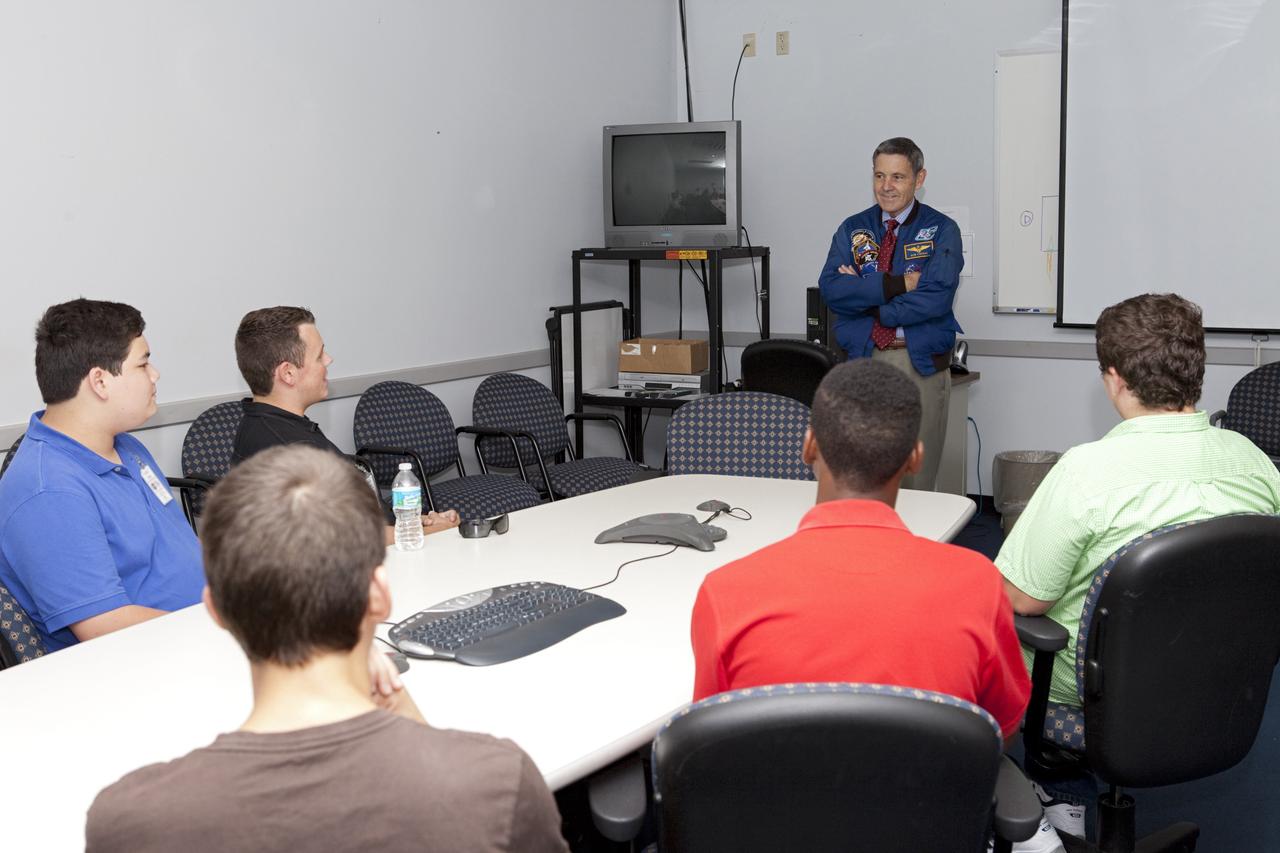
CAPE CANAVERAL, Fla. – In a support building near NASA Kennedy Space Center’s Shuttle Landing Facility, or SLF, in Florida, Center Director Bob Cabana speaks to students and their flight instructors from Florida Tech, or FIT, in Melbourne. The group arrived at the SLF in Cherokee Warrior and Cessna 172S lightweight aircraft.. The middle and high school students are participating in FIT’s Av/Aero summer camp experience. They and their flight instructors toured the SLF midfield control tower, viewed F104 Starfighters and NASA Huey helicopters in the RLV Hangar, viewed the runway plaques marking wheels stop for each of the three space shuttles, and toured the Vehicle Assembly Building where space shuttle Atlantis currently is stored. Photo credit: NASA/Kim Shiflett
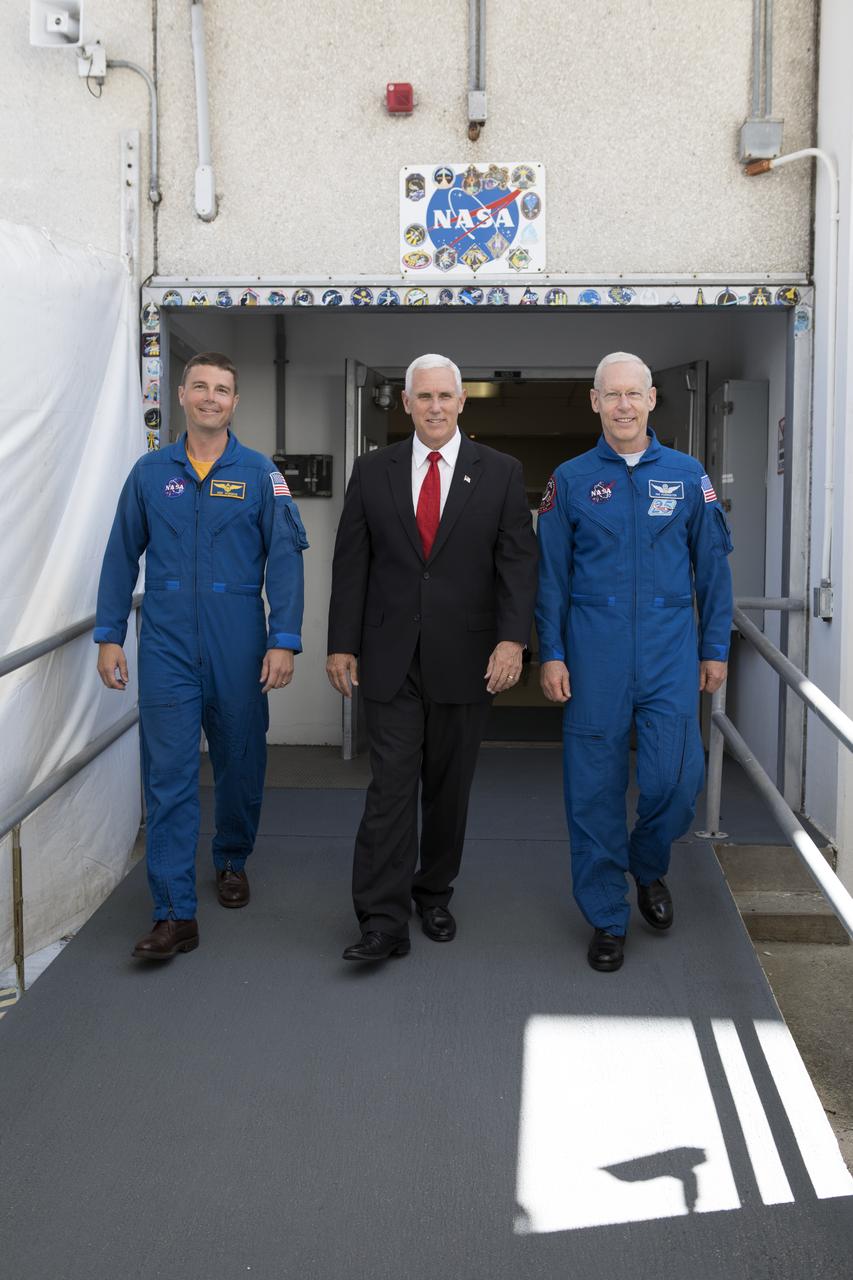
Vice President Mike Pence, center, is flanked by NASA Astronaut Reid Wiseman and NASA Astronaut Office Chief Pat Forrester as they walk out through the same door used by Apollo and space shuttle flight crews departing for the launch pad. Pence toured the Astronaut Crew Quarters during a stop at the Neil Armstrong Operations and Checkout Building at NASA's Kennedy Space Center in Florida, where the Orion spacecraft is being readied for a trip beyond the moon on its first integrated flight with the Space Launch System rocket. During his visit to Kennedy, Pence spoke inside the Vehicle Assembly Building, where he thanked employees for advancing American leadership in space. The Vice President also toured several facilities highlighting the public-private partnerships at Kennedy, as both NASA and commercial companies prepare to launch American astronauts from the multi-user spaceport.
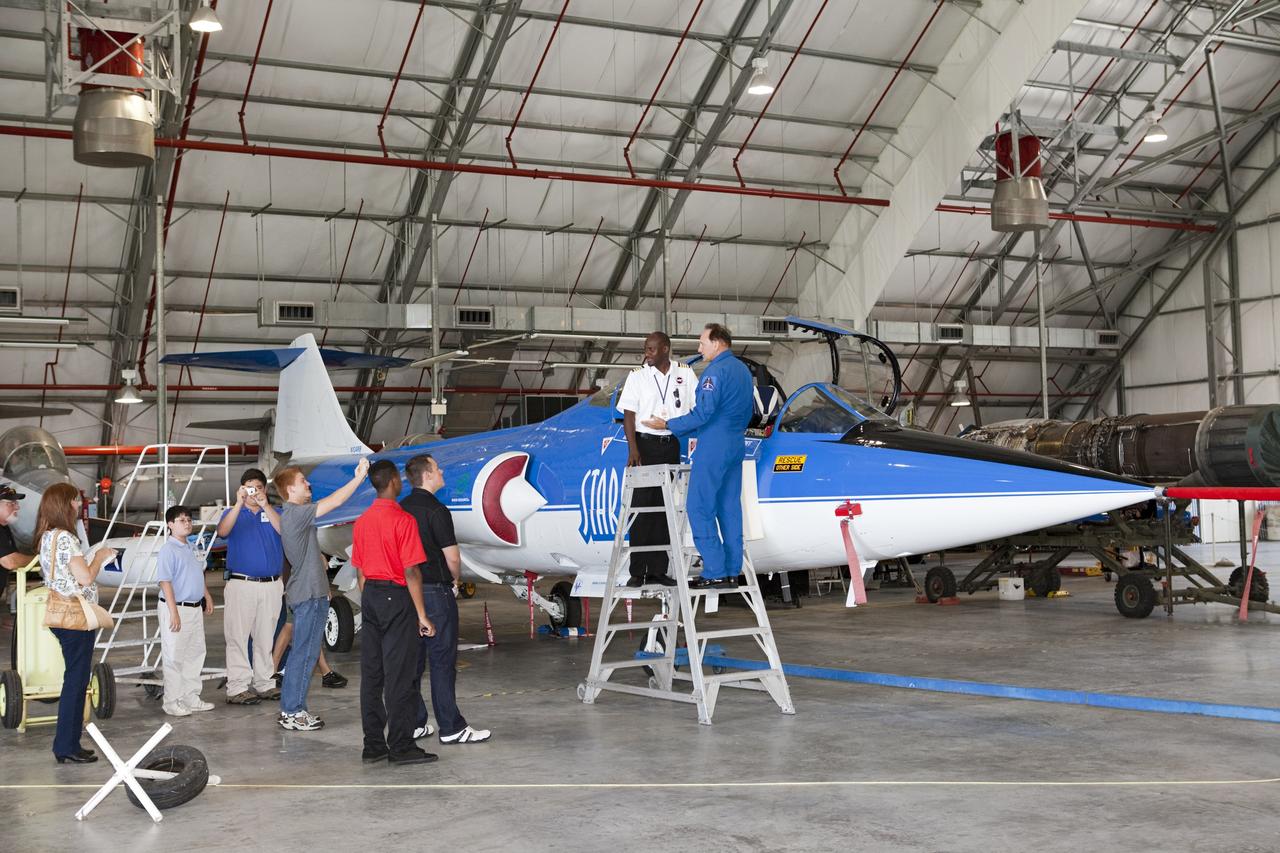
CAPE CANAVERAL, Fla. – Inside the RLV Hangar near NASA Kennedy Space Center’s Shuttle Landing Facility, or SLF, in Florida, Florida Tech, or FIT, Aviation Program Supervisor Tennesse Garvey, at left on the ladder, and several students view an F104 Starfighter. At right, on the ladder is Starfighter Director Rick Svetkoff. The FIT aviation instructors and their students arrived at the SLF in Cherokee Warrior and Cessna 172S lightweight aircraft. The middle and high school students are participating in FIT’s Av/Aero summer camp experience. They and their flight instructors toured the SLF midfield control tower, viewed F104 Starfighters and NASA Huey helicopters in the RLV Hangar, viewed the runway plaques marking wheels stop for each of the three space shuttles, and toured the Vehicle Assembly Building where space shuttle Atlantis currently is stored. Photo credit: NASA/Kim Shiflett
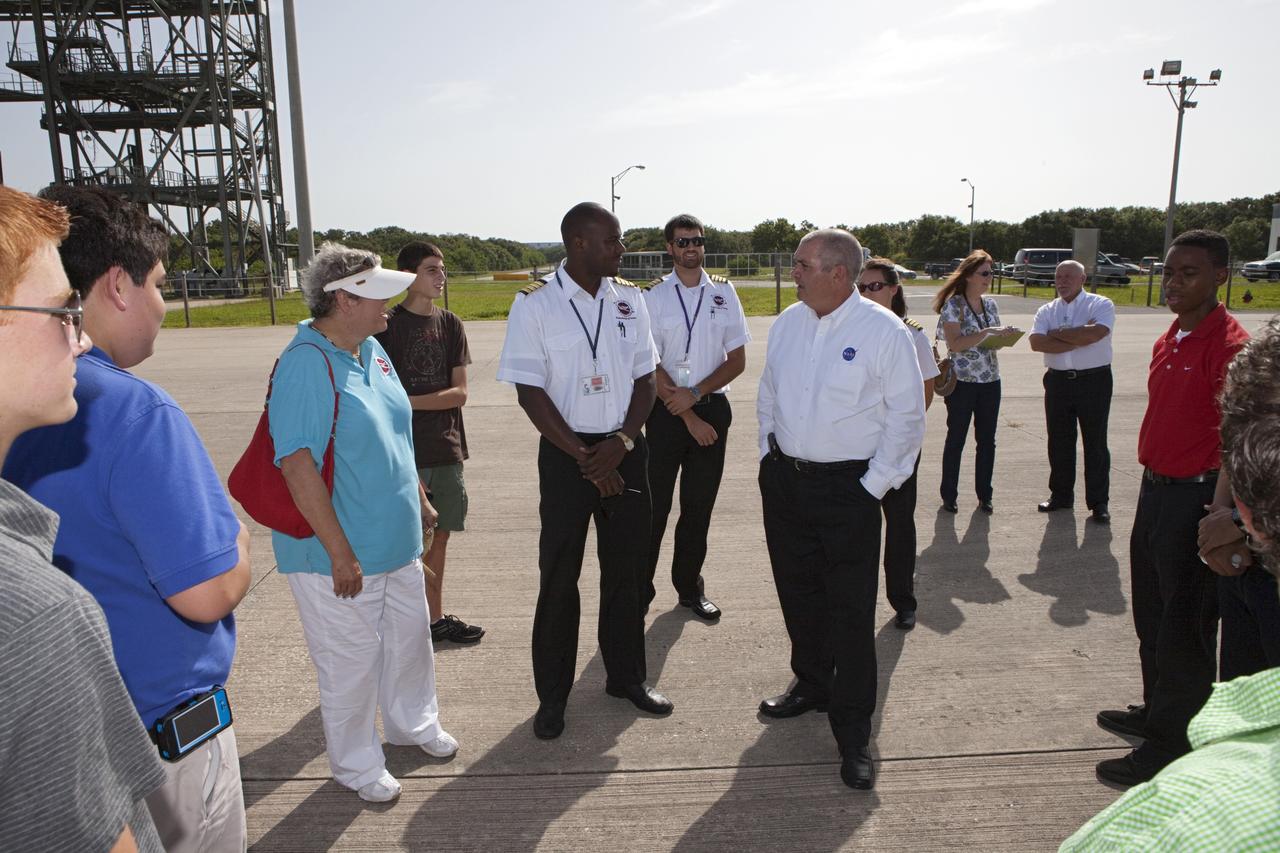
CAPE CANAVERAL, Fla. – At NASA Kennedy Space Center’s Shuttle Landing Facility, or SLF, in Florida, NASA Aviation Safety Officer Joe Torsani, at right, speaks with students and their flight instructors after they arrived in Cherokee Warrior and Cessna 172S lightweight aircraft from Florida Tech, or FIT, in Melbourne. The middle and high school students are participating in FIT’s Av/Aero summer camp experience. They and their flight instructors toured the SLF midfield control tower, viewed F104 Starfighters and NASA Huey helicopters in the RLV Hangar, viewed the runway plaques marking wheels stop for each of the three space shuttles, and toured the Vehicle Assembly Building where space shuttle Atlantis currently is stored. Photo credit: NASA/Kim Shiflett
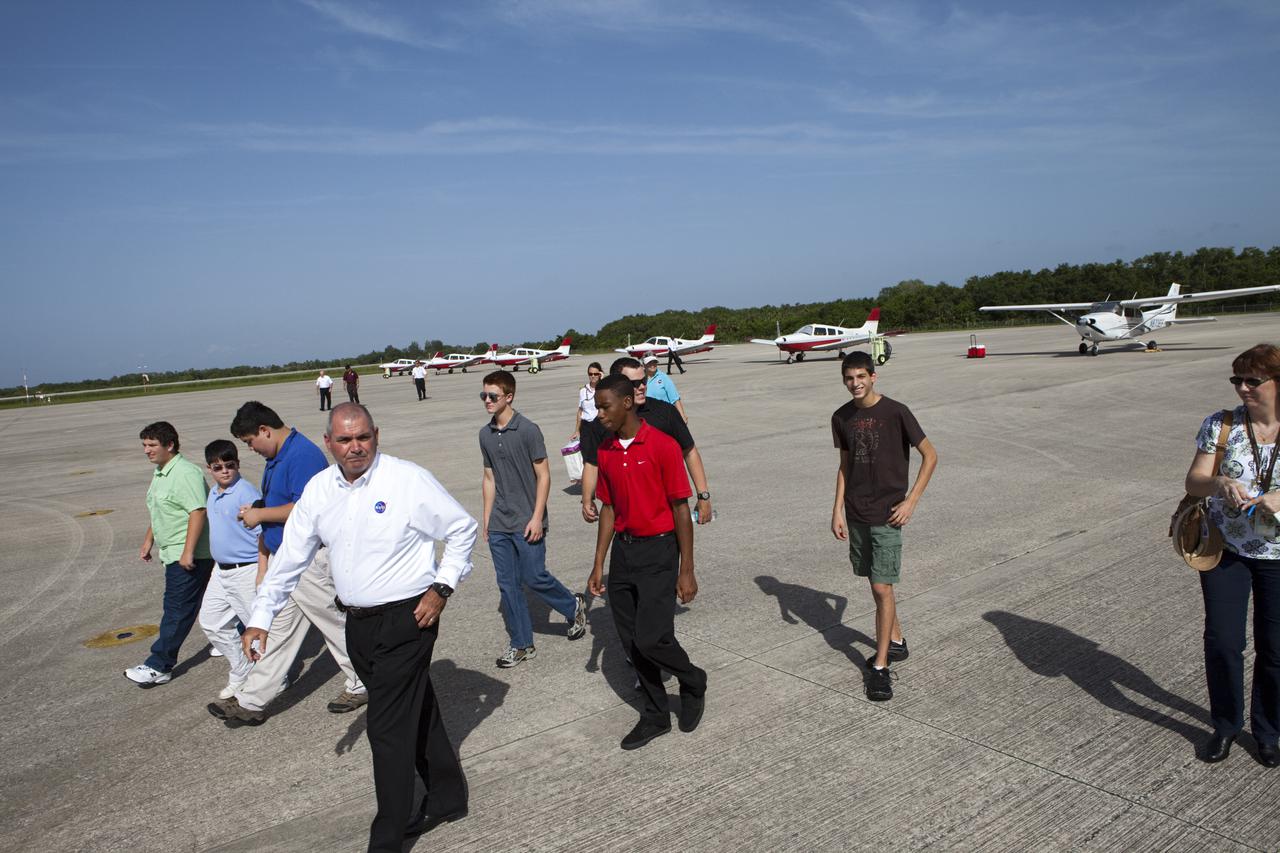
CAPE CANAVERAL, Fla. – At NASA Kennedy Space Center’s Shuttle Landing Facility, or SLF, in Florida, NASA Aviation Safety Officer Joe Torsani walks with students and their flight instructors after they arrived in Cherokee Warrior and Cessna 172S lightweight aircraft from Florida Tech, or FIT, in Melbourne. The middle and high school students are participating in FIT’s Av_Aero summer camp experience. They and their flight instructors toured the SLF midfield control tower, viewed F104 Starfighters and NASA Huey helicopters in the RLV Hangar, viewed the runway plaques marking wheels stop for each of the three space shuttles, and toured the Vehicle Assembly Building where space shuttle Atlantis currently is stored. Photo credit: NASA_Kim Shiflett
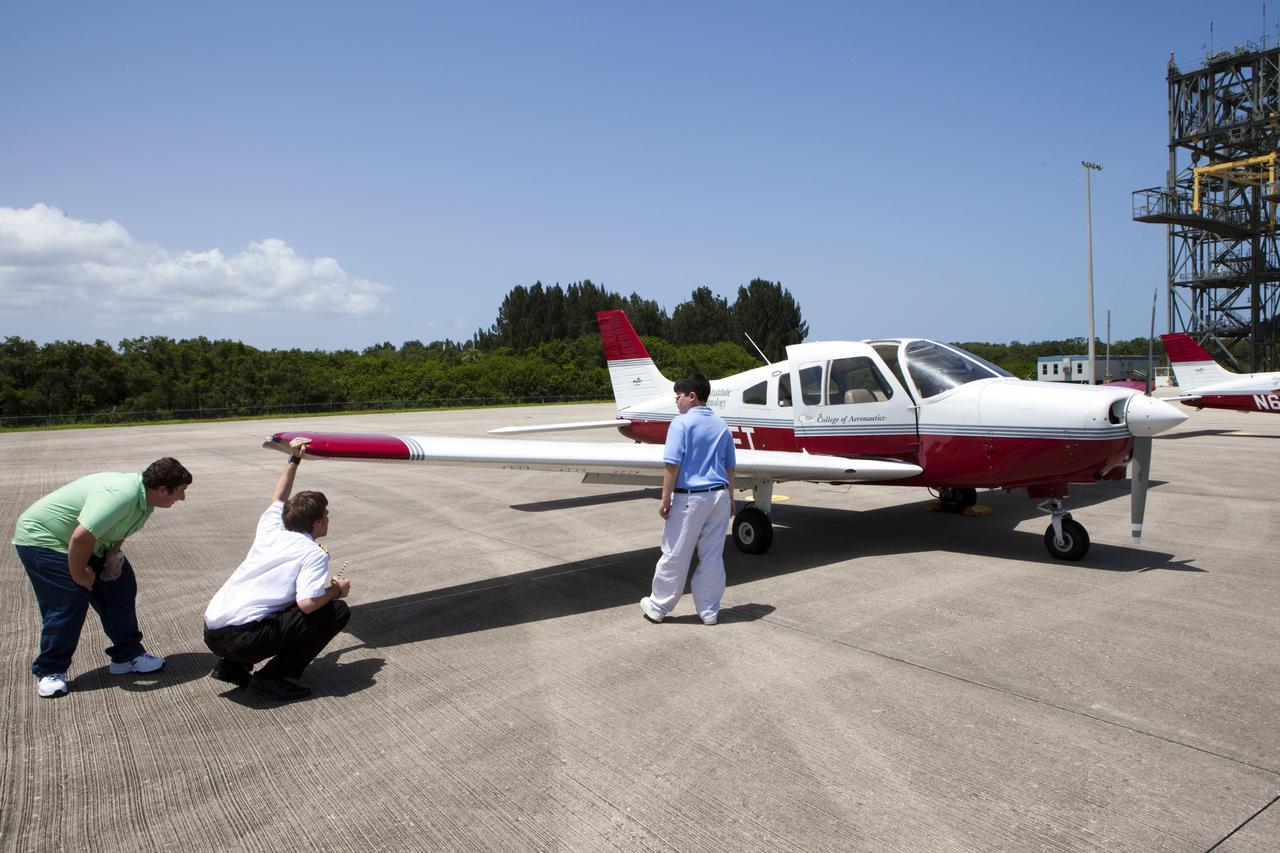
CAPE CANAVERAL, Fla. – At NASA Kennedy Space Center’s Shuttle Landing Facility, or SLF, in Florida, a flight instructor and his students inspect the lightweight aircraft they flew in earlier in the day from Florida Tech, or FIT, in Melbourne. Several instructors and their students arrived at the SLF in Cherokee Warrior and Cessna 172S lightweight aircraft. The middle and high school students are participating in FIT’s Av/Aero summer camp experience. They and their flight instructors toured the SLF midfield control tower, viewed F104 Starfighters and NASA Huey helicopters in the RLV Hangar, viewed the runway plaques marking wheels stop for each of the three space shuttles, and toured the Vehicle Assembly Building where space shuttle Atlantis currently is stored. Photo credit: NASA/Kim Shiflett
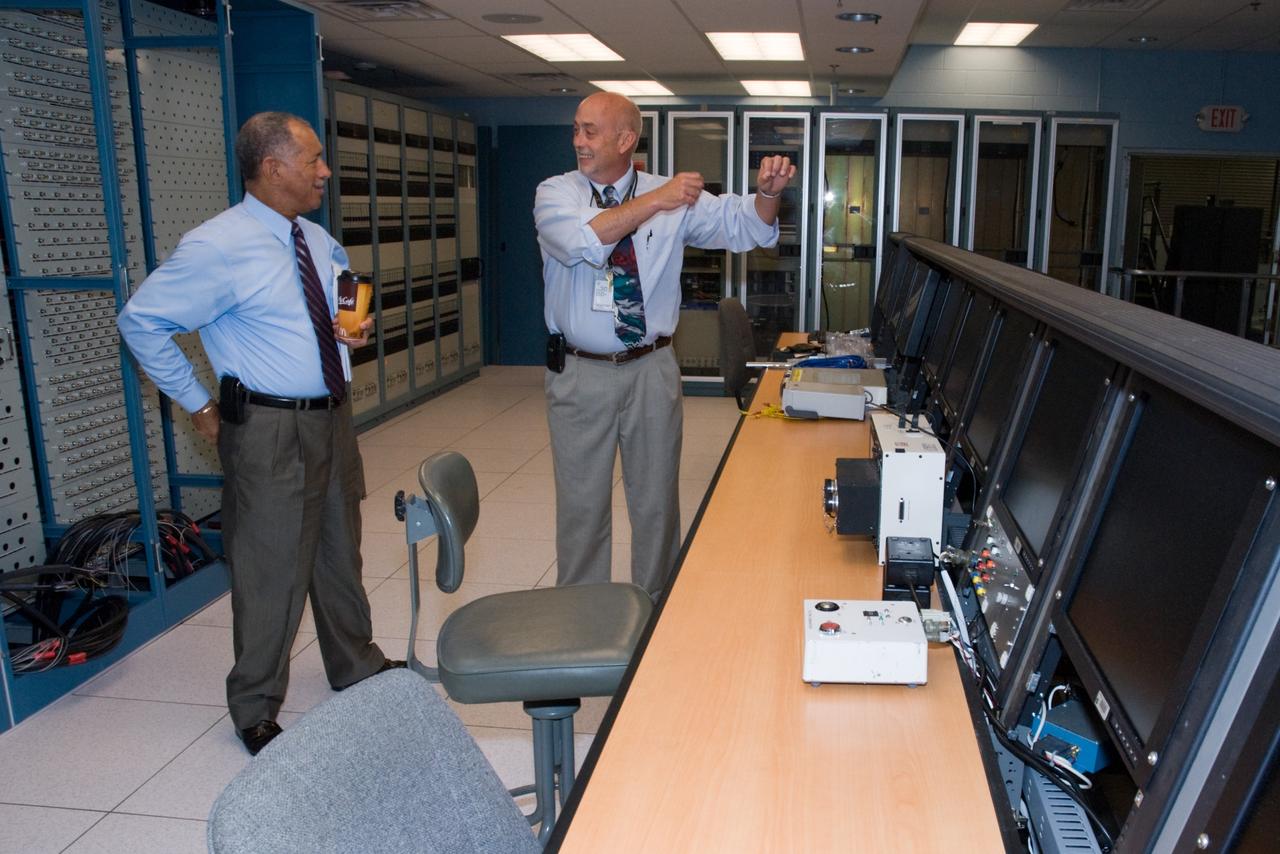
CAPE CANAVERAL, Fla. – NASA Administrator Charles Bolden (left) stops in the Launch Equipment Test Facility, or LETF, Vehicle Motion Simulator control room at NASA's Kennedy Space Center in Florida. At right is Eric Ernst, Kennedy LETF manager. Bolden is touring several facilities at Kennedy involved with NASA's Constellation Program. Bolden also was at Kennedy for several events, including the landing of space shuttle Endeavour's STS-127 mission and the signing of the joint NASA-Japan Aerospace Exploration Agency agreement defining the terms of cooperation between the agencies on the Global Precipitation Measurement, or GPM, mission. Photo credit: NASA/Kim Shiflett
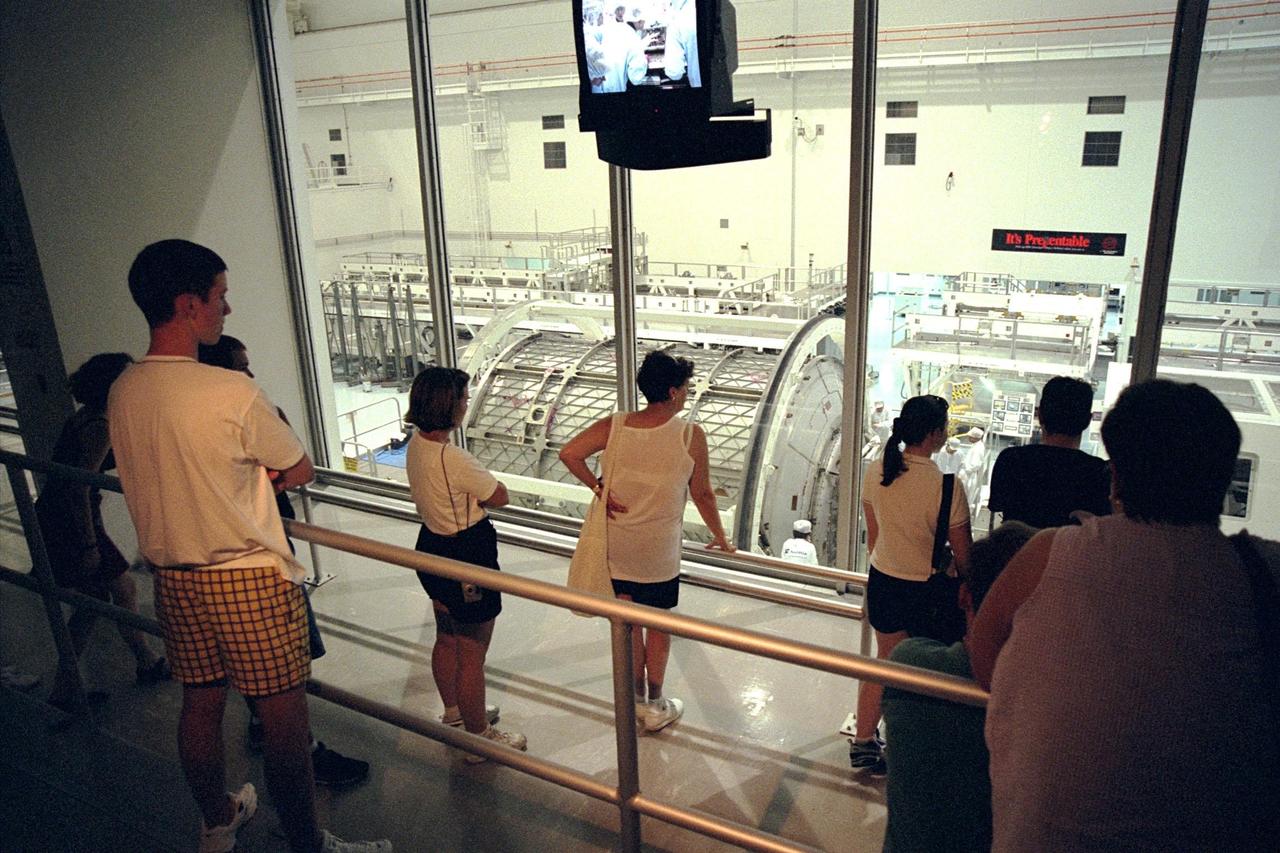
Visitors watch processing of the first Multi-Purpose Logistics Module (MPLM) for the International Space Station (ISS) from a new tour stop in the Space Station Processing Facility. The Italian-built module, named Leonardo, is one of three from Alenia Aerospazio, and will be operated by NASA and supported by ASI, the Italian space agency. The MPLMs will be carried in the payload bay of a Shuttle orbiter, and will provide storage and additional work space for up to two astronauts when docked to the ISS. Leonardo is scheduled to be launched on STS-100 in December 1999. The second MPLM, named Raffaello, is scheduled to be handed over in April 1999. A third module, to be named Donatello, is due to be delivered in October 2000 for launch in January 2001
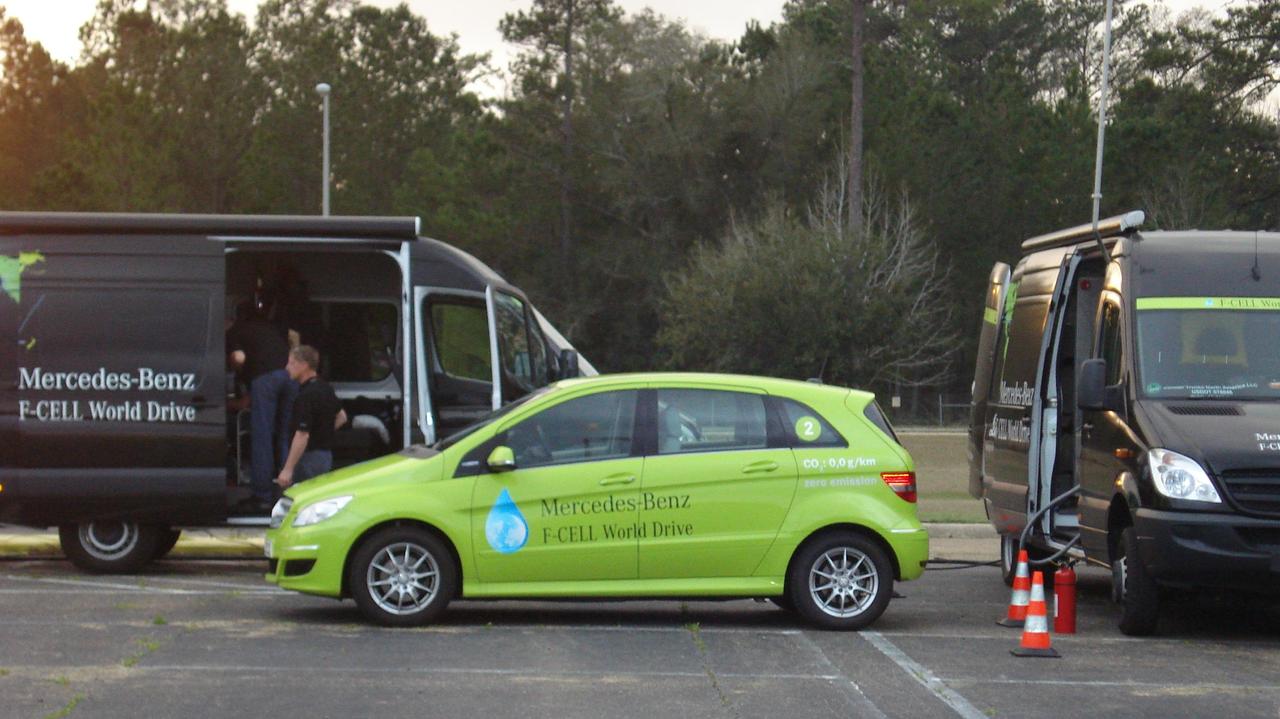
John C. Stennis Space Center, America's largest rocket engine test complex, and one of the country's leading consumers of liquid hydrogen, was the location Feb. 27 for a fuel stop of three Mercedes B-Class F-CELL vehicles. The B-Class F-CELL is an electric vehicle, which is powered by electricity produced on board the vehicle from hydrogen gas. The only emission by this unique vehicle is pure water vapor. Due to the limited number of existing hydrogen locations, Stennis Space Center provided a logical choice for a refueling location as the vehicle made its way across the United States as part of a worldwide tour.
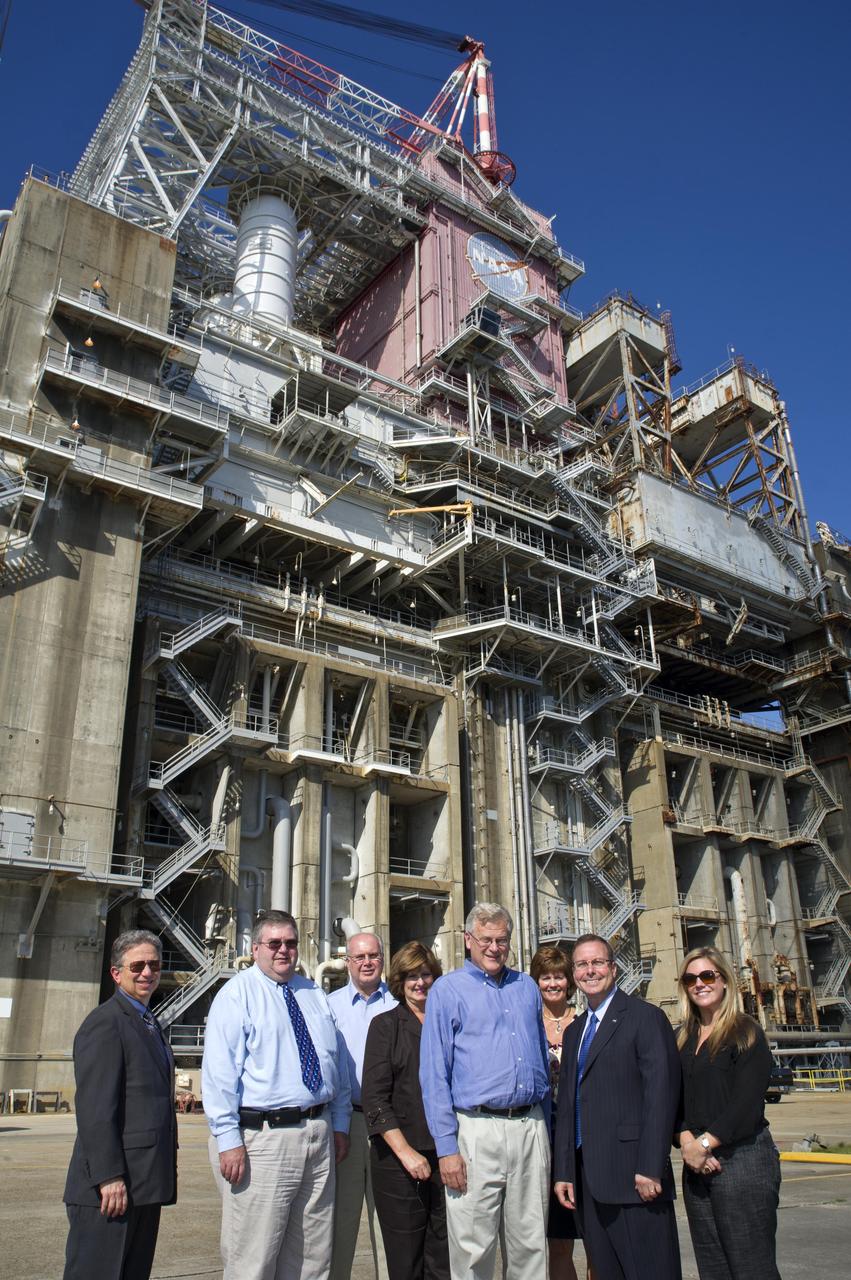
U.S. Rep. Alan Nunnelee, R-Miss., visited Stennis Space Center on Oct. 5, meeting with leaders and touring facilities to learn about ongoing work at the south Mississippi site. Joining Nunnelee during a stop at the B-1/B-2 Test Stand were: (l to r) Ken Human, Stennis associate director; Randy Galloway, director of the Stennis Engineering and Test Directorate; Ted Maness, chief of staff for Nunnelee; Nunnelee's wife, Toni; Nunnelee; Myron Webb, Stennis legislative affairs officer; Gilbrech; and Meyer Seligman, legislative director for Nunnelee. A Tupelo native, Nunnelee serves Mississipi's 1st Congressional District.
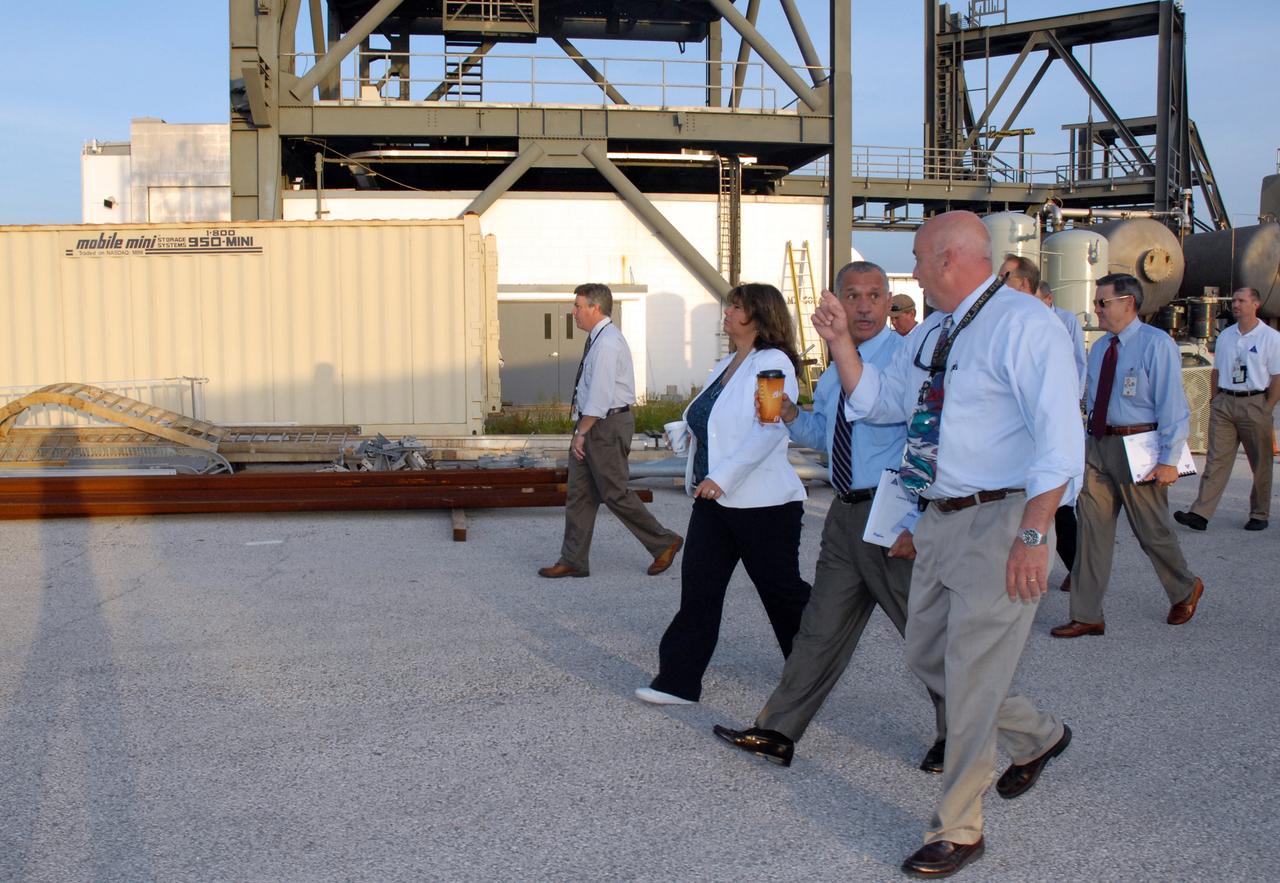
CAPE CANAVERAL, Fla. – NASA Administrator Charles Bolden (second from right) begins a tour of NASA's Kennedy Space Center in Florida with a stop at the Launch Equipment Test Facility, or LETF. Accompanying him are Tina Palacios (left) and Center Director Bob Cabana (behind Eric Ernst, Kennedy LETF manager). Bolden also was at Kennedy for several events, including the landing of space shuttle Endeavour's STS-127 mission and the signing of the joint NASA-Japan Aerospace Exploration Agency agreement defining the terms of cooperation between the agencies on the Global Precipitation Measurement, or GPM, mission. Photo credit: NASA/Kim Shiflett
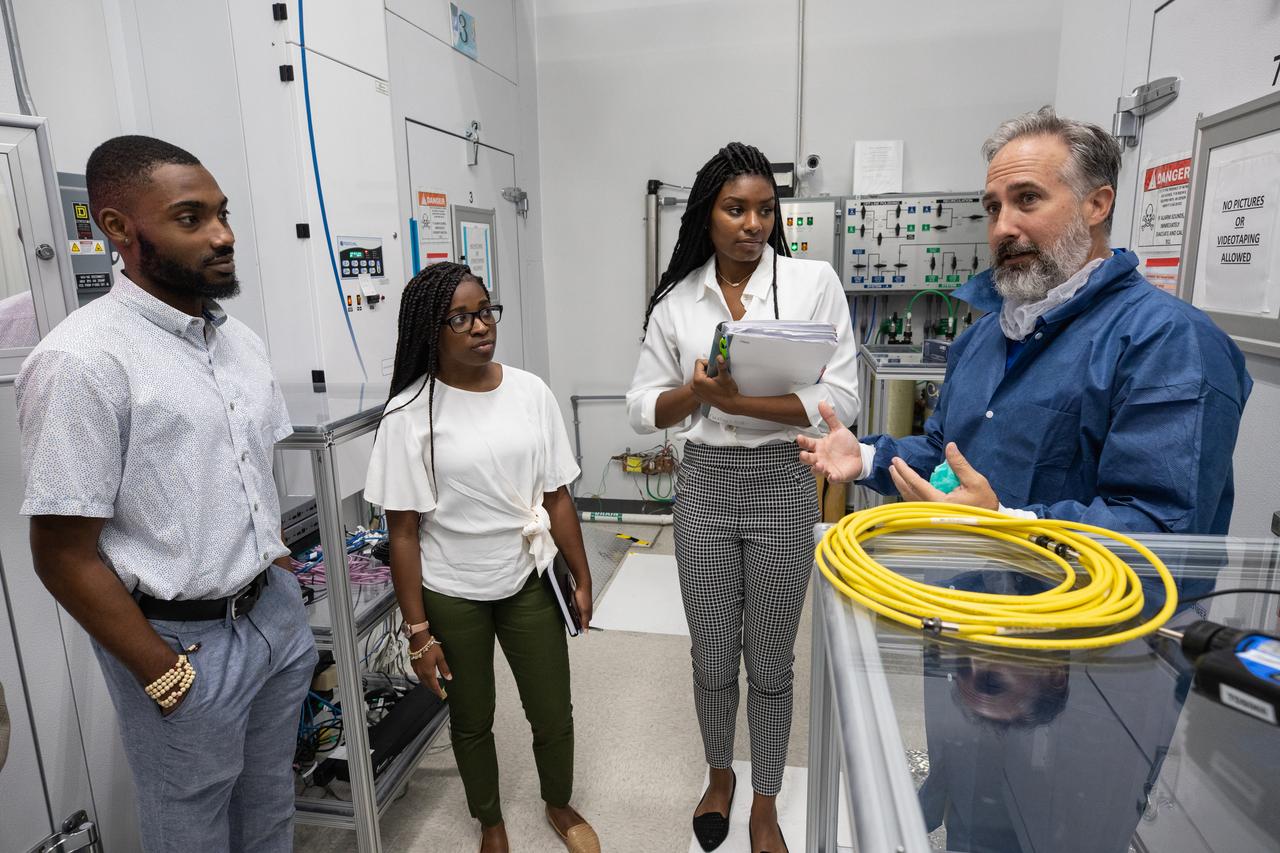
Kennedy Space Center Veggie Project Manager Trent Smith talks with Langston University students, from left, Sherman Cravens, Makyah Farris and Courtney Miller inside a Space Station Processing Facility lab at Kennedy Space Center on Sept. 18, 2019. The students were part of a tour of the Florida spaceport organized by NASA’s Office of Education and Byron Quinn, Ph.D., Langston University director of the Science Research Institute. The visit included stops at SwampWorks, the Neil Armstrong Operations and Checkout Building, the Vehicle Assembly Building, the visitor complex and the Center for Space Education.
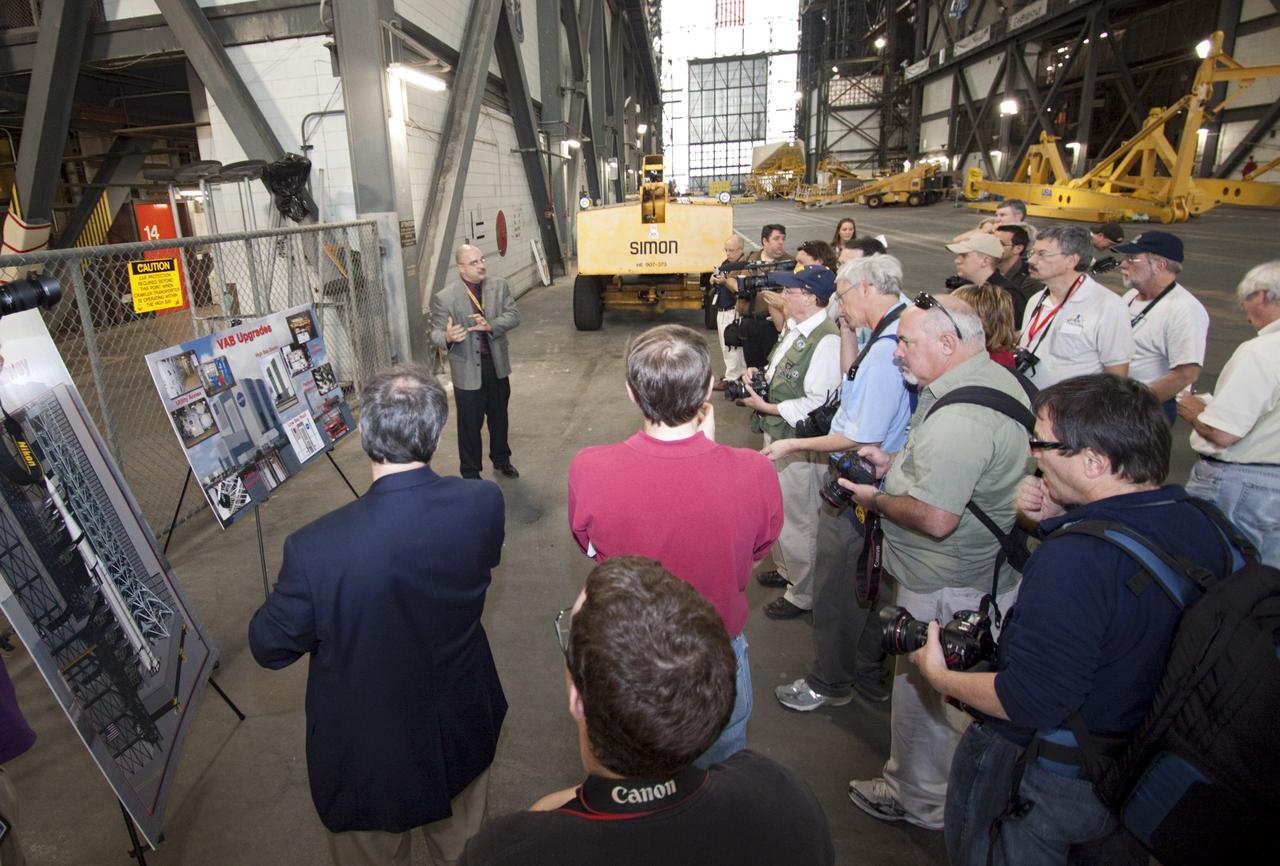
CAPE CANAVERAL, Fla. – At NASA Kennedy Space Center in Florida, Jose Lopez, NASA Vehicle Assembly Building (VAB) project manager, outlines the upgrades planned for the VAB to support NASA's forthcoming Space Launch System. Lopez' audience is made up of media representatives taking the 21st Century Ground Systems tour. Other stops on the tour include a crawler-transporter parked on the crawlerway, the new mobile launcher on Launch Pad 39B, and the Launch Control Center's Firing Room 1. These facilities and equipment will be used to prepare and launch NASA's new Orion spacecraft on the Space Launch System heavy-lift rocket. The tour was arranged as part of prelaunch media activities for the agency's Mars Science Laboratory (MSL) launch. Liftoff of MSL aboard a United Launch Alliance Atlas V rocket from Space Launch Complex-41 on Cape Canaveral Air Force Station is planned during a launch window which extends from 10:02 a.m. to 11:45 a.m. EST on Nov. 26. For more information, visit http://www.nasa.gov/msl. Photo credit: NASA/Jim Grossmann
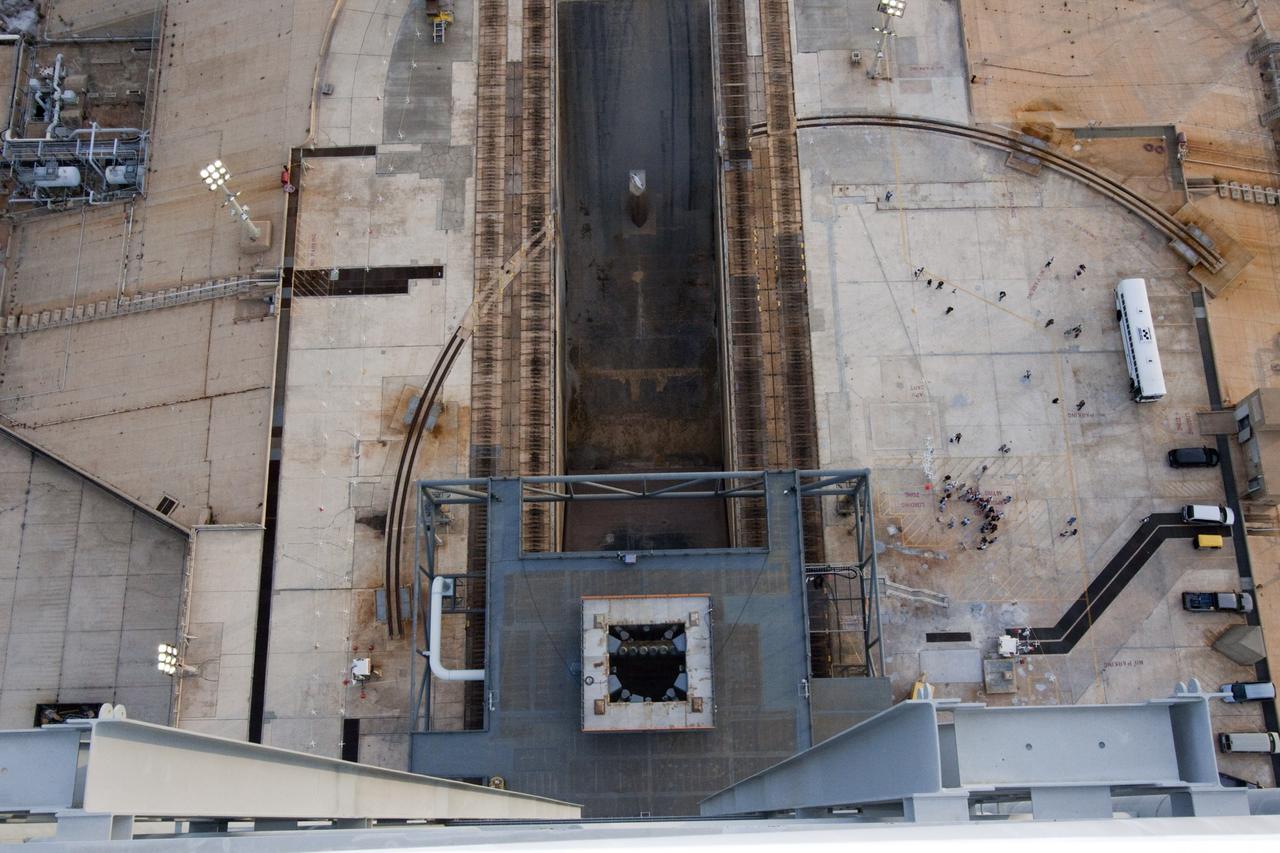
CAPE CANAVERAL, Fla. – At NASA Kennedy Space Center in Florida, media representatives taking the 21st Century Ground Systems tour appear to be the size of ants in this view from the top of the 355-foot-tall mobile launcher on Launch Pad 39B. Other stops on the tour include the Vehicle Assembly Building, a crawler-transporter parked on the crawlerway, and the Launch Control Center's Firing Room 1. These facilities and equipment will be used to prepare and launch NASA's new Orion spacecraft on the Space Launch System heavy-lift rocket. The tour was arranged as part of prelaunch media activities for the agency's Mars Science Laboratory (MSL) launch. Liftoff of MSL aboard a United Launch Alliance Atlas V rocket from Space Launch Complex-41 on Cape Canaveral Air Force Station is planned during a launch window which extends from 10:02 a.m. to 11:45 a.m. EST on Nov. 26. For more information, visit http://www.nasa.gov/msl. Photo credit: NASA/Jim Grossmann
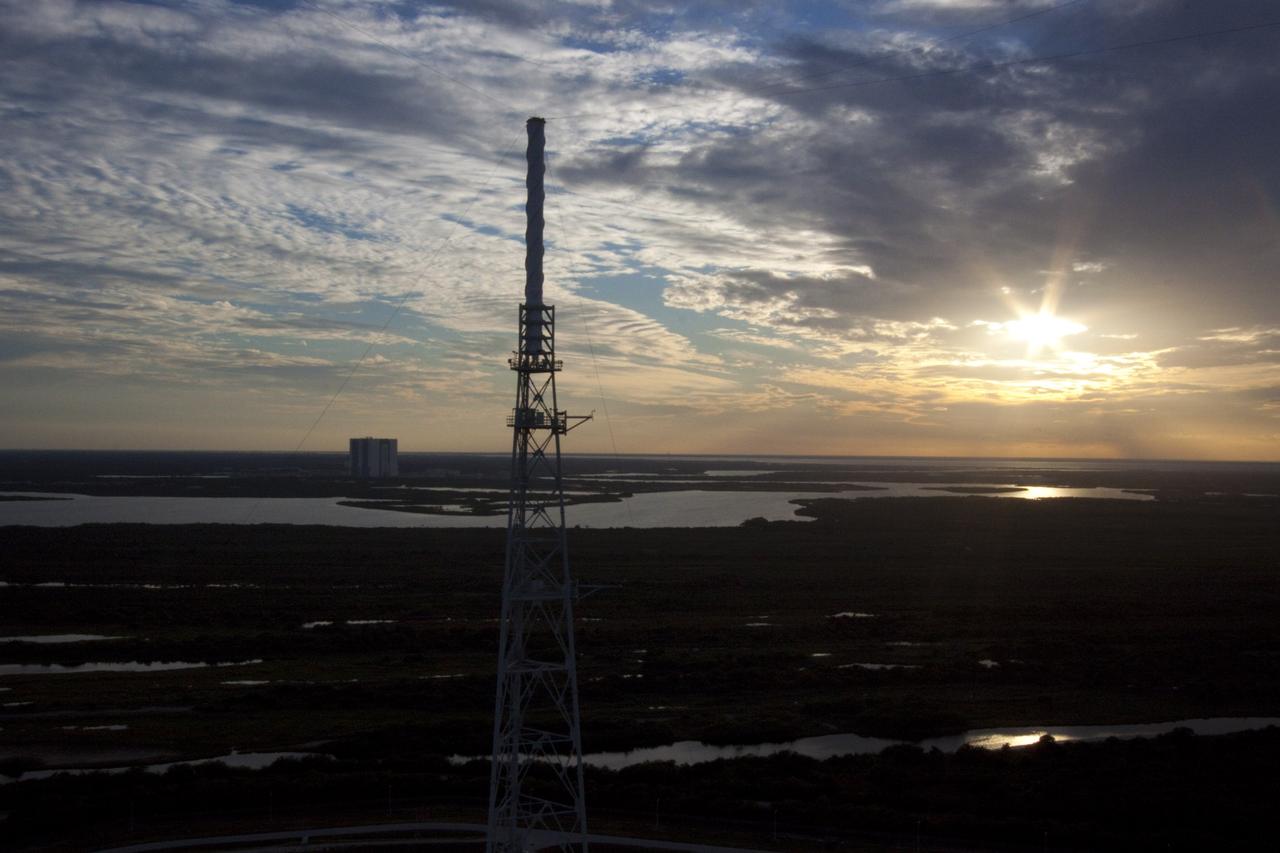
CAPE CANAVERAL, Fla. – At NASA Kennedy Space Center in Florida, the sun begins to set at Launch Pad 39B on the media representatives taking the 21st Century Ground Systems tour. This view was taken from the top of the 355-foot-tall mobile launcher at the pad. In the foreground is one of three lightning masts at the pad; in the distance is the Vehicle Assembly Building. Other stops on the tour include the Vehicle Assembly Building, a crawler-transporter parked on the crawlerway, and the Launch Control Center's Firing Room 1. These facilities and equipment will be used to prepare and launch NASA's new Orion spacecraft on the Space Launch System heavy-lift rocket. The tour was arranged as part of prelaunch media activities for the agency's Mars Science Laboratory (MSL) launch. Liftoff of MSL aboard a United Launch Alliance Atlas V rocket from Space Launch Complex-41 on Cape Canaveral Air Force Station is planned during a launch window which extends from 10:02 a.m. to 11:45 a.m. EST on Nov. 26. For more information, visit http://www.nasa.gov/msl. Photo credit: NASA/Jim Grossmann
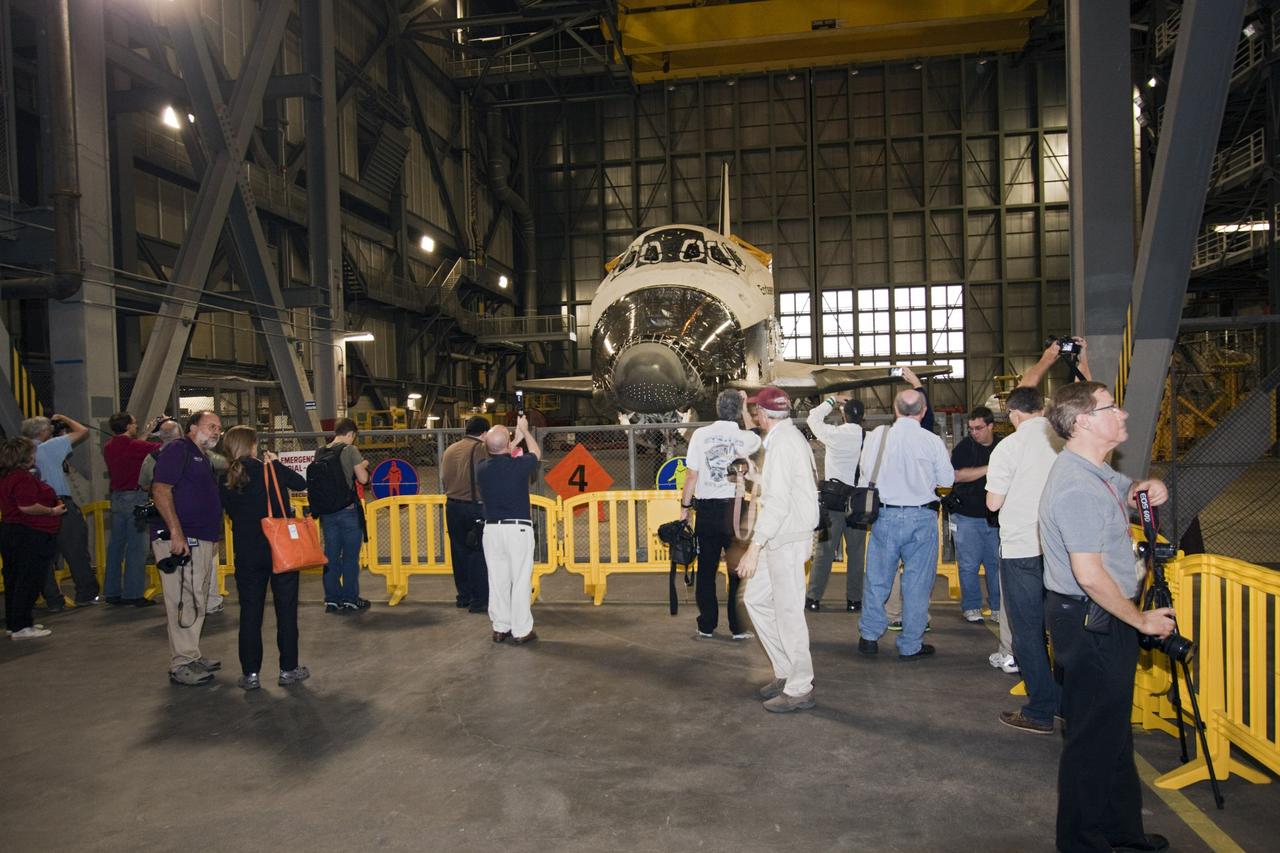
CAPE CANAVERAL, Fla. – At NASA Kennedy Space Center in Florida, media representatives taking the 21st Century Ground Systems tour get a close-up look at space shuttle Endeavour which is being stored in the Vehicle Assembly Building. Other stops on the tour include a crawler-transporter parked on the crawlerway, the new mobile launcher on Launch Pad 39B, and the Launch Control Center's Firing Room 1. These facilities and equipment will be used to prepare and launch NASA's new Orion spacecraft on the Space Launch System heavy-lift rocket. The tour was arranged as part of prelaunch media activities for the agency's Mars Science Laboratory (MSL) launch. Liftoff of MSL aboard a United Launch Alliance Atlas V rocket from Space Launch Complex-41 on Cape Canaveral Air Force Station is planned during a launch window which extends from 10:02 a.m. to 11:45 a.m. EST on Nov. 26. For more information, visit http://www.nasa.gov/msl. Photo credit: NASA/Jim Grossmann