Setting Eyes on Sōtatsu

STS085-333-013 (12 August 1997) --- Astronaut Curtis L. Brown, Jr., mission commander, performs Biological Research in Canisters (BRIC) operations on the mid-deck of the Space Shuttle Discovery on flight day six.

STS085-333-036 (7 - 19 August 1997)--- Astronaut Robert L. Curbeam, Jr., mission specialist, changes film on one of many cameras used aboard the Space Shuttle Discovery during the mission. Curbeam later told a Houston crowd that he changed film about 40 times during the mission.
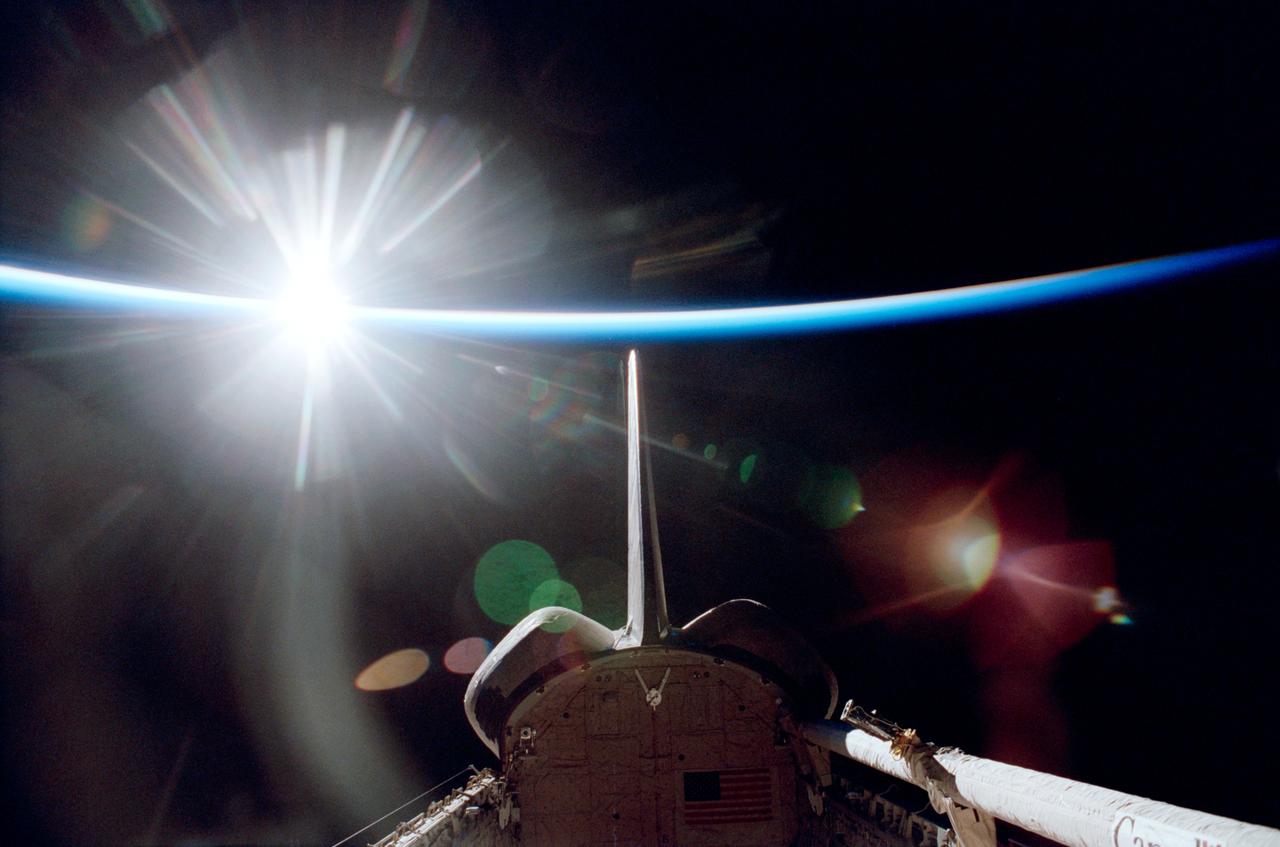
STS098-333-0007 (7-20 February 2001) --- A "sunburst" at Earth's limb caught the attention of one of the STS-98 astronauts who was standing on the aft flight deck of the Space Shuttle Atlantis at the time. Various colors are reflected at different points in the 35mm frame.
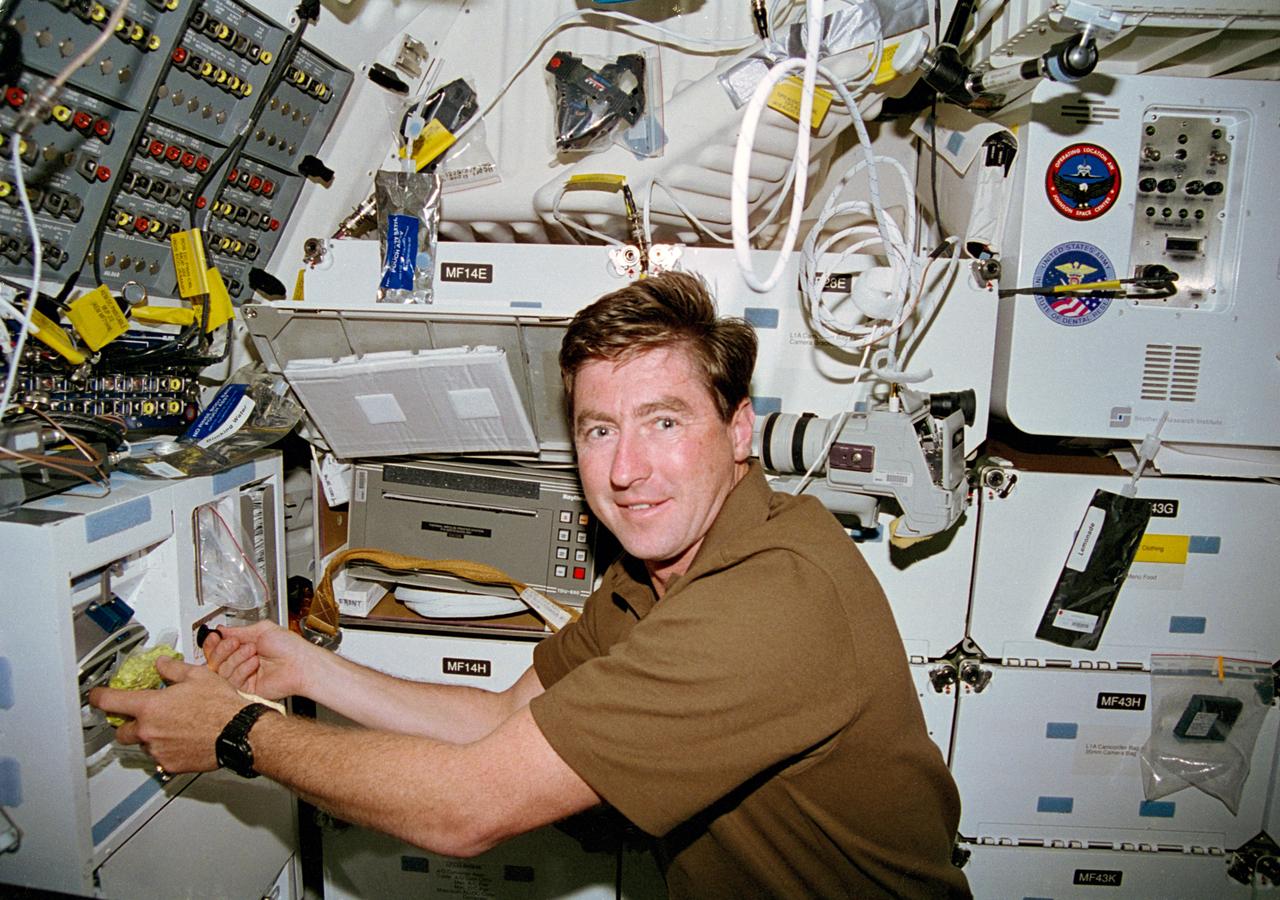
STS070-333-016 (13-22 JULY 1995) --- At the space shuttle Discovery?s galley on the middeck, astronaut Terence T. (Tom) Henricks, mission commander, prepares to rehydrate a package of broccoli au gratin. A packet of punch and another beverage pouch filled with lemonade can be seen temporarily stowed on locker exteriors nearby.

STS089-333-015 (22-31 Jan. 1998) --- Onboard Russia's Mir Space Station, cosmonaut Pavel Vinogradov, Mir-24 flight engineer, tries to find room for supplies transferred from the space shuttle Endeavour during supply transfer operations, while currently docked with Mir. Photo credit: NASA
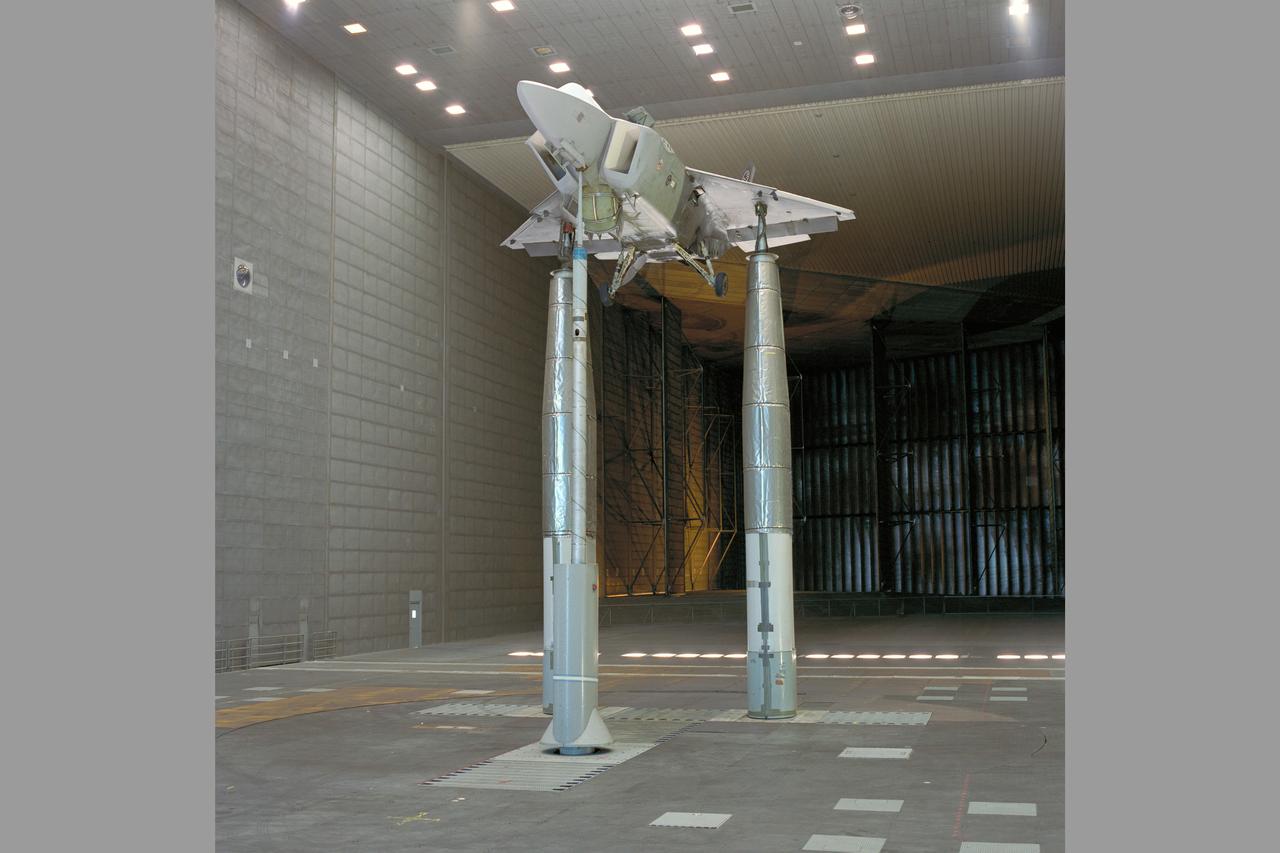
CALF/JAST X-32 test program: the LSPM (Large Scale Powered Model), Lockheed's concept for a tri-service aircraft (Air Force, Navy, Marines) CALF (Common Affordable Lightweight Fighter) as part of the Department of Defense's Joint Advanced Strike Technology (JAST) is being tested in the 80x120ft w.t. test-930 with rear horizontal stabilizer
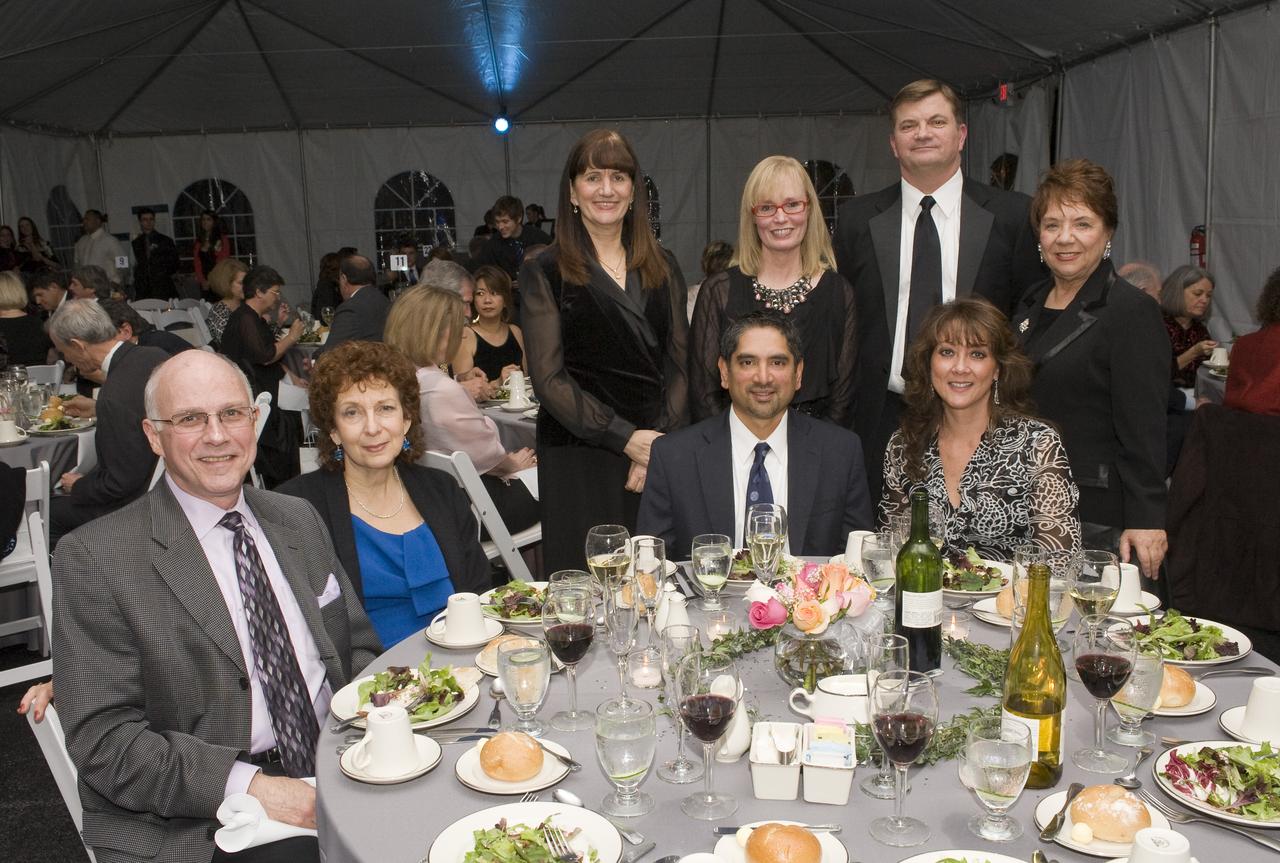
NASA Ames Research Center 70 Year Anniversary Gala Dinner held at Santa Clara University, Santa Clara, California with special guest speaker Nichelle Nichols of Star Trek fame.
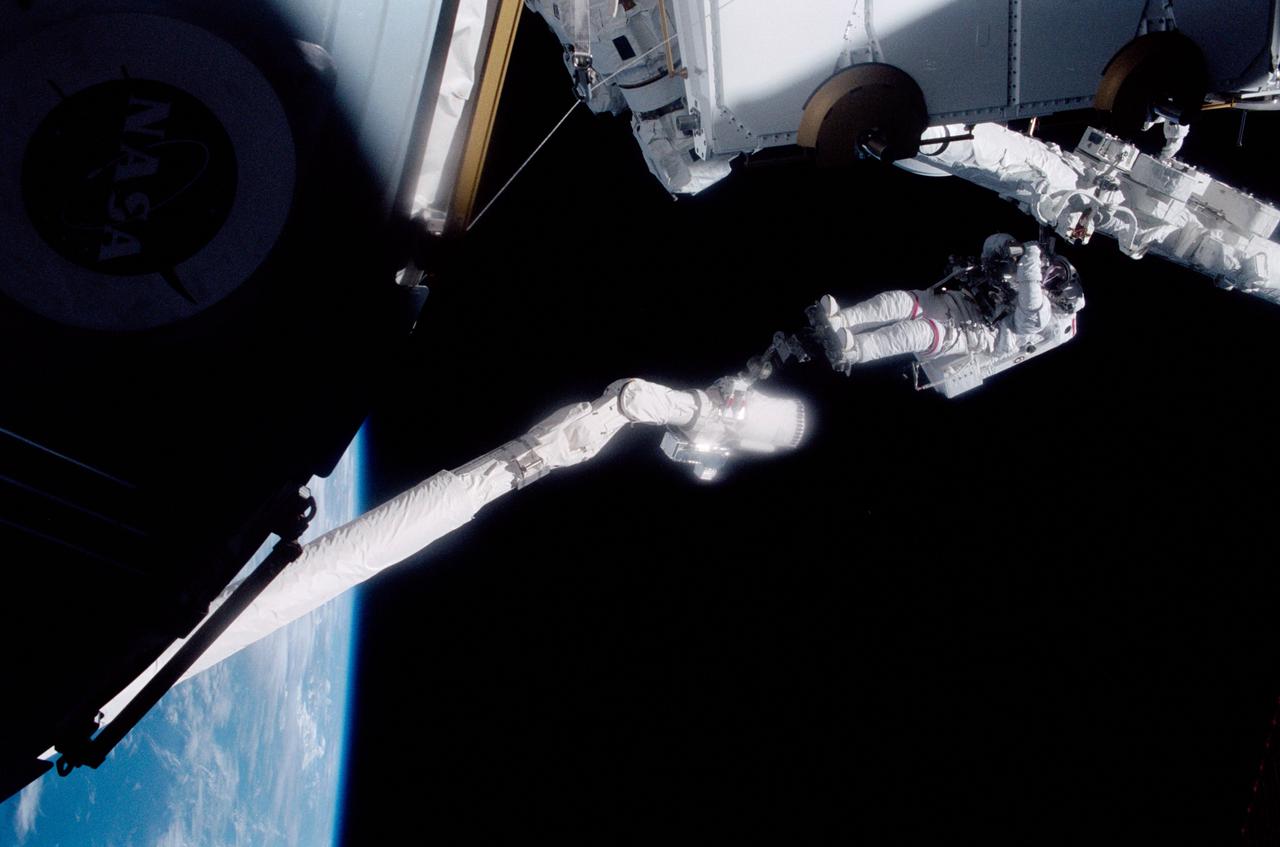
STS100-333-028 (19 April-1 May 2001) --- Astronaut Chris A. Hadfield, STS-100 mission specialist representing the Canadian Space Agency (CSA), stands on the portable foot restraint (PFR) connected to the Endeavour's remote manipulator system (RMS) robotic arm, using an International Space Station (ISS) pistol grip tool during one of two days of extravehicular activity (EVA).
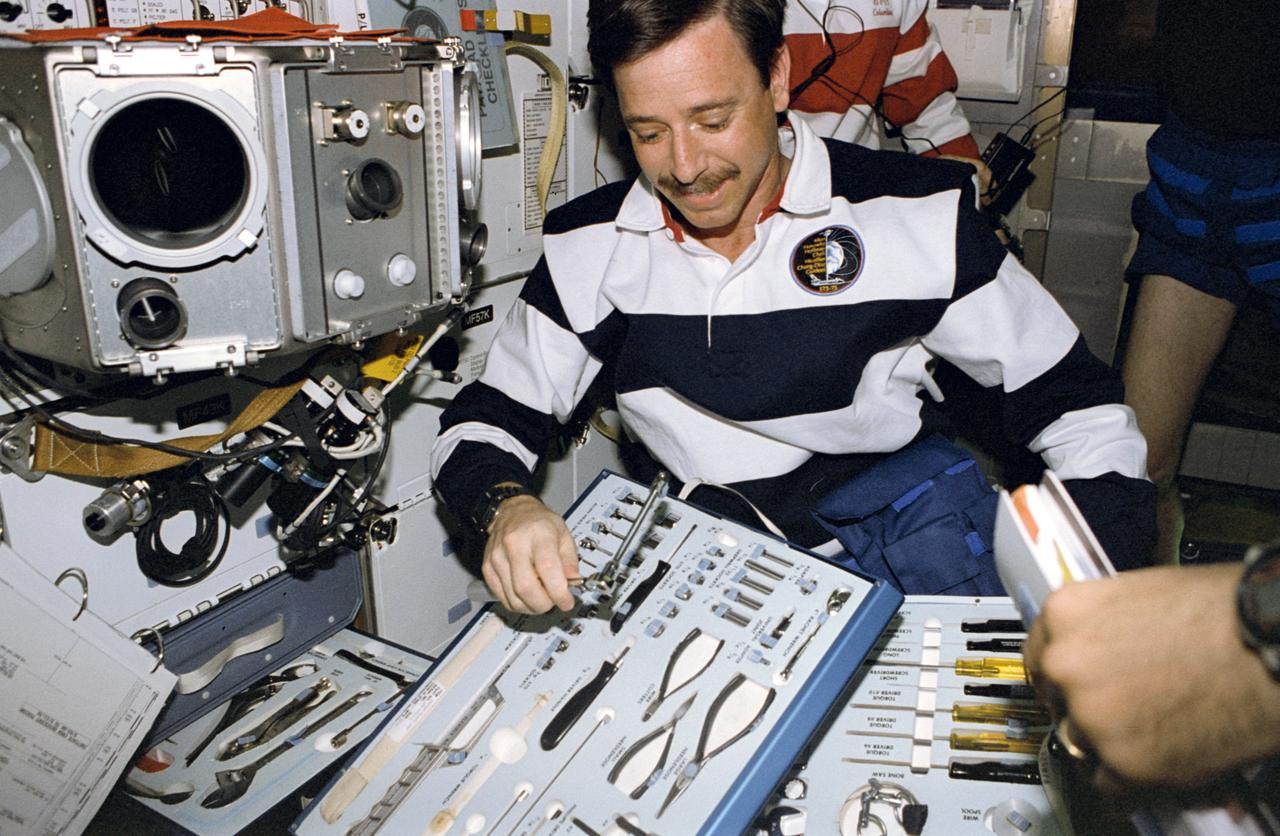
STS075-333-032 (22 Feb.- 9 March 1996) --- Astronaut Scott J. Horowitz, pilot, looks over tools he may use to perform an Inflight Maintenance (IFM) chore on the mid deck of the Earth-orbiting space shuttle Columbia. The glovebox facility is at upper left. Horowitz joined four other astronauts and an international payload specialist for 16 days of scientific research in Earth-orbit.
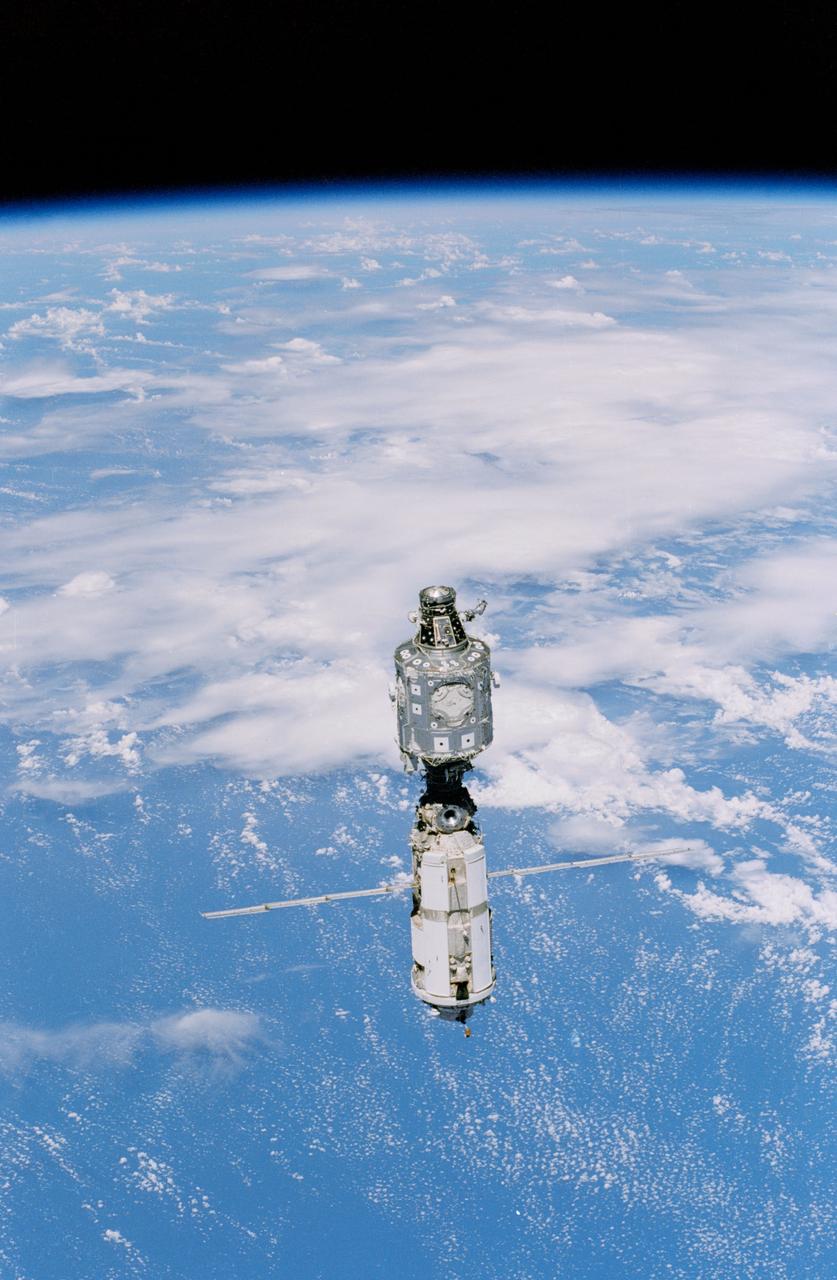
STS096-333-021 (3 June 1999) --- Backdropped against white clouds and blue ocean waters, the International Space Station (ISS) moves away from the Space Shuttle Discovery. The U.S.-built Unity node (left) and the Russian-built Zarya or FGB module (with the solar array panels deployed) were joined during a December 1998 mission. A portion of the work performed on the May 30 space walk by astronauts Tamara E. Jernigan and Daniel T. Barry is evident at various points on the ISS, including the installation of the Russian-built crane (called Strela). A STS-96 crew member aboard Discovery recorded this image with a 35mm camera on June 3, 1999.
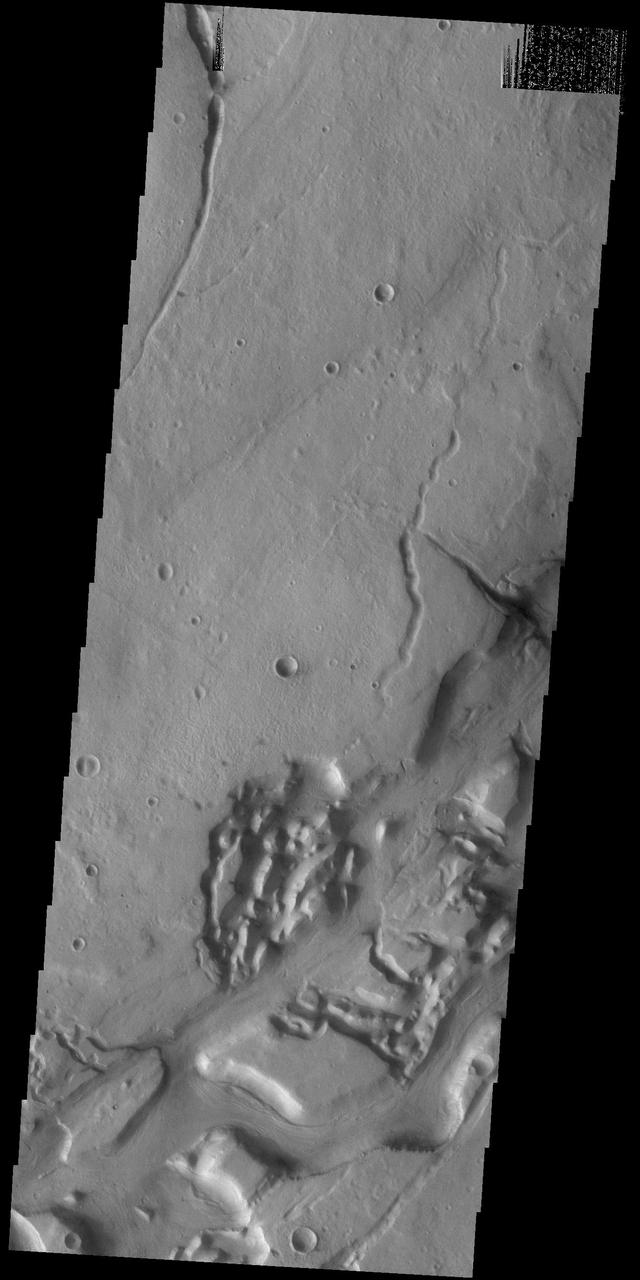
This VIS image shows a portion of Niger Vallis. The channel is 333 km (207 miles) long. Arising from the volcano Hadriacus Mons, Niger Vallis merges with Dao Vallis and flows southwestward into Hellas Planitia. The channel is named for the Niger Rivier in Africa. Orbit Number: 83734 Latitude: -36.231 Longitude: 90.9557 Instrument: VIS Captured: 2020-10-29 22:33 https://photojournal.jpl.nasa.gov/catalog/PIA24279
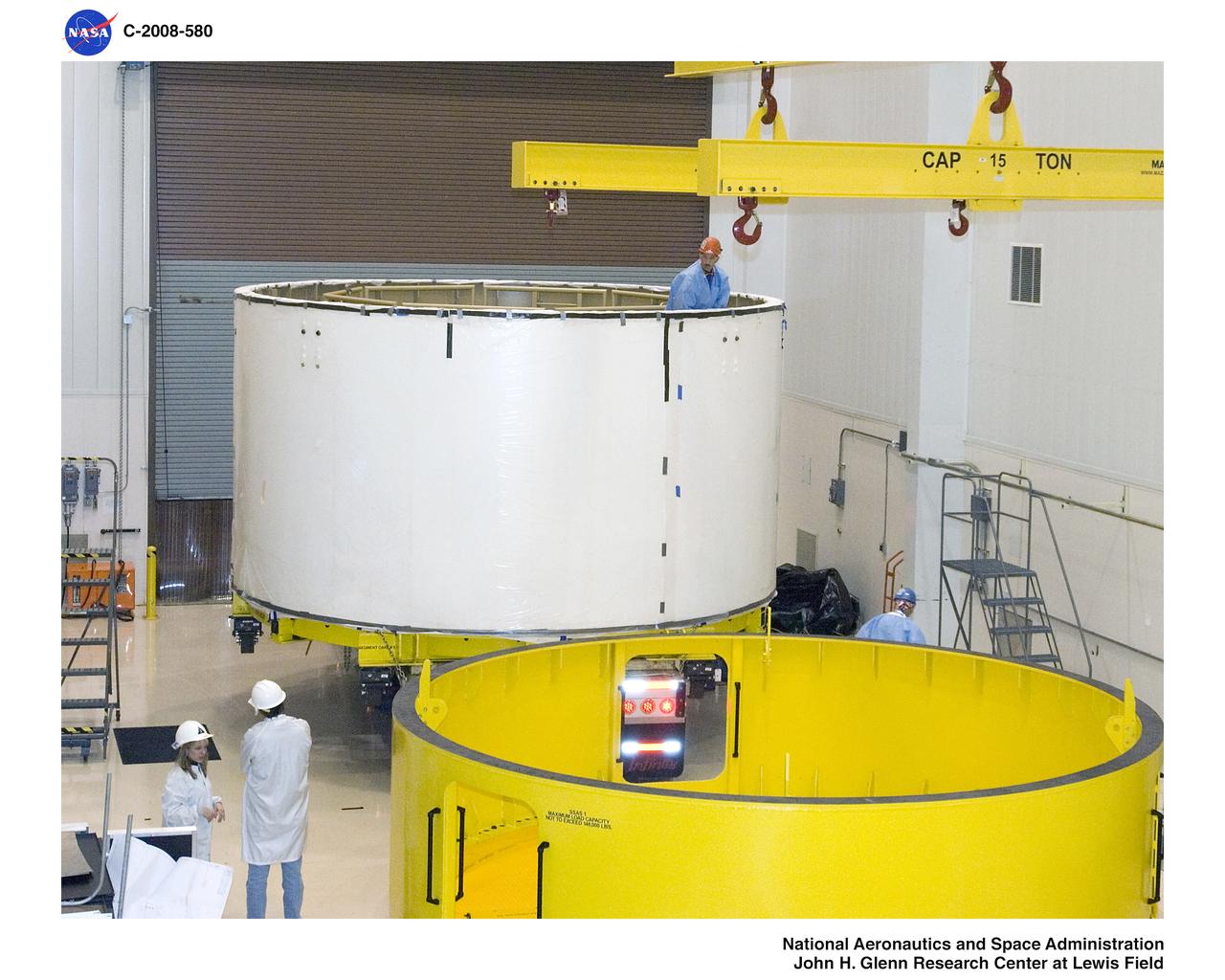
Ares 1-X Segment US-3 being lifted from the truck in Building 333
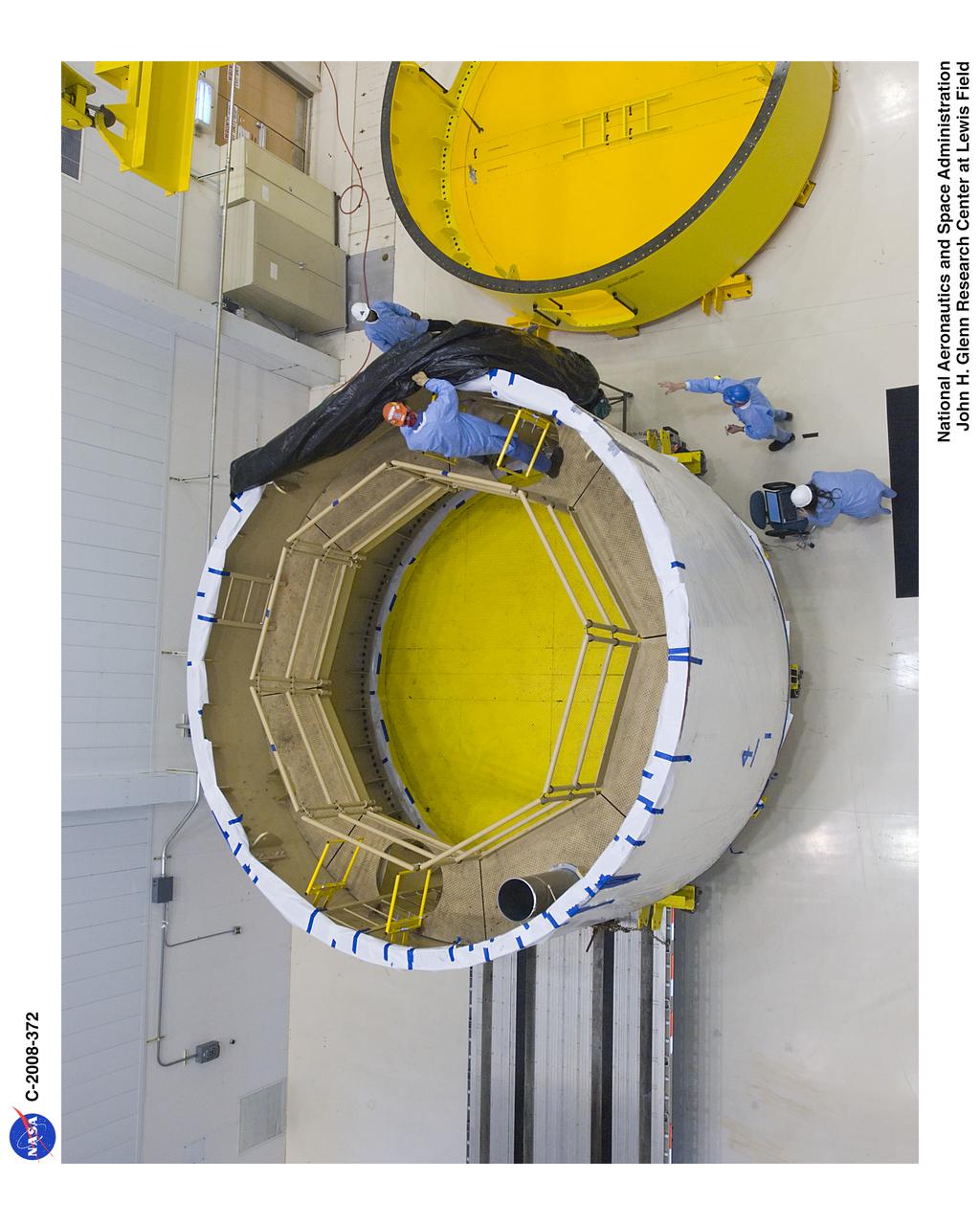
Movement of Ares 1-X US-4 segment from Building 50 to Building 333
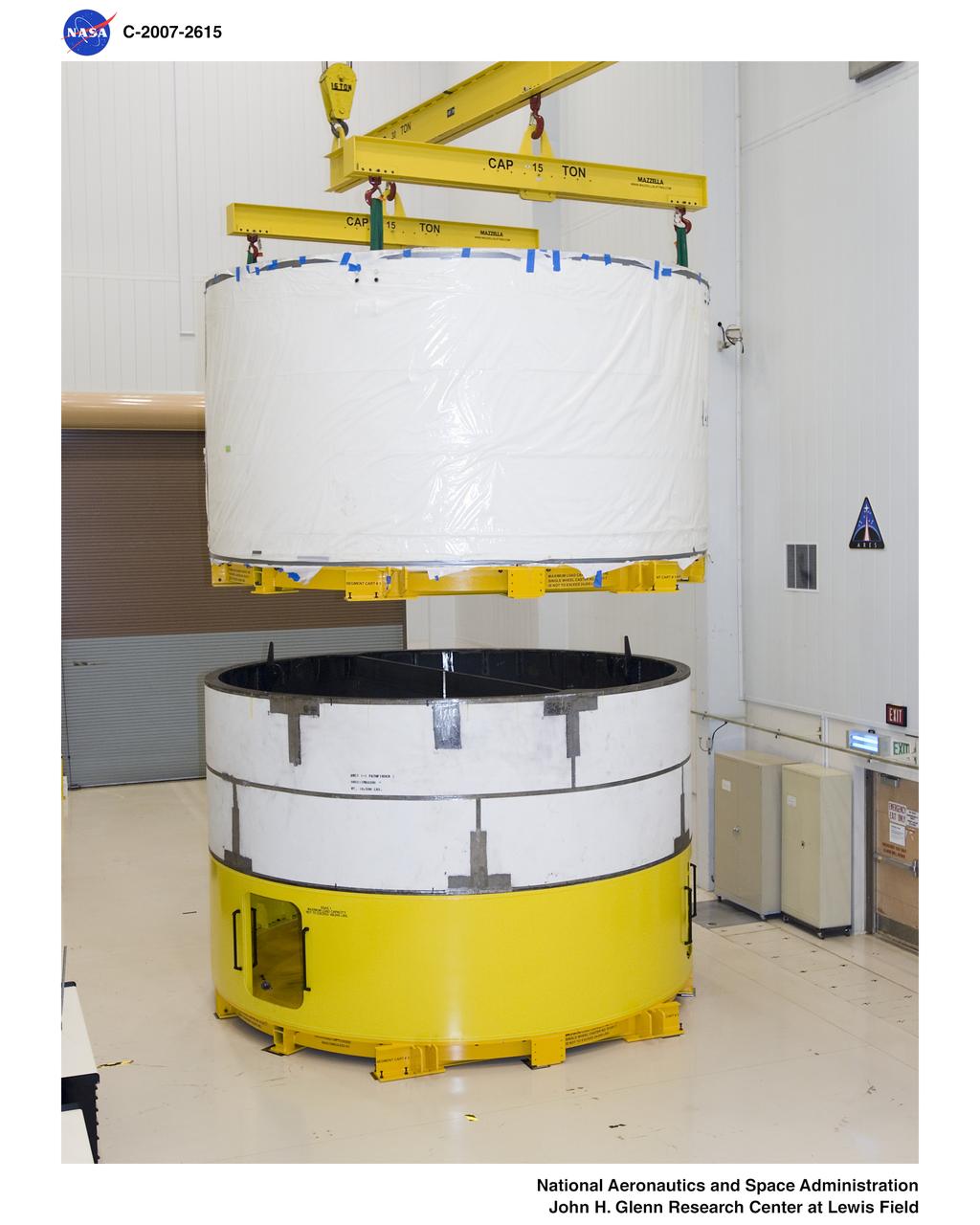
Ares 1-X segment US2 being transported from building 50 to building 333
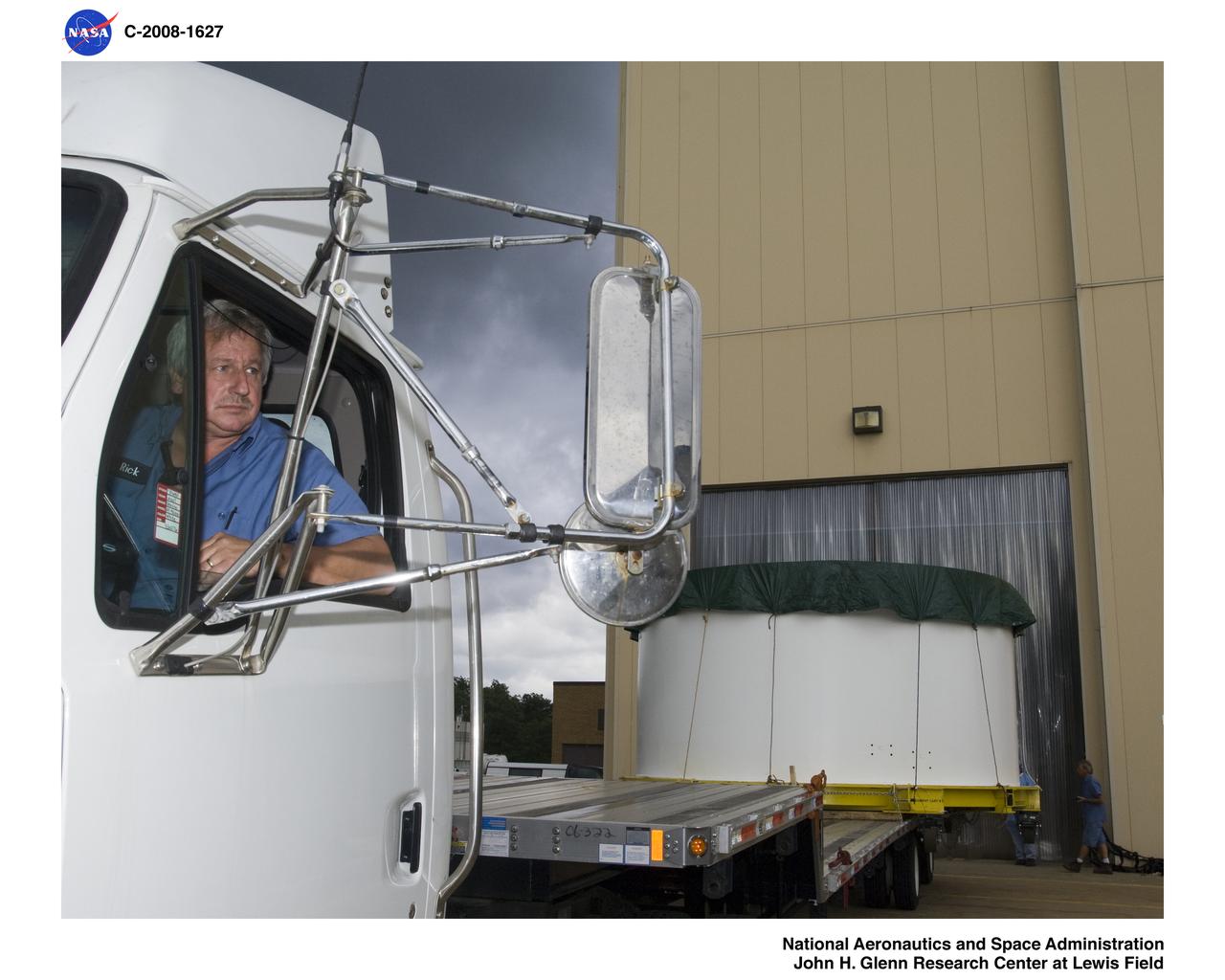
Ares 1-X SM segment being moved from Building 50 to Building 333
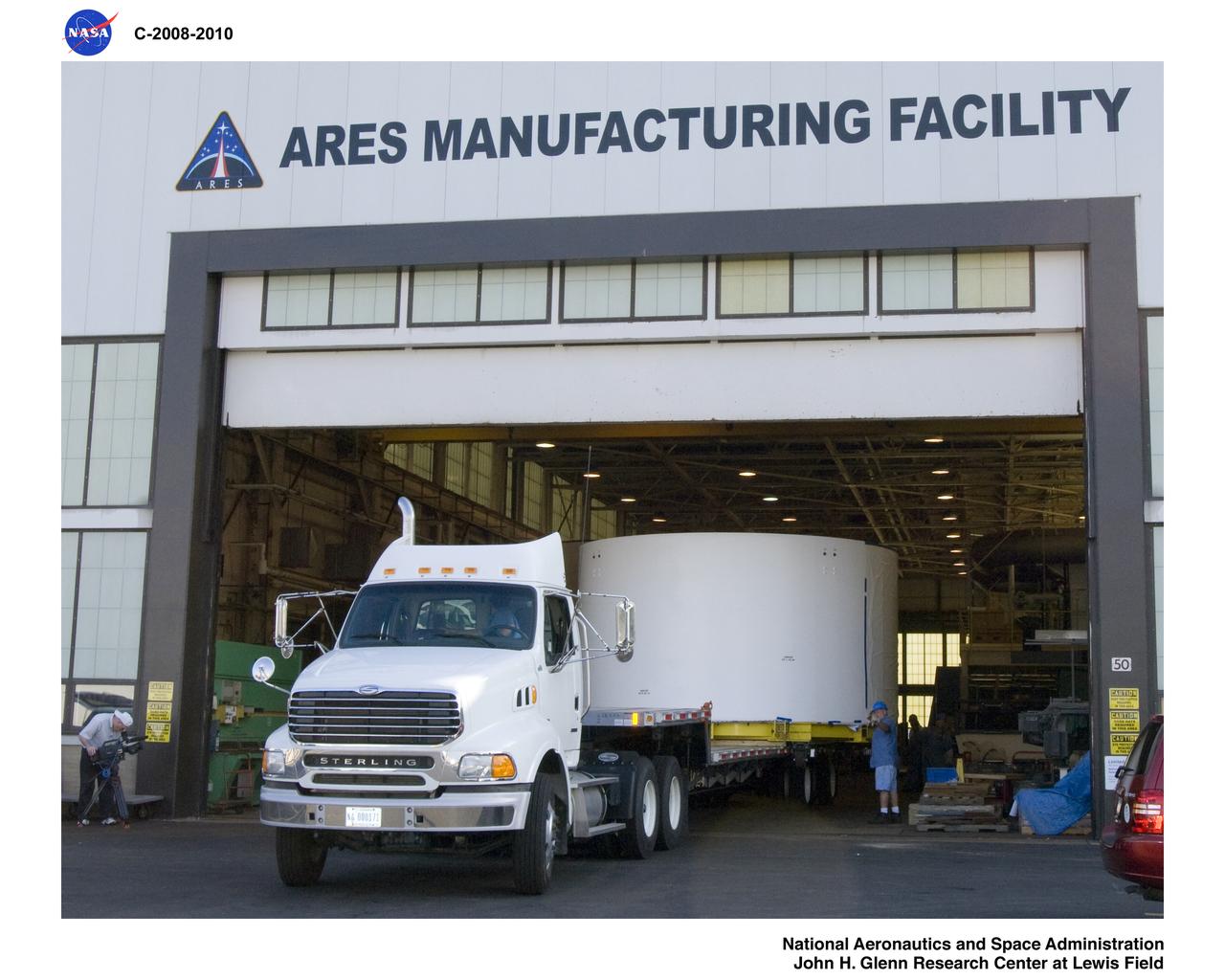
the Super Stack 3 of ARES I-X segments being de-stacked in Building 333 and moved to Building 50
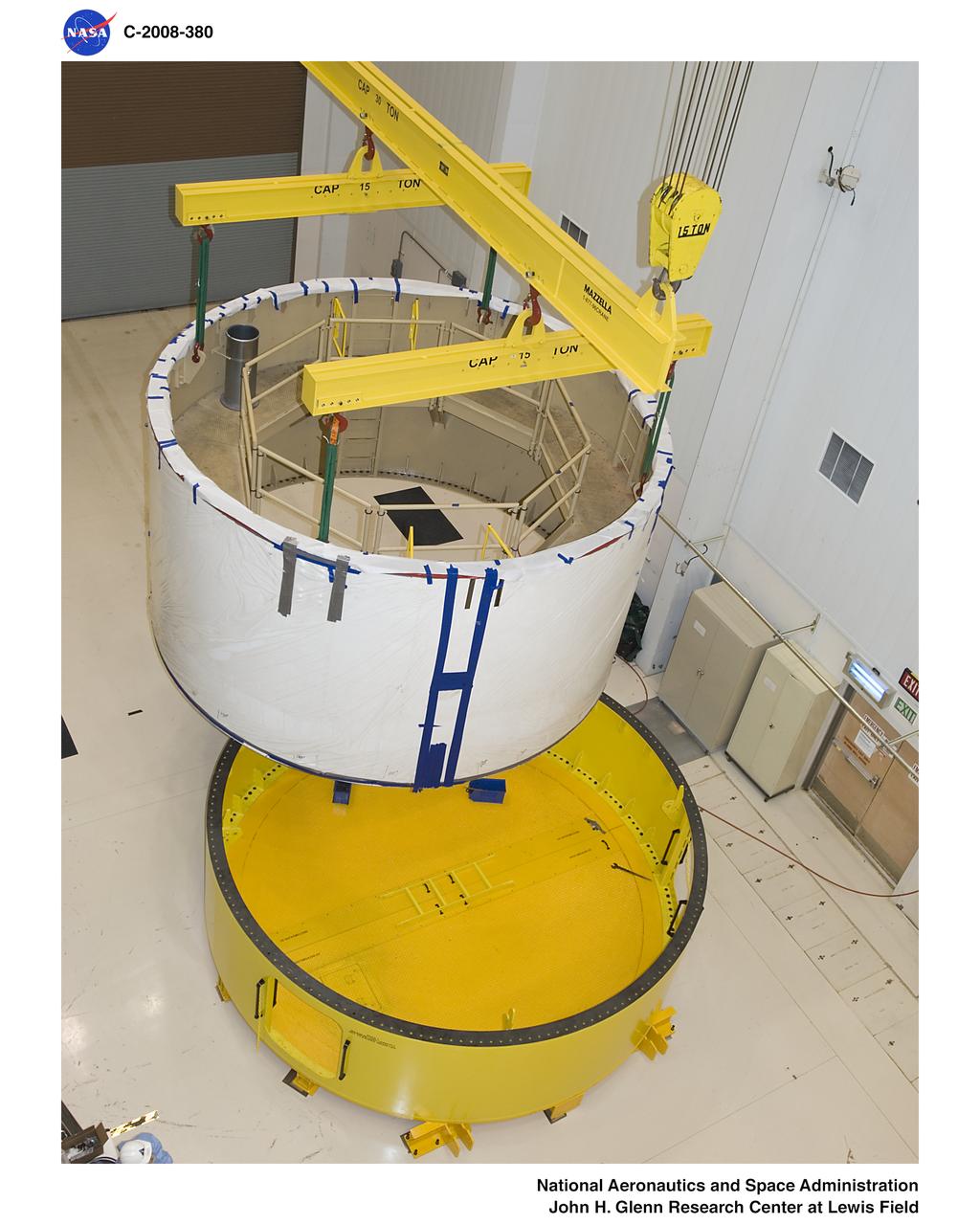
Movement of Ares 1-X US-4 segment from Building 50 to Building 333

Ares 1-X SM segment being moved from Building 50 to Building 333
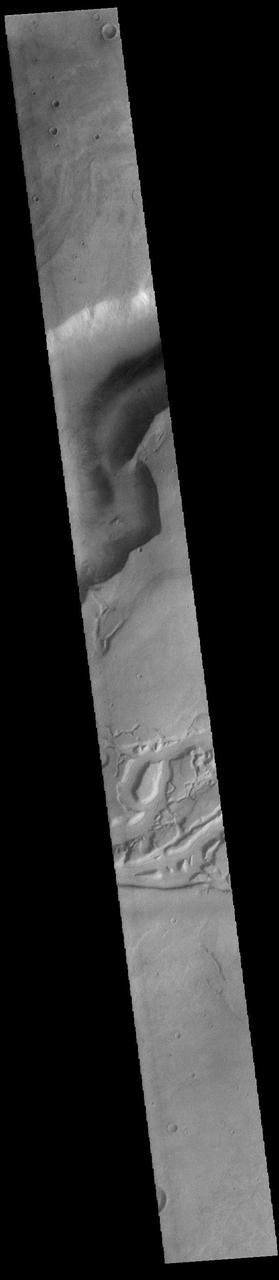
Today's VIS image shows a small portion of both Dao Vallis (top of image) and Niger Vallis (middle of image). Arising from the volcano Hadriacus Mons, Dao Vallis is approximately 1200km (750 miles) long. Niger Vallis is 333 km (207 miles) long. It has been proposed that heating of the region due to volcanic activity melted subsurface ice which was released to the surface to carve the two channels. Niger Vallis merges with Dao Vallis just off the image and then flow southwestward into the Hellas Planitia basin. Orbit Number: 91427 Latitude: -36.3071 Longitude: 90.4526 Instrument: VIS Captured: 2022-07-25 09:32 https://photojournal.jpl.nasa.gov/catalog/PIA25601
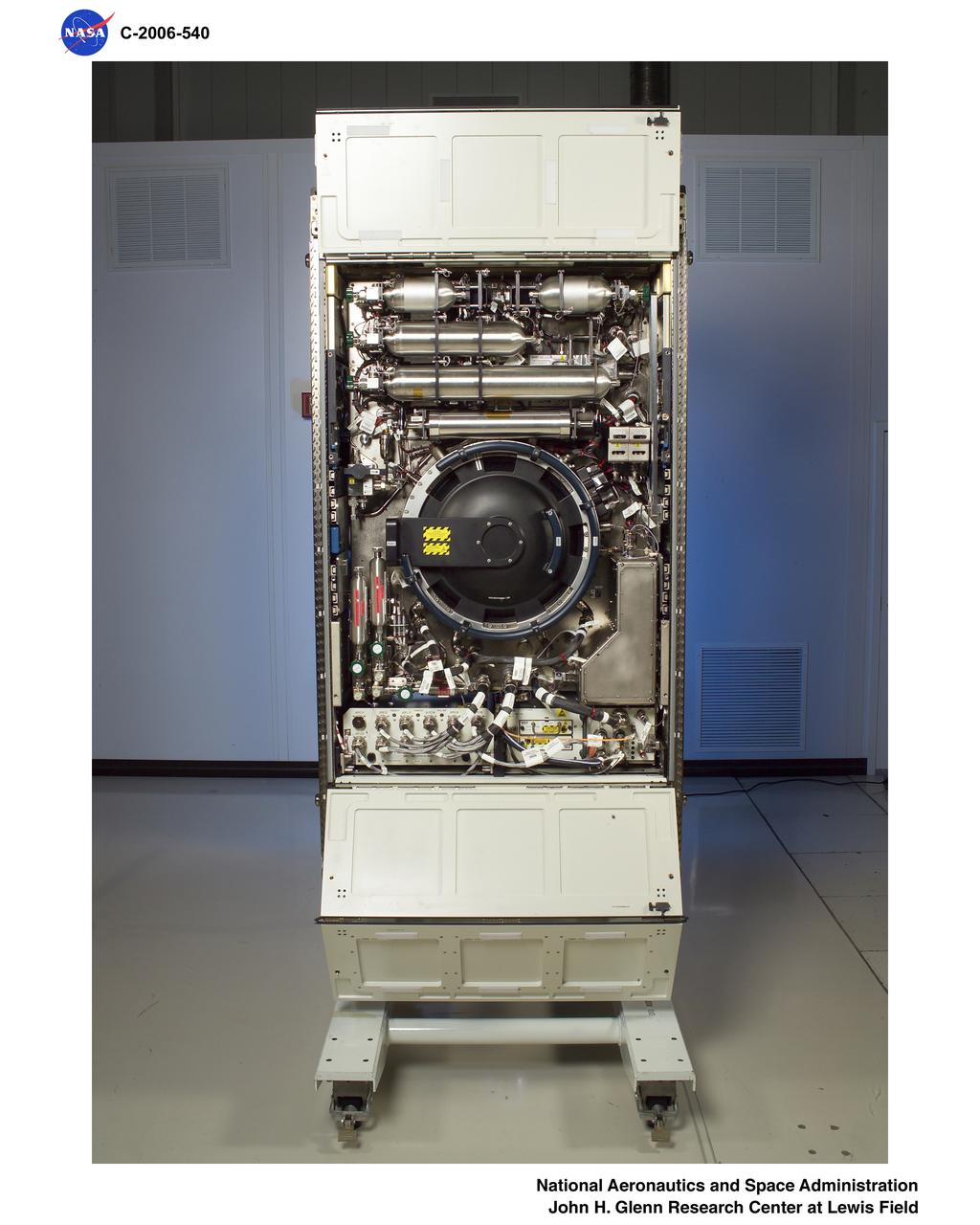
Combustion Integrated Rack (CIR)
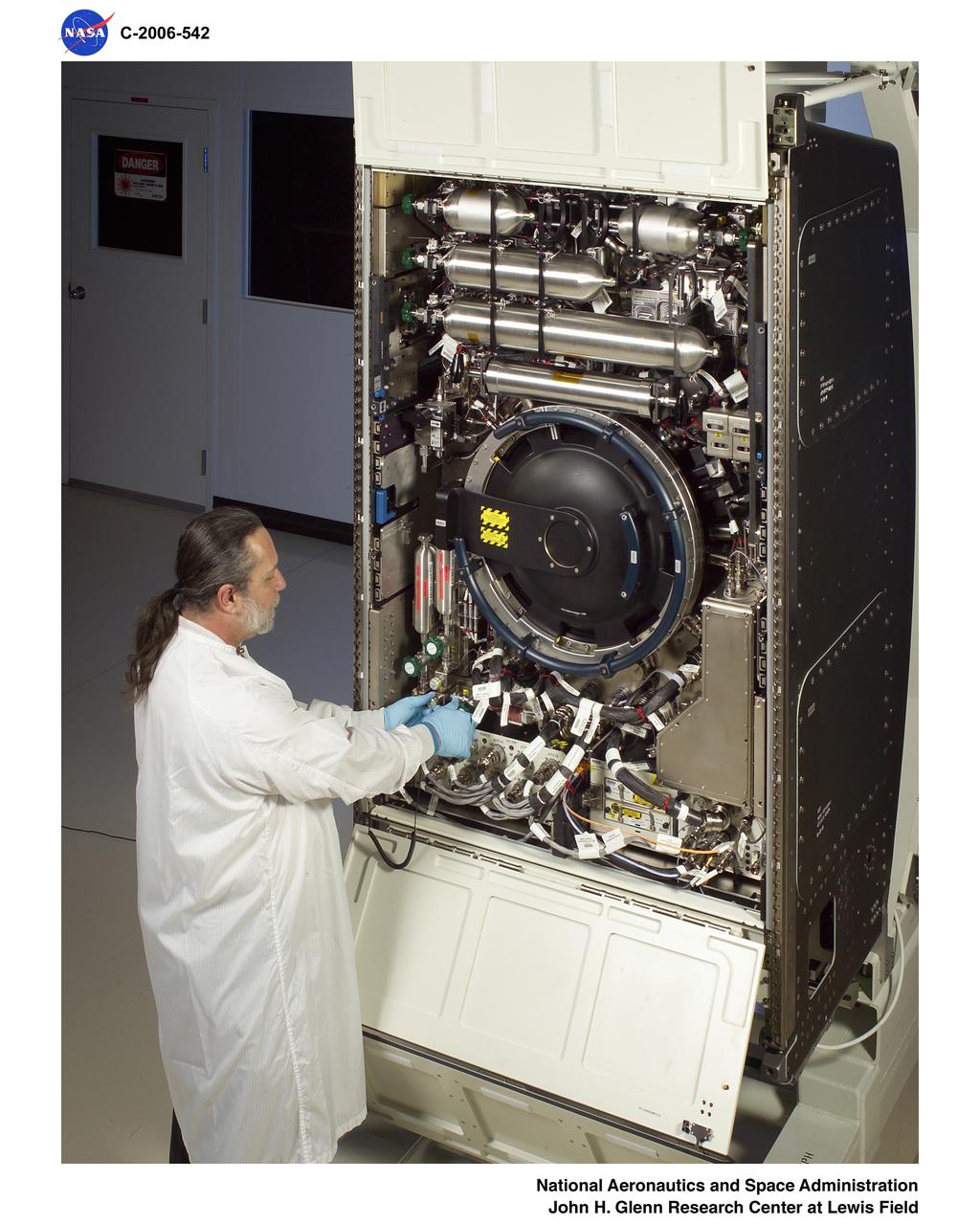
Combustion Integrated Rack (CIR)
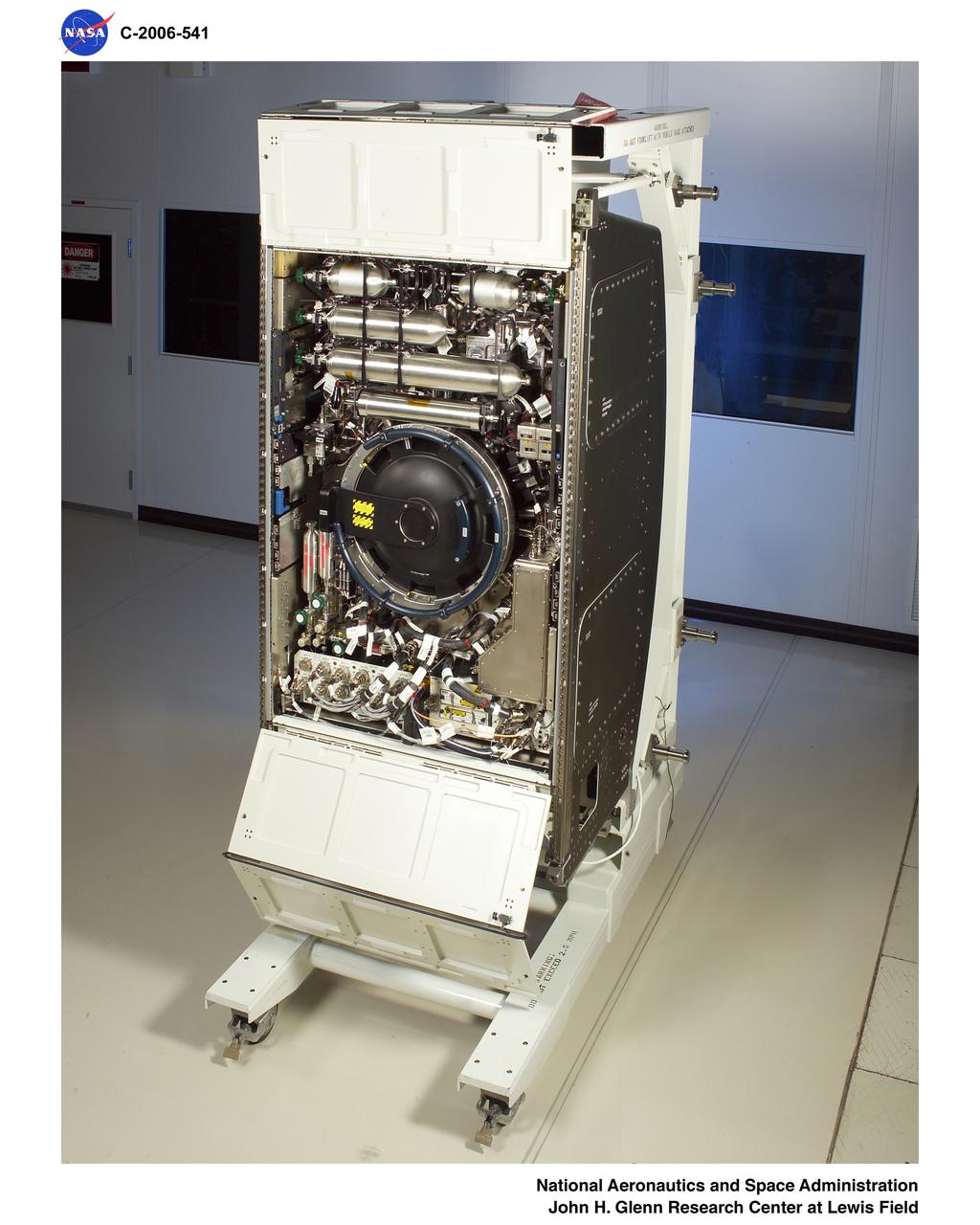
Combustion Integrated Rack (CIR)
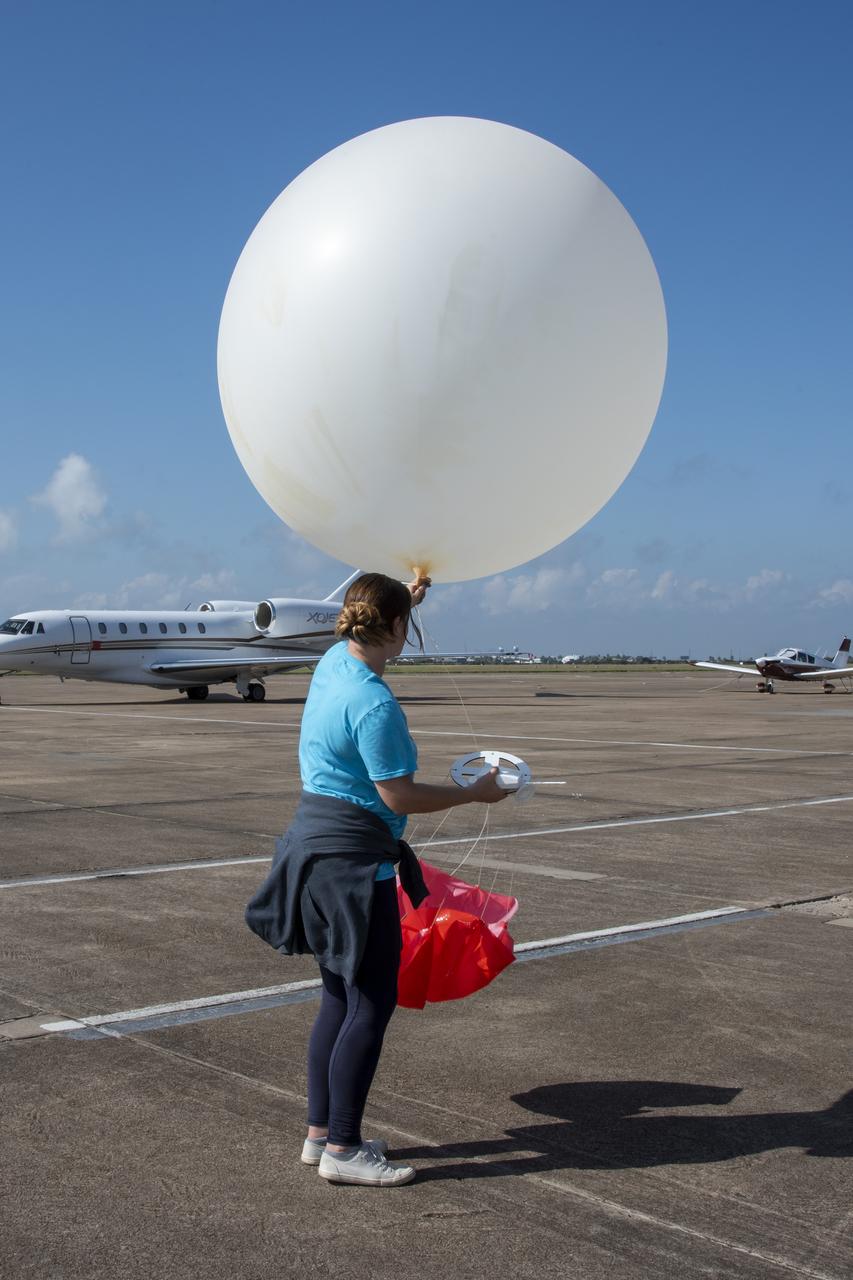
In order to make sure weather conditions are acceptable at multiple altitudes, NASA meteorologists on the ground conduct constant monitoring operations, and launch weather balloons to get accurate data for aircraft and pilot.
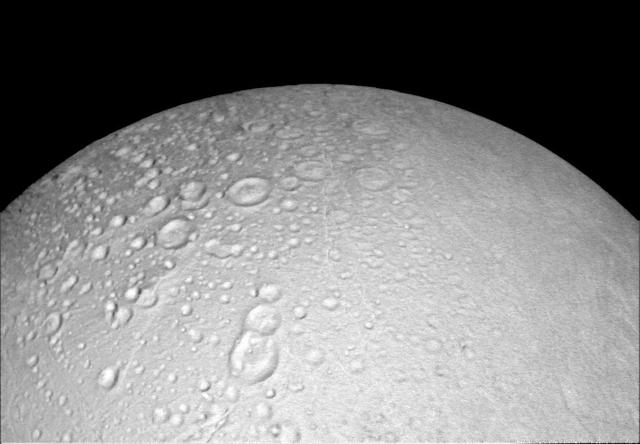
This view from NASA's Cassini spacecraft shows battered terrain around the north pole of Saturn's icy moon Enceladus. Craters crowd and overlap each other, each one recording an impact in the moon's distant past. The moon's north pole lies approximately at the top of this view from Cassini's wide-angle camera. A companion view from the narrow-angle camera (PIA19660) shows the pole at a resolution about ten times higher. North on Enceladus is up. The image was taken in visible light by Cassini on Oct. 14, 2015. The view was acquired at a distance of approximately 4,000 miles (6,000 kilometers) from Enceladus and at a Sun-Enceladus-spacecraft, or phase, angle of 8 degrees. Image scale is 1,093 feet (333 meters) per pixel. http://photojournal.jpl.nasa.gov/catalog/PIA20010
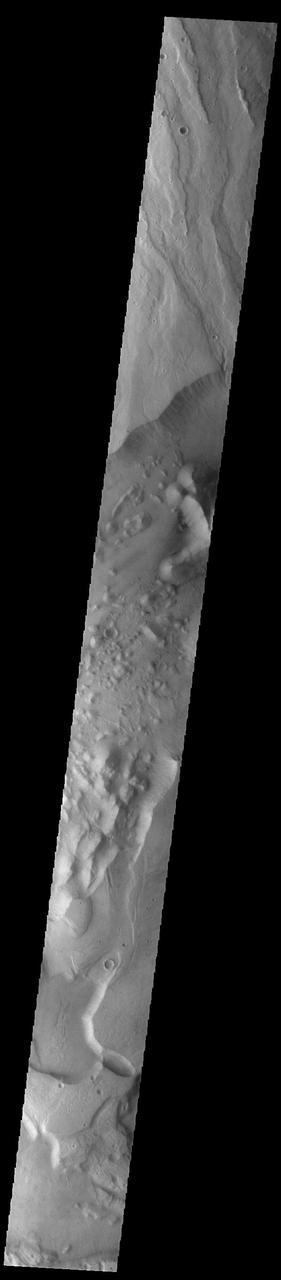
Today's VIS image shows a small portion of both Dao Vallis (middle of image) and Niger Vallis (bottom of image). Arising from the volcano Hadriacus Mons (top of image), Dao Vallis is approximately 1200km (750 miles) long. Niger Vallis is 333 km (207 miles) long. It has been proposed that heating of the region due to volcanic activity melted subsurface ice which was released to the surface to carve the two channels. Niger Vallis merges with Dao Vallis south of this image and then flow southwestward into the Hellas Planitia basin. Orbit Number: 93355 Latitude: -33.4749 Longitude: 93.0394 Instrument: VIS Captured: 2022-12-31 02:58 https://photojournal.jpl.nasa.gov/catalog/PIA25852
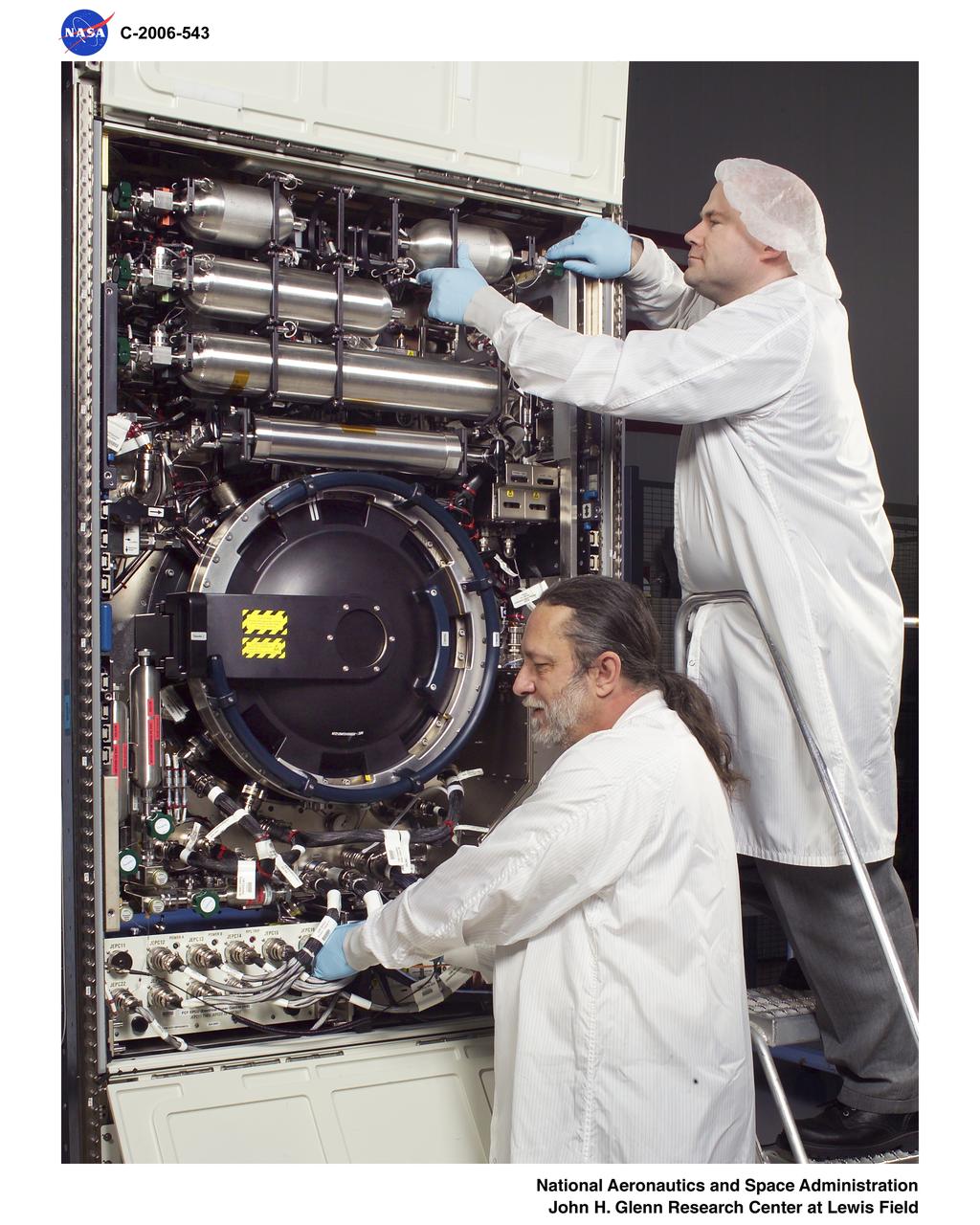
Combustion Integrated Rack (CIR)
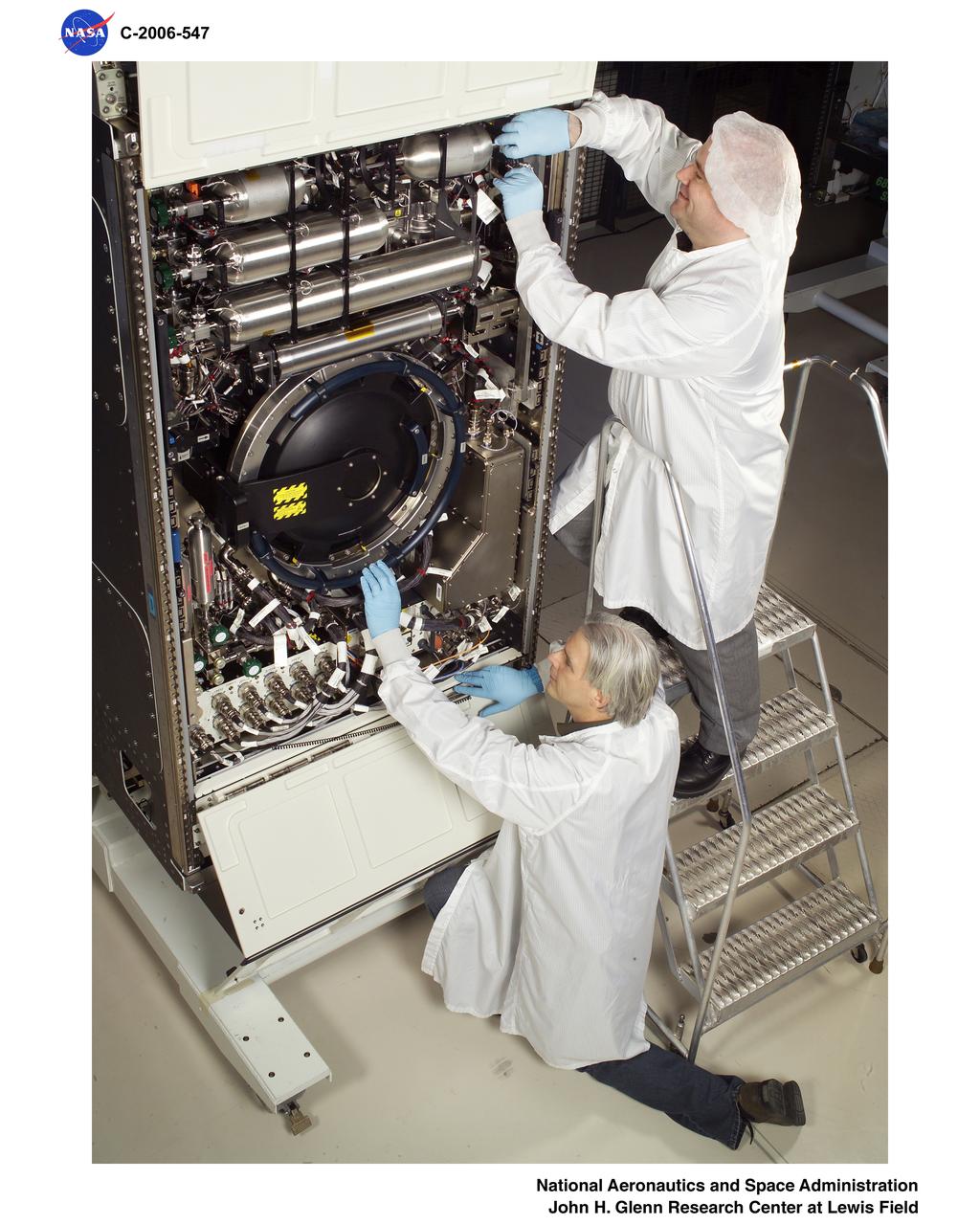
Combustion Integrated Rack (CIR)
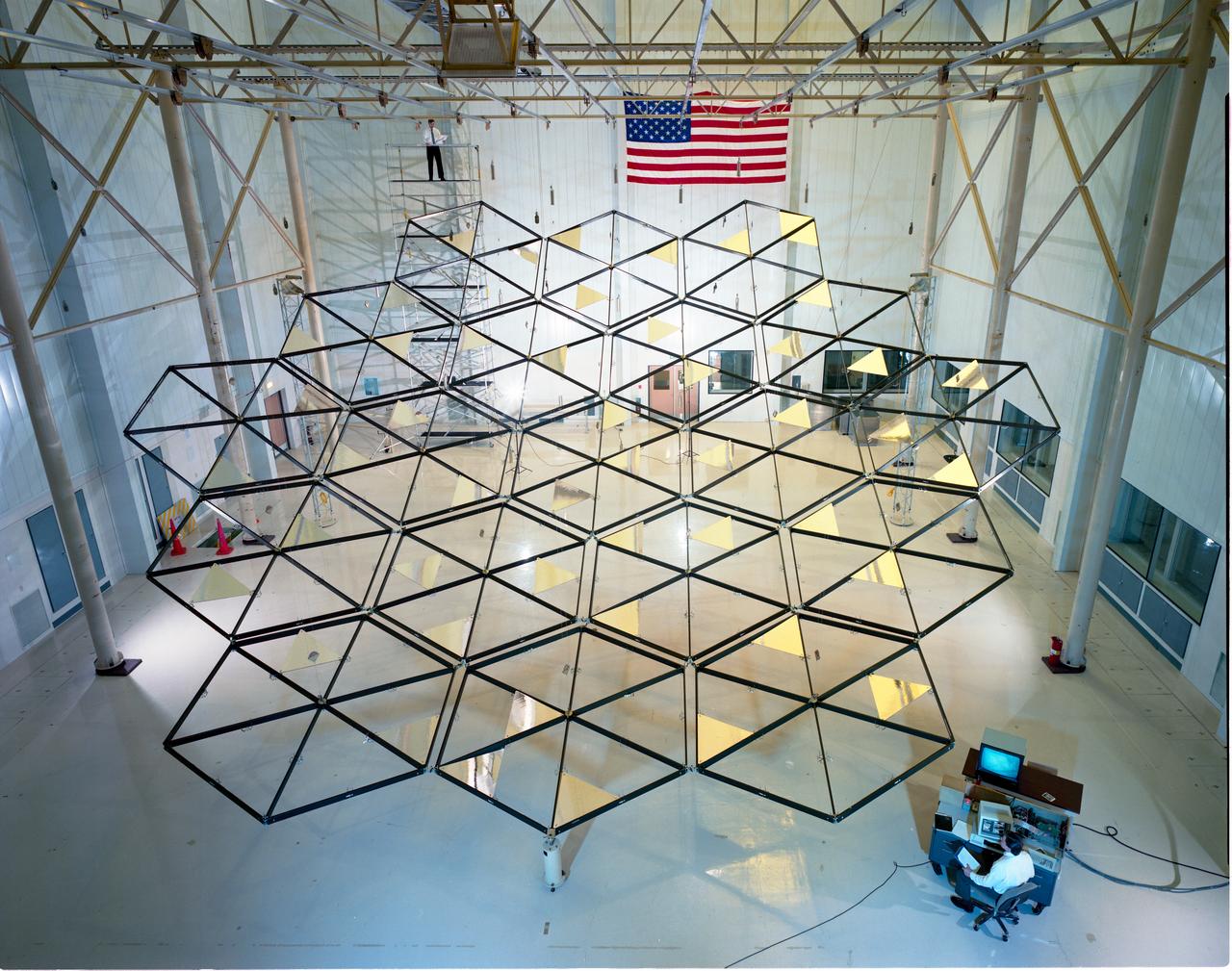
Testing of the Solar Dynamic Collector for Space Freedom. The solar dynamic power system includes a solar concentrator, which collects sunlight; a receiver, which accepts and stores the concentrated solar energy and transfers this energy to a gas; a Brayton turbine, alternator, and compressor unit, which generates electric power; and a radiator, which rejects waste heat.

Visit to GRC Lewis Field by Joshua Dobbs
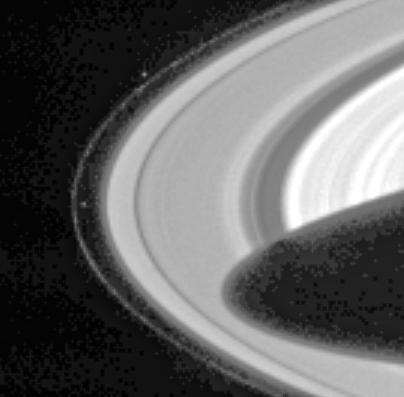
Cassini has sighted Prometheus and Pandora, the two F-ring-shepherding moons whose unpredictable orbits both fascinate scientists and wreak havoc on the F ring. Prometheus (102 kilometers, or 63 miles across) is visible left of center in the image, inside the F ring. Pandora (84 kilometers, or 52 miles across) appears above center, outside the ring. The dark shadow cast by the planet stretches more than halfway across the A ring, the outermost main ring. The mottled pattern appearing in the dark regions of the image is 'noise' in the signal recorded by the camera system, which has subsequently been magnified by the image processing. The F ring is a narrow, ribbon-like structure, with a width seen in this geometry equivalent to a few kilometers. The two small, irregularly shaped moons exert a gravitational influence on particles that make up the F ring, confining it and possibly leading to the formation of clumps, strands and other structures observed there. Pandora prevents the F ring from spreading outward and Prometheus prevents it from spreading inward. However, their interaction with the ring is complex and not fully understood. The shepherds are also known to be responsible for many of the observed structures in Saturn's A ring. The moons, which were discovered in images returned by the Voyager 1 spacecraft in 1980, are in chaotic orbits--their orbits can change unpredictably when the moons get very close to each other. This strange behavior was first noticed in ground-based and Hubble Space Telescope observations in 1995, when the rings were seen nearly edge-on from Earth and the usual glare of the rings was reduced, making the satellites more readily visible than usual. The positions of both satellites at that time were different than expected based on Voyager data. One of the goals for the Cassini-Huygens mission is to derive more precise orbits for Prometheus and Pandora. Seeing how their orbits change over the duration of the mission will help to determine their masses, which in turn will help constrain models of their interiors and provide a more complete understanding of their effect on the rings. This narrow angle camera image was snapped through the broadband green spectral filter, centered at 568 nanometers, on March 10, 2004, when the spacecraft was 55.5 million kilometers (34.5 million miles) from the planet. Image scale is approximately 333 kilometers (207 miles) per pixel. Contrast has been greatly enhanced, and the image has been magnified to aid visibility of the moons as well as structure in the rings. http://photojournal.jpl.nasa.gov/catalog/PIA05387