Artist concept of the Johnson Space Center Amateur Radio Club logo.
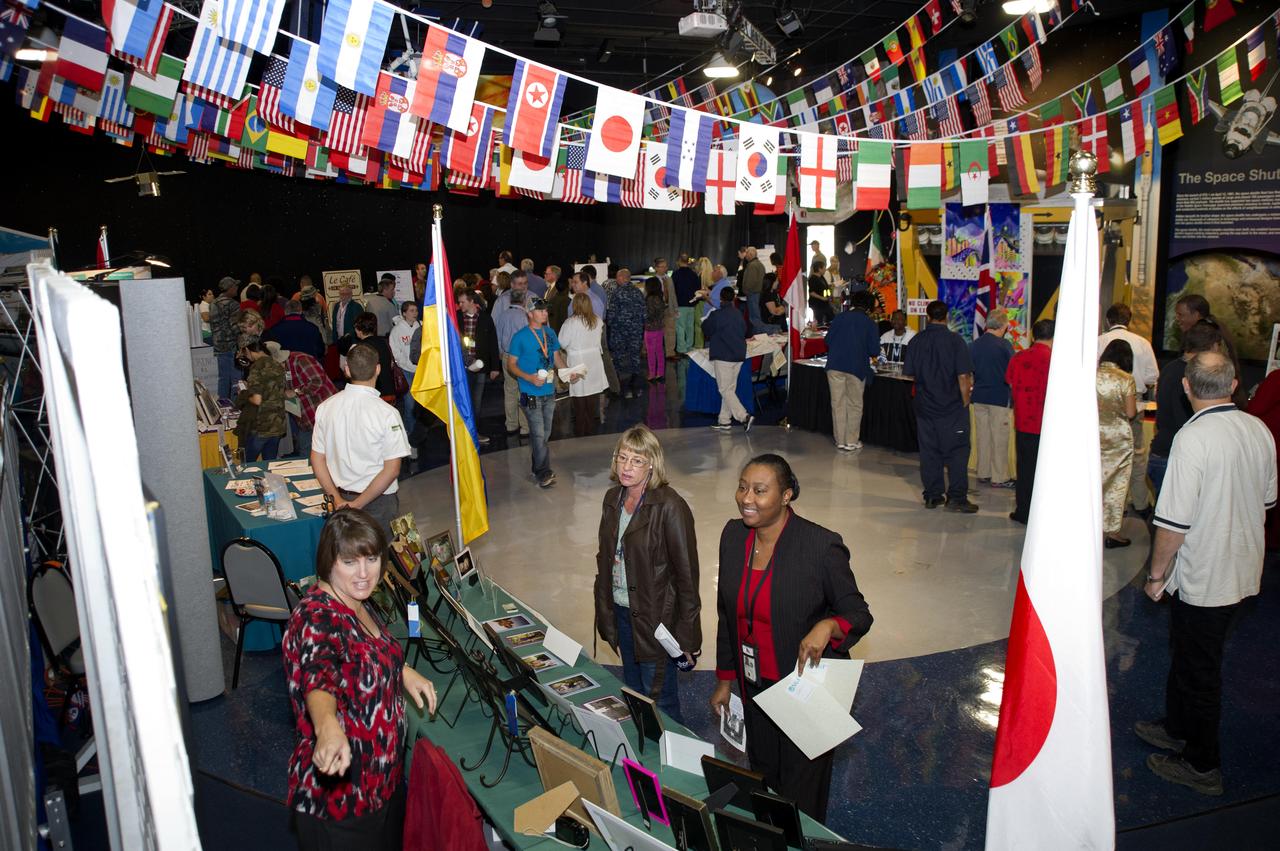
John C. Stennis Space Center employees enjoyed 2012 Diversity Day activities Oct. 31. During the day, Stennis employees were able to visit exhibits highlighting different cultures and participate in a range of activities.
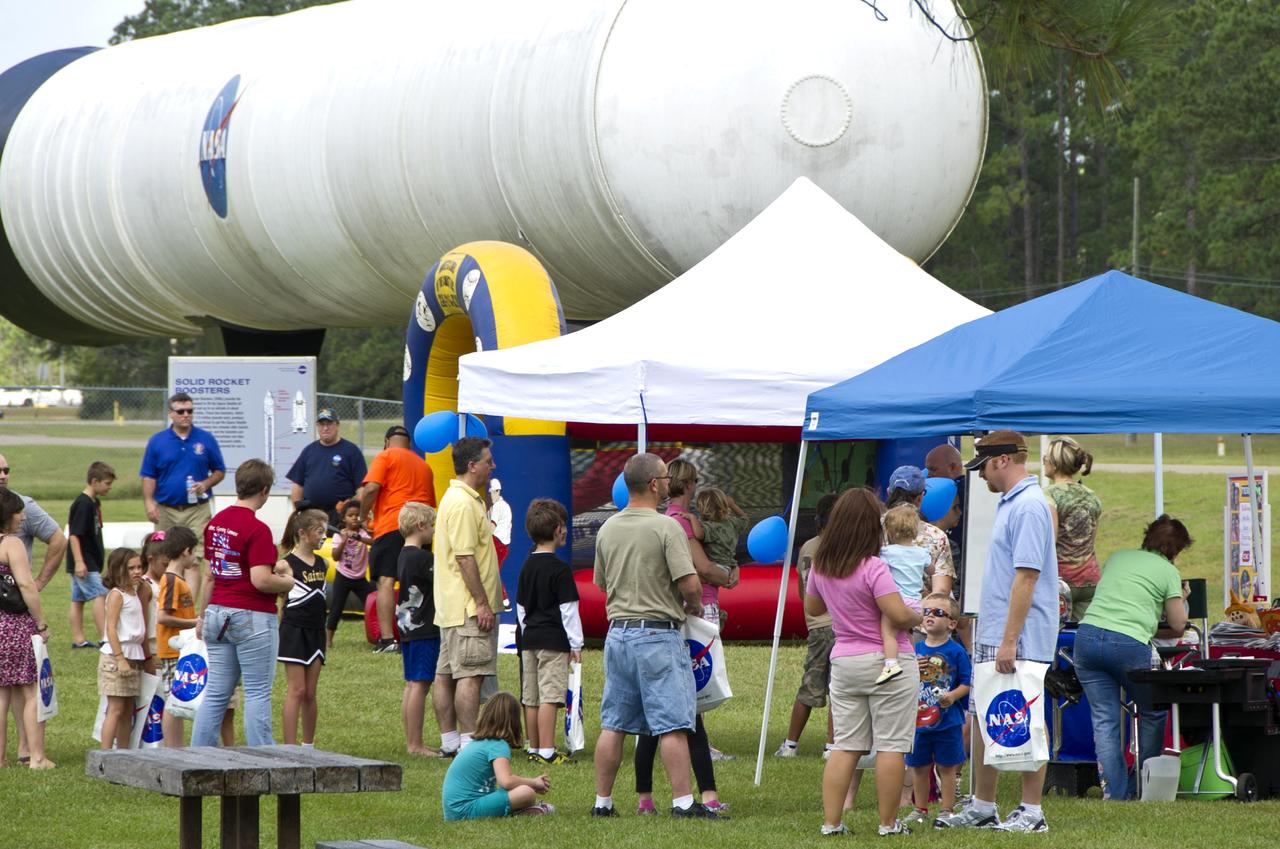
Nearly 500 Stennis Space Center employees and family members took part in the facility's 50th Anniversary Employee Picnic on Oct. 8. Participants enjoyed activities ranging from historical tours to sack races.
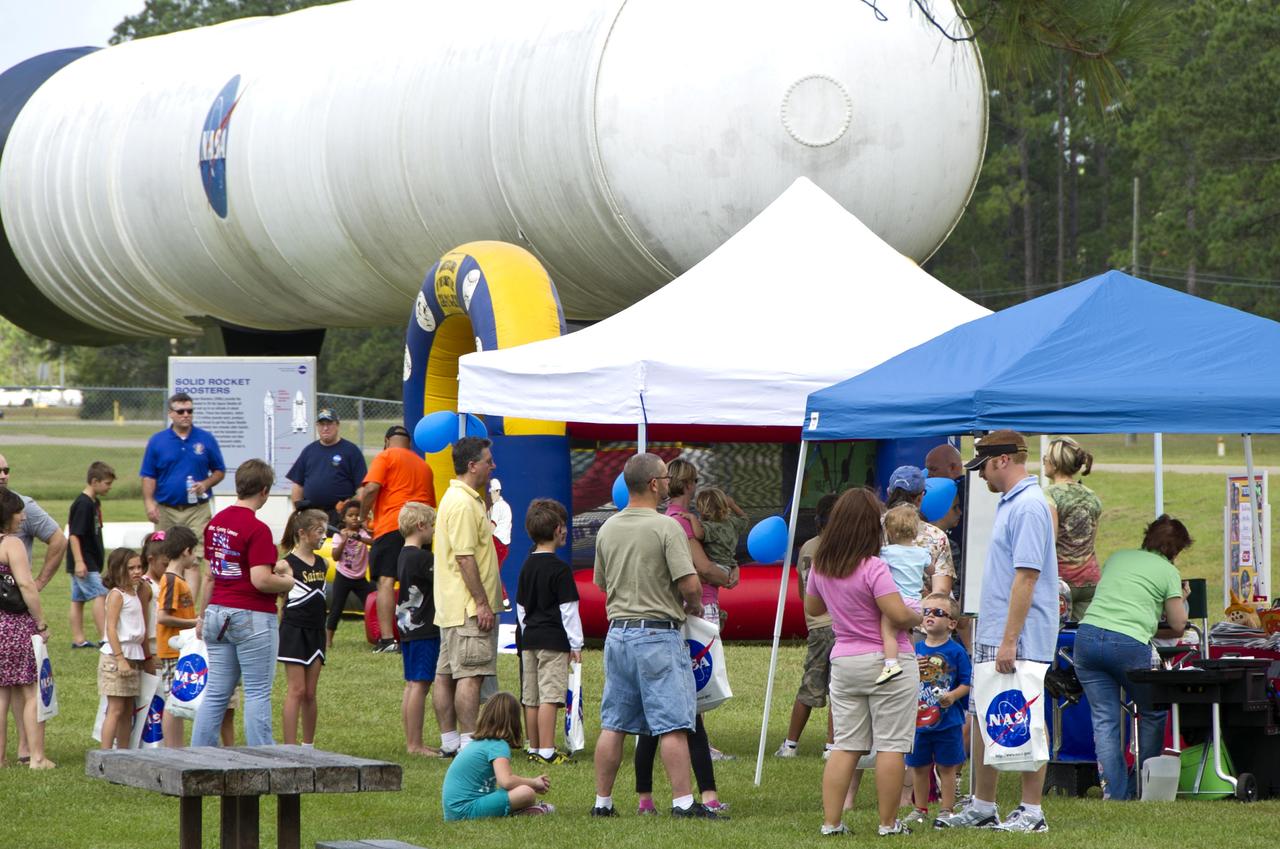
Nearly 500 Stennis Space Center employees and family members took part in the facility's 50th Anniversary Employee Picnic on Oct. 8. Participants enjoyed activities ranging from historical tours to sack races.
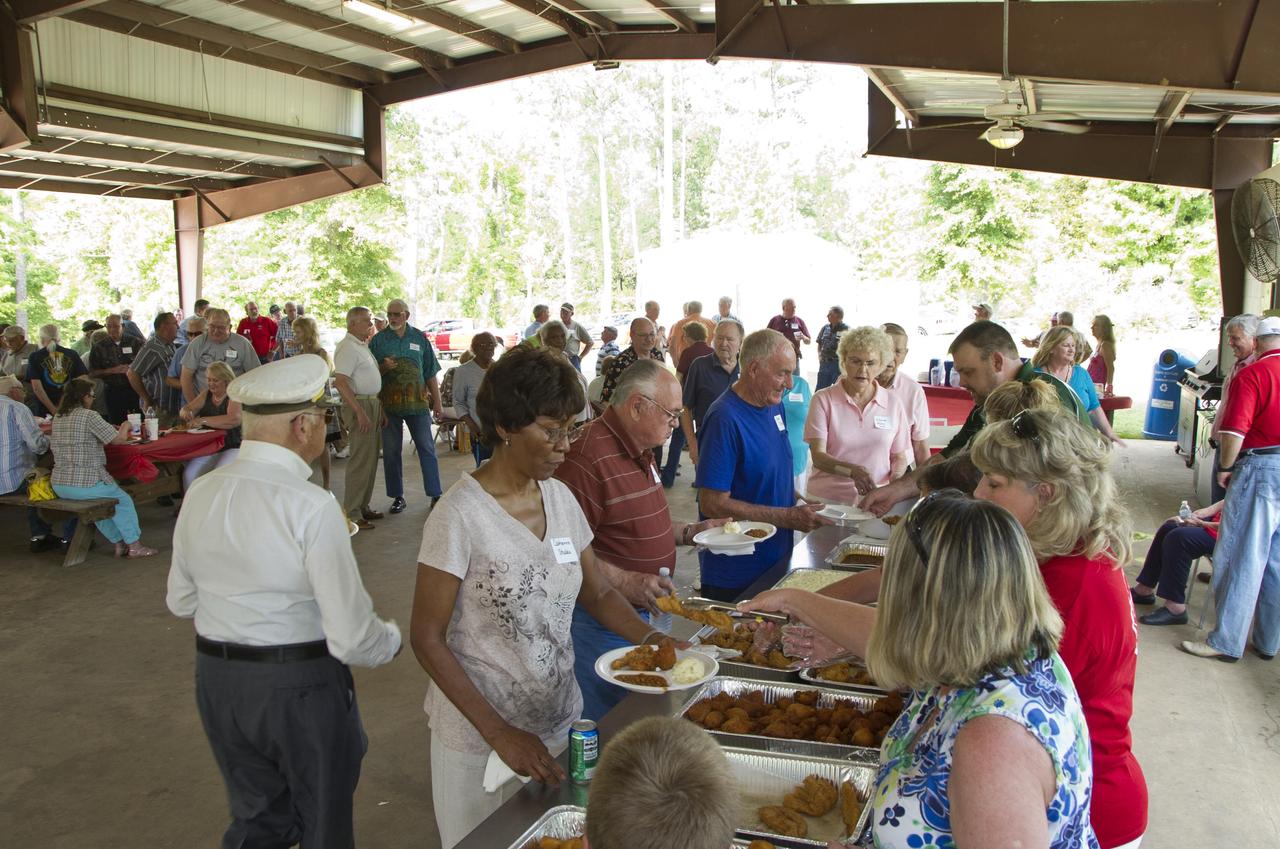
Former Stennis Space Center employees enjoyed a return to the test facility for Old Timers' Day activities May 18, 2012. The annual fellowship was attended by about 150 retirees, guests and employees.
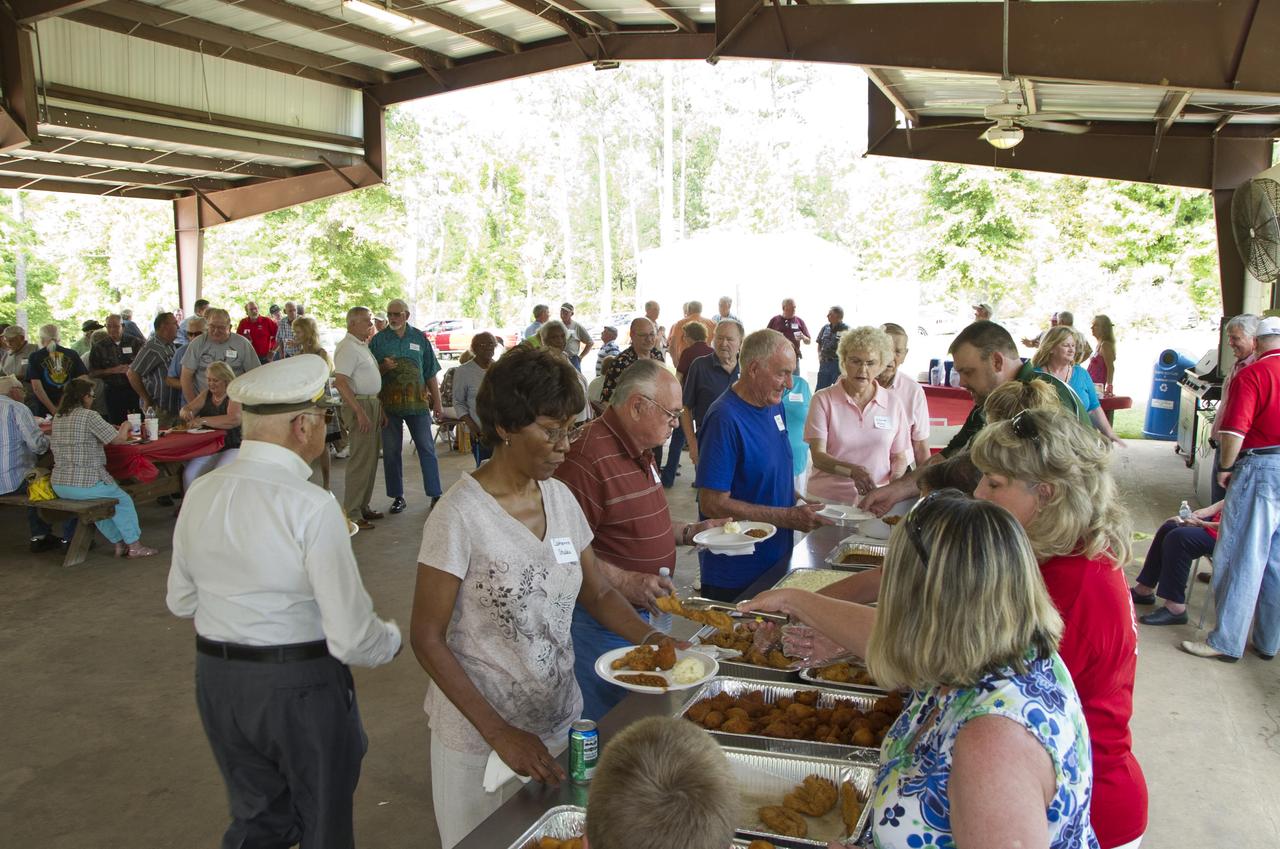
Former Stennis Space Center employees enjoyed a return to the test facility for Old Timers' Day activities May 18, 2012. The annual fellowship was attended by about 150 retirees, guests and employees.
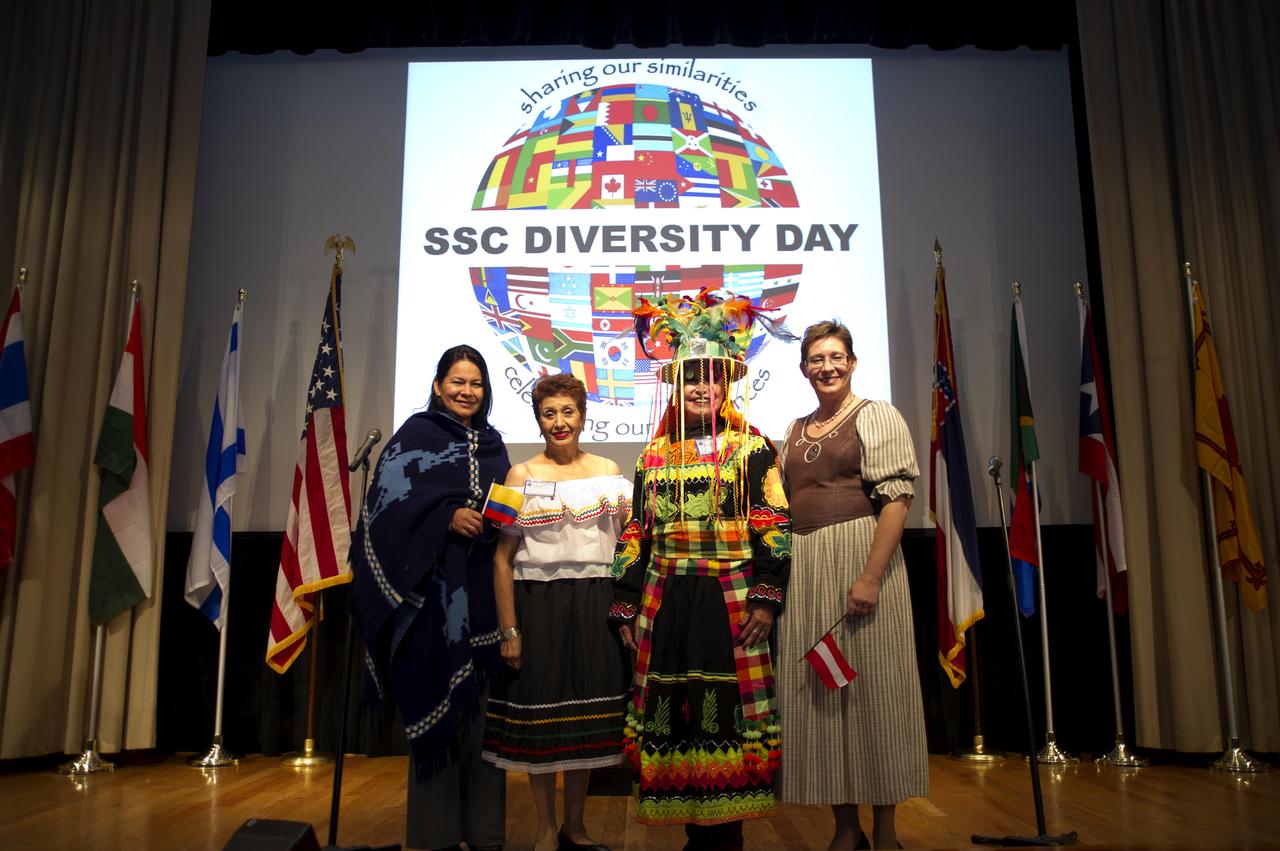
John C. Stennis Space Center employees enjoyed 2012 Diversity Day activities Oct. 31. During the day, Stennis employees were able to visit cultural exhibits and participate such events as an employee talent showcase, a car/motorcycle show, Stennis 'Family Feud' contests and a cultural dress parade.

John C. Stennis Space Center employees enjoyed 2012 Diversity Day activities Oct. 31. The day's color-filled schedule included an employee talent showcase, a car/motorcycle show, Stennis 'Family Feud' contests, a cultural dress parade, food vendors and various cultural exhibits.
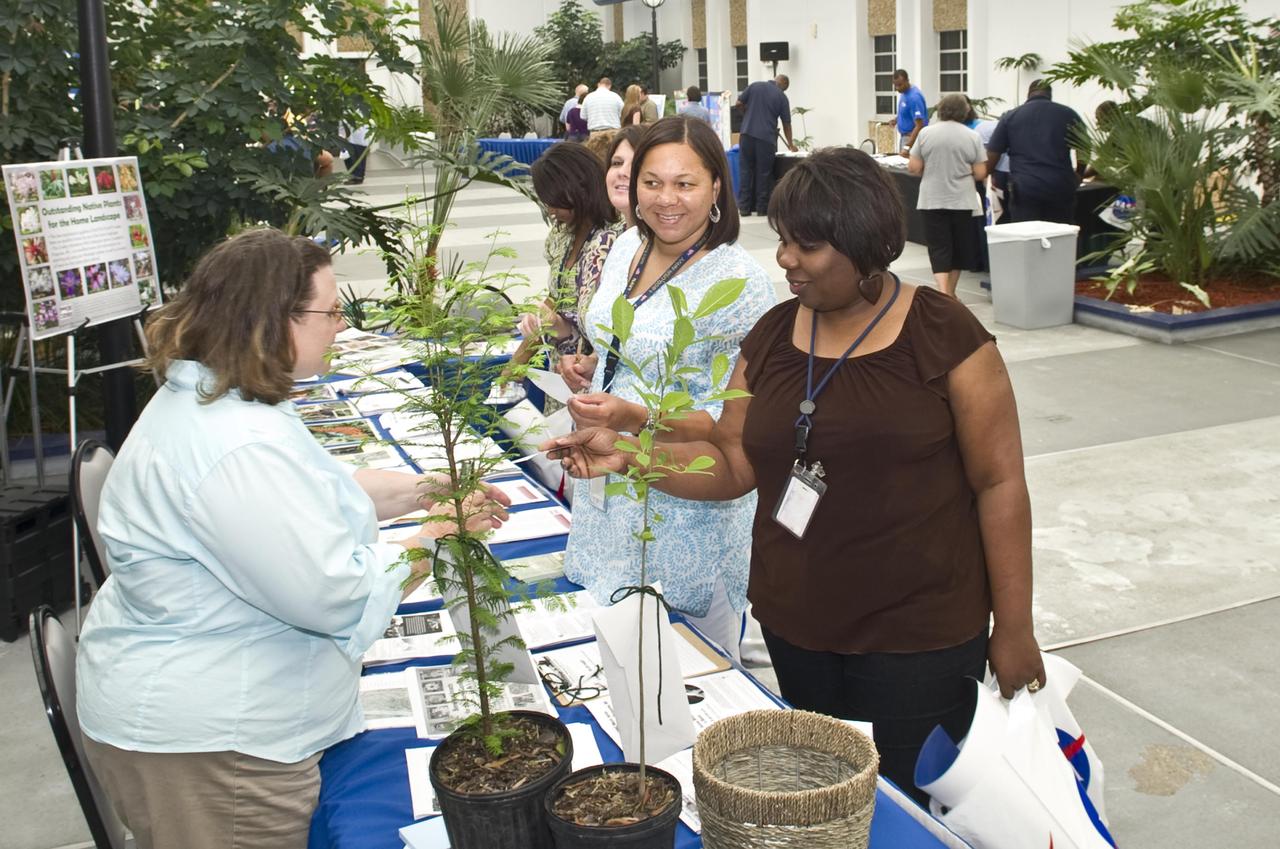
Pat Drackett of the Crosby Arboretum in Picayune (l) speaks with Helen Robinson and Arlene Brown, both employees of the Naval Oceanographic Office at Stennis Space Center, during Earth Day 2011 activities April 21. During the day, Stennis employees were able to visit various exhibits featuring environmentally friendly and energy-conscious items and information. The activities were coordinated by the Stennis Environmental Office.
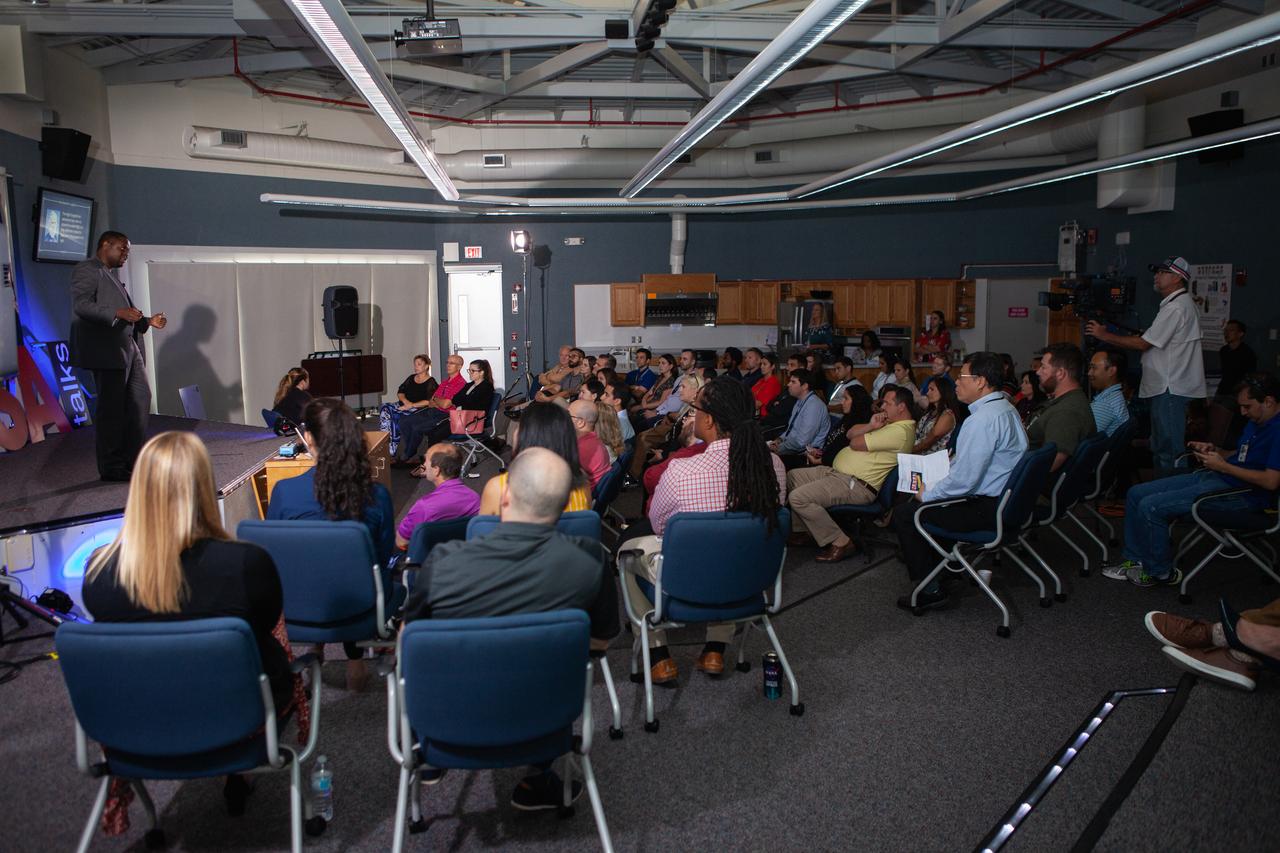
Kennedy Space Center employees attend the third in a series of five TED Talk-style informational sessions on Oct. 17, 2019, inside the Florida spaceport’s Kennedy Learning Institute. Sponsored by Kennedy’s Launching Leaders and Leadership for the Future, NASAtalks focuses on the topic of intentional careers and aims to provide employees with tools and knowledge that can be utilized for career growth. The theme of this third session was customers, and speakers included Kennedy employees Ryan Richards, Mike Williams and Dave Grau, with a skill-building section on active listening and negotiating by Tim Bass.
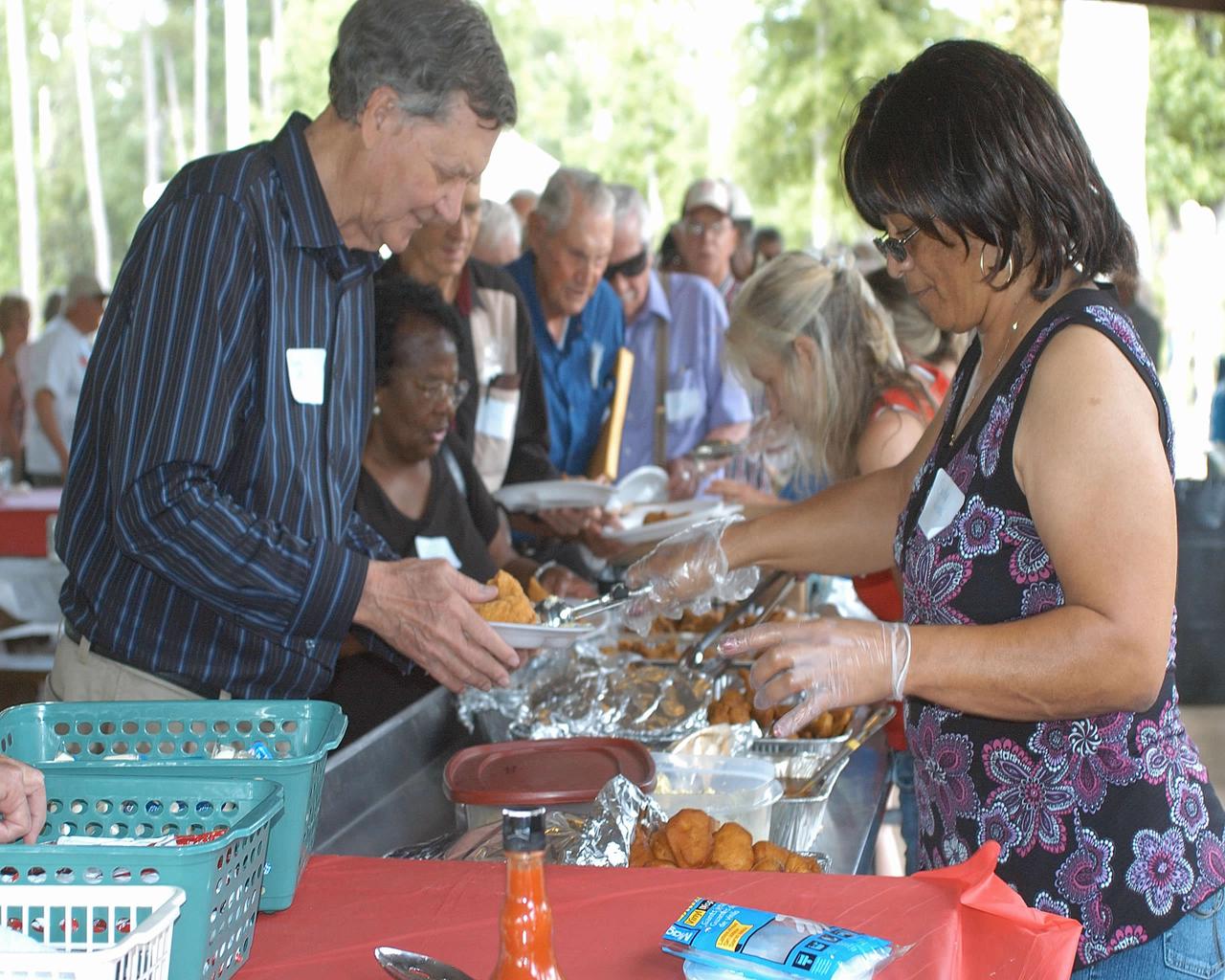
Sandra Piernas (right), an employee at NASA's John C. Stennis Space Center, serves NASA retiree Dewey Little during 2010 Old Timers' Day activities May 14. Each year, the Stennis Recreational Association welcomes back former employees for a meal and time of fellowship at the facility's Cypress House. The event offers current employees the opportunity to hear stories about early work at the center. Stennis was established in the 1960s to test engines and rocket stages for the Apollo Program.
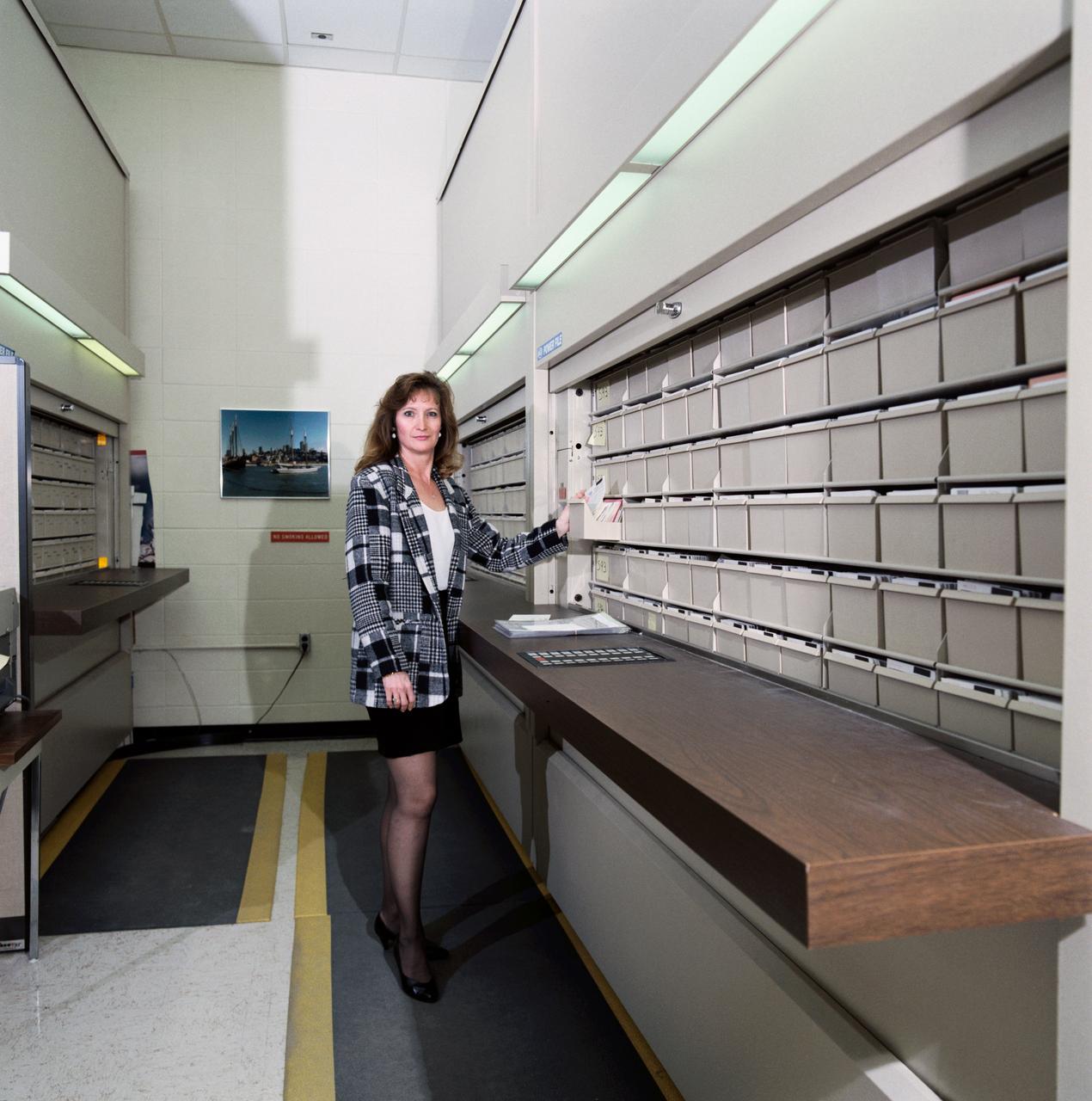
Views of Image Sciences Division activities in bldg 8 and 424 for use in presentation by George Abbey, Deputy Center Director. Views include Taft Broadcasting employee Dexter Herbert in television editing suite in bldg 8 (26624); RMS Photographic Services employee Kelly St. Germaine at IAMS viewing station in the lobby of bldg 8 (26625); RMS employee Irene Jenkins standing in front of automated files used for negative storage in bldg 424 (26626); RMS employee Irma Rodriguez at barcoding and checkout station in bldg 424 (26627).
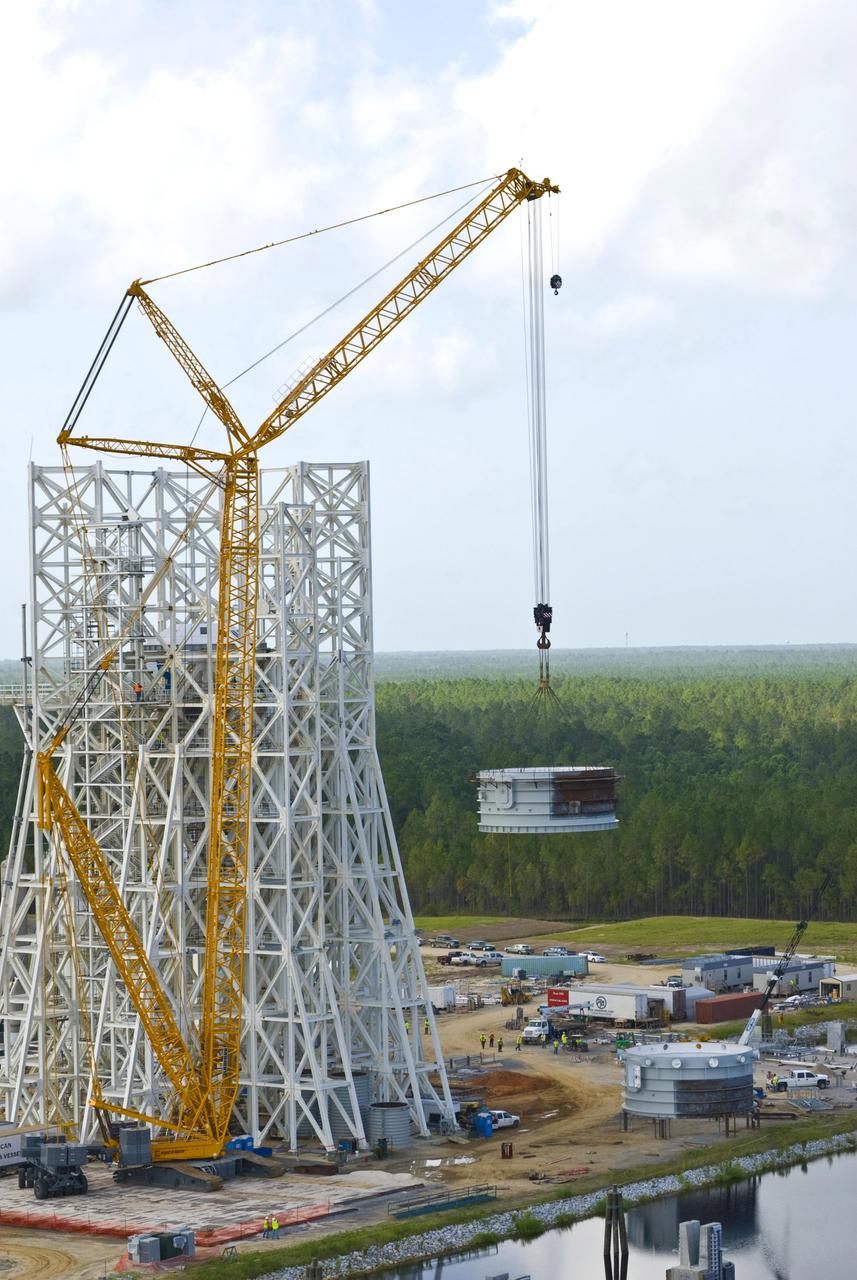
Employees at Stennis Space Center continue work on the A-3 Test Stand. As shown, a section of the test cell is lifted for installation on the stand's structural steel frame. Work on the A-3 Test Stand began in 2007. It is scheduled for activation in 2012.
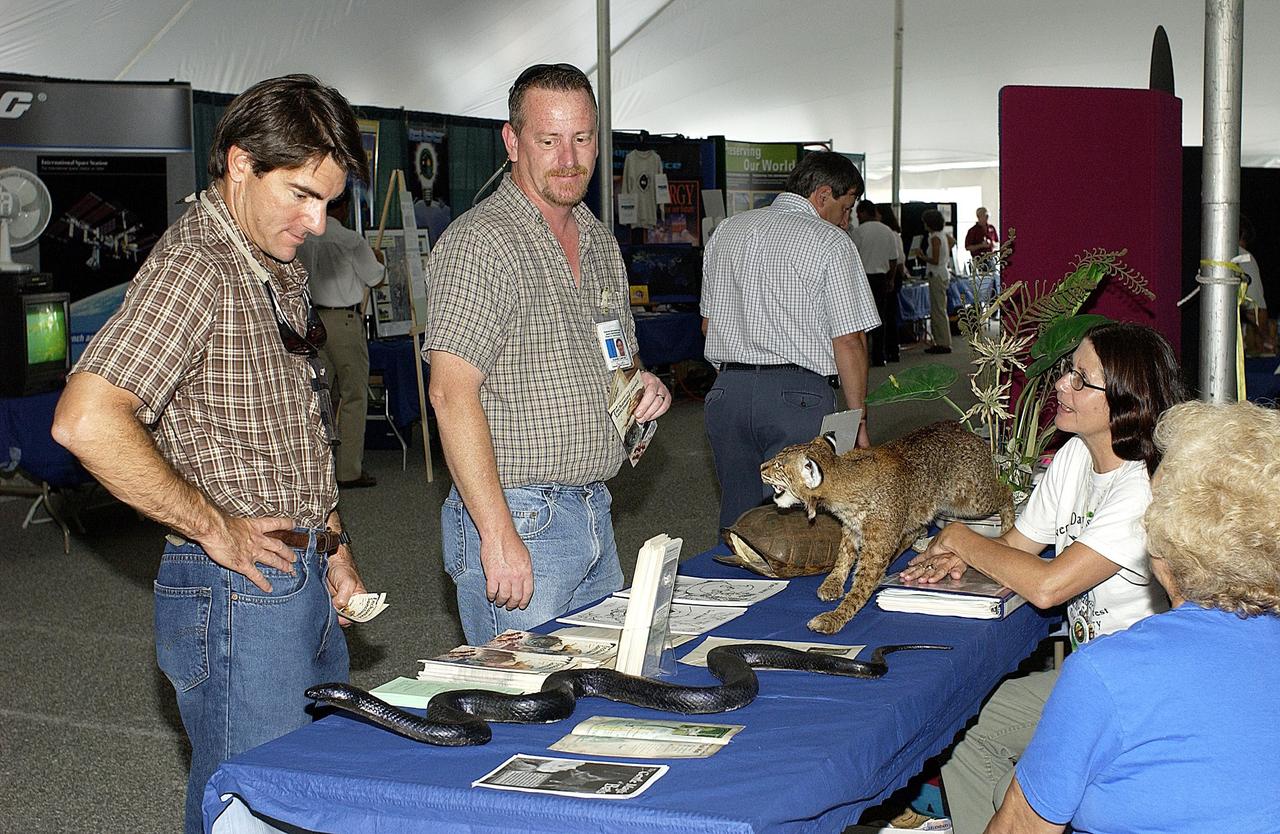
KENNEDY SPACE CENTER, FLA. - Employees stop to look at examples at the Natural Resources Booth during Energy and Awareness Week activities. The two-day event was held April 22-23 around the Center.
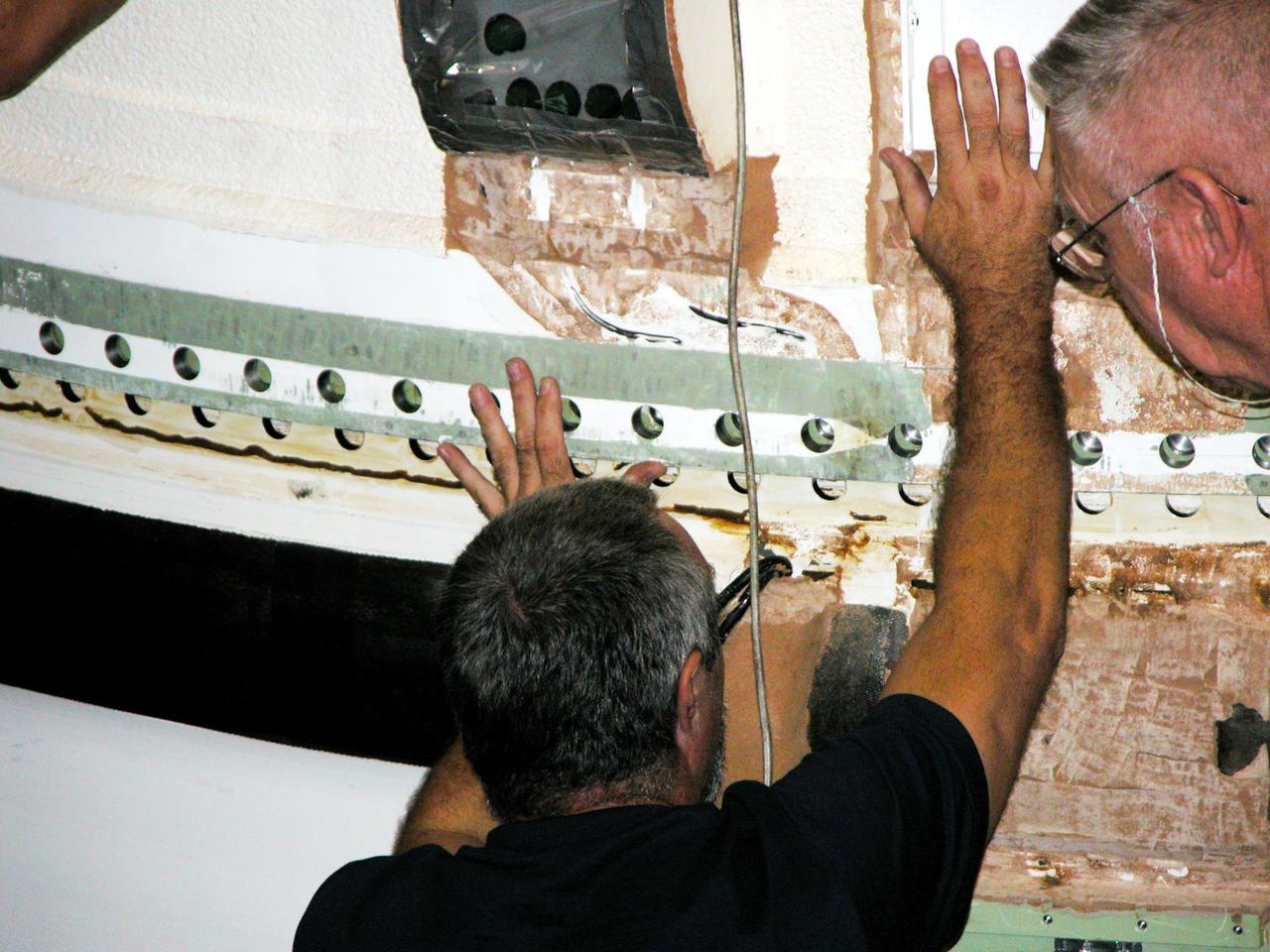
KENNEDY SPACE CENTER, FLA. - In the Vehicle Assembly Building, a KSC employee separates the forward assembly (nose cap and frustum) from a solid rocket booster (SRB) after removing the bolts. The destacking is part of time and cycle activities. The SRB was part of the stack on Atlantis originally scheduled for a March 1, 2003, launch on mission STS-114. The SRBs and external tank were demated in February 2003. The mission is now scheduled to occur no earlier than Sept. 12, 2004, on Atlantis.
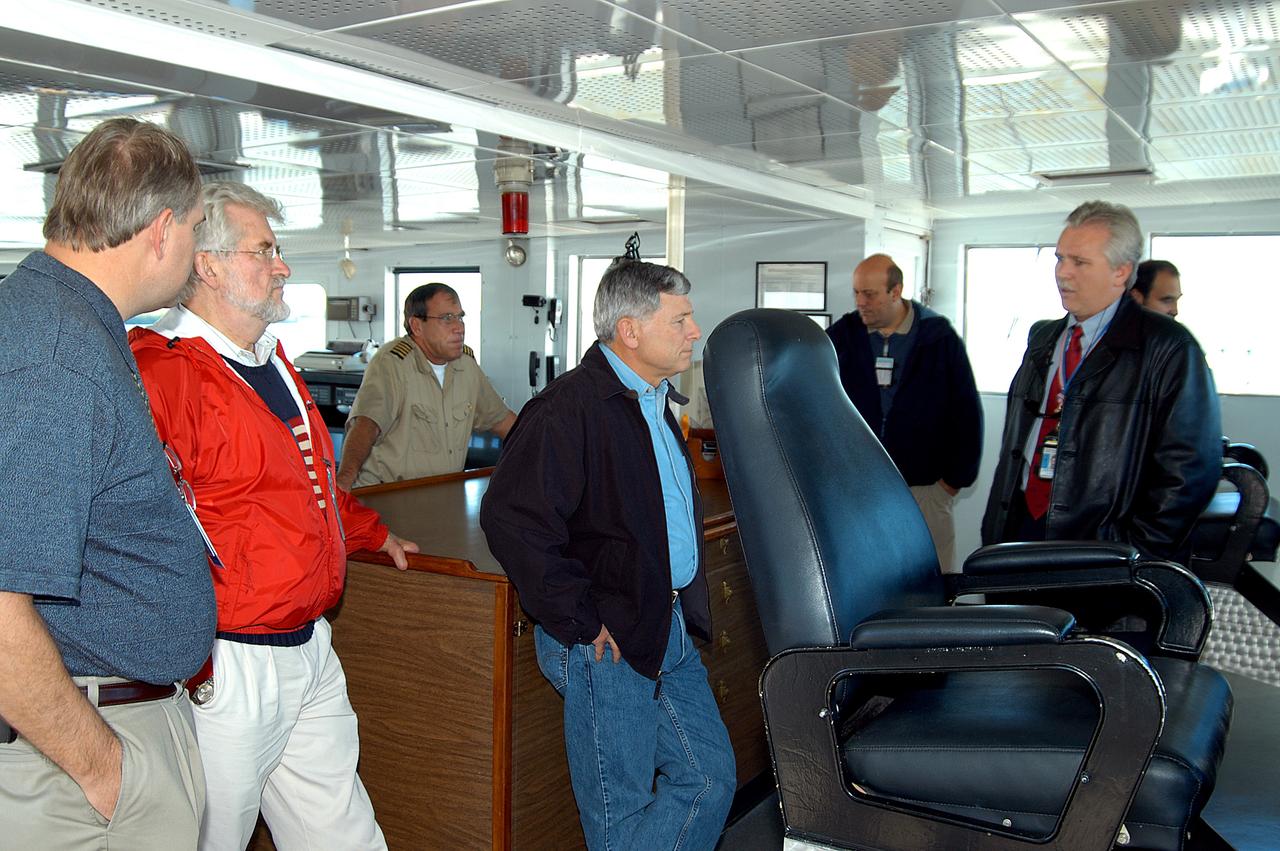
KENNEDY SPACE CENTER, FLA. -- NASA Deputy Associate Administrator for Space Station and Shuttle Programs Michael Kostelnik (center) is given a tour of a solid rocket booster (SRB) retrieval ship by United Space Alliance (USA) employee Joe Chaput (right). NASA and USA Space Shuttle program management are participating in a leadership workday. The day is intended to provide management with an in-depth, hands-on look at Shuttle processing activities at KSC.
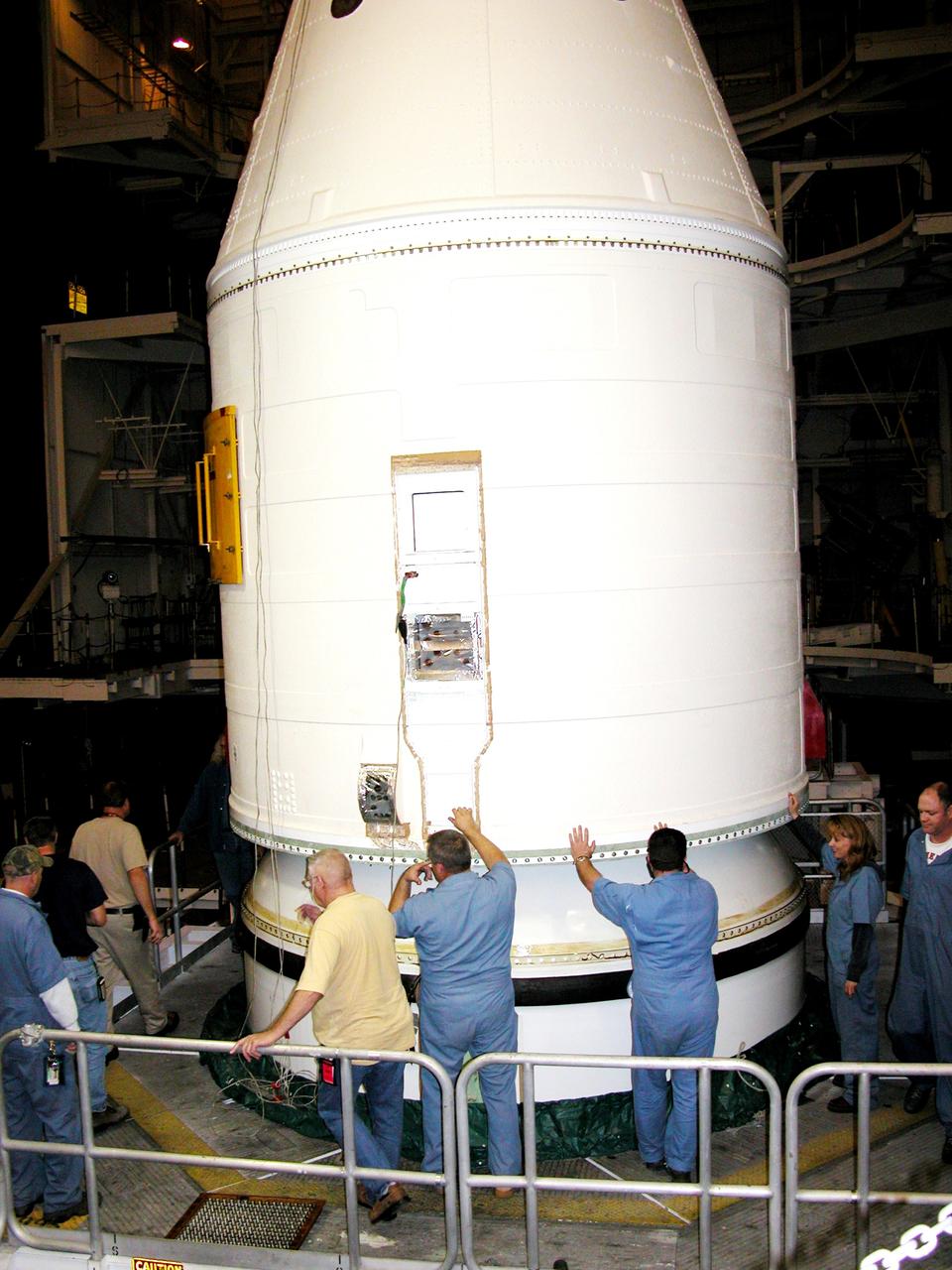
KENNEDY SPACE CENTER, FLA. - In the Vehicle Assembly Building, KSC employees help guide the destacking of the forward assembly (nose cap and frustum) from a solid rocket booster (SRB) after the bolts were removedThe destacking is part of time and cycle activities. The SRB was part of the stack on Atlantis originally scheduled for a March 1, 2003, launch on mission STS-114. The SRBs and external tank were demated in February 2003. The mission is now scheduled to occur no earlier than Sept. 12, 2004, on Atlantis.
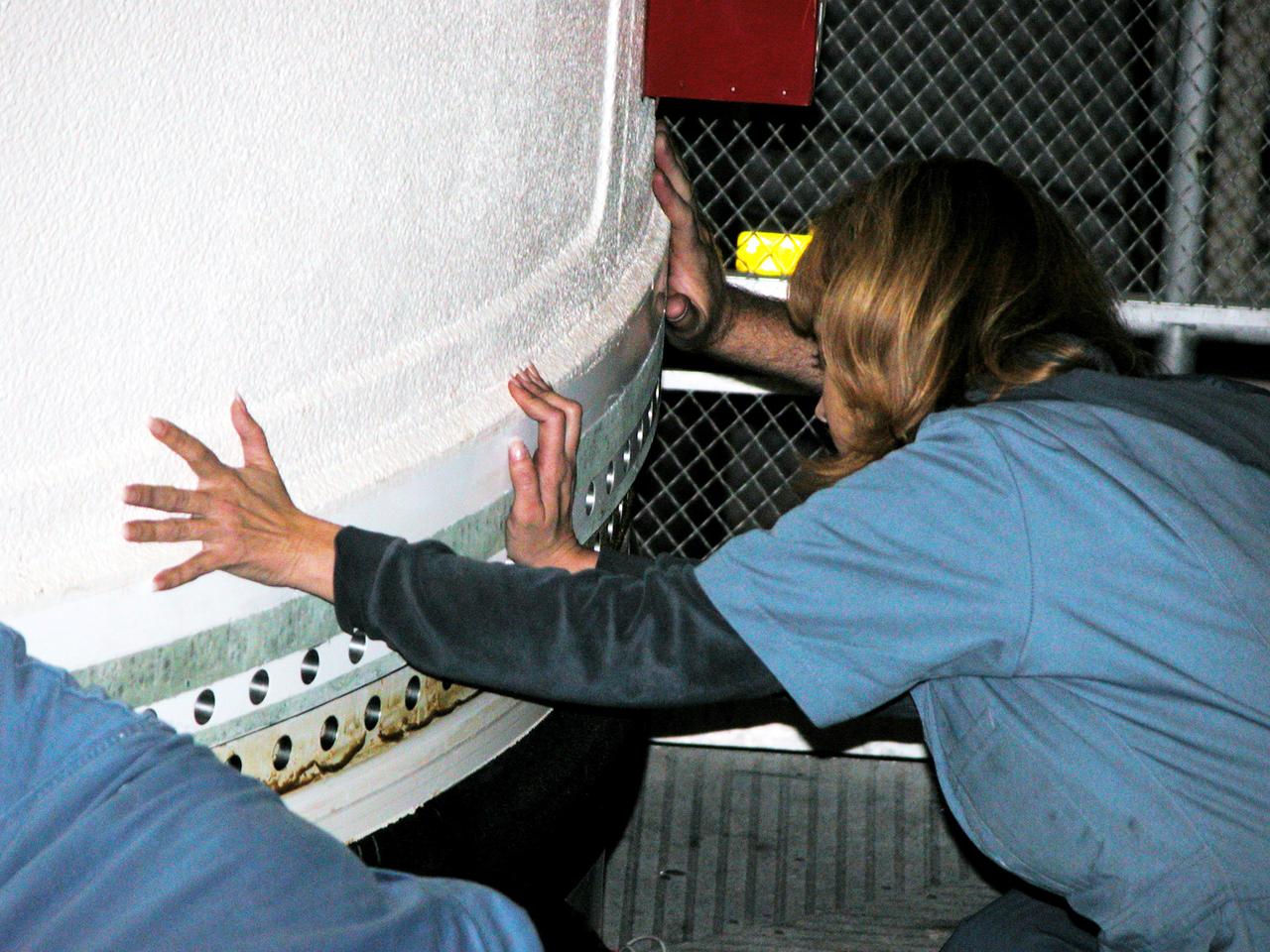
KENNEDY SPACE CENTER, FLA. - In the Vehicle Assembly Building, a KSC employee separates the forward assembly (nose cap and frustum) from a solid rocket booster (SRB) after the bolts were removed. The destacking is part of time and cycle activities. The SRB was part of the stack on Atlantis originally scheduled for a March 1, 2003, launch on mission STS-114. The SRBs and external tank were demated in February 2003. The mission is now scheduled to occur no earlier than Sept. 12, 2004, on Atlantis.
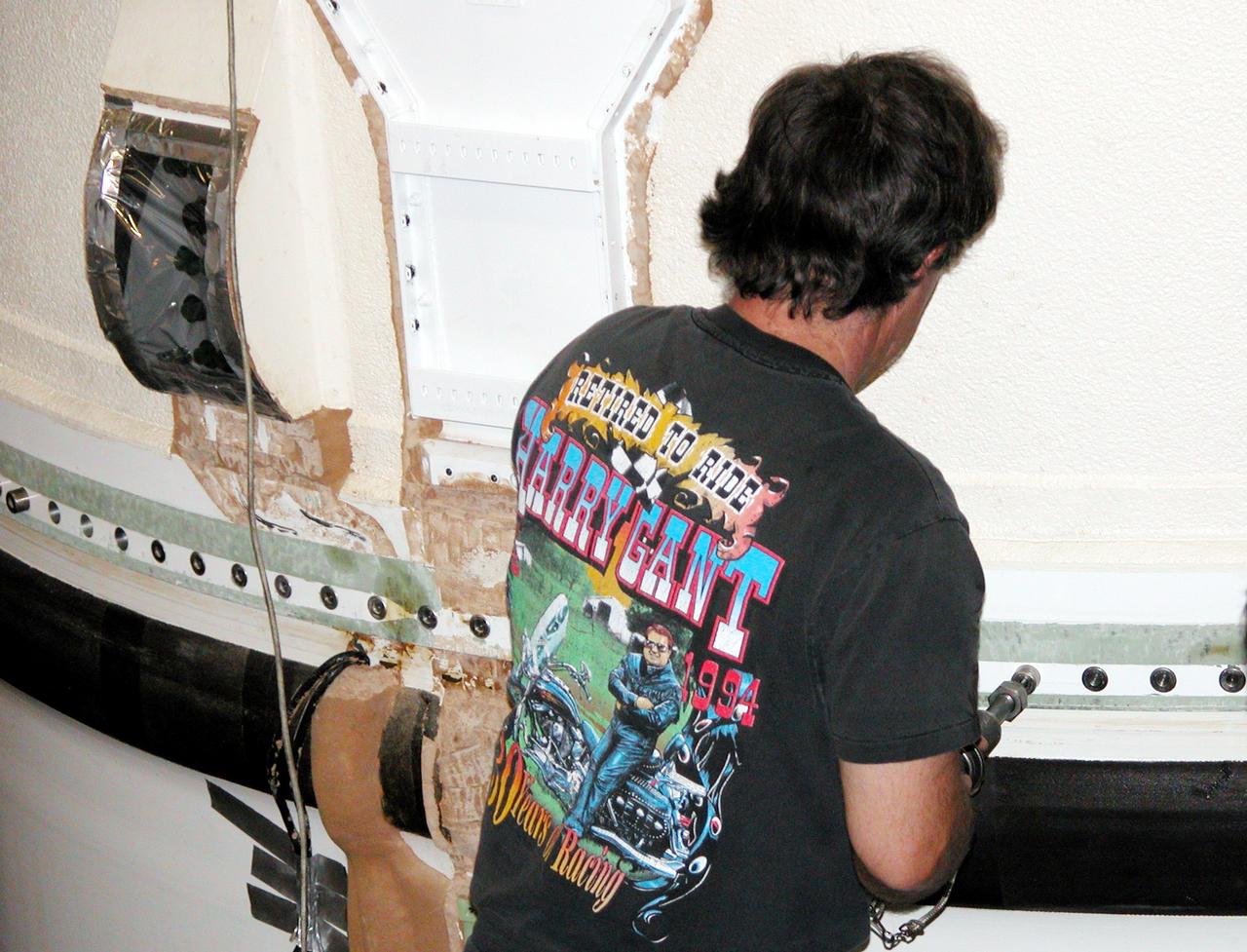
KENNEDY SPACE CENTER, FLA. - In the Vehicle Assembly Building, a KSC employee loosens a bolt on part of the forward assembly of a solid rocket booster (SRB) before destacking. The SRB was part of the stack on Atlantis originally scheduled for a March 1, 2003, launch on mission STS-114. The SRBs and external tank were demated in February 2003. The destacking is part of time and cycle activities. STS-114 is now scheduled to occur no earlier than Sept. 12, 2004, on Atlantis.
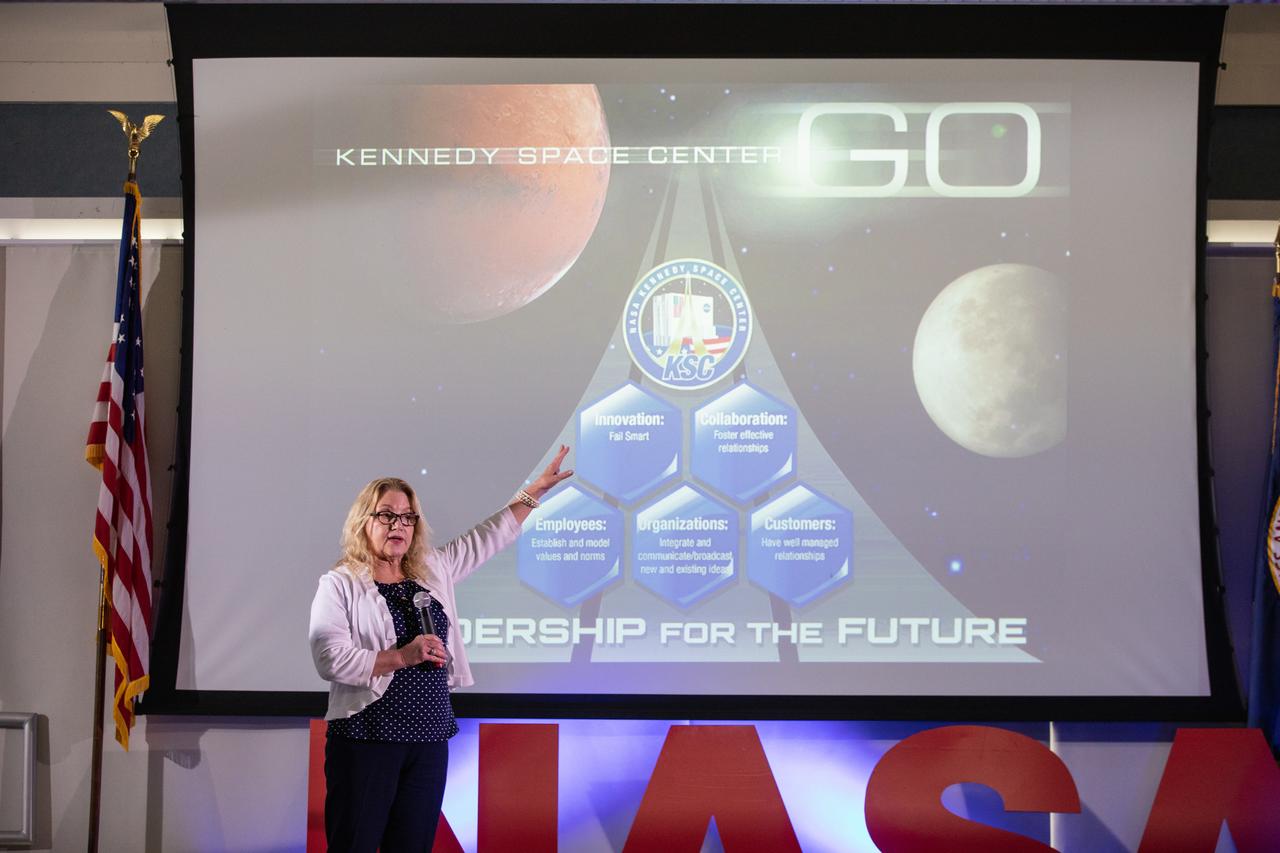
Susan Kroskey, chief financial officer at NASA’s Kennedy Space Center in Florida, speaks to Kennedy employees on Oct. 17, 2019, in the Kennedy Learning Institute during the third in a series of five TED Talk-style informational sessions. Sponsored by Kennedy’s Launching Leaders and Leadership for the Future, NASAtalks focuses on the topic of intentional careers and aims to provide employees with tools and knowledge that can be utilized for career growth. The theme of this third session was customers, and speakers included Kennedy employees Ryan Richards, Mike Williams and Dave Grau, with a skill-building section on active listening and negotiating by Tim Bass.
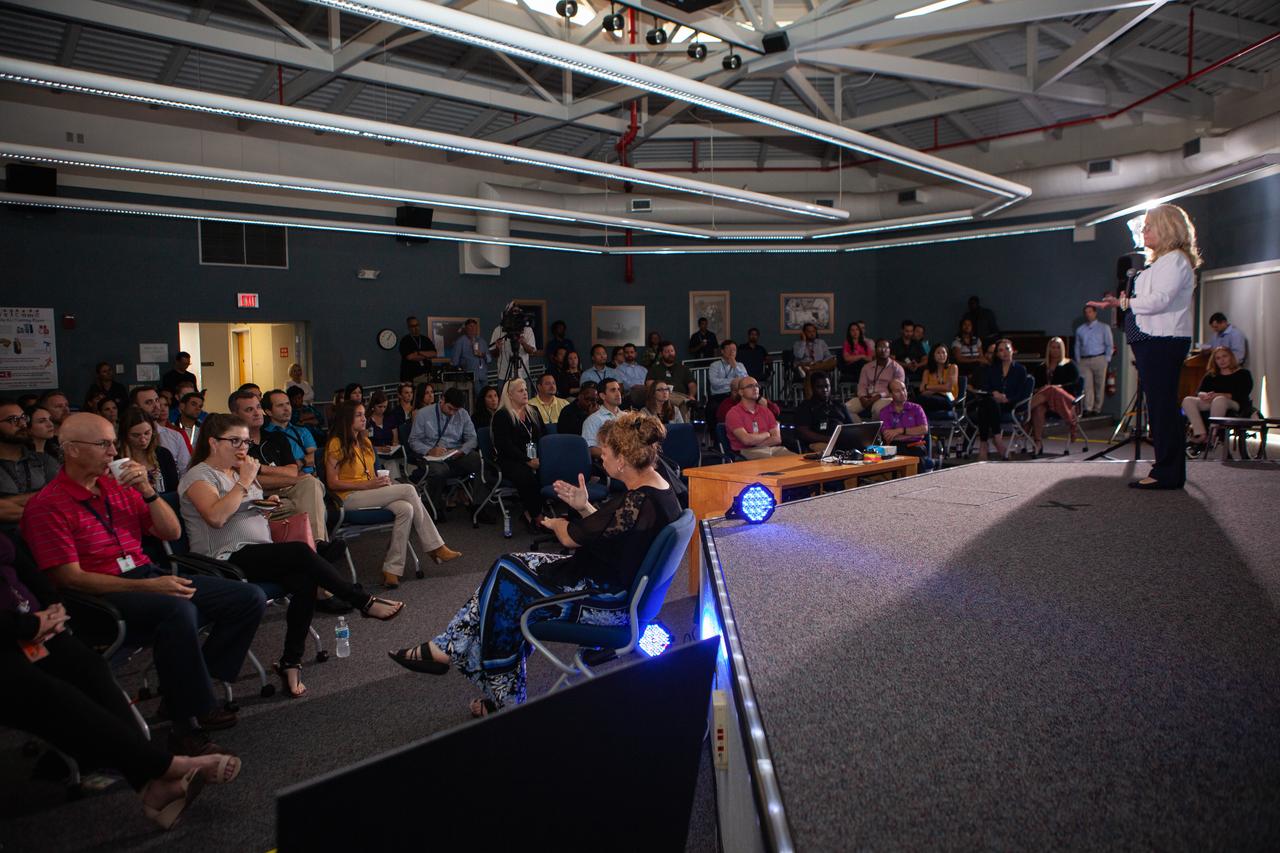
Susan Kroskey, chief financial officer at NASA’s Kennedy Space Center in Florida, speaks to Kennedy employees on Oct. 17, 2019, in the Kennedy Learning Institute during the third in a series of five TED Talk-style informational sessions. Sponsored by Kennedy’s Launching Leaders and Leadership for the Future, NASAtalks focuses on the topic of intentional careers and aims to provide employees with tools and knowledge that can be utilized for career growth. The theme of this third session was customers, and speakers included Kennedy employees Ryan Richards, Mike Williams and Dave Grau, with a skill-building section on active listening and negotiating by Tim Bass.
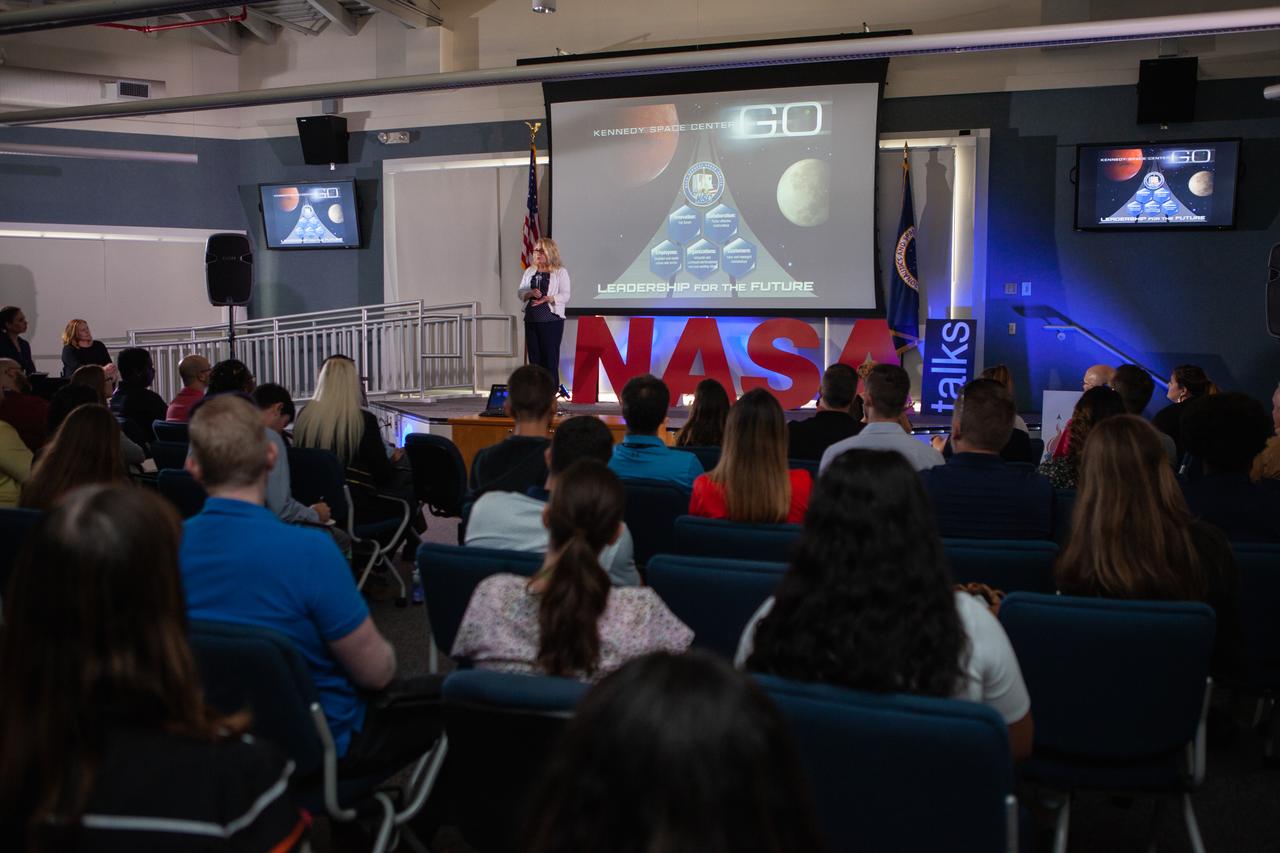
Susan Kroskey, chief financial officer at NASA’s Kennedy Space Center in Florida, speaks to Kennedy employees on Oct. 17, 2019, in the Kennedy Learning Institute during the third in a series of five TED Talk-style informational sessions. Sponsored by Kennedy’s Launching Leaders and Leadership for the Future, NASAtalks focuses on the topic of intentional careers and aims to provide employees with tools and knowledge that can be utilized for career growth. The theme of this third session was customers, and speakers included Kennedy employees Ryan Richards, Mike Williams and Dave Grau, with a skill-building section on active listening and negotiating by Tim Bass.
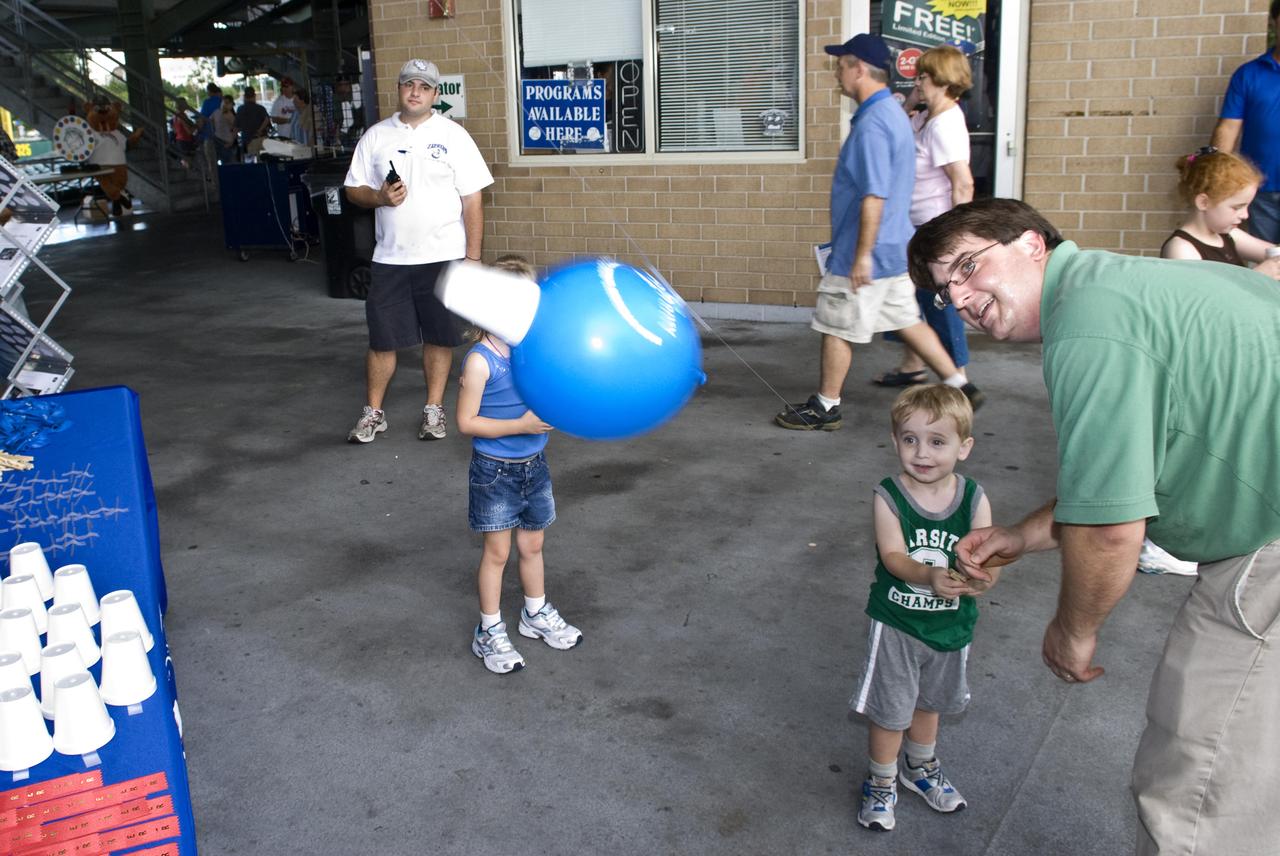
Stennis employee Chris Smith helps a young child 'launch' a balloon rocket. Employees from NASA's John C. Stennis Space Center traveled to New Orleans on Aug. 20 to host NASA Night at Zephyr Field. Stennis personnel provided a variety of activities and materials for persons attending a game between the New Orleans Zephyrs and the Las Vegas 51s.
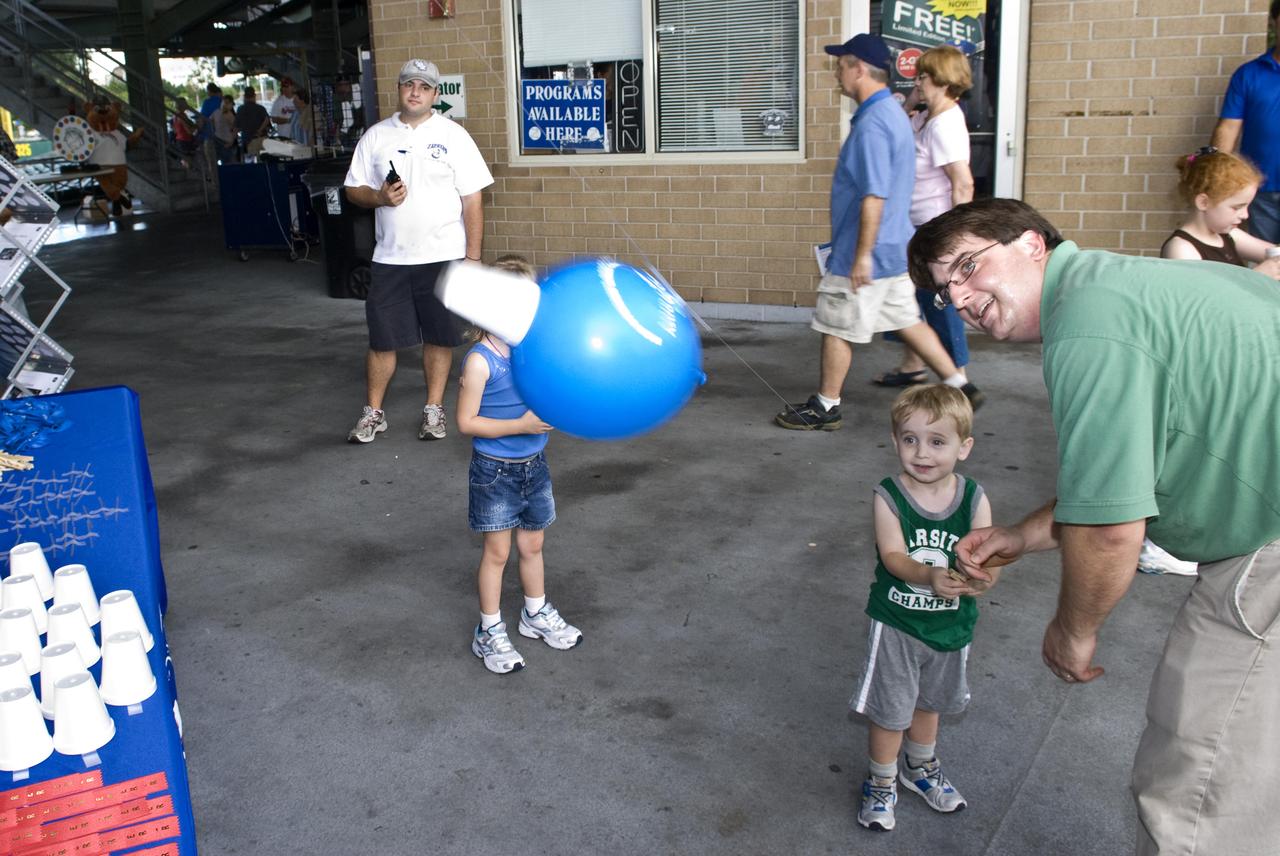
Stennis employee Chris Smith helps a young child 'launch' a balloon rocket. Employees from NASA's John C. Stennis Space Center traveled to New Orleans on Aug. 20 to host NASA Night at Zephyr Field. Stennis personnel provided a variety of activities and materials for persons attending a game between the New Orleans Zephyrs and the Las Vegas 51s.
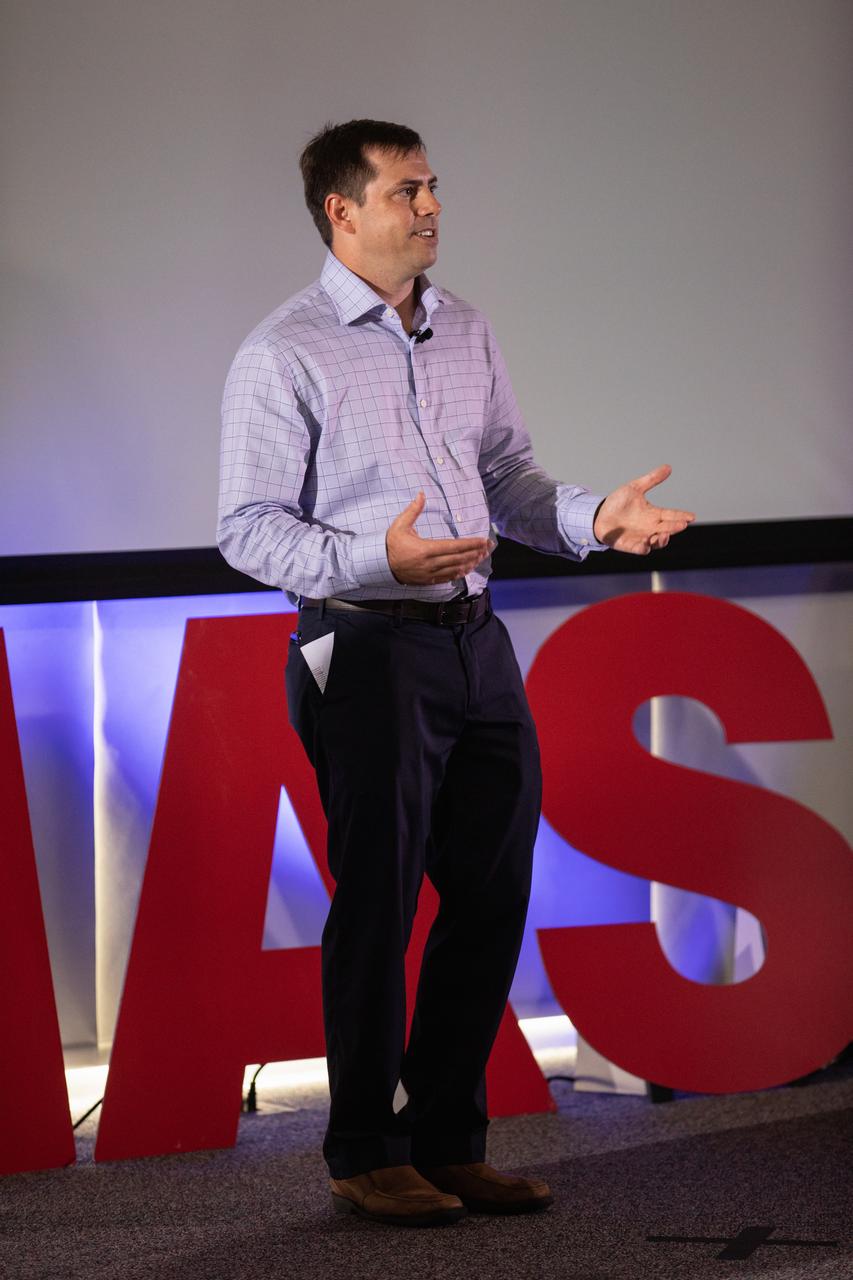
Kennedy Space Center’s Mike Williams speaks at the third in a series of five TED Talk-style informational sessions on Oct. 17, 2019, in the Florida spaceport’s Kennedy Learning Institute. Sponsored by Kennedy’s Launching Leaders and Leadership for the Future, NASAtalks focuses on the topic of intentional careers and aims to provide employees with tools and knowledge that can be utilized for career growth. The theme of this third session was customers, and additional speakers included Kennedy employees Ryan Richards and Dave Grau, with a skill-building section on active listening and negotiating by Tim Bass.
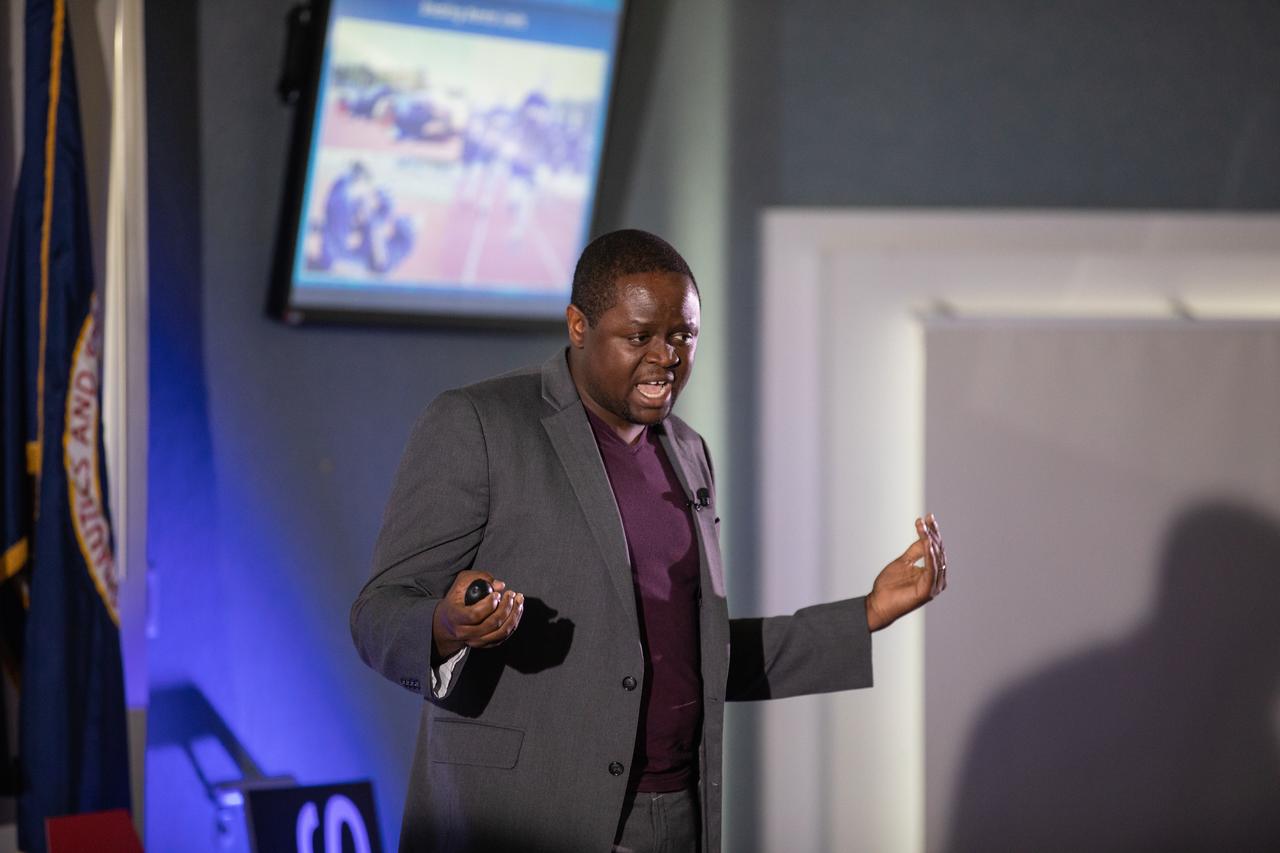
Kennedy Space Center’s Ryan Richards speaks at the third in a series of five TED Talk-style informational sessions on Oct. 17, 2019, in the Florida spaceport’s Kennedy Learning Institute. Sponsored by Kennedy’s Launching Leaders and Leadership for the Future, NASAtalks focuses on the topic of intentional careers and aims to provide employees with tools and knowledge that can be utilized for career growth. The theme of this third session was customers, and additional speakers included Kennedy employees Mike Williams and Dave Grau, with a skill-building section on active listening and negotiating by Tim Bass.
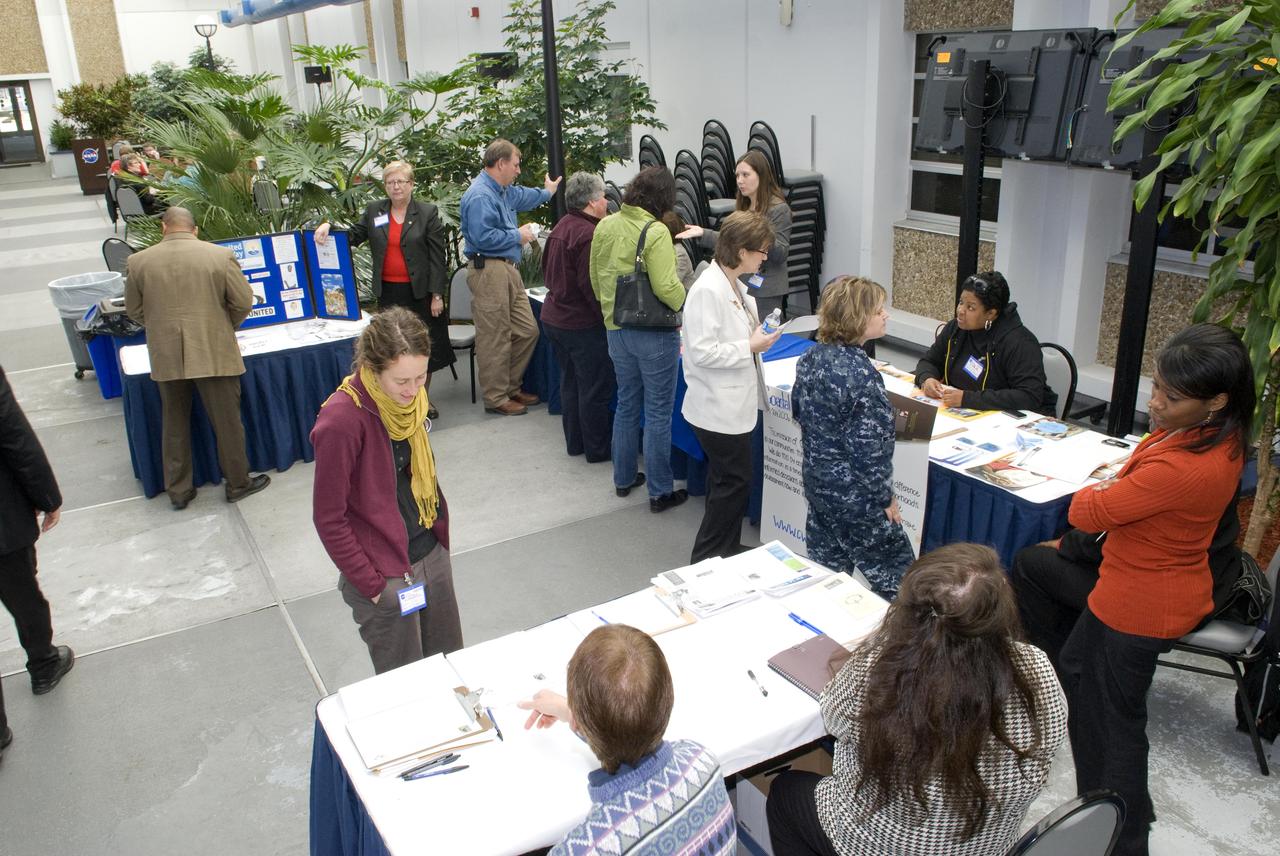
Employees at NASA's John C. Stennis Space Center visit exhibits of volunteer organizations during their observance of Martin Luther King Jr. Day with a Day of Service on Jan. 12. During the day, Mississippi and Louisiana organizations visited the center to encourage employees to register and serve as volunteers for various community activities. The day's focus was emphasized again and again - great things can happen when individuals work together toward a common goal.
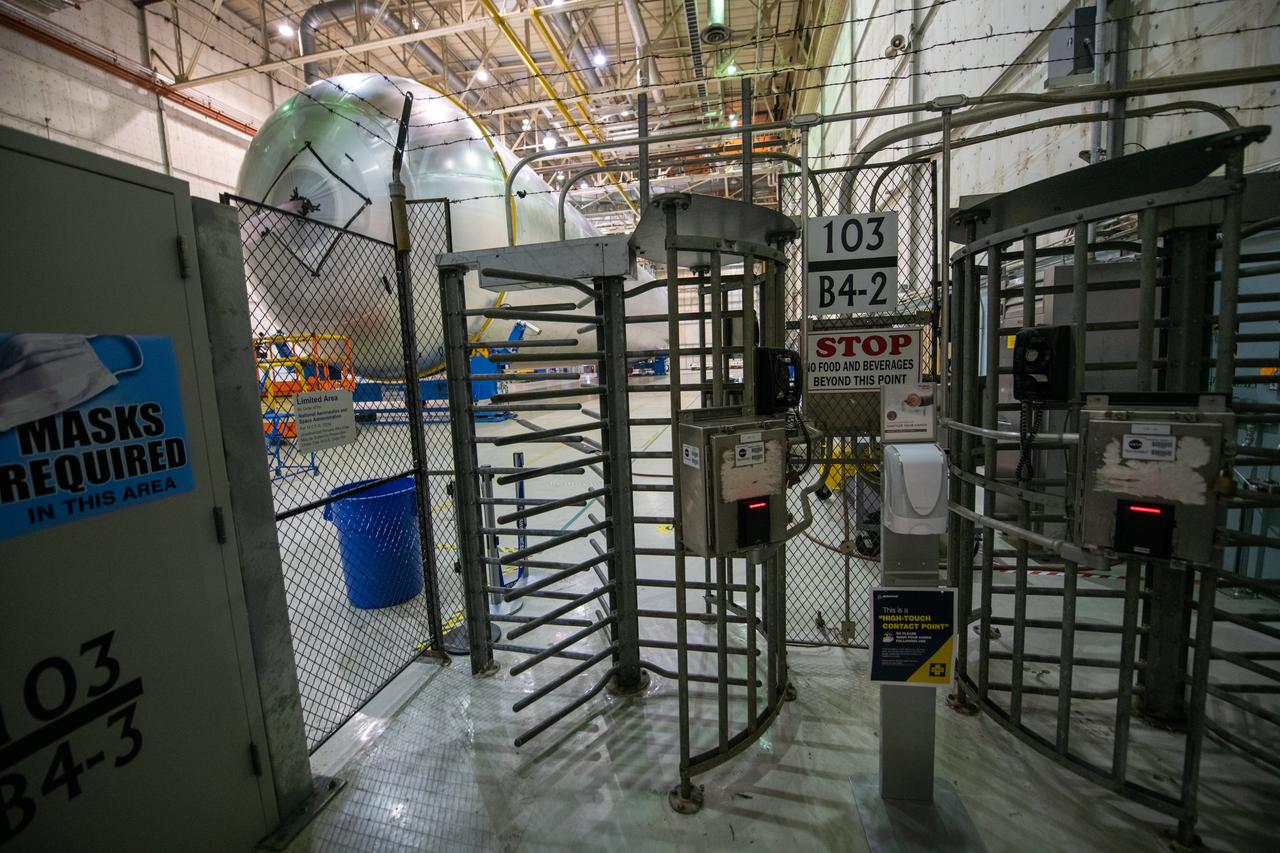
Employees wear personal protective gear at Michoud Assembly Facility as the facility transitioned to Stage 3 of NASA’s Framework for Return To On-Site Work. Employees wear the appropriate personal protective equipment (PPE) and/or cloth face coverings as required for assigned tasks. Access to the facility is limited to authorized personnel working on mission-critical tasks that must be conducted onsite. Mission-critical tasks include slowly and methodically resuming Space Launch System (SLS) Core Stage and Orion production activities, particularly critical path deliverables to support the Artemis Program, at a pace that limits personnel and follows federal guidelines for social distancing and use of personal protective equipment such as face masks. For more information about SLS, visit nasa.gov/sls.
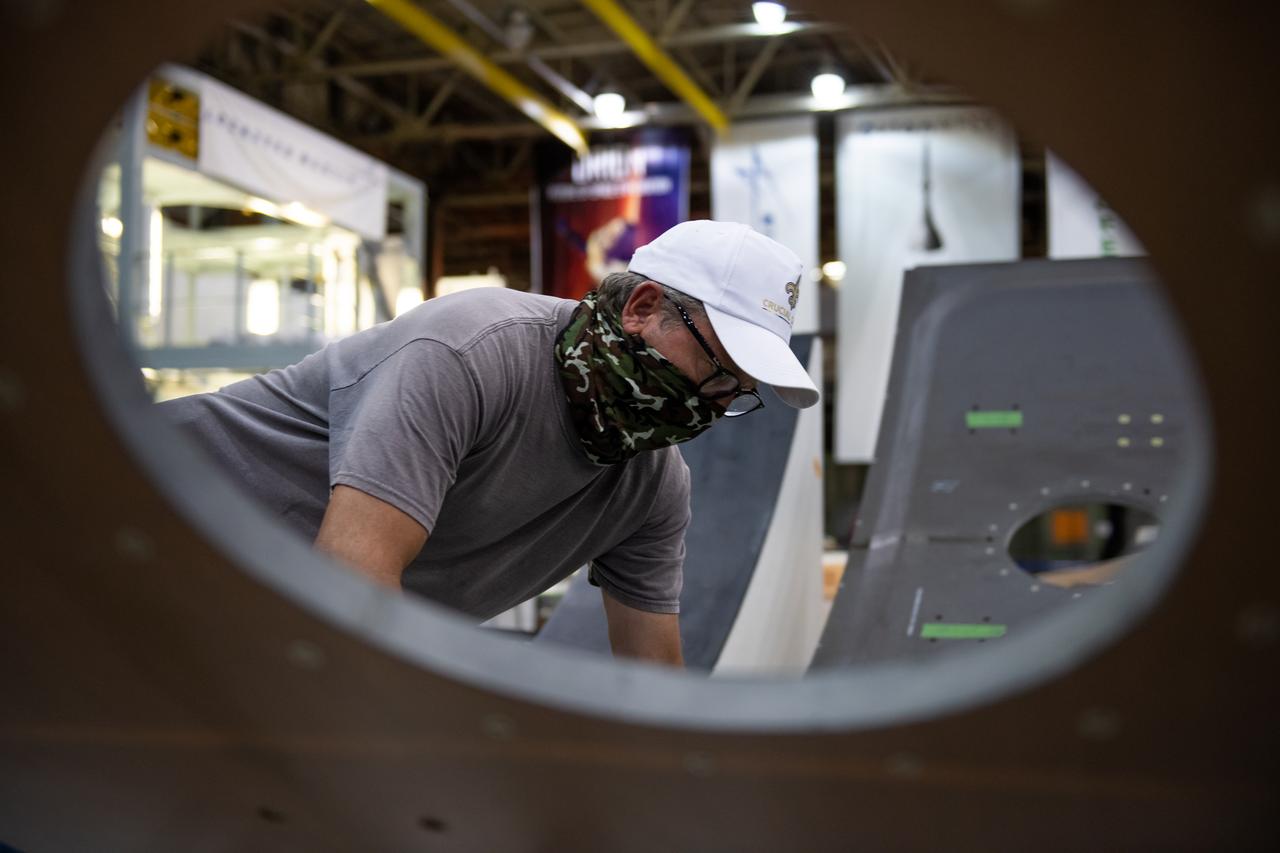
Employees wear personal protective gear at Michoud Assembly Facility as the facility transitioned to Stage 3 of NASA’s Framework for Return To On-Site Work. Employees wear the appropriate personal protective equipment (PPE) and/or cloth face coverings as required for assigned tasks. Access to the facility is limited to authorized personnel working on mission-critical tasks that must be conducted onsite. Mission-critical tasks include slowly and methodically resuming Space Launch System (SLS) Core Stage and Orion production activities, particularly critical path deliverables to support the Artemis Program, at a pace that limits personnel and follows federal guidelines for social distancing and use of personal protective equipment such as face masks. For more information about SLS, visit nasa.gov/sls.
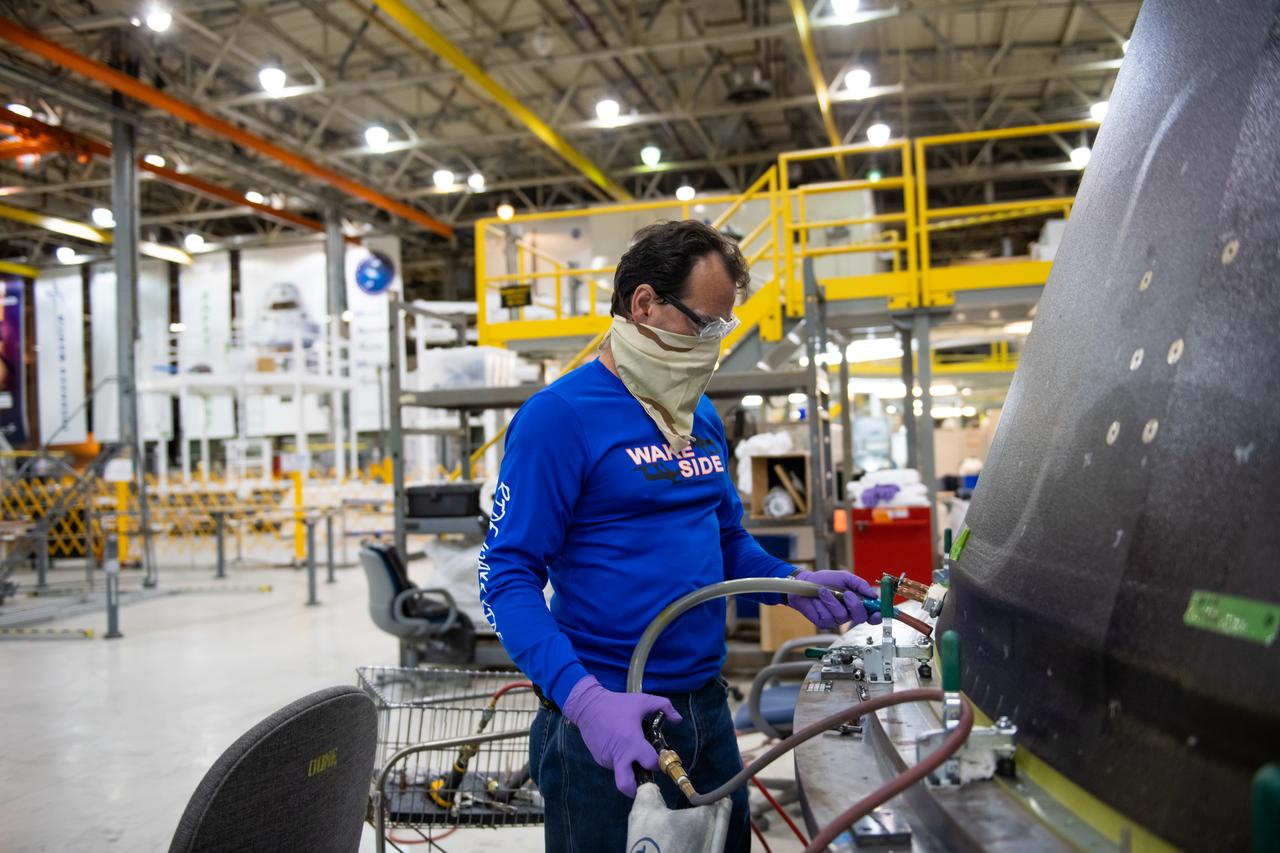
Employees wear personal protective gear at Michoud Assembly Facility as the facility transitioned to Stage 3 of NASA’s Framework for Return To On-Site Work. Employees wear the appropriate personal protective equipment (PPE) and/or cloth face coverings as required for assigned tasks. Access to the facility is limited to authorized personnel working on mission-critical tasks that must be conducted onsite. Mission-critical tasks include slowly and methodically resuming Space Launch System (SLS) Core Stage and Orion production activities, particularly critical path deliverables to support the Artemis Program, at a pace that limits personnel and follows federal guidelines for social distancing and use of personal protective equipment such as face masks. For more information about SLS, visit nasa.gov/sls.
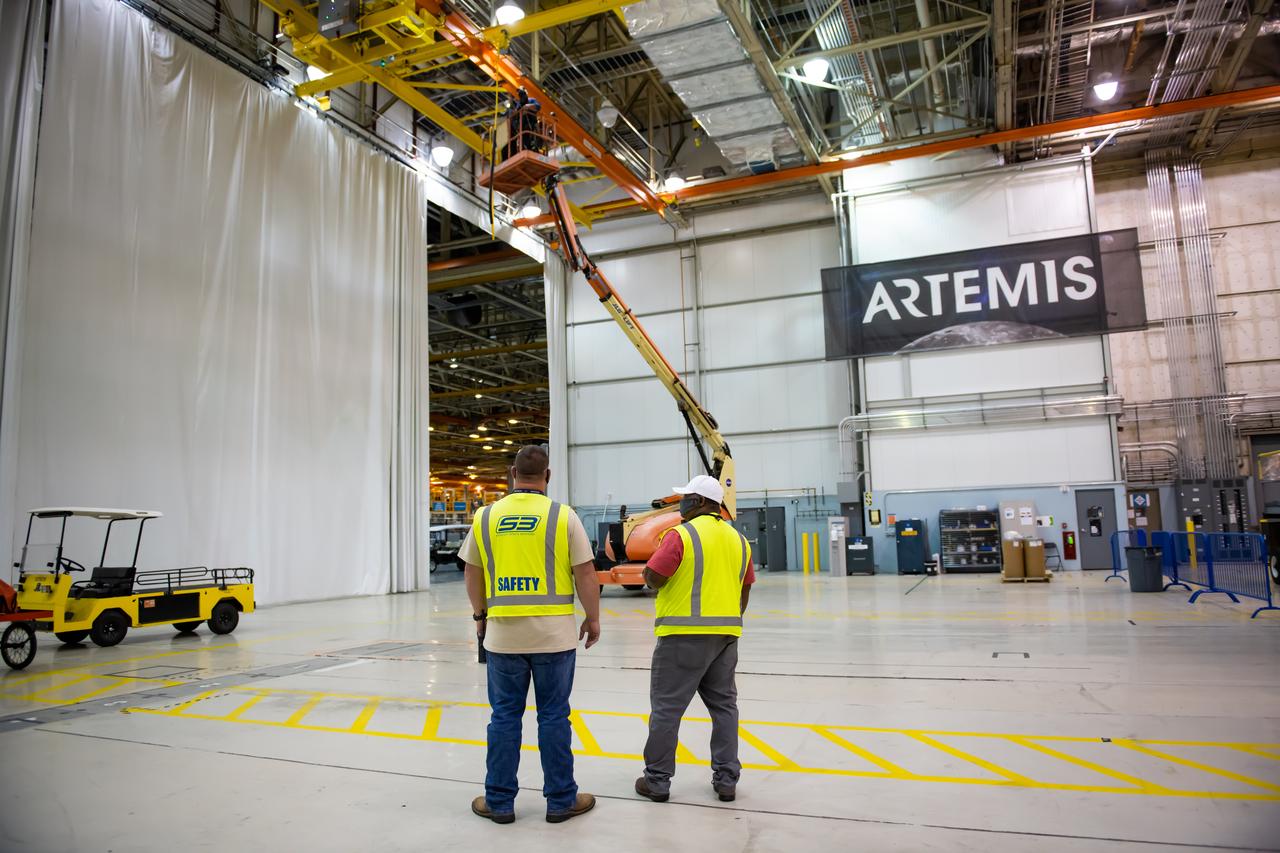
Employees wear personal protective gear at Michoud Assembly Facility as the facility transitioned to Stage 3 of NASA’s Framework for Return To On-Site Work. Employees wear the appropriate personal protective equipment (PPE) and/or cloth face coverings as required for assigned tasks. Access to the facility is limited to authorized personnel working on mission-critical tasks that must be conducted onsite. Mission-critical tasks include slowly and methodically resuming Space Launch System (SLS) Core Stage and Orion production activities, particularly critical path deliverables to support the Artemis Program, at a pace that limits personnel and follows federal guidelines for social distancing and use of personal protective equipment such as face masks. For more information about SLS, visit nasa.gov/sls.
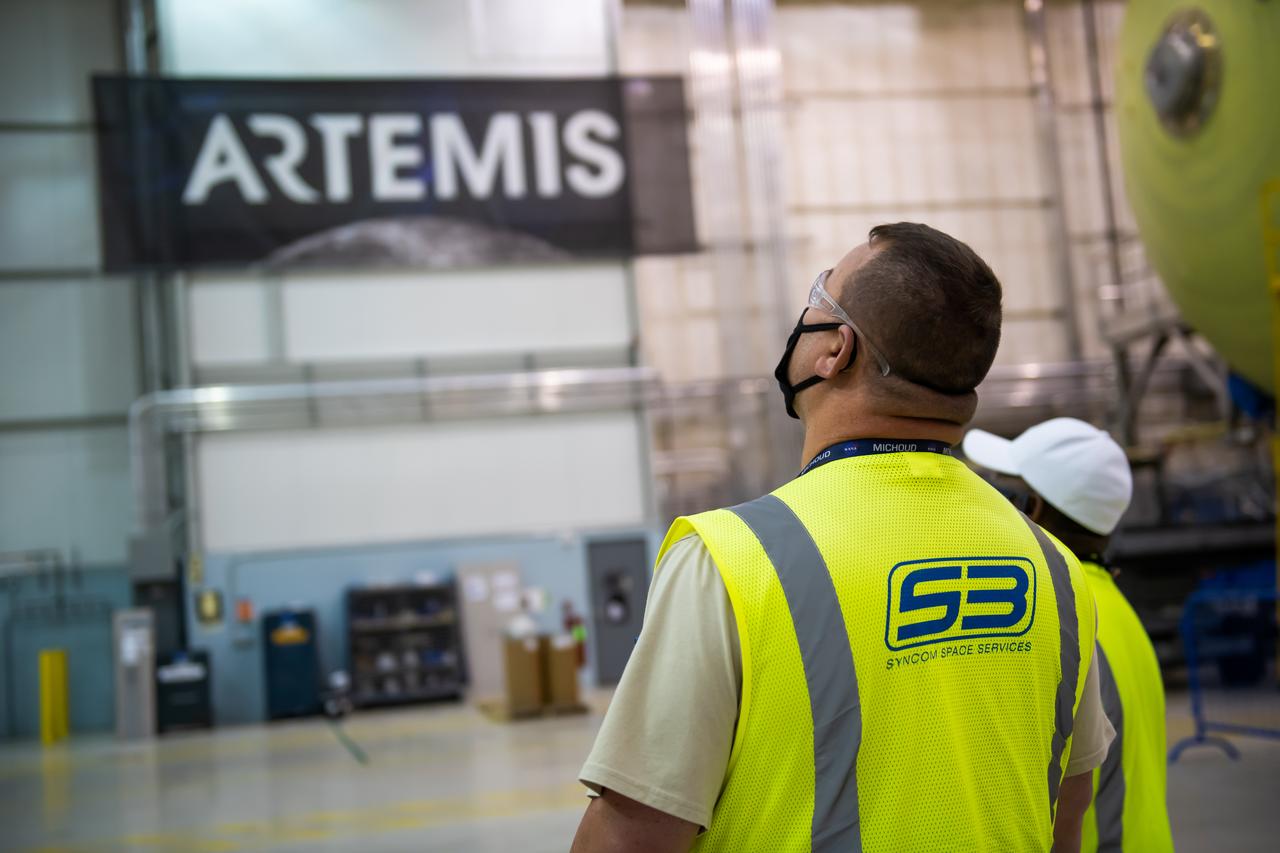
Employees wear personal protective gear at Michoud Assembly Facility as the facility transitioned to Stage 3 of NASA’s Framework for Return To On-Site Work. Employees wear the appropriate personal protective equipment (PPE) and/or cloth face coverings as required for assigned tasks. Access to the facility is limited to authorized personnel working on mission-critical tasks that must be conducted onsite. Mission-critical tasks include slowly and methodically resuming Space Launch System (SLS) Core Stage and Orion production activities, particularly critical path deliverables to support the Artemis Program, at a pace that limits personnel and follows federal guidelines for social distancing and use of personal protective equipment such as face masks. For more information about SLS, visit nasa.gov/sls.
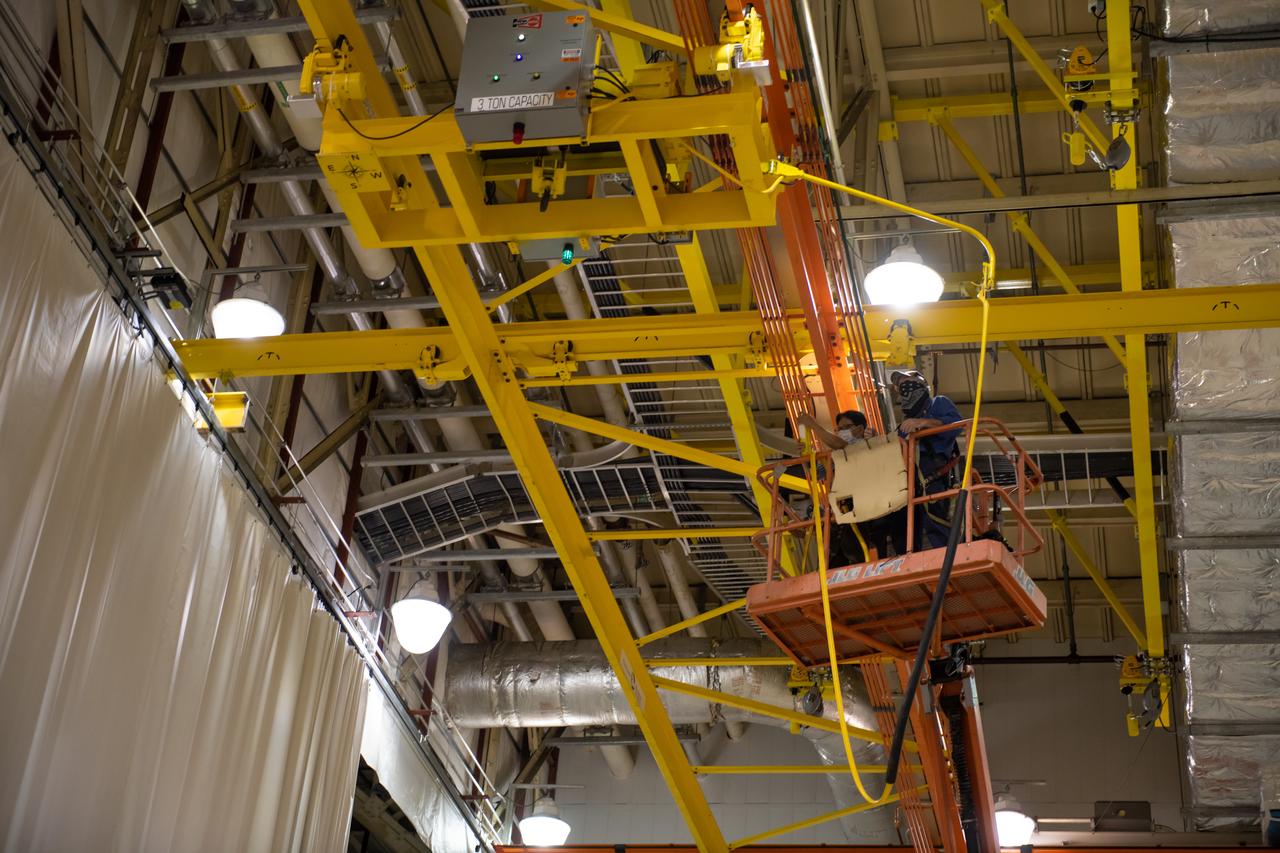
Employees wear personal protective gear at Michoud Assembly Facility as the facility transitioned to Stage 3 of NASA’s Framework for Return To On-Site Work. Employees wear the appropriate personal protective equipment (PPE) and/or cloth face coverings as required for assigned tasks. Access to the facility is limited to authorized personnel working on mission-critical tasks that must be conducted onsite. Mission-critical tasks include slowly and methodically resuming Space Launch System (SLS) Core Stage and Orion production activities, particularly critical path deliverables to support the Artemis Program, at a pace that limits personnel and follows federal guidelines for social distancing and use of personal protective equipment such as face masks. For more information about SLS, visit nasa.gov/sls.
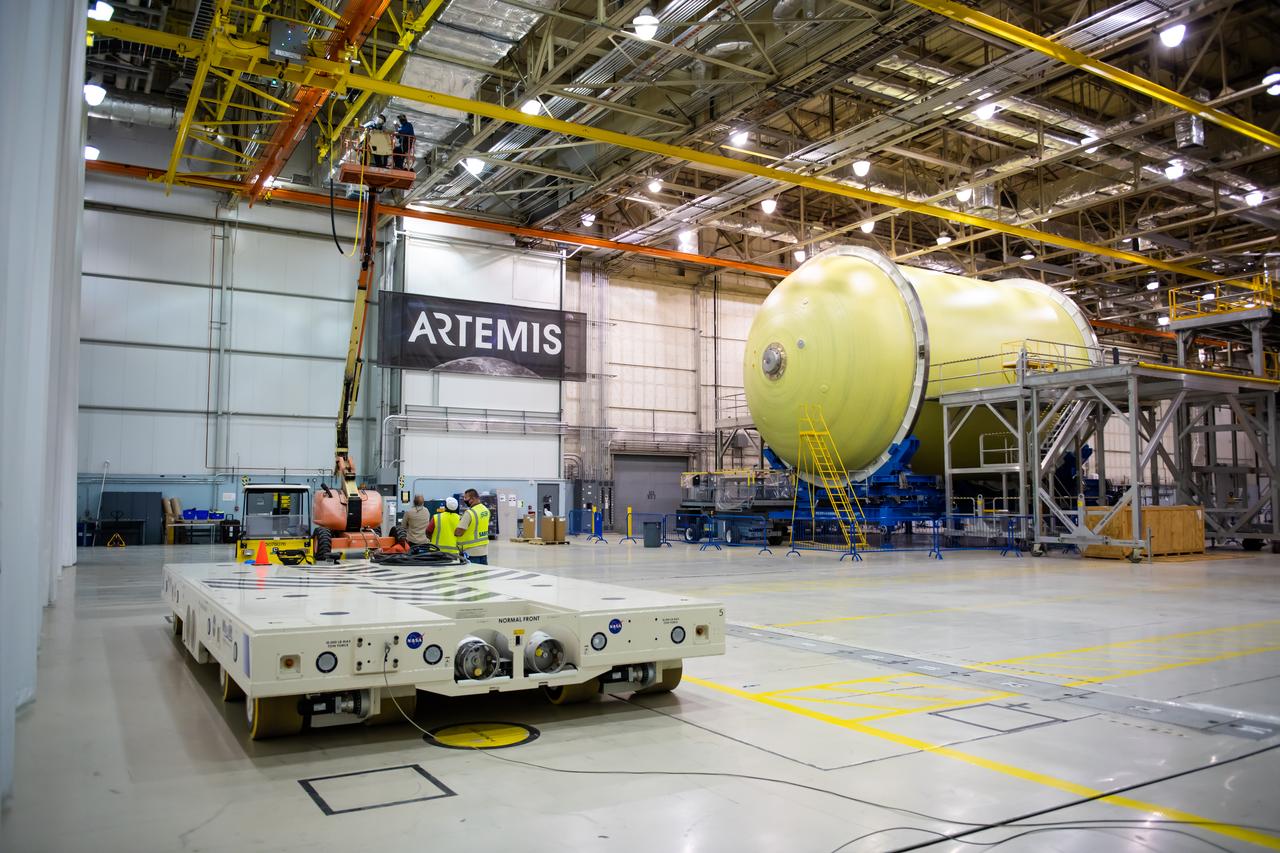
Employees wear personal protective gear at Michoud Assembly Facility as the facility transitioned to Stage 3 of NASA’s Framework for Return To On-Site Work. Employees wear the appropriate personal protective equipment (PPE) and/or cloth face coverings as required for assigned tasks. Access to the facility is limited to authorized personnel working on mission-critical tasks that must be conducted onsite. Mission-critical tasks include slowly and methodically resuming Space Launch System (SLS) Core Stage and Orion production activities, particularly critical path deliverables to support the Artemis Program, at a pace that limits personnel and follows federal guidelines for social distancing and use of personal protective equipment such as face masks. For more information about SLS, visit nasa.gov/sls.
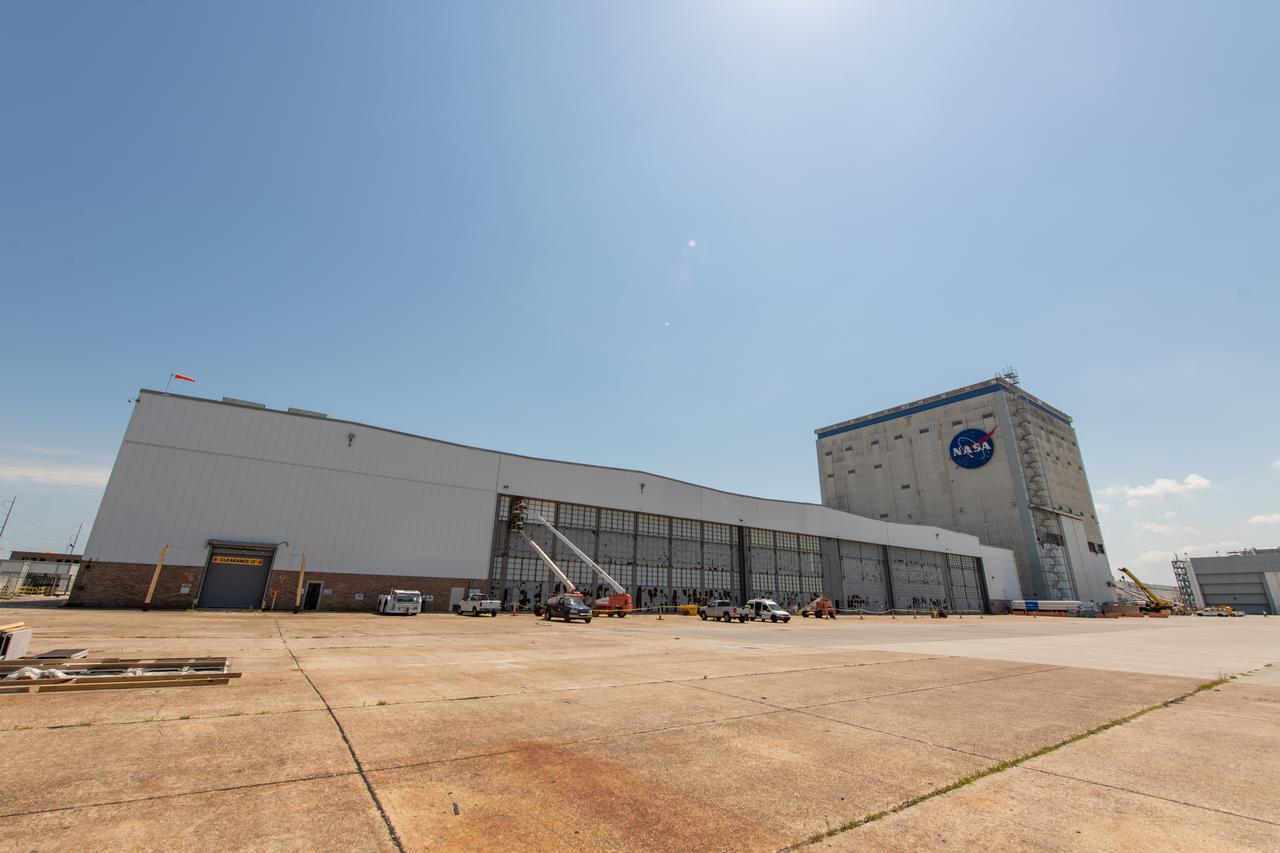
Employees wear personal protective gear at Michoud Assembly Facility as the facility transitioned to Stage 3 of NASA’s Framework for Return To On-Site Work. Employees wear the appropriate personal protective equipment (PPE) and/or cloth face coverings as required for assigned tasks. Access to the facility is limited to authorized personnel working on mission-critical tasks that must be conducted onsite. Mission-critical tasks include slowly and methodically resuming Space Launch System (SLS) Core Stage and Orion production activities, particularly critical path deliverables to support the Artemis Program, at a pace that limits personnel and follows federal guidelines for social distancing and use of personal protective equipment such as face masks. For more information about SLS, visit nasa.gov/sls.
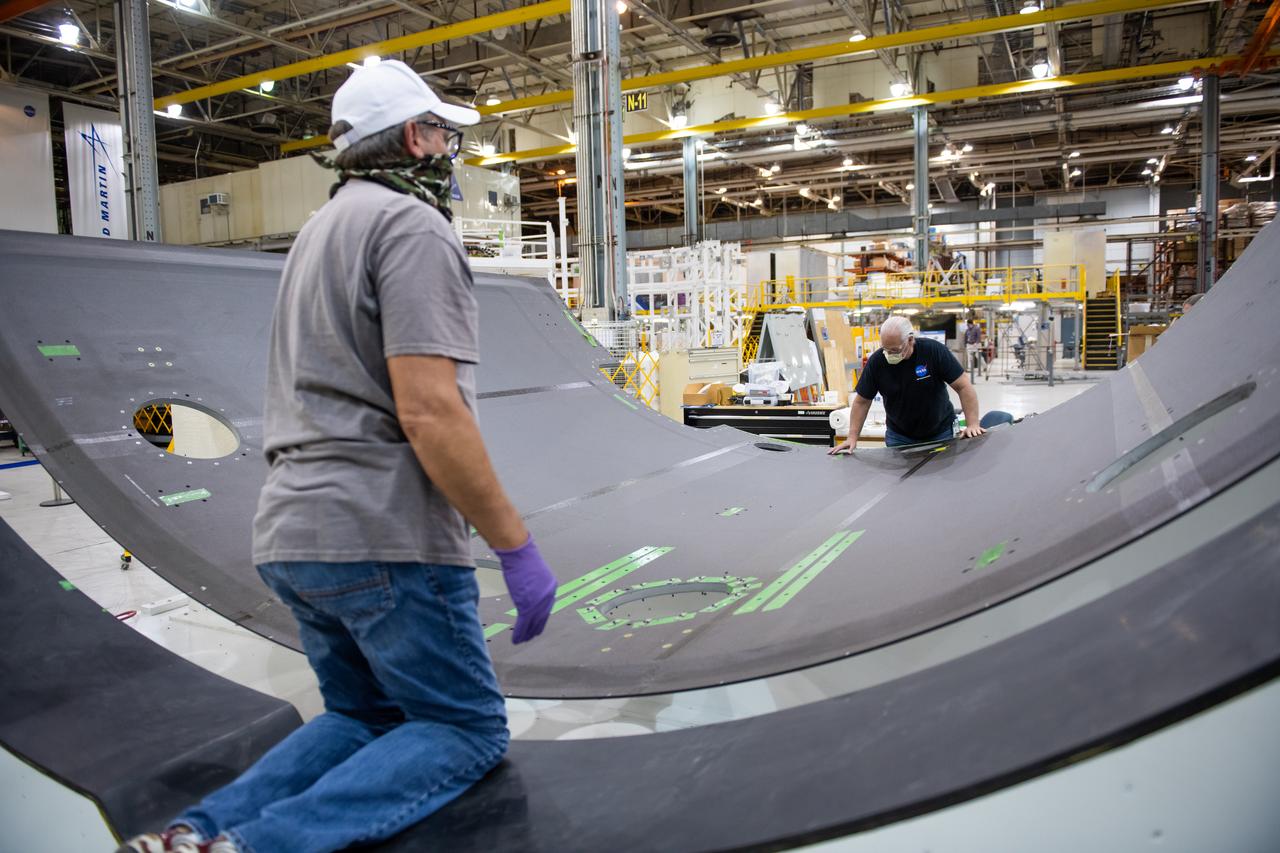
Employees wear personal protective gear at Michoud Assembly Facility as the facility transitioned to Stage 3 of NASA’s Framework for Return To On-Site Work. Employees wear the appropriate personal protective equipment (PPE) and/or cloth face coverings as required for assigned tasks. Access to the facility is limited to authorized personnel working on mission-critical tasks that must be conducted onsite. Mission-critical tasks include slowly and methodically resuming Space Launch System (SLS) Core Stage and Orion production activities, particularly critical path deliverables to support the Artemis Program, at a pace that limits personnel and follows federal guidelines for social distancing and use of personal protective equipment such as face masks. For more information about SLS, visit nasa.gov/sls.
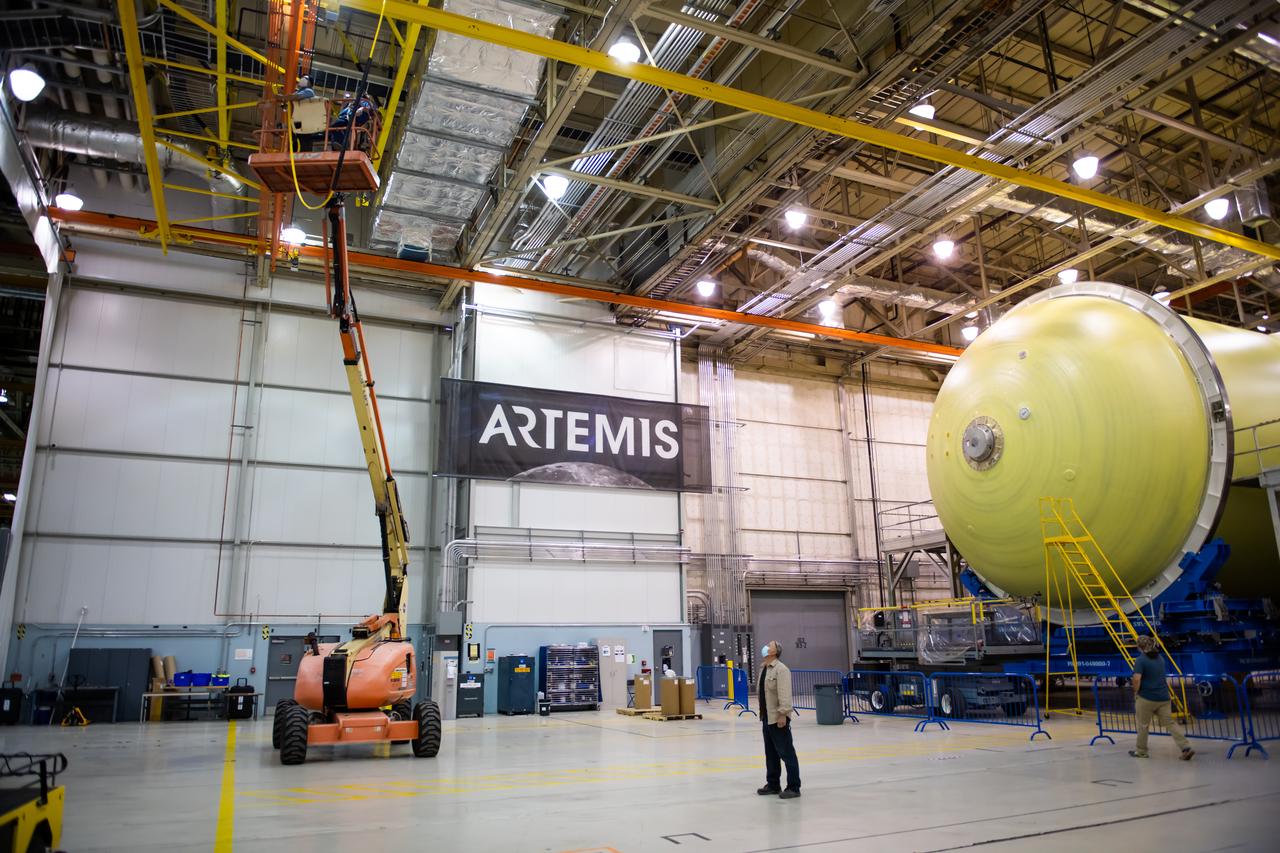
Employees wear personal protective gear at Michoud Assembly Facility as the facility transitioned to Stage 3 of NASA’s Framework for Return To On-Site Work. Employees wear the appropriate personal protective equipment (PPE) and/or cloth face coverings as required for assigned tasks. Access to the facility is limited to authorized personnel working on mission-critical tasks that must be conducted onsite. Mission-critical tasks include slowly and methodically resuming Space Launch System (SLS) Core Stage and Orion production activities, particularly critical path deliverables to support the Artemis Program, at a pace that limits personnel and follows federal guidelines for social distancing and use of personal protective equipment such as face masks. For more information about SLS, visit nasa.gov/sls.
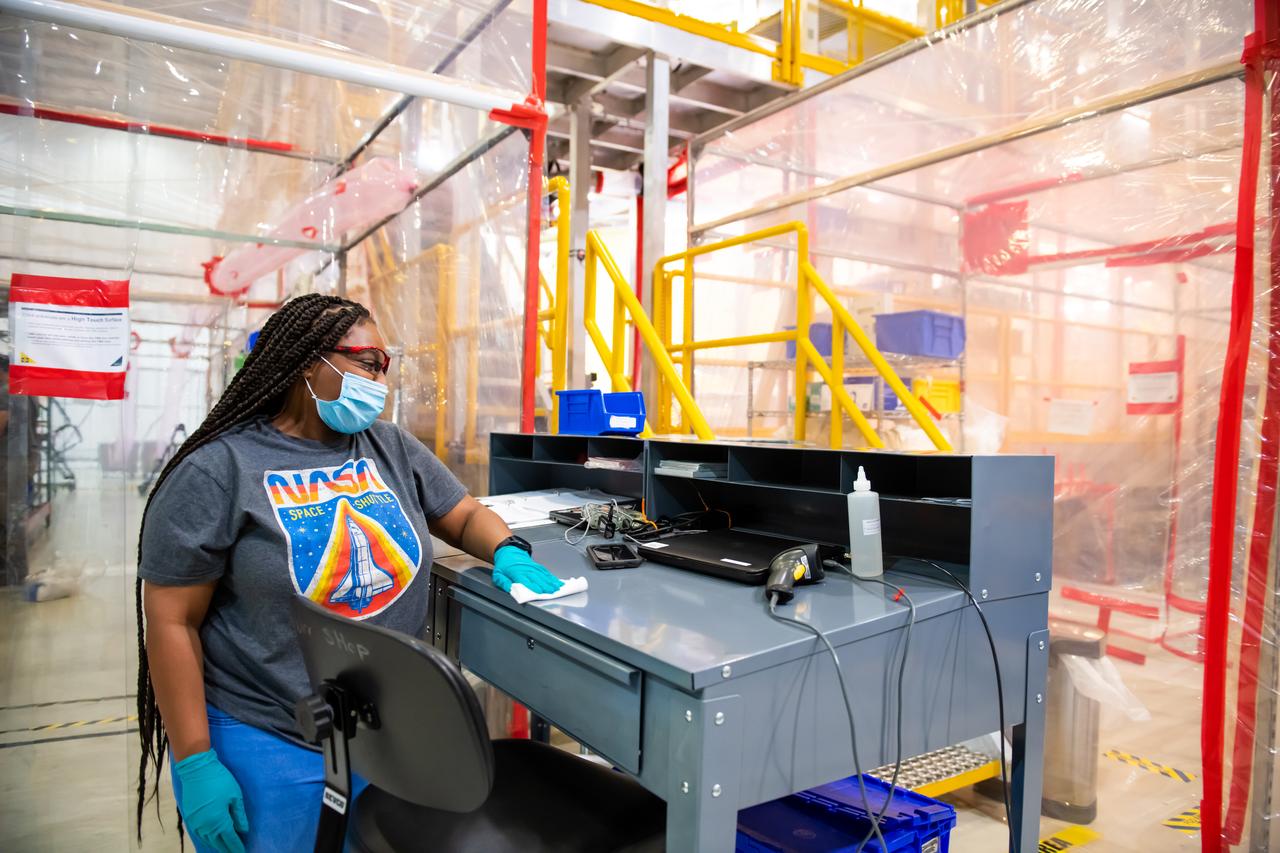
Employees wear personal protective gear at Michoud Assembly Facility as the facility transitioned to Stage 3 of NASA’s Framework for Return To On-Site Work. Employees wear the appropriate personal protective equipment (PPE) and/or cloth face coverings as required for assigned tasks. Access to the facility is limited to authorized personnel working on mission-critical tasks that must be conducted onsite. Mission-critical tasks include slowly and methodically resuming Space Launch System (SLS) Core Stage and Orion production activities, particularly critical path deliverables to support the Artemis Program, at a pace that limits personnel and follows federal guidelines for social distancing and use of personal protective equipment such as face masks. For more information about SLS, visit nasa.gov/sls.
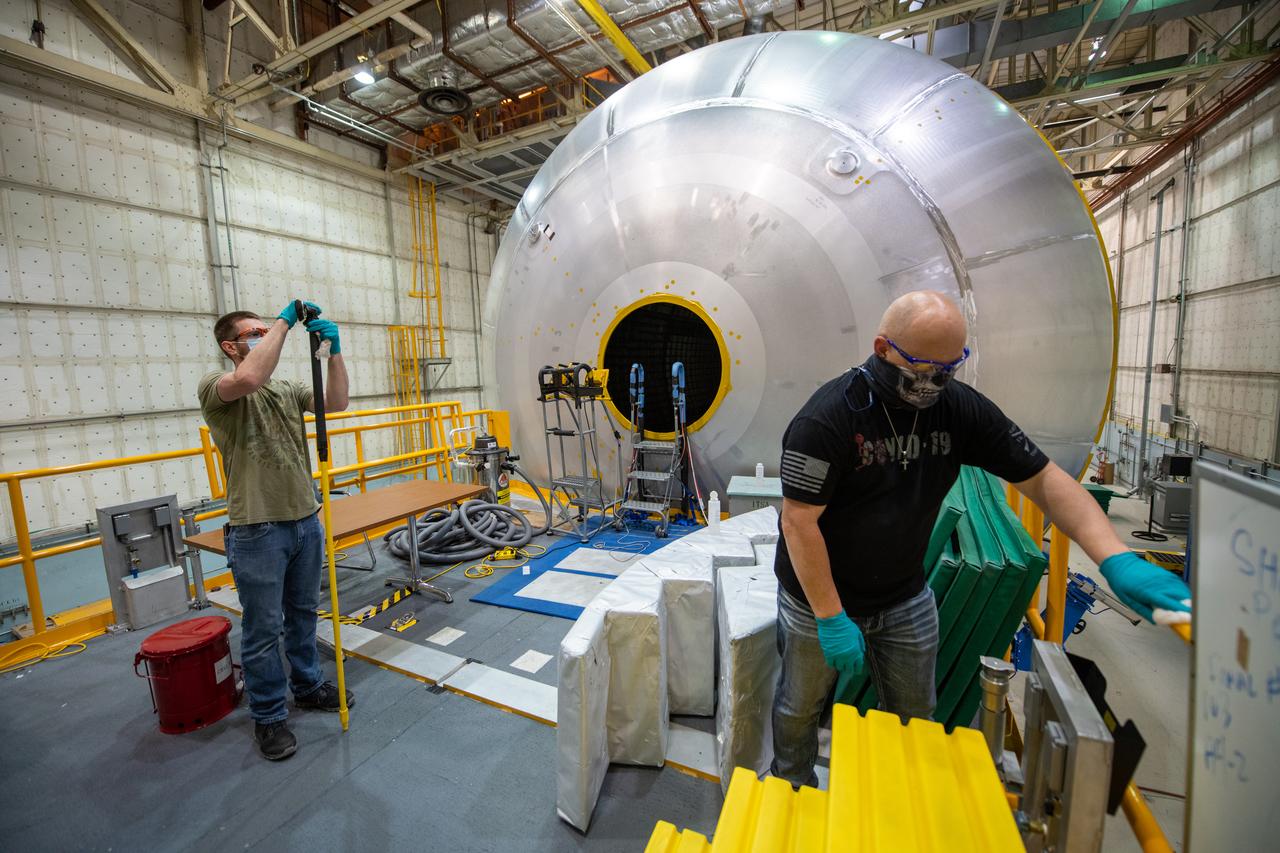
Employees wear personal protective gear at Michoud Assembly Facility as the facility transitioned to Stage 3 of NASA’s Framework for Return To On-Site Work. Employees wear the appropriate personal protective equipment (PPE) and/or cloth face coverings as required for assigned tasks. Access to the facility is limited to authorized personnel working on mission-critical tasks that must be conducted onsite. Mission-critical tasks include slowly and methodically resuming Space Launch System (SLS) Core Stage and Orion production activities, particularly critical path deliverables to support the Artemis Program, at a pace that limits personnel and follows federal guidelines for social distancing and use of personal protective equipment such as face masks. For more information about SLS, visit nasa.gov/sls.
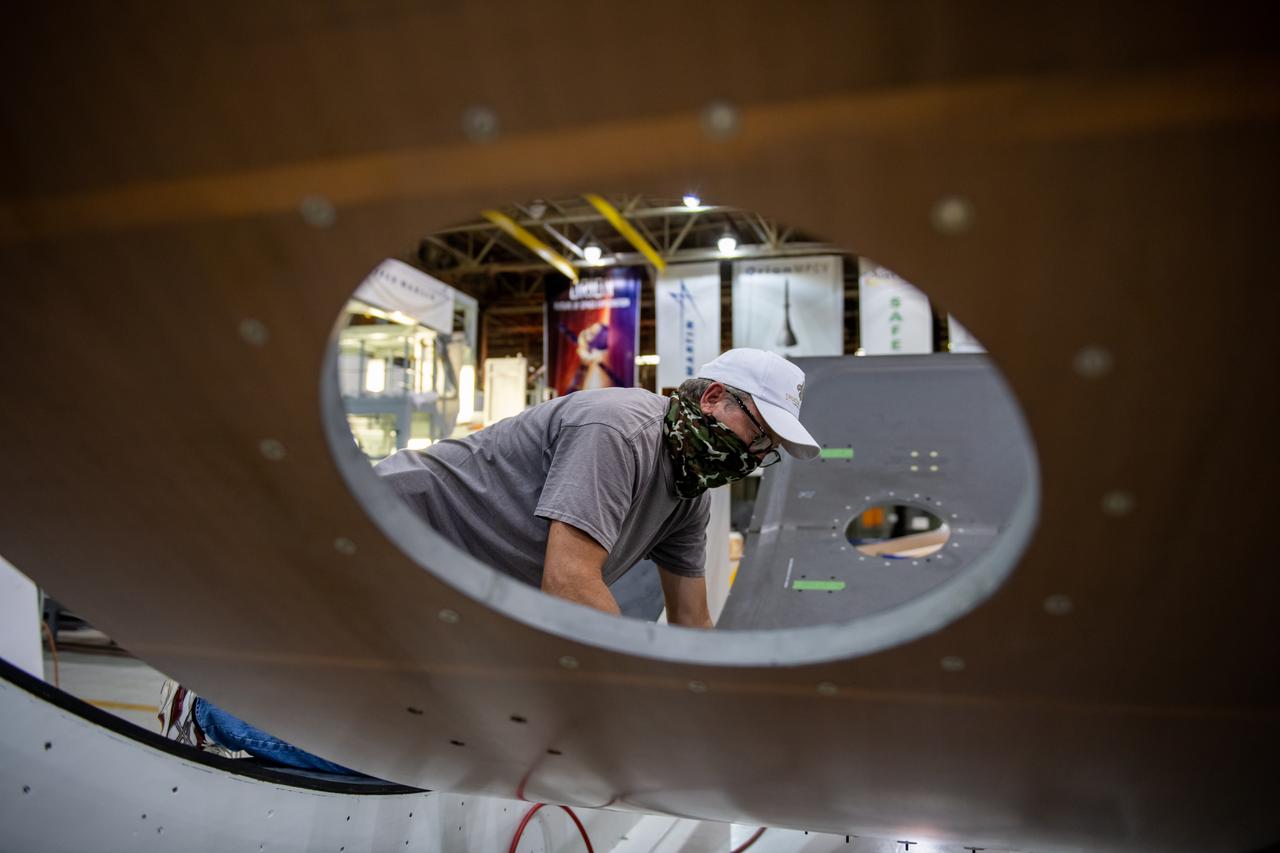
Employees wear personal protective gear at Michoud Assembly Facility as the facility transitioned to Stage 3 of NASA’s Framework for Return To On-Site Work. Employees wear the appropriate personal protective equipment (PPE) and/or cloth face coverings as required for assigned tasks. Access to the facility is limited to authorized personnel working on mission-critical tasks that must be conducted onsite. Mission-critical tasks include slowly and methodically resuming Space Launch System (SLS) Core Stage and Orion production activities, particularly critical path deliverables to support the Artemis Program, at a pace that limits personnel and follows federal guidelines for social distancing and use of personal protective equipment such as face masks. For more information about SLS, visit nasa.gov/sls.
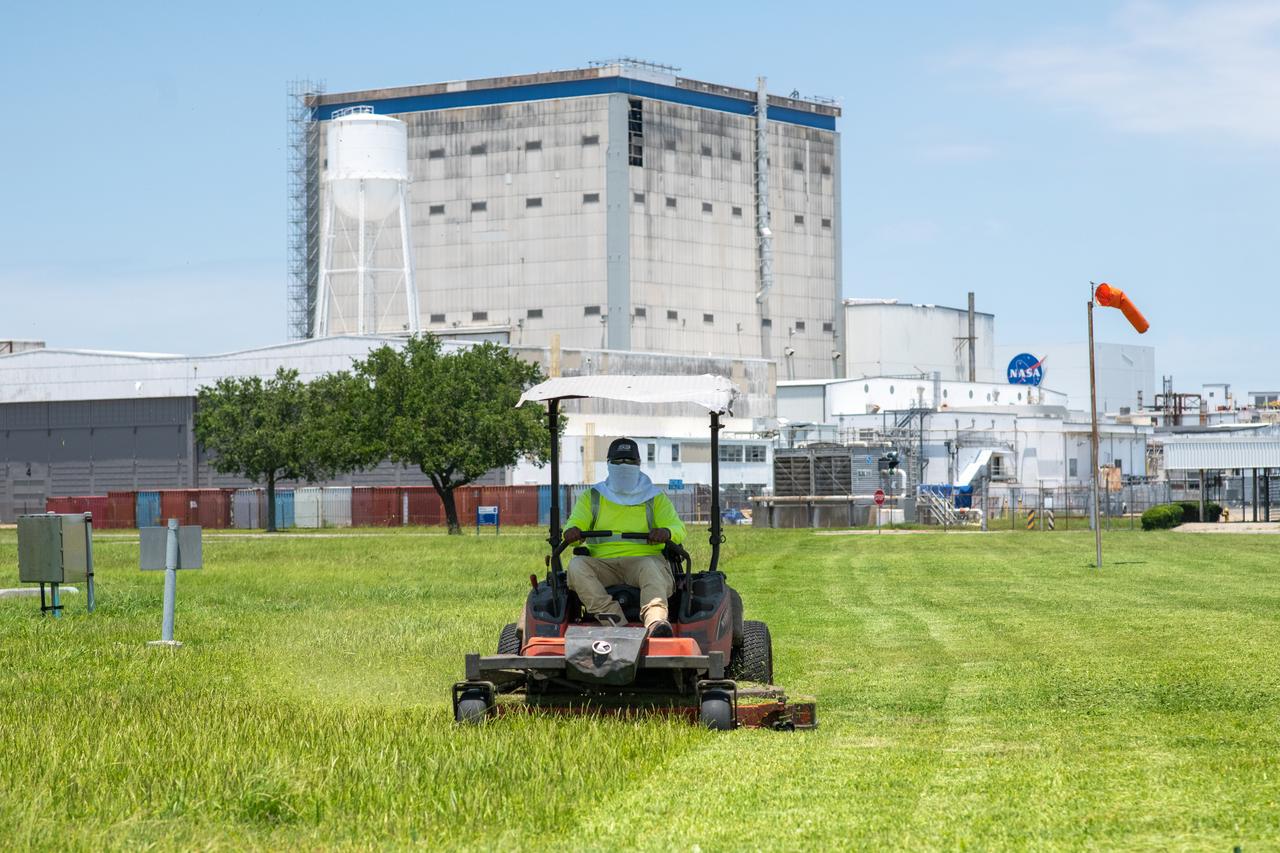
Employees wear personal protective gear at Michoud Assembly Facility as the facility transitioned to Stage 3 of NASA’s Framework for Return To On-Site Work. Employees wear the appropriate personal protective equipment (PPE) and/or cloth face coverings as required for assigned tasks. Access to the facility is limited to authorized personnel working on mission-critical tasks that must be conducted onsite. Mission-critical tasks include slowly and methodically resuming Space Launch System (SLS) Core Stage and Orion production activities, particularly critical path deliverables to support the Artemis Program, at a pace that limits personnel and follows federal guidelines for social distancing and use of personal protective equipment such as face masks. For more information about SLS, visit nasa.gov/sls.
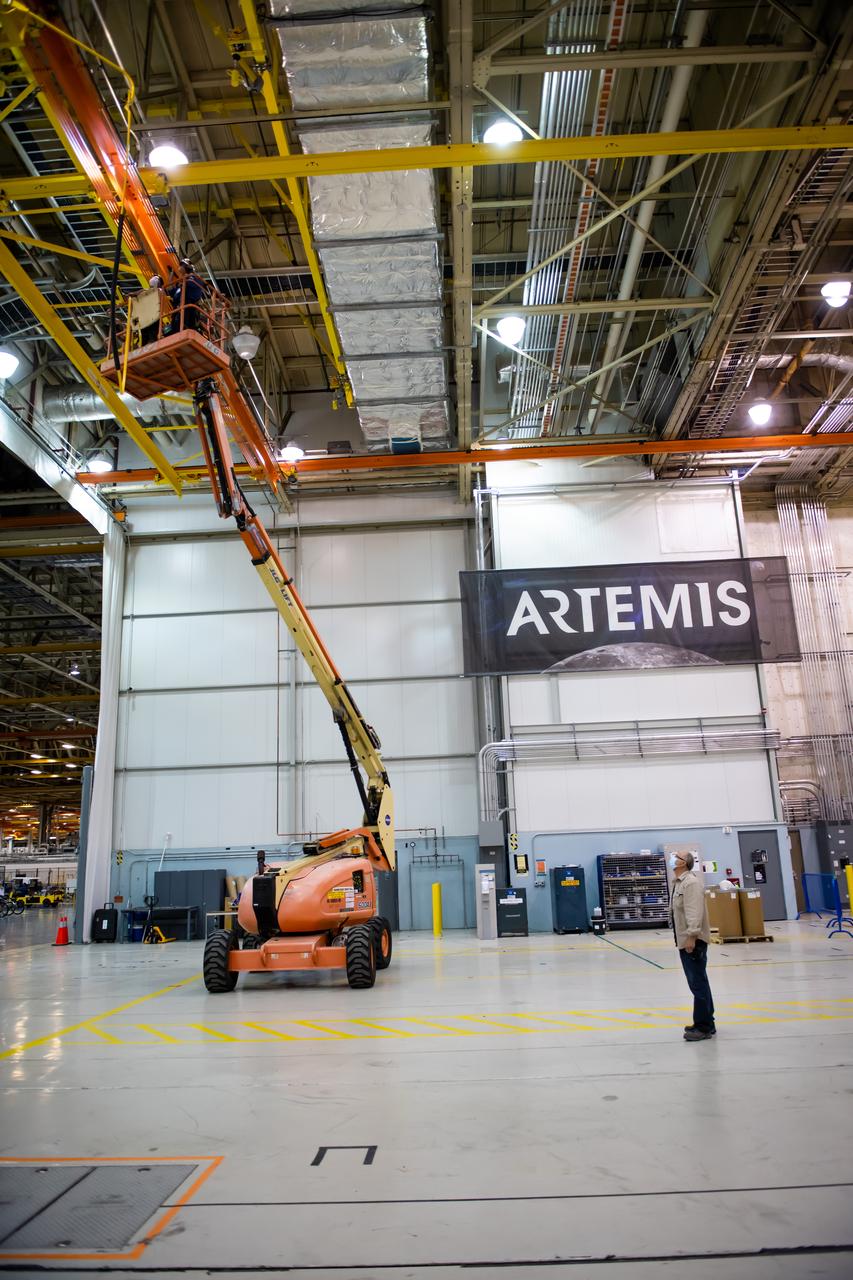
Employees wear personal protective gear at Michoud Assembly Facility as the facility transitioned to Stage 3 of NASA’s Framework for Return To On-Site Work. Employees wear the appropriate personal protective equipment (PPE) and/or cloth face coverings as required for assigned tasks. Access to the facility is limited to authorized personnel working on mission-critical tasks that must be conducted onsite. Mission-critical tasks include slowly and methodically resuming Space Launch System (SLS) Core Stage and Orion production activities, particularly critical path deliverables to support the Artemis Program, at a pace that limits personnel and follows federal guidelines for social distancing and use of personal protective equipment such as face masks. For more information about SLS, visit nasa.gov/sls.
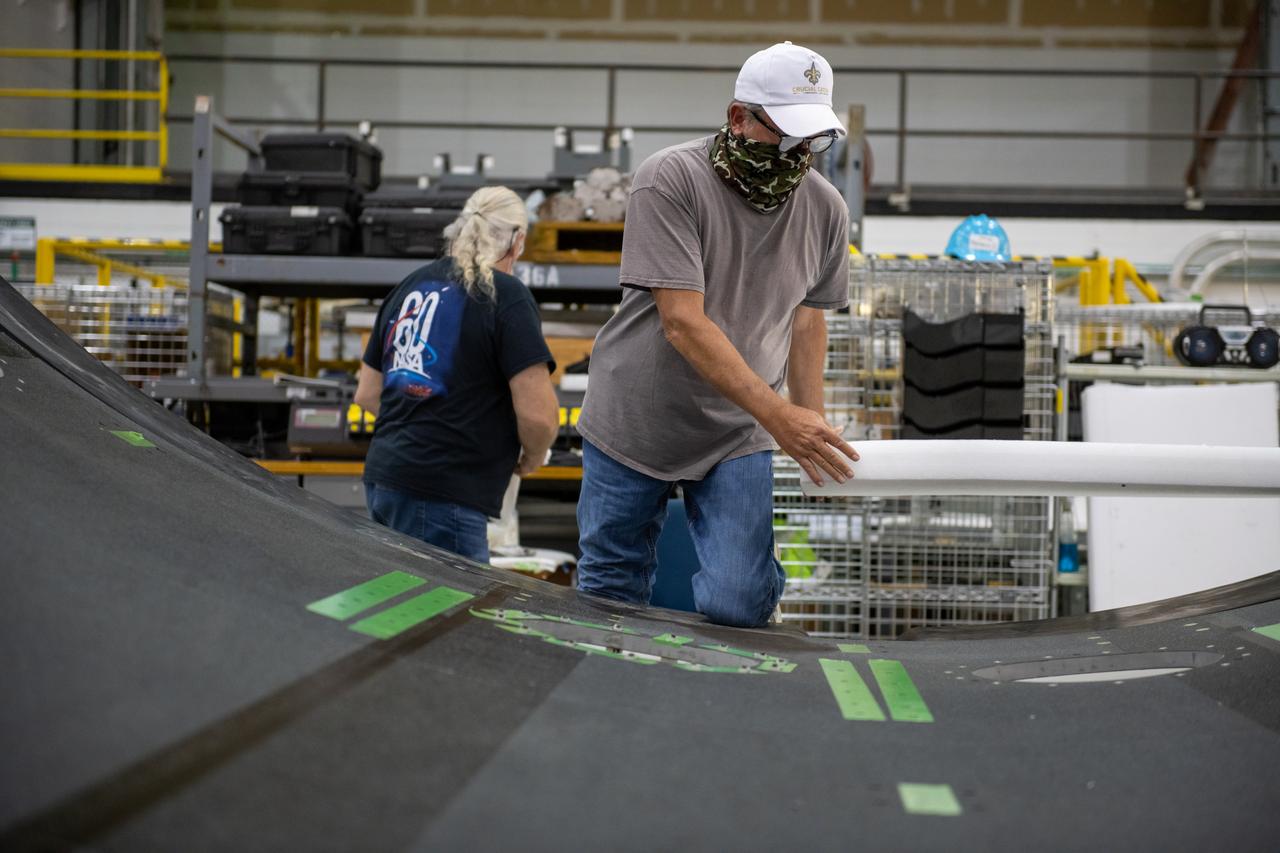
Employees wear personal protective gear at Michoud Assembly Facility as the facility transitioned to Stage 3 of NASA’s Framework for Return To On-Site Work. Employees wear the appropriate personal protective equipment (PPE) and/or cloth face coverings as required for assigned tasks. Access to the facility is limited to authorized personnel working on mission-critical tasks that must be conducted onsite. Mission-critical tasks include slowly and methodically resuming Space Launch System (SLS) Core Stage and Orion production activities, particularly critical path deliverables to support the Artemis Program, at a pace that limits personnel and follows federal guidelines for social distancing and use of personal protective equipment such as face masks. For more information about SLS, visit nasa.gov/sls.
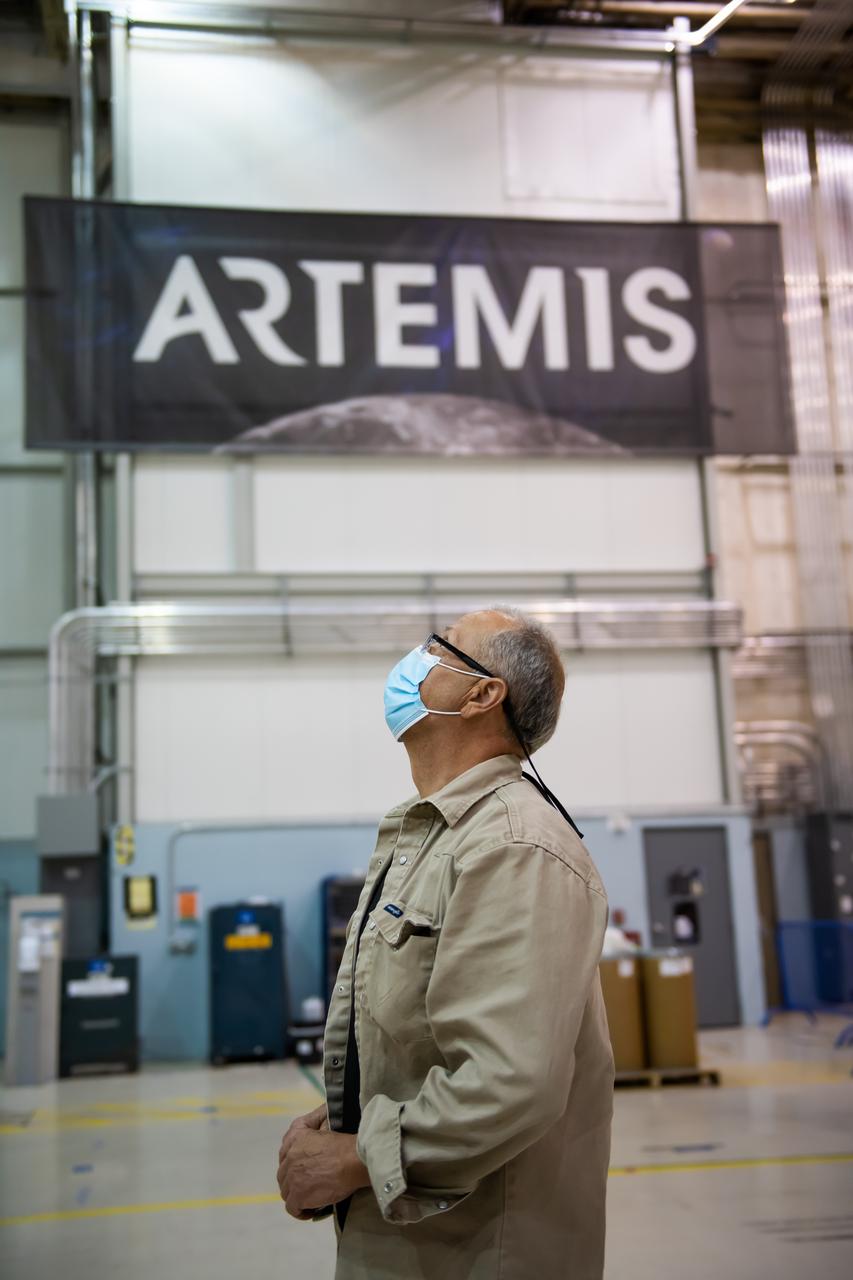
Employees wear personal protective gear at Michoud Assembly Facility as the facility transitioned to Stage 3 of NASA’s Framework for Return To On-Site Work. Employees wear the appropriate personal protective equipment (PPE) and/or cloth face coverings as required for assigned tasks. Access to the facility is limited to authorized personnel working on mission-critical tasks that must be conducted onsite. Mission-critical tasks include slowly and methodically resuming Space Launch System (SLS) Core Stage and Orion production activities, particularly critical path deliverables to support the Artemis Program, at a pace that limits personnel and follows federal guidelines for social distancing and use of personal protective equipment such as face masks. For more information about SLS, visit nasa.gov/sls.
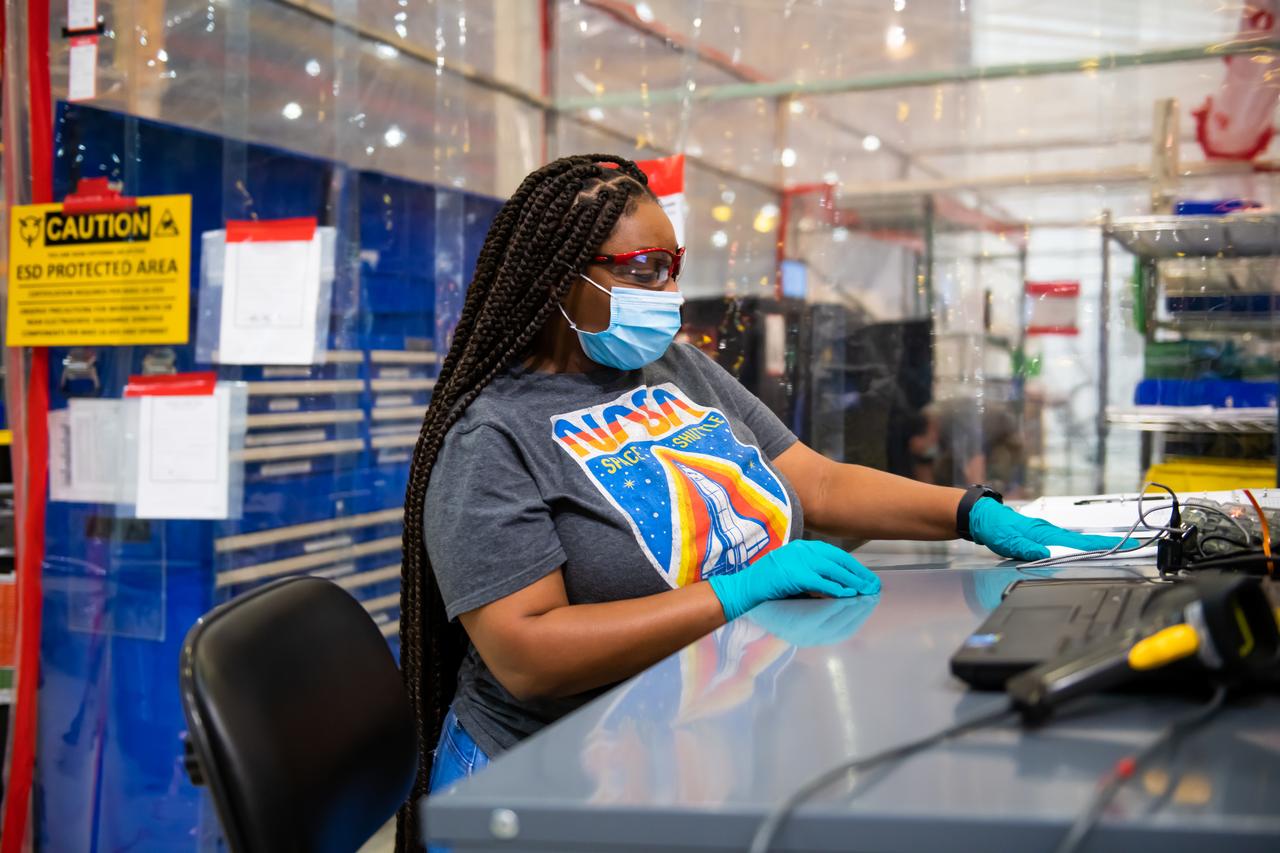
Employees wear personal protective gear at Michoud Assembly Facility as the facility transitioned to Stage 3 of NASA’s Framework for Return To On-Site Work. Employees wear the appropriate personal protective equipment (PPE) and/or cloth face coverings as required for assigned tasks. Access to the facility is limited to authorized personnel working on mission-critical tasks that must be conducted onsite. Mission-critical tasks include slowly and methodically resuming Space Launch System (SLS) Core Stage and Orion production activities, particularly critical path deliverables to support the Artemis Program, at a pace that limits personnel and follows federal guidelines for social distancing and use of personal protective equipment such as face masks. For more information about SLS, visit nasa.gov/sls.
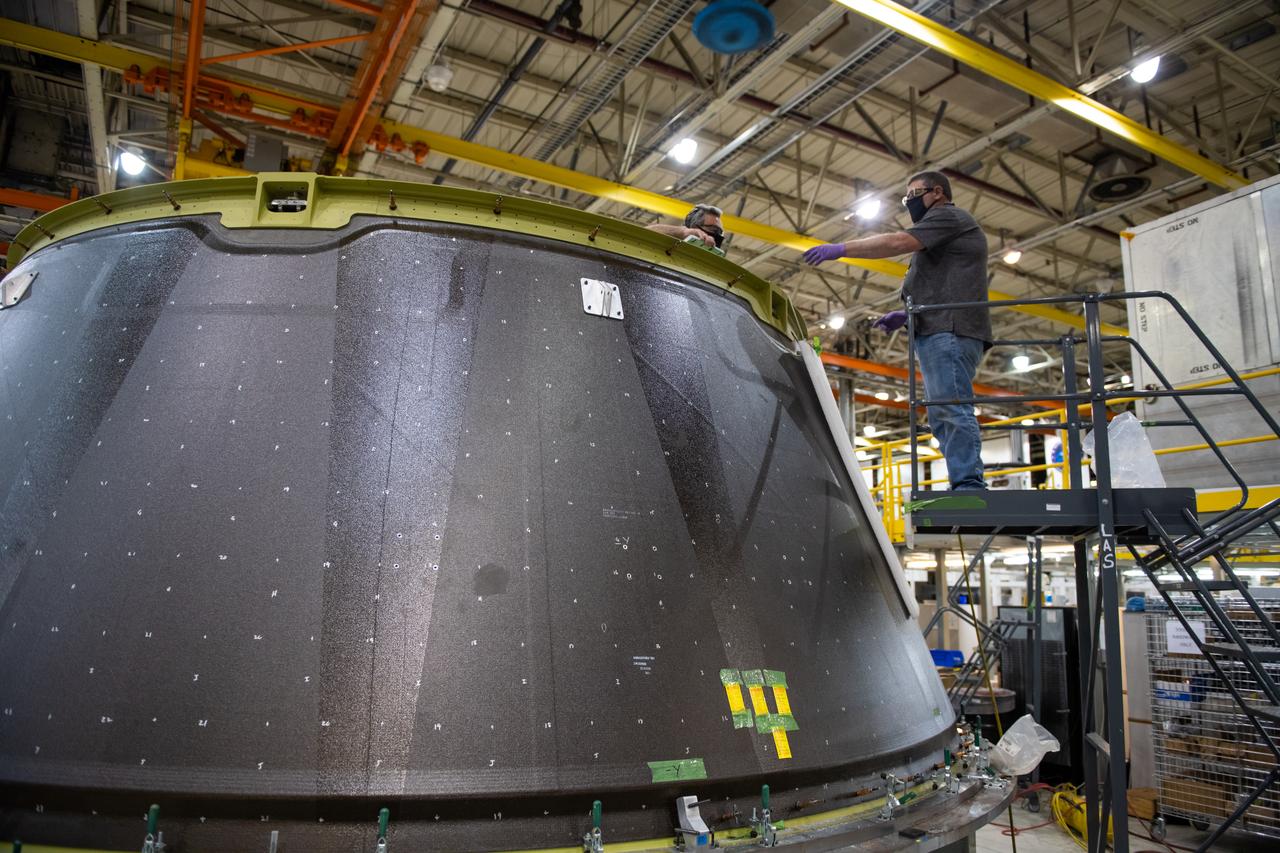
Employees wear personal protective gear at Michoud Assembly Facility as the facility transitioned to Stage 3 of NASA’s Framework for Return To On-Site Work. Employees wear the appropriate personal protective equipment (PPE) and/or cloth face coverings as required for assigned tasks. Access to the facility is limited to authorized personnel working on mission-critical tasks that must be conducted onsite. Mission-critical tasks include slowly and methodically resuming Space Launch System (SLS) Core Stage and Orion production activities, particularly critical path deliverables to support the Artemis Program, at a pace that limits personnel and follows federal guidelines for social distancing and use of personal protective equipment such as face masks. For more information about SLS, visit nasa.gov/sls.
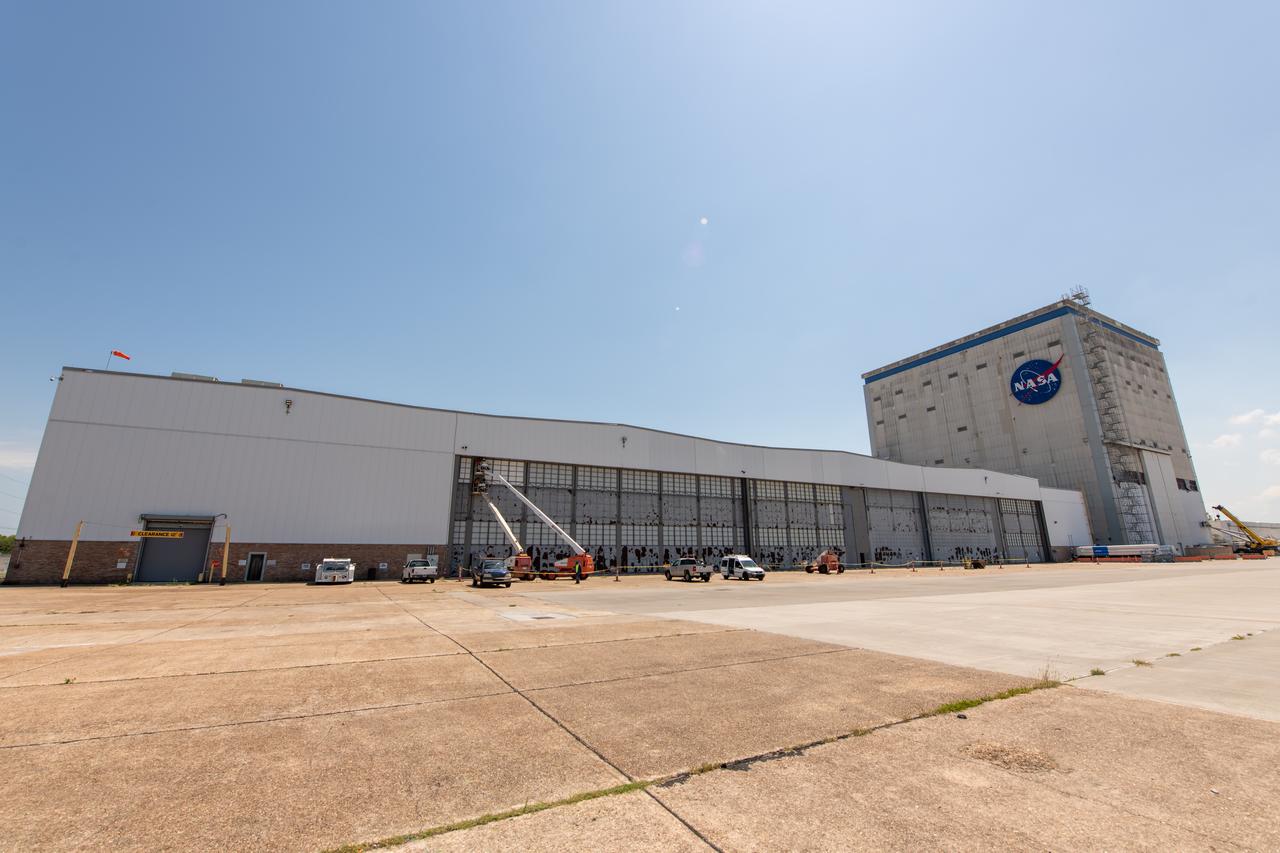
Employees wear personal protective gear at Michoud Assembly Facility as the facility transitioned to Stage 3 of NASA’s Framework for Return To On-Site Work. Employees wear the appropriate personal protective equipment (PPE) and/or cloth face coverings as required for assigned tasks. Access to the facility is limited to authorized personnel working on mission-critical tasks that must be conducted onsite. Mission-critical tasks include slowly and methodically resuming Space Launch System (SLS) Core Stage and Orion production activities, particularly critical path deliverables to support the Artemis Program, at a pace that limits personnel and follows federal guidelines for social distancing and use of personal protective equipment such as face masks. For more information about SLS, visit nasa.gov/sls.
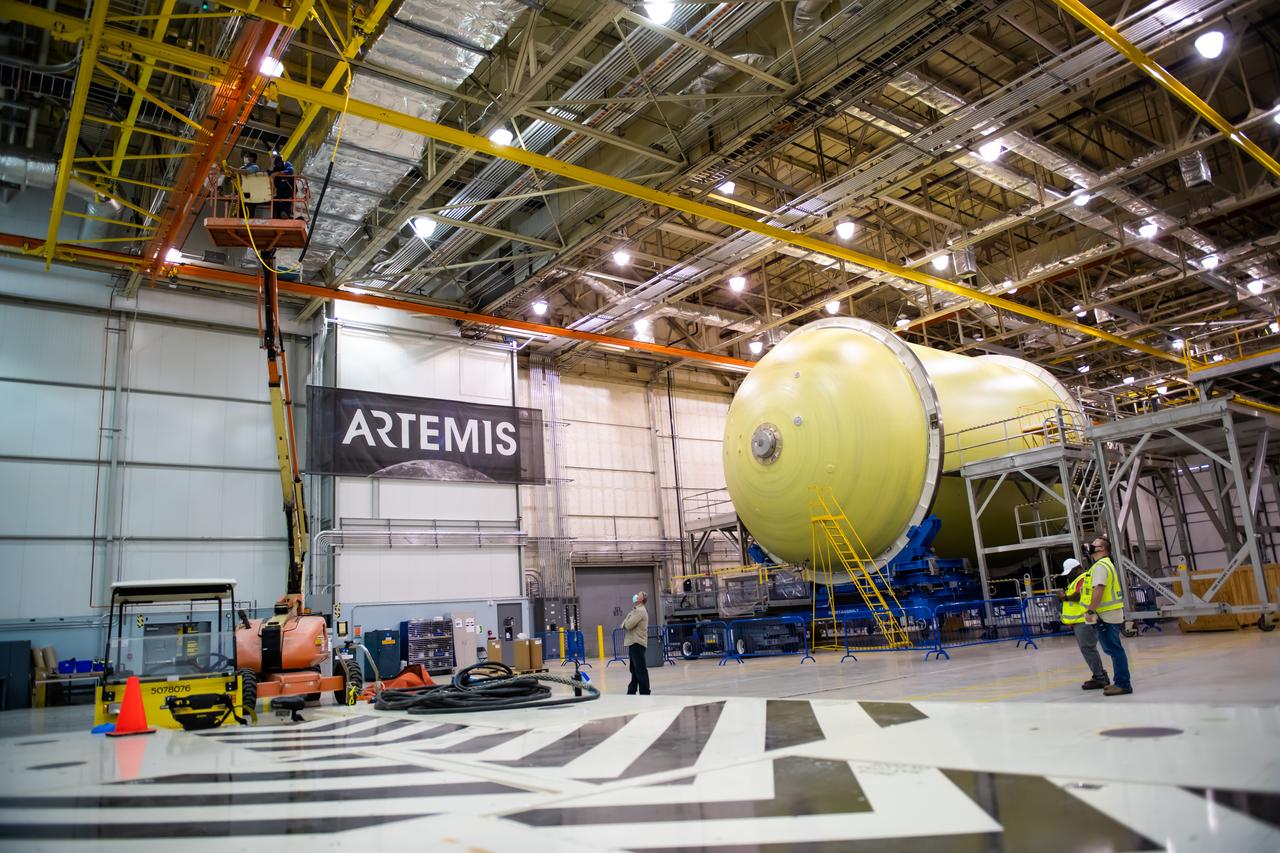
Employees wear personal protective gear at Michoud Assembly Facility as the facility transitioned to Stage 3 of NASA’s Framework for Return To On-Site Work. Employees wear the appropriate personal protective equipment (PPE) and/or cloth face coverings as required for assigned tasks. Access to the facility is limited to authorized personnel working on mission-critical tasks that must be conducted onsite. Mission-critical tasks include slowly and methodically resuming Space Launch System (SLS) Core Stage and Orion production activities, particularly critical path deliverables to support the Artemis Program, at a pace that limits personnel and follows federal guidelines for social distancing and use of personal protective equipment such as face masks. For more information about SLS, visit nasa.gov/sls.
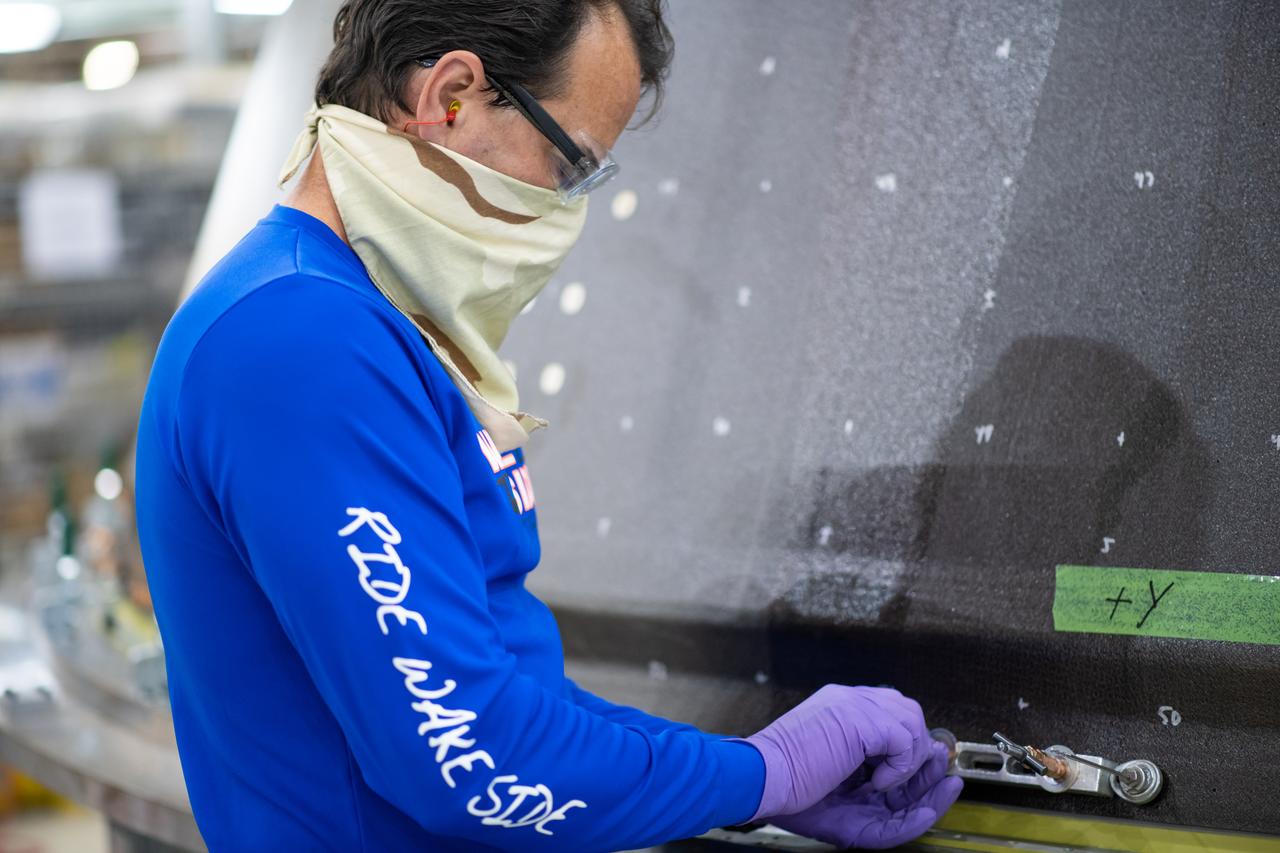
Employees wear personal protective gear at Michoud Assembly Facility as the facility transitioned to Stage 3 of NASA’s Framework for Return To On-Site Work. Employees wear the appropriate personal protective equipment (PPE) and/or cloth face coverings as required for assigned tasks. Access to the facility is limited to authorized personnel working on mission-critical tasks that must be conducted onsite. Mission-critical tasks include slowly and methodically resuming Space Launch System (SLS) Core Stage and Orion production activities, particularly critical path deliverables to support the Artemis Program, at a pace that limits personnel and follows federal guidelines for social distancing and use of personal protective equipment such as face masks. For more information about SLS, visit nasa.gov/sls.
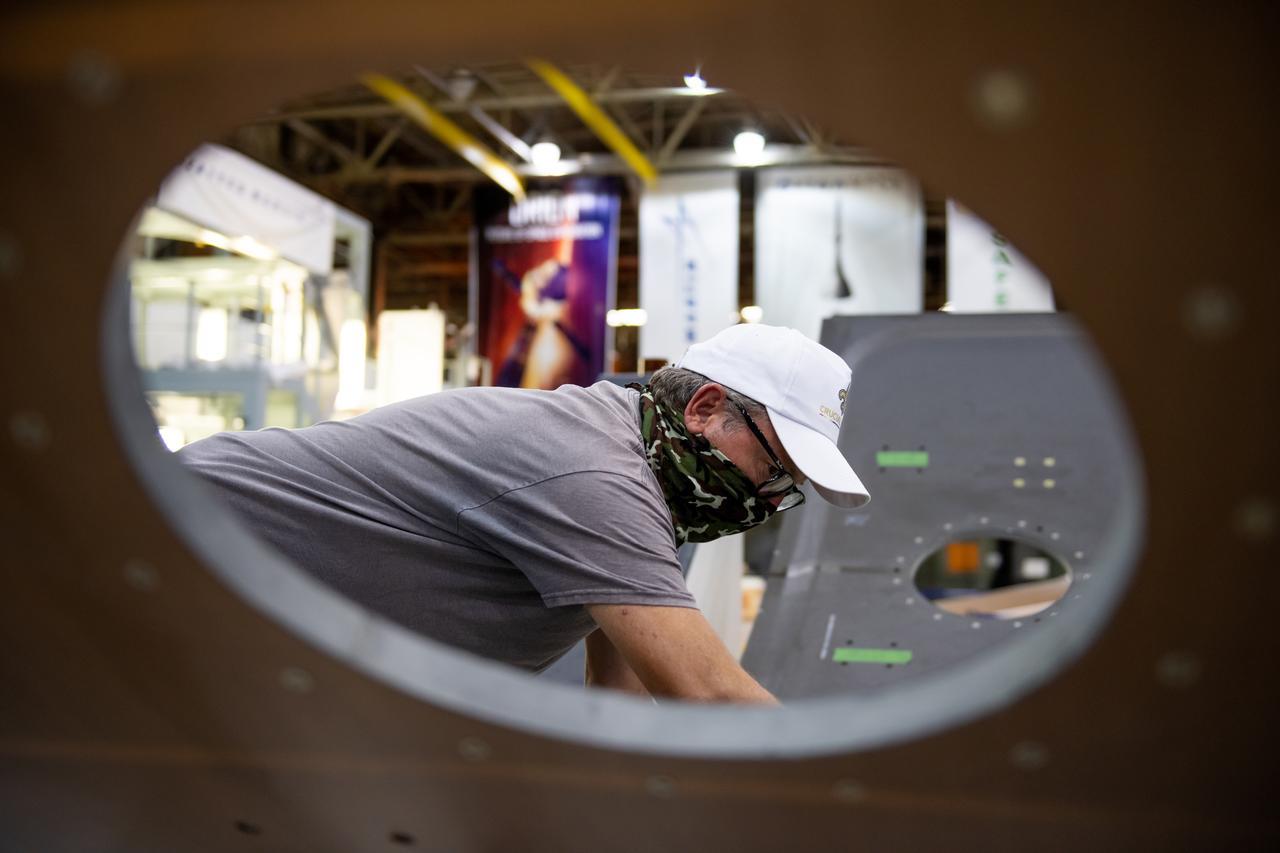
Employees wear personal protective gear at Michoud Assembly Facility as the facility transitioned to Stage 3 of NASA’s Framework for Return To On-Site Work. Employees wear the appropriate personal protective equipment (PPE) and/or cloth face coverings as required for assigned tasks. Access to the facility is limited to authorized personnel working on mission-critical tasks that must be conducted onsite. Mission-critical tasks include slowly and methodically resuming Space Launch System (SLS) Core Stage and Orion production activities, particularly critical path deliverables to support the Artemis Program, at a pace that limits personnel and follows federal guidelines for social distancing and use of personal protective equipment such as face masks. For more information about SLS, visit nasa.gov/sls.
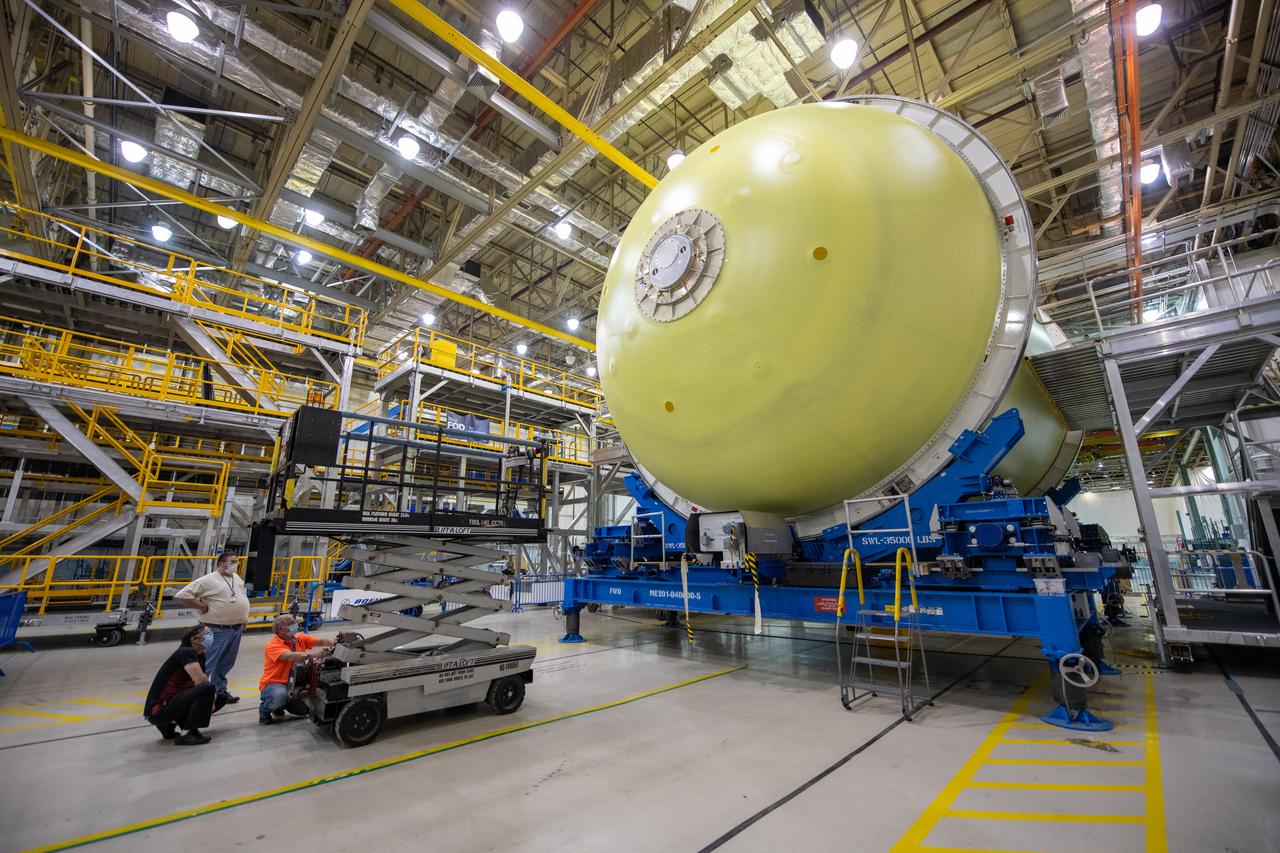
Employees wear personal protective gear at Michoud Assembly Facility as the facility transitioned to Stage 3 of NASA’s Framework for Return To On-Site Work. Employees wear the appropriate personal protective equipment (PPE) and/or cloth face coverings as required for assigned tasks. Access to the facility is limited to authorized personnel working on mission-critical tasks that must be conducted onsite. Mission-critical tasks include slowly and methodically resuming Space Launch System (SLS) Core Stage and Orion production activities, particularly critical path deliverables to support the Artemis Program, at a pace that limits personnel and follows federal guidelines for social distancing and use of personal protective equipment such as face masks. For more information about SLS, visit nasa.gov/sls.
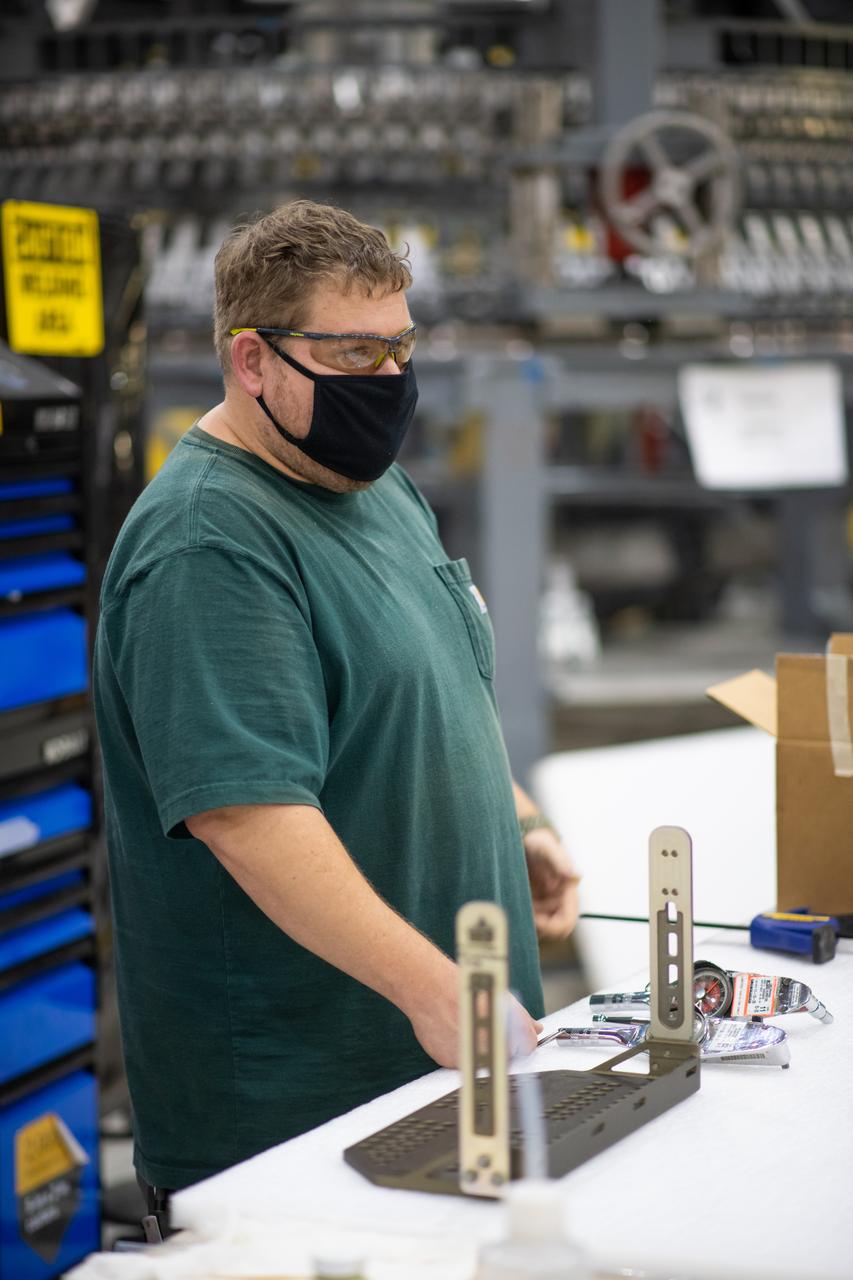
Employees wear personal protective gear at Michoud Assembly Facility as the facility transitioned to Stage 3 of NASA’s Framework for Return To On-Site Work. Employees wear the appropriate personal protective equipment (PPE) and/or cloth face coverings as required for assigned tasks. Access to the facility is limited to authorized personnel working on mission-critical tasks that must be conducted onsite. Mission-critical tasks include slowly and methodically resuming Space Launch System (SLS) Core Stage and Orion production activities, particularly critical path deliverables to support the Artemis Program, at a pace that limits personnel and follows federal guidelines for social distancing and use of personal protective equipment such as face masks. For more information about SLS, visit nasa.gov/sls.
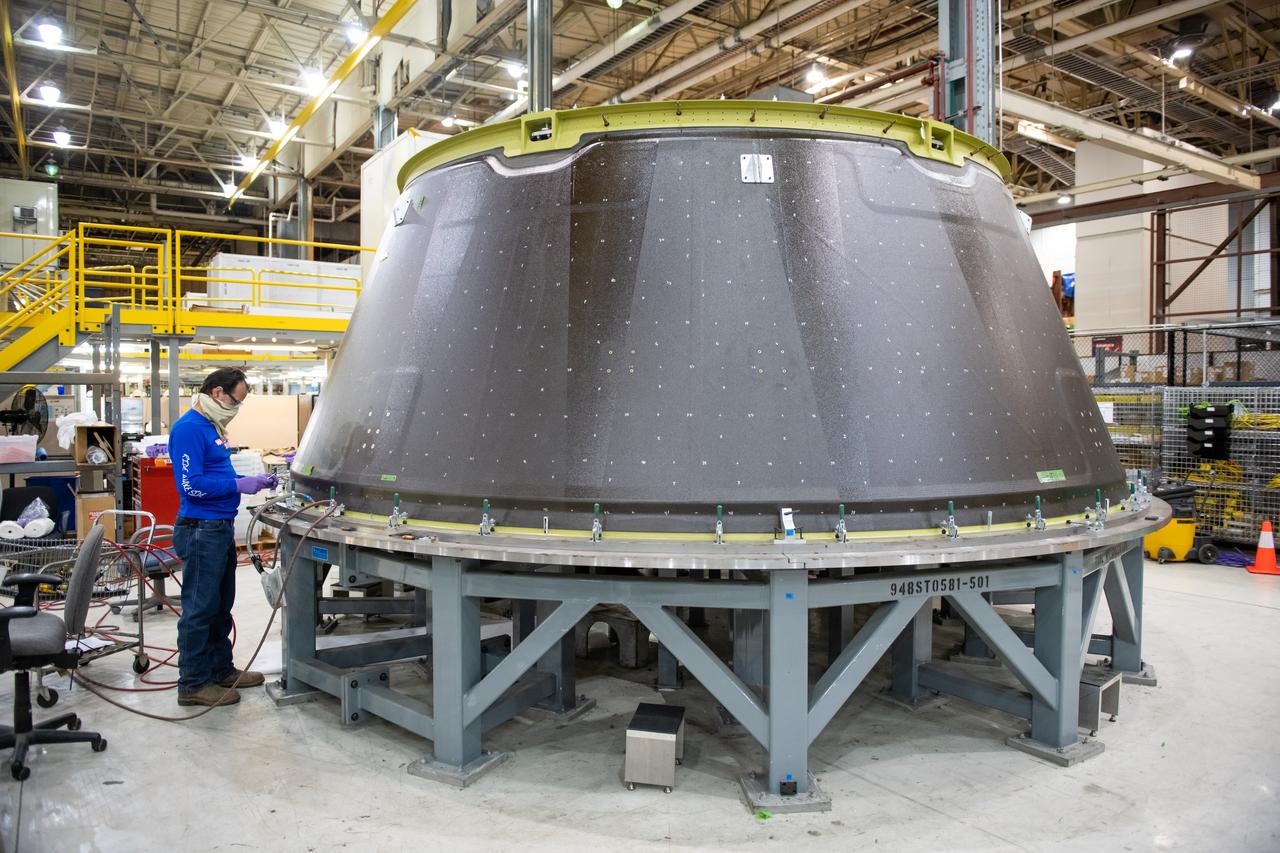
Employees wear personal protective gear at Michoud Assembly Facility as the facility transitioned to Stage 3 of NASA’s Framework for Return To On-Site Work. Employees wear the appropriate personal protective equipment (PPE) and/or cloth face coverings as required for assigned tasks. Access to the facility is limited to authorized personnel working on mission-critical tasks that must be conducted onsite. Mission-critical tasks include slowly and methodically resuming Space Launch System (SLS) Core Stage and Orion production activities, particularly critical path deliverables to support the Artemis Program, at a pace that limits personnel and follows federal guidelines for social distancing and use of personal protective equipment such as face masks. For more information about SLS, visit nasa.gov/sls.
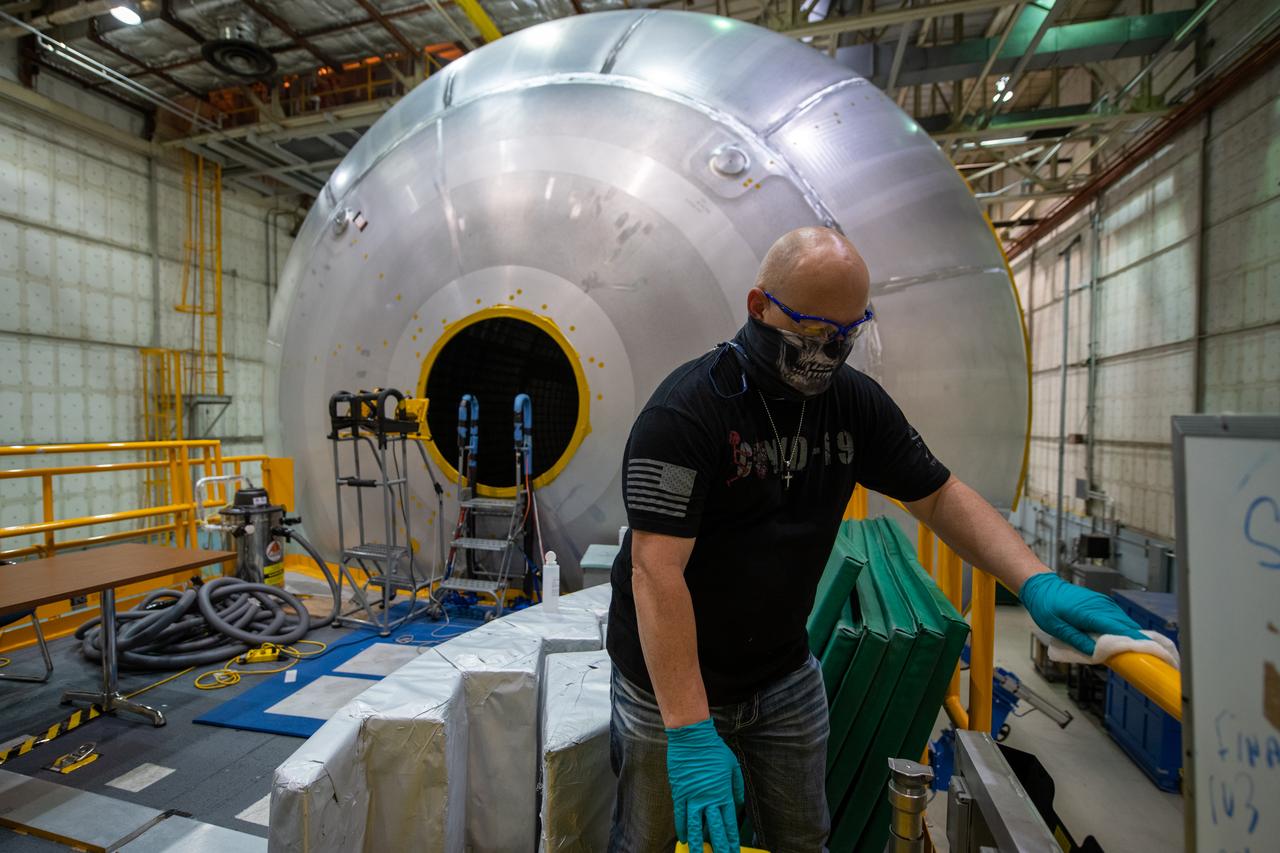
Employees wear personal protective gear at Michoud Assembly Facility as the facility transitioned to Stage 3 of NASA’s Framework for Return To On-Site Work. Employees wear the appropriate personal protective equipment (PPE) and/or cloth face coverings as required for assigned tasks. Access to the facility is limited to authorized personnel working on mission-critical tasks that must be conducted onsite. Mission-critical tasks include slowly and methodically resuming Space Launch System (SLS) Core Stage and Orion production activities, particularly critical path deliverables to support the Artemis Program, at a pace that limits personnel and follows federal guidelines for social distancing and use of personal protective equipment such as face masks. For more information about SLS, visit nasa.gov/sls.
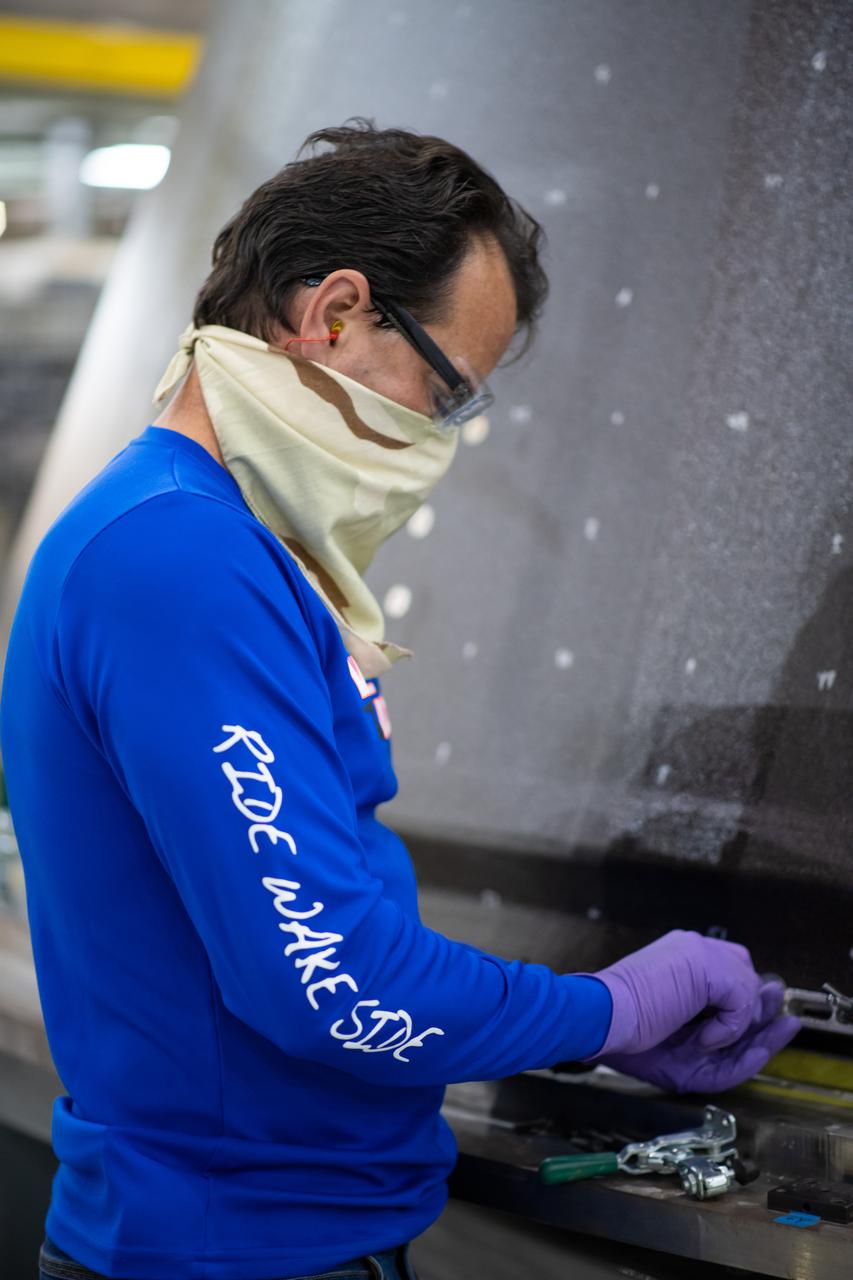
Employees wear personal protective gear at Michoud Assembly Facility as the facility transitioned to Stage 3 of NASA’s Framework for Return To On-Site Work. Employees wear the appropriate personal protective equipment (PPE) and/or cloth face coverings as required for assigned tasks. Access to the facility is limited to authorized personnel working on mission-critical tasks that must be conducted onsite. Mission-critical tasks include slowly and methodically resuming Space Launch System (SLS) Core Stage and Orion production activities, particularly critical path deliverables to support the Artemis Program, at a pace that limits personnel and follows federal guidelines for social distancing and use of personal protective equipment such as face masks. For more information about SLS, visit nasa.gov/sls.
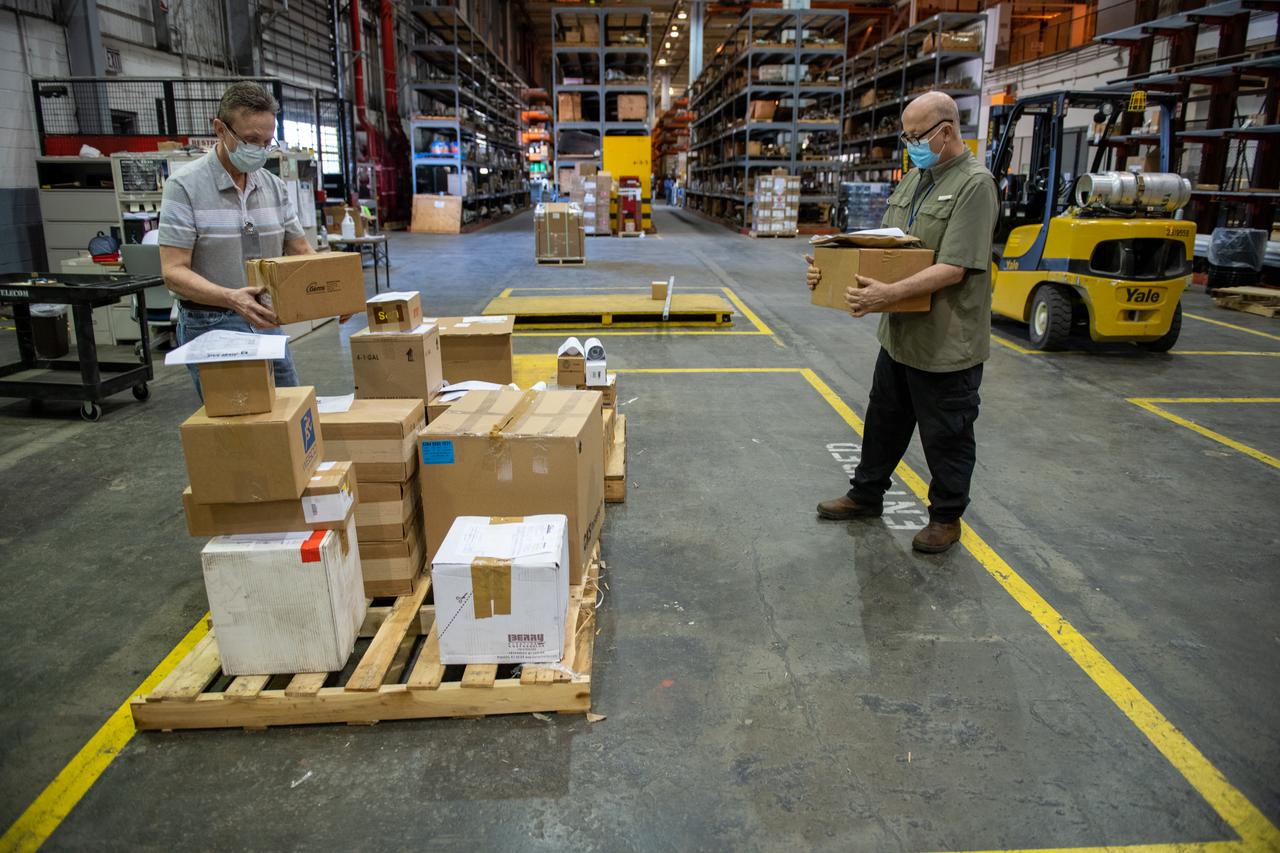
This photo includes two employees wearing personal protective gear in the shipping and receiving area of Michoud Assembly Facility during the Stage 3 transition of NASA’s Framework for Return To On-Site Work. Wearing a facemask is mandatory for common areas where social distancing is difficult to achieve. Access to the facility is limited to authorized personnel working on mission-critical tasks that must be conducted onsite. Employees at Michoud Assembly Facility in New Orleans will slowly and methodically resume Space Launch System (SLS) Core Stage and Orion Spacecraft production and assembly activities at a pace that limits personnel and follows federal guidelines for social distancing and use of personal protective equipment such as face masks. For more information about SLS, visit nasa.gov/sls.
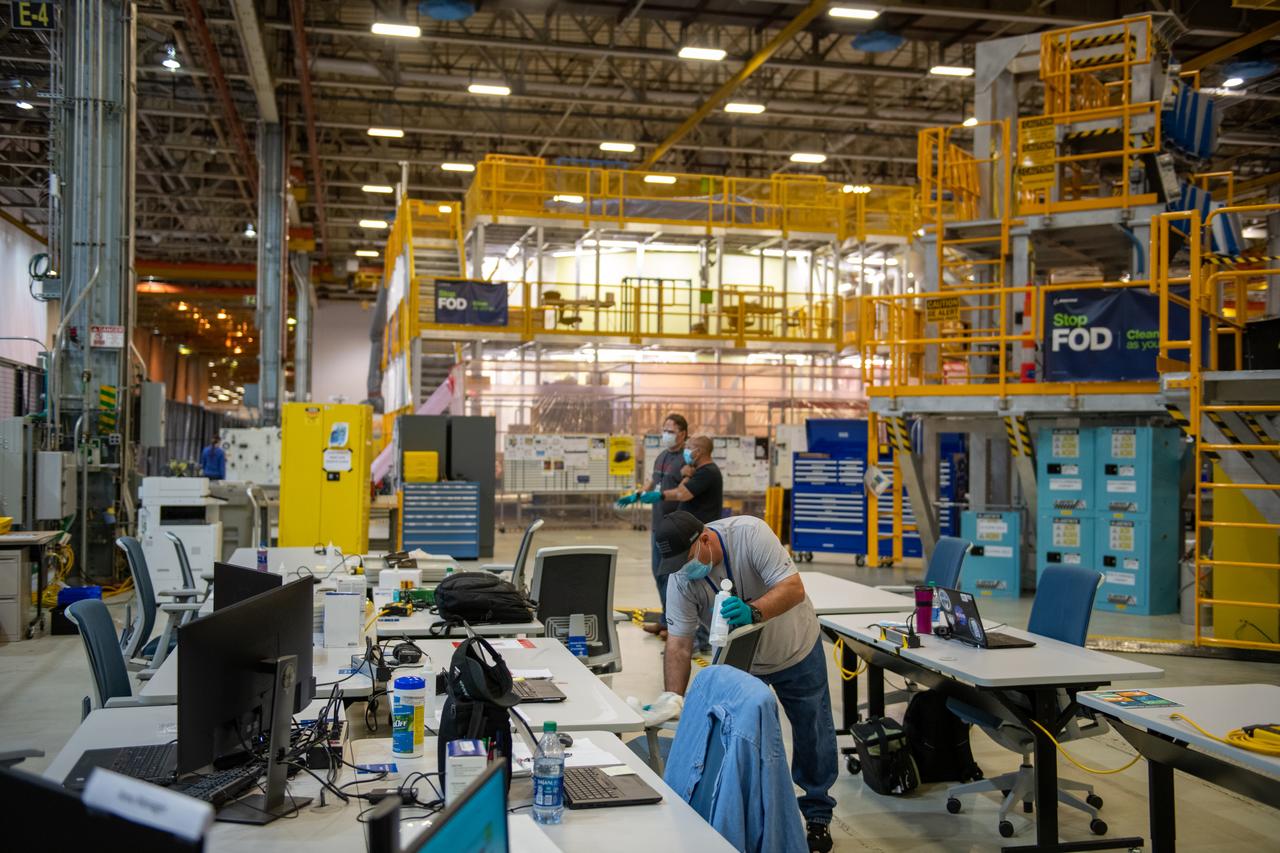
Employees wear personal protective gear at Michoud Assembly Facility as the facility transitioned to Stage 3 of NASA’s Framework for Return To On-Site Work. Employees wear the appropriate personal protective equipment (PPE) and/or cloth face coverings as required for assigned tasks. Access to the facility is limited to authorized personnel working on mission-critical tasks that must be conducted onsite. Mission-critical tasks include slowly and methodically resuming Space Launch System (SLS) Core Stage and Orion production activities, particularly critical path deliverables to support the Artemis Program, at a pace that limits personnel and follows federal guidelines for social distancing and use of personal protective equipment such as face masks. For more information about SLS, visit nasa.gov/sls.
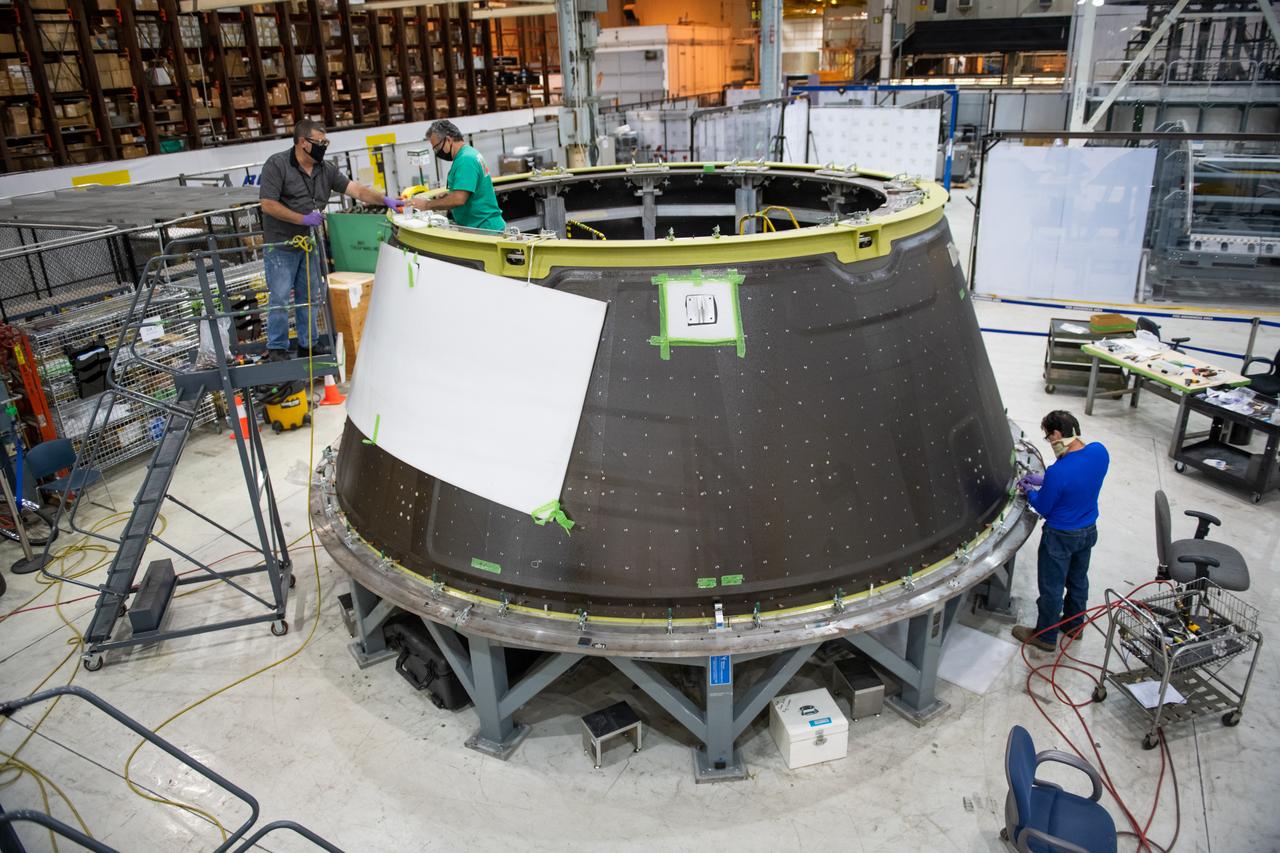
Employees wear personal protective gear at Michoud Assembly Facility as the facility transitioned to Stage 3 of NASA’s Framework for Return To On-Site Work. Employees wear the appropriate personal protective equipment (PPE) and/or cloth face coverings as required for assigned tasks. Access to the facility is limited to authorized personnel working on mission-critical tasks that must be conducted onsite. Mission-critical tasks include slowly and methodically resuming Space Launch System (SLS) Core Stage and Orion production activities, particularly critical path deliverables to support the Artemis Program, at a pace that limits personnel and follows federal guidelines for social distancing and use of personal protective equipment such as face masks. For more information about SLS, visit nasa.gov/sls.
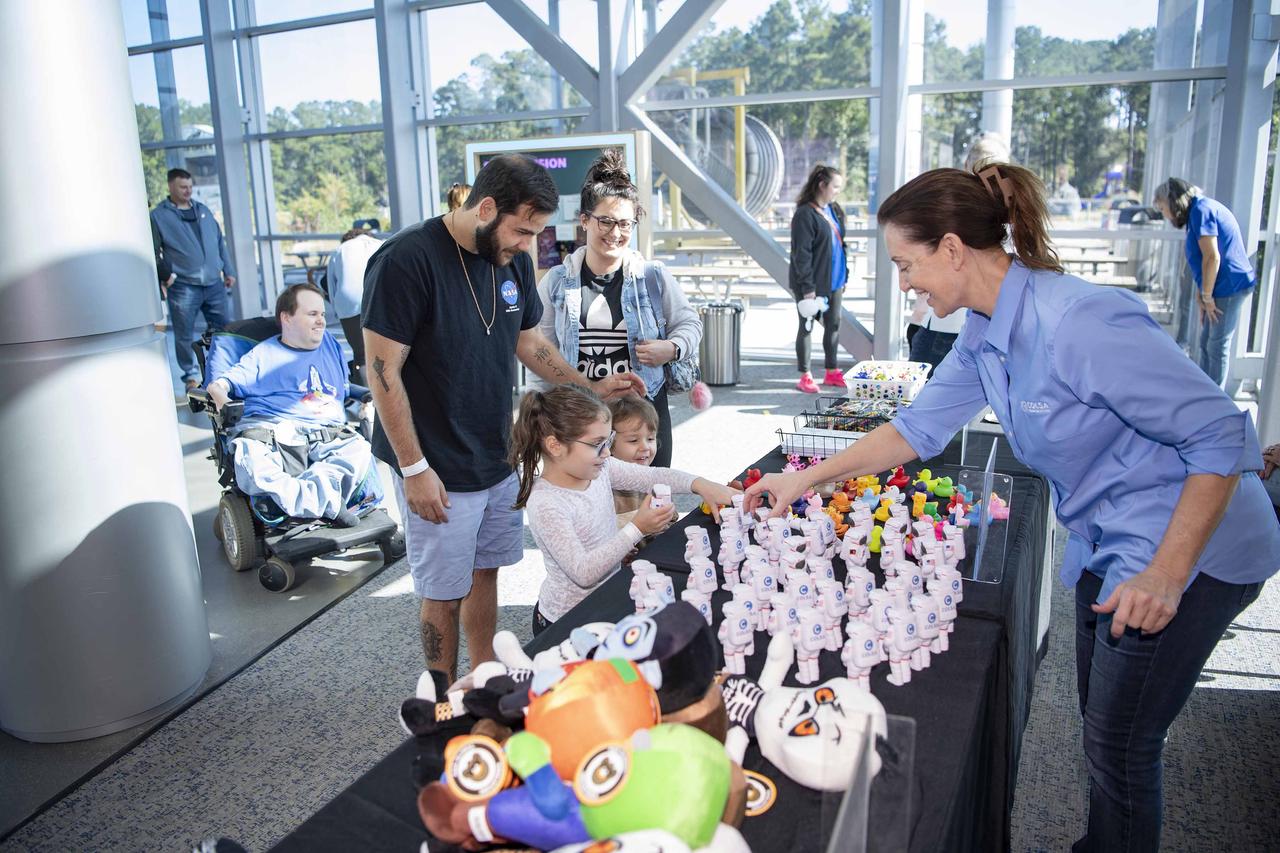
NASA Stennis’ sitewide employees and their guests attend the annual NASA Stennis Family Day at INFINITY Science Center, the official visitor center of NASA Stennis, on Oct. 19. Attendees had the opportunity to journey through the INFINITY exhibits and enjoy additional activities provided by participating organizations of the NASA Stennis federal city.

NASA in the Park on June 16 in Huntsville featured more than 60 exhibits and demonstrations by NASA experts, as well as performances by Marshall musicians, educational opportunities, games and hands-on activities for all ages. NASA employee Renae Scoble and her husband Ryan and son Titus enjoy the the fun and games at NASA in the Park.
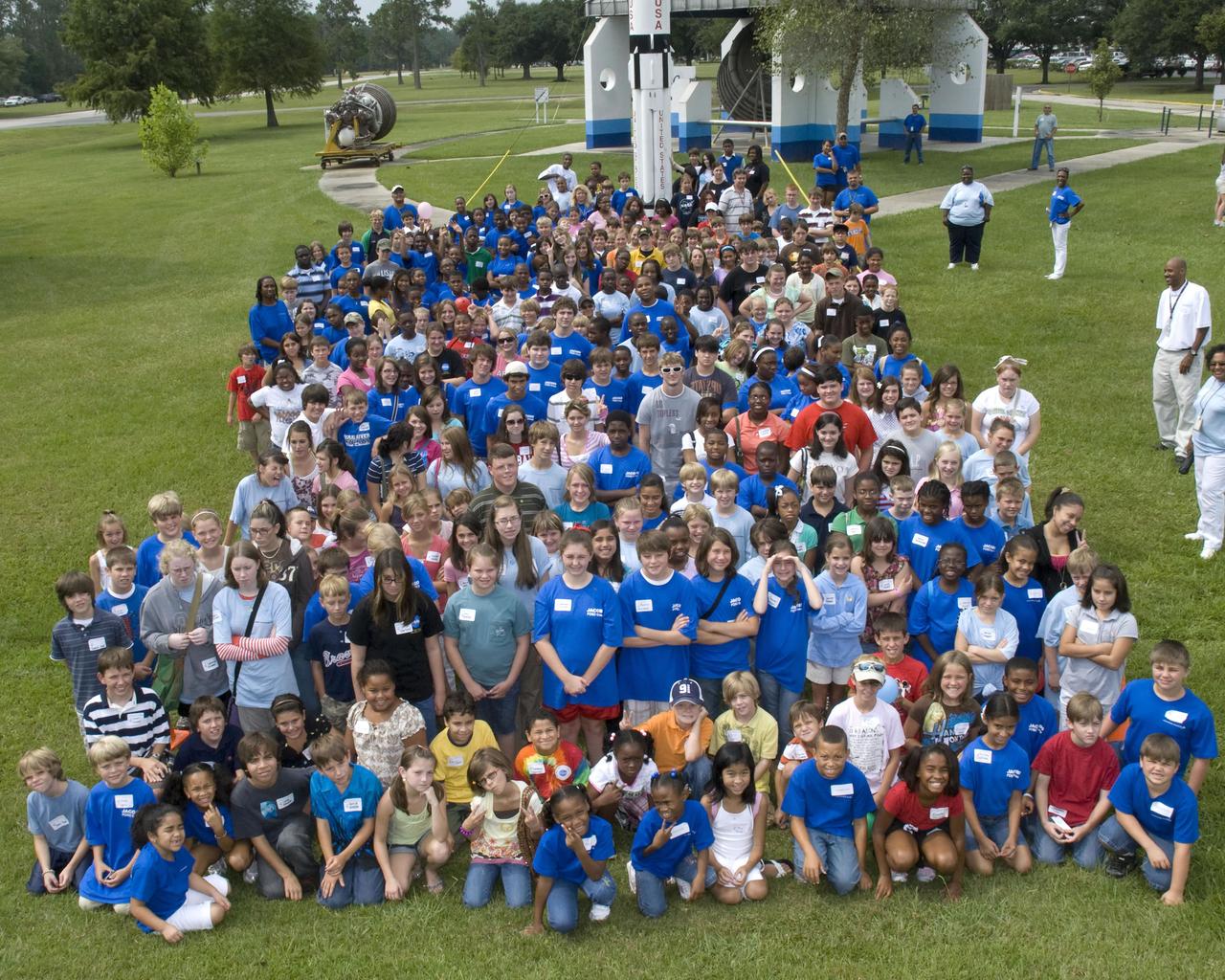
Hundreds of children participated in the annual Take Our Children to Work Day at Stennis Space Center on July 29. During the day, children of Stennis employees received a tour of facilities and took part in various activities, including demonstrations in cryogenics and robotics.
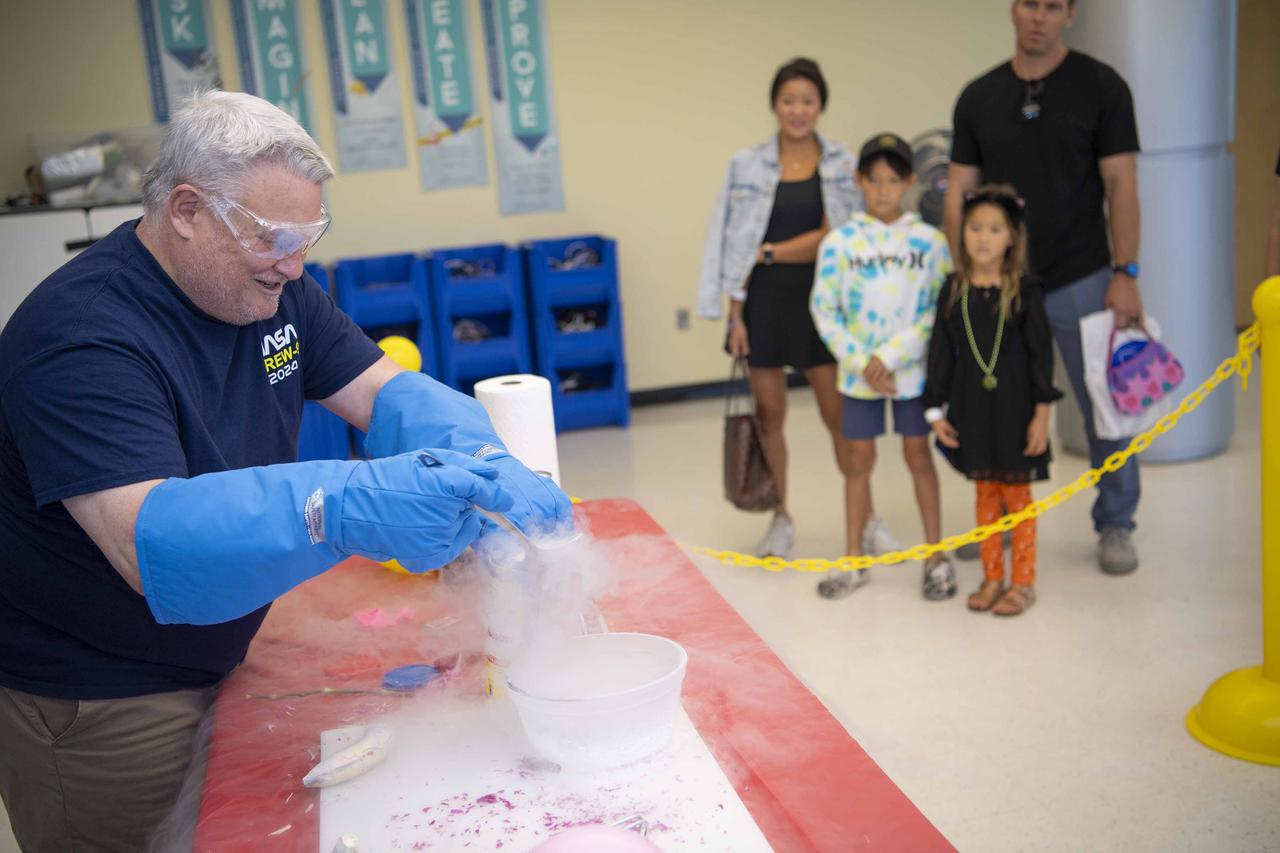
NASA Stennis’ sitewide employees and their guests attend the annual NASA Stennis Family Day at INFINITY Science Center, the official visitor center of NASA Stennis, on Oct. 19. Attendees had the opportunity to journey through the INFINITY exhibits and enjoy additional activities provided by participating organizations of the NASA Stennis federal city.
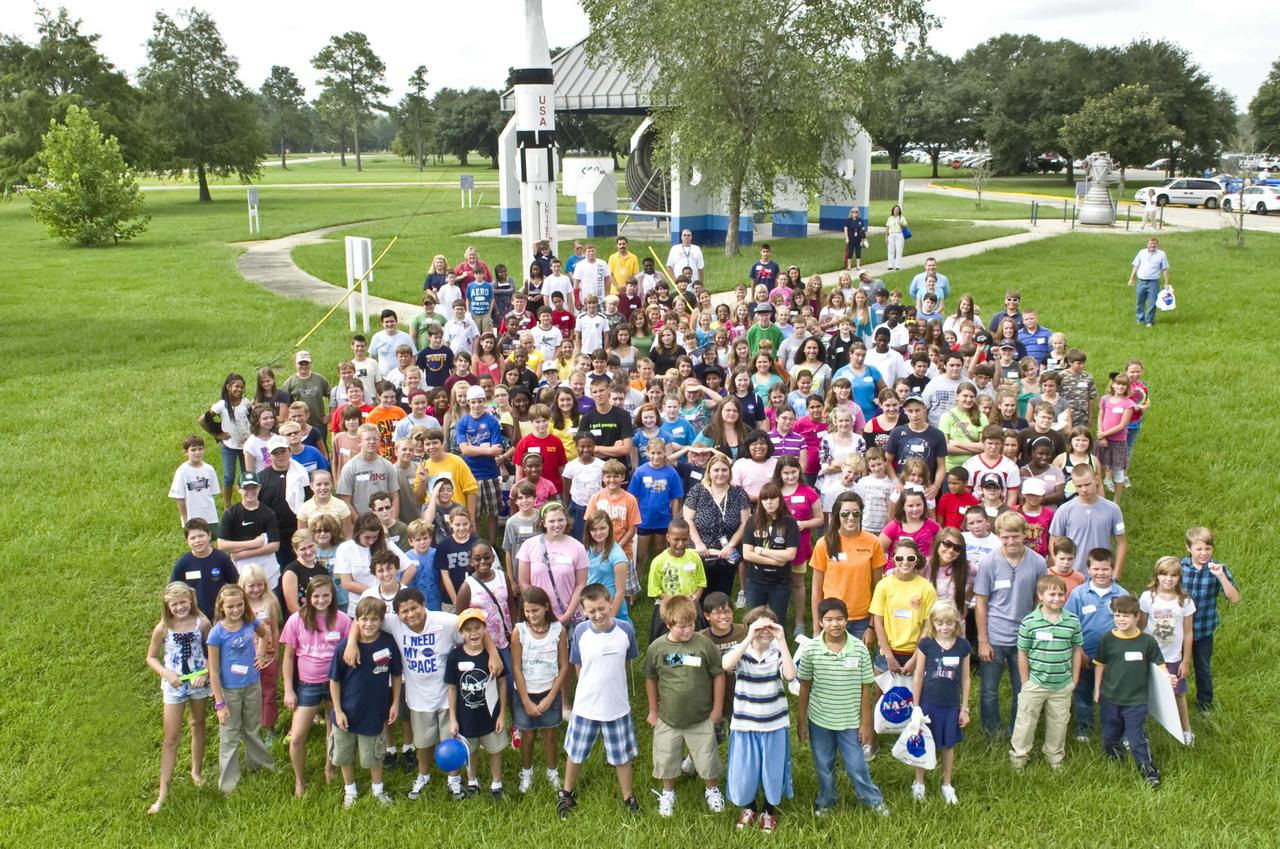
Some 230 children of Stennis Space Center employees visited the facility July 26 to participate in annual Take Our Children to Work Day activities. Participants enjoyed various presentations and demonstrations on topics such as cryogenics, underwater robotics and geocaching.
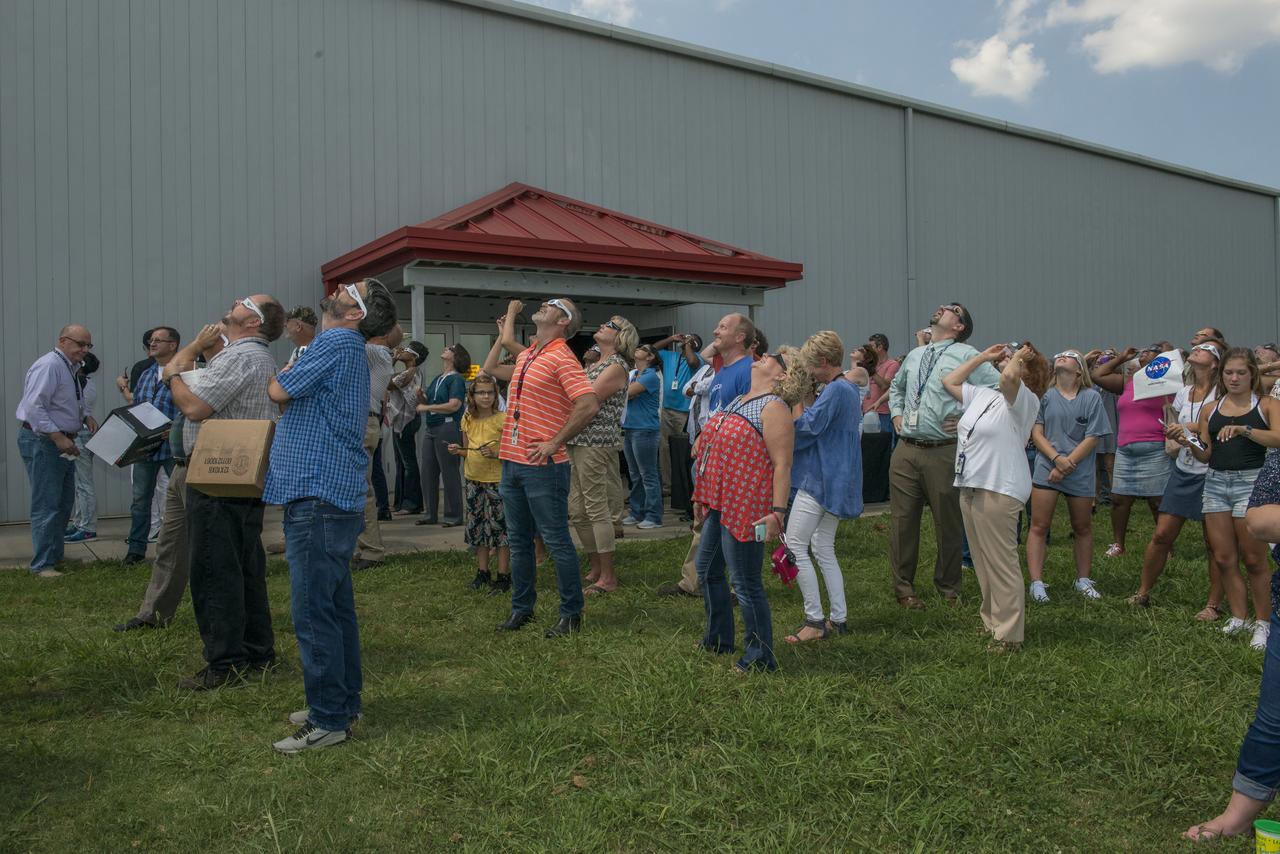
Marshall Space Flight Center employees view the August 21, 2017 solar eclipse at the center’s activities building. The Huntsville area experienced 97 percent occultation, nearly a complete blocking out of the sun by the orbit of Earth's moon. The next opportunity to view a solar eclipse in the eastern and central United States will occur in April 2024.
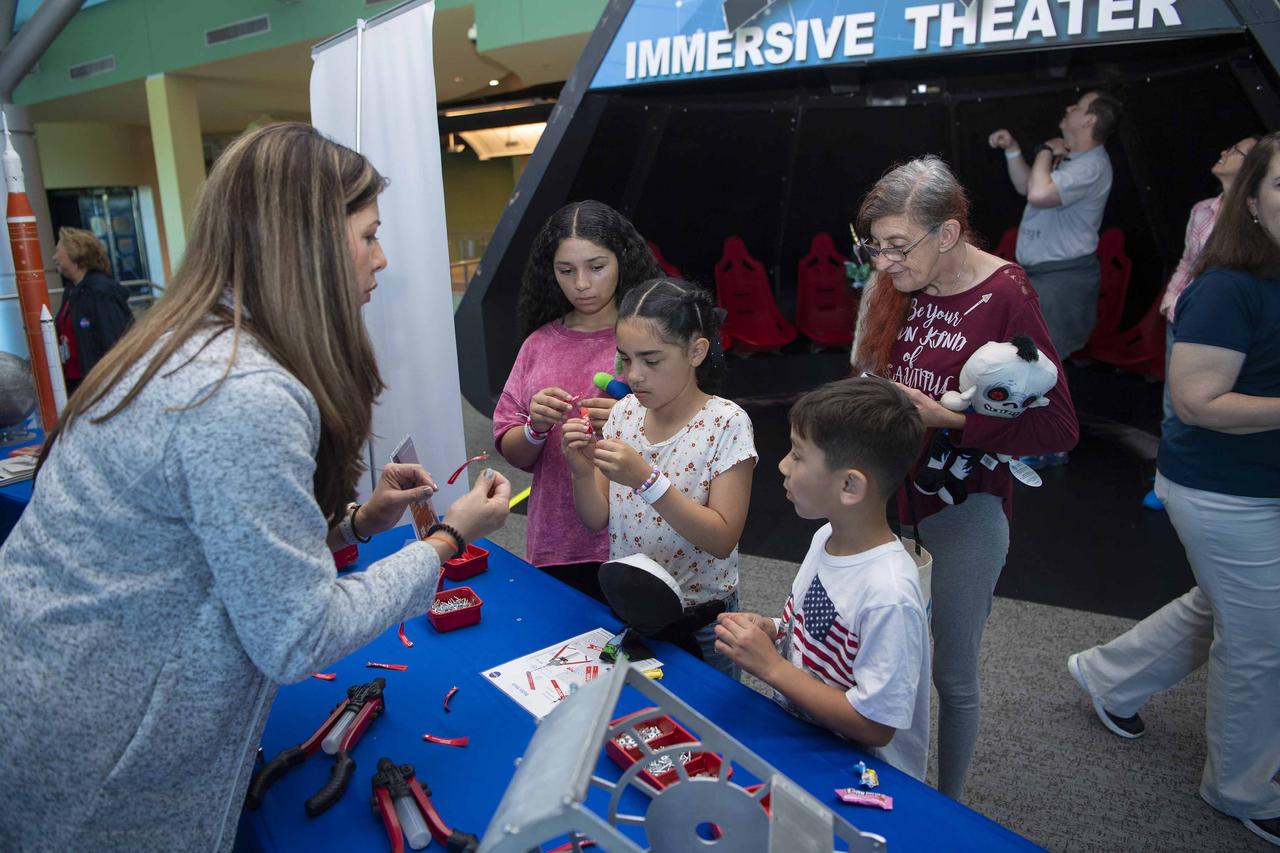
NASA Stennis’ sitewide employees and their guests attend the annual NASA Stennis Family Day at INFINITY Science Center, the official visitor center of NASA Stennis, on Oct. 19. Attendees had the opportunity to journey through the INFINITY exhibits and enjoy additional activities provided by participating organizations of the NASA Stennis federal city.
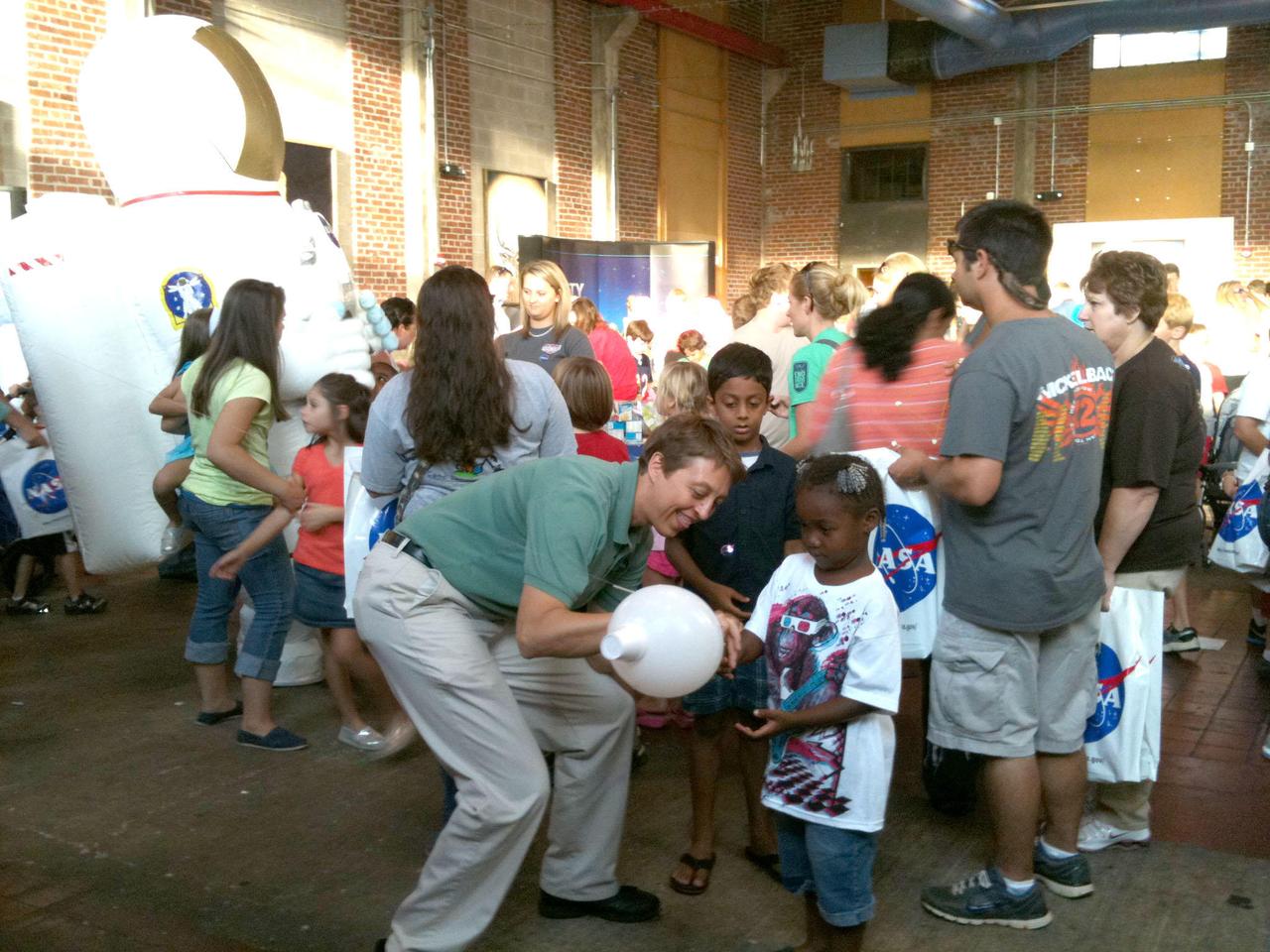
Stennis Space Center visited three Mississippi communities Sept. 11-13, offering interactive and space-related exhibits and presentations to visitors in Grenada, Oxford and Tupelo. During NASA Night activities in Oxford, NASA employee Michele Beisler helped young visitors launch her balloon rocket.
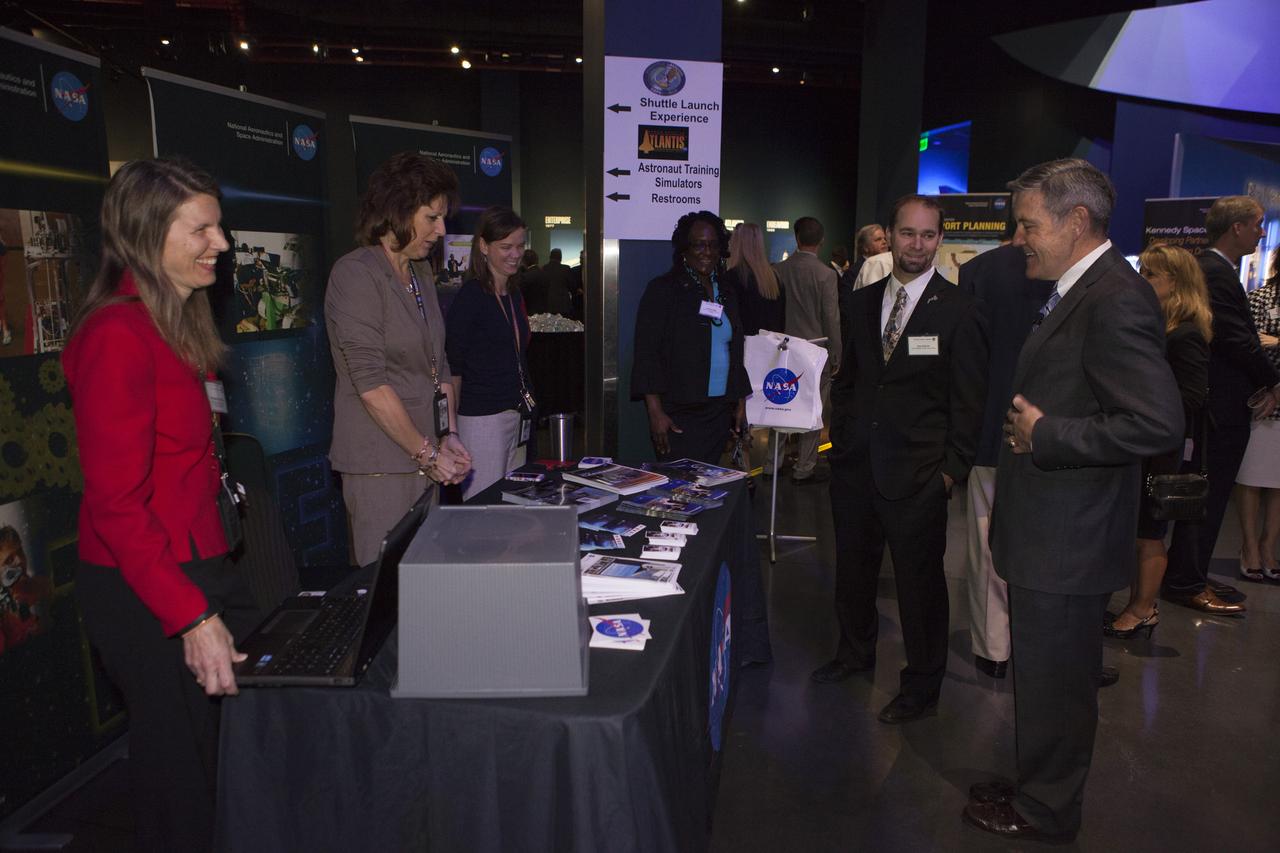
In the Space Shuttle Atlantis exhibit facility at the Kennedy Space Center's Visitor Complex, center director Bob Cabana, right, speaks with guests and employees at the Florida spaceport. This followed a presentation by center director Bob Cabana who updated community leaders on current and future activities at the space center.
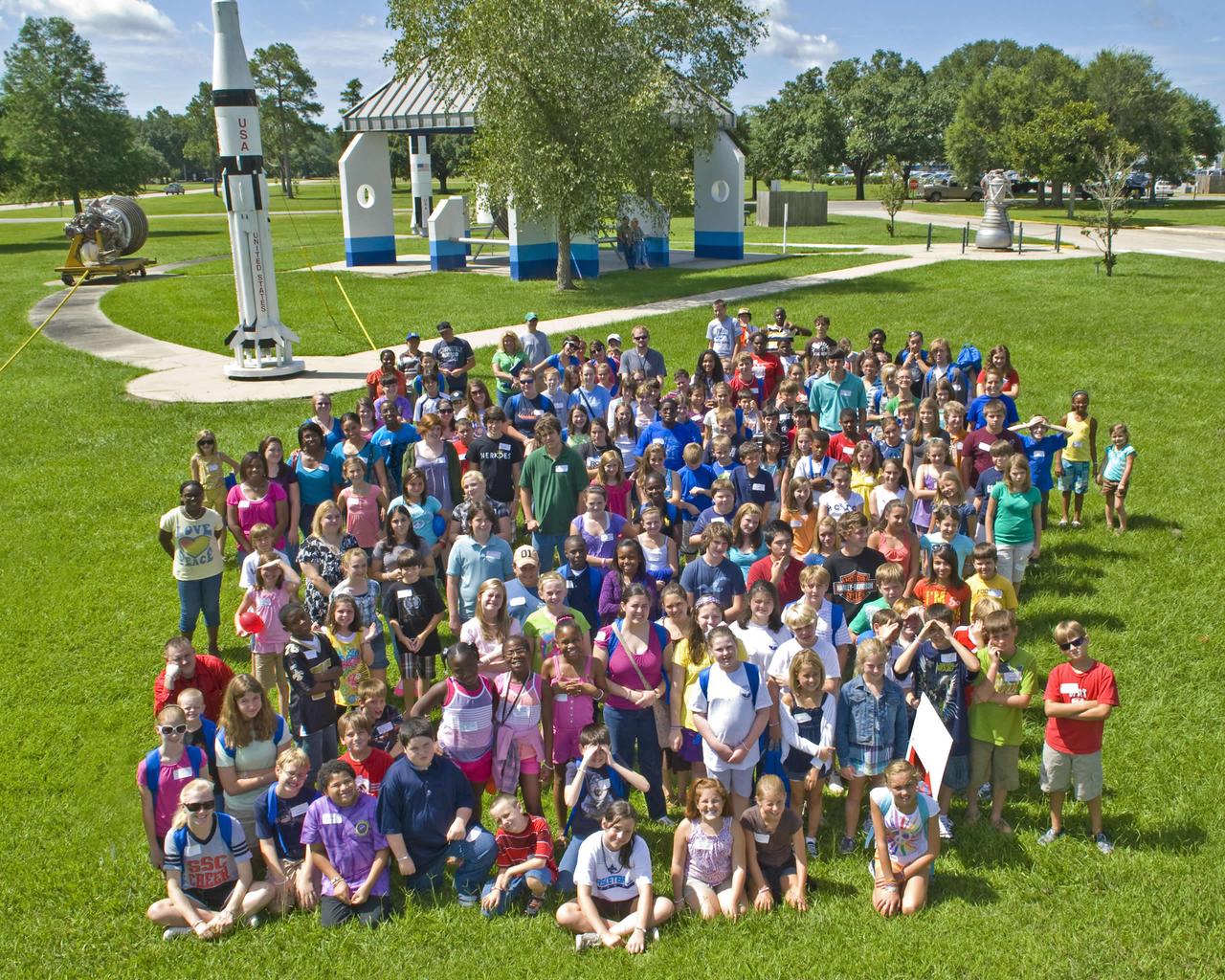
About 200 children of employees at NASA's John C. Stennis Space Center visited the facility for annual Take Our Children to Work activities July 27. Participants enjoyed a windshield tour of the rocket engine test site and various demonstrations and presentations on such topics as cryogenics, the Gulf of Mexico oil spill, computer safety and robotics. They also had an opportunity to take photos at the astronaut suit exhibit and participate in StenniSphere activities.
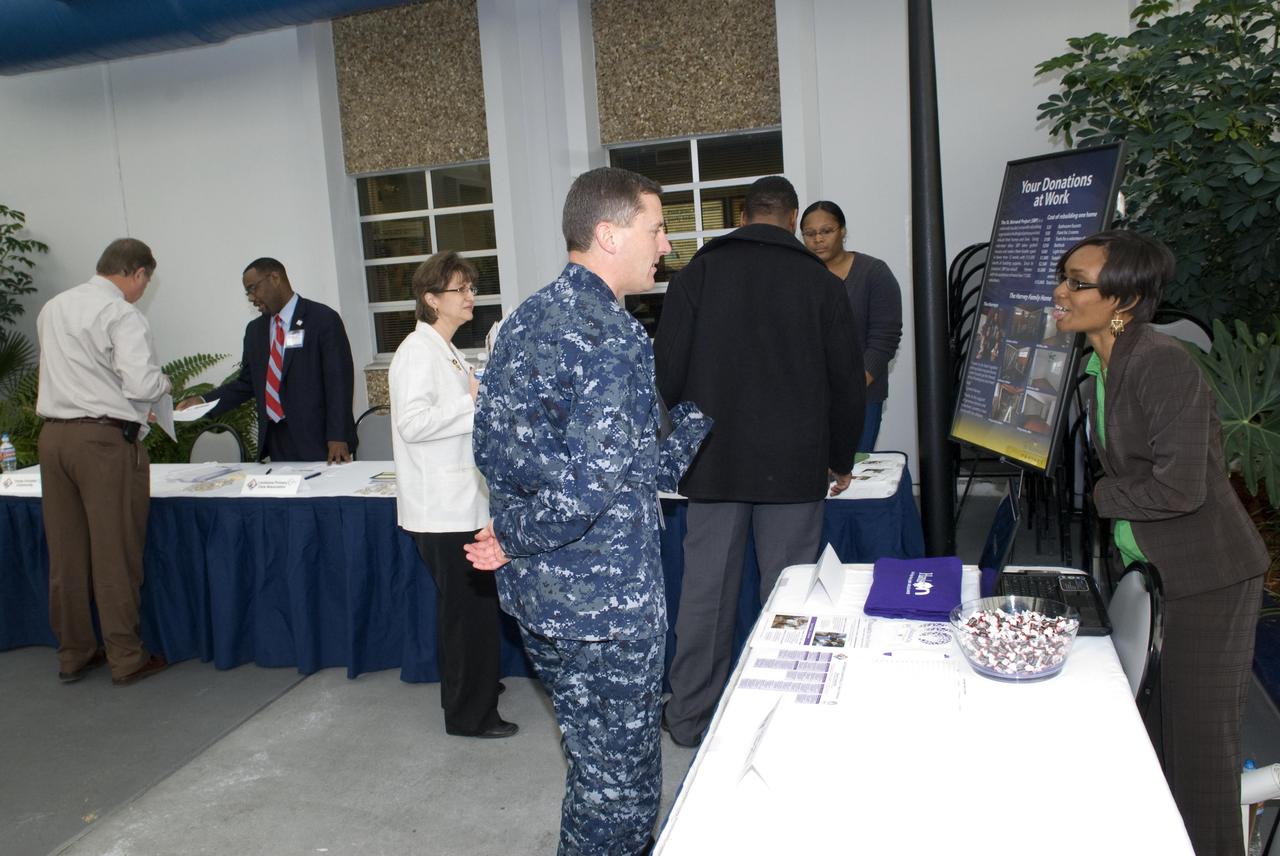
Rich Delgado, commanding officer of the Fleet Survey Team located at NASA's John C. Stennis Space Center, visits with Kertrina Watson Lewis, executive director of the HandsOn volunteer organization in New Orleans, during Day of Service activities Jan. 12. The Day of Service was part of the annual Martin Luther King Jr. Day observance at Stennis. During the day, Mississippi and Louisiana organizations visited the center to encourage employees to register and serve as volunteers for various community activities.
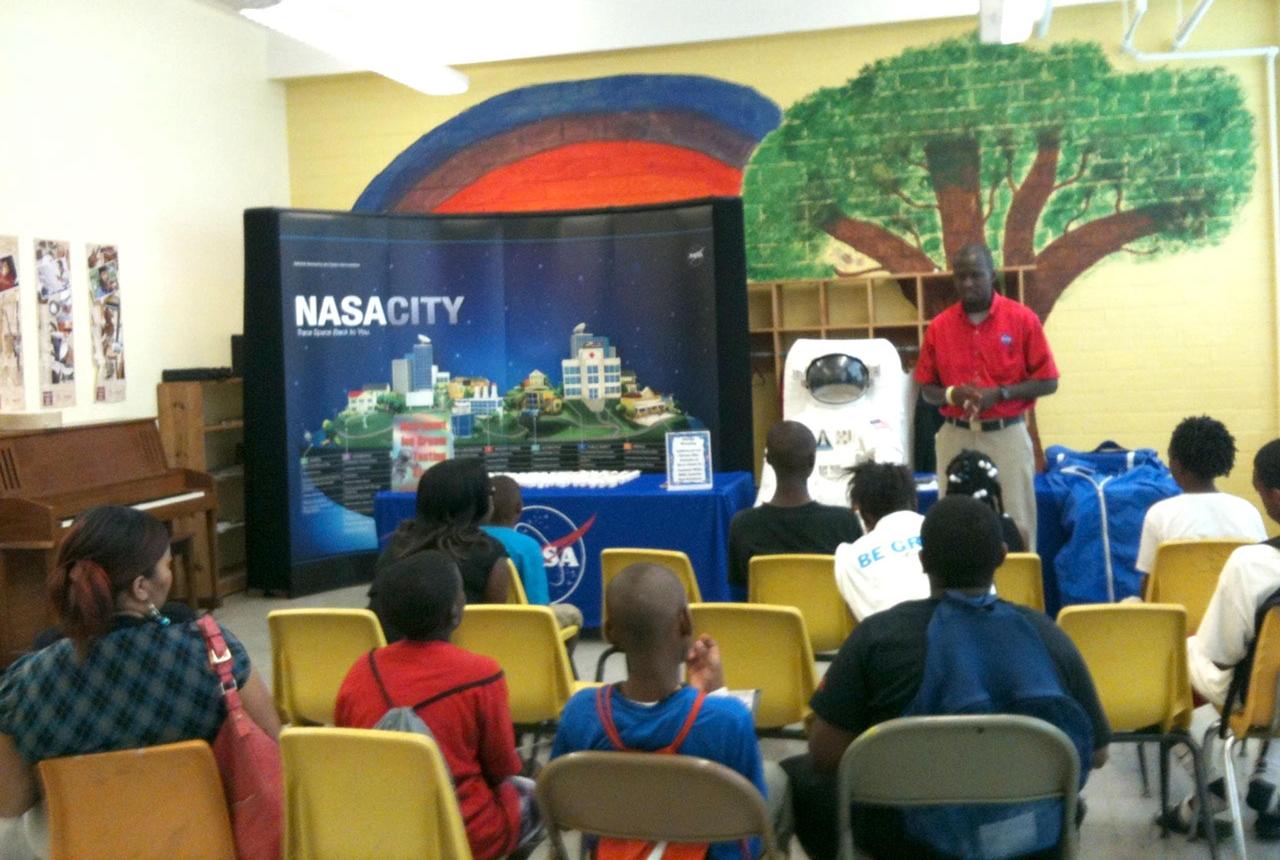
A Stennis Space Center employee talks to young people gathered for a NASA outreach activity at the Boys and Girls Club in Yazoo City, Miss., on June 5, 2012. The Stennis Office of External Affairs hosted outreach activities during a farmers' market in Canton on June 2 prior to visiting Yazoo City. In each instance, visitors were able to collect information about NASA, rocket engine testing and other work at Stennis.
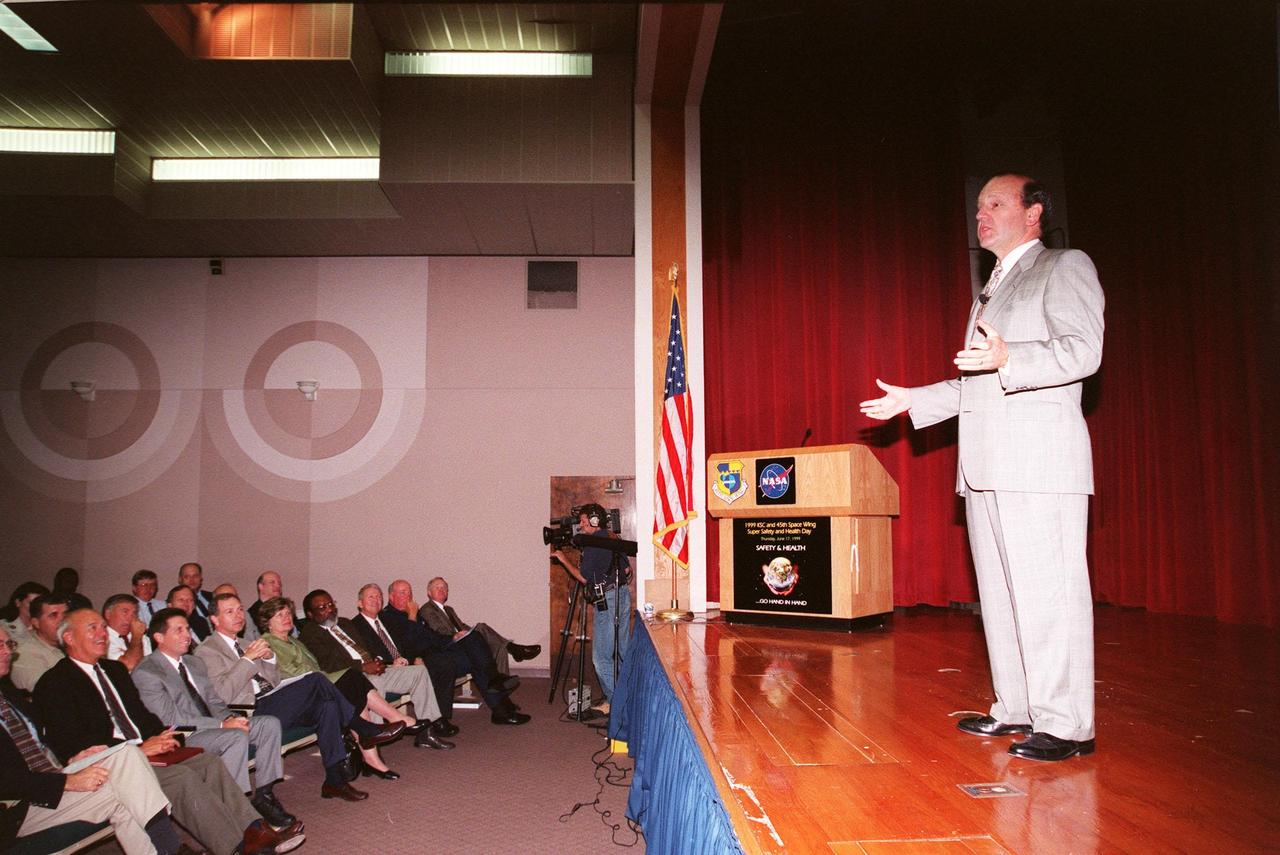
Capt. Dennis E. Fitch, a consultant and former pilot instructor with United Airlines, addresses an audience of KSC employees to kick off Super Safety and Health Day at KSC. Fitch related his tale of the catastrophic engine failure in UAL flight 232, which crash landed in Iowa in 1989, and the teamwork that contributed to his survival and the lives of 183 other passengers. For the second time Kennedy Space Center dedicated an entire day to safety and health. Most normal work activities were suspended to allow personnel to attend Super Safety and Health Day activities. The theme, "Safety and Health Go Hand in Hand," emphasized KSC's commitment to place the safety and health of the public, astronauts, employees and space-related resources first and foremost. Events also included a panel session about related issues, vendor exhibits, and safety training in work groups. The keynote address and panel session were also broadcast internally over NASA television

Kennedy Space Center’s Mike Williams addresses co-workers inside the Florida spaceport’s Kennedy Learning Institute on Oct. 17, 2019, during the third in a series of five TED Talk-style informational sessions. Sponsored by Kennedy’s Launching Leaders and Leadership for the Future, NASAtalks focuses on the topic of intentional careers and aims to provide employees with tools and knowledge that can be utilized for career growth. The theme of this third session was customers, and additional speakers included Kennedy employees Ryan Richards and Dave Grau, with a skill-building section on active listening and negotiating by Tim Bass.
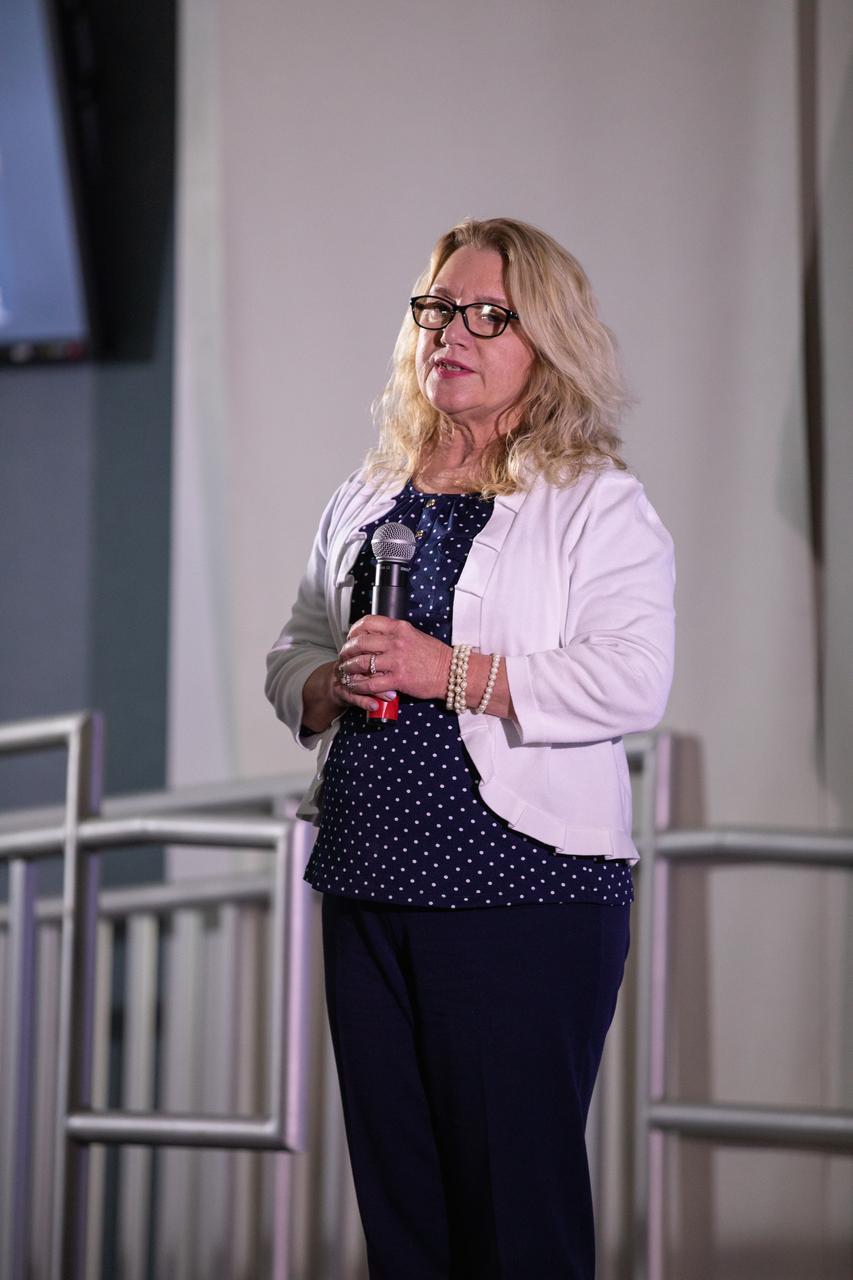
Susan Kroskey, chief financial officer at NASA’s Kennedy Space Center in Florida, speaks at the third in a series of five TED Talk-style informational sessions on Oct. 17, 2019, in the Florida spaceport’s Kennedy Learning Institute. Sponsored by Kennedy’s Launching Leaders and Leadership for the Future, NASAtalks focuses on the topic of intentional careers and aims to provide employees with tools and knowledge that can be utilized for career growth. The theme of this third session was customers, and speakers included Kennedy employees Ryan Richards, Mike Williams and Dave Grau, with a skill-building section on active listening and negotiating by Tim Bass.
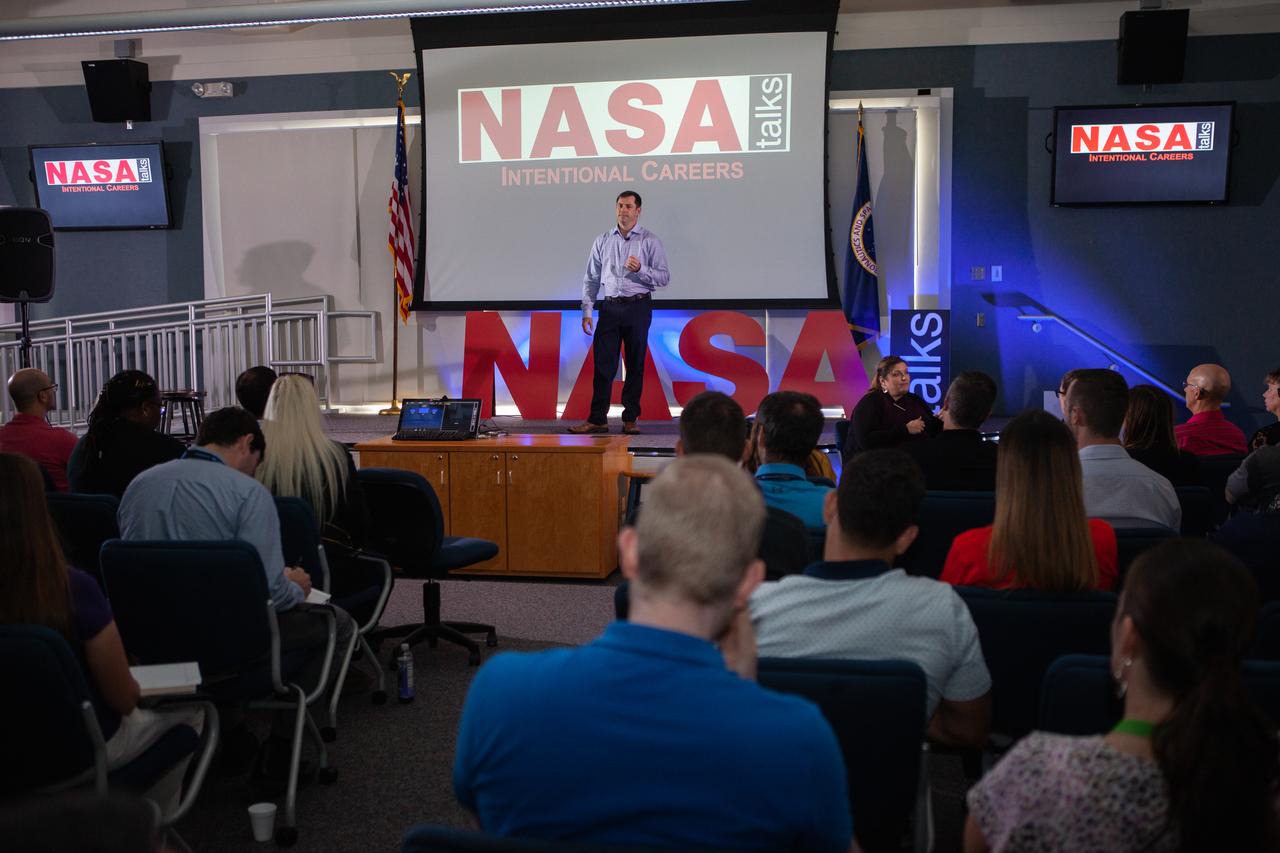
Kennedy Space Center’s Mike Williams addresses co-workers inside the Florida spaceport’s Kennedy Learning Institute on Oct. 17, 2019, during the third in a series of five TED Talk-style informational sessions. Sponsored by Kennedy’s Launching Leaders and Leadership for the Future, NASAtalks focuses on the topic of intentional careers and aims to provide employees with tools and knowledge that can be utilized for career growth. The theme of this third session was customers, and additional speakers included Kennedy employees Ryan Richards and Dave Grau, with a skill-building section on active listening and negotiating by Tim Bass.
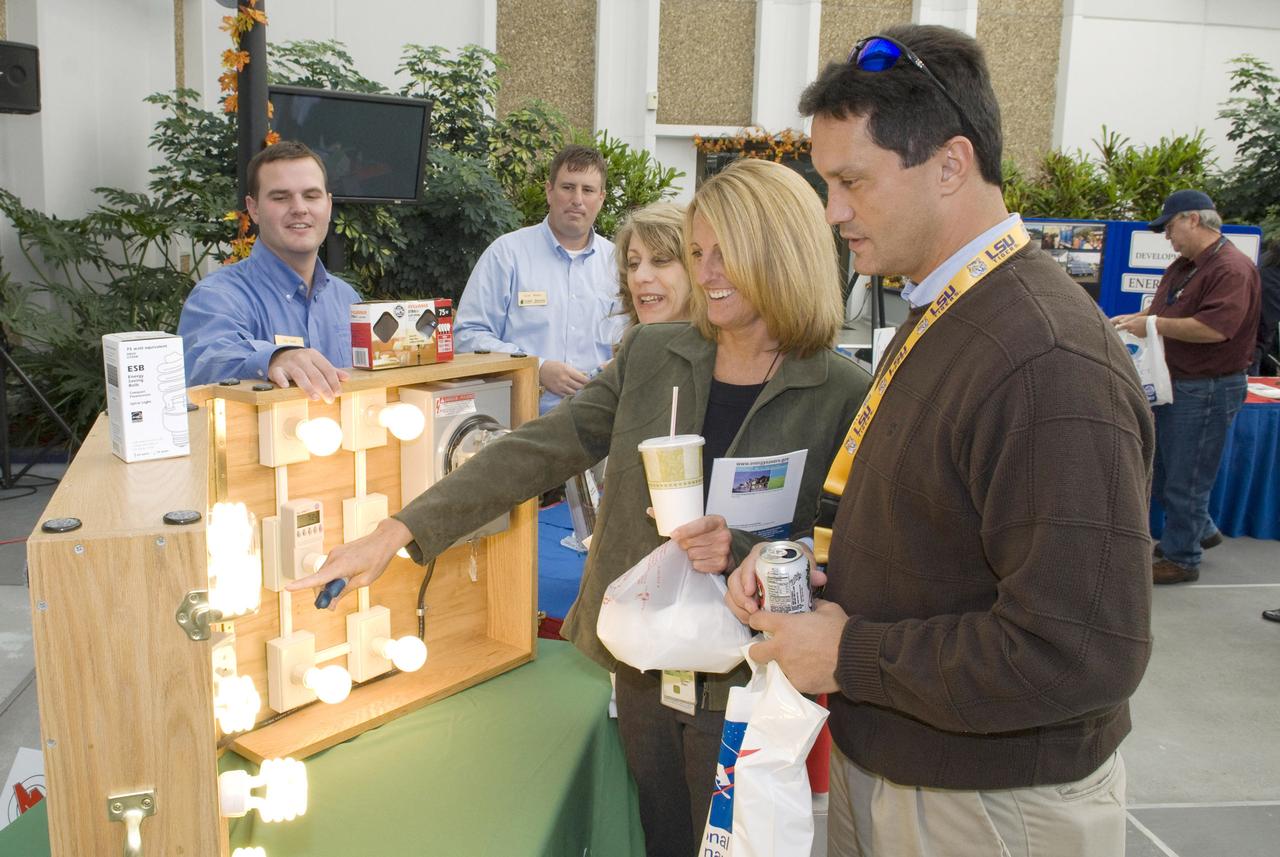
Stennis Space Center employees Maria Etheridge (l to r), Linda Sauland Maurice Prevost visit a Coast Electric Power Association display featuring energy-efficient light bulbs during 2009 Energy Awareness Day activities on Oct. 20. The exhibit was one of several energy-efficiency and energy-awareness displays on-site for employees to visit. Vendors included Mississippi Power Company, Coast Electric Power Association, Mississippi Development Authority - Energy Division,Jacobs FOSC Environmental, Southern Energy Technologies, and Siemens Building Technologies.

Kennedy Space Center’s Ryan Richards addresses co-workers inside the Florida spaceport’s Kennedy Learning Institute on Oct. 17, 2019, during the third in a series of five TED Talk-style informational sessions. Sponsored by Kennedy’s Launching Leaders and Leadership for the Future, NASAtalks focuses on the topic of intentional careers and aims to provide employees with tools and knowledge that can be utilized for career growth. The theme of this third session was customers, and additional speakers included Kennedy employees Mike Williams and Dave Grau, with a skill-building section on active listening and negotiating by Tim Bass.
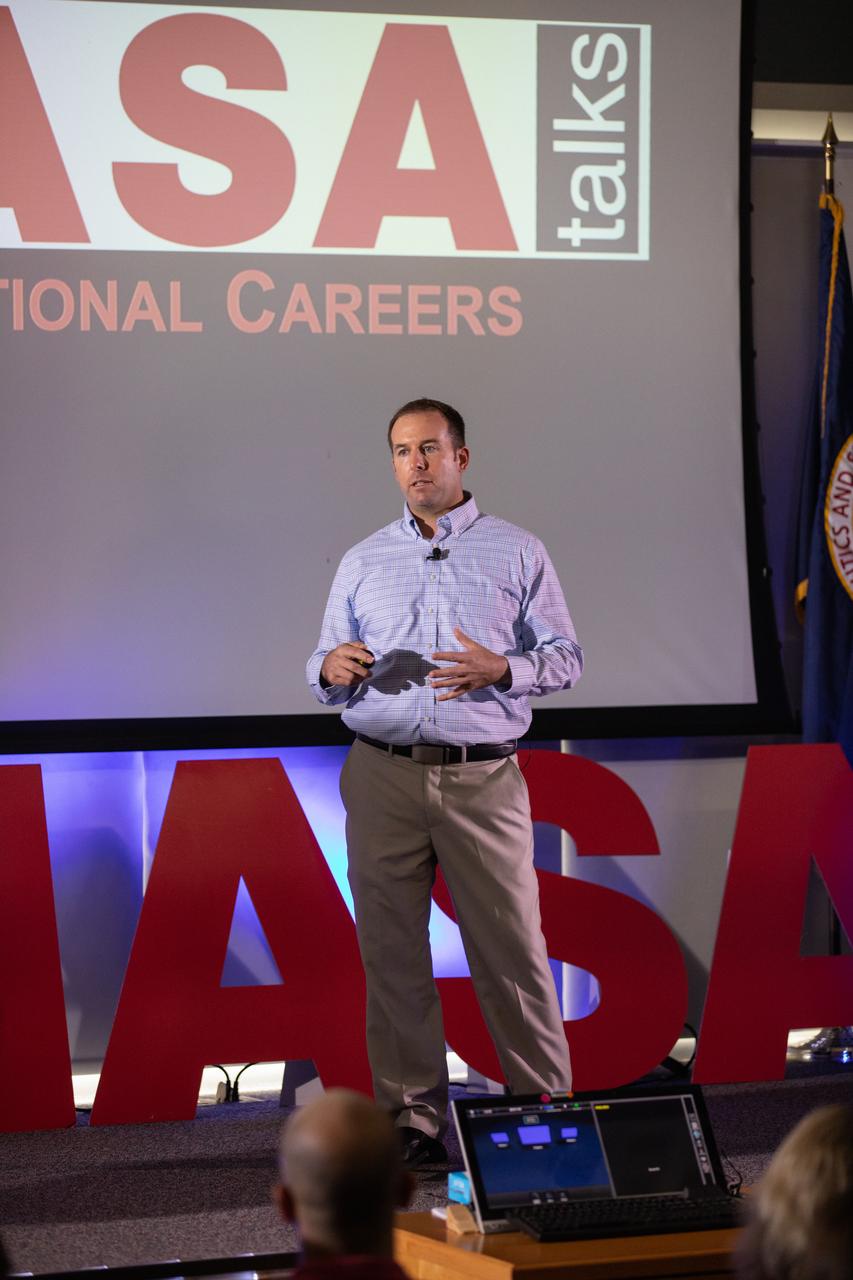
Kennedy Space Center’s Dave Grau addresses co-workers inside the Florida spaceport’s Kennedy Learning Institute on Oct. 17, 2019, during the third in a series of five TED Talk-style informational sessions. Sponsored by Kennedy’s Launching Leaders and Leadership for the Future, NASAtalks focuses on the topic of intentional careers and aims to provide employees with tools and knowledge that can be utilized for career growth. The theme of this third session was customers, and additional speakers included Kennedy employees Ryan Richards and Mike Williams, with a skill-building section on active listening and negotiating by Tim Bass.
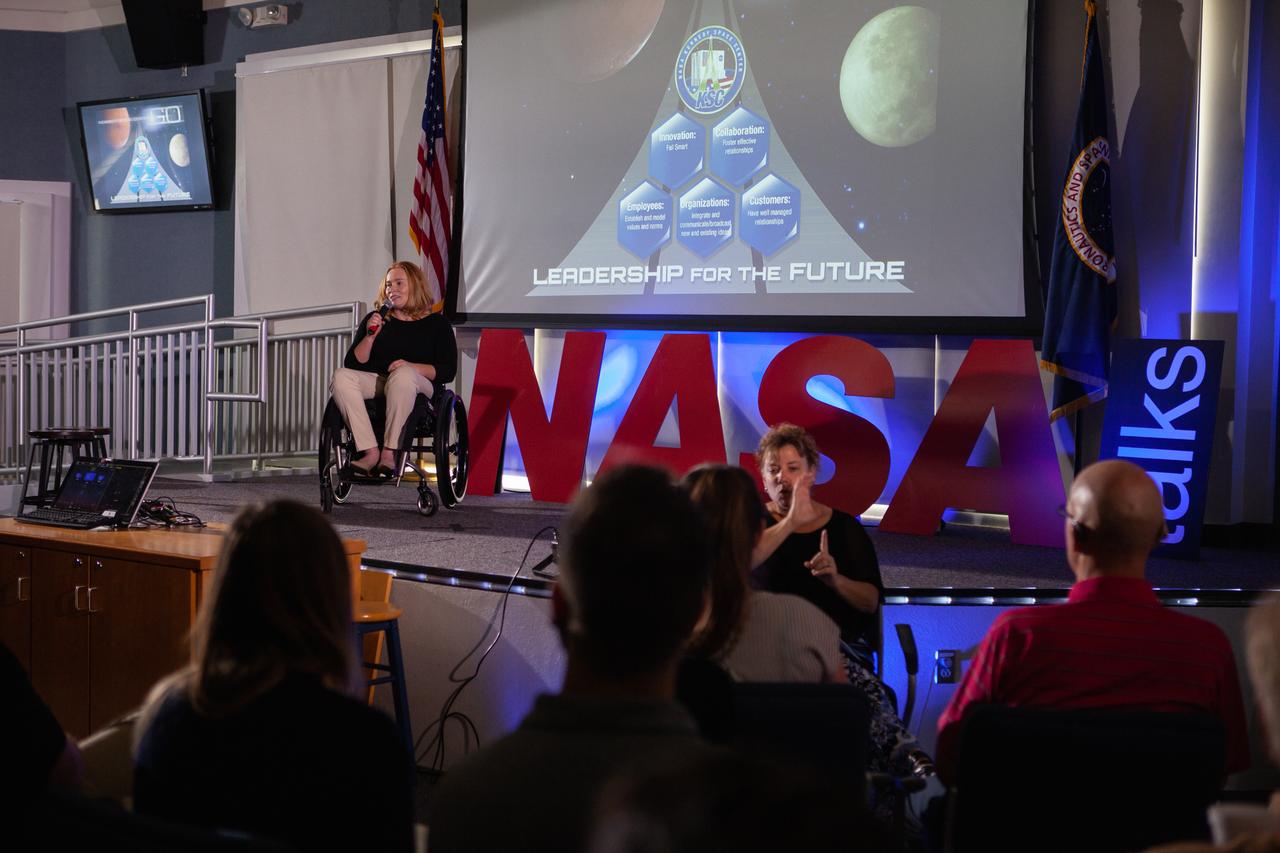
Kennedy Space Center’s Christine Shepperd addresses co-workers inside the Florida spaceport’s Kennedy Learning Institute on Oct. 17, 2019, during the third in a series of five TED Talk-style informational sessions. Sponsored by Kennedy’s Launching Leaders and Leadership for the Future, NASAtalks focuses on the topic of intentional careers and aims to provide employees with tools and knowledge that can be utilized for career growth. The theme of this third session was customers, and speakers included Kennedy employees Ryan Richards, Mike Williams and Dave Grau, with a skill-building section on active listening and negotiating by Tim Bass.
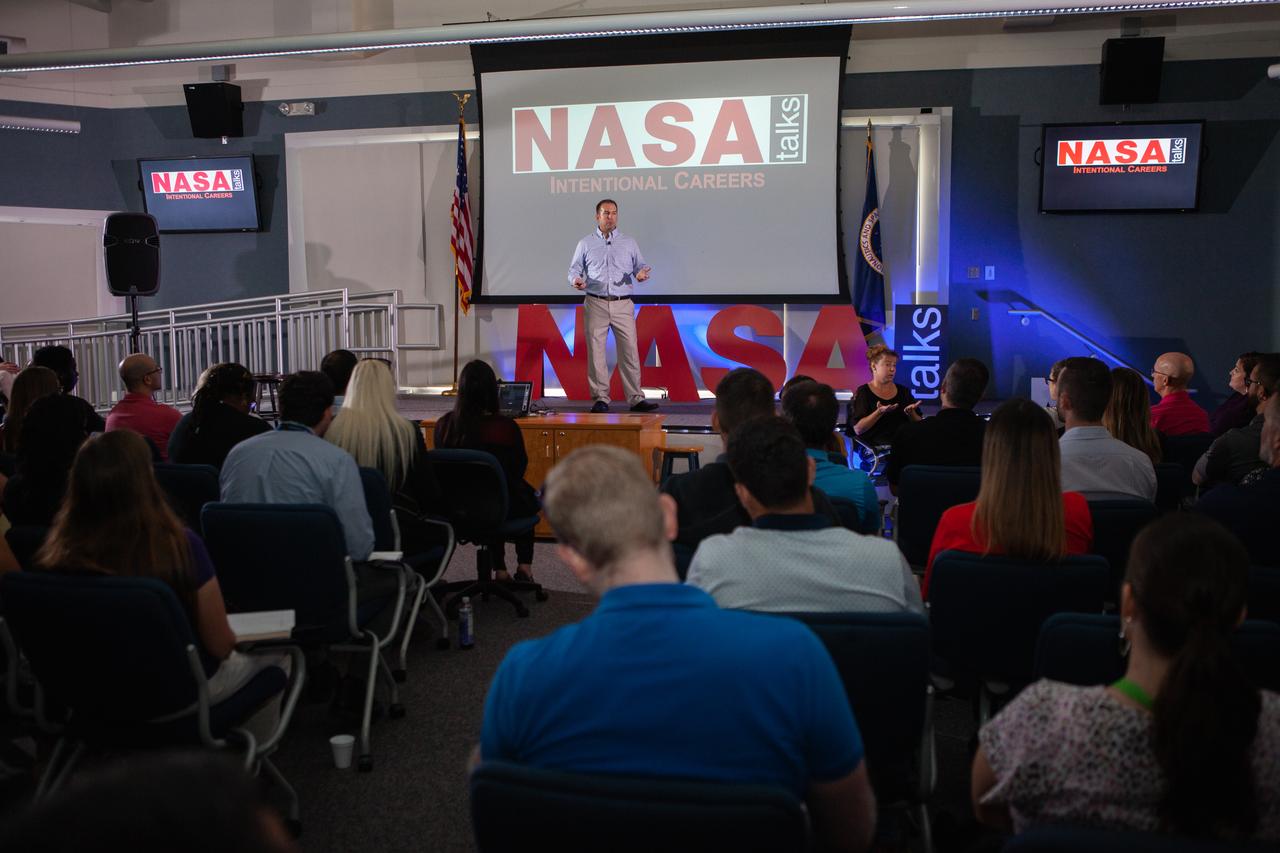
Kennedy Space Center’s Dave Grau addresses co-workers inside the Florida spaceport’s Kennedy Learning Institute on Oct. 17, 2019, during the third in a series of five TED Talk-style informational sessions. Sponsored by Kennedy’s Launching Leaders and Leadership for the Future, NASAtalks focuses on the topic of intentional careers and aims to provide employees with tools and knowledge that can be utilized for career growth. The theme of this third session was customers, and additional speakers included Kennedy employees Ryan Richards and Mike Williams, with a skill-building section on active listening and negotiating by Tim Bass.
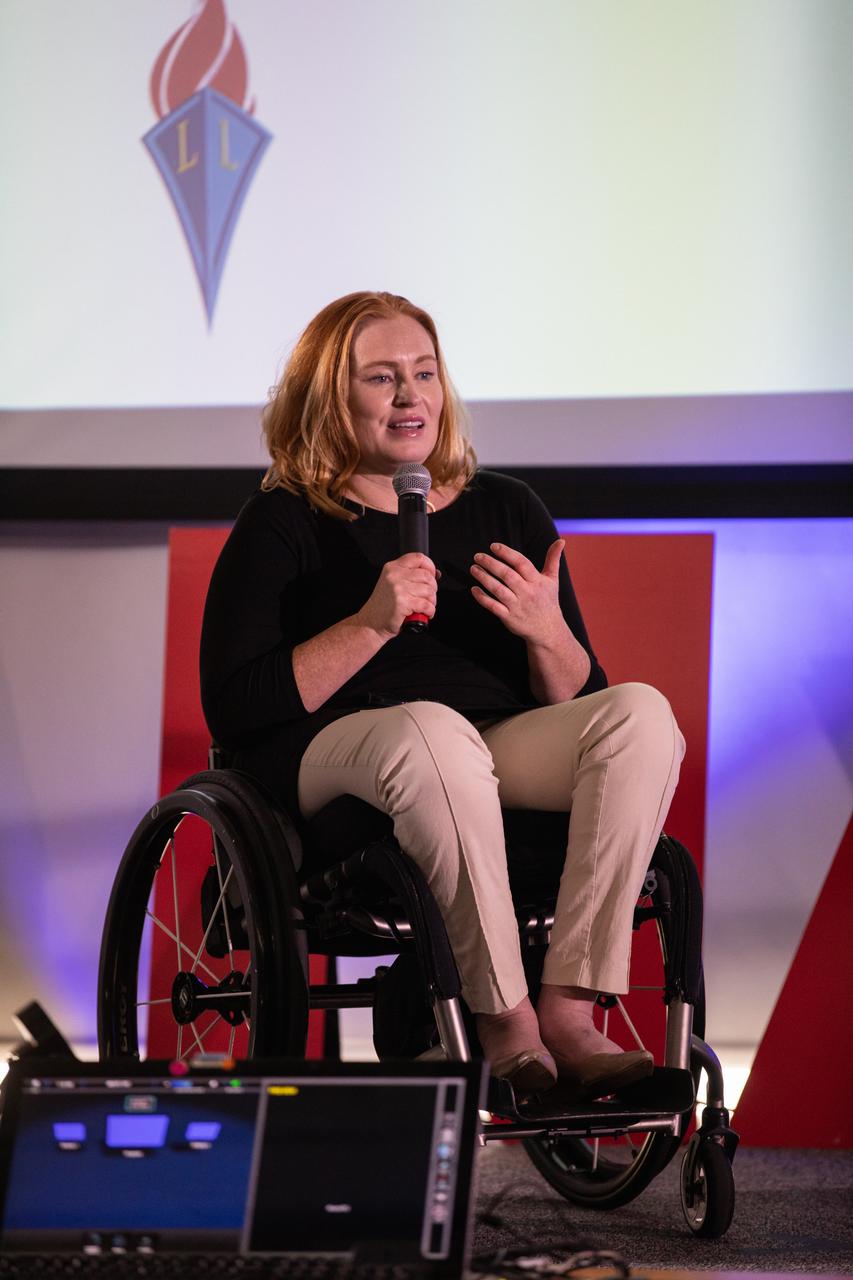
Kennedy Space Center’s Christine Shepperd addresses co-workers inside the Florida spaceport’s Kennedy Learning Institute on Oct. 17, 2019, during the third in a series of five TED Talk-style informational sessions. Sponsored by Kennedy’s Launching Leaders and Leadership for the Future, NASAtalks focuses on the topic of intentional careers and aims to provide employees with tools and knowledge that can be utilized for career growth. The theme of this third session was customers, and speakers included Kennedy employees Ryan Richards, Mike Williams and Dave Grau, with a skill-building section on active listening and negotiating by Tim Bass.
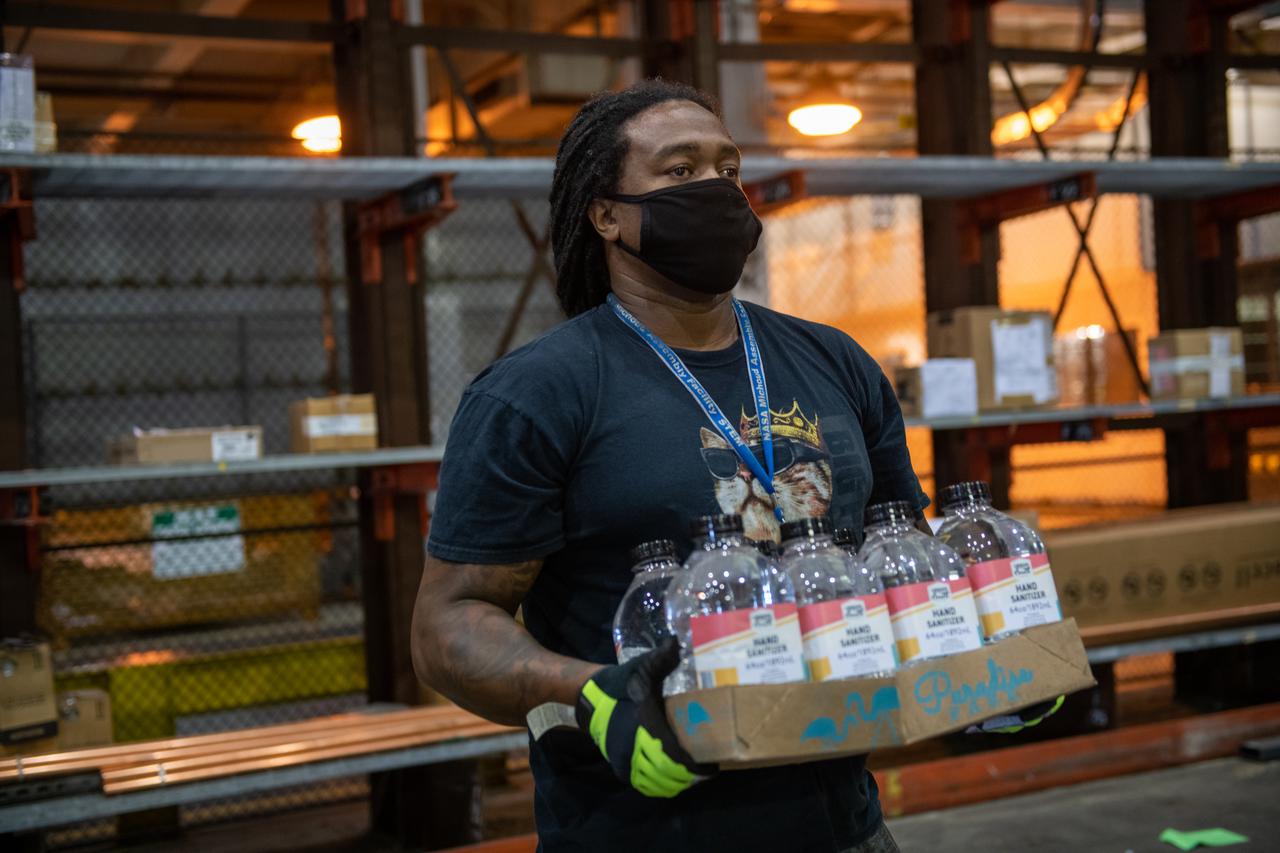
This photo includes two employees wearing personal protective gear in the shipping and receiving area of Michoud Assembly Facility during the Stage 3 transition of NASA’s Framework for Return To On-Site Work. Wearing a facemask is mandatory for common areas where social distancing is difficult to achieve. Access to the facility is limited to authorized personnel working on mission-critical tasks that must be conducted onsite. Employees at Michoud Assembly Facility in New Orleans will slowly and methodically resume Space Launch System (SLS) Core Stage and Orion Spacecraft production and assembly activities at a pace that limits personnel and follows federal guidelines for social distancing and use of personal protective equipment such as face masks. For more information about SLS, visit nasa.gov/sls.
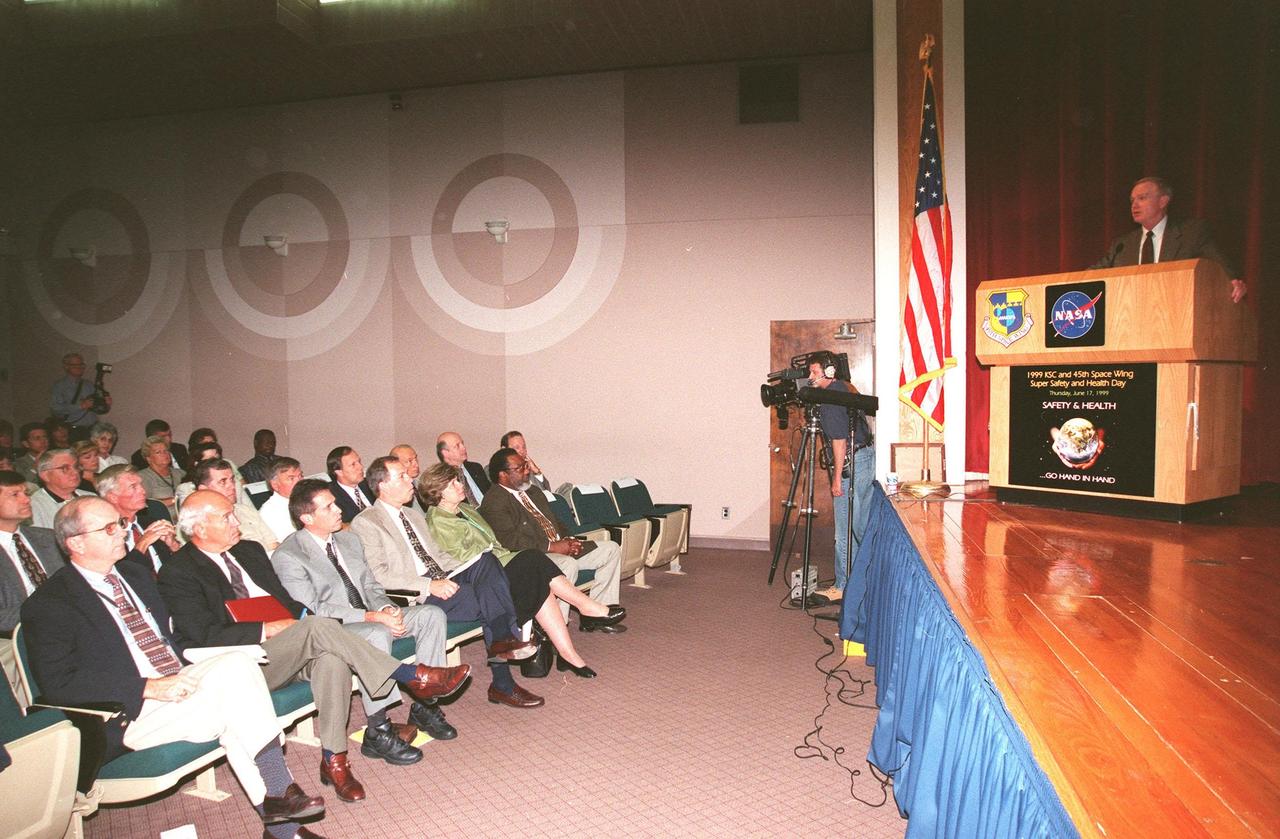
Center Director Roy Bridges opens the second Super Safety and Health Day at Kennedy Space Center, an entire day when most normal work activities are suspended to allow personnel to attend safetyand health-related activities. The theme, "Safety and Health Go Hand in Hand," emphasized KSC's commitment to place the safety and health of the public, astronauts, employees and space-related resources first and foremost. Events included a keynote address, a panel session about related issues, vendor exhibits, and safety training in work groups. The keynote address and panel session were also broadcast internally over NASA television
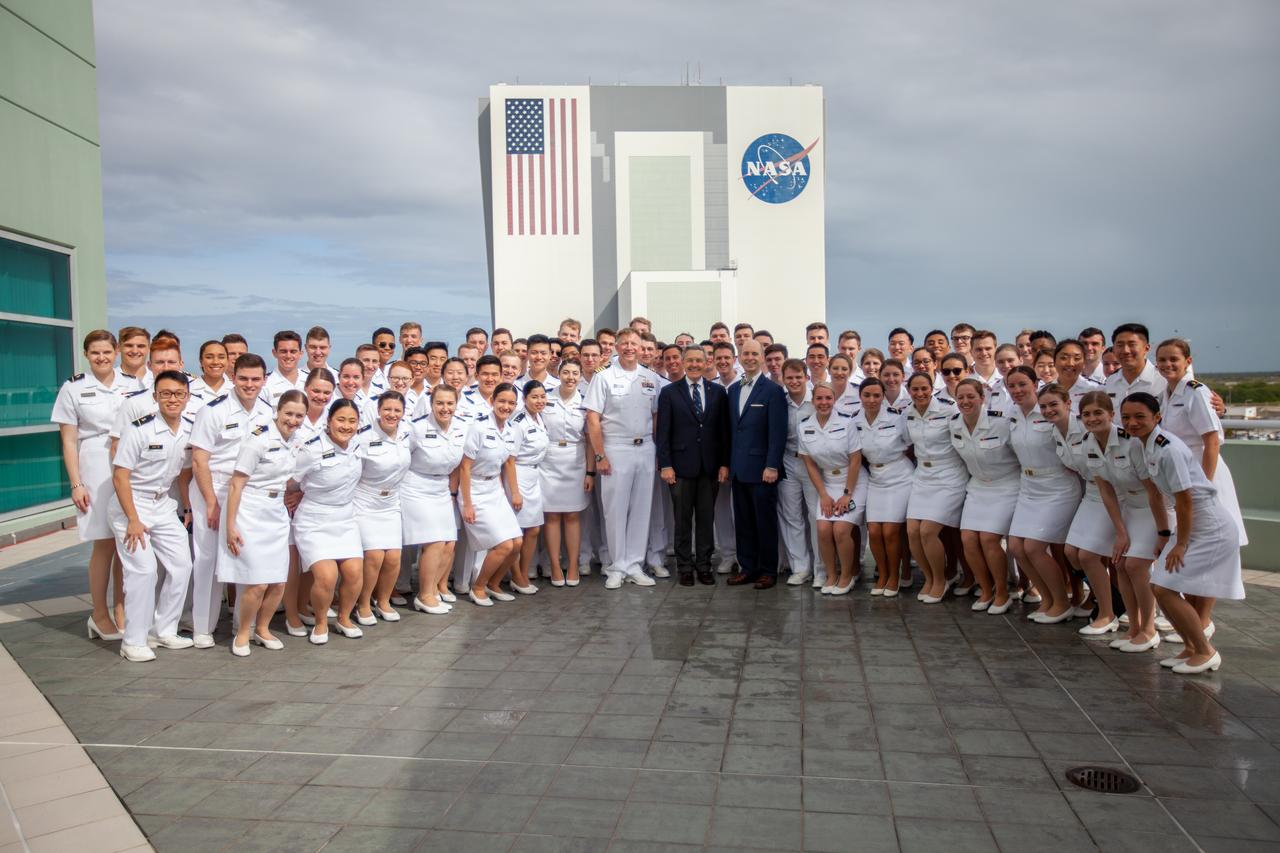
At center, from left to right, Captain Ben Shupp, commanding officer, Naval Ordnance Test Unit; Bob Cabana, Kennedy Space Center director; and Dr. Aaron Smith, director and chairman, Musical Activities Department, United States Naval Academy; pose with the U.S. Naval Academy Glee Club with the Florida spaceport’s Vehicle Assembly Building in the background on March 10, 2020. The highly acclaimed Glee Club, which performed for Kennedy employees, has achieved prominence as one of America’s premier choral ensembles.
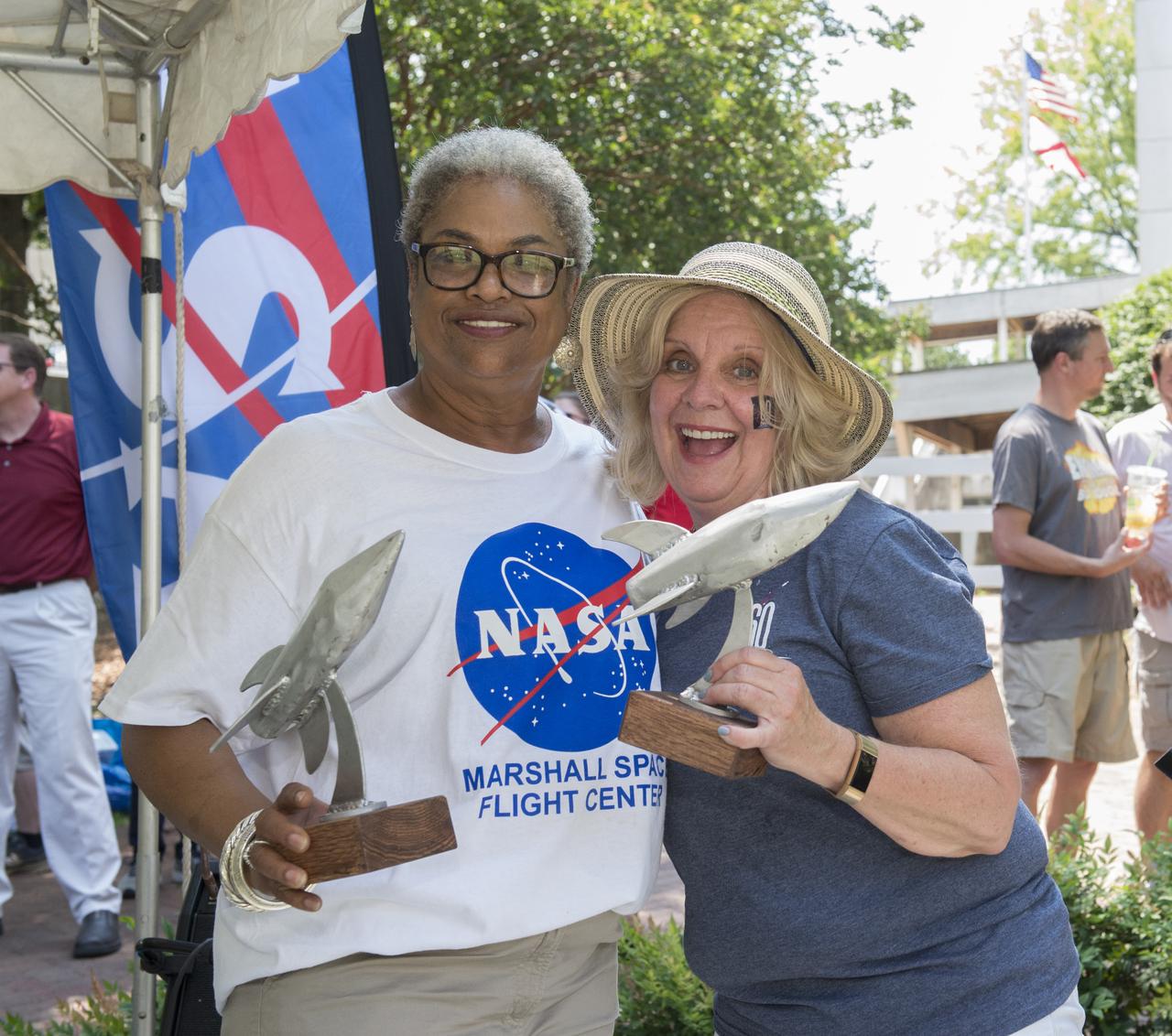
NASA in the Park on June 16 in Huntsville featured more than 60 exhibits and demonstrations by NASA experts, as well as performances by Marshall musicians, educational opportunities, games and hands-on activities for all ages. Marshall employees Ola Metcalfe (L), and Sherrie Stroud proudly display trophies awarded to them by Downtown Inc. President, Chad Emerson, in appreciation of their efforts in the five year partnership with NASA in the Park.
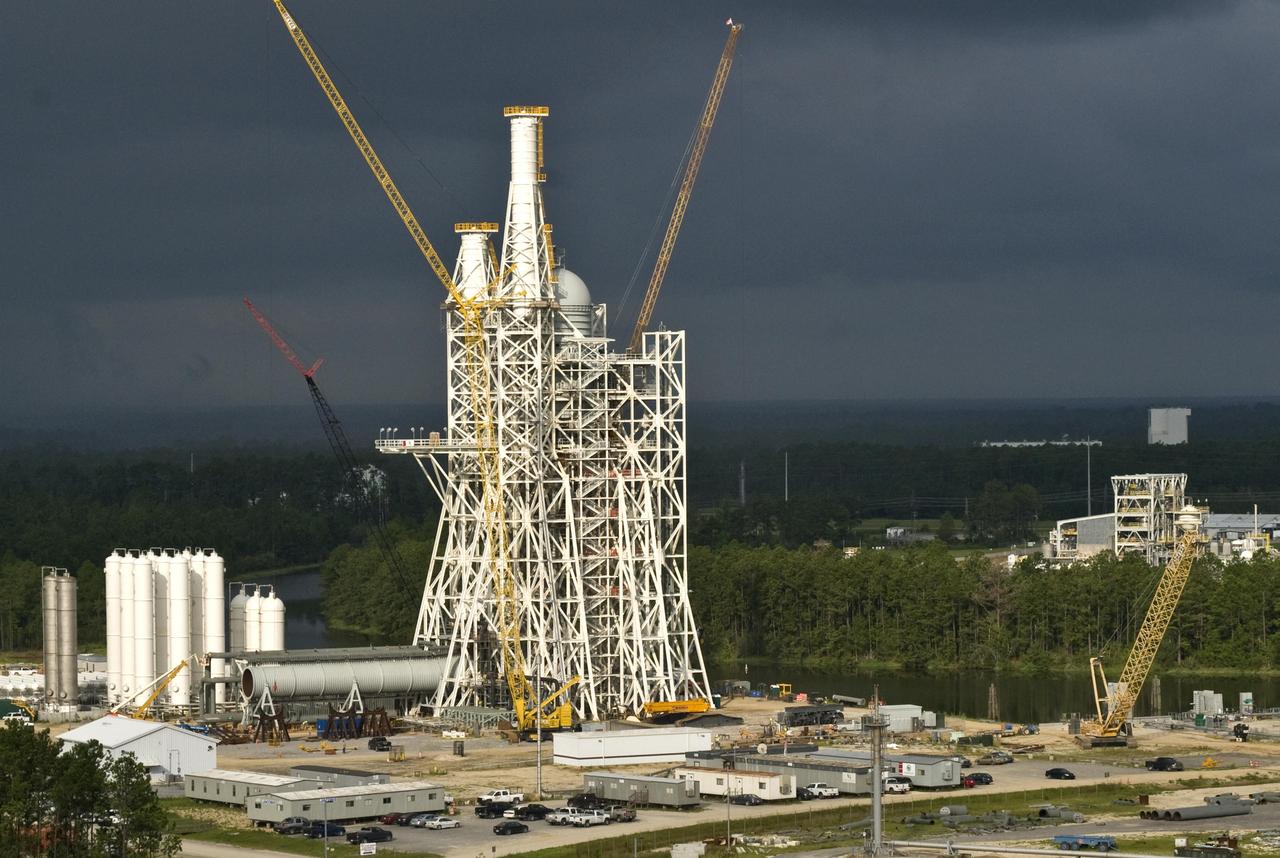
Stennis Space Center employees have installed liquid oxygen and liquid hydrogen tanks atop the A-3 Test Stand, raising the structure to its full 300-foot height. The stand is being built to test next-generation rocket engines that could carry humans beyond low-Earth orbit into deep space. The A-3 Test Stand is scheduled for completion and activation in 2013.
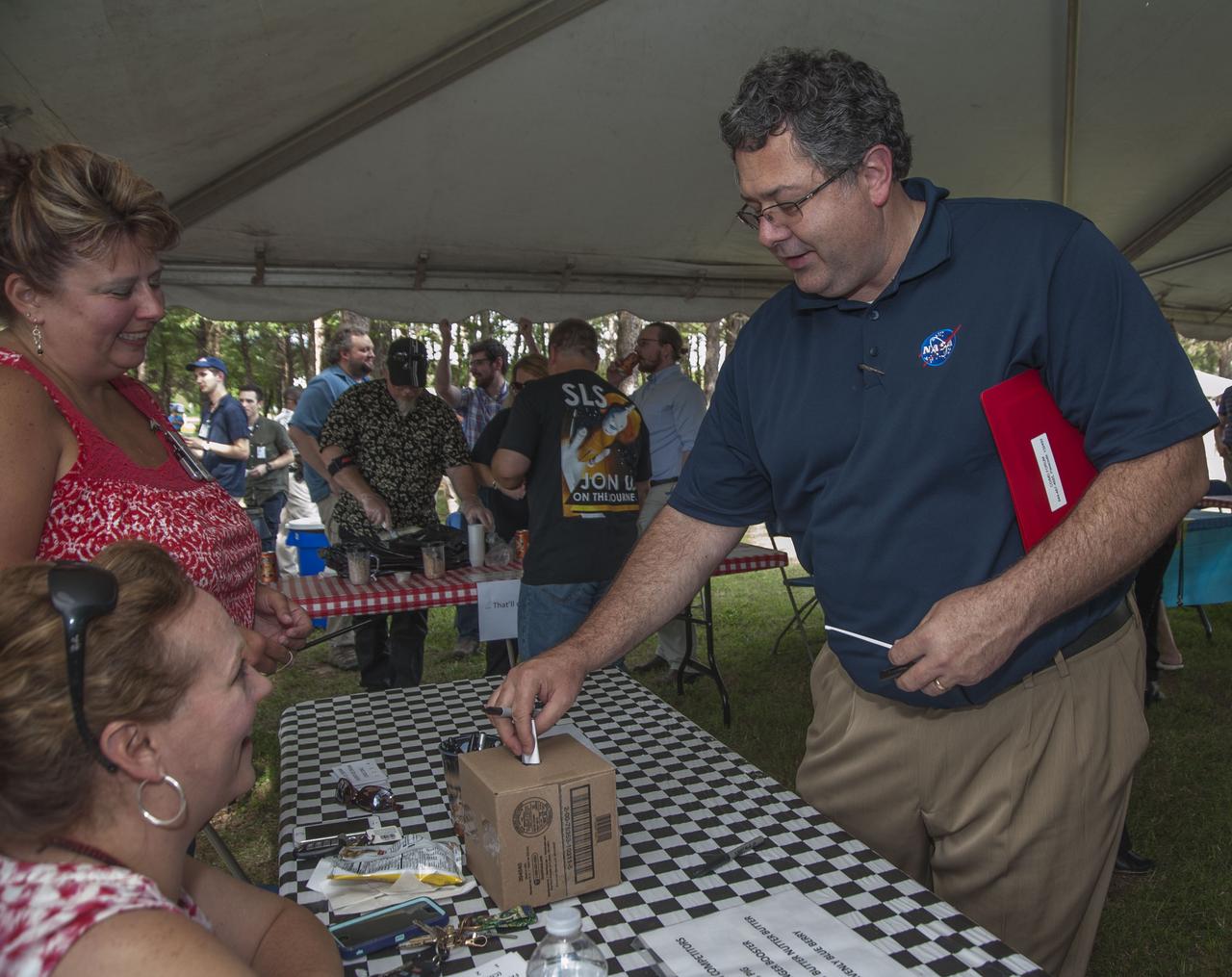
MARSHALL SPACE FLIGHT CENTER DIRECTOR TODD MAY CASTS HIS BALLOT IN THE HOMEMADE ICE CREAM CONTEST DURING THE GREAT EXCHANGE SUMMER BLAST SOCIAL, PRESENTED JUNE 9 BY THE MARSHALL EXCHANGE. THE EXCHANGE IS A NON-APPROPRIATED-FUND ACTIVITY THAT AIMS TO CONTRIBUTE TO THE WELFARE, EFFICIENCY AND MORALE OF MARSHALL TEAM MEMBERS, OTHER GOVERNMENT PERSONNEL, RETIRED NASA EMPLOYEES AND THEIR FAMILIES.
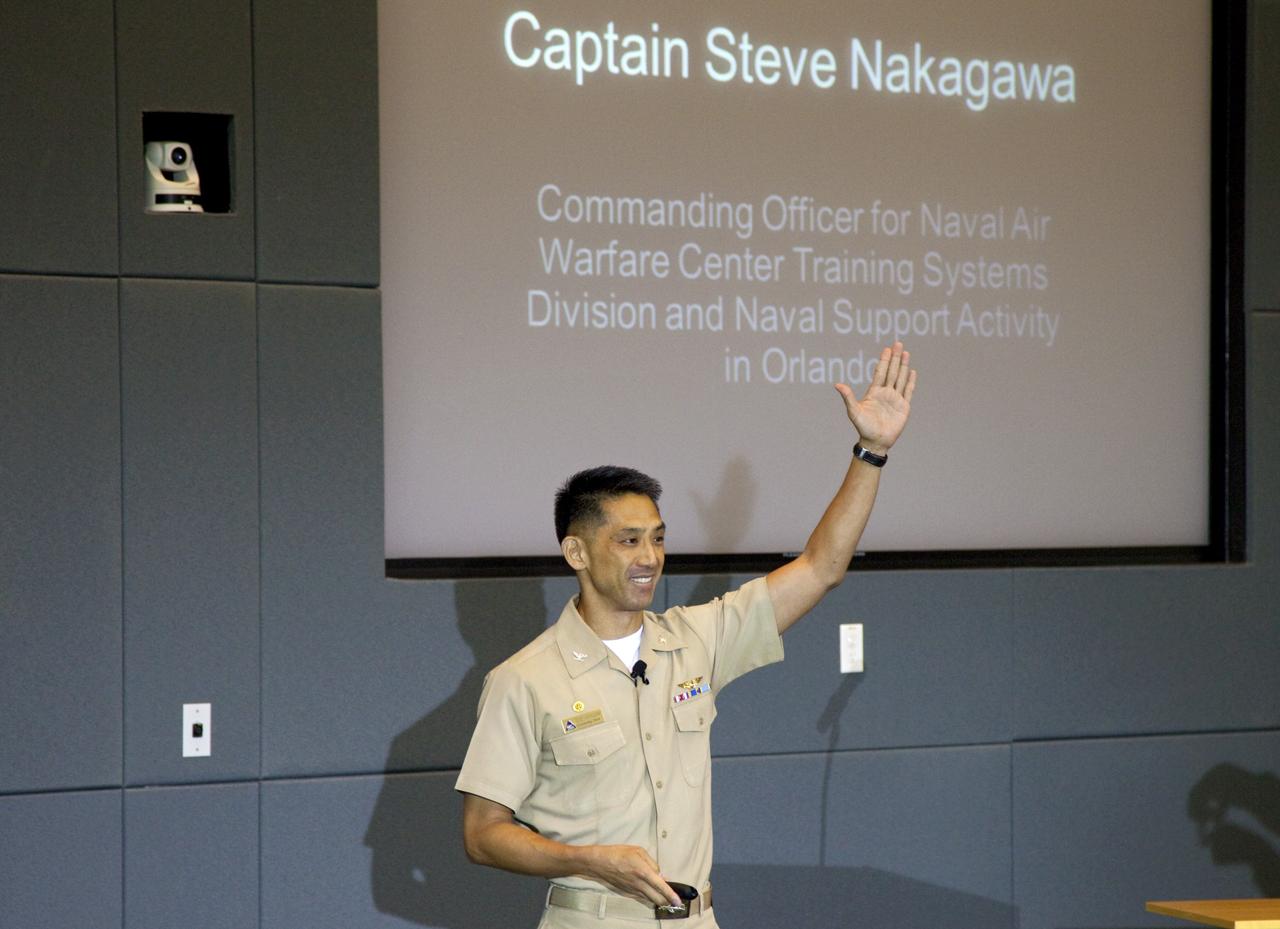
CAPE CANAVERAL, Fla. – Navy Capt. Steve Nakagawa, commanding officer for Naval Air Warfare Center Training Systems Division and Naval Support Activity, speaks during the Kennedy Space Center's Innovation Expo in the Operations Support Building II. The center-wide event gave researchers a chance to show some of their work to others and gave employees the opportunity to see facilities they hadn't viewed before. Photo credit: Gianni Woods

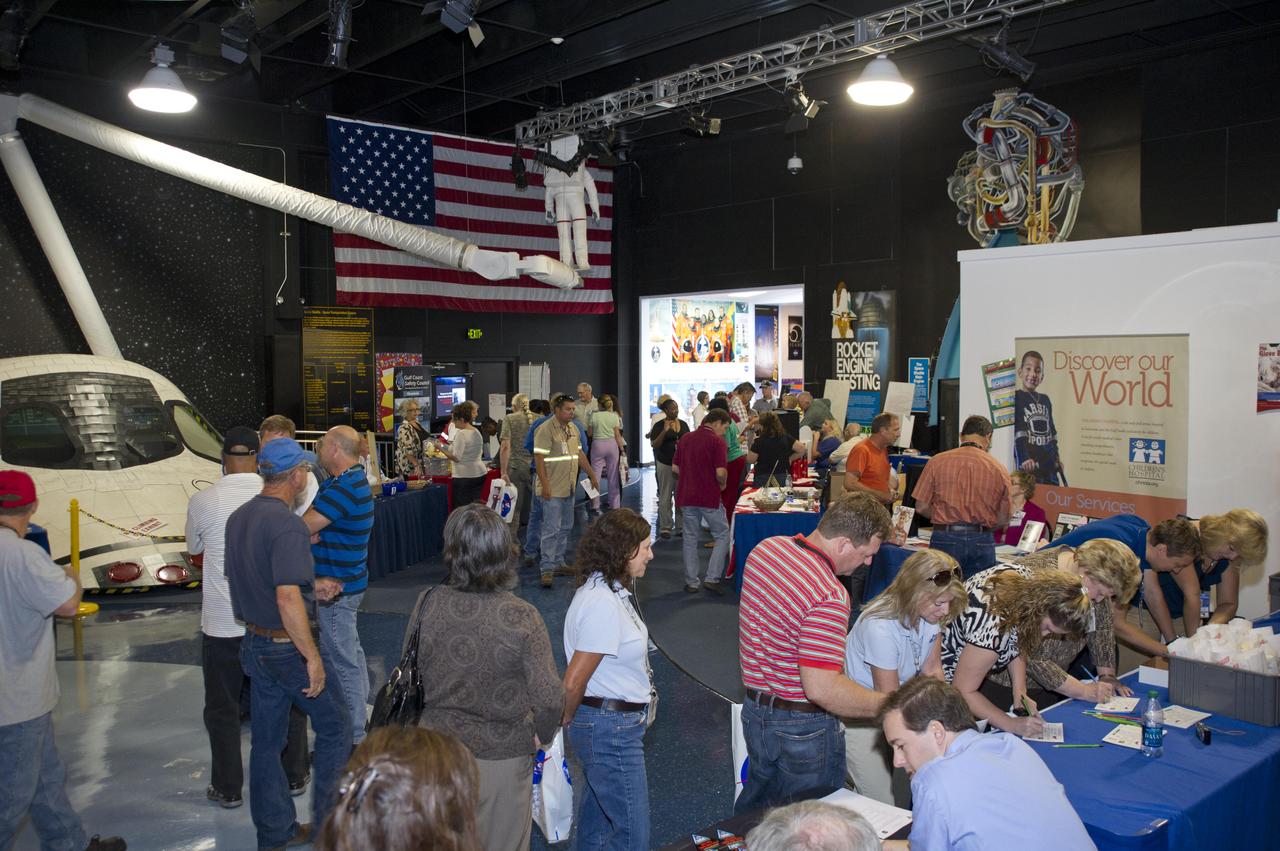
Employees at NASA’s Kennedy Space Center in Florida participate in the Safety and Health days activities on Thursday, May 9, 2024. The agency’s Safety and Health days took place the week of May 6-10 to show the NASA’s commitment to the safety and health of the entire workforce, and various organizations provided interactive exhibits and information on a range of safety and health issues.
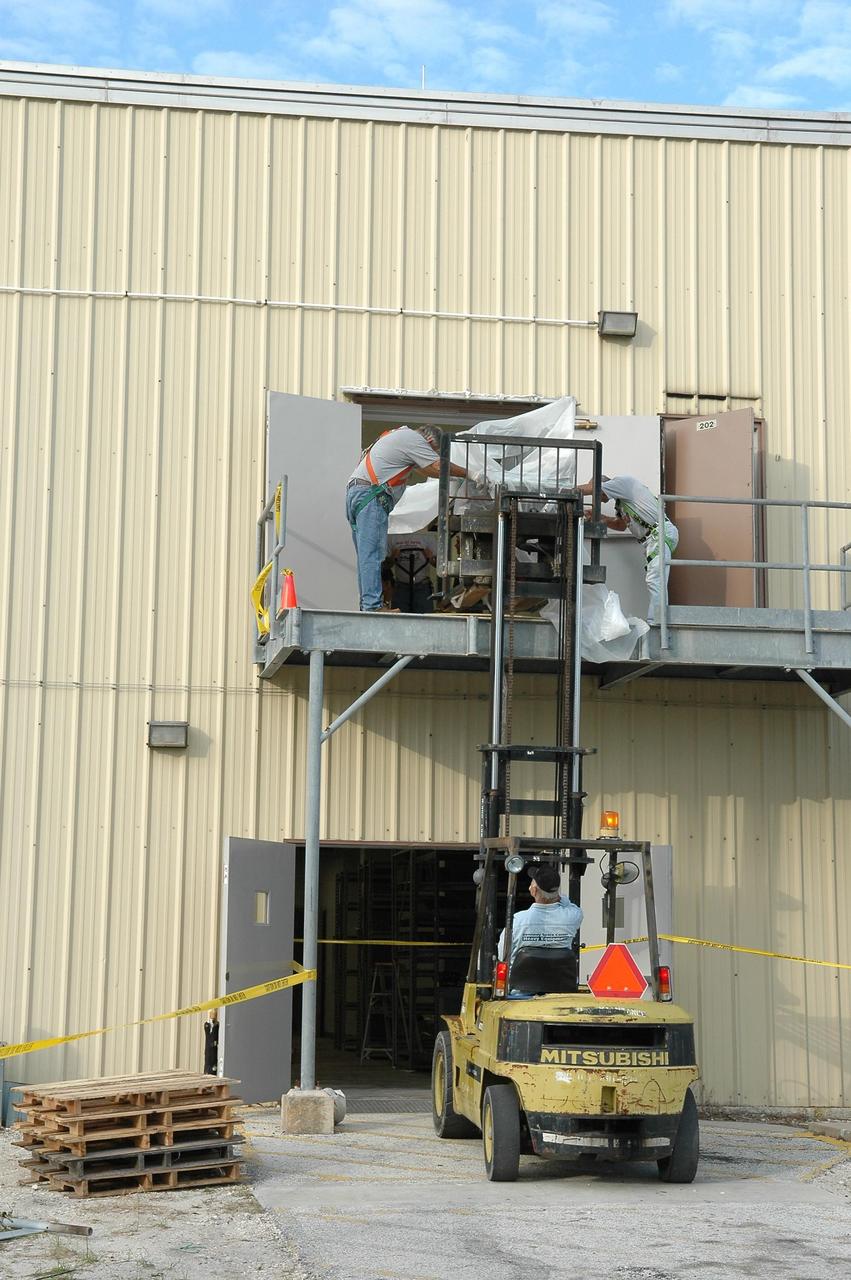
KENNEDY SPACE CENTER, FLA. - Employees at NASA Kennedy Space Center are moving equipment out of the RLV Hangar, where it was stored, and returning it to the Thermal Protection System (TPS) facility. The upper floor of the facility, where soft material was processed, was damaged during the 2004 hurricanes. While the TPS facility was being repaired, normal work activity was done in the hangar.
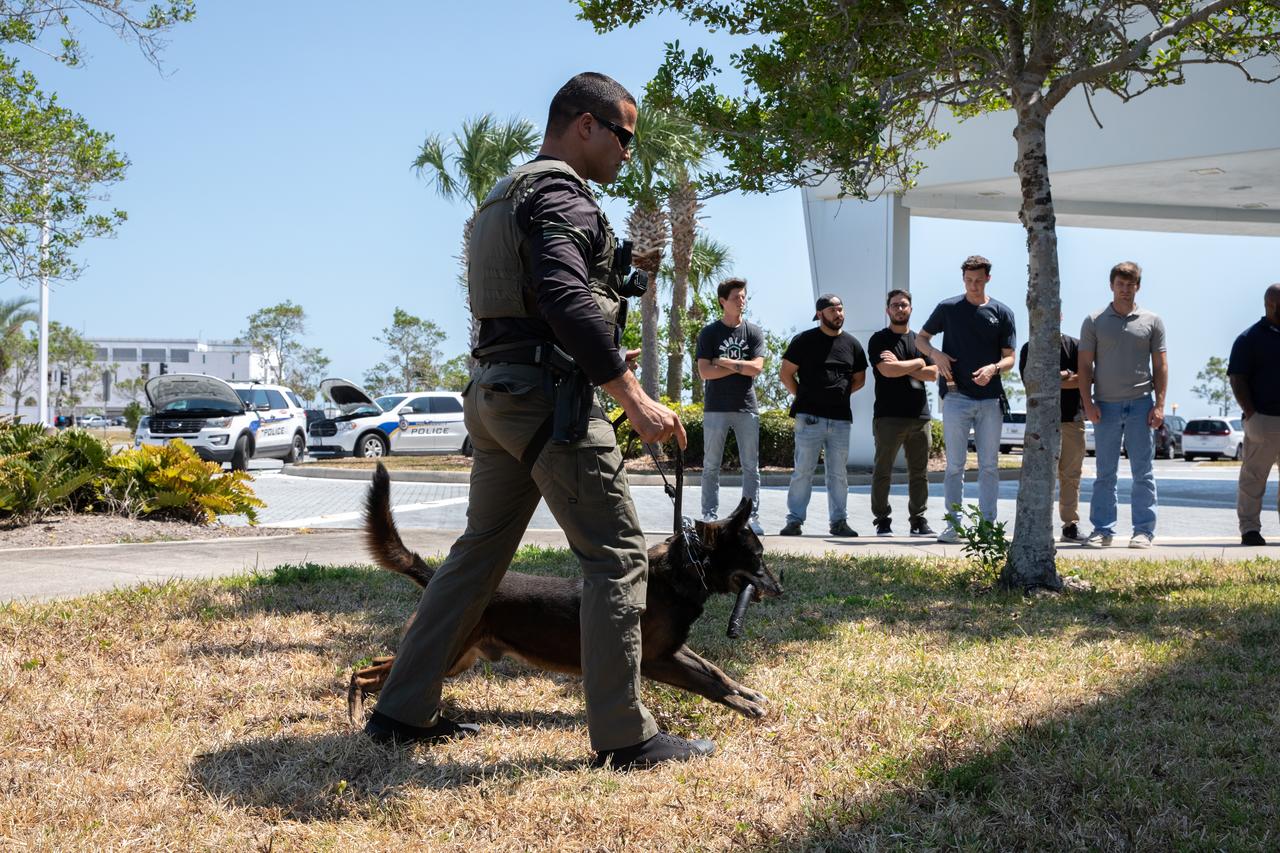
Employees at NASA's John C. Stennis Space Center participated in 2012 Safety and Health Day activities Aug. 21. Various organizations provided interactive exhibits and information on a range of safety and health issues. During large group presentations, Brad Gardner also spoke about losing part of his right arm to an industrial accident in 2003 and what it has taught him about preventing accidents. Gardner served 22 years in the U.S. Air Force and has a background in safety management.

KENNEDY SPACE CENTER, FLA. - Inside the RLV Hangar at NASA Kennedy Space Center, employees prepare a blanket sewing machine to be transferred back to the Thermal Protection System (TPS) facility. The upper floor of the facility, where soft material was processed, was damaged during the 2004 hurricanes. While the TPS facility was being repaired, normal work activity was done in the hangar.
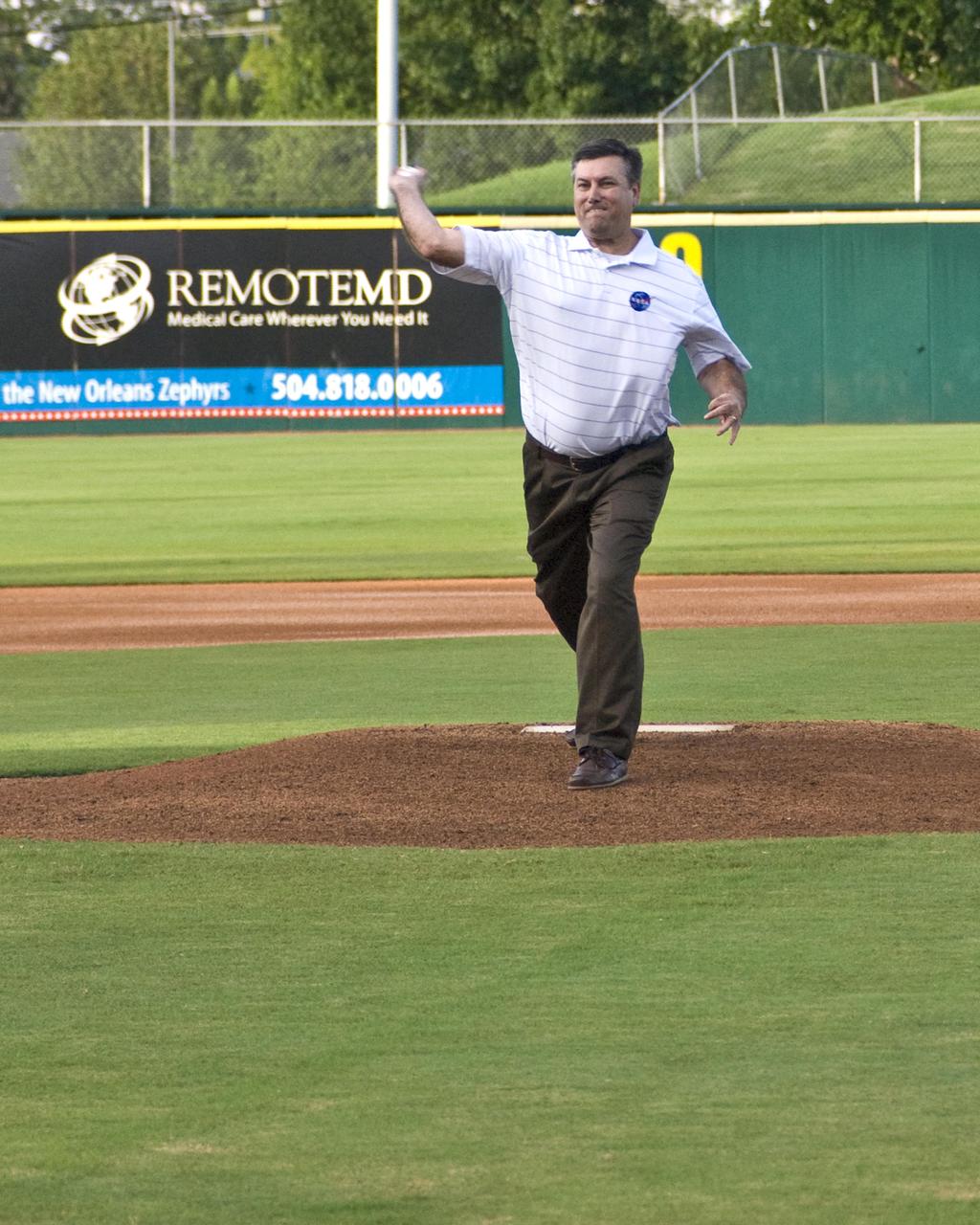
NASA's John C. Stennis Space Center Director Patrick Scheuermann throws the first pitch of the game Aug. 20 at New Orleans Zephyr Field. Stennis employees traveled to New Orleans to host NASA Night at Zephyr Field. Stennis personnel provided a variety of activities and materials for persons attending a game between the New Orleans Zephyrs and the Las Vegas 51s.
Employees at NASA’s Kennedy Space Center in Florida participate in the Safety and Health days activities on Thursday, May 9, 2024. The agency’s Safety and Health days took place the week of May 6-10 to show the NASA’s commitment to the safety and health of the entire workforce, and various organizations provided interactive exhibits and information on a range of safety and health issues.
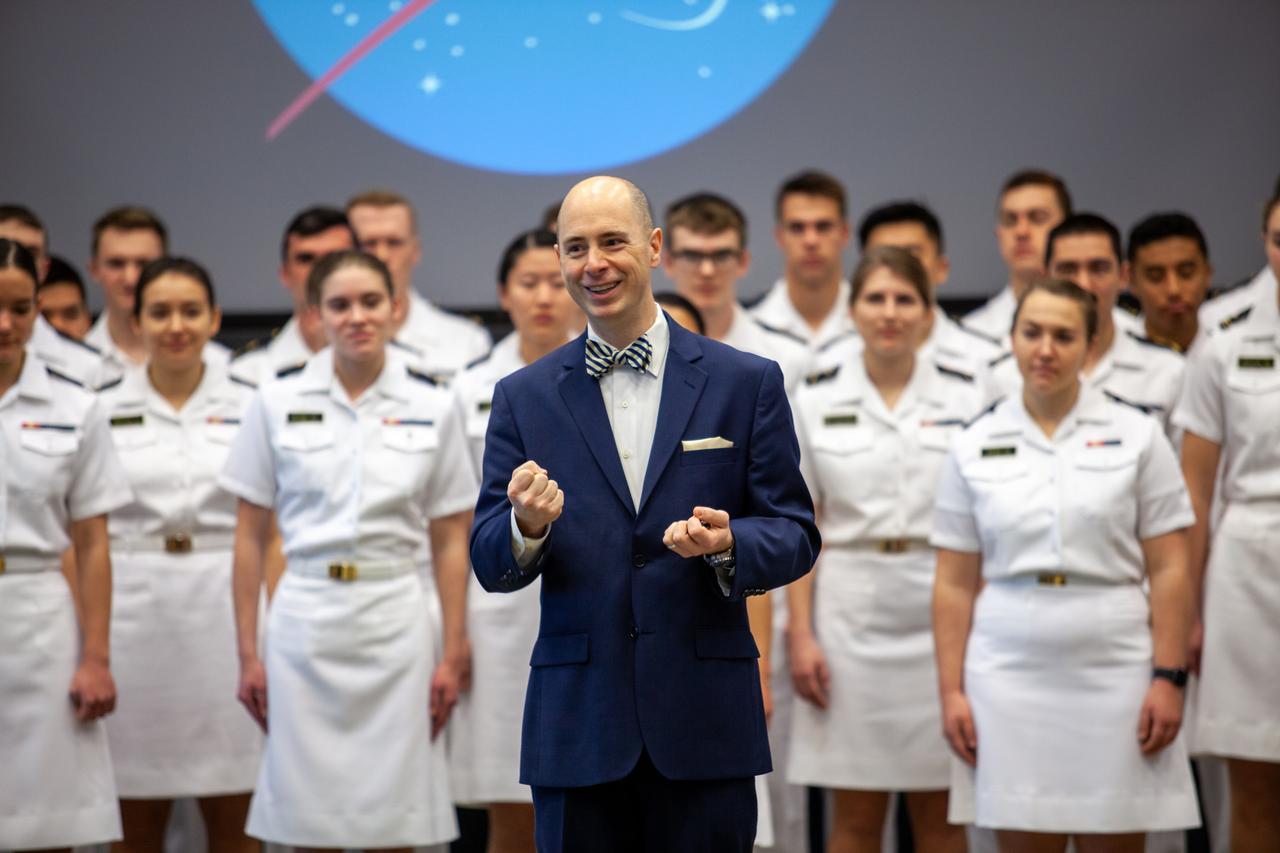
Dr. Aaron Smith, director and chairman, Musical Activities Department, United States Naval Academy, stands in front of the U.S. Naval Academy Glee Club during a performance for Kennedy Space Center employees at the Florida spaceport on March 10, 2020. As part of the celebration, Kennedy Director Bob Cabana discussed the deep historical ties between NASA and the U.S. Navy. The highly acclaimed Glee Club has achieved prominence as one of America’s premier choral ensembles, performing throughout the nation each year.
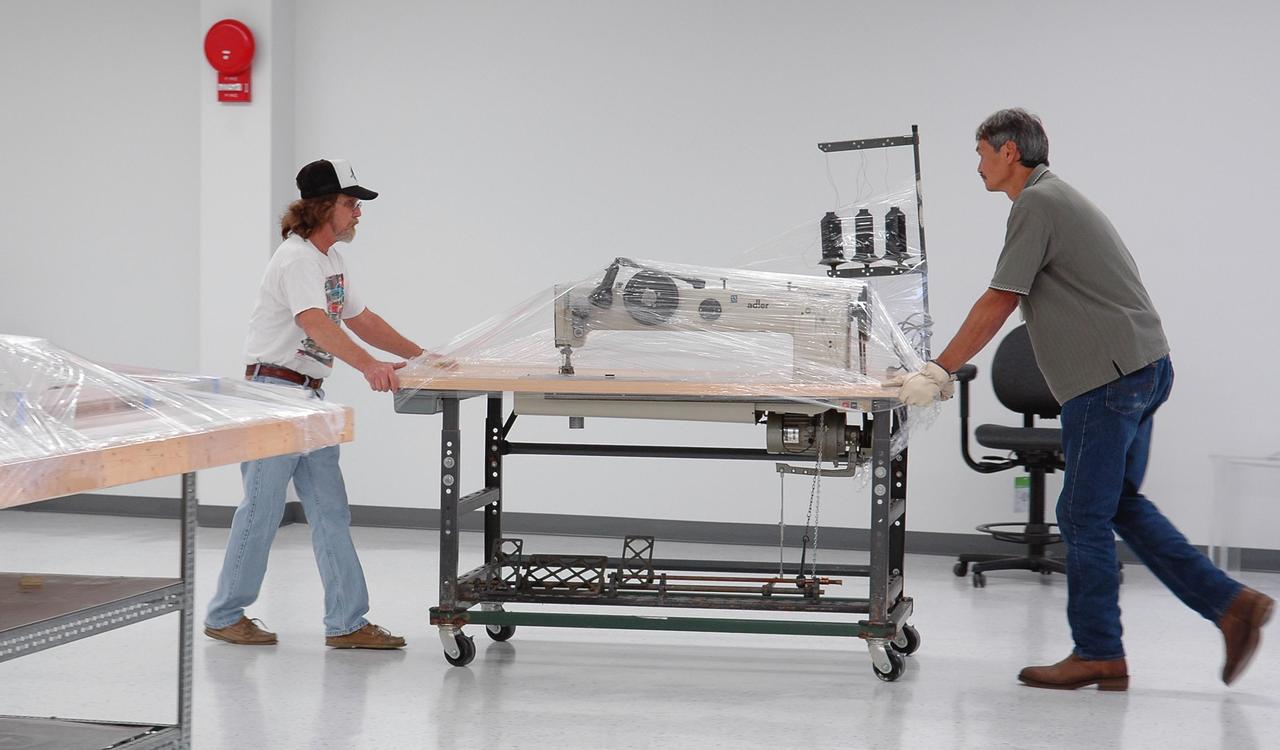
KENNEDY SPACE CENTER, FLA. - Employees at NASA Kennedy Space Center move a blanket sewing machine into the Thermal Protection System facility. that has recently been repaired. The upper floor of the facility, where soft material was processed, was damaged during the 2004 hurricanes and the equipment was temporarily moved to the RLV Hangar. While the TPS facility was being repaired, normal work activity was done in the hangar.
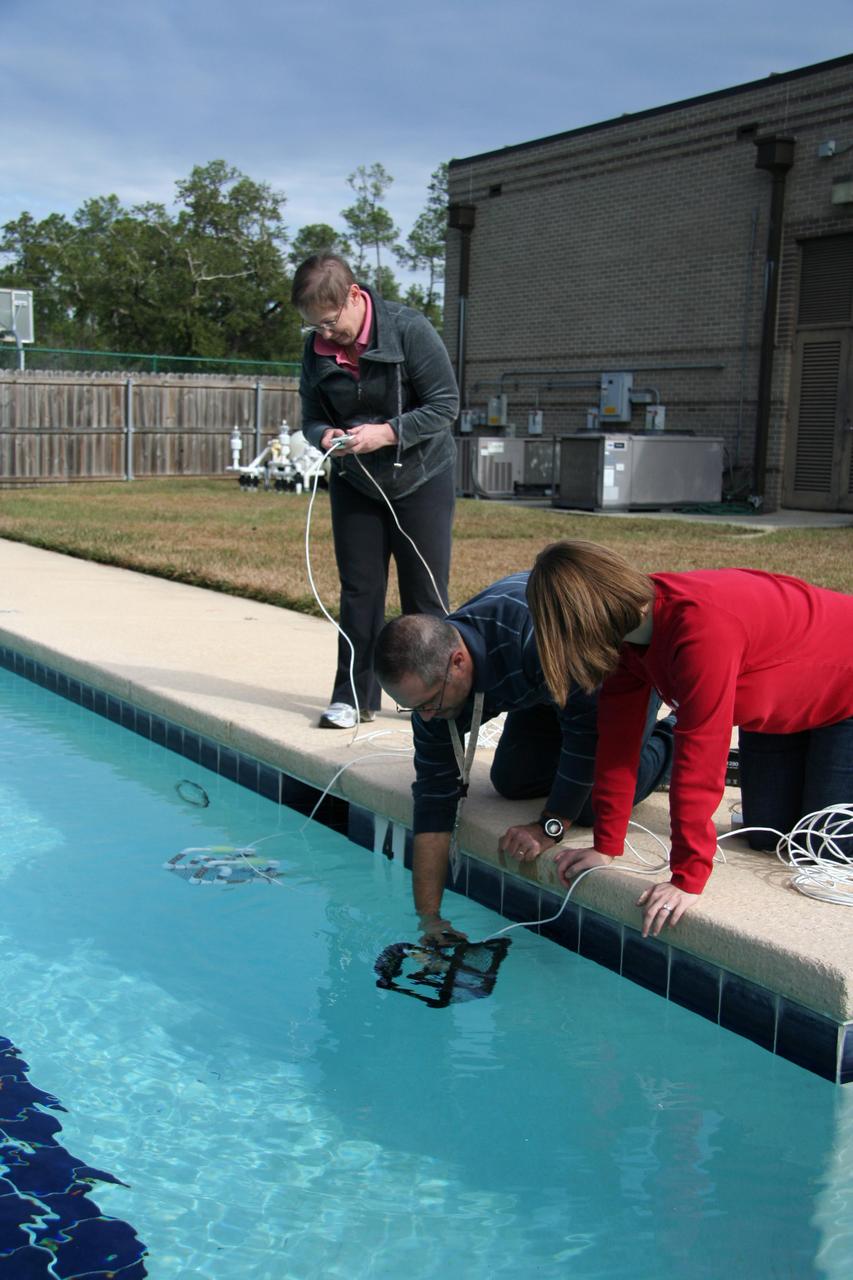
David Lalejini, an employee of the Naval Research Laboratory at NASA's John C. Stennis Space Center, helps a pair of teachers deploy a remotely-operated underwater Sea Perch robot during workshop activities Dec. 11. The Stennis Education Office teamed with Naval Research Laboratory counterparts to conduct a two-day workshop Dec. 10-11 for Louisiana and Mississippi teachers. During the no-cost workshop, teachers learned to build and operate Sea Perch robots. The teachers now can take the Sea Perch Program back to students.
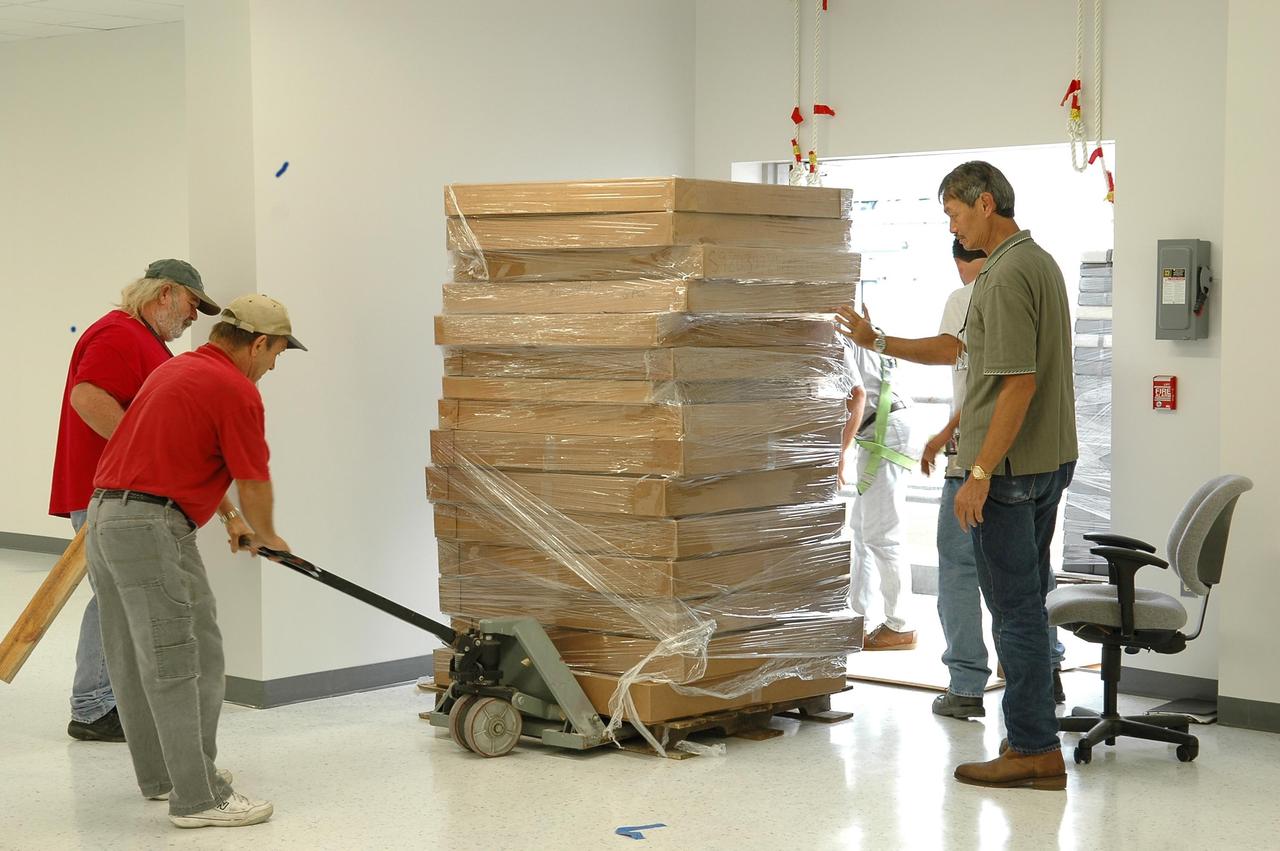
KENNEDY SPACE CENTER, FLA. - Inside the RLV Hangar at NASA Kennedy Space Center, employees move equipment being returned to the Thermal Protection System (TPS) facility. The upper floor, where soft material was processed, was damaged during the 2004 hurricanes. While the TPS facility was being repaired, normal work activity was done in the hangar.
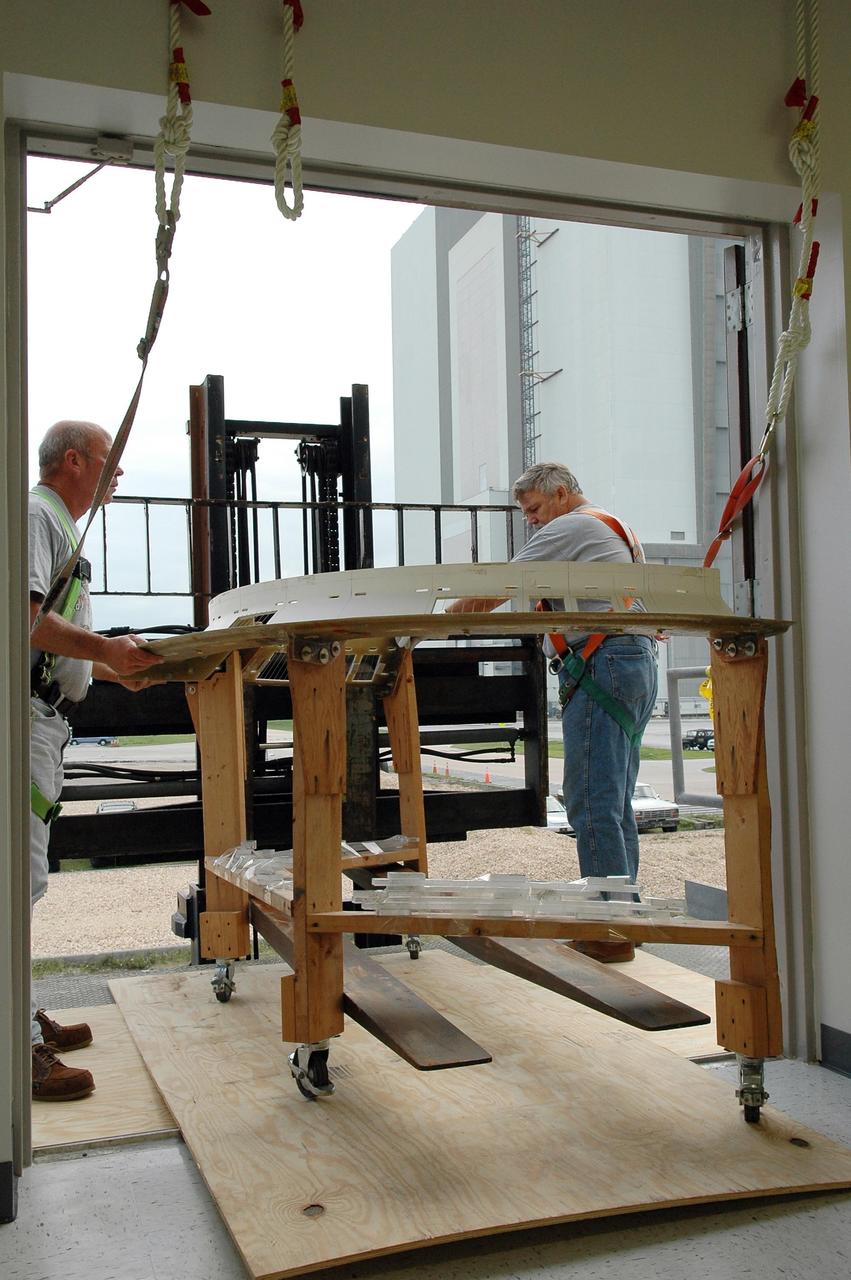
KENNEDY SPACE CENTER, FLA. - Employees at NASA Kennedy Space Center move equipment into the Thermal Protection System facility that has recently been repaired. The upper floor of the facility, where soft material was processed, was damaged during the 2004 hurricanes and the equipment was temporarily moved to the RLV Hangar. While the TPS facility was being repaired, normal work activity was done in the hangar.
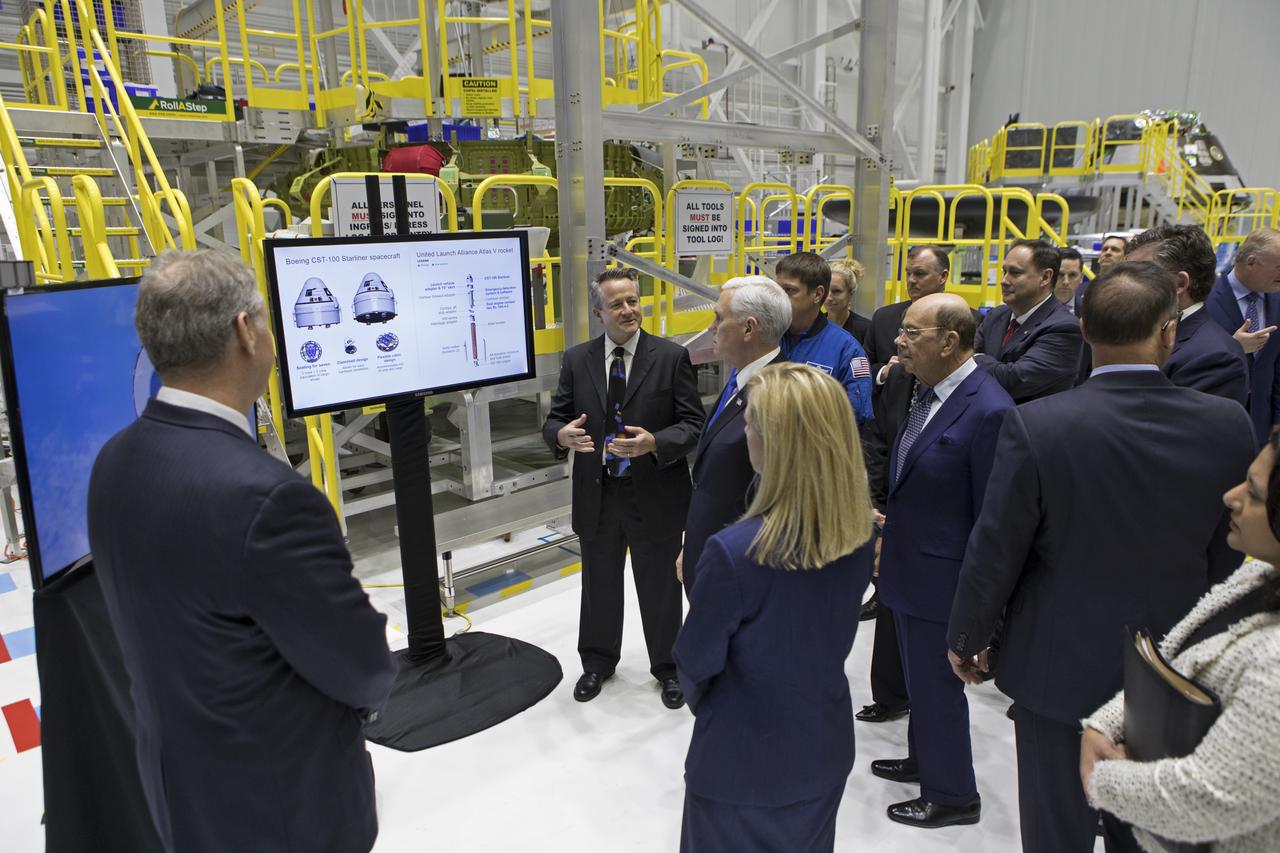
Vice President Mike Pence, center, and members of the National Space Council hear from a Boeing employee during a tour of the Boeing Commercial Crew and Cargo Processing Facility at NASA's Kennedy Space Center in Florida, on Feb. 21, 2018. During his visit, Pence chaired a meeting of the council in the high bay of the center's Space Station Processing Facility. The council's role is to advise the president regarding national space policy and strategy, and review the nation's long-range goals for space activities.
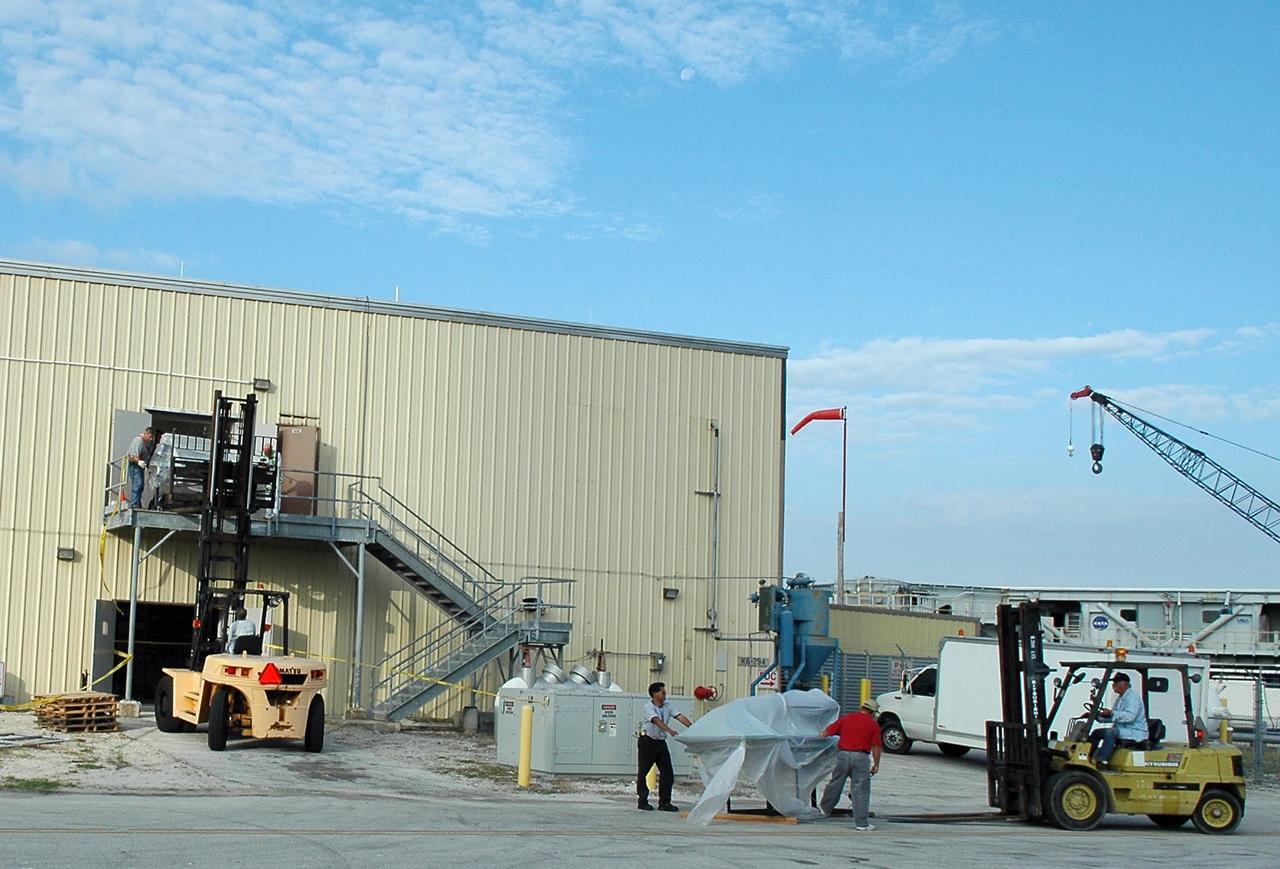
KENNEDY SPACE CENTER, FLA. - Employees at NASA Kennedy Space Center are transferring equipment stored in the RLV Hangar back to the Thermal Protection System (TPS) facility. The upper floor of the facility, where soft material was processed, was damaged during the 2004 hurricanes. While the TPS facility was being repaired, normal work activity was done in the hangar.