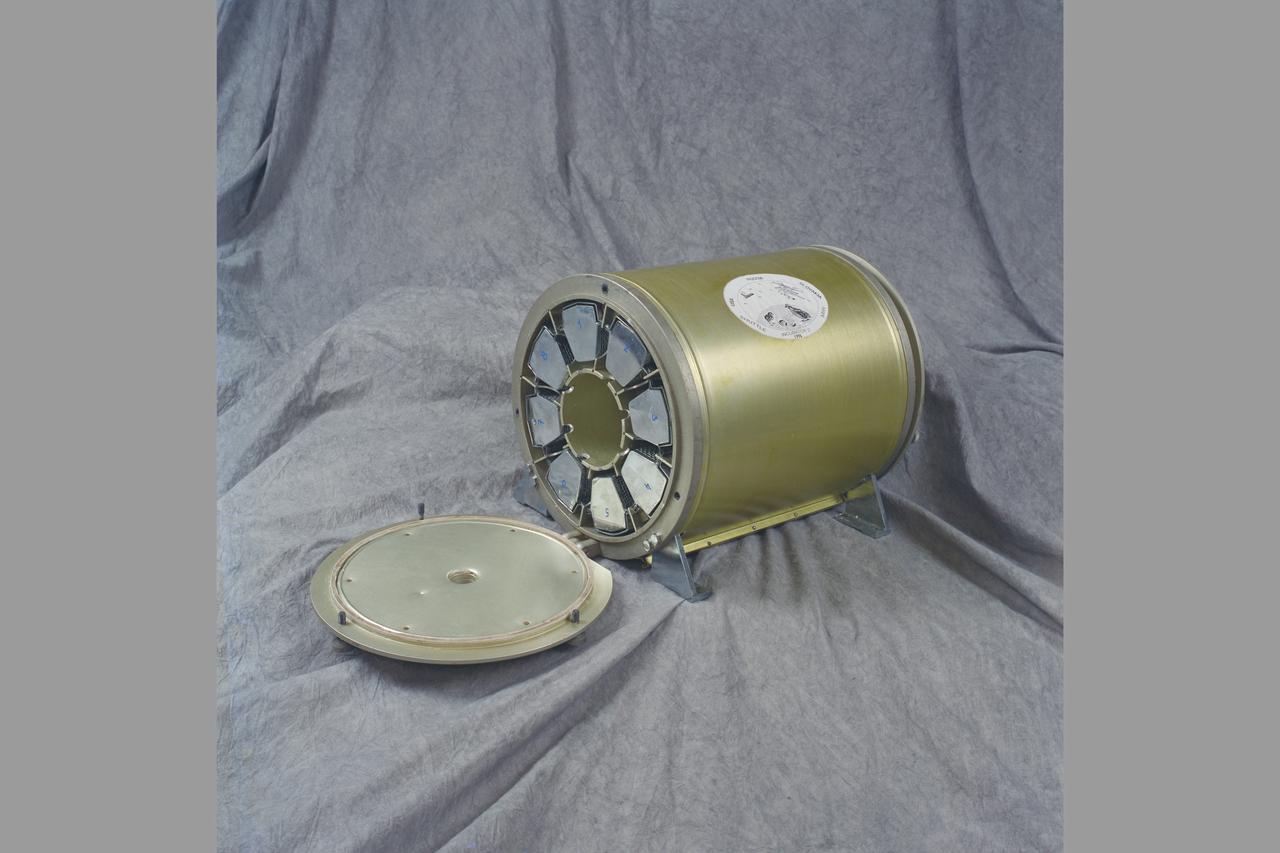
Slovakian Incubator (N-240, rm 133c)
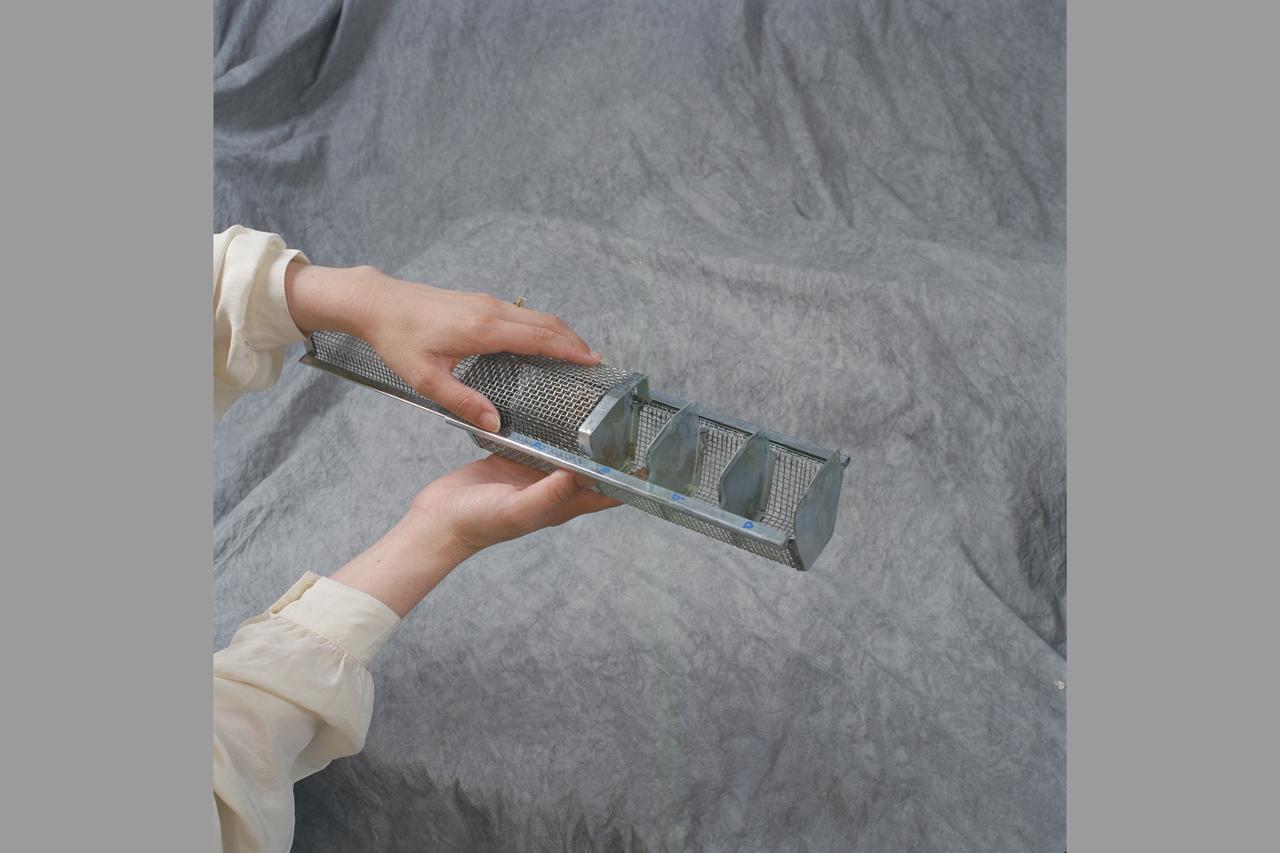
Slovakian Incubator (N-240, rm 133c)
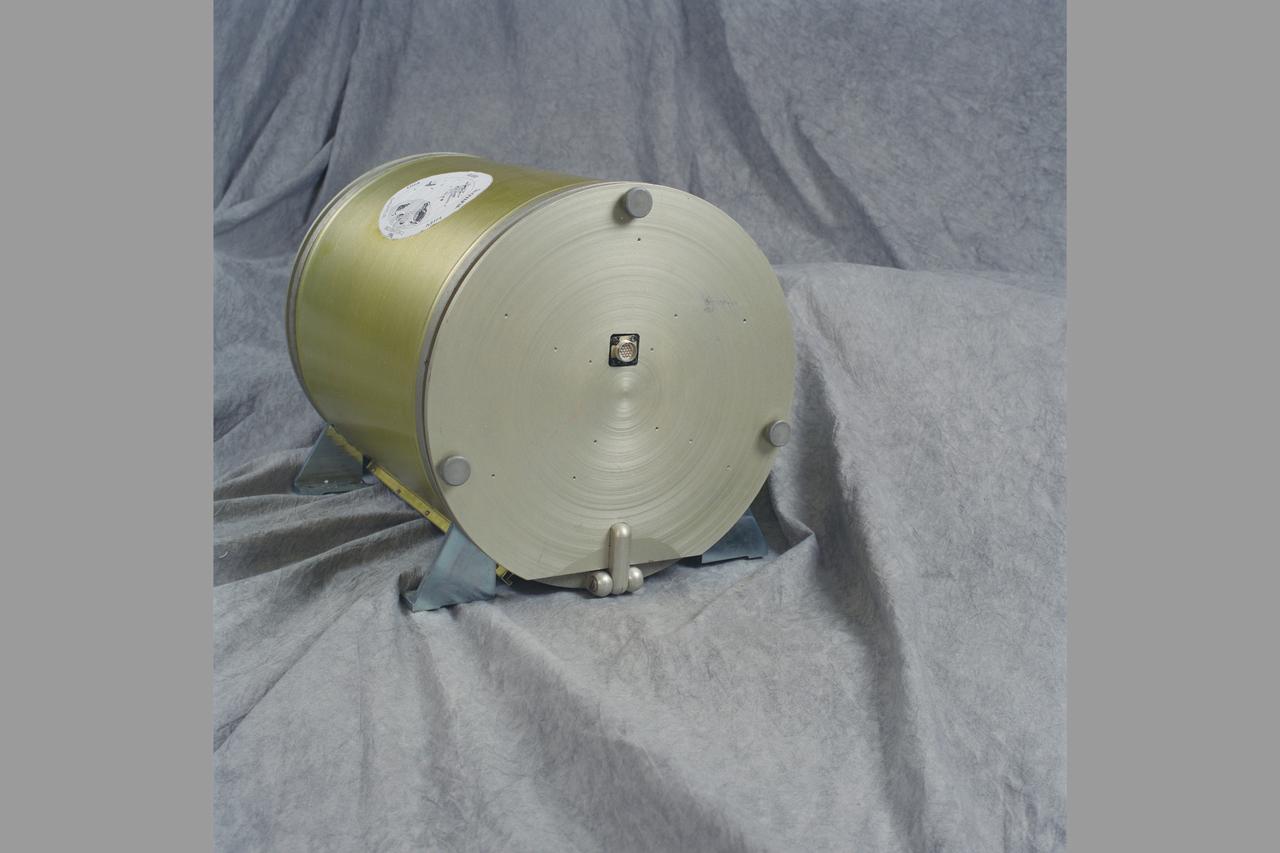
Slovakian Incubator (N-240, rm 133c)
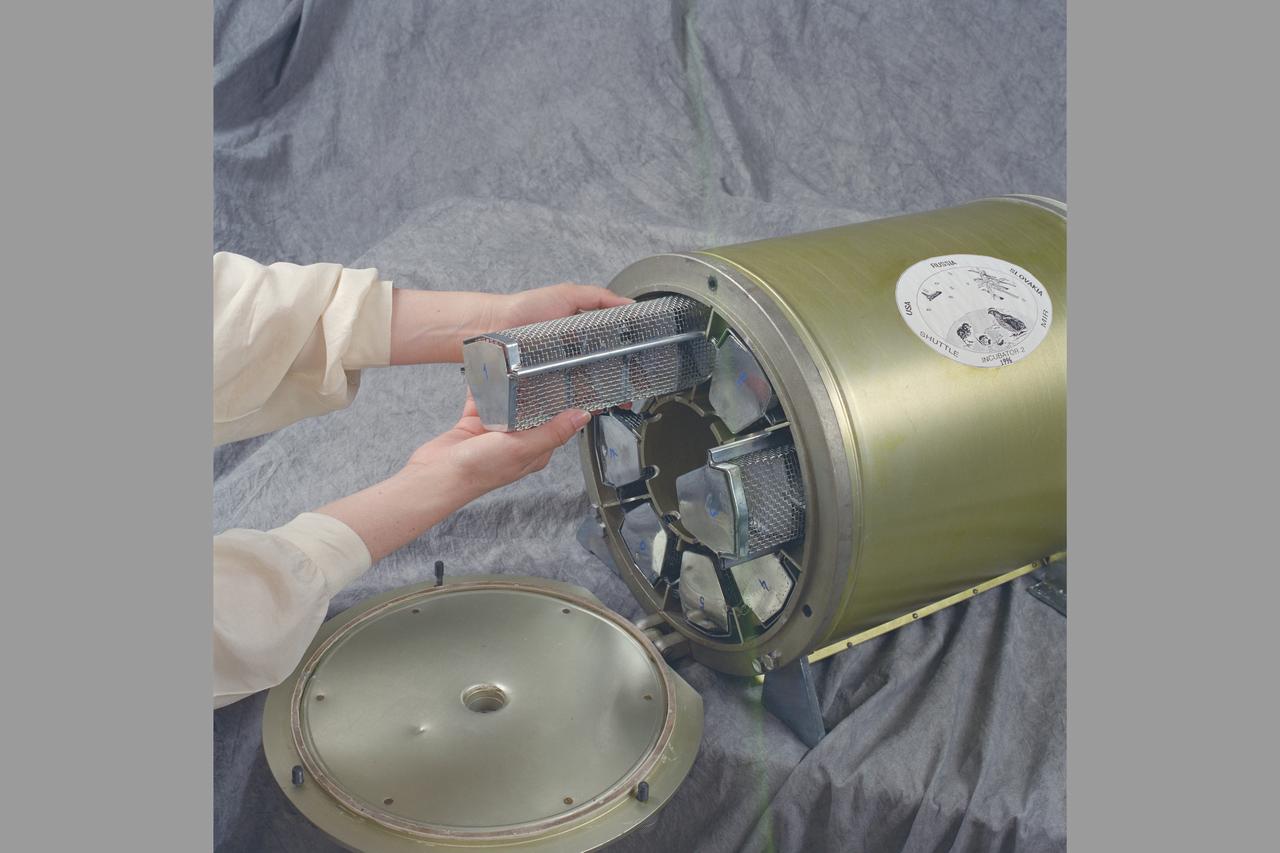
Slovakian Incubator (N-240, rm 133c)

Acquired by NASA Terra spacecraft, this image shows the west coast of Greenland, one of Earth premiere incubators for icebergs -- large blocks of land ice that break off from glaciers or ice shelves and float in the ocean.
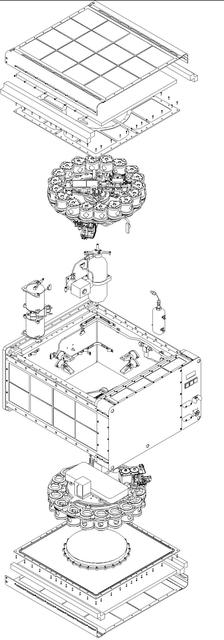
The Avian Development Facility (ADF) supports 36 eggs in two carousels, one of which rotates to provide a 1-g control for comparing to eggs grown in microgravity. The ADF was designed to incubate up to 36 Japanese quail eggs, 18 in microgravity and 18 in artificial gravity. The two sets of eggs were exposed to otherwise identical conditions, the first time this is been accomplished in space. Eggs are preserved at intervals to provide snapshots of their development for later analysis. Quails incubate in just 15 days, so they are an ideal species to be studied within the duration of space shuttle missions. Further, several investigators can use the same specimens to address different questions. The ADF originated in NASA's Shuttle Student Involvement program in the 1980s and was developed under the NASA Small Business Irnovation Research program. In late 2001, the ADF made its first flight and carried eggs used in two investigations.
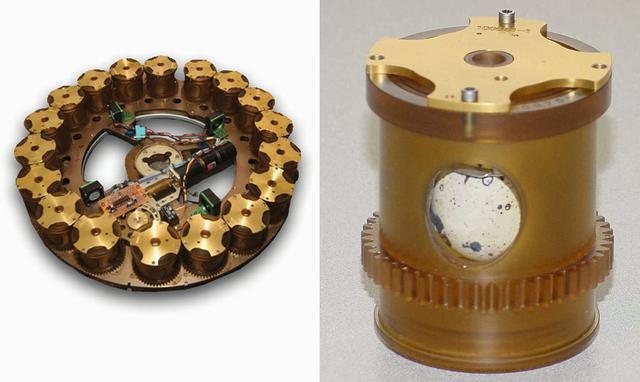
The Avian Development Facility (ADF) supports 36 eggs in two carousels, one of which rotates to provide a 1-g control for comparing to eggs grown in microgravity. The ADF was designed to incubate up to 36 Japanese quail eggs, 18 in microgravity and 18 in artificial gravity. The two sets of eggs were exposed to otherwise identical conditions, the first time this is been accomplished in space. Eggs are preserved at intervals to provide snapshots of their development for later analysis. Quails incubate in just 15 days, so they are an ideal species to be studied within the duration of space shuttle missions. Further, several investigators can use the same specimens to address different questions. The ADF originated in NASA's Shuttle Student Involvement program in the 1980s and was developed under the NASA Small Business Irnovation Research program. In late 2001, the ADF made its first flight and carried eggs used in two investigations.
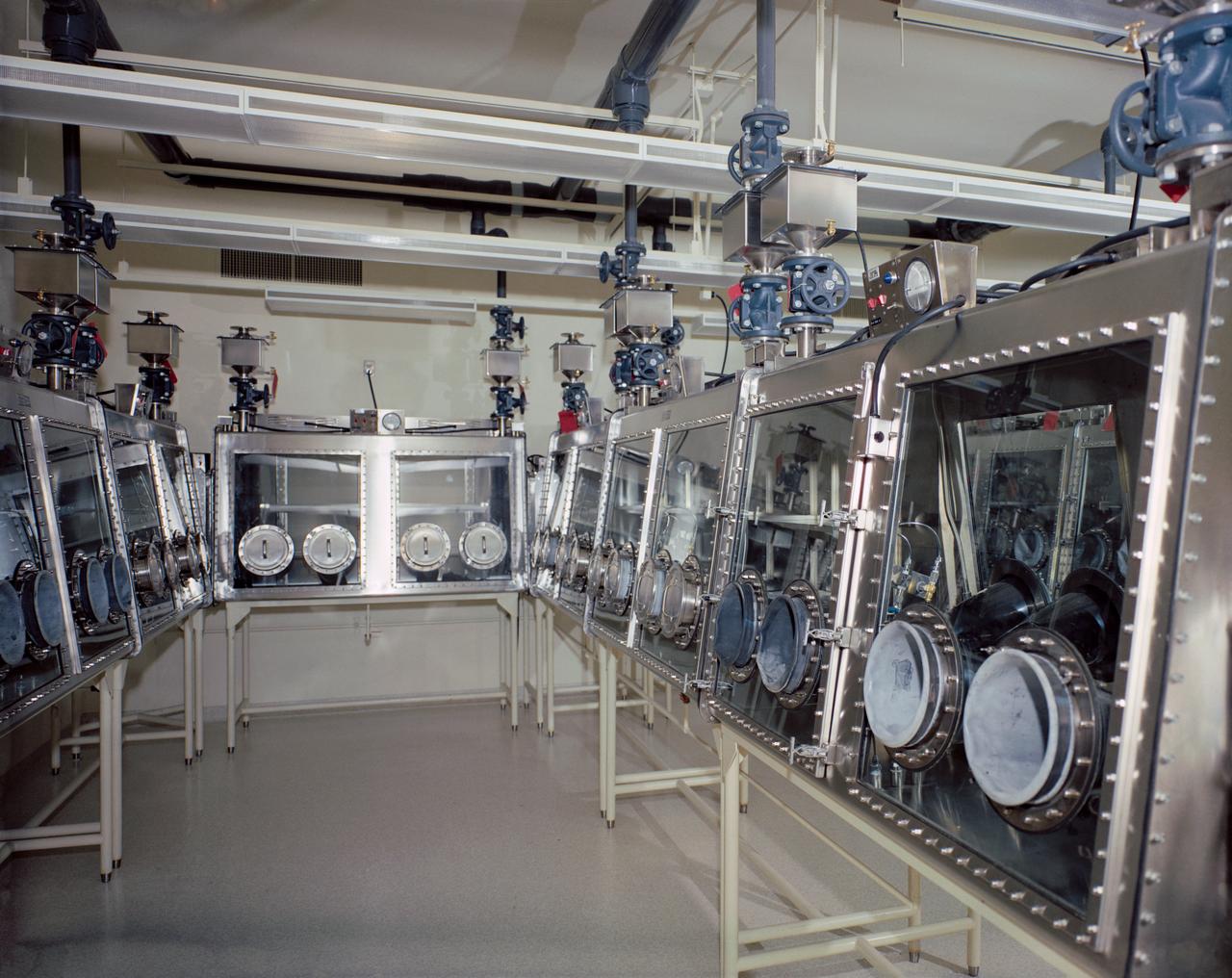
The incubation laboratory of the Sample Operations Area of the Lunar Receiving Laboratory, bldg 37.
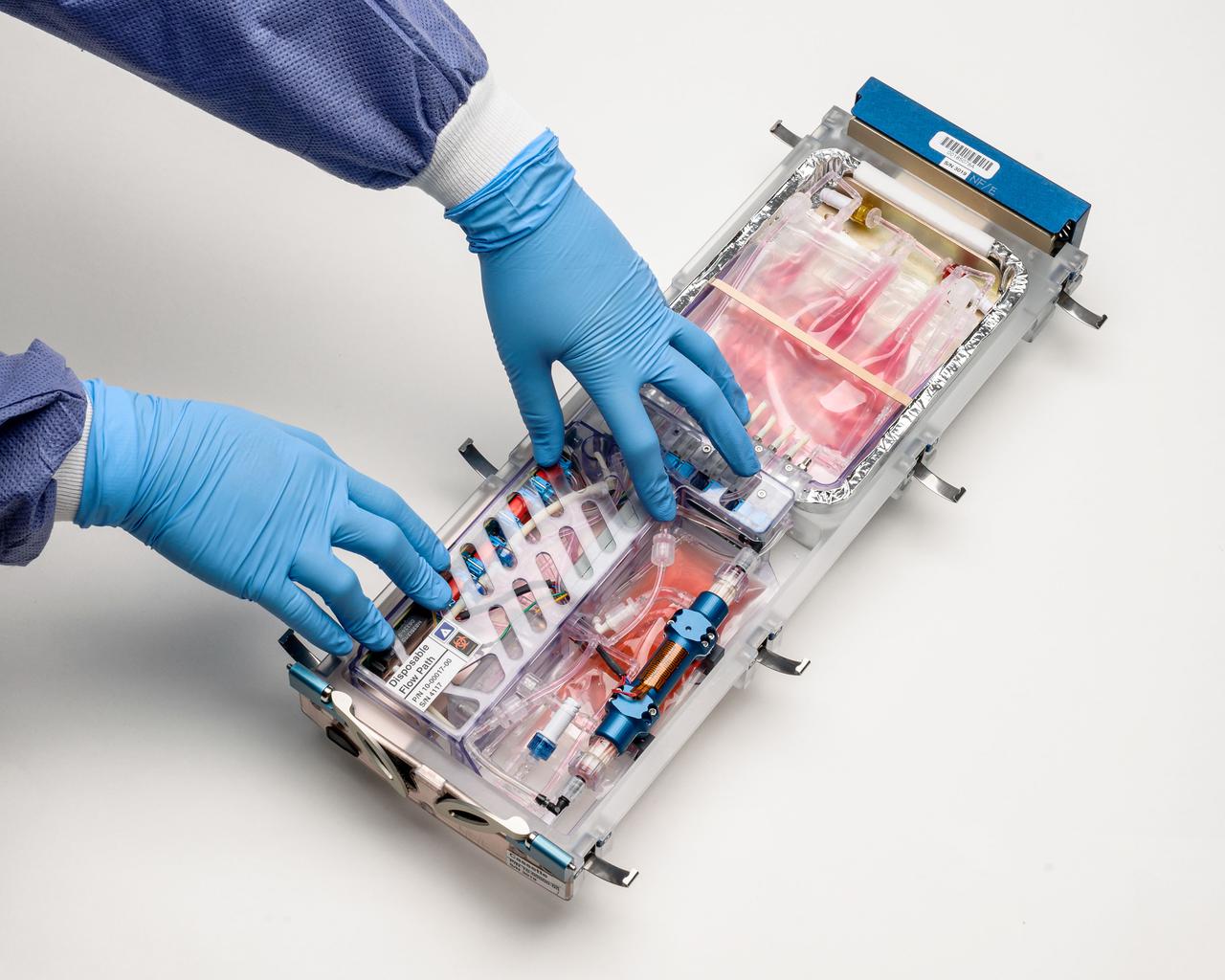
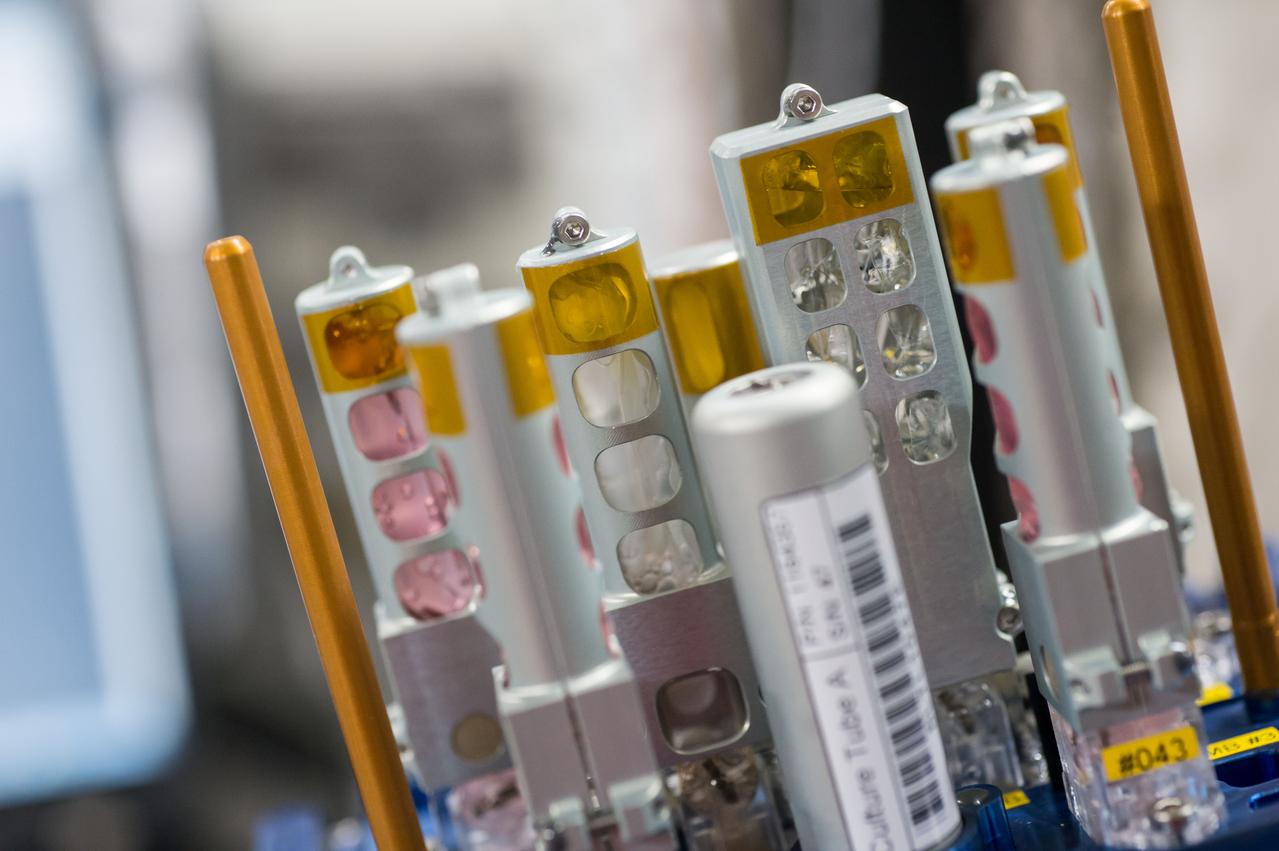
jsc2020e031189 (8/8/2015) --- A preflight interior view of the incubator cassette from the Bioculture System. The Bioculture System is a biological science incubator for use on the International Space Station (ISS) with the capability of transporting active and stored investigations to ISS. This incubator supports a wide diversity of tissue, cell, and microbiological cultures and experiment methods to meet any spaceflight research investigation goals and objectives. The facility enables variable duration and long-duration cellular and microbiological investigations on ISS to meet the scientific needs of academic and biotechnology interests. Credits: NASA photo by Dominic Hart
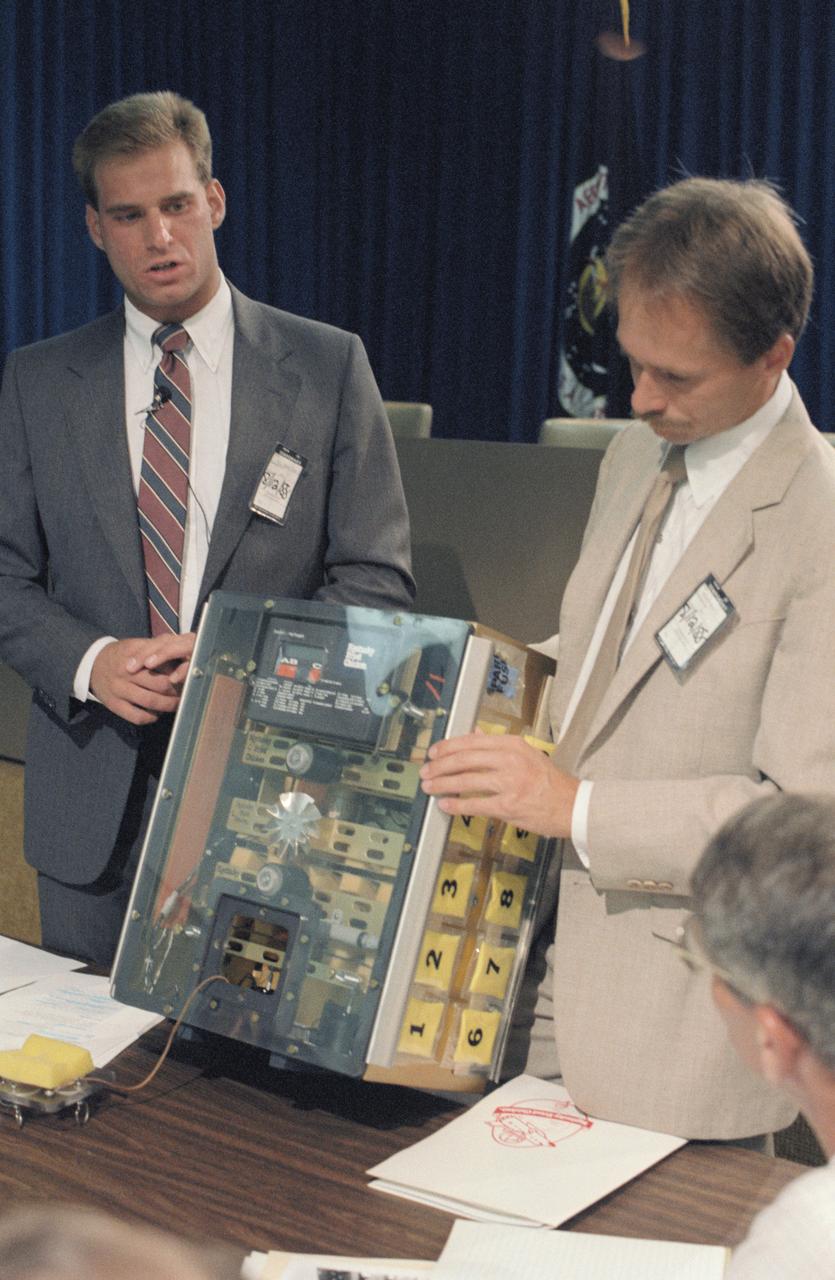
S88-44514 (13 Aug 1988) --- Student experimenter John C. Vellinger, left, explains components of an incubator used in his experiment to be carried onboard the Discovery for NASA's STS-29 mission next year. Mark S. Deusser, representing the sponsoring organization, holds up the incubator for inspection by members of the STS-29 crew who will monitor in-space operation of the experiment, titled "Chicken Embryo Development in Space." Astronaut Robert C. Springer is partially visible in lower right foreground. The student's sponsor is Kentucky Fried Chicken.
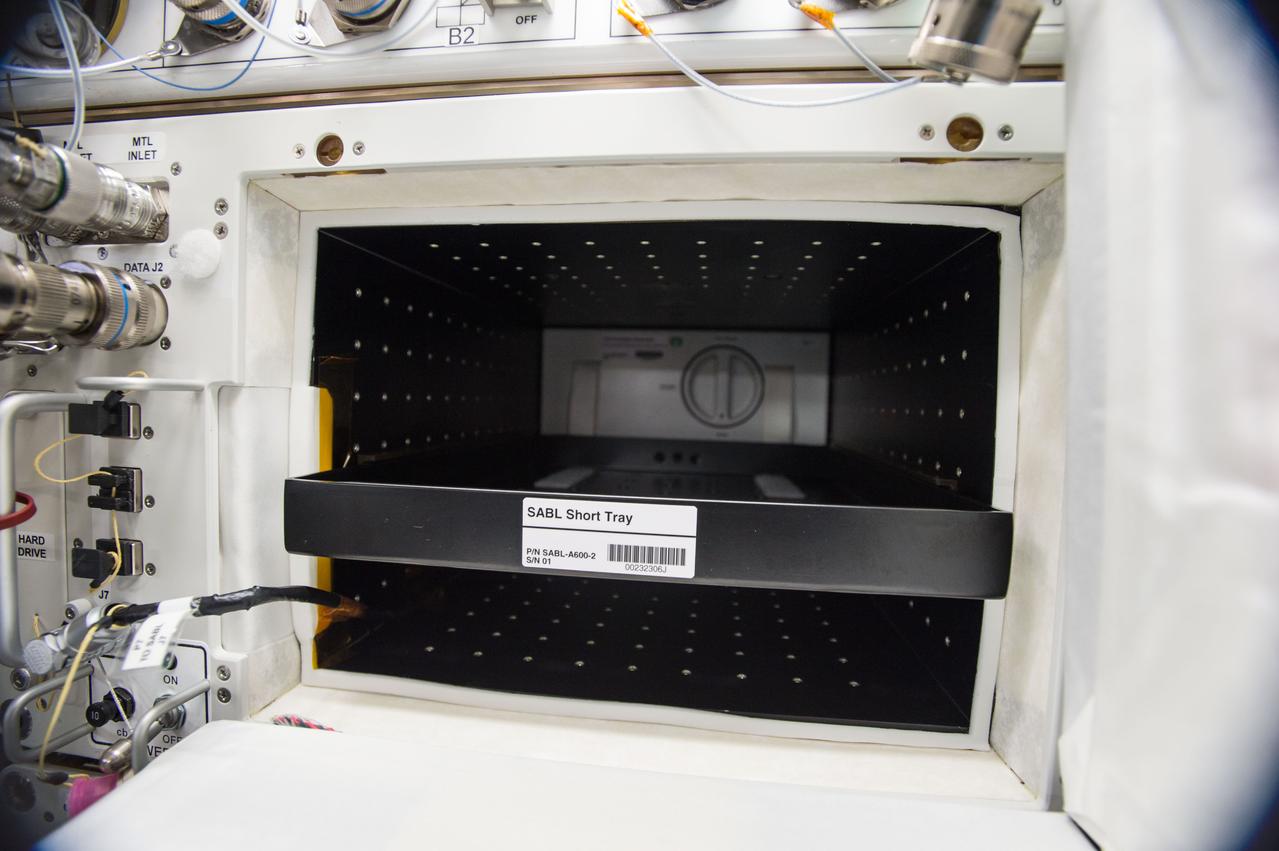
iss048e042380(7/21/2016) --- A view of the Space Automated Bioproduct Laboratory (SABL) Short Tray inside the SABL 2 following installation of the Carbon Dioxide (CO2) Incubator Controller. Image was taken during Heart Cells experiment setup in the Destiny U.S. Laboratory. The Space Automated Bioproduct Laboratory (SABL) supports a wide variety of experiments in the life, physical and material sciences with a focus on supporting research of biological systems and processes.
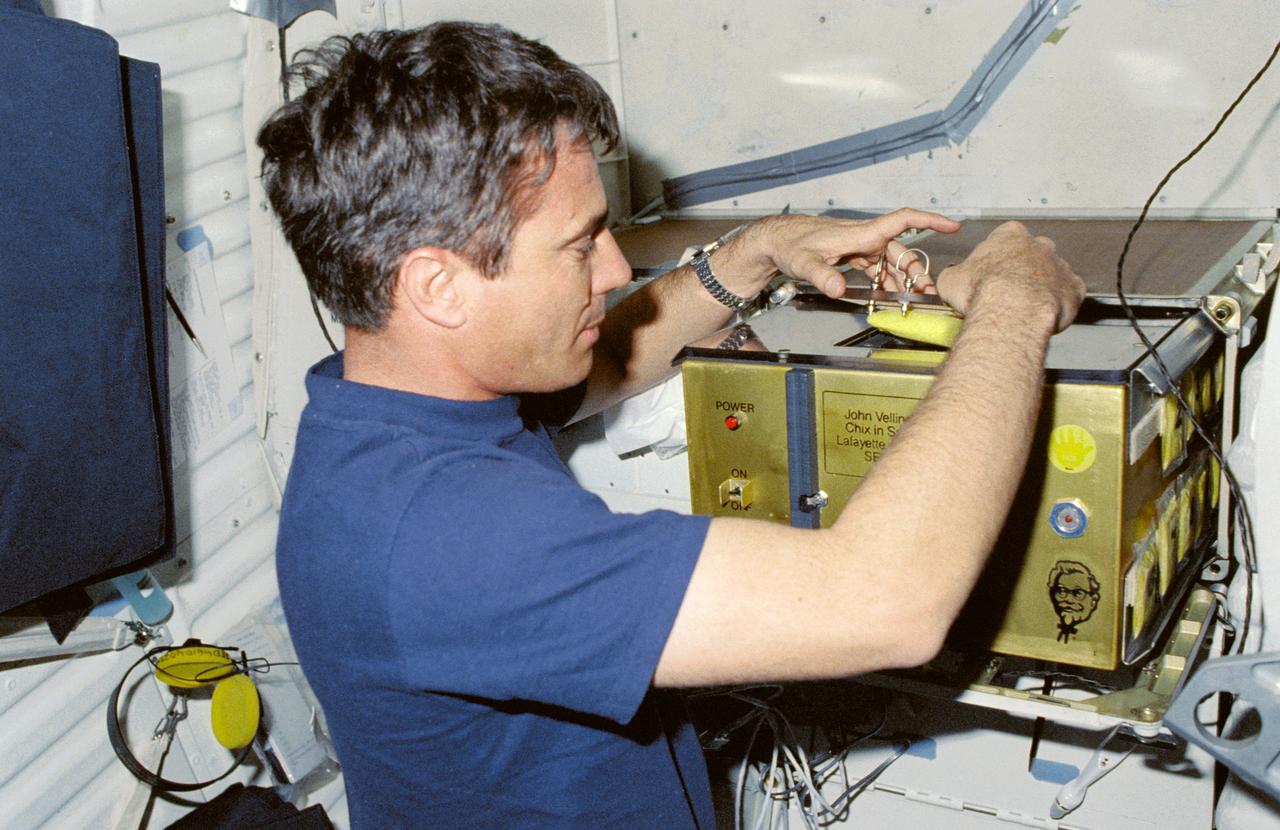
STS029-01-001 (16 Marach 1989) --- Astronaut John E. Blaha, STS-29 pilot, checks an incubator on the mid deck of Earth-orbiting Discovery during Flight Day 4 activity. The incubator is part of a student involvement program experiment titled, "Chicken Embryo Development in Space." The student experimenter is John C. Vellinger. The experiment's sponsor is Kentucky Fried Chicken. This photographic frame was among NASA's third STS-29 photo release. Monday, March 20, 1989. Crewmembers were Astronauts Michael L. Coats, John E. Blaha, James F. Buchli, Robert C. Springer and James P. Bagian.
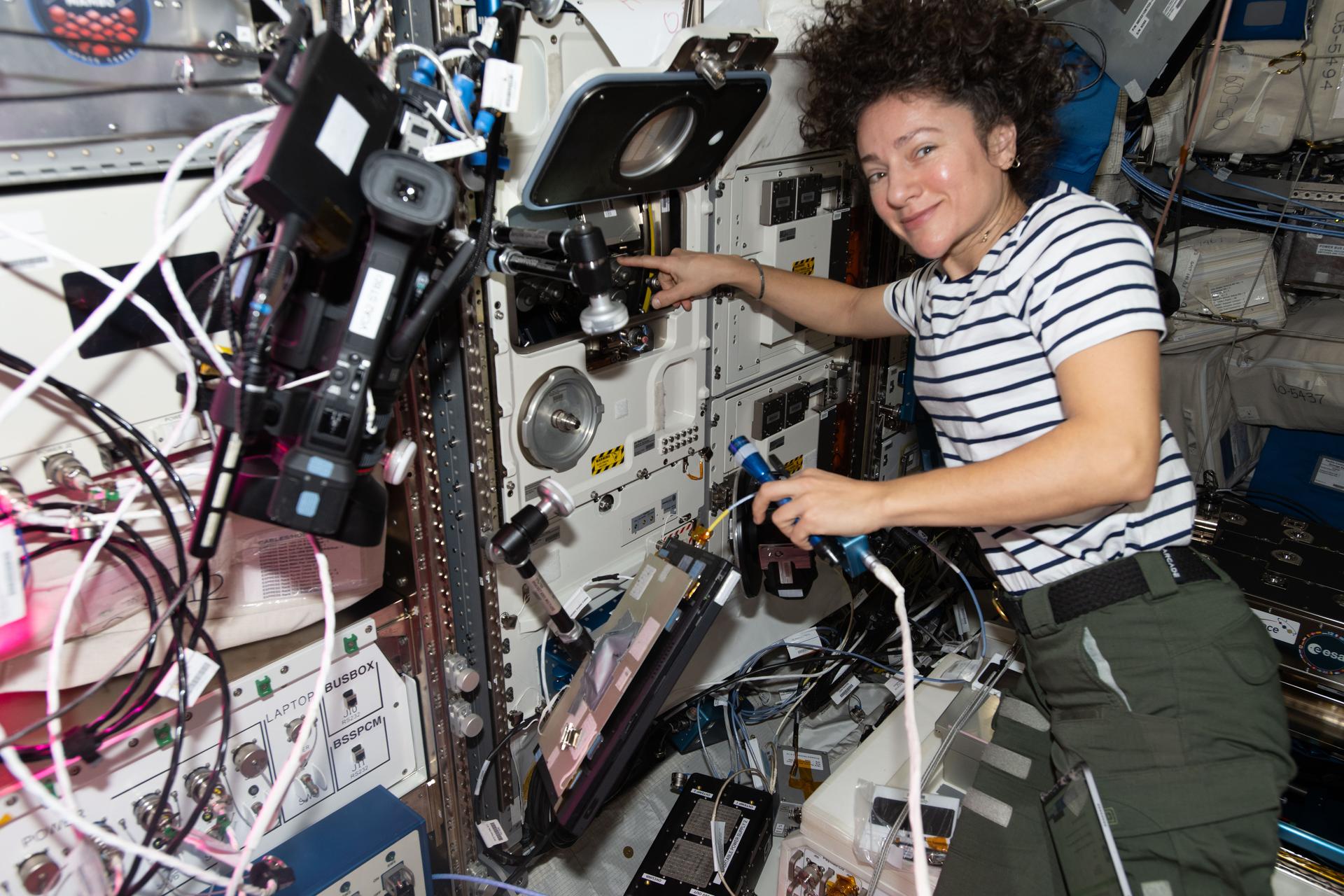
iss074e0503710 (April 22, 2026) --- NASA astronaut and Expedition 74 flight engineer Jessica Meir works inside the International Space Station’s Columbus laboratory module swapping scientific hardware inside the BioLab research incubator. Meir was supporting the Lux in Space investigation that observes how DNA damaged by space radiation repairs itself. Credit: NASA/Jack Hathaway
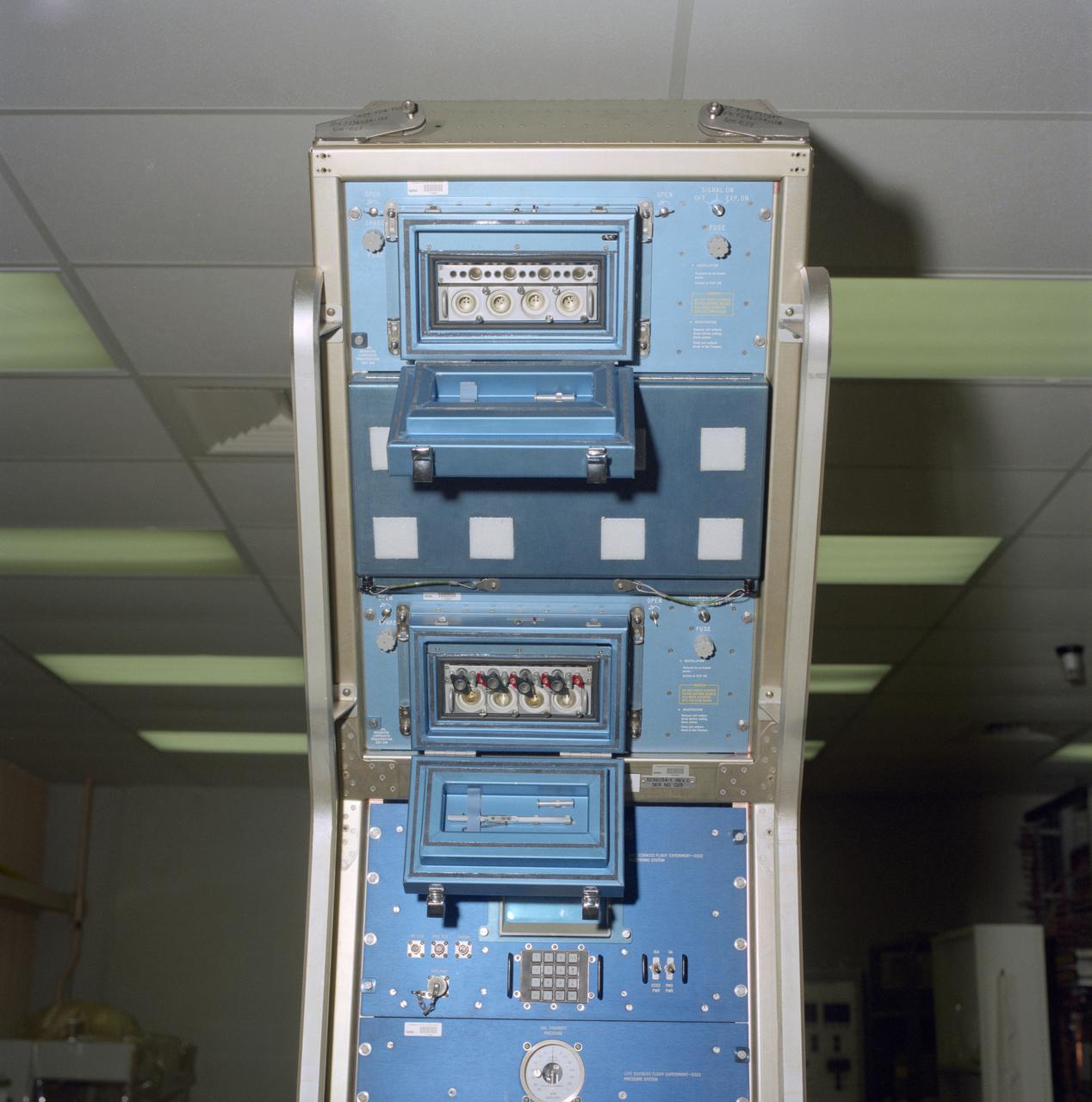
S84-43683 (26 Nov 1984) --- This vertically positioned rectangular piece of hardware, scheduled to fly on the science module of Spacelab Life Sciences-1, is important to the immunology investigation on the mission. Called Lymphocyte Proliferation in Weightlessness (Experiment 240), the test was developed by Dr. Augosto Cogoli of the Institute of Biotechnology, Gruppe Weltraum Biologie, in Zurich, Switzerland. It represents a continuation of previous Spacelab experiments by examining the effects of weightlessness on lymphocyte activation. Cultures will be grown in the microgravity incubators on the pictured hardware.
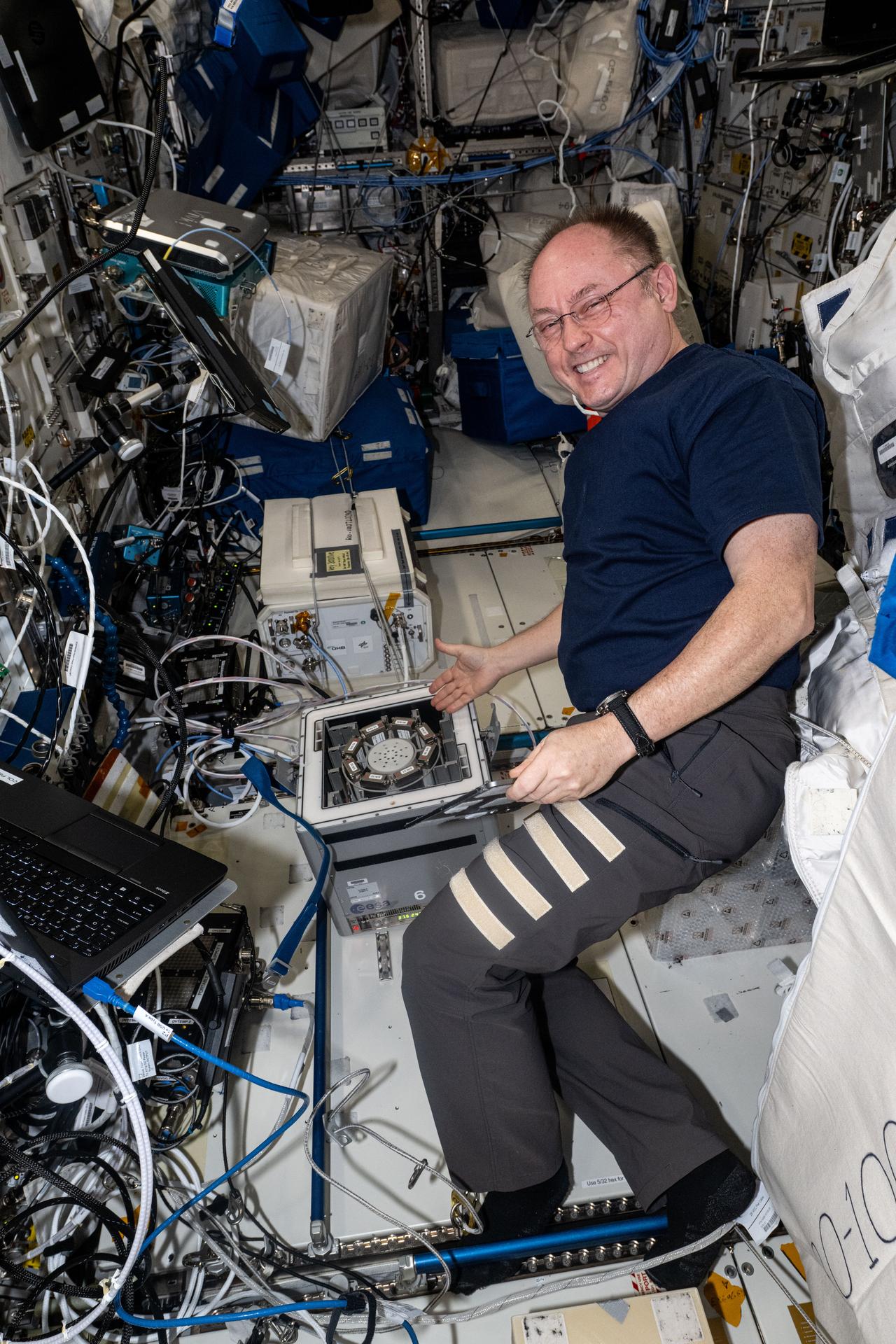
iss073e0917076 (Oct. 20, 2025) --- NASA astronaut and Expedition 73 Flight Engineer Mike Fincke works on science maintenance activities inside the International Space Station's Columbus laboratory module. Fincke disconnected and removed a Kubik research incubator, used for a variety of biology investigations in microgravity, from Columbus' European Drawer Rack that houses small experiments.
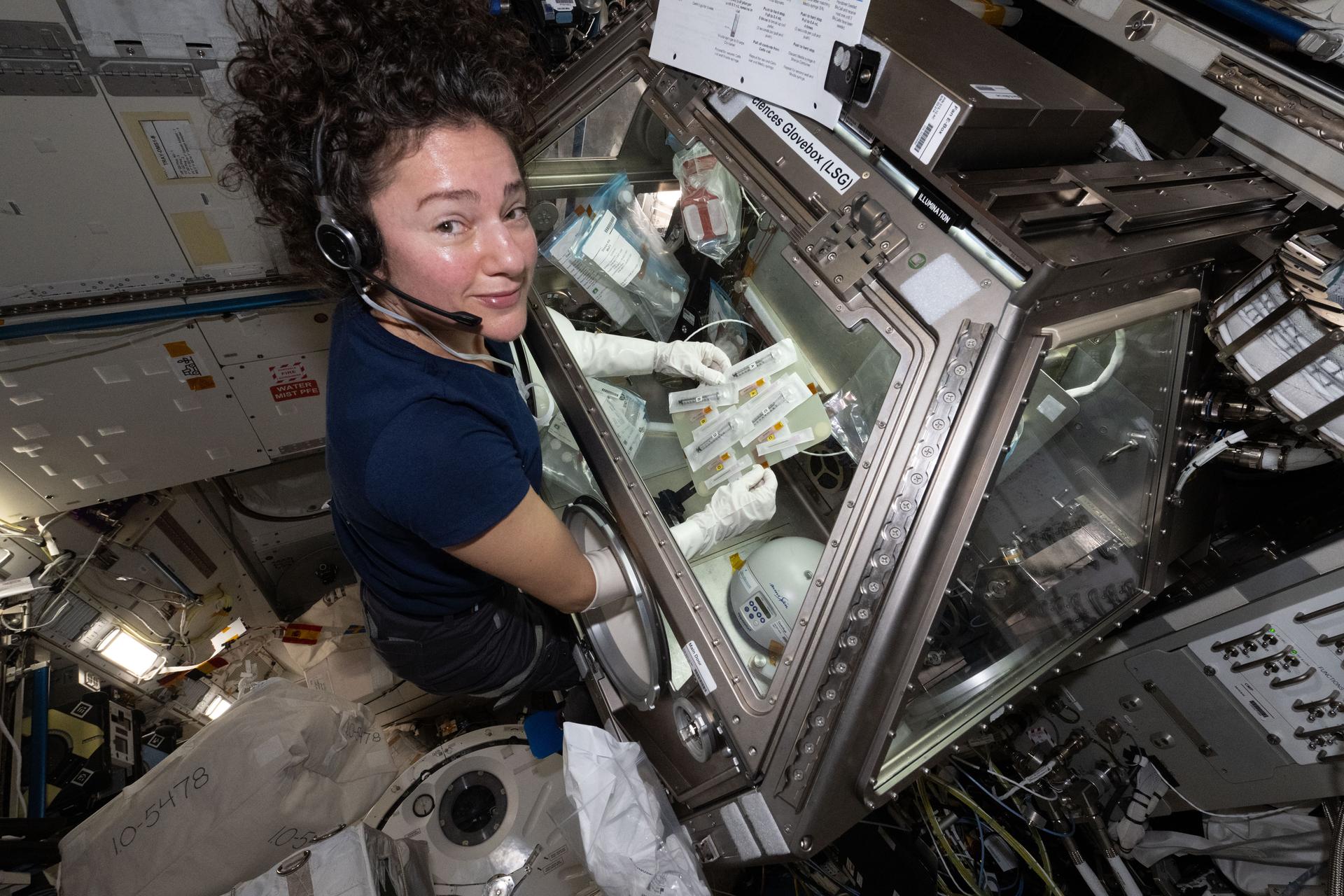
iss074e0591327 (May 18, 2026) --- NASA astronaut and Expedition 74 flight engineer Jessica Meir works inside the Kibo laboratory module’s Life Science Glovebox aboard the International Space Station. Meir was preparing blood platelet samples for incubation and growth to observe how weightlessness affects a crew member’s blood clotting and immune function at the cellular and genetic levels. Credit: ESA/Sophie Adenot

This image composite compares visible-light and infrared views from NASA's Spitzer Space Telescope of the glowing Trifid Nebula, a giant star-forming cloud of gas and dust located 5,400 light-years away in the constellation Sagittarius. Visible-light images of the Trifid taken with NASA's Hubble Space Telescope, Baltimore, Md. (inside left, figure 1) and the National Optical Astronomy Observatory, Tucson, Ariz., (outside left, figure 1) show a murky cloud lined with dark trails of dust. Data of this same region from the Institute for Radioastronomy millimeter telescope in Spain revealed four dense knots, or cores, of dust (outlined by yellow circles), which are "incubators" for embryonic stars. Astronomers thought these cores were not yet ripe for stars, until Spitzer spotted the warmth of rapidly growing massive embryos tucked inside. http://photojournal.jpl.nasa.gov/catalog/PIA07226
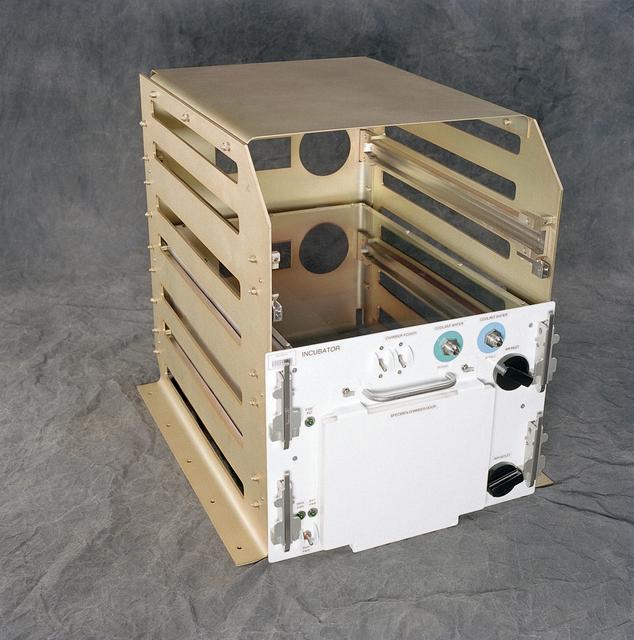
N-239A: 8ft centrifuge facility ISS incubator - compatible rack and incubator

ICUBATE PROCESSOR WITH CASSETTE

ICUBATE PROCESSOR WITH CASSETTE
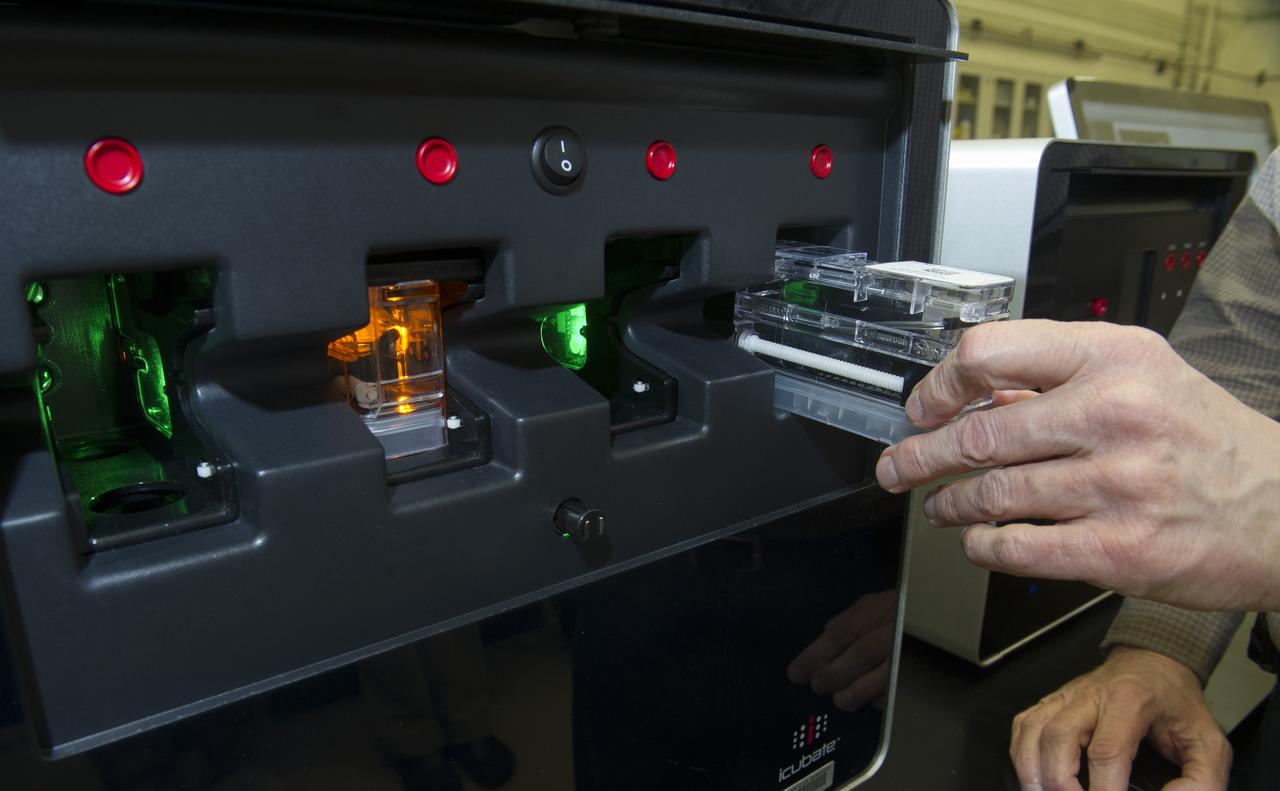
ICUBATE PROCESSOR WITH CASSETTE
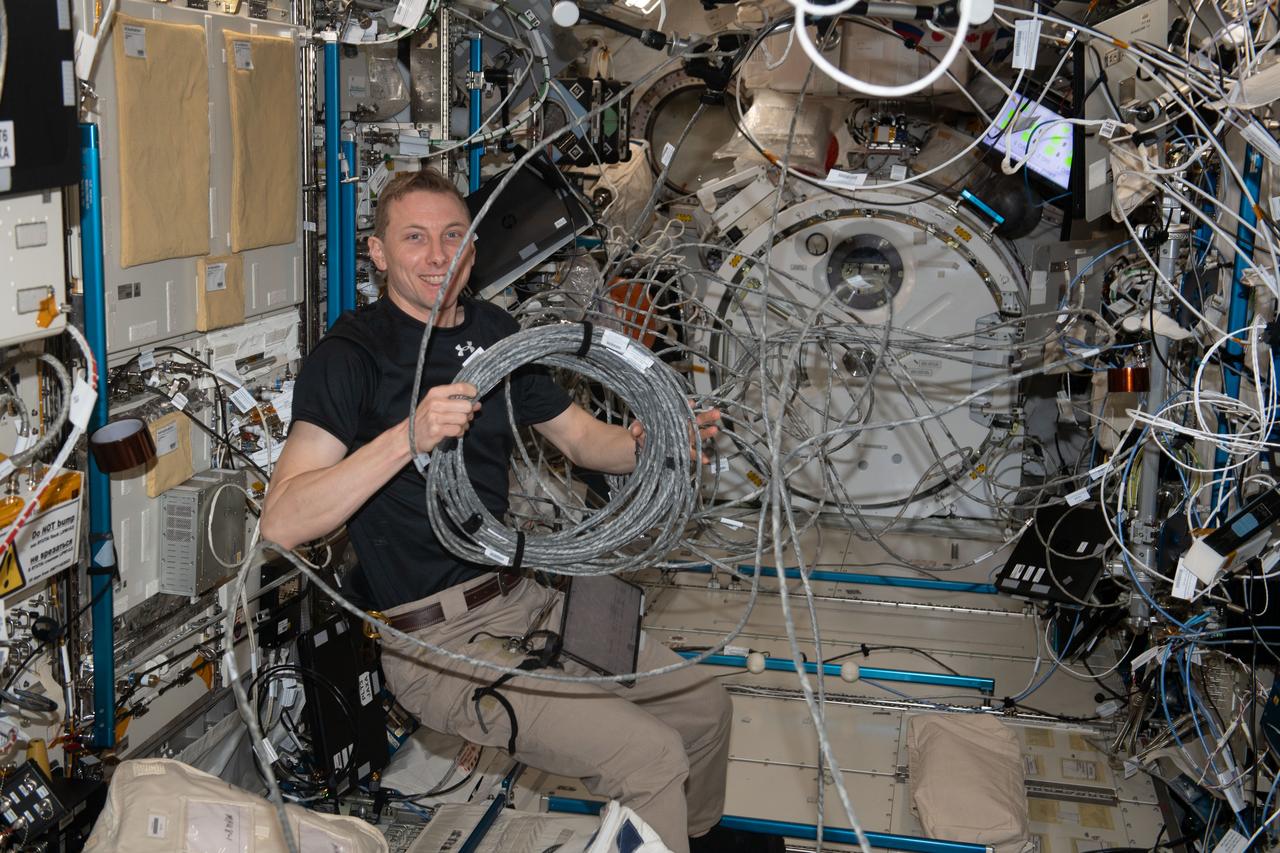
iss069e005419 (April 26, 2023) --- NASA astronaut and Expedition 69 Flight Engineer Woody Hoburg reconfigures video cables belonging to the Kibo laboratory module's Cell Biology Experiment Facility, a research incubator that generates artificial gravity.
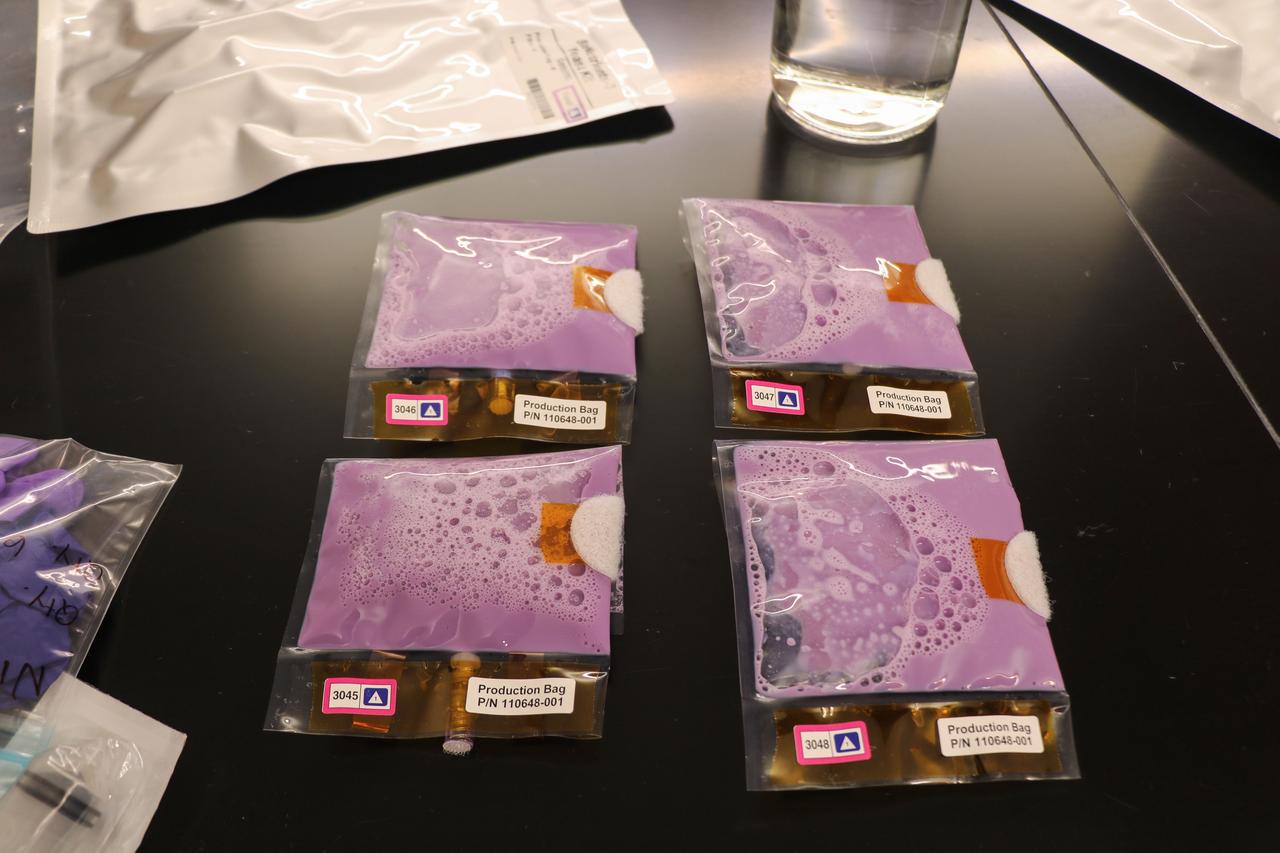
Four BioNutrients-3 yogurt bags, following completion of hydration but before incubation. Note the purple color indicating that the samples have not yet been incubated. o Photo Credit: Kevin Sims (NASA Ames)
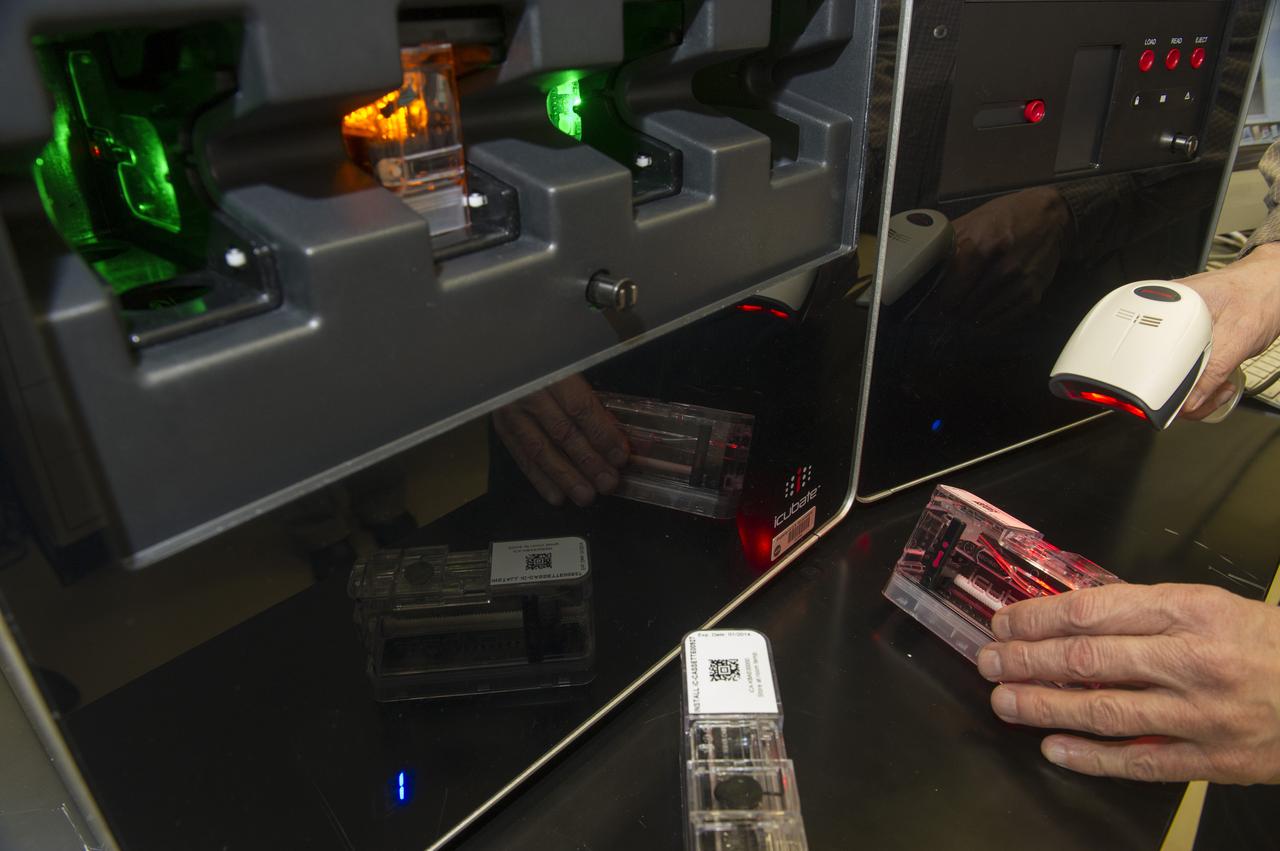
ICUBATE PROCESSOR WITH CASSETTE, SCANNER, AND READER
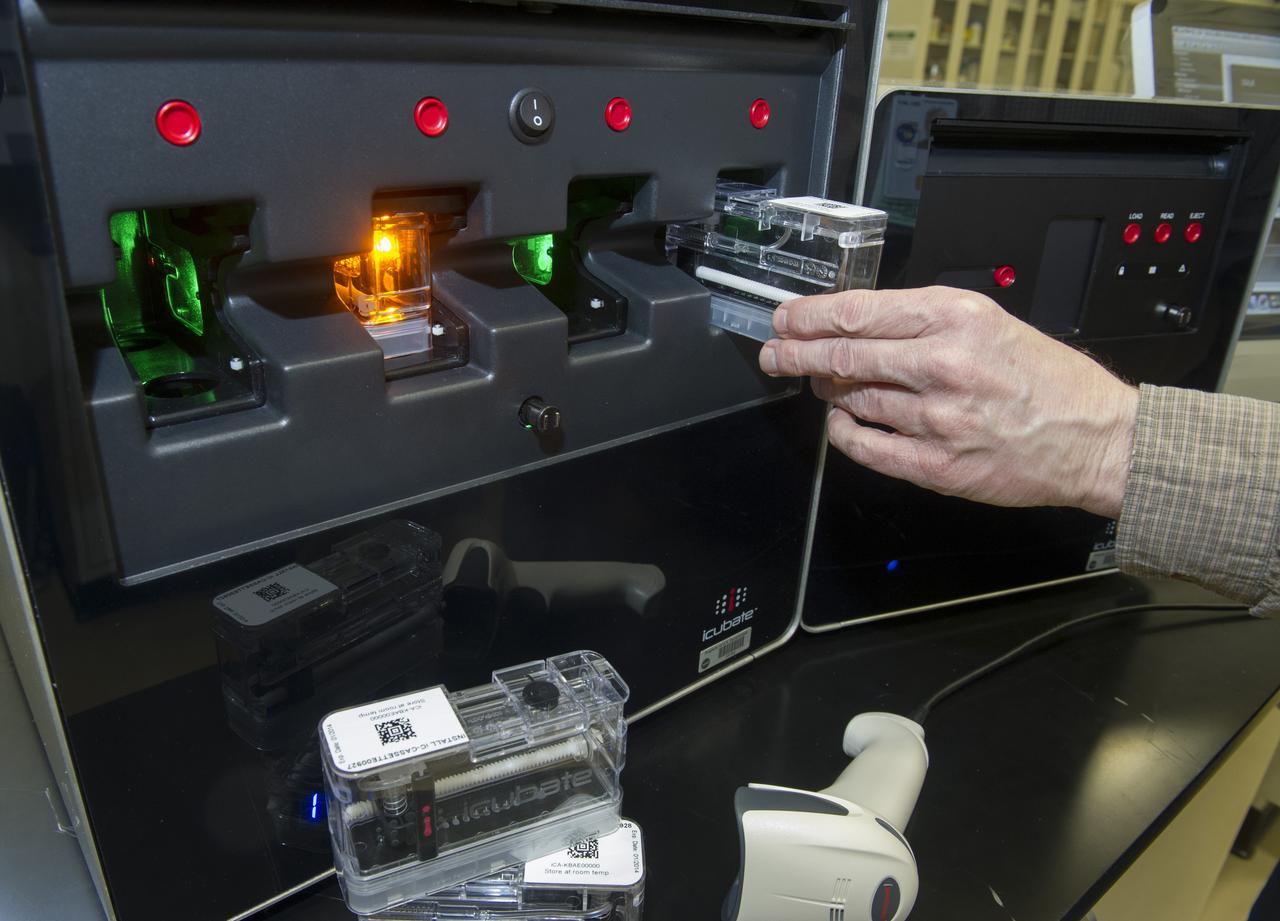
ICUBATE PROCESSOR WITH CASSETTE, SCANNER, AND READER
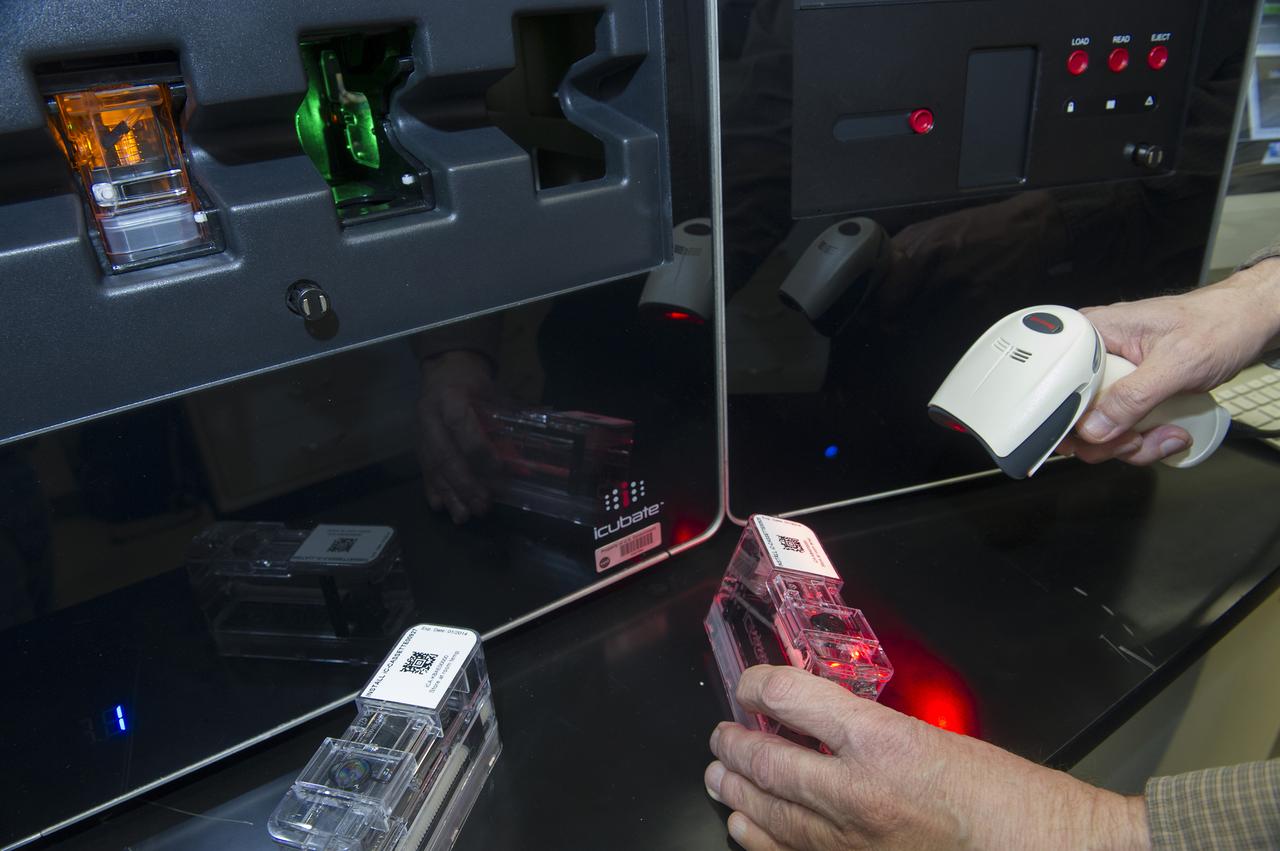
ICUBATE PROCESSOR WITH CASSETTE, SCANNER, AND READER
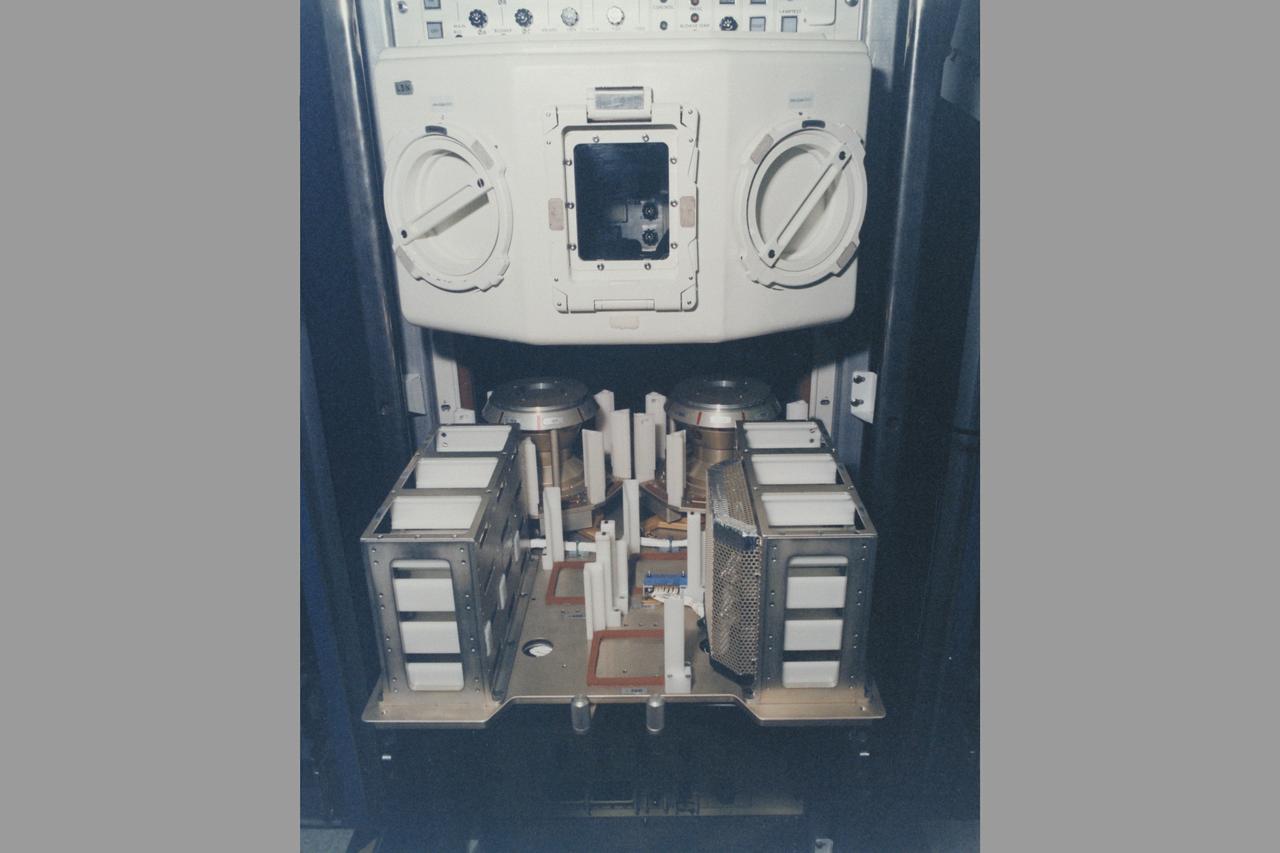
European Space Agency's Biorack incubator (37deg C)
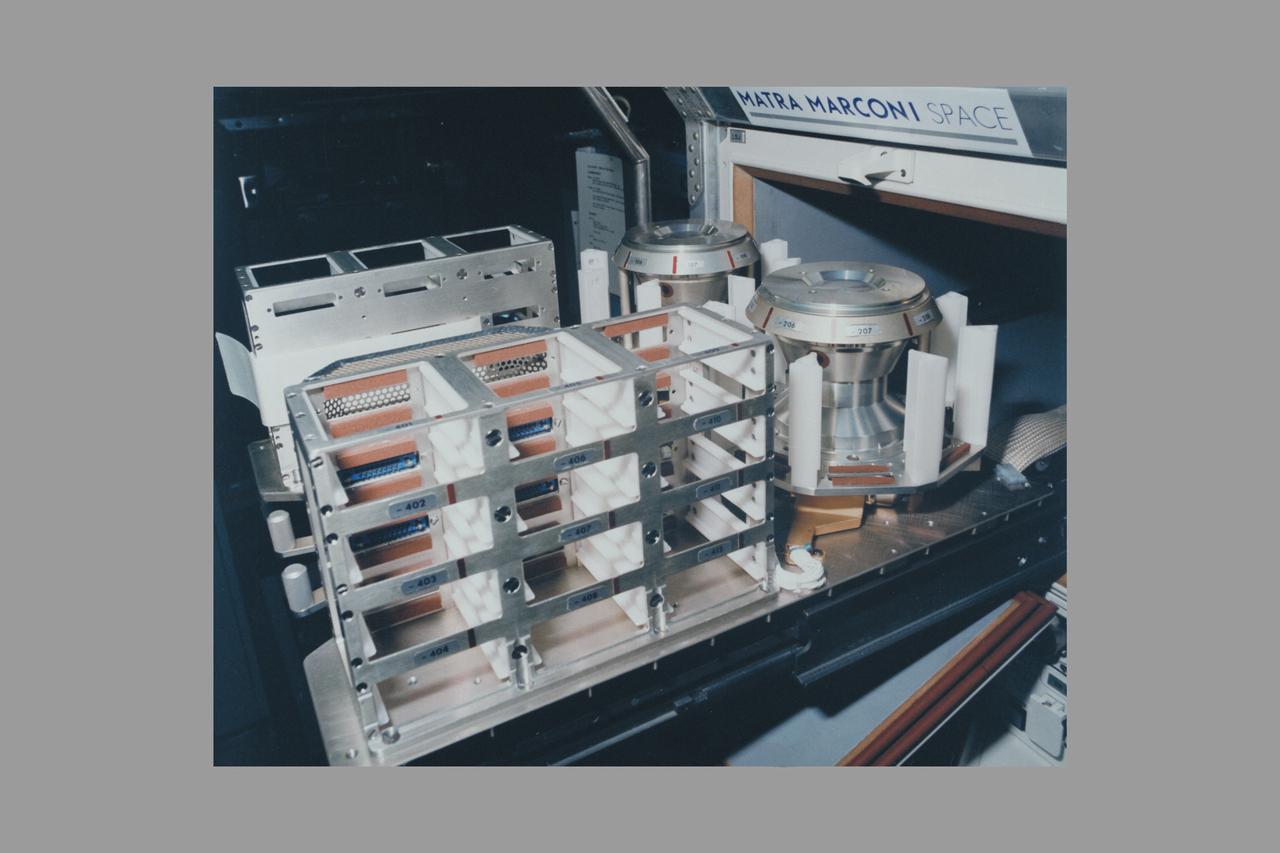
European Space Agency's Biorack incubator A (22deg C)

European Space Agency's Biorack incubator A (22deg C)
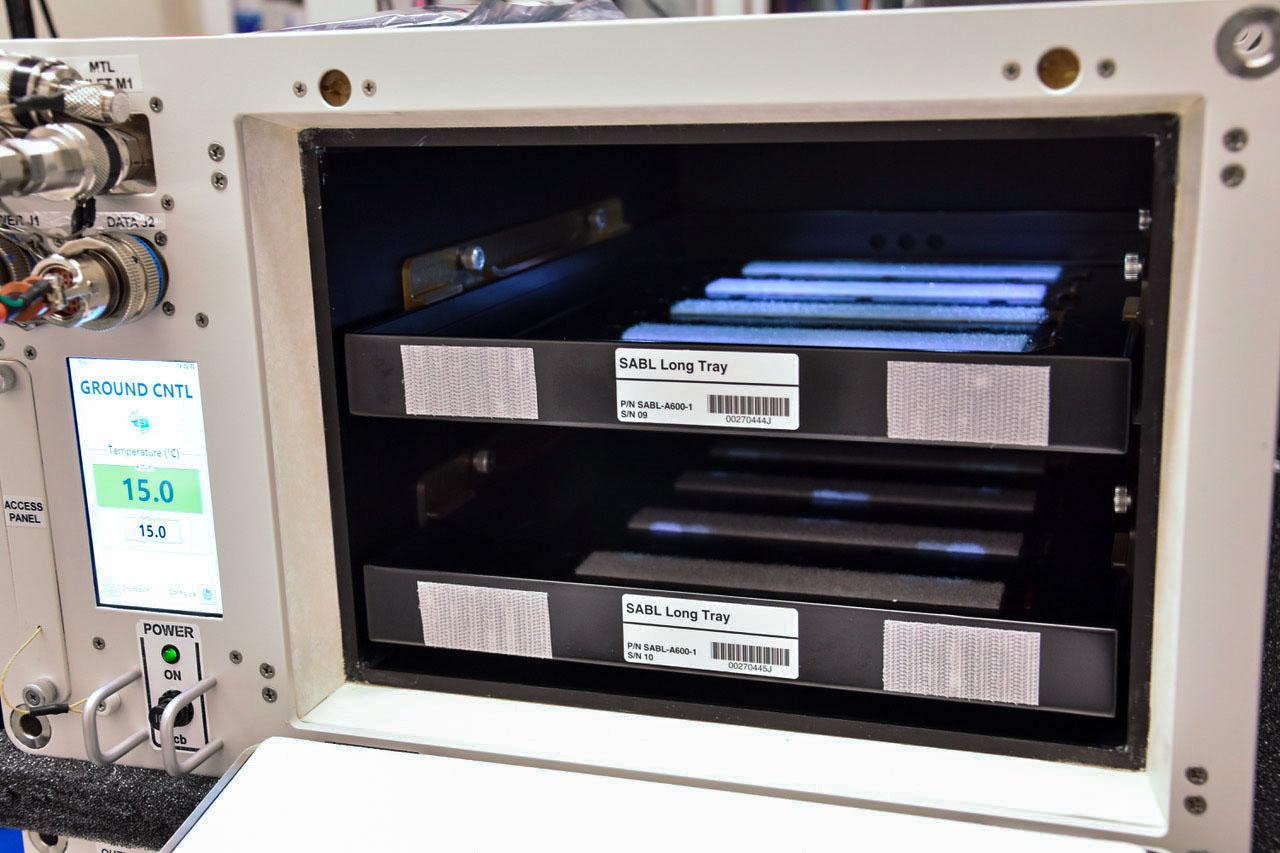
jsc2021e037286 (5/21/2021) --- A preflight view of the SALI incubator. The Space Automated Lab Incubator (SALI) supports a wide variety of investigations in the life, physical, and material sciences, focusing on research on biological systems and processes. SALI accommodates multiple sample packs or habitats and also serves as back-up cold stowage.
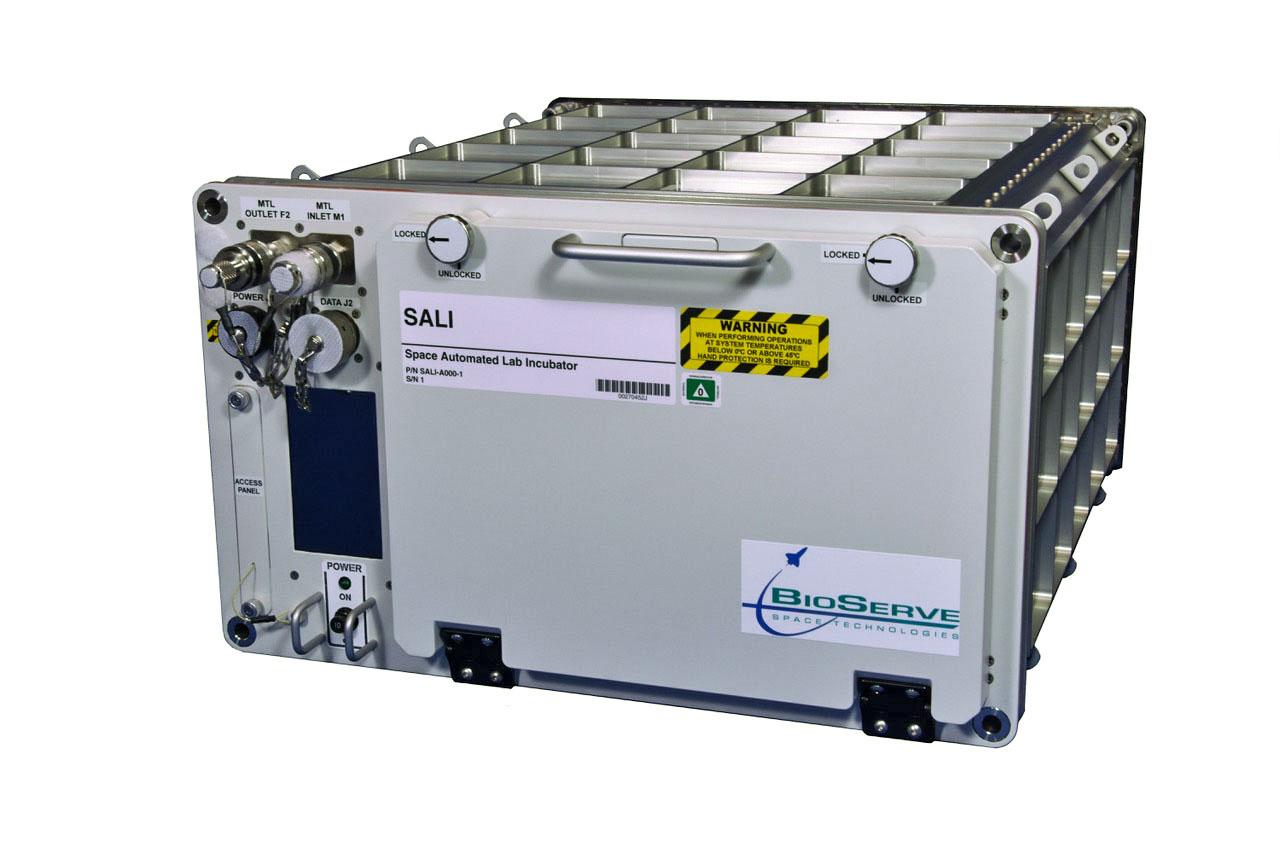
jsc2021e037287 (5/21/2021) --- A preflight view of the SALI incubator. The Space Automated Lab Incubator (SALI) supports a wide variety of investigations in the life, physical, and material sciences, focusing on research on biological systems and processes. SALI accommodates multiple sample packs or habitats and also serves as back-up cold stowage.e.
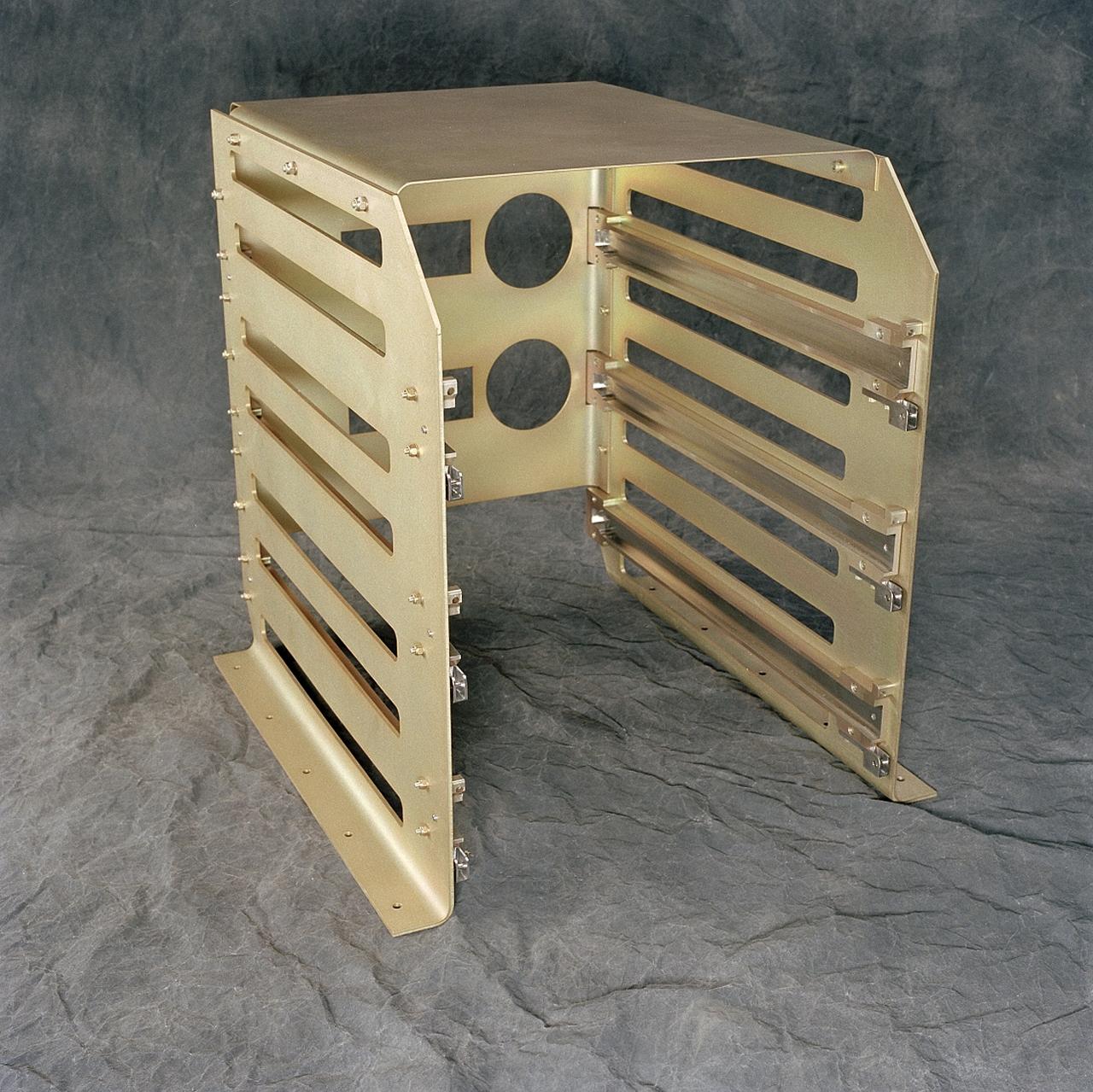
N-239A: 8ft centrifuge facility ISS incubator - compatible rack
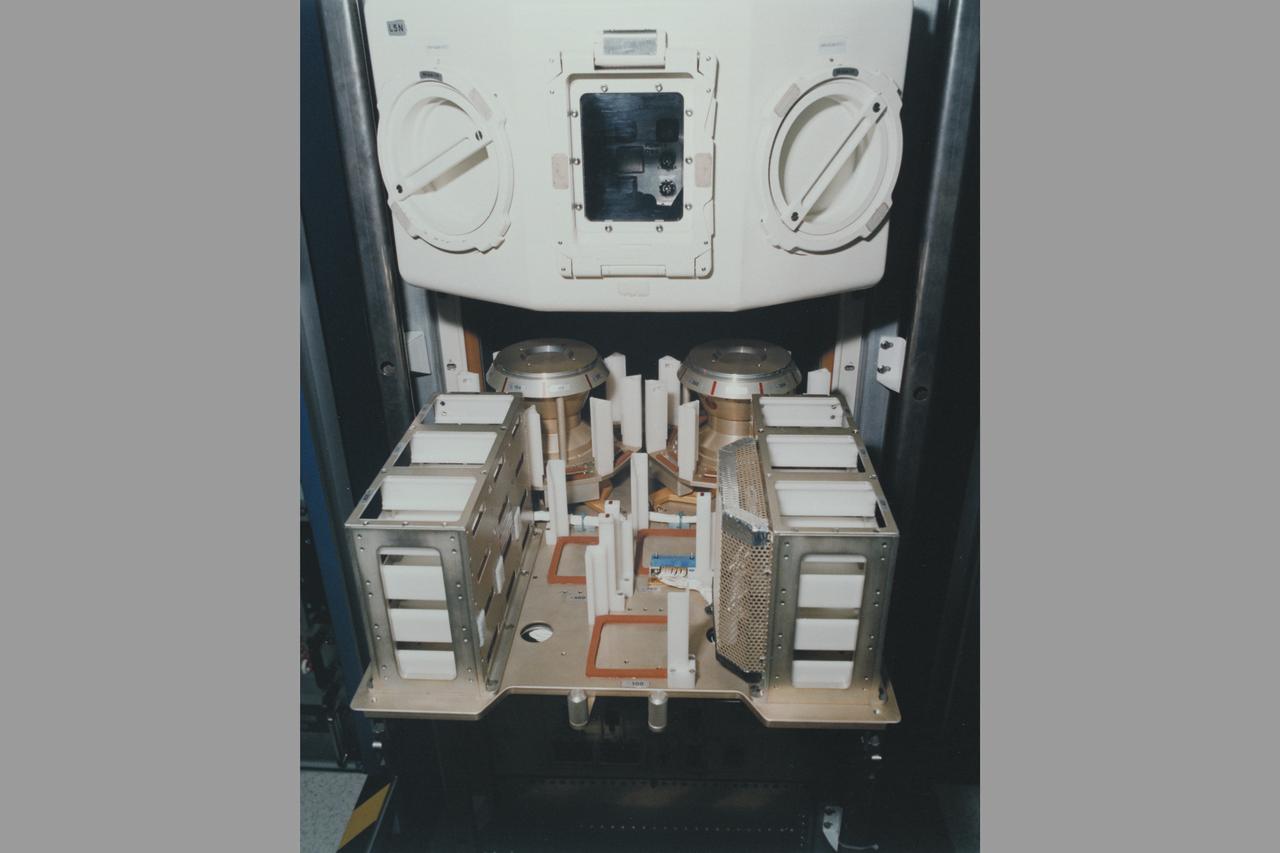
European Space Agency's Biorack incubator C (37deg C)
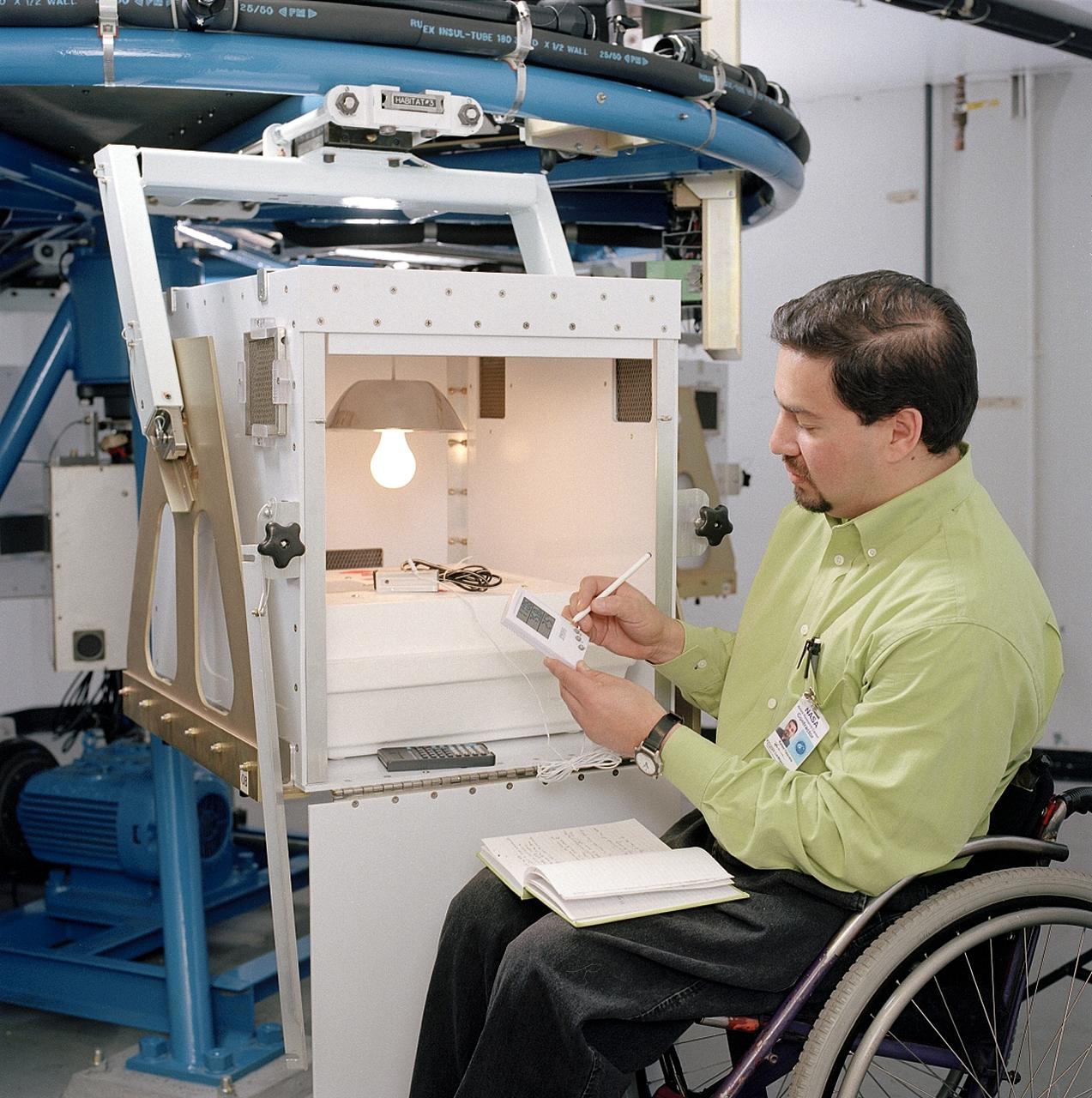
N-239A: 8ft centrifuge facility: Centrifuge and incubator with Omar Talavera
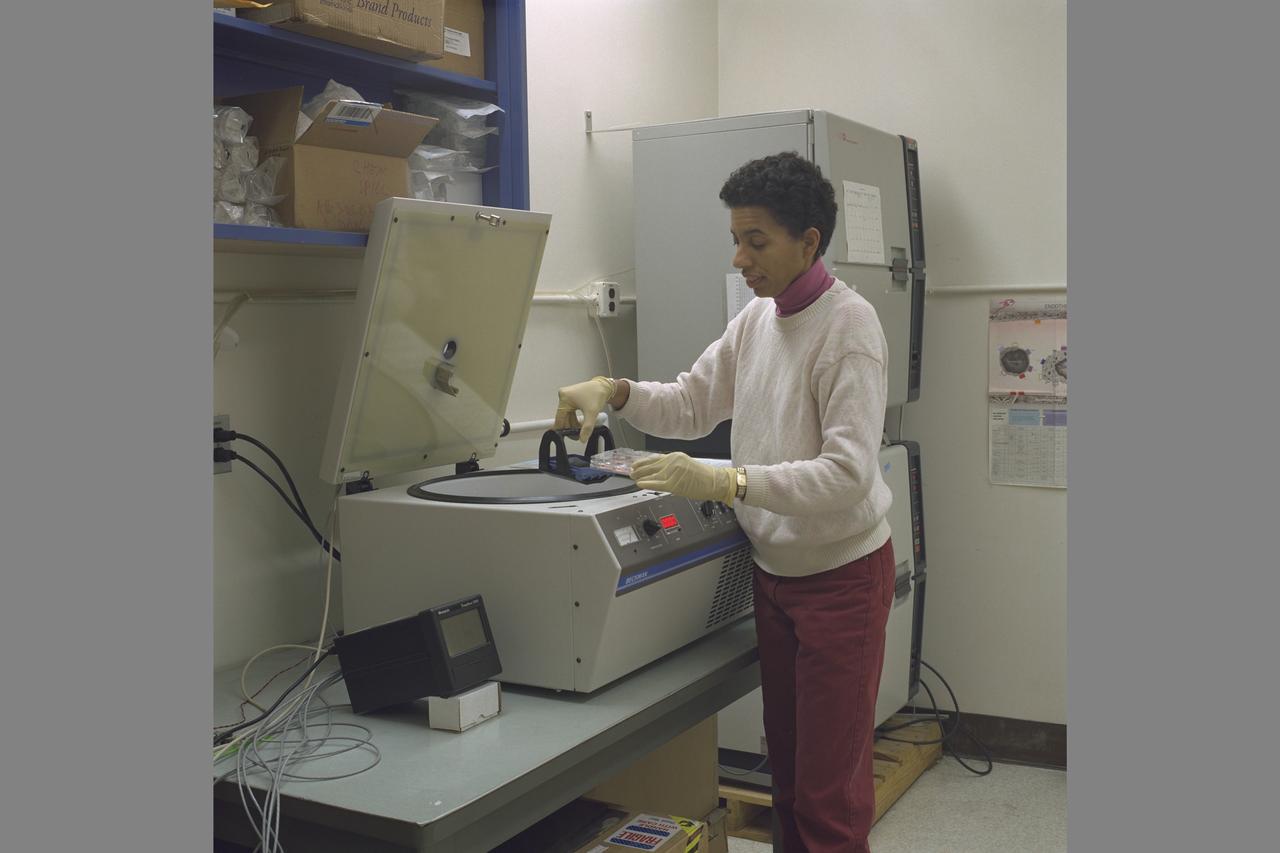
SAC AND INCUBATOR WITH MELISSA KIRVEN-BROOKS. Space Station Biological Research Project
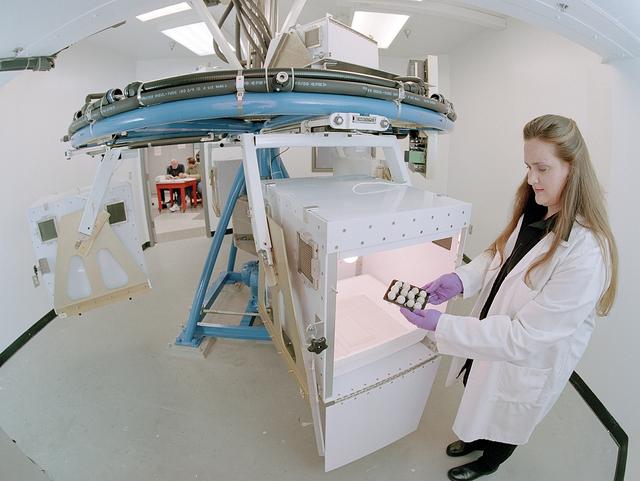
N-239A: 8ft centrifuge facility: centrifuge and quail eggs in incubator with Tianna Shaw
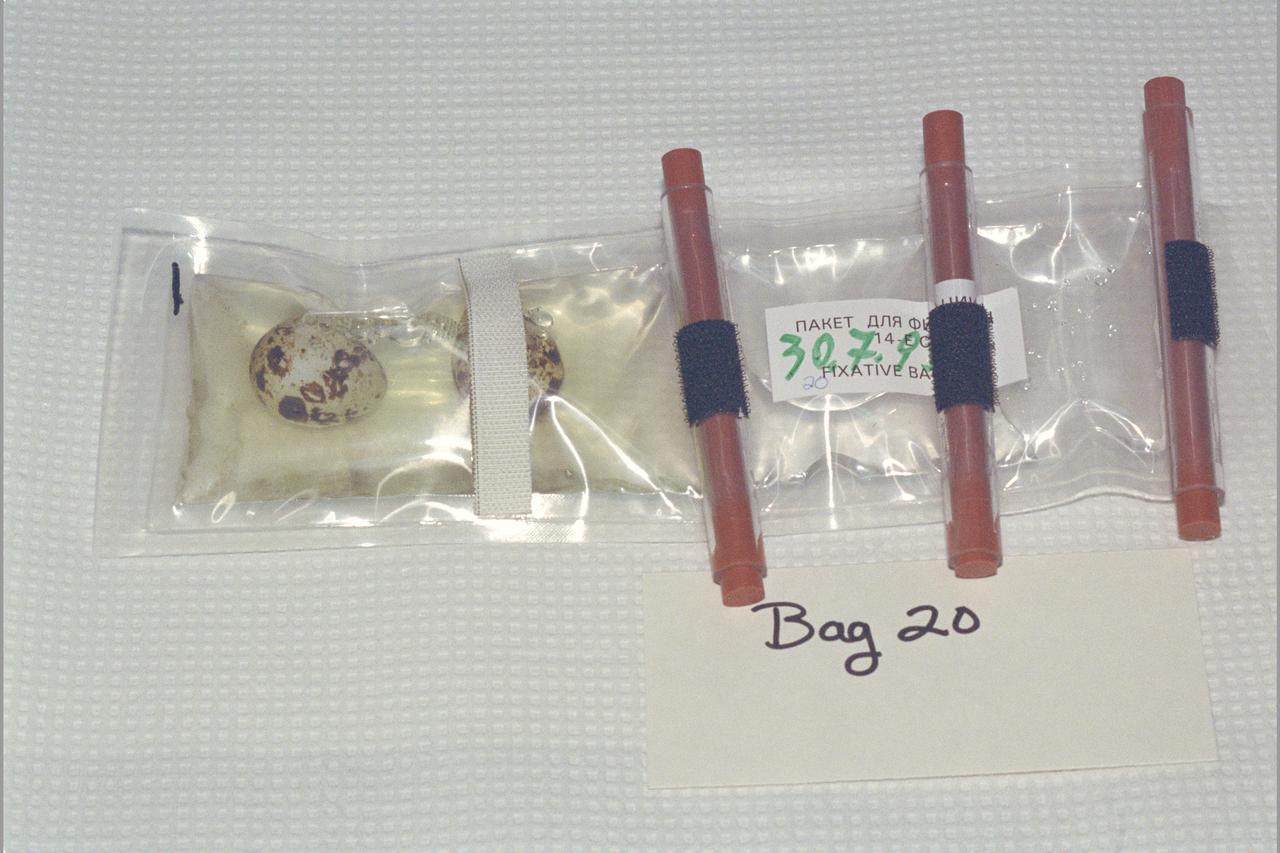
Space Shuttle STS-74 incubator fix kit; Quail Eggs from MIR Space Station
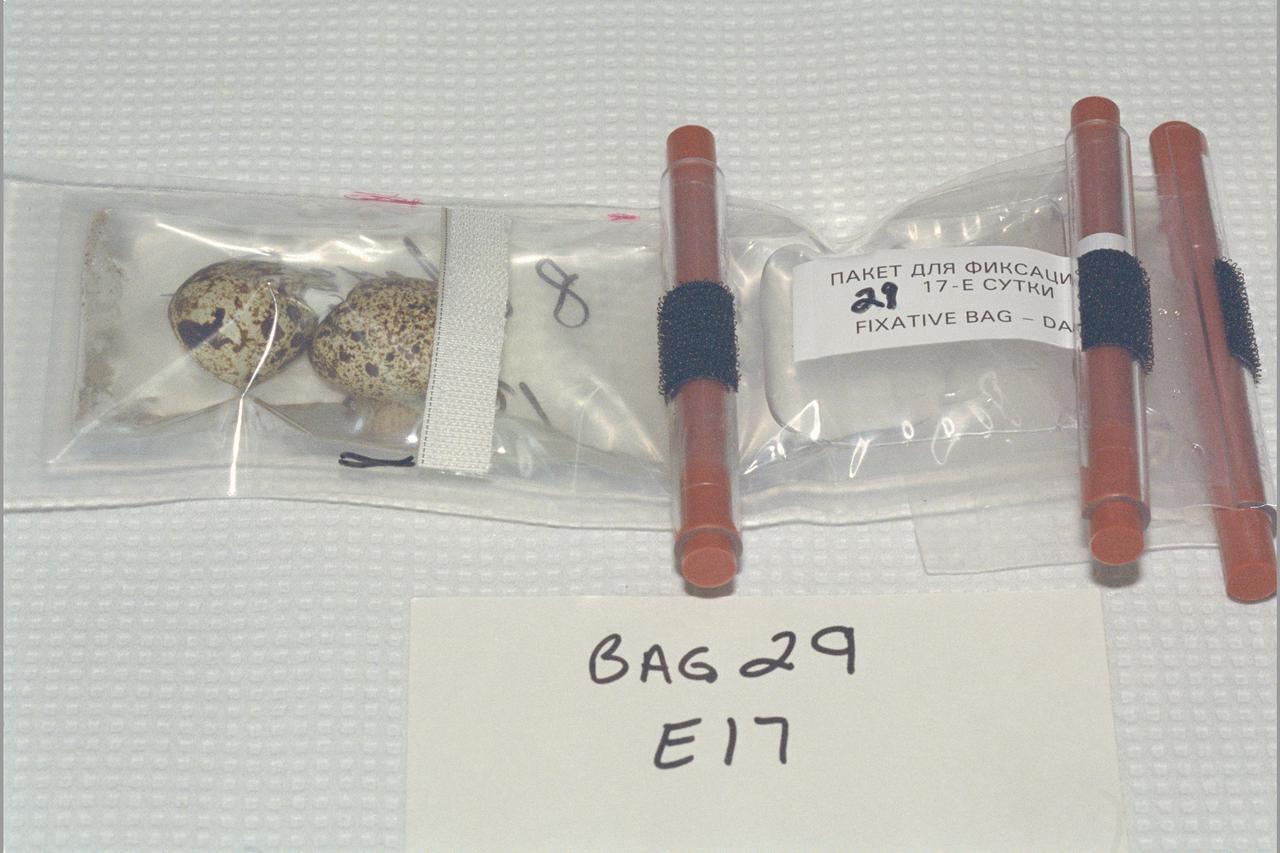
Space Shuttle STS-74 incubator fix kit; Quail Eggs from MIR Space Station
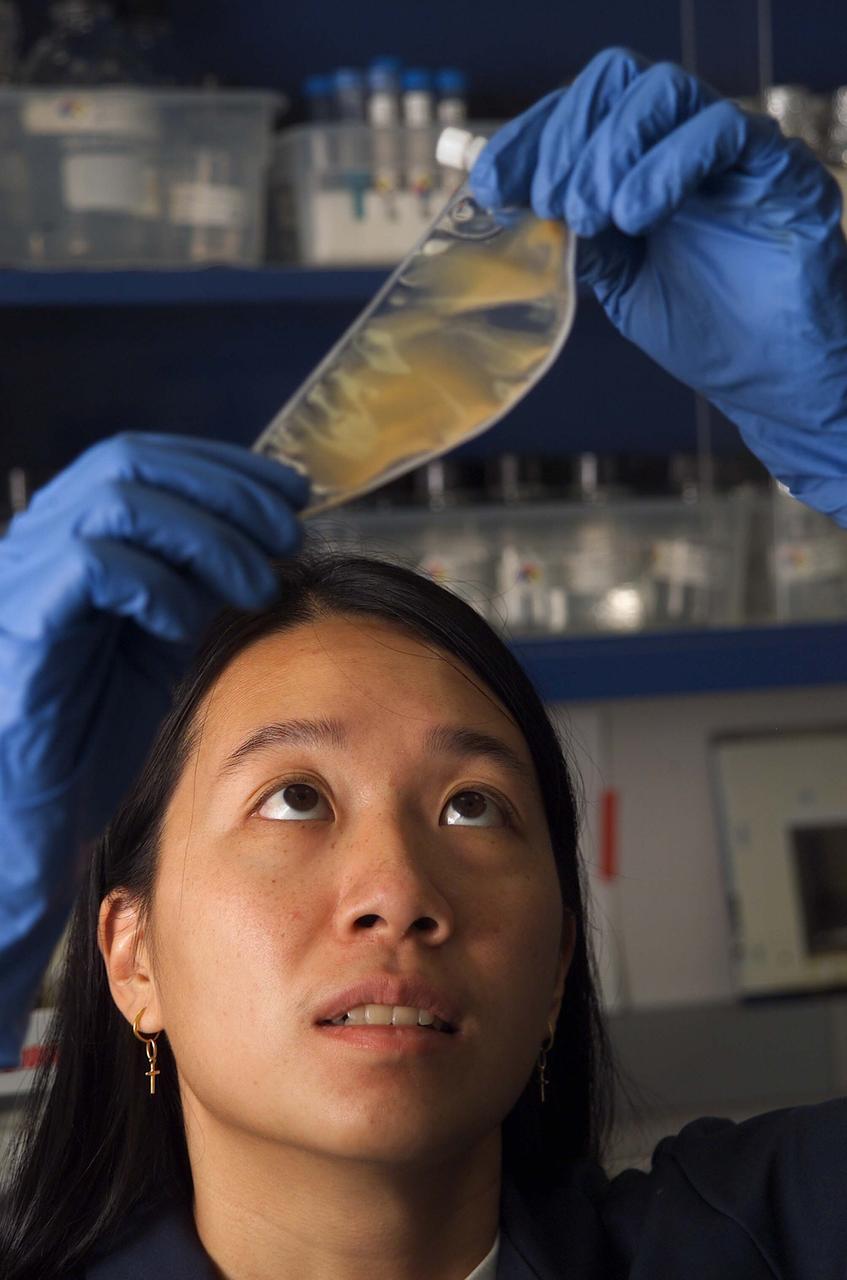
SSBRP Incubator/Small Payloads Development (N-261 Lab 1) speciems, with Dian Yu (Jacob Cohen's lab assistant)

AUTOMATED DISCOVERY WORKSTATION DEVELOPED UNDER COOPERATIVE AGREEMENT BETWEEN ANALIZA DISCOVERY TECHNOLOGIES AND THE LEWIS INCUBATOR FOR TECHNOLOGY (LIFT)
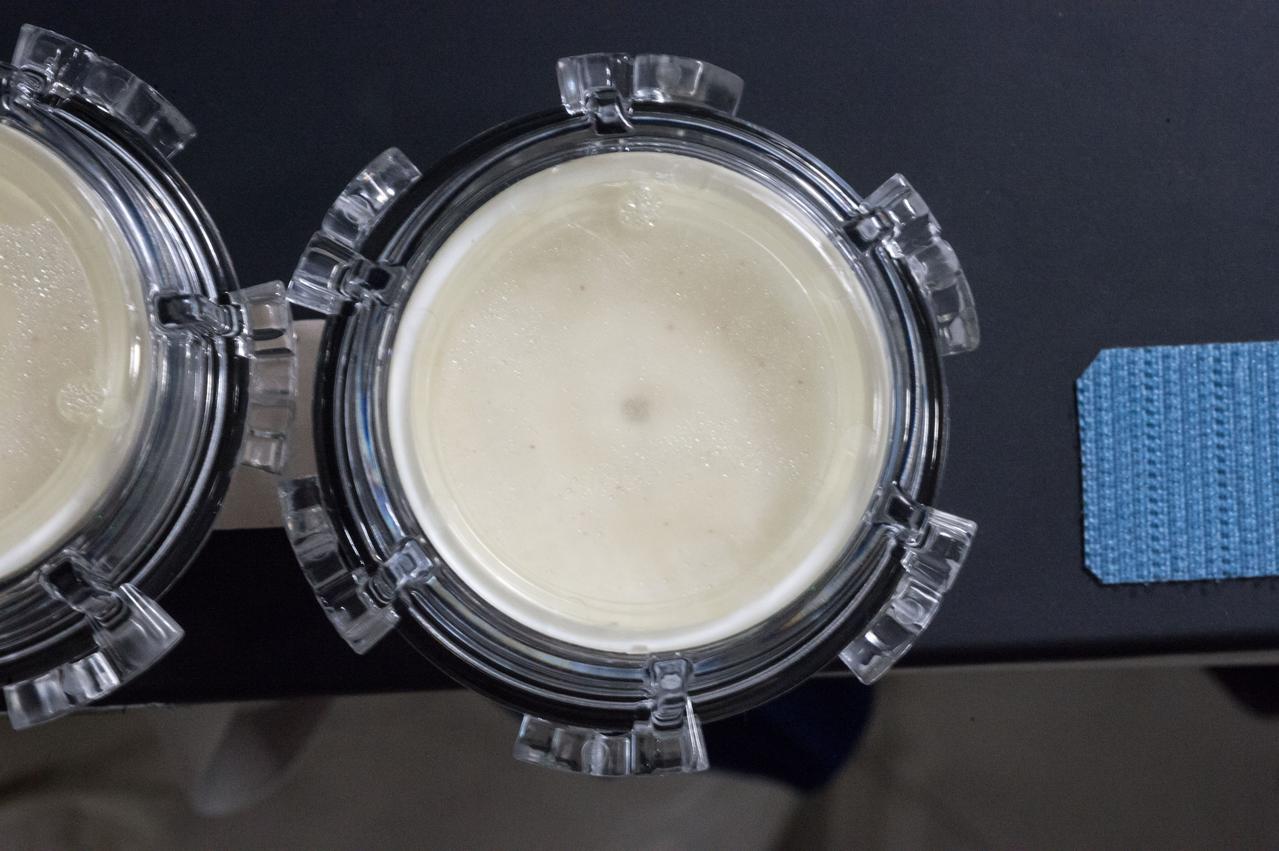
iss050e011727 (11/25/2016) --- View of Aquapad Microbial Contamination after incubation. Photo was taken during Expedition 40.
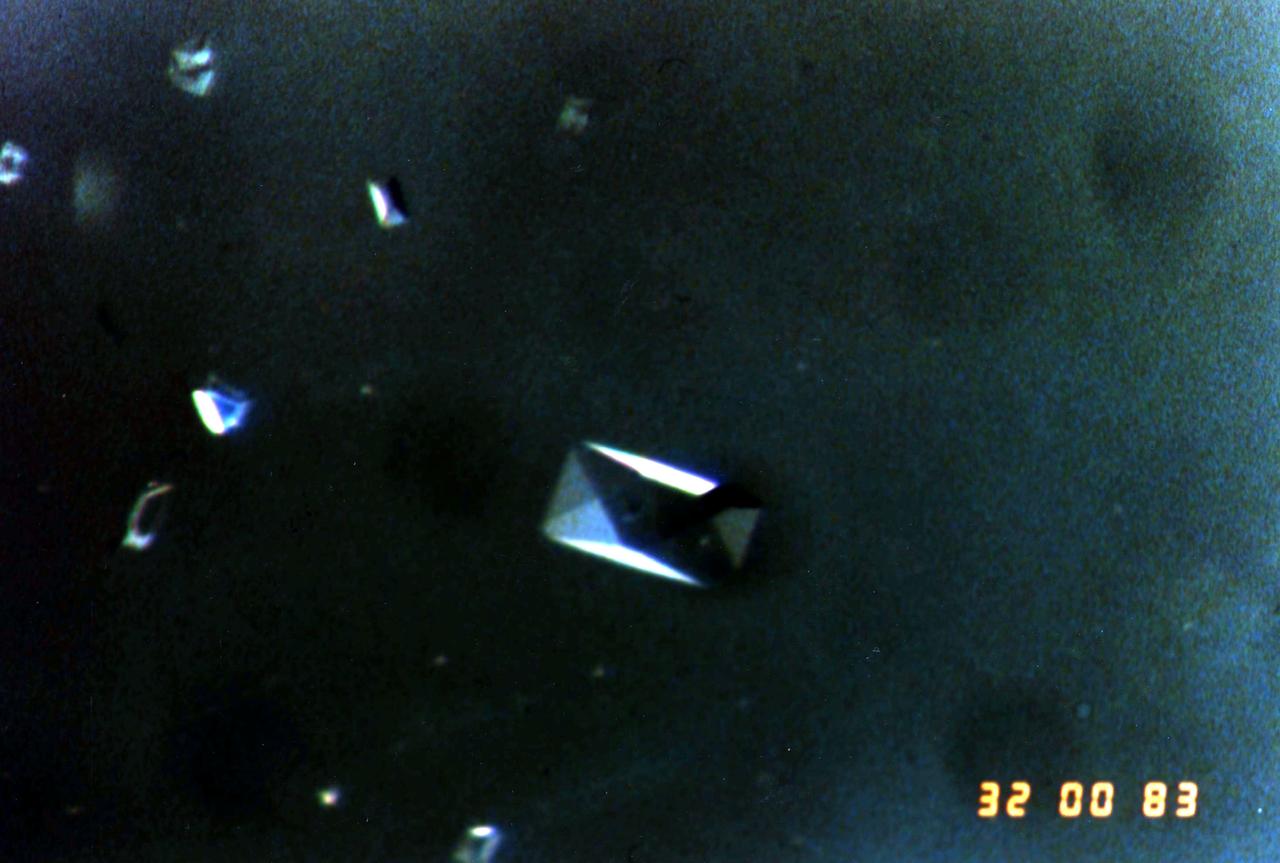
Orbital Documentation of Porcine Elastase grown in (PCG) Protein Crystal Growth (RIM) Refrigerator Incubator Module
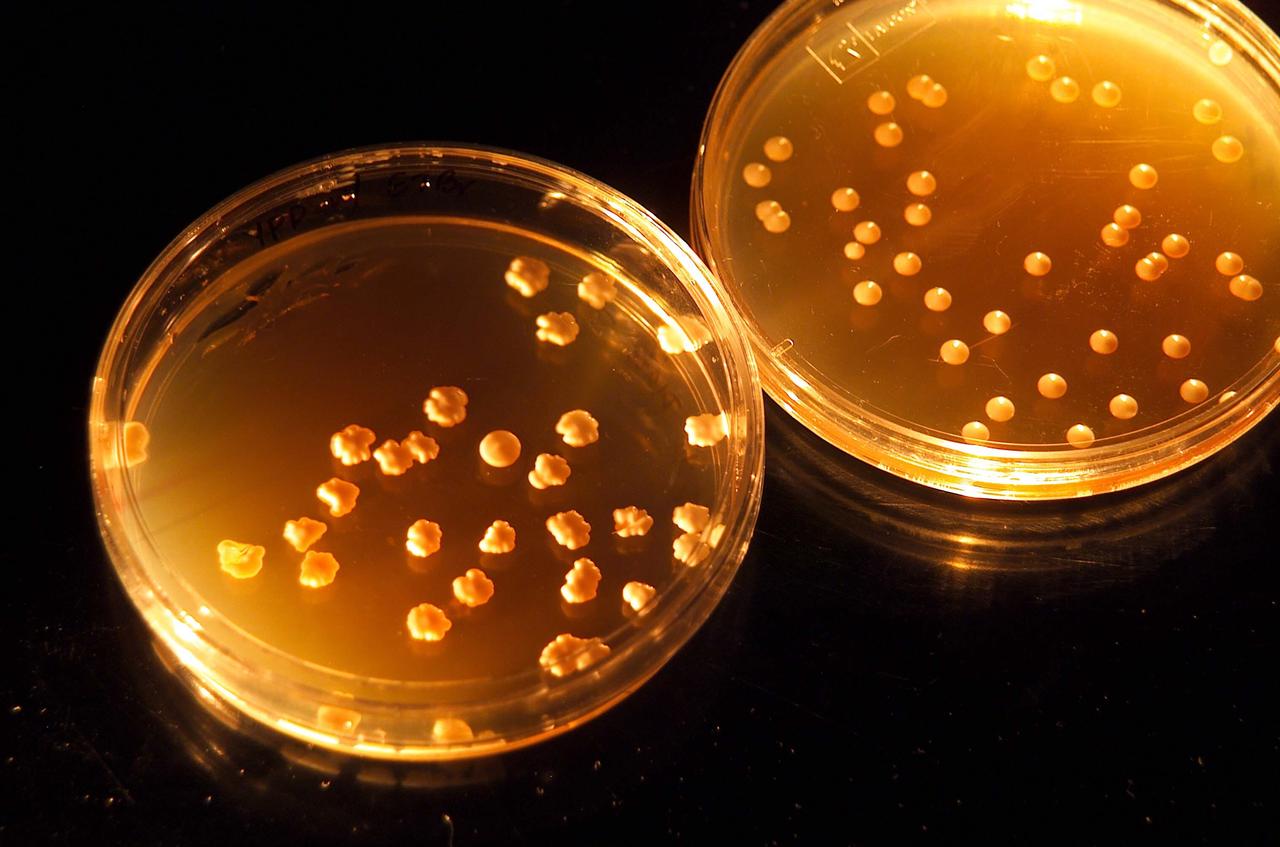
SSBRP Incubator/Small Payloads Development (N-261 Lab 1) with petrie dish speciems, led (red) lights and purple gloved hand
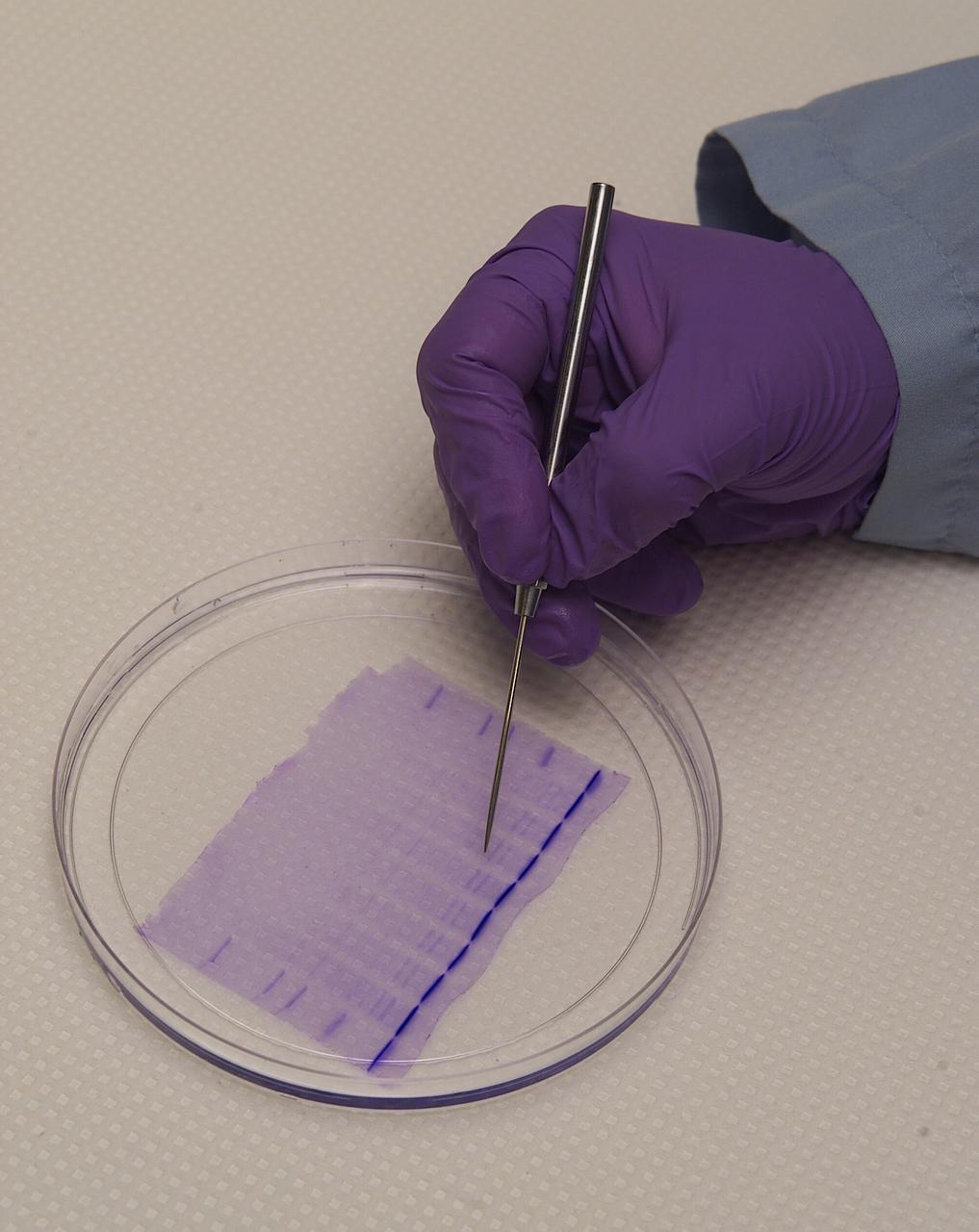
SSBRP Incubator/Small Payloads Development (N-261 Lab 1) with petrie dish speciems, led (red) lights and purple gloved hand
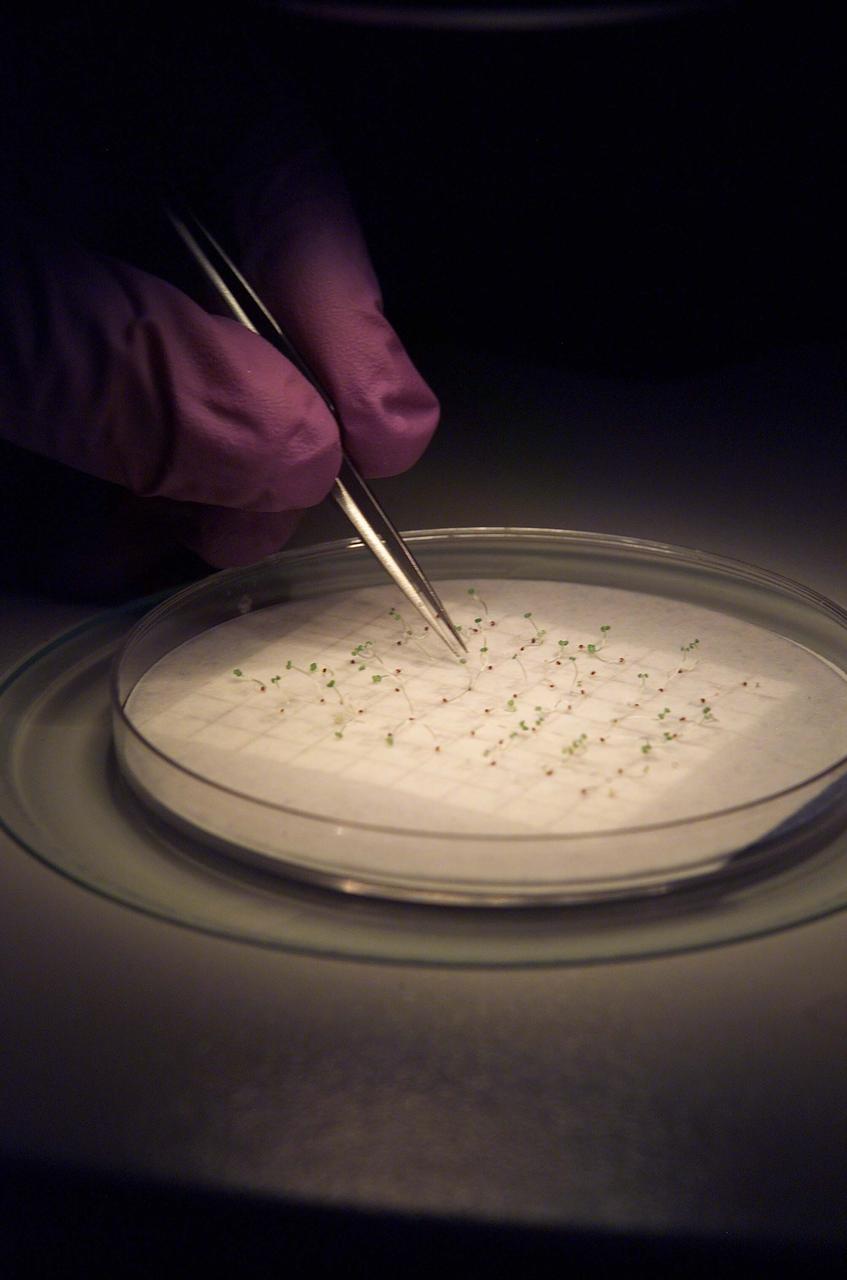
SSBRP Incubator/Small Payloads Development (N-261 Lab 1) with petrie dish speciems, led (red) lights and purple gloved hand
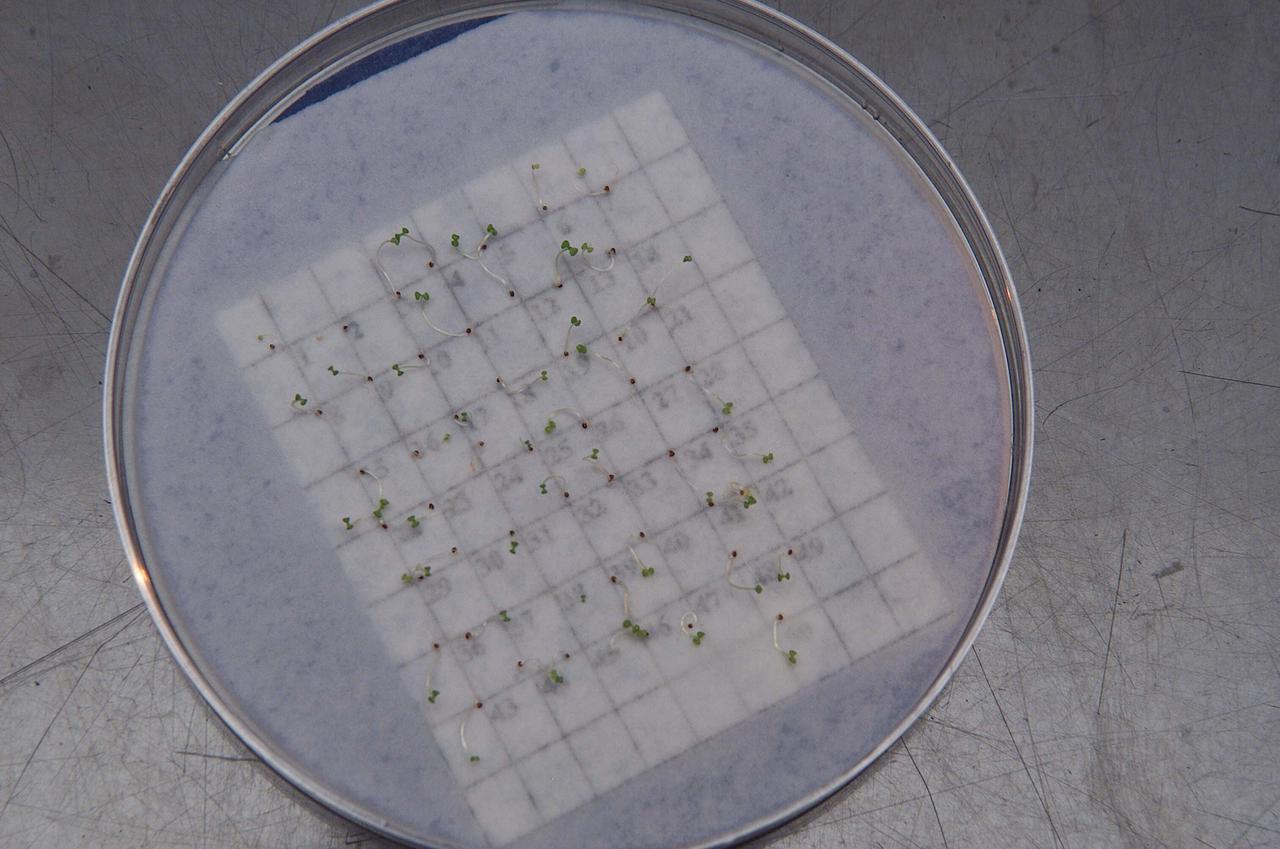
SSBRP Incubator/Small Payloads Development (N-261 Lab 1) with petrie dish speciems, led (red) lights and purple gloved hand
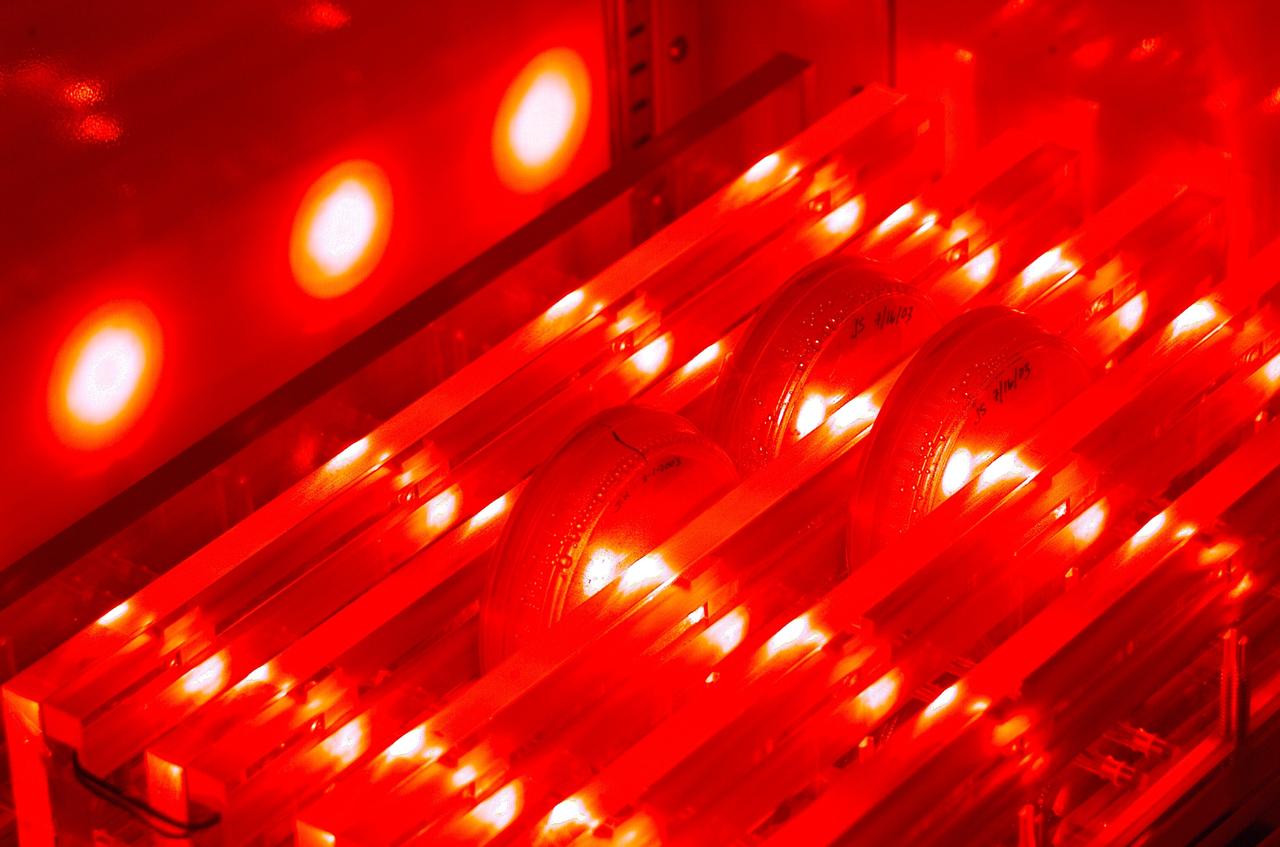
SSBRP Incubator/Small Payloads Development (N-261 Lab 1) with petrie dish speciems, led (red) lights and purple gloved hand
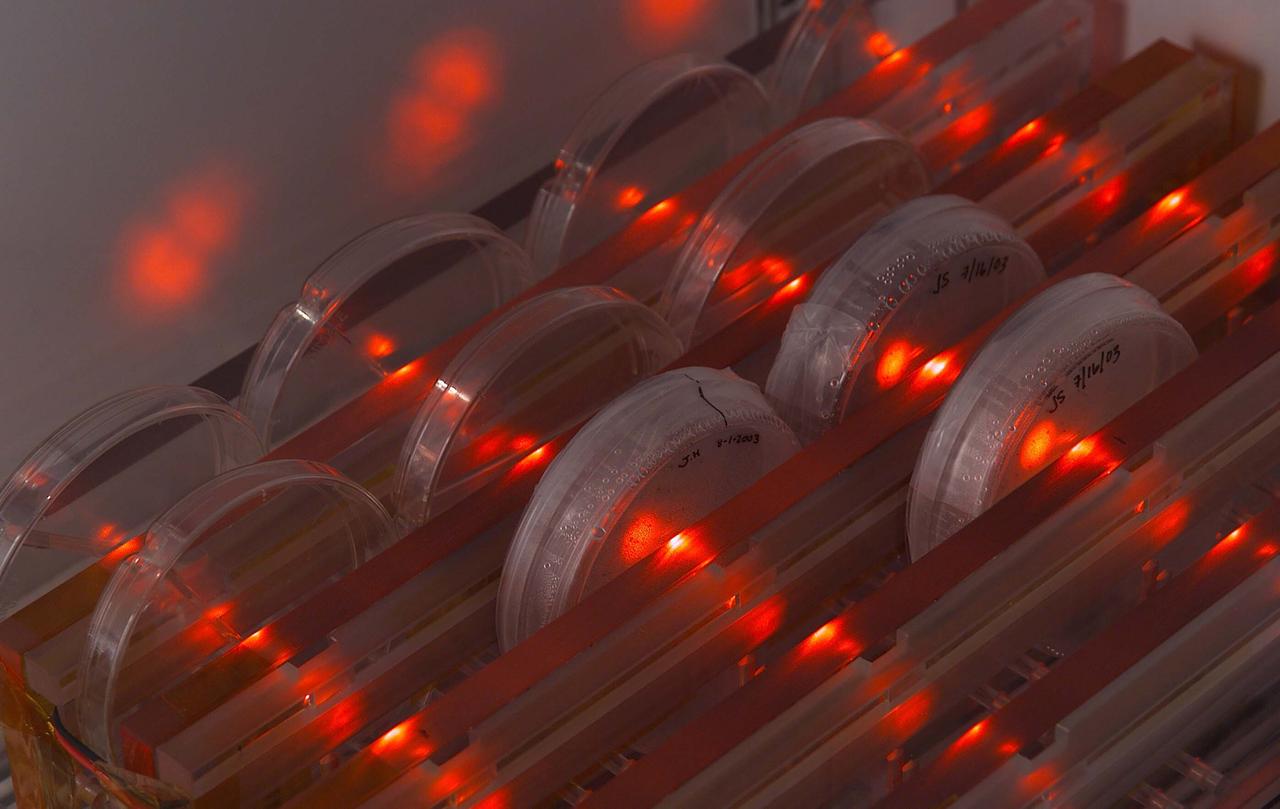
SSBRP Incubator/Small Payloads Development (N-261 Lab 1) with petrie dish speciems, led (red) lights and purple gloved hand

SSBRP Incubator/Small Payloads Development (N-261 Lab 1) with petrie dish speciems, led (red) lights and purple gloved hand
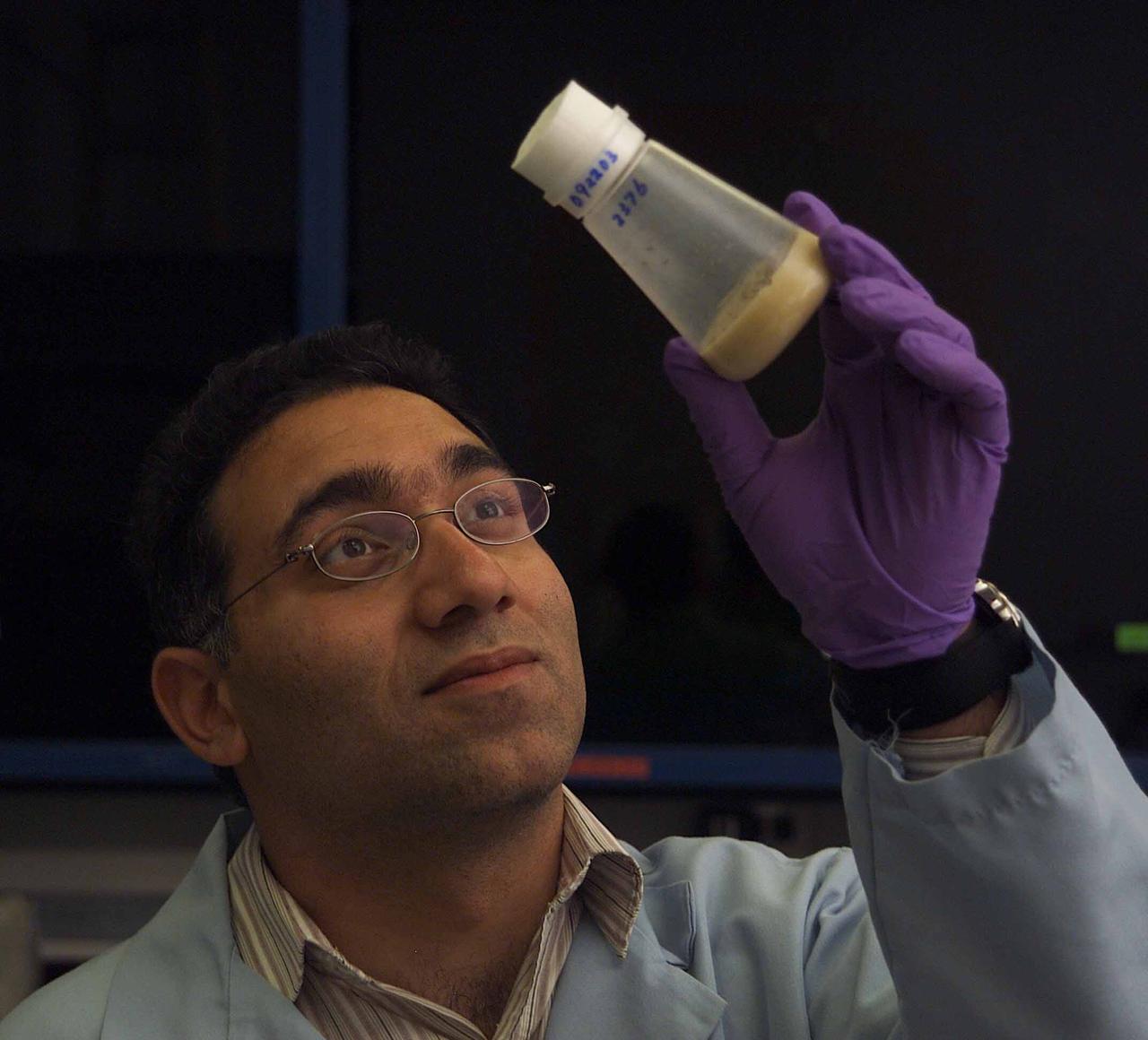
SSBRP Incubator/Small Payloads Development (N-261 Lab 1) speciems, with Jacob Cohen in his lab (ref: NASDA Glovebox)
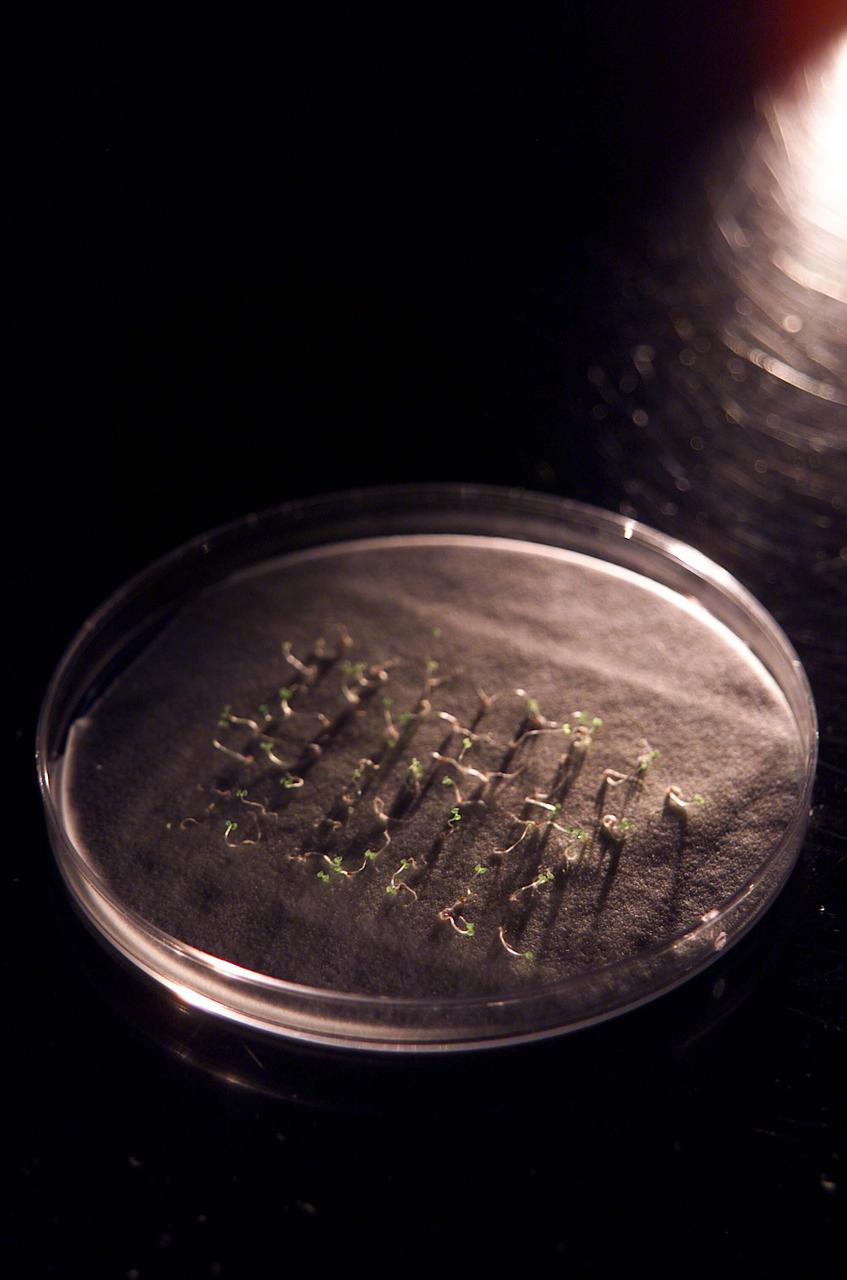
SSBRP Incubator/Small Payloads Development (N-261 Lab 1) with petrie dish speciems, led (red) lights and purple gloved hand
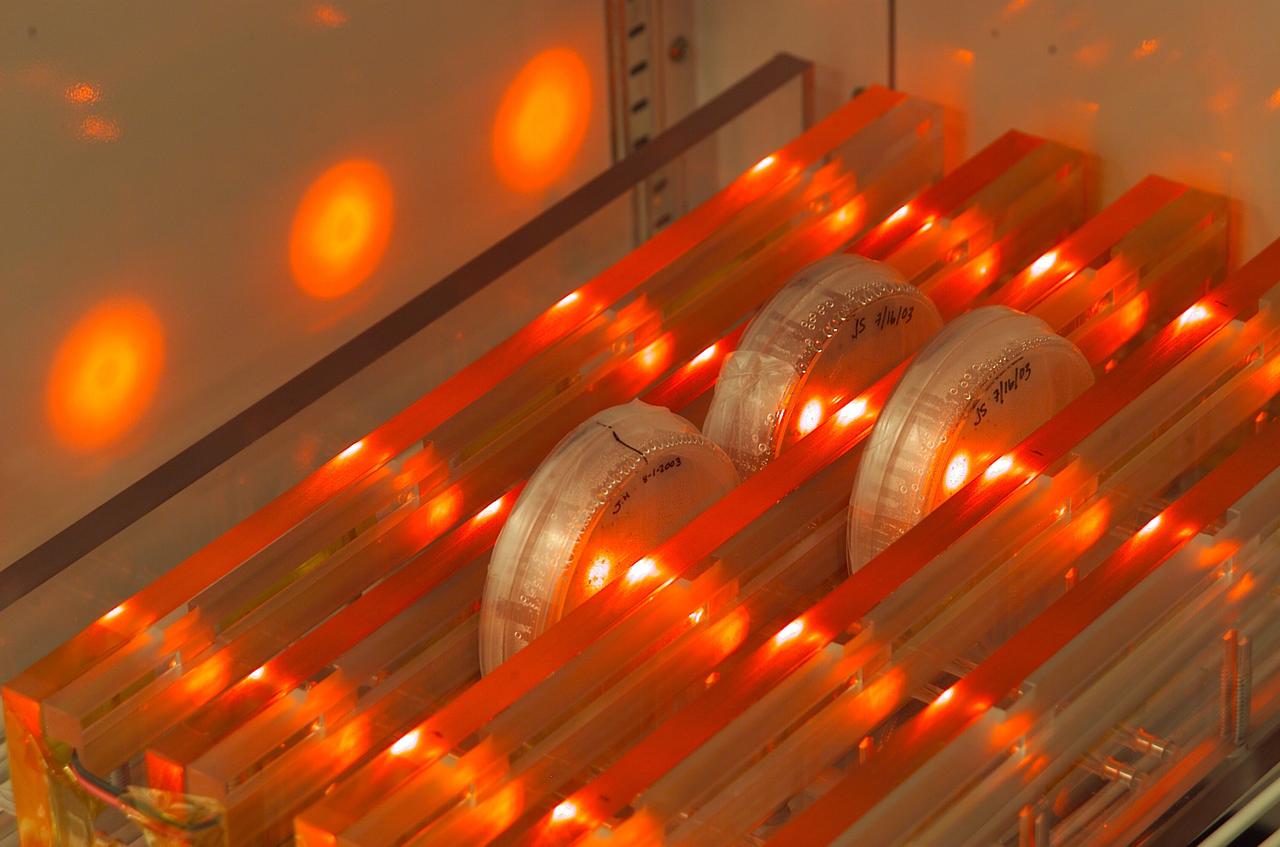
SSBRP Incubator/Small Payloads Development (N-261 Lab 1) with petrie dish speciems, led (red) lights and purple gloved hand
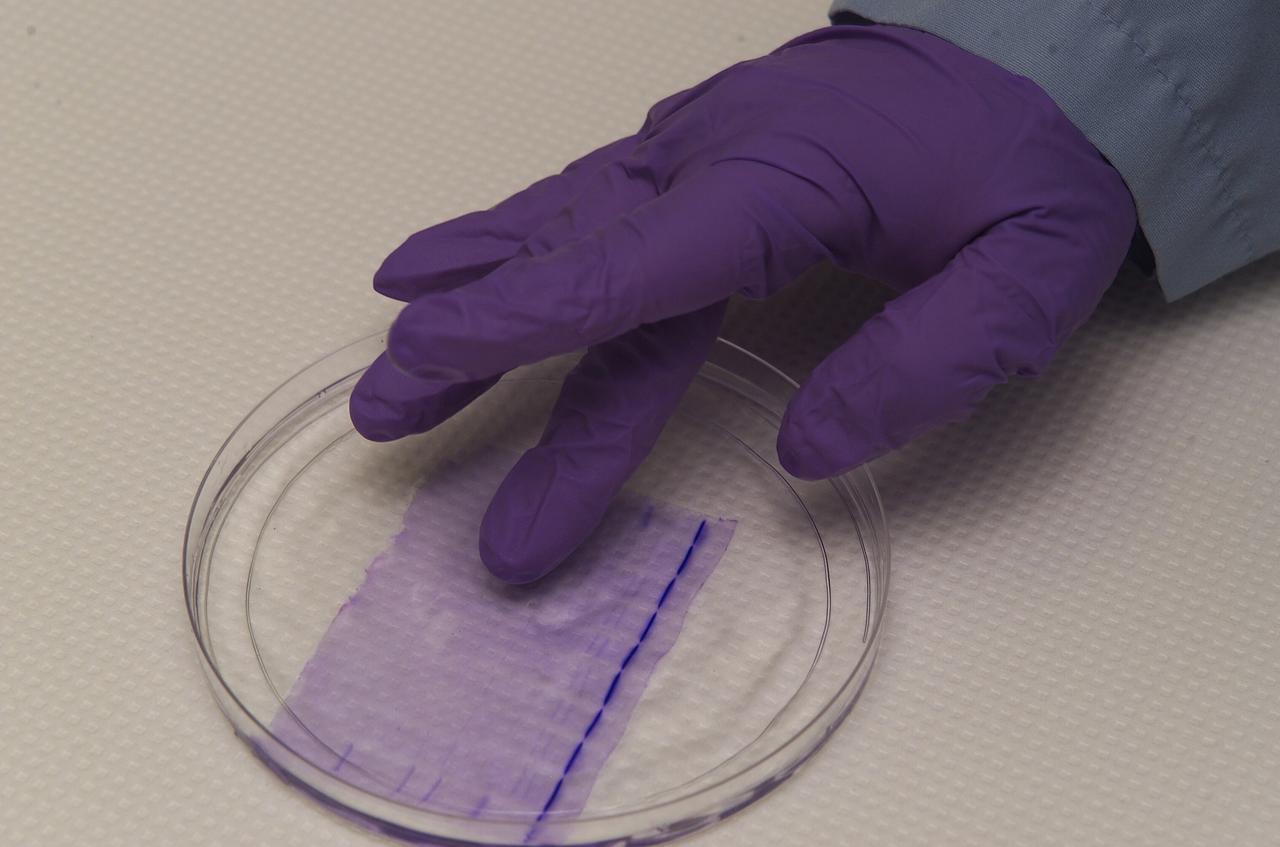
SSBRP Incubator/Small Payloads Development (N-261 Lab 1) with petrie dish speciems, led (red) lights and purple gloved hand
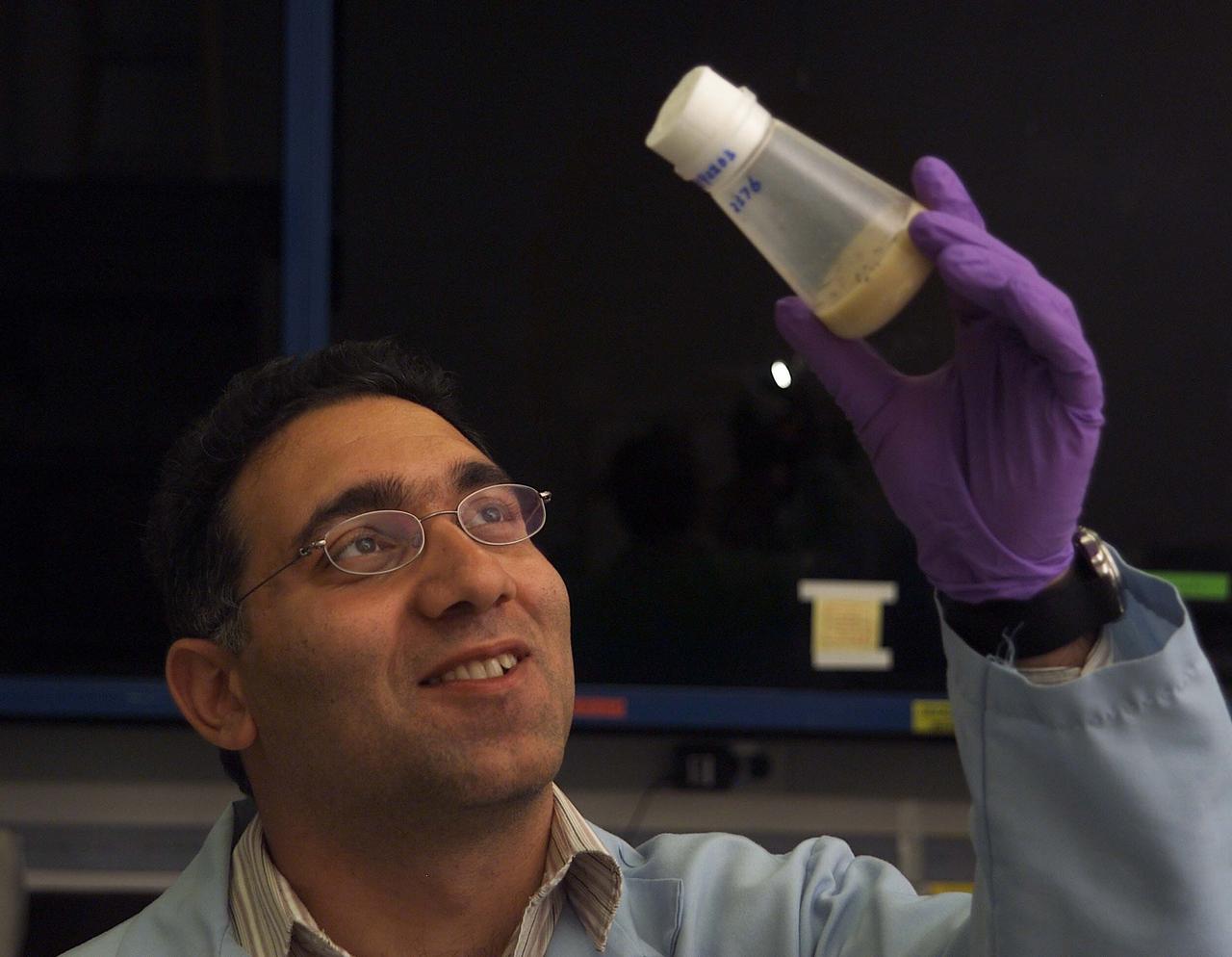
SSBRP Incubator/Small Payloads Development (N-261 Lab 1) speciems, with Jacob Cohen in his lab (ref: NASDA Glovebox)
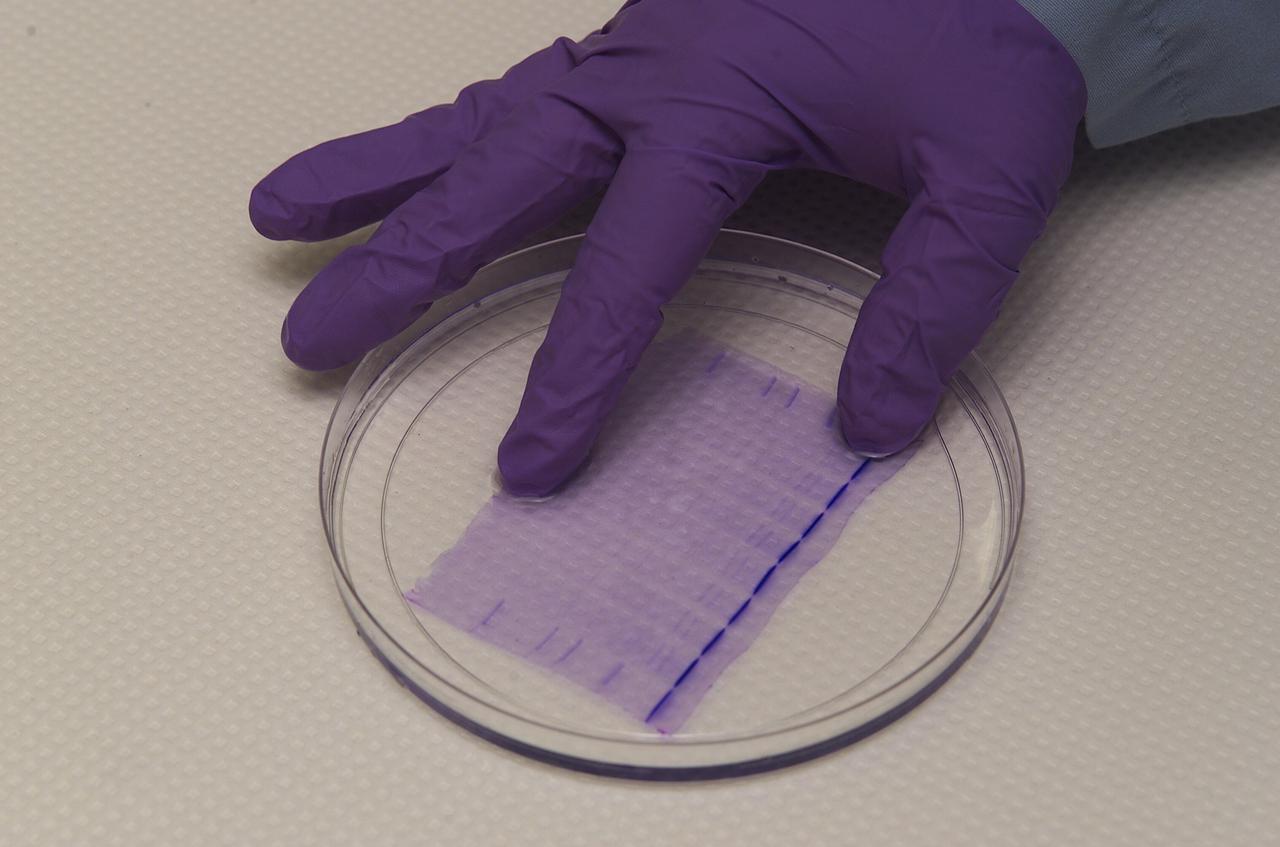
SSBRP Incubator/Small Payloads Development (N-261 Lab 1) with petrie dish speciems, led (red) lights and purple gloved hand
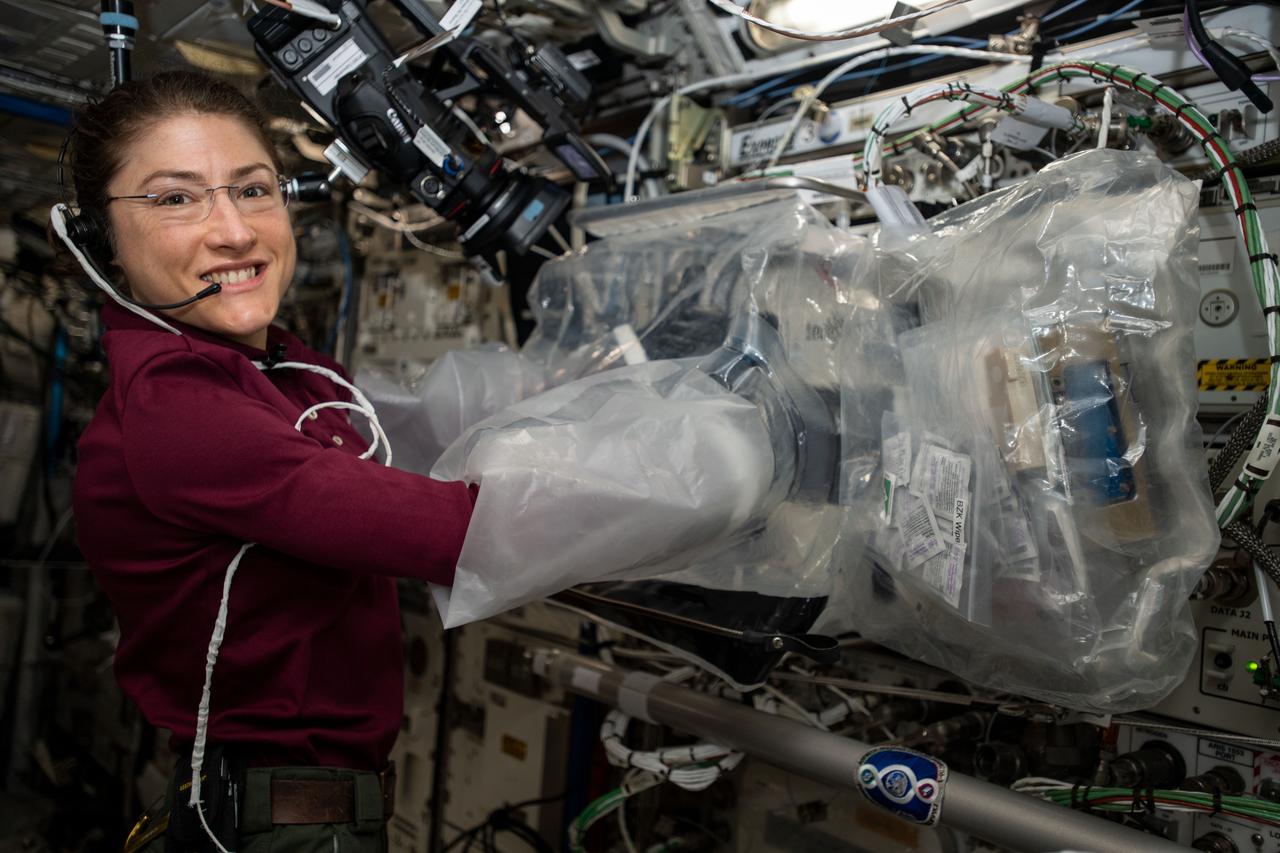
iss060e021175 (Aug. 2, 2019) --- Expedition 60 Flight Engineer Christina Koch of NASA activates the new BioFabrication Facility to test its ability to print cells. Researchers are exploring whether the weightless environment of space may support the fabrication of human organs in space. An incubator houses the tissue samples to promote cohesive cellular growth over several weeks. Earth’s gravity inhibits 3-D bioprinters and incubators from recreating and growing complex organic structures.
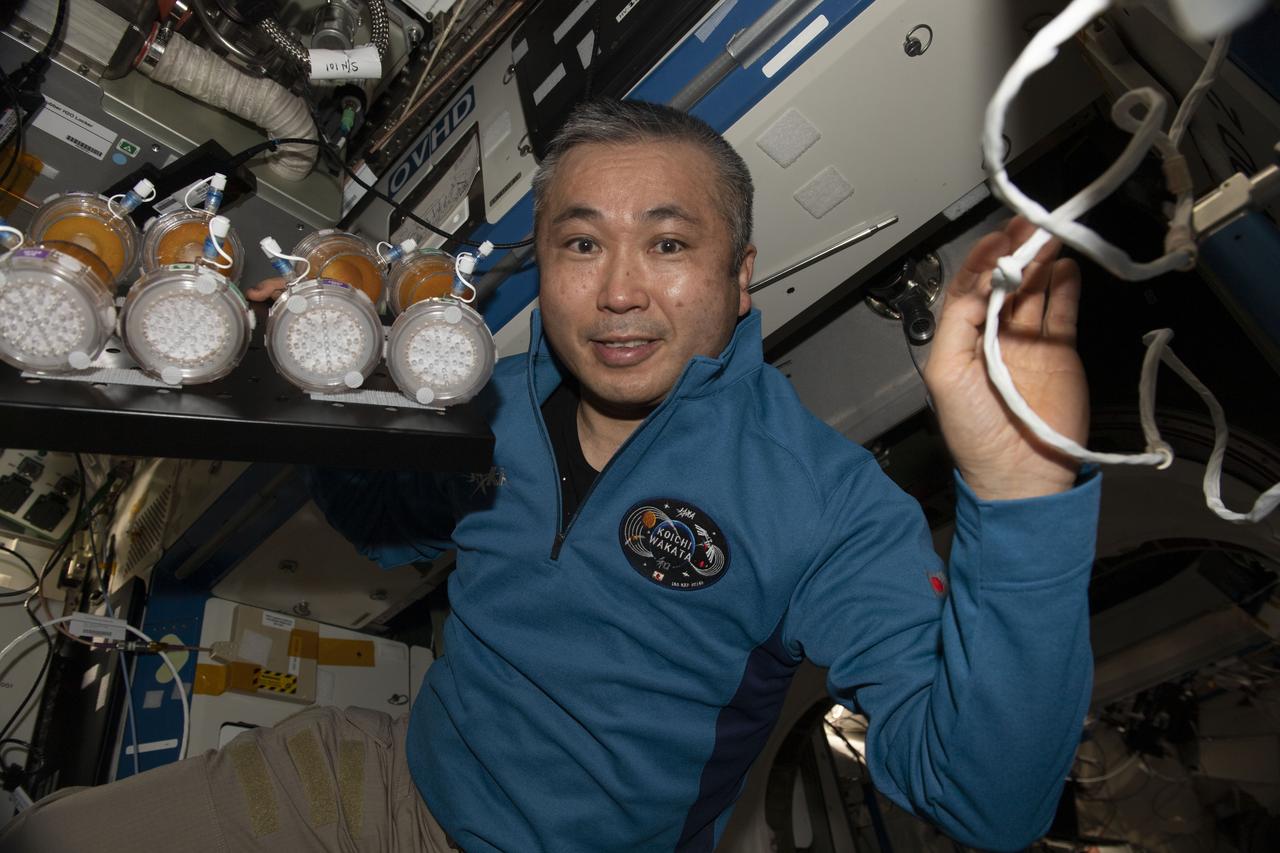
iss068e043110 (Jan. 28, 2023) --- Expedition 68 Flight Engineer Koichi Wakata of the Japan Aerospace Exploration Agency (JAXA) displays incubated nutrient packets removed from the Space Automated Bioproducts Laboratory (SABL). The packets contain generically activated microbes, like yeast, that are hydrated with sterilized water, incubated inside the SABL, then frozen and returned to Earth for analysis. The BioNutrients experiment is demonstrating a technology that enables on-demand production of human nutrients during long-duration space missions.
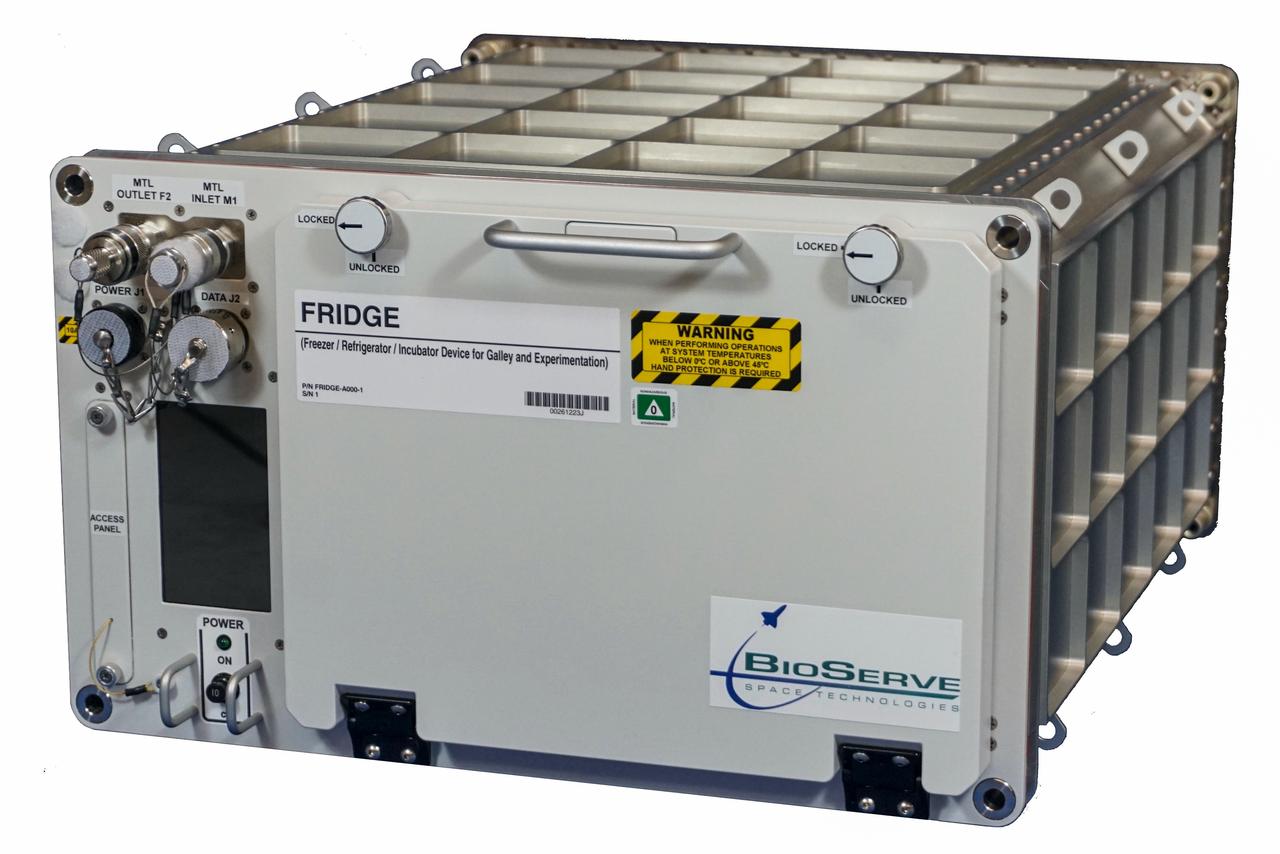
jsc2020e040949 (2/21/2020) --- A preflight view of Freezer / Refrigerator / Incubator Device for Galley and Experimentation (FRIDGE). The Galley Refrigerator-Freezer, or Freezer/Refrigerator/Incubator Device for Galley and Experimentation (FRIDGE) is a locker-sized unit that provides active temperature control with a range from -20.0°C to +48.0°C. It can accommodate storage of both crew galley items and scientific research samples and can be fully operated and maintained from the ground.
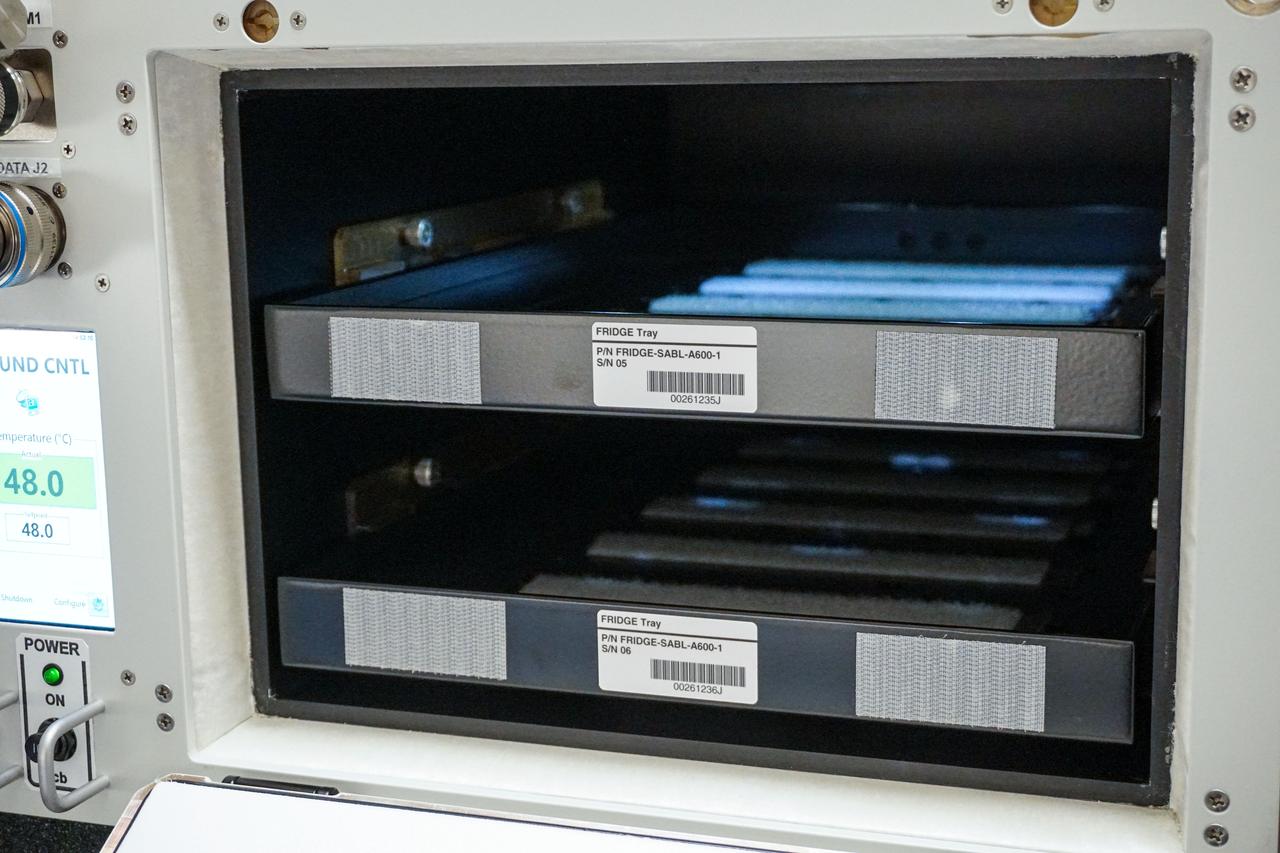
jsc2020e040952 (8/3/2020) --- A prefligt interior view of Freezer / Refrigerator / Incubator Device for Galley and Experimentation (FRIDGE) in nominal configuration with 2 trays. The Galley Refrigerator-Freezer, or Freezer/Refrigerator/Incubator Device for Galley and Experimentation (FRIDGE) is a locker-sized unit that provides active temperature control with a range from -20.0°C to +48.0°C. It can accommodate storage of both crew galley items and scientific research samples and can be fully operated and maintained from the ground.
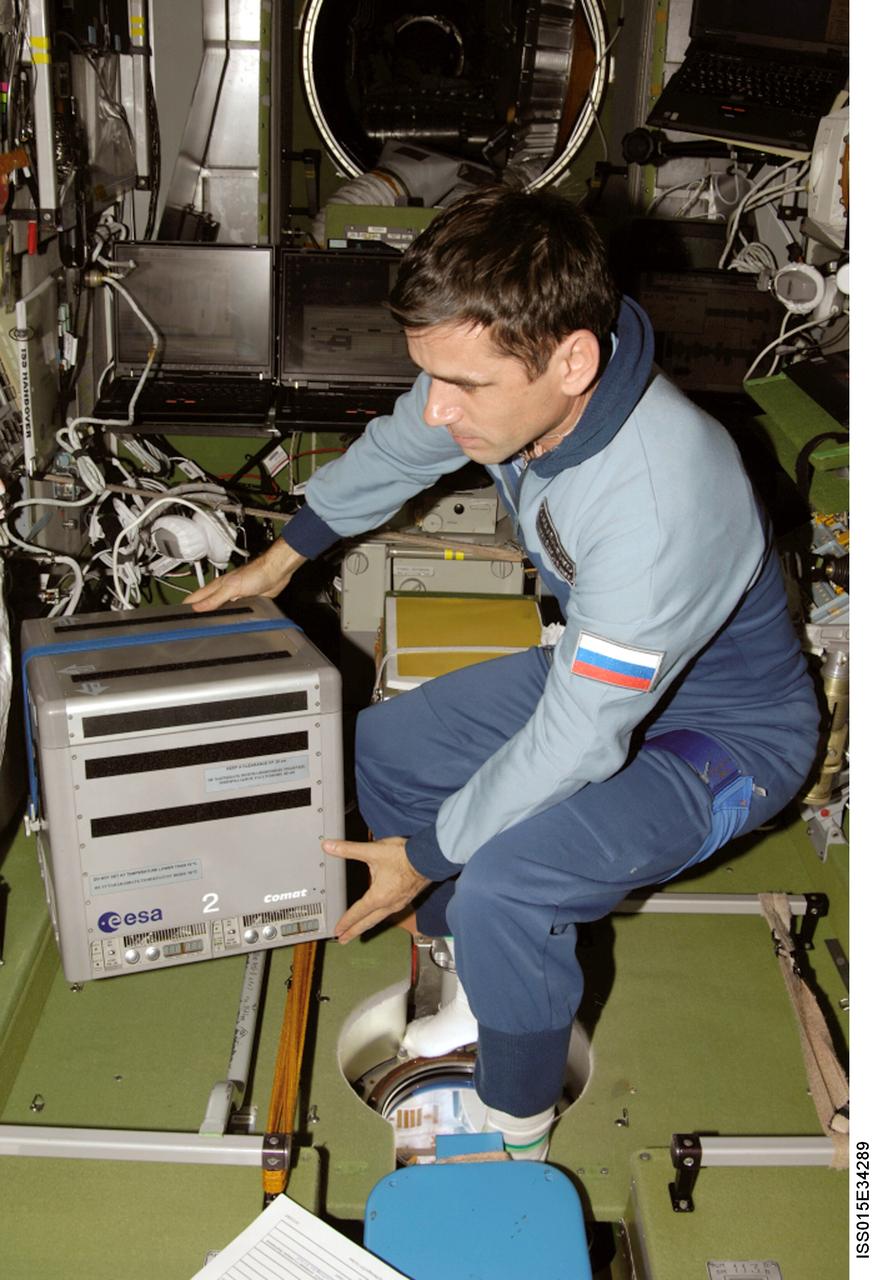
ISS015-E-34289 (13 Oct. 2007) --- Cosmonaut Yuri I. Malenchenko, Expedition 16 flight engineer representing Russia's Federal Space Agency, works with an incubator in the Zvezda Service Module of the International Space Station.
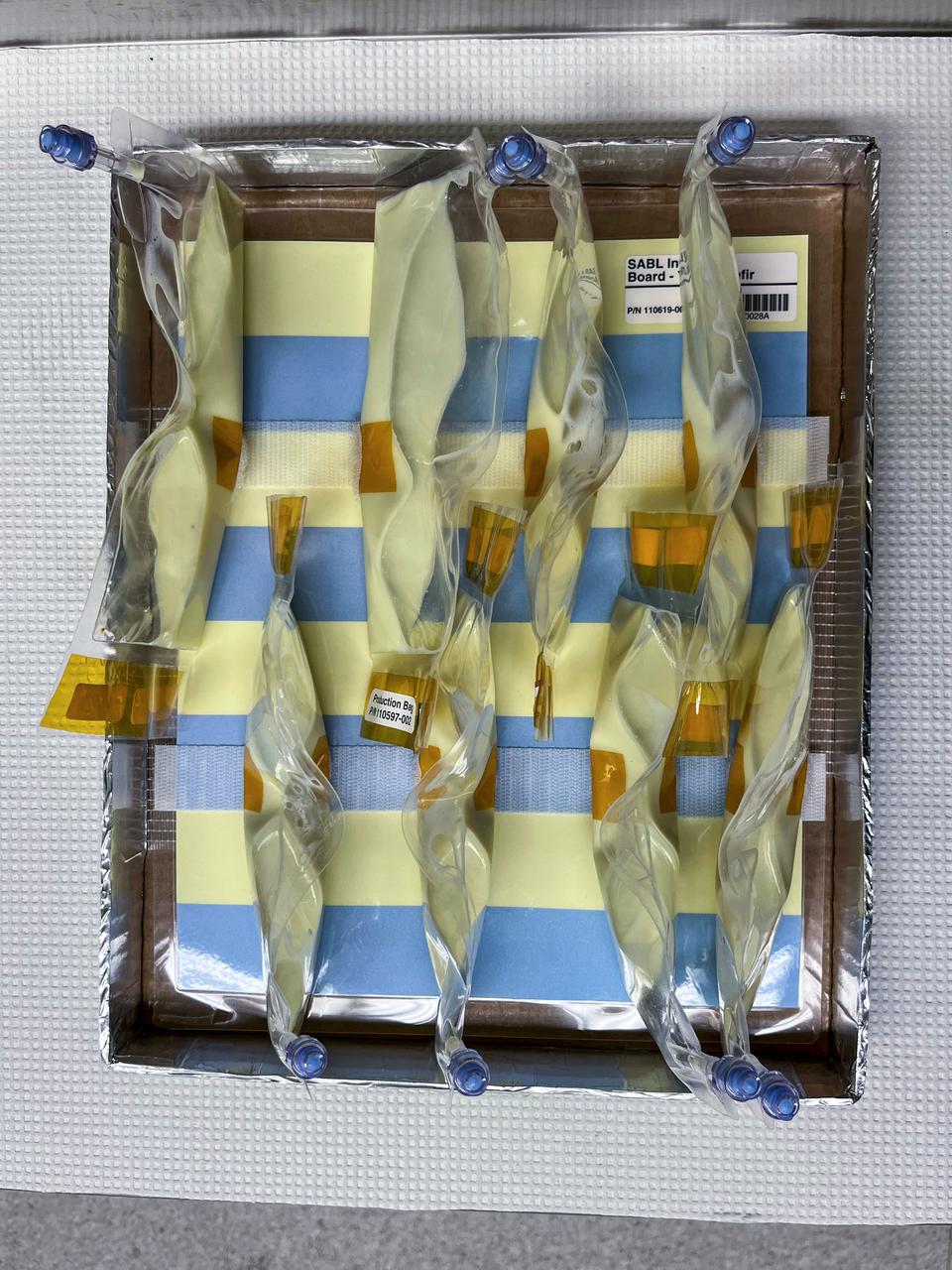
jsc2022e031236 (3/28/2022) --- A preflight image of BioNutrients-2 Yogurt Bags on SABL Tray Mockup, after 4hrs of incubation. As the yogurt organisms grow, the solution more acidic, and the pH indicator changes from blue to yellow.
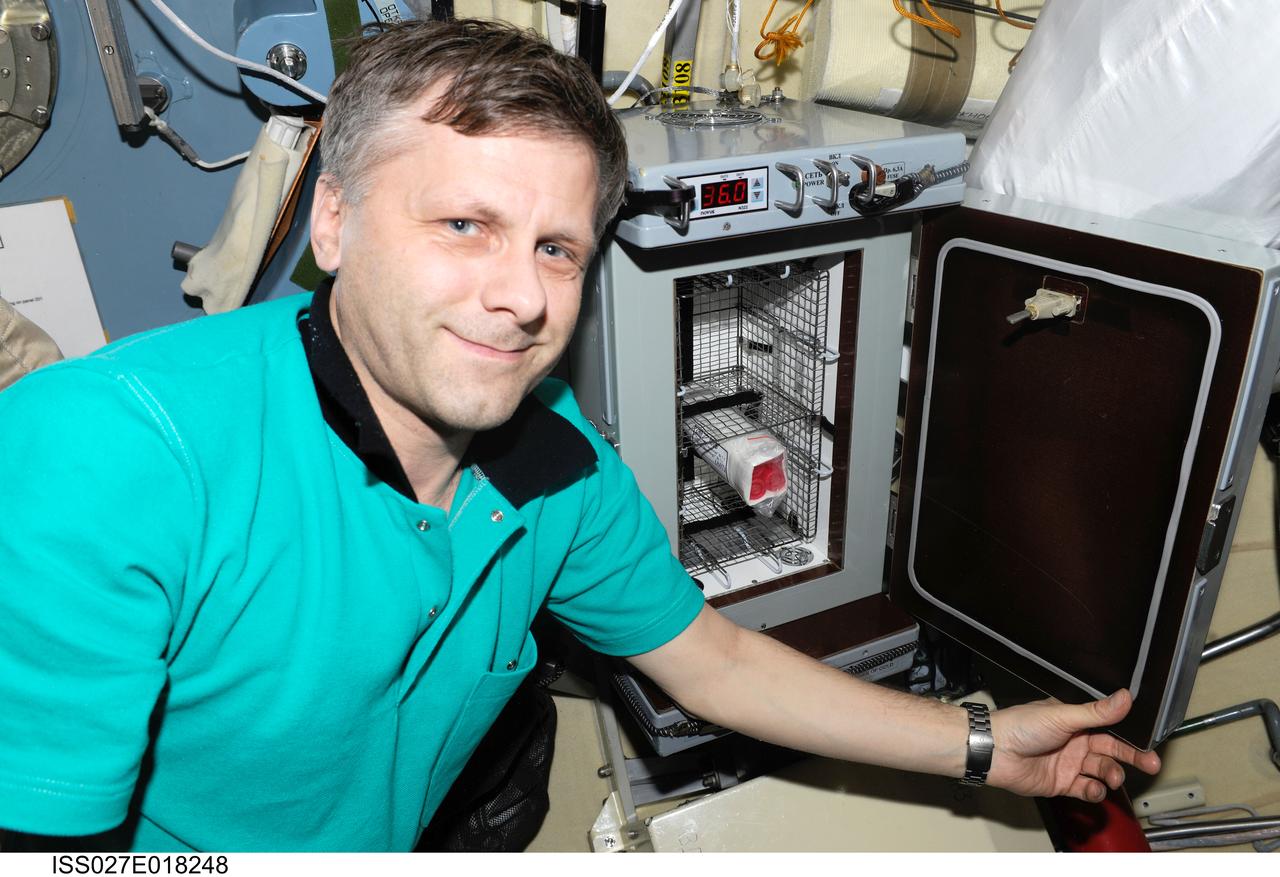
ISS027-E-018248 (29 April 2011) --- Russian cosmonaut Andrey Borisenko, Expedition 27 flight engineer, is pictured near the TBU-V thermostat-controlled incubator located in the Russian segment of the International Space Station.
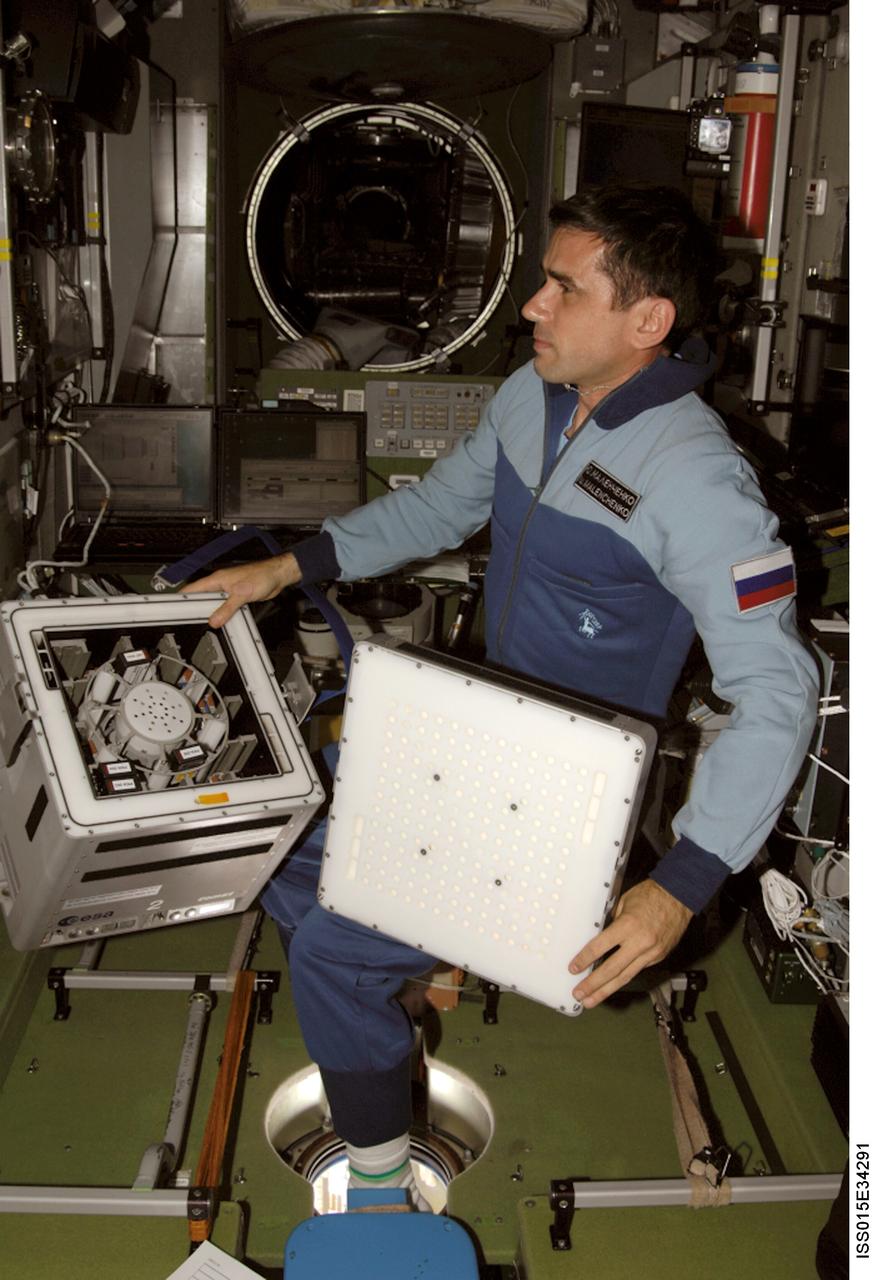
ISS015-E-34291 (13 Oct. 2007) --- Cosmonaut Yuri I. Malenchenko, Expedition 16 flight engineer representing Russia's Federal Space Agency, works with an incubator in the Zvezda Service Module of the International Space Station.
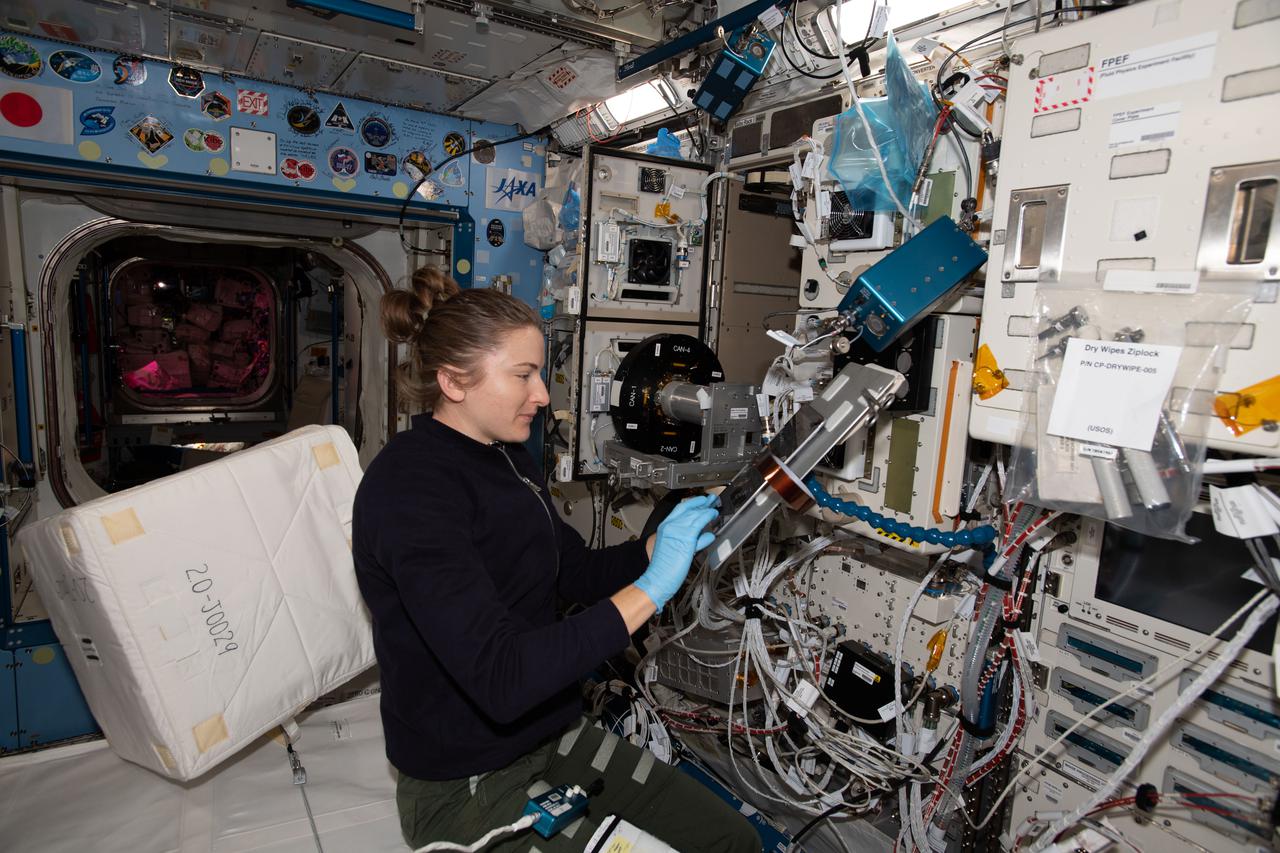
iss066e133963 (Feb. 2, 2022) --- NASA astronaut and Expedition 66 Flight Engineer Kayla Barron works inside the Kibo laboratory module cleaning the Cell Biology Experiment Facility, an incubator with an artificial gravity generator.
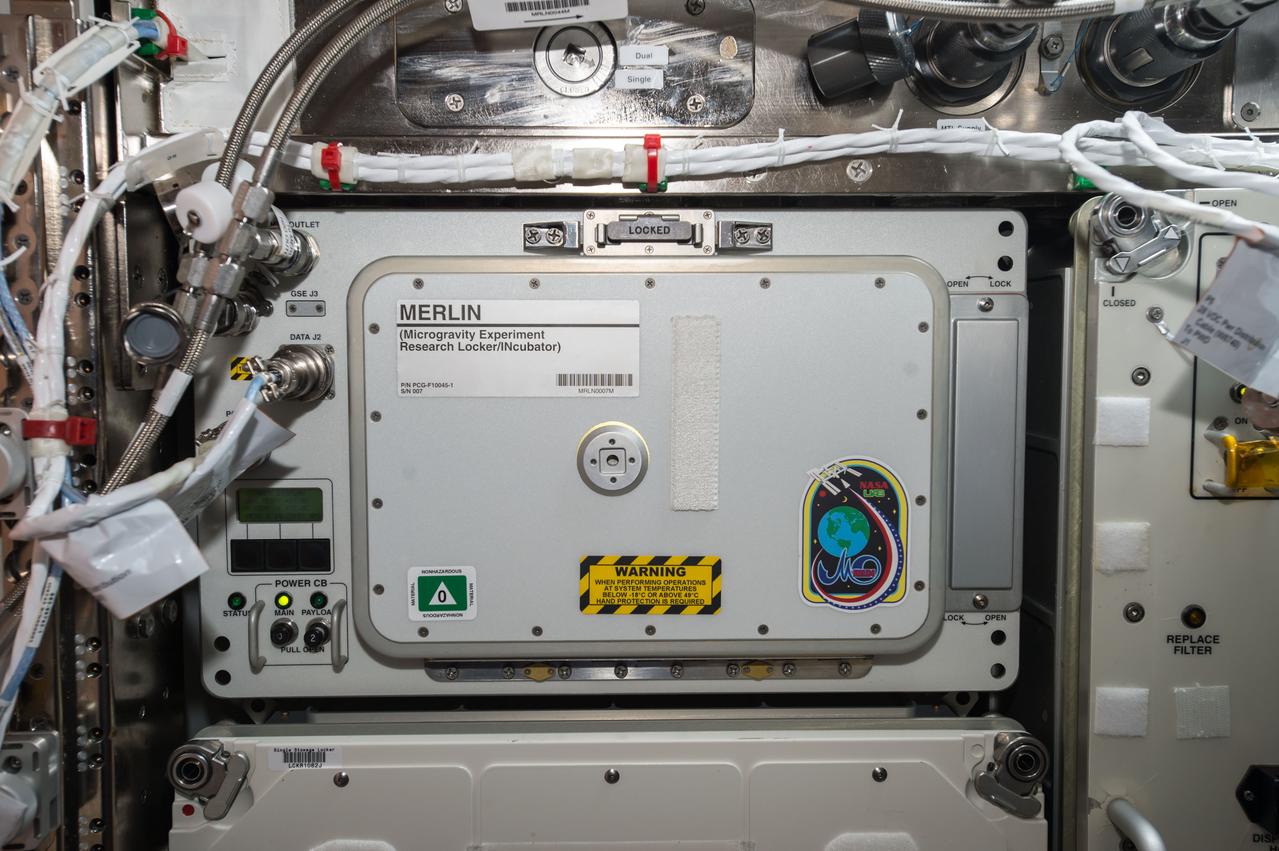
iss053e199088 (Nov. 15, 2017) --- Microgravity Experiment Research Locker/Incubator (MERLIN) provides a thermally controlled environment for scientific experiments. MERLIN is capable of providing temperatures between -20oC (-4oF) and +48.5oC (+119oF)
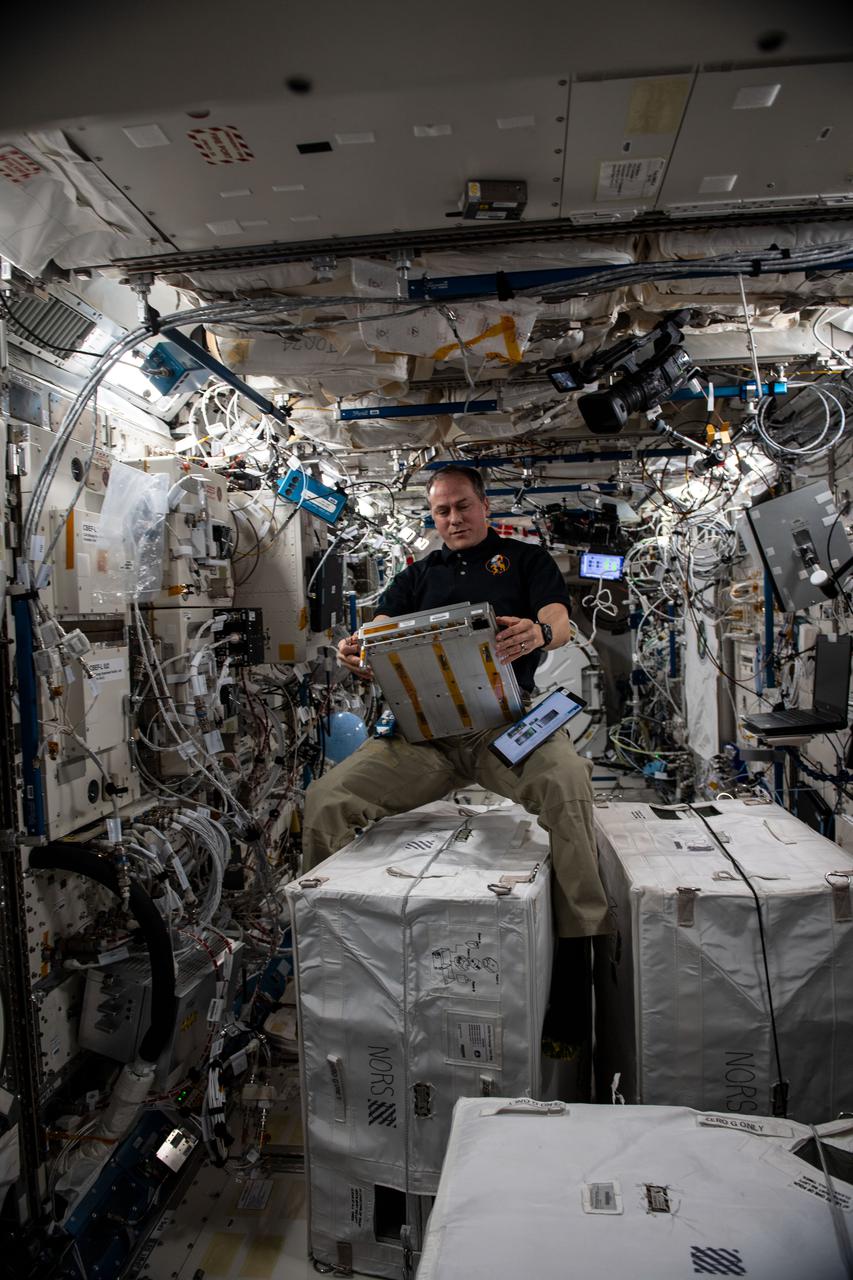
iss066e179239 (March 25, 2022) --- NASA astronaut and Expedition 66 Flight Engineer Tom Marshburn services components on a unique incubator that can generate artificial gravity inside the Kibo laboratory module's Cell Biology Experiment Facility.

Four BioNutrients-3 yogurt bags, following completion of incubation. Note the pink color showing that the yogurt has formed and lowered the pH. Photo Credit: Kevin Sims (NASA Ames)

jsc2022e031237 (3/28/2022) --- A preflight image of BioNutrients-2 Yogurt Bags on SABL Tray Mockup, after completing 24hr incubation. The fully-yellow color of the bag’s contents indicates the yogurt has grown to completion.
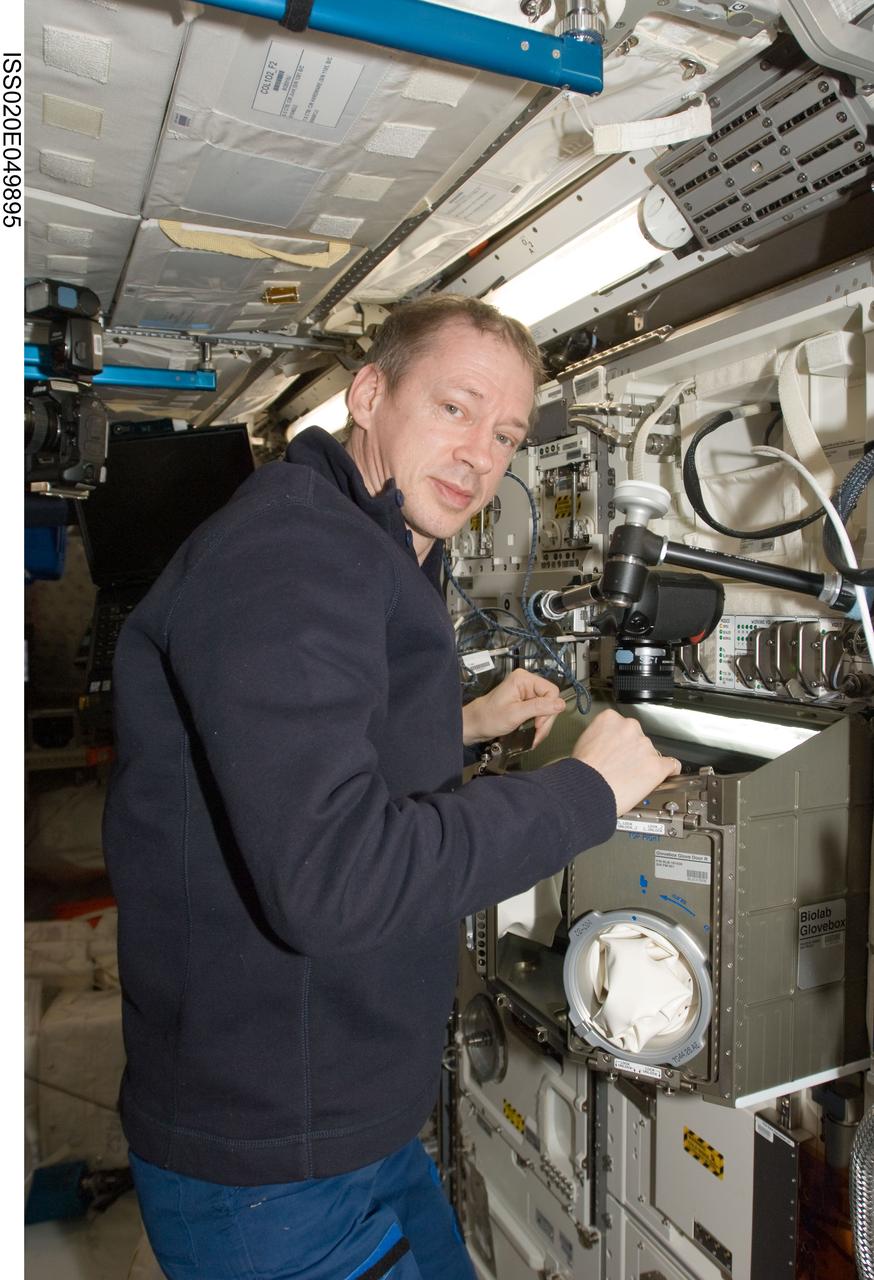
ISS020-E-049895 (8 Oct. 2009) --- European Space Agency astronaut Frank De Winne, Expedition 20 flight engineer and Expedition 21 commander, works at the Biolab incubator in the Columbus laboratory of the International Space Station.
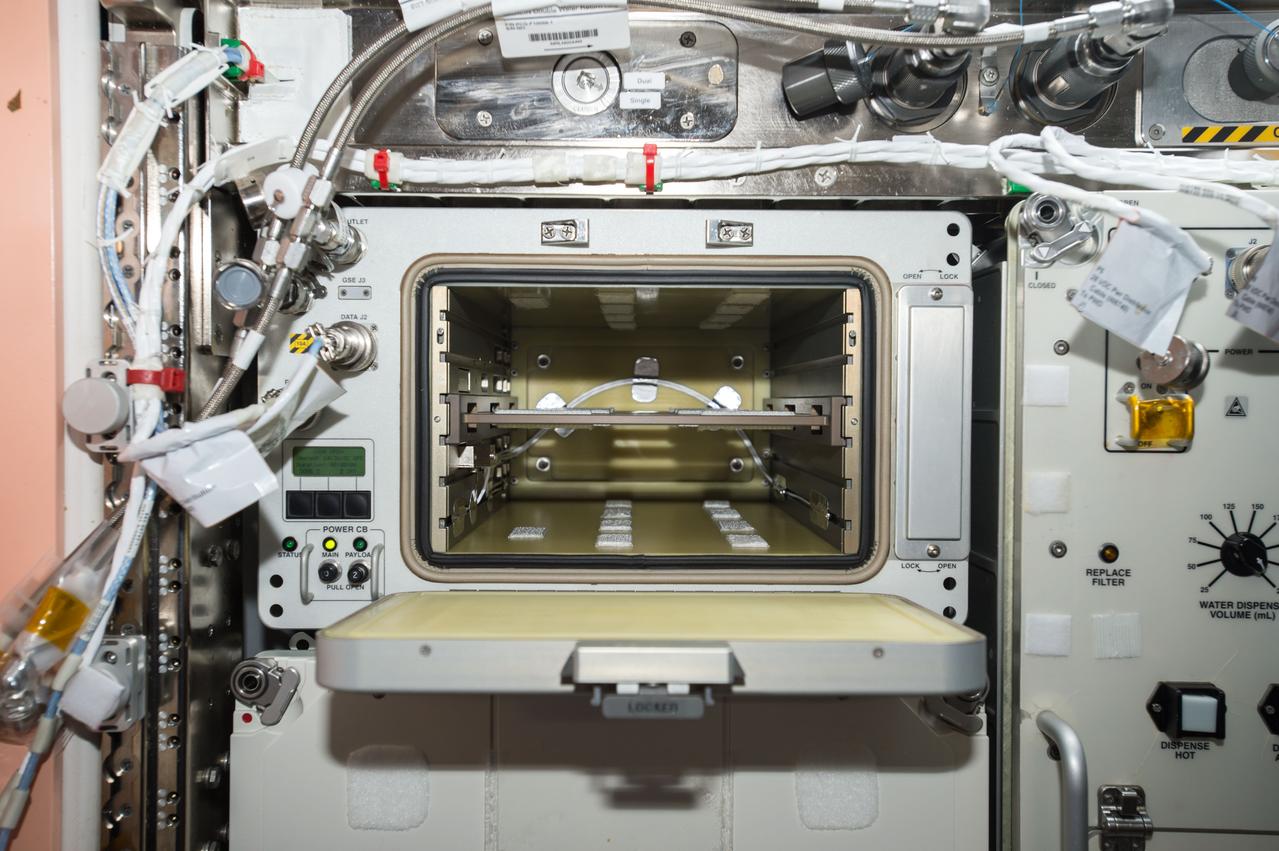
iss053e199089 (Nov. 15, 2017) --- Microgravity Experiment Research Locker/Incubator (MERLIN) in its open position. MERLIN provides a thermally controlled environment for scientific experiments and is capable of providing temperatures between -20oC (-4oF) and +48.5oC (+119oF)
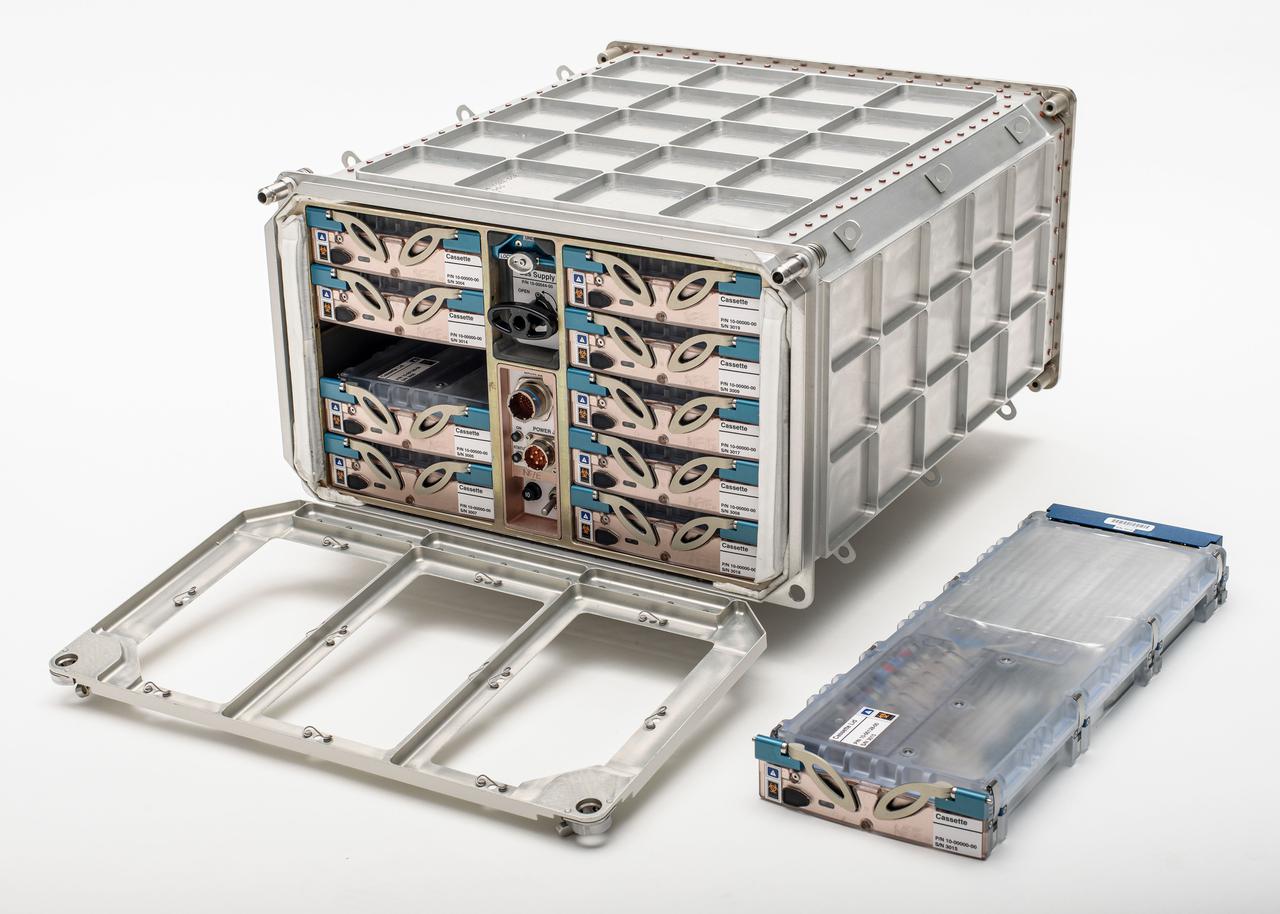
jsc2020e031188 (7/11/2014) --- A preflight view of the Bioculture System inside an ExPRESS Rack Locker. The Bioculture System is a biological science incubator for use on the International Space Station (ISS) with the capability of transporting active and stored investigations to ISS. This incubator supports a wide diversity of tissue, cell, and microbiological cultures and experiment methods to meet any spaceflight research investigation goals and objectives. The facility enables variable duration and long-duration cellular and microbiological investigations on ISS to meet the scientific needs of academic and biotechnology interests. Credits: NASA / Dominic Hart
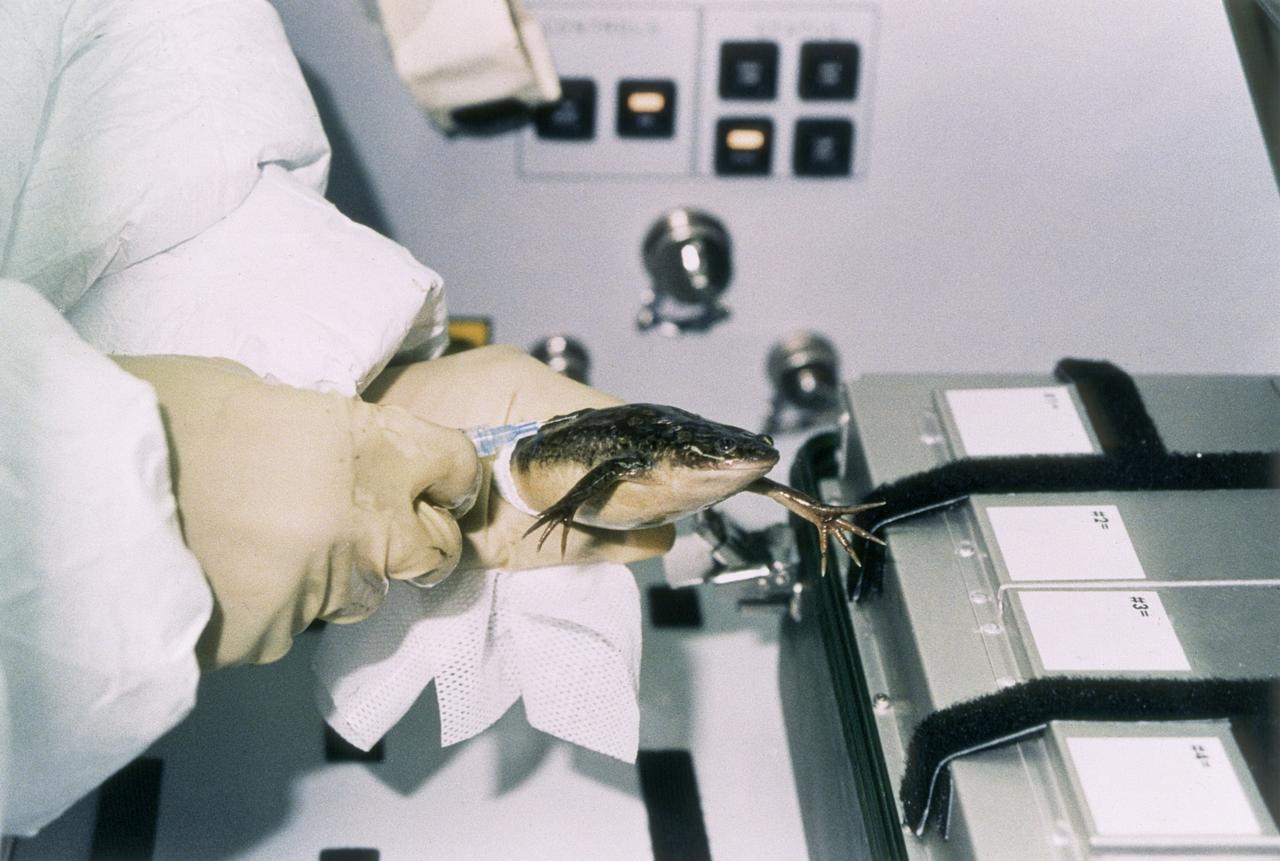
The Spacelab-J (SL-J) mission was a joint venture between NASA and the National Space Development Agency of Japan (NASDA) utilizing a marned Spacelab module. Materials science investigations covered such fields as biotechnology, electronic materials, fluid dynamics and transport phenomena, glasses and ceramics, metals and alloys, and acceleration measurements. Life sciences included experiments on human health, cell separation and biology, developmental biology, animal and human physiology and behavior, space radiation, and biological rhythms. Before long-term space ventures are attempted, numerous questions must be answered: how will gravity play in the early development of an organism, and how will new generations of a species be conceived and develop normally in microgravity. The Effects of Weightlessness on the Development of Amphibian Eggs Fertilized in Space experiment aboard SL-J examined aspects of these questions. To investigate the effect of microgravity on amphibian development, female frogs carried aboard SL-J were induced to ovulate and shed eggs. These eggs were then fertilized in the microgravity environment. Half were incubated in microgravity, while the other half were incubated in a centrifuge that spins to simulate normal gravity. This photograph shows an astronaut working with one of the adult female frogs inside the incubator. The mission also examined the swimming behavior of tadpoles grown in the absence of gravity. The Spacelab-J was launched aboard the Space Shuttle Orbiter Endeavour on September 12, 1992.
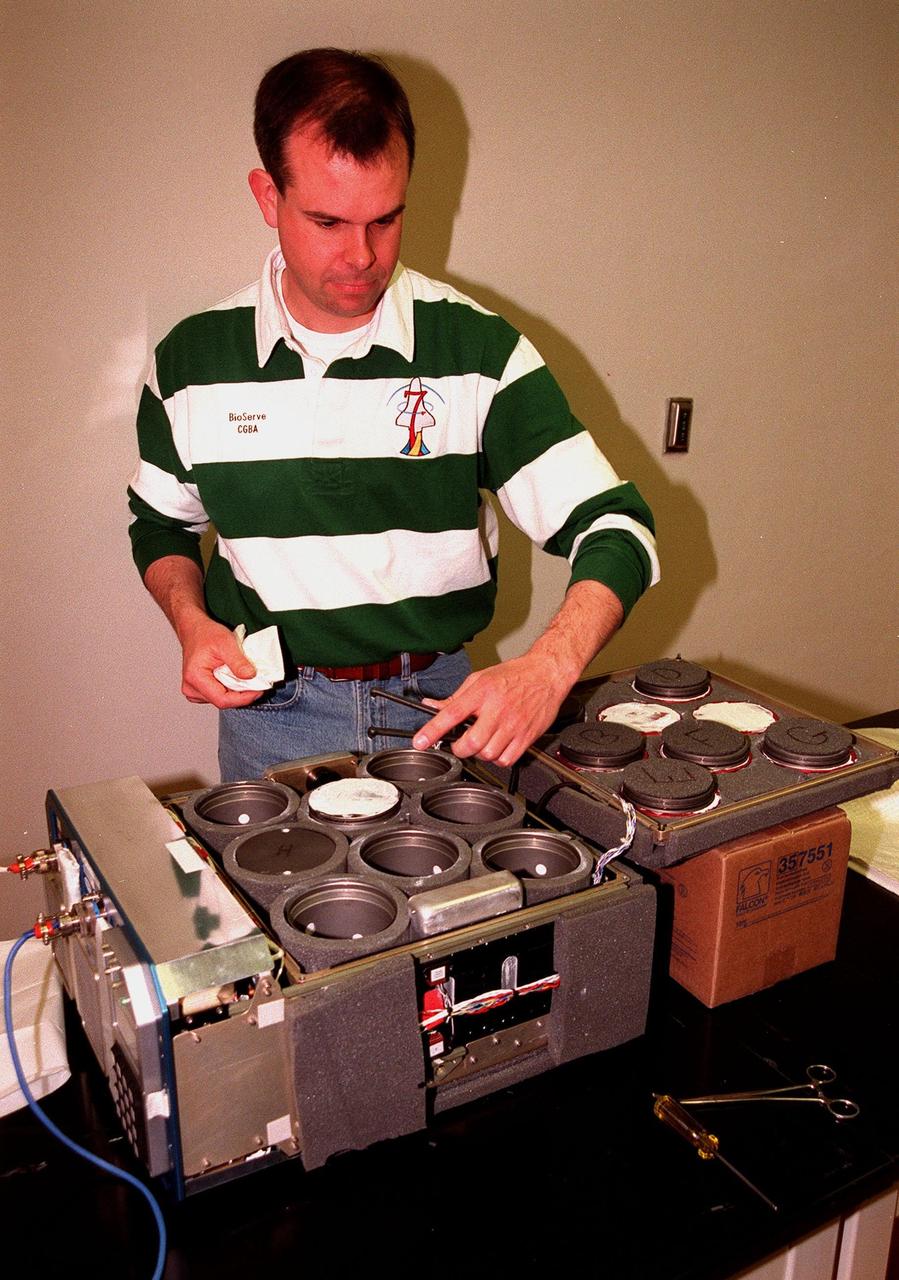
In the KSC Life Sciences Building, Hangar L, Cape Canaveral Air Station, Mark Rupert, with BioServe Space Technologies, checks the canisters, or incubators, that will hold an experiment to fly on mission STS-93. The incubators will hold a mix of fruit fly embryos and larvae to examine the effects of microgravity and space flight on the development of neural connections between specific motor neurons and their targets in muscle fibers. The incubators are part of a Commercial Generic Bioprocessing Apparatus (CGBA), which can start bioprocessing reactions by mixing or heating a sample and can also initiate multiple-step, sequential reactions in a technique called phased processing. The primary payload of mission STS-93 is the Chandra X-ray Observatory, which will allow scientists from around the world to see previously invisible black holes and high-temperature gas clouds, giving the observatory the potential to rewrite the books on the structure and evolution of our universe. The target launch date for STS-93 is July 9, aboard Space Shuttle Columbia, from Launch Pad 39B
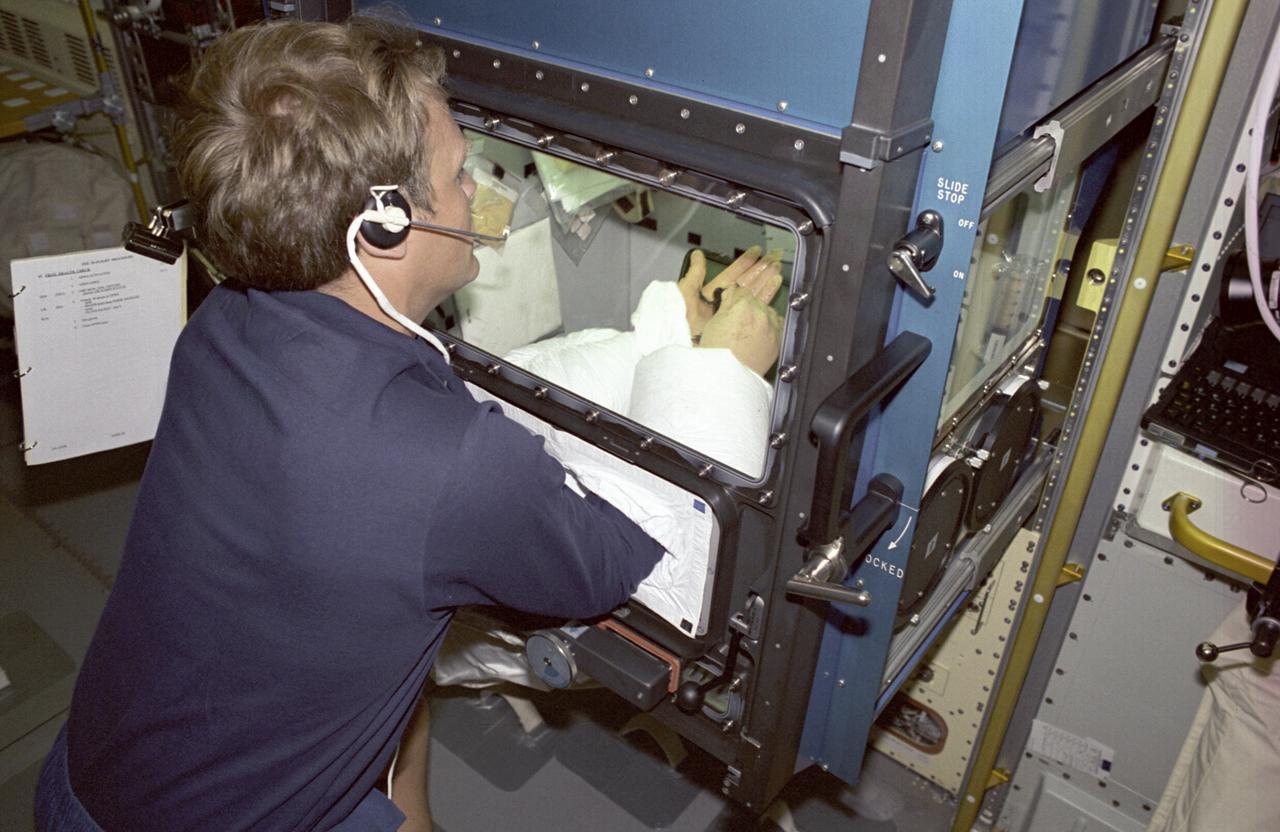
The Spacelab-J (SL-J) mission was a joint venture between NASA and the National Space Development Agency of Japan (NASDA) utilizing a marned Spacelab module. Materials science investigations covered such fields as biotechnology, electronic materials, fluid dynamics and transport phenomena, glasses and ceramics, metals and alloys, and acceleration measurements. Life sciences included experiments on human health, cell separation and biology, developmental biology, animal and human physiology and behavior, space radiation, and biological rhythms. Before long-term space ventures are attempted, numerous questions must be answered: how will gravity play in the early development of an organism, and how will new generations of a species be conceived and develop normally in microgravity. The Effects of Weightlessness on the Development of Amphibian Eggs Fertilized in Space experiment aboard SL-J examined aspects of these questions. To investigate the effect of microgravity on amphibian development, female frogs carried aboard SL-J were induced to ovulate and shed eggs. These eggs were then fertilized in the microgravity environment. Half were incubated in microgravity, while the other half were incubated in a centrifuge that spins to simulate normal gravity. This photograph shows astronaut Mark Lee working with one of the adult female frogs inside the incubator. The mission also examined the swimming behavior of tadpoles grown in the absence of gravity. The Spacelab-J was launched aboard the Space Shuttle Orbiter Endeavour on September 12, 1992.
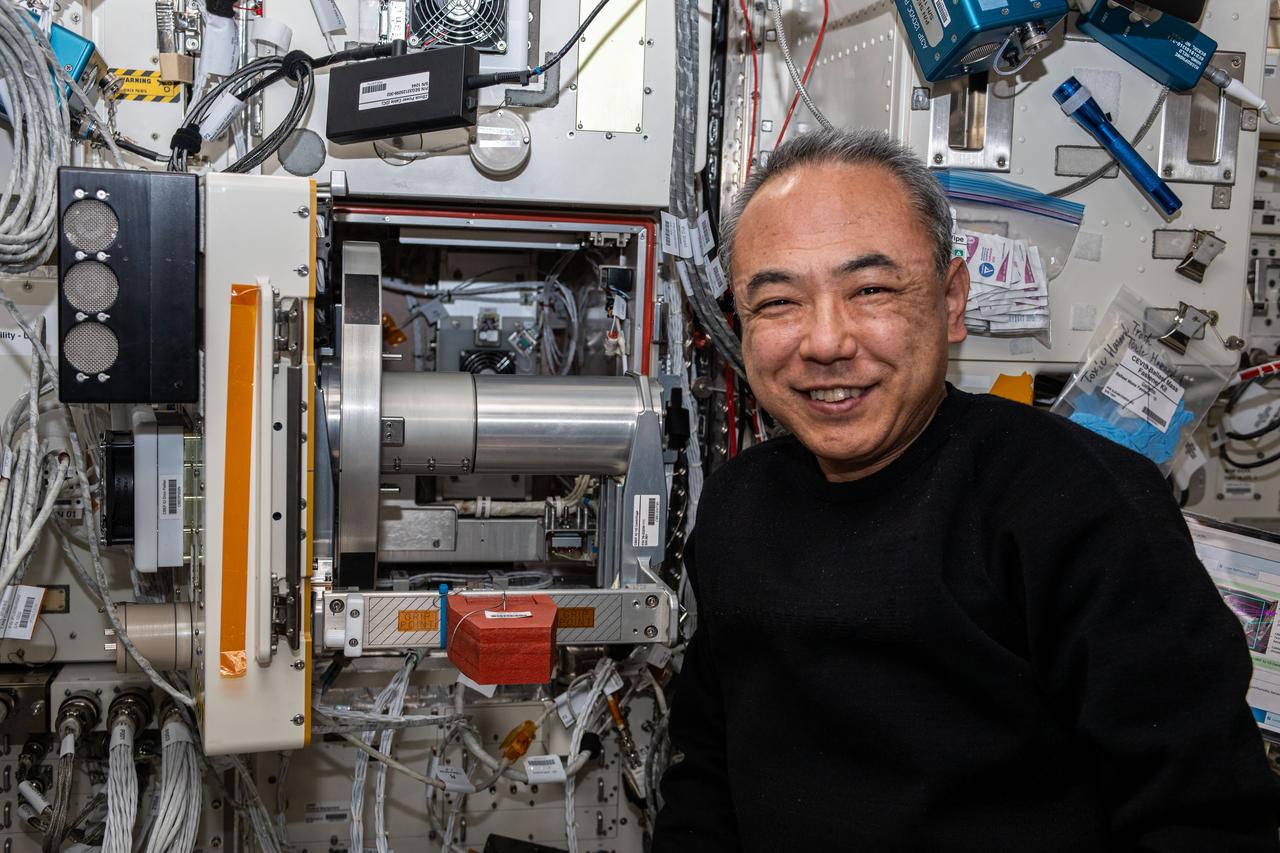
iss070e015767 (Oct. 30, 2023) --- JAXA (Japan Aerospace Exploration Agency) astronaut and Expedition 70 Flight Engineer Satoshi Furukawa poses for a portrait next to the Cell Biology Experiment Facility Incubator Unit inside the International Space Station's Kibo laboratory module.

iss065e277010 (Aug. 19, 2021) --- A view of cell samples for the Anti-Atrophy muscle investigation inside the International Space Station's Kibo laboratory module. The samples are being incubated and observed in the Cell Biology Experiment Facility to learn how to prevent and treat space-caused muscle atrophy and Earth-bound muscle conditions.
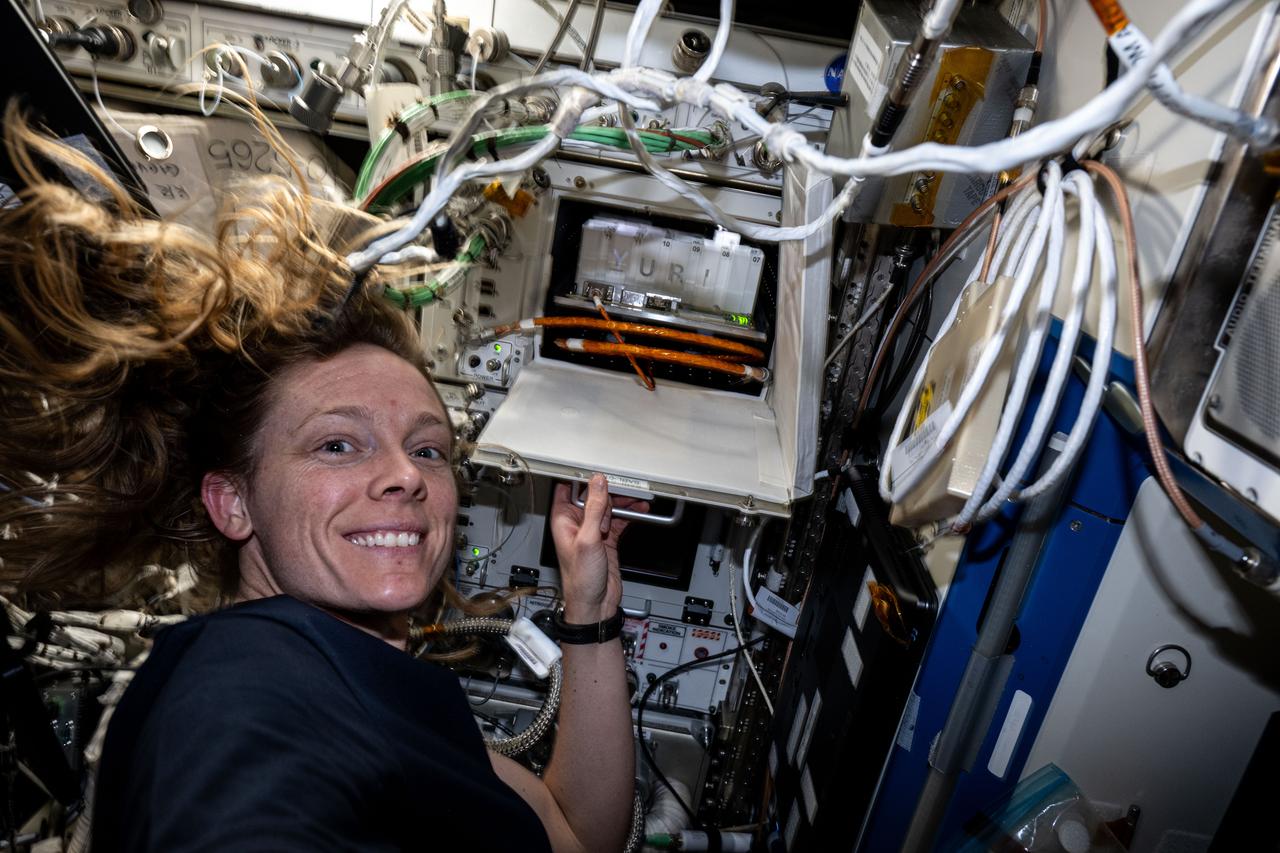
iss073e0002614 (April 28, 2025) --- NASA astronaut and Expedition 73 Flight Engineer Nichole Ayers shows off research hardware inside the International Space Station's Columbus laboratory module. The Space Automated Bioproduct Laboratory is a research incubator that enables biology investigations into the effects of microgravity on cells, microbes, plants, and more.
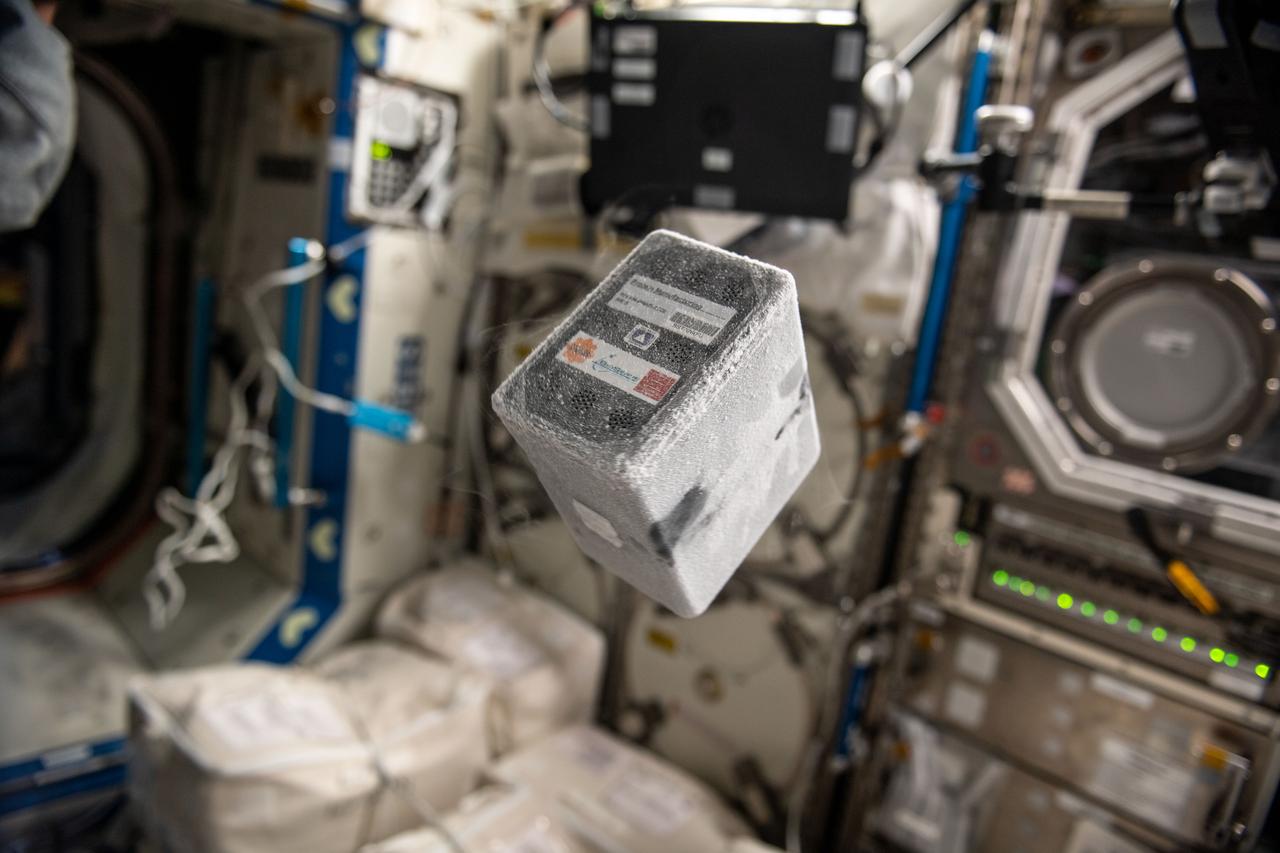
iss067e191182 (7/22/2022) --- A view of the of a Plate Habitat (PHAB) at -20°C prior to insertion into the SABL incubator aboard the International Space Station (ISS). The goal of the Protein Manufacturing project is to demonstrate the use of a novel bioreactor technology for growing high-protein food on the International Space Station (ISS).
iss043e181153 (May 8, 2015) --- Experiment Container (EC) for the TripleLux-A experiment during removal from Incubator. The TripleLux-A experiment studies the effects of the spaceflight conditions on immune suppression in mice, which will help scientists understand the effects of radiation and microgravity on the human immune system in space.
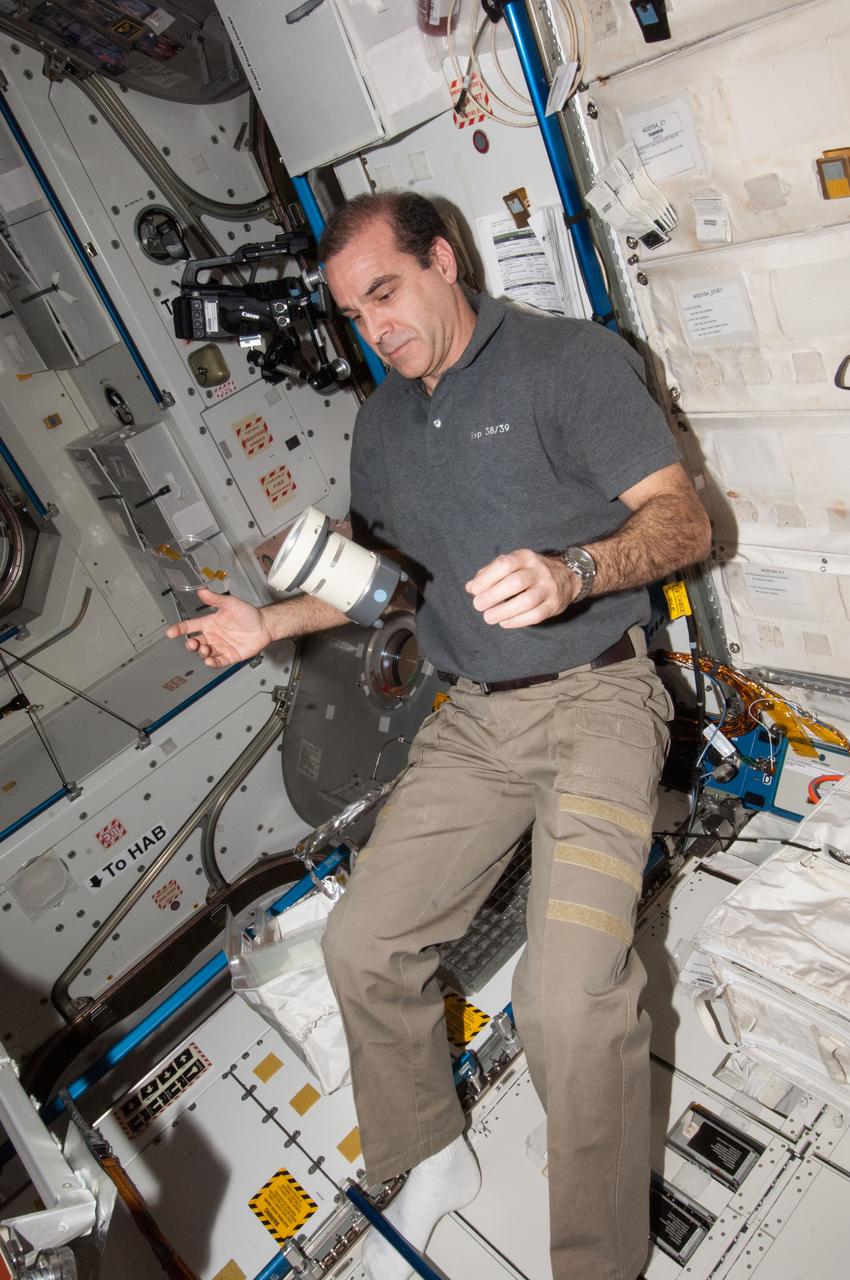
ISS038-E-053780 (18 Feb. 2014) --- NASA astronaut Rick Mastracchio, Expedition 38 flight engineer, uses a Microbial Air Sampler to collect air samples in the Unity node of the International Space Station. These air samples will be incubated for five days and tested for signs of microbial contamination.
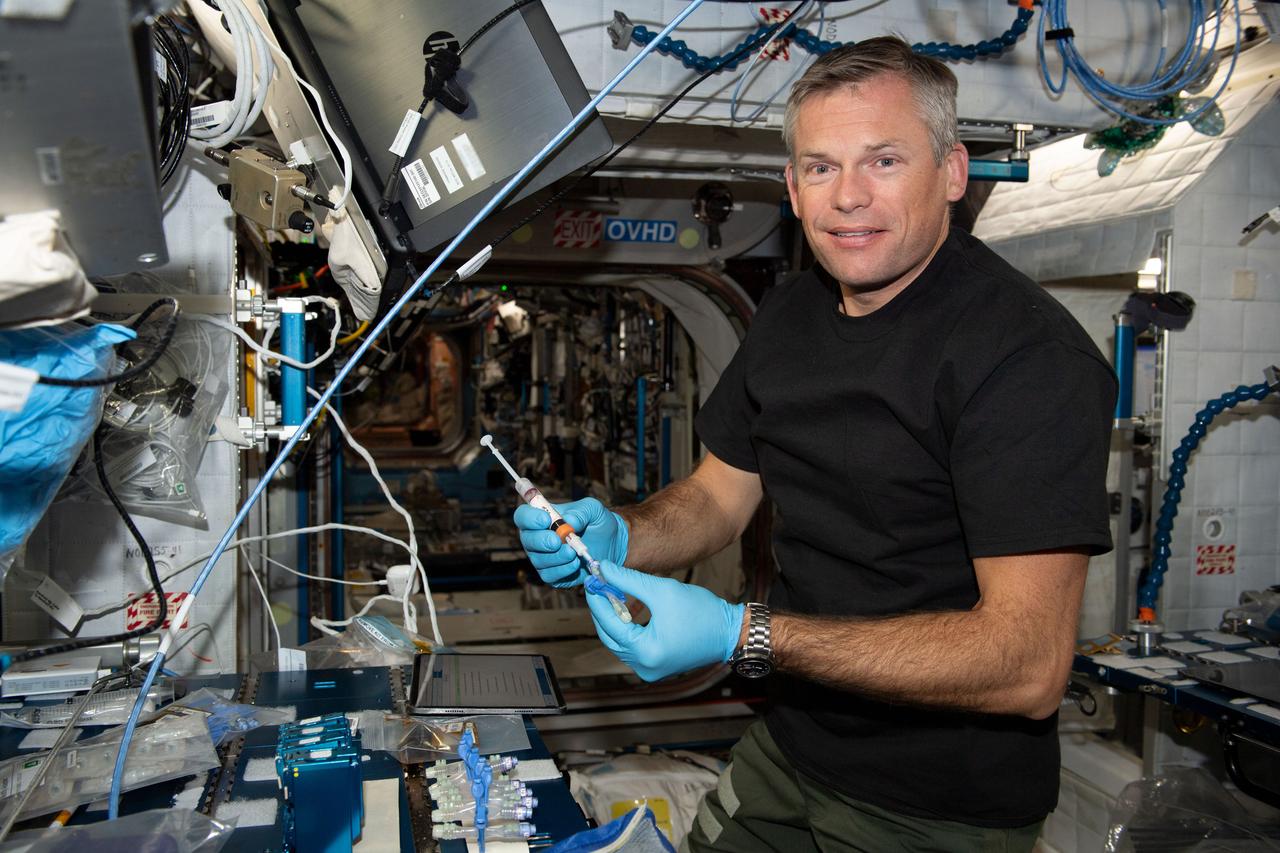
iss069e089106_alt (Sept. 18, 2023) --- ESA (European Space Agency) astronaut and Expedition 69 Flight Engineer Andreas Mogensen processes blood samples and prepares them for stowage inside a Kubik research incubator aboard the International Space Station.

iss043e167919 (May 2, 2015) --- Experiment Container (EC) for the TripleLux-A experiment during removal from Incubator. The TripleLux-A experiment studies the effects of the spaceflight conditions on immune suppression in mice, which will help scientists understand the effects of radiation and microgravity on the human immune system in space.
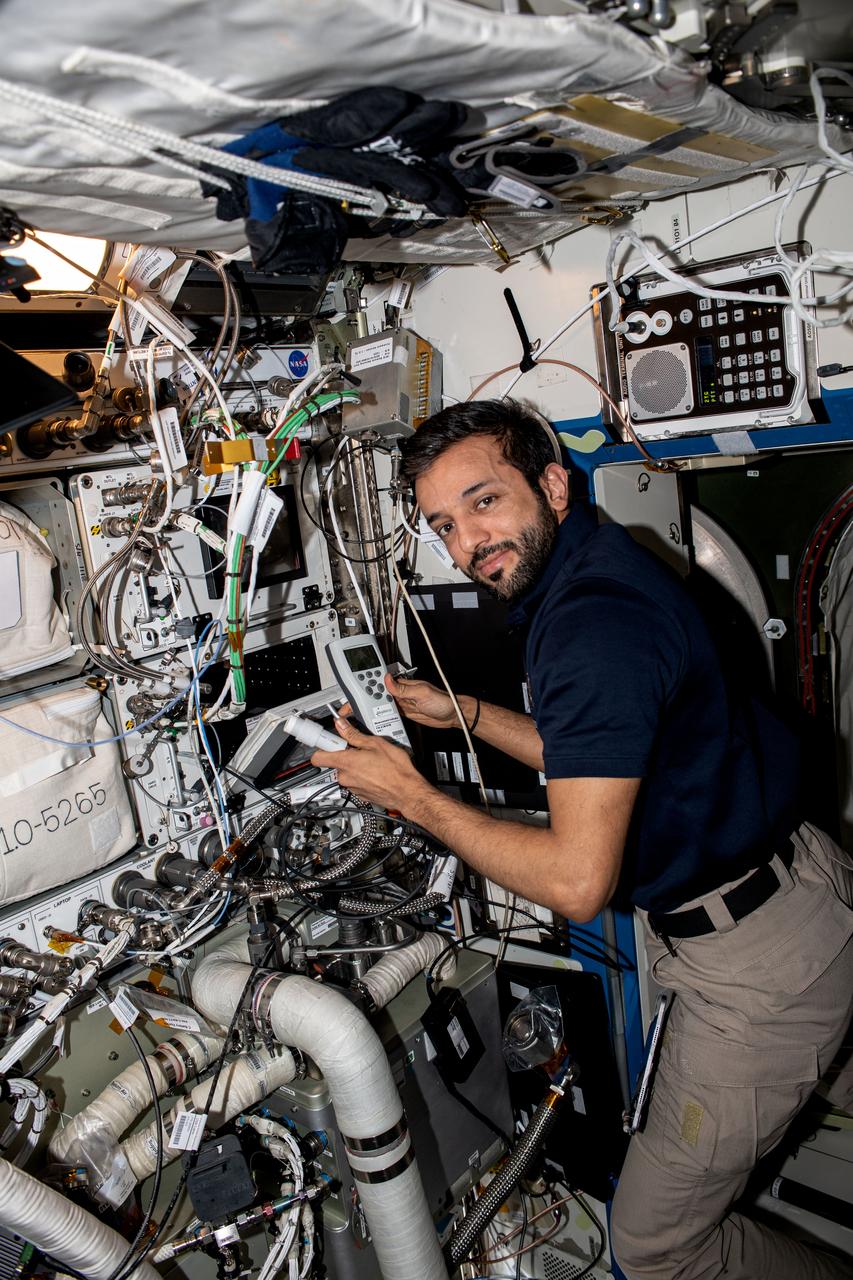
iss069e038998 (July 28, 2023) --- UAE (United Arab Emirates) astronaut and Expedition 69 Flight Engineer Sultan Alneyadi performs maintenance on the Space Automated Bioproduct Laboratory (SABL), a research incubator. The SABL supports a wide variety of biology and botany investigations, including physics and materials science experiments.
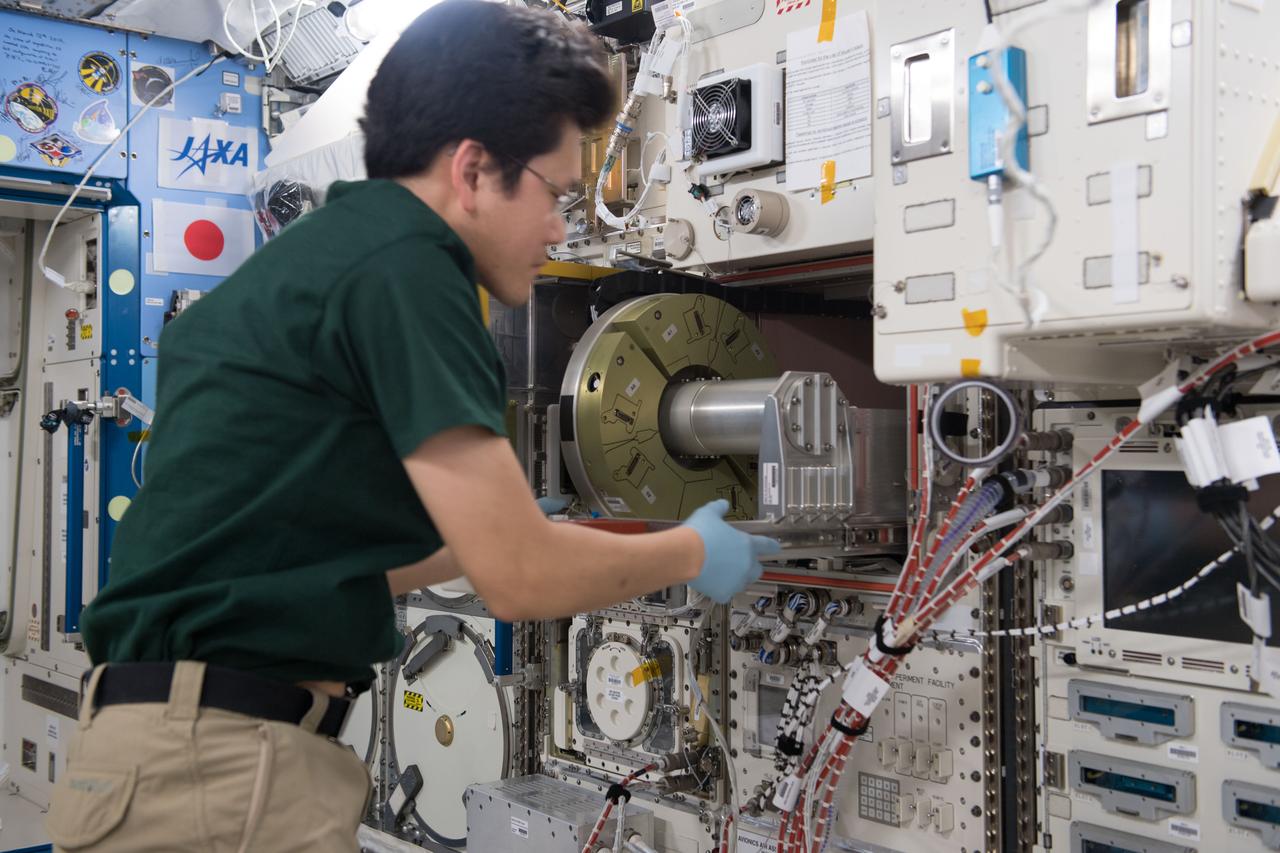
iss054e032753 (2/2/2018) --- A view of Japanese Aerospace Agency (JAXA) astronaut Norishige Kanai working to install Mouse Habitat Unit (MHU) Interface (I/F) Units in Cell Biology Experiment Facility (CBEF) Incubator Units (IUs). Photo was taken in the Kibo Japanese Experiment Pressurized Module (JPM).
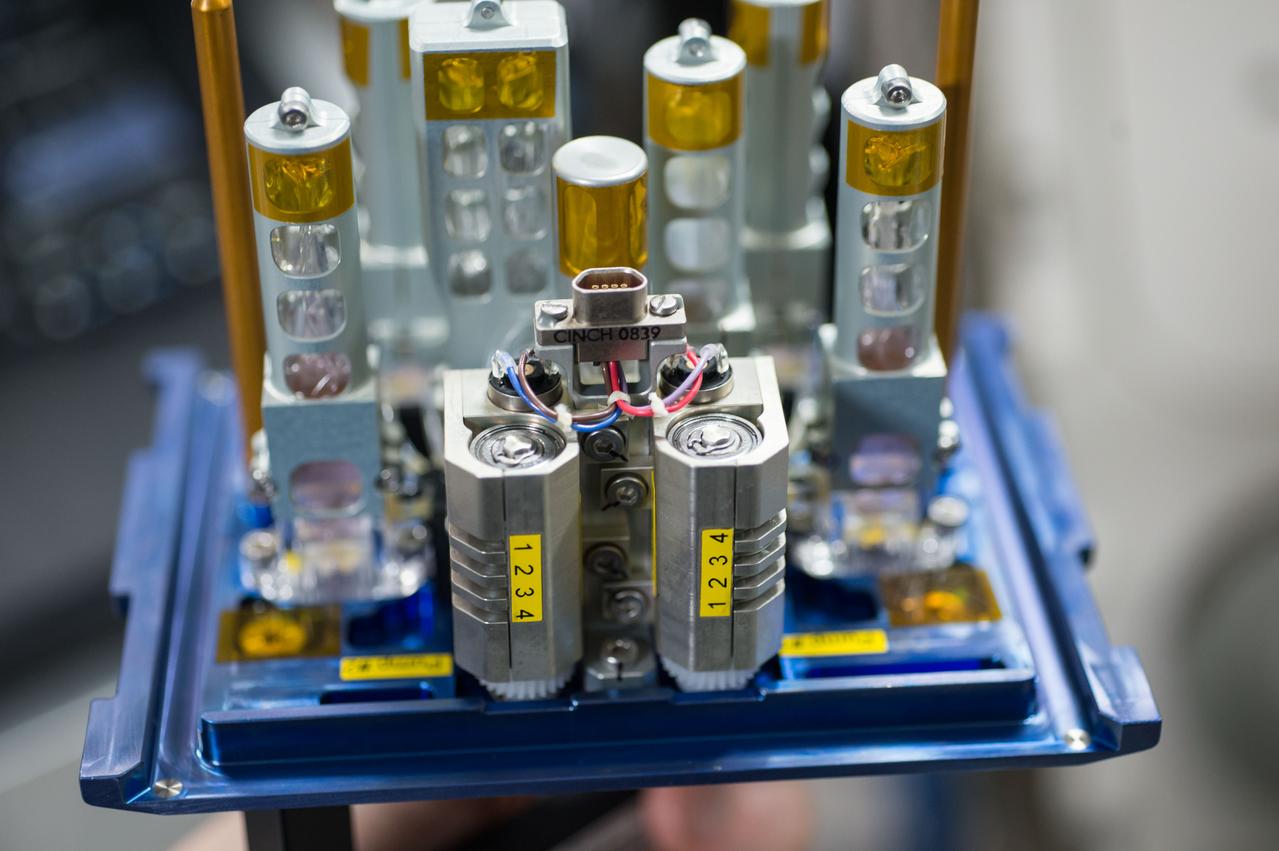
iss043e152043 (April 29, 2015) --- Experiment Container (EC) for the TripleLux-A experiment during removal from Incubator. The TripleLux-A experiment studies the effects of the spaceflight conditions on immune suppression in mice, which will help scientists understand the effects of radiation and microgravity on the human immune system in space.
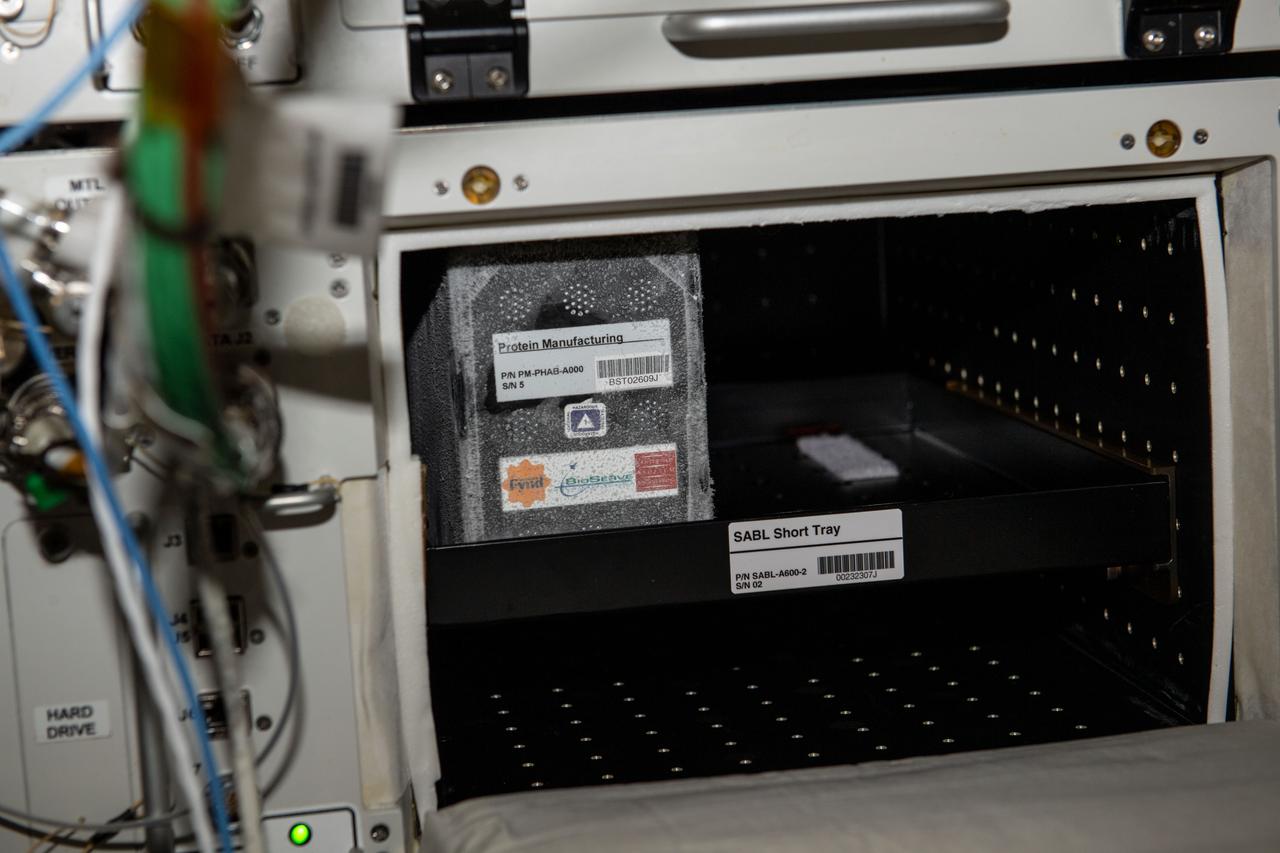
iss067e191207 (7/22/2022) --- A view of the of a Plate Habitat (PHAB) at -20°C after insertion into the SABL incubator aboard the International Space Station (ISS). The goal of the Protein Manufacturing project is to demonstrate the use of a novel bioreactor technology for growing high-protein food on the International Space Station (ISS).
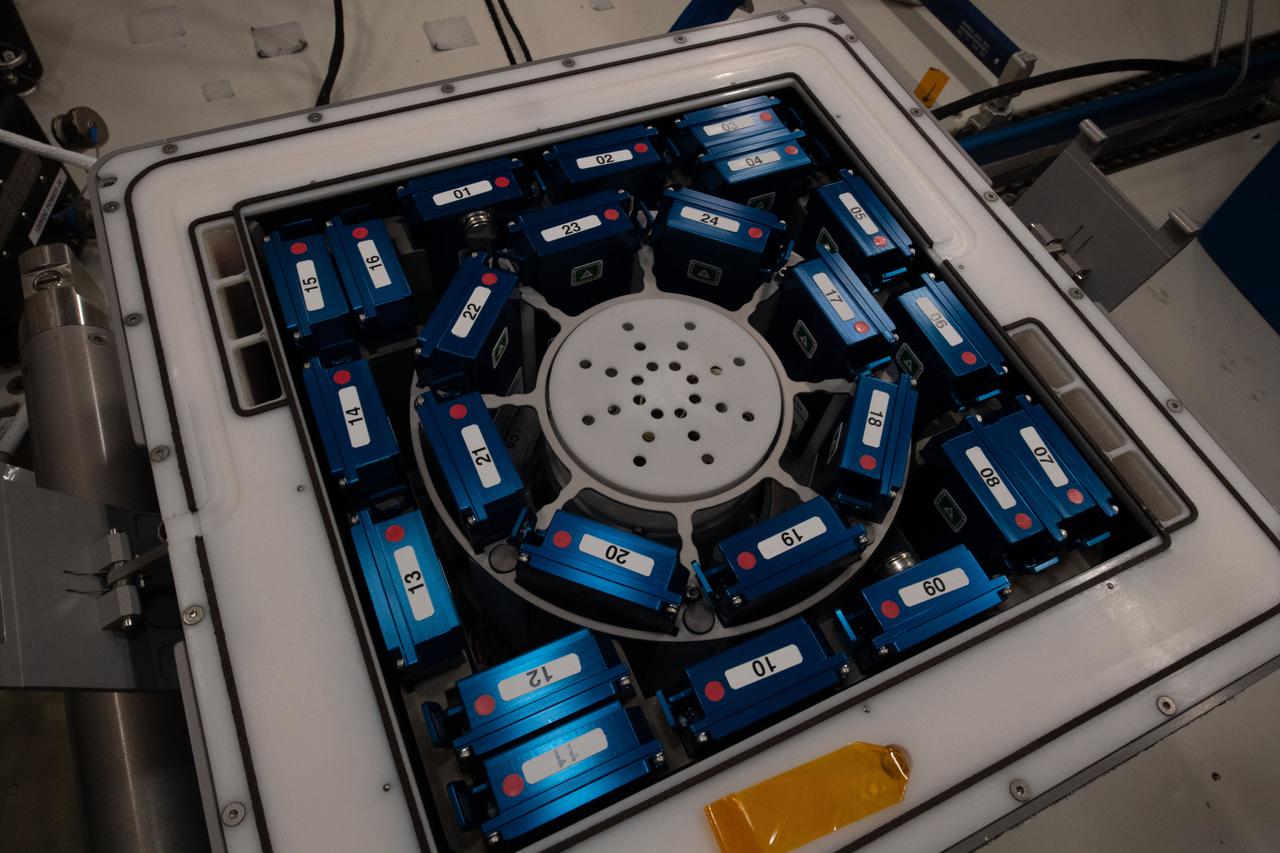
iss065e087579 (June 5, 2021) --- A view of the Kubik incubator with the experiment containers for the Molecular Muscle Experiment-2 (MME-2) inside the Columbus laboratory module. MME-2 tests a series of drugs to see if they can improve health in space possibly leading to new therapeutic targets for examination on Earth.
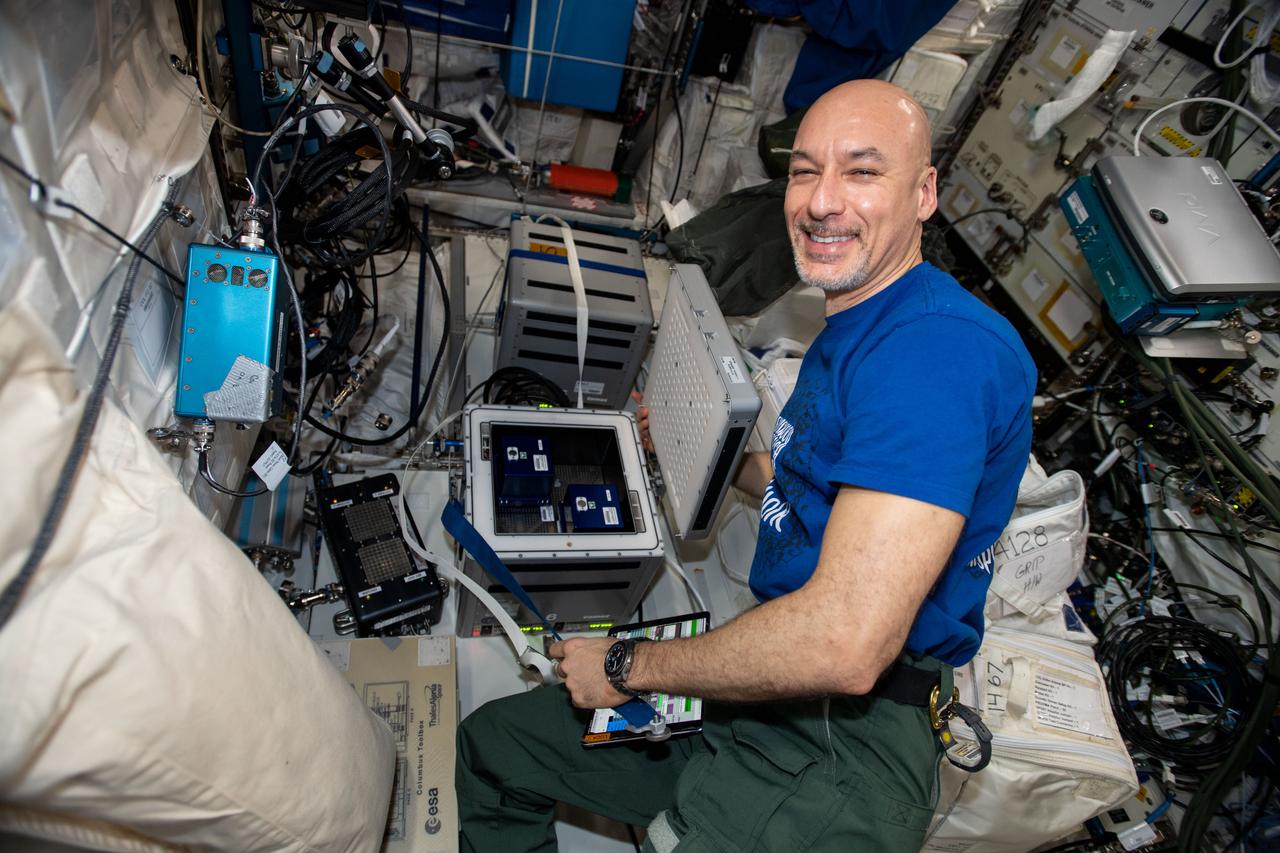
iss061e075342 (12/10/2019) --- European Space Agency (ESA) astronaut Luca Parmitano works with the Kubik 6 Incubator in the Columbus European Laboratory during Experiment Container installation for the Rotifer-B1 experiment. The Rotifer-B1 investigation deals with the possible effects of spaceflight on gene expression.
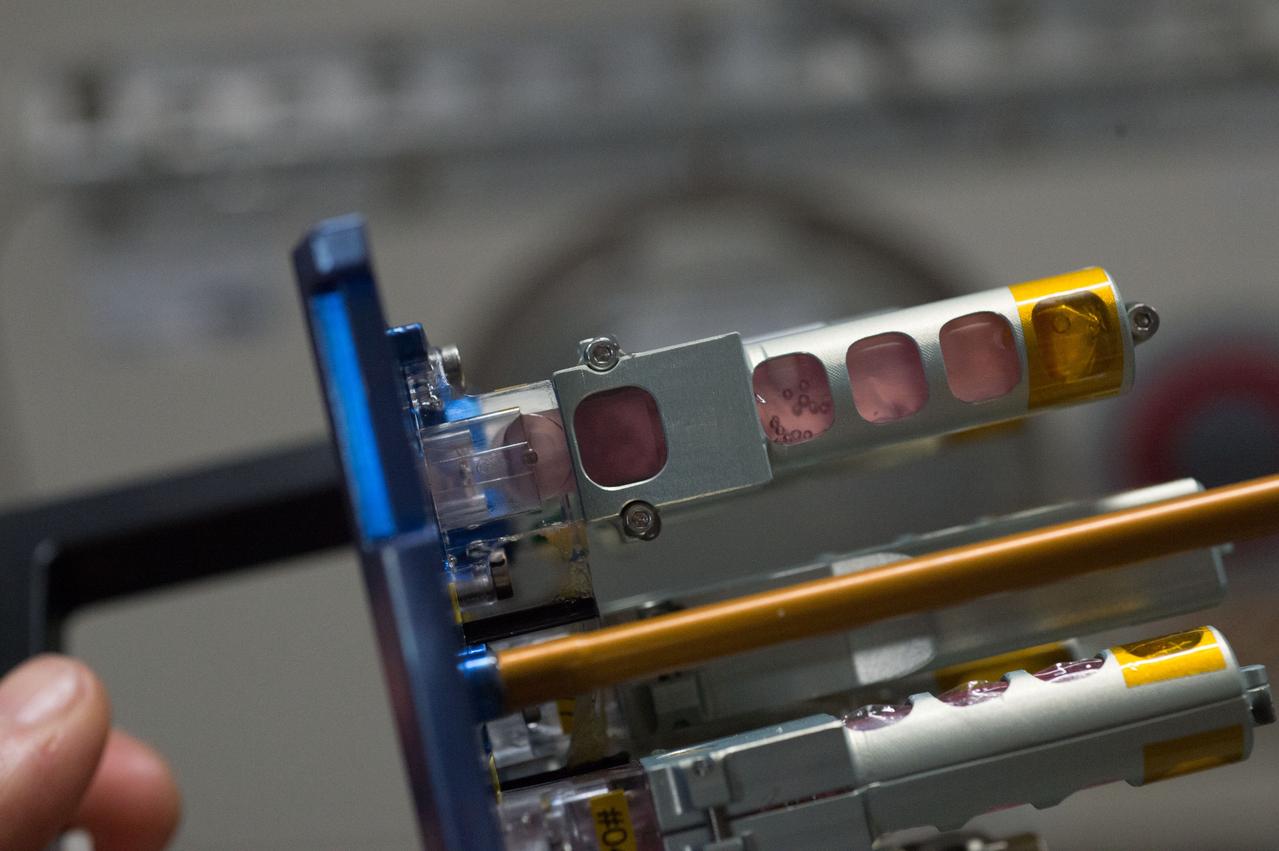
iss043e167915 (May 2, 2015) --- Experiment Container (EC) for the TripleLux-A experiment during remobal from Incubator. The TripleLux-A experiment studies the effects of the spaceflight conditions on immune suppresion in mice, which will help scientists understand the effects of radiation and microgravity on the human immune system in space.
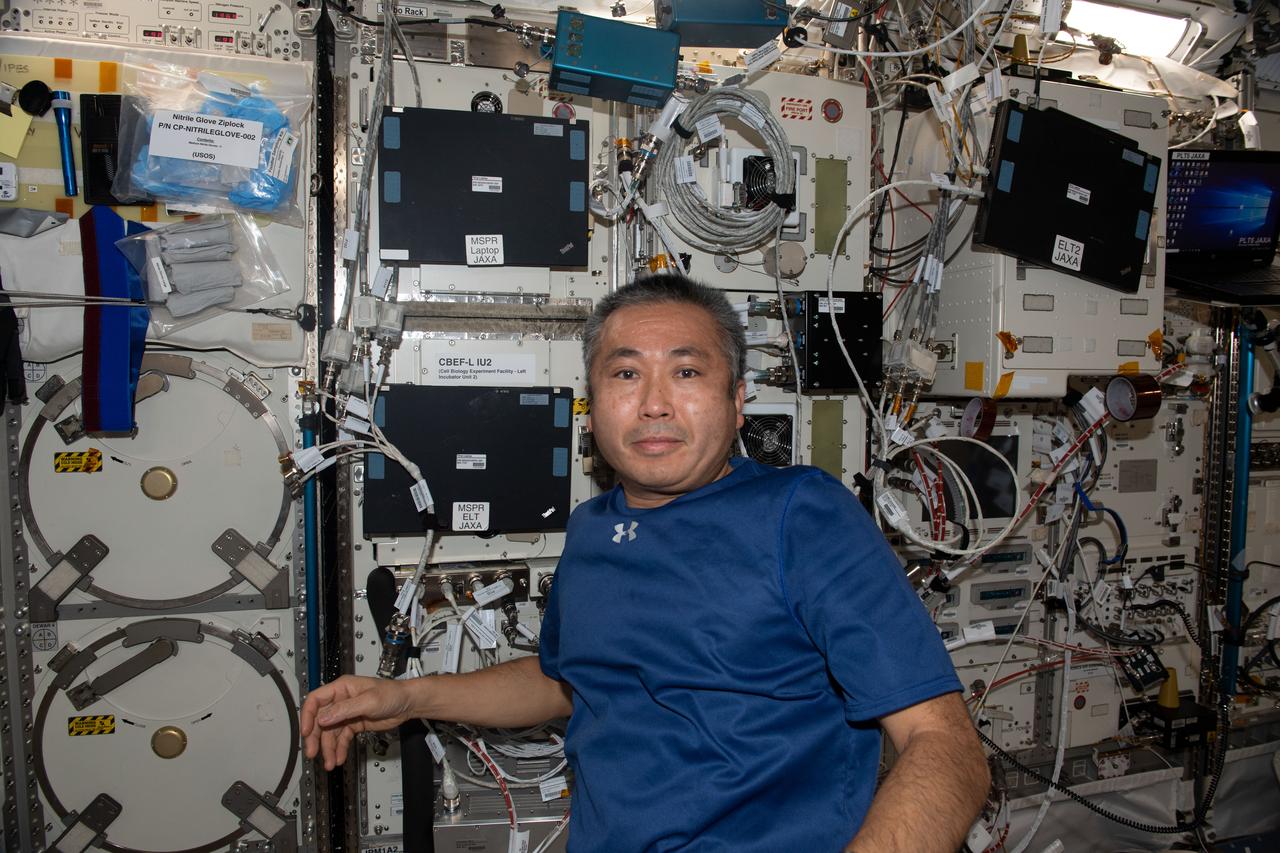
iss068e021206 (Nov. 9, 2022) --- Expedition 68 Flight Engineer Koichi Wakata of the Japan Aerospace Exploration Agency (JAXA) works inside the International Space Station's Kibo laboratory module connecting cables and reconfiguring sensors on the Cell Biology Experiment Facility, a research incubator with an artificial gravity generator.
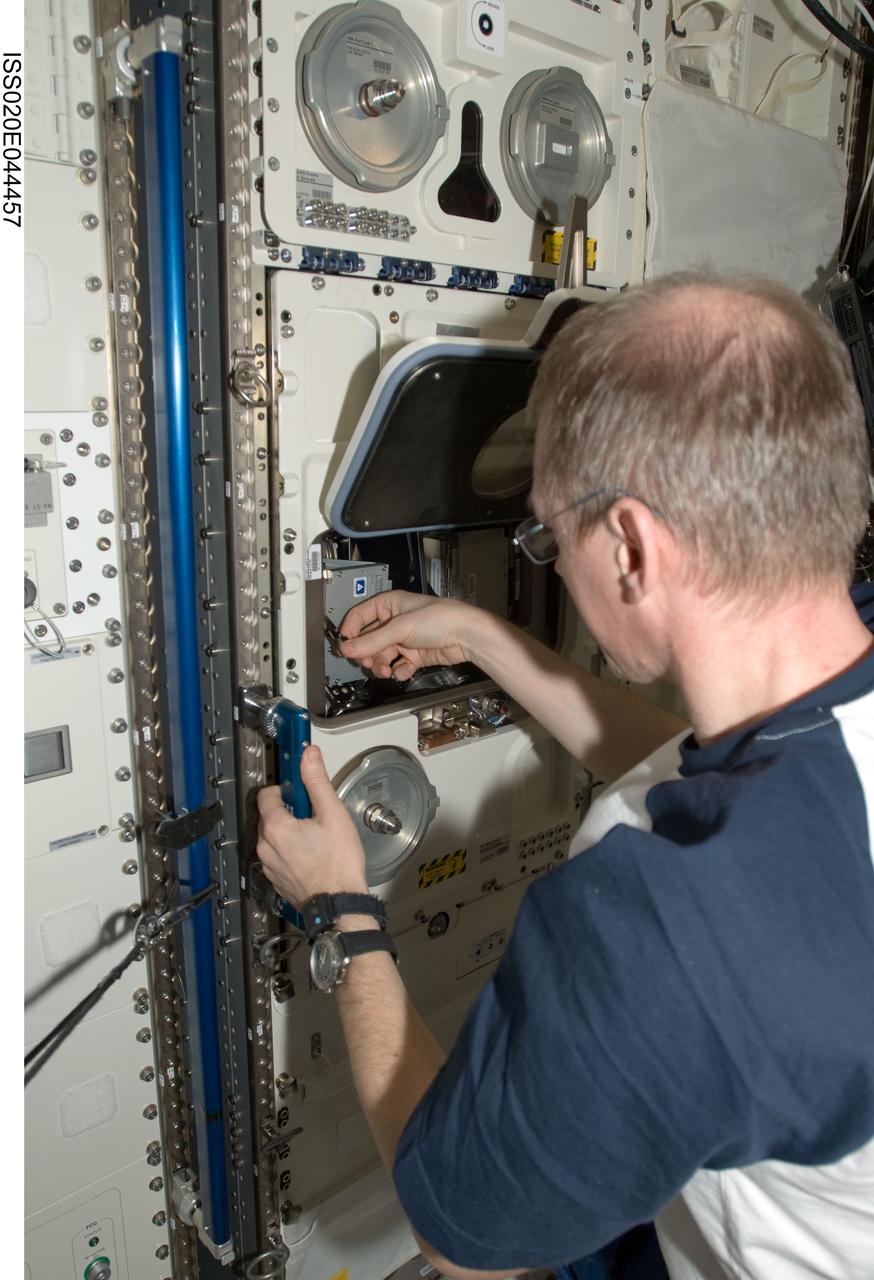
ISS020-E-044457 (2 Oct. 2009) --- European Space Agency astronaut Frank De Winne, Expedition 20 flight engineer and Expedition 21 commander, installs experiment containers in the Biolab incubator in the Columbus laboratory of the International Space Station.
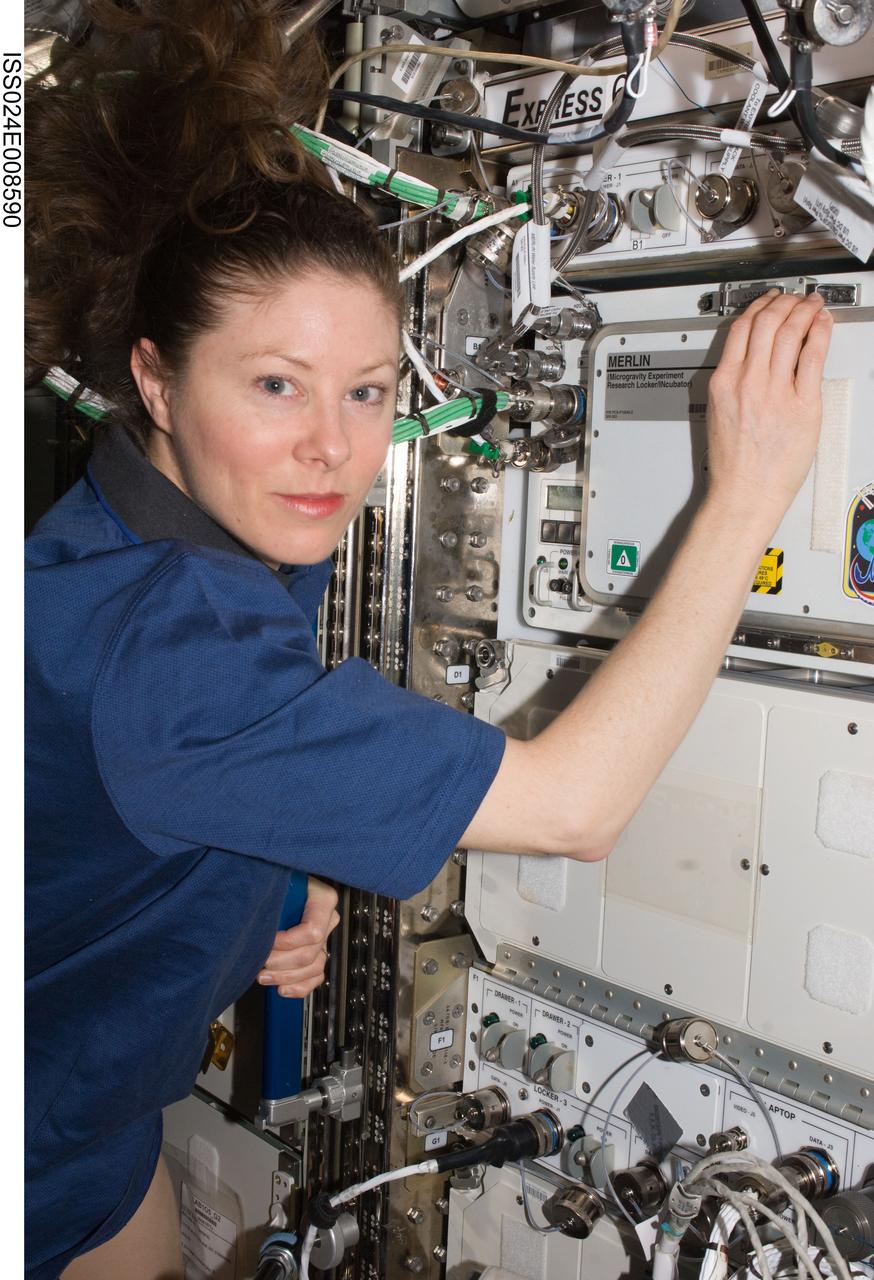
ISS024-E-008590 (18 July 2010) --- NASA astronaut Tracy Caldwell Dyson, Expedition 24 flight engineer, works with the Microgravity Experiment Research Locker/Incubator (MERLIN) on Express rack 6 in the Destiny laboratory of the International Space Station.

iss066e095536 (Dec. 23, 2021) --- ESA (European Space Agency) astronaut Matthias Maurer is pictured inside the Columbus laboratory module working on Kubik, a small temperature-controlled incubator. Kubik is used to study biological samples such as seeds, cells, and small animals, in microgravity.
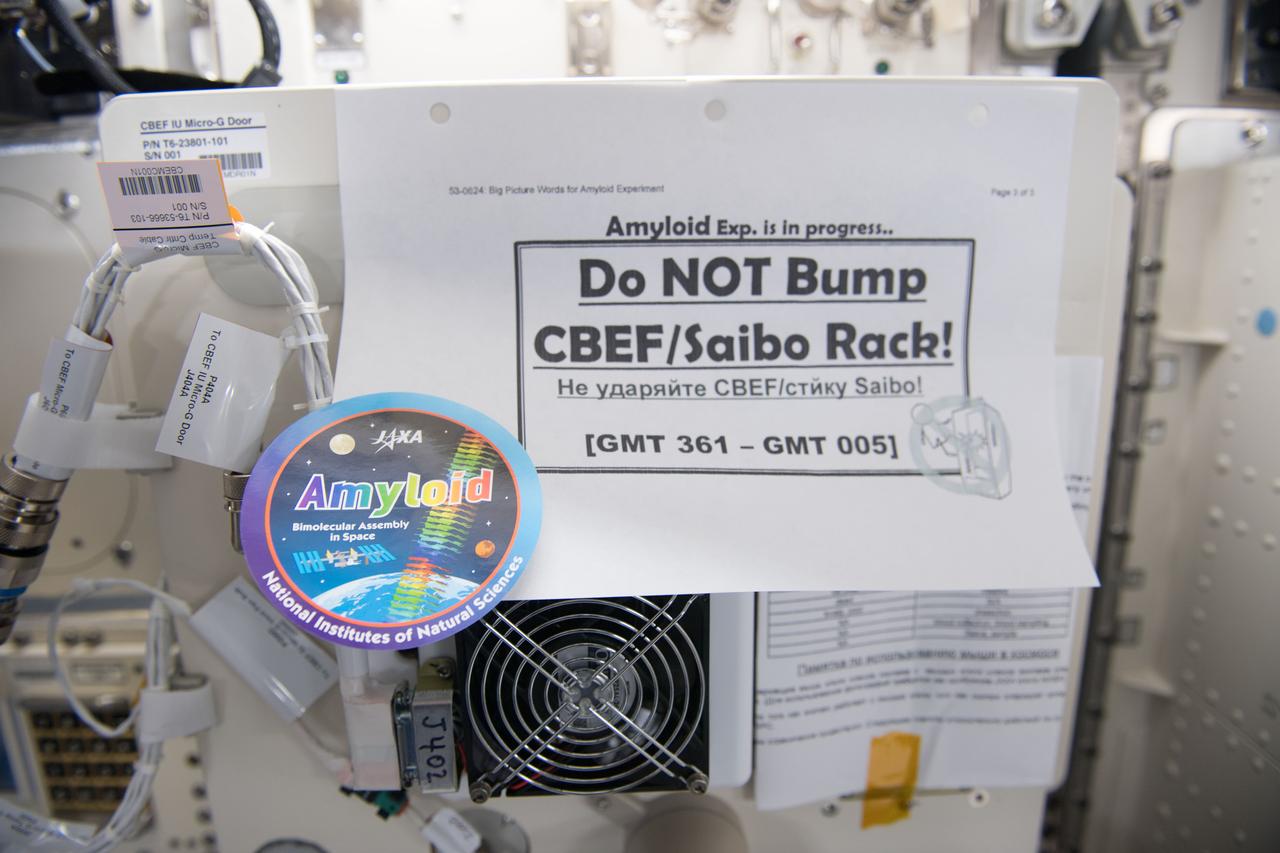
iss054e020553 (Dec. 30, 2017) --- A warning sign (DO NOT BUMP) is attached to the Cell Biology Experiment Facility (CBEF) in the Kibo Japanese Experiment Pressurized Module (JPM). CBEF is a subrack facility that functions as an incubator with an artificial gravity generator, and it is used in various life science experiments.
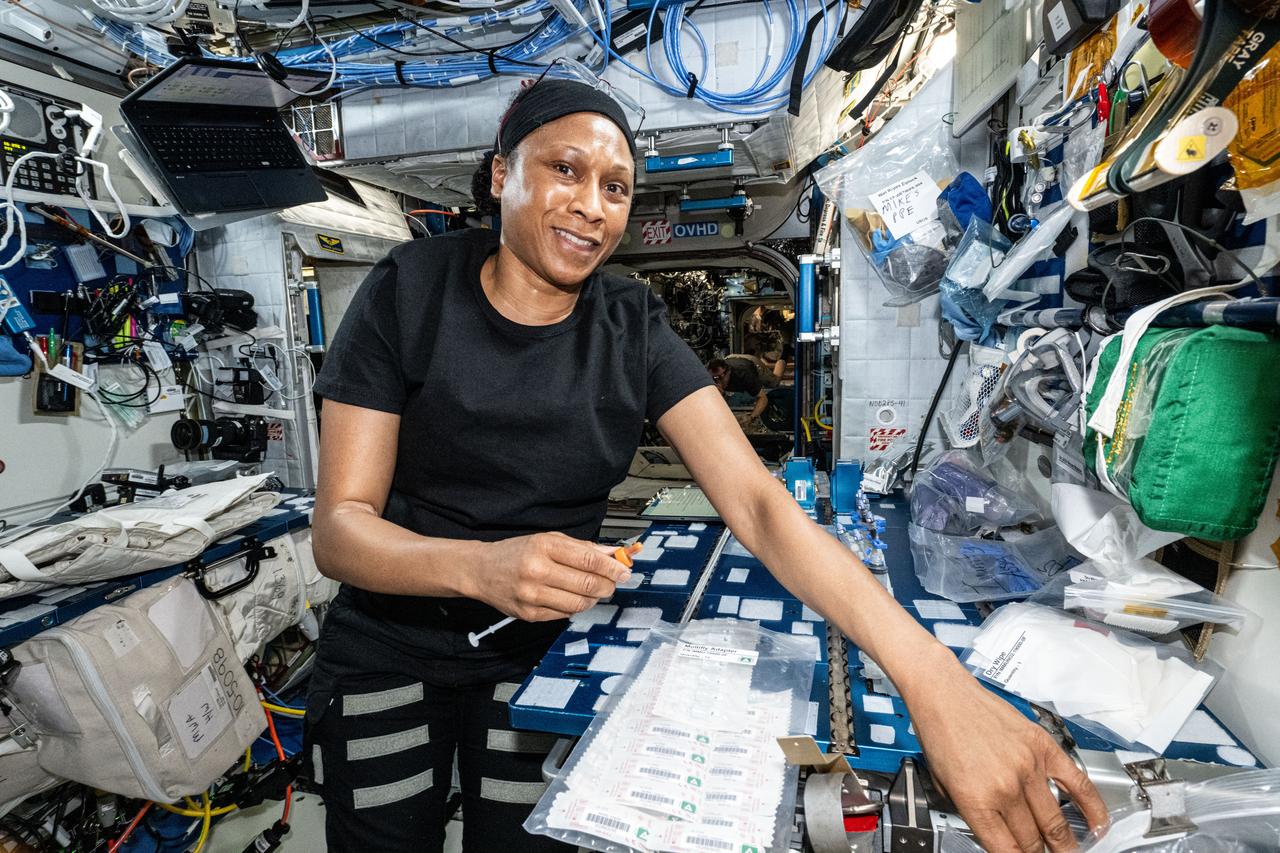
iss071e414653 (Aug. 1, 2024) --- NASA astronaut and Expedition 71 Flight Engineer Jeanette Epps processes blood and saliva samples aboard the International Space Station's Harmony module. She stowed the specimens in a science freezer and the Kubik research incubator for future retrieval and later analysis. The weightless environment of the orbital outpost allows investigators to explore how living in space long term affects humans and gain insights not possible in Earth’s gravity conditions.
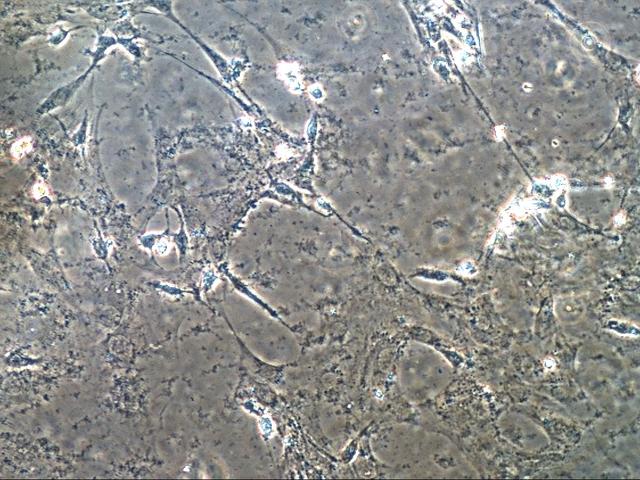
jsc2019e039829 (6/25/2019) --- A preflight photo taken as part of Nano Antioxidants Experiment to be performed in Kubik incubator on board the ISS. C2C12 skeletal muscle cells grown in laboratory on Earth. Confocal microscopy image showing cytoskeletal actin in red, vinculin in green, and cell nuclei in blue. The aim of the Nano Antioxidants investigation is to research innovative approaches for cellular stimulation to counteract the negative effects of long-term microgravity on the musculoskeletal system. (Image courtesy of Dr. Gianni Ciofani, IIT and Polytechnic University of Torino-PoliTo )
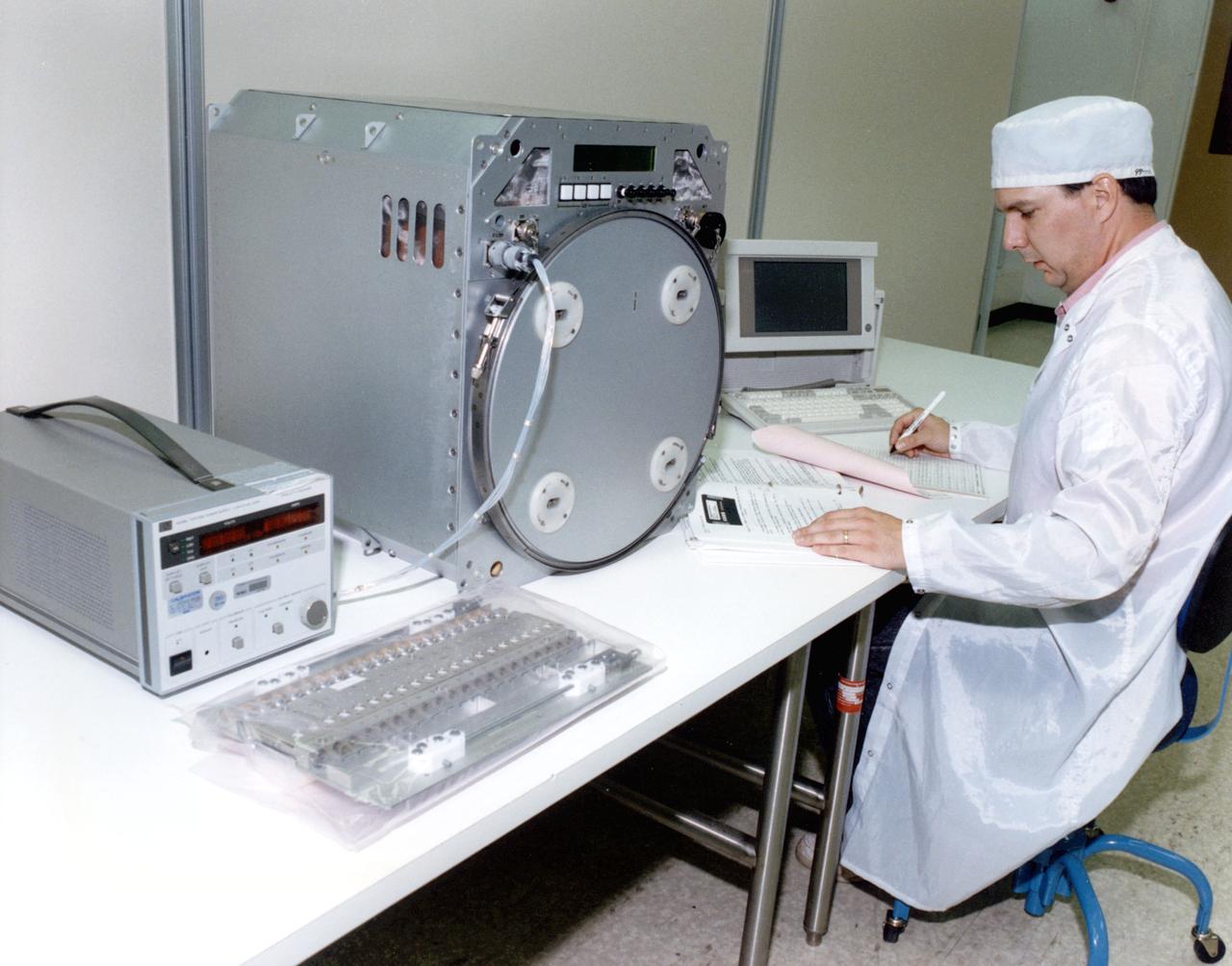
MSFC Test Engineer performing a functional test on the TES. The TES can be operated as a refrigerator, with a minimum set point temperature of 4.0 degrees C, or as an incubator, with a maximum set point temperature 40.0 degrees C of the set point. The TES can be set to maintain a constant temperature or programmed to change temperature settings over time, internal temperature recorded by a date logger.
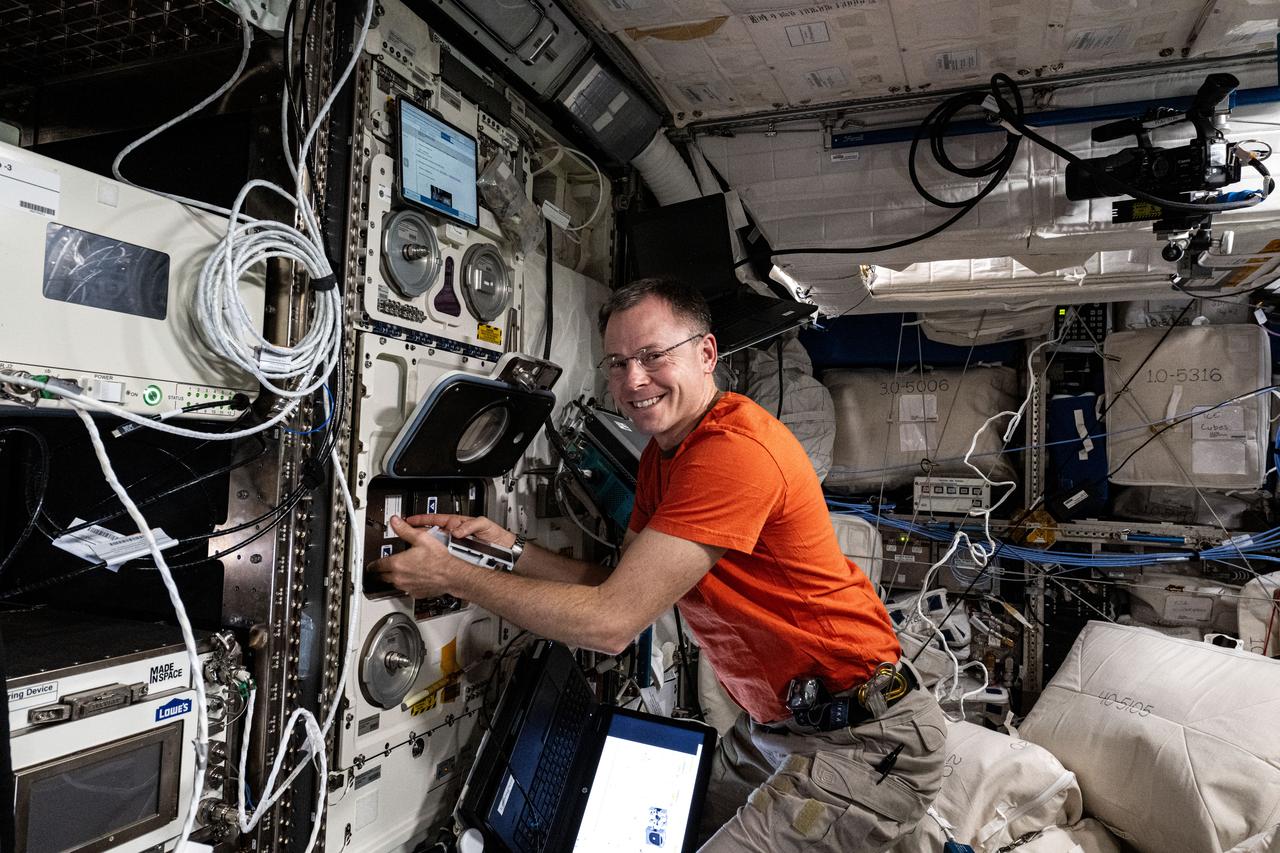
iss072e280746 (Nov. 26, 2024) --- NASA astronaut and Expedition 72 Flight Engineer Nick Hague processes radiation-resistant samples of Arthrospira C micro-algae and stows them in an incubator for analysis inside the International Space Station's Columbus laboratory module. The samples will be exposed to different light intensities to observe how they affect the micro-algae’s cell growth and oxygen production. Results may advance the development of spacecraft life support systems and fresh food production in space.
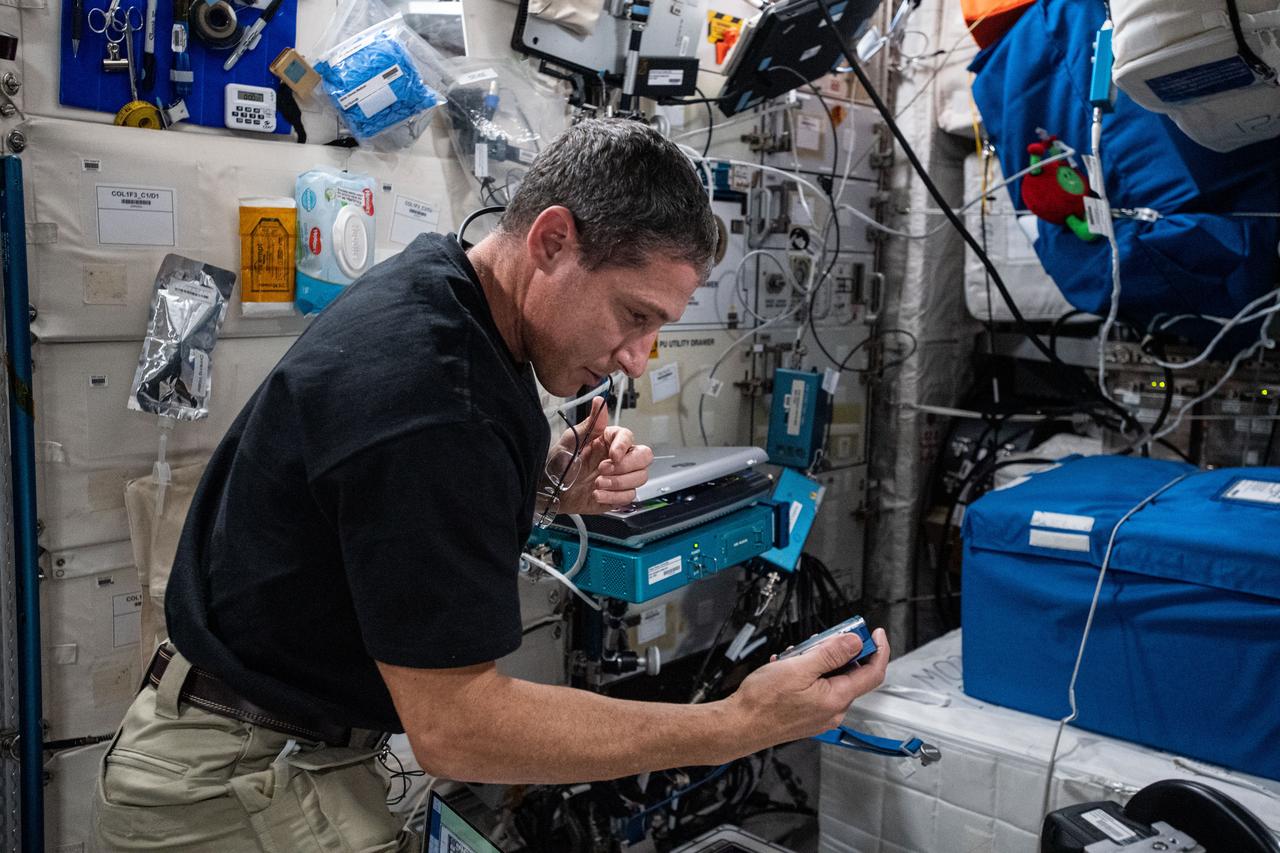
iss064e011391 (Dec. 8, 2020) --- NASA astronaut and Expedition 64 Flight Engineer Michael Hopkins shakes an experiment container containing biological samples to displace bubbles before placing it into the Kubik incubator facility. Hopkins was servicing the samples for the Rotifer-B2 experiment that is exploring the effects spaceflight has on DNA repair mechanisms of the bdelloid rotifer Adineta vaga, a plankton-like microscopic organism.
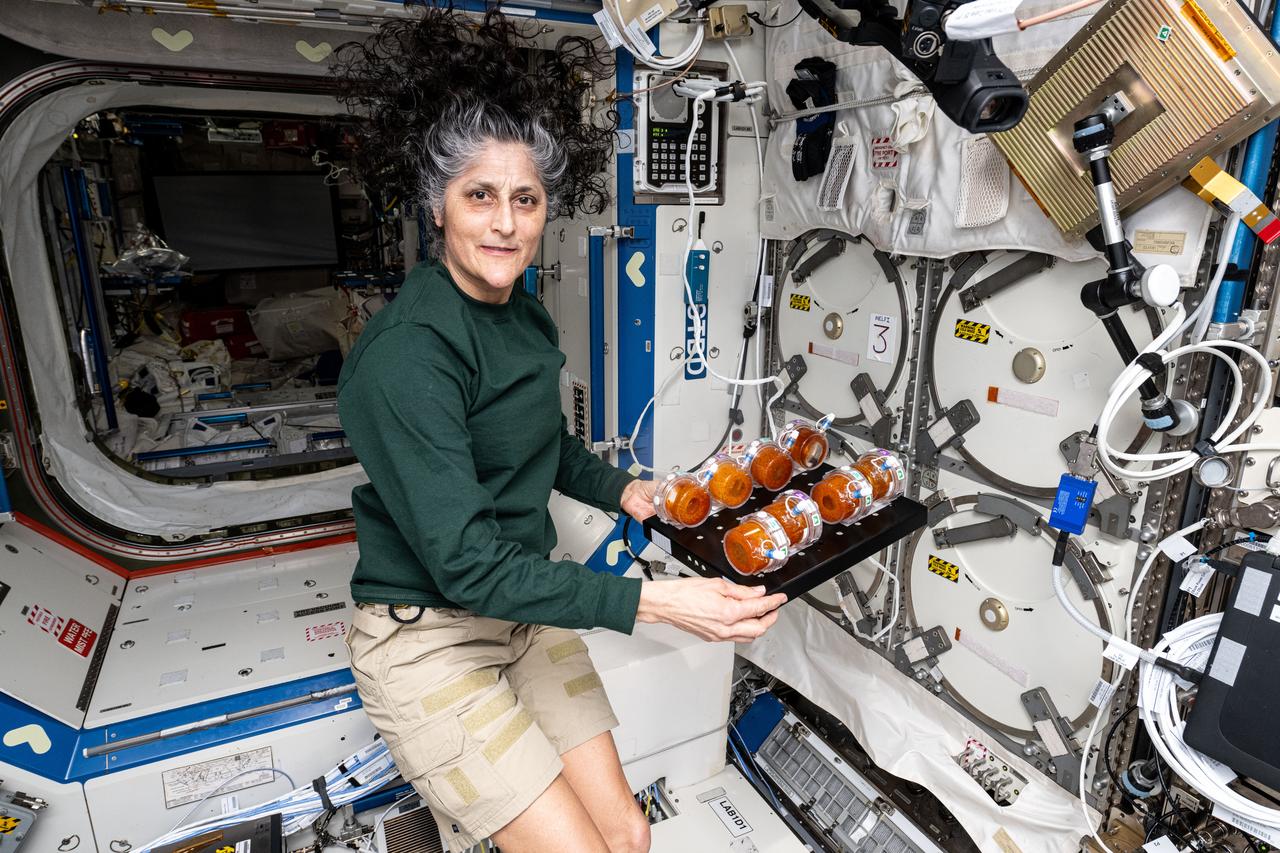
iss072e616432 (Feb. 11, 2025) --- NASA astronaut and Expedition 72 Commander Suni Williams displays production packs containing geneticallly engineered yeast and edible media for incubation to activate yeast growth. The BioNutrients investigation explores using the engineered yeast to produce on-demand nutrients and avoid vitamin deficiencies for crews on long-term missions. The samples are later frozen then returned to Earth to analyze their ability promote crew health and improve the preservation of probiotics.